Author: Amanda Cartey

  • Top 10 must-visit travel destinations in Africa

    Top 10 must-visit travel destinations in Africa

    Africa stands as one of the premier travel destinations globally, offering azure beaches, awe-inspiring wildlife, and a rich tapestry of culture and history. This article will explore ten countries across the continent that are a must-visit for travelers.

    Tourism in Africa witnessed a 2% increase in 2014, as reported by the UN World Tourism Organization, reaching an estimated revenue of $36 billion compared to $1 billion in 2013. Sub-Saharan Africa experienced the highest influx of international tourists, with a 3% increase from the previous year. Leisure remained the primary motive for visitors, with North America, Asia, and Europe being the main sources of global tourism.

    Despite challenges such as geopolitical conflicts and the Ebola outbreak, North Africa saw a modest 1% rise in international arrivals.

    The tourism sector contributed significantly to the continent’s GDP, accounting for 8.5% or an estimated $177.8 billion, while also generating 2.9% of employment opportunities across various sectors such as airlines, transportation, hospitality, and travel agencies.

    Intra-Africa travel is common within regional blocs due to its affordability, contrasting with the expensive nature of air travel within the continent. Visa requirements are generally less stringent among countries within the same regional bloc, although visa application fees can be substantial, starting at an average of $50. These expenses, combined with airfare and accommodation costs, often result in a hefty travel bill for African tourists.

    Despite these challenges, African travelers continue to explore top destinations such as South Africa, Tanzania, Rwanda, and Botswana.

    From vibrant city escapades to thrilling safaris and idyllic beach retreats, Africa offers a diverse array of experiences for every traveler. Below are some must-visit destinations across the continent.

    Botswana

    For an unforgettable safari experience, Botswana stands out as the ultimate destination. Nestled between South Africa, Namibia, and Zimbabwe, Botswana is renowned for its iconic Okavango Delta, a pristine wilderness that ranks among the world’s most coveted destinations. Situated within the Kalahari Basin, the delta offers a rich tapestry of wildlife and lush vegetation, promising an unparalleled adventure.

    Culture enthusiasts can delve into the ancient history of the San people at Tsodilo Hills, where millennia-old rock paintings adorn the landscape, providing a glimpse into the rich heritage of this region.

    Accommodation options in Botswana cater to every preference, ranging from luxurious lodges to budget-friendly guesthouses and camping sites. Experience the epitome of luxury at the &Beyond Xaranna Okavango Delta Camp, with rates starting from $960 per person per night. Alternatively, immerse yourself in the wilderness at Chobe Game Lodge, located in the renowned Chobe National Park.

    For detailed visa requirements, visitors can refer to the Republic of Botswana Government website. Additionally, travelers arriving from countries with a risk of yellow fever must present a valid yellow fever vaccination certificate.

    For those embarking on a road trip from Johannesburg to Gaborone, the journey spans over 340 kilometers. Air Namibia offers convenient flights from Windhoek to Gaborone, while Air Botswana provides connections from Harare to the capital city.

    Kenya

    Kenya is an ideal destination for family holidays, safaris, and beach holidays. The best time to visit is between October and March.

    Lamu is a beautiful place to visit if you’re looking for a wellness retreat. Here, you can enjoy yoga retreats, stunning beaches, and a relaxed atmosphere. You can get to the island in a dhow ferry from Manda Island.

    At Malindi and Watamu, you can explore the diversity of marine life nestled in coral reefs. You can also enjoy bird watching at Lake Nakuru. Amboseli National Park is a fantastic place to visit if you love wildlife. You can also enjoy the stunning view of Mount Kilimanjaro.

    If you’re a culture and history enthusiast, the Gede Ruins in Watamu will give you much insight about the island’s heritage. Knowing how to speak some Swahili, which is Kenya’s official language, is very helpful. You’ll find it easier to connect with locals.

    For accommodation, you can stay at Diani Place. Prices start at $84. Shella Royal House in Lamu is a great option, with a start price of $151. If you’re in the Masai Mara region, Loyx Mara Luxury Lodge is a great choice, with a start price of $308.

    The cost range for flights to Lamu is between $198 and $331. You can travel on Air Kenya from Nairobi, Mombasa, Diani Beach, and Malindi. A flight to Watamu and Malindi will cost from $231.

    You can apply for your visa online. A single entry visa costs $51. Passport holders from South Africa don’t need a visa for a period of fewer than 30 days. Visitors from certain countries, including Ghana, Mauritius, and Zambia, also don’t need a visa into Kenya. For more information, check on the Kenya Tourism website or consult with a travel agent.

    Lesotho

    Lesotho is the perfect destination for a nature retreat. You can immerse yourself in the majestic Maloti Mountains, and see the best wildlife. Adventure lovers can enjoy a ski trip during the country’s winter season.

    The main attractions to visit are the parks and reserves. You can explore a variety of bird life at the Sehlabathebe National Park. You can also visit the Sani Pass, which is a world heritage site. The pass sits on the Drakensberg escarpment between Lesotho and South Africa. It is 2,874 meters above sea level.

    The Ts’enhlanyane National Park is a scenic park that has an array of wildlife, birds, and flora. Its location is at the foot of the Holomo Pass at the Maloti Mountains.

    The Bokong Nature Reserve overlooks the magnificent Lepaqoa Waterfall and Valley. It is the perfect place for a wellness retreat and hiking.

    Accommodation is available at the Maliba Mountain Lodge, with a start price of $135. You can also stay at the Sehlabathebe National Park Heritage Lodge or the Sani Lodge. Both accommodations have a start price of $10.

    You don’t need a visa if you’re a passport holder from:

    • South Africa
    • Swaziland
    • Botswana
    • Zimbabwe
    • United States of America
    • Canada
    • United Kingdom
    • Australia
    • Austria
    • Sri Lanka
    • Fiji

    A single entry visa costs $150. For more information on visa requirements, visit the Lesotho embassy in your country. Lesotho uses Loti as its currency. The value of the Loti is the same value as the South African Rand. ATMs are only available in Maseru.

    Travelers from the SADC region can take a flight to Maseru. The costs range from $530 to $759. If you’re in South Africa and want to travel by road, you can drive to the Maputsoe or Ficksburg Border Posts. These are open 24 hours a day. evisa Lesotho

    Morocco

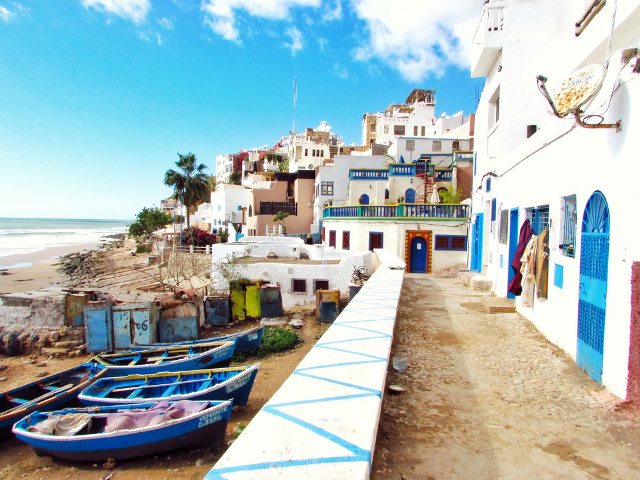
    Travelers describe Morocco as a country that has an African and European feel to it. It has a mixture of North African and European culture because of its proximity to Europe.

    To experience authentic Moroccan culture, you must visit the Djemma el Fna market. Its location is in Marrakesh’s Medina quarter. Djemma el Fna is a shopper’s paradise where you can purchase anything from fashion to artworks. You can also enjoy authentic Moroccan cuisine sold at the food stalls.

    You can learn about Berber culture and history from the variety of available tours. The Berber tour is a camel and desert tour that you can do to learn about Morocco’s nomadic populations. You can choose from single day trips to 16-day excursions.

    You’ll love learning about traditional pre-Saharan life when visiting Ait Benhaddou. It is a fortified village located along a former caravan route close to Marrakech. You’ll be able to see how ancient architects constructed houses within defensive walls. The village is a UNESCO World Heritage Site.  

    If you’re a music lover, you’ll enjoy the Fes Festival of World Sacred Music. Artists from around the world gather to celebrate Africa’s cultural beauty and diversity. The festival is a 10-day celebration that takes place between May and June. Artists such as Bjork and Ben Harper have previously graced the stage.

    You can stay at the Jnane Tamsna hotel in Marrakech, with prices starting at $162. The Riad Madani is another option, with the start price at $112.

    Visitors excluded from needing a visa are those from the European Union. Other nationals will need a visa before entering the country. For more information on visa requirements, visit the Moroccan embassy in your country.

    Zanzibar

    Zanzibar is one of Africa’s island paradises. You’ll enjoy crystal clear waters and great food on the island. There are tons of other islands around the archipelago that you can explore.

    You’ll need a visa to enter Tanzania, either from the Tanzanian consulate or on arrival, at the cost of $50.

    The Zanzibar Ocean Panorama Hotel is a popular accommodation option on the island. Prices range from $35 to $50, with dormitory rooms costing $20.

    Pemba Island is Tanzania’s hidden gem located about 100 kilometers from Zanzibar. It receives fewer visitors than Zanzibar, which makes it an excellent option for a relaxing getaway.  

    Pemba is still a major spice producer on the Zanzibar archipelago. It depends on agriculture for income more than tourism. You can chat with locals to learn more about the island’s agriculture sector. They can also tell you more about the abundant fruit and spice trees.

    A holiday on the island will not be complete without a dive in its waters. You’ll enjoy the sights of healthy coral reefs and diverse species of marine life. For a relaxed afternoon, you can talk a walk on white sandy shores and enjoy a swim in the warm Indian Ocean. The island has earned the nickname “The Green Island” because of its lush beauty.

    Pemba has a population of about 350,000 people. You can explore the culture and heritage of the island by visiting the main town, Chake Chake. People are friendly and more than happy to interact. You can strike up a conversation with locals to learn more about their culture and heritage. Make sure to learn some Swahili as that’s the primary language of the island. When you walk around, you’ll see the unique architecture of houses. The island consists of square mud houses with thatch roofs. You’ll also enjoy the tastes of the island as villagers sell a variety of fruits from ox-drawn carts.

    Reunion Island

    Nestled in the warm Indian Ocean, Reunion Island is a beautiful African paradise. The first thing to know is that the island has an active volcano called the Piton de la Fournaise. The activity of the volcano has created lush vegetation that attracts unique wildlife. Hiking is a great way to explore the island, and there are tons of trails available. If you’re a diver, you’ll enjoy exploring the diversity of marine life in the island’s waters.

    Reunion is rich in culture. You’ll experience a fusion of Creole, African, Indian, Chinese, and French heritage. From languages, festivals, and food, you’ll be spoilt for choice on the island.

    You can stay at the boutique guesthouse, Rougail Mangue. Prices start from $44. Another option for accommodation is Le gîte La Mandoze, with prices starting from $20 per person per night.

    Nationals from the European Union, the U.S., Canada, Britain, Australia, South Africa, and India do not need a visa.  Visitors from other countries will need one, which will cost $67. You can fly with Air Austral and Air Mauritius to the island.  

    Rwanda

    Rwanda has earned the nickname “Land of a Thousand Hills” for its stunning scenery. Its mountainous landscape is breathtaking, and it’s home to six active volcanoes.

    A visit to the East African nation isn’t complete without exploring the Volcanoes National Park. Here, you’ll see the park’s famous attraction, mountain gorillas and golden monkeys. You’ll also enjoy a variety of flora.

    You can enjoy great water activities at Lake Kivu. It is Rwanda’s largest lake and the sixth largest lake in Africa. Boat tours, kayaking, and fishing are available at the lake.

    If you’re a tea or coffee lover, Rwanda is the place to enjoy these hot beverages. Explore tea farms and learn more about this industry by going on a tea plantation tour. You can book these tours through travel agents or Rwanda Tourism.

    You can stay at Mountain Gorilla View Lodge, which is close to the Volcanoes National Park. Prices start from $227 per night. Another option for accommodation is the Gorillas Lake Kivu Hotel in Gisenyi. The hotel overlooks Lake Kivu, and prices start from $92.

    Visas cost $30, and you can apply for one at the Rwandan consulate in your country.

    São Tomé e Principe

    São Tomé e Principe is Africa’s smallest state situated in the Gulf of Guinea in western Africa. If you’re looking for a quiet retreat, this island is the perfect destination.

    You’ll enjoy beautiful beaches and excellent diving spots. On a dive, you’ll see the island’s diverse marine life. The best sites for diving are Ilheu das Rolas, located in the south of the island, and Ilha da Santana. You can book diving trips with the island’s leading diving agency, Club Maxel.

    Whale watching is a favorite activity to do on the island between July and September. You can see these majestic creatures at Ilha das Cabras and Lagoa Azul.

    If you love hiking, you can trek through the island’s exotic jungle to reach the top of Pico de São Tomé. It is the island’s highest point above sea level at 2,024 meters and is the island’s oldest volcano.

    The popular choice of accommodation is the Miramar Hotel. Prices start at $134 per night. Another option is the Cocoa Hotel Residence, with prices starting at $40.

    You’ll need a visa from the São Toméan embassy before entering the country. You’ll also need to produce yellow fever and malaria certificates upon arrival. Airlines that fly to São Tomé e Principe include TAP Portugal and Air Angola. To start planning your trip, visit the São Tomé e Principe website.

    South Africa

    South Africa accommodates all types of travelers. From city getaways to safaris and beach holidays, the country is an ideal destination.

    You can enjoy the natural beauty of the iSimangaliso Wetlands Park in KwaZulu-Natal. An interesting fact is that the park is home to Africa’s most extensive estuarine system. You’ll walk on old coastal dunes and beaches that stretch to the Kosi Bay on the Mozambican border. The park is a UNESCO World Heritage Site.  

    The uKhahlamba Drakensberg Park in the Wild Coast is home to South Africa’s highest mountain range. It is also a UNESCO World Heritage Site.

    The Western Cape has an array of activities to do. You can enjoy the beautiful Garden Route that boasts a variety of vegetation. You can discover many other gems in the route, including authentic South African culture and cuisine. Cape Town is an excellent cosmopolitan destination if you feel like immersing yourself in city life. You can enjoy the sights of Cape Town with the Red Bus Tour. You can also visit Robben Island to learn more about South Africa’s political history.

    There’s an array of accommodation available, from luxury hotels to backpacker accommodation. When in the Wild Coast in KwaZulu-Natal, the Wild Coast Sun is a popular choice among visitors. Rooms start at $158 per person per night. When in the Western Cape on the Garden Route tour, it is best to stay in George. Enjoy your stay at the Garden Villa Bed and Breakfast from $49.

    You’ll need a visa from the South Africa consulate before arrival. For updated visa information, visit the South African Department of Home Affairs.

    Seychelles

    If you’re planning a romantic getaway or a wellness retreat, be sure to head to Seychelles. The island-nation consists of 115 islands located in the Indian Ocean. The outer islands of Seychelles offer beautiful beaches and an array of wildlife. The main ones are Alphonse and Desroches.

    If you want to immerse yourself in nature and total relaxation, the island is a must-visit. You can dive and explore untouched coral reefs, and see a diversity of marine life. You can enjoy fishing and sailing activities. Best of all, you can swim in the island’s crystal blue waters.

    Seychelles has a rich culture consisting of a diverse population. The Seychellois came from Africa, Asia, and Europe. They brought with them unique traditions, languages, and cuisines. Creole, French, and English are the dominant languages spoken on the island. Local cuisine is delicious, consisting of fish, spices, and tropical fruit.

    You don’t need a visa to enter Seychelles, only a passport. You’ll also need return or onward tickets, proof of accommodation and enough funds for the duration of your stay. Immigration will process your paperwork at the Seychelles International Airport.

    You can travel to the main island via Air Seychelles, and get to the outer islands via Zil Air. Alphonse Island has a beachfront resort that will cost you between $3,689 and $9,497 per night per person. Another beautiful resort is the Desroches Island Resort on Desroches Island. The prices range from $1,101 to $2,202 per double room per night.

    You can stay at the Hilton Seychelles Northolme Hotel & Spa in Mahé. It’s a 5-star resort that offers stunning views of the Indian Ocean. Prices range between $557 and $807.

  • Are you aware that abdominal obesity could lead to diabetes?

    Are you aware that abdominal obesity could lead to diabetes?

    On March 4th, the global community marked World Obesity Day, prompting me to emphasize the urgent need for discussions surrounding the risks associated with obesity, particularly focusing on abdominal obesity and its profound impact on overall health.

    The link between abdominal obesity and its influence on conditions like diabetes is crucial to acknowledge. Through informed lifestyle choices and increased awareness, we can alleviate the burden of obesity.

    In Africa, obesity rates are surging, posing a significant threat to millions, including children, as highlighted by the World Health Organization’s warning of a “ticking time bomb” if left unaddressed. The global prevalence of overweight and obesity has tripled since 1975, presenting a grave public health challenge.

    In South Africa, urban areas are experiencing a concerning prevalence of excess body weight, leading to a rise in non-communicable diseases (NCDs) such as prediabetes, Type 2 Diabetes, hypertension, and atherogenic dyslipidaemia. These NCDs contribute significantly to the burden of cardiovascular disease (CVD) in the country, which ranks as the unhealthiest globally.

    Abdominal obesity, characterized by fat accumulation around the abdomen, poses a significant health risk, potentially leading to diabetes, heart disease, or stroke, even in individuals with an otherwise healthy body weight.

    While addressing the complexities surrounding diabetes and its contributing factors is challenging, increasing awareness, implementing preventive measures, and advocating for comprehensive healthcare strategies can empower Africa to tackle the growing burden of abdominal obesity and strive for a healthier future.

    Both South Africa and Nigeria, Africa’s largest economies, are witnessing rapid increases in obesity rates. Projections indicate a 47.7% rise in female obesity and a 23.3% increase in male obesity in South Africa by 2025. In Nigeria, approximately 12 million individuals were estimated to be obese in 2020, with higher prevalence among women, particularly in urban areas. These trends are attributed to demographic shifts, rising income levels, urbanization, unhealthy lifestyles, and the consumption of highly processed diets like fast food.

    How does abdominal obesity lead to diabetes and other chronic diseases?

    Abdominal obesity is a major challenge, because the excess fat affects the effectiveness of insulin – a critical hormone that regulates blood sugar levels. This hinders the body’s capacity to efficiently use its available insulin, increasing insulin production to manage blood sugar levels.

    High cholesterol levels and elevated blood pressure are linked to excess insulin production. Over time, as the body struggles to sustain insulin production, blood sugar levels surge, culminating in the development of diabetes.9 Abdominal obesity is therefore the starting point of a complex series of events that ultimately leads to diabetes.In people who have abdominal obesity, the excess fat interferes with the action of insulin, a hormone that keeps blood sugar in check. As a result, the body is not able to use the available insulin and must produce more of it to control the blood sugar. The excess insulin produced can lead to an increase in cholesterol and a rise in blood pressure until the body cannot produce insulin, elevating blood sugar levels. Ultimately, this is how abdominal obesity leads to diabetes.

    How do you manage abdominal obesity and avoid diabetes?

    A “life-course” approach is to addressing obesity and noncommunicable diseases effectively is recommended by the World Health Organization. This holistic approach emphasises preconception and antenatal care as critical to preventing fetal overgrowth as a result of maternal obesity.

    During pregnancy, maternal obesity increases the risk of childhood obesity and Type 2 diabetes even before children enter school. Among these transformative shifts in prevention is the focus on maternal abdominal obesity as a key determinant of long-term health outcomes.

    Secondly, obesity prevention should be prioritised for children and adolescents. Preventing childhood obesity requires fostering behavioural interventions spanning pregnancy, infancy, early childhood and adolescence.

    For adults who are overweight, it becomes more urgent to take measures to control abdominal weight. Approximately 90% of adults with Type 2 Diabetes are overweight. This statistic highlights the link, and is why most doctors recommend that overweight adults drop their weight by several kilograms as quickly as they can without harming their health.

    Losing weight is a matter of achieving a delicate balance between energy intake and energy expenditure. The number of calories consumed should be proportional to the physical activity undertaken. The quality of calories is equally important. Lean proteins such as skinless chicken breast, eggs, pulses and fish, complex carbs such as whole grains, millet, and vegetables and healthy fats such as nuts and seeds are considered good calories. In contrast, simple carbohydrates and unhealthy fats are considered bad calories.

    For the best results, consulting a nutritionist about the daily quantity of calories and the type of food that is best to eat is recommended. Regular and moderately intensive exercise such as brisk walking, jogging or dancing five times a week for 30 minutes and muscle strengthening activity two to three times a week is recommended to reduce the excess weight.

    If, despite these measures, it remains difficult to lose weight, a doctor may prescribe medicines that can assist in controlling obesity. In terms of health indicators, achieving a minimum weight loss of 5% is linked with positive impacts on blood pressure, fasting glucose, haemoglobin A1c, cholesterol, and is considered clinically significant.

    Self-Monitoring of Blood Glucose (SMBG) is essential for diabetes management. This can be performed with portable glucometers, which are recognised by the ADA, IDF, and the National Institute for Health and Care Excellence. SMBG can help manage diabetes (Type 1 Diabetes or insulin-treated Type 2 Diabetes). Structured self-monitoring of blood glucose (S-SMBG) also shows promise in patients with obesity and Type 2 diabetes who are not insulin-treated by helping them improve their lifestyle.

    Armed with data from regular self-monitoring of blood glucose (SMBG), doctors can help create personalised care plans that will help achieve optimal blood sugar levels. This, combined with diet and exercise, can help to bring down weight and, in turn, keep diabetes in check.

    Today, when we know that abdominal obesity is a significant risk factor for chronic diseases such as diabetes, it is most important to keep our weight within the normal range to live a longer and healthier life.

    As we commemorate World Obesity Day, we can fight abdominal obesity and prevent diabetes. Let’s commit to making informed decisions today for a healthier tomorrow.

  • Exploring Zimbabwe: Top 5 must-do activities

    Exploring Zimbabwe: Top 5 must-do activities


    Zimbabwe boasts breathtaking landscapes, including lush national parks, majestic rivers, and captivating waterfalls, as well as diverse wildlife. With so much to offer, it’s no wonder it’s a top destination in Africa.

    While the options are endless, let’s narrow it down to five must-do activities. Whether you’re a first-time visitor or returning for more adventures, these recommendations from BookAllSafaris.com will help you make the most of your trip to Zimbabwe.

    Hwange National Park

    Zimbabwean travel is synonymous with African safaris, and for good reason. Hwange National Park stands out as one of the premier safari destinations on the continent, renowned for its vastness and natural beauty.

    Established in 1928, Hwange National Park holds the distinction of being the largest natural reserve in Zimbabwe. Its expansive territory is home to an impressive array of wildlife, boasting approximately 400 bird species and 100 mammal species, including eight large carnivores and 19 large herbivores.

    For those seeking an authentic African safari experience, Hwange delivers precisely that. It’s where Cecil the lion once roamed before tragically being lured out of the park and killed by an American hunter.

    Victoria Falls National Park

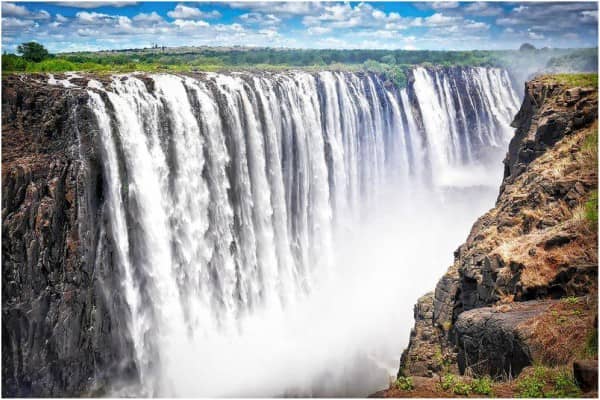
    Victoria Falls has earned its place on CNN’s prestigious list of Seven Natural Wonders of the World.

    Positioned between Zambia and Zimbabwe, this magnificent waterfall stands as a testament to nature’s grandeur, with a height of 355 feet (108 meters) and an average flow rate of 38,430 cubic feet per second (1088 cubic meters per second).

    As one of the most breathtaking waterfalls globally, Victoria Falls is an essential destination for any traveler, offering an awe-inspiring spectacle of cascading water.

    Pairing a visit to the falls with a safari adventure creates an unforgettable experience, allowing you to immerse yourself in both the natural wonders of the landscape and the abundant wildlife of the region.

    Kuimba Shiri Bird Sanctuary

    A mere 20-minute drive from Zimbabwe’s capital, Harare, you will find the Kuimba Shiri Bird Sanctuary. Located on the shore of the Chivero lake, the sanctuary houses over 460 bird species.


    Established two decades ago by Gary Stafford, the Kuima Shiri Bird Sanctuary serves as a refuge for injured, sick, or abandoned birds from across the nation.

    Visitors are invited to engage with the avian residents through daily bird flying sessions and captivating bird shows, offering a glimpse into the remarkable hunting skills of birds of prey as they fish from the sanctuary’s lake.

    Beyond its role in avian rehabilitation, the sanctuary provides a serene and family-friendly environment. With amenities such as pony rides and a range of children’s activities, it offers a delightful experience for visitors of all ages.

    Wild & Life Trust and ZEN


    Situated in Harare, the Wild and Life Trust (WILT) serves as an animal sanctuary dedicated to the care of rescued wildlife, including injured, orphaned, and protected species, some of which are endangered.

    For visitors, WILT offers a unique opportunity to interact with animals that they may not encounter elsewhere. It’s one thing to spot a giraffe on safari, but quite another to have the chance to approach it and even pet it.

    Booking in advance is essential, as noted on their website. While admission tickets may seem steep (priced at $95 for adults, $80 for teenagers aged 12 to 16, and $50 for children under 12), the sanctuary boasts an impressive 266 excellent reviews on TripAdvisor, ensuring visitors a memorable and worthwhile experience at WILT.

    Avondale Flea Market

    If you’ve had enough of trekking through national parks or you feel as you have seen your fair share of wild animals, we recommend you take a spin through the Avondale Flea Market in Harare.

    It’s a big flea market, where you can find pretty much anything, from electronics, to souvenirs, clothes and jewelry.

    If you’ve never been to a flea market, the whole haggling concept might throw you off your groove, but worry not, you’ll get the hang of it quickly!

    You can find cheap souvenirs, artwork and whatever else you want, but we do suggest you bring a guide or a local with you if you’ve never been to a flea market. Happy shopping!

  • National Film Authority CEO’s daughter received $41,026 gov’t scholarship to study medicine programme – The Fourth Estate

    National Film Authority CEO’s daughter received $41,026 gov’t scholarship to study medicine programme – The Fourth Estate

    National Film Authority, Juliet Asante’s daughter, Zina Asante, secured admission to Emmanuel College in the United States in 2018 for a pre-medicine program at a cost of USD41,026.

    The school touted the course as a stepping stone into the medical field.

    Zina wasn’t the sole recipient of a government scholarship for pre-med studies. Nine others, including Araba Twumasi Mensah, daughter of former MP Joe Mensah, also received funding for the same program.

    Miss Mensah pursued her pre-med studies at the University of Oklahoma from 2019 to 2023, benefiting from USD36,675 in scholarships annually.

    The influence of prominent figures can open doors for their children, as seen in the case of Adom Effah-Dartey, son of Captain Nkrabeah Effah-Dartey, a prominent NPP member and former MP.

    In 2019, Adom received a scholarship to pursue a Bachelor of Law degree at the University of Hertfordshire in the UK, with the Scholarship Secretariat covering GBP19,130 for the course.

  • Heartless! – Ablakwa shocked as govt blows GHC2.67bn on NHIA digital projects alone

    Heartless! – Ablakwa shocked as govt blows GHC2.67bn on NHIA digital projects alone


    The Member of Parliament for North Tongu, Samuel Okudzeto Ablakwa has leveled accusations against the government regarding extensive spending in the health sector, labeling certain initiatives as “dubious, duplicative, and potentially harmful digitalization efforts.”

    In a detailed Facebook post dated April 3, 2024, Ablakwa highlighted that the cumulative expenditure on these initiatives amounted to GH¢2.67 billion.

    He expressed concern over recurring reports indicating various forms of deprivation experienced by health facilities nationwide in recent times.

    “With this shambolic state of health care in Ghana, one wonders why the current Akufo-Addo/Bawumia-led government will ignore the priorities begging for urgent solutions and rather be fixated on dubious, duplicative and deadly so-called digitalization initiatives at a heartless cost of GHS2.67 billion?” his post read in part.

    He continued: “To our utter shock, the National Health Insurance Authority has submitted a 2024 allocation formula to Parliament, which mindlessly and unpatriotically prioritizes the following:

    1. Biometric ID Cards and Authentication System — GHS405.74million (this is despite the billions we have already spent on Ghana Cards)

    2. Management Information System — GHS343.92million

    3. Capturing of Claims Data — GHS112million

    4. Ministry of Health (Health Provider – E-Health Solution) — GHS80million

    5. Claims Processing Centres and E-Claims — GHS76million

    6. Archival System and Document Management— GHS38.58million

    7. Telecare Services Platform — GHS30million
    8. Transfer of Data from NIA GHS10million

    9. E-Pharmacy — GHS11million

    “The NHIA’s dubious and duplicative digitalization expenditure for 2024 alone amounts to an incredible GHS1,107,240,000. (See attached relevant extracts from NHIA’s Allocation Formula submitted to Parliament.)

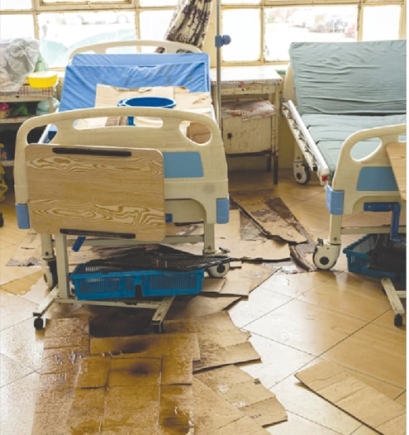
    “The fundamental question is — should a struggling health insurance scheme which is unable to pay claims on time, a scheme owing hospitals, a scheme operating in dilapidated hospitals without critical equipment, with many analysts indicating that cash-and-carry is back in many parts of Ghana, be spending over GHS1.1billion on non-core interventions in the name of digitalization?

    “Note also that after the NHIA allocated over GHS1.1 billion in 2024 to shady and misplaced digitalization deals, they callously and shamelessly allocated only a paltry GHS2 million for desperate dialysis patients.

    “What is even more disturbing, my investigations reveal that most of the items the NHIA is spending over a billion cedis on are already catered for in another massive US$100 million (GHS1.3 billion) single-sourced contract awarded in 2017 by the Ministry of Health under Hon. Kwaku Agyeman-Manu to a company known as Lightwave eHealthcare Solutions Limited. The November 20, 2015, registered company is owned by Sampson Djaba and Vincent Attabuatsi (see incorporation documents attached).

    “The US$ 100 million Lightwave project is described as the E-Health Project with Bio-Surveillance (Early Warning) System. The launch took place at the Winneba Trauma and Specialist Hospital on November 21, 2017, and was headlined by Chief of Staff Hon. Akosua Frema Osei-Opare as the Special Guest of Honour, Minister of Health Kwaku Agyeman-Manu as Keynote Speaker, and Dr Anthony Nsiah-Asare, Director General of the Ghana Health Service,” it added.

  • IPGG applauds Akufo-Addo’s decision to halt electricity export

    IPGG applauds Akufo-Addo’s decision to halt electricity export

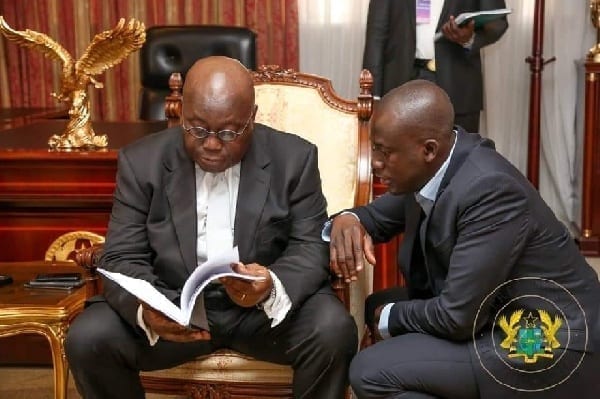
    The Chamber of Independent Power Generators Ghana (IPGG) has praised President Akufo-Addo’s directive instructing the Volta River Authority (VRA) to halt the exportation of electricity to neighboring countries.

    Samuel Atta Akyea, Chairman of the Mines and Energy Committee of Parliament, announced the government’s decision on the export during a session in Accra.

    A statement from Dr. Elikplim Apetorgbor, Chief Executive of the IPGG Chamber, expressed gratitude that the President heeded their request to suspend power exportation during a period of domestic power supply challenges.

    The suspension, though not expected to entirely resolve the supply issues, is seen as a step towards stabilizing the domestic power market and increasing supply.

    The statement commended President Akufo-Addo for prioritizing the domestic market during this crucial period.

    The IPGG Chamber also recognized Parliament, the media, and the public for their involvement in the power export matter.

    Furthermore, it praised the VRA for prioritizing the national interest by complying with the President’s directive.

  • Akufo-Addo burnt on protecting Rev. Dr. Ammishaddai – Ablakwa

    Akufo-Addo burnt on protecting Rev. Dr. Ammishaddai – Ablakwa

    Member of Parliament for North Tongu, Samuel Okudzeto Ablakwa, has alleged President Akufo-Addo is determined to protect GRA Commissioner General, Rev. Dr. Ammishaddai Owusu-Amoah, who served for close to three years without a contract after retirement.

    He claims that intercepted letters from the Presidency made this known to him.

    “Intercepted letters from the Presidency shockingly reveal that President Akufo-Addo is hell-bent on doing everything possible to protect GRA Commissioner General, Rev. Dr. Ammishaddai Owusu-Amoah who served for close to three years without a contract after retirement.

    “President Akufo-Addo now grants the retired GRA boss two belated contracts to cover his tracks. But would this be enough to save the beleaguered Reverend? What a government!”

  • It’s a lazy man’s approach to rely on IMF, World Bank in boosting the cedi – IEA Director

    It’s a lazy man’s approach to rely on IMF, World Bank in boosting the cedi – IEA Director

    Director of Research at the Institute of Economic Affairs (IEA), Dr. John Kwakye, has criticized the government’s heavy reliance on foreign aid to support the local currency.

    Speaking at a press briefing held at the IEA headquarters on Wednesday, April 3, Dr. Kwakye raised concerns about the sustainability of Ghana’s economic strategy, particularly its dependence on funds from institutions such as the International Monetary Fund (IMF) and the World Bank.

    Describing this approach as a “lazy man’s approach,” he emphasized the risks associated with such borrowing, including Eurobonds and cocoa syndicated loans.

    Dr. Kwakye cautioned that the pressure on the Ghanaian cedi could escalate when these loans come due for repayment.

    Quoting statistics from the recent Monetary Policy Committee meeting of the Bank of Ghana (BoG), Dr. Kwakye highlighted that the Cedi had depreciated by 6.8 percent against the US dollar in the year leading up to March 20, 2024.

    “The Governor admitted that the foreign exchange market came under some pressure, both seasonal and non-seasonal-in February and early March. He reported that in the year to 20th March 2024, the Ghana cedi recorded a depreciation of 6.8 percent against the US dollar. He, however, stated that the cedi “continues to recover its value.” But the question is by what measure?

    “Certainly, not in nominal terms because since he spoke on 25th March, the cedi has continued to depreciate, reaching nearly GH¢13 to the dollar. Let us repeat right here that relying on funds from the IMF, World Bank, Eurobonds, cocoa syndicated loan, etc. to bolster the cedi, as we have been doing, is not only a lazy man’s approach. To say the least but also clearly unsustainable as the pressure would be back on when the loans fall due for repayment.”

    “The way to stabilize the cedi on a durable basis is to increase our FX earnings through greater ownership of, and value addition to, our natural resources, to reduce our import demand through domestic industrialization and to entrench fiscal and monetary discipline,” citinewsroom.com quoted him to have said during the press briefing.

  • Atta Akyea ‘clears’ SML ahead of Akufo-Addo’s decision on ‘GRA-SML GHC1bn scandal’

    Atta Akyea ‘clears’ SML ahead of Akufo-Addo’s decision on ‘GRA-SML GHC1bn scandal’

    Strategic Mobilisation Ghana Limited (SML) has garnered praise from Samuel Atta Akyea, Chairperson of the Mines and Energy Committee of Parliament, subsequent to a committee visit to SML’s premises in Tema.

    Mr. Atta Akyea commended the establishment of the revenue audit firm as “world-class” and encouraged other stakeholders to visit the facility to assess the company’s impact on revenue mobilization in the country.

    The company has been under scrutiny regarding the necessity, cost, and duration of its contract with the Ghana Revenue Authority (GRA) for revenue assurance services in the petroleum and mineral sectors, sparked by the documentary ‘The GH¢ 3 Billion Lie’ produced by media entity The Fourth Estate.

    In response, President Nana Addo Dankwa Akufo-Addo directed advisory firm KPMG to conduct an audit of the contract.

    Mr. Atta Akyea, refraining from prejudicing the case, outlined the committee’s objective during their visit to SML:“We came here to familiarise ourselves with this matter… We want the President to complete his side and we will engage them; but I believe, so far, that this is a world-class set-up”.

    “We will not delve into the financials just yet because that is what KPMG is investigating… If you look at what they have here and they say this is a Ghanaian initiative, then we should give them a standing ovation. But if there is any impropriety, it will come to light later,” he remarked.

    Mr. Atta Akyea voiced contentment with the technological expertise demonstrated by SML and indicated that the figures reported by the GRA emphasized the importance of SML in the country’s revenue mobilization structure.

    Recent data from the tax authority indicated a noteworthy correlation between the substantial increase of GH¢12.9 billion from the petroleum sector and the commencement of the revenue assurance contract in December 2019, with formal operations commencing in June 2020.

    Nevertheless, the Chair of the Parliamentary Committee expressed disapproval of individuals who are discussing the sensitive issue and drawing conclusions without sufficient information.

    “What I hate is to try to do propaganda when you do not have the facts, and that is what some people are doing. Some do not have any clue as to what the company is doing, yet they have come to a conclusion already and for me, that is very sad. You do not run a nation this way, especially when there is a Ghanaian initiative,” he stated.

    He expressed the belief that more participation will be seen from across both sides of the parliamentary divide in addressing any outstanding issues.

    Employing the analogy of a kitchen, Director, Support Services – SML Ghana, Dr. Yaa Serwaa Sarpong, said there is enough evidence to show engagements with regulatory bodies. “The petroleum sector is a heavily regulated one and just as no one can just walk into your kitchen to cook, there is no way we could have started operations without the go ahead from all the key players,” she said.

    She was also confident that the next few weeks will not only vindicate SML, but further deepen appreciation for its intervention.

    Background

    In a December 2023 investigative report, The Fourth Estate alleged irregularities in a purported 10-year contract between SML, GRA and the Ministry of Finance, with an annual payment of US$100million.

    SML swiftly denied the claim, asserting that their contract duration with GRA was five years, not ten as alleged. The GRA, in a statement on December 20, 2023, corroborated SML’s stance, stating that proper procurement procedures were followed.

    Following sustained public discourse, on January 3, 2024, SML welcomed President Akufo-Addo’s directive to suspend its ongoing revenue assurance operations and undergo an audit of its contracts with GRA and the Ministry of Finance. President Akufo-Addo appointed KPMG, an esteemed audit, tax and advisory services firm, to conduct an immediate audit. However, the President extended the audit time-frame following a request from KPMG.

    Despite this, SML expressed confidence that the audit would provide a transparent and accurate depiction of its operations.

    The company has since filed a suit against The Fourth Estate, GH¢10million in damages, comprising GH¢1million for general damages for defamation and GH¢9million for exemplary damages due to the alleged reckless and malicious nature of the defendants’ reporting.

    Additionally, SML is seeking a perpetual injunction to restrain the defendants from publishing further defamatory material and a retraction and apology with the same coverage, means and prominence as the original publications.

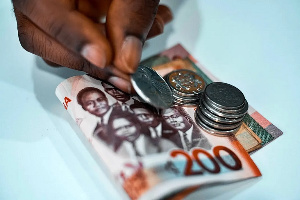
  • A dollar goes for GHS13.60 at forex, BoG interbank rates at GHS12.91

    A dollar goes for GHS13.60 at forex, BoG interbank rates at GHS12.91


    Today, April 4, 2024, the Interbank forex rates released by the Bank of Ghana indicate that the Ghana Cedi is exchanging against the dollar at a purchase rate of 12.9006 and a selling rate of 12.9136.

    Meanwhile, at a Forex bureau located in Accra, the dollar is being acquired at a rate of 13.20 and sold at 13.60.

    In terms of the Pound Sterling, the Cedi is valued at a buying rate of 16.2922 and a selling rate of 16.3098. At another Forex Bureau in Accra, the pound sterling is procured at a rate of 16.20 and sold at 16.80.

    The Euro is currently trading at a buying rate of 13.9620 and a selling rate of 13.9747. Similarly, at a Forex Bureau in Accra, the Euro can be purchased at 13.80 and sold at 14.40.

    For the South African Rand, the buying rate is 0.6904 and the selling rate is 0.6906. At an Accra-based forex bureau, the South African Rand is acquired at 0.40 and sold at 1.10.

    Moving to the Nigerian Naira, it’s being purchased at 99.7528 and sold at 101.0746. At a forex bureau in Accra, the Nigerian Naira is obtained at a rate of 8.50 Naira for every 1 Cedi and sold at 13.50.

    Lastly, for the CFA, the buying rate stands at 46.9389 and the selling rate is 46.9816. At an Accra-based forex bureau, the CFA is acquired at 21.00 CFA for every 1 Cedi and sold at a rate of 23.00 CFA for every 1 Cedi.

    Our forex bureau rates are provided by Afriswap Bureau De Change in Osu, Accra.

    Note that these rates may differ at a forex bureau near you. Our forex bureau rates are provided by Afriswap Bureau De Change in Osu, Accra.

  • Akufo-Addo will make his decision after studying KPMG’s audit report on GRA, SML contract – Eugene Arhin

    Akufo-Addo will make his decision after studying KPMG’s audit report on GRA, SML contract – Eugene Arhin


    Director of Communications at the Office of the President, Eugene Arhin, has disclosed that President Nana Addo Dankwa Akufo-Addo has received an audit report from KPMG concerning the transaction between the Ghana Revenue Authority (GRA) and Strategic Mobilisation Ghana Ltd (SML).

    Arhin stated that the report was officially presented to President Akufo-Addo on Wednesday, March 27, 2024.

    Subsequently, the President has been reviewing the report, and he will communicate his decisions regarding the contract to the public once his review is complete.

    “The President of the Republic, Nana Addo Dankwa Akufo-Addo, on Wednesday, 27th March, 2024, received from KPMG its report on the audit conducted, at the behest of the President, on the transactions between the Ghana Revenue Authority (GRA) and Strategic Mobilisation Ghana Ltd. (SML).

    “President Akufo-Addo is studying the findings of the audit report, and will, in due course, make his decisions known to the Ghanaian people,” he wrote in a Facebook post.


    The president ordered the audit report in response to concerns raised about the contract between GRA and SML.

    President Akufo-Addo instigated the audit on January 2, 2024, and instructed the Ministry of Finance and GRA to halt all activities pertaining to the contracts until further notice.

    Prepared by KPMG, the audit report aims to identify any discrepancies or anomalies in the execution of the revenue assurance contract.

  • “I will work with Akufo-Addo to build ecosystem to support trade” – William Ruto

    “I will work with Akufo-Addo to build ecosystem to support trade” – William Ruto

    President of Kenya, Dr. William Samoei Ruto, has revealed intentions to collaborate with President Nana Addo Dankwa Akufo-Addo to facilitate the ratification of all financial institutions within the African Union (AU).

    Ruto emphasized that ratifying these financial institutions would establish an ecosystem conducive to fostering trade and investment across Africa.

    Speaking at the Africa Trade House in Accra on Wednesday, April 3, 2024, Ruto lamented the annual expenditure of US$5 billion on foreign exchange during trade operations under the Africa Continental Free Trade Area.

    He said, “I will be working with President Nana Akufo-Addo to ensure that all financial institutions under the AU are ratified so that we can build the necessary financial ecosystem to support trade, investment and business in our continent.”

    To address this gap, the Pan-African Payment & Settlement System (PAPSS) has been rolled out to ease the transfer of funds across Africa.

    PAPSS, a financial market infrastructure for economic and financial integration of Africa will increase trade volume as the process is simplified and transactions are made instantly.

    The introduction of the commercial bank settlement model has no transaction limits and the settlement is handled by banks.

    This new settlement model offers commercial banks a window to open and fund their own settlement accounts at Afreximbank.

    They can also manage their liquidity according to their banking needs.

    Also, under PAPSS, most payments are made in local currency to boost trading activities on the continent.

    As of June 2022, the PAPSS network consists of 8 central banks, 28 commercial banks and six switches.

    It is expected to expand into the five regions of Africa before the end of 2023.

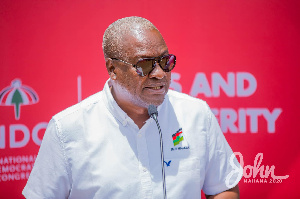
  • Current ‘dumsor’ is caused by mismanagement, collateralization of ESLA – Mahama

    Current ‘dumsor’ is caused by mismanagement, collateralization of ESLA – Mahama

    The leader of the National Democratic Congress (NDC), John Dramani Mahama, has attributed the recent power disruptions in Ghana, commonly known as “dumsor,” to mismanagement of the nation’s power-generating resources and the utilization of the Energy Sector Levy Act (ESLA) as a form of collateral.

    Mahama voiced his apprehension over the government’s choice to employ funds from the Energy Sector Levy as collateral, asserting that it has played a role in the reemergence of power outages.

    He underscored the detrimental effects of erratic power supply on both businesses and households, emphasizing the hindrance it poses to effective planning.

    “The country has been plunged into darkness. Mismanagement of our generating assets and collateralization of the ESLA, which was meant to provide the resources to finance current and legacy debt, has led us back into the doom zone.

    “The best government can do is to eat humble pie, take responsibility for the problem, and work to address it. Unfortunately, that is not the case. I’m aware that businesses and households cannot plan because of the erratic power situation,” citinewsroom.com quoted the former president.

    He said, “I will be working with President Nana Akufo-Addo to ensure that all financial institutions under the AU are ratified so that we can build the necessary financial ecosystem to support trade, investment and business in our continent.”

  • We will revamp Volta Aluminium Company and boost rice production – Mahama

    We will revamp Volta Aluminium Company and boost rice production – Mahama

    Flagbearer of the National Democratic Congress (NDC), John Dramani Mahama, has declared his intention to implement import restrictions on specific essential commodities if he emerges victorious in the December elections.

    This decision stems from the fact that imports of goods and services currently contribute approximately 40 percent to Ghana’s Gross Domestic Product (GDP).

    During a meeting with members of the Association of Ghana Industries (AGI) in Accra, Mr. Mahama emphasized the importance of enacting legislation to bolster local businesses.

    He outlined plans to revitalize strategic industries such as the Volta Aluminium Company (VALCO), with a particular emphasis on the downstream aluminium sector.

    Mr. Mahama explained that by enhancing local production capacities for these items and others, his administration would impose restrictions on unchecked imports of these goods.

    “We work to revamp and reignite strategic industries such as Volta Aluminium Company (VALCO) because of the downstream aluminium sector while boosting the production of rice, sugar, tomato, fish, poultry, meat and meat products, vegetable cooking oil, and pharmaceutical products.

    “Once local capacity in the production of these and many other products is increased and boosted, we shall place restrictions on the unbridled importation of these items” he added.

  • Admit that you are a prostitute – Abena Korkor tells Serwaa Amihere

    Admit that you are a prostitute – Abena Korkor tells Serwaa Amihere

    Media personality and mental health advocate, Abena Korkor has called out Journalist Serwaa Amihere to boldly admit that she sleep with men to earn a living.

    In a video circulating on social media, Abena Korkor is heard acknowledging her bipolar disorder and the steps she is taking to address it.

    Similarly, she urges Serwaa to acknowledge her involvement in sex work and her potential desire to become a second wife to wealthy individuals.

    “I’ve admitted my struggles. It’s time for you to acknowledge that you’re involved in prostitution in Ghana but you probably want more opportunities to leave this lifestyle behind or aiming to become a second wife for financial stability,” Abena Korkor expressed.

    Listen to Abena in the video below

  • Engaging in any type of child betrothal is illegal – CHRAJ

    Engaging in any type of child betrothal is illegal – CHRAJ

    The Commission on Human Rights and Administrative Justice (CHRAJ) has emphasized that under the Child Act, any form of child betrothal is considered a criminal offense.

    According to Deputy Commissioner of CHRAJ, Mercy Larbi, citing the 1992 Constitution, betrothal of children to either deities or individuals is still classified as a crime.

    During an interview on Joy FM’s Midday News on April 3, she reiterated this stance. “When you look at early marriages and forced marriages, the Children’s Act has criminalised them. Early marriages too is in there and it goes on even to say betrothal is even a criminal offense.

    “So, betrothal in any kind or form [is criminal]. We are not looking at whether it is the human being or the deity. The law says betrothal in any kind or form.”


    Her remarks come after reports emerged of the marriage between a 12-year-old girl and a 63-year-old priest in Nungua.

    Although local authorities have refuted the marriage allegations, asserting that she was actually betrothed to the Gborbu deity.

    Interestingly, child rights abuses were a significant concern at the Commission in 2023, with 10,525 cases reported, of which 3,509 pertained to children.

    According to a report, violations of children’s rights encompass various issues, including neglecting to provide for the child’s basic needs such as food, education, health care, clothing, and shelter, as well as denying their right to paternity, custody, and subjecting them to inhumane treatment, early and forced marriages, and failure to officially name them.

    “We have a lot of complaints about non-maintenance. That is the right to maintenance and life necessities.

    “We also have complaints in respect of the right to health and the right to education. Right to be named, and then we have early and forced marriages, child trafficking, child labour, etc,” she said.

    Touching on child marriages she said, “When you look at our statistics in 2023 we received about 25 complaints on early and forced marriages. So, there are two issues that we are looking at; early marriages and forced marriages.”

    She explained that after each complaint, an investigation is launched and decisions and recommendations are made.

  • Operational works on police cannot be directed by A-G – MP

    Operational works on police cannot be directed by A-G – MP


    Member of the Defence and Interior Committee of Parliament, Mr. Peter Lachene Toobu, recently voiced discontent with a letter purportedly from the Attorney-General and Minister of Justice, Mr. Godfred Yeboah Dame.

    In his statement, Toobu emphasized that while the Attorney-General serves as the chief legal advisor and the Inspector General of Police (IGP) as the chief law enforcer, the former lacks the authority to direct the latter on operational matters.

    Encountering the letter, which lacked a file number and was purported to be from the Attorney-General, Mr. Toobu expressed surprise, asserting the Attorney-General’s absence of power to dictate operational procedures to the IGP.

    He argued that if the Attorney-General identified issues with Legislative Instrument (L.I) 2180, the appropriate course of action would be to advocate for its amendment or repeal through Parliament.

    During an interview on the Ghana Yensom morning show on Accra 100.5 FM, Mr. Toobu, a former police officer, emphasized the need for collaborative efforts between the Attorney-General and the Police in addressing concerns regarding the law of police impounding vehicles that jump red lights.

    He suggested that the Attorney-General could have collaborated with the IGP to issue an Internal Police Order (INPO) directive to review the implementation of L.I 2180 by operational personnel.

    Earlier, the Attorney-General and Minister of Justice, Godfred Yeboah Dame, advised the Inspector General of Police, Dr. George Akuffo Dampare, to direct police officers to desist from impounding vehicles whose drivers engage in misdemeanours, citing crossing the red light and driving without a valid insurance certificate as examples.

    “As Attorney-General and the principal legal adviser to the Government, I advise that police officers should desist from the impounding or prohibition of the use of a motor vehicle for minor offences such as an alleged violation of any of the rules of the road contained in Regulation 106, and other provisions pertaining to crossing the red light or driving a vehicle without a valid insurance certificate etc,” the Attorney-General wrote in a letter dated 9 February 2024 to the Inspector General of Police.

    He explained: “An application of the road traffic regulations, particularly Regulation 158 requires fairness, candour and reasonableness.

    The impounding of a vehicle is not necessary for proof of a violation of any of the rules contained in Regulation 158 or indeed, most of the provisions in L. I. 2180.

    Thus, a position that the vehicle is required to be “used as an exhibit” in court is untenable and unreasonable.”

    Mr Dame further explained that the practice has resulted in needless costs to the state with the potential to cause judgment debts.

    “An unreasonable exercise of discretion or a failure to adhere to the advice herein has the tendency to result in unnecessary suits against the Government, occasioning needless expense and potentially avoidable judgment debts. 

    “The Office of the Attorney-General is already inundated with many suits arising from wrongful exercise of discretion and negligence by police officers. 

    Further, it ought to be noted that responsibility for maintaining the condition of an impounded vehicle shifts from the owner of the vehicle to the State. Impounded vehicles are exposed to the risks of deterioration and theft of essential parts,” Mr Dame stated.

  • Mahama unveils plan for Ministry of Youth Development

    Mahama unveils plan for Ministry of Youth Development


    Former President John Mahama, the flagbearer of the National Democratic Congress (NDC), has put forth a compelling proposal aimed at prioritizing the needs and aspirations of Ghana’s youth.

    During his recent address at Wisconsin University in Accra, Mahama unveiled his intention to establish a dedicated Ministry of Youth Development if elected to office.

    This bold initiative forms a crucial part of his broader campaign promises, signaling a proactive approach to addressing the multifaceted challenges confronting young people across the nation.

    At the heart of Mahama’s proposal lies a recognition of Ghana’s demographic reality, where the majority of the population is under 35 years old.

    This vibrant youth demographic represents a wellspring of talent, energy, and innovation, yet many grapple with systemic issues such as unemployment, limited access to quality education, and insufficient opportunities for skills development and entrepreneurship.

    The envisioned Ministry of Youth Development seeks to serve as a focal point for coordinating policies, programs, and initiatives tailored to meet the diverse needs of Ghanaian youth.

    By consolidating efforts across various sectors, including education, employment, health, and entrepreneurship, the ministry aims to provide holistic support and empower young people to thrive in an increasingly competitive global landscape.

    Crucially, Mahama intends to separate the Ministry of Youth Development from the Sports Ministry, signaling a strategic shift in focus towards employment generation, particularly in vital sectors like agriculture.

    This move underscores Mahama’s deep concern about the alarming rise in unemployment rates, which recent figures from the Ghana Statistical Service peg at 14.7 percent. Of particular concern are tertiary-educated individuals, who face disproportionate challenges in securing meaningful employment opportunities.

    In essence, Mahama’s proposal for a Ministry of Youth Development represents a visionary approach to harnessing the potential of Ghana’s youth population. By prioritizing their needs and providing targeted support, Mahama aims to unleash a new wave of innovation, productivity, and prosperity that will benefit not only the youth but the nation as a whole.

  • Video: Watch Henry Fitz having fun with Efia Odo

    Video: Watch Henry Fitz having fun with Efia Odo

    Prominent figure in Ghana, Henry Fitz, has surged to the forefront of public attention due to his involvement with Serwaa Amihere.

    It appears that his romantic connections extend beyond Serwaa, as a recent photo featuring him and Efia has emerged online.

    Previously linked to Amihere as her ex-boyfriend and alleged sugar daddy, Fitz allegedly released a compromising video involving them after purported disagreements.

    Reports suggest that Amihere accused Fitz of blackmailing her with the said video, which he denied upon refutation of her demands.

    Despite the controversy, a recent photo depicting Fitz socializing with Efia Odo further solidifies his status as a prominent figure in the sphere of wealthy benefactors.

    Watch video below:

  • It’s a privilege to acquire a passport, not an entitlement – Appiah Kubi

    It’s a privilege to acquire a passport, not an entitlement – Appiah Kubi

    Chairman of the Foreign Affairs Committee of Parliament, Andy Appiah Kubi, has justified the recent adjustments to passport application fees, pointing to the low demand for travel among passport holders.

    He clarified that only a small percentage, around 20%, of passport holders actually use the document for traveling, making passport acquisition more of a luxury than a necessity.

    Speaking to journalists in Accra on Wednesday, April 3, Mr. Appiah Kubi argued that individuals applying for passports should cover the entire cost, viewing it as a luxury rather than a basic right or obligation.

    He also stressed that the government cannot subsidize luxuries for passport applicants.

    “We agree that it is only about 20% of Ghanaians that need passports to travel out of the country.
    And, therefore, looking at it from that context, the passports then become a privilege, not a right or need.

    “So, if it is a privilege, who should bear the cost of passports? To be honest with you, within the subregion, passports in Ghana are the cheapest and indeed it is incomparable with anywhere else.”

    “The most immediate cost element is from Liberia, and they are charging GH499.50, which is the equivalent of $50 for passports that span for five years…

    “Indeed how fair will it be for only 20% of us to surcharge all of us, the 80% for what they want for their purpose of travelling? It is not fair,” he said.

    Foreign Affairs Minister Shirley Ayorkor Botchwey has once again urged Ghanaians to be cautious when applying for passports, advising them to do so only when absolutely necessary.

    The former Anyaa-Sowutum MP highlighted that passports are not the main form of identification for citizenship in Ghana.

    She encouraged citizens to avoid unnecessary passport applications if they do not have immediate travel plans.

    Madam Botchwey emphasized that adhering to this advice would help reduce the pressure on passport production in the country.

    “Today as we speak, we have the National Identification that is working very well, so that’s our primary source of identification. No longer the passport.”

    “And even those who have the National ID can travel into the country with it. So, then I’m asking humbly Ghanaians that please, if you do not need a passport because you cannot afford it.”

    “Please, humbly, I’m asking you not to go for a passport because it’s no longer your primary source of identification.”


    The recent increase in passport acquisition fees, announced by the Ministry of Foreign Affairs, has stirred up criticism among Ghanaians.

    According to the new pricing system, a standard 32-page passport will now be priced at ¢500, up from the previous ¢100, while a 48-page booklet will cost ¢644, a notable increase from the previous ¢200.

    Furthermore, expedited services will come with higher charges, with citizens now expected to pay 700 cedis for a 32-page booklet and 800 cedis for a 48-page booklet.

  • I think I have the calling to become Ghana’s President – Prince David Osei

    I think I have the calling to become Ghana’s President – Prince David Osei

    Actor, Prince David Osei believes his desire to become the President of Ghana is a divine calling, not just a personal aspiration.

    He mentioned that initially, some people thought he was joking when he expressed his ambition. However, he is convinced that this is a task given to him by God.

    “Everyone in this world has something that God gives to them. Sometimes when you speak, they say you talk big but if you don’t say it, it won’t manifest.

    “It’s not even that I want to become a president, I think I have the calling, because I’ve dreamt it,” the actor said on Joy FM’s Showbiz A-Z over the weekend.

    “What I’m doing here right now today, I dreamt it before becoming a star. I’m not joking. When I was 14 years old, I knew I was going to become somebody popular.

    “I didn’t know what it was, but I started praying towards it. And in the same way, I saw the president’s vision,” Prince David Osei stated.

    He informed the host, Kwame Dadzie, that Prophet Amoako Atta had also made a similar prophecy, despite the fact that they are not very familiar with each other.

    Prince David Osei said, “when we say stuff it’s not like maybe we are drunk or I might not look like it but who are you to judge? God chooses to make anybody what he wants to make. How many years have you given yourself for this to come to fruition?”

    “No matter how hard I try to avoid the calling, everything shows I have to be the president someday, that’s why my friends in the game don’t want to support me…But what is written is written,” he wrote.

    “Obama couldn’t pay for his parking tickets, 2 years later he became the president of US…Investors, please gather here ooo…With God everything is possible. Have a blessed week fam,” Prince David Osei added.

    Meanwhile, when asked if he would accept an appointment in the next NPP government, the actor said he was not opposed to the idea.

    He noted that he would readily accept it if he had the expertise in the area he would being appointed to.

  • GES advises school heads against recalling final-year SHS students for WASSCE registration

    GES advises school heads against recalling final-year SHS students for WASSCE registration

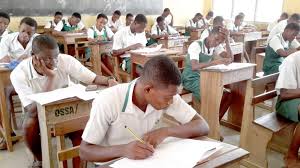
    The Director-General of the Ghana Education Service (GES) has instructed Senior High School principals not to recall final-year students for the completion of the West African Senior School Certificate Examination (WASSCE) registration.

    Dr. Eric Nkansah stated that the GES has become aware that some Form 3 students who are already on holiday have been summoned back to school to finalize their WASSCE registration.

    He clarified that once classes resume on Wednesday, April 17, students will have ample time to complete the registration process.

    “We want to say unequivocally that no student should be asked to come back to school to complete the WASSCE registration. The reason is that by the time they come back to school on 17th April, they will have enough time to be able to complete their registration.

    “So headmasters should note that no student should be asked to come back to school because we know that some of them are living far away and are enjoying their vacations at home – so they are not expected to come back to school to complete the registration until school reopens on 17th of April.”


    He made these remarks during a press conference in Accra on Tuesday, April 2, following the conclusion of the three teacher unions’ strike, which began on March 20, 2024.

    Dr. Nkansah assured that his organization was working closely with the West African Examination Council to ensure that students have ample time to complete the registration process.

    He stressed that there had been rumors about a potential increase in the WASSCE registration fee, which is currently set at GH₵465.

    However, the GES Director-General clarified that students enrolled in the Free SHS program are not required to pay any registration fees as the program covers their registration costs.

    “All students with our government secondary schools under the Free SHS programme are not required to pay that GH₵465 because that money is already absorbed by the Free SHS programme,” he said. 

  • Proposals by Kenyan govt to end doctor’s strike rejected

    Proposals by Kenyan govt to end doctor’s strike rejected

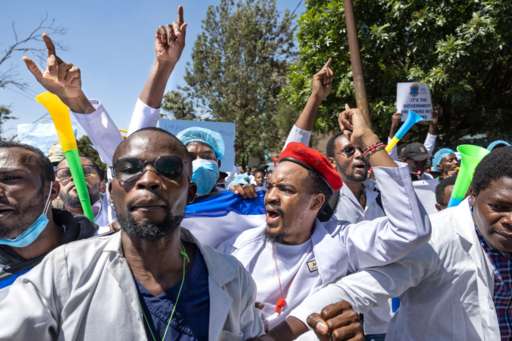
    Public hospital doctors in Kenya have turned down a government proposal aimed at resolving a prolonged strike that has disrupted healthcare services.

    The Kenya Medical Practitioners, Pharmacists, and Dentists Union (KMPDU) initiated the strike on March 14 due to issues such as unpaid salary arrears, delays in deploying medical interns, and other grievances.

    In a recent development, the government urged the doctors to conclude their strike, assuring that salary arrears had been settled and medical interns would be recruited starting this Thursday.

    Abidan Mwachi, the chairman of KMPDU, rejected the government’s proposals on the social media platform X, stating that they do not align with a collective bargaining agreement established in 2017 during a previous three-month doctors’ strike.

  • Rights advocates upset as Uganda’s Constitutional Court upholds anti-gay law

    Rights advocates upset as Uganda’s Constitutional Court upholds anti-gay law

    Previously, we reported on Uganda’s Constitutional Court’s decision to uphold a controversial anti-gay law enacted in May of the previous year.

    Following this development, the BBC interviewed a member of one of the groups that contested the law, asserting that it violated fundamental rights guaranteed by Uganda’s constitution.

    Nicholas Opiyo, a lawyer, expressed his perspective: “The court has ruled today that discrimination against LGBTQ individuals is lawful. Today’s ruling essentially permits the exclusion of the LGBTQ community from engaging in the affairs of their nation, solely based on public sentiment and purported cultural values.”

    Steven Kabuye, an activist who fled Uganda after experiencing a stabbing incident believed to be a homophobic attack, also denounced the court’s decision.

    Speaking from his new residence in Toronto, Canada, he said, “My heart goes out to those still in Uganda. They must prioritize their safety and remain discreet. Those who have not managed to escape are truly at risk.”

    Previously, we reported on Uganda’s Constitutional Court’s decision to uphold a controversial anti-gay law enacted in May of the previous year.

    Following this development, the BBC interviewed a member of one of the groups that contested the law, asserting that it violated fundamental rights guaranteed by Uganda’s constitution.

    Nicholas Opiyo, a lawyer, expressed his perspective: “The court has ruled today that discrimination against LGBTQ individuals is lawful. Today’s ruling essentially permits the exclusion of the LGBTQ community from engaging in the affairs of their nation, solely based on public sentiment and purported cultural values.”

    Steven Kabuye, an activist who fled Uganda after experiencing a stabbing incident believed to be a homophobic attack, also denounced the court’s decision.

    Speaking from his new residence in Toronto, Canada, he said, “My heart goes out to those still in Uganda. They must prioritize their safety and remain discreet. Those who have not managed to escape are truly at risk.”

  • Workers’ union at GRA urge govt to provide assistance to improve revenue collection

    Workers’ union at GRA urge govt to provide assistance to improve revenue collection

    The Ghana Revenue Authority Workers Union (GRAWU) has urged the government to support GRA with the right technology and resources to boost revenue collection.

    Addressing the 10th National Executive Council (NEC) meeting in Accra, Mr Theophilus Kwesi Ehun, the Chairman of GRAWU, said the GRA was prepared to engage the government on ways that would enhance revenue collection.

    “Whatever strategy, whatever idea that it is that will help our work, that is what we stand to do. Without GRA, we have no union, and without GRA, the economy cannot also thrive. So we call on the government that our doors are opened.”

    The NEC meeting, which was held on the theme “Transparency and Fairness in Tax System Revenue Mobilization: The Role of Labor,” aimed to promote transparency and efficient tax administration.

    Mr. Ehun stressed that the GRA staff’s dedication and commitment were instrumental in achieving revenue targets.

    He underscored GRA’s vital role in the economy, noting that without GRA, the union wouldn’t exist, and the economy would struggle.

    In an address delivered on behalf of the Commissioner of Customs, Alhaji Seidu Iddrisu Iddisah, Assistant Commissioner Mr. Fechin Akoto emphasized that transparency and fairness in the tax system were essential for boosting revenue mobilization. He highlighted the crucial role of labor in this process.

    He emphasized that a robust tax system was vital for a nation, enabling investments in education, healthcare, infrastructure, and social services. Conversely, a system perceived as opaque or unfair breeds discontent and discourages compliance.

    Mr. Iddisah reiterated GRA’s commitment to enhancing transparency in its operations. This includes simplifying tax codes, providing clear and accessible information to taxpayers, and ensuring efficient communication channels for inquiries and feedback.

    “By demystifying the tax system, we empower citizens to understand their obligations and contribute meaningfully,” he said, adding that fairness was essential to ensure that certain segments did not disproportionately carry the burden while a select few avoid their fair share,” he said.

    He encouraged Ghanaian workers to support progressive tax structures that ensure high-income earners contribute proportionally.

    He also emphasized the importance of educating members about their tax obligations and the benefits of a robust revenue system.

    “Together, through transparency and fairness, we can build a tax system that is not just efficient but also inspires trust and fosters a sense of shared responsibility amongst all Ghanaians,” he added.

    “And we know that last year or so there were dismissals. But there’s still room to do more because it’s still happening. It’s still the elephant in the room in the banking sector and needs to be highlighted, and discussed and ways to see how it can be banished,” she added.

  • Conjoined twin living in USA marries one man

    Conjoined twin living in USA marries one man

    Abby Hensel, one half of the conjoined twin duo who shares her life with sister Brittany, has recently tied the knot, according to public records.

    The 34-year-old women are fused together at the torso, with each controlling one side of their body. Now, it appears that one of them has found true love, as it emerged that Abby married Josh Bowling.

    Public records obtained by Today indicate that Abby and Josh, a nurse and United States Army veteran, were married in 2021.

    Pictures from the ceremony have surfaced on social media, showing Abby and Brittany dressed in a white wedding dress, standing alongside Josh in a grey suit, holding hands.

    The women also shared videos from the special day on their TikTok account, capturing moments of celebration with loved ones. Both women appeared to be all smiles as they celebrated the love between Abby and Josh.

    The couple resides in Minnesota, where the sisters work as fifth-grade teachers. Josh’s Facebook page indicates that the family enjoys activities such as nature hikes, indulging in ice cream, and partaking in snow tubing. His former Twitter profile hints at the presence of children in their lives: “Christian, Father, Husband, Veteran, and occasional gamer.”

    Abby and Brittany were born on March 7, 1990, in Minnesota, USA, and have overcome remarkable odds to lead fulfilling lives. They are classified as dicephalus conjoined twins, a rare form where both heads are situated side by side, sharing one torso.

    The women share a bloodstream and all organs below the waist. Abby commands their right arm and leg, while Brittany controls the left. With a steadfast determination to embrace life to the fullest, they pursued higher education and obtained separate degrees while attending university.

  • Ghana set to host first-ever West Africa Music & Arts Festival in Accra

    Ghana set to host first-ever West Africa Music & Arts Festival in Accra


    Ghana is poised to make history as a significant destination for hosting major events with the upcoming inaugural West Africa Music & Arts Festival in Accra.

    This pioneering event, the first of its kind in the region, will unfold over four days, commencing at the iconic Kwame Nkrumah Memorial Park on Wednesday, June 19th, 2024 – coinciding with the official Juneteenth celebration in Ghana.

    The festival is not merely a vibrant Music Industry Conference designed to unite industry stakeholders and educate the masses; it is also a celebration of the rich cultural heritage and artistic diversity of West Africa.

    It will serve as a platform to showcase and educate on all aspects of the music industry. From electrifying performances by renowned artists to interactive workshops, master classes, and captivating art installations, attendees can expect an unparalleled experience.

    “As co-founder of the West Africa Music & Arts Festival, I am thrilled to launch this groundbreaking event in Accra, Ghana.

    “Our festival was birthed from the ideology of strengthening the connectivity of the diasporas and continuing the work of educating the masses about the Music and Entertainment Industries. 

    “This festival celebrates the vibrant cultural tapestry of West Africa and what it means to the world. In addition to energetic and interactive panels and master classes, we are showcasing the region’s rich musical heritage and artistic talent.

    “Through music, arts, and community, we aim to foster unity, diversity, and creativity globally. This festival is not just about entertainment; it’s about creating meaningful connections and inspiring positive change.

    “We invite everyone to join us in Accra for an unforgettable celebration of music, arts, and culture that will resonate far beyond the festival grounds,” stated Jasmine Young, MBA-Co-founder, Marketing Strategist, Professor and Music Industry Veteran.

    As Ghana takes centre stage in hosting this festival, attendees can look forward to a diverse lineup of performances encompassing various genres like Afrobeat, Highlife, Hip Hop, and more.

    Furthermore, engaging with Music & Entertainment industry professionals worldwide, participating in insightful panel discussions, and discovering emerging talent from across the continent are all part of the festival experience.

    “This festival is more than just a celebration of music and arts; it’s a celebration of our shared heritage and identity as West Africans and the entire African Diaspora.

    “It’s an opportunity to spotlight the astonishing talent and creativity within our shared culture and connect with audiences from Ghana and beyond,” stated Annabelle McKenzie, the Director of the Beyond The Return Secretariat.

    The West Africa Music & Arts Festival is fully endorsed by the Ghana Tourism Authority and supported by Warner Records Africa – emphasising the festival’s dedication to promoting cultural exchange, fostering collaboration, and showcasing the best of West Africa.

    “We are proud to support the West Africa Music & Arts Festival,” said Akwasi Agyeman, CEO of the Ghana Tourism Authority.

    CEO of GTA, Akwasi Agyeman

    “This festival not only celebrates our vibrant music and arts scene but also promotes tourism and economic development in our region. We eagerly anticipate welcoming visitors from near and far to immerse themselves in the beauty and creativity of Ghana.”

    Arrangements so far is as follows;

    Day 1 – Welcome / Opening Celebration @ Kwame Nkrumah Memorial Park

    Day 2- Opening Plenary – Panel Discussions

    Day 3-Master Classes taught by Music Industry Icons

    Day 4-Travel and Tourism / African Association of Ghana Juneteenth Parade / Performances

     Host Hotel- Labadi Beach Hotel https://labadibeachhotelgh.com/

  • Emmanuel Agyemang denies collapse rumors following unsuccessful GWR attempt

    Emmanuel Agyemang denies collapse rumors following unsuccessful GWR attempt


    Ghanaian media personality, Emmanuel Agyemang, recently aimed to break the world record for the longest interview.

    He urges the public to disregard rumors of his collapse during the attempt.

    During an interview with Daakyehene Ofosu Agyeman on Adinkra Radio in New York, Agyemang addressed speculations.

    He clarified that he ended the attempt based on medical advice, not due to any health issues caused by the extended speaking hours.

    Contrary to social media claims, Agyemang assured his well-being. He stated that after concluding the attempt, he rested and was assessed by his medical team. They advised against continuing the endeavor.

    Dismissing assertions of being paralyzed or requiring an ambulance, Agyemang emphasized his autonomy. He returned to his hotel room unassisted, where he remained until recently.

    Agyemang surpassed the previous record with an impressive interview duration of 43 hours, 54 minutes, and 23 seconds. His team is compiling evidence for Guinness World Records validation.

    Expressing confidence in breaking his own record upon certification, Agyemang anticipates a response from Guinness World Records within 12 weeks.

  • GTA calls on event organisers, promoters to submit proposals for ‘December in GH’

    GTA calls on event organisers, promoters to submit proposals for ‘December in GH’

    The Ghana Tourism Authority (GTA) and Beyond the Return (BTR) Secretariat are seeking recommendations from event organizers and promoters for the schedule of ‘December in GH’ activities for 2024.

    As the sixth edition of the festivities approaches, the call for suggestions has been issued earlier than usual, reflecting anticipation of an increased influx of tourists to Ghana during the holiday season.

    Mr. Akwesi Agyeman, CEO of GTA, emphasized that the ‘December in GH’ initiative is a national project coordinated by the Authority and the BTR Secretariat under the oversight of the National Steering Committee.

    He clarified that the invitation is extended to all interested event organizers seeking official recognition for their programs as part of ‘December in GH.’ They are encouraged to submit formal proposals to the committee.

    Mr. Agyeman highlighted that the early request and publication aim to provide visitors with ample time to plan their trips and organize the activities and festivals they wish to include in their December itineraries.

    “Since 2019, Ghana has led the charge in changing the narrative about the African experience and has solidified the country as the top holiday destination on the continent through the initiative.

    “December in GH has been a strong driver of tourism, economic impact, and branding Ghana as the “Centre of the World,” he said, adding that the sector has seen increased investments, with about 122 new projects being registered last year.


    Mr. Agyeman disclosed that domestic tourism drew 650,000 visitors in 2019, 914,000 in 2022, and 1.4 million in 2023, with Ghanaians making up 80 percent of these numbers.

    He emphasized that this year’s endorsement process would be stringent. All event organizers must ensure their events align with at least one of BRT’s seven core pillars, and every endorsed event will be expected to proceed without last-minute cancellations.

    He encouraged event organizers to collaborate with the authority and the steering committee.

    “Unlock the potential of Ghana as a leisure destination and turn dreams into lasting legacies. Together, let us shape the future of travel and make Ghana’s December, one unforgettable experience.”

    Mr. Agyeman assured that the upcoming national elections would not impact the events as people remained eager to participate. He specified that proposals should be for events scheduled between November 15, 2024, and January 15, 2025, and encouraged event organizers to plan activities that would unite the global African diaspora, continental Africans, and the local Ghanaian population.

    “All proposals must be submitted before Tuesday, April 30, 2024, using the official form at this link: https://forms.qle/tJqr7nfiXkbKJWbU7. The form can also be found on the BTR website at: www.beyondtheretumgh.com.”

  • Olive The Boy advocates for additional award categories at TGMA

    Olive The Boy advocates for additional award categories at TGMA

    Afrobeats artist Olive The Boy has raised concerns regarding his nominations for the upcoming Telecel Ghana Music Awards, advocating for inclusion in additional categories.

    Despite receiving three nominations, including Best New Artiste of the Year, Most Popular Song of the Year, and Best Afrobeats Song of the Year, the ‘Goodsin’ crooner believes he is eligible for two more categories.

    During an interview on TV3, Olive The Boy disclosed that his management has petitioned the scheme to consider him for Album/EP of the Year and Best Afrobeats Artiste of the Year.

    Highlighting the significance of his EP ‘Goodsin’ and his expertise in the Afrobeats genre, Olive The Boy stressed the importance of recognition in these additional categories.

    Robert Klah, Charterhouse’s Public Relations Officer, encouraged artists with concerns about their nominations to seek clarification, promising support for necessary adjustments and clarifications.

    Echoing Olive The Boy’s sentiments, other artists like Amerado have also appealed to the awards’ organizers, seeking clarification on nomination decisions, such as Amerado’s song ‘Kweku Ananse’ not being nominated for Most Popular Song of the Year.

  • Davido to take legal action against media house over false arrest report

    Davido to take legal action against media house over false arrest report

    Nigerian music icon, Davido, has instructed his legal team to take legal action against the media outlet responsible for a misguided April Fool’s joke.

    The false story, initially spread by Kenya’s K24 TV on April 1, falsely claimed Davido’s arrest in Kenya on drug-related charges.

    Reacting to the fabricated report after his East African tour, Davido condemned it as “extremely irresponsible.”

    He highlighted his unblemished record, stating he has never been arrested anywhere globally, including Nigeria and America.

    After K24 TV’s publication, the hoax quickly spread across social media platforms, inundating Davido with inquiries.

    Despite completing successful concerts in Uganda and Kenya, Davido faced undue scrutiny upon returning to Nigeria.

    Rejecting the allegations, he reassured fans of his innocence and expressed frustration with the misinformation, regardless of its April Fool’s pretext.

    Davido pledged legal action against the responsible media entity, indicating a strong response to the dissemination of false information.

  • LPG Marketing Companies Association petitions NPA to halt new tax on LPG

    The LPG Marketing Companies Association is urging the National Petroleum Authority (NPA) to suspend the implementation of its newly introduced $80 per metric ton (MT) tax on LPG.

    This tax is part of the Suppliers’ Premiums, specifically designated for Bottling Plant and Cylinder Investment Margins, a move the association believes is ill-timed.

    The association argues that consumers are already grappling with the high cost of living in the country, and the new tax will only add to their burden.

    The NPA announced its decision to levy a new tax on LPG as part of its recent revision of pricing structures, effective from April 1, 2024.

    However, Gabriel Kumi, Vice President of the association, expressed his concerns about the timing of the new tax during an interview on MarketPlace on Joy News, describing it as unfortunate.

    “In the coming days, we will be appealing to the NPA to take measures to remove this levy. The timing is so wrong and Ghanaians are already suffering and LPG consumption is declining. We can’t add salt to injury in this manner”, he said.

    The association also indicated that it will fearlessly resist the new tax should the NPA go ahead with its implementation.

  • PwC Ghana Unveils Gender Diversity Banking Report 2024 to elevate women

    PwC Ghana Unveils Gender Diversity Banking Report 2024 to elevate women

    At the launch of PwC Ghana’s Gender Diversity Banking Report, experts urged concerted efforts and effective collaboration among stakeholders to elevate the presence of women in leadership roles within the banking industry.

    Titled “Changing Currency: Examining Trends and Challenges of Female Participation in Ghana’s Banking Sector,” the comprehensive report, compiled from a survey conducted over four months, delves into the experiences and perspectives of women in Ghana’s banking sector.

    The survey specifically targets females in senior management positions and female board members. Through interviews conducted across 13 banks in Ghana, PwC aims to identify the various factors hindering women’s career advancement while also analyzing the factors that propel them in the industry.

    Key findings from the report reveal that many female executives feel that banks prioritize diversity and inclusion as secondary concerns, overlooking their pivotal role in driving progress and fortifying organizational resilience.

    Furthermore, establishing a healthy work-life balance affects women across all levels within bank hierarchies, with particular emphasis on the scarcity of female representation in upper management, where the stakes are high.

    Industry-wide initiatives and partnerships are seen as opportunities to provide enhanced education and collaboration avenues for women in banking.

    Andrea Dwamenah, a Manager at PwC who presented the key findings, stated that interviews were conducted with 26 individuals, mostly women in senior management positions, and Human Resources Executives, to gain a comprehensive understanding of the banks’ stance on diversity, inclusion, and work-life balance, among other factors.

    The report aims to delve deeper into the reasons behind the disparity in the number of men compared to women in top positions, providing insights into the financial services industry.

    Dwamenah highlighted the desire among women in the industry for networking opportunities, mentorship from women in other banks, and knowledge sharing to foster professional growth and development.

    Addressing other obstacles to female representation in senior positions, Dwamenah mentioned women’s self-doubt, skepticism from colleagues, family objections, and societal expectations. She also noted the issue of sexual harassment within the Ghanaian banking sector, emphasizing the importance of addressing and combating it effectively.

    Dwamena expressed her anticipation that the report would spark discussions, even uncomfortable ones, as they are crucial and necessary to address.

    “And I expect it to be a long discourse. I don’t want it to be spoken about once and then goes away,” she said.

    The Changing Currency report highlights the pivotal role women play in advancing Ghana’s banking sector and sheds light on the avenues they must go through to be fully engaged stakeholders in the industry,” Clara Amarteifio-Taylor Partner and Inclusion & Diversity Leader, stated. “It is my hope that through the report, more women feel empowered to push themselves to excel within the sector.”

    “Conducting a study on female participation in Ghana’s banking sector was essential,” Vish Ashiagbor, Country Senior Partner, remarked. “By gaining a deeper understanding of the challenges and opportunities women face in the financial services industry, we enhance our ability to provide tailored solutions that drive positive change.”

    The launch event attracted a distinguished audience of senior executives from across Ghana’s banking sector. It featured insightful panel discussions with esteemed industry leaders, including Dr. Cynthia Forson, Board Member at CalBank; John Awuah, CEO and President of the Ghana Association of Bankers, and Pearl Nkrumah, Executive Director at Access Bank.

  • MIIF targets North American investors at PDAC in Canada


    The CEO of the Minerals Income Investment Fund (MIIF) informed a gathering of international investors in Canada that MIIF is prepared to invest alongside investors interested in the minerals sector in Ghana.

    He stated that this aligns with MIIF’s goal to assist Ghana in becoming the primary mining hub in Africa and maximizing local value.

    Mr. Koranteng made these remarks at the 2024 Prospectors and Developers Association of Canada (PDAC) Trade Show in Toronto, Canada.

    “We are seeking co-investment partners in our bid to invest in the entire minerals value chain in Ghana. We are ready to co-invest and thereby create a de-risking mechanism for investors. Our emphasis is the development of the entire value chain,” he said.

    MIIF as a preferred Partner

    “We are building Africa’s biggest sovereign minerals fund,” said Koranteng who has grown the Assets Under Management (AUM) of MIIF from circa $185 Million in 2020 to a current $550 million as of Dec 2023.

    “This is expected to exceed $1.2 Billion this first quarter of 2024 following the completion of a re-valuation of Ghana’s free carried interest in some large-scale mines which MIIF is mandated by law to manage. The validation of the revaluation of these assets is being undertaken by an independent international audit firm.” “We have a robust pipeline of investments and have adopted an aggressive and revolutionary mechanism in expanding our royalty’s base. The opportunities in Ghana are enormous and goes beyond gold for which Ghana is known for. The opportunities for investors also cover the salt sector, lithium, bauxite, iron ore, graphite, feldspar, diamonds, kaolin, chemical plants and refineries across the value delivery chains of each mineral type. We are inviting investors to seize these opportunities in the mining sector.” Koranteng said. 

    Investments in the Critical Minerals Sector

    A reclassification of minerals such as Manganese, Graphite, Bauxite, Lithium and Salt as ‘Priority Minerals’ has refocussed attention on their value chain development and value addition through deliberate investments by the Fund. “We see vast opportunities in Manganese, Graphite, Lithium and Salt especially in this era of decarbonisation and the regionalisation of development and trade in Africa, Koranteng told investors.

    “At present, we are working on investments in graphite which has been found in commercial quantities in northern Ghana and closed a $32.9 million dollar equity stake in Atlantic Lithium, an Australian and UK listed company which has discovered commercial quantities of Lithium in Ewoayaa near Mankessim, in the Central region of Ghana. We are also working on other potential significant lithium finds in Ghana. MIIF intends to invest in the processing plants for these transitive minerals in line with President Nana Akufo-Addo’s vision of making Ghana a battery hub and a centre for Electronic Vehicles (EV) in Africa by leveraging the current Ghana automobile development plan.  Ultimately, we want to become a centre for Electronic Vehicle (EV) assembling or manufacturing for the whole of Africa.” said Koranteng.

    “MIIF is on the cusp of closing a $30 million investment in industrial salt from the Ada Songhor salt basin in Ghana which is managed by Electrochem Ghana. Salt is an industrial mineral which has over 14,000 uses covering textiles, food processing, oil refining, pharmaceuticals, and caustic soda among others. Salt is therefore essential to the industrial needs of Ghana and West Africa. As the only prime industrial salt enclave in West Africa, the Ada project would feed the over 800,000.mt demand per annum in Nigeria alone for example. The Ada Songhor Salt project sits on 41,000 acres and at just 50% development, will become sub-Saharan Africa’s largest salt producing company ahead of Walvis Bay in Namibia.” 

    Leveraging Ghana’s gold to create more opportunities and further localisation of value.

    On Gold, Mr. Koranteng said, “MIIF seeks to invest along the value chain with emphasis on Ghanaian mining support services”.

    MIIF’s plan is to create a mining eco-system of opportunities through its investments especially in the gold mining sector which employs more than six million people directly and indirectly. In this regard, MIIF has initiated a six-year US$60 Million dollars investment program to support the small-scale mining sector which is fully indigenised and contributes up to 40% of Ghana’s total gold output.

    However, the sector remains informal and fraught with illegal mining and environmental challenges. MIIF’s initiative dubbed the Small-Scale Mining Incubation Program (SSMIP) will contribute to the formalisation of the sector and lead to the creation of well-structured Ghanaian junior mines. 

    The SSMIP involves the rigorous selection of licenced small scale mining companies with proven reserves. MIIF plans to invest equity in selected mines who meet a well thought through criteria. The support includes corporate governance structures, the provision of machinery and other capital items, provision of working capital, provision of technical support for efficient mining and the provision of market access or offtake through the MIIF Gold Trade Desk. The long term objective is to take these small-scale companies public through the alternative exchange of the Ghana Stock Exchange. This is the vision of President Nana Akuffo Addo for this important sector. The President charges us to support the small-sector in a revolutionary manner which would lead to the creation of local Ghanaian mining champions.” Mr. Koranteng emphasised.

    Developing the capital market

    MIIF has signed a Memorandum of Understanding (MOU) with the Ghana Stock Exchange which has over the past twenty years been one of the top performing bourses in Africa. The arrangement with the GSE is essentially on two pivots; First is to push mining entities in which MIIF has investments to list on the Ghana Stock Exchange (GSE). An example of this is the Canadian listed Asante Gold Corporation in which MIIF has a significant holding. MIIF championed the listing of Asante Gold Corporation on the GSE. Atlantic Lithium, the Ewoyaa basin mining company which has MIIF as the 4th largest shareholder will also be listed on the Ghanaian bourse by the third quarter of 2024.

    Creation of the MIIF Gold Backed ETF

    The second pivot of the agreement between MIIF and GSE is to list a Gold Backed Exchange Traded Fund by MIIF. This will be only the second gold backed ETF on the stock exchange. “We are designing a gold backed Exchange Traded Fund (ETF) which would be listed on the GSE. This will make it the second gold backed ETF on the GSE after the ABSA SA led GLD product which is performing well. Our plan is to have this listed by end of the year. The ETFs and the listing of mining assets will deepen the Ghanaian capital markets and provide alternative investments or alternative asset classes to Pension Funds and investors as a whole. We believe this is an opportunity for Ghanaians in the diaspora and investors worldwide.” Mr. Koranteng concluded.

  • Digital taxation in Africa should have an evidence based approach – Prof Peter Quartey

    Digital taxation in Africa should have an evidence based approach – Prof Peter Quartey

    Director of ISSER, Professor Peter Quartey, advocates for an evidence-based strategy in the implementation of digital taxation, citing a lack of adequate evidence to support current methods.

    He emphasizes the necessity for collaboration between policymakers and academia to ensure effective digital taxation, such as the e-levy or electronic transfer tax.

    Speaking at a conference on mobile money taxation organized by ICTD and Ghana Revenue Authority, Prof. Quartey’s statement, delivered by Adazewa Otoo, underscores academia’s role in shaping policies. He calls for collaboration to address challenges in digital taxation rollout and ensure it is grounded in evidence.

    The conference, attended by participants from various African countries implementing mobile money taxation, aims to exchange insights and discuss future directions. Prof. Quartey highlights the unique role of digital taxation in Africa’s economic development.

    Martin Hearson, ICTD Research Director, commends Ghana’s progressive stance on digital financial services taxation, hailing it as a significant milestone. He emphasizes ICTD’s findings, indicating that the tax’s impact on the mobile money market was modest and temporary, with continued growth in usage.

    Despite concerns about the tax’s impact on the poor, Hearson notes it is among the more progressive taxes in Africa. He stresses the importance of revising the GH¢100 per day exemption threshold to align with inflation for ongoing effectiveness.

    Dr. Charles Addae of GRA highlights the success of Ghana’s e-levy, exceeding revenue targets despite initial challenges. Eileen Rafferty, West African Regional Tax Adviser of FCDO, emphasizes the need for cross-country collaboration for impactful results.

    Dorcas Ansah of Women in Informal Employment Globalizing and Organizing calls for the scrapping of the e-levy due to an excessive tax burden.

  • Savings wallet now available on GhanaPay with over 2.5% interest rates

    Savings wallet now available on GhanaPay with over 2.5% interest rates

    MyGhanaPay Savings endeavors to empower individuals to set aside funds for emergencies and future financial endeavors.

    Customers utilizing the GhanaPay mobile money service can now access a savings wallet with enticing monthly interest rates.

    This progress comes after the effective launch of the GhanaPay savings wallet, as announced by officials from the Ghana Interbank Payment and Settlement Systems (GhIPSS).

    Dubbed “MyGhanaPay Savings,” this value-added feature on GhanaPay mobile money allows customers to transfer funds from their main wallet into a dedicated savings account within the GhanaPay mobile money platform.

    MyGhanaPay Savings is dedicated to empowering users to save for emergencies and future financial needs. The savings wallet is designed to discourage direct spending by requiring users to transfer funds back to their main GhanaPay account to access them, thereby reducing the temptation to deplete savings.

    Customers have the option to transfer funds to their savings wallet through either the GhanaPay mobile app or USSD service. With monthly interest rates of up to 2.5% or more, depending on the user’s bank, this savings feature stands out from other mobile money services in Ghana. This interest is distinct from the quarterly interest paid to the main wallet, making it a superior option.

    Samuel Darko, Head of the GhanaPay Mobile Money Unit at GhIPSS, highlighted in an interview that all GhanaPay mobile money bank partners offer the savings wallet functionality. This ensures that customers can benefit regardless of their bank affiliation.

    He explained that “while the main wallet earns only 1.5% interest quarterly, the savings wallet accrues interest monthly at rates of up to 2.5% or more, depending on the bank.”

    Mr. Darko underscored that the introduction of the savings wallet aims to streamline the saving process for customers by separating funds into a dedicated account, facilitating their progress towards financial objectives.

    The GhanaPay mobile money service, provided by universal banks, rural banks, and savings and loans companies, merges mobile money functionalities with banking services.

    Accessible through USSD (707) or the GhanaPay App, downloadable from the Google Play Store and iOS App Store, the service extends banking convenience to mobile devices. The incorporation of the savings wallet further enriches GhanaPay’s role in advancing financial inclusion and fostering domestic savings in Ghana.

  • 10 out of my 13 children resemble me – Bukom Banku

    10 out of my 13 children resemble me – Bukom Banku


    Ghanaian boxer Braimah Kamoko, famously known as Bukom Banku, has disclosed a surprising aspect of his family life, revealing that out of his 13 children, only 10 share his physical resemblance.

    In a recent interview on 3FM, the colorful boxer provided insights into his personal life, shedding light on the dynamics of his extensive family.

    Known for his vibrant personality and candid remarks, Bukom Banku discussed his role as a father and the trials of managing a large family.

    He shared that while he is the father of 13 children, only 10 of them bear a resemblance to him, with Abu Kamoko, who has followed in his footsteps as a boxer, being the most similar in appearance.

    “I have 13 children, with 10 of them resembling me, while the remaining three take after their mothers. Among them, Abu Kamoko resembles me the most,”

    “Kwerh..fast game. My blood is thick so you have to born Banku Fresh,” Bukom Banku responded to a DNA test question.

    Abu Kamoko clinched a silver medal in the 86kg cruiserweight category at the recent All-African Games after losing to Algerian boxer Kanouni Ousama in the final match. His achievement surpasses his father’s 25-year-old bronze medal win.

    Following his son’s defeat in the final, Bukom Banku attributed Abu Kamoko’s performance to stage fright caused by the large crowd, affecting his performance in the ring.

    “This is his first time in the game. He feared the crowd and was frightened, so he lost, but his opponent was a small match for him. I trained Abu Kamoko up until age 7,” he stated.

  • GHS1.7m import duty for 10 containers of tiles stalls ‘Heal Komfo Anokye Project’

    GHS1.7m import duty for 10 containers of tiles stalls ‘Heal Komfo Anokye Project’


    The Heal Komfo Anokye Project, aimed at refurbishing the 70-year-old Komfo Anokye Teaching Hospital (KATH) in Kumasi, faces a setback due to the project’s inability to clear certain items from the ports.

    A consignment of imported tiles intended for the project remains stuck at the Tema Harbour, incurring demurrage fees.

    To clear 10 containers of tiles for the project, an amount exceeding GH¢1.7 million in duties must be paid.

    Launched by the Asantehene in collaboration with KATH, the Heal Komfo Anokye project seeks to raise $10 million for the renovation of Blocks A, B, C, and D of the hospital.

    This initiative aims to revitalize the nearly dilapidated tertiary facility and serve as a commemorative project for the 25th anniversary of the enstoolment of the Asantehene, Otumfuo Osei Tutu II.

    In an attempt to minimize renovation costs and maximize funds raised, the hospital has appealed to the government, through the Ministry of Finance, for a duty waiver on materials and equipment designated for the project.

    According to Samuel Adu-Boakye, the project’s Chairman, Professor Otchere Addai-Mensah, KATH’s Chief Executive Officer, has written to the Minister of Finance, seeking a waiver through the Chief Director, to facilitate the clearance of all renovation goods from the port.

    However, he said for almost two months after the letter was sent, “We are yet to even receive an acknowledgement from the ministry to know that something is being done about the request.”

  • Tiger Eye accuses Nyantakyi of using Ahmed Suale’s death to evade accountability

    Tiger Eye accuses Nyantakyi of using Ahmed Suale’s death to evade accountability

    Tiger Eye PI, the investigative firm behind the notorious Number 12 documentary, which exposed corruption in Ghanaian football, has strongly criticized former Ghana FA boss Kwesi Nyantakyi for his recent remarks.

    Nyantakyi alleged that the firm, along with lead investigative journalist Anas Aremeyaw Anas, attempted to extort money from him to prevent the release of the Number 12 documentary.

    Tiger Eye PI vehemently denied these accusations and branded Nyantakyi as both a bribe-giver and a bribe-taker.

    They asserted that Nyantakyi’s attempt to evade accountability began publicly after the death of a key witness in the ongoing criminal trial linked to the documentary, Ahmed Suale.

    “He [Nyantakyi] faces an ongoing criminal trial for corruption and fraud at the High Court in Accra.
    “Mr. Nyantakyi’s desperation to evade accountability could only happen after the murder of the key witness for the state, Ahmed Suale, after his face was shown on national televsion.”

    “A day before his assassination, Mr. Suale was in conference with state prosecutors over the criminal trial of Nyantakyi,” they wrote in a statement.”

    Nyantakyi, back in 2020, denied any involvement in the death of the journalist, Ahmed Suale.

  • Man burnt to ashes with 2 women in a car accident in Ashanti Region

    Man burnt to ashes with 2 women in a car accident in Ashanti Region

    Three individuals tragically lost their lives in a fiery car accident in the Sekyere East District of the Ashanti Region.

    The incident took place on Easter Sunday around 10 pm when a Hyundai Elantra, traveling at high speed, overturned and caught fire, resulting in the deaths of three occupants.

    Fortunately, one person was rescued by residents at the scene.

    Watch video below:

  • “Maybe, Samuel Atta Mills was part of the evil conspiracy against Atta Mills” – Anyidoho

    “Maybe, Samuel Atta Mills was part of the evil conspiracy against Atta Mills” – Anyidoho

    Founder and President of the Atta Mills Institute, Samuel Koku Anyidoho has stated that there is the possibility that the Vice Chairman of the Public Accounts Committee (PAC), Samuel Atta Mills, may have been involved in a sinister plot that lead to Atta Mills’ death.

    It is not clear what inspired his the allegation but he took to X to write, “Maybe, he was part of the evil conspiracy for “nature to scheme” for his brother President Atta-Mills to “give way”. Judas Judas Judas.”

    Meanwhile, Mr. Anyidoho heightened his scathing attack on the NDC flagbearer John Dramani Mahama on Friday.

    In a series of posts on X, formerly Twitter, he said the former President is ‘power drunk’.

    This is his reaction to Mahama’s comments during a rally in the Ashanti Region where he said the party is not going to beg to join their course.

    In his engagement with a huge crowd, John Dramani Mahama said the NDC train has already taken off and won’t pay attention to critics who expect to have their backside wiped.

    Reacting to the comments, Samuel Koku Anyidoho said John Mahama should focus on cleaning his backside before talking about others.

    “You too, nobody go clean your stinky nyash.

    “You are not more human than anyone oooo!!! Clean your nyash first before thinking about the nyash of others,” the former Deputy General Secretary of the NDC said.

  • Nyantakyi admits paying $150,000 to Anas to suppress documentary

    Former Ghana Football Association president Kwesi Nyantakyi admitted to paying $100,000 to investigative journalist Anas Aremeyaw Anas in an attempt to suppress the release of an investigative video that exposed widespread corruption within football administration.

    In June 2018, Anas unveiled a video investigation implicating Nyantakyi, among other football officials, in compromising the integrity of the sport on a significant scale.

    Following the video’s release, Nyantakyi resigned from his positions at the GFA, CAF, and FIFA, subsequently receiving a lifetime ban from football, which was later reduced to 15 years.

    Nyantakyi disclosed that Anas’ legal team demanded $150,000 to halt the story’s publication, but he could only muster $100,000. Despite his payment, Anas’ lawyers deemed the amount insufficient, leading to the video’s eventual release.

    “Before the video was released, a former colleague at the GFA Exco, Adam Munkaila, took me to Anas’ lawyers, a certain Kwame Gyan, a lecturer at Legon. I met him at his residence around Westland and he told me Anas was his student and had informed him he needed $150,000 to kill the story.

    “I had never been to his house before.

    ‘I gave them $100,000, but they told me the amount was inadequate and later went ahead to release the video,” he said in an interview with Captain Smart on Onua TV Tuesday morning.

    “After the video came out, I asked for a refund and even the refund was done in pieces. Today, they would bring $20,000, and the next day another $10,000. They were giving me stories, but eventually I got everything back,” he said. 

    Nyantakyi has expressed his desire to run in the Ejisu by-election following the passing of the area’s Member of Parliament, John Kumah.

    He plans to run as a candidate representing the NPP.

  • Jesus’ cruxifiction was as a result of prophesy not people’s opinion – Sam George schools Gabby Otchere-Darko

    Jesus’ cruxifiction was as a result of prophesy not people’s opinion – Sam George schools Gabby Otchere-Darko

    Ningo Prampram’s Member of Parliament, Samuel Nartey George, has corrected Gabby Asare Otchere-Darko, by stating that Jesus’ crucifixion was a fulfillment of prophecy, not a result of the voice of the people.

    Gabby Asare Otchere-Darko wrote on X that “If you think the majority is always right just remember that it was the voice of the people that crucified Jesus of Nazareth.”

    George responded to Otchere-Darko’s statement by explaining that Jesus’ death was predetermined by prophecy, not influenced by public opinion.

    “The crucifixion of Jesus of Nazareth was fulfilment of prophecy and scripture. It is the divine mandate of his birth to be crucified. The voice of the majority was ordained by God and led to salvation for Christians today. Let’s pay more attention to the details Senior,” Sam George wrote on X.

  • Senegal’s president elect Bassirou Diomaye Faye takes oath of office today

    Senegal’s president elect Bassirou Diomaye Faye takes oath of office today

    Senegal’s 5th president, Bassirou Diomaye Faye, has been sworn into office at a ceremony in the capital, Dakar.

    Last month, 44-year-old Mr Faye won the delayed elections, securing 54% of the vote, ahead of his main challenger Amadou Ba.

    On Friday, the country’s Constitutional Council confirmed Mr Faye as the winner.

    Heads of state from around the continent attended the inauguration ceremony, including Nigeria’s President Bola Tinubu, who is also chair of the regional bloc, ECOWAS.

  • People need to be shot, others locked up over state of economy – Reggie Rockstone

    People need to be shot, others locked up over state of economy – Reggie Rockstone

    Hip-life icon Reggie Rockstone, has said that those responsible for the country’s economic crises deserves to face consequences.

    He believes that certain individuals should be jailed for their deeds, while others deserve retribution for their contributions to worsening the circumstances.

    Thus, he wrote on X that, “People need to be shot, others locked up over state of the economy”,

    Rockstone’s comments highlights the necessity for accountability and fairness in tackling economic challenges.

  • NPP prevents constituency chairman from contesting vacant Ejisu seat

    NPP prevents constituency chairman from contesting vacant Ejisu seat


    The New Patriotic Party (NPP) has barred Mr. Kofi Ampofo Agyapong, the Ejisu Constituency Chairman in the Ashanti region, from participating in the parliamentary primaries in Ejisu.

    Nominations for the primaries opened on Tuesday, 2 April 2024, following the death of the area’s MP, John Kumah, allowing interested members to pick forms.

    Despite his interest in contesting, the Chairman was dissuaded by Former Majority Leader and MP for Suame, Osei Kyei-Mensa-Bonsu, as well as the Party’s General Secretary.

    Speaking to the media at the opening of nominations at the Ejisu Constituency Office, Mr. Bernard Antwi Boasiako, the Ashanti regional Chairman of the party, confirmed the intervention, citing potential negative impact on the party if the Chairman were to contest.

    Deputy Finance Minister and Member of Parliament for Ejisu, John Kumah, passed away following a brief illness, sources close to the family have confirmed to Citi News.

    The 45-year-old MP is survived by his wife and six children.

    Known as Lawyer John Kumah, he was revered by his constituents in Ejisu, Ashanti Region, for his integrity, dedication to job creation, and ability to instill hope for the future in people of all ages.

    His passing leaves the Ejisu seat vacant, prompting consideration from NPP stalwarts to vie for the position.

  • ACEP describes NPA’s new pricing guidelines as unfavorable to consumers

    ACEP describes NPA’s new pricing guidelines as unfavorable to consumers


    Executive Director of the African Center for Energy Policy (ACEP), Ben Boakye, has expressed significant concerns regarding the National Petroleum Authority’s (NPA) new pricing guidelines for petroleum products.

    The NPA recently informed industry stakeholders that, starting April 1, 2024, it would establish a pricing “floor” to prevent any entity, including Oil Marketing Companies (OMCs) and Liquefied Petroleum Gas Marketing Firms (LPGMF), from pricing products below this benchmark.

    The NPA cited this as part of the Amended Pricing Guidelines. In response, Mr. Boakye emphasized that “it is strange that the regulator has taken decisions that are contradictory in what has become a deregulated market”.

    “What we want the regulator to do after almost 8 years of partial de-regulation, was for them to move to full de-regulation where the market determines what happens”, Mr. Boakye argued.

    He pointed out that the NPA should be acting in a way that signals a commitment to achieving complete deregulation.

    Background
    The NPA has stated that the move is part of efforts to deal with concerns from industry players about serious price undercutting by some oil marketing companies.

    The Amendment to Petroleum Products Pricing Guidelines follows the establishment of the committee by the NPA to review the Pricing De-Regulation Policy which took off in June 2015.

    This was based on complaints from the industry players that after years of implementing the policy, the time has come to carry out the necessary review to make it better to serve the industry.

    It was based on the recommendations of the committee and feedback from industry that the NPA is coming out with the guidelines, as captured in a letter dated March, 27 2024 to the Oil Marketing Companies, Bulk Oil Distribution Companies and other players in the industry.

    ACEP’s response

    Mr. Boakye noted that “what we want the NPA to do is to track the abuse of the customer product quality that comes to the market”.

    “It appears the NPA is moving away from its core mandate, and rather getting into business where the consumer is billed”, Mr. Boakye added.
    He challenged the NPA to come out with better explanations for its actions

    “I don’t know the intends and purpose of doing this as a regulator and why they want to get into price floor for petroleum products”

    “If the player has imported a product and that player says they can sell at 2 cedis and be in business and pay all their taxes, why should the NPA come and say that you cannot sell at that price”, he questioned.

    Mr. Boakye further commented that the actions taken by the NPA contradict the essence of the Partial Deregulation policy initiated in June 2005.

    “The purpose was to allow the forces of demand and supply to determine prices at the pumps”.

  • Dish-free and decoder-free streaming service unveiled by MultiChoice

    Dish-free and decoder-free streaming service unveiled by MultiChoice

    DStv is thrilled to announce the launch of DStv Stream, a state-of-the-art standalone streaming service that heralds a new era for modern, connected households.

    Leading the charge in digital entertainment, DStv is revolutionizing viewer experiences by providing instant access to premium content on demand, without any constraints. Signing up is quick and effortless, granting you access to a vast array of entertainment options in no time.

    DStv Stream, the latest addition to DStv’s product lineup, offers unparalleled flexibility and freedom, allowing users to indulge in live sports, blockbuster movies, and beloved series without the need for a dish or decoder. All you need is a stable Wi-Fi connection to immerse yourself in a world of endless entertainment possibilities.

    Designed for simplicity and convenience, the streaming platform offers a range of packages to suit every budget, including Premium, Compact Plus, and more, all with seamless streaming capabilities across multiple devices.

    Moreover, the service features convenient options like offline downloads and additional mobile streams, ensuring that entertainment is always within reach.

    DStv Stream, with its dishless and wireless setup, caters to households with Wi-Fi connectivity and a penchant for cutting-edge digital experiences. It resonates particularly with dynamic audiences, including those with busy family lives and a tech-savvy inclination.

    Why DStv Stream with no dish or wires?

    DStv is dedicated to meeting the changing demands of its customers. Whether it’s through the convenient MyDStv self-service app, the versatile on-the-go companion DStv Stream product, or the innovative DStv Stream without the need for a decoder or existing subscription, the brand consistently seeks new avenues to enhance the viewing experience.

    More than just offering entertainment, DStv provides value-added services and a commitment to customer satisfaction and innovation.

  • IMF staff arrives in Ghana for 2nd review of $3bn economic recovery program

    IMF staff arrives in Ghana for 2nd review of $3bn economic recovery program

    Ghana is under the IMF’s scrutiny as its team commences the second review of the $3 billion economic recovery program post-COVID-19, starting April 2, 2024, following the successful completion of the first review in January.

    Over the next two weeks, the IMF staff will evaluate Ghana’s progress towards program goals, particularly focusing on economic recovery, fiscal management, and reforms.

    The outcome of this review holds significant importance for Ghana’s economy and its relationship with global financial institutions. The government is optimistic about passing the review to unlock the third tranche of IMF funds worth $360 million by June.

    This marks the second review since the program’s inception and the first of two expected this year, with the next review scheduled for November 2024.

    Despite challenges in debt restructuring with creditors, Ghana is making strides, aiming to secure the third tranche of $360 million, adding to the $1.56 billion disbursed so far.

    During their visit, the IMF team will engage with the President, government officials, the Central Bank, and civil society groups. Both the Finance Minister and the Bank of Ghana Governor have affirmed the government’s unwavering commitment to the program.

    The IMF mission will conclude on April 12, 2024, following which the team will return to Washington DC. The report will then undergo review by the IMF Board for approval.

  • MTN Ghana gets new CEO Stephen Blewett

    MTN Ghana gets new CEO Stephen Blewett


    MTN Ghana is delighted to announce the appointment of Stephen Blewett as the new CEO of Scancom Ltd (MTN Ghana), effective April 1, 2024, as previously announced by MTN Group on December 6, 2024.

    Stephen Blewett assumes this role following the departure of Selorm Adadevoh to MTN Group as the Chief Commercial Officer after serving as CEO of MTN Ghana for nearly six years.

    Before taking on the position of CEO for MTN Ghana, Stephen served as the MTN Group Operations Executive for Markets, overseeing eight countries in West and Central Africa. Additionally, he held the position of Non-Executive Director for Liberia, Guinea Bissau, Guinea Conakry, Benin, and Congo.

    Prior to his tenure with MTN Group, Stephen served as the Group Chief Operations Officer for Digicel, a telecoms operator in Jamaica, and as Chief Executive Officer for MTN in Benin and Cameroon.

    With over 20 years of experience in the telecommunications industry, Stephen Blewett brings a wealth of expertise to his new role.

    He holds a bachelor’s degree in commerce with a focus on Finance, Economics, Business Administration, and Marketing from the University of KwaZulu, Natal.

    MTN Ghana extends a warm welcome to Stephen Blewett and wishes him success in his new position.