Reports indicate that Inspector General of Police, Dr. George Akuffo Dampare, intervened to prevent both of Ghana’s dancehall sensations, Shatta Wale and Stonebwoy, from being jointly booked to perform at the 11th Guinness Ghana DJ Awards.
The event, held on November 25, 2023, featured only Shatta Wale as the headline act.
Despite both artists initially being advertised, the decision to have only one of them as the headliner was reportedly suggested to the organizers by the Ghana Police Service. This information has been confirmed by Shatta Wale’s manager, Sammy Baah ‘Flex’.
“After the show i got the opportunity to sit with Mercury Quaye who is the CEO of Ghana DJ Awards and I asked him that, my DJ, DJ Wobete told me that team Stonebwoy would be coming so what happened? And what he told me is exactly what I am about to say, I have my worries about what he told me and that is why I am even talking about it…
“He said that it was an order from above, an order from above in the area of security and I am talking about the Ghana Police Service security I mean. It was an order from above that as an organiser he received a call from top authorities in Ghana Police Service telling him that he cannot put Stonebwoy and Shatta Wale on a show without their approval here in Ghana and that if he wanted to do that, he should have consulted Ghana Police for advice, for security tips, for the ways around it before he could do that. Because of that, they gave him an option to choose one of the two artists,” he recounted.
Mercury Quaye allegedly faced police threats of arrest if he proceeded to book both Shatta Wale and Stonebwoy for an event without police approval, according to Sammy Baah’s account. The two artists have a history of friction, leading to various incidents, including recent news of them both booking the Accra Sports Stadium for events in December.
Shatta Wale eventually canceled his event, citing logistical challenges in setting up within the limited timeframe. Sammy Flex has expressed concern about the police’s decision, highlighting potential economic losses for both artists.
Ghanaian gospel artiste Diana Asamoah has revealed a surprising aspect of her past, contrary to her previous image of being uneducated.
During an interview on Hitz FM’s “Daybreak Hitz” with host Andy Dosty, she disclosed that she worked as a school teacher.
Influenced by her father, who was a teacher, she entered the profession after completing elementary school in 1987.
Initially considering tailoring in Kumasi, she became a substitute teacher at Saint Monica’s school, later appointed as a full-time substitute teacher due to her father’s concerns for her safety.
“You know, in those days, they employed pupil teachers. When I completed school, my father wanted me to learn how to sew clothes in Kumasi but he had not bought the sewing machine and other things I needed at that time so I thought of selling beans, soap, and other items. However, he did not like the idea of me moving around people’s houses to sell. He feared that I could be raped.
“He then told me that a pupil teacher at Saint Monica’s school was going for further studies at the training college so I should go and replace the teacher for the time being. When they noticed that I was doing well, they made me a ‘substitute teacher’ for every teacher that was absent,” she noted.
Diana Asamoah revealed that among other things, she taught geography and English language. None of her students failed any of their exams, she continued.
Bishop Kwame Asiamah, the leader and Founder of Universal Spiritual Outreach (Ajagurajah Movement), has expressed dissatisfaction with the funeral proceedings for the late TikTok star, 2PM.
He specifically disapproved of the family’s decision to make the deceased’s corpse stand during the burial, considering the circumstances of 2PM’s death and his age.
During a TikTok live session monitored by GhanaWeb, Ajagurajah not only criticized the family for what he deemed a showy funeral but also raised suspicions about the circumstances of 2PM’s death.
He suggested that further investigation might be warranted, especially regarding the family’s assertion that the incident was an accident.
“Social media life made him [2PM] complacent, he died a stupid death and was buried the same way. The family member who suggested the idea that the corpse of a 23-year-old boy should be made to stand is a fool. How can someone die this way and you will make the dead body stand, because of show off?
“He could have been laid down. They did this to silence him because they knew something about his death. You claim bad roads killed him, is it not the same thing that people use every day? This does not make sense. I hope 2PM deals with those responsible for his death,” he said.
Francis Peprah, widely known as 2PM, tragically lost his life in a car crash on Friday, November 17, 2023, in Wassa Akropong. The incident occurred around 9:30 pm, as reported by Onua FM, and his body was subsequently transported to the Wassa Akropong Government Hospital morgue.
Renowned for his rap skills and the viral song ‘Bibini Yɛ Nipa,’ 2PM, also fondly called the ‘Bars Master’ by his fans, left a lasting impact on the music scene. However, controversy arose during his funeral when his corpse was made to stand, surrounded by mourners, a scene captured in a viral video.
This unusual funeral arrangement garnered vehement criticism from a segment of the public, sparking discussions and raising questions about cultural norms and appropriateness in the mourning process.
Ghanaian musician Ofori Amponsah has expressed remorse for not being a more attentive and caring father to his daughter with socialite Ayisha Modi.
He acknowledges that he hasn’t spent enough quality time with his daughter, who resides outside the country, which has affected their father-daughter relationship.
Although Ofori Amponsah ensures that he takes care of his daughter’s education and provides for her needs, the lack of a strong connection due to his physical absence troubles him deeply.
In an interview monitored by GhanaWeb with popular blogger Zionfelix, Ofori Amponsah stated that he is committed to improving and building a stronger bond with his daughter in the future.
“Yes, I have a child with her [Ayisha Modi]. I even called her on her 18th birthday to wish her well. But there is a bit of a distance between us and also I have never been a good father. Not at all, because I should have been more for the child even though I take care of her schooling abroad but I think human beings need more than just that. The connection is key too.
“So It means I have to do more as a father. It has been something I have been pondering over all the time. Because they are outside the country we normally talk on the phone and that is not the best. However, I am there for her and I pray for her all the time too,” he explained.
Ofori Amponsah stands out as one of the most celebrated musicians in Ghana, given his remarkable achievements in the music industry.
Seventy refugees from Ghana have said their farewells to the country as they embark on a journey to the United States of America (USA).
Media personality and Date Rush host, Giovani Caleb, shared this news, revealing that the refugees’ status changed after careful consideration of their individual cases for resettlement.
The examination process adhered to established eligibility criteria.
Caleb explained that the comprehensive process involved submitting the identified cases to U.S. authorities for further screening and processing.
This meticulous approach aimed to ensure that each individual met the necessary requirements for successful resettlement in the United States.
“70 refugees from Ghana ???????? last night departed to begin a new life in the USA. This brings an end to their status as refugees. After identifying their cases based on established eligibility criteria, the cases were submitted to the US for further screening and processing.
“Resettlement is one of the 3 durable solutions next to voluntary repatriation and local integration,” he said in a Twitter post on November 30, 2023.
For many years, Ghana has served as a refuge for numerous refugees.
Which group of refugees comprise this team that recently departed Ghana for the United States is unclear, though.
70 refugees from Ghana 🇬🇭 last night departed to begin a new life in the USA. This brings an end to their status as refugees. After identifying their cases based on established eligibility criteria, the cases were submitted to the US for further screening and processing.… pic.twitter.com/FYuaYOxinJ
The absence of women from Ghanaian decision-making processes at all levels has drawn criticism from the Queen’s Mother’s Association.
According to Nana Otubea II, President of the Queen Mother’s Association in Ghana, the government appears to have accepted the notion of making decisions without seeking their input, and the chiefs have silenced them.
The queen mothers paid Speaker of the House Alban Sumana Kingsford Bagbin a courtesy call to inquire as to why they are not involved in decisions made at the local, state, and federal levels.
“We have been silenced for a long time, and we came to seek explanation on why we are not part of the decision-making like the Regional and National House of Chiefs.”
“This is because we are also acknowledged in the Constitution; the word chief in the Constitution is gender silent, so the men have taken advantage of it. When ever there is a decision to be made at the regional or national level, the Queen Mother is not there to make an input, especially when the case includes a Queen Mother and a Chief.”
“All you know is that there is a sitting, but you are not part of it to add your voice to conservation, and that is why we are here today,” Nana Otubea II said at the meeting with Speaker of Parliament Alban Bagbin.
The Minister for Finance, Ken Ofori-Atta, has disclosed that Ghana is currently in anticipation of a formal response from the Official Creditor Committee (OCC) regarding its proposed debt restructuring plan.
The country is seeking a memorandum of understanding with its external creditors to facilitate access to a second $600 million tranche as part of the IMF’s 3-year extended credit facility program.
While the government had initially aimed for board approval from the IMF by the end of November for the disbursement, Ken Ofori-Atta notes that Ghana is still awaiting the OCC’s approval, which is crucial for advancing the debt restructuring process.
“We have completed all we need to do with the funds. All our papers are ready and have been distributed to the various directors and now we need to wait for the formal response from the OCCs,” he told the media on the sidelines of the Ghana Capital Markets Conference.
“I think they are looking at issues with the cut-off dates and its implications to each of the credits that various countries are giving, issues of comparability of treatments so they all feel that they have been fairly impacted. I am confident that something will come out sooner than later so that the fund can sit,” he added.
Ghana hopes to save some $10.5 billion through the external debt service relief.
The Accra-Tema branch of the Akyode Youth Association has emphasized the commitment of Akyode residents to achieving a peaceful resolution to the recurrent communal clashes in Nkwanta, Oti Region.
The clashes, which occurred on Monday, November 21, 2023, at the Nkwanta Central Market in the Nkwanta South Municipality, resulted in eight confirmed deaths and several injuries, including a police officer.
Attributed to longstanding conflicts over land ownership involving the Adele, Challah, and Akyode tribes, the Association expressed its concern about the adverse impact of these clashes on education, health, and economic activities in Nkwanta.
In a press conference held in Accra on Thursday, the Association called for a cessation of hostilities to restore peace to the troubled region.
Mr. Akwasi Adu, an Executive Member of the Association, disclosed that six of their members lost their lives in the Monday shootings.
He urged the police to expedite their efforts in bringing the perpetrators to justice, emphasizing the need to deliver justice to the grieving families of the deceased.
“We the Akyodes, a stock of the Guan tribes in Ghana, want peace to prevail at Nkwanta. But it is our firm conviction that peace and justice are inseparable elements in every democratic environment.
“We ask for justice for the victims of these violent attacks and killings for peace to reign in Nkwanta, to which we are committed,” Mr Adu said.
The initiation of conflict is believed to have stemmed from a recent attempt by the Akyodes to celebrate the traditional yam festival, Gyogyibele, at the Nkwanta Junior High School. The incident resulted in serious injuries for some individuals, according to information gathered by the Ghana News Agency.
In response to the escalating tension, The Minister of Interior, acting on the advice of the Oti Regional Security Council and through an Executive Instrument, imposed a curfew on Nkwanta Township in the Oti Region.
The curfew, effective from 1700 hours to 0600 hours on Tuesday, November 21, 2023, aims to restore calm in the Nkwanta municipality.
Furthermore, the government has issued a ban prohibiting all individuals in Nkwanta Township and its surroundings from carrying arms, ammunition, or any offensive weapons.
A strict warning accompanies this directive, indicating that those found in possession of such items will face arrest and prosecution.
Mr. Adu noted that the imposition of the curfew, coupled with the deployment of police and military officers to Nkwanta, has provided a degree of relief to the residents amidst the challenging circumstances.
“Nkwanta has become almost a ghost town. People are unable to go to their farms to fetch food. People are terrified and live in fear of the unknown,” he said.
Kwabena Agyepong, the former general secretary of the ruling New Patriotic Party (NPP), has declared that PresidentNana Addo Dankwa Akufo-Addo will reorganize the party to increase Dr Mahamudu Bawumia’s chances in the next election.
Mr. Agyepong said that he cannot remain silent as a party member and wait for things to go wrong during his appearance on Starr Chat with Bola Ray on Thursday.
“I gave a warning when it was GHC7 to a dollar. I said I wish the President would take some quick actions. Because with Economic Management, there is something that you can’t quantify. It is called business confidence and when it drains from the system the people will not believe in those managing the economy.
“So I said I thought the Minister at that time in 2022 July, the Finance Minister should have gone to the President and done the honorable thing to thank him for the opportunity,” Mr. Agyapong stated.
He continued: “Sometimes, people create the impression that I have an issue with him but I don’t. So that is what I said at the time. I think that the President can help Dr. Bawumia a lot. He can enhance his chances by making certain changes.”
Mr. Agyepong additionally recommended that citizens should strive to construct a nation where they feel empowered to speak out when there are internal issues within their political party.
“When you are unhappy with things you should have the courage to say it. Say it respectfully. In fact, that is what political parties are supposed to do. That is the reason why Presidents allow General Secretaries and Chairmen to be in the cabinet,” he added.
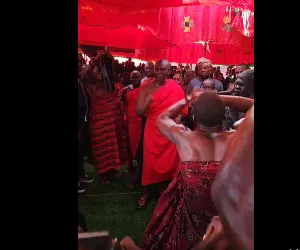
On Thursday, November 30, 2023, the esteemed Omanhene of Dormaa Traditional Area, Oseadeayo Agyeman Badu II, made a significant arrival in Kwahu to participate in the concluding funeral rites of the late Kwahumanhene, Daasebre Akuamoah Boateng II.
Dressed in the traditional full red attire known as Kobene, Dormaahene arrived in Kwahu accompanied by a retinue that included sub-chiefs and queen mothers, creating a vibrant spectacle of singing, drumming, and dirges.
The atmosphere was charged with grandeur as Dormaahene reached the funeral grounds, where he paid his respects to the assembled chiefs present for the occasion. Among them was Akwamuhene Odeneho Kwafo Akoto III, who also attended the solemn event.
Daasebre Akuamoah Boateng II, who passed away at the age of 80 in 2013, had his doteyie (first funeral) held in 2014, marking the culmination of his 42-year reign.
Enstooled as Kwahuhene in 1971, he went on to serve as the President of the Eastern Regional House of Chiefs for two consecutive terms from 1982 to 1989. Additionally, he held the position of Vice-President of the National House of Chiefs from 1985 to 1988.
Notably, the late Daasebre Boateng II served as the Chairman of the Ghana Cocoa Board (COCOBOD) from 2001 to 2009, contributing significantly to the agricultural sector. In his professional life, he was a distinguished lawyer, recognized privately as Nana Kofi Ampadu Acheampong. The final funeral rites in Kwahu stand as a collective tribute to the impactful legacy left behind by the late Kwahumanhene.
The Ghana Independent Broadcasters Association (GIBA) has voiced strong criticism against the recent order issued by the National Media Commission (NMC) instructing the National Communications Authority (NCA) and the Advertisers Association of Ghana (AAG) to suspend or revoke the broadcasting authorizations of Onua TV and Onua FM.
Expressing dissatisfaction with the NMC’s approach, GIBA raised concerns about the lack of fair hearing for the accused stations. The NMC, citing alleged attacks on certain personalities and the promotion of hateful rhetoric leading to division, urged the NCA to take action against Onua TV and Onua FM.
In response, GIBA emphasized the significance of providing an opportunity for fair hearing before imposing sanctions.
The association criticized the NMC’s actions in a statement, particularly highlighting its disapproval of involving the Advertisers Association of Ghana in the process without adhering to due process.
GIBA underscored the importance of upholding procedural fairness in such matters and expressed concern about what it deemed an attempt to cut off the stations’ life support without proper consideration.
“The Ghana Independent Broadcasters Association (GIBA), notes with deep concern the recent communication by the National Media Commission (NMC) to the National Communications Authority (NCA) and the Advertisers Association of Ghana (AAG) regarding a call for the suspension or revocation of Onua TV and Onua FM’s broadcasting Auhtorisations.
“GIBA frowns at the actions taken by the NMC in addressing the issue of the alleged ethical journalistic infraction by the two stations for the reasons that, the Association believes there are far more avenues to explore in addressing the matter on hand, such as giving the opportunity for fair hearing to the stations rather than pronouncing sanctions upon them to the extent of alerting the Advertisers Association of Ghana of a Notice of Suspension without due process.
“GIBA believes that such actions which are tantamount to depriving the stations of their advertising revenue is unacceptable. The fact that the NMC sought to cut-off the life support of the stations by writing to the AAG is damaging.
“GIBA will always advocate for the sanctity and sanity of the broadcast airwaves as we always do, working in collaboration with all institutions and stakeholders,” the statement said.
Simultaneously, the leadership of Onua TV/Onua FM has initiated legal proceedings against the National Media Commission (NMC) by filing a perpetual injunction at the High Court in Accra. The objective of this injunction is to prohibit the NMC from undertaking any actions that might have adverse effects on the media operations of the company and its affiliates.
In the formal court filing, Onua TV/Onua FM is seeking a declaration asserting the unlawfulness of specific orders issued by the NMC to subsidiaries of Media General, the parent company. The legal action underscores the station’s commitment to challenging what it deems as unjust or unlawful directives, with the aim of safeguarding its media operations and associated entities.
The inaugural Global Conference on Cyber Capacity Building (GC3B) took place in Accra, highlighting the critical need for collaborative efforts to address the escalating cybersecurity vulnerabilities and risks.
Participants emphasized that these challenges could impede economic growth, undermine societal trust in the digital realm, weaken critical infrastructure resilience, and ultimately jeopardize individuals’ lives and well-being if left unaddressed.
Co-organized by the Global Forum of Cyber Expertise (GFCE), the World Bank Group, the Cyber Peace Institute, the World Economic Forum, and Ghana’s Cyber Security Authority under the Ministry of Communications and Digitalisation’s leadership, GC3B aimed to raise awareness about each nation’s imperative need for expertise, knowledge, and skills to invest in their digital future.
The conference sought to inspire countries to collaborate in developing these capabilities, fostering a free, open, and secure digital world.
It brought together high-level leaders, cybersecurity experts, capacity-building specialists, and representatives from the international development community to collaborate on shared objectives and solutions.
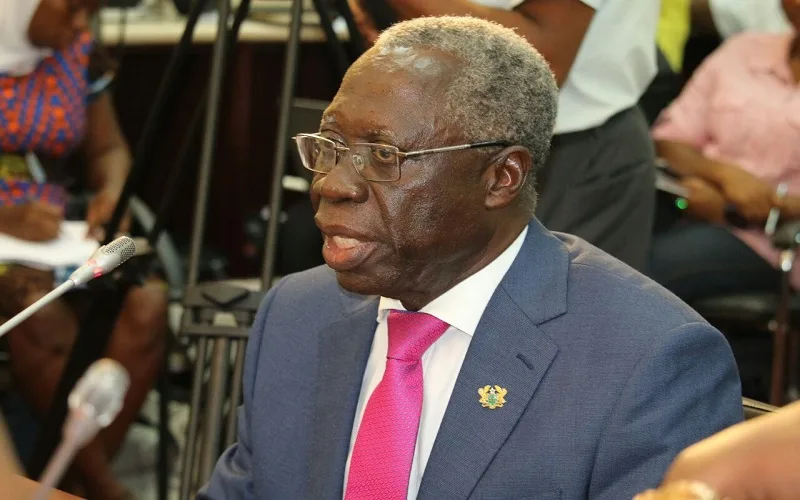
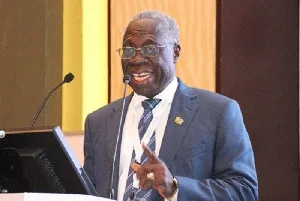
Yaw Osafo-Maafo, Senior Advisor to President Nana Addo Dankwa Akufo-Addo, expressed concerns about the growing threats to global digital development by cybercriminals, emphasizing the need to avoid becoming victims. Positive Technologies, a reputable cybersecurity research organization, reported that in the first half of 2022 and 2023, the global financial sector experienced the highest rate of cyberattacks at 18%, followed by telecommunications companies (13%), government agencies (12%), trade organizations (12%), and the industrial sector (10%).
Additionally, Cybersecurity Ventures highlighted that the total damages incurred by cybercrime, including recovery and remediation costs, amounted to $3 trillion in 2015, $6 trillion in 2021, and could potentially reach $10.5 trillion annually by 2025.
“The threat landscape has become increasingly volatile. Experienced cybercriminal groups continue to grow and create more sophisticated strategies and tools. These challenges call for the need for governments, businesses, and stakeholders within the cyber ecosystem to collaborate and cooperate integrating holistic strategies that will address these complex threats.
“Therefore, a gathering such as this is of great significance to build the capacity of state and non-state actors as a prerequisite to handling these emerging threats in cybersecurity. It is imperative to build the relevant skills, knowledge, and infrastructure needed to safeguard our digital assets, investments in information communication technologies (ICTs), and other digitalisation initiatives,” Mr. Osafo-Marfo stated.
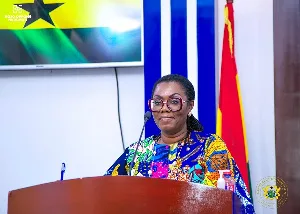
Communications and Digitalisation Minister, Ursula Owusu-Ekuful, emphasized the necessity of collaboration to address the rising cases of cybercrimes, stating that “beyond the numerous opportunities are existential threats that we must not lose sight of.”
Highlighting that Africa is significantly impacted by this global outlook due to the borderless nature of cybercrime, Mrs. Owusu-Ekuful pointed out that in the second quarter of this year, the continent witnessed the highest average number of weekly cyber-attacks per organization. This average, totaling 2,164 attacks, represented a notable year-on-year increase of 23% compared to the same period last year.
“These increasing threats mean we must prioritise our cybersecurity efforts both at a national and international level. Sharing from Ghana’s experience, the government of Ghana is implementing measures to build a robust and resilient cybersecurity architecture. Domestic and international cooperation is the hallmark of our cybersecurity efforts and a strategic imperative enshrined within our National Cybersecurity Policy and Strategy and the Cybersecurity Act, 2020 (Act 1038),” she stated.
The implementation of digitalization has tangibly showcased how technology can contribute to a brighter future. The utilization of digital technologies has played a crucial role in economic growth, enhanced productivity, and progressed human and social development. Consequently, it has been acknowledged as a pivotal factor in achieving the goals set out in the 2030 Agenda for Sustainable Development.
Simultaneously, Chris Painter, President of the GFCE Foundation, noted that digitalization has introduced new challenges, necessitating the development of expertise and skills to effectively address the strategic, institutional, regulatory, and security requirements for a successful and lasting digital transition.
“This is challenging for every nation and organization, but it does place a disproportionate burden on low- and middle-income countries,” he stated. “On the one hand, we see that persisting digital inequalities create barriers to developing countries in reaping the digital dividends. On the other hand, the unprecedented increase in connectivity has also given ground to the emergence of new digital risks and vulnerabilities with fundamental impacts beyond the online world,” he added.
As we are immersed in this ‘digital of everything’ era, the capacity to anticipate, manage and respond to digital risks and be cyber resilient is central for the delivery of key development outcomes and in supporting the Sustainable Development Goals.
“The stakes are high to ensure that no country or individual is left behind, or below the ‘cyber poverty line’” he stated.
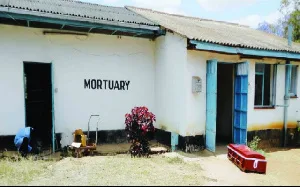
In the aftermath of a meeting with the National Labour Commission (NLC) on Wednesday, November 29, 2023, the Mortuary Workers Association of Ghana (MOWAG) has opted to suspend its intended strike aimed at addressing concerns about their conditions of service.
The initial strike, which commenced on Tuesday, was driven by unresolved issues such as insufficient wages, subpar working conditions, and a lack of personal protective equipment (PPE).
The General Secretary of MOWAG, Mr. Richard Kofi Jordan, affirmed in an interview that mortuary workers would resume their services.
“Our members are actually at post, and we have communicated clearly to them to continue to work. We have only expressed an intention to strike, but it hasn’t started. Mortuaries are open, and our services are ready,” he said.
He also urged those who had concerns about retrieving bodies for funerals to proceed, stating, “All those who have done funerals and are afraid that they might not have their bodies, I’m sorry to disappoint them; the bodies are there. Everybody should go pick up his/her body tomorrow, or Friday.”
The public, depending on mortuary workers for vital services, can now find relief with the suspension of the strike.
This decision comes in the wake of an extended conflict between the Mortuary Workers Association of Ghana and the government concerning their conditions of service. The workers had been pushing for improved wages, better working conditions, and upgraded personal protective equipment (PPE).
In October 2023, MOWAG had issued a strike threat, emphasizing the urgency of addressing their concerns. Despite a meeting with the government, a conclusive resolution was not achieved at that particular moment.
The Association of Ghana Industries (AGI) has expressed its support for the government’s intention to restrict the importation of 22 products.
Trade Minister Kobina Tahir Hammond is set to present a Legislative Instrument on Export and Import Regulations, 2023, in Parliament on November 30, 2023.
If approved, the restriction will apply to various items, including rice, offals, poultry, oils, margarine, fruit juices, soft drinks, mineral water, noodles, pasta, ceramic tiles, corrugated paper, mosquito coil, soaps, motor cars, iron and steel, cement, plastics, fish, sugar, clothing, biscuits, and canned tomatoes.
Despite resistance from six business associations, AGI’s National President, Dr. Humphrey Ayim-Darke, expressed support for the initiative.
“A recent legislative instrument that has been tabled by the Minister of Trade is facing significant opposition, but the Association of Ghana Industries believes that is the way to bring competitiveness to our country and therefore we have pledged our support to the Minister of Trade and the L.I that has been tabled as much as the principle is correct.”
“We believe issues regarding implementation can still be deliberated on where the committee and the chair of the committee and the reporting procedures regarding tabling of applications, the processes, and the role of the Minster of Trade and Industry to accept or deny applications for restricted products can be further discussed and brought to bear on our economy”, he said.
A Business Consultative Forum, including Ghana Union of Traders Associations (GUTA), Food and Beverages Association of Ghana (FABAG), Importers and Exporters Association of Ghana, Ghana Institute of Freight Forwarders (GIFF), Chamber of Automobile Dealership Ghana (CADEG), and Ghana National Chamber of Commerce and Industry (GNCCI), contends that the action is harmful to their activities.
They said it would have “negative impact on the prices of goods” and also “disrupt the free flow of goods”, and potentially “harm to businesses”.
Minister of Communications and Digitalization, Ursula Owusu-Ekuful, has emphasized Ghana’s commitment to leveraging digital tools for expediting the integration of the continent through trade.
She highlighted the establishment of the Africa Continental Free Trade Area (AfCFTA) in Ghana as a crucial step in positioning the country as the digital gateway in Africa.
Addressing the first global conference on cyber capacity building in Accra on November 29, 2023, Owusu-Ekuful outlined the government’s objectives, including bridging the digital divide, promoting digital transformation, and stimulating economic growth in Ghana.
The AfCFTA, a key initiative of Agenda 2063, is an ambitious trade agreement encompassing critical aspects of Africa’s economy, such as digital trade and investment protection. By removing trade barriers within Africa, AfCFTA aims to significantly enhance intra-Africa trade, fostering value-added production and trade across various sectors.
Implemented in January 2021, AfCFTA is the world’s largest free trade area, encompassing 55 African countries with a combined population of 1.3 billion and a GDP exceeding $3.4 trillion. The agreement is designed to strengthen African economies, making them more resilient to internal and external shocks.
Owusu-Ekuful also encouraged Ghanaians to embrace Information and Communication Technology (ICT) as part of the broader digitalization efforts.
“Our major goal is to bridge the digital divide, facilitate our digital transformation, to energize Ghana’s economic growth. This is designed to establish Ghana as the continent’s digital gateway and it is no accident that we host Africa Continental Free Trade Area and are poised to use digital tools to accelerate the integration of the continent through trade,” the Communications and Digitalization Minister said.
She added that, “We have launched interventions to bridge the digital divide and encourage citizens to adopt ICT. We are implementing a rural telephony that will connect over 4 million unserved and underserved citizens to voice and data services on a shared national platform and network.”
Ursula Owusu-Ekuful emphasized the government’s intentional efforts to formalize the economy by implementing various digital initiatives. These initiatives include mobile money interoperability, the national ID card project, rural telephony, and several others.
Owusu-Ekuful highlighted the significance of the national ID card, functioning as a unified Electronic ID (EID) for all digital transactions. She pointed out that this initiative plays a crucial role in combating identity theft, as well as addressing issues related to crime, fraud, and corruption.
Jonathan Oppenheimer, son of South African billionaire Nicky Oppenheimer, has acquired complete control of GZ Industries Ltd., Nigeria’s largest beverage can manufacturer, in a strategic move to capitalize on the potential revival of Africa’s largest economy.
Oppenheimer Partners Ltd., the investment firm, purchased the remaining shares from Affirma Capital (formerly Standard Chartered Private Equity), which previously held a 37.5% stake in GZ Industries. The financial details of the transaction were not disclosed.
This acquisition positions Oppenheimer to influence GZI’s growth in the sub-Saharan African region, where research indicates high consumption of sugary drinks among urban, educated adults.
The Oppenheimer family, known for founding mining giant Anglo American Plc and transforming De Beers into the world’s largest diamond producer, initially invested in GZI in 2018 when the canmaker established a factory in South Africa, achieving a 20% market share.
GZI competes with Nampak Ltd., which has faced losses, leading to asset sales and debt restructuring. Affirma Capital had initially invested in GZI in 2012.
GZ Industries Ltd. produces 3 billion aluminum cans annually in Africa. The Oppenheimer family’s investment aligns with Nigerian President Bola Tinubu’s 2024 spending plans of 27.5 trillion naira ($34 billion), focusing on job-rich economic growth, macroeconomic stability, and an improved investment environment.
Affirma Capital, with investments in 11 African companies since 2008, has successfully exited eight, delivering over $800 million in returns to investors.
The Oppenheimer family holds a combined net worth of $9.4 billion, primarily from the 2012 sale of their De Beers stake for approximately $5 billion, according to the Bloomberg Billionaires Index.
Minority in Parliament has been commended by the Ghana Used Clothing Dealers Association for their decision to reject the proposed legislation pertaining to the importation of 22 specific strategic products.
Speaking at a press conference in Accra on Thursday, November 30, 2023, General Secretary of the Association Edward Binkley Atobrah said that if the proposed L.I. on imports is passed, it will result in job losses, lower wages, and a cascading effect on the financial security of workers and their families.
He said, “The Ghana Used Clothing Dealers Association takes pride in contributing to the livelihoods of over 5 million Ghanaians. Out of this workforce, 2.5 million individuals are directly engaged in the used clothing trade, with an additional substantial number working indirectly in related sectors such as Kayaye and tailoring.”
Atobrah asserted that, “Introducing a licensing system may create financial barriers, disproportionately affecting small and medium-sized businesses and hindering their participation in the trade.”
“The licensing process may introduce bureaucratic hurdles, leading to delays in imports and affecting the timely availability of affordable clothing for consumers,” he added.
Edward Binkley Atobrah made this statement in response to the recent remarks by the Minister of Trade and Industry, Kobina Tahir Hammond. Hammond, on the preceding Friday, mentioned that traders intending to import items outlined in the proposed import restrictions would be required to obtain approval.
KT Hammond clarified that the import restriction bill covering 22 commodities is designed to foster the nation’s development, promote local production, and not to cause food shortages, as some have perceived.
Speaking on Citi News, the Trade and Industry Minister said, “You apply to the committee and explain to them that you want to bring in this amount of quantity. The committee might then want to understand the amount of money involved. And thereafter, because the Agric Ministry and everybody is on board, the committee then will want to ascertain how much quantity the country can afford.”
“The gap between the locally produced rice and consumption and depending on that, you will be allowed the opportunity to import. At the same time, it’s intended to help the economy develop and also to conserve some foreign reserves,” he added.
Below are the list of 22 items considered for import restriction:
Rice Guts, bladders and stomachs of animals Poultry Animal and vegetable oil Margarine Fruit juices Soft drink Mineral water Noodles and pasta Ceramic tiles Corrugated paper and paper board Mosquito coil and insecticides Soaps and detergents Motor cars Iron and steel Cement Polymers (Plastics and Plastic Products) Fish Sugar Clothing and apparel Biscuits Canned tomatoes
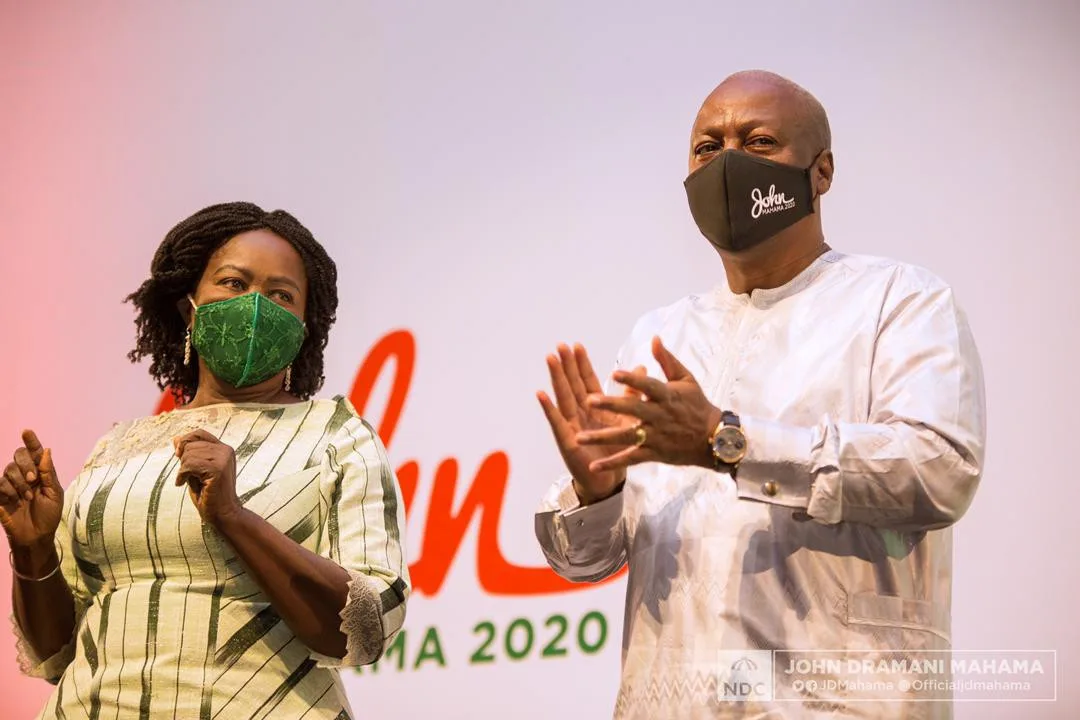
Professor Smart Sarpong has urged former President and leader of the National Democratic Congress (NDC), John Dramani Mahama, to consider giving Prof. Jane Naana Opoku-Agyemang another opportunity as his Running Mate.
As the National Democratic Congress (NDC) and the ruling New Patriotic Party (NPP) prepare for the 2024 election season, strategic choices for Running Mates are crucial, and caution has been advised to avoid negatively impacting their political prospects.
For the NPP, names like Matthew Opoku Prempeh, the Energy Minister, Chief of Staff Akosua Frema Osei-Opare, and others are being considered.
On the NDC side, potential candidates include former Chief of Staff Julius Debrah, former Chief Executive of the National Health Insurance Authority Sylvester Mensah, and Jane Naana Opoku-Agyemang, among others.
Despite objections within the NDC regarding the re-selection of Prof. Naana Opoku-Agyemang, Senior Research Fellow Prof. Smart Sarpong believes she should be given another chance.
He contends that while she may not have exhibited strong political instincts during the 2020 elections, her academic background deserves consideration for another opportunity.
Prof. Smart Sarpong asserts that not giving Prof. Opoku-Agyemang a second chance might convey the wrong message to the Ghanaian public.
“If they will give the woman another opportunity, I think it wouldn’t have been bad. It would have signified or represent consistency. It would have signified and represented that, at least, we know that women largely as some people call them ‘weaker cells’ but when you give a woman an opportunity, she can do things that a man cannot. If you like touch a woman’s child and you will see the man in her”.
“If you drop the woman, people will begin to read a lot of meanings that you don’t believe in consistency; you don’t give second opportunity…I know the woman as a former Vice Chancellor. We all didn’t know her as a politician, so maybe given a second chance, the woman can prove something very greater than what we saw her do in the first contest,” he asserted while commenting on Peace FM’s “Kokrokoo” morning show.
Disqualified aspirant for the upcoming parliamentary election in Odododiodioo, Michael Nii Yarbio, has disclaimed any knowledge of the disturbance that occurred at the National Democratic Congress (NDC) Headquarters on Wednesday, November 29, 2023.
Reportedly, disenchanted supporters of Michael Nii Yarboi, barred from contesting the parliamentary election, were involved in causing damage at the NDC Headquarters in Accra.
Sources indicate that these agitated followers disposed of refuse in front of the party’s headquarters, blocking the road and disrupting traffic flow.
These actions followed the Functional Executive Committee’s (FEC) decision to disqualify Michael Nii Yarboi from the upcoming Parliamentary elections in Odododiodioo, Greater Accra.
However, Mr. Yarbio, in a statement, clarified that he played no part in the reported vandalism in Odododiodioo, which extended to the NDC’s National Headquarters.
“Sections of media reports that these acts of vandalism were committed by supporters of my campaign have also caught my attention with much regret and surprise and I wish to place on record that members of my team and I have no hand in these disturbances.
“I particularly regret to learn that these disturbances and destructions have been extended to the national Headquarters of our great Party, and once again, my team and I have no hand in these acts,” Mr. Yarbio stated.
FIDO, a leading financial services provider, is thrilled to introduce FidoBiz, a groundbreaking credit and financing facility designed specifically for business owners.
Known for its innovative financial solutions, FIDO has once again broadened its offerings to support the entrepreneurial spirit and growth of small and medium-sized enterprises.
FidoBiz aims to provide business owners with the financial boost they need by addressing their unique requirements and offering quick and hassle-free financing. With a streamlined online application process, no paperwork, no collateral, and no queues, FidoBiz seeks to empower entrepreneurs, fostering economic growth and resilience.
FidoBiz is accessible to all registered business owners, requiring a one-time registration on the Fido App, along with the submission of specific documentation to verify business ownership and assess eligibility. Additionally, existing Fido customers with a positive credit history, who have registered on the Fido app, are also eligible.
Joseph Maxwell Appiah, Head of FidoBiz Ghana, emphasized FIDO’s commitment to delivering innovative solutions that empower individuals and entrepreneurs to seize opportunities in Africa during the launch of this new feature.
“We are steadfast in our effort to support the success of entrepreneurs and we believe expanding our credit financing to business owners is a step in the right direction,” he said.
The Bank of Ghana (BoG) is issuing a warning to exporters regarding the necessity of repatriating proceeds to the country.
Under the Foreign Exchange Act, 2006, Act 723, and the associated Letter of Commitment (LOC), exporters are mandated to bring back proceeds of merchandise through a bank, excluding those with retention arrangements. This repatriation should constitute 100 percent of the export value of all merchandise exports.
Despite these regulations, some exporters are reportedly violating the law.
Mr. Eric Kweku Hammond, Assistant Director of the Banking Department at the Bank of Ghana, highlighted that exporters found guilty could face a fine of 5000 penalty units, equivalent to Ghc60,000, or a prison term of up to ten years, or both.
Speaking at a forum organized by the Ghana Shippers’ Authority (GSA) and BoG, Mr. Kwaku Hammond stressed the significance of repatriating export proceeds. This practice contributes to building reserves, strengthening the local currency, boosting trading activities, and supporting Ghana’s transformation agenda.
Mr. Kwaku Hammond emphasized the enduring nature of the LOC and assured exporters that collaborative efforts with the BoG could address challenges encountered with the system.
Charles Darling Asiedu Sey, the Tema branch Manager of the Ghana Shippers Authority, explained that the forum aims to tackle specific challenges faced by exporters.
He said export holds deep significance for national development stating that “It is the lifeblood contributing significantly to our Gross Domestic Product (GDP), job creation, and government revenue. It plays key role in shaping our economy, fostering international trade relations and positioning Ghana on the global stage”.
The National Export Development Strategy (NEDS), according to Charles Sey, lays out a bold course for the ensuing ten years.
“It envisions the growth of non-traditional exports(NTEs) from 2.8 billion dollars in 2020 to a substantial 25.3billion dollars in 2029.This growth is coupled with a profound structural transformation aimed at positioning Ghana as a competitive export -led industrialized economy”.
He emphasized that the Ghana Shippers’ Authority (GSA) is collaborating with service providers to improve the quality of shipping services. This involves a thorough review of export-related policies, simplifying procedures, reducing bureaucracy, and fostering a more conducive business environment.
Mr. Sey advocated for ongoing assessments of the export value chain to pinpoint bottlenecks, enhance Ghana’s exportable capacity, and facilitate trade with other countries, with a specific focus on addressing non-tariff barriers.
The 1st Vice President of the Ghana Institute of Freight Forwarders (GIFF), Paul Kobina Mensah, provided insights into the fundamentals of exports. His presentation covered aspects such as insurance, negotiating favorable trade conditions (INCOTERMS), sales contracts, freight negotiation, high freight charges, and strategies to reduce shipping costs.
During the forum, participants expressed various concerns, including the surge in freight charges, challenges with the Letter of Commitment (LOC) system, the application of exchange rates higher than the BoG rate at ports, bureaucratic hurdles, and the absence of financial and technical support from the government and regulators.
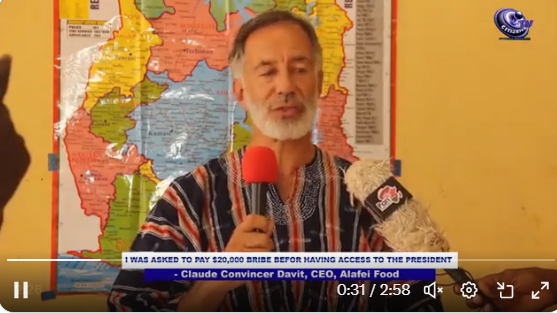
The Minister of Works and Housing, Francis Asenso-Boakye, has strongly denied accusations of soliciting a $20,000 bribe from Claude Convincer Davit, the Chief Executive Officer of Alafei Food.
Davit alleged that the bribe was sought to facilitate access to President Nana Addo Dankwa Akufo-Addo for a loan guarantee related to a project under the government’s flagship One District, One Factory program.
In a press statement posted on Facebook on November 29, 2023, and signed by his media assistant, Paul Yandoh, Asenso-Boakye dismissed the allegations as “false and evil.” Yandoh emphasized that the minister has no knowledge of Davit and has never engaged in any interaction with him.
Additionally, he highlighted that this is not the first time Davit has made such accusations, and they were previously determined to be baseless.
“Our attention has been drawn to a video of a gentleman by name Claude Convincer Davit in which he alleges that in 2017 the Deputy Chief of staff at the Office of the President, Hon Asenso-Boakye solicited for a bribe from him in order to grant him access to the President.
“We wish to state categorically that the allegation is false and evil. Hon Asenso-Boakye does not know the gentleman in question. He has never met him nor had any interaction whatsoever with him,” part of the statement read.
The statement went on to say that the minister’s opponents might be using the repeated accusation as a political ploy to damage his reputation.
“It may be recalled that this is not the first time this allegation has been made against the MP by the same person. It became obvious then that there was no iota of truth in the allegation. It gives cause to wonder why the gentleman will repeat the same allegation at this time if not for evil and malicious intentions.
“It bears saying that the repetition of a false allegation does not make it true. It was false then, and it is false today. It is obvious that this is a spurious allegation which has resurfaced as a result of the propaganda machinations of the MP’s political opponents and detractors who wish to court unnecessary public disaffection for him in order to score cheap political points.
“Should the Ghana Police and/or the Economic and Organized Crime Office (EOCO) find any weight in the allegation, we strongly suggest then that they invite Mr. Davit to provide further and better particulars,” the statement added.
Davit claimed that Asenso-Boakye had asked for the bribe in a now-viral video during a 2017 visit to the White House, when the minister was the deputy chief of staff at the President’s Office.
He told his story of the purported bribery, saying that he was unable to get the loan guarantee approved because he refused to pay the $20,000 in question.
A professional mermaid commonly known as Maami Water, captivating audiences in a South African shopping mall, faced a heart-stopping moment when her tail became ensnared in the glass tank.
This harrowing incident unfolded within the aquarium at Randburg shopping mall on Saturday, November 25, leaving shoppers visibly alarmed.
The South African Shopping Mall Mermaid found herself struggling for air as her tail got entangled on the reef within the aquarium tank.
The entire episode, captured on video, showcases the mermaid’s desperate attempt to swim upward, hindered by her tail caught at the tank’s bottom.
With concerned shoppers watching, Maami Water, quick on her feet, managed to remove her tail promptly, allowing her to ascend to the water’s surface to gasp for breath.
This brief but intense scare underscores the risks inherent in showcasing talents in unconventional settings, even within the seemingly serene confines of a shopping mall.
The incident serves as a reminder of the unpredictable challenges faced by performers, and Maami Water’s skillful response highlights the importance of adaptability in navigating unexpected situations in the mesmerizing world of aquatic displays.
Watch video below:
Maami Water almost quenched after her tail got stuck in this mall glass tank in South Africa.
The South African Shopping Mall Mermaid struggles for Air as her ‘tail’ gets caught on the reef inside Aquarium tank.
A professional mermaid commonly known as Maami Water, captivating audiences in a South African shopping mall, faced a heart-stopping moment when her tail became ensnared in the glass tank.
This harrowing incident unfolded within the aquarium at Randburg shopping mall on Saturday, November 25, leaving shoppers visibly alarmed.
The South African Shopping Mall Mermaid found herself struggling for air as her tail got entangled on the reef within the aquarium tank.
The entire episode, captured on video, showcases the mermaid’s desperate attempt to swim upward, hindered by her tail caught at the tank’s bottom.
With concerned shoppers watching, Maami Water, quick on her feet, managed to remove her tail promptly, allowing her to ascend to the water’s surface to gasp for breath.
This brief but intense scare underscores the risks inherent in showcasing talents in unconventional settings, even within the seemingly serene confines of a shopping mall.
The incident serves as a reminder of the unpredictable challenges faced by performers, and Maami Water’s skillful response highlights the importance of adaptability in navigating unexpected situations in the mesmerizing world of aquatic displays.
Maami Water almost quenched after her tail got stuck in this mall glass tank in South Africa.
The South African Shopping Mall Mermaid struggles for Air as her ‘tail’ gets caught on the reef inside Aquarium tank.
Senior Presidential Advisor, Yaw Osafo-Maafo, has emphasized that the implementation of digitalized application processes for obtaining passports and driver’s licenses has successfully eradicated corruption.
He highlighted that this digitalization has significantly enhanced the efficiency and reliability of service delivery to the people of Ghana.
Addressing the audience at the inaugural global conference on cyber capacity building in Accra on Wednesday, November 29, 2023, Osafo-Maafo underscored that Ghana is making substantial progress in its digitalization agenda.
He said, “In these times, we definitely have to digitalize to make services that we give to our citizenry quick and reliable. We recently decided to modernize the passport office. There is a long queue of people waiting for something which is a right to have a passport as a Ghanaian and I noticed that it changed so many things.”
He added that, “Before then, you get there, the form you must complete to get the passport, you go there and they tell you the form is finished, come next week and you may go up and down for some time. Now, it is done online, so it eliminated go and come.”
“The moment you digitalize, you use technology to even fight corruption because corruption associated with getting a passport is now gone because of digitalization. We have done the same thing for the driving license…now, we are doing all the application process online and I think we should move in that direction,” Yaw Osafo-Maafo stated.
In the interim, there are intentions to raise the cost of the nation’s passport application procedures.
Deputy Minister of Foreign Affairs Kwaku Ampratwum-Sarpong defended the government’s new action by stating that it was required to continue providing Ghanaians with the best services possible.
In a recent statement, former Attorney General and Minister of Justice, Martin Amidu, has leveled accusations against President Nana Addo Dankwa Akufo-Addo, alleging an attempt to politicize the Airbus Scandal in anticipation of the 2024 general elections.
Amidu contends that the president is actively undermining the primary opponent of his favored successor within the New Patriotic Party (NPP) for the upcoming 2024 presidential elections.
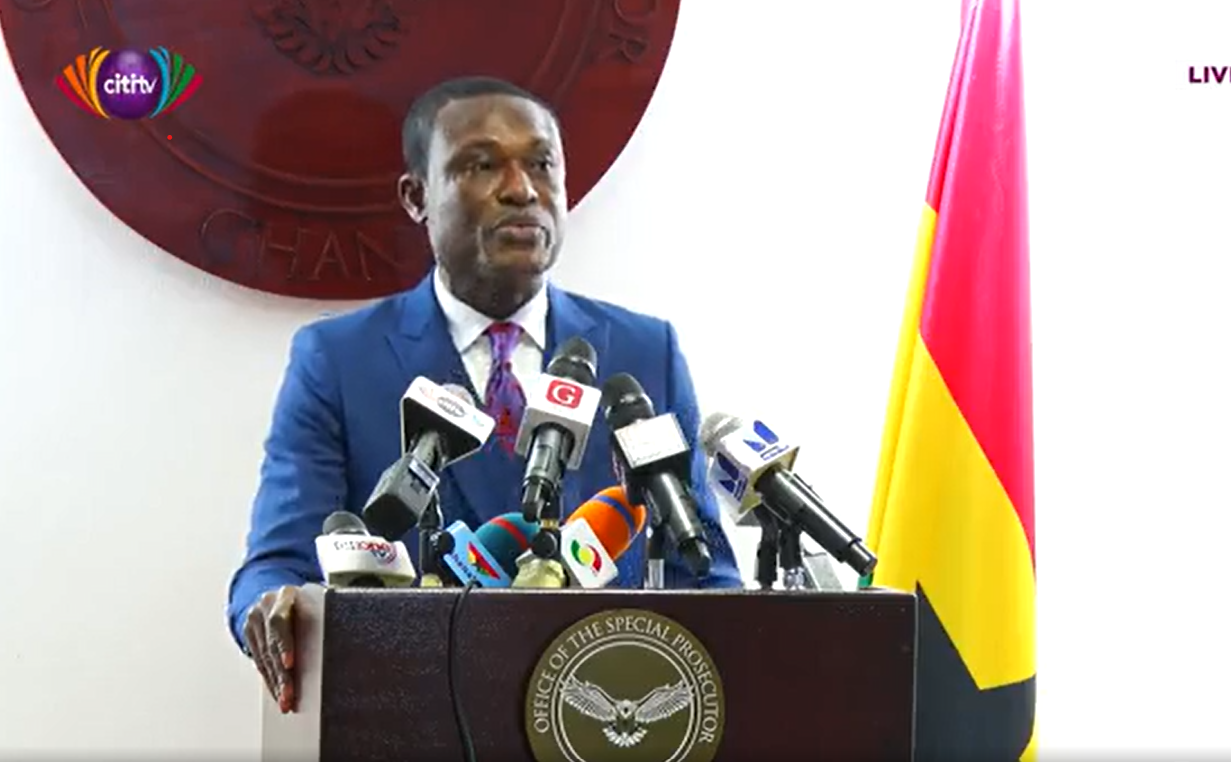
Furthermore, Amidu asserts, as per a statement seen by GhanaWeb, that Akufo-Addo is utilizing all available state machinery, including pressuring the Office of the Special Prosecutor (OSP), to resurrect the Airbus Scandal for political purposes.
“The Republic of Ghana under the 1992 Constitution on 7 January 2017 became the patrimony of Our Saviour, His Excellency Highness President Big Brother (B.B.) Nana Addo Dankwa Akufo-Addo to manipulate and dispense with regarding what the electorate must believe and disbelieve as ordained by him, and his family and friends’ Government.
“The 2024 elections must bend to the dictates and wishes of Big Brother in the use of orchestrated political truth deployed by all levers of state power under his control to discredit his opponents to ensure his self-perpetuation in the surrogacy of a successor at the 7 December 2024 election and on 7 January 2025,” he wrote.
Amidu, the recently appointed special prosecutor, claimed that he realized the Airbus Scandal was being politicized when he received a call from a high-ranking government official and a prominent NPP figure inquiring about specifics of his investigation during his tenure, including the involvement of the brother of former President John Dramani Mahama.
He continued by recounting the following events that took place during the phone call:
“My suspicions about the in tandem orchestration and politicization of the Airbus SE-Ghana investigation were first confirmed on 13 August 2023 at 19:21 Hours when I received a 2 missed call from an unlikely source and returned the call at 19:41 Hours only to hear my interlocutor say from the other end that: “Uncle it is me…..”. My interlocutor wanted to find out from me whether I could confirm that Samuel Mahama, the younger brother of former President John Mahama, and other suspects for whom I had caused an INTERPOL arrest warrant to issue when I was the Special Prosecutor, had been arrested in the United Kingdom for extradition to Ghana.
“My interlocutor turned out to be a public officer in the Government paid from public funds appropriated by parliament who in his official capacity has nothing to do with law enforcement in Ghana. Incidentally, he also holds an influential position in the New Patriotic Party (NPP).
“I answered in the negative and reminded my interlocutor that I ceased to have anything to do with the Airbus SE-Ghana investigation upon my resignation from the OSP. I, therefore, had no interest whatsoever in following what was happening in that investigation. I also reminded the interlocutor that I had left the OSP in the care of my deputy as the acting Special Prosecutor for eleven months before a substantive Special Prosecutor was appointed on 5 August 2021. I asked the interlocutor to contact Kissi Agyebeng, the Special Prosecutor to confirm whether or not the allegations he sought to confirm from me were true. We spoke on the phone for 5 minutes 35 seconds at my expense.”
About Airbus scandal:
Airbus, the European aircraft manufacturer, faced allegations of bribery in Ghana during the sale of three military aircraft. The aerospace multinational admitted to engaging the brother of a prominent elected Ghanaian official as a consultant for the aircraft sales pitch.
Furthermore, Airbus acknowledged that it paid the mentioned consultant through a third party, a move prompted by concerns raised by its Compliance Unit regarding the close association between the consultant and the influential elected official.
This official played a pivotal role in the decision-making process for the military aircraft purchase.
Former President John Dramani Mahama was implicated in the scandal, with the former Special Prosecutor, Martin Amidu, suggesting that the label “Government Official One” in the scandal referred to the ex-president.
Amidu, during his tenure as Special Prosecutor, disclosed details of how John Mahama allegedly utilized his position to facilitate a Ghanaian passport for his brother, Samuel Adam Mahama.
Ghana is set to launch chip-embedded passports in the second quarter of 2024, intending to gradually replace the existing biometric passports.
These new passports will be interconnected with the national identification system, utilizing the biometric information stored on the embedded chip to verify the identity of the passport holder.
Deputy Minister of Foreign Affairs and Regional Integration, Kwaku Ampratwum-Sarpong, disclosed the timeline for this transition, emphasizing that the shift from the current biometric passports to chip-embedded ones is a crucial mandate from the International Civil Aviation Organisation (ICAO), the United Nations agency overseeing civil aviation.
“We are at the moment using biometric but we want to upgrade to chip-embedded. Moving from the biometric to the chip-embedded is a requirement of the International Civil Aviation Organisation. It is asking all countries who are on biometric to upgrade to the chip-embedded passport,” Ampratwum-Sarpong said.
In terms of security, he said that non-Ghanaians and fraudsters would find it extremely difficult to obtain the passport thanks to its embedded chip.
“Since a passport is a serious security document that needs not be tampered with or abused, moving from biometric to chip embedded is for our security and to also make life easier and better for all of us. We are modernized, we are moving digitalization. Chip embedded is an upgrade on digitalization so we have to get there and be one of the leading lights,” he added.
The Mortuary Workers Association of Ghana has called off its nationwide strike scheduled to commence on Wednesday, November 29, 2023. This decision comes after a meeting with the National Labour Commission earlier today.
The Association stated that it is anticipating a meeting next week Tuesday to establish specific timelines for the settlement of allowance arrears.
In an interview with GHOne News, the General Secretary of the Association, Richard Kofi Jordan, expressed the group’s reluctance to pursue legal action further and urged the government to provide clear commitment timelines for payment.
‘The Commission actually took our plea and what they have ruled is that we are meeting here next week Tuesday to give timelines and everything will be settled.”
“Currently our members are not on strike, we have told them to wait. For now we have suspended the strike… I have seen letters or instructions, that is enough for me now. Of cause we are looking for resolution. So if Controller has called and said bring data and let me pay, that’s okay. The most important thing is to present the data, if they don’t do it, then we have a case.”
The Association announced their planned strike in a statement dated November 20, 2023, claiming that the government’s refusal to address worker grievances had made the action necessary.
The group maintained that the government has expressed concern verbally but won’t back down.
The 2024 budget and economic policy have disappointed Dr. Charles Kwowe Nyaaba, Executive Director of the Peasant Farmers Association of Ghana (PFAG), who says it did not live up to the expectations of the region’s peasant farmers.
According to him, the PFAG and its members expected more focused investments aimed at improving food production, lowering food costs, and improving the lives of farmers given the challenges facing the agricultural sector, which are typified by food insecurity and skyrocketing food prices throughout the year.
“Though the 2024 budget attempts to do so, it falls short of the rapid transformational change we were expecting to see in the agricultural sector that would address the current food insecurity crisis and food inflation the nation is battling with,” he stated during a post-budget analysis press conference in Accra.
On November 15, 2023, Minister of Finance Ken Ofori-Atta presented the 2024 Budget Statement and Economic Policy to parliament under the theme ‘Pursuing Growth and Development Within a Stable Macroeconomic Environment.’
The fiscal policies outlined aim to propel fiscal consolidation, restore macroeconomic stability, and foster growth through measures such as expenditure rationalization, structural reforms, and social protection.
Recognizing the significance of agriculture and the pressing need for substantial investment in the sector to ensure sustainable food production, the Peasant Farmers Association of Ghana (PFAG) conducted a post-budget analysis. The focus was on scrutinizing and highlighting emerging issues from the agricultural sector budget, particularly assessing investment decisions and their potential impact on agricultural performance in the country.
Furthermore, the analysis delved into the recent policy decision by the Minister of Trade and Industry to impose restrictions on the importation of certain commodities, including agricultural products, through the issuance of permits to selected importers. The PFAG aimed to understand how such a policy could affect households, businesses, and the broader economy.
Against this backdrop, Dr. Nyaaba bemoaned government’s continuous failure to commit substantial resources into the agricultural sector – describing the development as “worrying”, given that “this is the sector that can trigger the growth of most other sectors, especially the industry and manufacturing sectors”.
Government spending on the agricultural sector encompasses the budgets of three crucial ministries: the Ministry of Food and Agriculture (MOFA), the Ministry of Fisheries and Aquaculture Development (MOFAD), and the Ministry of Lands & Natural Resources (MOLNR), collectively responsible for coordinating farmer and agribusiness activities.
In 2024, the total budget allocation for these ministries witnessed a significant 74 percent increase, reaching GH¢5,054,184,462 (with MOFA at GH¢3,020,653,634; MOFAD at GH¢298,772,253, and MOLNR at GH¢1,734,758,575). This marked a notable rise from the 2023 allocation of GH¢3,717,507,762 (with MOFA at GH¢2,153,234,369; MOFAD at GH¢213,308,813, and MOLNR at GH¢1,350,964,580).
Despite the increased budgetary allocation, when considering the allocations for these three ministries, the percentage of the agricultural sector budget in relation to the total government budget remained constant in 2024, standing at 1.95 percent, the same as in 2023.
“This is still far below the expected 10 percent commitment made under the Malabo Declaration,” Dr. Nyaaba said. He explained that with inflation hovering around 40.5 percent and the cedi experiencing an over-20 percent depreciation on average in 2023, “The nominal value of total budget allocation in real terms has reduced, while allocation to the agricultural sector in real terms has declined by 40.5 percent.
“The analysis of Ministry of Food and Agriculture spending against budget allocation depicts underspending. This trend has been a common feature of the ministry’s implementation spanning from 2018-2022. Budget performance data for the period 2018-2022 show that MoFA’s budget has been underspent by 27 percent, 18 percent, 19 percent, 10 percent and 45 percent for 2018, 2019, 2020, 2021 and 2022 respectively.
“The underspending is largely due to failure by the Ministry of Finance to disburse funds for project implementation. In 2021 and 2022, for instance, the Ministry of Finance failed to release funds for payment of fertiliser and seed supplied under the PFJ 1.0,” he stated.
“If the country does not change strategy to improve execution of the sector’s budget,” Dr. Nyaaba said, “Ghana will certainly not achieve the sustainable development goal 2 of Zero Hunger by 2030 and Maputo and Malabo Declaration of 10 percent budget allocation to the agricultural sector.”
He stated that PFAG was anticipating a significant budgetary allocation with support from the International Monetary Fund (IMF) to support capital investment for agriculture in the areas of irrigation development, feeder roads, warehousing, and mechanization. These areas are essential for a significant transformation of the agricultural sector.
“Apart from inadequate allocation, there is no detailed breakdown of specific areas of investment – which makes it difficult for monitoring and tracking,” stated Dr. Nyaaba.
Performance
Concerns have been raised by other analysts regarding the stagnant growth expectations of the sector and its contribution to the broader economy, particularly as the global supply chain disruptions have heightened the importance of food security.
In the first half of 2023, the economic landscape retained a familiar structure, with the Services sector maintaining its dominance at 46.1 percent of nominal output, a slight increase from the previous year.
Following closely was the Agriculture sector, which experienced a slight uptick in its share from 21.1 percent to 21.4 percent, growing by 6.3 percent compared to the 4.3 percent recorded in the first half of 2022. Meanwhile, the Industrial sector saw a decrease from 33.2 percent to 32.5 percent.
The growth in the Agriculture sector was primarily driven by exceptional performances in the crops and livestock subsectors, both registering growth rates of 6.8 percent – a substantial improvement from the previous year.
However, not all subsectors enjoyed positive momentum. The cocoa subsector faced challenges, slowing down significantly with a growth rate of 0.4 percent, attributed to unfavorable weather conditions and the cocoa swollen shoot virus disease (CSSVD).
Despite setbacks, the fisheries subsector rebounded, recording a robust growth rate of 12.2 percent in the second quarter and contributing to an overall growth of 4.9 percent for the first half of 2023. This, however, represents a slowdown compared to the 15.8 percent recorded in the same period of 2022.
The sector is expected to conclude 2023 at a pace slower than projected, extending into 2024. The projected decrease is largely attributed to lower growth expectations in the crops, livestock, and fishing sub-sectors.
Nevertheless, the sector is anticipated to recover with a growth rate of five percent from 2025 onward, averaging 4.5 percent over the medium-term (2024-2027) – though analysts argue this might not be ambitious enough.
The sector’s resilience remains crucial for Ghana’s economic stability, employing over 38.3 percent of the workforce and contributing an average of 20 percent to the GDP between 2017 and 2022.
Despite the proclaimed success of the government’s flagship program, ‘Planting for Food and Jobs’ (PFJ), the country grapples with significant challenges, including an annual expenditure of about US$2 billion on importing poultry, rice, sugar, vegetables, and other food products.
This heavy reliance on imports has exerted undue pressure on the national currency, contributing to high levels of inflation. By mid-2023, food inflation had exceeded 50 percent, primarily due to importing staple foods that could be locally produced in sufficient quantities.
The government is now facing increasing pressure to urgently address this issue and reverse the trend, possibly by boosting local production through policies and incentives, as the move to ban imports of select items continues to encounter legislative hurdles.
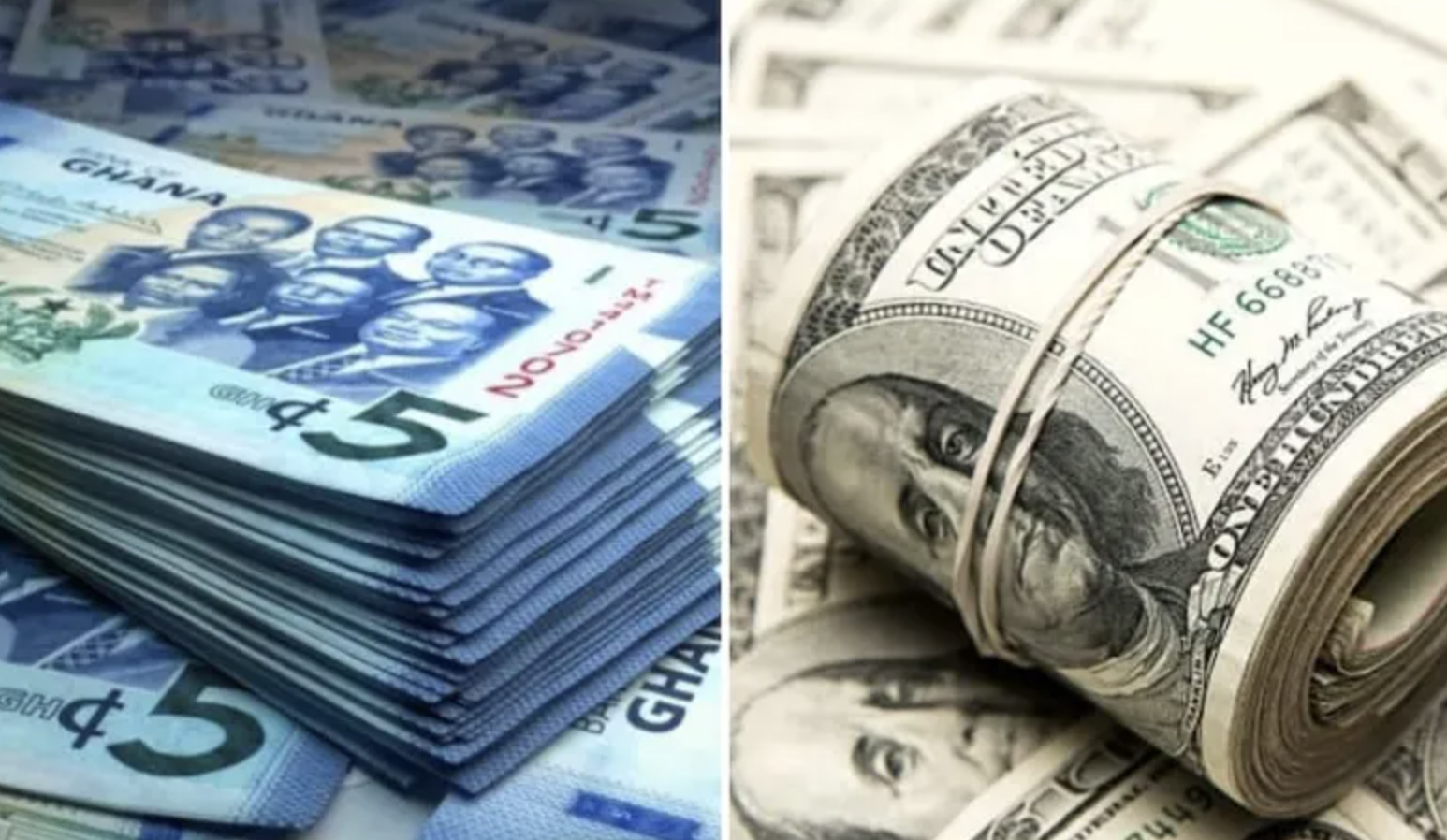
As of today, November 30, 2023, the Interbank forex rates released by the Bank of Ghana indicate that the Ghana Cedi is exchanging against the US Dollar at a buying price of 11.6053 and a selling price of 11.6169.
In Accra’s Forex bureaus, the Dollar is being purchased at a rate of 12.10 and sold at 12.35.
Against the Pound Sterling, the Cedi is valued at a buying price of 14.7167 and a selling price of 14.7326.
In Accra’s Forex bureaus, the Pound Sterling is acquired at a rate of 15.00 and sold at a rate of 15.50.
The Euro holds a buying price of 12.7296 and a selling price of 12.7411.
In Accra’s Forex bureaus, the Euro is bought at a rate of 12.95 and sold at a rate of 13.45.
The South African Rand is transacting at a buying price of 0.6229 and a selling price of 0.6234.
In Accra’s forex bureaus, the South African Rand is purchased at a rate of 0.40 and sold at a rate of 1.10.
The Nigerian Naira is valued at a buying price of 69.1580 and a selling price of 69.3302.
In Accra’s forex bureaus, the Nigerian Naira is bought at a rate of 9.00 Naira for every 1 Cedi and sold at a rate of 15.00.
For the CFA, it is being traded at a buying price of 51.4835 and a selling price of 51.5301.
In Accra’s forex bureaus, the CFA is acquired at a rate of 17.30 CFA for every 1 Cedi and sold at a rate of 19.80 CFA for every 1 Cedi.
Our forex bureau rates are provided by Afriswap Bureau De Change in Osu, Accra.
Note that these rates may be different at a forex bureau near you. Our forex bureau rates are provided by Afriswap Bureau De Change in Osu, Accra.
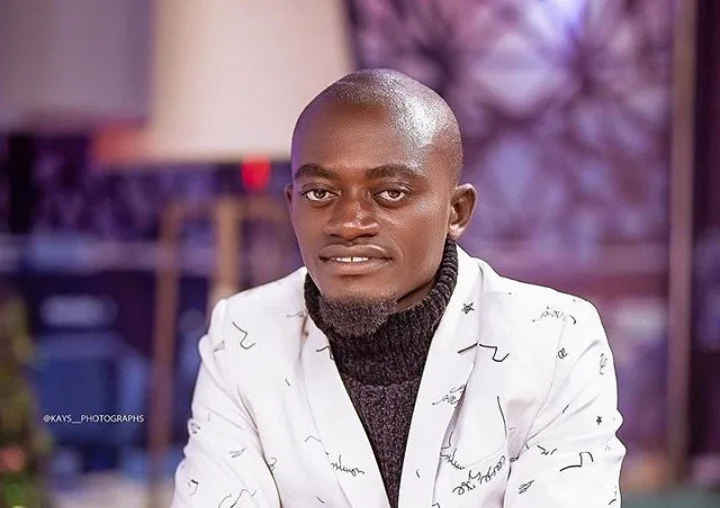
Ghanaian Entertainer and Politician, Kwadwo Nkansah, widely known as Lil Win, has quashed speculations surrounding the alleged poor performance of students from Great Minds International School in the 2023 Basic Education Certificate Examination (BECE).
Taking to his Instagram handle, Lil Win shared the impressive results and placement slip of the outgoing boys’ prefect, Aduboffour Oheneba Boateng, as evidence of the students’ success in the crucial examination.
The posted documents revealed Oheneba Boateng’s excellent performance, securing admission to the prestigious Prempeh College to pursue General Science. Lil Win expressed his joy and commended the entire class of 2023 for their outstanding achievements.
Furthermore, Lil Win encouraged parents to consider enrolling their children at Great Minds International School based on the demonstrated success of its students.
“Congratulations Boys Prefect. Disregard any rumors of poor performance or cancellation of my candidates’ results. The management doesn’t want to show off. Since, at the end, most will think I have hands in it. Great Minds is impacting the life of the young generation,” he posted.
The comment section was inundated with Ghanaians lauding the students’ intelligence, offering congratulations, and commending Lil Win for his efforts. Many encouraged him to persist in his commendable work.
Results from a survey conducted by Global Info Analytics, focusing on seven constituencies with significant Zongo Communities, indicate that former President John Dramani Mahama is leading by a wide margin over Vice President Mahamudu Bawumia in the 2024 presidential election.
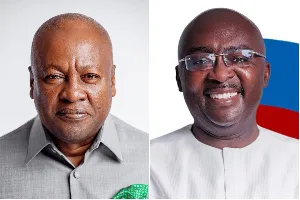
The poll, released on Wednesday, November 29, 2023, revealed that Mr. Mahama of the opposition National Democratic Congress secured 73.1% of respondents’ votes, while his closest competitor, Dr. Bawumia of the ruling New Patriotic Party, garnered 21.2%.
The third position was evenly divided between independent candidate Alan Kyerematen and undecided respondents, each receiving 2.5%.
Dr. Sam Ankrah and Kofi Akpaloo both polled at 0.0%, Kwabena Andrews at 0.1%, and Hassan Ayariga at 0.1%. However, 0.4% of respondents expressed an intention to vote for a different candidate.
The constituencies involved in the poll were Madina, Ashaiman, Ablekuma Central, Ayawaso East, Ayawaso North, Ayawaso Central, and Asawase, with a total sample size of 2,745 and a margin of error set at ±2.41%.
Global Info Analytics conducted interviews for the poll between November 23 and November 28, with a confidence level in the results stated at 99%.
A former Communications Director for the New Patriotic Party (NPP), Yaw Adomako Baafi, has voiced criticism against Deputy Minority Whip Comfort Doeyoe Cudjoe Ghansah for her recent attacks on the NPP government.
In her capacity as the Member of Parliament for Ada, Ghansah accused the NPP administration of engaging in what she deemed “useless spending” and highlighted concerns about the government’s apparent inability to provide a transparent account of public funds.
Ghansah, an advocate for tax-free sanitary pads, expressed her dissatisfaction with the government’s financial management. She argued that eliminating wasteful expenditure could create room for important initiatives, such as providing free sanitary products to address a pressing social need.
“Ghana, if we can stop this useless spending as a country, we will be able to achieve free sanitary products. But for us, we are not correct that is why we are misusing our finances, especially this particular government, they are not correct and good because if you check the money that has passed through their hands but cannot even be accounted for, it is worrying, what do they use the money for?” the MP said.
However, in an interview on Okay FM on November 28, 2023, Adomako Baafi responded to Ghansah’s remarks, categorizing her statements as a “disgrace to womanhood.”
Baafi contended that, given her status as a woman, Ghansah should have conveyed her concerns with greater thoughtfulness and responsibility.
He stressed that her choice of words had undermined the traditional respect accorded to women in public discourse.
The former NPP Communications Director also seized the opportunity to underscore various developmental projects initiated by the NPP government. Baafi highlighted accomplishments such as the implementation of Free Senior High School (SHS) education, the Ghana card initiative, and Agenda 111, underscoring their positive impact on the Ghanaian populace.
“I am very much ashamed because, as the elders say, when things get difficult, we seek advice from women, and a grown-up woman like this talks this way? When men get angry, women mostly talk with sense to them. She is an apology to womanhood because if she can open her mouth and utter such words, then it means that she has brought disgrace to womanhood.
“I don’t know where she slept because her words were not even consistent, she was just contradicting herself…she also said that the NPP government is not reasonable and I want to let her know that unreasonable government is those that…
“Ghanaians have benefited from free SHS, Ghana card agenda 111, and other developmental projects if she doesn’t know she should ask,” he said.
At a recent event, CEO of Alafei Food, Claude Convincer Davit, has alleged that Francis Asenso-Boakye, Minister of Workers and Housing, sought a $20,000 bribe in 2017 for access to then-President Nana Addo Dankwa Akufo-Addo.
Davit claimed that during Asenso-Boakye’s tenure as the deputy chief of staff, he approached the presidency for a loan guarantee under the One District, One Factory initiative but was informed that access to the president required payment of the alleged bribe, which he refused to pay.
“I recount my own visit to Flagstaff House on December 26, 2017, in which the president’s nephew or cousin, Asenso, who was one of two deputy chiefs of staff, solicited a $20,000 bride in order to either gain access to the president or for further favourable action on the appeal, which I was delivering on behalf of the company, which was a guarantee for a loan by the Exim Bank of Ghana for a One District, One Factory loan from a Ghanaian bank,” he narrated.
The CEO further claimed that Iddrisu Sunday, the then-Northern Regional First Vice Chairman of the ruling New Patriotic Party (NPP), was the one who prepared him for the bribe and told him about it.
“The companies that I worked with are Yendi’s nominee for One District, One Factory, The circumstances of this solicitation of a bribe were that the 1st Vice Chairman of the New Patriotic Party in the Northern Region, Alhaji Sunday, had taken me to the Flagstaff House and he had prepared me by having that same conversion about 3 or 4 times, informing me basically what would happen.
“That we would probably meet with Asenso, we wouldn’t meet with the president, himself. And that Asenso had the power to even override the president’s favour… Alhaji Sunday made it clear that Asenso’s word was final,” he said.
Convincer Davit claimed that following a meeting with President Akufo-Addo, approval was granted for the loan guarantee for the One District, One Factory project. Subsequently, he alleged that NPP Vice Chairman Asenso-Boakye demanded a $20,000 bribe, which he declined to pay. Davit asserted that, despite refusing the bribe, Asenso provided a note directing the Ministry of Trade and Industry to submit the final agreement for his approval. As Davit did not comply with the alleged bribe request, no further action was taken on the sought loan guarantee.
In response, the office of Minister Francis Asenso-Boakye has denied any involvement in bribery or corruption, refuting the claims made by Claude Convincer Davit.
“We wish to state categorically that the allegation is false and evil. Hon Asenso-Boakye does not know the gentleman in question. He has never met him nor had any interaction whatsoever with him.
“It may be recalled that this is not the first time this allegation has been made against the MP by the same person. It became obvious then that there was no iota of truth in the allegation. It gives cause to wonder why the gentleman will repeat the same allegation at this time if not for evil and malicious intentions,” a statement said.
The Independent Power Generators, Ghana (IPGG), has expressed concerns regarding the recent 1.52 percent reduction in electricity tariffs by the Public Utilities Regulatory Commission (PURC).
The IPGG argues that this reduction might pose significant challenges to the restructuring of debts within the Electricity Company of Ghana (ECG), potentially hindering their ability to meet financial obligations.
During a lecture on opportunities and challenges in Ghana’s energy sector in Accra, Dr. Elikplim Kwabla Apetorgbor, the Chief Executive of the Chamber, highlighted the unsustainable operations of Independent Power Producers (IPPs) due to accumulating debts.
The lecture, organized by Think Progress Ghana in collaboration with the Ghana Institute of Management and Public Administration (GIMPA) chapter of the Graduate Students Association of Ghana (GRASAG), focused on evaluating the power sector in Ghana under the theme “Dumsor Returns: An Evaluation of the Power Sector in Ghana: Opportunities and Challenges.”
Dr. Apetorgbor raised concerns about the financial pressures faced by the sector and questioned the feasibility of debt restructuring with reduced tariffs.
He expressed doubts about the continuity of operations if a substantial tariff cut, possibly around 30% or 40%, is imposed, questioning the responsibility for settling debts.
Highlighting the nature of the debts, Dr. Apetorgbor clarified that they aren’t derived from savings or profits, making the restructuring process considerably challenging.
Dr. Kwami Adanu, a senior fellow at Think Progress Ghana, emphasized the importance of avoiding new commitments to thermal power contracts and devising strategies to raise funds for clearing increasing debts within the energy sector.
He highlighted, “It’s clear that, looking ahead in the medium to long term, our nation should explore micro grids. These platforms commonly harness renewable energy sources, and that’s where our primary attention should be directed.”
Madam Sitsope Apetorgbor, the President of GRASAG GIMPA, highlighted the crucial role of energy in national life, particularly in household management and its significant impact on women. She underscored the consequences of energy shortages on essential needs like cooking gas and protection against mosquitoes, resonating deeply within homes.
Advocating for increased female participation in energy policy and decision-making, Madam Apetorgbor suggested that their inclusion could bring more understanding and sensitivity to energy pricing concerns, especially for women managing small enterprises dependent on energy.
Pointing to specific challenges faced by women in food businesses grappling with energy-related issues, she emphasized the substantial impact of energy costs on daily life.
These perspectives shed light on the multifaceted implications of reduced tariffs on debt restructuring, household management, and the challenges faced by various sectors dependent on consistent and affordable energy sources in Ghana.
The Special Prosecutor, Kissi Agyebeng, addressed the public, sharing an update on ongoing investigations into corruption and related matters.
During a press briefing on November 29, he expressed concerns about setbacks faced by his office in court regarding corruption cases. Additionally, Kissi Agyebeng announced new investigations currently being pursued by the Office of the Special Prosecutor.
Former Chief Justice Sophia Akuffo has raised concerns about the Lithium agreement signed by the Minister of Lands and Natural Resources, Samuel Abu Jinapor, with an Australian company for mining operations in the Central Region of Ghana.
Akuffo suggested that while the government asserts the agreement is favorable, it may have adverse consequences over time.
Expressing her views as a Distinguished Scholar at the Institute of Economic Affairs (IEA) in Accra, Akuffo recommended that the government establish a local company to undertake Lithium mining operations instead of relying on foreign entities.
This, she believes, would be a more beneficial approach for the country’s interests.
“The Republic of Ghana should establish a Ghana Lithium Company. The Ghana Lithium Company should be commissioned to develop the entire value chain, from mining raw lithium to the manufacture of batteries and other products in Ghana,” the former Chief Justice said.
She emphasized the need to follow global standards and build a local refinery before starting the mining. This way, there won’t be excuses like “we’re still building the refinery, so we have to export raw materials.” Akuffo believes this approach would be better for Ghana in the long term.
“Current international best practices and a local refinery must be established before extraction commences so that there will be no excuses such as ‘we haven’t finished building the refinery, therefore, we are, as usual, exporting raw products” she concluded.
The Chairman of the National Council of Bureau of the ECOWASBrown Card Insurance Scheme, Henry Bukari, has announced that the digitalization of the ECOWAS Brown Card is underway and will be a key focus during his tenure.
This information was shared during a press meeting held on the sidelines of the 39th General Assembly and Ordinary Session of the Council of Bureaux of the ECOWAS Brown Card Insurance Scheme.
The initiative aims to enhance the efficiency and accessibility of the ECOWAS Brown Card system through digital means.
“Within the various bureaus or countries, some level of work has been done. In Ghana, we are digitalized through the National Insurance Commission. Once you buy your insurance, you get your ECOWAS Brown Card Automatically. We have about 7 to 9 countries that have gone through that process but we want to make sure that all the 14 West African States come on board and then we can link up our systems,” the Chairman said.
The implications of digitalizing the Brown Card for transit business through Ghanaian ports were elucidated by Winfred Kwasi Dodzi, permanent secretary of the ECOWAS Brown Card Insurance Scheme.
He said, “Goods move from the harbor to the hinterland countries and the vehicle upon which they travel is the Brown Card. So, as the chairman said, with a digitalized process it means easier accessibility to Brown Card. Verification becomes easy, it clears out the bottleneck and when there is an accident, quicker process of claims, the goods will reach their destination on time.”
In July of this year, Ghana’s Parliament voted to criminalize accusations of witchcraft, a move that aims to combat the persecution faced by individuals accused of practicing witchcraft.
If the bill is signed into law by the president, it will also result in the closure of camps where accused witches live in exile.
The legislation was prompted by the tragic lynching of a 90-year-old woman in Kafaba in July 2020, an incident that drew widespread condemnation from both local and international human rights groups.
Accusations of witchcraft have severe social consequences, tearing families apart, jeopardizing social cohesion, creating unnecessary orphans, and displacing vulnerable women from their homes, families, and communities.
The proposed bill seeks to criminalize the act of declaring, accusing, naming, or labeling individuals as witches, with such accusations potentially leading to imprisonment.
Ghana currently has at least six witch camps, accommodating approximately 1,000 women. These camps, situated in Bonyasi, Gambaga, Gnani, Kpatinga, Kukuo, and Naabuli in northern Ghana, are believed to have existed for over a century.
The bill, presented as an amendment to the Criminal Offences Act, 1960 (Act 29), was sponsored by various Members of Parliament, notably championed by Francis Xavier Sosu, the Member of Parliament for Madina. Its primary objectives are to deter assaults on alleged witches and prohibit individuals from practicing as witch doctors or witchfinders.
For the bill to become law, it requires approval from President Nana Addo Dankwa Akufo-Addo.
As soon as your clothes come out of the dryer or air dry, hang them up. As you hang them, use your hands to iron out any wrinkles. To keep delicate fabrics in shape, use padded hangers.
Fold clothes neatly
Clothes should be folded neatly and kept on shelves or in drawers. Folding correctly can help keep wrinkles at bay. For things like shirts, use folding boards or templates to guarantee a clean and uniform fold.
Choose fabrics wisely
Choose materials like knitwear, jersey, or synthetic blends that don’t wrinkle easily. Clothing can maintain its shape with blends that contain a tiny amount of elastane or spandex.
Utilize steam
Purchase a portable steamer. Without using an iron, steaming is a quick and efficient method of getting rid of wrinkles from clothing. As you steam your clothes, make sure the steamer is only a few inches from the fabric.
Spray with water
Shake out your clothes after giving them a quick water mist. This may aid in reducing wrinkles. If you hang the garment to dry naturally, the wrinkles might come out on their own.
Use wrinkle-release sprays
It is possible to relax wrinkles on clothing by using commercial wrinkle-release sprays. To get the best results, adhere to the product’s instructions.
Dryer tricks
To avoid creases from forming again, take your clothes out of the dryer as soon as possible.
If you have a dryer, use it briefly on low heat while enclosing your wrinkled clothing in a fresh, moist cloth. The steam generated can help with wrinkles.
As soon as possible, remove your clothes from the dryer to prevent creases from forming again.
Proper storage
Store your clothes in a way that minimizes wrinkles. Avoid cramming too many items into your closet or drawers.
Use garment bags for special items or clothes you don’t wear frequently.
Hold your clothes over a steam
Hang clothes in a place where there’s boiling water. The steam from the water can help relax wrinkles. Make sure it’s a neat enclosed area like a bathroom.
Dry cleaning
Some clothes are best kept wrinkle-free through professional dry cleaning. Dry cleaners often press and hang clothes, keeping them in better shape.
Remember, prevention is key, so taking care during the washing and drying process can significantly reduce the need for ironing.
A presidential staffer, Nana Yaw Boadu, is setting his sights on community development as he gears up to challenge Evans Bobie Opoku, the sitting Member of Parliament for Asunafo North Consistency, in the upcoming New Patriotic Party (NPP) parliamentary primaries scheduled for February 2024.
Expressing his vision for the constituency, Nana Yaw Boadu emphasized his commitment to supporting the youth. He noted the diverse needs within the youth population, ranging from those requiring assistance in pursuing their aspirations to others in need of capital to establish businesses that can contribute to local employment.
“I’m coming for the youth, and I’m going to empower them so they can get hope. Some are brilliant but are in the house because they don’t have the means to further their education. Others also need capital to set up businesses, and we will group all of them to get them the help they also need to stand on their feet.”
He added that he has been able to build good connections and has good lobbying skills, which he will use to develop the Asunafo North Constituency.
To avoid creases from forming again, take your clothes out of the dryer as soon as possible. He continued by saying that he will utilize his strong lobbying abilities and ability to forge relationships to advance the Asunafo North Constituency.
Renowned mining industry leader, Sir Dr. Sam Jonah, received an honorary Doctor of Science Degree during the 15th Congregation ceremony at the University of Mines and Technology (UMaT).
In his address, Dr. Jonah emphasized that Ghana and Africa are presented with a significant opportunity for development by leveraging their abundant mineral resources.
As the world gradually shifts from fossil fuels to renewable energy, such as solar and wind power, the demand for metals and minerals is on the rise.
Dr. Sam Jonah highlighted Africa’s role, including Ghana, in providing these valuable minerals, positioning the continent as a key player in the global green energy movement.
“The global economy is transitioning away from the dependency on fossil fuels to green energy technologies like solar photovoltaic, wind farms, batteries, and electronic vehicles, all of which require a greater amount of metals and minerals. The minerals that are critical in the energy transition are copper, lithium, manganese, zinc, silicon, iron, and aluminium, among others,” he said.
To avoid creases from forming again, take your clothes out of the dryer as soon as possible. He underlined how important it is for Africa to come up with a clever plan for mining these vital minerals. By doing this, the continent will be able to accelerate the growth of green industries, which will accelerate industrialization overall.
“Africa, our continent, hosts many of these green minerals and thus has a key role to play in the unfolding industrial age of green energy transition. Africa has a unique opportunity, therefore, to develop a strategy for mining these critical minerals on the continent to stimulate the development of green industries and broader industrialization,” he advised.
To capitalize on the worldwide energy shift, Dr. Sam Jonah advocated for strong collaborations between industry stakeholders and educational institutions like UMaT.
He highlighted Ghana’s significant lithium discovery and expressed optimism that this revelation could catalyze the growth of lithium-related industries, including concentrate processing and product manufacturing for the electric vehicle (EV) battery sector.
Dr. Jonah praised Atlantic Lithium for engaging UMaT in a feasibility study to investigate the utilization of the mine’s initial by-product for the country’s ceramic industry. This partnership, he noted, underscores the school’s outstanding reputation.
“This will require close collaboration with industry and institutions such as UMaT in providing internships, mentoring, and development partnerships. Ghana has recently discovered lithium in commercial quantities. It is my fervent hope and prayer that this discovery will spur the active development of value-enhancing segments in our industry.”
“These would include processing of all concentrates and downstream processing for the EV battery industry. In this regard, I have noted with satisfaction the decision of Atlantic Lithium to engage UMAT to conduct a feasibility study on the viability of harnessing the first by-product of the mine in the country’s ceramic industry. This is a ringing endorsement of the excellent reputation this school has,” he noted.
“I have connections and lobbying skills, and that is something every good politician needs to have. MP can go to fight for fire service or police links, and he will get only 4, but when I get more than 50, that is a favour from God, and I will use it to help this community.”
In the pursuit of lasting love, avoid these common relationship mistakes:Avoid setting a negative tone in your new relationship by refraining from constant discussions about your past negative experiences with your ex.
This can unintentionally lower your partner’s expectations and lead to minimal effort. Let your new relationship develop independently without carrying the baggage of past experiences.
Instead of focusing on what went wrong in the past, allow your partner to form their own impressions and treat you based on the present.
Keep your weaknesses or easily tempted aspects to yourself: While honesty is essential in a relationship, it’s advisable not to disclose all your vulnerabilities immediately.
Revealing too much too soon can give others the opportunity to use this information against you in moments of conflict or vulnerability.
Instead, let your partner discover your strengths and weaknesses naturally over time, allowing trust to develop gradually.
Be cautious about sharing your family’s secrets:Families can be intricate, and sharing profound family secrets early on might create unnecessary tension.
If your partner doesn’t demonstrate respect for your family, it could eventually lead to a lack of respect for you.
It’s essential to establish a foundation of mutual respect and understanding before delving into sensitive family matters.
Avoid discussing your body count: Although openness is crucial in a relationship, it may not always be necessary to divulge specific information about your previous relationships, particularly when it comes to your personal life, at first.
These kinds of conversations may result in pointless judgments or comparisons. Prior to sharing delicate information about your past, concentrate on developing emotional intimacy and trust.
Encouraging open communication while keeping context and timing in mind is crucial.
Since every relationship is different, it’s important to let it grow naturally so that both parties can get to know one another in a polite and healthy way.
The Lithium Mining Agreement between the Government of the Republic of Ghana and Barari DV Ghana Limited, which was signed on October 20, 2023, has raised serious concerns, according to the Institute of Economic Affairs (IEA).
For a period of 15 years starting on the date of the agreement, the rights to mine lithium and “other associated minerals” were granted, along with the lease of a specific plot of land at Ewoyaa in the Mfantsiman Municipality in the Central region.
The concerns captured in a statement included “The IEA believes that being a contract to exploit Ghana’s natural resource, the Agreement, as per Article 268 of the 1992 Constitution, requires ratification by Parliament in order to be legally effective. The IEA is pleased to note a statement issued by the Minority in Parliament on 24th October, 2023, that the Agreement requires prior approval of Parliament”.
Again “the IEA firmly believes that the terms of the Agreement, which the Minister of Lands and Natural Resources and the Chief Executive Officer of the Minerals Commission, have touted as favourable to Ghana and surpassing those of other lithium leases around the world, is not different in principle and substance from any Ghana’s previous colonial-type agreements, which over the years, have yielded very little to the overall benefit of the average Ghanaian”.
Additionally, it said “in modern best-practice, the exploitation or extraction of mineral resources is covered by either a joint-venture agreement – whereby the host country takes an agreed ownership in the mining company – or a service contract – whereby the host country contracts the mining company, selected through a transparent and competitive bidding process, to mine the mineral and be reimbursed for its cost of production plus a profit margin”.
The think tank, therefore, advised Parliament to exercise caution and patience to secure a modern, best practice-based arrangement that will guarantee maximum benefit for the people of the Republic Ghana, “instead of the usual colonial-type lease that benefits foreign companies’, masquerading as investors, and their local cohorts”.
It went on to say that in order to help Ghana maximize the benefits of its wealth in natural resources, it has long supported favorable mining fiscal regimes for the nation.
The IEA specifically noted that it has disapproved of colonial-style contracts that are biased in favor of foreign businesses.
“The IEA recognises Ghana’s natural resources as the low-hanging fruits that can be leveraged to accelerate the development of the country and eradicate poverty within a generation. It is inexcusable that we continue to sell our birthright cheaply only to descend on Western capitals to seek reparation for the slave trade or beg for aid. President Paul Kagame could not have put it more eloquently when he said: If the Owners of Natural Resources Go around Begging, Then You Should Know There’s Something Wrong with Their Minds.”
“Yes, Ghana is rich, let us finally take full and meaningful control of the management of our wealth”, it added.
Ghana’s industrialization agenda is set to receive a substantial boost with the introduction of Africa’s largest ‘Solar Rooftop Project,’ located at the Free Zones Enclave in Tema.
Owned by Helios Solar Company (Helios), a member of the LMI Holdings Group, this rooftop solar project is poised to supply 16.82 megawatts of energy to Helios and its partners.
During a visit by the Minister of Energy, Dr. Matthew Opoku Prempeh, and his team to the project site, Kojo Aduhene, the Chief Executive Officer of LMI Group Holdings, shared this development. Aduhene emphasized that Helios Solar’s achievement represents a significant milestone for the company, highlighting its dedication to supporting Ghana’s industrialization aspirations.
Financed entirely by the International Finance Corporation (IFC), as part of a $30 million clean power and water deal with LMI Holdings, the project aims to foster job creation and promote greener, more sustainable, and competitive industrial development in the country.
“As an indigenous Ghanaian company, LMI is committed to the task of facilitating Ghana’s industrialisation ambitions and boosting exports. This partnership with IFC gives LMI the means and space to make big bets in Ghana and beyond. Through this investment, the project will demonstrate how the private sector can bring effective solutions to development challenges. Helios Solar of LMI Holdings seek to support Ghana’s industrialisation ambitions for a greener and more sustainable future and support job creation,” said Mr. Aduhene.
Kyle Kelhofer, IFC’s Senior Country Manager for Ghana, also said “This project demonstrates how the private sector can bring effective solutions to development challenges and support job creation. Through this investment, IFC’s first that is funding both infrastructure and development in an industrial special economic zone in sub-Saharan Africa, IFC is supporting Ghana’s industrialization ambitions for a greener and more sustainable future”.
The solar plant is anticipated to reduce Ghana’s emissions by approximately 13,000 tons of CO2 equivalent annually when compared to current thermal power on the national grid.
The PV Solar project entails the installation of 29,252 solar panels featuring the latest N-type technology. These panels will cover a rooftop area of 95,000 square meters within the International Warehousing Company Mega-warehouse located in the Tema Freezone. The implementation of the solar project directly employs 128 Ghanaian nationals.
Upon activation, the solar system is expected to generate 24,750 megawatt-hours (MWH) of clean, stable, and sustainable electricity annually. This amount of power is equivalent to the annual consumption of 55,000 homes, highlighting the capacity of the plant to power 55,000 homes.
Ghana-based solar energy company Dutch and Co. is the engineering, procurement, and construction (EPC) as well as operation and maintenance (O&M) contractor for the PV Solar project.
LMI Holdings, wholly owned by Ghanaian entrepreneur Kojo Aduhene, is an industrial and property development group providing construction, land development, utilities, and logistics services in Ghana.
The swift advancement of renewable energies demands top-notch technical and engineering expertise. However, a study program tailored for a challenging professional environment requires a strong emphasis on didactic quality in designing and implementing modules and learning units.
The “Professional Education for Renewable Energy in Ghana (ProREG)” project places a significant focus on practical aspects of renewable energy in the country, employing teaching and learning formats adapted to these needs. Funded by the German Academic Exchange Service (DAAD), the project is scheduled to run from July 2022 to December 2025.
ProREG aims to enhance the labor market relevance of education in the field of renewable energy in Ghana. The current challenge is that graduates often require substantial effort and lengthy training periods to be employable by companies, impeding the broader expansion of renewable energies in the country. To address this, three primary project objectives have been collaboratively defined for improvement:
Integration of new practice-relevant modules in the field of renewable energies into the curricula of KNUST and UENR and training of lecturers at KNUST and UENR, equipping them with expertise in agile teaching and learning formats focused on the practical application of renewable energies.
An international network of experts, entrepreneurs, and companies in the field of renewable energies is operative and in active contact with the “Council for Education and Renewable Energies”.
The University for Energy and Natural Resources (UENR), Sunyani; Kwame Nkrumah University of Science and Technology (KNUST), Kumasi; and Technische Universität Berlin (TUB, coordinator) are the project’s partners.
Redavia (DE), Microenergy International (DE), Stella Futura Ghana Ltd. (GH), Association of Ghana Industries (GH), Greentech Biogas Engineering Services (GH), and the Bui Power Authority (GH) are the partner companies.
For many African entrepreneurs, managing debts associated with start-ups or project funding can be a critical determinant of success.
While some economic experts argue that debts are a natural part of business, substantial debt, combined with poor financial decisions and challenging economic conditions, can swiftly jeopardize the aspirations of entrepreneurs aiming to make a positive impact.
Recently, Ghanaian entrepreneur and author, Dr. Sangu Delle, reflected on one of his significant setbacks in the business world, particularly in the real estate sector in Ghana.
Dr. Delle disclosed that, at the age of 26, he embarked on a substantial signature project estimated at $12 million. However, as the project kicked off, he found himself burdened with a debt of about $5 million.
This situation, he described, marked one of his darkest and most challenging moments in life.
“I first came up with the most creative structuring around it where I was able to get the land owner to give me the land for a piece of equity in the project. The land was valued at $2 million and the balance was $10 million… I then raised $5 million from equity investors while the other $5 million was from debt investors in Japan,” Dr Delle shared, while speaking during a panel discussion organised by Absa Bank.
Dr. Sangu Delle gave an explanation of the reasoning behind selecting Japan for the debt investment, citing the Asian nation’s negative interest rates at the time.
“I had off takers for the project so it was virtually risk free. I also calculated how much the company would make in profit and it was about $4 million. I was very confident that we had struck gold until the two equity investors suddenly died in the same month,” he shared to the gathering.
Dr. Delle was hopeful that the real estate project’s off takers would secure another equity investment despite this significant setback.
“What I actually realised was that it was easy to raise equity before debt but raising equity after debt was a different situation altogether. As that was happening, Ghana’s economy took a nosedive and long story short, I was not able to get the project up and I was so confident in the deal as I personally guaranteed the loans.
“… I was 26 years old with $5 million of debt around my neck and how I got past that period, it had to take the intervention of God because I sunk into deep and dark depression where I used to wake up at night with panic attacks. It was hands down the absolute worst time of my life,” Dr Sangu Delle shared.
Former Member of Parliament for Kumbungu, Ras Mubarak, strongly criticizes the recent hike in passport application fees, emphasizing that the current high cost of living makes it an inappropriate time for the government to increase prices for various products and services.
Mubarak expressed his concerns during a discussion with journalists on Tuesday, November 28, 2023, highlighting the rising costs, particularly in data, and the online application process for passports.
He deemed it insensitive to raise passport fees at this juncture.
His remarks followed the announcement by Deputy Minister of Foreign Affairs, Kwaku Ampratwum-Sarpong, regarding the government’s decision to raise passport application fees.
The minister defended the move, stating it is necessary for the institution to maintain quality services for Ghanaians. Ampratwum-Sarpong argued that, despite the increase, Ghana’s rates remain lower than those of other countries in the sub-region, even though they share the same passport supplier.
“… and even Togo; $40. Supplied by the same supplier who is supplying us with these passports. Ghanaian charges, we charge $8, meaning we are having to subsidize every passport. So, the money to buy the passports is being used to subsidize the passports for Kwaku Manu. Until Kwaku Manu is prepared to pay the realistic passport fees, we will continue to have these problems,” he explained.
Kwaku Ampratwum-Sarpong went on to describe the plans to modernize the passport types that are currently in use in Ghana.
He continued by saying that price increases would follow automatically if this was done.
“And also, we are thinking of upgrading our passport from the biometric to the chip-embedded. So, the chip-embedded is going to cost more and if we continue sitting at the $8, we’ll continue to have the problems that we are having at the passport office, not what has been done by the officers over there. So, we have to brace ourselves, and when the discussions start, we’ll all have to get the picture that we need to pay the realistic fees to get the kind of service we are expecting,” he explained.
The failure of Independent Power Producers (IPPs) to come to a deal with the government regarding the restructure of the terms of the debt owed them may cause them to soon cease producing electricity.
On July 1, the IPPs announced that they had reached a temporary agreement with the Electricity Company of Ghana regarding the arrears, postponing a planned shutdown.
However, due to the lack of progress in the negotiations, Dr. Elikplim Apertorgbor, CEO of the Chamber of Independent Power Producers, is warning of an impending power crisis three months later.
“We received some indications of some payments to be made, but we have been waiting for long.”, he disclosed at a seminar, where he gave an address on his evaluation of the power sector in Ghana.
“For over 3 months discussions [have been] ongoing, we have not made any headway and I think we are sitting on life support. Anything could happen. We can’t always guarantee generation. We have been very diplomatic to ensure we dialogue and have a mutual settlement but I am sorry we are getting there,” Dr. Apetogbor added.
Since the start of the year, the IPPs have refused the government’s proposal to restructure their debt, which has increased from about $1.4 billion to $2.3 billion.
Even though restructuring this debt is necessary to carry out the $3 billion IMF bailout program, the IPPs are determined to get what they feel is rightfully theirs.
“The total receivable in respect of the energy generated to ECG is about $1.4 billion. The capacity component and the idle capacity component when all put together, we are talking about over $2.3 billion. We are patiently waiting for the government to pay us our money, how it will happen I don’t know all we are looking for is our money,” Dr. Apetorgbor reiterated.
The IPPs, who produce around half of Ghana’s electricity, claim to be in charge of more than 60% of the country’s thermal power generation capacity.
Starting November 28, 2023, MTN Ghana, the telecommunications giant, has implemented an increase in data charges for its users. Despite the prior announcement of a 15% increase, users have expressed disappointment regarding the substantial rise in their data expenses.
MTN had communicated the price adjustment on November 24, 2023, stating, “Dear Valued Customer, kindly be informed that effective 28th November 2023, prices of MTN products will be revised upwards due to increased operational costs.”
The price hike is anticipated to impact MTN Ghana’s extensive customer base, which witnessed a 12.8% year-over-year growth in mobile subscribers in 2022, reaching 28.6 million.
Since the new prices came into effect on November 28, 2023, social media users have shared diverse opinions on how this increase might affect their overall cost of living.
Notably, the revision has garnered attention for impacting the GH¢399 bundle, previously offering 214 gigabytes, then reduced to 186 gigabytes, and now further reduced to 92 gigabytes, leaving many users surprised and concerned about the changes.
Some of the old prices are as follows
GH¢0.5 – 20.46mb
GH¢1 – 40mb
GH¢3 – 401.61mb
GH¢10 – 900 mb
GH¢399 – 182gb
On that note, if you are an MTN user, here are the new charges for data effective November 28, 2023.