Author: Andy Ogbarmey-Tettey

  • Cedi depreciation continues; a dollar goes for GHC16

    Cedi depreciation continues; a dollar goes for GHC16

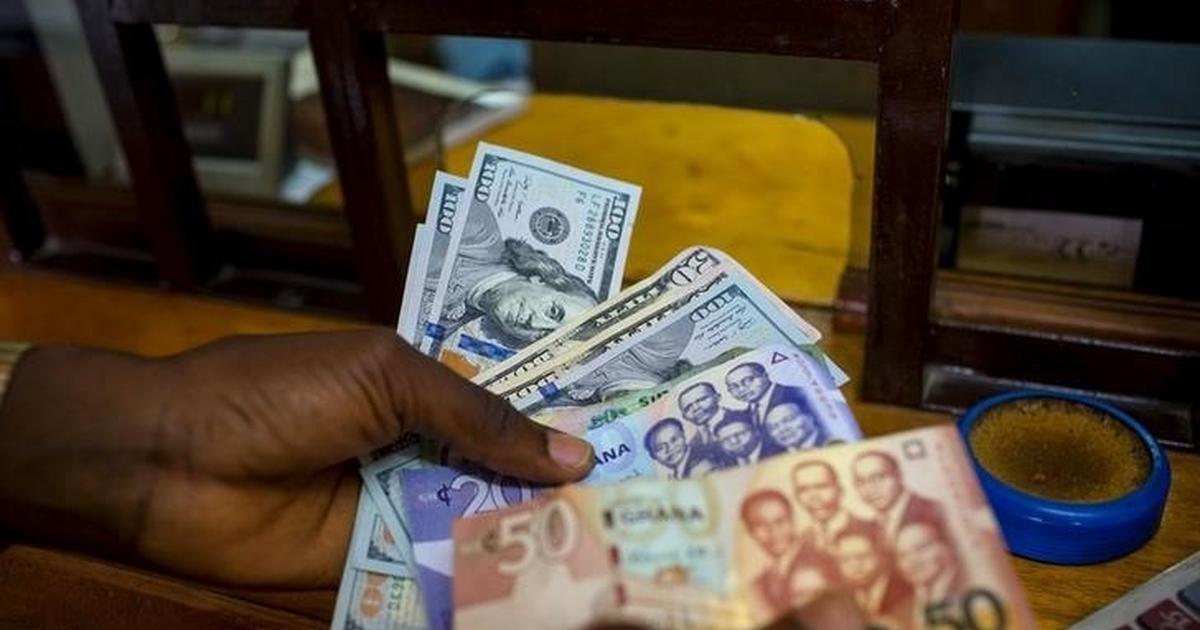
    The Ghana Cedi has continued its downward trajectory, with the value of the Cedi now exceeding GH¢16 against the US Dollar in the retail currency market.

    In banks and currency bureaus across Accra, the dollar is currently being sold for between GH¢15.95 and GH¢16.20.

    This depreciation follows recent adjustments in the foreign exchange market, as the Bank of Ghana’s dollar auction limits were relaxed by the International Monetary Fund (IMF).

    The IMF’s decision came as part of a broader US$3 billion economic recovery program aimed at bolstering Ghana’s reserves and stabilizing the economy.

    According to the Bank of Ghana’s July 2024 Summary of Financial and Economic Data, the Cedi’s value against the US dollar on the interbank foreign exchange market fell by approximately 19.6% as of July 2024. While this rate of depreciation shows some improvement from earlier periods, it still highlights ongoing volatility in Ghana’s currency market.

    The relaxation of the Bank of Ghana’s auction limits is intended to provide more flexibility in managing the country’s foreign exchange reserves. However, the impact on the Cedi’s stability remains a significant concern for both individuals and businesses engaged in international trade or holding foreign assets.

  • DSTV Premium subscription fee increases by 10% to GHC750; angry users lament

    DSTV Premium subscription fee increases by 10% to GHC750; angry users lament

    DSTV Premium subscribers in Ghana are voicing their frustration as the company announces another significant increase in subscription fees.

    Effective September 1, 2024, the monthly cost for DSTV Premium will rise from GHC680 to GHC750, marking a 10% increase.

    This latest hike follows a 19% increase implemented just months ago in February 2024. At that time, DSTV attributed the rise to high taxes and the depreciation of the Ghanaian cedi.

    The new fee structure has led to widespread discontent among users.

    In a particularly poignant social media post, one subscriber lamented, “DSTV Premium what you Dey take do? Buy compact Nana. Kwata kwata compact plus.”

    “I won’t subscribe again,” another wrote. A user who called for government intervention had this to say, “This should be part of a government campaign, where they will allow other part to compete with DStv properly. They are just doing monopoly market because they are the only ones showing EPL.”

    The increase has prompted a wave of criticism from users who feel the adjustments are excessive and unfair.

    DSTV has yet to respond to the mounting complaints or provide any additional justification for the sudden increase.

  • GHC20k paid to TV3’s Berla Mundi, others who attended Bawumia’s press encounter – Captain Smart claims

    GHC20k paid to TV3’s Berla Mundi, others who attended Bawumia’s press encounter – Captain Smart claims

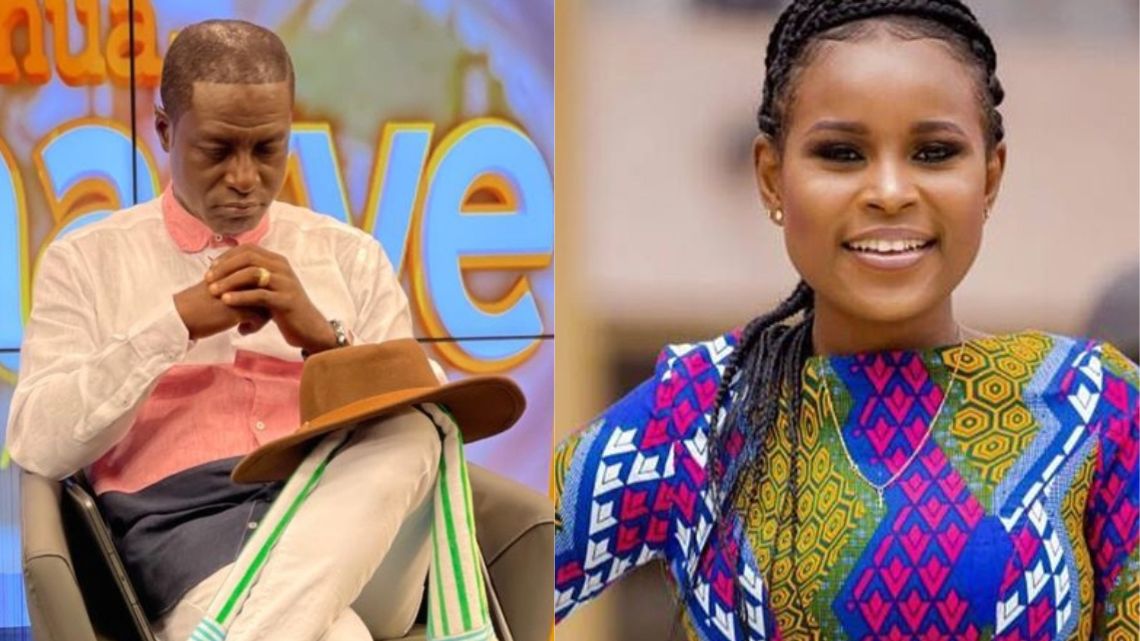
    Ghanaian media personality and host of Onua TV’s Maakye show, Captain Smart, has alleged that over 200 journalists who attended the flagbearer of the New Patriotic Party, Dr Mahamudu Bawumia’s engagement with the media received a whooping amount of GHC20,000 each.

    On the Maakye show, Captain Smart dared the journalists and bloggers who attended the media engagement on Sunday, August 25, 2024, in Accra, to prove him wrong.

    He further lambasted these journalists for allegedly failing to hold the government accountable and rather participating in corruption.

    “Ghanaian broadcasters, you are ruining the nation. In any corrupt society, the only institution capable of fighting corruption is broadcasting and journalism. But instead, you sit at Kempinski and in just three to four hours, you’ve pocketed GHS 20,000 each. I’m speaking out, and I want all the presenters to challenge me. I’m ready to confront your foolishness, your nonsense, and your corrupt behaviour,” he said.

    Some notable journalists who attended media engagement allowed the presidential candidate to interact with the media and provide the public with a clearer understanding of his vision ahead of the December 7 presidential election, include GHOne’s Natalie Fort, TV3’s Berla Mundi, JoyNews’ Samson Lardy Anyenini.

    As of now, the ruling party has not commented on the matter, neither have any of the journalists who attended the event done same.

    The media engagement took place a week after the NPP launched its manifesto. Dr. Bawumia used the platform to discuss the NPP manifesto in greater detail.

  • GHC770 to GHC17,700: Check out Starlink’s service plans for Ghana

    GHC770 to GHC17,700: Check out Starlink’s service plans for Ghana

    Starlink, the satellite internet service by SpaceX, has unveiled a range of service plans in Ghana, catering to various internet needs from household use to high-demand business operations.

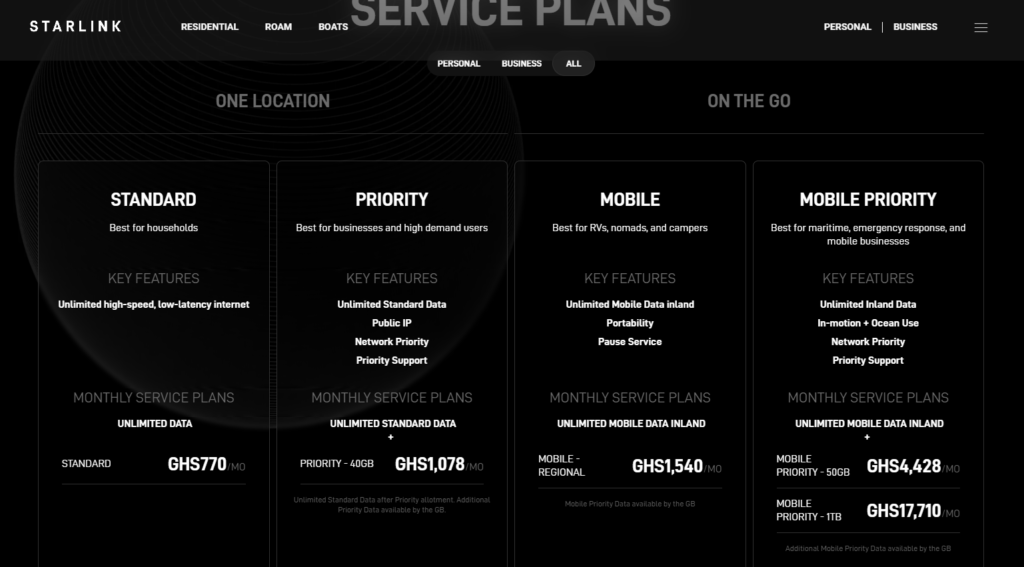
    The monthly service plans range from GHC770 to GHC17,700, offering different levels of service based on speed, data priority, and mobility.

    Here’s a breakdown of the available service plans:

    Standard Plan – GHC770/Month

    The Standard plan, priced at GHC770 per month, is designed for household users who require unlimited high-speed, low-latency internet. This plan is ideal for families looking for a reliable internet connection for everyday activities such as streaming, browsing, and online communication.

    Priority Plan – GHC1,078/Month

    For businesses and high-demand users, the Priority plan offers enhanced features at GHC1,078 per month. This plan includes unlimited standard data, a public IP address, network priority, and priority support. It also offers an additional 40GB of Priority Data, ensuring that businesses with critical operations maintain a steady and reliable connection.

    Mobile Plan – GHC1,540/Month

    The Mobile plan, priced at GHC1,540 per month, is tailored for RVs, nomads, and campers. It provides unlimited mobile data inland, with features like portability and the ability to pause service when not in use. This plan is perfect for users who need consistent internet access while on the move.

    Mobile Priority Plan – GHC4,428 to GHC17,710/Month

    For users with even higher demands, such as maritime operations, emergency response teams, and mobile businesses, the Mobile Priority plan offers top-tier service. The pricing starts at GHC4,428 per month for 50GB of data and goes up to GHC17,710 per month for 1TB of data. This plan includes unlimited inland data, in-motion and ocean use capabilities, network priority, and priority support, making it the most comprehensive plan offered by Starlink.

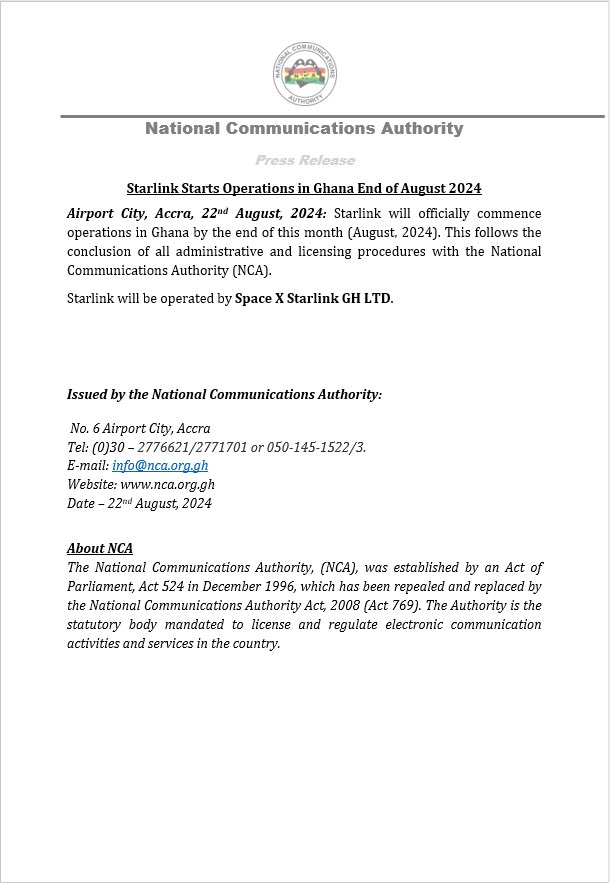
    Ghana is poised to launch Elon Musk’s Starlink internet service by the close of August 2024, according to an announcement by the National Communications Authority (NCA).

    The regulatory body has confirmed that all required administrative and licensing formalities have been completed, clearing the path for Starlink to begin delivering its high-speed internet services across the country.

    In a statement released on Thursday, August 22, 2024, the NCA disclosed that Starlink’s operations in Ghana would be managed by Space X Starlink GH LTD, a local branch of Musk’s SpaceX.

    “Starlink will officially commence operations in Ghana by the end of this month. This follows the conclusion of all administrative and licensing procedures with the National Communications Authority (NCA). Starlink will be operated by Space X Starlink GH LTD,” the statement confirmed.

    This marks a significant turnaround from the NCA’s stance in December 2023 when it declared Starlink’s operations illegal due to the absence of a license and proper equipment approval.

    At that time, the public was warned against purchasing Starlink’s equipment, and distributors were ordered to halt all activities.

    However, by March 2024, the tides began to shift as discussions around Starlink’s licensing resumed, fueled in part by widespread internet disruptions across West and Central Africa.

    During a Parliamentary session, the Minister of Communications and Digitalisation, Ursula Owusu-Ekuful,hinted at the possibility of Starlink gaining authorization.

    “We have licensed satellite gateway air stations, landing rights, and satellite air station networks. One web has already been licensed. Starlink is in the process of being licensed, and other operators are being encouraged to land in Ghana,” she stated.

    Starlink, an ambitious project by SpaceX, aims to deliver high-speed, low-latency internet across the globe, with a particular focus on rural and remote areas that have long struggled with poor connectivity.

  • Ghana to lose GHC7.7bn if COVID levy, E-levy are scrapped – Tax consultant

    Ghana to lose GHC7.7bn if COVID levy, E-levy are scrapped – Tax consultant

    Some tax analysts are raising concerns over the ambitious tax proposals put forward by the New Patriotic Party (NPP) and the National Democratic Congress (NDC) in their manifestos, particularly regarding plans to remove the Electronic Transaction Levy (E-Levy) and the COVID-19 Levy.

    The analysts caution that these proposals, set to be implemented under an International Monetary Fund (IMF) programme, could have significant financial repercussions for the country.

    According to tax consultant Francis Timore Boi, the combined revenue from the COVID-19 Levy and the E-Levy is projected to generate approximately GHC7.7 billion in 2025.

    Speaking to Joy Business, Mr. Timore Boi warned that the blanket removal of these taxes without alternative revenue-generating measures could derail the IMF programme, which is focused on improving government revenue and ensuring that expenditure is redirected to critical areas to help alleviate poverty.

    “If any policy you seek to introduce may bring down revenue, the IMF may not be happy with that. You are planning to abolish the COVID-19 levy and the E-Levy. COVID-19 levy alone in 2025 is estimated to bring in about GHC5.6 billion. If you take it off, how are you going to replace it? In 2025, we are expecting E-Levy to give us about GHC2.1 billion and in 2026, it is projected to increase to about GHC2.4 billion,” he explained.

    Mr. Timore Boi expressed concern that neither of the major political parties has proposed an alternative revenue model to make up for the potential shortfall resulting from the removal of these taxes. He emphasized the importance of having a workable budget that provides a clear plan for addressing the revenue shocks that would occur if these taxes were abolished.

    “It is important because the budget has not shown us that you are going to introduce new taxes,” he noted.

    While acknowledging that the E-Levy is unpopular and that there is a general sentiment in favor of its removal, Mr. Timore Boi stressed the need for a broader discussion on how to fill the financial gaps that will be created by its abolishment.

    Without a solid plan in place, he warned, the proposed tax cuts could run counter to the objectives of the IMF programme and jeopardize the country’s economic stability.

  • Watch how ‘galamseyer’ was excavated out from pit after getting stuck

    Watch how ‘galamseyer’ was excavated out from pit after getting stuck

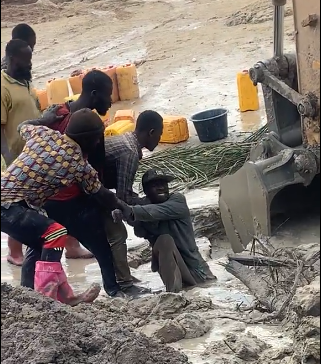
    A miner, allegedly involved in illegal mining activities, also known as ‘galamsey,’ endured excruciating pain after being trapped in a pit filled with mud.

    The incident occurred when the lower part of his body became stuck in the pit, leaving him immobilized and in severe distress.

    The trapped miner’s colleagues, about six in number, quickly rushed to his aid in an attempt to free him. However, their efforts alone were not enough to release him from the mud’s grip.

    As the struggle to free the man intensified, the team realized that human effort would not suffice. They then decided to employ an excavator to assist in the rescue operation.

    With the combined effort of the miners and the heavy-duty machinery, the trapped miner was finally pulled free from the pit. Although visibly shaken and in pain, he was rescued from what could have been a life-threatening situation.

  • You are afraid of debating me – Bawumia tells Mahama

    You are afraid of debating me – Bawumia tells Mahama

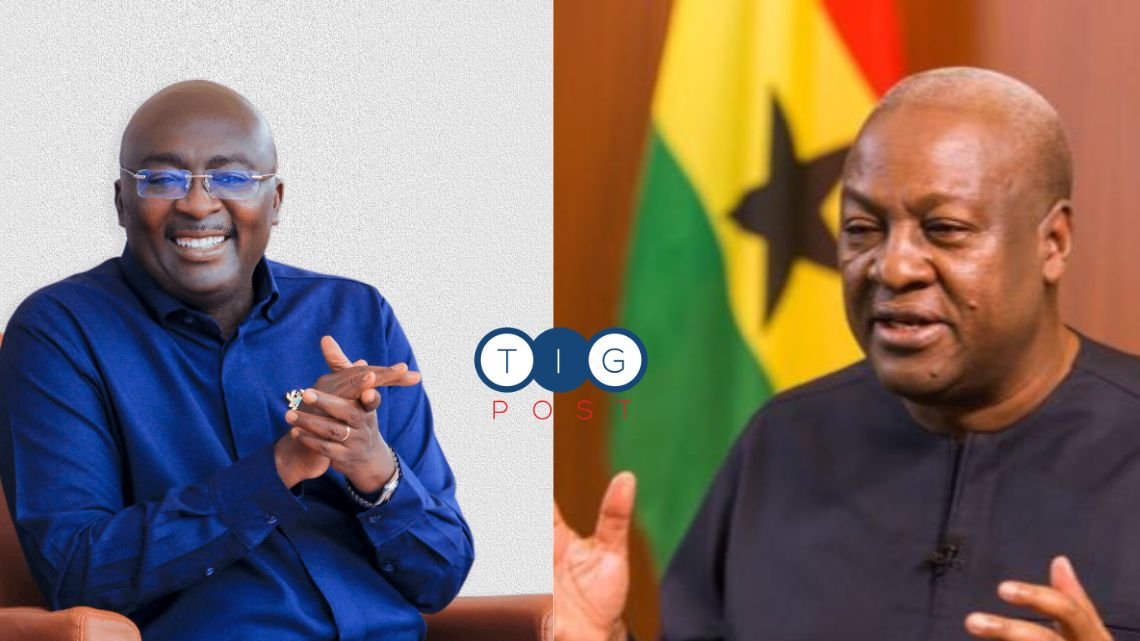
    Vice President and flagbearer of the New Patriotic Party (NPP), Dr. Mahamudu Bawumia, has accused former President John Mahama of deliberately avoiding a presidential debate ahead of the December elections, suggesting that Mr. Mahama fears having his record scrutinized in a public forum.

    Dr. Bawumia, who is set to face Mahama as one of the main contenders in the upcoming elections, issued an open challenge for a debate, which the former President has so far declined.

    Addressing a gathering of NPP supporters in Dansoman, Accra, on Monday evening [August 26], Dr. Bawumia reiterated his belief that Mahama’s reluctance to participate in a debate stems from an awareness of his shortcomings during his tenure as President.

    “The former President knows he cannot compete because, in every sector of the economy, the records show that we have performed far better than him,” Dr. Bawumia asserted, energizing the crowd.

    “That’s why I challenged him. If he believes he performed better in any sector, he should come for an open debate. But he is afraid, so he is running away from it.”

    Dr. Bawumia further claimed that Mahama’s refusal to engage in a debate is a tactic to avoid exposing his “bad record” to the electorate.

    “He won’t come for the debate because he knows his bad record will be exposed. If he comes for the debate, I will show him something,” he added, prompting cheers from his supporters.

    The Vice President did not hold back in criticizing Mahama’s presidency, reminding the audience of key issues during his time in office.

    He highlighted the four years of severe power outages, known locally as “dumsor,” which plagued the nation under Mahama’s leadership.

    He also criticized Mahama for his administration’s failure to provide essential resources like chalk to schools, his opposition to the Free Senior High School (SHS) policy, and his decision to cancel teacher and nursing trainee allowances.

    “We have not forgotten all these bad records. We are moving forward. We are making progress with digitalisation. As President, he couldn’t provide chalk to schools, but we have provided laptops to senior high students,” Dr. Bawumia noted. “This is the progress the country has made, and we want to move forward and make it even better.”

  • Gov’t’s 1V1D didn’t come to resolve irrigation challenge – Agric Minister

    Gov’t’s 1V1D didn’t come to resolve irrigation challenge – Agric Minister

    Minister for Food and Agriculture, Dr Bryan Acheampong, has clarified that the ongoing drought affecting parts of the country should not be viewed as a failure of the government’s ‘One Village, One Dam’ (1V1D) policy.

    In his remarks, the Minister emphasized that the 1V1D initiative was not designed to address the broader irrigation challenges that farmers are currently facing.

    This clarification comes in the wake of significant losses incurred by farmers in eight regions due to a lack of rainfall. The drought has not only jeopardized crop yields but also threatened the livelihoods of countless families who rely on agriculture for their sustenance.

    Amid these difficulties, some have questioned the effectiveness of the 1V1D policy and its capacity to support farmers during such critical times.

    Addressing these concerns during an interview on Adom FM’s morning show, Dwaso Nsem, on Tuesday, the Abetifi Member of Parliament (MP) firmly defended the 1V1D initiative, explaining that its purpose differs from what is required to mitigate the current drought situation.

    “In the situation we find ourselves, what we need is irrigation. All the 574 dams were to hold rainwater and they have been extremely effective and never a failure,” Dr. Acheampong stated.

    He further clarified, “With the irrigation, it will require us to pump water from a big water source into a big canal or dam to hold the water.”

    The Minister’s comments underscore the distinction between dams, which are designed to store rainwater, and irrigation systems, which require more complex infrastructure to distribute water from larger sources to farmlands.

    He maintained that the 1V1D policy has been successful in fulfilling its intended purpose of rainwater storage, despite the challenges posed by the current drought.

    Dr. Acheampong’s remarks aim to address the growing public debate over the role of the 1V1D policy in supporting agricultural productivity, particularly in times of adverse weather conditions.

    While acknowledging the hardships faced by farmers, the Minister highlighted the need for a broader understanding of the different agricultural infrastructure required to tackle varying challenges.

    The drought has brought renewed focus on the need for more comprehensive irrigation solutions to ensure the resilience of Ghana’s agricultural sector.

  • NDC lists 5 anomalies in EC’s voter register

    NDC lists 5 anomalies in EC’s voter register

    Director of Elections for the National Democratic Congress (NDC), Dr. Edward Omane Boamah, has raised significant concerns about the credibility of the Electoral Commission’s (EC) voters’ register ahead of the December 7, 2024 elections.

    In a detailed Facebook post, Dr. Omane Boamah claimed that the current voters’ register is “unfit for purpose” and called for a forensic audit or a thorough parliamentary investigation to address what he described as “incurably defective” anomalies.

    Dr. Omane Boamah’s concerns stem from what he perceives as deliberate tampering with the register by the EC, an issue he says was uncovered through the NDC’s diligent scrutiny during the exhibition exercise.

    “The Electoral Commission of Ghana refused to release the voters’ register to the NDC on time ahead of the exhibition exercise,” he stated. Despite the delay, the NDC’s efforts revealed several critical issues that, if not resolved, could jeopardize the outcome of the 2024 elections.

    The NDC’s examination of the register identified five key anomalies:

    1. Missing Names: The party discovered that the names of registered voters were missing from the list, potentially disenfranchising eligible voters.
    2. Misplaced on Lists: Qualified voters were incorrectly placed on the Exception List or the Multiple List, which could prevent them from voting on election day.
    3. Disqualified Individuals: Some individuals disqualified due to multiple registrations or successful challenges were still found on the Main Provisional Voters Register (PVR), raising questions about the accuracy of the register.
    4. Unauthorized Transfers: Voters were transferred from one polling station to another without their knowledge. Additionally, old transfers that should have been resolved were still appearing on the register.
    5. Polling Station Changes: Some voters were moved from one polling station to another without their consent, causing confusion and potential voter suppression.

    Dr. Omane Boamah also pointed out flaws in the proxy voting application process, where voters were allowed to apply for proxy voting earlier this year without proper biometric verification. He argued that these anomalies are avoidable mistakes that could seriously affect the credibility of the upcoming elections.

    “The exhibition exercise has revealed avoidable problems, which, if not resolved, can jeopardize the outcome of the 2024 elections,” Dr. Omane Boamah warned.

    He urged Parliament to investigate the Electoral Commission, and if Parliament fails to act, he called on Ghanaians and the international community to pressure the EC to allow for a forensic audit of the voters’ register.

    He also highlighted unresolved security issues at the EC, including the theft of Biometric Voter Registration (BVR) laptops and Biometric Verification Devices (BVDs) from the EC’s headquarters, which he believes further undermines the integrity of the register.

    Dr. Omane Boamah hinted at upcoming public fora and demonstrations to address these concerns, emphasizing the need for immediate action to ensure a fair and transparent election process.

  • Ablakwa probes ‘mysterious’ $20m arrival at KIA, fingers BoG

    Ablakwa probes ‘mysterious’ $20m arrival at KIA, fingers BoG

    Member of Parliament for North Tongu, Samuel Okudzeto Ablakwa, raised serious concerns regarding the arrival and handling of a substantial sum of money at Kotoka International Airport (KIA).

    The MP revealed via social media that he is closely monitoring the movement of US$20 million in cash, which was cleared by Bank of Ghana officials after arriving in Ghana that afternoon.

    On August 27, Ablakwa expressed his apprehensions about inconsistencies in the documentation provided by the Bank of Ghana.

    He stated, “The Bank of Ghana must offer explanations on why supporting documents are not consistent with the content of its August 21, 2024 letter to custom and airport officials seeking to clear the uncirculated banknotes.”

    The MP highlighted a significant discrepancy, noting that although the Bank of Ghana claimed the money was ordered by the Central Bank of Liberia, “other intercepted documents including an air way bill indicate emphatically that the consignee is the Bank of Ghana and not the Central Bank of Liberia.”

    Ablakwa further revealed that he is working with international partners to track the movement of the funds, stating that he intends to confirm whether the entire amount will indeed be transferred to Liberia as claimed, and if so, when this will take place.

    He underscored the importance of transparency in the handling of such a large sum of money, especially given the discrepancies in the documents.

    “My international partners and I will keep tracking this US$20 million cash from London to confirm if indeed the fresh banknotes will be transferred to Liberia, when the transfer will be carried out and if the full amount will be transferred,” Ablakwa emphasized.

    The Bank of Ghana has yet to respond to these claims, and the situation continues to unfold as more details emerge.

  • State-of-the-art Macoy Sports Stadium in Nadowli commissioned

    State-of-the-art Macoy Sports Stadium in Nadowli commissioned

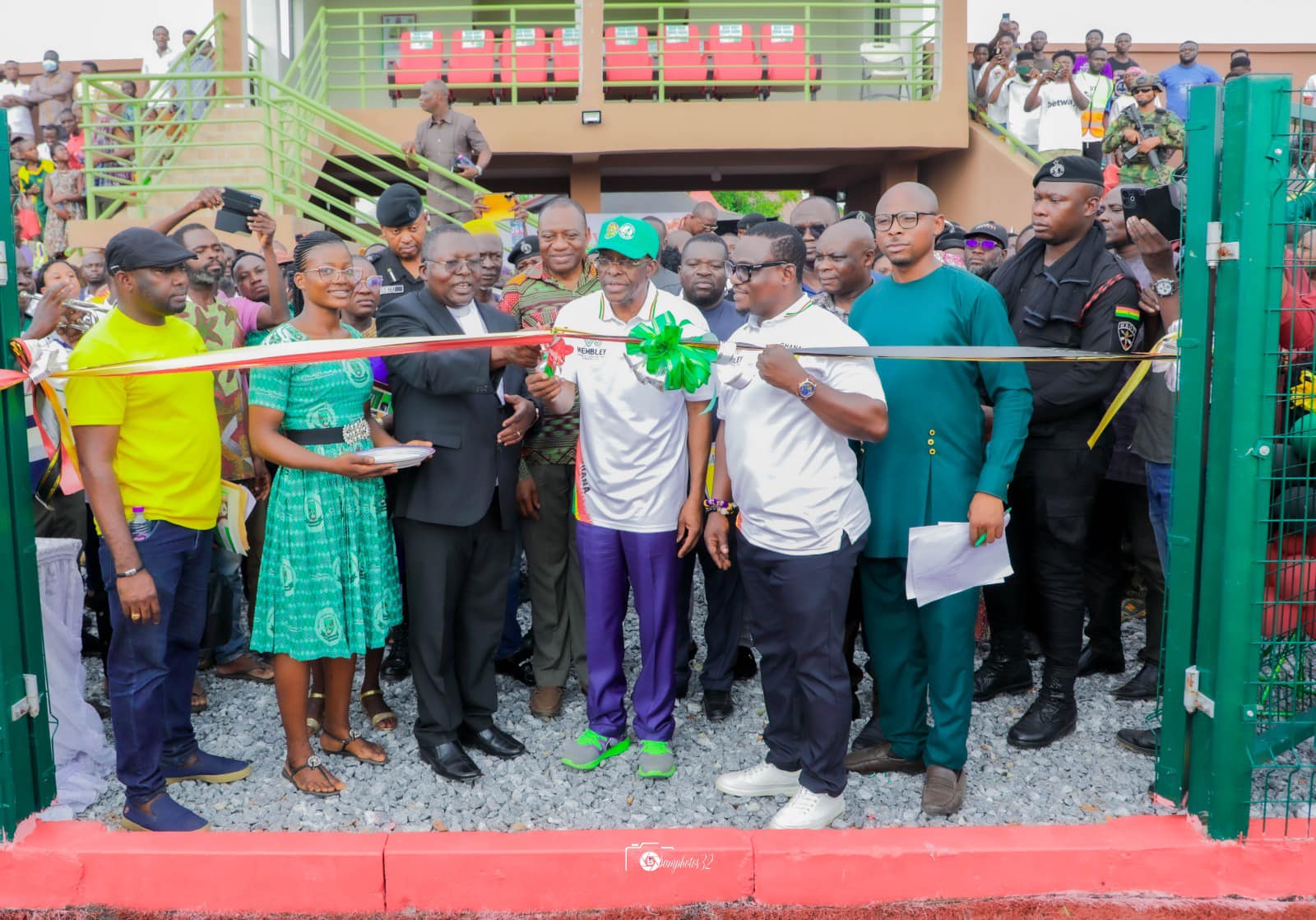
    Speaker of Parliament, Alban Bagbin, has officially commissioned the ultra-modern Macoy Sports Stadium in Nadowli, marking a significant milestone for community development and sports in the region.

    The impressive facility, built through the Speaker’s personal initiative with support from Ghana Gas and Wembley Sports Construction, is poised to elevate sports development and foster community engagement in the area.

    Speaking at the grand commissioning ceremony, Speaker Bagbin highlighted the significance of the project, stating, “This magnificent facility is not only a gift to Nadowli but to the entire nation. It symbolizes what can be achieved through collective effort and dedication to a common cause.”

    The state-of-the-art stadium features world-class amenities and boasts a substantial seating capacity, positioning it as a hub for local athletes and a venue for competitive sports matches and community events. The facility is expected to revolutionize sports in the Upper West Region and contribute to the growth of local talent.

    The highlight of the event was a football match between the “Bagbin 11” team and a squad of former Black Stars players, captained by the iconic Stephen Appiah.

    In a thrilling and nostalgic encounter, the “Bagbin 11” team emerged victorious, defeating the former Black Stars players with an impressive 7-2 scoreline. The match drew a large crowd, with spectators treated to an exciting display of skill and sportsmanship.

    Speaker Bagbin’s vision of using sports as a tool for youth empowerment and community unity was evident throughout the ceremony.

    The construction of the Macoy Sports Stadium stands as a testament to his dedication to creating opportunities for young people and enhancing social cohesion through sports. The stadium is expected to be a focal point for athletic excellence and a catalyst for positive change in Nadowli and beyond.

  • Why residents at Dodowa, Adenta, others have been without water for days

    Why residents at Dodowa, Adenta, others have been without water for days

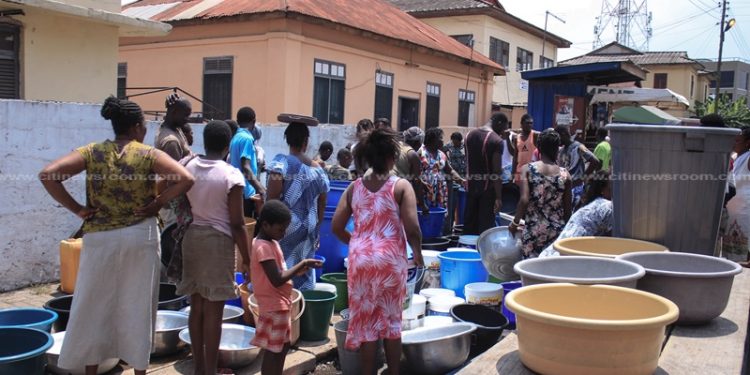
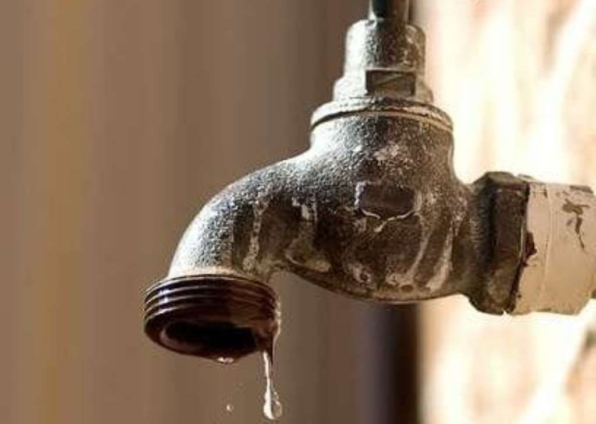
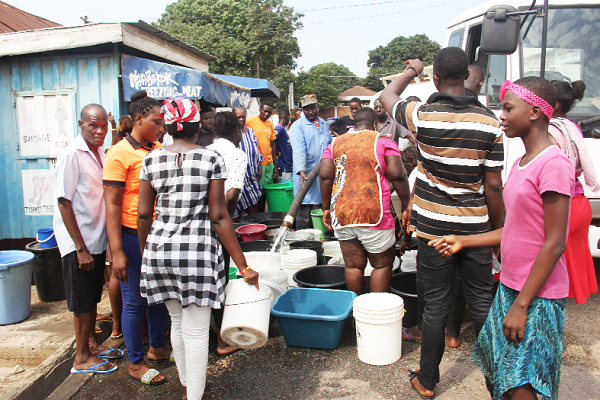
    Residents in Dodowa, Adenta, and other parts of the eastern Greater Accra Region have been without water for nearly a week.

    The reason for this challenge remained a mystery until a report by the Ghana News Agency (GNA) reported that the Ghana Water Company Limited is fixing a burst in a major transmission line from the Kpong Treatment Plant to the Dodowa Booster Station.

    The water supply disruption, which began on Sunday, August 25, 2024, has affected multiple communities, including Oyibi, Frafraha, Madina, Ashongman, Haatso, La, Osu, Kanda, the Airport Residential Area, Legon, and surrounding areas.

    The Ghana Water Company Limited (GWCL), according to the GNA, issued a statement explaining that the water outage occurred after a section of the main transmission line from the Kpong Treatment Plant failed, leading to the immediate suspension of supply.

    Engineers were dispatched to repair the damaged line, but after completing the initial work, further weaknesses were detected in the same transmission line, prompting a second shutdown for additional repairs.

    In a statement signed by Mr. Stanley Martey, Chief Manager of Public Relations and Communications, referenced by GNA, GWCL assured residents that engineers are working around the clock to replace the weak sections of the transmission line. The company remains committed to resolving the issue and restoring water supply as quickly as possible.

    “We sincerely regret the inconvenience caused to our valued customers and are doing everything possible to ensure a swift resolution,” the statement said.

    While the repairs are ongoing, GWCL has implemented contingency measures to mitigate the impact on essential service providers, including hospitals and schools in the affected areas. These institutions are being supplied with water via tanker services to ensure that critical operations can continue uninterrupted.

  • Netizens lash out at GWCL over silence on water shortage in Accra for a week

    Netizens lash out at GWCL over silence on water shortage in Accra for a week

    Frustrated residents of Accra have taken to social media to express their outrage over the Ghana Water Company Limited’s (GWCL) silence on an ongoing water shortage that has plagued parts of the city for nearly a week.

    Communities in the eastern part of Greater Accra, including Madina, Adenta, Dodowa, and their surroundings, have been without water since Sunday, August 25, 2024.

    Amidst the significant disruption, many netizens have criticized GWCL for failing to effectively communicate with the public regarding the cause of the outage and the expected timeline for restoration.

    “Madina has been without water 💧 for the past 5 days and I have not heard anything from @GWCL_Gh about why our taps ain’t flowing! Is this how public service institutions are supposed to act?” one user lamented on social media.

    Another exasperated user wrote, “@GWCL_Gh do you people take us for a joke or what? We pay for bills every month but you’re not providing water for our homes. Why are all you government institutions so incompetent with your services? Stressing the lives of the good people of Ghana.”

    GWCL, in a statement, according to the Ghana News Agency has explained that the interruption was due to a burst in the transmission line from the Kpong Treatment Plant to the Dodowa Booster Station. Engineers had been dispatched to repair the damage, but further weaknesses were detected in the same line, leading to additional delays.

    The company assured the public that they are working tirelessly to resolve the issue and restore water by Wednesday, August 28, 2024, barring any unforeseen challenges.

    As of now, the statement from GWCL being referenced by GNA is yet to be accessible to members of the general public.

    The GWCL’s explanation has done little to calm the anger of residents. One user fumed, “I have to come ask you why water ain’t flowing? Don’t you think it is the responsibility of GWCL to communicate to the people why water no dey flow? Ah chale how dem employ you? Your mind dey floor flat.”

    GWCL is said to have assured the public that they are prioritizing essential services such as hospitals and schools, which are being supplied with water through tankers while the repairs are underway.

    “We sincerely regret the inconvenience caused to our valued customers and are doing everything possible to ensure a swift resolution,” the company said in a statement signed by Mr. Stanley Martey, Chief Manager of Public Relations and Communications, which has been referenced by GNA.

    Despite this, netizens remain frustrated by the lack of proactive communication from the water company, calling for more transparency and regular updates as the crisis drags on.

  • Water supply to Dodowa, Adenta, others to be restored on August 28 as GWCL fixes fault on transmission line

    Water supply to Dodowa, Adenta, others to be restored on August 28 as GWCL fixes fault on transmission line

    The Ghana Water Company Limited (GWCL) has announced that water supply to the eastern part of the Greater Accra Region will be restored by Wednesday, August 28, 2024, following ongoing repair work on a burst transmission line, according to the Ghana News Agency (GNA).

    The supply interruption began on Sunday, August 25, 2024, and has affected several communities, including Dodowa, Oyibi, Frafraha, Adenta, Madina, Ashongman, Haatso, La, Osu, Kanda, the Airport Residential Area, Legon, and surrounding areas.

    According to a statement from the GWCL, signed by Chief Manager of Public Relations and Communications, Mr. Stanley Martey, the initial fault occurred on a transmission line that connects the Kpong Treatment Plant to the Dodowa Booster Station.

    Although repair work was swiftly completed, further issues were detected on the same transmission line, necessitating a second shutdown for additional repairs.

    “Engineers of the GWCL are working tirelessly to replace the weak section of the transmission line,” the statement assured the public.

    In the meantime, the GWCL has implemented mitigation measures to reduce the impact of the disruption. Water tankers have been deployed to supply essential service providers such as hospitals and schools in the affected areas.

    The GWCL management expressed regret for the inconvenience caused by the water outage and appealed to consumers to bear with the situation while engineers work to fully restore supply by the close of Wednesday, barring any unforeseen challenges.

  • Update: Office documents, books damaged after fire incident at Parliament

    Update: Office documents, books damaged after fire incident at Parliament

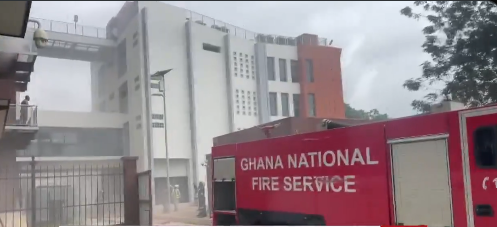
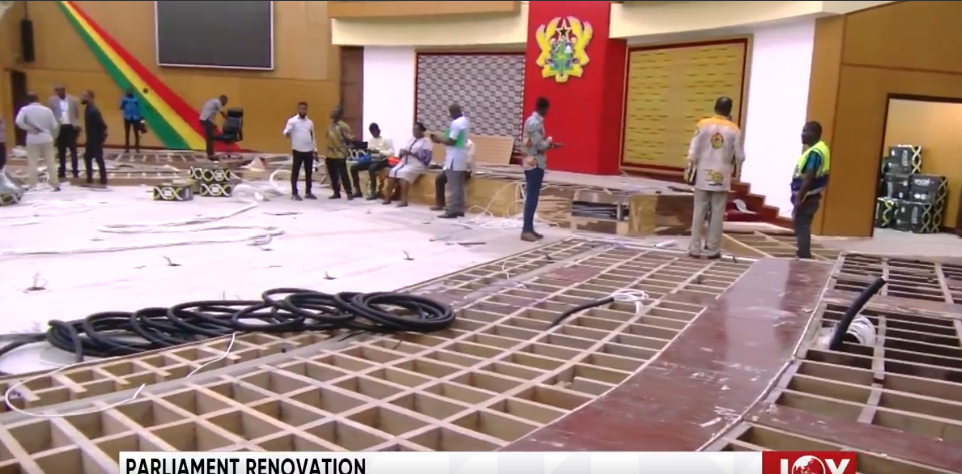
    A fire that broke out in an office on the second floor of the Job 600 Block at Parliament House early Tuesday morning caused partial damage to office documents and books, according to the Ghana National Fire Service (GNFS).

    The incident, which occurred on August 27, affected a section of the building that houses parliamentary offices.

    The Ghana National Fire Service (GNFS) responded swiftly to a distress call, arriving at the scene in time to prevent the fire from spreading to other parts of the building. The firefighters successfully extinguished the blaze, and no injuries were reported.

    Owing to the prompt intervention of the fire service, the remaining offices on the affected floor and their contents were salvaged.

    An investigation into the cause of the fire is currently underway, with authorities working to determine what triggered the incident.

    The Job 600 Block is an important part of Parliament House, serving as an office space for members of Parliament and their staff.

  • GHC100 monthly pay, yet govt failed to pay for 12 months – Plight of district workers in Savannah Region

    GHC100 monthly pay, yet govt failed to pay for 12 months – Plight of district workers in Savannah Region

    The Central Gonja District Assembly has ceased paying its contract workers a monthly wage of GHC100 following directives from the Public Accounts Committee (PAC) of Parliament.

    The decision came to light during the PAC’s public hearings in Tamale, which started on Monday and are part of a broader review of the Auditor-General’s reports for the fiscal year ending December 31, 2023.

    The Auditor-General’s report had revealed that the Assembly was paying its contract workers significantly below the legal minimum wage and was also in arrears for over a year.

    This led to a directive from PAC Chairman James Klutse Avedzi, who demanded that the Assembly comply with the legal wage standards.

    “Workers must be paid according to the law. The Central Gonja District Assembly must adhere to the minimum wage requirements immediately,” Avedzi stated during the hearings.

    In response, District Chief Executive Hon. Iddrisu Salia confirmed that corrective measures have been taken. He assured the Committee that the Assembly has now recruited permanent staff and is paying them in accordance with the legal minimum wage.

    “We have fully complied with the recommendations. All workers are now permanent, and they are paid the legal minimum wage,” Salia said.

    This development aligns with the recent announcement from the National Tripartite Committee (NTC), which set the 2024 National Daily Minimum Wage (NDMW) at GHS18.15, a 22% increase over the 2023 rate. Effective January 1, 2024, all organizations must adjust their wages to meet this new rate. Non-compliance will result in legal sanctions.

    The PAC’s hearings also address various infractions reported by the Auditor-General, including unearned salaries, unsupported payments, and uncollected rents from institutions such as Senior High Schools, Technical Universities, Colleges of Education, and Polytechnics across the Northern, North East, Upper West, and Upper East Regions.

  • Govt directs security personnel to enforce ban on grain export 

    Govt directs security personnel to enforce ban on grain export 

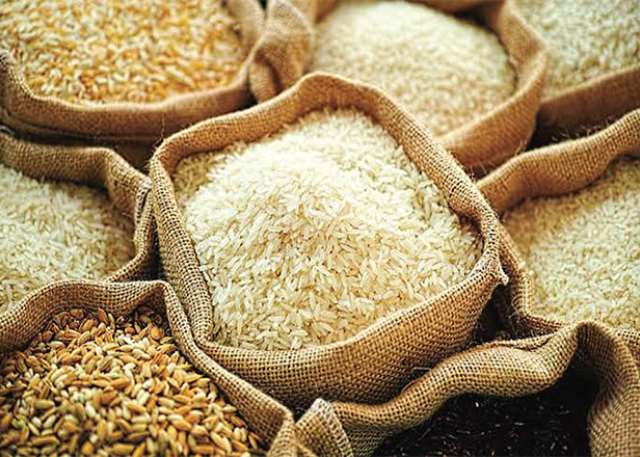
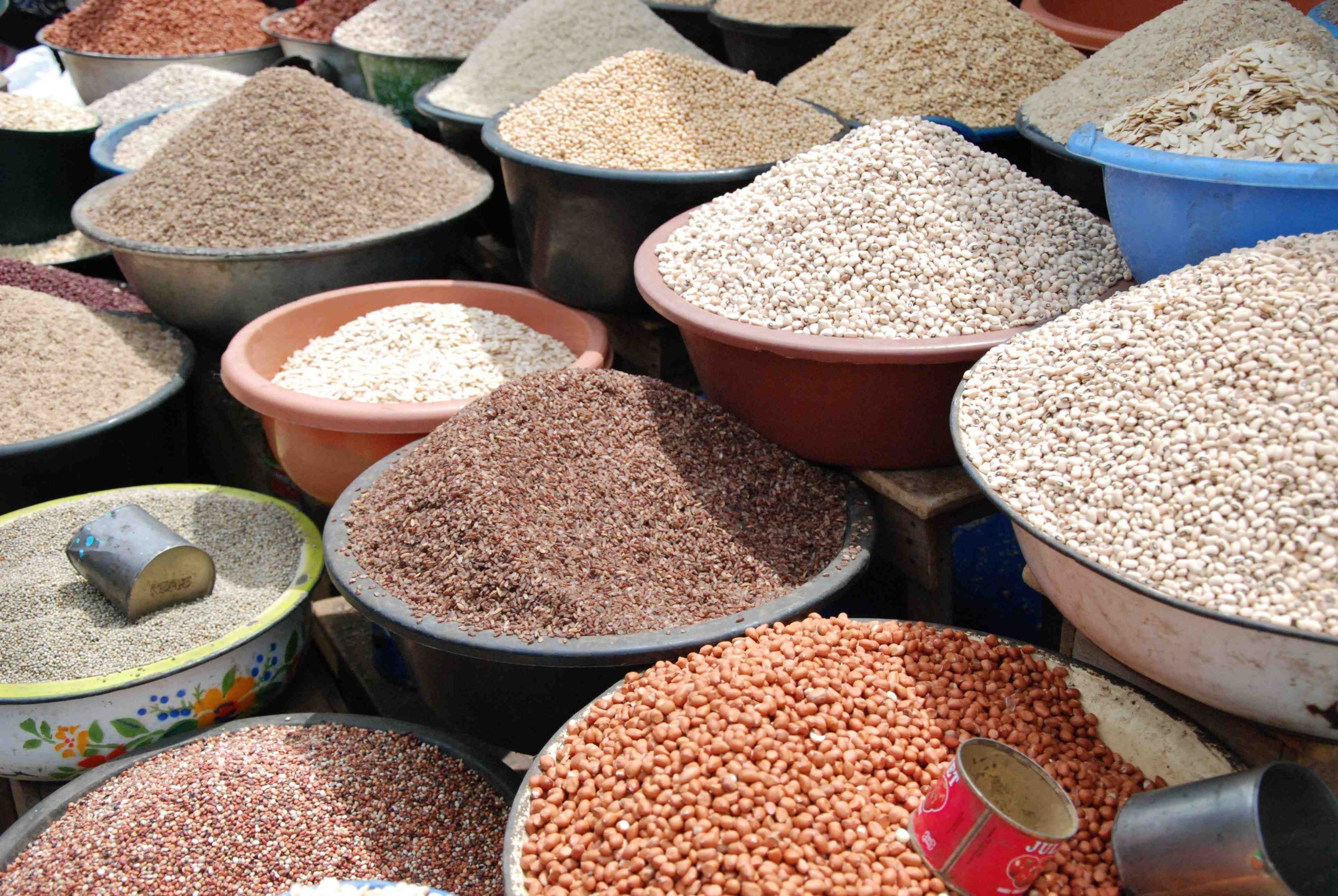
    The government has deployed security personnel nationwide, particularly to border towns in the northern part of the country, to enforce a newly announced ban on grain exports.

    This directive, issued by the Minister for Food and Agriculture, Dr. Bryan Acheampong, comes in response to the ongoing dry spell affecting agricultural production across several regions.

    Defense Minister Dominic Nitiwul revealed during a press conference that security agencies have been mobilized to ensure that grains, including maize, rice, and soybeans, are not illegally smuggled into neighboring countries.

    This measure aims to prevent potential food shortages within Ghana due to the current harsh climatic conditions.

    “We want to assure you, and the nation, that the security agencies are immediately activating their network to ensure that the ban on cereals, which has been listed, is rigidly enforced so that nobody will take even a single grain out,” Nitiwul stated.

    The Defense Minister explained that both approved and unapproved routes will be closely monitored by security forces, including military and police units, to prevent any attempts to circumvent the export ban.

    The focus will be on the northern, eastern, and southern borders of the country, areas identified as key transit points for potential smuggling activities.

    Nitiwul also called on citizens to play an active role in upholding the ban by reporting any suspicious activities related to grain smuggling.

    “You are security people. So as long as you see something that has escaped the eagle eye of the security, please let us know,” he urged.

    He further stressed the importance of public participation, stating, “We are deploying all across the borders, particularly the northern side, and also to the east and the south. If for some reason there is some unapproved route or approved route, or somebody sees something that is going on that is not right, please let us know so that we can act appropriately. It’s for the good of all of us that we should not make our citizens suffer.”

    The government’s swift response is intended to safeguard food security in the face of the ongoing drought, ensuring that local grain supplies are not depleted by exports. The involvement of security agencies underscores the administration’s determination to enforce the ban and prevent any illegal outflow of essential food commodities.

  • Devastating! Ancient Tano River blocked by illegal miners

    Devastating! Ancient Tano River blocked by illegal miners

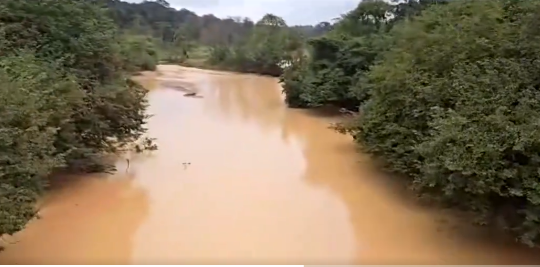
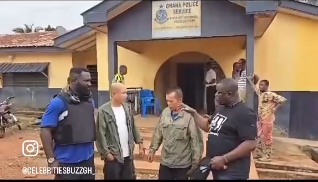
    The Tano River, one of Ghana’s vital water bodies, has become the latest casualty of illegal mining, as three Asian nationals were caught diverting the river’s course to facilitate their illicit activities.

    Morning show host Okatakyie Afrifa-Mensah of Angel FM, along with his colleague Kwame Appiah Kubi, exposed the illegal operations taking place within the Tano Nimri Forest in Asankragua, located in the Wassa Amenfi West Municipality of the Western Region.

    The suspects, who were apprehended in the act, had reportedly diverted the flow of the Tano River to aid their mining operations. This has led to significant pollution of the river, which is a critical water source for the surrounding communities.

    The actions of the illegal miners have sparked concern among environmental activists and local residents, who fear the long-term impact on the river and the surrounding ecosystem.

    The Tano River, revered for its ancient origins and essential role in supporting both wildlife and human settlements, is now at risk of severe degradation due to the reckless activities of the miners.

    It flows for 400 kilometres from a town called Traa a suburb of Techiman the capital town of Bono East Region.

  • VIDEO: Parliament catches fire

    VIDEO: Parliament catches fire

    A section of the Parliament of Ghana has caught fire.

    Fire gutted sections of Job 600 building at Parliament House on Tuesday, August 27.

    A team from the Ghana National Fire Service (GNFS) reacted promptly to a distress call and doused the flame before it could spread further.

    Presently, authorities are investigating the cause of the blaze, which remains unknown at this time. No casualties have been reported as of the time this article was published.

  • Agric Minister reluctant on food imports to check dry spell due to already high levels – Amin Adam

    Agric Minister reluctant on food imports to check dry spell due to already high levels – Amin Adam

    Finance Minister Dr. Mohammed Amin Adam has expressed concerns that Agriculture Minister Bryan Acheampong may be hesitant to rely on food imports to mitigate the effects of the severe drought currently impacting Northern Ghana.

    According to Dr. Amin Adam, this reluctance stems from the fact that Ghana already imports a significant portion of its food, which could further strain the economy if additional imports are required.

    In 2022, Ghana imported food products and related goods worth an estimated US$2.6 billion, according to a report by The Conversation.

    Speaking at a press conference in Accra on Monday, August 26, Dr. Amin Adam emphasized the potential economic challenges the country could face if food imports are increased to stabilize markets affected by the drought.

    He acknowledged the ongoing efforts to secure the country’s food supply but warned that importing food would place additional pressure on the economy, particularly in relation to foreign exchange.

    “I’m very optimistic that we will make significant progress, but we also know that our inflation basket is dominated by food inflation,” he stated. “When you see food shortages and the effect on prices, you should expect that inflation will respond. And it will respond in a way that you do not want.”

    He also raised the issue of sourcing food to address the shortfall caused by the drought, noting that the Agriculture Minister had not yet mentioned imports as a solution. “I’m yet to discuss with the minister how we are going to source the food. He may be running away from mentioning imports. But we already import a lot of our food,” Dr. Amin Adam remarked.

    He highlighted the impact increased food imports could have on the cedi, warning that the demand for foreign exchange would likely rise if imports were necessary.

    “People are complaining the cedi is getting weaker against the dollar, the rate is higher against the dollar. And so, if you are going to bring in more food to support what we already have, you need to back it with forex. And therefore, the demand for the dollar will certainly increase—relative to what we anticipated if we didn’t have to meet the additional food requirements. Some of which may come through inputs.”

    Dr. Amin Adam also underscored that the drought’s effects would extend beyond food inflation, potentially impacting the economy in multiple ways. “In different ways, the economy is going to be affected,” he said.

    Northern Ghana is currently facing a severe drought that has disrupted agricultural production and heightened food security concerns. The region has gone without rain for over two months, leaving thousands of farmers struggling with stunted crop growth and diminished harvest prospects.

    In response, the Minister for Food and Agriculture, Bryan Acheampong, has announced several measures aimed at alleviating the impact of the drought on farmers. One such measure is financial support of GHS 1,000 per hectare, provided to vulnerable farmers as partial compensation for their investment losses.

    The Finance Minister, Dr. Amin Adam, also revealed that the government has allocated GHS 8 billion to provide relief and implement mitigative measures for farmers affected by the dry spell. These funds are part of a broader effort to cushion the agricultural sector and support the country’s food security.

    Meanwhile, Defense Minister Dominic Nitiwul has assured the public that the government has intensified border security to prevent the illegal export of grains during this critical period, further safeguarding the domestic food supply.

    According to the African Union, Soybeans have the highest achieved yield among Ghana’s major crops (56% of its potential), followed by onions at 53%. Rice, one of the most consumed cereals in the country, is the third crop achieving the
    highest share of its potential yield at 48%, while maize, the most-produced cereal, ranks seventh in terms of achieved yield at 36% of its potential, showing much room for improvement.

  • Akufo-Addo has ensured major infrastructure development – Kow Essuman

    Akufo-Addo has ensured major infrastructure development – Kow Essuman

    Legal Advisor to President Akufo-Addo, Kow Essuman, has emphasized that the president’s legacy of major infrastructure development cannot be overlooked.

    According to Essuman, despite the significant challenges encountered during Akufo-Addo’s presidency, his administration has made remarkable strides in critical sectors such as infrastructure, education, and healthcare, which will have a lasting impact on Ghana’s future.

    In a post on X on Monday, August 26, Mr. Essuman reflected on Akufo-Addo’s leadership through turbulent times, including navigating the global economic downturn and the COVID-19 pandemic. He asserted that the president has skillfully steered the country through these difficulties, while still prioritizing development.

    Essuman pointed to flagship programs like the Free Senior High School initiative as a clear example of the president’s commitment to transforming Ghana. The program has provided access to education for thousands of children who would otherwise not have had the opportunity, helping to shape the nation’s future.

    He also highlighted the government’s efforts in expanding infrastructure, including the construction of roads, bridges, and hospitals across the country. These developments, Essuman argued, have laid a solid foundation for economic growth and established Ghana as a rising power in Africa.

    “The legacy of President Nana Addo Dankwa Akufo-Addo cannot be underestimated. Major infrastructure development during his time as President,” Essuman posted, reinforcing his belief in the lasting impact of the president’s achievements.

    While acknowledging that every administration has its critics, Essuman urged Ghanaians to recognize the significant progress made under Akufo-Addo’s leadership.

    He encouraged continued support for initiatives that promote national development and prosperity, stressing that the accomplishments of the past years are undeniable.

  • Bawumia backs Okudzeto’s bill banning govt officials from buying state assets

    Bawumia backs Okudzeto’s bill banning govt officials from buying state assets

    Flagbearer of the New Patriotic Party (NPP), Vice President Dr Mahamudu Bawumia, has thrown his support behind the introduction of a law to prevent politicians and politically exposed persons from purchasing state assets.

    He made his position on this issue known during a media engagement on Sunday, August 25.

    “I think it is something we should all support. Any bill that stops state officials from buying assets,” he said after being asked by GHOne journalist, Natalie Fort whether he would assent to such a bill should he become president.

    Member of Parliament for North Tongu, Samuel Okudzeto Ablakwa, is leading the charge for such a bill.

    The need for a private member’s bill in Parliament in a bid to prevent politicians and politically exposed persons from purchasing state assets arose over the circumstances surrounding the Social Security and National Insurance Trust’s intended sale of its 60% per cent stake in six hotels to Rock City Hotels Limited owned by a Member of Parliament and Minister of State, Bryan Acheampong.

    Rock City rescinded its proposal following intense public backlash.

  • NDC sights errors in Provisional Voter Register, requests meeting with EC 

    NDC sights errors in Provisional Voter Register, requests meeting with EC 

    The National Democratic Congress (NDC) has called for an emergency meeting with the Electoral Commission (EC) to address critical concerns over discrepancies found in the ongoing 2024 voter exhibition exercise.

    In a letter signed by NDC General Secretary Fifi Kwetey, the party highlighted “very serious discrepancies” in the provisional voter register, which they believe require immediate attention to ensure the integrity of the electoral process.

    The 2024 voter exhibition exercise, which began on Tuesday, August 20, and is scheduled to conclude on Tuesday, August 27, is a critical step in preparing the final voter register for the upcoming general elections.

    As part of this process, political parties and stakeholders are granted access to the provisional voter register to review and address any issues before the final version is produced.

    The opposition party is concerned that without swift intervention, these inconsistencies could undermine the credibility of the electoral process.

    The EC had earlier announced the release of the 2024 provisional voter register to political parties on August 19, following mounting pressure from various political actors and stakeholders who had insisted on timely access to the document for review.

    The exercise is intended to provide an opportunity for corrections, such as name spelling, omissions, and other potential errors before the final voter register is produced.

  • Asian ‘galamseyers’ destroying Tano Nimri Forest busted by journalists

    Asian ‘galamseyers’ destroying Tano Nimri Forest busted by journalists

    Morning show host of Angel FM, Okatakyie Afrifa-Mensah and his colleague Kwame Appiah Kubi have brought to light the illegal mining activities of some three Asian nationals.

    The suspects are reported to have been caught in the act at the Tano Nimri Forest in Asankragua in the Wassa Amenfi West Municipality of the Western Region. Their actions are said to be polluting River Tano, one of the many water bodies in the country.

    They are said to have diverted the direction of the Tano River to aid their illegal activity.

    Presently, they have been handed over to the police for investigations to commence and for the law to take its course.

  • Otumfuo’s sub-chiefs ‘betray’ him again on ‘galamsey order’

    Otumfuo’s sub-chiefs ‘betray’ him again on ‘galamsey order’

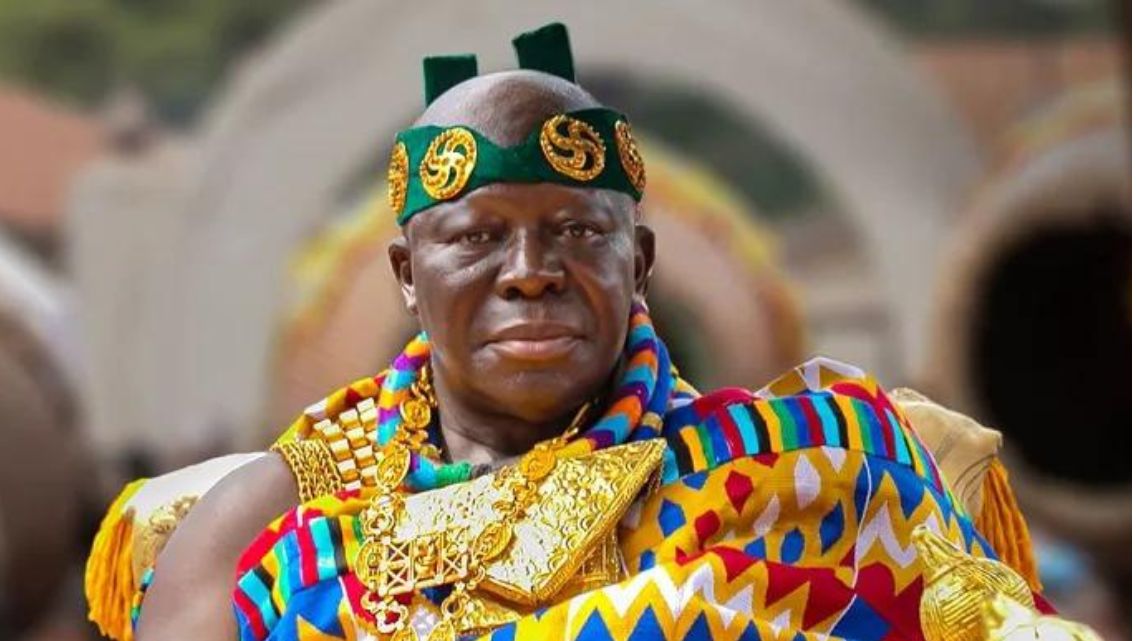
    Asantehene Otumfuo Osei Tutu II’s directive banning his subordinate chiefs from engaging directly or indirectly in illegal mining—a menace that has devastated the country’s forest reserves and water bodies—has once again been flouted.

    The Sabronum Gyaasehene Nana Awua Gyau Atuomi, Akyeamehene, and Baamuhene are the most recent traditional figures to have had their titles stripped due to their involvement in illegal mining.

    Their titles were revoked during an Asanteman Council meeting at the Manhyia Palace on August 26, 2024.

    The actions of the Gyaasehene are said to have contributed to the pollution of River Asuonfou, a major water source in the area.

    The destooled chief was investigated by the National Intelligence Bureau (NIB) on the orders of the Asantehene, following a report about his unlawful activities. While being probed, the Gyaasehene denied the allegations.

    Addressing the gathering at the Manhyia Palace, the Asantehene stated that the NIB’s findings corroborated the report, leading to his decision to destool the Gyaasehene and two others.

    Otumfuo Osei Tutu II subsequently handed his three subordinates over to the police for the law to take its full course.

    “If the DCE could not arrest you, be rest assured that after you have left here, if you go and engage in any form of illegal mining, I will ensure you are arrested and prosecuted,” he said.

    The Asantehene is enforcing strict discipline among his traditional authorities, who are in the best position to protect the environment from the actions of illegal miners.

    Otumfuo Osei Tutu II has repeatedly demonstrated his commitment to sanctioning sub-chiefs who flout his directive and fail to ensure that illegal mining is not tolerated in their jurisdictions.

    In August last year, the Asantehene removed Nana Saforo Koto from his position as the Chief of Bekwai-Abodom due to his involvement in illegal mining.

    In the interim, Otumfuo Tutu II has appointed the Akwamuhene of Sabronum as caretaker of the area and has supervised the election of a new candidate, Kofi Asante, as part of the process to enstool a new chief.

  • Rescind decision to ban grain export – Peasant farmers to govt

    Rescind decision to ban grain export – Peasant farmers to govt

    The Peasant Farmers Association of Ghana has expressed strong dissatisfaction with the government’s recent decision to impose a ban on the export of key grains, including maize, rice, and soybean.

    The association is urging the government to reverse the decision, arguing that the move was taken without proper consultation with key stakeholders.

    The export ban was announced by the Minister for Food and Agriculture, Bryan Acheampong, as part of efforts to safeguard food security within the country.

    The minister justified the directive, citing the ongoing dry spell that has severely impacted agricultural production in eight regions, prompting the need for decisive action to protect the nation’s food supply.

    However, in an interview on Joy FM’s Top Story on August 26, the President of the Peasant Farmers Association, Bismark Owusu Nortey, criticized the government’s approach, describing it as exclusionary.

    He noted that farmers, being major players in the agriculture sector, should have been included in discussions leading to the policy.

    “The first one has to do with the government’s resolve to ban the export of grains. I think that this particular approach – is an approach that was not inclusive. They did not take on board the views, the concerns, and the possible challenges that this might have on farmers,” Nortey said.

    According to him, the failure to involve farmers in the decision-making process overlooks the potential consequences of the ban on the livelihoods of those in the farming community.

    Nortey explained that grain prices are typically dictated by the forces of demand and supply. By halting exports, the surplus grain within the country could lead to a drop in prices, forcing farmers to sell their produce at lower rates just to avoid spoilage.

    “If you are announcing a ban, the ideal thing is to put in place local measures that will insulate the farmers from any possible low prices,” he added.

    Nortey stressed that while food security is important, the government should also consider the economic impact on farmers, who might suffer significant losses as a result of the abrupt policy change.

    He called for the introduction of measures that would prevent local grain prices from plummeting and ensure farmers are not left at a disadvantage due to the export ban.

  • Bawumia owes me $7 million – Sam George claims

    Bawumia owes me $7 million – Sam George claims

    Ningo-Prampram legislator, Sam Nartey George, has said that the flagbearer of the ruling New Patriotic Party (NPP), Vice President Dr Mahamudu Bawumia owes him a tune of $7 million.

    He noted that this debt has accrued over the NPP’s inability to see through its promise of providing each constituency one million dollars.

    In an interview on GHOne, Mr Sam George revealed that “I have not received a pesewa. I am owed $7 million.”

    President Nana Akufo-Addo during his campaign in the 2016 general elections, promised Ghanaians that if voted into power, he would roll out a programme that would give every constituency one million dollars to facilitate the rapid development of the constituencies.

    Then, on the 30th of August, 2016, the then Vice presidential candidate of the New Patriotic Party announced a one million dollar for each constituency policy aimed at alleviating poverty in the country. He said that the policy was under the infrastructure for poverty eradication at a total cost of $1.6 billion. With this amount, the NPP government intended to invest in pro-poor policy in villages across the country.

    The NPP government has failed to fulfil its promise of providing each constituency with a million dollars.

  • Why govt has banned rice and maize export

    Why govt has banned rice and maize export

    The government has with immediate effect placed a ban on the export of grains including maize, rice, and soya bean, according to the Minister for Food and Agriculture, Bryan Acheampong.

    According to the sector minister, this directive, effective from now to January 2025 is to check the severe drought that has sparked widespread concerns about food security and the livelihood of thousands of farmers in the northern part of the country.

    The affected regions have been without rain for over two months, with the extended dry spell stunting crop growth and leaving farmers with little hope for a successful harvest

    The Agric Minister during a press briefing today indicated that the affected regions contribute about 62 percent of the country’s grain supply.

    Maize, rice, groundnut, soya beans, sorghum, millet and yam are the most widely affected crops across these regions.

    The government’s directive will ensure the availability of these critical crops on the domestic market.”

    Any farmer with stock interested in selling their grains has been advised to contact the district directorate across the country or the directorate of crops, Ministry of Agriculture.

    Presently, farmers risk losing GHC7.4 billion as a result of potential crop failure due to the dry spell.

  • Govt places ban on rice, maize, soya export

    Govt places ban on rice, maize, soya export

    The government has with immediate effect placed a ban on the export of grains including maize, rice, and soya bean, according to the Minister for Food and Agriculture, Bryan Acheampong.

    According to the sector minister, this directive, effective from now to January 2025 is to check the severe drought that has sparked widespread concerns about food security and the livelihood of thousands of farmers in the northern part of the country.

    The affected regions have been without rain for over two months, with the extended dry spell stunting crop growth and leaving farmers with little hope for a successful harvest

    The Agric Minister during a press briefing today indicated that the affected regions contribute about 62 percent of the country’s grain supply.

    Maize, rice, groundnut, soya beans, sorghum, millet and yam are the most widely affected crops across these regions.

    The government’s directive will ensure the availability of these critical crops on the domestic market.”

    Any farmer with stock interested in selling their grains has been advised to contact the district directorate across the country or the directorate of crops, Ministry of Agriculture.

    Presently, farmers risk losing GHC7.4 billion as a result of potential crop failure due to the dry spell.

  • We are moving forward and not backwards, Bawumia is the future – Kow Essuman

    We are moving forward and not backwards, Bawumia is the future – Kow Essuman

    Legal Counsel to President Akufo-Addo, Kow Essuman, has boldly asserted that Vice President Dr. Mahamudu Bawumia is the future of Ghana’s leadership.

    He contrasted the flagbearer of the New Patriotic Party (NPP) with former President John Dramani Mahama, leading the opposition National Democratic Congress (NDC) whom he described as a figure of the past.

    His comments come amid rising political tensions as Ghana prepares for the 2024 general elections.

    “Bawumia represents the future. His main opponent represents the past. We are not talking about immediate past, oh. This is like almost a decade ago past. Two governments ago past,” Essuman posted on X (formerly Twitter) on Monday, August 26.

    “All I know is that we live our lives going forward, not going backwards,” he added.

    Essuman pointed to Dr. Bawumia’s significant role in pushing forward key initiatives, particularly in the areas of digital transformation and economic management.

    According to him, Bawumia’s innovative approach and forward-thinking policies position him as the leader who can address modern Ghana’s challenges and lead the country toward sustainable growth.

    In contrast, Essuman criticized former President Mahama’s tenure, highlighting issues such as economic mismanagement, the power crisis, rising public debt, and perceived corruption as indicators of his leadership failures. He stressed that a return to Mahama’s leadership would represent a step backward for the country.

  • Akufo-Addo has refused to post us – Ghanaian nurses fleeing to London

    Akufo-Addo has refused to post us – Ghanaian nurses fleeing to London

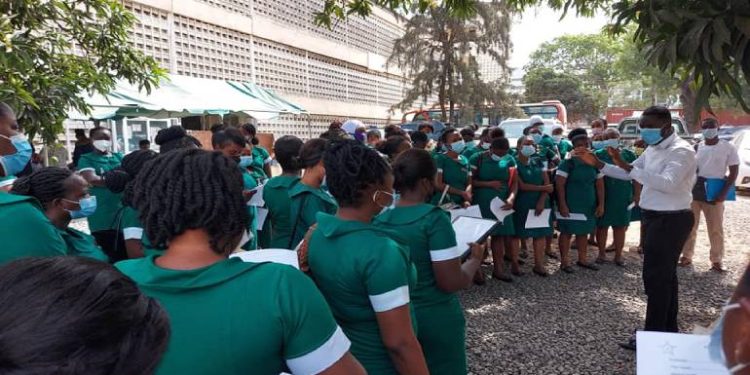
    A viral video has captured a group of Ghanaian nurses expressing their frustration over delayed postings and their decision to permanently relocate to London, UK.

    The video, shared by YouTuber and vlogger Wodemaya, shows seven Ghanaians at an airport eagerly preparing to leave the country.

    In their conversation with Wodemaya, the nurses voiced their discontent with the government’s handling of their postings. “We are moving to London, forever and ever. The country has collapsed,” one male nurse lamented.

    Another female nurse specifically blamed President Akufo-Addo, saying, “Akufo-Addo has refused to post us.”

    This exodus comes amidst a broader crisis in Ghana’s healthcare sector. On August 5, 2024, the Ministry of Health began recruiting 15,200 nurses and midwives, with the application deadline set for August 23, 2024.

    Despite these efforts, the lack of timely postings has spurred discontent among newly graduated nurses, leading some to seek opportunities abroad.

    Madam Perpetual Ofori-Ampofo, President of the Ghana Registered Nurses and Midwives Association (GRNMA), has highlighted the negative impact of this emigration on the nation’s healthcare system.

    The departure of skilled nurses and midwives is exacerbating the existing challenges within the sector, further straining the country’s healthcare resources.

  • The irony of ‘The Son of Soil Politics’: Why the North East Region must not ‘put all its eggs in one basket’!

    The irony of ‘The Son of Soil Politics’: Why the North East Region must not ‘put all its eggs in one basket’!

    ‘Son of the soil politics’ has played, and continues to play, a crucial role in the Ghanaian political landscape since independence. It is a political strategy by which political parties leverage the indigenous identity, cultural heritage, or historical ties to their regions or lands of origin for electoral advantage.

    In the lead-up to independence and during the early post-independence period, it was negatively exploited as a political strategy to the extent that it threatened the stability of the republic, risking civil unrest and the collapse of the country.

    In response to this volatility, the formation of political parties along ethnic, religious, and regional lines was legally prohibited in both the 1960 and subsequently the 1992 constitutions. However, since the 4th Republic, an informal consensus has emerged, leading to a de-facto integration of ‘son of the soil politics’ into the nation’s body politic.

    Although ‘son of the soil politics’ is used as one of the menus of electoral campaign strategies by politicians, in return, it is expected that when such politicians get the nod to power, they will promote and implement policies that favour their communities in areas such as resource distribution, political representation, and social services.

    To curb the negative consequences of unfair distribution of resources and group exclusion, that often result from it, political parties have sought to leverage its positive aspects for nation-building. Thus seeking to transform the potentially divisive curse of ‘son of the soil politics’ into a blessing – a tool for social cohesion through inclusive representation and development.

    For instance, the practice of balancing presidential and vice-presidential candidate tickets across regions or religious affiliations highlights these efforts in our politics. Indeed, the selection of JDM and DMB as running mates and currently, flag bearers of their respective parties exemplify this arrangement. The selections of their running mates largely reflect this.

    Incidentally, whether out of coincidence or divine providence, these two candidates are both ‘sons of soil’ from the former Northern Region (NR) which gave birth to their respective new regions, JDM in the Savanah region and DMB in the NER. As a result, the framing of ‘son of soil politics’ among constituents has challenged the conventional wisdom of this tactic but also exposed its weaknesses.

    For instance, in their desperate quest for victory in the 2024 elections, the NPP wing in the NER and their party communicators are promoting DMB as a ‘son of the soil’ project. This narrative seems to be encouraging the NER to ‘put all its eggs in one basket’ by rallying around DMB in the belief that his election as president will facilitate development and representation in the region.

    But is it a given that having a ‘son of the soil’ at the helm of affairs as president will automatically drive development and increase the representation of people of the soil? No! In the political history of Ghana, the results of this experiment are ambivalent as having a ‘son of the soil’ in power does not necessarily guarantee progress or representation in the government of the winning political party. Indeed, it could potentially have detrimental effects on the region’s development.

    Before I explain why DMB’s projection as a ‘son of the soil’ candidate in the NER is problematic, let me issue two important disclaimers here: First, in principle, I have no issue with political parties pursuing a ‘100% win’ campaign narratives in regions they consider strongholds.

    Second, I am not against voters supporting DMB and the NPP out of ideological alignment or belief in the NPP government’s economic performance, although I view their performance as the most abysmal in Ghana’s history. However, I believe the DMB factor in relation to the NER is a unique case that merits critical examination as outlined below.

    First, voters in the NER must critically evaluate the commitments and leadership styles of both DMB and JDM regarding development in the region. Although DMB hails from NER, he appears to lack the necessary commitment and dynamic leadership to advance both infrastructure and human capacity development, particularly elite pro-reproduction. Since his appointment as running mate in 2008, he has not demonstrated a genuine investment in political elite pro-reproduction of the region.

    This is evidenced by the complete absence of members from the five northern regions, including NER in his campaign ‘kitchen team,’ which typically evolves into the influential ‘kitchen cabinets’ that shape development project distribution. Aside, it is interesting to note that to date, DMB cannot boast of a single person he has groomed in the NER since he was picked as a running mate. Political elite pro-reproduction is one of the main avenues of development and representation, particularly in new regions such as NER.

    Another recent example that points to this is the NPP government’s recent plans to construct new universities that excluded the NER as a potential site.

    In contrast, JDM’s promise of new universities for all new regions, includes the NER, suggesting a more proactive and inclusive approach to development. These signs suggest that DMB is either not committed to the course of the NER or lacks the responsive leadership competencies necessary to galvanize the support from the collective leadership of his government and party structure for this cause.

    These failures by DMB to lobby development projects and to mentor or groom future leaders of the NER raise concerns about his suitability to influence development in the region when given the nod.

    The second dilemma is that voters in the NER must critically evaluate the problem of throwing their support behind a ‘son of the soil,’ DMB whose credibility is inextricably linked to the unpopular incumbent party, the NPP. In stark contrast is a towering ‘extended son of the soil’ from a popular opposition party, the National Democratic Congress (NDC), represented by JDM. Unfortunately for DMB, the NPP has become nationally unattractive because of its abysmal management of the economy which has imposed severe economic hardships on Ghanaians.

    The evidence of its unpopularity is reflected in reputable polls such as the EIU and the Global Info Analytics both predicting a landslide victory for the NDC. This situation should remind NER voters to consider their choices carefully, as aligning with a party in decline could result in total exclusion from progressive representation and development. If anything, the impact of the prevailing economic challenges under the NPP does not insulate anyone, regardless of tribal allegiance, underscoring the necessity for collective voters to prioritize effective governance over regional loyalty.

    A step backwards into the erstwhile NDC administration shows that all regions largely had a fair share of resource allocation and development under JDM of which Ghanaians across all the regions are yearning for his comeback in 2024.

    The final critical factor NER voters should consider is the danger of ‘throwing their eggs in one basket’. This strategy is analogous to a ‘political genocide’ against the opponent. While I do not predict that this will necessarily occur under JDM, unbalanced support could risk underrepresentation and stunted development should opposing parties gain power. For instance, when former President John Kufuor won the election in 2000, he bitterly refused to appoint a single person from the Upper West Region (UWR) to his cabinet, despite being the youngest and most deprived region in the country at the time.

    When his attention was drawn to this omission, he claimed he did not find ‘any qualified or suitable’ person in the region to appoint as a cabinet minister. His subsequent refusal to visit the UWR during the thank-you tour after his re-election in the 2004 elections further underscored the deliberate neglect, revealing the potential consequences of political favouritism.

    Indeed, it appears that the NPP is more unscrupulous in this, as President Akufo-Addo recently disclosed that his government neglected development in Ekumfi due to the residents’ decision to vote against the NPP in the 2020 elections. Whilst advanced regions may weather the storm of political neglect due to their already developed status, newly created and underdeveloped regions like NER could face serious repercussions.

    In summary, I would like to sound an appeal to voters in NER to critically evaluate candidates based on their commitment and capability to develop the region, particularly as the 2024 elections approach. We should not be swayed by the superficial ‘son of soil’ narrative, which often leads to symbolic rather than substantive representation!

    Moreso, a focus on the merits of the two ‘sons of soil’ and the fortunes of their political parties will allow a level playing field which can go a long way to set a significant precedent for Ghana’s democracy.

    By Ghadafi Saibu, PhD
    Associate Researcher, German Institute of Development and Sustainability (IDOS), Bonn, Germany

    DISCLAIMER: TIGPost.co will not be liable for any inaccuracies contained in this article. The views expressed in the article are solely those of the author’s, and do not reflect those of The Independent Ghana.

  • Interior Minister threatens to sue NDC’s Gbande for election rigging claims

    Interior Minister threatens to sue NDC’s Gbande for election rigging claims

    Interior Minister Henry Quartey has strongly denied accusations from the Deputy General Secretary of the National Democratic Congress (NDC), Mustapha Gbande, claiming that Mr Quartey is involved in attempts to rig the upcoming December elections.

    Mr Gbande had alleged that Quartey was holding clandestine meetings with the Deputy Inspector General of Police and the Director of the National Intelligence Bureau to manipulate the electoral process.

    Mr Quartey has dismissed these allegations as “baseless” and “unfortunate,” asserting that they are intended to undermine public trust in the government.

    He has demanded a retraction from Mr Gbande and warned of potential legal action if the claims are not withdrawn.

    “This statement is very unfortunate coming from a Deputy General Secretary of a big political party like the NDC. He is making a very wild allegation. He is inciting the public. We have to get him to retract,” Mr Quartey said.

    He added, “If he doesn’t do so, then I will seek legal redress to prove beyond all reasonable doubt that neither I, nor the National Intelligence Bureau, nor the Deputy IGP are planning to rig elections. This cannot continue.”

    Despite the controversy, Mr Quartey reassured the public of the government’s commitment to a peaceful transition of power should the New Patriotic Party (NPP) lose the election.

    “If people think that they want us to go, we will hand over peacefully. But as long as we are in power and the security apparatus and architecture of this country remain, nobody will misbehave in this country. If they do, we will let the law deal with them,” he stated.

    The Interior Minister’s response underscores the seriousness with which he views the allegations and the need for accountability and transparency in the electoral process.

  • Bawumia has changed the politics of Ghana and Africa – Paul Adom-Otchere

    Bawumia has changed the politics of Ghana and Africa – Paul Adom-Otchere

    Journalist with Metro TV, Paul Adom-Otchere, has lauded the flagbearer of the New Patriotic Party (NPP) and Vice President, Dr Mahamudu Bawumia for introducing what he believes is a new approach to political campaigning in Ghana and Africa.

    He noted that, unlike previous candidates, Mr Bawumia’s campaign has been focused on articulating policy initiatives and achievements, much like political campaigns in advanced democracies such as the UK.

    Mr Adom-Otchere made this remark deemed as biased by some Ghanaians during a media engagement by Dr Bawumia on Sunday, August 26, 2024.

    “I have never seen a presidential candidate, whether in opposition or in government focusing his campaign to the people about policy initiatives and policies that have been achieved.”

    “They were always articulating policies. What could be done? You will find here in all of those historical elections that we were not doing that until Mahamudu Bawumia arrived on the scene. Mr Vice President, whatever happens in December, you have changed the politics of Ghana and Africa for a long time to come

  • Pay us GHC6k for a bag of cocoa – Cocoa farmers to gov’t

    Pay us GHC6k for a bag of cocoa – Cocoa farmers to gov’t

    The Ghana National Cocoa Farmers Association is urgently calling for a significant increase in the price of cocoa for the upcoming planting season.

    The farmers are insisting on a minimum price of GH¢6,000 per tonne.

    According to the Association, anything less than this will have dire consequences for the industry, which is already struggling due to low cocoa prices in the country.

    In an interview with the media, National President of the Ghana National Cocoa Farmers Association, Stephenson Anane Boateng, emphasized that Ghana currently offers the lowest cocoa prices in the sub-region, making it increasingly difficult for farmers to thrive.

    “The various hurdles we face in cocoa production have made life very challenging for us. These concerns are not politically motivated—they are in the best interest of the farmers and the nation as a whole,” Boateng stressed. He added that the cocoa sector is facing numerous difficulties, from a lack of labor to other operational obstacles that are hampering production.

    Speaking at a farmers’ rally and press conference in Tarkwa, Boateng warned that if the government does not take swift action to support cocoa farmers, the entire sector could collapse.

    He urged the authorities to prioritize policies that would attract and retain cocoa farmers, thereby preventing a potential disaster for Ghana’s cocoa industry.

    Echoing these sentiments, Nana Thomas Boakye, who was named the Best Cocoa Farmer in the Huni Valley District, painted a bleak picture of the current state of cocoa farming.

    Farmers who once had thriving estates are now reduced to beggars due to the lack of attention from successive governments,” he lamented. Boakye implored the government to intervene before the cocoa industry deteriorates any further.

    The Association’s demands for a price increase come at a critical time as the cocoa sector grapples with low profitability and high production costs. Farmers are hopeful that the government will heed their call and implement the necessary changes to secure the future of cocoa farming in Ghana.
  • Abossey Okai Spare Parts Dealers support NDC’s fixed rate proposal on imports

    Abossey Okai Spare Parts Dealers support NDC’s fixed rate proposal on imports

    The Abossey Okai Spare Parts Dealers Association has thrown its support behind the National Democratic Congress (NDC) over the party’s proposed policy to implement a fixed rate on imported spare parts if it wins the upcoming December 7 elections.

    The announcement came after NDC’s flagbearer, John Dramani Mahama, unveiled this policy during the party’s manifesto launch at the University of Education, Winneba, on Saturday, August 24.

    According to Mahama, the proposed fixed rate would bring much-needed transparency to the charges imposed on imported vehicle consignments, addressing a key concern of the spare parts dealers.

    Speaking to Citi News, Takyi Addo, the head of communications for the Abossey Okai Spare Parts Dealers Association, expressed optimism about the policy’s potential to address some of the challenges importers face at the ports.

    “Four months ago, former President [John Dramani] Mahama came to Abossey Okai to meet the spare parts dealers, and we mentioned fixed rates. That is going to solve at least some of our challenges at the port,” Addo explained.

    He elaborated on the benefits of such a policy, emphasizing the stability it would bring to the sector. “It [fixed rate] is a constant value.

    The 20-foot container, which we paid 5000 for, is fixed. It can be there for 10 years, 15 years—it is fixed. It doesn’t change. So I think fixed rates are going to solve some of our problems at the port,” Addo said.

    While the association welcomes the NDC’s proposal, Addo was cautious to note that they are still reviewing policies from both the NDC and the New Patriotic Party (NPP) before reaching a final conclusion.

    “We are going to digest and go through all the two major political parties’ manifestos, and we will come out with strong statements,” he stated.

    The association remains hopeful that this policy could alleviate some of the longstanding issues related to import duties, though they acknowledge that no single party can fully solve their problems immediately.

    “None of them [political parties] can solve our problem at a go, but gradually, we will get there,” Addo concluded.

    This endorsement from the influential spare parts dealers is likely to spark further debate on the impact of import duties on Ghana’s economy, as both the NDC and NPP outline their strategies in the lead-up to the December elections.

  • The country has collapsed, we’re moving to London forever – Ghanaian nurses

    The country has collapsed, we’re moving to London forever – Ghanaian nurses

    A video of some Ghanaian nurses who have not received postings and are determined to leave the country without ever returning has gone viral on social media.

    Interacting with YouTuber and Vlogger, Wodemaya at an airport, about 7 Ghanaians expressed excitement about relocating to London, UK.

    When Wodemaya enquired about their reason for travelling, they cited the government’s inability to post them to various health institutions and the current challenges facing the economy.

    “We are moving to London, forever and ever. The country has collapsed,” a male said.

    A lady nurse said, “Akufo-Addo has refused to post us.”

    President of the Ghana Registered Nurses and Midwives Association (GRNMA), Madam Perpetual Ofori-Ampofo, has noted that the emigration of nurses is adversely affecting the labor force in the healthcare sector.

    The Ministry of Health on Monday, August 5, commenced the recruitment of 15,200 nurses and midwives. The deadline for submission ended on Friday, August 23, 2024, at 6:00 pm.

  • Road crashes in Ahafo Region declined by 9.38% in first half of 2024

    Road crashes in Ahafo Region declined by 9.38% in first half of 2024

    The Ahafo Region has seen a notable reduction in road crashes during the first half of 2024, with a 9.38% decline compared to the same period in 2023, according to the Ahafo Regional Head of the National Road Safety Authority (NRSA), Miss Indira Apronti.

    Speaking in an interview with the Ghana News Agency (GNA) in Goaso, the regional capital, Ms. Apronti revealed that the region recorded 58 road crash incidents between January and June 2024. This marks a decrease from the 64 cases reported in the first half of 2023.

    This reduction in crashes has also led to fewer fatalities, with 15 people losing their lives in 2024, down from 23 deaths during the same period in 2023—a significant 35% reduction.

    “Despite the decrease in crashes, we cannot overlook the sharp increase in pedestrian knockdowns,” Ms. Apronti noted.

    The region saw a worrying rise in pedestrian-related incidents, with 20 reported cases in the first half of 2024, compared to eight cases in 2023, representing a 150% surge.

    Additionally, the number of injuries resulting from crashes rose slightly. In the first half of 2024, 103 individuals were injured, up from 96 injuries recorded during the same period in 2023, a 7% increase. Ms. Apronti pointed out that 87 vehicles, including commercial, private, and motorcycles, were involved in this year’s accidents, compared to 101 vehicles involved in the previous year’s crashes.

    To address these ongoing issues, the NRSA has ramped up its road safety education efforts. “We have intensified road safety education outreaches in schools, churches, bus terminals, and local communities to raise awareness as part of the ‘Stay Alive’ campaign,” Ms. Apronti explained. This initiative aims to educate the public on road safety and encourage responsible behavior on the roads.

    Moreover, the NRSA has established District Road Committees across the Ahafo Region to further extend its outreach and safety education efforts at the district level.

  • Ghana will be upgraded, there is no need for a reset – Bawumia

    Ghana will be upgraded, there is no need for a reset – Bawumia

    The presidential candidate of the New Patriotic Party (NPP), Dr. Mahamudu Bawumia, has responded to former President John Dramani Mahama’s recent call for a “reset” of Ghana, rejecting the idea and instead advocating for an “upgrade” to move the country forward.

    Speaking during a media interaction on Sunday, August 25, Dr. Bawumia challenged the narrative presented by his main political opponent, Mr. Mahama, the flagbearer of the National Democratic Congress (NDC).

    Mr. Mahama, during the NDC’s manifesto launch, had painted a grim picture of Ghana’s current situation, claiming that “Ghana is bleeding, and its soul is crying for change.” He called for a fresh start to address what he perceives as the nation’s pressing challenges.

    In contrast, Dr. Bawumia offered a different vision for Ghana’s future, stating, “I represent the future. Ghana needs an upgrade, not a reset.”

    He emphasized that while Mahama’s proposal seeks to overhaul the country’s governance, the real solution lies in advancing and improving upon existing systems.

    Dr. Bawumia outlined 14 key commitments he plans to pursue if elected in the 2024 elections, which include measures designed to modernize Ghana’s economy and governance.

    Among his priorities are creating more job opportunities, implementing comprehensive tax reforms, and transforming Ghana into a world-class digital economy.

    Additionally, Dr. Bawumia promised to address the high cost of living, expand public infrastructure, and enhance healthcare access.

    His vision also includes support for affirmative action initiatives aimed at empowering women and girls, alongside plans to improve educational opportunities for all Ghanaians.

    On the topic of national security, he vowed to ensure good governance, safeguard the country’s borders, and bolster safety within local neighborhoods.

    As the political landscape heats up ahead of the 2024 elections, Dr. Bawumia’s rejection of Mahama’s “reset” rhetoric highlights a clear ideological divide between the two leading candidates. Where Mahama sees the need for a complete overhaul, Bawumia is championing innovation, continuity, and transformation within the existing framework.

    Both candidates are presenting their strategies to voters, but Dr. Bawumia remains adamant: Ghana needs to move forward with an upgrade, not revert to a reset.

  • Democracy Cup will be held annually to promote Ghana’s growing democracy – Bagbin

    Democracy Cup will be held annually to promote Ghana’s growing democracy – Bagbin

    Speaker of Parliament, Alban Sumana Bagbin, has announced that the Democracy Cup, a football competition aimed at promoting Ghana’s democratic values, will become an annual event following the successful launch of its inaugural edition.

    The first-ever Democracy Cup match, held in July at the Accra Sports Stadium, featured a thrilling encounter between Accra Hearts of Oak and Asante Kotoko, two of Ghana’s most iconic football clubs. Kotoko secured a 2-1 victory, lifting the maiden trophy and setting a high standard for future editions of the competition.

    Reflecting on the event during a meeting with officials from Primeval Media, the organisers of the match, and representatives from Asante Kotoko, Speaker Bagbin expressed satisfaction with how the Democracy Cup drew significant attention from stakeholders in Ghana’s football community and democratic institutions.

    “Football is the passion of the nation; it is unique,” Bagbin stated, underscoring the deep connection between football and the Ghanaian populace. He emphasized that this bond should be harnessed to promote the principles of democracy. “That is why we must ensure that this competition becomes an annual event to help promote Ghana’s growing democracy,” he added.

    Bagbin also pointed to the global success of the English Premier League as an example of how football can be a powerful tool for national development. “Look at what the United Kingdom has used football for. Their league is the biggest and the best brand in the world,” he noted. “The UK has leveraged football to promote every aspect of their development. We must also use football to drive the nation forward, promote democracy, and ultimately foster economic development.”

    The Speaker further stressed that Ghana has all the resources necessary to excel in football, urging that the country should take advantage of these opportunities to strengthen its democratic education. “We hope to take it to other parts of the country in the future and use the occasion to project our cherished democracy,” he stated.

    Mr. Lawrence Opare-Otoo, the Chief Executive Officer of Primeval Media, expressed his appreciation to the leadership of Parliament for entrusting his team with the organisation of the Democracy Cup. He acknowledged the challenges encountered along the way but celebrated the event’s ultimate success.

    Opare-Otoo also highlighted the significance of the Democracy Cup as a national initiative, calling on all Ghanaians to embrace and support it in the years to come. “It is important to preserve the Democracy Cup and make it a tradition that all Ghanaians can rally behind,” he said.

    The Democracy Cup match was part of the celebrations marking 30 years of Ghana’s parliamentary democracy, and it stands as a symbol of the intersection between sports and governance in fostering national unity and progress.

  • Bawumia meets the press ahead of 2024 elections

    Bawumia meets the press ahead of 2024 elections

    The flagbearer of the New Patriotic Party (NPP), Dr. Mahamudu Bawumia, hosted a media engagement on Sunday, August 25, 2024, in Accra.

    This event comes a week after the NPP launched its manifesto.

    The media engagement allowed the presidential candidate to interact with the media and provide the public with a clearer understanding of his vision ahead of the December 7 presidential election.

    Dr. Bawumia used the platform to discuss the NPP manifesto in greater detail.

  • Presidential Pitch officially ends, winning projects grab cash prizes

    Presidential Pitch officially ends, winning projects grab cash prizes

    President Akufo-Addo’s final Presidential Pitch event has officially drawn to a close, marking the culmination of a flagship initiative aimed at fostering entrepreneurship and innovation among Ghana’s youth.

    This year’s event held in Accra showcased a wealth of talent as young entrepreneurs from across the country pitched their groundbreaking business ideas, vying for financial support and mentorship to propel their ventures forward.

    The Presidential Pitch has become a cornerstone of Akufo-Addo’s administration, designed to empower the next generation of business leaders by providing a unique platform for them to present their ideas directly to the President and a panel of expert judges.

    The initiative highlights the government’s commitment to youth empowerment, especially in the realm of entrepreneurship, with the goal of spurring economic growth and job creation.

    In his address, President Akufo-Addo emphasized the pivotal role young entrepreneurs play in the country’s development. He reiterated his administration’s dedication to nurturing a business-friendly environment, spotlighting various policies and initiatives that have supported startups and small businesses throughout his tenure.

    “Youth entrepreneurship is key to Ghana’s economic future,” the President remarked, underscoring the importance of continued investment in the entrepreneurial ecosystem.

    This year’s competition proved to be one of the most competitive yet, with a diverse array of innovative business ideas on display.

    The creativity and resilience of Ghana’s youth were evident as participants pitched their proposals, each seeking to secure the backing needed to turn their visions into reality. The standout projects not only received substantial financial prizes but also invaluable mentorship opportunities, critical to transforming their ideas into successful enterprises.

    The judging panel, comprised of seasoned business leaders and industry experts, expressed their admiration for the caliber of the presentations. They noted that the participants demonstrated not only entrepreneurial potential but also a keen understanding of their respective markets.

    “The quality of ideas presented today is a testament to the talent and ingenuity of our youth,” one judge commented, signaling optimism for the future of entrepreneurship in Ghana.
    Among the standout entrepreneurs of the evening was Naamgwimaa Samuel, founder of Naamgwinaa Technologies, whose innovative electronics company clinched the top prize.

    Samuel’s Smart Switch, a cutting-edge device designed to optimize energy management and automation for both homes and businesses, captivated the judges. Versatile in its applications, the Smart Switch can be installed in various settings, from rooms and streetlights to cars and air conditioners, making it a promising solution for energy efficiency.

    Reflecting on the legacy of the Presidential Pitch, the President expressed pride in the progress made over the years. Many former participants have since grown their businesses into thriving enterprises that now contribute meaningfully to the national economy.

    President Akufo-Addo emphasized that the impact of the initiative would continue long after his presidency, inspiring future generations of Ghanaian entrepreneurs.

    “The achievements of these young business leaders demonstrate the success of the Presidential Pitch, and I am confident that its influence will endure for years to come,” he said.

    Kofi Ofosu Nkansah, Chief Executive Officer (CEO) of the National Entrepreneurship and Innovation Programme (NEIP), also lauded President Akufo-Addo for his unwavering support of the initiative.

    Nkansah noted that the President’s leadership had been instrumental in the success of the Presidential Pitch, which has consistently empowered young entrepreneurs to pursue their dreams.

  • €2.26m Parliamentary chamber renovation to be completed in October

    €2.26m Parliamentary chamber renovation to be completed in October

    The ongoing renovation of Ghana’s Parliamentary Chamber, estimated to cost the government €2.26 million, is set for completion by the end of October 2024.

    The renovation, which began after Parliament went on an indefinite break on July 30, aims to upgrade various aspects of the chamber, including workstations, audiovisual systems, and biometric gadgets.

    Speaker of Parliament, Alban Bagbin conducted an inspection of the ongoing work on August 23 and provided insights into the project’s scope and the challenges faced by the House.

    One of the significant issues the renovation addresses is the malfunctioning of the chamber’s audiovisual systems, which have caused difficulties with voting and quorum during parliamentary sessions.

    The Speaker reminded the public that the move towards digitization began as far back as 2014 when former Speaker Doe Adjaho commissioned Bosch DICENTIS Multimedia Company to transform Parliament into an E-Parliament, intended to cut down on costs associated with bulk printing and paperwork.

    Further enhancements were introduced when former Speaker Prof. Mike Ocquaye reviewed the original contract, leading to the installation of biometric gadgets in the Chamber. Following a competitive tendering process, the contract for this phase of the renovation was awarded to Michel Africa Parliament Services.

    Although most of the equipment for the renovation will be imported, the work tables for the chamber are being produced locally by a Ghanaian company named Fernac. This partnership between local production and international technology is expected to bring the chamber’s infrastructure up to modern standards.

    The Speaker also clarified that Parliament’s adjournment on July 30 was partly to facilitate participation in an international parliamentary conference in the United States, in addition to allowing time for the renovations to progress.

    Meanwhile, the Majority in Parliament is currently exploring alternative venues to hold the special parliamentary session scheduled for September 3, 2024. With the chamber out of commission due to ongoing renovations, one proposed solution is the use of a specially constructed dome at the Parliament House car park, a venue that had previously been utilized during the COVID-19 pandemic.

    “I am not seeing any renovation works going on in the Chamber, and even if it is so, we have the dome to use. In the COVID-19 time, we used the dome at the car park to transact business in Parliament, and we can use that one to actually do whatever we need to do,” noted Second Deputy Majority Whip Alex Tetteh Djournobuah.

    The recall of MPs from recess was initiated by Majority Leader Alexander Afenyo-Markin following dissatisfaction with Speaker Bagbin’s decision to adjourn sittings indefinitely on July 30.

    Speaker Bagbin has assured Parliament that an alternative location for the special session will be communicated soon, ensuring that legislative work can continue without interruption.

  • 1 million Ghanaians to be trained in coding, software engineering via $3bn digital investment – Mahama

    1 million Ghanaians to be trained in coding, software engineering via $3bn digital investment – Mahama

    Flagbearer of the National Democratic Congress (NDC), John Dramani Mahama, has pledged a significant focus on digital skills development as part of his party’s vision to create jobs and promote innovation in Ghana.

    Speaking at the NDC’s 2024 manifesto launch in Winneba on Saturday, Mahama unveiled the “Digital Jobs Initiative,” a $3 billion investment aimed at transforming Ghana’s digital landscape.

    One key element of this initiative is the “One Million Coders Programme,” which will provide training in digital skills to one million young Ghanaians.

    The programme will focus on areas such as coding, web app development, and software engineering, equipping participants with the tools needed to thrive in the rapidly growing digital ecosystem.

    “Through the One Million Coders Programme, we will prepare our youth for jobs in the digital sector, fostering innovation and ensuring that Ghana’s workforce is well-equipped for the future,” Mahama emphasized.

    Additionally, the initiative will see the establishment of regional digital centres, modelled after the Accra Digital Centre. These centres are designed to drive the expansion of Business Process Outsourcing (BPO) and Knowledge Process Outsourcing (KPO) sectors, opening new avenues for job creation across the country.

    Mahama also revealed plans to support local digital entrepreneurs with the creation of a $50 million FinTech Growth Fund. This fund will promote the growth of Indigenous FinTech companies, providing vital support to entrepreneurs in the digital finance space.

    Moreover, Mahama announced the establishment of zonal ICT parks across the nation. These parks will serve as hubs for innovation, artificial intelligence, and cybersecurity, positioning Ghana as a leading player in Africa’s tech industry. Existing ICT infrastructure, including the Dawa ICT Park, will be redeveloped into world-class centres of excellence.

    “With this initiative, we are laying the groundwork for a digital revolution in Ghana. Our goal is to make Ghana the innovation hub of Africa, where digital jobs and opportunities flourish,” Mahama stated.
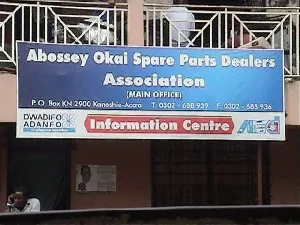
  • FULL TEXT: Asiedu’s speech at NDC 2024 manifesto launch

    FULL TEXT: Asiedu’s speech at NDC 2024 manifesto launch

    At the NDC’s 2024 manifesto launch in Winneba, National Chairman Asiedu Nketiah emphasized that the manifesto reflects the party’s commitment to rebuilding the country and addressing the hardships caused by the current government.

    He criticized the ruling NPP’s administration for economic mismanagement, increasing taxes, neglecting infrastructure, and introducing policies that have harmed citizens, particularly pensioners and students.

    Nketiah assured Ghanaians that the NDC’s manifesto provides actionable solutions, guided by social democratic principles, to resolve these issues.

    He called on Ghanaians to vote for the NDC in the 2024 elections to restore the nation’s progress and achieve a better future.

    Below is the Chairman’s full speech.

    Since 2017, Ghana has seen the most ignoble degeneration in all areas of national life. Our economy has collapsed to the extent that we have now introduced new and fanciful terms such as “haircuts” and “domestic debt exchange” into our economic management lexicon.

    For the first time in our history, pensioners who toiled to serve our country and are entitled to a quiet retirement have had to picket the Ministry of Finance to demand their hard-earned savings, which they had invested in Government Bonds. The sight of these senior citizens on television sent a rather bizarre image of our beloved country to the international community.

    Our present Government has introduced many taxes that have caused excruciating hardship and a debilitating impact on our living conditions. Our infrastructure is broken down and our roads are in bad shape. Our hospitals have been neglected, and many projects meant to enhance the quality of our health services have been completely ignored.

    Our educational system has been destroyed completely due to the reckless and incompetent approach to implementing the free Senior High School programme after the Mahama administration’s smooth introduction of the Progressive Free Senior High School programme. Many parents have become exasperated as they demand the ever-elusive quality education for their wards. In the energy sector, the mismanagement has been phenomenal, and “dumsor,” which was effectively ended by the Mahama administration in 2016, has again reared its devastating head in Ghana.
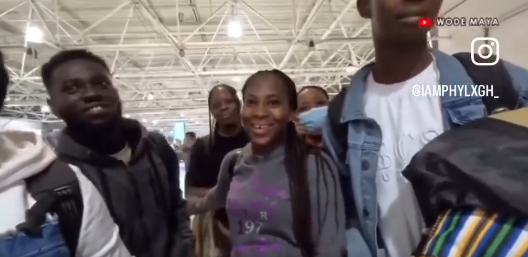
    Underpinning all these setbacks has been the massive corruption, nepotism, favouritism, and impunity that have weakened independent state institutions and furthered the culture of state capture. We have witnessed the most devastating destruction of our environment through uncontrolled illegal mining activities led or aided by government officials.

    In this Manifesto, the National Democratic Congress has provided Ghanaians with clear, actionable, and concise solutions borne out of our social democratic ideals to address the many problems this country faces today. Our policy on the 24-hour Economy has been clearly stated in simple terms to enable everybody to understand and associate with it. There are other policies that we are convinced will help create the egalitarian society we seek for Ghana.
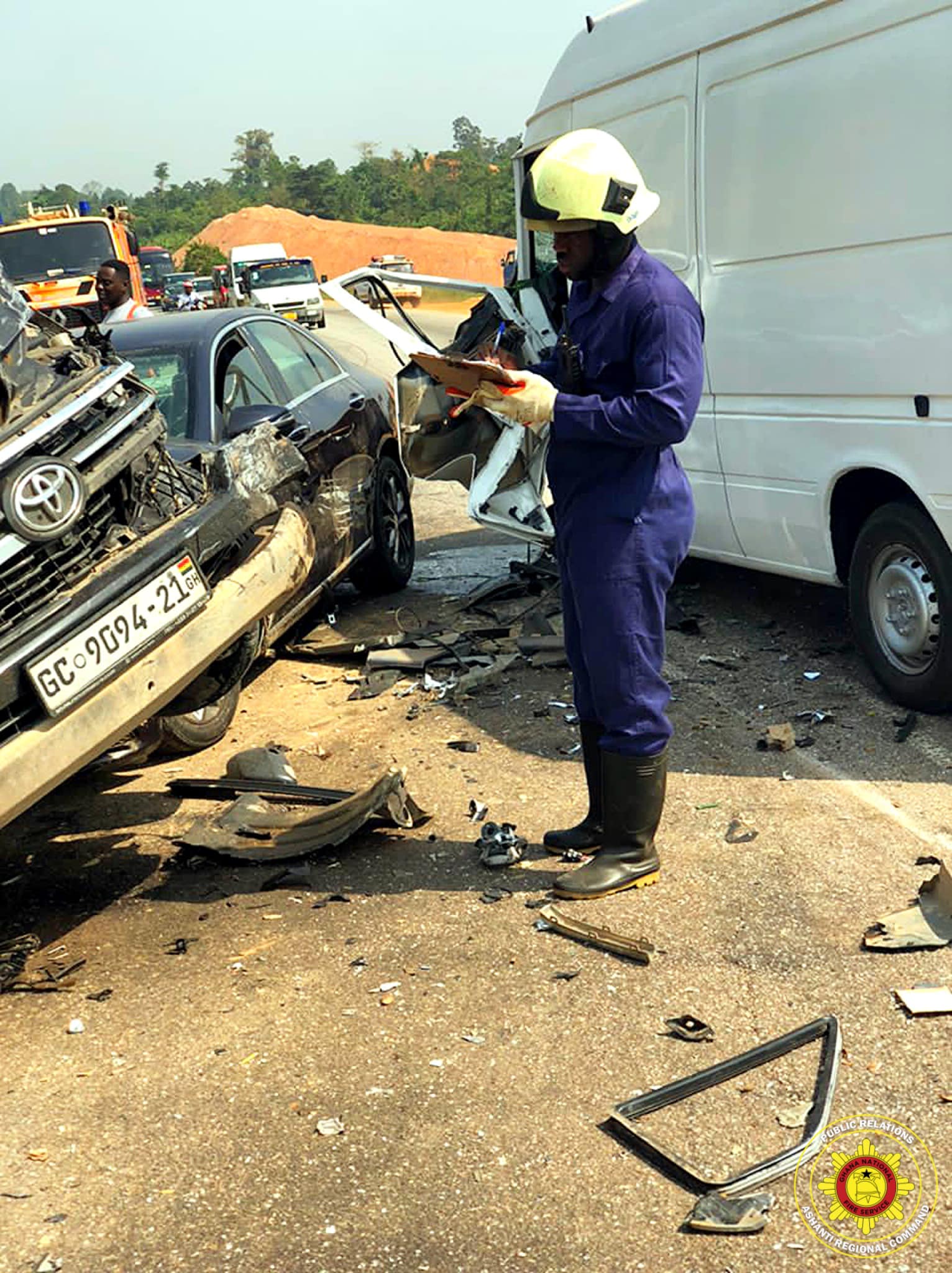
    We assure Ghanaians that this manifesto provides a solid framework for “Building the Ghana We Want Together.” We urge you to identify with our Manifesto Policy Proposals and vote for the NDC on December 7, 2024. Let us join hands to reset and Build the Ghana We Want Together.

  • Ghana to establish Medical Care Trust under a Mahama govt

    Ghana to establish Medical Care Trust under a Mahama govt

    Flagbearer of the National Democratic Congress (NDC), John Dramani Mahama, has pledged to establish the Ghana Medical Care Trust if elected president in the upcoming 2024 elections.

    He made this announcement during the launch of the NDC’s manifesto in Winneba on August 24, 2024.

    The proposed trust will focus on providing financial support and medical assistance to Ghanaians suffering from chronic illnesses such as kidney failure, diabetes, cancer, sickle cell, and hypertension.

    “I will establish the Ghana Medical Care Trust to support persons with chronic diseases such as kidney failure, diabetes, cancer, sickle cell, hypertension, and other health-related diseases,” Mahama stated, emphasizing the need for better healthcare infrastructure to address the growing burden of chronic illnesses in the country.

    In addition to the trust, Mahama also introduced plans to promote regular health check-ups by proposing a community pharmacy concept. This initiative aims to make healthcare services more accessible at the grassroots level, encouraging Ghanaians to be proactive about their health.

    “I will also introduce the community pharmacy concept and that will encourage people to go to their local pharmacy and have their blood pressure and sugar checked. So that if you have diabetes or high blood pressure, we are able to know early so that you can get treatment and be able to survive,” he explained.

    As part of his broader healthcare agenda, Mahama promised to implement free primary healthcare services across the country, removing financial barriers for Ghanaians seeking medical treatment at local health facilities.

    “So if you go to a CHPS compound or health centre, whether you have a national health insurance or not, you will be treated for free. So from the health sector level down to polyclinics and CHPS compound, if you go, you will be treated for free,” he announced.

    Mahama further clarified that while free primary healthcare would be available at local health centers and CHPS compounds, higher-level services at district referral hospitals and above would still be covered under the National Health Insurance Scheme (NHIS).

    “From the district referral hospital upwards, you will use the national health insurance card and you will receive treatment,” he assured.

  • Monack football club involved in accident at Kwahu, one dead and 62 injured

    Monack football club involved in accident at Kwahu, one dead and 62 injured

    One person has been confirmed dead, and 62 others are in critical condition following a tragic accident involving Monack Football Club at the Kwahu Mountains on the Atibie road in the Eastern Region.

    The accident occurred in the early hours of Saturday when the football team was traveling in a bus with registration number GE7652-15 after participating in a tournament at Obo. The team was returning home when the incident happened around 4:00 am.

    According to the Nkawkaw Municipal Fire Commander, DO II Samuel Mante, who confirmed the incident in an interview with Adom News, the victims were quickly rushed to the Nkawkaw Holy Family Hospital and Kenop Care Hospital, where they are receiving medical attention.

    “Investigations are underway to determine the cause of the accident,” DO II Mante said, indicating that efforts are being made to uncover what led to the tragic incident.

    The accident, which has shaken the football community, prompted a swift response from local drivers passing by the scene, who assisted in rescuing the injured. They praised the quick action of the Fire Service personnel, who arrived at the scene promptly to help the victims.

    In light of the accident, some drivers who helped rescue the victims have called on the government to address the lack of streetlights on the Nkawkaw-Mpraeso road. They believe that better lighting would help reduce accidents, especially at night.

  • Start writing your handing over notes; you’re a political scam – Mahama to NPP

    Start writing your handing over notes; you’re a political scam – Mahama to NPP

    Flagbearer of the National Democratic Congress (NDC), John Dramani Mahama, has urged the New Patriotic Party (NPP) government to begin preparing their handing over notes.

    Speaking at the launch of the NDC’s 2024 manifesto, Mahama did not hold back in his criticism of the NPP’s performance in government.

    Addressing the crowd of party faithful, the former President said, “Your vote on December 7 will end the tyranny, cronyism, corruption. It will also pave the way for vision, experience, and trustworthiness, and I, John Dramani Mahama, am going to restore that to the Flagstaff House.”

    He continued, issuing a pointed message to the ruling party, stating, “This government must begin writing their handing over notes if they have not started doing so already.”

    His speech also included strong accusations, with the former president asserting that the NPP’s tenure has been the most deceptive in Ghana’s political history.

    “This NPP administration has been the biggest political scam that has been pulled on Ghanaians since our independence,” Mahama declared.

  • NPP repeated past promises in 2024 manifesto – Inusah Fuseini

    NPP repeated past promises in 2024 manifesto – Inusah Fuseini

    Former Member of Parliament for Tamale Central, Inusah Fuseini, has criticized the New Patriotic Party (NPP)’s 2024 manifesto, alleging that it is merely a repetition of previous promises and rhetoric.

    Speaking on JoyNews’ NewsFile on August 24, Fuseini expressed disappointment with the manifesto’s content, asserting that it echoes past assurances made by Dr. Mahamudu Bawumia, which he claims remain unfulfilled.

    “Their manifesto is a mere repetition and rhetoric. He told you he was going to move Ghana from taxation to production. He told you there was no reason why Ghana roads should not be paved with concrete. He said that kayaye ought not to be living at Agbobloshie but he was going to move them and build for them,” Fuseini said.

    He criticized the NPP for failing to deliver on these promises, pointing to the government’s track record on various initiatives.

    “He told us many things. He told us the NPP was developing the largest hydroelectric and irrigation dam in the north. What we have come to realise is that money has been sunk in the dam with no results. So there are many things that he said,” Fuseini added.

    Moreover, Mr Fuseini alleged that the NPP’s 2024 manifesto includes 320 promises that closely mirror those from the National Democratic Congress (NDC)’s 2020 manifesto. He accused the NPP of borrowing from the NDC’s previous proposals, asserting that the current manifesto lacks originality.

    “When we said we were going to establish a women’s bank because there should be gender inclusiveness in the economic development of this country and the best way is to establish a financial institution that would care for and provide the sources, what did they (NPP) say? Now, they said they are going to establish a fund,” he explained.

  • NDC manifesto brings clear and actionable solutions to Ghana’s challenges – Asiedu Nketiah

    NDC manifesto brings clear and actionable solutions to Ghana’s challenges – Asiedu Nketiah

    National Chairman of the National Democratic Congress (NDC), Johnson Asiedu Nketiah, has noted that the party’s 2024 manifesto provides initiatives that will resolve Ghana’s challenges.

    Speaking at the launch of the party’s 2024 manifesto on Saturday, August 24, he noted that these policies will solve the challenges in the mining sector, energy sector, financial sector among others.

    Mr Asiedu Nketiah stated that the country is currently observing mining activities that have affected the environment in a negative way. He also made mention of the debt restructuring Ghana has painfully witnessed due to its inability to pay its debtors.

    “The National Democratic Congress (NDC) has provided Ghanaians with clear, actionable and concise solutions borne out of our social democratic ideals to address the many problems this country faces today,” the party’s Chairman said today.

    He referenced the 24-hour economy as one of the many initiatives that will turn around the country’s fortunes.