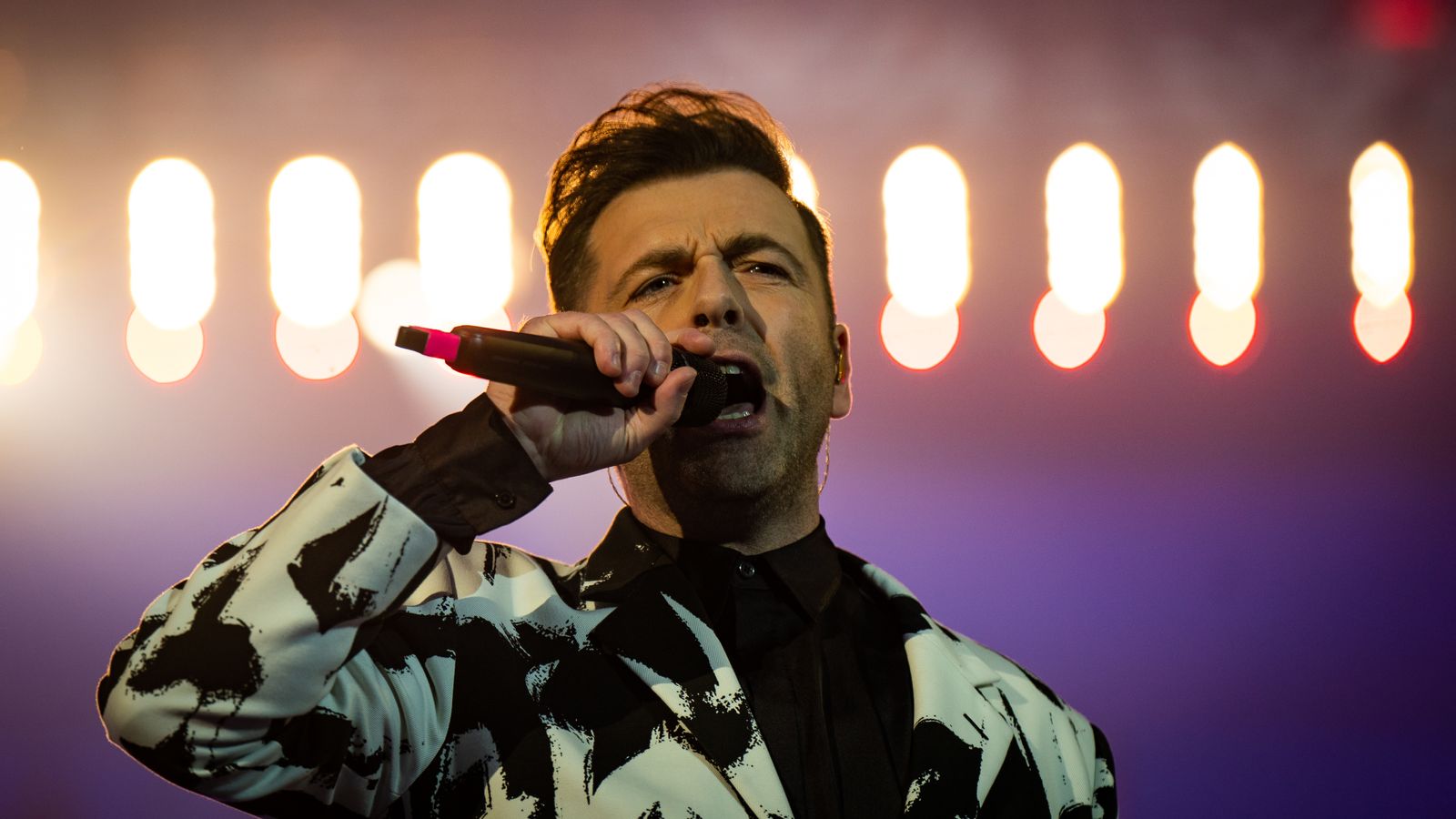
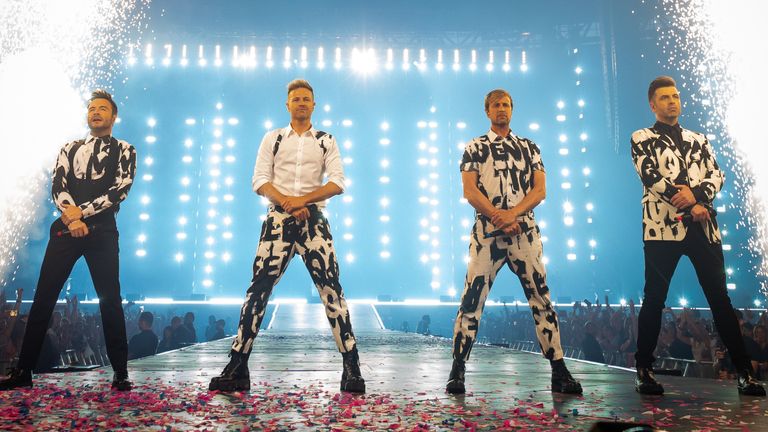
Mark Feehily, a member of Westlife, has announced that he is temporarily stepping down from all touring with the band due to health challenges.
The 43-year-old Irish singer, who recently had surgery, said “my recovery must now become my absolute priority at this time”.
Feehily disclosed that he has been facing ongoing medical issues since undergoing surgery in August 2020, which led to severe sepsis due to a complication.
He recounted his experience of being treated in a hospital intensive care unit for over three and a half years during COVID lockdown restrictions. Additionally, he was diagnosed with pneumonia and developed a large “incisional hernia” that required surgery to repair.
Image:Westlife performing in 2022. Pic: PA
“This would be my fourth major surgery since the start of it all, but I had no option,” Feehily said in a statement posted on Instagram.
“That surgery took place recently and thankfully it went according to plan but with that, my recovery must now become my absolute priority at this time.
“It is with the upmost level of regret that I must now temporarily stand down from all Westlife touring until a time that I have had a chance to fully recover from the turbulent journey I have been through as an individual.
“Believe me, I wish things could be different.”The singer will be absent from the band’s remaining shows of The Wild Dreams Tour, which has been ongoing globally since 2022. He was scheduled to join the band for shows in the US and South America starting from 11 March.
Feehily went on to thank his family, bandmates and medical staff for their support, telling fans: “I have to make the right decision for my health and wellbeing, for my family, and for myself as a person. Please don’t worry.
“I will see you very soon beautiful people.”
The rest of the group – Shane Filan, Kian Egan and Nicky Byrne – said they would “continue to fly the Westlife flag higher than ever” while wishing Feehily well.
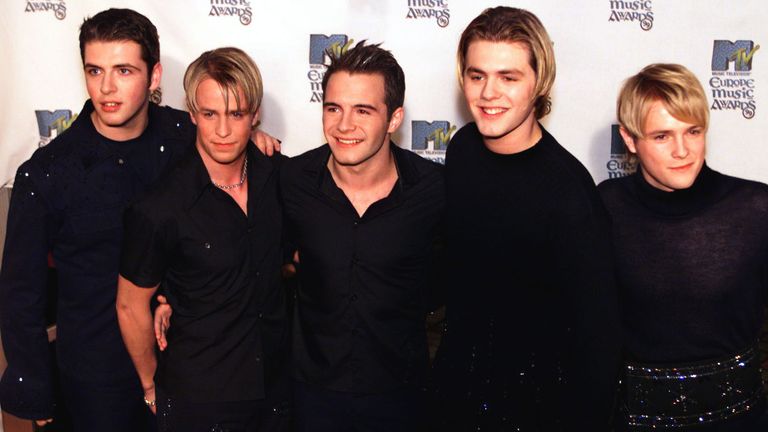
Image:Westlife pictured at the MTV Europe awards ceremony in Dublin in 1999
His health battles have meant he missed some of Westlife’s shows back in 2022 after being diagnosed with pneumonia.
The band, including former member Brian McFadden, rose to fame after forming in 1998. They enjoyed success for 14 years before disbanding in 2012. However, they reunited in 2018 without McFadden, who had left the group in 2004.
The Commissioner of the Commission on Human Rights and Administrative Justice (CHRAJ), Joseph Akanjolenur Whittal, has raised concerns about the intentions behind the introduction and passage of the controversial anti-LGBTQ+ bill by legislators.
He questions what legislators hope to achieve, stating that in a world rapidly becoming a global village, enacting laws solely based on culture and tradition could be seen as regressive.
Speaking on Joy FM’s Top Story on February 29, he said, “This thing that we are joking with if we don’t take time, it will boomerang in our face and the signals are coming. So, is it worth the so-called values that we are thinking of in a globalised world?”
On Wednesday, February 28, Parliament passed a controversial bill criminalizing what its supporters describe as deviant behavior and its promotion, after three years of deliberation.
This development has sparked fear among the LGBTQ+ community, as it puts their lives at risk. However, Mr. Whittal has reassured them that their safety is assured as long as the bill remains unsigned by the President, urging them to remain calm.
The bill stipulates a prison sentence of up to three years for individuals convicted of identifying as LGBTQ+. It also imposes a maximum five-year jail term for those involved in forming or funding LGBTQ+ groups.
Despite efforts by some MPs to replace prison sentences with community service and counseling, these attempts were frustrated.
The Commissioner has made a heartfelt appeal to the President not to approve the bill, especially given his background in human rights.
“This bill is not a law, so it cannot be used against anybody. There are still processes to make it a law. That is why I am raising the challenge to the presidency to consider whether he shouldn’t exercise his right of rejection on the basis of constitutionality aired against human rights. If it makes it through him, and if he also assents, I know there is a bunch of people who are ready to challenge the constitutionality of this bill before the Supreme Court.”
“It is early days yet. I will advice them, they should hold on. While all these things are working out, I have confidence that somewhere along the line something will shift.
“We cannot just use the principle of our cultural values and throw all of us under the bus. We need to be very careful as a people,” he added.
On the same show, the lead sponsor of the bill, Sam George, responded to Commissioner Whittal’s comments, disagreeing with his views.
Sam George argued that the Commissioner’s job exists because of the Ghanaian constitution and that it is misguided for him to speak as if he were employed by an international institution.
The Ningo Prampram MP further contended that Commissioner Whittal’s stance indicates he would be unsuitable to preside over any LGBTQ+ cases brought to his office.
“When he speaks in a manner that is even prejudicial before a matter will come to him, it will not be fit for him to sit on any matter involving this bill.”
“His position on this bill from presenting memoranda against the bill all the way to public advocacy against the bill makes him unfit to sit as a Commissioner of CHRAJ on any petition that will come there because he already has a prejudiced position. His argument on human rights on this network is that some international human rights person said that sexual preference is a human right.
“He did not state what law that person used and whether that law takes precedence over the constitution that created CHRAJ, that gave him a job,” he added.
Sometimes, one wonders what lens people are looking through when Vice Presidential hopeful nominees are being named and no one remembers to bring up the woman who single-handedly changed the face of the NDC in 2020 after their humiliation and rejection by Ghanaians in 2016.
The National Democratic Congress (NDC) led by presidential candidate President John Mahama and late Paa Kwesi Amissah-Arthur as Vice, lost the 2016 election by a margin of almost one million votes, the biggest ever recorded in the country’s electoral history.
But following that, apart from the abysmal performance of President Nana Addo Dankwa Akufo-Addo and Muhammadu Bawumia’s New Patriotic Party (NPP) led Government, what could have led to the strong come back John Mahama made in 2020?
In 2020, Ghanaians were presented with the same NDC they had just voted out a term ago with John Mahama once more as flag-bearer. The campaign messages remained largely unchanged, the only difference this time was Prof. Jane Naana Opoku Agyeman and the fresh air of patriotism she breathed into the toxic political landscape, making John Mahama’s ticket more attractive to women and others who otherwise would have never given the NDC the time of day, at least in 2021.
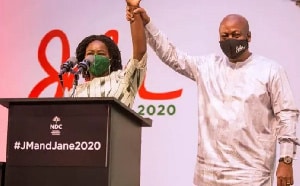
John Mahama and Jane Naana Opoku Agyeman
Sometimes, one wonders what lens people are looking through when Vice Presidential hopeful nominees are being named and no one remembers to bring up the woman who single-handedly changed the face of the NDC in 2020 after their humiliating election results in 2016.
The National Democratic Congress (NDC) led by presidential candidate President John Mahama and late Paa Kwesi Amissah-Arthur as Vice, lost the 2016 election by a margin of almost one million votes, the biggest ever recorded in the country’s electoral history.
But following that, apart from the abysmal performance of President Nana Addo Dankwa Akufo-Addo and Muhammadu Bawumia’s New Patriotic Party (NPP) led Government, what could have led to the strong come back John Mahama made in 2020?
In 2020, Ghanaians were presented with the same NDC they had just voted out a term ago with John Mahama once more as flag-bearer. The campaign messages remained largely unchanged, the only difference this time was Prof. Jane Naana Opoku Agyeman and the fresh air of patriotism she breathed into the toxic political landscape, making John Mahama’s ticket more attractive to women and others who otherwise would have never given the NDC the time of day, at least in 2021.
The conversation, therefore about who becomes John Mahama’s running mate in the 2024 elections has since been quite inconsiderate when we take into account the complete “ghosting” of Prof. Jane Naana Opoku, and how she isn’t even considered as someone who should be in the race.
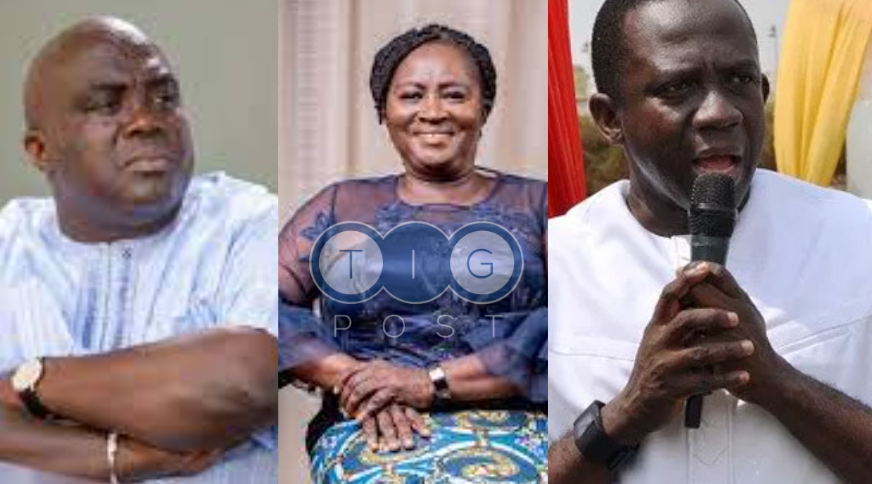
In her stead, several names from the global business magnate have been floated, from Sir Sam Jonah, who has refuted it and outrightly stated he is not interested should he even be offered the slot, to the Former Auditor General, Daniel Domelevo, Former Chief of staff Julius Debrah and now RTD Commissioner of Police Kofi Boakye.
Personal preferences aside, it is objectively distasteful that we as a people would ignore the impact of Prof. Jane Naana Opoku in the 2020 general elections.
One of the events that made significant impact on women voters was “In conversation with Prof. Jane Naana Opoku”. The event assembled apolitical women in business, education, health, etc to meet prof. and to be convinced as to why NDC should be their party of choice in the 2020 elections.
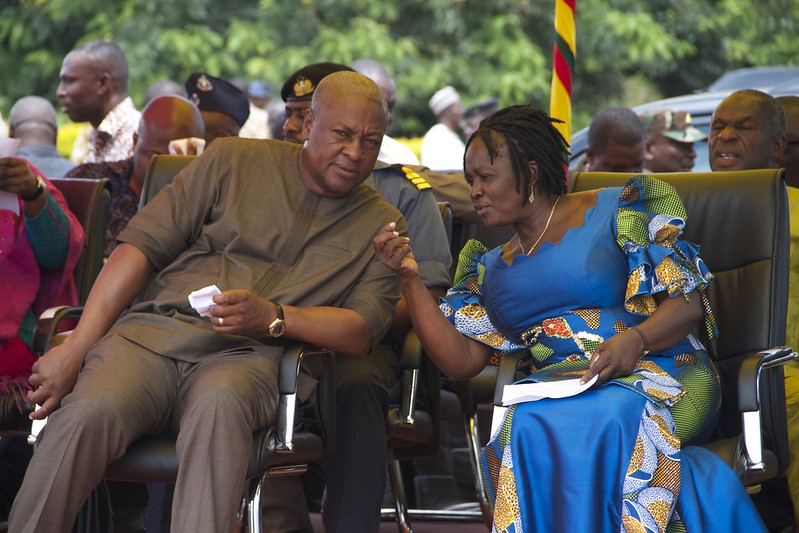
Prof. Jane Naana Opoku-Agyemang and John Mahama
Women groups who would not ordinarily associate with any political party much less the NDC showed up to listen and actively engage and in the end promised to campaign to get John Mahama elected, again.
As a result, women actively campaigned for the NDC off the strength of Prof. Jane Naana Opoku. They were proud to have a woman as running mate to John Mahama who himself has been a big advovate of women’s rights in Ghana. These efforts were evident in the 2020 elections results.
For reference, The 2016 election results for the NDC with John Mahama and Amissah Arthur were 4,771,188 representing 44.53% of the voting populace, while the NPP with Nana Akufo Addo and Dr. Mahamadu Bawumia saw 5,755,758 votes, representing 53.72%. This, at the time, was an outright rejection of the NDC by Ghanaians. But when In 2020, the NDC re-presented the same Presidential candidate and campaign with the only clear difference being their candidate for Vice in Prof. Jane Naana Opoku, the results were staggering. More than just an improvement, the margin was considerably thinner, and a clear indication to all that the NDC was very much still alive.
There were some who were convinced that the 2020 results would be worse than 2016, and yet when the time came, the NDC pulled in 6,213,182 votes compared to NPP’s 6,730,587. For context While the NPP’s votes may have gone up by 974,829 votes from the previous elections, the NDC’s support had increased by 1,441,994 which is no small feat.
The NPP’s lead of over 900,000 was however, quickly squandered. They would soon throw the country into chaos passing a widely unpopular E-levy bill, tanking the economy & scrambling for an IMF bailout to support an even more unpopular Domestic Debt Exchange programme.
Now, in the heart of a real crisis, the people need the experience of John Mahama to salvage what is left of the economy and the country.
So, if Prof. Jane Naana Opoku’s partnership has yielded this much benefit to the NDC so far, why would any rational person want anyone else at reins?
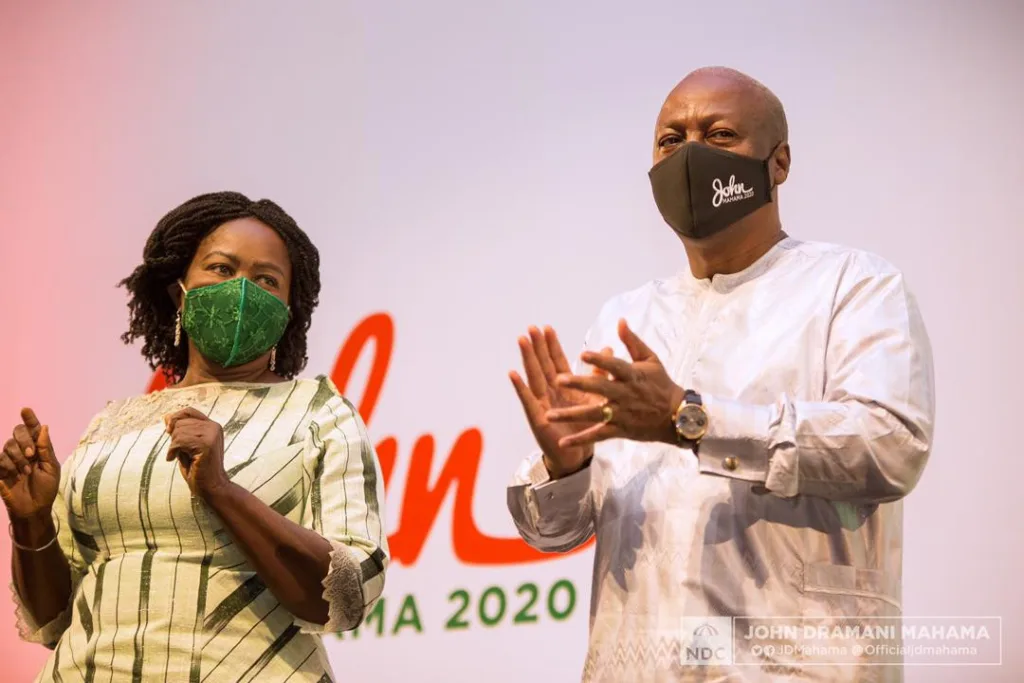
Prof Naana Jane Opoku-Agyemang
In these tumultuous times, VAT is up by 2.5%, there’s a 10% tax on bet winnings, a further threat to add ECG and emissions taxes. The Cedi keeps plummeting against the dollar, and unemployment rate at an all time high, 2024 calls for real change; A change in government and not a change in who partners John Mahama. Back in 2020, Prof. proved her mettle then, just as John Mahama has done so often in the past so as to become indispensable to the party today. She is a thoroughly educated, scandal-free woman who represents the best of what Ghana has to offer.
An examination of criticisms against her finds them to be mostly laced with childish sentiments like “she’s not ‘out there” and “she’s not mounting platforms to scream and perhaps insult everyone in the way we’re used to” and “she needs to match Veep Bawumia”. But those sentiments, if followed will only yield more of the same. Because at the end of the day, are we really in the market for “another Bawumia”? Or are we trying to to do something different this time? Something better, something useful.
This is our country, these are our lives. We can’t continue to squander it 4 years at a time on articulate con artists, and so called economic gurus whose only legacy is to have taken our exchange rate from 3.8 to 13 cedi to a dollar in record time and launching unnecessary apps and platforms that are not only already available on Google but also useless when the basic infrastructure to support them isn’t even functional.
A woman who has taught thousands of people in academia will not be mounting political platforms to insult opponents in the name of appeasing a base. She stands tall and unblemished, bringing an aura to John Mahama and elevating his image which has until 2020 been badly battered by an avalanche of Propaganda by the NPP.
Changing Prof. now would simply mean the NDC lied to Ghanaians in 2020 when they said they believed in women, when they said they wanted an elevated aura around the presidency.
The NDC going with any other candidate will be a betrayal of Ghanaian women. Prof. Jane Naana Opoku is exactly what the country needs at this time. A cool head, a voice that can calm nerves; she speaks from her heart, and most importantly, tells Ghanians the TRUTH.
At a time when Ghana is reeling under the economic crisis brought on by the insatiable greed of the Nana Addo & Bawumia Cartel, so corrupt that even corruption crusaders have given up on them. The last thing we need is another Bawumia, a man who a cursory internet search reveals as one of the most prolific liars of modern politics.
It would be a grave mistake to change Professor Jane at this time. She is a proven partner for John Mahama, one who is not in competition with him and is efficient at playing her position and supporting him as needed to get the best results.
She is the perfect embodiment of the Ghanaian old adage ‘awene pa 3nkasa’. We need more Jane Naana Opoku’s, not fewer.
Source: Bridget Otoo, a media personality and businesswoman.
DISCLAIMER: TIGPost.co will not be liable for any inaccuracies contained in this article. The views expressed in the article are solely those of the author’s, and do not reflect those of The Independent Ghana.
Investigative journalist Anas Aremeyaw Anas has stated that he cannot disclose his identity to Kwasi Nyantakyi if he is expected to testify as a witness against the former Ghana Football Association (GFA) president.
Anas explained that revealing his identity to the accused could jeopardize his security and be akin to “signing his death warrant.”
Following Anas’ documentary titled “#Number 12 Exposé,” which uncovered bribery and corruption in Ghana’s football, Nyantakyi was banned by FIFA and subsequently charged. However, the trial has yet to commence since June 29, 2021, almost three years after Nyantakyi pleaded not guilty to charges of fraud by agent and corruption related to the exposé.
Nyantakyi is also facing a charge of conspiracy to commit fraud with the former Northern Regional Representative of the GFA, Abdulai Alhassan.
The Principal State Attorney, Duffie Prempeh, informed the Court presided over by Justice Marie-Louise that their first witness, Anas Aremeyaw Anas, has expressed concerns about his personal safety, stating that it would not be appropriate for him to reveal his identity to the accused persons.
In response to the Court’s ruling that Anas would reveal the accused persons and their lawyers in the chambers of the Court before testifying in open court in a mask, the prosecution has indicated that they will appeal this decision.
“My Lady respectfully, we are expected to bring our witness today, (Wednesday February 28),” the PSA told the Court.
“However, following your ruling on our application regarding the mode of testimony of our witness, Anas Aremeyaw Anas, the Attorney General extended an invitation to the witness to avail himself for pre-trial conference and ultimately to present his testimony in Court,” she said.
The Principal State Attorney also informed the Court that the investigative journalist stated that disclosing his identity to testify for the Prosecution would amount to signing his death warrant.
“My Lady, in response to our letter, Anas indicated that given the danger to his personal safety, it will not be proper for him to disclose his identity to the Accused persons their counsel.
“Anas Aremeyaw Anas is convinced that by virtue of the nature of his work, disclosing his identity will be tantamount to signing his death warrant.
“He indicated further that his colleague, Ahmed Suale was gunned down after an engagement with the law office. My Lady, he said that the State Security has been withdrawn,” The Principal State Attorney stated.
“He has therefore impressed upon us to appeal this Court’s decision which we have done. But the appeal is not ripe for hearing.
“We are therefore pleading with the Court to grant us enough time to pursue our appeal to its logical conclusion in the interest of justice.
“My Lady for the sake of coherence, it will be proper to start with Anas because with the other witnesses, it was just a conversation that happened prior to the event so they did not witness the event that occurred. My Lady, that is our humble prayer,” the PSA prayed to the Court.
Lawyer Baffour Gyau Bonsu Ashia, representing the accused persons, requested that the criminal suit be dismissed due to lack of prosecution and that the accused persons be discharged. He argued that despite several opportunities given to the prosecution to prepare their case, they have failed to do so.
“My Lady, it is our humble prayer that the criminal suit against the Accused persons be struck out for want of prosecution.
“My Lady, the basis of this prayer is that my Lady has indulged the Prosecution on numerous occasions for the Prosecution to put their house in order and open their case,” Counsel submitted.
While pointing to an appeal filed by the Prosecution, Mr Ashia said, “the State filed an appeal against this Court’s decision and brought a Stay of Proceedings which was dismissed.”
“My Lady, as we speak for almost five (5) months now, nothing has been done about the appeal, we have not been told that the record has been transmitted to the Appellate Court, we have also not been told that Form 6 has been issued for the appeal to be heard,” Counsel argued.
He said, the criminal trial which hangs on the necks of the Accused persons, has led to their lives coming to a standstill ever since they were presented before the Court.
“My Lady, striking this matter out does not mean that the matter has been heard on its merits.
“They can always come back if they want. Life must go on. It is our humble prayer that they have four (4) other witnesses, it is not just the witnesses from Tamale.
“They have the Investigator who is seized with all the facts, he did the investigations, they can call him but they have failed to do so.
“In this circumstance, we humbly pray that this Court exercises its discretion and strike out this matter,” Counsel submitted.
April ultimatum
Justice Marie-Louise Simmons, the presiding judge said, though nothing inhibits the Court from striking out the case, the Court will grant the Prosecution sometime up to April you do the needful.
The Court said, if by April, no meaningful steps have been taken in their appeal, the accused persons would be discharged.
“I have heard and considered the submissions made by both counsel this morning. Indeed there should have been no inhibition on my part to strike out the case.
“It is most clear that the Prosecution is not ready to prosecute the case now.
“Their failure to call other witnesses who have been listed seems surprising. It does not matter how minimal the role of each witness is to a trial, once the witness would contribute to a part of an element to be proved in a criminal charge, that witness would be important and can be called.
“I am however reluctant to strike out the case now because of the pending appeal against the ruling at the Court of Appeal.
“I am eager to receive the response of the Court of Appeal on the ruling.
“In the circumstance, notwithstanding the dismissal of the Stay of Proceedings filed earlier by the Prosecution, I would have the case adjourned to April. I am aware that I should not adjourn a criminal trial beyond a month but I will make an exception to this rule.
“I will allow the Accused persons some breathing space while we see the next step taken by the Prosecution at pursuing this appeal against the ruling,” the Court said.
“If by April, no meaningful steps have been taken in the Appeal, the two (2) the Accused persons will be discharged.
Ashanti Regional Minister Simon Osei Mensah has issued a stern warning, threatening to organize a demonstration in his region against the Electricity Company of Ghana (ECG) and Ghana Grid Company (GRIDCo) due to the ongoing erratic power outages.
Mr. Osei Mensah expressed frustration over the lack of explanations from both ECG and GRIDCo regarding the cause of the outages. He emphasized that he has not received any satisfactory explanation despite efforts to engage with the Ministry of Energy on the matter.
Speaking on Angel FM in Kumasi, the Regional Minister indicated his readiness to lead the demonstration if necessary, making him potentially the first minister in the country to protest against his own government.
“The word of caution I’m sounding to the ECG and GRIDCO is that, if I don’t get a satisfactory explanation after listening to the Ministry of Energy with the response I’ll demonstrate against them,” he threatened.
Despite being a member of the current NPP government, the Minister expressed his strong disapproval of the situation and vowed not to allow ECG and GRIDCo to deprive the people of his region of electricity, especially when other regions are not facing similar challenges.
“I’m saying this and everybody should put on record, I’ll be the first government appointee, the first Regional Minister to lead a demonstration in this region if they are not able to give a reasonable explanation”, Mr Simon Osei Mensah told Kwame Tanko in his interview.
“I’ll lead a demonstration in the region and that time nobody should come and stop me”, he added.
Executive Director of the Joint United Nations Programme on HIV/AIDS (UNAIDS), Winnie Byanyima, has voiced serious concerns regarding the approval of Ghana’s Human Sexual Rights and Family Values Bill, commonly known as the anti-gay bill.
The legislation, which criminalizes and prohibits LGBT activities, was passed on Wednesday, February 28, 2024, drawing criticism from various quarters, including prominent figures like Professor Audrey Gadzekpo, the Board Chair of the Ghana Center for Democratic Development (CDD-Ghana), and the United States ambassador.
In a statement, Byanyima emphasized that while the bill has not yet become law, its potential enactment could incite violence among Ghanaians and impede access to life-saving services.
She warned that the legislation might undermine social protection and hinder Ghana’s developmental progress, affecting fundamental liberties such as freedom of speech, association, and movement.
Byanyima argued that the bill could have severe repercussions on various fronts, including its adverse impact on the fight against AIDS and the overall jeopardization of public health.
The statement highlighted the potential harm that such legislation could cause to individual freedoms and the broader efforts to combat health challenges.
The Volta Regional Secretariat of the National Democratic Congress (NDC) has refuted assertions made by President Akufo-Addo regarding the completion of a coastal fish landing site in Keta within the region.
During his State of the Nation Address (SONA) on Tuesday, President Akufo-Addo stated that his administration had finalized the construction of 12 coastal fish landing sites across various regions, including Keta in the Volta Region.
However, in a press release dated February 29, the Regional Communications Officer of the NDC, Sorkpa Kafui Agbleze, dismissed the President’s claim, asserting that no such facility existed in Keta.
The party urged President Akufo-Addo to conduct thorough investigations before making such declarations.
“What is equally displeasing is the President’s mention of a non-existent project like the Keta Fish Landing Site on page 22 of his presentation. We want to once again put on record that there is no such project in Keta or any other place in the Volta Region.
“The President should learn to insulate himself from always being misled by doing due diligence in getting accurate information on such crucial matters,” portions of the statement read.
Also, the Volta Regional Secretariat of the National Democratic Congress (NDC) has criticized President Akufo-Addo for failing to mention the compensation of flood victims in his recent State of the Nation Address (SONA).
The secretariat expressed its disappointment, stating that the floods had worsened the already challenging situations faced by many families and individuals in the region. They expected the President to address this issue and provide support to those affected.
“The people were actually expecting to hear something about the disbursement of the GH¢220 million allocated in the 2024 Budget to support the affected communities, the funds from the World Bank under the IDA Crisis Response Window (CRW) to support the resettlement of the victims, restoration of livelihoods, compensation and reconstruction of infrastructure in the affected communities,” Sorkpa Kafui Agbleze said.
Moreover, the group described the President’s omission as a deliberate lack of empathy and commitment to the well-being of the flood victims, stating that they interpreted his silence as such. The Secretariat appealed to President Akufo-Addo to prioritize the concerns of the victims and compensate them accordingly.
“The Volta NDC strongly requests the President to urgently address this issue and prioritise the needs of those affected by the flood disaster and tidal waves. We demand immediate action to provide relief aid, rehabilitate affected communities, and implement sustainable measures to prevent future occurrences,” the statement added.
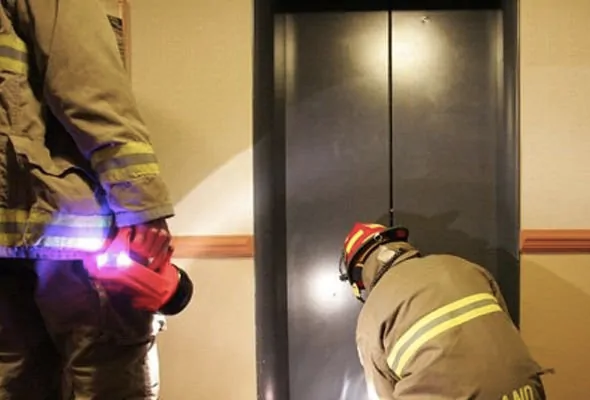
A Parliamentary staffer found themselves in a terrifying situation when they became trapped in an elevator at the Job 600 building during a power cut.
With the lights flickering off and uncertainty looming, the individual shared a chilling thought: “I hope this is not going to be my last day.”
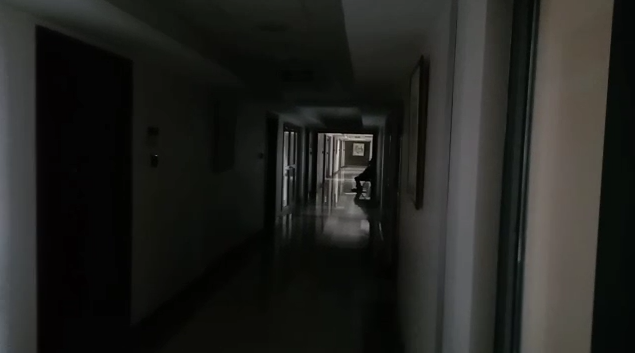
The power cut, stemming from a GH¢23 million debt, affected both Parliament House and Job 600, adding to the chaos of the situation. As the staffer attempted to make their way to the ninth floor, the sudden darkness engulfed the elevator, leaving them stranded between floors.
Despite frantic efforts to summon help from engineers, their calls went unanswered. It was only through the assistance of colleagues and security personnel that the staffer was eventually rescued from the claustrophobic confines of the elevator.
Reflecting on the ordeal, the individual recounted the sheer panic of the moment and the overwhelming relief of being freed from the precarious situation.
“The one I had too said he was at the annex. I called the other ones too still, they were taking time. So, I called my colleagues, and they came down there with the military guys and tried opening the gates so that at least I could take in some air. It is not a pleasant situation. I could see that I was passing out and I was out of air.”
“But with the help of my colleagues and the security guards finally after about 30 minutes of being stuck there, they were able to open it and get me out of there. I was the only person in there. Most of the time whenever I take the elevator I imagine being in the elevator and being stuck in it with no light in there how I will feel in there, I think today I have got to experience it but it is not a pleasant situation. It is just like you being locked up in a cell or something,” he said.
Firefighters in Parliament are making urgent efforts to rescue individuals trapped in elevators after the disconnection by ECG pic.twitter.com/NTnEJFY5MI
A staff member of Parliament has shared a harrowing experience of almost losing consciousness in an elevator at the Job 600 building due to a power outage on Thursday.
The individual, who feared for their life, was fortunately rescued by colleagues and security personnel.
The power cut affected both Parliament House and Job 600, the office complex for Members of Parliament (MPs), due to a GH¢23 million debt.
Speaking to Citi News’ Richard Dela Sky on Thursday, the anonymous staffer recounted being on their way to the ninth floor from the ground floor when the lights went off on the second floor.
Despite attempts to contact engineers proving futile, the employee managed to reach out to colleagues, who, along with security personnel, came to their aid.
The employee detailed the challenges faced, including unsuccessful attempts to open elevator doors and seek help from passersby. Lack of air during the ordeal almost led to fainting, highlighting the severity of the situation.
“I went downstairs and when I was coming from down to the ninth floor, I think somewhere on the second floor the light went out so I got stuck in the elevator and I tried calling the engineers too, but it wasn’t going through.
“The one I had too said he was at the annex. I called the other ones too still, they were taking time. So, I called my colleagues, and they came down there with the military guys and tried opening the gates so that at least I could take in some air. It is not a pleasant situation. I could see that I was passing out and I was out of air.”
“But with the help of my colleagues and the security guards finally after about 30 minutes of being stuck there, they were able to open it and get me out of there. I was the only person in there. Most of the time whenever I take the elevator I imagine being in the elevator and being stuck in it with no light in there how I will feel in there, I think today I have got to experience it but it is not a pleasant situation. It is just like you being locked up in a cell or something,” he said.
Responding to the thoughts running through his during the ordeal, he noted “…Oh God I didn’t plan for this and I hope this is not going to be my last day but when I got my colleagues on the line I knew that in no time they will get me out of there.”
Firefighters in Parliament are making urgent efforts to rescue individuals trapped in elevators after the disconnection by ECG pic.twitter.com/NTnEJFY5MI
The Institute for Energy Security (IES) has emphasized the need for the government, through the Electricity Company of Ghana (ECG), to provide a timetable for the ongoing power outages across the nation.
The call comes as many parts of Accra and other regions have been experiencing power cuts for days without prior notice from ECG or GridCo.
Speaking on Morning Starr with Francis Abban, Executive Director of IES, Nana Amusi, stated that providing a timetable to the public for the power outages should be a priority for the government.
“It is just fair and common sense to think the same way that you give a table out so that people can plan their lives and guide people as to when to expect power and when not to expect power. So that they can plan their businesses and daily lives and it has been the tradition,” Nana Amusi stated.
He explained that the Electricity Company of Ghana (ECG) and the Northern Electricity Distribution Company (NEDCo) have not released a timetable for the power outages because the ruling New Patriotic Party (NPP) claims to have resolved the issue of ‘dumsor,’ or power outages.
“But in the last few weeks, GridCo in particular has not told us what is causing them not to have enough power in order to transmit to ECG and NEDCo. ECG and NEDCo are not willing to put out any time table because a government claim that ‘I have dealt with dumsor,” IES Executive Director indicated.
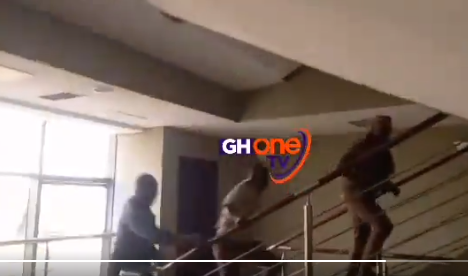
A person with a disability faced significant challenges at Job 600, the office complex for Members of Parliament in Ghana, as the elevators were non-functional.
This situation arose due to a power disconnection by the Electricity Company of Ghana (ECG) over an outstanding debt of GH¢23 million owed by Parliament.
The man had to seek support from the banister in order not to fall in his attempt to descend.
There were also reports that firefighters were urgently called to the scene to rescue individuals trapped in the elevators following the power disconnection. This action was part of ECG’s “Operation Zero Balance” initiative, which aims to recover outstanding debts from various customers.
Despite efforts to collect the debt from parliamentary facilities, the disconnection proceeded, highlighting the challenges faced by ECG in debt recovery and ensuring a stable electricity supply.
The power cut added to the ongoing power cuts experienced across Ghana, including in the capital city, Accra. Nana Amoasi IV of the Institute for Energy Security warned that these power cuts may continue unless challenges in installed capacity and fuel supply are addressed promptly.
An individual with a disability was compelled to use the staircase at Job 600 (MPs' office complex) because the elevators were not functioning, as a result of a power disconnection by ECG due to debts owed by parliament. https://t.co/2OBBrCCOU4pic.twitter.com/Pp7L4cfl8V
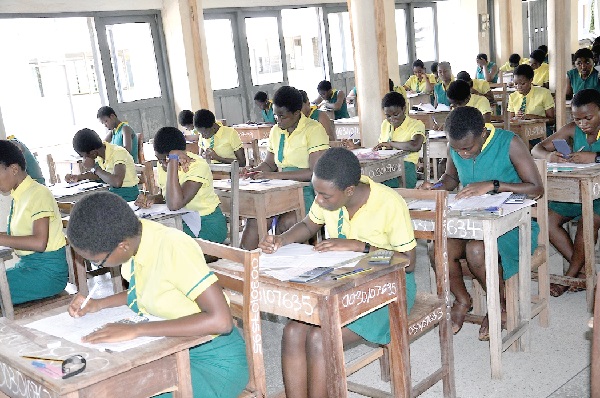
Over 600 parents gathered at the West African Examination Council (WAEC) office in Sunyani, Bono region, to demand the release of their children’s WASSCE results.
WAEC had withheld the results of some candidates over alleged examination malpractices. Some subject results of candidates from 235 schools have been withheld for giving artificial intelligence-generated answers during the 2023 West African Senior School Certificate Examinations (WASSCE).
WAEC has also withheld the subject results of 4,280 candidates and the entire results of 1,005 for various suspected offences.
During a meeting with the parents, WAEC stated that the only option for the affected students was to rewrite the papers. This decision angered the parents, who argued that their children were not at fault and should not be made to rewrite any paper.
The parents emphasized that their children had studied hard and should not be punished for the negligence of the exam invigilators who failed to supervise them properly during the exams.
Spokesperson for the parents, Mr. Agyemang Prempeh, who engaged the media expressed their frustration, stating that the innocent children should not suffer for the mistakes of others. He called on the government to intervene, noting that the affected students’ peers were already in tertiary institutions.
Member of Parliament for Yapei-Kusawgu constituency, John Jinapor, has attributed the current power cuts in the country, popularly known as ‘dumsor’, to fuel shortages and the inefficiency of thermal power plants.
Accra and some parts of the country have experienced intermittent power outages for a significant period of time. The Electricity Company of Ghana (ECG) has not provided much explanation regarding the recent outages.
Mr Jinapor has urged the authorities responsible for the power sector to release a schedule for power outages so that Ghanaians can plan accordingly.
“The minority side has been monitoring the power situation for the past month, and it appears, based on the information available to us, that the power sector is collapsing.
“Since February 2, there has been persistent and consistent load shedding by the generation companies; indeed, the load shedding is worsening by the day. The day the president was delivering SONA and boasting, there was some load-shedding happening,” Mr Jinapor said in an interview.
“Today at 12 pm, load shedding will commence again; our investigation indicates that some of our thermal plants are down, and there is a lack of fuel causing the load shedding. The handlers of the power sector should do the honourable thing by informing the people of Ghana so they can plan ahead of time.”
Deputy Energy Minister-designate Collins Adomako-Mensah has promised that the current power outages will be resolved within the next two weeks.
“I admit that for the past two or three weeks, there have been some power outages, but it is interesting that the two-week power outages are causing the Minority to have a press conference. I am yet to fully settle into the [Energy] Ministry, but the little interaction I have had with the officers in the Ministry before my vetting is that this should be taken care of in the next two weeks,” Collins Adomako-Mensah said in the interview.
Executive Director of the Alliance for Christian Advocacy Africa, Rev. Dr. Kwabena Opuni Frimpong, has urged President Nana Addo Dankwa Akufo-Addo to promptly sign the Anti-LGBT+ Bill into law.
He emphasized that this action would demonstrate the president’s commitment to reflecting the national interest and addressing the concerns of Ghanaians.
His call comes in the wake of Parliament’s passage of the Promotion of Human Sexual Rights and Family Values Bill, also known as the Anti-LGBT+ Bill, on Wednesday, February 28, 2024, which is now awaiting presidential approval.
Despite criticisms of the bill by individuals such as Professor Audrey Gadzekpo, Rev. Dr. Kwabena Opuni Frimpong contends that the legislation aligns with the collective interests of the country. Therefore, he believes the president should promptly assent to the bill to provide a national response to this issue.
What happened in Parliament yesterday was not just about the MPs; it was something that is of national concern. It is something that troubled Ghanaians, and thankfully, some MPs took it to Parliament for us. We have been having conversations about it for a very long time, and we got Sam George and some other MPs to sponsor the bill in Parliament.
“What is left now is for the president to sign; we are pleading with him because this is of national consent; he should give it a national response,” he stated.
In response to critics, the clergyman emphasized that democracy entails allowing everyone to express their views freely, without coercion.
“Democracy requires that we have opinions. When I wake up in the morning, and I am hungry, I should be able to say that I am hungry without people asking me why I am hungry.
“So, because of democracy, we must allow everybody to share their opinion. Some people will prefer to share their opinions on TV, just as we are doing now, while others will prefer demonstrations or going to court. Some people prefer to go to Parliament like Sam George and his colleagues. So, we cannot stop people from having opinions as far as the bill is concerned,” he added.
Meanwhile, Professor Audrey Gadzekpo argued that the bill was passed for political reasons rather than genuine concerns about societal values.
Rev. Dr. Kwabena Opuni Frimpong made these remarks in an interview with Accra-based UTV on February 29, 2024.
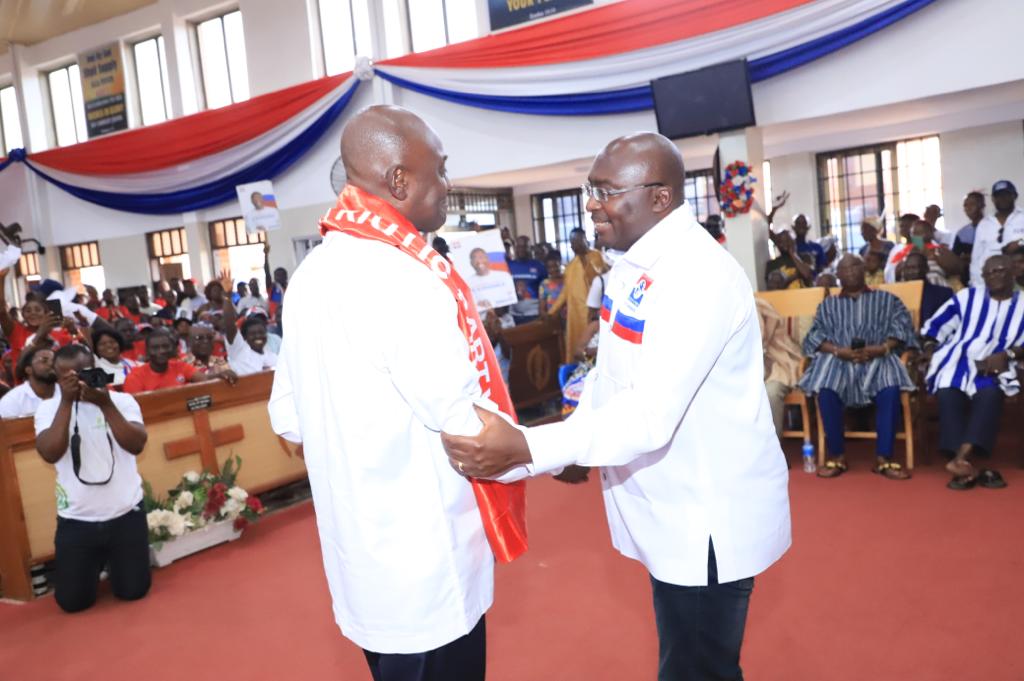
Former President John Dramani Mahama has chosen to keep Professor Jane Naana Opoku-Agyemang as his running mate for the upcoming 2024 presidential election.
Reports from JoyNews, Asaase Radio and The Herald have cited reliable sources close to the National Democratic Congress (NDC) flagbearer.
It was earlier reported by the NDC’s Communication Officer, Sammy Gyamfi, that the party’s flagbearer will be announcing his running mate today.
Professor Jane Naana Opoku-Agyemang was Mahama’s running mate for the 2020 general elections. Reports had it that Mahama was considering these three prominent party members; Julius Debrah, Naana Opoku-Agyemang, and Awuah-Darko for the running mate role.
The National Democratic Congress (NDC) is abuzz with anticipation as the Council of Elders prepares to gather on Thursday, March 7, 2024, to deliberate on the running mate nominee presented by Presidential Candidate John Dramani Mahama.
According to the General Secretary of the party, Fifi Kwetey, the National Executive Committee will later gather at 2pm on the same day to further consider the nomination.
Mahama’s submission aligns with Section 45 of the party’s Constitution, which mandates the presentation of a nominee to the Council of Elders for consideration.
The venue and logistical details for these meetings, the party said, will be communicated directly to all participants in due course.
The party has indicated whoever is selected will undoubtedly complement the vision of John Dramani Mahama, as the party collectively strives to “Build the Ghana We Want together.”
Firefighters in Parliament are currently working to rescue individuals trapped in elevators following a power disconnection by the Electricity Company of Ghana (ECG).
The disconnection was carried out due to an outstanding debt of GH¢23 million owed by Parliament House and Job 600, the office complex for Members of Parliament.
Firefighters in Parliament are making urgent efforts to rescue individuals trapped in elevators after the disconnection by ECG pic.twitter.com/NTnEJFY5MI
The disconnection is part of ECG’s “Operation Zero Balance” initiative, aiming to recover outstanding debts from various customers. Despite efforts to collect the debt from parliamentary facilities, the disconnection was deemed necessary, highlighting the challenges faced by ECG in debt recovery and ensuring sustainable electricity supply.
This development comes amid ongoing power cuts in parts of Ghana, including Accra, the capital city.
Nana Amoasi IV from the Institute for Energy Security (IES) has warned that these power cuts may persist unless immediate action is taken to address issues related to installed capacity and fuel supply in the power sector.
The ECG has not provided a clear explanation for the power outages or issued a load shedding timetable, causing disruptions in daily life for many residents.
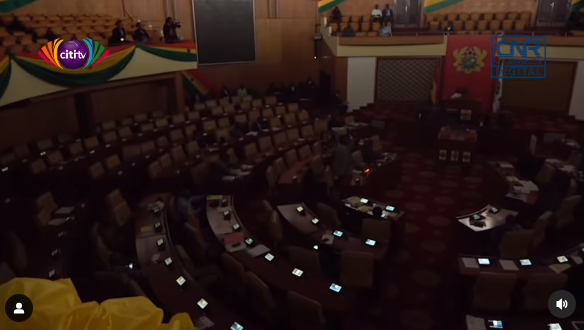
Electricity supply to the Parliament House and Job 600, which houses Members of Parliament’s offices, has been severed due to an outstanding debt amounting to GHc23 million.
The Attorney General and Minister for Justice, Godfred Yeboah Dame, has reiterated President Akufo-Addo’s claim that his office saved Ghana from paying over GH¢10 trillion in judgment debts.
During his State of the Nation Address in Parliament on Tuesday, February 27, 2024, President Akufo-Addo commended Attorney General Godfred Yeboah Dame for effectively continuing the tradition of contesting every civil litigation against the state, thereby avoiding numerous judgment debts that were previously awarded against the state.
“The Office, as a result, has saved the country over GH¢10 trillion,” he disclosed and attracted jeers from some Members of Parliament.
Mr. Dame revealed that the President’s mention of GH¢10 trillion was actually an understatement, as his office had saved the country approximately GH¢15 trillion in judgment debts claimed by various entities against the government.
Mr. Dame presented evidence to illustrate how his office had saved the country from substantial judgment debts. He highlighted an instance where a garnishee order signed by Justice Emmanuel K. Mensah awarded a judgment debt of over GH¢10 trillion against the state in favor of African Automobile Limited.
This debt, accrued between 2009 and 2011, initially amounted to just over GH¢900,000 but grew to over GH¢10 trillion due to compound interest components.
The Attorney General’s office contested this judgment debt, citing fraud and misrepresentation in the Court of Appeal’s decision. This case was a key factor in the introduction of a bill to abolish compound interests in government contracts, ensuring that all agreements are based on simple interest.
Another case involved a claim of over GH¢500 billion by African Automobile Limited against the Accra Metropolitan Assembly and the Attorney General, seeking a total judgment debt of GH¢582,001,748,751.00 against the state. Through legal intervention, the Attorney General successfully reversed garnishee orders on bank accounts and had many cases dismissed.
Additionally, the Attorney General successfully handled a judgment debt claim by China Jilin International Economic and Technical Corporation against the Ministry of Roads and Transport and the Attorney General, which initially totaled GH¢352,626,144.41 and $988,294,313. These claims were reversed or significantly reduced.
Furthermore, in the NDK Financial Services case, the Attorney General saved the country from paying GH¢1,297,985,310.26 as outstanding judgment debt, reducing the amount to GH¢14,689.75 based on the Supreme Court’s judgment.
In international arbitrations, the Attorney General also saved the country $300 million, $60 million, and $15.7 million, respectively.
Considering these cases collectively, Mr. Dame believed he was justified in informing the President that his office had saved the nation over GH¢10 trillion in judgment debts. He emphasized that the issuance of judgment debts had become a means of exploiting the state, leading to his proposal to abolish compound interest in state contracts.
Member of Parliament for Yapei-Kusawgu constituency, John Jinapor has urged the authorities responsible for the power sector to release a schedule for power outages so that Ghanaians can plan accordingly.
He attributed the current power cuts in the country to fuel shortages and the inefficiency of thermal power plants.
Speaking in an interview, Mr Jinapor said, “The minority side has been monitoring the power situation for the past month, and it appears, based on the information available to us, that the power sector is collapsing.
“Since February 2, there has been persistent and consistent load shedding by the generation companies; indeed, the load shedding is worsening by the day. The day the president was delivering SONA and boasting, there was some load-shedding happening.”
“Today at 12 pm, load shedding will commence again; our investigation indicates that some of our thermal plants are down, and there is a lack of fuel causing the load shedding. The handlers of the power sector should do the honourable thing by informing the people of Ghana so they can plan ahead of time.”
Deputy Energy Minister-designate Collins Adomako-Mensah has promised that the current power outages, popularly known as ‘dumsor’, will be resolved within the next two weeks.
“I admit that for the past two or three weeks, there have been some power outages, but it is interesting that the two-week power outages are causing the Minority to have a press conference. I am yet to fully settle into the [Energy] Ministry, but the little interaction I have had with the officers in the Ministry before my vetting is that this should be taken care of in the next two weeks,” Collins Adomako-Mensah said in the interview.
Political analyst Emmanuel Anti has criticized President Akufo-Addo, accusing him of being dishonest with the Ghanaian people when it comes to the essence of infrastructural projects.
Anti pointed out what he sees as a contradiction in the president’s messaging, citing the NPP’s stance during the 2016 campaign when they downplayed the importance of road infrastructure.
At the time, the NPP argued that the focus should be on more essential matters, as they famously said, “we don’t eat roads.”
However, Mr Anti highlighted that the Akufo-Addo administration has since highlighted its achievements in the road sector, which he finds hypocritical.
He expressed skepticism about the president’s sincerity, particularly in light of his recent State of the Nation Address, where Akufo-Addo emphasized his administration’s achievements in road infrastructure.
“President Akufo-Addo and his party told us that we don’t eat roads and we don’t eat school buildings when former President John Mahama was touting his achievements. But today, the president is touting that he has achieved a lot in these sectors.
“However, the bottom line is that Ghanaians are aware of the difficulties and crisis they are going through. They know the cost of electricity and water tariffs. The struggles Ghanaians are going through have proven that the SONA delivered by the president is not a true reflection of our situation.”
He further criticized the president for not allowing the vice president to utilize his supposed economic expertise to improve the economy.
The Vice President had previously likened his role to that of a driver’s mate, suggesting that he did not have full control over decisions and could not be held responsible for the country’s challenges.
During the State of the Nation Address, President Akufo-Addo reiterated this view, absolving his vice president of any blame and taking responsibility for the economic challenges.
In Mr Anti’s view, this indicates a failure on the part of the president to effectively fulfill his duties, and he suggested that the president should either resign voluntarily or be removed from office.
I took my turn in the ongoing debate on the 2023 SONA on the floor of Parliament today, to expose President Akufo-Addo’s false claim that his government has constructed more roads than any other government under the 4th Republic.
Former Rector of the Ghana Institute of Management and Public Administration (GIMPA), Professor Stephen Adei, insists that Vice President Dr. Mahamudu Bawumia cannot evade accountability for the economic challenges faced during President Akufo-Addo’s tenure.
Prof. Adei asserts that as the head of the Economic Management Team, Dr. Bawumia played a crucial role in the country’s economy and therefore cannot absolve himself of responsibility.
He emphasizes that accountability and taking ownership of shortcomings are essential qualities of good leadership, and Dr. Bawumia must embody these traits.
Speaking on JoyNews’ AM Show on Thursday, February 29, the economist highlighted that the state of the economy would be a significant issue in the upcoming December 2024 elections.
He stated that any attempt by Dr. Bawumia and his associates to justify his “driver and mate analogy” would be perceived as an insult to the intelligence of the Ghanaian people.
“I think it’s actually insulting the intelligence of Ghanaians to say now that ‘I wasn’t part of it’. Was he the one who was claiming the wonderful things they achieved before COVID-19 and the Russia-Ukraine War? At the time was he a mate or a second driver? I think that politicians don’t take us seriously, but I will not hold him accountable solely for what has happened, I think that he played a critical role in the economy of Ghana, and he cannot say now Ken Ofori-Atta was the Finance Minister, because he is the Head of Economic Management Team,” he said, according to JoyNews.
Amid recent criticisms aimed at Vice President and New Patriotic Party flagbearer, Dr. Mahamudu Bawumia, regarding his portrayal of serving as a mere advisor to the President in governance, Dr. Bawumia reaffirmed his commitment to leading Ghana towards economic recovery at a conference in Accra.
In parallel, President Akufo-Addo reiterated that he bears ultimate responsibility for the administration he has overseen.
During his State of the Nation Address to Parliament on Tuesday, February 27, President Akufo-Addo emphasized the collaborative role of cabinet members and ministers in providing advisory support.
“Under the Constitution, the executive power of the state is vested in the President of the Republic. He or she is the Executive. There is no ambiguity about where the buck stops when it comes to responsibility for what happens in the government. It stops with the President, he or she has ultimate responsibility. It would be an unwise President that would pretend to have all the answers, and refuse the advice of his officials, but the fact remains that the President holds the executive power.”
“The Cabinet, the Ministers of State all act in an advisory manner. Of course, a member of the government might take an idea, be it generated by the President or the official or a committee, and turn it into a huge success, and the honour would be claimed or shared where public perception falls. But, ultimately, the President is responsible, and, therefore, takes the credit or the blame for whatever happens in his or her government.”
President Akufo-Addo has appointed the Director of Health Promotion at the Ghana Health Service, Dr. Dacosta Aboagye, as the new Chief Executive of the National Health Insurance Authority (NHIA).
The appointment, according to the Secretary to the President in a letter, is in accordance with Section 14 (1) of the National Health Insurance Act, 2012 (Act 852).
Dr Aboagye takes over from Dr Bernard Okoe Boye, Minister of Health-designate per the letter and the appointment is “pending receipt of the constitutionally required advice of the governing board of the Authority given in consultation with the Public Services Commission.”
Dr. Dacosta Aboagye, a 45-year-old national health insurance expert, holds a higher national certificate in Pharmacy Technology from the Kumasi Technical University, obtained in 2002.
Currently serving as the Director of the Health Promotion Division within the Ghana Health Service, he brings a wealth of experience in national health insurance finance, public health, and health promotion.
Dr. Aboagye led Ghana’s risk communication efforts and was part of the presidential task force for managing the COVID-19 pandemic in Ghana from 2020 to 2023.
Before his current role, he served as the cohort leader for the Public Health and Health Promotion program at the University of West London, UK, and as an external examiner on National Health Insurance Financing, Public Health, and Health Promotion at the University of Salford and London Metropolitan University.
Within the ECOWAS community, Dr. Aboagye chairs the Public Health Risk Communication and Community Engagement for Disease Control within the West Africa Health Organization. This role involves facilitating experience sharing, advocacy, learning, and promoting better health through building stronger health systems across the 15 ECOWAS member states to achieve universal health coverage and sustainable development goals.
He also serves as the Chairman of the Africa CDC Public Health Risk Communication and Community Engagements Community of Practice for the 55 member states, aiming to promote best practices, health system strengthening, including national health insurance finance, continuous learning, and knowledge exchange in Africa.
Dr. Aboagye has about 11 impactful research papers in health insurance, public health, and health promotion and has extensively presented his research work locally and internationally.
He has received numerous prestigious awards and citations, including the MTN Young Professionals Role Model in Health (Gold Category, 2020), the Golden Citizen Award (2021), and the overall National Best Health Leader of the Year 2023. Dr. Aboagye was also honored with the Order of the Volta-Companion Category, the highest award of the Republic of Ghana, for his contributions and sacrifices during Ghana’s response to the COVID-19 pandemic in 2023.
Juventus midfielder Paul Pogba has been handed a four-year ban from football following a doping scandal.
The positive test results were revealed in September 2023, stemming from an examination conducted during Juventus’ match against Udinese a month earlier. Although Pogba did not participate in the Serie A fixture, he was present on Juve’s bench.
Despite requesting a counter-analysis of his doping test, which also returned positive, the France international faced severe consequences. Italian anti-doping prosecutors sought the maximum penalty for Pogba after he tested positive for testosterone.
Refusing to engage in a plea bargain with Italy’s anti-doping agency, Pogba’s case proceeded to trial before the country’s anti-doping court. At 30 years old, the four-year ban effectively concludes his football career, though there remains the option of appealing the decision.
Initially, it was suggested that Pogba’s lack of intentionality could serve as a defense. However, the outcome of the appeal process remains uncertain.
Since the announcement of his positive test, Pogba has not played for Juventus, leaving his future in the sport uncertain.
The Electricity Company of Ghana (ECG) has halted power supply to Ghana’s Parliament House and Job 600, the office complex for Members of Parliament, due to an outstanding debt of GH¢23 million.
The disconnection was carried out by the National Taskforce on Thursday, February 29, as part of the ongoing “Operation Zero Balance” initiative by the Electricity Company of Ghana (ECG) task force.
This initiative aims to recover outstanding debts from various customers.
Efforts to collect the debt from the parliamentary facilities had been unsuccessful, leading to the disconnection. The disconnection highlights the challenges faced by the ECG in recovering debts and ensuring sustainable electricity supply in Ghana.
Meanwhile, the country is also experiencing power cuts in parts of Ghana, including the capital city, Accra. Nana Amoasi IV, the Executive Director of the Institute for Energy Security (IES), has warned that these power cuts may continue unless immediate action is taken to address challenges related to installed capacity and fuel supply in the power sector.
The ECG has not provided a clear explanation for the power outages or issued a load shedding timetable, causing disruptions in daily life for many residents.
Electricity supply to the Parliament House and Job 600, which houses Members of Parliament’s offices, has been severed due to an outstanding debt amounting to GHc23 million.
New Patriotic Party’s (NPP) flagbearer, Dr. Mahamudu Bawumia, has reiterated the party’s unwavering confidence in winning the upcoming December elections.
He attributed this confidence to the NPP’s impressive track record in governance, highlighting superior performance across all sectors of the economy compared to their rivals, the National Democratic Congress (NDC).
Speaking at the inauguration of the NPP’s Campaign and Manifesto Teams in Accra, Dr. Bawumia expressed optimism and determination for success in the December polls.
He outlined the party’s clear vision and significant achievements, as outlined by the president during his State of the Nation Address on Tuesday, February 27.
“We have the vision and we have the record and it is very clear in the exhilarating speech that was given by the president at the State of the Nation Address.
“As I listened to the president, it was very clear that we have outperformed the NDC government in every single sector. I can’t see even one sector where they outperformed us.”
Former Chief of Staff of the Ghana Armed Forces, Brigadier Joseph Nunoo-Mensah, has urged the current government to learn from the experiences of neighboring countries to prevent any uprising from the citizenry.
He cautioned that neighboring countries had experienced coups due to their failure to address the concerns of their citizens. Brigadier Nunoo-Mensah highlighted the leaders’ disregard for the economic challenges faced by citizens, treating them as if they did not exist.
He made these remarks during an interview on JoyNews’ Upfront on February 28.
“Let’s look at the nations that have had coup d’etat in recent times in the ECOWAS sub-region, let’s look at ourselves. We have to be honest with ourselves.
“Today in Ghana, we are facing serious economic and social problems; very serious ones but our governments are behaving as if there is no problem.
“When you look at the ordinary people in this country, how they are facing life it is hard, it is rough, but we don’t even want to accept that times are hard,” he told host, Raymond Acquah.
“When my good old friend, our president spoke I was looking forward to answers to these problems that we are facing especially with food. You cannot buy local food cheaply. If at my level, I cannot buy simple food like gari, cassava, or yam cheaply then there is a problem.
“The problem is going to get even harder and when we don’t want to accept that it is going to get pretty rough if we don’t take care, we are going to have a massive food crisis that might lead to all kinds of problems,” he added.
The former Chief of Staff acknowledged that while he may not be the wisest person on earth, he hoped that leaders would at least invite senior citizens to the table to discuss important economic issues and find lasting solutions.
“At the age of 80 getting to 88, I don’t have too much time to live. I don’t like the Ghana I am leaving behind. We are looking for answers to our political, and socioeconomic problems.
“We need to find a solution. The NPP, NDC thing it is not working and one must be honest about it,” he added.
Ningo Prampram Member of Parliament and a key sponsor of the Proper Human Sexual Rights and Ghanaian Family Values Bill, Sam George, has alleged that an educational establishment, North Legon Little Angels located in Accra is promoting the activities of the LGBTQ+ community.
In an interview on StarrFM on December 14, 2023, Sam George claimed that Ghanaian musician and pro-LGBTQ activist Deborah Vanessah was invited by the school authorities to engage students and in her engagement she informed students that is acceptable to have romantic feelings for the same sex.
According to Sam George, Deborah Vanessah’s time with the student was shared on the school’s Instagram page, but following backlash, the school took down the footage.
“I am absolutely not interested in the privacy of your bedroom. It is because these same people have taken what is their private perversion and are bringing it to my children’s classroom. North Legon Little Angles, I am mentioning the name of the school, they take somebody who calls herself an influencer and so called social media celebrity. Take her to a school to sit with children aged 8 to 11 and tell them that it is okay for them as boys to love boys and girls to love girls. Here in Ghana, North Legon Little Angels.
“Deborah Vannesah, Medical’s ex, One Luv’s sister. What she is doing is grooming. The video was there and they posted it on Instagram. The school after the backlash has taken it down. Did the school seek the permission of the parents for that kind of education to be given to their children? These are some of the things that are making me and my blood boil. How can I pay school fees for my child to go to school…” he said.
The Independent Ghana emphasizes that these are allegations levelled by the legislator against the educational institution.
I don’t care what happens in your bedroom but sanctity of children – Sam George tells LGBTQ Community #Tigpost Sister Derby | Asamoah Gyan | LGBTQ | Ursula | Ghana | Ablakwa | Dumsor | Meek | KT Hammond pic.twitter.com/3hDLMKqw8F
This footage has resurfaced at a time when Parliament has passed the Promotion of Proper Human Sexual Rights and Ghanaian Family Values Bill also known as the anti-LGBTQ bill after three years following its introduction.
During Wednesday’s Parliamentary session Majority Leader Alexander Afenyo-Markin sought to make amendments to the bill during the second consideration stage citing human rights infringement.
However, the Minority rejected his request, prompting the Speaker to push for the third consideration stage,.
Speaker Alban Bagbin put the bill to a voice vote, and the ayes had it.
As it stands now, Parliament has tabled the bill to the President’s desk for President Akufo-Addo to assent to the bill to become law.
The Anti-LGBTQ+ bill aims to criminalize LGBTQ+ activities in Ghana. It proposes strict penalties, including imprisonment, for individuals engaged in activities related to homosexuality and LGBTQ+ advocacy.
Additionally, the bill seeks to prohibit the promotion of LGBTQ+ rights, organizations, and events in Ghana.
Prior to its passage, there had been several amendments to the bill. After deliberation, Parliament decided that the minimum custodial sentence has been set at three years, with a maximum of five years for promoters and sympathisers.
Additionally, individuals caught directly engaging in these activities will face a minimum sentence of six months, extendable to a maximum of three years.
Ghana is among many African countries that are working to rid LGBTQ activities in the society. Uganda enacted one of the world’s harshest anti-gay laws in May, which calls for the death penalty for certain same-sex acts.
Following this, the country faced sanctions from international communities. The U.S. imposed a first round of visa restrictions on Ugandan officials in response to the law in June, and the World Bank halted new lending to the country in August.
The concern now is Ghana could face similar sanctions and be blocked from receiving financial aid from countries that uphold LGBTQ rights. But Parliamentarians have noted that Ghana is poised to withstand whatever pro-LGBTQ countries throw at them.
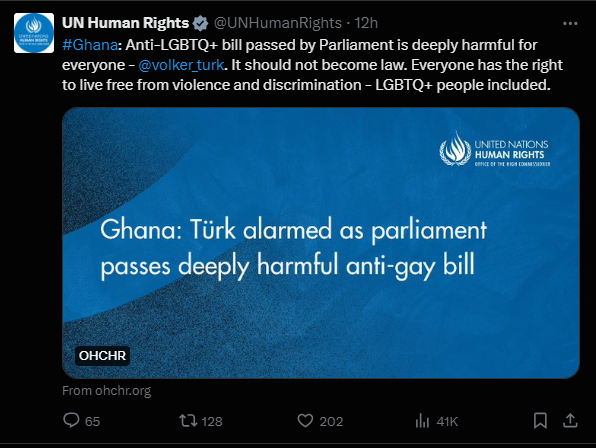
Already, the UN High Commissioner for Human Rights, Volker Türk, has described the passage of bill as “profoundly disturbing.”
A portion of the UN Human Rights statement read, “I call for the bill not to become law. I urge the Ghanaian Government to take steps to ensure everyone can live free from violence, stigma and discrimination, regardless of their sexual orientation or gender identity. Consensual same-sex conduct should never be criminalized.”
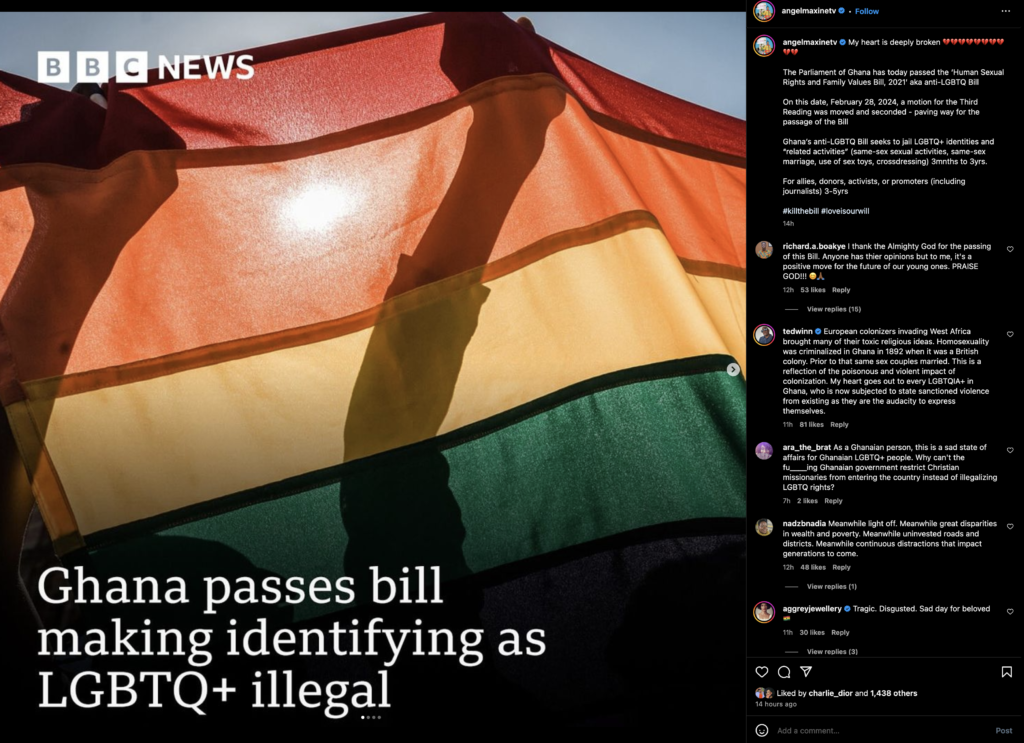
Transgender musician, Angel Maxine, has reacted to the passage of the Promotion of Proper Human Sexual Rights and Ghanaian Family Values Bill also known as the anti-LGBTQ bill.
The bill was passed by Parliament on Wednesday, February 28. Reacting to the news in an Instagram post, Angel Maxine wrote “My heart is deeply broken.”
Prior to this, Angel Maxine noted that her side would be ready to drag Parliament to court should it approve the bill.
In an Instagram post, she indicated that the current state of the bill contravenes the 1992 Constitution and infringes one’s human rights.
“Pass the bill… I’m daring you to pass your copy and paste bill; the bill they’ve been helping you edit for 2 whole years and counting. NONSENSE We will be waiting for you in court to educate you on how this hate bill is against the constitution of Ghana and human rights in general. Ofui bofrot!,” she wrote.
The anti-LGBTQ+ bill aims to criminalize LGBTQ+ activities in Ghana. It proposes strict penalties, including imprisonment, for individuals engaged in activities related to homosexuality and LGBTQ+ advocacy.
Additionally, the bill seeks to prohibit the promotion of LGBTQ+ rights, organizations, and events in Ghana.
Prior to its passage, there had been several amendments to the bill. After deliberation, Parliament decided that the minimum custodial sentence has been set at three years, with a maximum of five years for promoters and sympathisers.
Additionally, individuals caught directly engaging in these activities will face a minimum sentence of six months, extendable to a maximum of three years.
Ghana is among many African countries that are working to rid LGBTQ activities in the society. Uganda enacted one of the world’s harshest anti-gay laws in May, which calls for the death penalty for certain same-sex acts.
Following this, the country faced sanctions from international communities. The U.S. imposed a first round of visa restrictions on Ugandan officials in response to the law in June, and the World Bank halted new lending to the country in August.
The concern now is Ghana could face similar sanctions and be blocked from receiving financial aid from countries that uphold LGBTQ rights. But Parliamentarians have noted that Ghana is poised to withstand whatever pro-LGBTQ countries throw at them.
Already, the UN High Commissioner for Human Rights, Volker Türk, has described the passage of bill as “profoundly disturbing.”
The passage of Ghana’s Promotion of Proper Human Sexual Rights and Ghanaian Family Values Bill, also known as the anti-LGBTQ bill, has sparked strong reactions both domestically and internationally.
U.S. Ambassador to Ghana, Virginia Palmer, expressed deep sadness over the bill’s passage, highlighting the impact it will have on the rights of LGBTQ individuals, whom she believes are one of the smartest and decent people, and all Ghanaians.
She emphasized that the bill not only infringes upon basic human rights but also undermines constitutional freedoms such as freedom of speech, assembly, and the press.
Palmer warned of the negative implications the bill could have on public order, public health, Ghana’s international reputation, and its economy.
“I am saddened because some of the smartest, most creative, most decent people I know are LGBT. The bill Parliament passed takes away not only their basic human rights but those of all Ghanaians because it undermines their constitutional rights to freedom of speech, freedom of assembly and freedom of the press. It will be bad for public order and public health. If enacted, it will also hurt Ghana’s international reputation and Ghana’s economy.”
The bill, which aims to criminalize LGBTQ activities in Ghana, proposes strict penalties, including imprisonment, for individuals engaged in such activities and LGBTQ advocacy.
It also seeks to prohibit the promotion of LGBTQ rights, organizations, and events in the country. Despite efforts by some members of Parliament to amend the bill citing human rights concerns, the bill ultimately passed after a contentious session.
Majority Leader Alexander Afenyo-Markin’s attempts to make amendments during the second consideration stage were rejected by the Minority, leading to the Speaker pushing for the third consideration stage, where the bill was passed with a voice vote.
Now, the bill awaits President Akufo-Addo’s assent to become law. Prior to its passage, there were several amendments made to the bill, including setting a minimum custodial sentence of three years and a maximum of five years for promoters and sympathizers.
Individuals caught directly engaging in LGBTQ activities will face a minimum sentence of six months, extendable to a maximum of three years.
U.S. Ambassador to Ghana, Virginia Palmer, has expressed deep sadness over the Ghana’s Promotion of Proper Human Sexual Rights and Ghanaian Family Values Bill’s passage, highlighting the impact it will have on the rights of LGBTQ individuals and all Ghanaians.
She emphasized that the bill not only infringes upon basic human rights but also undermines constitutional freedoms such as freedom of speech, assembly, and the press.
Palmer warned of the negative implications the bill could have on public order, public health, Ghana’s international reputation, and its economy.
“I am saddened because some of the smartest, most creative, most decent people I know are LGBT. The bill Parliament passed takes away not only their basic human rights but those of all Ghanaians because it undermines their constitutional rights to freedom of speech, freedom of assembly and freedom of the press. It will be bad for public order and public health. If enacted, it will also hurt Ghana’s international reputation and Ghana’s economy.”
The bill, which aims to criminalize LGBTQ activities in Ghana, proposes strict penalties, including imprisonment, for individuals engaged in such activities and LGBTQ advocacy.
It also seeks to prohibit the promotion of LGBTQ rights, organizations, and events in the country. Despite efforts by some members of Parliament to amend the bill citing human rights concerns, the bill ultimately passed after a contentious session.
Majority Leader Alexander Afenyo-Markin’s attempts to make amendments during the second consideration stage were rejected by the Minority, leading to the Speaker pushing for the third consideration stage, where the bill was passed with a voice vote.
Now, the bill awaits President Akufo-Addo’s assent to become law. Prior to its passage, there were several amendments made to the bill, including setting a minimum custodial sentence of three years and a maximum of five years for promoters and sympathizers.
Individuals caught directly engaging in LGBTQ activities will face a minimum sentence of six months, extendable to a maximum of three years.
There is a disparity in the data provided by government officials on pension coverage among self-employed individuals in Ghana.
On February 20, 2024, Director-General of SSNIT, Dr John Ofori-Tenkorang, said the Social Security and National Insurance Trust (SSNIT) has enrolled over 71,000 informal sector and self-employed persons onto the state-run Tier One pension scheme.
When he appeared before the Public Accounts Committee (PAC) of Parliament in Accra to respond to some infractions contained in the Auditor-General’s report on the fund, he said the significant increase of contributors from 14,200 to 71,000 as of May last year followed the implementation of a self-employed enrolment drive (SEED) initiative.
“The initiative has made it possible for artisans, carpenters, masons, tailors, auto-mechanics and traders to contribute towards their pension. SSNIT has targeted to enrol about 10 per cent of the 3.6 million self-employed Ghanaians who are yet to join the scheme although they fall within the required contributors age of 15 and 45,” he said.
NPP is now an Association of Liars. @NAkufoAddo and @MBawumia must be told that the lies on which they got to the offices of the President and Vice President respectively won't work anymore.
Just listen to the figures quoted by SSNIT Boss and another pathological deceptionist… pic.twitter.com/FlEOWaEjX9
But a week later, President Akufo-Addo provided a figure which is 529,000 less than what was communicated by Dr John Ofori-Tenkorang.
Presenting the State of the Nation Address (SONA) before Parliament in Accra on Tuesday, February 27, he said that since the launch of the Self-Employed Enrolment Drive (SEED) initiative by the Social Security and National Insurance Trust (SSNIT), some 600,000 self-employed persons have been enrolled on the programme.
“Mr Speaker, in speaking about the work space and jobs, our thoughts invariably turn to young people and for some people, to the formal sector and formal sector jobs. We often forget that formal sector employees form only a small part of the working population. This small percentage of the working population tends to be the ones that are covered by pension schemes and, unfortunately, the majority of workers in the country do not have any pensions.
“To that extent, in May last year, SSNIT launched the Self-Employed Enrolment Drive (SEED), an initiative which seeks to improve coverage and increase the contributor base of the SSNIT Scheme. Since the launch of the SEED initiative, some six hundred thousand (600,000) self- employed persons have been enrolled onto the programme, and now have some form of social security cover.”
The contradictory figures provided have left many Ghanaians pondering whether or not SSNIT can enroll 529,000 individuals in a week. Also, many are eager to find out which figure is indeed correct and which was fabricated.
The United States has expressed deep concern over the passage of stringent anti-LGBTQ+ legislation in Ghana, stating that it threatens constitutional freedoms.
The new bill, passed on Wednesday, imposes a prison sentence of up to three years for anyone convicted of identifying as LGBTQ+. It also imposes a maximum five-year jail term for forming or funding LGBTQ+ groups.
The passage of the bill has been criticized by rights organizations and other groups.
“The bill would also undermine Ghana’s valuable public health, media and civic spaces, and economy,” the US State Department spokesperson Matthew Miller said in a statement.
Meanwhile, Rightify Ghana has strongly condemned “this regressive legislation, which poses a grave threat to the rights and freedoms of LGBTQ+ individuals in the country”.
UNAids executive director Winnie Byanyima said the bill, if it becomes law, could incite violence by Ghanaians against their fellow citizens.
She said that it will “obstruct access to life-saving services, undercut social protection, and jeopardise Ghana’s development success.”
The bill will be presented to President Nana Akufo-Addo after which he’ll have seven days to sign it into law or refuse to assent to it, according to Ghana’s constitution.
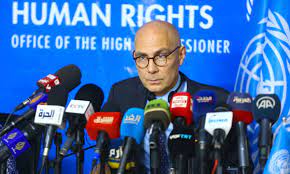
UN High Commissioner for Human Rights, Volker Türk, has responded to the passage of Ghana’s Human Sexual Rights and Family Values Bill also known as the anti-LGBTQ bill on February 28, 2024.
In a statement from his office, Türk described the development as “profoundly disturbing.”
Prior to its passage, there had been several amendments to the bill. After deliberation, Parliament decided that the minimum custodial sentence has been set at three years, with a maximum of five years for promoters and sympathisers.
Additionally, individuals caught directly engaging in these activities will face a minimum sentence of six months, extendable to a maximum of three years.
The High Commissioner also expressed deep alarm at the Bill’s provisions criminalizing the legitimate work of human rights defenders, teachers, medical professionals, landlords, as well as people seeking healthcare. He also noted that the Bill unduly restricts freedom of association and expression for everyone in Ghana.
“The bill broadens the scope of criminal sanctions against lesbian, gay, bisexual, transgender, transexual and queer people – simply for being who they are – and threatens criminal penalties against perceived allies of LGBTQ+ people,” said Türk.
“I call for the bill not to become law. I urge the Ghanaian Government to take steps to ensure everyone can live free from violence, stigma and discrimination, regardless of their sexual orientation or gender identity. Consensual same-sex conduct should never be criminalized.”
He added: “The bill is contrary to Ghana’s own Constitution and freely-undertaken regional and international human rights obligations and commitments – including to leave no one behind in the implementation of the 2030 Agenda for Sustainable Development,” said the High Commissioner.
“Criminal sanctions for consensual same-sex conduct not only violate key international human rights norms and standards on equality, non-discrimination, privacy and equal protection of the law, among others – there is extensive evidence that they legitimize prejudice, expose people to hate crime, police abuse, harassment, intimidation, blackmail and torture. They also perpetuate discrimination and denial of access to basic services, including in healthcare, education and housing.”
Türk emphasized that the bill is corrosive and will harm society as a whole. He reaffirmed his Office’s commitment to collaborate with the Government of Ghana and its national partners to ensure that Ghana fulfills its human rights commitments and obligations.
Campaign Chairman of the New Patriotic Party (NPP), Dan Botwe, has expressed confidence in Dr. Mahamudu Bawumia’s chances of winning the upcoming December elections.
Mr Botwe believes that Dr. Bawumia will secure no less than 50% of the votes needed to win the presidency.
He emphasized the NPP’s readiness to govern and achieve a majority in both the parliamentary and presidential elections scheduled for later this year. Speaking to journalists in Accra on Wednesday, February 28, Botwe expressed a strong belief in the NPP’s ability to break the eight-year election cycle pattern and emerge victorious.
He highlighted the party’s commitment to diligent efforts aimed at achieving their goals, including securing a majority of the 275 parliamentary seats.
“…We will work very hard to make sure that we achieve our objectives. And we shall win the majority of the 275 seats in Parliament and over 50 per cent in the presidential election.”
Dr. Bawumia, following a session with his campaign and manifesto teams, expressed confidence in his chances of winning the December elections. He asserted that the NPP has a superior track record of performance compared to the National Democratic Congress (NDC).
“We have the vision, and we have the record, and it is very clear in the exhilarating speech that was given by the president at the State of the Nation Address.”
“As I listened to the president, it was very clear that we have outperformed the NDC government in every single sector. I can’t see even one sector where they outperformed us.”
Ningo Prampram Member of Parliament and a key sponsor of the Proper Human Sexual Rights and Ghanaian Family Values Bill, Sam George, has sought to clarify misconceptions and misinformation surrounding the controversial legislation.
Speaking on JoyNews’ PM Express, Mr. George expressed frustration over what he described as misinformation and miseducation about the bill. He particularly addressed the claim that LGBTQ+ individuals would face discrimination in job applications.
“Does anyone ask you who you slept within your bedroom when applying for a job? What happens in the confines of your bedroom remains the business of you and your partner,” he stated.
The legislator responded to an earlier statement by Dr. Amanda Odoi, another panelist on the show, who had suggested that the passage of the Anti-LGBTQ Bill would not only infringe on the rights of LGBTQ+ people and make them feel unsafe in their own country but also result in discrimination in job applications.
In his argument, the MP stated that when individuals publicly define themselves by their sexual preference, it becomes a matter of public policy. He defended the bill’s focus on regulating such matters, asserting that public policy would naturally apply.
Mr. George also addressed the issue of funding, suggesting that some proponents of LGBTQ+ rights may be more interested in financial support than the welfare of Ghanaian children.
“If this is all about funding for you, I am more interested in the sanctity of Ghanaian children,” he said.
Mr. George highlighted the international context, pointing out the difference in LGBTQ+ rights enforcement in various countries. He noted that individuals respect and adhere to the laws of countries like Qatar and Saudi Arabia when traveling there.
Comparing Nigeria’s 15-year jail term for engaging in LGBTQ+ activities to Ghana’s 3-year jail term, Mr. George questioned the moral authority of opponents of the LGBTQ+ Bill who would travel to Nigeria and still conform to their rules.
“… but think that Ghana should become a juggle because we think we are so liberal,” he stated.
On Wednesday, February 28, Parliament unanimously passed the Anti-LGBTQ+ bill after completing the third reading.
The bill has been a subject of intense debate and discussion since its introduction to the legislature three years ago. Proponents argue that it is necessary to uphold cultural and religious values, while opponents argue that certain provisions of the bill violate human rights and promote discrimination.
Following its passage, many opponents have expressed their displeasure, with some civil society groups threatening legal action should President Akufo-Addo assent to the bill for it to become law.
I don’t care what happens in your bedroom but sanctity of children – Sam George tells LGBTQ Community #Tigpost Sister Derby | Asamoah Gyan | LGBTQ | Ursula | Ghana | Ablakwa | Dumsor | Meek | KT Hammond pic.twitter.com/3hDLMKqw8F
Professor Audrey Gadzekpo, the Board Chair of the Ghana Center for Democratic Development (CDD-Ghana), has criticized Ningo Prampram Member of Parliament Sam George over the passage of the Anti-LGBTQ Bill.
Professor Gadzekpo suggests that the bill was pushed through for political reasons rather than a genuine concern for societal values.
Speaking with Umaru Sanda Amadu on Citi FM, Gadzekpo expressed skepticism about the motives behind the bill, pointing to Sam George, who played a critical role in advocating for its passage.
She alleged that Sam George had a different stance in 2015 when former President John Dramani Mahama was rumored to have connections with a homosexual individual.
“I am telling you that they have passed it not for any reason but for political reasons. Mr. Sam George, the chief proponent of the bill in 2015 when his candidate John Mahama was accused of having a friend who was a homosexual sponsoring him, etc. Sam George is on record saying that the constitution protects those rights,” citinewsroom.com quoted her to have said according to GhanaWeb.
She questioned the sudden change in George’s stance, stating, “So I have to wonder why he changed his mind… What has changed? 10 years ago did he have a different morality from today, from 2021 when he proposed the bill.”
According to Professor Gadzekpo, the passage of the bill reflects political maneuvering rather than a genuine commitment to protecting societal values.
“That is why I am saying there is politics. They are walking over the bodies of vulnerable people,” she added.
The bill currently prohibits lesbian, gay, bisexual, and transgender (LGBT) activities and criminalizes their promotion, advocacy, and funding. Those caught in same-sex relations could face six months to three years in jail, while promoters and sponsors of these acts could face three to five years in jail.
The bill will now need presidential assent to become law.
Executive Director of Ghana Integrity Initiative (GII), Mary Awelana Addah, has expressed a grim outlook on the future, suggesting that corruption will continue to plague the country.
She highlighted the entrenched nature of corruption in society, particularly among elected politicians, and its detrimental impact on Ghana.
Mrs. Addah made these remarks during an interview on Joy FM’s Super Morning Show on February 28, noting that corruption is evolving, with individuals devising new methods to exploit the system.
“Corruption is becoming a multi-faceted monster that is increasingly changing faces, and people are using all sorts of means and ways to ensure that they are benefiting from the system,” she noted.
“We were in Tamale a week ago and some of the sentiments of the youth when it comes to what’s going on, particularly around the election and the crimes that are committed thereof, it become apparent that we cannot keep quiet, we need to talk about the issue. We do not want to sit aloof to watch and then see our country into flames like others have done,“ she added.
Mrs. Addah emphasized the detachment of politicians from the escalating monetization of elections, highlighting substantial evidence indicating that crime and criminal activities fund certain members of the electorate.
She explained that the involvement in criminal activities is luring individuals into politics, with the expectation that those who benefit from politics will reciprocate to these individuals.
“We elect people into power who are sitting there not able to make decisions on our behalf. They make all the promises that when they get into power they will do a lot of good things for us, but then the reality strikes them because they have to repay people who did a lot of wrong things to get them in power.”
“So we see elements like the CDD did a survey and that survey showed that people in galamsey were funding political actors. Such persons when they support you, they want to legitimise their businesses. So when you come into power certainly you cannot do ot
He pointed to the increasing threat of violent extremism and political instability, which he attributed in part to migration.
“Such developments are deflecting the attention of the community away from deeper and more meaningful regional integration and economic development that are anchored on the protocol relating to the free movement of persons and the right of residence and establishment,” he said.
During his address, President Akufo-Addo urged heads of state in the ECOWAS Region to collaborate closely to tackle the intricate challenges posed by migration trends.
“Together my fellow ECOWAS counterparts are with seeking ways to find an amicable solutions to the challenge of integration. The region is at the crossroads and our actions will determine the trajectory that will set the path of prosperity or destruction for our citizens.”
According to him, this collaborative effort will help harness the potential of migrants and prevent any threats to the hard-won peace and security in Africa. The event brought together top experts in migration, security, and conflict resolution to discuss crucial issues and seek solutions.
In the last four years alone, there have been seven military coups in West and Central Africa. Four of the countries experiencing coups are members of ECOWAS, a regional organization set up to promote stability and cooperation.
In August 2020, a group of Mali’s colonels led a coup against President Ibrahim Boubacar Kaita. In 2021, the military led a second coup against the interim president Colonel Bah Ndaw. Guinea experienced a coup in 2021, Burkina Faso in 2022, and most recently, Niger met the same fate when General Abdourahmane Tchiani seized power in July. Outside of West Africa, Chad and Sudan also experienced military coups in 2021.
Ever since the early days of their independence from European colonial rule West African countries have faced political and economic tensions that often threatened their progress and stability. The Economic Community of Western African States, known as ECOWAS, was established in 1975 as a response to these challenges. Its current members are: Benin, Burkina Faso, Cabo Verde, Cote d’Ivoire, The Gambia, Ghana, Guinea, Guinea-Bissau, Liberia, Mali, Niger, Nigeria, Senegal, Sierra Leone, and Togo.
John Dramani Mahama, the flagbearer of the National Democratic Congress (NDC), has submitted his selection for a running mate to the party’s leadership.
A meeting of the Council of Elders is scheduled for March 7 to deliberate on Mahama’s choice and announce it thereafter.
Reports suggest that three top candidates, including Julius Debrah, Naana Opoku-Agyemang, and Awuah-Darko, are being considered for the position of Mahama’s running mate in the upcoming 2024 general elections.
Professor Naana Jane Opoku-Agyemang
Prof Naana Jane Opoku-Agyemang
Professor Naana Jane Opoku-Agyemang is a prominent figure in Ghana’s academic and political spheres, known for her remarkable achievements and steadfast commitment to education, gender equality, and sustainable development. Born on November 22, 1951, in Cape Coast, Ghana, she has made significant contributions in various fields of public service, academia, and governance, leaving a lasting impact in each domain.
Professor Opoku-Agyemang’s academic journey is a testament to her passion for education and scholarship. She obtained her Bachelor of Education (B.Ed.) in English and French from the University of Cape Coast in Ghana and later pursued her Master’s and Ph.D. in Literature from York University in Canada. Her career in academia flourished at the University of Cape Coast, where she not only imparted knowledge but also assumed transformative leadership roles. In 2008, she made history as the first female Vice-Chancellor of a Ghanaian university, a position that allowed her to advocate for quality education, research excellence, and gender equity within the university community and beyond.
Throughout her academic career, Professor Opoku-Agyemang played a pivotal role in initiating and implementing policies aimed at improving the educational landscape in Ghana. She championed various educational reforms and projects, advocating for accessible and inclusive education. Her efforts also focused on promoting literacy and encouraging girls to study science and mathematics, recognizing the transformative power of education in empowering individuals and societies.
John Mahama and Prof Naana Jane Opoku-Agyemang
Professor Opoku-Agyemang’s political journey began in July 2020 when she was selected as the running mate to John Mahama, the Presidential candidate of the National Democratic Congress (NDC) for the 2020 Ghanaian general election. Her nomination was historic, as she became the first woman to be nominated for the vice-presidency by a major political party in Ghana. Although the NDC did not emerge victorious in the election, her candidacy marked a significant milestone in Ghana’s political history, highlighting the increasing recognition of women’s leadership in governance.
Beyond her academic and political endeavors, Professor Opoku-Agyemang is a passionate advocate for social issues, including women’s rights, children’s education, and environmental sustainability. She has actively participated in various conferences and platforms, both locally and internationally, where she has articulated her commitment to these causes. Her advocacy is driven by the belief that sustainable development can only be achieved through inclusive policies and practices that prioritize the well-being of all members of society.
Professor Naana Jane Opoku-Agyemang’s legacy is defined by her pioneering spirit, intellectual contributions, and ethical leadership. Her career reflects a deep-seated commitment to public service, with a focus on advancing educational excellence, advocating for gender equality, and contributing to Ghana’s sustainable development. As she continues to engage in public discourse and advocacy, her life’s work serves as an inspiration to many, especially women and young people who aspire to make a positive impact in their communities and beyond.
Julius Debrah
Julius Debrah is a renowned Ghanaian politician celebrated for his substantial contributions to public service and governance in Ghana. Over the years, he has played a pivotal role in shaping the country’s political landscape, particularly within the National Democratic Congress (NDC), one of Ghana’s major political parties.
Born on June 17, 1966, in the Eastern Region of Ghana, Julius Debrah pursued higher education at the University of Ghana, Legon, where he earned a Bachelor’s degree in Sociology. His academic background laid a solid foundation for his entry into public service and his subsequent rise in the political arena.
Julius Debrah began his career in public service in local government, serving as the Chief Executive Officer of the Akuapim South District Assembly. His leadership in this role was marked by initiatives aimed at enhancing local governance and fostering community development.
His political career gained momentum when he was appointed as the Eastern Regional Minister in Ghana. In this role, Debrah focused on addressing regional challenges and promoting economic development within the Eastern Region.
Debrah’s reputation and contributions led to his appointment as the Greater Accra Regional Minister, overseeing Ghana’s most populous region. Here, he spearheaded the implementation of government policies and programs aimed at improving the living standards of residents.
In 2015, Julius Debrah reached a career milestone when he was appointed by President John Dramani Mahama as the Chief of Staff. In this capacity, he served as the President’s principal assistant, managing the staff of the Office of the President and ensuring the effective implementation of the President’s agenda. His tenure as Chief of Staff was characterized by his diplomatic approach to governance and his efforts to enhance efficiency within the presidency.
Julius Debrah is widely respected for his calm demeanor, strategic thinking, and leadership qualities. His approach to governance emphasizes inclusivity, consensus-building, and sustainable development. He is admired for his dedication to public service and his commitment to improving the lives of Ghanaians.
Throughout his career, Julius Debrah has made significant contributions to Ghana’s political and social development. His roles at various levels of government have enabled him to positively impact governance, regional development, and national policy implementation. Even after serving in high-profile positions, Debrah remains a respected figure in Ghanaian politics, known for his experience, wisdom, and unwavering dedication to the country’s progress.
Kwame Awuah-Darko
Kwame Awuah-Darko is a prominent figure in Ghanaian politics and business, known for his leadership, strategic vision, and contributions to the country’s economic and political development. His diverse career has spanned both the private and public sectors, showcasing his expertise and commitment to Ghana’s advancement.
Born in Ghana, Kwame Awuah-Darko pursued higher education focusing on economics and finance, laying the foundation for his future endeavors. His academic background equipped him with the skills necessary to navigate the complexities of global business and political governance.
Before entering politics, Awuah-Darko established himself in the business world, demonstrating entrepreneurship and corporate leadership. He has been involved in various ventures, contributing significantly to Ghana’s private sector development. His success is attributed to his innovative approach and commitment to excellence.
Transitioning into politics, Awuah-Darko has shown dedication to public service and a desire to leverage his expertise for national development. He is a member of the National Democratic Congress (NDC), where he has played a key role in shaping policy and strategy.
One of his notable contributions to public service was his tenure as the Managing Director of the Bulk Oil Storage and Transportation Company Limited (BOST) and later, the Tema Oil Refinery (TOR). His leadership focused on operational efficiency, financial stability, and strategic investments, revitalizing these critical components of Ghana’s energy sector.
Under his management, BOST and TOR saw significant improvements, contributing to Ghana’s energy security and economic stability. His efforts were recognized for enhancing the country’s oil and gas industry.
Awuah-Darko’s legacy in Ghanaian public service and the business sector is marked by impactful leadership and transformative initiatives. Through his roles, he has contributed to Ghana’s economic landscape, fostering growth, and promoting sustainable development practices.
His work continues to inspire future generations, highlighting the potential for impactful leadership in both business and politics. Active in Ghanaian political and business circles, Kwame Awuah-Darko’s ongoing contributions are closely watched by many who admire his dedication to Ghana’s progress.
Afua Asantewaa, a Ghanaian singer and Guinness World Record (GWR) attemptee, who faced disappointment after an unsuccessful sing-a-thon has hit back at critics.
After Guinness World Records noted that Afua Asantewaa failed to break the sing-a-thon record, some Ghanaians took to social media to troll Afua. They accused her of hoarding information on her sing-a-thon attempt, a claim she has refuted.
The criticism continued and Afua Asantewaa appears to have had enough. Some of her critics have questioned why she does not appear so devastated by her failed attempt.
In response in an audio gone viral on social media, Afua said “Some people say your results are in and you didn’t succeed but you are happy. What do you expect me to do, cry?”
She also lambasted her critics for asking her to refrain from making further comments. According to Afua, she prefers to share whatever sentiment she feels so she does not suffer psychologically.
“So what do we want as individuals and human beings. I am fighting for a revolution where people will appreciate people regardless of the situation,” she added.
In a recent video shared on Ghpage TV, Asantewaa hinted at her future endeavors, hinting at the possibility of another singing marathon.
During an interview with Adom FM, Afua admitted that she is currently unable to provide a definitive answer regarding whether she will pursue another record attempt.
She revealed that she is awaiting feedback from the Guinness World Records regarding the areas where her previous attempt fell short.
Meanwhile, Afua Asantewaa Aduonum has disclosed details about alleged sabotage by some Ghanaians, who she claimed orchestrated efforts to ensure her record-breaking attempt for the longest singing time by an individual would fail.
Speaking candidly, Afua revealed, “Even before the GWR requested my video, they made me aware that during my attempt, some people had sent them videos pinpointing certain things they thought should disqualify me.”
The newly nominated Ministers of State are set to undergo vetting by Parliament’s Appointments Committee from Tuesday, March 5, to Tuesday, March 12. The schedule includes various ministerial and deputy ministerial nominees who will be vetted on different days and times.
On Tuesday, March 5, the vetting will begin with Andrew Egyapa Mercer, Minister-designate for the Ministry of Tourism, Arts and Culture, followed by Lydia Seyram Alhassan, Martin Adjei-Mensah Korsah, Ophelia Mensah Hayford, and Darkoa Newman.
Thursday, March 7, will see the vetting of Dr Bernard Okoe Boye, Titus Glover, Fatimatu Abubakar, and Daniel Machator.
Friday, March 9, will feature the vetting of Dr Benjamin Sekyere Yeboah, Sylvester Tetteh, Charles Acheampong, Adelaide Ntim, and Alexander Akwasi Acquah.
Monday, March 11, will have Vincent Ekow Assafuah, John Kobina Sanie, Collins Adomako Mensah, and Dr Prince Hamidu Armah undergo vetting.
Finally, on Tuesday, March 12, Kingsley Nyarko, Festus Awuah Kwofie, Akwasi Konadu, and Musah Abdul Aziz Ayaba will be vetted.
The vetting process is a crucial step in the confirmation of these nominees for their respective positions in government.
Parliament, after three years, has passed the Promotion of Proper Human Sexual Rights and Ghanaian Family Values Bill, on Wednesday, February 28.
The Anti-LGBTQ+ bill, officially known as the Promotion of Proper Human Sexual Rights and Ghanaian Family Values Bill, seeks to criminalize LGBTQ+ activities in Ghana.
The bill proposes strict penalties, including imprisonment, for individuals engaged in activities related to homosexuality and LGBTQ+ advocacy. It also aims to prohibit the promotion of LGBTQ+ rights, organizations, and events in Ghana.
The bill has sparked significant debate and controversy, with proponents arguing that it aligns with Ghanaian cultural and religious values, while opponents argue that it violates human rights and promotes discrimination.
In Parliament today, Majority Leader Alexander Afenyo-Markin sought to make amendments to the bill during the second consideration stage.
“You cannot — let’s not be too emotional about this; let’s be consistent. You are saying that you are protecting press freedom, so you are subjecting that provision to the constitutional imperative. And I’m pointing out to you that this particular provision must also be subjected to the constitution, and Article 17 is a major guide,” he said.
However, the Minority rejected his request, prompting the Speaker to push for the third consideration stage.
Parliament then passed the bill. Now, President Akufo-Addo must assent to the bill for it to become law.
Ghana is among many African countries that working to rid LGBTQ activities in the society. Uganda enacted one of the world’s harshest anti-gay laws in May, which calls for the death penalty for certain same-sex acts.
Following this, the country faced sanctions from international communities, such as the US. The U.S. imposed a first round of visa restrictions on Ugandan officials in response to the law in June, and the World Bank halted new lending to the country in August.
The concern now is Ghana could face similar sanctions and be blocked from receiving financial aid from countries that uphold LGBTQ rights. But Parliamentarians have noted that Ghana is poised to withstand whatever pro-LGBTQ countries throw at them.
The Speaker of Parliament, Alban Bagbin, has referred the nomination of Abena Osei-Asare as the Minister of State at the Finance Ministry to the Appointments Committee for consideration. Abena Osei-Asare currently serves as a Deputy Minister for Finance.
Additionally, the nomination of Dr. Alexander Ampaabeng, the NPP’s Parliamentary Candidate for Juaboso in the Western North Region, as a Deputy Minister for Finance has also been referred to the committee for consideration and report to the house.
The newly nominated Ministers of State are scheduled to undergo vetting by Parliament’s Appointments Committee from Tuesday, March 5, to Tuesday, March 12.
The schedule includes various ministerial and deputy ministerial nominees who will be vetted on different days and times.
On Tuesday, March 5, the vetting will begin with Andrew Egyapa Mercer, Minister-designate for the Ministry of Tourism, Arts and Culture, followed by Lydia Seyram Alhassan, Martin Adjei-Mensah Korsah, Ophelia Mensah Hayford, and Darkoa Newman.
Thursday, March 7, will see the vetting of Dr Bernard Okoe Boye, Titus Glover, Fatimatu Abubakar, and Daniel Machator.
Friday, March 9, will feature the vetting of Dr Benjamin Sekyere Yeboah, Sylvester Tetteh, Charles Acheampong, Adelaide Ntim, and Alexander Akwasi Acquah.
Monday, March 11, will have Vincent Ekow Assafuah, John Kobina Sanie, Collins Adomako Mensah, and Dr Prince Hamidu Armah undergo vetting.
Finally, on Tuesday, March 12, Kingsley Nyarko, Festus Awuah Kwofie, Akwasi Konadu, and Musah Abdul Aziz Ayaba will be vetted.
President Akufo-Addo has reaffirmed his government’s commitment to achieving universal electricity access for all households in Ghana by the end of 2024.
This assurance follows the successful connection of over two hundred communities to the national grid, raising the country’s current electricity access rate to 88.85%.
To reach this goal, the government aims to connect an additional four hundred communities to the national grid through the Self-Help Electrification Programme (SHEP) and other Turnkey Projects.
In his address to Parliament, the President noted that: “…I am happy to report that we are making admirable progress in the provision of electricity to all parts of the country,” he said.
Ghana aims to transition 10% of its energy generation mix to renewable energy sources by the end of 2030. Currently, 3.2% of the country’s energy mix is sourced from solar energy, with a solar Photovoltaic panel constructed on the Bui Reservoir and Kaleo.
“The Authority is taking steps to relocate the remaining four (4) units before the end of the year,” the President added.
Ghana aims to transition 10% of its energy generation mix to renewable energy sources by the end of 2030. Currently, 3.2% of the country’s energy mix is sourced from solar energy, with a solar Photovoltaic panel constructed on the Bui Reservoir and Kaleo.
“…we are also making steady progress in our commitment to increase the component of renewable energy to our energy generation mix. A four-megawatt floating solar PV on the Bui Reservoir, as well as the fifteen megawatt (15MW) solar PV at Kaleo, have been completed and are both operational,” he said.
He further added that: “a one hundred megawatt (100MW) solar PV under is under construction at Bui, as is the Mini-grid Electrification Programme ongoing in the Ada East District”.
The New Force, led by Nana Kwame Bediako, popularly known as Cheddar, is gearing up to embark on its Listening Tour, starting on March 1st.
In a video shared on the social media platform X, Bediako announced the launch of the New Force Listening Tour, with the first stop scheduled for Nima Mamobi.
The event is set to take place at Frankie’s Hotel in Nima, commencing at 3 pm. Nana Bediako expressed his enthusiasm to engage with the vibrant and dynamic community of Nima-Mamobi, which he described as the heart of Ghana’s capital city.
The New Force aims to connect with individuals from all walks of life who are passionate about shaping the future of Ghana. It serves as a platform for citizens to voice their concerns, aspirations, and ideas for the advancement of the nation.
Nana Bediako called on all and sundry to come out in their numbers to support The New Force. He noted that he will visit all 16 regions across the country as part of his tour.
The Wa District Court has ordered that the seven suspects arrested in connection with the murder of Eric Johnson, CEO of Royal Cosy Hills Hotel, also known as Jirapa Dubai, be remanded into police custody.
Presided over by Mr. Maxwell Maxibrain Titriku, the court directed the suspects to reappear in two weeks while investigations continue. Six of the accused individuals are to be held in the custody of the Wa Police, while the prime suspect, Elyasah Mahama, will remain at the Wa Central Prison.
The suspects, including Dookuuri Fausta, Braimah Kasim, Beyuo Felix, and Michael Klugey, who are all hotel employees, were apprehended on Sunday, February 11, 2024.
Additionally, Favour Nuobe and Charles Tuoze, also employees of Royal Cosy Hills Hotel, were arrested on Monday, February 12, 2024.
The prime suspect, Mr. Mahama, was reportedly apprehended at a hideout in Takoradi and transported to Wa via commercial flight for questioning. Mr. Mahama, formerly the HR officer for the hotel, had been dismissed by Mr. Eric Johnson on Thursday, February 8, 2024, just three days before the murder.
Eric Johnson was discovered dead in his home on Sunday, February 11, his body covered in deep wounds. The assailant or assailants purportedly used a ladder to access his room and gained entry using a master card.
Mr. Johnson’s car was subsequently driven away but later abandoned in town.
During the initial court appearance two weeks ago, five of the suspects were remanded into police custody.
The recent court session saw the appearance of seven individuals, including Elyasah Mahama, the hotel’s former HR manager, who was arrested as a prime suspect.
The accused were brought to court in two separate groups and transported in police vehicles.
Three legal representatives, Lwanga Bagonluuru, Clement Eledi, and Muniru Kassim, appeared on behalf of the accused.
Detective Chief Inspector Ali Mohammed requested an amendment of the charge sheet to include Elyasah Mahama and asked for additional time to conclude the investigation.
A Muslim cleric has issued a strong directive to Nigerians regarding their charitable giving to beggars, urging them to stop offering small denominations and instead provide more substantial amounts.
In a video posted on Instagram, the cleric emphasized the importance of giving generously to those in need.
He noted that despite being blessed with a million naira in their accounts, some individuals continue to give out insignificant amounts.
He also added that some individuals deliberately keep their monies dirty just to give to the poor, an act he insisted must be stopped.
He stated, “If you will give beggars money, give them good money. Nice money, delicious money. Stop giving beggars small money. 10 naira, 50 naira, 100 naira. Stop giving beggars dirty money.”
This directive serves as a reminder for people to be mindful of the value of their charitable contributions and to prioritize providing substantial support to those in need.
A group of domestic bondholders claims they have not yet received full payment, including their principal amounts.
Some bondholders also stated that they had not received the coupons as promised, according to a report by JoyNews.
This comes after President Akufo-Addo stated that the government has completed payment to all debtors under the domestic debt exchange.
Dr. Adu Anane Antwi, Convener of the Pensioner Bondholder’s Forum, confirmed that not all investors have been paid their coupons.
“Pensioners and all other individuals who did not tender in their bonds are receiving their coupons, these days, as and when these coupons are due, the government pays these coupons. So that’s the only bondholders who still complaining of not getting the coupons are the companies who did not tender their bonus for the exchange.”
In his State of the Nation Address delivered in Parliament on Tuesday, February 27, President Akufo-Addo disclosed that an impressive GH¢5.8 billion has been disbursed to bondholders.
“For the last leg of the domestic debt exchange on September 5, 2023, a week ago last Tuesday, on February 20, 2024, the second coupon of GH¢5.8 billion was paid to domestic bondholders. This is the largest coupon paid in a day in Ghana’s history.
“On the external debt side, we have achieved a significant milestone by reaching an agreement with our bilateral creditors and I will use this occasion to thank the Republic of China and France, co-chairs of the official creditors committee for their positive roles in this achievement.”
Executive Director of AfricaEduWatch, Kofi Asare, has expressed concern that the current secondary education system in Ghana is producing more students focused on grammar (academic) subjects than technical subjects.
Mr Asare made these remarks in the context of the government’s Free Senior High School (SHS) policy, which aims to provide access to education for all students.
According to Asare, there is an imbalance in the education system’s emphasis on different types of skills and knowledge.
Speaking on TV3’S Ghana Tonight, he said “The point I want to make is the President attempts to see the bigger picture on the Free SHS policy. He talks about producing a critical mass of youth who will have implications on the quality of Labour force.”
“But you see, within that bigger picture, the President must also appreciate that our secondary education system is producing more Grammar students than technical students. Only about 12 percent of our students in senior high schools are doing technical skill oriented subjects. Majority of them are doing Grammar. So if you are producing 450,000 annually in secondary and you have a situation where only 40 percent is moving to tertiary, then it means that about 250,000 graduates are not moving anywhere. They will become unemployed. They don’t have the skills to became primary Labour market entrants.”
President Nana Addo Dankwa Akufo-Addo, while delivering the State of the Nation Address in Parliament on February 27, emphasized that despite criticism from detractors who dismiss the free Senior High School (SHS) policy as a mere political slogan, the initiative has significantly improved the lives of Ghanaians who would have otherwise discontinued their education after Junior High School (JHS).
He noted that not being able to go to secondary school for “lack of money was so widespread and an accepted phenomenon that it led to some people thinking Senior High School was not meant for them or their children or for people from their village, and, therefore, a child in the family finishing Junior High School and moving on to Senior High School was simply not factored in their expectations.”
“Free SHS might be labelled by its detractors as a mere political slogan that must be demonised, but it is, in fact, a transformative programme that has broken myths and liberated minds. It is humbling on the one hand and frightening on the other, to think of the sheer number of talents that Free SHS has unearthed that would otherwise have ended their formal education at BECE.”
President Akufo-Addo is confident that the country will get more “engineers, doctors, architects, scientists, writers and poets out of the increased numbers of those attending Senior High School, who will go on to further education.”
Member of Parliament for Sekondi Constituency, Andrew Kofi Egyapa Mercer, has expressed his belief that discussions about corruption should not solely focus on politicians and their actions.
During an appearance on JoyNews’ AM Show on Wednesday, February 28, 2024, he emphasized that corruption and related activities are not limited to government appointees or officials.
Mr Mercer highlighted that while some politicians may be involved in corrupt practices, the root cause of the issue lies within Ghana’s institutional system.
“I am saying that the system itself: you go to the court, you go to customs, you go to the airport, everywhere you go, public service institutions and civil service institutions, people experience corruption on a daily basis in those places,” Mr Mercer said.
The lawmaker emphasized that President Akufo-Addo’s government has made efforts to combat corruption through digitalization.
Despite the implementation of technology in various government offices, individuals still manage to engage in corrupt practices, according to Mr. Mercer. However, he quickly pointed out that corruption has decreased as a result of digitalization.
“Yes, it requires continuous strengthening and continuous improvement, so that, at least if it is not eliminated, it is brought down to the barest minimum. I am saying that is the kind of thing His Excellency, the President, and his government have been doing over the past seven years to try and reduce and potentially eliminate corruption.”
Media personality Barima Kaakyire Agyemang has revealed that the flagbearer of the NDC, John Mahama, has donated GHS 5,000 in support of K.K. Kabobo’s medical bills.
Distressing images and video footage shared by broadcaster Barima Kaakyire Agyemang revealed iconic Highlife musician KK Kabobo to be grappling with a serious liver ailment.
Agyemang, who captured the touching scene alongside KK Kabobo’s wife on Monday, February 26, 2024, highlighted the musician’s visibly weakened state, underscoring the pressing need for immediate assistance.
During a touching conversation with KK Kabobo, Agyemang recounted the musician’s struggle to communicate, emphasising the gravity of his deteriorating health.
Kabobo disclosed that persistent pain in his right abdomen led him to seek medical attention, culminating in a diagnosis revealing a critical issue with his liver.
Agyemang stressed the severity of Kabobo’s condition, preventing the upload of the full interview due to the musician’s struggle to speak.
According to media personality Barima Kaakyire Agyemang, flagbearer of the NDC, John Mahama donated GHS 5,000 in support of K.K. Kabobo's medical bills.
No amount is too small. Send your donations to 0242112136 (Kobbena Kwakye Kabobo). Let's all help the legendary musician.… pic.twitter.com/sroCkzQdZ7
With Kabobo’s consent, Agyemang captured images to accompany the plea for aid, recognizing the urgent requirement for public awareness and financial support.
Although not explicitly requesting help, KK Kabobo’s overwhelming medical expenses prompted Agyemang to appeal for donations.
The veteran musician, known for hits like ‘Onyame Ahu Wo’ and ‘Running Away,’ transitioned to a pastoral role in 2012, following ordination as a Reverend Minister, motivated by a divine calling to bless others through his music and ministry.