Author: Andy Ogbarmey-Tettey

  • No property in Benin will be sold under my watch – Foreign Affairs Minister

    No property in Benin will be sold under my watch – Foreign Affairs Minister

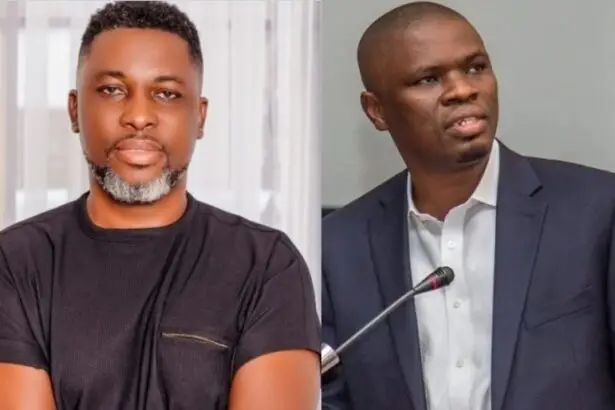
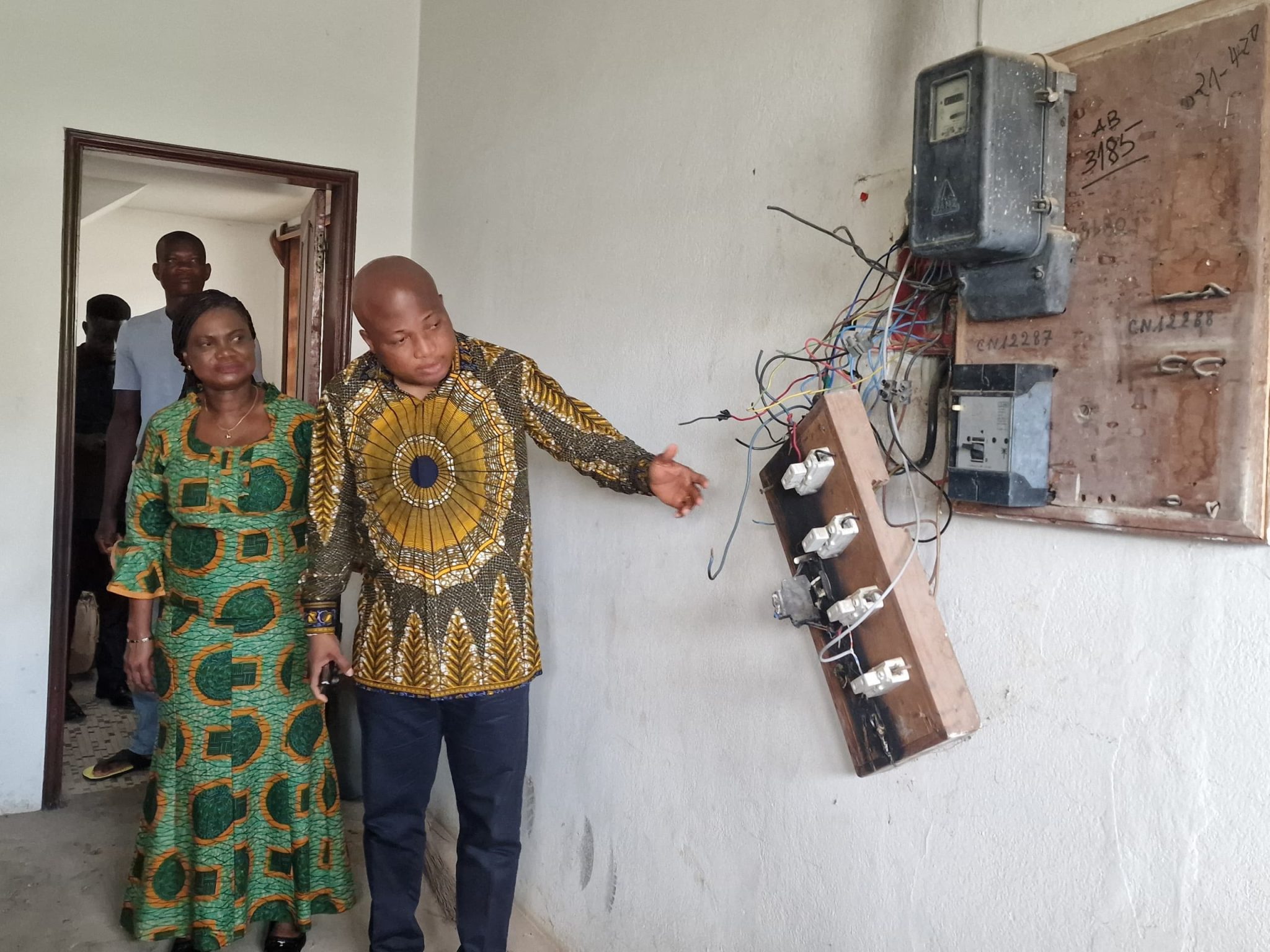
    Foreign Affairs Minister, Samuel Okudzeto Ablakwa, has vowed to safeguard Ghana’s diplomatic assets in Benin, firmly stating that no government-owned property in the country will be sold under his tenure. His assurance comes amid efforts to restore and refurbish aging properties acquired by Ghana’s diplomatic mission.

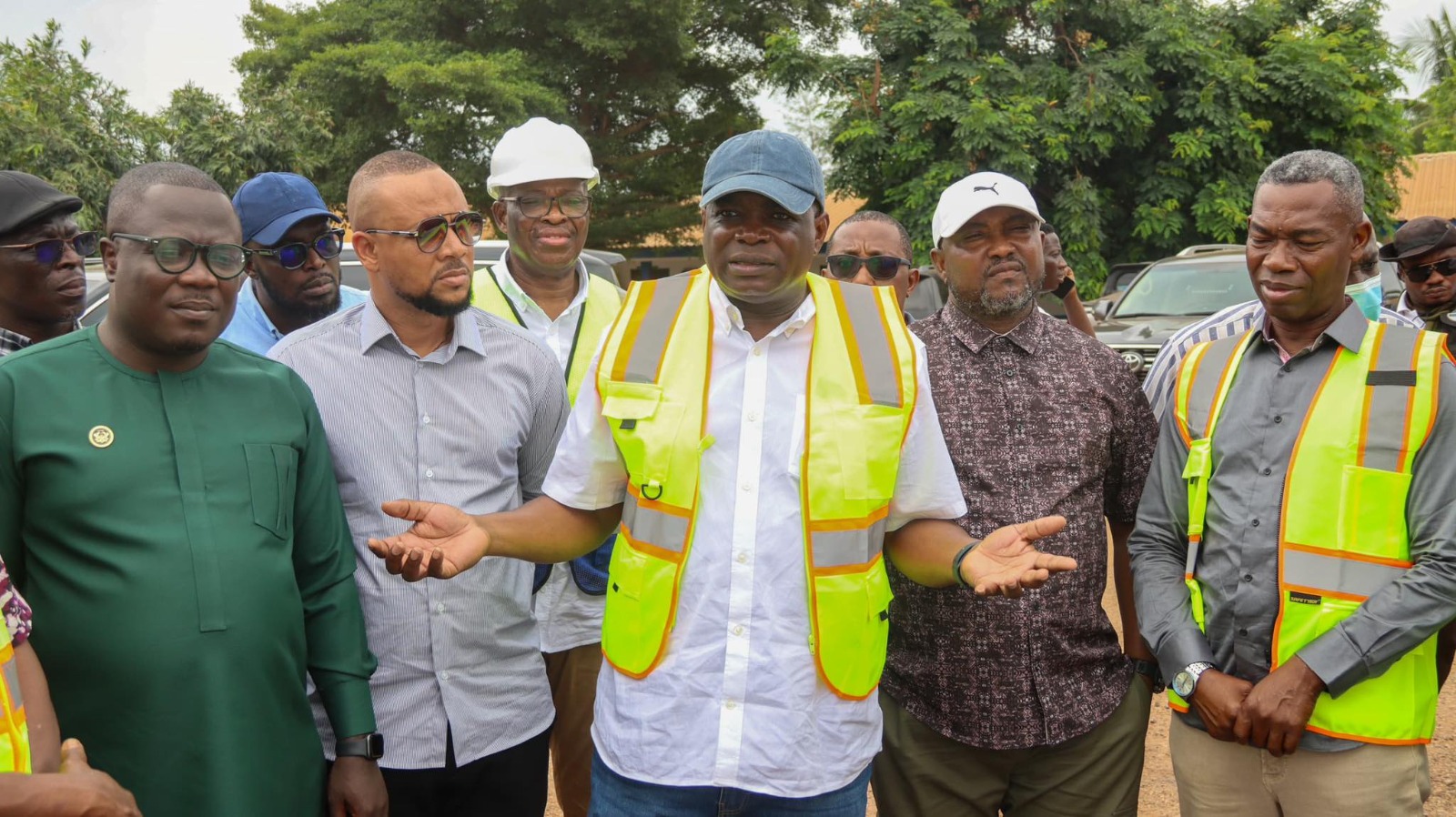
    During a recent working visit to Cotonou, the capital of Benin, the Minister toured several state-owned facilities, some of which have been underutilized or left in disrepair. Among the six properties owned by Ghana in Benin, only one remains abandoned—vacant since 2019 after a fire incident damaged its electrical systems.

    While acknowledging that most of the properties remain functional, Ablakwa raised alarms about structural challenges with a number of them. Due to these issues, he noted that some staff have had to seek expensive private accommodations, which burdens the mission’s budget.

    He pledged government commitment to addressing the situation. “Initiatives will be undertaken to renovate and, in some cases, reconstruct the properties due to concerns about structural integrity,” he said. “No property will be sold under my watch.”

    Ablakwa’s statement is consistent with his firm stance against the sale of diplomatic properties abroad. Speaking in Parliament, he disclosed that with the full support of President John Mahama, the current government had halted attempts to offload Ghanaian diplomatic assets in Nigeria and Zambia—moves he attributed to the previous Akufo-Addo/Bawumia administration.

    “Yesterday, I informed Parliament that with the full backing of President Mahama, we have canceled two transactions initiated by the previous Akufo-Addo/Bawumia government to sell Ghanaian diplomatic properties in Nigeria and Zambia,” the Minister declared.

    He also revealed that one of the halted transactions involved an unlawful partial payment. Authorities are now working to recover the funds and bring those responsible to justice.

    “Determined efforts are underway to retrieve an illegal part payment in one of the transactions. The masterminds, who are currently on the run, will surely be found and sanctioned,” he emphasized.

    Reassuring Ghanaians of his unwavering stance, Ablakwa added that there would be no sale of any diplomatic property, either in Ghana or among the country’s 71 foreign missions, under the current administration.
  • Finance Minister engages BII to invest in agribusiness and financial sectors

    Finance Minister engages BII to invest in agribusiness and financial sectors

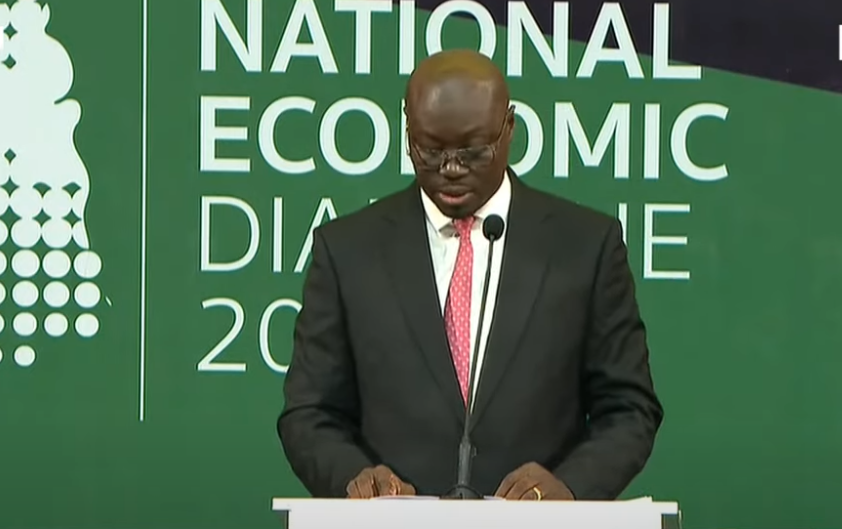
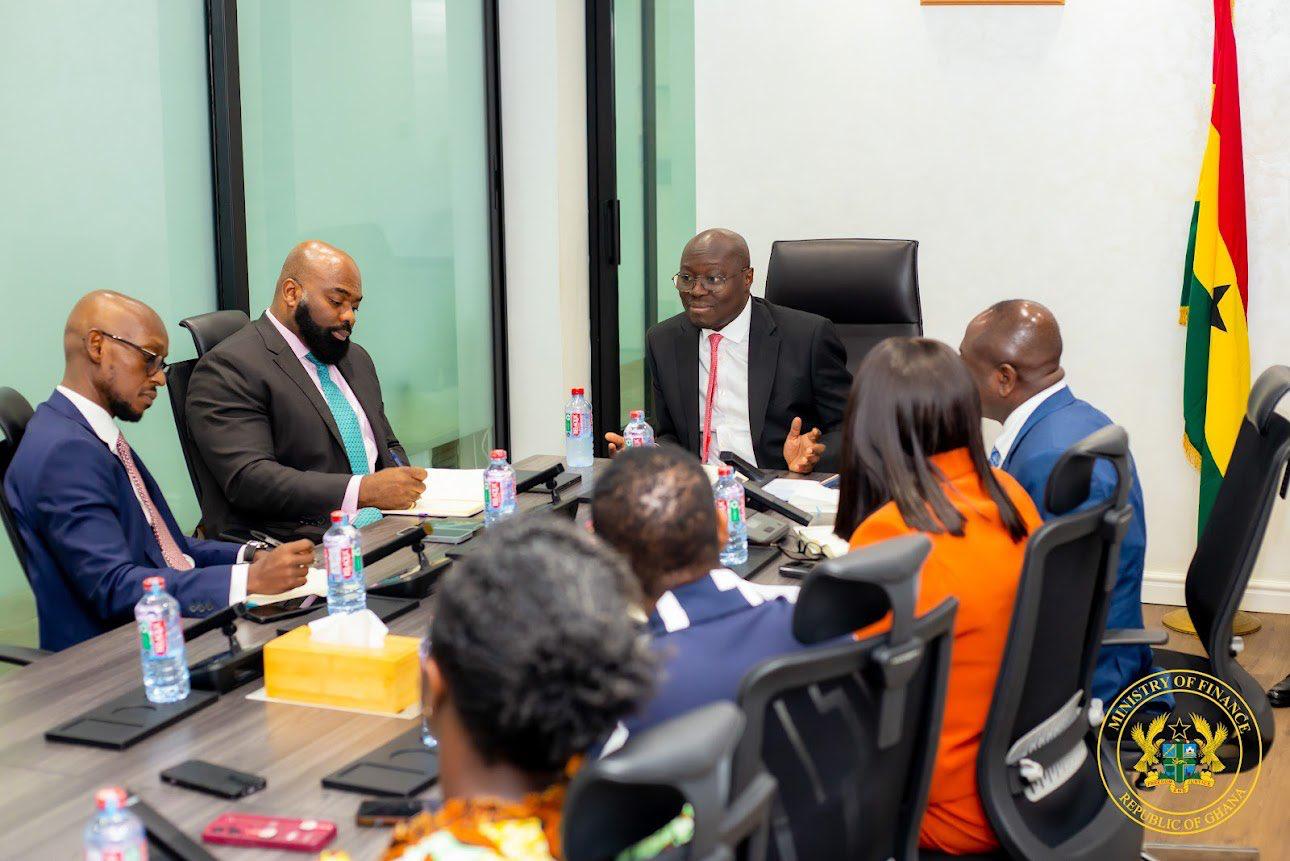
    Finance Minister, Dr. Cassiel Ato Forson, met with representatives from British International Investment (BII) to explore strategic opportunities, particularly in agribusiness and the financial sector in a significant move to deepen foreign investment in Ghana.

    The meeting highlighted Ghana’s evolving investment landscape, with a focus on leveraging private capital for economic growth.

    “Ghana is open for business, and we welcome partners ready to grow with us,” Dr. Forson emphasized.

    A major highlight of the discussion was Ghana’s upcoming Palm Industry Policy, aimed at diversifying the nation’s agricultural base beyond cocoa.

    The government plans to develop 50,000 hectares of oil palm, beginning with a $100 million investment for the first 20,000 hectares.

    “Our goal is to attract private sector investment into large-scale agribusiness that creates jobs and boosts export earnings,” said Dr. Forson.

    The Finance Minister also extended an invitation to BII to support the repositioning and growth of Consolidated Bank Ghana (CBG), signaling a broader push to strengthen the banking sector.

    BII, which currently holds over $200 million in investments in Ghana—particularly in the energy sector—responded positively, reaffirming their long-term commitment to the country.

    “We see Ghana as a priority market in the region,” BII representatives noted.

    In a promising development, BII is considering bringing its full Board to Ghana for the first time in nearly a decade, signaling renewed interest at the highest level.

    The institution also expressed readiness to support small and medium-sized enterprises (SMEs), forestry, and other key sectors.

    Dr. Forson concluded, “We are creating the right environment for investors who are committed to sustainable growth and shared prosperity.”

  • South Korea’s president, Yoon Suk Yeol, impeached

    South Korea’s president, Yoon Suk Yeol, impeached

    South Korea is set for an early presidential election following the historic impeachment of President Yoon Suk Yeol, who has been officially removed from office after a unanimous ruling by the Constitutional Court.

    The decision, delivered on Friday, marks the dramatic end of Yoon’s presidency, which had been suspended since December after parliament voted to impeach him over his failed attempt to impose martial law. The court’s eight-member panel upheld the charges, declaring Yoon’s actions unconstitutional and unjustifiable.

    In reading the verdict, acting court president Moon Hyung-bae declared that Yoon had “[gone] against the people he was supposed to protect.” He further noted that the president’s actions “damaged people’s basic political rights” and “violated the principles of the rule of law and democracy.”

    The judgment sparked powerful reactions across South Korea’s capital, where thousands had gathered to watch the ruling live. Emotions ran high, with some in tears of relief and vindication, and others heartbroken at the loss of a leader they believed had been wrongly targeted.

    A fresh election must now be held within 60 days — no later than June 3 — but the country faces a deeply fractured political landscape. Yoon’s abrupt downfall has left South Korea not only leaderless but sharply divided.

    Despite overwhelming public outcry over his attempt to invoke military rule, Yoon refused to step back. He denied any wrongdoing, fought his impeachment relentlessly, and continued to promote conspiracy theories that accused political rivals of being agents of North Korea and China. He claimed these “anti-state forces” had interfered in previous elections and infiltrated state institutions.

    “Smuggled goods are crippling our local businesses, and we are determined to stop it,” he warned.

    Through repeated assertions of voter fraud and foreign influence, Yoon has become a rallying figure for South Korea’s far right. For his supporters, he is a political martyr brought down by a corrupt system, with weekly protests in central Seoul growing in size and intensity.

    These protests reflect a shifting public sentiment. A growing segment of the population no longer trusts the institutions at the heart of South Korea’s democracy. According to recent surveys, more than one-third of citizens distrust the Constitutional Court, and over a quarter question the credibility of the country’s voting system.

    Amid this climate of suspicion and unrest, the next president will inherit a nation in urgent need of reconciliation — and leadership. The new administration must also prepare for external pressures, particularly from the United States. Former President Donald Trump’s return has already strained trade relations, with fresh tariffs hitting South Korean exports of cars and steel.

    Many in Seoul fear tougher demands ahead, including heightened defence spending and diplomatic compromises with North Korea. All this adds to the formidable task awaiting Yoon’s successor.

    South Korea must now navigate this critical juncture — restoring public confidence, rebuilding unity, and repositioning itself in an increasingly volatile global environment.

  • Fault on Tafo-Nkawkaw transmission line caused Thursday’s power outage – GRIDCo

    Fault on Tafo-Nkawkaw transmission line caused Thursday’s power outage – GRIDCo

    A major fault on the Tafo-Nkawkaw transmission line has been identified as the cause of the nationwide blackout that plunged several parts of Ghana into darkness on the night of Thursday, April 3, according to the Ghana Grid Company (GRIDCo).

    In a statement issued following the incident, GRIDCo revealed that the disruption occurred at precisely 8:09 pm, initiating a cascading failure across the power network. The fault triggered further malfunctions on adjacent transmission lines, eventually forcing multiple power plants offline and leading to power outages in key areas such as Accra, Kumasi, Sunyani, Techiman, Bui, Tumu, Sawla, and parts of the northern regions.

    The blackout, which was felt most intensely in areas beyond Kumasi, was attributed to a significant drop in national power generation. GRIDCo’s System Control Centre, however, acted swiftly, deploying emergency response protocols to stabilise the grid and begin the restoration process.

    By 10:57 pm, full electricity supply had been restored to all affected regions.

    “The Ghana Grid Company sincerely apologises to the general public for the disruption,” said Dzifa Bampoh, Manager of Corporate Communications at GRIDCo. The company expressed regret for the inconvenience caused and assured the public of its commitment to reliable power delivery.

  • We will implement a new local procurement policy to boost industry – Finance Minister

    We will implement a new local procurement policy to boost industry – Finance Minister

    Finance Minister Dr. Cassiel Ato Forson says government is gearing up to roll out a local procurement policy aimed at promoting homegrown industries and cutting down on Ghana’s dependence on imported goods.

    Speaking at a strategic engagement with executives of the Association of Ghana Industries (AGI), Dr. Forson outlined plans to make it mandatory for all public sector institutions to source selected essential commodities directly from domestic producers.

    “To support our local industries, the government will soon publish a list of items that all public sector agencies must procure locally,” he said, adding that “any government procurement from outside Ghana will require special approval from the Office of the President.”

    The Finance Minister lamented the nation’s ongoing reliance on imports for everyday staples like sugar and rice, despite the local capacity to produce them. He said the new directive will serve as a key pillar in efforts to revitalise Ghana’s manufacturing sector and expand job opportunities.

    Alongside the local procurement agenda, Dr. Forson raised concerns about the persistent challenge of goods being smuggled into the country, which he described as a major threat to the survival of local businesses.

    “Smuggled goods are crippling our local businesses, and we are determined to stop it,” he warned. He revealed that government has mapped out major smuggling routes and will soon introduce strict enforcement measures to tackle the issue head-on.

    He further called for increased collaboration between state institutions and private sector stakeholders, encouraging industry leaders to engage in a working session on how local enterprises can align with the government’s 24-hour economy initiative.

    According to Dr. Forson, “robust partnerships will be key to sustaining long-term growth and enhancing local production capacity.”

    AGI President, Dr. Humphrey Ayim-Darke, welcomed the policy direction and praised the government’s renewed focus on industrial transformation. He was hopeful that stronger ties between government and industry players would help boost the performance and global competitiveness of Ghanaian manufacturers.

    He added that the planned procurement policy has the potential to channel public spending into sectors that will yield direct benefits for the country’s economy.

  • Idris Elba engages UniMAC’s Institute of Film and Television management

    Idris Elba engages UniMAC’s Institute of Film and Television management

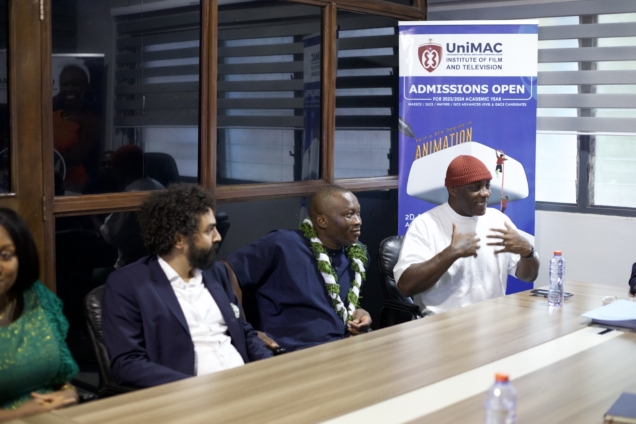
    Renowned British actor and producer Idris Elba paid a courtesy visit to the University of Media Arts and Communication – Institute of Film and Television (UniMAC-IFT) on March 25.

    The meeting, facilitated by the institute’s Public Relations Department, aimed to foster collaboration and advance UniMAC-IFT’s mission.

    Elba met with the institute’s management and staff, led by Rector Professor Samuel Manasseh Yirenkyi. During the engagement, UniMAC-IFT presented its history, achievements, and infrastructure challenges.

    Elba, known for his passion for the creative industry, expressed interest in supporting aspiring filmmakers and storytellers.

    A significant highlight of the visit was Elba’s announcement of a donation of $25,000 to UniMAC-IFT through his Elba Hope Foundation.

    The funds will support the institution’s infrastructure development, addressing some of the challenges presented during the meeting.

    The gesture was met with enthusiasm, and the rector expressed gratitude, acknowledging the impact of Elba’s contribution on the institute’s growth and capacity to train future filmmakers.

    Elba’s visit symbolized a promising partnership, emphasizing the potential for Africa’s film and television industry to thrive with collaborative efforts.

  • Replace Police Commanders in mining areas – Interior Minister directs IGP

    Replace Police Commanders in mining areas – Interior Minister directs IGP

    Interior Minister Muntaka Mubarak has ordered the immediate transfer of all Police Commanders stationed in mining areas.

    This directive, issued to the Inspector General of Police (IGP), aims to replace officers who have served lengthy terms in these areas.

    Speaking at an engagement with Imams and Zongo Chiefs in Kumasi, Minister Mubarak emphasized the government’s commitment to tackling the devastating effects of galamsey on water bodies and farmlands across the country.

    “I have ordered the IGP to transfer all Police Commanders in all mining areas and send in new ones. So if you are a regional, divisional, or district police commander serving in mining areas, you will be changed with immediate effect,” he declared.

    The Minister also announced that the new officers deployed to these areas will be strictly monitored and assessed based on their performance.

    “The new ones we are taking there will be transferred after three months if they don’t perform. We will keep making changes till we see results,” he emphasized, highlighting the government’s determination to achieve tangible results in the fight against galamsey.

    Meanwhile, government is set to implement a geotagging and geofencing system to track excavators imported into Ghana, according to the Minister of Lands and Natural Resources, Emmanuel Armah Kofi Buah.

    Speaking at a press briefing on April 3, he said the initiative will help monitor excavators from the moment they arrive at the country’s ports, ensuring better oversight of their use.

    “We believe that this programme of geotagging and geofencing must be expanded to include excavators as soon as they arrive at the ports,” Mr. Buah stated, stressing the need for tighter regulation.

    The move comes as illegal mining continues to pose a serious threat to the country’s environment, leading to widespread deforestation and water pollution.

  • Senegal amends amnesty law to go after past corrupt govt officials

    Senegal amends amnesty law to go after past corrupt govt officials

    Senegal’s parliament has given the green light to make changes to the country’s amnesty law, potentially paving the way for the investigation and prosecution of security personnel and members of the former government suspected of abuses.

    126 law makers – mostly members of the ruling Pastef party voted yes for the changes.Twenty legislators voted against the text after nearly eleven hours of debate on Wednesday.

    The changes remove exceptions for torture, assassination and murder.The amnesty law was adopted last March during the final days of President Macky Sall’s administration.
    The law ensured that President Bassirou Diomaye Faye and his Prime Minister Ousmane Sonko were released from prison to campaign in the election that saw Faye emerge victorious.

    During Senegal’s political unrest that lasted from 2021-2024, 65 people were killed – 51 by gunfire mostly during oppositionled protests.

  • US’ 10% import tax threatens Ghana’s trade balance, foreign exchange earnings, cedi stabilization

    US’ 10% import tax threatens Ghana’s trade balance, foreign exchange earnings, cedi stabilization

    The newly announced 10% import tax by U.S. President Donald Trump is expected to have significant implications for Ghana’s trade balance, foreign exchange earnings, and the stability of the cedi.

    This tariff, which targets Ghanaian goods entering the U.S., is part of a broader protectionist policy that also includes a 34% levy on Chinese imports and a 20% tariff on European Union goods.

    Announcing the tariffs from the White House Rose Garden, President Trump justified the move as a means to correct long-standing economic imbalances.

    “Our country has been looted, pillaged, raped, and plundered by other nations. Taxpayers have been ripped off for more than 50 years. But that will not happen anymore,” Trump declared, invoking the 1977 International Emergency Powers Act to bypass Congress and implement the tariffs unilaterally.

    The imposition of a 10% import tax on Ghanaian goods means that products shipped to the U.S. will become more expensive, potentially reducing demand as buyers seek cheaper alternatives from untaxed markets.

    This could lead to a decline in Ghanaian exports, weakening the country’s trade balance and affecting foreign exchange inflows.

    In 2023, Ghana exported $1.74 billion worth of goods to the U.S., with key commodities including crude petroleum ($1.23 billion), cocoa beans ($154 million), and cocoa paste ($68.7 million). Over the past five years, Ghana’s exports to the U.S. had grown at an annualized rate of 22.7%, rising from $625 million in 2018 to $1.74 billion in 2023.

    However, the newly imposed tariffs could disrupt this trajectory. With lower foreign exchange earnings, the Ghanaian cedi may come under renewed pressure.

    The currency had already depreciated by 5.3% in the first quarter of 2025, with the Bank of Ghana reporting an exchange rate of GH¢15.53 to the U.S. dollar in March 2025.

    Amid concerns over the impact of the tariff, Virginia Evelyn Palmer, the U.S. Ambassador to Ghana, has sought to reassure Ghanaian businesses, highlighting the strength of the trade relationship between the two nations.

    “The life-saving programs are all to be continued. The new face of the partnership will maintain all of the life-saving programs. The U.S. and Ghana have a very warm, close relationship, as you all know, and that is founded on four pillars,” she stated.

    Ambassador Palmer also emphasized the continued importance of Ghana’s exports, particularly in gold and gas, and suggested that these commodities would remain competitive in global trade despite the tariff hikes.

    “We have the historical and cultural. Also, more than $3 billion in bilateral trade investment is one of the key pillars. There are also goods and services; gold coming from here, gas coming from here, and we have automobiles and pharmaceuticals coming from the United States. So, it is something that builds prosperity in all the countries. It is all to say that no matter what the changes in language and no matter the change in focus, Ghana is really an important part of the United States and we will continue to be so,” she added.

    Trump’s aggressive trade policies have already sparked backlash from major trading partners. While Canada and Mexico remain exempt under the USMCA trade deal, China is facing additional 34% tariffs, with an extra 20% penalty on goods related to fentanyl production.

    The European Union and other affected nations, including Ghana, are considering retaliatory measures, adding to growing economic uncertainty.
    Ghanaian exporters may need to diversify their markets, looking toward Europe, China, and ECOWAS countries to mitigate potential losses from the U.S. market.

    If the tariffs remain in place for an extended period, businesses reliant on U.S. trade may have to adjust supply chains, seek new buyers, or renegotiate trade agreements.

    Before the tariff announcement, Ghana’s trade balance had been showing positive signs. The country recorded a trade surplus of $1.64 billion in the first two months of 2025, equivalent to 1.9% of GDP.

    This surplus contributed to the buildup of foreign reserves, according to data from the Bank of Ghana.
    Total exports had grown 50% year-on-year, reaching $4.3 billion, driven largely by strong gold and cocoa exports.

    However, crude oil exports declined due to reduced production levels from Ghana’s three main operational oil fields. Imports also saw a 7.3% increase, reaching $2.7 billion.

    With the new 10% import tax in place, Ghana’s ability to sustain its trade surplus could be compromised.

  • Mustapha Yussif, A-Plus released by Speaker to aid NIB investigations

    Mustapha Yussif, A-Plus released by Speaker to aid NIB investigations

    Speaker of Parliament, Alban Bagbin, has given the green light for two Members of Parliament (MP)—Mustapha Yussif, MP for Yagaba Kubori, and Kwame Asare Obeng (A-Plus), MP for Gomoa Central—to engage with officials from the National Intelligence Bureau (NIB) as part of an ongoing investigation.

    A statement signed by the Clerk to Parliament, Ebenezer Ahumah Djietror, outlined that while the Speaker has permitted the interaction, strict conditions have been set to uphold parliamentary privileges.

    Citing Articles 117 and 118 of the 1992 Constitution, Bagbin directed that the meeting be held within Parliament’s premises. It is scheduled for Monday, April 7, 2025, at 10:00 AM, inside the Sir Emmanuel Charles Quist Conference Room at the Office of the Speaker.

    Additionally, both MPs have been advised to ensure legal representation during the session, while NIB officials are required to liaise with Parliament’s Legal Services Office upon arrival.

    The Ghanaian Constitution grants MPs certain legal protections, necessitating the Speaker’s approval before they can be engaged on specific matters. As of now, details regarding the specific nature of the investigation remain undisclosed.

    Immunity from Service of Process and Arrest (Article 117):
    “Civil or criminal process coming from any court or place outside Parliament shall not be served on, or executed in relation to, the Speaker or a member or the Clerk to Parliament while he is on his way to, attending, or returning from any proceedings of Parliament.”

    Immunity from Witness Summons (Article 118):
    (1) Neither the Speaker, nor a member of, nor the Clerk to, Parliament shall be compelled, while attending Parliament, to appear as a witness in any court or place outside Parliament.
    (2) The certificate of the Speaker that a member or the Clerk is attending the proceedings of Parliament is conclusive evidence of attendance at Parliament.

  • Explosion that killed level 100 HND student happened at home, not campus – KTU Management clarifies

    Explosion that killed level 100 HND student happened at home, not campus – KTU Management clarifies

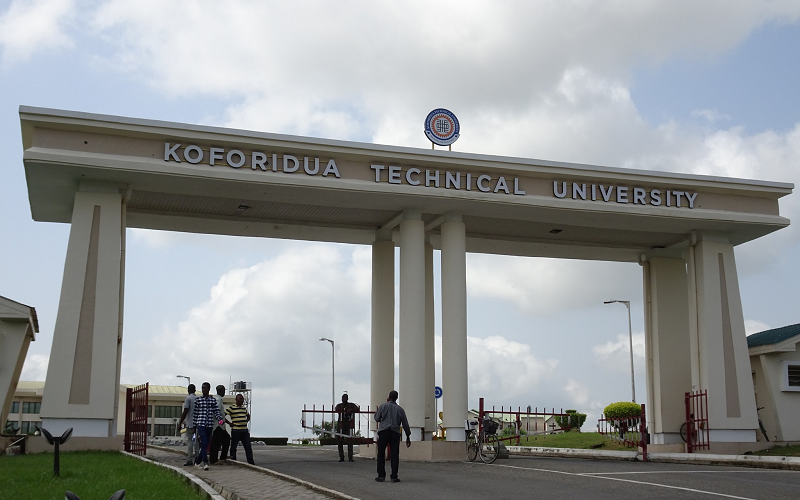
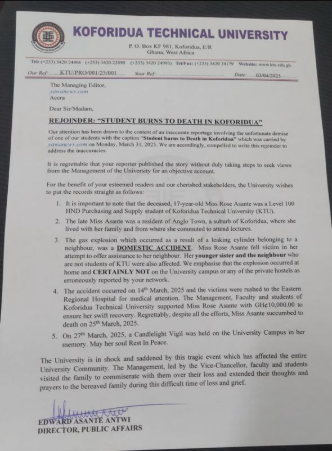
    The management of Koforidua Technical University (KTU) has refuted reports suggesting that a recent gas explosion that claimed the life of one of its students occurred on campus.

    According to the university, the tragic incident took place at the student’s family residence and was unrelated to any university facility.

    In a statement addressing what it described as “inaccurate reportage,” KTU clarified that the deceased, 17-year-old Miss Rose Asante, was a Level 100 HND Purchasing and Supply student. However, she was not a resident of any university hostel but lived with her family at Angio Town, a suburb of Koforidua.

    “The explosion was a domestic accident resulting from a leaking gas cylinder that belonged to a neighbor. Miss Asante, in an attempt to assist, was unfortunately caught in the incident. Her younger sister and the neighbor—both of whom are not students of KTU—also sustained injuries,” the university stated.

    KTU further emphasized, “This tragic event did not occur on campus or in any private hostel affiliated with the university, as some reports have erroneously suggested.”

    The explosion happened on March 14, and the victims were rushed to the Eastern Regional Hospital for urgent medical care. The university said it provided GH₵10,000 in support of Miss Asante’s treatment. However, despite all efforts, she succumbed to her injuries on March 25.

    Following her passing, the university community held a candlelight vigil on March 27 in her honor.

    Expressing deep sorrow over the loss, KTU’s management, led by the Vice-Chancellor, faculty, and students, visited the bereaved family to extend their condolences.

    “The entire university community is devastated by this heartbreaking incident. Our thoughts and prayers remain with the family during this difficult time of loss and grief,” KTU said.

  • Dampare ‘absent’ as Yohuno meets former IGPs

    Dampare ‘absent’ as Yohuno meets former IGPs

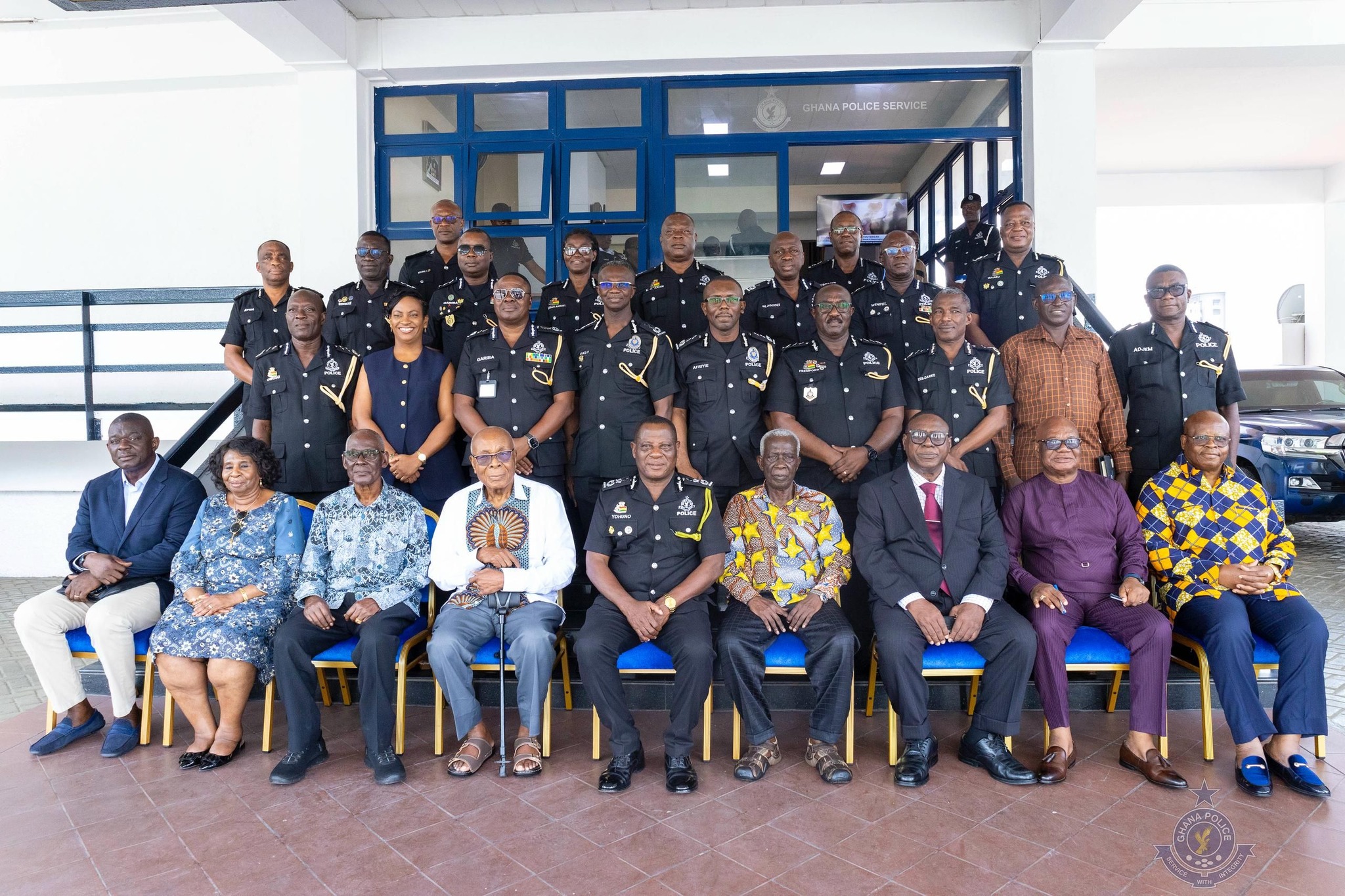
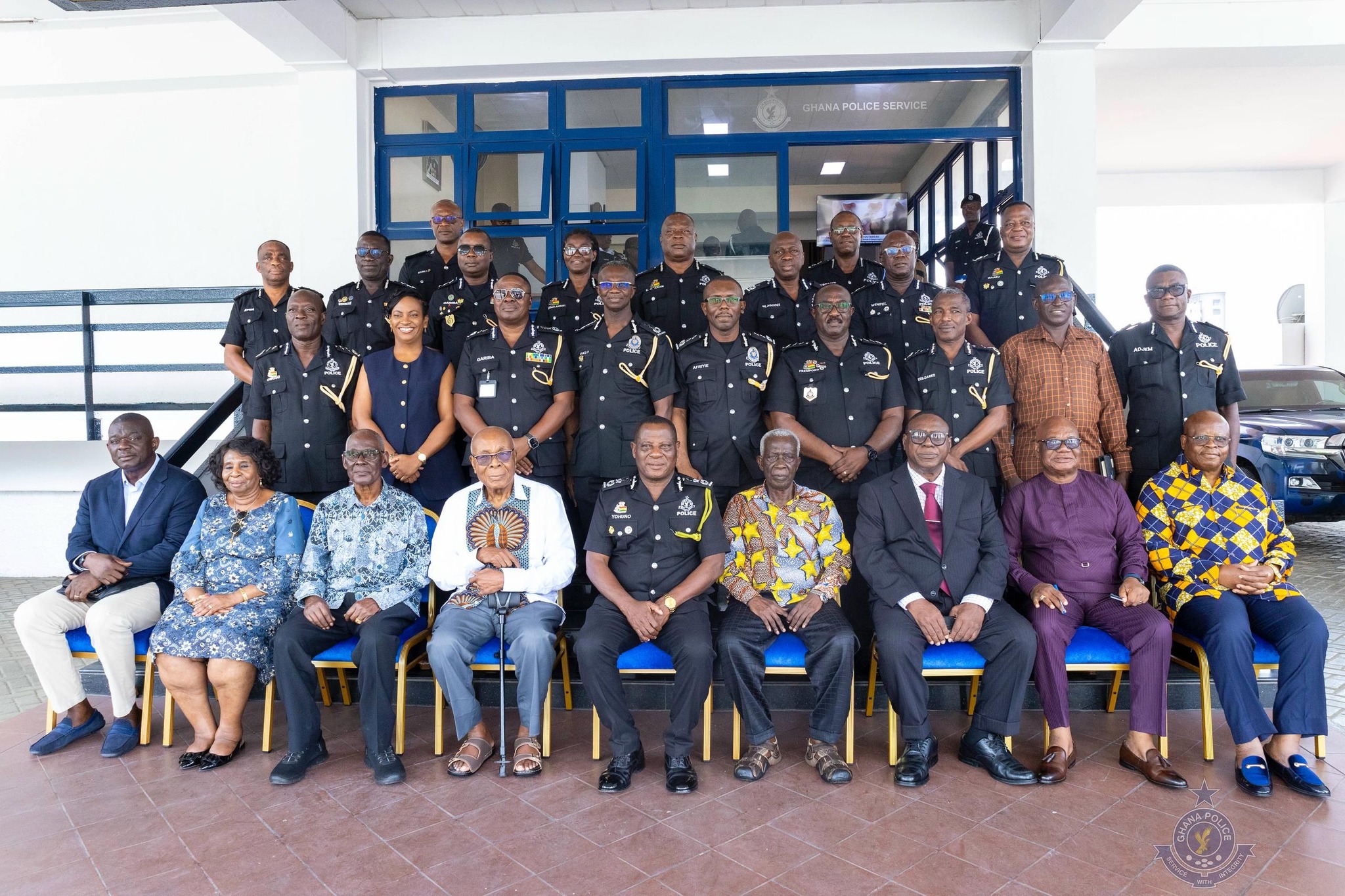
    The immediate-past Inspector-General of Police (IGP) Dr George Akuffo Dampare, was absent when his successor, IGP Christian Tetteh Yohuno held a strategic meeting with former leaders of the Ghana Police Service to discuss measures for improving policing and security in the country.

    The engagement, which took place on April 2, at the National Police Headquarters in Accra, provided a platform for past and present police leadership to exchange insights on crime prevention, law enforcement reforms, and personnel welfare.

    Attended by several former IGPs, the discussion focused on strengthening institutional structures, enhancing stakeholder collaborations, and addressing challenges affecting national security. Members of the Police Management Board (POMAB) were also present, contributing to deliberations aimed at fostering sustainable improvements in the service.

    IGP Yohuno engages former IGPs

    Per images shared by the Service, Dr Dampare was nowhere to be found.

    The meeting concluded with an agreement to maintain regular consultations between past and present police leadership to ensure continued progress in law enforcement and public safety.

    This is not the first time Dampare has been absent from a meeting that demanded his presence. He was noticeably absent when President John Mahama met with departing security chiefs on Monday, March 17.

    The meeting, held to acknowledge the contributions of the outgoing officers, included former Ghana Prisons Service boss Isaac Kofi Egyir, former Fire Service chief Julius A. Kuunuor, and ex-Immigration Service head Kwame Asuah Takyi.

    The meeting followed recent appointments by President Mahama, who named DDGP 3 Patience Baffoe-Bonnie as Director-General of Prisons, DCFO Daniella Mawusi Ntow Sarpong as Chief Fire Officer, and DCI Samuel Basentale Amadu as Comptroller-General of Immigration.
  • A Eulogy to Alhaji Asoma Banda, the Doyen of Container Shipping in Africa

    A Eulogy to Alhaji Asoma Banda, the Doyen of Container Shipping in Africa

    A few weeks ago, on March 1, 2025, Ghanaian shipping and logistics tycoon Alhaji Asoma Banda passed away at the ripe age of 92. Having been raised in a prominent family in the trucking industry, Asoma’s father, a cattle trader, imported cattle from all over Mali to the Gold Coast.

    Shortly after his O’levels in 1953, his father reportedly handed him a truck to join the business, but his lack of expertise saw him performing abysmally at the job. Once, his father even sent him along with a relative to buy livestock from Mopti, a town in Mali, which they would then herd all the way back to Ghana on foot, an endeavour that would take about three months.

    After Ghana gained independence in 1957, Asoma was offered the position of Regional Organizer for The Young Pioneers by Osagyefo Dr. Kwame Nkrumah himself but turned it down, electing to further his studies in England instead. This was around the time when, container transportation was on the cusp of revolutionizing international shipping and world trade at large.

    In West Africa and Africa to a large extent, container shipping started in the 1970s with the establishment of BFI by Alhaji Asoma Banda in 1975, which later transmogrified into OTAL (OT Africa Line). OT Africa Line was founded as a cutting-edge, roll-on-roll-off (Ro-Ro) transit system that beats congestion in Nigeria. When oil was discovered in the middle of the 1970s, Nigeria saw a huge construction boom, and the necessity to provide equipment and building supplies led to port congestion.

    Roll-on roll-off vessels can load and unload rapidly, occupying less wharf area and avoiding traffic jams. In collaboration with construction companies like Julius Berger, Alhaji Banda hired trailers from London, put them in Ro-Ro ship and flew lorry drivers in from London to come and discharge the trucks. This commenced what will become Africa’s 3rd largest Shipping line by tonnage.

    The Ro-Ro ship was docked at Bull-nose quay at the Port of Apapa at the time ports around the world were undergoing the 2nd generation of port development where ports were becoming industrial enclaves and developing specialized terminals like container terminals and bulk (both dry and liquid bulk) terminals.

    OTAL later started transporting containers with its fleet of 12 ships at a time Ghana’s Blackstar line had about 25 ships. But this innovation from Alhaji Banda did not come without difficulties. In the 1970s/1980s, shipping alliances and conferences had become ripe in Global shipping and any shipping line that wasn’t part of the alliances was treated with iron fists, but Alhaji Asoma Banda stood his grounds and refused to be part of the shipping alliance at the time of the “40:40:20 shipping rule, also known as the cargo sharing formula.

    OTAL filed a case against the shipping alliance at the EU Headquarters in Brussels on grounds of monopoly because according to Alhaji Banda, the European shipping lines were taking all the best cargo and giving African shipping lines bad cargo to carry. In addition, this practice enabled the European shipping lines to make more profit and retrofit their ships whilst the African shipping lines continued using dilapidated ships which were more costly to run. Even though Alhaji Banda won this case, most of the African National shipping lines including Ghana’s Blackstar line collapsed due to this unfair practice.

    OTAL maintained its 3rd position in the business until 1999 when the South African shipping line, SafMarine went up for sale. Alhaji Asoma Banda offered $350 million but Bollore Africa Logistics, a French company offered to buy the company for $450 million then from nowhere, Maersk line offered $800 million and won the bid. Alhaji later partnered with Vincent Bollore as OTAL and Bollore became a joint venture. But Alhaji Banda was not only doing continental shipping; he was also into terminal management, inland transportation and door-to-door services and owing to his brilliant idea, today the box container has decimated all ports in Africa with the Tema port handling more than 1 million TEUs within the first quarter of 2024.

    The container has made shipping cheaper and changed the economies of African states. This new economic geography allowed African firms whose ambitions had been purely domestic to become international companies, exporting their products almost as effortlessly as selling them nearby.

    Today in Africa, out of the ingenuity of Alhaji Asoma Banda, the shipping container has evolved far beyond its original purpose of transporting cargo, as it is widely repurposed for various innovative applications across industries, such as affordable, eco-friendly housing solutions, emergency shelters, on-site repair units for industries like mining and construction, hydroponic or aquaponic farms within containers, durable, customizable swimming pools, etc. As an intern with Bolloré Africa Logistics in Tema in 2007, I had the opportunity to meet him firsthand, and I would describe him as affable and a truly great man.

    May Allah, in His infinite mercy and grace, grant Alhaji Asoma Banda the highest rank in Jannah (heaven) and surround him with eternal peace and blessings.

    Writer:

    Evans Ago Tetteh, Ph.D.
    Lecturer, Regional Maritime University.

    Acting Chief, Kpone-Sebrepor.

    References

    • Institute of Chartered Shipbrokers. (2019). Economics of sea transport and international trade
    • Edmund Chilaka, personal communication, 2023
    • Levinson, M. (2006). The box: How the shipping container made the world smaller and the world economy bigger. Princeton University Press.

    DISCLAIMER: TIGPost.co will not be liable for any inaccuracies contained in this article. The views expressed in the article are solely those of the author’s, and do not reflect those of The Independent Ghana.

  • IGP Yohuno engages his predecessors on developing Ghana Police Service

    IGP Yohuno engages his predecessors on developing Ghana Police Service

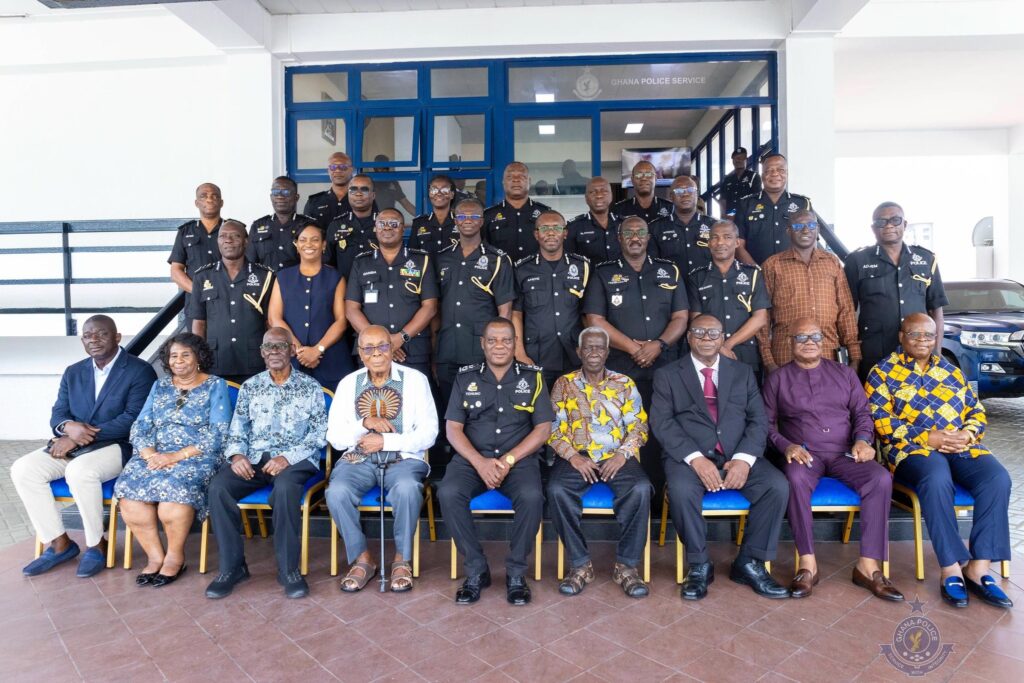
    Inspector-General of Police (IGP) Christian Tetteh Yohuno has held a strategic meeting with former leaders of the Ghana Police Service to discuss measures for improving policing and security in the country.

    The engagement, which took place on April 2, at the National Police Headquarters in Accra, provided a platform for past and present police leadership to exchange insights on crime prevention, law enforcement reforms, and personnel welfare.

    Attended by several former IGPs, the discussion focused on strengthening institutional structures, enhancing stakeholder collaborations, and addressing challenges affecting national security.

    Members of the Police Management Board (POMAB) were also present, contributing to deliberations aimed at fostering sustainable improvements in the service.

    The meeting concluded with an agreement to maintain regular consultations between past and present police leadership to ensure continued progress in law enforcement and public safety.

  • Police arrest 2 for possession of electricity cables belonging to ECG

    Police arrest 2 for possession of electricity cables belonging to ECG

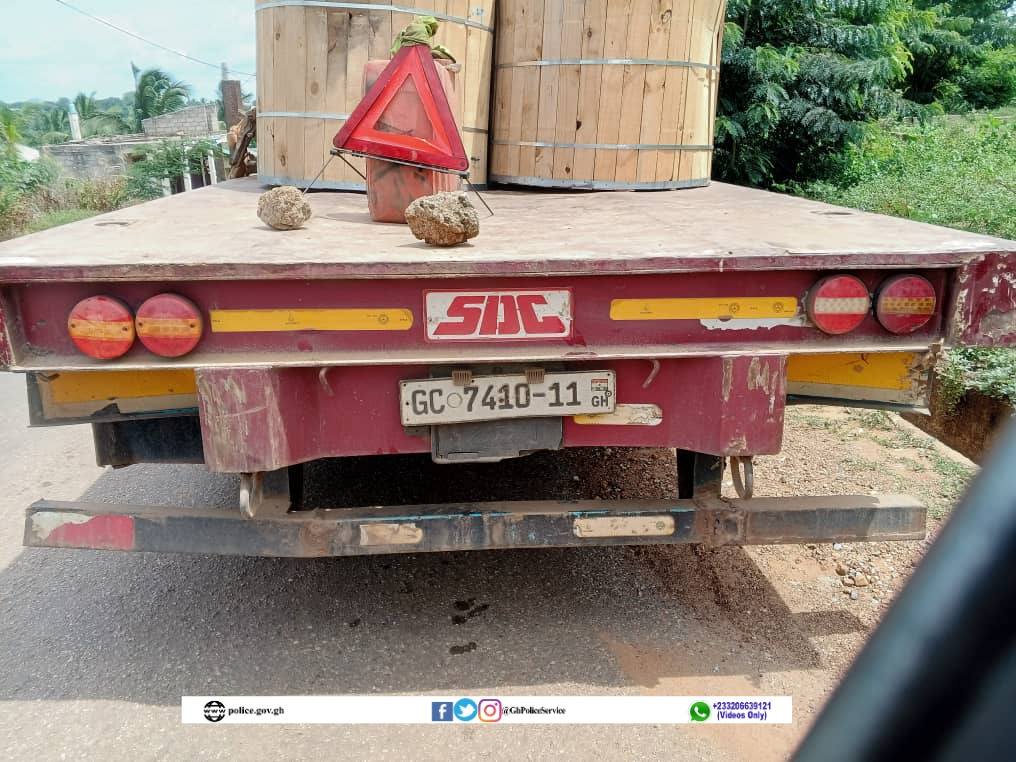
    Two individuals have been apprehended by the Central Regional Police Command for their alleged involvement in the illegal transportation of electricity cables suspected to belong to the Electricity Company of Ghana (ECG).

    The suspects, both driver’s mates of an articulated truck, were taken into custody on April 1, at Gomoa Awombrew in the Central Region. Authorities intercepted the vehicle, which was carrying 28 rims of electricity cables under suspicious circumstances.

    Preliminary checks by ECG officials confirmed that the cables belonged to the company, but no official transport of such a consignment had been scheduled for that location. The truck remains under police guard as law enforcement intensifies efforts to locate the driver, who is currently at large.
    Investigations are ongoing to determine the source and intended destination of the cables, as well as any potential accomplices involved in the incident.

  • Advisory report on private sector participation in power distribution sector submitted to Energy Minister

    Advisory report on private sector participation in power distribution sector submitted to Energy Minister

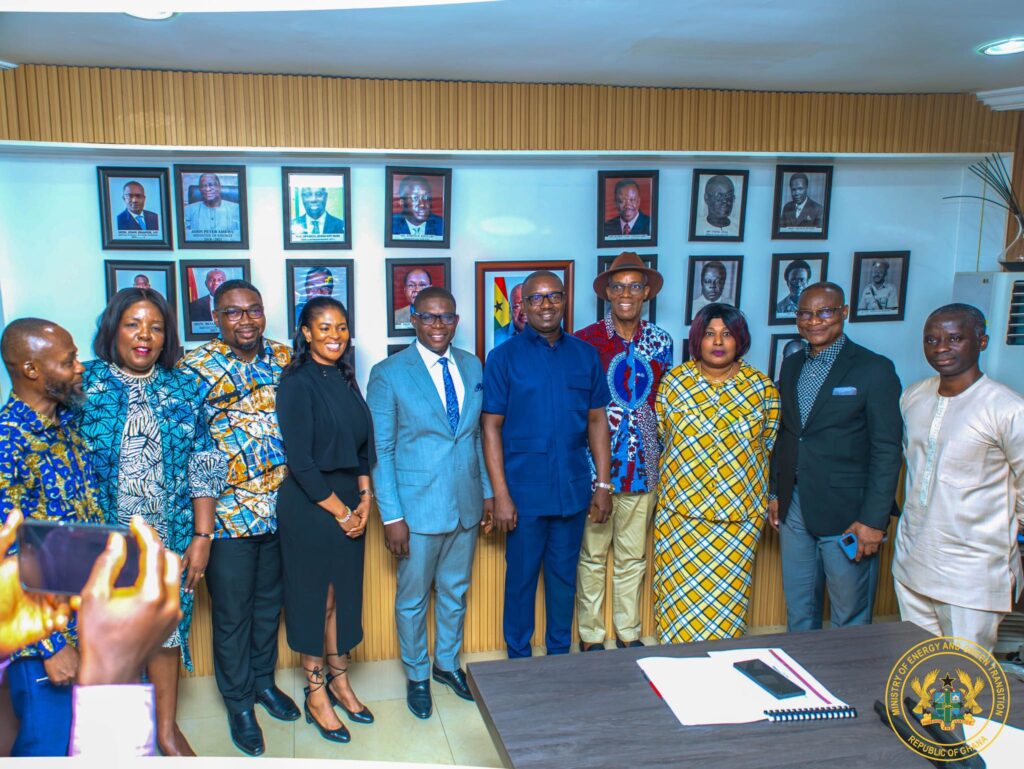
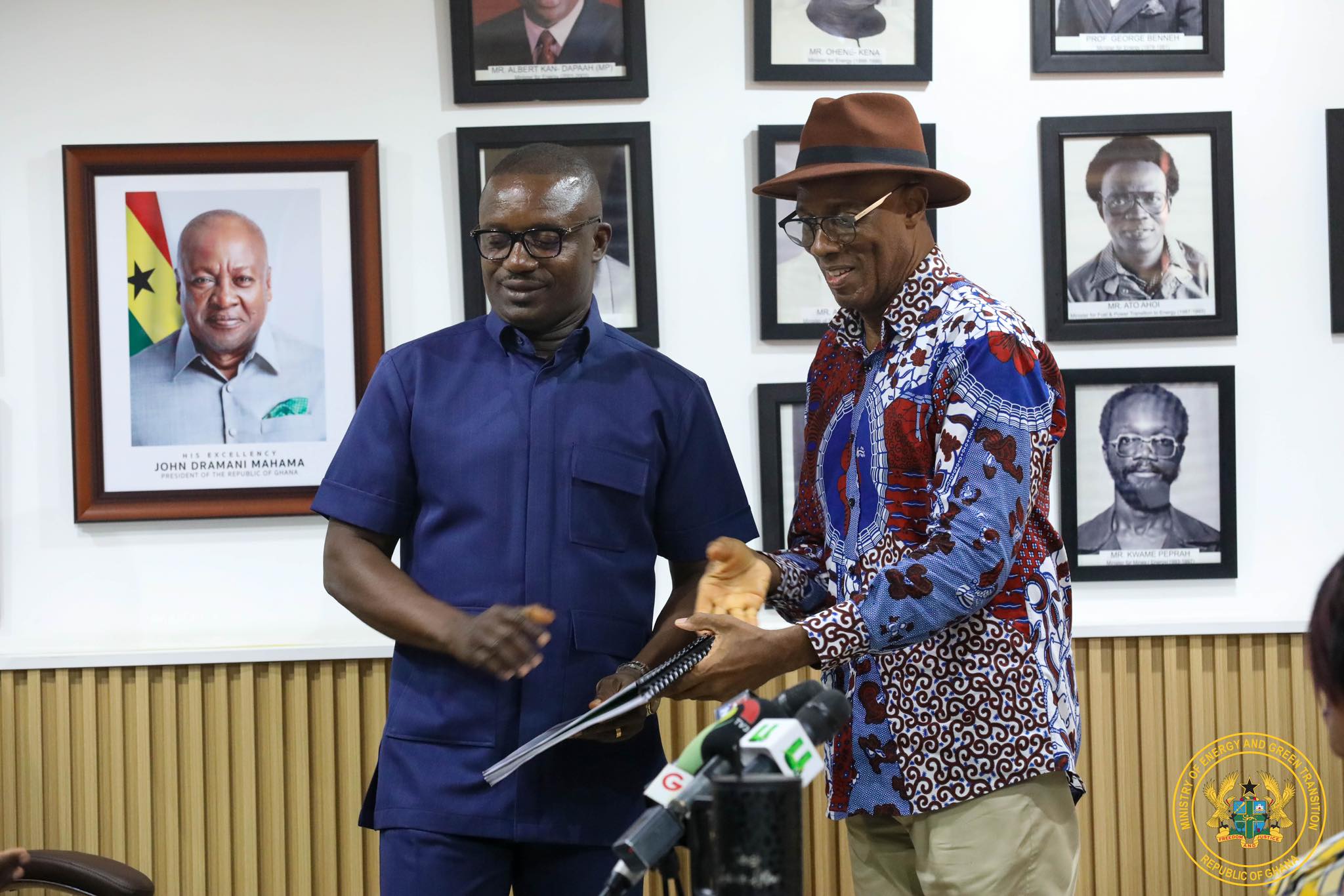
    The Minister for Energy and Green Transition, John Abdulai Jinapor, has received a detailed advisory report outlining strategies for private sector involvement in the country’s power distribution sector.

    The report, compiled by a technical committee set up in January 2025, presents recommendations aimed at improving efficiency and modernizing electricity distribution infrastructure.

    During an official ceremony at the Ministry of Energy and Green Transition, the document was handed over as part of efforts to explore new models for sustainable energy distribution.
    It examines various frameworks, including entity concessions, multiple lease agreements, and service franchises, as potential pathways for integrating private sector expertise and investment.

    The recommendations highlight the potential benefits of increased operational efficiency, enhanced customer service, and the mobilization of resources to upgrade existing infrastructure and deploy advanced technology. Additionally, the report stresses the importance of a robust regulatory framework that safeguards consumer interests while creating an attractive investment climate.

    While addressing key stakeholders at the ceremony, Hon. Jinapor emphasized the government’s dedication to improving the power distribution sector through strategic partnerships.

    He reaffirmed that state-owned electricity providers, including the Electricity Company of Ghana (ECG) and the Northern Electricity Distribution Company (NEDCo), would not be privatized.

    The report’s submission marks the beginning of broader discussions on how best to implement its findings. With a growing demand for stable and affordable electricity, the government aims to foster an energy sector that supports industrial growth and economic development.

    Future engagements with industry players, policymakers, and regulators are expected to shape the next phase of reforms, ensuring that any new model aligns with national priorities while incorporating local content participation.
  • Headquarters Southern Command begins BFT for officers eligible for 2025 Promotion Examination

    Headquarters Southern Command begins BFT for officers eligible for 2025 Promotion Examination

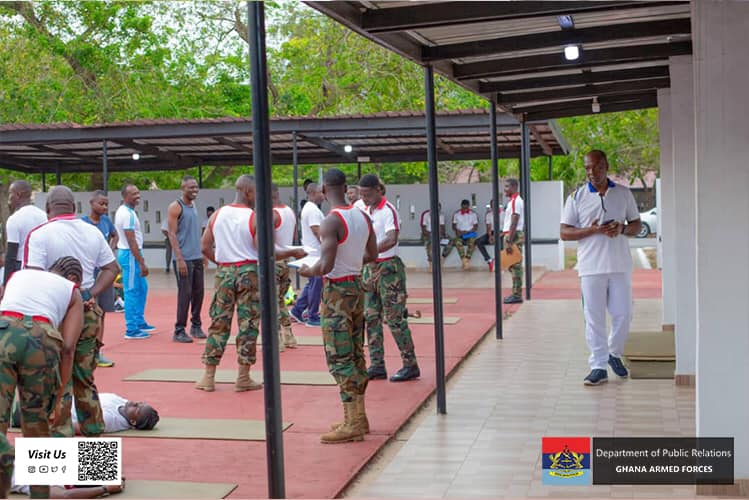
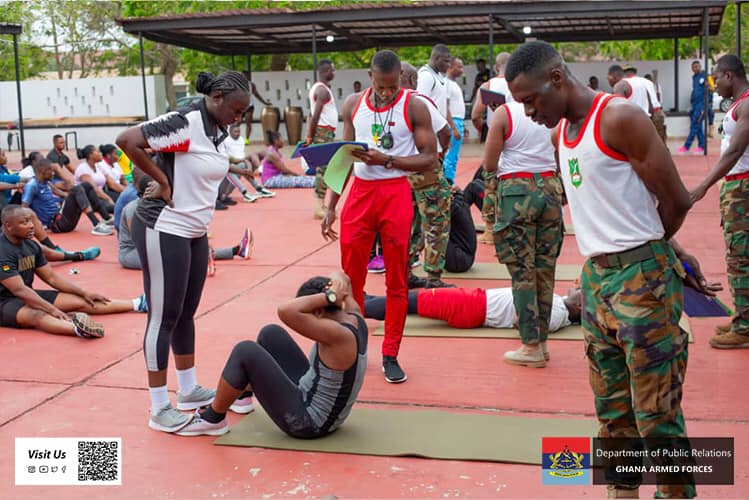
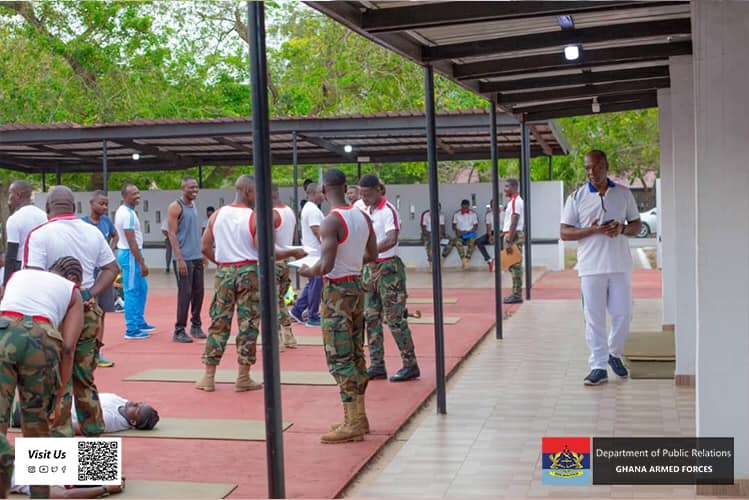
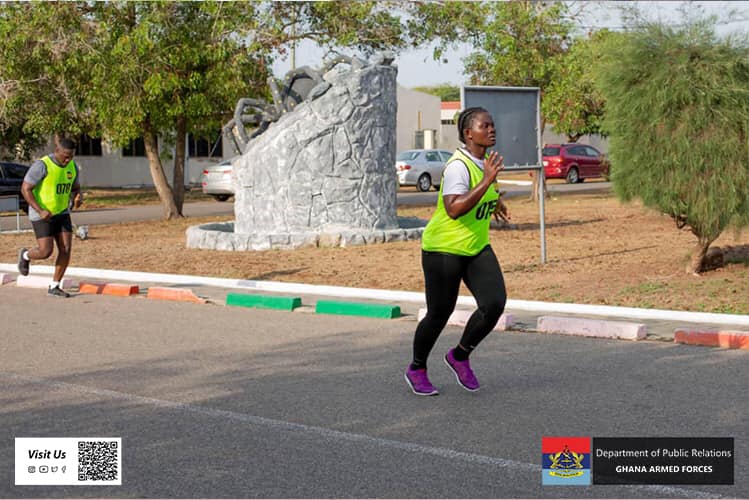
    The Headquarters Southern Command has launched the Basic Fitness Test (BFT) as part of the assessment process for officers preparing for the 2025 Promotion Examination (PROMEX).

    The four-day exercise, taking place at Kpeshie Ridge in Accra, is designed to evaluate the physical readiness of officers across 1, 2, 5, and 7 Garrisons.

    Participants will undergo a series of fitness challenges, including push-ups, sit-ups, and a 3.2km run or an alternative 4km aerobic event. Their performance will be measured based on age and gender criteria.

    The assessment plays a critical role in career progression, with junior officers seeking promotion to the next rank. Officers at the Lieutenant level will be evaluated for promotion to Captain, while Captains will be assessed for advancement to the rank of Major.

    Senior officers and trainers, led by the General Officer Commanding Southern Command, are overseeing the exercise to ensure a rigorous and fair evaluation process. In addition to the fitness test, candidates will undergo practical and written examinations, all contributing to their final scores for PROMEX 2025.

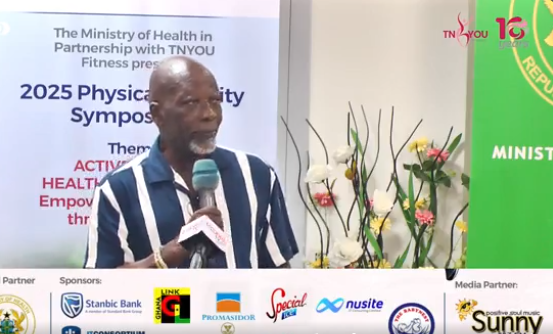
  • LIVESTREAMING: 2025 Physical Activity Symposium underway

    LIVESTREAMING: 2025 Physical Activity Symposium underway

    The 2025 Physical Activity Symposium, hosted by TNYou Fitness in partnership with the Ministry of Health, has officially kicked off.

    In celebration of World Physical Activity Day, the event also marks the 10th anniversary of TNYou Fitness. The symposium features an engaging dialogue on the significant role physical activity plays in driving national development.

    Experts from various sectors, including wellness advocates and policymakers, are discussing strategies for fostering a healthier, more active Ghana through increased focus on physical wellness and lifestyle changes.

  • Inflation rate falls to 22.4% in March

    Inflation rate falls to 22.4% in March

    Ghana’s year-on-year inflation rate dropped to 22.4% in March 2025, down from 23.1% recorded in February, according to the latest report from the Ghana Statistical Service (GSS).

    On a month-on-month basis, inflation eased to 0.2% in March from 1.3% in February.

    The Government Statistician, Professor Samuel K. Annim, attributed the slowdown mainly to a reduction in food inflation, which fell to 26.5% in March, compared to 28.1% in February. Food inflation has now shown a consistent decline over two months.

    Vegetables, tubers, and plantains were the primary contributors to food inflation in March, continuing a trend from previous months. Meanwhile, non-food inflation saw a slight dip, decreasing to 18.7% in March from 18.8% in February. The month-on-month increase for non-food items stood at 0.7%.

    Items such as food and non-alcoholic beverages, housing, water, and electricity, as well as alcoholic beverages and tobacco, recorded inflation rates surpassing the national average of 22.4%. Specifically, food and non-alcoholic beverages saw inflation of 26.5%, housing, water, and electricity reached 25.1%, and alcoholic beverages and tobacco rose by 23.8%.

    Additionally, inflation for locally produced items fell to 24.0% in March, down from 25.1% in February, while inflation for imported goods experienced a slight increase, rising to 18.7% from 18.5% the previous month.

    On a regional level, the Upper West Region experienced the highest inflation rate at 36.2%, almost double the rate of the Volta Region, which recorded the lowest inflation rate at 18.9%.

  • $1bn has been invested over the past 5 years to improve customer service – MTN CEO

    $1bn has been invested over the past 5 years to improve customer service – MTN CEO

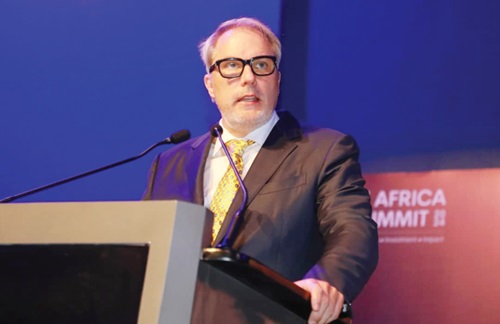
    MTN Ghana’s Chief Executive Officer, Stephen Blewett, has disclosed that the company has invested over $1 billion in the last five years to enhance customer service.

    This substantial investment, he said, highlights MTN’s continued dedication to ensuring an exceptional experience for its customers.

    During his remarks, Blewett explained that the ongoing success of the company stems from its commitment to customer satisfaction. He also shared plans to make additional investments in the coming year.

    “We are here because of our customers,” Blewett stated. “We want you to have an exceptional experience, not a poor network. MTN’s success today is a result of our commitment to investing over $200 million annually in our network.

    “By the end of this year, we will have invested $1 billion over the past five years. And we’re planning to invest even more to continue enhancing our services.”

    In addition to discussing the company’s investments, Blewett addressed the rising threat of mobile money fraud, encouraging customers to remain alert. He also shared a personal story from his first month at MTN when he was targeted by fraudsters.

    “In my first month here, I received a call from a fraudster. He claimed I had made a transfer and tried to manipulate me into believing it. I decided to keep him on the phone for about 15 minutes, hoping that by doing so, he wouldn’t scam someone else.

    “Eventually, I told him I was the CEO of MTN, and he didn’t believe me. He got upset and hung up. But this experience serves as a reminder of how important it is to stay vigilant.”

    Assuring customers of MTN’s ongoing efforts to combat fraud, Blewett added that the company is continually working on improved solutions to better protect users.

    “We are constantly asking ourselves how we can improve. We are applying the same customer-first mentality to tackle these issues and are exploring better solutions for our users.”

  • MTN CEO recounts how he was targeted by mobile money fraudsters

    MTN CEO recounts how he was targeted by mobile money fraudsters

    MTN Ghana’s CEO, Stephen Blewett, has shared a personal experience in which he was targeted by mobile money fraudsters, emphasizing the growing threat of scams in the country.

    Speaking on his first anniversary as CEO, Blewett described how the incident unfolded during his first month at MTN Ghana. He received a call from a scammer who attempted to deceive him into believing that he had made a transfer.

    “In my first month here, I received a call from a fraudster. He claimed I had made a transfer and tried to manipulate me into believing it. I decided to keep him on the phone for about 15 minutes, hoping that by doing so, he wouldn’t scam someone else,” Blewett recalled.

    “Eventually, I told him I was the CEO of MTN, and he didn’t believe me. He got upset and hung up. But this experience serves as a reminder of how important it is to stay vigilant.”

    Blewett reassured customers that MTN remains committed to fighting mobile money fraud, stressing that the company is actively working on ways to better protect users.

    “We are constantly asking ourselves how we can improve. We are applying the same customer-first mentality to tackle these issues and are exploring better solutions for our users,” he stated.

    Mobile money fraudsters are advancing strategies that utilize the trust and reliance of patrons on mobile money agents.

    The fraudsters take the form of agents or connected people from the telecommunication network; they obtain customer details (including names and phone numbers) from agents’ record books or through illicit channels.

    Using this information, they send a message that takes the messaging format of mobile money transaction prompts.

    They follow up with a call to the targeted mobile money user, calling them by name, and sharing stories of their previous transaction making the scamming process appear legitimate and trustworthy.

    The fraudster then claims there has been a wrong transaction or an error in depositing funds into the user’s account.

    They will often pressure the user to send back the “excess” money or provide their private information, claiming that it’s necessary to resolve the supposed issue or threaten to block the user.

  • 4-bedroom apartment engulfed in flames in Asamankese

    4-bedroom apartment engulfed in flames in Asamankese

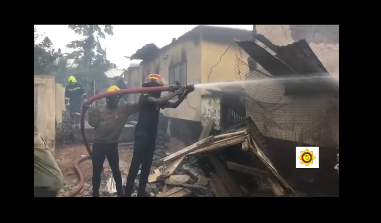
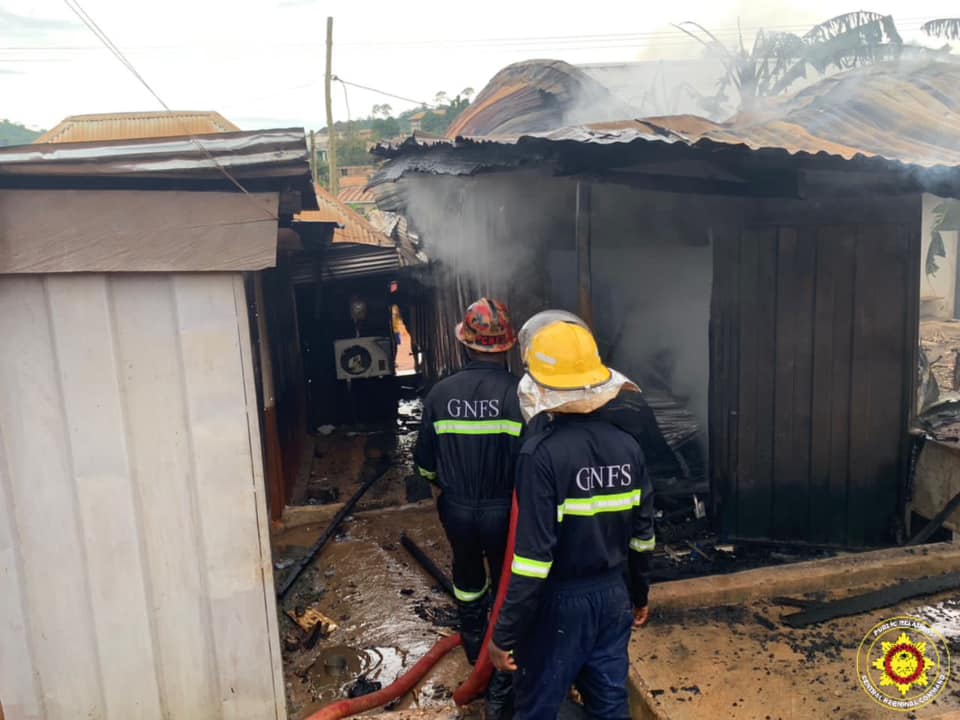
    A fire broke out in a four-bedroom apartment in Asamankese on April 2, leaving significant damage but no casualties.

    Firefighters from Suhum were quickly dispatched and managed to prevent the fire from spreading to three neighboring units.

    The alarm was raised at 10:53 AM, and the crew, led by ASO Duodu Michael, arrived at the scene by 11:29 AM. Upon arrival, the apartment was already fully engulfed in flames.

    Despite the rapid spread of the fire, firefighters promptly cut the power supply to the building and deployed hoses to control the blaze. By 12:25 PM, the fire was under control, and it was fully extinguished by 1:40 PM.

    Preliminary investigations suggest an electrical fault as the cause of the fire. Fortunately, there were no injuries or fatalities.

  • 8 shops around Community One Market burnt to ashes

    8 shops around Community One Market burnt to ashes

    A devastating fire has engulfed eight shops near the Community One Market, located behind ABSA Bank in Tema.

    The blaze, which broke out early in the morning, was reported at 2:32 AM, prompting an immediate response from firefighters.

    Firefighters arrived on the scene by 2:41 AM, with two fire engines actively working to contain the flames. Despite challenges posed by heavy smoke, which has complicated the firefighting efforts, emergency services continue to battle the blaze.

    As part of the coordinated response, personnel from the Electricity Company of Ghana (ECG) and the police arrived at the scene at 3:23 AM to assist with isolating power in the area and ensuring public safety.

    At this time, no injuries have been reported, but the damage to the eight shops is extensive. Over 100 shops were salvaged from the fire ruins.

  • Major General William Agyapong pays maiden visit to Army headquarters

    Major General William Agyapong pays maiden visit to Army headquarters

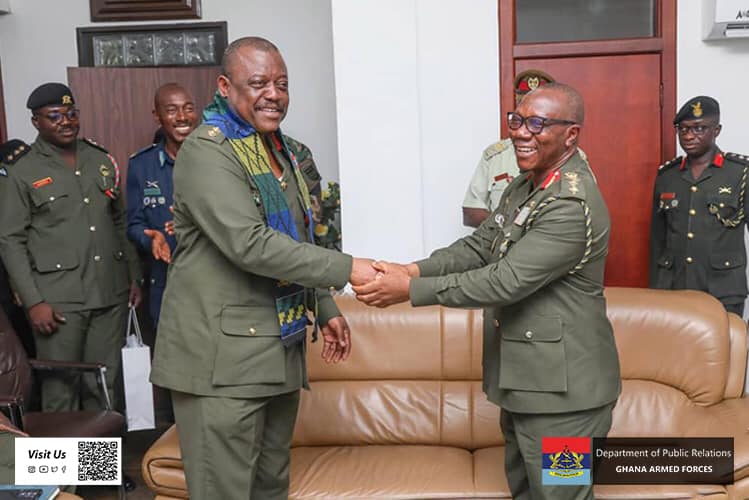
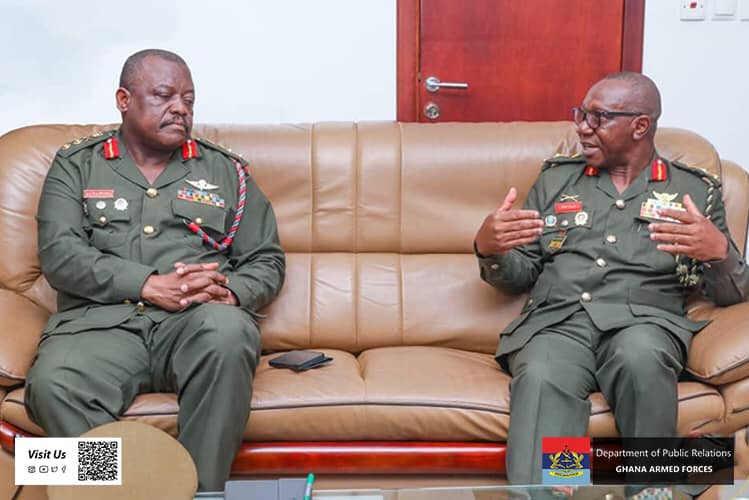
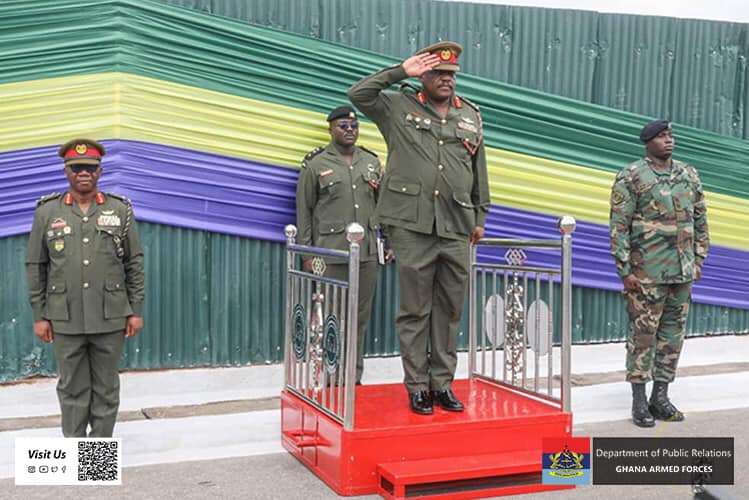
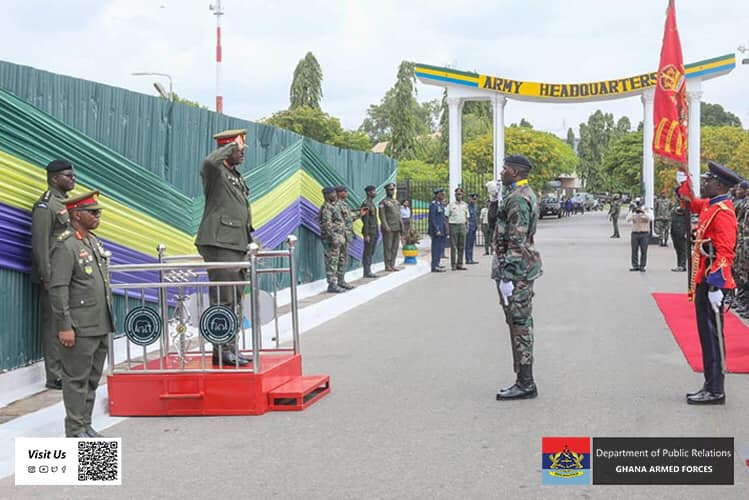
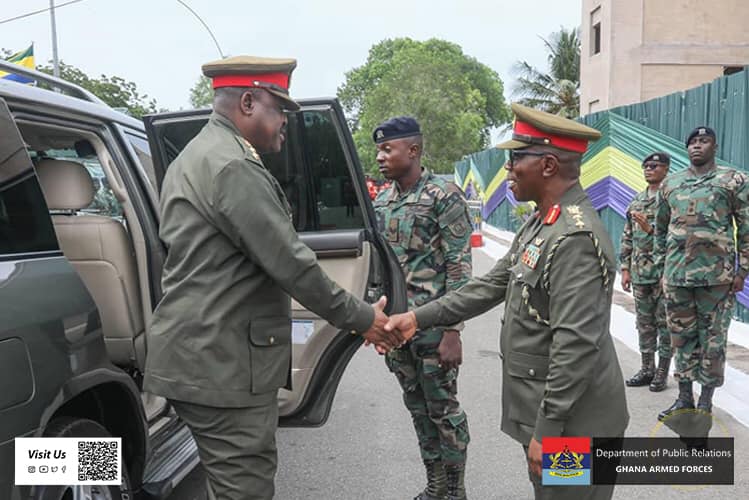
    Chief of Defence Staff (CDS), Major General William Agyapong, has undertaken his first official visit to the Army Headquarters as part of efforts to acquaint himself with its operations and ongoing projects.

    Upon arrival, he was welcomed by the Chief of the Army Staff (COAS), Major General Lawrence Kwaku Gbetanu, who provided an overview of the headquarters’ operational activities, logistical needs, and administrative structures. The visit also offered an opportunity to discuss key challenges affecting the Army’s efficiency and readiness.

    As part of his tour, Major General Agyapong inspected the ongoing construction of the Army Headquarters office complex, where he reaffirmed his commitment to ensuring its timely completion.
    Photos taken during his visit can be found below.
  • MCE nominee for West Gonja rejected by Yagbonwura – Reports

    MCE nominee for West Gonja rejected by Yagbonwura – Reports

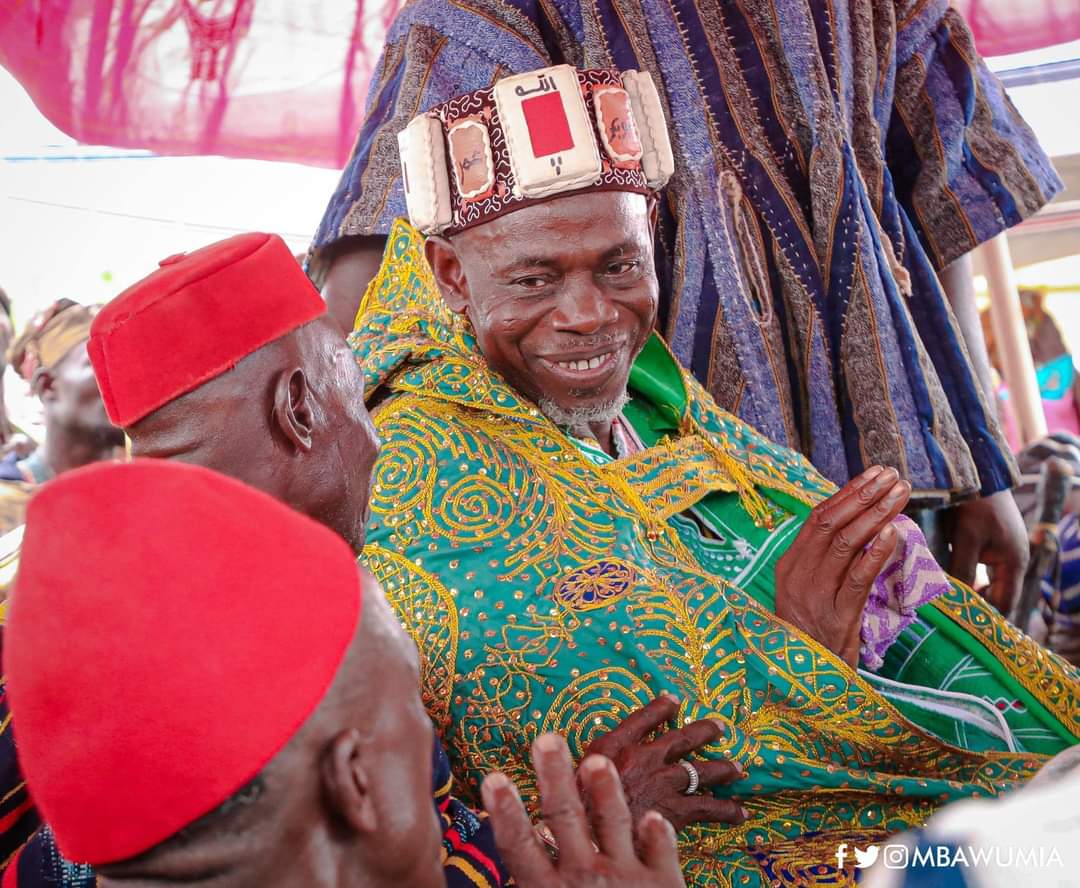
    Overlord of Gonjaland, Yagbonwura Bii-kunuto Jewu Soale I, has rejected President John Dramani Mahama’s nominee, Braimah Alhassan, for the position of Municipal Chief Executive (MCE) for West Gonja Municipality in the Savannah Region.

    On Tuesday, April 2, the nominee arrived in Damongo with the expectation of receiving the traditional endorsement of the Gonja King. As custom dictates, he first paid a courtesy call on the Chief of Damongo, Damongowura Seidu Kelly, who was to lead him to the Jakpa Palace for a formal introduction to Yagbonwura.

    However, before they could proceed, a message from the palace instructed Damongowura to halt the process as the King did not wish to receive the nominee.

    This sudden turn of events forced Damongowura, his elders, and a delegation of National Democratic Congress (NDC) branch chairmen to abandon their visit.

    Sources within the NDC in Bole revealed that Mr. Braimah Alhassan later attempted to gain the King’s support through influential Islamic clerics from Dakuripe in the Bole District. However, upon learning of the King’s firm stance, the clerics declined to intervene.

    While the Yagbonwura has not publicly provided a reason for rejecting the nominee, speculation in the town suggests that an ongoing land dispute in the Bole Magistrate Court involving the King and individuals close to Mr. Alhassan may have influenced the decision.

    A source close to the palace questioned the nominee’s past relationship with the Overlord, stating:

    “Since when did Mr. Alhassan recognize Yagbonwura, or is it because the President nominated him? Because he has decided to have nothing to do with the overlord and the palace, which is the symbol of Gonja.”

    Expressing further concerns, the source added:

    “Listen, the era where anybody could disgrace the Jakpa Palace and have their way is over. Some NDC Regional Council of Elders and constituency executives during the 2024 elections came to seek the blessing of the King. Where was Braimah Alhassan? He refused to show up. Even when some national executives of the party came to the palace again, followed by the Bole-Bamboi MP and a host of regional and constituency executives, Mr. Alhassan was in town but still refused to see eye to eye with the overlord. So, is it today that he wants to come? What has changed?”

    The rejection of Mr. Alhassan has stirred mixed reactions among party supporters, with some backing the King’s decision while others are pleading for reconsideration.

    Mr. Braimah Alhassan, a professional anesthetist working with the Ghana Health Service, has served as the Damongo Constituency Secretary of the NDC for 27 years. However, this is not the first time he has faced opposition regarding a mayoral appointment.

    During the late President John Evans Atta-Mills’ administration, he was nominated for the MCE position but was met with strong resistance from party supporters, leading to his replacement by Adam Mutawakilu, the now Managing Director of the Ghana Water Company Limited and former Member of Parliament for Damongo.

    With tensions rising over his rejection, it remains to be seen how the NDC leadership and President Mahama will navigate the fallout from the Yagbonwura’s firm stance on the matter.

  • Dubik Mahama vows to aid investigations into missing ECG containers

    Dubik Mahama vows to aid investigations into missing ECG containers

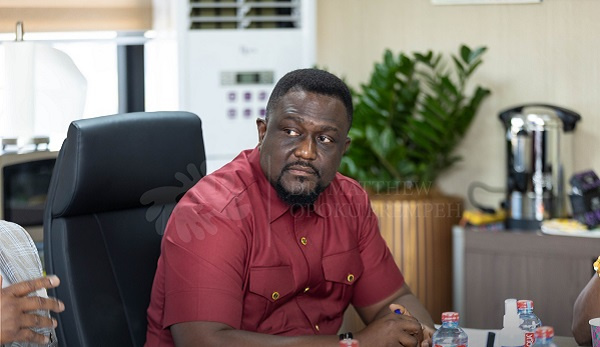
    Former Managing Director of the Electricity Company of Ghana (ECG), Samuel Dubik Mahama, has pledged his full cooperation with any investigative body seeking to uncover the circumstances surrounding the disappearance of over 1,300 ECG containers at the Tema Port.

    Addressing the matter on the Citi Breakfast Show on Thursday, April 3, Dubik Mahama expressed shock and disappointment over the controversy but affirmed his readiness to engage with any official probe into the missing shipments.

    “The containers were never in the custody of the ECG. If they were in ECG’s custody, then you can hold ECG responsible but this is the case that they were still under the port authorities and so I am all for whatever investigations there will be and I am ready to sit with whoever to give my side of the story,” he stated.

    His remarks come amid growing public concern over the missing containers, which were intended to support ECG’s operations. The situation has triggered calls for accountability, with stakeholders demanding a thorough probe into the circumstances that led to the disappearance of the shipments.

    An investigative committee tasked with examining the issue has revealed troubling findings, raising concerns about administrative and financial lapses in ECG’s operations. According to the committee’s report, out of 2,491 containers designated for ECG, 1,357 remain unaccounted for.

    Key findings from the investigative report include:

    • Prior to 2022, ECG maintained a dedicated fund that received weekly allocations to facilitate the clearance of shipments. However, this funding mechanism was discontinued due to financial constraints cited by the ECG board.
    • Despite limited resources, ECG awarded contracts to two firms to clear the shipments, one of which was pre-financed by ECG.
    • One of these companies reportedly lacked the necessary licensing to handle the contract, raising concerns over procurement violations.
    • ECG’s procurement directorate was merged with its Housing and Estate unit, further complicating oversight mechanisms.
    • The Director of Procurement had no prior experience in procurement and was not a registered member of any professional procurement body.
  • Committee never engaged me during probe before releasing report – Former ECG Boss

    Committee never engaged me during probe before releasing report – Former ECG Boss

    Former Managing Director of the Electricity Company of Ghana (ECG), Samuel Dubik Mahama, has denied being consulted by the committee investigating the disappearance of over 1,300 ECG containers at Tema Port before it released its findings.

    Speaking on Asempa FM on Wednesday, April 2, 2025, Mahama expressed frustration over the committee’s approach, emphasizing that he was never given the chance to present his side of the story. He also dismissed allegations that he had left the country to evade scrutiny.

    “Since this container issue came up, I have received several calls from some staff members of ECG, inquiring why I have not come to defend myself. Today, I want to clarify, since I resigned as the MD of ECG, I have not gone anywhere.

    “There were reports that I had absconded from the country and gone into hiding. I can say for a fact that I have been in this country. The pain I feel now is what the committee has done to me.

    “I was never contacted as part of the investigation of the committee. I didn’t receive any letter from any committee.

    “If the committee had contacted me or spoken to me, I would have given out all the information I have because I only came in to serve Ghana. I worked for two years and four months. My records are there. The company hasn’t seen this kind of growth within this period,” he stated.

    His comments come in the wake of the arrest of 12 Chinese nationals and a Ghanaian by National Security operatives in connection with the missing containers.

    Meanwhile, the Minister for Energy and Green Transition, John Jinapor, has been directed to compile a comprehensive report on the matter.

    The committee’s investigation involved interviewing ECG directors and managers, uncovering possible theft and the alleged auctioning of ECG containers.

  • No project in Ghana has been suspended – World Bank, Sam George reveal

    No project in Ghana has been suspended – World Bank, Sam George reveal

    The World Bank has dismissed speculations regarding the suspension of its funded projects in Ghana, affirming that all initiatives under its portfolio remain active.

     “No projects in the World Bank-financed portfolio in Ghana are currently suspended,” the World Bank is quoted to have stated according to JoyNews.

    Also, Communications Minister Sam George has refuted such claims, describing it as “fake news.”

    “The @WorldBank has NOT withdrawn any funds for the GDAP program. In the coming days, some interesting revelations would be made on the previous activities under the program,” the Minister wrote in a post on X.

    This assurance comes in response to recent discussions suggesting that some World Bank-backed projects in the country had been put on hold due to financial or administrative challenges.

    The announcement provides clarity to government agencies, development partners, and beneficiaries, reinforcing confidence in ongoing projects across key sectors such as infrastructure, healthcare, education, energy, and agriculture. Any disruption to these initiatives could have had significant economic and social consequences, potentially affecting livelihoods and critical service delivery.

    The clarification arrives at a time when Ghana is striving to maintain financial stability and investor confidence amid broader economic recovery efforts. While the World Bank did not specify the reasons behind its statement, the move is likely intended to dispel uncertainties linked to Ghana’s financial engagements with global institutions.

    https://twitter.com/Gen_Buhari_/status/1907437063340744875

    Concerns over potential delays in project funding, regulatory compliance, or fiscal policy changes have fueled speculation about the status of international development assistance. However, the World Bank’s stance reinforces its commitment to supporting Ghana’s economic and social development goals without interruption.

    Ghana continues to navigate economic challenges, including debt restructuring efforts, inflation control measures, and currency stabilization. With reliance on institutions like the World Bank and the International Monetary Fund (IMF) for financial and technical assistance, ensuring the smooth implementation of development projects remains a priority.

    By reaffirming the continuity of its projects, the World Bank seeks to sustain momentum in Ghana’s development agenda and mitigate any concerns that could impact public confidence and foreign investment.

  • Ghana, IMF commence fourth review mission

    Ghana, IMF commence fourth review mission

    Ghana has begun its fourth review under the International Monetary Fund’s (IMF) Extended Credit Facility (ECF) programme, marking another crucial step in the country’s economic recovery efforts.

    The review, which runs from 2 April to 15 April, will evaluate Ghana’s progress in meeting key fiscal and monetary targets set under the agreement.

    The IMF team commenced discussions with officials from the Ministry of Finance and the Bank of Ghana, focusing on the nation’s financial health and economic outlook for 2024. The assessment will examine Ghana’s fiscal discipline, debt management strategies, and structural reforms aimed at stabilising the economy.

    Throughout the two-week period, IMF representatives will engage with policymakers, financial regulators, and other stakeholders to assess macroeconomic performance, including inflation trends, monetary policy effectiveness, and public sector expenditure controls.

    A critical aspect of the review will be Ghana’s ability to meet IMF benchmarks related to economic stability and debt sustainability. The outcome will determine the disbursement of the next tranche of financial support, which is essential to the country’s ongoing economic restructuring efforts.

    Government officials remain optimistic about Ghana’s ability to meet its commitments under the programme, citing ongoing policy adjustments and fiscal reforms as key drivers of economic stability.

    The IMF’s final assessment, expected on 15 April, will outline Ghana’s progress and the next steps in its financial support programme.

  • Police officer drowns in River Offin amid galamsey operation

    Police officer drowns in River Offin amid galamsey operation

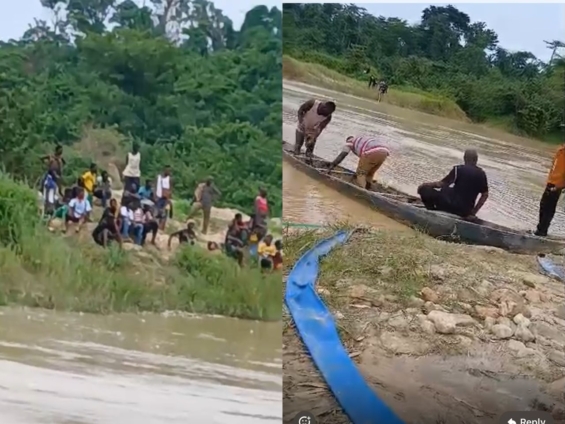
    A police officer lost his life in the River Offin during an anti-galamsey operation at Assin Asaman in the Central Region.

    The tragic incident, which occurred early this morning, involved Constable John Kwabena Dogbe, who drowned while pursuing illegal miners attempting to flee.

    Constable Dogbe was part of a special task force from the Central North Regional Police Command conducting a swoop against illegal mining activities. The operation, aimed at dismantling mining setups along the river, was disrupted when suspected miners scattered upon spotting law enforcement officers. Some of the miners tried to escape by wading across the river, prompting the officers to give chase.

    In the course of the pursuit, Constable Dogbe lost his footing on the slippery riverside terrain and fell into the fast-moving water. His colleagues immediately launched a rescue effort, but it took four hours before his body was recovered by local police and emergency response teams.

    The officer’s remains were transported to the St. Francis Xavier Hospital in Assin Fosu, where medical personnel confirmed his passing. His body has since been preserved at the facility.

    The news of his death has deeply shaken the local police command and the Assin Asaman community. The Central North Regional Police Command expressed its profound sorrow, describing Constable Dogbe as a dedicated officer committed to combating illegal mining. They reaffirmed their determination to continue the fight against galamsey despite the devastating loss.

    Authorities have launched a full-scale investigation into the circumstances surrounding the incident. Meanwhile, efforts remain ongoing to tackle illegal mining, which has caused severe environmental degradation in the region.

  • Ghana hit by 10% import tax as Trump reveals new tariffs

    Ghana hit by 10% import tax as Trump reveals new tariffs

    United States of America (USA) President Donald Trump has announced sweeping tariff hikes, including a 10% import tax on goods from Ghana.

    The new measures, which also impose a 34% levy on Chinese imports and a 20% tariff on European Union goods, mark a significant escalation in trade tensions.

    Speaking from the Rose Garden, Trump framed the tariffs as a necessary response to decades of economic imbalance, declaring a national economic emergency.

    “Our country has been looted, pillaged, raped, and plundered by other nations,” Trump asserted. “Taxpayers have been ripped off for more than 50 years. But that will not happen anymore.”

    Invoking the 1977 International Emergency Powers Act, Trump bypassed Congress to implement the tariffs unilaterally. Countries with large trade surpluses with the U.S., including Ghana, will face a uniform 10% import tax, a move that could disrupt supply chains and economic relations worldwide.

    The announcement has already triggered turmoil in financial markets, with investors anticipating inflationary pressures and an economic slowdown. Analysts warn that higher import costs on essential goods—ranging from automobiles to textiles—could have ripple effects across industries.

    Olu Sonola of Fitch Ratings cautioned that the average U.S. tariff rate will surge from 2.5% in 2024 to 22%, heightening fears of a global downturn.

    “Many countries will likely fall into a recession,” Sonola warned. “If these tariff levels remain for an extended period, most economic forecasts will need to be revised drastically.”

    Economists have drawn comparisons between Trump’s tariffs and the notorious Smoot-Hawley Tariff Act of 1930, which deepened the Great Depression by igniting a worldwide trade war.

    Trade analysts Scott Lincicome and Colin Grabow of the Cato Institute have cautioned that history could repeat itself.

    “With today’s announcement, U.S. tariffs will reach levels not seen since the Smoot-Hawley Act, which contributed to the global economic downturn during the Great Depression,” they noted.

    Trump’s aggressive trade strategy has sparked backlash from key trading partners, many of whom are preparing countermeasures. While Canada and Mexico remain exempt under the USMCA trade deal, China faces compounded tariffs, including a 34% general tax and a 20% penalty related to fentanyl production.

    The European Union and other affected nations, including Ghana, are expected to respond with retaliatory tariffs, further fueling economic uncertainty.

    Despite opposition from lawmakers—particularly those representing U.S. agricultural and industrial sectors—the White House has shown no signs of reversing course. Trump remains defiant, insisting that the tariffs will generate significant revenue and restore fairness in global trade.

    As developing economies like Ghana brace for the economic fallout, concerns grow over the long-term impact of these policies on trade-dependent nations.

    Ghana’s trade balance as of February 2025

    Ghana’s Gross International Reserves reached $9.4 billion by the end of February 2025, aligning with the target set by the International Monetary Fund (IMF), data from the Bank of Ghana (BoG) reveals.

    This level of reserves was sufficient to cover 4.2 months of imports, reflecting an increase from $8.89 billion in December 2024, which covered four months.

    The country recorded a trade surplus of $1.64 billion in the first two months of 2025, equivalent to 1.9% of GDP. The surplus played a crucial role in the steady buildup of foreign reserves.

    Total exports experienced significant year-on-year growth of 50.0%, reaching $4.3 billion. This was largely driven by rising gold and cocoa exports, supported by increasing prices and higher production volumes.

    However, crude oil exports declined due to reduced output from Ghana’s three operational oil fields. Imports also recorded a 7.3% year-on-year increase, amounting to $2.7 billion.

    Ghana’s key export commodities showed mixed performances in the global market in early 2025.

  • GAF, Presidency named least corrupt state institutions in Global InfoAnalytics report

    GAF, Presidency named least corrupt state institutions in Global InfoAnalytics report

    The Ghana Armed Forces (GAF) and the Presidency have emerged as the least corrupt public institutions in Ghana, according to a recent survey by Global InfoAnalytics. The report, which assessed public perceptions of corruption across various institutions, placed both entities at the top with a score of 5.27.

    Religious leaders followed closely behind with a score of 5.25, reflecting a strong level of trust from the public. The findings suggest that, despite ongoing concerns about corruption in the country, these institutions continue to be viewed as credible and relatively free from corrupt practices.

    In an unexpected shift, ministers and government appointees were ranked among the least corrupt groups, receiving a score of 4.61. This challenges past narratives that have often linked political leadership with corruption scandals. The improved perception may indicate growing public confidence in governance reforms and accountability measures.

    The survey provides valuable insight into how Ghanaians perceive corruption within key institutions. While corruption remains a significant issue in other sectors, the rankings highlight a degree of confidence in the Presidency, the military, and religious bodies as institutions upholding integrity in national affairs.

    Successive governments have often touted their measures to combat corruption, yet much remains to be done.

    Ghana’s standing on the global Corruption Perception Index (CPI) has seen a slight decline, with the country dropping from a score of 43 to 42 in the 2024 rankings.

    This was revealed in a press release issued on February 11 by the Ghana Integrity Initiative (GII), the local chapter of Transparency International.

    Ghana ranked 80th out of 180 countries and territories assessed in this year’s report.

    The incumbent government, led by President John Mahama, has consistently underscored its commitment to tackling corruption and promoting transparency in governance.

    The government is set to launch the National Integrity Awards Scheme, aimed at naming and shaming corrupt public officials in an effort to promote ethical conduct, accountability, and good governance in Ghana.

    Conversely, those who have brought disgrace to their institutions or the country will be dishonored with the Vulture Awards.

    The initiative, announced by Speaker of Parliament Alban Sumana Kingsford Bagbin, will also recognize individuals who demonstrate integrity and professionalism while holding those who tarnish the nation’s reputation accountable.

    Speaking at the conclusion of the First Meeting and First Session of the Ninth Parliament of the Fourth Republic in Accra over the weekend, Speaker Bagbin emphasized the crucial role of integrity in governance.

    The new awards scheme, according to Bagbin, will serve as an essential tool to foster discipline and accountability within Ghana’s governance system.

    “A country with men and women of integrity will contribute immensely to its quality and socio-economic advancement,” Speaker Bagbin stated.

    He expressed hope that the initiative would restore trust in leadership and encourage public officials to adhere to the highest ethical standards.

  • Bawumia tops list of NPP’s prospective 2028 flagbearers – Global InfoAnalytics

    Bawumia tops list of NPP’s prospective 2028 flagbearers – Global InfoAnalytics

    A recent poll by Global InfoAnalytics has positioned former Vice President Dr. Mahamudu Bawumia as the leading contender for the New Patriotic Party’s (NPP) 2028 presidential ticket.

    The survey reveals that 57% of NPP supporters favor him as the party’s next flagbearer, reinforcing his stronghold within the party.

    Currently the NPP’s candidate for the 2024 elections, Dr. Bawumia leads the hypothetical 2028 race with 48% of the overall vote. Assin Central MP Kennedy Agyapong follows with 25%, while Education Minister Dr. Yaw Osei Adutwum secures 13%. The remaining candidates collectively garner 14%.

    Among party loyalists, Dr. Bawumia’s lead widens significantly. He commands 57% support, leaving Kennedy Agyapong at 22% and Dr. Adutwum at 11%.

    The poll results suggest that Dr. Bawumia’s influence within the NPP extends beyond the 2024 elections. His tenure as Vice President and current role as the party’s flagbearer have reinforced his appeal among party members, positioning him as the frontrunner for the next leadership contest.

    Former Dome-Kwabenya MP, Sarah Adwoa Safo, has declared her unwavering support for Dr. Mahamudu Bawumia to lead the New Patriotic Party (NPP) once again in the 2028 elections, insisting that he deserves another opportunity just as past leaders who eventually won after multiple attempts.

    Speaking on The Pulse on JoyNews on Thursday, March 20, she dismissed concerns about Bawumia’s popularity, arguing that Ghana’s political history proves that many successful leaders did not win on their first attempt.

    “We are going to bring Dr. Bawumia back as flagbearer for the NPP. He is the best person to lead the party. We have marketed him before, and we will market him again. Every person deserves a second chance,” she said.

    Drawing parallels with previous presidents, Adwoa Safo cited examples of leaders who had to contest multiple times before securing victory.

    “Former President Kufuor went how many times before he got the nod? Former President Akufo-Addo contested in 2007 and lost, went again in 2012 and lost. After the 2016 election petition, he finally won. Even Prof Mills contested several times before winning, and President Mahama has also run multiple times. So why are they telling Dr. Bawumia that Ghanaians don’t like him? And now they want to put that in a report and expect us to accept it? No,” she stated.

    She also pushed back against attempts to silence Bawumia’s supporters, insisting that every party member has the right to express their opinion.

  • Black Sherif’s sophomore album ‘Iron Boy’ released

    Black Sherif’s sophomore album ‘Iron Boy’ released

    Ghanaian music sensation Black Sherif has officially unveiled his highly anticipated second studio album, Iron Boy, following the monumental success of his debut, The Villain I Never Was.

    Inspired by the legendary Highlife musician Amakye Dede, Iron Boy captures Black Sherif’s signature storytelling, genre-blending sound, and deep emotional themes. Spanning 15 tracks, the album takes listeners on a journey through resilience, self-discovery, ambition, and personal growth, reinforcing his position as one of Africa’s most dynamic artists.

    With a seamless fusion of Highlife, Hip-Hop, Afrobeats, and soul-stirring melodies, Iron Boy presents Black Sherif as an unstoppable force in the global music scene. The album embodies a range of emotions, from unwavering optimism to moments of introspection, showcasing his evolution both as an artist and as an individual.

    IRON BOY is where peak optimism and anxiety meet the notion of perseverance and stealth, all coming together to build a self-supporting frame,” Black Sherif shared. “Somewhere along the line, I got obsessed with my aspirations of getting the people to not see me past an art maker who got noticed. I couldn’t make it happen, so I let it be.

    A sudden need to feel grounded came to shake up my whole frame, and so, I plan to build harmony between every line of my thinking,” he added. “This album is for everyone finding their way, embracing their truth, and pushing against the odds.”

    As an artist renowned for his raw authenticity, Black Sherif continues to push musical boundaries, merging Ghana’s rich sonic traditions with modern global influences. The release of Iron Boy follows two visually stunning trailers directed by Ghanaian creative powerhouse David Nicol Sey of North Productions, further heightening anticipation among fans and music lovers worldwide.

    Global Impact and Tour

    To celebrate the release, Black Sherif is set to embark on a headline tour across the United States, kicking off tomorrow in Washington, D.C. The tour includes sold-out stops in New York, Los Angeles, and other major cities before moving to Europe in May.

    Hailing from Konongo, a small town in Ghana’s Ashanti Region, Black Sherif—born Mohammed Ismail Sharif Kwaku Frimpong—has defied the odds to become one of Ghana’s most influential artists. His breakthrough singles “First Sermon” and “Second Sermon” catapulted him into the limelight in 2021, followed by the global success of “Kwaku The Traveller” in 2022.

    His rise has been nothing short of meteoric. In 2024, Black Sherif was named to Rolling Stone’s Future 25, performed at SXSW for Rolling Stone Live, and spoke about African music’s diversity in an exclusive feature. He has graced the stages of major festivals like Afro Nation Miami, Pharrell’s Something in the Water, and the Wireless Festival UK. His headline concert at New York’s Palladium Times Square marked another career milestone, and his music has been featured by NPR, The Fader, Complex, and The New York Times.

    Beyond his solo work, Black Sherif has collaborated on notable projects, including “Wotowoto Seasoning” with Odumodublavk, “Lomo Lomo” with KiDi, and “Jesus Christ 2” with AratheJay.

    With Iron Boy, Black Sherif once again cements his place as a global voice in contemporary African music, delivering an album that is as deeply personal as it is universally resonant.

  • GRA directs financial institutions, payment platforms to cease applying e-levy 

    GRA directs financial institutions, payment platforms to cease applying e-levy 

    The Ghana Revenue Authority (GRA) has ordered all financial institutions and payment platforms to immediately halt the application of the 1% Electronic Transfer Levy (E-Levy), following its official repeal.

    Per the new directive, which takes effect from midnight on April 2, 2025, all entities responsible for charging the levy must ensure their systems are reconfigured to reflect the change. Edward Apenteng Gyamerah, Commissioner of the Domestic Tax Revenue Division, issued the notice on behalf of the Commissioner-General, making it clear that failure to comply will attract sanctions.

    “The GRA Electronic Transfer Levy Management and Assurance System (ELMAS) will automatically return a ‘no charge’ on all transactions posted to it by entities from midnight,” the directive stated.

    A key component of the new policy is the requirement for financial institutions and mobile money operators to initiate refunds for customers who may have been charged beyond the official abolition date.

    “Charging Entities must immediately process refunds for any E-Levy amounts deducted from customers effective today, April 2, 2025.

    Entities are to establish an expedited refund process and maintain proper documentation of all refunds processed,” the statement outlined.

    Additionally, all Charging Entities are required to submit comprehensive reports on refunds issued to the GRA to ensure transparency.

    While the E-Levy is no longer in effect, the GRA has emphasized that all institutions must account for levy collections made before April 2.

    “Charging Entities are to take the necessary steps to file and pay all outstanding E-Levy charged and collected on all transactions that occurred before April 2, 2025,” the directive warned.

    Failure to do so will result in legal consequences and penalties under Ghana’s tax regulations.

    Compliance Measures and Future Implications

    To enforce compliance, the GRA has announced that it will conduct regular inspections across all financial institutions and payment platforms.

    “Failure to comply with the above directives constitutes an offence, and sanctions will be imposed as prescribed by law,” the statement cautioned.

    Moreover, institutions must retain electronic transfer records for at least six years, in line with Section 27(3) of the Revenue Administration Act, 2016 (Act 915).

    The abolition of the E-Levy is expected to reinvigorate digital transactions in Ghana, particularly mobile money transfers, which saw a decline when the tax was first introduced. Analysts believe the decision will promote financial inclusion and drive digital payments, aligning with Ghana’s broader economic strategy.

    With this directive now in effect, electronic money transfers can proceed without additional deductions, while the GRA remains vigilant in ensuring full compliance.

  • GNFS saves Tamale Taxi Rank from total fire ruins

    GNFS saves Tamale Taxi Rank from total fire ruins

    A swift response by firefighters from the Tamale Metro Fire Station saved the Tamale Taxi Rank from total destruction by a raging fire that broke out at dawn.

    The fire, which was reported at 0534 hours, destroyed seven container shops and their contents, but fortunately, no injuries were recorded.

    The firefighters, led by Assistant Station Officer (AstnO) Abubakari, arrived at the scene within six minutes of receiving the distress call. Upon arrival, they found the fire had already engulfed the shops, but through rapid and tactical intervention, they brought the fire under control by 0550 hours and fully extinguished it by 0554 hours.

    The timely intervention of the firefighters prevented the fire from spreading to other parts of the market, saving the rest of the shops and stalls from destruction. An investigation is currently underway to determine the cause of the fire.

  • La Liga reveals Barca lack finances to register Olmo, Pau

    La Liga reveals Barca lack finances to register Olmo, Pau

    La Liga has dropped a bombshell on Barcelona, stating that the club doesn’t have the financial capacity to register forwards Dani Olmo and Pau Victor.

    This development comes after Barcelona was granted temporary licenses to register the duo last summer, only to have their registrations revoked in January due to non-compliance with the league’s financial rules.

    The Catalan giants had announced a deal to sell VIP boxes at the Nou Camp stadium, aiming to raise €100m. However, La Liga claims that this deal was not recorded in the accounts submitted by Barcelona for the 2024-25 season. Moreover, the deal was approved by a different auditor, raising eyebrows.

    La Liga’s statement highlighted that “no amount from the [VIP box deal] is ultimately recorded in the profit and loss accounts, contrary to what had been certified by the club and the auditor at the time of said transaction.” The league also announced that they are reporting the auditor to the Accounting and Auditing Institute.

    Barcelona president Joan Laporta responded, calling the league’s letter “an attempt to damage the club’s image and go against FC Barcelona’s interests.” He assured that the club’s legal team would respond “as forcefully as necessary” and questioned the timing of the letter, given their upcoming Copa del Rey semi-final against Atletico Madrid.

    Laporta maintained that Olmo and Pau Victor’s registrations were carried out correctly, following all requirements demanded by the Spanish Football Federation and La Liga.

    The club’s financial struggles may worsen unless they resolve this dispute, with a definitive ruling on the pair’s registrations expected by April 7.

  • Magistrate’s directive to release seized excavators to culprit bizarre – Ken Ashigbey

    Magistrate’s directive to release seized excavators to culprit bizarre – Ken Ashigbey

    A recent ruling by a Magistrate in Enchi has sparked outrage, with Ing. Kenneth Ashigbey, Convener of the Media Coalition Against Galamsey, condemning the decision to release seized excavators to individuals involved in illegal mining activities.

    Mr Ashigbey described the ruling as “bizarre” and an “unfortunate step backward” in the fight against galamsey, which poses a significant threat to Ghana’s environment, natural resources, and livelihoods.

    According to Ashigbey, the law clearly states that anyone arrested for illegal mining activities, especially within forest reserves, should face the full force of the law without the discretion of a judge to return confiscated equipment.

    “Once you have arrested someone in a forest reserve, you will have to take the person to court and the law takes away the judge’s discretion…having the judge returning the seized equipment to the culprit, it is bizarre.”

    The controversy surrounds the arrest of Wisdom Amuzu and three accomplices on March 23 for illegal mining in the Boin River Forest Reserve. Despite evidence of illegal activity and seized equipment, Magistrate Lawrence Buenor Buer directed the Forestry Commission to allow Amuzu to evacuate the excavators and other confiscated equipment from the Forest Reserve.

    Ashigbey emphasized that this ruling contradicts Ghana’s Mining Act, designed to curb the destructive activities of illegal miners. This is not an isolated incident, as there have been previous cases of courts ordering the release of seized mining equipment

  • Finance Minister tweets “it’s finished” after Mahama’s assent to e-levy repeal bill

    Finance Minister tweets “it’s finished” after Mahama’s assent to e-levy repeal bill

    Finance Minister Dr. Cassiel Ato Forson has succinctly celebrated the abolition of the Electronic Transfer Levy (E-Levy) and other taxes, tweeting “It is finished” after President John Dramani Mahama signed the repeal bill into law.

    This move marks a significant milestone in the government’s efforts to ease the financial burden on Ghanaians and foster economic growth.

    The repealed taxes include the betting tax, emissions tax, and other levies. The E-Levy, introduced in 2022, had imposed a 1.5% tax on electronic transactions, sparking widespread criticism from the public and business community. Many argued that it stifled digital transactions and placed an unnecessary burden on citizens.

    The removal of these taxes was a core pledge in the National Democratic Congress (NDC)’s manifesto, aimed at reducing the cost of living and encouraging business expansion. With the repeal bill now signed into law, many Ghanaians are celebrating the move as a step towards financial relief.

    Supporters of the repeal argue that eliminating these levies will promote digital transactions, stimulate economic activity, and improve disposable income for households and businesses. The Finance Minister’s tweet suggests that the government is committed to fulfilling its campaign promises and easing the financial burden on citizens.

  • Sunyani-Techiman-Wenchi-Wa-Hamile road corridor reconstruction to be undertaken under “Big Push” – Minister

    Sunyani-Techiman-Wenchi-Wa-Hamile road corridor reconstruction to be undertaken under “Big Push” – Minister

    The government’s “Big Push” initiative is set to kick-start the reconstruction of the Sunyani-Techiman-Wenchi-Wa-Hamile road corridor in the third quarter of this year.

    Kwame Agbodza, Minister for Roads and Highways, made this announcement while embarking on a three-day inspection tour of the Bono, Bono East, Ahafo, and Western Regions.

    To ensure the project’s timely completion, Agbodza has directed the Ghana Highways Authority to conduct engineering studies and designs for sections of the corridor not currently under construction.

    “This entire corridor, all the way to Hamile, is part of the ‘Big Push’ initiative. It is one of the major projects we aim to award in June this year. Therefore, those involved in the studies and designs need to expedite their work. We don’t have enough time,” he emphasized.

    The Minister highlighted the government’s commitment to prioritizing road infrastructure development, despite financial constraints. “No matter what we want to achieve—whether in farming, education, or healthcare—roads are critical. Our economic development cannot take shape if we do not address the challenges in the road sector,” he stressed.

    During his tour, Agbodza inspected the 10.20km Terchire bypass, constructed by Newmont Ghana, and is expected to assess other ongoing road projects, including:

    • Jinijini-Sampa Road reconstruction
    • Tepa-Goaso Road
    • Sefwi Wiawso town roads
    • Tarkwa-Agona Nkwanta Road reconstruction
    • PTC Interchange project
    • Takoradi-Agona Junction Road dualisation
  • GMet predicts thunderstorms from the afternoon into the evening

    GMet predicts thunderstorms from the afternoon into the evening

    The Ghana Meteorological Agency (GMet) has forecasted a significant change in weather patterns across the country.

    According to GMet, a cloudy and mostly overcast weather condition is expected to prevail along the coastal and inland areas this afternoon, punctuated by brief periods of sunshine.

    These cloudy conditions are anticipated to culminate in thunderstorms, which may or may not be accompanied by rainfall, from the afternoon into the evening. “The cloudy conditions are anticipated to produce thunderstorms with or without rain this afternoon into the evening,” GMet noted.

    However, other areas of the country can expect sunny conditions, albeit with isolated thunderstorms. The Agency’s forecast suggests that these thunderstorms will be scattered and not widespread.

  • Maresca unwilling to discuss Sancho’s future now

    Maresca unwilling to discuss Sancho’s future now

    Chelsea manager Enzo Maresca has declined to comment on the future of Jadon Sancho, emphasizing that the current focus should remain on the team’s upcoming matches rather than the winger’s potential permanent move.

    Sancho, who is on loan at Chelsea from Manchester United, has struggled to make a significant impact, scoring just twice in 29 appearances and enduring an 18-game goal drought. The 25-year-old joined Chelsea with a £25m obligation to buy, but reports suggest a £5m penalty clause could come into play if the Blues choose not to exercise that option.

    Asked about the possibility of signing Sancho permanently, Maresca stated, “I’m completely focused on the nine games, two months to go, I’m completely focused about that. Then what happens in summer, we’ll see.”

    He added, “The Jadon situation doesn’t change. In terms of numbers, he could do better, no doubt. It is not just about Jadon but we have more players in the same situation.”

    Maresca also touched upon a recent incident in which he canceled a day off for the players not selected for international duty after a 3-0 loss to Chelsea’s Under-21s. While the move sparked some controversy, Maresca downplayed the significance, saying, “It is nothing, it is normal for the players to be relaxed during the international break.”

    Looking ahead to Thursday’s Premier League match against Tottenham, Maresca shared positive news regarding several players returning from injury. Cole Palmer, Nicolas Jackson, and Noni Madueke are all fit to play, which Maresca believes will benefit the team after a difficult spell with multiple injuries.

    “It is good news,” Maresca said. “When they are not there for different reasons, we struggle. That is exactly what happened when we had five or six unbelievable months and then six or seven injuries in a row and lost something. It is good to finish with all of them.”

    However, midfielder Romeo Lavia remains a concern, with Maresca confirming he has a “small problem” and is doubtful for the match against Tottenham.

  • Increased workforce leading to unsustainable compensation budget – GMA Director-General

    Increased workforce leading to unsustainable compensation budget – GMA Director-General

    The Ghana Maritime Authority (GMA) has raised concerns over the strain caused by its expanding workforce, which is now stretching the organisation’s compensation budget beyond sustainable levels.

    The issue has prompted discussions about potential staff layoffs, as revealed by GMA’s Director-General, Dr. Kamal Deen Ali.

    In an interview with JoyNews’ Elton Brobbey, Dr. Ali explained that a recent internal audit found the number of staff at GMA far exceeds what is needed to meet its operational requirements. He pointed to the significant rise in the authority’s workforce over the past few years as a major contributor to budgetary challenges.

    “We have a high budget in the area of compensation for workers’ salaries. Our workforce has grown almost 400% in the last few years. In 2017, we had fewer than 110 staff members, but by 2025, that number has neared 600. This has led to an unsustainable compensation budget,” he stated.

    Dr. Ali further explained that this rapid increase in staff has not been matched by a corresponding financial growth in the organisation, making it difficult to maintain fiscal balance. He acknowledged that the current over-staffing situation is having broader implications for operational efficiency.

    “Employees may not have enough to do. This issue, along with other structural concerns, is being reviewed to bring staffing to a reasonable level,” he continued. While Dr. Ali noted that layoffs are not yet finalised, he confirmed that they remain a potential policy option to address the issue. “Lay off is a policy issue, but yes, lay off is possible,” he added.

    The GMA is currently exploring ways to adjust its staffing structure in a bid to balance its budget and streamline its operations.

  • Adum fire victims receive financial support from NAPO

    Adum fire victims receive financial support from NAPO

    Dr. Matthew Opoku Prempeh, the running mate of the New Patriotic Party (NPP) flagbearer for the 2024 elections, has stepped in to assist the victims of the devastating fire that struck the Adum Bluelight market in Kumasi’s Central Business District.

    The fire, which occurred in the early hours of Friday, March 21, left traders reeling from the loss of their businesses and livelihoods.

    During a visit to the fire-ravaged area on Wednesday, April 2, Dr. Prempeh also known as Napo, expressed his heartfelt sympathy to the affected traders and assured them of his unwavering support for their efforts to rebuild the market.

    He donated GH₵50,000 and 500 bags of cement to aid in the reconstruction process. In addition, Dr. Prempeh committed to allocating an additional GH₵100,000 from the Manhyia South MP’s Common Fund to further support the rebuilding initiative.

    Encouraging unity among the traders, Dr. Prempeh stressed the importance of collective effort in overcoming the tragedy. He cautioned against any divisions that could impede the reconstruction process.

    “I know Dr. Mahamudu Bawumia, the regional minister, Kennedy Agyapong, and others have visited you. Even President Mahama and some other executives from the NPP came here to visit you as well. So, if I don’t make my way here, it will not be fair to you,” he said.

    Reflecting on the personal impact of the fire, Dr. Prempeh shared his empathy with the victims: “I believe that the woes of your brother are your woes as well. I have been affected personally by the fire outbreak. It is only when you get affected that you can be able to testify how painful it is. I pray the good God comfort you and bring you back on your feet. Those of us who have taken upon ourselves to do politics must know that we use people to build a nation, not money.”

    In a show of solidarity, Nana Agyei Baffour Awuah, the Member of Parliament for Manhyia South, also contributed to the rebuilding efforts by donating 100 bags of cement to the traders.

    Both leaders are committed to working closely with the traders and other stakeholders to help restore the market to its former vitality.

  • Parliament enacts Public Financial Management Act to enhance fiscal discipline

    Parliament enacts Public Financial Management Act to enhance fiscal discipline

    Parliament has passed the Public Financial Management (Amendment) Act, 2025.

    The landmark legislation introduces sweeping reforms aimed at increasing accountability and transparency in Ghana’s public finance system.

    Among the key features of the new law are stricter oversight mechanisms, enhanced fiscal responsibility rules, and the establishment of an independent Fiscal Council tasked with ensuring compliance. These measures are designed to promote sustainable fiscal management and prevent the mismanagement of public funds.

    Key Reforms Under the Public Financial Management (Amendment) Act, 2025:

    1. Tougher Sanctions for Fiscal Mismanagement:
      • The Minister of Finance can face censure under Article 82 of the Constitution if fiscal rules are violated.
      • Ministers and heads of covered entities can be imprisoned for contributing to fiscal slippages.
    2. New Fiscal Responsibility Measures:
      • A primary balance rule will require an annual surplus of at least 1.5% of GDP.
      • The public debt-to-GDP ratio will be capped at 45% by 2034 to maintain debt sustainability.
    3. Creation of an Independent Fiscal Council:
      • The new law establishes an autonomous Fiscal Council to monitor compliance with fiscal responsibility rules, thereby enhancing the credibility of the national budget and safeguarding macroeconomic stability.
    4. Stronger Oversight and Accountability:
      • The Finance Minister will need Parliamentary or Cabinet approval to suspend fiscal rules during unforeseen economic conditions or force majeure events.
    5. Consolidation of Fiscal Management Laws:
      • The law consolidates various fiscal rules into a unified legal framework, eliminating redundancies and reinforcing enforcement mechanisms.

    As part of the reform, the previous Fiscal Responsibility Act, 2018 (Act 982), has been repealed, and the Presidential Fiscal Advisory Council dissolved. These changes aim to streamline fiscal oversight under the newly formed independent Fiscal Council, which will have the authority to monitor and ensure fiscal discipline.

    The passage of this bill comes ahead of the September 2025 deadline for the IMF-supported program, reflecting the Ministry of Finance’s commitment to improving fiscal governance. The reforms are expected to bolster Ghana’s economic resilience by ensuring that public financial management remains transparent, accountable, and sustainable.

    The Ministry of Finance has expressed its dedication to working with stakeholders to ensure the full implementation of these reforms, thereby safeguarding the nation’s long-term macroeconomic stability and prosperity.

  • Ensure that our young people are protected from the devastating grip of ‘red’ drug – Opare Addo to ministries

    Ensure that our young people are protected from the devastating grip of ‘red’ drug – Opare Addo to ministries

    Minister of Youth Development and Empowerment, George Opare Addo, has urged government ministries to take immediate and decisive action in safeguarding young people from the growing menace of drug abuse, particularly the opioid known as “Red.”

    The call comes as the ministry launches its national youth anti-drug campaign, “Ghana Against Drugs – Red Means Stop”, aimed at tackling the alarming rise in substance abuse among the nation’s youth.

    Speaking at the launch of the initiative in Accra, Opare Addo emphasized that the fight against drug abuse required a concerted effort from all sectors of society. He pointed out that the emergence of highly addictive opioids, such as the widely circulated “Red” pill, has become a national crisis demanding urgent intervention.

    “We must recognise the life-threatening consequences of opioid abuse and take decisive action against it,” Opare Addo said.

    The initiative aims to raise awareness of the dangers of drug abuse, engage policymakers to tighten regulations, and implement proactive measures to curb the misuse of these substances. The campaign also seeks to empower young people with the necessary tools and knowledge to make informed decisions and advocate for a drug-free lifestyle.

    Addressing the need for collaborative action, Opare Addo remarked that government alone could not resolve the issue. He called on various stakeholders, including policymakers, educational institutions, civil society organizations, religious and traditional leaders, and the media, to unite in their efforts to protect young people from the destructive impact of drug addiction.

    https://twitter.com/The1957News/status/1907393350283751735

    “The fight against drug abuse cannot be won by the government alone. It requires the combined efforts of every sector of society,” he said.

    “Government institutions must tighten regulations and crack down on the illegal distribution of opioids, while civil society organizations need to ramp up efforts in educating the public and offering rehabilitation services. The media has an important role in amplifying the message of the campaign and holding all parties accountable.”

    The Minister also highlighted the crucial role of traditional and religious leaders in offering moral guidance within communities. He urged them to step forward and support the campaign by fostering values that could counteract the allure of substance abuse.

    Opare Addo also addressed young people directly, urging them to take ownership of the campaign and actively engage in the fight against drug abuse.

    “Your future is far too valuable to be sacrificed for a fleeting high,” he stressed, encouraging youth to stay focused on their goals and surround themselves with positive influences. He emphasized the importance of seeking help if struggling with addiction and reassured them that no one battling drug abuse would have to face it alone.

    The campaign’s slogan, “Red Means Stop,” serves as a powerful reminder of the dangers associated with drug use, particularly the opioid crisis. The Minister explained, “Just as a red traffic light signals danger and the need to stop, we must recognise the life-threatening consequences of opioid abuse and take decisive action against it.”

    The initiative comes in response to the growing concern surrounding the misuse of “Red,” a drug reportedly gaining traction among young people. Videos circulating on social media, showing youths visibly affected by the drug—staggering, slurring their speech, and in some cases, rendered unconscious—have sparked public outrage.

    The viral spread of these videos, tagged with the hashtag “Wonim Red,” has led to widespread calls for swift action.

    https://twitter.com/KB9833376213026/status/1905346120206922216

  • Bawku West Police arrest woman for allegedly abandoning baby at Zebilla Market

    Bawku West Police arrest woman for allegedly abandoning baby at Zebilla Market

    A woman suspected of abandoning her four-day-old baby at the Zebilla Market has been arrested by the Bawku West District Police.

    The arrest took place in Kuloko, a community in the Binduri District of the Upper East Region, where the suspect and her sister were found.

    The incident occurred on Friday, March 28, 2025, when marketgoers discovered an infant left near some shops at the Zebilla Market Square. Authorities were alerted, and the police took custody of the baby. With support from the social welfare department, the newborn was transported to the Zebilla District Hospital for medical care.

    Following investigations, law enforcement officials traced the suspect and her accomplice to Kuloko. On Tuesday, April 1, 2025, officers from Zebilla conducted an operation that led to their arrest.

    Police are expected to carry out further inquiries to determine the circumstances surrounding the alleged abandonment. Meanwhile, the baby remains under medical observation while social welfare officers assess the next steps regarding the child’s welfare.

  • Are the 706 containers evacuated by National Security part of missing ECG containers? – Ntim Fordjour quizzes

    Are the 706 containers evacuated by National Security part of missing ECG containers? – Ntim Fordjour quizzes

    Ranking Member of Parliament’s Defence and Interior Committee, Rev. John Ntim Fordjour, has raised pressing questions regarding the whereabouts of the missing Electricity Company of Ghana (ECG) containers, valued at over $700 million.

    In a post on X on Wednesday, April 2, Rev. Ntim Fordjour questioned whether the 706 containers recently evacuated by National Security are linked to the 1,340 containers reported missing.

    “Where are the missing ECG containers worth over $700 million? Could these 706 containers evacuated by National Security be part of the missing 1,340 containers?” he inquired.

    Expressing frustration over the lack of transparency, he criticized the Ministry of Energy for failing to disclose the evacuation during previous briefings.

    “How come we never heard about this so-called evacuation by National Security in any of the briefing provided by the Energy Minister thus far?” he questioned.

    Rev. Ntim Fordjour insisted that the government provide a full account of all missing containers, stressing that the public deserves clear and credible answers.

    “We need coherent answers. We need all the containers accounted for!” he demanded, calling for urgent action to address the controversy surrounding the ECG container scandal.

  • Max TV management apologises to Cina Soul over unsavoury comment by Big Akwes

    Max TV management apologises to Cina Soul over unsavoury comment by Big Akwes

    Management of Max TV has rendered an unqualified apology to Ghanaian musician Cina Soul after actor Big Akwes made disparaging comments about her appearance during an entertainment review show.

    The presenter, on behalf of the team, also apologized to the singer’s fans and the entire public.

    In the viral clip, Big Akwes criticised Cina Soul’s outfit in her music video, claiming it did not align with her image. His remarks, which included body-shaming and derogatory language, sparked outrage online.

    Cina Soul has received overwhelming support from industry colleagues and social media users after the unsavoury comments.

    Singer Efya expressed her anger, condemning both the actor and the television station for permitting such commentary.

    “This is soo appalling!!! @maxtvgh, how are you allowing this on your channel?? We just celebrated Women’s Month!! Why are presenters speaking in such a derogatory manner towards an amazing, beautiful, thriving female artiste??? Why!!!! This is uncalled for, disrespectful, and unacceptable!!!!!!!!!” she wrote.

    https://twitter.com/EFYA_Nokturnal/status/1907050676489785442

    Fellow musician Sefa also criticised the show’s presenter for remaining silent during the discussion.

    “It’s the woman sitting there for me, laughing while men dissect another woman’s body and career on live TV. What right do you have to sit on national television and reduce an artiste’s hard work to her outfit?” she questioned.

    Influencer Ama Burland drew parallels to the late Ebony Reigns, recalling how she was constantly ridiculed before her untimely death in 2018.

    “This is what they did to Ebony, and when she died suddenly, she deserved Artiste of the Year. Such nonsense! You people will never learn. If you think a child is going wayward, is that how to correct them? Just straight-up insults and body shaming? Wth?” she stated.

    Efia Odo also weighed in, calling out the hypocrisy of those who had never supported Cina Soul’s music yet felt the need to criticise her fashion choices.

    “Meanwhile, they’ve never played her song or promoted her in any type of way. Being old doesn’t mean you’re wise, ampa!” she remarked.

    Other celebrities, including rapper Pappy Kojo, have joined the conversation, demanding an apology from Big Akwes and Max TV. Many netizens continue to call for better discourse around women in entertainment and an end to body-shaming in the industry.

  • Galamsey pit collapses at Mpasatia; 2 dead, search for survivors underway

    Galamsey pit collapses at Mpasatia; 2 dead, search for survivors underway

    A galamsey pit collapse at Mpasatia Yaw Nkwantah in the Atwima Mponua District of the Ashanti Region has claimed the lives of two individuals, with rescue efforts ongoing to locate others feared trapped underground.

    The tragic incident, which occurred on Tuesday morning, has sparked urgent operations by local residents and security agencies to retrieve those still buried under the rubble. Eyewitnesses say the collapse was sudden, leaving little time for those inside to escape.

    According to residents, the mining site is privately owned, and individuals have been allowed to operate there without proper oversight. A local, Nana Nkansah, attributed the collapse to unsafe mining practices.

    Speaking to JoyNews, he is quoted to have said, “they had mined deep into the pits. The top had become weak and that is how the place caved in.” Many of the miners in the area reportedly use rudimentary tools to dig dangerously deep shafts without reinforcement.

    The bodies of the deceased have been transported to a morgue as officials work to identify them and notify their families. Authorities have yet to confirm the number of people still trapped, as the search operation intensifies.

    This latest collapse marks the second time a disaster of this nature has occurred at the same illegal mining site, raising renewed concerns over the continued dangers of galamsey operations in the area. Despite intensified efforts by the Ashanti Regional Security Council to clamp down on illegal mining, unregulated activities persist in several parts of the region.