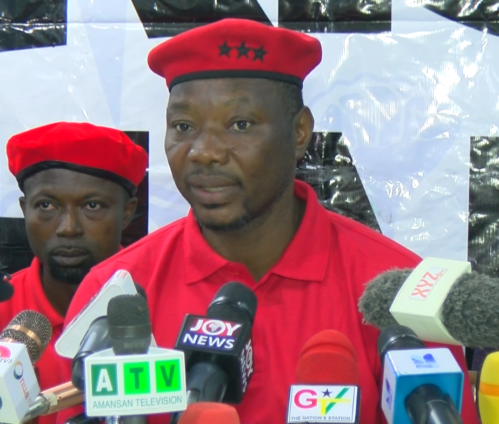
The Ghana Union of Traders Association (GUTA) has urged for the elimination of the COVID-19 Levy and the Special Import Levy from the 2024 budget.
President of GUTA, Dr. Joseph Obeng, clarified that reducing the cost of doing business would boost productivity and enable the government to meet its revenue targets more effectively.
“We are talking about the 1% COVID-19 levy to be removed. We also talk about the special import levy of 2% that has been imposed on us since the previous administration, we also are talking about the VAT, the complex nature of VAT,” he said.
In 2021, the government introduced the COVID-19 Health Recovery Levy as a distinct tax, applied to the total value of taxable supplies of goods and services under the Standard Rate and VAT Flat Rate Schemes.
As the World Health Organization (WHO) declared the end of the COVID-19 pandemic as a public health emergency, various voices have called for the discontinuation of this one percent tax.
The Finance Minister, Ken Ofori-Atta, has engaged with interest groups like GUTA in preparation for presenting the 2024 budget to Parliament in November.
He has acknowledged the concerns raised by these groups about the high tax rates in the country and indicated that these concerns will be taken into consideration during the budget presentation.
“Over this period, we’ve met with AGI, GUTA, Chamber of Commerce, all of that to take in the views and predominantly it is a multiplicity of taxes that they have raised as a major concern that we have to look at. So looking at the taxes, looking at access to capital, and the price of capital, I think they will be key issues to address for the private sector,” he assured.
Despite receiving assurances from the Finance Ministry that some taxes will be reduced, the Ghana Union of Traders Association (GUTA) maintains that both the COVID-19 Levy and the Special Import Levy, in particular, must be completely eliminated.
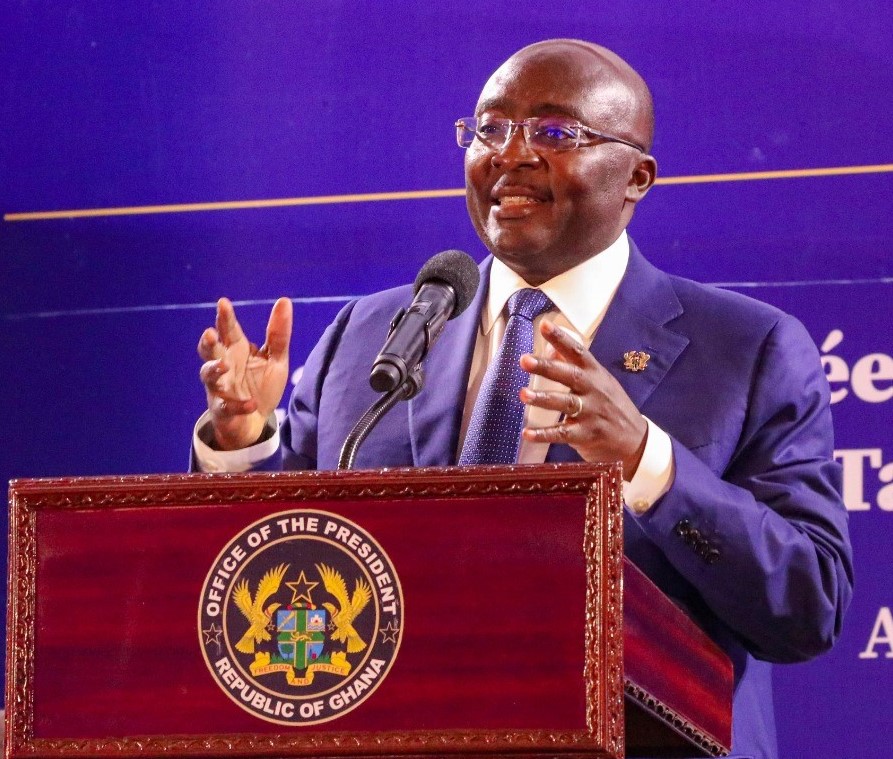
Vice President Dr. Mahamudu Bawumia, the frontrunner in the New Patriotic Party (NPP) flagbearership contest, has accused his rivals of resorting to a smear campaign against him, fueled by their looming defeat.
As the party aims to make history by electing him as the flagbearer and securing a third consecutive presidential term, Dr. Bawumia claims that his opponents have been attacking his character and spreading false information to win over delegates.
The Vice President identified three specific instances of these lies and vehemently refuted them, emphasizing the need to debunk and counteract false claims.
He expressed concern that his rivals are determined to undermine his reputation and sow discord within the party, describing their approach as “if you miss the ball, don’t miss the man.”
During his tour of the Northern Region, Dr. Bawumia addressed NPP delegates and denied accusations of bribing constituency chairmen with cash and pickup trucks prior to the Super Delegates Conference.
He also refuted allegations that he planned to prevent polling station executives and electoral area coordinators from voting in future presidential primaries and that he aimed to ensure that all sitting NPP Members of Parliament ran unopposed.
“They say I have given all constituency chairmen 275 constituency chairmen, a hundred thousand Ghana Cedis and a pick up. Have you seen any pick up here for your chairman? This is just a ridiculous lie. Then they say I will not allow, in the future, polling station executives and electoral area coordinators to vote in presidential elections. I mean how can this happen? It’s not possible for me to stop polling station executive and electoral area coordinators from voting. This was a National Conference decision. And I was very supportive of expanding the electoral college to allow polling station executives and electoral area coordinators to vote. And by the grace of God they will continue to vote…That lie must be put to rest.
Although Vice President Dr. Mahamudu Bawumia did not explicitly mention any names, it appears that his primary rival in the race, Kennedy Agyapong, is the one being targeted. Mr. Agyapong has been vocal in labeling accusations of vote-buying against Dr. Bawumia.
The New Patriotic Party (NPP) has scheduled November 4, 2023, for the election of a flagbearer for the 2024 Presidential Elections. Dr. Bawumia secured a convincing victory in the Super Delegates Conference election and is widely expected to win the upcoming election.
Former Power Minister during the John Mahama administration, Dr. Kwabena Donkor, has called for a parliamentary inquiry into the termination of the power purchase agreement between the Ghana Power Generating Company (GPGC) and the New Patriotic Party (NPP) administration, led by then-Energy Minister Boakye Agyarko.
The termination of this agreement resulted in a judgment debt of $140 million awarded to Singaporean firm Trafigura, the majority owner of GPGC.
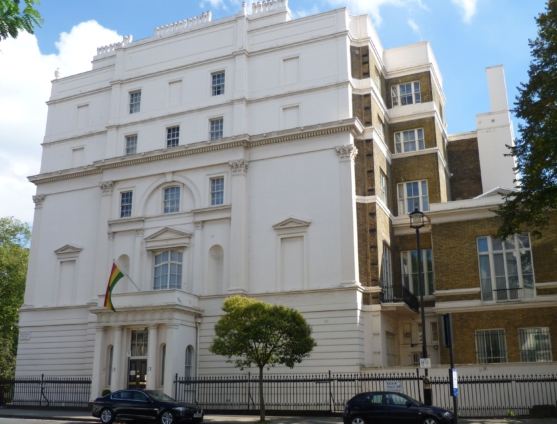
The judgment debt has put several valuable properties at risk of being auctioned to satisfy the award. This includes the Ghana High Commission building in the UK, the commissioner’s residence, the Ghana International Bank building, and others.
The dispute stems from the government’s decision to cancel the contract for the installation and operation of two power plants. The government cited high tariffs, legality concerns, and other issues as reasons for terminating the agreement.
However, Dr. Kwabena Donkor believes these justifications are not valid. He contends that the GPGC deal was the most cost-effective and brief among all the power purchase agreements signed at the time and that the judgment debt could have been avoided.
In light of this, he calls for a parliamentary investigation into the actions of the former Energy Minister and other officials responsible for the termination.
“It was very avoidable as I have always said. Let me quickly say this. This was the cheapest of all the emergency power plants in terms of cost. It was also the shortest because it was for four years. There was no requirement for the government of Ghana to put down a guarantee, and then again the total capacity charge made of capital recovery, fixed ONM, and non-fuel variable ONM came to 4 cents per kilowatt hour. It was the cheapest at the time of all the emergency power plants we brought in, and so it couldn’t have been on the basis of cost.”
Dr. Kwabena Donkor further clarified that the government’s assertion that GPGC failed to obtain siting and construction permits is not a valid argument. He explained that the responsibility for obtaining these permits was shared between the state and the company, as outlined in the contract.
“Every contract, at least power contracts, contain conditions for termination. My worry at the time and I raised the alarm, was that the letter signed by the then Energy Minister Boakye Agyarko, stated that Trafigura or the Ghana Power Generating Company [GPGC] which was the subsidiary we had signed the contract with, had not obtained all the necessary Energy Commission permits.
“In the Power Purchase Agreement, one of the obligations of the government of Ghana was to assist the contractor obtain all relevant government of Ghana permits. And so if we turn around to use that as the basis for termination it creates a problem for all of us.”
Although acknowledging the government’s authority to terminate agreements at its discretion, he noted that the state did not adhere to proper procedures in canceling the contract.
“Let me concede that the government of the day can decide to terminate any contract, but there are consequences for termination. And in all agreements, there are conditions and processes for termination, and so if you do not follow the processes and conditions, particularly if the termination is not justified as ruled by the arbitration panel, then we are in trouble, and this is exactly what has happened,” he insisted.
He added “If we had negotiated the termination, we could have even taken ownership of the equipment. Unfortunately, even after the court had ruled, we went to sleep. Trafigura is still doing business in Ghana, and therefore we had some leverage at least in negotiating a payment plan, but all the way from 2021 we went to sleep.”
The Member of Parliament for Pru East dismissed the government’s justification that the power plants were used or outdated, asserting that this information was openly available. He further contended that the GPGC plant was not the only previously owned plant acquired by the country.
“Yes, it is used equipment and it was known at that time. It was not the only used equipment that was brought in. The AKSA plant was also used, it wasn’t new. And so, for AKSA we signed a 5-year agreement, and the government has found it necessary to extend this agreement for another 10 years, so the question of the equipment being used is neither here nor there.”
The lawmaker is calling for those accountable for the contract termination to respond to crucial inquiries.
“I believe the Ghanaian state should ask the people who took the decision to terminate to tell us why they terminated. I believe that is the route to use if we have to improve our governance. Those who were responsible would have to tell us why they took that decision because commercially, and legally it doesn’t make sense.”
“Even from an energy perspective, you don’t terminate the cheapest emergency plant you have. And then if you say it was an old plant, we knew it. AKSA was also an old plant, we signed for five years as an emergency plant, but this government has gone ahead to extend it for a further ten years. And so if you add all these, we find it extremely difficult to justify. Maybe Hon. Boakye Agyarko who signed the letter may be able to tell us what some of us don’t know.”
“I believe parliament is the best institution to do that because the decision to terminate was taken by the executive arm, and so you cannot ask the executive arm to investigate it. Ghanaians must know why, we have the right to know,” he added.
The Electoral Commission (EC) is set to initiate a series of stakeholder engagements involving women, civil society organizations (CSOs), and people with disabilities (PWDs) at national, regional, and district levels.
These engagements will take place from November 4 to 8, 2023, with the aim of educating and mobilizing all relevant stakeholders for the upcoming District Level Elections (DLEs) scheduled for December 19.
The DLEs will determine the assembly and Unit Committee members in various Metropolitan, Municipal, and District Assemblies across Ghana.
These elections will occur in 6,272 electoral areas and 38,622 polling stations spread across 259 districts.
Notably, no elections will be conducted in the Nkoranza North and South districts in the Bono East region, as their polls took place in April 2020, and the next election for both districts is slated for 2025.
The EC has outlined a comprehensive timetable for the 2023 DLEs. Aspirants can submit their nominations on November 16 and 17, 2023, while the notice of poll for the elections will be posted between November 29 and December 4, 2023.
From December 1 to 14, 2023, an electoral platform will be provided for candidates to communicate their messages to the electorate, culminating in the actual elections on December 19, 2023.
To ensure the accuracy of the voter register, the EC has scheduled a nationwide voter exhibition exercise from November 3 to 9, 2023, spanning all 38,622 polling stations. Register authentication will be conducted between November 24 and 28, 2023.
Several activities leading up to the DLEs have already occurred, including the voter registration exercise (September 2 to October 2, 2023), transfer of votes (October 3 to 9, 2023), and replacement of lost voter identification cards.
The DLEs are held every four years, with a one-year gap between the local-level elections and the Presidential and Parliamentary elections.
This electoral practice aims to promote greater citizen involvement in the democratic process, consistent with the Local Governance Act 2016 (Act 936), as amended by Act 940.
President of the Ghana Registered Nurses and Midwives Association (GRNMA), Madam Perpetual Ofori-Ampofo, has urged the government to transform the negative trend of nurses leaving the country to seek better opportunities abroad into a positive one.
She suggested that the government should consider establishing bilateral agreements with countries that are recruiting Ghanaian nurses as a means to generate foreign exchange.
Madam Ofori-Ampofo made these remarks during the 2023 Military Nightingales’ Week Celebration at the 37 Military Hospital in Accra.
She highlighted how the emigration of nurses was adversely affecting the labor force in the healthcare sector and emphasized the importance of not missing out on the financial benefits of such arrangements.
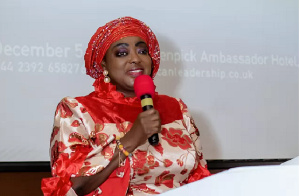
Madam Perpetual Ofori-Ampofo, President of the Ghana Registered Nurses and Midwives Association
Madam Ofori-Ampofo cited the example of the Philippines, which earns approximately $54 billion annually by exporting nurses and midwives.
She proposed that Ghana should modify its training programs for nurses and midwives to take advantage of similar opportunities.
“We need to change our training model. We need to do our homework as a country. Let us change the training module of our nursing and midwifery profession to the degree level.
“Nobody wants an auxiliary nurse to come and work in their high-income earning country. That is a fact. They will not come and recruit our community nurses, who are certificate holders. They want the degree holders who have add on specialties and have working experience. That is the target,” she said.
The Director, Nursing, Ghana Armed Forces Medical Service, Col. Rex Adzagba, said the government ought to put measures in place to retain health workers.
Nightingale Week Celebration is marked by nurses and midwives globally to commemorate the international nurses’ week, which is celebrated globally in honour of Florence Nightingale, the mother of modern nursing.
Nurses and midwives are expected to use the occasion to reflect and take stock of their past activities, evaluate them, and adjust for the future.
Some senior and junior officers were given awards to mark the celebration.
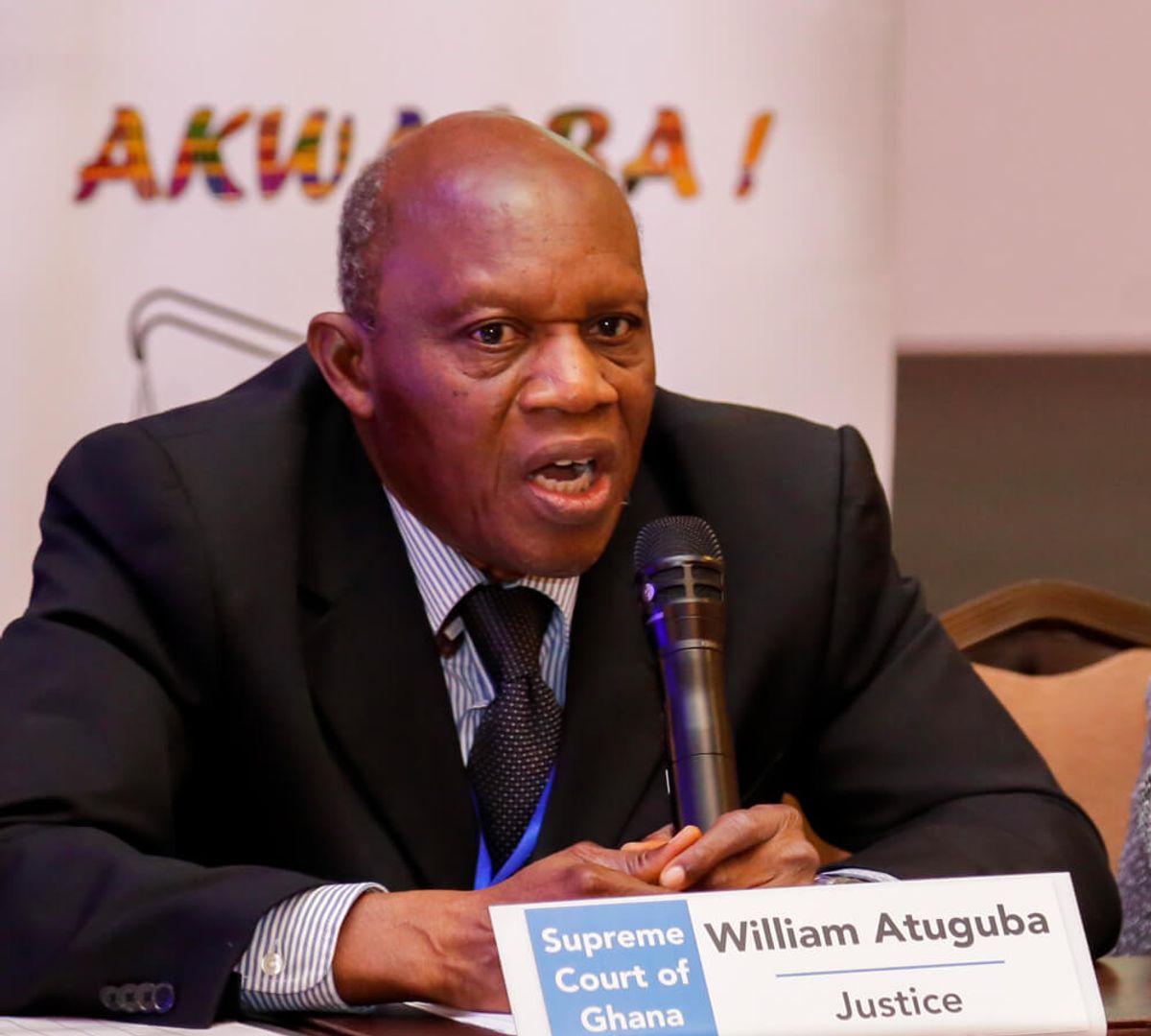
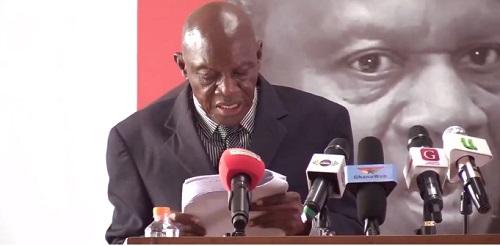
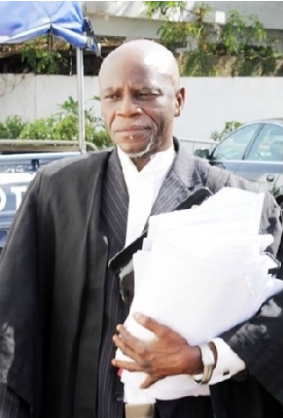
Former Supreme Court Justice, Justice William Atuguba, has delivered strong criticism of the Supreme Court of Ghana’s recent ruling in the case of the Assin North legislator, Gyakye Quayson, during a public lecture on Tuesday, October 24, 2023.
In his address, the retired Supreme Court judge characterized the court’s decision as “scandalous.”
Justice Atuguba argued that the Supreme Court should have refrained from taking on the case, asserting that it had already been adjudicated by the High Court.
He further contended that the Supreme Court’s decision to proceed with the case contradicts a fundamental principle of law.
“The James Gyakye Quayson’s decision by the Supreme Court is with all due respect scandalous in that the court, in the teeth of the settled maxim Res Judicata et non quieta movere, re adjudicated the same matter that has been adjudicated upon by the High court on the merits,” he said.
The case at the center of the controversy concerns the eligibility of Gyakye Quayson, the Assin North legislator, to hold office as a Member of Parliament.
He was removed from Parliament in May 2022 following the Supreme Court’s decision to annul the 2020 constituency election.
According to Justice William Atuguba, “the Supreme Court does not stand in good light with all due respect in disqualifying Gyakye Quayson, despite his clear certificate of renunciation of his Canadian citizenship as from 26th November 2020 whereas the elections were on December 7. I am not able to see substantial justice in this.”
In furtherance of his point, the former Supreme Court Justice explained that “the statutory processes for acquisition and renunciation of citizenship shot itself in the foot.”
“If the certificate of renounciation is so mandatory and conclusive why was it not conclusive in its effect to qualify Gyakye Quason when he received it, dated 26th November 2020, whereas the parliamentary election was held on 7th December 2020? Statutes, judgements, and documents must always be applied with consistency both in the letter and spirit. These must always be construed holistically and as instruments of justice since it is a well-settled principle that the duty of a court is to do justice and a court should not be turned away from doing justice.”
After having his name expunged from Parliament’s records, the National Democratic Congress (NDC) once again nominated Mr Gyakye Quayson for the bye-election in Assin North.
Mr Gyakye Quayson secured victory by amassing 17,245 votes, constituting 57.56% of the total vote count.
Charles Opoku, his primary opponent from the New Patriotic Party, secured second place with 12,630 votes, accounting for 42.15% of the valid votes. Bernice Enam Sefanu of the Liberal Party of Ghana received a mere 87 votes, representing just 0.29% of the total.
Mr. Chairman, distinguished invited guests, media, ladies and gentlemen, let me appreciate the organizers for putting up this lecture.
Introduction
I feel highly honoured but down spirited by this invitation to lead this lecture today. Mr. Chairman, on the eve of our independence, our country was consecrated to the sacred and Immaculate hearts of our Lord Jesus Christ and our Mother the Blessed Virgin Mary.
This probably explains why Ghana has not experienced major mishaps. The returns from such a consecration are normally inestimable as exemplified in the cases of the United States of America and Israel.
Against this background, where Ghana stands now is a cause for grave lamentation. Ghana is heavily blessed in terms of natural and human resources so one is justified to ask: why the economic and social hardships?
That said, my mandate for this lecture as per my invitation letter is in terms of:
Sharing my lived experiences with the Justice delivery system vi-a-vis public confidence in the judiciary.
How recent Judicial pronouncements and rulings portend for consideration of Ghana’s democracy.
This is against the backdrop that the African youth are increasingly losing hope in the democratic experiment and are manifesting same by pouring onto the streets to show support for military juntas who overthrow democratically elected civilian regimes. Indeed, the flyer on this invitation is in even wider terms.
My lived Experiences
Everything has a beginning. When I was in form 2 in Notre Dame Secondary School, Navrongo, our Latin master put before us a number of mottos for our choice. Some chose “Orando et Laborando’,‘Fidelis in Parvo’, etc. I chose ‘Justitia Omnibus and I still love it.
When I commenced my Private legal practice at Bolgatanga in the then Upper Region of Ghana, in August 1975, I soon realized that there was much corruption in the judicial system. By the grace of God, I stayed out of it though it was very challenging. In the web of the 1979 revolution, a neighbor of mine was badly brutalized by some soldiers and he sent for me to hear his story and see his condition.
Despite the heat of the revolutionary atmosphere, I issued a writ against them and they came to seek settlement. Unsurprisingly their terms of settlement centered around smoking the peace pipe in the form of sharing a roasted fowl. I rejected this and kept to the writ.
Unfortunately, their duties in Bolgatanga had ended and they immediately returned to Accra and my attempt to serve them with further court processes received no co-operation from their command structure.
After the 31st December revolution, I was appointed chairman of the then Upper Regional Investigations Committee and subsequently also briefly, I was the acting special public prosecutor for the same region. In the course of time, a flight-lieutenant from Accra came to Bolgatanga and asked why there were only a few cases for trial by the National Public Tribunal when it came to try cases in the Upper Region. I told him that the crime rate differs from region to region. He then asked about our investigation into the affairs of the then Farmers Services Company (FASCOM) of the Upper Region. I told him that our committee had spent 3 months thoroughly investigating that case and that we were not prepared to change anything. He went away.
In addition, one evening a major of the Ghana Army from the Kamina Barracks in Tamale came to intervene in our committee’s investigation into a case involving his nephew, and his colleague officer who was temporarily stationed at Bolgatanga, introduced him to me that evening. I told him that we would attend to him the next morning. The next morning, I had him called into our committee sitting room and had him sworn. I then asked what was his mission. He could not testify meaningfully. I then addressed him that it was they the Army that launched the revolution to ensure justice prevailed so how could that be achieved if they tried to obstruct the due flow of Justice? He became uneasy and was glad to be told to go his way. He saluted us and left. These are a few episodes.
I found myself appointed from the Bar to the Supreme Court on 30th November 1995. I soon noticed that public confidence in the Judiciary was of considerable concern in that there were perceptions of corruption and slanted Judicial positions especially constitutional cases. There were frequent calls for the entire number of justices of the Supreme Court to be empanelled on constitutional cases. I propose to try to unearth the causes for these perceptions which were built up over the years. The perceptions were aroused by perceptions of political inclinations on the part of some judges. There is a long history to it. Sometimes the suspicion was anchored on the incidence of political influence. This occurred in various ways to various degrees at various times.
Political confrontation
On 20th April 1970 the Court of Appeal coram Apaloo, Siriboe, Sowah, Anin and Archer JJ.A, gave judgement in Sallah v The Attorney General 2 G&G 739 (2d) 1319. The Court upheld the plaintiff’s claim for a declaration that his employment as a manager with the GNTC had been wrongly terminated by the Busia regime. This decision meant that well over 350 other persons whose employments were similarly affected could also successfully sue the government. Before the court could hear the case unsuccessful objections on the grounds of bias were raised against Apaloo, J.A (on the ground of close friendship with the plaintiff and Sowah J.A. (on the ground that his brother-in-law’s wife had approached him to help her husband, Jonas, who was similarly affected as Sallah by the termination of his employment). In the evening of that day (20/04/1970) of the delivery of the judgement, an incensed Dr. Busia, the then Prime Minister of Ghana made a Radio Broadcast on this judgement, the full text of which is in 2 G&G 739 (2d) 1374. Inter alia, he fumed as follows at 1378-1379 “if any others who were not reappointed in the recent implementation of the transitional provisions of the constitution wish to sue the government, they are at liberty to do so.
The government will not stop them. But if they hope thereby to coerce the government to employ them, then they will be wasting their time and money. My government will exercise its right to employ only those whom it wishes to employ.
No court can enforce any decision that seeks to compel the government to employ or re-employ anyone. That would be a futile exercise. I wish to make that perfectly clear.”
This outburst flew in the face of article 102 (3) of the 1969 constitution of Ghana, that ‘ in the exercise of the Judicial power of Ghana, the Judiciary in both its Judicial and administrative functions shall be subject only to this Constitution and shall not be subject to the control or direction of any other person or authority’.
Article 115 (1) and (2) of the said 1969 constitution of Ghana provided as follows:
“The Chief Justice shall be appointed by the president, acting in consultation with the Council of State by warrant under his hand and the Presidential seal”
‘The other Judges of the Superior Court of Judicature shall be appointed by the President by warrant under his hand and the Presidential Seal acting in accordance with the advice of the Judicial Council’
Consequent upon this judgement Justices, Azu Crabbe and Apaloo who after Ollennu J.A were the most senior justices of the Court of Appeal, see the list under the heading JUDGES OF THE SUPERIOR COURTS OF GHANA contained in (1968) GLR, E.A.L Bannerman who had been a Senior Magistrate, the equivalent of a Circuit Court Judge was appointed the Chief Justice of Ghana and K.O. Larbi a private Legal Practitioner and Siriboe J.A (the only judge who ruled in favour of the Busia Administration were made more senior judges over them on the Supreme Court. What was more V.C.R A.C. Crabbe who in 1968 was the 11th most senior high court Judge out of a list of 12High court judges (see under Judges of the Superior Courts of Ghana (1968) GLR, was appointed from the High Court to the Supreme Court as a senior over and above Azu Crabbe and Apaloo JJ.A.
The appointments aroused public scrutiny as revealed in BADU v THE REPUBLIC (1974) 2 GLR 361. Thereatthe facts of the case as summarized in the headnote are as follows; “the appellant, the editor of a newspaper. The spokesman published a front page editorial commenting on the appointment of judges to the Supreme Court established under the suspended Constitution of 1969, which indicated that the appointments, including that of the first prosecution witness, were improper. The editorial also imputed that the first prosecution witness who was at the material time a High Court Judge, was unfit to hold the post of a Supreme Court judge and that as Interim Electoral Commissioner, he had during the 1969 general elections, misconducted himself by showing bias in favor of the winning party. The appellant was therefore charged with intentional libel arising from the publication, contrary to section 112 (2) of the Criminal Code 1960 (Act 29).”
Again, the plaintiff in TUFFUOR v ATTORNEY-GENERAL (1980) GLR634 C.A sitting as the Supreme Court, successfully claimed that even though the 1979 constitution preserved existing offices at the time it came into force, President Limann purported to nominate Apaloo who was the sitting Chief Justice for parliamentary approval, to be Chief Justice anew. Parliament rejected him on very tenuous grounds. Otherwise Apaloo C.J. would have been ousted and the Limann government would have had a free hand to pick the Chief Justice of his liking with its attendant implications.
President Limann also made a similar radio broadcast as Busia had done in 1969, when, as far as I can recollect, Colonel Frank George Barnasko rtd. challenged his scheme of the distribution of essential commodities in court.
Also President Kuffuor in swearing in a Chief Justice of Ghana said that although the Judiciary is independent yet he could not ignore politics and that he must take politics into account. When the Supreme Court ruled the Fast-Track court as unconstitutional President Kuffuor fumed from outside Ghana that he was dissatisfied with the decision and that he would do everything in his power to have it reversed. Indeed, Justice Kwame Afreh was promoted to the Supreme Court from the Court of Appeal and was part of the reversing panel on the final decision on the Fast-Track court matter. Such executive intimidations, not forgetting the unfortunate murder of 3 high Court Judges and a Retired Army Major in 1982, could demoralize the judiciary. As noted in his book Ghana Bar Association Lectures in continuing legal education 1993-1994, the very distinguished late legal scholar, S.Y. Bimpong-Buta, quoted pp.1-3 of the Weekly Spectator No. 1288,28 November 1992 frontpage, which referred to the fact that the New Patriotic Party (NPP), the Peoples National Convention (PNC), the National Independent Party (NIP) and the Peoples Heritage Party (PHP)’s “decision not to contest the results of the presidential elections is based partly on “loss of confidence in the judiciary. In the words of a leading member, of one of the four opposition parties: ‘it will be a waste of time and money to go to court, because the judiciary as at now is not independent: the judges have been so intimidated that there is no way they will rule in our favor against the government’. In fact, the leader of the NPP was quoted as having said that the decision of the party not to challenge the results of the presidential elections at the Supreme court (was on the grounds, inter alia, that ‘the party had no confidence in the Chief Justice and the judges of the Supreme Court’. At p.3 he stated thus: “And quite recently in an article appearing in the Ghanaian Chronicle, Professor Paul Ansah of the University of Ghana (now deceased) was able to assert that: ‘We know that with the kind of a de facto one party system that we have, Parliament may not be able to do much, and with an enfeebled, emasculated and compromised judiciary, the prospects don’t look too bright..”
Though the author subsequently states that the said loss of confidence in the Judiciary was not justified, this is not entirely correct. In Republic v. National Public Tribunals, Ex parte office of the Special Public Prosecutor (1993-94) 1 GLR 478 S.C, the special public prosecutor applied to the supreme court for directions to the National Public Tribunal concerning a review application before it. At pp486-487 the very distinguished Adade JSC felt compelled to say thus “the proper party to apply in this case is the People or the Republic. The office of the special public prosecutor is none of these. If the special public prosecutor had mounted a full blown action under article 2 of the constitution 1992, that is enforcement of the constitution provision, perhaps different considerations might arise. For the present, however, its locus standi is questionable. Nonetheless, as this case raises constitutional issues of some importance, I propose to deal with it on the merits, and not dismiss it, justifiably, on the foregoing grounds, and risk being accused unjustifiably, of deciding it on so- called technicalities, even if those perceived technicalities are part of the laws which the courts are enjoined to interpret and enforce.”
JUDICIAL ADMISSIONS OF EXECUTIVE INTRUSION OF THE JUDICIARY
In (1980)12 R.G.L at pp. 2-3 Apaloo CJ in paying tribute to the late Akuffo -Addo C J and President of Ghana said “For a lawyer of his caliber, elevation to the bench was a matter of course. To most lawyers, that is the culmination of a successful legal career. It came in 1962 after he was in the law for 22 years, having been called to the bar in 1940. Such honor was deserved much earlier. That it did not come to him quicker, cannot be explained by want of merit but by the political alignment of the day. But when it did arrive, its undue delay was acknowledged because he made history by being appointed together with lawyer R.S. Blay, to the then highest court of the land namely, the Supreme Court, by-passing the High Court in the process. He was not destined to remain long in that court because ironical as it seems, one of the treasured qualities of a judge which he possessed and exhibited, became his undoing. He had the courage of his conviction and spoke his mind firmly in a judicial decision which displeased the then power in the land. He was dismissed in February 1964, having been on the bench for less than two years. But merit, like cork never remains submerged. Just over two years afterwards, he was returned to the bench to fill its highest office Chief Justice. He remained in that office till August 1970 when he was invited to occupy a still higher office- the Presidency of Ghana. On the whole, he occupied high judicial office for just over 5 years and did so with great distinction’.
In New Patriotic Pary v Inspector General of Police (1993-94) 2 GLR 459 at 469 to 470, SC Amua-Sekyi JSC, commenting on the statutory reversal of an acquittal and retrial of certain leading personalities on a charge of treason, bluntly said:
“Acquitted in proceedings intituled State v Otchere (1963)2 GLR 463, SC the verdicts were set aside by executive order: See Special Criminal Division Instrument, 1963 (EI 161). Put back on trial before a more pliant bench, the executive had the satisfaction of seeing them convicted and sentenced to death. Mercifully, the sentences were not carried out; but a grave precedent had been set. The judges were not spared: Korsah CJ was removed from office, and a constitutional amendment cleared the way for the dismissal of Adumoa-Bossman J (as he then was) and other judges whose loyalty to the Absolutist State was now called in question.” (The emphasis is ours).
Again, in Wuaku v Attorney-General (1993-94) 2 GLR 393 at 396, SC Amua-Sekyi JSC trenchantly stated as follows:
“After the overthrow of the Nkrumah regime, the judiciary came in for much criticism for the role it had played while the previous government was in power. It was said that it had departed from its traditional role as an independent arm of government and had become a willing tool of repression in the hands of the executive. It was also said that some of the appointments to the bench had been politically motivated in that persons with known sympathies for the regime had been favoured over those who exhibited an independent frame of mind. Worse still, it was said that some of the judges had become so depraved and demoralized that they habitually took bribes. The answer of the new administration was the wholesale dismissal of judges – cleaning the Augean stables, as it were- and appointing new ones to take their place. But it was soon realized that merely changing personnel would not be enough: what was required was a reappraisal of the role of the judge in the body-politic and the creation of the conditions necessary for the proper exercise of his functions.” (The emphasis is ours).
In Hasen v Ankrah (1987-88) GLR 639 at 667, SC Sowah JSC said:
“Before I am done, I consider it ethically and judicially unacceptable the comments on the composition of the panel in this appeal. If my brother Taylor JSC had reservations, he should have made them abundantly clear before hearing and not after opinions have been rendered which are contrary to his own. And in any event the judges referred to are by all standards, including their knowledge of the law and integrity, competent to adorn the Supreme Court bench. It is by sheer accident of past politics that they have not taken precedence over some members of the Supreme Court.” (The emphasis is ours).
This long-standing skepticism of the independence of the Judiciary and now the Supreme Court, in particular, led to the issuance of the following Practice Direction on empanelling of Justices of the Supreme Court reported in (2000) SCGLR 586 as follows:
“PRACTICE DIRECTION
PRACTICE IN EMPANELLING JUSTICES OF THE SUPREME COURT 10 January 2001
Practice and procedure – Supreme Court- Constitutional cases – Empanelling of court by Chief Justice – Practice in – Chief Justice to empanel all available justices of the Supreme Court or at least seven justices in constitutional matters – Rationale for empanelling all available Justices of Supreme Court in such matters – Constitution, 1992 arts 125 (4) and 144 (6).
It is provided by the Constitution, 1992, arts 125 (4) and 144 (6) that:
“125 (4) The Chief Justice shall, subject to this Constitution, be the Head of the Judiciary and shall be responsible for the administration and supervision of the Judiciary.”
“144 (6) Where the office of the Chief Justice is vacant, or where the Chief Justice is for any reason unable to perform the functions of his office (a) until a person has been appointed to, and has assumed the functions of, that office; or (b) until the person, holding that office has resumed the functions of, that office; those functions shall be performed by the most senior of the Justices of the Supreme Court.”
(In exercising the functions of the office under articles 125 (4) and 144 (6) of the 1992 Constitution, His Lordship, the Ag. Chief Justice, per his letter dated 10 January 2001 addressed to all the Justices of the Supreme Court and copied to the Judicial Secretary and the Registrar of the Supreme Court, directed as follows:)
“In order to minimize the mounting criticisms and the persistent public outcry against the Judiciary in our justice delivery and to restore public confidence, it is my desire that where practicable and especially in constitutional matters, all available Justices of the Supreme Court have a constitutional right to sit, or at least (7) justices of the court.
In view of the above and in the instant case (ie. Republic v High Court, Bolgatanga and Hajia Fati Seidu; Ex parte Hawa Yakubu, Civil Motion No 2/2001), by virtue of the powers conferred on the Chief Justice by article 125 (4) and on me by article 144 (6), I have decided that Hon Justice Sophia Akuffo and myself, ie Hon Justice E K Wiredu, Ag Chief Justice, be added to the justices already panelled. (The emphasis is ours). Signed. Hon MR. Justice E K Wiredu Ag Chief Justice.
(Editorial Note:In pursuance of the above Directive, a panel of seven Justice of the Supreme Court, coram: Edward Wiredu Ag CJ, Adjabeng, Acquah, Atuguba, Sophia Akuffo, Lamptey and Adzoe JJSC in Republic v High Court, Bolgatanga, Ex parte Hawa Yakubu, CM No 2/2001, on 16 January 2001 unanimously granted (reserving the reasons), the application by Madam Hawa Yakubu for an order of certiorari to quash the proceedings and order of the High Court, Bolgatanga dated 6 January 2001, in an electoral petition resulting from the 7th December 2000 Parliamentary Elections for Bawku Central Constituency. In the respectful view of the Editor, the above Practice Direction, issued by His Lordship the Hon Ag Chief Justice, is to be most welcomed by all members of the Bench and Bar and the general public; and it may also be considered as very appropriate and long overdue. The Practice Direction, in the form of a letter to all the Justices of the Supreme Court, makes the empanelling of the Supreme Court for the determination of the constitutional cases more transparent; and more importantly, the Direction is in line with the democratic aspirations of all Ghanaians and the sustenance of the Rule of Law in the country. It has also the obvious merit of insulating and freeing the high Office of the Chief Justice from all imaginary and unproven but disturbing allegations of political bias in the empanelling of the Justices of the Supreme Court SYBB.”
This skepticism, as noted at pages 48-49 of Dr Date-Bah’s formidable book, Reflections on the Supreme Court of Ghana, Wildy, Simmonds & Hill Publishing (2015), has persisted under the current Chief Justice. He thereat states as follows:
“The Chief justice’s power to empanel judges confers on him or her, arguably, the opportunity or potential to influence the outcome of particular cases. The Chief Justice’s knowledge of an individual judge’s track record on particular issues or his or her judicial inclinations on particular issues may give the Chief Justice this potential. This, rightly or wrongly, has attracted unfavorable comment from people in political circles, in relation to politically controversial decisions. It is in reaction to such comments that Chief Justice Georgina Wood decided that she would, during her tenure, empanel, as a matter of practice a bench of nine justices to hear all constitutional cases.
On this current practice, the Constitution Review Commission commented that it finds in regard to Ghana’s judicial practice that no law has ever prescribed the maximum number of Justices of the Supreme Court that should sit on a case brought before the Court, though it has been the practice to specify the quorum. It has noted that this is a deliberate policy on the part of the law makers to allow the highest court a certain flexibility and freedom in deciding when to field a full complement of members depending on the gravity of the case and the need for a reconsideration of the law. It acknowledges that this practice has helped ensure that in the adjudication of matters of importance, as many judicial minds as possible would be involved in settling the law and making a definitive pronouncement. In this regard, the Commission commends the emerging practice by which 9 justices of the Supreme Court are empaneled to sit on constitutional cases.” (The emphasis is ours).
The legal colossus, Dr. Date- Bah JSC (Retired), at page 201 of his said book has further observed as follows:
”A perception and conviction by the public of the Supreme Court’s impartiality between parties in its adjudication is vital to its fulfilment of its broader role. Nevertheless, there has in recent years been a degree of controversy in the media as to the impartiality of the judiciary in general in disputes between the Government (by which is meant the Executive) and the individual. This has been a challenge that the Supreme Court, along with other courts, has had to live with. The challenge has arisen from the highly competitive nature of Ghanaian party politics in the last decade and the perceived tendency for a party in government to prosecute politicians belonging to opposition. The court has been caught in the middle of this conflict and in their endeavour to do justice between parties before them have incurred the wrath of political party activists of the governing party who have alleged that the judiciary is biased against the government. The best response to this challenge is for the conduct of the judiciary to manifest its indubitable impartiality.” (The emphasis is ours).
On the other hand, Dr Date-Bah JSC (Retired) in his aforementioned book states at 211-212 regarding this matter thus:
“The mode of appointment of Justices of the Supreme Court is specified by article 144 of the 1992 Constitution. It provides for their appointment by the President, acting on the advice of the Judicial Council, in consultation with the Council of State and with approval of Parliament. Thus, both the executive and the legislature are involved in the process. The intention of the framers of the Constitution, as confirmed by practice, appears to be that nominations should be made by the Judicial Council, although the appointment is by the President. The names of nominees recommended by the Judicial Council are forwarded to the President who places them before the Council of State for their views. If the views of the Council of State are not negative, the President then forwards the names to the Speaker of Parliament for Parliamentary vetting. It should be noted, however, that Presidents in the Fourth Republic have not considered themselves bound by the advice of the Judicial Council in relation to nominations for appointment to the Supreme Court. Presidents have on occasion refused to accept some nominees recommended by the Judicial Council. ——–Under a Constitution on the Westminster model, such as that in force in Ghana between 1957 and 1960, the Governor-General was obliged to follow the advice given him on judicial appointments. However, this convention and understanding have not survived into the Republican era. Ordinarily, Presidents tend to accept the nominees of the Judicial Council as, it has to be remembered, the Attorney-General (the President’s principal legal adviser) and four nominees of the President serve on the Judicial Council. The President thus has ample opportunity to influence the nominations by the Judicial Council. ——–Furthermore, because the constitutional provision requires parliament’s prior approval, Parliament has a veto power over the appointment of any Supreme Court Justice.
JUDICIAL COMPROMISE OF INDEPENDENCE
Sometimes the judiciary gives the impression that it is giving an undue advantage to the executive. In NATIONAL MEDIA COMMISSION v. ATTORNEY GENERAL (2000) SCGRL1 the national media commission complained to the attorney general that the president was usurping their clear authority under Article 168 of the 1992 constitution of Ghana “to appoint the chairmen and other members of the governing bodies of public corporations managing the state-owned media in consultation with the president.” When it was unheeded, it sued the attorney-general in the supreme court for a declaration in January 1996. However, it was not until November 1999 that the suit was listed for hearing and judgement was given in favor of the plaintiff on 26th January, 2000 by which date the then President Rawlings had left office after two presidential terms of office! This trend has continued in very recent times. Thus, in Ghana Centre for Democratic Development & 8 others v. Attorney General, as Amegatcher JSC delivering the judgement of the Supreme Court, stated, Judgement was delivered in this case on the 21st May, 2023. Long after Mr. Domelevo had been pushed out of office. Coincidentally, it was on the same day that the Supreme Court also delivered judgement in the case of Prof. Kwadwo Appiagyei -Attua & 7 others v. The Attorney-General. In this case the plaintiffs challenged the constitutionality of the Imposition of Restrictions Act, 2020 (Act 1012) which was enacted in consequence of the deadly Corona Virus (Covid 19) Pandemic
It can unhappily be said that the Supreme Court acted unconstitutionally and in bad faith when it inordinately delayed in delivering judgement in the National Media Commission v Attorney-General, as well as the Domelevo and Covid-19 cases for short. This is because it is the constitutional duty of the Supreme Court to enforce the constitution forthwith when it is breached. That is the mandatory duty under article 2 (1) of the constitution. Thus in Gbedemah v Awoonor – Williams 2 G&G 739 (2nd) 1167 at 1175 Azu Crabbe J. A (as he then was) said:
The pith of the plaintiff’s claim as expressed in paragraph (8) of his statement of claim is that on 5 September 1969 the defendant took his seat as a Member of the National Assembly, notwithstanding the fact that he was not qualified so to do by virtue of article 71 (2) (b) (ii) and (d) of the Constitution, and that the defendant intends to continue to sit in the said National Assembly. If the matter rests here, then prima facie there has been an infringement of the Constitution, and an alleged threat to continue such infringement. This would constitute a mischief, and it would become the inescapable duty of the Supreme Court to suppress it by enforcing the Constitution.”
In the National Media Commission, Domelevo and Covid-19 cases the Supreme Court failed to suppress the mischiefs of the infringements of the Constitution for an inordinate period of time. The entertainment and determination of the James Gyakye Quayson’s case (Michael Ankomah Nimfah v James Gyakye Quayson and two others) WRT NO J1/11/2022, 17th May 2023 by the Supreme Court is quite unfortunate though the Court, in my humble view was misled by the earlier decision of the Supreme Court in Sumaila Biebel (No.1) v. Dramani and Anoher (2011) 1 SCGLR132.
Even there the Biebel case was not, unlike the Gyakye Quayson case, determined on its merits by the High court and the Court of Appeal.
However, the determinative consideration is that the constitution has clearly assigned post parliamentary election matters to the High court under article 99 and post presidential election matters to the Supreme court. These provisions are specific whilst the provisions of Articles 2 and 130 are general and therefore verba generalia specialibus non derogant. This is particularly so since In re parliamentary elections for Wulensi constituency; Zakaria v Nyimakan (2003-2004) 1 SCGLR 1 has decided (though I disagree with it) that post parliamentary election matters end at the Court of Appeal level.
It is so in some other jurisdictions. Common sense is also a rule of the construction of statutes, therefore since parliamentary elections occur in as many as 275 constituencies in our country, the constitution could not have reasonably contemplated and provided for post parliamentary election matters should be litigated in the centralized Supreme court unlike the singular and unitary post presidential elections. If it is the consideration that the constitutional breach cannot be left unredressed after the 21 day period for presenting a parliamentary election petition, can it also be argued that after the 21 days period under article 64 (1) of the 1992 constitution, a person can bring an action under articles 2 and 130 of the constitution to invalidate a presidential election? And except otherwise provided by the constitution under article 130 (which comprehends article 2 also), the jurisdiction of the Supreme court, is exclusive of all other courts, how can the supreme court have concurrent jurisdiction over any matter with another court, which is the implication if the supreme court purports to adjudicate post parliamentary electoral matters alongside the High court?
There are instances in which it may be felt that some members of the judiciary pay allegiance apparently to the executive or otherwise instead of to Ghana. Despite the clear provisions of article 146, a very knowledgeable chief justice of Ghana wrote on two occasions to a justice of the supreme court terminating his tenure as a supreme court judge on the ground of ill health without complying with the said article 146. On being shown the letters by the judge concerned I strongly exhorted him to reply them raising the contravention of article 146. The same chief justice indirectly suspended me for 6 months by not empanelling me on any case immediately after I maintained my solo dissent in Tsatsu Tsikata v. The Republic when it came up for review by the Supreme Court. Before I curtail this issue, the same Chief Justice sidelined me as the then realistic most senior justice of the Supreme court contrary to article 144 (6) who should act as the Chief Justice in his absence. I felt that since the Supreme Court is the custodian of the constitution, I could not condone its infractions.
I therefore assumed the functions of the Chief Justice with clearance from the then most senior justice who was then very seriously indisposed and handicapped until I got to know from him very shortly afterwards that he had become fit enough to act as Chief Justice upon the death of the then incumbent Chief Justice.
It is this event which led Kweku Baako, a very prominent journalist, to state on a radio program that in the bid for the post of Chief Justice, I declared myself as the acting Chief Justice, but when the said most senior justice of the supreme court got wind of it, he said “You lie, I can act”. When I heard that allegation I was gravely hurt since I have never in my life made any move to be appointed the Chief Justice of Ghana because I consider lobbying for a position as a corrupt act since it involves compromising one’s conscience.
CONSTITUTIONALISM IN GHANA
These sorts of things do not augur well for constitutionalism in Ghana which it is the primary duty of the courts to ensure. Our 1992 constitution has ordained constitutionalism for Ghana. This is plain from particularly articles 1,2, 3 and 35 of the constitution which provide inter alia for the sovereignty and welfare of the people of Ghana, the supremacy and enforcement of the constitution and the blessings of democracy. Constitutionalism has been well explained by some eminent jurists in Ghana. In his very able book, CONSTITUTIONAL LAW OF GHANA: TEXT, CASES AND COMMENTARY, Prof. E. Kofi Abotsi states at page 32 thus “Constitutionalism as a concept can be defined as the limitation placed on the exercise of legal and political power. The concept of constitutionalism is peculiarly important for African countries given the long-standing experience of dictatorship, anarchy and misrule on the continent. As corollaries, constitutionalism and responsible government have been said to be mutually re-enforcing. Constitutionalism promotes responsible government in the sense that it compels government to act in a manner consistent with the expectations for the conferment of power and respond to feedback from the citizenry. In this context, one can accept that constitutionalism is a welfare- oriented concept to the extent that it seeks to ultimately champion the welfare of the governed by ensuring that governments exercise conferred powers in the best interest of the governed”. Also in his thoroughly researched book, THE NEW CONSTITUTIONAL AND ADMINISTRATIVE LAW OF GHANA: FROM THE GARDEN OF EDEN TO 2022, Prof. Raymond Atuguba states at page 2 as follows: “The mere existence of a constitution is not enough for proper governance. A constitution can lead to constitutionality or constitutionalism. Constitutionality is the rule of law at the constitutional level; no matter what the content of the law is that rules.
Constitutionalism on the other hand is good governance or people-centered governance at a constitutional level. With constitutionalism, there is limited government, people-centeredness, protection of minority and other rights, fairness, justice, equity. In countries such as the United States which practice constitutionality and not constitutionalism, a constitution exists along side social concerns like racism, gender inequity and the prisons industrial complex. These are incompatible with the countries that practice constitutionalism”.
See also Prof. Date- Bah’s very scholarly book; Selected Papers and Lectures on Ghanaian Law page 76.
The appointment of judges particularly of the Supreme Court as the fulcrum of constitutionalism and the Rule of law has its hiccups. It is the Judicial Council that recommends suitable lawyers or judges for eventual appointment by the President. Sometimes some judges are recommended by the Judicial council to the Supreme Court over and above more experienced and senior judges even though they are not more competent and experienced than their seniors. Often when there is regime change, some of the sidelined senior judges now get recommended for appointment to the Supreme Court through the same Judicial Council, but they then become juniors to their earlier juniors by reason of their later appointment. In practice, however, these later appointed judges often write the unanimous or lead judgements in difficult cases shortly after their appointment to the Supreme Court. Certainly, eyebrows can be raised over such practices. What can be the justification for such things?
Nonetheless, depending to some extent on the Judicial season the Judiciary has deepened constitutionalism in Ghana, notably the nullification of the 31st December holiday celebration funded from public funds, the freedom of choice of independent counsel by state bodies instead of the Attorney-General, despite Article 88(5) where there is conflict of interest, see Amegatcher v Attorney-General (1) [2012] 1SCGLR 679, National Media Commission v Attorney-General, supra.
As stated by Professor Date-Bah in his said book at pp.17-18: “constitutionalism is about having limits to the powers of constitutional bodies and enforcing those limits. The judiciary, through its exercise of the power of judicial review, is accordingly a vital actor in this process. The Ghana Supreme court has been quite effective in protecting the legal framework of the liberal multi-party democracy whose grundnorm is the 1992 constitution. An example here would be appropriate. To my mind, this case illustrates the contribution of law to the development in Ghana. At first sight, the case (Ahumah Ocansey v Electoral Commission; Center for Human rights and several liberties v The Attorney -General and the Electoral Commission (2010) SCGLR 575), which was decided by the Ghana Supreme court, would appear to have little to do with law and development.
The main issue raised in the case which in fact consisted of two consolidated cases, was whether prisoners were entitled to vote. In spite of article 42 of the 1992 constitution, which provides that every citizen of Ghana of 18 years of age or above and of sound mind has the right to vote and is entitled to be registered for the purposes of public elections and referenda, the Attorney -General had argued in this case that it was in the public interest that convicted offenders are punished, kept under lock and key and not allowed to vote. The Supreme court rejected this contention and held that there was no justification for denying prisoners their unqualified right to vote. This right was conferred on all adult Ghanaians who are sane by article 42 of the Constitution. As I said in that case: “nothing in the core values and spirit of the 1992 Constitution justifies the restriction on prisoners’ right to vote, that is advocated by the learned attorney-general. There is thus no basis for implying the restrictions argued for by the Attorney-General to qualify the clear and unambiguous language of article 42”.
However, it is lamentable as pointed out by Prof. Raymond Atuguba in his said Sterling book that ‘Notwithstanding the Supreme Court departed from the preposition espoused by Date-Bah, in the Osei Boateng Case, decisions of the Court after that departure still create doubt as to the current legal position. In some of these subsequent decisions, the Supreme Court seemed to be toeing the line of Date-Bah JSC in the Osei Boateng Case, by declining Jurisdiction to enforce the Constitution on the ground that the constitutional provisions sought to be enforced were clear and unambiguous.
Notable cases are Mayor Agbleze v Attorney General and Asare v Attorney General and General Legal Council. Some other subsequent decisions of the Supreme Court have followed the reasoning in Noble Kor v Attorney General. This turn of events creates a cloud of confusion and inconsistency in our jurisprudential space, making it difficult for one to tell the direction of flow of our country’s constitutional law in this area. This must be a cause of worry to students and practitioners of Constitutional Law.”
REALISTIC INDEPENDENCE OF THE JUDICIARY
I want to emphasize that there is a vast chasm between independence of the judiciary in theory and its independence in practice. Thus, as explicitly stated by Dr. Dat-Bah in his aforementioned book at page 90 “Independence of the judiciary has two dimensions: the institutional and the personal. Personal independence relates to the commitment of individual judges to the judicial values that ensure their impartiality and fairness. I am here referring to values such as eschewing corruption and not allowing ethnic and other particularistic considerations to affect judicial determinations.
Institutional independence of the judiciary, on the other hand, relates to the constitutional, statutory, and other arrangements put in place to assure the independence of the judiciary. Issues that are customarily dealt with under institutional independence include: separation of powers; security of tenure for judges, including appropriate provisions on the appointment process of judges, the conditions of service of judges and the process for the removal of superior court judges; financial and administrative autonomy of the judiciary; and measures are what make judicial independence justifiable. It would be unacceptable to have independent but unaccountable judges.
SUMMARY
The James Gyakye Quayson’s decision by the Supreme Court is with all due respect scandalous in that the court, in the teeth of the settled maxim Res Judicata et non quieta movere, re adjudicated the same matter that has been adjudicated upon by the High court on the merits. All that was left was its execution according to court processes. Again the stress laid by the court on the statutory processes for acquisition and renunciation of citizenship shot it self in the foot.
If the certificate of renounciation is so mandatory and conclusive why was it not conclusive in its effect to qualify Gyakye Quason when he received it, dated 26th November 2020, whereas the parliamentary election was held on 7th December 2020? Statutes, judgements, and documents must always be applied with consistency both in the letter and spirit. These must always be construed holistically and as instruments of justice since it is a well settled principle that the duty of a court is to do justice and a court should not be turned away from doing justice.
In the 2013 presidential election petition (2013) SCGLR (Special Edition) 73 at 141 I stated as follows: ‘Again in Osman v Tedam (1970) 2 G & G 1246 (2d) CA and Osman v Kaleo (1970) 2 G&G 1380, the Court of Appeal held that though the respondents were members of the Convention Peoples Party whose constitution made all Members of Parliament of the Convention Peoples Party members of the party’s Regional Executive Committee that did not without more, make the respondents members of such committees and therefore disqualified to contest the 1969 Parliamentary Elections, which they had won.
The decision in Osman v Kaleo is even more striking. Though the respondent had secured exemption from disqualification from contesting the parliamentary elections, it was submitted that since his exemption had not been published in the Gazzeet, upon which publication it will have effect, under paragraph 3 (5) of NLCD 223, 1968, the same was inoperative, notwithstanding that under paragraph 3(7) of that Decree, the decision of the Exemptions Commission was final and conclusive. The court of Appeal rejected that contention”.
Again in JUSTICE DERY v TIGER EYE PI AND OTHERS (2015-2016) 2 SCGLR 816, the Supreme Court unanimously held that though the impeachment process against the plaintiff was published in contravention of Article 146 of the 1992 Constitution that could not vitiate the crucial impeachment procedures against him. In other words the substantial and more important provisions on the removal of a corrupt judge could not be diverted by the incidence of the unconstitutional publication of the impeachment petition.
Similarly, then the certificate of Renunciation dated the 26th November 2020 was more important than the anterior participation by Gyakye Quayson in the parliamentary campaigns between 5th and 9th October 2020 when he filled his parliamentary nomination papers with the electoral commission. The Supreme Court does not stand in good light, with all due respect in disqualifying Gyakye Quayson despite his clear certificate of Renunciation of his Canadian Citizenship as from 26th November 2020. By analogy also, in CLOSSAG v ATTORNEY GENERAL AND 2 OTHERS (2017 -2018) 1SCGLR 210, the Supreme Court unanimously held that a member of the Civil Service or Local Government Service can join a political party but cannot actively participate in politics or hold office as a political party nominee or remain in the Civil Service after election as a member of the District Assembly.
In other words, the operative evil to guard against is membership of the District Assembly not the contest for the same. Similarly, therefore, the operative evil to guard against about a dual citizen is, as regards parliament, his actual membership of it, not just the campaigns. That is why in the Gyakye Quayson’s case, his renunciation of Canadian citizenship certificate dated 26th November 2020 is the operative consideration. In any case it will be noticed that his certificate of citizenship is tied to an Oath pf allegiance. The 2 move together, the letter and the spirit. It is difficult to think that Gyakye Quayson who submitted his Renunciation of Citizenship Papers to Canada in 2019 could still in December 2020 be held as seriously owing allegiance as a matter of hard realism as opposed to formalism, to Canada. In the King David example I cited in Asare V Attorney General (2012), 1 SCGLR 460, his Israelite citizenship became of real concern to the Philistines when going into actual war with Israel.
CURRENT PUBLIC IMAGE OF THE JUDICIARY IN GHANA
The current public image of the Judiciary in Ghana is reflected on Social Media. For example, GHANAIANS ARE LOSING CONFIDENCE IN THE JUDICIARY SYSTEM by Dr. Lawrence as published on ghananewsonline.com on the 16th of October, 2023. Founder of the Diaspora Progressive Movement in the (USA), Dr. Lawrence Appiah, has said that Ghanaians are losing confidence and hope in the ability of the Court to administer Justice in the country. He accused the New Patriotic Party (NPP) government of appointing cronies to the Judiciary.
In a recent interview with ghananewsonline.com.gh, Dr Lawrence claimed that President Nana Addo Danquah has deliberately appointed Judges who are in bed with him in order to skip accountability. In a statement signed by Dr. Lawrence and circulated on social media, he said in Ghana, the Judiciary is gradually becoming a thin god, allowing them to pass some outrageous judgements. He argued that some of the judgements passed by some notable courts in the country leave much to be desired. In Ghana today, the birth certificate is not a legal document to prove that someone is a Ghanaian. Meanwhile, the birth certificate is the base document used to prepare a Ghanaian passport which is used to travel the entire world. He emphasized that the Judiciary is packed with NPP inclined Judges because this government has carried out a deliberate policy of putting their people onto the bench to frustrate Ghanaians.
He further said, it will take a new leader like John Mahama in the next NDC administration to lead the process to repair what he describes as (badly dented image) of Ghana’s judiciary for people to win the trust in the system.
In his opinion, the deteriorated image of the Judiciary easily sparks laughter from the citizenry when one decides to go to the court for justice, adding that it is of the scariest existential threats to any democracy when citizens think their judiciary holds no value for them or no use to them, and this is the security threat that the National Security apparatus tried to draw the attention of the nation to recently but was poorly received by the president.
He added that such lawlessness in the country threatens the peace and stability of Ghana’s democracy and must be quickly corrected (because) if pragmatic measures are not taken, it will get to a stage where people will have no qualms about taking the law into their own hands because they do not have the confidence that they can get any justice in the system.
Dr. Lawrence writes: The dangers of our current judiciary
During the hearing of Hon. Gyakye Quayson’s case after the 2020 elections, the lower courts ruled that he was not supposed to go to parliament whiles his case XXX. The Supreme Court ruled the member of Assin North, Hon. Gyakye Quayson, after he was elected by his constituents, that not only should he not be able to represent his constituents, they went further to order parliament to strike his name from parliament records as if he never entered parliament. During the recently ended limited registration exercise by the Electoral Commission, the NDC and some Civil Society Organization filed a motion at the Supreme Court to stop the EC from conducting the exercise.
The Chief Justice came and set a hearing date for October 17, 2023. Meanwhile, the whole limited registration exercise ended on October 2, 2023. During the hearing of Hon. Gyakye Quayson’s case after the 2020 election. The lower court ruled that he was not supposed to go to parliament whilst his case was ongoing. At the same time, another lower Courts hearing the case of the MP for Techiman South, ruled that the people of Techiman South need a representative in parliament, so while the case was ongoing, the MP could still represent his people. The case is now stalled in that court.
This same outrageous court agreed with the Attorney General that after |Hon. Gyakye Quayson’s had been elected the second time to parliament was to appear in court every day for hearing. The case has become inactive when the minority in parliament resolved to join their colleague in court. When the executive needs a reform, the President is changed. When the legislative needed reform, the Speaker was changed. When the Judiciary needs a reform, the Chief Justice needs to be changed. If Nana Addo could remove the Electoral Commissioner, the Auditor General and it was good, so should John Mahama be able to remove the Chief Justice. We need serious reforms in every institution including the NPP. This is one of the reasons Ghanaians want him to be President again.
I heard for talking too much, the Paramount Chief of Dormah Traditional Council and a High Court Judge, Osagyefo Agyeman Badu II has been transferred from the Greater Accra to the Volta Region. (Ghanaians are not angry enough).
Second example is: MIKE OCQUAYE CALLS FOR APPOINTMENTS AND REMOVAL OF JUDGES as published on myjoyinline.com on the 28th of April 2022 where it was reported that Prof. Aaron Michael Ocquaye, the former Speaker of Parliament, has called for reforms in the appointments and removal of Judges as provided for in the 1992 constitution to strengthen the country’s Judicial system.
Prof. Ocquaye said the case of Justice Amoah Sekyi gave the country the lesson that where the executive was bend on removing a Judge, it was easier to do so than meets the eye. xxxx
On the appointment of Council of States Members, he suggested the need to introduce institutional representation and not allow the President to choose his advisors because the 1992 Constitution gave the President too much power in the appointment of the members. We need to adopt the recommendation of the Committee of experts which provided that ‘the Council of State shall aide and counsel the president, the Council of Ministers, Parliament and other organs of state in the performance of their functions under the constitution or under any other law (sec. 3.i))’, he said.
In pointing out all these matters, I am not oblivious of the very difficult tasks of interpreting our 1992 constitution amidst the several decisions and dicta of the Supreme Court. But it is important that there be great reflection on the core issues and principles which should be the basis for decisions of the courts instead of the lesser considerations which tend to arouse suspicions, speculations and concerns in the body politic.
CONCLUSION
In view of all this what matters mot is the realistic auditing and restructuring of the Judiciary and indeed all other governmental institutions because just as the cyanide of illegal mining galamsey has devastated our forest lands and poisoned our water bodies so also has the cyanide of Political Corruption poisoned our Governance Institutions.
Appointments to the Judiciary or any other governance institution must be made by thoroughly independent bodies based on nothing but merit and not on things like protocol, cronysm, ethnicity, or other improper considerations. The governance institutions particularly the Judiciary must be realistically insulated against presidential and other political pressures. Service conditions must be reasonably attractive and security of tenure of office must be enshrined. The Executive Powers of the President and his functionaries must be drastically curtailed. There must be real separation of parliament from the Executive branch. The emphasis should be on good and sincere governance in the interest of the people and not on hollow over exaggerated notions of electoral conferment of power on any body or group of persons.
But no meaningful political reforms can be reasonably expected even under a regime change without sustaining the Political Renaissance which has started and is growing well in Ghana.
It is for this reason that I would like to acknowledge, encourage, and congratulate nationalists like Kwasi Pratt, Dr. Arthur Kennedy of the USA, Dr. Gyampoh of the University of Ghana, Prof. Bokpin of the University of Ghana, Prof Agyeman -Duah of the Centre for Democratic Development (CDD), recently Dr. Asare-Baah rtd, formerly of the Political Science Department, KNUST., Kwame Pianim, Dr. Nyaho-Nyaho Tamakloe, Kelvin Taylor of the USA (though he should desist from insults), Emmanuel Wilson Jnr. The Chief Crusader Against Corruption in Ghana. I don’t know most of these people I have mentioned personally but I have followed their works on social media, and I am impressed, however I hope that they will remain nationalistic no matter the regime in power.
I also wish to acknowledge some of the many Civil Society Organisations such as Ghana Centre for Democratic Development, Ghania Integrity Initiative, Citizen Ghana Movement, Africa Centre for Energy Policy, Parliamentary Network Africa, Penplusbytes, Media Foundation for West Africa, Send Ghana, One Ghana Movement, Centre for Democratic Development, Democracy Hub, Occupy Ghana, and Institute for Democratic Governance. I regret I cannot recall all of them but nonetheless, none of them should feel excluded.
Mr. Chairman, invited guests, media friends, ladies, and gentlemen, permit me once more to show my appreciation to all of you, including the organisers for this platform and the hearing,
God bless our homeland Ghana and lead us to the promised land.
Thank you.
DISCLAIMER: Independentghana.com will not be liable for any inaccuracies contained in this article. The views expressed in the article are solely those of the author’s, and do not reflect those of The Independent Ghana
Former Chief Justice, Justice William Atuguba, on Tuesday, October 24, delivered a thought-provoking address during a public lecture that delved into multiple facets of Ghana’s democracy.
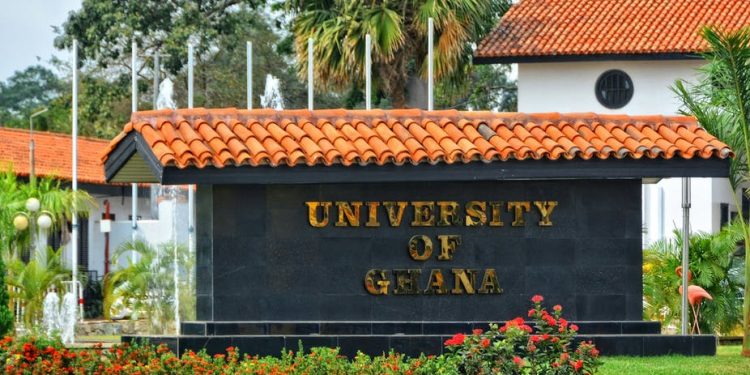
The lecture, organized by Solidare Ghana in partnership with the University of Ghana, revolved around the theme “Protecting Our Democracy: The Role of the Judiciary.”
In his comprehensive presentation, Justice Atuguba explored the judiciary’s critical role in upholding and preserving democratic values. He offered valuable insights into the challenges and opportunities associated with democratic governance in the country.
Justice Atuguba took the opportunity to express his strong disapproval of the Supreme Court of Ghana’s recent ruling in the Gyakye Quayson case, which was a significant point of discussion during the lecture.
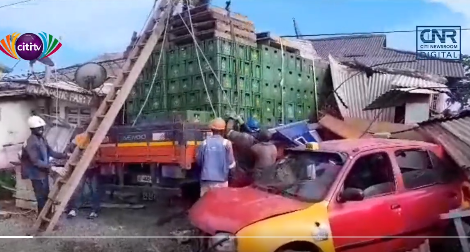
A Kia truck loaded with beer has rammed into the New Patriotic Party (NPP) office at Oko Dan in the La municipality of the Greater Accra Region.
The devastating crash on Tuesday, October 24, has resulted in the death of one person and left another critically injured.
According to an eyewitness, Dzifa Amegah, the accident occurred because the driver lost control of the vehicle, primarily due to a brake pad malfunction.
“When the incident occurred, we went inside, and we realized a woman who sells rice close by had had her legs damaged. She had chairs on her, so we removed the chairs and brought her out. She was still alive. We realized there was a kenkey seller who was also trapped under the vehicle. When we tried to save her, a police officer tried to stop us, but we ignored him. We lifted the vehicle up using a jack and brought her out, but she was already dead,” Dzifa Amegah said.
Currently, fire service and police personnel are at the scene to manage the situation.
A member of the Public Relations Department of the Ghana National Fire Service, ADO1 Alex Nartey, is quoted to have told Citi News that, “Our control room received a call about an accident on the Labadi station road. We quickly came and upon arrival, they realized that they had to call their rescue team to augment the process. It was a truck full of beer that had run through the NPP office at Labadi killing one person in the process and critically injuring another.”
“Our men were able to help in rescuing the casualties involved. As of now, the operation has been successful. My condolences to the family of the bereaved. We will advise people to be very cautious to avoid such incidents during the festive season,” ADO1 Alex Nartey said.
One person has been confirmed dead after a Hyundai truck crashed into the New Patriotic Party (NPP) office at Oko Dan in the La Municipality of the Greater Accra Region. The accident was as a result of a brake pad malfunction, as reported by eyewitnesses.
A 21-year-old mason in Abokobi, Greater Accra Region, is facing charges of defilement in an Adentan Circuit Court for allegedly engaging in anal sex with an eight-year-old boy.
The accused, Wonder Ahiabu, has pleaded not guilty and has been remanded into police custody.
This is the second appearance of Ahiabu before the court, presided over by Mrs. Sedinam Awo Balokah. The prosecution, led by Chief Superintendent of Police Patience Mario, is in the process of filing their disclosures for the case management conference.
The prosecution alleges that the complainant, an unemployed resident of Abokobi, is the mother of the eight-year-old victim, who is a class two pupil. Ahiabu also resided in Abokobi with the complainant.
According to the prosecution, on May 29, 2023, at approximately 10:00 am, the victim, who was hungry, asked the complainant for money to buy bread. The complainant asked the victim to wash some bowls while she prepared food for him.
The prosecution alleged that the complainant, driven by anger, struck the victim with a cane when the victim refused to wash the dishes as instructed.
Wonder Ahiabu then appeared at the scene, inquired about the issue, and learned that the victim was hungry.
Subsequently, Ahiabu invited the victim to his house, where he provided the child with bread and a drink. After eating, Ahiabu allegedly undressed and instructed the victim to do the same, after which he engaged in anal intercourse with the child.
Despite the victim’s cries for help, Ahiabu reportedly threatened the child to remain silent or risk being denied a drink.
Following the incident, Ahiabu escorted the victim home and admonished the child not to disclose the event to anyone.
On the same day, the victim, unable to tolerate the pain in the anus, reported the incident to the child’s mother, who examined the child’s anus and found evidence of bleeding. A police report was filed, and a medical form was provided to the complainant for the victim to receive necessary medical care.
Meanwhile, the case has been adjourned until November 16, 2023.
The Volta River Authority (VRA) has constructed a bypass road connecting Saint Kizito School to the Battor-Mepe road in the North Tongu District.
This road serves as a means to facilitate easy access to flood victims and provide swift delivery of humanitarian relief items and response measures.
It also ensures that relief items, drugs, health services, and supplies reach the residents of Mepe promptly while preventing them from crossing contaminated floodwaters, thus reducing the risk of waterborne diseases.
Mr. Emmanuel Antwi-Darkwa, the Chief Executive of the Volta River Authority, was present in Mepe to oversee the distribution of relief items and drugs, assuring the flood victims of the Authority’s commitment to improving their living conditions.
He encouraged the affected people to communicate their additional needs to VRA.
The VRA has reportedly allocated a significant portion of its GH¢20 million budget for disaster relief efforts, which includes providing portable toilets, sachet water, maize, diapers, sanitary towels, mosquito nets, toilet paper, baby food, and other essential consumables.
Additionally, the Authority’s Health Services are conducting healthcare education and medical screening services in the affected communities, focusing on various health concerns such as cholera, enteric fever, dysentery, worm infestations, skin infections, snakebites, malaria, and respiratory diseases.
Mr. Divine Osborne Fenu, the North Tongu District Chief Executive (DCE), expressed gratitude to the VRA for its ongoing support and thanked Ghanaians, corporate entities, and public institutions for their assistance during this challenging period.
The Mepe Development Association (MDA) has disclosed that over 1,000 citizens in the Volta Region who have been displaced as a result of flooding due to the Akosombo Dam spillage are now relying on just six mobile toilets at St. Kizito Secondary Technical School.
The leadership of the MDA, in consultation with the Chiefs, took the initiative to create seven makeshift safe havens for the affected flood victims in the following locations: Mepe R.C. Primary, R.C JHS, Mepe Presby Primary, Presby JHS, D.A JHS, Holy Christ, and St. Kizito Secondary Technical School.
Out of these seven safe havens, only St. Kizito, which currently houses 1,320 displaced persons, received six mobile toilets the past Friday, provided by the Volta River Authority (VRA) after persistent appeals.
According to the MDA, the remaining six havens in Mepe do not have any mobile toilets. The association further revealed the hardship and uncomfortable situations citizens have had to endure due to the “man-made flood disaster.”
The displaced victims, including children and women, are exposed to mosquitoes and other dangerous reptiles every night.
The Association has questioned the extent of government support after the Minister of Sanitation and Water Resources, Freda Prempeh, blamed the residents for the distress they are going through following the spillage of the dam.
“We also question how many litter bins, mosquito nets, and access to clean water for drinking, cooking, and bathing the Ministry of Sanitation and Water Resources has provided the people of Mepe since the man-made flood disaster,” the Association quizzed.
Madam Freda Prempeh, during a forum organized by the Ghana Water Company Limited (GWCL) and its customers in Accra on Monday, linked the significant damage caused by the Akosombo Dam spillage to the hesitance of residents living along the dam to evacuate.
She noted that “the Akosombo dam spillage, even though Volta River Authority, National Disaster Management Organisation, the Water Resources Commission, came together to educate the people in the community and did simulation exercises with them even at Mepe, yet, they refused to leave. They did not want to be evacuated, and they stayed there till the end when we started spilling.”
“Unfortunately, look at what is happening, and the government has to spend millions of money on relief items, and education. The water in the whole area is contaminated and the Ghana Water Company and Water Resources Commission will have to spend millions of money to treat the water before we can pass it through our pipes,” she added.
In a statement, the Mepe Development Association (MDA) refuted claims that the Volta River Authority (VRA) and the National Disaster Management Organisation (NADMO) had carried out simulation exercises in Mepe to prepare residents for the spillage.
“We wish to make it clear that the Mepe Traditional Council, Mepe Development Association, opinion leaders, and all key stakeholders were not engaged in any simulation exercise or post-simulation exercise as claimed by the Minister,” the statement said.
The Association further questioned the minister about whether the government made any provisions for the citizens it had allegedly asked to evacuate ahead of the evacuation.
“Evacuate to where? There were no official temporary shelter facilities provided by the state for the people in the event of an evacuation,” the statement read.
Nigeria has integrated the human papillomavirus (HPV) vaccine into its routine immunization system, with the goal of reaching 7.7 million girls.
This initiative represents the largest single-round HPV vaccination campaign in the African region and targets the virus responsible for almost all cervical cancer cases.
The vaccination program is designed for girls aged 9 to 14 years and involves administering a single dose of the vaccine. This particular vaccine is known for its high efficacy in preventing infection with HPV types 16 and 18, which are responsible for at least 70% of cervical cancers.
In Nigeria, cervical cancer is the third most common cancer, and it ranks as the second leading cause of cancer-related deaths among women aged 15 to 44. In 2020, the most recent year for which data is available, the country reported 12,000 new cases of cervical cancer and 8,000 deaths from the disease.
“The loss of about 8000 Nigerian women yearly from a disease that is preventable is completely unacceptable,” says Muhammad Ali Pate, the Coordinating Minister of Health & Social Welfare.
“Cervical cancer is mostly caused by Human Papilloma Virus (HPV), and parents can avoid physical and financial pain by protecting their children with a single dose of the vaccine. Saving lives, and producing quality health outcomes and protecting the wellbeing of Nigerians are central to the Renewed Health Agenda of President Bola Ahmed Tinubu. The onset of the vaccination campaign is an opportunity to safeguard our girls from the scourge of cervical cancers many years into the future. As a parent myself, I have four daughters, all of them have had the same HPV vaccine to protect them against cervical cancer. I’d like to implore fellow parents to dutifully ensure that this generation of our girls disrupt the preventable loss of lives to cervical cancer in addition to other untold hardship, loss, and pain.”
A five-day mass vaccination campaign in schools and communities will be carried out during the inaugural rollout in 16 states and the Federal Capital Territory.
The vaccine will then be incorporated in routine immunization schedules with in health facilities. The second phase of the vaccination introduction is set to start in May 2024 in 21 states.
The vaccine is being provided for free by the Federal Ministry of Health through the National Primary Health Care Development Agency with support from Gavi, the Vaccine Alliance, United Nations Children’s Fund (UNICEF), World Health Organization (WHO) and other partners.
With support from WHO country office in Nigeria and other partners, over 35 000 health workers have so far been trained in preparation for the campaign and subsequent vaccine delivery in all health facilities.
Vaccination sites have been established in all 4163 wards across the 16 states included in the phase one rollout to ensure no eligible girl is left behind. Mobile vaccination units have also been set up to ensure that remote communities can access the vaccine.
“This is a pivotal moment in Nigeria’s efforts to lower the burden of cervical cancer – one of the few cancers which can potentially be eliminated through vaccination,” said Dr Walter Kazadi Mulombo, WHO Representative in Nigeria.
“We’re committed to supporting the government increase access to the HPV vaccine to protect the health and well-being of the next generation of women.”
WHO recommends that HPV vaccination is included in the national immunization programmes of countries where cervical cancer is a public health priority, where its cost-effective and sustainable implementation is feasible.
As such, Nigeria has prioritized the addition of the vaccine to the country’s routine immunization schedule.
Global supply shortages have slowed Gavi-supported vaccine introductions. These supply issues are now easing thanks to years of market shaping efforts to develop a more robust HPV vaccine market, and the single dose recommendation.
Recognizing this critical opportunity to reach more girls with higher levels of global HPV vaccine supply and renewed momentum towards accelerating efforts to prevent cervical cancer, the Gavi board approved the revitalization of its HPV vaccine programme with an investment of over US$ 600 million by end of 2025.
With the additional funding, Gavi and its partners have set an ambitious goal to reach over 86 million girls by 2025, aiming to avert over 1.4 million future deaths from cervical cancer.
“Every day, cervical cancer inflicts profound loss and devastation on families across Nigeria. It also disproportionately impacts the lives of women. And yet, it is a disease that can be prevented. With the HPV vaccine now available in Nigeria for eligible adolescent girls at no cost, communities now have the most effective tool to fight cervical cancer and the nation has an opportunity, collectively to save millions of lives,” says Thabani Maphosa, Managing Director of Country Programmes Delivery at Gavi.
Over 16 million girls could be protected in Nigeria alone by 2025.To support these efforts in Nigeria and in line with its goal to build sustainable immunisation programmes, Gavi is co-financing the cost of the vaccines and providing technical support for the introduction.
UNICEF has procured nearly 15 million HPV vaccines on behalf of the Government of Nigeria. Alongside this, the children’s agency has produced informational materials, including radio and TV jingles in multiple local languages to dispel misinformation and rumours.
To further the outreach, UNICEF also supported academia and researches with two rounds of readiness assessments to understand the population’s sentiments on HPV and the vaccine. Additionally, UNICEF has facilitated logistical support for vaccination campaigns and distributed cold chain equipment for vaccine preservation.
“In our shared quest for a brighter future, the introduction of the HPV vaccine in Nigeria represents a monumental stride towards safeguarding our girls from the grips of cervical cancer. This vaccine doesn’t just prevent a disease; it promises a life where our young women can thrive, unburdened by the spectre of this grave health concern. UNICEF, in collaboration with the government and other partners, is proud to be a key partner in this initiative, ensuring that every eligible girl, irrespective of her location or circumstances, has access to this life-saving intervention. Together, we are scripting a narrative of hope, resilience, and a healthier Nigeria,” says Cristian Munduate, UNICEF Representative in Nigeria.
China has officially relieved its former defence minister, Li Shangfu, of his duties, two months after he disappeared from public view.
The Chinese government has not provided an explanation for his removal, and no successor has been announced.
This decision follows a series of dismissals of high-ranking military officials, including Qin Gang, who was removed as foreign minister in July. Qin Gang and Li Shangfu were also removed from their positions on the State Council.
These changes in leadership occurred as China is preparing to host foreign defense officials in Beijing.
Reuters reported in the previous month that Li Shangfu was under investigation for suspected corruption related to equipment procurement and development.
He was last seen in public in late August at a security forum in Beijing with African nations. Li, who began his career as an aerospace engineer and had a steady rise through the ranks of the military and Chinese political elite, had served as China’s defence minister since March.
In 2018, the U.S. government sanctioned Li Shangfu over China’s purchases of Russian combat aircraft and arms when he led the military’s equipment development division. His removal leaves China without a defence minister.
Ghana has taken the initiative to deposit seeds in the Arctic Circle’s renowned “doomsday vault” with the goal of ensuring the long-term preservation of the country’s essential food crops.
The Svalbard Global Seed Vault is situated within an Arctic mountain on the remote Norwegian island of Spitsbergen.
It serves as a safeguard for more than 1.2 million seed samples, representing the world’s most extensive collection of crop diversity at a single location. This vault is owned by the Norwegian government and has been designed to withstand both natural and human disasters.
Operated by the Crop Trust, the facility offers permanent protection and conservation for food crops, with the aim of ensuring global food security in the event of catastrophic events. It has earned the nickname “doomsday vault” for this reason.
Ghana’s contribution was made by the country’s Plant Research Institute, CSIR-PGRRI, and comprises vital crops such as maize, rice, eggplant, and black-eyed peas.
It’s important to note that the Seed Vault managed by the Crop Trust contains seeds from nearly every country on Earth. Several other African nations, including Ethiopia, Kenya, Nigeria, and Zambia, have already made deposits in the vault.
“This, our very first safety back-up, provides a sense of relief that our collections of crop diversity are on the path to being secured in perpetuity for the benefit of all humanity,” Daniel Kotey, Senior Research Scientist at CSIR-PGRRI said.
The Mepe Development Association (MDA) has taken on the Minister of Sanitation and Water Resources, Freda Prempeh, over her recent comments on the Akosombo Dam spillage and its aftermath.
Madam Freda Prempeh, during a forum organized by the Ghana Water Company Limited (GWCL) and its customers in Accra on Monday, linked the significant damage caused by the Akosombo Dam spillage to the hesitance of residents living along the dam to evacuate.
She noted that “the Akosombo dam spillage, even though Volta River Authority, National Disaster Management Organisation, the Water Resources Commission, came together to educate the people in the community and did simulation exercises with them even at Mepe, yet, they refused to leave. They did not want to be evacuated, and they stayed there till the end when we started spilling.”
“Unfortunately, look at what is happening, and the government has to spend millions of money on relief items, and education. The water in the whole area is contaminated and the Ghana Water Company and Water Resources Commission will have to spend millions of money to treat the water before we can pass it through our pipes,” she added.
But in a statement, the Mepe Development Association (MDA) refuted claims that the Volta River Authority (VRA) and the National Disaster Management Organisation (NADMO) had carried out simulation exercises in Mepe to prepare residents for the spillage.
“We wish to make it clear that the Mepe Traditional Council, Mepe Development Association, opinion leaders, and all key stakeholders were not engaged in any simulation exercise or post-simulation exercise as claimed by the Minister,” the statement said.
The Association further questioned the minister about whether the government made any provisions for the citizens it had allegedly asked to evacuate ahead of the evacuation.
“Evacuate to where? There were no official temporary shelter facilities provided by the state for the people in the event of an evacuation,” the statement read.
It added: “It was the leadership of the MDA, in consultation with the Chiefs, that took the initiative to create seven makeshift safe havens for the affected flood victims in the following locations: Mepe R.C. Primary, R.C JHS, Mepe Presby Primary, Presby JHS, D.A JHS, Holy Christ, and St. Kizito Secondary Technical School.”
Meanwhile, thousands of individuals have been displaced due to flooding caused by the spilling of the Akosombo dam.
The Mepe Development Association (MDA) is the administrative organ of Mepe in charge of social and developmental issues.
The MDA, together with the Mepe Traditional Council, works with state and non-state actors to engineer the development of the traditional area.
The MDA was established in 1955 by the Mepe Traditional Council and has worked with all governments since the independence of Ghana.
The Mepe Development Association (MDA) has expressed strong disapproval of the recent comments made by the Minister of Sanitation and Water Resources, Freda Prempeh, regarding the Akosombo Dam spillage and its consequences.
Freda Prempeh, during a forum organized by the Ghana Water Company Limited (GWCL) and its customers in Accra on Monday, linked the significant damage caused by the Akosombo Dam spillage to the hesitance of residents living along the dam to evacuate.
She noted that “the Akosombo dam spillage, even though Volta River Authority, National Disaster Management Organisation, the Water Resources Commission, came together to educate the people in the community and did simulation exercises with them even at Mepe, yet, they refused to leave. They did not want to be evacuated, and they stayed there till the end when we started spilling.”
“Unfortunately, look at what is happening, and the government has to spend millions of money on relief items, and education. The water in the whole area is contaminated and the Ghana Water Company and Water Resources Commission will have to spend millions of money to treat the water before we can pass it through our pipes.”
Sanitation and Water Resources Minister, Freda Prempeh says residents ignored warning signs and refused to be evacuated .
In reaction to the Minister’s statements, the Mepe Development Association (MDA) vehemently criticized the remarks in which she assigned responsibility to the residents of Mepe and other communities downstream along the Volta River for failing to heed evacuation warnings before the Akosombo Dam spillage.
The MDA also challenged the Minister’s claims that the Volta River Authority (VRA) and the National Disaster Management Organisation (NADMO) had carried out simulation exercises in Mepe to prepare residents for the spillage.
“We wish to make it clear that the Mepe Traditional Council, Mepe Development Association, opinion leaders, and all key stakeholders were not engaged in any simulation exercise or post-simulation exercise as claimed by the Minister,” the statement said.
The Palace of the Paramount Chief of Takoradi, Osahene Katakyie Busumakura lll, has refuted the false reports about the passing of the Paramount Chief.
In an official statement issued on Monday, October 23, the palace addressed the misinformation circulating on social media, clarifying that Osahene Katakyie Busumakura lll is alive.
“To begin with, the Palace would like to state unequivocally that the news is false and should be treated with all the contempt it so deserves” a portion of the statement signed by the Media Aide to the Palace, Emmanuel Ohene-Gyan, read.
Osahene Katakyie Busumakura, who is “hale and hearty”, has confirmed that he has not ordered the closure of any shop or any other business centre as is also being circulated, per the statement.
Osahene Katakyie Busumakura III has served as the chief in Takoradi for the past two decades. In his professional capacity, he is known as Rev. Dr. Fiifi Quayson, born on March 26, 1957, making him 66 years old.
He holds a Doctorate of Ministry from the Faith Evangelical Theological College and Seminary in Accra, a Bachelor of Arts in Christian Ministries from the same institution, and a Diploma in Theology from the Errol School of Theology and Biblical Languages, Accra. Additionally, he has pursued studies in Leadership and Management at the Netherlands Christian Chamber of Commerce.
In 2003, Rev. Dr. Fiifi Quayson assumed the role of Chief of Takoradi, taking on the title Osahene Katakyie Busumakura III, following the passing of his uncle, Osahene Katakyie Busumakura II.
The Mepe Development Association (MDA) has strongly criticized the recent remarks made by the Minister of Sanitation and Water Resources, Freda Prempeh with regards to the spillage of the Akosombo Dam and the associated effects.
During a forum organized by the Ghana Water Company Limited (GWCL) and its customers in Accra on Monday, Freda Prempeh attributed the substantial damage resulting from the Akosombo Dam spillage to the reluctance of residents residing along the dam to evacuate.
She noted that “the Akosombo dam spillage, even though Volta River Authority, National Disaster Management Organisation, the Water Resources Commission, came together to educate the people in the community and did simulation exercises with them even at Mepe, yet, they refused to leave. They did not want to be evacuated, and they stayed there till the end when we started spilling.”
“Unfortunately, look at what is happening, and the government has to spend millions of money on relief items, and education. The water in the whole area is contaminated and the Ghana Water Company and Water Resources Commission will have to spend millions of money to treat the water before we can pass it through our pipes.”
Sanitation and Water Resources Minister, Freda Prempeh says residents ignored warning signs and refused to be evacuated .
In response, the Association expressed its condemnation of the comments in which the Minister held the residents of Mepe and other communities downstream along the Volta River responsible for not adhering to evacuation warnings prior to the Akosombo Dam spillage.
In a statement released on Tuesday, the MDA said the Minister’s comments were “ill-informed, uneducated” and disrespectful to the people of Mepe, who have suffered greatly from the devastating floods.
The MDA further contested the Minister’s assertions that the Volta River Authority (VRA) and the National Disaster Management Organisation (NADMO) had conducted simulation exercises in Mepe to ready residents for the spillage.
“We wish to make it clear that the Mepe Traditional Council, Mepe Development Association, opinion leaders, and all key stakeholders were not engaged in any simulation exercise or post-simulation exercise as claimed by the Minister,” the statement said.
Minister of Energy, Dr. Matthew Opoku Prempeh, has stated that Ghana is firmly on the path to achieve net-zero emissions by 2060, driven by a range of initiatives, including the adoption of clean cooking technologies and the expansion of renewable energy sources.
He elaborated that the nation is actively working to raise the proportion of renewable energy in its energy mix from the current 42.5 megawatts to an impressive 1,363.63 megawatts.
Dr. Prempeh made this announcement in a statement that was delivered on his behalf at the opening of the 11th edition of the West African Clean Energy and Environment Trade Fair and Conference (WACEE ’23) in Accra.
The conference was on the theme “Leading a Sustainable Transition.”
Dr. Prempeh alluded to the upcoming launch of the National Energy Transition & Investment Plan, which will outline a structured roadmap for Ghana to achieve net-zero emissions. This ambitious plan is expected to require an estimated investment of approximately USD 550 billion.
He said, “An effective transition to clean energy in any country requires an approach that strikes a fair balance between environmental objectives on one hand and economic as well as social objectives on another hand.”
The minister said it was only by such an approach that the gains of the transition could serve the economies within which they occurred in a lasting manner.
“In this sense, calls for a just energy transition are in actuality calls for a sustainable energy transition,” he said.
The German Ambassador to Ghana, Mr. Daniel Krull, emphasized that the global community currently has a remarkable chance to harness existing technologies and innovations in order to safeguard the environment rather than endanger it.
“In other words, West Africa can solve many of today’s problems without compromising the environment. We already have good examples of first movers in areas such as renewable energy or waste-to-energy solutions,” he said.
Mr Burkharadt Hellemann, Delegate, Delegation of German Industry and Commerce in Ghana, said there was an urgent need for countries to take steps to mitigate the impact of climate change, one of the planetary crises.
“Together, we aspire to accelerate the region’s journey toward a more sustainable future. We firmly believe that collaboration, especially between Germany and the nations of West Africa, is pivotal to leading this transition,” he said.
The WACEE 23 brought together stakeholders and policymakers to deliberate on clean energy, circular economy and water management.
Fitch, the rating agency, has indicated that the Official Creditor Committee (OCC), comprising the Paris Club and the Ghanaian government, is likely to reach an agreement on the debt treatment parameters by the close of 2023.
Nevertheless, it anticipates that the government will finalize an agreement with private creditors on comparable terms by mid-2024.
In its comprehensive analysis of Frontier Markets, Fitch said “We expect the OCC and authorities to agree on the debt treatment parameters by end-2023, before an agreement with private creditors on comparable terms is expected for mid-2024, paving the way for Ghana moving out of default”.
Fitch stated that reaching agreements with both external creditors will enable Ghana to exit its default status.
Zambia recently secured a debt deal with its external creditors, paving the way for the restructuring of its external debt. This development, according to a UK-based rating agency, raises hopes that sovereign debt restructurings in Frontier Markets could be resolved more expeditiously in the future.
The International Monetary Fund (IMF) has estimated that external debt restructuring should provide approximately $10.5 billion in financing between 2023 and 2026. In Ghana’s case, the country obtained approval from the IMF Executive Board for a $3 billion Economic Credit Facility arrangement on May 17, 2022, following the establishment of the Official Creditor Committee for external debt treatment.
In order to restore debt sustainability, the IMF is seeking a debt reduction equivalent to around 30% of Ghana’s public sector external debt by the end of 2022.
Deputy Minister for Information, Fatimatu Abubakar, has noted that the government will replace the damaged properties of citizens who have been adversely affected by the recent spillage of dams in the country.
Communities such as Battor, Tefle, Mepe, Sogakope, Adidome, and Anlo, have been submerged after the Volta River Authority (VRA) began spilling the Akosombo Dam on September 15, 2023.
The toll on the affected people has been devastating, with over 26,000 individuals rendered homeless and displaced, according to the National Disaster Management Organisation (NaDMO). Businesses such as fish ponds have been washed away.
Reacting to the devastation caused, Fatimatu Abubakar noted that government would be able to completely access the magnitude of harm caused to offer assistance.
Speaking at a press briefing on Tuesday, October 24, the Deputy Information Minister noted some segments of government such as the Ministry of Food and Agriculture, Ministry of Roads and Highways have made financial pledges and contribution to assuage the plight of victims.
In the event that their support is insufficient, the Central government will intervene as stated by President Akufo-Addo during his visit to Mepe to access the extend of the harm caused by the spillage, Fatimatu Abubakar said.
“The nature and quantum of what has happened can fairly be known after the water levels are completely down and then the technical people can be sent in to access.
“If it is not sufficient, because this is ongoing, as and when the assessment requires that we inject some resources into some particular areas to ensure they are able to get their farms back, fish ponds back, government will do that.
“This was mentioned by the president at Mepe, last week. He mentioned that he is aware that schools have to close down. He is aware that some farms have been lost. He is aware that some people have lost their fish ponds and we are going to commit everything to make sure we restore those properties that have been lost,” she said.
The Government, under the purview of the Ministry of Roads and Highways, has allocated a sum of GH¢5 million to address the road infrastructure in regions affected by the Akosombo Dam spillage.
This allocation encompasses maintenance activities, including any necessary repairs to the Lower Volta Bridge, commonly referred to as the Sogakope Bridge, in order to rectify any damage caused by the spillage.
Also, Agric Minister, Bryan Acheampong, has directed that $40 million of World Bank support funding be given to farmers in the Volta Region who have lost their farmlands as a result of the spillage of the Akosombo Dam.
Meanwhile, the Volta River Authority (VRA) says it has expended a total of GH¢9 million thus far to alleviate the suffering of the 36,000 individuals affected by the flood caused by the Akosombo Dam spillage.
This sum is a portion of the GH¢20 million fund earmarked to address the challenges faced by residents in nine districts across the Volta and other regions.
The Ministry of Information has updated the public on government’s efforts towards providing relief to individuals affected by the Akosombo Dam spillage.
Deputy Minister for Information, Fatimatu Abubakar, moderated the conference which saw submissions from the Volta River Authority (VRA).
Volta River Authority (VRA) says it has expended a total of GH¢9 million thus far to alleviate the suffering of the 36,000 individuals affected by the flood caused by the Akosombo Dam spillage.
This sum is a portion of the GH¢20 million fund earmarked to address the challenges faced by residents in nine districts across the Volta and other regions.
16-year-old student from Opoku Ware School (OWASS), Stephen Apemah Baah, has captured the attention of the entire school community as they hope to end their 21-year-long National Science and Maths Quiz (NSMQ) championship drought.
Remarkably, Master Baah is the youngest participant in this year’s national tournament.
His intelligence was found during OWASS’s trials ahead of the contest. These trials proved that the final-year students were not fit to provide victory for the school.
Stephen shone brightly as he correctly answered questions his seniors found difficult to tackle. This information was provided by the coordinator of the quiz team, Richard Mensah who explained that the team’s series of defeats informed the decision to go for Stephen.
“So we were preparing them thinking we will definitely get our three contestants from the Form 3s. It got to a stage where we go for trials and there are some disappointments.
“When we go for trials, we ask the students to solve the questions and when you sit by Stephen you realise he got some of the questions right when his seniors struggled to answer them. So we decided to introduce him,” he said.
This decision to have Stephen on board was not easily welcomed. But due to his remarkable performance, he is accepted by all, including his teammates.
“I wasn’t really happy when the decision was made. But as time went by, we realised he was very good. So we decided to work with him and indeed he helped us. He was doing very well in every round of the contest,” one of his teammates said.
For Stephen, this privilege put pressure on him at first. But after reflection, he accepted that the onus lies on him to bring victory to OWASS by God’s help.
“Initially, I was really pressured. I didn’t know what to do. But I remembered if I could represent my school in JHS 2, then possibly I could do same here with the help of God. I started believing in myself that could do all the things I am doing actually and make it in the NSMQ,” he said.
According to Stephen, his desire to compete sprung up while he was in Junior High School (JHS).
“I got interested in the NSMQ when I was in Junior High School so I went for the Junior National Science and Maths Quiz. I couldn’t win when I was in Form 2 but won it in Form 3.
“I realized the stuff we learn at the basic school is similar to that of SHS, so I could easily relate to them,” he said.
Stephen graduated from the Good Shepherd R/C Basic School in Kumasi, where he led the school to victory in the Junior Science and Maths Quiz, showcasing his exceptional talents.
Initially, he had his sights set on attending Prempeh College, a rival school, but after careful consideration, he decided to enroll in Opoku Ware School.
As Opoku Ware School prepares to compete in the grand finale against seven-time champions PRESEC-Legon and Achimota School, they hold high hopes for their prodigious student to secure their third NSMQ trophy.
Despite having previously lost to PRESEC-Legon in four final encounters, they are optimistic about their chances this time.
The grand finale happens on October 31, at the National Theatre, Accra.
16-year-old student from Opoku Ware School (OWASS), Stephen Apemah Baah, has achieved a significant feat by securing a place for his school in the National Science and Maths Quiz (NSMQ) grand finale, a remarkable achievement within just three years.
Stephen Apemah Baah has emerged as a focal point for his school, as they aspire to break their 21-year drought in the NSMQ, hoping for a win.
This remarkable feat has put Stephen Apemah Baah in the spotlight during OWASS’s NSMQ journey. Master Baah is the youngest contestant in this year’s national tournament.
In an interview on JoyNews, Stephen narrated how he went through several stages of emotions after being informed that he was pivotal to OWASS’ quest to become 2023 NSMQ champions.
He first and foremost shared how he got interested in the NSMQ. His desire to compete sprung up while he was in Junior High School (JHS).
“I got interested in the NSMQ when I was in Junior High School so I went for the Junior National Science and Maths Quiz. I couldn’t win when I was in Form 2 but won it in Form 3.
“I realized the stuff we learn at the basic school is similar to that of SHS, so I could easily relate to them,” he said.
His intelligence was found during trials ahead of the contest. These trials proved that the final-year students were not fit to provide victory for the school.
Stephen shone brightly as he correctly answered questions his seniors found difficult to tackle. This information was provided by the coordinator of the quiz team, Richard Mensah who explained that the team’s series of defeats informed the decision to go for Stephen.
“So we were preparing them thinking we will definitely get our three contestants from the Form 3s. It got to a stage where we go for trials and there are some disappointments.
“When we go for trials, we ask the students to solve the questions and when you sit by Stephen you realise he got some of the questions right when his seniors struggled to answer them. So we decided to introduce him,” he said.
For Stephen, this privilege put pressure on him at first. But after reflection, he accepted that the onus lies on him to bring victory to OWASS by God’s help.
“Initially, I was really pressured. I didn’t know what to do. But I remembered if I could represent my school in JHS 2, then possibly I could do same here with the help of God. I started believing in myself that could do all the things I am doing actually and make it in the NSMQ,” he said.
Stephen completed his primary education at Good Shepherd R/C Basic School in Kumasi, where he notably secured victory for the school in the Junior Science and Maths Quiz, showcasing his early aptitude for math and science.
Initially considering attending Prempeh College, he ultimately chose Opoku Ware School after thoughtful deliberation.
Opoku Ware School is gearing up for the National Science and Maths Quiz (NSMQ) grand finale, where they will compete against seven-time champions, PRESEC-Legon, and Achimota School. While they have previously faced defeat at the hands of PRESEC-Legon on four occasions in the final rounds, Opoku Ware School remains hopeful that their prodigious student, Stephen, will lead them to their third NSMQ trophy.
Social media platforms have been inundated with criticism in response to the comments made by Sanitation Minister, Freda Prempeh.
She placed blame on the flood victims impacted by the Akosombo Dam spillage, accusing them of not following early evacuation warnings.
The Minister’s remarks have been met with severe public backlash.
She mentioned during her address on the flood situation that the victims declined to relocate, even though the Volta River Authority (VRA) and other state agencies had issued several warnings.
“We don’t want what has happened in Akosombo to happen to us in Accra. The Akosombo spillage, even though VRA, NADMO, and the Water Resource Commission came together to educate the people in the community, did a simulation exercise at Mepe, yet they refused to leave, they didn’t want to be evacuated, they stayed there till the end when we started spilling,” she insisted.
However, a segment of the Ghanaian population has expressed their disapproval on social media, highlighting the plight of the flood victims, most of whom are currently displaced and in desperate need of assistance.
This is low even for them. It makes absolutely no sense. So when you asked them to move where did you expect them to go exactly? https://t.co/11nazNy04d
I don’t know who advises this government and it appointees. How can you make such irresponsible and damaging comments in times like this. Completely uncalled for. https://t.co/L6LimSIao9
Told to leave and go where ? Was there a clear plan communicated to them ? Who was told about the impending spillage ? How much time were they given ? Also, was it on them to monitor the rising water levels so the spillage didn’t have to be this much ? https://t.co/yAeJCG5zWR
A fatal collision between two cargo ships off the coast of Germany has left one person dead and four others missing, with two crew members having been rescued.
The incident involved the British-flagged Verity and the Bahamian Polesie, occurring near the German archipelago of Heligoland.
The Verity, en route from Bremen, Germany, to Immingham, UK, is believed to have sunk, while the Polesie remains afloat.
Search and rescue efforts are ongoing, and the cause of the collision is yet to be determined.
German Transport Minister Volker Wissing expressed gratitude to the rescue teams and emphasized the commitment to finding the missing individuals.
The University of Ghana, Legon, has been embroiled in a contentious debate for several months, ignited by President Nana Akufo-Addo’s proposal to rename the institution in honor of Dr. J. B. Danquah.
The President argued that Dr. Danquah, a prominent post-colonial politician and a founding member of his political tradition, made invaluable contributions to the establishment of the university.
When asked if the historical records reflect the President’s account during an interview on JoyNews, Vice Chancellor of the University, Prof Nana Aba Appiah Amfo told JoyNews that “all those who played a significant role to the establishment of the university have properly been acknowledged”.
She added: “What the president was advocating was a renaming of the university after him but that’s something which is really subject to huge debate.”
According to Prof Nana Aba Appiah, there are various ways in which the institution acknowledges people who have contributed to the establishment of the university.
With regards to J.B. Danquah, she said a major avenue on campus has been named in honour of him.
“We have a whole avenue named after JB Danquah that’s a major avenue in this university.”
The first female Vice-Chancellor of the University explained that the ongoing debate within the university community could have been resolved if the institution had proactively updated its historical records.
“You may or may not know that when the school was 50 years there was a history book that was outdoored and so the history of the university has been properly documented.
“But that was for 50 years and actually we are in the process of commissioning a team to update that and when we have our final program for the year we will be able to talk more about that,” Prof Appiah Amfo said.
She mentioned that there is already a team actively engaged in this effort, although they have yet to be officially introduced.
While not divulging the complete details of their work, the Vice Chancellor explained that the committee’s primary task involves reviewing and revising the documented history of the institution.
“There were attempts in the past to update the school’s history. One of the former Vice chancellors Professor Ayettey set up a team but really the ideas didn’t materialise, so at 75 years it’s the opportune time for us to revisit that matter and properly document all the major events, and other activities and also acknowledge the significant roles in the development and the history of the university.”
In August this year, during the 75th Anniversary Thanksgiving Service of the University of Ghana, President Akufo-Addo hinted at renaming the premier university after his uncle.
“Indeed, in many other jurisdictions where there is less heat in their politics and more attachment to the fact of historical record, it would not have been out of place to have this university named after him. Who knows, one day it may well happen,” he stated.
He said this after describing J.B. Danquah as the founder of the University of Ghana some five years ago when the university launched an endowment fund as part of its 70th anniversary celebration.
“It will be wholly appropriate and not at all far-fetched to describe Joseph Boakye Danquah as the founder of this university [the University of Ghana], a fact that, on the 75th anniversary of its existence, should be vividly recalled by all of us who are being and are the beneficiaries of his work,” he said.
But some sections of the public disagree with the president. Member of Parliament for Builsa South and a deputy ranking member on Parliament’s Education Committee, Dr. Clement Apaak, has expressed that the proposal to rename the University of Ghana after J.B. Danquah is both unnecessary and could foster division.
The Ministry of Roads and Highways has responded to allegations made by former GIMPA Rector, Prof. Stephen Adei, stating that claims of bribery influencing road contract awards are unfounded.
Prof Adei in an interview bemoaned the issue of corruption in the award of road contracts, and according to him, he has information to the effect that persons seeking road contracts are told, “Road contracts will be given to you, provided you pay 1 million upfront….”
In a statement released on October 23, the Ministry emphasized that the processes leading to the award of road contracts are conducted openly, transparently, and in accordance with legal standards.
“Given that the alleged conduct borders on the commission of crime against the Republic, the Minister of Roads and Highways, Kwasi Amoako-Attah, has today, 23rd October 2023, requested the Executive Director of the Economic and Organised Crime Office (EOCO) to fully investigate the allegations.,” portions of the statement said.
The Roads Ministry assured that “it shall cooperate fully and support EOCO in the conduct of its investigation.”
Former GIMPA Rector, Prof Stephen Adei is being investigated by the Economic and Organised Crime Office for allegations of corruption at the Ministry of Roads and Highways.#3NewsGH
The Volta River Authority (VRA) has revealed that it has expended a total of GH¢9 million thus far to alleviate the suffering of the 36,000 individuals affected by the flood caused by the Akosombo Dam spillage.
This sum is a portion of the GH¢20 million fund earmarked to address the challenges faced by residents in nine districts across the Volta and other regions.
During a press conference held in Accra on Monday, October 23, the Deputy Chief Executive in charge of Services at the VRA, Ken Arthur, conveyed that the authority has intensified its efforts to alleviate the hardships experienced by the flood victims.
Ing. Arthur further assured that all affected individuals will be assisted, leaving no one behind in the relief efforts.
“Acknowledging the many challenges facing the affected communities, VRA and the entire relief team are engaged in regular supply of food items such as rice, maize, beans, gari, sugar, mackerel, cooking oil, palm oil, tomato paste, groundnuts, biscuits, fruit juice, powdered milk and drinking water.”
“Other non-food relief items include mosquito repellent creams, mosquito nets, blankets, mattresses, solar-powered lanterns with telephone charging features, sanitary items and many more,” he said.
Mr. Arthur also noted that the VRA has engaged Zoomlion to deliver sanitation services to the affected communities.
“Zoomlion has been contracted to provide mobile toilets, service them and also provide sanitation services at the safe havens.
“An access road has been created in Mepe to the St. Kizito centre to avoid accessing by boat.”
Additionally, he mentioned that there has been a clearance of weeds from the Sogakope bridge to enhance the river’s flow towards the ocean.
“We wish to assure the public that VRA will continue to monitor the situation and provide the needed support, together with the National Disaster Management Organisation (NADMO) and the other relevant agencies, to ensure the well-being of the affected communities.
“The authority reiterates that no one will be left behind in this emergency situation,” he emphasised.
Mr. Arthur emphasized that the VRA deeply empathized with all the affected individuals and remained steadfast in its commitment to collaborate with NADMO and all pertinent agencies to provide relief and support to the victims.
Tragic narratives have surfaced from the districts of South, Central, and North Tongu in the Volta Region, where the devastation has been immeasurable.
Once thriving communities like Battor, Tefle, Mepe, Sogakope, Adidome, and Anlo have been engulfed by the unforgiving floodwaters since the VRA spilled water from the Akosombo Dam on September 15.
According to the National Disaster Management Organisation (NaDMO), over 26,000 people have been uprooted and left homeless. Several organizations and individuals have stepped forward to offer relief items to the affected residents.
Sanitation and Water Resources Minister, Freda Prempeh, has attributed blame to the flood victims impacted by the Akosombo Dam spillage for not adhering to early evacuation warnings issued by the Volta River Authority and other state agencies.
The Minister lamented that the victims had been reluctant to relocate despite the precautionary alerts, leading to the regrettable situation that has placed additional burdens on the government.
In light of this, she stressed that the government now needs to allocate its finite resources to provide relief items for the affected population.
“We don’t want what has happened in Akosombo to happen to us in Accra. The Akosombo spillage, even though VRA, NADMO, and the Water Resource Commission came together to educate the people in the community, did a simulation exercise at Mepe, yet they refused to leave, they didn’t want to be evacuated, they stayed there till the end when we started spilling.
“Unfortunately, look at what is happening, the government has to spend millions of money on relief items, the whole area the water is contaminated, and Ghana Water Company and Water Resources Commission will have to spend millions of money to treat the water before we can thrust into our pipes. So a stitch in time saves nine, but sometimes it is difficult to accept the situation. We cannot continue to sit down and allow these things to happen,” she told the media on Monday, October 23.
Since the commencement of the spilling on September 15, the Volta River Authority has initiated the release of excess water due to the rising levels of the Akosombo and Kpong hydro dams. However, in the weeks that followed, many residents living along the Lower Volta Basin saw their homes and farms succumb to the floods triggered by this deliberate spillage.
Several districts, including South, Central, and North Tongu in the Volta Region, have borne the brunt of this humanitarian crisis. The communities of Battor, Tefle, Mepe, Sogakope, Adidome, and Anlo, once bustling with life, now lie submerged beneath the relentless waters.
The toll on the affected people has been devastating, with over 26,000 individuals rendered homeless and displaced, according to the National Disaster Management Organisation (NaDMO).
In response, various organizations, institutions, and political leaders have provided relief items and support to the affected communities, including visits from President Akufo-Addo and Vice President Dr. Mahamudu Bawumia.
The National Democratic Congress (NDC) and the Minority caucus have also extended their assistance to the victims during this challenging period.
Also, several individuals have called on the government to relocate victims to the vacant Saglemi houses.
The Police have officially confirmed the lodging of an assault case against individuals allegedly connected to the National Chief Imam, Sheikh Osman Nuhu Sharubutu.
The case is currently under investigation after GHOne TV presenter, Lantam Papanko, filed a complaint at the Mile 7 Police Station on Sunday, October 22.
According to Lantam, the alleged assault occurred on the Ofankor-Amasaman road. He described the incident, stating that he was driving in the inner lane of the Ofankor-Tantra stretch when he noticed a motorcyclist riding at high speed behind him, attempting to overtake his vehicle.
Upon questioning the motorcyclist about his reckless riding, the rider reportedly became agitated and resorted to verbal abuse. Subsequently, the rider intentionally struck Lantam’s vehicle and damaged the side mirror. The case is now under official investigation by the police.
“I was driving from the Ofankor roundabout headed towards Tantra Roundabout, Mile 7. And I was driving in the inner lane. So while I was moving, I saw a motorcyclist coming from behind me. I noticed the motorcycle moving fast to right, to the driver’s side, behind me, trying to overtake me. I was wondering what the problem was. And he started signalling to me that I should move off the road.
He added, “So I also signalled to him what was the problem? Why he was signalling me to move off the road?
“Then he moved off from that side and then came to the other side, the passenger side on the right side. And he started insulting me. He asked me why I didn’t want to move off the road. I realised a black SUV bearing the number plate ‘Imam’ with flashing red and blue lights had been following me. Struggling to comprehend the unfolding scene, I witnessed the motorcyclist pulling up beside me and verbally assaulting me. The aggressive exchange didn’t end there. In a fit of rage, the motorcyclist struck my vehicle with his hands and then violently hit my side mirror, causing it to turn.”
Lantam further recounted that a vehicle, allegedly associated with the National Chief Imam, suddenly came to a halt in front of his car, forcing him to stop as well. He continued to explain that three individuals disembarked from the vehicle, and along with the motorcyclist, they assaulted him.
“He confronted me with accusations of disrespect and used his helmet to strike me through the car window. So the guy rode off and then I saw the Chief Imam’s car pass. I picked up my normal speed again. Then I realised that ahead of me, the Chief Imam’s car came to an abrupt stop right in front of me. I had to come to a screeching halt.”
“The rider pulled up beside me again. He got down from the vehicle, took off his helmet and started saying, don’t I respect? What is the meaning of what I was doing? And he used his helmet through the window to hit me in my face.”
And I saw about three people get down from the Chief Imam’s vehicle. They came and stood by my side where I was directly sitting, while in the car. And they started slapping and hitting me on my head and face and asking me, don’t I know that is the Chief Imam that is coming? Don’t I respect? The old man is sitting in the car. Instead of getting out of the way, I’m still sitting in the car and I don’t want to move. What is wrong with me? Why am I behaving like that?
“The guy used his helmet to hit me through the window like four times. And the other guys were slapping me and hitting me. I tried to protect myself with my hands. One of them eventually struck me in the forehead,” he added.
After the incident, Lantam sought medical attention at the Achimota Hospital, and following his treatment, he promptly filed a formal complaint at the Mile 7 Police Station.
The President of the Pharmaceutical Society of Ghana, Pharm Dr. Samuel Kow Donkoh, has assured flood-displaced residents and flood-affected communities in the Central Tongu district of the society’s support.
This commitment was made during a visit to the district by the Volta Regional branch of the Ghana Pharmaceutical Society and the national executives of the society.
During their visit, the Pharmaceutical Society donated medical supplies valued at GH₵100,000 and relief items to communities in the Central Tongu District. The society also pledged to mobilize further support for the affected districts.
The Akosombo spillage, which resulted in extensive flooding in the Lower Volta Basin over the past few weeks, displaced approximately 26,000 residents in the Volta Region. T
his situation has caused significant physical damage and an increased risk of disease outbreaks and health emergencies.
Pharm Dr. Samuel Kow Donkoh, the President of the Pharmaceutical Society of Ghana, led the team during their visit to the Central Tongu District. He emphasized the severity of the situation and the society’s commitment to assisting the flood victims.
The relief mission involved a convoy of medical personnel, volunteers, and trucks carrying essential supplies. The supplies included medications such as antibiotics and pain relievers for common ailments and injuries, as well as First Aid kits containing bandages, antiseptics, and other necessary medical supplies.
Hygiene kits containing soap, sanitizers, and hygiene instructions were distributed to address the heightened risk of waterborne diseases. Mobile vaccination clinics were set up to provide essential vaccines to both children and adults, protecting them from preventable diseases.
In addition to medical supplies, the relief mission aimed to enhance the living conditions of the affected communities. This included the distribution of non-perishable food items and clean drinking water to ensure that residents did not go hungry or thirsty.
Tents and blankets were provided to those who had lost their homes to the floods, offering protection from the elements. New and used clothing was also distributed to ensure that those affected had dry and warm attire.
Energy Minister, Dr. Matthew Opoku Prempeh, has disclosed that US oil giant, ExxonMobil, is in discussions with the government about the possibility of reentering the country.
In May 2021, ExxonMobil informed the Ghanaian government of its decision to withdraw from the country’s upstream petroleum sector after initially acquiring exploration rights in 2018.
However, according to Dr. Matthew Opoku Prempeh, both parties are currently in negotiations that could pave the way for ExxonMobil’s return.
“Exxon Mobil intends coming back to Ghana. Interestingly, we have already started talking because God didn’t put the oil and gas there for us not to utilise. If it means that we have to develop our skills and talent and do more carbon extraction, let us get on with it”, he said.
The sector minister disclosed this at the launch of the 9th edition of the Annual Local Content Conference and Exhibition by the Petroleum Commission.
ExxonMobil’s investment came in the wake of a significant ruling by the International Tribunal for the Law of the Sea (ITLOS) in favor of Ghana, which resolved a maritime border dispute with Ivory Coast a year prior.
Dr. Opoku Prempeh added “We have to be deliberate to train Ghanaians and Africans, in general, to participate in the petroleum sector”.
The Energy Minister urged the Petroleum Commission to oversee the training of local individuals within the industry and stressed the importance of promoting effective local content in upstream petroleum operations.
This year’s conference commemorates the 10th anniversary of the enactment of the Petroleum (Local Content and Local Participation) Regulations, 2013 (L.I.2204).
The event is on the theme “10 Years of Local Content in Ghana’s Upstream Petroleum Industry: Achievements, Challenges and Prospects”, and is aimed at promoting local content and local participation in accordance with L.I. 2204.
Oil trading firm Trafigura is taking steps to seize and auction various properties belonging to Ghana located in the United Kingdom.
These properties, including the Ghana High Commission’s building, the commissioner’s residence, and the Ghana International Bank building, are at risk of being sold to offset a $140 million judgment debt awarded to Trafigura.
The judgment debt arose from a written agreement related to the installation and operation of two power plants, which Ghana unlawfully terminated before fulfilling the agreed terms.
The Deputy Attorney General, Alfred Tuah-Yeboah, in an interview on JoyNews over the weekend emphasized the urgency of the Finance Ministry’s action to avoid the loss of these properties.
He also highlighted that the Attorney General’s office had taken measures to address the judgment case against the state and urged the Ministry of Finance to settle the debt promptly.
He added that the “Finance Ministry then entered into agreement with the judgement creditors as to how the state was going to pay this judgement debt of about $140 million.”
He pointed out that while a partial payment was made, the state failed to uphold its commitment to adhere to the agreement.
“Having failed to do so, the judgement creditor decided to execute the judgement. They attached property belonging to the Republic in the UK, and then they sought to serve us with that process. We then filed a motion trying to set aside the process through which we were served but the High Court in England said no, and that the service on us [state] was properly made. So now, the Ministry of Finance has been advised to once again approach the judgement creditors and make every effort to pay that money,” he explained.
Background
On January 26, 2021, Trafigura obtained a final award in its favor against the government of Ghana through arbitral proceedings in England.
The award of approximately $140 million stemmed from a written agreement for the installation and operation of two power plants. Ghana had prematurely terminated this agreement before the terms were provided.
On November 4, 2021, the Court granted Trafigura permission to enforce the award, treating it as if it were a judgment of the High Court. Service was carried out within the stipulated timeframe, with a deadline for contesting the order set at two months and 22 days after service. The deadline date was August 1, 2022, which Ghana later met.
On May 17, 2022, Trafigura applied for charging orders on five London properties in which Ghana held a freehold or leasehold interest. On the same day, the company filed an application for alternative service. On April 28, 2023, an order was issued allowing alternative service on Ghana. Trafigura served the Interim Charging Orders (ICOs), the order, and related documents via email on May 5, 2023.
In response, a legal counsel at the Ministry of Finance acknowledged receipt of the documents through email. On May 24, 2023, White and K, acting for Ghana, indicated their expectation to receive instructions from Ghana and proposed to agree on a revised timetable for Trafigura’s applications. However, on May 30, 2023, the hearing was adjourned by consent.
On June 23, 2023, Ghana applied to set aside the order, citing that Trafigura had been required to serve not only the order but also the application for the charging orders and the ICOs themselves through diplomatic channels. Subsequently, Ghana filed objections on July 21, 2023, regarding the finalization of the ICOs.
However, on August 2, 2023, Trafigura sought a receivership order in relation to Ghana’s leasehold interest in one of the London properties.
The Minister for Lands and Natural Resources, Samuel A. Jinapor, is leading a delegation consisting of government officials and private sector individuals to participate in the 25th China Mining Conference and Exhibition, scheduled to take place in Tianjin, China, from October 26 to 28, 2023.
The China Mining Conference and Exhibition, which has been held since 1999, has grown into one of the most influential and prominent mining forums globally. This year, it is expected to host more than 10,000 delegates and 400 exhibitors under the theme “Innovation Promotes High-Quality Development of Mining.”
Prior to the conference, Minister Jinapor is set to meet with select mining investors on October 24, 2023, to pitch for investment in Ghana’s mining industry. He will also visit operational sites and engage with senior leadership from Chinese mining companies with interests in Ghana, including Shandong Gold Group, Chifeng Jilong, and Tianyuan Manganese Industry Group.
On Thursday, Minister Jinapor will participate in the formal opening of the conference alongside the Chinese Minister for Natural Resources and the Chairman of the China Mining Association. He will take part in a Minister-to-Minister Forum to discuss developments in the Ghanaian mining industry, with a focus on green minerals.
During the Country Promotion Session on Friday, the Minister will address the theme “Leveraging Over a Century of Mining to Enhance Value Addition for the Development of Ghana,” emphasizing the need for increased investment in the value chain of Ghana’s mining industry.
This is the first fully in-person China Mining Conference since the COVID-19 pandemic began, and Ghana is utilizing this opportunity to promote its mining industry in support of the country’s economic recovery. Other members of the delegation include the Board Chairperson and the Chief Executive Officer of the Minerals Commission, the Chief Executive Officer of the Minerals Income Investment Fund (MIIF), and members of the Parliamentary Select Committee on Mines and Energy.
Kennedy Agyapong, a flagbearer hopeful for the New Patriotic Party (NPP), has been questioned over his chances of uniting the ruling party should he win the party’s presidential primaries slated for November 4.
Ahead of the much anticipated contest that features Vice President Dr Mahamudu Bawumia, former Agric Minister Dr Afriyie Akoto and former Mampong MP, Francis Addai-Nimoh, Mr Agyapong has engaged in a number of banter with some members of the NPP.
Among the individuals he has had fierce disagreements with is the Ashanti Regional Chairman of the NPP, Bernard Antwi Boasiako popularly known as Chairman Wontumi.
Mr. Kennedy Agyapong threatened Chairman Wontumi with his “showdown” comment. In response, Chairman Wontumi threatened to cause the arrest of flagbearer aspirant, Kennedy Agyapong if he “threatens” his life again.
The two are yet to smoke the peace-pipe, despite calls for calmness by prominent individuals in the party.
Mr Agyapong also accused the party of looting the country’s resources. Days later, he noted that he had been taken out of context by the media and did not mean to accuse the party.
With all these in mind, an X user @Oh_Menua is curious to find out how Mr Agyapong will unite the party in future as he continues to dent the reputation of its members.
“How will Hon Hon Ken unite the NPP if he wins Nov 4 after all the bickering, name-calln , accusatxns, attacks? Count the no. of MPs, NPP Executives toes Ken has stepped. Evn the Presi and the vice were not spared.”
The user is pondering on how the Assin Central MP will convince members of the party to campaign for him ahead of the 2024 general elections should he be elected flagbearer.
“Qtn is how will he convince them to campaign for him,” the user asked.
How will Hon Hon Ken unite the NPP if he wins Nov 4 after all the bickering, name-calln , accusatxns, attacks? Count the no. of MPs, NPP Executives toes Ken has stepped. Evn the Presi and the vice were not spared . Qtn is how will he convince them to campaign for him
Meanwhile, Mr Agyapong has issued a warning to the party ahead of the presidential primaries. He noted that he will ditch the party’s campaign in 2024 if the insults to him by some of the members of the NPP don’t stop.
“I’m telling you, if they continue the way they are going , big no. If they go the way they are going, when I lose, I will go back to America. You say you can win, win without Ken Agyapong.
“Let Adomako Baafi and all those guys go and do the campaign. You think I’m a fool to spend my money for these young guys to insult me? If they stop, fine. If they don’t, then count me out,” Ken Agyapong emphasized during an interview with Home Radio.
The Volta River Authority (VRA) has refuted any responsibility for the ongoing flooding caused by the Akosombo Dam, which has affected several districts in the Volta and other regions.
The Authority maintains that it acted correctly to prevent unforeseen consequences.
Addressing the press on Monday, October 23, the Deputy Chief Executive Officer (CEO) of VRA, Ing. Kenneth Arthur, stated that if the spillage had not been executed, it would have jeopardized the integrity of the Akosombo Dam.
In his assessment, the country might have faced a dam breach, resulting in far more severe consequences.
“This event was quite unavoidable and you will bear with me that the prediction of weather is not an exact size. You could have an idea of what will happen, but in the midst of the event, that is when it will unfold to reality.”
“VRA has a mandate to keep the water level up to safe levels beyond which we stand the risk of a dam break which is an unimaginable event. In that worst case, if VRA allows it to happen it means that the impact will be far greater than what we have seen. So I will say that VRA acted in the right sense, we took all the necessary steps to make sure that the dam was not compromised.”
This is in response to the Volta River Authority’s (VRA) decision to open the spillways of the Akosombo and Kpong dams.
Mepe is one of the towns severely affected by flooding in the Volta Region, which is among the eight districts hardest hit by this man-made disaster along the Lower Volta Basin.
Several facilities have been converted into emergency shelters to house the families displaced downstream by this calamity.
As residents tally their losses in makeshift shelters, schools in the area have also been closed.
However, the VRA asserts that its actions were taken in the “right sense” to avert any unfortunate incidents.
Janine Mackson, the girlfriend of Black Stars player Thomas Partey, is anticipating the arrival of a baby girl, as revealed in a widely circulated video from her baby shower.
In the video, Partey, her boyfriend, kicks a ball that emits pink smoke, signifying the gender of their forthcoming child.
Before this, Mackson had shared her pregnancy photos on Instagram, celebrating what she termed a “fresh start.”
The images showcased her baby bump and a delighted Thomas Partey, who is on the brink of fatherhood.
'@Thomaspartey22 and his girlfriend reveal the gender of their baby…
A fire broke out in a slum located behind the Ashfoam office in North Kaneshie, Accra, on Monday, resulting in the destruction of wooden structures and various properties.
According to an eyewitness, Mohammed Ali, the incident took place around 8 am and consumed three wooden structures along with all their contents.
“The fire started around 8 a.m. to 9 a.m.,” Ali said. “People around came calling that fire had engulfed my elder brother’s structure. So I rushed in to see what was happening. When I got here, I realized the fire had gutted one side of the place. I remembered we had a gas cylinder in there, but in an attempt to go for it, it exploded. I am grateful God saved me. I can’t tell what caused the fire, but before the Fire Service came in, the area boys had started putting off the fire. So they helped us quench the fire.”
Officials from the Ghana National Fire Service (GNFS) arrived at the scene to assist in extinguishing the fire. They emphasized the need for the government to accelerate its efforts in providing adequate resources to address such incidents.
ADO1 Alex King Nartey told Citi News: “The Fire Service is an institution that is currently quite challenged. It is a fight that we can’t fight. Most of our tenders are very, very old. Most of our fire tenders are as old as almost 15 years. So due to their long age, most of them have broken down. We know the government is doing its best, but we want the effort to be hastened because last year, between 25th and 26th December, we recorded 226 fires in these two days, and even with that, some of the appliances hadn’t broken down.
“If we are to record the same or more than the number we had last year, Ghana will be in trouble because there might not be enough fire tenders to attend to all these fires that we would see during the festive season. So we will call on the government, individuals, and corporate organizations to help see to this need.”
The Deputy Minister of Transport, Alhassan Tampuli, has revealed that numerous Spanish and Italian airlines have submitted applications to initiate direct flights to Accra by the summer of 2024.
These revelations came during an interview with JoyBusiness, which followed an event in Accra commemorating Air France’s 90 years of global operations.
He further clarified that the government is currently evaluating these applications and will make a decision on the subsequent steps in due course.
“We are in the position to disclose the names because Government is still reviewing the applications,” he added.
The Deputy Minister of Transport acknowledged that this development has been driven by the increasing demand for flights to Accra from various global destinations. Ghana has become an appealing destination for these airlines due to certain positive developments within the country.
“One can talk about the Year of Return Programme and Pick up of investor interest in Ghana to explore business opportunities,” the Deputy Minister added.
The Deputy Minister also emphasized the upswing in many airlines expanding their schedules and flight frequency. He attributed this trend to the favorable government policies that have been put in place.
“Ethiopian Airlines is increasing its frequency to 10 flights a week, British Airways is also expected to introduce new schedule flights on Accra-Gatwick Rout in added to the Accra – Heathrow,” the Minister added.
Mr. Tampuli also stated that the government is dedicated to enhancing aviation infrastructure to transform Accra into a regional airline operations hub. Additionally, the Deputy Minister of Transport, Alhassan Tampuli, revealed that significant progress has been made in launching the nation’s planned National Carrier.
“Government has gone into agreement with a private group and signed a shareholding agreement with them and a new company has been incorporated for this New National Carrier,” he added.
The Deputy Minister added “We are now waiting for the kind of Aircraft that they will use, for the Ghana Civil Aviation to inspect them and final license to be issued.”
The Minister was however silent on the timelines for the airline to take off adding that “there are still some due diligence that needs to be undertaken.”
The Office of the Special Prosecutor (OSP) has met with officials of the Federal Bureau of Investigation (FBI) and the Department of Justice (DOJ) at their Washington, D.C. headquarters.
The purpose of the OSP’s visit to the FBI was to gain insights into their organizational structure, operations, and best practices, and enhance collaboration and capacity building.
The Special Prosecutor met with Jason Beachy, the Acting Assistant Director of the International Operations Division at the FBl and a host of unit chiefs.
During the visit to the Department of Justice (DOJ), the OSP was received by Arun G. Rao, Deputy Assistant Attorney General, and Richard Goldberg, Deputy Director of the Consumer Protection Branch (CPB) within the Justice Department’s Civil Division.
From left – Jason Beachy, the Acting Assistant Director of the International Operations Division at the FBI and Kissi Agyebeng, The Special Prosecutor of Ghana.
On October 11, the Office of the Special Prosecutor (OSP) announced that the Federal Bureau of Investigation (FBI) in the United States of America had initiated investigations into the activities of former Sanitation Minister Cecilia Abena Dapaah and her associates.
The OSP, in a post on ‘X’ formerly Twitter indicated that “these investigations primarily focus on examining their assets and financial transactions within the United States of America.”
According to the OSP, the collaborative effort is to ascertain the lawfulness of Ms Dapaah and her associates’ wealth, “both in the context of their funds transitioning from Ghana to the United States and vice versa.”
Ms Dapaah came into the limelight in July when it emerged that two of her house helps were before an Accra Circuit Court, for allegedly stealing monies and items, running into millions of Ghana cedis.
She subsequently resigned from her position on July 22, 2023, after intense calls from the public.
The Ghana Revenue Authority (GRA) has taken action against the Chinese cement manufacturing company, Sol Cement, due to its outstanding tax liabilities exceeding GH₵700 million.
Located in the Tema Industrial Area, the company has been found in violation of Value Added Tax (VAT), Corporate Income Tax (CIT), and has incurred penalties, among other infractions, which have gone unpaid for a period exceeding two years.
To address this issue, the Tax Enforcement Team of the GRA conducted a tax audit and subsequently locked down the company’s premises.
Furthermore, a restraining order has been issued to prohibit owners and employees from accessing the facility. The closure will be in effect until further notice, at which point the necessary legal proceedings will be initiated.
The GRA has been unsuccessful in its previous attempts to collect the outstanding taxes as the company’s management has not complied with tax clearance efforts.
The Ghana National Association of Teachers (GNAT) is urging the swift relocation of students whose education has been disrupted by the Akosombo Dam spillage to nearby boarding schools.
This request is in light of the spillage, which has led to the submersion of numerous schools and homes, displacing these students.
General Secretary of the association, Thomas Musah, stressed that any delays could negatively impact their education, as the continuity of teaching and learning is crucial.
“We are in the age of artificial intelligence, but we don’t have those things here, and it will certainly have to be in person because we cannot deploy blended teaching and learning at this particular time. So in person will be the order of the day because we cannot use radio, because, with some of the concepts, you will have to demonstrate for them to see.”
“Television would have been the best option, but you cannot get it done at where they find themselves now, and so looking at all the variables that can help the children learn, the only way out is for them to be taken out of those areas and put in some kind of boarding house for as long as teaching and learning must go.”
Some nine communities in the Pru East District of the Bono East Region are now underwater following the overflow of the Volta Lake.
The incident has displaced over 2,500 residents and rendering them homeless.
The severely affected areas include Kobre Nsuano, Pentecost Nsuano, Adiembra, Fanteakura, Tokobikope, Tonka, Agokope, Logakope, among others.
Pru East District Director of the National Disaster Management Organisation (NADMO), Fredrick Ndila Ntana, provided this information in an interview with Citi News on Monday.
“So far we have about over nine communities which are affected by the floods. These are Fanteakura, Birikente, Tokobikope, Accra Town, Kobre Nsuano, Who Are You, and many others.”
“And so now we have about 2554 people displaced and these are the breakdown. The males are 1,302 and the females are 1,252…we have relocated them to the highest grounds,” he stated.
The controlled spillage from the Akosombo and Kpong Dams, initiated by the Volta River Authority (VRA) on September 15, 2023, due to a consistent rise in the inflow pattern and water level of the Akosombo reservoir, has resulted in the displacement of more than 26,000 individuals across various communities in the Volta and Eastern regions.
Numerous residents in regions including South Tongu, North Tongu, Central Tongu, Asuogyaman, and other areas have seen their homes submerged as a result of the spillage.
Life hasn’t turned out as expected for some Ghanaians who left their homeland in pursuit of a better life for themselves and their families.
A Ghanaian man, who ventured to the United States of America (USA) nearly three decades ago with hopes of a brighter future, has now found himself begging on the streets to make ends meet.
In a video that has gone viral, the man can be seen asking a fellow Ghanaian woman in a vehicle for assistance, explaining that he needs money to purchase a belt.
“Please come and help me, I don’t have a place to sleep. And also, things are very difficult for me. I am not mad neither am I a wizard. I look like this because things are not going well.
“I used to live at Kwawu but my village is Nkoranza-Akuma. I have been in America for more than 30 years. I was previously doing well but now things are really bad… I need money to buy a belt, please help me,” he told the woman in Twi.
He went on to share that he had served as a soldier in the US army, but despite his past, he now finds himself with nothing.
Touched by his plight, the woman gave him some dollar notes and pledged to return with further assistance.
A Ghanaian man from Nkoranza-Akuma who travelled to the United States about 30 years ago to seek greener pastures and a better life has been entangled in the world of drugs and is now a homeless man on the streets of America. His once-vibrant dreams that sent him to the… pic.twitter.com/RRsRBReJbS
Private legal practitioner, Martin Kpebu, has called on the government and the relevant authorities to make public their investigations into illegal mining claims in the Tano Nimiri Forest Reserve by Akonta Mining Limited, a company said to be owned by the Ashanti Regional Chairman of the New Patriotic Party (NPP), Bernard Antwi Boasiako, also known as Chairman Wontumi.
He made this statement during a discussion on TV3’s The Key Points over the weekend while noting that it has been over a year since the government commenced probing.
“Around this time last year, four of us reported Akonta Mining to the CID. They are still investigating. We haven’t met CID Boss Madam Faustina Coffie, in the last four months. She said they were still investigating and we should be patient. Madam Coffie, it has been long. This thing is not rocket science.
“We have been very patient. We have giving you enough time. Writing to Minerals Commission on confirmation whether there were leases. One year, it’s been long. Investigations have to conclude at a certain point.
“Let the court decide. We need some accountability. So because it is Chairman Wontumi, investigations can go on for a long time. We have seen the destruction. Babies are born with deformities. So this is a case we should rush to court so confidence will be reposed in the system. No event will come and over take this,” he said.
Mr Kpebu was reacting to the Attorney General’s opinion on former Environment Minister, Prof. Frimpong-Boateng’s galamsey report that held some government officials complicit.
In September 2022, news broke that Akonta Mining Limited was illegally mining in the Tano Nimiri Forest Reserve.
The Ministry of Lands and Natural Resources, in a statement on September 30, 2022, confirmed this and later instructed the Forestry Commission to halt the operations of Akonta Mining Limited in the Tano Nimiri Forest Reserve.
According to the Ministry, even though Akonta Mining Limited has a lease to undertake mining activity in some parts of Samreboi, outside the Forest Reserve, “the company has no mineral right to undertake any mining operations in the Tano Nimiri Forest Reserve”.
Its records showed that Akonta Mining Ltd, on August 25, 2022, applied for a Mining Lease to undertake mining operations in the said Forest Reserve.
In October, the government ordered the burning of the ‘galamsey’ site structures in the Tano Nimiri Forest Reserve said to belong to Akonta Mining Limited.
Following this, four persons petitioned the Criminal Investigation Department (CID) of the Ghana Police Service to investigate and prosecute Akonta Mining Limited and the Ashanti Regional Chairman of the New Patriotic Party (NPP), Bernard Antwi Boasiako, also known as Chairman Wontumi over illegal mining activities in the Tano Nimiri Forest Reserve.
The four are the Convenor of the Media Coalition Against Galamsey, Dr Kenneth Ashigbey; private legal practitioner, Martin Kpebu; the co-chairman of the Citizens Movement Against Corruption, Edem Senanu, and a fellow of the Centre for Democratic Development, Ghana (CDD-Ghana), Kwame Asiedu.
In their petition, they say the actions of Akonta Mining Limited are contrary to the Minerals and Mining Act, 2006 (Act 703) as amended by the Minerals and Mining (Amendment Act) Act 2019, (Act 995).
“A review of the enclosed documentary (Annexure 1) by Multimedia (JOY FM) and Erastus Asare Donkor, shows that in the months of August and September 2022, the above-mentioned company and Chairman Wontumi undertook illegal mining/mining operations in the Tano Nimiri Forest Reserve. Indeed the same persons conducted prospecting in the same Forest without the requisite licences/permits.
Akonta Mining went into the Forest with excavators, pumping machines, power generators, cars, and other equipment. Then they cleared some parts of the forest of the trees and other vegetation. They subsequently excavated the soil and undertook other mining operations as shown in the videos,” the petition said.
In January this year, President Akufo-Addo, in a public statement, cleared Akonta Mining of any illegal mining activities, affirming that the company was not engaged in such activities anywhere in the country.
The President made this statement during his address at the Catholic Bishops Conference and the 16th Biennial Congress of the National Union of Ghana Catholic Diocesan Priests Association held in Koforidua, Eastern Region.
“Let me respond briefly to the chairperson on the issue of illegal mining. I want to assure him and all of you that Akonta Mining is not engaged in any illegal activities in any part of the country as we speak,” he said.
“Further, the Ministry of Lands and Natural Resources has, through the Forestry Commission and with the assistance of the military, cordoned off all 294 sites of forest reserves in thecountry and rid them of illegal miningas we speak,” President Akufo-Addo added.
The chief of New Akrofuom in the Adansi Asokwa district in the Ashanti Region has been arrested by the police for allegedly attempting to engage in an act of sodomy with a 17-year-old boy.
According to eyewitnesses, the traditional leader of the community entered the young boy’s room with the intention of committing the act, but the young boy raised an alarm, alerting other community members.
Realizing the potential danger, the chief fled the scene, and community members went to his residence, attempting to take matters into their own hands by trying to apprehend him.
The incident occurred during the early hours of Monday, October 23.
Subsequently, police officers arrived at the scene and took the suspect into custody.
Emmanuel Achirem, the assembly member for the New Akrofuom electoral area, confirmed the incident to Citi News and revealed that the chief had previously faced accusations of similar misconduct.
The Vice President, Dr. Mahamudu Bawumia, has offered his heartfelt tribute to the late Akoto Ampaw, a distinguished lawyer who passed away on Friday, October 20.
In his homage to the late Akoto Ampaw, Dr. Bawumia extolled his remarkable dedication and loyalty, emphasizing that these qualities were deserving of commendation.
Dr. Bawumia extended his sympathies to Mr. Ampaw’s family as they grapple with the pain of their loss, and he prayed for God’s protection and support for them during this challenging period.
“I am greatly saddened to hear about the passing of my friend, lawyer Anthony Akoto-Ampaw (SheyShey). Sheyshey’s loyalty, commitment, frankness, and humility were outstanding.”
“I offer my empathy to the Akoto-Ampaw family for this painful loss and pray for God’s protection for them during this difficult period. May the soul of my departed friend find a peaceful rest.”
Commonly known as ‘SheyShey’ since his days as a student at the University of Ghana, the late Ampaw played an integral role as a member of the New Patriotic Party’s legal team during the Electoral Petition of 2013. His illustrious legal career was further highlighted by his involvement in the New Patriotic Party’s legal team during the Electoral Petition of 2020.
In addition to his extensive legal expertise, Mr. Ampaw was a valued partner at Akufo-Addo, Prempeh & Co., the prestigious law firm associated with President Nana Addo Dankwa Akufo-Addo.
Mr. Ampaw had been widely anticipated to be appointed as the Special Prosecutor following the passage of the Office of Special Prosecutor Bill. He was a graduate of the University of Ghana, holding an LL.B. degree in 1973 and a B.L. from the Ghana School of Law in 1993. His legal practice encompassed Commercial Law, Company Law, Industrial Law, and Litigation, among other areas.
A convener of the Arise Ghana movement has aligned with the calls made by several civil society groups and Ghanaians urging the government to relocate the victims of the Akosombo Dam spillage to the unfinished Saglemi Housing Project.
According to Mr. Bernard Mornah, these nearly completed houses would offer a more suitable alternative to the current living conditions of the displaced victims. He stressed that the government bears full responsibility for the plight of the people in the Volta Region and should therefore take significant measures to alleviate their suffering.
Mr. Mornah expressed these views during an appearance on the JoyNews AM Show.
“It is government’s decision to spill and government went around saying they did stakeholder engagement. You are asking people to move and evacuate. They should move to where? Have you made any alternative arrangements? Evidently, the government failed. Now you are telling me that I should relocate, so I should relocate to where?
“Even the chiefs have said we were swept away by the water, give us Saglemi houses so that we can live there. Saglemi housing is over 90 % complete in some of the areas. Those places will even serve as five-star hotels for the people given their current state of living and if you are failing to do that and you are failing to declare a state of emergency one will think that government is deliberately punishing the people for no crime of theirs particularly when the President said they have not been voting for him. So I will conclude that for not voting for the NPP, this is your punishment.”
Saglemi Housing project
Mr. Mornah’s statement is in line with the numerous pleas from individuals and various organizations for the government to contemplate the permanent relocation of the victims.
Many have argued that, given the housing project’s capacity and proximity, it represents the most viable solution. However, the government has not yet responded to this request.
Addressing this matter, the former People’s National Convention (PNC) National Chairman suggested that the government’s handling of the situation appears to be influenced by partisan considerations.
“We are being partisan in this particular instance because politics is about the general well-being of our society but in this instance partisanship has taken place, where the President can utter that you have not been voting for me, but I know one day you will vote for me.
“In crisis of this nature the President is thinking about future votes and not thinking about the conditions of our people, then it has moved from being political to the realm of being extremely partisan to inflicting more harm and pain on the suffering people of the Volta Region.”
Bernard Mornah also emphasized the necessity for the government to declare a state of emergency.
“In such circumstances, no one should come and tell you to declare a state of emergency. In declaring a state of emergency, it also brings international attention on you and given the fact that NaDMO in particular is under-resourced then we can use that to launch an international appeal to support our brothers and sisters to overcome their current situation.
“Failing to do that means, that we deliberately did this. We deliberately did the spilling of the water and knew that the volumes will consume our people in the manner that it has and that is why government is not ready to declare a state of emergency,” he added.
On September 15, the Volta River Authority (VRA) initiated the release of excess water due to rising levels at the Akosombo and Kpong hydro dams.
Several weeks after the spillage began, numerous residents residing along the Lower Volta Basin have witnessed the loss of their homes and farmlands to the floods brought about by the spillage.
At present, nine districts are grappling with the impact of the swift-moving spillage, and the people living in these areas are confronting a significant humanitarian crisis.
Communities like Battor, Tefle, Mepe, Sogakope, Adidome, and Anlo have been submerged, with their existence nearly engulfed by the relentless floodwaters.
It’s important to note that this year’s spillage exercise is not the first time that the VRA has released water from the Akosombo Dam. Similar exercises, per reports, were carried out in 1966, 1967, 1968, 1969, 1970, 1971, 1972, 1974, and 1991, with the most recent one taking place in 2010. These releases were made to prevent water from overflowing the dam.