Author: Andy Ogbarmey-Tettey

  • Dr. Abiba Zakariah heads to NIC as new Commissioner

    Dr. Abiba Zakariah heads to NIC as new Commissioner

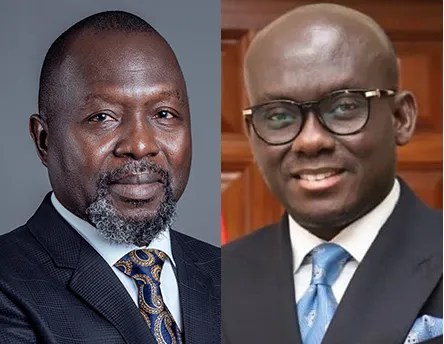
    Dr. Abiba Zakariah has been appointed as the acting Commissioner of the National Insurance Commission (NIC), placing her at the helm of Ghana’s insurance regulatory body.

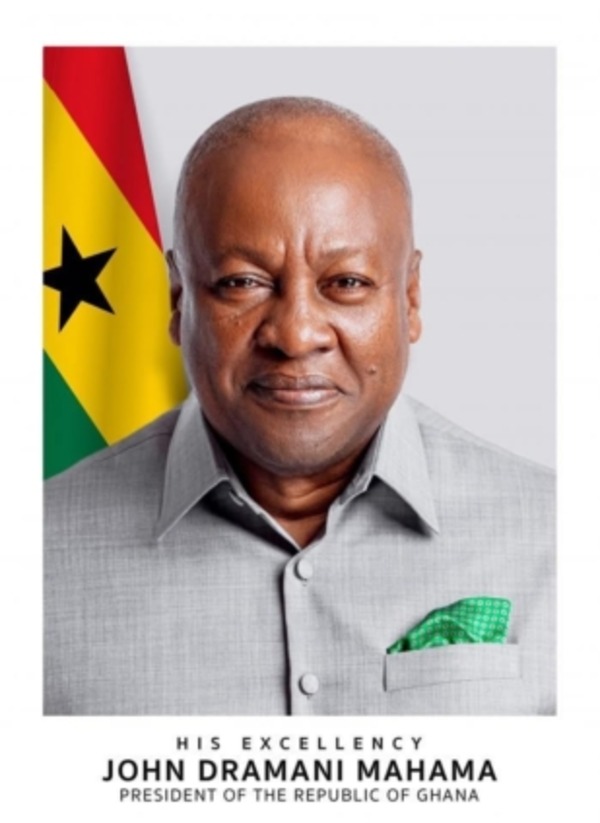
    Her appointment, made by President John Dramani Mahama, marks a significant leadership transition in the sector.

    Dr. Zakariah officially took office on Monday, February 17, 2025, following her appointment last week. She takes over from Michael Andoh, who had been serving in an acting capacity since April 2023.

    With over two decades of experience in the insurance sector, Dr. Zakariah brings extensive knowledge and leadership to the NIC. She previously served as Group Chief Operating Officer at WAICA Reinsurance Corporation, a regional reinsurance firm owned by members of the West African Insurance Companies Association. She resigned from that role in 2024.

    She is also the founder and Managing Director of Strategist Consortium, a management consulting firm specializing in insurance and risk management.

    A Chartered Insurer, Dr. Zakariah holds Fellow status with both the Chartered Insurance Institute (UK) and the Institute of Risk Management Professionals of Ghana. She earned a BSc (Hons.) degree and an MBA from the University of Ghana, Legon, and later obtained a PhD in Management Studies from the Swiss Management Centre.

    Her career began at SIC Insurance Company, formerly known as the State Insurance Corporation, where she gained foundational experience in the industry.

    As she takes charge at the NIC, Dr. Zakariah is expected to spearhead policy initiatives aimed at expanding insurance coverage in Ghana. One of the key issues on her agenda will be leading discussions on the review of the minimum capital requirement for insurance companies, a topic of concern among industry stakeholders.

  • Declare your assets or risk losing your job – Mahama cautions appointees

    Declare your assets or risk losing your job – Mahama cautions appointees

    President John Dramani Mahama has issued a strong warning to government appointees, stating that failure to declare their assets within the stipulated timeframe will lead to serious consequences, including possible dismissal.

    Mahama’s directive highlights his administration’s commitment to upholding transparency and accountability in public service. He made this announcement on Tuesday, 18th February, after personally submitting his asset declaration forms to Auditor-General Johnson Akuamoah Asiedu at the Jubilee House.

    The President stressed that compliance with asset declaration laws is non-negotiable and urged all government officials to fulfill this constitutional obligation without delay. He pointed out that declaring assets is not just a legal requirement but a critical tool for fostering integrity in governance.

    “Any appointee who fails to meet the asset declaration deadline will face serious sanctions, not excluding removal from office,” Mahama cautioned.

    His statement signals a firm stance against any attempts to evade the law, reinforcing that accountability must be a cornerstone of his administration.

    The President’s directive aligns with Article 286 of the 1992 Constitution, which mandates public officeholders to declare their assets upon assumption of office, every four years, and upon leaving office. His move serves as both a personal commitment to good governance and a call to action for all public officials to follow suit.

  • Assets declaration process can become a sustainable tool for tackling corruption – Mahama

    Assets declaration process can become a sustainable tool for tackling corruption – Mahama

    President John Dramani Mahama has underscored the significance of asset declaration in the fight against corruption, emphasizing that a well-regulated system can serve as a powerful mechanism for promoting accountability and transparency in governance.

    “If properly curated and enforced, the asset declaration process can become a sustainable tool for tackling corruption,” he said.

    Speaking after publicly declaring his assets in compliance with Article 286 of the 1992 Constitution, Mahama stressed the need for openness in the process, stating, “I have just performed a simple but briefly, very important act of presenting my complete assets declaration forms to the Auditor General as required by Article 286 of the 1992 Constitution and the Public Office Holders Declaration of Assets and Disqualification Act 1998, Act 550.”

    Ghana’s asset declaration law mandates public officials, including the President, Vice President, Ministers, Parliamentarians, Justices of the Superior Courts, and heads of government agencies, to disclose their assets upon assumption of office, every four years, and at the end of their tenure.

    President Mahama revealed that while he had previously submitted his asset declaration forms privately, he opted for a public disclosure this time to enhance trust in the system. He expressed concern over the lack of transparency in the process, making it difficult to assess compliance among officeholders.

    “In times past, I would have privately presented these forms to the Auditor General in fulfilment of my statutory obligation. I have taken this step of presenting these forms publicly as a way of injecting some openness and transparency into the process of assets declaration. I have always maintained that while it is all well and good to punish corruption, a more effective way of addressing the canker is preventing it from occurring in the first place.”

    Mahama further emphasized that an effectively managed asset declaration system has the potential to serve as a long-term solution for curbing corruption in Ghana’s public sector.

    Meanwhile, former Auditor General Daniel Domelevo has stressed the need for all public officials to declare their assets before assuming office, calling for stronger enforcement measures to ensure compliance.

    He further urged institutions such as the Commission on Human Rights and Administrative Justice (CHRAJ) to take proactive steps in monitoring and verifying asset declarations, arguing that consistent enforcement would deter corruption and build public confidence in governance.

    The asset declaration requirement extends to various categories of public officers, including presidential staffers, heads of security agencies, procurement officers, financial controllers, and senior government officials. The law mandates these individuals to disclose their assets and liabilities to ensure transparency in public service.

  • I declared my assets publicly to inject some openness and transparency into the proces – Mahama

    I declared my assets publicly to inject some openness and transparency into the proces – Mahama

    President John Dramani Mahama has publicly declared his assets, emphasizing that the move is aimed at fostering transparency and accountability in Ghana’s governance system.

    In line with Article 286 of the 1992 Constitution, President Mahama submitted a full disclosure of his assets to the Auditor General, a step he believes will strengthen public confidence in the asset declaration process.

    Speaking to the media after fulfilling his constitutional obligation, Mahama highlighted the importance of ensuring openness in asset declaration, stating, “I have just performed a simple but briefly, very important act of presenting my complete assets declaration forms to the Auditor General as required by Article 286 of the 1992 constitution and the Public Office Holders Declaration of Assets and Disqualification Act 1998, Act 550.”

    Ghana’s constitution mandates several categories of public office holders, including the President, Vice President, Ministers of State, Members of Parliament, Justices of the Superior Courts, and heads of key government institutions, to declare their assets upon assuming office, every four years, and at the end of their tenure.

    Mahama noted that while he had previously declared his assets privately, he opted for a public disclosure this time to promote openness in governance. He lamented that Ghana’s asset declaration regime has often lacked transparency, making it difficult to measure compliance.

    “In times past, I would have privately presented these forms to the Auditor General in fulfilment of my statutory obligation. I have taken this step of presenting these forms publicly as a way of injecting some openness and transparency into the process of assets declaration. I have always maintained that while it is all well and good to punish corruption, a more effective way of addressing the canker is preventing it from occurring in the first place,” Mahama stated.

    The President further stressed that a well-structured and effectively enforced asset declaration system could serve as a powerful tool in the fight against corruption. “If properly curated and enforced, the asset declaration process can become a sustainable tool for tackling corruption,” he added.

    In a related development, former Auditor General Daniel Domelevo has urged President Mahama to extend the same level of transparency to his appointees by ensuring they declare their assets before assuming office.

    Domelevo also called for stronger enforcement of asset declaration laws, urging institutions such as the Commission on Human Rights and Administrative Justice (CHRAJ) to take proactive measures in ensuring compliance. He believes rigorous enforcement will deter corruption and enhance public trust in governance.

    “The time for political rhetoric is over; Ghanaians need action now,” Domelevo emphasized, adding that without strict adherence to asset declaration regulations, the fight against corruption would remain a challenge.

    Asset declaration applies to a wide range of public officials, including presidential staffers, security officers, procurement officers, financial controllers, and heads of state institutions. The law requires them to disclose their assets and liabilities, ensuring accountability in public service.

  • Mahama declares his assets, presents documents to Auditor General

    Mahama declares his assets, presents documents to Auditor General

    President John Dramani Mahama has presented the necessary documents on all assets he has acquired to the Auditor General in compliance with Article 286 of the 1992 Constitution.

    The president submitted the documents today and duly informed the press in an engagement.

    “I have just performed a simple but briefly, very important act of presenting my complete assets declaration forms to the auditor general as required by Article 286 of the 1992 constitution and the Public Office Holders declaration of assets and disqualification Act 1998, Act 550.”

    Ghana’s constitution in Article 286 (1) requires a good number of public office holders to submit to the Auditor General “a written declaration of all property or assets owned by, or liabilities owed by, him whether directly or indirectly –
    (a) within three months after the coming into force of this Constitution or before taking office, as the case may be,
    (b) at the end of every four years; and
    (c) at the end of his term of office.”

    According to President Mahama, who in times past declared his assets privately, Ghana’s asset declaration regime and its related activities have often been shrouded in secrecy and only unless in special circumstance, compliance is often difficult to measure.

    “In times past, I would have privately presented these forms to the Auditor General in fulfilment of my statutory obligation. I have taken this step of presenting these forms publicly as a way of injecting some openness and transparency into the process of assets declaration. I have always maintained that while it is all well and good to punish corruption, a more effective way of addressing the canker is preventing it from occurring in the first place,” he added.

    The president stressed that “if properly curated and enforced, the asset declaration process can become a sustainable tool for tackling corruption.”

    In a related event, former Auditor General Daniel Domelevo has urged President John Mahama to ensure that all appointees declare their assets before being sworn into office.

    Domelevo also stressed the need for robust enforcement of asset declaration laws in Ghana. He called on institutions like the Commission on Human Rights and Administrative Justice (CHRAJ) to ensure compliance and hold public officials accountable. Proactive enforcement, Domelevo believes, would deter corruption and enhance confidence in the governance system.

    The Public Office holders to whom the Article refers are those specified in Schedule 1 of
    Public Office Holders (Declaration of Asset and Disqualification) Act, 1998, Act 550 as stated
    below:
    a) President of the Republic;
    b) Vice-President of the Republic;
    c) Speaker, the Deputy Speaker and a member of Parliament;
    d) Minister of State or Deputy Minister;
    e) Chief Justice, Justice of the Superior Court of Judicature, Chairman of a Regional
    Tribunal, the Commissioner for Human Rights and Administrative Justice and his
    deputies and all judicial officers;
    f) Ambassador or High Commissioner;
    g) Secretary to the Cabinet;
    h) Head of Ministry or government department or equivalent office in the Civil Service;
    i) chairman, managing director, general manager and departmental head of a public
    corporation or company in which the State has a controlling interest; and
    j) The Governor, Bank Of Ghana and his deputies
    k) Chairman, Electoral Commission and his deputies
    l) Chairman, National Commission for Civic Education and his deputies
    m) Head of Chancery of Ghana Embassy of Ghana High Commission
    n) Heads of Departments of Bank of Ghana
    o) Officers in the Armed Forces seconded to civilian establishment and institutions
    p) Members of the Tender Boards of the Central, Regional and District Assemblies
    q) Officials of Vehicle Examination and Licensing Division (VELD) not below the rank of
    Vehicle Examiner
    r) Presidential Staffers and Aides
    s) Officer of the rank of Assistant Inspector of Taxes and above in the Ghana Revenue
    Authority or its equivalent in the :
    t) Officers of the Police Service
    u) Officers of the Prison Service
    v) District Chief Executive
    w) Presiding member and secretary of Metropolitan, Municipal and District Assemblies
    x) Chairman, Public Services Commission and his Deputies
    y) Head, Office of the Civil Service
    z) Persons who are:
    i) Heads of;
    ii) Accountants in;
    iii) Internal Auditors in;
    iv) Procurement Officers in; and
    v) Planning and Budget officer in finance and procurement
    departments of government ministries, departments and
    agencies, District, Municipal and Metropolitan Assemblies:
    aa) An Officer in any other public office or public institution other than the Armed Forces
    the salary attached to which is equivalent to or above the salary of a Director in the Civil
    Service.

  • Suspect arrested for attack on referee during Division One match at Elmina

    Suspect arrested for attack on referee during Division One match at Elmina

    The Ghana Police Service has arrested suspect Kelvin Aboagye, in connection with an attack on a referee during a division one football match between Elmina Sharks and Swedru All Blacks on16th February, at the Nduom Sports Stadium, Elmina in the Central Region.

    The suspect, who is the General Manager of Elmina Sharks, together with others, according to a police statement, attacked the referee and other supporters at the end of the game.

    “He is currently in Police custody assisting with the investigation while efforts are underway to get the rest of the culprits arrested to face justice,” the statement noted.

    This comes at a time when authorities are working assiduously to end violence clashes and attacks during football matches in the country. Recently, a Kotoko fan was stabbed to death and investigations into the matter are ongoing.

  • Energy crisis is a national emergency that demands decisive and lasting solutions – CDM to govt

    Energy crisis is a national emergency that demands decisive and lasting solutions – CDM to govt

    The Centre for Democratic Movement (CDM) has called on the government to take urgent and concrete steps to resolve Ghana’s worsening energy crisis, describing the situation as a national emergency requiring decisive action.

    The organisation criticised what it sees as the government’s reactive approach to the crisis, arguing that delays and ineffective strategies have left citizens and businesses struggling with unreliable power supply. CDM insisted that leadership must demonstrate competence in addressing the country’s pressing energy needs.

    “This is not a political debate; it is a national emergency that demands decisive and lasting solutions,” the organisation stated, emphasizing the need for immediate intervention to stabilise the energy sector.

    While acknowledging past failures by the opposition National Democratic Congress (NDC) in managing the sector, CDM urged political leaders to move beyond blame games and focus on sustainable solutions that will guarantee reliable electricity for Ghanaians.

    According to the movement, the government must stop making excuses and take full responsibility for the current state of affairs. It stressed that only bold, transparent, and forward-thinking policies can restore stability and prevent further disruptions in the sector.

    “The time for political rhetoric is over; Ghanaians need action now,” CDM declared, calling for a clear and actionable roadmap to address the crisis.

    The group also urged policymakers to prioritise long-term energy security over short-term political interests, warning that continued policy failures would have dire consequences for both businesses and ordinary citizens.

    Reaffirming its commitment to holding leadership accountable, CDM vowed to continue advocating for sustainable solutions that will ensure affordable and reliable power supply for all.

  • Police to undertake mass burial of 200 unclaimed bodies at its hospital

    Police to undertake mass burial of 200 unclaimed bodies at its hospital

    The Ghana Police Service has announced its plans to undertake a mass burial of some 200 unclaimed and unidentified bodies at the Police Hospital.

    In a video, the Service explained that exercise scheduled for the first quarter of 2025 is part of efforts to decongest the hospital and ensure proper maintenance of its storage unit.

    Corporal Felix Kwaku-Dua further revealed that the deadline for the identification and collection of bodies is 28th February, 2025.

    As such, “members of the public are being urged to check with the Police Hospital Pathology Department to identify and claim any missing or deceased relatives,” he said.

    After the aforementioned date, all unclaimed bodies will be included in the mass burial.

    The Hospital management appeals to the general public to take note of this development and assist in spreading the information.

  • Petrol, diesel priced at minimum of GHc12.56, GHc13.45 per litre in NPA’s price floor

    Petrol, diesel priced at minimum of GHc12.56, GHc13.45 per litre in NPA’s price floor

    The National Petroleum Authority (NPA) has set a new price floor for petroleum products, enforcing a minimum selling price for fuel in the second pricing window of February 2025.

    Under the new directive, petrol cannot be sold below GH₵12.56 per litre, while diesel has a minimum price of GH₵13.45 per litre. Liquefied Petroleum Gas (LPG) has also been pegged at a minimum of GH₵14.26 per kilogram.

    This measure, effective from February 16 to 28, 2025, mandates Oil Marketing Companies (OMCs) and LPG Marketing Companies (LPGMCs) to adhere strictly to the price thresholds, ensuring market stability in the downstream petroleum sector.

    The NPA asserts that the initiative aligns with the Petroleum Pricing Guidelines, which are intended to enhance transparency and sustainability in fuel pricing.

    While the price floor sets a lower limit, it does not include additional premiums from International Oil Trading Companies (IOTCs) or operational margins for Bulk Import, Distribution, and Export Companies (BIDECs). Similarly, marketing and dealer margins remain independently determined under Ghana’s deregulated pricing framework.

    Industry analysts suggest that the introduction of a price floor will discourage undercutting tactics among fuel distributors, fostering a fairer competitive landscape. By enforcing a minimum benchmark, the NPA aims to create a predictable and balanced pricing structure that benefits both consumers and market players.

    Despite maintaining price deregulation, the directive ensures that companies remain profitable while safeguarding consumer interests. Companies can still set prices above the mandated floor, allowing for competitive flexibility within the sector.

  • VIDEOS: Breakdown of gargantuan looting at NSA in latest NSS scandal

    VIDEOS: Breakdown of gargantuan looting at NSA in latest NSS scandal

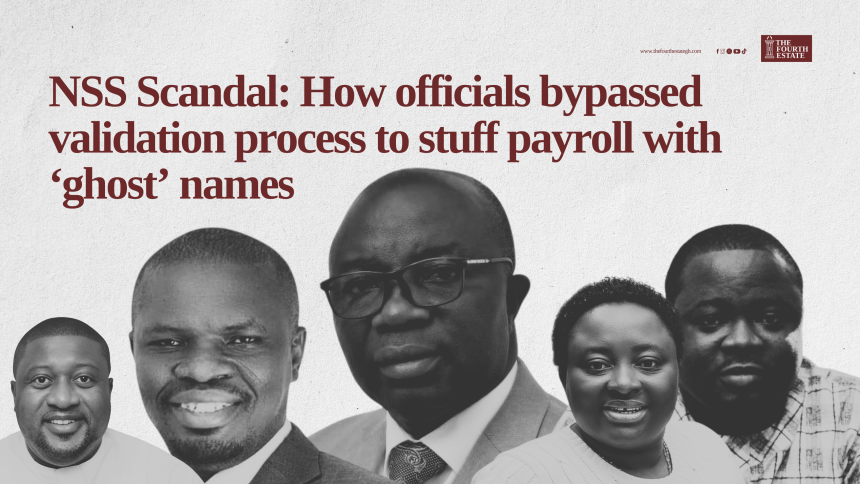
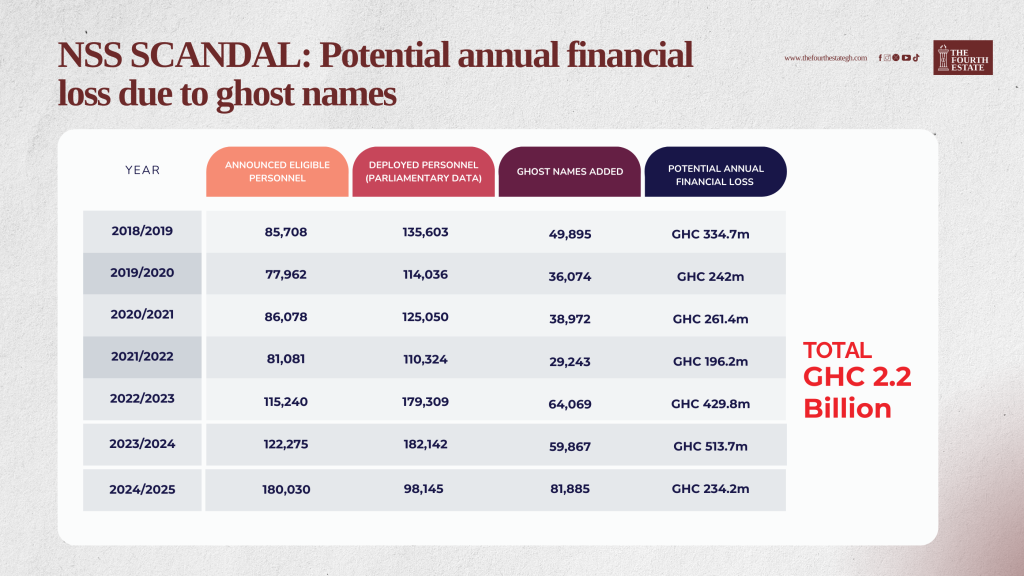
    The Fourth Estate reports that officials at the National Service Authority (NSA) circumvented mandatory validation processes for payments of allowances to national service personnel, enabling thousands of nonexistent names to be added to the payroll.

    This made it easy to use the ghost names to drain the public purse of millions of Ghana cedis in allowances intended for national service personnel. A whopping GHC2.2 billion is reported to have been siphoned since 2018 till date.

    The Fourth Estate has been investigating allegations of corruption at the NSA for some months and has discovered evidence of fraudulent addition of nonexistent names, otherwise referred to as ghost names, to the list of personnel deployed annually since 2018,” it reported.

    Media Foundation for West Africa Executive Director Sulemana Braimah has exposed a Kenyan, Emmanuel Mutio, but with the name Kwame Donkor in the National Service system. The susepct, believed to be 72 years, per data in the system, is a Human Resource Manager.

    Some 226 students with the same name, same programme and same university identified in the National Service system in the recent scandal which is yet to be holistically probed upon the directive of President John Mahama after a report submission by the Operation Retrieve All Loot (ORAL).

  • Govt deposits GHC9.7bn into Sinking Fund as buffer for July-August DDEP coupon payment

    Govt deposits GHC9.7bn into Sinking Fund as buffer for July-August DDEP coupon payment

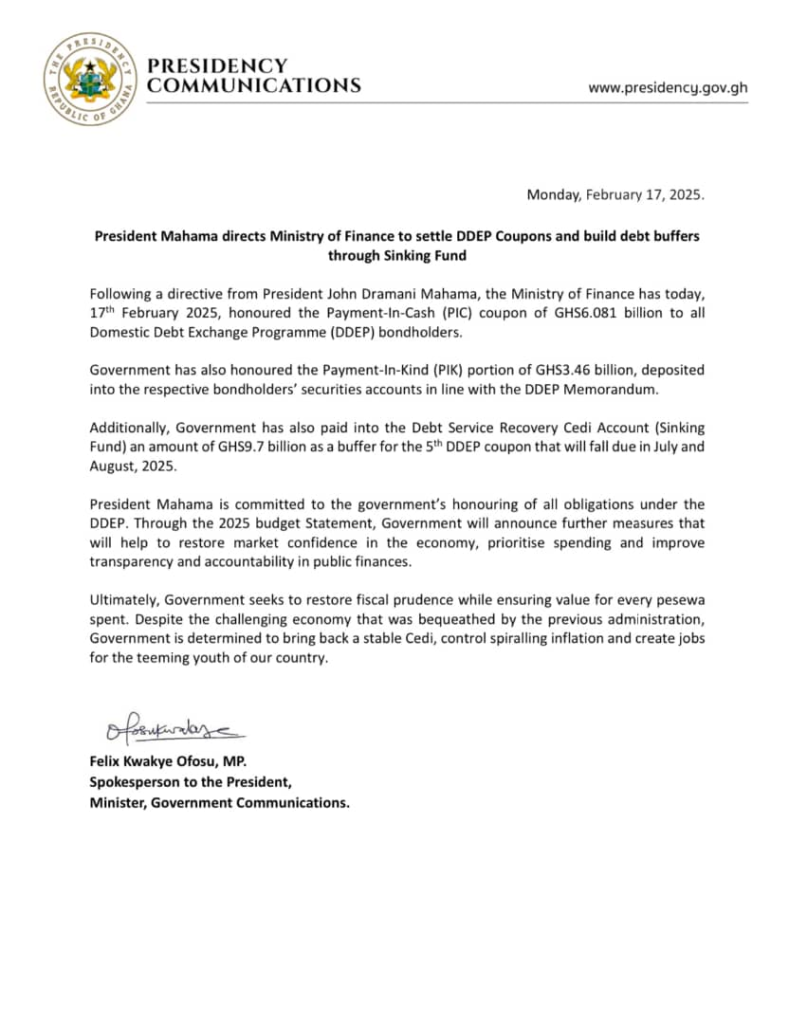
    The government has made an initial deposit of GHS9.7 billion into the Debt Service Recovery Cedi Account, commonly known as the Sinking Fund, to cushion upcoming payments for the fifth Domestic Debt Exchange Programme (DDEP) coupon in July and August 2025.

    This move, aimed at easing debt servicing pressures, was announced in a statement on Monday, February 17, by Felix Kwakye Ofosu, Spokesperson to the President and Minister for Government Communications.

    Economists have long stressed the necessity of strengthening the Sinking Fund as a strategy to effectively manage Ghana’s restructured debt obligations. Given the country’s mounting debt stock, the fund serves as a critical tool to ensure timely repayment and ease financial strain.

    Before assuming office, President John Mahama had pledged to reintroduce the Sinking Fund as part of his administration’s debt management strategy. He outlined plans to finance the fund using provisions under the Petroleum Revenue Management Act, 2011 (ACT 815).

    Historically, Ghana successfully repaid a $750 million Eurobond issued in 2007 through the Sinking Fund, reinforcing its effectiveness in managing debt obligations. However, the previous administration discontinued the fund from 2017, a decision that former Finance Minister Seth Terkper criticized, arguing that it left the country vulnerable and overly reliant on the Stabilization Fund and Bank of Ghana interventions.

    Meanwhile, the Ministry of Finance has completed the Payment-In-Cash (PIC) component of GHS6.081 billion to all DDEP bondholders as of February 17, 2025. Additionally, the Payment-In-Kind (PIK) portion of GHS3.46 billion has been credited to bondholders’ securities accounts, in line with the DDEP Memorandum.

    “Through the 2025 Budget Statement, the government will introduce further measures to restore market confidence, prioritize spending, and enhance transparency and accountability in public finances,” the statement added.

    Despite inheriting a challenging economic situation, the government reaffirmed its commitment to restoring fiscal discipline, stabilizing the Cedi, curbing inflation, and creating employment opportunities for the youth.

  • Catholic Bishops, Christian Council bemoan absence from National Education Forum

    Catholic Bishops, Christian Council bemoan absence from National Education Forum

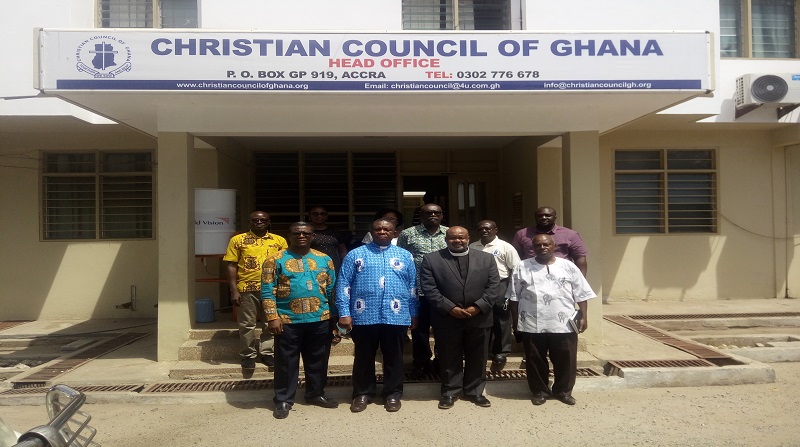
    The Ghana Catholic Bishops’ Conference (GCBC) and the Christian Council of Ghana (CCG) have voiced strong dissatisfaction over their exclusion from the upcoming National Education Forum set for February 18 and 19, 2025.

    In a joint statement released on Monday, February 17, the two religious organizations criticized the government’s decision to leave them out of a crucial dialogue on education, despite their historical contributions to Ghana’s academic landscape.

    “While the list of invited national-level stakeholders includes some organisations associated with our two institutions, the Catholic Bishops’ Conference and the Christian Council as such were excluded from it,” the statement noted. The religious bodies described this omission as perplexing, considering their long-standing role in providing quality education.

    With an extensive network of mission schools across the country, the GCBC and CCG argued that excluding them from the discussions undermines the spirit of collaboration needed for effective and inclusive education policies.

    “Our exclusion from this vital forum undermines the collaborative spirit that is essential to the success of any educational policy or reform,” they stated.

    The press release was signed by Most Rev. Matthew K. Gyamfi, President of the Ghana Catholic Bishops’ Conference, and Rt. Rev. Dr. Hilliard Dela Dogbe, Chairman of the Christian Council of Ghana.

    They further cautioned that sidelining key players in the sector could result in policies that fail to align with the needs and values of the Ghanaian people.

    “The national discourse on education requires the involvement of all stakeholders, including religious bodies, educators, and parents, whose input can guide the formation of policies that align with the values, traditions, and aspirations of the people of Ghana,” the statement continued.

    The GCBC and CCG urged the Ministry of Education to reconsider its decision and ensure that all relevant voices are included in shaping the future of education.

    “We believe that the absence of the GCBC and CCG at this forum is a disservice to the broader educational community and the ideals of inclusivity and shared responsibility in national development.”

    Reaffirming their dedication to Ghana’s education sector, they stressed that meaningful reform can only be achieved through genuine consultation and cooperation.

    “It is our firm belief that only through genuine consultation and partnership can we achieve the holistic educational reform that Ghana so desperately needs.”

    The statement concluded with an assurance of their readiness to engage constructively with the government and other stakeholders to uphold high-quality and value-driven education.

    “We stand ready to engage in constructive dialogue for the betterment of education in Ghana.”

  • Parliament, GSS review draft Memorandum of Understanding

    Parliament, GSS review draft Memorandum of Understanding

    The Parliamentary Service of Ghana, through its Data Management Department, has taken a significant step towards strengthening its collaboration with the Ghana Statistical Service (GSS).

    Over the weekend, stakeholders gathered to review a draft Memorandum of Understanding (MoU) between the two institutions, along with a proposed Data Sharing Policy aimed at improving data accessibility and management.

    The MoU is designed to enhance the collection, processing, and utilization of legislative, procedural, and administrative data within Parliament while ensuring the timely flow of information from the Ghana Statistical Service. This partnership is expected to improve decision-making processes and transparency in parliamentary activities.

    Central to the discussions was the Open Data Policy, which aligns with the Open Government Partnership’s objective of making data freely accessible for public use. To support this initiative, the Data Management Department is working on an Interactive User Interface that will allow the public to access, visualize, and download datasets related to parliamentary affairs.

    Additionally, a draft Data Sharing Policy has been introduced to define the conditions and formats for disseminating parliamentary data. This framework aligns with Principles 4 and 5 of the African Charter on Statistics, which emphasize data accessibility, confidentiality, and assurance.

    The Data Management Department acknowledged the contribution of ACEPA in fostering a strong working relationship between Parliament and the Ghana Statistical Service. It also expressed appreciation to the Ghana Statistical Service for its ongoing support in ensuring effective data management and sharing.

  • Criminologist calls for cash regulation to check robbery attacks on MoMo vendors

    Criminologist calls for cash regulation to check robbery attacks on MoMo vendors

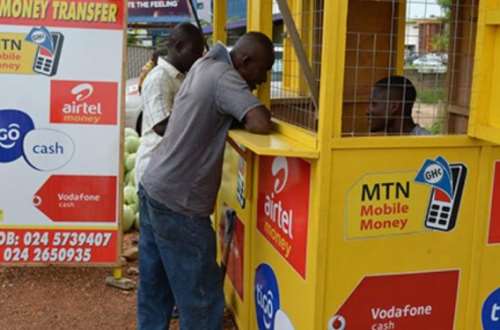
    A criminologist at the Kwame Nkrumah University of Science and Technology (KNUST), Dr. Jones Opoku-Ware, has urged mobile money operators to introduce limits on the amount of cash vendors can hold to curb rising robbery attacks.

    According to him, MoMo vendors frequently carry large sums of money, making them prime targets for criminals. He believes regulating cash holdings will not only reduce their risk of being attacked but also enhance their safety.

    “We can actually regulate the amount of money people can withdraw from a vendor because I feel that allowing people to withdraw and transact as much as they want exposes MoMo vendors to criminals,” he said.

    Dr. Opoku-Ware further stressed the importance of ensuring vendors do not carry excessive amounts of cash, which makes them vulnerable.

    “We need to find a way to regulate this, ensuring that the amount of money vendors hold is manageable and easy to carry, rather than them having large sums that constantly attract criminals,” he added.

    Calling for immediate intervention from mobile operators, he warned that failing to address this issue would only lead to more violent crimes against vendors.

    “It’s high time that mobile operators listened and took action. If we don’t address the factors driving these crimes and streamline the activities of MoMo vendors, we will continue to witness attacks,” he noted.

    He also encouraged vendors to take personal security seriously, particularly in how they manage their transactions and interact with customers.

    “Through ongoing discussions and education, I hope vendors will begin prioritizing their personal security, especially in how they conduct their business and interact with customers,” he stated.

    His comments follow a recent attack on a MoMo vendor at Krofrom in the Ashanti Region, which resulted in a fatality and has sparked renewed concerns about the security of mobile money operators.

    Ghana has witnessed several robbery cases in recent times, with some incidents leading to the loss of lives, raising urgent calls for enhanced security measures and policy interventions.

  • Improving environment of learning, image and member engagement: Focus areas for CIMG president

    Improving environment of learning, image and member engagement: Focus areas for CIMG president

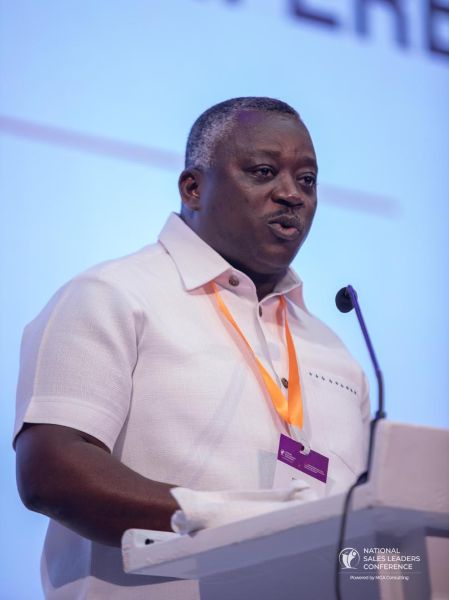
    The newly elected President of the Chartered Institute of Marketing Ghana (CIMG), Michael Abbiw, has outlined his vision of enhancing professional development, elevating the institute’s reputation, and fostering greater involvement among members.

    Mr. Abbiw’s administration which is to be guided by the Agenda 5/5 Initiative, will span the next three years, and will be committed to transforming CIMG into a more dynamic and influential professional body.

    Speaking in an interview with JoyBusiness, he emphasized the institute’s priorities, stating, “There are three key areas that will be our prime focus: improving the environment of learning, elevating our image, and increasing member engagement.”

    To achieve this, Mr. Abbiw plans to introduce targeted programs that will attract more professionals into the institute while ensuring active participation from existing members. He believes that strengthening CIMG’s connections with the business community and policymakers will be essential to the institute’s growth and relevance.

    A seasoned marketer with over two decades of experience, Mr. Abbiw assumed office on February 13, 2025, succeeding Dr. Daniel Kasser Tee.

    Beyond his role at CIMG, Mr. Abbiw is the CEO of MGA Consulting Limited, a top-tier sales and marketing consultancy, and serves as Executive Director of Supreme Trust Brokers Limited. He also lectures in marketing at Methodist University and holds fellowships with both CIMG and the National Institute of Marketing Nigeria.

    Mr Abbiw will be assisted by the following individuals:

    • Ama Gifty Amoah – National Vice-President
    • Edwin Letsa K. Kpedor – National Secretary
    • Dr. Francis Mensah Sasraku – National Treasurer

    Additionally, Hilda Peasah, Norrender Wordie Debrah, and Kwasi Kyere were elected as Council Members.

  • 4 communities in Afigya Kwabre North District cut off the national grid

    4 communities in Afigya Kwabre North District cut off the national grid

    Residents of Amponsahkrom, Prabon, Hobesu, and Kofifofiekrom in the Afigya Kwabre North District of the Ashanti Region have been left in darkness for months due to disruptions in electricity supply, significantly affecting daily life and essential services.

    One of the hardest-hit sectors is healthcare, as professionals at the local CHPS compound struggle to provide quality care, particularly at night. The lack of electricity has made it difficult to administer emergency treatments and conduct routine medical procedures efficiently.

    Health worker Richard Amankwa highlighted the additional challenge of poor internet connectivity, which has delayed the processing of essential documents, including those for the National Health Insurance Scheme (NHIS). “Access to the internet has been challenging, which has hindered our ability to process documents, including NHIS,” he stated, adding that the absence of electricity has only worsened the situation.

    Assembly Member Emmanuel Nomenyo Kwabena explained that although the Electricity Company of Ghana (ECG) had initially installed power lines to connect the four communities to the national grid, unknown individuals have reportedly removed the electricity poles and wires.

    He urged the government and ECG to intervene swiftly to restore electricity to the affected communities, emphasizing that their livelihoods and access to essential services depend on immediate action.

  • Police arrest 1 in Council of State election re-run in Ashanti region

    Police arrest 1 in Council of State election re-run in Ashanti region

    Security tensions heightened at the re-run of the Council of State election in the Ashanti Region after police arrested a supporter of one of the candidates for breaching security protocols.

    The suspect, believed to be an ally of former NDC regional chairman Yaw Obimpeh, was detained after attempting to bypass barricades set up by law enforcement officers at the election venue. The individual, along with others, reportedly ignored police directives to remain behind the restricted area.

    Today’s poll is a repeat of last week’s election, which was disrupted following an attack on Electoral Commission (EC) officials by a group of thugs. The violent incident led to the destruction of election materials, including cast ballot papers, prompting authorities to call off the process.

    In response, the police have strengthened security measures to prevent a recurrence. Vehicles have been barred from accessing the election venue, and six police-manned barricades have been erected along roads leading to the Prempeh Assembly Hall. Additionally, the surrounding streets have been closed to traffic.

    Hundreds of police officers have been deployed to the area, equipped with crowd control gear to maintain order as the election proceeds.

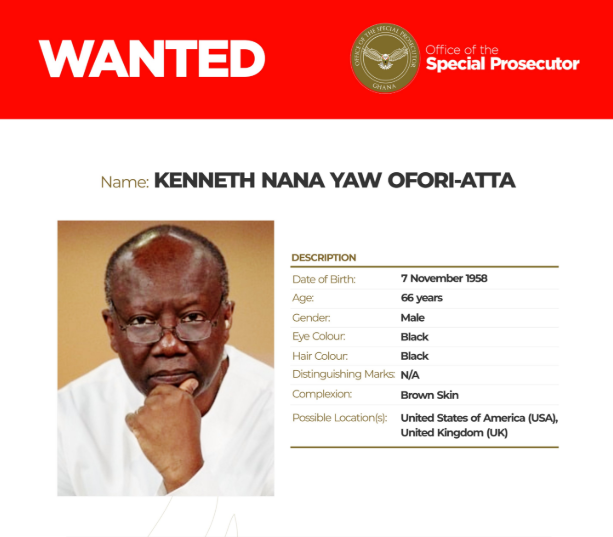
  • OSP shares profile of “fugitive” Ken Ofori-Atta to obtain his whereabout

    OSP shares profile of “fugitive” Ken Ofori-Atta to obtain his whereabout

    The Office of the Special Prosecutor (OSP) has shared on its social media platform an infographic detailing the profile of former Finance Minister Ken Ofori-Atta, who has been declared a fugitive for failing to appear for interrogation into corruption-related investigations.

    In its post, the OSP noted that Mr Ofori-Atta could possibly be in the United States of America (USA) or the United Kingdom (UK).

    “Anyone with information on the whereabouts of this individual should alert the Office by calling or sending a WhatsApp message to 0554494499/0554484488,” the OSP further entreated.

    The Special Prosecutor Kissi Agyebeng declared the statesman wanted during a press conference on the grounds of causing financial loss to the state in several dealings, including;

    • Contractual arrangement between Strategic Mobilisation Ghana Limited and the Ghana Revenue Authority for the stated objective of the enhancement of revenue assurance in the downstream petroleum sector, upstream petroleum production, and minerals and metals resource value chain.
    • Termination of a distribution, loss reduction, and associated network improvement project contract between the Electricity Company of Ghana Limited and Beijing Xhao Chen Technology BXC.
    • Procurement of contractors and materials and activities and payments in respect of the National Cathedral project
    • Activities and payments in respect of a contract awarded by the Ministry of Health initially commenced by the Ministry for Special Development Initiative to service Ghana Auto Group Limited for purchases and after-sales service and maintenance of 307 Mercedes-Benz Sprinter 304 5 CDI Ambulances for the National Ambulance Service.
    • Payments out of and utilization of the tax refund account of the Ghana Revenue Authority.

    https://twitter.com/ospghana/status/1891454109573665059/photo/1

  • Foreign Ministry sets up special department to cater for needs of Ghanaian students abroad

    Foreign Ministry sets up special department to cater for needs of Ghanaian students abroad

    The Ministry of Foreign Affairs has established a dedicated department within Ghana’s diplomatic missions to specifically address the needs of Ghanaian students studying abroad.

    This initiative is aimed at providing tailored support and assistance to students in various aspects of their academic and personal lives.

    The ministry has already set up “Student Desks” in 11 countries with a high concentration of Ghanaian students. These countries include Abidjan, Beijing, Belgrade, Cotonou, Havana, Lome, London, Moscow, Rabat, Rome, and Ottawa.

    In a post shared on Facebook, Foreign Minister Samuel Okudzeto Ablakwa confirmed that the initiative will expand to all Ghanaian diplomatic missions following a successful pilot phase.

    He emphasized that the new department would not incur additional costs for the taxpayer or require new staff, as it would rely on reassigning consular staff to manage these desks.

    Embassy officials tasked with this responsibility will be required to submit monthly reports to the Consular and Humanitarian Affairs Bureau, which will then forward them to the Foreign Minister.

    Minister Ablakwa added, “The Mahama administration is determined to end the era where Ghanaian students studying abroad, particularly those on government scholarships, are left stranded, neglected, and frustrated when they need urgent assistance in areas such as fees facilitation, immigration support, medical emergencies, verification of academic records, housing and accommodation support, evacuations, and legal aid.”

  • Petrol, diesel prices to decline – IES

    Petrol, diesel prices to decline – IES

    The Institute for Energy Securities (IES) predicts a slight drop in the prices of petrol and diesel in the second price window starting February 16.

    However, the price of Liquefied Petroleum Gas (LPG) is expected to remain stable.

    This forecast is attributed to a reduction in the international prices of finished products, despite a 2.18% year-to-date depreciation of the Ghanaian cedi against the U.S. dollar.

    Brent crude oil prices have stayed within the $70 per barrel range, experiencing a gradual decline toward the end of the first pricing window for February 2025. Before the release of the U.S. Energy Information Administration (EIA) report on February 7, Brent crude was priced at $75.93 per barrel. Following the report, it fell to $75.85 due to rising U.S. crude oil inventories and seasonal market adjustments.

    By the close of the first pricing window, Brent crude saw a 5.65% decrease, dropping from $81.08 per barrel to $74.74, with an average price of $75.38 for the bi-weekly period.

    Petroleum price performance data from Standard & Poor’s (S&P’s) Platts, covering the first half of February 2025, reflected global market trends. The closing prices for fuel were reported as $722.17 per metric tonne for petrol, $708.67 per metric tonne for diesel, and $622.46 per metric tonne for LPG.

    In the first pricing window of February 2025, local fuel prices saw increases, marking the third price adjustment of the year. Petrol and diesel prices both rose, with petrol increasing by GH₵0.24 per litre and diesel by GH₵0.45 per litre.

    Based on price data from Oil Marketing Companies (OMCs), the IES computed the national average price for refined petroleum products during this period. As of the first pricing window of February, petrol was priced at GH₵15.61 per litre, diesel at GH₵15.65 per litre, and LPG at GH₵18.79 per kilogram.

  • Committee to check reduction in the cost of data established by Communications Minister

    Committee to check reduction in the cost of data established by Communications Minister

    A 23-member Inter-Agency Data Pricing Committee has been formed by the Minister for Communications, Digital Technology, and Innovations, Samuel Nartey George, to tackle the issue of high data costs in Ghana.

    The committee, which was inaugurated in Accra, is composed of stakeholders from various sectors of the digital space. Its main goal is to create a comprehensive roadmap that will guide efforts to reduce the cost of data services in the country.

    The committee is tasked with reviewing current pricing models and developing recommendations for more affordable and competitive data services that support digital inclusion and foster economic growth. They are expected to present their final roadmap report to the Minister by March 6, 2025.

    Minister George emphasized that the creation of the committee highlights the government’s commitment to ensuring transparency in data pricing and bridging the digital divide in Ghana.

    “The players in the industry are not Chancellors and are businessmen, but like I have always said, my fidelity is first and foremost to the Ghanaian people before any other consideration. On the basis of that, we are going to put up this technical committee to have a conversation around the pricing of data. The focus of the committee is not for you to tell the ministry why data is priced at its current price point,” he stated.

    The Minister also referenced a proposal from a Mobile Network Operator (MNO) made to the National Communication Authority in January 2024, suggesting a 10% reduction in data prices. However, the Ministry had yet to respond to the proposal, and it remains under consideration for nearly a year.

    “We are committed to ensuring value for money. The best value and offering for the Ghanaian people is our primary goal,” Minister George noted. He further stressed that he wanted a thorough examination of all data bundle offerings across the networks, rather than focusing on individual proposals from a single MNO.

    The Minister recognized the potential of young Ghanaians to benefit from cheaper, affordable data, noting that it would empower them to take on gig economy jobs internationally.

    “This is a call to national service, a call to national duty, both for the Committee members and as players in the industry,” he concluded.

    Ken Ashigbey, the Chief Executive Officer of the Ghana Chamber of Telecommunications, expressed support for the initiative, calling it a crucial step to ensure that Ghanaians receive value for money when it comes to data services. He also acknowledged the complexity of the issue and pledged his commitment to meeting the committee’s objectives.

    Daniel Oppong Kyeremeh, President of the National Union of Ghana Students (NUGS), also praised the establishment of the committee, particularly for including the student union. He pointed out that students often struggle with high data costs, especially during online classes and research activities, and expressed optimism that the committee’s work would result in fairer pricing for all.

  • 6 charged payroll fraud and corruption by OSP in court

    6 charged payroll fraud and corruption by OSP in court

    The Office of the Special Prosecutor (OSP) has charged six individuals with payroll fraud and corruption-related offences at the High Court in Tamale, Northern Region.

    The accused are facing 17 counts of corruption for allegedly orchestrating fraudulent salary payments, resulting in financial loss to the state.

    The individuals charged include Yakubu Tahidu, Abdulai Abukari Sadic, Sammy Suuk, Mohammed Yusif Jay, Stafford Korletey Azudey-Barres, and Osman Issahaku. Their prosecution stems from a National Security investigation, which uncovered that Yakubu Tahidu continued to receive a government salary despite no longer being a teacher. The other accused persons are alleged to have either facilitated or failed to prevent the fraudulent transactions.

    According to the OSP, Yakubu Tahidu, a former teacher at Balogu M/A JHS, illegally remained on the government payroll after taking up a position at the Microfinance and Small Loans Centre (MASLOC).

    The prosecution alleges that Abdulai Abukari Sadic, the Yendi Municipal IPPD Coordinator, and Sammy Suuk, a Schools Improvement Support Officer, played roles in validating salary payments for Tahidu despite his departure.

    Mohammed Yusif Jay, a former headteacher of Balogu M/A JHS, allegedly validated the fraudulent payments even after his reassignment to a different school.

    Stafford Korletey Azudey-Barres, an Assistant Chief Accounts Technician at the Controller and Accountant-General’s Department, is accused of enabling the processing of unauthorized salaries.

    Additionally, Osman Issahaku, the current headteacher of Balogu M/A JHS, is alleged to have continued validating the wrongful salary payments.

    https://twitter.com/ospghana/status/1891398145696845971

  • Govt to offer cocoa farmers 70% of the world market price – Agric Minister

    Govt to offer cocoa farmers 70% of the world market price – Agric Minister

    The government has announced an upward adjustment in the share of the world market price paid to cocoa farmers, increasing it from the initial 60% proposal to 70%.

    This move, according to Minister for Food and Agriculture Eric Opoku, is aimed at incentivizing farmers, boosting production, and reinforcing Ghana’s position as the world’s second-largest cocoa producer.

    Speaking in Parliament earlier, the Minister highlighted the importance of supporting cocoa farmers to sustain the industry’s growth and economic contributions. He later reiterated the government’s commitment in a Facebook post on Saturday, emphasizing efforts to address declining cocoa processing output.

    “Since 2023, CPC’s production has been on a downward trend. Despite having a processing capacity of 64,500 tonnes, the company produced only 6,614 tonnes in 2023 and 2,886 tonnes in 2024. This decline is largely due to reduced cocoa bean production, which has affected supply to the processing company,” he stated.

    “To address this challenge, I announced the government’s decision to exceed the initial 60% proposal and offer cocoa farmers 70% of the world market price. This increase is intended to motivate farmers, boost production, and further cement Ghana’s standing as the world’s second-largest producer of cocoa.”

    Despite its status as a leading cocoa-producing nation, Ghana still exports most of its beans in raw form due to limited local processing capacity, raising concerns over lost revenue.

    The Minister assured stakeholders that the government is implementing measures to strengthen the cocoa value chain and maximize earnings. The revised pricing policy is expected to provide significant relief to farmers and promote sustainable growth within the industry.

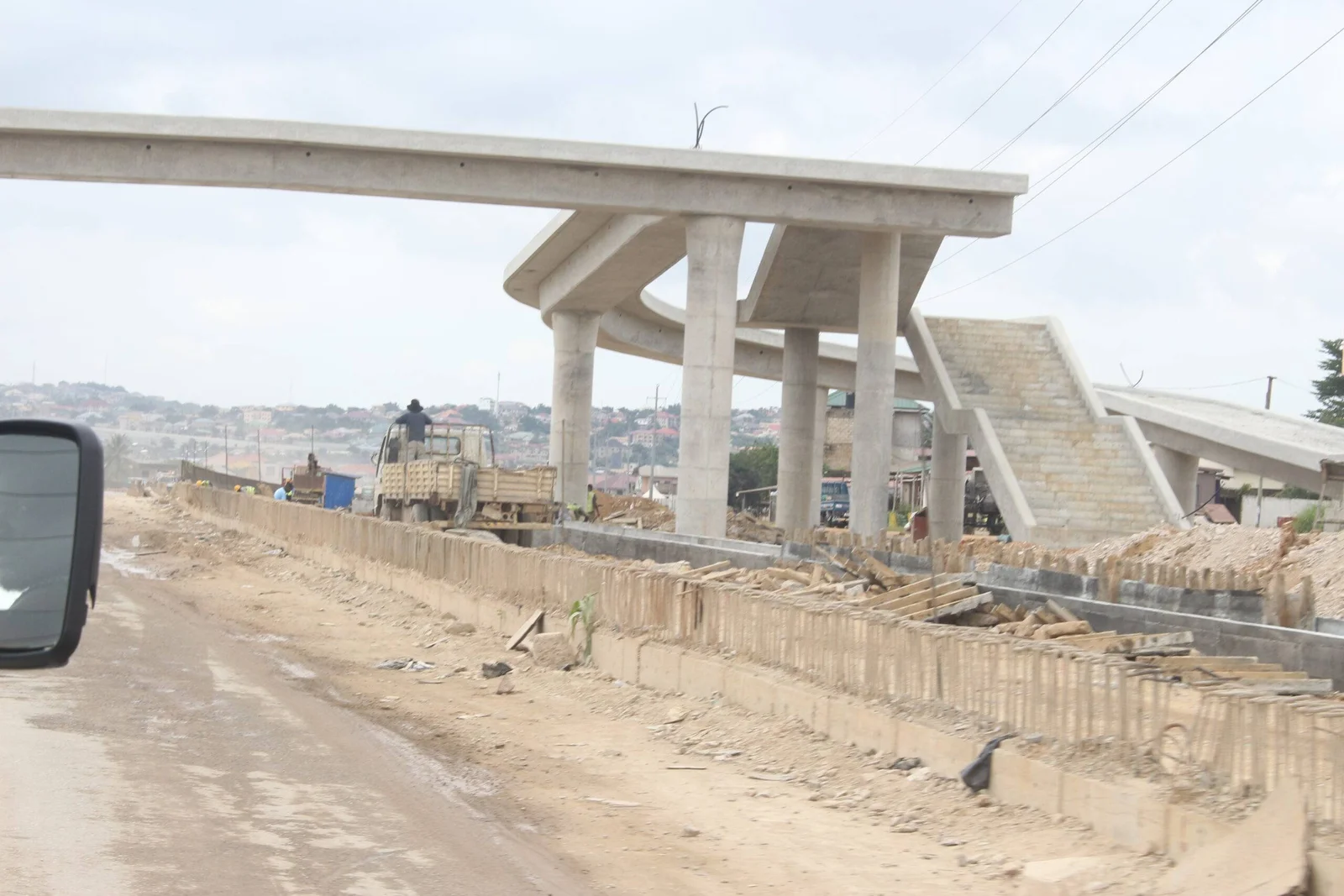
  • Ofankor-Nsawam road project stalled due to court cases – Ministry of Roads and Highways

    Ofankor-Nsawam road project stalled due to court cases – Ministry of Roads and Highways

    The Ministry of Roads and Highways has cited ongoing legal disputes as the primary reason for delays in completing the Ofankor-Nsawam road project.

    The project, which was initially slated for completion in July 2024, now faces indefinite delays as multiple court cases obstruct construction efforts.

    Speaking on the Citi Breakfast Show on Monday, Public Relations Officer of the Ministry, Nasir Ahmad Yartey, explained that several legal challenges involving property owners have hindered the contractor’s ability to proceed with key aspects of the work.

    “The major challenge on that road [Ofankor-Nsawam] has to do with court issues. Somewhere last year, we had over 100 court cases that had to do with the project and we have been able to clear about 20 of them and as I speak to you, between Amasaman and Nsawam, there are about 80 of them and these court cases does not allow the contractor the right of way to work,” he noted.

    Yartey further emphasized that property disputes, particularly those related to demolitions and compensation claims, have prolonged the legal deadlock.

    “We cannot take the law into our own hands if we need to demolish a particular property and the owner is litigating it in court, there is little you can do.”

    The $350 million Ofankor-Nsawam road project is a key component of efforts to enhance transportation on the Accra-Kumasi highway, one of Ghana’s busiest routes. The project aims to reduce traffic congestion, improve road safety, and facilitate smoother trade and commerce.

    However, residents and commuters who depend on the road daily have voiced frustration over the persistent delays. Many lament the worsening traffic conditions and the economic hardships caused by prolonged construction halts, urging the government to expedite the resolution of court cases so that work can resume without further setbacks.

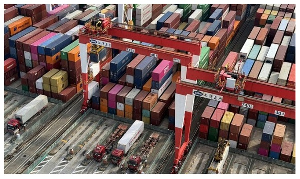
  • Thousands of containers incurring demurrage worth GHc1.5bn due to ECG’s procurement activities – Energy Minister

    Thousands of containers incurring demurrage worth GHc1.5bn due to ECG’s procurement activities – Energy Minister

    Minister for Energy and Green Transition has raised concerns over the Electricity Company of Ghana’s (ECG) procurement decisions, which have led to thousands of containers being stranded at Ghana’s ports, accumulating demurrage costs amounting to GHS 1.5 billion.

    John Abdulai Jinapor, speaking in an interview on TV3, described ECG’s procurement practices as excessive and poorly managed, resulting in financial losses and inefficiencies within the power distributor.

    “It’s all because they are engaged in what I call very frivolous procurements. Now, they have about 3,000 containers stuck at the ports, generating demurrage of about GHS 1.5 billion, which is very unacceptable. Some of the things they’ve procured will last them ten years, some will even expire in five years,” Jinapor stated.

    In response to the situation, the Minister announced the formation of a committee to investigate ECG’s procurement processes and assess the financial impact of the stranded containers.

    “So we’ve commissioned a committee to investigate ECG’s procurements and the cost of these containers stuck at the ports. The committee is doing a very good job,” he added.

    Jinapor further indicated that preliminary findings point to serious lapses in procurement practices under past ECG management.

    “So far, the preliminary reports I have gotten indicate that there’s massive rot at ECG.”

    As part of efforts to reform the sector, the Minister outlined plans for a broader audit beyond financial reviews, including human resource and technical assessments.

    “But beyond that, there will be another technical report. What the PwC has done is a financial audit. We want to do a human resource audit, a deeper audit of the entire energy sector, which will then give us a clear picture of the inefficiencies so that we can tailor that in terms of our policy objective and policy directive to address this.”

    Through these measures, the Ministry seeks to enhance efficiency, enforce accountability, and improve the overall performance of the energy sector.

  • Committee to probe ECG procurements under Akufo-Addo gov’t set up

    Committee to probe ECG procurements under Akufo-Addo gov’t set up

    The Ministry of Energy and Green Transition has launched an investigation into the Electricity Company of Ghana’s (ECG) procurement activities during the Akufo-Addo administration, following concerns over excessive spending and financial mismanagement.

    Energy Minister John Abdulai Jinapor revealed that ECG’s procurement practices resulted in thousands of containers being held at the ports, incurring demurrage costs estimated at GHS 1.5 billion.

    “It’s all because they are engaged in what I call very frivolous procurements. Now, they have about 3,000 containers stuck at the ports, generating demurrage of about GHS 1.5 billion, which is very unacceptable. Some of the things they’ve procured will last them ten years, some will even expire in five years,” Jinapor stated in an interview on TV3.

    To address the issue, he announced the formation of a committee tasked with scrutinizing ECG’s procurement decisions and assessing the financial impact of the stranded containers.

    “So we’ve commissioned a committee to investigate ECG’s procurements and the cost of these containers stuck at the ports. The committee is doing a very good job,” he added.

    According to Jinapor, early findings indicate that past ECG management engaged in improper procurement practices, exacerbating inefficiencies within the company.

    “So far, the preliminary reports I have gotten indicate that there’s massive rot at ECG.”

    As part of broader reforms, the Minister disclosed plans for a comprehensive audit of the energy sector, including human resource and technical assessments.

    “But beyond that, there will be another technical report. What the PwC has done is a financial audit. We want to do a human resource audit, a deeper audit of the entire energy sector, which will then give us a clear picture of the inefficiencies so that we can tailor that in terms of our policy objective and policy directive to address this.”

    With these measures, the Ministry aims to curb inefficiencies, enforce accountability, and enhance the sector’s overall performance.

  • GNFS swiftly quells fire outbreak at Buipewura

    GNFS swiftly quells fire outbreak at Buipewura

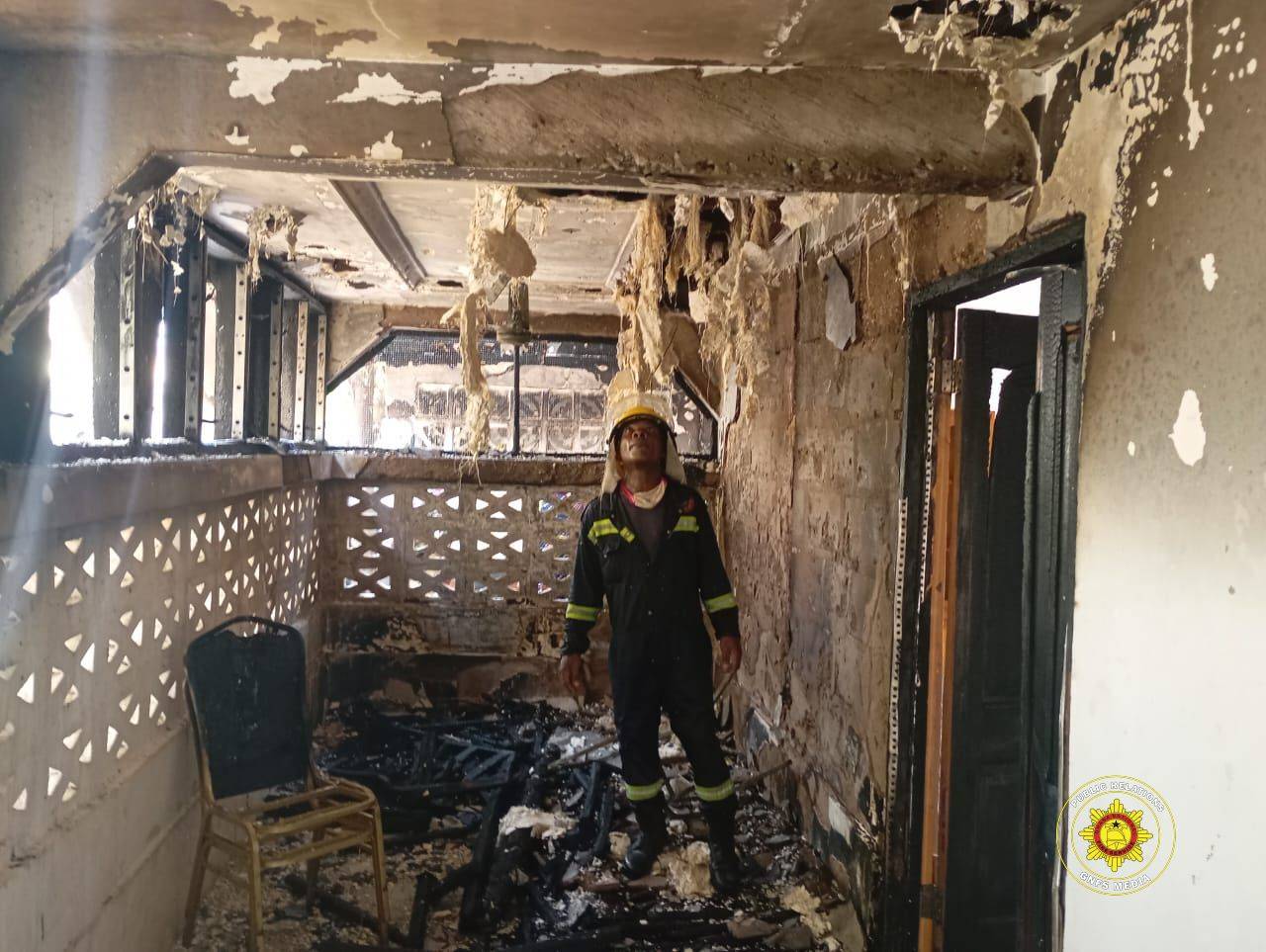
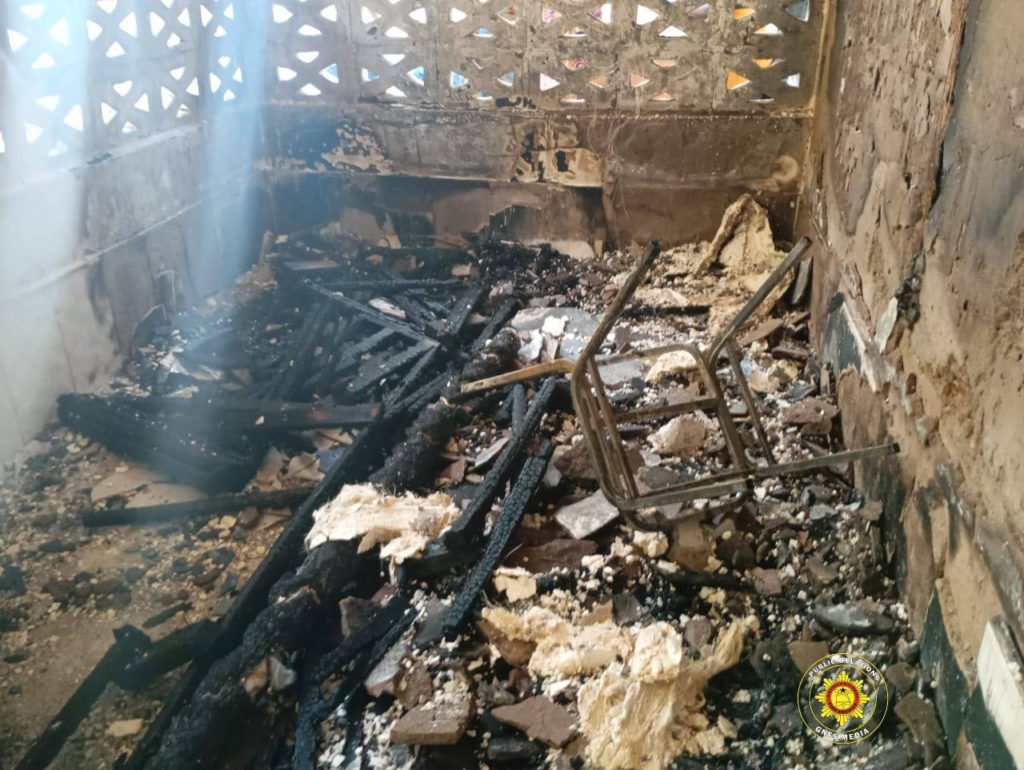
    Firefighters from the Buipe Fire Station responded promptly to a fire outbreak at the Buipewura’s Palace, successfully preventing the blaze from spreading to multiple structures.

    The fire, which broke out in a section of the palace housing six single-bedroom apartments, was swiftly contained. The firefighters managed to save four of the rooms while limiting the damage to the remaining two.

    Through their rapid intervention, the personnel of the Ghana National Fire Service (GNFS) prevented further destruction, though some personal belongings were lost to the flames.

    Authorities have launched an investigation to determine the cause of the fire, ensuring measures are put in place to prevent similar incidents in the future.

  • Yaa-Naa makes first-ever visit to Jakpa Palace

    Yaa-Naa makes first-ever visit to Jakpa Palace

    Overlord of Dagbon, Yaa Naa Mahama Abukari II, on Sunday, February 16, paid his first-ever visit to the Jakpa Palace, home of the King and Overlord of Gonja, Yagbonwura Bii-Kunuto Jewu Soale I.

    The historic visit underscored the deep-rooted ties between the Dagbon and Gonja kingdoms, reinforcing the spirit of solidarity and cooperation among traditional rulers in northern Ghana. Yaa Naa Mahama Abukari II lauded the role of the Yagbon Kingdom in promoting peace and stability in Dagbon, highlighting the importance of such collaborations in preserving harmony.

    “The Yagbon Kingdom has played a crucial role in mediating peace within Dagbon,” he stated, emphasizing the strong historical and cultural connections between the two royal houses.

    Beyond traditional matters, Yaa Naa Mahama Abukari II also extended his full support to President John Dramani Mahama, acknowledging his dedication to steering the country towards progress and inclusivity.

    Yagbonwura Bii-Kunuto Jewu Soale I, in his remarks, pointed out the persistent challenges surrounding chieftaincy succession in Ghana, particularly in the northern regions.

    “Chieftaincy succession remains a significant source of conflict in Ghana, particularly in the five regions of the north,” he noted, stressing the need for continued dialogue and institutional reforms to address these disputes.

    Echoing the significance of the visit, Savannah Regional Minister, Salisu Be-Awuribe, described it as a remarkable demonstration of goodwill between the two kingdoms.

    “The move by Yagbonwura Bii-Kunuto Jewu Soale I has ignited that strong passion, and Yaa Naa Mahama Abukari II has reciprocated that move to show significant peace and unity among both kingdoms,” he stated.

    The visit is expected to strengthen relations between the Dagbon and Gonja states, fostering closer collaboration in addressing regional development and peacebuilding efforts.

  • We’ve not talked about an extension of IMF program -Mahama

    We’ve not talked about an extension of IMF program -Mahama

    President John Dramani Mahama has dismissed any immediate plans to extend Ghana’s $3 billion Extended Credit Facility (ECF) with the International Monetary Fund (IMF), stating that his administration remains focused on implementing the current program.

    In an interview with Bloomberg TV at the Munich Security Conference on Monday, President Mahama clarified that while a possible extension could be considered in the future, there are no active discussions in that regard.

    “We’ve not talked about an extension of the program. We are determined to continue with this program,” he stated. “If it’s necessary to look at additional funds or to extend the program, we’ll look at it, but for now we are determined to continue on this trajectory.”

    His remarks come amid ongoing engagements between Ghana and the IMF, with discussions centering on economic recovery strategies, debt restructuring, and tax reforms.

    A key issue under review is Ghana’s tax system, which Mahama believes needs restructuring to enhance revenue generation. He criticized the previous administration’s approach of imposing excessive taxes, arguing that it had backfired by discouraging compliance and reducing overall revenue.

    “Because of the target of achieving 24 percent revenue to GDP by 2028, the program required that revenue should continue increasing at a certain rate,” he explained.

    “Unfortunately, what the previous government had done was just to slap on more taxes, and we had gotten to a stage where the more taxes that were put on, the less revenue that came in. And so it’s necessary for us to look at the whole tax handle, rationalize them, make them more transparent, easy to understand, so that we can have better compliance.”

    To address this, Mahama revealed that the IMF has agreed to provide technical support in restructuring Ghana’s tax policies, ensuring greater efficiency and compliance for businesses and individuals.

    Tackling Ghana’s debt obligations remains a priority for the government, especially with domestic debt repayments exceeding $15 billion in 2025. Mahama assured that proactive steps are being taken to manage these obligations, including reactivating the country’s sinking fund to ease repayment pressures.

    “We also have the issue of the debt restructuring and humps that have been created this year, we have to pay in excess of 15 billion (dollars) on the domestic debt exchange,” he noted. “So what we’ve done is to reactivate the sinking fund and put more resources into it to take care of the repayments that have to be made this year.”

    Beyond debt repayment, Mahama stressed the need for fiscal discipline, emphasizing that government spending must be streamlined to eliminate waste and prioritize essential programs.

    “We must be more prudent in our handling of our finances, we must also look on the expenditure side and see how we can cut waste and also shift resources to more priority programmes,” he stated.

    With Ghana’s next budget presentation set for March, Mahama highlighted that it will incorporate recommendations from the IMF’s ongoing staff review. The fourth IMF review is expected in April, and the government is aligning its fiscal policies with insights from the assessment.

    “The next review, which will be the fourth review, is due in April, but before that, we’ll present the budget in March,” he explained. “So the budget will take into focus some of the issues that have come out from the staff mission. We’re hoping to receive the aid memoir today or tomorrow, and looking at the issues that IMF raises, we will incorporate them in the budget.”

    Despite economic hurdles, Mahama expressed confidence in Ghana’s working relationship with the IMF, describing it as “cordial.” He reiterated his administration’s commitment to implementing the ECF program successfully while ensuring economic stability and growth.

  • Africa lacks leadership, innovative ecosystems and not talent – Bawumia

    Africa lacks leadership, innovative ecosystems and not talent – Bawumia

    Dr Mahamudu Bawumia, the former Vice President of Ghana, has called for stronger leadership and deliberate investment in innovation to drive Africa’s economic progress.

    Speaking at Harvard University on Saturday, February 15, he highlighted the importance of building ecosystems that support technological advancements, arguing that talent is not Africa’s challenge—leadership and infrastructure are.

    “Africa does not lack talent. What we lack is deliberateness, leadership, and investment to create the ecosystems where innovations and innovators thrive,” Dr. Bawumia stated while addressing students, faculty, and policy experts at the African Development Conference.

    He detailed Ghana’s digital transformation journey, illustrating how the country has strategically leveraged technology to modernise its economy, improve public service delivery, and expand job opportunities.

    Central to Ghana’s progress, he explained, is the adoption of the Ghanacard, a biometric national ID system that has provided over 85% of adults with unique identities, thereby streamlining financial inclusion, taxation, and government service access.

    Another key development is Ghana’s digital property address system, which has mapped the entire country and resolved a long-standing challenge in service delivery and governance.

    “A modern economy simply cannot function without a reliable address system,” he remarked, emphasizing the operational efficiency gained through digital innovations.

    Dr. Bawumia also showcased Ghana’s leadership in digital payments, particularly through Mobile Money Interoperability (MMI), which has transformed financial transactions. He highlighted that the initiative has granted over 90% of the adult population access to financial services, making Ghana the only African country to achieve universal financial inclusion.

    “Ghana is at the cutting edge of digital payments technology,” he declared, citing the nation’s recognition as the best globally in mobile money regulation.

    He explained how these advancements have spurred the growth of e-commerce and empowered small businesses, particularly those operating online.

    The former Vice President further discussed Ghana’s digitalisation of the healthcare sector, which has improved medical records and service efficiency. He highlighted the role of drone technology, in collaboration with Zipline, in revolutionising emergency medical supply deliveries to remote areas, ultimately saving lives.

    “Ghana now has the largest medical drone delivery service in the world,” he stated, illustrating the impact of technological solutions in tackling healthcare challenges.

    In agriculture, he outlined how the introduction of a biometric farmer database has enhanced planning, transparency, and financial access for farmers, strengthening the agricultural value chain.

    As he concluded his address, Dr. Bawumia urged African leaders to embrace digital transformation with a mindset of possibilities, arguing that technology is essential for economic survival and development in the 21st century.

    “By working together—governments, businesses, educators, and innovators—we can build a future where every African has the opportunity to thrive and contribute to a brighter tomorrow,” he said.

  • Africa’s prosperity and job creation depend on digital economy – Bawumia

    Africa’s prosperity and job creation depend on digital economy – Bawumia

    Former Vice President of Ghana, Dr. Mahamudu Bawumia, has underscored the crucial role of the digital economy in Africa’s development, emphasizing that technological innovation is the key to unlocking prosperity and employment opportunities across the continent.

    Speaking at Harvard University on Saturday, February 15, Dr. Bawumia stated that digitalisation is no longer an option but a necessity for Africa’s economic transformation. He stressed that the continent must embrace the digital revolution to avoid being left behind in the Fourth Industrial Revolution, as was the case with previous industrial advancements.

    “We are in the midst of a global digital revolution,” he asserted. “Artificial intelligence, big data, cloud computing, and the Internet of Things are not just buzzwords; they are reshaping our world.”

    Dr. Bawumia highlighted Ghana’s digital transformation over the past eight years, citing significant progress in financial inclusion, healthcare, agriculture, and public service delivery. According to him, digitalisation is essential for addressing long-standing structural challenges and enhancing efficiency in governance.

    “Our focus is on digital technology that can solve our problems,” he explained. “We are not looking to have driverless cars or humanoid robots at this stage. We want technology that can improve access to credit, enhance public service efficiency, and boost economic opportunities.”

    One of Ghana’s major digital achievements, he noted, is financial inclusion through mobile money interoperability.

    “When we assumed office in 2017, 70% of Ghanaians had no bank accounts,” he revealed. “However, with mobile money interoperability, we have extended financial services to over 90% of adults, making Ghana the only country in Africa with 100% access to financial inclusion.”

    This, he explained, has enabled businesses to grow without relying on physical infrastructure, creating a more inclusive and transparent financial ecosystem.

    Beyond financial services, Dr. Bawumia pointed to the transformative impact of digitalisation on governance, agriculture, and healthcare. The introduction of the Citizens App and the integration of government databases, he said, have significantly improved public service efficiency. In agriculture, the digitisation of farms and farmer databases has enhanced productivity and ensured better traceability of produce.

    “Ghana is the only cocoa-producing country in the world with a fully digitised cocoa management system,” he noted.

    He also highlighted Ghana’s leadership in medical innovation, stating that the country operates the largest medical drone delivery service globally, ensuring access to essential healthcare supplies in remote areas.

    Concluding his address, Dr. Bawumia called for greater investment and collaboration among governments, businesses, and educational institutions to build a strong digital economy for Africa.

    “The digital economy holds the key to unlocking Africa’s vast potential and creating jobs for the youth,” he said. “By working together, we can build a future where every African has the opportunity to thrive and contribute to a brighter tomorrow.”

    He urged African leaders to act boldly and strategically in leveraging digital technology to drive economic growth and social development.

  • Otumfuo at the forefront of traditional measure to check Bawku conflict – Defence Minister

    Otumfuo at the forefront of traditional measure to check Bawku conflict – Defence Minister

    Defence Minister, Dr. Edward Omane Boamah, has acknowledged the critical role of Asantehene Otumfuo Osei Tutu II in leading traditional efforts to resolve the protracted Bawku conflict.

    During a visit to the Asantehene on Friday, February 14, Dr. Boamah highlighted the importance of Otumfuo’s mediation in addressing the deep-rooted tensions in the area.

    “Otumfuo is the traditional leader who has been leading and finding a traditional solution to the dispute,” he stated, underscoring the relevance of chieftaincy in conflict resolution.

    The Defence Minister assured that the government is committed to supporting these traditional peace efforts with robust security interventions to restore stability.

    This dual approach, combining traditional mediation with security enforcement, aims to tackle both the historical grievances fueling the dispute and the immediate threats to peace and safety in Bawku.

    Dr. Boamah expressed optimism that the collaboration between the government and traditional authorities would yield meaningful results in resolving the conflict.

    Renewed clashes have led to loss of lives and growing insecurity. One of the most tragic incidents occurred recently when a five-month-old baby girl was brutally killed by armed assailants. The child was reportedly snatched from her mother, who had been ambushed and assaulted, before being thrown to the ground.

    This shocking act of violence adds to the rising death toll from the conflict, which has claimed 55 lives since October 2024, particularly along the Bolgatanga-Tamale highway. Despite increased security presence, attacks continue to instill fear among residents and travelers.

    He reiterated President John Dramani Mahama’s firm commitment to working closely with Otumfuo and other stakeholders to ensure lasting peace in the region.

  • Mahama is intensifying security, traditional measures to check Bawku conflict – Defence Minister tells Asantehene

    Mahama is intensifying security, traditional measures to check Bawku conflict – Defence Minister tells Asantehene

    Minister for Defence, Dr. Edward Omane Boamah, has reaffirmed President John Dramani Mahama’s commitment to resolving the ongoing conflict in Bawku through a combination of security enforcement and traditional mediation.

    Speaking during a visit to the Asantehene, Otumfuo Osei Tutu II, on Friday, February 14, Dr. Boamah outlined the government’s strategy for tackling the crisis.

    “President John Dramani Mahama is committed to bringing lasting peace to Bawku. He is intensifying a two-track (security and traditional) solution,” he stated.

    The Defence Minister assured that efforts to stabilize the region remain a top priority, emphasizing that both military interventions and engagements with traditional leaders will play a key role.

    “As promised earlier this week, we remain committed to restoring sustainable peace in Bawku,” he added.

    Dr. Boamah, alongside Interior Minister Muntaka Mubarak and the Chief of the Defence Staff, met with the Asantehene to discuss possible solutions to the crisis. The Asantehene, who has been actively involved in mediation efforts, was recognized for his leadership in seeking a peaceful resolution.

    The visit came amid heightened tensions in Bawku, where renewed clashes have led to loss of lives and growing insecurity. One of the most tragic incidents occurred recently when a five-month-old baby girl was brutally killed by armed assailants. The child was reportedly snatched from her mother, who had been ambushed and assaulted, before being thrown to the ground.

    This shocking act of violence adds to the rising death toll from the conflict, which has claimed 55 lives since October 2024, particularly along the Bolgatanga-Tamale highway. Despite increased security presence, attacks continue to instill fear among residents and travelers.

    The chieftaincy dispute in Bawku, which has simmered for decades, remains at the core of the unrest. The long-standing rivalry between the Mamprusi and Kusasi ethnic groups over control of the Bawku Traditional Area has fueled tensions, with both sides holding historical and political claims to leadership.

  • Roads Minister engages Chinese Ambassador to bolster Ghana’s road infrastructure

    Roads Minister engages Chinese Ambassador to bolster Ghana’s road infrastructure

    Minister for Roads and Highways, Kwame Agbodza, has met with the Chinese Ambassador to Ghana, H.E. Tong Defa, to deepen cooperation on road infrastructure development and explore new areas of collaboration.

    The meeting, which took place on Thursday, focused on assessing the progress of ongoing road projects involving Chinese firms and identifying ways to enhance efficiency and quality in road construction.

    A statement from the ministry, shared on its official Facebook page on Friday, February 14, indicated that both parties discussed future partnerships, including the development of smart highways, the adoption of innovative construction technologies, and sustainable maintenance strategies for Ghana’s road network.

    The engagement signals Ghana’s continued commitment to strengthening international partnerships in the road sector. Improved road infrastructure is expected to boost economic growth by enhancing connectivity, facilitating trade, and improving transportation efficiency across the country.

    This collaboration with China is seen as a crucial step toward building a more advanced and resilient road network in Ghana.

  • There’s no memo from public prosecutors advising me to discontinue any case – Dame

    There’s no memo from public prosecutors advising me to discontinue any case – Dame

    Former Attorney General and Minister for Justice, Mr. Godfred Dame, has denied claims that the prosecution division of the Attorney General’s office recommended the discontinuation of certain high-profile criminal cases, challenging his successor, Dr. Dominic Ayine, to provide evidence to support his assertions.

    At a press briefing on Wednesday, February 14, Mr. Dame refuted allegations that his office had been advised to drop cases before he left office. He insisted no such recommendation was made and demanded proof from Dr. Ayine.

    “I challenge Dr. Ayine to show any memorandum presented to him by the prosecution division advising on, or expressing any view regarding the consultation or discontinuation of any of the criminal cases he refers to,” Mr. Dame said.

    “I can say without any fear or contradiction that there is none.”

    His response follows a statement by the Attorney General, Dr. Dominic Ayine, justifying his recent decision to withdraw certain criminal cases.

    Dr. Ayine had argued that his actions were based on constitutional principles, legal ethics, and professional integrity. He also hinted that some cases may have been dropped without adequate consultation within the Attorney General’s office.

    However, Mr. Dame dismissed these claims and challenged Dr. Ayine to provide proof of any discussions held with the Director of Public Prosecutions regarding the charges before they were discontinued.

    “You can be assured he cannot produce any,” Mr. Dame added.

  • FULL TEXT: Dame reacts to Ayine’s allegations of ethical misconduct while in office

    FULL TEXT: Dame reacts to Ayine’s allegations of ethical misconduct while in office

    Immediate past Attorney-General Godfred Dame has addressed several allegations leveled against him at a press conference of the new Attorney General and Minister for Justice, Dr. Dominic Akuritinga Ayine, held on Wednesday, 12 February 2025.

    At the press conference, Dr. Ayine sought to provide reasons for his discontinuation of certain criminal cases filed against certain persons, most of whom were leading members of the National Democratic Congress (NDC) and persons who served in the NDC government that exited office in January 2017.

    Dr Ayine accused Dame of unprofessional conduct in his handling of the prosecution of Finance Minister Dr. Cassiel Ato Forson over the controversial ambulance deal, but Godfred-Dame has refuted this claim, among others.

    Below is his full…

  • You’re a subject of professional misconduct but accuse me of unethical conduct – Dame swipes at A-G Ayine

    You’re a subject of professional misconduct but accuse me of unethical conduct – Dame swipes at A-G Ayine

    Former Attorney General and Minister of Justice, Godfred Yeboah Dame, has fired back at allegations of ethical misconduct leveled against him in the ongoing ambulance procurement trial, questioning the credibility of his accuser, Attorney General Dr. Dominic Ayine.

    Dr. Ayine, during a press conference on Wednesday, February 12, accused Dame of unprofessional conduct in his handling of the prosecution of Finance Minister Dr. Cassiel Ato Forson over the controversial ambulance deal.

    However, speaking at a counter press briefing on Friday, February 14, Dame dismissed the claims, describing them as baseless and politically motivated. He also took a dig at Dr. Ayine, highlighting what he called the irony of the accusations.

    “Dr. Ayine’s unfounded allegations insinuating unethical conduct on my part in the ambulance case is highly disingenuous and rather unfortunately, recaps the series of falsehoods peddled by foot soldiers of the NDC and other uninformed members of society.”

    “I must say that I find it quite ironical for Dr. Ayine, who is a subject of disciplinary proceedings for professional misconduct still pending at the General Legal Council, to accuse me of unethical conduct.”

    Dr. Ayine had earlier claimed that Dame ignored legal advice from the Prosecutions Division of the Attorney General’s Department, which recommended that charges in the case be dropped.

    “This was the advice from the Prosecutions Division of the Attorney General’s Department to the former Attorney General, Godfred Yeboah Dame, which recommended that the charges should be dropped,” Dr. Ayine asserted.

    The case, which involves the procurement of 200 ambulances under the erstwhile John Mahama administration, remains a contentious legal and political issue, with both sides trading accusations of misconduct and mismanagement.

  • Ghana focused on food production amid USAID suspension – Mahama

    Ghana focused on food production amid USAID suspension – Mahama

    Former President John Dramani Mahama has reaffirmed Ghana’s commitment to boosting local food production in the wake of the suspension of USAID support, which has historically played a crucial role in Africa’s development efforts.

    The decision by former U.S. President Donald Trump to discontinue USAID, citing concerns over taxpayer spending on foreign aid, has raised economic concerns across the continent. In Ghana, the withdrawal of funding is expected to result in a revenue shortfall of $156 million.

    A significant portion of this—$78.2 million—was allocated to essential health programmes, including malaria prevention, maternal and child health, family planning, and HIV/AIDS interventions.

    Speaking at the town hall forum of the Munich Security Conference in Germany on Friday, President Mahama acknowledged the challenges posed by the funding cut but stressed the need for self-reliance.

    He urged African nations to take proactive measures to mitigate the impact by increasing agricultural output and exploring alternative funding sources.

  • “Is this really the way to fight corruption?” – Stephen Amoah quizzes OSP over Ofori-Atta saga

    “Is this really the way to fight corruption?” – Stephen Amoah quizzes OSP over Ofori-Atta saga

    Former Deputy Minister of Trade, Dr. Stephen Amoah, has questioned the actions of the Office of the Special Prosecutor (OSP) regarding its handling of former Finance Minister Kenneth Ofori-Atta’s case.

    Dr. Amoah criticised the decision to declare Ofori-Atta a fugitive and the reported raid on his residence, arguing that such moves could harm Ghana’s international reputation and security.

    “Sometimes, actions like these give people an undue opportunity to engage in anti-social behaviour. As a financial economist, my concern is how this affects our country globally and within Africa,” he stated.

    He warned that these developments could deter investors, saying, “Globalisation is key for investors, who look for democracy and security. If these issues persist, aren’t we compromising our sovereignty, particularly in terms of security?”

    Speaking on JoyNews’ AM Show on Thursday, Dr. Amoah acknowledged the importance of tackling corruption but insisted that due process must be followed.

    “Is this really the way to fight corruption? The constitution clearly outlines how these matters should be handled,” he added.

    Meanwhile, the OSP has denied any involvement in a raid on Ofori-Atta’s home. The former Finance Minister was declared a fugitive on Wednesday, with the OSP citing allegations of financial loss to the state linked to five key contracts signed during his tenure.

  • 19th edition of Annual Harmattan School opened by UDS

    19th edition of Annual Harmattan School opened by UDS

    The University for Development Studies (UDS) has officially opened the 19th edition of the Annual Harmattan School, bringing together stakeholders to deliberate on governance and sustainable development.

    This year’s conference focuses on the consequences of inconsistent governance on Ghana’s progress, emphasizing the need for policy continuity to drive self-sufficiency and global competitiveness.

    Organized by the Institute for Interdisciplinary Research (IIR) at UDS, the two-day event aims to foster dialogue on the recurrent issue of successive governments abandoning national development plans, policies, and projects. Discussions will explore strategies for sustainable development and long-term policy implementation.

    The event is held in collaboration with the Environmental Protection Authority, Norsaac, Ghana Developing Communities Association, and other partners under the theme: “Changes in Governments and National Development: Discontinuity in Continuity.”

    Participants include representatives from civil society organizations, public institutions, academia, and students.

    Speaking at the opening ceremony in Tamale on Wednesday, Professor Seidu Al-Hassan, Vice-Chancellor of UDS, highlighted that the forum was designed to promote constructive engagement and influence government policies.

    Professor Al-Hassan stated that partisanship and lack of accountability had significantly contributed to the discontinuation of key projects and initiatives.

    He advocated for a long-term national development plan supported by all political parties to ensure consistency in implementation.

    Professor Mamudu Akudugu, Director of IIR at UDS, underscored the historical pattern of successive governments launching ambitious national projects, only for them to be halted or abandoned by their successors.

    He noted that such practices not only squander resources but also hinder economic progress and diminish public confidence in leadership.

    “The 19th edition of the Harmattan School aims to create a platform to interrogate issues around continuity in development planning and policy interventions for the socioeconomic transformation of the country beyond another exchange of power between political parties,” Professor Akudugu emphasized.

    Mrs. Sophia Akuffo, former Chief Justice of Ghana, delivering the keynote address, lamented the frequent abandonment of projects by successive administrations, stressing that such inefficiencies hinder sustainable development and deny citizens access to essential services.

    She called for stricter enforcement of laws to prevent the misuse of state resources on projects that are later abandoned by new governments.

    Representing the Northern Regional Minister, Mr. Ali Adolf John, an official delivered remarks acknowledging that the issue of project discontinuity had long impeded the provision of essential services in the country.

    He assured that the government remains committed to prioritizing the completion of major projects initiated by previous administrations to bridge the infrastructure gap and enhance national development.

  • Michael Abbiw elected President of CIMG

    Michael Abbiw elected President of CIMG

    Michael Abbiw has been elected as the new National President of the Chartered Institute of Marketing, Ghana (CIMG) following the conclusion of the Institute’s national elections.

    The Electoral Commission supervised the voting process, which saw the election of key executives who will steer the affairs of CIMG for the upcoming term.

    The newly elected National Executives include:

    • National President: Michael Abbiw
    • National Vice-President: Ama Gifty Amoah
    • National Secretary: Edwin Letsa K. Kpedor
    • National Treasurer: Dr. Francis Mensah Sasraku

    In addition, three new Council Members were elected:

    • Hilda Peasah
    • Norrender Wordie Debrah
    • Kwasi Kyere

    “We are excited to welcome our new leaders and are confident that their expertise and vision will propel the Institute to greater heights,” stated an official communique issued with the Electoral Commission’s results.

    The announcement has been met with excitement within the marketing fraternity, with members extending their congratulations to the newly elected executives.

    CIMG expressed its appreciation to all candidates who contested in the elections and to voters for their active participation in shaping the future of marketing in Ghana.

    As the new leadership prepares to take office in the coming weeks, stakeholders are eager to see how they will advance CIMG’s mission and expand its impact on both the local and international marketing landscape

  • Cholera vaccination by GHS underway

    Cholera vaccination by GHS underway

    In an effort to combat the rising cholera outbreak, the Ghana Health Service (GHS) has commenced a mass vaccination drive in Accra, targeting over 300,000 residents.

    The exercise, which began today [Friday, February 14], is part of a broader initiative to contain the spread of the disease, which has already affected over 4,000 people across five regions, including Greater Accra, Eastern, Central, Ashanti, and Western.

    With more than 40 deaths recorded so far, health officials are racing against time to curb further infections and fatalities.

    Cholera, a highly infectious disease caused by bacteria, spreads through contaminated food and water, leading to acute diarrhea and severe dehydration. Poor sanitation, unclean drinking water, and unhygienic food handling have been identified as major contributors to the current outbreak.

    Experts caution that without immediate intervention, the crisis could escalate. As part of its emergency response, the Ministry of Health, in collaboration with GHS, is administering oral cholera vaccines (OCV) in high-risk areas.

    These vaccines offer temporary immunity, serving as a critical measure to protect vulnerable communities, particularly those lacking access to clean water and proper sanitation facilities.

  • Bawumia to deliver keynote address at Harvard University’s Africa Business Conference starting today

    Bawumia to deliver keynote address at Harvard University’s Africa Business Conference starting today

    Former Vice President of Ghana, Dr. Mahamudu Bawumia, takes center stage at this year’s Africa Business Conference at Harvard University, delivering a keynote address that explored Africa’s economic transformation and the role of digital innovation in shaping the continent’s future.

    The conference, scheduled for February 14 and 15, is one of the most prestigious gatherings of business leaders, policymakers, and innovators committed to driving Africa’s development. 

    Organized by the Africa Business Club at Harvard Business School, the event with the theme “A myth or mandate for Africa’s progress” provides a platform for thought-provoking discussions on sustainable growth, governance, and economic resilience.

    As an economist with a track record of financial and digital reforms in Ghana, Dr. Bawumia’s insights offered a compelling perspective on economic stability and digital transformation. His keynote address underscored the need for African economies to embrace digitalization, expand financial inclusion, and strengthen governance structures to drive long-term growth.

    The Africa Business Conference is renowned for attracting influential voices who shape Africa’s economic landscape. This year’s lineup features a diverse range of speakers known for their impact in business, policy, and innovation. Their discussions aim to generate solutions to pressing challenges and inspire a new generation of leaders committed to Africa’s progress.

    Dr. Bawumia’s participation reaffirms Ghana’s growing role in Africa’s economic dialogue. His address is expected to contribute to broader conversations on how the continent can leverage technology, improve fiscal policies, and foster economic resilience in an increasingly digital world.

    The conference remains a vital forum for collaboration, knowledge sharing, and visionary leadership—elements essential to Africa’s continued development.

  • Bawku conflict: 5-month-old baby killed

    Bawku conflict: 5-month-old baby killed

    A five-month-old baby girl has become the latest victim of the protracted conflict in Bawku after armed assailants brutally seized her from her mother and threw her to the ground, leading to her tragic death.

    The grieving mother, who had gone out to trade, was reportedly ambushed by the attackers, mercilessly assaulted, and had her infant snatched from her before the horrifying act was carried out.

    This heartrending incident adds to the growing toll of violence in Bawku and along the Bolgatanga-Tamale highway, where renewed clashes have claimed 55 lives since October 2024.

    Despite heightened security interventions aimed at restoring peace and protecting civilians, armed groups continue to perpetrate deadly attacks, leaving residents and travelers in constant fear.

    The violence in the region has intensified in recent days. On February 12, a gunfight in Bawku claimed three lives, while a similar attack near Wulugu on the Bolgatanga-Tamale highway on February 11 left three passengers dead, with their bus set ablaze.

    The Bawku chieftaincy dispute remains one of Ghana’s most protracted and contentious conflicts, deeply rooted in historical, ethnic, and political factors. At the heart of the issue is the struggle for chieftaincy legitimacy between the Mamprusi and Kusasi ethnic groups in the Bawku Traditional Area. While the Mamprusi assert historical rights to the Bawku skin, the Kusasi claim it based on demographic majority and political support gained in recent decades.

    Amid growing tensions, the Asantehene, Otumfuo Osei Tutu II, has urged rival factions to prioritize peace for the area’s development. He cautioned that prolonged violence would lead to poverty, stagnation in infrastructure, and worsening living conditions. He called on all parties to reflect on their actions and seek peaceful solutions for the sake of future generations.

    Meanwhile, Defence Minister Dr. Edward Omane Boamah has assured the public that the government remains committed to resolving the Bawku conflict through traditional mechanisms as part of a broader effort to restore lasting peace.

  • Don’t hesitate to maintain taxes you promised to scrap to save the economy – Economist to Finance Minister

    Don’t hesitate to maintain taxes you promised to scrap to save the economy – Economist to Finance Minister

    Economist Dr. Priscilla Twumasi Baffour has urged the government to reconsider its pledge to abolish certain taxes if doing so would threaten Ghana’s economic stability.

    Speaking on Joy News’ PM Express Business Edition on Thursday, February 13, she emphasized that while tax cuts may be politically attractive, they must be weighed against the country’s fiscal health to prevent further economic distress.

    “It’s a difficult period, and I believe that there is nothing wrong if the government, I mean, the finance minister, comes out to say that we promised X, Y, and Z, but this is the reality—it is not possible,” she stated.

    Dr. Baffour cautioned that hastily eliminating multiple taxes without a clear plan to compensate for lost revenue could push the economy into deeper instability. She warned that such a move could have dire consequences for businesses and individuals alike.

    “The risk to businesses and Ghanaians as a whole is that if the trajectory that the economy is currently on switches and we enter into another phase of turbulence, it will be quite disastrous for everybody. It affects people in terms of standards of living. Fixed-income earners really struggle with high inflation and all that,” she explained.

    Acknowledging the political implications of maintaining taxes, Dr. Baffour stressed that economic stability should take precedence. She advised that the government has the flexibility to adjust its stance in light of economic realities.

    “Initially, it would mean some political cost, but I think that the government has a lot of room at the moment, and it should not be hasty in taking out all the taxes that it promised to remove if indeed it’s very difficult to make up for it,” she advised.

    Reflecting on past policies, she noted that the government’s previous attempts to shift focus from taxation to production by scrapping so-called “nuisance taxes” were well-intended but did not yield immediate economic growth.

    “The whole idea of, for example, taking out a lot of taxes, nuisance taxes as we heard some time ago, is the fact that you want to de-emphasize taxation and look at production. But the reality is that in our context, growth is quite difficult. It takes quite some time to be able to observe a given substantial level of growth,” she remarked.

    Her remarks come as the government faces pressure to fulfill campaign promises on tax relief while simultaneously managing economic recovery from high debt, inflation, and revenue shortfalls. Dr. Baffour’s perspective serves as a reminder that maintaining a stable economic environment should take precedence over short-term political gains.

  • Govt is making efforts to ensure delivery of quality health care at 37 Military Hospital – Defence Minister

    Govt is making efforts to ensure delivery of quality health care at 37 Military Hospital – Defence Minister

    Minister for Defence, Dr Edward Omane Boamah, has given assurance about government’s determined efforts to resolve some pressing and critical challenges facing the 37 Military Hospital.

    Dr Boamah, accompanied by the Chief of the Defence Staff and senior officers from the Ministry of Defence, during a working visit today expressed appreciation for the warm reception from his former colleagues, both senior and junior, as well as civilian employees and patients at the hospital.

    He acknowledged the numerous difficulties facing the hospital but maintained that they were not insurmountable.

    “This working visit forms part of my deliberate intention to actively immerse myself into the challenges of the Ghana Armed Forces in order to prescribe tailored and cost-effective solutions.”

    “The challenges are numerous but not insurmountable.”

    “Subsequent to my visit, the President John Dramani Mahama Government is making frantic efforts to fix some urgent and critical challenges that are vital for the delivery of quality care at the hospital.”

    The Defence Minister explained that the visit formed part of his broader objective to fully understand the challenges confronting the Ghana Armed Forces and develop tailored, cost-effective solutions.

    He reiterated the government’s resolve to overcome all challenges as part of efforts to revitalise the country’s institutions, stating, “As we reset Ghana, no problem will be too steep to overcome.”

  • Respect NCA’s independence and selective frequency audit – Mpraeso MP to Communications Minister

    Respect NCA’s independence and selective frequency audit – Mpraeso MP to Communications Minister

    Mpraeso Member of Parliament, Davis Ansah Opoku (OPK), has called on Communications Minister Samuel Nartey George to refrain from interfering in the operations of the National Communications Authority (NCA), particularly regarding a selective audit of frequency authorizations.

    Speaking on the floor of Parliament, OPK cautioned against any attempts to undermine the independence of the NCA, emphasizing that the regulatory body was established under Section 9 of the Electronic Communications Act 2008 (Act 775) to function autonomously. He cited the law, which states:

    “Except as otherwise provided in this Act, the Authority shall not be subject to the direction or control of any person or authority in performing its functions.”

    The lawmaker stressed that the Minister does not have the legal mandate to instruct the NCA to audit or revoke frequency licenses. He insisted that any such review should be initiated by the NCA itself through due process rather than political directives.

    Beyond the legality of the matter, OPK questioned the rationale behind restricting the audit to only frequency authorizations issued within the past 60 days. He argued that if transparency and compliance were the real objectives, a comprehensive audit of all frequency allocations should be conducted, rather than a narrowly focused review that could be perceived as politically motivated.

    “Radio is the heartbeat of our democracy. It serves as a valve for people to air their views on issues that bother them—a practice that has sustained our democracy,” OPK stated.

    He warned that any attempt to selectively audit or revoke frequencies could be interpreted as an effort to suppress press freedom and control media narratives.

    OPK urged the Minister to respect the independence of the NCA and allow it to carry out its mandate without political interference.

    Reaffirming the critical role of radio in Ghana’s democratic space, he emphasized the need to safeguard media freedom at all costs. He also called on Parliament to ensure that regulatory institutions operate with fairness and transparency, ensuring all Ghanaians have access to diverse and independent media voices.

  • Bawumia delivers keynote address at Harvard University’s Africa Business Conference

    Bawumia delivers keynote address at Harvard University’s Africa Business Conference

    Former Vice President of Ghana, Dr. Mahamudu Bawumia, takes center stage at this year’s Africa Business Conference at Harvard University, delivering a keynote address that explored Africa’s economic transformation and the role of digital innovation in shaping the continent’s future.

    The conference, scheduled for February 14 and 15, is one of the most prestigious gatherings of business leaders, policymakers, and innovators committed to driving Africa’s development. 

    Organized by the Africa Business Club at Harvard Business School, the event with the theme “A myth or mandate for Africa’s progress” provides a platform for thought-provoking discussions on sustainable growth, governance, and economic resilience.

    As an economist with a track record of financial and digital reforms in Ghana, Dr. Bawumia’s insights offered a compelling perspective on economic stability and digital transformation. His keynote address underscored the need for African economies to embrace digitalization, expand financial inclusion, and strengthen governance structures to drive long-term growth.

    The Africa Business Conference is renowned for attracting influential voices who shape Africa’s economic landscape. This year’s lineup features a diverse range of speakers known for their impact in business, policy, and innovation. Their discussions aim to generate solutions to pressing challenges and inspire a new generation of leaders committed to Africa’s progress.

    Dr. Bawumia’s participation reaffirms Ghana’s growing role in Africa’s economic dialogue. His address is expected to contribute to broader conversations on how the continent can leverage technology, improve fiscal policies, and foster economic resilience in an increasingly digital world.

    The conference remains a vital forum for collaboration, knowledge sharing, and visionary leadership—elements essential to Africa’s continued development.

  • Ghana’s revenue-enhancing measures must expand tax base, rely on efficient taxes – World Bank

    Ghana’s revenue-enhancing measures must expand tax base, rely on efficient taxes – World Bank

    The World Bank has emphasized the need for Ghana to adopt a more effective approach to revenue mobilization by broadening its tax base and implementing efficient tax policies.

    The government of Ghana has announced its decision to abolish draconian taxes such as the Electronic Transfer Levy, betting tax, among others and focus on addressing the issue of tax compliance to increase tax revenue to 16% of GDP.

    In its latest Public Finance Review report, titled “Building the Foundations for a Resilient and Equitable Fiscal Policy,” the World Bank highlighted critical areas requiring urgent reform to ensure sustainable economic stability.

    According to Robert Taliercio, the World Bank Country Director for Ghana, Liberia, and Sierra Leone, Ghana must focus on fair and sustainable fiscal adjustments while protecting key social and economic investments. 

    “Ghana needs to persist in its ambitious fiscal consolidation efforts, ensuring that adjustments are both fair and sustainable,” he stated. “It is crucial to protect pro-poor and pro-growth investment while enhancing domestic revenue mobilization. Additionally, Ghana must address the increasing fiscal liabilities stemming from the energy and cocoa sector.”

    The World Bank outlined four high-level policy priorities Ghana must implement to strengthen its fiscal system:

    Strengthening Fiscal Discipline and Transparency

    The report recommends that Ghana enforce a fiscal rule to limit procyclical spending while ensuring better expenditure controls and oversight of liabilities. It suggests replacing the current fiscal balance rules with a combination of “an expenditure and a debt rule (with well-defined escape clauses and limits on external borrowing).” Additionally, it advises granting institutional independence to the fiscal council and improving transparency through engagement with Parliament, civil society organizations, and the media.

    Improving Public Financial Management (PFM)

    To enhance fiscal discipline, the World Bank stresses the need for structural reforms in budget preparation and execution. The report calls for “improving the budget preparation process to enhance its credibility, strengthening commitment controls and cash management (notably by expanding the scope of the GIFMIS and the TSA) to improve budget execution.” It also recommends leveraging technology to boost transparency and trust in government operations.

    Containing Contingent Liabilities and Rigid Expenditures

    The report highlights the risks associated with unchecked public spending, particularly in the energy and cocoa sectors. It calls for deepened reforms in these areas to limit fiscal liabilities. Among the measures suggested are “reducing rigid expenditures by containing the public sector wage bill, rationalizing public spending on goods and services, and limiting transfers to government units.”

    Expanding Domestic Revenue Mobilization (DRM)

    To reduce reliance on external financing, Ghana must pursue equitable and sustainable revenue generation strategies. The World Bank underscores the importance of operationalizing the country’s Medium-Term Revenue Strategy (MTRS) and implementing key tax reforms, including “removing VAT exemptions, reforming the CIT by phasing out tax holidays and exemptions, and strengthening safeguards against profit-shifting.” The report also urges enhanced oversight of tax expenditures to ensure transparency and efficiency.

    The World Bank advises Ghana to ring-fence investments in sectors that drive human development, economic transformation, and climate resilience.

    Human Capital Development: Protecting funding for primary education, healthcare, and social assistance programs like LEAP.

    Agricultural Transformation: Increasing capital expenditures, improving monitoring of government spending in the sector, and ensuring the profitability and transparency of the cocoa industry.

    Economic Infrastructure: Enhancing transport networks, ICT infrastructure, and urban planning to facilitate trade and economic growth.

    Climate Resilience: Investing in cost-effective climate solutions that provide both environmental and economic benefits, such as improved water management and low-carbon energy initiatives.

    The report concludes that Ghana’s long-term economic recovery hinges on bold policy reforms, efficient spending controls, and a modernized revenue collection system.

  • No parade, regional level celebration for 68th Independence Day – Jubilee House

    No parade, regional level celebration for 68th Independence Day – Jubilee House

    The Jubilee House has announced a scaled-down commemoration of Ghana’s 68th Independence Day, limiting activities to the national and district levels while scrapping regional celebrations.

    According to a presidential directive, the main national event will take place at the forecourt of the Presidency without the usual parade or march past by security agencies and schoolchildren.

    Regional Ministers have been tasked with ensuring that Metropolitan, Municipal, and District Assemblies (MMDAs) observe the occasion in a similarly toned-down manner.

    Despite the scaled-back celebrations, two key events will still be held: the annual commemoration of the 28th February Crossroads Shooting Incident and the President’s Special Awards for Children.

    Revised National Activities

    The revised program for the national celebration will feature:

    A national address by the President and Commander-in-Chief of the Ghana Armed Forces

    A Guard of Honour mounted by security agencies

    Cultural performances and recitals