Author: Andy Ogbarmey-Tettey

  • TOR to be headed by Edmond Kombat

    TOR to be headed by Edmond Kombat

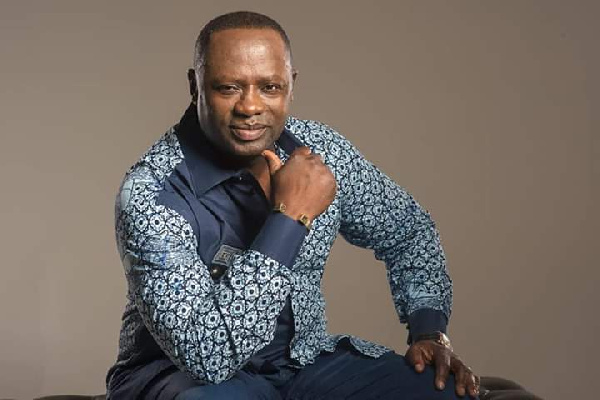
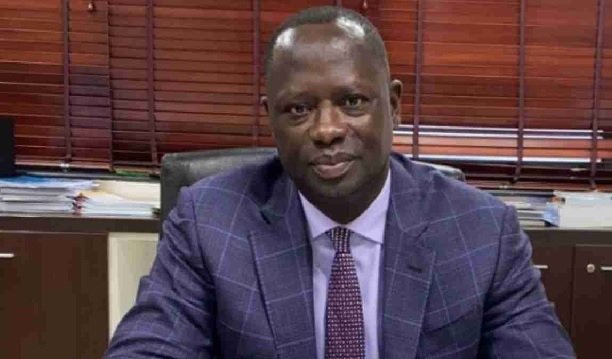
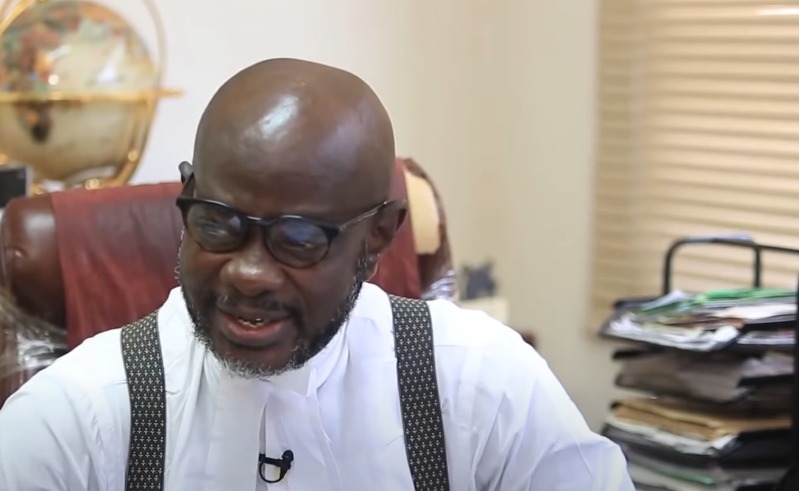
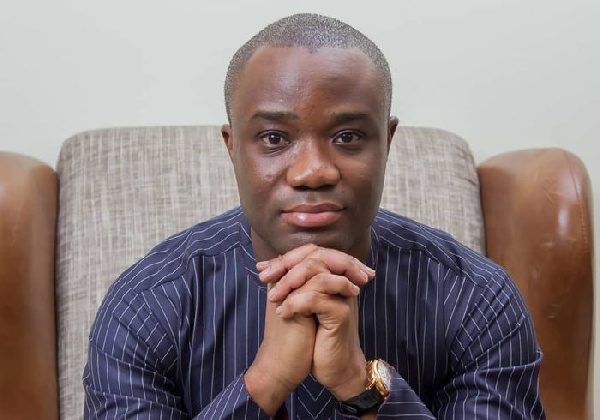
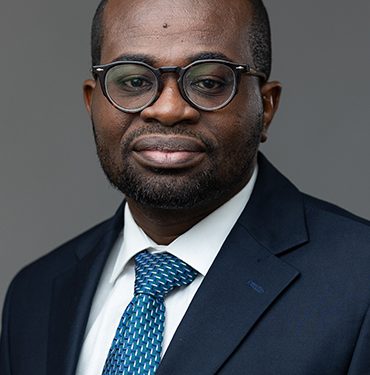
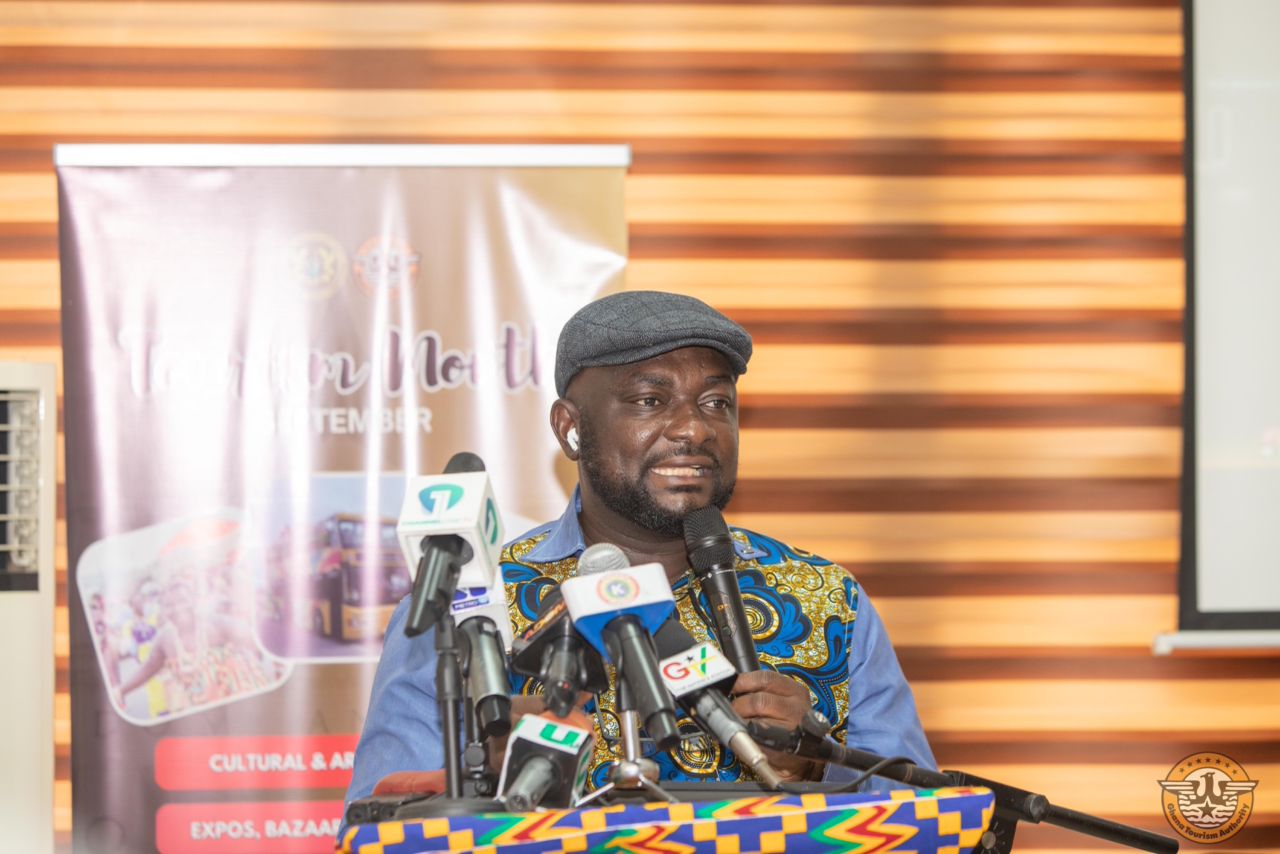
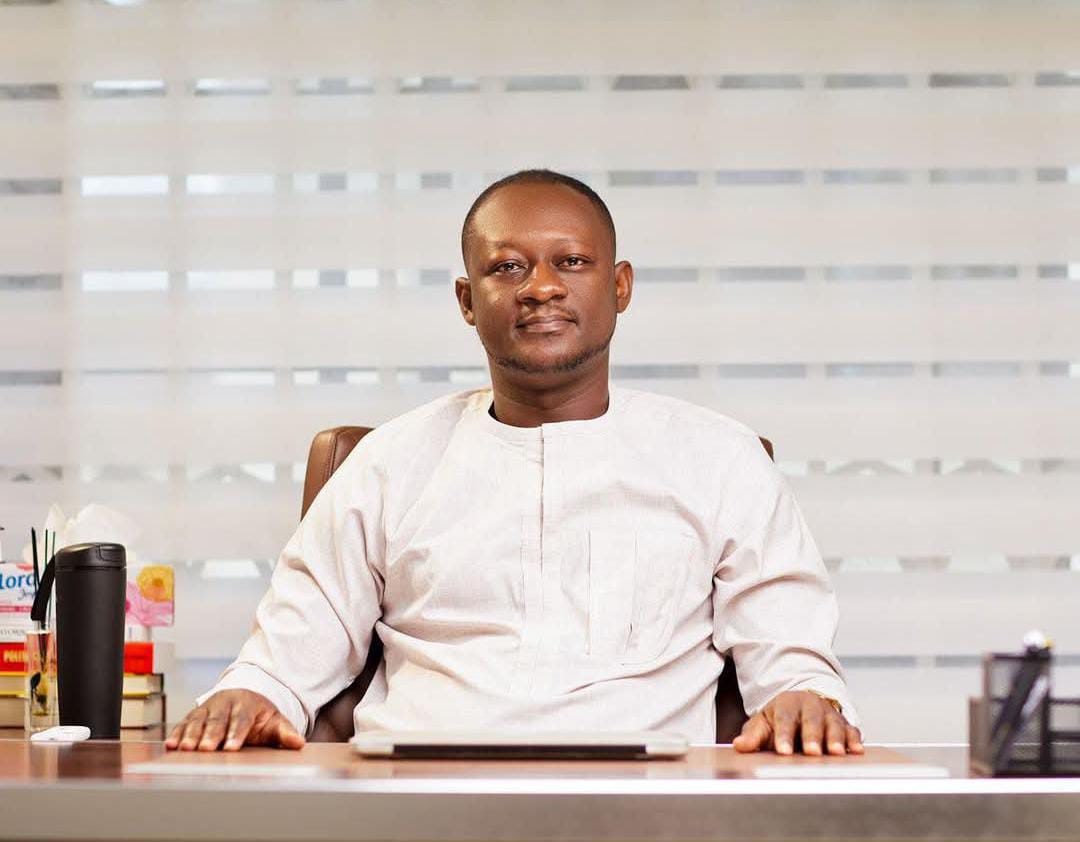
    Edmond Kombat has been appointed as the Managing Director of the Tema Oil Refinery (TOR), assuming leadership at a crucial juncture for Ghana’s premier oil refinery.

    His appointment signals a fresh opportunity to revitalize the refinery, which has grappled with operational setbacks and financial constraints in recent years.

    With a wealth of experience in the energy and finance sectors, Kombat is seen as a transformative leader capable of steering TOR back to prominence. His immediate focus will be on modernizing the refinery’s operations, addressing inefficiencies, and exploring private-sector partnerships to inject capital and technical expertise into the struggling company.

    About Edmond Kombat

    Edmond Kombat is a seasoned lawyer, entrepreneur, and advocate for Pan-African development, whose impressive career spans law, finance, and energy. As a partner at Bidzakin Kombat Law Firm, he has built a strong reputation for legal excellence.

    Kombat’s academic achievements are equally remarkable. He graduated with First Class Honours from the University of Ghana, earned his LL.B from GIMPA Faculty of Law, and obtained his BL and QCL from the Ghana School of Law. He also holds a Master of Public Administration (MPA) degree from Harvard University and completed the Securities Industry Course at the Ghana Stock Exchange.

    Kombat’s professional journey highlights his deep expertise in energy and finance. He began his career as a Financial Analyst at Bank of America Merrill Lynch in London. He later worked as an Energy Analyst at TOR and as a Business and Energy Analyst at the Bulk Oil Storage and Transportation Company Limited (BOST).

    During his time as a Research Assistant at the Mossavar-Rahmani Center for Business and Government at Harvard Kennedy School, he honed his analytical skills and broadened his understanding of global energy challenges.

    Beyond his roles in law and energy, Kombat is an accomplished entrepreneur. He is the Founder and Chairman of the Edkom Group of Companies, a conglomerate with interests in agribusiness, energy, real estate, and mining through subsidiaries such as Oyster Agribusiness, Citi Energy, Monip Estates, and Kasi Precious Minerals.

    Kombat also co-founded the Institute for Energy Security (IES), where he serves as Director of Research and Finance. His work at IES focuses on advancing energy research and promoting financial sustainability in the sector.
  • Delivering jobs to the unemployed youth is dear to my heart – Basintale

    Delivering jobs to the unemployed youth is dear to my heart – Basintale

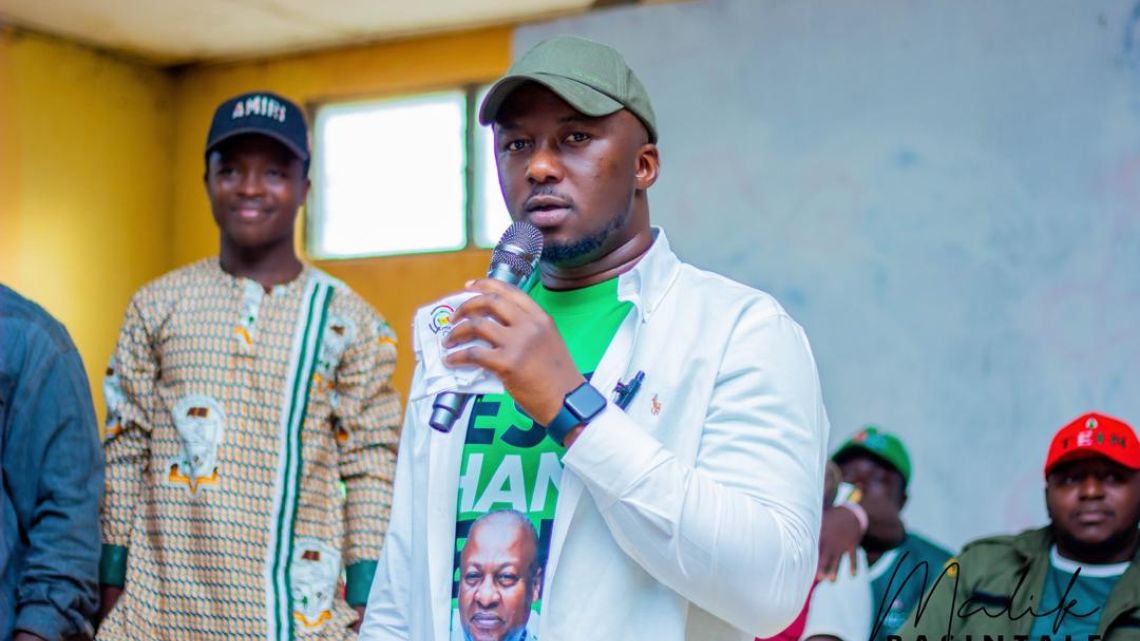
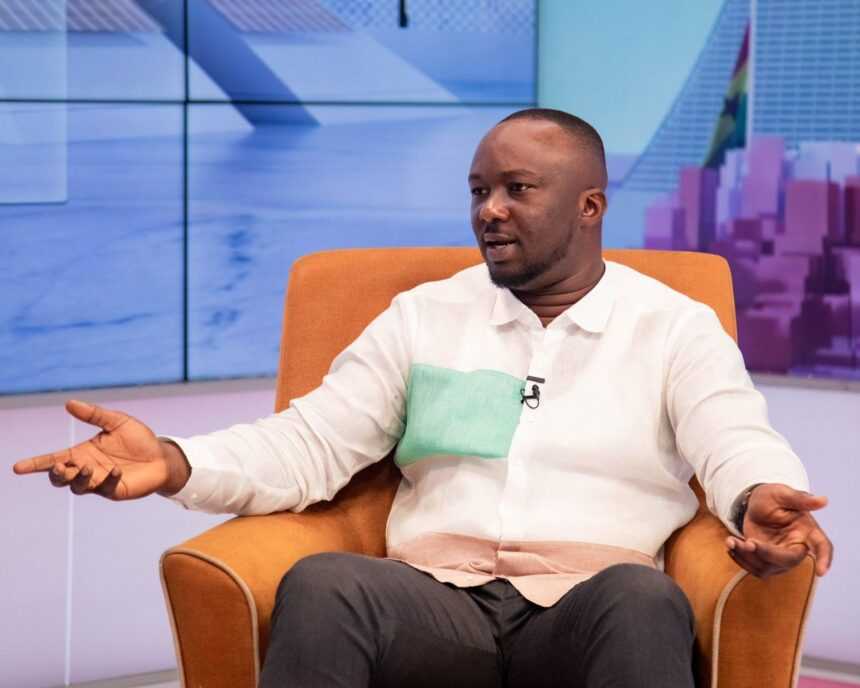
    Acting Chief Executive Officer (CEO) of the Youth Employment Agency (YEA), Malik Basintale, has reaffirmed his commitment to addressing youth unemployment, describing it as a personal mission he holds close to his heart.

    Speaking during a staff engagement at the agency, Basintale emphasized his dedication to creating opportunities for the unemployed youth of Ghana.

    “I feel the environment is safe and conducive for all of us to cohabitate. There shouldn’t be any fear. I have one mandate: to achieve in delivering jobs to the unemployed youth. It is very dear to my heart,” he stated.

    He also called on staff to align their goals with the agency’s mandate and prioritize service over personal gain.

    “If your intention is to make money and look for money, then today, you better resign and go home. We are not here to look for money; we are here to work and make His Excellency President of the Republic of Ghana, John Mahama, proud,” he added.

    The announcement of Basintale’s appointment has generated enthusiasm among his supporters, who gathered at the YEA premises to show solidarity as he assumed office. His role as the Deputy National Communications Officer of the National Democratic Congress (NDC) has further amplified expectations for his leadership at the agency.

    Basintale was appointed by President John Dramani Mahama following the resignation of Kofi Baah Agyepong, who stepped down after two years in the role. Agyepong cited personal commitments and future aspirations as reasons for his departure.

  • Resign if you are here to make money and not serve Ghana – Basintale tells YEA staff

    Resign if you are here to make money and not serve Ghana – Basintale tells YEA staff

    The Acting Chief Executive Officer (CEO) of the Youth Employment Agency (YEA), Malik Basintale, has issued a bold message to staff, emphasizing the need for selfless service over personal gain.

    Addressing employees during an engagement at the agency, Basintale cautioned against prioritizing personal enrichment over the mission of the organization.

    “If your intention is to make money and look for money, then today, you better resign and go home. We are not here to look for money; we are here to work and make His Excellency President of the Republic of Ghana, John Mahama, proud,” he declared.

    He reassured staff of a supportive and collaborative work environment, urging them to remain focused on the core objective of creating jobs for Ghanaian youth.

    “I feel the environment is safe and conducive for all of us to cohabitate. There shouldn’t be any fear. I have one mandate: to achieve in delivering jobs to the unemployed youth. It is very dear to my heart,” he added.

    The appointment of Basintale, who also serves as the Deputy National Communications Officer for the National Democratic Congress (NDC), has drawn significant attention. On January 26, he invited all well-wishers to join him as he officially assumed his new role at YEA.

    A group of supporters believed to be affiliated with Basintale was seen at the agency’s premises to celebrate his appointment.

    This leadership change follows the resignation of Kofi Baah Agyepong, who stepped down after two years at the helm, citing personal commitments and future aspirations. President John Dramani Mahama subsequently appointed Basintale to steer the agency toward its mission of tackling youth unemployment in Ghana.

    In a message shared on X (formerly Twitter), Malik Basintale expressed his gratitude to President Mahama and vowed to fulfill the responsibilities of his new role. “Thank you, Mr President, H.E John D. Mahama. We shall not fail you❤️🙏🏽🇬🇭,” he wrote.

  • Issuance of mining licenses will be made efficient to prevent many from mining illegally – Lands Minister-designate

    Issuance of mining licenses will be made efficient to prevent many from mining illegally – Lands Minister-designate

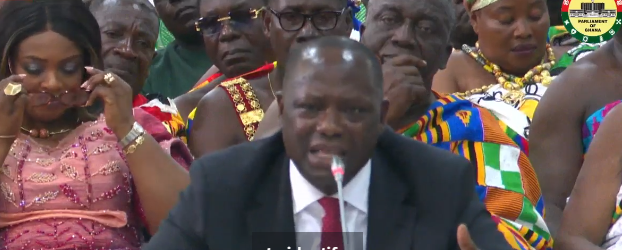
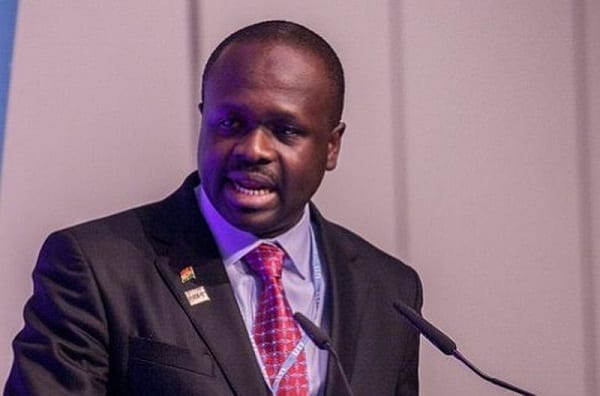
    Emmanuel Armah Kofi Buah, the Minister-designate for Lands and Natural Resources, has pledged to improve the efficiency of the mining license process to reduce the prevalence of illegal mining, also known as galamsey, in Ghana.

    During his vetting before the Appointment Committee on January 27, Mr. Buah emphasized that streamlining the licensing process would help prevent many individuals from resorting to illegal mining practices.

    The Minister-designate expressed the government’s strong determination to combat illegal mining, stating that it would not tolerate political connections or affiliations when it comes to curbing this environmental and economic threat.

    “We in opposition were very strong on the issue of illegal mining, and as Minister, I pledge to stand with the people of Ghana to fight this menace. It doesn’t matter your status or your political correlation. If you want to engage in mining, there are legal processes for obtaining licenses, and we will ensure that these processes are followed,” he declared.

    Mr. Buah acknowledged the shortcomings of previous attempts to tackle illegal mining, noting that the failure of past measures was largely due to structural and systemic challenges. He called for a fundamental change in the approach, advocating for more community involvement and increased transparency.

    “One of the key interventions we will implement is a new and transparent approach to community engagement. The people in mining areas must understand that the destiny of their communities—their river bodies and forests—rests in their hands. We will empower and respect them, ensuring they become active stakeholders in this fight,” he explained.

    The Minister-designate also raised concerns about the current implementation of the Community Mining Scheme, suggesting that it often marginalizes local communities, relegating them to labor roles while contractors hold the power. He proposed restructuring the scheme to create cooperatives and well-defined mining zones that involve local communities more actively.

    “That’s not the type of community engagement we envision,” Mr. Buah said, proposing the formation of cooperatives to better organize mining activities at the local level.

    A key part of his plan to combat illegal mining involves decentralizing the licensing process, making it more accessible for small-scale miners and eliminating the lengthy delays that currently drive many miners into illegal activities.

    “No one should have to wait four years for a license. That delay pushes people into illegal mining. We will make the process efficient and accessible to deter illegal activities,” Mr. Buah stated.

    Additionally, he emphasized the importance of collaborating with the Minerals Commission and the Geological Survey Authority to map mineralized zones, ensuring that mining operations are carried out in designated areas.

    “Our ultimate goal is to create a clear pathway for legal mining while dealing ruthlessly with those who engage in illegal operations. By empowering communities and fostering transparency, we can achieve sustainable mining practices that benefit everyone,” Mr. Buah concluded.

  • Mammoth crowd welcomes Basintale on first day of work as Acting YEA CEO

    Mammoth crowd welcomes Basintale on first day of work as Acting YEA CEO

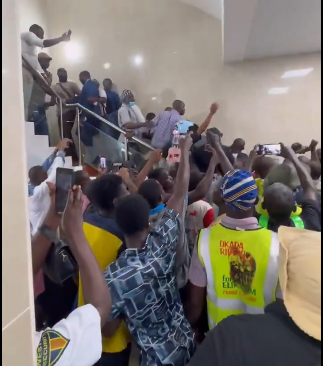
    A group of Ghanaians believed to be supporters of Malik Basintale, the Deputy National Communications Officer of the National Democratic Congress (NDC), tropped into the premises of the Youth Employment Agency (YEA) today as Basinale began work as the Acting Chief Executive Officer (CEO) of the YEA.

    On January 26, Basintale threw an invite to all and sundry to join him as he assumes work at the YEA.

    https://twitter.com/tigpost_/status/1883841270885597377

    In a post on X, he wrote, “I am a product of the street and we’re not leaving anyone behind! Hence, Dear 5k MEN, 3k women, far rangers, bodycams team, Cock and hold unknown rangers, fire flames, Okada ningers etc. Feel free to join me assume work at the YEA HQ tomorrow monday at 10am”

    https://twitter.com/malik_basintale/status/1883581322137858378

    At the premises, the group of individuals sang and cheered.

    President John Dramani Mahama made the appointment following the resignation of Kofi Baah Agyepong, who stepped down from the position after two years, citing personal commitments and future aspirations as his reasons.

    In a message shared on X (formerly Twitter), Malik Basintale expressed his gratitude to President Mahama and vowed to fulfill the responsibilities of his new role. “Thank you, Mr President, H.E John D. Mahama. We shall not fail you❤️🙏🏽🇬🇭,” he wrote.

  • We will fight you irrespective of your political affiliation – Armah Buah to illegal miners

    We will fight you irrespective of your political affiliation – Armah Buah to illegal miners

    Emmanuel Armah Kofi Buah, Minister-designate for Lands and Natural Resources, has issued a strong warning to illegal miners, emphasizing that no political connections will shield anyone from facing the full force of the law if caught engaging in galamsey.

    During his vetting before the Appointment Committee on Monday, January 27, Mr. Buah pledged to intensify efforts to tackle the illegal mining menace that continues to devastate Ghana’s natural resources.

    “We in opposition were very strong on the issue of illegal mining, and as Minister, I pledge to stand with the people of Ghana to fight this menace. It doesn’t matter your status or your political correlation. If you want to engage in mining, there are legal processes for obtaining licenses, and we will ensure that these processes are followed,” he asserted.

    Highlighting the persistent challenges with galamsey, Mr. Buah noted that previous interventions had faltered due to systemic weaknesses and insufficient community involvement. He proposed a new approach rooted in transparency and inclusive stakeholder engagement to drive sustainable solutions.

    “One of the key interventions we will implement is a new and transparent approach to community engagement. The people in mining areas must understand that the destiny of their communities—their river bodies and forests—rests in their hands. We will empower and respect them, ensuring they become active stakeholders in this fight,” he explained.

    Mr. Buah also criticized the current implementation of the Community Mining Scheme, which he described as poorly designed, often excluding local communities from leadership roles and relegating them to menial tasks while external contractors dominate operations.

    “That’s not the type of community engagement we envision,” he said, emphasizing the need to reform the scheme by organizing communities into cooperatives and creating designated mining zones where their interests are prioritized.

    To address the root causes of illegal mining, the Minister-designate stressed the importance of streamlining the licensing process to remove bureaucratic bottlenecks that push miners into unlawful activities.

    “No one should have to wait four years for a license. That delay pushes people into illegal mining. We will make the process efficient and accessible to deter illegal activities,” he assured.

    Additionally, Mr. Buah outlined plans to collaborate with the Minerals Commission and the Geological Survey Authority to thoroughly map mineralized areas and confine mining activities to specific zones.

    “Our ultimate goal is to create a clear pathway for legal mining while dealing ruthlessly with those who engage in illegal operations. By empowering communities and fostering transparency, we can achieve sustainable mining practices that benefit everyone,” he concluded.

  • No new mining activities in forest reserves – Emmanuel Armah

    No new mining activities in forest reserves – Emmanuel Armah

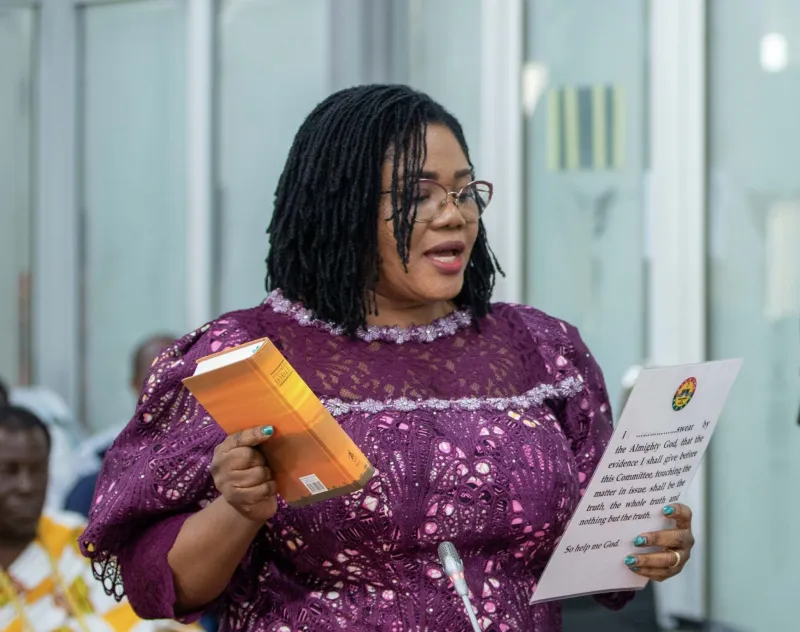
    Minister-designate for Lands and Natural Resources, Emmanuel Armah Kofi Buah, has firmly committed to preventing new mining operations in the country’s forest reserves, should his appointment be confirmed.

    Speaking during his vetting before the Parliamentary Vetting Committee on Monday, January 27, Mr. Buah assured Ghanaians that his environmental policy would prioritize the protection of forest reserves from further mining activities.

    “We have said that there will be no new mining activities in forest reserves, and the intention is to make sure that L.I. 2462 is amended to ensure that the provision allowing for mining in reserves is not in place,” he declared.

    In his testimony, the minister-designate underscored that this policy initiative aligns with the government’s commitment to environmental conservation and sustainable management of natural resources. He further highlighted that the amendment of Legislative Instrument (L.I.) 2462, which currently permits mining in forest reserves, would be one of his primary actions upon assuming office.

    “If you give me the chance, my first activity will be to ensure that there will be no new mining activities in forest reserves,” Mr. Buah affirmed.

    His statement comes in the wake of mounting concerns from environmental groups and lawmakers regarding the negative impacts of mining within protected forest areas. The proposed changes aim to halt further exploitation of these vital ecosystems for mining purposes.

    The controversy over mining in forest reserves has been long-standing. Prior to the dissolution of the 8th Parliament, three National Democratic Congress (NDC) Members of Parliament (MPs)—Alhassan Suhuyini (Tamale North), Francis-Xavier Sosu (Madina), and Samuel Okudzeto Ablakwa (North Tongu)—tabled a Private Members’ Bill aimed at repealing Section 3(2) of the Environmental Protection (Mining in Forest Reserves) Regulations, 2022 (L.I. 2462).

    This section, which grants the President authority to issue mining leases for exploration in forest reserves, has sparked outrage among environmentalists. The MPs argued that the regulation has contributed to environmental damage and undermined public health, calling for urgent reforms to protect the country’s ecosystems.

    In response to the enactment of L.I. 2462, the Ghana Institute of Foresters (GIF) expressed its dismay, pointing to the harmful effects of mining within forest reserves, including the destruction of vital biodiversity and long-term damage to the environment.

  • LIVESTREAMING: Appointments Committee vets Armah-Kofi Buah, others

    LIVESTREAMING: Appointments Committee vets Armah-Kofi Buah, others

    The Appointments Committee of Parliament is vetting the Minister-Designate for Lands and Natural Resources, Emmanuel Armah-Kofi Buah.

    The Ellembelle MP will be vetted alongside three regional ministers-designate in Committee Rooms 1 and 2 of Parliament’s Administration Building.

    The regional ministers-designate are Tia Ibrahim, Minister-Designate for the North East Region; Dr. Frank Amoakohene, Minister-Designate for the Ashanti Region; and Akamugri Atanga Donatus, Minister-Designate for the Upper East Region.

    The Committee will scrutinise their qualifications, experience, and proposed agendas to determine their suitability for their respective roles.

  • Education Review Conference to be launched mid-February – Education Minister

    Education Review Conference to be launched mid-February – Education Minister

    President John Mahama is set to inaugurate the highly anticipated Education Review Conference in mid-February 2025, according to the Minister of Education, Haruna Iddrisu.

    The conference aims to evaluate the current state of education, explore its future trajectory, and propose strategies to foster equity and enhance the sector’s contribution to building a competitive and skilled workforce for the country.

    Speaking at a press briefing in Accra on Friday to commemorate International Day of Education, Mr. Iddrisu highlighted the significance of the upcoming conference. He noted that it would serve as a platform for key stakeholders to deliberate on actionable solutions to strengthen education across all levels.

    This year’s International Day of Education, celebrated on January 24, is themed “Artificial Intelligence (AI) and Education: Preserving Human Agency in a World of Automation.” The theme underscores the transformative role of AI in education, emphasizing its potential to personalize learning, automate processes, and increase access for underserved communities.

    Mr. Iddrisu stressed the importance of leveraging AI to address educational inequalities, particularly in remote areas. He called for collaborative efforts to integrate adaptive technologies that meet the diverse needs of learners while promoting inclusivity.

    “Let us harness innovation, uphold human agency, and ensure that education continues to be a beacon of hope for every child and every community,” he said.

    The Minister also emphasized the need to empower educators to design curricula that incorporate digital literacy, AI ethics, and critical thinking, enabling students to succeed in a rapidly automated world.

    To realize these goals, Mr. Iddrisu outlined the government’s commitment to expanding fibre and broadband infrastructure across educational institutions, ensuring reliable internet connectivity as a foundation for digital literacy.

    “You cannot prepare for a digital literacy future without internet connectivity. We need to collaborate with the Ministry of Communication and other private sectors in order to be able to ensure stable Internet connectivity,” he said.

    He commended stakeholders in the education sector for their unwavering dedication to advancing learning and contributing to national development.

    “Your dedication to advancing the transformative power of learning is the foundation of our nation’s development,” Mr. Iddrisu remarked, urging all partners to work towards an education system that is equitable, inclusive, and responsive to the evolving challenges and opportunities of the modern world.

  • Bawumia to deliver address on democracy, governance in Nigeria

    Bawumia to deliver address on democracy, governance in Nigeria

    Former Vice President of Ghana, Dr. Mahamudu Bawumia, will be delivering a keynote address on democracy, governance, and political integrity during a high-profile event in Nigeria.

    The two-day engagement, scheduled for Monday, January 27, and Tuesday, January 28, at 10 a.m. daily, has attracted widespread attention as it promises to explore critical issues shaping the future of governance in Africa.

    Dr. Bawumia is expected to provide a compelling perspective on strengthening democratic institutions, enhancing political accountability, and promoting inclusive governance. Drawing from his vast experience in public service and economic leadership, he will outline practical strategies to address challenges facing democracy on the continent.

    The address will delve into key topics such as the importance of political integrity in fostering trust between governments and citizens, the complexities of maintaining democratic principles, and how transparent leadership can drive sustainable development.

    Additionally, Dr. Bawumia will reflect on Ghana’s strides in democratic governance, comparing them with Nigeria’s ongoing efforts to deepen democratic practices. He is expected to share lessons that can inspire collaboration and mutual growth between the two nations.

    Known for his expertise in economic management and political affairs, Dr. Bawumia’s address is anticipated to resonate across diverse audiences, providing actionable insights and reinforcing the call for transparency, equity, and accountability in governance.

  • Replicate your unique organization skills at Youth Ministry – Mahama to George Opare Addo

    Replicate your unique organization skills at Youth Ministry – Mahama to George Opare Addo

    President John Dramani Mahama has charged the Minister of Youth Development and Empowerment, George Opare Addo, to leverage his organisational skills to develop and implement impactful policies that will significantly benefit the youth of Ghana.

    The President made these remarks during the swearing-in ceremony for the second batch of ministers-designate approved by Parliament on Friday, January 24, at the Jubilee House in Accra.

    Commending Mr. Opare Addo, widely known as ‘Pablo,’ for his exceptional organisational abilities, which contributed to the National Democratic Congress’s (NDC) victory in the 2024 elections, President Mahama stressed that such skills are crucial for addressing the numerous challenges facing Ghanaian youth, particularly unemployment.

    “Mr. Opare Addo, or Pablo as you are affectionately called, you established a vast ‘green army,’ which you commanded and mobilised to rally the youth of Ghana behind the NDC’s cause. It is now time to channel that unique organisational ability into your work at the Ministry of Youth Development and Empowerment, to deliver tangible results for the millions of Ghanaian youth aspiring to live dignified lives and secure meaningful employment,” the President remarked.

    President Mahama further assured Mr. Opare Addo of his unwavering support, stating: “Your ministry is one that I take a personal interest in, and you will have my full support 24/7 to succeed in this role.”

    Mr. Opare Addo has served as the National Youth Organiser of the NDC since his election in 2018 and is widely credited with energising the party’s youth base.

    On Friday, President Mahama also swore in other ministers, including Abla Dzifa Gomashie as Minister for Tourism, Culture, and Creative Arts; Emelia Arthur as Minister for Fisheries and Aquaculture Development; Ahmed Ibrahim as Minister for Local Government, Chieftaincy, and Religious Affairs; and Elizabeth Ofosu-Adjare as Minister for Trade, Industry, and Agribusiness.

    The President urged the newly sworn-in ministers to prioritise transparency, inclusivity, and accountability in their respective roles, reminding them of the high expectations of the Ghanaian people.

    “Ghanaians have signalled zero tolerance for poor governance,” President Mahama stated. “You must serve with dignity, respect, and an unwavering commitment to advancing national progress.”

    Meanwhile, the Minister-designate for Gender, Children, and Social Protection, Naa Momo Lartey, could not be sworn in due to her absence, which was attributed to a family emergency. This was disclosed by Felix Kwakye Ofosu, Spokesperson for President Mahama.

    To date, President Mahama has sworn in 11 ministers-designate approved by Parliament following vetting by the Appointments Committee. In total, 17 ministerial appointees have received parliamentary approval.

  • Prioritise access, relevance, and quality in higher education – Education Minister charges stakeholders

    Prioritise access, relevance, and quality in higher education – Education Minister charges stakeholders

    Minister of Education, Haruna Iddrisu, has called on stakeholders to prioritise enhancing access, relevance, and quality within Ghana’s higher education system to promote inclusivity and equitable opportunities for all.

    He underscored the importance of collective efforts to dismantle systemic barriers that hinder marginalised groups, including girls, children, and persons with disabilities, from accessing quality education.

    Speaking on the government’s commitment to transforming education, the Minister described it as a powerful tool for personal and national development. He stressed the need to address historical inequalities within the system to ensure no group is left behind.

    “Education is the cornerstone of national development and personal empowerment. To achieve meaningful progress, we must eliminate barriers that restrict access for the most vulnerable groups in our society,” Mr. Iddrisu said.

    The Minister highlighted Ghana’s alignment with global frameworks, citing the 1989 Convention on the Rights of the Child, which mandates nations to make education universally accessible. He reiterated Ghana’s dedication to improving access and quality in education while adhering to international standards.

    “The Convention on the Rights of the Child clearly stipulates that higher education must be accessible to all. In Ghana, we prioritise access, relevance, and quality in higher education. Agenda 2030 further recognises education as a cornerstone for the success of all Sustainable Development Goals (SDGs),” he stated.

    Mr. Iddrisu also emphasised the critical role of education in achieving the SDGs, noting that sustainable development hinges on a strong educational foundation. He called for collaborative action involving the government, private sector, international organisations, and local communities to address the challenges facing the sector.

    “Only through strong partnerships can we address these challenges and create a truly inclusive educational system,” he emphasised.

    His comments come in the wake of the 2024 Global Youth Development Index Update Report by the Commonwealth Secretariat, which ranked Ghana’s education system 125th out of 183 countries. 

    The report highlighted significant challenges, including infrastructural deficiencies, teacher shortages, and inadequate funding, which continue to hinder progress in the sector.
  • Foreign Affairs Ministry receives over 380 diplomatic passport after recall

    Foreign Affairs Ministry receives over 380 diplomatic passport after recall

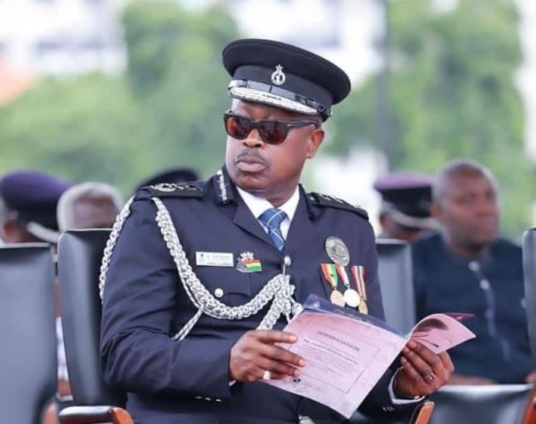
    Over 380 diplomatic passports have been returned following a presidential recall directive aimed at enhancing accountability and ensuring the proper management of these sensitive documents.

    This move comes after President John Dramani Mahama ordered the return of diplomatic passports issued by the previous administration. The decision, which focuses primarily on passports issued during the tenure of former President Nana Akufo-Addo, seeks to verify that they meet current requirements and prevent any potential misuse.

    The directive, issued by the Secretary to the President, Dr. Callistus Mahama, required all holders of the recalled diplomatic passports to submit them to the Ministry of Foreign Affairs by January 24, 2025. Sources reveal that most of the recalled passports were submitted by Thursday, January 23, a day ahead of the deadline.

    Individuals impacted by this recall include former ministers and their spouses, former Members of Parliament from all political parties, members of the Council of State, as well as retired justices of both the superior and lower courts. The recall also affected former regional ministers, ex-municipal, metropolitan, and district chief executives, CEOs of state institutions, and members of various government boards.

    Diplomatic passports offer holders privileges such as expedited customs clearance and exemptions from certain taxes and duties in host countries, which is why their proper management is critical.

    International relations expert Dr. Vladimir Antwi-Danso has urged the government to implement stricter measures for issuing diplomatic and service passports to safeguard Ghana’s international reputation.

    “The issuance process should be tightened. Everywhere I have met individuals with diplomatic passports or special passports, they are working for the state, serving state interests. But here, it is often about connections and ‘homeboyism,’” he remarked.

    Dr. Antwi-Danso emphasized the potential risks of misuse, warning that improper conduct by holders of diplomatic passports could strain Ghana’s relations with host countries. He called for more stringent criteria for acquiring such passports to prevent misuse and protect the nation’s image on the global stage.

  • World Leprosy Day: Challenge misconceptions, spread awareness and promote inclusion – GHS charges public

    World Leprosy Day: Challenge misconceptions, spread awareness and promote inclusion – GHS charges public

    The Ghana Health Service (GHS) has called on the public to challenge misconceptions, spread awareness, and promote the inclusion of individuals affected by leprosy in commemoration of World Leprosy Day on January 26.

    In a post shared on their X page on Sunday, the GHS urged the general public to “challenge misconceptions, spread awareness, and promote inclusion” in honor of the day. This appeal comes in response to the prevalent misconceptions and stigma surrounding leprosy and those affected by the disease in Ghana.

    Many people mistakenly believe that leprosy is highly contagious and untreatable, which has led to discrimination and social exclusion of those affected. In response, healthcare providers have condemned these misconceptions, emphasizing that leprosy is neither highly contagious nor untreatable.

    “No one should face discrimination for a disease that can be treated. Leprosy is not a label,” the GHS stated, reinforcing that those living with leprosy have the right to a dignified life, access to available resources, and the opportunity to reach their full potential.

    “Everybody has the right to a dignified life and to achieve their full potential. Not just to survive, but to thrive. Persons affected by leprosy are more than their diagnosis,” the GHS added.

    https://twitter.com/_GHSofficial/status/1883498446436573561

    Leprosy, also known as Hansen’s Disease, is a chronic infectious disease caused by Mycobacterium leprae. It primarily affects the skin and nerves, leading to disabilities if left untreated. However, with early diagnosis and proper treatment, leprosy is a curable disease, and long-term disabilities can be prevented.

    Globally, approximately 200,000 new cases of leprosy are reported annually, with the highest numbers found in Brazil, India, and Indonesia. Notably, 56 countries reported zero new cases in 2023. Efforts by the World Health Organization (WHO) are focused on achieving zero disease, zero disability, and zero discrimination through public education, early diagnosis, prevention programs, and the empowerment of affected individuals.

    In Ghana, the National Leprosy Control Programme (NLCP) has been actively working to eliminate leprosy since the 1950s. The program focuses on reducing transmission, managing cases, and preventing disabilities. The Ankaful Leprosy & General Hospital serves as the national referral center, and the Zero Leprosy Action Plan, developed in collaboration with the Global Partnership for Zero Leprosy, aims to achieve zero leprosy by 2030.

    Despite the availability of effective treatment, the stigma surrounding leprosy often prevents affected individuals from seeking timely medical care. The GHS has urged the public to support efforts to eliminate discrimination and ensure that all individuals, regardless of their diagnosis, can live dignified lives.

  • Emmanuel Quainoo appointed as acting head of the Gaming Commission

    Emmanuel Quainoo appointed as acting head of the Gaming Commission

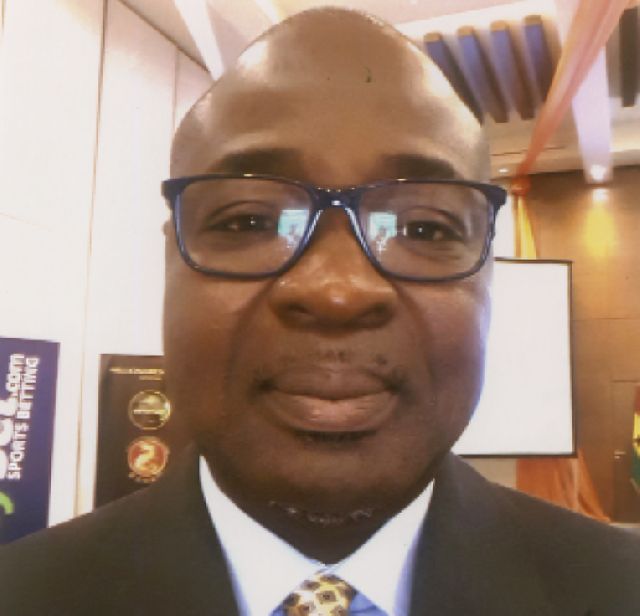
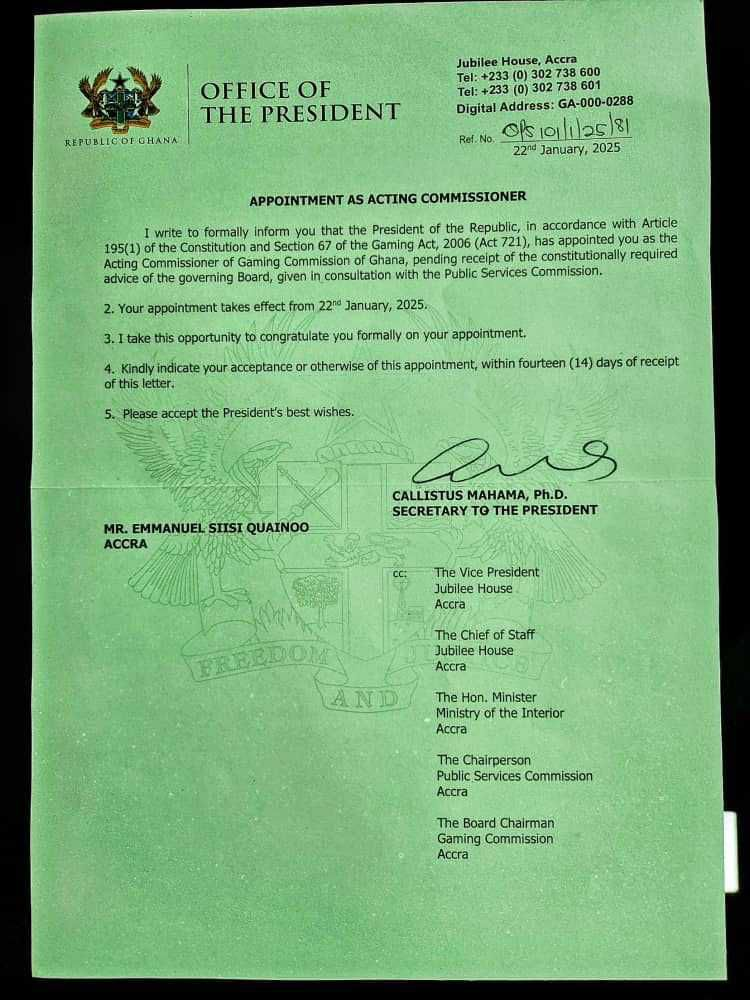
    President John Dramani Mahama has named Emmanuel Siisi Quainoo as the Acting Commissioner of the Gaming Commission of Ghana. The appointment, announced in a letter dated January 22 and signed by Dr. Callistus Mahama, Secretary to the President, takes effect immediately.

    The decision aligns with Article 195(1) of the 1992 Constitution and Section 67 of the Gaming Act, 2006 (Act 721), underscoring the President’s commitment to constituting key offices within his government promptly.

    “I write to formally inform you that the President of the Republic, in accordance with Article 195(1) of the Constitution and Section 67 of the Gaming Act, 2006 (Act 721), has appointed you as the Acting Commissioner of the Gaming Commission of Ghana, pending receipt of the constitutionally required advice of the governing board, given in consultation with the Public Services Commission,” the letter reads.

    The Gaming Commission of Ghana is tasked with regulating activities such as casinos, sports betting, and other forms of gaming. It ensures adherence to national laws, promotes responsible gaming, and protects public interests.

    With his appointment, Mr. Quainoo is expected to strengthen the commission’s regulatory role and advance its mission to maintain ethical standards within the gaming industry.

  • Submission of nomination forms for Council of State elections commences Jan 28

    Submission of nomination forms for Council of State elections commences Jan 28

    The Electoral Commission (EC) has announced the start of the nomination process for the upcoming elections of regional representatives to the Council of State. 

    The submission of forms will begin on Tuesday, January 28, and conclude on Friday, February 3, 2025.

    The elections, scheduled for February 11, 2025, will be conducted across all regional capitals in compliance with Article 89 of the 1992 Constitution. The EC has indicated that the exact venues for the polls in each region will be communicated in due course.

    In a statement, EC Chairperson Jean Mensa outlined the nomination process, noting that interested candidates must submit their completed forms to the Regional Directors of their respective regions. The forms can be submitted between the hours of 9:00 a.m. and 12:00 p.m., as well as from 2:00 p.m. to 5:00 p.m., within the designated period.

    Candidates are also required to provide two copies of a recent bust-sized photograph with a red background, showing their full face and ears, along with their nomination forms. The completed documents must be delivered to the designated locations within the stated timelines.

    The EC emphasized the importance of adhering to the submission guidelines and encouraged eligible individuals to actively participate in the process. “We urge all qualified candidates and voters to participate actively to ensure a smooth and transparent electoral process,” the statement concluded.

    It is the role of the Council of State to counsel the President in the performance of his functions.

    Per the law, the Council of State shall consist of—

    (a) the following persons appointed by the President in consultation with Parliament—

    (i) one person who has previously held the office of Chief Justice;

    (ii) one person who has previously held the office of Chief of Defence Staff of the Armed Forces of Ghana;

    (iii) one person who has previously held the office of Inspector- General of Police;

    (b) the President of the National House of Chiefs;

    (c) one representative from each region of Ghana elected, in accordance with regulations made by the Electoral Commission under article 51 of this Constitution, by an electoral college comprising representatives from each of the districts in the region nominated by the District Assemblies in the region; and

    (d) eleven other members appointed by the President.

    The law states that the Council of State shall elect a chairman from among its members.

  • US Embassy, Ghana Navy hand over 3-unit classroom block to basic school in Sogakope

    US Embassy, Ghana Navy hand over 3-unit classroom block to basic school in Sogakope

    The United States Embassy, in collaboration with the Ghana Navy, has officially handed over a 3-unit classroom block to the Galotse District Assembly Basic School in Sogakope.

    The event, which took place on Wednesday, January 22, marks a significant step in strengthening the partnership between Ghana and the United States, focusing on community development.

    This project, the second of its kind in the Sogakope District, was completed by the US Navy Seabees, a division of the US Navy Construction Battalion, further emphasizing their ongoing commitment to supporting local development initiatives.

    The Deputy Head of Mission at the United States Embassy in Ghana, Mr. Rolf Olson, visited the Flag Officer Commanding the Naval Training Command, Commodore Solomon Asiedu-Larbi, ahead of the handover. During their meeting, Commodore Asiedu-Larbi expressed his appreciation for the long-standing relationship between the Ghana Navy and the US Navy Seabees, which began in the late 1990s. He noted the successful collaboration on previous projects, including the construction of sickbays at the Western and Eastern Naval Commands.

    Mr. Olson reaffirmed the United States’ commitment to assisting community development initiatives in Ghana, highlighting the importance of such collaborations in fostering long-term growth.

    Mrs. Celestine Kosi Agodo, the District Director of Education, expressed her gratitude for the joint effort, praising the work of the US Navy, the Ghana Navy, traditional leaders, and the teaching staff. She emphasized the importance of cooperation in providing quality education for the students.

  • Exceed your target to reduce govt borrowing – Finance Minister charges GRA

    Exceed your target to reduce govt borrowing – Finance Minister charges GRA

    Finance Minister Dr. Cassiel Ato Baah Forson has urged the Ghana Revenue Authority (GRA) to surpass its revenue targets to help reduce the government’s reliance on borrowing.

    Speaking during a visit to the GRA as part of a series of engagements aimed at addressing key revenue and public expenditure issues, Dr. Forson emphasized the importance of domestic resource mobilization in light of limited access to international borrowing markets.

    “Without revenue, there’s little you can do,” Dr. Forson remarked. He pointed out that Ghana currently has no access to Eurobond markets, domestic bonds, or commercial bank loans, leaving Treasury bills and multilateral loans as the only available financing options. “This means we have to focus more on domestic resource mobilization rather than borrowing externally,” he stressed.

    While acknowledging the GRA’s success in exceeding its 2024 revenue target by raising GH₵153.5 billion—GH₵7.5 billion above the initial target—Dr. Forson urged the agency to set even higher goals for 2025. “Achieving your target will not be enough; you have to exceed it so that we can reduce borrowing. The space to borrow is simply not there,” he said.

    The GRA’s performance in 2024, which saw a 5.3% increase in revenue compared to the target, reflects a nominal growth of 35% from 2023. Additionally, with the introduction of levies such as the Sanitation Debt Recovery Levy and Energy Sector Debt, total revenue collection reached GH₵157.9 billion.

    As part of Ghana’s fiscal consolidation efforts under the International Monetary Fund (IMF) program, Dr. Forson reminded the GRA that they are obligated to raise additional tax revenue equivalent to 0.6% of the GDP.

    “This agreement is between the government of Ghana and the IMF, not political parties, so we are obligated to meet this target. I urge you to find innovative ways to achieve this,” he added.

    The Acting Commissioner General of the GRA, Anthony Kwasi Sarpong, responded by emphasizing the importance of teamwork in achieving the agency’s targets. “I may have two hands and one head, but together with the entire GRA team, we can overcome any challenges,” Mr. Sarpong said, reaffirming the institution’s commitment to revenue generation.

    In a separate meeting with the Controller and Accountant General’s Department (CAGD), Dr. Forson discussed the need for expenditure quality in managing public funds. He explained that while the Ministry of Finance sets expenditure priorities, the CAGD must ensure compliance with the law.

    “Your role is to ensure that whatever we direct you to pay is carefully reviewed. If it aligns with the law, proceed with payment. But the quality of expenditure is the prerogative of the Ministry of Finance,” Dr. Forson stated.

    The Controller and Accountant General, Kwasi Agyei, expressed appreciation for Dr. Forson’s leadership and reiterated the CAGD’s commitment to transparency.

    “Our mandate, as outlined in the Public Financial Management (PFM) Act, is to ensure transparency in transactions and proper management of funds,” he said.

    However, Mr. Agyei also acknowledged the need for further system upgrades to maintain public trust, which he stressed is critical to the success of Ghana’s financial management. “Declining public trust in the management of public funds is a growing concern across Africa. While Ghana has not yet reached a critical point, we must act now to sustain confidence in our financial systems,” he warned.

  • Paying GHC9 daily insufficient – UG justifies 20% hall fee hike amid backlash

    Paying GHC9 daily insufficient – UG justifies 20% hall fee hike amid backlash

    The University of Ghana (UG) has defended its decision to increase hall fees by 20% for the 2024/2025 academic year, clarifying that each student now contributes GHS 9 per day to cover the rising costs of utilities, renovations, and maintenance.

    The hike, which raises Residential Facility User Fees (RFUF) to GHS 3,000 annually for traditional halls such as Volta, Commonwealth, Mensah Sarbah, and Legon, has sparked considerable backlash from students and parents.

    Dr. Margaret Amankwah-Poku, Chair of the Committee of Heads of Halls, explained that the fee adjustment is essential to maintain a conducive living environment for students. She further noted that the hall receives 70% of the fees, while 30% goes to the university.

    “Out of what they pay, the hall gets 70%, and 30% goes to the university. Each student is paying GHS 9 per day and GHS 65 a week. With this, we have to clean washrooms, maintain the facilities, and provide for students’ welfare,” Dr. Amankwah-Poku said.

    She added that the current fees were insufficient to effectively run the halls, and the university has had to rely on supplementary funds, including donations and sponsorships, to cover the shortfall.

    “Even with what they are paying now, it’s not enough, and we have to supplement it with internally generated funds,” she stated.

    Despite these justifications, reactions from students and parents have been divided. Some parents expressed frustration over the fee increase, citing the financial challenges many families are already facing.

    “Things are expensive, and money is already a problem. Even the previous fees were manageable, but this increment worsens the situation,” one parent shared with Channel One News.

    However, other parents were more understanding, acknowledging the broader economic context.

    “This is my first time experiencing this. Considering how the cost of everything has risen, I think the increment is normal,” another parent remarked.

    While the university stands by the hike, it continues to face criticism from some quarters over the financial impact on students and their families.

  • Fan Milk aiding probe into Achimota-Tesano overhead truck accident 

    Fan Milk aiding probe into Achimota-Tesano overhead truck accident 

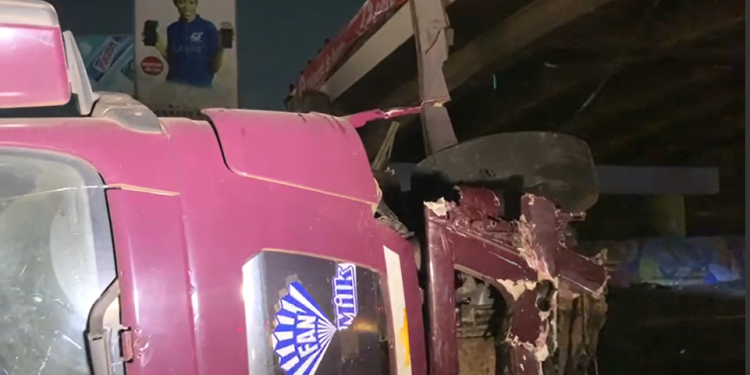
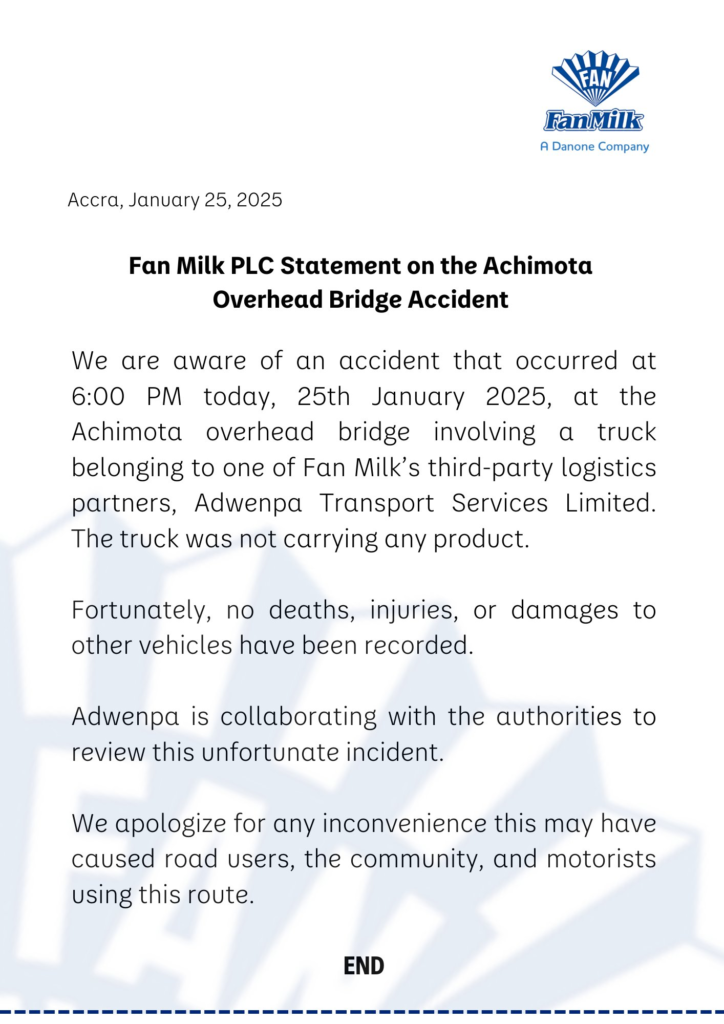
    Fan Milk PLC has expressed its commitment to assisting in the investigation of a truck accident that occurred on the Achimota-Tesano overhead bridge, which caused significant traffic delays on the evening of Saturday, January 25.

    The company has issued an apology to the public for any inconvenience caused by the incident.

    In a statement, Fan Milk clarified that the truck involved, operated by Adwenpa Transport Services Limited, was not transporting any products at the time of the accident. Fortunately, there were no reported injuries, fatalities, or damage to other vehicles.

    “Adwenpa is collaborating with the authorities to review this unfortunate incident. We apologise for any inconvenience this may have caused road users, the community, and motorists using this route,” the company stated.

    Fan Milk assured the public that its logistics partner is working closely with the relevant authorities to determine the cause of the accident and facilitate the truck’s swift removal, so that normal traffic flow can be restored.

    https://twitter.com/sweetgyalove/status/1883243634172342379

  • You can’t take the law into your hands – Barker-Vormawor to people vandalising state properties

    You can’t take the law into your hands – Barker-Vormawor to people vandalising state properties

    Private Legal Practitioner and Human rights activist Oliver Barker-Vormawor has strongly condemned the continued vandalism of party and public offices by individuals protesting political appointments, stressing that such actions are never justified and urging stronger accountability measures.

    Speaking on JoyNews’ Newsfile, Barker-Vormawor criticized politicians for permitting the mobilization of individuals to carry out these destructive acts, which he claims are often organized by influential figures behind the scenes.

    “What is disappointing to me is that politicians are continuing to allow this, the mobilizing of individuals to attack party offices and things like that, because people have been left out of office,” Barker-Vormawor said. He added that those orchestrating these attacks should also face criminal accountability.

    “A lot of people know who are behind them, mobilising young people to do this. Criminal accountability should not only extend to the individuals involved, but some of the people who are bankrolling and moving, it has to stop,” he asserted.

    Barker-Vormawor explained that such incidents are rarely spontaneous, noting that large-scale mobilization requires careful planning and coordination.

    “I have done mobilization for a long time, people don’t just stand up and mass up. I can’t declare even for myself and what we do declare here that meet me here tomorrow and 100 people will show up. It’s not going to work. There’s a process of calling up people and writing them and telling them this and that. And so let’s show up and do something,” he elaborated.

    His comments came amid reports of unrest and property damage by political party supporters protesting the handling of appointments under President John Mahama’s administration.

    Mr. Barker-Vormawor further reminded the public that party offices are legally classified as public assets, with Supreme Court rulings reinforcing the need to treat acts of vandalism as serious criminal offenses. He called for enhanced investigative measures to address these recurring issues.

    “If we are treating it as a normal criminal act, then investigative processes must be activated because it has happened so many times when we sweep it under the carpet,” he said.

    While acknowledging that disappointment over not receiving appointments is natural, he emphasized that it does not justify taking the law into one’s own hands.

    “Everybody is entitled to be disappointed when not appointed to some process. But what you don’t have is the right to be able to take the law into your own hands in this matter. There’s no entitlement to it,” he concluded.

  • Minority might have several strategies to frustrate govt business since a walkout won’t achieve much – ACEPA

    Minority might have several strategies to frustrate govt business since a walkout won’t achieve much – ACEPA

    The African Centre for Parliamentary Affairs (ACEPA) has noted that the New Patriotic Party (NPP) Minority in Parliament may resort to various strategies to frustrate government business, as a walkout alone would not yield significant results in the current parliamentary setup.

    Speaking in an interview on Saturday, ACEPA’s Executive Director, Dr. Rasheed Draman, emphasized that the numerical balance in the 9th Parliament diminishes the effectiveness of walkouts as a political tool.

    “Given the numbers that they [the NPP] have, I believe that they have lined up a number of strategies because a walkout in this Parliament is not going to achieve very much since quorum could still be formed without them,” Dr. Draman observed.

    He highlighted how the current dynamics differ from those in the 8th Parliament when the National Democratic Congress (NDC) Minority was better positioned to disrupt government business due to a more evenly balanced Parliament.

    “For four years, we didn’t see the NDC, and in fact, they were well-positioned because they could hold government business to ransom in the 8th Parliament more than the NPP can do in this Parliament, but we didn’t see any of that. And one will ask, was that a weak strategy on their [NDC’s] part, that they didn’t speak for the same issues that are being spoken by the NPP?” Dr. Draman questioned.

    The current NPP Minority, with only 88 seats compared to the NDC Majority’s overwhelming 180-plus, faces a significant numerical disadvantage that limits its ability to influence proceedings through conventional opposition tactics.

    Dr. Draman also examined the traditional use of walkouts as a means to signal dissatisfaction, boycott debates, or draw attention to concerns. However, he reiterated that the success of such strategies is largely contingent on the opposition’s numerical strength and the willingness of the Majority to engage constructively.

  • I restored order at KIA, not instigate chaos – COP Kofi Boakye

    I restored order at KIA, not instigate chaos – COP Kofi Boakye

    COP Nathan Kofi Boakye (Rtd), the Director of Security Operations at the Presidency, Jubilee House, has refuted claims accusing him of orchestrating chaos at Terminals 2 and 3 of Kotoka International Airport (KIA).

    He asserts that his actions were aimed at restoring order, not instigating disturbances, during the incident in question.

    According to a statement from his office, COP Boakye acted decisively to prevent further unrest caused by a group of unruly individuals. “On the evening in question, COP Kofi Boakye (Rtd) acted swiftly to restore order and ensure the safety of passengers, staff, and property at KIA,” the statement noted.

    Dismissing the allegations as “baseless and malicious,” the statement emphasized that COP Boakye’s role as a public servant is to maintain peace and security, not to support or encourage chaos. “We categorically deny any suggestion that COP Kofi Boakye (Rtd) orchestrated or supported such actions,” the statement said, adding that he remains committed to his duties with the highest level of integrity.

    The public is encouraged to disregard these claims and treat them as falsehoods. The statement also urged media outlets to verify facts thoroughly before publishing information that could mislead the public.

    “His intervention ensured the safety of passengers, staff, and property at KIA,” the statement reiterated, stressing COP Boakye’s dedication to upholding peace and security.

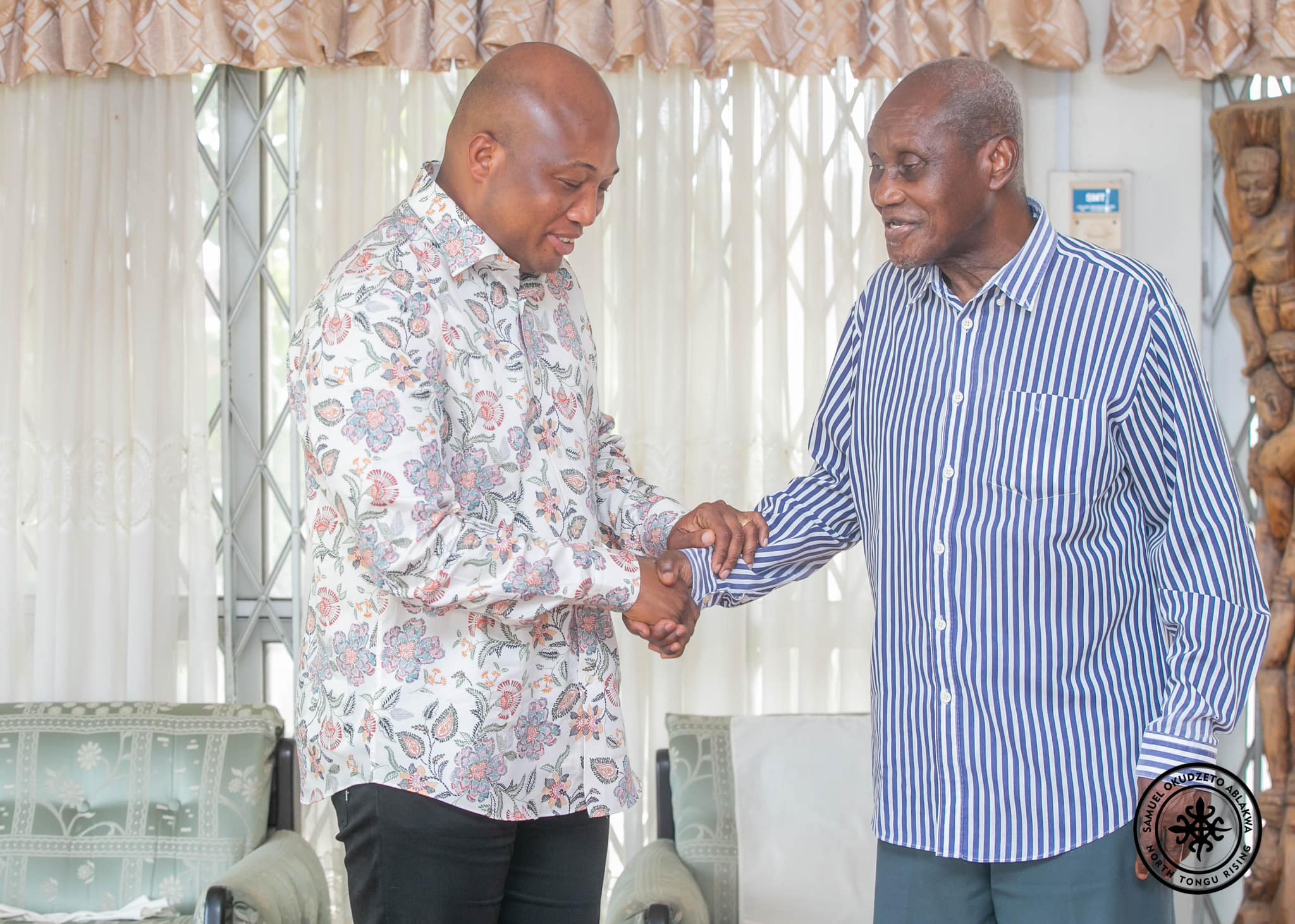
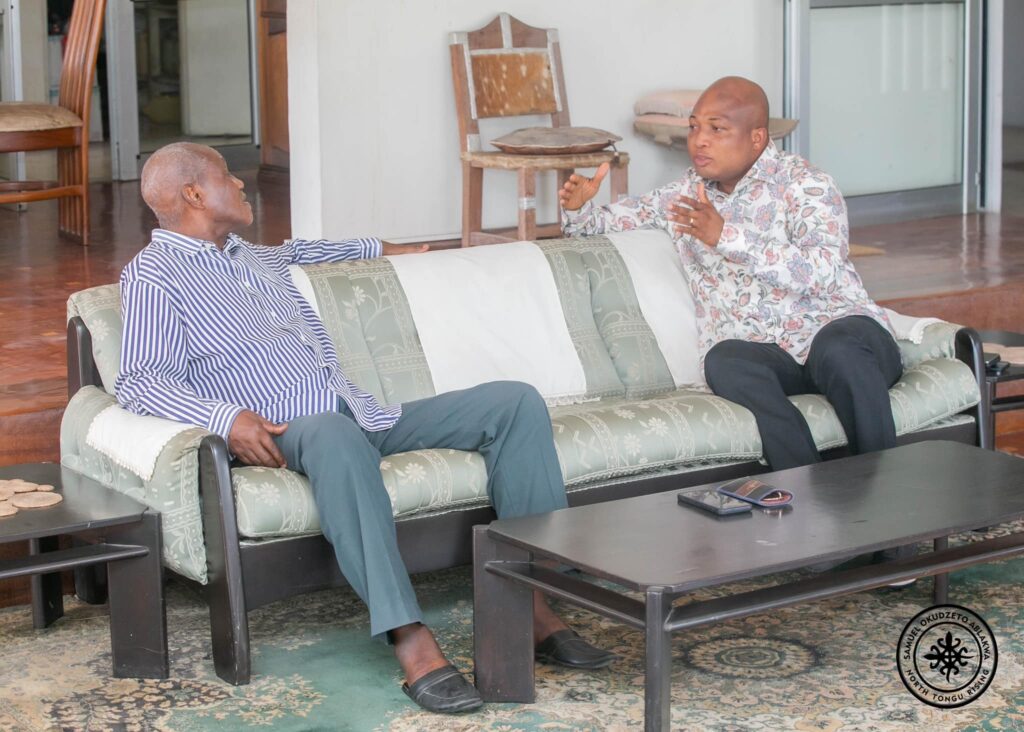
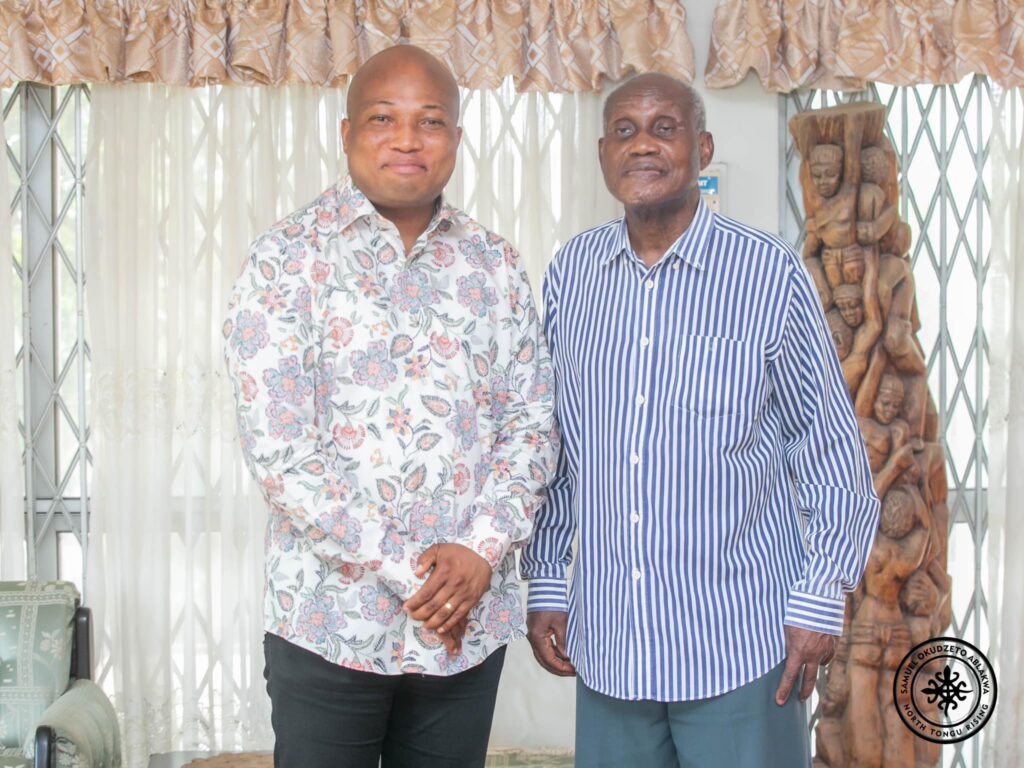
  • Ablakwa pays courtesy visit on Ghana’s longest serving Foreign Minister, Dr. Obed Yao Asamoah

    Ablakwa pays courtesy visit on Ghana’s longest serving Foreign Minister, Dr. Obed Yao Asamoah


    Samuel Okudzeto Ablakwa, nominated as Ghana’s Minister for Foreign Affairs, on Saturday paid a visit to Dr. Obed Yao Asamoah, Ghana’s longest serving Foreign Minister.

    In a post on Facebook, Mr Ablakwa noted that it was a great honour to consult with the 89-year-old statesman.

    “I am extremely grateful to the extraordinary statesman and member of the NDC’s Council of Elders for receiving me in his home today; for his kind encouragement; for his blessings; for his generous insights; and for his perspectives which was a masterclass.”

    According to Mr Ablakwa who doubles as the Member of Parliament for North Tongu, Dr. Obed Yao Asamoah expressed confidence that President Mahama will succeed with his foreign policy objectives.

    “God bless all our outstanding patriots for paving the way for the younger generation,” Ablakwa added.

    Dr. Obed Yao Asamoah served as Foreign Minister for some 16 years between 1981 and 1997 during the President Rawlings era.

    He is also the only Foreign Minister to have simultaneously occupied the position of Attorney-General and Minister of Justice.

  • We must be able to prosecute presidents after their tenure – Barker-Vormawor

    We must be able to prosecute presidents after their tenure – Barker-Vormawor

    Human rights activist Oliver Barker-Vormawor has called for the removal of constitutional provisions that shield Ghanaian presidents from prosecution after leaving office, describing such clauses as enablers of impunity.

    “The Constitution cannot preach justice while entrenching impunity. We have also argued that Presidents should not be shielded from prosecution after their tenure,” he said on JoyNews’ Newsfile on Saturday, January 25.

    Section 57 of the 1992 constitution states that “Civil or criminal proceedings may be instituted against a person within three years after his ceasing to be President, in respect of anything done or omitted to be done by him in his personal capacity before or during his term of office notwithstanding any period of limitation except where the proceedings had been legally barred before he assumed the office of President.”

    Per the law, the President shall not, while in office as President, be personally liable to any civil or criminal proceedings in court.

    Barker-Vormawor also advocated for the abolition of the Council of State, labeling it an irrelevant institution.

    “The abolishment of the Council of State is what we have called for. We believe that if we move forward without it, nobody would even remember it exists,” he stated.
    Additionally, he called for judicial restructuring and emphasized that the President must be subject to taxation like every other citizen, insisting there should be no exceptions.

    His proposals come amid growing calls for constitutional reforms aimed at enhancing accountability and fairness within Ghana’s governance and legal systems.

  • UN Secretary-General appoints Hannah Tetteh as Special Representative to Libya

    UN Secretary-General appoints Hannah Tetteh as Special Representative to Libya

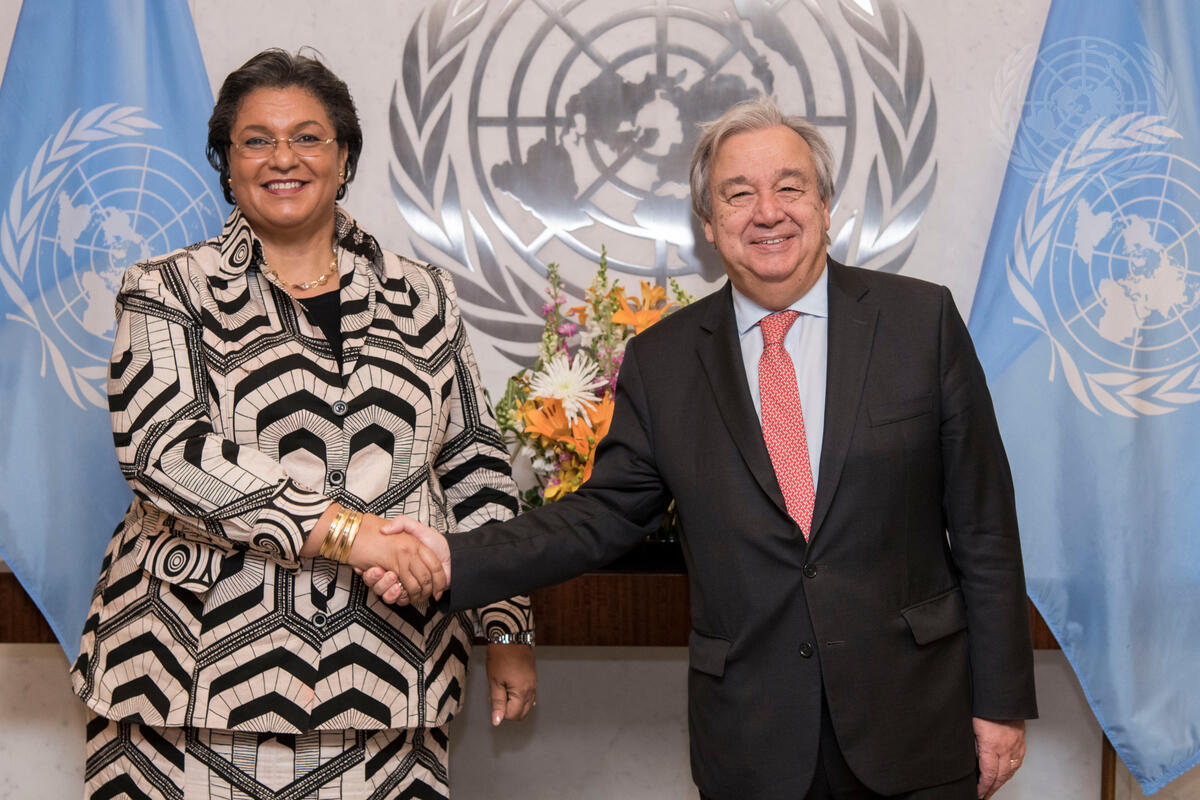
    Madam Hannah Serwaa Tetteh has been named the United Nations (UN) Special Representative and Head of the United Nations Support Mission in Libya (UNSMIL) by António Guterres, Secretary-General of the UN.

    Her appointment follows the tenure of Abdoulaye Bathily of Senegal, who served as Special Envoy and Head of UNSMIL until May 2024. The Secretary-General also extended his appreciation to Mr. Bathily for his contributions and to Stephanie Koury, Deputy Special Representative, who served as Officer-in-Charge in the interim.
    A statement issued by the Secretary-General and shared with the Ghana News Agency highlighted Madam Tetteh’s extensive experience in diplomacy and governance. Her career spans decades at the national, regional, and international levels, including her most recent role as the Secretary-General’s Special Envoy to the Horn of Africa from 2022 to 2024.

    Prior to that, she served as the Special Representative to the African Union and Head of the United Nations Office to the AU (UNOAU) between 2018 and 2020. Madam Tetteh also held the position of Director-General of the United Nations Office at Nairobi.

    Before joining the United Nations, Madam Tetteh held various leadership roles in Ghana’s government. She was the Minister of Foreign Affairs from 2013 to 2017, where she also served on the National Security Council and the Armed Forces Council. From 2009 to 2013, she served as Minister for Trade and Industry and was a member of the Government’s economic management team.

    During her tenure as Foreign Minister, she chaired the Council of Ministers and the Mediation and Security Council of ECOWAS from 2014 to 2015. In her role as Minister for Trade and Industry, she led the Ghana Free Zones Board and contributed to national development initiatives as a member of the National Development Planning Commission and the Millennium Development Authority board.

    Madam Tetteh’s parliamentary career includes representing the Awutu Senya Constituency under the National Democratic Congress (NDC) from 2000 to 2005 and again from 2013 to 2017. She also played a key role in peacebuilding efforts, serving as Co-Facilitator for the High-Level Forum on the Revitalisation of the Agreement to resolve the conflict in South Sudan.

    A legal professional, Madam Tetteh earned her Bachelor of Laws (LLB) degree from the University of Ghana and was called to the Ghana Bar in 1992 after completing her postgraduate studies at the Ghana School of Law. Fluent in English, Hungarian, and Fante, her linguistic skills add to her versatility in international diplomacy.

  • Council of State should be abolished, no one would remember it – Vormawor

    Council of State should be abolished, no one would remember it – Vormawor

    Human rights activist Oliver Barker-Vormawor has renewed calls for sweeping constitutional reforms in Ghana, including the outright abolition of the Council of State, which he argues has outlived its purpose.

    Speaking on JoyNews’ Newsfile on Saturday, January 25, Barker-Vormawor asserted that the Council’s role has become irrelevant in modern governance, making its removal inconsequential.

    “The abolishment of the Council of State is what we have called for. We believe that if we move forward without it, nobody would even remember it exists,” he stated.

    Barker-Vormawor’s remarks form part of a broader advocacy for reforms that aim to promote accountability, transparency, and fairness in Ghana’s governance system. He also underscored the need to remove indemnity provisions from the Constitution, describing them as contradictory to the principles of justice.

    “The Constitution cannot preach justice while entrenching impunity. We have also argued that Presidents should not be shielded from prosecution after their tenure,” he added.

    In addition, he advocated for restructuring the judicial system and called for measures to ensure that sitting Presidents are subject to taxation like all citizens.

    These proposals align with ongoing debates about the need to overhaul Ghana’s legal and governance frameworks to reflect the nation’s current realities and aspirations.

  • Mahama arrives in Kenya to participate in AU institutional reforms high-level retreat

    Mahama arrives in Kenya to participate in AU institutional reforms high-level retreat

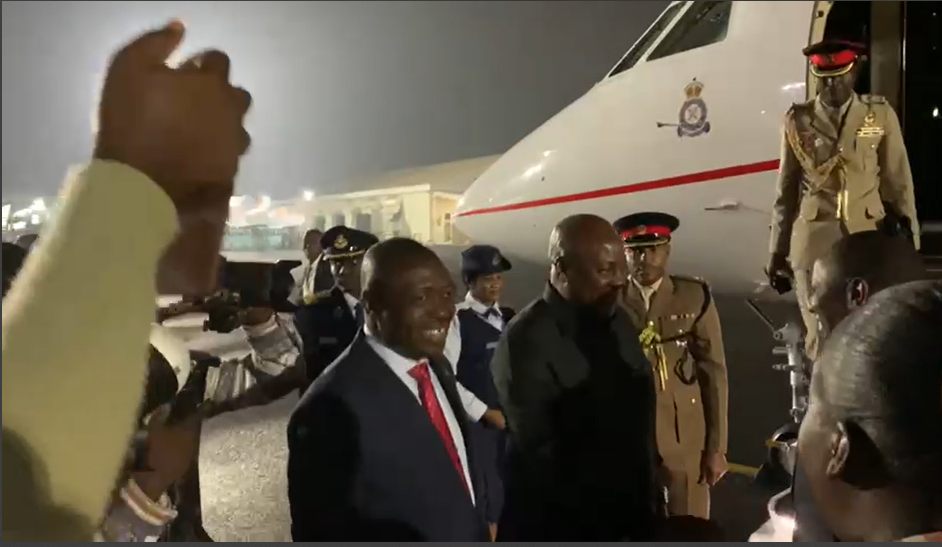
    Ghana’s President, John Dramani Mahama, has arrived in Nairobi, Kenya, to join other African leaders at a High-Level Retreat on African Union (AU) Institutional Reforms.

    The retreat, hosted by Kenya’s President and African Union Champion, William Ruto, will run from January 27 to 28. It will focus on evaluating the progress of AU reforms and exploring strategies for the organization’s sustainable growth and impact.

    Discussions will center on Sustainable Financing, a comprehensive review of the AU’s structure, and improving its operational framework to address Africa’s emerging priorities effectively.

    President Mahama, bringing his extensive leadership experience, is expected to contribute valuable perspectives during the discussions. He will also use the platform to emphasize Ghana’s unwavering commitment to the AU’s mission and vision.

    The event highlights the collective dedication of African leaders to transform the AU into a more robust institution capable of driving the continent’s development agenda.

  • Final batch of ministerial nominees to be vetted from Jan 28

    Final batch of ministerial nominees to be vetted from Jan 28

    Parliament’s Appointments Committee will resume the vetting of the final group of ministerial nominees on Tuesday, January 28, 2025.

    This marks the concluding phase of President John Dramani Mahama’s efforts to secure parliamentary approval for his proposed ministers to lead key ministries and regions.

    Having already vetted and approved several nominees in earlier sessions, the committee will now evaluate the remaining candidates nominated by the President. This final vetting exercise is expected to significantly shape the leadership structure of the administration as it moves forward.

    The nominees scheduled for vetting include individuals earmarked to lead various ministries, regional portfolios, and special initiatives. The schedule for the hearings is as follows:

    Tuesday, January 28

    • Emmanuel Armah-Kofi Buah, MP – Ministry of Lands and Natural Resources
    • Dr. Edward Omane Boamah – Ministry of Defence
    • Emmanuel Kwadwo Agyekum, MP – State Minister, Special Initiatives
    • Adjei Kenneth Gilbert – Ministry of Works, Housing, and Water Resources
    • Linda Obenewaa Akwetey Ocloo, MP – Greater Accra Region

    Wednesday, January 29

    • Abdul-Rashid Hassan Pelpuo, MP – Ministry of Labour, Jobs, and Employment
    • Ibrahim Murtala Muhammed, MP – Ministry of Environment, Science, and Technology
    • Kofi Iddie Adams, MP – Ministry of Sports and Recreation
    • Joseph Bukari Nikpe, MP – Ministry of Transport
    • Issifu Seidu, MP – State Minister, Climate Change and Sustainability

    Thursday, January 30

    • Ibrahim Tia – North East Region
    • Samuel Nartey George, MP – Ministry of Communications, Digital Technology, and Innovations
    • Samuel Okudzeto Ablakwa, MP – Ministry of Foreign Affairs
    • Kwabena Mintah Akandoh, MP – Ministry of Health
    • Mrs. Charity Gardiner – Ahafo Region
    • Felix Kwakye Ofosu, MP – State Minister, Government Communications
    • Wilbert Petty Brentum – Western North Region

    Friday, January 31

    • Dr. Frank Amoakohene – Ashanti Region
    • Akamugui Atanga Donatus – Upper East Region
    • Salisu Be-Awuribe Issifu – Savannah Region
    • Joseph Nelson – Western Region

    Tuesday, February 4

    • Francis Owusu Antwi – Bono East Region
    • Edumoah Ekow Panyin Okyere – Central Region
    • Puozuing Charles Lwanga – Upper West Region
  • Constituting Council of State isn’t so enormous that it cannot be done – Frank Davies to Mahama

    Constituting Council of State isn’t so enormous that it cannot be done – Frank Davies to Mahama

    Frank Davies, Chairman of the Constitutional and Legal Committee of the New Patriotic Party (NPP), has taken issue with President John Mahama over delays in constituting the Council of State, a key constitutional body.

    He criticized the President for prioritizing the establishment of the Operation Recover All Loots (ORAL) Committee while leaving the Council of State unformed.

    In an interview on JoyNews’ Newsfile on Saturday, January 25, Davies emphasized that constituting the Council of State is a constitutional duty that should have been handled promptly. He argued that the time between a president-elect’s victory and their swearing-in provides sufficient opportunity to initiate this process.

    “We should find time for things which are necessary and not devote time to things which are not necessary. Now, there is a huge, and ample space between when there’s a president-elect and when he’s sworn in. The process of constituting the Council of State, I don’t think it’s so enormous that it cannot be done,” he stated.

    Davies’ remarks follow allegations by the Minority in Parliament that President Mahama breached Section 4(1) of the Presidential Office Act. The Minority claims the President has made appointments to his office without consulting the Council of State, as required by law, and has failed to indicate whether these appointments are provisional pending the Council’s formation.

    Additionally, Davies questioned the President’s legal justification for what he described as the creation of the “Office of the President-elect,” a designation he argued does not exist within Ghana’s constitutional framework.

    “There is no constitutional grounding for the Office of the President-elect. Yet, during this period, His Excellency, the President, constituted an ORAL Committee.

    “If there was time to set up this committee, why couldn’t that period also be used to nominate members for the Council of State?” Davies asked.

    He stressed that the Council of State plays a pivotal role in governance, and any delays in its formation raise questions about the administration’s priorities. According to him, the President’s focus should have been on fulfilling constitutional obligations rather than creating structures without clear constitutional backing.

    Davies’ comments add to growing scrutiny of the President’s decision-making and call into question the administration’s adherence to constitutional mandates.

  • Momo Lartey’s late arrival at swearing-in ceremony was due to an emergency – Felix Kwakye Ofosu

    Momo Lartey’s late arrival at swearing-in ceremony was due to an emergency – Felix Kwakye Ofosu

    Felix Kwakye Ofosu, Minister of State-designate for Government Communications, has clarified the circumstances behind Naa Momo Lartey’s delayed arrival at her swearing-in ceremony as Minister for Gender, Children, and Social Protection.

    According to him, the delay was unavoidable as Lartey was attending to a family emergency outside Accra.

    In an interview on TV3, Kwakye Ofosu defended the newly approved minister, emphasizing that criticism directed at her was unwarranted and stemmed from a lack of understanding of the situation. He explained that President John Dramani Mahama had intended to swear in six ministers but faced tight scheduling constraints due to other commitments, including a trip to Ho and preparations for an upcoming visit to Angola, Tanzania, and Kenya.

    “The President had a packed schedule and had to rely on the Vice President to represent him at the SWAG Awards event,” Ofosu said, noting that the planned swearing-in ceremony had to be adjusted due to delays in parliamentary approvals.

    He revealed that Parliament’s inability to approve all nominees on time led to a decision to proceed with the swearing-in of those whose confirmations had already been finalized. Efforts were then made to ensure that the approved nominees could attend the ceremony.

    “It became apparent that Parliament could not meet the deadline of approving others, so a decision had to be taken. We reached out to the six who had initially been approved and indicated that if they were close, they should come. Five of them said they were within the precincts of Parliament and would come to the Flagstaff House in about 10 minutes,” he explained.

    Commenting on Lartey’s absence, Ofosu stated that she had informed the team of her emergency but still made every effort to attend the ceremony.

    “Naa Momo truthfully indicated that a family emergency had taken her out of Accra, and therefore it was going to be very close. We encouraged her to come nonetheless, and if she got there in time, she would be added. If for some reason, she could not make it in time, we would do it another time,” he said.

    He added that President Mahama had prepared two speeches to accommodate Lartey’s potential absence and commended her for showing respect by attempting to attend despite the challenges.

    “I’ve seen that she’s come under criticism. It is justifiably right. I understand the demand for excellence and a better way of doing things by the people of Ghana. They can demand no less from all of us. But because people were not aware of the background story, the Gender Minister was treated unfairly in some ways,” Kwakye Ofosu remarked.

    Addressing public concerns, Ofosu highlighted the minister’s efforts, stating, “It’s not that she was late. I know her very well. I can vouch for her. But as I said, we respect public sentiment. If the Ghanaian public had known this, I’m sure they would have tempered their criticism.”

    He assured the public that Lartey would be sworn in at the next available opportunity, reiterating that her late arrival was not due to negligence. “In fact, she could have decided not to be there at all. It was out of respect for the President that she made an effort. I think she got in two minutes after the President had started, that’s all, and she really pushed it close. But it was not her fault,” Ofosu concluded.

  • Muntaka Mubarak, four regional ministers-designate approved by Parliament

    Muntaka Mubarak, four regional ministers-designate approved by Parliament

    Parliament has confirmed the nomination of Muntaka Mohammed-Mubarak as Minister for the Interior, along with four regional ministers, in a decision aimed at strengthening the government’s administrative framework.

    The approval on Friday, January 24, followed a rigorous vetting process by the Appointments Committee and an extensive debate on the parliamentary floor.

    Muntaka Mubarak, who represents Asawase in Parliament, will now oversee the Interior Ministry, a pivotal role for ensuring national security and maintaining law and order. His appointment has been lauded as a recognition of his experience and unwavering commitment to public service.

    In addition to Muntaka Mubarak, Parliament approved Ali Adolf John as Northern Regional Minister, John Kwadwo Gyapong as Oti Regional Minister, James Gunu as Volta Regional Minister, and Mrs. Rita Akosua Awatey as Eastern Regional Minister. These appointments are expected to bolster governance at the regional level, with each minister tasked with addressing specific developmental and governance challenges.

    The approvals were met with optimism from both legislators and stakeholders, who expressed confidence in the nominees’ ability to deliver.

    This week has seen a series of parliamentary approvals for President Mahama’s ministerial nominees. On Thursday, January 23, six additional appointees received confirmation. These include Naa Momo Lartey as Minister for Gender, Children, and Social Protection; Ahmed Ibrahim as Minister for Local Government, Chieftaincy, and Religious Affairs; Elizabeth Ofosu-Adjare as Minister for Trade, Agribusiness, and Industry; Abla Dzifa Gomashie as Minister for Tourism, Culture, and Creative Arts; Emelia Arthur as Minister for Fisheries and Aquaculture; and George Opare-Addo as Minister for Youth Development and Empowerment.

    The process continued throughout the week, with Parliament earlier approving Kwame Governs Agbodza as Minister for Roads and Highways, Eric Opoku as Minister for Food and Agriculture, Haruna Iddrisu as Minister for Education, Dr. Cassiel Ato Forson as Minister of Finance, John Abdulai Jinapor as Minister of Energy, and Dr. Dominic Akuritinga Ayine as Minister of Justice and Attorney General.

    President Mahama, during the swearing-in ceremony at the Jubilee House, stressed the importance of these appointments to his administration’s vision for Ghana. He outlined specific priorities for each minister and urged them to deliver on their mandates with efficiency and dedication, emphasizing the trust Ghanaians have placed in them to advance the country’s progress.

  • X users react to Mahama requesting chiefs to be seated for greetings

    X users react to Mahama requesting chiefs to be seated for greetings

    President John Mahama’s recent gesture during his Thank You Tour of the Volta Region has sparked positive reactions from a section of Ghanaians on the X platform.

    On Friday, while engaging with traditional chiefs, Mahama surprised many by requesting that the chiefs remain seated as they exchanged pleasantries, a move that contrasted sharply with the actions of his predecessor, President Nana Akufo-Addo.

    The video of Mahama’s respectful interaction with the chiefs quickly gained traction on X, with users praising the president’s approach. The scene stood in stark contrast to a controversial incident involving Akufo-Addo in April 2024, which had gone viral and led to widespread criticism.

    At the funeral of Alhaji Rashid Bawa in the Oti Region, President Akufo-Addo arrived to find the chiefs seated. He expressed displeasure and insisted they stand before he would engage with them, which led to a delay in their greetings. His actions were widely condemned on social media, with many questioning his respect for traditional leaders.

    At the time, John Mahama, then flagbearer of the National Democratic Congress (NDC), had strongly rebuked Akufo-Addo, describing his behavior as disrespectful. “It was unbecoming of a president to treat traditional leaders in such a manner,” Mahama had remarked, expressing his disappointment.

    In contrast, X users who saw the recent footage of Mahama’s interaction with the chiefs expressed admiration for the dignity and respect shown by the current president. Many took to the platform to highlight the differences in leadership styles, especially in terms of engaging with the country’s traditional authorities.

    Here are some of the reactions from X users:

    @NAkufoAddo togbe agorkorli come and see something for me.”

    “Nebuchadnezzar would have done opposite.”

    “Respect. Unlike the other one that was forcing them to stand up and greet him”

    https://twitter.com/tv3_ghana/status/1882845242791223618

  • I don’t think any region will have deputy ministers – Felix Kwakye Ofosu

    I don’t think any region will have deputy ministers – Felix Kwakye Ofosu

    Felix Kwakye Ofosu, the Spokesperson for President John Dramani Mahama and Minister-designate for Government Communications, has expressed doubt over the possibility of regions having deputy ministers in the new government.

    Speaking on TV3’s The Key Points on Saturday, January 25, Kwakye Ofosu stated that such appointments are unlikely, citing that even under President Akufo-Addo’s administration, which was characterized by a large government, there were no deputy regional ministers.

    “I doubt that we would. Even President Akufo-Addo with his behemoth of a government did not have Deputy Regional Ministers. I do not expect that we would,” Kwakye Ofosu remarked during the interview.

    However, he acknowledged that there could be exceptions, particularly in regions that face significant developmental challenges or have substantial economic importance. “Unless there is some extraordinary case made for a particular region depending on its size and the work that needs to be done,” he explained.

    He went on to identify regions like Greater Accra, Ashanti, Western, Eastern, and Northern regions as having considerable economic influence. These regions, he noted, also deal with complex issues, such as sanitation, that might require special consideration.

    “Some regions do have real economic weight like Greater Accra, Ashanti Region, Western Region, Eastern Region, and Northern Region. Some of them deal with complex challenges in terms of sanitation and what have you. It is entirely possible that if a consideration is made, on the basis of needs, why not, but I don’t foresee based on the conversations that have gone on,” he added.

    The discussion came in response to concerns regarding President Mahama’s commitment to keeping the government lean, with some questioning the feasibility of meeting the target of 60 ministers. Kwakye Ofosu reassured the public that President Mahama is dedicated to maintaining this goal, promising that fewer than 20 ministerial appointments would be made in the coming days to meet the 60-minister target.

    So far, out of 16 regional ministers appointed, four have been approved by Parliament after vetting by the Appointments Committee.

    The nominations of Ali Adolf John as Northern Regional Minister, John Kwadwo Gyapong as Oti Regional Minister, James Gunu as Volta Regional Minister, and Mrs. Rita Akosua Awatey as Eastern Regional Minister, were confirmed by the House on Friday.

  • External debt at $27.6bn; GHC761.0bn total debt as of Nov 2024 – BoG

    External debt at $27.6bn; GHC761.0bn total debt as of Nov 2024 – BoG

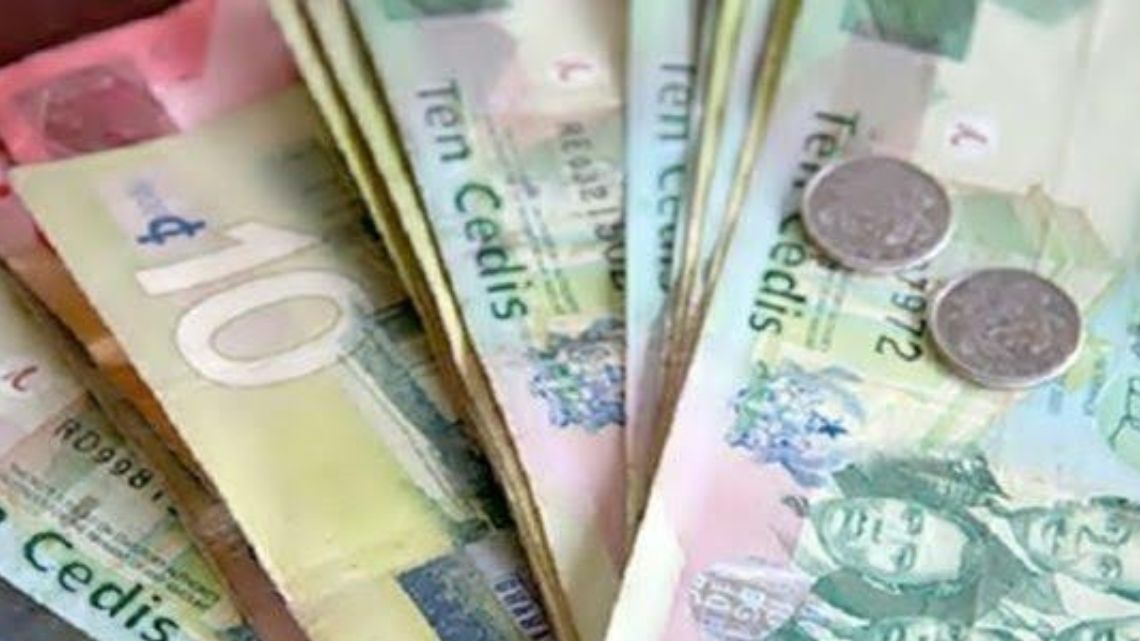
    Ghana’s total public debt stood at GHC761.0 billion by November 2024, reflecting a month-on-month decrease of GH¢24.1 billion, according to the Bank of Ghana’s January 2025 Summary of Financial and Economic Data.

    This decline in the overall debt was attributed to the successful restructuring of the country’s external debt, which significantly reduced its external debt component.

    In dollar terms, Ghana’s total debt was valued at US$47.9 billion as of November 2024, a decrease from US$51.6 billion recorded in the same month the previous year. This level of debt equates to 72.2% of the nation’s Gross Domestic Product (GDP).

    The external debt, which plays a significant role in the country’s financial structure, was reported at US$27.6 billion in November 2024. This figure is notably lower than the US$30 billion recorded in November 2023, and represents a decrease from US$32.0 billion in both September and October 2024.

    Conversely, domestic debt saw an upward trend, rising to GH¢311.7 billion as of November 2024, which accounts for about 30.5% of GDP. This increase is attributed to the government’s persistent borrowing from the treasury market, with domestic debt sitting at GH¢275.8 billion in February 2024.

    Although data from August 2024 to December 2024 on government fiscal operations was not available, the fiscal deficit to GDP stood at 3.9% as of July 2024, while the primary balance reflected a deficit of 1.8% of GDP during the same period.

    As of November 2024, Ghana’s economy was valued at GH¢1.020 trillion, with continued fiscal challenges and external debt restructuring efforts forming the core of the country’s ongoing economic management strategy.

  • Ghana’s total exports surged by 21.06% to $20.22bn in December 2024 – BoG

    Ghana’s total exports surged by 21.06% to $20.22bn in December 2024 – BoG

    Ghana’s total exports saw a remarkable increase of 21.06% in December 2024, reaching $20.22 billion, a significant boost driven by a sharp rise in gold exports, according to data from the Bank of Ghana.

    Gold exports surged by an impressive 53.15%, accounting for $11.64 billion of the total export value by the end of December. However, the gains in gold were offset by declines in other major export commodities, such as crude oil and cocoa.

    Crude oil exports fell slightly by 0.7% to $3.68 billion, while cocoa exports dropped to $1.696 billion from $2.152 billion in December 2023. The decline in cocoa was attributed to the adverse effects of extreme weather conditions and illegal mining activities (galamsey), which have strained production.

    The trade balance also showed notable improvement, recording a provisional surplus of $4.98 billion in December 2024—almost double the $2.694 billion surplus recorded in the same period of the previous year. The robust trade performance was primarily bolstered by the increased export earnings from gold.

    On the import side, Ghana’s total import bill rose to $15.24 billion in December 2024, compared to $14.008 billion in December 2023. This growth in imports, coupled with the strong export performance, contributed to a healthier external sector position for the country.

    The Bank of Ghana highlighted the overall improvement in the external sector in its November 2024 Monetary Policy Committee (MPC) report, noting that the progress was supported by a higher current account surplus and reduced net financial outflows, which led to a substantial buildup of gross international reserves.

    Ghana’s gross international reserves climbed by $1.101 billion in December 2024 to $8.982 billion, equivalent to 4.0 months of import cover. This was a considerable increase from the $6.31 billion recorded in January 2024, demonstrating a consistent upward trend throughout the year.

  • BoG records 2.4% cedi depreciation to dollar in January

    BoG records 2.4% cedi depreciation to dollar in January

    The Ghana cedi depreciated by 2.4% against the US dollar in January 2025, marking a sharper decline compared to the 1.3% recorded during the same period last year, the Bank of Ghana has revealed.

    By the end of January, the local currency was trading at GH¢15.06 to the US dollar on the interbank market. Similarly, the cedi weakened by 3.0% against the euro, selling at GH¢15.69, and depreciated by 0.8% against the British pound, which traded at GH¢18.55.

    In the retail forex market, the cedi’s performance was even more concerning. As of January 17, 2025, the local currency had depreciated by 2.94% to the dollar, bringing its year-to-date loss to 3.87%.

    This decline was driven by heightened demand from the manufacturing and energy sectors, coupled with the Bank of Ghana’s auction of its first US$20 million to Bulk Oil Distribution Companies (BDCs).

    The cedi’s depreciation to the dollar in January was its steepest decline since the start of the year, with the currency trading at a mid-rate of GH¢16.15 per dollar during the third week of the month.

    Market analysts attribute the cedi’s challenges to sustained pressure from key sectors and the demand for foreign exchange. The Bank of Ghana’s interventions, such as the forex auction, aim to stabilize the currency, but rising demand for dollars continues to exert downward pressure.

  • No earthly force can compel Mahama to appoint more than 60 ministers – Govt tells Minority

    No earthly force can compel Mahama to appoint more than 60 ministers – Govt tells Minority

    Felix Kwakye Ofosu, Spokesperson for President John Dramani Mahama and Minister-designate for Government Communications, has firmly rejected suggestions for the president to exceed his self-imposed limit of 60 ministerial appointments.

    Appearing on The KeyPoints on TV3, monitored by The Independent Ghana on Saturday, Kwakye Ofosu reiterated that President Mahama remains resolute in his decision.

    “As for the 60 [ministers], no earthly force can compel President John Mahama to go beyond it. I have heard the Minority Leader say that he should apologise and do more, which is a hark back to what President Kufuor did after he castigated President Rawlings. He only came to power and did more, but at least he had the grace to apologise. He wasn’t like Akufo-Addo, who sought to justify,” he remarked.

    The comments were a direct response to the Minority Leader, Alexander Afenyo-Markin, who recently called on President Mahama to reconsider his pledge. Afenyo-Markin argued that the president’s decision, though rooted in good intentions to cut costs and enhance efficiency, might impair the government’s ability to tackle the complexities of governance.

    President Mahama made the commitment to appoint no more than 60 ministers during his campaign, a promise aimed at demonstrating fiscal discipline and improving governance efficiency.

    The Minority Leader, however, has suggested that the president apologise to Ghanaians and increase the number of appointees if necessary, referencing former President Kufuor, who adjusted his ministerial numbers after making a similar promise.

    Currently, President Mahama has appointed fewer than 50 ministers, with the expectation that additional appointments will bring the total to the promised 60.

  • Gov’t to pay GHC6.1bn in Feb; GHC180bn next year in debt servicing

    Gov’t to pay GHC6.1bn in Feb; GHC180bn next year in debt servicing

    The government is set to spend GHC6.1 billion on debt servicing by the end of February 2025 and a staggering GHC180 billion next year, according to Felix Kwakye Ofosu, Spokesperson for President John Dramani Mahama and Minister-designate for Government Communications.

    Speaking on The KeyPoints on TV3, monitored by The Independent Ghana on Saturday, Kwakye Ofosu described the dire fiscal situation as a result of excessive borrowing and debt defaults by the previous administration.

    “On second January, we [the previous government] paid $364 million in debt servicing,” he revealed, adding that this payment was made possible only through borrowing from the market. He further explained, “At the end of February, we are required to pay GHC6.1 billion in debt servicing. Next year, we have to pay GHC180 billion in debt servicing. This is for a country whose budget is slightly above GHC200 billion.”

    He noted that this financial burden means nearly all revenue generated by the country will be consumed by debt servicing. “What it means is that all the taxes you and I pay, everything else we do in this country that goes into our budget, all of it would be used to pay debt servicing because of the debt default and deferment,” he stressed.

    Kwakye Ofosu warned of catastrophic economic consequences if these obligations are not met, stating, “That is what the Finance Minister must feel when he stares down that dark barrel, where everything he mobilizes next year will be used to service debt. If we don’t do it, we will default, and it will be catastrophic. It will be the end of our economy as we know it.”

    He also criticized the previous administration for its poor financial management. “The previous government was too happy to borrow but didn’t have the capacity to pay,” he remarked.

    Amid the economic challenges, President Mahama has tasked the newly sworn-in Minister of Finance, Dr. Cassiel Ato Forson, with stabilizing the economy. During a ceremony at the Jubilee House on Wednesday, January 22, the president underscored the urgency of addressing inflation, reducing the cost of living, and bringing Ghana’s national debt to sustainable levels.

    “The people of Ghana are looking up to you to reduce inflation, make life affordable, reduce the cost of living. Ghanaians are looking up to you to bring our national debt to sustainable levels and to stabilize our currency so that we can achieve macroeconomic stability,” President Mahama emphasized.

    He further stressed the importance of rebuilding public trust through sound fiscal policies and strategic planning, acknowledging the difficulties Ghanaians are currently facing.

  • VIDEO: Mahama swears in second batch of ministers

    VIDEO: Mahama swears in second batch of ministers

    President John Mahama, on Friday, January 24, presided over the swearing-in of the second batch of his ministerial appointees at the Jubilee House.

    The ceremony came after Parliament’s endorsement of the nominees, following an intensive vetting process and extensive debates earlier in the week. The Appointments Committee held two days of deliberations, on January 23 and 24, before granting their approval.

    The newly inducted ministers are tasked with managing key sectors vital to Ghana’s development. They include Abla Dzifa Gomashie, who will lead the Ministry of Tourism, Culture, and Creative Arts; George Opare Addo, Minister for Youth Development and Empowerment; Emelia Arthur, Minister for Fisheries and Aquaculture Development; Ahmed Ibrahim, Minister for Local Government, Chieftaincy, and Religious Affairs; and Elizabeth Ofosu-Adjare, Minister for Trade, Industry, and Agribusiness.

  • Second batch of ministers sworn in by Mahama

    Second batch of ministers sworn in by Mahama

    President John Mahama officially inducted the second group of his ministerial appointees into office during a ceremony at the Jubilee House on Friday, January 24.

    The swearing-in follows their approval by Parliament after a thorough vetting process and heated debates earlier this week.

    The appointees, now charged with steering key sectors of the economy, were approved after two days of deliberations by the Appointments Committee on January 23 and 24.

    The newly sworn-in ministers include Abla Dzifa Gomashie, who takes charge of the Ministry of Tourism, Culture, and Creative Arts; George Opare Addo, heading the Ministry of Youth Development and Empowerment; Emelia Arthur, now Minister for Fisheries and Aquaculture Development; Ahmed Ibrahim, responsible for Local Government, Chieftaincy, and Religious Affairs; and Elizabeth Ofosu-Adjare, leading the Ministry of Trade, Industry, and Agribusiness.

    During the ceremony, President Mahama underscored the critical roles these ministers play in Ghana’s growth and emphasized the need for their commitment to excellence. He urged the new leaders to uphold principles of transparency, inclusivity, and accountability in their respective ministries.

    “Ghanaians have signaled zero tolerance for poor governance,” President Mahama reminded them, stressing the importance of dignity, respect, and dedication to national progress.

    He further called on the ministers to meet the expectations of the Ghanaian people and to serve as catalysts for transformative development.

  • Recruitment into security services must be reviewed – Muntaka Mubarak

    Recruitment into security services must be reviewed – Muntaka Mubarak

    Interior Minister-Designate, Mohammed Muntaka Mubarak, has pledged to overhaul the recruitment process for Ghana’s security services, emphasizing the need for fairness and inclusivity.

    During his vetting before Parliament’s Appointments Committee on January 24, Muntaka stressed the importance of revisiting the regional quota system to ensure equal opportunities for all Ghanaians, regardless of their background.

    He expressed concern about reports of systemic bias in recruitment, where certain groups are allegedly marginalized, leaving the benefits to a select few. According to the nominee, such practices undermine national cohesion and the credibility of the security agencies.

    “I’m going to a ministry that has a lot of professionals who are experts in their fields. You can’t doubt the expertise of the Inspector General of Police, neither will you doubt the Director General of Ghana Prisons and the likes,” he stated.

    The nominee assured the Committee that he would collaborate closely with the leadership of the security services to evaluate the effectiveness of the existing process.

    “Together with them, we have to review. Over the last 30 years or 40 years, since we started this 4th Republic, how have we done it? Has it served the purpose? If there are lapses, we will look at it and review it in the best interest of the country,” he noted.

    Muntaka reiterated his commitment to promoting a transparent and equitable recruitment system, which he believes will reflect the country’s diversity while enhancing public trust in the security services.

  • Dogs and cats can’t live on GHC1.80, how much more humans in prison – Muntaka Mubarak

    Dogs and cats can’t live on GHC1.80, how much more humans in prison – Muntaka Mubarak

    Minister-Designate for the Interior, Mohammed Muntaka Mubarak, has decried the dire conditions in Ghana’s prisons, with a particular focus on the inadequate daily feeding budget for inmates.

    During his vetting before the Parliamentary Appointments Committee on Friday, January 24, the Asawase MP expressed shock over the GHC1.80 allocated to feed each prisoner daily. He described the amount as insufficient and inhumane, calling for urgent reforms to improve the welfare of inmates.

    “I was shocked when I heard that the rationing for feeding a prisoner in Ghana is GHC1.80 for the whole day,” he said. “I doubt, with the greatest of respect, that even the cats and dogs in our houses—how much food do we give them? Yet, we put our own compatriots, because of one mistake or the other, in trying to correct them, we feed them with GHC1.80 and expect them to be healthy.”

    Muntaka pledged to prioritize prison reform if his nomination is approved, stressing that the feeding budget would be a key area of focus.

    “It is a very serious thing, and I assure my colleagues that I will pay attention to it and address it,” he added.

    Beyond nutrition, the Minister-Designate highlighted the broader challenges facing the prison system, including severe overcrowding and unsanitary conditions, which have made inmates vulnerable to diseases such as tuberculosis, scabies, and other communicable illnesses.

    He noted that the current state of the prisons undermines efforts to rehabilitate inmates and called for comprehensive measures to address these systemic issues.

    The Ghana Prisons Service has repeatedly appealed for government intervention to improve living conditions for inmates, but little progress has been made.

  • Police officers on duty will have their body cameras on at all times – Muntaka Mubarak

    Police officers on duty will have their body cameras on at all times – Muntaka Mubarak

    Interior Minister nominee Mohammed Mubarak Muntaka has committed to enforcing the use of body cameras by police officers while on duty.

    During his vetting on Friday, January 24, Mr. Muntaka highlighted the importance of the initiative as a means of rebuilding public trust in law enforcement.

    According to him, the widespread concerns about police misconduct require urgent measures to improve accountability and transparency within the service.

    “We will ensure that if you are a police officer and you have to step out, you must have your body camera on,” he stated. “So that it takes away all the ambiguity and the troubles because when you put the body camera on, everywhere you are, you are being recorded—not only you but your surroundings as well. So that if you are on the road extorting money, it will show; if you are brutalizing others, it will show. Whatever you are doing, the body camera will record and show what you are doing.”

    The Member of Parliament for Asawase emphasized that the initiative would also support efforts by the leadership of security agencies to tackle the challenges facing the police force.

    He added, “We must do everything to ensure that they remain professional, and the only way to remove this ambiguity is to have the body camera on, then insist and make sure that everybody adheres to it.”

    The proposal, if implemented, aims to provide a verifiable record of police interactions with the public, ultimately fostering greater accountability and professionalism within Ghana’s law enforcement agencies.

  • 23 shops in Kejetia Market saved from fire outbreak

    23 shops in Kejetia Market saved from fire outbreak

    The Ghana National Fire Service (GNFS) has averted what could have been a major disaster at Kejetia Market following a fire outbreak on January 24.

    Their swift response saved 23 out of 25 shops in the immediate vicinity of the blaze.

    The fire, which was reported at 5:27 a.m., affected two stores—S-1785 and S-1786—on the second floor of the bustling commercial hub. Within six minutes of receiving the emergency call, firefighters arrived at the scene and launched a tactical operation to contain the flames.

    Using two 5kg CO₂ fire extinguishers, twenty-six 6kg dry chemical powder extinguishers, and water from a hose reel, the GNFS team worked tirelessly to bring the fire under control. Their coordinated efforts successfully prevented the fire from spreading to other sections of the market, known for its heavy commercial activity.

    “We managed to salvage 23 out of the 25 shops in the immediate area. This was possible thanks to the effective strategies deployed by our team and the quick response,” a GNFS representative stated.

    No injuries or fatalities were recorded, underscoring the effectiveness of the GNFS’s intervention. While two stores sustained damage, the situation could have been far worse without the timely actions of the Fire Service.

    The GNFS has intensified patrols in the area to prevent future incidents, while investigations are underway to determine the cause of the fire. Shop owners and market stakeholders have commended the GNFS for their professionalism and dedication.

  • Edmund Yirenkyi Fianko to head NCA as Acting Director-General

    Edmund Yirenkyi Fianko to head NCA as Acting Director-General

    President John Dramani Mahama has named Rev. Ing. Edmund Yirenkyi Fianko as the Acting Director-General of the National Communications Authority (NCA), marking a new chapter for the regulatory body.

    The announcement was shared on the NCA’s official Facebook page on Friday, January 24, following the resignation of Joe Anokye, the immediate past Director-General.

    Joe Anokye, who led the NCA during the New Patriotic Party (NPP) administration, officially stepped down earlier this month amid growing speculation about his next career moves. His tenure was marked by efforts to improve Ghana’s telecommunications landscape, leaving a foundation for Rev. Fianko to build upon.

    As the new Acting Director-General, Rev. Fianko is tasked with steering the NCA through a period of rapid technological advancement and increasing consumer expectations. The authority, which oversees telecommunications, broadcasting, and electronic communications, is pivotal in ensuring that Ghana remains competitive and inclusive in the global digital space.

    The telecommunications industry in Ghana has seen remarkable growth, including the deployment of 4G and 5G networks, a surge in broadband accessibility, and rising demands for improved service quality. Rev. Fianko is expected to tackle key challenges such as spectrum allocation, fair competition, and addressing cybersecurity threats.

    Additionally, his role will involve refining regulatory policies to foster innovation while safeguarding data privacy and ensuring equitable access across the industry.

  • Mahama appoints Malik Basintale as acting YEA CEO 

    Mahama appoints Malik Basintale as acting YEA CEO 

    President John Dramani Mahama has appointed Malik Basintale, the Deputy National Communications Officer of the National Democratic Congress (NDC), as the Acting Chief Executive Officer (CEO) of the Youth Employment Agency (YEA).

    The appointment follows the resignation of Kofi Baah Agyepong, who stepped down from the position after two years, citing personal commitments and future aspirations as his reasons. Mr. Basintale is expected to officially take over the role on Monday, January 27, 2025.

    In a message shared on X (formerly Twitter), Malik Basintale expressed his gratitude to President Mahama and vowed to fulfill the responsibilities of his new role. “Thank you, Mr President, H.E John D. Mahama. We shall not fail you❤️🙏🏽🇬🇭,” he wrote.

    Kofi Baah Agyepong, in his resignation letter to the President, described his time at YEA as a significant opportunity to contribute to the fight against youth unemployment in the country. “It has been an honour and a privilege,” he stated, thanking the President for entrusting him with the position.

    The leadership transition at YEA comes amid a series of changes in state institutions following the outcome of the December 7 Presidential Election.

    Malik Basintale, known for his dynamic and passionate approach to politics, is expected to bring fresh energy and ideas to the agency as it continues its mission to create sustainable employment opportunities for Ghanaian youth.

  • GWL ordered to provide timeline for resolution of water crisis in Krobo area

    GWL ordered to provide timeline for resolution of water crisis in Krobo area

    The Public Utilities Regulatory Commission (PURC) has directed Ghana Water Limited (GWL) to provide a comprehensive timeline for addressing the prolonged water crisis in the Krobo area.

    This directive follows a petition submitted by two youth groups, Kloma Gbi and Kloma Hengme, urging immediate action to restore the flow of potable water to several affected communities.

    In a letter dated January 14, 2025, signed by PURC’s Regional Manager, Kesewaa Apenteng-Addo, the Commission also instructed GWL to outline both the measures already taken and planned interventions to resolve the issue.

    To further address the crisis, PURC officials are set to visit the affected areas for a community engagement session on Thursday, January 23, 2025, at the Atua Hospital junction Durbar grounds. The session will involve residents, assembly members, opinion leaders, and representatives of Kloma Gbi and Kloma Hengme. The visit aims to gather additional insights into the water shortage and prevent potential unrest in the area.

    The communities affected—Sawer in the Yilo Krobo Municipality and Atua, Kodjonya, and Odumase South in the Lower Manya Krobo Municipality—have been without treated water for over six months. The disruption was caused by damage to underground pipelines during ongoing construction on the Somanya-Odumase-Kpong road, which runs through the two municipalities.

    Residents have expressed frustration over what they perceive as a lack of urgency from GWL and General Construction and Development Limited, the company responsible for the road project. This mounting dissatisfaction prompted the two youth groups to petition PURC for intervention.

    Henking A. Adjase-Kodjo, Director of Communications for Kloma Gbi, commended PURC for promptly addressing their concerns. “We are satisfied with the level of attention the Commission has given to our petition so far,” he said. “We hope these efforts will translate into tangible actions to resolve the situation within days.”

    Similarly, Dr. Eric Tamatey Lawer, General Secretary of Kloma Hengme, acknowledged PURC’s involvement and urged the Commission to address the broader issue of inconsistent water supply in the Krobo area. “Equity in the distribution of water to the Krobo area and other towns is what we are asking for,” he emphasized.

    The water crisis in the Krobo area has highlighted the need for effective collaboration between utility providers and contractors working on major infrastructure projects. Residents are hopeful that the measures outlined by PURC and GWL will provide a lasting solution to their water woes.

  • LIVESTREAMING: Appointments Committee vets Muntaka Mubarak, others

    LIVESTREAMING: Appointments Committee vets Muntaka Mubarak, others

    Parliament’s Appointments Committee has resumed vetting today.

    The Committee has suspended the vetting of regional ministers-designate to vet nominees in the main sectors.

    Mohammed Mubarak Muntaka appointed as the Minister for the Interior-designate is before the committee.

  • ‘Without proper accountability, financial dominance will continue to dictate political outcomes’ – Mpraeso MP

    ‘Without proper accountability, financial dominance will continue to dictate political outcomes’ – Mpraeso MP

    Member of Parliament for Mpraeso, Davis Ansah Opoku, has raised alarm over the growing influence of money in Ghana’s political landscape.

    He warned that the unchecked role of financial resources risks eroding the foundations of the country’s democracy.

    Addressing Parliament, Mr. Opoku expressed concern about the weak enforcement of the Political Parties Act, 2000 (Act 574), which has created loopholes that allow financial power to overshadow merit in the selection of political candidates.

    “Without proper accountability, financial dominance will continue to dictate political outcomes,” he cautioned, pointing to the escalating cost of political campaigns as a significant barrier for competent individuals who lack substantial financial backing.

    Highlighting the need for urgent reforms, Mr. Opoku proposed a series of measures aimed at ensuring transparency in political party funding and reducing the undue influence of money in politics.

    He recommended the introduction of campaign spending limits, mandatory public disclosure of political donations, and strict penalties for violations of funding regulations. Such reforms, he argued, are essential to ensuring that candidates are selected based on their qualifications and abilities rather than their financial resources.

    “These reforms will help ensure that political competition is driven by merit, not by wealth,” he stated.

    In addition to these measures, Mr. Opoku advocated for the creation of a public funding mechanism to support political campaigns. According to him, this system would level the playing field by reducing candidates’ dependence on private financiers, thereby promoting a fairer and more inclusive electoral process.