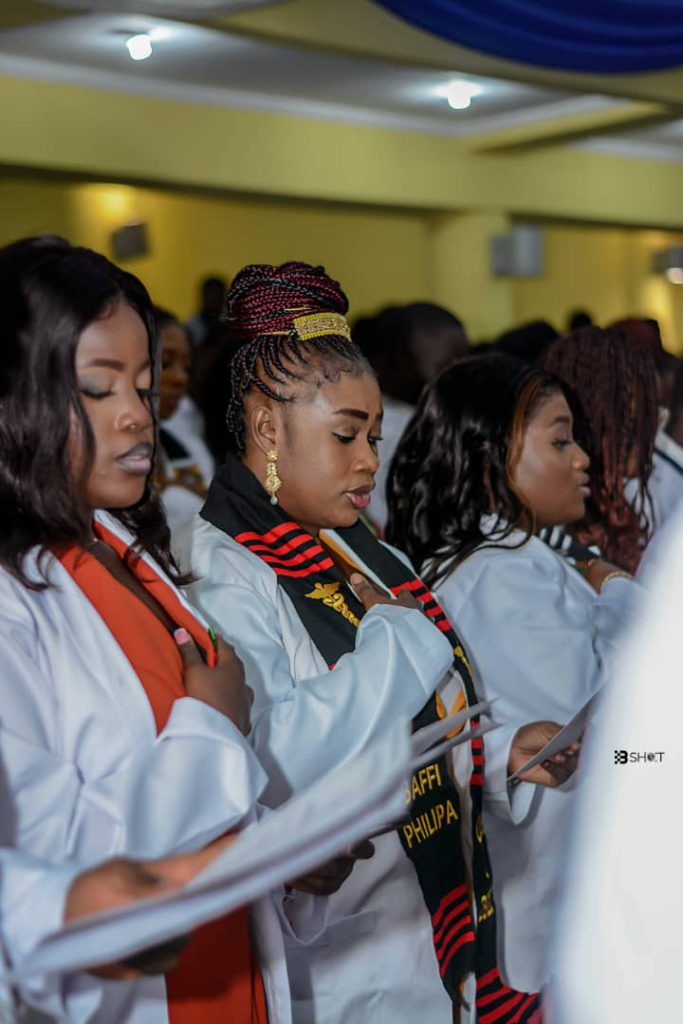
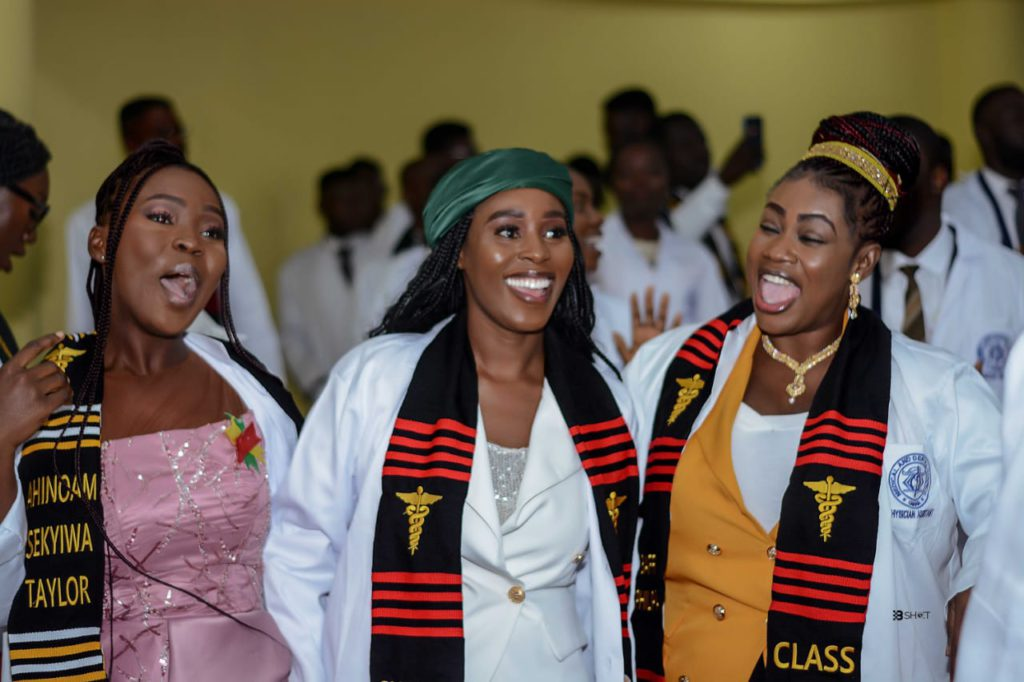
Renowned Ghanaian gospel singer, Philipa Baafi, has achieved a significant milestone by being inducted into the Medical and Dental Council as a Physician Assistant.
Expressing her gratitude to God, she shared photos on Instagram commemorating the achievement.
The ‘Go High’ hitmaker had previously revealed that she took a break from her music career to pursue her childhood dream of becoming a medical doctor.
Despite her age, she persevered and succeeded, leading to a day of victory, joy, and smiles.
For the special occasion, she donned a yellow suit and adorned herself with gold earrings and a necklace. The induction ceremony took place at the College of Physicians and Surgeons on August 2, 2023.
During the event, a total of 450 physician assistants, including Philipa Baafi, took an oath of allegiance to the Ghana Medical and Dental Council.
In Ghana, both medical doctors and physician assistants are required to pass a licensure examination after graduating from their respective universities.
This year, only a few out of 6988 students who wrote the licensure examination managed to pass.
The Ashanti Regional police are currently conducting an investigation into the death of a 38-year-old headteacher, Ernest Attah Kyei, whose lifeless body was found hanging in his room at the Apaaso M/A Basic School in Skyedumase, Ejura-Sekyedumase Municipality.
The tragic discovery was made on July 31, 2023, around 4:30 pm when concerned relatives inquired about his whereabouts.
In the room, a note and some bottles suspected to contain harmful substances were found alongside the deceased.
The incident occurred just weeks before Ernest Attah Kyei’s scheduled wedding, which was supposed to take place on August 20th.
Although the exact cause of death is yet to be determined, some relatives believe it may be linked to a recent traumatic experience the deceased endured, as he was allegedly defrauded of GH¢7,000.
A friend of the deceased, James Owusu Ansah, confirmed that the body has been taken to the morgue, and the police have initiated their investigations.
While there were speculations about possible family issues, the deceased’s family stated that everything was fine.
However, it was also reported that fraudsters might have taken GH¢7,000 from him, but his father mentioned that he received GH¢20,000 from his stepfather and brother, which might not be the reason for the tragedy.
As investigations continue, the community mourns the loss of the headteacher and awaits further information from the police.
“I went to the place to see for myself and found him hanging in his room with a sponge. In his room, we discovered some medicines he had taken before hanging himself. There was also a note with his father’s number on it,” Ansah recounted.
He continued, “There were speculations that there might have been a family issue, but upon contacting the family, they stated that everything was fine. I also heard that some fraudsters had taken about GH¢7,000 from him, and that could be the cause. However, when I spoke to his father, he said the stepfather and brother had given him GH¢20,000, so that might not be the reason. The body is now at the morgue as investigations continue.”
A 38-year-old headteacher at Apaaso Basic School in Adwira Sekyeredumase Municipality, Ashanti Region, Ernest Atta Kyei, has allegedly committed suicide just days before his scheduled wedding.
The tragic incident occurred in his room at around 9 pm on August 1, 2023, where he was found hanging on a bar with his sponge.
Alongside the suicide note, traces of liquids suspected to be poison were found on the floor.
The note read, “I can no longer live on this earth any longer. Don’t blame anyone. Take care of my son for me, this is my father’s number.”
The reason behind the teacher’s decision to take his own life remains unknown.
A colleague mentioned that a few days before, Mr Kyei had confided in him about having a problem, but he did not provide further details.
The deceased also expressed that GHC 7,000, intended for his wedding expenses, had gone missing.
As the investigation unfolds, the body has been taken to the morgue for further examination.
The community mourns the loss of the headteacher and seeks answers to the tragic event.
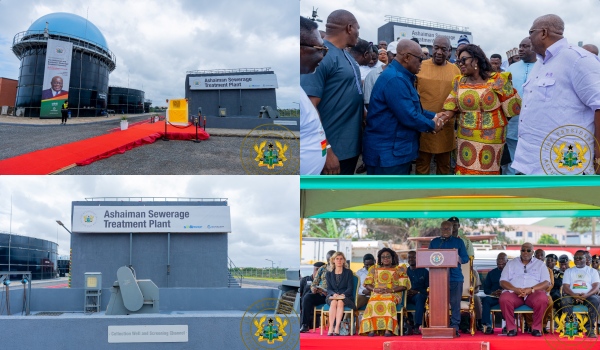
President Akufo-Addo has commissioned two modern simplified sewerage facilities and treatment plants in Ashaiman and Bankuman.
These new sewerage networks cover approximately 51 kilometers of sewer lines and include a wastewater treatment plant with a capacity of 1,800 cubic meters per day in Ashaiman, serving around 4,805 households, and a plant in Bankuman with a capacity of 1,600 cubic meters per day, serving approximately 3,100 households.
The projects, constructed at a cost of $6.6 million, demonstrate the government’s commitment to address the infrastructural gap in the sanitation and water resources sector.
They were developed as part of the Greater Accra Metropolitan Area (GAMA) Sanitation and Water Project, which aims to provide improved household toilets and institutional toilet facilities across the metropolitan area.
President Akufo-Addo praised the successful execution of the GAMA Project and mentioned that additional financing from the World Bank allowed for its extension to the Greater Kumasi Metropolitan Area. The Kumasi Project will expand and rehabilitate the Asafo sewerage system, provide additional household and institutional toilets, and extend potable water services.
Ghana has made significant progress in achieving the United Nations Sustainable Development Goals on water and sanitation.
Access to basic drinking water services has increased from 79% in 2017 to 87.7% in 2021, and access to improved toilet facilities has risen from 66% to 80.8% during the same period.
President Akufo-Addo emphasized the need for continued efforts to sustain and improve these gains, urging everyone to support the Clean Ghana Campaign and protect water bodies for the benefit of all citizens.
Members of Parliament (MPs) from the Upper East and Upper West Regions of Ghana have expressed worry about the increasing number of refugees fleeing from neighboring Burkina Faso due to Jihadist attacks.
The MPs are concerned that some of the Burkinabes seeking refuge in Ghana may engage in unfavorable practices that pose security threats to their constituents and the nation.
To address this situation, three MPs, Albert Akuka Alalzuuga, Mohammed Adams Supkparu, and Lydia Lamisi Akanvariba, call on the government to take immediate action in resolving the concern and implement urgent measures to ensure the security and well-being of their constituents.
The Jihadist attacks in Burkina Faso have caused a humanitarian crisis, forcing innocent civilians to seek safety and shelter in neighboring countries like Ghana.
The influx of refugees has led to challenges such as cultural and social tensions, threats to communities from livestock brought by immigrants, and environmental issues like indiscriminate cutting of trees and clearing of forest reserves.
The Garu MP indicated that “The influx of people from different backgrounds has the potential of creating cultural and social tension. Apart from the fact that these immigrants are seeking asylum those who came with their livestock are causing threats to these communities, raising concerns about the safety of their crops as we are in the farming season.”
“The disregard for community rules and careless attitude towards the environment is posing serious challenges to these communities where they live. For instance, these communities have forest reserves but since their coming into these communities, refugees have been engaged in indiscriminate cutting of trees and the clearing of forest reserves that can harm severely our forest reserves and the survival of the ecosystem,” he stated.
Proper shelter for the refugees is a concern, and there is a need for better communication in communities sharing borders with Burkina Faso to differentiate between refugees and potential threats. The MPs call for the establishment of destitute camps in constituencies sharing borders with Burkina Faso to address the situation.
Additionally, one MP, Lydia Lamisi Akanvariba, attributes the refugee influx from Burkina Faso to the outbreak of Anthrax in the Upper East Region of Ghana.
World Breastfeeding Week begins with UN agencies highlighting the importance of greater breastfeeding support in workplaces.
In the past decade, exclusive breastfeeding rates have risen by an impressive 10 percentage points, reaching 48% globally, according to UNICEF and WHO.
Encouraging and assisting breastfeeding in workplaces can drive progress towards the global target of 70% by 2030. Evidence shows that supportive workplaces play a crucial role in reversing the drop in breastfeeding rates when women return to work.
“Supportive workplaces are key. Evidence shows that while breastfeeding rates drop significantly for women when they return to work, that negative impact can be reversed when workplaces facilitate mothers to continue to breastfeed their babies,” Catherine Russell, UNICEF Executive Director, and Tedros Adhanom Ghebreyesus, WHO Director-General, said in a statement.
Family-friendly workplace policies, including paid maternity leave, breastfeeding breaks, and designated breastfeeding spaces, benefit working women, their families, and employers. Such policies generate economic returns by reducing absenteeism, retaining female workers, and cutting the costs of hiring and training new staff.
UNICEF and WHO urge governments, donors, civil society, and the private sector to support all working mothers, including those in the informal sector or on temporary contracts, and to provide sufficient paid leave for parents and caregivers to meet their young children’s needs.
Breastfeeding is a scientifically-proven ultimate child survival and development intervention, offering numerous health benefits. It protects babies from common infectious diseases and supports their immune systems, providing essential nutrients for optimal growth and development.
Both UNICEF and WHO recommend initiating breastfeeding within the first hour of birth and continuing exclusively for the first six months.
After six months, children should receive safe complementary foods while continuing to breastfeed for up to two years or more.
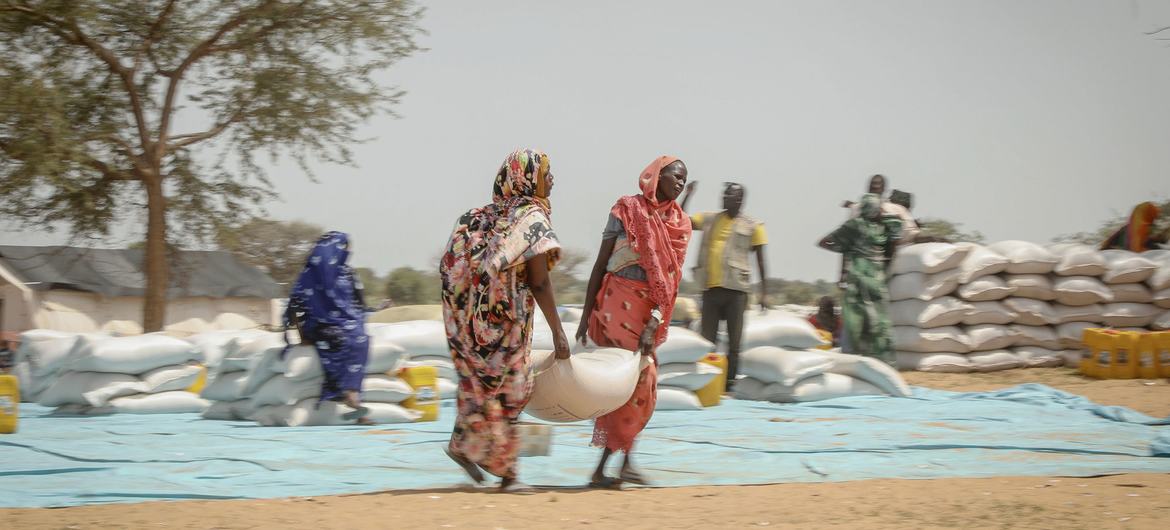
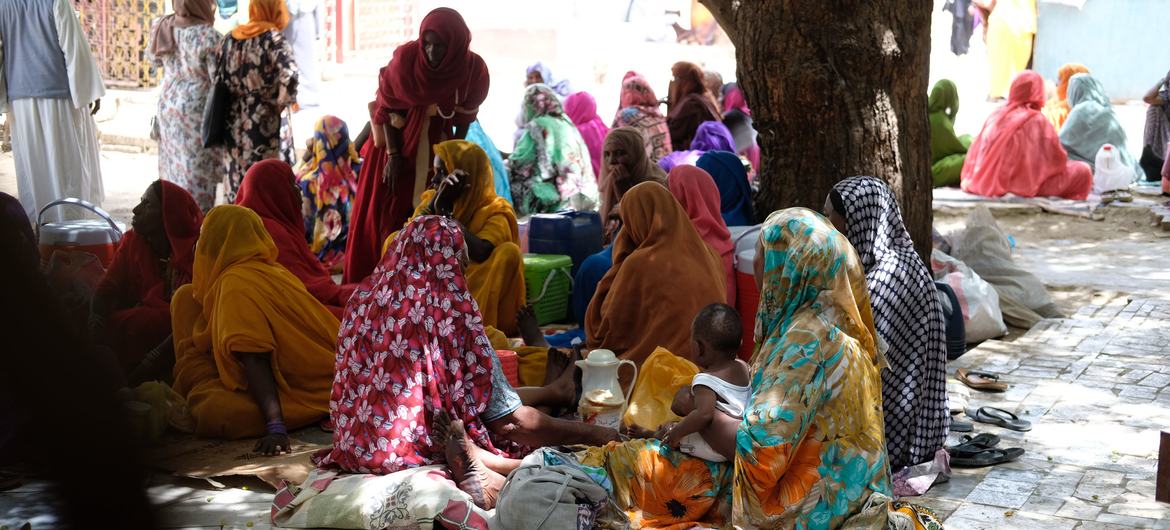
Recent data from the International Organization for Migration (IOM) reveals the severe impact of the clash between the Sudanese army and paramilitaries, resulting in an astonishing number of displaced people.
A staggering 926,000 individuals have sought refuge in neighboring countries, while 3.02 million remain internally displaced within Sudan.
The displacement has affected all 18 states in Sudan, with River Nile (15%), North (11%), North Darfur (9%), and White Nile (9%) being the most heavily impacted regions. A significant majority of the internally displaced individuals, 71%, originated from Khartoum State.
The current estimate of displacements over the past 108 days exceeds the total recorded for the previous four years, according to the IOM.
However, access to many areas remains restricted due to ongoing fighting, leading to assessments based on preliminary reports or estimates.
The situation for refugees seeking shelter in neighboring countries has been harrowing, with overcrowded displacement camps and difficulties in providing aid, exacerbated by the approaching rainy season.
The rainy season also poses the risk of flooding, adding to the already fragile conditions.
The conflict, which began in mid-April between Sudan’s armed forces and the paramilitary Rapid Support Forces (RSF), has caused widespread displacement, loss of life, injuries, and a growing humanitarian crisis. Attacks on public institutions, looting, and occupation of private homes continue in the capital, Khartoum, and clashes persist in four out of the five Darfur states.
Displaced populations in hard-to-reach locations are facing challenges in accessing healthcare services, leading to cases of infectious diseases and other illnesses. The situation is worsened by attacks on over 50 health facilities.
The United Nations High Commissioner for Refugees, Filippo Grandi, called for an immediate end to the conflict on the 100th day since its onset.
The UN’s humanitarian affairs office, OCHA, has also warned that hunger and displacement due to the war are spiraling out of control.
The Integrated Food Security Phase Classification (IPC) analysis indicates that more than six million people, around 13% of the population, are now one step away from famine. Overall, over 20 million people in Sudan are facing high levels of acute food insecurity due to conflict, economic decline, and mass displacement.
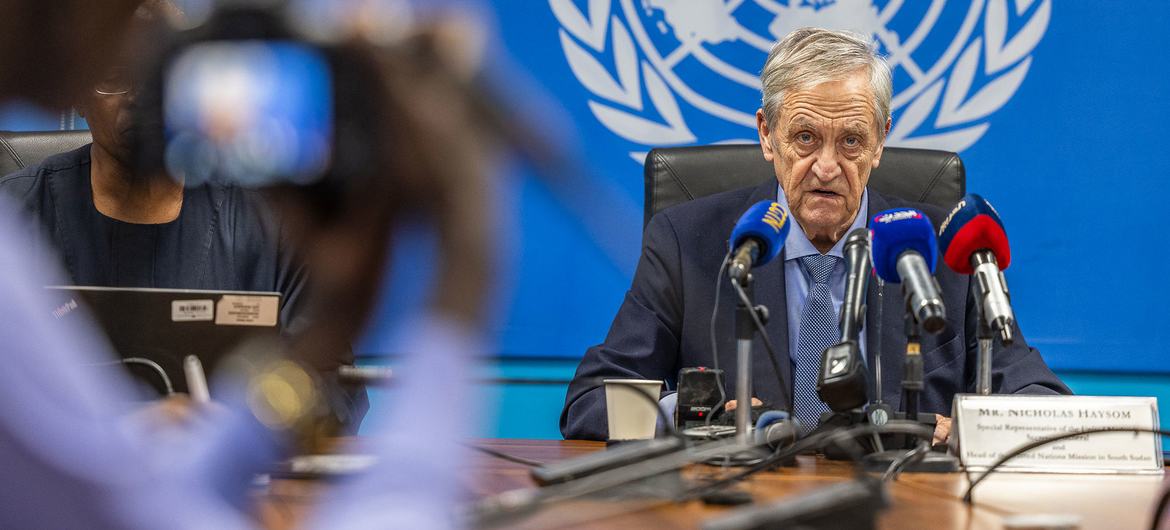
“With only 17 months remaining on the Roadmap timelines before the 2024 elections, I reiterate what I stated in an earlier press conference – 2023 is a critical ‘make or break’ year,” the head of the UN Mission in South Sudan (UNMISS), Nicholas Haysom emphasised.
The world’s youngest nation is currently facing a “race against time” as it prepares for the elections amid escalating intercommunal violence and the spill-over effects of the crisis in its neighboring country to the north.
The elections, originally slated for February 2023, are crucial as they will mark the completion of South Sudan’s democratic transition after years of conflict.
Since gaining independence in July 2011, the nation has endured internal strife, which was ultimately resolved by a peace deal in 2018.
Mr. Haysom highlights that certain foundational tasks essential for a successful election process are still incomplete.
Among them is the reconstitution of three key bodies – the National Constitutional Review Commission, the National Elections Commission, and the Political Parties Council. Additionally, drafting a new Constitution requires consensus among parties and realistic expectations within the limited time and resource constraints.
The credibility of the electoral process is of utmost importance. To ensure legitimacy, political parties must be allowed to register and campaign freely, civil society should engage in civic education and act as observers, and the media must report on the process while providing space for diverse voices and opinions.
The ongoing crisis in Sudan has also impacted South Sudan, leading to increased food prices and scarcity due to reduced cross-border trade. With around 190,000 people seeking refuge in the country, the UNMISS appeals for $26.4 million to provide transportation for those arriving at the border.
This influx of people could potentially exacerbate existing tensions between communities, and UNMISS has increased patrols and military presence in Renk to prevent violence.
Addressing other critical issues, Mr. Haysom emphasizes UNMISS’s efforts to protect civilians in Malakal and respond proactively to escalations in Jonglei and Greater Pibor.
However, he stresses the need for South Sudan to foster trust between communities and their leaders, build a common purpose, and share a vision for the future.
Mr. Haysom believes that the international community will support the peace process and elections if the principal stakeholders demonstrate their commitment, and the necessary frameworks are established.
Urgent decisions regarding electoral, constitutional, and security structures are paramount to attract donors and international support, paving the way for a peaceful and secure South Sudan.
The UN Food and Agriculture Organization (FAO) has issued a serious warning about the escalating food crisis in Sudan, which is being exacerbated by ongoing conflict and economic decline.
According to FAO, a staggering 20.3 million individuals in Sudan are facing severe hunger, a figure that has nearly doubled since the previous year.
Approximately 42 percent of the population is enduring high levels of acute food insecurity, as disruptions in the market and soaring food prices hinder access to essential goods and services.
The latest Integrated Food Security Phases analysis, which employs common standards for classifying food severity, reveals a critical situation, with 14 million people facing a “crisis” level of food insecurity.
Furthermore, more than six million people, approximately 13 percent of the population, are now just one step away from famine.
The regions most severely impacted by the food crisis include Khartoum, South and West Kordofan, as well as Central, East, South, and West Darfur.
Abdulhakim Elwaer, FAO’s Assistant Director-General and Regional Representative for the Near East and North Africa, highlighted the devastating consequences of the conflict on the food and nutrition security and overall well-being of millions of people.
Families are enduring unimaginable suffering due to the crisis.
The displacement of over four million people as a result of ongoing fighting has further damaged critical infrastructure, aggravating food insecurity and malnutrition.
FAO expressed concern about the insufficient resources hindering humanitarian efforts to address the situation.
They urgently appealed for an additional $65 million in funding to assist over six million people and support farmers in preparing for the upcoming planting season.
The UN food agency is particularly worried about projections for the period from October 2023 to February 2024, with around 15 million people likely to face a food crisis during that time.
To address this pressing situation, FAO aims to support more than one million farmers in producing enough food for the Sudanese people this season.
The conflict between Sudan’s armed forces and the paramilitary Rapid Support Forces (RSF) since mid-April has resulted in displacement, death, injury, and an unfolding humanitarian crisis.
“It is vital that FAO is stepping in to support more than one million farmers this season to produce enough food for Sudanese people,” said Mr. Elwaer.
As of now, over four million people have been displaced due to the conflict, with the majority displaced within Sudan itself.
The UN Office for the Coordination of Humanitarian Affairs (OCHA) has warned that hunger and displacement due to the war are spiraling out of control, emphasizing the urgency of the situation.
On Tuesday, August 2, 2023, the top UN envoy for the region highlighted the potential deterioration of the security situation in wider West Africa if the crisis in Niger remains unresolved.
The UN secretary-general’s special representative for West Africa and the Sahel, Leonardo Santos Simão, addressed reporters via video teleconference from Accra, Ghana, expressing concern over the unfolding crisis.
“The unfolding crisis, if not addressed, will exacerbate the deteriorating security situation in the region,” Leonardo Santos Simão, the UN secretary-general’s special representative for West Africa and the Sahel, told reporters at the UN headquarters in New York via video teleconference from Accra, Ghana.
Simão emphasized that failing to address the crisis in Niger could exacerbate the region’s already deteriorating security landscape.
Additionally, the situation will have adverse effects on the development and well-being of the population in Niger, where 4.3 million people are in need of humanitarian assistance.
As the head of the UN Office for West Africa and the Sahel, Simão offered support for the efforts made by the Economic Community of West African States to restore democratic order in Niger.
He issued a warning that without appropriate measures, the risk of increased terrorism spreading throughout the region is highly likely.
On the same note, UN Secretary-General Antonio Guterres expressed deep concern regarding the reports of the arrest of several members of Niger’s government. Guterres urgently called for strict adherence to Niger’s international human rights obligations and the prompt restoration of constitutional order.
The United Nations and its humanitarian partners are determined to continue providing vital aid to the vulnerable segments of Niger’s population.
To ensure the continuation of this crucial assistance, all parties involved must create a conducive operating environment.
NHIA Chief Executive, Dr. Bernard Okoe-Boye, has revealed that President Akufo-Addo is passionate about integrating mental health coverage into the National Health Insurance Scheme (NHIS) Benefit Package.
During a visit to the Western North Region, Dr. Okoe-Boye announced that plans are underway to make mental health treatment more affordable and accessible for individuals suffering from this condition.
Addressing the issue of copayments, which are illegal payments collected by some healthcare providers from NHIS members, Dr. Okoe-Boye stated that there has been a significant improvement in claims payments to credentialed healthcare service providers.
As a result, there is no longer any excuse for providers to demand copayments from patients.
Dr. Okoe-Boye highlighted the expansion of the NHIS Benefit Package, including the addition of the Free Elderly Healthcare policy for individuals aged 70 and above, coverage for four common childhood cancers, and the inclusion of the expensive breast cancer drug, Herceptin.
“Presently, we make monthly payments to service providers whose claims have been vetted and approved,” he said. “On July 31st, we paid an additional GH₵186 million to our hardworking credentialed healthcare providers, reducing the previous piled-up debt to just one month.”
“We have recently added the Free Elderly Healthcare policy for people 70 years and above, the four commonest childhood cancers, and a very expensive drug called Herceptin for breast cancer treatment.”
The Western North Regional Minister, Mr. Joojo Rocky Obeng, commended Dr. Okoe-Boye’s administration for the positive changes and transformation in the NHIS.
During a visit to the Omanhene of Sefwi Wiawso Traditional Council, Katakyie Kwasi Bumagama II, Dr. Okoe-Boye called for collective efforts to sustain the NHIS.
Katakyie Kwasi Bumagama II praised the NHIA Chief Executive’s leadership and encouraged the administration to continue its efforts to benefit the people.
The NHIA’s ultimate goal is to achieve Universal Health Coverage (UHC) by 2030.
The Authority has undertaken various initiatives to contribute to the overall growth and development of the Ghanaian economy while ensuring healthcare access for all.
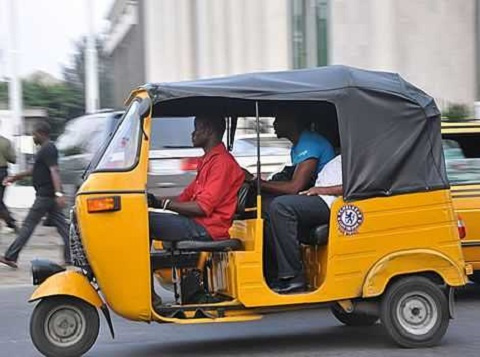
The Head of the Transport Department at the Kumasi Metropolitan Assembly (KMA), Randy Wilson, has appealed to tricycle operators in the metropolis to communicate their concerns to the assembly rather than resorting to insults and aggressive behavior following the ban on their operations in the Central Business District (CBD).
During an interview with the media, Mr. Wilson emphasized that tricycle operators should adhere to the established rules and approach the assembly with their grievances.
“The tricycle operators are to go according to the rules that have been set, and if they have any grievances, they should come to us, and we can sit down and talk about it in a way that will benefit the assembly, the tricycle operators, and the travelling public,” Mr. Wilson said.
“We are human beings, and policies and issues come up. We should deal with them in a civil manner and not resort to insults or aggressive behaviour. Instead, we should sit down and discuss solutions that will make our lives better,” he added.
He urged a constructive dialogue that would benefit all parties involved, including the assembly, tricycle operators, and the public.
Mr. Wilson clarified that the ban was implemented to reorganize the transport system in the CBD, addressing issues such as traffic accidents and congestion.
He stressed the importance of dealing with policy matters in a civil manner rather than resorting to hostility.
However, the Secretary of the Pragya Workers Association of Ghana, Ayamdago-Amadi Dauda, argued that the KMA was targeting the wrong group, asserting that traders and other commercial vehicles were the primary contributors to the congestion.
In the Ashanti Region, tricycle operators have intensified their protests against the restriction on their movement in parts of the CBD, despite the Kumasi Metropolitan Assembly’s determination to enforce the policy.
On Wednesday, August 2, the tricycle operators took to the streets and blocked a major road leading to Kejetia, causing significant disruptions to traffic and daily activities.
The ban was enacted as part of the city’s efforts to tackle traffic congestion and enhance pedestrian safety in the bustling area.
Tricycle operators, who heavily rely on ferrying passengers and goods within the city center, expressed their frustration and concerns, fearing the ban would negatively impact their livelihoods and result in job losses.
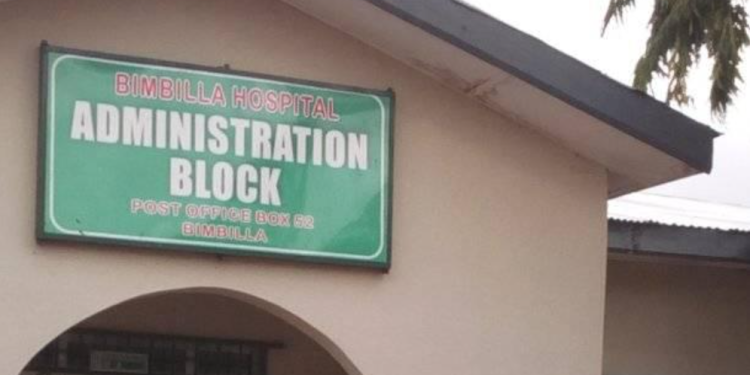
Nurses at Bimbilla Hospital, Nanumba North municipality of the Northern Region, have commenced a sit-down strike in response to the prolonged lack of water in the facility, which has persisted for the past two months.
The issue arose after the community water company in Bimbilla disconnected the water supply to the hospital due to outstanding bills of over two hundred and forty thousand Ghana cedis.
Patients are being turned away as the nurses firmly state that they will not resume work until the water supply is restored.
The Medical Superintendent of the hospital, Dr. Barihama Adam, expressed concerns over the situation during an interview with the media.
The manager of the water system, Ibrahim Sugri Issah, stated that they will not reconnect the water supply to the hospital until the outstanding bills are settled. The water crisis has resulted in an unfortunate situation at the hospital, affecting both the healthcare services and the wellbeing of the patients.
The Minority Leader, Dr. Cassiel Ato Forson, has made serious allegations against the Bank of Ghana, accusing it of being responsible for the depletion of Ghana’s external reserves.
During the presentation of the Minority’s response to the 2023 mid-year budget review in Parliament, Dr. Forson asserted that the Bank of Ghana’s practice of printing money led to the unprecedented depreciation of the Cedi in 2022, resulting in hyperinflation.
According to Dr. Forson, the Cedi depreciated from GHC6:$1 to over GHC15:$1 in 2022, representing a straight-line calculation of over 100% depreciation.
He claimed that this depreciation, along with inflation, has adversely affected the financial status of citizens, with the rich slipping into the middle class and poverty worsening for the poor.
He cited a World Bank report stating that around 850,000 people were pushed further below the poverty line due to inflation alone in 2022.
The Minority Leader accused the government and the Bank of Ghana of initially denying the act of printing money to finance bloated government expenditures in 2022 but later admitting to the practice.
“Paragraph 8 of the IMF Staff Report gives further detail that the Bank of Ghana illegally printed over GHC45 billion representing 7.2% of GDP in 2022 alone, and GHC35 billion in 2021. This is the first in the history of Ghana”, he said.
He cited the IMF Staff Report, which detailed that the Bank of Ghana illegally printed over GHC45 billion in 2022, representing 7.2% of GDP, and GHC35 billion in 2021 – the first such occurrence in Ghana’s history.
Describing the Central Bank as a “crime scene,” Dr. Ato Forson blamed the government and its economic managers, led by Mr. Strategist, for aiding and abetting this economic crime. He pointed out that under the current economic managers, Ghana’s public debt surged from GHC120 billion in 2016 to GHC600 billion by the end of 2022, indicating an increase of about 400%. This high level of debt resulted in Ghana defaulting on repayment obligations to both local and foreign debtors for the first time in its history.
Dr. Forson also raised concerns about the collapse of Ghana’s financial sector, with all 23 banks recording massive impairment losses of over GHC18 billion in 2022.
He stressed that this financial mismanagement by the government has had unprecedented consequences, and he believes the Bank of Ghana requires urgent attention due to its major financial distress and bankruptcy.
The accusations by the Minority Leader highlight the economic challenges facing Ghana and the need for transparent and prudent financial management to address the issues at hand.
A member of the Alan Kyerematen campaign team, Yaw Buaben Asamoa, has declared Alan Kwadwo Kyerematen as the most suitable candidate to tackle the pressing issues facing Ghana.
In an interview with the media, he expressed confidence that if elected as the New Patriotic Party (NPP) presidential candidate and eventually becomes Ghana’s president in the 2024 polls, Mr. Kyerematen will effectively address the country’s challenges, particularly the issue of unemployment.
Asamoa acknowledged that the former Trade and Industry Minister cannot be absolved of responsibility concerning the current economic crisis.
However, he emphasized that Kyerematen is fully prepared to provide solutions to the country’s problems.
He asserted that what Ghanaians seek is leadership that offers practical solutions, and Alan Kyerematen’s track record with GTP (Ghana Textile Printing) demonstrates his ability to provide such solutions.
As the party markets him to the nation, they are confident that Kyerematen’s leadership will resonate with the people.
Acknowledging the difficulties faced in governance and the economy, Asamoa highlighted past leaders’ achievements in addressing specific issues.
He then pointed out that Ghana now needs a leader who can focus on job creation, a domain where Alan Kyerematen has proven expertise.
Asamoa extolled Kyerematen’s accomplishments over the years and called on delegates to vote for him, stressing the importance of entrusting leadership to an experienced problem-solving leader. According to Asamoa, Kyerematen has demonstrated his capacity to establish frameworks for job opportunities, making him the right person for the job.
This endorsement reflects the belief within the Alan Kyerematen campaign team that he possesses the necessary attributes and solutions to address Ghana’s challenges and lead the country forward.
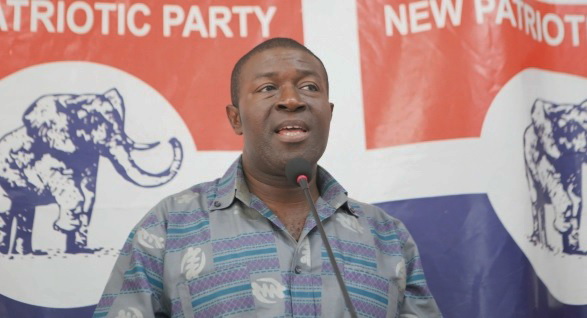
A prominent spokesperson of the Dr Mahamudu Bawumia campaign team, Nana Akomea, has voiced his strong support for the Vice President as the ideal candidate to lead the New Patriotic Party (NPP) into the 2024 general elections.
He believes that Dr Bawumia is the most suitable person to break the eight-year cycle of the National Democratic Congress (NDC) winning the presidency and also possesses the ability to gain support from both parties’ traditional strongholds.
During an interview with the media, Nana Akomea asserted that Dr Bawumia’s leadership could pose a threat to the NDC in their strongholds, such as the Volta Region, the Northern Region, and the Zongo settlements.
He emphasized that Dr Bawumia’s appeal lies in his capacity to bridge the gap between NPP and NDC strongholds, making him the most suitable candidate among all aspirants.
Furthermore, Nana Akomea expressed astonishment at the remarkable responses from party delegates to Dr Bawumia’s message of being the best candidate to break the eight-year cycle. He cited the extraordinary reactions, particularly in the Ashanti Region, where seven of the contesting aspirants hail from. Despite this, Dr Bawumia’s reception among delegates in Ashanti has been surprising and promising.
Nana Akomea’s statements reflect the growing support and belief within the NPP that Dr Mahamudu Bawumia is the right leader to steer the party to victory in the 2024 elections and bring an end to the NDC’s presidential reign.
“The NDC has their traditional strongholds in the Volta Region, the Northern Region, and the Zongo settlements. With Dr Bawumia, we believe that the NDC in the Northern Region and the Zongos will be threatened.
“He is the best person to reach across the NPP strongholds and the NDC strongholds. He is the best person among all the aspirants.
“Delegates’ responses everywhere have been extraordinary, particularly in Ashanti. I was particularly shocked by the reaction of the delegates because seven of the gentlemen in the contest are from Ashanti, so I wasn’t expecting that kind of reaction Dr Bawumia got in the Ashanti region,” he added.
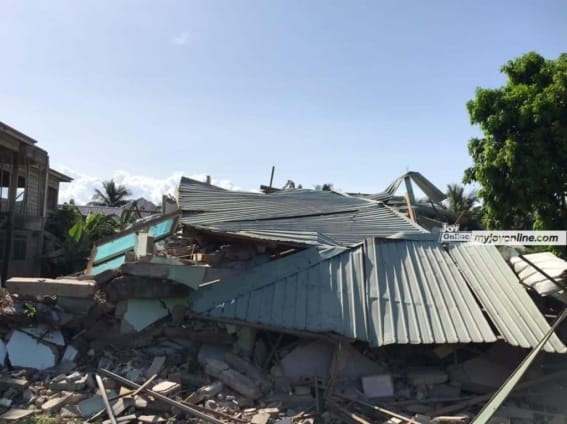
A storey building situated on the Ofankor-Amasaman stretch has collapsed, trapping an unknown number of people inside.
Firefighters from the Abelemkpe fire station quickly responded to the scene to rescue the trapped victims.
The exact number of individuals trapped in the building remains unclear at this time. However, a video shows firefighters and residents working together, using shovels to attempt the rescue.
Regrettably, one person is feared to have lost their life, and another victim has been reported as injured.
In response to the emergency, a bulldozer was dispatched to assist in the rescue operation.
To manage the crowd and ensure order, police enforcement was also called to the scene.
This unfortunate incident adds to the list of collapsed buildings that have occurred throughout the year, highlighting the need for increased vigilance and safety measures in construction practices.
Minority Chief Whip, Governs Agbodza, during the debate on the mid-year budget review in Parliament, made a sarcastic recommendation to the adherents of the Danquah-Busia-Dombo tradition.
He suggested that they rename the New Patriotic Party (NPP) as the “New Patapaa Party.”
Agbodza’s remark came in response to the Akufo-Addo government’s plan to fund the Accra-Tema Motorway project for a private entity to execute the work.
He heavily criticized NPP members for what he perceived as a lack of patriotism in their handling of the country’s affairs.
The Adaklu MP argued that the government’s conduct does not align with the party’s name.
He further chastised the government for borrowing heavily to contract a foreign company when local contractors are fully capable of handling the project.
Agbodza expressed strong disapproval of the government’s decision to borrow money that Ghanaians will have to repay and then use it to pay a foreign contractor.
He insisted that if the project is to be funded with Ghanaian money, it should be awarded to Ghanaian contractors, especially considering the outstanding debt owed to local contractors.
In conclusion, Agbodza used the humorously suggested name change to express his discontent with the government’s approach to the Accra-Tema Motorway project and its use of borrowed funds.
“They are telling us in this document that Ghana Infrastructure Investment Fund (GIFF) is going to fund Accra-Tema Motorway. So we will go and borrow money, put it in GIFF and let a foreign company come and do this job. We can guarantee you, we will never support you. What is the name of your party? New Patriotic Party, where is your patriotism? You better change that middle name to ‘patapaa’ because it has nothing to do with patriotism, when we advise you, you don’t listen.”
“How can you go and borrow money which Ghanaians will pay, and then you want to give that money to a foreigner? As for the Accra-Tema Motorway, if we are going to use our money, it must be done by Ghanaian contractors who you already owe GH¢15 billion. If they [private contractors] bring their money, they can do the job, but my taxes will not be used to pay them”.
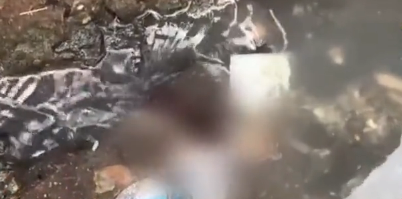
A pre-term baby was found dead in a gutter in Abeka-Beriberi, a community in the Greater Accra Region, in a shocking incident that has outraged the residents.
The baby, believed to be about six to seven months old, was apparently aborted and dumped in the gutter by an unknown person.
The body was discovered early on Tuesday, August 2, 2023, by a young female nail technician who was on her way to her shop.
She said she screamed and called for help when she saw the baby. “I don’t know who could do such a thing,” she said.
The community is demanding that the police investigate the matter and find the culprit behind this horrific act.
The residents are grieving and saddened by the loss of the innocent life that was cruelly ended.
An infant who had just been born was discovered abandoned in a drain at Abeka-Berieberie, located in the Greater Accra Region.
President Akufo-Addo has granted a presidential pardon to Alhaji Salifu Mimina Osman, who served as the former deputy National Security Coordinator (NCA) under the John Mahama administration.
The decision was made following a petition from the Paramount Chief of Kpembi Traditional Area, Kpembewura Haruna Dari Bismark Banbange Ndefoso I, requesting the release of Alhaji Salifu Mimina Osman on grounds of ill-health and good behavior.
The President’s directive to the Interior Minister is to ensure the immediate implementation of the presidential pardon.
The letter, signed by the Secretary to the President, Nana Bediatuo Asante, states that the decision was taken in consultation with the Council of State.
“I am directed by the President of the Republic to inform you that pursuant to a petition dated 19 July 2021, from the Paramount Chief of Kpembi Traditional Area, Kpembewura Haruna Dari Bismark Banbange Ndefoso I, for presidential pardon and release of Alhaji Salifu Mimina Osman on grounds of ill-health and good behaviour.
“…In consultation with the Council of State, the President has exercised the prerogative of mercy in favour of Alhaji Salifu Mimina Osman, and has granted him a pardon, in accordance with Article 72(1) (a) of the Constitution. Kindly take the necessary steps to give effect to the presidential pardon immediately,” the letter said.
The former deputy National Security Coordinator, Alhaji Salifu Mimina Osman, was sentenced to a five-year jail term in 2020 for willfully causing financial loss to the state, which was part of the National Communications Authority (NCA) scandal.
The pardon granted by the President is in accordance with Article 72(1)(a) of the Constitution.
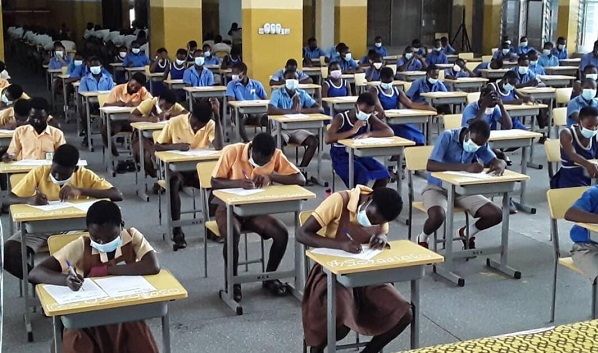
The West African Examinations Council (WAEC) has announced its decision to cancel the registration of unqualified candidates for the Basic Education Certificate Examination (BECE).
According to WAEC, it has come to their attention that some parents are transferring their wards from private schools at the Basic Stage Six, JHS 1, 2, and 3 levels to public schools to enable them to register for the examination.
This practice goes against the regulations set by the Ghana Education Service and WAEC. As a result, WAEC is currently investigating these cases, and any candidates found to be involved in such actions will have their registrations annulled.
In a press briefing held in Accra, John K. Kapi, the Head of Public Affairs at WAEC, urged parents not to subject their wards to such distressing situations.
He said: “Council is investigating a number of such cases and the registration of such candidates would be annulled.”
“Parents are urged not to traumatise their wards by such actions,” he cautioned.
“A total number of 600,714 candidates, comprising 300,323 males and 300,391 females from 18,993 participating schools entered for the school examination,” he added.
He emphasized that the BECE for schools and private candidates will take place from Monday, August 7 to Friday, August 11, 2023, nationwide.
A total of 600,714 candidates, consisting of 300,323 males and 300,391 females from 18,993 participating schools, have been registered for the school examination.
This year’s figure represents an 8.8% increase compared to the 2022 entry figure of 552,276 candidates.
“This is made up of 889 males and 854 females. This year’s figure is 5.4 per cent higher than the entry figure of 1,132 for 2022.”
As for the BECE for private candidates, there are 1,743 candidates registered, comprising 889 males and 854 females. This figure is 5.4% higher than the 2022 entry figure of 1,132 candidates.
The increase in the number of candidates is attributed to the rise in school enrollments across the country.
The BECE for school candidates will be conducted at 2,137 examination centers nationwide, while 15 centers, mainly located in regional capitals, will be used for the BECE for private candidates.
The Ghana Independent Broadcasters Association (GIBA) has taken legal action against the Ministry of Communications and Digitalisation (MoCD) and KNet Ghana Limited regarding the DTT Transmissions Platform.
GIBA alleges that the Ministry instructed KNet to disconnect broadcasters from the National DTT Transmissions platform due to unpaid fees, even though there is no legal basis or parliamentary approval for such actions.
Furthermore, broadcasters who declined to use “LINK SERVICES” are also threatened with disconnection from the platform.
Cecil Sunkwa-Mills, President of GIBA, stated that the MoCD’s mandate for KNet Ghana Ltd to unilaterally provide “Contribution link services” and charge fees for them, along with the power to disconnect broadcasters for non-payment, lacks any legal basis or parliamentary approval.
GIBA seeks relief from the court, requesting a restraining order against the Ministry from charging TV Channel fees and annulling the decision by the Ministry of Communications and Digitalisation to authorize broadcasters’ disconnection from the DTT Transmissions platform for non-payment.
Among the specific reliefs sought by GIBA are declarations that the Ministry’s decision to establish fees for Contribution Link services and TV Channel fees lacks parliamentary approval and is thus null and void. They also seek the invalidation of the authority granted to the Ministry by the 2 Defendant to collect fees for Contribution Link services and to disconnect broadcasters for non-payment.
In summary, GIBA is urging the court to quash the Ministry’s decisions, declare the fees null and void, and seek any other appropriate relief the court deems necessary.
“A declaration that the authority granted the 2 Defendant to collect fees for contribution link services by the Ministry of Communications and Digitalisation and to disconnect broadcasters that do not pay same is null and void. An order quashing the decision of the Ministry of Communications and Digitalization authorizing the disconnection of broadcasters from the DTT Transmissions platform on account of non-payment of the fee charged for Contribution Link services and TV Channel fees. e. Any other order as the Honourable Court may deem fit”.
Director-General of the Ghana AIDS Commission, Dr. Kyeremeh Atuahene, has revealed that financial constraints have forced the commission to ration anti-retroviral drugs for people living with HIV.
Due to lack of government support, medicines are now distributed between two to three months instead of the allocated six months.
The commission struggles to meet the demand for drugs, leading to the need for rationing. Dr. Atuahene urged individuals and groups to donate to the AIDS fund to bridge the funding gap, which currently stands at 66%.
“We have a huge funding gap, if we run short of medicine, it’s like people who are on oxygen and the obvious end is death when oxygen is taken off.
Currently, there’s no specific budgetary allocation for HIV programmes.
“Once in a while, we get something from National Health Insurance Scheme (NHIS). The funding gap is 66%. We need Ghanaians to support us by dialling USSD *989# to donate to support the AIDS fund”.
Ghana recorded a total of 16,574 new cases of HIV infections in 2022, compared to 18,036 infections in 2021.
The new infections were spread across all age groups, with the majority among people aged 15 and above.
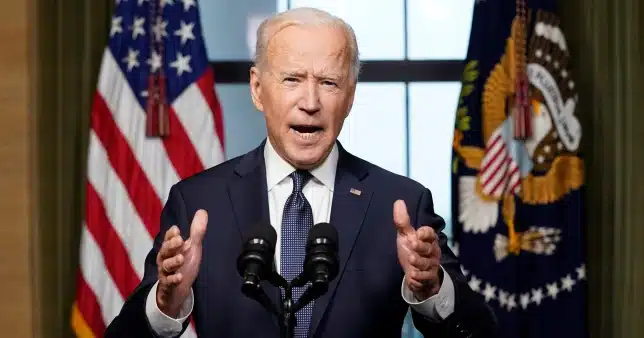
President Joe Biden addressed a room filled with supporters in Hallandale Beach, Florida, on Tuesday, emphasizing the importance of accessible healthcare.
During his speech, he shared a meaningful anecdote about his conversation with the person credited with “inventing” insulin, revealing that this life-saving treatment was never patented intentionally, so it could be accessible to all.
To illustrate the administration’s commitment to affordable healthcare, Biden mentioned the Inflation Reduction Act, highlighting its potential benefits for individuals on Social Security and Medicare.
One significant aspect of this act is capping the cost of insulin at a mere $35, ensuring that this vital diabetes treatment remains affordable for everyone.
In an effort to connect with the audience, the President asked them if they knew anyone with diabetes who relies on insulin.
He further emphasized the significance of the medication, explaining that its creator deliberately chose not to patent it, prioritizing its availability for the well-being of all individuals who need it.
The heartwarming touch of Biden sharing his personal conversation with this innovator made the message even more resonant with the crowd.
Director-General for the National Lotteries Authority (NLA), Sammi Awuku, has revealed that an amount of Gh¢3 million would be paid this week to settle outstanding debts.
He assured that the NLA is committed to clearing all debts within the next two weeks.
The announcement was made during the unveiling of new draw machines at the NLA, raising hope for timely resolution of financial obligations owed by the authority.
Awuku stated, “We inherited some debts when I became Director-General, almost 50 million…today we have brought it down to just around six something million cedis, and this week we are paying ¢3 million out of that. Within the next two weeks, we will clear all those outstanding debts.”
He also mentioned that the NLA will now play within the 15-day expiration period of the ticket, starting from the middle of August, bringing excitement to players and lotto marketing companies.
Moreover, the NLA, in collaboration with other stakeholders, will crack down on illegal lotto operators, who illegally earn around ¢600 million each year without contributing to the state or supporting good causes.
They plan to pursue these operators and clamp down on their illegal activities.
“We are going to go tough on the illegal lotto operators. The NLA together with the military, the Ghana Revenue Authority and the State Enforcement Agencies. We are going to go after all these illegal lotto operators who are wielding almost ¢600milion every year illegally by operating lotto and do not contribute in any form or shape by using their taxes to support the state nor do they support good causes. So we are going to go after these people hoarding,” he stressed.
The Ministry of Fisheries and Aquaculture declared a closed season for artisanal and inshore fleets from July 1 to July 31, and for industrial trawlers from August 1 to August 31, 2023, in accordance with Section 84 of the Fisheries Act, 2002 (Act 625).
Nana Kweigyah, president of CaFGOAG, assessed the impact of the closed season and expressed worry that the implementation in July for the artisanal sector was unsustainable. Many fishers and fishing communities have voiced genuine concerns about how the closed season in July restricted and undermined artisanal fisheries in Ghana.
Kweigyah emphasized the need for open discussions that prioritize effective representation and participation of artisanal fishers to address their concerns. He suggested that fisheries managers should engage in discussions to improve implementation, considering scientific and local ecological knowledge.
While the closed season falls within the biological period of the fishery, it also coincides with the economic period of artisanal fishers and the month of bumper fishing season.
Kweigyah highlighted the necessity for a trade-off and thoughtful consideration of the static nature of space and time, and the communities’ level of dependence on fishing.
“There has to be a trade-off in this situation, and this goes into the heart of the implementation of the closed season in the artisanal sector, taking into consideration the static nature of space and time and the level of dependence on fishing by the communities,” he said.
The Speaker of Parliament, Alban Sumana Kingsford Bagbin, has indicated that a five-member Committee will be set up to investigate a petition submitted by aggrieved customers of Menzgold.
The Speaker made this announcement during a meeting with the customers of Menzgold when they called on him.
According to a statement from the Public Affairs Directorate of Parliament, the petition has now undergone the necessary procedures to become a motion, and it will be admitted before the House goes on recess.
The Committee will then consider the concerns of the aggrieved customers and present a report for debate when the House reconvenes after the recess.
During the meeting, Mr. Fred Forson, a leader of the group, described the challenging situations that the affected members have been facing, leading to 210 deaths recently. The group urged the Speaker to handle the motion promptly.
The National Democratic Congress (NDC) Member of Parliament (MP) for South Dayi, Rockson-Nelson Kwame Etse Dafeamekpor, who submitted the Motion to the Speaker, acknowledged the challenges the motion is facing due to the matter being before the court.
However, he appealed to the Speaker to admit the Motion for the House to consider the committee’s report, as only the criminal case is before the court.
The group expressed gratitude to the Speaker and hoped that their concerns would be addressed and resolved promptly.
Member of Parliament for Tamale South, Haruna Iddrisu, has expressed concerns over the conduct of former Minister for Sanitation and Water Resources, Cecilia Abena Dapaah.
While he acknowledges that her actions may not be unlawful, he argues that such unethical behavior undermines public confidence in the government’s ability to safeguard public funds.
Cecilia Abena Dapaah is currently under investigation by the Special Prosecutor for allegedly having over 1 million dollars, 300,000 euros, and millions of Ghana Cedis stolen from her residence by her house helps.
In response to the approval of Cynthia Naa Koshie Lamptey as the Deputy Special Prosecutor, the former Minority Leader urges a review of the asset declaration regime to address incidents like these.
Haruna Iddrisu emphasizes the need to tackle graft and unethical behavior, even if not necessarily unlawful, due to the high office held by individuals involved.
He calls on Parliament to take action by revising criminal legislation and thoroughly reviewing the assets declaration process.
The lack of transparency regarding who possesses what assets and how they were acquired raises concerns and diminishes public trust, particularly when MPs and ministers of state are involved in questionable conduct.
In light of the situation with Cecilia Abena Dapaah, MP Haruna Iddrisu highlights the importance of restoring public confidence in the government’s commitment to ethical governance and protecting the public purse.
The Speaker of Parliament, Alban Bagbin, has expressed his disappointment with the government for not withdrawing taxes on sanitary pads during the mid-year budget review.
He had previously urged the government to take advantage of the review to eliminate these taxes, but the Finance Minister’s presentation on Monday did not include such a provision.
During a debate in Parliament, when the Member of Parliament for Sefwi Akontombra, Alex Tetteh Djornobuah, attempted to defend the imposition of taxes on sanitary pads, the Speaker reacted strongly to the matter.
He called on the government and future administrations to seriously reconsider the taxes on sanitary pads.
Bagbin highlighted that these taxes apply not only to imported sanitary pads but also to locally produced ones, including the raw materials used in production.
He emphasized the negative impact these taxes have on local businesses, with some even having to shut down due to the financial burden.
The Speaker voiced his strong opposition to taxing essential feminine hygiene products, stating that he would not support such taxation, especially on items used by women, including his own mother. He stressed that the state should address this matter seriously.
Bagbin also pointed out that in other countries, there are instances where sanitary pads are provided for free or where heavy taxes on such products have been removed. He called on all future governments to reconsider these taxes, asserting that they disproportionately affect the poor while sparing the wealthy.
This issue has drawn widespread attention, with many stakeholders advocating for the government to abolish taxes on sanitary pads.
The Ghana Physician Assistants Association has decided to temporarily suspend its indefinite strike, pending the outcome of a 28-day ultimatum given by the National Labour Commission to the Ministry of Health concerning their demands.
The strike was initiated to protest a proposed legislation that would subject physician assistants to supervision by the Medical and Dental Council, a move feared to disempower the members.
National President of the association, Peter Akuduge Ayamba, made it clear that if the ministry fails to address their concerns satisfactorily within the given time frame, they will resume their strike action.
“The National Labour Commission heard us and have directed that within 28 days they should engage us and report to them on how to address the concerns that we have raised. We are not happy as an association with the posture of the government and the fact that they have been dragging their legs all this while. It was because of that that’s why we are where we are now.”
“And we are saying that based on the ruling and the intervention of the labour commission and the fact that we are law-abiding citizens and unions for that matter, we are calling on our membership to resume work. Because we are temporarily calling off this strike so that we will explore all other options if by the deadline that has been given by the labour commission nothing is done,” he stated.
The National Labour Commission’s intervention prompted the association to temporarily call off the strike and explore other options if necessary.
These options include going back to their strike action or adopting a work-to-rule policy, which entails strictly adhering to their prescribed duties without additional efforts.
The association remains vigilant and committed to protecting their interests, and they will reassess their stance based on the government’s response to their demands after the 28-day period expires.
“So we are saying that we will explore all other interventions which include our non-renewal position that we took that with their intervention we had to come back. We are also exploring the possibility of working to rule policy which means that we will do according to what we are supposed to do, nothing more nothing less,” he said.
President of the Ghanaian community in Niger, Seidu Abudu, has reassured that his fellow Ghanaians in Niger are safe despite the ongoing military unrest in the country.
While the Ghanaian community is secure in their homes, business activities have been severely impacted due to the unfortunate events.
The military takeover in Niger has sparked concerns about the safety of Ghanaians who conduct business in the country.
In an interview with the media on August 2, 2023, Seidu Abudu confirms that around 500 to 600 Ghanaian citizens reside in Niger, and measures are being taken to protect them.
“I am in Miami right now, everything is in control. As the Ghana community president, my concern is to protect the Ghanaians in this country. We [Ghanaians] are all safe, and there is no problem with that. Right now there are no plans to evacuate Ghanaians but we will discuss it when we meet the embassy officials.
“Right now we have 500 to 600 Ghanaians who are living in Niger. As I am speaking, we are trying our best to put things down so that in case of anything we will be able to protect Ghanaians,” he noted.
Although there are currently no plans to evacuate Ghanaians, discussions with embassy officials will be held to address any future actions as necessary.
Seidu Abudu further highlights that Ghanaians engaged in business in Niger are facing significant disruptions due to the crisis and the closure of borders.
“Right now everything has come to a halt and we cannot move because all the borders have been closed. all those selling onions and cow legs are at a standstill. Latest by tomorrow we will be meeting with the Ghanaian embassy in Niger. Since Sunday’s demonstration, everything is calm,” he added.
He notes that all activities have come to a halt, impacting businesses like onion and cow leg sellers.
In the wake of the coup in Niger, the Economic Community of West African States (ECOWAS) has directed the military to restore the normal government system or face potential military intervention.
The situation has resulted in the dissolution of the country’s constitution, suspension of institutions, and closure of borders to prevent further intrusion.
Notably, President of Niger, Mohamed Bazoum, had been held by troops from the presidential guard early Wednesday.
US Secretary of State, Anthony Blinken, has expressed unwavering support to him.
Recent coups have also affected neighboring countries like Mali and Burkina Faso, triggered by Jihadist unrest.
The West African Examination Council (WAEC) has announced that it will be serialising certain questions in the 2023 West African Senior High School Certificate Examination (WASSCE) to combat exam malpractices.
The council believes that this measure will help maintain the integrity of the exam.
Under the serialisation process, candidates in the same exam hall will receive the same question, but with different question numbers.
The subjects selected for serialisation are those considered to be high stake and crucial, as they are less prone to compromise.
John Kapi, Head of Public Affairs at the Council, emphasized that the structure of the questions remains unchanged, and serialisation is part of their trade secret to ensure fairness and security.
He clarified that this move is not meant to unduly punish anyone but rather safeguard the integrity of the exam.
“Serialisation is not anything that is landing from space. Besides nothing has changed about the structure of the questions. It is just that we have serialised some of them. It is our trade secret, and we want to maintain that. We are not unduly punishing anybody, it is the same question just that there is some serialisation. There are some of these papers that are high stake and so for those high stake papers we would want to serialise them.”
“Secondly it is a very expensive venture to get into, it is time-consuming and all of that. And so we concentrate more on the high stake papers and then there are a few of them that we consider as low risk, and so we don’t serialise those ones,” he said.
Due to the cost and time-consuming nature of the process, WAEC will focus on serialising high stake papers while considering some subjects as low risk, and therefore not requiring serialisation.
In total, 447,204 candidates from 975 schools are expected to sit for this year’s WASSCE.
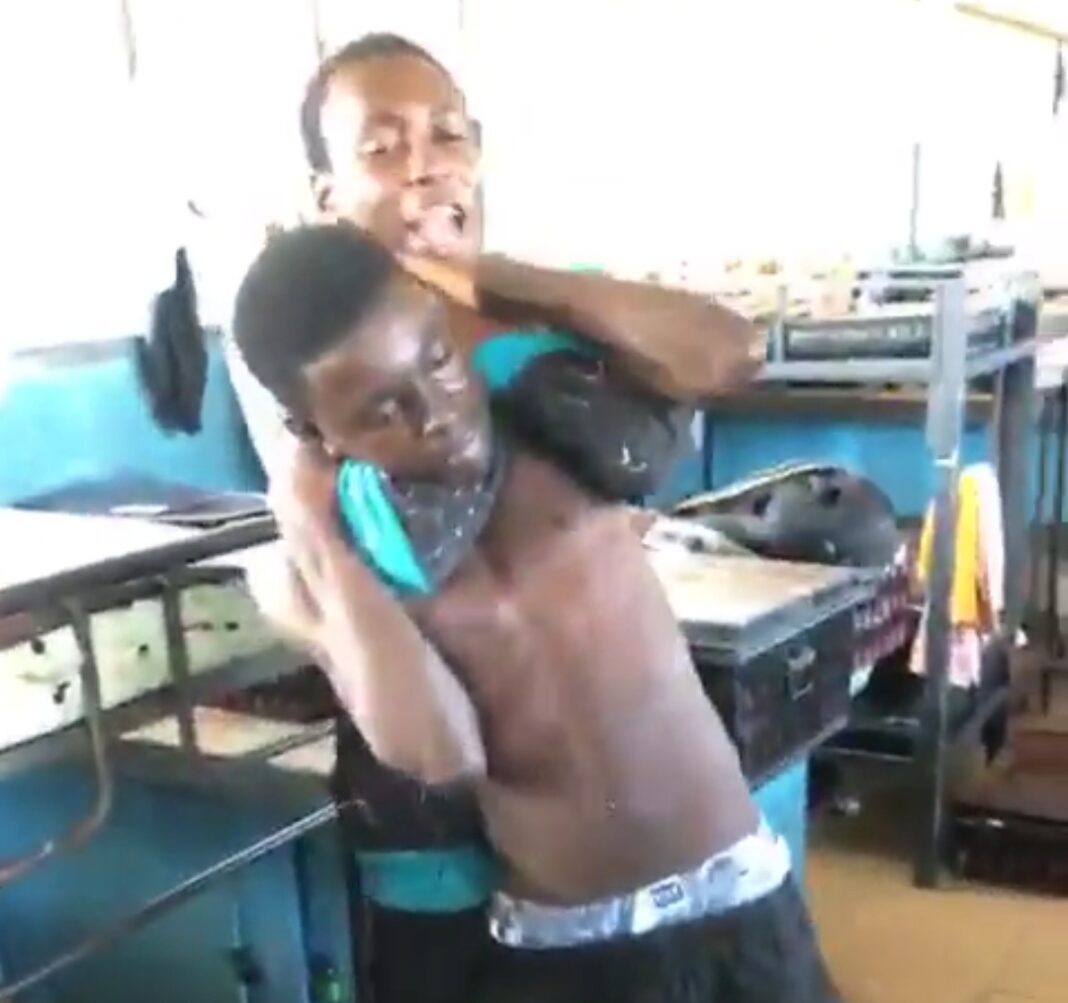
The court hearing the case of the Adisadel College’s assault has decided to adjourn the case until the accused completes his West African Senior School Certificate Examination (WASSCE).
The accused has denied assault charges levelled against him in the viral video case of assaulting a fellow student.
Despite being on bail, the accused faces a challenge due to impending WASSCE examinations.
During the proceedings, parents of the involved teenagers and the public attended, but the sensitivity of the case led to it being conducted in the judge’s chamber.
His Lordship Eric Oheneba Antwi Boasiako, the presiding judge, adjourned the case to September 27, 2023, allowing the students to complete their final exams without interference.
The incident, which occurred on June 30, 2023, involved one student strangling and hitting another student’s head on a metal bed, as shown in the viral video. The fight reportedly started over a sim card.
The Housemaster of Quaque House have been suspended, and the students involved have also been suspended following the incident.
After a visit by the Deputy Minister for Education, Rev. John Ntim Fordjour, a psychologist was assigned to the students.
Former Director General of the Ghana Health Service (GHS), Professor Agyeman Badu Akosa, has highlighted the issue of negligence in supervisory duties as the reason behind the current calls by physician assistants to become an independent body.
He emphasized that lack of engagement with this group of health practitioners and failure to provide direction in their work has caused agitation among them.
Prof Badu Akosa believes that physician assistants have been allowed to work independently for too long without proper supervision, leading to their demand for autonomy.
He urged health institutions to engage regularly with physician assistants, discussing their challenges and providing informed directions to ensure proper supervision.
“If you don’t do supervision and you allow them to work independently, then you have a problem.”
“But if you choose not to do that and you leave them to do their work, now they’re sitting down and saying ‘we don’t need to be supervised’. But how can an assistant not be supervised?,” he said.
“So it’s the failure of supervision that has caused that,” he stated.
The Physician Assistants Association is currently on a nationwide strike, claiming unfair treatment and disrespect.
They demand changes to Act 857 governing health professionals’ bodies to grant them the freedom to operate independently.
As a result of the strike, healthcare services in some rural hospitals are suffering, as physician assistants are refusing to work. Nurses in these facilities are struggling to attend to patients, leading to referrals for most cases.
The National Labour Commission (NLC) has called for a meeting with the disputing parties, but the physician assistants’ leader, Anthony Asare Arkoh, states that the strike will only end if the Health Ministry responds favorably to their demands.
They seek assurances from the government that their requests will be met before considering ending the strike.
Ghanaian music enthusiasts in the United States are in for a treat as popular artists like Kwabena Kwabena, Kofi Kinaata, Dada KD, Kumi Guitar, and Sonnie Badu are all set to enthrall the audience at this year’s Taptap Send Ghana Music Awards USA.
The event, scheduled for August 26 at the prestigious Lincoln Theater in Columbus, Ohio, is expected to draw music lovers and Ghanaians from all across the USA.
Apart from the Ghanaian artists, there will also be performances by talented musicians based in the United States.
The Ghana Music Awards USA aims to encourage and acknowledge Ghanaian musicians in the diaspora, particularly in the USA, for their contribution to promoting and celebrating Ghanaian music and culture.
Over the past three years, GMA-USA has successfully celebrated and honored more than 150 artists from both Ghana and the United States.
The Chief Executive Officer of Ghana Music Awards USA (GMA-USA), Dennis Boafo, has assured the attendees of a high-quality production and an exciting programming lineup.
It’s sure to be a memorable night for music enthusiasts and a celebration of Ghanaian musical talent on an international stage.
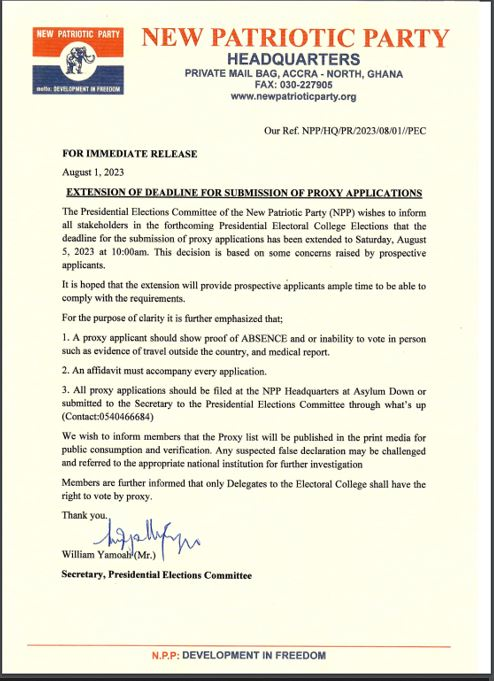
The Presidential Elections Committee of the New Patriotic Party (NPP) has officially extended the deadline for proxy application submissions to 5 August, 2023 at 10am.
The previous deadline was initially scheduled for August 2nd at 5pm. The decision to extend the deadline was taken in response to concerns raised by potential applicants.
“It is hoped that the extension will provide prospective applicants ample time to be able to comply with the requirements,” the statement added.
The committee’s secretary, William Yamoah, has specified that all applicants must provide evidence of their inability to vote in person, such as proof of travel outside the country or a medical report. Each application should also be accompanied by an affidavit.
Proxy applications can be filed at the NPP Headquarters located at Asylum Down, or they can be submitted directly to the Secretary of the Presidential Elections Committee.
It is important to note that the Proxy list will be published in print media to allow for public verification.
In the event of suspected false declarations, such cases may be challenged and referred to the relevant national institution for further investigation.
For the purpose of clarity, it is further emphasised that;
A proxy applicant should show proof of ABSENCE and or inability to vote in person such as evidence of travel outside the country, and a medical report.
An affidavit must accompany every application.
All proxy applications should be filed at the NPP Headquarters at Asylum Down or submitted to the Secretary to the Presidential Elections Committee.
“We wish to inform members that the Proxy list will be published in the print media for public consumption and verification. Any suspected false declaration may be challenged and referred to the appropriate national institution for further investigation.”
The Teacher and Educational Workers Union (TEWU) has issued a stern warning of potential industrial action in response to unresolved issues concerning their allowances.
The Union is dissatisfied with the government’s failure to address outstanding arrears related to their professional development allowances.
In a release dated August 1, 2023, and signed by the General Secretary, Mark Dankyira Korankye, TEWU called on the Fair Wages and Salaries Commission to expedite negotiations and settle the allowance payments by August 4, 2023.
The Union emphasized its disappointment with the handling of the negotiation process by the Fair Wages and Salaries Commission.
They expressed frustration over the lack of progress and assert that if the Commission does not meet the specified deadline of August 7, 2023, for completing the negotiations and ensuring payment by November 2023, they will take appropriate action.
The threat of industrial action looms, and TEWU warns that if their concerns are not addressed promptly, aggrieved members of the Teachers and Educational Workers’ Union of TUC (GH) may resort to taking action.
“At a meeting held by the TEWU of TUC (GH) Management Committee on 26th July, 2023, the meeting resolved that the Fair Wages and Salaries Commission should be given up to 7th August, 2023 to complete the negotiation for the payment of the allowance by November, 2023.
“Therefore, if the Commission fails to complete the negotiation by 7th August, 2023, leadership of the Union should not be blamed for any action that may be taken by aggrieved members of the Teachers and Educational Workers’ Union of TUC (GH),” portions of the release indicated.
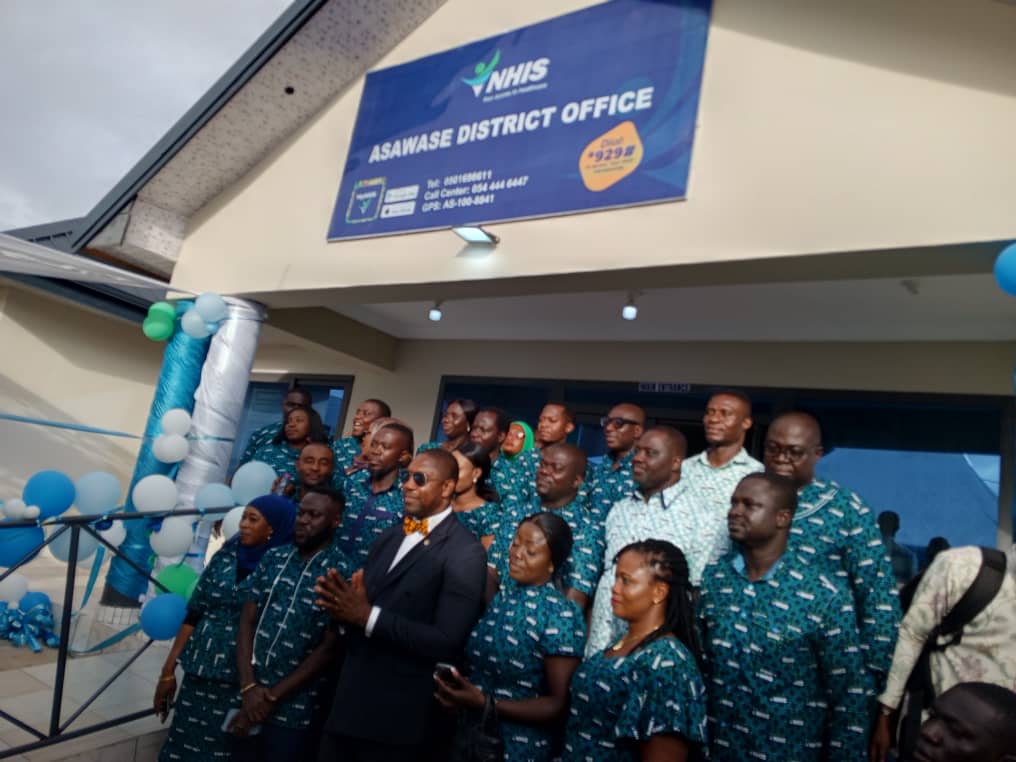
The Chief Executive Officer of the National Health Insurance Authority (NHIA), Dr. Bernard Okoe-Boye, on August 1, 2023, inaugurated the NHIS Asawase district office in the Ashanti Region.
Speaking at the inauguration he stated that the Authority is focusing on expanding the coverage of the National Health Insurance Scheme (NHIS) by constructing new regional and district offices.
The aim is to make the NHIS accessible to all residents of Ghana, including visitors, and bolster the Scheme’s active membership drive.
He also emphasized the NHIA’s commitment to removing any financial barriers that could negatively impact the healthcare needs of its members.
Praising the efforts of successive governments, especially the current government led by His Excellency, Akufo-Addo, Dr. Okoe-Boye acknowledged their contributions to the sustainability and achievements of the NHIS over the past 20 years.
The benefit package has been continuously expanded, with recent additions including the Free Elderly Healthcare policy for individuals aged 70 and above and coverage for four childhood cancers.
To ensure that members are not burdened with out-of-pocket payments (copayments) for covered services, Dr. Okoe-Boye stressed the importance of prompt payments to credentialed healthcare service providers.
He mentioned that on July 31st, the NHIA paid over Ghs186 million cedis to healthcare providers, significantly reducing previous outstanding debts.
To enhance transparency and accountability, the NHIS introduced the “Sunshine policy,” allowing suppliers of drugs to healthcare facilities and other stakeholders privileged access to view payments made to deserving facilities on the NHIS website.
Dr. Okoe-Boye thanked Hon. Alhaji Mohammed Mubarak Muntaka, the Member of Parliament for Asawase constituency, for supporting the construction of the NHIS District office.
He encouraged all residents of Asawase to sign up for the NHIS, emphasizing the Scheme’s motto: “Your access to health.” Regular medical checkups were advised to prevent complicated disease conditions that may affect longevity.
Additionally, Dr. Okoe-Boye mentioned that the NHIS plans to extend coverage to include people with mental health challenges in the near future. The ultimate goal of the NHIA is to achieve Universal Health Coverage (UHC) for the nation by 2030.
The NHIA has taken various initiatives and accomplished significant milestones in contributing to the overall growth and development of the Ghanaian economy.
The 2022 Auditor-General Report, has indicated that some fund managers owe the Social Security and National Insurance Trust (SSNIT) a total of GH¢483.365 million at the beginning of 2021.
However, only ¢6.076 million was received by SSNIT in 2021, leaving a substantial outstanding amount of ¢477.288 million yet to be recovered from the fund managers.
In light of this situation, the AG is advising SSNIT’s management to collaborate with the National Pensions Regulatory Authority (NPRA) to ensure that the fund managers promptly remit the unpaid balance without any further delay.
SSNIT’s management responded to the audit recommendation, stating that the advance mobilization amount for Antgya Ghana Limited is still pending recovery and remains in effect until the full repayment is received from the said company.
They also assured that they will be cautious in subsequent advance mobilizations to contractors, ensuring they do not exceed the threshold of 15% of the contract sum.
Furthermore, the report highlighted that SSNIT’s Short-Term Treasury Sub-Asset Portfolio has the potential to enhance the Trust’s liquidity position.
However, recent investments in the Short-Term Treasury Portfolio have been disappointing, as the Trust failed to meet its investment target of 6%.
A deeper analysis of the investment allocations to the Short-Term Treasury over five years revealed that while the Trust’s Total Investment Portfolio displayed an upward trend, the allocations to the Treasury Sub-Asset Portfolio have been declining relatively.
To address this issue, the Auditor-General recommended that SSNIT’s management increase their investment outlay in the Treasury Sub-Asset Portfolio to bolster its liquidity reserve, thereby providing stronger support to the Trust’s financial stability.
The communications director of the National Disaster Management and a member of the New Patriotic Party (NPP), George Ayesi, has justified why government has priced the Pokuase housing project in dollars.
According to him, the prices instills confidence in investors due to the stability of the currency, which contrasts with the uncertainties surrounding the local cedi.
President Akufo-Addo has launched a visionary project aimed at addressing the country’s significant housing deficit of approximately 2 million units.
The project entails the construction of 8,000 housing units to meet this pressing need.
To ensure transparency and attract investment, the government has disclosed the pricing of the houses in US dollars.
The pricing is as follows:
Studio apartment: $13,800 One bedroom: $20,700 Two bedroom: $34,500 Three bedroom: $42,550
The government believes that pricing the houses in dollars will attract more investors, fostering collaboration and financial support for this ambitious project, as the dollar is a globally accepted and stable currency.
Despite the government’s enthusiasm for the Pokuase housing project, criticism has arisen from the public regarding its decision not to prioritize the completion of the Saglemi Housing project, which was initiated during the previous John Mahama administration.
The Pokuase project will be carried out in two phases. The first phase will see the construction of 4,000 housing units, with completion expected within 18 months. The second phase, consisting of the remaining 4,000 units, is also projected to be completed within the same timeframe.
For the successful execution of the project, the government has partnered with five reputable Real Estate developers, namely Rehoboth Properties, State Housing Company Limited, Devtraco Group Limited, FrankPauls Ventures Company Limited, and Douja Promotion Addoha Groupe Limited.
These collaborative efforts will contribute to the realization of the 8,000 housing units and provide much-needed shelter for the people of Ghana.
Two more suspects have been apprehended in the ongoing investigation into the stolen funds from the residence of former Sanitation Minister, Cecilia Dapaah, as per Police prosecutor, DSP Emmanuel Nyamekye.
Initially, five individuals, including two househelps of the former Minister, were arrested for allegedly stealing One million dollars, 300,000 euros, and valuable personal effects worth thousands of Ghana Cedis.
However, these accused persons were not present in court as investigators were conducting further inquiries in Tamale related to the case.
Now, with the recent arrest of the two additional suspects, the total number of accused individuals in the case has reached seven.
One of the accused, Sarah Agyei, who is the second accused, was granted bail last week but has not yet met the bail conditions.
As for the remaining six accused, including the newly arrested individuals, they have been remanded into police custody.
The court has adjourned the case to August 8 to allow for ongoing investigations and to address the bail situation of the second accused, Sarah Agyei.
However, the lawyer representing Augustine Gyamfi, the second accused, expressed frustration over alleged attempts by the Police to hinder their efforts in meeting the bail conditions.
During the court proceedings on Wednesday, police prosecutors failed to present the accused persons, citing the unavailability of the policeman responsible for their presentation, as he had traveled.
Furthermore, they informed the court that the Attorney General’s office has fully taken over the case and will assume the prosecution of the matter.
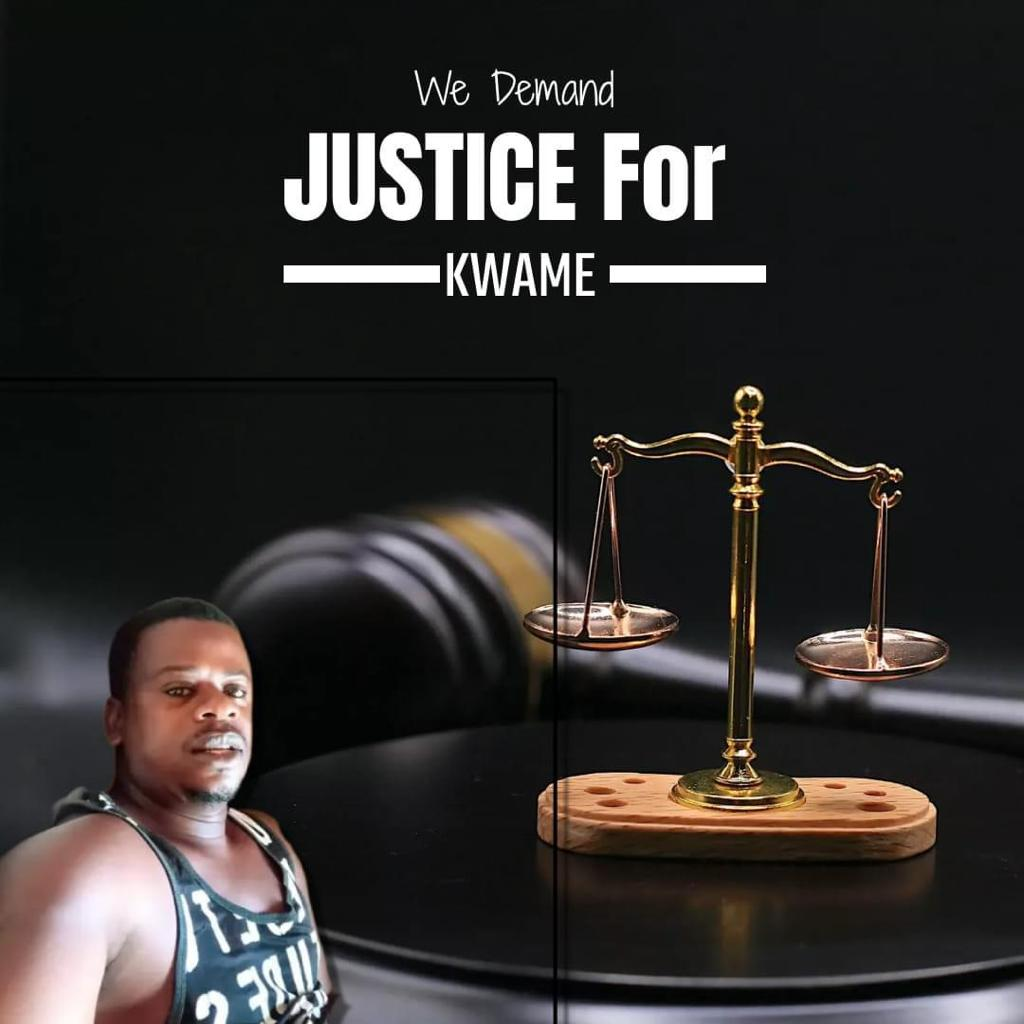
The Akyem Abuakwa State has issued a notice of intent to hold a demonstration in response to the brutal murder of a member of the Dwumana Royal family of Adoagyiri, Odehye Kwame Sarkodie.
The demonstration is scheduled to take place on the principal streets of Adoagyiri on Wednesday, 9th August 2023.
The protest aims to express Nananom’s (traditional leaders) strong disapproval over the potential danger of further violence in the coming days.
Odehye Kwame Sarkodie was fatally shot by an assailant believed to be connected to the rival claimant of the Adoagyiri stool, Nana Afutu Dompreh, on July 15th, 2023.
Prior to the murder, Sarkodie had reported several threats to his life to the Nsawam Police station, but no effective action was taken by the Nsawam Police command to prevent the tragic event.
The murder is suspected to be linked to a chieftaincy dispute at Adoagyiri. Odehye Kwame Sarkodie is known to belong to the Royal family that is considered the heir apparent to the Adoagyiri stool.
Adoagyiri is situated within the Adonteng Division of the Akyem Abuakwa State and is part of the Amantuomiensa group, who are responsible for safeguarding Okyeman, the territory of Akyem Abuakwa.
The planned protest in Adoagyiri will be led by the three warrior divisions of Akyem Abuakwa, indicating the seriousness and unity behind the demonstration.
The Adoagyiri township has experienced fear and tension in the past two weeks due to the shooting incident.
In March 2023, Nananom of Akyem Abuakwa State held a press conference, declaring their determination not to yield any part of their land or tolerate any customary violations within their territory, particularly in response to claims by Akyem Kotoku that they own Adoagyiri.
In light of the recent events, the Akyem Abuakwa State has vowed to protect the stool, indicating their commitment to maintaining their traditions and sovereignty in the face of challenges to their authority and land ownership.
The New Patriotic Party (NPP) has introduced a new dues payment system for its members, which has been approved by the National Council.
Party Chairman, Stephen Ayesu Ntim, made the announcement during a press conference on Tuesday, revealing that the decision was reached at a meeting held on July 20, 2023.
The primary aim of this decision is to restructure the membership dues to strengthen the party’s financial position, enhance the membership drive, and improve the welfare of its members.
According to Chairman Ntim, the party’s constitution emphasizes the importance of paying dues and making donations to sustain and foster the party’s growth.
To be considered a member in good standing, it is required for party members to consistently fulfill their dues obligations.
The new membership dues structure has been designed to be more convenient, transparent, and efficient in terms of payment and accountability.
It incorporates an innovative technology that allows every member to easily and conveniently pay their dues by dialing 920270# and following the provided prompts.
The membership dues are now categorized as follows:
Bronze category – ₵ 2.00 per month Silver Category – ₵ 5.00 per month Gold Category – ₵ 8.00 per month Platinum Category – ₵ 10.00 per month.
Apart from the membership dues, the party’s constitution also recognizes Patrons, who are individual party members that may choose to contribute significantly towards the party’s progress at various levels, including constituency, regional, and national.
The platform also enables the collection of contributions from all patrons at each level.
Chairman Ntim mentioned that further details about the new payment system will be communicated soon.
The party has also outlined several activities to raise awareness and sensitize party members regarding this new dues payment system.
In this regard, they call on the media to offer massive support to the party’s initiatives.
The 37 Military Hospital has announced its plan to conduct a mass burial exercise on September 1 for bodies that have been identified but remain unclaimed, as well as unidentified bodies stored at the hospital’s morgue.
The primary reason for this decision is to alleviate the congestion in the mortuary, which has been affecting the hospital’s day-to-day operations.
In a statement issued by the Ghana Armed Forces on August 2, they encourage relatives of the unclaimed bodies to visit the Department of Anatomical Pathology at the 37 Military Hospital between Thursday, August 3, and Thursday, August 31, 2023, to claim the bodies.
The 37 Military Hospital wants to inform the public about the impending mass burial exercise to address the issue of overcrowding in the morgue.
“The 37 Military Hospital would like to bring to the attention of the general public a pending mass burial exercise for identified but unclaimed as well as unidentified bodies at the hospital’s morgue. The continued storage of these unclaimed bodies causes congestion in the mortuary and affects efficiency in its day-to-day operation. It must be noted that the last time the hospital conducted a mass burial was on 11 March 2017.
The cooperation of the general public is sought to help identify the bodies before the scheduled mass burial on September 1, 2023.
The National Democratic Congress (NDC) in the Jomoro Constituency of the Western Region is urging the government to address the dire state of roads in the area.
The NDC emphasizes that taking action to improve the roads is essential to prevent potential legal actions by the people of Jomoro.
“To avoid other actions supported by law from indigenes of Jomoro”, the government must do them the honours and come to their aid,” it added.
They call on the government to step up and assist the community.
Last week, residents, particularly commercial drivers in Nzemaland, held demonstrations to protest the appalling condition of the roads.
They refused to operate their vehicles, leading to road blockades and even burning of vehicle tires as a response to the government’s failure to address the issue.
In response to the situation, police had to resort to firing gunshots to disperse some of the demonstrators.
During a press conference in the Jomoro Constituency, the Communications Officer, Nyamekeh Lenrie, expressed gratitude to the Member of Parliament for the Constituency, Dorcas Affo-Toffey, for taking some initiative to repair certain roads for the residents.
Read below the full press conference:
A PRESS CONFERENCE ADDRESSED BY COMRADE NYAMEKEH LENRIE, CONSTITUENCY COMMUNICATIONS OFFICER OF THE NATIONAL DEMOCRATIC CONGRESS (NDC) – JOMORO 29th July, 2023.
DEPLORABLE STATE OF THE SAMENYE TO HALF ASSINI, NEWTOWN ROADS NETWORK.
Good morning Ladies and Gentlemen and to our friends from the media here present and across the world.
Today, we have gathered here to add our voices to the numerous calls by various individuals and groups in calling on the Nana Addo – Bawumia NPP led Government to fix our deadly road that spans from Samenye barrier to Jaway Wharf and to Newtown. Unlike the NPP in Jomoro who are only bothered with personal interest such as scrapping off a whole Power Barge at Effasu, we in the NDC side with the masses, hence the need to add our voice to the numerous voices calling on the government to fix our roads.
This road has become a thorn in the flesh of both drivers and passengers in the Jomoro constituency.
We have received several promises from this government, some of whom include the vice president of the republic, H. E. Alhaji Bawumia and the MCE, madam Louisa Adde.
Friends from the media, you will recall that, on October, 9th 2020, the vice president during a two-day working visit to the western region, came to Jomoro and in the presence of Awulae Annor Adjei III, cut sod for the construction of the Samenye barrier to Jaway Wharf and to Newtown roads. In that ‘votes winning’ ceremony, the vice president promised that the 108.8km road (Including some town roads such as Bonyere, Tikobo 1, Tikobo 2, Ebonloa etc) will be completed in Two years by My Turn Ltd and Kinspok company Ltd.
Ladies and gentlemen from the media, it will interest you to know that, the time frame given by the vice president for the road to be completed elapsed last year and yet our roads have rather moved from bad to worse. The MCE, Ms Louisa Arde, also on the other hand kept on keeping our faith high in the heavens. Just November last year, the MCE is on record to have stated on NewDay Fm that she has done all that she’s supposed to do and in no time contractors will move to site to begin work.
Friends from the media, it has been realized that, just like the appointor, the appointee also lied to us. If it is tomorrow that the contractor will come on the road, that we do not know. Let me at this point commend the Member of Parliament for Jomoro, Hon. Dorcas Affo Toffey. But for her swift intervention in reshaping roads linking communities such as Tweakor 1, Tweakor 2 and farm roads in the Kabenlasuazo enclave, all in her constituency, residents in those areas wouldn’t also have had it easy. We would also want to commend her for having the Samenye barrier to Jaway Wharf and the town roads at heart for which reason, on the 10th of March 2023, she summoned the Roads minister to the floor of Parliament and asked about when the said road will be completed. It was striking to note from the Minister’s response that the road that was supposed to have been completed on 24th December, 2022 has now become a death trap for residents in Jomoro as at today the 29th of July 2023. Indeed the good people of Jomoro are never taken serious a bit by this inept and deceitful government.
Friends from the media, isn’t it surprising that the minister in his response to the question filed by the Honourable Member of Parliament for Jomoro, said that, the road is seeing a slow pace because of inadequate funding when we know that, the funding agency for this road project is the Ghana National Petroleum Corporation (GNPC)? GNPC as we all know is funding hundreds of projects nationwide including road networks in the Eastern region, the president’s home region. The good people of Jomoro deserves development. As article 36(6) of the 1992 constitution clearly states, there shall be fairness in the distribution of development and equality in economic opportunity to all without exception. How come a constituency which is at the heart of Ghana’s oil and gas sector is denied of its fair share of development. This is mere wickedness and intentional deprivation. We need our share from the oil and gas proceeds.
So we say Fix Our Roads Now! Concerned Drivers Association in the constituency also couldn’t hold their nerves any longer as they are the immediate affected people of the bad nature of roads. Apart from the rising prices of spare parts and the increasing fuel prices at the pumps (despite the gold for oil policy), they have to also spend hours on a road that they could have spent minutes on. So they had to embark on a three day sit down strike without moving their vehicles. This brought untold inconveniences to passengers.
Pregnant women have to endure the pain of labour as well as the pain of making a deadly voyage to hospital for antenatal. Fix Our Roads Now
Surprisingly, H. E. Bawumia this week came to Jomoro on Tuesday, 25th July, 2023 to campaign to be elected as the NPP flag bearer. And in running away from his own shadow, knowing very well he has lied to the good people of Jomoro, decided to use the Alabokazo Benyinli road that was constructed by the erstwhile Mahama government just to swerve the deplorable road from Samenye. We ask a simple question: What was the size of the elephant on the Samenye barrier route that blocked the fleet of cars of Dr. Bawumia from using that stretch of road?
We do not want to believe that, just like the one district, one factory and the $1million a year per constituency, the year of road has also been a sham. Jomoro is a constituency that can boast of four approved boarder towns, generating huge sums of money for this government, yet, with the year of roads launched by this bungling government; *Drivers are suffering *Passengers are suffering *Market women are suffering *Students are suffering *Mates are suffering *Pragya drivers are suffering *Farmers are suffering *Okada drivers are suffering *Everybody is suffering on this road because of its state.
In conclusion, Ghanaians and for that matter, Jomoronians voted for NPP to solve our problems and not to become problems for us. We are therefore calling on the government to fix our roads now (at least bring it to its former state as they met it) to avoid other actions supported by law from indigenes of Jomoro.
The Minister of Gender, Children, and Social Protection, Ms. Lariba Zuweria Abudu, on Tuesday, August 2, announced that the Ministry is currently in the process of amending the Persons with Disability Act 2006 (Act 715) to align it with the United Nations (UN) Convention on the Rights of Persons with Disabilities.
The main goal of this amendment is to promote, protect, and ensure the full and equal enjoyment of all human rights and fundamental freedoms for individuals with disabilities. These rights encompass education, health, employment, and accessible transportation.
One of the key proposals in the reviewed Act is to grant tax exemptions to employers who hire persons with disabilities and provide training opportunities for unemployed PWDs. This measure aims to increase the employment rate of disabled individuals and create more inclusive workplaces.
Ms. Abudu made this statement during her parliamentary session, responding to a question raised by Mr. Mohmmed Adamu Ramadan, a National Democratic Congress (NDC) MP for Adentan, on behalf of Mr. Francis-Xavier Kojo Sosu, the NDC MP for Madina.
Mr. Adamu Ramadan inquired about the strategies in place to enhance the employment of PWDs in line with Sustainable Development Goals Eight and 10.
The Ministry has also collaborated in the development of the Employment Equity Policy by the Ministry of Employment and Labour Relations.
The aim of this policy is to foster equitable employment opportunities for individuals with disabilities, particularly in the public service and the broader labor market.
Sustainable Development Goal Eight focuses on promoting inclusive and sustainable economic growth, full and productive employment, and decent work for all.
On the other hand, Goal 10 aims to reduce inequalities in income and opportunities based on factors such as age, sex, disability, race, ethnicity, origin, religion, or economic status within a country. It also addresses inequalities among countries, including representation, migration, and development assistance.
These Sustainable Development Goals (SDGs) are a set of 17 interconnected objectives introduced by the UN in 2015 as a universal blueprint for fostering peace and prosperity for people and the planet, both now and in the future.
The former Power Minister and current Pru East MP, Dr. Kwabena Donkor, has expressed his belief that the Auditor General (AG) does not have the authority to audit companies, including public companies like the Electricity Company of Ghana (ECG).
In a recent report by the Auditor-General, it was revealed that there were significant procurement breaches amounting to over $145 million involving ECG.
These breaches occurred during the period from 2016 to 2021 and were related to the signing of 50 contracts for the procurement of 862,750 meters and their accessories.
According to the Auditor-General’s report, ECG’s failure to adhere to the Public Procurement Act resulted in a lack of consideration for value for money, competitiveness, and transparency in the procurement process.
However, Dr. Kwabena Donkor disagrees with the audit and argues that the Auditor General should not have the power to audit companies.
“I have stated it publicly and I brought the Attorney General to Parliament and he reechoed that, the Auditor General has no power to audit companies. The law does not give him that power,” he said.
He contends that the law does not grant the Auditor General the authority to conduct audits of commercial entities like ECG, especially if they are set up to operate commercially.
In his view, once these companies are established to function as ordinary private commercial entities, they should be allowed to operate without being subject to public auditing restrictions.
It’s important to note that this is a difference in interpretation and opinion on the scope of the Auditor General’s authority, and it may be subject to further legal or administrative clarification in Ghana’s governance system.
Tricycle operators in the Ashanti Region are intensifying their protest against a directive that limits their movement within certain parts of the Central Business District, as the Kumasi Metropolitan Assembly remains steadfast in its commitment to enforce the policy.
On Wednesday, August 2, the tricycle operators took to the streets, blocking a major road leading to Kejetia, causing significant disruptions to traffic and daily activities.
This demonstration comes in response to the KMA’s decision to ban tricycles, commonly known as “pragya” or “aboboyaa,” from operating within the central business district of Kumasi.
The ban was implemented to address traffic congestion and improve pedestrian safety in the bustling area.
The tricycle operators heavily rely on transporting passengers and goods within the city center, and they voiced their frustration and concerns over the ban.
They argued that this decision would negatively impact their livelihoods and result in many of them losing their jobs.
In their demand to the KMA, the tricycle operators are urging a reconsideration of the ban and are seeking constructive dialogue with their representatives to find a viable solution that protects their interests while also addressing the city’s traffic challenges.
The road blockade leading to Kejetia resulted in a traffic gridlock, with commuters and motorists caught in the midst of the protest. Police officers were promptly dispatched to manage the situation and ensure public safety.
Earlier, on August 1, nine tricycle operators were arrested and subsequently granted bail following clashes with some city guards.
The leadership of the Pragya Workers Association of Ghana contends that the reasons given by the Assembly to restrict their movement are not convincing enough.
In an interview with the media, Secretary of the group, expressed concern about being pushed out of the Central Business District onto highways, thereby increasing the risk to their safety.
“When you look at the demarcation, they are now clearly sacking us from the Central Business District to the highways for the cars to kill us more. Are they looking for the betterment of Pragya drivers, or what? Because this decision will further expose us to more risk, than their decision to minimise congestion”.
The Kumasi Metropolitan Assembly began implementing the directive to restrict tricycles from operating within the central business district (CBD) on July 25, as part of its efforts to address congestion within the metropolis.
While tricycle riders strongly oppose the decision, the head of the transport department at KMA, Randy Wilson, remains unwavering in the assembly’s determination to enforce the directive as a means to tackle the congestion issue in the metropolis.
AngloGold Ashanti, Obuasi Mines, has provided support to 2,500 farmers with 30,000 oil palm seedlings as part of its Climate Resilience Oil Palm Project (CROPP).
The mining company has invested GH¢1.8 million in the first phase of the project, with the seedlings valued at GH¢105,000.
CROPP is a flagship agricultural development and climate-focused initiative under AngloGold Ashanti Obuasi’s 10-year Socio-Economic Development Plan (SEDP).
Launched in 2022 in partnership with Solidaridad West Africa, the project aims to enhance farmers’ livelihoods through oil palm production by 2026 and contribute to the country’s deforestation mitigation targets through agroforestry.
Mr. Emmanuel Baidoo, the Senior Manager of Sustainability at the mining company, emphasized their collaboration with agricultural experts and local authorities to identify suitable oil palm seedlings that can withstand challenges.
They have also reclaimed 50 acres of degraded lands for agroforestry block farms.
AngloGold Ashanti has established oil palm nurseries to supply climate-resilient seedlings, facilitated the setup of Farm Service Providers to offer farm management services, and provided training on best practices in oil production to farmers.
Nana Kwanim Barima Ansu II, representing the Adansihene, praised the mining company for improving farmers’ livelihoods and contributing to the country’s efforts in reclaiming degraded lands.
CROPP covers six districts within the Adansi Traditional Area, including Obuasi Municipal, Obuasi East District, Adansi North and South, Adansi Asokwa, and Adansi Akrofuom District Assemblies.
A uterine fibroid survivor is urging the government to include uterine fibroid treatment in the National Health Insurance Scheme (NHIS) to save lives.
The high cost of treatment is causing many patients to suffer in silence, with the minimum cost at public health facilities being GH¢4,000 and GH¢8,000 or more for private treatment.
Uterine fibroid, an abnormal growth of muscle tissue in or on the uterus, affects women and girls in their reproductive age, leading to complications and infertility.
The disease can prevent fertilized eggs from implanting in the womb or block fallopian tubes, resulting in miscarriages and maternal mortality.
During the launch of her book titled “Defeat Fibroid and be Free” in Accra, Madam Fanny Palmer highlighted the use of an instrument with ultrasound waves and radiofrequency energy for fibroid treatment.
However, the high costs are prohibitive for many sufferers, necessitating government intervention to assist Ghanaian women.
Madam Palmer praised Ghana’s strides in healthcare and called for more efforts to combat uterine fibroids to safeguard lives and procreation.
Her book chronicles her struggles and experiences with fibroids and serves as a guide, providing answers to questions related to fibroid symptoms, signs, and alternative treatments.
Encouraging women not to view fibroids as a death sentence, Madam Palmer plans to launch a Fibroid Awareness Movement called “Let’s Talk About Fibroid” to promote awareness and menstrual hygiene through education, research, and advocacy.
She expressed gratitude to the International Central Gospel Church (ICGC) and its founder, Dr. Mensa Otabil, for their support in making the publication a reality.