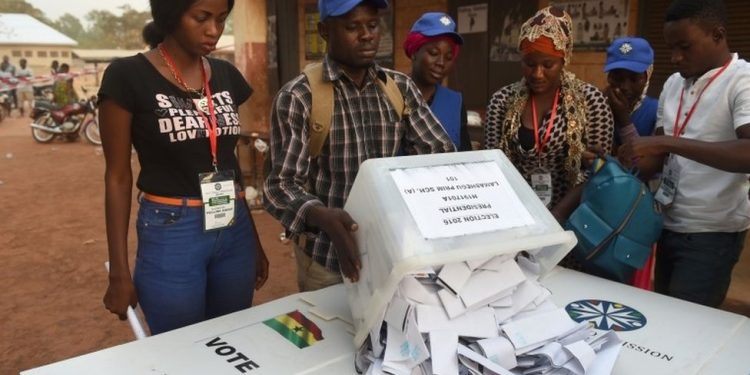
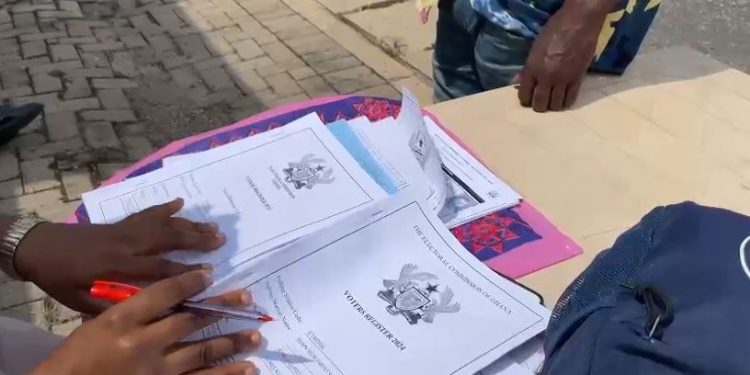
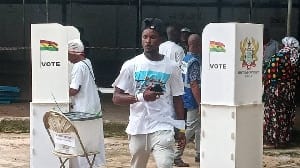
Ghana is approaching a crucial milestone in its democratic history as the nation prepares to go to the polls on December 7, 2024.
In accordance with the Ghanaian constitution, every citizen aged eighteen and above is entitled to vote, a fundamental right that empowers them to participate in the electoral process.
The presidential race will be determined through the Majoritarian System, also known as the Two-Round System, which is used to elect the head of state and Commander in Chief of the Armed Forces.
In contrast, the parliamentary elections will follow the First Past The Post (FPTP) system, where voters will choose their representatives for the National Assembly.
These elections, held every four years, will mark the conclusion of Nana Addo Dankwa Akufo-Addo’s presidency, paving the way for a new leader to take the helm.
The upcoming election is expected to be a closely contested battle between the incumbent New Patriotic Party (NPP) and the opposition National Democratic Congress (NDC).
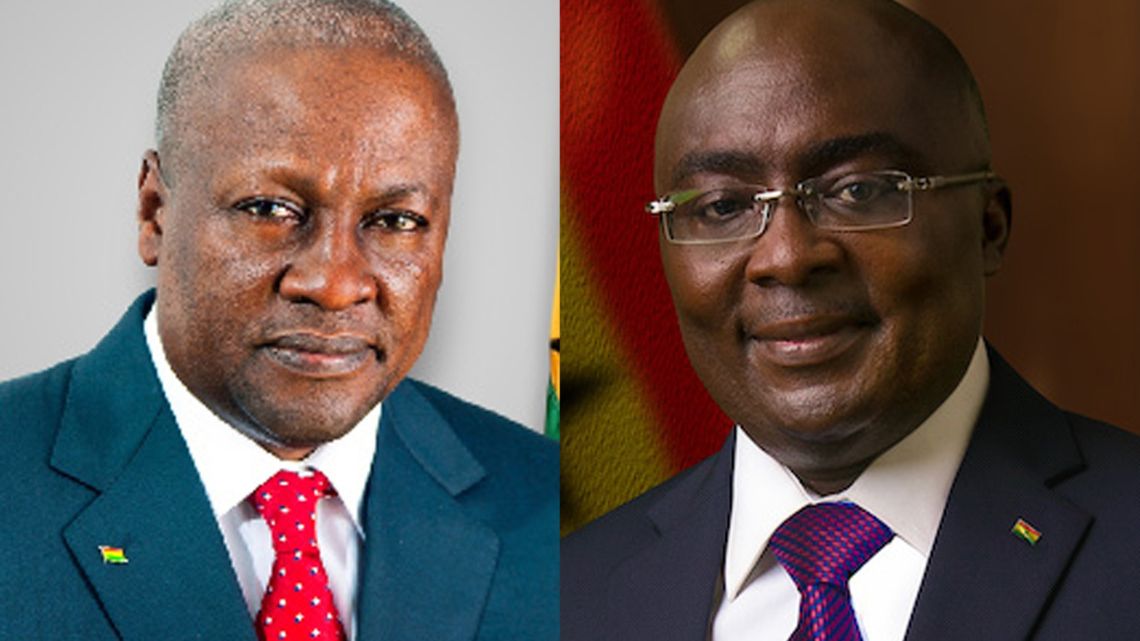
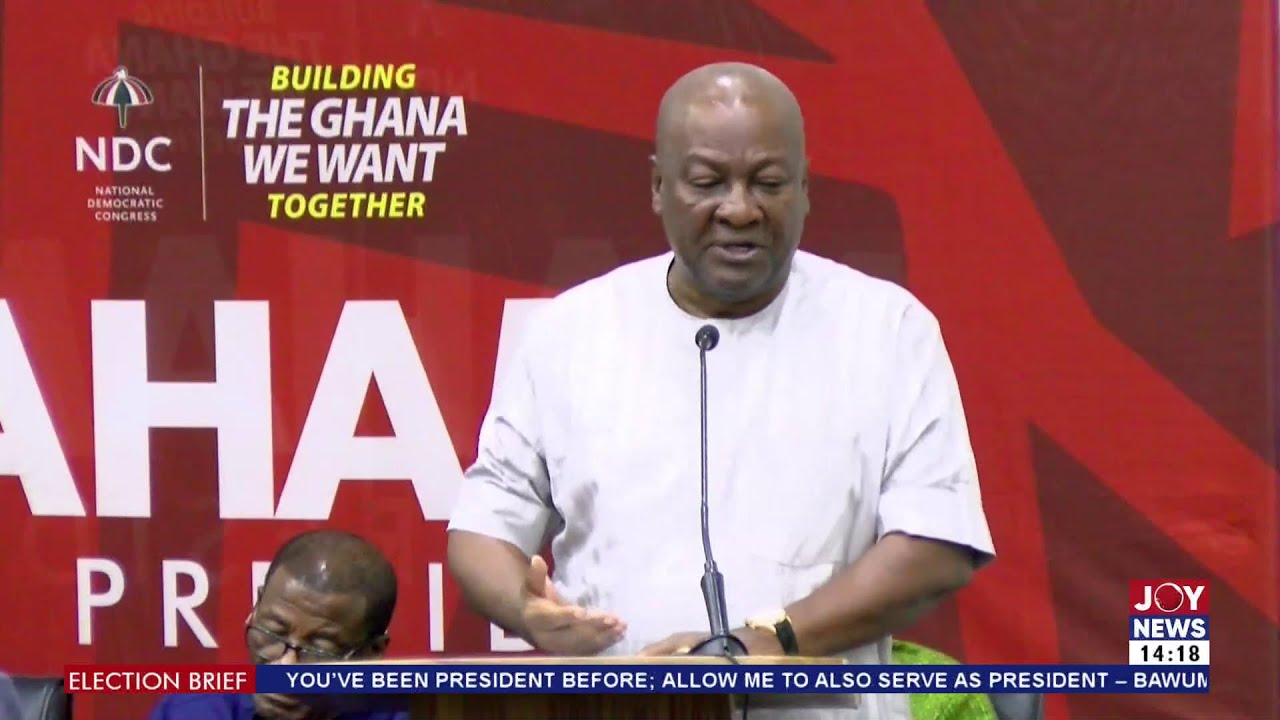
Representing the NDC, former President John Dramani Mahama, who led the country from 2012 to 2017, will challenge Vice President Dr. Mahamudu Bawumia of the NPP.
Both candidates have presented ambitious agendas, with a strong emphasis on initiatives aimed at empowering the youth, reflecting the growing importance of this demographic in Ghana’s political landscape.
This article will, however, concentrate on the campaign pledges outlined in the NPP’s manifesto.
Dr. Bawumia’s manifesto promises to build on the successes of the past eight years while addressing the challenges that lie ahead.
Sustaining and expanding Ghana’s economy
Dr. Bawumia’s economic plan is centered on accelerating growth and expanding the economy over the next four years. He proudly notes that under the current administration, Ghana’s economy has grown by an impressive $20 billion, from $56 billion in 2016 to $76 billion by the end of 2023. To sustain this momentum, his vision includes achieving and maintaining an average growth rate of 6% by focusing on sectors like agriculture, mining, industry, and the emerging digital economy. The establishment of a Minerals Development Bank and an independent Fiscal Responsibility Council are key components of his strategy to ensure fiscal discipline and sustained economic growth.
Creating new jobs
Job creation remains a cornerstone of Bawumia’s agenda. The Vice President emphasizes that despite global economic challenges, the current government has created over 2.3 million jobs—more than any previous administration in an eight-year period.
To build on this, Bawumia promises to train one million youth in digital skills, create jobs through industrialization and agribusiness, and establish an SME Bank to support small and medium-sized enterprises, which employ over 80% of Ghanaians. Additionally, initiatives like the Tax Amnesty Programme and the introduction of a flat tax rate are designed to energize economic activity and further expand job opportunities across various sectors.
Wide-ranging tax reforms
To create a more business-friendly environment, Bawumia proposes significant tax reforms. These include a one-time tax amnesty, reforms to the VAT system, and the abolition of the Betting Tax. By simplifying tax administration and reducing the tax burden on businesses, the Vice President aims to stimulate economic activity, attract investments, and expand the tax base through digitalization.
Building a world-class digital economy
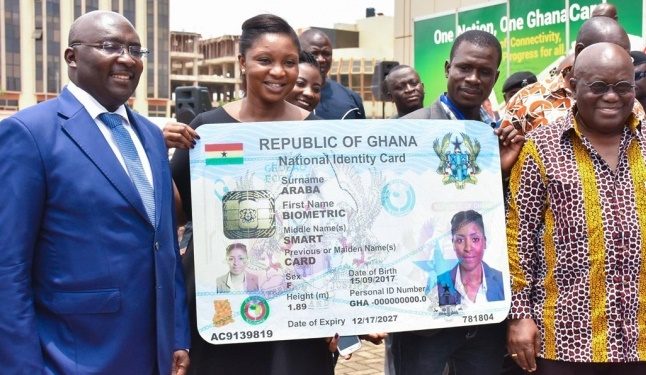
Bawumia’s digital agenda is perhaps one of the most ambitious aspects of his manifesto. He envisions Ghana as a world-class digital hub in Africa, with a focus on training young people in digital skills, fostering tech startups, and promoting financial technology (Fintech). Plans include the establishment of a National Robotics, Engineering, and AI Lab, a Fintech Fund with a $100 million seed capital, and the expansion of internet penetration to over 90%. Bawumia also promises to abolish the E-Levy and ensure that the GhanaCard becomes the sole identification needed for accessing various services.
Reducing cost of living
Addressing the cost of living is another critical element of Bawumia’s plan. He pledges to stabilize food prices through increased production and preservation, reduce public transportation costs by promoting electric vehicles, and make housing more affordable through social and affordable housing projects. The Vice President also aims to improve the availability and affordability of power by introducing 2,000 MW of solar power and incentivizing solar energy users.
Expanding public infrastructure
Infrastructure development is key to Bawumia’s vision for Ghana. His manifesto outlines plans to partner with the private sector to finance and build public infrastructure, revive the Public Works Department, and expand the District Road Improvement Programme. Additionally, Bawumia proposes the development of railways, airports, and universal access to electricity, all aimed at enhancing connectivity and driving economic growth.
Providing better healthcare
Bawumia’s healthcare agenda includes completing the Agenda 111 hospitals to ensure that every district has a hospital, recruiting more healthcare professionals, and expanding telehealth services. He also promises to scale up drone delivery services and ensure the interoperability of the National Electronic Pharmacy Platform with public and private healthcare facilities.
Empowering women and girls
Dr. Bawumia’s commitment to gender equality is evident in his promise to fully implement the Affirmative Action Act and establish a Women’s Trade Empowerment Fund. He also pledges to improve maternal healthcare, promote women in diplomacy, and protect women’s rights in the workplace through stricter enforcement of sexual harassment laws and better maternity leave governance.
Expanding educational opportunities
Education remains a top priority for Bawumia. His manifesto includes plans to increase student accommodation in public universities, introduce free tertiary education for persons with disabilities (PWDs), and protect the Free SHS/TVET program. The Vice President also proposes the establishment of an Open University and a centralized applications processing service for tertiary institutions, ensuring that all students have access to quality education.
Ensuring good governance
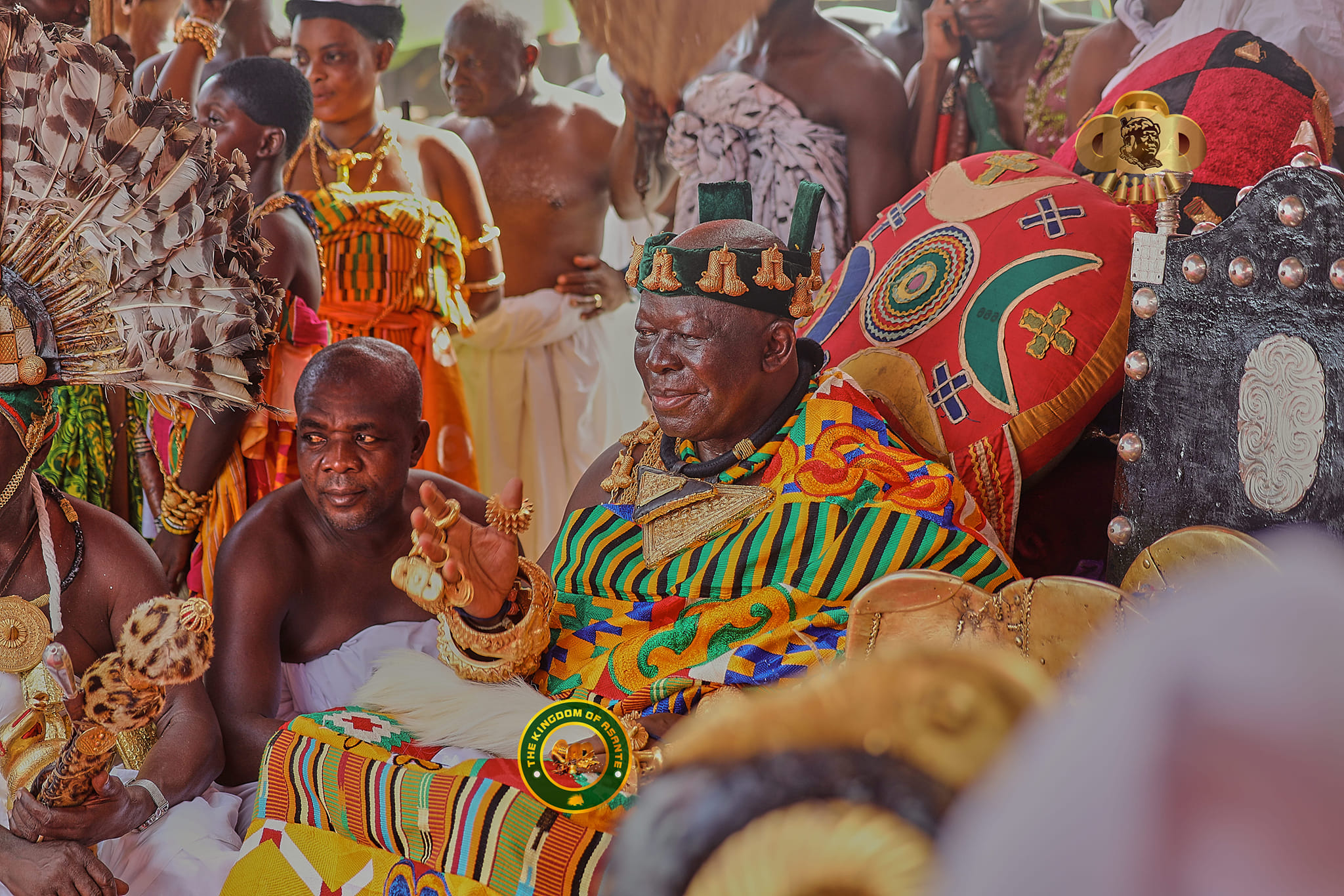
Bawumia’s governance plan includes capping the number of ministers at 50, reinitiating the election of MMDCEs, and reviewing the 1992 Constitution to enhance national development. He also promises to promote values-based leadership and formalize the role of chiefs, faith-based organizations (FBOs), and civil society organizations (CSOs) in governance.
Caring for the elderly
Finally, Bawumia’s manifesto outlines plans to pass an Ageing Act for the care and protection of the elderly, promote geriatric care training, and ensure that the needs of older citizens are adequately met.
Protecting the environment
Bawumia’s manifesto also places a strong emphasis on environmental protection. The Vice President is committed to enhancing the protection of Ghana’s forests and biodiversity hotspots through a series of reforestation programs. His plan includes targeting 30,000 hectares of degraded areas for reforestation and plantation development annually, establishing 1,000 hectares of bamboo and rattan plantations for watershed protection, and providing tree seedlings and plantain suckers to a minimum of 1,000 communities to support national reforestation efforts.
In addition, Bawumia aims to usher in a “Golden Age” for Ghanaian-owned small-scale mining by promoting responsible and sustainable practices. This includes making proven reserves data available to miners, simplifying the licensing regime, scaling up mercury-free gold catcher machine technology, and enforcing strict adherence to mining laws to prevent illegal activities. Protecting water resources is also a priority, with plans to enforce water use regulations, strengthen the Water Buffer Zone Policy, and manage major water basins, including the Volta River, more effectively.
Boosting sports, creative arts, and tourism
Bawumia’s manifesto recognizes the potential of sports, creative arts, and tourism as key drivers of economic growth. He plans to use tax incentives to encourage private sector investment in these sectors, implement an e-visa policy to make visa acquisition faster and more convenient for international visitors, and roll out a visa-free policy for nationals of African and Caribbean countries. Other initiatives include establishing a streaming platform for Ghanaian content developers, creating a Travel Protocol Service for creatives, and setting up a Sports Development Fund to boost sports infrastructure and grassroots programs.
Bawumia also promises to support the revival of Ghana’s Premier League and improve sports facilities across the country, including building new stadiums in the new regions and promoting school sports through a dedicated Ghana School Sports Secretariat.
Protecting our borders and ensuring safe neighborhoods
Bawumia’s security plan emphasizes the importance of protecting Ghana’s borders and keeping communities safe. He commits to completing the construction of 15 Forward Operating Bases at border frontiers, equipping security services to respond to external threats, and recruiting 20,000 additional security personnel to enhance police visibility. The Vice President also plans to roll out 50,000 more anti-crime cameras and provide body cameras for the police to strengthen law enforcement capabilities.