Tag: 1D1F programme

  • GRA implements GHS1 levy on fuel products today

    GRA implements GHS1 levy on fuel products today

    Government’s new GHS1 Energy Sector Shortfall and Debt Repayment Levy on petroleum products will be implemented by the Ghana Revenue Authority (GRA) today, Wednesday, July 16.

    This move is to settle energy sector shortfalls, reduce legacy debts, and stabilize power supply across the country, following parliamentary approval.

    President John Dramani Mahama assented to the levy on June 5, under the Energy Sector Levies (Amendment) Act, 2025 (Act 1141). GRA had announced earlier implementation of the levy; however, it was postponed after strong opposition from oil marketing companies and transport operators.


    Initially set to take effect on Monday, June 9, it was rescheduled to start on Monday, June 16. It was then rescheduled again due to the tensions between Iran and Israel.


    According to Tariff Interpretation Order (TIO) No. 2025/003, issued by the GRA, the new levy affects several key fuel products. The levy on petrol (motor spirit, super) and diesel (gas oil) will rise from GHS0.95 and GHS0.93, respectively, to GHS1.95 and GHS1.93 per litre.


    Marine gas oil (local) will increase from 0.3 to 0.23, marine gas oil (foreign) from 0.93 to 1.93, and heavy fuel oil by 0.04. However, all cash-and-carry transactions where products are lifted on or after the effective date will attract the revised levies.


    Chief Executive Officer of the Association of Oil Marketing Companies (AOMCs), Dr. Riverson Oppong Peprah, has warned that the implementation of the levy could drive fuel prices higher, adding further strain on consumers and the downstream sector.


    “When fuel prices began to fall, it wasn’t because the cedi gained stability; rather, it was due to a drop in plant prices caused by the decline in West Texas Intermediate (WTI) crude oil prices. Only after that did the cedi stabilise and support the downward trend.”

    “As we speak today, plant prices are already rising again. So, I urge the government to reconsider this levy since there are other options,” he counselled.


    Also, Executive Director of the Centre for Environment and Sustainable Energy Benjamin Nsiah has raised similar concerns, calling the introduction of the levy “unfair.”


    “This approach is not only tired but unfair,” Nsiah said. “We’ve seen this playbook before. The Energy Sector Levies Act (ESLA), and the Energy Sector Recovery Levy have provided a lasting solution to the underlying issues. It’s not about collecting more. It’s about managing what’s already collected.”


    The Coalition of Commercial Transport Operators has described the levy as “reckless and retrogressive,” intended to derail their business.


    Speaking to the media on Monday, July 14, the chairman of the Ghana Committed Drivers Association, Charles Danso, revealed the association’s plans of sharing the cost of the tax between drivers and commuters.

    As such, transport fares will be increased by 30% should the government proceed with its GH¢1.00 per litre fuel levy.


    “This is not just a GH¢1 tax. We are already paying a 17.2% tax component on electricity, which includes drivers. Now the government wants to impose another levy on fuel—it’s unbearable.


    “If the government refuses to listen to us, we will have no option but to pass the cost onto commuters by increasing fares by 30%,” he said.


    Meanwhile, the Chamber of Oil Marketing Companies (COMAC) has hinted that fuel prices are likely to increase regardless of the GHC1 tax.


    Engaging the media, Chief Executive Officer (CEO) of COMAC, Dr. Riverson Oppong, on Tuesday, July 15, noted that the next pricing window will see petrol and diesel prices rise by 8% to 10%.
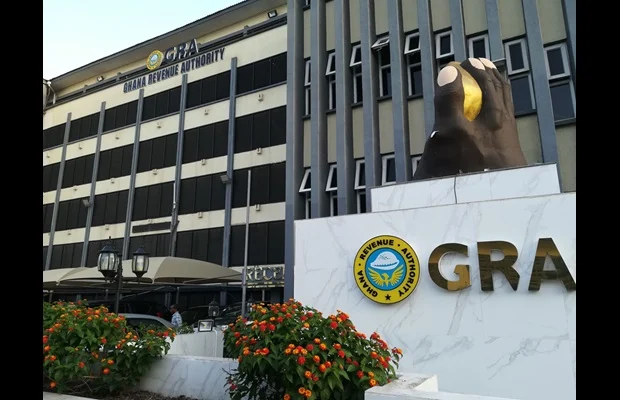
  • We will strictly enforce tax on foreign incomes earned by Ghanaians – GRA

    We will strictly enforce tax on foreign incomes earned by Ghanaians – GRA

    The Ghana Revenue Authority (GRA), under Commissioner-General Julie Essiam’s leadership, has introduced a new compliance measure targeting the foreign income of resident Ghanaians.

    This initiative aims to substitute the suspended Value Added Tax (VAT) on electricity and is designed to generate sustainable revenue beyond 2024.

    According to Madam Essiam, while this measure is not novel and has been part of the law for some time, its implementation has not been effectively executed.

    “We [GRA] will specifically speak to the measure that is replacing the VAT on electricity. So, the measure that we put in place is a compliance measure on foreign income of resident Ghanaians.

    “This measure is already in the law, as the minister said, so it is not a new measure. The difference is that its implementation and application have not been implemented effectively,” the GRA Commissioner-General said in her brief remarks at the joint IMF, BoG and Ministry of Finance presser held in Accra on April 13, 2024.

    Essiam added that “The GRA, with support from the Organization for African, Caribbean, and Pacific States (OACD), has refined the processes and structures to ensure effective implementation.

    “So for us to implement this measure, we have, with the aid and assistance of the OACD, gone through sustainable processes and structures to ensure that when we implement this measure, the sustainability of this measure is going to go beyond 2024 in our revenue numbers.

    “So this is the measure that, together with the Government of Ghana and our mother ministry, the Ministry of Finance, is going to take place or is going to replace the VAT on electricity.”

    Speaking at a joint IMF, BoG, and Ministry of Finance press conference in Accra on April 13, 2024, the GRA Commissioner-General highlighted the refinement of processes and structures with support from the Organization for African, Caribbean, and Pacific States (OACD) to ensure effective implementation.

    She emphasized that this measure, alongside the Government of Ghana and the Ministry of Finance, will replace the VAT on electricity.

    Madam Essiam expressed confidence in the sustainability of this measure, stating that it will extend beyond 2024 in revenue generation.

    This move is part of Ghana’s government efforts, in collaboration with the Ministry of Finance, to address the country’s fiscal needs, particularly in revenue mobilization.

    Essiam affirmed her confidence that this measure will not only be sustainable but also effectively replace the projected GH¢1.8 billion revenue target, marking a significant shift in the nation’s tax policy landscape.

  • 1D1F will be abolished if NDC wins power –  Murtala Mohammed

    Member of Parliament for Tamale Central, Ibrahim Murtala Mohammed, has stated that the One District, One Factory (1D1F) programme would be scrapped if the National Democratic Congress (NDC) wins the 2024 elections.

    Speaking to the media on Saturday, November 5, the NDC legislator stated that the effort is, according to him, nothing more than a slogan that is failing to produce the expected outcomes.

    He argued that, due to the initiative’s poor structure, most factories funded under the project are not operating as they should.

    “It is nothing but a slogan, the 1D1F is something that when the NDC takes over we will throw out. The way it is in this form is not helping,” he added.

    On August 25, 2017, President Akufo-Addo launched the 1D1F programme at Ekumfi in the Central Region.

    The 1D1F initiative has received backlash ever since it was implemented; however, the government has said that the programme aims to industrialise Ghana by establishing additional industries in order to increase job prospects.

    Deputy Ranking Member on Parliament’s Trade and Industry Committee, Yusif Sulemana, has underperformed over the past four years.

    Mr Yusif Sulemana alleged that, majority of the businesses sponsored by the initiative were initially supported by the NDC administration, therefore, the government shouldn’t claim credit for them.

    “Most of the projects they claim they have done got support from Mahama’s administration. I worked with EXIM Bank, hitherto, EDIF. We gave so much support to these companies. We didn’t name them as 1D1F.

    “If we were to separate that from the total number of factories, they claim they have done, then you will see they have done nothing,” he added

    Meanwhile, on Friday, September 2, President Akufo-Addo disclosed that about 125 businesses have benefited from the project, which has so far resulted in the employment of 160,823.

    According to him, when the project fully achieves its vision, it will employ roughly 295,725 Ghanaians nationwide and provide a well-paying employment avenue for Ghanaians.

    He reaffirmed the government’s commitment to fostering the expansion of private businesses in order to forward the industrialization program.

  • 296 companies captured under 1D1F – Lead Officer

    As of September 2022, the One District One Factory initiative (1D1F) has a total of 296 companies captured under the government’s flagship programme.

    Lead Officer for 1D1F, Ministry of Trade and Industry, Mr Kofi Addo, has explained that the companies captured were either in operations, under construction or in the pipeline, adding that the sector had many companies under its radar.

    He revealed this during the inauguration of the Tema Metropolitan Assembly’s (TMA) District Implementation Support Team (DIST), which has membership from the Assembly, Ghana Standard Authority, Ghana Drug and Food Authority, Environmental Protection Agency, Ghana National Fire Service, Tema Regional Police Commander, and others.

    He said of the number, 125 were in operations, 144 were under construction, and 27 were in the pipelines, noting that those in the pipelines had all their documentation ready to start the construction for the project.

    Mr. Addo also revealed that out of the 261 districts in Ghana, the programme had so far covered 52 percent of them and was working to capture the remaining 48 percent.

    He stated that the Greater Accra Region had 1D1F projects in 19 districts, of which the Tema Metropolis had two companies benefiting.

    The 1D1F was one of ten items on the Ministry of Trade and Industry’s industrial promotion agenda, according to Mr. Addo. He also mentioned other items like the Industrial Revitalization Programme, Business Regulatory Reform, Industrial Parks and Special Economic Zones, and Strategic Anchor Projects.

    He mentioned that the key principles of the 1D1F include private sector drive, explaining that a district could have more than one factory under the programme, and support from the district implementation support team.

    He added that an existing company could be captured under the 1D1F programme for expansion or creation of new subsidiaries, just like in the cases of Pharmanova, Everpure and Kasapreko who have expanded to other areas with the help of the initiative.

    “When you have people saying we are just bringing old companies under the programme, it is not true, we capture expansions, building of new structures, and totally new companies,” he explained.

    The 1D1F Lead Officer added that two districts could also come together to have one company under the programme when they realized that their raw materials and other resources could not support full independent projects.

    He said among its objectives were value addition, support for import substitution, support for export, industry support, and opening the country up for economic activities through which jobs would be created.

    He said some incentives 1D1F companies received were five years’ corporate tax-free, access to utilities, duty exemption (import duty, VAT, EXIM levy and NHIS levy) for all capital goods being imported for the project.

    Mr. Addo also stated that an agreement had been signed with 15 commercial banks, which ensured the capping of interest rates on loans for such companies at 20 percent to ensure stable funding for the project, adding that the government also subsidized 10 percent of the interest rate for companies with majority Ghanaian owned shares.

    Mr. Michael Okyere Baafi, Deputy Minister of Trade and Industry (MOTI), on his part, urged Ghanaians to embrace the programme, as it had come to stay as an important way to industrialize the country.

    Mr. Baafi said Ghana had got to a stage where it did not have a choice but to industrialize, stressing that industrialization must be a way of life for the people.

    He added that “1D1F should be taken like Christianity, it must be a way of life for us, and just like social media it has come to stay.”

    Mr. Yohane Amarh Ashitey, Tema Metropolitan Chief Executive chairing the inauguration, said he believed in allowing the private sector to lead in industrialization therefore, his resolve to ensure that the 1D1F programme was utilize by many to get more industries in the metropolis in addition to existing ones.

    The One District, One Factory (1D1F) initiative is the vision of the President, Nana Addo Dankwa Akufo-Addo to change the nature of Ghana’s economy from one that is dependent on import and export of raw materials to one which is focused on manufacturing, value addition, and export of processed goods. These raw materials are largely found in the districts, which would have otherwise gone to waste.

    The initiative, as proposed by Nana Addo Dankwa Akufo-Addo is private sector led. Government creates the necessary conducive environment for the businesses to access funding from financial institutions and other support services from government agencies to establish factories. Ghanaian entrepreneurs will thus own the companies, operate them and bear all the risks and rewards of the projects.

    On August 25, 2017,the President launched the 1D1F programme at Ekumfi in the Central Region. His Excellency, after the launching, cut sod for the commencement of the first factory, a pineapple/ fruit processing factory at Nanabeng in the Central Region of Ghana.

    Source: The Independent Ghana

  • About 296 companies captured under 1D1F – Lead Officer

    A total of 296 companies have so far been captured under the government’s flagship programme, One District One Factory (1D1F) as of September 2022, Mr Kofi Addo, Lead Officer for 1D1F, Ministry of Trade and Industry has explained that the companies captured were either in operations, under construction or in the pipeline adding that the sector had many companies under its radial.

    He revealed this during the inauguration of the Tema Metropolitan Assembly’s (TMA) District Implementation Support Team (DIST) which has membership from the Assembly, Ghana Standard Authority, Ghana Drug and Food Authority, Environmental Protection Agency, Ghana National Fire Service, Tema Regional Police Commander, and others.

    He said out of the number, 125 were in operations, 144 were under construction while 27 were in the pipeline noting that those in the pipelines had all their documentations ready to start the construction for the project.

    1D1F Lead Officer also said out of the 261 districts in Ghana, the programme had so far covered 52 percent of them and was working to capture the remaining 48 percent.

    He stated that the Greater Accra Region had1D1F projects in 19 districts of which the Tema Metropolis had two companies benefitting.

    Mr. Addo said the Ministry of Trade and Industry had a 10-point industrial promotion agenda, which the 1D1F was part, adding that others were the Strategic Anchor Projects, Business Regulatory Reform, Industrial Park and Special Economic Zones, and the Industrial Revitalization Programme, among others.

    He mentioned that the key principles of the 1D1F include private sector driven, explaining that a district could have more than one factory under the programme, and support from the district implementation support team.

    He added that an existing company could be captured under the 1D1F programme for expansion or creating of new subsidiary just like in the case of Pharmanova, Everpure and Kasapreko who have expanded to other areas with the help of the initiative.

    “When you have people saying we are just bringing old companies under the programme, it is not true, we capture expansions, building of new structures, and totally new companies,” he explained.

    The 1D1F Lead Officer added that two districts could also come together to have one company under the programme when they realized that their raw materials and other resources could not support full independent projects.

    He said among its objectives were value addition, support in import substitution, support for export, industries support, as well as opening the country up for economic activities through which jobs would be created.

    He said some incentives 1D1F companies received was five years’ corporate tax free, access to utilities, duty exemption (import duty, VAT, EXIM levy and NHIS levy) for all capital goods being imported for the project.

    Mr. Addo also stated that agreement had been signed with 15 commercial banks, which ensured the capping of interest rate on loans for such companies at 20 percent to ensure stable funding for the project adding that the government also subsidized 10 percent of the interest rate for companies with majority Ghanaian owned shares.

    Mr. Michael Okyere Baafi, Deputy Minister of Trade and Industry (MOTI), on his part urged Ghanaians to embrace the programme, as it had come to stay as an important way to industrialize the country.

    Mr. Baafi said Ghana had gotten to a stage, where it did not have a choice than to industrialize, stressing that industrialization must be a way of life for the people.

    He added that “1D1F should be taken like Christianity, it must be a way of life for us, and just like social media it has come to stay.”

    Mr. Yohane Amarh Ashitey, Tema Metropolitan Chief Executive chairing the inauguration said he believed in allowing the private sector to lead in industrialization therefore his resolve to ensure that the 1D1F programme was utilize by many to get more industries in the metropolis in addition to existing ones.

    Source: GNA

  • About 296 companies captured under 1D1F – Lead Officer

    Kofi Addo, Lead Officer for 1D1F, Ministry of Trade and Industry, explained that the companies captured were either in operations, under construction, or in the pipeline, adding that the sector had many companies under its radial. As of September 2022, a total of 296 companies had been captured under the government’s flagship program, One District One Factory (1D1F).

    He made this announcement at the formation of the District Implementation Support Team (DIST) of the Tema Metropolitan Assembly (TMA), which includes representatives from the Assembly, the Ghana Standard Authority, the Ghana Drug and Food Authority, the Environmental Protection Agency, the Ghana National Fire Service, the Tema Regional Police Commander, and others.

    He said out of the number, 125 were in operations, 144 were under construction while 27 were in the pipeline noting that those in the pipelines had all their documentation ready to start the construction for the project.

    1D1F Lead Officer also said out of the 261 districts in Ghana, the programme had so far covered 52 percent of them and was working to capture the remaining 48 percent.

    He stated that the Greater Accra Region had1D1F projects in 19 districts of which the Tema Metropolis had two companies benefitting.

    Mr. Addo said the Ministry of Trade and Industry had a 10-point industrial promotion agenda, which the 1D1F was part, adding that others were the Strategic Anchor Projects, Business Regulatory Reform, Industrial Park and Special Economic Zones, and the Industrial Revitalization Programme, among others.

    He mentioned that the key principles of the 1D1F include private sector driven, explaining that a district could have more than one factory under the programme, and support from the district implementation support team.

    He added that an existing company could be captured under the 1D1F programme for expansion or creating of new subsidiary just like in the case of Pharmanova, Everpure and Kasapreko who have expanded to other areas with the help of the initiative.

    “When you have people saying we are just bringing old companies under the programme, it is not true, we capture expansions, building of new structures, and totally new companies,” he explained.

    The 1D1F Lead Officer added that two districts could also come together to have one company under the programme when they realized that their raw materials and other resources could not support full independent projects.

    He said among its objectives were value addition, support in import substitution, support for export, industries support, as well as opening the country up for economic activities through which jobs would be created.

    He said some incentives 1D1F companies received was five years’ corporate tax free, access to utilities, duty exemption (import duty, VAT, EXIM levy and NHIS levy) for all capital goods being imported for the project.

    Mr. Addo also stated that agreement had been signed with 15 commercial banks, which ensured the capping of interest rate on loans for such companies at 20 percent to ensure stable funding for the project adding that the government also subsidized 10 percent of the interest rate for companies with majority Ghanaian owned shares.

    Mr. Michael Okyere Baafi, Deputy Minister of Trade and Industry (MOTI), on his part urged Ghanaians to embrace the programme, as it had come to stay as an important way to industrialize the country.

    Mr. Baafi said Ghana had gotten to a stage, where it did not have a choice than to industrialize, stressing that industrialization must be a way of life for the people.

    He added that “1D1F should be taken like Christianity, it must be a way of life for us, and just like social media it has come to stay.”

    Mr. Yohane Amarh Ashitey, Tema Metropolitan Chief Executive chairing the inauguration said he believed in allowing the private sector to lead in industrialization therefore his resolve to ensure that the 1D1F programme was utilize by many to get more industries in the metropolis in addition to existing ones.