Nigeria is expected to experience new protests on Tuesday, coinciding with the nation’s 64th independence anniversary, in a movement titled ‘Fearless October 1.’
Organizers have announced that demonstrations will take place in key cities, including the capital, Abuja, and the commercial hub, Lagos, as well as in provincial capitals throughout the country.
These rallies come on the heels of similar protests in July and August, where citizens expressed their dissatisfaction over the removal of a fuel subsidy and ongoing government corruption, leading to a violent crackdown by security forces that resulted in multiple fatalities.
President Bola Tinubu, who assumed office recently, eliminated the long-standing fuel subsidy and enacted two currency devaluations, which have significantly increased living costs.
In his address to the nation, Tinubu stood by his economic policies without addressing the concerns raised by the protesters.
Businessman Andrew Amaechi Ochekwo accused of kidnapping two women, Celine Ndudim and Afiba Tandoh, in Nigeria, has reportedly been killed.
The incident occurred while he was being transported from Abuja by the police, and investigations are ongoing.
According to reports, Andrew was shot dead during an alleged escape attempt while in police custody.
Harrison, who has been monitoring developments at the police station, mentioned that the businessman had not disclosed the whereabouts of the missing women, adding complexity to the case.
“I traveled from Delta to Abuja with the victim and received threats. I learned that Andrew, the accused kidnapper, has been confirmed dead. He lived comfortably in police custody in Aba until a petition for case transfer to the IGP’s office was granted. Police from Abuja retrieved the case file and the suspect, but on their way back to Abuja, an incident occurred. The man tried to flee and was shot and killed by unidentified individuals. Now, we have lost the opportunity to gather information from him regarding Celine and Afiba’s current location,” Harrison stated in a post by Instablg9ja on X.
Reports have surfaced confirming the tragic death of a businessman in Nigeria. According to sources, the individual was killed while being transported from Abuja by the police.
Investigations into the incident are currently underway.
An observer named Harrison, who has been closely monitoring developments at the police station, revealed that the businessman was shot while allegedly attempting to escape during transportation.
Furthermore, it was disclosed that the deceased had not disclosed the whereabouts of the missing women, adding complexity to the case.
“I travelled from Delta to Abuja with the victim and received threats. I was informed that Andrew, the man accused of kidnapping the two women, has been confirmed dead.
While in police custody in Aba, he lived comfortably until a petition for case transfer was filed with the IGP’s office, which was granted. Police from Abuja were dispatched to Aba to retrieve the case file.
“They claimed that after collecting the case file and the suspect, they were en route to Abuja when an incident occurred. The man attempted to flee, and he was shot and killed by some individuals.
Now, this man can no longer inform us of the currentwhereabouts of Celine and Afiba,” he stated in a post by Instablg9ja on X.
A court in Nigeria’s capital, Abuja, has postponed a money laundering trial involving cryptocurrency exchange Binance and two of its executives to May 17.
The adjournment, announced Thursday, followed a statement by Chukwuka Ikuazom, a lawyer for the exchange, who claimed he had not received necessary documents for case preparation.
Binance and its executives, Tigran Gambaryan, a U.S. citizen, and British-Kenyan Nadeem Anjarwalla, face charges of laundering over $35.4 million and conducting specialized financial activities without a license.
Apart from the EFCC’s money laundering case, Nigeria’s anti-graft agency, Binance, also faces four counts of tax evasion in a separate trial set to resume on May 17.
The Binance executives have all entered pleas of not guilty. Nigeria boasts Africa’s largest crypto economy in trade volume, with many citizens using crypto to hedge against inflation and currency depreciation.
However, authorities allege the platform has been utilized for money laundering and terrorism financing.
Since their arrest on Feb. 26, Gambaryan and Anjarwalla have accused authorities of illegal detention and passport seizure, adding controversy to their trial.
Additionally, local media reported that the Nigerian government sought the identities of citizens trading on the platform. This marks the second postponement of the money laundering trial’s formal commencement by the Abuja court.
Local media sources have reported that Nigerian authorities have shuttered a prestigious school in Abuja, the capital, following incidents of bullying involving some of its students.
On Monday, several videos depicting students from the Lead British International School engaging in acts of aggression against their peers circulated widely on social media platforms, eliciting strong condemnation online and prompting irate parents to protest at the school premises.
In response to the outcry, the school administration announced a temporary closure of three days to conduct an investigation into the matter.
According to Kabiru Musa, a senior education official, the Minister of Women Affairs, Uju Kennedy-Ohaneye, mandated the closure of the school.
In a statement addressing the issue, the school expressed deep concern over the reported bullying incidents and committed to conducting a comprehensive inquiry.
Established in 2007, the school offers a curriculum blending British and Nigerian educational standards. It has gained a reputation as one of the most expensive educational institutions in Nigeria, as per local media reports.
A Nigerian airline said sorry for a mistake. They told passengers they had reached Abuja, but they actually landed in Asaba, which is 450km away.
United Nigeria Airlines said that the flight from Lagos to Abuja was redirected to Asaba because of bad weather
Incorrect information was given to passengers when the plane landed in Asaba, causing confusion.
“When we got off the plane, the crew told us we were in Abuja, but we later found out we were actually in Asaba,” a passenger said on X.
It seems that our pilot got the wrong flight plan from Lagos.
The airline said the plane’s pilot knew about the temporary change in direction and had been given the necessary information.
We are really sorry for the mistake on our flight. “We are doing things to stop this from happening again,” said in a statement. The message said the plane landed safely in Abuja.
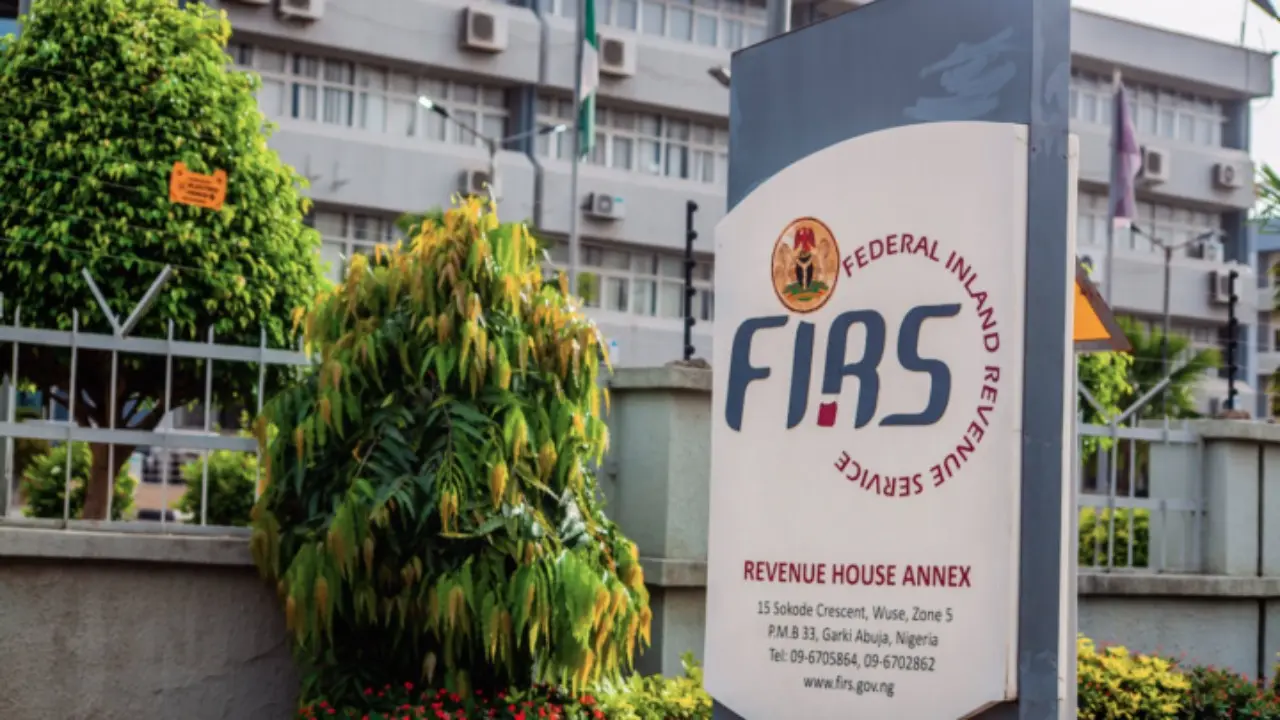
Through a number of reforms, the Federal Inland Revenue Service, or FIRS, claims to have raised Nigeria’s tax share of GDP from 6.0 percent to 10.86 percent in 2022.
This information was presented yesterday at the FIRS’s Lagos Mainland West region’s awareness session by Mrs. Saidatu Yero, Director, Taxpayer Services, Abuja.
She added: “The Management is committed to improve the country’s tax to GDP ratio to 16.5 percent which is the Africa’s average and subsequently 18 percent in the next three years.”
She stated: “Some laudable reforms had been embarked on by the Service which has changed the narrative of the tax administration in Nigeria thereby improving our revenue collection into the coffers of government”.
She stated further, “One of the four (4) cardinal goals of the Management of FIRS is to be “customer centric” and our major customers and critical stakeholders in the tax ecosystem as a Tax Authority are the Taxpayers.
“Therefore, if the Taxpayers must understand their tax obligations and rights, it is imperative to keep them informed, sensitized, engaged and educated to enable them to fulfil their tax obligations without any hitches”.
Speaking on the theme:”The Finance Act as an innovation to the Nigerian tax system”, Director, Tax Policy and Advisory Department, FIRS, Mr. Temitayo Orebajo noted that the 2023 Finance Act amended seven tax laws, four non tax laws and 30 Sec.
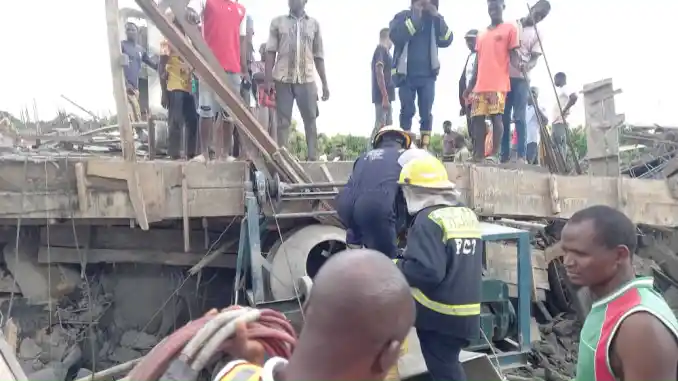
An unspecified number of individuals have reportedly lost their lives in the aftermath of a multi-story building collapse in the Federal Capital Territory, FCT, Abuja.
Reports indicate that the incident occurred during the night on Wednesday due to a heavy downpour.
Situated on the bustling Lagos Street in the Garki village of the Garki II district in Abuja, the building’s collapse has caused significant disruption.
As of now, the particulars of the incident remain limited. However, Ikharo Attah, a former aide to the immediate past Minister of the FCT, confirmed the situation through a post on his Facebook page. He shared that ongoing rescue efforts are in progress.
He further revealed that approximately seven individuals have been successfully rescued and transported to hospitals, while others remain trapped in the wreckage.
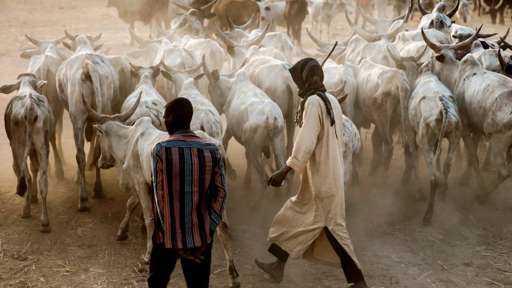
Nigeria is taking measures to contain the spread of anthrax following reported cases at a livestock farm located north-west of the capital, Abuja.
The Ministry of Agriculture confirmed the outbreak after symptoms of the disease were detected at a farm in Gajiri, situated along the Abuja-Kaduna motorway in Niger state.
The affected farm, which houses cattle, sheep, goats, and poultry, has been placed under quarantine, and 50,000 doses of anthrax vaccine have been dispatched to the area.
Anthrax primarily affects livestock animals, although humans can also become infected through direct contact with contaminated animals or consumption of their products.
The disease is caused by Bacillus anthracis and typically survives in the form of spores that can remain dormant in the soil for several years before entering an animal’s body through a cut or wound.
Clinical signs of anthrax in animals include sudden death and bleeding from the nose, mouth, and anal region.
The government is urging livestock owners, farmers, and the public to stay vigilant and report any suspected cases. It also advises farmers to refrain from slaughtering sick animals to prevent exposure to anthrax spores.
Anthrax can be treated with antibiotics, but prompt treatment is crucial following infection. No cases of human exposure have been reported thus far.
Livestock farming and herding are vital sources of livelihood for many communities in northern Nigeria, as they supply meat to other parts of the country.
Only 10% of Nigerians have access to pension plans, according to managing director of Norrenberger Pensions Limited. Mr. Hamisu Bala Idris,
Idris stated this at a retirement planning session in Abuja aimed at preparing retirees and those who have already retired for a financially secure future after retirement. He also stated that 80% of retirees in Nigeria rely completely on their monthly pension for survival.
Idris said: “80 per cent of Nigerian retirees depend solely on their monthly pension for survival, many of whom live in constant fear of financial crisis based on delayed payments. This highlights the crucial role pension plays in their livelihoods. Moreso, only 10 per cent of the Nigerian population has access to pension schemes.”
A comprehensive financial literacy workshop addressing important topics like financial planning, insurance, lifestyle modification, legal issues, and estate preparation was a highlight of the program. Participants had the chance to interact with subject matter experts from Norrenberger on various retirement planning topics and also examine other topics related to the success of their pension funds.
Speaking further, Idris said: “In line with our mission to unlock opportunities in the society, we established this event to embolden individuals with the necessary knowledge to maximize the profitability of their pension savings and ultimately secure a comfortable retirement.”
Business Head, Asset Management of Norrenberger Pensions, Abigail Utomi, , expressed her enthusiasm about the initiative and its multiple benefits to the attendees and the wider society. She emphasized the critical role events of this nature play in piloting financial literacy and security for senior citizens in Nigeria and positively impacting the country’s capital market and economy.
She said: “We continue to seek ways to deepen the market, grow our reach and expand our contribution to Nigeria’s GDP.”
Real Warri Pikin, also known in real life as Anita Alaire Afoke Asuoha, has disclosed that she was celibate up to the night of her wedding. The disclosure was revealed by the well-known comedian during a recent interview with media figure Chude Jideonwo.
Afoke claimed that she decided to live a celibate life after having her heart shattered by a university partner. She claimed that the separation had left her feeling so devastated that she had made the decision to devote her life to serving God.
“I said, you know what? I’m not doing men anymore. I will serve God,” Afoke said. “I started serving God and going to church, praying on campus. I stopped going to parties. And I became celibate. I vowed that no man will see my nakedness again till my wedding night.”
Afoke said that while serving in Abuja as part of the National Youth Service Corps (NYSC), she met her husband, Ikechukwu. They wed in 2012 and now have three kids.
Reactions to Afoke’s disclosure have been conflicted. While some have applauded her for her dedication to her faith, others have questioned her choice to postpone having sex until after marriage.
Regardless of people’s opinions, Afoke’s story is a reminder that there are many different paths to happiness and fulfillment. She is living proof that it is possible to find love and happiness without having to compromise your values.
In her interview, Afoke also spoke about her struggles with depression and suicidal thoughts. She said that she turned to comedy as a way to cope with her pain.
“I used comedy to express my pain,” Afoke said. “I used comedy to tell my story. And I used comedy to heal.”
The tale of Afoke serves as a potent reminder that we are not the only ones who struggle. Anyone who has ever felt lost or alone can take inspiration from her. Her experience demonstrates to us that even the most trying circumstances can be overcome.
The Conference of Speakers and Heads of African Parliaments (CoSAP) has appointed Mr. Alban Sumana Kingsford Bagbin as its president.
He takes over from Mr Femi Gbajabiamila, the Speaker of Nigeria’s House of Representatives.
The CoSAP was officially launched on October 12, 2020, after three key meetings between founding Speakers took place on August 17, 2020, September 17, 2020, and October 12, 2020.
In his acceptance speech at the conference held in Abuja, Nigeria, Mr Bagbin underpinned the importance of the representative role undertaken by parliamentarians across Africa.
The role, according to him, strengthened the future and longevity of Africa’s democratic dispensation, hence, the need to strengthen collaborative action against emerging political and socio-economic challenges.
Mr Bagbin described the new appointment as an opportunity to work with neighbouring Parliaments to pursue and advance the agenda of collaborative representation at every level of governance.
Addressing the respective speakers’ Mr Bagbin outlined some measures which he considered would set the path for a progressive and representative democratic government within the member organizations.
These included the need for African Parliaments taking decisive action to end the unconstitutional overthrow of governments in Africa to further ensure more effective parliamentary oversight to curb Africa’s rising debt, and mitigation of their vulnerability to external shocks.
He, however, called for the need to safeguard and strengthen the role and powers of legislatures across the continent and for Africa to build capacity to feed itself by tackling food insecurity as a priority.
Mr Bagbin called on respective Parliaments across the sub-region to focus on inclusive budgeting and policy planning that addressed the needs of women, youth, and people living with disabilities and ensured that they were provided with the same opportunities as all other citizens.
He stressed the urgent need for creating and sustaining enabling legislative environment for public-private partnerships and enhancing the capacity and effectiveness of African inter-parliamentary institutions.
Mr Bagbin assured member countries of his intention to ensure that the CoSAP continued to provide a platform for discussion, dialogue and action by Speakers and Heads of AfricanParliaments.
“The platform will be used to advocate for more effective approaches in Africa’s public financial and economic management, developing collaborative strategies for tackling issues of common concern, and devise legislative interventions and solutions to address issues on a wider continental scale during his tenure of office,” he added.
The CoSAP is a platform initiated to facilitate increased deliberation, collaboration and cooperation between Speakers, Heads of Parliaments, and National Assemblies across Africa to address common challenges, devise joint solutions and mobilise collective action to advance African development.
The electoral body moved many voters from some polling units to others to decongest units that were considered overpopulated.
Such reassigned voters had been informed by INEC through text messages that they had been moved to units not far from their original voting units, and they were advised to visit a link provided by the electoral umpire to confirm the new polling units.
Former President, John Dramani Mahama is leading theWest African Elders Forum(WAEF) in Nigeria as the country chooses a new leader on Saturday, February 25.
Interacting with journalists on the eve of elections in the federal capital, Abuja, Mr Mahama said the former West African leaders are in the country to ensure that there is a peaceful outcome to the polls.
He intimated that they were invited by the federal government to witness the polls and so far they are impressed with the commitment of all the 18 candidates to ensure violence-free elections.
“This year’s election is attracting this level of interest because Nigeria’s success and progress in this regard will go a long way in stabilizing democracy, promoting good governance and maintaining peace in the sub-region,” the former Ghanaian President told journalists on Friday, February 24.
“We are pleased with the level of preparedness by the Independent National Electoral Commission (INEC), the security forces policing the elections and other stakeholders involved in the elections, towards conducting a free and fair exercise.”
He disclosed that last December, the Forum deployed a three-man delegation to the country to undertake a pre-election mediation mission.
The delegation was made up of former President of Sierra Leone, Ernest Vai Koroma, former Vice President of the Gambia Fatoumata Tambajang and former President of the ECOWAS Commission and former Special Representative of the United Nations Secretary-General and Head of the UNOWAS Dr Mohammed Ibn Chambas.
During the mission, the delegation met with President Muhammadu Buhari, INEC Chair Prof Mahmood Yakubu, National Security Adviser, presidential candidates, political parties, civil society leaders, President of the ECOWAS Commission, development partners and other stakeholders.
Mr Mahama further disclosed that meetings have been held with former Nigeria Head of State General Abdulsalami Abubakar and other former leaders, all to ensure peaceful polls.
“We are pleased that Gen. Abubakar is a member of our the Elders of Forum, just as we also have former Presidents Olusegun Obasanjo and Goodluck Jonathan as our members.
“We will also visit other key stakeholders just to encourage them in the job they are doing to ensure free, fair and peaceful elections.”
He assured all that members of the Forum will visit a few polling stations in Abuja to observe election day procedures and results collation processes while others will stay after Saturday’s elections “to engage key stakeholders, if need be, towards guaranteeing peaceful outcomes”.
“This means that some of our members will remain in the country until the election procedures are peacefully concluded.”
Yesterday, an NNPC tanker loaded with petroleum products exploded and caught fire in Abuja’s Central Area.
According to reports, the tanker was offloading products at the yet-to-be-completed headquarters of the National Library of Nigeria adjacent to the National Mosque in Abuja’s Central Area when the explosion occurred and the tanker caught fire.
Emergency personnel, particularly security personnel, including police, DSS officials, and the FRSC, rushed to the scene, fearing a bomb explosion.
Fire fighters from both the Federal Fire Service and FCT Fire Service arrived the scene with trucks to quench the fire, which later became difficult because the petroleum product gushed from different points.
An essential train link between Nigeria’s capital, Abuja,and the northern city of Kaduna is set to reopen on Monday, nine months after it was shut down.
Last March, gunmen mined the track, forcing a train carrying over 360 passengers to come to a stop.
At least eight passengers were killed, and dozens more were abducted.
The link was popular with passengers who were afraid of travelling by road.
The Nigeria Railway Corporation is introducing new security measures, including surveillance devices to monitor the tracks and the trains.
Passengers will also have to provide their national identification number.
The government said the train attack was carried out by the Islamist militant group Boko Haram.
The Ministry of Foreign Affairs and Regional Integration has recanted its earlier statement warning Ghanaians to avoid making non-essential trips to Nigeria’s national capital, Abuja.
In a statement dated Thursday, November 16, 2022, and issued on the letterhead of the ministry, members of the general public were asked to avoid travelling to the city due to security developments.
However in a rejoinder issued some hours after, the ministry said the contents of the earlier statement were unauthorised.
“The Ministry of Foreign Affairs and Regional Integration wishes to refer to the travel advisory published this evening, Wednesday 16th November 2022 advising against non-essential travel to Abuja and wishes to state that the statement was unauthorised.
“The Ministry is not aware of any threat targeted at Ghanaians who continue to live in harmony with their Nigerian brothers and sisters,” the statement copied to the media said.
In the earlier statement, the ministry said the travel advisory was necessitated by recent security events in the Nigerian Capital.
“The Ministry of Foreign Affairs and Regional Integration wishes to inform the travelling public about security developments in Abuja, Nigeria, and the subsequent directive by local authorities to hotels operating in residential buildings to shut down.
Accordingly, the public is advised to avoid non-essential travel to Abuja, due to the unpredictable security situation in the city, and the high danger of terrorism, criminality, inter-communal conflict, armed attacks, and kidnappings.
“Whilst advising travellers who must travel out of necessity to Abuja to take precautionary measures the Ministry will continue to monitor the situation and provide updates to the public when the situation improves,” it added.
However, in its latest statement, the ministry said it regrets any inconvenience that may have risen out of the travel advisory.
Nigerian police say they have found the bodies of 10 young men abandoned “along a bush path” in the southern state of Edo.
In a statement, police spokesperson Chidi Nwabuzor said the bodies had “no noticeable mark of violence” and nearby communities could not identify them.
They were found at a location off the Lagos-Abuja expressway on Tuesday by police officers and local hunters.
The authorities have called for calm with the police commissioner in Edo state saying they have set up a “powerful team” to “fish out the perpetrators of this carnage”.
Police say all of the men are believed to have been in their 20s.
The corpses have now been taken to a mortuary for forensic investigation.
Nigeria is grappling with various security problems with armed groups unleashing violence including killings and kidnappings for ransom.
Communal clashes and inter-gang violence are also common in some parts of the country.
Despite the listing of churches among potential targets for attacks by terrorists in Abuja, and the tension the development is generating, places of worship in the Federal Capital Territory (FCT) will open for services today.
But the opening of the places of worship for services is not without adequate precautionary measures.
Sunday Vanguard survey, yesterday, showed that several churches in Abuja had beefed up their internal security structures ahead of today’s services.
The United States (US) Embassy had started the rash of advisories on elevated risk of terror attacks in the FCT, among other targets across the country, last Sunday.
After the US Embassy warning, the British High Commission issued its own advisory to the staff on movement while also announcing reduced services.
Then Canada, Australia, Germany, Bulgaria, Ireland and Denmark, among others, said they were reducing services and will be attending only to criticalneeds.
In another circular released, on Thursday, the US government recommended that its citizens should avoid Nigeria and advised anyone who may decide to travel to the country to keep a low profile and prepare a contingency plan for emergency situations.
Same day, it asked its Embassy non-essential staff to leave Abuja.
Also on Thursday, one of the biggest malls in Abuja shut down indefinitely, citing safety concerns.
A few hours after, Inspector-General of Police, Usman Baba, placed his men on alert nationwide and released emergency numbers to the public.
Meanwhile, construction giant, Julius Berger, yesterday, shut down operations in Abuja, citing security concerns.
Also, yesterday, IGP Baba rolled out ‘special operations order’ to prevent terror attacks while Sunday Vanguard learnt that some suspects may have been arrested in connection with potential terror attacks in the FCT.
Apart from churches, other potential targets of terrorists in the FCT, according to the US Embassy advisory, include markets, shopping malls, hotels, bars, restaurants, football viewing centres, displacement camps, transport terminals (including train networks), government buildings, security and educational institutions (schools, further education colleges and universities, international organisations.
Vulnerability assessments
Following the terror advisories and preparatory to today’s services, a survey revealed that for many churches in Abuja, the first line of action taken was the conduct of vulnerability assessments to identify porous entry and exit points.
Our correspondent learnt that worshippers will be duly screened before entering church auditoriums today, while an increased number of armed bearing security agents will also be deployed in many churches within FCT towns and outskirts to ensure safety.
During a visit to Commonwealth of Zion Assembly (COZA) Head Church in Guzape Hills Abuja, Sunday Vanguard observed, yesterday, that sophisticated surveillance infrastructure had been installed around the church while a ‘stop and search’ unit around the entrance point had been established.
It was also gathered that some prominent denominations like the Redeemed Christian Church of God (RCCG), the Winners Chapel, the Deeper Christian Life Church, and the Dunamis International Gospel Centre, amongst others, had launched threat assessment exercises to guide them in developing effective security envelopes.
According to data collected by the Armed Conflict Location and Event Data Project, there have already been 34 separate attacks on church premises so far this year.
In 2020, there were 19, and, in 2021, there were 33. The data shows 1,664 persons have died in targeted attacks against churches, 390 persons sustained different forms of injuries, and 188 sanctuaries have been burnt or destroyed by terror arsonists since 2010.
Reacting to the terror alert by the Foreign Missions in Abuja, several church leaders, yesterday, allayed the fears of their followers and congregations.
Speaking, the Director, Social Communications, Catholic Archdiocese of Abuja, Fr. Patrick Alumuku, adequate measures were in place to protect worshippers during services.
According to him, some of the measures include the installation of security checks at church entrances to keep terrorists in a position of being unable to move closer while attempting to attack and disrupt services.
READ ALSO: Abuja terror alert: DSS confirms raid on Trademore Estate
He explained that many parishes had mobilised a combined team of armed operatives, para-military personnel and internal volunteer security agents to provide surveillance during services and promptly arrest suspects.
“The faithful, including you (our correspondent), are welcome to mass on Sunday. The church has done what it should do. There will be adequate security in church. We have mobilised sufficient personnel,” Alumuku told Sunday Vanguard.
Similarly, Pastor Jane Ohioghame of Holyhill Church, a fast-growing pentecostal denomination in Mpape, Abuja, said they would implement stringent security searches for people who may try to enter the church for service.
She said, “Yes, there will be service on Sunday. Nevertheless, we are aware of the terror alert and are working in collaboration with our facility managers to monitor movements within and around the worship centre.
“We are glad the church premises has a perimeter fence around it with only one gate which is an advantage because that will make it easier for us to observe entry and exit to church.
“Above all, we have a system of identifying our congregants. So, we can fish out stranger with relative ease. We have told our people that if they see someone who they are not so sure of, they need to alert the security personnel.”
In the same breath, Special Prophet Elisha Bamigbogun, of Cherubim and Seraphim Church, Angwan Bassa, Lugbe East, Abuja, was of the view that worshippers themselves needed to be vigilant as part of their contributions to making worship centres safer.
According to him, addressing terror threats against the church cannot be treated independent of the call for broader security reform by the authorities, and heightened awareness and vigilance on the part of church goers.
Some Christians residing in Abuja, yesterday, vowed to continue attending church services despite the terror alert by the foreign missions.
For Ms. Msendoo Kumbul, there’s no cause of alarm, insisting that nothing will discourage her from being in church and going about her lawful duties without fear of attack.
On his part, Joel Nimshak, a member of Evangelical Church Winning All (ECWA Goodnews, Pykasa Abuja, beyond the isolated efforts of individual parishes and denominations, there’s a need to strengthen policing capability across board.
He told Sunday Vanguard, “In view of the recent terror alert in Abuja, the government must amend section 214 of the 1999 constitution which has firmly fixed policing power in the hands of the Federal Government.
“We must decentralise policing to create a community-focused approach that affords all stakeholders, including the churches in any particular community, the opportunity to make operational inputs towards collective security in the area.
“In my mind, that makes more sense than the current situation where churches are working in silos to ensure security measures around their premises.”
Shut down
Julius Berger, yesterday, shut down its operations in Abuja over the terror advisories.
In a statement by the company’s Managing Director and Corporate Security Manager, Lars Bichter and Poul Nielsen respectively, the company advised the staff to avoid public places throughout the weekend until tomorrow morning.
The statement reads: “In response to the ongoing security concerns within the FCT and Central Abuja.
“It is advised to avoid all public events within the FCT environment, including: Supermarkets, restaurants, hotels, bars, clubs and other areas where many may meet. This advice is applicable from, 28.10.2022 in the evening until Monday, 31.10.2022 in the morning.
“It remains possible to move to other JBN work or residential locations throughout the weekend.
“Your safety is our primary concern.”
‘Special operations order’
Confirming the ‘special operations order’ rolled out, yesterday, by IGP Baba, Force Public Relations Officer, CSP Muyiwa Adejobi, said, “The IGP has rolled out an operation order, a robust document, to guide our operations and deployment in order to effectively police the FCT.
“We have put all necessary measures in place to protect critical infrastructures, worship centres, public places etc.
“FCT has been fortified with both human and material resources. So we don’t envisage any ugly incident in the FCT or any part of Nigeria”.
Sunday Vanguard also learnt that the authorities at the Army Headquarters Garrison and Guards Brigade in Abuja carried out massive deployments of heavily armed troops with counter-terror equipment in all the entry and exit points of the FCT while soldiers were deployed to communities bordering states of Niger, Kaduna, Kogi and Nasarawa from where kidnapping gangs often terrorized FCT inhabitants.
Joint Security patrols involving troops, police personnel, DSS personnel and Nigerian Security and Civil Defence Corps were also observed patroling major roads in Abuja including the Kubwa, Zuba-Suleija Road, the Jabi Expressway, Airport Road up to Giri junction and Zuba – Gwagwalada Road, yesterday.
Critical government infrastructures and ministries were not left out as soldiers and policemen were seen mounting security at NNPC Towers, Central Bank of Nigeria, National War College, the National Assembly Complex while embassies witnessed more security deployments.
Before the advisories, however, a joint police, military and other security team, under the headship of the FCT Police Command, had, in several operations, stormed uncompleted buildings, shanties and dark spots housing criminal elements, smoked them out and arrested many criminals elements, miscreants and drug dealers.
Sources disclosed that intelligence agencies had further dispatched plain clothes intelligence operatives to the satellite towns, including Bwari, Kubwa, Suleja, Zuba, Gwagwalada, Kuje, Lugbe and other places, where terror suspects were believed to be hibernating.
One of the sources said, “The ongoing operation has yielded successes as many suspicious elements who could not explain what their mission was in the FCT, or the areas where they were found, were arrested and would be profiled”.
The State Department has ordered that non-emergency US embassy employees and their families leave Abuja, Nigeria, “due to the heightened risk of terrorist attacks there.”
In addition, the department issued a “Level 3” travel advisory for the entire country, urging people to “reconsider travel to Nigeria due to crime, terrorism, civil unrest, kidnapping, and maritime crime.”
The State Department authorised the departure of non-emergency US government employees and family members earlier this week, after previously warning of planned terror attacks in Nigeria’s capital Abuja.
“Targets may include, but are not limited to, government buildings, places of worship, schools, markets, shopping malls, hotels, bars, restaurants, athletic gatherings, transport terminals, law enforcement facilities, and international organizations,” its October 23 advisory said of the alleged plots.
In an updated travel advisory issued Thursday, the State Department flagged 15 other Nigerian states in its “Do Not Travel” list due to risks ranging from terrorism to kidnapping and criminal activities perpetrated at sea.
In a similar advisory to British nationals, the UK government advised against nonessential travel to the Nigerian capital, while warning against all travel to 12 Nigerian states.
A popular Abuja mall closed its doors Thursday for the protection of staff and customers, its management said, adding that it was reviewing the security situation in consultation with authorities.
Nigeria’s police chief, Usman Alkali Baba, said there were “no imminent threats” in the country’s Federal Capital Territory.
“The Inspector General of Police, therefore, allays the fear of residents in the FCT and admonishes them to go about their lawful businesses and normal social lives/engagements as all hands are on deck to nip any security threat in the bud and respond to distress calls promptly,” a statement by his office said Thursday.
“The IGP similarly reiterates the commitment of the Nigeria Police to eliminating all threats, as well as protection of lives and property of all residents of the country,” the statement added.
Insurgency has remained rife in northeastern Nigeria, even as the country also struggles to contain motorbike riding gangs known locally as ‘bandits’ who carry out deadly attacks on communities in the northwestern region.
Nigeria also grapples with widespread kidnappings for ransom and maritime crimes in its southern region.
Hundreds of prisoners were broken free in a prison raid in the country’s capital in July. According to authorities, all inmates linked to Boko Haram escaped during the attack.
The Islamic State group claimed responsibility for the raid.
The United States has ordered some diplomatic staff and their relatives to leave Nigeria’s capital, Abuja, citing the risk of terror attacks.
The American embassy in Abuja has advised US citizens not to travel to the city.
It hasn’t given any details of the potential threat.
On Wednesday the US made a similar warning for South Africa, saying people in Sandton – a wealthy neighbourhood in Johannesburg – should stay away from crowded areas this weekend.
President Cyril Ramaphosa said it was “unfortunate” that Washington hadn’t spoken to his government before making the announcement.
The United States Embassy yesterday issued a security alert on the elevated risk of terror attacks in Abuja, the Nigerian capital.
Following US Embassy’s terror warning, the British High Commission also issued an advisory to its staff on movement while also announcing reduced services.
According to reports, other European countries, are reducing services and will be attending only to critical needs.
In a swift reaction, the Department of State Services (DSS) called for calm, saying necessary precautions are being taken to secure the Federal Capital Territory (FCT) and other parts of Nigeria.
According to a statement from the embassy in Abuja, targets of the terrorist attack may include government buildings, places of worship, schools, markets, shopping malls, hotels, bars, restaurants, athletic gatherings, transport terminals, law enforcement facilities, and international organisations.
The British High Commission in a statement announced that: “On Monday 24 October, British High Commission Abuja (BHC) will be open for Business Critical staff only. ALL colleagues wishing to travel to BHC should seek authorisation from Line Manager/ Block Leads, and in advance of travel.”
On the same day, BHC Abuja UKB parents are advised strongly not to send children to schools.
The latest alert followed an intelligence report in September about possible attacks on military facilities in Nigeria. One of the targets was the Nigerian Army School of Artillery, Kachia, which houses the country’s second-largest ammunition dump, after Ikeja Cantonment.
The report had said the terrorists planned to mop up enough firepower to stage a takeover of Abuja.
Some retired military officers, on Monday, defied early morning downpour to stage the third phase of their protest at the headquarters of the Ministry of Defence, Abuja.
The protesters lamented the non-payment of their Security Debarment Allowance, among others.
The aggrieved protesters, joined by some relatives of the deceased personnel, blocked the access road to the Ministry located at Ship House on Olusegun Obasanjo Way in the Federal Capital Territory.
The military veterans under the aegis of the Retired Members of Nigerian Armed Forces and the Coalition of Concerned Veterans, accused the Minister of Defence, Maj.-Gen. Bashir Magashi (retd.), of being insensitive to their plight.
SaharaReporters on Monday had reported that the protesters defied the rain and hit the streets with mats and banners.
SaharaReporters had observed a banner which contained a comprehensive list of the protestors’ demands, reading, “Review the wide disparity in pay and pension across the ranks of servicing and retired personnel.”
In January, some retired soldiers under the aegis of the Coalition of Concerned Veterans had also protested against the non-payment of their pension arrears for 24 months.
The veterans who gathered at the Ministry of Finance headquarters, Abuja, insisted on getting answers to their demands, or else they would continue protesting and demanding their rights.
They were seen with placards on which various inscriptions were written. One of such placards reads, “CCV demands immediate payment of security debarment allowance.” Another reads, “Military veterans demand 24 months arrears of minimum wage approved.”
Addressing reporters during the protest, spokesman of the CVV, Abiodun Durowaiye-Herberts, vowed that they would not leave the defence ministry’s entrance until their demands were met.
He said they had already made arrangement to sleep overnight if the situation warranted it.
“We are here alongside our wives and children, and the widows of late military personnel and veterans who died in service, some of whom died fighting Boko Haram terrorists. We’ll be sleeping over at this place until the Minister of Defence, Magashi accede to our demands,” he said.
On his part, the National Secretary of RMNAF, Roy Okhidievbie, who explained that the demonstration was to demand the payment of their security debarment allowance owed them by the Federal Government.
He accused the Minister of refusing to disburse the allowances despite approval by President Muhammadu Buhari.
“We have had meetings with the Defence Minister, Magashi, but he appears to be headstrong, heartless, and unperturbed concerning the grievances of retired military officers, as he never paid nor showed any interest or concern to pay these allowances, especially the Security Debarment Allowance.”
“Interestingly, President Buhari-led administration has approved the payment of this allowance, but Magashi have refused to make disbursements,” Okhidievbie said.
Anna Nanven, whose husband, a Corporal, was killed by Boko Haram terrorists during an attack on a military barracks in Borno State, 2015, told Daily Trust that she had only received one allowance disbursement since her husband’s demise.
When contacted, the spokesman of the Minister, Mohammed Abdulkadir, directed enquiries to the Permanent Secretary of the Ministry, Ibrahim Kana.
However, several calls to the mobile phone of Kana were yet to be answered, and he was yet to reply to a text message sent to him as of the time of filing this report.
Through diplomatic processes, United Nigeria AirlinesLimited has been authorized to begin operating flights into Ghana.
United Nigeria Airlines Limited, with a base at Enugu International Airport and an office in Abuja, is anticipated to finish the necessary procedures and start conducting commercial flights into Ghana.
“… United Nigeria Airline Company Limited from Nigeria has been designated through the diplomatic channels to commence commercial flight operations into Ghana,†Director-General of the Ghana Civil Aviation Authority, Ing. Charles Kraikue, confirmed to AviationGhana.
AviationGhana sources say the Nigerian carrier, which operates a fleet of four Embraer ERJ-145LR and presently operates domestic flights to Lagos, Abuja, Enugu Owerri, Port Harcourt, Yenagoa, Anambra, Asaba, and Osubi,is also carefully planning its schedule and will announce it in the months ahead.
United Nigeria Airlines joins the list of Nigerian carriers designated through official channels to operate flights between Ghana and Nigeria such as Air Peace, Arik, Dana Air, and MedView.
Africa World Airlines (AWA) remains the only Ghanaian registered carrier designated to operate commercial flights into Nigeria.
AWA currently operates scheduled flights from its base in Accra to Kumasi, Takoradi, and Tamale. For regional flights, it services the Accra-Lagos-Accra and Accra-Abuja-Accra routes.
More than 400 prisoners are missing following a raid on a prison in Nigeria’s capital Abuja, officials say.
Four inmates, a security guard and several attackers were killed after the prison was targeted on Tuesday night, according to officials.
Islamist militants have said they carried out the attack, and dozens of jihadists are thought to be on the run.
More than 5,000 inmates have escaped during prison breaks in Nigeria since 2020.
Loud explosions and gunfire were heard near the Kuje medium-security prison, just outside the capital, on Tuesday night when the attack happened.
“We heard shooting on my street. We thought it was armed robbers,” a local resident told AFP news agency. “The first explosion came after the shooting. Then a second one sounded and then a third.”
As well as the four inmates killed, 16 others were also injured during the attack, Nigeria’s correctional service said.
A number of high-profile detainees, including suspected militants and jailed politicians, were in the facility at the time of the attack. But the correctional service said jailed senior officials were not among those who had escaped.
Almost 1,000 inmates were in the facility when the attack took place, according to officials. Almost all of them initially escaped but 443 have since been recaptured.
Defence Minister Bashir Magashi told reporters the attack had “mostly likely” been carried out by militant group Boko Haram and that 64 jailed jihadists had escaped from the prison.
“None of them are inside the prison, they have all escaped,” he said.
The so-called Islamic State group (IS) – which operates in West Africa under the name Iswap and is aligned with Boko Haram – has claimed responsibility for the jailbreak, stating it had “freed tens of inmates”.
Iswap broke away from Boko Haram in 2016, but sometimes some officials and locals use Boko Haram to refer to either of the two groups.
Nigeria’s President Muhammadu Buhari blamed the failure of the country’s security forces’ intelligence system for the attack.
He also questioned the level of security at the prison and demanded a “comprehensive report” into the jailbreak.
The government of President Buhari is facing increasing criticism for its failure to tackle the country’s widespread insecurity with armed kidnapping gangs and militant groups unleashing violence.
Police found him at the scene with severe burns and took him to hospital, but he died of his injuries.
BBC Abuja reporter Chris Ewokor says there appears to be a rise in mob violence in Nigeria.
Two weeks ago, at least five people were killed in violent clashes between commercial motorbike operators and traders in a suburb of Abuja.
A few days earlier, mob violence led to the death of a 38-year-old sound engineer in the country’s commercial hub, Lagos.
Human rights campaigners say the frequent cases of mob violence are fuelled by deep-rooted impunity and a lack of confidence in the criminal justice system.
Abuja and Zaria — The quantity of chemicals in preserved beans sold across the country is unsafe for consumers, as its long term effects could lead to cancer and kidney-related diseases among others, Daily Trust investigation reveals.
Checks also show that some of the pesticides have been banned in other countries but are freely used in Nigeria despite the fact that they portend grave danger to consumers.
Many farmers and grain merchants in Nigeria employ various insects control measures, including the use of chemicals, Daily Trust reports.
It was gathered that grain merchants resorted to pesticide control measures in order to mitigate losses as beans (cowpea) are highly susceptible to pest infestation, leading to huge post-harvest losses, lower food quality, and poor food safety.
Laboratory analysis carried out by Daily Trust shows that consumers of grains preserved with pesticides, including beans are at risk due to their harmful effects.
Further checks show that aside from acute effects, which include abdominal pain, dizziness, headache, nausea and vomiting, long term effects of consuming grains preserved with pesticides could lead to cancer and kidney diseases.
Samples of beans were randomly obtained from markets in six states across the geopolitical zones, including Abuja, and tested in a laboratory at the University of Agriculture Makurdi, Benue State.
The laboratory analysis revealed that the amount of pesticide residue on preserved beans sold in the markets is high and therefore harmful to humans.
An alarm on the availability of beans preserved with poisonous substances and sold to unsuspecting buyers in Nigerian markets was earlier raised in September last year by the Consumer Protection Council (CPC), Daily Trust reports.
It followed the information that had gone viral on social media about some retailers reported to be using a particular insecticide, sniper, to preserve beans.
The CPC’s Director-General, Babatunde Irukera, was quoted as saying: “CPC has confirmed credible information that retailers, mostly in the open markets, are using pesticides to preserve beans. They use 2.2 Dichlorovinyl Dimethyl Phosphate (DDVP) compound otherwise marketed and known as sniper, to preserve beans.”
The CPC had advised consumers to extensively parboil their beans before consuming them and to make sufficient inquiries before buying beans.
But the advice seems unheeded as Daily Trust checks revealed that farmers and marketers still use pesticides to protect beans from attacks, particularly from weevils, a sub-family of beetles that typically infest various kinds of beans or seeds, living most of their juvenile lives inside a single seed.
It was gathered that by their composition some of the chemicals used in cowpea preservation are potentially injurious when human beings are unduly exposed to them by inhalation, absorption, direct skin contact, or ingestion.
Experts lamented that sometimes the right amount of pesticide is not used. They also noted that some traders take their beans to the market even before the expiry date of the chemical used in preserving it. Actions they maintained could result in serious health hazards such as abdominal pain, dizziness, headache, nausea, and vomiting. According to them, long term health risks associated with the consumption of pesticides through stored food or other means include diseases of the kidney, prostate, breast, pancreas, liver, lungs, and skin cancer.
Among the harmful chemicals used in preserving the beans samples analysed by Daily Trust are; Permethrin, Malathion, a-Endosulfan, b-Endosulfan, Aldrin, Dieldrin, Lindane, and Heptachlor.
The laboratory analysis based on Gas Chromatography (GC) shows that the highest concentration of recovered chemical residue on preserved beans (amounting to 0.047mg/kg) was found in Permethrin followed by a-Endosulfan and b-Endosulfan with a recovered chemical residue of 0.44 mg/kg. Malathion had a recovered chemical residue of 0.01mg/kg.
Pesticides with Maximum Residue Limits (MRL) were found in Aldrin and Dieldrin (0.014mg/kg) each Lindane (0.009mg/kg and Heptachlor (0.004mg/kg).
Harmful pesticides analysed
Checks by Daily Trust show that one of the harmful pesticides used for beans preservation in Nigeria, Permethrin, is listed as a “restricted use” substance by the US Environmental Protection Agency (EPA) due to its high toxicity to aquatic organisms.
It is used both as a medication and insecticide. As a medication, it is used to treat scabies and lice while as an insecticide, it can be sprayed on clothing or mosquito nets to kill the insects that touch them.
Another pesticide, Malathion, an insecticide in the chemical family known as organophosphates kills insects by preventing their nervous system from working properly. When healthy nerves send signals to each other, a special chemical messenger travels from one nerve to another to continue the message.
The nerve signal stops when an enzyme is released into the space between the nerves. Malathion binds to the enzyme and prevents the nerve signal from stopping. This causes the nerves to signal each other without stopping. The constant nerve signals make it so the insects cannot move or breathe normally and they die.
Checks show that humans, pets, and other animals can be affected the same way as insects if they are exposed to enough Malathion as the same amount will be taken into the body whether one breathes or swallows it. Malathion is also said to be readily taken into the body through the skin, though the amount absorbed depends on where the exposure occurs on the body. Malathion can become more toxic if it has been sitting for a long time, especially in a hot place.
Humans could also be exposed to residues of Malathion, if they consume food that had been treated with this pesticide, Daily Trust checks show.
Another analysed pesticide, Endosulfan is a chlorinated hydrocarbon insecticide of the cyclodiene subgroup, which acts as a contact poison in a wide variety of insects and mites. It is used primarily on food crops like tea, fruits, vegetables, and grains.
Endosulfan is said to be a highly toxic substance and carries the signal word ‘DANGER’ on the label while its toxicity is said to be partly dependent on the manner with which the pesticide is administered.
While several chronic effects are said to have been noted for animals exposed to endosulfan, checks also show that the pesticide is most likely to affect kidneys, liver, blood chemistry, and the parathyroid gland.
Experts speak on implications
An Associate Professor in the Faculty of Agriculture at the Ahmadu Bello University (ABU), Zaria, Dr. Nafiu Abdu, who carried out an independent analysis of the sampled test result, said pesticides applied in the sampled beans were more than the acceptable limit for human consumption.
Dr. Abdul explained that pesticides generally have direct and indirect effects on human health.
“These effects may be acute effects that occur immediately, which include skin rashes, blisters, blindness, diarrhea, dizziness, nausea and sometimes death or chronic adverse effects that occur years after exposure. These include cancer, reproductive disorders, including sterility, still birth, abortion and infertility as well as distortion of the central nervous system et cetera,” he said.
He, however, said pesticides application could be above the acceptable limit for human consumption, but that may not necessarily translate to being harmful.
“What determines the harmful effects of crops mixed with pesticides for storage is Health Risk Assessment. Therefore, health risk assessment has to be conducted before we can categorically say that the crops are harmful.
“The health risk assessment demands a long procedure that involves a lot of calculations. Parameters such as hazard quotient, average daily intake et cetera must be determined before concluding that such crops are risky for humans’ health,” he said.
On his part, a Consultant at the Ahmadu Bello University Teaching Hospital (ABUTH), Dr. Abdulazeez Umar, said the major issue is the failure of farmers and traders to respect the guidelines of using such pesticides.
“Every pesticide has a duration that must expire before humans can safely consume crops preserved with it. Failure to respect this largely brings about the health hazard. For example, crops preserved with some pesticides must take one or two or more years before they can be safely consumed. However, because some people are desperate to make money, they bring such crops to market sometimes in less than three months.
“This brings about instant death after consumption on many occasions. Again, this is why you hear stories that many people have died after consuming beans at a party, for example. Similarly, chronic exposure can result in Neurodegenerative disorders, kidney failure, autoimmune diseases et cetera,” he said.
Why I avoid inorganic chemicals in preserving beans- Farmer
A Makurdi based large scale cowpea (beans) farmer, Vitalis Tarnongo said he uses organic resources in preserving his beans due to the harmful effects of using inorganic items (chemicals).
“I am very much aware of the harmful effect of preserving beans with chemicals such as sniper and rat poison. These can cause several health challenges to consumers such as cancer, heart failure, low sperm count and infertility.
“This is why I personally avoid those harmful chemicals and go for organic resources in preserving my beans. I am also aware that some of these chemicals are banned elsewhere but are freely used in Nigeria,” Tarnongo said, adding that he also partners with the Federal University of Agriculture, Makurdi, on the use of organic chemicals in beans preservation.
Chemicals pose grave danger – Consumer Protection Council
The Federal Consumer and Competition Protection Commission (FCCPC) confirmed that beans preserved with sniper and other harmful chemicals pose grave danger to consumers.
In response to Daily Trust inquiry, the Head of the Public Relations Unit of FCCPC, Mr. Ondaje Ijagwu, said the Commission had been mounting regulatory measures to protect consumers from badly preserved beans.
“FCCPC recognises the grave danger posed to consumers by the use of sniper and other harmful chemicals to preserve beans. As such the Commission strongly advocates for a joint regulatory initiative to find a lasting solution to the menace,” he said.
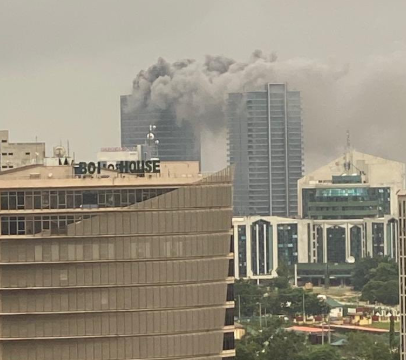
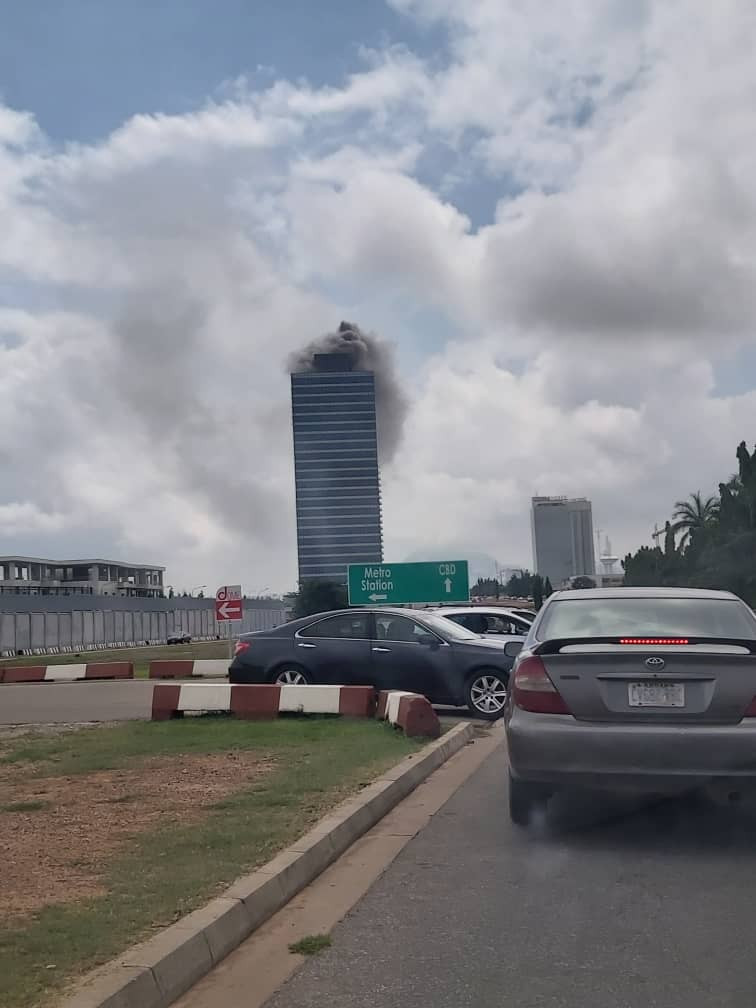
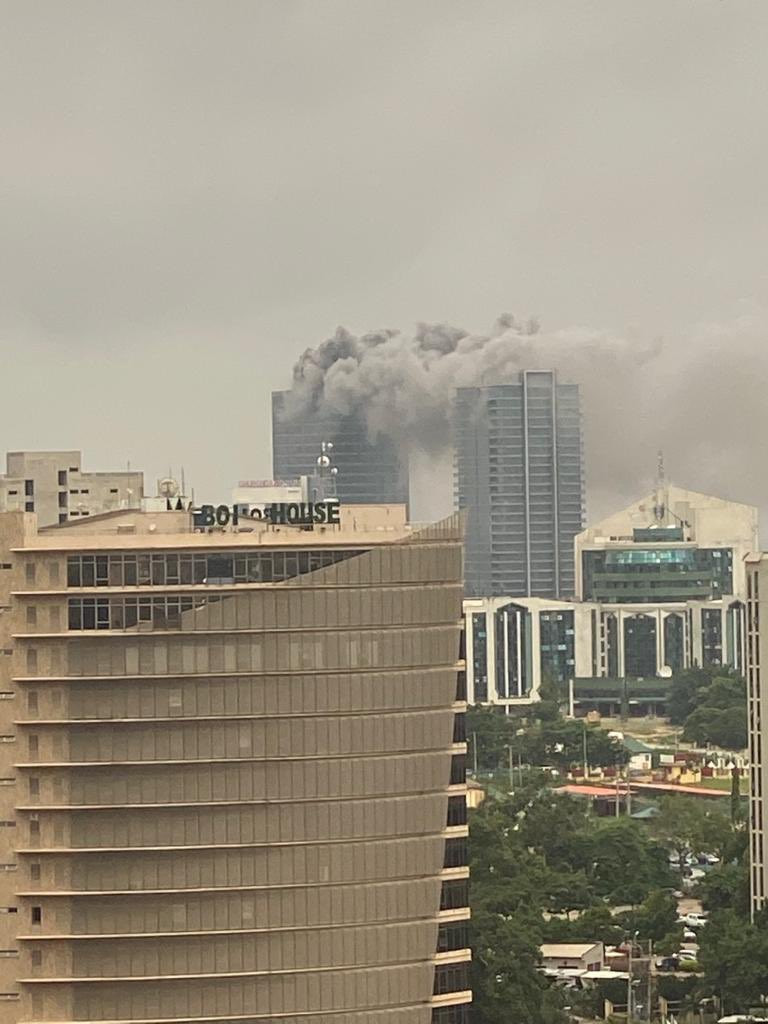
A part of the Abuja World Trade Center is currently on fire.
The fire outbreak started from the top of the skyscraper which is located at the Central Business District in the Federal Capital Territory FCT.
Currently, what caused the fire outbreak is yet unknown. Men of the Federal Fire Service are working hard to put out the fire. See more photos and video below.