Tag: Agriculture

  • Ghana to earn up to $1bn from beverage exports annually if 20% tax on juice is not scrapped – Agribusiness Chamber

    Ghana to earn up to $1bn from beverage exports annually if 20% tax on juice is not scrapped – Agribusiness Chamber

    Ghana could generate up to $1 billion annually from beverage exports if the government removes the 20% excise duty imposed on natural fruit juices.

    The Ghana Revenue Authority (GRA) introduced taxes on sweetened beverages, wines, liquors, and e-cigarettes, among other products  intended to reduce sugar consumption.

    But according to the Chamber of Agribusiness Ghana (CAG), the 20% excise duty on natural fruit juices is destroying up to 127,000 jobs across the agricultural and processing value chains, while undermining Ghana’s potential to earn $1 billion annually in juice exports.

    In a statement issued on Wednesday, February 4, 2026, CAG explained that the policy, originally implemented as a public health intervention, is instead causing juice processing plants to function at only 30–45% capacity, far below the preferred 70–85%. This situation is negatively affecting rural farmers who depend on these factories as steady buyers of pineapples, oranges, mangoes, and other fruits.

    Anthony Morrison, Chief Executive Officer of CAG, said, “The 20% excise duty is not just a tax on juice processors; it is a direct attack on the livelihoods of 50,000 to 120,000 farming households across Ghana.

    Farmers face 15-30% price declines, watch 30-40% of their harvest rot in the fields, and lose the reliable markets that contract farming provides.”

    The Chamber also indicated that women, who account for 55–60% of fruit farmers, are bearing a heavier burden. The reduced production levels are also putting youth jobs in processing plants at risk and contributing to economic downturns in rural areas, particularly in the Eastern, Volta, and Central Regions.

    CAG additionally expressed concern that the tax is weakening Ghana’s competitiveness on the global market.

    “Global demand for natural and functional beverages is growing at 6-8% annually. Ghana is uniquely positioned to capture $700 million to $1 billion in exports, but the current tax undermines our competitiveness,” Morrison noted.

    The Chamber has called on the government to promptly remove the excise duty on fully natural fruit juices, warning that inaction could lead to job losses, reduced earnings for farmers, and a decline in Ghana’s standing in the international juice industry.

    The Association of Ghana Industries (AGI) had earlier called on the government to eliminate 20% excise tax on locally made sweetened drinks and fruit juices.

    According to the AGI, getting rid of this tax will help support the government’s 24-hour economy program by allowing local producers to grow their businesses and create more jobs.

    They believe that removing the tax will help juice makers return to full production capacity and even produce more than before.

    The AGI also argued that cutting the tax will provide more job opportunities in local factories.

    Excise tax was introduced in 2023 under the Amendment Act 2023 (Act 1093) and has made things harder for local juice makers.

    Since the tax started, sales for some companies have dropped by over 50%, and their production capacity has fallen from about 85% to just 38%.

    In a letter to the new Minister of Finance, Dr. Cassiel Ato Forson, the AGI said the tax has led to many job losses and allowed imported products to take over the local market.

    Local producers like Ekumfi Fruits and Juices Limited, Healthlife Beverages Limited, Kasapreko Limited, and Aquafresh Limited are also struggling to compete with imported goods, rising production costs, and multiple taxes.

    The AGI has therefore, warned that if the government doesn’t address these problems, the entire sector could collapse, placing the 24-hour economy goals in jeopardy.

    While the Minister of Finance, Dr. Cassiel Ato Forson gears up to present 2025 Budget to Parliament on March 10, the Ghana National Chamber of Commerce and Industry (GNCCI) has called for the inclusivity of pro-business reforms and policies.

    According to the institution, the private sector has experienced significant economic difficulties over the past decade due to lack of fiscal discipline, high fiscal liabilities from the financial and energy sectors, and expensive fiscal response to global shocks. 

    In view of this the GNCCI calls on government to use the 2025 National Budget to initiate policies and incentives that simulate private sector growth as a launch platform to resetting the economy.

    The Ghana Federation of Labour also sent a letter to the government, asking them to reconsider the excise tax, as it is seriously damaging the local beverage production industry.
  • Reduce $2bn food import bill by investing in agriculture – PFAG to govt

    Reduce $2bn food import bill by investing in agriculture – PFAG to govt

    The Peasant Farmers Association of Ghana (PFAG) has called on the government to make strategic investments in the agricultural sector to reduce the country’s staggering $2 billion annual food import bill.

    The association insists that Ghana has the capacity to produce a significant portion of its imported food items locally if the right policies and support systems are put in place.

    Acting Executive Director of PFAG, Bismark Nortey, emphasized the need for urgent policy interventions to boost productivity and lower the cost of food production.

    Speaking to Citi Business News, he noted that the high cost of agricultural inputs and services is a major contributor to food price inflation in the country.

    “Currently, one of the major causes of high cost of food is the fact that we are spending so much on production. We are spending so much on cost of input and agricultural services. These are because these things are so high. If the government can find a mechanism to either subsidize or reduce the prices of these inputs, then we can produce at low cost and that will translate into high productivity,” he said.

    Nortey further highlighted the pressing need for improved access to mechanized farming to replace the outdated reliance on manual labor.

    “If you go to a lot of farming districts, they have no access to mechanization, so we are still using the hoe and cutlass which is not helping,” he stated.

    He stressed that with targeted investments in smallholder farming, infrastructure, and all-year-round agricultural production, Ghana could significantly cut down on its food imports and strengthen its food security.

    “If we are able to invest in agriculture, we are able to invest in smallholder farming and infrastructure, I am sure the kind of monies that we spend on importing the food we have the capacity to produce…we are one step away from reducing our dependence on that food import,” he added.

    The PFAG believes that prioritizing agriculture through policy reforms and financial support would not only ease Ghana’s reliance on imported food but also create jobs, enhance food security, and strengthen the local economy.

  • SHSs will cultivate farms to boost food sustainability – Agriculture Minister-nominee

    SHSs will cultivate farms to boost food sustainability – Agriculture Minister-nominee

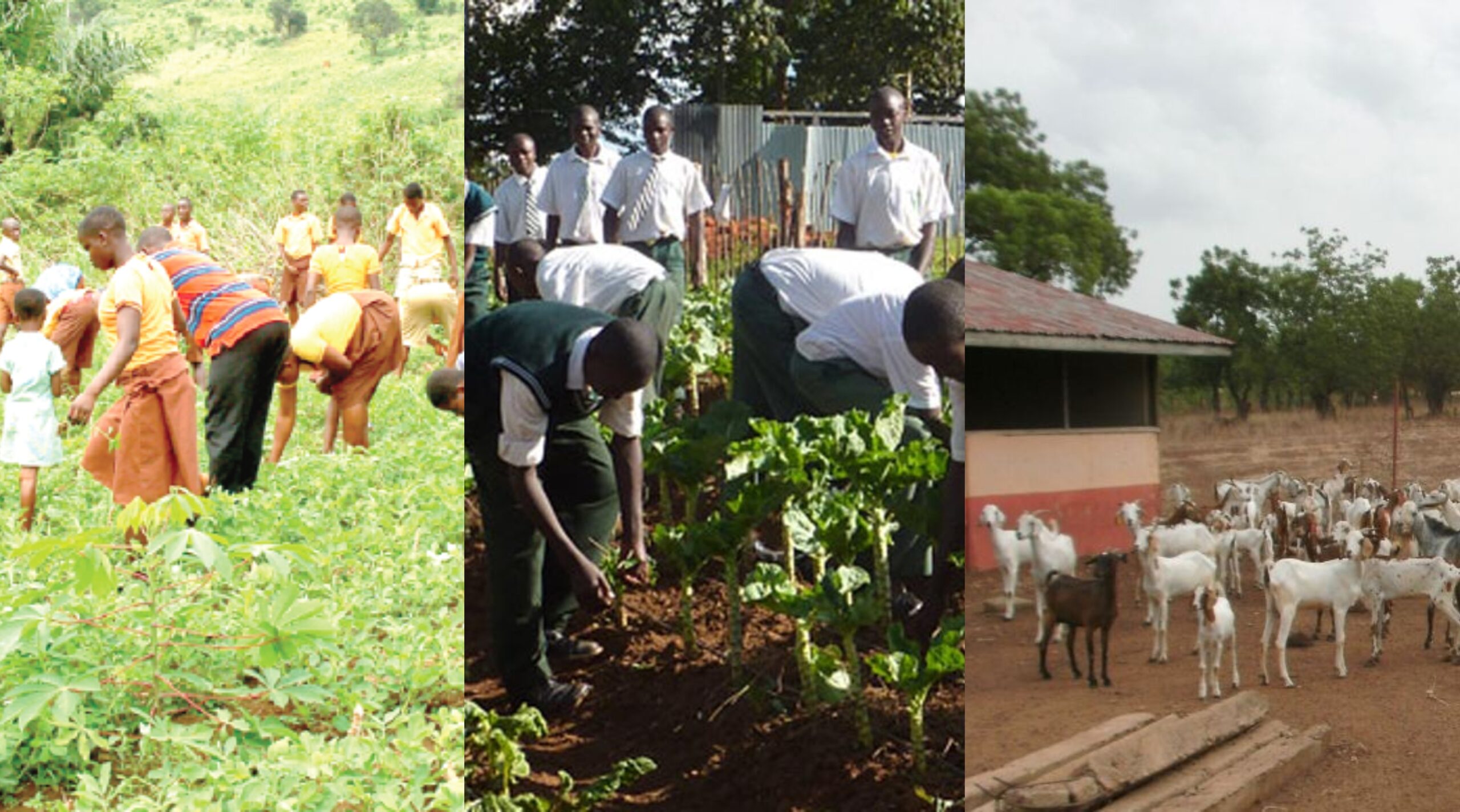
    The Minister-designate for Food and Agriculture, Eric Opoku, has outlined an ambitious plan to rejuvenate agriculture in Ghana by mandating the establishment of farms in all secondary schools nationwide.

    He asserts that this visionary initiative will harness Ghana’s extensive land resources to bolster the agricultural sector.

    During his appearance before Parliament’s vetting committee on Monday, January 20, Mr. Opoku stressed the transformative potential of institutional farming, stating, “Every secondary school in this country will be required to cultivate a farm.”

    He further detailed plans to collaborate with the Ministry of Education to “recruit personnel who will assist schools in setting up and maintaining their farms, ensuring the initiative’s sustainability.”

    The Member of Parliament for Asunafo South Constituency in the Bono Region underscored the multifaceted benefits of the initiative. According to him, it will not only alleviate food shortages in schools but also enhance the nutritional quality and quantity of meals provided to students.

    “This strategy will significantly reduce the cost of school feeding while guaranteeing better and more wholesome meals for our students,” he remarked.

    Once a hallmark of Ghana’s educational system, school farms have dwindled since the late 2000s due to diminishing support from successive governments and other stakeholders. Mr. Opoku’s bold proposal seeks to reinvigorate this concept, positioning it as a critical pillar of agricultural revitalization and food security.

    “If nothing else, we can reduce the cost of school feeding and also enhance both the quality and quantity of the food provided to our students,” he said.

  • Economic Enclave Programme to revitalise the agricultural sector – Govt

    Economic Enclave Programme to revitalise the agricultural sector – Govt

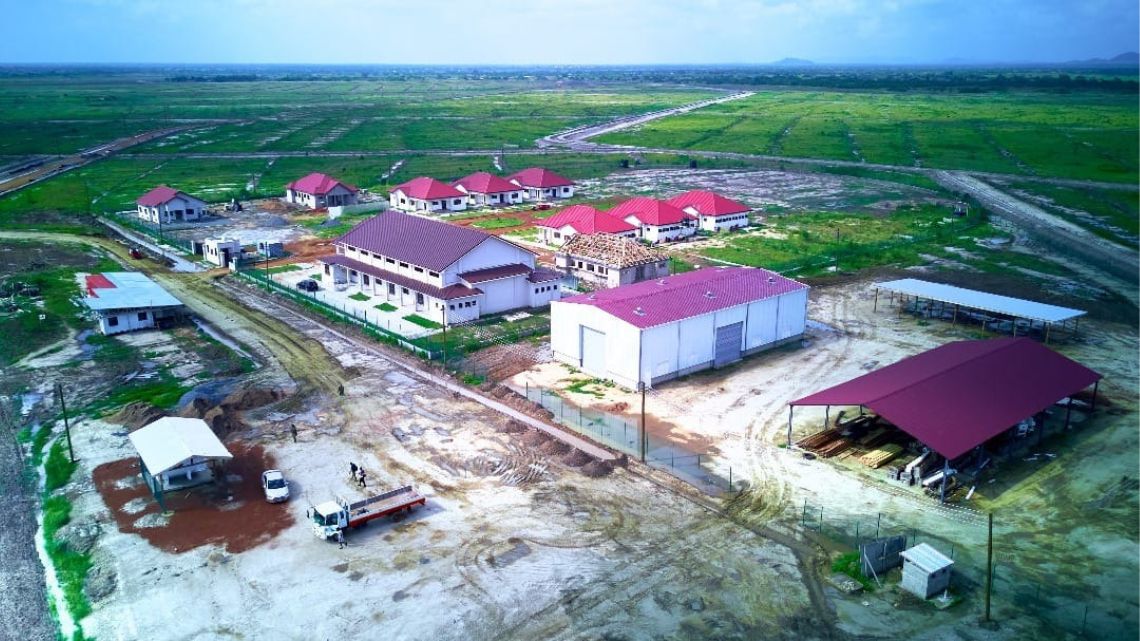
    The government is ramping up efforts to transform Ghana’s agricultural sector through the Economic Enclave Programme, a key initiative under the Ghana CARES framework.

    In the Greater Accra Region, the project is taking shape at Kasunya/Dedukope in the Shai Osudoku District, where thousands of acres of rice farms have already been cultivated, with harvests currently underway.

    This ambitious programme is supported by state-of-the-art facilities designed to modernize agricultural practices. These include hostels, a training centre, irrigation systems, warehouses, modern farming equipment, and an equipment service centre.

    The initiative aims to equip farmers with the tools and knowledge necessary for efficient and sustainable farming, boosting productivity and ensuring food security.

    Similar agricultural enclaves have also been established in the Oti, Ashanti, and Northern Regions as part of the government’s broader strategy to revitalize the sector and promote nationwide agricultural development.

  • Farmers were left to fend for themselves in 2023 despite govt’s GHS2bn budget allocation – Peasant Farmers

    Farmers were left to fend for themselves in 2023 despite govt’s GHS2bn budget allocation – Peasant Farmers

    The Executive Director of the Peasant Farmers Association, Bismark Nortey, has revealed that Ghanaian farmers received no government support in 2023, despite a budget allocation of over GH₵ 2 billion for the Ministry of Food and Agriculture.

    Speaking on JoyNews’ The Probe on November 10, Nortey explained that the initial Planting for Food and Jobs (PFJ) program ended in 2022 when the previous sector minister left office.

    The newly appointed minister introduced PFJ 2.0, but its rollout took an entire year to organize, leaving farmers without access to vital subsidies or input supplies throughout 2023.

    “What that meant is that in 2023 farmers across the country did not receive any form of support from government. Be it subsidy or supply of any input. However, that same year, the government, the Ministry of Food and Agriculture, had an allocation of more than 2 billion Ghana cedis,” he said.

    Mr Nortey further questioned how the allocated funds were utilized, given that farmers received no direct assistance.

    He also highlighted various challenges farmers faced, including the effects of climate change, threats from illegal mining on arable land, difficulties accessing farm inputs, and slow progress in mechanization.

    He noted that ineffective government policies only added to the struggle, stressing the urgent need for the government to provide meaningful support to sustain and grow Ghana’s agricultural sector.

    “If such a significant budget was allocated to the Ministry, yet farmers received no direct benefit, one must question how those funds were utilized,” he remarked.

  • We’re positioning Ghana as a model of climate-smart agriculture in Africa – Akufo-Addo

    We’re positioning Ghana as a model of climate-smart agriculture in Africa – Akufo-Addo

    President Akufo-Addo has affirmed Ghana’s commitment to leading the way in climate-smart agriculture on the African continent during the 40th National Farmers’ Day celebration on November 8.

    Under the theme “Building Climate-Resilient Agriculture for Sustainable Food Security,” Akufo-Addo outlined measures to address the urgent threats that climate change poses to Ghana’s food security, emphasizing that the government is actively building resilience within the agricultural sector to ensure sustainability and productivity in the face of erratic weather patterns.

    “Climate change is no longer a distant threat; it is a pressing reality that our farmers confront every day,” Akufo-Addo stated, emphasizing the importance of equipping farmers with innovative tools and resources.

    Key initiatives include the Programme for Planting for Food and Jobs (PFJ 2.0), solar-powered boreholes to support irrigation, and the Ghana Agriculture and Agribusiness Platform (GhAAP) for real-time data access.

    “By investing in water management, soil health, climate-resilient crops, and infrastructure, we are positioning Ghana as a model of climate-smart agriculture on the continent,” he declared, reaffirming the government’s vision for a thriving and sustainable agricultural sector that secures livelihoods and food supply for generations to come.

    Agroforestry and reforestation efforts form part of Ghana’s broader climate-resilience strategy. Agroforestry, which integrates trees into farming landscapes, reduces soil erosion, improves soil fertility, and provides shade for crops. The Planting for Exports and Rural Development (PERD) module under PFJ 1.0 has supported the planting of tree crops such as cashew, rubber, and oil palm, contributing to both the economy and environmental stability.

  • Ban on grain exports not the solution – Minority to govt

    Ban on grain exports not the solution – Minority to govt

    The Minority Spokesperson on Agriculture and MP for Asunafo South, Eric Opoku, has criticized the government’s recent decision to ban grain exports.

    He argued that this measure will not achieve the desired outcomes.

    The ban, announced on Monday, August 26, aims to prevent a potential food crisis caused by reduced rainfall in northern Ghana.

    Despite this, Opoku believes the government should address the underlying issues driving the exportation of grains instead of enforcing such a ban.

    “But what are the motivating factors? Is it the price? If they go there and they will get a higher price, certainly, the farmer will be motivated by the high price to send their grains to that place.

    “But in this critical moment, now that we are in dire need of food, we have to stock enough food against a looming crisis.”

    In contrast, the Minister of Food and Agriculture, Bryan Acheampong, remains hopeful that famine will be avoided despite the severe drought affecting Northern Ghana.

    The region, enduring more than two months without rainfall, is facing significant concerns over food security and the livelihoods of thousands of farmers. The prolonged dry spell has stunted crop growth, leaving farmers anxious about their harvest prospects.

    Nonetheless, during an interview with Umaru Sanda Amadu on Face to Face on Channel One TV, Bryan Acheampong reassured that fears of a food shortage are unfounded, confidently stating that the country will not face such a crisis.

  • Illegal mining has become the number one threat to agriculture – GAWU

    Illegal mining has become the number one threat to agriculture – GAWU

    General Secretary of the General Agricultural Workers Union (GAWU), Edward Kareweh, has identified illegal mining, known as galamsey, as the foremost threat to agriculture in Ghana.

    Speaking on Joy News’ PM Express, Kareweh stressed the urgency of addressing this issue in discussions with political leaders who aspire to govern the country.

    During his conversation with Evans Mensah, Kareweh highlighted the severe impact of climate change on agriculture, noting that expected seasonal reductions in food prices have not materialized due to delayed or insufficient rainfall.

    He emphasized that the combined effects of climate change and local actions, particularly illegal mining, are devastating for the sector.

    “People think that climate change is a Western problem, but we are feeling its effects too. Why aren’t we harvesting enough? It’s not just the rains; our lands are destroyed,” Kareweh explained. “The persistent destruction of land by galamsey without reclamation has a lasting impact, much like the aftermath of a fire.”

    Kareweh revealed that illegal mining is rampant in 13 out of the 16 regions, posing a significant threat to agriculture. “Illegal mining has become the number one threat to agriculture, making the future look bleak,” he warned.

    He criticized political parties for not clearly articulating their strategies to combat illegal mining.

    “We’ve demanded clear plans from political parties on how they will address galamsey. With such extensive land degradation, how can we build irrigation dams when our rivers are destroyed? Any river dammed today would yield polluted water unsuitable for agriculture,” he stated.

    Kareweh also expressed concerns that the effects of climate change would hit Ghana harder than other countries due to the extensive damage caused by illegal mining.

    He noted that neighboring countries like Burkina Faso are advancing their agricultural irrigation and will soon cease exporting food crops, focusing instead on processing them domestically.

    “The impact of climate change, combined with illegal mining activities, will severely affect Ghana’s agricultural sector,” Kareweh concluded.

    The GAWU General Secretary’s remarks underline the critical need for immediate and effective measures to tackle illegal mining and mitigate its harmful effects on agriculture and the environment.

  • ‘Allow SDA members to vote with security personnel’ – Bryan Acheampong calls on EC

    ‘Allow SDA members to vote with security personnel’ – Bryan Acheampong calls on EC

    Minister for Agriculture, Bryan Acheampong, has urged the Electoral Commission of Ghana to permit members of the Seventh-day Adventist Church to vote alongside security personnel.

    He highlighted that the SDA community, which numbers over 800,000 in Ghana, faces disenfranchisement due to their religious observance of not working on Saturdays.

    Acheampong took to Twitter to call on the Electoral Commission (EC) to accommodate the SDA’s unique needs by facilitating voting arrangements for their members.

    He emphasized that no one should be denied their right to vote because of their faith.

    In a related development, President Nana Addo Dankwa Akufo-Addo, during an honorary Doctorate award ceremony at Valley View University, also encouraged the SDA to reconsider their position on participating in elections held on Saturdays.

    He stressed the importance of balancing civic responsibilities with religious practices, invoking Jesus Christ’s teaching to “render to Caesar the things that are Caesar’s, and to God the things that are God’s.”

    The President appealed to the Adventist community to find practical solutions that would allow their members to vote without compromising their religious principles, ensuring full participation in the democratic process.

    See post below:

  • ‘800,000 SDA members should not be disenfranchised’- Bryan Acheampong to EC

    ‘800,000 SDA members should not be disenfranchised’- Bryan Acheampong to EC

    Bryan Acheampong, Ghana’s Minister for Agriculture, has urged the Seventh-day Adventist Church (SDA) to permit its members to cast their votes alongside security personnel.

    He highlighted that with over 800,000 members, the SDA community faces disenfranchisement due to their religious observance of not working on Saturdays.

    Acheampong’s appeal emphasizes that faith should not prevent citizens from participating in the electoral process.

    In a tweet, he called on the Electoral Commission to facilitate voting arrangements for SDA members.

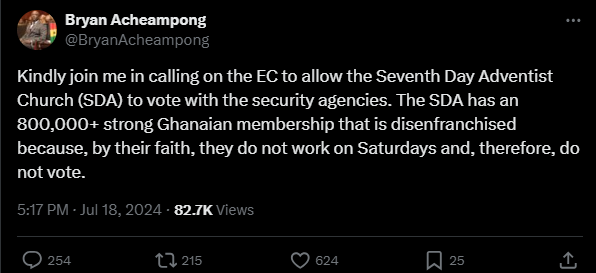
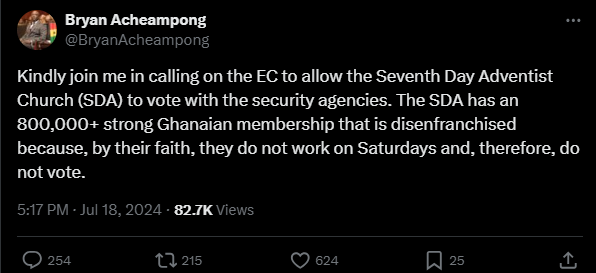
    “Kindly join me in calling on the EC to allow the Seventh Day Adventist Church (SDA) to vote with the security agencies. The SDA has an 800,000+ strong Ghanaian membership that is disenfranchised because, by their faith, they do not work on Saturdays and, therefore, do not vote.”

    President Nana Addo Dankwa Akufo-Addo echoed this sentiment during a ceremony at Valley View University where he was awarded an honorary Doctorate.

    He encouraged SDA members to reconsider their stance on voting during elections held on Saturdays.

    President Akufo-Addo underscored the importance of civic engagement and suggested finding solutions that allow SDA members to vote while adhering to their Sabbath observance.

    He drew upon the Biblical principle of balancing civic and spiritual duties to stress the need for inclusive participation in Ghana’s democratic process.

    See post below:


  • How agriculture contributes to climate change

    How agriculture contributes to climate change

    Agriculture plays a significant role in climate change through methane emissions from livestock digestion, nitrous oxide emissions from fertilizer use, and changes in land use such as deforestation for agricultural and urban expansion.

    These activities release stored carbon, exacerbating global warming. In Ghana, these effects are pronounced, with forest reserves dwindling due to legal and illegal logging, urbanization, and agricultural expansion.

    This has led to biodiversity loss and reduced carbon sinks crucial for climate regulation.

    To address deforestation, the government has established the Forestry Commission and implemented policies for sustainable forest management.

    Recently, the Department of Agriculture in the Northern Region highlighted government investments in agricultural infrastructure, irrigation schemes, and mechanization to enhance food security and productivity.

    Initiatives like Planting for Food and Jobs (PFJ) aim to improve farmer livelihoods and reduce import dependency. However, challenges persist, particularly illegal activities like logging and small-scale mining (“galamsey”), which undermine conservation efforts, contribute to biodiversity loss, soil erosion, and water pollution.

    Ghana’s agriculture is increasingly vulnerable to climate change impacts such as erratic rainfall patterns and temperature extremes. To bolster resilience and food security, there is an urgent need to adopt climate-smart agricultural practices.

    These include improved water management, agroforestry, and cultivating resilient crop varieties.

    The Ghana Green Project

    In response to these challenges, the Ghana Green Project was launched to combat deforestation, promote afforestation, and enhance environmental sustainability nationwide.

    The initiative has already planted over thirty thousand diverse tree species to restore degraded environments, increase forest cover, and preserve biodiversity.

    Despite these efforts, effective implementation faces obstacles like resource constraints and governance issues. Achieving sustainable development goals and protecting cultural heritage in the face of climate change requires coordinated efforts from policymakers, citizens, and the private sector. Cultural heritage plays a vital role in building resilience and transmitting traditional knowledge for a sustainable future.

    Individual Contributions to Climate Change Mitigation and Heritage Conservation

    Individual actions are crucial in mitigating climate change and conserving cultural heritage. Adopting sustainable practices such as reducing energy consumption, using renewable energy sources, supporting local conservation projects, and advocating for heritage preservation policies can have a significant impact.

    In conclusion, Ghana’s efforts to combat climate change and conserve its forests are pivotal for achieving sustainable development goals. Effective policies, strengthened enforcement against illegal activities, and collaboration with international organizations are essential to enhance resilience and mitigate climate impacts. Education, awareness-raising, and capacity-building on climate change adaptation and mitigation are also critical for sustainable environmental management in Ghana.

  • Ghana’s poultry industry is experiencing significant revival – FSRP

    Ghana’s poultry industry is experiencing significant revival – FSRP

    Project Coordinator of the Food System Resilience Programme (FSRP), Mr. Osei Owusu Agyeman, has announced on Friday that Ghana’s poultry industry is experiencing a significant revival, aimed at building sustainable businesses within the value chain to reduce the country’s food deficit.

    Speaking to the Ghana News Agency, Mr. Agyeman highlighted the recent delivery of about 130,000-day-old chicks to selected commercial poultry farmers in the Ashanti Region as part of the first phase of the Poultry Intensification Scheme under the West Africa Food System Resilience Programme (FSRP).

    This initiative, implemented by the Ministry of Food and Agriculture, seeks to rejuvenate the broiler industry in Ghana.

    Other regions set to receive day-old chicks under the scheme include Bono, Eastern, Greater Accra, Central, and Volta, contributing to the mission of the MOFA-FSRP to revive the poultry sector.

    The Poultry Intensification Scheme, funded by the World Bank, is being rolled out in phases.

    Beneficiaries receive input credit, including around 160,000 day-old chicks, 180,000 kilograms of feed, and supplies of vaccines in the initial allocations. Additionally, farmers receive training in best modern practices and climate-smart technologies within the poultry industry.
    Participants in the scheme will also have access to matching grants for procuring equipment to support post-production processing and cold storage. The programme aims to produce approximately two million broiler birds annually, supported by a $12.5 million World Bank facility.

    Under this programme, 22 commercial anchor farmers across the nation will be selected and supported to produce, process, and market two million birds annually over the next three years.

    To qualify, applicants must have been involved in poultry (broiler) production, processing, and marketing for at least the last five years, be registered with the Registrar General or another statutory body, and have linkages with smallholder farmers.

    Commercial farmers must also be listed in the databases of their respective District Directorate of Agriculture, include at least 10 percent women and 10 percent youth in both upstream and downstream activities of the value chain, and comply with the requirements of regulatory bodies such as the Environmental Protection Agency, Ghana Fire Service, Food & Drugs Authority, Ghana Standards Authority, and the World Bank.

    The scheme aligns with the PFJ 2.0 initiative, targeting poultry self-sufficiency output of 400,000 metric tonnes per year by 2028. Mr. Agyeman emphasized the project’s themes of sustainability, ownership, and public/private engagement, aiming to sustain the broiler value chain.

    He also mentioned efforts to revive local hatcheries and implement youth incubation programmes to build and sustain businesses within the value chain.

    Dr. Abdul Razak Okine, Deputy Director of the Animal Production Directorate at the Ministry of Food and Agriculture, stated that the project, in line with the Government’s Planting for Food and Jobs 2.0, is generating excitement among farmers nationwide. He noted that it is attracting many young people and women and is expected to help close the food deficit gap.

    The West Africa Food System Resilience Programme (FSRP) is a World Bank-funded initiative championed by ECOWAS, involving participating countries such as Burkina Faso, Mali, Niger, Chad, Sierra Leone, Togo, and Chad. In Ghana, the project focuses on the intensified production, marketing, and consumption of rice, maize, broiler poultry, tomatoes, and soybeans for the poultry industry.
    4o

  • Embrace businesses in agriculture, its still attractive – Ghanaian youth urged

    Embrace businesses in agriculture, its still attractive – Ghanaian youth urged

    An expert in agribusiness, Abraham Dwuma Odoom, is urging Ghanaian youth to prioritize agriculture and recognize it as a lucrative entrepreneurial opportunity capable of transforming their lives.

    Addressing attendees at the 2024 Youth in Agribusiness Festival in Kumasi, Mr. Odoom emphasized the importance of seizing agricultural initiatives and economic opportunities created by both the government and private firms.

    He highlighted that these initiatives often provide essential resources for farming, such as land, water access, modern equipment, and planting materials, which are typically barriers for youth entering the sector.

    By leveraging existing resources and policy initiatives, interested individuals can access the necessary support to launch successful agricultural ventures without starting from scratch.

    The two-day programme, which was held under the theme “Agribusiness Modernisation: Tool for Sustainable Youth Employment in Ghana,” was organised by the John A. Kufuor Foundation.

    Mr. Odoom emphasized that if a significant portion of Ghanaians ventured into modern agriculture, it would lead to a more stable economy and lessen the country’s dependence on imported goods.

    He also used the platform to advocate for consensus on the prudent use of pesticides in Ghanaian farms, cautioning against excessive usage due to its detrimental effects on health. He stressed the need for deliberate efforts to regulate pesticide usage.

    Expressing concern, Mr. Kwasi Nyamekye, Ashanti Regional Chairman of the Association of Ghana Industries (AGI), highlighted the growing preference for foreign products among Ghanaians. He cited the poultry industry as an example, noting that although it provides significant employment opportunities, locals tend to favor imported poultry products, often citing cost as a deterrent.

    Professor Baffour Agyeman-Duah, Chief Executive Officer of the John A. Kufuor Foundation, outlined the program’s objective of creating platforms for Ghanaian youth to capitalize on the abundant opportunities in the agricultural sector. He emphasized the urgent need for young people to take up roles in agriculture as the elderly, who have traditionally dominated the sector, retire.

    Prof. Agyeman-Duah stressed the importance of embracing modern farming technologies to tackle unemployment and drive Ghana’s socio-economic development.

  • Ghana’s agriculture sector witnessed 4.5% growth in 2023 – Amin Adam

    Ghana’s agriculture sector witnessed 4.5% growth in 2023 – Amin Adam

    The Minister of Finance, Dr. Mohammed Amin Adam, has revealed that Ghana’s agriculture sector experienced a 4.5 percent expansion in 2023.

    During the ‘2024 1st Monthly Press Briefing on the Economy,’ the minister highlighted that the livestock, crops, and fishing subsectors also saw growth rates of 6.5 percent, 4.8 percent, and 4.1 percent, respectively.

    “Agriculture sector which expanded by 4.5% supported by expansion in the Livestock subsector (6.5%), Crops subsector (4.8%) and Fishing subsector (4.1%); and

    He further noted, “industry sector which rather contracted by 1.2% in 2023 driven mainly by negative growth recorded in the Electricity (10.9%) and Construction (9.9%) subsectors. The contraction in the industry sector occurred in the first three quarters of 2023. The 4th Quarter, however, showed a recovery of 1.6% growth, signalling a rebound.”

    Ghana’s agriculture sector had previously experienced negative growth in preceding years until 2023.

  • My appointment represents a crucial step towards revolutionizing agric sector – Bryan Acheampong

    My appointment represents a crucial step towards revolutionizing agric sector – Bryan Acheampong

    The Minister for Food and Agriculture, Bryan Acheampong, has reflected on his appointment as opportune, arriving at a crucial juncture for Ghana’s agricultural sector.

    He perceives his role akin to that of Joseph from biblical lore, who revitalized Egypt and provided relief to the Israelites.

    During an interview on the Citi Breakfast Show on Citi FM, Mr Acheampong emphasized that despite concerns about the limited time remaining for the government to enact change, the focus should be on maximizing the potential of the time ahead.

    He drew parallels to Joseph’s swift actions that brought about significant transformation.

    Mr Acheampong underscored his commitment to President’s vision of making Ghana self-sufficient in food production over the next five years.

    He highlighted the president’s directive to prioritize agriculture as a fundamental solution to the country’s food challenges, particularly addressing issues such as fluctuating food prices and heavy reliance on imports.

    Furthermore, Mr Acheampong noted the president’s active involvement and support in his efforts, citing instances where the president participated in stakeholder engagements and the launch of initiatives like the Planting for Food and Jobs Phase II.

    This collaboration underscores a clear mandate from the president to tackle agricultural issues head-on.

    “Joseph came in within a short time and brought change and so it is not about the time left, it is about what you do with the time left,” he told Bernard Avle.

    “The president was clear that we needed to push and wanted to see agric as a pillar to solve the food situation in the country and so there was a need for us to fix the different food prices and the amount of money spent on importing food into the country.

    “This [my appointment] was a clear assignment that he gave me and said he would be involved in, and that is why when I was doing the stakeholder engagements, the president was there and when I launched the Planting for Food and Jobs Phase II, the president was there.”

  • Agri-Impact collaborates with KNUST to revolutionize agriculture

    Agri-Impact collaborates with KNUST to revolutionize agriculture


    A prominent player in the agricultural sector, Agri-Impact, has inked a Memorandum of Understanding (MoU) with Kwame Nkrumah University of Science and Technology (KNUST) to tap into the university’s expertise and its E-Learning infrastructure.

    This partnership aims to revolutionize the agricultural sector under the Harnessing Agricultural Productivity and Prosperity for Youth (HAPPY) program.

    Led by Agri-Impact and involving nine collaborators, the HAPPY initiative spans four years and aims to leverage technology and innovation to empower young individuals across the agricultural value chain. Supported by the MasterCard Foundation, its main goal is to create dignified job opportunities for 326,000 young people, with a special focus on empowering women and individuals with disabilities.

    The program targets four primary value chains: rice, soya, poultry, and tomatoes. By leveraging industry expertise in each value chain, the initiative aims to enhance production, productivity, value addition, market access, enterprise development, and address policy issues related to youth participation in agriculture.

    Over the project’s duration, the program aims to boost production in these value chains by 180,000 metric tonnes annually and generate US$200 million in revenue, while reducing imports by 10 percent.

    During the event, Agri-Impact’s Group Chief Executive Officer, Dan Aquaye, underscored the transformative potential of ICT in agriculture, emphasizing its role in providing real-time information and data for informed decision-making by farmers.

    Agri-Impact’s Deputy Group CEO, Julie Asante-Dartey, highlighted that the initiative would equip farmers with the necessary knowledge and resources to effectively embrace ICT in agriculture, enhancing profitability and competitiveness within the value chain.

    Professor Ben Banful, Provost of the College of Agriculture and Natural Resources at KNUST, reiterated the university’s commitment to the program’s success, pledging to collaborate diligently with all stakeholders to ensure its triumph.

  • Invest in irrigation agriculture  to combat food shortage – GAWU to govt

    Invest in irrigation agriculture to combat food shortage – GAWU to govt

    The General Agricultural Workers Union (GAWU) of Ghana has emphasized that the key to addressing the country’s food shortage lies in prioritizing irrigation agriculture, especially in the face of ongoing reports predicting sustained high food prices.

    During an interview on Starr Midday News with Naa Dedei Tettey, Mr. Edward Kareweh, the General Secretary of GAWU, pointed out that natural factors significantly contribute to food shortages, underscoring the pivotal role of irrigation agriculture in resolving the issue.

    Mr Kareweh stressed the need for policy interventions that enable year-round farming, emphasizing that irrigation agriculture is crucial.

    He acknowledged the existing efforts in irrigation agriculture but highlighted the importance of scaling up to meet the growing demand for food, considering agriculture’s diverse applications, including industrial use.

    While acknowledging the government’s One-village One-Dam initiative as a positive step, Mr Kareweh urged a closer examination of its effectiveness and sustainability.

    He urged increased investment in irrigation agriculture, citing the impact of climate change as a pressing reason for immediate government action.

    Mr Kareweh warned that without prompt measures in irrigation farming, the food shortage situation could worsen, emphasizing the need for a more substantial commitment to irrigation agriculture beyond existing policies.

    “We are already doing irrigation agriculture but the rate at which we are doing it is not in line with our demand for food. Because agriculture is not only for food it is also for industrial use. So there are many other uses for our agricultural produce. Therefore we have to increase irrigation agriculture more importantly around this time of our development,” Mr. Karewaeh stated.

    “We have to invest more in irrigation agriculture. The government started the One-village One Dam. It was a good policy and a good intervention. But you see, the intention of policies is not the same as the outcome.

    “What we should be asking is how many of the One-village One-Dam are surviving now. How many of them have water and how many are farmers using,” he quizzed.

  • I am interested in participating developmental debates , not political propaganda – Deputy Minister of Food and Agriculture

    I am interested in participating developmental debates , not political propaganda – Deputy Minister of Food and Agriculture

    Deputy Minister of Food and Agriculture and Member of Parliament for Nhyiaeso Constituency, Dr. Stephen Amoah, is advocating for a transformative shift in the approach of opposition parties towards challenging government policies.

    Expressing weariness with the cyclical nature of partisan disputes, especially regarding taxation and public spending, Dr. Amoah emphasized the need for politicians to prioritize policies that benefit the nation over engaging in political rhetoric.

    In an interview on TV3, Dr. Amoah urged a departure from the traditional pattern where opposition parties reflexively oppose policies introduced by the sitting government.

    “It is crystal clear that anytime there is an introduction or increment or taxes, these things do happen. When the NDC were in power and they wanted to increase or introduce a new tax, the NPP would sometimes hide behind or start arguments opposing it and the public would follow. It is the same way when NPP is bringing a new tax, the NDC would start arguments and the public will follow. No matter where on this earth people want to release funds from their company or their pocket, it’s a natural instinct.

    “But for how long should we continue this? Do we ask ourselves if we really need to take taxes or not? What is the situation of our fiscal space today? If we don’t take, what happens and if we take taxes also, what happens? What will be the resultant effect on the economy? Is it going to be adverse in the short, medium or long term for us as a country? People are calling for the increment of salaries and allowances to satisfy a lot of needs. As a country, how do we fund them? Do we take taxes? So, I think there should be a paradigm shift, we should come to a point that the idea of recycling NPP, NDC opposing every good thing or bad thing because we want to come to power, must stop, in my opinion.

    “… I mean anybody can do politics with it but I am trying to have a shift personally. I know once in a while I can come. But I am trying to move myself from anything you have to defend in the name of politics to get to the point where all of us come to a new point of convergence, enough of these things,” he said.

    He stressed the importance of finding solutions that enhance the country’s well-being rather than perpetuating political propaganda.The Deputy Agric Minister questioned the sustainability of the current practice, emphasizing the need for a paradigm shift.

    He urged a collective reassessment of the nation’s fiscal space, contemplating the consequences of both imposing and not imposing taxes.

    Dr. Amoah called for a fresh perspective that transcends the habitual opposition and support based on political affiliation.

    Citing the persistence of the same variables in opposition complaints since the inception of the Fourth Republic, Dr. Amoah prompted a reflection on the nation’s objectives, focus, and long-term goals.

    He called for a collective pause to ponder whether Ghana should continue the existing pattern of challenges or redirect its efforts towards a more cohesive and goal-oriented approach for national development.

    “All the complaints, the challenges, oppositions from the late JJ Rawlings through to Nana Addo’s time, they are the same variables.

    “When former President Rawlings was there, the very things Ghanaians were complaining about in terms of variables are the same even up until now. With this, do we continue this thing as a country or we should pull the brakes and ask ourselves what we want to attain. We have to ask ourselves what our focus is, our long term goals and also if we really want to build this country,” he asked.

  • Why agriculture should be included in curricula of Ghanaians schools

    Why agriculture should be included in curricula of Ghanaians schools

    In the heart of Ghana’s educational landscape, an opportunity awaits to plant the seeds of change, growth, and sustainability.

    Amid global challenges like food security and climate change, the pivotal role of education comes to the forefront. One strategic move with immense potential for Ghana is the reintroduction of agriculture into the school curriculum.

    Going beyond traditional subjects, this initiative has the power to nurture a generation equipped with essential skills and values.

    Here are five compelling reasons urging the Ghanaian government to consider reinstating agriculture in the educational forefront, unlocking benefits that extend far beyond the school gates.

    Food Security and Self-Sufficiency

    Introducing agriculture into schools’ curriculum equips students with essential skills and knowledge to contribute to Ghana’s food security. By educating the younger generation about sustainable farming practices, the government can foster a culture of self-sufficiency, reducing reliance on external sources and ensuring a steady food supply for the nation.

    Economic Empowerment and Job Creation

    Integrating agriculture into the curriculum provides students with practical skills that can lead to entrepreneurship opportunities and job creation in the agricultural sector. As Ghana’s economy is closely tied to agriculture, this initiative can contribute to reducing unemployment rates by producing a skilled workforce capable of driving innovation and growth in the sector.

    Environmental Stewardship and Sustainable Practices

    Education in agriculture promotes environmental awareness and sustainable farming practices. By instilling a sense of responsibility towards the environment in students, the government can contribute to the conservation of natural resources, soil health, and biodiversity. This approach aligns with global efforts to address climate change and ensures a resilient agricultural sector.

    Rural-Urban Migration Mitigation

    Including agriculture in the curriculum encourages students to appreciate and engage with rural life. This can help mitigate the trend of rural-urban migration by showcasing the opportunities and rewards associated with agriculture. By revitalizing rural communities, the government can promote balanced development and alleviate pressure on urban centres.

    Health and Nutrition Education

    Agriculture education provides a platform to teach students about the nutritional value of various crops and the importance of a balanced diet. With rising health concerns such as malnutrition and diet-related diseases, integrating agriculture into schools’ curriculum enables students to make informed choices about their diets, contributing to improved public health outcomes.

    In conclusion, reintroducing agriculture into schools’ curricula in Ghana offers a multitude of benefits ranging from ensuring food security and economic empowerment to fostering environmental sustainability and promoting healthier lifestyles. This initiative aligns with the country’s developmental goals and contributes to building a resilient and self-sufficient nation

  • Farmers battling Bird Flu to receive GHS1.8 from Agric Ministry

    Farmers battling Bird Flu to receive GHS1.8 from Agric Ministry

    Parliament has directed the Ministry of Food and Agriculture (MOFA) to compensate farmers who incurred losses due to the avian influenza or Bird Flu outbreak between 2015 and 2018.

    As per the 2022 Auditor General’s Report, a substantial portion of the earmarked compensation funds, exceeding GH¢1.8 million, remains unutilized in the Ministry’s account.

    While the Ministry argues that the funds are undistributed due to a lack of necessary details from affected farmers, the Public Accounts Committee, led by Chairman James Klutse Avedzi, has mandated the Agriculture Ministry to identify the affected farmers and disburse the funds within the next month.

    During a Public Accounts Committee session, Avedzi instructed, “I am sure you have a list of the farms that are affected and a certificate for destroying the birds as well. All that you need is to have the affected farmers’ bank details to do the transfer and I am sure that you have the contact details of these farmers.

    “So we are giving you one month to disburse the monies to them quickly. Call them so that they will give their bank details so you can do the transfer for them.”

  • ‘Sustaining Ghana’s agriculture is dependent on the youth’ – Akufo-Addo

    ‘Sustaining Ghana’s agriculture is dependent on the youth’ – Akufo-Addo

    President Akufo-Addo has emphasized that the future of Ghana’s agriculture hinges on the youth.

    According to the president, the government is reliant on the youths’ energy, novel concepts, and inventive approaches to enhance the overall prosperity of Ghana.

    In light of this, he issued a passionate appeal to all young Ghanaians, regardless of their educational background, to unite in support of the government’s latest flagship program, “Youth in Agriculture.” He encouraged them to consider agriculture as a lifelong career choice.

    He issued this call during his speech at the presidential conference regarding the “Youth in Agriculture” initiative, which took place on Wednesday, October 18, 2023, at the Cedi Conference Centre, University of Ghana.

    “Sustaining Ghana’s agriculture is dependent on the youth. The youth are the future of this country, and we count on their vibrancy, fresh ideas, and innovation to improve our collective fortune,” President Akufo-Addo said.

    He added: “Agriculture, a major sector of the economy awaits the participation of the youth both educated and uneducated. This dialogue, this platform is a valuable step towards harnessing the potential of the youth to address the challenges in the agriculture sector. Realized, this will ensure the sustainable development of agriculture for the overall benefit of our country.”

    The President underscored that the program’s design, centered on value-chain development, inherently presents expanded opportunities for the youth.

    “To take advantage of this opportunity, I urge the youth to rally around this initiative (Youth in Agriculture) and form cooperatives and partnerships for the maximum benefit of the program.”

    Regarding the state of the economy and the endeavors of his administration to restore economic stability and foster growth, President Akufo-Addo pointed out that there are evident indicators that the economy is progressing towards recovery. One of these signs is the downward trajectory of inflation.
    “The prospects for the rebound are growing stronger and stronger. We are working hard to sustain this momentum. Inflation has reduced from 54.1% in December 2022 to 38.1% in September and there is every indication that by the end of the year, it will be around 27%. By the end of my tenure next year, 15%” the President stated.

    On his part, the Minister for Food and Agriculture, Bryan Acheampong, clarified that the “Youth in Agriculture” initiative, integrated into the second phase of the Planting for Food and Jobs (PFJ) program, is structured to facilitate the entry of the younger generation into agriculture with minimal challenges.

    “Our invitation to young people to go into agriculture is not a hole and cutlass business. Through the collaboration between the Ministry of Food and Agriculture and the YEA under the banner, “PFJ 2.0 Youth in Agriculture,” we are going to put 200,000 youth into permanent work in agriculture with each individual cultivating an average farm size of 10 acres” Bryan Acheampong said.

    “This will mean putting 400,000 hectares of arable land under cultivation. The target commodities under this intervention would include maize, rice, and vegetables.

    “However, if we put all the 400,000 hectares of land under rice cultivation alone, we will exceed our food self-sufficiency production target of 1.8 million metric tonnes in two years instead of the five-year plan under the Planting for Food and Jobs Programme” the Food and Agriculture Minister added.

    The Youth in Agriculture Programme (YIAP) represents an agricultural sector initiative by the Government of Ghana (GOG) designed to inspire and encourage young individuals to view farming and food production as viable commercial enterprises, thereby choosing agriculture as a lifelong career.

    The YIAP is entrusted with the role of mobilizing young people to embrace farming and its related activities as a lifelong pursuit. This approach offers several advantages, such as employment opportunities for the youth, the provision of tractor services, and the supply of agricultural inputs.

    The overarching objective of the Youth in Agriculture Programme is to cultivate a mindset among the youth that views farming as a lucrative business endeavor. It aims to generate substantial income to address farmers’ personal and domestic needs, enhance the quality of life for young individuals through increased income, encourage them to remain in rural areas by providing inputs at their farm gates on a credit basis without interest, and employ modern techniques to produce an ample supply of food crops, meat, and fish.

    The Youth in Agriculture encompasses four main components: Crops/Block Farm, Livestock and Poultry, Fisheries/Aquaculture, and Agribusiness. This initiative is open to individuals interested in farming, groups of young men and women within the community eager to engage in agriculture, and institutions dedicated to farmer training.

  • Govt advised to use new agricultural equipment to maximize productivity

    Govt advised to use new agricultural equipment to maximize productivity

    A four-member Pakistani business delegation, led by Mr. Zafar Yab Anjum, Director of Sales and Marketing at KNZ Enterprise Ghana Limited, has called on the government to promote agriculture by implementing machinery.
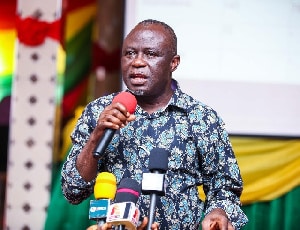
    They believe that this approach would support the government’s agricultural flagship policies, increase production, and enable farmers to achieve higher yields through mechanization.

    The delegation shared their advice during an interview with the Ghana News Agency after meeting with the Pakistan High Commissioner to Ghana, Farhat Ayesha.

    They discussed the establishment of KNZ Enterprise Ghana Limited, a company specializing in the competitive sale of various modern agricultural machinery.

    Mr. Anjum encouraged both the government and Ghanaian businesses to explore economic opportunities in Pakistan, fostering mutual cooperation in trade and business.

    He emphasized that Pakistan, an agrarian country with advanced agricultural knowledge and resources, could significantly benefit Ghana by sharing its expertise in areas such as irrigation, mechanization, and crop management.

    The delegation also highlighted the potential for collaborative research projects, leading to improved agricultural techniques and crop varieties suitable for both countries’ conditions.

    They called on the government to reduce taxes on agricultural machinery to encourage purchases and boost productivity. Additionally, they emphasized the importance of processing agricultural products to add value and contribute to economic growth.

    Ambassador Ayesha expressed her commitment to strengthening the business relationship between Pakistan and Ghana, highlighting the potential for trade in light machinery, surgical instruments, sports goods, textiles, and more. She also mentioned scholarship programs for Ghanaian students interested in Mechanical and Electrical Engineering.

    Mr. Ali Nuhu Abeka, the Chief Executive Officer of KNZ Enterprises, who received part of his education in Pakistan, praised the country’s hospitality and economic opportunities.

    He emphasized the need for Ghana to embrace mechanization to increase agricultural productivity and encouraged coordination among agricultural institutions to achieve this goal.

    Overall, the delegation’s visit aimed to foster stronger economic ties and knowledge-sharing between Pakistan and Ghana in the field of agriculture and machinery.

  • Young people will be drawn to modernizing agriculture, incorporating technology into farming – Alban Bagbin

    Young people will be drawn to modernizing agriculture, incorporating technology into farming – Alban Bagbin

    Speaker of Parliament, Alban Bagbin, has emphasized that directing resources towards modernizing agriculture and incorporating technology into farming practices can attract more young people to the sector.

    He believes that this approach can generate economic opportunities for rural areas and revolutionize the production and distribution of food.

    During his speech at the 30th anniversary of the Council of Ewe Associations of North America in Atlanta, Georgia, Alban Bagbin asserted that Africa possesses the potential to become the world’s food provider.

    He stated, “If governments direct resources into modernizing agriculture and integrate technology into farming practices, more youth will choose this sector.”

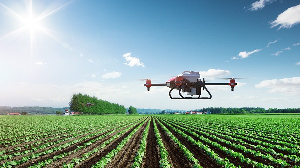
    He emphasized that employing technologies like GPS, sensors, drones, and data analytics can enhance farm productivity by monitoring crop health, increasing yields, and optimizing resources.

    Alban Bagbin also highlighted that the introduction of technology and innovation can effectively address post-harvest losses in agriculture.

  • Invest more in our research development to grow agric industry – Minister to donor partners

    Invest more in our research development to grow agric industry – Minister to donor partners

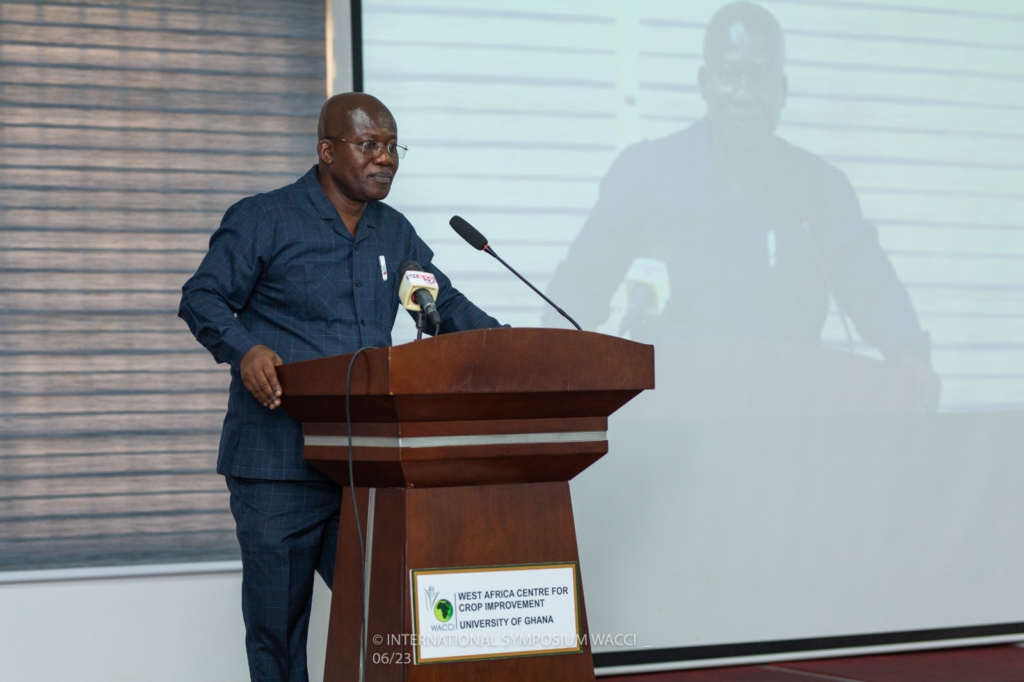
    Deputy Minister of Food and Agriculture, Yaw Frimpong Addo, has called on African governments to prioritize investments in biotechnology as a means to enhance agriculture across the continent.

    He emphasizes the need for African nations to foster greater collaboration in implementing agricultural biotechnology tools in order to address the pressing issue of undernourishment, which affects approximately 278 million people in Africa—equivalent to one-fifth of the population.

    “We need to invest more in research development. We need to collaborate more across the continent so we can share expertise and personnel,” he said.

    The Deputy Minister also emphasised the need for donor partners “to support such research efforts even more since we cannot do it all by ourselves.”

    African governments must invest in biotech to improve agriculture – Deputy Agric Minister

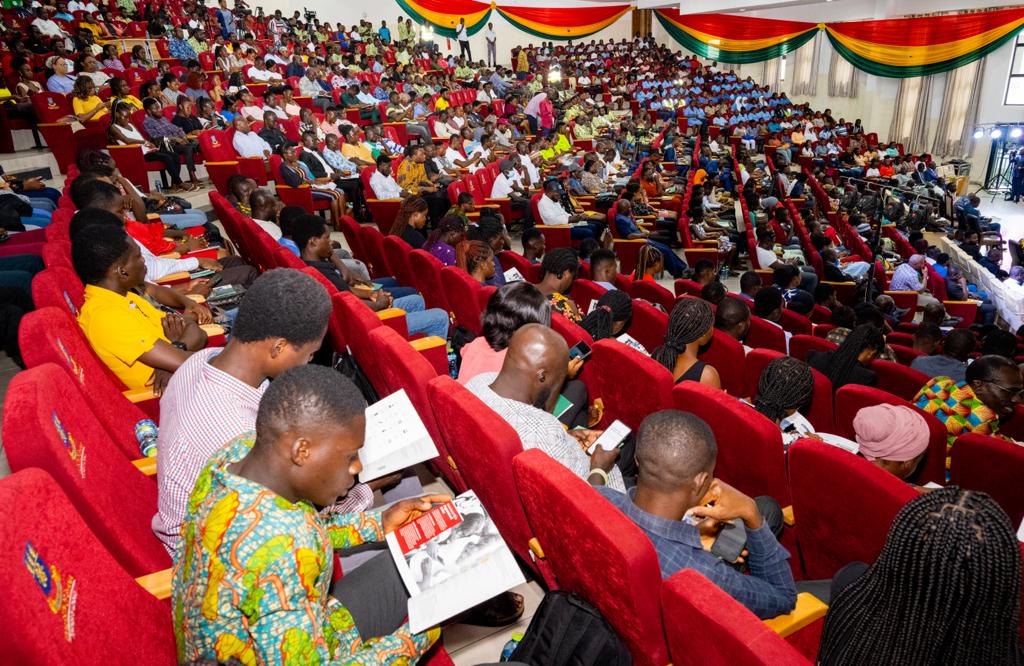
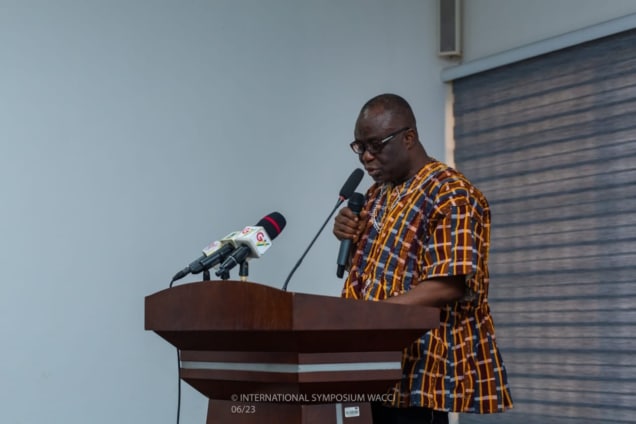
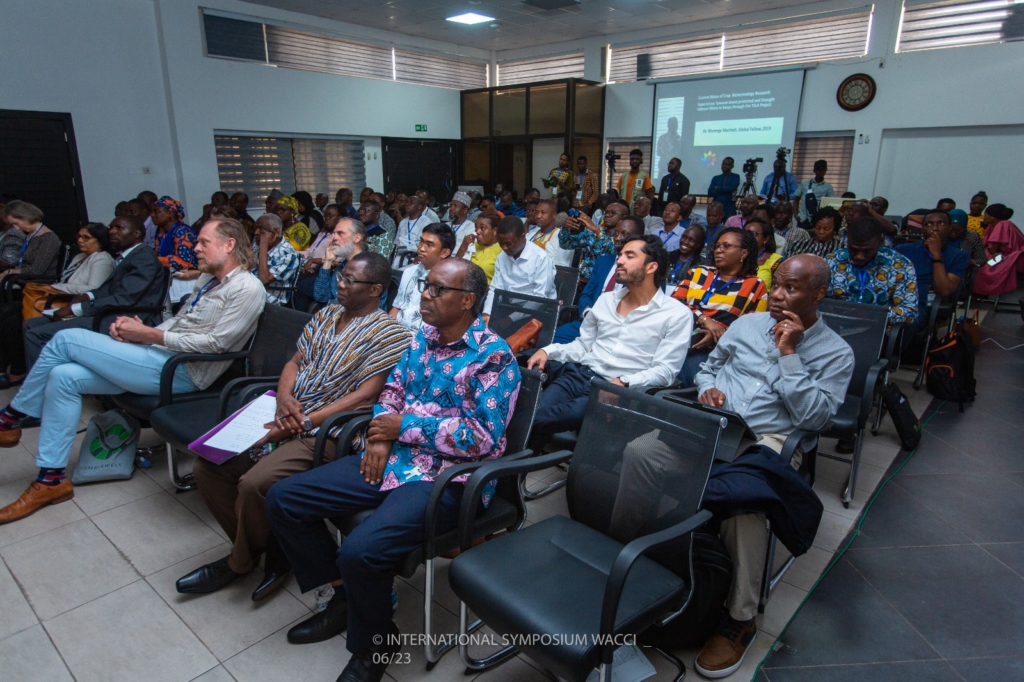
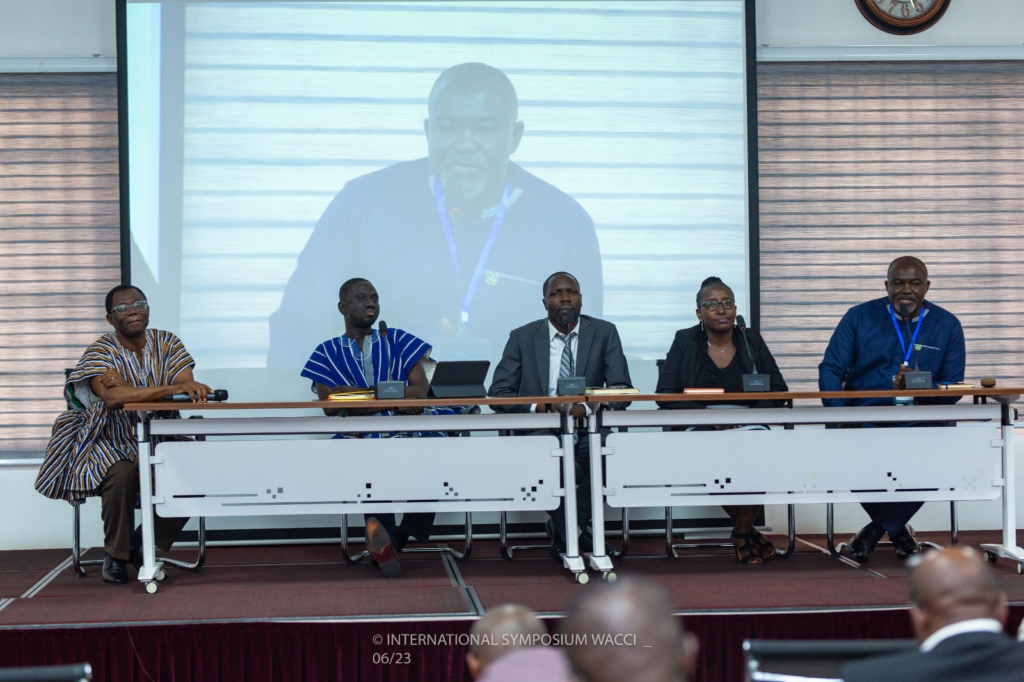
    The Deputy Minister who is also the Manso Adubia MP made the call in a speech at the maiden edition of the International Symposium on Agricultural Transformation and Biotech Crops in Africa which was held at the University of Ghana.

    The symposium deliberated on what agricultural sector stakeholders need to do differently to ensure expanded farmer access to crops produced using New Breeding Techniques (NBTs).

    Participants deliberated on how genetically modified organism (GMO) technology has been deployed on the African continent for the benefit of farmers, its impact so far, and its prospects.

    African governments must invest in biotech to improve agriculture – Deputy Agric Minister

    Also, participants deliberated on the yet-to-be-realized potential that genome editing holds for the ongoing efforts to ensure Africa feeds itself.

    Scientists shed light on the latest promising new breeding techniques and other scientific innovations in crop improvement.

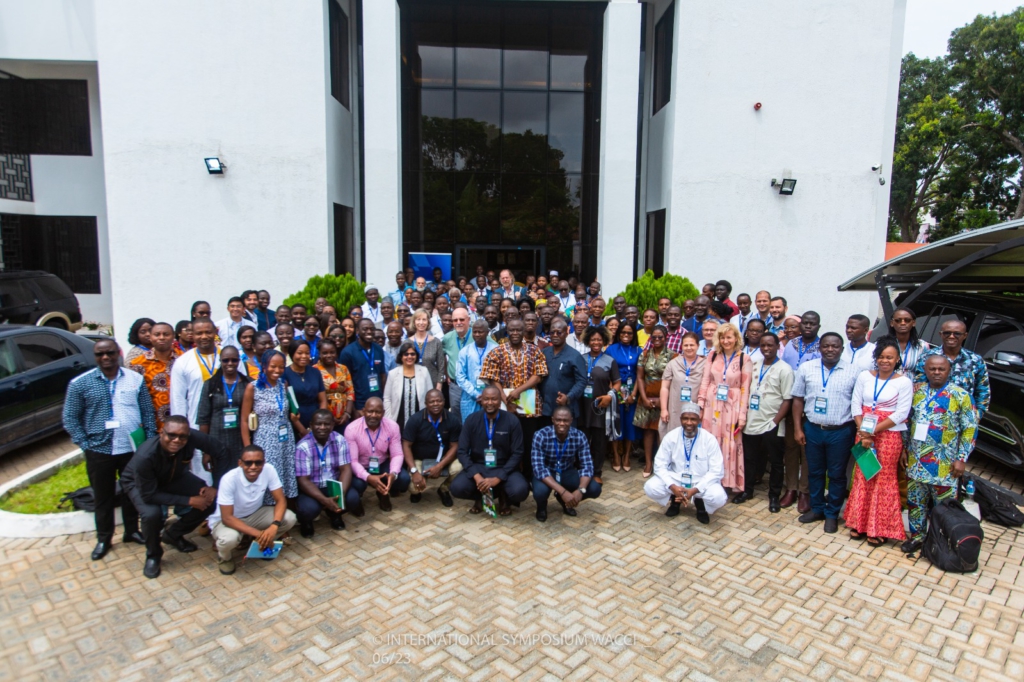
    The symposium was organised by Alliance for Science Ghana and the West Africa Centre for Crop Improvement (WACCI) at the University of Ghana.

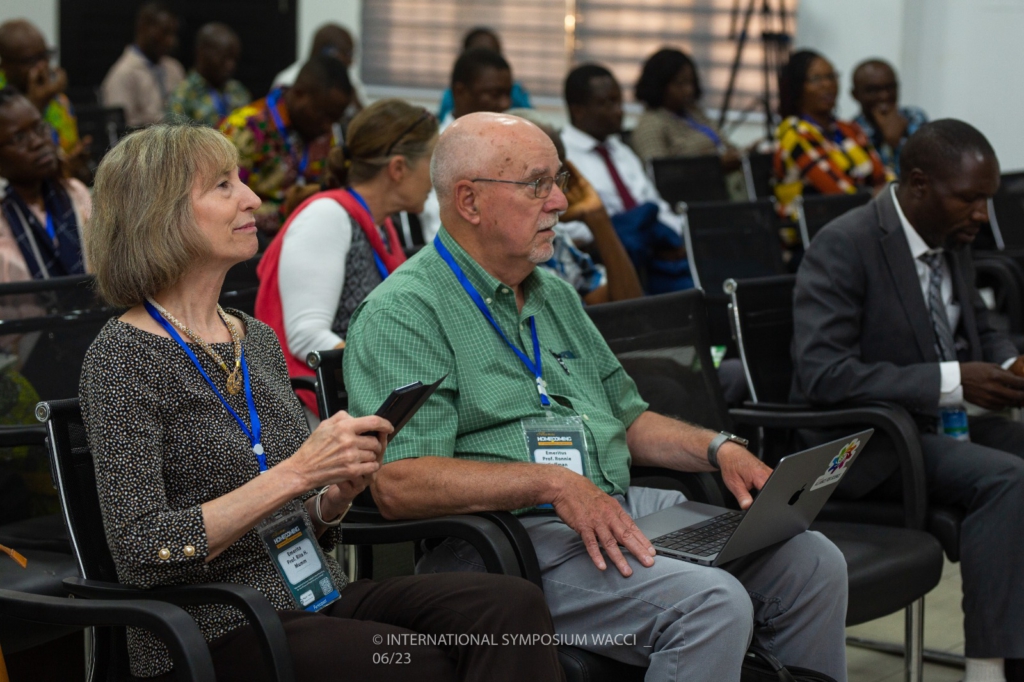
    Twenty-five speakers from about 20 different countries spoke at the conference including Prof. Eric Danquah who is the founding director of WACCI; Dr. Sheila Ochugboju, Executive Director of Alliance for Science; Dr. Leena Tripathi, Eastern Africa Director of International Institute of Tropical Agriculture (IITA), Kenya.

    The others are Prof. Giles Oldroyd, Director of Cambridge Crop Science Centre, University of Cambridge, UK; Dr Michael Osae, Director, Biotechnology & Nuclear Agriculture Research Institute, Ghana; among others.

    African governments must invest in biotech to improve agriculture – Deputy Agric Minister

    Beyond the African continent, there were guest speakers from Latin America, the USA, the UK, and the Philippines.

    Hundreds of other scientists participated in person including Prof. Ronnie Coffman of Cornell University and Prof. Rita Mumm of the University of Illinois.

    Conference organisers said a communique on ‘Pathways To Making Africa Food Sufficient’ will be issued after the symposium, detailing the recommendations on the changes that African governments, state agencies, donor partners, universities, research institutions, industry, farmers, consumers, and other agricultural sector stakeholders, should institute to help enhance access to ‘made in Africa biotech crops.’

    Mr Frimpong Addo said Ghana is leading the way when it comes to the introduction of scientific innovations in agricultural production and urged the rest of Africa to follow suit.

    He said the National Biosafety Authority (NBA) in June last year approved Ghana’s first genetically modified crop, the Pod borer Resistant Cowpea or Bt cowpea, for environmental release.

    “Currently, multilocational trials are ongoing for the genetically modified cowpea varieties before they will be brought to the Varietal Release Committee at the Ministry of Food and Agriculture for varietal release approval.

    African governments must invest in biotech to improve agriculture – Deputy Agric Minister

    “We are waiting for it eagerly so that all the necessary regulatory hurdles can be crossed for this variety to get into the hands of farmers,” he said.

    “With this variety, farmers can spray their cowpea fields with chemicals only two times in the three-month life cycle of the plant instead of the current situation where they sprayed eight to 10 times.

    “This is obviously a good thing. It protects the environment from the damaging effects of climate change. It also helps avoid the tedious work women and men would have to do on the field fetching water to mix chemicals.

    “Also, it helps avoid pesticide poisoning of our farmers. This has been possible through the power of biotechnology,” he explained to the audience.

    The deputy minister said his ministry looks forward to the communique from the symposium “for ideas on what we can also do differently to help transform Africa’s agriculture.”

    Prof. Eric Danquah in his opening remarks told the audience; “Biotechnology can help advance the frontiers of science. We can explore new horizons and push the boundaries of knowledge to unlock the potential of plant biotechnology and genome editing.”

    African governments must invest in biotech to improve agriculture – Deputy Agric Minister

    “Let us embrace this journey of discovery and collaboration for groundbreaking advancements that can help shape the future of agriculture and secure a sustainable future for generations yet to come,” he said.

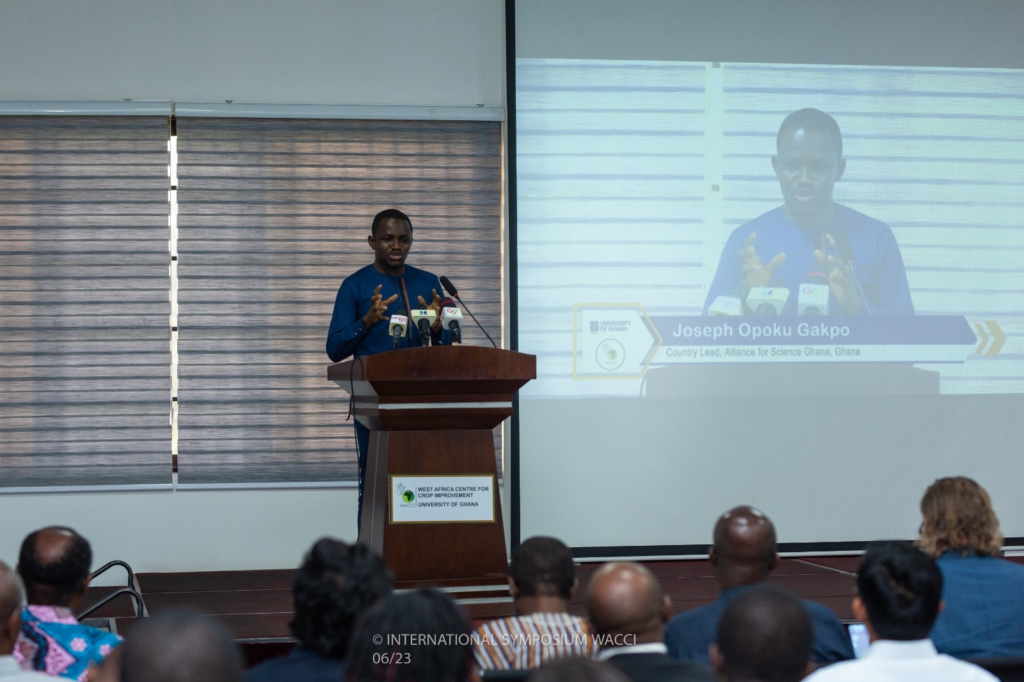
    The country lead of Alliance for Science Ghana Joseph Opoku Gakpo said Africa needs all ‘hands on deck’ to deal with the hunger and food insecurity challenge.

    African governments must invest in biotech to improve agriculture – Deputy Agric Minister

    “Africa’s hunger burden is twice that of Asia, two and half times that of Latin America and the Caribbean, four times that of the Oceania region, and about eight times that of Northern America/Europe.

    “The hunger burden in Africa is higher than in any other continent in the world and the African situation deserves urgent and special attention. So, we need all the solutions we can lay hands on,” he said.

  • Dumelo praised for farming expertise

    Dumelo praised for farming expertise

    Ghanaian actor and farmer, John Dumelo, has shown his commitment to agriculture by sharing a video of himself ploughing his farmland with a tractor on his TikTok page.

    The video has gone viral on social media, with many commending Dumelo for his hard work and dedication to promoting agriculture in Ghana.

    In the video, Dumelo can be seen driving the tractor around his large piece of land with confidence, ploughing the soil like a pro.

    He took it upon himself to handle the task, which is usually done by his workers, to showcase his passion for farming and his commitment to the agricultural sector in Ghana.

    Dumelo has been an active advocate for young people to embrace farming as a means of creating jobs and improving food security in Ghana.

    His efforts in promoting agriculture and his dedication to farming have earned him respect among Ghanaians.

    The video has been widely appreciated, with fans and followers expressing their support for Dumelo and his contributions to the development of the agricultural sector.

    Many have commended the actor for his hard work and determination to promote agriculture in Ghana.

  • Agricultural and ecotourism equipment is delivered to Guan District

    Agricultural and ecotourism equipment is delivered to Guan District

    Some communities in the Guan District of the Oti Region have received irrigation machines, safety items and financial support to boast agriculture and ecotourism.   

    The district is blessed with tourist sites; caves, fascinating scenery (mountains), waterfalls, and streams, apart from the agricultural potential.  

    The Accelerated Rural Development Organisation (ARDO), a Non-Governmental Organisation, with support from the New England Biolabs Foundation-USA, donated irrigation machines and accessories, safety items and cash to groups at Likpe Todome in the Guan District.  

    Two vegetable-farmer groups from Lolobi-Ashiambi and Likpe Bala received two irrigation machines and accessories worth GhC38,600, while a cash amount of GHc1,200.00 was handed over to Mr Paul Onai, the Chairman of the Anti-wildfire Volunteer Group, at in Lipke Bala, to support firefighting activities. 

    Another ecotourism group from Likpe Todome, an area endowed with six ancestral caves, also received 200 metres of climbing safety ropes, 20 galvanized rods, and 20 bags of cement, worth Gh11,800.00, to enhance the work of members.    

    Mr Nicholas Mensah, the Chairperson for the Community Environmental and Ecotourism Management Committee (CEEMC), received the donations on behalf of the groups, at Likpe Todome. 

    He appealed to individuals and organisations to assist the communities to conserve the environment, improve agriculture, preserve cultural heritage, and mitigate climate change effects.  

    Nana Kadjangla IV, the Chief of Likpe Todome, expressed appreciation to the NGO and Foundation, for their support to promote eco-tourism and minor-season vegetable farming in the district. 

    He called for the preservation of the caves and Wadzakli falls/stream, by restoring or protecting the vegetation and ecology around those natural resources, to promote tourism and improve the livelihoods of the people.   

    Mr Pascal Benson Atiglah, the Executive Director of ARDO, appealed to the chiefs to collaborate with their counterparts in Togo, to prevent the annual cross-border fires, caused by cattle herders.  

    He cautioned the people against bushfires, which aggravate climate change effects and environmental degradation. 

    Mr Elias Zuri Domernya, the Assembly Member of Likpe Todome, noted that minor season vegetable farming played a significant role in the livelihood of the people, hence must be given the necessary support.  

    The chiefs and elders of Todome, where the ancestral caves and the Wadzakli streams can be found, as well as farmer groups from Lolobi-Ashiambi and Likpe-Bala were present at the presentation. 

  • Agric colleges to receive annual budgetary allocation

    Agric colleges to receive annual budgetary allocation

    The Agriculture Ministry has guaranteed that all agriculture colleges across the country would receive a budgetary allocation each year.

    This according to the Ministry, is in line with efforts to keep the legacy of Modernising Agriculture in Ghana.

    According to Deputy Agric Minister, Yaw Frimpong Addo, maintaining facilities of these institutions is the only way to ensure that policies like Technical Education Development for Modernised Agriculture in Ghana (TEDMAG) do not die out.

    Speaking at the final stakeholder meeting of the TEDMAG project, Mr. Frimpong Addo indicated that the project has been a success and government will continue to allocate funds to agriculture colleges.

    “Once these facilities have been upgraded, it is up to the ministry to put it in the annual budget for maintenance. This is important because if we’re able to maintain these facilities, it will be with us for a long time and that would be good for country,” he said.         

    The Government of Canada in 2017 implemented the TEDMAG Project. The 135-million-dollar project was to revamp curriculum at agric colleges and complement Ghana’s modernising agriculture agenda.

    Head of Cooperation at the High Commission of Canada in Ghana, Kathleen Flynn-Dapaah emphasised that the TEDMAG project prioritised empowering women along the agriculture value chain.

    “The governments of Canada and Ghana have been working under this project to promote gender equality. Through our partnership with government of Ghana and non-governmental organisations, women in agriculture in Ghana are empowered in various ways. They have higher levels of financial autonomies allowing them to buy lands, to purchase rudimentary agro-processing machines, to expand their agro-processing activities and with the extra resources to improve their homes,” she intimated.

    One of the beneficiaries, Cedonia Akanpisi, a student of Damongo Agriculture College shared how the project has impacted her life.

    “TEDMAG has helped in changing the negative perception of agric. They say agric is the backbone of an economy but I believe it’s the oxygen of an economy and TEDMAG has contributed in impacting great zeal and passion for agriculture,” she said.

    The Technical Education Development for Modernised Agriculture in Ghana Project ran from 2017 to 2022.

  • Africans encouraged to invest more in Agriculture

    Africans encouraged to invest more in Agriculture

    With Africa holding the world’s largest arable lands, Africans are being urged to restore their passion for agriculture.

    This is because it is the next sustainable sector to revive their economy particularly at a time when global shocks are badly impacting their economies.

    The acting Global President for the International Peace and Governance Council (IPHC), Dr Jonathan Ojadah, said the exposure to the oil boom has pushed some countries to deviate from agriculture such that the practice of subsistence agriculture, which used to be a source of livelihood for many, has stopped.

    Dr Ojadah made the call last Friday in an interview with the media at the 11th Pan African Leadership, Investment Summit and Honours in Accra.

    Organised by IPHC-Ghana in collaboration with the Ministry of Tourism, Creative Arts and Culture, the summit brought together Africa investors to discuss various investment opportunities on the continent.

    It was on the theme: “Peaceful Coexistence and Synergy for African Development”.

    “Most countries are still undergoing recession so we deem it necessary that we advise every country to take their agricultural investment opportunities seriously because we believe that with food security, hunger will be eradicated.

    When hunger is eradicated we can achieve sustainable peace and it is on the back of sustainable peace that investment promotion can survive,” he said.

    He said his outfit has embarked on a sustainable agricultural project which he believes will create a lot of good security for the populace.

    “We at UNIPGC are partnering the United Nations Association of Ghana to implement the zero hunger agenda of the Sustainable Development Goal (SDG) of the UN to project the role of agriculture in sustaining the economy towards national development,” he added.

    Ensuring sustainable development

    In a speech read on his behalf, the Minister of Tourism, Arts and Culture, Dr Ibrahim Awal, said: “Africa has so much resources but benefits from just a little, therefore, it’s time to seek the opinions of the traditional authorities, religious leaders and civil society organisations to ensure inclusive and sustainable development.

    In this vein, with the multi-party democracy that most African countries have chosen, it’s imperative to harness its potential for peace and development on the continent.”

  • Historical context: The government is attempting to lower food prices

    Historical context: The government is attempting to lower food prices

    On June 20, 2022, Dr. Owusu Afriyie Akoto, the country’s then-minister of food and agriculture, declared that the government was striving to lower food prices.

    He maintains that outside influences can be ascribed to the country’s high food prices.

    Additionally, he denied assertions that there was a food scarcity in the nation.

    There is no food shortage, according to Ghana’s Minister of Food and Agriculture, Dr. Owusu Afriyie Akoto.

    Contrary to what has been asserted, food is not scarce in Ghana; rather, it is expensive because of external factors.

    The Minister asserted that external factors, including as a surge in imported chemicals, were to blame for the increase in food prices rather than changes in Ghana’s policy.

    As part of his official visit, he addressed MOFA personnel and farmers in the Eastern Region. He informed them that the government was reducing production costs to help customers despite external issues beyond its control.

    “We are pushing farmers to transition to organic fertilizers generated locally to lessen fertilizer scarcity on food production and asked the far west to move swiftly to compost.”

    Dr. Afriyie Akoto said the government was looking at ways to force banks to lend to farmers to enhance productivity.

    This was to address farmers’ incapacity to get loans from banks, he said, adding that attempts to the banks had proven useless over the years and the banks preferred to lend to entrepreneurs over farmers.

    Mr Henry Crentsil, Eastern Regional Director of MOFA, said that despite fertilizer scarcity and high production costs, planting for food and employment and other initiatives indicate strong yields.

    He claimed farmers’ adoption of better seeds has skyrocketed, especially in maize, signalling an oversupply of food and seasonal price spikes.

    The Minister toured private commercial farms, including the Legacy Crop Improvement Center (LCIC), a seed production centre in Otareso, Akuapem North District, and examined its warehouse with a coding room.

    He said his tour of the Regions revealed that the nation was well supplied with food, and the facts given by the regional directorates of Agricultural reinforced the idea that Ghana has a healthy, strong agriculture sector inspired by Planting for Food and Jobs.

  • Resignation of Agric Minister long-overdue – Agribusiness Chamber

    Resignation of Agric Minister long-overdue – Agribusiness Chamber

    The Chief Executive of the Agribusiness Chamber, Anthony Morrison, has welcomed the resignation of Minister for Food and Agriculture, Dr. Owusu Afriyie Akoto, stating that stakeholders have been clamouring for his exit long ago.

    He suggested that agriculture needs a required expertise to grow the sector.

    According to him, the stakeholders in the sector have been expecting the Minister to be changed long ago.

    “It is a welcoming news. He has stayed at the ministry for six years. A lot of people, including myself, have been advocating for a reshuffle to bring in someone who can engage the sector very well,” Mr. Morrison said.

    Providing some personalities that could handle the ministry, Mr. Morrison suggested Professor Eric Dankwa Yirenkyi and Dr. Wilfred Hammond as best fits to replace the outgoing Minister for Food and Agriculture.

    “For us, we think there are many experts in the sector that we can count on. We know of Professor Eric Dankwa Yirenkyi who has achieved global laurels and awards and a huge personnel in the African and global agriculture space. We know of Dr. Foster Boateng who was West Africa Director for Alliance for a Green Revolution in Africa (AGRA). Also, we know of Dr. Winfred Hammond who was a Former Deputy Agric Minister and former Country Director for FAO in Liberia and Sierra Leone. I believe that there are huge potentials in these three agric experts,” he said.

    Mr. Morrison also highlighted the need to choose someone who is involved in academia, industry and has a relationship with development partners.

    “We can go further to talk about the likes of Dr. Henry Anim-Somuah and Professor Irene Agyiri, whose efforts and activities have contributed a lot to the sector. Notwithstanding, we need to look for a personality who is in academia, industry involved and works with funding organisations. We need not forget that we must pick someone who development partners are happy to work with,” he emphasised.

    Source: myjoyonline

  • Farmer encourages government to de-risk agriculture in order to enhance food supplies

    In order to boost commercial farming for food security, Sumaila Doho, a 48-year-old commercial farmer in the Sissala East Municipality, has pleaded with banks to de-risk agriculture.

    In an interview with the GNA, Mr. Doho stated that farming was profitable and that young people should get involved in it in order to earn a livelihood rather than waiting for nonexistent white-collar jobs.

    I want to cultivate to generate enough food for the nation and for export, he declared.
    I decided to go into farming because the cost of food is increasing because our nation doesn’t produce enough.

    Mr Doho who spoke to the Ghana News Agency (GNA) during a visit to his 625 acres of maize and a hundred soya field located in the Duu East about three hours’ drive from Tumu said: “Just see how this year, how every country is panicky over food and that’s the reason I think we support ourselves to produce enough food.

    “Smallholder farming interventions cannot take Ghana out of its food security challenges but it will take commercial farming supported with bank equity to produce to meet the country’s food stock and export to earn foreign exchange as the surest way to reduce the over dependence on the dollar that continues to challenge to the economy”.

    Mr Doho said the size of his farm would be for three or four communities saying, “If one person can farm this big, then it means with the right support, we can have a lesser number of people who can feed the country and develop others to produce to export, so in effect, fewer regions could take care of the country`s food needs”.

    On challenges confronting him, Mr Doho stressed the need for banks to lower their interest rates and keep staff who understand farming to deal with farmers’ needs. “I have banked with over two banks and none of them is ready to give me any facility, what they tell me is that farming is risky and therefore getting equity is a problem and this is not good for agribusiness”.

    He said the absence of machinery was another challenge as the need for combine harvesters, threshers, tractors, and boom sprayers were all capital-intensive for a farmer to acquire.

    “If I have a combine harvester, a hectare of a planting distance of 48,655 plants will give you four to five metric tonnes per hectare could easily be harvested in real-time and reduce too many hands and also encourage large fields’ cultivation and quick harvest”.

    He also expressed concern about the poor roads leading to food producing centres saying, “Most roads to farming centres have remained deplorable with weak bridges and in most cases non-existing culverts over streams that hinder the transport of machinery, inputs and foodstuff to homes and market centres”.

    Mr Doho stressed the need for the government to create a portfolio for agriculture, where a dedicated fund must be earmarked for agricultural production for the youth to be encouraged to the sector and said he was expecting to harvest about 1,250 metric tonnes of maize and reiterated the need for a fund for commercial farmers to partner smallholder farmers to make Ghana’s food secure.

    Mr Doho Sumaila, who is also the Presiding Member of the Sissala East Municipal Assembly, called on the government to encourage communities to allocate lands for agricultural purposes across the country.

    Mr Doho’s company `Farmer Pride` has plans to expand the farm size, construct a dam, rear animals and procure a combine harvester and other machinery to mechanize agriculture to feed the country, export and provide job avenues for the youth.

  • ‘Government likely to miss target to reduce grants by 10% for goods and services’ – SEND Ghana

    SEND Ghana has issued a warning that due to its excessive reliance on aid from donors and development partners, the government is unlikely to meet its goal of cutting grants by 10% to finance goods and services and CAPEX by 2023.

    According to SEND Ghana, government’s contribution to capital expenditures has been declining, according to an assessment of Ghana’s budget from 2019 to 2023 that covered five ministries: health, education, agriculture, sanitation and water resources, as well as children and social protection.

    1.8 percent of the overall allocation will come from the government in 2023, down from 8.48 percent in 2022, according to SEND Ghana, while 92.22 percent would come from external contributions.

    The social advocacy group believes that Ghana’s goal of reducing grants by 10 percent and its dream of a Ghana Beyond Aid is unattainable should they continue to rely heavily on external donors.

    “With this trend, the government will most likely miss its target to reducing grants by 10% to finance Goods and Service and CAPEX by 2023 as envisioned in the Ghana Beyond Aid strategy document. The government must there take concrete steps to reduce the over-reliance on aid from donor partners,” parts of a press release from SEND Ghana read.

    SEND Ghana also noted that the current global economic instability has made donor funds to governments inconsistent hence an over-reliance on development donors by the government could prove counterproductive and prevent government from embarking on major projects in the near future.

    “It has become apparent that donor funds are gradually dwindling, hence over-reliance on external support is counterproductive and could prove problematic in the near future. Again, considering the global economic turbulence, the government runs the risk of not mobilizing the required funding from DPs which will in turn affect actual releases to finance Agriculture and WASH interventions for 2023,” SEND Ghana added.

    The social advocacy group made this known in a press statement released on Thursday, December 1, 2022.

  • Food prices won’t come down in December – Nyaaba

    Programmes Director of the Peasant Farmers Association of Ghana, Dr Charles Nyaaba has expressed doubt that food prices will go down in December.

    This is due to the challenges farmers are going through including high cost of doing business, he said.

    Dr Nyaaba told TV3’s Roland Walker on the Big Issue, Friday November 4 that “depending on the commodities, food prices will not come down, it is going to be extremely difficult for prices to come.”

    This comes at a time the Minister of Food and Agriculture Dr. Owusu Akoto Afriyie assured that the Ministry is introducing an initiative to sell food at cheaper prices in Accra.

    Dr. Owusu Akoto Afriyie said at a meeting with farmers in Sefwi Wiaso in the Western North Region, that “the ministry itself is going to take its own initiative.”

    He added “We are going to link up with the farm gate so that we make all the arrangements to ensure that we put up kiosks on our compounds at the ministry, specifically for food from Sefwi Wiaso and we are going to give it a lot of publicity.”

    Source: 3news.com

  • The Netherlands committed to support Ghana’s agric sector – Deputy Ambassador to Ghana

    The Deputy Dutch Ambassador to Ghana, Katja Lasseur, has expressed the commitment of the Netherlands to leverage its expertise to support Ghana to improve on its agriculture sector.

    She explained that the Netherlands as the second largest exporter of agricultural products in the world, had the potential to share knowledge, technology and investment opportunities to support efficient use of land in the country.

    Speaking at the opening of the 2022 Orange Cocoa Day (OCD) in Accra last Monday, the deputy ambassador said although the Netherlands was a small country in terms of land size, its total agriculture exports for last year reached €110 billion.

    Ms Lasseur stated that investment in agriculture thrives only on a well-structured land tenure system.

    “Land fragmentation and insecurity does not promote investment in the agriculture sector,” she said.

    Orange Cocoa Day

    The Orange Cocoa Day was organised by the Netherlands Embassy in Accra, collaboration with European Union (EU) Delegation in Ghana, European Institute, Meridia and other firms active in the cocoa sector.

    It was the theme, “exploring how improved access to land and tree tenure promote sustainability in the cocoa value chain,” and brought together stakeholders to discuss the sector-wide developments in cocoa and their readiness to support the sector in the country.

    The OCD also served as a platform for exhibitors which consisted of Tropenbos Ghana, Niche Cocoa Industry Ltd, Financial Access, 57 Chocolate, Ghana CSOs Cocoa Platform (GCCP) and Solidaridad, to showcase a variety of goods and services to participants.

    EU’s commitment

    The EU Ambassador to Ghana, Irchad Razaaly, reiterated the commitment of the EU to support a sustainable cocoa production in the country.

    He said the country’s efforts towards sustainability were fully aligned with the EU priorities to provide decent living income for cocoa farmers.

    “It is also to ensure sustainability in the value chain. The European Commission in September 2020 launched an inclusive dialogue on sustainable cocoa production.

    “This is what has been described as cocoa talks being executed between Ghana and Côte d’Ivoire,” he said.

    He said the EU was also supporting COCOBOD for the role out of the cocoa management system which was a sensitisation campaign to train agriculture extension officers.

    Historic commodity

    The Minister of Lands and Natural Resources, Samuel Abu Jinapor, said cocoa, for Ghanaians, was not just a cash crop that contributed significantly to the economy, but also, a historic commodity that formed part of the country’s heritage.

    He said with the crop being cultivated in nine out of the 16 regions of the country, the lives and livelihoods of many people depended on the value chain of this commodity.

    Mr Jinapor said in spite of its importance and contribution to socio-economic development, cocoa farming expansion had become a major driver of deforestation and forest degradation.

    “While promoting production, we must do so in a manner that does not destroy our lands and forests which supports the lives of billions of people across the globe.

    “As population grows, competition for land across the various sectors, such as agriculture, forestry, mining, human settlement, infrastructural development, ecological sites, among others, is inevitable”, he said.

    Creating balance

    The minister stated that there was, therefore, the need to create a balance between all those competing land uses without compromising the land’s ability to sustain the benefit flows for current and future generations.

    “Unlike many of the former British colonies, land in our country is mainly owned by stools, skins, clans, families and individuals, with the government controlling only about 20 per cent of lands acquired from stools and families,” he said.

  • Researchers, extension farmers – linkage committee meet in Jema

    The Department of Agriculture in the Kintampo South District on Friday held the Research, Extension farmer – Linkage Committee (RELC) planning session, at Jema in the Bono East Region.

    RELC was a platform which brought together researchers, agricultural extension officers, farmers and the various stakeholders to deliberate on and to find solutions to challenges faced by farmers in the agricultural value chain.

    It was held under the Modernising Agriculture in Ghana (MAG) project, to help reverse the declining growth of the agriculture sector, and to ensure food security.

    The District Director of Agriculture, Afia Asokua Ofori, stated that a total of 189 farmers from four zones namely Krutakyi, Kokuma, Akora and Sabule presented their challenges, where the most pressing among them were given immediate attention.

    Mrs Ofori indicated that the farmers identified constraints namely high incidence of livestock and poultry diseases, fall army worm infestation, high cost of veterinary drugs and farm inputs.

    She noted that others were the destruction of crops by cattle, high incidence of post harvest loss of food crops, lack of ready market and price standardisation of produce and bad roads linking farms.

    The Bono East Regional Crops Officer, Eric Kantoma, disclosed that as part of measures to address last year’s challenges identified, three farmer – based groups were formed and linked to tractor service providers.

    He was happy to announce that most of their farmers had adopted the usage of hermetic storage bags for cereals and legumes, as a best way to correct poor post – harvest handling of the produce.

    Mr Kantoma was optimistic that proper medication and good husbandry practices for farm animals, training farmers on good agricultural practices and integrated pest management, and effective usage of agrochemicals, would solve most of the constraints enumerated.

    “More farmer-based groups will be formed to negotiate for better price of produce. We will also hold talks between community leaders and herdsmen on how to protect farms from cattle invasion ” he assured.

    The Regional Crops officer indicated that the various challenges in the agriculture value chain enumerated, would be dealt with from the zonal level to the national headquarters.

    A mango farmer, Mr Adjei Dufour, who chaired the session, thanked the Department of Agriculture and partners for promoting the welfare of farmers saying that “we hope the various constraints identified will be given immediate attention.”

  • We have enough food in stock but we are managing it Dep Agric Minister

    Deputy Minister for Food and Agriculture, Yaw Frimpong Addo has refuted claims there is a shortage of food in the country.

    In a JoyNews interview monitored by GhanaWeb, Addo said that the country had enough food to serve the needs of Ghanaians till the next harvesting season, which is from August to September.

    “We still have some (food) in stock; we need to manage it well. Every year, around this time, food prices begin to rise, but this year has been serious. But, the good thing is this, we have food in the system.

    “If you don’t regulate it (food supply) well, everything will be gone by April, and May, June, July these are very tough times, every year. May, June, July are very tough times, so we need to manage these things so that we will spread it (food supply),” he said.

    He indicated that Ghanaians should not be worried about the current increases in food prices because the country’s food stock management is essential to ensure there is food all year round.

    “People will be okay if they go to the market and they get some of these items to buy even at whatever price than not getting it at all. And when you get to such a situation, that is where you need good managers. We need to manage it (food stock), and that is what we are doing … We need to manage it so that we do not run out by May, June… we should not run out of food in this country,” he said.  

    The 2021 Global Food Security Index recently published by the Economist Intelligence Unit (EIU) showed that Ghana declined from the 78th position in 2016 to the 82nd position out of 113.

    According to the EIU, agricultural challenges for Ghana include food security, policy commitments, food loss, and dietary diversity.

    However, Food and Agriculture Minister Dr. Owusu Afriyie Akoto disagreed with the assessment of the EIU, saying that data gathered by his Ministry does not support the assessment of the EIU that Ghana’s food security index has dropped.

    Source: www.ghanaweb.com

  • Farmers and other stakeholders trained on Agroecology in WR

    Mr Patrick Kowuah, the Western Regional Director of Agriculture, has called for an innovative approach to farming due to decreasing yields in farm produce, low soil moisture, disturbance of the soil structure and climate change.

    He said farmers, small or large scale, could not continue to farm using approaches that were very detrimental to the environment.

    He stressed the need to go back to the traditional model of farming where soil cover was protected and land fertility was not destroyed with chemicals.

    “We must continually feed generations and so the duty to maintain a healthy environment…we are to produce food in a friendly environment and not at the detriment of the environment,” he added.

    The Director of Agriculture was speaking at a two-day workshop organized by the Peasant Farmers Association for farmers, District Agriculture Directors, Media and other stakeholders in the sector.

    The workshop exposed participants to rudiments of Agroecology, where farming was done either on a small or large scale using conventional methods with little or no disturbance to the soil structure.

    Agroecology employs farming methods such as crop rotation, intercropping, application of manures among others as against bush burning, and excessive ploughing of the land.

    Dr. Kofi Boa, a research scientist and practitioner of Agroecology, said the sustainability of produce hinged on the quality of land and described bush burning for Agriculture activities as the cruellest decision any mankind could think of.

    “Burning farmlands is wickedness. You kill soil nutrients and thus make it unproductive over time,” he added.

    He said Agroecology is sustainable and could also be done on a large scale and urged farmers to clear any misconception about the practice.

    “We have equipment to help even on 100 to 1000 acres of land.”

    Dr. Boa, therefore, urged farmers to adopt sustainable farming practices to help save the environment.

    Dr. Charles Kwowe Nyaaba, the Executive Director and Head of Programmes for the Peasant Farmers Association, organisers of the workshop, said the ultimate aim was to create agroecology hubs across the country as an indicator that such practices were relevant to modern day farming.

    He said the project with support from Open Society Initiative for West Africa, 11th Hour project and the Joint Action for Farmers’ Organisations in West Africa (JAFOWA) have selected Jomoro, Shama, Sefwi Wiawso for its pilot projects.

    Dr Nyaaba said, “We believe that such actions may in future influence policy for more attention to be turned to Agroecology.”

    He lauded the government for helping the sector and appealed for more funds for activities, especially in fighting bush burning.

    Source: GNA

  • Innovation, modernization in agric adversely affected by low level of education – Kobina Annim

    Government statistician Professor Samuel Kobina Annim says the 2017/2018 census on agriculture has revealed that agricultural activities in the country remain rural and rudimentary.

    He alluded to the fact the absence of and low levels of education among agricultural holders is adversely affecting innovation and modernization.

    “Now that we have found out that four-fifth of people in agric do not have education, we should think about how we can structure some educational packages for those in the agricultural sector,” Professor Annim said.

    The 2017/2018 agricultural census is the fourth to be conducted in the country. The first was in 1950. The second census was conducted in 1970, 20 years after the initial agric census and the third occurred 15 years later in 1985. All previous agric censuses excluded agricultural institutions.

    But with a 33-year gap to fill, the 2017/2018 exercise depended heavily on the use of computer-assisted personal interview techniques to collect data from households and institutions engaged in agricultural activities nationwide.

    The report indicated that a total of four million, eight hundred and sixty-four thousand, two hundred and seventy-six households were identified, with two million, five hundred and eighty-five thousand, five hundred and thirty-one being agricultural households.

    A total of three million, thirty-seven thousand, three hundred and eighty-one persons who were 15 years or older are engaged in agriculture. 65.8 percent are males and 76.6 percent are in rural areas.

    The census results also indicated that about 87 percent of agricultural holders have either basic education or no formal education. Majority of females comprising 52.6 percent have never attended school.

    Professor Annim also appealed for a more strategic approach to whip up the interest of the youth in agricultural activities.

    He said “the other perspective which we think we should look at, is the whole educational system, how it prepares the youth to go into agric, because one of the findings from what we did showed about 80 percent of agric holders do not have education or at best, have basic education. So those who are in agric; by implication the youth that we are concerned about, most of them do not have what it takes to appreciate the technology required to drive a productive agricultural sector.”

    Source: 3 News

  • I don’t think anyone can complain that food is expensive in Ghana – Agric Minister

    Minister for Agriculture Dr. Owusu Afriyie says even though he does not subscribe to the control of food prices no one can complain that food is expensive in Ghana.

    He believes that there is enough food on the market hence prices have even dropped in some jurisdiction.

    There have been calls from some people that the government must step in to control the prices of food as there seems to be a hike ever since COVID-19 surfaced.

    He says he does not believe in controlling the prices of foods because it creates an artificial environment for the misallocation of resources.

    “Unfortunately I am not a believer in controlling prices, it creates an artificial environment for misallocation of resources and that is a very simple economic reason why I don’t subscribe to it. In any case, we are talking about 3 million producers of farm produce, thousands of traders small and large, and in the markets, you see the large numbers of these traders, how do you go around and control prices? I think that an open pricing system that is being followed by the gov’t shows the kind of confidence we have that we will be able to supply food to the market for consumers at a very reasonable price. I don’t think anybody can complain in this country that food is expensive”.

    Dr. Owusu Afriyie also assured Ghanaians that there is enough food supply in the country for even though COVID-19 has slowed farming activities.

    According to the Minister, due to the government’s flagship program, Planting for Food and Jobs, the country has more than enough to take care of the citizens in this period.

    Source: primenewsghana.com

  • Agriculture students get support to boost production

    Ten tertiary institutions offering agricultural courses received financial support at the end of the third edition of this year’s Agric Students Career Guidance and Mentorship Dialogue (AG-STUD) in Accra.

    The institutions were each presented with GHC 1000 and certificates to scale up their business modules.

    This year’s edition of the three-year-old youth-targeted agribusiness boot camp camped over 30 students, representing AG-STUD Business Clubs from schools across the country.

    Representatives from the schools with existing businesses were groomed, coached and mentored to scale up their production, which started from March 10 to 13.

    They pitched their business ideas and plans before a five-member judge and after over three hours of exhaustive presentations.

    The programme organized by Agrihouse Foundation, an NGO in collaboration with its partners is on the theme: “Growing Futures: Establishing the Agric Youth”.

    Madam Alberta Nana Akyaa Akosa, the Executive Director, Agrihouse Foundation, in an interview with the Ghana News Agency (GNA), said the event was designed to coach the students through hands-on experience and mentoring, stressing that experts with relevant expertise and practical experience were selected for the programme.

    “The boot camp aims at inspiring agricultural students and startups in the value chain as well as expose them to the dynamics of the market through leadership programmes on agribusinesses”, she said.

    She said the 2018-2019 edition of the event created jobs for students and youth and as a result, there were now over six successful businesses being run by students who participated in the AG-STUD programme.

    The Executive Director said these students will also be equipped with the technical know-how on how to manage their agribusinesses.

    Mrs Catherine Fabbi, Head Mentor for AG-STUD, was impressed with the contribution of participants at the training, urging them to utilize the opportunity because there are potentials in agriculture to be fully harnessed.

    Mrs Fabbi, who is also the Business Development Manager of Interplast, said the initiative would propel the youth to see opportunities in the sector and venture into agriculture for their livelihoods and national development.

    Some of the participating schools who spoke to GNA expressed satisfaction about the programme, saying that the initiative has transformed their business modules.

    Some urged the organizers to sustain the programme to attract the youth to venture into farming.

    The participating schools are the University of Ghana, University of Energy and Natural Resources, Kwame Nkrumah University of Science and Technology, Kwadaso Agricultural College, and University of Developmental Studies.

    The rest are University of Cape Coast, Fair River Farm Institute, Damango Agricultural College, Asuansi Farm institute and Northern Agri-Youth Hub.

    Source: GNA