Tag: Air Pollution

  • Air pollution cuts nearly 2-years from the average person’s life – AQLI 2024 Report

    Air pollution cuts nearly 2-years from the average person’s life – AQLI 2024 Report

    The latest findings from the 2024 Air Quality Life Index (AQLI) report have revealed that the average person loses nearly two years of their life due to exposure to harmful particulate matter which are extremely small solid particles and liquid droplets suspended in the air. 

    This type of pollution is significantly reducing life expectancy worldwide, according to the report which indicated that the situation is significantly alarming in regions such as Central and Western Africa, where pollution is severely impacting the longevity of life. 

    “In Central and Western Africa, air pollution poses as much of a health threat as well-known killers in the region like HIV/AIDS, malaria, and unsafe water. An average resident in these areas will lose 1.7 years of life if pollution persists at current levels,” the 2024 AQLI report, published on August 28 by researchers at the Energy Policy Institute of the University of Chicago (EPIC) highlighted.

    Burundi, Rwanda, Equatorial Guinea, Cameroon, and The Republic of the Congo are the most polluted countries in Central and West Africa. These countries are also among the most polluted countries in the world, per the report.

    It added, “in the Republic of the Congo’s capital city of Brazzaville, residents are losing 3.2 years; in Rwanda’s Musanze, it is 3.1 years; in Burundi’s capital of Gitega, it is 2.5 years; in Mezam, Cameroon, residents are losing 4.5 years; and in Bata, Equatorial Guinea, it is 2.6 years.”

    Ghana is among the many countries fighting air pollution. The Ghana Environmental Protection Agency introduced a Greater Accra Metropolitan Area (GAMA) Air Quality Management Plan (AQMP) in 2018 with the goal of bringing GAMA in compliance with the country’s air quality standards and maintaining compliance as the area grows economically. 

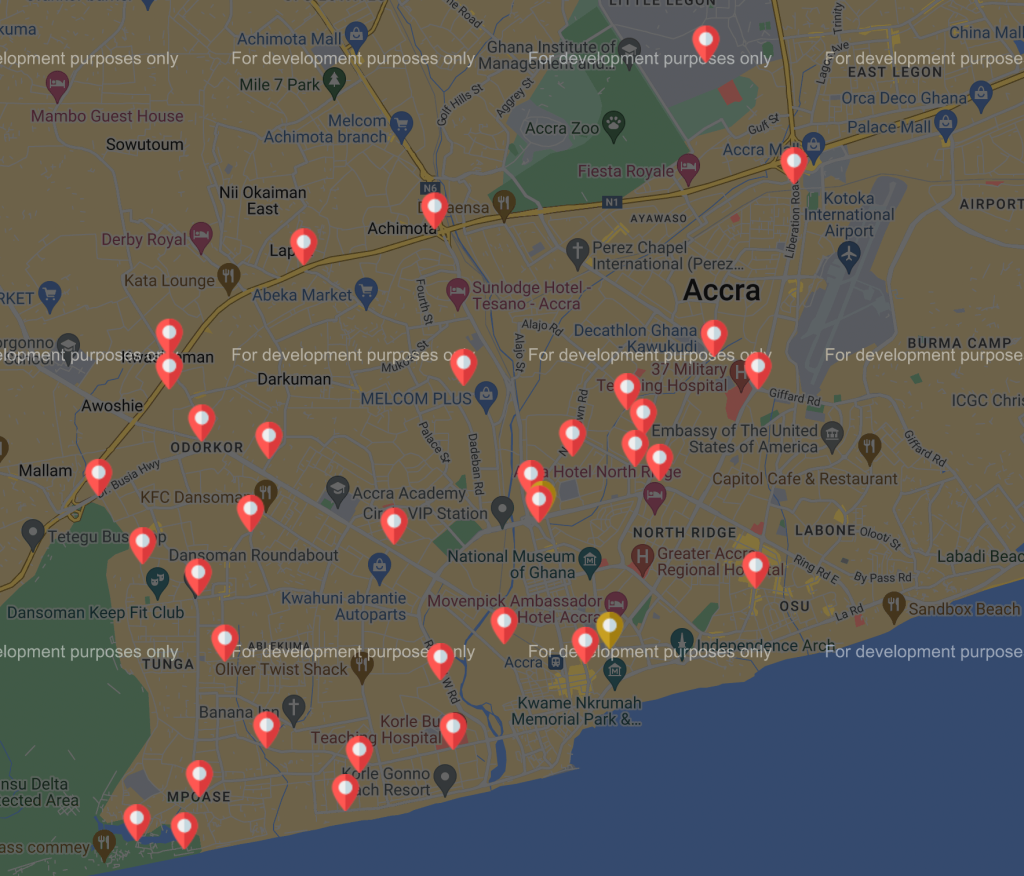
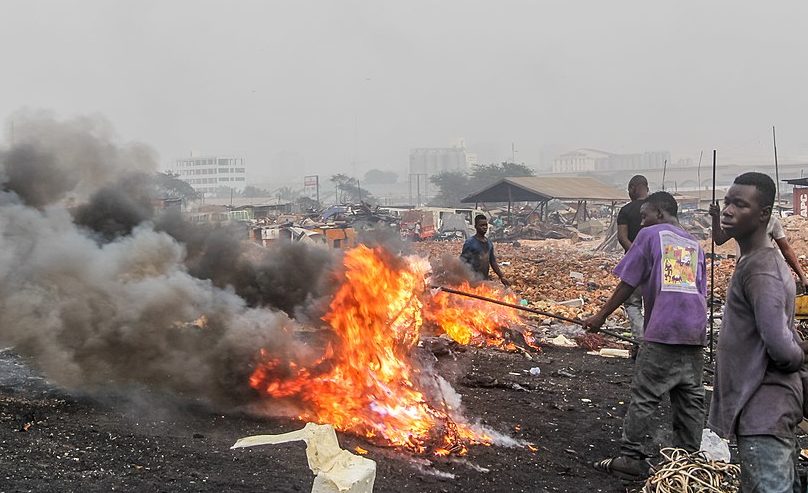
    The fight for a cleaner atmosphere persists as Madina Zongo Junction, Agbogbloshie, Makola, Tudu, Oxford Street, Lapaz, and Kaneshie Market are reported as the communities in Accra with the highest levels of air pollution per findings by the Ghana Urban Air Quality Project.

    Despite global efforts to improve air quality, some regions continue to struggle with rising pollution levels, driven by factors like urbanization, industrial activities, and deforestation. This environmental crisis demands immediate action, as millions of lives remain at risk if pollution is not effectively tackled.

    Air pollution as defined by the World Health Organization (WHO) is the contamination of indoor or outdoor environments by chemical, physical, or biological agents that alter the natural composition of the atmosphere.

    People in the most polluted areas breathe air that is six times more contaminated than those in cleaner regions, cutting their life expectancy by an average of 2.7 years.

    While many countries have implemented national air quality standards, enforcement and compliance remain major challenges, the report notes.AQLI 2024 report also states that there are 94 countries that have set PM 2.5 standards, but 37 fail to meet their own guidelines. Adding to the alarm, 158 countries have yet to establish any standards

    The potential benefits of meeting air quality standards are significant if all countries achieved their goals, the average person in affected regions could gain 1.2 years of life expectancy.
  • Air pollution cuts nearly 2 years from the average person’s life – AQLI 2024 Report

    Air pollution cuts nearly 2 years from the average person’s life – AQLI 2024 Report

    Recent data from the Air Quality Life Index (AQLI) underscores the significant toll air pollution takes on global life expectancy, even though there was a slight decline in pollution levels in 2022.

    If fine particulate matter (PM2.5) adhered to the World Health Organization’s (WHO) recommended guidelines, the average person could extend their lifespan by nearly two years, potentially saving 14.9 billion life-years across the globe.

    The Global Toll of Air Pollution

    Air pollution, especially from PM2.5 particles, is the leading external threat to human health, exceeding the risks posed by smoking, alcohol, traffic accidents, and HIV/AIDS.

    According to data from the University of Chicago’s AQLI, individuals living in heavily polluted areas have a life expectancy that is 2.7 years shorter than those in cleaner surroundings. In 2021, air pollution was responsible for 8.1 million deaths worldwide, translating to about 22,192 deaths each day. Tragically, a child dies every minute due to air pollution.

    Ghana’s Air Quality Crisis

    Air pollution poses a serious problem in Ghana, having claimed 28,000 lives in 2019, which is more than the number of deaths from malaria, HIV/AIDS, and tuberculosis combined. The country grapples with major pollution sources, including industrial emissions, waste burning, and an aging public transportation fleet.

    Upper Respiratory Tract Infections (URTI) remain the top health issue, with the Ayawaso West Municipality alone reporting 25,700 cases in 2023—almost twice the number reported in 2021.

    Michael Greenstone, the creator of the AQLI and a professor at the University of Chicago, highlighted that while air pollution is a global concern, its impact is particularly severe in certain regions.

    “In some places, people lose as much as six years of life due to air pollution,” he said. He also highlighted that the worst-affected areas often suffer from a lack of ambition in setting and enforcing pollution control policies.

    Air Quality Standards and Monitoring Gaps

    Among 252 countries and territories, 94 have established national pollution standards, yet 37 of these do not comply with them.

    Over half of the countries do not have any pollution standards in place, and most of those without standards neither monitor air quality nor make pollution data publicly available. This lack of data obstructs the implementation of effective pollution control strategies.

    Efforts to Combat Air Pollution

    The Clean Air Fund, a global initiative, has been active in Ghana, investing over $700,000 in 2023 to combat air pollution. Accra recently joined the Breathe Cities Initiative to reduce air pollution and carbon emissions by 30% and improve public health. Desmond Appiah, Country Lead of the Clean Air Fund, highlighted the urgent need for local research to link pollution levels to health outcomes more effectively.

    Regional Insights

    In the Middle East and North Africa, pollution rose by 13% in 2022, cutting life expectancy by up to 4 years in some areas. In Central and West Africa, air pollution is as deadly as HIV/AIDS, malaria, and unsafe water, reducing life expectancy by up to 5 years in the most polluted regions.

    Key Findings from the AQLI 2024 Report

    The effects of PM2.5 on life expectancy are on par with the risks of smoking and far exceed the dangers posed by alcohol consumption, road accidents, and HIV/AIDS.

    Around 77% of nations either have no national pollution regulations or do not comply with the existing standards.

    In Central and West Africa, air pollution poses a health threat comparable to the most severe diseases in the area.

    While countries like China have made strides, extending life expectancy by two years through pollution control, many regions still face inadequate pollution monitoring and enforcement, endangering millions of lives.

    Tackling air pollution is a crucial global health issue that demands immediate and coordinated action to protect lives and enhance public health.

    Find the full report below

  • Report cites Makola, Agbogbloshie among five polluted hotspots in Accra

    Report cites Makola, Agbogbloshie among five polluted hotspots in Accra

    Improved air quality monitoring in Accra has identified Nima, Makola, Agbogbloshie, Chorkor, and Madina Zongo Junction as the top five most polluted areas in the city.

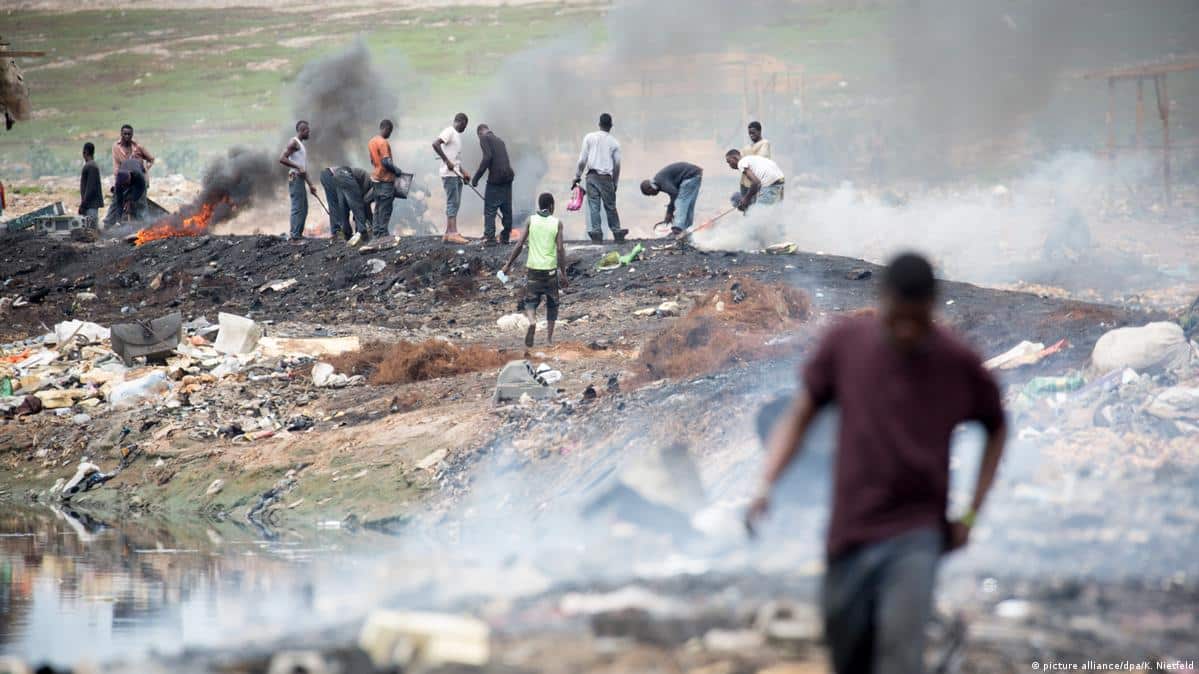
    These locations consistently have poor air quality due to soot from open waste burning and vehicle emissions.

    Professor Kofi Amegah, the Breathe Accra Project Lead, emphasized that these pollutants and particulates are harmful to human health.

    Data collected over four months of monitoring indicated that pollution in these areas exceeded the recommended World Health Organization standards throughout the day.

    The Air Quality Index (AQI) categorizes air quality as ideal or good when it falls within the range of 0 to 50. AQI from 51 to 100 is considered moderate, with some health concerns for sensitive individuals, such as children under five.

     “For instance, AQI for Agbogbloshie on Wednesday 6th September 2023 was between 150 and 200, which is unhealthy for all groups of people,” Prof Amegah said.

    He explained that the deployment of more than 30 sensors was enhancing the capabilities of the Environmental Protection Agency’s monitoring stations. This expansion enabled a broader area of the city to undergo continuous monitoring for air quality.

    While the monitoring system has not yet reached the international best practice of having sensors within every five-mile radius, the upgraded monitoring infrastructure provides real-time data on air quality. This real-time data aids in investigations to identify the sources and causes of pollution, facilitating remedial actions.

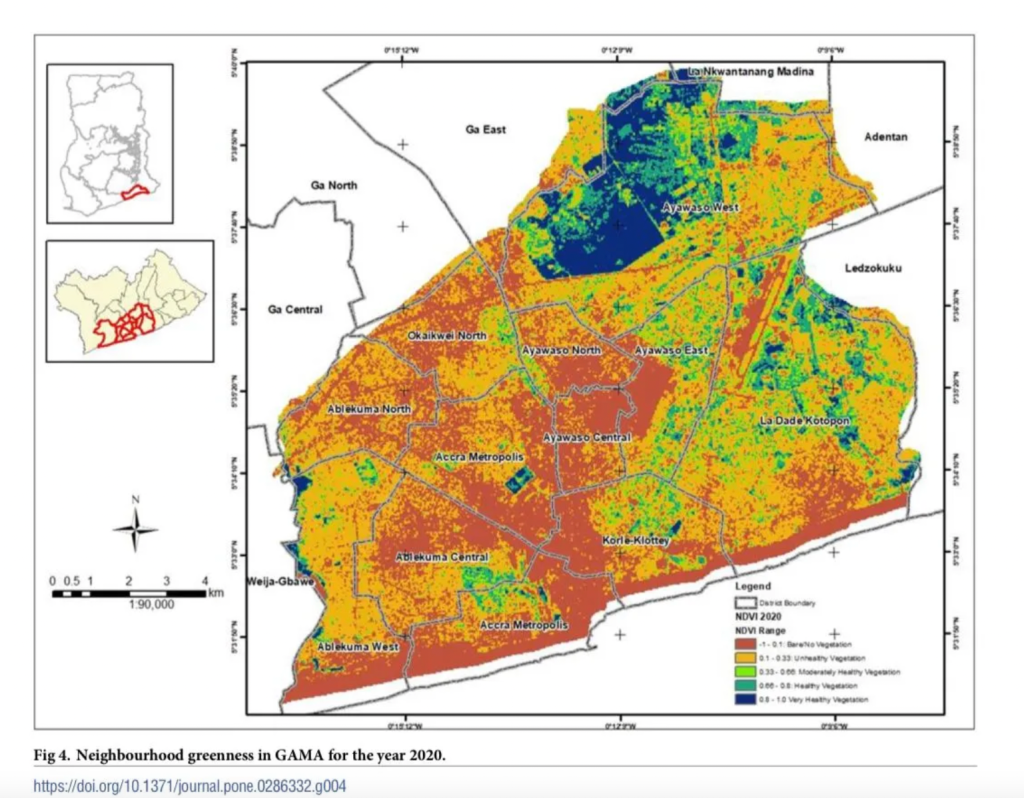
    Regarding green spaces, Professor Amegah shared findings from a recent study he conducted. The study revealed a significant decline in green spaces, which include tree cover, grassy areas, and parks. These green spaces act as the “lungs of the city” and have considerably diminished over the past two decades.

     “These greens purified the air, but we have removed almost all. We need to act fast by planting trees before it is too late,” he cautioned. 

     Mr Alex Johnson, the Head of Transport, Accra Metropolitan Assembly, said: “There is a high concentration of pollutants wherever there is high population and high volume of vehicular traffic at the same time.” 

    “As vehicles move slowly, fuel burning becomes inefficient resulting in high emissions of air pollutants. Also, open burning of waste in these areas is quite common, so I’m not surprised at the results of the monitored data.” 

    He emphasized that various groups, including market women, traders, “truck pushers,” head porters (kayayei), patrons, drivers, pedestrians, and residents residing in these exposed environments, face an increased risk of developing heart-related diseases and lung cancer over the medium to long term.

    Data from the Ghana Health Service (GHS) for the first half of 2023 revealed that asthma, a condition primarily attributed to poor air quality, ranked as the second most recorded non-communicable disease (NCD). Dr. Efua Commeh, the Acting Programme Manager for Non-Communicable Diseases at GHS, clarified that this data indicated a rising number of people suffering from chronic obstructive pulmonary diseases like asthma. Pollutants also increased the likelihood of children contracting upper respiratory infections like the flu, which could trigger asthma symptoms.

    Inhaling dust and soot particles could result in various health issues, including lung dysfunction, heart diseases, cancer, damage to nerves, brain, kidneys, liver, and other organs, potentially leading to premature deaths.

    Regarding the health burden, information obtained by the Ghana News Agency (GNA) revealed that the National Health Insurance spent approximately US$14,976,000 annually on treating conditions related to NCDs among 500 hospitalized patients.

    Desmond Appiah, the Country Lead of Clean Air Fund, reiterated the importance of collaboration among leadership, law enforcement agencies, and the public to maintain clean air. He emphasized that working together and making evidence-based decisions, coupled with targeted actions, would reduce and eventually eliminate waste burning while improving transportation methods.

    A shared objective of ensuring clean air for everyone could serve as a catalyst to secure funding and investments in sectors that promote air quality improvements while delivering multiple co-benefits.

  • Why the air in Ghana is unsafe

    Why the air in Ghana is unsafe

    Ghana’s Environmental Protection Agency (EPA) has revealed that the quality of air in the country’s capital, Accra is harmful.

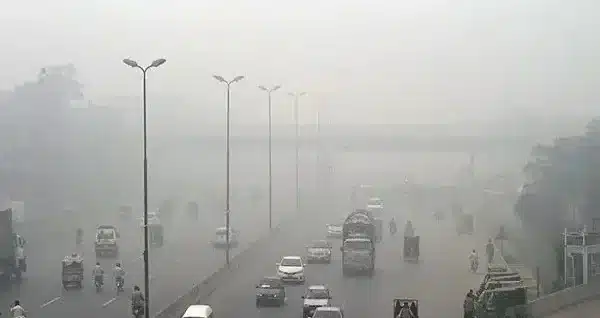
    The country is currently experiencing the harmattan season and as such Ghanaians are observing blurred visions due to the presence of fog.

    Accra’s air is presently polluted, thus unsafe for respiration, and according to the EPA, this is because there is a lot of dust in the atmosphere raised from the Sahara region.

    The EPA arrived at this conclusion based on satellite images from the Ghana Meteorological Agency (GMET).

    According to the Agency, “this dust is being transported by low level strong winds into the country” thus the very dry and dusty weather being experienced over the northern, transition zones and part of the south.

    The Agency noted that this is not a peculiar situation since it is a natural phenomenon that occurs in the harmattan season and can be corroborated by data on particulate level gathered over the period by its team.

    Data on the quality of air

    Between February 1-19, 2023, Accra’s air quality was largely moderate except for February 15-16 when it increased to unhealthy for sensitive groups.

    Between February 17 and 19, 2023, the pollutant levels worsened to “ very unhealthy” status (PM2.5) exceeding the national limit and World Health Organisation (WHO) interim target 3 values of 35 and 25μg/m3 respectively.

    The air quality index was recorded at the EPA’s Monitoring Site located at the University of Ghana, Legon.

    Meanwhile, GMET has noted that the  entire country will remain hazy during the start of the week. From midweek into the weekend, improved visibility and moist conditions are expected especially within southern Ghana.

    Source: The Independent Ghana

  • 5 ways to protect yourself and family from unhealthy air pollution in Accra

    5 ways to protect yourself and family from unhealthy air pollution in Accra

    Is harmattan back? According to the Environmental Protection Agency, the hazy and dense weather plaguing Ghana in late February is part of the harmattan season.

    This harmattan-ish weather has significantly affected air quality and visibility, raising concerns for motorists and individuals with respiratory issues.

    Poor air quality can have dire consequences for your health, especially if exposed to it for an extended period of time. Here are some tips for avoiding poor air quality:

    5.Stay informed.

    Keep an eye on the air quality index in your area and avoid going outside if it is poor. Check the air quality index on websites, apps, or local news. If the air quality is poor, try to limit your time spent outside.

    4.Wear a mask.

    President Nana Addo wearing a face mask

    President Nana Addo wearing a face mask

    Wear a mask if you must go outside during this high-pollution period.

    Masks with N95 or higher ratings are designed to filter out tiny particles.

    3.Maintain a clean indoor space.

    This is the time to clean your homes on a regular basis to reduce the amount of dust and other pollutants that can accumulate.

    We recommend using a vacuum with a HEPA filter to clean carpets and upholstery and an air purifier to improve indoor air quality. During periods of poor air quality, keep your windows and doors closed to prevent polluted air from entering your home.

    2.Avoid outdoor exercise.

    Consider staying indoors as much as possible on days with high pollution. Avoid exercising outside when the air quality is poor. Try working out at a gym with good air filtration systems.

    1.Stay away from smoking and smokers.

    Smoking increases the risks you face during extreme air pollution

    Smoking increases the risks you face during extreme air pollution

    Smoking and inhaling secondhand smoke exposure can exacerbate the effects of air pollution.

    If you smoke, think about quitting and avoid being around other smokers.

    Other long-term practices to reduce air pollution includes regularly maintaining your car to help to reduce pollutants emitted by your vehicle and encouraging green practices like planting and shrubs to absorb pollutants and improve air quality in your neighborhood.

    Even if you don’t notice any immediate effects from poor air quality, long-term exposure can have serious health consequences, including respiratory problems, eye irritation, skin irritation, decreased lung function, fatigue and dizziness.

    Therefore it’s critical to take precautions and limit your exposure to pollutants.

  • Children must be protected from air pollution-Paediatric Society of Ghana to govt

    Children must be protected from air pollution-Paediatric Society of Ghana to govt

    The Paediatric Society of Ghana (PSG) has called on the Government and all stakeholders to take steps towards reducing air pollution to curb childhood morbidity and mortality.

    It also urged the Government to strive to attain the World Health Organisation’s target of 5 mcg/m3 of PM2.5 (minute particulate matter in air from combustion, organic matter and metals).

    The PSG said this in a communique issued at the end of its 2023 Annual General and Scientific Meeting (AGSM) held in Kumasi from February 2 to 4, after extensive deliberations.

    It was on the theme: “Environmental Health and Children’s Well-Being: A Shared Responsibility.”

    The communique, jointly signed by Dr John Adabie Appiah, President, and Dr Angela Osei-Bonsu, the General Secretary, of PSG, said locally relevant research was urgently needed on air pollution issues and their effect on children.

    “While awaiting the conduct of these studies, work must commence to improve public transport, reduce dust from our roads and incorporate pollution prevention measures in the planning of urban areas,” it stated.

    “Reducing the exposure of children to air pollutants is necessary at home, at schools, and in the general environment.”

    The communique reiterated the UN Convention on the rights of the child, Article 24, which states that: “Children have the right to the best healthcare possible, clean water to drink, healthy food and a clean and safe environment to live in.”

    The Society added its voice to calls to curb the ‘galamsey’ menace, which was destroying the country’s forests, land, and water bodies and contributing significantly to the deaths of children exposed to chemicals used in mining.

    Children also fell into abandoned mine pits, among other dangers, it said.

    “This canker must not be allowed to fester, or we will have ourselves to blame and posterity will not forgive us. Time is running out, we must act now, and we must act together in a concerted manner,” the communique said.

    “Half-hearted solutions will certainly fail. In conclusion, we would like to point out that time is not on our side, we must act now, and we must act together.”

  • Africa: Air pollution a “silent killer” in cities – Study

    A study released on Thursday found that air pollution in African cities is growing rapidly and is more deadly than feared, but green solutions could save tens of thousands of lives.

    “Air pollution (in African cities) is high and rising, it’s rising quite rapidly,” said Desmond Appiah, the Ghanaian director of the Clean Air Fund, the British NGO that published the study. “It’s a silent killer.”

    Urban pollution has been largely neglected in Africa, according to the study.

    Africa’s population is predominantly rural and has only recently experienced an exodus to urban centres.

    Earlier research in the Lancet Planetary Health concluded that toxic air – particularly particulate matter and gases from industry and transport, but also from wood-burning stoves – caused the premature death of 1.1 million people in 2019.

    By comparison, 650,000 people died from HIV/AIDS-related diseases worldwide in the same year, according to UN figures.

    The study looked at the situation in four rapidly growing cities on the African continent – Ghana’s capital, Accra, Cairo, Johannesburg and Lagos – to assess the health, environmental and economic costs of pollution.

    It compares the results between a business-as-usual trajectory to 2040 and a green scenario in which cities take measures to improve air quality, such as upgrading public transport and introducing cleaner cookers.

    Adopting a green approach could save 125,000 lives and $20 billion in costs and also reduce emissions in these cities by about 20% by 2040, according to the study.

    If nothing changes, the financial bill will increase sixfold.

    “Africa’s economic growth will be driven by rapidly expanding cities,” said Clean Air Fund. “More than 65% of the continent’s population is expected to live in urban areas by 2060.

    “By the end of the century, Africa will have five of the world’s 10 largest megacities. The big question now is how fast, how fair and how sustainable this growth will be,” the source said.

    Meanwhile, a Boston-based research group, the Health Effects Institute (HEI), warned on Thursday that the human cost of air pollution in Africa is among the highest on the planet.

    In sub-Saharan Africa, the death rate from air pollution is 155 deaths per 100,000 people, nearly double the global average of 85.6 deaths per 100,000 people, HEI said in a report.


    Source: African News

  • German government is being sued for toxic air pollution

    German citizens are suing their government over “dangerously” high levels of air pollution.

    They contend that the government is failing to safeguard their health and that their right to breathe clean, healthy air is being violated.

    Like many countries, Germany’s air pollution levels often far exceed World Health Organization limits.

    Globally, air pollution is associated with seven million premature deaths a year.

    It is the first time individuals in Germany have taken such action citing human rights legislation.

    The case comes after one of the EU’s top lawyers, the advocate general to the European Court of Justice, said in May that citizens could take such action to try to win compensation.

    The group of seven claimants, which includes parents acting on behalf of children, say their health is at risk and politicians are failing to protect them. A number of them have asthma.

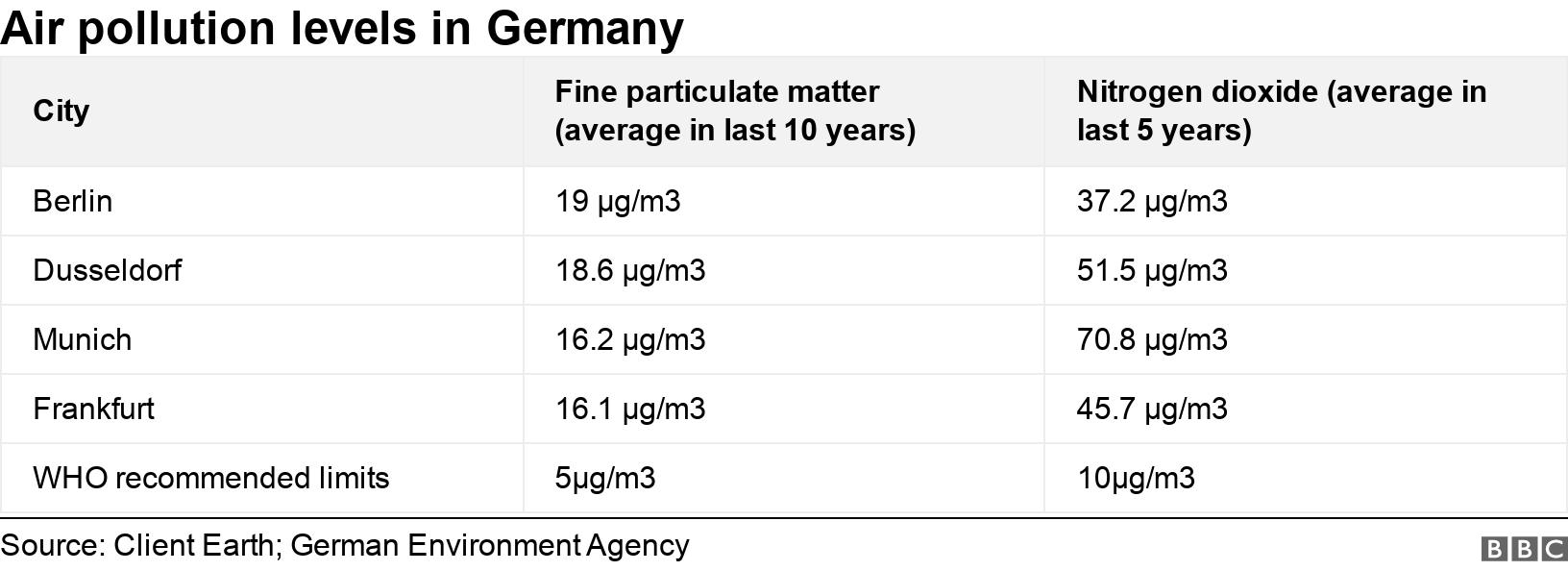
    They live in Berlin, Munich, Frankfurt, and Dusseldorf – four of German’s seven biggest cities- and claim they are breathing air with concentrations of pollution four to five times higher than the WHO’s acceptable limits.

    Volker Becker-Battaglia lives in Munich, on one of Germany’s most polluted streets. “Air pollution is a problem you can’t see. It’s not in people’s minds, but it’s a killer,” he told BBC News.

    “About 150,000 people drive their cars in front of our house every day, it’s horrible. We flee the city whenever we can,” he explains.

    Constanze, from Düsseldorf, who prefers to use her first name only to protect her privacy, said she is taking part in the case for her two children.

    “They deserve to grow up healthy. Living in a city should not condemn them to get sick because of air pollution, and carrying its impacts with them for the rest of their lives.”

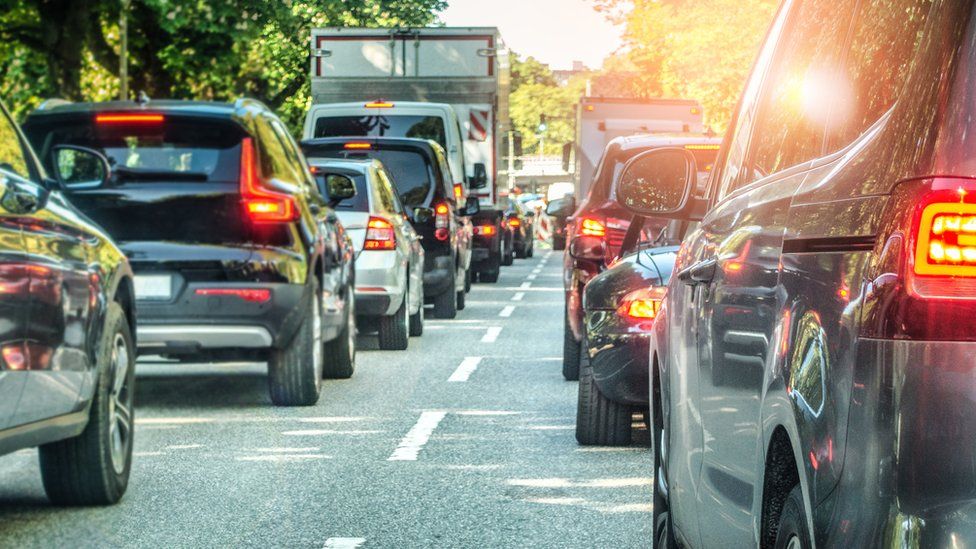
    Cars are a major source of air pollution
    IMAGE SOURCE, GETTY IMAGES Image caption, Cars are a major source of air pollution

    Germany’s air pollution levels are in line with the country’s own law, but the claimants say the law must change to reflect growing scientific consensus.

    The WHO slashed the recommended limits in 2021, as more evidence became available about the dangers of toxic air.

    Germany’s Environment Agency said that the federal states are responsible for assessing air quality, and taking action if limits are breached.

    “The WHO guide values are recommendations that do not have the legally binding character of the limit values of the EU Air Quality Directive,” a spokesperson said.

    Air pollution levels in Germany. . .

    Research published this month suggests how breathing in car fumes can lead to lung cancer by awakening dormant cells.

    About one in 10 cases of the disease is attributed to air pollution.

    The German court could compel the government to take action to reduce it.

    The case is supported by environmental organisations ClientEarth and Deutsche Umwelthilfe.

    “Protection from air pollution is a human rights issue. Many people are starting to understand how much their life and their children’s lives can improve if governments start implementing better controls,” Irmina Kotiuk, a human rights lawyer with ClientEarth, said.

    Germany could act as a leader in improving air pollution, prompting other countries to do the same, she suggests.

    The claimants are also asking that the German government educates the public about dangerous levels of air pollution based on WHO advice.

    The case is filed in Germany’s constitutional court which protects citizens’ fundamental human rights. The claimants are not suing for financial compensation, but for the government to take action.

    A ruling in their favour would apply nationwide.

    It comes after a series of cases and rulings in Europe on air pollution.

    In 2020, nine-year-old Ella Adoo-Kissi-Debrah became the first person in the UK to have air pollution listed as a cause of death. She lived near a busy road in London and died of an asthma attack.

    France’s government was ordered to pay a €10m (£8.9m) fine in 2021 over failures to improve air quality

  • Air pollution linked to raised COVID-19 death risk

    High levels of air pollution could raise the risk of dying from COVID-19, two studies suggest.

    Dr. Maria Neira, of the World Health Organization (WHO), told BBC News countries with high pollution levels, many in Latin America, Africa, and Asia, should ramp up their preparations.

    Those with underlying pollution-related conditions have developed severe COVID-19 in countries with high levels.

    But medical professionals say it is too early to prove a direct relationship.

    “We will be doing a map of most polluted cities based on our database to support national authorities in these regions so that they can prepare their epidemic response plan accordingly,” Dr Neira said.

    A US study suggests Covid-19 death rates rise by about 15% in areas with even a small increase in fine-particle pollution levels in the years before the pandemic.

    “Patterns in Covid-19 death rates generally mimic patterns in both high population density and high [particulate matter] PM2.5 exposure areas,” the Harvard University report says.

    These particles, one-30th the diameter of a human hair, have previously been linked to health issues including respiratory infections and lung cancer.

    The Harvard study has not yet been peer-reviewed but Ludwig Maximilian University of Munich Chair of epidemiology Air pollution linked to raised COVID-19 death riskProf Annette Peters told BBC News its findings “are in line with earlier reports on hospitalization and mortality due to pneumonia”.

    “It is one of the first studies substantiating our suspicion and the hypothesis that severity of the COVID-19 infection may be augmented by particulate matter air pollution,” she said.

    Report author Prof Francesca Dominici said: “We hope it will help stop the air quality from getting worse, particularly when we are hearing about authorities trying to relax pollution rules amid this pandemic.”

    Another study, at the University of Siena, in Italy, and Arhus University, in Denmark, suggests a possible link between high levels of air pollution and COVID-19 deaths in northern Italy.

    The Lombardy and Emilia Romagna regions had death rates of about 12%, compared with 4.5% in the rest of Italy.

    The study, published in Science Direct, says: “The high level of pollution in northern Italy should be considered an additional co-factor of the high level of lethality recorded in that area.”

    Population, age, differing health systems, and a variation in prevention policies across regions should also be taken into account.

    Source: bbc.com