Tag: animals

  • Poor animal care in Ghana driving spread of zoonotic diseases – VEMTAG

    Poor animal care in Ghana driving spread of zoonotic diseases – VEMTAG

    The President of the Veterinary Medical Technologist Association of Ghana (VEMTAG), Emmanuel Eshun, has expressed concern over the poor animal care practices in Ghana, warning that they are contributing to the spread of zoonotic diseases.

    Speaking in an engagement with The Independent Ghana in a yet-to-be-aired documentary, Mr Eshun, who is also a veterinary technologist at the Veterinary Services Department, highlighted the cultural and economic factors behind the neglect of animal welfare and the associated risks for both humans and animals.

    Zoonotic diseases are illnesses that are transmitted from animals to humans, often through direct contact with animals or through vectors like ticks and fleas. According to Mr Eshun, the careless treatment of animals—particularly the lack of vaccination, proper housing, and health care—creates an environment ripe for the transmission of zoonotic diseases.

    “The inability of some Ghanaians to access their own basic needs prevents them from prioritizing the welfare of animals,” he noted, adding that wild animals kept as pets are also a growing concern in terms of disease transmission.

    Mr Eshun explained that ectoparasites—external parasites like ticks, fleas, and mites—play a significant role in the transmission of zoonotic diseases. These parasites, which thrive in environments where animals are poorly cared for, can carry dangerous pathogens that affect both animals and humans.

    A lack of regular animal grooming and hygiene contributes to the spread of ectoparasites, increasing the risk of diseases such as Lyme disease, scabies, and flea-borne illnesses.

    “A lot of people cannot bathe their animals. If you cannot bathe your animal, it means that the tendency for the animal to have a lot of ectoparasites is higher,” Mr Eshun stated.

    Poor grooming and hygiene, combined with a lack of regular health checks, leave many animals vulnerable to infections, which can eventually spill over into human populations.

    Cultural and Attitudinal Barriers to Animal Welfare

    While laws such as the Diseases of Animals Act exist to regulate animal health and welfare, Mr Eshun argued that the root of the problem lies in cultural attitudes.

    “People own these animals based on economy, culture, and security,” he said, noting that many Ghanaians see animals—especially dogs—as mere tools for hunting or guarding property, rather than as beings deserving of care and attention.

    This cultural neglect extends to basic health care for animals, with many pet owners failing to provide vaccinations, routine deworming, and proper nutrition.

    “They don’t really regard them—giving them the welfare, housing, food, and shelter that they deserve,” Eshun lamented.

    He added, “We have had instances where people have practised as veterinarians but aren’t veterinarians, and we’ve sent them to court. Even the police, their attitude towards that case is not encouraging for you to even go to the next level where a judge will say, ‘I will sit and punish somebody.’”

    This, he stressed, is a societal issue that requires a collective understanding of the consequences of poor animal care.

    Rabies Vaccination and the Challenges

    One of the most prevalent zoonotic diseases in Ghana is rabies, a viral disease that is almost always fatal once symptoms appear. The disease is commonly spread through the bite or scratch of an infected animal, primarily dogs.

    In Ghana, over 2.5 million dogs are currently unvaccinated or under-vaccinated, a major factor contributing to the spread of rabies. According to the Veterinary Services Department, there have been 31 confirmed rabies cases in animals across nine regions in Ghana as of September 2024, with 26 human fatalities.

    The Ministry of Food and Agriculture, in collaboration with the Ghana Health Service and development partners, launched the National Rabies Prevention Campaign in 2023. The campaign, themed “Prevent the Bite or Scratch! Vaccinate your Dog! Stop Rabies Now!” seeks to vaccinate 70% of Ghana’s dog population over a 3 to 5-year period, which is necessary to achieve herd immunity and significantly reduce the spread of rabies.

    However, as Mr. Eshun explained, the vaccination campaign faces several challenges. One major issue is the inability of pet owners to control or restrain their dogs during vaccination campaigns.

    “The Service is faced with challenges because owners of the animals cannot hold them,” he noted. Additionally, the vaccination efforts are underfunded. He highlighted additional costs such as publicity for vaccination campaigns, staff transportation, and motivation for those administering the vaccines.

    “The percentage of treated rabies cases is still low because you need a lot of funding. The vaccination is not just about the vaccine itself; the activities surrounding the vaccination should also be costed. That is where we always get it wrong,” Mr Eshun said.

    Mr. Eshun stressed the need for greater government commitment to addressing the challenges surrounding animal care in Ghana, adding that without sustained investment in animal health, the risk of zoonotic disease outbreaks will remain high.

  • Young ladies in Dubai either sleeping with animals or men to make wealth

    Young ladies in Dubai either sleeping with animals or men to make wealth

    A Ghanaian resident in Dubai has disclosed some unsettling truths about life in the supposedly luxurious city in the Middle East.

    Simon Asamoah, speaking on the current episode of the popular ‘Akwantuo Mu Nsem’ show on Ghpage TV with King Asu – B, challenged the common perception that Dubai is a paradise. Instead, he described it as hell in disguise.

    Simon went on to reveal distressing details, claiming that women are compelled to engage in degrading activities, such as sleeping with dogs, in order to earn money easily. He also asserted that agents who make grand promises about Dubai opportunities are fraudulent individuals aiming to deceive unsuspecting clients and extract their hard-earned money.

    Addressing the job situation, Simon emphatically stated that there are minimal job opportunities in the Middle East regions, exacerbating the hardships faced by residents.women

  • Sanctuary animals stolen and killed for food in Sudan

    Sanctuary animals stolen and killed for food in Sudan

    The founder of Sudan Animal Rescue has told the BBC that fighters from the Rapid Support Forces (RSF) were responsible for stealing a camel and three gazelles from the refuge and killing them for sustenance.

    In Sudan’s ongoing civil war, the RSF represents one side.

    The rescue center reported that one camel and four gazelles were shot on three consecutive occasions.

    The sanctuary claimed that the RSF fighters have threatened to come back and steal additional animals.

    It has been impossible for the BBC to independently confirm these instances.

    The founder and director of the center referred to the actions as “savage” in a statement to the BBC Africa live page team.

    “These acts of violence are putting our animals and our staff in danger. We have been working tirelessly for years protecting these wild animals and during this difficult time of war,” Osman Salih said.

    Mr Salih added that warring sides should not bomb the sanctuary because the wild animals pose a potential “risk” to the public if they break out.

    The sanctuary also houses lions.

  • How anthrax is hurting customers, businesses, butchers, and animals

    How anthrax is hurting customers, businesses, butchers, and animals

    The Upper East region experienced a disruption in the work routine of some butchers and abattoir workers for over 10 days. This was a result of a nationwide lockdown on cattle, particularly in the region.

    The entire country received advice to temporarily refrain from consuming cattle due to the outbreak of Anthrax disease.

    Anthrax is a serious infectious disease caused by a type of bacteria called bacillus anthracis. It is characterized by gram-positive, rod-shaped bacteria.

    The disease is naturally present in the soil and can affect both domestic and wild animals worldwide. Humans can contract anthrax when they come into contact with infected animals or contaminated animal products.

    It poses a significant health risk to both humans and animals, often leading to severe illness.

    On June 6, 2023, the Office of the Upper East Regional Coordinating Council confirmed the outbreak of the Anthrax disease which was first confirmed in the region.

    Following the confirmation, the Council banned the movement of all small ruminants including sheep, goat, pigs, cattle and dogs from the Eastern corridor of the Region, thus Bawku Municipality, Bawku West, Pusiga, Garu, Tempane and Binduri districts.

    It also directed the Municipal and District Chief Executives to ensure that slaughtering, sales and consumption of cattle, sheep, goats and dogs were banned for a period of one (1) month effective 6th June, 2023.

    The Upper East Regional Coordinating Council also instructed the police to apprehend or arrest any person or group of persons who flout(s) the directives above.

    In a press release, the Council stated that at an emergency meeting of the Regional Public Health Emergency Management Committee held on Monday, June 5, 2023, to examine a suspected outbreak of anthrax in the Eastern part of the region, Bansi Community in Binduri, and Sapeliga Community in the Bawku West Districts respectively, following the notification of a suspected anthrax outbreak to the region on May 31, 2023, it was noted that two (2) samples taken from two (2) cattle tested positive for anthrax.

    “Therefore, an outbreak of anthrax has been confirmed in these two (2) Districts,” it stated.

    The Office of the Upper East Regional Coordinating Council noted that as of Friday, 2nd June 2023, seven (7) cattle and twenty-three (23) sheep and goats had been confirmed dead in the two (2) named above communities.

    Among humans, it said as of 5th June 2023, thirteen (13) suspected human anthrax cases including one (1) death had been reported from Bansi Community in the Binduri District, adding that eleven (11) human samples have been sent to Pong-Tamale Veterinary Laboratory and are awaiting Laboratory results.

    Subsequently, the Upper East Regional Minister, Mr Stephen Yakubu also at a press briefing made it known that vaccination had started, adding that after 70 percent of the animals have been vaccinated, the butchers and abattoir operators can go back to work.

  • How to keep animals cool in the hot weather

    With the UK in the grips of a heatwave, it’s not just humans who are trying to keep cool, it’s also important for animals and pets to escape the excessive heat. Here are just some of the ways our furry friends have been trying to cool down.

    Stay hydrated

    To keep pets safe in the heat, the RSPCA says they need constant access to fresh water. Ice cubes can be put in their water bowl or you could make some frozen pet-friendly treats.

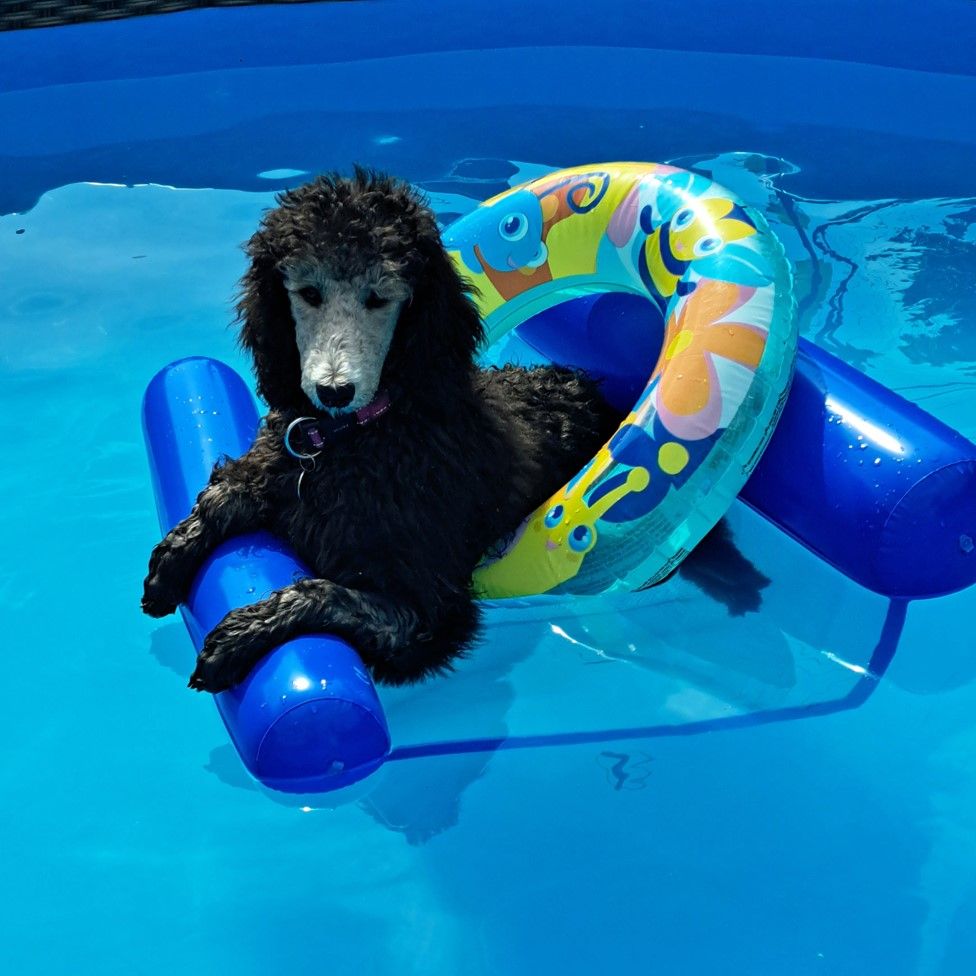
    Iggy the dog takes a swim in the poolImage source, Graham Sullivan
    Image caption, Iggy the dog takes a swim in the pool Or give them damp towels to lie on.

    Hannah Thomas with her dogImage source, Hannah Thomas
    Image caption, Hannah Thomas has been using a paddling pool to keep her elderly Labrador cool in Newtown in Wales

    If you take your pet outside for a short period of time use pet-safe sun lotion on exposed parts of your pet’s skin, especially the tips of their ears and nose.
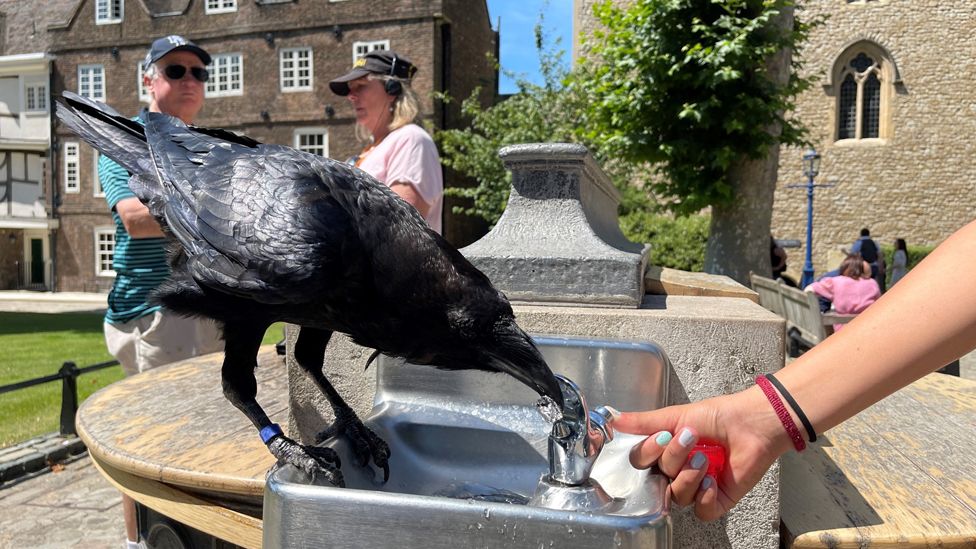
    Julie Ritson captured this photo of a raven staying hydrated at the Tower of LondonImage source, Julie Ritson
    Image caption, Julie Ritson captured this photo of a raven staying hydrated at the Tower of London

    Seek Shade

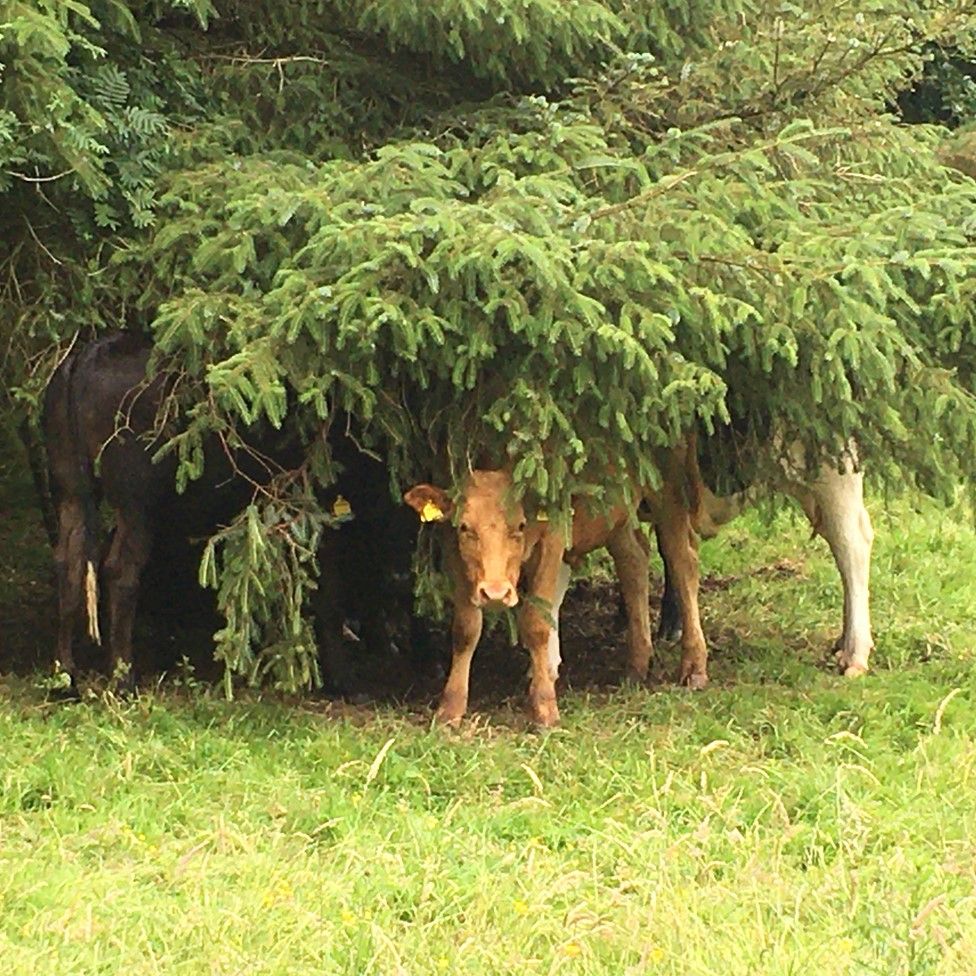
    Cows keeping cool under a treeImage source, Allison Mangles
    Image caption, Allison Mangles sent in this photo of cows shading from the sun under a tree in Dufton, Cumbria

    Just like humans, animals can suffer from sunstroke. It’s important to make sure animals have access to shade when the temperatures are high.
    Gandalf the cat keeps cool by sitting in the bambooImage source, Guy Siragher
    Image caption, “Gandalf keeps cool by sitting in the bamboo,” says Guy Siragher from Huntingdon

    Avoid high temperatures

    Pets should never be left in cars, conservatories, outbuildings or caravans when it’s warm, even if it’s just for a short while.

    Molly is keeping cool in Severn Beach, Gloucestershire, on her gel mat and with a fan.Image source, Denise Roberts
    Image caption, Molly is keeping cool in Severn Beach, Gloucestershire, on her gel mat and with a fan

    When it’s hot you might need to restrict the amount of activity pets do or when they do it. Think about the temperature of the ground directly on their paws.
    Jet a chihuahua cross from Manchester stays cool with wet tea towels on her head
    Image caption, Jet a chihuahua cross from Manchester stays cool with wet tea towels on her head

    Even if your companion prefers a warm climate, like lizards or fish, make sure their enclosure is kept away from direct sunlight to stop them from overheating.

    Don’t have any pets?

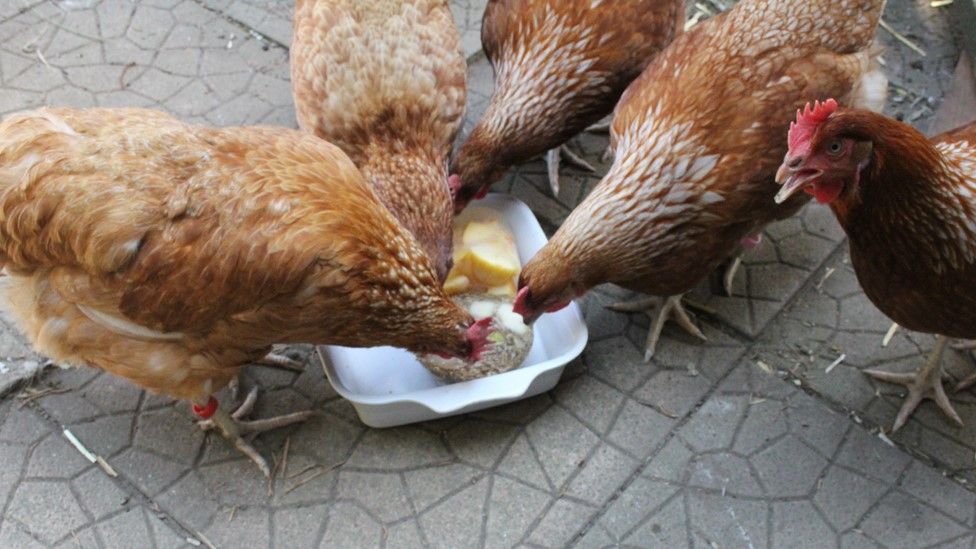
    Ruth Barnes keeps her hens cool with frozen melons, apples and pears in iceImage source, Ruth Barnes
    Image caption, Ruth Barnes from Essex keeps her hens cool with frozen melons, apples and pears in ice

    You can protect the wildlife in your garden during a heatwave by putting fresh drinking water out for them.

    Sika the rabbit, stretches out in the shade in Ashurst in the New Forest to help lose heatImage source, Sachin Sharma
    Image caption, Sika the rabbit, stretches out in the shade in Ashurst in the New Forest to help lose heat

    Check buildings to make sure any pets or animals don’t end up locked in a hot shed or greenhouse.

    Source:bbc.com


  • Nagaland dog meat: Animal rights groups hail ban as ‘major turning point’

    The Indian state of Nagaland has banned the import, trading and sale of dog meat, in a move celebrated by animal rights activists.

    The north-east state’s government announced the ban following a sustained campaign by animal welfare groups.

    They hailed the decision as a “major turning point” in ending cruelty to dogs in India.

    But some civil society groups criticised the ban, calling it an attack on food customs in the state.

    Eating dog meat is illegal in parts of India, but some communities in north-eastern areas consider it a delicacy.

    “The State Government has decided to ban commercial import and trading of dogs and dog markets and also the sale of dog meat, both cooked and uncooked. Appreciate the wise decision taken by the State’s Cabinet,” Nagaland’s Chief Secretary Temjen Toy tweeted on Friday.

    The government shared no further details about how it planned to enforce the ban.

    Indian media said the ban came after a picture of dogs bound in sacks at a wet market was circulated widely on social media, provoking outrage.

    On Thursday, the Federation of Indian Animal Protection Organisation (FIAPO) said it was “hit by shock and horror at recent images” of dogs in “terrifying conditions, tied up in sacks, waiting at a wet market, for their illegal slaughter, trade, and consumption as meat”.

    The group urged Nagaland’s government to enforce an immediate ban on selling dog meat.

    The FIAPO was among several animal rights organisations, including People for the Ethical Treatment of Animals (PETA), to spearhead campaigns against the sale of dog meat in Nagaland.

    The Humane Society International (HSI), which has campaigned for years to end India’s dog-meat trade, welcomed the decision by Nagaland’s government.

    “The suffering of dogs in Nagaland has long cast a dark shadow over India, and so this news marks a major turning point in ending the cruelty of India’s hidden dog meat trade,” managing director of HSI, Alokparna Sengupta said.

    An estimated 30,000 dogs a year are smuggled into Nagaland, where they are sold in live markets and “beaten to death with wooden clubs”, according to the HSI.

    Earlier this year, the state of Mizoram took the first step towards ending the sale of dogs, by amending legislation to remove them from the list of animals suitable for slaughter.

    While not widespread, the eating of dogs does take place in other countries, including China, South Korea and Thailand.

    Source: bbc.com

  • Four rare mountain gorillas ‘die in Uganda lightning strike’

    Four rare mountain gorillas, including a pregnant female, have died in Uganda after being hit by lightning, a conservation group says.

    The three adult females and a male infant were found in Uganda’s Mgahinga National Park with “gross lesions” on their bodies indicating electrocution.

    The Greater Virunga Transboundary Collaboration (GVTC) called this a “big loss for the species”.

    There are just over 1,000 mountain gorillas in existence.

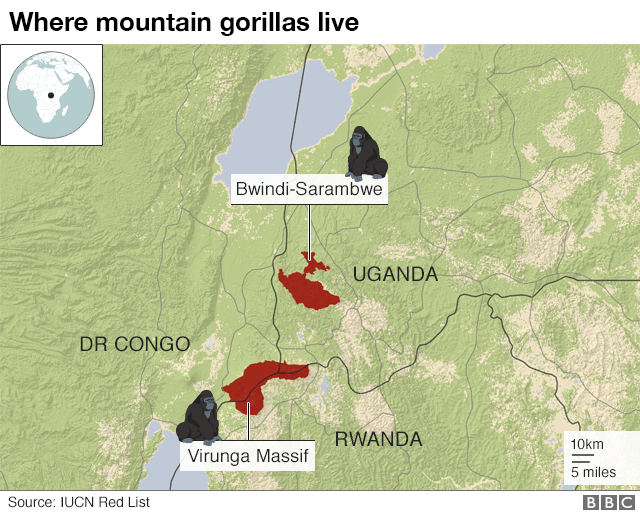
    The species is restricted to protected areas in the Democratic Republic of Congo, Rwanda and Uganda.

    The four that died were part of a 17-member group, which has been called the Hirwa family by the authorities.

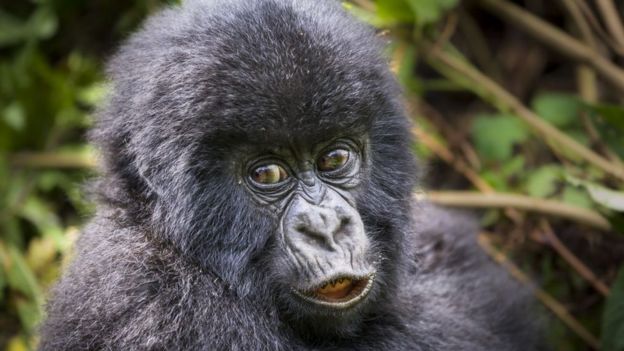
    An infant mountain gorilla
    Members of the Hirwa group were photographed in 2012

    The Hirwa group had crossed the border from Rwanda into Uganda last year and had been living in Uganda’s Mgahinga National Park.

    Mgahinga is in the Virunga Massif range of mountains which straddle the borders of Uganda, Rwanda and DR Congo.

    “This was extremely sad,” Andrew Seguya, executive secretary of the GVTC, told the BBC.

    “The potential of the three females for their contribution to the population was immense,” Dr Seguya said.

    He added that the 13 surviving members of the Hirwa family have been found and are feeding well.

    Infographic

    Samples from the post-mortem are currently being tested and confirmation of the cause of death is expected within the next three weeks, GVTC said.

    In 2018, the mountain gorilla was removed from the list of critically endangered species, after intensive conservation efforts, including anti-poaching patrols, paid off.

    SOurce: myjoyonline.com