Tag: Asanteman

  • Asantehene orders Bantamahene to retrieve stolen deity without delay

    Asantehene orders Bantamahene to retrieve stolen deity without delay

    Otumfuo Osei Tutu II, the Asantehene, has directed Bantamahene, Baffour Asare Owusu Amankwatia VI, to retrieve the stolen Asare Bediako deity from Adanwomase within a week and hand it over to the Asanteman Sumankwaahene.

    The deity, a revered shrine of the Adanwomase community in the Kwabre East Municipality, was reportedly taken by one of the rival groups contesting its ownership and control.

    Initially, when the matter was presented before Otumfuo’s court, he tasked the Bantamahene with collaborating with the affected chiefs and community members to locate and return the deity.

    In response to inquiries from the Traditional Council regarding the location of the deity, Baffour Amankwatia stated, “We conducted a thorough search throughout the community, but the deity was nowhere to be found. “We even sought assistance from the authorities, but to no avail.”

    This was met with disapproval from the chiefs and the Asantehene, who later realized that the Bantamahene had neglected his obligation and failed to fulfill his mandate.

    Consequently, he was found guilty of contempt and directed to present eight rams as atonement.

    However, during a session of the Kumasi Traditional Council at Manhyia Palace on March 13, 2025, Bantamahene—who is believed to have ties to the group that recently held the deity—stated that all attempts to recover it had been unsuccessful.

    “Before he presents his report on Monday, he must retrieve Asare Bediako from its current location and hand it over to the Sumankwaahene,” Otumfuo Osei Tutu, decreed.

    The Kumasi Traditional Council is currently reviewing a report from the committee assigned to investigate the ongoing dispute over the rightful ownership of the Asare Bediako deity and the Adanwomase stool.

    Three individuals—Madam Akua Kyem, Opanyin Kwadwo Yadieya, and Opanyin Yaw Gyamfi—each claim to be the legitimate custodian of the deity.

    Madam Akua Kyem narrated that her ancestors, who were members of the Aduana clan, journeyed from Denkyira to Asante, bringing the deity along with them. They initially took residence with the Bantama Gyaase, another Aduana clan, at Abuakwa Asonomaso.

    During their stay, the deity became known for its supernatural abilities, providing relief to those in distress and healing the sick. However, at some point, it mysteriously vanished.

    Through spiritual consultations, its whereabouts were eventually revealed, along with a strict caution against relocating it once it was found.

    According to her testimony recorded in the committee’s findings, her ancestors eventually discovered the deity in Adanwomase, leading them to settle in the area permanently.

    She recounted how the deity served as a source of healing for the sick and provided assistance to those who sought its divine intervention, including the ancestors of Opanyin Kwadwo Yadieya, who had suffered from leprosy.

    She went on to explain that when the Adanwomase stool became unoccupied, Opanyin Yadieya’s family requested to take charge, a plea that was approved.

    Since then, they have continued to assert their ownership of the deity, she added.

    Following its investigation, the committee determined that the rightful caretakers of both the deity and the community were the descendants of Madam Akua Kyem, as her detailed recollection of past events strongly linked her lineage to the shrine.

    Her claims were further validated by the Bantama Gyaasehene and the traditional priest of Wawase, who confirmed the authenticity of her account.

    “Although all three claimants purportedly visited Bantama Gyaase upon migrating to Asante from Denkyira, she was the only one to have Bantama Gyaasehene as a witness, and his testimony aligned with hers”, the report indicated

    On the other hand, the ancestry of the other claimants, along with parts of their accounts, was found to be inconsistent and questionable.

    As a result, the committee reached a unanimous decision in favor of Madam Akua Kyem.

    The entire Council accepted the conclusions drawn from the investigation.

    An earlier committee, appointed by the Asantehene to resolve the matter, had arrived at a similar judgment.

    Despite the Asantehene’s endorsement of the findings, the Bantamahene continued to insist that Opanyin Kwadwo Yadieya’s family were the rightful owners of the deity.

    He claimed to have summoned the deity from the heavens and given it to a woman he identified as his sister.

    However, Asante customs do not acknowledge the Bantamahene as having a sister.

    Displaying patience, the Asantehene appointed a second committee to re-evaluate the case.
  • Mahama promises Asanteman to complete Sewua Hospital

    Mahama promises Asanteman to complete Sewua Hospital

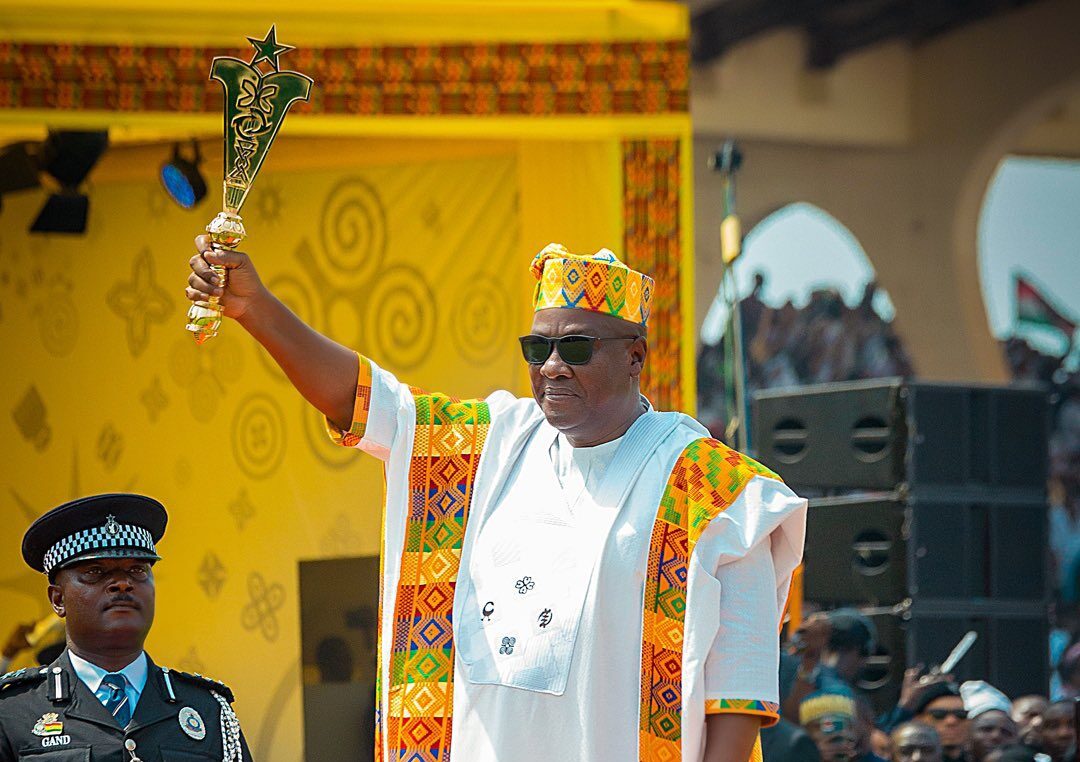
    President John Dramani Mahama has assured the people of the Ashanti Region of his unwavering commitment to ensuring the timely completion and operationalisation of the Sewua Hospital.

    Addressing the first Akwasidae celebration of the year at the Manhyia Palace on Sunday, January 19, 2025, President Mahama acknowledged the challenges impeding the 250-bed facility’s readiness and pledged swift action to resolve them.

    “The Sewua Hospital is not operational because it lacks electricity, water, and an accessible road network,” he explained. “I wish to assure you that we will tackle these issues immediately, enabling the hospital to open its doors and ease the burden on Komfo Anokye.”

    The president emphasised the hospital’s importance in alleviating the immense pressure on the Komfo Anokye Teaching Hospital (KATH), the largest healthcare facility in the region. KATH currently caters to patients across Ashanti and neighbouring areas but is overstretched and faces significant infrastructural challenges.

    President Mahama highlighted that operationalising the Sewua Hospital would create space for essential renovations at KATH without disrupting its services.

    “It is difficult to carry out renovations at Komfo Anokye when the hospital is working at full capacity,” he noted, stressing the urgency of completing the Sewua Hospital to improve healthcare delivery in the region.

    He also expressed his administration’s dedication to ensuring both facilities can meet the region’s growing healthcare demands, reiterating that the Sewua project’s completion would bring immense relief to patients and medical staff alike.

    The hospital, commissioned by former President Nana Addo Dankwa Akufo-Addo before he left office, has faced criticism from the contractor, Euroget De-Invest S.A., who stated it was not ready for use at the time of the commissioning. President Mahama’s renewed focus on the project signals a fresh commitment to fulfilling Asanteman’s healthcare needs.

  • More 19th century gold ornament and regalia returned Asanteman

    More 19th century gold ornament and regalia returned Asanteman

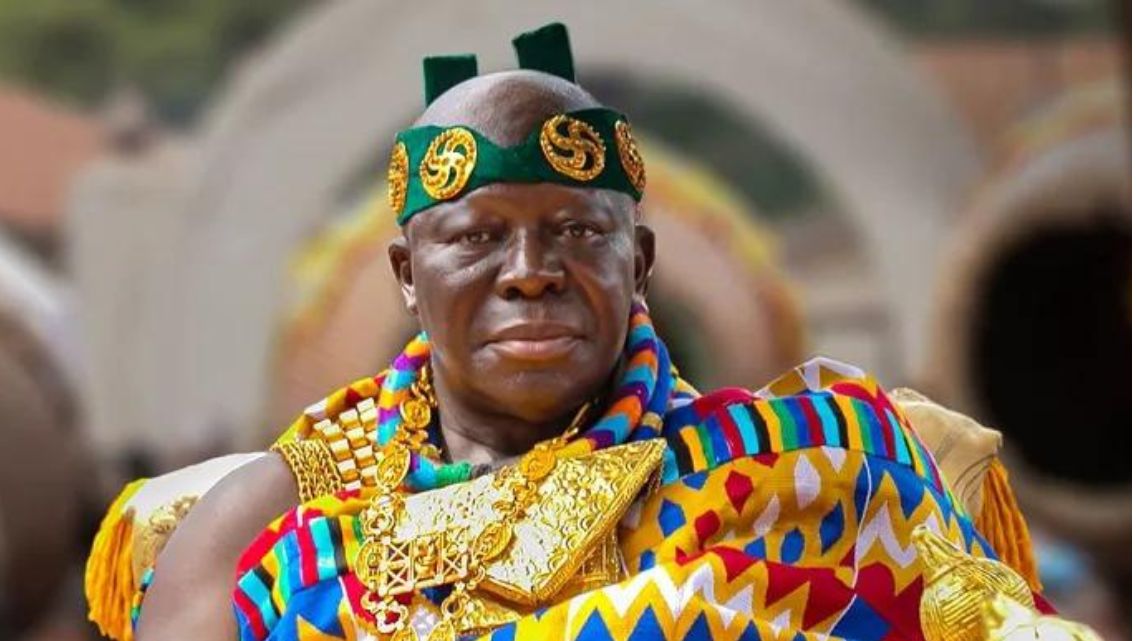
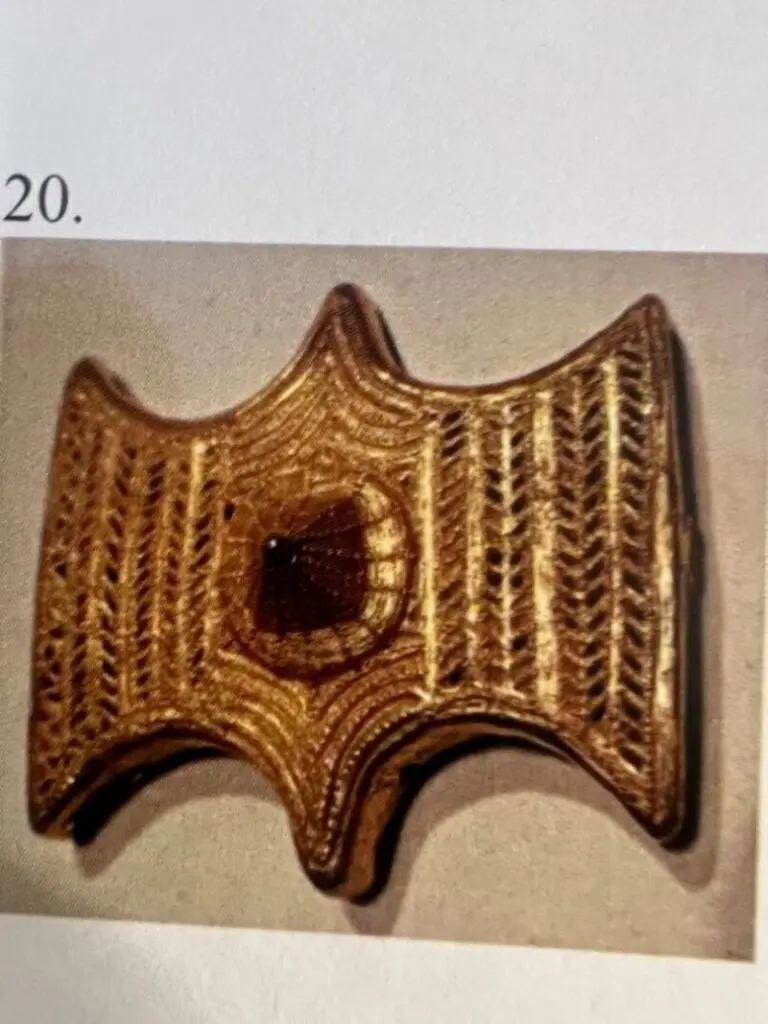
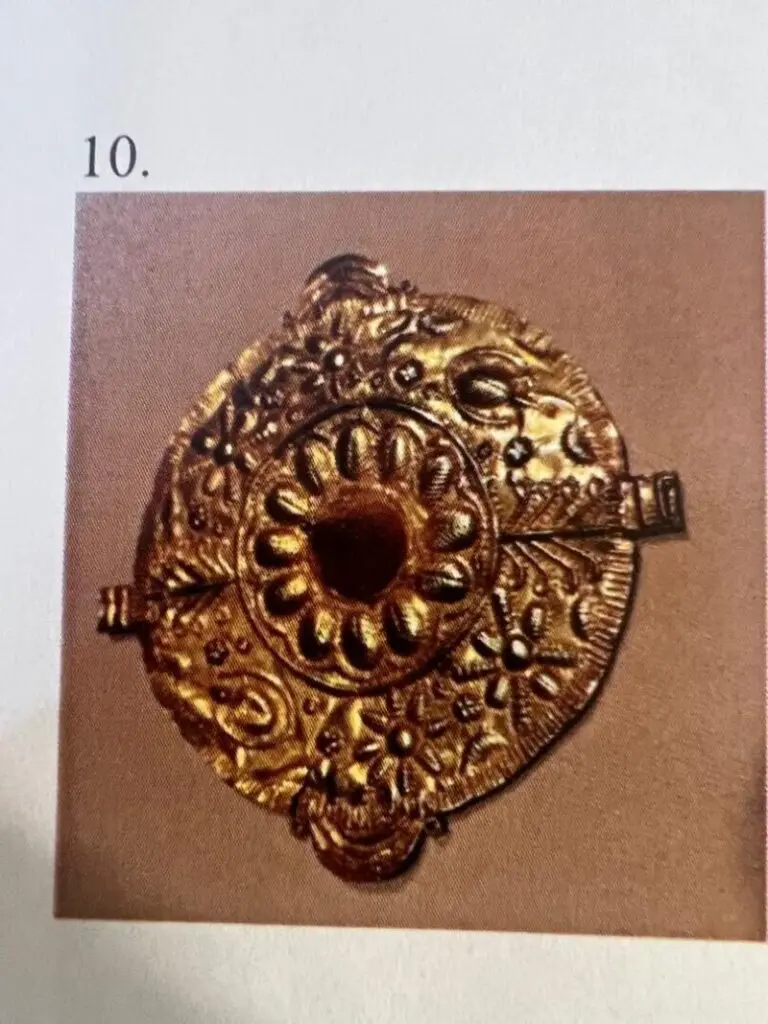
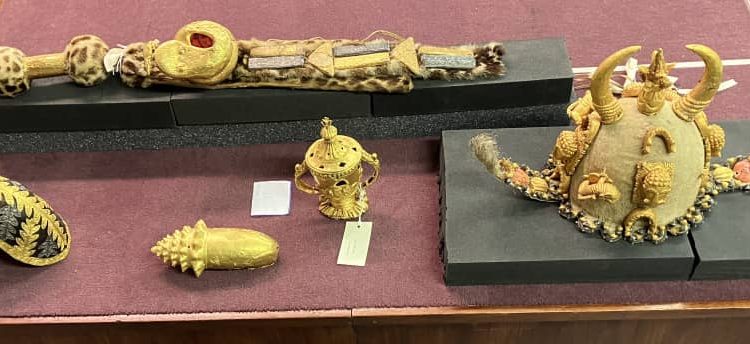
    Asanteman is set to receive a significant addition to its cultural heritage as 28 gold ornaments and regalia, dating back to the 19th century, are being returned to the Asantehene Otumfuo Osei Tutu II.

    These items, crafted by royal artisans of the Asante Court, will be officially presented at a mini durbar at the Manhyia Palace this weekend.

    The event coincides with the centenary celebration of the return from exile of Otumfuo’s grand-uncle, Nana Agyeman Prempeh I, and will honor the visit of His Excellency Wavel Ramkalawan, President of the Republic of Seychelles.

    The gold ornaments and regalia were originally part of the African Gold Collection owned by AngloGold Ashanti, which were housed at the Gold of Africa Museum in Cape Town before being moved to the Javett Art Centre at the University of Pretoria. Earlier this year, the Asantehene’s direct intervention led to an agreement for their deaccession.

    Following the issuance of an export permit by the Reserve Bank of South Africa three weeks ago, the items were approved for repatriation to Kumasi.

    Ivor Agyeman-Duah, historian and Associate Director of the Manhyia Palace Museum, coordinated the authentication and acquisition process alongside Edward Michael Ennin, a member of the Ghana Board of AngloGold Ashanti and former MP for Obuasi.

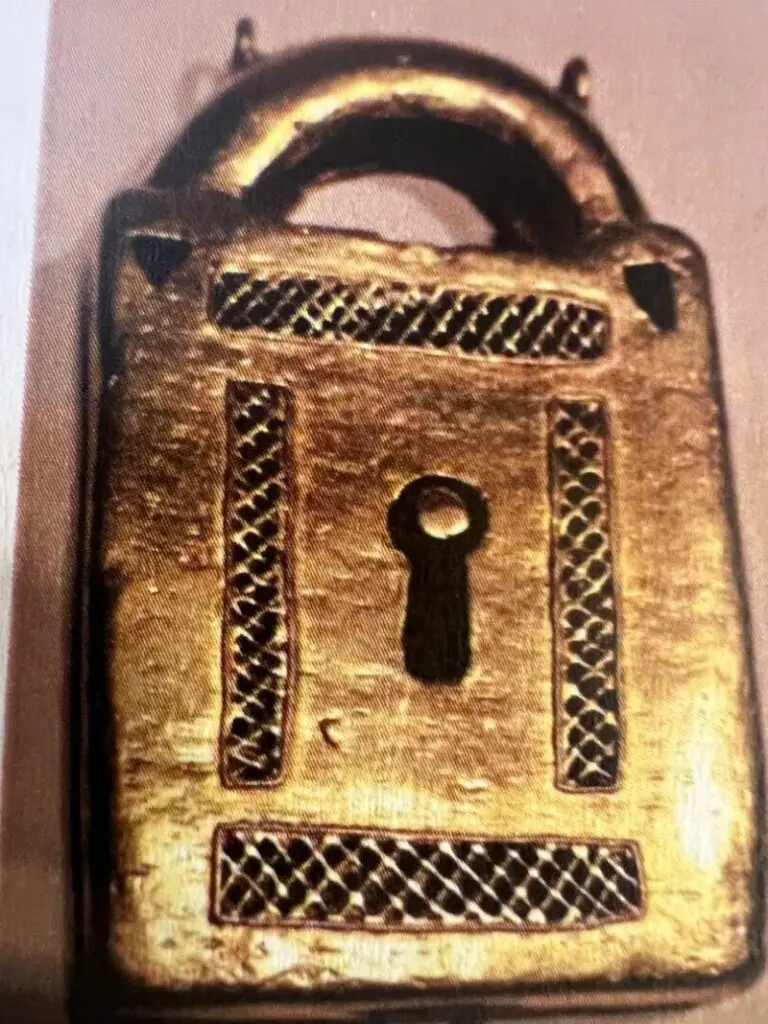
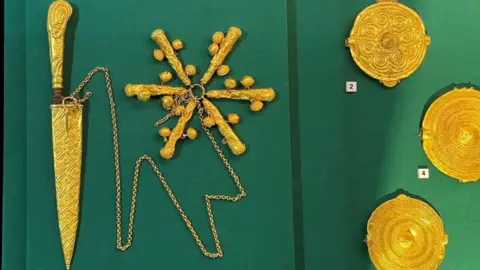
    Agyeman-Duah described the objects as consisting of linguist staffs, swords, palace security locks, regalia such as rings and necklaces, proverbial gold weights, and gold sandals, all of which reflect Asante court governance and chieftaincy structures.

    “These objects will be housed in a new contemporary art gallery recently added to the Manhyia Palace Museum by the Asantehene,” Agyeman-Duah revealed.

    The AngloGold Ashanti delegation, led by Chief Sustainability and Corporate Affairs Officer Stewart Bailey, will include Baso Sangou, Senior Vice President of Group Sustainability; Eric Asuoboteng, Senior Vice President Africa Non-Operated Venture; and Aviona Mabaso, Legal Resource for Corporate Affairs.

    The objects have a storied history. Produced over a century ago, they were acquired in 1922 by Joseph Mueller, a Swiss collector of West African art, and became part of the Barbier-Mueller Museum in Geneva. In 2000, AngloGold Ashanti purchased the Barbier-Mueller Collection, showcasing 350 objects of West African goldsmithery, and integrated it with their Gold of Africa Museum in Cape Town.

    The return of these items is being hailed as a major cultural milestone. Lekgetho Mokola, a Yale University Director’s Forum Fellow and former Director of the Javett Art Centre, emphasized the importance of this restitution.

    “Africa is now taking the lead in restitution within its territories to deal with its colonial legacies. Possibly the rest of the restitution work beyond our borders will increase in pace to return what belongs to the people of this continent,” Mokola said.

    This latest repatriation brings the total number of restituted and loaned cultural objects received by the Palace this year to 67—the highest such deaccession within Africa in recent times.

    Earlier in the year, the Fowler Museum at UCLA repatriated seven objects looted during the 1874 Anglo-Asante War, followed by 32 items returned from the British Museum and the Victoria and Albert Museum in March.

  • Ashanti Regional House of Chiefs lauds Bawumia for his reputation

    Ashanti Regional House of Chiefs lauds Bawumia for his reputation

    The Ashanti Regional House of Chiefs has expressed high regard for Vice President Dr. Mahamudu Bawumia.

    They conveyed their respect during a meeting with the Vice President and New Patriotic Party (NPP) flagbearer, who was on a campaign tour of the Ashanti Region.

    Daasebre Osei Bonsu II, the occupant of the Silver Stool of Asanteman, remarked, “For the record, you are the first dignitary, external dignitary that is a nonmember of the house and nonmember of Asanteman who is paying us a visit and nananom especially some of the queen mothers were here before 9 am.”

    “This shows for the record the high esteem that we accord you and hold you.”

    Additionally, Bawumia began his tour of the Ashanti Region with a massive walk.

  • Integrity of Asanteman will always be protected by us – Police officers tell Otumfuo

    Integrity of Asanteman will always be protected by us – Police officers tell Otumfuo

    The Association of Police Officers from Asanteman has reaffirmed its loyalty to the King of Asante, Otumfuo Osei Tutu II, pledging to always conduct themselves in a manner that upholds the honor of Asanteman.

    During a courtesy visit to the Asantehene at the Manhyia Palace to commemorate his 25th anniversary on the Golden Stool, COP Maame Yaa Tiwaa Addo-Danquah (Mrs.) assured the King of their unwavering allegiance.

    Speaking on behalf of her colleagues, she expressed gratitude to Otumfuo Osei Tutu II for his guidance and congratulated him on his milestone.

    She assured him that the police service members, as his children and grandchildren, would work diligently to uphold the dignity of the Asante Kingdom and its people.

    “We want to thank Otumfuo Osei Tutu II for his counsel and congratulate him on his 25th anniversary ascension to the Golden Stool. We pray for God’s strength and long life to embark on the many developmental projects in Asanteman. We also want to assure him that his children and grandchildren in the police service will never disgrace him or the stool. We will work hard in sincerity to protect lives and property to bring honour and glory to the Asante Kingdom.”

    In addition to their pledge of loyalty, the group also made a generous donation of GHC80,000 towards the Heal Komfo Anokye Project, initiated by the Asantehene as part of his 25th-anniversary legacy projects.

    The Heal Komfo Anokye Project aims to address the critical infrastructural needs of the Komfo Anokye Teaching Hospital (KATH), Ghana’s second-largest teaching hospital. KATH faces significant challenges due to inadequate infrastructure, impacting its ability to provide quality healthcare services and conduct vital research.

    Through the legacy projects, resources are being mobilized to implement comprehensive solutions that will enhance KATH’s infrastructure, ensuring a more functional and efficient hospital environment. This initiative aims to promote healing, comfort, and safety for patients, visitors, and staff, benefiting the people of the Ashanti Region and beyond.

  • Watch how the Asanteman Golden Stool was displayed at Manhyia

    Watch how the Asanteman Golden Stool was displayed at Manhyia

    The revered Gold Stool, known locally as ‘sikadwa‘ and revered as the embodiment of the Asante Kingdom’s spirit, made a rare appearance on Sunday, May 12, 2024.

    Its unveiling took place during the grand durbar of Asanteman’s chiefs and people, marking the 25th anniversary of the Asantehene’s coronation.

    This decision to publicly display the Gold Stool added a profound sense of magnificence to the anniversary celebration.

    According to oral tradition, the Gold Stool was conjured from the heavens by the esteemed fetish priest, Komfo Anokye, some 400 years ago during the kingdom’s infancy.

    The event drew distinguished guests, including President Nana Akufo-Addo, Vice President Dr. Bawumia, First Lady Rebecca Akufo-Addo, and Samira Bawumia, the Vice President’s spouse, alongside other prominent figures from Ghana.

    Internationally, the Prime Minister of Trinidad and Tobago, Dr. Keith Rowley, and his wife honored the occasion with their presence at the Manhyia Palace. Also, the representation of King Mohammed VI of Morocco added to the event’s prestige.

    The attendance of chiefs from South Africa, Nigeria, and other esteemed traditional leaders highlighted the event’s significance.

    Security was understandably tight throughout, ensuring the safeguarding and proper presentation of the sacred Gold Stool.

    Watch video below:

  • Ghanaians are happy about return of royal artefacts, but it’s only a loan – BBC reports

    Ghanaians are happy about return of royal artefacts, but it’s only a loan – BBC reports

    The British Broadcasting Corporation (BBC) and other media outlets have reported on the return of looted artefacts from the Asante kingdom in Ghana, 150 years after they were taken by British colonisers.

    Ghanaians gathered at the Manhyia Palace Museum in Kumasi, the capital of the Ashanti Region, to welcome the 32 items back home.

    The BBC emphasized in its report that these artefacts have been loaned to the Asanteman, which is an accurate statement. However, many who saw the report were dissatisfied with the BBC’s coverage.

    The artefacts have been loaned to Ghana for three years under an agreement between two British museums, the Victoria & Albert Museum (V&A) and the British Museum, and the Asante king, not the Ghanaian government.

    Although the Asantehene is a symbol of traditional authority, his kingdom is now part of Ghana’s modern democracy.

    The V&A is lending 17 pieces, while the British Museum is lending 15.

    The return of these artefacts coincides with the silver jubilee celebration of the Asantehene.

    Some of the items, including the gold harp (Sankuo), were looted during the Anglo-Ashanti wars of the 19th Century. Other items, like the sword of state, were given to a British diplomat in 1817.

    BBC Gold headpiece

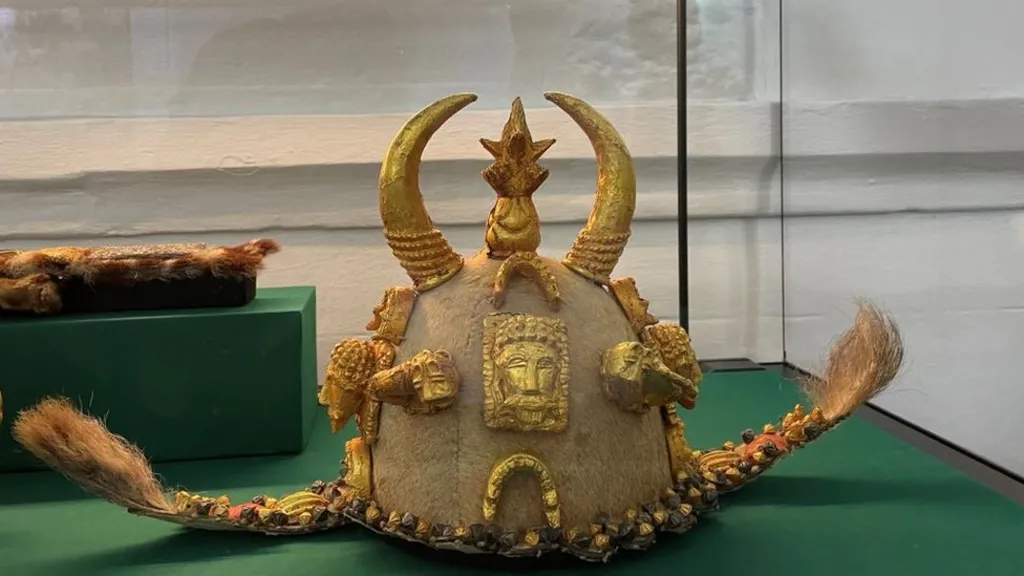
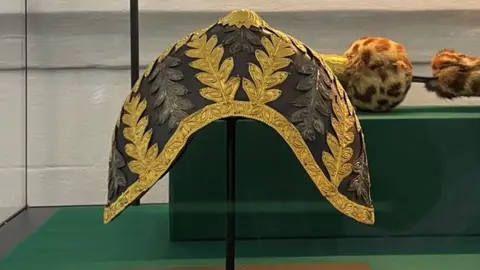
    This gold headpiece known as “krononkye” was used when royalty was grieving. Credit – BBC

    BBC Midnight knife (L) and gold badges (R)The midnight knife (L) was used for covert operations. The gold badges (R) were worn by the king’s soul washers. Credit – BBC.
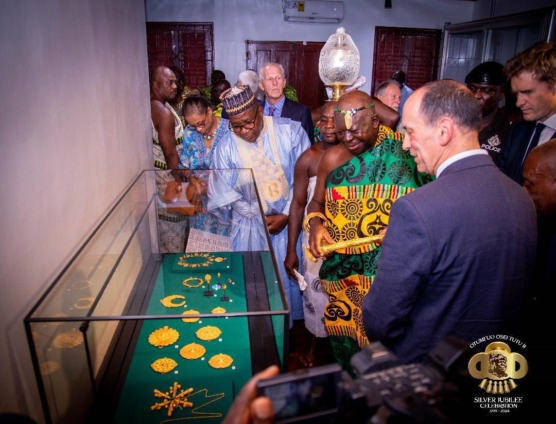
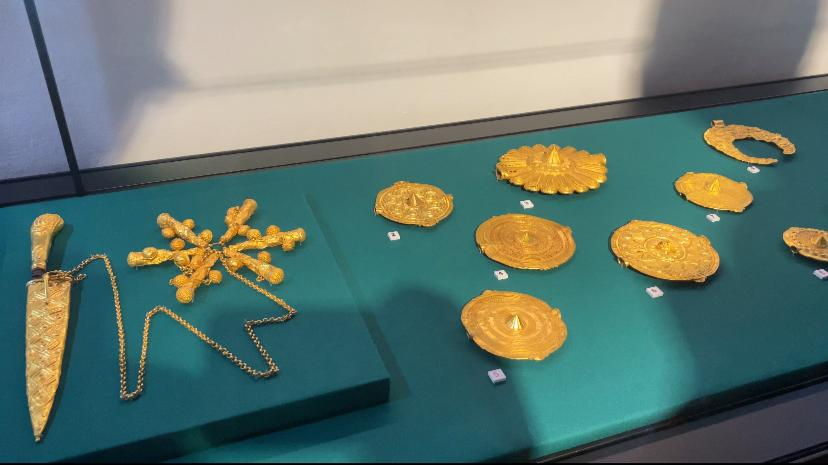
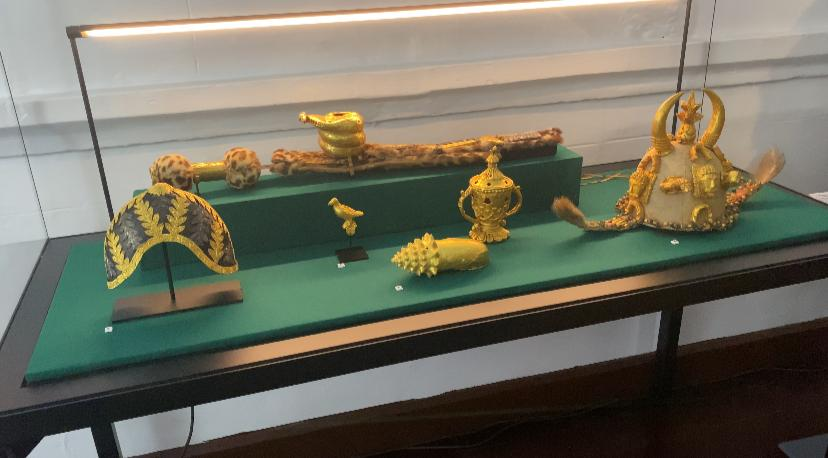
    Among the returned artefacts are the sword of state, gold peace pipe, and gold badges worn by officials charged with cleansing the soul of the king.

    The sword of state, also known as the “mpompomsuo sword,” holds great significance for the Asante people, as it is used in swearing the oath of office to the kingdom by paramount chiefs and the king himself.

    Royal historian Osei-Bonsu Safo-Kantanka told the BBC that when the items were taken from the Asante, it took away “a portion of our heart, our feeling, our whole being.”

    The return of these artefacts is controversial and significant. Under UK law, national museums like the V&A and British Museum are prohibited from permanently returning contested items in their collections. Loan deals like this are seen as a way to allow objects to return to their countries of origin.

    Some countries that claim disputed artefacts fear that loans may imply they accept UK ownership. Many Ghanaians believe the ornaments should remain permanently, but this new arrangement is a way to overcome British legal restrictions.

    The loan can be extended, but only with the approval of the British culture secretary.

  • Asanteman’s ‘looted’ royal artefacts displayed for public viewing at Manhyia Museum

    Asanteman’s ‘looted’ royal artefacts displayed for public viewing at Manhyia Museum

    Looted royal artefacts from the Asante kingdom are now available for public viewing at the Manhyia Museum in Kumasi after 150 years.

    These artefacts, which include a ceremonial cap called Mpomponsuo adorned with gold ornaments, a sword of state, three cast gold soul-washers’ badges, and a gold peace pipe, were taken during the Anlo-Asante wars, particularly the Sagrenti War of 1874.

    The items will be on loan for an initial three years and renewable for another three years.

    Their return coincides with the silver jubilee of the Asantehene, Otumfuo Osei Tutu II since his ascension to the Golden Stool.

    The collection also includes seven sections of sheet-gold ornament, one silver straining spoon, one pair of silver anklets, and one section of sheet-gold ornament.

    Among the returned artifacts is a gold lute-harp presented by the Asantehene Osei Bonsu to British diplomat Thomas Edward Bowdich during an 1817 trade treaty.

    Fifteen of these artefacts were returned by the British Museum (BM), with the remaining 17 coming from the Victoria and Albert Museum (V&A).

    At the homecoming ceremony of these looted artefacts, Otumfuo Osei Tutu II expressed that their return signifies the restoration of the Asante spirit.

    “The items that came back are virtually the soul of the people of Asante. Not all of them have returned. But what we have here embodies the soul of Asante. Today is a day for Asantes and for the Black African continent. The spirit that we bore and share is back with us,”he said.

    The Manhyia Museum, inaugurated by Otumfuo Opoku Ware II, was originally constructed as the first palace for Asantehene Nana Prempeh I in 1925 by the British.

    It was intended to replace the royal palace destroyed during the Yaa Asantewaa War in 1900.

    After being closed for three weeks, the museum has reopened to the public. Visitors can now explore photographic and regalia displays, lifelike mannequins depicting Asantehenes and Asantehemaas of the 20th and 21st centuries, as well as learn about the history of the Asante kingdom, including its interactions with the British.

    Director of the Victoria and Albert Museum in the UK, Dr Tristam Hunt is upbeat about the potency of cultural exchanges.

    “We acknowledge the very painful history surrounding the acquisition of these objects. A history tainted by the scars of imperial conflict and colonialism. These treasures have borne witness to triumph and trials of the great kingdom and their return to Kumasi is testament to the power of cultural exchange and reconciliation,” he said.

    African countries, including Ghana, have been vocal about the return of looted items, and some have successfully regained ownership of precious historical artifacts in recent years.

    Chief negotiator Ivor Agyemang-Duah disclosed that negotiations are ongoing for the return of around a hundred looted artifacts from various museums worldwide.

    “We’re talking to some individual art collectors and institutions in South Africa, and also a couple of three leading museums and galleries in the UK. We have begun negotiations. I’ll be travelling to meet them for the first formal negotiations,” he revealed.

  • Asanteman receives 32 royal objects taken by the British during Anglo-Asante wars 

    Asanteman receives 32 royal objects taken by the British during Anglo-Asante wars 

    The British Museum (BM) and the Victoria and Albert Museum (V&A) of the United Kingdom have returned thirty-two royal objects which were taken from the Palace in Kumasi during the Anglo-Asante Wars of the 19th century, including items from the Sargrenti War of 1874, to Ghana.

    Gold and silver regalia associated with the Asante royal court will be displayed at the Palace Museum as part of a long-term loan commitment by the V&A and the British Museum. Many of these items will be seen in Ghana for the first time in 150 years.

    The hundred- and fifty-year-old mostly golden royal regalia, on loan for an initial three years and renewable for another three, include fifteen pieces from the BM and seventeen from the V&A.

    The return follows the final signing of official documentation in London two weeks ago by the directors of the BM and V&A, Sir Mark Jones and Dr. Tristram Hunt, and chief negotiator Mr. Ivor Agyeman-Duah, who represented and signed on behalf of the Manhyia Palace.

    The return is in the context of the silver jubilee year of the Asantehene Osei Tutu II, who first opened negotiations in May 2023. It is also connected to the 150th commemoration last February and the coming centenary of the return of the Asantehene Prempeh I from exile in Seychelles.

    Otumfuo Osei Tutu II will receive the objects and specially designed Belgian cases in Kumasi. The subsequent closure of the Manhyia Palace Museum for three weeks will be for installation works and encasing of over forty returned objects, including seven that have already been permanently given by the Fowler Museum of the University of California, Los Angeles.

    These objects will collectively constitute the star objects of an international exhibition titled “Homecoming- Adversity and Commemoration,” curated by a team of British and Ghanaian curators from the BM, V&A, Foundation for Contemporary Art, Manhyia Palace, and KNUST. The exhibition is supported by partners such as British Airways, Fidelity Bank, and the Otumfuo Foundation.

    The opening by the Asantehene on May 1, 2024, will be attended by directors, curators, and trustees of the BM and V&A from London, as well as journalists and photographers from major media outlets. The occasion will also see the launch of two major books: “A History of Manhyia Palace Museum- Inaugural and Other Objects” by Agyeman-Duah and “Images of Ghana- Museums, the Ownership of Cultural Property and Restitution” by Prof. Malcolm McLeod.

    As Manhyia Palace engages in cultural initiatives, new paradigms on restitutions with British organizations and others continue, as seen recently in South Africa with the Gold of Africa Collection. The Asantehene will also give a major public lecture on Asante Culture and Heritage- Past and Present at the BM in London in July 2024, as part of evolving cooperation in international cultures and mutual technical and business development.

    The BM and V&A have selected world-leading Anglo-Ghanaian philosopher Kwame Anthony Appiah of New York University to introduce the occasion and lecture. Appiah is also the current President of the American Academy of Arts and Letters.

  • Asanteman commemorates 150th Anniversary of Sagrenti war with durbar of chiefs

    Asanteman commemorates 150th Anniversary of Sagrenti war with durbar of chiefs

    On Thursday, February 8, Asanteman convened a durbar of chiefs to mark the 150th Anniversary of the Sagrenti War, a historic conflict between the Asantes and the British Colonial Army in 1874.

    Dubbed “Kuntunkuni,” the commemorative durbar aimed to honor the sacrifices made during the war, with the Asantehene and other traditional rulers dressed in somber all-black attire to symbolize the solemn occasion.

    Notable political figures in Ghana, including former President John Dramani Mahama, Vice President Dr. Mahamudu Bawumia, and Speaker of Parliament Alban Bagbin, graced the event with their presence. Sub-divisional chiefs, paramount chiefs, and queen mothers of the Ashanti Kingdom also attended.

    Social media visuals captured the grandeur of Akan tradition and culture showcased at the event, with the arrival of the Asantehene, Otumfuo Osei Tutu II, being a highlight.

    His majestic entrance, carried in a palanquin amidst singing, drumming, and dancing, brought the durbar to a standstill.

    Another captivating moment was the arrival of the Edwesohemaa, Nana Yaa Asantewaa II, who rode in a palanquin while firing shots into the sky.

    The presence of Asanteman’s executioners (abrafoɔ) added to the solemn atmosphere, with one depicted in traditional attire holding a decapitated fowl, symbolizing ancestral rituals.

    During the durbar, Ashanti artifacts, including a royal stool belonging to Asantehene Kofi Karikari, were formally presented before Otumfuo Osei Tutu II, further enriching the historical significance of the occasion.

  • So far as the Golden Stool remains, no one can touch Asanteman – Otumfuo

    So far as the Golden Stool remains, no one can touch Asanteman – Otumfuo

    The Asantehene, Otumfuo Osei Tutu II, has emphatically stated that any conspiracy against the Ashanti Kingdom, whether from the government, politicians, or other tribes in Ghana, will ultimately meet failure.

    This resolute declaration took place during a durbar on Thursday, February 8, 2024, concluding the 150 years celebration of the Sagranti War, known as the Kuntunkuni festival, held in Manhyia.

    Otumfuo, in his address, called for national unity and emphasized the crucial role of fostering peace for the growth of the entire nation. He traced the historical evolution of the Ashanti Kingdom from a distinct entity to an integral part of the Gold Coast, now governed by Ghana’s 1992 constitution.

    Expressing concern about perceived hostility towards the Ashanti people, Otumfuo questioned the foundation of any anti-Ashanti sentiments.

    He reiterated the Kingdom’s commitment to living within the legal framework of the country and urged an end to divisive schemes.

    In commemorating the resilience of Asanteman, Otumfuo highlighted the Golden Stool as the symbolic soul of the Kingdom, emphasizing its indestructibility.

    Recalling the historical significance of the Sagrenti War of 1874, he emphasized how the Golden Stool withstood challenges, solidifying Asanteman’s invincibility.

    “Asante is alive. 150 years ago, the whites destroyed this city, but the Golden Stool remained. Various kinds of guns came to Kumasi, but the Golden Stool remained untouched. So far as the Golden Stool remains, no one can touch Asanteman. It is the soul of Asanteman and Nananom used their blood to protect it.”

    “You will be overcome if you decide to take out Asante. All those who plot against the kingdom must stop. We live here in love…Politicians must know that power is transient. Use love to rule. If you rely on your power, remember that your time will end soon.”

    “The Zongos are on our land, we live in peace. Ewes are here and we have Anloga here as well as Fantes New Town for Fantes. Why is our love being reciprocated with hatred? Let’s be united. All political parties must know that without Asante, Ghana cannot stand. We are not above anyone; we are equals but I won’t allow anyone to cheat us.”

  • Gold ‘stolen’ by the British from Asanteman now worth over £2billion – Prof McCaskie

    Gold ‘stolen’ by the British from Asanteman now worth over £2billion – Prof McCaskie

    Recent revelations indicate that the looted treasures during the Sagrenti War of 1874 in Kumasi extended beyond mere artifacts.

    During a keynote address at a symposium commemorating the 150th anniversary of the Sagrenti War of 1874 on February 6, 2024, Head of the Centre of West African Studies at Birmingham University, Prof. Tom McCaskie, noted that a significant portion of the wealth amassed by Asantehene Kofi Karikari’s predecessor, Nana Kwaku Dua I, was lost in the looting, with the entire city of Kumasi left in ashes.

    “Kwaku Dua was somebody who really really enforced the laws of Asante. In the process, he gathered together a great deal of money in gold dust principally but also in species and other things,” he said.

    Expanding on the significance of the gold, the historian elucidated that a substantial sum of money was stored in three distinct locations within Kumasi: Kumasi itself, Aburaso, and Breman. This wealth had been passed down to Kofi Karikari following the death of Nana Dua in 1867.

    “The amount of gold contained in Adakakese alone at Kwaku Dua’s death was in excess of 400,000 ounces. This in 1867 was worth 1.2 million pounds sterling. The current value of the Adakakase is somewhere over 2 billion pounds.”

    “The attempt to get back the treasures looted from Kumasi by Garnet Wolseley in 1874, takes no account- because it cannot- of the gold or gold dust that the British must have carried away with them. We don’t know about this because it was loot, a private loot and so it is separate from the cultural artefacts that Otumfuo is trying to retrieve for Asanteman,” he added.

    It is believed that the Asantes may be seeking restitution for more than just gold artifacts from the British.

  • Gold stolen from Asanteman by British now worth over £2billion

    Gold stolen from Asanteman by British now worth over £2billion

    Recent revelations indicate that the looted treasures during the Sagrenti War of 1874 in Kumasi extended beyond mere artifacts.

    During a keynote address at a symposium commemorating the 150th anniversary of the Sagrenti War of 1874 on February 6, 2024, Head of the Centre of West African Studies at Birmingham University, Prof. Tom McCaskie, noted that a significant portion of the wealth amassed by Asantehene Kofi Karikari’s predecessor, Nana Kwaku Dua I, was lost in the looting, with the entire city of Kumasi left in ashes.

    “Kwaku Dua was somebody who really really enforced the laws of Asante. In the process, he gathered together a great deal of money in gold dust principally but also in species and other things,” he said.

    Expanding on the significance of the gold, the historian elucidated that a substantial sum of money was stored in three distinct locations within Kumasi: Kumasi itself, Aburaso, and Breman. This wealth had been passed down to Kofi Karikari following the death of Nana Dua in 1867.

    “The amount of gold contained in Adakakese alone at Kwaku Dua’s death was in excess of 400,000 ounces. This in 1867 was worth 1.2 million pounds sterling. The current value of the Adakakase is somewhere over 2 billion pounds.”

    “The attempt to get back the treasures looted from Kumasi by Garnet Wolseley in 1874, takes no account- because it cannot- of the gold or gold dust that the British must have carried away with them. We don’t know about this because it was loot, a private loot and so it is separate from the cultural artefacts that Otumfuo is trying to retrieve for Asanteman,” he added.

    It is believed that the Asantes may be seeking restitution for more than just gold artifacts from the British.

  • History of Asanteman authored by Otumfuo Sir Osei Agyeman Prempeh II launched

    History of Asanteman authored by Otumfuo Sir Osei Agyeman Prempeh II launched

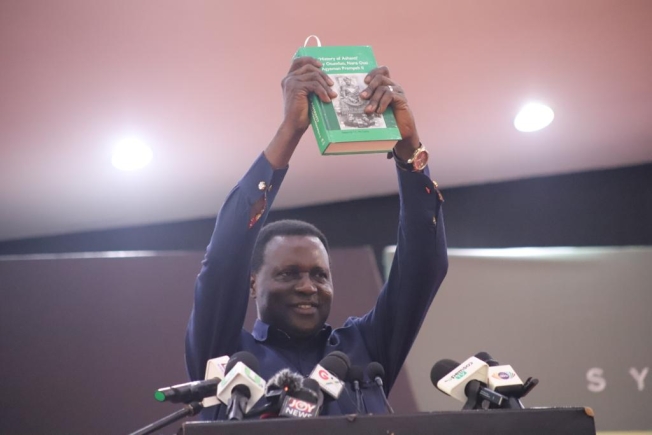
    After more than five decades since his passing, a book on the History of Asanteman, authored by Otumfuo Sir Osei Agyeman Prempeh II, has been launched in Kumasi.

    Edited by Prof. Tom McCastie, a distinguished professor of Asante History at the Centre of West African Studies of the University of Birmingham in the United Kingdom, the book serves as an autobiography of the 14th Asantehene, who reigned from 1931 to 1970.

    The book launch was part of the activities commemorating the 150th anniversary of the Sagrenti War and the silver jubilee of Asantehene Otumfuo Osei Tutu II.

    Speaking at the launch, the Minister of Education, Dr. Yaw Osei Adutwum, praised the significance of the book in bridging gaps in Ashanti history and serving as a crucial research material on Asante History.

    He noted that while there have been previous books on the history of Asanteman, none have been as comprehensive as the one authored by the late Otumfuo Sir Osei Agyeman Prempeh II and edited by one of the foremost experts on Asante history.

    Dr. Adutwum also called upon writers of children’s books to consider creating children’s versions of the book to enhance its accessibility to younger audiences.

    He emphasized that the book represents a comprehensive history of the Asante Kingdom and advocated for its presence on the shelves of every library in the country.

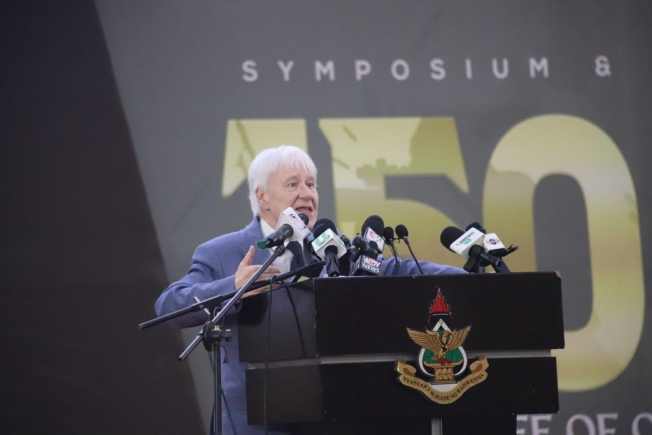
    Prior to the book launch, a symposium was held to commemorate the 150th anniversary of the Sagrenti War, a conflict between the British Colonial Army and the Asantes.

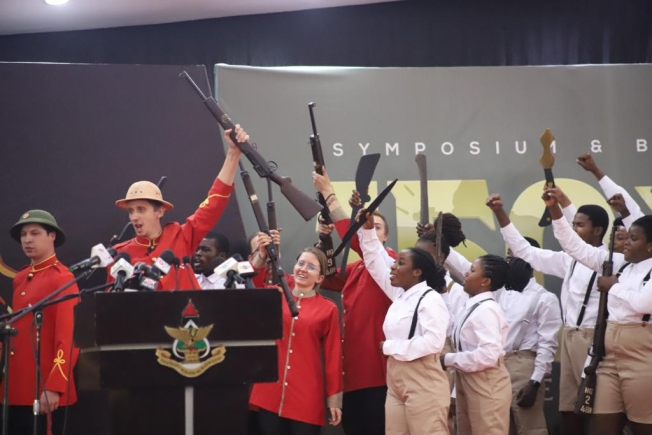
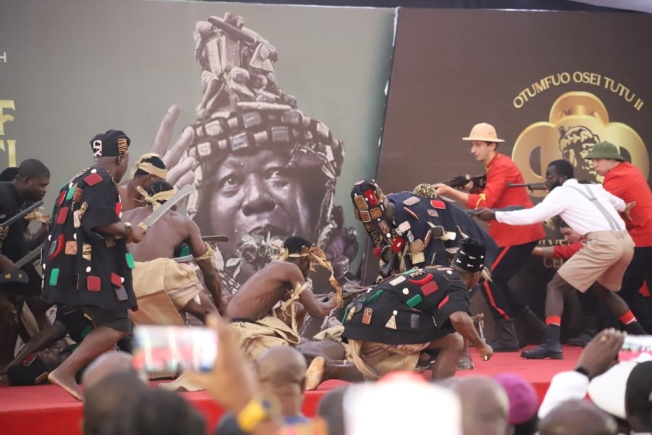
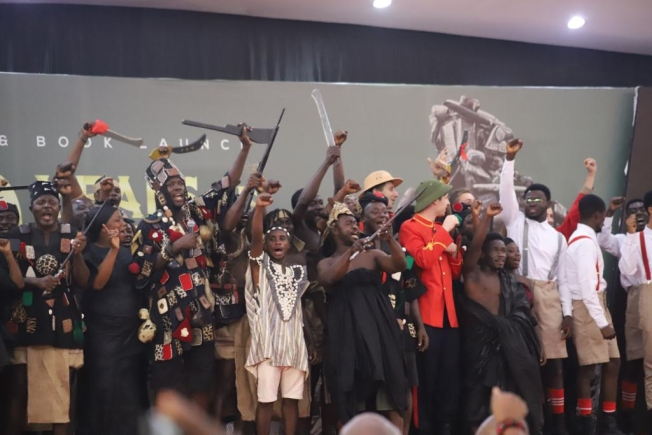
    During the symposium, the Kumasi Centre for National Culture staged a play written by Emmanuel Jewel Peprah Mensah, depicting the events of the Sagrenti War. The purpose of the stage play was to provide the audience with an understanding of the war and its aftermath.

    Prof. McCastie shared insights on the war, highlighting that besides the royal ornaments stolen from the palace, the British soldiers also looted gold and gold dust belonging to the then Asantehene Otumfuo Kofi Karikari.

    He estimated the value of the stolen gold to be worth more than £2 billion. Prof. McCastie noted that some of the looted items, such as a brass basin used for spiritual cleansing, are still on display in museums in the UK, like the Military Museum in London.

    Discussing the role of Asante women in the war, Prof. Eugenia Anderson of the History and Political Studies Department of Kwame Nkrumah University of Science and Technology (KNUST) highlighted their significant contributions to the sustenance of the Asante kingdom.

    Although women of childbearing age faced socio-cultural barriers limiting their involvement at the war’s frontline, older women played active roles in the kingdom’s socio-political life.

    Prof. Anderson cited the pivotal roles played by three Asante queenmothers—Afia Kobi, Nana Yaa Akyaa, and Yaa Asantewaa—in protecting the golden stool and safeguarding the Asante kingdom.

  • I am respectful, everyone in Asanteman can attest – Wontumi

    I am respectful, everyone in Asanteman can attest – Wontumi

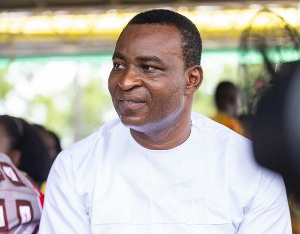
    The Ashanti Regional Chairman of the New Patriotic Party (NPP), Bernard Antwi Boasiako, popularly known as Chairman Wontumi, has vehemently denied allegations of making derogatory remarks about the Asantehene, Otumfuo Osei Tutu II, and the Asante Kingdom.

    Chairman Wontumi emphasized his profound respect for Otumfuo Osei Tutu II, asserting that he would never use abusive language towards the revered king or challenge his authority.

    In an interview with Wontumi radio, the businessman urged Ghanaians to dismiss all accusations against him, highlighting that everyone in Asanteman can testify to his respectful demeanor.

    He further declared his commitment to taking every necessary step to clear his name from all the allegations made against him.

    “Individuals in Asanteman will attest to the fact that I am a respectful being. Even those who dislike me will affirm that. I have a lot of respect for the Asantehene and the Asante Kingdom and will never do anything to tarnish its reputation. All these allegations are not true; they are pure lies. I cannot engage in such behavior. Anyone who wishes to lie can do so, but eventually, the truth will be exposed. I, Wontumi, will do everything possible to exonerate myself. Thank you for your audience,” he stated.

    Chairman Wontumi is currently facing accusations of making disrespectful comments about the Asantehene.

    Allegedly, Nana Kwaku Duah, Chief of Kokoso, and Manhyia South NPP Constituency Chairman Ofori Attah, also known as Tom-Tom, officially filed a complaint with the Kumasi Traditional Council.

    In response to the complaint, the council summoned Bernard Antwi Boasiako on January 22, urging him to appear on Monday, January 29, to address questions related to the reported derogatory remarks made during the vetting of parliamentary aspirants in Manhyia South.

    The NPP General Secretary conveyed that Chairman Wontumi is currently unwell and requested a two-week grace period for his appearance.

    This request has caused discontent among council members, who insist on Chairman Wontumi’s appearance, even suggesting that he appears in a wheelchair if necessary.

  • I will chose Asanteman over NPP any day! – General Secretary JFK tells Kumasi Traditional Council

    I will chose Asanteman over NPP any day! – General Secretary JFK tells Kumasi Traditional Council

    The General Secretary of the New Patriotic Party (NPP), Justin Kodua Frimpong, has declared his unwavering allegiance to Asanteman, emphasizing that he would not exchange it for anything under any circumstances.

    He expressed a firm commitment to defend and safeguard the Golden Stool and its occupant, rejecting any attempts by fellow party members to tarnish the dignity of chieftaincy and the traditional authority of Asanteman.

    Affirming his loyalty, he stated, “I will choose Asante over NPP at any time.”

    Mr Frimpong made these remarks during his appearance before the Kumasi Traditional Council on January 22, 2024, addressing alleged disrespect by the Regional Chairman of the NPP, Bernard Antwi Boasiako, also known as Chairman Wontumi.

    Accompanied by the National Organiser of the party, Henry Nana Boakye, Deputy National Communication Director Owusu Bempah, and regional and constituency executives, the NPP leadership intended to present Chairman Wontumi before the Council.

    However, they cited his hospitalization for medical attention as the reason for his absence.

    Consequently, the party was instructed to bring Chairman Wontumi before the Council on Monday, January 29, 2024, along with the management of Wontumi TV and a program host from the media house, Maurice Ampaw.

    Justin Kodua Frimpong hinted at their strategy, stating, “We will tell him to come here next Monday, and we (NPP) will dissociate ourselves from any other excuse he will offer.”

  • Court of Appeal Justice assumes role as Sampa Omanhene

    Court of Appeal Justice assumes role as Sampa Omanhene

    A historic moment unfolded at Manhyia Palace in Kumasi as His Lordship Justice Emmanuel Ankamah, a 45-year-old Justice of the Court of Appeal, took the oath of allegiance to Otumfuo Osei Tutu II, Asantehene, marking his ascension as the new Omanhene of Sampa Traditional Area.

    In a significant ceremony at the last session of the Asanteman Council at Manhyia, Justice Ankamah, now Nana Samgba Gyafla II, made history by becoming the highest-ranking member of the judiciary and the public service concurrently serving as a paramount chief in Ghana.

    The induction ceremony saw Nana Gyafla II being escorted to Manhyia by a substantial contingent of Sampa kingmakers, including Nana Siedjo Patazin II, Mansihene, Nana Kwadwo Magsa, Adontenhene, Nana Yeboah Asiamah, Tufuhene, Nana Woli Kofi Twentwan II, Kyidomhene, Nana Sei Kofi Ajaro, Kontihene, Nana Allah-Kaboe, Wrempehene, Nana Nyua Kofi, Aduanahene, Nana Takyi Poku, Akyeamehene, and Nana Kwadwo Akomea, Akyempimhene.

    The induction was met with warm welcomes from all member states of Asanteman, with the collective encouragement for the new Omanhene to dedicate his efforts to fostering peace and development among his people.

    This unprecedented dual role exemplifies the intersection of judicial and traditional leadership, adding a distinctive chapter to the history of Sampa Traditional Area.

  • “Be careful otherwise they will soon drive us away” – Otumfuo warns Ashantis

    “Be careful otherwise they will soon drive us away” – Otumfuo warns Ashantis

    The Asantehene, Otumfuo Osei Tutu II, has issued a stern warning to his subjects, including chiefs, cautioning them against becoming adversaries of the Ashanti kingdom and inadvertently contributing to its downfall.

    His admonishment is rooted in the perception that the kingdom has garnered envy and animosity from some quarters in Ghana.

    The monarch’s message, delivered during a recent address, underscores the need for vigilance within the Ashanti community to safeguard the kingdom’s heritage.

    “We are envied in the Ghana that we live in, some wish we could just be ejected. So, if you are in the kingdom, be careful. Isn’t it amazing, the Whiteman came and tried as much as they could but all of that led to nothing,” he noted.

    Otumfuo expressed concern that elements within the kingdom could potentially become instruments of its destruction, and he called for heightened caution.

    Reflecting on the history of the Ashanti kingdom, the Asantehene noted the resilience displayed when faced with external threats. “Isn’t it amazing, the Whiteman came and tried as much as they could but all of that led to nothing.

    “The Whiteman was with weapons and ammunitions but never got to see the Golden Stool,” he remarked, highlighting the kingdom’s historic defiance against colonial powers.

    However, Otumfuo lamented a shift in dynamics, stating, “But because of ingratitude, Ashantis are now our own enemies, causing our own destruction.” He cautioned that there are forces both within and outside the kingdom that may seek to undermine the Ashanti legacy.

    “You all should be very careful because they wish they could drive all of us out of this country,” he said.

    The Asantehene’s warning is a call to collective consciousness, urging Ashantis to remain united and protect their heritage. He stressed the need for vigilance to prevent any potential threats from those who may desire the downfall of the Ashanti kingdom.

    The Ashanti kingdom, with its rich cultural history and traditional leadership, has been a symbol of heritage and legacy in Ghana since the 13th/17 centuries.

    The current occupant of the Golden Stool, His Majesty Otumfuo Osei Tutu II, has embarked on efforts to preserve and restore the image of the kingdom.

    Recent actions by Otumfuo Osei Tutu II include the destoolment of several subchiefs for various offenses, including engaging in illegal mining and participating in the unauthorized sale of land. These measures are aimed at upholding the values and traditions of the Ashanti kingdom.

    The Asantehene’s recent encounter with the people of Offinso and the Dormaahene is also noteworthy, as it reflects his commitment to maintaining order and justice within the Ashanti community.

  • People will go hungry if they don’t talk about Asanteman – Fankyenebrahemaa

    People will go hungry if they don’t talk about Asanteman – Fankyenebrahemaa

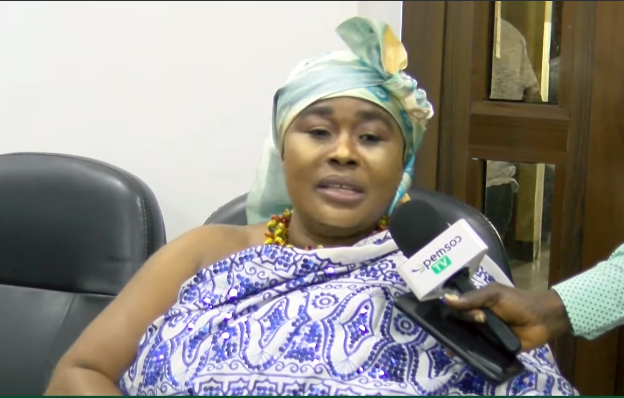
    Queen Mother of Fankyenebra in the Ashanti Region, Nana Akua Afriyie Owoabrempong, has indicated that the many netizens spewing false statements about Asanteman are doing so just to make ends meet.

    In an interview on Opemsu TV, Nana Akua Afriyie Owoabrempong noted that such individuals will lose their daily bread should they decide to set the record straight and stop dragging the name of Asanteman and the Asantehene in the mud on social media.

    “The Asanteman and the Asantehene are names that provide money when you just mention them. Today, all those misbehaving on social media are just after money. It is Asanteman that is now providing them ends meet. Let’s dare them to stop talking about Asanteman and see if their jobs will flourish. They can’t survive a week without mentioning Asanteman in whatever they do.”

    Recently, there have been disagreements on the history of how the current Dormaahene, Oseadeyo Agyeman Badu II, was inducted into office.

    This comes after Asantehene Osei Tutu II noted there was the need to revisit history to combat efforts from some quarters to distort history.

    Addressing his people at an Asanteman Council meeting at the Manhyia Palace on October 19, 2023, the Asantehene said “Sampa is my town, Bono and Ahafo… Agyeman Badu (the first) took his oath here before going to assume his throne. He was a teacher here at Government Boys School. He swore in front of my uncle before assuming his position.”

    “It is because of these notorious ones that I am recounting this issue. What at all is it?” he emphasized.

    In a video shared by Abanpredease TV on Sunday, October 19, 2023, the Dormaahene responded to the Asantehene’s claims.

    He clarified that the Dormaa chieftaincy has a longstanding history that predates the Asantehene chieftaincy, making it implausible for an Asantehene to have elevated the then Dormaahene to a paramount chief.

    He further emphasized the significance of addressing this matter as the historical narrative of the Dormaa people is at risk of being inaccurately represented by the Asantehene.

    “I would speak to this issue because if I don’t, I would not be able to sleep… most people think that I am the one who causes the issue (between myself and the Asantehene). Some are even saying that if I don’t take time, I might cause a war. But if you are correcting your history, is it about fighting?

    “… I want to tell every Ghanaian that we the people of Aduana are not from the Ashanti Kingdom. It is never true; it is never true. Otumfuo Osei Tutu II is the leader of the Ashantis, we beg him if he does not know history he should not talk. How can someone from Oyoko talk about the history of the people from Aduana?” he quizzed.

    The Dormaahene added, “I want to place it on record with any contradiction that the stool of the people of Aduana in Dormaa existed 300 years before that of the Ashantis was established. So if there is to be an elevation, is it not us who are to elevate them?”

    “As for this issue, I am begging him (the Otumfuo) he should stop saying it. If he does not stop, I have already said this before, if he speaks 100 times, I would respond 101 times.”

    The issue has sparked many divided opinions on social media.

  • This why Asanteman’s flag was featured on King Charles III’s coronation flyer

    This why Asanteman’s flag was featured on King Charles III’s coronation flyer

    The reason behind why the Asanteman’s flag was featured on King Charles III’s coronation flyer has been explained by an historian.

    Professor Sarfo Kantanka in an interview with the media explained that the Asantehene was invited in his capacity as leader of Asanteman and not as a representative of the Ghana government.

    He explained that officially, Ghana was represented by President Nana Addo Dankwa Akufo-Addo “while the Asantehene, Otumfuo Osei Tutu II was invited as the King of the Asante Kingdom, making it impossible to use the Ghana flag to represent the kingdom,” an Opemsuo Radio report noted.

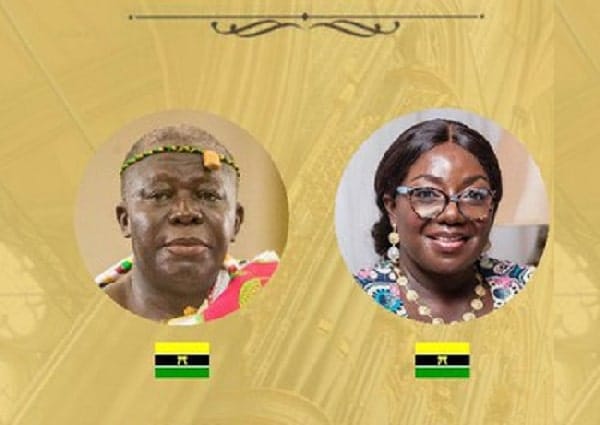
    Social media chatter ensued over the weekend when an unofficial coronation flyer posted on Twitter showed the Otumfuo and his wife Lady Julia as part of royals invited to the event at Westminster Abbey.

    Whiles all the other monarchs have respective flags of their countries under their portraits, Otumfuo and Lady Julia had the Asanteman flag under their photos.

    So, what was the disagreement about?

    At the heart of the back and forth that has since ensued is why the Ghana flag was not used with those demanding so, insisting that Asanteman is within Ghana and the Otumfuo is Ghanaian.

    Those against the move are of the view that the Asantehene was invited in his capacity as leader of the Ashanti Kingdom which has strong relations with the British monarchy.

    What you need to know: The Asanteman flag

    The Asantes (Asante Region/Asante Kingdom) are the only people in Ghana with an official national flag, a symbol of authority which they call the Asanteman Flag.

    The flag of the Ashanti Region was adopted by the Ashanti kingdom’s Emperor Asantehene Prempeh II in 1935.

    It is based on the Ashanti absolute monarchy throne, the Golden Stool, which has been Ashanti’s symbol of unity and soul since 1701, the early-eighteenth century AD, upon the foundation of the Ashanti Empire.

    Yellow, black, and green are the colours that signify the Ashanti flag.

    All the elements in the Flag have a meaning, and they have been explained below:

    1. The yellow part of the flag represents the riches/wealth of Asanteman.

    2. The Black part of the flag represents the symbolic image of the Blackman concerning the Asante Nation and the courage of the Asante Nation in facing the challenges of warfare.

    3. The Green colour, represents the refreshingly greener vegetation cover in the forest areas of Asanteman.

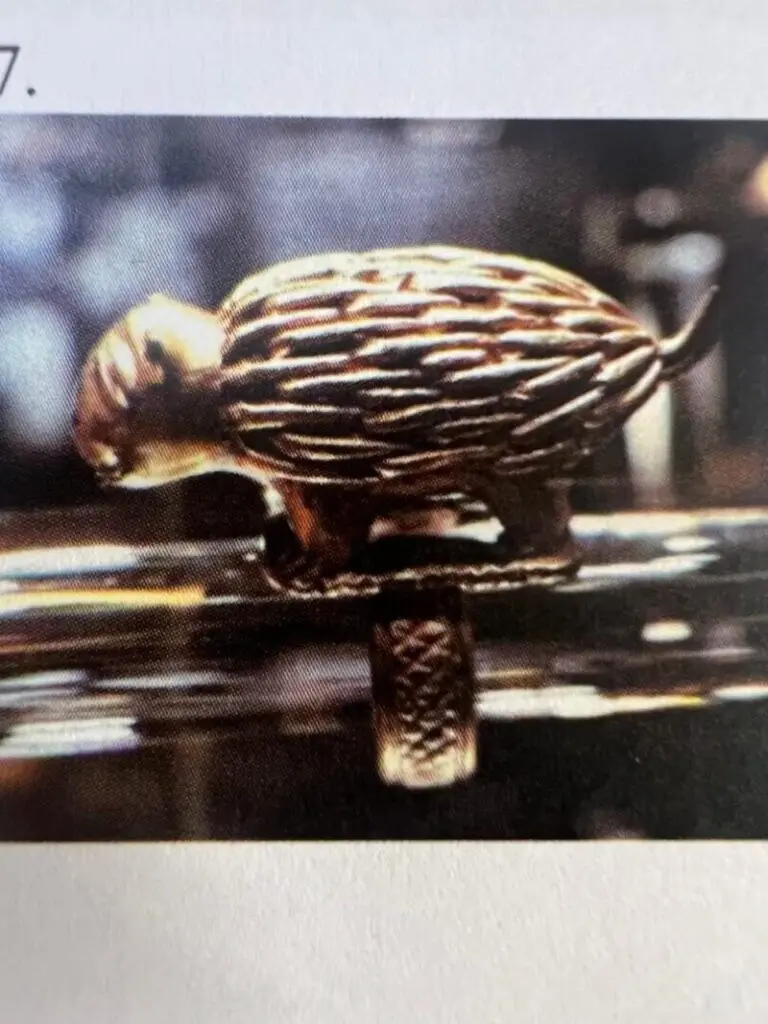
    4. The symbol in the Black at the centre of the flag is called “Gyemirekutu KYƐ” (Hat) which is made up of animal parts coated with gold-coloured paintings: Elephant Tail, Ɔwam ti (Hornbill Head), The Skin Covering the Elephant Kneebone, The Feathers of the Hornbill, Adwera (PortulacaOleracea Leafs).

    Also, the flag is beautifully positioned on the hood emblem on the bonnet of the 80-year-old Rolls Royce of the Asantehene.

  • Kumasi became ‘borla’ city after Kufuor left in 2008 – NAPO claims

    Dr. Matthew Opoku Prempeh, alias NAPO, has restated why the New Patriotic Party (NPP) will forever remain the preferred party in the Ashanti Region.

    He holds that it is often during the NPP’s era that the region known to be its electoral world bank gets needed development.

    NAPO, while speaking at the flagging-off ceremony for work to begin on the Suame Interchange stressed that Asanteman had to be forever grateful to the party for its contributions to development.

    “When Nana Addo speaks, people take him on, I want to tell all of you gathered here that if you need a government that will come and help Asanteman, it is the NPP.

    “If God had allowed Nana Addo to succeed President Kufuor, Kumasi would have been known as the golden city. When that did not happen, we became known as borla city, there was refuse all over the place since Nana Addo came, have you seen the refuse?

    “We shouldn’t show ingratitude, Asantes are grateful, let us not be ungrateful. Asante has good memories…,” he stated before adding: “it is based on this that we will continue to vote for the NPP till God descends from the heavens.

    “I can say that anyone here who votes for the NDC does not mean well for Asanteman,” he added in a video clip sighted by GhanaWeb.

    President John Agyekum Kufuor completed his second term in office in 2008 having taken office in 2000 from the late Jerry John Rawlings.

    The election to replace Kufuor was between Nana Addo Dankwa Akufo-Addo and the late John Evans Atta-Mills. The latter contesting for the third consecutive time beat Akufo-Addo in a runoff vote.

    Imagine what’d happen if this came from any NDC member of parliament from the Volta Region. Just imagine???? pic.twitter.com/kcaZDECInV

    — General Marcus! (@marcusadampah) October 20, 2022

  • Your gov’t has been good to Asanteman – Otumfuo tells Nana Addo

    The Asantehene, Otumfuo Osei Tutu II, has commended President Nana Addo Dankwa Akufo-Addo for his consistent show of attention to Asanteman, thereby situating the region to a position of prominence and honour in terms of development in the country.

    According to the Overlord of the Asante Kingdom, he has followed with keen interest the tenure of President Akufo-Addo since 2017, stressing that issues of key concern to the development of Asanteman have been placed on the front burner of government’s development agenda.

    Otumfuo Osei Tutu II made this known on Sunday, August 16, 2022, when the President paid a courtesy call on him at the Manhyia Palace, at the commencement of his 4-day working visit to the Ashanti Region.

    “On the occasion of your visit four-day visit here, which has become a regular feature, I am happy you are here to commission and inspect the projects undertaken by your government for all to see that, indeed, under you, Asanteman has benefited,” he said.

    Continuing he said, “you have served us well and brought honour to Asanteman in the two terms that you have served as President. Therefore, I can only ask of the blessings of Almighty God and that of the ancestors for continued strength to serve Ghana.”

    President Akufo-Addo, on his part, said the visit to the Ashanti region was part of his yearly routine to visit all the regions across the country to acquaint himself and deliver first-hand the development needs of the people.

    He said: “at the end of his four-day tour of the region, all will know that indeed Asanteman has benefitted significantly in terms of development.”

    President Akufo-Addo indicated that nearly 350 kilometers of Asphaltic Road network have been done in the Ashanti region. This is irrespective of the 100 kilometres being done in the Kumasi Metropolis and the other 100 kilometres being done with regards to urban roads. 32 separate hospital projects have been done in my time in the Ashanti region.

    Touching on the galamsey menace, the President stated that “I am also happy that the issue of illegal mining has become topical during my administration. Nobody spoke about it before I came, now I am happy that chiefs, including you, have all joined to see the fight to a good end. We have come to end and with your support, we will indeed succeed at it.”


    Source: Pulse.com.gh

  • Abla Pokou: The 1700s Asante female royal who sacrificed her son to save her people

    She was a courageous, outspoken member of the royal family in Asanteman in the 1700s until her outspoken nature got her ousted from her people in the territory which later became known as Gold Coast and subsequently Ghana.

    While little is known about her heroism in Ghana, the people of what is now known as Cote d’Ivoire celebrate and honour the memory of Abla Pokou, also because she was a daring woman.

    Narrating the story of how Abla Pokou came to settle in Cote d’Ivoire and became the mother of the Baoule kingdom, Francis Tagro explained that she had a dispute over a succession during her time in the territory that is today known as Ghana but this escalated into a bitter rivalry, forcing her to flee the land to the neighbouring country.

    Speaking in a BBC documentary, the curator stated that this conflict happened under the reign of the Asantehene, Osei Tutu I.

    “All the Akan people living in Cote d’Ivoire are originally Asante. There was a conflict over the succession at the time of King Osei Tutu I, in what is today Ghana. During that migration, it was the last wave that was the most important, the one that led to the Baoule kingdom, and had at its head the Queen Abla Pokou,” he narrated.

    Continuing the narration, Francis Tagro said that Abla Pokou and her people got to a very trying point in their journey that required an unusual sacrifice to a river god.

    He explained that after several attempts, the royal had to succumb and give up her son as the perfect sacrifice – a move that saved them from damnation.

    “She left with her family and during the migration, they came to a river, the Komoe River but the Akans were not strong enough swimmers. So, they asked the river god to advise them on how best to cross the river. A priest in her entourage told her that the spirit of the river was demanding a sacrifice. It had to be something valuable.

    “So, they all removed their bracelets, finery, rings, every possession they had with them and offered them to the river, but the spirit refused these and insisted on them giving something that was even more valuable to them.

    “The priest told them that the river demanded that Abla Pokou sacrifice the baby son she was carrying. Once they reached the other side, the people who had been in pursuit of them stopped chasing them when they saw the river and were unable to cross it. The queen them said to her people, ‘The child is dead,’ informing them that she had sacrificed her child to gain their safe passage,” he said.

    Francis Tagro further explained that while this is a sad story, it has since informed the line of succession for the Baoule kingdom of Cote d’Ivoire, which was eventually set up by Abla Pokou.

    “It is really sad, that is why in the Asante Kingdom in Cote d’Ivoire, the method of choosing a successor in the royal family is matrilineal because it was the mother, Abla Pokou, who gave her son so that her people could be saved. Queen Abla Pokou is a charismatic character for the Akan people. She is highly revered. She epitomizes energy and determination,” he added.

    In further details shared by dw.com, Abla Pokou was the niece of King Osei Tutu and was born at the beginning of the 18th century.

    She is said to have fled the country after the death of her uncle with some loyal people to Dakon, her second brother.

    According to a curator at the Museum of Civilisation in Cote d’Ivoire, Tagro Gnoleba Francis, the story of this brave Asante queen, Abla Pokou, is one that is etched in the history of the people so much so that even after many centuries, her singular sacrifice of her son is still upheld.

    Source: Ghanaweb.com