Tag: Aviation

  • Ibrahim Mahama materialises 13-year-old KNUST student’s aviation dreams

    Ibrahim Mahama materialises 13-year-old KNUST student’s aviation dreams

    Business mogul and aviation enthusiast Ibrahim Mahama has turned a childhood dream into reality for 13-year-old Melchizedek Adio Baafawiise, a BSc. Physics student at the Kwame Nkrumah University of Science and Technology (KNUST).

    Recognising the young prodigy’s passion for aviation, Mahama extended an exclusive invitation for Melchizedek to experience a private jet flight—an extraordinary opportunity that brought him closer to his long-held dream of becoming a pilot.

    Melchizedek, who achieved an outstanding five A1s and three Bs in the WASSCE at just 13, has always been fascinated by aviation. His remarkable academic feat caught Mahama’s attention, prompting the businessman to grant him a firsthand glimpse into the world of aviation.

    During the flight, Melchizedek had the rare privilege of entering the cockpit, where he received a briefing on aircraft operations. Mahama also shared valuable insights into the aviation industry, encouraging the young scholar to keep striving for excellence.

    Beyond the flight experience, Mahama pledged to fully fund Melchizedek’s tuition and academic expenses at KNUST, ensuring he receives the necessary support to pursue his ambitions.

    Melchizedek’s parents have expressed deep gratitude for Mahama’s generosity, describing it as a life-changing gesture.

    Melchizedek made history as one of KNUST’s youngest undergraduates after excelling in the West African Senior School Certificate Examination (WASSCE). With A1 grades in Physics and Mathematics, he opted to study Physics at the university to deepen his understanding of science while keeping his aviation aspirations alive.

  • Ghana’s Aviation industry takes flight again after pandemic setback

    Ghana’s Aviation industry takes flight again after pandemic setback

    The memory of the COVID-19 pandemic’s impact on the aviation industry seems distant now, as the sector that once thrived has made a strong comeback.

    In 2020, the aviation industry faced a dramatic decline, with passenger numbers plummeting by two-thirds. This was a harsh blow to a sector that had been experiencing rapid growth between 2016 and 2019, coinciding with Ghana’s aspirations for greater economic success.

    Prior to the pandemic, the aviation sector was growing steadily, with annual increases ranging between 3.7% and 9.1%. Ghana was positioning itself as a key aviation hub in West Africa, thanks to its strategic location, growing economy, and political stability.

    But the pandemic disrupted everything.

    With borders closed, travel restrictions imposed, and a significant decline in travel confidence, the industry had to reassess its approach. Despite these challenges, the sector adapted and began to recover.

    By 2021, passenger numbers rebounded by 80.7%, and in 2024, the sector is showing even more promise, with domestic aviation growth mirroring this success.

    What’s driving this recovery? A combination of smart strategies, renewed confidence, and innovative approaches to tourism and economic development.

    The Ghana Tourism Authority’s ‘December in GH’ campaign, part of the broader ‘Beyond the Return’ initiative, has played a significant role in boosting the country’s global profile. With increasing global interest, the end of 2024 looks poised to surpass previous milestones.

    Additionally, the recent peaceful elections have reinforced Ghana’s image as a stable and safe destination. This smooth electoral transition provides a unique opportunity to attract more international tourists during the holiday season.

    This peaceful process sends a reassuring message to travelers: Ghana is a welcoming and safe destination that values democracy and stability, appealing to tourists seeking authentic experiences in a tranquil setting.

    To capitalize on this momentum, the government and local businesses should focus on strategic initiatives.

    Marketing campaigns highlighting Ghana’s rich culture, democratic achievements, and welcoming atmosphere can attract more international and diaspora visitors looking for meaningful travel experiences.

    For business leaders and investors, the message is clear: Ghana’s aviation sector is on the brink of significant growth. The foundation is set, and the potential for future development is vast.

    This revival reflects the resilience of the nation’s economy and the clear vision of Ghana’s role in the global economy. Every flight, every passenger, and every connection contributes to national progress.

    Though the pandemic tested our limits, it didn’t break our spirit. Instead, it helped refine strategies, sharpen focus, and showcase Ghana’s ability to innovate and adapt.

    With the skies ahead clear and the wings spread wide, Ghana is ready to soar to new heights!

  • Aviation experts advocate collaboration for 5G rollout in Ghana

    Aviation experts advocate collaboration for 5G rollout in Ghana

    Aviation experts are urging for increased collaboration between the National Communications Authority (NCA) and the Ghana Civil Aviation Authority (GCAA) in the implementation of Ghana’s 5G network.

    The introduction of 5G spectrum services poses significant risks to aviation safety, particularly due to potential interference with critical aircraft landing and safety systems such as radio altimeters, unless adequate mitigating measures are implemented before deployment.

    Recent experiences from the rollout of C-band spectrum 5G services in the United States have highlighted substantial disruptions. However, successful deployments in countries like Brazil, Canada, France, and Thailand have demonstrated effective mitigation strategies to safeguard aviation safety and maintain uninterrupted services.

    A key concern is the proximity of 5G C-Band antennas to airports and flight approach paths.

    The degree of interference largely depends on factors such as the power of 5G transmitters, their distance from aircraft, and spectrum separation from radio altimeter frequencies.

    This interference has the potential to impact critical onboard safety systems and aircraft landing precision and auto-land capabilities.

    Both the International Civil Aviation Organization (ICAO) and the International Telecommunications Union (ITU) emphasize the importance of protecting aviation systems from harmful interference, urging member states to ensure the integrity of existing aviation services.

    During a GCAA Aeronautical Information Services (AIS) stakeholder workshop held at the new GCAA headquarters at Kotoka International Airport, panelists addressed concerns about Ghana’s 5G network rollout.

     “The 5G network operates in a spectrum of the electromagnetic waves and initially this may affect the CNS infrastructure.

    “We communicate using signals, navigation equipment also uses the same signal or a similar spectrum, initially, depending on how it is deployed, it may affect this infrastructure and what we will do as AIS is that we will rely on CNS to give us information concerning any interference to these CNS infrastructures and we of course will publish such information. If it calls for a NOTAM, we will publish that, if it calls for changes they (CNS) will do that and inform us so we publish that.”

    They further called for a closer collaboration between the NCA and the GCAA to ensure a safe rollout of the technology.

    “Definitely the CAA has a say when these networks are lodged. They (GCAA) would like to do their safety assessment to see if it (5G) won’t affect their existing infrastructure in the first place. So the Ghana Civil Aviation Authority will have a say, of course the National Communications Authority also has a say in that.”

    Ghana to roll-out 5G broadband services by September

    The Ghanaian government has awarded a 5G license to Next-Gen Infrastructure Company (NGIC) to provide cost-effective 5G mobile broadband services nationwide.

    According to the GNA, the rollout of 5G services is expected by the third quarter of this year, aiming to transition mobile phone users into a new phase of digital connectivity. This initiative aims to advance Ghana towards achieving a fully digital society by 2030.

  • Ghana’s aviation sector is back on track – Akufo-Addo

    Ghana’s aviation sector is back on track – Akufo-Addo

    President Akufo-Addo has pointed out that Ghana’s aviation sector has made a strong comeback after the disruptions caused by COVID-19.

    He attributes this rebound to the surge in air passenger traffic for both domestic and international flights.

    Speaking at the inauguration of the Nana Agyemang Prempeh I International Airport in Kumasi on Friday, May 10, 2024, he highlighted the significant growth in air passenger numbers.

    President Akufo-Addo emphasized the importance of collaboration among all stakeholders to position Ghana as a key aviation hub in the region and beyond.

    He urged concerted efforts from everyone involved to sustain this positive momentum in the sector.

    “Ghana has experienced a considerable overall growth in air passenger traffic onboard domestic and international routes. At the end of 2023, international passenger traffic comprised 2,914,661 persons compared to the 2019 through port of 2,328,758 persons representing a 25% increase. Domestic passenger traffic on its part increased from 690,314 persons in 2019 to 775,662 persons at the end of 2023,” he said.

    “This data means that the aviation sector has recovered fully from the impact of the COVID-19 pandemic and is back on track for growth. My government will continue to pay the needed attention to enable the sector to compete fairly with our neighbouring countries in the West African region and beyond.”

    “It is therefore important that all stakeholders come onboard and play their respective roles towards making Ghana an aviation hub in the region.” President Akufo-Addo added.

  • Akufo-Addo calls for stakeholder collaboration to make Ghana an aviation hub

    Akufo-Addo calls for stakeholder collaboration to make Ghana an aviation hub

    President Akufo-Addo has reiterated his government’s commitment to fostering the growth of Ghana’s aviation sector, aiming to enhance its standing and competitiveness in the West Africa Region and beyond.

    He highlighted significant developments in infrastructure and service expansion, along with the implementation of the open skies policy, in the aviation sector over the last few years.

    Speaking at the commissioning ceremony of Prempeh I International Airport in Kumasi, President Akufo-Addo affirmed his administration’s dedication to nurturing the growth of the nation’s aviation sector.

    “My government will continue to pay the needed attention to enable the sector to compete fairly with neighbouring countries in the West African region and beyond. It is therefore important that all stakeholders come on board and play the respective roles toward making Ghana an aviation hub in the region,” he said.

    He stated that Ghana has experienced significant growth in passenger traffic on both domestic and international routes.

    Furthermore, he emphasized that international passenger traffic reached approximately two million people by the end of 2023, representing a 25% increase from the 2019 figure.

  • We need more data to understand climate formation and impact of aviation contrails – IATA

    We need more data to understand climate formation and impact of aviation contrails – IATA

    The International Air Transport Association (IATA) has issued a call for urgent measures to deepen understanding of aviation contrails’ formation and climate effects, aiming to develop effective mitigation strategies.

    In its newly released report titled “Aviation Contrails and their Climate Effect: Tackling Uncertainties and Enabling Solutions,” IATA emphasizes the necessity of enhanced collaboration between research, technological innovation, and policy frameworks. This collaboration is crucial to address aviation’s non-CO2 emissions by leveraging more comprehensive atmospheric data.

    The report underscores the intricate nature of contrail science, highlighting gaps in understanding the formation of contrails, their persistence, and their impact on climate.

    A critical challenge identified in the report is the lack of high-resolution, real-time data on atmospheric conditions, particularly humidity and temperature at cruising altitudes, which impedes accurate contrail forecasting.

    “The industry and its stakeholders are working to address the impact of non-CO2 emissions on climate change, particularly contrails. To ensure that this effort is effective and without adverse effects, we must better understand how and where contrails form and shrink the uncertainties related to their climate impact. “Action now” means more trials, collection of more data, improvement of climate models, and maturing technologies and operations,” said Willie Walsh, IATA’s Director General.

    “Formulating and implementing regulations based on insufficient data and limited scientific understanding is foolish and could lead to adverse impacts on the climate. That is why the most important conclusion from this report is to urge all stakeholders to work together to resolve current gaps in the science so that we can take effective actions,” he added.

    With current levels of understanding, the report recommends that in the immediate term (2024-2030), the priority for mitigating aviation’s climate change impact should be on reducing CO2 emissions over the uncertain gains that could stem from contrail detection and their mitigation.

    Over this time, increasing airline participation in sensor programs, continuing scientific research, and improving humidity and climate models should be the focus of work on contrail mitigation.

    The report notes that mid-term actions (2030-2040) should involve establishing standards for data transmission, continuous validation of models, and encouraging aircraft manufacturers to include provisions for meteorological observations, as well as selected avoidance.

    Longer-term actions (2040-2050) include aircraft being able to continuously provide data and the models and infrastructure should be there and be reliable.

    The community will have at this point a more complete understanding of the non-CO2 effects of alternative fuels, with extended mitigation measures.

    These action items collectively aim to mitigate the climate impact of aviation while advancing scientific understanding and technological capabilities.

    Background on aviation’s non-CO2 emissions

    Aviation’s impact on climate extends beyond CO2 emissions, with non-CO2 effects such as contrails and nitrogen oxides (NOx) also contributing to global warming.

    Persistent contrails, formed in ice-supersaturated regions, can transform into cirrus clouds which reflect incoming solar radiation (during the day) as well as trap outgoing heat.

    On balance, it is understood that contrails have a warming effect on the climate, with diurnal, seasonal, and geographical variations. However, despite extensive studies, significant uncertainties exist for the capacity to predict individual contrail formation and their specific climate impact.

    Initiatives and Trials: Recent collaborations among meteorologists, climate researchers, airlines, and aircraft manufacturers have yielded new insights that underscore the need for enhanced data collection and analyses of the likely air traffic network complications regarding any solutions.

    Trials with modified flight paths and alternative fuels have shown potential yet limited efficacy due to the variability of atmospheric conditions and the localized nature of where contrails occur.

    Technological Advances and Future Directions: Advancements in developing humidity sensors to be placed on aircraft are critical for contrail prediction and avoidance strategies. Current sensor technology on commercial aircraft lacks the required sensitivity and response time, and there are only a handful of such sensors in operation at altitude.

    Ongoing research aims to develop more accurate, robust, and scalable solutions, and the use of sensors on a limited population of aircraft would allow the necessary improvement and validation of numerical weather prediction models.

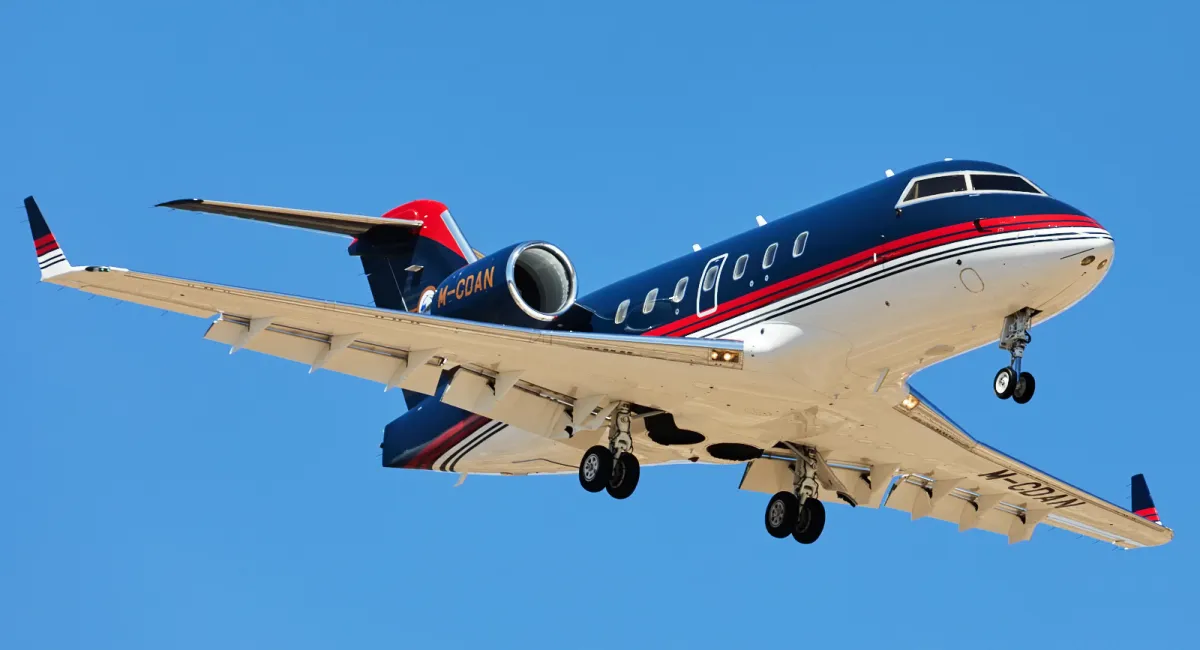
  • Dangote refinery cuts diesel, aviation fuel prices amid power supply challenges

    Dangote refinery cuts diesel, aviation fuel prices amid power supply challenges


    Nigeria’s recently inaugurated mega refinery has announced a further reduction in the prices of diesel and aviation fuel within the domestic market, marking the third such adjustment since its commencement of product delivery in March.

    According to an emailed statement from Dangote Industries Ltd., the refinery will slash the price of diesel by 6%, now selling at 940 naira ($0.76) per liter, while aviation fuel will be priced at 980 naira.

    These revised prices are applicable to marketers purchasing over 5 million liters of fuel.

    Nigeria’s persistent issues with inadequate power supply have led to significant reliance on diesel-powered generators by large businesses for electricity.

    At the outset of March, diesel was retailing for as high as 1,600 naira per liter. Prior to Dangote’s entry into the market last month, Nigeria primarily depended on imported refined fuel.

    Initially priced at 1,200 naira per liter, Dangote has progressively reduced the price, reaching 1,000 naira two weeks ago.

    “The new price is in consonance with the company’s commitment to cushion the effect of economic hardship in Nigeria,” Dangote Group spokesman Anthony Chiejina said.


    Analysts suggest that the Dangote plant, with a capacity of 650,000 barrels per day located outside Lagos, is preparing two units to facilitate gasoline production, a development poised to significantly impact the fuel market in Nigeria and the surrounding region.

    Currently operating at approximately 300,000 barrels per day, roughly half of its designated capacity, the refinery has commenced the shipment of jet fuel, gasoil, and naphtha as it expands its product offerings to encompass a full range of products.

  • Stakeholders deliberate Ghana’s aviation workers joining a union

    Stakeholders deliberate Ghana’s aviation workers joining a union

    A group of interested parties gathered in Accra, Ghana, met a week ago to discuss ways to work together to support Ghanaian aviation industry workers in joining different labor unions that will advance their interests.

    There are many unions that represent different types of workers in the aviation industry, including pilots, cabin crew, ground staff, maintenance workers, and air traffic controllers.

    The Flight Attendants Association of Australia (FAAA), Service Employees International Union (SEIU) – United States and Canada, Transport Workers Union (TWU) – United States and Australia, and UNITE – UK and Ireland are a few major unions in the aviation industry throughout several regions.

    Union representation and power might differ from one nation to the next depending on regional dynamics of the aviation sector, cultural norms, and local labor legislation.

    All employees in Ghana have the legal right to unionize, which is protected by labor legislation.

  • Give the private sector control of  national airline – Aviation expert

    Give the private sector control of national airline – Aviation expert

    Dr. Yakubu Akparibo, an aviation specialist, has recommended that government entrust the national airlines in the care of a private sector.

    Speaking on JoyNews’ AM Show, he said that the profit made from aviation in recent times is not so much compared to previous times and there is the fear that government might run at a loss should it take the risk.

    “I think at this point government should not put any investment in this airline and to me, even in the future I don’t think government should invest in an airline, they should leave it to the private sector,” he said.

    “Now the profit margins in aviation is very small, it’s not like in the 80s and 70s, you know those days we didn’t have GSA and so many safety leverages and stuff, now profit margins are very small, he said.
    Leave new national airline to private sector – Expert tells government

    Dr. Akparibo added that, when these state airlines are established, it could pave the way for state officials to use them freely for their official duties which could subsequently lead to huge debts.

    “You know if it’s government-owned sometimes they probably would want to use it for official trips and travels and they may not pay and stuff and normally that leads to the airlines getting more debts and eventually bankruptcy so I think the government should leave the airlines to the private sector,” the expert indicated.

    Speaking on the same show, retired international airline pilot, Michael Foli also said that instead of establishing a national airline, government should rather invest in domestic airlines to make them more efficient and reliable.2

    “Government should rather divert its attention to helping domestic airlines, there was a time when domestic airlines were not being charged tax on the purchase of fuel, that was a way the government was encouraging domestic airlines,”

    “I am not sure, I think this was in Rawlings’ era or Atta Mills’ era but now I am told by one of those operators that they pay full tax and it’s over-burdening their operations,”

    “If a private company wants to set up an airline, sure it’s an open market, let them do it, let the government sit back,” Mr. Foli said.

    Ghana’s new national airline, Ghana Airlines will commence operations in the third quarter of this year, 13 years after the country’s second state-owned carrier stopped flights.

    The new name was announced by Finance Minister Ken Ofori-Atta during the 2023 budget presentation to the Ghanaian Parliament. Mr Ofori-Atta also stated that Ghana expects the airline to be operational in 2023.

    Ghana’s Aviation Minister, Joseph Kofi Adda revealed that the airline would be based in Accra, Ghana and would operate routes to West Africa and future routes to destinations in Europe, North America and Asia.

    The establishment of Ghana Airlines will bring the 13-year absence of a national carrier in Ghana to an end. This follows the collapse of former national airlines Ghana Airways in 2004, and Ghana International Airlines, in 2010.

  • The aviation industry is suffering from high fuel prices and a weak cedi – Samuel Takyi

    The continuing depreciation of the cedi against major trade currencies and the high cost of fuel are hurting players in the aviation business, which is increasing the price of travel.

    In comparison to the US dollar, the cedi has so far lost more than 30% of its value, while the price of aviation fuel has increased by more than 100% since the year’s commencement.

    Of an interview with B&FT conducted during the first flight of Passion Plane to Sunyani, the airline’s corporate affairs manager, Samuel Takyi, stated these two causes are leading to the increase in air tickets because the industry cannot bear the burden’s immensity alone.

    “We are confronted with two very strong headwinds which have to do with depreciation of the cedi and increasing aviation fuel prices. Over 98 percent of our transactions are in foreign exchange but our tickets are sold in cedis. So, once you covert the cedi to dollars you take a hit right there.

    “With the aviation fuel, for example in May we purchased fuel to the tune of US$350,000 for our operations. In June it shot up to US$750,000. From beginning of the year to now, we have had an increase of 112 percent in aviation fuel. These are external factors beyond our control, so we will just respond to the market as and when things change,” he said.

    It must be recalled that the industry was among the hardest hit at the height of the pandemic, as restrictions on travel and movement ground the activities of airlines to a halt.

    However, just when activities seem to start bouncing back, the sector has been confronted with the two aforementioned strong challenges. Players in the industry are therefore calling on government to address these challenges in order to protect the aviation sector.

    Speaking at the event, Minister for Transport, Kweku Ofori Asiamah, assured the sector that government is doing its best to ensure the currency is stable enough to help drive down costs for the industry.

    Passion Air begins Accra-Sunyani route

    Speaking in Sunyani at a brief ceremony to launch Passion Air’s inaugural flight to the city, Managing Director of the airline, Samuel Ato Hagan, expressed delight with the fact his outfit is first to operate in the region after the airport’s inauguration some few weeks ago.

    He assured passengers of the airline’s resolve to offer the best of service to them and ensure their safety. Further, he urged hospitality and tourism companies in the region to take advantage of the airline’s operations in the area to promote their business.

    The transport minister further commended Passion Air for taking the bold step to ply the Accra-Sunyani route, especially when the airport was only recently inaugurated and there is no empirical data to assure the company of high passenger traffic.

  • Aviation Minister inspects expansion of airport facility in Takoradi

    The Minister of Aviation, Mr Kofi Adda has stated that the Western Region can not be overlooked when it comes to aviation since it houses the oil and gas industry and a training center for pilots.

    He disclosed that his Ministry also has “its eyes on a land it has acquired at Kajebil near Takoradi for the construction of an international airport which is now at the feasibility study stage pending approval from the Ministry of Finance”.

    He said the aviation sector has been recognised by the President as a very important element of economic development hence, the move to expand the sector by developing infrastructure and improving services to make sure that business development and tourism are supported to enhance the economic lives of the people.

    The Minister who was on a working visit to the Central and Western Regions to ascertain the potentials the two regions have in the aviation space indicated that the Takoradi Airport was so important because it serves the oil and gas industry as well as the mining industry.

    He further stated that his Ministry was in consultation with the Ministry of Finance to see how best local air travel fares could be reduced to make it affordable to enable more Ghanaians to do quick business.

    He hinted that many more airlines have shown interest and would soon take off to bring competition and to have airfares reduced so that more Ghanaians can afford.

    According to him, though the renovation work at the Takoradi airport was being done solely by the Ghana Airforce, the Ministry of Aviation has been able to identify the items that are needed to bring efficient gadgets to do civil works among others.

    He said the Aviation Ministry was liaising with the Ministry of Finance to raise some money to support them since the rehabilitation and reconfiguration for the arrival and departure halls would be expanded to bring comfort to passengers.

    Air Vice-Marshal Frank Hanson, Chief of Air Staff said the Takoradi Airport has been in existence for over sixty years and has since been the bedrock of aviation in Ghana.

    He noted that expanding its operations would enable it to take more domestic airlines to open the market for competition which would help beat down airfares for more patrons.

    The Western Regional Minister, Mr Kwabena Okyere Darko-Mensah noted with concern that the absence of a civilian airport hampers air transport business in the region, hence the expansion was necessary to position the Airforce Base to be able to give more room to civilian passengers till the Region gets an alternative airport.

    He explained that the Ghana Airforce was already on the Board of the Civil Aviation Authority and could therefore do a proper collaboration to augment the operations of the airport by giving the needed support to improve on its operations.

    The renovation which is being done by the TonyDollyken Construction Limited started in June this year and is expected to be completed in December this year.

    Renovation works include the renovation of the Airport Terminal building, expansion of Arrival/Departure Hall, and the oil and gas facility.

    Source: GNA

  • Qatar Airways warns of substantial job losses

    Qatar Airways has warned its employees of “substantial” redundancies as it struggles with a collapse in demand.

    Its chief executive Akbar Al Baker wrote to staff warning of the job losses, although he did not say how many were under threat.

    Qatar Airways said it needed to “act decisively to protect the future of the business”.

    The airline industry is facing one of its toughest ever periods, with many carriers on the brink of collapse.

    “The truth is, we simply cannot sustain the current staff numbers and will need to make a substantial number of jobs redundant inclusive of cabin crew,” Mr Al Baker wrote in an internal memo.

    The state-owned airline employs more than 45,000 people and has a fleet of more than 240 planes. In February, Qatar Airways increased its stake in British Airways owner IAG to 25% as part of its strategy to invest in other carriers.

    “The unparalleled impact on our industry has caused significant challenges for all airlines and we must act decisively to protect the future of our business,” a Qatar Airways spokesman said.

    “As a result, Qatar Airways can confirm that the airline will make a number of roles redundant due to the impact of Covid-19.”

    Airline trade body, the International Air Transport Association (IATA), warned last month that air traffic in the Middle East and North Africa would plummet by more than half this year.

    IATA also warned that most airlines would struggle to make a profit if social distancing measures were introduced, such as keeping middle seats empty.

    On Tuesday, Virgin Atlantic said it would be cutting 3,000 jobs and quitting its operations at Gatwick airport.


    Source: BBC 

  • UK government ‘wants to support aviation industry’

    A question from ITV at the daily briefing raised the spectre of aircraft engine maker Rolls-Royce considering thousands job cuts, with the British workforce potentially bearing the brunt. It follows the announcement of major job cuts by British Airways and Ryanair.

    BA is looking at cutting 12,000 people from its 42,000-strong workforce, citing a collapse in business. The company thinks it will take several years for air travel to return to pre-virus levels.

    Ryanair is looking at 3,000 job cuts – that’s 15% of its workforce. Boss Michael O’Leary has also said it would take six months to refund passengers for flights cancelled.

    Robert Jenrick, the minister fronting today’s briefing, said the government wanted to support the UK’s aviation industry, which he said was “an extremely important one strategically” as well as an industry which employs “a great deal of people”.

    “If there’s more we can do, we will do so.”

    Source: bbc.com

  • Terminal 1 of Kotoka International Airport being used by US military Aviation Minister reveals

    Aviation minister, Joseph Kofi Adda, has revealed that the United States military has secured some parts of the Kotoka International Airport (KIA) for its military operations.

    This arrangement is part of the defence cooperation agreement signed with the superpower and approved by Parliament in 2018.

    Addressing parliament on Wednesday, Kofi Adda said the North American country is using Terminal 1 for logistical support and hangaring services.

    According to the aviation minister, Ghana Airports Company Limited (GACL), has a 15 year rented agreement with McDan Aviation which is providing services to the US military.

    “It is a fixed-base operation agreement, McDan, per an agreement with the Ghana Airports Company, can offer the same services to private jet operators as well,” he told parliament.

    All transactions are expected to be subjected to customs checks, he assured.

    What is the agreement about?

    In 2018, Ghana signed a defence agreement with the US and this move raised controversies in Parliament and the country.

    The opposition National Democratic Congress (NDC) blamed government for downplaying its sovereignty to the US.

    Previous administrations, including John Mahama, John Kufuor and Jerry Rawlings all signed similar agreements, says government.

    The agreement amongst other things allows the US Military to use Ghana as a base for staging and deploying forces.

    Despite the unrestricted access and tax exemptions, Ghana also agreed to bear the cost and take primary responsibility for securing the US facilities in Ghana.

    Ghanaian soldiers are expected to get some counterterrorism training as part of the agreement while the state also benefits some $20 million.

  • South African Airlines to stop Joburg-Abidjan-Accra flights

    On Friday, 29 February 2020, South African Airlines (SAA) will close its regional and international services from Johannesburg to Abidjan via Accra, Entebbe, Guangzhou, Hong Kong, Luanda, Munich, Ndola, and Sao Paulo.

    It will, however, continue to operate all international services between Johannesburg and Frankfurt, London Heathrow, New York, Perth and Washington via Accra.

    The move is part of restructuring that is expected to bring the once vibrant airline into profitability.

    The closure of the Johannesburg to Abidjan via Accra route means travelers (individuals and businesses) will have to explore other means in reaching their destinations.

    Regional services to be retained include from Johannesburg to Blantyre, Dar es Salaam, Harare, Kinshasa, Lagos, Lilongwe, Lusaka, Maputo, Mauritius, Nairobi, Victoria Falls and Windhoek.

    The joint Business Rescue Practitioners (BRPs) of South African Airways (SAA) announced today that SAA is cancelling all of its domestic routes apart from Johannesburg to Cape Town.

    According to the BRPS Les Matuson and Siviwe Dongwana, the latest initiatives are aimed at supporting SAA’s transformation into a sustainable and profitable business and in line with the urgent action required to conserve cash.

    The BRPs also announced that they are exploring the sale of some of the embattled airline’s assets, and confirmed that staff cuts would have to be made.

    According to the latest announcement, all domestic destinations, including Durban, East London and Port Elizabeth, will cease to be operated by SAA on February 29, 2020.


    Source: classfmonline.com

  • Civil Aviation workers want Board Chair removed

    Workers of the Ghana Civil Aviation Authority (GCAA) are calling for the immediate removal of the Board Chairman, Air Commodore Rexford G.M Acquah (Rtd), for acting unprofessionally and outside his mandate as stipulated in the Ghana Civil Aviation Act 678.

    In a petition to the Minister of Aviation sighted by classfmonline.com, the workers are accusing the Board Chairman among many others, the micromanaging of the authority with disregard to the functions of management and staff of the authority.

    Read: Aviation Minister sparks fight over Upper East airport location

    They claim Air Commodore Rexford G.M Acquah (Rtd) is abusive and abrasive in nature towards top management as well as the rank and file of the authority- and had lots of run-in with members of staff.

    The letters were signed by the leadership of the Local Division Union, the Ghana Air Traffic Controllers Association, the Ghana Air Traffic Safety Electronics Association, the Aviation Safety Inspectors Association of Ghana, the Ghana Aeronautical Information Services Association, the Senior Staff Association and the Ghana Civil Aviation Electrical Staff Association, and copied to the Chief of Staff and the Director General.

    “His continuous unilateral imposition of his dictates and interference in the day-to-day operations of the authority as well as his unwarranted habit of threatening management and staff over internal administrative matters have become unbearable”, they alleged.

    Read: Ghana, India to collaborate in aviation sector

    Continuing, they said he has an insatiable desire for the use of authority assets despite a dedicated vehicle at his disposal and two air-condition units bought for him.

    Additionally, he controls the processes of interviews for vacant positions including sitting in as part of the panel.

    “As leaders of the Local Divisional Union and all other professional associations representing the entire general staff body, we are obliged to help build, grow and ensure the stability of the authority in particular and the aviation industry in general. Unfortunately, the actions of the Board Chairman are not in sync with the tenets of the authority”, they emphasized.

    “In essence we have agreed that we can no longer work with him and he must be removed immediately”, they added.


    Source: classfmonline.com

  • Ghana signs air services agreements with five countries

    Ghana has entered into a Bilateral Air Services Agreements (BASA) with five countries.

    The countries are Saudi Arabia, Finland, Mozambique, Colombia and Mauritius.

    Read: Aviation satellite network outmoded — Kofi Adda

    The agreements were signed on the sidelines of International Civil Aviation Negotiation (ICAN) in Aqaba, Jordan.

    The agreements seek to liberalize and facilitate passenger and cargo movements from one country to another. It will also improve air connectivity, enhance Intra-Africa and international trade, and reduce airfares among others

    Deputy Minister of Aviation, Yaw Afful, led a team of experts from the Aviation Ministry, Ghana Civil Aviation Authority and Ghana Airports Company Limited to participate in the 2019 International Civil Aviation Organization Air Services Negotiation Event.

    Read: Aviation Minister champions air connectivity in Africa at ICAO Assembly

    The Air Services Negotiation Event provides States with a central meeting place to conduct multiple bilateral air services negotiations or consultations.

    It also offers a forum for participants to learn about current trends, discuss and exchange experiences, as well as providing excellent networking opportunities.


    Source: www.dailyguide.com

  • Local boy makes aviation history in Wa

    An indigene of Wa in the Upper West Region, Victor Pul, has made history last Tuesday as he piloted the first scheduled commercial flight to the new Wa airport.

    Pul, a First Officer of Embraer 145 for Africa World Airlines (AWA), touched down in Wa at 11.30 am.

    Aviation sector critical to success of African Free Trade Iain Walker

    “Growing up in the northern part of Ghana, the opportunities for children to be exposed to the aviation industry were little to none. My greatest hope is that more steps are taken towards demystifying the aviation industry to children up north,” he said.

    An old student of Saint Francis Xavier Minor Seminary Secondary School, Victor Pul hails from Nandom and grew up in Wa.

    His interest in flying began when he was 10 years old and a cousin introduced him to flight simulator video games.

    Give domestic airlines tax breaks Dep. Aviation Minister-designate

    Victor Pul was instrumental in setting up Pegasus Aviation Academy in the Northern Region, to help encourage youth pursuing aviation careers.

    Africa World Airlines is the first airline to commence operation on the Wa route.

    They are scheduled to fly to Wa three times a week from Accra (Kotoka International Airport) via Tamale.

    The Wa Airport was recently allocated the identifier code “WZA” by International Air Transport Association (IATA).

    Source: dailyguidenetwork.com