Tag: Blind

  • Akropong, Wa Methodist Schools for the Blind get ICT labs from Bawumia

    Akropong, Wa Methodist Schools for the Blind get ICT labs from Bawumia

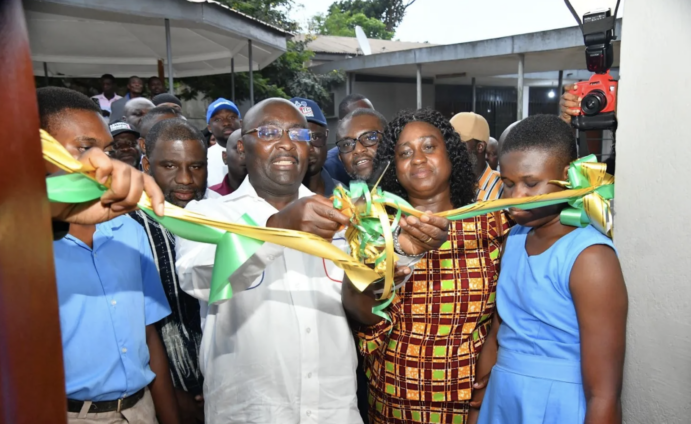
    Vice President Mahamudu Bawumia has inaugurated state-of-the-art ICT laboratories at the Akropong and Wa Methodist Schools for the Blind.

    During the ceremony at the Akropong School for the Blind, Dr. Bawumia also presented 104 specialized laptops to teachers to enhance their instructional capabilities.

    He called on stakeholders to prioritize the educational needs of persons with disabilities (PWDs), emphasizing that it is not only a national duty but also essential for Ghana to meet its international commitments.

    The government, he assured, is dedicated to finding innovative ways to support PWDs, including providing suitable teaching environments and necessary learning aids.

    Dr. Bawumia, known for his compassion towards the vulnerable, reiterated his dedication to aiding the disabled and disadvantaged.

    “As a nation, we aim to prioritize the development of children with special needs, aligning with the Sustainable Development Goals (SDGs) to ensure inclusive and equitable quality education and lifelong learning opportunities for all,” he stated.

    “The ICT Lab we are commissioning today is more than a room of computers; it represents a world of possibilities, fostering creativity and providing hope for visually impaired students to confidently navigate the digital world.”

    “Today’s actions bring us closer to achieving our goal of inclusive education, ensuring access for all children regardless of their abilities.”

    Dr. Bawumia outlined his mission to prioritize special education, aiming to ease the burden on parents and guardians and improve school accessibility.

    “I have proposed and will advocate for the recruitment and training of at least 1,000 additional special education teachers, including training in language and speech therapy, as well as occupational and behavioral therapy,” he said.

    Mr. Sammi Awuku, CEO of the National Lottery Authority, commended Dr. Bawumia’s humanitarian efforts and urged the Ministry of Education, the Ghana Education Service, and other organizations to support special needs schools. He emphasized that children with unique abilities can significantly contribute to national development.

    Additionally, Mr. Awuku, the NPP Parliamentary Candidate for Akuapem North, donated 600 White Canes to the Akropong School for the Blind.
  • Our mass sprayers have not become impotent, blind – COCOBOD

    Our mass sprayers have not become impotent, blind – COCOBOD

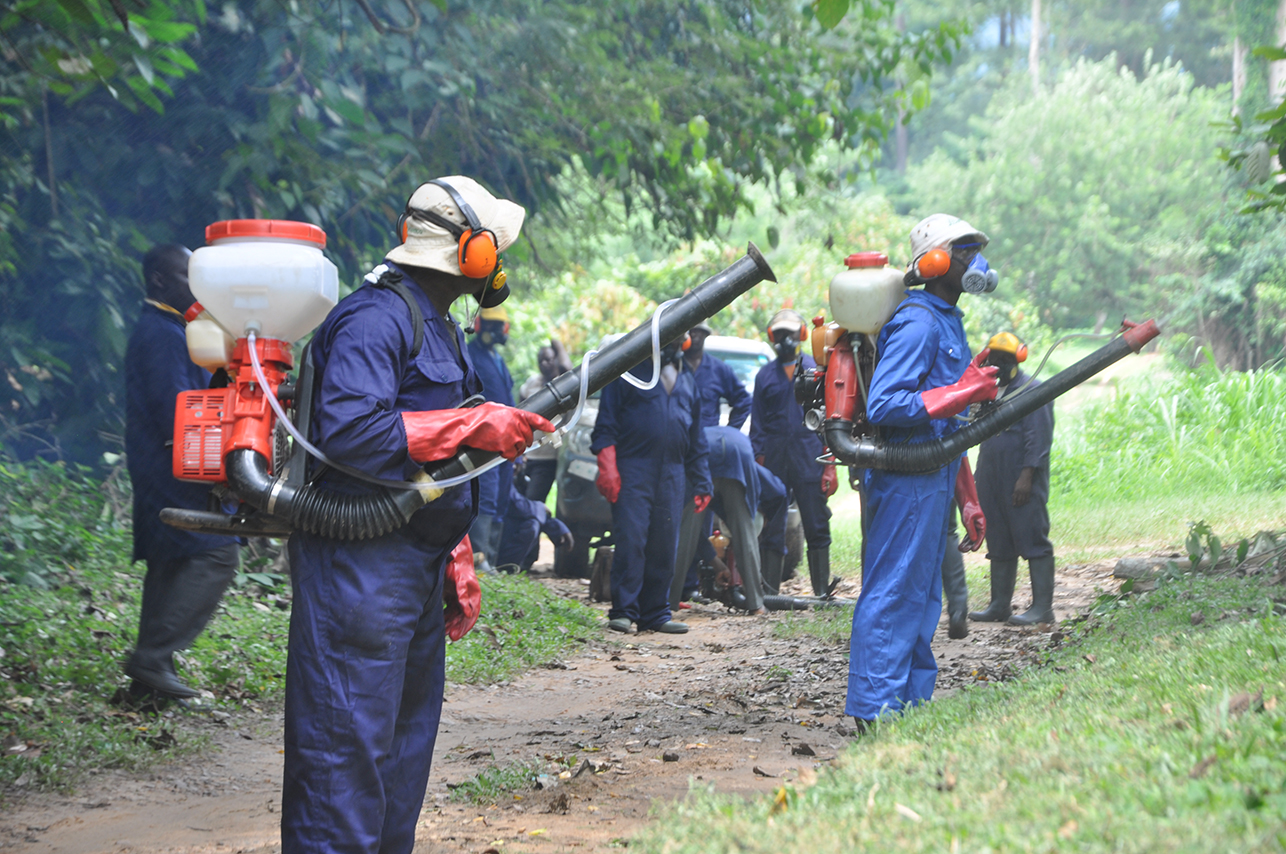
    The Ghana Cocoa Board (COCOBOD) has dismissed allegations of neglecting to provide essential medical care to its contracted mass cocoa sprayers in response to concerns raised by the Ghana National Association of Cocoa Farmers regarding the adverse health effects of agrochemical exposure.

    Addressing these concerns, the head of the Public Relations Department at COCOBOD, Fiifi Boafo, clarified in an interview with Citi News that the board regularly conducts medical check-ups for contracted farmers engaged in cocoa spraying.

    Contrary to the claims made by the cocoa farmers’ association, Boafo refuted the allegations, asserting that the Cocoa Clinic has not encountered any cases exhibiting symptoms such as blindness or impotence among the contracted sprayers.

    “We find it a bit surprising to hear these complaints because these are not complaints that we are aware of.”

    “Let me put on record that for the spraying of cocoa farms, COCOBOD hires over 57,000 people every year who help the farmers with the spraying of their farms across the country. These persons, at the end of every session, apart from the fact that COCOBOD Research Institute goes round the country and takes samples and does an evaluation of the spraying that is done for the farmers, we also take some of them to the Cocoa Clinic for examination.

    “So allegations that some people are suffering impotency and blindness are not things that the Cocoa Clinic has identified,” Mr Boafo said.

  • Heartwarming story of Durban visually impaired couple

    Heartwarming story of Durban visually impaired couple

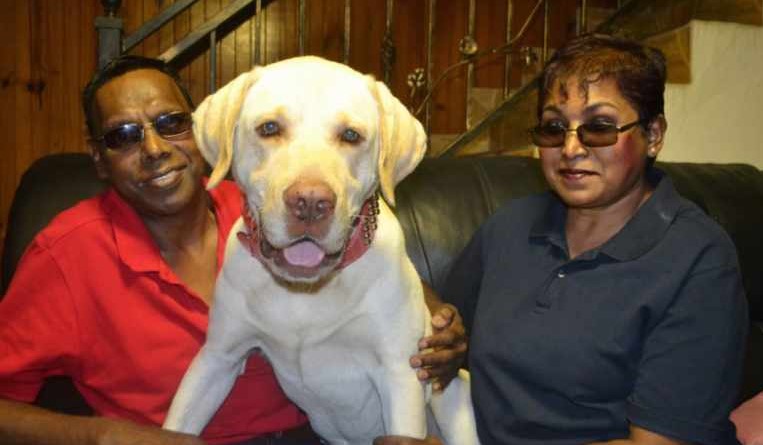
    Deen and Visa Pillay, a couple from Durban, negotiate life and marriage despite the fact that they are both blind.

    Deen noted that he was born in Mayville, had his sight, and went to regular school until he was 15 years old.

    Between 1976 and 1986, he gradually lost his vision and, as a result of an issue with his pupils, become largely blind. This made life difficult for him.

    He relocated to Pietermaritzburg’s Arthur Blaxall School for the Blind. He attended Durban University of Technology to study shipping after high school, and at age 31 he entirely lost his sight.

    “I had to become independent. I had to learn mobility and the surroundings of my house, and that is when I joined the KZN Blind and Deaf Society,” he said.

    In 2009, he met Visa Pillay, the society’s fundraiser and marketing administrator.

    My eyesight deteriorated at 13 years old,” said Visa.

    A school visit by doctors led to a referral to King Edward VII Hospital, where she underwent two operations for a major cataract.

    “I couldn’t go to school. I then went to St John’s Hospital in Johannesburg and they found that I had a retinal detachment. I spent four months in hospital – it was part of my childhood life,” she said.

    “I finished school at Supreme College and studied through Damelin. The start of 2009 was a depressing time, but I had to continue. I had to learn to live in the dark world and adjust to cooking and crossing the road, and the Blind and Deaf Society helped me learn those skills,” she said.

    That year the couple fell in love and married.

    “It was a blind date,” said Deen with a chuckle. “I was volunteering when I met a beautiful woman and I fell in love. I found a job at a special school, and from day one I told the principal that I am a blind man here to lead the deaf. I always say this to encourage people,” he said.

    He sings and dances at church and other gatherings.

    “He is a beautiful singer,” said Visa.

    The couple also work in different volunteer programmes, such as children’s homes, on weekends and public holidays.

    “I use my work as a fundraiser at the society to uplift and motivate people. Some people lose their sight after an accident, and I tell them my story. I also show them how to navigate life in the dark using technology, and I also teach them braille,” she said.

  • ‘I’m blind, but loved going on a must-see safari’

    Going blind made me worry I would never be able to enjoy a holiday again. What would be the point of sightseeing? And yet, I have just been on one of the most amazing trips of my life.

    Wearing my lovely new walking boots, I suddenly realise I have stumbled on a “midden” – a pungent pile of rhinoceros poo. With every gust of wind I get a fresh whiff.

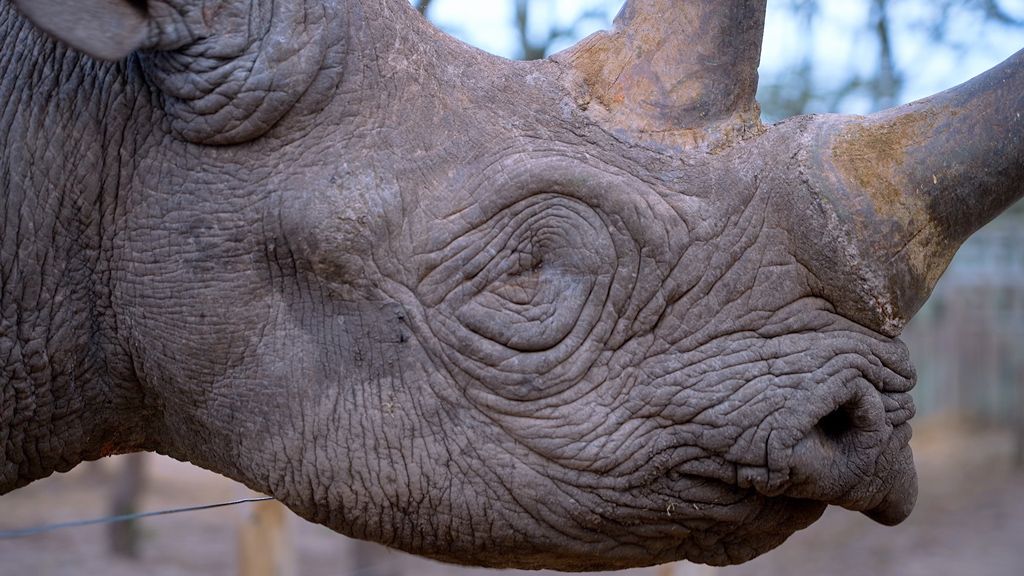
    I am at the Ol Pejeta Conservancy – a 90,000-acre wild animal sanctuary on the equator in Kenya. The keepers there let me reach out and touch the skin of a rhino called Baraka. Like me, Baraka is blind

    His skin is not as smooth and lizard-like as I expected it to be – it feels rough, like cardboard.

    He lost his right eye in a fight with another rhino – and a cataract stops him from seeing out of his left eye. He has to be kept alone because other rhinos would attack him – and his keepers tell me he can be nervous about moving around. Trees in his big enclosure have damaged trunks and broken branches, from where he has walked into them.

    I sympathise with him. I was also nervous when I was asked to travel halfway around the world on a trip which, for most people, would be the opportunity of a lifetime

    Not only would it be very different from my usual life of advocacy work for the UK’s blind and partially sighted community – both in person and on YouTube – but it would also mean leaving behind my beloved guide dog, Molly.

    Baraka the blind rhino
    Image caption, Baraka lost his right eye in a fight with another rhino
    1px transparent line
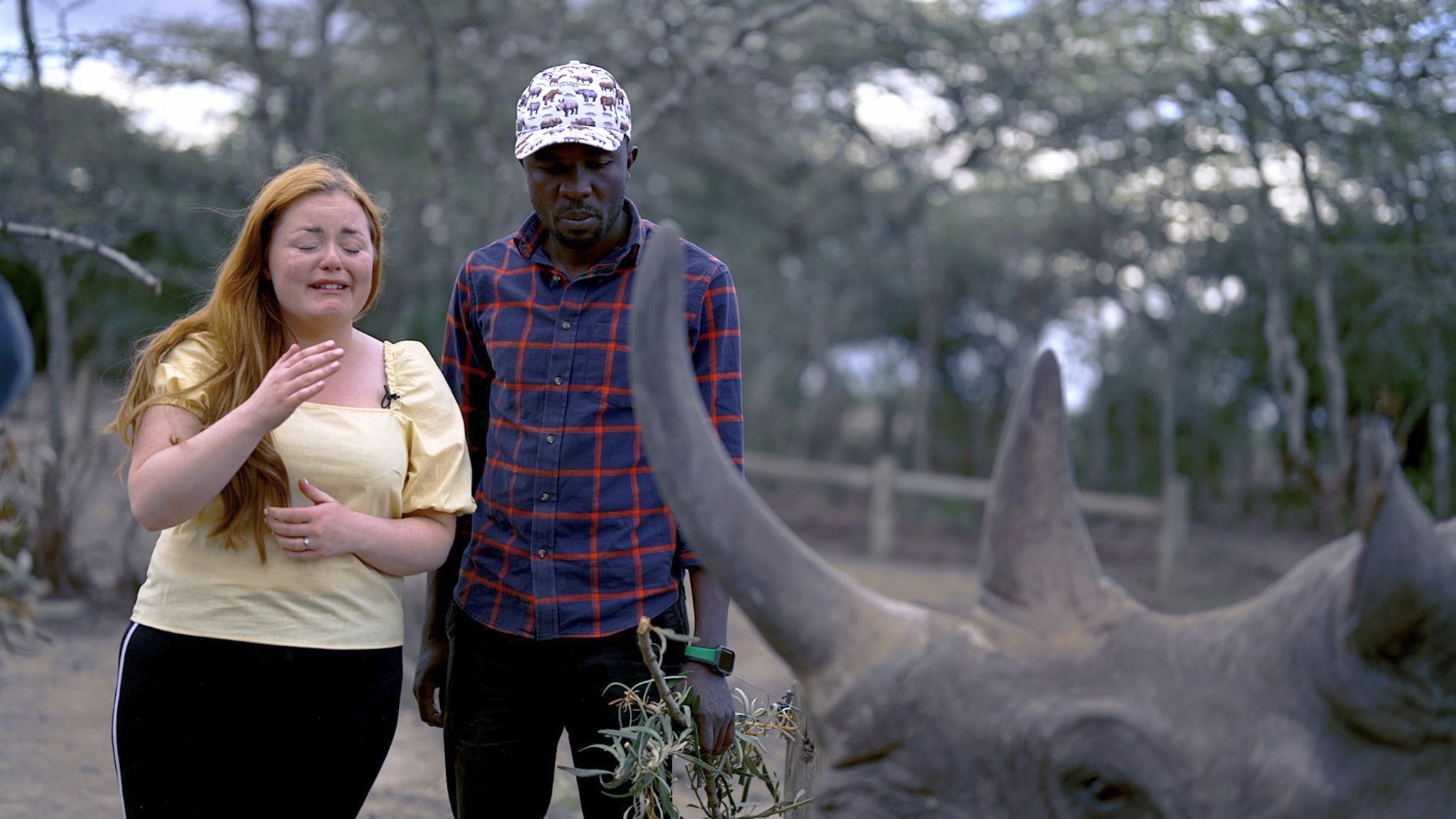
    Lucy with James Mwenda and Barak the blind rhino
    Image caption, Meeting Baraka brought Lucy to tears

    I lost my sight nearly 10 years ago – when I was 17 – due to a genetic condition. It took me a while to get used to going on holidays as a non-sighted person, which I used to view as just a really expensive way of basically being in my back garden.

    I now know I can still enjoy foreign travel, despite not being able to see – but going on a safari? Surely it’s a “must see” experience?

    I felt a lot better after I met my safari guide, William. He had taken a blind person on a similar trip once before – but, because every non-sighted person has varying levels of visual acuity, we still needed to get to know each other.

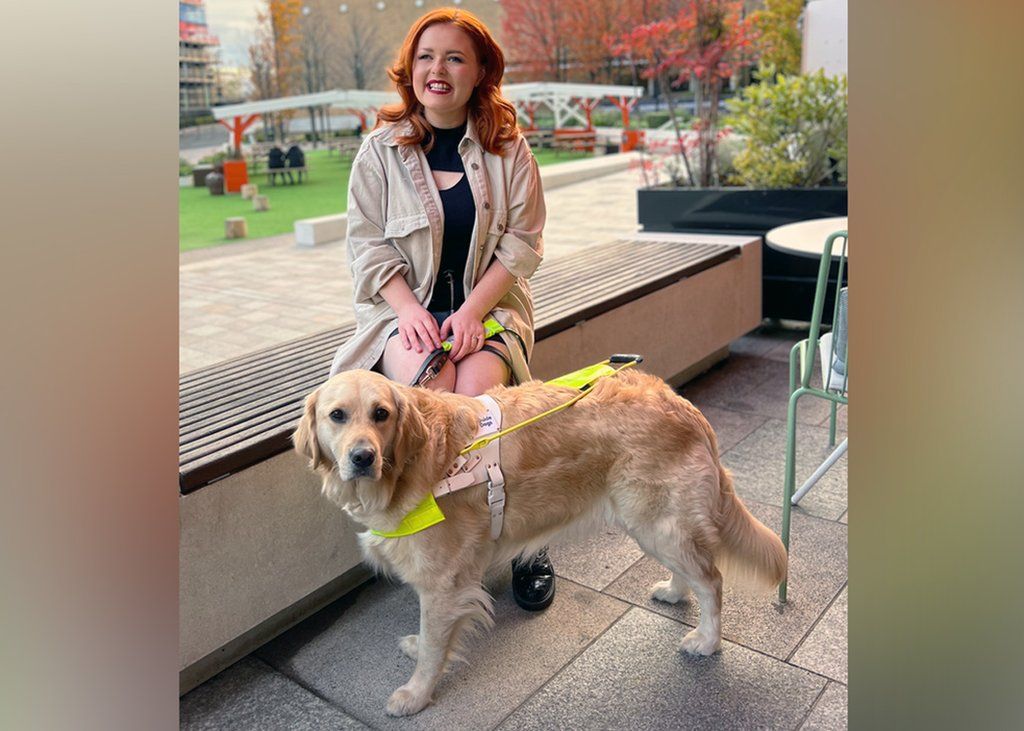
    Lucy in London with her guide dog MollyImage source, Lucy Edwards
    Image caption, Back home, Lucy relies on guide dog Molly to get around

    My visual memories of most things – including wild African animals – are almost completely gone. Those that remain are like a series of photos which have been locked in a drawer in my brain for the past decade. If I try to recall an elephant for example, a visual memory comes out of the drawer of an animal tapestry my sister had on her bedroom wall when we were children.

    So I was going to have to start from scratch and make sure I got a great experience from using my other senses. I know it may sound weird, but I genuinely don’t miss having my eyesight, and even in Kenya I didn’t spend time wishing I still had it.

    First, William took me to a museum in Nairobi where I was allowed to touch stuffed exhibits. I rely so much on my other senses now, so to be able to reach out and feel the skins of elephants and giraffes really helped me start to “see”.

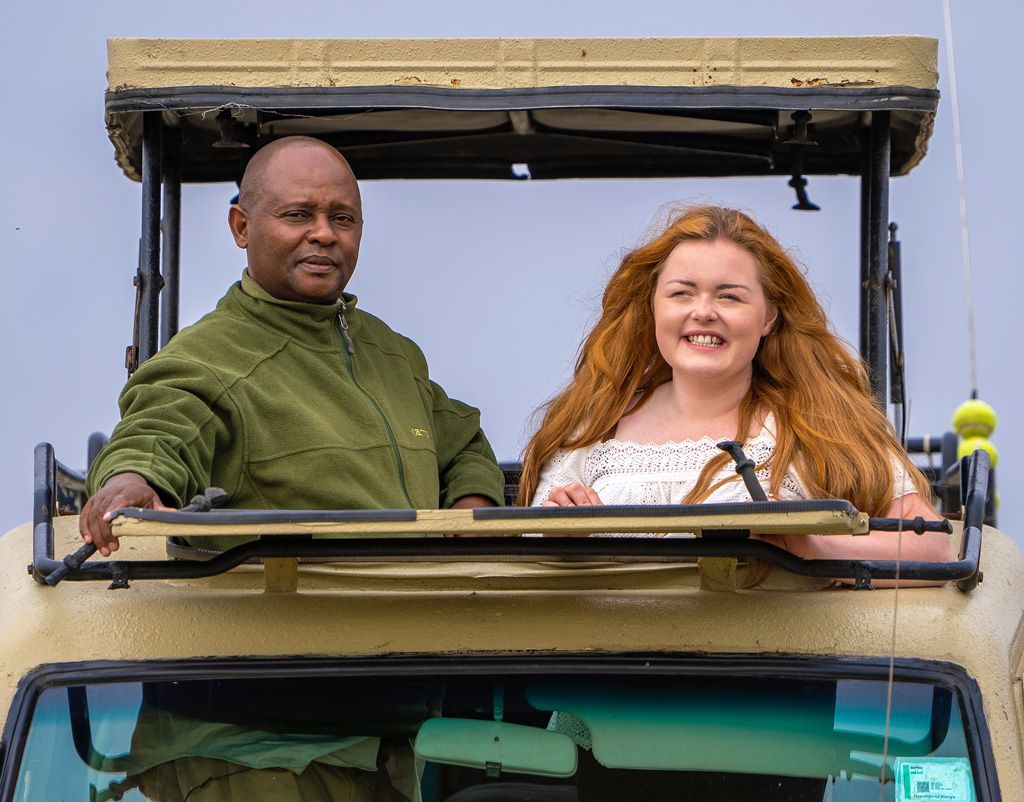
    Lucy Edwards in Kenya with her guide Will
    Image caption, “We were in the wild Africa of storybooks,” says Lucy – pictured with her guide William

    My senses then really started to awaken as we drove out from the city in our four-wheel drive vehicle. The ground became so bumpy as we sped along, and the car smelled of sand which wafted into my face in the wind. I wore sunglasses and put my head out of the window – I really wanted to drink in the atmosphere.

    At the Ol Pejeta sanctuary, William and the keepers brilliantly described the rhinos and elephants in front of us – how they were moving, eating, reacting to us and each other. It all helped paint pictures in my head. James Mwenda, a global ambassador for the sanctuary, crouched down with me and we felt the footprint of a rhino in the dusty ground.

    We then put our hands in a pile of dung. Much of it is just semi-digested grass, he told me. I gave it a good sniff – it just smelled of grass that had “gone off”.

    Visually impaired social media star Lucy Edwards heads to Kenya to experience one of the largest animal migrations in the world.

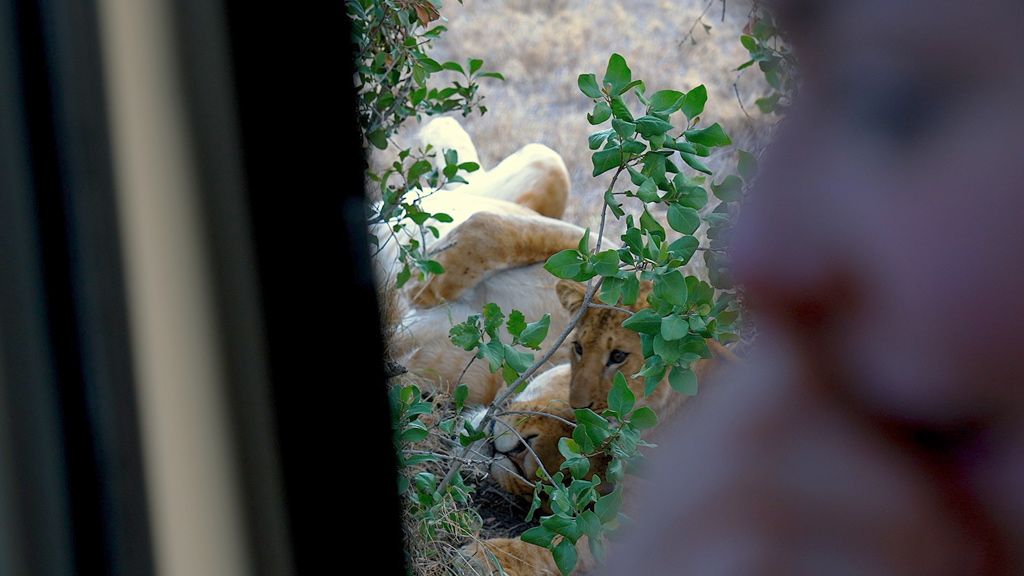
    We drove in search of lions – tracking a special collar worn by one of the lionesses who, like me, is called Lucy. We pulled up slowly alongside her – she was fast asleep. We were so close I could hear her breathing through the window.

    I asked William if she looked like the lions in The Lion King? That was the last image of the animals I had stored in my memory vault. Yes – he told me. And her cubs, close by, looked just like the movie’s young hero, Simba.

    Lucy the lioness, and one of her cubs, as Lucy the human listens intently
    Image caption, Lucy the lioness, and one of her cubs, relax – as Lucy the human listens intently
    1px transparent line
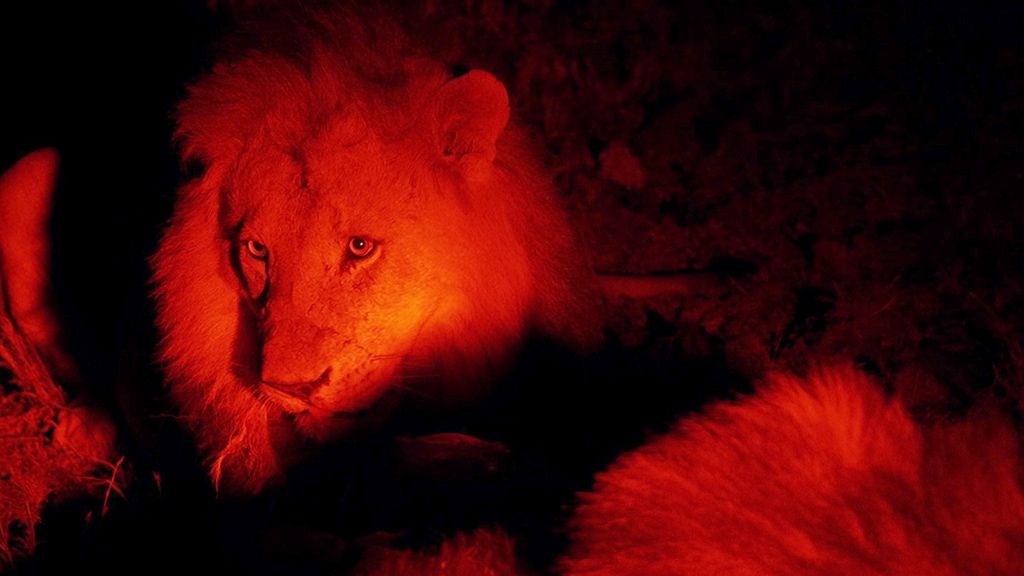
    Lions were spotted on the night safari
    Image caption, The lions were out hunting the Masai Mara at night

    The sensory overload continued on our midnight safari. It seemed as though I could smell so much more than in the daytime, and hear every little sound. I was so lucky to experience a bush kill.

    We had suddenly heard a loud screeching noise. We drove quickly, over really bumpy ground, down into a ditch. I then listened as two lions chased a herd of buffalo – before hearing the sound of bones cracking and flesh being chewed. It was such a privilege.

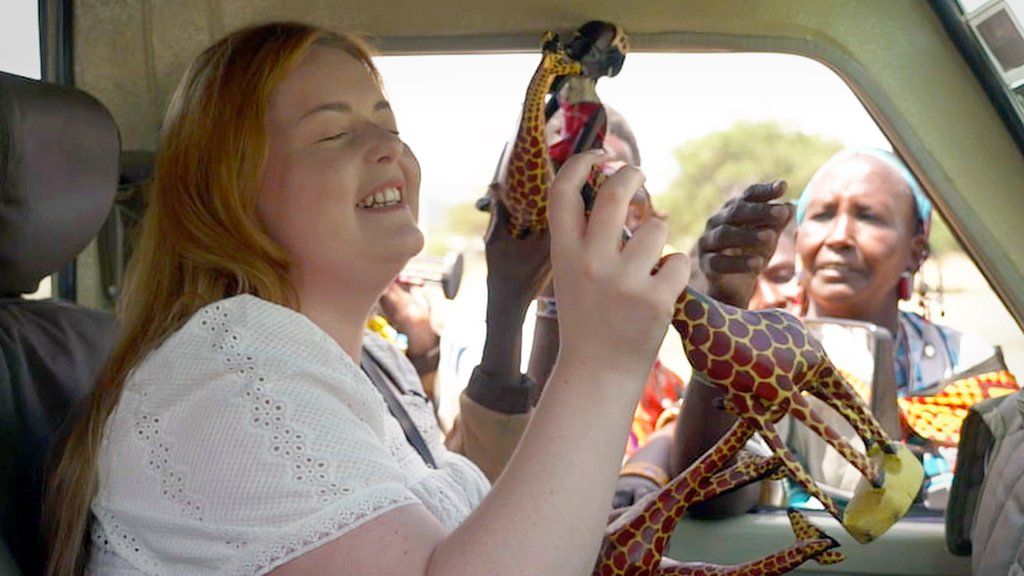
    We then headed south to the Masai Mara game reserve – the wild Africa of storybooks. We pulled into a village of the Maasai tribe and, before I even had the chance to get out of the car, we were surrounded by local women trying to sell us carved wooden animals. It was crazy. I bartered with them and bought two giraffes.

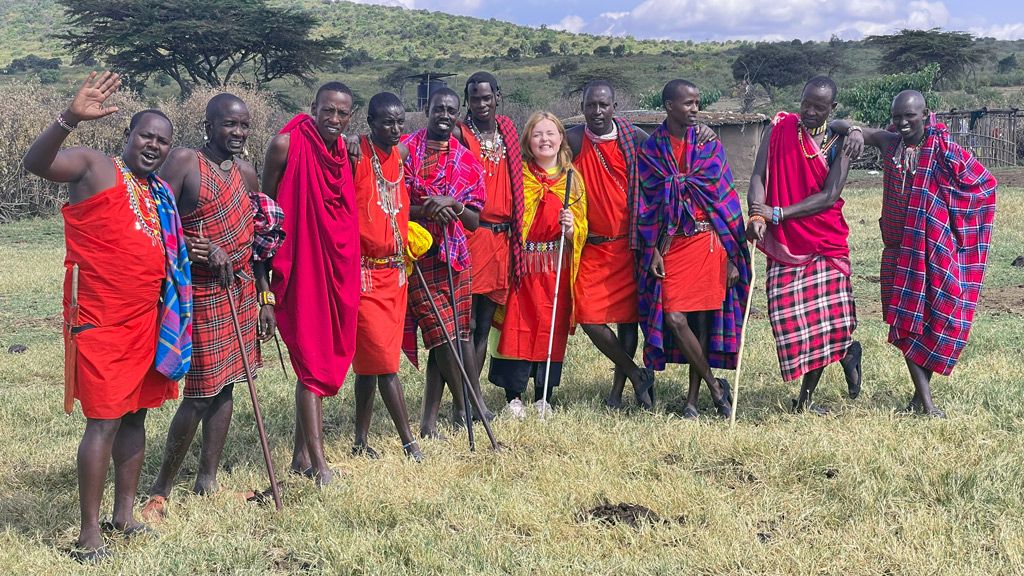
    Flies buzzed around my face as we walked, and I could hear bells clanking – I was told they were tied around the necks of goats. In a hut, with the smell of wood all around me, I tried on some traditional Maasai clothing. Tartan patterns and lots of red, I was told. I loved the feel and noise of the beaded jewellery which I also wore.

    Outside, I was then treated to an amazing audio experience – traditional Maasai singing and chanting. A wall of sound was all around me.

    Maasai women try to sell dozens of wooden animals to Lucy when she arrives in their village
    Image caption, Lucy decided to name the wooden giraffes she bought “Lenny and Gerald”
    1px transparent line
    Lucy in Maasai dress with some of the villagers
    Image caption, Lucy was given a traditional welcome by Maasai villagers

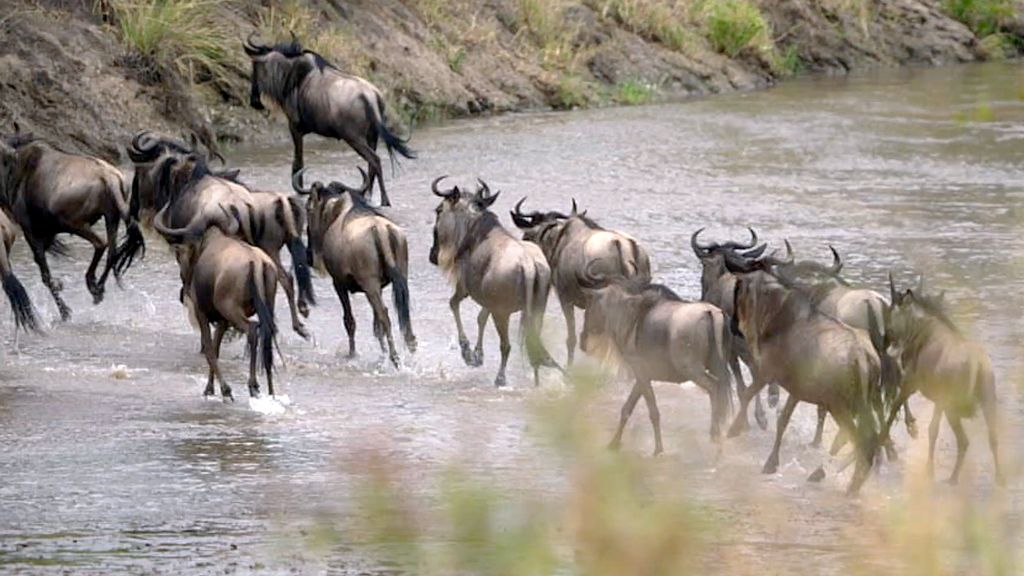
    I had really wanted to experience the sounds and smells of the “great migration” – when millions of wildebeest and other herbivores, like zebras, make the dangerous trip from the Serengeti in Tanzania to Kenya in search of fresh grass. Predators – big cats and crocodiles – wait to pick off the weakest travellers.

    Deep in Masai Mara, in the early morning, we found tens of thousands of the animals. They were all around us. Herd leaders were calling out, making moaning sounds. The noise was everywhere – like it was in 3D.

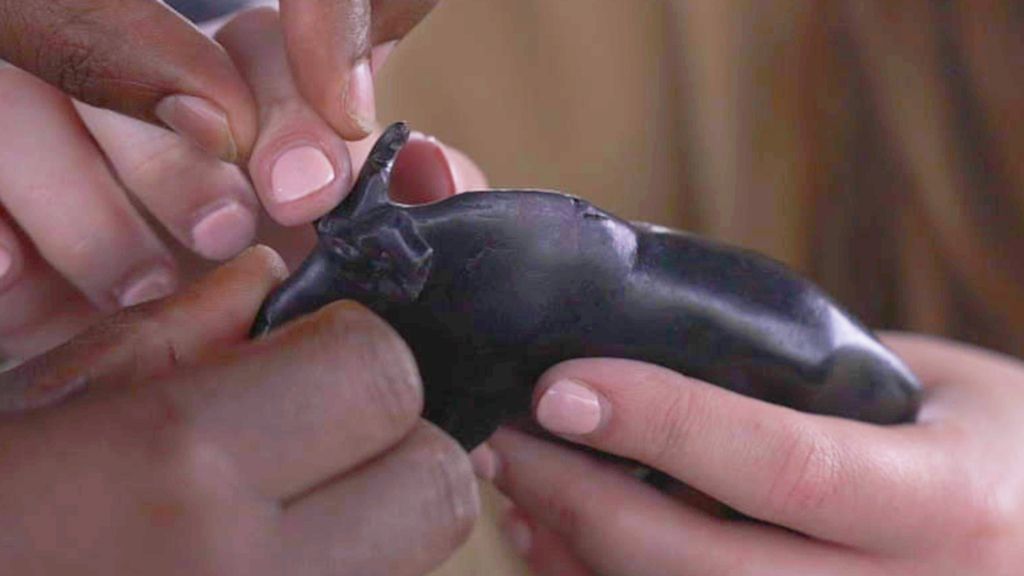
    I held a small wooden model of a wildebeest, as William described the sight before us. Wildebeest have very weak legs compared to the size of their bodies, he told me, and some will break bones when they jump in rivers to cross. The top is like a horse, with horns like a cow and a beard like a goat.

    William guides Lucy's fingers over a wooden model of a wildebeest
    Image caption, William guided Lucy’s fingers over a wooden model to help her visualise a wildebeest
    1px transparent line
    Wildebeest moving fast across a shallow riverbed
    Image caption, Lucy heard the pit-pat of hooves and water sloshing as wildebeest crossed a river

    The giant herd set off for another day’s travelling. I could hear the pit-pat of hooves on the ground and then, as they tumbled down a riverbank, the sound of water sloshing around.

    Being on safari had been amazing, but there was one experience which I had really worried about – because I wasn’t going to be able to see it. It was the so-called “sundowner” moment, when people sit and have a drink at the end of the day, watching the sky turn orange and red as the sun disappears over the horizon.

    But when the moment actually came, there was no sunset – it poured with rain instead. I cried happy tears. It was as though the world was letting me know that I didn’t need to see the sun.

    It hadn’t rained for weeks and weeks, but the heavens had opened just for me. The giant raindrops, and the sound they made as they splashed down, felt like a perfect sensory end to what had been the best trip of my life.


    Source: BBC

  • Nearly 230,000 people in country blind – GHS

    About 230,000 people of all ages in the country are blind, many of the cases from conditions that started from infancy.

    The blindness prevalence rate in Ghana is 0.74 per cent.

    Known in medical terms as Retinoblastoma, the condition is a malignant tumor of the retina that develops during childhood.

    It is severer among children, especially those in rural areas, due to either lack of funds for medical care or access to appropriate health facilities to detect the disease early for treatment.

    Other causes are abnormalities in chromosomes – thread-like structures located inside human cells that also contain a persons DNA.

    To encourage early detection and treatment, the government has given approval to the National Health Insurance Scheme (NHIS) to cover the treatment of Retinoblastoma, a cancer of the eye, which also kills many children.

    Event

    The Head of Eye Care at the Ghana Health Service (GHS), Dr James Addy, disclosed this when speaking at a Rotary outreach programme in Kumasi last Saturday for the training of midwives and nurses in the Ashanti Region on how to improve the survival rate of children with Retinoblastoma, since it is treatable, manageable and curable when detected early.

    He said the Rotary Club of La East, Accra, in partnership with the GHS, the Korle Bu Teaching Hospital and the University of Ghana Medical School (UGMS), had already trained many midwives and community health nurses across the country in the early detection of Retinoblastoma.

    The support formed part of Rotary’s contribution to improving eye care in the country, he said.
    Dr Addy called for more collaboration between stakeholders and the government to help nip the disease in the bud.

    Death rate

    An associate professor at the UGMS, who is also a paediatric eye specialist at the Korle Bu Teaching Hospital, Professor Vera Adobea Assumang, said more than half of the children who contracted Retinoblastoma died every year due to lack of support.

    “About 60 children contract Retinoblastoma every year and most of them are reported late, which makes it difficult to save sight,” she added.

    Prof. Assumang said some of the causes of the disease were preventable and advised parents not to hesitate in reporting such cases to health facilities for early detection and treatment.

    Source:  graphic.com.gh 

  • Over 200 persons benefit from free cataract surgery

    More than 200 people in the Northern region have benefitted from free cataract surgery at the Friends Eye Clinic, in Tamale.

    The five-day exercise was organized by Education and Social Relief Agency (ESRA) Foundation, with support from a charitable organization based in Turkey.

    This exercise extends a hand of support to the vulnerable, to save them from preventable blindness due to Cataract.

    From statistics, Cataract is a leading cause of blindness in Ghana. It is prevalent among the aged population.

    Cataract is treatable through surgery when reported early. However, due to financial challenges, most people report late to health facilities when the condition becomes unbearable.

    To improve cataract care in the Northern region, a Turkish charitable entity Umuda Kosanlar, with support from ESRA, carried out the surgeries after free screening in some districts and communities.

    Some were also given free medication and eye glasses.

    The Director of ESRA Foundation, Mohammed Naziru, said his organization will assist the needy to live a meaningful life.

    The Ophthalmologist among the medical team, Dr. Seth Wanye said the five-day exercise was generally successful, with few complications that were attended to.

    He said the eye is a delicate part of the body which must be cared for.

    Mr. Colin Harwell a volunteer from Unite For Sight, a non-profit organization in the USA provided medication, glasses and equipment. For him, he feels fulfilled doing such humanitarian work for free.

    Source: gbcghanaonline.com

  • Blind orphanage director sells twins

    Samuel Kwapong Darko, a visually impaired person, who is the owner of the Eye Of the Lord Day Care Centre located at Dzatsui-Newton near Nsawam in the Eastern Region, has been arrested together with his wife and three staff members for allegedly conspiring and selling 18 months old twins for GH¢30,000 to a certain businessman.

    The suspects were grabbed when the mother of the twins, Alfie Adjoa, aged 30, went to the Nsawam Police Station to file a complaint against them for allegedly selling her kids last month.

    Daily Guide gathered that the suspects, who were later granted bail, have not been prosecuted, and this has raised concerns as to why the police have not investigated the matter to get information about the whereabouts of the kids.

    We have his boxer shorts as evidence Students accuse Chaplain of raping blind girl at Akropong

    How It Happened

    Ebenezer Ofori, Assemblyman for Kraboa Electoral Area in the Ayensuano District, who confirmed the incident to DAILY GUIDE, explained that the mother of the twins, a single parent, met Samuel Kwapong Darko who pretended to assist her to take care of her babies.

    According to him, the single mother who lived with her mother at Afanso agreed and sent the children to an orphanage.

    He said the owner of the orphanage invited the lactating mother to his home one day. When she arrived there, they offered her GH¢10,000 in exchange for the babies after waiting for an hour in a room.

    Ebenezer Ofori noted that she asked them why they gave her such a huge amount of money but they told her it was for the assistance they pledged to give to her.

    He continued that the woman then asked them to give her GH¢200 for something urgent so she would get back to them later.

    She went straight to the Nsawam Police Station and filed a report, and reported the case to the assemblyman afterwards.

    Police

    DAILY GUIDE source confirmed that the police then proceeded to arrest the owner of the orphanage and his accomplices.

    After the arrest, the suspects were said to have mentioned the one whom they sold the twins to, who was also invited by the police but he failed to show up and rather sent the twins back to the police to give them to their mother.

    Man claims cure for blindness as hundreds troop to herbal facility

    The suspects were then granted bail and that has been the end of the case, which has left tongues wagging.

    The Nsawam Police Commander, Supt Mariam Owusu, when contacted at the time of filing this report, told DAILY GUIDE that she was not aware of the incident.

    She quickly told the reporter to call her on Monday morning for verification.

    Shutdown of Orphanage

    The Eye of the Lord Orphanage was in 2015 shut down by the Regional Department of Social Welfare after an order given by the Koforidua Circuit Court for operating an orphanage without legal backing.

    The Regional Head for Child Right Promotion and Protection at the Department of Social Welfare, Sarah Kwao, said the centre was only licensed to operate a daycare centre and not an orphanage.

    Some personnel of the Social Warfare Unit, during their visit to the site, observed that the owner of the orphanage operated the home without permission, adding that most of the children admitted to the orphanage were not orphans.

    Residents Concerns

    Meanwhile, residents of the community who are not happy with the development are calling on the government to take legal action against him.

    Source: dailyguidenetwork.com