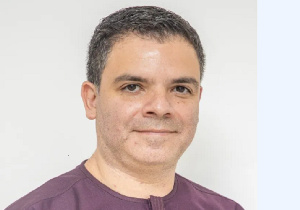
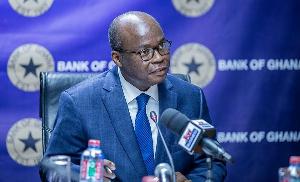
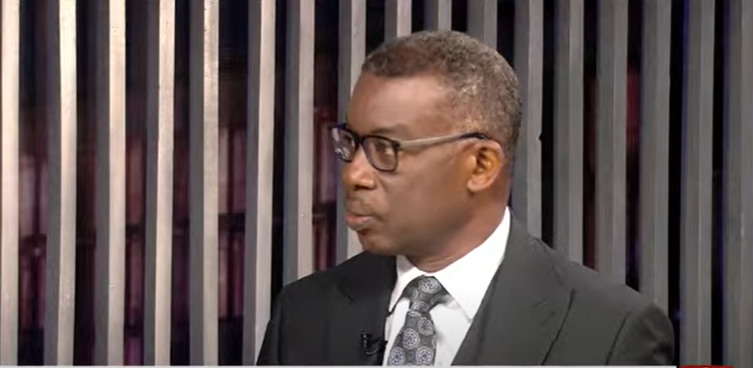
IMF Resident Representative in Ghana, Dr. Leandro Medina, has stated that the involvement of the Bank of Ghana in the government’s Domestic Debt Exchange Programme (DDEP) has played a role in reducing its net equity to a negative figure.
He explained that the Central Bank’s participation in this debt exchange is part of an initiative to distribute some of the responsibilities that the DDEP places on government debt holders, including banks, financial institutions, pension funds, and individuals.
During an interview with the B&FT newspaper, Dr. Medina pointed out that an analysis conducted by the Fund revealed that “this situation does not hinder the BoG from effectively executing its policy mandates, including the vital task of guiding inflation back to its 8-percent target in a gradual manner”.
“Fundamentally, the BoG’s net equity is expected to improve over time, ultimately resulting in a return to positive territory,” the IMF resident representative for Ghana added.
In the meantime, the Central Bank has periodically clarified that it was compelled to absorb the larger portion of the reductions linked to the government’s debt exchange initiative introduced in December 2022.
The Bank specified that it bore nearly 50 percent of the adjustments, resulting in a substantial segment of the GH¢60 billion impairment loss documented in the 2022 fiscal year.
Nonetheless, the Central Bank has assured that its financial standing will remain unaffected during the subsequent phase of the DDEP, which aims at addressing US dollar-denominated bonds, pension funds, and cocoa bills.
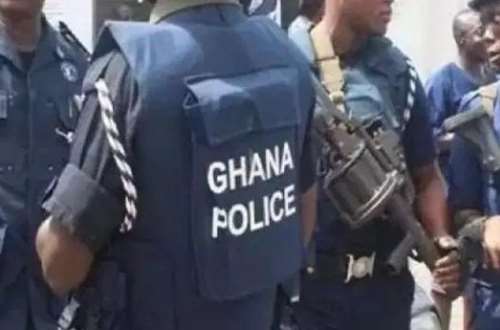
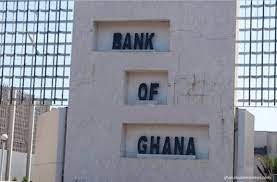
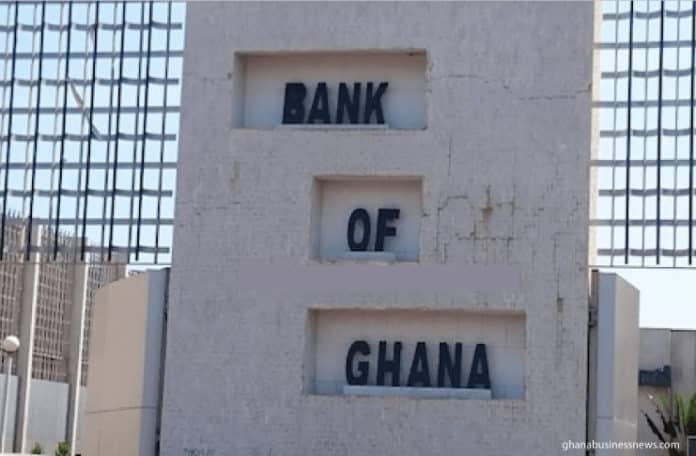
The police have stated that the Minority in Parliament’s planned protest and picketing around the Bank of Ghana (BoG) headquarters could potentially pose risks to public order, safety, and essential services.
In response to the opposition MPs’ intention to stage a demonstration demanding the resignation of BoG Governor, Ernest Addison and his deputies over allegations of fiscal mismanagement, the police have suggested an alteration in the protest route.
The Accra regional police commander, Sayibu Pabi Gariba, stated in a notice to the organizers that, “The Bank of Ghana is a security installation, and accordingly the protest and picketing around the installation may endanger public order, public safety, and the running of essential services.”
The police expressed concerns about the chosen route, pointing out that the area from Makola through Rawlings Park and Opera Square is typically congested with human and vehicular traffic.
“The Bank of Ghana is a security installation, and accordingly the protest and picketing around the installation may endanger public order, public safety and the running of essential services,” Sayibu Pabi Gariba, the Accra regional police commander, said in a notice to the organisers.
“That the route from Makola through Rawlings Park and Opera Square are always overcrowded and over populated due to human and vehicular traffic,” the notice continued. “Thus, considering the nature of activities during the day, security can easily be compromised. In that regard, using such route may lead to violence.”
“As requested today during our engagement, the command wishes to reiterate that you relocate the route and the destination for the picketing and therefore propose in the interest of public order, public safety among others that you commence the protest from the frontage of Parliament House through Osu Cemetery Traffic Light and terminate at the Independence Square,” Gariba said.
This congestion could potentially compromise security and lead to violence, according to the police notice.
As a safer alternative, the police recommended that the protest route be changed to begin from the frontage of Parliament House, proceed through Osu Cemetery Traffic Light, and culminate at Independence Square.
The opposition National Democratic Congress (NDC) has issued a 21-day ultimatum for the governor and his deputies to step down, accusing them of mismanaging the economy. If the governor does not comply by September 5, the Minority MPs have pledged to picket at the central bank’s headquarters.
This call for action has garnered support from various quarters, including the pressure group AriseGhana. Comrade Rex Omar, the convener of AriseGhana, highlighted concerns over the alleged mismanagement of funds by the Bank of Ghana in their 2022 Report and financial statements. He specifically criticized the unauthorized printing of money to finance government activities, emphasizing the need for accountability and condemning such actions.
It remains to be seen how the situation will unfold, given the opposition’s determination to demonstrate and the police’s insistence on altering the protest route due to security concerns.
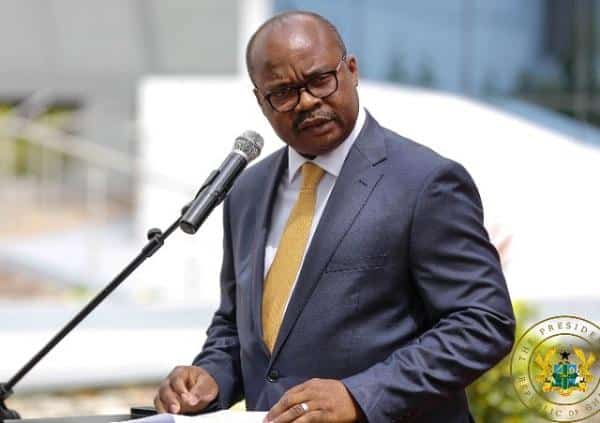
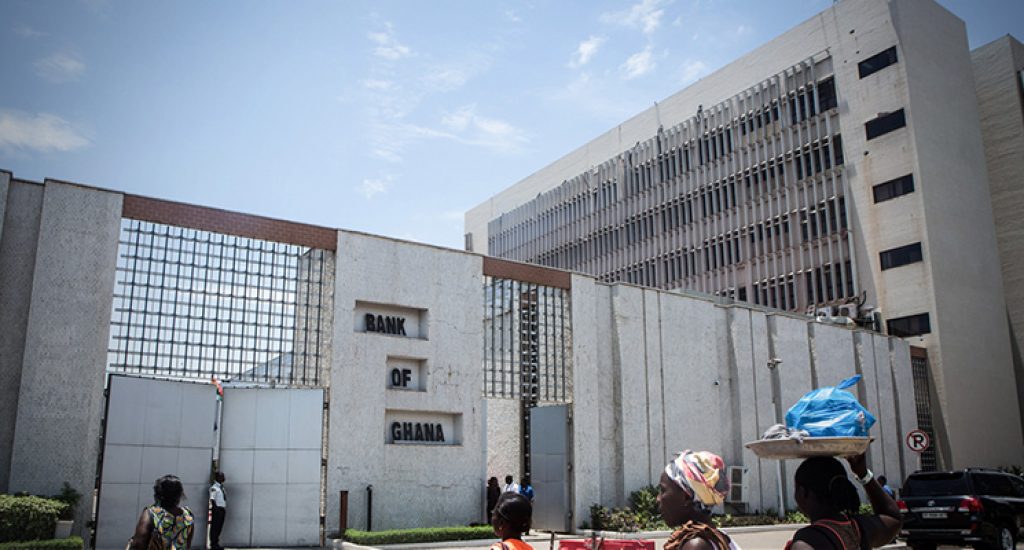
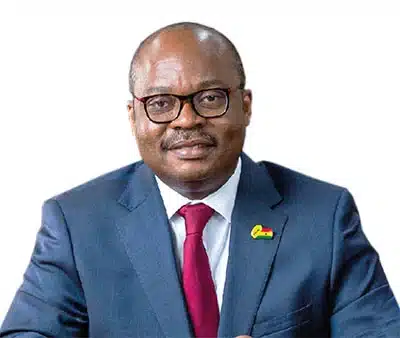
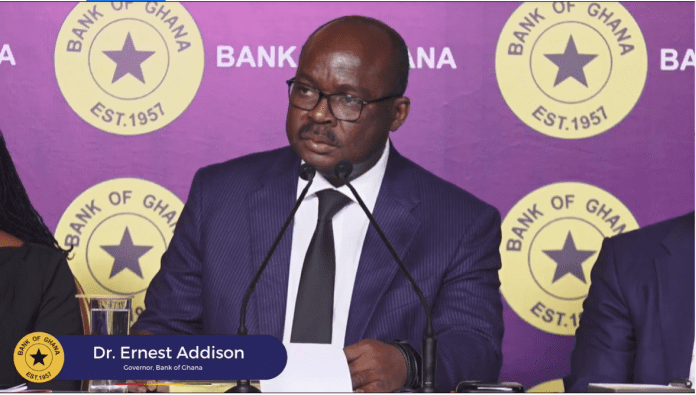
The governor of the Bank of Ghana (BoG), Dr Ernest Addison, has defended the construction of a new head office building at a cost of $250 million, saying that it is not just a simple ordinary building, but a modern and secure facility that meets the requirements of a central bank of international standards.
He said that the building, which is being modelled on similar central bank head office buildings in Abuja and Dakar, would include state-of-the-art facilities such as data centres, currency processes, vaults, and other sensitive installations.
The project has attracted criticism from some sections of the public and the minority in parliament, who have questioned the rationale and the cost of the building amid economic hardship and alleged procurement breaches.
Dr Addison, however, said that the bank followed all the necessary public procurement processes in undertaking the project and did not break any procurement laws.
He also gave a brief history of how the project evolved over the years, saying that the bank had been searching for suitable and secured land for a new head office since the 1990s, but faced several challenges in acquiring vacant possession of various lands allocated to it by the Lands Commission.
He said that it was only in 2018 that the bank was able to acquire a 5.19-acre land at Ridge near the Ridge Hospital from SIC, with the help of an executive instrument issued by the government. He said that SIC was duly compensated for the land.
Dr Addison explained that the decision to commence construction was taken in 2019 when the bank generated profits. He said that appropriations for the head office were made each year from profits in 2019, 2020, and 2021.
He submitted that the project which has been going on for over three years and is about 50 per cent complete and that he was fully aware of the need to ensure that the costs do not escalate beyond reasonable levels and that many of the original design features have been deferred, and only grey boxes provided for future use to manage costs.
He made these statements at a special press briefing on August 21, 2023, where he also addressed other issues relating to the bank’s 2022 financial statement and its role in supporting the government during the Covid-19 pandemic and the Russia-Ukraine war.
He said that he hoped that his statement would help to put the project into perspective and to clarify key issues that had arisen.
The Bank of Ghana has asserted that its construction of a new headquarters building at Ridge received full endorsement and approval from the Public Procurement Authority (PPA).
Director of Research at the Bank, Dr. Philip Abradu-Otoo, clarified that all essential processes and documentation were greenlit by the Authority before the initiation of the ongoing construction project.
In an interview with JoyFM, a radio station based in Accra, Dr. Abradu-Otoo emphasized that the Bank has adhered to all required protocols and obtained the necessary authorizations from the Authority prior to proceeding with the construction.
This statement comes as a response to concerns raised by Samuel Okudzeto Ablakwa, the Member of Parliament for North Tongu, who had suggested that the Bank might have violated public procurement laws. The Bank’s Director of Research aims to dispel any notion of wrongdoing by confirming the legitimacy of the approvals obtained from the Public Procurement Authority.
“The BoG has not broken any public procurement laws as the necessary public procurement approvals were obtained at every stage of the project. This project even started before the COVID-19 pandemic began and the necessary appropriation had been made over the past year when the Central Bank recorded significant profit”.
“The quest for a new head office started as far back in 2012 or even earlier if my memory serves me correct and the full details of the components of this special Central Bank headquarters, which is line with international standards, will be made available to the public at the appropriate time,” Dr Abradu-Otoo added.
He stressed that the Bank of Ghana (BoG) upholds transparency and lawful practices, affirming that no breaches of procurement laws have taken place. The institution remains committed to operating within the legal framework of the country.
Regarding the value-for-money aspect of the Restricted Tendering Procurement process, Dr. Abradu-Otoo noted that the decision was justifiable as it underwent evaluation and received approval from the Public Procurement Authority (PPA).
In the meantime, the Minority in Parliament has issued a 7-day ultimatum to the Central Bank, urging them to furnish the required particulars and rationale for the construction of their new headquarters.
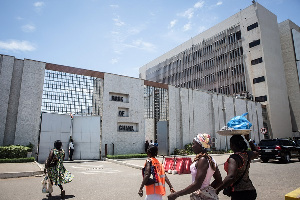
Conversely, a structural integrity assessment conducted by the BoG has established that the current headquarters lacks the resilience to withstand significant shocks, such as earthquakes or earth tremors.
In response, the BoG issued a statement arguing that the existing building, constructed during the 1950s era, is presently inadequate for its intended purpose.
The Bank of Ghana (BoG) has rejected claims of breaching procurement laws in the development of its new headquarters in Ridge, Greater Accra.
BoG asserts that it acquired all necessary approvals from the Public Procurement Authority (PPA) prior to initiating construction.
Dr. Philip Abradu-Otoo, BoG’s Head of Research, revealed this information while speaking to the media on August 17, 2023.
He assured that the central bank will promptly provide comprehensive details and documentation related to the headquarters’ construction.
“All requisite approvals were secured from the PPA; we adhered to all procurement regulations,” Dr. Abradu-Otoo emphasized.
Context:
The response from BoG comes in response to allegations by Samuel Okudzato Abalkwa, the Member of Parliament for North Tongu. Abalkwa suggested that the building’s cost had been inflated from US$81 million to $250 million.
He also disputed claims that the project’s initiation occurred during the previous National Democratic Congress government and raised concerns about governance breaches.
Addressing these concerns, Dr. Abradu-Otoo emphasized that the PPA meticulously evaluated all pertinent documentation related to the construction process. He stressed the bank’s commitment to transparency and compliance with the country’s laws.
Furthermore, Dr. Abradu-Otoo defended the decision to use the Restricted Tendering Procurement Method, noting its justification and approval by the PPA.
He reiterated that detailed information about the entire process would soon be disclosed to dispel any uncertainties in the public domain.
Bank of Ghana on Headquarters Justification:
The Bank of Ghana had previously clarified that an assessment of its current headquarters’ structural integrity in the Central Business District of Accra indicated its inadequacy for its intended purpose. The building, constructed in 1960, was found unsuitable for major seismic events.
The bank’s statement emphasized, “The structural integrity assessment revealed that the main building lacks the necessary strength required for safe usage.”
BoG also highlighted that constructing a new headquarters was a top priority to enhance operational efficiency, positioning it as a potential host for the Regional Central Bank. This position was substantiated by the bank’s hosting of the West African Monetary Institute (WAMI) for the sub-region.
The Bank of Ghana (BoG) has been accused of engaging in shady and wasteful practices in the construction of its new Corporate Head Office, which is estimated to cost over US$250 million.
According to Samuel Okudzeto Ablakwa, Member of Parliament for North Tongu, he has obtained information from ‘patriotic’ insiders at the BoG and other credible sources that reveal how the project cost has escalated from an initial US$81.8 million to US$121 million within eight months, and is likely to exceed US$250 million due to variation reports.
“Patriotic Bank of Ghana insiders working with me on this latest oversight project have expressed grave concern about how this BoG office complex which started at US$81.8million, surprisingly shot up to US$121million, and now variation reports are being prepared which are likely to exceed an incredible US$250million,” he wrote.
In a Facebook post on August 17, 2023, Ablakwa said he decided to activate his constitutionally mandated parliamentary oversight role to unravel the mystery behind the project, which he described as extravagant and wasteful.
He said the BoG had violated the Public Procurement Act by using the Restricted Tendering Method to handpick five companies for the project, one of which was not even registered at the Office of the Registrar of Companies.
The BoG, according to him, procured the services of a company called MULTICAD to carry out project management through single-sourcing. An action, Mr Ablakawa describes as ‘another reckless and lawless conduct’.
“Deeper investigations into the shady BoG head office project led me to discover another reckless and lawless conduct by the Addison-led Central Bank when they procured the services of a company known as MULTICAD to carry out project management through single-sourcing,” he added.
He said the BoG had refused to be transparent, candid, and accountable to the good people of Ghana, and had failed to disclose the current cost of the project, the procurement method, the contract award date and the completion date.
He said he was shocked by an interview of Mr. Charles Elias Reindorf, the Director of Finance at the BoG, who abruptly ended an interview when asked about the cost of the project.
“A shocking and embarrassing interview of Mr. Charles Elias Reindorf, Director of Finance at the Central Bank where he abruptly ended an interview following a harmless question on the cost of the project has since gone viral. Instructively, the Bank of Ghana in all its public engagements has refused to disclose the current cost of the project, the procurement method, when the project was awarded and the scheduled completion date,” Mr Ablakwa noted.
He also dismissed the claims by some NPP propagandists that the project started under the NDC when Hon. Ato Forson served on the BoG Board between 2013 and 2017.
He said his intercepted documents showed that the procurement for the project did not commence under the NDC or during the presidency of John Mahama.
Member of Parliament for North Tongu, Samuel Okudzeto Ablakwa, has launched a scathing attack on the Bank of Ghana (BoG) for allegedly engaging in a ‘shady and wasteful’ project to construct a new corporate head office.
In a statement posted on his Facebook page, the MP said he had intercepted documents from the BoG and other sources that exposed several procurement breaches, cost escalations and lack of transparency in the project.
He claimed that the BoG violated the Public Procurement Act, 2003 as amended in Act 914, by using the restricted tendering method to select five companies to participate in the tender, none of which were registered at the Office of the Registrar of Companies. He said one of the companies, Ronesans Holdings, was not even registered at the time of the tender.
He also claimed that the cost of the project increased astronomically from US$81.8 million to US$121 million within eight months, and was likely to exceed US$250 million. He said this was mind-boggling and unacceptable, especially during the peak of the COVID-19 pandemic when the BoG claimed to be struggling to finance the government.
He further claimed that the BoG single-sourced another company, MULTICAD, to carry out project management for US$3.45 million, without any compelling reason or justification. He said this was another breach of the procurement law and a sign of cronyism.
He called on all well-meaning Ghanaians to join him in protesting against the BoG project, which he described as extravagant and wasteful. He said Governor Addison and his colleagues at the BoG had been deliberately lawless and destructive, and should resign or be sacked.
He said he had activated his parliamentary oversight role to unravel the mystery behind the project and expose the truth to the public. He said he would not relent in his efforts to ensure accountability and value for money in public spending.
He attached copies of some of the documents he had intercepted from the BoG and PPA to support his claims. He also urged Ghanaians to share his statement widely and demand answers from the BoG.
The host of the “Good Morning Ghana” show on Metro TV has expressed strong criticism against the Bank of Ghana’s (BoG) decision to construct a new head office. The proposed facility, which the Parliamentary Minority estimates to cost US$250 million, has sparked significant public reactions following the BoG’s confirmation of the project.
In response to a statement by the minority, the BoG explained that the new office complex was primarily justified by security concerns and the unsuitability of the current location in the event of an earthquake.
Randy Abbey, the show’s host, voiced his concerns about the decision to build a new office, particularly focusing on the timing and the project’s cost. During a discussion with Fuseini Issah, a former New Patriotic Party (NPP) lawmaker, and John Jinapor, a Member of Parliament for Yapei Kusawgu, Abbey criticized the allocation of a quarter of a billion dollars to construct an office.
He noted, “I don’t have a problem with a new office… I have not heard anybody raise the issue of location, in fact, just a 100m from where they are building, is where you have the Ecobank building.” Abbey compared the BoG’s project cost of US$250 million with the US$60 million price tag for the Ecobank building, which was situated nearby.
Abbey questioned the rationale behind investing such a substantial amount, considering the country’s economic situation over the past few years. He also made a reference to the controversial national Cathedral project, suggesting a similarity in mindset between the two endeavors.
In response, the former lawmaker argued that the BoG had stated that the Central Business District’s activities had shifted to the high street, and the bank had been acquiring space in the area until 2020, when it secured the current site through an executive instrument.
NDC Member of Parliament for South Dayi,Rockson-Nelson Dafeamekpor, has voiced his disapproval of the former Rector of the Ghana Institute of Management and Public Administration (GIMPA), Prof Stephen Adei’s recent comments on the Minority in Parliament’s decision to picket at the Bank of Ghana premises.
The professor is on record to have said it is not simplistic to demand the resignation of a central bank governor and more so that the BoG premises was a security zone.
But in response, Mr Dafeamekpor said his comments lack basis.
“Prof Addae is crying that, BOG is a security zone. He has so soon forgotten that Occupyghana used to Occupy the Flagstaff House under JM. Isn’t the seat of Govt a security zone then? The hypocrites have found their voices suddenly,” his posted on Twitter on August 15.
He is not the first NDC MP to go after the academic and economist. Minority Chief Whip, Kwame Governs Agbodza also tweeted: “It is rather sad that people like Prof. Stephen Adei have constantly chosen to be part of the problems of our nation and not the solution. Time and again, Prof. Adei has demonstrated through his hypocritical and lopsided positions and commentary on critical national issues, that all he cares about is his political affiliation and loyalty to his friends in government.”
The Minority in Parliament has described as flimsy, an attempt by the Bank of Ghana (BoG) to explain questions they have raised about details in the central bank’s annual report for 2022.
Responding to a press statement by the Bank of Ghana dated August 9, 2023, the minority said BOG engaged in deliberate distortions while failing to justify the GHC60.8 billion loss and negative equity of GHC55.1 billion it recorded in 2022.
“In the said press statement, the Bank of Ghana attempts to shamelessly justify its recklessness and mismanagement which resulted in the huge losses of GHS60.8 billion and the negative equity of GHS55.1 billion it recorded in the year 2022.
“As a matter of fact, the Bank of Ghana’s unsigned press statement, is full of deliberate distortions and flimsy justifications which do not address the serious matters that were raised in our Moment of Truth presser last Tuesday,” the statement signed by the leader of the Minority, Cassiel Ato-Forson said.
The minority which earlier held a press conference accusing the Bank of Ghana and the Ministry of Finance of breaching laws guiding their operations said the central bank in its August 9 statement failed to address the core issues it raised earlier.
“The referenced Bank of Ghana’s statement does not address the most fundamental issue which has to do with the printing of money by BOG for the Akufo-Addo/Bawumia/NPP government in 2021 and 2022 in clear contravention of Section 30 of the Bank of Ghana (Amendment) Act, 2016 (ACT 918). Indeed, throughout the statement, BOG does not and could not have offered any reasonable justification for printing a whopping GHS35 billion in 2021 and GHS 42 billion in 2022 to finance the Akufo-Addo/Bawumia/NPP government, in clear breach of their governing law.
“It is an indisputable fact that the amount of monies printed by BOG for the reckless Akufo Addo/Bawumia government both in 2021 and 2022 far exceeds the legally acceptable threshold of 5% of the previous fiscal years’ total revenue,” the statement said.
While describing the action by the central bank and the ministry of finance as illegal, the minority raised further questions around the decision to write-off GHS 48 billion in debt owed by the government to BoG.
The minority also questioned the construction of a $250 million office complex by the central bank describing the basis as untenable.
Legal Team member of the National Democratic Congress (NDC), Godwin Edudzi Tameklo, has pointed out that the GHc60 billion loss incurred by the Bank of Ghana (BoG) could provide funding for participants of the National Builders Corp (NABCO) program for a span of sixty years.
As per the 2022 report released by the Bank of Ghana, the institution reported a significant loss of approximately GHc60 billion. The central bank attributed this substantial deficit to the impact of the Domestic Debt Exchange Programme.
However, making an appearance on Accra-based TV3, Edudzi Tamekloe who is also a private legal practitioner, pointed out the significant impact the lost GH¢60 billion could have had on various government initiatives.
He criticised the government’s inability to sustain the NABCO program due to a lack of funds, despite the reported GH¢60 billion allocation from the central bank.
“Bank of Ghana is telling us that they have declared over GH¢60 billion. Now, that GH¢60 billion loss is enough to pay for NABCO beneficiaries for 60 years. You will be paying for them every year for 60 years.
“The reason the government of Ghana was not able to sustain the NABCO program is because of the lack of funds and we are being told the GH¢60 billion was given to the government of Ghana and more. And with all that amount of money, we are not able to sustain NABCO,” he said.
Edudzi Tamekloe further questioned the transparency and accountability in the management of such a substantial amount of money, particularly when it could have been channeled to support vital government programs like NABCO.
“As we speak, the government of Ghana is indebted to NABCO trainees. So where did the GH¢60 billion go, where is the money?” he questioned.
The corridors of Ghana’s financial landscape are resonating with fervent calls for a change in leadership as demands for the resignation of the Bank of Ghana (BOG) Governor intensify.
This follows a recent revelation by the Institution that it recorded a loss of GHC 60 billion in 2022.
Citizens are baffled by this revelation with many claiming that it is unjustified. The wave of dissent, fueled by concerns over economic stability and policy decisions, has sparked a national conversation about the direction of the country’s financial future.
In recent weeks, the BOG Governor’s leadership has come under scrutiny, with stakeholders from various sectors expressing reservations about the handling of economic challenges. From inflation concerns to currency fluctuations, critics have cited these issues as indicators of a lack of effective policy strategies.
Staunch politicians including NDC’s Sammy Gyamfi, Kofi Adams, Cassiel Ato Forson, etc. have all joined the calls for the Governor and his deputies to resign.
Tweeps are the latest to join the calls with the #Addisonmustresign topping the trends on Monday, August 14, 2023.
I've seen @thebankofghana attempting to justify their actions! This further strengthens our stance that Dr. Addison and his deputies (the Printers) should be held responsible for the mishandling of the central bank and their blatant disregard for our laws! #AddisonMustGopic.twitter.com/TxvsurHTKs
The Majority Leader, Osei Kyei-Mensah-Bonsu, has criticized the Minority Leader, Dr. Cassiel Ato Forson, over his demand for the resignation of the governor of the Bank of Ghana (BoG) and his deputies amidst allegations of financial mismanagement.
The Minority in Parliament is calling for the resignation of Dr. Ernest Addison and his deputies, leveling serious allegations of significant financial mismanagement within the Bank of Ghana.
The Minority asserts that Dr. Addison should step down from his position for overseeing the GHC60 billion loss that the Central Bank incurred in the year-ending 2022.
Among other claims, the Minority also contends that the Bank of Ghana failed to provide reports of its activities to Parliament.
In response to the Minority’s demand, Suame MP Osei Kyei-Mensah-Bonsu questioned the validity of the allegations and highlighted the political undertones of the dispute. He stressed that the issue should not be reduced to a partisan contest between the NPP and NDC, emphasizing the importance of a balanced and well-informed discussion.
He clarified that the Bank of Ghana is not legally obliged to report its daily activities to Parliament, contrary to Dr. Ato Forson’s claims. Kyei-Mensah-Bonsu pointed out that the law only mandates the Bank to report foreign exchange receipts to Parliament, a responsibility the Bank has consistently fulfilled.
“We should not make everything about NPP and NDC. Ato Forson should have known better because he has held the position of deputy minister of finance before and knows the operations of the Bank of Ghana. So, if you politicize issues of the BoG, it is not good for the country,” Osei Kyei-Mensah-Bonsu stated on Oman FM.
He further stated, “There is no law that mandates the BoG to report its daily activities to Parliament. The law only mandates the BoG to report foreign exchange receipts to Parliament, and the BoG has always complied with this provision. The BoG does not report directly to Parliament. The constitution says that if you pass any law that is inconsistent with the constitution, that law is null and void. It’s either the Minority are over exaggerating issues or have not had time to examine the facts of the matter.”
Minority Leader, Dr. Cassiel Ato Forson, has urged President Akufo-Addo to deliver a national address outlining the government’s strategies to revive the Bank of Ghana (BoG), which he characterized as facing an unprecedented collapse.
In a Facebook post, Forson emphasized the need for decisive actions to restore solvency to the central bank.
“Given the unprecedented collapse of our central bank, it is imperative for the President of Ghana to urgently address the nation. During this address, the President should outline the decisive actions that the government plans to implement in order to restore solvency to the Bank of Ghana,” Mr Forson said in a Facebook post on Monday.
Forson highlighted that when a regulated institution’s financials or liquidity position is compromised, the BoG typically enforces directives, including withholding dividend payments even in profitable situations.
“Granting of new loans will be put on hold; Appointment of new directors will be restricted; Capital expenditure will be temporarily suspended and staff recruitment will be paused, and other similar measures will be taken,” he added.
Other measures, such as suspending new loans, restricting director appointments, pausing capital expenditure, and halting staff recruitment, are also implemented.
Additionally, Forson dismissed claims by Richard Ahiagbah, Director of Communications for the New Patriotic Party (NPP), that Forson was a member of the BoG Board during the initiation of processes for the bank’s new head office construction.
Forson refuted these assertions in a press release, characterizing them as a “desperate attempt” by the NPP to defend their actions.
Forson clarified that during the Mahama/NDC administration, the Bank of Ghana never entered into a contract for the new head office’s construction nor purchased land in Accra for the building.
He criticized the decision to construct the new head office given the bank’s substantial loss and negative equity, deeming it a reckless and misguided priority.
Forson concluded by asserting that no attempt at equalization can absolve the current government and Governor Addison’s management from the historical collapse and mismanagement of the Bank of Ghana.
He maintained that the countdown to the resignation of the Governor and his deputies is ongoing.
“For the record, I was not part of the processes for the construction of this new Head Office building, and the Bank of Ghana Board never began such processes for the construction of this new Head Office building at Ridge. We maintain that the decision by the current Bank of Ghana Management and Board to construct an ultra-modern Head Office building at a time when the Bank of Ghana has recorded a loss of GhS60.8 billion and a negative equity of GHS55.1 billion; at a time when the ordinary Ghanaian is struggling to make ends meet, is a reckless and misplaced priority.”
“No attempt at equalisation can redeem the historical collapse and mismanagement of the Bank of Ghana by this Akufo-Addo/Bawumia NPP government, alongside Governor Addison and his management. The countdown to the resignation of the Governor and his deputies is still on,” Dr. Forson added.
The National Democratic Congress (NDC) has challenged the Bank of Ghana’s (BoG) rationale for constructing a new headquarters, especially in the wake of a substantial loss in 2022.
The opposition party views the Central Bank’s explanation for this decision as “absurd, to say the least.” The Bank of Ghana defended its choice, stating that its existing headquarters lacked structural integrity following a thorough assessment.
According to the Central Bank, “The structural integrity assessment revealed that the main building does not meet the required level of strength necessary for safe usage. This deficiency means that the building may suffer significant damage in an extreme scenario such as unusually strong winds or a major earthquake, which is expected in the Accra region. Considering our strategic goal of positioning Ghana as the financial hub of the sub-region, with the potential of hosting a future regional Central Bank.”
Nonetheless, the NDC’s Members of Parliament, led by Dr. Cassiel Ato Forson, have expressed skepticism. They noted that previous governors, even during periods of consistent profits, did not deem a new headquarters necessary. Instead, they opted to relocate certain bank operations to the Cedi House and Spintex Road facilities.
The NDC MPs posed a fundamental question: “If, during the NDC/Mahama government’s successive years of profit (2012-2016), the Bank of Ghana did not find it urgent to construct a new office complex but rather invested in building a hospital to support the nation’s healthcare needs, how can the Bank of Ghana justify prioritizing a new $250 million office complex when it has incurred an unprecedented loss of GHS 60.8 billion and a negative equity of GHS 55.1 billion?”
The NDC’s statement compared the cost of the new headquarters unfavorably to other prominent structures, such as the ultramodern Ecobank Head Office building and the Kempinski hotel in Accra.
They pointed out that the cost of the new Bank of Ghana headquarters could instead be used to build thousands of new classrooms and healthcare facilities.
The NDC described the Central Bank’s decision as extravagant, highlighting that the substantial cost could have been directed towards more pressing matters, especially when considering the need for immediate recapitalization.
In essence, the NDC is raising concerns about the Bank of Ghana’s decision to prioritize a new headquarters amidst financial challenges and a significant loss, questioning the justification for such an expenditure.
The GH60 billion impairment loss reported by the Bank of Ghana in the 2022 fiscal year has been supported by the International Monetary Fund (IMF).
There is no need for concern, the Bretton Woods institution stated in a post regarding Ghana that was retrieved from its website on August 10, 2023.
It upheld the claim that the Bank of Ghana experienced losses as a result of its involvement in the government’s Domestic Debt Exchange Programme (DDEP), which is a part of initiatives to address the sustainability of debt and restore macroeconomic stability.
However, the IMF urged the Bank of Ghana to uphold its policy directives and take strict action to bring inflation under control and back to its predetermined objective of 8%.
Below is what the IMF said about BoG’s impairment loss in 2022
Why did theBank of Ghana 36+ (BoG) incur losses from the authorities’ domestic debt exchange and what are their implications?
The Ghanaian authorities’ domestic debt exchange (DDE) is a key element of their plan to restore macroeconomic stability and public debt sustainability. The BoG is participating in the DDE to share some of the burden the DDE places on government debt holders, along with banks, other financial institutions, pension funds and individuals.
The loss the BoG incurred in the process has contributed to reducing its net equity to a negative value. Importantly, however, this does not prevent the BoG from fulfilling its policy mandates and ensuring inflation gradually returns toward its 8-percent target. Indeed, central bank income is expected to be sufficient to cover monetary policy operational costs. The BoG’s net equity is expected to improve significantly over time and eventually return to positive territory.
President of IMANI Africa, Bright Simons, has alleged that each independent director serving on the Bank of Ghana’s board receives a monthly payment of US$8,000, equivalent to GH89852.36 Ghanaian Cedi.
As stipulated in the Bank’s 2022 annual report, the board consists of thirteen directors, including the governor, his two deputies, and ten other directors.
The IMANI president continued that, comparatively, this compensation money is higher than that of other countries like Nigeria and Kenya, Mr Simons said in a Twitter post on August 9, 2023.
Simons made this statement amid the controversy and discussions surrounding the Bank’s leadership and the distressing loss it has caused the state.
“The Bank of Ghana has 10 independent Directors. It seems some people, especially in the Political Opposition, are not happy that they are paid $8,000 a month (86,000 GHS).
Given the calibre of people needed to helm a central bank board, what would folks be comfortable with?” he quizzed.
“One approach might be to compare the case in other similar economies. In Kenya, there are 6 independent directors, with each earning ~260,000 KES a month ($2,000). In Nigeria, there are 7, each earning 2.3 million Naira ($3,000). But there are private boards paying way more,” he added in another tweet.
The ten independent directors are as follows: Dr. Samuel Nii-Noi Ashong – Non-Executive Director Mr. Joseph B. Alhassan – Non-Executive Director Dr. Kwame Owusu-Nyantekyi – Non-Executive Director Mr. Andrew Boye-Doe – Non-Executive Director Mrs. Comfort F. Ocran – Non-Executive Director Mr. Jude Kofi Bucknor – Non-Executive Director Dr. Regina Ohene-Darko Adutwum – Non-Executive Director Mr. Charles Adu Boahen – Non-Executive Director (Till November 24, 2022) Ms. Angela Kyerematen Jimoh – Non-Executive Director Prof. Eric Osei-Assibey – Non-Executive Director
The Annual Report and Financial Statement of the Bank of Ghana reveal that the institution incurred a loss of GH60.8 billion from its audited financial statement for the 2022 fiscal year.
BoG’s loss comes after it saw a GHS GHS¢1.2 billion profit in 2021.
But BoG leadership attributes this loss to the decline in the Group’s net worth position due to the impact of the Domestic Debt Exchange Programme (DDEP) and the impairment of some assets.
Meanwhile, the parliamentary Minority has issued a 21-day ultimatum to the bank’s leadership to step down due to this loss.
The Bank of Ghana(BoG) has clarified that the government’s domestic debt restructuring exercise was the main cause of its GH¢60 billion losses in 2022.
The BoG said it had to take a 50 per cent haircut on its holdings of government debt instruments, which amounted to GH¢53.1 billion, to help the country meet the debt sustainability criteria for an International Monetary Fund (IMF) programme.
According to a statement issued by the BoG yesterday, the domestic debt exchange (DDE) was part of the economic reform programme that Ghana agreed to implement with the IMF in December 2022.
The DDE involved swapping existing domestic bonds for new ones with lower interest rates and longer maturities. The aim was to reduce the stock of government debt from 105 per cent of Gross Domestic Product (GDP) to 55 per cent of GDP by 2028.
However, the statement said that the DDE did not achieve the desired target, as some bondholders, especially households and banks, suffered significant losses.
The BoG had to step in and absorb the remaining gap by exchanging its non-marketable government debt instruments for new bonds at half their value. This resulted in huge impairment losses of GH¢32.3 billion for the central bank.
The BoG also incurred impairment losses of GH¢16.1 billion on its marketable government debt instruments, bringing the total impairments to GH¢48.4 billion.
The statement explained that the BoG’s intervention was necessary to prevent a major economic and social crisis in Ghana, which had faced severe fiscal and debt challenges since 2019.
The COVID-19 pandemic, coupled with global price and supply-chain shocks from the war in Ukraine, had worsened Ghana’s situation, leading to high inflation, exchange rate depreciation, loss of external market access, and pressure on foreign exchange reserves.
The BoG said it had to provide liquidity support to the government and the economy during this period, which also increased its interest expenses and currency issue expenses.
Additionally, the BoG recorded losses of GH¢5.2 billion from price and exchange rate movements and GH¢4.7 billion from impairments of COCOBOD loans.
The statement assured stakeholders and the public that the BoG was committed to prudent management, governance, and transparent accounting and audit practices.
Bank of Ghana released its full-year 2022 audited financial statements on July 28, 2023. The financial statements reported a total loss of GHS 60 billion, which has since become a matter of unfortunate politicisation.
It is noteworthy that GHS 53.1 billion of those losses were a direct result of the Government’s domestic debt restructuring exercise (phases 1 and II).
It is important to put the Bank of Ghana’s 2022 financial results in proper context with a clear statement of the problem that Ghana faced and the chronology of events in Ghana since 2019.
There was a clear mismatch between revenue inflows and expenditure financed in 2020 by exceptional support from the IMF and World Bank resources, in addition to financing from the Bank of Ghana through the issuance of the GHS10 billion COVID-19 bond.
As a result, sovereign spreads on Ghana bonds widened, signalling investor dissatisfaction with the stance of fiscal policy.
The Budget for 2022, which was read in 2021, failed to address fiscal concerns as it was even more expansionary by about 23% with a raft of revenue measures to raise financing.
As a result, the Credit Rating Agencies further downgraded Ghana’s sovereign debt rating, which blocked Ghana’s access to international capital market borrowing. This triggered a liquidity crisis, spilling over into a balance of payments crisis.
External and domestic payments needed to be made, the domestic auction was failing, and the Bank of Ghana had to step in to arrest a major economic and social crisis. In 2 months, the Bank of Ghana lost US$500 million in reserves and built significant overdraft with the government as a result of the auction failures.
It became clear that Ghana was on a path that was unsustainable, and the Government had to approach the IMF for support in July 2022. The IMF process included putting into place a credible programme of reform, which included restructuring of the total government debt to sustainable levels.
Until Staff Level Agreement with the IMF was reached in December 2022, the Bank of Ghana had to continue to provide the necessary support to keep the economy running.
In line with the provisions of the Bank of Ghana Act, (Act 612), as amended, the Bank informed the Minister of the developments in its finances. The Minister reported this to Parliament as part of his briefing to Parliament on the IMF programme and the Domestic Debt Exchange.
A major plank of the corrective action required for the IMF programme was the Domestic Debt Exchange, where the stock ofGovernment of Ghana debt was to be halved from 105% of GDP to 55% of GDP by 2028. The holders of Government debt had their debt instruments exchanged for new ones with lower interest payments and longer terms.
Despite the losses inflicted on households and banks, the threshold of 55% of GDP was not met. The Bank of Ghana was used to close the gap to enable Ghana to meet the debt threshold that qualified Ghana for the IMF programme (Bank of Ghana therefore, acted as a loss absorber). This means the Bank of Ghana had to absorb a 50% haircut on its non- marketable holdings of Government debt instruments.
This singular act led to significant impairment losses of GHS 32.3 billion to the Bank’s accounts. Impairments of marketable instruments also accounted for another GHS16.1 billion, bringing the total impairments of Government holdings to GHS48.4 billion.
As experienced by central banks globally, price and exchange rate movements led to a loss of GHS5.2 billion, while impairments of Cocobod loans amounted to GHS4.7 billion. This is the reason the Bank of Ghana reported a loss of GHS 60 billion in 2022.
Central banks are not commercial banks. This financial outcome has very little implication for the operations of the Bank of Ghana, as supported by evidence from other central banks. Technically, Central Banks cannot be insolvent or bankrupt.
Bank of Ghana assures key stakeholders and the general public that we are committed to the highest standards of prudent management, governance, and transparent accounting and audit practices.
The Finance Ministry has issued a caution against unwarranted criticism directed at the Bank of Ghana (BoG).
John Kumah, Deputy Minister of Finance, has expressed that the dissemination of propaganda and unjustified attacks on the central bank can result in escalated market volatility, hastened asset sell-offs, and potentially trigger a series of events that may impact our overall economic stability.
These statements have arisen in response to the National Democratic Congress (NDC) Members of Parliament who have declared their intention to stage a protest at the BoG’s premises if Governor Dr. Ernest Addison does not step down.
The NDC MPs have set a 21-day ultimatum for Governor Addison, commencing from Tuesday, August 8, demanding his resignation due to the challenges currently faced by the central bank.
Addressing a press conference in Accra on Tuesday, August 8, the Minority Leader Dr Cassie Ato Fortson said “we call for the resignation of the Governor of the Central Bank and his deputies within 21 days from today. We are resolved to embark on popular action to occupy the Central Bank and drive out the team of inept, callous and criminal mismanagers of the finances of this country and Save the Bank of Ghana. The March to Ensure Accountability will begin in 21 days if the Governor of the Bank of Ghana does not do the needful and pack bag and baggage out of that sacred institution that he has so desecrated. Dr Ernest Addisson Must Go! There has to be an end to impunity and it is now!”
Dr Forson further stated that the more troubling fact is that, having brought the Bank of Ghana to this terrible financial state, “the Governor and his deputies, have found it prudent and expedient to invest $250 million (GHC2.8 billion) on another Head Office building somewhere at Ridge. In our circumstances, this is the height of insensitivity in the management of the finances of a troubled country.”
“The BOG’s illegal printing of money is responsible for the depletion of Ghana’s external reserves which resulted in the unprecedented depreciation of the Cedi, the main cause of hyperinflation in 2022. It is important to state that the Governor breached section 30 (7) of the Bank of Ghana Act, 2012 (Act 612 ) and Section 60 of the Bank of Ghana Amendment Act, 2016 (Act 918).
“An estimated 850,000 people were further reported to have been pushed down the poverty line as a result of the hyperinflation in 2022.”
But in a statement reacting to the Minority, John Kuamh who is also a lawmaker for Ejisu said in a statement that “Ignore this funny NDC Propaganda about the collapse of the Bank of Ghana (BoG). BoG is Solid ! The NDC is funny! It’s not true that a recapitalization levy is to be introduced for BoG , the Central Bank hasn’t collapsed.
“The main source of income to the Bank is from government transactions i.e. fees and charges on all government transfers, the bank’s investments in marketable instruments and also earnings from non-marketable holdings of the Bank. Given that government transactions have gone down, naturally, the income of the bank will go down. Also, because of the debt restructuring, earnings on their holdings on markable and non-marketable bonds will go down.
“Beyond this, the Bank is solid and is capable of performing its core function. Article 183 clause 2 (c) of the 1992 constitution enjoins the Bank of Ghana to promote and encourage economic development in the country , hence there is nothing untoward in the actions of the Central Bank to support the state in its economic recovery efforts. It is important to further highlight that a negative balance sheet by a Central Bank is not unusual, in fact, most Central Banks around the world run negative balances to achieve the overall economic anchor objectives of a Central Bank. ‘History clearly illustrates this. Several central banks had negative equity yet fully met their objectives – for example, the central banks of Chile, Czechia, Israel and Mexico experienced years of negative capital. But throughout, financial and price stability were maintained.’ – Bank For International Settlements Bulletin No.68.
“According to Nordstrom and Vredin (2022), a central bank’s credibility depends on its ability to achieve its mandates. Losses do not jeopardise that ability and are sometimes the price to pay for achieving its aims.
“Such propaganda and unnecessary attacks at the central bank only result in increased market volatility, panic selling of assets, and can trigger a chain of events that can affect our overall economic stability.”
In 2022, the Bank of Ghana utilized an amount of GH¢325 million for the printing of currency notes. Comparatively, as indicated in the Bank of Ghana’s Annual Report and Financial Statements for 2022, GH¢174 million was allocated for this purpose in the preceding year, 2021.
The Bank of Ghana encountered substantial losses in 2022, predominantly attributable to the Domestic Debt Exchange Programme (DDEP).
As outlined in the report, the central bank restructured its holdings of government debt, which encompassed non-marketable holdings of Government of Ghana instruments including long-term stocks, a Covid-19 Bond, and overdrafts that were subjected to a 50 percent reduction in value.
Furthermore, the Bank of Ghana’s other claims, comprising holdings of marketable instruments, underwent a similar exchange in terms as other financial institutions under the DDEP.
This culminated in an impairment of GH¢48.40 billion during 2022. Simultaneously, the Central Bank faced revaluation losses on its foreign assets and liabilities due to the depreciation of the exchange rate.
These combined factors resulted in a negative equity position of GH¢55.12 billion for the fiscal year 2022.
The report also highlighted that despite a favorable trade surplus, the balance of payments registered a deficit of US$3.64 billion, largely due to considerable net outflows in the capital and financial account.
Consequently, Gross International Reserves underwent a drawdown of US$3.46 billion, decreasing from US$9.70 billion at the conclusion of December 2021 to US$6.24 billion at the end of December 2022, thereby providing import cover for 2.7 months.
The substantial reduction in reserves gave rise to heightened currency pressures and led to a decline in the Common Equity Tier 1 capital ratio, from 6.5 percent to 5.5 percent. Additionally, there was an elevation in the maximum Tier 2 capital ratio, rising from 2.0 percent to 3.0 percent of total risk-weighted assets.
A Finance expert holding the position of Associate Professor at the University of Ghana Business School (UGBS) has raised concerns about the lack of transparency in the activities of the Bank of Ghana (BoG).
Professor Lord Mensah has personally voiced his reservations about the performance of the Governor of the central bank, Ernest Addison, suggesting that the institution may be misusing its operational independence.
In relation to the recently disclosed balance sheet of the BoG, which unveiled a substantial loss of GH¢60.8 billion in the year 2022, Professor Mensah expressed suspicion of potential irregularities within the Bank’s operations.
He criticized the perceived opacity in the Bank’s actions, remarking that the published balance sheet, along with the associated numbers, provides significant insight.
According to him, various aspects of these increments indicate an abuse of their operational autonomy.
Speaking to media , Professor Mensah highlighted that the Bank of Ghana’s autonomy in governance is compromised due to the presence of presidential representatives as board members. This, he argued, contradicts the concept of true operational autonomy.
“They [BoG) seem to be too opaque in their dealings. From where I sit, publishing your balance sheet and then looking at these numbers coming up, it tells you so many things.
“There are so many attributes to those increments…they’re abusing the operational autonomy that they have,” he said.
Addressing the causes behind the substantial losses, the finance expert outlined established procedures for the central bank’s intervention during economic challenges.
He pointed out that the Bank seemed to have deviated from these protocols.
Professor Mensah further explained that while central banks are authorized to intervene during economic downturns, they should not funnel money through government channels. He emphasized that the Bank of Ghana is meant to stimulate the economy through monetary channels, not fiscal ones.
The reported loss of GH¢60.8 billion by the BoG can be attributed to the following components:
Non-Marketable Instruments: GH¢32.3 billion Marketable Instruments: GH¢16.1 billion COCOBOD: GH¢4.7 billion Price and Exchange Rate Valuation: GH¢5.2 billion Interest Expense on Monetary Policy: GH¢3.3 billion In addition to these losses, it has been disclosed that the Bank spent $250 million on constructing its new headquarters.
In response to these developments, the Minority Caucus in Parliament has expressed outrage and demanded the immediate resignation of Governor Ernest Addison for overseeing such a significant loss.
However, Economist Dr. Patrick Assuming believes that the Bank of Ghana should be given an opportunity to provide a detailed explanation regarding the losses and does not advocate for the governor’s resignation.
The Institute of Statistical, Social and Economic Research (ISSER) is promoting the establishment of financial constraints on the Bank of Ghana’s involvement in supporting the government’s budget.
In its evaluation of the government’s 2023 Mid-Year Budget, presented by the Finance Minister on July 31, Professor Peter Quartey, the Director of Research at the Institute, elucidated that the deficit financing conducted by the Bank of Ghana has unfavorable repercussions on national inflation, cash flow dynamics, and the stability of the exchange rate.
Dr. Quartey highlighted the example of Chile, where strict legal limitations have been implemented to prevent any form of direct or indirect financial backing of public expenditures by the Central Bank, except under wartime circumstances.
“Similar practices are observed in countries like Germany, Switzerland, and the Netherlands, where legislation enforces strict boundaries on direct central bank credit to the government, while permitting the acquisition of government paper through open market operations,” he added.
Regarding the GH65 billion impairment loss attributed to the governmental Domestic Debt Exchange Program that the Bank of Ghana recorded in 2022, the ISSER Director stated, “BoG haircut on DDEP was necessary at the time but what brought us here should not be repeated. Deficit financing of GH¢53,150 million out of a total financing of GH¢65.156 billion”.
“Clear limits on government financing should be set and enshrined in our Laws,” Prof. Quartey added.
ISSER also urged the government to increase tax mobilization efforts and impose rigorous spending constraints in order to achieve debt sustainability and price stability, particularly in the domestic economy.
The New Patriotic Party (NPP) has labeled the National Democratic Congress’ (NDC) demand for the resignation of Bank of Ghana Governor, Dr. Ernest Addison, and his deputies as a reflection of the NDC’s lack of constructive solutions for economic stabilization.
The NDC had threatened to march to the Bank of Ghana’s premises and force Dr. Addison and his deputies to resign within 21 days, citing what it calls reckless management of the bank.
But speaking to the media, NPP’s Director of Communications, Richard Ahiagbah, dismissed the NDC’s stance as propaganda, asserting that the NDC was attempting to interfere with the central bank’s decisions.
Ahiagbah questioned, “Is the NDC trying to run the Bank of Ghana now? Is that the point they want to communicate to us, that the Bank of Ghana cannot make a decision until they refer to the NDC?”
He urged the NDC to focus on constructive matters, emphasizing the need to strengthen the ongoing economic recovery and growth trajectory.
Furthermore, Ahiagbah highlighted that the Bank of Ghana’s losses in its 2022 fiscal year are not unique to Ghana, citing similar occurrences in other central banks worldwide. He attributed these challenges to the global economic impact of events like COVID-19 and the Russian-Ukraine conflict.
The Minority in Parliament has expressed its intention to subject recent expenditures by the Bank of Ghana (BoG) to a value-for-money audit.
The Central Bank’s 2022 statement revealed significant losses amounting to over GHȼ60 billion.
Some of the expenses that the Minority plans to scrutinize include the BoG’s spending of almost GHȼ70 million on computer-related expenses, GHȼ131 million for motor and vehicle maintenance, and GHȼ97 million for foreign and domestic travel, among other items.
The acting Ranking Member on the Finance Committee, Isaac Adongo, stated that a future NDC government will investigate these expenditures to understand the reasoning behind such allocations.
He questioned the appropriateness of spending GHȼ33 million on communication and GHȼ97 million on travel expenses, indicating that a value-for-money audit would shed light on these financial decisions.
“I want to tell Dr Addison that in the future, we will subject these numbers to value-for-money audit. We will understand how it is that it is reasonable to spend 33 million cedis on communication. How reasonable it is for you to spend 97 million on travels? We will perform a value-for-money audit, of the finances of the Bank of Ghana,” he said.
Furthermore, Mr. Adongo called on Parliament to assert its influence and carry out its supervisory role effectively. He also raised concerns about a reported write-off of debt owed by the government, asserting that such an action should only take place with the approval of Parliament through a resolution.
The MP for Bolgatanga Central emphasized that the Bank of Ghana must be held accountable under section 53 of the Public Financial Management Act.
The Minority’s position is based on their belief that the central bank’s actions have been evading parliamentary oversight over the country’s public finances, potentially affecting fiscal and monetary policies.
The Minority Leader, Dr. Cassiel Ato Forson, has made serious allegations against the Bank of Ghana, accusing it of being responsible for the depletion of Ghana’s external reserves.
During the presentation of the Minority’s response to the 2023 mid-year budget review in Parliament, Dr. Forson asserted that the Bank of Ghana’s practice of printing money led to the unprecedented depreciation of the Cedi in 2022, resulting in hyperinflation.
According to Dr. Forson, the Cedi depreciated from GHC6:$1 to over GHC15:$1 in 2022, representing a straight-line calculation of over 100% depreciation.
He claimed that this depreciation, along with inflation, has adversely affected the financial status of citizens, with the rich slipping into the middle class and poverty worsening for the poor.
He cited a World Bank report stating that around 850,000 people were pushed further below the poverty line due to inflation alone in 2022.
The Minority Leader accused the government and the Bank of Ghana of initially denying the act of printing money to finance bloated government expenditures in 2022 but later admitting to the practice.
“Paragraph 8 of the IMF Staff Report gives further detail that the Bank of Ghana illegally printed over GHC45 billion representing 7.2% of GDP in 2022 alone, and GHC35 billion in 2021. This is the first in the history of Ghana”, he said.
He cited the IMF Staff Report, which detailed that the Bank of Ghana illegally printed over GHC45 billion in 2022, representing 7.2% of GDP, and GHC35 billion in 2021 – the first such occurrence in Ghana’s history.
Describing the Central Bank as a “crime scene,” Dr. Ato Forson blamed the government and its economic managers, led by Mr. Strategist, for aiding and abetting this economic crime. He pointed out that under the current economic managers, Ghana’s public debt surged from GHC120 billion in 2016 to GHC600 billion by the end of 2022, indicating an increase of about 400%. This high level of debt resulted in Ghana defaulting on repayment obligations to both local and foreign debtors for the first time in its history.
Dr. Forson also raised concerns about the collapse of Ghana’s financial sector, with all 23 banks recording massive impairment losses of over GHC18 billion in 2022.
He stressed that this financial mismanagement by the government has had unprecedented consequences, and he believes the Bank of Ghana requires urgent attention due to its major financial distress and bankruptcy.
The accusations by the Minority Leader highlight the economic challenges facing Ghana and the need for transparent and prudent financial management to address the issues at hand.
An advisor to the governor of the central bank, Stephen Opata, has stressed that the Bank of Ghana has not given the government any kind of financing support for the fiscal year 2023.
He claims that the Bank of Ghana’s decision will likely remain in effect till the present IMF program expires. He pointed out that it is a requirement of Ghana’s program with the Fund.
Stephen Opata explained the action to reporters at a news conference on August 2, 2023, saying it is in line with a Memorandum of Understanding (MoU) for zero financing that the BoG and the government of Ghana signed.
“The effort to rebuild equity has started following the signing of the MoU on zero financing to government but we recognize that maybe at some if government can do something about capital injection but probably this is not the time for that…instead we should focus on the three-year reforms under the IMF programme,” Mr Opata said.
Before securing its 17th IMF deal, the Central Bank Governor, Dr. Ernest Addison, stated that both the Bank of Ghana and the Ministry of Finance had committed to completely financing the budget in 2023 and beyond.
This decision is in line with prudent macroeconomic policies aimed at initiating a disinflation path and reducing the monetary policy rate.
Speaking at the 60th-anniversary launch of the Institute of Chartered Accountants Ghana (ICAG), Dr. Ernest Addison emphasized that the Memorandum of Understanding (MoU) also aims to strengthen the country’s reserve buffers to cover at least 3 months of imports by the end of 2025.
The Bank of Ghana’s (BoG) 2022 annual report, indicates that the currency in circulation saw substantial growth, with a total of ¢35.584 billion in notes and ¢494.173 million in coins.
The 200 cedi note dominated the currency landscape, with about ¢9.8 billion in circulation during 2022, a notable increase from the ¢6.55 billion in 2021.
The 100 cedi note also experienced a surge, reaching ¢8.69 billion in circulation, compared to ¢4.31 billion in 2021.
Similarly, the 50 cedi note witnessed significant growth, totaling ¢7.70 billion in 2022, compared to ¢4.89 billion the previous year.
As for the 20 and 10 cedi notes, there were ¢5.13 billion and ¢2.69 billion respectively in circulation during 2021, showing a slight increase from ¢4.89 billion and ¢2.44 billion in the preceding year.
Regarding lower denominations, the 5, 2, and 1 cedi notes amounted to ¢1.32 billion, ¢7.6 million, and ¢141 million respectively.
In the coin category, the total amount in circulation was ¢494.17 million during 2022, representing a rise from the ¢365.11 million recorded in 2021.
The 50 Ghana pesewa coin led the way with the highest circulation at ¢199.81 million, closely followed by the 20 Ghana pesewa coin at ¢119.85 million.
The considerable growth in the currency during 2022 indicates that the government increased money printing during the year under review.
The Bank of Ghana is urging banks and all players in the financial services sector to boost their technological investments to combat the increasing incidents of fraud in the banking industry. This measure aims to bridge the technology gap between bankers and certain customers, thereby addressing the menace effectively.
Head of Financial Stability at the Bank of Ghana, Dr. Joseph France, emphasized that conducting risk assessments is crucial to safeguard the banking sector. He spoke to journalists after participating in the opening of a three-day Enterprise-wide Risk Assessment training organized by the Ghana International Bank.
Furthermore, the Bank of Ghana is committed to strengthening its Anti-Money Laundering/Combating the Financing of Terrorism (AML/CFT) regime and actively engaging in the global fight against cross-border financial crime. The national authorities are creating a conducive environment that promotes sound management of financial crime risk by financial intermediaries.
Over the past decade, efforts at the national level have been directed towards enhancing legal and regulatory frameworks, innovation, domestic and cross-border cooperation, among other measures, to address deficiencies identified during successive national risk assessments and mutual evaluations.
Recent interventions have resulted in the development of a national AML/CFT policy, including the review of the national risk assessment, the enactment of a consolidated anti-money laundering law, and strengthening the Financial Intelligence Center with essential resources.
On the regulatory front, the Bank of Ghana has successfully completed several national-level initiatives. These encompass implementing a risk-based supervision approach, introducing a sanction regime, issuing AML/CFT & P guidelines for accountable institutions to utilize the Ghana Card for due diligence processes, and providing supervisory guidance notes in this regard since the previous year.
As per the Petroleum Holding Fund report by the Bank of Ghana (BoG), Ghana recorded a total of $540 million in petroleum receipts during the first half of 2023.
This figure marks a decrease compared to the $731 million earned during the same period in 2022.
The report, in compliance with the petroleum revenue management act, Act 815, provides insights into Ghana’s crude oil liftings and allocation to the Ghana Petroleum Funds.
The semiannual report from the BoG revealed a shortfall of $191 million (about 26% less) in earnings during the first six months of 2023 compared to the same period last year.
The total petroleum revenue receipts include proceeds from oil liftings, Corporate Tax, Surface Rental, and interest on the Petroleum Fund account.
For the period ending June 30, 2023, oil liftings contributed $370 million, corporate tax accounted for $166 million, and surface rental amounted to $3 million.
In terms of distribution, the Ghana Stabilization Fund received $71 million, and the Ghana Heritage Fund received $30 million, totaling about $101 million during the same period.
As per the law, the Bank of Ghana is responsible for receiving and disbursing petroleum revenue for the country. Furthermore, the Annual Budget Funding Amount receives not more than 70 percent of the benchmark revenue, while not less than 30 percent is allocated to the Ghana Petroleum Funds.
From the transferable funds into the Petroleum Funds, the Ghana Heritage Fund receives not less than 30 percent, with the remaining amount transferred to the Ghana Stabilization Fund.
The Governor of the Bank of Ghana (BoG), Dr. Ernest Addison, has raised concerns about individuals holding significant amounts of foreign currencies in their homes.
This comes after reports emerged that the former Minister of Sanitation and Water Resources, Madam Cecilia Dapaah, allegedly kept over One million dollars in her bedroom.
Dr. Addison expressed worry over the practice during the 113th Monetary Policy Committee meeting on Monday, July 24.
In the midst of these concerns, the Office of the Special Prosecutor (OSP) confirmed the arrest of Madam Cecilia Dapaah on suspected corruption charges.
Addison said: “It is a worry to all of us but it is a matter in court so there is not much to say about it.”
The Special Prosecutor’s statement mentioned large sums of money and valuable items reportedly stolen from her residence.
Following numerous reports, the investigation was initiated, and she is currently being questioned by authorized officers of the OSP.
Madam Cecilia Dapaah resigned from her ministerial position on Saturday, July 22, 2023, after revelations that her house helps allegedly stole significant amounts of foreign and local currencies from her residence in Accra.
Two house helps, Patience Botwe and Sarah Agyei, are facing charges in connection with the audacious theft, where they are accused of stealing millions of dollars and Ghanaian cedis from her home between July and October 2022.
Data from the Bank of Ghana (BoG) reveals that Ghana’s public debt stock surged by ¢134.7 billion in the first four months of 2023, reaching ¢569.3 billion in April 2023, equivalent to approximately 71.1% of Gross Domestic Product (GDP) or $52 billion.
The increase in debt was mainly attributed to the depreciation of the cedi during the period and, to some extent, an increase in domestic debt by ¢15.9 billion in the first four months of the year.
In December 2022, the debt stock stood at ¢434.6 billion, approximately 71.2% of GDP.
According to the July 2023 Summary of Economic and Financial Data, Ghana’s debt in cedi terms rose to ¢547.8 billion ($50.7 billion) by the end of January 2023 and further increased to ¢564.1 billion ($51.2 billion) and ¢569.5 billion ($51.7 billion) in February and March 2023, respectively.
The Central Bank’s data also shows that the external component of the total public debt stood at $29.3 billion (¢321.4 billion) in April 2023, higher than the $29.0 billion (¢240.9 billion) recorded in December 2022. The domestic debt stood at ¢247.9 billion at the end of April 2023, approximately 30.9% of GDP, compared to ¢232.3 billion, approximately 38.1% of GDP, in December 2022.
Ghana’s nominal GDP experienced a surge of ¢190.7 billion from December 2022 to ¢800.9 billion in April 2023, primarily attributed to elevated prices of goods and services, driven by high inflation rates.
In terms of fiscal deficits, the government’s fiscal deficit to GDP ratio stood at 1.8% in April 2023, a significant decrease from 8.3% of GDP recorded in December 2022. The primary balance stood at 0.7% of GDP in April 2023.
Ghana took various measures to address its economic challenges, including suspending payment of loans to external creditors in December 2022 and restructuring some domestic debt in February 2023.
These efforts paved the way for the approval of a $3 billion Extended Credit Facility (ECF) programme by the International Monetary Fund. Additionally, the country reached an agreement with banks in June 2023 to restructure ¢15 billion ($1.36 billion) of locally issued U.S. dollar bonds and cocoa bills.
However, agreements with external creditors are still pending before restructuring the external debt.
The Supreme Court has ruled that the High Court has the authority to investigate the revocation of licenses of banks and specialized deposit-taking institutions (SDIs) by the Bank of Ghana (BoG), especially in cases involving alleged breaches of fundamental human rights.
The court’s decision was based on the understanding that Section 141 of the Banks and SDI Act, 2016 (Act 930), which stipulates arbitration as the means of seeking redress for those aggrieved by the BoG’s license revocation, does not exclude the High Court’s jurisdiction to assess the propriety of such revocations.
In a unanimous decision, a five-member panel of the apex court overturned the ruling by the Court of Appeal, which had upheld that an arbitration tribunal, not the High Court, was the appropriate venue for seeking redress against BoG’s license revocation.
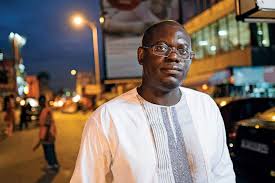
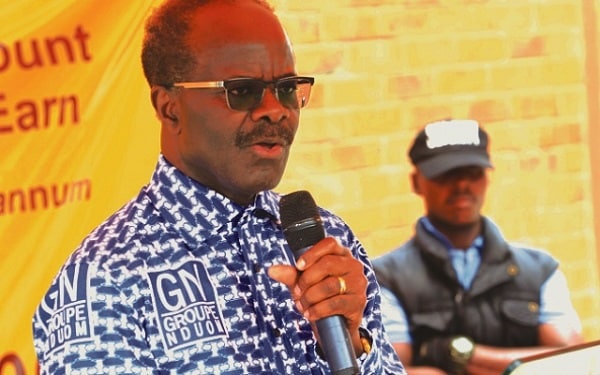
The appeal was brought by Dr. Papa Kwesi Nduom, the Founder of the now-defunct GN Savings and Loans, who challenged the revocation of GN’s license by the BoG in 2019.
Dr. Nduom and two affiliated entities approached the High Court with a human rights application, arguing that the license revocation was unfair and unreasonable, violating their right to administrative justice as guaranteed under Article 23 of the 1992 Constitution.
The BoG objected to the jurisdiction of the High Court, citing Section 141 of Act 930 as the provision that mandated arbitration as the proper venue for seeking redress against license revocation by the central bank.
However, the High Court dismissed the objection, leading the BoG to appeal the decision at the Court of Appeal.
On June 2, 2022, the Court of Appeal, in a unanimous decision, ruled in favor of the BoG, holding that the High Court lacked jurisdiction to entertain the case due to the explicit provision of arbitration as the means of seeking redress under Section 141 of Act 930.
The Court of Appeal halted the proceedings at the High Court and referred the dispute to the Ghana Arbitration Centre.
Dissatisfied with this outcome, Dr. Nduom appealed to the Supreme Court, which eventually ruled in his favor, upholding the jurisdiction of the High Court to inquire into the matter of BoG’s license revocation.
The Supreme Court has awarded businessman and politician, Paa Kwesi Ndoum permission to appeal GN Bank’s license revocation to the High Court.
This comes after the Supreme Court overturned an earlier ruling by the Court of Appeal that barred it from fighting the revocation in the High Court.
GN Bank, which operated under the Groupe Nduom brand, was one of several financial firms whose licenses were terminated in 2018 as part of a banking sector clean-up effort.
Paa Kwesi Nduom, the bank’s founder, filed an action in the High Court to challenge the revocation.
However, respondents in the case, including the Bank of Ghana, asked the Court of Appeal to rule that the proper mechanism for disputing the revocation under the Specialized Deposit-Taking Institutions Act is through arbitration.
The Court of Appeal granted their application, suspended the proceedings in the High Court, and ordered the parties to arbitrate.
Following the Court of Appeal’s judgment, Groupe Nduom petitioned the Supreme Court for a reconsideration of the Court of Appeal’s decision.
After hearing the case, the Supreme Court ruled in favor of Paa Kwesi Nduom.
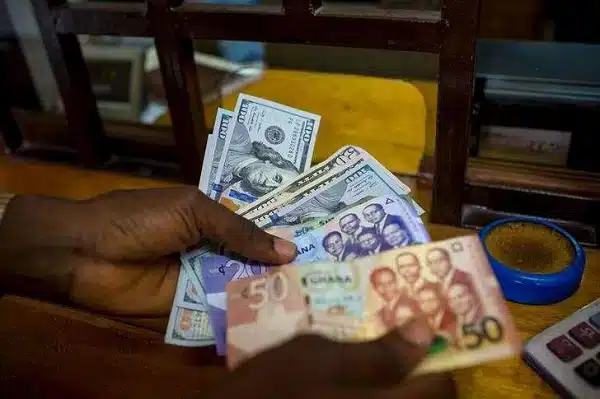
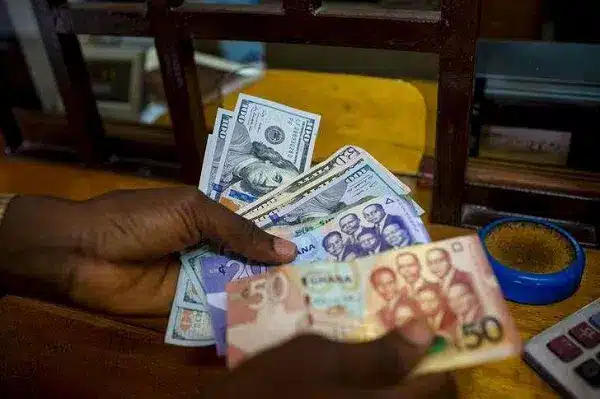
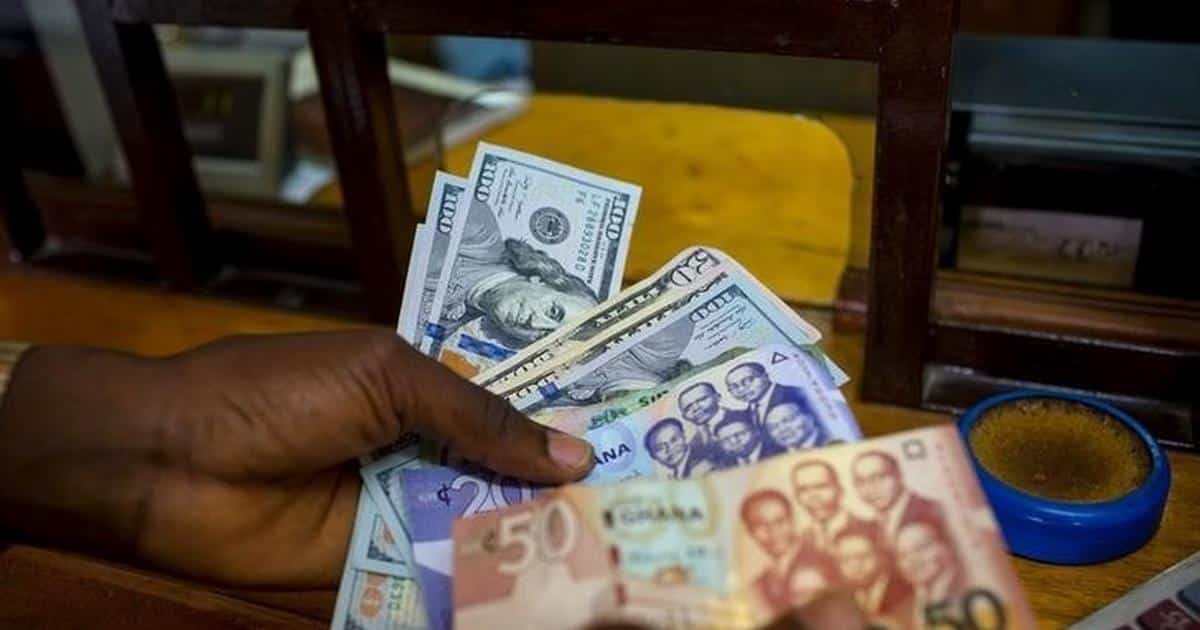
The Bank of Ghana’s interbank exchange rates, has shown that the Ghana Cedi is now trading against the dollar at a purchasing price of 10.9970 and a selling price of 11.0080 as of today, July 18, 2023.
The exchange rate for buying and selling the dollar in Accra’s Forex bureau is 11.50 to 11.80.
Against the Pound Sterling, the Cedi is trading at a buying price of 14.3819 and a selling price of 14.3985.
At a forex bureau in Accra, the exchange rates for various currencies are as follows:
The pound sterling is being bought at a rate of 14.80 and sold at a rate of 15.50.
The Euro is trading at a buying price of 12.3556 and a selling price of 12.3677.
For the Euro at another forex bureau in Accra, it is being bought at a rate of 12.40 and sold at a rate of 13.00.
The South African Rand is currently trading at a buying price of 0.6103 and a selling price of 0.6108.
For the South African Rand at a different forex bureau in Accra, it is being bought at a rate of 0.30 and sold at a rate of 0.90.
The Nigerian Naira is trading at a buying price of 70.4204 and a selling price of 71.2756.
For the Nigerian Naira at another forex bureau in Accra, it is being bought at a rate of 13.00 Naira for every 1 Cedi and sold at a rate of 19.00.
The CFA Franc is currently trading at a buying price of 53.0379 and a selling price of 53.0899.
For the CFA Franc at a different forex bureau in Accra, it is being bought at a rate of 17.00 CFA for every 1 Cedi and sold at a rate of 21.00 CFA for every 1 Cedi.
Please note that these rates may vary at different forex bureaus and are subject to change.
The Bank of Ghana’s interbank exchange rates, has indicated that the Ghana Cedi is now trading against the dollar at a purchasing price of 10.9973 and a selling price of 11.0083 as of today, July 14, 2023.
The exchange rate for buying and selling the dollar in Accra at a Forex bureau is 11.50 to 11.90.
The Cedi is now trading at a purchasing price of 14.4131 and a selling price of 14.4286 versus the British pound.
At a forex bureau in Accra, the pound sterling is being bought at a rate of 14.80 and sold at a rate of 15.50.Europe finally reaches a historic nature and climate agreement
The Euro is trading at a buying price of 12.3041 and a selling price of 12.3153.
At a forex bureau in Accra, the Eurois being bought at a rate of 12.40 and sold at a rate of 13.00.
The South African Rand is trading at a buying price of 0.6127 and a selling price of 0.6132.
At a forex bureau in Accra, the South African Rand is being bought at a rate of 0.30 and sold at a rate of 0.90.
The Nigerian Naira is trading at a buying price of 70.6611 and a selling price of 70.7456.
At a forex bureau in Accra, Nigerian Naira is being bought at a rate of 13.00 Naira for every 1 Cedi and sold at a rate of 19.00.
For the CFA, it is trading at a buying price of 53.2636 and a selling price of 53.3121.
At a forex bureau in Accra, CFA is being bought at a rate of 17.00 CFA for every 1 Cedi and sold at a rate of 21.00 CFA for every 1 Cedi.
Bank of Ghana’s Interbank forex rates on July 13, 2023, indicates that the Ghana Cedi is currently being traded against the US Dollar at a buying price of 10.9961 and a selling price of 11.0071.
In Accra’s Forex bureau, the Dollar is being bought at a rate of 11.50 Cedis and sold at a rate of 11.90 Cedis.
Against the Pound Sterling, the Cedi is being traded at a buying price of 14.2839 and a selling price of 14.2993.
At a forex bureau in Accra, the Pound Sterling is being bought at a rate of 14.70 Cedis and sold at a rate of 15.40 Cedis.
The Euro is being traded at a buying price of 12.2263 and a selling price of 12.2373.
In Accra’s forex bureau, the Euro is being bought at a rate of 12.30 Cedis and sold at a rate of 12.90 Cedis.
The South African Rand is currently being traded at a buying price of 0.6045 and a selling price of 0.6050.
In Accra’s forex bureau, the South African Rand is being bought at a rate of 0.30 Cedis and sold at a rate of 0.90 Cedis.
The Nigerian Naira is being traded at a buying price of 71.0860 and a selling price of 71.1406.
In Accra’s forex bureau, the Nigerian Naira is being bought at a rate of 13.00 Naira for every 1 Cedi and sold at a rate of 19.00 Naira for every 1 Cedi.
For the CFA Franc, it is being traded at a buying price of 53.6031 and a selling price of 53.6513.
In Accra’s forex bureau, the CFA Franc is being bought at a rate of 17.00 CFA for every 1 Cedi and sold at a rate of 21.00 CFA for every 1 Cedi.
Note that these rates may be different at a forex bureau near you. Our forex bureau rates are provided by Afriswap Bureau De Change in Osu, Accra.
Our forex bureau rates are provided by Afriswap Bureau De Change in Osu, Accra.
The Bank of Ghana’s interbank exchange rate shows that the Ghana Cedi is now trading against the dollar at a purchasing price of 10.9961 and a selling price of 11.0071 as of today, July 12, 2023.
The exchange rate for buying and selling the dollar in Accra at a Forex bureau is 11.50 to 11.90.
The Cedi is now trading with a purchasing price of 14.1795 and a selling price of 14.1948 versus the British pound.
Exchange rate for buying and selling the pound sterling in Accra is 14.70 and 15.40, respectively.
The purchasing and selling prices for the euro are respectively 12.0892 and 12.1002.
Euro is being bought at a rate of 12.30 and sold at a rate of 12.90 at a forex bureau in Accra.
The buying and selling prices for the South African Rand are 0.5925 and 0.5929 respectively.
South African Rand is being bought at a rate of 0.30 and sold at a rate of 0.90 at a forex bureau in Accra.
Trading prices for the Nigerian Naira are 68.9900 for purchases and 69.0672 for sales.
Nigerian Naira is being purchased and sold at a forex bureau in Accra at a cost of 13.00 and 19.00 respectively for every Cedi.
The purchase price and the selling price for the CFA are both 54.2104.
Buying CFA costs 17 CFA for every 1 Cedi, and selling CFA costs 21 CFA for every 1 Cedi at a forex bureau in Accra.
Note that these rates may be different at a forex bureau near you. Our forex bureau rates are provided by Afriswap Bureau De Change in Osu, Accra.
Our forex bureau rates are provided by Afriswap Bureau De Change in Osu, Accra.
More than 420 individuals working for loan apps have been taken into police custody.
The Bank of Ghana (BOG), the Economic and Organized Crime Office (EOCO), and the Cyber Security Authority coordinated their efforts to carry out a well-planned operation that resulted in the capture of the suspects.
Authorities launched raids on numerous alleged owners of digital lending applications, often known as loan apps, in the Greater Accra Region as part of this coordinated operation.
The people behind these apps engage in a variety of illegal acts, including cyberbullying, extortion, the unauthorized use of data and privacy, and, in the most extreme situations, issuing death threats.
In a statement issued by the authority, it was stated, “The three collaborating institutions carried out a targeted operation in the early hours of Monday, July 10, 2023, as part of a joint effort by the Cybersecurity Committee, resulting in the arrest of more than 420 suspects.
The Ghana Cedi is currently trading against the dollar at a purchasing price of 10.9922 and a selling price of 11.0032, according to the Bank of Ghana’s interbank exchange rates for today, June 29, 2023.
At a forex bureau in Accra, the dollar is being bought at a rate of 11.30 and sold at a rate of 11.80.
Against the Pound Sterling, the Cedi is trading at a buying price of 14.0162 and a selling price of 14.0313.
At a forex bureau in Accra, the pound sterling is being bought at a rate of 14.50 and sold at a rate of 15.30.
The Euro is trading at a buying price of 12.0528 and a selling price of 12.0637.
At a forex bureau in Accra, Euro is being bought at a rate of 12.10 and sold at a rate of 12.80.
The South African Rand is trading at a buying price of 0.5941 and a selling price of 0.5946.
At a forex bureau in Accra, South African Rand is being bought at a rate of 0.30 and sold at a rate of 0.90.
The Nigerian Naira is trading at a buying price of 68.7607 and a selling price of 68.8853.
At a forex bureau in Accra, Nigerian Naira is being bought at a rate of 12.00 Naira for every 1 Cedi and sold at a rate of 19.00.
For the CFA, it is trading at a buying price of 54.3744 and a selling price of 54.4236.
At a forex bureau in Accra, CFA is being bought at a rate of 17.00 CFA for every 1 Cedi and sold at a rate of 21.00 CFA for every 1 Cedi.
Our forex bureau rates are provided by Afriswap Bureau De Change in Osu, Accra.
Note that these rates may be different at a forex bureau near you. Our forex bureau rates are provided by Afriswap Bureau De Change in Osu, Accra.
The value of secured loans for which collateral was recorded by banks and SDIs was GH5.26 billion in the first quarter of 2023, according to the Bank of Ghana’s Collateral Registry Quarterly Report.
This is relative to the GH¢6.5 billion recorded in the first quarter of 2022 indicating a year-on-year decline of 19.23 percent.
Secured loans are loans that are taken against secured assets such as a home or a landed property.
Therefore, according to the first quarter report by the Bank of Ghana, banks accounted for GH¢4.3 billion of total securedloans.
This represented a 25.1 percent decrease from the GH¢5.8 billion recorded in Q1 of 2022 and a share of 82.4 percent out of the total secured loans.
On the other hand, the SDIs recorded a total amount of GH¢924.7 million secured loans representing a share of 17.6 percent and an increase of 29.8 percent from the GH¢ 712.6 million recorded for the same period in 2022.
Also, a total of 79,364 assets were registered as collateral by Banks and Specialised Deposit-Taking Institutions in the first quarter of 2023, an increase from the 76,142 assets registered in the first quarter of 2022.
The Ghana Cedi is currently trading against the dollar at a purchasing price of 10.9822 and a selling price of 10.9932, according to the Bank of Ghana’s interbank exchange rates for Wednesday, June 22, 2023.
At a Forex bureau in Accra, the dollar is being bought at a rate of 11.50 and sold at a rate of 11.90.
Against the Pound Sterling, the Cedi is trading at a buying price of 14.0045 and a selling price of 14.0196.
At a forex bureau in Accra, the pound sterling is being bought at a rate of 14.50 and sold at a rate of 15.25.
The Euro is trading at a buying price of 12.0427 and a selling price of 12.0537.
At a forex bureau in Accra, the euro is being bought at a rate of 12.30 and sold at a rate of 12.80.
The South African Rand is trading at a buying price of 0.5622 and a selling price of 0.5628.
At a forex bureau in Accra, the South African Rand is being bought at a rate of 0.30 and sold at a rate of 0.90.
The Nigerian Naira is trading at a buying price of 64.6942 and a selling price of 64.8170.
At a forex bureau in Accra, Nigerian Naira is being bought at a rate of 12.00 Naira for every 1 Cedi and sold at a rate of 19.00.
For the CFA, it is trading at a buying price of 54.4196 and a selling price of 54.4693.
At a forex bureau in Accra, CFA is being bought at a rate of 17.00 CFA for every 1 Cedi and sold at a rate of 21.00 CFA for every 1 Cedi.
Our forex bureau rates are provided by Afriswap Bureau De Change in Osu, Accra.
Note that these rates may be different at a forex bureau near you. Our forex bureau rates are provided by Afriswap Bureau De Change in Osu, Accra.
1. Once again, a very warm “Akwaaba” to the vibrant city of Accra, and let me extend my heartfelt congratulations to AFREXIMBANK on their remarkable 30-year commitment to Africa. No doubt, AFREXIMBANK’s dedication and efforts have impacted positively on the continent’s economic progress and l am thankful that Ghana is hosting this landmark 30th Annual Meeting, a testament to our country’s position as a hub of trade and commerce.
2. Ladies and Gentlemen, united by a shared vision for the prosperity of Africa, this event seeks to explore the immense potentials of digital technology to boost economic prospects of our continent. In my welcome address on Sunday, June 18, 2023, I catalogued a number of critical technological infrastructures that have been implemented in furtherance of AFREXIMBANK’s developmental objectives. Based on these investments, I am filled with profound optimism, enthusiasm, and great expectations that our collective journey to harness the transformative power of digitization for the betterment of our beloved Africa will materialise.
With the rich heritage and diverse talent, Africa is poised to embrace the digital revolution and leverage its vast potentials to propel our economies to unprecedented heights.
3. Not too long ago, the Ghana Trade Roadshow was held in Accra, an event organized by AFREXIMBANK in collaboration with Oakwood Green Africa. It was such an inspiring moment, which brought together key stakeholders who took bold and passionate steps towards advancing intra-Africa trade, which in due time will yield the envisioned results and bring immense benefits to our country.
4. Distinguished guests, we are indeed in the technological age, an era characterised by digitization and digital transformation, and therefore it is crucial to leverage digital platforms and ecosystems to drive efficient trade and economic growth.
The theme of this event, “Unlocking Africa’s Trade, Investment, and Commerce Opportunities Leveraging Digital Platforms and Ecosystems,” resonates deeply with current developments in the digital age. Therefore, collectively, we must critically examine pathways and innovate diverse approaches to unlock and deploy the full potentials of Africa’s trade, investment, and commerce opportunities for the betterment of our people.
Unlocking Africa’s Trade and Investments Opportunities
5. To do this, Ladies and Gentlemen, we must harness and leverage on the immense potential of digital platforms and ecosystems. The transformative power of technology has revolutionized industries worldwide, and Africa must seize this opportunity to boost economic growth and foster regional integration. This can be done through three main channels:
* First, enhancing digital infrastructure is paramount. Access to reliable and affordable internet connectivity is the foundation upon which digital platforms thrive. Governments and private sector stakeholders must collaborate to invest in broadband infrastructure, expand network coverage, and bridge the digital divide within and across countries.
By providing seamless connectivity, we can enable businesses, entrepreneurs, and consumers to participate fully in the digital economy and seize new trade and investment opportunities.
* Second, fostering digital entrepreneurship and innovation is crucial. Africa is a hotbed of entrepreneurial talent with technological savvy youthful population, and we must nurture and support such digital innovators.
By establishing incubation centres, providing mentorship programmes, and offering access to funding, we can empower start-ups and SMEs to develop innovative solutions that address the unique challenges and needs of our continent. Encouraging entrepreneurship and innovation will drive job creation, boost economic diversification, and attract investment in key sectors.
* Lastly, promoting digital skills development is imperative. Digital literacy and proficiency are prerequisites for individuals and businesses to harness the full potential of digital platforms. Educational institutions, in partnership with private sector entities, should design and implement programmes that equip our youth and workforce with the necessary digital skills and knowledge. By investing in training and upskilling digital programmes, we can create a highly empowered workforce to drive innovation, productivity, and competitiveness.
6. Ladies and Gentlemen, in all of these, let us not forget that the foundation has already been laid through regional integration initiatives such as the AfCFTA and AFREXIMBANK and we must leverage on them to unlock the trade, investment and commerce opportunities on the continent. The AfCFTA, for instance, presents a historic opportunity for increased intra-African trade. Digital platforms and efficient payment ecosystems can facilitate seamless cross-border transactions, reduce trade barriers, and promote the exchange of goods and services within the continent.
Pushing the Agenda – Role of Central Banks
7. Indeed, African central banks have been at the forefront of supporting digitalization and providing the necessary regulatory environment for FinTech’s and financial institutions to thrive in unlocking Africa’s trade, investment, and commerce opportunities. Our commitment to embracing digital platforms and ecosystems is evident through our concrete contributions and initiatives.
8. In Ghana for instance, one significant initiative we have undertaken is our active participation in the MANSA Platform. The central bank is currently serving as a verifier for financial institutions, including microfinance institutions, in Ghana, and proactively engaging these entities for them to be onboarded onto the platform. By serving as a verifier, we ensure that the KYC/CDD information of these institutions are accurate and reliable. This enhances transparency, reduces risks, and promotes trust among stakeholders.
The MANSA Platform not only streamlines due diligence processes but also facilitates smoother and more efficient interactions between African entities. It opens up new opportunities for businesses, enabling them to access a broader network of trusted counterparties across the continent.
9. Additionally, we have integrated the Pan-African Payment and Settlement System (PAPSS) platform and appointed the Ghana Interbank Payment and Settlement Systems Limited (GHIPSS) as the integration entity for locally regulated institutions. This allows for seamless cross-border payment and settlement transactions within Africa. By leveraging the PAPSS platform, we are eliminating the barriers and inefficiencies associated with traditional payment systems.
This promotes regional trade, investment, and commerce by facilitating faster, more secure, and cost-effective transactions. The integration of our local financial institutions into the PAPSS platform ensures that they can fully benefit from the opportunities presented by this innovative solution.
10. Ghana is also currently working with the Monetary Authority of Singapore on a Business san Borders project aimed at boosting the international trade prospects of SMEs of the respective countries through the implementation of digital trade platforms for market discovery.
The component trust corridor brings on board financial service providers to build mutual access to enhance information to facilitate non-collateralised lending based on borrower intent to pay. This solution has been admitted to the Bank of Ghana’s regulatory sandbox for testing. I am of the firm conviction that the success of this bold solution could be replicated in other countries under the AfCFTA project.
11. The success of these digital platforms and ecosystems, however, depends on the active participation and collaboration of all financial institutions and private businesses. We strongly encourage all stakeholders to embrace these initiatives and make them work for their respective businesses.
By joining these platforms and leveraging digital technologies, financial institutions can expand their reach, enhance efficiency, and unlock new market opportunities. Private businesses, on the other hand, can tap into the vast potential of intra-African trade, access a wider customer base, and foster mutually beneficial partnerships. Together, we can create a thriving digital ecosystem that drives economic growth, boosts investment, and propels Africa forward.
12. Ladies and Gentlemen, the Bank of Ghana is committed to supporting digitalization and providing an enabling regulatory environment for Fintechs and financial institutions to unlock Africa’s trade, investment, and commerce opportunities leveraging digital platforms and ecosystems.
Our involvement in the MANSA Platform and integration with the PAPSS platform are concrete contributions that aim to streamline processes, enhance transparency, and facilitate seamless transactions. We invite all financial institutions and private businesses to actively participate in these initiatives and harness the transformative power of digitalization. Together, we can shape a prosperous future for Africa.
13. Unlocking Africa’s trade, investment, and commerce opportunities through digital platforms and ecosystems requires a multi-faceted approach. By enhancing digital infrastructure, fostering entrepreneurship, creating an enabling regulatory environment, promoting digital skills development, and leveraging regional integration initiatives, we can position Africa at the forefront of the digital revolution.
Let us seize this moment to collaborate, innovate, and embrace the transformative power of technology for the benefit of our continent and its people.
14. In conclusion, Distinguished Guests, Ladies and Gentlemen, let us commit to the intra-Africa trade vision as we harness the boundless potential of Africa for future generations.
Collectively, we can unlock Africa’s trade, investment, and commerce opportunities. Thank you
Unless there are unexpected surprises, inflation is expected to decline gradually but still stay above the upper range of 8±2% until the end of 2025, as stated in the May 2023 Monetary Policy Report fromthe Bank of Ghana.
The report suggests that risks to the inflation forecast are mostly biased towards a lower outcome, given the relative stability of the exchange rate, a decrease in ex-pump petroleum prices, and the impact of base drift effects.
Consequently, these factors may dampen the upward movements in administrative prices.
Given these considerations, the Monetary Policy Committee decided to maintain the Monetary Policy Rate at 29.5% in May 2023.
Headline inflation had already declined significantly by 12.9% between December 2022 and April 2023. “The percentage of items in the Consumer Price Index (CPI) basket with inflation exceeding 50% is receding, an indication of a return to the disinflationary path.
Core inflation has also trended downwards, further supporting the disinflation process”.
However, inflation surged slightly to 42.2% in May 2023.
But the Bank of Ghana believes its latest forecasts suggest a disinflationary path on the horizon, supported by the monetary policy tightening, relative exchange rate stability, and some favorable base drift effects.
Headline inflation decelerated from a peak of 54.1% in December 2022 to 45.0% in March, and further down to 41.2 percent in April 2023, driven by both food and non-food prices.
Food inflation eased to 48.7% in April 2023, from 50.8% in March 2023, and 59.7% in December 2022. Nonfood inflation also declined to 35.4%, from 40.6% in March and 49.9% in December 2022.
The decline in headline inflation was occasioned by a deceleration in prices of both imported and locally produced goods.
Overall, the regulator of the banking industry said, price pressures have eased significantly across all items in the basket, largely supported by tight monetary policy, base-drift effects, relative stability in the exchange rate, and declining international crude oil pricesand, in turn, downward adjustments in ex-pump petroleum prices.
It has been requested that the Central Bank punish commercial banks, financial institutions, and their employees who are found accountable for scamming clients.
This is the view of a banking consultant, Richmond Atuahene who believes that the banking sector regulator must be proactive in addressing these infractions which keep occurring.
Speaking in an interview on Accra-based Asaase Radio, Dr Atuahene said, “I believe Bank of Ghana should be very proactive and sanction some of these banks and must make sure that all these incidents are reported because I have an experience.”
“In my case, they suppressed it, and these three guys who caused this mess were able to get onto a new institution,” he disclosed.
Dr Atuahene warned that these fraud-related incidents, if not addressed, will continue to cause vulnerabilities in the banking sector.
Meanwhile, Ghana’s banking sector and Specialised Deposit-Taking Institutions (SDI) lost approximately, GH¢56 million in 2022, representing a 7.88 percent reduction compared to the GH¢61 million recorded in 2021.
However, the number of attempted fraud cases for the banking and SDI sectors in 2022 increased to 2,998, as compared to 2,347 cases in 2021, which is a 27.74 percent rise.
This was contained in the 2022 trends and statistics of the Bank of Ghana (BoG) Banks, SDIs and Payment Service Providers (PSPs) fraud report, covering January 1 to December 31, 2022.
It was observed that forgery and manipulation of documents, fraudulent withdrawals, cheque fraud, cyber/email and cash theft (cash suppression), were the major drivers (top five) fraud typologies that impacted most of the financial institutions.
Forgery and manipulation of documents also emerged as the prominent fraud typology, recording the highest loss of GH¢33 million.
In addition, money fraudulently withdrawn from customers’ accounts resulted in GH¢7 million losses, most of which the Central Bank observed involved staff of banks and SDIs, while cheque fraud, arising from cloned cheques accounted for a loss value of GH¢5 million.
The report however indicated that the fraud cases involving staff decreased to 188 in 2022, as compared to 278 in 2021.
The Ghana Cedi is currently trading against the dollar at a purchasing price of 10.9843 and a selling price of 10.9953, according to the Bank of Ghana’s interbank exchange rates for Wednesday, June 19, 2023.
At a forex bureau in Accra, the dollar is being bought at a rate of 11.50 and sold at a rate of 12.00.
Against the Pound Sterling, the Cedi is trading at a buying price of 14.0764 and a selling price of 14.0916.
At a forex bureau in Accra, the pound sterling is being bought at a rate of 14.40 and sold at a rate of 15.10.
The Euro is trading at a buying price of 12.0014 and a selling price of 12.0133.
At a forex bureau in Accra, Euro is being bought at a rate of 12.40 and sold at a rate of 12.90.
The South African Rand is trading at a buying price of 0.6031 and a selling price of 0.6036.
At a forex bureau in Accra, South African Rand is being bought at a rate of 0.30 and sold at a rate of 0.90.
The Nigerian Naira is trading at a buying price of 59.7827 and a selling price of 59.8737.
At a forex bureau in Accra, Nigerian Naira is being bought at a rate of 12.00 Naira for every 1 Cedi and sold at a rate of 19.00.
For the CFA, it is trading at a buying price of 54.6026 and a selling price of 54.6567.
At a forex bureau in Accra, CFA is being bought at a rate of 17.00 CFA for every 1 Cedi and sold at a rate of 21.00 CFA for every 1 Cedi.
Our forex bureau rates are provided by Afriswap Bureau De Change in Osu, Accra.
Note that these rates may be different at a forex bureau near you. Our forex bureau rates are provided by Afriswap Bureau De Change in Osu, Accra.
Today, June 15, 2023, the Ghana Cedi is trading against the dollar at a purchasing price of 10.9780 and a selling price of 10.9890, according to the Bank of Ghana’s interbank exchange rates.
At a forex bureau in Accra, the dollar is being bought at a rate of 11.50 and sold at a rate of 11.90.
Against the Pound Sterling, the Cedi is trading at a buying price of 13.9355 and a selling price of 13.9505.
At a forex bureau in Accra, the pound sterling is being bought at a rate of 14.40 and sold at a rate of 15.10.
The Euro is trading at a buying price of 11.9107 and a selling price of 11.9215.
At a forex bureau in Accra, Euro is being bought at a rate of 12.30 and sold at a rate of 12.80.
The South African Rand is trading at a buying price of 0.5996 and a selling price of 0.6001.
At a forex bureau in Accra, South African Rand is being bought at a rate of 0.30 and sold at a rate of 0.90.
The Nigerian Naira is trading at a buying price of 42.3119 and a selling price of 42.4250.
At a forex bureau in Accra, Nigerian Naira is being bought at a rate of 12.00 Naira for every 1 Cedi and sold at a rate of 19.00.
For the CFA, it is trading at a buying price of 55.7128 and a selling price of 55.7682.
At a forex bureau in Accra, CFA is being bought at a rate of 17.00 CFA for every 1 Cedi and sold at a rate of 21.00 CFA for every 1 Cedi.
Our forex bureau rates are provided by Afriswap Bureau De Change in Osu, Accra.
Note that these rates may be different at a forex bureau near you. Our forex bureau rates are provided by Afriswap Bureau De Change in Osu, Accra.
The Bank of Ghana (BoG) has cautioned the public against engaging in transactions with some 97 unlicensed entities that are engaged in the provision of loans through mobile applications to the Ghanaian public.
Below is a list of loan applications offered on the market without a licence or authorisation from Bank of Ghana.
Bank of Ghana’s interbank exchange rates has it that the Ghana Cedi is now trading against the dollar at a purchasing price of 10.9654 and a selling price of 10.9764 as of today, June 14, 2023.
At a forex bureau in Accra, the dollar is being bought at a rate of 11.50 and sold at a rate of 11.80.
Against the Pound Sterling, the Cedi is trading at a buying price of 13.8456 and a selling price of 13.8617.
At a forex bureau in Accra, the pound sterling is being bought at a rate of 14.35 and sold at a rate of 14.95.
The Euro is trading at a buying price of 11.8491 and a selling price of 11.8550.
At a forex bureau in Accra, Euro is being bought at a rate of 12.20 and sold at a rate of 12.80.
The South African Rand is trading at a buying price of 0.5911 and a selling price of 0.5917.
At a forex bureau in Accra, South African Rand is being bought at a rate of 0.30 and sold at a rate of 0.90.
The Nigerian Naira is trading at a buying price of 42.9206 and a selling price of 42.0299.
At a forex bureau in Accra, Nigerian Naira is being bought at a rate of 12.00 Naira for every 1 Cedi and sold at a rate of 19.00.
For the CFA, it is trading at a buying price of 55.7128 and a selling price of 55.7682.
At a forex bureau in Accra, CFA is being bought at a rate of 17.00 CFA for every 1 Cedi and sold at a rate of 21.00 CFA for every 1 Cedi.
Our forex bureau rates are provided by Afriswap Bureau De Change in Osu, Accra.
Note that these rates may be different at a forex bureau near you. Our forex bureau rates are provided by Afriswap Bureau De Change in Osu, Accra.
The Bank of Ghana has released today’s Interbank forex rates, providing insights into the currency exchange dynamics on June 5, 2023. According to the data, the Ghana Cedi is currently trading against the US dollar at a buying price of 10.9654 and a selling price of 10.9764.
At a forex bureau in Accra, the dollar is being bought at a rate of 11.40 and sold at a rate of 11.90.
Against the Pound Sterling, the Cedi is trading at a buying price of 13.6783 and a selling price of 13.6930.
At a forex bureau in Accra, the pound sterling is being bought at a rate of 14.00 and sold at a rate of 14.80.
The Euro is trading at a buying price of 11.7622 and a selling price of 11.7739.
At a forex bureau in Accra, Euro is being bought at a rate of 12.00 and sold at a rate of 12.70.
The South African Rand is trading at a buying price of 0.5622 and a selling price of 0.5628.
At a forex bureau in Accra, South African Rand is being bought at a rate of 0.30 and sold at a rate of 0.90.
The Nigerian Naira is trading at a buying price of 42.3119 and a selling price of 42.4250.
At a forex bureau in Accra, Nigerian Naira is being bought at a rate of 12.00 Naira for every 1 Cedi and sold at a rate of 18.00.
For the CFA, it is trading at a buying price of 55.7128 and a selling price of 55.7682.
At a forex bureau in Accra, CFA is being bought at a rate of 16.00 CFA for every 1 Cedi and sold at a rate of 21.00 CFA for every 1 Cedi.
Our forex bureau rates are provided by Afriswap Bureau De Change in Osu, Accra.
Note that these rates may be different at a forex bureau near you. Our forex bureau rates are provided by Afriswap Bureau De Change in Osu, Accra.
The Bank of Ghana‘s interbank forex rates for today, May 31, 2023, show that the Ghana Cedi is trading versus the dollar at a purchasing price of 10.9670 and a selling price of 10.9780.
At a forex bureau in Accra, the dollar is being bought at a rate of 11.40 and sold at a rate of 12.00.
Against the Pound Sterling, the Cedi is trading at a buying price of 13.5925 and a selling price of 13.6072.
At a forex bureau in Accra, the pound sterling is being bought at a rate of 14.00 and sold at a rate of 15.00.
The Euro is trading at a buying price of 11.7562 and a selling price of 11.7669.
At a forex bureau in Accra, Euro is being bought at a rate of 12.00 and sold at a rate of 12.70.
The South African Rand is trading at a buying price of 0.5561 and a selling price of 0.5566.
At a forex bureau in Accra, South African Rand is being bought at a rate of 0.30 and sold at a rate of 0.90.
The Nigerian Naira is trading at a buying price of 42.2438 and a selling price of 42.3450.
At a forex bureau in Accra, Nigerian Naira is being bought at a rate of 12.00 Naira for every 1 Cedi and sold at a rate of 18.00.
For the CFA, it is trading at a buying price of 55.7459 and a selling price of 55.7967.
At a forex bureau in Accra, CFA is being bought at a rate of 17.00 CFA for every 1 Cedi and sold at a rate of 21.00 CFA for every 1 Cedi.
Our forex bureau rates are provided by Afriswap Bureau De Change in Osu, Accra.
Note that these rates may be different at a forex bureau near you. Our forex bureau rates are provided by Afriswap Bureau De Change in Osu, Accra.