Tag: Bolivia

  • Leader of alleged coup attempt in Bolivia arrested

    Leader of alleged coup attempt in Bolivia arrested

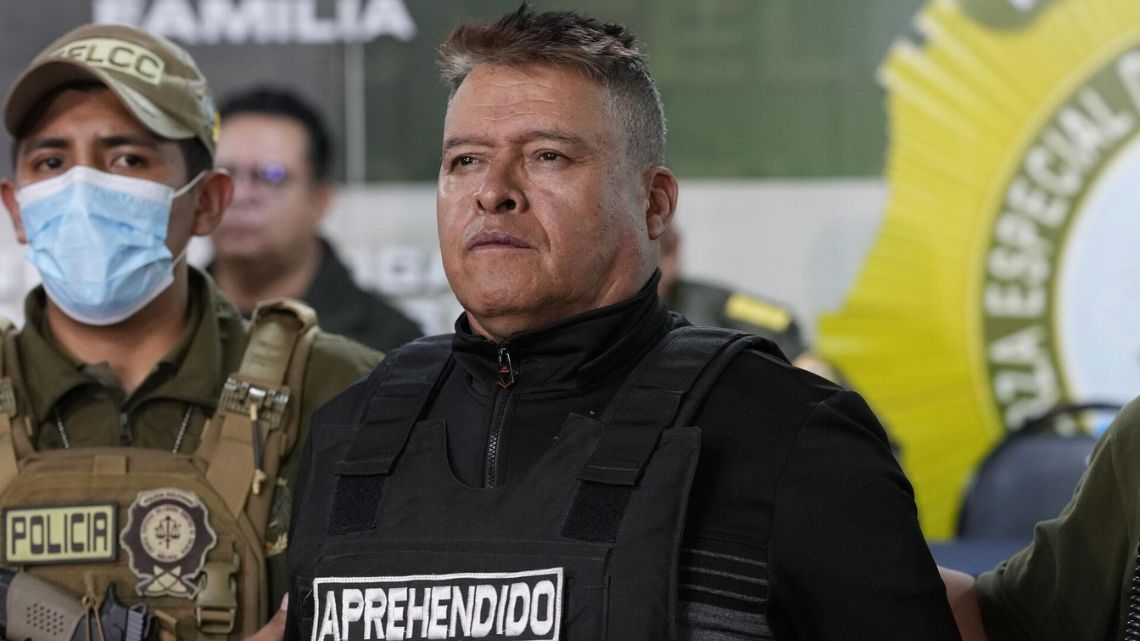
    Bolivian authorities have arrested General Juan José Zúñiga, the leader of an apparent coup attempt, just hours after soldiers stormed the presidential palace in La Paz.

    The dramatic events unfolded as hundreds of troops and armored vehicles positioned themselves on Murillo Square, home to key government buildings. An armored vehicle breached the main gate of the presidential palace, allowing soldiers to enter, but they later withdrew.

    Gen Zúñiga, who led the rebellion, claimed his goal was to “restructure democracy” and expressed conditional respect for President Luis Arce. However, he was swiftly detained moments after telling reporters that the military intervened at the president’s behest.

    This statement came after Zúñiga was removed from his position on Tuesday for making inflammatory comments about former president Evo Morales during a recent interview.

    President Arce condemned the coup attempt, urging the public to “organize and mobilize in favor of democracy.”

    In a televised address from within the presidential palace, he stated, “We cannot allow once again coup attempts to take Bolivian lives.” His call to action resonated, as pro-democracy demonstrators took to the streets in support of the government.

    In a dramatic confrontation captured on camera, President Arce was seen ordering Gen Zúñiga to stand down and vacate his role.

    He also announced the appointment of new military commanders, confirming Zúñiga’s dismissal following his criticism of Mr. Morales.

    Evo Morales, who also denounced the coup attempt, called for criminal charges against Zúñiga and his “accomplices.”

    The Bolivian public prosecutor’s office has initiated a criminal investigation, and Vice-Admiral Juan Arnez Salvador, head of the Bolivian Navy, has also been arrested.

    The motivations behind Gen Zúñiga’s coup attempt remain unclear. He had previously declared on television that he would arrest Mr. Morales if the former president attempted to run for office again, despite Morales being barred from doing so.

    Mr. Morales, who was ousted in 2019 by military leaders accusing him of election fraud, accused an “elite” of taking over the country and called the insurgents “vandals who have destroyed the country.” Shortly before his arrest, Gen Zúñiga claimed that President Arce had instructed him to deploy the armored vehicles to boost his declining popularity.

    Opposition senator Andrea Barrientos echoed Zúñiga’s claims, suggesting that the economic and judicial crises prompted President Arce to stage a “self-coup.” She called for a thorough investigation, asserting, “The government has a lot of questions to answer to the people of Bolivia, and they need to explain this situation very well.”

    Although Wednesday’s events appear to be a short-lived and poorly executed military uprising, the incident has left the government looking more vulnerable. There is concern that others might attempt to challenge Arce’s administration through political means rather than military force.
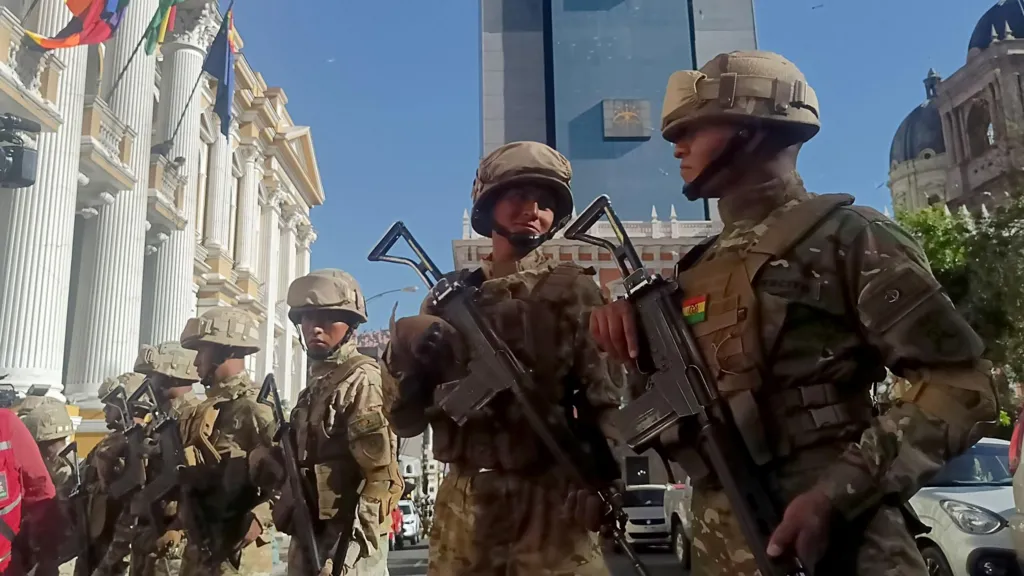
    Soldiers took up positions outside key government buildings in La Paz. Credit – Shutterstock

    Mr. Morales urged his supporters, particularly those in the indigenous coca-growers movement, to demand an end to the coup attempt. This show of popular support likely bolstered resistance to Gen Zúñiga’s plans, which included freeing political prisoners such as former leader Jeanine Áñez.

    President Arce and Mr. Morales, despite internal political disagreements, united in their condemnation of the coup attempt. Before Morales’s presidency, Bolivia was one of the most politically unstable countries in the Americas. His tenure brought stability until its contentious end, and Arce’s election in 2020 followed a period of turmoil.

    Regional allies, including Venezuela and Colombia, swiftly condemned the coup attempt and called for the preservation of democracy. Even Washington and Paraguay’s centre-right President Santiago Peña voiced their opposition to the military insurrection.

    Human rights activist Jhanisse Vaca Daza expressed concerns that President Arce might use the coup attempt as a pretext to crack down on opposition.

    She warned, “It will legitimize and give Arce’s government more power to arrest new members of the opposition who they deem may be a threat to their governance.”
  • Bolivia floods: Dozens killed by heavy rains

    Bolivia floods: Dozens killed by heavy rains

    Many towns and villages in Bolivia are being warned about heavy rains that are causing a lot of damage.

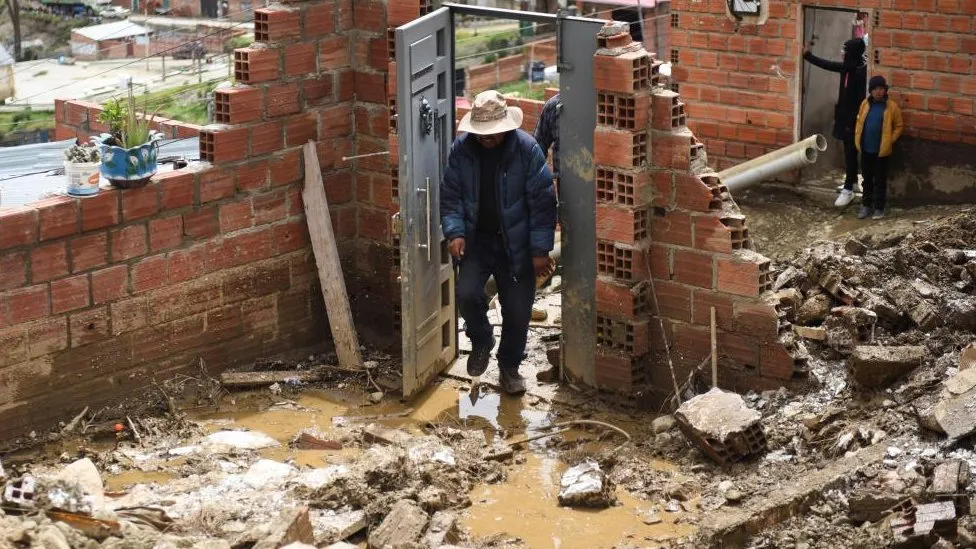
    Authorities say that 33 people have died because of the rain since November. The rain has caused landslides and made rivers overflow.

    The number of people who have died is eight times more than this time last year.

    Officials are watching a few dams closely because they are worried they might flood.

    Juan Carlos Calvimontes, who is in charge of Civil Defence, said that in Bolivia, 10 out of 340 towns are on the highest alert and 279 are on the second highest alert.

    Authorities also mentioned that they sent help to Achocalla, in La Paz province. A 35-year-old woman and her two children were buried in a mudslide that covered their home.

    A neighbor told the local newspaper that she yelled at the woman to leave the house, but the mother might not have been able to take her children with her in time.

    More than 20 people got hurt.

    In La Paz province, officials are watching the water levels in the Incachaca dam very carefully.

    Government experts and the mayor of La Paz city went to see the dam on Sunday. La Paz is the city below the dam.

    Mayor Iván Arias said the reservoir is full of water, but it is draining properly and shouldn’t cause any big problems downstream.

    Three additional water storage areas – Hampaturi Alto, Pampalarama and Alpaquita – are also full.

    Bolivia is getting heavy rain after a very long time of not much rain and one of its hottest winters ever.

    In October, many people came to the Incachaca reservoir to pray for rain because it was nearly full.
    The doors that release water at the Incachaca reservoir.

    Bolivia often has extreme weather, like heavy rain. But now, climate change has made it more likely to have even heavier rain.

    The world has gotten 1. 1 degrees Celsius warmer since the industrial era started, and temperatures will continue to rise unless governments make big reductions in emissions.

  • Israel and Bolivia cut diplomatic ties over military actions in Gaza

    Israel and Bolivia cut diplomatic ties over military actions in Gaza

    Bolivia is the first country in Latin America to end its diplomatic relationship with Israel because it believes Israel used too much force in their military actions in Gaza.

    The nation asked for a stop in fighting and promised to give help to Gaza, which is currently isolated.

    An Israeli official said that the action was giving in to terrorism.

    Lior Haiat said the Bolivian government is working together with the terrorist group Hamas.

    Bolivia’s Deputy Foreign Minister Freddy Mamani said that the government decided to end its relationship with Israel because they strongly disapprove of the aggressive and unfair military attacks happening in the Gaza Strip.

    He said the country wanted Israel to stop blocking important things like food and water from getting in.

    Gaza has been trapped by Israel for many weeks, and people can only get important help occasionally from Egypt’s Rafah crossing.

    Mr Haiat commented that Israel disapproves of Bolivia’s support for terrorism and its alliance with the Iranian regime. This reflects the values of the Bolivian government.

    People are saying that Iran helped Hamas with their October 7 attacks. Iran’s leaders have celebrated and praised the violence, but they say they were not involved.

    Other countries in Latin America have also started taking diplomatic actions against Israel, not just Bolivia.

    Chile’s President Gabriel Boric announced on Tuesday that he is calling back the country’s ambassador in Tel Aviv to have discussions. This decision was made because of the unacceptable actions that Israel has taken in the Gaza Strip, which violate International Humanitarian Law.

    Chile strongly dislikes and is worried about the military operations happening in Gaza. They believe that these operations are hurting innocent Palestinian people and treating them unfairly.

    Colombian President Gustavo Petro said the same thing on social media.

    Mr Petro said that he has chosen to ask our ambassador in Israel to have a discussion. He also mentioned that if Israel continues to kill many Palestinians, we cannot stay there.

    Brazil’s President Luiz Inácio Lula da Silva requested a halt to fighting. After hearing about a recent attack by Israel in Gaza, Lula commented on X, saying that it’s the first time he’s seen a war where most of the people who died are children. Please, oh please, stop.

    Most of the 8,500 people who died in the war in Gaza, according to the health ministry run by Hamas, were adults. However, this number also includes 3,500 children.

    Israel has been continually attacking Gaza after the deadly Hamas attack on October 7th, which resulted in the deaths of 1,400 people and the abduction of at least 239 people.

    On Tuesday, the US announced that 66 trucks successfully brought aid to Gaza. However, charities are concerned that this may not be sufficient.

    The boss of the United Nations Relief and Works Agency (UNRWA), Philippe Lazzarini, said that before the war, around 500 trucks would go into Gaza every day.

    Bolivia and Israel started being friends again in 2019. It stopped working with the country in 2009 when President Evo Morales was in charge, because they were against what Israel was doing in Gaza.

    On Monday, Bolivia’s President Luis Arce said that Israel’s actions in Gaza were very wrong and against the rules of war. He said this after meeting with the Palestinian ambassador to Bolivia, Mahmoud Elalwani.

  • British visitor feared for her life as dolphin nearly bit off her foot during swimming

    British visitor feared for her life as dolphin nearly bit off her foot during swimming

    A British tourist described how, during a wild swim, a dolphin nearly bit off her foot and she feared she may die.

    After the animal assaulted Claire Bye while she was on an unforgettable trip in Bolivia, she suffered trauma.

    A pink river dolphin bit Claire, 28, when she was swimming in a river near Santa Rosa de Yacuma.

    When bystanders frantically sought to pull her out of the water, she fought to escape.

    Around 20 seconds later, the creature finally let off and swam away.

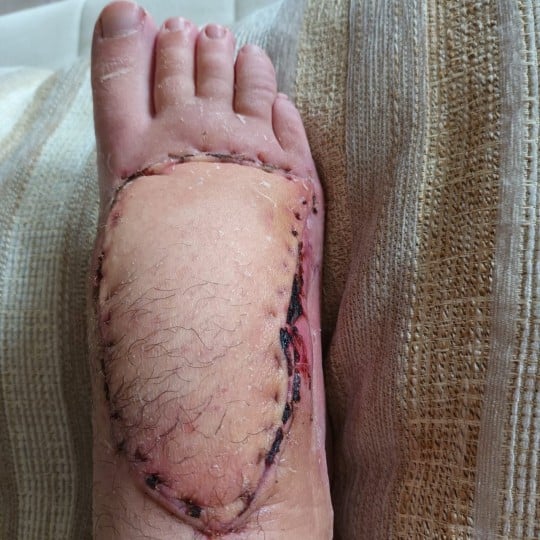
    But she was ‘horrified’ to see her foot was ‘pouring with blood’ after it was partially severed.  

    ‘I’ve never known pain like it,’ Claire said.

    ‘I remember seeing the dolphin out of the corner of my eye, and then it suddenly lunged at me.’

    ‘It wasn’t the cute-looking dolphins we’re used to seeing – it had a huge beak and a mouthful of spiky teeth.

    ‘I screamed and screamed but it just wouldn’t let go of me.

    ‘It felt like it had me for 15 minutes, but apparently it was only 20 seconds before it let go and swam away.’

    Claire was rushed to a local hospital – which she described as more like a ‘farmyard’ with an ants’ nest in the bathroom.

    ‘The people there were very kind and did the best they could to sew up my foot, but they didn’t have any drugs,’ she said.

    Claire swimming with a dolphin a river in Santa Rosa de Yacuma, Bolivia
    Claire swimming with a dolphin a river in Santa Rosa de Yacuma, Bolivia

    But her condition deteriorated four days later when she was struck by a potentially life-threatening infection.

    It was only after frantic calls to the British embassy that she was transferred to a hospital in Bolivian capital La Paz for urgent treatment.

    ‘I honestly thought I’d lose my foot, or potentially my life,’ she said.

    It was another fortnight before she could return home to Bristol, where she underwent surgery to transfer tissue from her groin to her foot.

    She then spent a further two weeks in recovery.

    Claire left Britain in October 2022 intending to spend seven months travelling around Central and South America.

    But her trip was cut short just three months in after the incident happened during a jungle trek to explore the Amazon Basin – a part of South America drained by the Amazon river.

    Claire feared she could lose her foot or die after the attack in January (Picture: Claire Bye / SWNS)
    Claire feared she could lose her foot or die after the attack in January

    She and a friend joined a tour group including families, led by an experienced guide.

    They spent time swimming and playing with the pink river dolphins.

    But Claire became uneasy when a child tried to pick one up.

    ‘That’s when the dolphins became aggressive, and a few people got out of the water with scrapes on their legs where they’d been bitten,’ she recalled.

    She decided not to return to the water but instead played with the dolphins with a water bottle, as demonstrated by the tour guide.

    But a dolphin attacked her after she accidentally dropped the bottle in shallow water and jumped in to retrieve it.

    Claire is now unable to work after the ‘traumatic’ ordeal and has seen a psychologist to help process the incident, which has left her feeling ‘lost’.

    ‘I used to really love wild swimming and I hope to be able to do it in the future, but I’ll never swim with dolphins again,’ she said.

    Claire Bye
    Claire has seen a psychologist after the ‘traumatic’ incident

    ‘I wish I’d never gone back into the water, it’s hard to think about how life would be if it (hadn’t) happened.

    ‘What should have been a beautiful experience changed my life forever, it’s incredibly rare for dolphins to attack humans and I never thought it would happen to me.’

    An investigation has been launched into the incident – with warning signs now placed around the river to alert tourists.

  • Africa’s matches to watch

    Nigeria’s visit to Algeria will provide a good test for the Super Eagles with Ghana vs Brazil the glamour fixture involving a team from the continent.

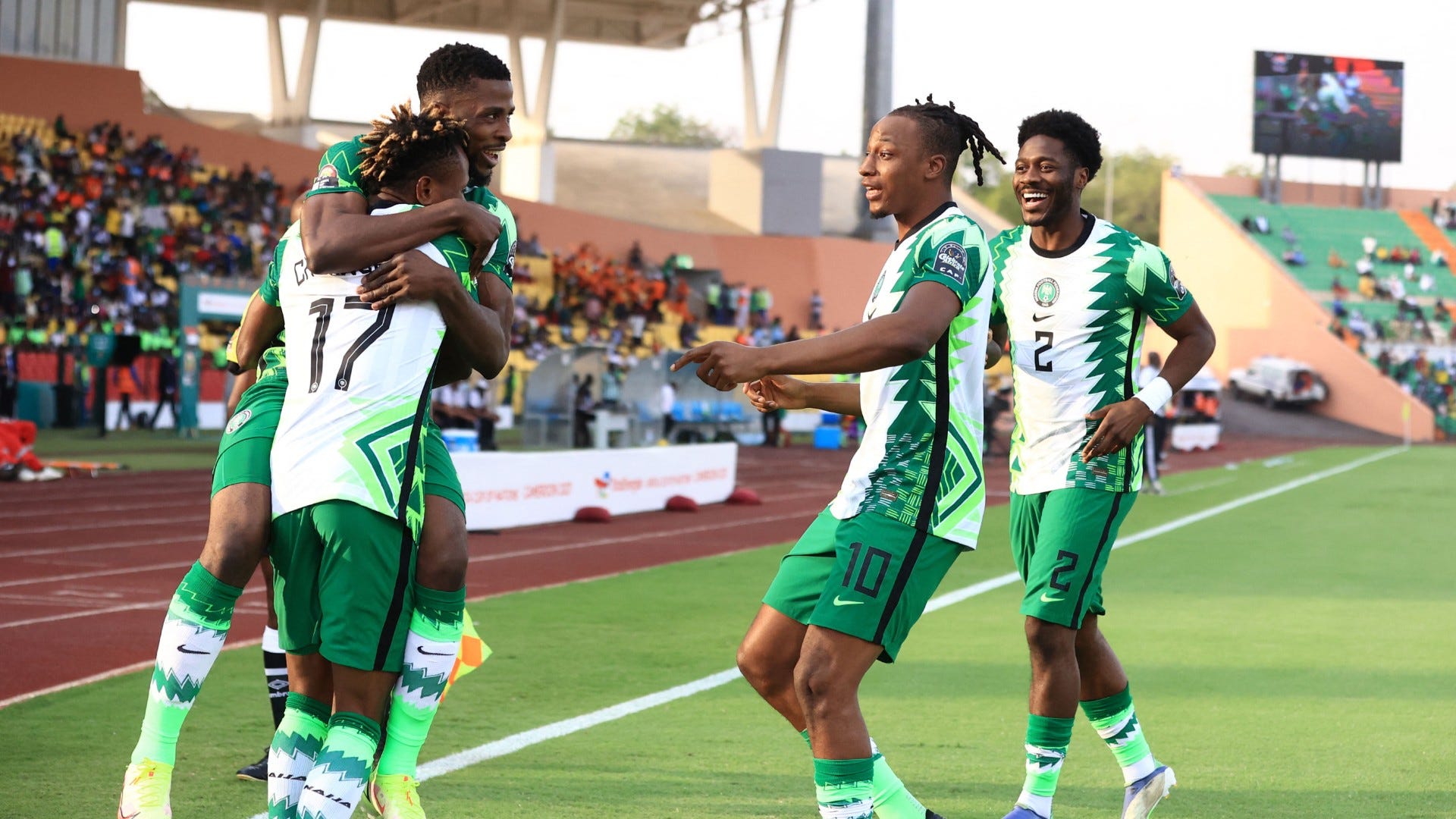
    Nigeria’s clash with Algeria in Oran headlines a number of high-profile friendly matches involving African countries during this international break.

    The Super Eagles will visit Algeria next Tuesday as Jose Peseiro tests a host of players but that will come after Ghana have faced Brazil in France on Friday.

    The Black Stars will use the match to prepare for the 2022 World Cup with the Samba Boys set to stretch them to the limit.

    Looking at the facts and numbers ahead of Nigeria and South Africa‘s opening match at the 2002 Women Africa Cup of Nations

    African champions Senegal have a date with Bolivia on Saturday while South Africa host Sierra Leone in another friendly encounter the same day.

    Nigeria, Super Eagles
    Getty Images | Super Eagles

    Algeria vs Nigeria

    Nigeria coach Peseiro will seek to make it three straight wins when the Super Eagles take on the Desert Foxes in Oran next Tuesday.

    Nigeria beat Sierra Leone 2-1 before thrashing Sao Tome and Principe 10-0 in the 2023 Africa Cup of Nations qualifiers in June but the 2019 African champions will provide a different kind of test.

    Nigeria and Algeria have faced each other six times with the Super Eagles winning thrice while the North Africans have managed one victory, the win coming during the 2019 Afcon semi-final when they won 2-1 en route to the final.

    Both teams missed out on a ticket to the World Cup in disappointing fashion during the playoffs, Nigeria falling to Ghana on away goals, while Algeria were edged out courtesy of a last-minute goal by Cameroon, having looked like they had sealed their ticket to Qatar.

    For Peseiro, it will also be an opportunity to test a host of new players, especially upfront, where captain Ahmed Musa, Samuel Chukwueze and Emmanuel Dennis were the latest to withdraw from the squad due to injuries, joining long-term injury absentees Victor Osimhen and Umar Sadiq.

    That leaves Lorient striker Terem Moffi, Cremonese’s Cyriel Dessers, Nottingham Forest forward Taiwo Awoniyi and Kelechi Iheanacho of Leicester City to battle it out for a starting berth.

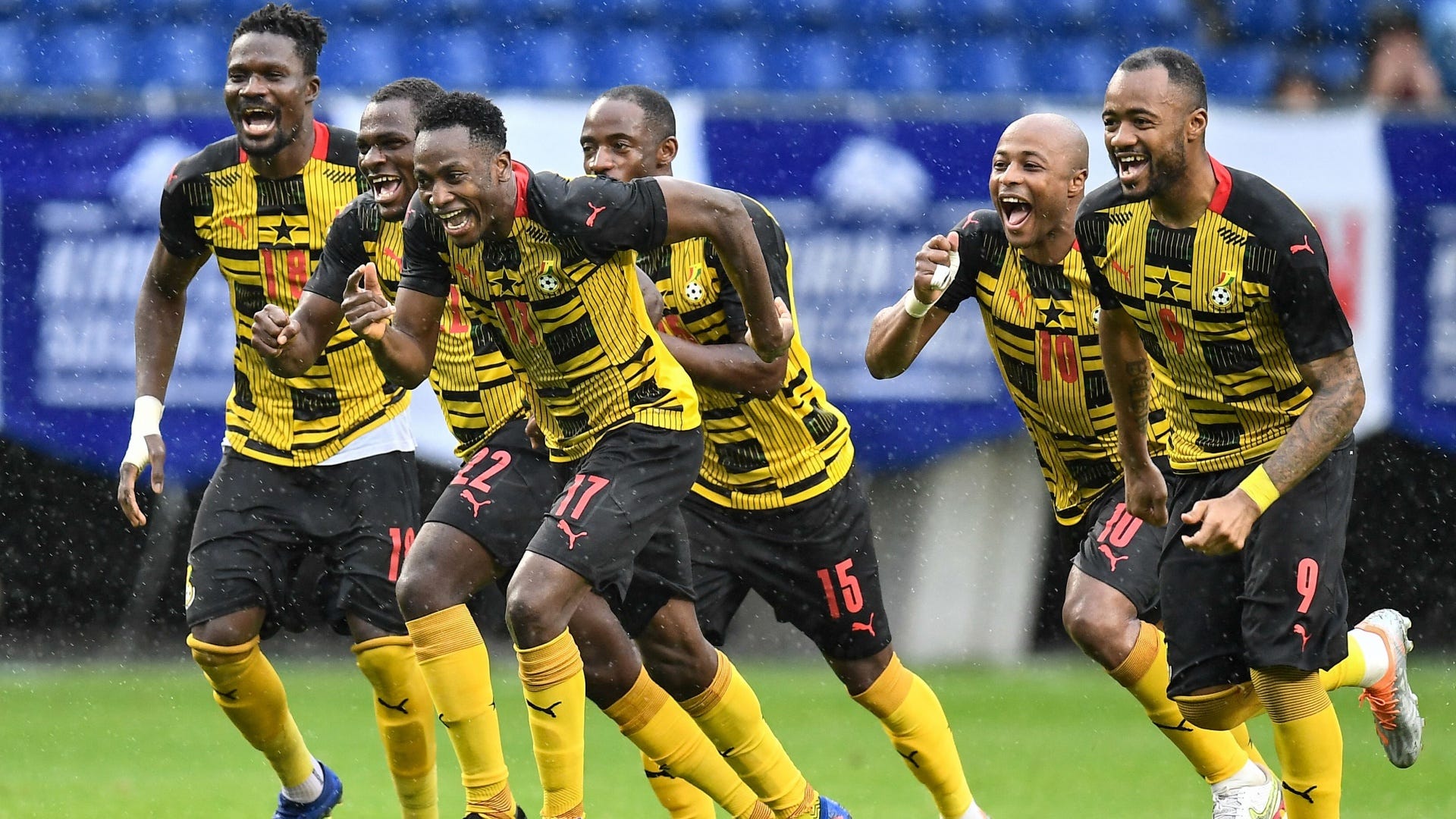
    • Ghana
      BlackStars of Ghana

      Brazil vs Ghana

      The glamour tie involving an African team, the five-time world champions will certainly provide Ghana with the one of their biggest tests in recent years during Friday’s meeting at the Stade Oceane in Le Havre, France.

      Brazil lined up with Thiago Silva and Marquinhos at centre-back with Alex Telles (left-back) and Eder Militao (left-back) as Casemiro and Lucas Paqueta were paired in central midfield while Neymar played just behind Richarlison as Vinicius Jr and Raphinha occupied the wings during Tuesday’s training.

      That might give Ghana coach Otto Addo a hint on how to line up or where to exploit as he prepares his charges for the high-profile encounter. Ghana have conceded five goals without reply in their three meetings with Brazil, losing 1-0 twice in 2007 and 2011 as well as 3-0 defeat in the 2006 World Cup at the Round of 16.

      While history favours the South Americans, Addo has a number of experienced players in his squad who can hold their own against the Selecao such as Thomas Partey, Daniel Amartey and the in-form Mohammed Kudus.

      He was also recently boosted by the availability of Inaki Williams, Tariq Lamptey and Mohammed Salisu who switched allegiance to the Black Stars in June.

      Ghana have Portugal, Uruguay and South Korea in their World Cup group and after falling to Japan and Chile in their last two matches, Brazil should give them a taste of what to expect in Qatar.

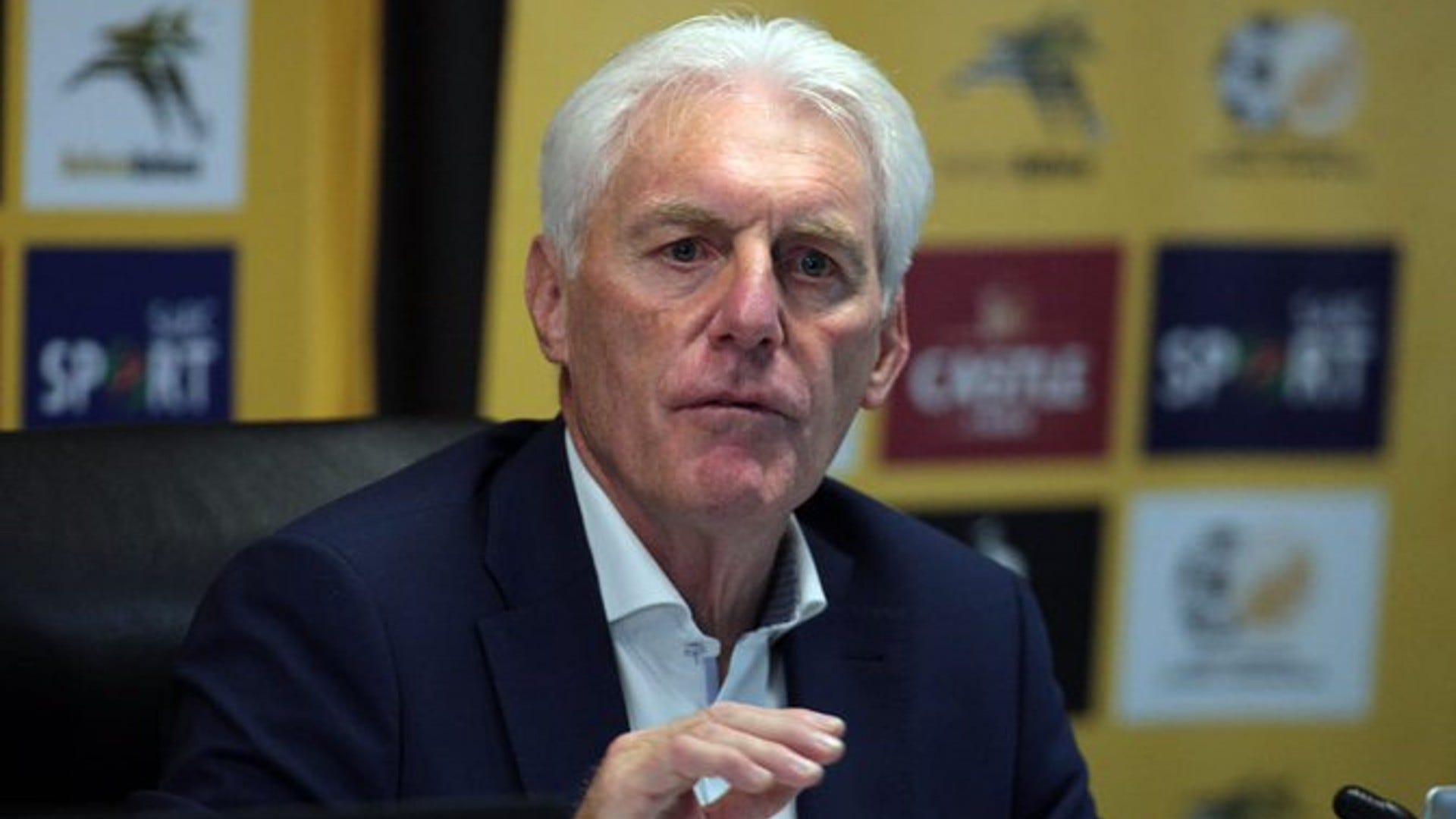
    • Bafana Bafana head coach Hugo Broos.
      Safa | Bafana Bafana

      South Africa vs Sierra Leone

      Bafana Bafana coach Hugo Broos can get some of his critics off his back with a victory against Sierra Leone in a friendly match at the FNB Stadium on Saturday.

      Broos was criticised for his selection and tactics following South Africa’s 2-1 loss to Morocco in the 2023 Afcon qualifiers in June and had to apologise for saying the PSL’s lack of ‘quality’ was the reason for the national team’s struggles.

      The Belgian coach has included Mamelodi Sundowns talisman Themba Zwane into the squad that has several newcomers, among them Melusi Buthelezi (TS Galaxy), Sibongiseni Mthethwa (Stellenbosch FC), Luke le Roux (Varbergs), Cyprus-based Mihlali Mayambela and Orlando Pirates marksman Zakhele Lepasa.

      Zwane was among the players Broos was criticised for not including and he will hope the 33-year-old can replicate his good club form with national team against the Leone Stars, whose last game was a 2-1 loss to Nigeria three months ago.

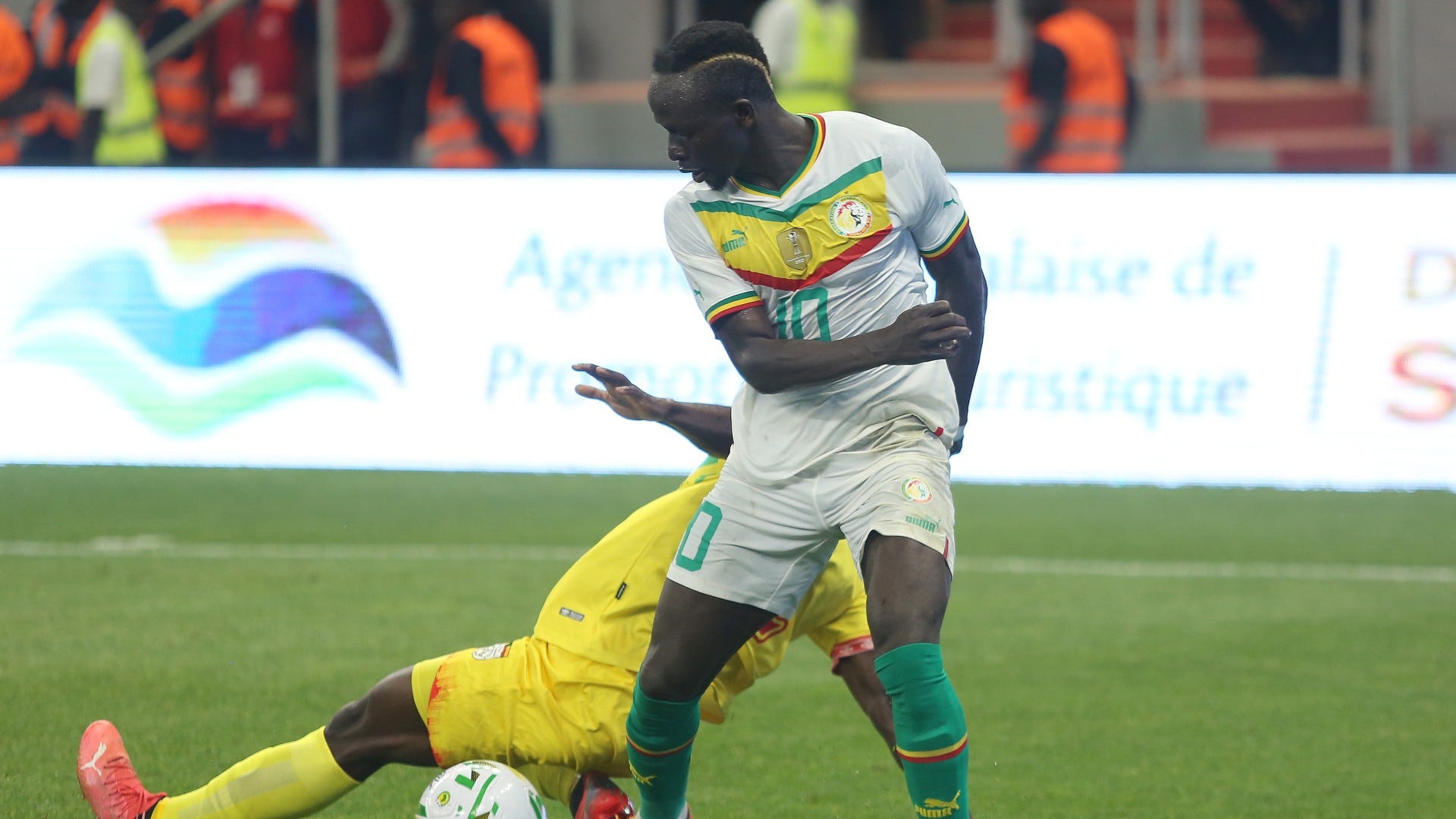
    • Sadio Mane of Senegal during the 2023 Africa Cup of Nations.
      BackpagePix | Sadio Mane

      Senegal vs Bolivia

      France will also host another top African nation this weekend as Senegal take on Bolivia at the Stade de la Source in Orleans, using the match as a tune up for the World Cup.

      Aliou Cisse’s men will face the Netherlands, the hosts and Ecuador in Group A in Qatar and the tactician has called up five new players, including Noah Fadiga, the son of Khalilou Fadiga, and Nottingham Forest defender Moussa Niakhate, as he looks to shake things up.

      Eight players from the victorious 2021 Afcon squad are missing due to injuries or a lack of game time with right-back Bouna Sarr out of the World Cup with a knee injury and left-back Saliou Ciss without a club. Spartak Moscow forward Keita Balde has also been handed a three-month ban due to a doping violation.

      However, with Chelsea pair Edouard Mendy and Kalidou Koulibaly, Everton’s Idrissa Gueye, Crystal Palace midfielder Cheikhou Kouyate, Watford’s Imaila Sarr and Bayern Munich superstar Sadio Mane available, the Teranga Lions have enough to cause Bolivia problems.

      Mane became his country’s top scorer with 33 goals when he scored a hat-trick in the 3-1 win over Benin before his penalty earned a 1-0 over Rwanda in the Afcon qualifiers in June and despite his goal drought at Bayern, he is still the man to watch against the South Americans.

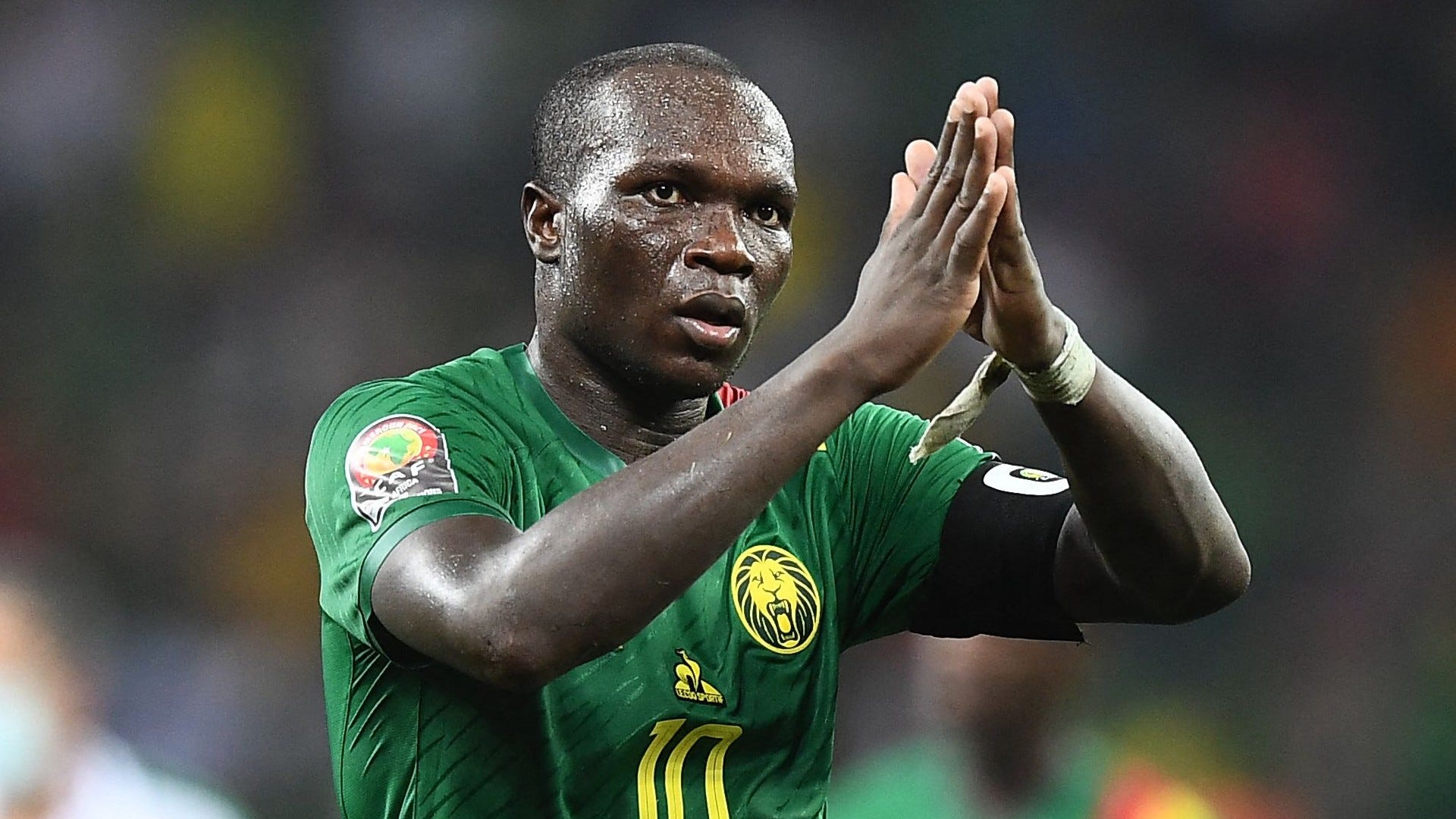
       Cameroon 2022
      Getty Images | Vincent Aboubakar

      Cameroon vs Uzbekistan

      The Indomitable Lions are under pressure to improve following their lacklustre 1-0 win over Burundi in June’s 2023 Afcon qualifiers when Fecafoot boss Samuel Eto’o read the riot act to the players for taking their positions in the team for granted.

      Rigobert Song’s men can start righting those wrongs against Uzbekistan in South Korea’s northern city of Goyang on Friday with Vincent Aboubakar set to captain the team.

      Song has handed Brentford forward Bryan Mbeumo his first call-up after he switched allegiance from France to Cameroon in August and he will likely make his debut against Uzbekistan.

      Cameroon are in a race against time to be ready for their return to the World Cup after missing the 2018 edition and have Switzerland, Serbia and Brazil to contend with in their group in Qatar.

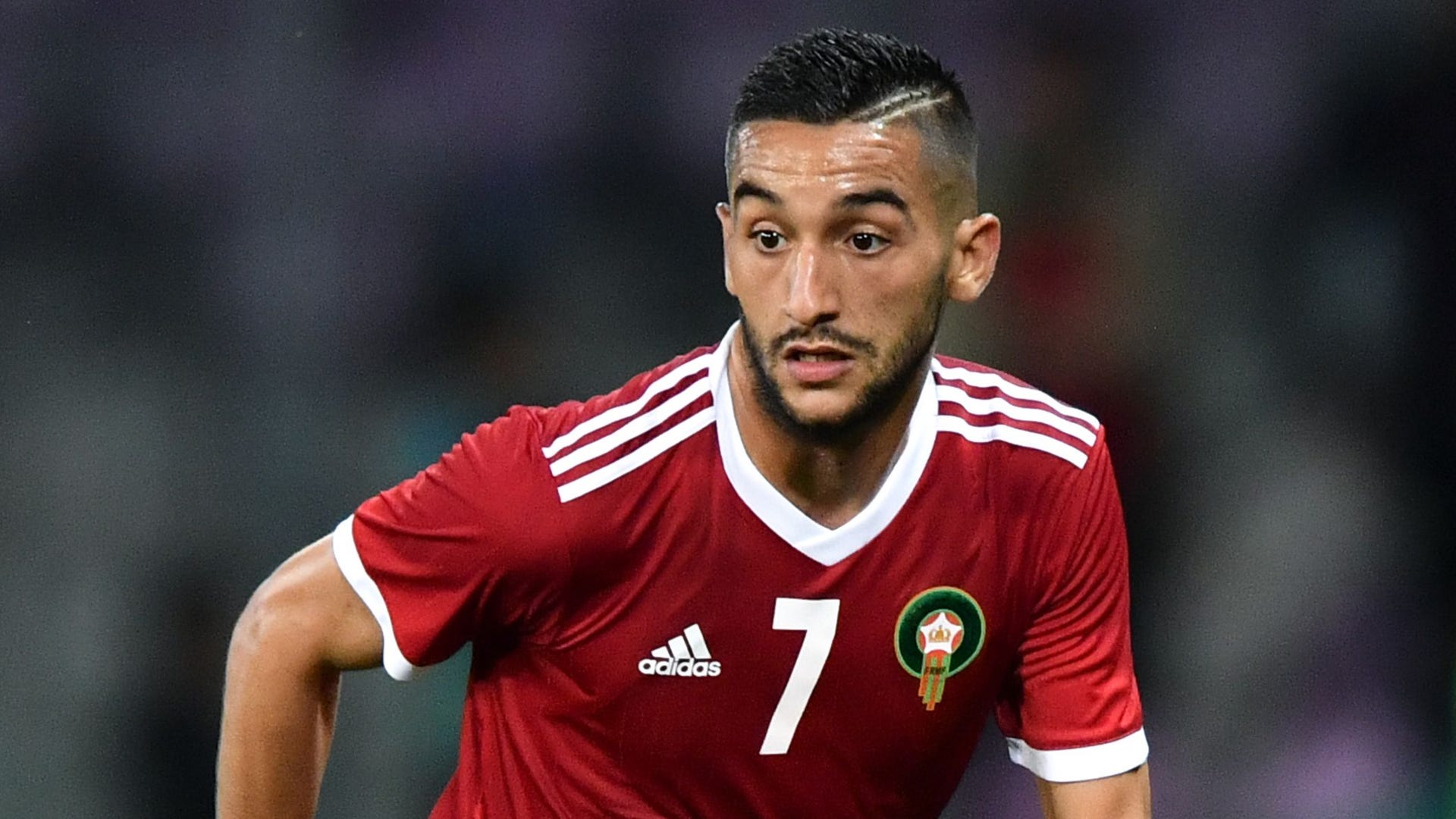
    •  Morocco
      Getty Images | Hakim Ziyech

      Morocco vs Chile

      Another World Cup-bound side taking on a South American team in this window, the Atlas Lions are under new management after former Wydad Casablanca coach Walid Regragui replaced Vahid Halilhodzic this month.

      Regragui’s first task was to repair strained relationships between players and the technical bench and that was seen from his selection of Chelsea winger Hakim Ziyech, who had retired from international duty after falling out with Halilhodzic, and the inclusion Bayern Munich full-back Noussair Mazraoui.

      Morocco will also have a number of youngsters for Friday’s friendly against Chile in Barcelona in what will be the first meeting between the two countries as the North Africans prepare for the global tournament in Qatar where they have Croatia, Belgium and Canada in their group.

      Source: goal.com

  • Bolivia orders arrest of ex-president Morales

    Bolivia’s attorney general on Wednesday ordered the arrest of exiled former president Evo Morales after the interim government accused him of sedition and terrorism.

    Public prosecutors in La Paz signed a warrant for police to detain the 60-year-old — who is in Argentina — and take him to the attorney general’s office.

    Morales fled Bolivia last month after civil unrest broke out following his re-election in an October 20 poll widely dismissed as rigged.

    The former trade union leader denounced the arrest order as “illegal, unfair and unconstitutional” on Twitter.

    “I’m not worried. As long as I’m alive I’ll continue with greater strength in the political and ideological struggle for a free and sovereign Bolivia,” he said.

    Read:Protesters forcibly cut off Bolivia Mayors hair

    Morales ruled the South American country for almost 14 years before resigning last month and leaving Bolivia.

    He initially received asylum in Mexico and then arrived in Argentina last week.

    The allegations against him stem from an audio recording released by Arturo Murillo, the interim government’s interior minister. In the recording, Morales allegedly tells one of his supporters to block trucks and interrupt the food supply to several cities.

    Morales was in Mexico at the time, the complaint alleges.

    – Food, fuel shortages –

    Murillo began legal action against Morales in November, after weeks of road blocks caused food and fuel shortages in the capital La Paz following his resignation.

    The ex-president countered by accusing the interim government of manufacturing the audio to damage him politically.

    The controversial October poll in which Morales was re-elected was annulled following an Organization of American States (OAS) audit that found clear evidence of vote rigging.

    Right-wing deputy senate leader Jeanine Anez took over as interim president and has vowed to call new elections early next year, although no date has been set.

    Read:Mexican government says it is concerned about situation in Bolivia

    The interim government has barred Morales from standing in the ballot.

    Bolivia’s constitution limits a president to two consecutive terms but Morales stood for a potential fourth term in October.

    Ahead of the last two elections, the constitutional court — filled with Morales loyalists — made controversial decisions authorizing him to run again.

    His detractors accused him of corruption and authoritarianism.

    Speaking from Buenos Aires on Tuesday, Morales pledged to back another candidate from his Movement for Socialism party this time around.

    “I’m convinced that we’ll win the next elections. I won’t be a candidate but I have a right to be in politics,” Morales told reporters.

    “My obligation now that I’m not a candidate, now that I’m not president, is to accompany candidates so that they can win the elections,” added Morales, who was Bolivia’s first ever indigenous president.

    Read:Bolivia president resigns after re-election triggered deadly protests

    Previously he insisted he’d been the victim of a coup and has launched near-daily Twitter attacks against Anez and her allies.

    Earlier on Wednesday he claimed US President Donald Trump — who hit out against Morales on Tuesday for provoking violence in Bolivia from afar — was behind the “coup.”

    Source: France24