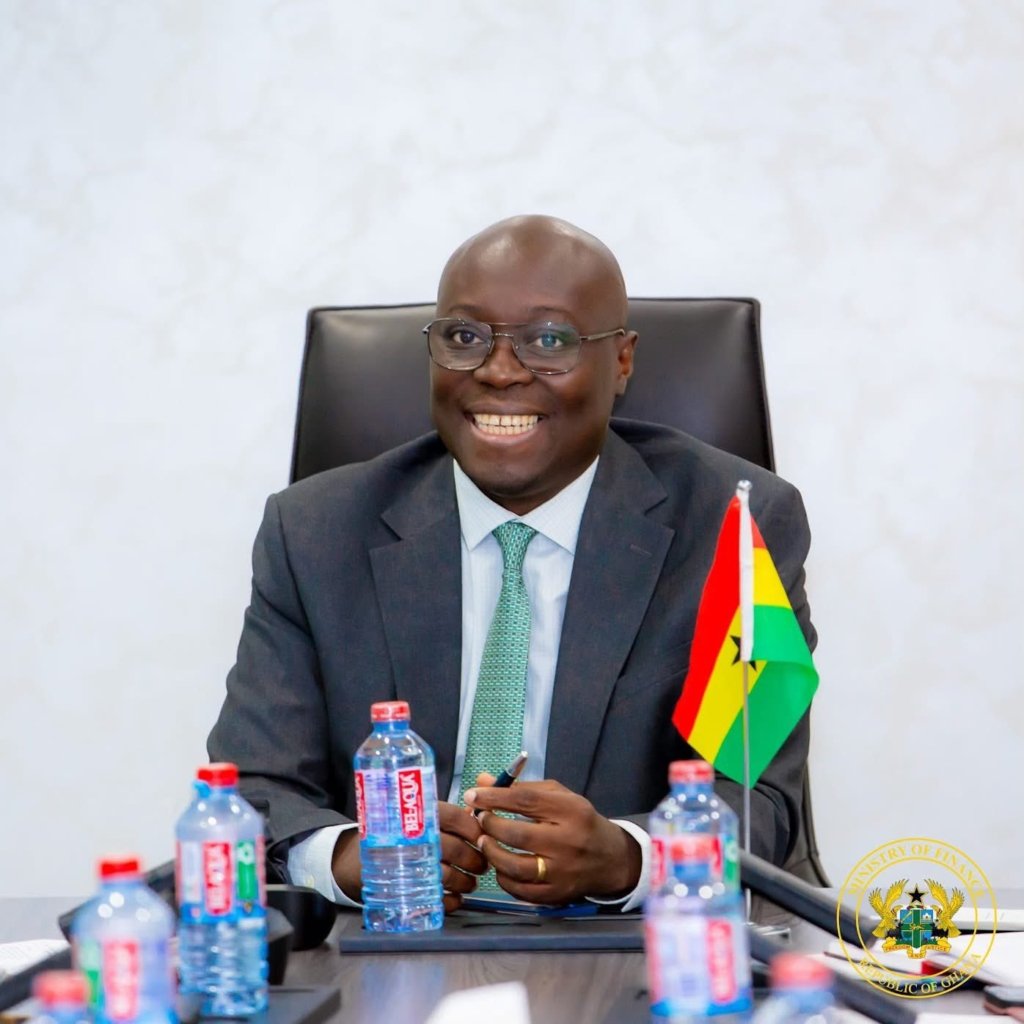
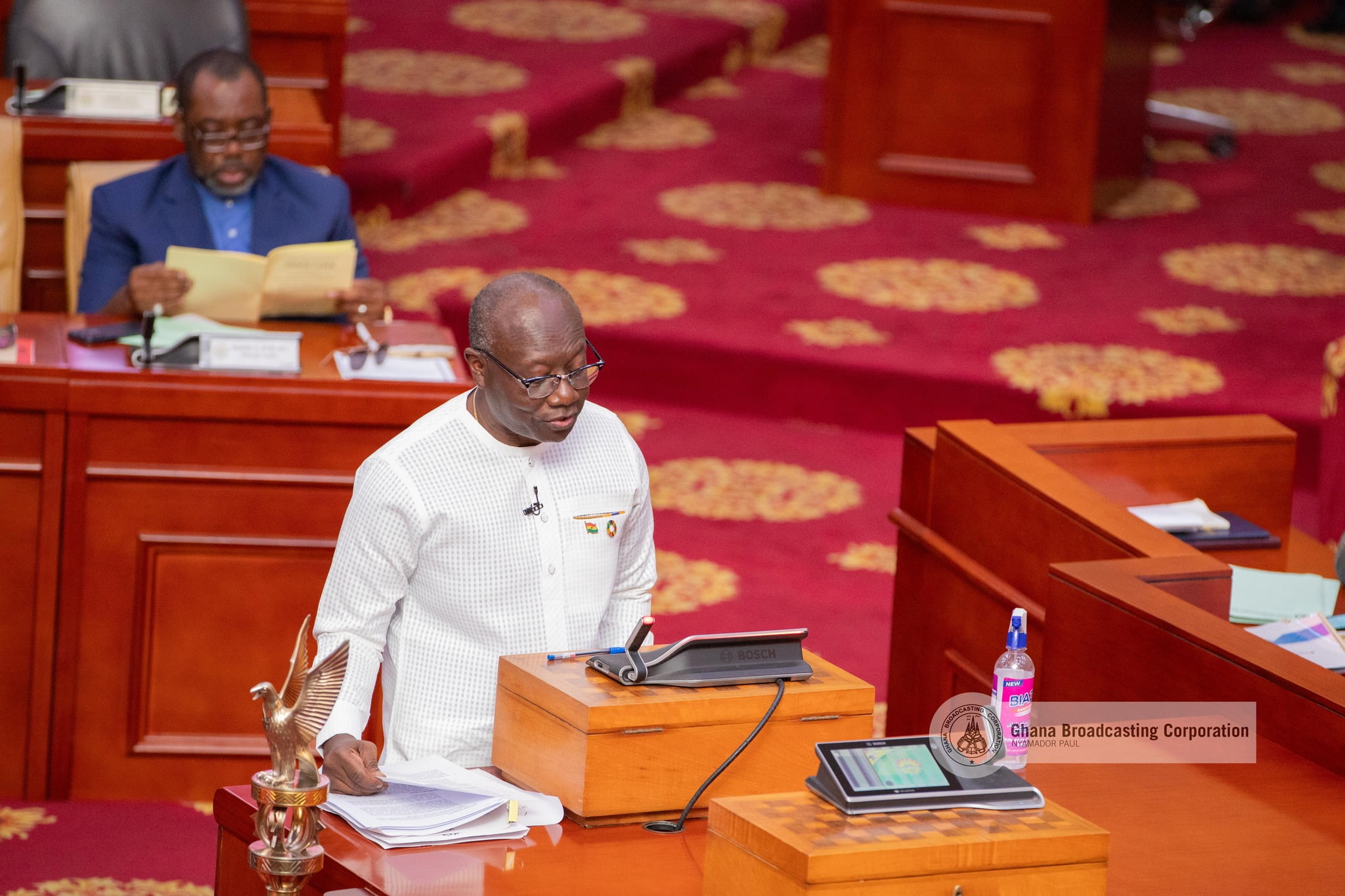
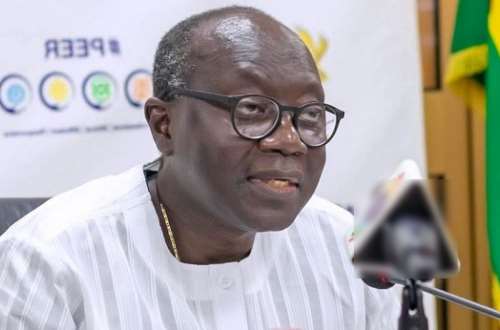
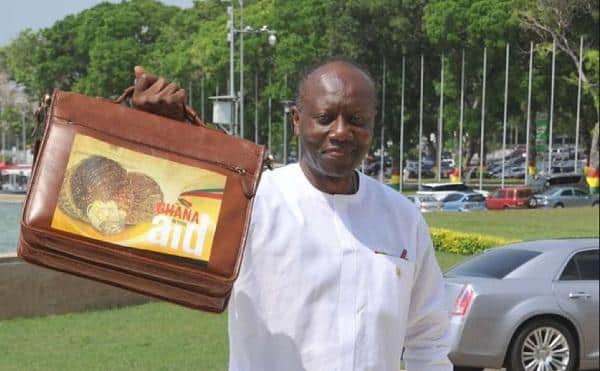
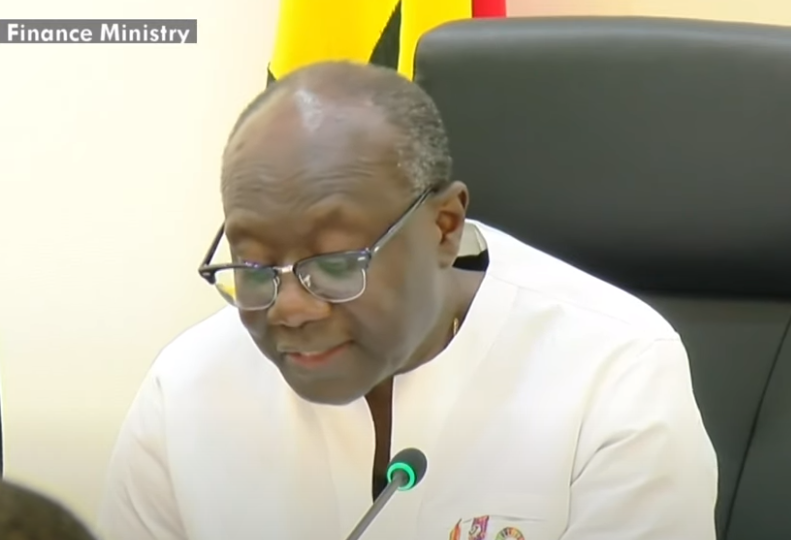
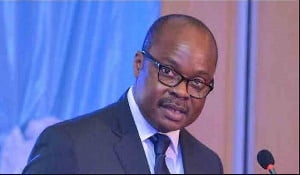
The Finance Minister, Dr Cassiel Ato Forson, appeared before Parliament yesterday, Thursday, July 23, to present the 2026 Mid-Year Budget Review.
The Mid-Year Budget Review in Ghana is a statutory requirement under Section 28 of the Public Financial Management Act, 2016 (Act 921). It is expected to be presented to Parliament by July 31 each year and serves as an accountability mechanism to assess fiscal performance and adjust policy.
It is anchored in the constitutional principles of transparency and accountability under Articles 179 and 187 of the 1992 Constitution.
This year’s Mid-Year Budget Review was framed around macroeconomic recovery, fiscal discipline, and debt sustainability. The Finance Minister stressed that Ghana would not introduce new taxes or a supplementary budget, instead focusing on consolidating gains from revenue reforms, stabilizing inflation, and strengthening fiscal rules.
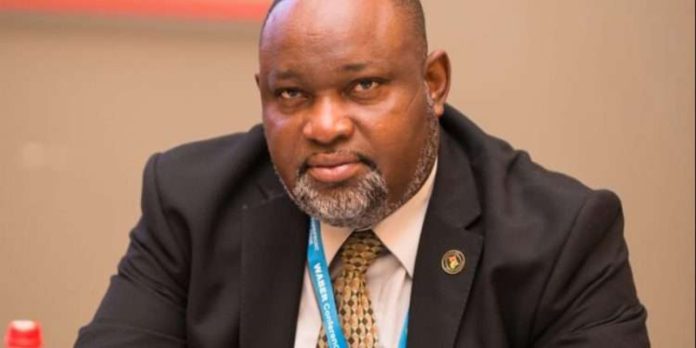
The Ghana Maritime Authority (GMA) has raised concerns over the strain caused by its expanding workforce, which is now stretching the organisation’s compensation budget beyond sustainable levels.
The issue has prompted discussions about potential staff layoffs, as revealed by GMA’s Director-General, Dr. Kamal Deen Ali.
In an interview with JoyNews’ Elton Brobbey, Dr. Ali explained that a recent internal audit found the number of staff at GMA far exceeds what is needed to meet its operational requirements. He pointed to the significant rise in the authority’s workforce over the past few years as a major contributor to budgetary challenges.
“We have a high budget in the area of compensation for workers’ salaries. Our workforce has grown almost 400% in the last few years. In 2017, we had fewer than 110 staff members, but by 2025, that number has neared 600. This has led to an unsustainable compensation budget,” he stated.
Dr. Ali further explained that this rapid increase in staff has not been matched by a corresponding financial growth in the organisation, making it difficult to maintain fiscal balance. He acknowledged that the current over-staffing situation is having broader implications for operational efficiency.
“Employees may not have enough to do. This issue, along with other structural concerns, is being reviewed to bring staffing to a reasonable level,” he continued. While Dr. Ali noted that layoffs are not yet finalised, he confirmed that they remain a potential policy option to address the issue. “Lay off is a policy issue, but yes, lay off is possible,” he added.
The GMA is currently exploring ways to adjust its staffing structure in a bid to balance its budget and streamline its operations.
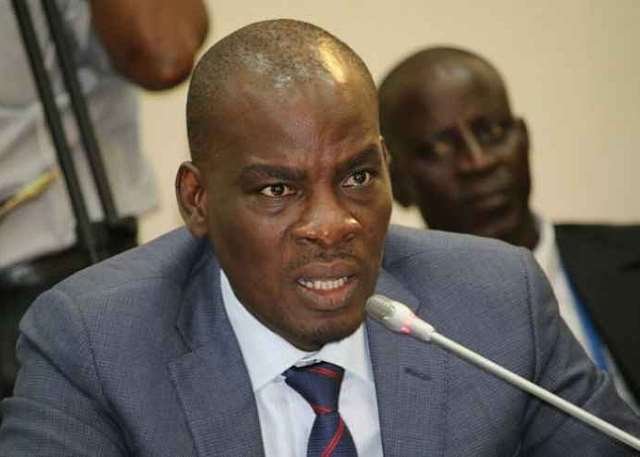
The Minister for Education, Haruna Iddrisu, has stressed that true development goes beyond economic growth, asserting that the well-being of Ghanaians should be the real indicator of progress, not just numerical gains.
Speaking on Joy FM’s Super Morning Show on Wednesday, March 12, he acknowledged that while the government has made some economic strides, the reality for many citizens does not reflect these improvements.
“The Finance Minister, in the 2025 Budget Statement, shared the state of the economy, an economy hard-hit by debt, in crisis, and on the verge of collapse,” he noted.
Haruna Iddrisu pointed out that while economic theories suggest growth figures as indicators of progress, they do not necessarily translate into better living standards.
He used the decline in the cocoa sector as a prime example to support his argument.
“The Ghana Cocoa Board, which was once the backbone of the economy, providing employment, foreign exchange, and stable income for farmers, is now heavily indebted,” he stated.
He noted that the 2025 Budget Statement revealed extensive national debt exceeding GH₵750 billion, along with substantial liabilities tied to the cocoa, energy, and road sectors.
In his view, the President’s first budget should not be seen as an instant remedy for all economic difficulties.
“That is why the Finance Minister called on Ghanaians to join him in building the Ghana we want,” he explained.
Mr. Iddrisu underscored the importance of correcting the missteps of past economic policies.
“The NPP government under Nana Akufo-Addo and Dr. Bawumia often claimed they were superior managers of the economy. Where was that superior sense when they only led the country into unsustainable debt?” he questioned.
He further pointed out that Ghana will have to bear a significant financial burden in the years ahead.
“Between now and 2026/2027, the burden is heavy. We have no excuse—we must service our debt,” he stressed.
Former Finance Minister Dr. Mohammed Amin Adam has criticized the government for setting up the Ghana Gold Board (GOLDBOD), alleging it is a scheme to siphon public funds.
Dr. Amin Adam contends that the GH₵270 million earmarked for GOLDBOD is unjustifiable, asserting that it is a calculated move to channel Ghana’s gold wealth into the hands of a privileged few within the ruling National Democratic Congress (NDC).
His comments come in response to Finance Minister Dr. Cassiel Ato Forson’s budget presentation on Tuesday, March 11, where he announced financial support for the yet-to-be-launched GOLDBOD.
The former minister argued that past gold purchasing initiatives, including the Gold-for-Oil policy, operated without direct government funding. Instead, these programs relied on a revolving fund managed by the Bank of Ghana, avoiding the use of taxpayer money.
He warned that shifting the financial responsibility of GOLDBOD onto taxpayers could have significant economic consequences, stressing that such a move threatens the long-term management of Ghana’s natural resources.
“We have never funded the gold purchase programme or gold-for-oil programme from the budget. It never happened and so to fund the GOLDBOD from the budget, in our view, is just to put in money to be benefited by NDC cronies. It is to create, loot and share.
“The Bank of Ghana was funding the gold purchase programme from a revolving fund and therefore it did not affect the taxpayer. Now you have a GOLDBOD which is going to rely on the taxpayer and we think that this creates loot and share and we will resist it.”
The MP for Cape Coast South, George Ricketts-Hagan, has highlighted the even distribution of seats between the New Patriotic Party (NPP) and the National Democratic Congress (NDC) in the current 8th Parliament as a primary factor behind the delays in passing the mini-budget.
Speaking on the Citi Breakfast Show on December 18, Ricketts-Hagan explained that the current “hung” Parliament has created a challenging environment for lawmakers to make decisions.
He also noted that this situation has revealed weaknesses in Ghana’s constitutional system, which was not designed to manage such a balanced legislative body.
Reflecting on the tenure of the 8th Parliament, which will end on January 6, 2024, Ricketts-Hagan described it as an unprecedented phase in Ghana’s political history.
He emphasized that the equal division of seats between the two main parties has resulted in frequent deadlocks and increased partisanship, which has complicated the legislative process.
He also pointed out that the Constitution does not provide clear guidelines for managing such a split Parliament.
“The 8th Parliament has been a unique and interesting one. Having what is known as a hung Parliament has contributed to all the challenges that we are talking about. And it has also exposed certain gaps that we have in our constitution.
“We have gotten into the situation that we are in today as a result of this very [8th] Parliament because we have never experienced this situation in doing a budget because what normally happens is that the mini-budget is usually done before the elections.
“And it is usually done in November, and the assumption is that the government that is doing so will continue to be the government going forward, or the opposition party could become the government, and so there is some level of uncertainty that allows the current government to put that budget in a way like they may continue or they may not.”
Stakeholders in the real estate sector are expressing concern over the government’s reinstatement of a 17.5 percent Value Added Tax (VAT) on the sale of immovable properties.
They contend that the tax is stifling sector growth and criticize the lack of consultation before its reimplementation.
They are urging the government to eliminate the tax, aligning with its promise to avoid new taxes in the mid-year budget review set for Tuesday, July 23.
The Executive Secretary of the Ghana Real Estate Developers’ Association (GREDA), Samuel Amegayibor, stated:
“They never engaged us. All of a sudden, there is a directive that the tax should be implemented, and then they have gone ahead to develop guidelines without a major stakeholder like GREDA.
“So how do you expect us to be your agent of tax collection and you don’t involve us in the guidelines, and then you just snap on us? I was surprised. I saw a copy of this guideline just last night. ”
He added: “As the Executive Secretary of GREDA, I have not seen what my sector is supposed to help implement for the government to make revenue. Then what are we doing? I think these are some of the things that we are talking about.
A past chairman of the New Patriotic Party (NPP) in the New Juaben Constituency, Kwadwo Boateng-Agyemang, expressed distress over the extent of wastefulness and the absence of accountability evident in government spending over time.
During an appearance on Top FM’s ‘Final Point’ program, Agyemang-Boateng underscored that the problem is exacerbated by the excessive politicization of matters.
“We turn everything into politics, and we, the politicians, defend it. We will bring up Saglemi, and argue that Nana Addo did this and Mahama did that. I keep saying that in this country, about 50% of the budget we prepare in Ghana goes to waste, and nobody is held accountable for that.
“You can bring another politician on the show after me, and the one thing he will do is rant about what someone has done, meanwhile, he has taken some money somewhere. But because of hypocrisy, he will come and criticize just to score a point,” he stated.
He emphasized the necessity of accountability, asserting that matters of national discussion should be addressed and resolved without political biases, as such tendencies hinder the country’s progress and impede national development.
The World Bank Group, in principle, has endorsed the accord on fundamental parameters of Ghana‘s proposed debt restructuring, as reached by the official creditors’ committee under the G20 Common Framework
This agreement, aligning with the Joint WB-IMF Debt Sustainability Framework, marks a pivotal step towards reinstating debt sustainability within the nation.
“This agreement will help unlock financial support by international financial institutions, including a US$300million budget support operation supported by IDA that will be considered by the World Bank’s Board of Executive Directors next week. This will help Ghana in its recovery, attracting investments and restoring a sustainable growth path,” said Ousmane Diagana, World Bank Vice President for Western and Central Africa.
The Resilient Recovery Development Policy Operation, the initial installment in a trilogy amounting to US$900 million, stands as a key component of the expansive World Bank commitment to bolster crisis response and resilience efforts in Ghana.
The nation channels US$4.3 billion in World Bank commitments through a range of national and regional projects, emphasizing private sector development, job creation, inclusive service delivery, and sustainable, resilient development.
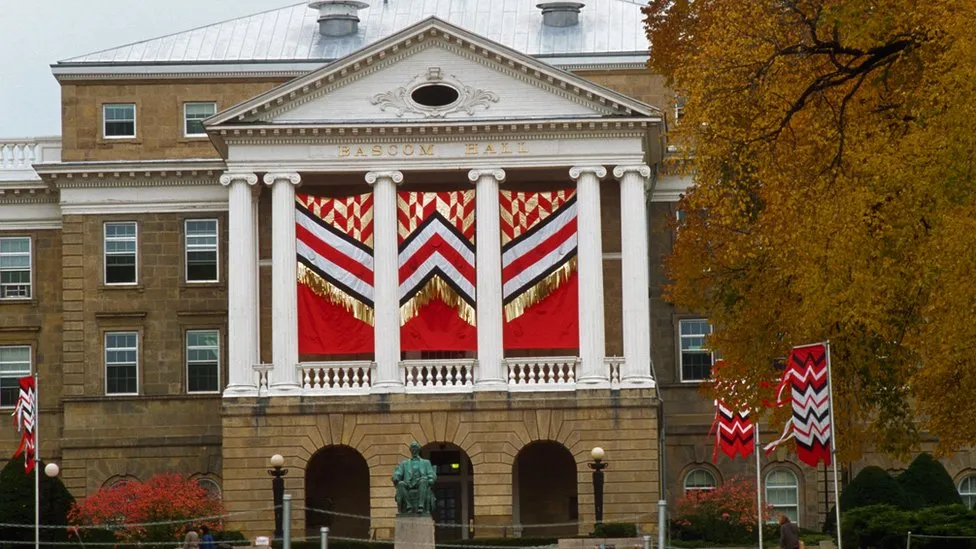
The University of Wisconsin has agreed to a deal that lowers the number of diversity jobs in its schools in return for giving staff raises and doing building projects.
Regents agreed to the deal on Wednesday night, which was supported by the Republican controlled state legislature.
The agreement, valued at $800 million, stops hiring new diverse employees until 2026 and changes the way 43 current positions work.
However, the state’s governor is against the agreement.
Tony Evers, who is a member of the Democratic Party, said that Republicans are using university funding as a way to push their own political ideas.
He said that the Republican Speaker of the legislature, Robin Vos, used bullying tactics to negotiate and does not like public education.
Mr Evers said that the school already agreed on pay raises for staff and money for campus improvements in the budget that was passed in July. He also mentioned that the state could have used its funds to help the school and stop people from losing their jobs.
The budget that was approved by Republicans gave a six percent raise to many state workers. But a committee led by Republicans later decided not to give the raise to University of Wisconsin workers.
Mr Evers said that the Republican’s vote today shows they are using their power too much and in the wrong way to control and disrupt the government.
After the vote, university leader Jay Rothman said the agreement was needed to make both sides happy.
Mr Vos said it’s just the beginning of our efforts to get rid of diversity, equity, and inclusion practices at University of Wisconsin campuses.
The group voted 11 to 6 to approve the plan in a video call. Last week, they said no to the deal with a 9 to 8 vote because Democrats complained about the limits on DEI funding.
Some of the leaders who changed their mind said they needed more time to look at the plan.
“The vice president of the board, Amy Bogost, said that we can’t ignore the big problems that our universities are facing. She, along with two others, changed their vote to support the deal. ”
The Regents who said no to the deal thought that the way it was made could cause problems in the future.
“I didn’t join this board to get involved in political games,” said regent Angela Adams, as reported by the Associated Press. “In my opinion, we shouldn’t trade financial support for promoting diversity, equity, and inclusion on campus. ”
Many democratic state politicians criticized the deal, and Rep Dora Drake said it was “racist”.
“It’s unfair to students, teachers, and staff who are people of color because their experiences should not be valued based on money,” she said.
The debate started after the US Supreme Court said in June that universities can’t use a person’s race when deciding who to admit.
Affirmative action policies aim to make schools more diverse. However, conservatives have strongly criticized them.
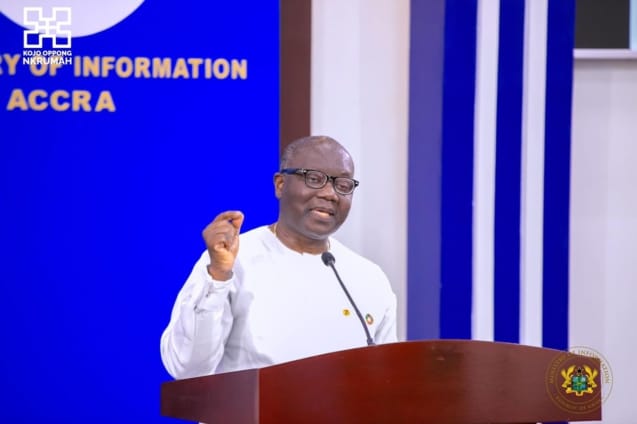
Information Minister Kojo Oppong Nkrumah has lauded the 2024 budget, characterizing it as a robust and sensible economic policy.
Stressing the need to minimize excessive partisanship, he called on all stakeholders to fulfill their respective responsibilities to attain the outlined objectives.
“…this economic policy is sensible and pragmatic, the budget is healthy and sensible. We all have a responsibility and we must live up to it so that we to achieve objectives. Let us avoid the excessive partisanship,” he said.
On Tuesday, November 21, 2023, Parliament initiated discussions on the 2024 Budget Statement and Economic Policy. To foster broad participation in the debate, specific time allocations have been suggested: 20 minutes for the seconder and Ranking Members of the Finance Committee, 15 minutes for other committee members, and 10 minutes for all other Members of Parliament (MPs).
The debate will cover various sectors, including governance, security, public safety, finance, economy, energy, infrastructure, social sectors, local governance, youth, sports, tourism, and culture.
The proposed timetable outlines discussions on finance, agriculture, trade, and industry for Tuesday. Wednesday’s focus will be on communications, energy, roads, works and housing, sanitation, and the environment. Thursday’s agenda includes education, health, employment, youth and sports, tourism, culture, and chieftaincy.
On Friday, the debate will center around governance, encompassing local government, judiciary, defense, interior, the Electoral Commission, National Commission for Civic Education, and the Commission on Human Rights and Administration of Justice.
The Akufo-Addo administration has outlined a revenue projection of GH¢176.4 billion for the year 2024.
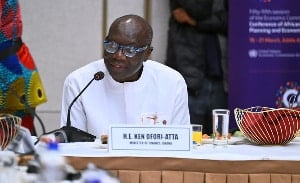
Finance Minister Ken Ofori-Atta disclosed this information during his budget presentation to parliament on Wednesday, November 15, 2023.
Despite this projected revenue, the government plans to allocate a total expenditure (commitment) of GH¢226.7 billion, as stated by Mr. Ofori-Atta.
The total revenue and grants for 2024 are expected to be GH¢176.4 billion, constituting 16.8 percent of the GDP. This revenue projection relies on permanent revenue measures, primarily tax revenue measures, amounting to 0.9 percent of the GDP.
The Finance Minister clarified that the total expenditure (commitment basis) projection for 2024 represents a decrease of 6.1 percentage points of GDP compared to the 2022 outturn.
“This large decrease comes from the combination of fiscal consolidation efforts of 4.9 percentage points of GDP, reflecting an adjustment in revenue by 1.0 percentage points and primary expenditure by 4.0 percentage points of GDP”, he noted.
The minister said the potential interest rate saving from the ongoing external debt operation “will further bolster public finance sustainability”.
In terms of budget balances and financing operations for 2024, Mr. Ofori-Atta conveyed that, according to the estimates for total revenue and grants and total expenditure (including arrears clearance), the overall budget balance to be financed is a fiscal deficit of GH¢61.9 billion, equivalent to 5.9 percent of GDP.
Additionally, he noted that the corresponding primary balance is a deficit of GH¢5.9 billion, equivalent to 0.6 percent of GDP.
Member of Parliament for Yapei-Kusawgu, John Jinapor, claims the Finance Minister, Ken Ofori-Atta, will impose a new tax in the 2024 Budget to raise an additional GH 11 billion.
“We just met the Minister of Finance at the Finance Committee and the minister indicated that he intends to raise an additional GH₵11 billion, which is about 1 percent of GDP but we have told him that we think that the people have been taxed so much that it will be inappropriate to come with new taxes; rather, the minister should look at cost cutting,” Jinapor said.
He added, “I think that it is improper and unacceptable to further come out with new taxes and increase the tax burden on Ghanaians.” The Finance Minister, Ken Ofori-Atta, is set to present the government’s 2024 Annual Budget Statement and Economic Policy to Parliament on Wednesday, November 15, 2023.
Leading up to the presentation, there are widespread calls for the government to significantly curtail its expenditures to alleviate the struggling economy.
Last week, the Chief Executive Officer (CEO) of Dalex Finance and Leasing Company Limited, Kenneth Thompson, issued a warning about a potential economic downturn in 2024 if the government persists in its current trend of escalating and substantial expenditures.
In related discussions, Member of Parliament for Dormaa East, Paul Twum Barimah, hinted at the government’s potential introduction of an emission tax to address the impacts of climate change.
Also, Albert Sandaare, the Member of Parliament for Daffeama Bussie Issa, suggested that the government should consider either eliminating the COVID-19 levy or renaming it.
The Minister of Finance, Ken Ofori-Atta, is set to present the government’s 2024 Annual Budget Statement and Economic Policy to Parliament on November 15, 2023, as announced by the Speaker of Parliament, Alban Sumana Kingsford Bagbin, during a session in Accra.
The Speaker emphasized the importance of scrutinizing the budget to ensure it meets the needs of all Ghanaians.
He called for a consultative and consensus-building approach in the budget approval deliberations, noting the House’s demonstrated capacity and experience in this regard.
“A few days from now, we will be hosting the Minister of Finance to present the budget statement for the 2024 financial year. We are proposing that it be done on the 15th of November. Please kindly take note of the date.
“As our oversight responsibility requires, we will have to scrutinize the budget to ensure that it serves the needs of all Ghanaians,” adding that “I believe this house will adopt a consultative and consensus-building approach throughout this process. We have demonstrated enough capacity and experience in budget approval deliberations and this will be no different,” he stated.
Mr. Bagbin also stressed the urgency of passing the budget bill, enabling Parliament to engage technical personnel to comply with recent legislations.
In the meantime, the Finance Minister has acknowledged the Akosombo Dam spillage’s impact and indicated that long-term relief measures for the affected communities would be considered in the 2024 budget.
He mentioned that while some relief items had already been provided, more assistance would be included in next year’s budget to address the situation effectively.
“We have mobilized a few things that we would like to share but I think we are also in the budget season and therefore it will not just be numbers that we are working on but true feelings in the field and therefore the need to look at these social interventions in a real way. We will certainly give this an expression immediately and also in the budget,” he stated.
Nigeria’s budget for 2024, which amounts to $26.11 trillion naira ($34 billion), has been made public.
According to Budget Minister Atiku Bagudu, the budget is predicated on an oil price of $73.96 per barrel and an exchange rate of 700 naira to the dollar.
The plan also allots 7.78 trillion naira for civil servant wages and pensions and 8.25 trillion naira for debt payment.
Bagudu further mentioned that in the upcoming year, the economy is predicted to expand at a rate of 3.76%. However, the nation is currently dealing with inflation that is at a 20-year high of 27.72%; it is predicted that this rate will decline to 21% in 2024.
Since 2016, Nigeria has struggled with double-digit inflation, which has prompted the central bank to drastically boost interest rates.
President Bola Tinubu is under increasing pressure to address the country’s economic problems, which were made worse after the removal of a long-standing gasoline subsidy, which led to a 50% depreciation of the naira and a tripling of fuel prices in Africa’s top oil producer and most populous country.
Government has provided a commitment to adhere to budgeted expenditures, even though 2024 is an election year.
This assurance was given by the Minister of Finance, Ken Ofori-Atta, during a meeting held in London with holders of Ghana’s international bonds.
He affirmed that despite the upcoming election year, the government would adhere to the budget outlined in the International Monetary Fund (IMF)-supported plan, which is set to be presented to Parliament next month.
After implementing the Post-COVID-19 Programme for Economic Growth (PC-PEG)-supported IMF program for four months, Ghana’s economy is beginning to display signs of stability.
In the first half of the year, the gross domestic product (GDP) growth has averaged 3.1 percent. Inflation, which had reached a 22-year high of 54.1 percent in December 2022, has declined to a 12-month low of 38.1 percent in September.
On the fiscal front, the primary balance on a commitment basis for the first half of the year showed a surplus of approximately GH¢2 billion, surpassing the targeted deficit of GH¢4 billion.
The Gross International Reserves (GIR) also reached $2.1 billion, which is equivalent to 1.0-month import cover. This is an improvement from the $1.5 billion (0.6 months of import cover) recorded at the end of December 2022, and it has contributed to the stabilization of the cedi.
As Ghana approaches another election year, concerns have arisen within the investor community about maintaining this growth trajectory, given the historical overspending associated with election years, leading to substantial budget deficits.
Many are apprehensive that the progress achieved under the three-year Extended Credit Facility with the IMF could be undermined during an election year. Nonetheless, Mr. Ofori-Atta has provided assurance that the government will remain committed to the program and the 2024 budget.
“Ahead of the 2024 election year, let me assure you that we are committed to implementing the IMF supported PC-PEG as planned, and this is what our constituents expect from us,” he stated.
“This will help us further support the strong economic recovery,” the Finance Minister added.
Mr. Ofori-Atta emphasized that, in light of the significant impact of last year’s crisis, Ghanaians are now looking to the government for the delivery of macroeconomic stability, a rapid return to low inflation, and the sustained stabilization of the cedi’s value. They are not expecting an expansion of public spending.
“This is completely in line with the successful implementation of our IMF programme,” Mr Ofori-Atta stated.
The minister emphasized the government’s dedication to maintaining a comprehensive array of policy reforms, backed by the IMF. Their primary objective is to guarantee fiscal and debt sustainability, which will involve revising the Fiscal Responsibility Act, 2018 (Act 982), and expediting the implementation of the Integrated Tax Administration System.
Mr. Ofori-Atta noted that the government is also directing its efforts towards financial sector reforms, with a focus on bolstering the capital reserves of commercial banks, enhancing the Bank of Ghana’s (BoG’s) inflation targeting framework, and rebuilding international reserves buffers.
“We are also working on social protection and structural reforms, including expanding the coverage and enhancing the benefits in real terms under the Livelihood Empowerment Against Poverty Programme, the National Health Insurance Scheme and the School Feeding Programme,” he stated.
The Institute of Statistical, Social and Economic Research (ISSER) is promoting the establishment of financial constraints on the Bank of Ghana’s involvement in supporting the government’s budget.
In its evaluation of the government’s 2023 Mid-Year Budget, presented by the Finance Minister on July 31, Professor Peter Quartey, the Director of Research at the Institute, elucidated that the deficit financing conducted by the Bank of Ghana has unfavorable repercussions on national inflation, cash flow dynamics, and the stability of the exchange rate.
Dr. Quartey highlighted the example of Chile, where strict legal limitations have been implemented to prevent any form of direct or indirect financial backing of public expenditures by the Central Bank, except under wartime circumstances.
“Similar practices are observed in countries like Germany, Switzerland, and the Netherlands, where legislation enforces strict boundaries on direct central bank credit to the government, while permitting the acquisition of government paper through open market operations,” he added.
Regarding the GH65 billion impairment loss attributed to the governmental Domestic Debt Exchange Program that the Bank of Ghana recorded in 2022, the ISSER Director stated, “BoG haircut on DDEP was necessary at the time but what brought us here should not be repeated. Deficit financing of GH¢53,150 million out of a total financing of GH¢65.156 billion”.
“Clear limits on government financing should be set and enshrined in our Laws,” Prof. Quartey added.
ISSER also urged the government to increase tax mobilization efforts and impose rigorous spending constraints in order to achieve debt sustainability and price stability, particularly in the domestic economy.
The host of Good Morning Ghana, Randy Abbey, has expressed bewilderment over the government’s classification of sanitary pads as luxurious items.
Despite pleas from Civil Society Organizations to remove the importation tax on sanitary products, in order to make them affordable for all women and girls, the government has not taken any action in this regard.
During the 2023 mid-year budget review statement delivered by the Minister of Finance, Ken Ofori-Atta, in parliament on Monday, July 31, 2023, Randy Abbey expressed disappointment that the government did not address this essential need for women and girls.
He questioned whether the government has overlooked the concept of period poverty and its significant impact on women and girls.
Despite the urgent calls for affordability and accessibility of sanitary products, the matter seems to have been overlooked in the budget review.
“Do you in classifying some particular items as luxury and slapping the luxury tax on them, add sanitary pads. I am sure there were women at the table …you’ve not read about period poverty and its implications?,” Randy Abbey asked government.
It would be recalled that the Speaker of Parliament, Alban Bagbin, on June 23, 2023, expressed strong abhorrence at the imposition of taxes on sanitary pads in the country.
He described the passage of laws by parliament to impose the tax on sanitary pads as “unconscionable and a cardinal sin.”
Currently, Chapter 96 of the Harmonized System lists sanitary items, which are subject to a 32.5 percent tax on imported sanitary pads, which is made up of a 20 percent import fee and a 12.5 percent VAT.
A chartered economist, has said that mid-year budget review presented to parliament provides an accurate depiction of the current state of the country.
As a lecturer at Kumasi Technical University, he emphasized that the presentation acknowledged the challenges faced by the country and outlined the government’s efforts to tackle them.
Dr. Anumah explained that the budget review addressed critical issues such as high food prices, inflation, and the depreciation of the cedi, while also highlighting the measures taken to stabilize the economy.
Speaking on Nyankonton Mu Nsem on Rainbow Radio 87.5Fm, he stated that, from an economist’s perspective, the economic challenges are being adequately addressed, and the economy is showing signs of stability.
Finance Minister Ken Ofori-Atta, in his speech to Parliament on July 31, 2023, reported modest progress in reviving the Ghanaian economy after the severe economic difficulties faced in 2022. He also highlighted the positive outcomes of the government’s plans and programs.
Despite this optimistic outlook, the Minority expressed a different view, describing the budget presentation as misleading and stating that it exacerbated the hardships faced by Ghanaians.
However, Dr. Anumah countered this argument, asserting that things are gradually returning to normal, and any opposing views might be driven by political motives.
“Because I understand the system and have followed the issues, I can say that the mid-year budget review accurately reflected our situation. We have turned the corner today, but now we must focus on maintaining our gains.”
“We, economists, are not like politicians who will make political liberal claims and speak obliquely after the Minister has submitted the budget. We follow the issues and therefore comment objectively.”
“Any reasonable person will admit that things have changed,” he said. Even without figures, any reasonable person can see that things have changed by comparing our challenges last year to what has happened this year”.
In response to the 2023 mid-year budget review presented in Parliament on August 2, the Minority Leader, Dr. Cassiel Ato Forson, criticized the Central Bank for being responsible for the depletion of Ghana’s external reserves.
During his address, Dr. Ato Forson highlighted that the Bank of Ghana’s printing of money led to the unprecedented depreciation of the Ghanaian Cedi, which resulted in hyperinflation in 2022.
According to him, the value of the Cedi plummeted from GH¢6 to $1 to over GH¢15 to $1 in 2022, representing a staggering 100% depreciation on a straight-line calculation.
The combination of this severe depreciation and the soaring inflation rates has had profound economic consequences, causing even the once wealthy to fall into the middle-class category, and pushing the already impoverished population further into hardship.
Dr. Ato Forson further emphasized the alarming impact of inflation, as it forced approximately 850,000 people to slip below the poverty line in 2022, as reported by the World Bank.
This concerning situation has prompted calls for accountability from the Central Bank for its role in the country’s current financial challenges.
Dr Ato Forson said despite the earlier spirited denials by the Bank of Ghana and the government, “the government now admits that indeed the Bank of Ghana printed money to finance its over-bloated government expenditures in 2022”.
“Paragraph 8 of the IMF Staff Report gives further detail that the Bank of Ghana illegally printed over GHC45 billion representing 7.2% of GDP in 2022 alone, and GH¢35 billion in 2021. This is the first in the history of Ghana”, he said.
Describing the Central Bank as “a crime scene”, the Minority Leader said the government was instrumental in the commission of the sins of the Bank. “The Bank of Ghana is certainly a crime scene and the economic managers led by Mr. Strategist aided and abetted this economic crime”, Dr Ato Forson added.
He said on the watch of the current managers of the economy, Ghana’s public debt shot up from GH¢120 billion in 2016 to GH¢600 billion by the end of 2022, representing an increase of about 400%.
The Minority Leader pointed out that following the high debt levels, the country could not honour its obligations to its local and foreign debtors. “As a result of these high debt levels, Ghana defaulted in the repayment of both our domestic and foreign debts, the first time in our history”.
He said this explains why pensioners picketed at the Ministry of Finance to demand the payment of their interest and principal, which was another unenviable first in the history of Ghana. He added that that “rating agencies downgraded Ghana’s credit worthiness to “D”, in other words ‘super junky’.
Dr Ato Forson observed that the Ghana’s financial sector has virtually collapsed, with all the 23 banks in the country recording “massive impairment losses of over GH¢18 billion in 2022”.
He said “this is excluding the impairment losses of the non-bank financial institutions and the insurance companies”, adding that “the cost of the economic mismanagement by this government is unprecedented”.
Former deputy minister of finance Dr. Ato Forson claimed that the Bank of Ghana has also suffered as a result of the domestic debt restructuring carried out by the Akufo-Addo/Bawumia administration.
In fact, the Bank of Ghana is bankrupt and in severe financial crisis, he declared, calling for immediate intervention.
The Bank of Ghana reported losses totaling over GH60.8 billion and negative equity exceeding GH55.1 billion in 2022.
President of the Ghana Union ofTradersAssociation (GUTA), Dr. Joseph Obeng, has called the 2023 mid-year budget read in front of lawmakers on Monday, July 31, 2023, “empty.”
He claimed that neither the high cost of doing business nor the high taxes paid on commodities were addressed by the government.
Dr. Obeng continued by saying that the recent spike in utility prices was hurting the business community.
Speaking in an interview on TV3’s Ghana Tonight programme, the GUTA President said, “The budget did not touch on the high cost involved in doing business, no revision on taxes, high interest rate and high inflation issues have not been solved. Inflation from 53% to 42% is not acceptable, nothing has changed, there is no new thing in the budget.”
“Effects of the IMF and high exchange rate did not help; utility bills have gone up to 50% all these are not good for businesses,” he stated.
Dr. Obeng advised the government to implement expenditure cuts to alleviate the financial burden on the country.
Amidst the economic crisis, he expressed concern that Ghanaians were facing significant hardships and suggested that the government should implement more stringent measures to bring relief to the citizens.
The mid-year budget review statement, presented by Finance Minister Ken Ofori-Atta, was a requirement under the Public Financial Management Act 2016. Its purpose is to update the Parliament and the public on the country’s economic progress and to outline any necessary adjustments to budgetary allocations and policies.
The mid-year budget review did not include any mention of taxrevisions, which may come as a relief to the business community and all Ghanaians.
Prior to the budget presentation, various trade unions, experts, and the minority in parliament had warned the government against any potential tax hikes or the introduction of new taxes in the mid-year review.
Finance Minister Ken Ofori-Atta, during the review’s presentation, emphasized that there was no need for a supplementary budget, indicating that the government did not seek additional funding for the projects outlined in the 2023 budget.
Instead, the government made downward revisions to its Appropriation, reducing allocations from GH¢227.7 billion, as initially presented and approved in November 2022, to GH¢206.0 billion.
Furthermore, key macro-fiscal targets for 2023 were also revised as part of the mid-year budget review.
The Minister announced several revised economic indicators for 2023:
i. The overall Real GDP growth rate is projected to be 1.5 percent, down from the previous estimate of 2.8 percent.
ii. The Non-Oil Real GDP growth rate is expected to be 1.5 percent, down from the previous estimate of 3.0 percent.
iii. The end-period headline inflation is projected to be 31.3 percent, significantly higher than the previous estimate of 18.9 percent.
iv. The Primary Balance on Commitment basis is expected to have a deficit of 0.5 percent of GDP, which contrasts with the previous surplus of 0.7 percent of GDP. This adjustment aligns with the IMF-supported PC-PEG target for Primary balance.
v. The Gross International Reserves (programme definition) are projected to be sufficient to cover at least 0.8 months of imports of goods and services by 2023.
The Minister attributed the downward revision in projected growth for 2023 to a general slowdown in all three sectors of the economy, which was influenced by factors such as the fiscal consolidation plan and challenging global conditions.
However, the Minister provided an optimistic outlook for the subsequent years. He stated that overall GDP growth is anticipated to rebound, with projections of 2.8 percent, 4.7 percent, and 4.9 percent for the years 2024, 2025, and 2026, respectively. These positive forecasts are attributed to the implementation of growth-oriented and structural transformation strategies outlined in the PC-PEG.
Moreover, the Minister highlighted the importance of developing an enhanced Growth Strategy in accordance with the PC-PEG’s directives. This strategy aims to encourage private domestic and foreign investments to further stimulate economic growth and generate more job opportunities. The government expressed confidence in the private sector’s ability to contribute to this growth and employment expansion.
Today, Monday, July 31, 2023, Minister for Finance, Ken Ofori-Atta, is scheduled to present the Mid-year budget to Parliament. This highly anticipated review will primarily focus on outlining a comprehensive set of growth strategies, all geared towards promoting greater stability and prosperity for Ghana’s economy.
Ghana, like many other nations, has encountered significant economic challenges due to the impact of COVID-19 and the ongoing conflict in Ukraine. These external factors have significantly influenced the nation’s economic trajectory.
Nevertheless, the government aims to address these issues and capitalize on growth opportunities through the Mid-year budget. By implementing effective strategies and policies, the government seeks to steer the country’s economy towards a positive trajectory.
In particular, there are speculations that the energy and cocoa sectors will be given priority for transformation in the Mid-year budget, given their crucial roles in Ghana’s economic landscape.
Sources from the Ministry of Finance indicate that the reform agenda for the energy and cocoa sectors is part of a broader Transformation and Growth Agenda. This initiative aims to tackle immediate policy and financing challenges while propelling the nation towards greater stability and prosperity.
It is believed that the “Ghana Mutual Prosperity Dialogue Framework” will serve as a cornerstone of these reforms, promoting shared growth anchored on job creation, exports, and import substitution.
The upcoming energy sector reforms are poised to concentrate on ensuring a reliable and efficient energy supply, which is crucial for promoting industrial growth and overall economic development.
Addressing weaknesses within the energy sector is expected to attract investments, stimulate economic activities, and ultimately lead to job creation.
Likewise, the cocoa sector, being a significant agricultural export for Ghana, is slated for substantial modernization to enhance production, improve value addition, and increase export earnings. These advancements will directly benefit cocoa farmers and communities reliant on cocoa cultivation.
Revitalizing the cocoa sector can play a pivotal role in driving inclusive growth and reducing poverty in the country.
By focusing on these pivotal sectors and implementing strategic reform measures, the government aims to establish a favorable environment for private sector-led investments, further boosting economic growth.
Moreover, the emphasis on sustainable economic growth and development aligns with long-term objectives to enhance the overall standard of living and quality of life for the people of Ghana.
On Friday, July 28, 2023, Finance Minister Ken Ofori Atta will participate in an extensive meeting with Members of Parliament.
This meeting serves as a preliminary discussion ahead of the forthcoming 2023 mid-year review and the potential presentation of a supplementary budget, which is scheduled for Monday.
Before the house, Speaker Alban Bagbin disclosed the meeting’s aim to be that,
“On Friday, the Minister of Finance will be available to hold an intensive meeting with Members of Parliament. This is an agreement entered into between leadership and the Ministry of Finance as a prelude to the presentation of the mid-year review and possibly a supplementary budget on Monday.”
An extensive meeting with MPs is expected to serve as a platform for in-depth discussions and consultations regarding the upcoming mid-year review and any potential supplementary budget proposals.
In the latest update, Parliament has officially confirmed a new date for Finance Minister Ken Ofori-Atta to present the highly anticipated 2023 Mid-Year Budget Review. Originally scheduled for July 25, 2023, the presentation had to be rescheduled and will now take place on Monday, July 31, 2023.
The Mid-Year Budget Review, mandated by Article 179 of the 1992 Constitution and the Public Financial Management Act 921, provides a crucial opportunity to reassess macroeconomic targets and present a comprehensive economic outlook for the remaining fiscal year.
This budget review holds significant importance as it marks the first major financial statement of the government since Ghana secured a substantial $3 billion International Monetary Fund (IMF) extended credit facility.
During the session, Finance Minister Ken Ofori-Atta is expected to provide Parliament with updates on the measures taken by the government to stabilize the economy in the aftermath of the IMF deal.
The Director of Operations at Dalex Finance has strongly emphasized the drawbacks of using treasury bills as a means to finance the country’s debts.
According to him, relying on treasury bills, which are short-term debt instruments, to finance long-term debts could lead to a “disaster waiting to happen.”
Joe Jackson, as reported by norvanreports, expressed concern over the government’s lack of determination in addressing the escalating expenditure, which has resulted in high interest rates in the treasury bills market.
In the government’s latest auction, interest rates on treasury bills have reached 30%.
Despite the increasing interest rates, the government has managed to surpass its targets recently.
However, looking ahead to the mid-year budget review, which is scheduled to be presented by the finance minister on July 25, 2023, Joe Jackson, the analyst, is urging the government to be transparent and forthcoming about fiscal matters.
He also called for clarity on the government’s strategy to tackle the GH¢60 billion budget deficit
Okyenhene Osagyefo Amoatia Ofori Panin has called on the Ghanaian government to take action in ensuring the effective functioning of institutions and promoting development in key areas.
The traditional ruler expressed his concerns about the current centralized administration, where most government ministries and headquarters are concentrated in Accra. He believes that this concentration is impeding progress and equitable growth across the entire nation.
Okyenhene’s plea for decentralization arises from his observation that certain ministries lack a compelling reason to be located in the Greater Accra Region. During a recent gathering, he specifically pointed out the Ministries of Agriculture and Lands and Forestry as examples that should be relocated from Accra.
“Baby step development, we talk about it but it doesn’t yield any response. 66 years after independence and if you are traveling from Accra to Kyebi or Kumasi then you are frightened because the roads are not good.
“So, I plead with you it is not easy for all of us, sometimes you see people asking that since you came as a chief what developmental projects have you embarked on?
“But how do I develop without a budget, all of the time, we are calling the assemblies for certain things and they tell you that there is no money? So, if the assembly says there is no money and Okyenhene also doesn’t have money then it means that we will suffer, and the people suffer.
“So, we have to have the guts to change how things work. Moreover, I have told the government that we should change things, for instance, the Ministry of Agriculture what is it doing in Accra? What form of agriculture is in Accra that the workforce is there?
“Ministry of Lands and Forestry what is it doing in Accra? The only one we can agree on is maybe is Defense and Fisheries and the rest can be distributed among the regions and when that happens, what you are doing is that you are developing the town and spreading the opportunity for people to work and stay where they are and by that, you are also increasing taxes and revenue,” he said.
He also underlined the need for reform and said that the current government processes are not operating as they need to.
“What I am saying is I had written papers to Professor Mills and Kufour about how we can change this, but their fear is that when they distribute such an opportunity, they might lose something which is not true. The only thing they will lose is that they won’t get the opportunity to spend the money anyhow.
“We need to change this country and the change means that the systems that we have it is not working, it is not working. You can go to school and become a doctor, you will complete and for about five years no work, you can go to school and become an engineer, I haven’t seen anywhere that someone has gone to learn a mechanical engineer and for about two, three years the person doesn’t have work, engineering and you don’t have work,” he lamented.
The Ghana National Chamber of Commerce and Industry (GNCCI) is calling on the government to consider incorporating tax reliefs in the upcoming mid-year budget review.
This measure is believed to provide much-needed relief for businesses and contribute to their recovery.
According to the Chamber, the austerity measures introduced in the 2023 budget as part of the IMF bailout program have had a significant negative impact on local businesses. With the current improvements in macroeconomic conditions, the Chamber argues that the government should remove some of these burdensome taxes.
Clement Osei-Amoako, the President of GNCCI, emphasized the importance of the mid-year budget review in demonstrating the government’s commitment to alleviating the challenges faced by businesses. As the Minister of Finance prepares to present the review, the Chamber hopes to see measures that will ease the suffering of businesses and support their growth.
“Government sought assistance from the IMF, and through that implemented a series of reforms. These reforms included tightening monetary policy, raising taxes and implementing automatic adjustments to utility tariffs among others. While these actions were intended to rectify fiscal imbalances and promote economic stability, they have resulted in higher operational costs for businesses operating in the country. Regrettably, numerous local businesses are collapsing while others are relocating in response to these challenges.
“It is crucial that government swiftly reconsiders its tax policies and streamlines the tax structure to ensure fairness, reasonableness and support for business development without any delay,” he fumed.
GNCCI tax
He spoke at an event dubbed ‘Chamber Bazaar’ in Accra, and lamented that tax measures such as the Excise Duty, Growth and Sustainability Levy, as well as high utility tariffs, currency depreciation and high fuel prices are having a negative impact on businesses.
While calling for some tax policies such as the COVID-19 Levy, Growth and Sustainability Levy among others to be relaxed or revised downward, Mr. Osei-Amoako said government must also consider innovative ways to widen the tax net.
The GNCCI is of the firm belief that by creating a favourable business environment, government can unlock the private sector’s true potential and drive resilient economic growth, leading to a prosperous Ghana.
Expensive ports thwarting growth prospects
Another area the Chamber believes needs a rethink is the country’s ports. It bemoaned the huge fees and charges producers pay when importing raw materials for onward production.
It said the current high import duties on raw materials and machinery meant for local production is not the way if government is serious about promoting industrialisation and supporting domestic businesses to be competitive within the African Continental Free Trade Area (AfCFTA).
Chamber Bazaar
The Chamber’s president made these strong requests on the sidelines of the three-day Chamber Bazaar launch in Accra, under the theme ‘Harnessing business potentials through trade fairs and exhibitions’. The Bazaar aims to provide a platform for businesses to showcase their products, services and innovative ideas to a diverse audience.
“The ‘Chamber Bazaar’ is yet another initiative by the GNCCI to support local businesses and contribute to overall economic growth of the country. The GNCCI remains fully committed to fulfilling its legislative mandate of promoting and protecting the commercial and industrial interests of our country,” he said.
Vice President of the Liberia National Chamber of Commerce, Natty Davis – a guest at the launch, expressed admiration for the GNCCI and its continuous efforts to introduce innovative initiatives that promote business growth in the country. He commended their commitment to supporting the business community.
Davis also mentioned that the Liberian Chamber is actively engaging with its counterparts in Ghana to foster collaboration, create synergies, and leverage each other’s competitive advantages. The goal is to enhance intra-African trade and strengthen economic ties between the two countries.
The exhibition featured various brands, including Extra Fashion, Salem Upholstery, African Diamond Cable Co. Ltd., Amalena Children’s Haven, T.T. Brothers Ltd., and others, showcasing their products and services.
Security and Risk Leadership Consultant, Dr. E.K Agyemang, has advised business owners to initiate projects that will be completed without delays to meet their goals or objectives.
According to him, it is imperative for businesses to start projects when they have the resources to undertake the projects and be able to complete them.
Speaking during an interview on Masterclass, Dr. Agyemang, mentioned that employees must bear in mind the budget that is available in order for them to undertake feasible projects.
“You must initiate and complete projects, don’t judge for the sake of projects”, he said.
He further stressed that people must take into account the budget available to them when making plans to execute projects to ensure the continuity of the project for the duration it was intended to last.
“You must look at the budget and the strength of your company and the resources that can be given to you. And you must budget within that particular frame”, he mentioned.
He also encouraged business owners to have plans and procedures in place to guide, monitor and evaluate their projects when they undertake them to ensure that the project is executed the right way and yields the intended result.
On the topic of security, Dr. Agyemang said, organisations need to prioritise the safety of the machinery from possible attacks and also the safety of their employees.
Nigeria’s President Muhammadu Buhari has signed into law a budget of more than $45 billion (£37 billion) for 2023.
It is his administration’s final budget.
According to the budget, the government intends to sell some public assets in order to reduce the massive deficit, which amounts to just less than 5% of GDP.
Along with the main budget, there is an additional budget to deal with the aftermath of the recent nationwide floods, which damaged critical infrastructure.
A large portion of the budget is funded by the earnings from crude oil, but volatility in the oil price has meant that borrowing has increased and forced the government to look for other ways to raise funds.
Mr Buhari’s two terms in office will come to an end after voters elect hissuccessornext month.
Economist Joe Jackson has stated that the government of Ghana missed an opportunity to deal with the nation’s debt and economic crisis through the 2023 budget statement and economic policy.
Reacting to the details of the budget presented to parliament by the Minister for Finance, Ken Ofori-Atta, on Thursday, November 24, 2022, Mr Jackson said in an interview with Joy News that the government failed to apply sound judgment in preparing the budget.
According to the economist, the government ignored key ministries with the capability of pursuing the nation’s economic recovery by starving them of funding while allocating significant funds to some agencies with questionable usefulness.
“I’ll be honest just this evening I got what I thought was a reliable version of the tables and I started looking through, some of the numbers just don’t make sense to me. Why is there 80billion still there for the Cathedral? Forgive me, I don’t know. Why is there a contingency vote of 1.4 billion?
“The office of government machinery, I don’t care where you came from, why is it at 1.4billion? Guess what? Ministry of Food and Agric, do you know how much we’re giving them? 1.2billion. Do you know how much we’re spending on free SHS? 2.9billion. The Council of State is receiving more money than the Food and Agric Ministry,” he said.
He noted that the government missed an opportunity on both fronts to bridge the trust gap between the citizenry and the markets in the 2023 budget.
“The point is this, we want reassurance, we want to believe that this government can even carry the rest of the country with the austerity budget it has to impose. We want to believe somebody is trying to bridge the trust gap between the government and the public. That can be done when you trim down and all of us feel that you’re taking the pain as much as we have to take the pain,” he said.
The government of Ghana is hoping to rescue the country’s challenging economy through several policies outlined in the 2023 budget.
Estimates made using the 2022 budget shows that , every Ghanaian owes approximately GH¢15,175.32.
Given the current public debt stated in the budget amounting to GH¢467.37 billion (US$48.87 billion), shared among the 30.8 million Ghanaian population, amounts to a debt of GH¢15,175.32 per person.
The domestic debt component, according to the budget, is GH¢195.65 billion making a 31.79 percent of GDP while the external debt stock was at 58.1 percent of GDP with GH¢271.71 billion.
For a decade now, the public debt has increased by about 159.67% – from US$ 18.82 billion (GH¢35.38 billion) in 2012 to US$ 48.87 billion (GH¢467.37 billion) in 2022.
The year 2022, has been on a downward stream with rising inflation and depreciating of the cedi.
Loss to depreciation of the cedi amounted to added external debt stock of of GH¢93.86 billion There have also been vast increases in the public debt on month-on-month bases.
The diagram gives the public debt per person for the year 2022. The increase per month is associated with the increases in the public debt.
On average the public debt person increased by 32.89% from January 2022 to October 2022.
Members of Parliament will today, November 29, 2022, begin debate on the 2023 budget statement presented by the Minister of Finance, Ken Ofori-Atta last week.
Portions of the budget have been met with opposition as industry players lament the impact it will have on their businesses and livelihood.
The government intends for the 2023 budget to focus on strategies to restore and stabilise the macroeconomy, build resilience, and promote inclusive growth and value creation.
The budget statement featured updates on Ghana’s engagement with the International Monetary Fund for a $3 billion programme, the macro-fiscal performance of the economy; the YouStart initiative under the Ghana CARES Programme; climate action strategies; fiscal measures and debt management strategies to ensure fiscal and debt sustainability and promote growth.
Among the new policies proposed in the budget, which are likely to be implemented under an IMF programme, will be a freeze on public sector employment and new tax measures as the government moves to cut down expenditure and boost revenue.
The freeze on employment has already courted criticism from the Minority in Parliament and the Trade Union Congress.
Among the notable proposals, the Electronic Transfer Levy headline rate is to be reduced to 1 percent, Value Added Tax will be increased from 12.5 percent to 15 percent, the benchmark discount policy is to be fully phased out in 2023 and an additional income tax bracket of 35 percent is to be introduced.
Business development consultant Kwame Okyere Darko has described the 2023 budget as the most disrespectful budget by any government in the history of Ghana.
According to him, the measure proposed by Finance Minister Ken Ofori-Atta to reduce the government’s expenditures is an insult to the people of Ghana.
“This is the most disrespectful budget ever. When we were experiencing dumsor, the president acknowledged it any time he speaks because he had some respect for Ghanaians.
“For the past few months, Ghanaians have been complaining about the expenditure of the government, they have been saying that the government should cut down costs because it is the main cause of the challenges the country is facing.
“And when he (the finance minister) come to tell us about the government reducing expenditure he said the government is coming to change the number plate of land cruisers.
“This government does not respect us. This particular leadership of the NPP, they don’t take us for anything,” he said in Twi in an XYZ TV interview monitored by GhanaWeb.
Kwame Okyere Darko made these remarks in response to Finance Minister Ken Ofori-Atta’s announcement that the use of V8 and V6 vehicles by government officials will cease in January 2023 as a cost-cutting measure.
The finance minister made the revelation when he presented the 2023 budget in parliament on November 24, 2022.
He said, “A ban on the use of V8s/V6s or its equivalent except for cross-country travel. All government vehicles would be registered with GV green number plates from January 2023.”
He also said, “there will be a limited budgetary allocation for the purchase of vehicles. For the avoidance of doubt, the purchase of new vehicles shall be restricted to locally assembled vehicles.”
“Only essential official foreign travel across government including SOEs shall be allowed. No official foreign travel shall be allowed for board members…Accordingly, all government institutions should submit a travel plan for the year 2023 in mid-December of all expected travels to the Chief of Staff,” he added.
The minority party’s spokesperson on finance, Cassiel Ato Forson, has questioned the government’s motivation to reach an agreement with the IMF priorto the preparation of the 2023 budget.
“I doubt in the next six weeks we are going to have a programme. That will be a magic of a lifetime,” he said on Eyewitness News.
In his view, any deal before the 2023 budget will not be in Ghana’s interest.
“It will mean we are just going to be yes men and accept everything they say,” said Mr. Forson.
The Director of Strategy and Business Operations at Dalex Finance, Joe Jackson, however, said he was willing to give the Finance Minister some benefit of the doubt.
He added that the targets are aggressive, but both parties are operating with an awareness of the urgency of the situation.
“Unless somebody shows me any reason that the team is not going to work day and night to achieve that target, I will be cautiously optimistic,” Mr. Jackson said.
An IMF team is in Ghana until October 7 to continue discussions with the government on policies and reforms that could be supported by a lending arrangement.
The Ministry of Finance and the Bank of Ghana have commenced a comprehensive debt sustainability analysis with the IMF for a $3 billion support programme.
The meeting with the IMF comes amid concerns that Ghana is about to start talks with domestic bondholders on a restructuring of its local-currency debt.
Finance Minister, Ken Ofori-Atta says government will fast-track negotiations with the International Monetary Fund (IMF) to ensure key aspects of the programme are reflected in the 2023 budget statement.
The Finance Minister at a press briefing on Wednesday said negotiations have been smooth so far.
“In line with the President’s dialogue with the IMF Managing Director, Kristalina Georgieva, negotiations will be fast-tracked to ensure that key aspects of the programme are reflected in the 2023 Annual Budget Statement in November 2022,” he added.
He said government is committed to ensuring that a comprehensive package is negotiated with the International Monetary Fund with the aim of restoring and sustaining macroeconomic stability, ensuring durable and inclusive growth, and promoting social protection.”
“In addition, the IMF and Government Team are working to update the medium-term macro-fiscal framework to inform IMF programme design.”
The Finance Minister said no agreement has been reached with the fund on the parameters of debt operations, as government is still in the process of completing the debt sustainability analysis.
Mr. Ofori-Atta stressed that everything will be done, to protect the financial sector; and there must be room for a win-win conversation through extensive stakeholder engagement with both the domestic and external investors.
He also indicated that the Development Bank Ghana (DBG), is supporting the private sector to invest in areas that will stabilize the economy over the medium to long-term, with positive knock-on effects on job creation and economic growth.
“I am extremely confident about where we will land on this journey. We have survived a 142 percent inflation, yellow-corn hysteria, mass exodus from our country, and more recently a successful exit from the 2015 Extended Credit Facility. So let us go for the spirit of courage for the LORD is with this Nation. Let us not fear, for He who is with us is greater than all.”
Unlike the UK, Ireland is not borrowing to fund tax cuts.
IMAGE SOURCE,PA MEDIA Image caption, People will now start paying the higher 40% rate of tax on income over €40,000
The minister said his budget was focused on helping families and businesses facing the cost-of-living crisis arising from the after-effects of the Covid-19 pandemic and the Russian invasion of Ukraine.
“As one of the most open economies in the world, we benefit when things are going well internationally, but when they reverse, we are also one of the most exposed,” he said.
Mr Donohoe also said that headline inflation in Ireland is now running at “highs not seen in many decades”, adding that the Department of Finance has updated its forecasts to headline inflation of 8.5% for 2022, and just over 7% for 2023.
People will now start paying the higher 40% rate of tax on income over €40,000 (£35,731).
Tax credits will be given to homeowners for fuel, and tax on petrol and diesel at the pump will remain unchanged.
Other announcements include:
Electricity credits for all households totaling €600 (£536) will be paid in three installments of €200 (£179)
An additional payment of €500 (£447) to those in receipt of the Working Family Payment will be paid in November
There will be €12 (£11) a week increase for those in receipt of social welfare
A packet of 20 cigarettes will go up by 50 cents (45p)
VAT on newspapers will be reduced from 9% to 0%
Mr Donohoe said there were many risks to the country’s finances but he concluded: “We can and should be confident about our future.”
The Majority Leader in parliament, Osei-Kyei-Mensah-Bonsu, has said the Finance Minister, Ken Ofori-Atta will deliver the mid-year budget review of government on July 13, 2022.
According to him, the presentation is likely to see the Finance Minister table a request before House for the approval of supplementary estimates.
Ahead of the presentation, President Nana Addo Dankwa Akufo-Addo on July 1 authorized the finance minister [Ken Ofori-Atta] to commence formal engagements with the International Monetary Fund for a financial bailout.
 Despite an initial stance against returning the Bretton Woods Institution, Ghana is on its way back as the country is faced with huge economic challenges which have resulted in hardships and tight fiscal conditions.
Government in May this year, introduced the Electronic Transfer Levy which sought to generate revenue for the country.
But the tax measure, only two months into its implementation, is currently not yielding the projected revenue. Government has so far raked in only 10 percent of the estimated revenue.
Meanwhile, stakeholders are calling for the withdrawal of the E-Levy.
The Peasant Farmers Association of Ghana (PFAG) is anticipating a minimum 10 per cent budgetary allocation to the agriculture sector in the 2022 budget. PFAG said its expectation is justified by the sector’s resilience during the pandemic against other sectors of the economy.
“COVID-19 has highly impacted many sectors, but agriculture was somehow resistant as farmers have been able to produce some amount of food and created jobs for more than five million people in the value chain,” PFAG’s Head of Programmes and Advocacy, Dr Charles Nyaaba, told the B&FT.
Budgetary allocation to the sector in the 2021 budget was less than five per cent, which PFAG describes as woefully inadequate to implement the many policies which the government envisaged.
Regional agriculture performance
The government’s partial implementation of agricultural policies, Dr Nyaaba said, is costing Ghana to the extent that countries including Mali, Rwanda, and Morocco are performing better in the sector.
Though Ghana became a signatory to the Comprehensive African Agricultural Development Programme in 2003, member countries were expected to increase agricultural investment to 10 per cent to culminate in at least six per cent growth in the sector annually; the country has failed to do so.
The International Budget Partnership (IBP), an organisation that collaborates with civil society worldwide to analyse and influence public budgets, has confirmed that Ghana’s performance on the African Agricultural Transformation Scorecard (AATS) the Malabo Declaration currently ranks at 6.67 out of 10 per cent.
IBP disclosed that Mali’s (6.82), Morocco (6.96), and Rwanda’s (7.24) agriculture sector performances are stronger than that of Ghana.
Agric spending stays below one percent over 4 years
Indeed, the total expenditure allocation for Ghana’s agriculture sector over the past four years from 2017 to 2020 has stayed below one per cent of the government’s total spending in the economy. “The most worrying one is Mali which a few years ago depended solely on Ghana to import most of their food items like maise, sorghum and soya has currently overtaken Ghana in production,” Dr Nyaaba noted.
He maintained that though the country has seen some appreciable increase in food production due to the PFJ policy, investment in the sector still lags due to failure to implement key policies that the government promised for the sector’s budget in 2021.
“Government made allocations to invest in fertiliser subsidies, but after companies delivered the inputs to farmers last year, it became difficult for the government to pay such distributors even in 2021. These challenges have stalled progress in the sector,” PFAG indicated.
The PFAG is the apex Farmer-Based Non-Governmental Organisation in Ghana with a mandate to advocate pro-poor agriculture and trade policies and other issues that affect smallholder farmers’ livelihoods. The association consists of individual farmers and farmer groups and value chain actors numbering over one million and almost 2,000 farmer-based organisations (FBOs).
Information Minister, Kojo Oppong-Nkrumah, held an interactive social media session on Sunday, October 31 with the #ListenUP initiative.
The initiative, under the auspices of the Ministry of Information, is to enable him interact with young entrepreneurs to take feedback and inputs from them that will inform government policy directions as it prepares to present the 2022 Budget Statement.
It is also expected to be an occasional platform for deepening engagement particularly feedback from the Ghanaian people.
Parliament reconvened last week with one of the major businesses expected during this session being the reading of the 2022 budget in mid-month.
Finance Minister Ken Ofori-Atta will deliver the main budget after he skipped the 2021 presentation due to health issues.
Because he was recovering from post-COVID complications in United States, Majority Leader and MP for Suame, Osei Kyei-Mensah-Bonsu was tasked to do the presentation.
Ofori Atta returned in time to present the supplementary budget himself.
Thanks to the many young entrepreneurs who joined us tonight on #ListenUp. And thanks to my support team for pulling this off. You guys rock!!!!! pic.twitter.com/5SJKDnlrzx
Despite concerns by the minority on some aspects of the appropriation, especially the 400 million cedis for the compilation of a new voters register by the EC, the house by a viva voce approved the appropriation Monday night after a marathon sitting.
Presenting the 2020 budget statement to parliament in November, the Finance Minister Ken Ofori-Atta wage bill is projected to consume 22.9 billion cedis, while 21.7 billion cedis will go to interest payment, goods and services for government operation will take 8.3 billion cedis while 9.3 billion cedis will go into capital expenditure.
Also, he said part of the money will go into funding of government flagship programmes and security as well as one-off financing of the 2020 presidential and parliamentary elections next year.
Parliament yesterday debated and adopted the 2018 Budget Performance Report of the Ministry of Special Development Initiatives which generated a lot of controversy between the ruling New Patriotic Party (NPP) members and Minority National Democratic Congress (NDC) members with regard to the actual amount released to the ministry and projects that were initiated by the ministry.
The Chairman of the Employment, Social Welfare and State Enterprises Committee of Parliament (which scrutinized the budget performance before the adoption), Kwame Anyimadu-Antwi, said that despite the limited resources made available to the ministry, the ministry, which is a new one, was able to achieve a lot within the year under review.
The Minority NDC led by the NDC MP for Yapei/Kusawgu, John Jinapor, criticized the government, especially the President, for making campaign promises of developing the constituencies by allocating $1 million to each constituency every year but since taking office just about 8% of that amount had been released. He said the committee itself which scrutinized the budget performance was not happy with the paltry release of budgeted amounts to the Ministry by the Ministry of Finance.
The Majority Leader, Osei Kyei-Mensah-Bonsu, said that the amount promised by the government was not intended to be given to MPs but rather to the development authorities and in collaboration with the various district assemblies initiate development projects according to the peculiar needs of each constituency.
He, however, urged the committee members to visit all the project sites to ensure that there is value for money for all the projects being undertaken by the Ministry of Special Development Initiatives.