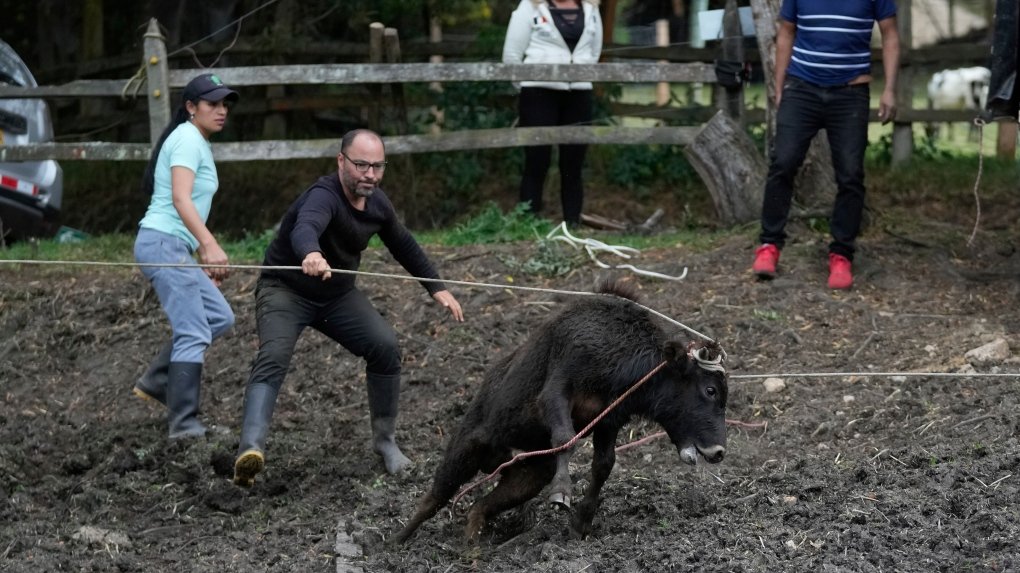
Colombia’s lawmakers decided on Tuesday to stop bullfighting in the country, which is a big change for a tradition that has been around for a long time. Bullfighting has caused disagreement in the countries where it is still done, but it has also influenced art and music.
The bill wants to stop bullfights within three years, so they would be illegal by 2028. The Colombian President Gustavo Petro, who has always been against these events, now needs to sign the new law.
Bullfighting started in Spain and is still allowed in a few countries like France, Portugal, Peru, Ecuador and Mexico.
It used to be a big show that lots of TV channels showed live. Many people now think it’s wrong to make animals suffer for entertainment, so the tradition is being questioned.
“This ban is a big win for groups that have been working to change society and stop violence against animals,” said Terry Hurtado, who is an animal rights supporter and city council member in Cali. He has been leading protests against bullfights since the 1990s. “I’m happy that in Colombia, bulls and horses won’t be hurt in bullfights anymore and kids won’t see it happening. ”
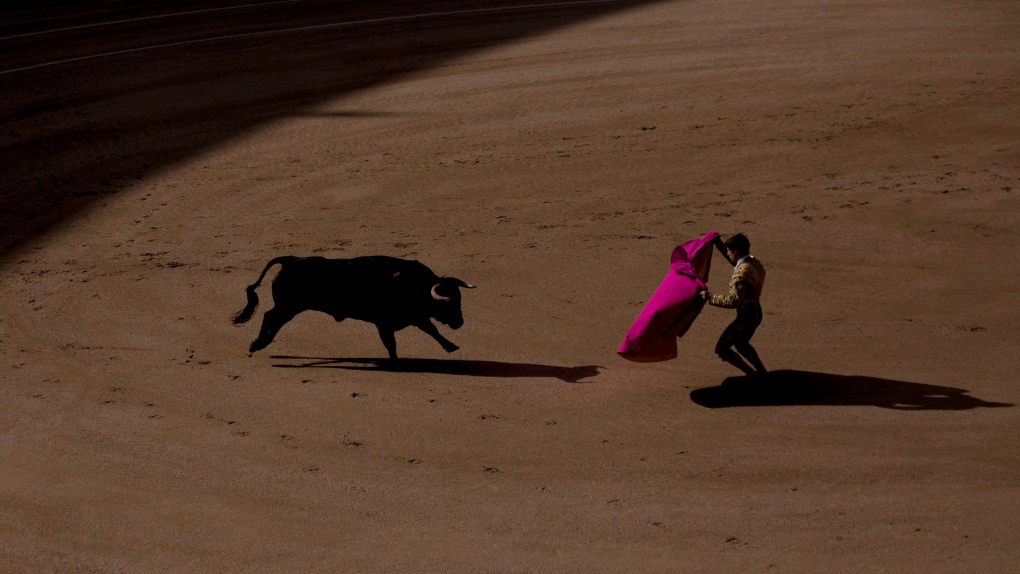
In bullfights, a matador goes against bulls that are specially raised to be mean and aggressive. The matador waves a red cape at the bull and then stabs it with a sword after it has already been hurt with other weapons and is tired from running in circles.
In Colombia, bullfights have been happening since a long time ago. But now, only a few towns still have them. One of these towns is Manizales, where many people come to watch the bullfights every year.
Fans of bullfighting said that stopping it is an attack on the rights of a small group of people and will cause issues for cities that make money from these events.
Tag: bullfighting
-
Congress of Colombia votes to outlaw bullfighting
-
Spain removes national bullfighting trophy as part of cultural change
Spain has canceled its yearly bullfighting prize on Friday. This caused anger from conservatives who believe it is an ancient art but also raised worries about how the animals are treated.
Some people think Spanish-style bullfighting is an important tradition, but others say it’s a cruel and unnecessary ritual. In this event, a matador in fancy clothing kills the bull with a sword.
The Culture Ministry said it decided to get rid of the award because people in Spain are more concerned about animals and not as many people are going to bullfights.
“I believe most Spaniards feel frustrated and confused about why animal cruelty is still happening in our country, and even more so why it’s being supported with public funds,” explained Culture Minister Ernest Urtasun on X.
The national award was a check for 30,000 euros (about $32,217) from the government. It was given to well-known bullfighters like Julian Lopez, also known as “El Juli,” or to groups that are connected to bullfighting.
This has recently become a big problem in Spain’s culture battles. On one side are left-wing groups like Sumar, where Urtasun belongs. On the other side are right-wing conservatives who want to keep the tradition.
Borja Semper, who speaks for the opposition conservative People’s Party, told reporters that the government’s decision shows it doesn’t support cultural diversity or freedom, and that his party would bring back the award if they become the ruling party again.
Jorge Azcon, who is the leader of the PP party in Aragon, announced that they will create a new award. He said that tradition should bring us together, not separate us.
More and more people in Latin America and southern France are against bullfighting, even though it was brought to those regions many years ago.
In Spain, fewer people are interested in bullfighting, and the number of bullfighting festivals has decreased by one third between 2010 and 2023.