Tag: Cabinet

  • Seek approval from cabinet before announcing major policies publicly – Ministers warned

    Seek approval from cabinet before announcing major policies publicly – Ministers warned

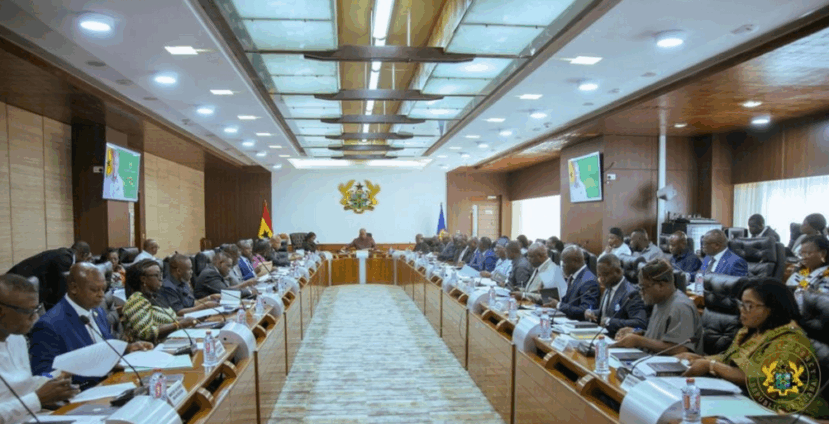
    All Ministers of State have been warned by government against announcing major policy initiatives or programmes publicly without approval by the Cabinet.

    This comes as a reaction to an observation made by the government where some ministers announce initiatives “purportedly on behalf of the government” without seeking the cabinet’s consent.

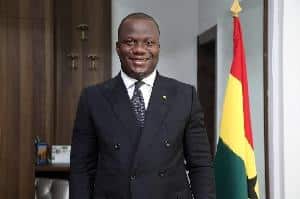
    In a circular dated October 27, which was signed by the Secretary to the Cabinet, Prof Kwaku Danso-Boafo indicated that such actions violate constitutional protocols and breach the principle of collective government responsibility, which requires that all major policy decisions reflect consensus at the Cabinet level.

    “Cabinet wishes to remind all Ministers that, in accordance with established governance protocols and the collective responsibility principle enshrined in the Constitution, no public policy, programme, or major initiative shall be considered a policy of government unless it has been duly submitted to, deliberated upon, and approved by Cabinet,” the circular stated.

    Ministers were further instructed to channel all proposed policies, programmes, and legislative initiatives to the Cabinet Secretariat through the Chief Directors of their respective Ministries.

    The Cbinet explained that this process will ensure that all government decisions are adequately vetted, aligned with national priorities, and formally placed on the Cabinet agenda before public communication.

    Full statement below:

    ADHERENCE TO CABINET PROCEDURES IN THE
    FORMULATION AND ANNOUNCEMENT OF PUBLIC POLICIES

    The attention of the Office of the Cabinet Secretary has been drawn to the growing practice where some Ministers of State have publicly announced, or caused to be announced, major policy initiatives and programmes purportedly on behalf of the Government without prior discussion, review, or approval by Cabinet.

    1. Cabinet wishes to remind all Ministers that, in accordance with established governance protocols and the collective responsibility principle enshrined in the Constitution, no public policy, programme, or major initiative shall be considered a policy of Government unless it has been duly submitted to, deliberated upon, and approved by Cabinet.
    2. For the avoidance of doubt, Ministers are respectfully requested to ensure that all proposed policies, programmes, or legislative initiatives intended for public announcement or implementation are first submitted to the Cabinet Secretariat, through the Chief Director of their respective Ministries, for inclusion on the Cabinet agenda and subsequent consideration by Cabinet.
    3. This directive is intended to safeguard policy coherence, uphold collective Cabinet responsibility, and ensure that all Government communications and actions reflect the unified and approved position of the Administration.
    4. Ministers are therefore advised to refrain from announcing or implementing any policy that has not received Cabinet approval. Any such public statement or initiative undertaken outside this process shall not be deemed to represent official Government policy.
    5. Please be guided accordingly.

    On February 7, President John Dramani Mahama officially sworn in a total of 42 ministers, marking a significant milestone exactly one month after his own inauguration.

    The swift approval process for his appointees, he noted, is unprecedented and reflects a commitment to promptly assembling a functional government.

    In the swearing in ceremony, the latest batch of ministers approved by Parliament—some by consensus and others by majority vote—took the oath of allegiance. The 17 newly sworn-in ministers, forming the fourth group of appointees, were urged by the President to approach their duties with humility and dedication.

    President John Dramani Mahama has currently issued a stern reminder to his ministerial appointees that results, not mere attendance, will determine their success in office.

    During the opening of a four-day Executive Leadership Programme on April 24, 2025, he emphasized that the positions they hold are grounded in public trust and the urgent demand for meaningful transformation.

    Addressing the gathering, Mahama highlighted the importance of action over symbolism.

    He made it clear that Ghanaians are not interested in officials who simply fill positions but want leaders who can bring real change.

    “You were not appointed to occupy space. You were appointed to solve problems,” he said. “The Ghanaian people expect us to deliver. And we must – not with excuses, but with results.”

    The leadership retreat, held in collaboration with the United Nations Development Programme (UNDP), was described by the President as a critical moment to reset how governance is approached. He said it was not a traditional orientation, but rather an opportunity to build a new way of thinking and working. He urged his ministers to let go of outdated leadership models and commit to serving with renewed purpose. “The business-as-usual approach will not work. Indeed, it is dead and we must bury it once and for all,” Mahama stated.

    He also appealed to the conscience of his appointees, pointing to the growing restlessness among the youth and frustration among farmers, workers, and entrepreneurs who are eager for better opportunities and improved livelihoods. These groups, he noted, are demanding leadership that listens and delivers.

    Mahama didn’t shy away from issuing a warning. He made it clear that accountability would be central to his administration. Any minister who fails to meet expectations, he said, will be removed. “Please remember, when any of us fall short, I will not hesitate to act,” he concluded.

    The programme brings together government officials, private sector players, and development partners to foster a unified approach to effective and responsible leadership under Mahama’s renewed administration.

  • Cabinet approves 2025 budget to be presented on March 11

    Cabinet approves 2025 budget to be presented on March 11

    Cabinet has approved the 2025 budget, set for parliamentary presentation on March 11. The government also confirmed plans for a second gas processing plant.

    The Ghanaian government has approved the 2025 fiscal policy document ahead of its official presentation to Parliament on March 11.

    This decision, made during a special Cabinet meeting on Thursday, reaffirms the administration’s commitment to economic stabilization and sustainable growth.

    Speaking to the press after the meeting, Minister of Government Communications Felix Kwakye Ofosu assured Ghanaians that the government remains committed to fulfilling its social and economic promises. He confirmed that the fiscal policy will reflect the administration’s 120-day pledges, including the removal of the betting tax and COVID levy.

    Additionally, the budget will outline the financial state inherited by the National Democratic Congress (NDC) government while offering hope and strategic policies for national development.

    In a bid to address Ghana’s long-standing energy challenges, Energy Minister John Jinapor has announced that the government will construct a second gas processing plant. This decision follows Cabinet’s directive, aimed at bridging the nation’s fuel supply gap and ensuring a stable power supply.

    Jinapor emphasized that the growing energy demand, coupled with fuel shortages, has led to persistent power instability over the years. The new facility is expected to enhance energy security, support industrialization, and reduce dependency on expensive fuel imports.

  • Mahama’s Cabinet to be unveiled in 14 days

    Mahama’s Cabinet to be unveiled in 14 days

    President John Dramani Mahama has assured the public that his full cabinet will be announced within the next 14 days, addressing growing concerns about the pace of his ministerial appointments.

    His statement comes in response to criticism from Minority Leader Alexander Afenyo-Markin, who described the President’s gradual approach to forming his government as “tot-tot.”

    Speaking at a special National Muslim prayer and thanksgiving service at the National Mosque in Kanda, Accra, on January 10, Mahama reassured supporters of the National Democratic Congress (NDC) about the government’s progress.

    “Government is being formed, ministers will be put in place, other officials will be appointed. And as I said, we will have our full cabinet in 14 days,” he stated.

    He urged party members to remain patient and avoid taking actions that could create challenges for the incoming administration, emphasizing the importance of proper channels for resolving concerns.

    “And so we will have ministers in charge. If you have any issues, you consult any of the ministers and have it resolved. So, exercise restraint,” Mahama advised.

    He also warned against repeating the mistakes of the previous New Patriotic Party (NPP) administration, stating:

    “Many people have said it is the same thing the NPP said when they came into 2017. And that is why Ghanaians have voted them out. We must not copy the mistakes that they made. I plead with our supporters, let us do things in an orderly manner.”

    Mahama’s assurance aims to foster calm among his supporters as the government formation process continues.

  • Cabinet approves policy to cater for children with exceptional abilities

    Cabinet approves policy to cater for children with exceptional abilities

    Ghana‘s Cabinet has approved the launch of a Gifted and Talented Education (GATE) programme, aimed at providing advanced and tailored education for children with exceptional abilities.

    The GATE initiative is designed to support learners who demonstrate extraordinary potential in areas such as high intelligence, creative thinking, the arts, leadership, athletics, and mechanical skills, requiring specialized educational provisions to nurture their talents.

    Despite the importance of GATE in global education systems, it has not yet been introduced in Ghana, either in public or private sectors.

    The country’s current Education Strategic Plan (2018-2030) also overlooks GATE as a critical strategy for fostering socio-economic transformation, potentially sidelining high-ability children who could become future innovators and leaders.

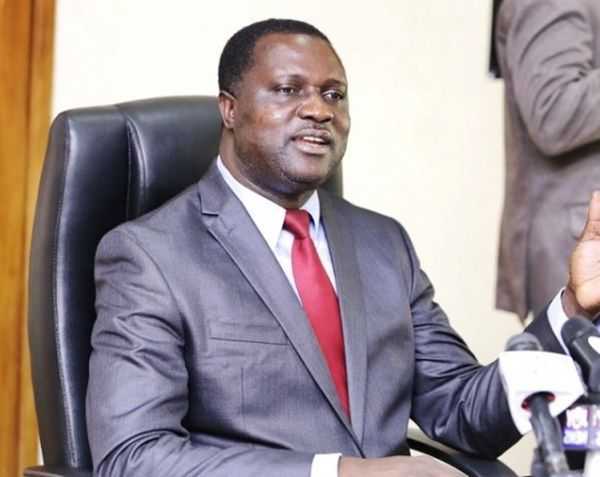
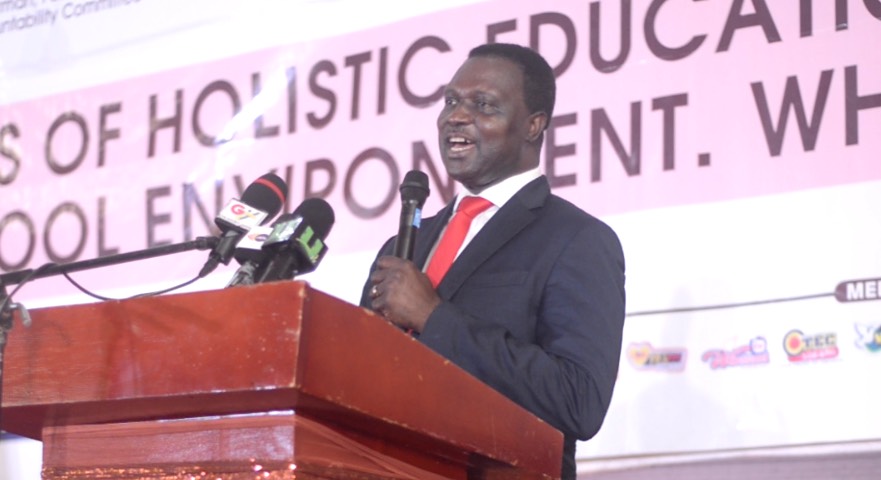
    Education Minister Dr. Yaw Osei Adutwum, who proposed the GATE programme, emphasized the necessity of challenging gifted children beyond the standard curriculum to fully develop their capabilities.

    He argued that by doing so, Ghana could accelerate its economic development and reduce inequality, following the successful examples of other countries that implemented similar programmes in the 1960s and 1970s.

    The GATE programme will begin with the introduction of career pathways and new course offerings in both Sciences and Arts, starting at the junior high school level and continuing through senior high school.

    The Ghana Education Service (GES) and the Technical and Vocational Education and Training (TVET) Service, with their special education expertise, will be responsible for the implementation of GATE.

    To ensure efficiency and avoid confusion, the proposal recommends supporting GES and TVET in administering the programme rather than creating a separate agency.

    This approach will also ensure effective use of public funds. GATE initiatives will be especially beneficial to disadvantaged communities, including those in rural and Zongo areas, by addressing opportunity gaps through targeted identification, assessment, and programming.

    Initially, the programme will establish new schools at the junior and senior high school levels exclusively for GATE students.
    Later, qualified students will be integrated into GATE programmes within their current schools, ensuring that all participants receive the same enriching experiences.

    The National Council for Curriculum and Assessment (NaCCA) will be responsible for developing the GATE curriculum, setting guidelines for student selection, and ensuring opportunities for underrepresented groups, as well as for the training and selection of GATE teachers.

  • Cabinet has approved proposal to make secondary education compulsory – Education Minister

    Cabinet has approved proposal to make secondary education compulsory – Education Minister

    Minister for Education, Dr. Yaw Osei Adutwum, has revealed that the Cabinet has given the green light for a new law that will make senior high school (SHS) education both free and mandatory.

    This legislation will also solidify the Free SHS policy with a legal foundation.

    During the “State of Education in Ghana” event, Dr. Adutwum emphasized that this new law is a pivotal step toward formalizing and ensuring the sustainability of the Free SHS policy.

    He stated, “When you hear of us talking about free compulsory universal secondary education and the enactment of an act to guide and protect free secondary education, we are talking about ensuring that no child has a choice to say, ‘I will not go to secondary school.’”

    The proposal, now approved by Cabinet, is set to guarantee that secondary education remains free and obligatory, he added.

    Dr. Adutwum, who also represents the Bosomtwe constituency, praised the Free SHS initiative as transformative, noting its impact since its launch in 2017.

    “Before the introduction of free secondary school education, a little over eight hundred thousand students were enrolled in senior high schools, today, it is 1.4 million plus. This is a great accomplishment,” he said.

    The announcement follows last month’s revelation by the Majority in Parliament that a bill to enshrine the Free SHS policy into law was forthcoming.

    The Majority Leader, Alexander Afenyo-Markin, disclosed at a press briefing ahead of Parliament’s return on June 11, 2024, that the bill, finalized and awaiting presentation by Dr. Adutwum, aims to ensure the policy’s permanence across future administrations.

    He emphasized that the new law would make it obligatory for future governments to uphold the Free SHS policy, stating, “If we consider it [Free SHS bill] as a House, what that means is that it becomes mandatory for governments to implement this. Unless it is repealed, no government would have the right to say, I am not going to enforce Free SHS because now it is law, so if you fail, a citizen can apply to the court and the court can exact justice in that citizen’s favour.”

  • Cabinet greenlights re-introduction of road tolls

    Cabinet greenlights re-introduction of road tolls

    Minister for Works and Housing, Kojo Oppong-Nkrumah, has noted that the Minister for Roads, Francis Asenso-Boakye, has received cabinet approval to begin the process of re-introducing road tolls.

    The Housing Minister made this known to the media on the sidelines of the 2024 mid-year budget statement presentation.

    “Already, the Minister for Roads has received Cabinet approval to start the process of reintroducing these tolls,” he said.

    Finance Minister Dr Mohammed Amin Adam has indicated that the establishment of a framework for the re-introduction of road and bridge tolls will be done in 2025.

    He made this known while presenting the 2024 mid-year budget statement.

    Effective November 2021, the government ordered the suspension of the collection of road tolls across the country in a bid to ease traffic congestion at toll booths and in the hope that a portion of the e-levy revenue would be committed to maintaining the roads.

    The e-levy has failed to generate the necessary funds since its passage; a development that has now led to the need for the reintroduction of road tolls.

    Moreover, the flagbearer of the NPP, Dr Mahamudu Bawumia, during a recent campaign tour of the Volta Region, proposed a reintroduction of the tolling system.

  • Current Akufo-Addo’s Cabinet seem to have weak research capacity – Bright Simons

    Current Akufo-Addo’s Cabinet seem to have weak research capacity – Bright Simons

    Vice President of IMANI Africa, Bright Simons, has alleged that the cabinet under president Akufo-Addo’s administration lack adequate research capacity.

    According to Mr Simons, this deficiency has allowed ministers to advance optimistic narratives without adequate factual support.

    Taking to the X platform, Mr Simons also highlighted that the Energy and Finance Ministers successfully persuaded the government to allocate over $83 million from Ghana’s already strained finances to host the new Africa Energy Bank (AEB).

    “Despite Ghana’s dire finances, the Energy & Finance Ministers convinced the Prez & govt to divert precious scarce dollars (>$83m) in an ill-timed adventure to host the new Africa Energy Bank claiming that Ghana was in “pole position” for the bid. Well, Ghana lost out.

    Same thing happened with the foreign debt restructuring. The Finance Minister has convinced the President & Govt that it will lead to more cash inflows & stronger Cedi. Truth is: restructuring is still NOT done & when over it will lead to MORE outflows & pressures on the Cedi.

    “Both cases point to one thing: the current Cabinet & presidential administration seem to have weak research capacity making it easy for ministers to get their way with rosy narratives. Case in point: 5G. Also: e-levy was promoted as an alternative to IMF & Cabinet bought it,” he wrote.

    Mr Simons’ remarks came following Nigeria’s announcement as the chosen host country for the AEB as reported by its oil minister on Thursday.

    Nigeria’s successful bid was endorsed at an extraordinary meeting of the Council of Ministers of the African Petroleum Producers Organization (APPO), positioning Nigeria as a leader in Africa’s energy sector.

    Minister of State Petroleum Resources, Heineken Lokpobiri, emphasized Nigeria’s commitment to the AEB initiative, citing the country’s ratification of the bank’s charter and a $100 million investment, which exceeds the required $83.33 million for member states.

    The Africa Energy Bank, a collaboration between Afrexim Bank and APPO, aims to fund energy projects across the continent and facilitate its transition to sustainable energy sources.

    Algeria, Benin, and Ghana were also in contention to host the AEB, after Ivory Coast and South Africa did not meet the necessary requirements.

  • Cabinet refused Ofori-Atta’s request to shut down GN Bank due to political reasons – Nduom

    Cabinet refused Ofori-Atta’s request to shut down GN Bank due to political reasons – Nduom

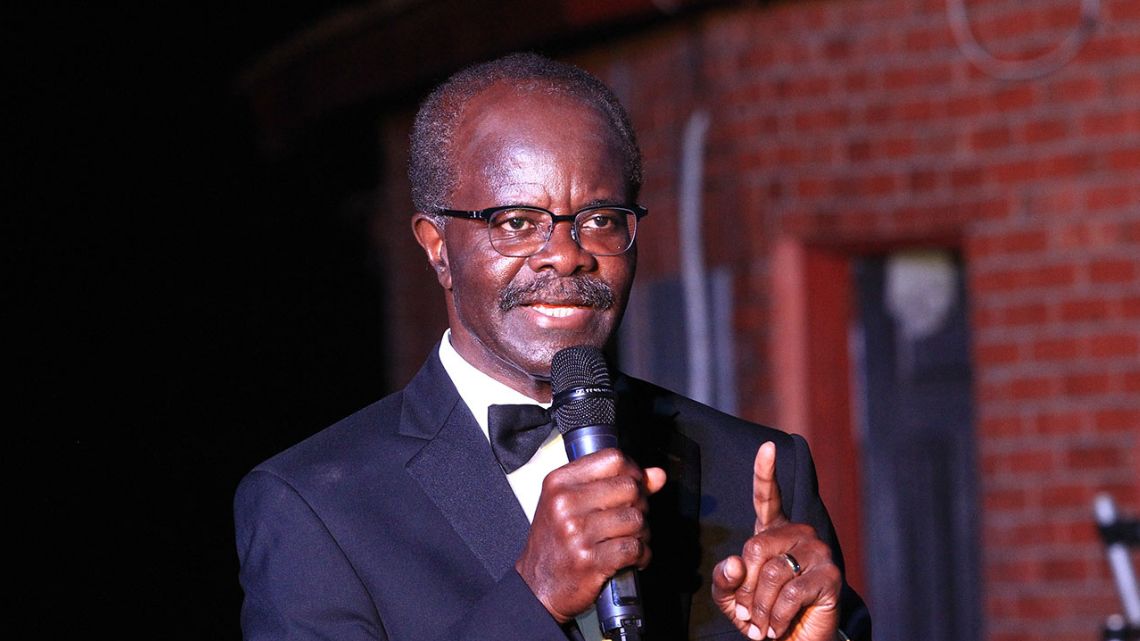
    Dr. Papa Kwesi Nduom, Chairman of Groupe Nduom and former owner of the defunct Gold Coast Fund Management Company, has alleged that former Finance Minister Ken Ofori-Atta petitioned the Cabinet to facilitate the collapse of GN Bank to prevent any political interference.

    According to Dr Nduom, the memorandum from the former Finance Minister requested the revocation of GN Bank’s banking license by the Cabinet.

    He claimed that Ofori-Atta’s motive was to neutralize the bank and prevent it from being used to politically antagonize the ruling government.

    “I have with me here a memorandum submitted by the Minister of Finance at that time, Mr. Ken Ofori-Atta, asking Cabinet to agree for GN Bank to be collapsed, for its license to be taken. This memorandum didn’t consider that this bank was the biggest bank with the widest distribution in Ghana.

    “It didn’t recognize that we were providing banking services that increased financial inclusion in Ghana. It didn’t recognize that we were supporting financial development and economic development in Ghana.

    “It just said, these people are causing us problems and therefore it might affect our political chances, so let’s shut it down,” Dr. Paa Kwesi Nduom claimed in a viral video shared on X formerly Twitter.

    He revealed although the memorandum was presented to the cabinet, there was no consent to Ken Ofori-Atta’s request to revoke the bank’s operating license.

    In 2019, under the government’s banking sector clean-up, GN Bank (which had become GN Savings and Loans), a company owned by Dr Nduom, had its operating license revoked over reasons of insolvency by the Bank of Ghana.

    Meanwhile, Dr Nduom has asserted that the government still owes two of his companies and other subsidiaries an amount exceeding GH¢7 billion.

    The Securities and Exchange Commission (SEC) had revoked the licenses of 53 fund management companies, including Gold Coast Fund Management, in 2019, leading to the freezing of depositors’ funds.

    Despite ongoing efforts by depositors and investors to retrieve their funds, they have faced challenges in recovering their investments.

    In a recent move to revitalize his companies, Dr. Ndoum has urged the government to reimburse contractors who had borrowed money from Groupe Ndoum.

    “A debt that used to be GH¢1.8 billion is now more than GH¢7.1 billion. It is growing every day with interest. So the government of Ghana and its agencies, if they had paid us even one-third of that money to the contractors six years ago, there wouldn’t be a Gold Coast or Black Shield problem.

    “There wouldn’t be a GN Bank problem, there wouldn’t be a problem with any of our companies. So today, what we are asking is we are saying let them pay the money. If the government doesn’t have the money, let us come up with a payment plan. They pay us, the customers get paid,” he said.

  • Cabinet withdraws 15% VAT on electricity – Reports

    Cabinet withdraws 15% VAT on electricity – Reports

    The Ghanaian government has reportedly decided to reverse the previously approved policy of imposing a 15% Value Added Tax (VAT) on electricity.

    Asaase Online in a report says according to sources close to the government, Cabinet unanimously agreed to drop the VAT on electricity during a meeting held on February 2, 2024.

    The decision comes after strong opposition and criticism from the Trade Unions Congress (TUC) and other stakeholders.

    While the 15% VAT on electricity had received prior approval from both Cabinet and Parliament, the negative reaction from various groups prompted a serious reconsideration of the policy.

    The government has now expressed its intention to engage with the International Monetary Fund (IMF) to discuss potential alternatives for making up for the revenue shortfall resulting from dropping the VAT on electricity. The final decision on the policy is expected to become clearer after these discussions with the IMF.

    “The position currently is that the 15% VAT on electricity is off, and it is likely it could either be off totally or significantly slashed,” Asaase News sources said on condition of anonymity.

    Organized Labour in Ghana convened a meeting on February 2, 2024, where a decision was made to stage a nationwide demonstration on Tuesday, February 13, 2024. T

    he purpose of the demonstration is to press the government to withdraw the directive given to the Electricity Company of Ghana (ECG) and the Northern Electricity Distribution Company (NEDCO) to implement a 15% Value Added Tax (VAT) on residential electricity consumption.

  • Formation of a unified roads ministry endorsed by cabinet

    Formation of a unified roads ministry endorsed by cabinet

    The Minister of Roads and Highways, Kwasi Amoako-Atta, has announced that Cabinet has granted approval for the establishment of a unified roads management body. As reported by GraphicOnline, this new entity, named the Ghana National Roads Authority, will bring together the Ghana Highway Authority, the Departments of Urban Roads, and Feeder Roads.

    Addressing participants at a stakeholders consultative forum held in Koforidua, located in the Eastern Region, the Roads Minister outlined that the primary role of the Authority will encompass road planning, development, maintenance, and overall management throughout the country.

    He further elucidated that the consolidation of the Ghana Highway Authority, the Departments of Urban Roads, and Feeder Roads is designed to streamline operations, enhance coordination, and optimize investments within the nation’s road sector.

    “The lack of coordination and separate mandates of the agencies had led to duplicated efforts, insufficient maintenance, inconsistent standards and project delays,” Amoako-Atta stressed.

    However, he pointed out that the Attorney-General’s Office and the Roads Ministry have suggested drafting a bill, which would be sent to Cabinet and Parliament for review and approval.

    “When this bill is approved the management of trunk roads, arterial roads, collector roads and district and inter-district roads would be placed under the jurisdiction of the National Roads Authority” he clarified.

    The Minister of Roads added that numerous assemblies would be in charge of overseeing the internal road system inside districts and municipalities.

    Seth Kwame Acheampong, the Eastern Regional Minister, praised the decision and asserted that it will improve the abilities of the various authorities in the road sector while fostering the necessary synergy and teamwork.

    “For us as stakeholders and end users, in any reform, our primary expectation is to have an improved way of doing business which should reflect on the condition of the roads in our communities,” the Regional Minister said.

    Representatives from the Local Government Services and the Civil Service, Ghana Highways Authority, Public Services Commission, and the Chairman and Ranking Member of the Parliamentary Select Committee on Roads and Transport were present at the consultative forum.

  • Cabinet endorses policy for lithium, other minerals

    Cabinet endorses policy for lithium, other minerals

    The Cabinet has granted its approval to a fresh policy that governs the utilization, administration, and oversight of lithium and other environmentally friendly minerals within the country.

    Termed as “minerals of the future,” green minerals encompass metals and mineral resources essential for facilitating the transition towards clean energy technologies, aimed at curbing carbon emissions.

    A diverse array of minerals categorized as green minerals encompass bauxite, cobalt, copper, lithium, granite, manganese, and nickel.

    Samuel Abu Jinapor, the Minister of Lands and Natural Resources, informed the Daily Graphic last Thursday that the Cabinet endorsed this policy on July 27 of this year after thorough examination.

    Thus, the newly established Green Minerals Policy introduces modifications to the 2014 Mining and Minerals Policy to integrate comprehensive and forward-looking systems that will allow the nation to derive maximum advantages from lithium and other green minerals.

    Mr. Jinapor conveyed that this fresh policy would lead to legislative interventions by the Parliament, including amendments to the Minerals and Mining Act of 2006 (Act 703), with the relevant processes already underway.

    As an example, he noted that while Act 703 stipulated a mineral royalty rate ranging from three to five percent, the new policy would establish a distinct royalty framework for green minerals.

    “I reached out to the CEO of the Minerals Commission last week, requesting a strategy document within a week for implementing the principles of this policy. Our aim is to expedite this process,” the minister expressed.

    Policy Implications

    “I won’t reveal the exact rate for green mineral royalties for now, but I can confirm that it will surpass the existing rate for gold. The key point is that the royalty system for green minerals will differ from that of gold and other minerals,” Mr. Jinapor affirmed.

    Furthermore, the minister emphasized that the new policy would require a higher level of local involvement in the green minerals value chain, deviating from the current 10 percent vested interest that the state holds in mining entities.

    “We will insist on a specific minimum Ghanaian participation that will unquestionably exceed 10 percent. I am hesitant to provide precise figures at this time. A Cabinet decision on a baseline exists, and we will not go beneath that threshold in any negotiations concerning our lithium and other green minerals,” he emphasized.

    Mr. Jinapor added that the overarching objective of the new policy was rooted in the principle that the exploitation of green minerals should primarily benefit the Ghanaian populace, who are the true proprietors of these resources.

    He noted that due to this principle, the foundational components for exploiting green minerals would diverge from those that pertain to gold, particularly.

    Value Addition

    The minister stressed that the central focus of the new policy was on value addition to ensure active Ghanaian involvement in the value chain.

    “Hence, the mining and export of raw lithium is strictly prohibited,” he emphasized.

    Mr. Jinapor also highlighted that the policy aimed to introduce incentives and measures to attract the necessary investments. This would encompass stability clauses, development agreements, and other mechanisms to provide investors with the confidence to allocate resources to the sector.

    He assured that these arrangements would be established in a manner that achieves a fair equilibrium, resulting in a mutually beneficial scenario for both the country and the investor community.

    “We will conduct negotiations on a case-by-case basis, all within the framework of this new policy,” he explained.

    In addition to green minerals like bauxite, manganese, graphite, and cobalt, Ghana has discovered commercially viable deposits of lithium, particularly in Ewoyaa, located in the Central Region.

    Lithium

    Several African nations, including Zimbabwe, Namibia, the Democratic Republic of Congo, and Mali, also possess commercial lithium reserves, while Mozambique, Madagascar, Tanzania, and Namibia are home to graphite deposits.

    Globally, the lithium sector alone is estimated to be worth $11 billion during the mining stage, with its highest potential value estimated at $7 trillion.

    Given this context, Mr. Jinapor underscored that the green minerals policy specifically aims to enhance the value of lithium prior to exporting it.

    He clarified that contrary to reports of licenses being issued for lithium mining, the government had not granted any such licenses.

    “No individual or entity holds permits or licenses for mining or exploiting lithium. The licenses that were issued were for exploration, which is distinct from exploitation,” he emphasized.

    He further explained that it was through exploration activities that commercial-grade lithium was discovered at Ewoyaa.

    Mr. Jinapor concluded that while the next step involves mining this mineral resource, the government’s primary focus is on establishing the policy framework before progressing to mining operations.

  • Government to upgrade Bono Regional Hospital to Teaching Hospital – Health Minister

    Government to upgrade Bono Regional Hospital to Teaching Hospital – Health Minister

    The Minister of Health, Dr. Kwaku Agyemang-Manu, has announced that the Cabinet has approved a Memorandum of Understanding (MoU) for the conversion of the Bono Regional Hospital into a teaching hospital.

    He shared this development during a stakeholder’s meeting held in Sunyani, attended by various regional officials, academia, health professionals, and traditional leaders.

    Dr. Agyemang-Manu, who is also the Member of Parliament (MP) for Dormaa Central Constituency, disclosed that the approval at the 45th Cabinet meeting held in February had paved the way for the establishment of a medical school at the University of Energy and Natural Resources (UENR).

    “It is evident that the conversion to a teaching Hospital status will strengthen the Bono Regional Hospital’s position as a Centre of Excellence and attract top-tier medical professionals to the region,” he stated.

    This transformation holds significant potential to revolutionize healthcare and medical education not only in the region but also beyond its borders.

    The Minister emphasized that becoming a teaching hospital would position the Bono Regional Hospital as a Center of Excellence, attracting top-tier medical professionals to the region.

    “We envision a future where the region becomes a hub of medical excellence, where talented minds from all walks of life come together to learn, innovate and transform the landscape of healthcare.

    ” These initiatives, Dr Agyemang-Manu believed these initiatives would strongly align with the nation’s quest for the attainment of United Nations (UN) Sustainable Development Goals (SDGs 3.8) which seeks to achieve Universal Health Coverage.

    “To attain UHC, we need to improve our health service coverage and health outcomes.

    The influx of specialists and healthcare experts would not only benefit patients but also contribute to the region’s economic growth, turning it into a powerful hub for healthcare, innovation, and research.

    Moreover, the decision to establish a medical school stemmed from the understanding of the importance of investing in the next generation of healthcare professionals. Dr. Agyemang-Manu envisioned a future where the region would become a hub of medical excellence, attracting talented minds from diverse backgrounds to learn, innovate, and transform the healthcare landscape.

    These initiatives align with the nation’s pursuit of achieving Universal Health Coverage (UHC) and the United Nations Sustainable Development Goals (SDGs 3.8). The Government is committed to ensuring that the health workforce receives adequate professional training in various specialties, which led to the establishment of the postgraduate college.

    Dr. Agyemang-Manu urged the Ministry of Education, through UENR, to expedite the processes for the medical school’s establishment. He called upon all relevant stakeholders to collaborate and support the realization of the teaching hospital.

    Madam Justina Owusu-Banahene, the Bono Regional Minister, expressed her belief that the establishment of a teaching hospital would elevate the standard of healthcare services in the region significantly.

    By providing medical students with hands-on, real-life experiences, they can be equipped with the practical skills and knowledge needed to become exemplary healthcare professionals.

    She hoped that offering a medical school and teaching hospital within the region would encourage medical graduates to stay and serve in the area, addressing the shortage of healthcare professionals and improving healthcare accessibility for citizens.

    “As they forge strong bonds with our communities during their training, we can expect a greater likelihood of them staying and serving in our region, addressing the shortage of healthcare professionals and positively impacting healthcare accessibility for our citizens,” Madam Owusu-Banahene stated.

  • Cabinet declares flooding a national security issue

    Cabinet declares flooding a national security issue

    Cabinet has recognized the persistent flooding issue in the country as a national security threat, acknowledging its impact on lives, livelihoods, and property.

    Consequently, the Cabinet has urged various law enforcement agencies to play a crucial role in addressing this challenge.

    In response, a committee has been formed by the Cabinet to develop a comprehensive plan and implement appropriate measures to strengthen the enforcement of laws pertaining to land use and building siting.

    The committee, chaired by the Minister of National Security, includes representatives from the Ministries of Works and Housing, Local Government, Decentralisation and Rural Development, Sanitation, and Lands and Natural Resources.

    This announcement was made by the Minister for Works and Housing, Francis Asenso-Boakye, during his statement in Parliament, outlining the measures being undertaken by the Ministry to tackle flooding issues in the country.

    Given the escalating risk of flooding due to factors such as inadequate drainage infrastructure, improper waste disposal, non-compliance with planning regulations, and rapid urbanization, the Minister is optimistic that the government’s decision will encourage a comprehensive approach to mitigate the challenge and provide relief to the public.

    Observing instances of construction on waterways without regard for local and national laws, Asenso-Boakye assured continuous collaboration between the Ministry of Works and Housing and the Ministry of National Security to seek support for local authorities in enforcing planning laws and building regulations.

    “My Ministry will also continue engagement with the Ministry of Local Government, Decentralisation, and Rural Development to strengthen the support provided to the assemblies in addressing the issue of buildings on waterways and drainage buffers.”

  • UK Nurses’ make “u-turn” on decision to hold out for double-digit pay rise – Cabinet minister laments

    UK Nurses’ make “u-turn” on decision to hold out for double-digit pay rise – Cabinet minister laments

    Despite previously advising a lower offer, the head of the UK nursing union wants to resume negotiations in pursuit of a double-digit salary increase.

    Pat Cullen, the general secretary of the Royal College of Nursing (RCN), had advised members to accept an offer of 5%, but they voted to reject it.

    Speaking to the international media, Sophy Ridge On Sunday programme, cabinet minister Grant Shapps said: “I find this a very curious story indeed because Pat Cullen just recently was encouraging her members to settle for the pay rise that was put on the table.

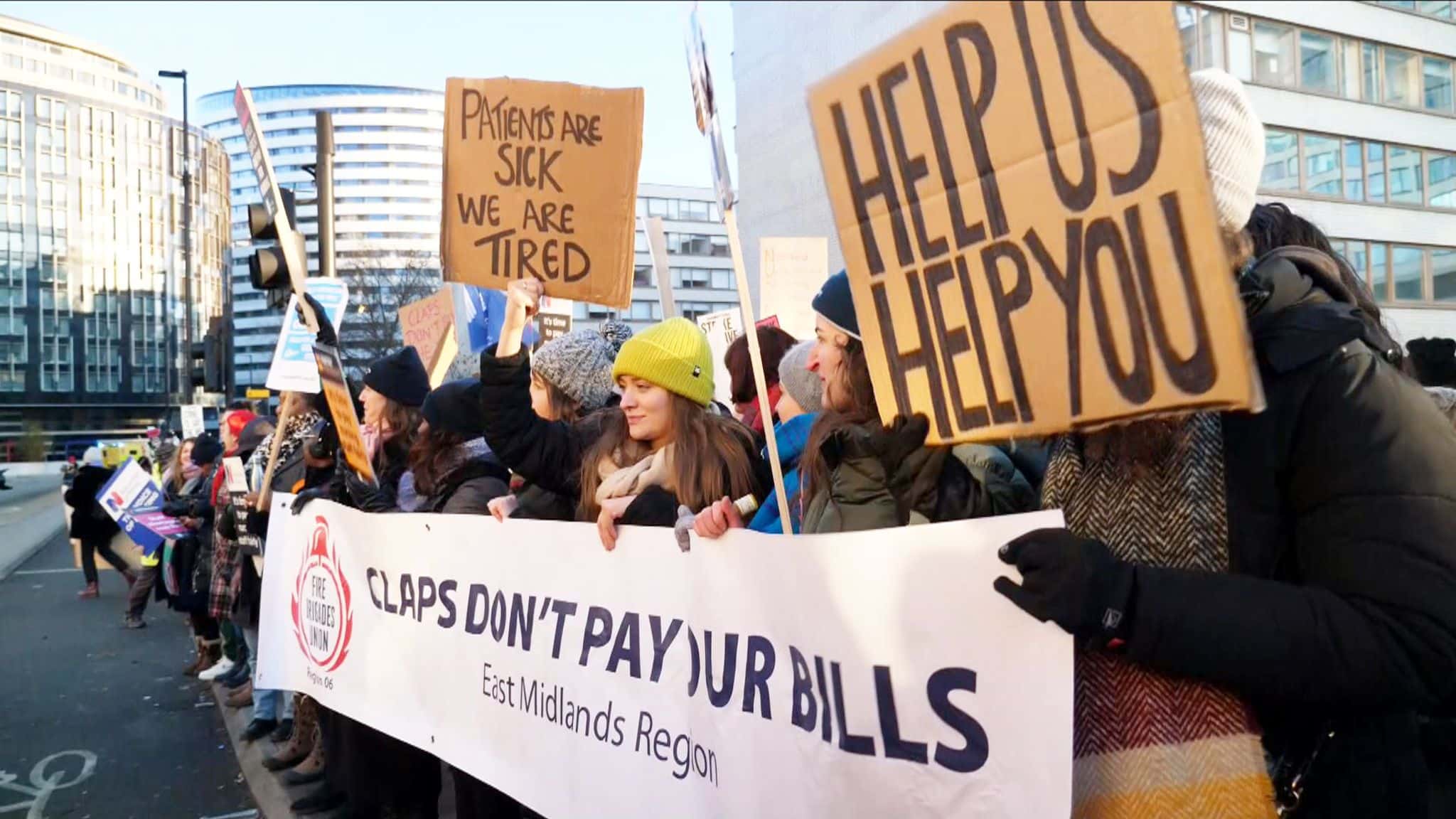
    Nurses on strike outside of St Thomas' Hospital in London in April
    Image: Nurses on strike outside St Thomas’ Hospital in London in April

    “I thought this was a great settlement.

    “It’s frankly rather confusing having encouraged her members to accept that deal, she seems to now be coming back and saying the opposite.

    “You have got to balance that with the rest of the public purse.”

    RCN members will be balloted again for strike action on 23 May after the existing six-month mandate ran out at the start of the month.

    Ms Cullen described striking as one of the “hardest decisions”, and told The Sunday Times that fresh negotiations were needed to prevent six more months of action.

    “They [ministers] owe that to nursing staff not to push them to have to do another six months of industrial action right up to Christmas,” she said ahead of Sunday’s RCN congress in Brighton, telling Health Secretary Steve Barclay talks needed to “start off in double figures”.

    “It’s just not right for the profession,” she said.

    “It’s not right for patients. But whose responsibility is it to resolve it? It is this government.”

    The nurses’ strikes: A timeline

    25 November 2022 -The Royal College of Nursing announces it will hold strike action for the first time since its creation more than a century ago in a dispute over pay and working conditions.

    15 December – Nurses hold their biggest nationwide strike in history with a 12-hour walkout, leading to thousands of appointments, procedures and surgeries being cancelled.

    18 and 19 January – Thousands of nurses hold a further strike over two days

    21 January – The head of NHS England warns repeated walkouts by health staff are making workloads ‘more challenging’.

    2 February – A petition signed by 100,000 people is delivered to Downing Street demanding fair pay for nursing.

    6 February – Tens of thousands of nurses and ambulance staff walkout together in the biggest strike in NHS history.

    21 February – Nurses agree to pause a major 48-hour strike planned on 1 March for pay talks.

    16 March – Unions, including the RCN, suspend further strikes and recommend a new pay offer involving a 5% pay rise for staff this year and a cash sum for last year.

    20 March – NHS strikes in Scotland are called off after unions representing midwives and nurses voted to accept the Scottish government’s pay offer.

    28 March – Up to 280,000 RCN members vote on whether to accept the government’s pay offer.

    14 April – RCN members reject the deal and announce a 48-hour walkout on 30 April.

    16 April – RCN leader Pat Cullen warns nurses could strike until Christmas and calls for the government to improve its pay offer.

    21 April – The government takes legal action over the planned bank holiday walkout as the strike mandate runs out during the action on 1 May.

    27 April – Strike action planned by the RCN on 2 May is called off after a judge ruled it would be unlawful.

    29 April – The RCN agrees to supply some staff during the curtailed strike following patient safety concerns.

    30 April – Nurses stage 28-hour strike.

    2 May – Most health unions back the new pay deal, although both the RCN and Unite vote against it. The RCN says it will ballot members on further strikes between June and December.

    9 May – It is announced nurses will vote between 23 May and 23 June on whether to stage more walkouts.

    10 May – Nurses in Wales vote to strike again this summer after rejecting the Welsh government’s latest pay offer.

    14 May – Ms Cullen calls for Health Secretary Steve Barclay to restart pay talks with a proposed rise in double digits – a move described as “curious and confusing” by cabinet minister Grant Shapps given she had recommended the previous offer to her members.

    An RCN spokesperson said: “The negotiations covered two financial years which resulted in a consolidated NHS pay increase of 9%. When our members rejected that, it is clear they expect an offer into double figures.”

    Fourteen other unions have accepted the government’s 5% offer, including Unison, the NHS’s biggest union. Others like Unite continue to seek a better offer.

    Please use Chrome browser for a more accessible video playerEarlier this month: Nurse strikes could go ‘right up to Christmas’

    A health department source added: “It is strange how quickly the RCN leader has changed her tune from recommending this pay deal, which she now refers to as an insult to nurses.”

    The comments come after Ms Cullen told The Sunday Times: “It’s not so long ago since the prime minister went on the media and very publicly said nurses are an exception,” she said when asked why nurses warrant a larger increase than other healthcare workers.

    “I would totally agree with him… they should be made an exception because they are exceptional people.”

    The mental health nurse, 58, from Co Tyrone, said patient safety was “at the centre of everything that we do”.

    “We will do nothing that will add further risk to the patients that we look after,” she said, saying increased pay would see nurses return to the profession and ease a staffing crisis.

    “The truth is that patient safety cannot be guaranteed on any day of the week. How could you guarantee patient safety when you have 47,000 nurses from your workforce every single day and night?”

    She also warned Prime Minister Rishi Sunak not to take her members lightly.

    “Looking back on this pay offer, I may personally have underestimated the members and their sheer determination,” she said.

    “I think what I would be saying to the prime minister, Rishi Sunak, is ‘Don’t – don’t make that same mistake, don’t underestimate them’.

    “Nurses believe it’s their duty and their responsibility because this government is not listening to them on how to bring it [the NHS] back from the brink and the message to the prime minister is that they are absolutely not going to blink first in these negotiations.”

  • Top cabinet positions awarded to Tigray leaders – Reports

    Top cabinet positions awarded to Tigray leaders – Reports

    A 27-member cabinet has been chosen by the recently installed interim administration in Ethiopia’s war-torn Tigray region to oversee a political transition there, according to local media.

    It comes after the federal government and the Tigray People’s Liberation Front (TPLF) signed a peace accord to end a brutal war in the region.

    New Tigray President Getachew Reda will be flanked by two vice-presidents – Gen Tsadkan Gebretensae and Gen Tadesse Werede, military commanders who fought the Ethiopian army in the recent war, the reports say.

    Gen Tsadkan will have responsibility over decentralisation and democratisation, while Gen Tadesse will be the head of the peace and security secretariat.

    There has been no official announcement yet, but the appointments have been widely reported in local media.

    The new cabinet is dominated by the TPLF, but includes two members of Baytona, an opposition party allied with the TPLF.

    On 23 March, Prime Minister Abiy Ahmed appointed Mr Getachew, the TPLF spokesman, as the interim leader of Tigray.

    He takes over from Debretsion Gebremichael, who has stepped down after about five years in office.

    Under his tenure, sharp differences emerged between the regional and federal governments, triggering a war that claimed the lives of hundreds of thousands of people.

  • Consumer Protection Bill will soon be brought before parliament – Samuel Abu Jinapor

    Consumer Protection Bill will soon be brought before parliament – Samuel Abu Jinapor

    The acting minister of trade and industry, Samuel Abu Jinapor, has indicated that the Consumer Protection Bill will soon be introduced to parliament for approval as an act.

    According to him, if this bill is passed into an act, the country will, for the first time, have a consumer protection rights act which will ensure that consumer rights are protected.

    In an interview in parliament, he said the bill is set to be presented before Cabinet and should it be approved by the cabinet, it will be brought to the house for consideration.

    “… I will sign it off (Consumer protection bill) to Cabinet and Cabinet will examine it, and I hope that cabinet will approve it. This will mean that this bill will come back to parliament and I see that the sentiment in parliament suggests that there will be a lot of enthusiasm and support for this kind of legislative intervention.

    “…when we are able to pass it to parliament, Ghana will then, for the first time, have a consumer protection rights act. We will have a piece of legislation which deals with consumer protection which will cumulate into having a state agency which will be responsible for ensuring that we protect consumers in our country.”

    Over the past ten years, there have been various attempts by the government to get the Consumer Protection Law passed.

    Four presidents have come and gone, yet the progress has painstakingly been slow. It is evidently clear that the absence of the Consumer Protection Law in the country has contributed to the widespread and deliberate abuse of consumer rights.

    However, Abu Jinapor has assured that this bill will soon be passed into an act as steps have been taken to speed up the process.

  • Ben Ephson predicts Cabinet reshuffle after Alan’s resignation

    Ben Ephson predicts Cabinet reshuffle after Alan’s resignation

    President Akufo-Addo may be planning to change his cabinet by the end of next week, according to pollster Ben Ephson.

    Even so, he is confident it will happen by next Tuesday or Wednesday.

    It comes after Alan Kyerematen, the trade and industry minister, abruptly announced his resignation on January 5 despite extensive rumors to the contrary.

    Bigwigs in the New Patriotic Party (NPP) believe Alan to be the front-runner for the position of party flagbearer in the 2024 elections, replacing President Akufo-Addo.

    http://backend.theindependentghana.com/alan-kyerematen-reportedly-resigns-as-trade-minister/

    Analysts claim that by resigning, he will be able to devote all of his attention to his bid to become the NPP flagbearer as opposed to continuing to manage his portfolio with a divided focus.

    According to Mr. Ephson, Alan has a lot of catching up to do because many of the NPP delegates may be younger than his generation and may not relate to Alan’s political heft very well.

    Ben Ephson says that catching up is the best course of action because NPP delegates 30 years of age and younger would not readily remember who Alan was to the NPP some 20 years ago when he was at the height of his powers.

    And a few others are anticipated to follow Alan’s lead, else they will be moved out.

    “I believe the reshuffle will occur between now and Tuesday. As for the Agric Minister, even if the reshuffle does not affect him, he will have to resign by the end of the month or he will be sacked,” Ben Ephson said, and explained that former Attorney General Joe Ghartey was not holding any post currently because he declared his interest in the presidency early on.

    Dr. Owusu Afriyie Akoto, the minister of agriculture and a politician and agricultural economist, has also expressed interest in running for the party to succeed President Akufo-Addo.

  • Cabinet approves Rent Bill

    Cabinet has approved a new Rent Bill and recommended same for the consideration of Parliament.

    It is expected that soon, Parliament will also commence its engagements on the Bill to culminate in its successful enactment.

    The Minister of Works and Housing, Francis Asenso-Boakye, made this known at a press briefing in Accra last Sunday.

    The briefing was to update the media on recent developments in the housing sector.

    He said the Bill sought to ensure that a landlord who demands the payment of rent “in advance for more than one month in a monthly tenancy, or a tenancy which is shorter than one month, or more than one year in a tenancy which exceeds one year, commits an offence” clearly identified in the Bill.

    The Bill, the minister said, would also ensure that the rights of “vulnerable tenants” who have been out-priced by the uncontrollable hikes in the cost of renting accommodation were safeguarded.

    Outdated

    Mr Asenso-Boakye said the existing Rent Act, 1963(Act 220) of 1963 and the Rent Control Law 1986 (PNDC Law138) had outlived their relevance due to the current population growth, urbanisation, housing availability, rental rates, housing redistribution and eviction controls, among other several attendant difficulties that have engulfed the housing sector.

    “One subject area that has dominated the housing space for decades is the regulation of the rental housing market in Ghana; the existing law was passed by Parliament 59 years ago,” he observed.

    The Bill, the minister noted, would, therefore, ultimately remove inherent constraints and offer incentives, which would stimulate private sector investment in the rental-housing sector.

    This, he said, would ensure that property developers were not discouraged from investing in the housing industry by rigid rent control mechanisms.

    Participate

    The minister implored well-meaning Ghanaians to take particular interest in these engagements to ensure the passage of the Bill into law.

    This, he explained, could be done by sending their respective views and expectations to their Members of Parliament for the House to consider for its passage into law.

  • Cabinet approves Ghana Space Policy to harness space industry for socio-economic growth-Veep

    Cabinet has approved the Ghana Space Policy and Implementation Plan that will enable the full operationalisation of the Ghana Space Agency next year.

    Vice President Mahamudu Bawumia announced this at the opening of the plenary session of the Group of Earth Observations (GEO) Conference in Accra on Wednesday.

    The policy, he said, would support efforts by the Ghana Space Science and Technology Institute to explore and harness the space industry for accelerated growth.

    Space applications are essential tools for security, environmental monitoring, communication, disaster prevention and risk reduction.

    Ghana is hosting a five-day GEO 2022 Week titled “Global Action for Local Impact” to explore ways to use accurate and timely data, technology and services to address environmental challenges.

    The meeting was organised by the Group of Earth Observations Secretariat, in collaboration with a local organising committee, comprising the Ministry of Environment, Science, Technology and Innovation, Ghana Statistical Service and the University of Energy and Natural Resources as well as the Ghana Space Science and Technology Institute, ahead of the Conference of Parties on Climate Change (COP 27) in Egypt next week.

    The GEO is a global partnership that works to make Earth observations tools and services openly available around the world for better policy and investment decisions.

    Vice President Bawumia noted that investments in Earth observations capabilities were growing and enabling the widespread application of environmental intelligence to tackle environmental challenges.

    Despite the increased data availability than ever before, the Vice President said, many low- and middle-income countries were lagging in infrastructure, capacity, and expertise to tap into advances made in Earth Observations technologies.

    “The Africa Union’s (AU) Agenda 2063, the continent’s blueprint which is aligned with the post-2030 Agenda, seeks to transform Africa through inclusive and sustainable socio-economic development.

    “Fundamental to Agenda 2063 are the African Outer Space Programme and African Space Policy and Strategy that reinforce the continent’s vision to not only be a consumer in the global space arena but to become a producer and regulator of space products,” he said.

    Dr Bawumia noted that through those initiatives, the AU was working to address the growing needs of African countries to harness space technologies and services, including Earth observations to drive policies and decisions to attain the agenda 2063 and the Sustainable Development Goals (SDGs).

    He observed that recent heatwaves and wildfires in Europe and severe storms and floods unleashed in some parts of Africa, the Americas and Asia had contributed to severe destruction and displaced thousands of people.

    “These events reinforce our resolve to continue working collaboratively to find innovative solutions to build resilient economies, secure food, and water systems, and ensure the sustainable management of our planet,” Dr Bawumia added.

    The Vice President stated that the meeting presented a unique opportunity for Africa to renew her unequivocal commitment to deepen international collaborations and develop national EO capabilities to support socio-economic transformation for the achievement of the “Africa We Want” and the “World We Want”, as articulated in the agenda 2063 and post-2030 Agenda respectively.

    Dr Bawumia said the intra north-south and rural-urban migrations contributed to urban sprawl and expanding informal settlements. Unplanned spatial expansion of big cities threatened economic efficiency, increasing social and environmental costs for urban commuting.

    More also, natural resource depletion heightened by unsustainable mining, inadequate waste management and sanitation, make Ghana extremely vulnerable to climate change and environmental degradation and threaten resilience and economic growth.

    Therefore, he said, earth observation systems could easily be used to track, and in some instances minimise the negative impact of these environmental problems.

    “In Ghana, for example, we are applying the products of the Digital Earth Africa programme to monitor landscape changes because of illegal mining activities.

    “Developing an interoperable data ecosystem that combines Earth observations data with other data, including socio-economic data, citizen data, and statistical data, among others would be more meaningful and impactful,” the Vice President stated.

    He stressed government’s development priorities with focus on economic transformation through value-addition to create jobs, reduce poverty, and enhance social inclusion while sustaining the integrity of the environment.

    “Our medium and long-term development plans are underpinned by the “Ghana Beyond Aid” vision to change the mindsets of our citizens towards an increased reliance on internal resources plus private sector investment to lead economic transformation,” he said.

    He was of the belief that application of digital technologies was fundamental to the achievement of the “Ghana Beyond Aid” agenda, with emphasis on the maximisation of resources, investments in agriculture, improved health, and industrialisation, enhancing critical skills and education as well as promoting renewable energy and energy efficiency.

    “We are almost finalising a new Digital Economy Policy and a Digital Transformation Blueprint to position Ghana as the leader in ICT innovation in Sub-Saharan Africa,” he said.

    The ongoing Ghana Digital Acceleration Project, he said, was expected to increase access to mobile internet and broadband services by encouraging private sector investment in last-mile connectivity in underserved and rural areas, with particular attention to women, persons with disabilities and the youth.

    He observed that the fight against poverty, hunger, natural resource depletion and efforts toward a clean environment, and to achieve economic prosperity posed a serious risk without a safe and secured planet.

    “We believe that this gathering offers Ghana and the rest of Africa the opportunity to catalyse increased use of Earth observations data, tools, and services to inform decisions for accelerated climate and sustainable development action,” he stated.

    The government, he said, was working through bilateral and multilateral partnerships to put in place concrete actions to boost resource efficiency, establish a circular economy, mitigate, and adapt to climate change, mitigate disaster risks and halt biodiversity loss.

    “We are also actively pursuing improved ways to harness the power of earth observations to support planning and decision-making in weather forecasting, measuring land-use change, monitoring coastlines, and monitoring and responding to disasters, including fires, floods, and earthquakes.

    The Vice President called upon the GEO community to continuously invest in capacity development in low and middle-income countries to acquire the necessary technologies, knowledge and skills to access and use EO data effectively.

    The Vice President said it was imperative that the GEO community continue working together to create the enablers for nations not only to access GEO data and services but use them to address identified development challenges.

    “Ghana reaffirms her commitment to being an active member of GEO. I remain hopeful that the outcomes of this meeting will maintain the momentum and reassert the global call to leave no one behind,” he stated.

    Source: GNA 

  • ‘Come back to us when Labour’s had a Jewish, woman and Asian PM’: Sajid Javid hits back at criticism of lack of women in cabinet

    Former home secretary Sajid Javid has responded to criticism about the number of women in Rishi Sunak’s cabinet by drawing attention to the party’s diversity.

    Earlier today, shadow women and equalities secretary, Anneliese Dodds, criticized the lack of women in the top jobs, pointing out that just one in five members of the cabinet were women.

    She said: “This isn’t a fresh start, it’s just jobs for the boys.”

    In response, Mr Javid said Ms Dodds should “come back to us” when  Labour had seen a Jewish, Asian, and female prime minister.

    Source: Skynews.com


  • Cabinet, EMT, banks and forex bureaus to meet over depreciating cedi – Oppong-Nkrumah

    Government has announced plans it says will help end the continuous depreciation of the Ghana cedi.

    Information Minister, Kojo Oppong-Nkrumah says the Governor of the Central Bank, Dr. Ernest Addison will tomorrow, Tuesday, October 25, 2022, meet all CEOs of commercial banks and forex bureaus to address the issue.

    The cedi is currently selling at about GH¢14 to the dollar; a situation many say is affecting businesses.

    Kojo Oppong-Nkrumah is optimistic the situation will be reversed.

    “The Bank of Ghana will be meeting the Managing Director of some of the Banks and the heads of the forex bureau association to hold discussions aimed at ensuring that the supply of forex on the market is stabilized and the overpricing is halted so that, those who need forex for business get it without hindrances at the banking halls as against rates on the black market or some other quarters.”

    According to the government’s spokesperson, the Economic Management Team (EMT) as well as cabinet will also be holding talks over the free fall of the cedi and other matters arising from the country’s engagements with the International Monetary Fund (IMF).

    “We will also be looking at long-lasting measures to ensure that forex rate is stabilized in the country, even as we expect a lot more inflow of forex following the completion of the syndication of the COCOBOD transaction loan. The Economic Management Team is also meeting to appraise itself on some of the recommendations as we get closer to the end of the year. On Thursday, Cabinet itself will be meeting to receive what has gone through the EMT and updates from the IMF negotiation so that some decisions will be made and then update the country on the next step forward.”

    The Ghana cedi has lost close to 50 percent of its value since the beginning of the year.

    Bloomberg has also rated the currency as the worst-performing worldwide after considering a basket of 148 currencies around the world.

    Government has been working to inject some $2 billion into the Ghanaian economy.

    In August, Kojo Oppong Nkrumah said the 750 million dollars was expected to hit the accounts of the Bank of Ghana from the Afremix Bank whilst the cocoa syndicated loan was to add $1.3 billion.

    Source: Citinews

  • Cabinet members back Liz Truss after shake-up

    Last night, after news emerged that Kwasi Kwarteng had been sacked as chancellor, several cabinet members spoke up in support of the prime minister.

    Business Secretary Jacob Rees-Mogg

    The prime minister has acted decisively to provide the economic stability our country needs.

    As a government, we must now get on and deliver the pro-growth reforms that will lay the foundations for our future prosperity.

    Chancellor of the Duchy of Lancaster Nadhim Zahawi

    It’s time to get Britain moving. We are determined to grow the economy, eliminate the COVID backlog and protect people from Putin’s energy warfare. With Liz Truss, Jeremy Hunt and the rest of the team, we will do all of that and more.

    Health Secretary Therese Coffey

    The PM is right to act now to ensure our country’s economic stability – key for families and businesses – and reassure the markets of our fiscal discipline, especially in light of the worsening global economic conditions with Putin’s illegal invasion of Ukraine.

    International Trade Secretary Kemi Badenoch

    To say it’s been a difficult day would be an understatement. We knew the scale of the challenge this autumn given multiple global headwinds would be unprecedented. Our prime minister is working flat out to get the country through these turbulent times. She has my full support.

    Source: Sky news 

  • Chris Philp moved from Treasury to Cabinet Office, Sky News understands

    Mr Philp is understood to have been the pioneer behind the government’s mini-budget plan to scrap the 45p tax rate for highest earners, which was reversed in a spectacular U-turn a few weeks ago.

    He has been moved to a different department, the Cabinet Office, as paymaster general.

    Mr Philp is the second member of Liz Truss‘s Treasury team to be removed from the department today, with her chancellor Kwasi Kwarteng having been sacked earlier this afternoon.

    Ed Argar has been promoted into Mr Philp’s former role as chief secretary to the Treasury.


  • To honor the Queen, the Cabinet convenes in Downing Street

    Senior ministers will gather before a special session of Parliament where peers and MPs will share their memories of the Queen.

    To honor the Queen, Liz Truss’ cabinet gathered in Downing Street.

    A number of senior ministers, many of whom were only appointed this week, including Business Secretary Jacob Rees-Mogg and Education Secretary Kit Malthouse, were seen arriving for the gathering.

    “Cabinet was united in their support for His Majesty the King, as he and the United Kingdom continue to mourn the passing of his mother. There was a moment of silence at the conclusion of the meeting.”

    The gathering comes before a special session of Parliament, starting at midday, in which MPs and peers will share their memories and praise for the monarch, who died at Balmoral on Thursday aged 96.

    Ms Truss became the Queen’s 15th prime minister when she was appointed at Balmoral on Tuesday.

    The meeting became the last public appearance of the monarch.

    Later on Friday, Ms Truss will meet the King when he returns to London from Scotland, where he had been since the Queen’s health deteriorated.

  • Cabinet approves wildlife bill

    The Wildlife Resources Management Bill 2021 has been approved by the cabinet, the Ministry of Lands and Natural Resources has announced.

    The Ministry in a statement welcomed the development which it says paves the way for the bill to be laid before Parliament.

    “At its seventeenth meeting held on Thursday, October 28, 2021, Cabinet approved the new Wildlife Resources Management Bill, 2021, which seeks to revise and consolidate all laws relating to wildlife and protected areas, bring the new legislation into conformity with existing policies in the sector and provide for the implementation of international conventions on wildlife to which Ghana is a signatory,” a paragraph of the statement read.

    Emphasizing the importance of the bill, the Ministry of Lands and Natural Resources said that the existing law on wildlife and protected areas lacks in certain aspects.

    “The current legislation that governs wildlife and protected areas, the Wild Animals Preservation Act, 1961 (Act 43), the Wildlife Conservation Regulations, 1971 (L.I. 685) and the Wildlife Reserves Regulations, 1971 (L.I. 710) were enacted some fifty and more years ago, and are now not in tune with current international best practices for wildlife protection and management.”

    It explained that the bill when passed will provide the Ministry with the legal backing and authority to enforce the laws on wildlife protection.

    “To address these gaps and shortfalls in the current wildlife laws, a new Wildlife Resources Management Bill has been developed through a very extensive consultative process involving both state and non-state actors.

    “The Bill provides for a new management structure to give legal backing to the involvement of local communities in wildlife management through the creation of Community Resources Management Areas (CREMAs) and provides higher penalties and sanctions regime for wildlife offenses, deterrent enough to protect our wildlife resources.

    “Also crucial is the fact that, the Bill when passed, will provide for the implementation of several International Wildlife Conventions to which Ghana is a signatory, such as the Convention on Wetlands of International Importance Especially as Waterfowl Habitats (RAMSAR) 1971, the Convention on International Trade in Endangered Species of Wild Fauna and Flora, (CITES), 1973, the Convention on the Conservation of Migratory Species of Wild Animals (BONN) 1979, as well as several indicators in the Sustainable Development Goals (SDGs).”

    Source: www.ghanaweb.com

  • Cabinet approves rural development policy

    The Minister for Local Government and Rural Development has said the Rural Development Policy, which seeks to guide and coordinate service delivery and investment in the rural communities has been formulated and approved by cabinet and currently at its implementation stage.

    Addressing the media in Accra, Hajia Alima Mahama said the policy will significantly help modernise agriculture for rural growth and development, provide quality socio-economic infrastructure and services in a decent and secured environment, maximise the potential of rural areas towards rural enterprises development and industrialisation.

    She further added that, the Rural Development Policy will promote sustainable management and utilisation of natural resources for the benefit of the rural population and promote financial inclusion in rural communities. This, she said, will help strengthen participation of the rural communities in the decentralised governance system.

    “A total of 340 sub-projects are being delivered under a Labour Intensive Public Works (LIPW) programme. These include; 73No. Small Earth Dams and Dug-outs (SEDD), 60No. feeder roads of an average of 3.5km at an aggregate length of 235.6km, 209 Climate Change Interventions (Plantations) totaling 2,027 hectares,” she stated.

    Hajia Alima Mahama said in line with this policy, the Ghana Productive Safety Net Project (GPSNP) has been designed and is being implemented with US$60 million funding from the World Bank, with total seedling production of 7.9million.

    “The implementation of these sub-projects has created 29,959 (female 18,508 constituting 62%, male 11,451 constituting 38%) jobs and a total of approximately GHS19 million as wages has been transferred to extreme poor households across the country during the first season of work in 2020,” she said.

    Source: Class FM

  • Cabinet directs exclusion of security forces from unification of pensions

    Cabinet has excluded members of the security forces from the unification of pensions regime thus keeping them on their old pension programmes, Mr Kojo Oppong Nkrumah, the Minister of Information, has said.

    He said the security services would therefore not be subjected or included in the programme to unify pensions; they would instead remain on their already existing pension programmes like the CAP 30 (Chapter 30 of the 1950 British Colonial Ordinances or Pension Ordinance No. 42) and the other pension programmes.

    He said Cabinet at its 81st meeting held on Monday, 17 August 2020, discussed a report on the unification of multiple public sector pension schemes as approved by the national pensions Act 766 and in particular its implication on the security services.

    Mr Oppong Nkrumah made the disclosure on Thursday in Accra, during the meet the press series to give an update on the COVID-19 pandemic.

    He said the report apprised Cabinet of the progress towards the implementation of policy approved by Cabinet on the unification of multiple public sector pension schemes.

    Cabinet considered the recommendations of the reports seeking two actions for the completion of the unification process; firstly, the exclusion of the security services; that is the Ghana Police Service, the Ghana Immigration Service, the Ghana National Fire Service, the prison service as we as other security and intelligence agencies.

    And the amendment of Act 766 to exclude the security services from the unification of pensions.

    “Cabinet granted approval for the above actions and directed the Minister of Employment and Labour Relations to commence processes to have the law amended to reflect this decision,” Mr Oppong-Nkrumah stated.

    Source: GNA