Tag: Cannabis

  • Cannabis cultivation licences to soon be issued to qualified applicants – NACOC

    Cannabis cultivation licences to soon be issued to qualified applicants – NACOC

    The Narcotics Control Commission (NACOC) has announced that it will soon issue licenses to qualified applicants for cannabis cultivation in Ghana, as it nears the final stages of its review process.


    Speaking at the Kwahu Business Forum, Deputy Director-General in charge of Enforcement, Control and Elimination, Alexander Twum-Barimah, disclosed that the review process is going through a “thorough and deliberate” manner.

    “We are carefully reviewing all applications submitted under the various license categories. Those who fully satisfy the criteria will soon be issued their licenses to begin operations,” he said.


    On Thursday, February 26  2026, Ghana formally launched its Medicinal Cannabis Programme, to allow cannabis cultivation and management strictly for industrial and medicinal purposes under tight regulation.

    Speaking at the launch in Accra on Thursday, February 26, of the Minister for the Interior, Muntaka Mohammed- Mubarak, mentioned that the launch of the programmes comes after the passage of the Narcotics Control Commission Amendment Act, 2023 and the Narcotics Control Cultivation and Management of Cannabis Regulation, 2023, which together establish the legal and regulatory regime for the cultivation and management of cannabis strictly for industrial and medicinal purposes.

    According to him, there are 11 licenses for different activities linked to the cannabis business. From the cultivation, to processing, transportation, import and export, each licence is activity-specific and non-transferable.

    “You cannot cultivate and assume you can transport. You need another licence for that,” he said.

    He highlighted that “Today’s event marks a significant milestone in Ghana’s commitment to responsible drug control, public health and safety and economic development.”

    Although the new cannabis programme allows the cultivation of cannabis but for medicinal purposes, Mr Muntaka stressed that recreational use of cannabis remains illegal under Section 45 of the Narcotics Control Commission Act, 2020.

    Consequently, investors seeking licences in the sector must provide proof of their offtakers before being issued operational licenses.

    “We won’t give you the licence if you don’t show us who you are going to sell it to. You need to have an off-taker,” he said.

    He further disclosed that Ghana does not yet produce the specialised low-THC cannabis seeds required under the programme. As a result, seeds must be imported under licence.

    “Government is not positioning itself to provide the seeds. It is a business opportunity for those who want to import,” he said, encouraging research institutions to develop local seed capacity over time.

    To ensure compliance, the Interior Ministry, in collaboration with the Narcotics Control Commission and other security agencies, will deploy surveillance and enforcement mechanisms, including GPS tracking, drone monitoring and unannounced inspections of licensed facilities.

    Agencies such as the Police, Immigration Service, Prisons Service and the National Investigations Bureau will support enforcement.

    Licensed facilities must also not be located within 100 metres of schools or residential areas, and operators are required to submit quarterly returns.

    Mr Mohammed-Mubarak warned that regulatory breaches could damage Ghana’s international standing.

    “If we get it wrong, Ghana could easily be blacklisted, and all the efforts will come to nothing,” he said.

    While acknowledging the revenue potential of the sector, he emphasised that public safety remains the government’s primary concern.

    “Our emphasis is more on security and public safety than the money. If we do it right, the benefits will come,” he said.

    The introduction of the off-taker requirement is expected to reshape participation in the emerging industry, raising the entry threshold for prospective operators and limiting licences to investors who can demonstrate full commercial readiness from production to sale.

    Mr Mohammed-Mubarak said the government remains open to engagement but firm on enforcement.

    “Our doors are open 24-7, but we will make sure the intent of the law is fully achieved,” he said.

    Meanwhile, ahead of the launch of the programme, the government announced that NACOC will implement a licensing regime for medicinal and industrial cannabis cultivation containing no more than 0.3% tetrahydrocannabinol (THC).

    This comes after the Chamber of Cannabis Industry in 2025 urged the government to invest in the cannabis sector, highlighting its lucrative potential to generate substantial revenue. This call for investment aligns with the government’s reset agenda and aims to diversify Ghana’s cash crops, ultimately supporting the nation’s economy.

    Speaking at the launch of the Chamber of Cannabis Training Centre and Sky Bridge Pharmaceuticals in Accra on January 21, Dr. Mark Darko, Chief Executive Officer of the Chamber, emphasized that Ghana boasts one of the best climates globally for cultivating cannabis. He revealed that the global cannabis market, valued at $50 billion, offers Ghana an opportunity to generate up to $1 billion annually.

    “One can make no less than $10,000 from just one hectare of cannabis. This is a $50 billion industry. If Ghana is able to generate at least $1 billion annually from cannabis, you can imagine what that could do for our country. Cannabis has the potential to reset Ghana’s economy,” he said.

    Dr. Darko also encouraged the government to explore cannabis for medicinal and industrial purposes, following the approval of the Narcotics Control Commission Bill, 2023, which permits industrial cannabis cultivation. He pointed out that medicinal cannabis is vital for the sector’s growth, citing its benefits in managing chronic pain, treating epilepsy, and addressing other health conditions.

    “The United States recorded over $11 billion in medicinal cannabis revenue in 2021, and that figure is set to more than double by 2025. Europe, projected to become the largest medicinal cannabis market in the world, is expected to reach $45 billion within the next five years,” he said.

    In addition to this, Dr. Darko highlighted the role of the Chamber’s Training Centre, supported by Sky Bridge Pharmaceuticals, in equipping farmers and processors with sustainable cultivation and processing techniques for cannabis and hemp. The Centre will also encourage research and innovation to create products for global markets while promoting ethical practices.

    The offtaker requirement, the Minister said, is to check the potential diversion of cannabis into the illegal market and safeguard public safety. Authorities will not permit cultivation without proof of a secured market.

    The directive applies across the cannabis value chain, affecting farmers, processors and investors. different activities linked to cannabis cultivation.
  • Police seize large cannabis consignment hidden in charcoal bags in Techiman

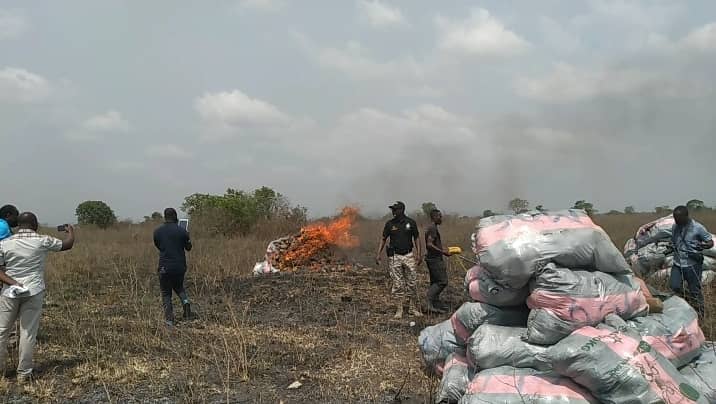
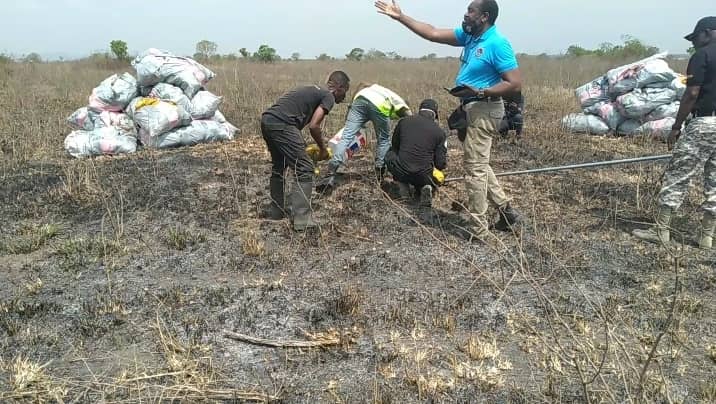
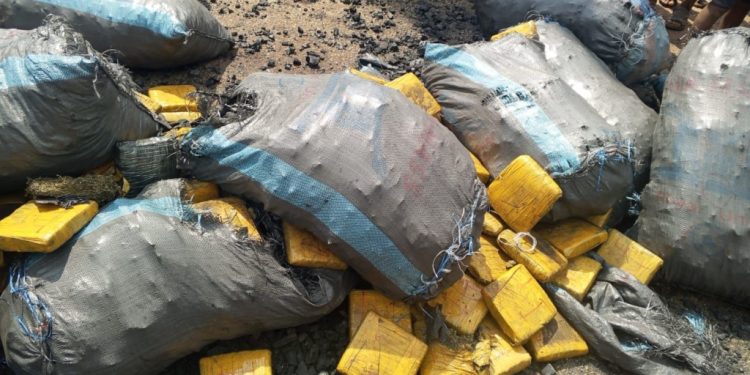
    Police seize large cannabis consignment hidden in charcoal bags in Techiman

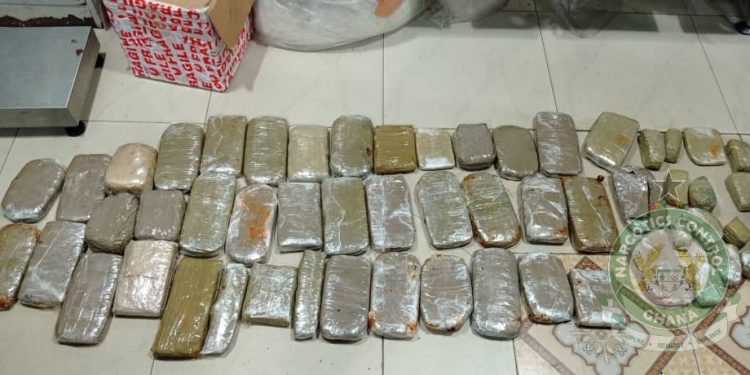
    Three hundred and ninety-seven (397) slabs of suspected cannabis were seized by police in Techiman on Sunday, March 8.

    The seizure followed a crash involving the vehicle carrying the consignment and a stationary Kia Rhino truck near Techiman Methodist Park.

    After the incident, police searched the vehicle and discovered compressed slabs of suspected cannabis concealed in charcoal bags.

    This was disclosed in a press statement released by the police on Tuesday, March 10. Last month, a Sinotruk tipper truck with registration number GN 993-14, carrying over 3,000 slabs of plant material suspected to be narcotic drugs, was impounded by the Ghana Police Service at Sege Akpla Manya in the Greater Accra Region on Sunday, February 15.


    The seizure followed an intelligence-led operation. According to a press release from the Tema Regional Police Command, the suspected drugs were packed in fertilizer sacks. The statement added that the driver abandoned the truck and fled the scene upon spotting the police.


    Last week, a DAF long trailer with registration number GW 1943-09, carrying 4,000 parcels of suspected narcotics, was intercepted by the Oti Regional Police Command at Dambai, Oti Region, on Wednesday, February 11.


    The police, in a press release, disclosed that the interception was made possible following intelligence gathered by their officers.
    According to the statement, thousands of compressed dried leaf parcels, wrapped in yellow masking tape and hidden in secret compartments sealed with six metal plates, were discovered by the officers.


    “The concealed compartments beneath the trailer were opened in the presence of suspect Amidu Jubril, aged 40. A search in the secret compartments led to the discovery of Four Thousand (4000) parcels of compressed dried leaf substances wrapped in a yellow masking tape suspected to be narcotics, carefully concealed within the compartments,” the statement said.


    Meanwhile, driver, Amidu Jubril, is in police custody. Last month, a 50-year-old commercial driver, Atampugri Akanyani, was nabbed by the police after 714 slabs of suspected Indian hemp were found in his possession.


    The slabs, which were hidden in nine nylon sacks, were discovered during a routine snap check by police officers at the Asanso checkpoint along the Bekwai–Aputogya road on Tuesday, January 26, 2026.


    Atampugri Akanyani disclosed that an unknown individual at the Kejetia Lorry Terminal in Kumasi handed over the suspected Indian hemp to him for delivery, at a fee of six hundred Ghana cedis, to another unidentified person in Obuasi.Elevate your investment strategy with structured decision-making workflows luxen verix site.


    Meanwhile, Atampugri Akanyani has since been arraigned before the court. Last year, 600 fertiliser sacks of Indian hemp, weighing a total of 47,530kg and valued at about GH¢4.2 billion, were destroyed by the Volta Regional Police Command.


    The destruction exercise, which occurred on Monday, November 17, was carried out pursuant to an order from the Ho Circuit Court. This information was contained in a statement issued on Thursday, November 20, and signed by Chief Inspector Francis Kwaru Gomado, Head of the Public Affairs Unit of the Volta Region.


    Parts of the statement read, “the six hundred sacks contained a total of forty-seven thousand, five hundred and thirty kilograms (47,530kg) with an estimated face value of about 4.2 billion Ghana cedis.”


    In August 2025, the Central East Regional Police Command arrested two suspects in possession of 519 compressed parcels of dried leaves suspected to be Indian Hemp.


    The suspects, identified as Eric Nkyeke, 30, and Francis Klu, 28, were held in police custody. The Toyota Hilux pick-up with registration number GS 6849-21 was impounded at Nyanyano in the Gomoa East District.


    This was revealed in a statement issued by the Nyanyano District police command. In June, the police nabbed two suspects for having in their possession 84 parcels of substances suspected to be Indian hemp.


    The police team, through an intelligence-led operation on June 15, intercepted an Opel Astra vehicle with registration number GT 6430-13 driven by suspect John Dzeble, together with suspect Adzobi Mesiwotso on board.


    A search conducted on the vehicle revealed 86 compressed parcels of substances suspected to be Indian hemp, discreetly concealed in the inner compartments of the car, including the engine, doors, and boot.


    In addition to the compressed parcels, the officers retrieved a portable measuring scale machine and a roll of masking tape, also concealed, believed to have been used in the packaging of the substances. The suspects, along with the exhibits, are currently in Police custody, assisting with investigations.


    The Oti Regional Police Command has commended the swift and professional action of the personnel involved in the arrest and reaffirmed its commitment to curbing drug trafficking and related criminal activities.


    The arrest comes after a recent incident where the police captured one Christopher Partey for unlawful possession of 40 parcels of a substance suspected to be narcotic drugs.


    The National Highway Patrol Unit of the Ghana Police Service arrested on Wednesday, June 11.


    The team intercepted a Ford Transit bus with registration number AS 524-16 near the outskirts of Ayikuma township while on routine patrol along the Accra–Somanya corridor.


    A search of the vehicle revealed 40 tightly wrapped parcels concealed in a fertilizer sack in the vehicle’s boot. Upon interrogation, Christopher Partey, a passenger on board, admitted ownership of the items.


    The exhibits retrieved have been handed over to the Drug Law Enforcement Unit at the Police Headquarters for further investigation.

    The suspect is currently in police custody, assisting investigations, and will be put before the court.


    In April, a total of 189 Cadets were officially inducted into service to support Ghana’s ongoing efforts to combat narcotic drug trafficking and related crimes.


    The induction, held at the Eastern Naval Command, marked a significant collaboration between the Leadership Training School (LTS) and the Narcotics Control Commission (NACOC).


    The event, which featured the ceremonial swearing of an oath of allegiance, signified the commitment of the new recruits to serve the nation with dedication and uphold the values of integrity and national security.


    The training, led by the Commanding Officer of LTS, is designed to build the capacity of cadets by focusing on the fundamentals of narcotics law and enforcement.


    The course places particular emphasis on confidence-building, professional discipline, and a thorough understanding of legal procedures necessary for their roles in narcotics control.


    As part of the induction, NACOC leadership underscored the importance of adherence to institutional rules and the responsible handling of classified information.


    The Commission reiterated its mission to disrupt the narcotics trade and act as a stabilizing force in communities vulnerable to the influence of drug-related activities.


    NACOC reaffirmed its commitment to making Ghana an unattractive hub for drug trafficking, prioritizing public safety and the protection of the nation’s borders.


    Calls have also been made for increased government support to enhance the Commission’s operational capacity, including the recruitment of additional personnel and the provision of improved financial and logistical resources.


    The new cadets are expected to play a key role in reinforcing the Commission’s enforcement operations across the country.

  • Cannabis cultivation license not transferable – Interior Minister 

    Cannabis cultivation license not transferable – Interior Minister 

    Ghana yesterday, Thursday, February 26, formally launched Ghana’s Medicinal Cannabis Programme, to allow cannabis cultivation and management strictly for industrial and medicinal purposes under tight regulation.

    Speaking at the launch in Accra on Thursday, February 26, of the Minister for the Interior, Muntaka Mohammed- Mubarak, mentioned that the launch of the programmes comes after the passage of the Narcotics Control Commission Amendment Act, 2023 and the Narcotics Control Cultivation and Management of Cannabis Regulation, 2023, which together establish the legal and regulatory regime for the cultivation and management of cannabis strictly for industrial and medicinal purposes.

    According to him, there are 11 licenses for different activities linked to the cannabis business. From the cultivation, to processing, transportation, import and export, each licence is activity-specific and non-transferable.

    “You cannot cultivate and assume you can transport. You need another licence for that,” he said.

    He highlighted that “Today’s event marks a significant milestone in Ghana’s commitment to responsible drug control, public health and safety and economic development.”

    Although the new cannabis programme allows the cultivation of cannabis but for medicinal purposes, Mr Muntaka stressed that recreational use of cannabis remains illegal under Section 45 of the Narcotics Control Commission Act, 2020.

    Consequently, investors seeking licences in the sector must provide proof of their offtakers before being issued operational licenses.

    “We won’t give you the licence if you don’t show us who you are going to sell it to. You need to have an off-taker,” he said.

    He further disclosed that Ghana does not yet produce the specialised low-THC cannabis seeds required under the programme. As a result, seeds must be imported under licence.

    “Government is not positioning itself to provide the seeds. It is a business opportunity for those who want to import,” he said, encouraging research institutions to develop local seed capacity over time.

    To ensure compliance, the Interior Ministry, in collaboration with the Narcotics Control Commission and other security agencies, will deploy surveillance and enforcement mechanisms, including GPS tracking, drone monitoring and unannounced inspections of licensed facilities.

    Agencies such as the Police, Immigration Service, Prisons Service and the National Investigations Bureau will support enforcement.

    Licensed facilities must also not be located within 100 metres of schools or residential areas, and operators are required to submit quarterly returns.

    Mr Mohammed-Mubarak warned that regulatory breaches could damage Ghana’s international standing.

    “If we get it wrong, Ghana could easily be blacklisted, and all the efforts will come to nothing,” he said.

    While acknowledging the revenue potential of the sector, he emphasised that public safety remains the government’s primary concern.

    “Our emphasis is more on security and public safety than the money. If we do it right, the benefits will come,” he said.

    The introduction of the off-taker requirement is expected to reshape participation in the emerging industry, raising the entry threshold for prospective operators and limiting licences to investors who can demonstrate full commercial readiness from production to sale.

    Mr Mohammed-Mubarak said the government remains open to engagement but firm on enforcement.

    “Our doors are open 24-7, but we will make sure the intent of the law is fully achieved,” he said.

    Meanwhile, ahead of the launch of the programme, the government announced that NACOC will implement a licensing regime for medicinal and industrial cannabis cultivation containing no more than 0.3% tetrahydrocannabinol (THC).

    This comes after the Chamber of Cannabis Industry in 2025 urged the government to invest in the cannabis sector, highlighting its lucrative potential to generate substantial revenue. This call for investment aligns with the government’s reset agenda and aims to diversify Ghana’s cash crops, ultimately supporting the nation’s economy.

    Speaking at the launch of the Chamber of Cannabis Training Centre and Sky Bridge Pharmaceuticals in Accra on January 21, Dr. Mark Darko, Chief Executive Officer of the Chamber, emphasized that Ghana boasts one of the best climates globally for cultivating cannabis. He revealed that the global cannabis market, valued at $50 billion, offers Ghana an opportunity to generate up to $1 billion annually.

    “One can make no less than $10,000 from just one hectare of cannabis. This is a $50 billion industry. If Ghana is able to generate at least $1 billion annually from cannabis, you can imagine what that could do for our country. Cannabis has the potential to reset Ghana’s economy,” he said.

    Dr. Darko also encouraged the government to explore cannabis for medicinal and industrial purposes, following the approval of the Narcotics Control Commission Bill, 2023, which permits industrial cannabis cultivation. He pointed out that medicinal cannabis is vital for the sector’s growth, citing its benefits in managing chronic pain, treating epilepsy, and addressing other health conditions.

    “The United States recorded over $11 billion in medicinal cannabis revenue in 2021, and that figure is set to more than double by 2025. Europe, projected to become the largest medicinal cannabis market in the world, is expected to reach $45 billion within the next five years,” he said.

    In addition to this, Dr. Darko highlighted the role of the Chamber’s Training Centre, supported by Sky Bridge Pharmaceuticals, in equipping farmers and processors with sustainable cultivation and processing techniques for cannabis and hemp. The Centre will also encourage research and innovation to create products for global markets while promoting ethical practices.

    The offtaker requirement, the Minister said, is to check the potential diversion of cannabis into the illegal market and safeguard public safety. Authorities will not permit cultivation without proof of a secured market.

    The directive applies across the cannabis value chain, affecting farmers, processors and investors. different activities linked to cannabis cultivation.

  • Truck carrying 3k slabs of suspected cannabis impounded at Sege

    Truck carrying 3k slabs of suspected cannabis impounded at Sege

    A Sinotruk tipper truck with registration number GN 993-14, carrying over 3,000 slabs of plant material suspected to be narcotic drugs, was impounded by the Ghana Police Service at Sege Akpla Manya in the Greater Accra Region on Sunday, February 15.

    The seizure followed an intelligence-led operation. According to a press release from the Tema Regional Police Command, the suspected drugs were packed in fertilizer sacks. The statement added that the driver abandoned the truck and fled the scene upon spotting the police.

    Last week, a DAF long trailer with registration number GW 1943-09, carrying 4,000 parcels of suspected narcotics, was intercepted by the Oti Regional Police Command at Dambai, Oti Region, on Wednesday, February 11.

    The police, in a press release, disclosed that the interception was made possible following intelligence gathered by their officers.

    According to the statement, thousands of compressed dried leaf parcels, wrapped in yellow masking tape and hidden in secret compartments sealed with six metal plates, were discovered by the officers.

    “The concealed compartments beneath the trailer were opened in the presence of suspect Amidu Jubril, aged 40. A search in the secret compartments led to the discovery of Four Thousand (4000) parcels of compressed dried leaf substances wrapped in a yellow masking tape suspected to be narcotics, carefully concealed within the compartments,” the statement said.

    Meanwhile, driver, Amidu Jubril, is in police custody. Last month, a 50-year-old commercial driver, Atampugri Akanyani, was nabbed by the police after 714 slabs of suspected Indian hemp were found in his possession.

    The slabs, which were hidden in nine nylon sacks were discovered during a routine snap check by police officers at the Asanso checkpoint along the Bekwai–Aputogya road on Tuesday, January 26, 2026.

    Atampugri Akanyani disclosed that an unknown individual at the Kejetia Lorry Terminal in Kumasi handed over the suspected Indian hemp to him for delivery, at a fee of six hundred Ghana cedis, to another unidentified person in Obuasi.Elevate your investment strategy with structured decision-making workflows luxen verix site.

    Meanwhile, Atampugri Akanyani has since been arraigned before the court. Last year, 600 fertiliser sacks of Indian hemp, weighing a total of 47,530kg and valued at about GH¢4.2 billion, were destroyed by the Volta Regional Police Command.

    The destruction exercise, which occurred on Monday, November 17, was carried out pursuant to an order from the Ho Circuit Court. This information was contained in a statement issued on Thursday, November 20, and signed by Chief Inspector Francis Kwaru Gomado, Head of the Public Affairs Unit of the Volta Region.

    Parts of the statement read, “the six hundred sacks contained a total of forty-seven thousand, five hundred and thirty kilograms (47,530kg) with an estimated face value of about 4.2 billion Ghana cedis.”

    In August 2025, the Central East Regional Police Command arrested two suspects in possession of 519 compressed parcels of dried leaves suspected to be Indian Hemp.

    The suspects, identified as Eric Nkyeke, 30, and Francis Klu, 28, were held in police custody. The Toyota Hilux pick-up with registration number GS 6849-21 was impounded at Nyanyano in the Gomoa East District.

    This was revealed in a statement issued by the Nyanyano District police command. In June, the police nabbed two suspects for having in their possession 84 parcels of substances suspected to be Indian hemp.

    The police team, through an intelligence-led operation on June 15, intercepted an Opel Astra vehicle with registration number GT 6430-13 driven by suspect John Dzeble, together with suspect Adzobi Mesiwotso on board.

    A search conducted on the vehicle revealed 86 compressed parcels of substances suspected to be Indian hemp, discreetly concealed in the inner compartments of the car, including the engine, doors, and boot.

    In addition to the compressed parcels, the officers retrieved a portable measuring scale machine and a roll of masking tape, also concealed, believed to have been used in the packaging of the substances. The suspects, along with the exhibits, are currently in Police custody, assisting with investigations.

    The Oti Regional Police Command has commended the swift and professional action of the personnel involved in the arrest and reaffirmed its commitment to curbing drug trafficking and related criminal activities.

    The arrest comes after a recent incident where the police captured one Christopher Partey for unlawful possession of 40 parcels of a substance suspected to be narcotic drugs.

    The National Highway Patrol Unit of the Ghana Police Service arrested on Wednesday, June 11.

    The team intercepted a Ford Transit bus with registration number AS 524-16 near the outskirts of Ayikuma township while on routine patrol along the Accra–Somanya corridor.

    A search of the vehicle revealed 40 tightly wrapped parcels concealed in a fertilizer sack in the vehicle’s boot. Upon interrogation, Christopher Partey, a passenger on board, admitted ownership of the items.

    The exhibits retrieved have been handed over to the Drug Law Enforcement Unit at the Police Headquarters for further investigation.The suspect is currently in police custody, assisting investigations, and will be put before the court.

    In April, a total of 189 Cadets were officially inducted into service to support Ghana’s ongoing efforts to combat narcotic drug trafficking and related crimes.

    The induction, held at the Eastern Naval Command, marked a significant collaboration between the Leadership Training School (LTS) and the Narcotics Control Commission (NACOC).

    The event, which featured the ceremonial swearing of an oath of allegiance, signified the commitment of the new recruits to serve the nation with dedication and uphold the values of integrity and national security.

    The training, led by the Commanding Officer of LTS, is designed to build the capacity of cadets by focusing on the fundamentals of narcotics law and enforcement.

    The course places particular emphasis on confidence-building, professional discipline, and a thorough understanding of legal procedures necessary for their roles in narcotics control.

    As part of the induction, NACOC leadership underscored the importance of adherence to institutional rules and the responsible handling of classified information.

    The Commission reiterated its mission to disrupt the narcotics trade and act as a stabilizing force in communities vulnerable to the influence of drug-related activities.

    NACOC reaffirmed its commitment to making Ghana an unattractive hub for drug trafficking, prioritizing public safety and the protection of the nation’s borders.

    Calls have also been made for increased government support to enhance the Commission’s operational capacity, including the recruitment of additional personnel and the provision of improved financial and logistical resources.

    The new cadets are expected to play a key role in reinforcing the Commission’s enforcement operations across the country.

  • NACOC to roll out cannabis cultivation licences in Ghana

    NACOC to roll out cannabis cultivation licences in Ghana

    The Narcotics Control Commission (NACOC) will implement a licensing regime for medicinal and industrial cannabis cultivation containing no more than 0.3% tetrahydrocannabinol (THC).

    In the coming days, qualified entities that meet stringent requirements including robust security protocols, product traceability systems, and quality assurance standards will be eligible to receive licenses.

    The new development comes after Parliament gave the nod to a regulatory and cost framework to govern the controlled cultivation and use of medicinal and industrial cannabis.

    Some 738 compressed parcels of suspected cannabis were seized by the Narcotics Control Commission (NACOC) at the Swissport Terminal in Accra on July 5.

    These compressed parcels were hidden in some boxes that were labelled “assorted food items.” The boxes were being transported to the United Kingdom.

    According to reports, two suspects have been arrested for their involvement in the transportation of the suspected drugs.

    Currently at large are two other key suspects, Lincoln Nii OKAIJA (born March 27, 1979) and Kate DAVIDSON, alias “Esi.”

    The authorities have called on members of the general public to provide them any relevant information that could aid the capture of the suspects.

    Penalties for drug trafficking in Ghana are severe, with the Narcotic Drugs (Control, Enforcement and Sanctions) Act of 1990 (PNDCL 236) stipulating a minimum of ten years imprisonment for offences related to possession, importation, or exportation of narcotic drugs without lawful authority.

    In April 2025, a major drug bust at Ghana’s Swiss Port led to the arrest of four individuals after the Narcotics Control Commission (NACOC) uncovered a large consignment of suspected cocaine

    During the intelligence-driven operation, NACOC officials intercepted seventy-three (73) neatly concealed slabs of a substance suspected to be cocaine.

    The illicit cargo, weighing approximately 89.74 kilograms, was reportedly en route to the Netherlands before it was seized.

    The arrest was part of ongoing efforts by Ghanaian authorities to crack down on transnational drug trafficking through the country’s ports.

    In the same month, a total of 189 cadets were officially inducted into service to support Ghana’s ongoing efforts to combat narcotic drug trafficking and related crimes.

    On Wednesday, February 11, 2026 a DAF long trailer with registration number GW 1943-09, carrying 4,000 parcels of suspected narcotics, was intercepted by the Oti Regional Police Command at Dambai, Oti Region.

    The police, in a press release, disclosed that the interception was made possible following intelligence gathered by their officers.

    According to the statement, thousands of compressed dried leaf parcels, wrapped in yellow masking tape and hidden in secret compartments sealed with six metal plates, were discovered by the officers.

    “The concealed compartments beneath the trailer were opened in the presence of suspect Amidu Jubril, aged 40. A search in the secret compartments led to the discovery of Four Thousand (4000) parcels of compressed dried leaf substances wrapped in a yellow masking tape suspected to be narcotics, carefully concealed within the compartments,” the statement said.

    Meanwhile, driver, Amidu Jubril, is in police custody. Last month, a 50-year-old commercial driver, Atampugri Akanyani, was nabbed by the police after 714 slabs of suspected Indian hemp were found in his possession.

    The slabs, which were hidden in nine nylon sacks were discovered during a routine snap check by police officers at the Asanso checkpoint along the Bekwai–Aputogya road on Tuesday, January 26, 2026.

    Atampugri Akanyani disclosed that an unknown individual at the Kejetia Lorry Terminal in Kumasi handed over the suspected Indian hemp to him for delivery, at a fee of six hundred Ghana cedis, to another unidentified person in Obuasi.

    Meanwhile, Atampugri Akanyani has since been arraigned before the court. Last year, 600 fertiliser sacks of Indian hemp, weighing a total of 47,530kg and valued at about GH¢4.2 billion, were destroyed by the Volta Regional Police Command.

    The destruction exercise, which occurred on Monday, November 17, was carried out pursuant to an order from the Ho Circuit Court. This information was contained in a statement issued on Thursday, November 20, and signed by Chief Inspector Francis Kwaru Gomado, Head of the Public Affairs Unit of the Volta Region.

    Parts of the statement read, “the six hundred sacks contained a total of forty-seven thousand, five hundred and thirty kilograms (47,530kg) with an estimated face value of about 4.2 billion Ghana cedis.”

    In August 2025, the Central East Regional Police Command arrested two suspects in possession of 519 compressed parcels of dried leaves suspected to be Indian Hemp.

    The suspects, identified as Eric Nkyeke, 30, and Francis Klu, 28, were held in police custody. The Toyota Hilux pick-up with registration number GS 6849-21 was impounded at Nyanyano in the Gomoa East District.

    This was revealed in a statement issued by the Nyanyano District police command. In June, the police nabbed two suspects for having in their possession 84 parcels of substances suspected to be Indian hemp.

    The police team, through an intelligence-led operation on June 15, intercepted an Opel Astra vehicle with registration number GT 6430-13 driven by suspect John Dzeble, together with suspect Adzobi Mesiwotso on board.

    A search conducted on the vehicle revealed 86 compressed parcels of substances suspected to be Indian hemp, discreetly concealed in the inner compartments of the car, including the engine, doors, and boot.

    In addition to the compressed parcels, the officers retrieved a portable measuring scale machine and a roll of masking tape, also concealed, believed to have been used in the packaging of the substances. The suspects, along with the exhibits, are currently in Police custody, assisting with investigations.

    The Oti Regional Police Command has commended the swift and professional action of the personnel involved in the arrest and reaffirmed its commitment to curbing drug trafficking and related criminal activities.

    The arrest comes after a recent incident where the police captured one Christopher Partey for unlawful possession of 40 parcels of a substance suspected to be narcotic drugs.

    The National Highway Patrol Unit of the Ghana Police Service arrested on Wednesday, June 11.

    The team intercepted a Ford Transit bus with registration number AS 524-16 near the outskirts of Ayikuma township while on routine patrol along the Accra–Somanya corridor.

    A search of the vehicle revealed 40 tightly wrapped parcels concealed in a fertilizer sack in the vehicle’s boot. Upon interrogation, Christopher Partey, a passenger on board, admitted ownership of the items.

    The exhibits retrieved have been handed over to the Drug Law Enforcement Unit at the Police Headquarters for further investigation.The suspect is currently in police custody, assisting investigations, and will be put before the court.

    In April, a total of 189 Cadets were officially inducted into service to support Ghana’s ongoing efforts to combat narcotic drug trafficking and related crimes.

    The induction, held at the Eastern Naval Command, marked a significant collaboration between the Leadership Training School (LTS) and the Narcotics Control Commission (NACOC).

    The event, which featured the ceremonial swearing of an oath of allegiance, signified the commitment of the new recruits to serve the nation with dedication and uphold the values of integrity and national security.

    The training, led by the Commanding Officer of LTS, is designed to build the capacity of cadets by focusing on the fundamentals of narcotics law and enforcement.

    The course places particular emphasis on confidence-building, professional discipline, and a thorough understanding of legal procedures necessary for their roles in narcotics control.

    As part of the induction, NACOC leadership underscored the importance of adherence to institutional rules and the responsible handling of classified information.

    The Commission reiterated its mission to disrupt the narcotics trade and act as a stabilizing force in communities vulnerable to the influence of drug-related activities.

    NACOC reaffirmed its commitment to making Ghana an unattractive hub for drug trafficking, prioritizing public safety and the protection of the nation’s borders.

    Calls have also been made for increased government support to enhance the Commission’s operational capacity, including the recruitment of additional personnel and the provision of improved financial and logistical resources.

    The new cadets are expected to play a key role in reinforcing the Commission’s enforcement operations across the country.

  • 20-year-old UK-based Ghanaian arrested in Lagos with cannabis in luggage – Report

    20-year-old UK-based Ghanaian arrested in Lagos with cannabis in luggage – Report

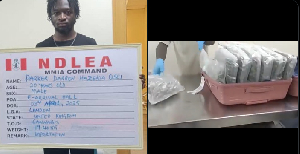
    The Nigerian Drug Law Enforcement Agency (NDLEA) has reportedly detained a 20-year-old Ghanaian-British student, Osei Parker, for attempting to smuggle 19.4kg of potent cannabis into Nigeria.

    Parker, who is based in London, was apprehended on April 3, 2025, at Murtala Muhammed International Airport (MMIA) in Lagos as he arrived aboard an Ethiopian Airlines flight from Bangkok, Thailand.

    According to reports, during his initial interrogation, Parker stated that he was studying Computer Science at the University of East London.

    Femi Babafemi, NDLEA’s Director of Media and Advocacy, revealed in a statement on Sunday that the agency’s officers uncovered 36 parcels of cannabis hidden inside a large suitcase during routine security checks.

    “On Thursday, April 3, 2025, officers at the MMIA Strategic Command intercepted 20-year-old Ghanaian-British national Parker Darren Hazekia Osei, who was carrying 36 parcels of ‘loud,’ a potent strain of cannabis, weighing 19.40kg,” Babafemi said.

    He went on to explain that Parker claimed he had traveled from London to Bangkok a week before, where he picked up the illicit substance for delivery to Nigeria.

    In another operation, NDLEA officers in Abia State on April 5 arrested a 75-year-old man, Nna Nnanna Felix, who was found with 1.6kg of skunk, a cannabis strain, during a raid at Umunteke Asa,

  • Invest in cannabis cultivation to generate $1bn annually  – Chamber of Cannabis Industry to govt

    Invest in cannabis cultivation to generate $1bn annually  – Chamber of Cannabis Industry to govt

    The Chamber of Cannabis Industry has urged the government to invest in the cannabis sector, highlighting its lucrative potential to generate substantial revenue. This call for investment aligns with the government’s reset agenda and aims to diversify Ghana’s cash crops, ultimately supporting the nation’s economy.

    Speaking at the launch of the Chamber of Cannabis Training Centre and Sky Bridge Pharmaceuticals in Accra on January 21, Dr. Mark Darko, Chief Executive Officer of the Chamber, emphasized that Ghana boasts one of the best climates globally for cultivating cannabis. He revealed that the global cannabis market, valued at $50 billion, offers Ghana an opportunity to generate up to $1 billion annually.

    “One can make no less than $10,000 from just one hectare of cannabis. This is a $50 billion industry. If Ghana is able to generate at least $1 billion annually from cannabis, you can imagine what that could do for our country. Cannabis has the potential to reset Ghana’s economy,” he said.

    Dr. Darko also encouraged the government to explore cannabis for medicinal and industrial purposes, following the approval of the Narcotics Control Commission Bill, 2023, which permits industrial cannabis cultivation. He pointed out that medicinal cannabis is vital for the sector’s growth, citing its benefits in managing chronic pain, treating epilepsy, and addressing other health conditions.
    “The United States recorded over $11 billion in medicinal cannabis revenue in 2021, and that figure is set to more than double by 2025. Europe, projected to become the largest medicinal cannabis market in the world, is expected to reach $45 billion within the next five years,” he said.

    In addition to this, Dr. Darko highlighted the role of the Chamber’s Training Centre, supported by Sky Bridge Pharmaceuticals, in equipping farmers and processors with sustainable cultivation and processing techniques for cannabis and hemp. The Centre will also encourage research and innovation to create products for global markets while promoting ethical practices.

    Dr. Samuel Twumasi, Group CEO of Sky Bridge Group, elaborated on their investment in the cannabis sector, aiming to produce high-quality, cannabis-based medicines that meet international standards. He urged the government to expedite the approval of fees and charges for cannabis cultivation licenses to foster further investment in the sector.

    Cannabis, also known as marijuana, is a herbal medicine derived from Cannabis plants. It is used to treat a variety of symptoms and conditions, including cancer, chronic pain, and mental disorders.

    According to Allied Market Research, the global cannabis market was valued at $25.7 billion in 2021 and is expected to grow to $148.9 billion by 2031.

  • England’s Jay Emmanuel-Thomas arrested for reported £600k cannabis smuggling

    England’s Jay Emmanuel-Thomas arrested for reported £600k cannabis smuggling

    British footballer Jay Emmanuel-Thomas has been charged in connection with an attempt to smuggle cannabis valued at £600,000 ($800,000) through a UK airport.

    Emmanuel-Thomas, who began his career at Arsenal and currently plays for Greenock Morton in Scotland’s second tier, was arrested at his home near Glasgow on Wednesday, according to reports from the Press Association (PA).

    The 33-year-old forward was taken into custody and transferred to Carlisle, in northern England, for questioning by the National Crime Agency (NCA).

    Emmanuel-Thomas started his professional career at Arsenal, making five appearances, including a Champions League outing against Shakhtar Donetsk in November 2010.

    He later had stints with Ipswich Town, Bristol City, Queens Park Rangers, and Aberdeen, and also played for PTT Rayong in Thailand.

    The drug-smuggling case emerged after customs officers discovered approximately 60 kilogrammes (130 pounds) of cannabis in two suitcases at Stansted Airport, which had arrived on a flight from Bangkok on September 2.

    Two women were also arrested in connection with the incident.

    Emmanuel-Thomas is set to appear in court in Carlisle on Thursday, facing charges related to the importation of Class B drugs.

    In August, the National Crime Agency issued a warning to travelers arriving from Thailand, Canada, and the United States, highlighting the severe penalties for attempting to smuggle cannabis into the UK.

    Those convicted face up to 14 years in prison.

  • 20.5kg cannabis intercepted by NACOC

    Over a span of three days, the Narcotics Control Commission (NACOC) seized a total of 20.5kg of concealed cannabis parcels intended for smuggling out of Ghana via postal and courier centers in Accra.

    On Monday, April 15, 2024, routine examinations by NACOC officers revealed four parcels concealed in wrapped boxes destined for the United Kingdom.

    The following day, April 16, 2024, officers intercepted an outbound parcel containing 21 slabs of compressed cannabis, weighing 5.80 kg.

    On Friday, April 19, 2024, two outbound parcels containing a combined total of ten slabs of cannabis weighing 5.3 kg, along with an additional four slabs weighing 1.4 kg, were intercepted.

    Both parcels were destined for the United Kingdom. Similarly, on Saturday, April 20, 2024, officers discovered an EMS parcel containing concealed cannabis slabs weighing 5.3 kg bound for the United Kingdom.

    Another interception occurred on Wednesday, April 24, 2024, when officers found black soap packaged with cannabis slabs in a bathing pail, weighing 2.10 kg and intended for the United Kingdom.

    Subsequent field tests confirmed the presence of narcotics in these parcels, prompting their transfer to NACOC Headquarters for further investigation and the initiation of an intensive investigation to apprehend the culprits.

    In a statement, NACOC reminded the public that possessing and transporting narcotics is illegal.

  • Parliament greenlights cannabis farming for industrial use

    Parliament greenlights cannabis farming for industrial use

    Parliament has granted approval to the Narcotics Control Commission Regulations 2023, formally legalizing the cultivation and management of cannabis for industrial and commercial purposes.

    The approval specifies that the cannabis must have a tetrahydrocannabinol (THC) content of 0.3.

    During discussions on the Legislative Instrument (L.I.), the Minister of the Interior, Ambrose Dery, emphasized that this should not be misconstrued as the legalization of recreational marijuana.

    He clarified that cannabis with THC levels of 0.3 is not currently cultivated within the country, and the ministry is in the process of facilitating the introduction of such varieties.

    However, Minority Chief Whip, Governs Kwame Agbodza, raised concerns about the potential abuse of the law and its implications for the country’s mental health.

    He cautioned against overlooking the risks of abuse and how it could contribute to existing mental health challenges in Ghana.

    “And none of you is talking about the potential of abuse and how that can degenerate into mental health problems we already have in this country. Why are we pretending that this is going to solve our problem? Minister? Do you even know how many people in this country are smoking weed?” Agbodza questioned.

  • Cannabis can be a blessing to Ghana’s economy – Dominic Ayine

    Cannabis can be a blessing to Ghana’s economy – Dominic Ayine

    Chairman of the Subsidiary Legislation Committee and Member of Parliament for Bolga East, Dr. Dominic Ayine, has underscored the potential economic advantages associated with legalizing the industrial use of cannabis.

    Referring to studies conducted by the United Nations Commission on International Trade and Development, Dr. Ayine pointed out the positive impacts observed in countries that have legalized cannabis cultivation.
    These benefits include economic growth, industrial development, increased foreign exchange, employment opportunities, and medicinal applications.

    “Mr. Speaker, studies conducted by the United Nations Commission on International Trade and Development indicate that the industry has potential benefits for countries that have legalized its cultivation and management. These include economic, industrial, foreign exchange, employment, and medicinal benefits. Every part of the industrial hemp plants, from the roots to the flowers and seeds, has potential industrial and medicinal benefits, which can be beneficial to the economy of the country,” he said.

    Dr. Dominic Ayine’s comments were made in response to the recent development of a Legislative Instrument designed to regulate the cultivation and management of cannabis for medicinal and industrial purposes, following the passage of the parent law by parliament.

    Meanwhile, Minority Chief Whip, Governs Kwame Agbodza, has raised concerns about the potential negative impact on mental health and questioned the feasibility of regulating cannabis use.

    “Unfortunately, the young man taking weed in this country is not going to take what he has to the laboratory to test HPC content before taking it. And none of you is talking about the potential for abuse or how badly it would degenerate the mental health we already have in the country. Why are we pretending that this is going to solve our problems in the country? Minister, do you even know how many people are taking weed illegally, to the extent that you are going to license the people and show them where to store the weed?”

  • Parliament approves industrial utilization of Cannabis

    Parliament approves industrial utilization of Cannabis

    Parliament has officially sanctioned the cultivation and regulation of cannabis for industrial and commercial purposes.

    This development comes in the wake of the endorsement of the Narcotics Control Commission Regulations 2023, legitimizing cannabis with a tetrahydrocannabinol (THC) content of 0.3.

    During his contribution to the passage of the Legislative Instrument, Interior Minister Ambrose Dery emphasized that this should not be construed as the legalization of recreational marijuana.

    He clarified that cannabis with THC of 0.3 is not yet cultivated in the country and that the ministry is now preparing to bring such types into the country.

    However, Minority Chief Whip, Governs Kwame Agbodza, asserts that this legislation is prone to abuse and predicts that the cultivation of cannabis will not positively impact the fortunes of the country.

    He warned that the passing of the law and its subsequent abuse could exacerbate an already dire mental health situation in the country.

    “And none of you is talking about the potential of abuse and how that can degenerate into mental health problems we already have in this country. Why are we pretending that this is going to solve our problem? Minister? Do you even know how many people in this country are smoking weed?” he quizzed.

    “Even electricity that the sources we produce we are known, we are unable to police the amount of electricity we produce in this country. You are not talking about giving license to people to produce weed. While I don’t have the potential of stopping this, the fact is that Ghana is blessed enough with gold, diamond and just recently we found E-Levy, none of them is able to save our country,” the MP added.

    Meanwhile, the new Vice Chair of the Constitutional and Legal Affairs Committee, Sarah Adwoa Safo disagreed with Mr Agbodza.

    According to her, cannabis for medicinal and industrial purposes will help Ghana economically.

    “We’re not talking about just a leaf in someone’s backyard, we’re talking about a whole industry that is been created. And if we have our fertile lands here, and we can grow and make sure that the right framework is in place, I don’t see why we can’t take advantage of it,” she said.

    Cannabis of THC 0.3 has little to no psychoactive effects and can be purposed into ropes, paper, and other building materials among others.

  • Cannabis likely to be abused by public – Governs Agbodza

    Cannabis likely to be abused by public – Governs Agbodza

    The Minority Chief Whip, Governs Agbodza, has expressed concerns about the potential abuse of cannabis following the maturity of a legislative instrument (L.I.) designed to regulate its cultivation and management by the government.

    The L.I. is intended to provide guidelines for the medicinal and industrial use of cannabis, following the passage of the parent law by Parliament.

    Agbodza has voiced apprehensions about the impact of the regulation, suggesting that it may exacerbate mental health conditions rather than contributing to the improvement of the country’s economic fortunes.

    “Unfortunately, the young man taking weed in this country is not going to take what he has to the laboratory to test HPC content before taking it. And none of you is talking about the potential for abuse or how badly it would degenerate the mental health we already have in the country. Why are we pretending that this is going to solve our problems in the country? Minister, do you even know how many people are taking weed illegally, to the extent that you are going to license the people and show them where to store the weed?”

    Chairman of the Subsidiary Legislation Committee, Dr. Dominic Ayine, has countered concerns about the potential negative impacts of cannabis regulation. Dr. Ayine stated that research suggests countries that legalize the industrial use of cannabis could stand to benefit economically.

    “Mr. Speaker, studies conducted by the United Nations Commission on International Trade and Development indicate that the industry has potential benefits for countries that have legalized its cultivation and management. These include economic, industrial, foreign exchange, employment, and medicinal benefits. Every part of the industrial hemp plants, from the roots to the flowers and seeds, has potential industrial and medicinal benefits, which can be beneficial to the economy of the country.”

  • Narcotics Control Bill does not include Recreational use of Cannabis – Bagbin

    Narcotics Control Bill does not include Recreational use of Cannabis – Bagbin

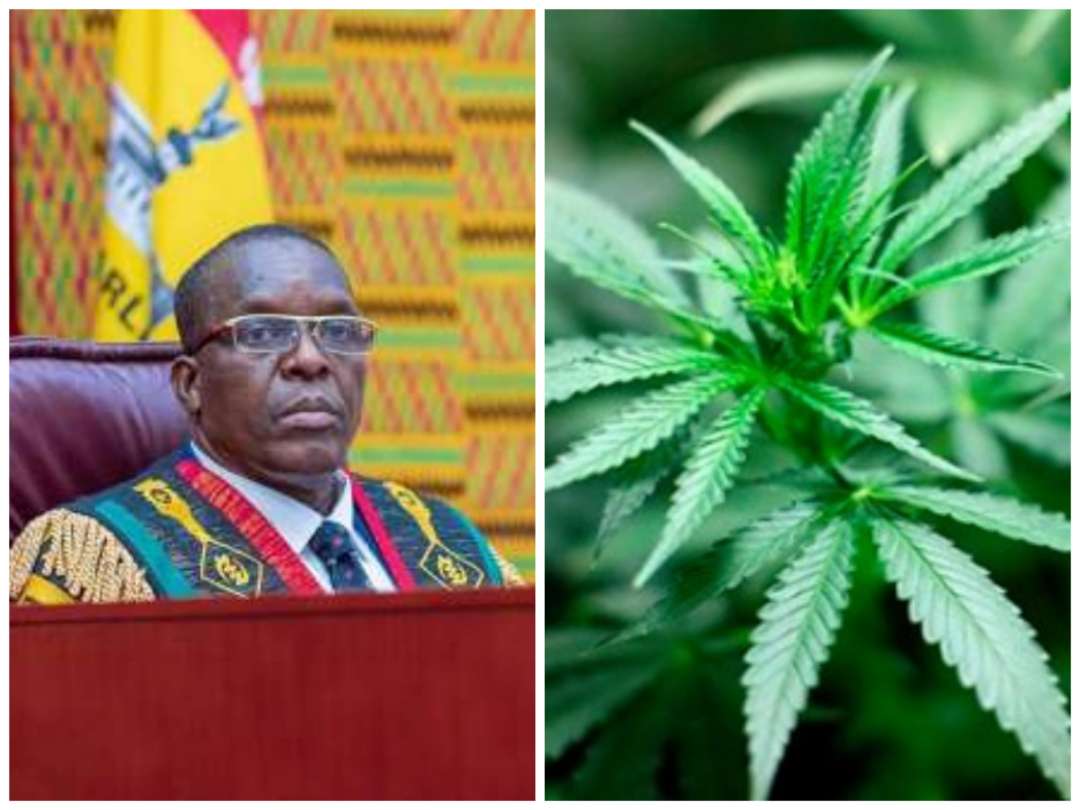
    The Speaker of Parliament, Alban Bagbin, has expressed concern over the public’s misinterpretation of the passage of the Narcotics Control Commission Amendment Bill 2023.

    On July 12, 2023, Parliament passed the Narcotics Control Commission Amendment Bill 2023, introducing significant changes to the cultivation of cannabis for industrial and medicinal purposes.

    The amended bill now grants the Ministry of Interior the authority to issue licenses for cannabis cultivation, thereby facilitating its usage for various beneficial applications.

    However, Speaker Alban Bagbin clarified that the bill’s passage does not legalize the recreational use of cannabis.

    He urged the police to take strict action against those who violate the law.

    “Passage of the Bill does not connote or legalise the recreational use or smoking of cannabis therefore the House remains steadfast in its commitment to enforcing the law against the unlawful use of cannabis. We will continue to act in a manner that is in line with the Constitution and serves the public interest and advances our nation’s development and I want to employ all Members of Parliament and Ghanaians to share this information so as to dispel the misinformation and foster an informed dialogue on the matter.”

    “I reiterate that the cultivation, manufacture, processing, distribution, sale, production, or use of narcotic plants, synthetic or semi-synthetic drugs without lawful authority remains an offence and is punishable by our laws and I, therefore, call on the law enforcement authorities to continue to investigate, prosecute and commit offenders to the sanctions of the law.”

  • Why American model Gigi Hadid was arrested in Cayman Islands

    Why American model Gigi Hadid was arrested in Cayman Islands

    American model Gigi Hadid was detained and fined in the Cayman Islands earlier this month for cannabis possession, as recently disclosed.

    The 28-year-old model and her friend were apprehended after their luggage was searched upon arriving on a private jet for a holiday on July 10.

    Both individuals pleaded guilty in court and promptly paid the fine, but no conviction was recorded.

    Hadid’s representative stated that the marijuana was legally acquired in New York with a valid medical license.

    “It has also been legal for medical use in Grand Cayman since 2017. Her record remains clear and she enjoyed the rest of her time on the island,” they said in a statement shared with the PA news agency.

    According to the Cayman Islands Customs and Border Control, Hadid and her friend Leah McCarthy were arrested for “the importation of marijuana and importation of utensils used for the consumption of marijuana”.

    According to the agency, the quantity of the substance confiscated was small, suggesting it was for personal use. Subsequently, they were apprehended and taken to a detention center but later released on bail. A local newspaper, the Cayman Marl Road, reported these events.

    Following their detention, the two individuals made an appearance in the Cayman Islands summary court just two days after the incident. They were issued a fine of 1,000 Cayman Islands dollars ($1,200; £920).

    Surprisingly, despite the ordeal, the model seemed to continue enjoying her holiday without letting the incident dampen her spirits.

    “All’s well that ends well”, she told her Instagram followers on Tuesday, posting photos of the beachside getaway.

    Gigi Hadid stands as one of the most renowned and highest-earning models globally. With an impressive portfolio, she has collaborated with prestigious luxury brands such as Versace, Chanel, Fendi, and Marc Jacobs. Her remarkable career has also seen her grace the cover of Vogue magazine over 30 times.

    The Cayman Islands, located in the Caribbean, is a captivating British overseas territory, celebrated for its stunning beaches, vibrant coral reefs, and diverse marine life.

  • Cultivation of industrial cannabis can help cleanse polluted farmlands and water bodies – Nana Agyemang

    Cultivation of industrial cannabis can help cleanse polluted farmlands and water bodies – Nana Agyemang

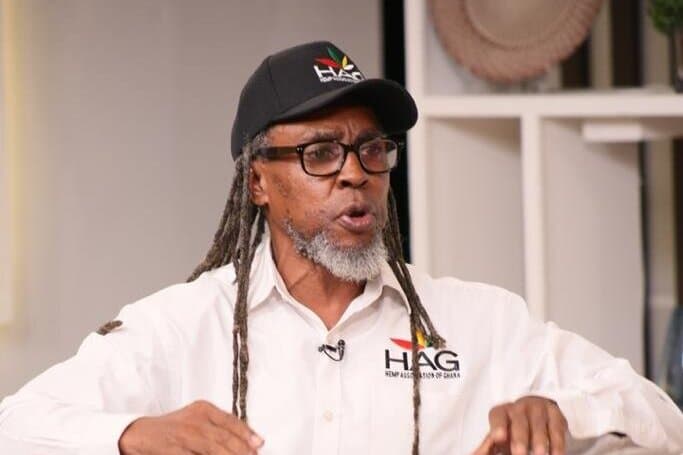
    CEO of Hempire Association of Ghana, Nana Kweku Agyemang, believes that the cultivation of industrial cannabis, commonly known as ‘wee,’ has the potential to address the pollution caused by illegal small-scale mining activities, known as ‘Galamsey.’

    According to him, industrial cannabis cultivation can absorb harmful chemicals present on farmlands affected by Galamsey, contributing to their purification and restoration.

    Nana Agyemang’s comments come in response to the passage of the Narcotics Control Commission Amendment Bill 2023 on July 12, 2023, granting the Ministry for the Interior the authority to issue licenses for the cultivation of cannabis for industrial purposes.

    He explains that growing cannabis along the banks of water bodies can also contribute to the purification of rivers, making the water suitable for domestic use once again.

    By absorbing toxins over time, industrial cannabis can help reclaim polluted lands and enable farmers to resume cultivation of high-value crops.

    “Our water bodies can also benefit from the cultivation of industrial cannabis. The plant’s growth in these areas can help clean up the water bodies, allowing us to utilize them for our everyday domestic needs,” Nana Agyemang states.

    In addition to environmental benefits, the CEO highlights the health advantages associated with industrial cannabis cultivation.
    He mentions its potential use in treating epilepsy, emphasizing the oil extracted from cannabis as a possible solution for epilepsy-related seizures.

    Prior to the passage of the Narcotics Control Commission Amendment Bill, Speaker of Parliament Alban Bagbin expressed concern over the country’s loss of potential revenue due to the absence of a cannabis cultivation license.

    He noted that Ghana had been unable to tap into the economic opportunities offered by cannabis cultivation.
    The Supreme Court had previously declared the law allowing cannabis cultivation unconstitutional, as it had been passed without the required parliamentary debate.

    Speaker Bagbin expressed his dissatisfaction with the ruling and stressed the importance of consulting Parliament on such matters to ensure informed decisions.

    The passing of the Narcotics Control Commission Amendment Bill opens the door for regulated cultivation of cannabis for industrial purposes, potentially bringing environmental, economic, and health benefits to Ghana.

  • CEO of Hempire Association of Ghana highlights industrial use of ‘wee’

    CEO of Hempire Association of Ghana highlights industrial use of ‘wee’

    CEO of the Hempire Association of Ghana, Nana Kweku Agyemang, has highlighted that the cultivation of industrial cannabis holds promise in remedying the presence of hazardous chemicals resulting from illegal small-scale mining, popularly known as ‘Galamsey’, on farmlands.

    The comment by the CEO is on the back of the Narcotics Control Commission Amendment Bill 2023, which was passed on July 12, 2023 in parliament, to grant the Ministry for the Interior the authority to issue licenses for the cultivation of cannabis for industrial purposes.

    According to him, cultivation of cannabis along the banks of water bodies can also contribute to the purification of rivers, allowing for domestic use of the water once again.

    “Then also, it is good for the environment because at the moment we are clamouring to deal with galamsey and there are farmers sitting there looking at lands they would previously pay peanuts for, and those lands have been poisoned with mercury and other toxic chemicals.

    “Well, I wish to inform you that when we cultivate industrial hemp on that land, those lands would be reclaimed because the industrial cannabis will absorb all the toxins over a period of time and the farmers will be able to go back to those farmlands and start cultivating high-value crops,” he said.

    He added that “The same is true with our water bodies, the cultivation of industrial cannabis in those water bodies and the banks will clean up those water bodies so that we can return to them and use them in our everyday day domestic lives.”

    The CEO also highlighted some health benefits that come with the cultivation of industrial cannabis.

    “In medication, there are a lot of young people suffering from epilepsy and the oil from cannabis is something that can be used for all those features once and for all,” he added.

    Prior to the passage, the Speaker of Parliament, Alban Bagbin, stated that Ghana was losing millions of dollars due to the lack of a cannabis cultivation license.

    Speaker Bagbin made these remarks following the presentation and first reading of the Narcotics Regulation Commission Amendment Bill, 2023, on the floor of Parliament on Thursday, July 6.

    The Supreme Court had previously ruled that the law granting licenses to grow cannabis, popularly known as ‘wee,’ was unconstitutional because there was no debate in Parliament prior to its passage into law, as required by Article 106 (5) (6) of the 1992 Constitution.

    However, the Speaker, who stated that the country was losing out as a result of this decision, stated that he expressed his displeasure with the ruling to the justices of the apex court in a meeting and urged them to consult Parliament for proper briefings whenever such decisions are made.

  • Cannabis bill is not yet law, hold your horses – NCC cautions publuic

    Cannabis bill is not yet law, hold your horses – NCC cautions publuic

    The Narcotics Control Commission Bill, 2023 has merely obtained parliamentary approval and has not yet been enacted into law, according to the NACOC’s deputy regional commander, Rees Hakeem Oduro.

    In a recent interview, Mr. Oduro emphasized that although the bill, which permits the cultivation of cannabis for industrial and medical purposes, has received approval from Parliament, Ghanaians must wait until the passage of the Legislative Instrument (LI) before regulations governing cannabis production are put into effect.

    He said: “The LI hasn’t been passed yet because it’s only been through the agreement of Parliament. It will have to go to the President for final approval before the guidelines surrounding the cannabis production will be passed.”

    He entreated citizens not to panic or become overly excited about the news of Parliament passing the bill, as the recreational use of cannabis and unlawful possession of the plant remain illegal under Ghanaian law.

    “Without the license from the right authorities, you will be arrested for planting,” he cautioned.

    Ghana has passed a new law that allows the cultivation of cannabis for industrial and medicinal purposes, under the supervision of the Ministry of Interior.

    The Narcotics Control Commission Bill, 2023, was passed by Parliament on Wednesday, July 12, 2023, after a Supreme Court ruling in August 2022 struck out section 43 of the previous law as unconstitutional.

    Speaker of Parliament, Alban Bagbin, voiced his dissatisfaction with the Supreme Court’s ruling and referred the Narcotics Control Commission Act bill to the Parliamentary Committee of Defense and Interior for consideration..

    The new bill, which consists of a single clause, empowers the Minister for Interior to grant licenses for the cultivation of cannabis with a THC content not exceeding 0.3% on a dry weight basis.

    THC is the psychoactive component of cannabis that causes intoxication.

    The bill does not legalise the recreational use of cannabis, which remains illegal and punishable by law.

  • Cannabis law to turn Ghanaians into ‘ganja’ farmers – Lawyer

    Cannabis law to turn Ghanaians into ‘ganja’ farmers – Lawyer

    A Legal Team Member of the National Democratic Congress (NDC), Godwin Edudzi Tameklo, has expressed support for the cultivation of cannabis for medical and industrial purposes.

    In an interview with media, Edudzi revealed that a lot of businessmen are acquiring large plots of land across the country for hemp production.

    “I am aware of a lot of business men who are today, buying large tracks of land in many parts of the country to grow cannabis, I think we may all end up being ganja farmers”

    Edudzi Tameklo is optimistic that the legislative measures governing the production of cannabis will lead to positive outcomes and help prevent the improper use of hemp.

    “The issue of enforcement, compliance among other things, is like someone who is working on the job, you still want to give the person the benefit, maybe at this time, all of us must ensure that the various skill set at the Narcotics control commission will be enhanced, because we can’t do this without the corporation of standards authority”


    Parliament has approved the Narcotics Control Commission Amendment Bill 2023, introducing significant modifications to the cultivation of cannabis for industrial and medicinal purposes.

    The amended bill empowers the Ministry of Interior to grant licenses for cannabis cultivation, facilitating its utilization in diverse beneficial applications.

  • Cannabis cultivation now legal in Ghana

    Cannabis cultivation now legal in Ghana

    Ghana has passed a new law that allows the cultivation of cannabis for industrial and medicinal purposes, under the supervision of the Ministry of Interior.

    The Narcotics Control Commission Bill, 2023, was passed by Parliament on July 12, 2023, after a Supreme Court ruling that struck out a section of the previous law as unconstitutional.

    The section in question gave the Minister the power to grant licenses for the cultivation of cannabis, popularly known as “wee” in Ghana, based on the recommendation of the Commission.

    The court ruled that this provision violated the constitutional requirement for parliamentary debate before passing a law.

    The new bill, which consists of a single clause, empowers the Minister to grant licenses for the cultivation of cannabis with a THC content not exceeding 0.3% on a dry weight basis.

    THC is the psychoactive component of cannabis that causes intoxication.

    The bill does not legalise the recreational use of cannabis, which remains illegal and punishable by law.

    The bill aims to regulate the cultivation of cannabis and harness its potential benefits for industrial and medicinal purposes.

    Cannabis is a versatile plant that can be used to produce fibre and seed for various industrial applications, such as textiles, paper, plastics, building materials and biofuels. Cannabis also has medicinal properties that can be used to treat various conditions, such as chronic pain, epilepsy, glaucoma and cancer.

    The passage of the bill is expected to open up new opportunities for the development of a well-regulated cannabis industry in Ghana, ensuring that its cultivation and usage adhere to strict guidelines and quality standards.

  • It is improper for you to strike out cannabis law without consulting us – Speaker to Supreme Court

    It is improper for you to strike out cannabis law without consulting us – Speaker to Supreme Court

    The Speaker of Parliament, Alban Bagbin, has voiced his dissatisfaction with the Supreme Court’s ruling that invalidated the law allowing the granting of licenses for cannabis cultivation in Ghana.

    In August 2022, the Supreme Court said Parliament did not act transparently in the passage of the Narcotics Control Commission Act.

    Specific reference was made to portions of the law (section 43) which permitted the cultivation of cannabis for medicinal and industrial purposes.

    In July 2022, the Supreme Court struck down section 43 of the law, which empowered the Minister to issue licenses for the medicinal and industrial cultivation of cannabis.

    In response, Speaker has expressed his belief that the Supreme Court made an error by not verifying the proper process and procedures involved in the enactment of a bill before rendering its ruling.

    “I hope the three arms of government will work together and respect each other. In case of doubt, it’s important to consult the other arm before giving finality to whatever decision the other arm wants to take.

    “I do not think it was proper for the Judiciary without knowing how we conduct our business here, really go into how we conduct the business and make such important decisions without consulting the House. That is improper,” he said in Parliament on June 6, 2023.

    Also, Interior Minister Ambrose Dery has described the Supreme Court’s ruling as a grievous error.

    He said “to say section 43 is unconstitutional because there was no debate in my humble opinion is a grievous error.”

    The Nandom MP continued that the bill does not seek to legalise the recreational use of cannabis but to allow the Minister to issue licenses to people who can produce at 0.3% THC.

    He added that the legislation was to help government take a modern approach and allow for industrial and medicinal use of cannabis

    Meanwhile, Speaker Alban Bagbin has referred the Narcotics Control Commission Act bill to the Parliamentary Committee of Defense and Interior for consideration.

    The committee is expected in a weeks time to come up with the right provision needed to re-enact the law.

  • Revised Narcotic Control Act offers non-prison options for Cannabis users

    Revised Narcotic Control Act offers non-prison options for Cannabis users

    A recent sensitisation workshop was held in Sunyani to educate judges and magistrates from the Bono, Bono East, and Ahafo regions about the newly implemented Narcotic Control Commission Act 2020 (Act 1019).

    The workshop, organized by the Perfector of Sentiments Foundation (POS Foundation), the Judicial Training Institute, and the Open Society Initiative for West Africa (OSIWA), aimed to equip participants with knowledge about the alternative provisions for drug possession and use offenses, particularly concerning Indian hemp.

    According to a DailyGuide report, the event witnessed the participation of regional police and prison commanders, as well as past and present director generals of the Narcotic Control Commission.

    Notable attendees included Justice Tanko Amadu of the Supreme Court, who also serves as the Director of the Judicial Training Institute, Kenneth Adu-Amanfeh, the Director General of the Narcotics Control Commission, and Akrasi Sarpong, the former boss of NACOB. Jonathan Osei Owusu, the Executive Director of POS Foundation, and His Lordship Justice Patrick Baiye, the Supervising High Court judge for the Bono and Ahafo regions, were also present, with Justice Baiye chairing the training workshop.

    Jonathan Osei Owusu, the Executive Director of POS Foundation, emphasized the importance of sensitizing the judiciary to the new law and its implementation.

    He highlighted that the Act 1019 aims to approach drug use, possession, and dependence as public health and safety issues rather than focusing solely on law enforcement, incarceration, punishment, and repression.

    Under the previous law, PNDC Law 236, individuals found guilty of possession and use of minor narcotic drugs faced a prison sentence of 10 years. However, the new law has replaced the prison term with a fine ranging between 200 and 500 penalty units, amounting to GH¢2,400 and GH¢6,000.

    This significant change offers trial courts alternatives to custodial sentences, deviating from the practices of the previous regime. The implementation of the new law sets an essential example for drug policy reform advocacy in West Africa, where countries such as Kenya and Nigeria have already embraced pretrial measures to reduce prison populations.

    Explaining the need for the amendment, Mr. Osei Owusu pointed out that drug policies and enforcement have resulted in more harm than reform, given the increasing prevalence of drug use and trafficking over the years despite the punitive punishments in place.

    The training workshop aimed to equip judges and magistrates with the knowledge and tools to effectively handle offenses under the new act, taking into consideration the health aspects of drug abusers and providing them with appropriate rehabilitation or imposing fines.

    Addressing the participants, Kenneth Adu-Amanfeh, the Director General of the Narcotics Control Commission, stressed that drug use should be viewed as a public health issue rather than a crime. He expressed relief that the new law enables judges and magistrates to prioritize human rights and public health safety.

    Adu-Amanfeh emphasized that individuals with minor drug use and dependence require assistance rather than imprisonment, urging the courts to refer them to rehabilitation centers.

    A welcoming response came from DDP William Kula, the Bono Regional Commander of the Ghana Prison Service, who highlighted that the new act would help decongest the prisons.

    Currently, the Sunyani Prison, originally designed for 450 inmates, houses 915 individuals, resulting in overcrowding of over 100%. Notably, 31 inmates are serving sentences ranging from 15 years and below for narcotic drug use, while six others are awaiting sentencing on remand. Kula recognized the change in the new law as a step in the right direction.

    In his closing remarks, Justice Patrick Baiye described the training as highly engaging and commended the organizers for their exceptional work.

  • Cannabis worth $127k seized at KIA Cargo Terminal

    Cannabis worth $127k seized at KIA Cargo Terminal

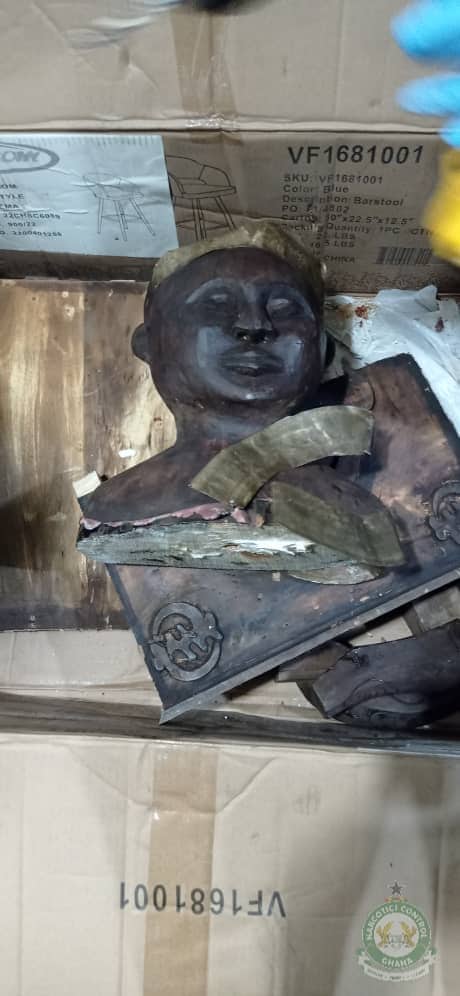
    The Narcotics Control Commission (NACOC) on Wednesday 23, May 2023 seized Fifty-Four (54) slabs of compressed dried leaves suspected to be cannabis concealed in wooden artefacts with a gross weight of 12.67kg and with a street value of 127, 713.6 United States Dollars.

    The intercepted consignment which was destined for the U.K were detected by officers of the Commission at the scanning room as part of their routine duties at the Kotoka International Airport (KIA) Cargo Terminal.

    A field test conducted on the substances proved positive for cannabis. The Commission has taken custody of the seized consignment while investigations continue to apprehend the perpetrators.

    Meanwhile, NACOC has assured the public that it is committed to collaborating with all relevant institutions in minimising the drug trafficking threat to the country.

    “The Commission would like to use this medium to remind the general public that the possession and transportation of illicit drugs without lawful authorization is illegal and punishable under sections 40 (1) and 41 (1) of Act 1019 of the Narcotics Control Commission Act 2020,” it added in its statement signed by Francis Opoku Amoah, Acting Director, Public Affairs and International Relations Department.

    Source: The Independent Ghana

  • Supreme Court strikes out cannabis cultivation law in Ghana

    Supreme Court strikes out cannabis cultivation law in Ghana

    In a 5-4 ruling, the Supreme Court has reaffirmed its stance that the legislation permitting the cultivation of cannabis (commonly known as weed) in Ghana was unconstitutionally passed by Parliament.

    Chief Justice Dotse, presiding over the case, emphasized that the party seeking to review the court’s judgment had failed to meet the necessary threshold required for such a review.

    Back in July 2022, the court had invalidated Section 43 of the Narcotics Control Commission Act, Act 1019, which dealt with the cultivation of cannabis.

    This provision stipulated that “the Minister on the recommendation of the Commission, may grant a licence for the cultivation of cannabis popularly referred to as “wee” in Ghana, which is not more than 0.3 % THC content on a dry weight basis for industrial purposes for obtaining fibre or seed for medicinal purposes.”

    However, the apex court in a 4-3 majority decision annulled this provision and declared that it is a violation of Article 106 of the 1992 constitution.

    This article reads;

    “No bill, other than such a bill as is referred to in paragraph (a) of article 108 of this Constitution, shall be introduced in Parliament unless-

    a. it is accompanied by an explanatory memorandum setting out in detail the policy and principles of the bill, the defects of the existing law, the remedies proposed to deal with those defects and the necessity for its introduction; and

    b. it has been published in the Gazette at least fourteen days before the date of its introduction in Parliament.”

    The private citizen, Ezuame Mannan argued that the explanatory memorandum that was laid in parliament did not sufficiently lay out the policy change that was being brought by the law, specifically by section 43.

    This policy change he insisted was not debated enough before its passage into law. The Apex Court upheld this position.

    The Attorney General however filed processes asking the court to review its decision. Mr Dame told the court the original panel committed an error of law.

    “Fundamental and grave errors have occasioned a substantial miscarriage of justice. It is only at the beginning of the process that there must be a memorandum.

    “There is no requirement for a memorandum to further accompany any amendment made by Parliament. Such a reading of the law imposes a further burden on Parliament and curtails its autonomy in passing laws, Mr Dame stated.

    The lawyer for the private citizen Effiba Amihere disagreed.

    “No miscarriage of justice has been occasioned by the decision of the court. We will respectfully talk about the amendment which is section 43, that was sneaked in at the time that the full debate had concluded.

    “That it was contrary to the Constitution. The AG has said that in amending the law, there is no need for the memorandum, the issues as well as the departure from the national policy, the position do the plaintiff is that, at the time of the debate, this particular amendment that was sneaked in, was not part. The nation was not made aware of the clear change in the policy,” she stated.

    Justice Jones Dotse ruled that the review threshold of the court had not been met. Justices Jones Dotse, Prof Kotey, Mariama Owusu, Prof Henrietta Mensah Bonsu, and Emmanuel Kulendi formed the majority while Justices Lovelace Johnson, Amadu Tanko, Samuel Asiedu and George Koomson formed the minority.

  • I smoked cannabis for 7 years -Oseikrom Sikanii

    I smoked cannabis for 7 years -Oseikrom Sikanii

    Ghanaian musician, Oseikrom Sikanii, proudly shares his accomplishment of abstaining from cannabis for five days after battling addiction for seven years.

    In his interview on The Delay Show aired on May 14, 2023, Oseikrom Sikanii said he denied ever doing drugs whenever his parents questioned him. According to him, his parents chanced on a video that captured him smoking. In addition to that, some people who knew he smoked the substance reported him to his parents.

    However, under no circumstance did they catch him in the act.

    “Whether they are proud or not, I’ve smoked. My father knows it’s my past,” said Osikani who disclosed he “learnt how to smoke when I came to the streets.”
    “I started smoking about 7 years ago. I can’t say whether smoking is good or bad.”

    The musician mentioned that he struggled to quit smoking cannabis but has eventually been able to quit. “It was difficult to quit but now, I don’t smoke. I’ve not smoked for the past five days. At first, I couldn’t go a day without smoking so I can say I’ve stopped.”

    Born Hansford Brefo, Oseikrom Sikanii who is the first of three siblings, said he is from a wealthy family. His father, according to him, left Ghana for Germany when he [Sikani] was a year old.

    He stated that his name ‘Sikanii’ which is translated to the English language as ‘wealthy man’ is not a facade because his parents are wealthy and he is equally a wealthy man.

    “I can’t count the number of houses my father has. Where I reside now is one of the numerous houses my father has and it’s a nine-bedroom edifice. I have luxurious cars as well,” Sikanii argued.

  • Singapore to hang a man for trafficking marijuana

    Singapore to hang a man for trafficking marijuana

    In the most contentious execution to date, Singapore is about to hang a man for trafficking marijuana.

    Activists say Tangaraju Suppiah was convicted on weak evidence. Authorities say he received due process, and have scheduled his execution for Wednesday.

    It follows a high-profile execution last year of an intellectually impaired man over a drugs charge.

    Singapore has some of the world’s toughest anti-drug laws, which it says are necessary to protect society.

    In recent days his family members and activists delivered letters to Singapore’s president Halimah Yacob in a last-minute plea for clemency, while British billionaire Sir Richard Branson has called for a halt of the execution and a review of the case.

    Man to be executed over cannabis charge
    Tangaraju Suppiah has appealed for a stay in his execution.

    “I know that my brother has not done anything wrong. I urge the court to look at his case from the beginning,” Tangaraju’s sister, Leela Suppiah, told reporters at a news conference.

    Tangaraju, 46, was convicted of “abetting by engaging in a conspiracy to traffic” over a delivery of 1kg (35oz) of cannabis from Malaysia to Singapore in 2013.

    Though he was not caught during the delivery, prosecutors said he was responsible for coordinating it, and traced two phone numbers used by a deliveryman back to Tangaraju.

    Tangaraju claimed he was not the person communicating with others connected to the case. He said he had lost one of the phones and denied owning the second one.

    Singapore law mandates the death penalty for drug trafficking and has lesser penalties for couriers. In Tangaraju’s last appeal, the judge agreed with the prosecution that Tangaraju was responsible for coordinating the delivery, which made him ineligible for a more lenient sentence.

    Activists have also raised concerns that Tangaraju was not given adequate access to an interpreter and had to argue his last appeal on his own since his family was unable to secure a lawyer.

    Singapore authorities say Tangaraju requested for an interpreter only during the trial, and not earlier. They added that he had access to legal counsel throughout the process.

    Man to be executed over cannabis charge
    Tangaraju’s sister Leela Suppiah (centre) marched with activists on Sunday

    Sir Richard, who previously criticised the 2022 execution of mentally disabled Nagaenthran Dharmalingam, said Tangaraju’s case was “shocking on multiple levels”.

    In a blog post, he said Singapore “may be about to kill an innocent man” on the back of “more than dubious circumstances”.

    “The death penalty is already a dark stain on the country’s reputation. An execution following such an unsafe conviction would only make things worse,” he said.

    Rebutting his allegations, Singapore’s Home Affairs Ministry said his claims were untrue and accused him of “disrespect for Singapore’s judges and our criminal justice system”.

    It said the death penalty was “an essential component” in a multi-pronged approach that has been “effective in keeping Singapore safe and secure”.

    Kirsten Han, a spokesperson for Singaporean anti-death penalty advocacy group the Transformative Justice Collective (TJC), said the government did not want to appear to buckle under pressure.

    But, she added, “of all the things that Singapore punches above its weight for on the international stage and at the UN, defending its right to murder people in the name of its citizens is not something we should be proud of for being outstanding on the international stage”.

    Singapore’s strict rules stand in contrast to some of its neighbours’ recent moves. Thailand has legalised the trade of cannabis while Malaysia has ended the mandatory death penalty for serious crimes.

    Speaking to reporters on Sunday, Tangaraju’s family members said they were able to meet him from behind a glass partition at Changi Prison after his notice of execution was released last week.

    “He puts up a brave front for my mother because he does not want her to break down,” his niece Subhashini Ilango said. “He has mentally prepared for this day to come. He does feel there’s a great injustice and he’ll be executed for something he did not do.”

    His family said they would continue to press for reforms in Singapore’s legal system even if Tangaraju ends up executed.

    “If such an injustice happens to my brother, I wouldn’t want it to happen to anybody else so I will continue to fight,” said his sister Leela.

  • GHS 50m worth of cannabis destroyed

    GHS 50m worth of cannabis destroyed

    About GHS 50 million worth of cannabis have been destroyed by the Narcotics Control Commission.

    The 50,000 kilos of cannabis were intercepted between the years 2021 and 2023 in the Volta and Eastern Regions.

    According to the Commission, an Accra High Court issued a destruction certificate to destroy the cannabis.

    Narcotics Control Commission destroys ¢50m worth of cannabis

    Five suspects caught transporting the substances are currently standing trial and a few others are at large as the Police increases effort to locate and arrest them.

    The vehicles used to transport the substances have been impounded at the Commission’s headquarters in Accra.

    The Commission under normal circumstances would have used an incinerator to destroy the cannabis, but due to the large amount of the drugs, the Commission decided to resort to open air destruction.  

    According to the Acting Director of Public Affairs and International Relations of NACOC, Francis Opoku Amoah, recreational cannabis continues to be illegal and vowed to go hard on persons cultivating cannabis.

    Narcotics Control Commission destroys ¢50m worth of cannabis

    “As you know per our law, when you look at Act 1019 of the Narcotic Control Commission, section 39 down to 42, it talks about the fact that cannabis is illegal and therefore people who engage in it whether they are cultivating it or using it is illegal. And therefore it remains illegal”, he added.

    Meanwhile, the Commission has cautioned those smuggling cannabis to desist from such activities since they will be prosecuted if found culpable.

    Source: Myjoyonline

  • Spain cannabis: 30 arrested for disguised drugs as Ukraine aid

    Police in Spain arrested 30 people on suspicion of smuggling cannabis disguised as aid for Ukraine.

    Those detained in Andalusia included Ukrainians, Spaniards, Germans, and Moroccans.

    According to police, the drugs originated in the southern region, were packaged in cardboard boxes, and were transported in convoys across several countries.

    The seizure comes just a month after Spanish authorities announced the largest cannabis haul ever discovered in the country.

    The Guardia Civil police force said in a statement on Monday that they became suspicious after identifying a group of Ukrainians on the Costa del Sol collecting cannabis and storing it in a flat in Mijas, near Malaga.

    The drugs were packed in vacuum bags and placed in cardboard boxes on vans registered in Ukraine, which proceeded to travel “as a solidarity convoy so they could pass under the radar of police and border controls”, it said.

    In raids in Malaga province and in the southern cities of Granada, Cordoba and Seville, police seized nearly €800,000 (£690,000; $847,000), six guns and 2,500 cannabis plants.

    Thousands of people across Europe have been involved in efforts to alleviate the suffering of Ukrainian civilians since Russia launched an invasion of its neighbour on 24 February.

  • Vanguard Mental Health Summit: Nigeria ranked top cannabis-using nation in the world – Buba Marwa

    Brig. Gen. Mohamed Marwa (retired), Chairman and Chief Executive Officer of the National Drug Law Enforcement Agency, has stated that Nigeria is the world’s most popular cannabis-using nation, with 10.6 million residents abusing the drug.

    Marwa stated that Nigeria has a significant drug usage problem when speaking at the second Vanguard Mental Health Summit, which was sponsored by 9mobile and Guaranty Trust Bank Ltd.

    He pointed out that before the 2018 National Survey on Drug Use and Health, which was funded by the UNODC and revealed alarming results, the seriousness of the situation was unclear.

    “Before then, the drug use profile of Nigeria was sketchy. The survey gave us facts for the first time and we got to know that Nigeria, as of 2018, had a 14.4 percent drug use prevalence.

    “The average global drug use prevalence was 5.5 percent, at 14.4 percent. Nigeria has almost three times the global prevalence. “Without any doubt, the country has a serious substance abuse problem.

    “The biggest revelation was that 10.6 million Nigerians abused cannabis. Again, this is a mere figure until you begin to figure it out in terms of the human impact. The ramification is that we have a cannabis-using population that is bigger than countries like Portugal and the United Arab Emirates.”

    Marwa who was represented at the event by Zonal Commander, NDLEA, Lagos, Dr. Segun Oke, said: “In 22 months, the agency has arrested 20, 000 offenders and convicted 3,111 in court. We have seized 5.5 million kg of illicit drugs, destroyed 900 hectares of cannabis farms, and dismantled two illicit methamphetamine laboratories.”

    He assured that next year will be tougher as a result of the amended NDLEA Act that will pave way for convicted traffickers to spend long years in jail without the option of a fine.

    “We are also trying to present a counter-narrative to the wrong messages out there that brainwash young people to believe that illicit substances are harmless.”

    In his keynote address, the Head, of the Department of Psychiatry, College of Medicine, University of Lagos/ Lagos University Teaching Hospital, Idi-Araba, Lagos, Prof. Olatunji Aina, said the current economic situation of the country had worsened the mental health of Nigerians.

    “A number of factors, namely poor planning, fiscal indiscipline, and policy somersault, could be ascribed to why Nigeria gradually walked her way into a distressed economy.

    “The health of any given population is shaped by socio-economic context, employment, public policies, socio-demographic characteristics, and social welfare system of the country.

    “There are strong research findings to show that changes in these key socio-economic determinants may be reflected in the mental health of the populace.

    “Thus, the mental health of the people is vulnerable during economic distress or recession.

    “In other words, economic recession and its associated problems such as unemployment, income decline and huge debts are significantly associated with poor mental health, increased rates of common mental disorders (anxiety and depression), psycho-active substance use disorders and suicidal behaviours.”

    He explained that in the face of security and socio-economic challenges facing the country, prevalent mental health, complications include anxiety disorders, depression, sleep disorders, and suicide, among others.

    Corroborating his views, the President of the World Medical Association, WMA, Dr. Osahon Enabulele, appealed to the Federal Government to assent to the Mental Health Bill to address the challenges of mental health in Nigeria.

    Enabulele said about a billion people in the world, and one in every four Commonwealth citizens, particularly in the low and middle-income (LMICs) countries and pre-eminently among women and the younger age group 20-24 years, were known to be affected by one form of a mental health problem or the other.

    “This is with about 80 percent of people unable to receive any form of treatment, a situation that leads to the loss of a trillion dollars annually.

    “Unfortunately, during the COVID-19 pandemic, this burden of mental health is estimated to have increased by 25 percent.

    “This was due to an interplay of  factors, including economic fortunes and worsening poverty, increased resort to substance use, and the disruption of mental health services, including emergency psychiatric services.”


  • Rats ate 200kg of confiscated cannabis says India police

    Rats were blamed by police in India for destroying nearly 200kg (440lb) of cannabis seized from dealers and kept in police stations.

    “Rats are tiny animals and they have no fear of the police. It’s difficult to protect the drug from them,”according to a court in the state of Uttar Pradesh.

    The court had ordered the police to produce the stash as evidence in drug-trafficking cases.

    The judge cited three instances in which rodents destroyed marijuana.

    According to an order issued by Judge Sanjay Chaudhary, when the court asked the police to produce the seized drug as evidence, it was told that 195kg of cannabis had been “destroyed” by rats.

    In another case involving 386kg of the drug, the police filed a report saying “some” of the cannabis was “eaten up by the rats”.

    Judge Chaudhary said some 700kg of marijuana seized by the police was lying in police stations in Mathura district and that “all of it was under danger of infestation by rats”.

    He said the police had no expertise in dealing with the matter as the rats were “too small”. The only way to protect the seized goods from “such fearless mice”, he added, was to auction the drugs to research labs and medicine firms, with the proceeds going to the government.

    MP Singh, a senior police official of Mathura district, told reporters that some of the marijuana stored in police stations under his vicinity had been “damaged due to heavy rains” and not destroyed by rats.

    In 2018, eight Argentinian police officers were fired after they blamed mice for the disappearance of half a ton of cannabis from a police warehouse. But experts disputed the claim, saying that the animals were unlikely to confuse the drug for food and “if a large group of mice had eaten it, a lot of corpses would have been found in the warehouse”.

    A study published in 2019 found that when laboratory rats were given cannabis-laced dough, they “tended to become less active and their body temperature also was lowered”.

    In 2017, police in the eastern Indian state of Bihar had blamed rats for consuming thousands of litres of confiscated alcohol, a year after the state banned the sale and consumption of alcohol.

    In 2018, technicians who arrived to fix a malfunctioning cash machine in the state of Assam found that currency notes worth more than 1.2m rupees ($14,691; £12,143) had been shredded – and the suspected culprits were rats.

  • US midterms: Cannabis legalization is on the ballot in five states

    Arkansas, Maryland, Missouri, North and South Dakota voters will decide whether to approve recreational marijuana measures.

    On election day, voters in five US states will decide whether to legalize recreational cannabis, a move that could signal a significant shift toward legalization in even the most conservative parts of the country.

    The initiatives are on the ballot in Arkansas, Maryland, Missouri, North Dakota, and South Dakota, and they follow President Joe Biden’s efforts to decriminalize marijuana.

    Last month, Biden announced that he would pardon thousands of Americans convicted of simple possession of cannabis under federal law.

    Recreational marijuana is legal in 19 states, and polls have shown opposition to legalisation softening. All of the states with recreational marijuana on the ballot, except for Maryland, voted for Donald Trump in the 2020 presidential election.

    The five states also currently have legal medical cannabis programmes.

    That includes Arkansas, which in 2016 became the first Bible Belt state to approve medical cannabis. The state’s dispensaries opened in 2019, and more than 91,000 patients have cards to legally buy marijuana for medical conditions.

    Criticism from opponents

    The legalisation campaigns have raised about $23m in the five states, with the vast majority in Arkansas and Missouri. More than 85 percent of contributions in those two states have come from donors associated with companies holding medical cannabis licences, according to an Associated Press analysis of the most recent campaign finance reports.

    In Arkansas, supporters have been running upbeat ads touting the thousands of jobs they say will be created by the measure. Opponents have run more ominous spots, warning voters to “protect Arkansas from big marijuana”.

    The initiative has drawn the criticism of traditional legalisation opponents as well as some medical cannabis advocates, who said the Arkansas proposal places too many limits and would only benefit a handful of dispensaries.

    Republican Governor Asa Hutchinson, a former head of the federal Drug Enforcement Administration, has also opposed the measure.

    Missouri’s proposal would legalise recreational cannabis for adults 21 and older and expunge records of past arrests and convictions for nonviolent marijuana offences, except for selling to minors or driving under the influence.

    Maryland’s proposal would also make changes in criminal law and create automatic expungements of past marijuana possession convictions.

    North Dakota’s measure would allow people 21 and older to legally use cannabis at home as well as possess and cultivate restricted amounts of cannabis. It also would establish policies to regulate retail stores, cultivators, and other types of marijuana businesses.

    South Dakotans, including a sizable number of Republicans, voted to legalise marijuana possession in 2020, but that law was struck down by the state Supreme Court in part because the proposal was coupled with medical marijuana and hemp.

    This year, recreational cannabis is standing by itself as it goes before voters.

    In Colorado, where recreational cannabis has been legal for nearly a decade, voters on Tuesday are taking up a proposal that would allow the use of certain psychedelic substances. If approved, it would make Colorado the second state to take such a step.

  • American basketball star Brittney Griner appears at appeal hearing

    A Russian court is hearing Brittney Griner’s appeal against her nine-year prison sentence for drug possession and smuggling.

    Today, three judges preside over the appeals court in Krasnogorsk, near Moscow, while Griner participates via video link from a detention centre in the town of Novoye Grishino, also near Moscow.

    Her lawyers, Maria Blagovolina and Alexander Boykov have previously said they expect a decision on Griner’s appeal to be issued later today.

    Griner was arrested on 17 February at a Moscow airport with vape cartridges containing cannabis oil, which is banned in Russia.

    She was jailed for nine years on 4 August after she pleaded guilty to her conviction for drug possession and trafficking but said she had made an “honest mistake” and had not meant to break the law.

    Yesterday, US state department spokesperson Ned Price said that Washington was working to free Griner and former US Marine Paul Whelan, serving 16 years in jail after being convicted of spying, and that there had been “active discussions, including in recent days”.


  • Burna Boy launches cannabis brand in USA

    Nigerian singer, Damini Ebunoluwa Ogulu popularly known as Burna Boy, has launched a cannabis brand in Miami, in the United States of America.

    According to reports, the Grammy award-winning musician unveiled the brand, named ‘BrkFst’, in partnership with ‘Jokes Up Ice Kream’, a weed dispensary and shipping company in the states.

    Fans in attendance at the launch got a first look at the merchandise and were also treated to Burna Boy’s music.

    This event comes at a time Burna Boy’s country, Nigeria, is still debating the legalization of cannabis for business and medicinal purposes.

    It can be recalled that sometime in 2021, Burna Boy spoke against the unwillingness of the Nigerian government to legalize the drug, adding that “everyone smokes.”

    “It’s just kind of hypocritical out there. They try to make it seem like if you smoke weed you’ll just go mad in Nigeria. Everybody smokes it. It’s just a topic no one wants to talk about. No one wants to talk about it; everybody is cool. Nobody wants to make it a thing to advocate for legalization of weed,” he earlier stated in an interview with Home Grown Radio in Los Angeles.

    US president’s take on Cannabis

    Joe Biden, the US president, on October 6, pardoned all federal offenders convicted of “simple possession” of marijuana.

    “As President, I will decriminalize cannabis use and automatically expunge prior convictions,” he promised.

    Check out the post below:

    Source:ghanaweb.com

  • 15m Nigerians abuse drugs; we can’t legalise cannabis – Anti-narcotics Agency

    The National Drug Law Enforcement Agency (NDLEA) has said Nigeria cannot imitate other countries legalising cannabis cultivation and usage due to the evil it would bring to the country.

    The chairman/chief executive of the NDLEA, Brig. Gen. Mohamed Buba Marwa (retd), said this yesterday when he hosted a delegation of Media Trust management, led by the Group Chief Executive Officer (GCEO) of Media Trust Group (MTG), Mounir Gwarzo, in his office.

    “It is everywhere. And it’s actually the number one problem because it is also at the root of the criminalities. We have about 15million Nigerians that use drugs, and that is a very high prevalence, which is approaching three times the global prevalence. When you talk drugs, it is everywhere every community has this problem, and it is now in families and neighborhoods; it is critical for all of us as stakeholders to stand up and face this challenge,” he said.

    He said it was in that line that the president launched the war against drug abuse last year.

    “The purpose of the war against drug abuse is to sensitise and to make Nigerians themselves take the ownership of this war as their own personnel war because we are all affected,” Marwa said.

    Speaking earlier, Mounir Gwarzo, commended the NDLEA and Marwa for the successes of the organisation.

    “I am very happy to see that the NDLEA is doing extremely well. Daily Trust has been covering the excellent activities you have been doing, and we want to continue to partner with you to continue to do what is right for the country.”

    Marwa also commended the Media Trust Group for creating a niche for itself, based on competence, ethics and professionalism.

    Source: Saharareport

  • World Anti-Doping Agency decides cannabis to remain banned substance in sport

    Cannabis will remain a banned substance in sport after a review by the World Anti-Doping Agency (Wada).

    American sprinter Sha’Carri Richardson was ruled out of the Tokyo Olympics after receiving a one-month ban for using the drug last year.

    Wada agreed to review the cannabis ban after requests from “stakeholders”.

    But it decided on Friday at a meeting of its executive committee to maintain the ban because the use of the drug “violated the spirit of sport”.

    The ban for recreational drug use by athletes who test positive out of competition was reduced from two years to one to three months last year.

    “Wada is aware of the diversity of opinions and perceptions related to this substance around the world, and even within certain countries,” director general Olivier Niggli said.

    “Wada plans to continue research in this area in relation with [its] potential performance enhancing effects, its impact on the health of athletes and also in relation to perceptions of cannabis from athletes, experts and others around the world.”

    In the UK cannabis is a class B drug and possession carries a penalty of up to five years in prison and an unlimited fine.

    The organisation also announced that the painkiller tramadol is to be added to the list of banned substances for athletes in competition from 2024.

    “Tramadol abuse, with its dose-dependent risks of physical dependence, opiate addiction and overdoses in the general population, is of concern and has led to it being a controlled drug in many countries,” Wada said in a news release.

    Former England goalkeeper Chris Kirkland said in July he had been driven to the point of suicide by his addiction to, and abuse of, tramadol after using the opioid to treat back injuries.

    Source: BBC

  • Cannabis cultivation, use remain illegal in Ghana – NACOC

    The Narcotic Control Commission (NACOC) says it has not issued any person or institution with a licence to cultivate cannabis in Ghana.

    The Commission has thus reiterated that the illicit use and cultivation of cannabis remains an offence under Narcotic Control Commission Act, 2020 (Act 1019) which was passed in March this year.

    According to a public notice issued by the Commission, “any person who engages in the cultivation as well as promotes any business relating to cannabis without lawful authority, proof of which lies on that person, commits an offence”.

    New law

    Act 1019 empowered the Minister for Interior with the powers to grant licences for the cultivation of cannabis of not more than 0.3 per cent THC (the main psychoactive compound in cannabis that gives a user the high sensation) for industrial and medicinal purposes.

    However, the Commission noted that cannabis with not more than 0.3 per cent THC is a different specie from the known cannabis sativa widely grown and abused in Ghana.

    “It is worth mentioning that the cannabis with not more than 0.3% THC content on a dry weight basis for industrial purpose for obtaining fibre or seed or medicinal purposes, as stated in section 43 of the Act, is a cannabis specie different from the known cannabis sativa widely grown and abused in Ghana,” the notice said.

    “Thus, section 36 through to 42 of the Act prohibit unlawful possession of the drug/plant and any business relating to narcotic drug/plant without lawful permission proof of which lies the on that person. Subsequently, section 44 and 45 of the Act also provides for the prohibited administration and purchase of narcotic drug/plant respectively. It is to be well noted that, all these provisions relating to narcotic drugs/plants do not exclude cannabis”.

    The statement further noted that although the abuse of narcotic drugs was punishable by a fine or imprisonment, the court can direct a convicted person to seek treatment and rehabilitation.

    “As such, illicit drug use is and remains an offence in Ghana. Consequently, any individuals and/or group of individuals who fall(s) foul to the law shall be dealt with in accordance with the law”.

    Source: Graphic.com.gh

  • Law to allow cultivation of cannabis not passed – NACOB

    The Narcotics Control Board has informed the public it will not issue any licence for the cultivation of cannabis despite the numerous applications it has received.

    The Board through a public notice said the special provision that will give room for people to cultivate cannabis has not been passed.

    It has, therefore, cautioned the public against paying any amount of money to anyone of group with the hope of getting registered and licensed to cultivate cannabis.

    The notice said: “that, once the requisite LI is in place, the public would be informed on the appropriate protocols for the registration and licensing for the cultivation and exportation of prescribed cannabis”.

    Source: rainbowradioonline.com

  • Urine test results: Pastor who threatened to kill Jean Mensa was high on cannabis, tramadol

    A urine test conducted on Pastor Kwabena Owusu Agyei, who was arrested for allegedly threatening EC Chairperson, Jean Mensa, has come out positive for two substances; tramadol, and tetrahydrocannabinol.

    The self-styled man of God after his arrest on Tuesday, June 9, 2020, was found to be in possession of dried leaves suspected to be Indian Hemp.

    A drug test for eight banned substances was subsequently conducted on him at the Police Hospital.

    A medical report, signed by Police Superintendent, Dr. Adwoa Nuro-Panin of the Police Hospital and in possession of ABC News revealed that Pastor Owusu Agyei tested negative for six of the drugs, except for tetrahydrocannabinol and Tramadol.

    Tetrahydrocannabinol or THC is the psychoactive substance that produces the “high” associated with smoking marijuana.

    Source: abcnewsgh.com

  • Biggest Drug Seizure: Three arrested after £12m cannabis find in UK

    Three men have been arrested in the biggest drug seizure carried out by the National Crime Agency in Northern Ireland.

    An estimated 600kgs of herbal cannabis were seized when a lorry was stopped in Templepatrick in the early hours of Wednesday.

    The drugs, with an estimated value of £10m-£12m, were discovered among a “cover load” of vegetables.

    NCA and PSNI officers took part in the operation.

    It is understood the vehicle had travelled through Great Britain and crossed into Northern Ireland on a ferry to Larne.

    Three men, including the lorry driver, were arrested on suspicion of conspiring to import controlled drugs.

    The men, aged 62, 37 and 32, are from County Tyrone, County Londonderry and County Armagh. All three remain in custody.

    Two premises were also searched, one in County Londonderry and one in County Tyrone.

    National Crime Agency Belfast Branch Commander David Cunningham said it was an “incredibly significant seizure”.

    “A seizure of this size will have a huge impact on the organised crime groups involved in its importation, depriving them of commodity and, most importantly, profit,” he said.

    “We are determined to do all we can with our law enforcement partners to disrupt and dismantle drug supply routes, not only here in Northern Ireland but across the UK.”

    Det Ch Insp Brian Foster, from PSNI’s organised crime unit, said: “This ongoing NCA-led investigation resulted in a joint operation between police and NCA over the last few days which has uncovered between £10-12m of herbal cannabis.

    “This successful operation demonstrates the significant benefits of joint working with law enforcement partners and we will continue to work closely with NCA to disrupt the nefarious activities of organised crime groups operating in Northern Ireland.”

    Source: bbc.com

  • Keta: One arrested for possessing cannabis worth GHS12m

    One person has been arrested in connection with the seizure of over 12,000 slabs of substances believed to be cannabis in Keta in the Volta Region.

    The exercise carried out on March 14, was a collaboration between officials of the Narcotics Control Board and the Ghana Navy.

    According to NACOB, the substance, estimated at a street value of GHS12 million is one of its largest cannabis seizures.

    Speaking to Citi News, the Head of Communications, Media Relations and Protocol at NACOB, Francis Opoku Amoah said they are pursuing other members of the drug syndicate.

    “…We decided to undertake that operation in collaboration with the Ghana Navy. Investigations are still ongoing and very soon we will arrest all those who are connected. We will like to express our appreciation to the Ghana Navy and also sound a word of caution to other people who are in the business. We are saying that it is only a matter of time, NACOB will be on their neck,” Francis Opoku said.

    Police arrests 217 with condoms, marijuana in swoop

    A few weeks ago the Western Naval Command in a joint military-police operation around European Town and the Albert Busumtwi-Sam fishing Habour in Sekondi arrested 217 suspects who had in their possession, substances believed to be Indian hemp, money and condoms.

    ACP Edmund Ohene Bosompim who is the Deputy Western Regional Police Commander said the swoop was to improve the state of insecurity in the area.

    “There are cases of kidnapping, armed robbery, murder, drug-related offences. Such cases are not only worrisome but also create security concerns. As law enforcement agencies, we have the mandate to ensure that people within the region are well protected to be able to attend to their business and activities.

    “For this reason, this exercise was conducted. At the end of the exercise, the total number of suspects arrested were 217 made up of 194 males and 19 females. Dried leaves suspected to be Indian hemp, toffees suspected to be laced with narcotic substances, alcoholic beverages suspected to be laced with narcotic substances. Eight TV sets, five laptops and two decoders, eight TV sets, laptops, and condoms were also retrieved.”


    Source: citinewsroomÂ