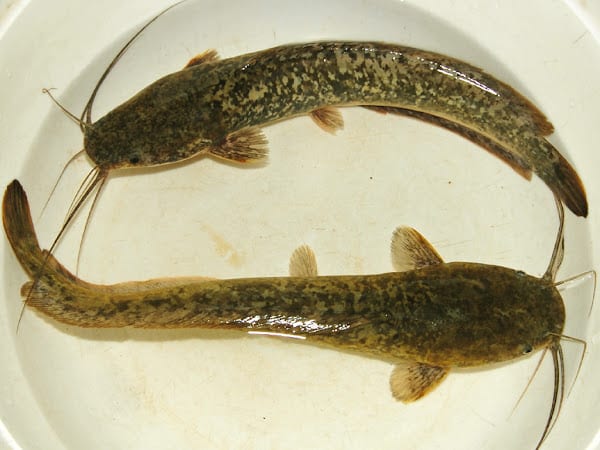
Catfish is a popular dish enjoyed by millions across the globe, especially in Africa, Asia, and the southern United States. Whether grilled, fried, or smoked, its soft texture and unique flavor make it a favorite in many households. However, as with many types of food, moderation is key. While catfish offers several health benefits, eating too much of it can pose health risks. This article explores why excessive consumption of catfish might be harmful and what research says about it.
1. High Iodine Levels

Catfish is known for its high iodine content. Iodine is an essential mineral the body uses to produce thyroid hormones, which regulate metabolism, growth, and development. However, too much iodine can lead to thyroid problems, including hyperthyroidism or thyroid inflammation. A study published in The Lancet highlighted that iodine excess could lead to thyroid dysfunction, particularly in individuals with pre-existing thyroid conditions.
When iodine intake exceeds recommended levels over an extended period, it can lead to conditions like Graves’ disease and Hashimoto’s thyroiditis. These conditions result in either an overactive or underactive thyroid, potentially leading to symptoms such as weight changes, fatigue, and cardiovascular problems.
2. Mercury Contamination

Like many other fish, catfish can sometimes accumulate mercury in its flesh, especially in polluted waters. Although farm-raised catfish generally have lower mercury levels compared to larger fish like tuna, consuming large amounts of catfish regularly may still lead to mercury exposure. According to research from the Environmental Protection Agency (EPA), prolonged mercury exposure can lead to neurological and developmental issues, particularly in pregnant women and young children. Mercury can damage the nervous system, leading to cognitive impairment, motor dysfunction, and memory issues.
3. High in Cholesterol and Saturated Fats
Fried catfish is a staple in many cuisines, but regularly eating fried food can increase your intake of cholesterol and unhealthy saturated fats. These fats, found in fried catfish dishes, can raise “bad” LDL cholesterol levels, leading to an increased risk of heart disease and stroke. The American Heart Association recommends limiting saturated fat intake to less than 7% of your total daily calories to reduce the risk of cardiovascular issues. Overconsumption of catfish, especially when fried, can push fat intake beyond healthy limits.
4. Excessive Protein Intake

Catfish is a rich source of lean protein, making it an excellent choice for individuals looking to build muscle or maintain a healthy diet. However, too much protein can also stress the kidneys, particularly in people with pre-existing kidney conditions. A study in the Journal of the American Society of Nephrology pointed out that excessive protein consumption can worsen kidney function over time by increasing the workload on the kidneys, leading to an accumulation of waste products.
5. Allergies and Histamine Poisoning
Fish allergies are common, and although less frequent than shellfish allergies, catfish can trigger allergic reactions in some individuals. Histamine poisoning, also known as scombroid poisoning, can occur when fish, including catfish, is improperly stored or cooked. The fish can produce high levels of histamines, leading to symptoms such as flushing, headaches, nausea, vomiting, and abdominal cramps. The World Health Organization (WHO) recommends proper handling and storage of fish to avoid this risk.
6. Environmental Toxins

Farm-raised catfish are typically fed a controlled diet, which reduces the risk of contamination from environmental toxins. However, wild-caught catfish, especially from polluted waters, may contain higher levels of contaminants like PCBs (polychlorinated biphenyls) and dioxins. These are toxic chemicals that have been linked to cancer, liver damage, and reproductive issues in humans. The U.S. Food and Drug Administration (FDA) recommends limiting consumption of wild-caught fish from certain water sources known to be contaminated.
7. Nutritional Imbalance
While catfish is a good source of omega-3 fatty acids, too much catfish in your diet may limit your intake of other essential nutrients from different food sources. Over-reliance on any one food, even a healthy one like catfish, can create nutritional imbalances. It’s essential to maintain a varied diet that includes fruits, vegetables, whole grains, and other sources of protein like beans, poultry, or plant-based options to ensure a balanced intake of vitamins and minerals.
How much is too much?
The general guideline for seafood consumption, according to the U.S. Dietary Guidelines for Americans, is to eat 2-3 servings of fish per week. For catfish lovers, this means you can enjoy your favorite dish in moderation without the worry of overconsumption. If catfish makes up a large part of your diet, consider balancing it with other types of fish, such as salmon or mackerel, which are lower in iodine and may offer higher omega-3 content.
Conclusion
Catfish can be part of a healthy, balanced diet, but like most foods, it should be eaten in moderation. Excessive consumption may lead to health risks such as iodine overload, mercury exposure, high cholesterol, and even kidney strain. To avoid these risks, consider diversifying your protein sources and sticking to recommended fish intake guidelines. Always ensure that catfish, whether farm-raised or wild-caught, is properly cooked and stored to minimize health hazards.
If you enjoy catfish, there’s no need to give it up completely—just remember to balance it with other foods and watch portion sizes to maintain optimal health.