
Tag: Central America

  • Ajay Banga selected 14th President of World Bank

    Ajay Banga selected 14th President of World Bank

    The Executive Directors of the World Bank today selected Ajay Banga as President of the World Bank for a five-year term beginning June 2, 2023.

    Ajay Banga most recently served as Vice Chairman at General Atlantic. Previously, he was President and CEO of Mastercard, a global organization with nearly 24,000 employees.

    Under his leadership, MasterCard launched the Center for Inclusive Growth, which advances equitable and sustainable economic growth and financial inclusion around the world. He was Honorary Chairman of the International Chamber of Commerce, serving as Chairman from 2020-2022.

    He became an advisor to General Atlantic’s climate-focused fund, BeyondNetZero, at its inception in 2021. Banga served as Co-Chair of the Partnership for Central America, a coalition of private organizations that works to advance economic opportunity across underserved populations in El Salvador, Guatemala, and Honduras.

    He was previously on the Boards of the American Red Cross, Kraft Foods, and Dow Inc.

    Ajay Banga is a co-founder of The Cyber Readiness Institute and was Vice Chair of the Economic Club of New York.

    He was awarded the Foreign Policy Association Medal in 2012, the Padma Shri Award by the President of India in 2016, the Ellis Island Medal of Honor and the Business Council for International Understanding’s Global Leadership Award in 2019, and the Distinguished Friends of Singapore Public Service Star in 2021.

    The Executive Directors followed the selection process agreed by shareholders in 2011. The process included an open, merit-based, and transparent nomination where any national of the Bank’s membership could be proposed by any Executive Director or Governor through an Executive Director.

    This was then followed by thorough due diligence and a comprehensive interview of Mr. Banga by the Executive Directors.

    The Board looks forward to working with Mr. Banga on the World Bank Group Evolution process, as discussed at the April 2023 Spring Meetings, and on all the World Bank Group’s ambitions and efforts aimed at tackling the toughest development challenges facing developing countries.

    The President of the World Bank Group is also the Chair of the Board of the Executive Directors of the International Bank for Reconstruction and Development (IBRD).

    The President is also ex officio chair of the Board of Directors of the International Development Association (IDA), International Finance Corporation (IFC), the Multilateral Investment Guarantee Agency (MIGA), and of the Administrative Council of the International Centre for Settlement of Investment Disputes (ICSID).
  • These locations most at risk from heat waves of record as the planet warms

    These locations most at risk from heat waves of record as the planet warms

    According to a recent study, dangerous, record-breaking heat waves are expected to become more frequent as the climate crisis worsens, and they will be especially damaging in nations and regions that are least prepared for them.

    Scientists determined the possibility of previously unheard-before heat extremes occurring, as well as where they would occur, by examining temperature data sets spanning more than 60 years and climate models.

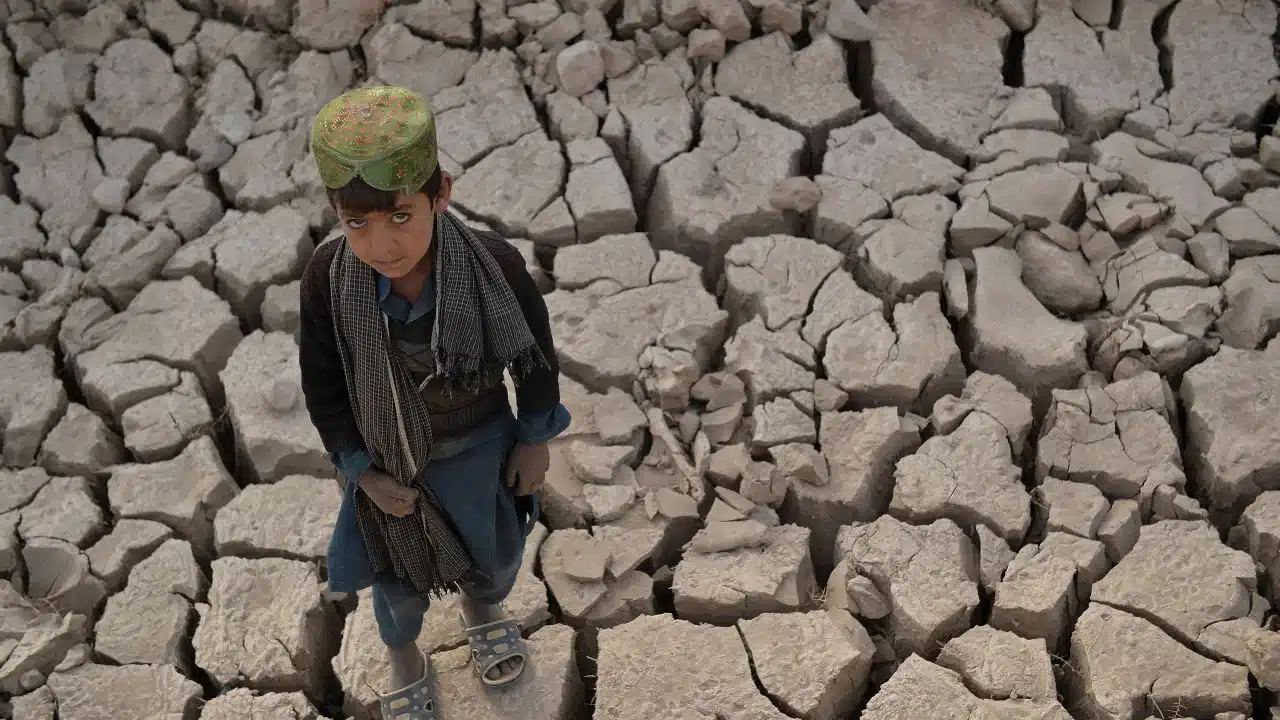
    As “hot spots” for high-risk heat waves, they named Afghanistan, Papua New Guinea, and Central America, including Guatemala, Honduras, and Nicaragua.

    These regions are particularly vulnerable due to their fast-growing populations and limited access to healthcare and energy supplies, which undermine their resilience to extreme temperatures, according to the report, published Tuesday in the journal Nature Communications.

    “There’s evidence there that those regions may well be in for a big heat wave and they wouldn’t be prepared for it,” said Dann Mitchell, a professor in atmospheric sciences at the University of Bristol in the UK and a study co-author.

    The threat facing Afghanistan is particularly stark, Mitchell told CNN. Not only is there high potential for record-breaking extreme heat, but the impacts will be intensified by the huge difficulties the country already faces, he said.

    Afghanistan is struggling with dire social and economic problems. It also has a growing population which is increasingly exposed to the problems of limited resources, according to the report.

    “When a really extreme heat wave does finally come along, then there are instantly going to be a lot of problems,” Mitchell said.

    Heat waves have a wide-ranging negative impact. They reduce air quality, worsen drought, increase the risk of wildfires and can lead infrastructure to buckle.

    They also take a heavy toll on human health, and extreme heat is one of the deadliest natural disasters. Heat stroke or heat exhaustion can trigger a wide range of dangerous symptoms, including headaches, dizziness, nausea and loss of consciousness, among others. Heat stroke is the most serious heat-related illness, according to the Centers for Disease Control and Prevention, causing body temperature to skyrocket in a matter of minutes, and can lead to permanent disability or death.

    Several regions have already seen unprecedented temperatures this year. In March, parts of Argentina grappled with temperatures up to 10 degrees Celsius, or 18 degrees Fahrenheit, above normal, while high temperature records were smashed across large parts of Asia in April.

    “Heat waves and other extreme weather events will only become more intense as the world continues to burn fossil fuels,” said Friederike Otto, a climate scientist at the Grantham Institute for Climate Change at Imperial College London, who was not involved with the study.

    Nowhere is safe, noted the report, which found that “statistically implausible” heat waves – those that fell well outside the historical norm– occurred between 1959 and 2021 in around 30% of the regions assessed. These include the 2021 Pacific Northwest heat wave, where high temperature records were not just broken but completely smashed, killing hundreds of people.

    In Lytton, British Columbia, temperatures peaked at just under 50 degrees Celsius (121 degrees Fahrenheit) in June 2021, breaking the previous record by almost 5 degrees. The village was almost completely destroyed by a wildfire just days later.

    Scientists determined that the event would have been almost impossible without climate change.

    Parts of China, including Beijing, and European countries, such as Germany and Belgium, also face a high risk, according to the report.

    The millions of people who live in these densely populated regions could be badly affected by heat waves, even if these countries are more likely to have resources to mitigate some of the worst impacts.

    The report calls on governments around the world to prepare for heat events that go far beyond current record temperatures, such as setting up cooling centers and reducing hours for those working outside.

    Many policies exist that governments can implement to save lives, Otto said, including “preparing heat wave management plans, ensuring and testing they are implemented, informing the public about imminent heat waves, and protecting people who are vulnerable to the impacts of heat waves.”

    Unprecedented heat events are becoming more likely as the world continues to burn fossil fuels, said Lucas Vargas Zeppetello, a research fellow at Harvard University, whose 2022 research found that dangerous levels of heat are set to at least triple across the world by the end of the century.

    “By definition, we don’t know what could happen if large populations are exposed to unprecedented heat and humidity stress,” Vargas Zeppetello told CNN, “but heat waves in the past few decades have already been extremely deadly and there is serious cause for concern in the future.”