Tag: cervical cancer

  • Over 441,000 HPV vaccine doses arrive in Ghana to fight cervical cancer

    Over 441,000 HPV vaccine doses arrive in Ghana to fight cervical cancer

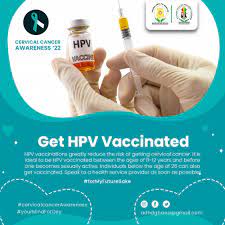
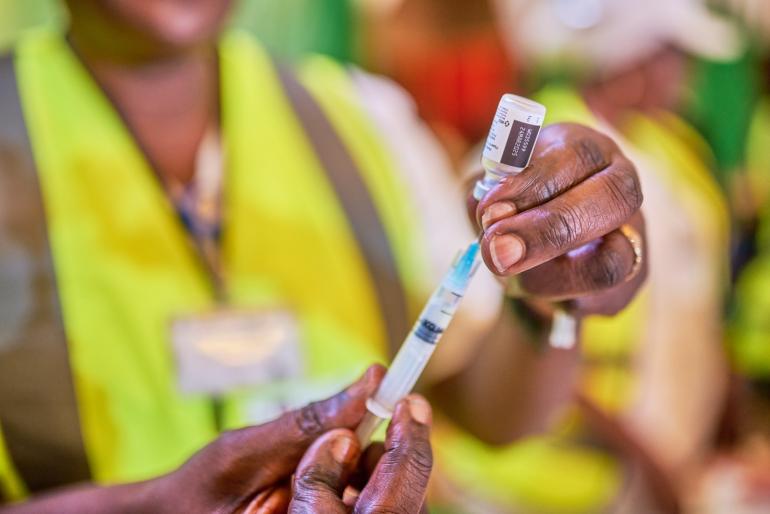
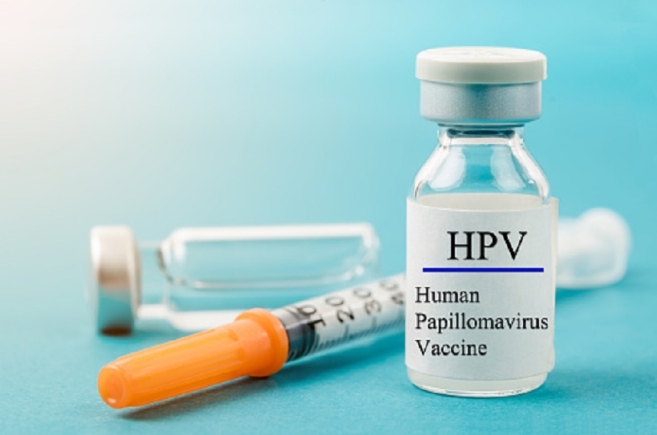
    Ghana has received its first shipment of the human papillomavirus (HPV) vaccine to protect the health of girls and women against cervical cancer.

    This information was made known by the lead agency responsible for procuring and shipping the vaccines, the United Nations Children’s Fund (UNICEF) Ghana, on Tuesday, June 18.

    According to UNICEF, over 2.5 million additional doses of the HPV vaccine will arrive in the coming weeks, following the initial batch of 441,860 doses.

    The incoming vaccines will be utilized in a nationwide immunisation campaign led by the Ghana Health Service (GHS).

    The campaign exercise is scheduled for September this year and will span five days. The vaccine will be offered for free to girls turning 9 to 14 years old in the country.

    It added, “By including the HPV vaccine in the national Expanded Programme on Immunization (EPI) routine vaccines, Ghana is taking a significant step to protect future generations from cervical cancer.”

    Cervical cancer is the most common cancer among young girls and women, and it is caused by a viral infection of the female reproductive tract, particularly the cervix, the lower, narrow part of the uterus.

    Although cervical cancer is among the most preventable types of cancer affecting women, efforts to prevent it have been hindered by limited awareness of the disease and its risk factors, inadequate access to preventive services such as vaccination, and the high cost of these services.

    Prophylactic vaccination against HPV can prevent these cancers. In addition, HPV screening and treatment of precancerous lesions are effective ways to prevent cervical cancer, according to the World Health Organisation (WHO). 

    More than 140 countries have already begun administering the vaccine, contributing to a global effort to reduce cervical cancer rates and protect future generations of women and girls.

    At least 14 of them are more than 100 types of HPV and are known to trigger cancer. Due to limited access to screening and treatment, low- and middle-income countries account for 85 percent of all new cases and deaths from cervical cancer.

    “Cervical cancer was the fourth leading cause of cancer and cancer deaths in women in 2022, with some 660,000 new cases and around 350,000 deaths worldwide,” the WHO reports.

    Per reports, cervical cancer kills over 2,000 women every year in Ghana. Last year, cervical cancer cases stood at 522, marking an increase of 224 cases from the 298 recorded in 2023 in the country.

    Meanwhile, the GHS has bemoaned the low uptake of Ghanaian women taking screen­ing for cervical cancer, as its cases continue to soar in the country.

    The goal of screening for cervical cancer is to find precancerous cell changes before they become cancer, and when treatment can prevent cancer from developing. Screening for cervical cancer is an important part of routine health care for people who have a cervix.

  • Having several sexual partners could lead to cervical cancer – Women told

    Having several sexual partners could lead to cervical cancer – Women told

    An Obstetrician and Gynecologist at Obaatan Pa Women’s Hospital, Dr. Angela Durowaa Frempong, has issued a stern warning to women regarding the increased risk of cervical cancer linked to having multiple sexual partners.

    During a public health symposium and orientation for the NP2 program under the Council for Technical and Vocational Education and Training (CTVET) at Catechist Georgina Korankyewaa Memorial Fashion School, Dr. Frempong addressed various reproductive health concerns.

    Highlighting the connection between multiple sexual partners and cervical cancer, Dr. Frempong emphasized the importance of regular screenings to mitigate the risk.

    According to Dr. Frempong, engaging in sexual activity with multiple partners can heighten the likelihood of exposure to the human papillomavirus (HPV), a primary factor in cervical cancer development.

    “Engaging with multiple sexual partners can elevate the risk of cervical cancer due to higher exposure to the human papillomavirus (HPV) especially to women who are unable to clear the room infection and harbour it,” Dr Frempong explained.

    She urged women to prioritize safe sex practices and limit their number of sexual partners to reduce their susceptibility to HPV and subsequent cervical cancer.

    Furthermore, Dr. Frempong stressed the significance of routine Pap smears and HPV screenings for early detection of abnormal cells, which could potentially progress into cancerous conditions.

    Acknowledging the challenges women encounter in making independent health decisions, Dr. Frempong attributed this to a lack of empowerment and financial autonomy.

    She noted that many women prioritize their children’s welfare over their own health and face obstacles in accessing specialized reproductive health care due to a shortage of experts in some communities.

    Encouraging women, especially the students present, Dr. Frempong advised them to seek medical assistance promptly if they notice any unusual symptoms related to their reproductive health.

    “Women are not really empowered. A lot of women look to somebody to be able to make a step. So I am feeling unwell but I have to seek approval from my partner, father, from somebody before I can seek help. Link to that is that fact that some women are not financially empowered, so even if they can take that decision to go, they don’t have the financial means to do that.”

    Emphasizing the importance of body awareness and timely medical intervention, Dr. Frempong highlighted the critical role of early detection in preventing adverse health outcomes.

    The symposium provided a valuable platform for women, particularly students, to gain insights into the significance of prioritizing their reproductive health and seeking appropriate medical attention when needed.

    It also served as an essential avenue for raising awareness about reproductive health issues and empowering women to take proactive measures toward safeguarding their health and overall well-being.

  • GHS to embark on a nationwide vaccination exercise in young girls against cervical cancer  

    GHS to embark on a nationwide vaccination exercise in young girls against cervical cancer  

    Ghana Health Service (GHS) has announced plans to launch a vaccination campaign by the end of the year, targeting pre-adolescents aged 9 to 14 across the country. 

    The Service made this known in an article titled “GHS to vaccinate young girls against cervical cancer.”

    “Because we have already done a pilot, which was to learn lessons, we will roll out a nationwide vaccination, and our focus is usually on young people before they start their sexual debut. So by the end of the year, we should have started the vaccination,”  the article read. 

    The aim of this initiative is to reduce the prevalence of the human papillomavirus (HPV) among women in Ghana.

    Ghana experienced a higher-than-average incidence rate of cervical cancer among women, with 31.9 cases per 100,000 women in 2018. This figure is more than double the global average of 13.1 cases per 100,000 women. 

    Additionally, the mortality rate associated with cervical cancer in Ghana during the same year was 19.6 deaths per 100,000 women. This rate is nearly three times higher than the global average mortality rate of 6.9 deaths per 100,000 women.

    In light of this, GHS is set to embark on a two-day nationwide vaccination among youngsters.

    Programmes Manager for the Expanded Programme on Immunisation at the Ghana Health Service, Dr. Kwame Amponsah-Achiano, highlighted the importance of administering the two-dose vaccine to each child.

    “While we were doing the piloting, we had to give three doses, then it came to two, and now we are talking of one, but the one dose is also premised on the fact that we need to have a well-established screening, but we are likely to do two doses because that is the best card put forward,” he said.

    According to the ICO/IARC Information Centre on HPV and Cancer, Ghana has a significant population of women at risk of cervical cancer. Every year, thousands of women are diagnosed with cervical cancer, and many succumb to the disease. Cervical cancer ranks as the second most common cancer among women in Ghana, particularly affecting those aged 15 to 44.

    While data on HPV burden in the general population of Ghana is not yet available, statistics from Western Africa, to which Ghana belongs, indicate that a significant proportion of women may carry cervical HPV 16/18 infection, which is associated with a high risk of cervical cancer.

  • Alarming rate of cervical cancer claiming lives of to many young women in Ghana – Gynaecologists 

    Alarming rate of cervical cancer claiming lives of to many young women in Ghana – Gynaecologists 

    General Secretary of the Society of Obstetricians and Gynaecologists of Ghana, has expressed deep concern over the escalating number of young women succumbing to cervical cancer in the country.

    In an interview with the Ghana News Agency, Dr. Sefogah highlighted that a significant number of cases are diagnosed at advanced stages, limiting the possibilities for life-saving interventions.

    Cervical cancer ranks as the fourth most prevalent cancer among women worldwide and is the second most common in Ghana, becoming a leading cause of death due to its high mortality rate.

    The disease is primarily caused by the Human Papilloma Virus (HPV), affecting the cervix in the female reproductive system. HPV transmission occurs through unprotected sex, with the virus remaining dormant in the cervix for 10 to 15 years without displaying symptoms.

    Affected women may manifest symptoms such as abnormal vaginal bleeding, bleeding after sex, offensive vaginal discharge, back pain, and weight loss in the advanced stages of the disease.

    Addressing misconceptions, Dr. Sefogah clarified that certain family planning methods, specifically Intrauterine Devices (IUDs), do not cause cervical cancer. Rather, he emphasized that IUDs are effective in preventing unwanted pregnancies.

    However, he cautioned that IUD users engaging in unprotected sex with multiple partners could be exposed to HPV. Dr. Sefogah underscored the importance of Pap smear screening and vaccination to combat the disease.

    He emphasized, “The good news about Cervical Cancer is that it can be prevented through vaccination. When we screen, we can detect the presence of the virus, and then interventions can be put in place.”

    Encouraging women to undergo annual Pap smear screenings and get vaccinated if tested negative, Dr. Sefogah acknowledged financial barriers hindering vaccine accessibility for many women. He urged the government to eliminate these barriers and incorporate the vaccines into Ghana’s routine vaccination package.

    Dr. Hilda Mantebea Boye, President of the Pediatric Society of Ghana, emphasized the significance of vaccinating children before they become sexually active.

    “For children, we encourage vaccination against the human papilloma virus so that from the age of nine years, they receive the necessary shots to protect them, significantly reducing their risk of infection.”

    In addition to being a member of the Medical Women Association of Ghana and an advocate for maternal and child health, Dr. Boye observed that not enough attention has been paid to the situation despite the high number of deaths among women.

    “It is for this reason that we are engaging in advocacy through teaching and training across the country to raise awareness about the disease.

    “We also provide free screening for women in collaboration with selected hospitals, including Lester Ghana, and conduct awareness campaigns in schools and markets to educate young girls and mothers.”

  • Make cervical cancer vaccination free – Govt told

    Make cervical cancer vaccination free – Govt told

    Stakeholders in the health sector have urged the government to provide free cervical cancer vaccinations as an effective measure to prevent the disease among women and encourage widespread participation, especially among younger women.

    They emphasized that cervical cancer can be effectively treated if diagnosed at an early stage and treated promptly.

    During a health advocacy initiative called “Your Health! Our Collective Responsibility,” stakeholders called for the government to make cervical cancer vaccination free to accelerate the elimination of cervical cancer in the country. The initiative aims to promote health-related communication and provide a platform for health information dissemination to improve health literacy.

    Citing World Health Organization (WHO) data, stakeholders highlighted that cervical cancer is the fourth most common cancer in women, with 604,000 new cases reported in 2020. They urged the government to absorb the cost of cervical cancer vaccination to reduce the financial burden on women and encourage greater participation.

    Dr. Yaa Akyaa Boateng, a family physician specialist at the International Maritime Hospital (IMaH), emphasized the importance of increasing public awareness and facilitating access to resources for preventing and controlling cervical cancer throughout a person’s life.

    Dr. Boateng highlighted the efficacy of vaccination against human papillomavirus (HPV) between the ages of 9 and 14 as a highly efficient strategy to prevent HPV infection and associated malignancies.

    She emphasized that screening around age 30 and prompt treatment can effectively prevent cervical cancer, and early identification and treatment of signs or concerns can lead to a cure at any age.

    “If detected and treated in its early stages, cervical cancer is curable. A crucial first step is identifying symptoms and getting medical advice to address any concerns.

    “If a woman notices unusual bleeding throughout her menstrual cycle, after menopause, or during sexual activity, elevated or malodorous vaginal discharge symptoms, such as recurrent pelvic, back, or leg pain; weariness; appetite loss; vaginal discomfort; and leg swelling, important diagnostic tests and clinical evaluations are typically followed.

    Dr. Yaa Akyaa Boateng emphasized the importance of referrals for treatment services such as chemotherapy, radiation therapy, surgery, and palliative care, which offers pain management and supportive care.

    She highlighted the significance of management pathways for invasive cancer care to ensure that patients are referred promptly and assisted in navigating the process of diagnosis and treatment decision-making.

    Recognizing that women play a crucial role in families, society, and the nation, Dr. Boateng underscored the need to encourage women to undergo regular check-ups for early diagnosis.

    Early detection enables women to maintain their health and continue their daily tasks. The emphasis on preventive health care for women aims to empower them with information and resources to make informed choices about their well-being.

  • 7.7 million Nigerian girls to be vaccinated against leading cause of cervical cancer

    7.7 million Nigerian girls to be vaccinated against leading cause of cervical cancer

    Nigeria has integrated the human papillomavirus (HPV) vaccine into its routine immunization system, with the goal of reaching 7.7 million girls.

    This initiative represents the largest single-round HPV vaccination campaign in the African region and targets the virus responsible for almost all cervical cancer cases.

    The vaccination program is designed for girls aged 9 to 14 years and involves administering a single dose of the vaccine. This particular vaccine is known for its high efficacy in preventing infection with HPV types 16 and 18, which are responsible for at least 70% of cervical cancers.

    In Nigeria, cervical cancer is the third most common cancer, and it ranks as the second leading cause of cancer-related deaths among women aged 15 to 44. In 2020, the most recent year for which data is available, the country reported 12,000 new cases of cervical cancer and 8,000 deaths from the disease.

    “The loss of about 8000 Nigerian women yearly from a disease that is preventable is completely unacceptable,” says Muhammad Ali Pate, the Coordinating Minister of Health & Social Welfare.

     “Cervical cancer is mostly caused by Human Papilloma Virus (HPV), and parents can avoid physical and financial pain by protecting their children with a single dose of the vaccine. Saving lives, and producing quality health outcomes and protecting the wellbeing of Nigerians are central to the Renewed Health Agenda of President Bola Ahmed Tinubu. The onset of the vaccination campaign is an opportunity to safeguard our girls from the scourge of cervical cancers many years into the future. As a parent myself, I have four daughters, all of them have had the same HPV vaccine to protect them against cervical cancer. I’d like to implore fellow parents to dutifully ensure that this generation of our girls disrupt the preventable loss of lives to cervical cancer in addition to other untold hardship, loss, and pain.”

    A five-day mass vaccination campaign in schools and communities will be carried out during the inaugural rollout in 16 states and the Federal Capital Territory.

    The vaccine will then be incorporated in routine immunization schedules with in health facilities. The second phase of the vaccination introduction is set to start in May 2024 in 21 states.

    The vaccine is being provided for free by the Federal Ministry of Health through the National Primary Health Care Development Agency with support from Gavi, the Vaccine Alliance, United Nations Children’s Fund (UNICEF), World Health Organization (WHO) and other partners.

    With support from WHO country office in Nigeria and other partners, over 35 000 health workers have so far been trained in preparation for the campaign and subsequent vaccine delivery in all health facilities. 

    Vaccination sites have been established in all 4163 wards across the 16 states included in the phase one rollout to ensure no eligible girl is left behind. Mobile vaccination units  have also been set up to ensure that remote communities can access the vaccine. 

    “This is a pivotal moment in Nigeria’s efforts to lower the burden of cervical cancer – one of the few cancers which can potentially be eliminated through vaccination,” said Dr Walter Kazadi Mulombo, WHO Representative in Nigeria.

     “We’re committed to supporting the government increase access to the HPV vaccine to protect the health and well-being of the next generation of women.”

    WHO recommends that HPV vaccination is included in the national immunization programmes of countries where cervical cancer is a public health priority, where its cost-effective and sustainable implementation is feasible. 

    As such, Nigeria has prioritized the addition of the vaccine to the country’s routine immunization schedule.

    Global supply shortages have slowed Gavi-supported vaccine introductions. These supply issues are now easing thanks to years of market shaping efforts to develop a more robust HPV vaccine market, and the single dose recommendation. 

    Recognizing this critical opportunity to reach more girls with higher levels of global HPV vaccine supply and renewed momentum towards accelerating efforts to prevent cervical cancer, the Gavi board approved the revitalization of its HPV vaccine programme with an investment of over US$ 600 million by end of 2025. 

    With the additional funding, Gavi and its partners have set an ambitious goal to reach over 86 million girls by 2025, aiming to avert over 1.4 million future deaths from cervical cancer.

    “Every day, cervical cancer inflicts profound loss and devastation on families across Nigeria. It also disproportionately impacts the lives of women. And yet, it is a disease that can be prevented. With the HPV vaccine now available in Nigeria for eligible adolescent girls at no cost, communities now have the most effective tool to fight cervical cancer and the nation has an opportunity, collectively to save millions of lives,” says Thabani Maphosa, Managing Director of Country Programmes Delivery at Gavi.

    Over 16 million girls could be protected in Nigeria alone by 2025.To support these efforts in Nigeria and in line with its goal to build sustainable immunisation programmes, Gavi is co-financing the cost of the vaccines and providing technical support for the introduction.

    UNICEF has procured nearly 15 million HPV vaccines on behalf of the Government of Nigeria. Alongside this, the children’s agency has produced informational materials, including radio and TV jingles in multiple local languages to dispel misinformation and rumours. 

    To further the outreach, UNICEF also supported academia and researches with two rounds of readiness assessments to understand the population’s sentiments on HPV and the vaccine. Additionally, UNICEF has facilitated logistical support for vaccination campaigns and distributed cold chain equipment for vaccine preservation.

    “In our shared quest for a brighter future, the introduction of the HPV vaccine in Nigeria represents a monumental stride towards safeguarding our girls from the grips of cervical cancer. This vaccine doesn’t just prevent a disease; it promises a life where our young women can thrive, unburdened by the spectre of this grave health concern. UNICEF, in collaboration with the government and other partners, is proud to be a key partner in this initiative, ensuring that every eligible girl, irrespective of her location or circumstances, has access to this life-saving intervention. Together, we are scripting a narrative of hope, resilience, and a healthier Nigeria,” says Cristian Munduate, UNICEF Representative in Nigeria.

    Source: UNICEF
  • 142 women succumb to cervical cancer monthly – Doctor

    142 women succumb to cervical cancer monthly – Doctor

    A Medical Officer at the Oncology Unit of the International Maritime Hospital (IMaH), Dr. Anita Owusu-Afriyie, has revealed that 233 women are diagnosed with cervical cancer each month, and tragically, 142 of them succumb to the disease monthly.

    The data highlights that 58 women receive a cervical cancer diagnosis on a weekly basis, with 35 losing their lives every week. Moreover, a disturbing 2,797 women are diagnosed with cervical cancer annually in Ghana, and a heartbreaking 1,699 lose their lives to the disease.

    Cervical cancer ranks as the second most prevalent cancer among women in Ghana, following breast cancer.

    Dr. Owusu-Afriyie shared these statistics during the “Your Health! Our Collective Responsibility!” health promotion initiative organized by the Ghana News Agency Tema Regional Office.

    The initiative aims to disseminate health information to enhance health literacy and influence personal health choices.

    She emphasized the importance of regular cervical cancer screening, as early detection can be a lifesaver. Dr. Owusu-Afriyie urged men to support and encourage their partners, wives, sisters, mothers, and friends to undergo screening.

    Prolonged infection with specific strains of Human papillomavirus (HPV) is identified as the primary cause of cervical cancer. HPV is a common virus transmitted through sexual contact, and although many sexually active individuals contract HPV at some point, only a small percentage of women develop cervical cancer.

    Dr. Owusu-Afriyie advised women not to undergo cervical cancer screening during menstruation, as menstrual blood can affect the accuracy of the analysis.

    She also encouraged women who experience abnormal bleeding after sexual intercourse or menstruation to seek medical attention.

    Furthermore, individuals undergoing treatment for cervical cancer should abstain from sexual intercourse or engage in protected sex, as the treatment is aimed at eliminating cancer cells from the cervix.

    Dr. Owusu-Afriyie called on all females aged 21 and older to undergo cervical cancer screening.

    Francis Ameyibor, the GNA Tema Regional Manager, explained that the office aimed to leverage the agency’s communication expertise and the skills of health professionals to educate the public on the importance of overall health.

    He also mentioned that the weekly health dialogue platform would serve as an effective channel for health professionals to educate the public on healthy practices and general health issues.

  • Roche Ghana commits $400,000 to fight breast, cervical cancer

    Roche Products Ghana Limited, a biotechnology company, is contributing $400,000 to support ongoing efforts to improve cervical and breast cancer outcomes for women in the country.

    The company, in collaboration with the Johns Hopkins Programme for International Education in Gynecology and Obstetrics (JHPIEGO) and the Government of Ghana, is supporting the Ghana National Strategy for Cancer Control.

    It is geared towards increased access to quality screening, early detection, diagnostics and treatment to help prevent or reduce the morbidity and mortality of women with breast or cervical cancer.

    The Country Manager of Roche Ghana, Dr Philip Anderson, who revealed this in an interview with the Daily Graphic, said Ghana was the first to benefit from the global partnership, which prioritised low and middle income countries in Africa and Asia, where the burden of breast and cervical cancers was highest.

    He said cancer was one of the most significant public health challenges in Ghana, and of all cancers, breast cancer was the most pervasive, accounting for more than 32 per cent of all new cancer cases among Ghanaian women in 2020.

    “Women in Ghana face multiple challenges in accessing quality breast and cervical health care during their patient journey including health, mental, social and financial hurdles. Once symptomatic women encounter the health system, the disease is often already in an advanced stage.

    “We estimate that one in every eight persons would be diagnosed with breast cancer in a year, so within a year, we are estimating in excess of 10,000 new cases of breast cancer.

    “Breast cancer is the leading cancer in women, however, cervical cancer turns out to be the one with the leading mortality equally close to the same incidence in a year,” he said.

    Dr Anderson called on the government to incentivise cervical and breast cancer screening to enable more women to utilise screening opportunities.

    That, he said, would boost screening rates, especially in deprived areas, and help improve the outcome of the two diseases affecting women.

    “Government or institutions should make this practice go beyond the October conversation by making vaccination a part of our immunisation programme for women.

    “We must institutionalise and incentivise breast and cervical cancer screening and have them embedded in antenatal care for women to be screened and be tracked whenever they miss their appointments,” he said.

    Sustainability

    The year-long project, he said will design a sustainable model for early detection and treatment of breast and cervical cancer which would be adopted and owned by the Ghana Health Service (GHS).

    He said his outfit launched a pilot in the Bekwai District of the Ashanti Region, adding that “we want it to be sustainable because such programmes are best implemented when the community accepts it.

    “Many a time, we see such projects mentioned at the national level, but then they end up being alien to the communities, where the projects are supposed to happen.

    “We will bring our expertise in diagnostics and build the regional and district health administration’s capacity to support the health system in the region,” Dr Anderson said.

    He said following the implementation and outcome, the project would be extended to other parts of the country.

  • Cervical cancer kills 2,000 women annually – Health professionals

    Although it is preventable and treatable when detected early, cervical cancer is killing over 2,000 women every year in the country, health professionals have said.

    At a national forum in Accra, Friday, January 25, 2019, to raise awareness of the disease, about 10 medical doctors who spoke attributed the high mortality rate to reasons such as late screening and late detection.

    They, therefore, called for voluntary screening and early treatment to help save lives.

    Stacy Amoateng lied about the cause of her cervical cancer Society of Obstetricians & Gynaecologists of Ghana reacts

    The forum, held on the theme: “Cervical cancer prevention, a call to action,” was also used to sustain the momentum of public education and screening beyond January, this year, which had been set aside as cervical cancer awareness month.

    It was an initiative of the Society of Gynaecologists and Obstetricians of Ghana (SOGOG) in partnership with the Samira Empowerment Foundation, the Korle Bu Teaching Hospital and other stakeholders.

    In a presentation, an oncologist at the Korle Bu Teaching Hospital, Dr Hawa Malechi, indicated that while people often wanted to see symptoms of diseases before seeking medical attention, cervical cancer posed no symptoms at the treatable stages.

    “Once symptoms for cervical cancer show, then it has reached a very advanced stage that can only be managed and not treated and at that point, chances of survival is less than 50 per cent,” she said.

    Cervical cancer still the leading cause of death in women Dr. Kwaku Ansah-Opoku

    Throwing more light on the condition, she said cervical cancer developed in a woman’s cervix (the entrance to the womb from the vagina) and mainly affected sexually active women aged between 30 and 60.

    Human Papilloma Virus

    Dr Malechi, who is the first woman oncologist from Northern Ghana, said almost all cases of cervical cancer were caused by the Human Papilloma Virus (HPV), describing it as a very common virus that could be passed on through any type of sexual contact with a man.

    Source: Graphic.com.gh

  • Kenyan government rolls out cervical cancer vaccination

    The Ministry of Health will on Friday roll out the Human Papillomavirus (HPV) virus vaccine against cervical cancer in Mombasa county.

    Speaking during a media briefing Wednesday, ahead of the launch in Mombasa, the Health Cabinet Secretary Sicily Kariuki said cervical cancer – one of the leading causes of death among women – is preventable through vaccination.

    “Cancer of the Cervix, is the leading cause of cancer related deaths among women in Kenya. Nine women die from cervical Cancer in Kenya alone, every day. This is one too many! Cervical Cancer is now preventable through vaccination,” Kariuki said.

    The vaccine that targets approximately 800,000, 10-year-old girls will be administered in two doses six months apart free of charge across the country.

    Read:Vaginal bacteria linked to ovarian cancer

    According to Benda Kithaka, a civil society representative working with communities to eliminate cancer, the vaccine is safe and aims at protecting adolescent girls against cervical cancer infection.

    Safe vaccine

    “HPV vaccine is safe and efficient and will be available to all 10-year-old girls. Let’s not sit and watch, save our girls,” said Kithaka.

    The HPV vaccine pilot vaccination in Kenya was carried between 2013 and 2015 in Kitui covering 22,500 children of ages 9 to 11 resulting to 95 percent evidence based success.

    Human papillomavirus (HPV) is a viral infection that’s passed between people through skin-to-skin contact. There are more than 40 varieties of HPV which which are passed through sexual contact and can affect your genitals, mouth, or throat.

    Read:Cervical cancer still the leading cause of death in women Dr. Kwaku Ansah-Opoku

    What does the HPV vaccine do?

    Various strains of HPV spread through sexual contact and are associated with most cases of cervical cancer.

    Gardasil 9 is an HPV vaccine approved by the US Food and Drug Administration and can be used for both girls and boys.

    This vaccine can prevent most cases of cervical cancer if given before a girl or woman is exposed to the virus.

    In addition, the vaccine can prevent vaginal and vulvar cancer in women, and can prevent genital warts and anal cancer in women and men.

    Source: www.allafrica.com