Tag: CHRAJ

  • Manasseh Azure Awuni: Ibrahim Mahama’s jet, lecturer’s girlfriend, and conflict of interest

    Manasseh Azure Awuni: Ibrahim Mahama’s jet, lecturer’s girlfriend, and conflict of interest

    The guidelines on conflict of interest published by the Commission on Human Rights and Administrative Justice (CHRAJ) identify three kinds of conflict of interest—actual, potential and apparent (perceived). This means a public official can be found guilty of a conflict of interest even if the conflict is not proven to have occurred.

    According to CHRAJ, an actual conflict of interest occurs when a public officer’s private engagements compromise his or her judgment or objectivity in the public office.

    In the context of a potential conflict of interest, the present action may not have put the public officer in a conflict of interest, but it creates the conditions for such a conflict to occur.

    Here is how the third kind of conflict of interest, apparent or perceived, occurs:

    Imagine applying for a mining concession or bidding for a government contract, hoping to win. Unfortunately, you lose. But the person whose company wins the deal is the businessman whose private jet the president of the republic travels on.

    The ministers who supervise the procurement process are appointed by the president and may have travelled on the private jet owned by the winner of the government contract.

    Even if this businessman won the contract with a superior bid, would it be wrong to tinker with the perception that the government is simply returning the favour done by the private jet owner?

    Absolutely not.

    Or consider it this way. You’re in a class with the lecturer’s girlfriend. She comes first in the lecturer’s course. She may be the most brilliant student in the class, but how many students would not think that she came first because of her relationship with the lecturer?

    That is what is wrong with President John Mahama’s use of his brother Ibrahim Mahama’s private jet for official presidential travels. The president’s spokesperson stated that the president did so to reduce costs. The alternative would have been to charter a jet for the president’s travel, since the current presidential jet is not airworthy and the new one being procured is not yet ready.

    President Mahama’s move may be well-intentioned, but this is governance. He must not be seen to be signalling right and turning left, especially when the president has published a code to govern his appointees’ conduct.

    That code of conduct prohibits his appointees from accepting gifts worth more than GHS20,000.

    The wisdom here is that if an appointee encounters significant gift-givers in the discharge of an official duty, his or her judgment could be impaired by the gift.

    The gift of an aircraft, like the Burkinabe contractor who gifted President Mahama a vehicle in his first term, is definitely more valuable than the president’s threshold of acceptable gifts. Like the Burkinabe contractor, the president’s brother’s companies do business with the state. And it is proper that the president separates the business of the state from his private relationship with his family.

    As mentioned, the president may mean well, but his code of conduct will be rendered meaningless if his appointees, like him, begin to give excuses why they cannot adhere to it.

    The nation is not bleeding because of legitimate transactions, such as the cost of the president’s travels. Ghana is on its knees because those who oversee the government procurements facilitate deals that cause us to lose hundreds of millions of cedis.

    A single compromised procurement deal can cost us more than the entire cost of the president’s travels over his entire term.

    Mr President, you have begun well. The optics don’t look good with you in your brother’s jet. The conflict of interest provision is clear. Your code of conduct is unambiguous.

    Don’t let these things drain your goodwill. The leaks that sink mighty ships aren’t always gaping holes. Sometimes they are too small to notice until they become serious enough to seal.

    DISCLAIMER: Independentghana.com will not be liable for any inaccuracies contained in this article. The views expressed in the article are solely those of the author’s, and do not reflect those of The Independent Ghana

  • GRA vehicle procurement was fair, followed due process – Lawyer to CHRAJ

    GRA vehicle procurement was fair, followed due process – Lawyer to CHRAJ

    The lawyer for the companies involved in the Ghana Revenue Authority (GRA) vehicle procurement has stated that the prices of vehicles supplied to the Authority were not inflated, contrary to the assertion by the Commission on Human Rights and Administrative Justice (CHRAJ).


    According to him, since the vehicle companies are business entities, they cannot buy the vehicles at a particular price and sell them to the GRA at the same cost. As such, they added normal business costs and profit to the initial price they bought them at before selling to the GRA.


    “What CHRAJ is saying is that when they check the prices of the said vehicles at Toyota Ghana, they realise that the prices have been inflated by a certain amount by the various companies. But this is where they get it all wrong and completely mislead the public.


    “So when they applied for sole sourcing, they went to Toyota and bought the vehicles and I cannot buy a vehicle from Toyota at GHS100 and sell it at GHS100. So what they did was that they procured these vehicles from Toyota, calculated all their cost margins and added their profit margins and sold it to GRA.


    “That is what happened. Unless CHRAJ wants to say that from now every Ghanaian who wants a car by any state institution must go to Toyota to buy,” he added.


    His clarification comes swiftly after the former GRA Commissioner-General, Dr. Ammishaddai Owusu-Amoah, was accused by CHRAJ of his alleged involvement in fraudulent and irregular contract awards to three vehicle companies, causing the state a financial loss of about USD 826,551, equivalent to GHS 9 million.


    The companies he signed the deals with include Ronor Motors Ghana Limited, Telinno Ghana Limited, and Sajel Motors and Trading Company Limited.

    The anti-corruption watchdog’s findings followed an investigation into a 2022 petition filed by the Movement for Truth and Accountability (MFTA).

    According to CHRAJ, the contracts involved non-existent contractors, fraudulent duplication, and inflated prices. “The respondent, being the Entity Head, cannot escape liability,” the report stated.


    Meanwhile, the Commissioner-General of the Ghana Revenue Authority, Anthony Sarpong, together with other top officials, has been summoned by the Office of the Special Prosecutor (OSP) for questioning over the controversial GRA–Strategic Mobilisation Ghana Limited (SML) revenue assurance contract.


    The other GRA officials include the Assistant Commissioner in charge of Finance, Celestine Annan, and the Technical Assistant to the Commissioner-General, Kenneth Agyei-Duah.

    Their invitation follows the recent arrest of the Acting Head of Legal Affairs at the GRA, Freeman Sarbah, for his alleged involvement in the controversial deal and for attempting to interfere with justice.


    Strategic Mobilisation Limited has been operating in Ghana for the past five years to monitor revenue in the oil (upstream) and mining (minerals) sectors. In 2024, the government’s revenue arm discontinued two contract transactions — the Audit and External Verification Service Contract (AEVS) with SML — and halted portions of the contract.


    The GRA also suspended SML’s Upstream Petroleum and Minerals Revenue Audit until further notice. The suspension came after the then-President, Nana Addo Dankwa Akufo-Addo, received a report from KPMG on SML’s deals.

    Last week, President John Dramani Mahama ordered the termination of the SML deal following a comprehensive investigation conducted by the Office of the Special Prosecutor, led by Mr. Kissi Agyebeng.

    The President issued the termination through a letter to the Finance Minister, Dr. Cassiel Ato Forson. Following the investigations, the anti-corruption agency discovered procurement breaches and irregularities in contract awards, contractual overreach beyond SML’s original mandate, lack of value for money due to inflated costs and questionable service delivery, as well as legal concerns.


    The SML contracts included several components: a Transaction Audit and External Price Verification Service Agreement, a Measurement Audit for Downstream Petroleum Products Contract, and later agreements for Upstream Petroleum and Minerals & Metals Audit Services.


    On May 3, 2024, the GRA terminated two of those contracts — the Transaction Audit and External Price Verification — and suspended the Upstream Petroleum and Minerals Audit portion under the erstwhile government.


    In June this year, following the OSP’s findings, the Measurement Audit for Downstream Petroleum Products (the main SML contract) was completely terminated, saving Ghana over GHS 1.2 billion.


    In an addendum shared on its X (formerly Twitter) handle, the OSP noted that additional savings had been made aside from the GHS 1.2 billion. The OSP announced that Ghana has saved more than GHS 2.6 billion and US$173 million.


    The additional savings, it said, arose from avoiding payments tied to crude oil and gold export monitoring services that were never implemented.


    “Following the earlier announcement that Ghana saved over GHS 1.2 billion from the cancellation of the main SML revenue assurance contract, there are additional savings from the upstream and mineral sector components of the agreement.

    These contracts, which were based on a variable fee structure linked to exports of crude oil and gold, would have cost the State approximately US$173 million for crude oil and GHS 2.6 billion for gold exports over five years.


    SML did not commence work as the arrangement coincided with the KPMG audit. Owing to the criminal investigations by the Office of the Special Prosecutor (OSP) and the subsequent cancellation by the President, Ghana has now avoided these further costs,” the OSP noted in its statement.


    In a highly detailed press briefing following a comprehensive investigation, the OSP mentioned critical findings that exposed systemic breaches of public financial regulations and a clear misuse of authority that caused the state to lose money.


    “There was no genuine need for contracting SML for the obligations it’s purported to perform,” the Special Prosecutor declared.


    Mr. Agyebeng has solidified the case against the contentious Strategic Mobilisation Ghana Limited (SML) contract, alleging that former Finance Minister Ken Ofori-Atta approved payments without any technical or operational justification.


    According to the OSP, Ofori-Atta failed to intervene even though SML openly lacked the necessary capacity, expertise, and tools to execute its contract. Instead, he allegedly remained complicit, approving payments from the Consolidated Fund, the Petroleum Revenue Account, and the Tax Refund Account.


    The OSP’s investigation concluded, “Had he not been personally benefiting from SML’s unlawfully procured contracts, the openly displayed lack of capacity, expertise, and tools by SML would have immediately triggered his intervention to halt payments to SML and demand accountability. Instead, he looked on conspiratorially in silence while endorsing and approving payments to SML from the Consolidated Fund, Petroleum Revenue Account, and Tax Refund Account with no technical or operational basis”.


    The OSP’s findings expose SML’s clear inability to perform the revenue assurance services it was contracted for, which included key responsibilities such as transaction audits and external price verification.


    According to the investigation, the continuous “troubleshooting displayed during this period was born of the unlawful imposition of SML in the space and the still lingering reality of SML’s lack of capacity to carry out transaction audits and external price verification.”


    Even after 15 months of engagement, SML reportedly “had no system in place to receive CCVRs” (customs control and valuation records), the essential data needed to execute its tasks. Additionally, the existing data provider, West Blue, was under “no legal obligation to release the vital data” to SML.


    As a result, the assigned work remained uncompleted, yet the company “continued to be paid,” reinforcing the OSP’s conclusion that the situation led to a financial loss to the state.


    It is important to note that former Finance Minister Ken Ofori-Atta has been declared wanted by the OSP for causing financial loss to the state in several dealings, including the contractual arrangement between Strategic Mobilisation Ghana Limited and the Ghana Revenue Authority for the stated objective of enhancing revenue assurance in the downstream petroleum sector, upstream petroleum production, and the minerals and metals resource value chain.


    The activities of SML came to light years ago after Manasseh Azure Awuni raised concerns over contractual breaches in a deal involving the Ghana Revenue Authority (GRA) and Strategic Mobilisation Limited (SML).


    The original purpose of the GRA–SML contract was to boost revenue assurance in vital sectors of Ghana’s economy, including the downstream petroleum sector, upstream petroleum production, and the minerals and metals value chain. The goal was to streamline revenue collection, ensuring greater transparency and efficiency in these high-revenue sectors.


    Following these concerns, an in-depth audit was carried out by international firm KPMG, commissioned by former President Nana Addo Dankwa Akufo-Addo. The audit was launched to examine the contractual agreements between the Ghana Revenue Authority (GRA) and SML, with a particular focus on the procedures and approvals related to the contract.


    The KPMG audit uncovered significant procedural errors and regulatory violations in awarding the contract. Specifically, the GRA did not obtain the required approvals from the Public Procurement Authority (PPA) and failed to seek parliamentary oversight before finalising the agreement with SML.


    The Ghana Revenue Authority (GRA) entered into six service agreements with Strategic Mobilisation Ghana Limited (SML) using the single-source procurement method without obtaining approval from the Public Procurement Authority (PPA).


    The first agreement, covering Transaction Audit Services, was signed on June 1, 2018. This was followed by a Contract Extension on January 1, 2019. On April 1, 2019, the GRA entered into another agreement with SML for External Price Verification Services.

    Subsequently, on October 3, 2019, the two parties signed a Consolidation Services Agreement, which combined the Transaction Audit and External Verification Services.


    That same day, a separate agreement was also signed for the Measurement Audit of Downstream Petroleum Products. Later, on July 29, 2020, an Addendum to the Measurement Audit for Downstream Petroleum Products Agreement was executed. The audit report also revealed that SML owes the government over GHS 31 million in taxes.


  • CHRAJ refers ex-GRA boss to A-G for causing GHC 8.97m loss to the state

    CHRAJ refers ex-GRA boss to A-G for causing GHC 8.97m loss to the state

    The Commission on Human Rights and Administrative Justice (CHRAJ) has referred former GRA boss, Ammishaddai Owusu-Amoah, to the Attorney-General (A-G), Dr Dominic Ayine, for prosecution over procurement breaches and administrative lapses during his tenure.

    In a 157-page report signed by Commissioner Dr. Joseph Whittal and dated October 28, CHRAJ based its judgment on Owusu-Amoah’s involvement in fraudulent and irregular contract awards to three vehicle companies, causing the state a financial loss of about USD 826,551, equivalent to GHS 9 million.

    The companies he signed the deals with include Ronor Motors Ghana Limited, Telinno Ghana Limited, and Sajel Motors and Trading Company Limited. The anti-corruption watchdog’s findings followed an investigation into a 2022 petition filed by the Movement for Truth and Accountability (MFTA). According to CHRAJ, the contracts involved nonexistent contractors, fraudulent duplication, and inflated prices. “The respondent, being the Entity Head, cannot escape liability,” the report stated.

    This development comes at a time when the Commissioner-General of the Ghana Revenue Authority (GRA), Anthony Sarpong, together with other top officials, has been summoned by the Office of the Special Prosecutor (OSP) for questioning over the controversial GRA–Strategic Mobilisation Ghana Limited (SML) revenue assurance contract.

    The other GRA officials include the Assistant Commissioner in charge of Finance, Celestine Annan, and the Technical Assistant to the Commissioner-General, Kenneth Agyei-Duah. Their invitation follows the recent arrest of the Acting Head of Legal Affairs at the GRA, Freeman Sarbah, for his alleged involvement in the controversial deal, as well as for attempting to interfere with justice.

    Strategic Mobilisation Limited has been operating in Ghana for the past five years to monitor revenue in the oil (upstream) and mining (minerals) sectors. In 2024, the revenue arm of the government discontinued two contract transactions — the Audit and External Verification Service Contract (AEVS) with SML — and halted portions of the contract agreement.

    The GRA also suspended SML’s Upstream Petroleum and Minerals Revenue Audit until further notice. The suspension came after the then-President, Nana Addo Dankwa Akufo-Addo, received a report from KPMG on SML’s deals. Last week, President John Dramani Mahama ordered the termination of the SML deal following a comprehensive investigation conducted by the Office of the Special Prosecutor, led by Mr. Kissi Agyebeng. The President issued the termination through a letter to the Finance Minister, Dr. Cassiel Ato Forson.

    Following the investigations, the anti-corruption agency discovered procurement breaches and irregularities in contract awards, contractual overreach beyond SML’s original mandate, lack of value for money due to inflated costs and questionable service delivery, as well as legal concerns.

    The SML contracts included several components: a Transaction Audit and External Price Verification service agreement, a Measurement Audit for Downstream Petroleum Products contract, and later agreements for Upstream Petroleum and Minerals & Metals audit services.

    On May 3, 2024, the GRA terminated two of those contracts — the Transaction Audit and External Price Verification — and suspended the Upstream Petroleum and Minerals Audit portion under the erstwhile government.

    In June this year, following the OSP’s findings, the Measurement Audit for Downstream Petroleum Products (the main SML contract) was completely terminated, saving Ghana over GHS 1.2 billion.

    In an addendum shared on its X (formerly Twitter) handle, the OSP noted that additional savings had been made aside from the GHS 1.2 billion. The OSP announced that Ghana has saved more than GHS 2.6 billion and US$173 million.

    The additional savings, it said, arose from avoiding payments tied to crude oil and gold export monitoring services that were never implemented.

    “Following the earlier announcement that Ghana saved over GHS 1.2 billion from the cancellation of the main SML revenue assurance contract, there are additional savings from the upstream and mineral sector components of the agreement. These contracts, which were based on a variable fee structure linked to exports of crude oil and gold, would have cost the State approximately US$173 million for crude oil and GHS 2.6 billion for gold exports over five years.

    SML did not commence work as the arrangement coincided with the KPMG audit. Owing to the criminal investigations by the Office of the Special Prosecutor (OSP) and the subsequent cancellation by the President, Ghana has now avoided these further costs,” the OSP noted in its statement.

    In a highly detailed press briefing following a comprehensive investigation, the OSP mentioned critical findings that exposed systemic breaches of public financial regulations and a clear misuse of authority that caused the state to lose money.

    “There was no genuine need for contracting SML for the obligations it’s purported to perform,” the Special Prosecutor declared.

    Mr. Agyebeng has solidified the case against the contentious Strategic Mobilisation Ghana Limited (SML) contract, alleging that former Finance Minister Ken Ofori-Atta approved payments without any technical or operational justification.

    According to the OSP, Ofori-Atta failed to intervene even though SML openly lacked the necessary capacity, expertise, and tools to execute its contract. Instead, he allegedly remained complicit, approving payments from the Consolidated Fund, the Petroleum Revenue Account, and the Tax Refund Account.

    The OSP’s investigation concluded, “Had he not been personally benefiting from the SML’s unlawfully procured contracts, the openly displayed by SML of a lack of capacity’s expertise and tools would have immediately triggered his intervention to halt payments to SML and demand accountability. Instead, he looked on conspiratorially in silence, while endorsing and approving payments to SML from the Consolidated Fund, Petroleum Revenue Account, and Tax Refund Account with no technical or operational basis,” the OSP said during a press conference on Thursday, October 30.

    The OSP’s findings expose SML’s clear inability to perform the revenue assurance services it was contracted for, which included key responsibilities such as transaction audits and external price verification.

    According to the investigation, the continuous “troubleshooting displayed during this period was born of the unlawful imposition of SML in the space and the still lingering reality of SML’s lack of capacity to carry out transaction audits and external price verification.”

    Even after 15 months of engagement, SML reportedly “had no system in place to receive CCVRs” (customs control and valuation records), the essential data needed to execute its tasks. Additionally, the existing data provider, West Blue, was under “no legal obligation to release the vital data” to SML.

    As a result, the assigned work remained uncompleted, yet the company “continued to be paid,” reinforcing the OSP’s conclusion that the situation led to a financial loss to the state.

    It is important to note that former Finance Minister Ken Ofori-Atta has been declared wanted by the OSP for causing financial loss to the state in several dealings, including the contractual arrangement between Strategic Mobilisation Ghana Limited and the Ghana Revenue Authority for the stated objective of enhancing revenue assurance in the downstream petroleum sector, upstream petroleum production, and the minerals and metals resource value chain.

    The activities of SML came to light years ago after Manasseh Azure Awuni raised concerns over contractual breaches in a deal involving the Ghana Revenue Authority (GRA) and Strategic Mobilisation Limited (SML).

    The original purpose of the GRA-SML contract was to boost revenue assurance in vital sectors of Ghana’s economy, including the downstream petroleum sector, upstream petroleum production, and the minerals and metals value chain. The goal was to streamline revenue collection, ensuring greater transparency and efficiency in these high-revenue sectors.

    Following these concerns, an in-depth audit was carried out by international firm KPMG, commissioned by former President Nana Addo Dankwa Akufo-Addo. The audit was launched to examine the contractual agreements between the Ghana Revenue Authority (GRA) and SML, with a particular focus on the procedures and approvals related to the contract.

    The KPMG audit uncovered significant procedural errors and regulatory violations in awarding the contract. Specifically, the GRA did not obtain the required approvals from the Public Procurement Authority (PPA) and failed to seek parliamentary oversight before finalising the agreement with SML.

    The Ghana Revenue Authority (GRA) entered into six service agreements with Strategic Mobilisation Ghana Limited (SML) using the single-source procurement method without obtaining approval from the Public Procurement Authority (PPA).

    The first agreement, covering Transaction Audit Services, was signed on June 1, 2018. This was followed by a Contract Extension on January 1, 2019. On April 1, 2019, the GRA entered into another agreement with SML for External Price Verification Services. Subsequently, on October 3, 2019, the two parties signed a Consolidation Services Agreement, which combined the Transaction Audit and External Verification Services.

    That same day, a separate agreement was also signed for the Measurement Audit of Downstream Petroleum Products. Later, on July 29, 2020, an Addendum to the Measurement Audit for Downstream Petroleum Products Agreement was executed. The audit report also revealed that SML owes the government over GHS 31 million in taxes.
  • Parliament, Police, CHRAJ flagged for RTI breaches; fined GHC5.6m

    Parliament, Police, CHRAJ flagged for RTI breaches; fined GHC5.6m

    The Ghana Police Service, CHRAJ, Parliament, the Judiciary, and the Attorney-General’s Department are among several key state institutions flagged for violating the Right to Information (RTI) law.

    A recent exposé titled “Saga Over RTI: Millions Paid as Penalty” by Corruption Watch, a non-profit organization, brought this information to light. The Ghana Police Service has so far faced three fines, compared to four for the Ministry of Education.

    The Ghana Education Service, Judicial Service, Lands Commission, Ministry of Energy, and the Urban Roads Department follow in that order. The exposé, conducted between February and July 2025, revealed that the RTI Commission (RTIC) had fined at least 60 public and private institutions a total of GHC5.6 million for breaching the RTI law. Providing a breakdown, the Agricultural Development Bank (ADB) received the largest fine of GHC1.365 million. The Ministry of Education was fined GHC260,000, the Lands Commission GHC150,000, and the Public Procurement Authority (PPA) GHC100,000.

    Corruption Watch noted that the Ghana Police Service has so far paid GHC450,357 of its debt, while CHRAJ owes GHC30,000. The Parliamentary Service has settled GHC53,785, the Judicial Service owes GHC100,000, the Attorney-General’s Department owes GHC50,000, and SSNIT has an outstanding balance of GHC200,000.

    The Right to Information (RTI) is a framework that mandates citizens to request and receive information from government institutions. The report further indicates that these fines were settled using taxpayers’ funds.

    Article 21(1)(f) of the 1992 Constitution grants every individual the right to information, provided its exercise does not threaten national security, public safety, privacy, or other democratic principles.

    The RTI Bill was given legislative effect during the tenure of former President Nana Addo Dankwa Akufo-Addo, following its passage in 2019 as the Right to Information Act, 2019 (Act 989), marking a significant milestone in Ghana’s democratic evolution. It became operational on 2 January 2020 after President Akufo-Addo assented to the Act on 21 May 2019.

    In 2023, the parliament received the 2022 report on the performance of the Right to Information (RTI) Act from the former Minister of Information, Kojo Oppong Nkrumah, of the previous New Patriotic Party (NPP).

    Addressing Parliament, the former Minister emphasized the vital role of the Access to Information (ATI) Division of the Information Services Department (ISD) and the RTI Commission in ensuring the successful implementation of the RTI Act.

    “We have made significant strides in enhancing the implementation of the RTI Act. The ATI Division of the ISD has embarked on five major tasks in the year gone by. Significant among these tasks are the recruitment and deployment of Information Officers, and the support to information units,” he added.

    He emphasized that the government’s commitment to accountability and transparency is evident in the inclusion of RTI compliance as Key Performance Indicators in the Chief Director’s Performance Agreement. This step highlights the importance of upholding the principles of the RTI Act and promoting transparency within public institutions.

    Regarding the accomplishments of the RTI Commission, the minister disclosed that the regulatory body had obtained prosecutorial authority from the Attorney General to take action against individuals and institutions that violate the RTI Act.

    He lauded the Commission for conducting compliance surveys, handling review applications, and acquiring additional resources to improve its effectiveness and efficiency.

    “Mr. Speaker, in terms of the work that the regulator has done, the RTI Commission has done in the year gone by, the regulator has secured the prosecutorial mandate from the Attorney General of the Republic, has also conducted compliance surveys, determined review applications that have come before it, secured additional logistics for its operations, promoted the Right to Information Act and its infrastructure and issued guidelines for the compilation and publication of information units,” he emphasised.

    The Minister shared significant data on the number of information requests received by public institutions during the reviewed year. Out of the expected 683 institutions, 382 submitted annual reports to the RTI Commission, showing a 55% compliance rate. These institutions received a total of 783 applications, with 669 being approved, rejected, transferred, or deferred in accordance with the provisions of the RTI Act.

    Mr. Oppong Nkrumah threw more light on the extended benefits Ghana stands to derive from the ATI Division. According to him, the ATI Division aims to implement the Online Records Management System to streamline the online application and request process. Additionally, he promised to present the legislative instrument for the RTI Act to Parliament before the end of the year.

    Regarding the future initiatives of the RTI Commission, he mentioned their intention to establish field offices in Kumasi and Sunyani to provide services closer to the Ghanaian people. The Commission, he added will continue public awareness campaigns and strive to appoint Information Officers in the remaining 333 public institutions, subject to available funding.

  • Minority runs to CID, CHRAJ, others to probe dollar donation by Sammy Gyamfi

    Minority runs to CID, CHRAJ, others to probe dollar donation by Sammy Gyamfi

    The Criminal Investigation Department of the Ghana Police Service, Commission on Human Rights and Administrative Justice (CHRAJ) are set to look into the acting Chief Executive Officer (CEO) of Ghana Gold Board, for presenting a dollar-denominated gift to a Ghanaian pastor, Evangelist Patricia Oduro Koranteng.

    This follows a petition filed by the Minority in Parliament to these institutions on Thursday, May 15. At the time of this article, there were reports of the Minority’s plan to also petition the Office of the Special Prosecutor.

    The Minority argues that Mr Gyamfi’s actions contravene the president’s Code of Conduct, Forex Exchange Act and Currency Act.

    The petitioner who engaged the media said:

    “We want to find out the source of this money. Where did Mr Sammy Gyamfi get this sums of money that he doesn’t have Ghana cedis and he can put his hands in his bag and bring alleged $10,000 and dash to somebody.”

    “We want them to investigate whether the said currency forms part of public or institutional fund entrusted into Sammy Gyamfi’s hands as the acting CEO for Ghana Gold Board. “

    “We also want to know whether there is a potential conflict of interest and abuse of office.”

    In the video that went viral on Sunday, May 11, Agradaa was seen asking for US dollar notes from Mr Gyamfi. Soon after, Sammy Gyamfi counted several dollar bills, which she quickly grabbed and flashed to onlookers.

    The act of generosity has warranted public scrutiny against Sammy Gyamfi, necessitating Evangelist Patricia Asiedua Asiamah to decide to return the cash gift.

    Mr Gyamfi extended an apology, noting that the gesture was consistent with his long-standing habit of helping people in need.

    In a post on the X platform, he wrote, “I genuinely believed this act of kindness was done in private and never imagined it would end up in the public domain. It’s truly unfortunate and regrettable.

    Despite the apology, Mr. Gyamfi had to appear before the Chief of Staff, Julius Debrah, over the matter on Monday amid calls for his removal by the Minority in Parliament.

    Sammy Gyamfi has been cautioned by the Chief of Staff, Julius Debrah, for gifting cash to Evangelist Patricia Asiedua Asiamah, popularly known as Agradaa.

    Spokesperson for the president and Government Communications Minister, Felix Kwakye Ofosu, revealed this information when engaging the press on May 14.

    “In the immediate aftermath of the video, Mr Sammy Gyamfi promptly issued an apology in which he expressed regret over the matter…The view is that, the Presidency acknowledges Mr Sammy Gyamfi’s immediate act of contrition and the acknowledgement of the need to express regret over that incident.”

    “You’d recall that when President Mahama launched the Code of Conduct, he said that one of the remedies for any potential breach was a public apology. He also said one of the remedies was a caution from the highest office. After the interaction with the Chief of Staff, Chief of Staff cautioned him, having acknowledged the apology he made. He impressed on him to take public sentiments and act in ways that reflect public sentiment.”

    The presidency will not take any punitive action against Sammy Gyamfi.

    He stated that “the presidency does not believe that any further action ought to be taken.”

    Amid the controversy, Member of Parliament for Madina Constituency, Francis-Xavier Sosu, threw his support behind Sammy Gyamfi.

    In a post on Facebook on May 12, he noted that Sammy Gyamfi committed no crime for his action, as he decided to share his blessings with others.

    “It is well. You committed no crime. The haters are hurt. They can’t believe that God can lift and bless you such that you can become a blessing unto others. Leave them – let them do their worst.”

    “We got you. God has your back. Stay focused and blessed,” the legislator wrote.

    Earlier, one Eric Dumenu Akatsi petitioned CHRAJ to investigate Mr Gyamfi over the same matter. However, he withdrew his petition on May 14.

    “I am writing to formally withdraw the petition I submitted on 13th May, 2025, with reference number 122/12/BL. 12 regarding the instances of corruption against Sammy Gyamfi, CEO of the Ghana Good Board. After careful consideration, I have decided that it is in the best interest to withdraw this petition,” he stated.

  • Public officers must declare assets, understand the code of conduct – CHRAJ

    Public officers must declare assets, understand the code of conduct – CHRAJ

    The Commission on Human Rights and Administrative Justice (CHRAJ) has urged public officials, especially those in the new government and ninth Parliament, to familiarize themselves with the “Code of Conduct for Public Officers” outlined in Chapter 24 of the 1992 Constitution.

    In a statement on Thursday, January 16, CHRAJ stressed the importance of ethical behavior, avoiding conflicts of interest, and upholding integrity in public service.

    The Commission reminded public officers that their roles come with a responsibility to serve the public with accountability and dedication. According to Article 284 of the Constitution, officials must avoid situations where their personal interests clash with their official duties.

    CHRAJ also pointed out the legal requirement under Article 286(1) and the Public Office Holders (Declaration of Assets and Disqualification) Act, 1998 (Act 550), which mandates public officers to declare their assets and liabilities to the Auditor-General before assuming office.

    The Commission raised concerns about the lack of awareness or disregard for these constitutional requirements by many public officials, leading to unethical practices and governance issues.

    “…The Commission notes from experience that public officers have either treated the Code of Conduct with contempt or, in the case of new public officers, simply ignored it, thereby occasioning all manner of unethical conduct and behavior,” part of the statement read.

    To address these issues, CHRAJ urged all public officers to take immediate steps to comply with asset declaration requirements and acquaint themselves with the Code of Conduct.

    “Consequently, the Commission urges public officers of the new government and the ninth Parliament in particular, and all public officers generally, to take immediate steps to familiarize themselves with the Code of Conduct and to declare their assets in accordance with the law before taking office,” CHRAJ said.

    The Commission also urged the government to speed up the approval of the Conduct of Public Officers Bill. This would help create a stronger legal foundation for promoting ethical governance.

  • Declare your assets before assuming office – CHRAJ to public officers

    Declare your assets before assuming office – CHRAJ to public officers

    The Commission on Human Rights and Administrative Justice (CHRAJ) has urged public officers, particularly those in the new government and the ninth Parliament, to declare their assets before taking office in compliance with constitutional provisions.

    In a statement released on Thursday, January 16, CHRAJ emphasized the necessity for public officials to uphold ethical standards, avoid conflicts of interest, and demonstrate integrity in their service to the nation.

    The Commission reiterated that public office is a position of trust, requiring the highest accountability and dedication to the public good. As stated in Article 284 of the 1992 Constitution, public officers must ensure their personal interests do not conflict with their official duties.

    CHRAJ also highlighted the legal requirement under Article 286(1) of the Constitution and the Public Office Holders (Declaration of Assets and Disqualification) Act, 1998 (Act 550), which mandates public officers to declare their assets and liabilities to the Auditor-General before assuming office.

    The Commission expressed concern that many public officers remain unaware of or ignore these constitutional obligations, leading to unethical conduct and governance challenges.

    “The Commission notes from experience that public officers have either treated the Code of Conduct with contempt or, as in the case of new public officers, simply ignorant of the same, thereby occasioning all manner of unethical conduct and behaviour,” the statement read.

    To address this, CHRAJ urged public officers to comply with asset declaration requirements and acquaint themselves with the Code of Conduct immediately.

    “Consequently, the Commission urges public officers of the new government and the ninth Parliament in particular, and all public officers generally, to take immediate steps to apprise themselves of the Code of Conduct and to declare their assets in accordance with the law before taking office,” CHRAJ stated.

    Furthermore, the Commission called on the government to expedite the passage of the Conduct of Public Officers Bill to reinforce the legal framework for ethical governance.

  • Food sharing at special voting: Security officials taking food in queue? Very concerning! – CHRAJ Boss

    Food sharing at special voting: Security officials taking food in queue? Very concerning! – CHRAJ Boss

    Commissioner of the Commission on Human Rights and Administrative Justice (CHRAJ), Dr. Joseph Whittal, has criticised some security personnel for accepting food distributed by Lydia Alhassan, the Member of Parliament for Ayawaso West Wuogon, during the special voting exercise on Monday.

    He called the incident shameful, emphasising that security officers must prioritise alertness and professionalism at all times.

    Addressing journalists after a health screening for 300 staff members of the Commission who will be deployed to monitor human rights issues during the December 7 elections, Dr Whittal said: “When I watched the video, it was quite embarrassing.

    Security officials must be security-conscious.

    How can you come to exercise your franchise and somebody give you food? You don’t even know where the food is coming from, and you take it as though it is okay.

    “Particularly when you are being given the opportunity to exercise that franchise in preparation to secure the environment on the 7th for all Ghanaians to exercise their franchise, yet you start on such a bad note.

    “What happens if you go to the field and other people distribute food to those in the queue? Are you sure you would be able to make any arrests in such situations? This incident suggests you wouldn’t see it as a problem.

    “At the level of the individual officers involved, this is concerning. To all security agency leadership, this is a clear indication of poor performance.

    When it comes to election-related matters, they need to be more vigilant, especially regarding the distribution of money, food, and other items around polling stations.”

    Dr. Whittal added: “They ought to go back to the drawing board and strive to do better next time.”

  • Distributing food in voting queues is an act of corruption – CHRAJ to Lydia Alhassan

    Distributing food in voting queues is an act of corruption – CHRAJ to Lydia Alhassan

    The Commission on Human Rights and Administrative Justice (CHRAJ) has labeled the distribution of food to security officials during a special voting exercise as an act of corruption and voter inducement.

    This criticism was directed at Lydia Alhassan, the Member of Parliament for Ayawaso West Wuogon, following reports of food being shared at the Legon Police Station polling center on Monday.

    CHRAJ Commissioner Dr. Joseph Whittal strongly condemned the act, describing it as a breach of integrity and a corrupt practice. “It is not right to share food or money with anyone in a queue preparing to vote. This constitutes corruption and raises serious integrity concerns,” he said in an interview with JoyNews.

    Dr. Whittal also questioned the professionalism of the security officials who accepted the food, raising doubts about their ability to maintain fairness during the election.

    “How can you come to exercise your franchise, accept food from someone without knowing its source, and think it’s okay? Especially when your role is to secure the environment on Election Day—this sets a troubling precedent,” he remarked.

    The Office of the Special Prosecutor (OSP) has since launched an investigation into the incident, gathering evidence and witness statements. Dr. Whittal welcomed the move and urged security agencies to reorient their personnel on ethical conduct during elections. “This reflects poorly not just on the individual officers involved but also on the leadership of all security agencies. It signals the need for improved ethical standards,” he added.

    https://twitter.com/Joy997FM/status/1863849240830546298

    Meanwhile, Lydia Alhassan has denied any involvement in the alleged food distribution, asserting that she was not present at the polling center when the incident occurred. “I wasn’t there. I came early and left, so I’m yet to find out what happened,” she said in an interview.

  • Akufo-Addo faces calls to refund $58m in stalled national cathedral project

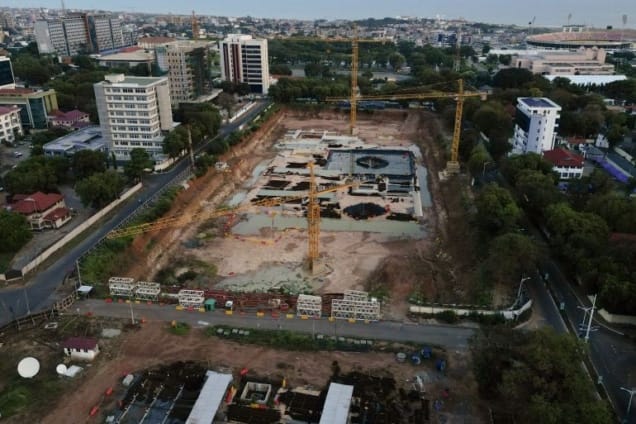
    A recent report by Ghana’s Commission on Human Rights and Administrative Justice (CHRAJ) has reignited controversy over the National Cathedral project, with North Tongu MP Samuel Okudzeto Ablakwa demanding financial restitution from President Nana Addo Dankwa Akufo-Addo.

    The CHRAJ report highlights procurement breaches, alleged mismanagement of funds, and questions over public spending priorities amid economic challenges.

    The Commission revealed that approximately $312,394,049.53 has been spent on the halted project, including $58 million in what Ablakwa describes as “illegality.”

    CHRAJ found that the contract awarded to Ribade Company Limited, the project’s contractor, violated Ghana’s procurement laws, rendering it invalid. The report recommended the Public Procurement Authority (PPA) cancel the contract and urged a forensic audit of the project to determine the use of state funds.

    “Having found that the contract awarded to Ribade Company Ltd is void ab initio for being entered into contrary to the mandatory provisions of the Procurement Act, Act 663 as amended by Act 914, the Commission also recommends that the Board of the Public Procurement Authority (PPA) should intervene to cancel the contract for the construction of the National Cathedral between the National Cathedral and Ribade Company as it has the power to do so under the Procurement Act,” the Commission reported.

    Ablakwa criticised the President’s role, stating, “Everything begins and ends at the doorstep of Akufo-Addo,” and called for him to refund the $58 million. “President Akufo-Addo must be made to pay the compensation claims, refund $58 million, and cover the hole. The eminent clergymen were deceived by Akufo-Addo; everything begins and ends at the doorstep of Akufo-Addo,” he told the media in response to CHRAJ’s report on the matter.

    He also demanded the immediate dissolution of the National Cathedral Secretariat, questioning why board members continue to draw salaries despite the project being stalled for over 30 months. 

    “The continuous payment for salary to the National Cathedral Board must stop. I don’t expect them to see their November salary. A project that has come to a halt for 38 months and the board is receiving a salary,” he added.

    CHRAJ’s findings followed a 2023 petition by Ablakwa, which highlighted concerns over payments made to JNS Talent Centre Limited and alleged conflicts of interest involving Rev. Victor Kusi-Boateng, a board member of the National Cathedral. The Commission substantiated claims of procurement irregularities but dismissed allegations of conflict of interest.

    The National Cathedral, a centrepiece of President Akufo-Addo’s 2016 campaign promises, has faced significant public opposition. Critics argue that taxpayer funds should not be used for its construction, especially given Ghana’s pressing economic issues, including a recent debt restructuring program.

    CHRAJ’s recommendations include prosecuting those responsible for procurement violations and conducting a comprehensive audit of all expenditures linked to the project.

    Ablakwa emphasised that accountability must be enforced, stating, “The $58 million must be refunded because we can’t spend taxpayers’ money on an illegality.”

  • Intervene, cancel National Cathedral contract awarded to Ribade Company – CHRAJ tells PPA

    Intervene, cancel National Cathedral contract awarded to Ribade Company – CHRAJ tells PPA

    The Commission on Human Rights and Administrative Justice (CHRAJ) has called on the Public Procurement Authority (PPA) to cancel the contract for the construction of the National Cathedral awarded to Ribade Company Ltd.

    This recommendation comes after CHRAJ concluded its investigation into allegations of corruption and abuse of power surrounding the controversial National Cathedral project.

    The findings, detailed in a report dated November 22, 2024, revealed multiple breaches of Ghana’s procurement laws.

    CHRAJ described the contract as “void ab initio,” stating that it was entered into in violation of the mandatory provisions of the Procurement Act, Act 663, as amended by Act 914.

    The report, signed by CHRAJ Commissioner Joseph Whittal, emphasized the PPA’s authority to terminate the contract to uphold legal and procurement standards.

    “The Board of the Public Procurement Authority should intervene to cancel the contract for the construction of the National Cathedral between the National Cathedral and Ribade Company, as it has the power to do so under the Procurement Act,” the report stated.

    “The Board of the Public Procurement Authority should intervene to cancel the contract for the construction of the National Cathedral between the National Cathedral and Ribade Company as it has the power to do so under the Procurement Act.”

    Additionally, CHRAJ urged the Auditor-General to conduct a forensic audit of the project, citing concerns about the GHS225,962,500.00 spent as of May 31, 2022, described as “seed money.”

    “This sum of money has been expended on-site preparation, contractors’ mobilization, US fundraising, consultants, and symposia,” the report noted.

    “Public interest dictates that there ought to be value for money in project execution. Unfortunately, this Commission has no expertise to determine whether there has been value for money considering the project remains in the same state.”

    CHRAJ expressed concern over the reputational risks posed by the project’s controversies, emphasizing that breaches of procurement laws could attract “international embarrassment to the country considering its international status and that of Ribade Company Ltd.”

    The Commission further recommended that the Board of Trustees of the National Cathedral be subjected to investigation and possible prosecution for their role in awarding the contract in violation of procurement laws.

    “The Commission further recommends for further investigation and possible prosecution of the Board of Trustees of the National Cathedral who superintended over the award of the contract to Ribade Company in disregard to Act 663 as amended,” the report stated.

    The investigation was triggered by a petition from MP Samuel Okudzeto Ablakwa, who has been a vocal critic of the National Cathedral project. He alleged corruption, abuse of power, and a lack of transparency in its construction.

    The government and the Board of Trustees of the National Cathedral have yet to respond to the findings and recommendations.

    Meanwhile, CHRAJ has exonerated Reverend Victor Kusi Boateng of the Power House Chapel and Secretary to the National Cathedral Board of Trustees over allegations that he holds two passports with two different names.

    Samuel Okudzeto Ablakwa in January 2023 petitioned CHRAJ to investigate Rev.Victor Kusi-Boateng for conflict of interest, including possession of multiple identities and other criminal dealings.

    However, a report by CHRAJ has indicated that he holds one passport with the name Kwabena Adu Gyamfi and has never been issued a passport with the name Kusi-Boateng as claimed.

    Mr Okudzeto Ablakwa’s petition had also alleged that there was a transfer of GH¢2.6 million in cash from the National Cathedral Secretariat to JNS Talent Centre Limited owned by Rev. Kusi-Boateng under his secondary identity, Kwabena Adu Gyamfi.

    However, the Commission concluded that no service was rendered by the JNS Talent Centre Limited owned by Rev. Kusi-Boateng under his secondary identity, Kwabena Adu Gyamfi and that there was no evidence of the said payment, thus clearing him of conflict of interest.

    Full report below:

  • CHRAJ calls for a forensic audit of the National Cathedral project

    CHRAJ calls for a forensic audit of the National Cathedral project

    Commission on Human Rights and Administrative Justice (CHRAJ) has urged the Auditor-General to launch a forensic audit into the controversial National Cathedral project.

    This recommendation stems from CHRAJ’s findings after a complaint filed by North Tongu MP, Samuel Okudzeto Ablakwa.

    Approximately a year ago, Mr. Ablakwa raised concerns with CHRAJ, alleging irregularities in the project’s construction and the operations of the National Cathedral Secretariat.

    He also questioned the transfer of GH₵2.6 million from the Secretariat to JNS Talent Centre Limited, a company involved in the construction.

    In the findings released by CHRAJ on Monday, November 25, after investigating the case for several months, the Commission recommended that the Office of the Auditor-General intervene and conduct a forensic audit to ascertain whether funds allocated for the project were used for their intended purposes.

    “Accordingly, the Commission recommends that the Auditor-General should conduct a forensic audit of the construction of the National Cathedral project from its inception to date to ascertain whether monies released for its construction have been properly utilised,” CHRAJ noted.

    CHRAJ’s detailed report has recommended the potential prosecution of the board of trustees overseeing the National Cathedral project, citing their role in awarding the contract to Ribade Company Limited.

    The report highlighted multiple violations of procurement regulations and warned that the failure of those involved to address the issues could tarnish Ghana’s reputation both locally and internationally.

    CHRAJ concluded that Mr. Ablakwa’s claims of breaches in mandatory procurement procedures were valid.

    However, the Commission determined that allegations against Reverend Victor Kusi-Boateng, Secretary of the National Cathedral Board of Trustees, involving conflicts of interest and the use of multiple identities, lacked sufficient evidence to be substantiated.

  • Conduct a forensic audit of National Cathedral project – CHRAJ

    Conduct a forensic audit of National Cathedral project – CHRAJ

    The Commission on Human Rights and Administrative Justice (CHRAJ) has called for a forensic audit into the National Cathedral project, citing concerns over financial irregularities and breaches of Ghana’s procurement laws.

    In its report dated November 22, 2024, CHRAJ highlighted the need for a comprehensive review of the GHS225,962,500.00 spent as “seed money” on activities such as site preparation, contractor mobilization, fundraising, consultancy services, and symposia as of May 31, 2022. The Commission emphasized that public interest demands transparency and accountability to ensure value for money on the controversial project, which remains incomplete.

    “The Auditor-General should conduct a forensic audit of the National Cathedral project to ascertain value for money,” the report stated.

    The investigation, triggered by a petition from North Tongu MP Samuel Okudzeto Ablakwa, also revealed that the construction contract awarded to Ribade Company Ltd violated provisions of the Procurement Act, rendering it “void ab initio.” CHRAJ has recommended that the Public Procurement Authority (PPA) cancel the contract and investigate the Board of Trustees for their role in the procurement breaches.

    “The Board of the Public Procurement Authority should intervene to cancel the contract for the construction of the National Cathedral between the National Cathedral and Ribade Company Ltd,” the report added.

    CHRAJ expressed concerns about the reputational risks posed by these controversies, warning of potential “international embarrassment” for Ghana.

    Meanwhile, Rev. Victor Kusi Boateng, Secretary to the National Cathedral Board of Trustees, was cleared of allegations regarding dual identities. The report confirmed he holds a single passport under the name Kwabena Adu Gyamfi, refuting claims that he had a second passport with the name Victor Kusi Boateng.

    The government and the National Cathedral Board of Trustees have yet to respond to CHRAJ’s findings and recommendations.

  • National cathderal construction contract to Ribade Company Ltd unlawful, cancel it – CHRAJ

    National cathderal construction contract to Ribade Company Ltd unlawful, cancel it – CHRAJ

    The Commission on Human Rights and Administrative Justice (CHRAJ) has declared the construction contract awarded to Ribade Company Ltd for the National Cathedral project unlawful, recommending its cancellation and calling for a forensic audit and possible prosecution of the Board of Trustees overseeing the project.

    In a report dated November 22, 2024, CHRAJ cited several breaches of Ghana’s procurement laws, concluding that the contract was “void ab initio” for violating mandatory provisions of the Procurement Act, Act 663, as amended by Act 914. The Commission urged the Public Procurement Authority (PPA) to intervene and cancel the contract immediately.

    “The Board of the Public Procurement Authority should intervene to cancel the contract for the construction of the National Cathedral between the National Cathedral and Ribade Company as it has the power to do so under the Procurement Act,” the report, signed by CHRAJ Commissioner Joseph Whittal, stated.

    The investigation, triggered by a petition from North Tongu MP Samuel Okudzeto Ablakwa, uncovered irregularities surrounding GHS225,962,500.00 spent as “seed money” on-site preparation, contractor mobilization, fundraising, consultants, and symposia as of May 31, 2022. CHRAJ called for a forensic audit by the Auditor-General to assess value for money on the project, which remains incomplete.

    CHRAJ also expressed concerns about the potential reputational damage caused by the violations, noting that breaches of procurement laws could attract “international embarrassment to the country.”

    The report further recommended investigations and possible prosecution of the Board of Trustees for their role in awarding the contract in violation of procurement regulations.

    However, CHRAJ exonerated Rev. Victor Kusi Boateng, Secretary to the National Cathedral Board of Trustees, from allegations of possessing two passports with different names. The report clarified that Rev. Kusi Boateng, also known as Kwabena Adu Gyamfi, holds only one passport under the name Adu Gyamfi.

    The government and the National Cathedral Board of Trustees are yet to respond to the findings and recommendations.

  • We are disappointed in Akufo-Addo for failing galamsey fight – CHRAJ

    We are disappointed in Akufo-Addo for failing galamsey fight – CHRAJ

    Commissioner of the Commission on Human Rights and Administrative Justice (CHRAJ), Joseph Whittal, has sharply criticized President Nana Addo Dankwa Akufo-Addo for his failure to effectively tackle the issue of illegal mining, locally known as ‘galamsey’.

    The practice has caused severe environmental damage and poses serious health hazards to the Ghanaian population.

    In a recent interview with the BBC, Mr. Whittal expressed his frustration, highlighting the President’s failure to deliver on his commitment to combat galamsey. The CHRAJ Commissioner did not hold back in expressing his disappointment, stating that the President’s broken promise has left a lasting negative impact on the country, particularly on public health.

    “The Commission feels so disappointed in the fight against galamsey and artisanal mining. We are disappointed that no less a person than the President would put his presidency on the line,” Whittal remarked. “Presidents don’t promise and fail on their promises. For what has happened, which has dire implications on the health of so many Ghanaians, I must say, the government and the President have disappointed Ghanaians.”

    Whittal further lent his support to calls for a state of emergency in response to the escalating crisis. He stressed the importance of urgent action, emphasizing the need for the government to take the situation more seriously.

    “I have heard some people call on the President to declare a state of emergency, and I actually subscribe to that. Why wait? If you look at the pollution and the effects it is already having… it appears the government seems unconcerned and is ignoring all these worrying trends. I don’t understand,” he said.

    The Commissioner also raised concerns about the government’s inaction in the face of the galamsey crisis, calling for the President to make good on his pledge to protect the environment and the health of Ghanaians.

    “If you win the people’s vote, you are supposed to work for them. So this is a disappointment from the government and from the President, who has a lot of human rights credentials. He should do something before leaving power,” Whittal concluded.

  • We can’t probe 2020 electoral violence due to 1992 constitution – CHRAJ

    We can’t probe 2020 electoral violence due to 1992 constitution – CHRAJ

    The Commission on Human Rights and Administrative Justice (CHRAJ) has clarified that it cannot investigate the 2020 electoral violence that led to the deaths of eight people, as similar cases are already being handled by the courts.

    In a report dated June 13, 2023, CHRAJ referenced Article 219 of the 1992 Constitution, which bars the commission from probing issues that are currently before the judiciary.

    Additionally, the CHRAJ Act of 1993 (Act 456) does not provide it with the authority to undertake such investigations, as reported by graphic.com.gh.

    This decision followed a preliminary review to assess whether CHRAJ could address a complaint filed by MPs Samuel Okudzeto Ablakwa and Emmanuel Armah Kofi Buah on August 26, 2021.

    “The commission is of the considered view that its mandate to conduct any investigations into this complaint is clearly ousted by Article 219 (2) (a) of the 1992 Constitution, and Section 8(2) of Act 456,” CHRAJ stated in the report.

    While acknowledging that the violence in Techiman South, Odododiodio, Ablekuma Central, and Savelugu has harmed Ghana’s democratic image, CHRAJ has advised that state institutions tasked with prosecution and adjudication should fast-track the resolution of these electoral violence cases to provide justice for the victims.

    “There is the urgent need for all public officials and institutions charged with the responsibility of prosecuting and adjudicating on these matters that have been found by the commission to be pending before the courts to expedite action on bringing the trial of these cases to an end as soon as possible, especially as the next presidential and parliamentary elections are just a year and half away,” the report stated.

    CHRAJ Commissioner Joseph Akanjolenur Whittal stressed that the commission is restricted by the authority conferred upon it by the constitution and the Parliament of Ghana.

    “It is the considered view of the commission as a creature of the Constitution and statute that it can only exercise the mandate clearly and expressly conferred on it,” he explained.

    He further highlighted that certain laws are designed to safeguard the integrity of other constitutional institutions.

    “Ultimately, this commission must go to a court to enforce its decision. Now, if the matter is already pending before a court, and CHRAJ goes ahead to investigate, how will it be enforced if the outcome is different from the court’s decision?” he added.

    Whittal explained that the report was first shared with the complainants and respondents last year. The subsequent public release aimed to address concerns that CHRAJ had overlooked the complaint.

    The initial complaint from Ablakwa and Buah requested an investigation into alleged unlawful actions by Ghana Police Service and Ghana Armed Forces officers, which reportedly resulted in deaths and injuries in the four constituencies.

    CHRAJ’s report indicated that the reliefs sought were the subject of three separate civil suits concerning the Techiman South violence, currently pending before the Wenchi High Court.

    The Attorney-General is prosecuting the violence in the Odododiodio and Ablekuma Central constituencies.

    Furthermore, cases related to the violence in Savelugu are at various stages of criminal proceedings, with some trials scheduled to start in the High Court and others under review by the Attorney-General’s office.

  • Fix challenges with Anti-Witchcraft Bill and make it law – CHRAJ tells Akufo-Addo

    Fix challenges with Anti-Witchcraft Bill and make it law – CHRAJ tells Akufo-Addo

    The Commission on Human Rights and Administrative Justice (CHRAJ) has urged President Akufo-Addo to address his reservations regarding the Anti-Witchcraft Bill and to provide his approval.

    The Anti-Witchcraft Bill, officially referred to as the Criminal Offences (Amendment) Bill, 2023, represents a significant legislative step in Ghana.

    This bill aims to amend the Criminal Offences Act, 1960 (Acts 29) to criminalize witch doctoring and witch finding. It also prohibits the act of declaring, accusing, naming, or branding someone as a witch.

    Proposed by Francis-Xavier Sosu, the National Democratic Congress (NDC) MP for Madina, along with other NDC legislators, the bill was approved by Parliament on July 28, 2023.

    It is seen as a crucial initiative to address the dangers associated with witchcraft accusations and to protect vulnerable individuals from such practices.

    CHRAJ has called on President Akufo-Addo to “take urgent steps including legislative steps that will resolve any constitutional concerns raised by H.E the President in order to assent to the Criminal Offences Amendment Bill 2023 (Anti-Witchcraft Bill) to further enhance the protection of this vulnerable group and the consolidation of Ghana’s human rights record.”

  • Address concerns and give your assent to Anti-Witchcraft Bill – CHRAJ to Akufo-Addo

    Address concerns and give your assent to Anti-Witchcraft Bill – CHRAJ to Akufo-Addo

    The Commission on Human Rights and Administrative Justice (CHRAJ) has called on President Akufo-Addo to resolve his concerns about the Anti-Witchcraft Bill and give it his approval.

    In an advisory statement issued on July 1, 2024, CHRAJ emphasized how accusations of witchcraft are damaging Ghana’s international standing.

    “The culture of witchcraft accusation and its connected witch camps is a serious dent on Ghana’s image as a country. It has become an albatross around the neck of the country for decades. Its dire consequences on the rights of Ghanaian women are beyond debate.

    “It also undermines national efforts towards the realization of the Sustainable Development Goals (SDGs) particularly Goal 5 on gender equality.

    “In an era of constitutional democracy hinged on the protection of fundamental human rights and freedoms, the rights of one of the most vulnerable groups in society, elderly women accused of witchcraft must therefore be of high priority to the State, and urgent steps must be taken to safeguard their human rights and dignity,” a statement from CHRAJ said.

    The Commission on Human Rights and Administrative Justice (CHRAJ) has urged President Akufo-Addo to address his concerns regarding the Anti-Witchcraft Bill and approve it.

    “In the light of the foregoing, the Commission respectfully urges His Excellency the President of the Republic to take urgent steps including any legislative steps that will resolve any constitutional concerns raised by H.E the President in order to assent to the Criminal Offences Amendment Bill, 2023 (Anti-Witchcraft Bill) to further enhance the protection of this vulnerable group and the consolidation of Ghana’s human rights record,” the statement added.

    In a statement dated July 1, 2024, CHRAJ highlighted that the existence of witch camps and related practices have tarnished Ghana’s international image and severely impacted the rights of elderly women, who are often the main victims.

    CHRAJ emphasized that the bill is crucial for advancing gender equality and aligns with Sustainable Development Goal 5.

    The commission stressed that, in a democratic society committed to human rights, timely action is essential.

    CHRAJ called on President Akufo-Addo to resolve any constitutional issues related to the bill and sign it into law to better protect vulnerable groups and strengthen Ghana’s human rights record.

    The commission’s statement read“In the light of the foregoing, the Commission respectfully urges His Excellency the President of the Republic to take urgent steps including any legislative steps that will resolve any constitutional concerns raised by H.E the President in order to assent to the Criminal Offences Amendment Bill, 2023 (Anti-Witchcraft Bill) to further enhance the protection of this vulnerable group and the consolidation of Ghana’s human rights record”.

  • SSNIT is going all out to sell hotels amid CHRAJ petition – Ghana Federation of Labour

    SSNIT is going all out to sell hotels amid CHRAJ petition – Ghana Federation of Labour

    The Ghana Federation of Labour has reported that the Social Security and National Insurance Trust (SSNIT) is continuing discussions to sell its stake in four hotels to Rock City Hotel, owned by the Minister of Agriculture, Bryan Acheampong, despite an ongoing petition before the Commission on Human Rights and Administrative Justice (CHRAJ).

    This development was revealed shortly after the Minority in Parliament, led by North Tongu MP Samuel Okudzeto Ablakwa, and representatives of organized labour staged a protest urging the government to halt the transaction.

    In an interview with JoyNews, Secretary General of the Ghana Federation of Labour, Abraham Koomson, expressed his dismay at SSNIT’s persistence.

    “They have not stopped it. You know how things work in this country. For CHRAJ, how soon will they finish this? CHRAJ cannot injure the process, I don’t think they can do that. They don’t have that authority to injunct the process so they will still go ahead and do what they want to do.”

    Koomson added that the Federation would boycott an upcoming meeting with the President to show their displeasure.

    “We are going to meet and discuss what? What we are saying is that stop the process. They should not continue, they should wait or stop it. That is all. We are going to meet him so he tells us what? I will not be part of it. I won’t go there. I won’t go.

    “I don’t know what I am going there to discuss. It is as simple as telling the Employment Minister that ‘look, make sure this whole process is stopped’,” he stressed.

    In May, Samuel Okudzeto Ablakwa exposed the deal, questioning why SSNIT would sell 60% of its stake in the hotels to a minister. While some government officials and citizens defended Acheampong, arguing he could revitalize the hotels, Ablakwa remained skeptical.

    Ablakwa emphasized the lack of evidence supporting Acheampong’s ability to enhance the performance of the state-owned hotels, some of which are already profitable. He further criticized Acheampong for not using his expertise for the public good while serving as a cabinet minister.

    “… If you have such great ideas to transform hotels, Bryan Acheampong sits in Cabinet. Why do we send people to Cabinet? Under the constitution, Cabinet is a place where you brainstorm and bring your expertise and know-how to bear. So why will you only bring your expertise to bear when it is your private property when you have bought it, when you have annexed it and it is within your private domain?

    “Is that the only time you will bring that expertise to bear? Is that not unpatriotic? Is that not callousness?” he questioned.

    He continued, “That is not being nationalistic. Why then are we paying you as a cabinet minister? It means we shouldn’t pay you, you shouldn’t be in Cabinet. This is the height of wickedness,” he noted.

  • More troubles for Cecilia Dapaah as CHRAJ is petitioned to launch investigation

    More troubles for Cecilia Dapaah as CHRAJ is petitioned to launch investigation

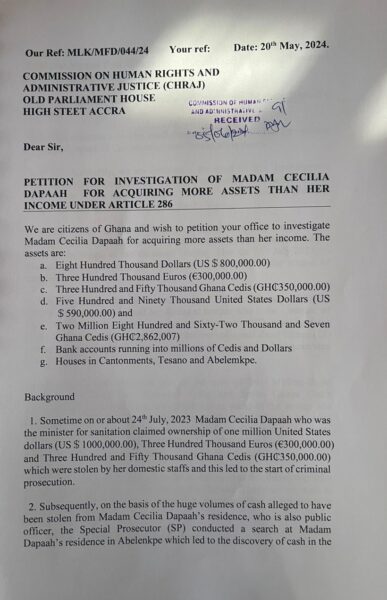
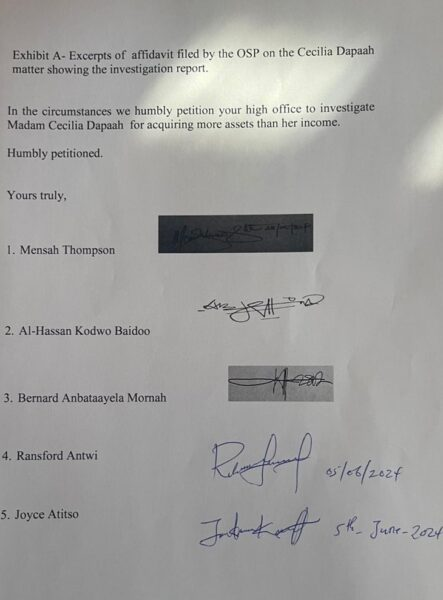
    Five people have submitted a petition to the Commission on Human Rights and Administrative Justice (CHRAJ), urging an investigation into former Minister for Sanitation, Cecilia Dapaah, over allegations of acquiring assets disproportionate to her income.

    The petitioners include Bernard Anbataayela Mornah, Mensah Thompson, Al-Hassan Kwadwo Baidoo, Ransford Antwi, and Joyce Atitso.

    Madam Dapaah attracted widespread media and public scrutiny following reports of a burglary at her residence involving significant sums of money and jewellery.

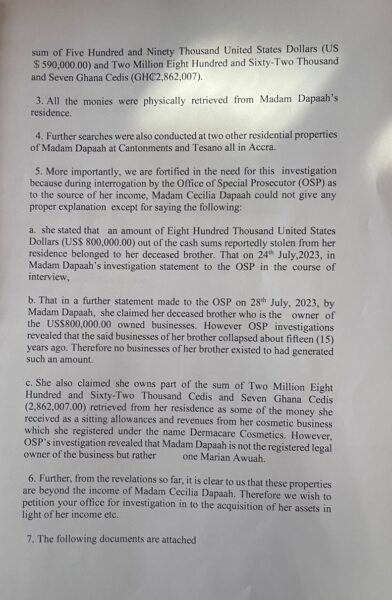
    Stolen items included $1 million, €300,000, GH¢350,000, luxury handbags valued at $35,000, and jewellery worth $95,000.

    Amidst the controversy surrounding the theft, Madam Dapaah resigned from her ministerial position in July 2023.

    Subsequently, officers from the Office of the Special Prosecutor (OSP) arrested her after discovering over GH¢48 million in her accounts.

    Following a collaborative investigation with the Federal Bureau of Investigation (FBI) spanning almost seven months, the OSP dropped charges against her due to insufficient evidence and transferred the case to the Economic and Organised Crime Office (EOCO).

    However, EOCO returned the docket to the OSP, citing a lack of evidence.

    In their petition dated May 20, the petitioners have requested that CHRAJ conduct a thorough investigation into Madam Dapaah’s assets, including the $1 million, €300,000, and GH¢350,000 mentioned.

    “…More importantly, we are fortified in the need for this investigation because, during interrogation by the OSP as to the source of her income, Madam Cecilia Dapaah could not give any proper explanation.”

  • My ‘sloppiness’ has uncovered your govt’s corrupt activities – Ablakwa tells Akufo-Addo’s lawyer

    My ‘sloppiness’ has uncovered your govt’s corrupt activities – Ablakwa tells Akufo-Addo’s lawyer

    The Member of Parliament (MP) for North Tongu, Samuel Okudzeto Ablakwa, has responded to criticism from President Akufo-Addo’s counsel regarding his recent exposé on the sale of six state-owned hotels by the Social Security and National Insurance Trust (SSNIT) to the Minister of Food and Agriculture, Bryan Acheampong.

    Akufo-Addo’s lawyer, Kow Essuman, pointed out that the SSNIT statement released showed that Bryan Acheampong’s Rock City began negotiations for the purchase of the six hotels in 2022, not 2018 as Ablakwa had claimed.

    Mr Essuman advised Ablakwa to be cautious when presenting information to hold political leaders accountable, as spreading falsehoods could damage their reputations.

    “Bro, sometimes you should take your time and read your own statements/posts. What started in November 2018 was the procurement process for the transaction adviser – see paragraph 4 of the SSNIT statement. The procurement process for the strategic partner commenced in February 2022 – see paragraph 7 of the SSNIT statement.

    “In other words, Rock City came into the picture after February 2022 and not November 2018 as you sought to imply in your post. Accountability is good, but let’s be accurate,” Essuman wrote in a post shared on his X page on Monday, May 20, 2024.

    Mr Ablakwa disclosed that he had petitioned the Commission for Human Rights and Administrative Justice (CHRAJ) to investigate and stop the minister from acquiring the hotels.

    He said the minister’s actions not only constitute an abuse of power but also point to a lack of due process, procurement breaches, cronyism, graft, and a violation of the Constitution of Ghana.

    SSNIT has also stated it is selling 60% shares of the six hotels to Bryan Acheampong’s company because they presented the best offer.

    It also stated the shares of the hotels were advertised for every interested person to make a bid.

    Background:

    Samuel Okudzeto Ablakwa recently alleged that six hotels belonging to SSNIT are being sold to the Minister of Food and Agriculture, Bryan Acheampong.

    In a post shared on social media on Friday, 17 May 2024, the MP indicated that documents he has intercepted show that negotiations to sell 60% of the shares of the six SSNIT hotels to the minister’s Rock City Hotel Limited are far advanced.

    The North Tongu legislator pointed out that the sale of state properties to government officials constitutes an abuse of power and should not be allowed to happen.

  • CHRAJ petitioned to halt sale of SSNIT Hotels to Agric Minister

    CHRAJ petitioned to halt sale of SSNIT Hotels to Agric Minister

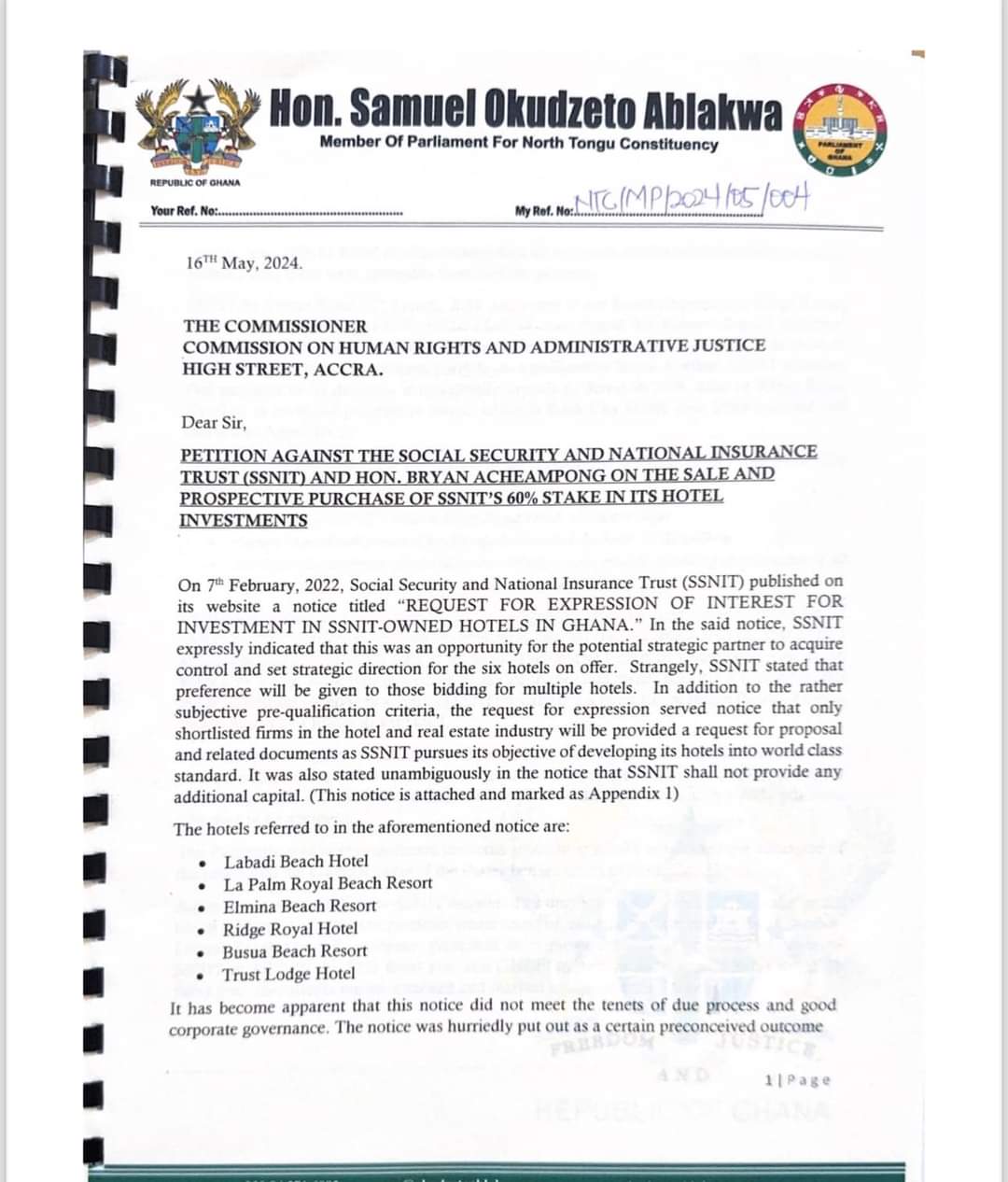
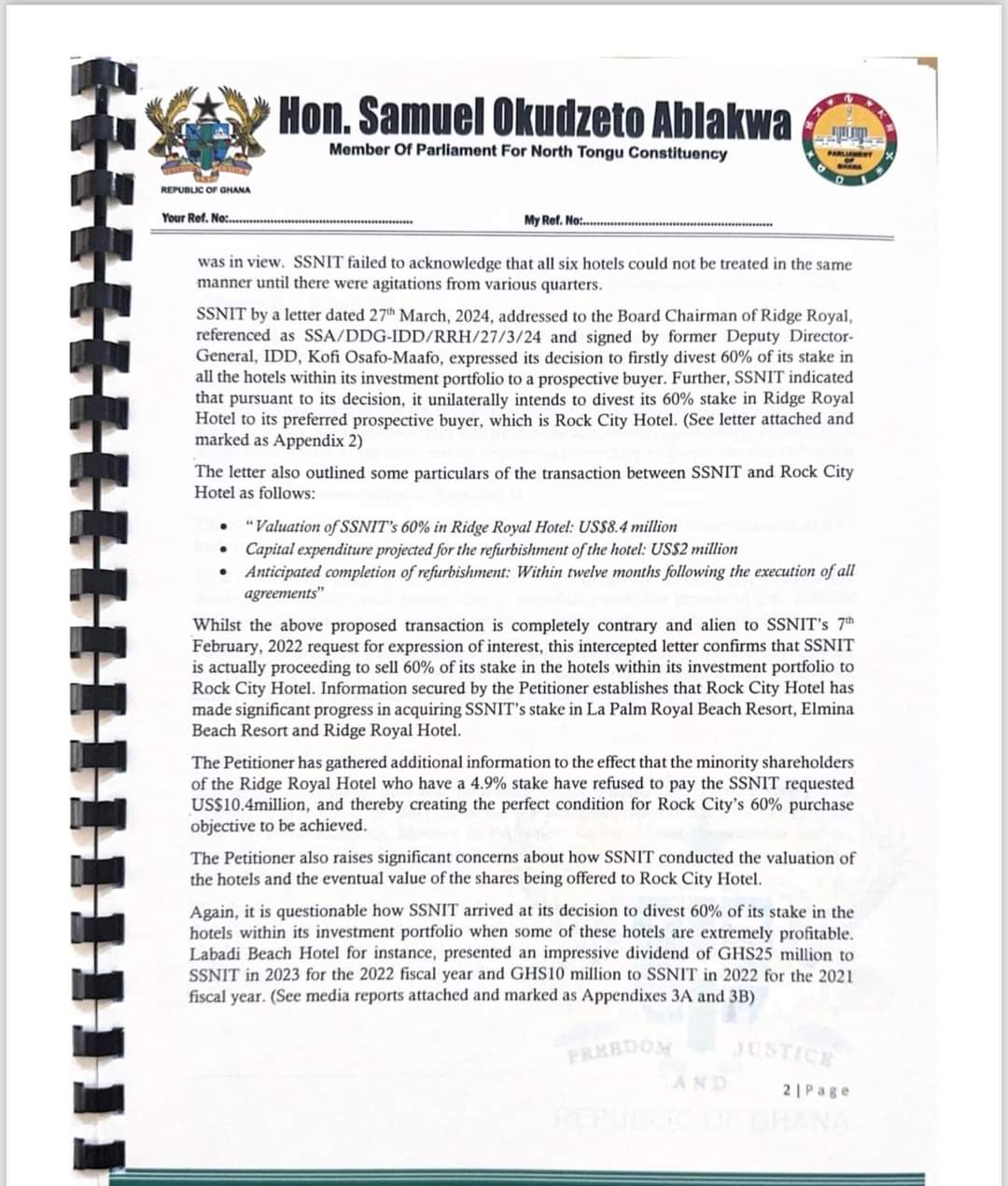
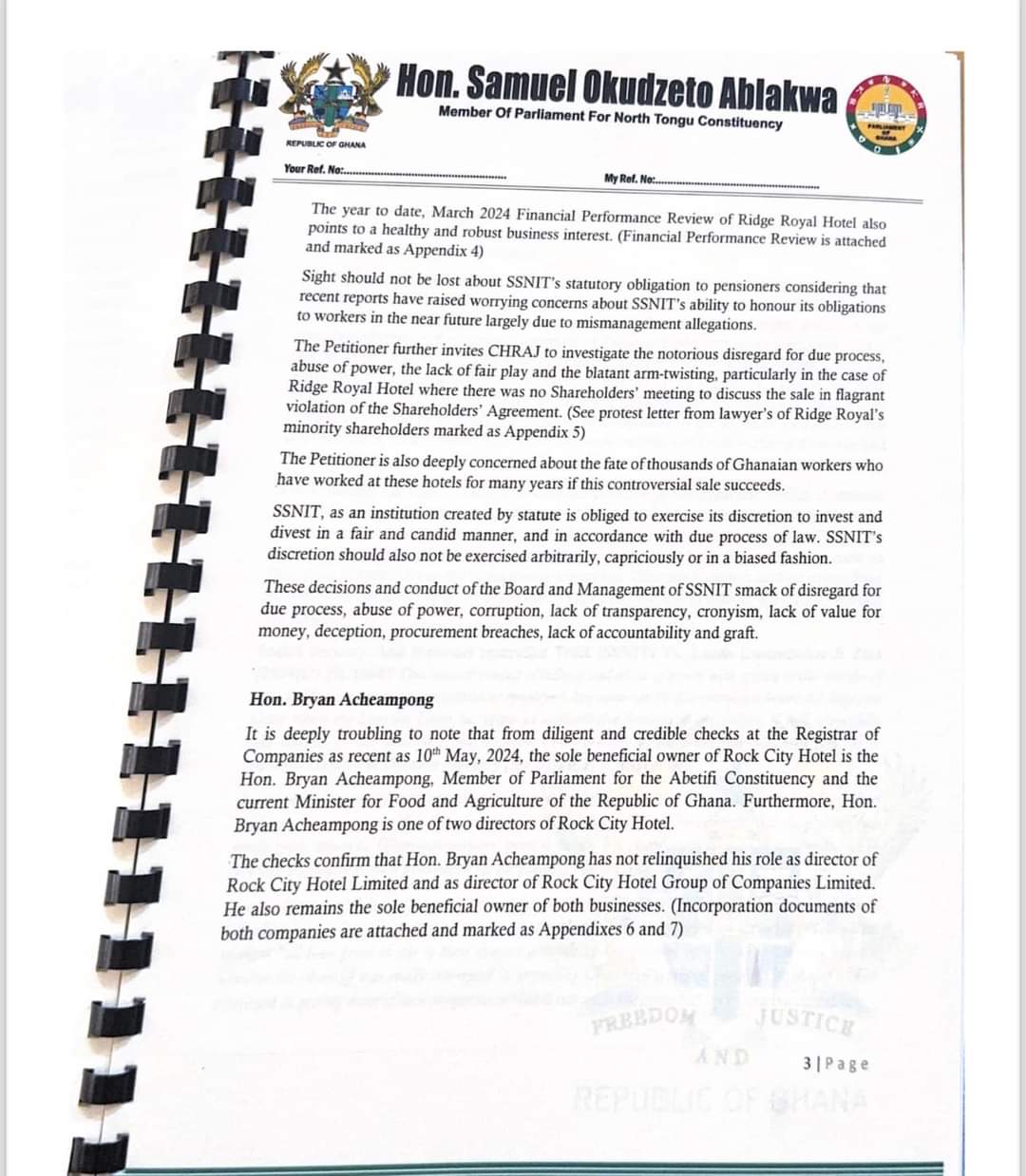
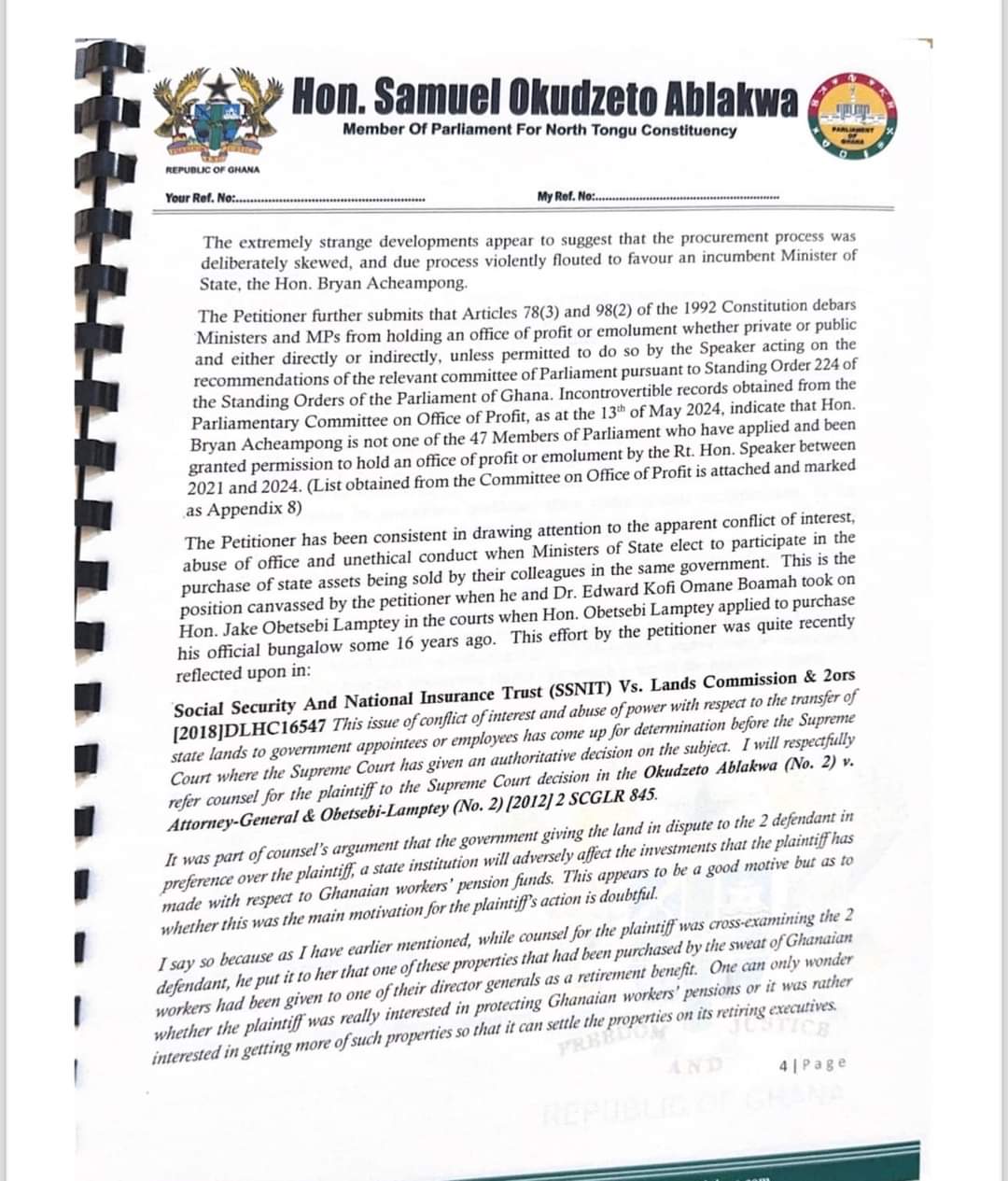
    Member of Parliament for North Tongu, Samuel Okudzeto Ablakwa, has petitioned the Commission on Human Rights and Administrative Justice (CHRAJ) to investigate the sale of six hotels owned by the Social Security and National Insurance Trust (SSNIT) to Minister for Food and Agriculture, Bryan Acheampong.

    Mr Ablakwa alleges that SSNIT is set to sell a majority 60% stake in the hotels to the Minister for Food and Agriculture, based on documents in his possession. He is urging CHRAJ to halt the sale to the Abetifi MP.

    In his petition, Mr Ablakwa argues that the sale of SSNIT’s shares in the hotels lacks due process and violates procurement procedures.

    “In my petition, I am inviting CHRAJ to investigate grave matters bothering on conflict of interest, abuse of power, lack of due process, procurement breaches, cronyism, and graft,” he said.

    Mr Ablakwa also stated that the MP for Abetifi, who is the owner of Rock City Hotel Limited, has violated the Constitution. He emphasized that the MP has not sought nor received permission from the Speaker of Parliament to hold a lucrative office.

    “I have also drawn attention to blatant violations of Article 78(3) and 98(2) of the 1992 Constitution as diligent checks from Parliament’s Committee on Office of Profit reveal that Hon. Bryan Acheampong has not applied and does not have the permission of the Speaker of Parliament to hold an office of profit,” part of the petition reads.

    Mr Ablakwa also raised significant concerns about the possibility of job losses if the sale negotiations are finalized.

    “I am additionally worried about potential job losses if this sale to Bryan Acheampong is finalised.”

    The hotels in question include Labadi Beach Hotel, La Palm Royal Beach Resort, Elmina Beach Resort, Ridge Royal Hotel, Busua Beach Resort and Trust Lodge Hotel.

    Read below the details of Ablakwa’s petition

    As I earlier disclosed on Metro TV’s Good Morning Ghana programme, I have today successfully

    Intercepted documents in my possession confirm that SSNIT is far advanced in selling a controlling 60% stake in six of its hotels to Rock City Hotel Limited owned by Hon. Bryan Acheampong, the MP for Abetifi and Minister for Food and Agriculture.

    Hon. Acheampong is a director and the sole beneficial owner of Rock City Hotel Limited.

    The six SSNIT hotels being sold are:

    • Labadi Beach Hotel
    • La Palm Royal Beach Resort
    • Elmina Beach Resort
    • Ridge Royal Hotel
    • Busua Beach Resort
    • Trust Lodge Hotel

    In my petition, I am inviting CHRAJ to investigate grave matters bothering on conflict of interest, abuse of power, lack of due process, procurement breaches, cronyism, and graft.

    I have also drawn attention to blatant violations of Article 78(3) and 98(2) of the 1992 Constitution as diligent checks from Parliament’s Committee on Office of Profit reveal that Hon. Bryan Acheampong has not applied and does not have the permission of the Speaker of Parliament to hold an office of profit.

    Since 2008, when Dr. Omane Boamah and I dragged the late Hon. Jake Obetsebi Lamptey to court over attempts to buy his official bungalow, I have always maintained that it is wrong, unethical and reprehensible for public officials, particularly, Ministers of State to participate in the purchase of state assets. It is a matter of principle.

    Also, a number of these SSNIT hotels are very profitable and one wonders the rationale for the sale.

    I am additionally worried about potential job losses if this sale to Bryan Acheampong is finalised.

    May God help us to defeat state capture, and to scuttle this opaque and unethical transaction, which is certainly not in the national interest.

    For God and Country.

  • Cecilia Dapaah’s money laundering case should be probed by CHRAJ, GRA – Vitus Azeem

    Cecilia Dapaah’s money laundering case should be probed by CHRAJ, GRA – Vitus Azeem

    Anti-corruption Activist Vitus Azeem has urged the Commission on Human Rights and Administrative Justice (CHRAJ) and the Ghana Revenue Authority (GRA) to probe accusations of money laundering against Cecilia Dapaah.

    Following the Office of the Attorney General (AG) and Ministry of Justice’s statement asserting no grounds for the Economic and Organized Crimes Office (EOCO) to investigate former Sanitation Minister Cecilia Abena Dapaah for money laundering, questions linger.

    Initially, the Special Prosecutor (OSP) dropped charges against Dapaah, transferring the case to EOCO for money laundering inquiries. However, upon reviewing documents provided by EOCO, the AG’s office advised against EOCO pursuing money laundering investigations.

    Addressing this development on Morning Starr with Francis Abban, Vitus Azeem emphasized that the matter should not be closed hastily.

    Azeem suggested that CHRAJ could investigate Dapaah’s asset declaration to determine the legality of her income sources. Additionally, he proposed GRA’s involvement to scrutinize Dapaah’s business activities, ensuring tax compliance.

    In Azeem’s view, both CHRAJ and GRA have roles to play in ensuring transparency and accountability, preventing the case from being prematurely concluded.

    “In the very beginning, I even said that CHRAJ was also the appropriate body to do the investigation in terms of looking at her asset declaration to establish if these monies were acquired legally and from genuine employment or not. They have to establish how the money was acquired.

    “So the matter shouldn’t end there if EOCO thinks that it cannot proceed; even if the Attorney General thinks that EOCO cannot proceed, I think that the matter should go to CHRAJ, and the matter should also go to GRA to establish if the lady was doing a genuine business and earned the money, and whether tax was paid. So there are still two institutions that can take up this matter and not allow it to just end,” Mr. Azeem said.

  • Quickly sign anti-witchcraft bill – CHRAJ tells Akufo-Addo

    Quickly sign anti-witchcraft bill – CHRAJ tells Akufo-Addo

    The Commission for Human Rights and Administrative Justice (CHRAJ) has urged President Akufo-Addo to promptly sign the Anti-Witchcraft Bill, which was passed by Parliament about nine months ago.

    CHRAJ emphasized that the bill, once enacted, would directly address witchcraft allegations and attacks in the country.

    Mr. Joseph Whittal, the Commissioner for CHRAJ, made this appeal during a National Policy Dialogue on Access to Justice for Women Accused as Witches in Ghana, jointly organized by CHRAJ and Crossroads International.

    He highlighted that the absence of a concrete law to penalize individuals involved in witchcraft allegations and attacks has perpetuated these harmful practices in certain regions of the country.

    “The practice is still ongoing on the ground and the main instrument to cease or force the practice to come to an end is the deterrence of the Bill,” he stressed.

    Mr. Whittal emphasized the need to abolish customs and traditions that violate the constitutional rights of individuals.

    He mentioned that CHRAJ has been actively engaging with traditional leaders to prevent discrimination against vulnerable people and to ensure that their rights are not violated under the guise of tradition.

    CHRAJ has also been working to engage with individuals who have been accused of witchcraft.

    Mr. Whittal urged District Assemblies in areas where witch camps are located to take full responsibility for the welfare of the inmates.

    On July 28, 2023, Ghana’s Parliament passed the Criminal Offences (Amendment) Bill, 2022.

    The purpose of the bill is to amend the Criminal Offences Act, 1960 (Acts 29) to prohibit the practice of witch doctors or witch finders, and to outlaw the declaration, accusation, naming, or labeling of another person as a witch.

    The Private Member’s Bill was sponsored by Mr. Francis-Xavier Kojo Sosu, the National Democratic Congress (NDC) Member of Parliament (MP) for Madina, along with other sponsors including Hajia Laadi Ayii Ayamba, NDC MP for Pusiga; Dr. Godfred Seidu Jasaw, NDC MP for Wa East; Madam Helen Adjoa Ntoso, NDC MP for Krachi West; and Madam Betty Nana Efua Krosbi Mensah, NDC MP for Afram Plains North.

    Witch camps are settlements where women accused of witchcraft are kept for safety, often due to reasons such as mental health problems.

  • Engaging in any type of child betrothal is illegal – CHRAJ

    Engaging in any type of child betrothal is illegal – CHRAJ

    The Commission on Human Rights and Administrative Justice (CHRAJ) has emphasized that under the Child Act, any form of child betrothal is considered a criminal offense.

    According to Deputy Commissioner of CHRAJ, Mercy Larbi, citing the 1992 Constitution, betrothal of children to either deities or individuals is still classified as a crime.

    During an interview on Joy FM’s Midday News on April 3, she reiterated this stance. “When you look at early marriages and forced marriages, the Children’s Act has criminalised them. Early marriages too is in there and it goes on even to say betrothal is even a criminal offense.

    “So, betrothal in any kind or form [is criminal]. We are not looking at whether it is the human being or the deity. The law says betrothal in any kind or form.”


    Her remarks come after reports emerged of the marriage between a 12-year-old girl and a 63-year-old priest in Nungua.

    Although local authorities have refuted the marriage allegations, asserting that she was actually betrothed to the Gborbu deity.

    Interestingly, child rights abuses were a significant concern at the Commission in 2023, with 10,525 cases reported, of which 3,509 pertained to children.

    According to a report, violations of children’s rights encompass various issues, including neglecting to provide for the child’s basic needs such as food, education, health care, clothing, and shelter, as well as denying their right to paternity, custody, and subjecting them to inhumane treatment, early and forced marriages, and failure to officially name them.

    “We have a lot of complaints about non-maintenance. That is the right to maintenance and life necessities.

    “We also have complaints in respect of the right to health and the right to education. Right to be named, and then we have early and forced marriages, child trafficking, child labour, etc,” she said.

    Touching on child marriages she said, “When you look at our statistics in 2023 we received about 25 complaints on early and forced marriages. So, there are two issues that we are looking at; early marriages and forced marriages.”

    She explained that after each complaint, an investigation is launched and decisions and recommendations are made.

  • BREAKING: Deputy CHRAJ Commissioner Richard Ackom Quayson, dead

    BREAKING: Deputy CHRAJ Commissioner Richard Ackom Quayson, dead

    The Commission on Human Rights and Administrative Justice (CHRAJ) has sadly announced the unexpected passing of its Deputy Commissioner, Mr. Richard Ackom Quayson, according to a report by the Ghana News Agency.

    In a notice dated March 22, 2024, signed by Mr. Henry Ashley, the Director of Human Resources and Administration, on behalf of the Commissioner, the news of Mr. Quayson’s demise was shared with staff members.

    The notice conveyed the heavy-hearted message, stating that Mr Richard Ackom Quayson, the Deputy Commissioner (APR), passed away on March 21, 2024, after a brief illness.

    Mr Quayson has served as Deputy Commissioner since August 2005, overseeing the Commission’s responsibilities regarding anti-corruption initiatives, public education, and research.

    His journey with CHRAJ began in 1993 when he joined as a senior legal officer, following his tenure as a legal officer at the Office of the Ombudsman from 1987 to 1993.

    Prior to his appointment as Deputy Commissioner, he served as the regional director for the Western and Central Regions.

    Additionally, Mr Quayson chaired the National Working Group responsible for crafting Ghana’s National Anti-Corruption Action Plan (NACAP) and played a vital role in overseeing its implementation.

    As a legal practitioner, Mr Quayson specialised in promoting and safeguarding human rights, ensuring administrative justice, and conducting investigations into corruption cases.

  • Quickly publish findings of investigations into National Cathedral project – Ablakwa to CHRAJ

    Quickly publish findings of investigations into National Cathedral project – Ablakwa to CHRAJ

    Member of Parliament for North Tongu, Samuel Okudzeto Ablakwa, has called on the Commission on Human Rights and Administrative Justice (CHRAJ) to swiftly publish the findings of its investigations into the National Cathedral project.

    Mr Ablakwa’s request comes amidst growing concerns over the handling of the project, particularly regarding transparency and accountability in its execution.

    Mr. Ablakwa in January 2023 petitioned CHRAJ under Article 218 of the 1992 Constitution to investigate an alleged transfer of GH¢2.6million cash from the National Cathedral Secretariat to JNS Talent Centre Limited, a company he said belongs to Rev. Kusi Boateng.

    He also alleged a conflict of interest and possession of multiple identities by Rev. Kusi Boateng.

    CHRAJ, in a letter signed by the Director of Anti-Corruption, Stephen Azantilow, acknowledged receipt of the petition on Wednesday, January 18.

    “I am directed to acknowledge receipt of your complaint on the above subject matter lodged with the Commission on the 16th of January 2023 and to inform you that it is receiving attention,” the statement read.

    It has been over a year and the Commission on Human Rights and Administrative Justice (CHRAJ) is yet to make public its findings on the subject matter.

    Presently, Samuel Okudzeto Ablakwa has called on President Akufo-Addo to immediately dissolve the Board of Trustees for the National Cathedral project.

    The current members on the Board include prominent religious figures such as Apostle Prof. Opoku Onyinah, former Chairman of the Church of Pentecost, and Most Rev. Charles Palmer Buckle, Metropolitan Archbishop of Accra.

    The MP also wants the National Cathedral Secretariat to be immediately closed after receiving GHS225,962,500.

    He wants “the Board of Trustees and the National Cathedral Secretariat account for all private donations so far received, particularly their infamous US operations.”

    “All those responsible for this gross financial loss to the state must be prosecuted with immediate effect,” he added.

    This comes after a confrontation between MPs and officials of the opposition National Democratic Congress (NDC) with Ghana Armed Forces personnel while attempting to access the National Cathedral site on March 6, 2024 over delay in its completion.

    The National Cathedral, a $100-million inter-denominational project, was scheduled for completion before the commissioning date, March 6, as stated by then-Finance Minister Ken Ofori-Atta during the 2021 mid-year budget review in Parliament.

    However, a heavy security presence surrounded the cathedral on Wednesday, leading to a clash with MPs near the new Electoral Commission head office. Both the Ghana Police Service and the military had set up barricades, restricting access to the cathedral site.

    Nonetheless, Samuel Okudzeto Ablakwa symbolically “commissioned” the uncompleted National Cathedral project, highlighting what he perceived as the government’s failure to finish the project.

    Following the ceremony, he presented a number of requests to the President with regards to the stalled project.

    Mr Ablakwa wants an explanation from President Akufo-Addo on why he failed to fulfill his promise to God, to Parliament and to the sovereign Ghanaian people — the promise to commission his US$450million (GHS5.7billion) “priority of priorities” cathedral.

    He is demanding full accountability on what happened to the US$58,141,509.52 (GHS740million) and “why all we see here is the world’s most expensive pit and why the contractors, RIBADE JV abandoned the project for lack of payment 2 years ago.”

    The others are as follows; A comprehensive report on how much it has cost the state to so far replace and compensate some owners of demolished properties, and how much is still outstanding considering that aggrieved demolished property owners such as Waterstone Realty have resorted to the courts. We note that the following properties were recklessly demolished on the orders of President Akufo-Addo: Bungalows for Judges, Judicial Training Institute, Passport Head Office, Scholarship Secretariat, Bungalows for CHRAJ, Waterstone Realty Luxury Apartment Complex, Headquarters of Comsys IT Firm and the Malian Ambassador’s Residence.

    Contract must be immediately terminated to avoid further financial loss to the state. According to the contract, Ghana will have to pay Extension of Time Claims, Standing Time Claims, Abortive & Re-Works Cost due to Main Contractor Suspension.

    Retrievals from the following persons: David Adjaye — US$19.6million (GHS250million) Cary Summers — US$6million (GHS76million) Rev. Victor Kusi Boateng/Kwabena Adu Gyamfi — GHS2.6million.

    Publication of the Deloitte audit which was promised on 24th January, 2023 — more than a year ago.

    Mr Ablakwa has entreated the NPP Caucus in Parliament to desist from sabotaging the impending Parliamentary Probe after a unanimous parliamentary resolution.

    “The NPP’s unpatriotic conduct by deliberately delaying the submission of names of their members to the Rt. Hon. Speaker for the committee to commence work is most condemnable,” he added.

    Mr Ablakwa has again made a clarion call for a national debate leading to a possible national consensus on what should happen to the “world’s most expensive pit moving forward.”

    “Some have suggested a specialist children’s hospital which Ghana currently lacks, we also note that recently the Secretary-General of the TUC, Dr Anthony Yaw Baah suggested the place be converted to a hospital,” he added.

  • Anti-LGBTQ bill: “We need to be very careful as a people” – CHRAJ Commissioner

    Anti-LGBTQ bill: “We need to be very careful as a people” – CHRAJ Commissioner

    The Commissioner of the Commission on Human Rights and Administrative Justice (CHRAJ), Joseph Akanjolenur Whittal, has raised concerns about the intentions behind the introduction and passage of the controversial anti-LGBTQ+ bill by legislators.

    He questions what legislators hope to achieve, stating that in a world rapidly becoming a global village, enacting laws solely based on culture and tradition could be seen as regressive.

    Speaking on Joy FM’s Top Story on February 29, he said, “This thing that we are joking with if we don’t take time, it will boomerang in our face and the signals are coming. So, is it worth the so-called values that we are thinking of in a globalised world?”

    On Wednesday, February 28, Parliament passed a controversial bill criminalizing what its supporters describe as deviant behavior and its promotion, after three years of deliberation.

    This development has sparked fear among the LGBTQ+ community, as it puts their lives at risk. However, Mr. Whittal has reassured them that their safety is assured as long as the bill remains unsigned by the President, urging them to remain calm.

    The bill stipulates a prison sentence of up to three years for individuals convicted of identifying as LGBTQ+. It also imposes a maximum five-year jail term for those involved in forming or funding LGBTQ+ groups.

    Despite efforts by some MPs to replace prison sentences with community service and counseling, these attempts were frustrated.

    The Commissioner has made a heartfelt appeal to the President not to approve the bill, especially given his background in human rights.

    “This bill is not a law, so it cannot be used against anybody. There are still processes to make it a law. That is why I am raising the challenge to the presidency to consider whether he shouldn’t exercise his right of rejection on the basis of constitutionality aired against human rights. If it makes it through him, and if he also assents, I know there is a bunch of people who are ready to challenge the constitutionality of this bill before the Supreme Court.”

    “It is early days yet. I will advice them, they should hold on. While all these things are working out, I have confidence that somewhere along the line something will shift.

    “We cannot just use the principle of our cultural values and throw all of us under the bus. We need to be very careful as a people,” he added.

    On the same show, the lead sponsor of the bill, Sam George, responded to Commissioner Whittal’s comments, disagreeing with his views.

    Sam George argued that the Commissioner’s job exists because of the Ghanaian constitution and that it is misguided for him to speak as if he were employed by an international institution.

    The Ningo Prampram MP further contended that Commissioner Whittal’s stance indicates he would be unsuitable to preside over any LGBTQ+ cases brought to his office.

    “When he speaks in a manner that is even prejudicial before a matter will come to him, it will not be fit for him to sit on any matter involving this bill.”

    “His position on this bill from presenting memoranda against the bill all the way to public advocacy against the bill makes him unfit to sit as a Commissioner of CHRAJ on any petition that will come there because he already has a prejudiced position. His argument on human rights on this network is that some international human rights person said that sexual preference is a human right.

    “He did not state what law that person used and whether that law takes precedence over the constitution that created CHRAJ, that gave him a job,” he added.

  • CHRAJ threatens legal action over passage of anti-LGBTQ+ Bill

    CHRAJ threatens legal action over passage of anti-LGBTQ+ Bill

    The Commission on Human Rights and Administrative Justice (CHRAJ) has declared its intention to support any group that takes legal action against the anti-LGBTQ+ bill, should President Akufo-Addo approve it.

    The bill proposes harsh penalties, including up to three years in prison for individuals identifying as LGBTQ+ and a maximum five-year jail term for those involved in forming or funding LGBTQ+ groups. Despite efforts by some MPs to replace prison sentences with community service and counseling, these attempts were thwarted.

    Concerns have been raised by civil society organizations and the international community, with the United States expressing particular concern about potential human rights violations.

    Matthew Miller, a spokesperson for the State Department, warned of serious implications for Ghana’s economic development, emphasizing that the bill could infringe upon constitutionally protected freedoms such as speech, press, and assembly for all Ghanaians.

    “The bill would also undermine Ghana’s valuable public health, media and civic spaces, and economy.  International business coalitions have already stated that such discrimination in Ghana would harm business and economic growth in the country,”the statement added.

    But according to the Commission on Human Rights and Administrative Justice’s constitutional mandate, the president cannot sign the bill into law.

    Joseph Whittal, the Commissioner of CHRAJ, stated to Blessed Sogah on JoyFM’s Top Story on February 29 that should the bill be approved, his organization would either lead or support any appeal to the Supreme Court.

    “We can’t just get up and throw them [LGBTQ persons] out and say, we don’t need them. Your culture gave birth to these people. You need to protect them as well. It’s early days, yes, but I can imagine that we will be close to joining such groups or even taking the lead,”he said.

    The expectation among Ghanaians is that President Akufo-Addo will either sign the bill or give a statement to parliament explaining his reasons for not allowing it to pass.

    He refuted allegations suggesting that Paa Kwesi Dobble wrote the lyrics for his song “Oga” during his past dispute with Samini (formerly known as Batman). Additionally, the hiplife artist clarified that the song was not intended as a response to Samini at all.

    The singer of the hit song “Anadwo Yede” also acknowledged that he was the one who started the fan army trend in the music business.

  • Quickly review anti-witchcraft bill and present to Parliament – CHRAJ to Akufo-Addo

    Quickly review anti-witchcraft bill and present to Parliament – CHRAJ to Akufo-Addo

    Commissioner of the Commission on Human Rights and Administrative Justice (CHRAJ), Advocate Joseph Whittal, is urging the government to accelerate the passage of the anti-witchcraft bill.

    He emphasized the urgency of this legislative action, pointing to the hardships faced by women labeled as witches who endure assault and stigma.

    Whittal made these remarks during the commemoration of International Human Rights Day 2023, organized by the Commission on Human Rights and Administrative Justice.

    The event, held on December 11, 2023, focused on the theme, “The 75th Anniversary of the Universal Declaration of Human Rights: Implications for Human Rights Protection in Ghana.”

    In his address, Whittal highlighted the importance of addressing the challenges faced by individuals accused of witchcraft and emphasized the need for legal measures to protect their rights and dignity.

    “Our concern now is what the president has indicated that he has constitutional concerns, but he has no problem with the content of the bill. Our problem as a Commission is, can the president speed up, whatever he will do to bring that bill to Parliament whether it is through the Attorney General, or however he intends to. The women cannot afford any further delay.”

    Parliament has successfully passed the Criminal Offences Amendment Bill 2023, commonly referred to as the anti-witchcraft bill. The primary objective of this legislation is to criminalize attacks on individuals accused of being witches.

    However, on November 27, 2023, the Speaker of Parliament, Alban Bagbin, criticized President Akufo-Addo for not communicating his position on the bill to Parliament within the expected timeframe for review and assent.

    In a letter sent to Parliament on Monday, December 4, President Akufo-Addo conveyed that he cannot provide his assent to the three bills, including the anti-witchcraft bill, until constitutional issues related to them are resolved.

  • 300 alleged witches still residing in camps receive mental health support

    300 alleged witches still residing in camps receive mental health support

    A week-long initiative provided psychological support to a total of 330 alleged witches residing in four camps across the Northern and North East Regions, aiming to bolster their mental health and overall well-being.

    Organized by the Commission on Human Rights and Administrative Justice (CHRAJ) in partnership with Total Life Enhancement Centre (TOLEC-GH), a psychology-oriented organization, the program received funding from the French Embassy in Ghana. Beneficiaries hailed from the Gambaga alleged witches’ camp in the North East Region, as well as the Kukuo, Gnani, and Kpatinga alleged witches’ camps in the Northern Region.

    Adam Nantomah Baani, the North East Regional Director of CHRAJ, expressed during a culminating ceremony at Gambaga that the engagement was specifically designed to support the rehabilitation and stabilization of the inmates who had suffered psychological trauma.

    The initiative arose from a CHRAJ study, supported by Crossroad International, that revealed the inmates were dealing with constraints related to food, nutritional imbalances, and psychological distress due to past violence and mistreatment.

    To address these challenges, CHRAJ conducted a screening and sensitization program to aid the mental health of the inmates, aimed at improving their overall well-being.

    Peter Amadu Mintir, a Clinical Psychologist and Executive Director of TOLEC-GH, emphasized the significance of psychological interventions for the inmates, emphasizing their overall health and wellness. A report based on the engagement will be presented to CHRAJ to guide further support measures for the inmates.

    Additionally, the initiative involved sensitizing about 70 Senior High and 70 Junior High students, along with local opinion leaders in the areas housing the camps.

  • Mahama Ayariga charges CHRAJ to force accountability from Ghana Army over Bawku killings

    Mahama Ayariga charges CHRAJ to force accountability from Ghana Army over Bawku killings

    Member of Parliament (MP) for Bawku Central, Mahama Ayariga, has criticised the Ghana Armed Forces for their failure to provide him with information regarding the killing of innocent civilians in Bawku.

    Despite an order by the Commission of Human Rights and Administrative Justice (CHRAJ), the MP stated that the military has not supplied him with the requested information.

    As a result, he urged the commission to establish a deadline for the Ghana Armed Forces to provide the required information.

    “l have seen copies of letters your office wrote to the Ghana Armed Forces to respond to my complaints. Since then, I have not heard anything in relation to the matter. I will not accept any attempt by the military to avoid accountability for the killings of innocent people in Bawku.

    “Therefore, demand that you give the military a deadline to respond to your inquiries,” part of a letter the MP wrote to CHRAJ.

    He also urged the commission to visit Zoogin, a community in Bawku, to get evidence of the crime committed by the army there.

    “I also expected that CHRAJ would have visited the community to speak to victims to gather evidence of whatever the Ghana Armed Forces would say in their response but this has not happened.

    “Please rest assured that the people of the Zoogin community will continue to demand justice for those who were unjustly killed by members of the Ghana Armed Forces in their community,” he added.

    GhanaWeb also sighted correspondence between the army and CHRAJ, where the military was told to comment on a request by Mahama Ayariga.

  • Mahama Ayariga accuses GAF of stalling investigations into Bawku killings

    Mahama Ayariga accuses GAF of stalling investigations into Bawku killings

    Member of Parliament for Bawku Central, Mahama Ayariga, has pinned the slow delivery of justice to families affected by the Bawku killings on the Ghana Armed Forces (GAF).

    In a letter to the Commission on Human Rights and Administrative Justice (CHRAJ) dated November 6, Mr Ayariga noted that since filing his complaint on June 14, 2023 on the matter, the GAF has failed to tender its response to the Commission.

    Mr Ayariga has therefore demanded that the Commission provide the Ghana Armed Forces (GAF) a deadline to present its information on the matter to speed up the investigation.

    “I have seen copies of letters your office wrote to the Ghana Armed Forces to respond to my complaints. Since then, I have not heard anything in relation to the matter.”

    “I therefore demand that you give the military a deadline to respond to your inquiries. I also expected that CHRAJ would have visited the community to speak to victims to gather evidence beyond whatever the Ghana Armed Forces would say in their response but this has not happened.”

    Mr Ayariga stressed that he “will not accept any attempt by the military to avoid accountability for the killings of innocent people in Bawku.”

    He assured that the people of the Zoogin community will continue to demand justice for those who “were unjustly killed by members of the Ghana Armed Forces in their community.”

    Early this year, nine individuals were shot and killed by the military in separate attacks at different loca­tions within the Bawku Municipal­ity.

    The tragic incident happened after the military allegedly accused civilians of deliberately defying curfew hours to engage in shootouts.

    On January 26, this year, civil­ians; namely, Dauda, 50, and Sally, 59, both residents of Patelmi, in the Bawku Municipality, were allegedly subjected to severe torture and shot dead by the men in uniform after being accused of flouting curfew rules and regula­tions.

    Again, on Wednesday, February 1, 2023, at about 1 pm, eight other civilians were shot and killed by the military at the Songuri and Zougin communities.

    The deceased have been identified as Issah Kasim, Madi Mamudu, Mumuni Ndego, Issifu Karim, Eliasu Ayuma, Gafaru Su­maila, Kudus Haruna and Sumaila Adamu.

    Five others died as a result of sporadic gunshot attacks, as civilians went ‘neck-to-neck’ with the security over the latter’s alleged brutalities.

  • There is no criminality in the National Cathedral project – Secretariat

    There is no criminality in the National Cathedral project – Secretariat

    The National Cathedral, the religious monument that was intended to be a catalyst for national and regional cohesion, has come under several criticisms since its start, especially at a time when the country is facing its worst economic crisis in decades.

    The most outstanding of it all is the controversy, accusations of monetary embezzlement and lack of transparency in the implementation of the project.  

    In response to this, Executive Director for the National Cathedral Secretariat, Dr. Paul Opoku Mensah,on November 23, 2023, during  a press conference where he spoke on fund raising and accountability of the National Cathedral, refuted all claims of criminality and claims of the trustee shying away from all forms of auditing due to potential corruption incidents.

     Commission on Human Rights and Administrative Justice (CHRAJ) has been investigating the project, according to the executive director, an exercise in which they have fully cooperated since its start in January 2023.

    “So the notion that we are running away from accountability is simply false.In fact, since January, CHRAJ has been involved in detailed investigations and we’ve been cooperating”, he said.

    Dr Paul insists that the finances of the Cathedral project are currently being audited  by two prominent firms, the Commission on Human Rights and Administrative Justice (CHRAJ) and Deloitte.

    “At the moment, there are two ongoing audits  that seem to look into issues of accountability, namely

     “An investigation by CHRAJ into issues of conflict of interest and procurement and a financial audit by deloitte 

    “Where the last information I saw was a questionnaire to the contractors about how they came to be selected. So everything is being detailed,” he stated.

    “So there’s a detailed audit, Deloitte extensive information; in fact, the last info they wanted was anybody who has contributed to the National Cathedral. They wanted details to be sure that there’s not been any fishy, he added.

    Given all the details of the auditing the project has been subjected to, Dr Paul mentioned that “there is no criminality in this project” as his outfit has executed the project with integrity and transparency.

     “There is the idea that a project of this nature wouldn’t want to be held accountable; I can’t understand or cannot fathom it but with this audit notwithstanding , I want to state that there is no criminality in this project.

    “We have implemented the project with integrity and are accountable for all the funds (sic)  from the state to the National Cathedral project”.

  • Your silence is ‘unfortunate’ – CHRAJ to Kan Dapaah, others on assault against #OccupyJulorbiHouse protestors

    The Commission on Human Rights and Administrative Justice (CHRAJ) has criticised the ministers responsible for the country’s security for their silence regarding the alleged brutality inflicted on protesters during the #OccupyJulorbiHouse demonstration.

    Joseph Whittal, the Commissioner of CHRAJ, pointed out that the Ministers of Defence, National Security, and the Interior have not issued any statements regarding the events of the protest.

    He emphasized that this lack of communication does not foster public trust and consensus.

    During the past week, hundreds of demonstrators gathered in Accra for a three-day anti-government protest, expressing their concerns about the current economic difficulties and alleging corruption within the government. The protesters, who were unarmed, were met with excessive police force on Thursday, September 21, resulting in the arrest of nearly 50 protesters, including journalists.

    The incident generated outrage among some Ghanaians who accused the police of using disproportionate force against unarmed civilians.

    Mr Whittal therefore said in an interview that the police misconducted themselves, stating that “the security agencies [must] get to know that the power to protect the citizens has been given by the citizens. Communicating with them on matters of even national security is even possible; there is nothing wrong with it.”

    “But for the Minister for the Interior, Minister of Defence, and Minister of National Security, we have not heard from them in respect of what has gone on. It is a bit unfortunate,” he stated.

    The Police Management Board (POMAB) has summoned the Accra Regional Police Commander, COP Sayibu Gariba, to provide explanations regarding the police’s use of force during the #OccupyJulorbiHouse demonstration, where protesters were brutalized.

    Sources within the Police Service have indicated that the Police Service is treating the matter seriously and has initiated an inquiry into the incident. A comprehensive investigation will be conducted.

    The Police Service has also issued an apology to the public for any inconvenience caused during the three-day protests.

  • Your response against protesters has been disproportionate, leaves much to be desired – CHRAJ to Police

    The Commission on Human Rights and Administrative Justice (CHRAJ) has called upon the police and other law enforcement authorities to prioritize the establishment of a positive relationship with protesters.

    Commissioner Joseph Whittal emphasized that by doing so, these agencies would be better equipped to understand and respect the rights of demonstrators, rather than viewing them as instigators of trouble, ultimately leading to smoother and more peaceful protest events.

    According to the Commission, the “police’s response over the years against protesters has been disproportionate and leaves much to be desired.”

    In a press release issued on Wednesday, September 27, the Commissioner, among others, also recommended that “law enforcement agencies in all their considerations must facilitate the realisation of the freedom of assembly and other protected rights unless restrictions are reasonably necessary in a democratic society.”

    This comes after Organisers of the #OccupyJulorBiHouse protest, Democracy Hub, led by Oliver Barker-Vormawor on Thursday, September 21, 2023 began a three-day protest aimed at compelling the government to address the current economic hardships Ghanaians are facing.

    On Day 1 of the demonstration, protestors were not able to do much as 49 individuals within the vicinity of the Jubilee House and the 37 Military Hospital area were arrested by the police for unlawful assembly, which the police said violated the Public Order Act.

    This action followed an application filed by the police at the court on the eve of the protest to halt the demonstration.

    Following the arrest, reports of assault against the protestors, including Ghanaian journalist Bridget Otoo, emerged on social media, with many citizens calling for calm and condemning the police.

    24 hours later, there were reports that some protestors who were detained had been released. Media reports were not able to provide the specific number of protestors released.

    Adding its voice to condemning the actions of the police, CHRAJ reminded the police that the Constitution grants citizens the freedom to assemble.

    Following the protest, the Police Management Board (POMAB) has summoned COP Sayibu Gariba, the Accra Regional Police Commander, to provide explanations regarding the use of excessive force against participants in the #OccupyJulorbiHouse protest.

    Again, the police has expressed gratitude to members of the public, especially those in Accra, for their support and understanding while we worked within our mandate to maintain law and order during the demonstration.

    The Service has also apologized to members of the public who were inconvenienced in one way or the other, especially those who were caught up in the vehicular holdups during the demonstration.

    Meanwhile, the police has announced plans to meet with the organizers of the protest for a debriefing session with the aim of fostering a more fruitful engagement in the future.

    Read the CHRAJ’s response to the Police below by clicking on the hyperlink.

  • Anti-LGBTQ bill: Outcome must secure the dignity of everyone – CHRAJ tells Parliament

    Anti-LGBTQ bill: Outcome must secure the dignity of everyone – CHRAJ tells Parliament

    The Commission on Human Rights and Administrative Justice (CHRAJ) is advocating for thorough engagement between Parliament and Ghana’s LGBTQ+ community before advancing the Promotion of Proper Human Sexual Rights and Ghanaian Family Values Bill.

    CHRAJ specifically calls upon Parliament to initiate inclusive dialogues with all stakeholders to protect minority rights and preserve their dignity.

    In the midst of Africa’s ongoing debates about LGBTQ+ rights, CHRAJ emphasizes the need for authorities to establish an open platform for discussions, negotiations, and deliberations on these contentious matters.

    Deputy CHRAJ Commissioner Mercy Larbi, representing Commissioner Joseph Whittal, stressed the importance of extensive consultations by Parliament before passing the bill. This approach aims to safeguard the interests of all involved parties.

    “It is in recognition of this reality that CHRAJ, as part of its contribution to the LGBT debate which ensued as a result of the consideration of the Proper Human Sexual Rights and Proper Family Values Bill, submitted a memorandum to Parliament and strongly recommended to the House to embark on extensive engagements with all stakeholders, including the LGBT community, to arrive at outcomes that secure the dignity of everyone.”

    “CHRAJ believes that it is when we listen to one another as Africans that we can agree to uphold the fundamental rights of our brothers and sisters who may not necessarily look like the majority of the population,” she stated.

  • 7 anti-corruption institutions in Ghana

    7 anti-corruption institutions in Ghana

    A survey conducted by the United Nations Office on Drugs and Crime (UNODC) in partnership with the Commission on Human Rights and Administrative Justice (CHRAJ) and the Ghana Statistical Service (GSS) has revealed a number of corrupt institutions in the country.

    Ghana Police Service came out on top as the most corrupt institution.

    Among all public officials, police officers have emerged as the most vulnerable to bribery, exhibiting a concerning prevalence rate of 53.2 percent.

    Following closely, officers from the Ghana Immigration Service (GIS) and customs officers from the Ghana Revenue Authority (GRA) also registered significant positions on the list, with bribery rates of 37.4 percent and 33.6 percent, respectively.

    Taking the second position on this list are the members of the judicial system, including prosecutors, judges, and magistrates.

    It is, however, important to note that Ghana has set up some institutions to combat corruption in the country.

    CHRAJ

    Commission on Human Rights and Administrative Justice (CHRAJ) is backed by the 1992 Constitution of Ghana and by its enabling Act, Act 456, in 1993 to investigate all instances of alleged or suspected corruption and the misappropriation of public monies by officials and to take appropriate steps, including reports to the Attorney-General and the Auditor-General, resulting from such investigations.

    EOCO

    The Economic and Organised Crime Office (EOCO) is mandated to detect, investigate, prevent, and prosecute all serious economic and organised crimes in Ghana.

    OSP

    The Office of the Special Prosecutor (OSP) is an independent specialised agency responsible for performing four (4) main functions. 

    • The OSP is tasked with investigating specific cases of alleged or suspected corruption or corruption-related offences involving public officers and persons who have been entrusted with prominent public functions in Ghana or a foreign country or an international organisation such as senior political party officials, government officials, judicial officials, military officials, a person who is or has been an executive in a foreign country of a state-owned company, a senior political party official in a foreign country, and an immediate family member or close associate of such a person, as well as persons in the private sector involved in the commission of such offences.
    • The OSP is mandated to prosecute offenders involved in the commission of corruption and corruption-related offences on the authority of the Attorney-General. 
    • The OSP is empowered to recover the proceeds of corruption and corruption-related offences. 
    • The OSP is required to stake steps to prevent corruption. 

    Financial Intelligence Centre

    The Financial Intelligence Centre (FIC) is the national centre for the receipt and analysis of suspicious transaction reports and other information relevant to predicate offences of Money Laundering/ Terrorist Financing and Proliferation Financing (ML/TF&P) and to disseminate actionable intelligence to competent authorities.

    The Financial Intelligence Centre (FIC) was established by section 4 of the Anti-Money Laundering Act, 2008 (Act 749) as amended.

    Public Procurement Authority

    Public Procurement Authority (PPA) is established by the Public Procurement Act, 2003 (Act 663) as a regulatory body responsible for the effective implementation of the Public Procurement Law in Ghana.

    The Authority seeks to ensure fairness, transparency and non-discrimination in public procurement in order to promote a competitive local industry and increase the confidence of our varied stakeholders in public procurement processes in the country and beyond.

    NCCE

    The National Commission for Civic Education is an independent, non-partisan governance institution set up under Article 231 of the Constitution of the Republic of Ghana and the National Commission for Civic Education Act, 1993, Act 452 of the Parliament of Ghana.

    The Commission works to promote and sustain democracy and inculcate in the Ghanaian citizenry, the awareness of their rights and obligations, through civic education.

    One function of the NCCE is to formulate, implement and oversee programmes intended to inculcate in the citizens of Ghana awareness of their civic responsibilities and an appreciation of their rights and obligations as free people

    Police CID Anti-corruption unit

    The Police Criminal Investigation Department’s anti-corruption unit probes criminal matters.

  • Let’s collectively fight corruption – CHRAJ entreats all

    Let’s collectively fight corruption – CHRAJ entreats all

    Deputy Commissioner of the Commission on Human Rights and Administrative Justice (CHRAJ), Richard A. Quayson, emphasized the need for collaborative efforts between governmental and non-governmental organizations to develop accountability and transparency approaches applicable to public, private, and non-profit entities. 

    He said this is to ensure a cohesive and synchronised approach in enhancing accountability and transparency standards across the diverse sectors of public administration, private enterprises, and non-profit organizations.

    “We must all collectively move away from the talk, talk and act on issues of corruption, we must report an incident of corruption from our workplaces,” Quayson stated during engagement at the Ghana News Agency Tema Industrial News Hub Boardroom Dialogue platform.

    Speaking on “Is the fight against corruption a mirage or a reality 30 years in the fourth republic,” the Deputy CHRAJ Commission said the commission’s doors were open wide for anybody ‘smelling’ corrupt practices at the workplace or any public institution to walk in and report.

    “It is only when we all open our eyes wide and other sense against corrupt practices only then can we fight it,” he said.

    Quayson explained that “it is time to infuse fearless honesty into the national behaviour and ignite collective sustained action with coordinated efforts, as well as the judicious application of resources of stakeholders to combat corruption.”

    He said the anti-corruption noose tightening measures which were a roll-over from the National Anti-Corruption Action Plan (NACAP) sought to strengthen public capacity to condemn and fight corruption and make its practice a high-risk, low-gain activity.

    The CHRAJ Deputy Commissioner also said the fight hinged on institutionalised efficiency, accountability, and transparency in the public, private and not-for-profit sectors; engage individuals, media and civil society organisations in the report and combat of corruption; and conduct effective investigations and prosecution of corrupt conduct.

    “Amidst growing perceptions of corruption, the public has become increasingly cynical about the official commitment to effectively tackle the menace. “Confidence in the integrity of public office is fast eroding due to inadequate appreciation of the complex mix of factors implicated in corruption; lack of

    public participation in the development and implementation of the anti-corruption measures; and failure to foster local ownership in the formulation and implementation of the various strategies.

    “Lack of effective and sustained coordination in the implementation of anti-corruption measures; and lackadaisical government commitment to, and limited support for, the implementation of anti-corruption strategies,” he noted.

    Quayson noted that corruption in Ghana was nurtured and influenced by the patrimonial character of the society where informal relations, family connections and social reciprocity are reflected in levels of favouritism, cronyism, and nepotism.

    “Social and economic structures in Ghana exhibit a complex interplay between the traditional and the modern,” he observed.

    He said cultural factors also played a key role in shaping social and economic structures… “the culture of gift-giving and gift-taking, used in our culture to cement social and economic relationships, is perceived to create conditions for corruption.

    “The patronage system also fundamentally influences the formal system and creates contradictions between how institutions are intended to operate in principle and how informal practices supplant formal structures in reality.

    “As a result, public administration and political competition often appear to be driven more by personal ties than formal rules”.

  • National Cathedral: CHRAJ throws out objections to Ablakwa’s petition on GHS2.6m paid to JNS Talent

    National Cathedral: CHRAJ throws out objections to Ablakwa’s petition on GHS2.6m paid to JNS Talent

    The Commission on Human Rights and Administrative Justice (CHRAJ) has decided to proceed with its investigations despite preliminary objections raised by the Finance Minister and the Secretary of the National Cathedral Board of Trustees, Rev. Victor Kusi Boateng.

    The objections were related to an amount of GH¢2.6 million paid to JNS Talent, a company owned by Rev. Kusi Boateng.

    In its ruling, CHRAJ dismissed the objections and upheld the validity of the complaint filed by the Member of Parliament for North Tongu, Samuel Okudzeto Ablakwa.

    This means that the commission will continue its inquiry into the matter, seeking to shed light on the allegations and ensure a thorough examination of the financial transaction in question.

    “It is therefore clear that although a company is a separate legal entity from its members and officers, there are instances under which the corporate veil will be pierced. This is to enable one to go behind the mere status of the company as a separate legal entity distinct from its shareholders/members and to allow one to consider who are the persons, shareholders or even agents, directing and controlling the activities of the company.

    “It is the case of the Complainant that the National Cathedral of Ghana has by its board, indulged in procurement breaches and as such, it is only right that in the interest of public policy, the Board be made a party to this investigation so as to ensure an efficient and expeditious exercise. For the above-enunciated reasons, the preliminary objections raised by the Respondents are overruled and the Commission will thus continue with its investigations in the matter.”

    In January 2023, Mr. Okudzeto Ablakwa lodged a petition with the Commission on Human Rights and Administrative Justice (CHRAJ) requesting an investigation into Reverend Victor Kusi-Boateng, the Secretary of the National Cathedral Board of Trustees. The petition raised concerns about potential conflicts of interest, including allegations of possessing multiple identities and engaging in other purported criminal activities.

    The petition, received by two Deputy Commissioners of CHRAJ, specifically pointed out an alleged transfer of GH¢2.6 million from the National Cathedral Secretariat to JNS Talent Centre Limited, a company owned by Rev. Kusi-Boateng under the name Kwabena Adu Gyamfi.

    Mr. Ablakwa’s objective in filing the petition was to invoke CHRAJ’s mandate as provided by Article 218 of the 1992 Constitution to investigate what he termed as an “odious conflict of interest” regarding Rev. Victor Kusi-Boateng’s position on the National Cathedral Board. The allegation was that he paid his own company a substantial sum of GH¢2.6 million without any corresponding work being done.

    The petition highlighted that Rev. Kusi-Boateng, also the founder of Power Chapel Worldwide, was allegedly operating under the identity of Kwabena Adu Gyamfi when the GH¢2.6 million payment was made by the National Cathedral Board.

    “For the avoidance of doubt, there is no distinct Kwabena Adu Gyamfi. Kwabena Adu Gyamfi is a criminal creation of Rev. Victor Kusi-Boateng. The two are, therefore, one and the same,” Mr Ablakwa alleged in a statement on his Facebook wall that preceded the petition.

    Mr Ablakwa said documents revealed that two other persons, Sheila Eshun and Kwabena Adu Gyamfi were also directors of JNS Talent Centre Limited.

    “From unassailable and irreproachable documents in my possession, Rev. Victor Kusi-Boateng, aka Kwabena Adu Gyamfi, uses multiple passports and multiple identification cards with different names and different dates of birth as his special modus operandi.”

  • Vitus Azeem charges OSP, CHRAJ, GRA to probe $1m Cecilia Dapaah case

    Vitus Azeem charges OSP, CHRAJ, GRA to probe $1m Cecilia Dapaah case

    Former Executive Director of the Ghana Integrity Initiative (GII) Vitus Azeem, has urged three key state institutions to take an interest in a case involving Cecilia Dapaah, the Minister of Sanitation and Water Resources.

    The case, currently before an Accra Circuit Court, revolves around the theft of $1 million from the minister’s residence by two house helps identified only as Patience and Sarah.

    According to details shared by The Chronicle, the house helps stole various sums of money from the minister’s house in Abelemkpe, including $1 million, €300,000, and several million Ghana cedis.

    During a phone interview, Vitus Azeem, known for his anti-corruption efforts, stated that the Ghana Revenue Authority, the Commission on Human Rights and Administrative Justice, and the Office of the Special Prosecutor should show interest in the matter.

    He argued that the mandates of these institutions encompass the issues raised in the case, making it essential for their involvement.

    “There are three institutions that come to my mind. The Office of the Special Prosecutor has talked about having a lifestyle audit so, it’s one of the institutions that should be doing something about this.

    “Number two, the Ghana Revenue Authority should investigate it, if the person is doing business, or if some of the monies are gifts or disposal of assets, the GRA will need to find out if they paid tax on these things.

    “And number three is the Commission on Human Rights and Administrative Justice since the minister is a public officer, she is supposed to have declared her assets.

    “So, the Commission on Human Rights and Administrative Justice should call for the asset declaration of the minister to look at what was the last time this lady declared her assets and did that declaration include these monies and the other assets we are talking about. If not, then that gives a problem for her,” he explained.

    Also reacting to the news, former President John Dramani Mahama called into question the integrity of President Nana Addo Dankwa Akufo-Addo.

    He wondered if the president would ever set a good example with his appointees.

    “$1m + €300k and millions of GHS in a Ghanaian Minister’s home? Scandalous!! Even if genuinely acquired, why keep millions of hard currency at home? Will @NAkufoAddo ever set a good example for public office holders in his administration?” he tweeted.

  • CHRAJ appeals High Court’s ruling nullifying directive against former PPA Boss

    The Commission on Human Rights and Administrative Justice (CHRAJ) has announced its intention to appeal the ruling of the High Court in the case involving Mr. Adjenim Boateng Adjei, the former Chief Executive Officer (CEO) of the Public Procurement Authority (PPA).

    Justice Audrey Kocuvie-Tay, presiding over the case, determined that CHRAJ had violated the fair hearing rule by substituting parts of the complaint filed by Ghana Integrity Initiative (GII) with its own allegations.

    The Court further stated that CHRAJ had failed to provide Mr. Adjei with the opportunity to cross-examine witnesses during its investigations before drawing conclusions.

    Moreover, the Court highlighted that CHRAJ had neglected to investigate the substantive complaints made by the complainant (GII) and instead focused on unrelated matters.

    Consequently, the Court overturned the Commission’s report, which had contained adverse findings against Mr. Adjei.

    CHRAJ maintains that a previous ruling in a similar case remains valid, and thus, the findings and directives issued by the Commission are still in effect.

  • CHRAJ intends to appeal Court ruling on report against former PPA CEO

    CHRAJ intends to appeal Court ruling on report against former PPA CEO

    The Commission on Human Rights and Administrative Justice (CHRAJ) has expressed its intention to appeal a High Court decision that invalidated its report against A.B. Adjei, the former Chief Executive Officer of the Public Procurement Authority (PPA).

    The Court found that CHRAJ violated the principle of fair hearing by substituting parts of the original complaint lodged by the Ghana Integrity Initiative (GII) with its own allegations.

    Furthermore, it determined that CHRAJ did not provide A.B. Adjei with the chance to cross-examine the witnesses summoned during the investigation prior to reaching its conclusions

    But speaking to journalists in Accra, Commissioner of CHRAJ, Joseph Whitall said the Commission will appeal the ruling.

    “I’m waiting for the written judgment, in order to study it, and take the necessary action, I have not had the judgment itself, our lawyers are waiting for the judgment on the basis of when we study the judgment, the possibility of appealing in the court of appeal is very high.”

  • High Court dismisses CHRAJ report on Adjenim Boateng due to fair hearing violation

    High Court dismisses CHRAJ report on Adjenim Boateng due to fair hearing violation

    The Accra High Court has dismissed a report by the Commission on Human Rights and Administrative Justice (CHRAJ) concerning Adjenim Boateng Adjei, the former Chief Executive Officer of the Public Procurement Authority (PPA).

    The court, presided over by Judge Audrey Kocuvie-Tay, ruled that CHRAJ breached the fair hearing rule by replacing portions of the complaint made by antigraft campaigners; Ghana Integrity Initiative (GII), with the former’s own allegations.

    Additionally, the Accra High Court stated that Adjenim Boateng Adjei was not given the chance, by CHRAJ, to cross-examine the witnesses called during their investigations before they arrived at their conclusions.

    Also, the court said that CHRAJ focused on matters that were not part of the submission of GII, failing to rather investigate the substantive complaints in the case.

    The case of the former CEO of the Public Procurement Agency (PPA) was prompted by an investigative exposé by celebrated anti-corruption investigative journalist, Manasseh Azure Awuni, in 2019.

    The exposé was titled; “Contract for Sale.”

    Thereafter, the Ghana Integrity Initiative (GII) petitioned the Commission on Human Rights and Administrative Justice (CHRAJ) to investigate the PPA boss, as well as other Members of the Board of the PPA on issues of corruption, conflict of interest, collusion and inappropriate conduct in violation of the constitution.

  • Dafeamekpor’s lawyers upset with CHRAJ’s inquiry into prof Firmpong-Boateng’s galamsey report

    Dafeamekpor’s lawyers upset with CHRAJ’s inquiry into prof Firmpong-Boateng’s galamsey report

    Lawyers representing Rockson-Nelson Dafeamekpor, the Member of Parliament (MP) for South Dayi, have expressed their displeasure with the Commission on Human Rights and Administrative Justice (CHRAJ) for requesting additional and specific information to bolster their petition.

    The petition seeks an investigation into a damning report authored by Professor Kwabena Frimpong-Boateng, the former Chairman of the Inter-Ministerial Committee on Illegal Mining (IMCIM).

    CHRAJ directed the MP’s legal team to provide supplementary details to substantiate their petition.

    However, the aggrieved lawyers have suggested that CHRAJ instead invite Professor Kwabena Frimpong-Boateng to furnish the additional information themselves.

    Speaking to the media, Nii Kpakpo Samoa Addo, Dafeamekpor’s lawyer, said, “It is not the job of a petitioner to go and solicit persons with adequate requisite information for CHRAJ. CHRAJ has asked us to provide further and better particulars, but we have provided you with a complete report as we have. That is the extent he can go, the constitution mandates CHRAJ to use subpoenas to get the documents it so requires.”

    “The petitioner is not the author of the report. Professor Frimpong-Boateng is the author of the report, and he has indicated that he’s ready to corporate with investigations. He’s the best source to get the right information, our work is done,” the lawyer said.

    A letter to CHRAJ signed by Nii Kpakpo Samoa Addo, solicitor for Dafeamekpor said  “Prof Kwabena Frimpong Boateng is better placed to provide evidence of the allegations cited in his report, which my client seeks to draw your attention to as a subject matter for investigations by your good office”.

    “This is an indication that Prof Kwabena Frimpong-Boateng is willing to provide the necessary assistance to your good office to investigate the damning allegations contained in the IMCIM report that he authored. Our client has discharged his duty as a concerned citizen by petitioning your good office to take the appropriate steps to investigate the allegations contained in the IMCIM report as mandated by the 1992 Constitution so to do.”

    “It is the prayer of our client that your good office engages Prof Kwabena Frimpong Boateng who authored the IMCIM report to assist with investigations into the damning allegations made therein for which you seek better and further particulars,” lawyer for Dafeamkpor added in the letter.

  • More than GHC73bn wasted by gov’t on policies and programmes – Report

    More than GHC73bn wasted by gov’t on policies and programmes – Report

    Findings by a poll conducted by the Institute of Liberty and Policy Innovation (ILAPI), a public research think-tank, indicates that the government has wasted a staggering 73 billion cedis on its programmes and key decisions.

    According to the group, the amount covers a range of programmes, decisions and policies, including presidential travels, Saglemi Housing Project, National Cathedral, establishment of the Office of the Special Prosecutor, government appointees, Planting for Food and Jobs, fighting galamsey etc., which are all areas that Ghanaians perceive as government waste of taxes.
    The group made the revelation at the launch of a research report by the institute, dubbed “Government Wasteful Spending: Crumbs of Government Waste Report, 2022.”

    “On average, the Government wastes GHc0.70 out of every GHC1.00 received as revenue. This denotes that 70 percent of every GHC1.00 of taxpayers’ contributions goes into wasteful spending,” the findings said.

    The report also mentioned that a key factor that contributed to the wastage of public funds was the lack of transparent and accountable procurement processes, which included inefficient bidding systems, inadequate oversight mechanisms and instances of corruption, leading to inflated contract prices.
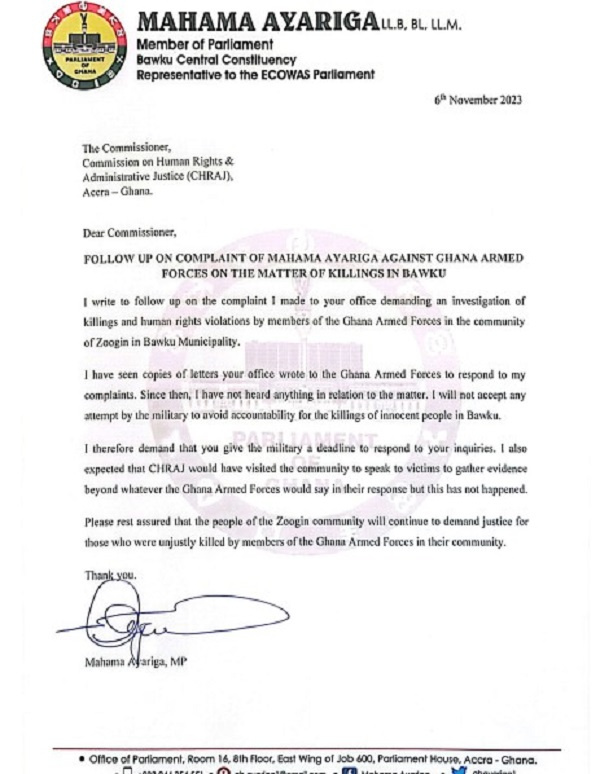
    Additionally, the presence of redundant or obsolete government programmes and agencies, which often duplicated functions, resulted in inefficient resource allocation and unnecessary administrative costs. Insufficient evaluation of project feasibility, unrealistic cost estimates and poor monitoring of expenditures often amounted to cost overruns and improper allocation of resources.
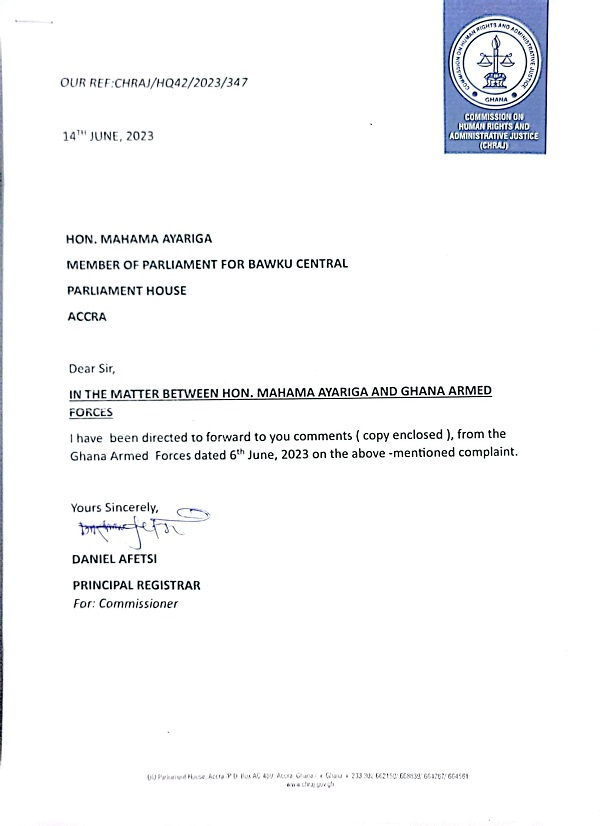
    Touching on the duplication of institutions performing the same function, Executive Director for ILAPI, Peter Bismark Kwofie said that, for instance, the office of the Attorney General was allocated funds to fight corruption. In the same vein, CHRAJ and the Office of the Special Prosecutor, which were also mandated to fight the canker, were allocated funds.

    The perception poll was conducted across the country between August and November 2022 with 2000 respondents on its website, Twitter, Facebook, Instagram and WhatsApp pages through random sampling. 

    Mr Kwofie averred that the poll provided primary information on the perception of Ghanaians about how their taxes were being utilised to solve problems and enhance economic prosperity.

    Its Conceptual Review, Definition and Methodology were prepared by ILAPI’s Executive Director, Peter Bismark Kwofie. Poll and Data Analysis were conducted by Stephen Dansu and a public policy contribution was made by Dr Mohammed Jamal of the Koforidua Technical University.

    Mr Kwofie believes that the amount would be more if the research had been conducted over a longer period.

    “If we had conducted the research sector by sector and we had done it on almost all the government flagship programmes from 2014 up to date, we would be receiving more than 73 billion Ghana cedis as waste,” he noted. 

    Touching on other revelations in the poll, Mr Kwofie indicated that 92 per cent of respondents were of the view that the government was wasting taxes; this, he noted, influenced the citizens’ degree of trust in the government.

    He said, “statistically, 90.5 percent of Ghanaians have lost trust in the Government due to corruption and a lack of accountability and transparency in the implementation and execution of policies and programmes.”

    Providing recommendations on how to mitigate wasteful spending and gain citizens’ trust, the Report suggested that strengthening of budgetary processes and introducing effective oversight mechanisms in promoting a culture of fiscal responsibility within the government financial architectures.

    It went on to suggest fiscal covenant responsibility laws and rules, which would regulate government spending to enhance transparency and accountability. Additionally, ILAPI suggested a comprehensive review of government programmes to identify redundancies and inefficiencies. It explained that eliminating or merging redundant entities or institutions can result in cost savings and improved service delivery.

  • POS Foundation reports significant reduction in Ghana’s remand prison population

    POS Foundation reports significant reduction in Ghana’s remand prison population

    Ghana’s remand prison population has shrinked significantly, decreasing from 33% in 2017 to 9.8% in 2023.

    This was disclosed by Mr Johnathan Osei Owusu, the Executive Director of the Perfector for Sentiments (POS) Foundation, implementers of the “Justice for All Programme” (JFAP) on Friday, at the opening session of a day’s workshop for Judges and magistrates on the new Narcotics Control Commission Act 2020 (Act 1019) in Sunyani.

    Describing it as a remarkable achievement, he said the feat was attained partly due to the implementation of the JFAP, and commended the judiciary, Police and Prisons Services as well as all stakeholders for supporting the programme.

    Mr Owusu explained that the JFAP was a state-led intervention, established in 2007 to alleviate prisons of overcrowding, by setting up Mobile In-prison Special Courts, to adjudicate remand and pre-trial cases in prisons nationwide.

    This initiative enjoyed the collective efforts of the Judicial Service of Ghana, Office of the Attorney-General, Ghana Prisons and Police Service, Commission on Human Rights and Administrative Justice (CHRAJ), and the POS Foundation, a civil society body that served as facilitators.

    The workshop, jointly organised by the Judicial Training Institute, POS Foundation, and the Open Society Initiative for West Africa (OSIWA), a non-governmental organisation was on the theme: “the Narcotics Control Commission Act 2020 (Act 1019): effective implementation of the Act, and the role of judges and magistrates in handling people who use drugs”.

    It seeks to equip the judges and magistrates with the requisite knowledge of changes that had been introduced by the Act, and the jurisdiction conferred on the trial Court by Act 1019.

    Mr Owusu, said the nation’s judicial system was performing better compared to that of other neighbouring countries like Nigeria whose remand prison population was pegged at 69 per cent, Liberia 48 per cent and Kenya 42 per cent.

    Justice Patrick Bayeh, a Supervising High Court Judge in Sunyani described the workshop as essential and timely, saying judges and magistrates were only used to the old narcotic control law.

    He lauded the new Act 1019, saying it had introduced fairness into the judicial system in prosecuting cases relating to narcotics and expressed the hope participants would be well abreast with the new law.

    Justice Tanko Amadu, the Director of the Judicial Training Institute and a Justice of the Supreme Court, and Mr Yaw Akrasi-Sarpong, a former boss of the then Narcotic Control Board (NACOB) attended.

    The participants would be taken through the Act 1019, the role of judges in its application in line with best practices and drug use and dependence as public health issues.

    Other topics to be treated include ‘Ghana’s commitment to international and regional drug reform and how to effectively meet these commitments’, as well as ‘thinking outside the box’, ‘cannabis governance, the international and national perspectives.

    The Narcotics Control Commission Act, 2020, Act 1019 was passed on 20th March 2020, and received Presidential assent on 11th May 2020.

    It had come after a prolonged period of searching for more effective responses by law enforcement authorities.

  • CHRAJ observes World Day Against Child Labour

    CHRAJ observes World Day Against Child Labour

    The Commission on Human Rights and Administrative Justice (CHRAJ) has joined hands with relevant stakeholders to commemorate this year’s World Day Against Child Labour.

    The World Day Against Child Labour was first instituted in 2002 by the International Labour Organization (ILO) to raise awareness of the plight of children engaged in child labour and to rally global support for its prevention.

    This year’s celebration had the theme, ‘Social Justice for All. End Child Labour,” Mr. Joseph Whittal, CHRAJ Commissioner, stated in a document to the Ghana News Agency in Tema to mark the day.

    He said the theme aimed to highlight the link between social justice and child labour; the need to ensure children everywhere were given a fair opportunity of education and grow into adults with decent income and stable employment.

    “There is an urgent need to prevent the occurrence of child labour, as it deprives affected children, especially from poor households, of the equal opportunity of education for a better future and to prevent intergenerational poverty.

    Mr Whittal encouraged the government to evaluate and review social protection policies and especially increase resource allocation to aid in their effective implementation in alleviating poverty and reducing cost opportunities to primary and secondary school enrolment and retention.

    “This will ensure all children, especially from households with limited or declining household incomes, the equal opportunity to access quality education and be protected from physical and psychological abuse,” he said.

    In addition, CHRAJ calls on the government and relevant ministries, departments, and agencies to work assiduously towards achieving the Sustainable Development Goal 8.7 target to eliminate the worst forms of child labour.

    These include the recruitment and use of child soldiers, as well as ending all forms of child labour by 2025.

    He also urged the government to ratify the United Nations Convention on the Rights of the Child Optional Protocol on the Sale of Children, Child Prostitution and Child Pornography to help protect children from commercial sexual exploitation; which is categorised as the worst form of child labour.

    Mr Whittal explained that globally, an estimated 160 million children are engaged in child labour, that is one in every ten children, stressing the situation in sub-Saharan Africa is even dire.

    “Every one in five children is in child labour with an absolute number of 72 million children, followed by the Asia and Pacific region with 62 million children engaged in one form of child labour or the other.

    “In Ghana, 21 percent of children aged 5 to 17 years which translates to approximately 1.9 million children are child labourers. Out of this number, 14 percent are engaged in hazardous labour.

  • What pensioners plan to do should petitioning CHRAJ fail

    What pensioners plan to do should petitioning CHRAJ fail

    The Pensioner Bondholders Forum has affirmed that its members will persist in their demand for interest on their principal payments, even if their petition to the Commission on Human Rights and Administrative Justice (CHRAJ) is unsuccessful.

    In response to the government’s refusal to pay accrued interest on outstanding principal payments, the group has declared its intention to petition the CHRAJ.

    The purpose of this petition is to seek a determination from the commission regarding whether the government is entitled to withhold their funds without providing the due interest.

    Dr. Adu Anane Antwi, the convenor of the Pensioners, emphasized their determination to exert pressure on the government to ensure they receive what is rightfully owed to them. In an interview with Citi News, Dr. Antwi expressed their unwavering commitment to pursuing their cause.

    “If CHRAJ does not support us, then we will also picket for our interests. We are considering this an administrative justice issue. You have taken money from your citizens, you must pay them interest while you are still keeping their money.”

    “They said that for the three years, you were keeping their money, you were servicing it and paying interest. Now it is due, and you must return it, but you have not been able to return it. And your citizens are saying that if you are still keeping the money, pay me interest because the government is not different from any other borrower in this country,” he stated.

  • IMCIM report: CHRAJ moves to assess Dafeamekpor’s probe

    IMCIM report: CHRAJ moves to assess Dafeamekpor’s probe

    The Commission on Human Rights and Administrative Justice (CHRAJ) has commenced assessing the complaint filed by Member of Parliament (MP) for South Dayi in the Volta Region, for an investigation into the illegal mining report authored by Professor Kwabena Frimpong-Boateng, Chairman of the now-defunct Inter-Ministerial Committee on Illegal Mining (IMCIM).

    He has accused government officials of colluding in the fight against illegal mining, despite the report having been dismissed by the Presidency but Mr Rockson-Nelson Dafeamekpor, the MP has asked the Commission to investigate the issue.

    Other stakeholders are also calling for an independent probe into the allegations.

    Joseph Whittal, Commissioner of CHRAJ, explained that various procedures would be initiated before a full-scale inquiry begins because the procedures of CHRAJ required it to make an assessment of the complaints.

    He pointed out that procedures of the Commission required they made an assessment of the complaints and not every complaint that was filed met the standards expected of a complaint that could be admitted for investigation.

    “We will do the assessment, determine which of the mandates, if any, has been evoked by the petition, after which if there are any further and better particulars in terms of clarification of documents, we will ask for that from the lawyers of the complainant,” Mr. Whittal indicated.

    Mr. Dafeamekpor called for public hearing as CHRAJ launched a probe into unlawful mining activities in the country.

    In a 37-page document, Prof. Frimpong-Boateng, former Minister of Environment, Science, Technology, and Innovation, accused important government political actors of poisoning significant water bodies.

    Nii Kpakpo Samoa Addo, lawyer for the MP, after presenting the petition, said he believed the committee would conduct a thorough investigation and cautioned that the nation would be importing water in future.

    He noted that just as the public had shown interest in the filing of the petition, they should follow up processes and ask questions about how far the investigations had got to and not seem like the issues were solely for the petitioner.

    According to him, the petitioner would be issuing letters to check up on the issues every week to find out what was happening saying “I have been given utmost assurance the issues would be taken seriously, so l leave the rest to the commission.

    “We will give them the benefit of the doubt to do an excellent job since they have done that in the past and CHRAJ stood up to issues of corruption and public interests which is existential matter and must be thoroughly investigated,” Nii Addo intimated.