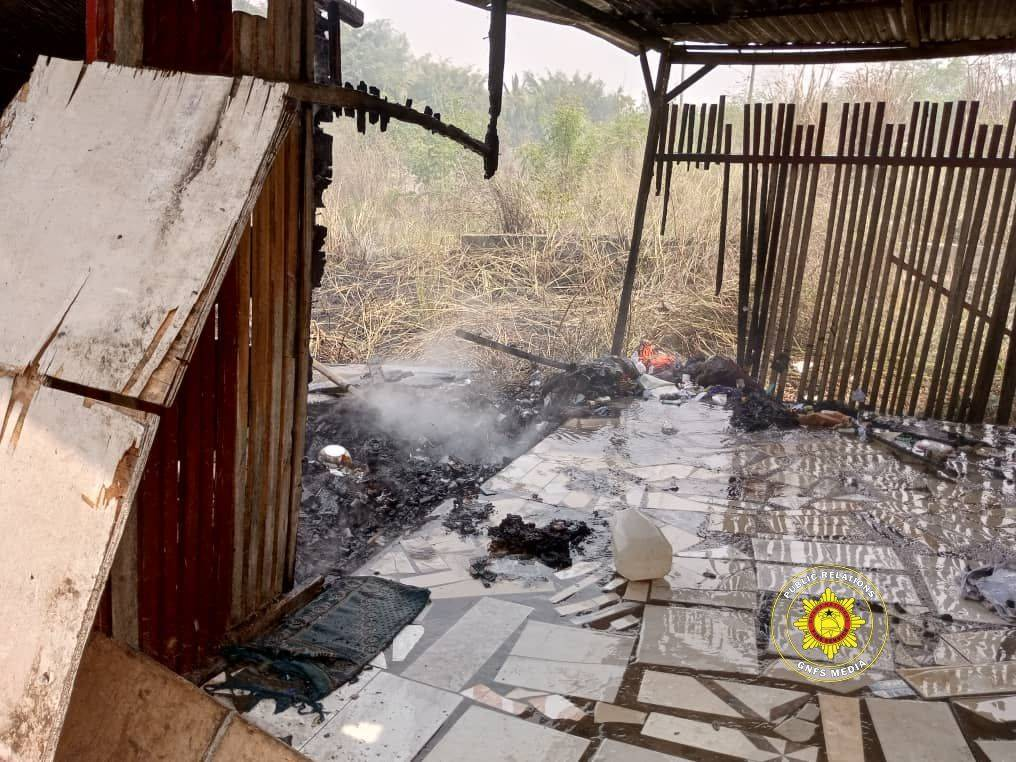
A fire broke out at the Olympic Arena in Winneba after a carelessly discarded cigarette butt ignited dry grass, causing partial damage to wooden structures nearby.
Firefighters from the Winneba Fire Station arrived promptly and successfully brought the blaze under control within seven minutes, preventing widespread destruction.
While some vegetation and a wooden structure sustained minor burns, the swift response of the fire team helped safeguard other properties from serious harm.
Initial findings from fire officials indicate that the incident was triggered by the improper disposal of a cigarette butt, which set the dry vegetation ablaze.
The Ghana National Fire Service has since urged the public to be vigilant and dispose of flammable materials properly, especially during the dry season, to prevent such fires.
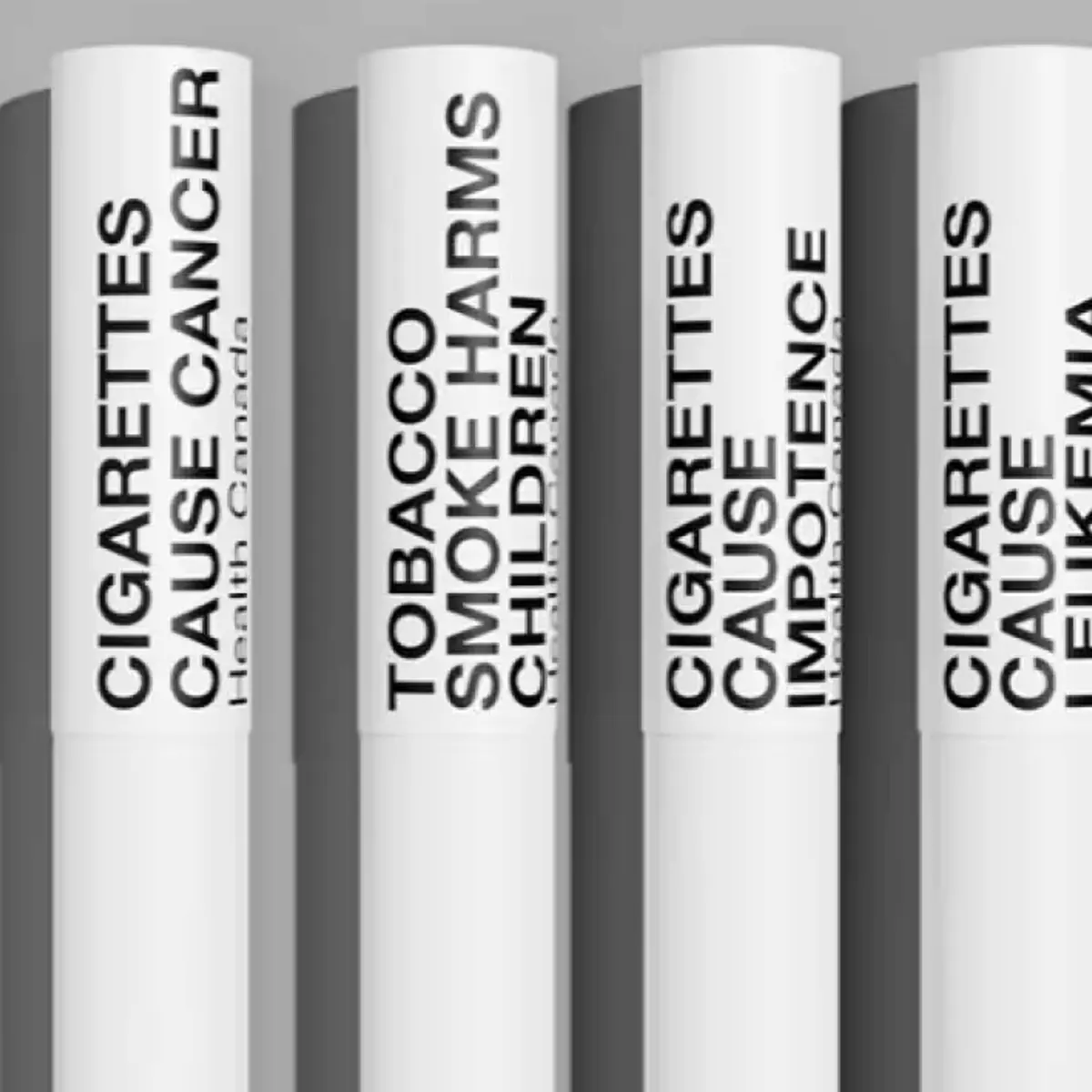
Canada is implementing new regulations that require individual cigarettes to bear warnings like “poison in every puff” and “cigarettes cause impotence.” The government aims to make it challenging for consumers to avoid health warnings entirely.
The world’s first measure of its kind, a part of extensive new tobacco regulations, will be implemented on Tuesday, August 1, 2023. These regulations will introduce strict controls gradually over the next two years.
“Tobacco use continues to kill 48,000 Canadians each year. We are taking action by being the first country in the world to label individual cigarettes with health warning messages,” said Carolyn Bennett, who was minister of mental health and addictions when the rules were first announced. (Bennett was shuffled out of cabinet last week after announcing her departure from federal politics.)
The move is the latest in a long series of measures to curb smoking from the Canadian government.
About 13% of Canadians use tobacco, costing the public healthcare system more than $6bn annually, the government says. In 1965, about half of Canadians smoked.
The smoking rate in Canada has steadily declined as public awareness of smoking’s dangers has grown. Federal and provincial regulations on tobacco sales, use, taxation and advertising have also led to declining rates in all age groups.
Canada was the first country in the world to require cigarette makers put pictorial warnings on cigarette packages, in 2001. Bans on indoor smoking followed later that decade.
Research suggests that periodically refreshing warnings with new images and text is an effective way to raise awareness of health effects among smokers.
The new rules taking effect this week – known as Tobacco Products Appearance, Packaging and Labelling Regulations (TPAPLR) – mean that the warning messages will change every two to three years, depending on the product.
Canadian Lung Association CEO Terry Dean welcomed the new measures, calling the individual cigarette warnings “quite unique and novel”.
TPAPLR also attempts to standardise the sizes of package health warnings which must now take up at least 75% of cigarette packs’ display areas.
Annie Papageorgiou, executive director of the Quebec Council on Tobacco and Health, said it had been more than 10 years since the images were last changed.
Papageorgiou and Dean said they would like to see more regulations on vaping and a tobacco tax hike moving forward, as well as a cost recovery fee levied on tobacco companies.
“We still have too many smokers in Quebec – too many people who are dying from tobacco use. We’ll gladly take anything we can do to protect occasional smokers, new smokers and youth,” she said.
The government says these new regulations bring the country into line with the World Health Organisation’s framework convention on tobacco control.
Union for International Cancer Control (UICC) has entreated government to increase taxes on tobacco, alcohol, and sugar-sweetened beverages in order to reduce cancer among young people.
Health professionals have noted that cancer is killing young people in Ghana prematurely at an alarming rate.
The youth have also been urged to follow a healthy lifestyle to reduce the risk of contracting any type of cancer as the world observes World Cancer Day.
Health professionals are concerned about the increased incidence of cancer among young people, despite the fact that there is no population-based data on cancer morbidity and death patterns in Ghana due to the lack of a population-based cancer registry.
According to the report, stomach and lung cancer are the most common causes of cancer death in men, while breast and cervical cancer are the most common causes of cancer death in women.
According to several research, risk factors for cancer include drinking alcohol, smoking, and consuming sugary foods.
The government should enact regulations that will limit access to these items, according to the Union for International Cancer Control (UICC).
“The youth are dying prematurely from cancers and something ought to be done to minimize this. Because, as a developing country, we don’t have adequate resources in treating all cancers, our best bet is to prevent our youth from developing these diseases”, she added.
In order to close the care gap, Dr. Wiafe stated that malignancies needed everyone’s attention and dedication as a public health concern.
The Union for International Cancer Control (UICC), which is prepared to accomplish the goal of a cancer-free world envisioned in the year 2000 when the day was established at the world summit against cancer, is in charge of organizing the day’s international commemoration.
Health workers alternated teaching the public at the Peace and Love hospital on strategies to prevent cancer as well as the significance of arriving at the facility on time for treatment.