Tag: Citizens

  • Govt to protect investments of citizens in South Africa – Benjamin Quashie

    Govt to protect investments of citizens in South Africa – Benjamin Quashie

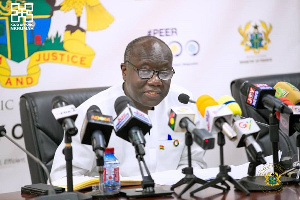
    The government has begun efforts to ensure that Ghanaian-owned businesses in South Africa are protected from unlawful seizure or interference amid ongoing xenophobic attacks in the country.

    As part of efforts to safeguard nationals’ investments in South Africa, he indicated that there must be ‘realistic compensation’ should the South African government want to take over such businesses.

    “We’ve instituted measures to ensure that everybody who has business in this country, we protect that business. And ensure that if the government of South Africa wants to take that business, there should be compensation to the owners of those businesses,” he added.

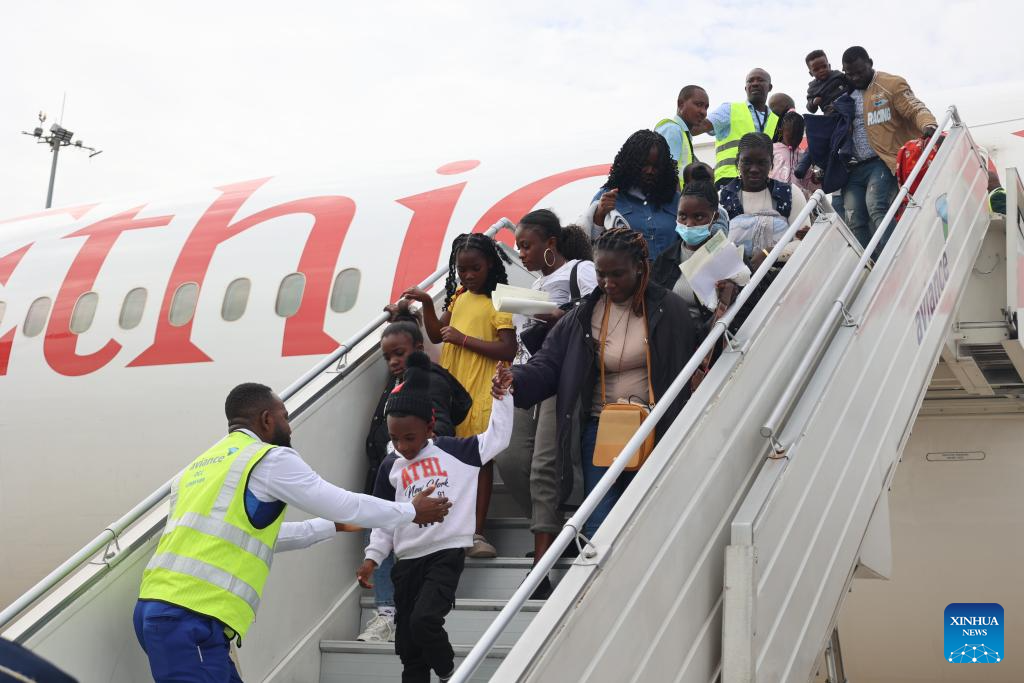
    The first batch of 300 Ghanaians in South Africa amid heightened tensions of xenophobic attacks on foreigners including Ghanaians arrived in Ghana on Wednesday, May 27.

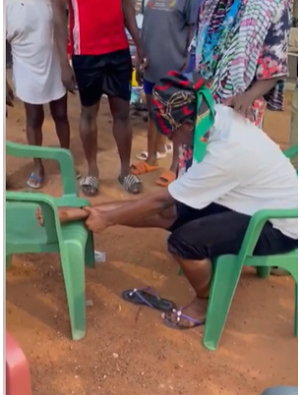
    Earlier this month, a Ghanaian national, Emmanuel Asamoah, who was captured in a viral video being harassed by a group of individuals in a xenophobic attack in South Africa, was been flown home by the government. The viral video showed several other foreign nationals being intimidated by some South African citizens for allegedly taking jobs meant for locals.

    Meanwhile, leader of South Africa’s Economic Freedom Fighters (EFF), Julius Malema, has broken silence following the evacuation of the first batch of 300 Ghanaians in South Africa.


    In a viral video sighted, the politician noted that the Ghanaian government could have responded to recent xenophobic attacks in South Africa without resorting to the evacuation of citizens.

    According to him, the best approach could have been to pursue stronger diplomatic engagement and protective measures in collaboration with the South African government.


    He added, “The Ghana response was not necessary because it now creates an impression that we are all like that when it is a certain section of our society that needs to be contained by law enforcement”.


    “And one Ghanaian lady was saying, ‘you see the problem is, and I wouldn’t have taken this option, the problem is we’re being beaten in front of the police, and the police are not doing anything. That’s a problem. And when this opportunity came for me to leave, I left because if the police can’t defend me, it means the state is in agreement with the people who are beating me’.


    “So, we think it was too quick, we will still resolve this, and the president of Ghana should have given us some time to really deal with this matter and we’ll get to the bottom of it. We hope they will come back to their senses”.


    Weeks ago, the Ministry confirmed that over eight hundred (800) Ghanaians have registered at their Commission in Pretoria, for voluntary evacuation due to the worsening xenophobic attacks in South Africa.

    Consequently, “the planned evacuation has been deferred by a few days to enable our High Commission to meet these evacuation conditions”.

    “The Ministry of Foreign Affairs wishes to provide an update on the evacuation of Ghanaians from South Africa, which was scheduled to commence today, 21 May, 2026. The Government of Ghana notes that more than 800 Ghanaians have registered with our High Commission in Pretoria seeking to be evacuated due to the latest wave of xenophobic attacks.

    Considering the numbers involved and the South African legal conditions that have to be met, including mandatory passenger screening, multi-institutional coordination and flight permits, parts of the statement read.

    To ensure that all the necessary regulatory requirements are met, an additional day of preparation to ensure a safe and orderly evacuation process.

    “Ghanaian and South African authorities have agreed to enhanced and more efficient pre-evacuation modalities to expedite the process”, the Ministry added.

    Govt pledges support package for SA repatriates

    Before the planned evacuation, the government announced a support package for Ghanaians being evacuated from South Africa.

    In a statement shared on the Ministry of Foreign Affairs’ (MoFA) official X (formerly Twitter) account on May 20, Foreign Affairs Minister Samuel Okudzeto Ablakwa stated that returnees would receive a welcome-home financial package, transportation assistance to their destinations across Ghana, and a reintegration allowance.

    The package also included free psychosocial support for those who may have experienced trauma or violence, as well as counselling and medical assistance to aid their recovery.

    In addition, the government indicated that the evacuees would be enrolled in a special database for job and startup opportunities as part of efforts to support their reintegration.

    The Ministry described the intervention as part of the government’s commitment to protecting the welfare of Ghanaian citizens abroad and assisting them during times of crisis, stating that it valued and cherished all Ghanaian citizens.

    The support package was announced ahead of the planned evacuation of the first batch of 300 Ghanaians from South Africa on a special chartered flight.

    The evacuation had been approved by President John Dramani Mahama after Ghana’s High Commissioner to South Africa, Benjamin Anani Quashie, reported growing fears among Ghanaians living in the country amid renewed xenophobic attacks targeting foreign nationals.

    Is this the first time xenophobic attacks have happened in SA?The recent xenophobic attacks on foreigners by South African nations aren’t the first. SA has a history of violent xenophobic attacks dating as far back as 1998.

    In 1998, three foreign nationals were killed in Johannesburg. Two years later, seven more were killed in Cape Town.After a long period of quiet in the attacks, the worst in SA’s history happened in 2008 when sixty‑two (62) people lost their lives, 1,700 were injured, and about 100,000 were displaced nationwide, cementing xenophobia as a recurring national crisis.

    In 2015, violence flared again after inflammatory remarks by the Zulu King. The unrest spread across the country, forcing the government to deploy the military to restore order.

    By 2019, riots erupted in Durban and Johannesburg, with Nigerian‑owned businesses being specifically targeted.More recently, between 2022 and 2025, smaller but persistent flare‑ups were linked to vigilante movements such as Operation Dudula.

    These included blocking foreigners from accessing health facilities in Gauteng and KwaZulu‑Natal, reflecting how xenophobia had become embedded in everyday life.

  • Russia has introduced biometric screening for foreigners – MFA to Ghanaian travelers

    Russia has introduced biometric screening for foreigners – MFA to Ghanaian travelers

    Ghanaians traveling to and from Russia have been advised by the Ministry of Foreign Affairs and Regional Integration about a planned biometric data collection initiative at Russian border points.

    According to the Ministry, this initiative will be carried out in two phases, spanning from December 1, 2024, to June 30, 2026, targeting foreign nationals and stateless individuals entering the country.

    The first phase, which has already commenced, is being implemented at specific locations, including Moscow’s Sheremetyevo, Domodedovo, and Vnukovo airports, as well as the Mashtakovo road checkpoint in the Orenburg region.

    A full-scale rollout is scheduled to take effect between June 30, 2025, and June 30, 2026, as indicated in a statement signed by Ms. Baaba Effirim-Williams, Director of the Information and Public Affairs Bureau.

    “Diplomatic staff, employees of international organizations, holders of diplomatic and service passports, and foreign citizens under six years of age are exempt from the experiment,” the Ministry noted.

    The statement clarified that diplomats, personnel from international organizations, individuals with diplomatic and service passports, and children under six years old will not be subject to the biometric data collection.

    The Ministry has encouraged Ghanaian travelers to keep these developments in mind when preparing for future visits to Russia.

  • You don’t have the right to beat citizens – Martin Kpebu to Achiase Jungle officer

    You don’t have the right to beat citizens – Martin Kpebu to Achiase Jungle officer

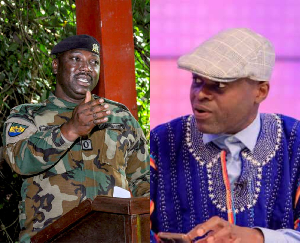
    Private legal practitioner Martin Kpebu has strongly criticized the Commanding Officer of the Achiase Jungle Warfare School over his warning that individuals disrupting the December 7 elections would face severe punishment.

    During an interview on Joy FM’s Super Morning Show on Friday, November 22, 2024, Kpebu described the comments made by Lt. Col. Jacob Codjoe as disgraceful and accused him of engaging in self-serving behavior.

    He speculated that the commander might have made the remarks in a bid to gain favor or secure a promotion from his superiors.

    “I’m not surprised, in the military there is something they call eye service or face fine. Basically, you do something like this to catch the attention of superiors and the commander-in-chief for promotion. That is the only way I can understand why he is doing this because why would you say this in a democracy like Ghana?

    “We embraced democracy 32 years ago and we still have soldiers coming to talk like we are still in the days of the PNDC or AFRC and the military juntas, then I can ascribe it to eye service,” he said.

    Kpebu argued that such remarks are unacceptable in a democratic society, stressing that the military has no place in election-related matters. He urged against deploying the military during the election period, emphasizing the need to safeguard democratic principles.

    “It is despicable and must put him in his right place that there is no room for such statements in Ghana. The military had their days when they ruled so they should stay out of this election. We don’t want them coming back to repeat the Techiman South incident. We don’t want that to happen again and nobody has asked Lt. Col. Codjoe to beat citizens and has no right to do so.”

    Background

    The Commanding Officer of the Achiase Jungle Warfare School in the Eastern Region, Lt. Col. Jacob Codjoe, issued a stern warning to individuals planning to disrupt the peace during the December 7, 2024, elections.

    Speaking at a public event in a video circulated on social media, Lt. Col. Codjoe cautioned potential troublemakers to abandon any disruptive intentions. He stressed that the military would take decisive action to ensure order and protect the democratic process.

    He said: “I am telling you here that I will come this December 7, but only within the Akyemansa enclave, if the police tell me they cannot handle the situation. And when I come, I will not talk. I will beat you and the hell out of you. I always want people to try me, so any of you seated here can try me or any of my men that day.

    “When you go to the polling station, just cast your vote, go home, and sleep. When it’s 5 p.m., come, and they will tell you where to stand. They will count the votes for you, and if you win, clap and go home. Then, you will not have any problem with me and my people. We are not going to sit by and let just two or three people distort the peace that Ghana is enjoying.”

    His remarks have sparked widespread condemnation from the public, with many questioning the appropriateness of military involvement in electoral matters.

    Ghanaians are set to head to the polls on December 7, 2024, to elect a president and members of parliament in what is anticipated to be a pivotal election.

  • It is possible for credit facility to buy phones  for citizens to pay in installment – Miracles Aboagye

    It is possible for credit facility to buy phones for citizens to pay in installment – Miracles Aboagye

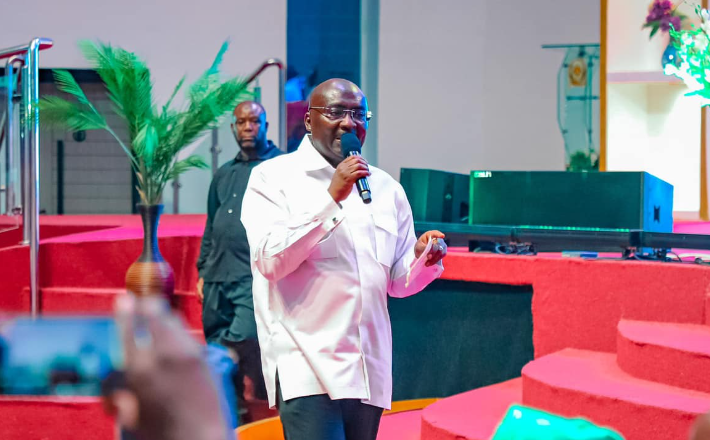
    Director of Communications for Dr. Bawumia’s campaign, Dennis Miracles Aboagye, clarified the New Patriotic Party flagbearer’s promise to create a credit facility for citizens to purchase smartphones and pay in monthly installments of GH¢1 and GH¢2.

    Dr. Bawumia’s pledge has stirred significant debate and controversy, particularly among the youth.

    In his clarification on Atinka FM, Dennis Aboagye explained that the credit facility for smartphones is a common practice in more developed nations.

    He pointed out that some telecommunications companies in Ghana already implement this policy to promote smartphone usage, which benefits the telecom providers.

    “It’s a way the smartphone companies encourage their customers to patronize their products. It’s nothing new, and it’s highly possible. Don’t be deceived by the NDC’s propaganda. Dr. Bawumia is determined to implement this policy,” he opined.

  • Dual citizens now eligible for appointments as Chief Justice, Chief Directors – Supreme Court declares

    Dual citizens now eligible for appointments as Chief Justice, Chief Directors – Supreme Court declares

    In a majority ruling, the Supreme Court has deemed certain sections of the Citizenship Act unconstitutional.

    These sections previously barred individuals with dual citizenship from holding positions such as Chief Justice, Commissioner of the Value Added Tax Service, Director-General of Prisons Service, Chief Fire Officer, Chief Director of a Ministry, or a Colonel rank in the army or other security services.

    The court’s decision, delivered in the case of Francis Osei-Bonsu v The Attorney General, invalidated these sections of the Citizenship Act.

    The Plaintiff, represented by Bright Okyere-Adjekum Esq., saw all their claims upheld by the Supreme Court.

    Citing inconsistency with Article 289(2) of the 1992 Constitution, the Supreme Court nullified the aforementioned sections.

    Consequently, individuals with dual citizenship, contrary to the stipulations of section 16 of the Citizenship Act, are now eligible for appointment to various positions, including those previously restricted.

    According to the relief sought by the Plaintiff, the nullified sections effectively amended the 1992 Constitution of Ghana, thereby violating Article 289(2) of the Constitution.

  • Govt pledges to further reduce expenditures and create more jobs

    Govt pledges to further reduce expenditures and create more jobs

    Government has reaffirmed its commitment to preserving the current economic achievements and ensuring their positive impact on the well-being of its citizens in the upcoming months.

    To achieve this goal, the government plans to implement further cost-cutting measures in the 2024 budget, along with policies aimed at solidifying macroeconomic advancements, thereby maintaining control over inflation and exchange rates.

    Finance Minister Ken Ofori-Atta and Information Minister Kojo Oppong Nkrumah shared these assurances on a Friday evening, setting the stage for the budget presentation scheduled for November.

    Their comments were made during the 2023 International Monetary Fund (IMF)/World Bank Group (WBG) Annual Meetings in Marrakech.

    Mr. Ofori-Atta emphasized, “You’ll see more prudent fiscal measures in the 2024 budget to keep the macroeconomy stable so that inflation continues to go down, and the currency remains stable. That’s an assurance from the government that will surely happen.”

    Furthermore, Mr. Oppong Nkrumah pledged, “We’ll also channel various incentives and resources into the growth agenda, catalyzing the private sector’s ability to thrive,” as he spoke during a press briefing.

    In the 2023 budget, the government introduced several cost-cutting measures, including a freeze on public sector employment and reduced salaries for some government officials, all designed to support macroeconomic stability.

    According to Mr. Nkrumah in an interview with the Ghana News Agency, these measures have already started yielding positive results, but the government intends to undertake more specific actions outlined in the 2024 budget.

    “Although we don’t have the final figures, one of the clearest ways to examine the performance of the measures to reduce expenditure is to look at the primary balance, and there’s a clear indication that we’re doing well to stay within the revenue envelope that we have,” he said.

    The primary balance of Ghana was 1.3 as of the first half of 2022, compared to 0.6 during the same time in 2023. The primary balance is the difference between the amount of money the government collects and spends on delivering public goods and services, excluding debt payment.

    Reiterating the government’s commitment to fiscal discipline, Mr Nkrumah said: “Going forward, our focus is to stay on that path to ensure that we don’t blow the fiscals out of gear.”

    In the country, several Civil Society Groups, Economists, and Governance experts have consistently advocated for a reduction in the number of ministers and government officials as a means of promoting fiscal discipline. However, this recommendation has not been implemented thus far.

    Additionally, they have urged the government to take a more proactive approach to collecting property taxes, provide incentives to include the informal sector in the tax system, and consider reducing the Electronic Transactions Levy (E-levy) rate from one percent to approximately 0.5 percent.

    These stakeholders have expressed their belief that by enhancing domestic revenue generation and implementing expenditure reduction measures, the economy can become more resilient and stable.

  • Japan claims one in ten citizens are 80 years of age or older as the country gets older

    Japan claims one in ten citizens are 80 years of age or older as the country gets older

    Over 10% of Japan’s population is now 80 years old or older, according to the government’s announcement on Monday. This is a concerning milestone in Japan’s growing older population issue.

    The Ministry of Internal Affairs and Communications released numbers showing that a large percentage of people in Japan are elderly, specifically those who are 65 years old or older. This group makes up 29. 1% of the population, which is the highest percentage compared to any other country.

    The government shared the information to celebrate Respect for the Aged Day, a special day off for everyone in the country. The government is worried about the low number of babies being born and the decreasing number of people working, which could affect the money available for retirement benefits and medical care as more elderly people need these services.

    The number of people in Japan has been decreasing steadily since the country’s economic boom in the 1980s. The fertility rate, which measures how many babies are born per woman, is 1. 3This number is much lower than the 2. 1 rate needed to keep the population stable without any new people coming in from other countries. For over ten years, more people have been dying than being born in Japan. This is becoming a big problem for the leaders of Japan, which has the third-largest economy in the world.

    The country also has many people who live a long time, which has led to a growing number of older people.

    To deal with a lack of workers and help boost the economy, the Japanese government has been urging more older people and mothers who stay at home to start working again in the last ten years.

    To a certain degree, that communication has been successful: there are currently a large number of older workers in Japan, totaling 9. 12This number has increased for 19 years in a row. The internal affairs ministry said on Monday that workers who are 65 years old and above now represent more than 13% of all the people working in the country.

    Japan has a lot of elderly people who are working compared to other countries.

    However, even if we encourage older workers, it is not sufficient to address the problems caused by the demographic crisis. Prime Minister Fumio Kishida warned in January that Japan is in danger of losing its ability to sustain social functions.

    He said that helping parents raise children was the government’s most important plan, and we need to fix the problem right away.

    China, South Korea, Singapore, and Taiwan are having the same problem. They are finding it difficult to convince young people to have more children because the cost of living is going up and people are not happy with how things are.

  • Registrants at Achimota EC Office robbed by masked thugs

    Registrants at Achimota EC Office robbed by masked thugs

    Masked assailants reportedly carried out an attack on Ghanaian citizens who were waiting to register for their Voter ID Cards at the Okaikwei North District office of the Electoral Commission in Achimota during the early hours of Sunday morning.

    These attackers disrupted the queue, resulting in injuries to several individuals, before fleeing the scene. Sources close to GhanaWeb revealed that the assailants arrived at the registration center at approximately 5 am. Among the victims was a lactating mother who was struck with a stick.

    Furthermore, the attackers stole money, mobile phones, and other personal belongings from those who were waiting to register.

    In response to this troubling incident, Member of Parliament for Okaikwei North, Theresa Awuni, took to Facebook to voice her concerns.

    She stated, “We come in peace, but I am sending a warning to all the elephant members [referring to NPP] in Okaikwei North that they should not start what they cannot finish. This dawn, my boys were attacked by known NPP thugs, masked up, seized their money, phones, and other items as they queued up at the registration centre. Unfortunately for them, two were arrested. I patiently await the outcome of this arrest because that will determine our next line of action. Mind you, we are very prepared for ANYTHING.”

  • Zimbabwe opposition supporter killed ahead of rally

    Zimbabwe opposition supporter killed ahead of rally

    The main opposition Citizens Coalition for Change (CCC) in Zimbabwe reported that an opposition supporter, Tinashe Chitsunge, was tragically killed while en route to an election rally.

    This incident occurred during a period of escalating contention and violence in the campaign.

    According to CCC spokesperson Fadzayi Mahere, Chitsunge was part of a group of supporters who were attacked and stoned as they were making their way to a rally in Glen Norah, a suburb of the capital, Harare.

    Social media posts showed images of a man lying on the ground in a pool of blood, with the party’s yellow T-shirts covering his head.

    Videos shared on social media depicted the attack, as a large group threw a barrage of stones at a lorry carrying CCC supporters, tearing campaign posters off the vehicle.

    In response to the tragedy, Zimbabwe’s Ministry of Information conveyed its condolences and stated that the police were investigating the incident.

    The violence surrounding the campaign has raised concerns and highlighted the need for peace and security during this crucial period in Zimbabwe’s political landscape.

  • Citizens and businesses entreated to brace themselves for tough times as IMF conditions hit

    Citizens and businesses entreated to brace themselves for tough times as IMF conditions hit

    Economist and Senior Lecturer, Wisconsin University, Rev Dr Samuel Worlanyo Mensah, has entreated Ghanaians and businesses to brace themselves for tough times ahead as IMF conditions hit.

    He said though the implementation of economic programmes under the Extended Credit Facility (ECF) would help Ghana attain macroeconomic stability, the citizenry would experience some hardships until June 2024 before enjoying some relief. 

    Ghana secured a $3 billion IMF bailout last Wednesday, May 17, and on Friday, May 19, the first disbursement of UD$ 600 million hit the country’s account. 

    The credit facility, which had been the 17th since the country’s independence in 1957, sought to put Ghana back on the path of sustainable economic growth.

    The $3 billion loan-support programme aimed at making Ghana return to single-digit inflation and attaining a revenue-to-GDP ratio of 18.5 percent by the end of 2025 as well as cover vulnerable households from the impact of electricity tariff adjustment, among others. 

    Speaking in an interview with the Ghana News Agency on the conditionality under which the Extended Credit Facility was given, Rev Dr Worlanyo

    Mensah, said tax exemptions had been cancelled and that would impact the balance sheets of companies and industries. 

    The measures, he said, included the removal of value added tax exemptions, reduction of customs exemptions, and reformation of corporate income tax by phasing out tax holidays and exemptions.

    “Increasing progressively in personal income tax is another. That means income tax will be going up,” the Senior Lecturer said. 

    Another policy action would be that Government would limit the rate at which it could increase the salaries of public sector workers with a possibility of not more than 10 percent. 

    Also, the automatical adjustment of fuel levies by exchange rate movement and inflation could adversely impact the poor and vulnerable.

    Quarterly tariff adjustment including electricity and water was another conditionality. 

    Rev Dr Worlanyo Mensah said the Government could employ only 0.5 percent of the current labour force, adding that such employment would be in three key sectors: health, education, and security with reduced quotas. 

    He said the government aimed at attaining a tax-to-GDP ratio of 18 percent before the end of the IMF programme. That he said could result in the introduction of new taxes or an upward review of current taxes 

    He also mentioned that there would likely be a second debt restructuring exercise.

  • Seth Terkper warns against GHS 22bn “fiscal offset” in 2023 Budget

    Seth Terkper warns against GHS 22bn “fiscal offset” in 2023 Budget

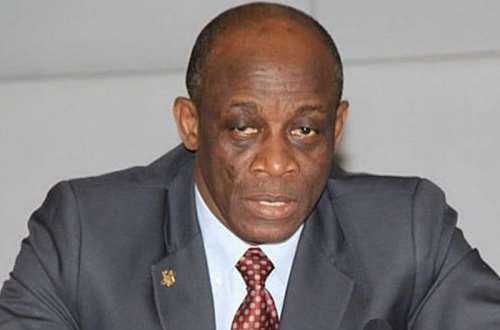
    Former Finance Minister, Seth Terkper, has reiterated his advice to the government not to engage in what appears to be another “fiscal offset” in the 2023 budget, similar to what occurred in the government’s 2017 budget.

    In this context Mr. Terkper has called on the government to disclose its plan for dealing with a large GHS 77bn pipeline of arrears and contracts in the 2021 Budget Performance Report. He noted that a similar plan was used to deal with the “single spine” wage arrears in 2020.

    He has argued that, given that the budget overruns are at the core of most debt challenges, transparency and accountability in government finances are crucial for securing an IMF programme. Moreover, they are also needed for sustainable economic growth and development.

    Mr. Terkper has argued that the treatment of the banking and energy sector bailout costs as memoranda items, rather than adding them to the country’s deficit and public debt stock, creates a false impression of fiscal consolidation.

    The former minister has pointed out that this practice by Government resulted in the rapid financial market rating downgrades of the country’s sovereign bonds and eventual debt default, with the deficit revised upwards to 7% and 7.2% for 2018 and 2019 respectively, when the IMF and ratings agencies adjusted Ghana’s fiscal deficit and public debt figures.

    Mr. Terkper recalled that in 2017, the incoming Akufo-Addo administration accused the John Mahama administration of overlooking arrears of about GHS 7bn. However, only about GHS 2bn was carried forward to the 2017 fiscal year after an apparent offset of GHS 5bn against total expenditures. At the time, Mr. Terkper opposed the move in various articles and interviews.

    In a similar move, Mr. Terkper notes that the 2023 budget shows another apparent offset of GHS 22bn that also appears to reduce the deficit from about GHS 60bn to approximately GHS 38bn. As with the 2.3% reduction in the budget or fiscal deficit in 2017, the repetition of the fiscal move results in a “paper” reduction by 3.7% of GDP.

    The former minister has warned that this practice by government creates a false impression of fiscal prudence, which is unsustainable in the long term. He has argued that such moves lead to a lack of transparency and accountability in government finances, which can lead to financial instability and economic turmoil.

    Mr. Terkper’s concerns reflect a broader need for transparency and accountability in government finances in Ghana. The government must address these concerns to build trust with its citizens, investors, and international partners. Failure to do so could lead to further economic instability and harm the country’s long-term economic prospects.

  • Playback: Kume Preko demonstration

    Calls for President Akufo-Addo to resign as Ghana’s president have become intense as hundreds of protestors thronged the streets of Accra.

    The aggrieved citizens clad in red and black attires are demonstrating against the country’s current economic state.

    The cedi had lost more than 30% of its purchasing power against the US dollar as of September, partly pushing inflation rate to 37.2 per cent, the highest in almost two decades.

    The local currency is selling at about GHS13.7182 against the dollar on the forex.

    Currently, a litre of petrol is going for about GHS18, and that for diesel, close to GHS24, as such, transport operators have increased transport fares.

    Meanwhile Ghanaians are demanding that government should relief the Finance Minister, Ken Ofori-Atta as well as the Minister of State at the Finance Ministry, Charles Adu Boahen of their duties.

    Source: The Independent Ghana

  • Why MPs refused a pay cut to support Ghana’s development plans in 1959

    Citizens of any country are usually encouraged to participate in the day-to-day developments of their nations, but even more, the bigger expectation mostly rests on the shoulders of the people in political office.

    Much as this is the ideal situation, something very interesting happened in the Parliament of Ghana in August 1959.

    Teased out of a newspaper report by Ghana Times, with the headline, ‘No sacrifice by U.P. M.Ps,’ the story captured the reasons behind the refusal of Members of Parliament of the opposition party at the time, United Party, to take a pay cut.

    The pay cut was intended to support the government of Kwame Nkrumah’s of the successful implementation of the Second Development Plan.

    “Member of the Ghana Parliamentary Opposition yesterday demonstrated in the National Assembly that they were not prepared to sacrifice a penny of their allowance to the nation towards the successful implementation of the Second Development Plan.

    “This happened during a debate on a motion moved by Mr. K. A. Gbedemah, Minister of Finance, asking both sides of the House to approve the Development Fund (Members Contributions) B111 which sought to cut the salaries of the Speaker, Cabinet Ministers, Parliamentary Secretaries and the allowance of Members of Parliament.

    “There was uproar in the House on several occasions, and the Speaker, Mr. A. M. Akiwumi, had to call members to order,” the Saturday, August 1, 1959, report stated.

    Explaining their reasons for rejecting the progressive motion in the House, the UP MPs claimed that it was something that was being forced on them.

    The other side of the House – the incumbent MPs, also tried to convince their colleagues but when their attempts failed, they tagged the MPs “enemies of the nation.”

    “During debate, the opposition claimed that they government was using a means of forcing them to accept a bill which they did not support, while government backbenchers contended that they agreed that ‘as real patriots’ there should be cut in salaries and allowances.

    “They called members of the opposition names and described them as ‘enemies of the nation,’” it added.

    The Minister of Finance, K. A. Gbedemah however still tried to argue the decision of his government, making reference to the example of Dr. Kwame Nkrumah, and his commitment to the course, but that was still not convincing enough.

    You can read the full report in the photo snippets, exclusive to GhanaWeb, below: