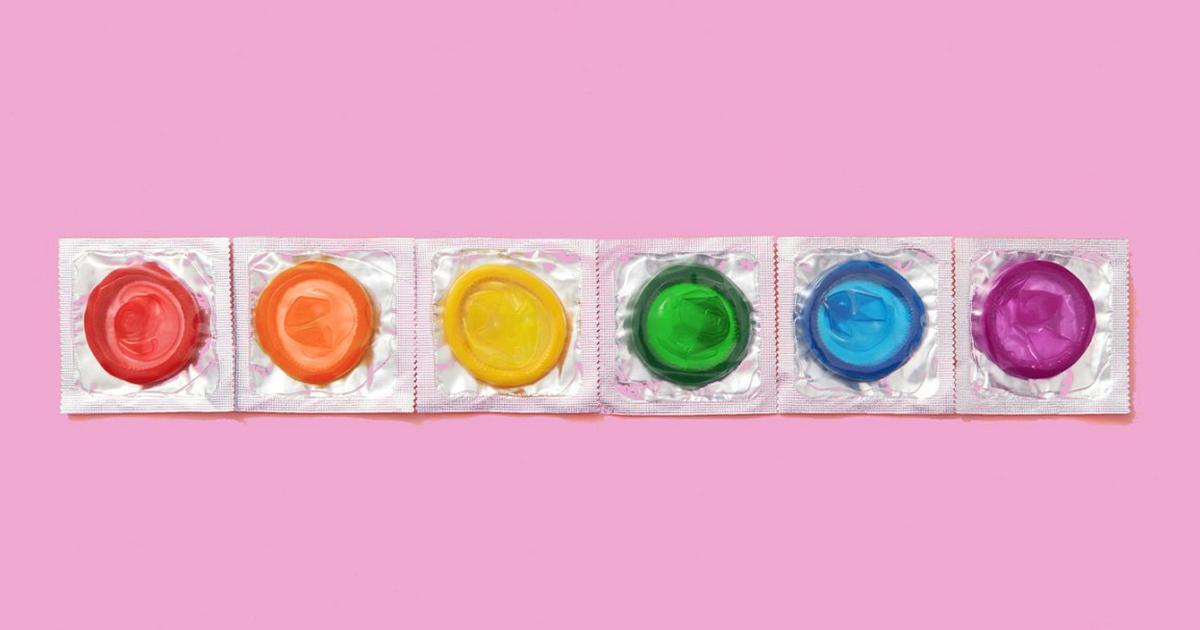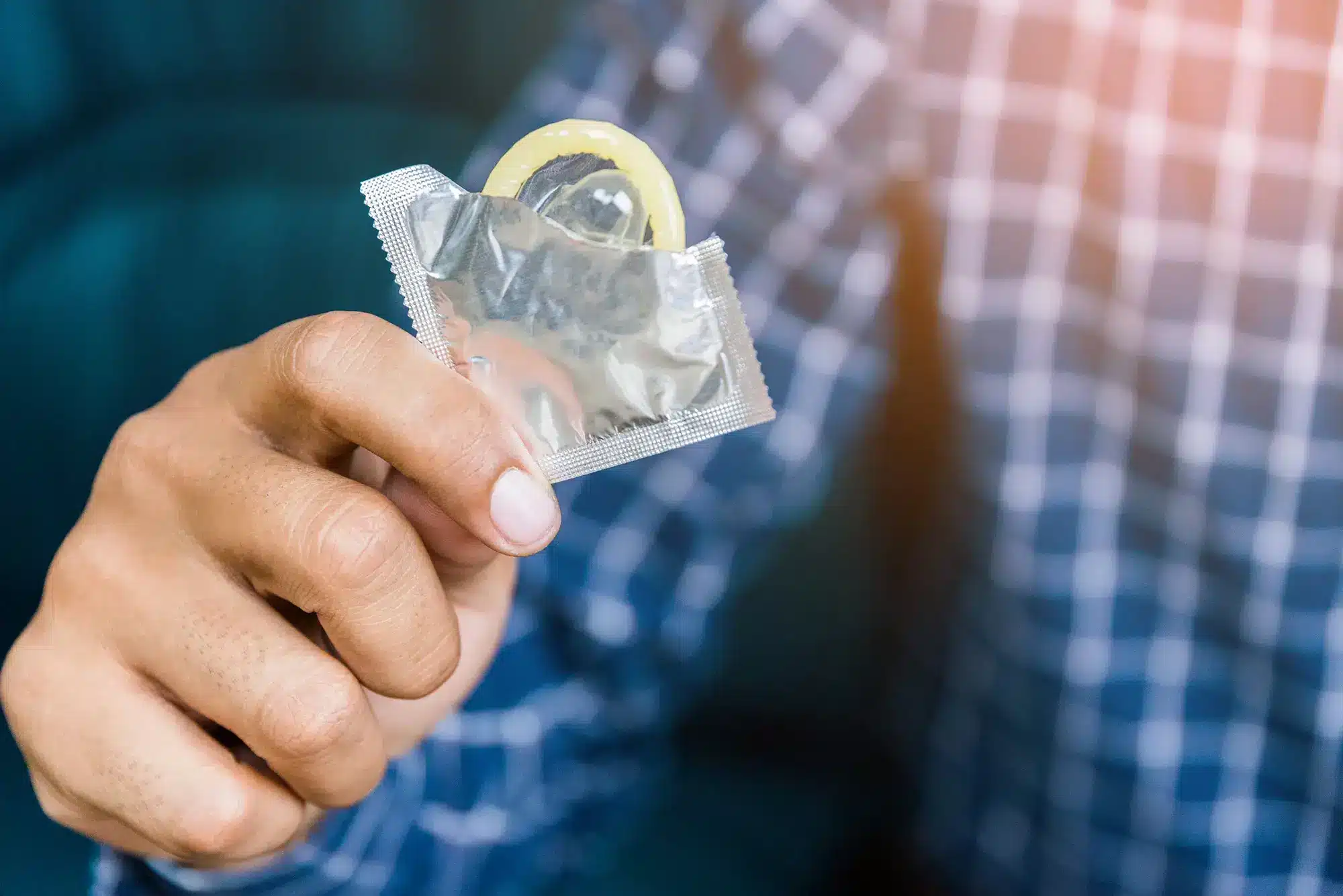
The President of the Ghana HIV/AIDS Network, Ernest Amoabeng Ortsin, has emphasized the importance of condoms as a highly effective means of preventing sexually transmitted infections.
He stressed that prioritizing protection against HIV/AIDS is crucial in curbing the alarming annual infection rates.
“Over 10,000 people die every year due to the disease,” he stated.
Ortsin also highlighted key considerations when using condoms and encouraged young people to adopt safe practices if engaging in sexual activity outside of marriage.
Here are 5 things he highlighted:
1. Make sure you only wear a condom on a fully erect penis.
2. Check the expiry dates on the condom. Do not open the condom with your teeth, scissors or a sharp object.
3. Make sure there is no air in the condom before you wear it.
4. Do not wear more than one condom at a time.
5. Dispose off condoms properly after use. Condoms must not be flushed. It is more advisable to dig the ground and bury a used condom.
He also lamented the government’s role in the fight against HIV/AIDS in Ghana.
He said no funds were allocated to the Ghana AIDS Commission in the last 8 years.
He noted that the commission was getting support from the global fund but this also stalled since the funds were reallocated to providing HIV drugs, which are very expensive.
Speaking in the latest episode of the Health Focus on GhanaWeb TV, with Stella Dziedzorm Sogli, the GHANET president noted: “We don’t see the campaigns because the government is not giving the Ghana AIDS Commission the needed resources. In the past, the Ghana AIDS Commission used to work with NGOs to do the campaigns across the country because the commission didn’t have the resources to do the work.”
He added, “In the beginning, when the HIV/AIDS Commission was established, the global fund mainly supported the fund in doing the work.”
GHANET noted that the medications were provided freely to patients because lack of treatment increased the risk of infections.
Amoabeng said, in this light, that his outfit has embarked on various advocacy drives to move the government to support the work they do to sensitise Ghanaians on HIV/AIDS.