Tag: Conflict

  • Special police team deployed to Gbenyiri after reprisal attacks

    Special police team deployed to Gbenyiri after reprisal attacks

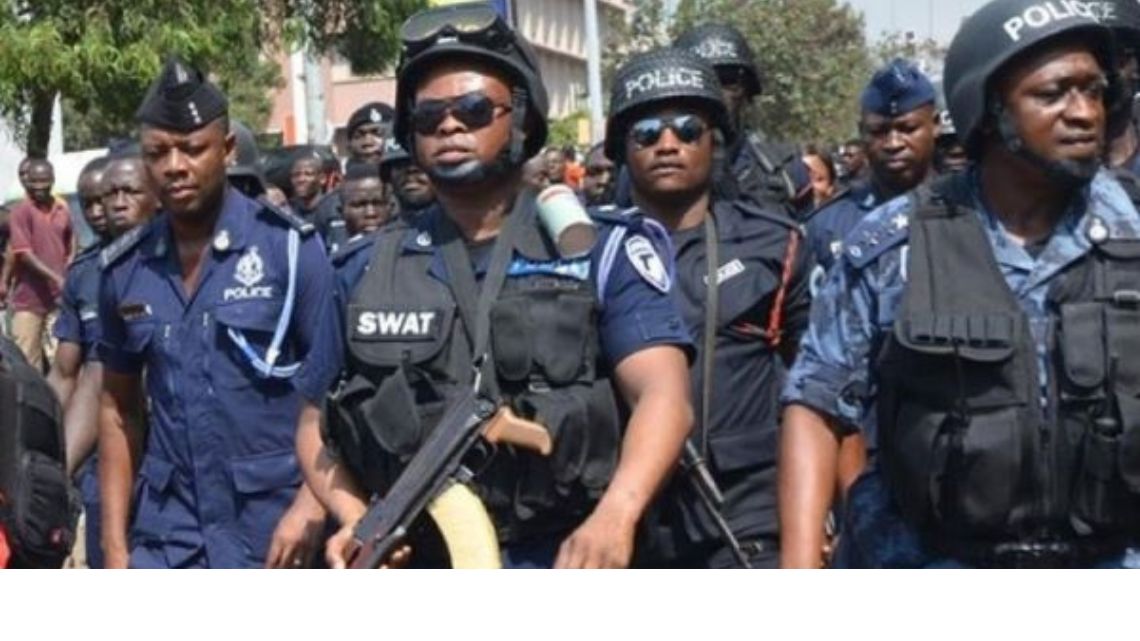
    A special security team has been deployed by the Inspector-General of Police (IGP), Christian Tetteh Yohuno, to Gbenyiri in the Savannah Region in response to the recent tension in the area.

    Last week, violent clashes between residents and herdsmen in Gbeniyiri and surrounding communities in the Sawla-Tuna-Kalba District of the Savannah Region have claimed the lives of four individuals and injured five others.

    The injured are receiving treatment at various health facilities in the area.

    The violence erupted after a resident was killed during a robbery attack. In revenge, some relatives of the deceased launched an attack on herdsmen suspected of being behind the crime.

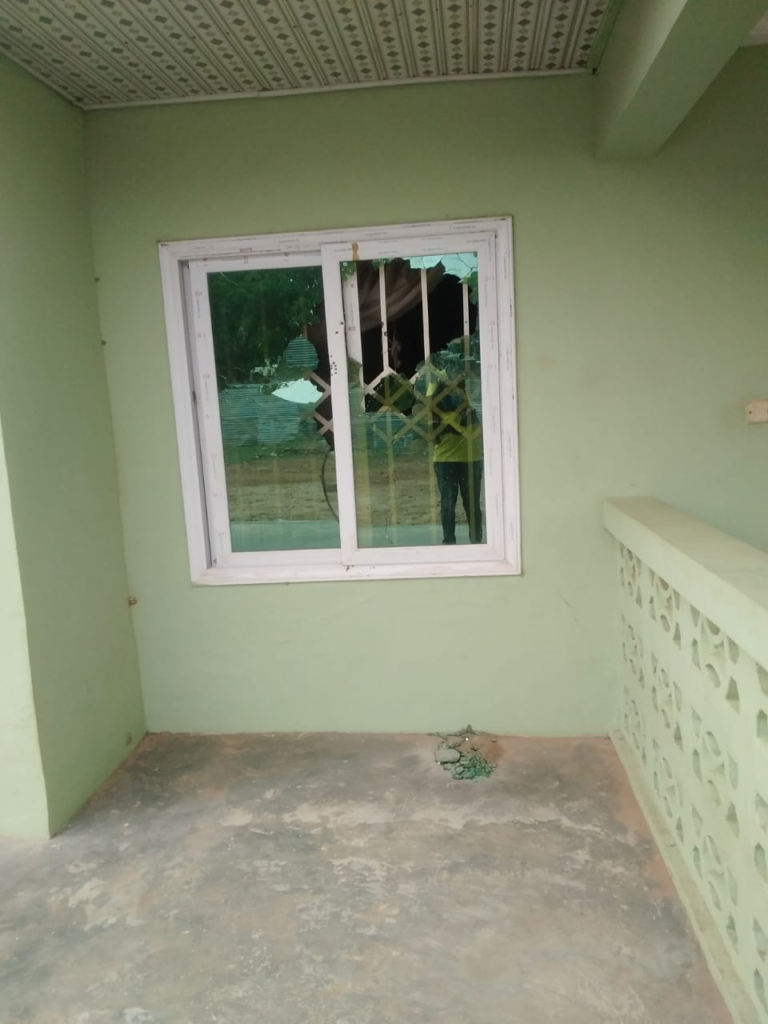
    Last year, several properties were destroyed, with more than 50,000 individuals displaced due to the tension in the area. The ongoing conflict in Gbenyiri stems from a land dispute between a Gbenyiri resident and the chief’s son, which began on Saturday, August 23.

    The unresolved conflict is spreading to Kalba and other parts of the district. Despite the deployment of 400 police personnel to the area to ensure law and order, clashes between the rival groups persisted.

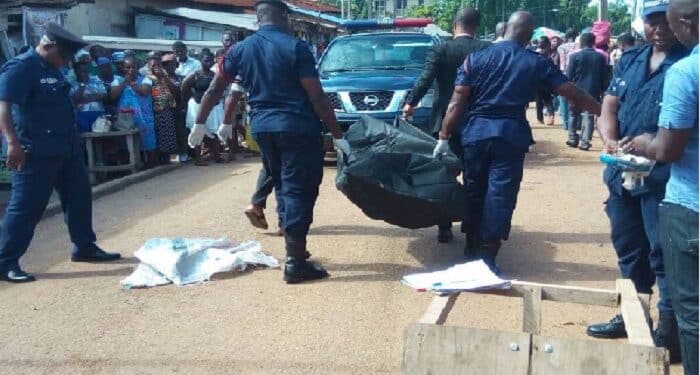
    Unknown assailants shot a middle-aged man to death near Kalba, a suburb of the Sawla-Tuna-Kalba District in the Savannah Region, on Sunday, September 7.

    The gunmen ambushed the deceased person and opened fire as he rode his motorcycle. According to the police, the deceased, whose identity is yet to be revealed, traveled from his community, Uro, to Kalba to charge his mobile phone due to the lack of power in his area.

    The body of the deceased has since been deposited at the St. Anne’s Catholic Hospital in Damongo by the Ghana Police Service. The incident is amid the ongoing protracted conflict in Gbenyiri, which has claimed multiple lives.

    The latest death brings the official toll from the conflict to 32.

    Residents have, however, expressed fear over the security situation.

    Speaking to the media, a resident noted, “With this killing, who do you think will trust the system again? Some of us suspected this to happen because the guys are still around in Kalba town, and if you deceive yourself and go there, they will just end your life like this farmer. To me, this reaffirms the fears and mistrust in the system. The authorities need to do more than just talk and go”.

    Meanwhile, a seven-member mediation committee has been established by the Interior Ministry in response to the ongoing land conflict in Gbenyiri in the Savannah Region.

    The committee has been tasked with a one-month mandate to assist the government in finding a lasting solution to the tension in the area.

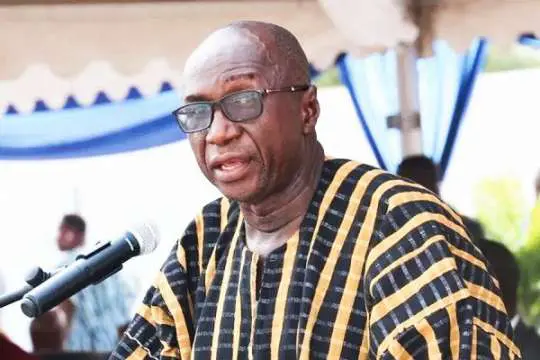
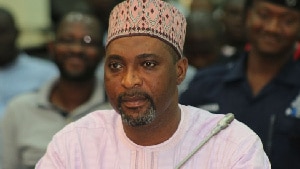
    During the inauguration ceremony at the Interior Ministry in Accra, the sector Minister, Mubarak Mohammed Muntaka, noted that the establishment of the committee was a recommendation from the National Security Council.

    The Inspector General of Police (IGP), Christian Tetteh Yohunu, alongside senior officials from the Armed Forces, Prisons Service, and Immigration Service, have already visited Kalba, Sawla, and other affected communities in efforts to bring calm to the area.

    In a related development, President John Mahama has initiated steps to restore peace in the Sawla-Bole area of the Savannah Region following renewed tensions between the Gonja and Brifor communities.
    Upon his return from a state visit to Singapore, the President received a full briefing from the National Security Coordinator and the Minister for the Interior on the latest developments in the conflict.

    While abroad, Mr. Mahama held a telephone conversation with the King of Gonja, Yagbonwura Jira Bikunuto Jewu Soale I, during which they discussed measures to end the clashes and foster lasting peace in the area.

    As part of efforts to de-escalate the situation, the President has dispatched a government delegation led by the Minister for the Interior, Hon. Muntaka Mohamed-Mubarak, to engage the Yagbonwura and other key stakeholders.

    Meanwhile, security has been reinforced with the deployment of additional police and military personnel to the conflict zone. President Mahama has urged all parties to support the peace initiatives being rolled out, stressing the importance of dialogue in resolving outstanding disputes.

    He has further directed the government delegation to work closely with the Regional Security Council, traditional authorities, and community leaders to ensure calm is restored and law and order upheld.

    Minister for the Interior, Muntaka Mohammed-Mubarak, has assured the Overlord of Gonja, Yagbonwura Bii-Kunuto Jewu Soale I, that the government will take every necessary step to restore peace in the Sawla-Bole area.

    “We have taken note of all the concerns, and we have also assured him that we will do everything humanly possible to ensure that peace will be restored. But we need his cooperation and the cooperation of all others. Surely, what talking can solve, dance cannot solve,” he stated.

    “Surely, what talking can solve, dance cannot solve, so we are hoping that after all the lengthy discussion and the conclusion that we have come to, we will go and implement our part, we are hopeful that they will also listen to us and also adhere to whatever agreement that we’ve had,” he noted.

    Less than a week ago, the sector minister imposed a curfew on the Sawla-Tuna-Kalba township and its surrounding communities in the Savannah Region.

    The curfew is in effect from 6:00 p.m. to 6:00 a.m., commencing on Wednesday, August 27, 2025, and remains in place until further notice.

    This measure was taken in response to the recent outbreak of conflict in the area. In addition to the curfew, there is a total ban on the possession of firearms, ammunition, or any offensive weapons. Any individual found with such items will be arrested and prosecuted.

    Furthermore, no two or more persons are permitted to ride on motorbikes throughout the day, and the wearing of war regalia has also been prohibited.

    Last year, intense security measures were implemented in the Bole and Sawla districts of the Savannah Region due to the chieftaincy dispute between the Bolewura and the Jahori clan.

    This heightened security response followed a ruling by the Tamale High Court concerning the dispute between the Jahori and Bolewura factions.

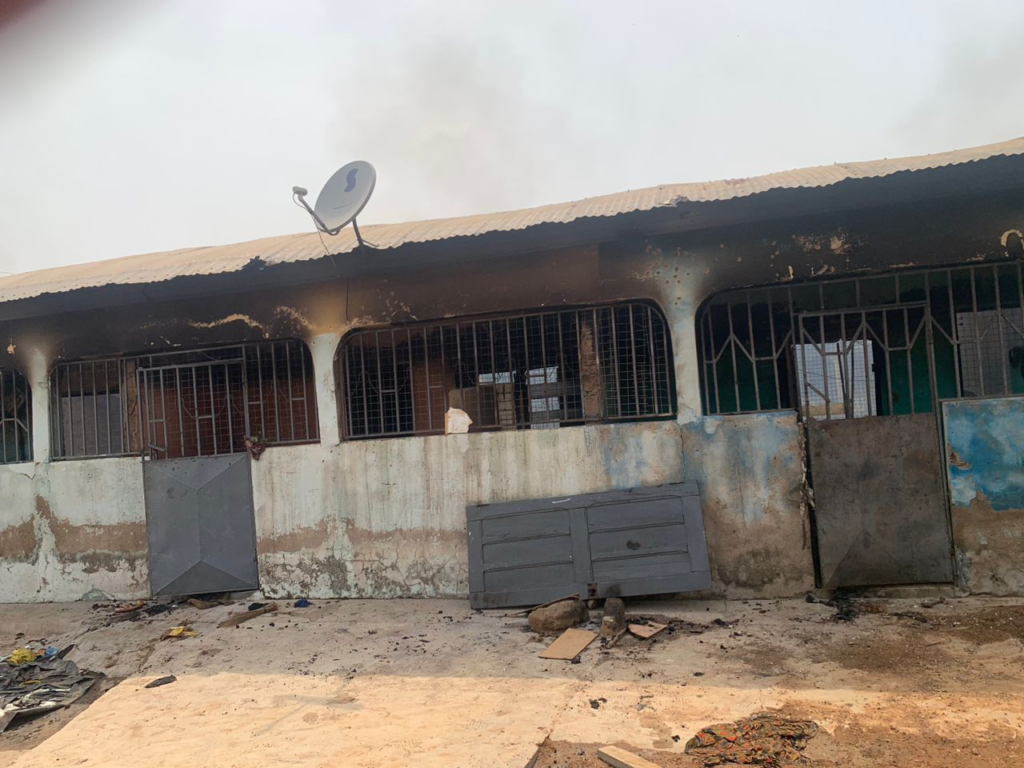
    In response to the court ruling, youths from Bole set fire to houses belonging to members of the Jahori community residing in both Bole and Sawla districts.

    The devastating fires resulted in significant property losses for the affected individuals, leaving many tenants in despair and tears. In recent years, the country has witnessed a number of casualties and destruction of property arising from chieftaincy disputes.

    The Minister for the Interior, Muntaka Mubarak, has also reviewed the earlier curfew hours imposed on Bawku and Nalerigu townships following recent attacks.

    The previous curfew, which ran from 6 a.m. to 2 p.m., has been revised to 6 p.m. to 6 a.m. The minister took this decision after receiving advice from the National Security Council.The Bawku Municipality in the Upper East Region and the East Mamprusi Municipality in the North East Region are affected by the new directive.

    The curfew has created an environment conducive for the evacuation of students from educational institutions in the affected areas, some of whom had unfortunately been targeted during the conflict.

    In a statement issued on July 27, the government announced that it is stepping up its approach from peacekeeping to peace enforcement in Bawku and other affected areas due to the recent escalation of violence, which threatens to derail the peace-building process.

    These heightened tensions and conflicts have had an impact on the country’s global peace ranking. Ghana has been ranked 61st out of 163 countries in the 2025 Global Peace Index (GPI), marking a continued decline in its standing on peacefulness.

    The latest ranking follows a downward trajectory from 55th in 2024, 51st in 2023, and 40th in 2022.

    Despite the decline, Ghana still ranks ahead of several of its West African neighbours, including Senegal (69th), Liberia (70th), and Nigeria (148th).

    The Global Peace Index, compiled annually by the Institute for Economics and Peace (IEP), measures the peacefulness of nations based on 23 indicators across three broad domains: societal safety and security, ongoing domestic and international conflict, and militarisation.

  • Gbeniyiri conflict: Over 65% of displaced residents return home – Interior Minister

    Gbeniyiri conflict: Over 65% of displaced residents return home – Interior Minister

    More than 65% of Gbeniyiri residents who fled to neighboring Ivory Coast for shelter have returned to their communities, according to the Minister for the Interior, Mohammed Muntaka Mubarack.

    Addressing the media in Accra on Tuesday, September 9, the Minister indicated that the recent development is due to the restored calm in the area. He explained that the calm follows the ongoing peacebuilding efforts by the government and traditional authorities.

    “I can tell you today that more than 65% of the people have returned home. Our biggest concern, however, remains those still outside the borders. Many are already coming back, but we want to facilitate the process to make it even faster.


    “We are receiving strong cooperation from the chiefs and the youth. We have set ourselves a target: by the end of the month, when the committee completes its work, we should be able to bring almost everyone back home,” he said.


    Additionally, the Minister reiterated the government’s commitment to finding a lasting solution to end the tension in Gbeniyiri and the surrounding communities.

    Properties have been destroyed, with more than 50,000 individuals displaced due to the tension in the area. The ongoing conflict in Gbenyiri stems from a land dispute between a Gbenyiri resident and the chief’s son, which began on Saturday, August 23.

    The unresolved conflict is spreading to Kalba and other parts of the district. Despite the deployment of 400 police personnel to the area to ensure law and order, clashes between the rival groups persisted.

    Unknown assailants shot a middle-aged man to death near Kalba, a suburb of the Sawla-Tuna-Kalba District in the Savannah Region, on Sunday, September 7. The gunmen ambushed the deceased person and opened fire as he rode his motorcycle.

    According to the police, the deceased, whose identity is yet to be revealed traveled from his community, Uro to Kalba to charge his mobile phone due to the lack of power in his area.


    The body of the deceased has since been deposited at the St. Anne’s Catholic Hospital in Damongo by the Ghana Police Service. The incident is amid the ongoing protracted conflict in Gbenyiri, which has claimed multiple lives. The latest death brings the official toll from the conflict to 32.

    Residents have however, expressed fear over the security situation. Speaking to the media a resident noted “With this killing, who do you think will trust the system again? Some of us suspected this to happen because the guys are still around in Kalba town, and if you deceive yourself and go there, they will just end your life like this farmer.To me, this reaffirms the fears and mistrust in the system. The authorities need to do more than just talk and go”.

    Meanwhile, a seven-member mediation committee has been established by the Interior Ministry in response to the ongoing land conflict in Gbenyiri in the Savannah Region.


    The committee has been tasked with a one-month mandate to assist the government in finding a lasting solution to the tension in the area. During the inauguration ceremony at the Interior Ministry in Accra, the sector Minister, Mubarak Mohammed Muntaka, noted that the establishment of the committee was a recommendation from the National Security Council.

    The Inspector General of Police (IGP), Christian Tetteh Yohunu, alongside senior officials from the Armed Forces, Prisons Service, and Immigration Service, have already visited Kalba, Sawla, and other affected communities in efforts to bring calm to the area.

    In a related development, President John Mahama has initiated steps to restore peace in the Sawla-Bole area of the Savannah Region following renewed tensions between the Gonja and Brifor communities.


    Upon his return from a state visit to Singapore, the President received a full briefing from the National Security Coordinator and the Minister for the Interior on the latest developments in the conflict.


    While abroad, Mr. Mahama held a telephone conversation with the King of Gonja, Yagbonwura Jira Bikunuto Jewu Soale I, during which they discussed measures to end the clashes and foster lasting peace in the area.


    As part of efforts to de-escalate the situation, the President has dispatched a government delegation led by the Minister for the Interior, Hon. Muntaka Mohamed-Mubarak, to engage the Yagbonwura and other key stakeholders.


    Meanwhile, security has been reinforced with the deployment of additional police and military personnel to the conflict zone. President Mahama has urged all parties to support the peace initiatives being rolled out, stressing the importance of dialogue in resolving outstanding disputes.


    He has further directed the government delegation to work closely with the Regional Security Council, traditional authorities, and community leaders to ensure calm is restored and law and order upheld.


    Minister for the Interior, Muntaka Mohammed-Mubarak, has assured the Overlord of Gonja, Yagbonwura Bii-Kunuto Jewu Soale I, that the government will take every necessary step to restore peace in the Sawla-Bole area.


    “We have taken note of all the concerns, and we have also assured him that we will do everything humanly possible to ensure that peace will be restored. But we need his cooperation and the cooperation of all others. Surely, what talking can solve, dance cannot solve,” he stated.


    “Surely, what talking can solve, dance cannot solve, so we are hoping that after all the lengthy discussion and the conclusion that we have come to, we will go and implement our part, we are hopeful that they will also listen to us and also adhere to whatever agreement that we’ve had,” he noted.


    Less than a week ago, the sector minister imposed a curfew on the Sawla-Tuna-Kalba township and its surrounding communities in the Savannah Region. The curfew is in effect from 6:00 p.m. to 6:00 a.m., commencing on Wednesday, August 27, 2025, and remains in place until further notice.

    This measure was taken in response to the recent outbreak of conflict in the area. In addition to the curfew, there is a total ban on the possession of firearms, ammunition, or any offensive weapons. Any individual found with such items will be arrested and prosecuted.

    Furthermore, no two or more persons are permitted to ride on motorbikes throughout the day, and the wearing of war regalia has also been prohibited.


    Last year, intense security measures were implemented in the Bole and Sawla districts of the Savannah Region due to the chieftaincy dispute between the Bolewura and the Jahori clan.

    This heightened security response followed a ruling by the Tamale High Court concerning the dispute between the Jahori and Bolewura factions.


    In response to the court ruling, youths from Bole set fire to houses belonging to members of the Jahori community residing in both Bole and Sawla districts.

    The devastating fires resulted in significant property losses for the affected individuals, leaving many tenants in despair and tears. In recent years, the country has witnessed a number of casualties and destruction of property arising from chieftaincy disputes.


    The Minister for the Interior, Muntaka Mubarak, has also reviewed the earlier curfew hours imposed on Bawku and Nalerigu townships following recent attacks. The previous curfew, which ran from 6 a.m. to 2 p.m., has been revised to 6 p.m. to 6 a.m. The minister took this decision after receiving advice from the National Security Council.


    The Bawku Municipality in the Upper East Region and the East Mamprusi Municipality in the North East Region are affected by the new directive.

    The curfew has created an environment conducive for the evacuation of students from educational institutions in the affected areas, some of whom had unfortunately been targeted during the conflict.


    In a statement issued on July 27, the government announced that it is stepping up its approach from peacekeeping to peace enforcement in Bawku and other affected areas due to the recent escalation of violence, which threatens to derail the peace-building process.


    These heightened tensions and conflicts have had an impact on the country’s global peace ranking. Ghana has been ranked 61st out of 163 countries in the 2025 Global Peace Index (GPI), marking a continued decline in its standing on peacefulness.

    The latest ranking follows a downward trajectory from 55th in 2024, 51st in 2023, and 40th in 2022.
    Despite the decline, Ghana still ranks ahead of several of its West African neighbors, including Senegal (69th), Liberia (70th), and Nigeria (148th).


    The Global Peace Index, compiled annually by the Institute for Economics and Peace (IEP), measures the peacefulness of nations based on 23 indicators across three broad domains: societal safety and security, ongoing domestic and international conflict, and militarization.

  • Gbenyiri conflict: Man shot dead by unknown assailants in Kalba

    Gbenyiri conflict: Man shot dead by unknown assailants in Kalba

    Unknown assailants have shot a middle-aged man to death near Kalba, a suburb of the Sawla-Tuna-Kalba District in the Savannah Region. The gunmen ambushed the deceased person and opened fire as he rode his motorcycle.

    This information was made known by the police on Sunday, September 7. According to the police, the deceased, whose identity is yet to be revealed traveled from his community, Uro to Kalba to charge his mobile phone due to the lack of power in his area.

    The body of the deceased has since been deposited at the St. Anne’s Catholic Hospital in Damongo by the Ghana Police Service. The incident is amid the ongoing protracted conflict in Gbenyiri, which has claimed multiple lives.

    Properties have been destroyed with more than 50,000 individuals displaced due to the tension in the area. The latest death brings the official toll from the conflict to 32. The ongoing conflict in Gbenyiri is stemmed from a parcel of land dispute between a Gbenyiri resident and the chief’s son which began on Saturday, August 23.

    The resolved conflict spreading to Kalba and other parts of the district. Despite the deployment of 400 police personnel to the area to ensure law and order, clashes between the rival groups persisted.

    Meanwhile, the Inspector General of Police (IGP), Christian Tetteh Yohunu, alongside senior officials from the Armed Forces, Prisons Service, and Immigration Service, have already visited Kalba, Sawla, and other affected communities in efforts to bring calm to the area.

    Residents have however, expressed fear over the security situation. Speaking to the media a resident noted “With this killing, who do you think will trust the system again? Some of us suspected this to happen because the guys are still around in Kalba town, and if you deceive yourself and go there, they will just end your life like this farmer.To me, this reaffirms the fears and mistrust in the system. The authorities need to do more than just talk and go”.

    In a related development, President John Mahama has initiated steps to restore peace in the Sawla-Bole area of the Savannah Region following renewed tensions between the Gonja and Brifor communities.

    Upon his return from a state visit to Singapore, the President received a full briefing from the National Security Coordinator and the Minister for the Interior on the latest developments in the conflict.

    While abroad, Mr. Mahama held a telephone conversation with the King of Gonja, Yagbonwura Jira Bikunuto Jewu Soale I, during which they discussed measures to end the clashes and foster lasting peace in the area.

    As part of efforts to de-escalate the situation, the President has dispatched a government delegation led by the Minister for the Interior, Hon. Muntaka Mohamed-Mubarak, to engage the Yagbonwura and other key stakeholders.

    Meanwhile, security has been reinforced with the deployment of additional police and military personnel to the conflict zone. President Mahama has urged all parties to support the peace initiatives being rolled out, stressing the importance of dialogue in resolving outstanding disputes.

    He has further directed the government delegation to work closely with the Regional Security Council, traditional authorities, and community leaders to ensure calm is restored and law and order upheld.

    Minister for the Interior, Muntaka Mohammed-Mubarak, has assured the Overlord of Gonja, Yagbonwura Bii-Kunuto Jewu Soale I, that the government will take every necessary step to restore peace in the Sawla-Bole area.

    “We have taken note of all the concerns, and we have also assured him that we will do everything humanly possible to ensure that peace will be restored. But we need his cooperation and the cooperation of all others. Surely, what talking can solve, dance cannot solve,” he stated.

    “Surely, what talking can solve, dance cannot solve, so we are hoping that after all the lengthy discussion and the conclusion that we have come to, we will go and implement our part, we are hopeful that they will also listen to us and also adhere to whatever agreement that we’ve had,” he noted.

    Less than a week ago, the sector minister imposed a curfew on the Sawla-Tuna-Kalba township and its surrounding communities in the Savannah Region. The curfew runs from 6:00 p.m. to 6:00 a.m., effective Wednesday, August 27, 2025, until further notice. This measure was taken in response to the recent outbreak of conflict in the area.

    In addition to the curfew, there is a total ban on the possession of firearms, ammunition, or any offensive weapons. Any individual found with such items will be arrested and prosecuted. Furthermore, no two or more persons are permitted to ride on motorbikes throughout the day, and the wearing of war regalia has also been prohibited.

    Last year, intense security measures were implemented in the Bole and Sawla districts of the Savannah Region due to the chieftaincy dispute between the Bolewura and the Jahori clan. This heightened security response followed a ruling by the Tamale High Court concerning the dispute between the Jahori and Bolewura factions.

    In response to the court ruling, youths from Bole set fire to houses belonging to members of the Jahori community residing in both Bole and Sawla districts. The devastating fires resulted in significant property losses for the affected individuals, leaving many tenants in despair and tears. In recent years, the country has witnessed a number of casualties and destruction of property arising from chieftaincy disputes.

    The Minister for the Interior, Muntaka Mubarak, has also reviewed the earlier curfew hours imposed on Bawku and Nalerigu townships following recent attacks. The previous curfew, which ran from 6 a.m. to 2 p.m., has been revised to 6 p.m. to 6 a.m. The minister took this decision after receiving advice from the National Security Council.

    The Bawku Municipality in the Upper East Region and the East Mamprusi Municipality in the North East Region are affected by the new directive. The curfew has created an environment conducive for the evacuation of students from educational institutions in the affected areas, some of whom had unfortunately been targeted during the conflict.

    In a statement issued on July 27, the government announced that it is stepping up its approach from peacekeeping to peace enforcement in Bawku and other affected areas due to the recent escalation of violence, which threatens to derail the peacebuilding process.

    These heightened tensions and conflicts have had an impact on the country’s global peace ranking. Ghana has been ranked 61st out of 163 countries in the 2025 Global Peace Index (GPI), marking a continued decline in its standing on peacefulness. The latest ranking follows a downward trajectory from 55th in 2024, 51st in 2023, and 40th in 2022.

    Despite the decline, Ghana still ranks ahead of several of its West African neighbors, including Senegal (69th), Liberia (70th), and Nigeria (148th).

    The Global Peace Index, compiled annually by the Institute for Economics and Peace (IEP), measures the peacefulness of nations based on 23 indicators across three broad domains: societal safety and security, ongoing domestic and international conflict, and militarisation.

  • President Mahama sends high-powered delegation to mediate conflict at Sawla, Bole 

    President Mahama sends high-powered delegation to mediate conflict at Sawla, Bole 

    President John Mahama has initiated steps to restore peace in the Sawla-Bole area of the Savannah Region following renewed tensions between the Gonja and Brifor communities.

    Upon his return from a state visit to Singapore, the President received a full briefing from the National Security Coordinator and the Minister for the Interior on the latest developments in the conflict.

    While abroad, Mr. Mahama held a telephone conversation with the King of Gonja, Yagbonwura Jira Bikunuto Jewu Soale I, during which they discussed measures to end the clashes and foster lasting peace in the area.

    As part of efforts to de-escalate the situation, the President has dispatched a government delegation led by the Minister for the Interior, Hon. Muntaka Mohamed-Mubarak, to engage the Yagbonwura and other key stakeholders.

    Meanwhile, security has been reinforced with the deployment of additional police and military personnel to the conflict zone. President Mahama has urged all parties to support the peace initiatives being rolled out, stressing the importance of dialogue in resolving outstanding disputes.

    He has further directed the government delegation to work closely with the Regional Security Council, traditional authorities, and community leaders to ensure calm is restored and law and order upheld.

    Minister for the Interior, Muntaka Mohammed-Mubarak, has assured the Overlord of Gonja, Yagbonwura Bii-Kunuto Jewu Soale I, that the government will take every necessary step to restore peace in the Sawla-Bole area.

    “We have taken note of all the concerns, and we have also assured him that we will do everything humanly possible to ensure that peace will be restored. But we need his cooperation and the cooperation of all others. Surely, what talking can solve, dance cannot solve,” he stated.

    “Surely, what talking can solve, dance cannot solve, so we are hoping that after all the lengthy discussion and the conclusion that we have come to, we will go and implement our part, we are hopeful that they will also listen to us and also adhere to whatever agreement that we’ve had,” he noted.

    Less than a week ago, the sector minister imposed a curfew on the Sawla-Tuna-Kalba township and its surrounding communities in the Savannah Region. The curfew runs from 6:00 p.m. to 6:00 a.m., effective Wednesday, August 27, 2025, until further notice. This measure was taken in response to the recent outbreak of conflict in the area.

    In addition to the curfew, there is a total ban on the possession of firearms, ammunition, or any offensive weapons. Any individual found with such items will be arrested and prosecuted. Furthermore, no two or more persons are permitted to ride on motorbikes throughout the day, and the wearing of war regalia has also been prohibited.

    Last year, intense security measures were implemented in the Bole and Sawla districts of the Savannah Region due to the chieftaincy dispute between the Bolewura and the Jahori clan. This heightened security response followed a ruling by the Tamale High Court concerning the dispute between the Jahori and Bolewura factions.

    In response to the court ruling, youths from Bole set fire to houses belonging to members of the Jahori community residing in both Bole and Sawla districts. The devastating fires resulted in significant property losses for the affected individuals, leaving many tenants in despair and tears. In recent years, the country has witnessed a number of casualties and destruction of property arising from chieftaincy disputes.

    The Minister for the Interior, Muntaka Mubarak, has also reviewed the earlier curfew hours imposed on Bawku and Nalerigu townships following recent attacks. The previous curfew, which ran from 6 a.m. to 2 p.m., has been revised to 6 p.m. to 6 a.m. The minister took this decision after receiving advice from the National Security Council.

    The Bawku Municipality in the Upper East Region and the East Mamprusi Municipality in the North East Region are affected by the new directive. The curfew has created an environment conducive for the evacuation of students from educational institutions in the affected areas, some of whom had unfortunately been targeted during the conflict.

    In a statement issued on July 27, the government announced that it is stepping up its approach from peacekeeping to peace enforcement in Bawku and other affected areas due to the recent escalation of violence, which threatens to derail the peacebuilding process.

    These heightened tensions and conflicts have had an impact on the country’s global peace ranking. Ghana has been ranked 61st out of 163 countries in the 2025 Global Peace Index (GPI), marking a continued decline in its standing on peacefulness. The latest ranking follows a downward trajectory from 55th in 2024, 51st in 2023, and 40th in 2022.

    Despite the decline, Ghana still ranks ahead of several of its West African neighbors, including Senegal (69th), Liberia (70th), and Nigeria (148th).

    The Global Peace Index, compiled annually by the Institute for Economics and Peace (IEP), measures the peacefulness of nations based on 23 indicators across three broad domains: societal safety and security, ongoing domestic and international conflict, and militarisation.

  • Bawku conflict claims four young lives in 3 weeks

    Bawku conflict claims four young lives in 3 weeks

    Between January 25 and February 14, 2025, four children, aged between five months and 13 years, have lost their lives in Bawku amid escalating violence.

    The first attack occurred on January 25 when armed men targeted a 13-year-old boy who was tending cattle in the Posum-Singnatinga-Possum area. The assailants allegedly strangled him before fleeing with the livestock. He has been identified as Sherif.

    On February 8, gunmen dressed in military-style gear stormed a residence in Tensungo, opening fire and killing a seven-month-old infant, a two-year-old child, and their mother.

    In a separate assault, a woman’s five-month-old baby was shot dead when armed men ambushed them.

    Since hostilities reignited in October 2024, at least 58 people have been killed in Bawku. The situation remains highly unstable, with frequent armed confrontations within the town and attacks along the Bawku-Bolga-Tamale highway.

  • Let’s campaign peace, not conflict –  NCCE pleads with politicians

    Let’s campaign peace, not conflict – NCCE pleads with politicians

    A member of the National Commission for Civic Education (NCCE), Bright Kobla Agbodeka, has urged politicians to avoid using harsh language when interacting with the public.

    He believes this would help reduce tensions and maintain the peace that Ghana has enjoyed over the years.

    During a Parliamentary Candidates Dialogue in the Afadzato South constituency, Mr. Agbodeka cautioned that inflammatory language could escalate conflicts between political opponents, leading to violence among supporters.

    He called on Ghanaians to refrain from violence, highlighting that peace is essential for a stable and prosperous society.

    He also pointed to the NCCE’s 2004 research project, Matters of Concern (MOC), which surveyed over 9,000 respondents.

    The findings revealed that education, employment, healthcare, infrastructure, the economy, and agriculture were the most pressing concerns for voters.

    These concerns, Mr. Agbodeka noted, should guide political candidates in shaping their campaigns and policies.

    “That is why we are subjecting these concerns to those who want to represent us for their ideas that will go a long way in addressing their challenges and we expect that at the end of the dialogue we will be more informed about their qualitative ideas and opinions on the issues,” he said.

    Touching on the Commission’s theme for 2024 activities, he said “Together we can build Ghana, so get involved.”

    Ghanaians should not ferment any form of violence because it will guarantee a civil and stable society for all, he said.

    The NCCE’s 2024 theme, “Together we can build Ghana, so get involved,” was also highlighted by Mr. Agbodeka, who stressed that nation-building is a collective effort, requiring input from all citizens.

    Ellen Amankwa, the Afadzato South District Officer for the NCCE, echoed the sentiment, urging candidates to present their views without resorting to insults. She also encouraged their supporters to pay close attention to the candidates’ positions.

    Assistant Superintendent of Police Godfred Awiredu, Chairman of the Inter-Party Dialogue Committee (IPDC), assured the public that efforts would be made to ensure peace during the elections.

    Togbi Ayidzoe VI, Regent of Ve Golokuati, advised the candidates to make realistic promises, warning that unfulfilled pledges could damage their credibility.

    “A day will come when you will be called to render accounts to the people based on promises you make,” he added.

    Frank Afriyie of the NDC and Tracy Semanu Tegbey of the LPG participated in the dialogue and discussed the NCCE’s findings on voter concerns.

    Unfortunately, James Etornam Flolu of the New Patriotic Party was unable to attend due to an emergency.

  • Two ambushed and killed in Bawku

    Two ambushed and killed in Bawku

    In a tragic turn of events in the ongoing Bawku conflict, two individuals lost their lives after being ambushed while traveling in a truck from Bawku.

    Unidentified attackers opened fire on the vehicle, leading to their deaths.

    Among the victims was a Mamprusi, while the other was a Togolese national who had been in Bawku to care for his sick father.

    Unfortunately, the father passed away during their visit, and the two were en route to Togo with his body when they were ambushed.

    The Bawku conflict, rooted in chieftaincy disputes and ethnic tensions, has caused significant unrest in the region over recent years.

    The situation escalated further with the return of a rival chief, which has heightened tensions among various ethnic groups.

    Clashes have increased in frequency and severity, resulting in fatalities and widespread fear among residents.

    Despite the deployment of security forces to restore order, violence persists in the area.

    This latest incident raises the death toll to 19, underscoring the ongoing crisis.

  • Land dispute in Zogbei leaves four dead, several injured

    Land dispute in Zogbei leaves four dead, several injured

    Four people lost their lives on Tuesday, August 6, 2024, following an outbreak of violence in Zogbei, Mion district.

    The conflict was stemmed from a protracted land dispute between the Dagombas and Konkombas.

    The escalation led to gunfire, casualties, and fatalities.
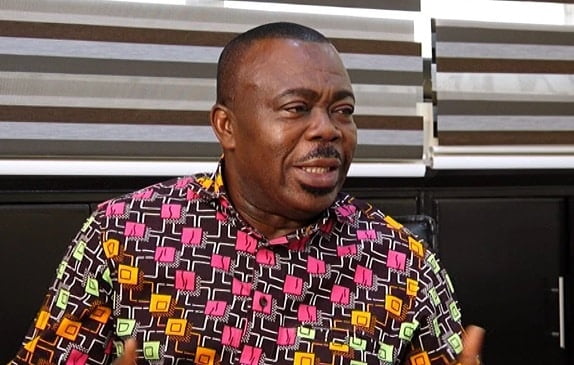
    According to reports, the violence resulted in four deaths and the burning of several motorbikes.

    The conflict has severely disrupted transportation, with travelers from Tamale to Yendi and nearby areas unable to pass through Zogbei, which is a key point on the main Yendi-Tamale Road.

    Although security forces have been dispatched to the area, the situation remains unstable. Residents are gripped by fear, and the tension persists.

    Alhassan Abubakari, the District Chief Executive Officer for Mion Constituency, confirmed on Eyewitness News on Citi FM that while calm has been restored, the situation was dire earlier in the day.

    “Calm is currently restored at our place but in the morning, it was very difficult for you to even pass from Tamale to Yendi because of the land dispute between the Konkombas and the Nanumbas.”

  • Chieftaincy dispute sparks deadly conflict in Tuobodom

    Chieftaincy dispute sparks deadly conflict in Tuobodom

    Tensions are rising in Tuobodom, situated in the Techiman North municipality of the Bono East Region, due to a chieftaincy dispute between two opposing chiefs.

    It is feared that a dozen people have died in the alleged ongoing conflict, which has significantly disrupted life in and around Tuobodom.

    The conflict has taken a tragic turn, claiming the life of a passing truck driver amidst a barrage of gunfire in the township.

    The violent clash has compelled many residents to flee the town in search of safety, leaving Tuobodom in a state of heightened fear and instability.

    The chieftaincy dispute, which has been brewing for some time, has now reached a critical point, affecting not only the immediate parties involved but also innocent bystanders and the wider community.

    Security services are working to restore order and ensure the safety of residents, but the situation remains volatile.

  • Paris conference aims to address Sudan conflict and humanitarian crisis

    Paris conference aims to address Sudan conflict and humanitarian crisis

    The French government is optimistic that an international conference convened in Paris concerning Sudan will shatter the veil of silence surrounding the year-long conflict.

    France’s Foreign Minister, Stéphane Séjourné, lamented the indifference towards the Sudanese people, who have endured immense suffering due to the conflict between the army and paramilitary groups.

    Organized jointly with Germany and the EU, the conference aims to garner crucial humanitarian aid and bolster mediation efforts for Sudan.

    The civil war has uprooted millions, resulted in waves of violence, and pushed Sudan to the brink of famine.

    Critics have decried the inadequate international response, with the UN’s funding plan receiving only a fraction of the required funds.

    On the fifth anniversary of the fire that devastated Notre Dame cathedral in Paris, Save the Children drew attention to the disparity in donations between Sudan and the response to the Notre Dame blaze.

    The charity highlighted that in the first 105 days of 2024, funds raised for the Sudan crisis amounted to less than a fifth of the pledges made in just two days to rebuild Notre Dame.

  • Conflict intensifies in eastern Myanmar

    Conflict intensifies in eastern Myanmar

    Fighting in Myanmar is getting worse as Karen fighters and pro-democracy forces are battling with soldiers for control of a trading town near Thailand. Witnesses saw it happening on Wednesday.

    The capture of Myawaddy, an important trade area in Myanmar, would be a big loss for the army fighting against the resistance groups trying to overthrow the government.

    The fighting has worried officials in Bangkok because they are afraid it could force many people to leave their homes and go to another country. The Foreign Minister of Thailand, Parnpree Bahiddha-Nukara, said on Tuesday that Thailand can provide safe temporary shelter for around 100,000 people.

    Myawaddy is located across the Moei River from the Mae Sot district. In the past, Mae Sot has helped villagers escape from fighting.

    Even though Myanmar’s army is strong, it has been defending itself since October when three rebel groups attacked in the northeast. Rebel fighters have taken control of big parts of land in the northern Shan state near China. They have also made progress in Rakhine state in the west. They are also putting pressure on the army in other areas.

    Last week, a group of people who support democracy attacked the airport in Myanmar’s capital city with a drone. Some damage happened, showing that the military government, which took control in 2021 by removing the elected government of Aung San Suu Kyi, is in a weak position and is now involved in a war within the country.

    The Karen National Union, which represents the Karen ethnic group, announced last week that its armed group, the Karen National Liberation Army, and their pro-democracy supporters, took control of a military base at Thin Gan Nyi Naung on the way to Myawaddy.

    Over 600 security forces and their families have given up.

    A reporter talking about the fighting said that the pro-democracy fighters attacked a military base on Tuesday night. It was about 4 kilometers to the west of Myawaddy.

    The military attacked from the air and fired shells. The journalist didn’t want to be identified because they were afraid of getting arrested by the fighting groups. He said the guerrillas also attacked the army unit in Lay Kay Kaw, a small town in the south of Myawaddy township, on Wednesday.

    Three people in Myawaddy, who live close to Infantry Battalion 275 base, said they went to Buddhist monasteries for safety when the fighting got worse on Tuesday.

    The people who live there said that three fighter jets bombed the fighting areas and nearby villages during the night and in the morning.

    Two more people living in Myawaddy said some people from the town were running into Mae Sot in Thailand, but many others were still working as usual even though there is fighting near the town.

    A person from Myawaddy crossed into Mae Sot on Tuesday to avoid the bombing. She saw that officers were still working at the bridge. All the people in the area didn’t want to share their names because they were worried about their safety.

    The Irrawaddy, an online news outlet in Myanmar, said on Tuesday that a group of armed Karen people who are not part of the Karen National Union were protecting the bridges in Myanmar.

    The Border Guard Force in Kayin state used to be part of the military, but they recently decided to break away and become their own independent group called the Karen National Army.

  • Ministry warns travelers against middlemen who promise jobs, others in conflict areas

    Ministry warns travelers against middlemen who promise jobs, others in conflict areas


    The Ministry of Foreign Affairs and Regional Integration has issued a warning to Ghanaians, advising them against undertaking non-essential travels to countries experiencing conflicts.

    Furthermore, the Ministry has cautioned citizens to exercise vigilance concerning intermediaries who promise appealing opportunities, such as employment, residency, and citizenship permits.

    This advisory comes in light of the ongoing conflicts in several nations.

    In a statement, the Ministry underscored the hazards associated with such journeys, emphasizing the significant risks faced by travelers.

    “Ministry of Foreign Affairs and Regional Integration wishes to caution the travelling public to be wary of the activities of middlemen/agents who purport to have the ability to secure citizenship, resident permits and job offers in conflict areas and countries at war as these journeys are perilous and often have dire consequences.

    “In light of ongoing conflicts and the risk of conscription in certain countries or regions around the world, travellers are strongly advised to exercise caution and carefully consider their travel plans,” parts of the statement read.

    At the same time, travelers are encouraged to take preventive steps and prioritize their safety and welfare, particularly when contemplating employment opportunities in areas susceptible to conscription and armed conflicts.


  • Internal conflict at Bekwai SDA forces students to flee from school

    Internal conflict at Bekwai SDA forces students to flee from school

    Several students from Bekwai SDA Senior High School in the Bekwai Municipality have fled the institution out of fear for their safety.

    This exodus comes in the wake of clashes between boarding students and individuals believed to be day students collaborating with troublemakers from the town.

    A student, recounting the incident to starrfm.com.gh, detailed a heated altercation between a boarder and a day student on campus last Friday, March 22, 2024, which escalated into physical violence.

    Following the departure of the day students, a masked group armed with machetes approached the students amidst a barrage of thrown stones.

    Describing the encounter, the student stated, “The students pushed back and retaliated with stones, eventually driving them out of the school.”

    The student who witnessed the event mentioned that the police intervened to facilitate the transportation of injured students to the Bekwai Municipal Hospital. “One student sustained a machete wound, while others suffered severe injuries,” he noted.

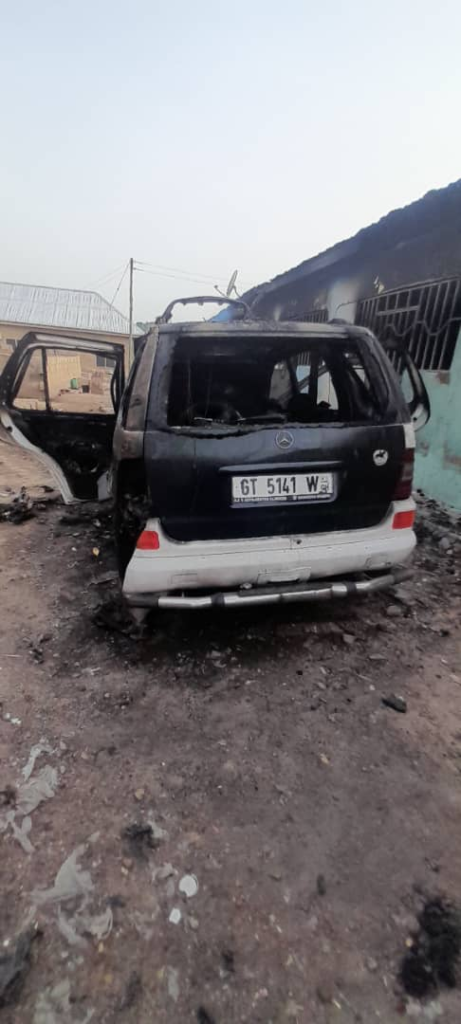
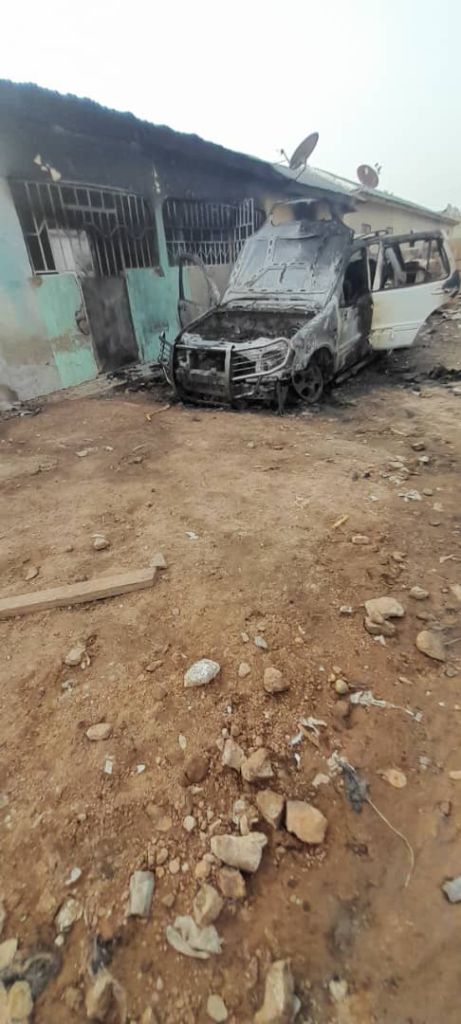
    Additionally, he recalled a suspected reprisal attack on Saturday evening after Sabbath service around 8:00 PM, where a group of youths riding rickshaws initiated an assault. This incident provoked the students to arm themselves with machetes in retaliation.

    “The boys fought back, overpowering them and damaging one of their vehicles,” he added.

    Expressing concern for his safety, the student, who has also fled the school, informed reporter Ivan Heathcote–Fumador that many other students have followed suit in search of safety.

  • Savannah Region: Security beefed up in Bole and Sawla districts amidst chieftaincy conflict

    Savannah Region: Security beefed up in Bole and Sawla districts amidst chieftaincy conflict

    Intense security measures have been implemented in the Bole and Sawla districts of the Savannah region due to an ongoing chieftaincy dispute between Bolewura and the Jahori clan.

    This heightened security response follows a recent ruling by the Tamale High Court concerning the dispute between the Jahori and Bolewura factions.

    In response to the court ruling, youths from Bole reportedly set fire to houses belonging to members of the Jahori community residing in both Bole and Sawla districts.

    The devastating fires resulted in significant property losses for the affected individuals, leaving many tenants in despair and tears.

    To safeguard the lives and properties of the Jahori clan, heavy security measures have been deployed in both districts.

  • Israel urges relief agencies to collaborate on evacuation efforts

    Israel urges relief agencies to collaborate on evacuation efforts

    Israel is urging UN relief agencies to collaborate with its initiatives to evacuate civilians from conflict zones, particularly in Rafah, ahead of an impending ground operation.

    During a press briefing, government spokesperson Eylon Levy emphasized the importance of cooperation, stating, “Don’t say it can’t be done. Work with us to find a way.”

    Rafah, situated on the border with Egypt, is perceived as the last sanctuary for Gazans seeking refuge from Israel’s military operations elsewhere in the Gaza Strip.

    With an estimated 1.5 million people crowded in Rafah, concerns about the potential impact of an upcoming ground operation are widespread.

  • Bunkpurugu curfew renewed over ongoing conflicts

    Bunkpurugu curfew renewed over ongoing conflicts

    The Ministry of Interior has taken action to address the ongoing conflicts in Bunkpurugu and its surrounding areas in the North East Region by renewing a curfew through an Executive Instrument.

    This decision follows a series of clashes between factions in Bunkpurugu, resulting in casualties and damage to property.

    A press release issued on Tuesday, February 6, and signed by Interior Minister Ambrose Dery emphasized the government’s appeal to residents to prioritize peace and seek non-violent methods to resolve conflicts.

    “The Minister for the Interior, through an Executive Instrument, has extended the curfew hours imposed on Bunkpurugu township and its environs in the North East Region from 8:00pm to 6:00am, effective Tuesday, February 6.”

    Additionally, a ban has been placed on the possession of arms, ammunition, or any offensive weapon by individuals within the Bunkpurugu township and adjacent areas to further maintain peace and security.

    “Government continues to urge chiefs, opinion leaders, youth and people of the area to exercise restraint in the face of the challenges confronting them and to use non-violent means to channel their energies into ensuring peace in the area.”

  • Invest more in REGSEC to solve Bawku conflict – Govt told

    Invest more in REGSEC to solve Bawku conflict – Govt told

    A Lecturer at the Kofi Annan International Peacekeeping Training Centre (KAIPTC), Dr. Victor Doke, has advised the government to invest in the Regional Security Council (REGSEC) and other Non-Governmental Organizations (NGOs) to address and resolve the Bawku conflict.

    He suggests that providing adequate funding for conflict resolution bodies would ensure effective engagement with the various factions involved in the conflict.

    Dr. Doke believes that this proactive approach, involving sustained investment, will position the government at the forefront of addressing the Bawku conflict, rather than allocating resources only after the conflict has escalated.

    Speaking on The Pulse on JoyNews, he recalled how in the early 2000’s, “We had a consortium of NGOs that went to Kumasi, engaged the two factions and came up with recommendations. What has come out of those recommendations? Can we boldly say that the recommendations have been implemented?

    Dr. Victor Doke recalled that there were plans to establish and resource a peace committee or secretariat to address the Bawku conflict.

    “In fact, this is a body that is mandated to look at the conflict and address it. It was constituted of members or representatives of every ethnic group in Bawku. This committee has not been resourced. They need periodic capacity building with regard to conflict resolution so that they can address issues relating to festival celebrations, burials, and whatnot.”

    Dr. Victor Doke emphasized that the only way to completely resolve the Bawku conflict is through continued engagement with all factions involved.

    He suggests that a conflict resolution body should maintain regular and up-to-date engagement with the parties in conflict to have a comprehensive understanding of the issues.

    “We don’t have the sustained engagement going on so we have this, what we call… firefight push coming in every time. You are not looking at the structural preventive measures. 

    “The creation of jobs, ensuring that there is justice where people who have been found to be perpetuating crime either in Bawku or outside have been made to face the full rigorous of the law. That has not happened,” he said.

  • Bro Sammy spotted refusing to sing, dance during Nacee’s performance at an anniversary celebration

    Bro Sammy spotted refusing to sing, dance during Nacee’s performance at an anniversary celebration

    At the 20th Anniversary of Breaking Yoke Ministry, a Christian gathering, tensions escalated as Broda Sammy brought his ongoing feud with Nacee to the sacred space.

    Despite the celebratory atmosphere, a notable incident occurred during Nacee’s performance, where everyone in attendance stood up to sing and dance, except for Broda Sammy.

    As Nacee enthralled the audience with his hit song “Aseda,” Broda Sammy remained seated, displaying a clear disinterest in joining the joyous celebration.

    This unexpected confrontation unfolded at a church program over the weekend, where Broda Sammy steadfastly refused to engage with any of Nacee’s songs, maintaining a stance of indifference.

    The feud between the two artists had previously surfaced when Broda Sammy accused Nacee of envy, alleging that Nacee attempted to have his social media account blocked by reporting him for copyright infringement.

    According to Broda Sammy, the conflict originated when Nacee released the song “Aseda” and initiated a social media challenge for others to create their versions.

    Broda Sammy claimed that his rendition surpassed Nacee’s original, garnering more views and interactions when Nacee shared it on his TikTok account.

    This apparent success led to envy, resulting in Nacee deleting the video and, in a further escalation, reporting Broda Sammy’s video on his own page for copyright infringement. The fallout from this dispute spilled over into the church event, marking a public manifestation of their ongoing feud.

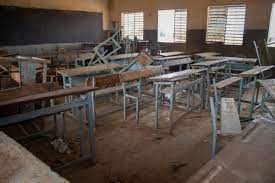
  • Parents have refused to allow their children come to school – GES on tribal conflict in Nkwanta

    Parents have refused to allow their children come to school – GES on tribal conflict in Nkwanta

    The Municipal Director of Education for Nkwanta South, Jonathan Korsinah, says parents in Nkwanta are preventing their wards from attending classes due to the recent tribal conflict happening in the area.

    “Schools in town were not officially closed, but for the safety of teachers and children, parents refused to allow their children to come to school,” he said to the Ghana News Agency (GNA) in an interview.

    According to him, they are currently awaiting official correspondence from the Ghana Education Service (GES) Head Office, which will be transmitted through the Regional Office to officially declare the school closures.

    He noted that when parents are reluctant to send their children to school, it implies a certain level of parental awareness, causing fear and anxiety that ultimately leads to school closures.

    In particular, communities like Gekron, Shaire, and other strong Akyode communities have witnessed students and teachers unable to attend school due to fears of potential attacks.

    As of Friday, October 27, parents continued to relocate from Nkwanta with their children. Jonathan Korsinah added that he was working in coordination with the security agencies to determine the next steps.

    It’s important to note that schools in the Ntrubo areas of the Municipality remained unaffected.

    The region recently experienced renewed conflict between the Adele, Challa, and Akyode tribes, resulting in thousands of residents fleeing their homes to neighboring districts and municipalities in the Oti Region.

    The clashes originated from differences related to the performance of ritual rites for the 2023 annual Yam Festival of the Akyode group, leading to the destruction of numerous homes and shops, and causing Nkwanta to become a deserted town.

  • South Africa’s president calls for ceasefire in Israel-Gaza conflict

    South Africa’s president calls for ceasefire in Israel-Gaza conflict

    South Africa offers to mediate in Israel-Palestine conflict.

    President Cyril Ramaphosa calls for a prompt ceasefire, drawing on the nation’s conflict resolution expertise.

    He expresses concern about civilian casualties and urges the immediate and unconditional opening of humanitarian routes.

    Israeli authorities have suspended Gaza’s essential services, demanding the return of Israeli hostages to lift the blockade.

  • Sudanese army strikes a traditional leader’s residence

    Sudanese army strikes a traditional leader’s residence

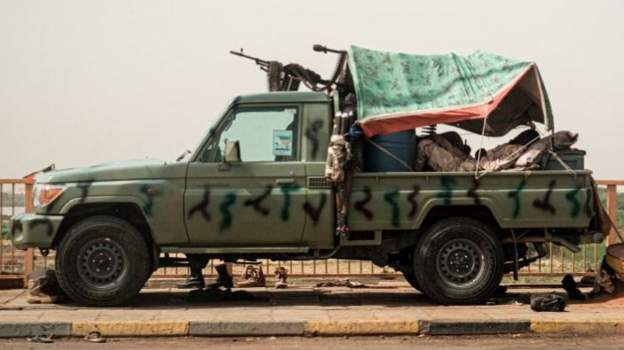
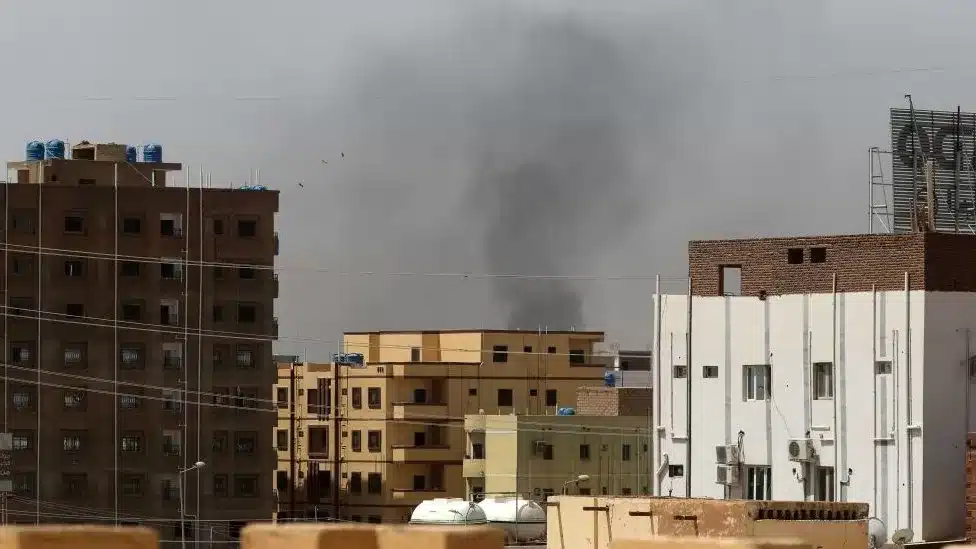
    The Sudanese military has launched attacks on a region within Omdurman city where a traditional healer has been providing medical care to injured paramilitary fighters.

    On Monday, ten individuals lost their lives due to shelling, marking the four-month point since the onset of the intense power struggle between the military and the paramilitary Rapid Support Forces (RSF).

    Throughout the duration of the conflict, the RSF has established bases in numerous residential districts of the Greater Khartoum area, encompassing Bahri, Khartoum, and Omdurman. These locations have often become targets of airstrikes and artillery attacks.

    A shell, originating from the nearby Karari military base, struck a small square in Omdurman’s Ombada 19 suburb, where young men sought shelter from the heat. Additionally, another shell hit the residence of a restaurant owner, tragically resulting in the death of his son.

    A separate shell was fired towards the house of the traditional healer on the following Tuesday, although it did not detonate. These attacks disrupted internet connectivity, which was later restored on Tuesday.

    Throughout the conflict, the home of the traditional healer, who remained unharmed, has transformed into a makeshift clinic due to the closure of 80% of hospitals as a consequence of the fighting. Known for treating bone fractures, she had been recently attending to RSF personnel. Traditional healing is widely embraced in Sudan, with many regarding it as more effective for treating fractures compared to modern medicine.

    Ombada 19 also houses members of the Rizeigat ethnic group, originally from Darfur. Notably, RSF leader Gen Mohamed Hamdan Dagalo, along with many of his fighters, belong to the Rizeigat group. RSF soldiers are often seen within the neighborhood, prompting a considerable number of residents to flee in response to the ongoing attacks.

    However, Hawa Adam, a resident of Ombada 19 who sought refuge with her young son in a safer area, expressed confusion over the shelling. She stated, “I really don’t know why they shelled our neighborhood. There’s not a single RSF fighter here.”

    In a separate incident on Sunday, an airstrike hit another part of Omdurman, Ombada 16, resulting in the death of three young men—two brothers and a neighbor—according to a local neighborhood organization.

  • Detention of Kenya’s cult leader historic – Judge say

    Detention of Kenya’s cult leader historic – Judge say

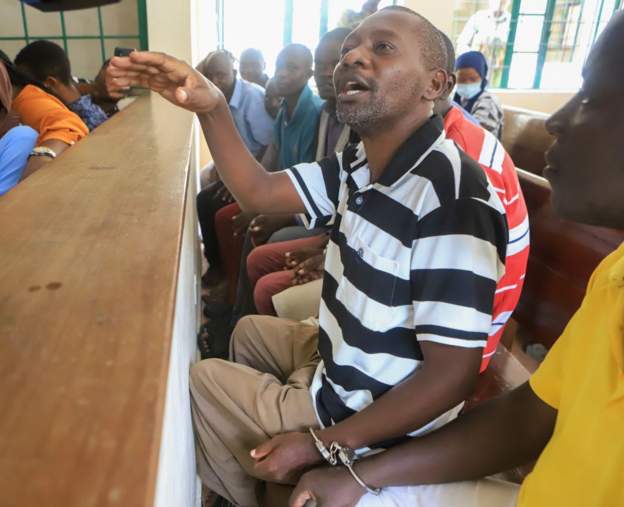
    In the aftermath of an extension of his stay in prison, Kenyan cult leader Paul Mackenzie has been given the longest pre-charge court-approved detention in the nation’s history, according to a judge.

    More than three months have passed since Mr. Mackenzie was taken into custody. The court gave the state permission to hold him and his alleged collaborators for a further 47 days on Thursday.

    Magistrate Yusuf Shikanda gave his judgement in court in Mombasa, a seaside city, and noted that the case’s complexity and rarity made the severe conclusion necessary.

    “This has to be the longest pre-charge detention sanctioned by the court in the history of Kenya,” he said.

    He added: “The Shakahola saga is one of a kind. It has caused great social panic both nationally and internationally”.

    Mr. Mackenzie has been under arrest under suspicion of leading a starvation cult that resulted in the deaths of 427 members of his church.

    Nonetheless, the death toll is anticipated to increase due to ongoing efforts by the Kenyan government to unearth bodies from the coastal Shakahola Forest, which served as the cult’s concealed base.

    The prosecution has asserted the necessity of extending the detention, as formal charges cannot be filed until the government completes the process of exhuming bodies and carrying out DNA tests to confirm their identities.
    Additionally, the prosecution argued that keeping the suspects in custody would prevent them from communicating with the 65 individuals rescued from the cult. Furthermore, this measure is intended to safeguard the suspects from the potential threat of mob violence.

    While in detention, Mr. Mackenzie has continuously proclaimed his innocence in relation to the deaths, maintaining that his sole wrongdoing is eating during his time in custody.

  • Sudan’s 100 days of turmoil: A chronology of events

    Sudan’s 100 days of turmoil: A chronology of events

    On April 15, a power struggle between Abdel Fattah al-Burhan, the head of the army, and Mohamed Hamdan “Hemedti” Dagalo, the commander of the Rapid Support Forces (RSF), descended into all-out war, killing thousands of people, uprooting millions of people, and escalating an already dire humanitarian situation.

    The major war developments to date are listed here.

    April 15: Fighting erupts

    On April 15, Khartoum’s capital was rocked by intense gunfire and explosions, which causes terror both within the city and outside.

    Each side accuses the other of striking first: the army and the RSF.

    Conflicts have broken out following years of unrest and several coup attempts.

    Fighting also breaks out in Darfur, an area in western Sudan that is still suffering from a terrible conflict that began there in 2003 under the authority of longstanding leader Omar al-Bashir.

    April 22: Evacuations begin

    Many nations hurry to airlift or evacuate their citizens.

    In the evacuation, thousands of people evacuate, and numerous embassies are looted.

    April 25: Failed truce

    A 72-hour cease-fire was agreed upon by the US and Saudi Arabia, but it was swiftly broken. Then, a slew of more truce agreements fell through.

    Ahmed Harun, a key member of al-Bashir’s administration who was overthrown by the army following months of widespread protests, claimed to have escaped from prison.

    The army claims that al-Bashir was taken to a hospital prior to the start of the battle. Al-Bashir is wanted by the International Criminal Court (ICC) on genocide accusations related to the war in Darfur.

    April 26: Aid agencies struggle

    As humanitarian activities are disrupted across the nation, aid organizations raise the alarm. Businesses struggle to get back to work while maintaining employee safety.

    April 27: Ceasefire violated

    The RSF and the Sudanese army agree to extend the shaky truce for “an additional 72 hours” despite the ongoing bloodshed in Khartoum and the western Darfur area.

    According to witnesses, however, battle is still going on as jets patrol above the northern districts of the capital and fighters on the ground trade heavy machine gun and artillery fire.

    10 minutes and 9 seconds of the video

    What has changed in Sudan since the war began three months ago?

    May 6: Jeddah talks start

    US and Saudi-backed talks between army and RSF envoys begin in Saudi Arabia’s city of Jeddah.

    May 11: Humanitarian aid needed

    Both sides agree to allow urgently needed humanitarian aid to reach affected areas, committing “to ensuring the protection of civilians” but, once again, the fighting never stops.

    May 22: Ceasefire violated again

    A new one-week ceasefire comes into effect but is also repeatedly violated.

    May 31: Army walks out

    On May 31, the army says it has suspended its participation in the ceasefire talks, accusing the RSF of failing to respect its commitments.

    June 1: US imposes sanctions

    The US imposes the first sanctions related to the conflict, targeting two firms associated with the army and two others linked to the RSF.

    It warns that it will “hold accountable” all those undermining peace in the country and says will impose visa restrictions “against actors who are perpetuating the violence”.

    June 3: Army brings reinforcements

    The Sudanese army calls in reinforcements, sparking fear among Khartoum residents that the conflict will worsen.

    The army tries to take control of a military base in the capital that belongs to the RSF.

    June 6: Shortages of supplies

    Intensifying attacks add to the misery of civilians already struggling with limited water, food and medicine, while looters rob neighbourhoods across Khartoum, stealing cars, breaking open safes and occupying people’s homes.

    June 7: Fuel fire erupts

    A major blaze engulfs a fuel facility in Khartoum as fighting rages for a crucial weapons depot. Smoke billows from the fuel-storage site that is close to an army base and the weapons manufacturing company.

    Video Duration 01 minutes 31 seconds

    Sudan fighting pushes refugee camps to the limit

    June 8: Orphans evacuated

    At least 280 children and 70 of their carers are taken from the Al-Mayqoma orphanage in Khartoum to a new facility in Madani, about 135km (85 miles) southeast of the capital. That the transfer takes finally place eight weeks into the conflict highlights the difficulty in obtaining security guarantees from warring parties.

    June 9: UN envoy declared ‘persona non grata’

    Sudanese authorities declare the UN envoy to the country, Volker Perthes, “persona non grata” two weeks after the army chief accused him of inflaming the conflict.

    June 10: Ceasefire announced

    Warring sides agree to a 24-hour ceasefire and agree to allow the unimpeded movement and delivery of humanitarian assistance throughout the country.

    June 11: Fighting resumes

    Within 30 minutes of the ceasefire ending, fighting resumes with renewed intensity. Air raids, artillery shelling and machine guns could be heard pounding several parts of the country, killing seven civilians.

    June 14: More than two million people flee

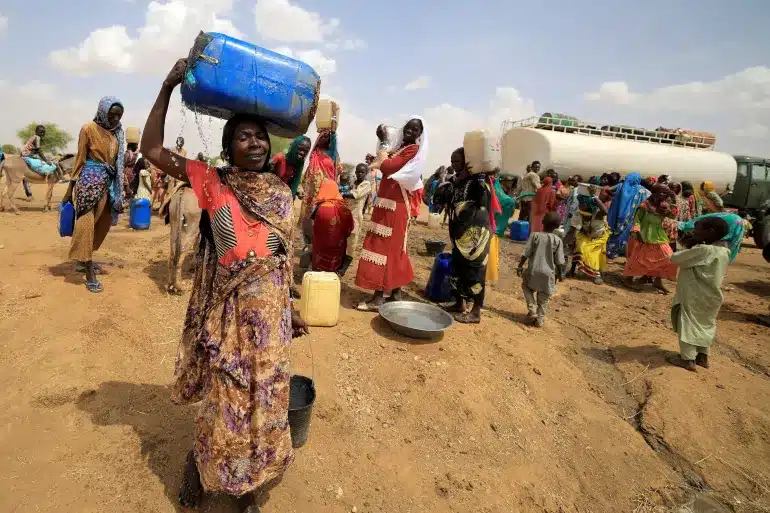
    UN says more than two million people have been forced to flee their homes across Sudan, with more than 1.6 million leaving for safer areas inside the country, and about 530,000 others leaving to neighbouring countries.

    June 15: West Darfur governor killed

    West Darfur state Governor Khamis Abakar is abducted and killed after publicly blaming the deaths of civilians on the RSF. The incident marks a new escalation in the conflict.

    June 17: Ceasefire announced

    Rival sides agree to a 72-hour ceasefire and to allow the unimpeded movement and delivery of humanitarian aid.

    June 19: Donors pledge nearly $1.5bn

    After urging nations to boost up relief efforts, the UN reports that approximately $1.5 billion in international donations had been made for the humanitarian response to Sudan and the area.

    The group claims that $2.57 billion in funding is needed for its emergency help program.

    June 20: Darfur governor calls for probe

    Darfur Governor Mini Arko Minawi calls for an international investigation into violence against residents of the region and urges the UN Security Council to allow the ICC to probe “crimes and assassinations”.

    Video Duration 02 minutes 41 seconds

    What’s happening in Darfur in Sudan?

    June 21: Fighting resumes

    Intense battles break out after a 72-hour ceasefire expires, with fierce fighting reported in parts of the capital including around the intelligence agency’s headquarters near Khartoum International Airport.

    June 27: Army declares ‘unilateral’ truce

    Al-Burhan announces a “unilateral” ceasefire on the first day of the Muslim Eid al-Adha holiday. His announcement comes after Hemedti declared a two-day “unilateral” ceasefire.

    June 28: Air raids reported

    Residents say air raids and anti-aircraft fire strike Khartoum as fighting between the warring sides intensifies.

    July 2: Fighting continues

    Fighting continues as air raids are launched in northern parts of Khartoum and heavy artillery is used in the city’s east.

    July 5: UN decries ‘sexual violence’

    UN expresses shock at increasing sexual violence against women and girls in Sudan and calls for thorough and independent investigations into all alleged violations and abuses to hold perpetrators to account.

    July 10: Regional bloc calls for summit

    The Intergovernmental Authority on Development (IGAD), made up of eight states in and around the Horn of Africa, meets in Addis Ababa to kick-start a peace process.

    But the initiative faces a setback as a delegation from Sudan’s army fails to attend the first day of meetings.

    July 11: Sudan rejects peace efforts

    The army rejects a proposed regional summit to consider deploying peacekeeping forces for the protection of civilians.

    The mediation offer by IGAD was the first in weeks after talks in Jeddah were suspended following several ceasefire violations.

    July 12: UK imposes sanctions

    The United Kingdom imposes sanctions on three businesses linked with the army and three with the RSF.

    The Defence Industries Systems and two other entities are blacklisted for bankrolling and providing support to the army. For financing and arming the RSF, the UK sanctioned Al-Junaid.

    July 13: ICC probing Darfur violence

    The ICC launches an investigation into a surge of hostilities in the country’s Darfur region. These include reported killings, rapes, arson, displacement and crimes affecting children.

    July 15: Jeddah talks revived

    Army representatives return to Saudi Arabia’s Jeddah for talks with the RSF, according to reports.

  • Lugni residents return to area after chieftaincy dispute

    Lugni residents return to area after chieftaincy dispute

    Lugni located in the Northern Region, has regained its tranquility after a chieftaincy dispute that erupted on Thursday night, June 29, 2023.

    The arrest of two suspects in connection with the conflict has instilled confidence among the residents, prompting them to return to the area.

    As life gradually returns to normal, economic activities are picking up pace once again.

    The two individuals apprehended, who were found in possession of firearms, are currently awaiting formal charges. Following their arrest by the local police, they have been granted police enquiry bail.

    The victims may be brought before the court for legal proceedings either on Wednesday or Thursday.

  • What lies ahead for Mali after withdrawal of MINUSMA?

    What lies ahead for Mali after withdrawal of MINUSMA?

    On Friday June 30, the UN Security Council unanimously approved the request from Bamako to withdraw its peacekeeping mission, MINUSMA, from Mali.

    The mission was established by the Security Council in 2013 with the aim of promoting peace and stability in the country. Mali expressed its satisfaction with the decision and welcomed the adoption of the resolution, which was drafted by France.

    “MINUSMA has certainly not achieved its fundamental goal of supporting the efforts of the government in securing the country,” Issa Konfourou, Mali’s ambassador to UN, said following the vote

    “Nevertheless the people and the government of Mali will like to applaud its contribution in other areas in particular in the area of humanitarian and social assistance,” Konfourou said.

    The mission, consisting of 17,430 personnel, was established in 2012 in response to the political instability and armed conflict that engulfed Mali. During that period, rebels and fighters associated with al-Qaeda seized significant portions of northern Mali.

    On June 16, Mali’s Foreign Minister, Abdoulaye Diop, expressed the country’s desire for the Blue Helmets (UN peacekeeping forces) to leave the country once their mandate expires on June 30th.

    “The government of Mali calls for the withdrawal without delay of MINUSMA,” Diop said, adding that Bamako “is willing to cooperate with the United Nations on this issue.”

    What is in the draft?

    The resolution effectively ends the mandate of the peacekeeping mission on June 30th and instructs the mission to begin withdrawing its personnel starting from July 1st.

    According to the resolution, the withdrawal process is expected to be finalized by the end of the year.

    Mali has made it clear that there will be no extension to the specified timeframe.

    “The government of Mali will be vigilant in ensuring compliance with this engagement,” Konfourou said.

    “As a responsible government, the Malian authorities are committed to closely cooperating with the Secretariat of the United Nations and MINUSMA in the framework of the prompt implementation of this resolution within the established time frame,” he added.

    Where possible and with the permission of Mali, the resolution allows MINUSMA to respond to “imminent threat of violence to civilians.”

    According to the resolution, MINUSMA is also authorised to assist in the safe civilian-led delivery of humanitarian assistance in its immediate vicinity.

    Why Mali wants troops out

    In recent times, there has been a rise in tensions between Mali and the United Nations. Bamako has leveled accusations against the long-standing mission, claiming that it has worsened the situation in the country, which is home to a population of over 20 million.

    “MINUSMA seems to have become part of the problem by fuelling community tensions exacerbated by extremely serious allegations which are highly detrimental to peace, reconciliation and national cohesion in Mali,” Diop said.

    “This situation generates a feeling of distrust among the populations with regard to MINUSMA,” he added.

    Meanwhile, MINUSMA has repeatedly complained about restrictions on troop and aircraft movements.

    The mission claims that these restrictions have prevented it from fulfilling its mandate, including investigating alleged human rights abuses by the mercenary group Wagner and Mali’s army.

    Both Bamako and Wagner deny these allegations.

    Analyst say the withdrawal of the peacekeepers could have a profound impact on the stability of the country.

    “The withdrawal of the UN peacekeepers will undermine prospects for keeping alive the 2015 peace agreement between the government and the Tuareg separatists who had rebelled in the North but then settled for decentralisation within a united Mali,” Paul Melly, a researcher at Chatham House, a London-based think tank told Al Jazeera.

    “It will leave many communities across the North of the country with reduced protection from the risk of jihadist attacks and it will underline the basic public administration and welfare and humanitarian programmes that the UN has been supporting,” Melly said.

    Deadly, expensive mission

    MINUSMA has suffered more than 300 fatalities, making it the deadliest UN peacekeeping operation. With a budget of $1.2bn, MINUSMA is also the most expensive mission of the organisation.

    Following the passage of the resolution, UN chief Antonio Guterres expressed his “profound respect to the memory of the 309 MINUSMA personnel who lost their lives in the service of peace during 10 years the mission was deployed in Mali,” Farhan Haq, deputy spokesperson for the Secretary-General said in a statement.

    What’s the government’s plan?

    Without elaborating, Bamako stated that it is able to guarantee the safety of all its citizens, wherever they may be in the vast landlocked country.

    “I would like to reassure you of the full engagement of the government of Mali to continue working tirelessly to fulfil its primary mission of protecting the civilian population and their property over all our national territory,” Konfourou said.

    In 2021, Mali’s military rulers signed a deal with the Russian mercenary group Wagner to assist in its fight against armed groups.

    This move drew strong condemnation from Western countries, who argued that the presence of the mercenary group threatens the stability of Mali.

    Moscow and Bamako have stated that the Russian fighters in Mali are not mercenaries but trainers who are aiding local troops in combating rebel groups.

    Wagner fighters have been accused of involvement in an incident last year in Moura, central Mali – where local troops and suspected Russian fighters allegedly killed hundreds of civilians.

    “Wagner does not have the military resources of the UN, nor the same commitment to community mediation, human rights and ‘hearts and minds’ initiatives,” Melly said.

    On Friday, Washington accused Wagner of destabilising Mali, further stating that the group collaborated with Bamako to facilitate the withdrawal of UN peacekeepers from the country.

    “We know that senior Malian officials worked directly with Yevgeny Prighozin employees to inform the UN secretary-general that Mali had revoked consent for the MINUSMA mission,” US National Security Council spokesman John Kirby told reporters.

    Dire humanitarian situation

    According to the UN, at least 7.5 million Malians are in need of humanitarian assistance. The UN also reports that one in four Malians is food insecure due to insecurity and the impacts of climate change.

    Analysts warn that with UN troops fully withdrawing by the end of December, the humanitarian situation in the country could worsen.

    “The humanitarian situation will probably get worse. We may see more displaced populations and greater problems in ensuring the safe and reliable delivery of aid to vulnerable people,” Melly said.

    As MINUSMA’s time in Mali comes to an end, analysts say that the mission has had a tangible effect on the country.

    “MINUSMA has played a valuable role in providing some stability and security protection for communities across the north of Mali,” he added.

    “It has also underpinned the provision of public basic services and administration in some areas where government officials or humanitarian agencies would have found it difficult to operate without some underpinning security backup.”

  • Conflict in Darfur halted after mediation – Governor

    Conflict in Darfur halted after mediation – Governor

    The governor of North Darfur state in Sudan has expressed the success of a mediation team established in the city, as they have effectively facilitated a ceasefire among the warring parties and have started providing essential services.

    Nimir Abdel Rahman, in an interview with Sudan Lifeline radio station, stated that although occasional violations have occurred in the state, all parties involved are now fully committed to the ceasefire and are determined to avoid any resumption of hostilities.

    Collaborating with the state government, the Mediation and Elders Committee has begun the provision of basic services such as water, electricity, and healthcare. Additionally, public markets have been reopened under the protection of joint security forces.

    Efforts are underway to ensure the arrival of medical missions and the arrangements for providing food and shelter to civilians are being made.

    As part of an agreement between the elders’ committee and the warring forces, all humanitarian convoys traveling from the eastern state of the White Nile through North Kordofan, North Darfur, and other Sudanese states will receive protection.

    However, the governor acknowledges that there are no guarantees regarding the forces’ compliance with the agreement, highlighting the ongoing challenges in maintaining the agreed-upon terms.

    “The only guarantee we have is their respect for citizens, public utilities and the state institutions, which will be all destroyed if the fighting is resumed. Only civilians will be harmed in case the fighting is resumed.”

  • 40 crocodiles to be sold by Namibia to lessen conflict

    40 crocodiles to be sold by Namibia to lessen conflict

    The local media has reported that Namibia has put 40 crocodiles up for sale to lessen confrontations between people and animals in the northeastern Kavango and Zambezi areas.

    Those interested in buying the reptiles are expected to submit their tender offers at the ministry of environment by 17 July.

    Ministry spokesperson Romeo Muyunda said majority of the country’s wildlife “exists outside national parks”, which had made the regions “continue to experience concerning crocodile attacks on people and their livestock”.

    Buyers must prove that they have a suitable habitat for the animals and will incur the cost of capturing them.

    Those seeking to import them must have a permit from the respective country.

  • Long, bloody battle unfolds in Bakhmut

    Long, bloody battle unfolds in Bakhmut

    The city of Bakhmut in eastern Ukraine is once again at the center of conflicting claims and counter-claims.

    The city has been at the heart of fierce fighting for many months – experiencing the longest and bloodiest battle of the Russian invasion so far.

    Military analysts have suggested the city is of little strategic value – but control of the former mining hub has become important symbolically both for Kyiv and Moscow.

    There is little of Bakhmut still standing – after heavy shelling devastated the city’s buildings and drove out its residents – but the Russian mercenary group Wagner claimed to have captured what remained of it late last month.

    In recent weeks, some have suggested Kyiv’s forces have been attempting to encircle Bakhmut and trap Russian units. Military activity in the area has stepped up significantly over the last few days.

    Ukrainian offensives near Bakhmut unsuccessful – Russia

    As has been typical of the battle for Bakhmut so far, both sides have claimed victory in offensives around the devastated city in eastern Ukraine.

    While the Ukrainians say they’ve made advances of up to 1.1km (0.7 miles) in the direction of the city, Russia says it has defeated its enemy’s attacks near the city.

    The defence ministry says Ukrainian forces mounted a series of “unsuccessful offensives” in the area – which has seen some of the deadliest fighting of the war.

    The BBC has not been able to independently verify either side’s claims.

    What are Russian media organisations saying?

    The Kakhovka dam disaster was front-page news in most Russian media this morning, except for Rossiyskaya Gazeta – the official newspaper of the Kremlin – which relegated the story to page three in favour of a story about rubbish.

    The paper sticks to the Russian government’s line that Ukraine is responsible for blowing up the dam.

    Our Russia editor, Steve Rosenberg, has taken a look at how Russian media have covered the story.

  • Deputy Foreign Minister honors UN Peacekeepers

    Deputy Foreign Minister honors UN Peacekeepers

    In honor of UN Peacekeepers’ Day, Thomas Mbomba, Deputy Minister of Foreign Affairs and Regional Integration, paid tribute to them and praised them for their commitment to maintaining world peace.

    The Deputy Minister gave the commendation during a flagraising and wreath-laying ceremony in Accra in commemoration of the 75th Anniversary of the International Day of UN Peacekeepers on the theme: “Peace Begins with Me: 75 Years of UN Peacekeeping.”

    This year’s theme recognises the service and sacrifice of peacekeepers, past and present, including more than 4,200 who have given their lives under the UN flag.

    Mbomba said it was a great pride and honour to pay tribute to the remarkable achievements of the UN Peacekeepers who had selflessly dedicated themselves to the cause of peace, security, and stability across the globe.

    As one of the pioneering Troop Contributing Countries to the UN peacekeeping efforts, Ghana recognises the key role that the UN plays in the maintenance of international peace and security.

    “We have volunteered approximately 100,000 uniformed personnel as well as civilians in various capacities in more than 35 UN Missions around the world,” Mbomba said.

    “Our uniformed personnel have served with pride and distinction since the 1960s, working in diverse and challenging conflict and post-conflict situations”.

    Their contributions had not only brought hope to conflict-affected regions but had also brought honour and pride to the nation.

    He said for 75 years, UN peacekeepers had played a vital role in saving lives, protecting civilians, and rebuilding communities torn apart by conflict.

    The Deputy Minister said those brave men and women had faced immense challenges and danger while striving to achieve extraordinary outcomes.

    He said their unwavering commitment, sacrifice, and dedication deserve their utmost admiration and gratitude.

    Ghana had witnessed firsthand the impact of its peacekeepers in restoring stability, promoting dialogue, and facilitating the delivery of humanitarian assistance.

    Charles Abani, the UN Resident Coordinator in Ghana, reaffirmed that the UN would continue to be a reliable partner in the agenda for peacekeeping adding: “I call on everyone; man, woman, young and old, to join the global movement for peace.”

    “Let us become the catalyst for peace and change makers. Achieving peace is a goal for all.”

    The Defence Minister, Dominic Nitiwul, in a speech read on his behalf, urged member nations to recommit themselves to the noble ideals of the UN and forge a future where generations could live in a world of lasting peace.

  • Govt to tackle Bawku conflict head-on

    Govt to tackle Bawku conflict head-on

    Government has reaffirmed its commitment to resolving the Bawku conflict.

    The Minister of Chieftaincy and Religious Affairs, Stephen Asamoah-Boateng, who gave the assurance, said addressing the issue will be a major preoccupation of the government, and as such everything will be done to prevent its escalation.

    He, therefore, appealed to the feuding factions in the fratricidal conflict to support the government’s bid to use dialogue to bring lasting peace to the area.

    Mr Asamoah-Boateng said this in an interview with the Daily Graphic yesterday after he had called on the factions in the conflict in Bawku.

    It was his first trip to the area since assuming office a fortnight ago.

    The separate meetings, which were attended by traditional leaders of the parties, were held behind closed doors.

    Finding lasting solution

    Notwithstanding the quest for lasting peace in the area, Mr Asamoah-Boateng said, the journey would be undertaken without compromising the rule of law.

    “I know there will be difficulties along the way; there will be challenges; there will be compromises, but I know that the core values will be protected so that you don’t compromise too much,” he added.

    The minister indicated that the government had a very well laid out plan to prioritise areas that required immediate attention to bring closure to those protracted matters.

    At the heart of the Kusasi-Mamprusi conflict are issues over litigation over allodial rights and chieftaincy.

    Both sides claim allodial ownership of Bawku.

    Mr Asamoah-Boateng described the trip as a listening engagement which was done with open-mindedness and said the next move was to put together a road map, with the input of all parties, taking cognisance of previous attempts.

    He commended both sides for the reception and their clear support, which was an indication of their recognition that the government wanted to tackle the problem and resolve it once and for all.

    Responsibility

    The Chieftaincy Minister further said he had made it clear to the factions that the responsibility of the government was to maintain law and order for people to go about their duties peacefully, ensure respect for the rule of law and protect freedom of expression.

    All those, he indicated, would be recognised along the way and acknowledged the fact that there would be challenges, the need for compromises in the process, and the requirement for give and take.

    He said the government also recognised that there were core positions or areas that should be recognised to provide a win-win situation for both sides so that they could live in peace as one people.

    Grievances
    Mr Asamoah-Boateng urged all interested parties to come to the table with their grievances and not to take entrenched positions while inflaming passions with their actions and commentary, adding that those with extremist stance must calm down and join the mainstream discussion.

    He emphasised that no breach of the law would be countenanced because it was the responsibility of the state to protect all its citizens and curb or deal with illegalities according to the rule of law.

    Security threat
    He bemoaned the fact that themajority of issues affecting the security of the state were chieftaincy-related, saying it was worrying that most of those involved brother against brother and people of the same family and with emotional attachment.

  • Gunfire explosions heard in Sudan’s capital

    Gunfire explosions heard in Sudan’s capital

    After days of conflict between a known paramilitary group and the national army, gunfire and explosions have been heard in the capital city of Sudan, Khartoum.

    The dispute centres around a proposed transition to civilian rule.

    Reuters is reporting that gunfire has been heard close to the headquarters of the army in the centre of the city.

    The paramilitary Rapid Support Forces (RSF) says it has taken control of the airport and presidential palace.

    These claims have not been confirmed.

    Earlier the RSF had said that one of its camps in the south of Khartoum had been attacked.

    For its part, the army has said that RSF fighters have been trying to seize the military headquarters.

    “Fighters from the Rapid Support Forces attacked several army camps in Khartoum and elsewhere around Sudan,” the AFP news agency quotes army spokesman Brig Gen Nabil Abdallah as saying.

    “Clashes are ongoing and the army is carrying out its duty to safeguard the country.”

    The Reuters news agency is also citing witnesses as saying that there was gunfire in the northern city of Merowe.

    Alarabyia TV is broadcasting pictures of smoke rising from a military camp there, Reuters reports.

    Generals have been running the country, through what is called the Sovereign Council, since a coup in October 2021.

    The RSF is under the command of the council’s vice-president Gen Mohamed Hamdan Dagalo. The army, meanwhile, is led by Gen Abdel Fattah al-Burhan, who is the head of the Sovereign Council.

    A proposed move to a civilian-led government has foundered on the timetable to integrate the RSF into the national army.

    The RSF wanted to delay it for 10 years, but the army said it should happen in two years.

    On Thursday, the RSF deployed forces near the military base in Merowe as tensions increased this week.

    Gen Burhan said he was willing to talk to his second in command to resolve the dispute over who would lead a unified army in a proposed civilian government.

    Western powers and regional leaders had urged the two sides to de-escalate tensions and to go back to talks aimed at restoring civilian rule.

    There had been signs on Friday that the situation would be resolved.

    In a tweet, US Ambassador John Godfrey said: “I urgently call on senior military leaders to stop the fighting.”

    Describing the situation in the city, he said he “woke up to the deeply disturbing sounds of gunfire and fighting. I am currently sheltering in place with the Embassy team, as Sudanese throughout Khartoum and elsewhere are doing.”

    Russia’s embassy is also concerned by the “escalation of violence” and has urged a ceasefire, Reuters reports.

    The 2021 coup ended a period of more than two years when military and civilian leaders were sharing power. That deal came after Sudan’s long-term authoritarian President Omar al-Bashir was overthrown.

    There have been regular pro-democracy protests in Khartoum ever since the coup.

  • Pope Francis to meet conflict survivors in DR Congo

    Pope Francis to meet conflict survivors in DR Congo

    Pope Francis’s highly anticipated trip to the DRC and South Sudan, two of the most neglected crises in the world, is currently taking place.

    Marie Louise Wambale had to flee with almost nothing about ten years ago due to fighting between the M23 rebels and the DRC army in the country’s eastern region, and it took her years to rebuild her life.

    She hoped, along with the majority of Catholics in the eastern DRC, that Pope Francis would bring a message of hope at a time when the rebels are posing their greatest threat to this region since 2012.

    “Many people were disappointed because they wanted to welcome him to our home, for him to come here and live our suffering, to feel it with his own eyes,” she said. “We wanted him to live it because there are many people who have fled the war. There are pregnant mothers who gave birth in the camps in very bad conditions – many women and children are suffering.”

    Now Wambale has been tasked with taking this message to the capital, Kinshasa, where she will be among the Congolese faithful chosen to meet Pope Francis.

    His long-awaited visit to DRC and South Sudan this week comes after he postponed an earlier trip late last year that had originally included a stop in the volatile east for health reasons. Insecurity, though, has soared in the months since so the pope is limiting his visit to Kinshasa.

    “It is clear to anybody that there is a danger. But the danger, I would say, even more than for the pope is for the people,” the Vatican’s ambassador to DRC, Archbishop Ettore Balestrero told The Associated Press news agency.

    The security requirements to protect people at a papal mass would be hard under ordinary circumstances, but even more delicate in an already dangerous area like the east, he said.

    An estimated two million Congolese are expected at the mass at Kinshasa airport on February 1, which he said would make it the largest crowd event in DRC’s recent history.

    Fighting in the eastern DRC, which involves more than 120 armed groups, has simmered for years but spiked in late 2021 with the resurgence of the M23, which had been largely dormant for nearly a decade. The rebels have captured swaths of land and are accused by the United Nations and rights groups of committing atrocities against civilians.

    The violence, which has displaced approximately half a million people, has triggered a diplomatic spat with neighbouring Rwanda. Kinshasa has accused Kigali of backing the M23, an allegation also made by UN experts and the European Union.

    Rwanda denies backing the group, which continues to resist a concerted pushback from the Congolese military and a regional peacekeeping force.

    The region is also increasingly grappling with violence linked to ISIL (ISIS) and al-Qaeda affiliates. Earlier this month, ISIL claimed responsibility for a bomb explosion at a church, which killed at least 14 people and injured dozens while they were praying.

    In DRC, the Catholic church mediated rising tensions in 2016 after the government postponed elections, creating an agreement which led to the 2018 vote, said Katharina R Vogeli, founder of CapImpact, a peace-building organisation working in the Great Lakes region.

    Religious advisers say people in countries with enormously entrenched problems need to be lifted out of a generational sense of dread and anxiety.

    “It’s the message of eternal hope that transcends, which is what people need,” said Ferdinand von Habsburg-Lothringen, a peace-building expert and former adviser to the South Sudan Council of Churches.

    “The church has enormous power,” he said. “Though they may not necessarily have political power, they have moral authority.”

  • New conflict in South Sudan has forced 40,000 people to flee

    A UN agency has reported that over 40,000 people have been forced from their homes as a result of fresh conflict in South Sudan’s oil-rich Upper Nile state.

    In its latest update, the UN’s Office for the Coordination of Humanitarian Affairs (Ocha) said threats of violence continue to hamper humanitarian response in the state.

    It said the displaced people were living in dire conditions and required urgent life-saving assistance.

    Last week ceasefire monitors said they would send a team to investigate the ongoing deadly clashes in the state.

    Fighting has been reported in the state since state mid-November – reportedly involving the national army and the Maiwut opposition forces.

    There are also reports of renewed hostilities in Fashoda area between different ethnic rival groups.

    A prominent civil society group, the Community for Progress Organisation (CEPO), told the BBC that it received credible reports from civilians about armed youths amassing troops in the state over the weekend.

    The BBC could not independently verify this information.

    Source: BBC

  • Resolve conflicts and stay married – Rev. Ayim to couples

    The Reverend Daniel Kwesi Ayim, Pastor in charge of the Mount Moriah Congregation of the Presbyterian Church has advised couples to endeavor to save their marriages by resolving conflicts. His statement was based on the fact that “Marriage is a blessing from God.”

    He said conflicts in marriage should help couples to learn about each other and grow together and should not result in divorce.

    Rev. Ayim gave the advice when the Mount Moriah Congregation organised an event dubbed: “Couples Night” to discuss “Managing conflicts in Marriage.”

    The event is part of activities to celebrate the Church’s 25th anniversary celebration.

    The pastor advised couples to try and manage their anger when issues come up in their relationship and always be committed to resolving the issues rather than giving up on the relationship.

    “Keep your issues private as much as possible, however seek advice when you need to and only when the two persons involved have agreed to seek external advise,” he said also urging them to always ensure that they identify the right person should they need external help.

    Mrs Hannah Awadzi, a psychologist assistant and author of the book Near Divorce, advised couples to always go on a journey of self-discovery and self-awareness to be able to better deal with conflicts when they arise in their marriage.

    “Deal with yourself first, know yourself, know how you are triggered to be able to better handle conflicts when they arise in your marriage,” she said

    Mr Maxwell Padi Narh, a legal practitioner, took the couples through the role lawyers play in during conflicts in marriage.

    “A lawyer does not advise you to go get a divorce or otherwise, a lawyer comes in when the marriage is already an empty shell and you need legal backings to amicably divorce,” he said.

    Ms Patience Mario, a Police Prosecutor, advised couples in the congregation to be mindful of how they discipline their children, “don’t pass your anger from your spouses onto your children, discipline your children when you need to but with love.”

    She said beating a child mercilessly in the name of discipline constituted child abuse and parents could be arrested if reported to the police.

    Source: GNA 

  • Peace Council appeals to chiefs, people of Bawku to cease fire

    The Ghana National Peace Council has appealed to the chiefs and people of the Bawku traditional area to cease fire over protracted conflicts in the area.

    Reverend Dr Ernest Adu-Gyamfi, Chairman, National Peace Council (NPC), in his appeal, he admonished them to desist from the act, stating that “nobody gains from protracted conflicts. I am not sure any body involved in the conflict is happy that children are not in school, the sick cannot access health service, movement of goods and people have been restricted and freedoms curtailed,” Rev Dr Adu-Gyamfi stated in his address at the 2022 International Peace Day press conference in Accra.

    “Let us confront the realities of the times and move on for the sake of our children and the future of Ghana,” he said.

    “It must be said that building sustainable peace is a process which requires the efforts of both state and non-state actors and a daily renewal of the commitment to peace and love for our common humanity.”

    He urged Ghanaians to continually commit to the process to enhance sustainable peace in Ghana.

    The event was organised by the NPC in collaboration with the United Nations (UN) in Ghana.

    The International Day of Peace was established in 1981 by the UN General Assembly to commemorate and strengthen the ideals of peace both within and among all nations and peoples as a period of non-violence and cease-fire.

    The Global theme for this year’s commemoration is “End Racism. Build Peace”.

    The NPC, in seeking to harness Ghana’s existing inter-ethnic and inter-religious ties and to promote tolerance, unity and a more inclusive society, domesticated the theme to read: “Managing Ethnic Diversity in Ghana for Sustainable Peace”.

    Rev Dr Adu-Gyamfi said Ghana was a multiethnic, multi-religious, multi-lingual, and multi-cultural society; and that there were more than seventy ethnic groups in Ghana, who, regardless of their differences, had coexisted in an environment of tolerance of divergent views, and acceptance of differences.

    Article 35(5) of the 1992 constitution states that “the state shall actively promote the integration of the peoples of Ghana and prohibits discrimination and prejudice on the grounds of place of origin, circumstances of birth, ethnic origin, gender or religion, creed or other beliefs’

    He said managing ethnic diversities for sustainable peace, requires hardwork from both the government and citizens.

    He said Peace was possible, and that life was better in a peaceful world.

    “Let us, therefore, put aside our ethnic and tribal sentiments and see Ghana as the only nation we have as a people and seek to sustain Ghana as a united nation.”

    Touching on Ghana’s Ranking in the GPI 2022, Rev Dr Adu-Gyamfi said Ghana had maintained her place as the most peaceful country in West Africa and second most peaceful country in Sub-Saharan Africa only after Mauritius with a score of 1.759, a percentage increase over the score for 2021.

    He called on Ghanaians, institutions of state and civil society to join forces to remove barriers to the realization of a just, fair, open, and inclusive society for all the people.

    Mr Albert Kwabena Dwumfour, President, Ghana Journalists Association (GJA), appealed to the Peace Council, the Police Service and institutions of peace to collaborate with the GJA in building the capacity of journalists on security issues to ensure a lasting peace in our communities and country.

    He also called on the Interior Ministry to always update the media on the state of insecurity of the country to enable us the media and the citizenry to work towards creating the enabling environment for peace to reign.

    Mr Charles Abani, the United Nations Resident Coordinator in Ghana, said in terms of peace, Ghana was a crown of jewel in the sub-region; adding that Ghana’s peace architecture was a model for other countries to emulate.

    Mrs Afi Azaratu Yakubu, Executive Secretary, National Commission on Small Arms and Light Weapons, appealed to Ghanaians to use dialogue in resolving their differences.

    The event was attended by members of the Queen Mothers Foundation Ghana and students from Labone Senior High School and Accra High School.

    Source: GNA

  • Conflict, natural disasters displaced nearly 60 million in 2021 – Report

    Conflict and natural disasters drove millions of people from their homes last year, bringing the total number of displaced people to a record high of nearly 60 million, according to a study released Thursday by NGOs.

    Internally displaced people numbered 59.1 million in 2021, nearly half of whom were under 18 years old, according to the Internal Displacement Monitoring Centre (IDMC) and the Norwegian Refugee Council (NRC).

    Year on year, this figure – which therefore does not include refugees abroad – continues to grow, and a new record is expected to be set in 2022 due to Russia’s invasion of Ukraine, which began on February 24.

    This is the second highest annual figure in a decade, behind 2020, which saw a record number of displacements due to a series of natural disasters.

    “The year 2022 looks bleak,” including the war in Ukraine, IDMC director Alexandra Bilak warned at a press conference.

    More than eight million people were internally displaced in Ukraine, more than two months after the invasion of the country by Russia, according to the UN.

    The situation in the world “has never been so bad”, observed the secretary general of the NRC, Jan Egeland, who assures that “the world is falling apart”.

    “The situation today is really incredibly much worse than our record figure suggests. We need world leaders to make a titanic shift in their thinking about conflict avoidance and resolution, to stop this spiraling human suffering,” he said.

    Sub-Saharan Africa

    Last year, sub-Saharan Africa was the region with the highest number of internal displacements (many people moving more than once), including more than five million in Ethiopia alone, a country in the grip of severe drought and where conflict broke out in late 2020 in the Tigray region. This is the highest number ever recorded in a single country.

    Unprecedented numbers were also recorded last year in the Democratic Republic of Congo and Afghanistan, where the return of the Taliban to power combined with drought has caused many people to flee their homes.

    In Burma, where the military took power in a coup in February 2021, displacement also reached record levels.

    The Middle East and North Africa, on the other hand, saw the lowest levels of new displacement in a decade as conflicts in Syria, Libya, and Iraq de-escalated somewhat, but the total number of displaced people in the region remains high.

    For example, Syria still had the largest number of conflict-induced IDPs, at 6.7 million at the end of 2021. This is followed by the DRC (5.3 million) and Colombia (5.2 million), as well as Afghanistan and Yemen (4.3 million each).

    Natural disasters

    Although the number of people displaced by conflict continues to grow, natural disasters remain the primary reason people are forced to flee their homes (23.7 million displacements in 2021).

    As many as 94% of these displacements were attributed to weather and climate-related disasters, such as cyclones, floods and drought, which are becoming more frequent and intense due to climate change.

    70% of the internal displacement related to natural disasters in 2021 was recorded in China, the Philippines and India.

    But increasingly, conflict and natural disasters are going hand in hand, Egeland said.

    Source: Africa news

  • One in four African children live in conflict zones – Report

    About 170 million children live in conflict zones across Africa – equivalent to one in every four African children – the highest absolute number of any region in the world, according to a report by Save the Children, a non-governmental organisation.

    The report, released Thursday, noted that while fewer children are living in conflict-affected areas, those who do run the highest risk of falling victim to serious violence since records began.

    “Successive generations of children across the continent have grown up knowing nothing other than conflict, including in the three West and Central Africa countries who are included in the list of the top ten worst conflict-affected countries to be a child – the Democratic Republic of Congo, Mali, and Nigeria,” it stated.

    According to available data, in conflict situations, girls were far more likely to be raped or fall victim to other forms of sexual abuse than boys – 87 per cent of all verified cases involved girls, while 1.5 per cent of the sexual violence targeted boys. In 11 per cent of the cases the sex of the victim was not recorded.

    The report quoted an eight-year-old victim of sexual abuse from the DRC narrating her experience.

    “It was a Thursday night, while I was playing with my friends, a group of four men emerged from the mountains,” the child, from the region of North Kivu, said.

    “One of them kidnapped me and drove into the field, and there he forced me to sleep with him. After doing what he wanted, he left. I was left alone in the field. I felt very bad. I couldn’t stand myself anymore. A gentleman who was passing by found me and brought me home.”

    According to the report, over 10,200 schools are closed across Burkina Faso, Cameroon, Mali, Niger, Nigeria, the Central African Republic, the DRC and Chad, depriving over two million children of an education.

    “Children have nothing to do with the causes of armed conflicts, yet we are the ones most affected by it – exposed to hunger and disease, displaced, tortured, killed, sexually abused, deprived of education, trafficked, separated from parents, recruited as child soldiers,” the report quoted Purity, 14, a girls’ rights advocate from Nigeria, as saying.

    “When will children’s suffering end? Leaders should understand that if we are not heard today, we cannot speak tomorrow.”

    Vishna Shah, Regional Head of Advocacy, Campaign for West and Central Africa at Save the Children, said in times of crisis, children are more vulnerable to marriage as families turn to coping mechanism to survive.

    “These young girls who are forced into marriage are instantly robbed of their childhood, many have to drop out of the education system and are locked into a lifestyle where they have limited decision making power and mobility,” she said.

    “Data also showed that 90 per cent of births to adolescent girls occur within a child marriage and in conflict situations.

    “Girls often have limited opportunities to avoid unwanted pregnancies, and also have inadequate access to essential services such as antenatal care and assisted childbirth. More needs to be done to urgently protect girls from early marriage- this means increased investment in programmes and increased data to better understand the reality of the situation.

    “It is time for world leaders to fully play their role as protectors of children and future generations by putting in place policies and practices for the best interest of children first.”

    As of 2019, 101 states had endorsed the Safe Schools Declaration, committing to keeping schools safe during conflicts. Fourteen of the states are in West and Central Africa, including the DRC, Mali, Nigeria, Niger, and Burkina Faso.

    The report said more needs to be done to support children in recovering from conflict, and suggested that the proportion of humanitarian funding aimed at the protection of children must increase from 0.5 to 4 per cent.

    “In DRC, for now just $3 is available per child in humanitarian child protection funding,” stated the report.

    “The funding will be both for mainstream and targeted programmes on gender equality, the empowerment of girls and sexual violence in humanitarian settings as well as education in emergencies.”

    Source: allafrica.com