The National Cathedral, a highly anticipated project that has sparked mixed reactions from the public, is currently on hold.
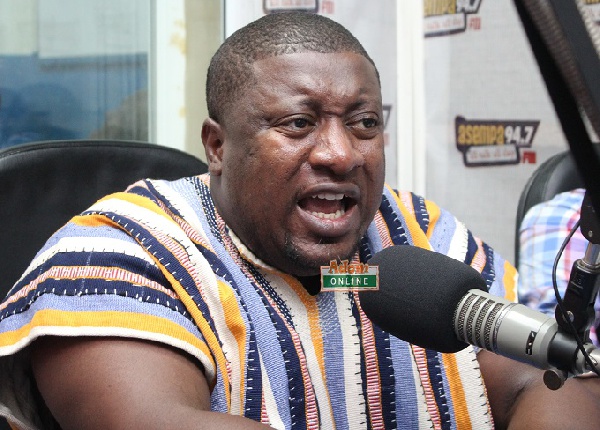
In an interview with Fiifi Pratt on Kingdom FM, monitored by MyNewsGh.com, Nana Boakye attributed the postponement to the effects of two significant global challenges: the COVID-19 pandemic and the ongoing Russia-Ukraine conflict.
“The suspension of the National Cathedral project is largely due to unforeseen global challenges. The COVID-19 pandemic affected economies worldwide, including Ghana’s,” Nana Boakye explained during the interview.
“The pandemic required a significant reallocation of resources. Financial resources that were originally set aside for the Cathedral were redirected to stabilise the economy and offer relief to Ghanaians in the midst of a crisis.”
He elaborated on the immediate measures taken by the government to alleviate the hardships faced by Ghanaians, such as the provision of free electricity and water.
“President Nana Akufo-Addo’s administration took decisive steps to support the people of Ghana during this difficult period,” Nana Boakye said.
“Free electricity and water were provided to citizens to ease the burden of the pandemic.
“These were essential steps to keep the country moving forward, and as a result, the resources for the Cathedral had to be paused.”
The suspension of the National Cathedral project has sparked public debate, as many Ghanaians had embraced the vision of a monumental structure reflecting the nation’s Christian heritage.
Addressing the concerns, Henry Nana Boakye defended the government’s decision, emphasizing that safeguarding the well-being of citizens during critical times took precedence over infrastructure development.
“The government had to prioritize stabilizing the economy over pursuing large-scale projects. The focus was on ensuring Ghanaians could weather the pandemic without undue hardship,” Nana Boakye explained.
He acknowledged the significance of the National Cathedral but stressed that the government’s primary goal during the crisis was to save lives and deliver essential services.
Initially envisioned as a landmark for religious activities and a hub for tourism, the National Cathedral project has faced delays due to pressing national challenges. Despite this, Nana Boakye assured Ghanaians that the project remains on the agenda and will be revisited once the country’s economic conditions improve.
Ghana faced severe economic challenges after theCOVID-19 pandemic swept across the globe.
The government frequently reminded citizens of the pandemic’s devastating impact on the economy.
However, many Ghanaians were skeptical, viewing the government’s messaging as mere “PR gimmicks.”
One such skeptic is investigative journalist Manasseh Azure, who, in his latest book “The President Ghana Never Got,” sheds light on what transpired “behind the scenes” during the pandemic.
In chapter 30, titled “The Scandal Akufo-Addo Initiated,” he wrote, “It was natural to think that the COVID-19 pandemic would cause them to reflect and attempt to act reasonably, but those in charge did not miss an opportunity to create avenues to loot.”
He detailed how the country’s health facilities were overwhelmed and lacked essential equipment needed to combat the virus effectively.
He cited the Ashanti Region, home to over five million people, where only 40 hospital beds were available. The situation was so dire that COVID-19 positive patients were sometimes housed in the same wards as those without the virus.
Manasseh wrote: “What caused COVID-19 taxes to be passed after Akufo-Addo won his second term in the December 2020 election?”
How government looted through disinfection exercises
After the news of the virus reaching Ghana broke, the president ordered the disinfection of public places including markets and schools.
Manasseh said the government suspended the services of the Accra Metropolitan Assembly (AMA). It rather employed the services of another contractor to undertake the exercise at an additional cost to the state.
From the figures, the Ministry of Local Government and the Ministry of Education probably spent not less than 600 million cedis on these exercises “which were undertaken by a private contractor where the assemblies were ordered to stop”.
Manasseh called the fumigation exercise senseless emphasising the World Health Organisation’s position that the exercise was needless.
How government looted through COVID-19 testing
In 2020, the government mandated all travellers coming to Ghana to undertake antigen tests upon arrival at the airport and ports of entry. The government “hurriedly” formed a company called Frontiers Healthcare Services Limited to handle the tests.
“That shady arrangement was the biggest fraud on Ghanaians and travellers to Ghana,” Manasseh wrote.
However, Dr. Kofi Bonney, a virologist from the Noguchi Memorial Centre for Medical Research, pointed out that antigen tests are generally much cheaper than PCR tests.
He stated that the cost typically ranges between $10 and $20.
Following his remarks, Dr. Bonney faced significant criticism from the government, leading the Centre to issue a statement distancing itself from his comments, clarifying that they were his personal opinions.
In his book, Manasseh highlighted that the antigen test at Ghana’s airports was likely the most expensive COVID-19 antigen test globally.
“From the figures released, the company made US$84 million from the exercise and vanished into thin air afterwards,” he wrote.
He was of the view that these monies went into the pockets of government.
Ghanaian musician Stonebwoy recently celebrated earning his master’s degree in Public Administration from the Ghana Institute of Management and Public Administration (GIMPA), marking a significant milestone in his life.
The graduation ceremony, held on July 26, 2024, was a festive occasion with family and friends in attendance.
In his speech at the afterparty, Stonebwoy revealed that his wife, Louisa, played a crucial role in motivating him to pursue further education.
Despite his successful career in Reggae/Dancehall, Stonebwoy had always harbored an interest in governance and political affairs but had not acted on it until a pivotal moment during the COVID-19 pandemic.
Stonebwoy recounted how Louisa surprised him with an ID card for school enrollment during the pandemic. “I was taken aback,” he said. “I was like, ‘Wow, is this really happening?’”
This unexpected gift forced him to mentally prepare for the challenge of returning to academia. “I had to rewire my mindset to get ready for school,” he added.
The musician’s academic achievement has garnered praise from fans, colleagues, and public figures, including politician Gabby Otchere-Darko and actress Nana Ama McBrown.
Watch video below:
This is how Stonebwoy’s wife convinced him to return to school
Dr. Bernard Okoe-Boye’s book documenting Ghana’s traumatic experience during the COVID-19 pandemic has been officially launched in Accra.
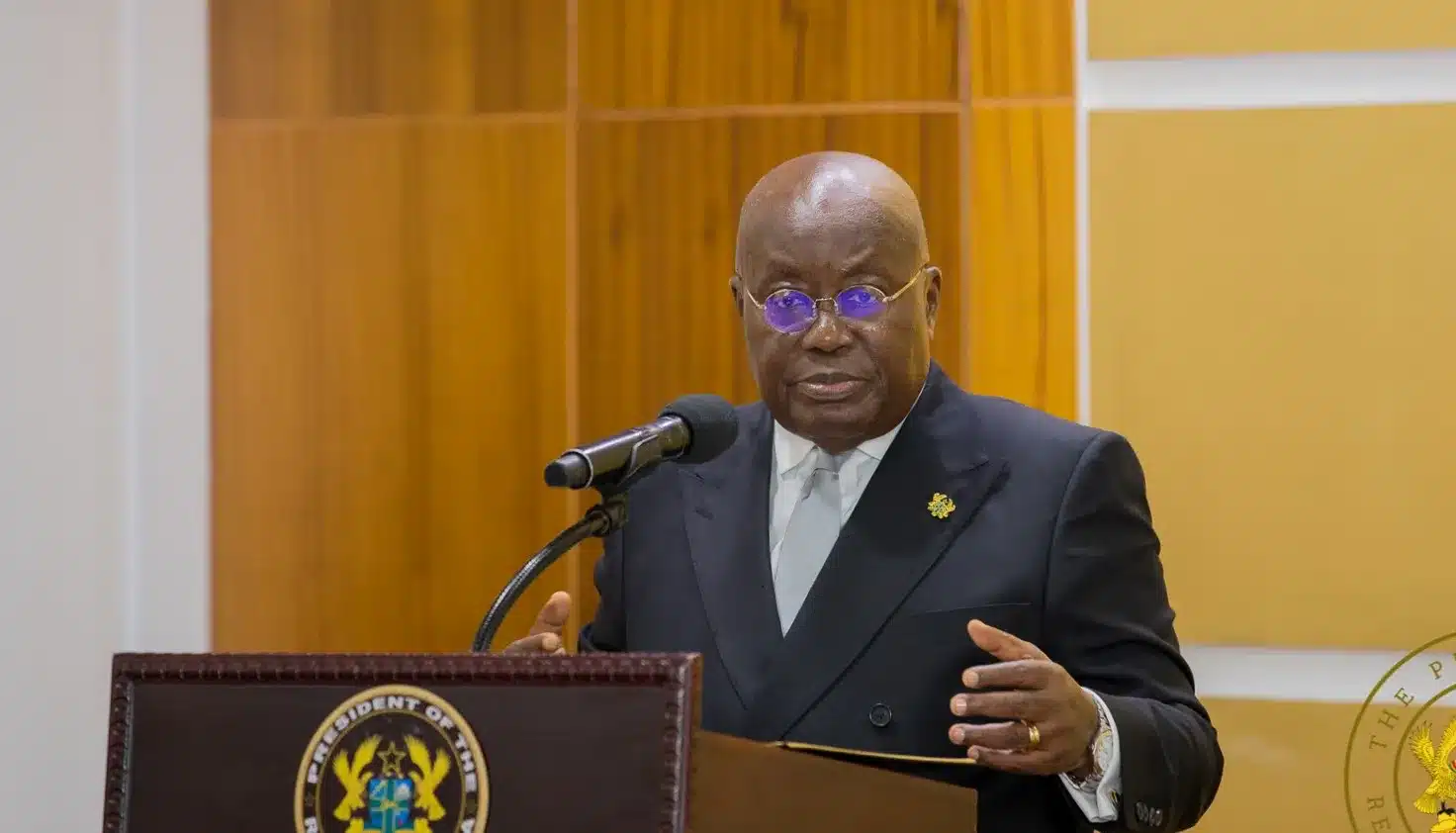
President Nana Addo Dankwa Akufo-Addo unveiled the book, titled “Fellow Ghanaians: Telling Ghana’s COVID-19 Story: A Journey of Fear, Facts, Faith, and Fortune,” at the College of Physicians and Surgeons in Accra on Wednesday, March 20, 2024.
The book aims to serve as a scholarly work, presenting original research on the COVID-19 pandemic and directly engaging with all segments of Ghanaian society and beyond.
During the official launch, President Nana Addo Dankwa Akufo-Addo hailed the book as a timely masterpiece designed for all, especially future generations.
He commended Dr. Okoe-Boye for providing a thoughtful and thorough analysis of Ghana’s traumatic experience during the COVID-19 pandemic.
The President described Dr Okoe-Boye as one of the distinguished youngest appointees of his government whose stellar performance is praiseworthy.
He commended Ghanaians for strictly adhering to the safety protocols that were put in place to curb the spread of the pandemic and reminded the citizens to reflect on the bitter lessons learnt and the progress made towards nation-building.
The Author, Dr Bernard Okoe-Boye said he wrote the book to share knowledge with the world on how the Ghana government and all key stakeholders helped in fighting the COVID-19 pandemic.
“The legacies of the pandemic lie in these intangible, priceless changes in attitude. Another intangible legacy of the pandemic going into the future has to do with the rekindling of the can-do spirit.
The experience we have had as a nation and the battles we have fought against the virus under the banner of ‘This too shall pass’ and the grace of the Almighty has established our belief in the Ghanaian. It is now clear that no problem can continue to persist, and no challenge can continue to linger on when we dare ourselves to be frontal with the issues and rise to the occasion.”
He acknowledged the vital role played by all major stakeholders in Ghana’s health system, particularly the frontline health workers at various healthcare facilities, whose dedication and efforts led to the official publication of the book.
Dr. Okoe-Boye disclosed that proceeds from the book launch will go towards building new wards at Lekma Hospital in the Greater Accra Region and a healthcare facility in an underserved community in the Nkoranza district of the Bono East Region.
Vice President Bawumia
The Vice President, Alhaji Dr Mahamudu Bawumia in commenting said two features of the book stand out. “First, the language is highly accessible; everyone can read and understand the contents. This is good for both basic and advanced lovers of knowledge. Secondly, the story is told in detailed chronological accounts, making it easy for readers to follow the story as it is told. Future students of contemporary Ghanaian history or even global health history will find this book invaluable. The book is certainly a good record of the collective audacity of Ghanaians and our ability to fight the COVID-19 pandemic with such courage and alacrity. To get a copy of this book is to keep a piece of history on your bookshelf “he said.
First Lady Rebecca
The First Lady, Rebecca Akufo-Addo assessed the book and stated, “The COVID-19 pandemic taught as many lessons and showed as that we are a resilient nation. Dr Okoe Boye’s book encapsulates that so succinctly. The book gives insight into our transition from the first reported case to our unique responsiveness to the global pandemic as it evolved. We are made to appreciate how the vulnerable in society adapted, as well as what the government did, to facilitate the survival of the whole nation.”
“The simplistic vocabulary book dovetails a detailed account of how Ghana in the Sub-Region handled the COVID-19 pandemic using the whole-of-government and whole-of-society approach.”
The book narrates the initial detection of the virus in Ghana and the rapid development, adoption, and execution of strategies to curb its spread.
It also paints a vivid picture of the enforcement of certain restrictions, the procurement and distribution of vaccines, and the gradual relaxation of restrictions by Ghanaian authorities.
Ghanaian rapper and entrepreneur Desmond Blackmore known popularly as D-Black recently revealed the emotional turmoil he endured following the alleged leak of a sex tape in 2020.
The incident, which sent shockwaves across the internet, involved a video posted by an individual claiming a sexual relationship with D-Black.
During a recent episode of his show “Uncut with D-Black,” the artist spoke candidly about the ordeal, explaining that it occurred while he was in America during the COVID-19 pandemic.
Despite not appearing in the video, D-Black expressed surprise at how his voice was recognizable.
“I didn’t know that this person I was dealing with was bipolar, she did that,” D-Black disclosed, highlighting the unexpected nature of the situation.
He further shared his initial shock upon realising his voice was audible in the leaked tape.
The aftermath of the scandal saw D-Black overwhelmed with calls from concerned friends and family, including his mother. However, he chose not to respond as he grappled with the distressing circumstances.
“When it happened, I didn’t know what to do. Everybody was calling me. My mother was calling me, I did not pick anybody’s call,” he recounted, describing the overwhelming response.
To mitigate the impact of the scandal, D-Black took proactive steps by reaching out to a director for the release of a music video, diverting attention away from the controversy.
“As soon as it happened, I called the director. That’s the only person I called. I said the video has to drop tomorrow, so make all the talking change to something else,” he revealed, emphasising his efforts to move past the incident.
Reflecting on subsequent events, including receiving a fake award from Dr. UN, D-Black acknowledged the challenges of navigating public scrutiny but expressed resilience in overcoming such adversities.
Vice President Dr. Mahamudu Bawumia has emphasized the importance of recognizing the significant repercussions of the two major global events, namely the COVID-19 pandemic and the Russia-Ukraine war, on Ghana’s economy.
Despite the weariness among Ghanaians of hearing about these issues, Dr. Bawumia stressed the necessity of acknowledging their dire impact.
“Between 2020 and 2022, we experienced severe challenges, triggered by the pandemic which brought the world and our country to a thundering halt. We may be tired of hearing it but there is no avoiding the fact that the COVID-19 pandemic, and the Russia-Ukraine war, resulted in the greatest economic depression in the world since the 1930s, with most countries recording negative GDP growth,” Dr Bawumia indicated in his address to the nation as 2024 flagbearer of the NPP.
He also noted that his government will implement a policy where the government grants forgiveness or relief from tax penalties to businesses.
This will allow businesses to settle their outstanding tax liabilities without facing additional penalties or legal consequences.
“Government will provide a tax amnesty (i.e., a complete exemption from the payment of taxes for a specified period and the waiving of interest and penalties) up to a certain year to individuals and businesses for failures to file taxes in previous years so that everyone will start afresh,” he said.
In the aftermath of the global COVID-19 pandemic, the importance of a robust healthcare system has become more evident, impacting both the well-being of individuals and the economies of nations. The saying “health is wealth” resonates profoundly as countries worldwide grapple with the aftermath of the crisis.
Africa, too, experienced the repercussions of the pandemic, revealing disparities in how different nations managed the situation based on the strength of their healthcare systems. Beyond the pandemic, healthcare challenges persist, varying among African countries based on their individual health systems.
The emergence of healthcare indices has gained prominence as a tool for assessing and improving healthcare systems.
These indices offer insights into the strengths and weaknesses of healthcare delivery, allowing countries to identify areas for improvement.
Access to quality healthcare is a fundamental right, influencing overall societal well-being. While some nations have made commendable strides in healthcare delivery, others face challenges such as limited resources, inadequate infrastructure, and workforce shortages.
This imbalance in healthcare access contributes to disparities in health outcomes among diverse populations.
Numbeo, in its recent health index, identifies the countries with the highest health index in Africa at the onset of 2024. The Health Care Index assesses the effectiveness of healthcare systems, considering factors such as healthcare professionals, equipment, staff, doctors, and costs. It provides valuable insights into the readiness and resourcing of healthcare in specific regions.
Numbeo collects its data through surveys conducted by website visitors, aligning survey questions with scientific and government surveys to ensure comprehensive and reliable information.
Below are the African countries with the best healthcare systems in 2024:
The General Secretary of the rulingNew Patriotic Party (NPP), Justin Kodua Frimpong, has provided assurance to the people of Ghana that the prevailing economic challenges in the country will soon be resolved.
He expressed confidence that the NPP, as a political party, possesses the necessary capabilities to address and improve the economic situation.
These statements were made during his address at a press conference where he unveiled the details of the NPP’s presidential elections scheduled for November 4.
“When it comes to managing Ghana’s economy, our opponents do not have a comparable record. It is the case that today, the NDC feels emboldened because COVID-19 and the Russia-Ukraine War have vanquished the gains we made immediately upon taking over on January 7, 2017.”
He said, “Under President John Agyekum Kufuor, from January 7th, 2001, to January 7th, 2009, the NPP pulled Ghana’s economy out of the stagnation the NDC left.
“Again, under President Nana Addo Dankwa Akufo-Addo, we grew the economy by an average of 7 percent from another NDC stagnation for three consecutive years before the disruptions of theCOVID-19 pandemic and Russia’s war in Ukraine.
The truth is that we are fixing the economy, and soon the hardships of today will be history. The assurance to Ghanaians that we will regenerate the economy is manifest in our record.”
President Nana Addo Dankwa Akufo-Addo has reaffirmed the commitment of his administration to revitalizing the struggling economy.
He emphasized that his government is diligently working towards restoring the economy to a robust state.
In recent times, the economy has faced significant challenges, including rising prices of goods and services, an unsustainable debt burden, and a fluctuating currency, leading the government to seek a $3 million bailout from the International Monetary Fund (IMF).
During the Eid-Ul-Adha celebration on Wednesday, June 28, the President addressed Muslims and attributed the stability in petroleum product prices and the local currency to a decrease in inflation.
“I said at the height of the COVID-19 pandemicthat we do not know how to bring back lives, but we know how to bring back an economy. I stand by those words. Insha Allah, we are working to restore the economy to full health, and, Insha Allah, we shall do so”.
“The currency has seen some stability lately, and, through the Gold for Oil Programme, we have seen the stability in the prices of petroleum products as well, all of which are bringing inflation down. Things are getting better, and will get better, I can assure you. Things are getting better and will get better”.
He assured his commitment to implementing policies such as the 1-District-1-Factory, Planting for Food and Jobs, and Free Senior High School, among others.
“We have continued to keep the lights on. We have continued to provide free SHS education. We have continued to ensure drone delivery of critical medicines to needy and remote communities. We have continued to keep the Zongo Development Fund. We have continued to build new roads and repair old ones. We have continued with our 1 -District-1 -Factory policy, and the Programme for Planting for Food and Jobs.
The Ghana Health Service is putting pressure on airlines to charge an additional US$7 per passenger for each foreign flight purchased and send that money to the government organization as a fee for luggage fumigation.
AviationGhana sources revealed that the decision of the GHS was conveyed by the Ghana Airports Company Limited to airlines servicing Accra’s Kotoka International Airport at a meeting held on Thursday, June 22, 2023, in Accra.
Airlines, who are still recovering from the impact of the covid-19 pandemic, opposed the decision of the GHS and further pointed to the lack of local law for the planned charge.
If implemented, the imposition of the US$7 fumigation charge will lead to further increases in airfares, which already remain elevated due to high aviation fuel costs, a weak local currency, and a general economic squeeze since last year.
The impact of the COVID-19 pandemic cost the industry some US$180 billion over a three-year period. However, the International Air Transport Association (IATA) predicts that the rebound will lead to a US$2.25 revenue per passenger this year. This is a significant improvement from the -1.1 dollars per passenger loss recorded last year.
In Ghana, most international airlines began re-opening routes they suspended last year and are yet to reach the performance heights recorded in 2019.
The aviation sector is anticipated to earn a profit this year after suffering through three tough years of losses.
The impact of the COVID-19 pandemic cost the industry some US$180 billion over a three-year period.
However, the International Air Transport Association (IATA) predicts that the rebound will lead to a US$2.25 revenue per passenger this year. This is a significant improvement from the -1.1 dollars per passenger loss recorded last year.
“As we noted in this report, the industry is expected to return to overall profitability in the year 2023, which is an incredible accomplishment given that $180 billion has been lost over the last three years. It is also interesting to note that despite predictions to the contrary, the recovery of Passenger volumes in the premium cabins has tracked close with recovery in the other cabins.”
“Yes, we are looking forward to a busy and profitable summer travel season while at the same time, recognizing the possibility of cost increases and a more challenging environment for the industry in 2024,” Mehmet T. Nane, Chairperson of the Board of Directors of Pegasus Airlines and the immediate past Chair of the IATA Board of Directors said.
Despite several industry headwinds, the airline industry is on track to recover global air passenger traffic, measured by revenue passenger kilometers (RPK) by 2024.
Currently, global RPKs are within 9.5% percent of their 2019 levels for the first time since the onset of the pandemic.
Domestic markets, which opened up earlier, are now exceeding 2019 traffic levels by 2.9%, while International traffic has been slower to recover because of impacts from travel restrictions and by the war in Ukraine, but it is catching up with domestic as international markets, particularly as Asia, reopen.
President Akufo-Addohas emphasized that the bailout obtained from the International Monetary Fund (IMF) is not an immediate remedy for the country’s challenges.
He believes it will, nonetheless, play a crucial role in restoring confidence and reopening opportunities that have been limited in recent years.
During a national address on Sunday, the President acknowledged that the approval represents a positive step toward putting the country back on track.
“Access to the IMF facility will not spell the immediate end of the difficulties we are in presently, but the fact that we have been able to negotiate such a deal sends a positive message to our trading partners, creditors and investors,” President Akufo-Addo stated during his May 28 address.
Akufo-Addo further highlighted that the IMF agreement would aid in restoring confidence in the Ghanaian economy, which has been adversely affected by the COVID-19 pandemic and the conflict in Ukraine.
“It should lead to the restoration of confidence and the reopening of opportunities that have been closed to us this past year and a half,” Akufo-Addo explained, emphasizing that it would also result in the resumption of stalled infrastructure projects.
The President reiterated that the successful implementation of the necessary reforms to make the deal effective would require the support of the Ghanaian people.
“We must all collaborate to ensure the success of this program,” Akufo-Addo urged. “Together, we must work towards building a brighter future for Ghana.”
President Akufo-Addo has praised nurses for their dedication and sacrifices in improving healthcare in Ghana.
He said nurses were critical for the building of a robust healthcare system and national development, and as such they needed to be commended.
Launching this year’s International Nurses Day in Accra Friday, May 12, the Chief of Staff, Akosua Frema Osei-Opare, said the President was particularly impressed by the sacrificial spirit they displayed nationwide, putting themselves up as frontline workers in the fight against the deadlyCOVID-19pandemic.
“Indeed, you deserve the presidential honour for distinguished service given to all health workers nationwide as part of the country’s 66th Independence Day celebration,” she said.
Day
The global theme for the commemoration is “Our nurses, our future” while the local commemoration was held on the theme “our nurses and midwives our future.”
Marked around the world every May 12, the day is to celebrate and honour nurses for their immense service to humanity while reflecting on their challenges for redress.
It is also to celebrate the birthday of Florence Nightingale, the founder of modern nursing.
Mrs Osei-Opare said indeed a healthy population drove productivity, and that commemoration was an opportunity to reflect on the roles and needs of nurses and midwives.
She said research showed that the global nursing shortage was declining, however, WHO data showed that in the case of Ghana, more nurses and midwives were needed due to the high attrition rate, mostly caused by the search for greener pastures, among others.
“In line with this worrying trend, a more strategic approach towards training and maintaining nurses would help to prepare adequately for any potential pandemic.
“I therefore task the association to urgently sensitise and re-orient it members to the need to remain committed to serving Ghanaians.
“It is an established fact that the wealth of a nation is dependent on the health of its citizens, government is therefore, committed to expanding healthcare infrastructure locally and also to providing the needed resources for the needed output,” she said.
Challenges
The President of the Ghana Registered Nurses and Midwives Association, Perpetual Ofori-Ampofo, said in celebrating nurses and midwives, their challenges should also be looked at urgently.
She said logistical challenge was a major challenge to delivering quality healthcare services.
She said, locally, nurses lacked modern equipment to care for patients adequately, adding that the continuous use of obsolete equipment and limited supply of medicines and other consumables put the lives of patients at risk.
Mrs Ofori-Ampofo mentioned other challenges to include poor working conditions for nurses, low salaries, allowances in arrears and unemployed newly qualified nurses as the other challenges.
She said two and half years on, the book and research allowances of nurse educators had not been implemented.
She appealed to the ministry to fastrack the implementation because the association had presented a detailed data on nurse educators who qualified for that allowance.
She also mentioned that nurses had challenges with study leave and promotion.
Nurses
“For example, the post-basic nurses who have specialised in ophthalmic nursing; ear, nose and throat (ENT) and others have complained over the period about their inability to progress because of the excuse that there needed to be vacancies before they could be promoted and so on.
“I think that at any point in time, there can be only one head of nursing services but they can still receive that promotion to facilitate an improvement in their conditions of service to make life easier for professionals.
The Chairperson for the occasion, the Omanhene of Essikado Traditional Area, Nana Kobina Nketsia, said nurses played a tremendous role in the lives of humans, and that every true nurse was not daunted by challenges.
In a speech read on his behalf, the Director-General of the Ghana Health Service, Dr Patrick Kuma-Aboagye, applauded nurses and midwives for their role in helping to abate COVID-19 locally and globally.
That is an indication that their challenges need to be looked at critically.
Dr. James Duah, the Deputy Executive Director of the Christian Health Association of Ghana (CHAG), has pleaded with the healthcare sector to keep the COVID-19 pandemic in mind at all times.
Because “cases are still being recorded at the district level,” he urged Ghanaians to keep up with the COVID-19 protocol.
“We saw positive instances being recorded as we were returning from the field. Dr. Duah stated in an interview on the CHAG’s COVID-19 response and institutional capacity-building (CRIB) programme that among them were serious instances in the Central Region.
CRIB project
The project is helping to mitigate the impact of COVID-19 in 40 districts where CHAG facilities are the designated district hospitals.
With funding from the Foreign, Commonwealth and Development Office (FCDO), CHAG has been complementing government’s COVID-19 response in 40 districts since July 2020.
The CRIB project sought to support the national response to the COVID-19, build institutional capacity to support the continuation of basic healthcare service and also to monitor and evaluate the impact of COVID-19 on health service delivery while sharing lessons learned about implementing COVID-19 response measures.
The 33-month project launched in 2020 also sought to support strengthening the country’s health systems to maintain the delivery of essential healthcare services and mobilising all available resources for quality COVID-19 response actions.
The project provided over GH¢6.0million direct funding to the beneficiary facilities for various activities, including, ICU beds and PPE. Equipment, including ventilators, monitors, ICU beds, and PPE were all provided to the facilities
While the first two years focused on 39 districts in 15 out of the 16 regions, where CHAG facilities are the designated district hospitals, the remaining months sought to improve vaccine uptake in four selected regions and improve vaccine rates and quality of health services to vulnerable groups, including women, girls, children and people living with disabilities (PWD).
Capacity-building
Briefing the Daily Graphic on the report, Dr Duah explained that staff training and equipping facilities with logistics were an integral part of the CRIB project to strengthen health facilities to deliver essential services.
He hinted that a total of 6,998 health staff benefited from a training programme on case management, screening & triaging, COVID-19 testing, contact tracing, risk communication and others.
Those trained, Dr Duah said, were from the Christian Health Association of Ghana (CHAG), the Ghana Health Service (GHS) and quasi government facilities in 39 districts, where the CHAG implemented the CRIB project.
Partnerships
He said there was a wide multi-stakeholder involvement in planning and implementation through the District Health Executive (DHE) platforms, “a situation that deepened partnerships at the local level and elicited direct involvement of district directors of health services in the activities of CHAG facilities.
“The project addressed logistical and financial challenges by directly releasing funds, equipment and PPE in volume and value.
“These supported the establishment of High Dependency Units (HDUs) that were hitherto not available in the CHAG nor the districts in which they were set up. There were also 40 isolation units that were set up,” Dr Duah added.
Case management
The Deputy Executive Director said together with the COVID-19 testing that was extended to the district level, the project facilitated containment, case finding and case management.
“These, together with the nearly 7,000 health professionals who were trained and the logistical supplies, allowed the beneficiary facilities to continuously provide health services to their communities,” Dr Duah stated.
That, he said, had, to some extent, shifted service utilisation closer to the people with outpatient utilisation increasing from 50 to 52.7 per cent at the sub-district level.
“In no small way, the project contributed to reducing maternal mortality by nearly 58 per cent in two years,” he said and added that the facilities also improved in delivery of quality of health services evidenced by the increased average SafeCare rating from an average of level two at baseline to level three.
The Department of Energy stated in the intelligence report that it had “low confidence” that the Covid-19 virus unintentionally escaped from a lab in Wuhan, according to two sources.
The level of confidence in an assessment might be low, medium, or high for intelligence services.
A low confidence rating typically denotes that there is insufficient evidence to support a more solid conclusion or that the material acquired is either unreliable or too fragmented to allow for a more final analytical judgment.
The latest assessment further adds to the divide in the US government over whether the Covid-19 pandemic began in China in 2019 as the result of a lab leak or whether it emerged naturally. The various intelligence agencies have been split on the matter for years. In 2021, the intelligence community declassified a report that showed four agencies in the intelligence community had assessed with low confidence that the virus likely jumped from animals to humans naturally in the wild, while one assessed with moderate confidence that the pandemic was the result of a laboratory accident.
Three other intelligence community elements were unable to coalesce around either explanation without additional information, the report said.
The Wall Street Journal first reported on the new assessment from the Department of Energy. A senior US intelligence official told the Journal that the update to the intelligence assessment was conducted in light of new intelligence, further study of academic literature and in consultation with experts outside government.
A Department of Energy spokesperson told CNN in a statement: “The Department of Energy continues to support the thorough, careful, and objective work of our intelligence professionals in investigating the origins of COVID-19, as the President directed.”
The Department of Energy’s Office of Intelligence and Counterintelligence is one of 18 government agencies that make up the intelligence community, which are under the umbrella of the Office of the Director of National Intelligence.
The Office of the Director of National Intelligence declined to comment.
China’s Ministry of Foreign Affairs pushed back against the claim when asked about the reported assessment during a regular briefing on Monday.
Spokesperson Mao Ning pointed to the “authoritative and scientific” conclusion reached after a 2021 field mission between Chinese and World Health Organization experts, who determined the lab leak hypothesis was “highly unlikely.” That mission was later criticized for a lack of transparency by Western governments.
“The parties concerned should stop stirring up arguments about laboratory leaks, stop smearing China and stop politicizing the issue of the virus origin,” Mao said.
National security adviser Jake Sullivan said on CNN’s “State of the Union” on Sunday that the intelligence community remains divided on the matter, while noting that President Joe Biden has put resources into getting to the bottom of the origin question.
“Right now, there is not a definitive answer that has emerged from the intelligence community on this question,” Sullivan told CNN’s Dana Bash. “Some elements of the intelligence community have reached conclusions on one side, some on the other. A number of them have said they just don’t have enough information to be sure.”
Sullivan said Biden had directed the national laboratories, which are part of the Department of Energy, to be brought into the assessment.
In May 2020, researchers at the government-backed Lawrence Livermore National Laboratory issued a classified report that found it was possible that the coronavirus escaped from a lab in Wuhan, which came at a time when that line of inquiry was considered taboo.
The US began exploring the possibility that Covid-19 spread in a laboratory as early as April 2020, though the intelligence community has noted repeatedly that a lack of cooperation from Beijing has made it difficult to get to the bottom of the question.
The latest intelligence assessment was provided to Congress as Republicans on Capitol Hill have been pushing for further investigation into the lab leak theory, while accusing the Biden administration of playing down its possibility.
House Foreign Affairs Chairman Mike McCaul said Sunday he was “pleased” that the Department of Energy “has finally reached the same conclusion that I had already come to.”
“I have requested a full and thorough briefing from the administration on this report and the evidence behind it,” the Texas Republican said in a statement.
McCaul in his statement referred to a 2021 report he had released as ranking member of the Foreign Affairs panel, which “found a preponderance of the evidence proved” that the pandemic originated with a leak from the Wuhan lab.
The chairman called on the Biden administration to publicly concur with that conclusion.
“It is critical the administration also begin to work immediately with our partners and allies around the world to both hold the (Chinese Communist Party) accountable and to put in place updated international regulations to ensure something like this cannot happen again,” McCaul said.
Republican Sen. Dan Sullivan of Alaska on Sunday called for public hearings following the disclosure of the Department of Energy assessment.
“We need to do extensive hearings. I hope our Democratic colleagues in the Congress can support that. I know the Republicans in the House are certainly supportive of that,” the Senate Armed Services Committee member said on NBC’s “Meet the Press.”
“Think about what just happened over the last three years, one of the biggest pandemics in a century. A lot of evidence that it’s coming from the Chinese,” Sullivan said.
A spokesperson for House Oversight Chairman James Comer, a Kentucky Republican, said in a statement that the committee was “reviewing the classified information provided” by the Office of the Director of National Intelligence in response to a letter requesting information earlier this month.
One of the sources said that the new assessment from the Department of Energy is similar to information from a House Republican Intelligence Committee report released last year on the origins of the virus.
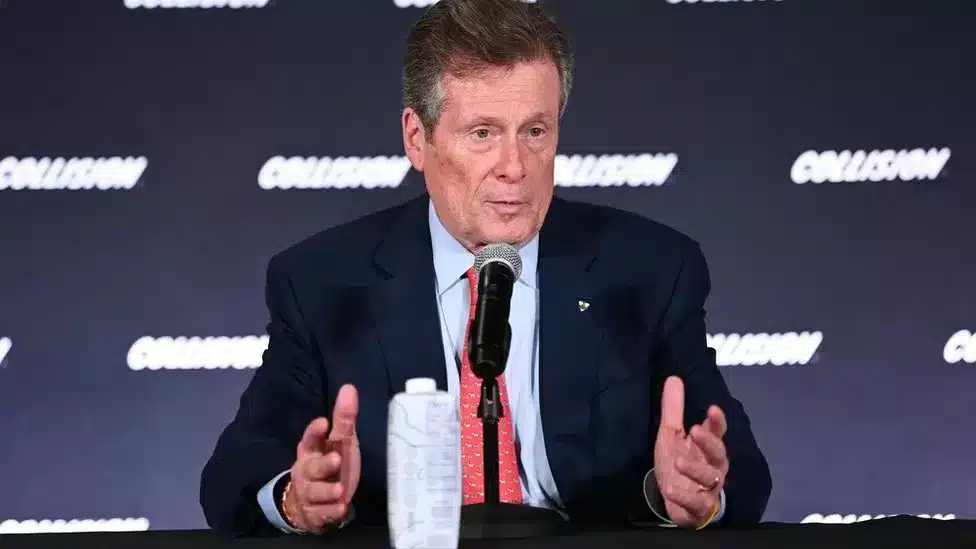
Toronto’s mayor abruptly resigned after admitting to having a relationship with a former employee.
Shortly after the Toronto Star reported that he had an affair with the 31-year-old woman, whom he did not name, John Tory made his announcement.
According to him, the relationship began during the COVID-19 pandemic and was “ended this year by consent of both parties.”
The relationship was described by the 68-year-old as “a serious error in judgement.”
In a statement, Mr. Tory said: “I am deeply sorry and I sincerely apologise to the residents of Toronto and to everyone else who was harmed as a result of my actions.”
“Most of all, I apologise to my wife, Barb, and to my family, whom I’ve let down more than anyone else,” he added.
Mr Tory said he would work with city employees and deputy mayor Jennifer McKelvie to ensure an orderly transition to a new administration.
He added: “I deeply regret having to step away from a job that I love in a city that I love even more.”
“I believe, in my heart, that it is best to fully commit myself to the work that is required to repair these most important (family) relationships as well.”
He took office in December 2014, having beaten Doug Ford and Olivia Chow in the election.
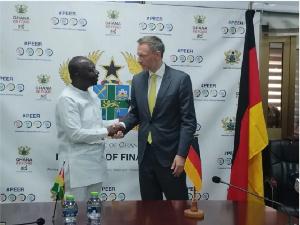
In an effort to deal with the nation’s debt restructuring, the German Finance Minister, Christian Wolfgang Lindner, has vowed unflinching support for the creation of a Ghanaian creditor committee at the Paris Club.
“I hope that an international creditors’ committee under the current framework can be formed soon. I would like to call on all creditors to join the efforts as swiftly as possible, and to be frank, I remind China of its responsibilities as a very important bilateral creditor to Ghana as I already have on the international level on occasion – for example, in the last IMF meeting,” he said.
Ghana became the fourth country after Chad, Ethiopia, and Zambia to request a restructuring of debt it owes to other governments under a G20 Common Framework. The programme, which was launched in 2020, seeks to streamline the process of coordinating among creditor governments and the restructuring of low-income countries’ debts after the COVID-19 pandemic.
“It is furthermore important that the economy comes back to the growth path, and the role of private sector banks must not be underestimated. We have to consider which way it will be possible to restructure the sovereign debt that is held by bilateral creditors and domestically,” Mr. Lindner said.
Government has reached a Staff Level Agreement (SLA) with the IMF that spells out measures that will put the fiscal space on a path of consolidation. Consistent with the SLA is the 2023 budget that was recently passed by Parliament.
Emphasising the need for fostering policy reforms, the German Finance Minister said: “We cannot only focus on debt restructuring without fostering the policy reforms you have already introduced, so we have to apply fiscal measures in your budget, macro-economic recovery and debt operations. Only the three of these together will bring Ghana back to sustainable economic development over the next few years”.
Calling on all creditors, the minister added that it is essential to see a fair sharing among all creditors: “This is why we need the creditor committee as soon as possible, in which China has to participate”.
Revenue-enhanced measures such as the VAT increase of 2.5 percent, the complete removal of benchmark values on imports, and a review of the E-levy should help improve the revenue outlook. On the expenditure side, the lower capping on transfers to earmarked funds from 25 to 17.5 percent and a reduction of budgetary allocation to goods and services, as well as rationalisation of executive compensation, should help contain expenditures in 2023.
“We have a vital interest in the success of Ghanaian politics. We want to see West Africa as a whole stay stable. We are interested in the economic well-being of Ghana. We know that there are opportunities across this country: it has dynamism and we really appreciate the efforts government has made over the last year; extending human capital and focusing on improving social mobility in society,” he added.
Responding to assurances from his German counterpart, Ken Ofori-Atta expressed delight with the European nation’s support.
“We are now in the middle of an IMF programme, and that is going to require the support of Germany in a number of ways. Firstly, to support us – as Christian mentioned – in the creditor committee issue at the Paris Club to accelerate their decision-making process; and support the IMF board to make sure that in March 2023 we get approval.
“And then, specifically, also looking at challenges coming with the debt exchange programme so that we will be able to establish a financial stability fund – to really ensure that even in this austerity mode, there will be a group agenda which supports banks to make sure SME lending and growth is maintained during the period,” Mr. Ofori-Atta said.
He said that in order for the region to fully recover from the COVID-19 PANDEMIC’s effects by 2024, policymakers must refrain from enacting new taxes and levies or raising existing ones. He was speaking at the 4th AviationGhana Stakeholders Meeting, which was held on Tuesday, January 31, 2023 in Ghana’s capital Accra.
The time is not right to raise taxes or enact new ones. West Africa is the most expensive place for airlines to operate, according to numerous studies. Simply put, the taxes are too much.
He said the high taxes, fees and charges are responsible for the high cost of Air tickets in the region.
The 4th Aviation Ghana Stakeholders Meeting was organised under the auspices of the Ministry of Transport and the Board of Airline Representatives, Ghana (BARGH). The Programme was sponsored by Turkish Airlines, Ethiopian Airlines, and RwandAir, Africa World Airlines (AWA), with support from the Ghana Civil Aviation Authority (GCAA), and Ghana Airports Company Limited (GACL).
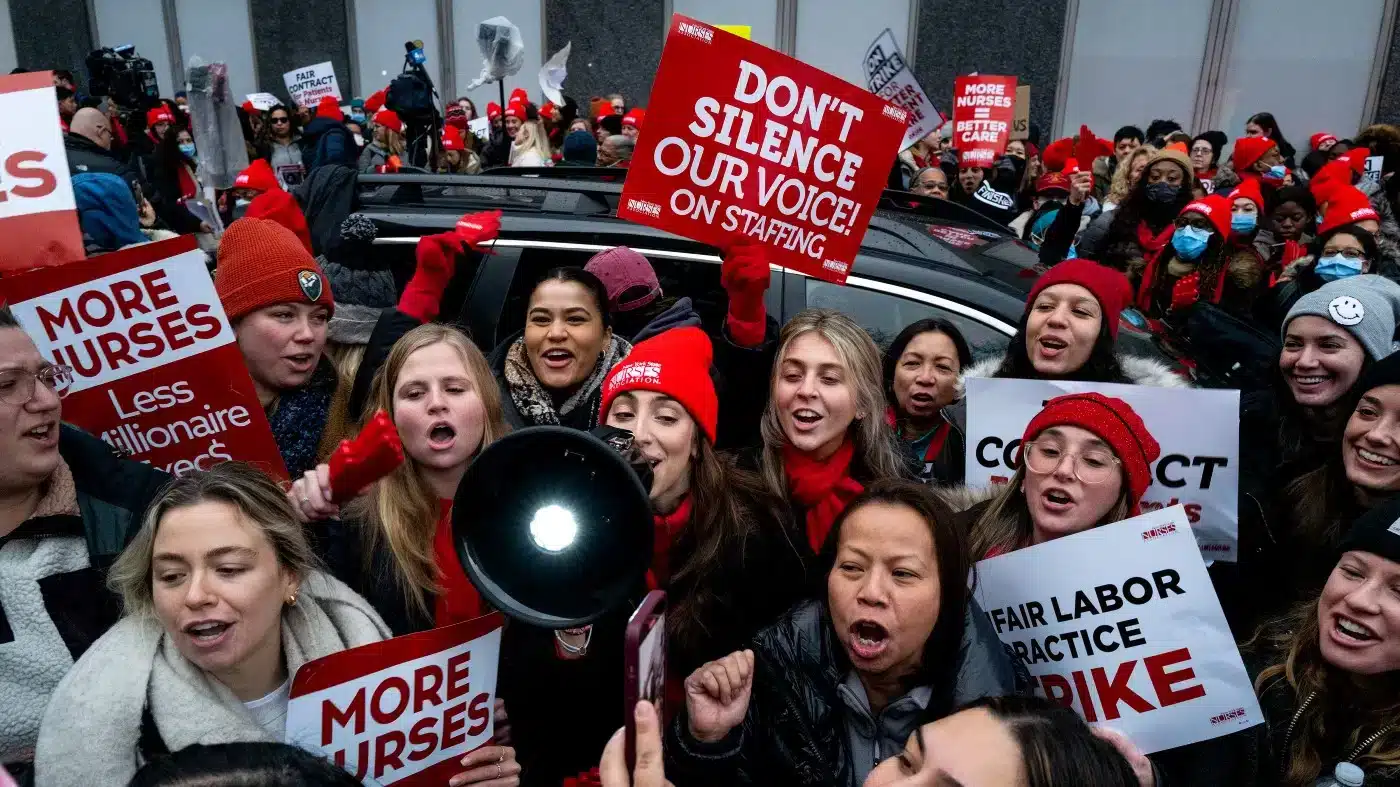
After three days, a strike involving more than 7,000 nurses at two hospitals in New York City was called off after tentative agreements over staffing levels were reached, according to the union representing the nurses.
Nurses at Montefiore Medical Center in the Bronx and Mount Sinai Hospital in Manhattan headed back to work on Thursday morning after reaching an agreement for “enforceable safe staffing ratios”, the New York State Nurses Association (NYSNA) said in a statement.
The tentative deals also include raises totalling 19 percent over three years. New York Governor Kathy Hochul greeted returning nurses at Mount Sinai just before dawn on Thursday.
The nurses had walked out early on Monday after negotiations with management ran aground. Each hospital has more than 1,000 beds and 3,500 or more union nurses.
“Through our unity and by putting it all on the line, we won enforceable safe staffing ratios at both Montefiore and Mount Sinai where nurses went on strike for patient care,” union President Nancy Hagans said in a statement.
Montefiore also agreed to new language and financial penalties for failing to comply with safe staffing levels, community health improvements and nurse-student partnerships to recruit local Bronx nurses to work as union members at Montefiore for the long run, the union said.
The nurses went on strike after contract negotiations stalled over pay and staffing levels. The walkout forced Montefiore to reschedule all elective surgeries and procedures and postpone appointments at ambulatory locations.
The nurses went on strike because of disputes over pay and staffing levels [Andrew Kelly/Reuters]
“Today, we can return to work with our heads held high, knowing that our victory means safer care for our patients and more sustainable jobs for our profession,” Hagens said.
Union officials said they planned to provide details of the proposed contract agreement and the ratification timeline at a briefing later on Thursday.
The hospitals say they have been grappling with a widespread nursing shortage that the pandemic worsened.
“Our bargaining team has been working around the clock with NYSNA’s leadership to come to an agreement,” Montefiore said in a statement. “From the outset, we came to the table committed to bargaining in good faith and addressing the issues that were priorities for our nursing staff.”
Hochul, in remarks after the agreement was announced, praised the deal “to get thousands of nurses back on the job where they want to be”.
Hochul said the three-year contract could also help the state address its healthcare workforce shortage with better wages and conditions that could draw more workers, adding: “Know you are respected. Know you are appreciated.”
Union officials and members also praised the settlement in remarks along with the governor, calling it a “historic contract” that recognized nurses’ work, especially in the wake of theCOVID-19 pandemic.
“This is a big win for the patients,” the Reuters news agency quoted one Mount Sinai Hospital nurse as saying.
Hanke calculated inflation (using his independent global tracker) to be 77% in a tweet from January 10, 2023, which is 27 percentage points higher than the stated rate of 50%.
He used the phrase “going down the tubes” to emphasize that the current problems indicated that the economy was doomed to disaster.
“Ghana is in 8th place in this week’s inflation table. On Jan 5, I measured Ghana’s #inflation at a stunning 77%/y. #Ghana’s economy is going down the tubes. To rein in inflation, GHA must install a currency board,” his tweet read.
It is not the first time he is calling for a currency board to be put in place to help salvage the economy.
Hanke has also been very critical of government’s resort to the International Monetary Fund (IMF) amid an economic crunch that government has partly blamed on aftershocks of the COVID-19 pandemic and the Russia-Ukraine war.
Ghana had a torrid 2022 amid an economic crisis that forced government to seek an IMF facility at a time the cedi was rapidly depreciating, inflation was galloping and government was faced with multiple downgrades by rating agencies.
Government has promised to turn around the economic fortunes of the country after sealing a Staff-Level agreement with the IMF with the hope that funds from the US$3 billion facility will be released early this year.
Thepresident asserts he wants to sell the government’s stake in the indebted airline, whose stocks have not been traded since 2020.
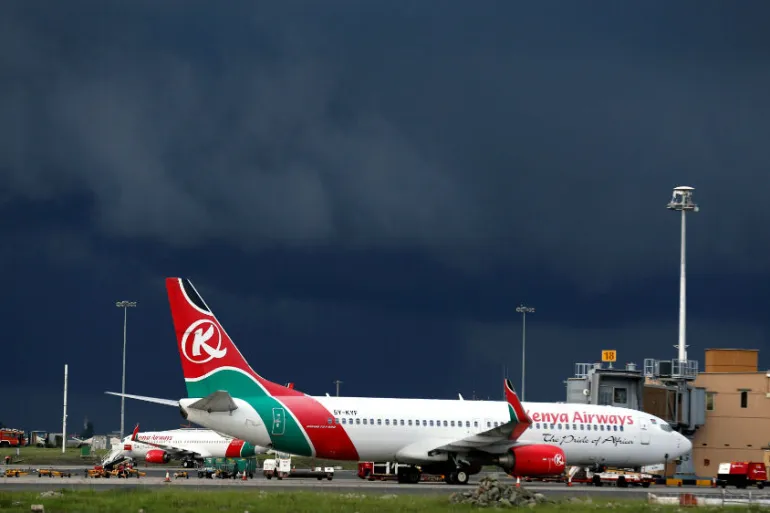
The local stock exchange reports that trading in Kenya Airways shares has been halted for another year as the troubled national airline struggles to turn a profit.
Since July 2020, when the COVID-19 pandemic devastated international air travel, the airline’s shares have been suspended.
“The extension of suspension seeks to enable the company [to] complete its operational and corporate restructure process,” the Nairobi Securities Exchange said in a statement on Wednesday.
Last month, Kenyan President William Ruto said the government was ready to sell its entire stake in the airline, which has been deep in debt for years.
The government owns a 48.9 percent stake in Kenya Airways while Air France-KLM has 7.8 percent. The rest is owned by private owners and banks.
“I’m willing to sell the whole of Kenya Airways,” Ruto told Bloomberg News during his first visit to the United States as Kenya’s president.
“I’m not in the business of running an airline that just has a Kenyan flag – that’s not my business,” said Ruto, who reportedly met executives from US carrier Delta Air Lines during the trip.
Kenya Airways’ woes worsened in November when pilots staged a days-long strike, which led to hundreds of flight cancellations and stranded thousands of passengers. It also defaulted on a $525 million loan from the US Export-Import Bank last year.
The shares were first suspended two and a half years ago as lawmakers were considering a plan – since dropped – for the state to take full ownership of the carrier.
The airline, whose slogan is “The Pride of Africa”, was founded in 1977 after the demise of East African Airways and now flies more than four million passengers to 42 destinations annually.
But it has not made a profit since 2012, and the government has pumped in millions of dollars to keep it afloat.
Last month, the International Monetary Fund called for progress on structural reforms in Kenya while announcing a $447 million loan for Kenya under a 38-month aid programme
The IMF said “addressing vulnerabilities” atKenya Airways as well as the majority state-owned utility Kenya Power was “urgent”.
In August, the airline reported an $81.5 million half-year loss, citing high fuel costs. It was a marked improvement on the $94.6 million loss in the period the year before.
Local media reports cited a letter from Treasury Cabinet Secretary Njuguna Ndung’u to the IMF at the end of December as saying Kenya Airways would get an additional state bailout of about $280 million soon.
The Ghana Union of Traders Association(GUTA) is seeking the advice of the Ghana Health Service(GHS) in relation to business trips to China following the intended lifting of travel restrictions to the country.
“The Ghana Health Service should evaluate the situation in China and advice Ghanaian travelers accordingly,” GUTA said in a statement issued on Thursday.
Since the outbreak of the Covid-19 pandemic, China placed restrictions on travel to that country.
However, reports say China will effective 8th of January, 2023 remove all restrictions on travel to the country.
GUTA in its statement signed by the President, Dr. Joseph Obeng thus indicated that most Ghanaian businesses will want to resume their business trips to China, however, the prevalence of Covid-19 is still a worry.
“As we all know, China is a major destination of import for many Ghanaian traders, and as a result of the long wait, most Ghanaian businesses will want to resume their business trips to this productive and beautiful country.
“However, we have heard that, the Covid-19, is still prevalent in China hence our call on the Ghana Health Service to examine and evaluate the situation and advice Ghanaian travelers.”