Tag: COVID-19

  • COVID spending cost GH¢1.55bn, more than Free-SHS/TVET in 2021 – A-G’s report

    The 2021 Auditor- General’s report’s on government priority programs and initiatives has COVID-19-related spending as its biggest expenditure item.

    The research stated that the second-placed Free SHS program, SHS/TVET, cost the tax payer around 100,000,000 more than COVID-19 Activity & Vaccine, which cost the taxpayer GH1,557,846,913.38.

    GH $9,197 billion was spent overall on projects under priority programs and interventions during the fiscal year 2021.

    There were 26 line items in total that went into the reported amount, among others, a total of GH¢142,762,500 on the Ghana National Cathedral project and other expenses on Zongo Development Fund, Teachers and Nurses allowances.

    Free fertilizers, Ghana Care Programme, COVID-19 Free Water, LEAP payments, Payment of Arabic teachers among others.

    The report on government spending contained in the 2021 Auditor-General’s report submitted to the Speaker of Parliament, has been generating a lot of reactions.

    According to the Service, the report was prepared under Section 11 of the Audit Service Act, 2000 (Act 584) for presentation to Parliament in accordance with Section 20 of the Act.

  • Marta Temido: Portugal health minister quits after pregnant tourist dies

    Marta Temido became Portugal’s health minister in 2018

    Portugal’s health minister has resigned hours after reports emerged that a pregnant tourist had died after being turned away from a full maternity ward.

    The 34-year-old Indian woman reportedly suffered a cardiac arrest while being transferred between Lisbon hospitals.

    It follows a string of incidents this summer that critics blame on a staffing crisis across Portuguese natal units.

    Dr Marta Temido had been the health minister since 2018, and is credited with steering Portugal through Covid-19.

    But on Tuesday, the government said in a statement that Dr Temido had “realised that she no longer had the conditions to remain in office”.

    Portugal’s Prime Minister António Costa said the woman’s death was “the last straw” that led to Dr Temido’s resignation, according to Portugal’s Lusa news agency.

    It follows a storm of criticism over the Portuguese government’s handling of staff shortages in maternity units, by temporarily closing some of them and forcing pregnant women to undergo risky transfers between hospitals.

    Local media reported that the pregnant tourist died while being moved from Lisbon’s Santa Maria Hospital – the largest in Portugal – because its neonatology unit was full.

    Her baby was delivered in good health following an emergency caesarean section, authorities said. An investigation into the woman’s death has been launched.

    There have been similar incidents across Portugal in recent months – including the separate deaths of two infants whose mothers had apparently been transferred between hospitals and endured long delays.

    Portugal’s shortage of health staff, especially those specialising in gynaecology and obstetrics, has led to the government considering hiring from abroad.

    The closure of some natal units has lead to overflowing maternity wards and long wait times, with opposition parties, doctors and nurses pointing blame at the former health minister.

    Speaking to local outlet RTP, the chair of the Portuguese doctors association Miguel Guimaraes said Dr Temido quit because she did not have any way of resolving the current crisis – before going on to praise her record in office.

    However Gustavo Tato Borges, the president of Portugal’s public health association, told RTP he did not expect her resignation, and was “surprised” that she had stepped down while there are “acute problems” in the health sector.

    Dr Temido was widely credited with successfully handling the country’s vaccine rollout during the Covid-19 pandemic.


     Source: BBC

  • Breaking the norm: Queen Elizabeth to appoint next prime minister at Balmoral

    The British monarch, Queen Elizabeth has experienced mobility problems since last autumn, and she now frequently employs a walking stick. She had to reschedule a number of public events earlier this year, which meant that she significantly missed her Platinum Jubilee celebrations.

    The Queen will receive the new prime minister at her Balmoral estate in Scotland for the first time in her long reign.

    Her Majesty will meet them on 6 September, a day after the new prime minister is announced.

    She would normally appoint prime ministers from Buckingham Palace or Windsor Castle.

    However, the 96-year-old monarch has been advised to remain at her Balmoral residence in Aberdeenshire, where she is enjoying her summer holiday.

    A general view of Balmoral Castle

    It will be from there that she will install either Rishi Sunak or Liz Truss as prime minister on 6 September, breaking years of royal precedent.

    It is understood the decision was taken at this stage in order to provide certainty for the prime minister’s diary.

    If the Queen had experienced an episodic mobility issue next week and the plan had been to travel to London or Windsor, it would have led to alternative arrangements needing to be made at the last minute.

    Since last autumn, the Queen has suffered from mobility issues and now regularly uses a walking stick.

    This year, she has been forced to cut several official engagements short, and she notably missed much of her Platinum Jubilee celebrations, only appearing briefly on the palace balcony.

    In June, she missed Royal Ascot for the first time since her coronation, with the Duke of Kent taking her place in leading the royal carriage procession.

    She also contracted COVID-19 back in February, and later spoke about how it left her feeling “very tired and exhausted”.

    The winner of the Tory leadership contest to succeed Boris Johnson is set to be announced on Monday 5 September.

    His successor will then travel to Balmoral to be officially appointed by the Queen the following day.

  • Long Covid is keeping as many as 4 million Americans out of work

    The pandemic continues to cast a shadow over the workforce. Long Covid, a combination of symptoms that emerge months or even years after recovering from the virus, is keeping up to 4 million Americans from working, according to a new study.

    The Brookings Institution report, released Wednesday, finds that about 16 million working-age Americans (between the ages of 18 and 65) have long Covid today.
    People suffering from long  s that can make it challenging to work, including brain fog, anxiety, depression, fatigue and breathing problems.
    Brookings estimates that 2 to 4 million people are out of work due to long Covid. The midpoint of that range — 3 million full-time equivalent workers — represents a sizable 1.8% of the entire US civilian labor force, the report said.
    The findings come as many industries, including education, restaurants and healthcare, struggle with serious labor shortages that are contributing to the worst inflation in four decades.
    The economy had 10.7 million unfilled jobs as of June. Although that’s down from recent record highs, it’s still well above pre-Covid levels of 7 million.
    The economic cost from long Covid is significant.
    Based on the average US wage of $1,106 per week, Brookings estimates the absence of 3 million people from the workforce because of long Covid translates to about $168 billion a year in lost earnings.
    However, that sum does not include the full economic burden of long Covid, Brookings said, a burden that includes the cost of lower productivity of people working while sick, the health care costs and the lost productivity of caretakers.
    “If long Covid patients don’t begin recovering at greater rates, the economic burden will continue to rise,” the Brookings authors wrote.
    They find that if the long Covid population grows by just 10% each year, after 10 years the annual cost of lost wages will amount to half a trillion dollars.
    “These impacts stand to worsen over time if the US does not take the necessary policy actions,” the Brookings authors said.
    They call for at least five government actions to ease the economic burden of long Covid: better prevention and treatment; expanded paid sick leave; improved workplace accommodations; wider access to disability insurance; and enhanced data collection.
    Source: Ghanaweb
  • Covid in China: Fish tested amid Xiamen outbreak

    More than five million people have been ordered to undergo Covid-19 testing in the coastal Chinese city of Xiamen this week, after some 40 cases of the virus were detected.

    But they’re not the only ones who have been ordered to get tested: an official notice states that some forms of sea life are also expected to join the latest mass-testing drive.

    In recent weeks, Xiamen’s Jimei Maritime Pandemic Control district committee issued a notice saying that when fishermen return to their ports “both fishermen and their seafood must be tested”.

    The result has been that amid this latest outbreak, video footage has appeared on multiple social media platforms including Douyin – China’s local version of TikTok – showing medical workers giving live fish and crabs Covid-19 PCR tests.

    While this might look unusual, this is not the first time that live fish have been tested for Covid-19.

    An employee at the Xiamen Municipal Oceanic Development Bureau told the South China Morning Post newspaper: “We’ve taken lessons from Hainan, which is witnessing a severe outbreak.

    “It’s said that it may be triggered by marine product transactions between local fishermen and their overseas counterparts.”

    A fish being tested in ShanghaiIMAGE
    Fish were tested in March during the Shanghai outbreak

    The southern Chinese province of Hainan, a coastal region like Xiamen, has recorded more than 10,000 cases of Covid-19 since the beginning of August, and the authorities have said they believe this outbreak is likely to be linked to the fishing community.

    Chinese media have long expressed concerns that sealife might have links to the coronavirus. The first ever Covid-19 outbreak was linked to a live animal and seafood market in the central Chinese city of Wuhan.

    Although it is unlikely that seafood is a host for the virus, many of China’s outbreaks have been linked to port workers, those handling cold chain goods, or workers at seafood markets.

    In June 2020, one such outbreak in Beijing sparked a salmon panic.

    State media said that Covid-19 had been detected on chopping boards used for imported salmon. This not only lead to restaurants and supermarkets pulling salmon from their shelves, but also saw imports halted. The panic spread nationwide, with widespread nervousness about the eating the aquatic product.

    Fish aren’t the only non-humans to have undergone Covid-19 testing during China’s drive towards wiping out the virus over the last two years.

    In May, official media circulated footage of a hippo being tested at wildlife park in Huzhou, eastern Zhejiang, saying it was “necessary” for the creature to be tested twice a week.

    Source: BBC


  • Brazil federal police accuse Bolsonaro of COVID-linked scaremongering

    Brazil’s federal police on Wednesday accused President Jair Bolsonaro of discouraging mask use during the pandemic and falsely suggesting that people who got vaccinated against COVID-19 ran the risk of contracting AIDS.

    In a document sent to Brazil’s Supreme Court, a police delegate said Bolsonaro’s effort to discourage compliance with pandemic-linked health measures amounted to a crime, while his effort to link AIDS with vaccination amounted to a misdemeanor.

    The police asked Supreme Court Justice Alexandre de Moraes, who is in charge of the probe, to authorize the police to charge Bolsonaro and others involved in the case.

    In a social media livestream last October, the far-right president said, without presenting any evidence, that UK government reports had shown that people fully vaccinated against COVID-19 had developed AIDS.

    Bolsonaro, who has declined to take the vaccine, was temporarily suspended from both Facebook and YouTube after the comments.

    The police said additional steps were needed to conclude the investigations, including hearing from Bolsonaro.

    The solicitor general’s office, which typically provides legal representation for the president, did not immediately respond to a request for comment.

    Source:msn.com

  • Dual-strain Covid vaccine: UK first country to approve

    The UK has become the first country to approve a dual vaccine that protects against both the older Omicron version and the original Covid virus.

    The vaccination, according to ministers, will now be a part of the autumn booster program.

    26 million people are eligible for some version of the booster, but Moderna estimates that just 13 million doses of its new vaccine will be made accessible this year.

    According to health officials, people should receive any booster that is recommended because all vaccinations offer protection.

    The initial pandemic vaccines were created to prepare the body to combat the virus’s first version, which appeared in Wuhan, China, at the end of 2019.

    The Covid virus has since mutated substantially, with a stream of new variants emerging that can dodge some of our immune defenses. They have caused large surges in cases around the world.

    The original vaccines still provide strong protection against becoming severely ill or dying, but companies are tweaking them to match the virus as it evolves.

    Cases of coronavirus are currently falling in the UK. In mid-to-late July, around 2.5 million people tested positive for coronavirus.

    ‘Sharpened tool’

    Moderna’s latest vaccine targets both the original strain and the first Omicron variant (BA.1), which emerged last winter. It is known as a bivalent vaccine as it takes aim at two forms of Covid.

    The UK’s Medicines and Healthcare Products Regulatory Agency has considered the evidence and given the vaccine approved for use in adults.

    Dr. June Raine, the regulator’s chief executive, said: “What this bivalent vaccine gives us is a sharpened tool in our armory to help protect us against this disease as the virus continues to evolve.”

    Experiments on 437 people showed the updated vaccine was safe and gave better immune protection against newer variants.

    Levels of antibodies that were able to stick to and disable Omicron (BA.1) were 1.7 times higher in people given the new vaccine. Tests against more recent Omicron variants (BA.4 and BA.5), which are causing the UK’s current wave, also showed higher levels of protection with the updated vaccine.

    However, it is far from clear what that means in terms of preventing someone from becoming seriously ill.

    Additionally, it is uncertain what variants we will be facing in the coming months and exactly how well the updated vaccine will perform against them.

    Stéphane Bancel, the chief executive officer of Moderna, said he was “delighted” the vaccine had been approved.

    “This represents the first authorization of an Omicron-containing bivalent vaccine; this bivalent vaccine has an important role to play in protecting people in the UK from Covid-19 as we enter the winter months,” he said.

    The Joint Committee on Vaccination and Immunization (JCVI), which advises governments in England, Wales, Northern Ireland, and Scotland, has confirmed the following groups should be offered some form of booster in the autumn:

    • health and social care staff
    • everyone aged 50 and over
    • carers who are over the age of 16
    • people over five whose health puts them at greater risk, this includes pregnant women
    • people over five who share a house with somebody with a weakened immune system

    Prof Wei Shen Lim, from the JCVI, said: “It is important that everyone who is eligible takes up a booster this autumn, whichever vaccine is on offer.”

    Originally those aged 50-65 were not going to be jabbed. However, the immunization campaign has been expanded because of the rapid spread of variants, uncertainty about how the virus will mutate, and the expectation that we will are likely to be more social – and therefore give the virus a helping hand this winter – including at Christmas.

    However, most people under 50 will not be boosted in the coming months. The focus remains on preventing those most at risk from becoming seriously ill, rather than stopping the young from passing the virus on to older relatives.

    Moderna is not the only company updating its vaccines. Pfizer has also been developing vaccines that can target Omicron. The Oxford-AstraZeneca vaccine, however, is not being updated.

    Health ministers have officially given the go-ahead for the bivalent vaccines. In England, Steve Barclay said “vaccines remain our best defense against Covid” and said the rollout would begin in September. In Wales, Eluned Morgan said vaccines “have saved countless lives” and urged everyone who was eligible to come forward.

  • As Shanghai Ikea is placed under lockdown, customers rush for the exits

    Customers at an Ikea branch in Shanghai fled in panic on Saturday after local health officials ordered the business to close down after a Covid-19 case’s close contact was found there.

    Multiple videos on social media showed customers yelling and pushing each other in an attempt to escape the building before the doors closed.
    CNN has reached out to Ikea’s press office in Shanghai for comment.
    In a press briefing Sunday, Zhao Dandan, deputy director of the Shanghai Health Commission, said the “store and affected area” would be under “closed loop” management for two days. People inside the loop must undergo two days of quarantine and five days of health surveillance.
    On Monday, city health authorities reported six locally transmitted Covid-19 cases in Shanghai, of which five were asymptomatic.
    Shanghai, China’s financial capital and home to 25 million people, was locked down for two months earlier this year, leading to widespread public anger as residents reported difficulties in ordering daily essentials including food and medicine.
    The lockdown was imposed under China’s rigid zero-Covid policy, which relies on mass testing, extensive quarantines, and even confinement of entire cities to stamp out any resurgence of the virus.
    They came for a beach holiday. Now they’re trapped in China’s latest Covid lockdown
    Relying on mobile technology and big data, the Chinese government uses a color-based “health code” system to control people’s movements and curb the spread of the virus.
    People in many Chinese cities must present a green health QR code to ride public transport and enter venues including shopping malls, gyms, and restaurants. The system logs their whereabouts and whether they have been in contact with a confirmed Covid-19 case — those whose health codes turn red face almost certain confinement to quarantine facilities.
    Snap lockdowns have become common in the country, with the public growing increasingly frustrated with the stringent rules as the economy struggles to adapt to the disruption.
    Last week, more than 80,000 tourists were stranded on the popular resort island of Hainan island after authorities announced lockdown measures to stem an outbreak of the virus.
  • Population decline :Hong Kong suffers biggest ever population drop as exodus accelerates

    Hong Kong has recorded its sharpest annual drop in population, with experts blaming the decline on strict Covid control measures and a political crackdown that has taken the shine off a financial hub long advertised as “Asia’s world city.”

    The city’s total population fell from 7.41 million people to 7.29 million, a 1.6% decrease, the Census and Statistics Department said Thursday.
    That’s the steepest decline since the government began tracking figures in 1961.
    Though authorities attributed some of that to a “natural” decrease — more deaths than births — experts said the figures also reflected an exodus that has accelerated in the past few years amid periods of massive social upheaval that have included anti-government protests and the coronavirus pandemic.
    Around 113,200 residents left Hong Kong over the past year, the department said, compared to 89,200 the year before. The figures include expatriates and other non-permanent residents.
    Throughout the pandemic, experts and industry leaders have warned that the city’s heavy-handed Covid-19 restrictions would drive away residents, travelers, and expatriates.
    Even as the rest of the world opened up, for months Hong Kong continued to close borders, suspend air routes and impose mandatory quarantines and social distancing measures such as caps on public gatherings and limits on restaurant services.
    Mask mandates remain in effect, while public spaces like beaches and gyms have faced long closures during periods of high case numbers.
    The measures have devastated businesses, with some of Hong Kong’s most famous sites — including the Jumbo Kingdom floating restaurant — shuttering in the past year.
    “More than two and a half years of Covid-19 restrictions are taking a heavy toll on businesses and the economy,” the Hong Kong General Chamber of Commerce said in a statement this month.
    The group’s CEO, George Leung, added that Hong Kong’s border closures were “stifling any prospect of economic recovery” and urged authorities to come up with a “concrete timetable to reopen Hong Kong.”
    The government has conceded the impact of its policies, saying on Thursday that flight restrictions — such as requiring all arrivals to be vaccinated, tested negative for Covid, and pay for quarantine in a hotel upon arrival — “had interrupted population inflow.”

    People wearing face masks walking in Hong Kong on July 12.

    This week the government eased the quarantine requirement, lowering the number of days arrivals must stay in a designated hotel from seven to three.
    The government said some Hong Kongers may have chosen to settle elsewhere during the pandemic.
    “Meanwhile, Hong Kong residents who had left Hong Kong before the pandemic may have chosen to reside in other places temporarily or were unable to return to Hong Kong. All these (factors) might have contributed to the net outflow of Hong Kong residents during the period,” said a government spokesperson.
    But the government downplayed the population drop and seemed to suggest Hong Kong was still a bustling finance hub.
    “Being an international city, Hong Kong’s population has always been mobile,” said the spokesperson. “During the past 10 years, net outflows of Hong Kong residents … were recorded for most of the years.”
    The spokesperson added that the problem of Covid-driven departures “could be resolved when the quarantine and social distancing measures relaxed,” and that numbers would rise due to government efforts to attract overseas talent.

    The political crackdown

    Covid aside, experts say another factor behind the exodus is Beijing’s political crackdown on the city.
    After Hong Kong’s 2019 pro-democracy, anti-government protests, Beijing imposed a sweeping national security law, under which the government has all but wiped out formal opposition.
    Authorities have raided and closed down newsrooms, jailed activists and protesters, unseated elected lawmakers, heightened censorship both online and in printed publications, and changed school curricula.
    After a decade in power, where is Xi Jinping taking China?
    After a decade in power, where is Xi Jinping taking China? 04:18
    Since the law was introduced, many former protesters and lawmakers have fled overseas, fearing prosecution. Many individuals and families have told CNN they too are considering leaving because they feel the city has been transformed beyond recognition.
    In the aftermath of the protests, a number of countries including the United Kingdom, Australia, and Canada opened new visa pathways for Hong Kongers looking to leave. Many former protesters and activists have also fled to the self-governing democratic island of Taiwan.
    The government has repeatedly defended the security law as restoring law and order to the city, claiming that Hong Kong’s freedoms of speech, press, and assembly remain intact.
    The security law “has swiftly and effectively restored stability and security,” the government said on July 29, adding that residents “are relieved and happy to see that Hong Kong now continues to be an open, safe, vibrant and business-friendly metropolis
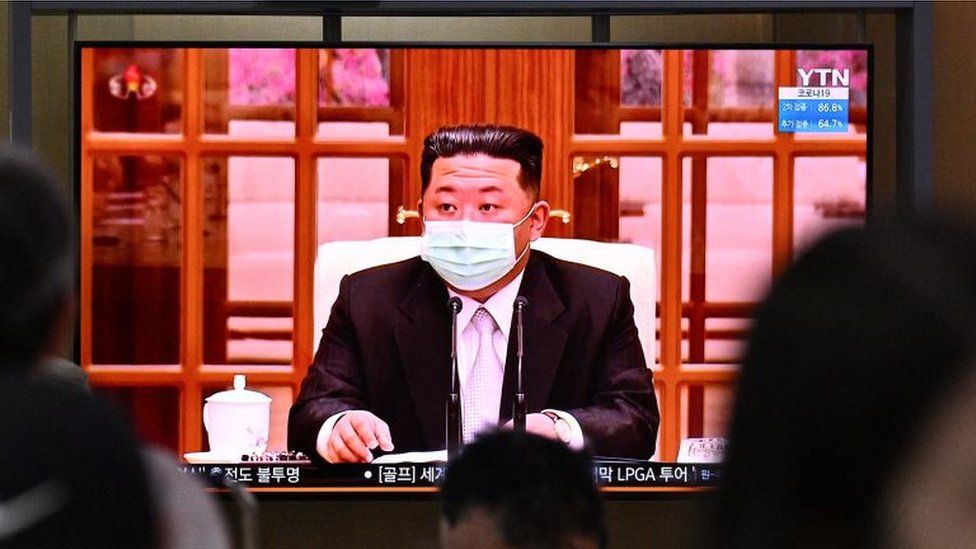
  • North Korea announces complete victory against Covid-19

    On Thursday, North Korea’s media reported that North Korean President Kim Jong Un has declared victory in the battle against the novel coronavirus, ordering a lifting of maximum anti-epidemic measures imposed in May.

    North Korea has not revealed how many confirmed infections of the virus it has found, but since July 29 it has reported no new suspected cases with what international aid organizations say are limited testing capabilities.
    While lifting the maximum anti-pandemic measures, Kim said that North Korea must maintain a “steel-strong anti-epidemic barrier and intensify the anti-epidemic work until the end of the global health crisis,” according to a report by the state news agency KCNA.
    Analysts said that although the authoritarian North has used the pandemic to tighten social controls, its victory declaration could be a prelude to restoring trade hampered by border lockdowns and other restrictions.

    Kim Yo Jong blamed blamed leaflets from South Korea for causing North Korea's Covid outbreak.

    North Korea’s official death rate of 74 people is an “unprecedented miracle” compared to other countries, KCNA reported, citing another official.
    Instead of confirmed cases, North Korea reported a number of people with fever symptoms. Those daily cases peaked at more than 392,000 on May 15, prompting health experts to warn of an inevitable crisis.
    The World Health Organization has cast doubts on North Korea’s claims, saying last month it believed the situation was getting worse, not better, amid an absence of independent data.
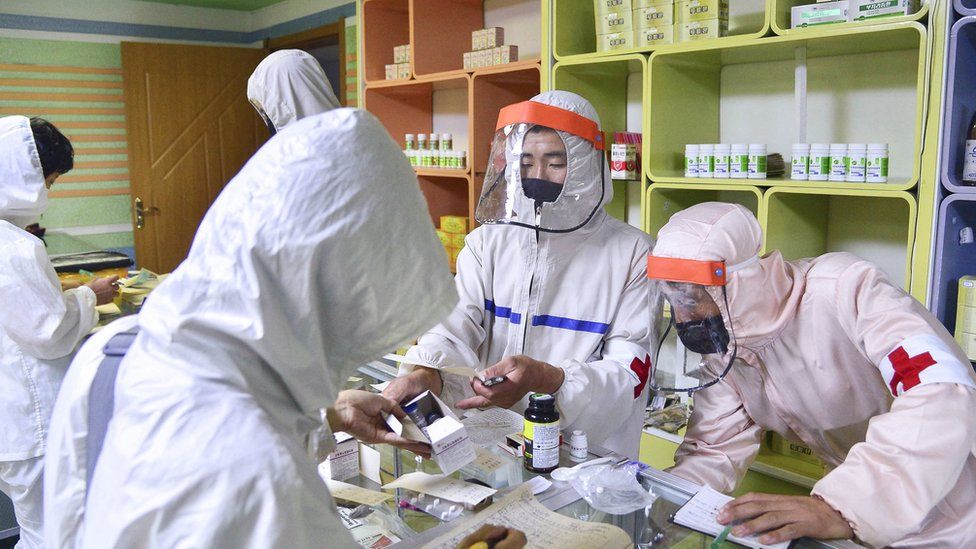
    Pyongyang’s declaration of victory comes despite rolling out no known vaccine program. Instead, the country says it relied on lockdowns, homegrown medicine treatments, and what Kim called the “advantageous Korean-style socialist system.”
    Is North Korea hiding a bigger problem behind its Covid-19 outbreak?
    The North has said it was running intensive medical checks nationwide, with daily PCR tests on water collected in borderline areas among the measures.
    It also said it has been developing new methods to better detect the virus and its variants, as well as other infectious diseases, such as monkeypox.
    Kim’s sister, Kim Yo Jong, said the North Korean leader himself had suffered from fever symptoms, and blamed leaflets from South Korea for causing the outbreak, KCNA reported.
    “Even though he was seriously ill with a high fever, he could not lie down for a moment thinking about the people he had to take care of until the end in the face of the anti-epidemic war,” she said in a speech praising his efforts.
    On Thursday, South Korea’s Unification Ministry said in a statement it had “strong regrets” over North Korea “repeatedly making groundless claims” about how Covid-19 had arrived in the country.
  • Economist blames cedi depreciation on excessive govt expenditure

    Economist, Courage Boti has attributed the free fall of the Cedi to among other things, the excessive expenditure before and during the advent of COVID-19 as against the poor revenue mobilization targets through the e-levy and others.

    The cedi has depreciated against the dollar, trading at 9 cedis per dollar.

    The sharp fall from 6 cedis at the beginning of the year, to 9 cedis now, has had a major impact on importers in particular, with a far-reaching effect on the purchasing power of consumers.

    Courage Boti tells Citi News that managers of the economy failed to take remedial measures to revert the poor performance of the cedi.

    “I thought we missed an important opportunity in November when we were reading the budget to try to address the market. Clearly, during the Covid-19 era, we spent monies we did not have, coupled with the energy sector problems and financial sector clean-up. We exceeded our budget. It will take about 3 to 4 years of rationalization to bring things back to normal.”

    “After Covid-19, we could have streamlined expenditure to make up for the excess expenditures we had in the past.”

    Courage Boti shares, with Citi News, some ideas the government should adopt, to arrest the cedi.

    “Having done all these, the natural thing going into consolidation would have been to have an IMF bus stop, where we had policy guidance and balance of payment support. If we were under such programs in 2021 and 2022, it would have guaranteed fiscal discipline which the market will trust and balance of payment support that can reassure investors that they are safe.”

    “The harm has been caused, the first solution is to accelerate the conversations with IMF. This will depend on our transparency and the amount of information we are willing to give.”


    Source: Citinewsroom

  • COVID-19: 39% Bono East residents fully vaccinated

    A total number of 326,032 people representing 39% of the population in the Bono East Region have been fully vaccinated, whiles 433,781 people representing 51% have received the first COVID-19 jab.

    The Bono East Regional Director of Health Service, Dr Fred Adomako-Boateng, who made this known, said the region had experienced a cumulative figure of 3,158 COVID-19 cases and total deaths of 76 since the outbreak.

    He stated that the crude case fatality rate (CFR) of 2.4 per cent was, however, way above the national figure of 0.9 per cent.

    That, according to Dr Adomako-Boateng, was also about seven times the figures of some populous but well-endowed regions.

    He spoke to journalists after the mid-year performance review meeting of the Bono East Regional Health Directorate at Kintampo last Friday.

    The mid-year performance review meeting was aimed at reflecting on the achievements of the directorate, deliberating and sharing ideas on how to address the gaps hampering quality health delivery in the region.

    Dr Adomako-Boateng said Bono East was among the leading regions in the country to have vaccinated people, explaining that the directorate was not going to rest on its oars until it had achieved its ultimate aim of vaccinating all eligible persons.

    He said the region had an improvement in skilled delivery from 65.8 per cent in 2020 to 66.8 per cent, adding that the doctor-to-population ratio had worsened from 1:18,287 in 2020 to 1:20,397 in 2021.

    That, he explained, was against a target of 1:7,500 with a worsening geographical equity index from 0.20 in 2020 to 0.1 in 2021.

    Dr Adomako-Boateng said that the institutional malaria under five case fatality rate increased from 0.20 in 2020 to 0.24 in 2021 and the malaria mortality rate worsened from 0.01 to 0.03.

    Maternal mortality

    He stated that the directorate was battling a high prevalence of maternal mortality, neonatal death and stillbirth in the region.

    According to him, non-communicable diseases, hypertension and diabetes were also high in the region, threatening the lives of residents.

    “Across the region, we have challenges in maternal and neonatal mortality and stillbirth and these are at the centre of the quality of service delivery,” he stated.

    Dr Adomako-Boateng said the directorate had planned to move away from quantities and coverages to pay particular attention to the quality of service delivery to the public.

    He said the directorate had the challenge of picking non-communicable diseases, hypertension and diabetes at the health facilities because people hesitated to come for screening, while they were not showing signs and symptoms.

    However, he said the directorate was finding innovative ways of getting people to screen for the diseases, at their workplaces, market centres, churches and schools to help capture people with the diseases for treatment.


  • Hong Kong cuts Covid hotel quarantine to three days

    Hong Kong will ease its Covid hotel quarantine requirements for people arriving from overseas, Chief Executive John Lee said on Monday.

    From Friday, those arriving in the city will have to stay at designated quarantine hotels for three days.

    They will then undergo another four days of “medical surveillance” either at home or at any hotel.

    Currently, overseas arrivals have to quarantine for seven days at designated hotels.

    During the “medical surveillance” period, people can go out but may not enter places that require vaccine passes to be checked, including bars, gyms, and amusement centers.

    They are also barred from participating in any mask-off activities – such as certain forms of exercise – or entering homes for the elderly or disabled people and designated medical venues.

    But if they test negative daily during the four-day period, they can take public transport, go to work and enter shopping centers or public markets.

    Mr. Lee said that the government would “actively control” the number of Covid cases.

    Covid cases soared in Hong Kong earlier this year after the arrival of the highly transmissible Omicron variant.

    As the rest of the world opens up, the city’s insistence on maintaining strict travel restrictions, which have put the economy under severe strain, has been increasingly criticized.

    Source: bbc.com

  • ‘Batgirl’ shelved by Warner Bros following poor test screenings

    The superhero movie, which was set to star In the Heights‘ Leslie Grace as Barbara Gordon/Batgirl, will not be released by Warner Bros. on HBO Max or theatrically, multiple outlets have reported.

    According to the New York Post, test screenings were received so poorly that the studio decided to shelve the nearly completed film. Originally greenlit at $70 million, the budget for Batgirl had reportedly ballooned to near $90 million due in part to COVID delays and related shutdowns.

    Batgirl
    Credit: Leslie Grace/Instagram

    In addition to Grace, the cast also included Brendan Fraser as the villain Firefly, J.K. Simmons as Commissioner Gordon, and Michael Keaton as Batman/Bruce Wayne, reprising his iconic role from Tim Burton’s 1989 Batman and its sequel.

    Batgirl wasn’t the only film that got the ax on Tuesday; Warner Bros. also decided to shelve the $40 million animated film Scoob!: Holiday Haunt.

    Source:ew.com

  • South East Water: Kent and Sussex customers suffer hosepipe and sprinkler ban

    For its customers in Kent and Sussex, South East Water has placed a ban on the use of sprinklers and hosepipes.

    The prohibition will begin on August 12 and end on a date that is yet to be determined.

    It comes shortly after Southern Water restricted the use of hosepipes for customers in Hampshire and the Isle of Wight for the first time this year. That prohibition will begin on Friday.

  • What precautions should families take as children return to school? Our medical analyst explains

    Many children are returning to schools while coronavirus case numbers are high in most of the United States. Parents and caregivers have a lot of questions about what precautions they should take for their children. Do their kids need to wear masks again? How often should they test their kids? Do they need to hold back on any extracurriculars? What happens if their kids contract Covid-19 — how long should they stay out of school? And should families get their children vaccinated if they haven’t already?

    To guide us through this back-to-school refresher, I spoke with CNN Medical Analyst Dr. Leana Wen, an emergency physician and professor of health policy and management at the George Washington University Milken Institute School of Public Health. She is also author of “Lifelines: A Doctor’s Journey in the Fight for Public Health” and the mother of two young children who will both be returning back to school soon.
    Dr. Leana Wen: No, although I respect other parents and caregivers who are making a different decision from us based on how they view the risk of Covid-19 versus the downside of masking for their children.
    Masks, especially well-fitting, high-quality masks, can reduce coronavirus transmission. The US Centers for Disease Control and Prevention recommends indoor masking based on the Covid-19 community level. I think it’s reasonable for parents and caregivers to follow the CDC guidelines and decide that if the Covid-19 level is high in their area, they will ask their children to mask indoors at school. Masking will reduce their children’s risk of contracting the coronavirus and remains advisable for families for whom avoiding Covid-19 is a top priority, such as those with immunocompromised household members.
    I also think it’s reasonable for parents and caregivers to make a different risk calculus. Children are already at low risk for severe illness from Covid-19. Vaccination further reduces that risk. In addition, the currently circulating variants are so contagious that it’s quite hard to avoid infection. Some families could decide that they are not prioritizing avoiding infection anymore, and therefore are choosing not to mask their children at school.
    That’s what my family has decided. Our views have changed a lot since the beginning of the pandemic, when there was much unknown about the impact of Covid-19 on children. At that time, we followed extremely strict precautions, including masking at all times indoors and only associating with others outdoors. For us, the turning point was after Omicron came to dominate, because it became even more difficult to avoid Covid-19 despite precautions. Getting our children vaccinated also gave us even more reassurance that we could replace masking with the protection that vaccination provides. We know our children could still get Covid-19, but the risk of severe illness is very low.
    There is also the question of the perceived cost of masking to our children. Our kids’ school is not requiring masks and based on our conversations with other families, very few parents are going to choose to mask their kids. My almost 5-year-old, who is starting kindergarten, has speech delays that have improved since his schools went mask-optional in the spring. My 2-year-old, who is just starting preschool, does not consistently wear masks anyway. For us, the benefit of requiring our kids to mask does not outweigh the downside at the moment. That could change if a more dangerous variant were to emerge in the future.
    CNN: Are there circumstances where you’d advise parents and caregivers to mask their kids at school?
    Wen: It all comes down to how much the family wants to avoid Covid-19. Let’s say that there is a medically vulnerable member of the household who could become very sick if they contracted the coronavirus. It would make sense for everyone in that household to be extra cautious in order to not infect that person.
    Families could also decide to mask before visiting vulnerable loved ones. For example, if a grandparent who is immunocompromised is coming to stay for a week, the kids can mask in school the week before and during that visit. I’d further advise that the kids take rapid tests right before the grandparent arrives, and that everyone — including the adults — avoid indoor gatherings for the week before and during the visit.
    CNN: Speaking of testing, how often should families be testing their kids?
    Wen: Some schools may have a regular testing cadence or a random testing protocol to evaluate the level of Covid-19 in their student body. Others may just ask that kids be tested if they are symptomatic or have a known exposure. Again, how much families want to test their kids will depend on the degree to which they want to avoid the coronavirus. Many families see Covid-19 as they do any other viral illness, while some are still very cautious to try to avoid it for a number of reasons, including the unknown future risk of long Covid.
    CNN: Should parents and caregivers hold back on any extracurriculars or playdates for their kids?
    Wen: Any decision-making needs to weigh the desire to avoid Covid-19 versus the downside of keeping children away from activities that they would enjoy. Given our family’s risk calculus, I am not holding back on activities for my children. My son is playing soccer, which sometimes happens indoors. My daughter is in a music class with lots of singing, which is mostly indoors. We are going on playdates, both outdoors and indoors.

    Households with vulnerable family members may decide to focus on outdoor activities for kids as a precaution. Kids play at the Betty Price Playground in Worcester, Massachusetts, on October 19, 2021.

    By the way, this is not to say that my family isn’t following any precautions. My husband and I mask at airports and on trains. We are not taking our kids to the aquarium or science center when it’s super crowded, with tons of people packed together. We are not trying to contract Covid-19 — but we are also not going to change our lives as we have for most of the pandemic to try to avoid it. And we fully understand if other parents may decide to be more cautious and stick with primarily outdoor activities.
    CNN: What happens if kids contract Covid-19 — how long should they stay out of school? What if someone in their family gets Covid?
    Wen: The CDC guidelines say that people who contract Covid-19 should isolate for five days and then can return to public settings with a well-fitting mask for the next five days. People exposed to Covid-19, if they are up to date with vaccines, do not need to quarantine and can return to public settings as long as they are masked for 10 days, test after five days and remain asymptomatic. That’s what our family will do if we get infected again.
    Some schools have different protocols than this, so make sure to check with your school to make sure you are following their rules.
    CNN: Should families get their children vaccinated if they haven’t already?
    Wen: Yes. A recent large study, just published in The New England Journal of Medicine, found that during a time of Omicron predominance, two doses of the Pfizer/BioNTech vaccine reduced hospitalizations by 83% among children 5 to 11. Vaccination also reduced infection by 65%. This and multiple other studies demonstrate how vaccination is crucial in reducing the likelihood of severe infection and symptomatic illness in children.
    Both of my kids got their vaccines as soon as they were eligible. (My kids are both younger than 5; children 5 and older are eligible for boosters, though most have not gotten them.) For me, the calculation came down to this. I knew that even without vaccines, their chance of severe illness is very low. But if I can reduce the chance of something bad happening even more, I would want to do that. And now, with vaccination, I am comfortable with my children resuming pre-pandemic normal activities, even during a surge of Covid-19.
    Source: CNN
  • EP Church has made monumental contributions to nation-building-Veep

    Vice President Mahamudu Bawumia Sunday launched the 175th Anniversary Celebration of the Evangelical Presbyterian Church Ghana, acknowledging its enormous contributions toward national development.

    He said the Church had been a reliable, trusted, and formidable agent of the transformation, civilisation and progress of society.

    The year-long celebration is on the theme: “A journey of 175 years in ministry: Achievements, Challenges and the Way Forward.”

    Vice President Bawumia believed that the celebration would strengthen their faith in the Lord and reposition the church as a great contributor to the moral, spiritual and socio-economic wellbeing of the people and humanity in general.

    “The gains we have made as a nation pre- and post-independence in moral, spiritual and socio-economic development could not have been entirely possible without the keen involvement of the church,” Dr Bawumia stated.

    “Indeed, we cannot mention any monumental contributions of the church to nation-building without recognising the role of the Evangelical Presbyterian Church Ghana. Before Ghana attained independence in 1957, the church had already been birthed on Sunday, November 14, 1847, through the missionary effort of the North German Mission Society (Bremen Mission),” he added.

    The Vice President noted that the Church had played a vital role in the emergence and development of formal education in the country.

    He said, for instance, the pioneer missionaries rolled out several socio-economic initiatives such as clinics, hospitals, schools and agricultural stations, and many others that complemented the work of the Colonial Administrations in developing the nation.

    Dr Bawumia observed that the 175 years in the life of the EP Church Ghana were worth celebrating, especially considering the huge sacrifices that the pioneer missionaries like Rev. Lorenz Wolf, Quinuius, Daeuble and Pleasing, had had to make to bring the light of the gospel to Africa and Ghana.

    The Vice President acknowledged the numerous educational establishments undertaken by the church, including over 500 basic and tertiary institutions such as Mawuli, Mawuko, EP Senior High Schools in Hohoe, Saboba, Tatale, plus Vocational and Technical Schools, as well as Colleges of Education.

    “You have also earned the enviable reputation of establishing the first university in the entire Volta and Oti Regions-the Evangelical Presbyterian University College.

    “Your health centres in Wapuli, Ho, Dambai, Blajai, inter alia, coupled with your numerous relief and development projects in the areas of agricultural development, climate change advocacy, HIV/AIDS & TB Programmes, among several others, have added to your endless list of achievements over the past seventeen and half decades of your existence,” Dr Bawumia stated.

    The Vice President lauded the church for dedicating parts of the celebration to reflect on its challenges and thus, underscored the need for all well-meaning Ghanaians to pool their resources together to rebuild the economy, ravaged by the Coronavirus pandemic and the Russia-Ukraine war.

    “The challenges that have bedevilled our world in the past decades and the present such as COVID-19 and the Russian-Ukraine War with their concomitant effects have spared no institution, and the EP Church Ghana is no exception.

    “As you, therefore, reflect on the strategies to surmounting your challenges and strategising for the way forward in the decades ahead, may we all pool together our collective and nationalistic efforts to rebuild our nation and recover from the internal and external devastations that have hit our economy very hard,” Dr Bawumia advised.

    He entreated the Church to roll out more socio-economic interventions like its water production business, which would be commissioned on Thursday, August 18, 2022, to create jobs and contribute to the overall gross domestic product (GDP) of the nation.

    “The EP Church should also consider rolling out interventions that would create opportunities to develop the human capital of the nation, especially the teeming youth who have benefitted from free education, and thus are in urgent need of work opportunities to contribute their quota to our nation-building quests,” the Vice President pointed out.

    In addition to economic and development issues, Dr Bawumia urged the Church to be concerned about building a peaceful nation, noting that, the recent Global Peace Index placed Ghana as the second most peaceful country in Sub-Saharan Africa.

    He said such a remarkable feat must be guarded jealously without any compromises since both the Bible and the Quran placed much emphasis on peace.

    The Reverend Dr Setri Nyomi, Council Chair, the Evangelical Presbyterian University College at Ho, said the EP Church had impacted the nation in so many ways including providing educational facilities, potable water and resolving ethnic conflicts.

    He said the Church had been a voice for the marginalised and vulnerable persons in society and urged the members to continue upholding discipline, hard work and responsibility as the hallmark of the Church and refrain from any acts of mediocrity in both public and private life.

    Source: GNA

  • Joe Biden tests positive for COVID again

    US President Joe Biden has tested positive for Covid-19 again, in what has been described as a “rebound” infection by his doctor.

    The 79-year-old first contracted the virus on 21 July, when he was revealed to be experiencing mild symptoms.

    On Saturday Mr Biden said he was not experiencing symptoms but would isolate “for the safety of everyone around me”.

    The president had tested negative for the virus four times between Tuesday and Friday last week.

    In a letter describing the situation, Mr Biden’s physician Dr Kevin O’Connor said there was no need to resume treatment but the president would remain under “close observation”.

    Mr Biden has been taking Paxlovid, an antiviral medicine which Dr O’Connor said had led to a “small percentage” of Covid patients experiencing a “rebound” test.

    Source: BBC 

  • Bank of Canada surprises with 100bp rate hike to tame inflation

    The Bank of Canada on Wednesday raised its main interest rate by 100 basis points in a bid to crush inflation, surprising markets, and becoming the first G7 country to make such an aggressive hike in this economic cycle.

    The central bank raised its policy rate to 2.5% from 1.5%, its biggest rate increase in 24 years, and said more hikes would be needed. Economists and money markets had been expecting a 75-basis point increase.

    “We had indicated we were prepared to be more forceful. Today was more forceful,” Governor Tiff Macklem told a news conference after the decision.

    “Yes, it is a very unusual move to increase by 100 basis points at one decision and that really reflects the very unusual, exceptional circumstances that we find ourselves in.”

    Earlier, the central bank said excess demand, high inflation felt across sectors and rising consumer expectations of persistent price gains prompted the super-sized hike, which lifted the policy rate to its highest level since 2008.

    “If this doesn’t get us back into the idea that the Bank of Canada is serious about bringing inflation down, I don’t know what would,” said Jay Zhao-Murray, a market analyst at Monex Canada.

    The Bank of Canada’s move follows a 75 basis point rate hike by the U.S. Federal Reserve last month.

    “The Bank of Canada saw the Fed hike 75 bps and said ‘Hold my beer,’” said Royce Mendes, head of macro strategy at Desjardins Group, noting hawkish language in the statement that accompanied the “colossal move.”

    The central bank’s surprise move lifted the Canadian dollar, which was trading up 0.4% at 1.2975 to the greenback by late afternoon. The benchmark Canadian stock index (.GSPTSE) slipped to its lowest since March 2021, before recovering to trade flat.

    SOFT LANDING

    The central bank now sees inflation averaging 7.2% this year, falling to about 3% by the end of 2023 and then back to the 2% target by the end of 2024.

    The Bank of Canada has been playing catch up with hot inflation for months, prompting rare attacks from critics and fueling worries that Canadians could lose faith in its ability to contain prices, leading to price spirals.

    “Our forecast is for a soft landing. As I said, the path to that soft landing has narrowed,” said Macklem, who participated in the decision remotely after recovering from COVID-19. “And that is an important reason why we took stronger action today to front-load policy interest rates.”

    Still, the 100-bp move coupled with a warning of more hikes to come could spook markets, said, economists.

    “I think the market is going to be on edge here about the possibility of more upside surprises on rate hikes,” said Doug Porter, chief economist at BMO Capital Markets.

    SLOWER GROWTH

    The policy rate is now at the nominal neutral rate – the midpoint between 2% and 3% – where monetary policy is neither stimulative nor restrictive.

    The bank also cut its economic growth forecast for this year to 3.5% from a previous estimate of 4.2%. It predicted growth would then slow to 1.8% in 2023 before rising to 2.4% in 2024.

    The slower growth is “largely due to the impact of high inflation and tighter financial conditions on consumption and household spending,” the bank said.

    Source: Reuters

  • Biden speaks with China’s Xi as tension grows over Taiwan

    President Joe Biden and his Chinese counterpart Xi Jinping held a lengthy and candid discussion about Taiwan on Thursday as tensions mount between Washington and Beijing, despite Biden’s one-time hope of stabilizing the world’s most important country-to-country relationship.

    The two leaders did agree to begin arrangements for a face-to-face summit, their first as Xi resists travel amid the Covid-19 pandemic. And certain areas of cooperation, including climate change, were hashed out.
    But the Taiwan issue proved among the most contentious. The issue has emerged as a serious point of conflict, as US officials fear a more imminent Chinese move on the self-governing island and as a potential visit by House Speaker Nancy Pelosi prompts warnings from Beijing and a concerted effort by the Biden administration to prevent tensions from spiraling out of control.
    The matter was discussed at length in the two-hour-and-17-minute phone call Thursday. Xi offered an ominous warning to Biden, according to China’s version of events.
    “Public opinion shall not be violated, and if you play with fire you get burned. I hope the US side can see this clearly,” he told Biden, according to China’s state news agency.
    The White House’s account of the call was less specific.
    “On Taiwan, President Biden underscored that the United States policy has not changed and that the United States strongly opposes unilateral efforts to change the status quo or undermine peace and stability across the Taiwan Strait,” a US readout read.
    A senior US administration official called the Taiwan discussion “direct and honest” but downplayed Xi’s warning, suggesting it was standard for the Chinese leader to warn about the risks of “playing with fire.”
    The phone call was Biden and Xi’s fifth conversation since February 2021. Ahead of time, US officials said a range of topics — from the tensions surrounding Taiwan to economic competition to the war in Ukraine — were likely to arise.
    But hopes for substantially improving ties with Beijing were low. Instead, Biden’s aides hope maintaining a personal connection with Xi can, at most, avoid a miscalculation that might lead to confrontation.
    “This is the kind of relationship-tending that President Biden believes strongly in doing, even with nations with which you might have significant differences,” communications coordinator for the National Security Council John Kirby said this week.
    As Thursday’s call was concluding, the two leaders made note of how much work they had created for their teams, including arranging the possible in-person meeting. They have yet to meet face-to-face as presidential counterparts.
    An opportunity for a summit could arise in November, when a series of summits will occur in Asia — including the Group of 20 in Bali, Indonesia, and the Asia-Pacific Economic Cooperation in Bangkok, Thailand. People familiar with the matter said US officials are looking to arrange such a meeting on the margins of one of the summits.
    Planning for Biden’s phone call with Xi predated the furor over Pelosi’s proposed visit to Taipei. Neither side revealed whether Pelosi’s plans were discussed specifically.
    Biden is also currently weighing whether to lift some Trump-era tariffs on China in a bid to ease inflation, though White House officials said he hadn’t yet made up his mind and suggested ahead of time the topic wouldn’t factor heavily into his conversation with Xi.
    Instead, it is China’s escalating aggression in the region — including over Taiwan and the South China Sea — at the center of the current tensions. US officials fear without open lines of communication, misunderstandings could spiral into unintended conflict.
    That includes how Beijing responds to Pelosi’s potential visit to Taiwan.
    US and China are on a knife’s edge over Taiwan ahead of the Xi-Biden phone call.
    Administration officials have been working quietly over the past week to convince the House speaker of the risks inherent in visiting the self-governing island.
    Defense Secretary Lloyd Austin said Wednesday he’d spoken to Pelosi to provide his “assessment of the security situation.”
    Pelosi has not made any announcements about her plans for a trip, which haven’t been finalized.
    “I never talk about my travel. It’s a danger to me,” she said Wednesday.
    Yet even unofficial word that the third-in-line to the US presidency was considering a visit to Taiwan prompted an outsized response from Beijing, which considers visits by top-ranking American officials a sign of diplomatic relations with the island.
    “If the US insists on taking its own course, the Chinese military will never sit idly by, and it will definitely take strong actions to thwart any external force’s interference and separatist’s schemes for ‘Taiwan independence,’ and resolutely defend national sovereignty and territorial integrity,” Ministry of Defense Spokesperson Tan Kefei said Tuesday in response to questions over Pelosi’s reported trip to Taipei.
    The White House called those comments “unnecessary” and “unhelpful,” saying the rhetoric only served to escalate tensions “in a completely unnecessary manner.”
    They also revealed what US officials have said is a misunderstanding by Chinese officials over the significance of Pelosi’s potential visit. The officials said China may be confusing Pelosi’s visit with an official administration visit since both she and Biden are Democrats. Administration officials are concerned that China doesn’t separate Pelosi from Biden much, if at all.
    That adds pressure to Biden’s call with Xi. Officials were circumspect about whether Pelosi’s visit would arise, or how much it would factor into the conversation.
    But China’s apparent confusion over the differences between the White House and Congress could inject a level of personal animus into the talks.
    Administration officials’ concerns over Pelosi’s trip are rooted partly in its timing. It would come at a particularly tense moment, with the upcoming Chinese Communist Party congress during which Xi is expected to seek an unprecedented third term putting pressure on the leadership in Beijing to show strength.
    Chinese party officials are expected to begin laying the groundwork for that conference in the coming weeks.
    With China recently reporting its worst economic performance in two years, Xi finds himself in a politically sensitive situation ahead of the important meeting.
    Biden and Xi spent many hours in each other’s company when each was his country’s vice president, traveling across China and the United States to form a bond.
    Biden last spoke to Xi in March, when he worked to convince the Chinese leader not to support Russia amid its invasion of Ukraine. Officials have been watching closely how Beijing responds to the invasion, hoping the mostly united western response — including a withering set of economic sanctions and billions of dollars in arms shipments — proves to illuminate as China considers its actions toward Taiwan.
    US officials believe there’s a small risk China would miscalculate in responding to a potential Pelosi visit.
    Biden administration officials are concerned that China could seek to declare a no-fly zone over Taiwan ahead of a possible visit as an effort to upend the trip, potentially raising tensions even further in the region, a US official told CNN.
    That remains a remote possibility, officials said. More likely, they say, is the possibility China steps up flights further into Taiwan’s self-declared air defense zone, which could trigger renewed discussions about possible responses from Taiwan and the US, the US official added. They did not detail what those possible responses would entail.
    Source: cnn.com
  • Madhya Pradesh Covid-19: Thirty India students vaccinated with one syringe

    A health official is being investigated for vaccinating 30 students with a single syringe in the central Indian state of Madhya Pradesh.

    The incident took place in a school in the Sagar district where children were being given Covid-19 vaccines.

    India‘s health ministry mandates a “one needle, one syringe, only one-time” protocol for Covid-19 vaccines.

    India has administered over 2.03bn Covid-19 vaccines so far.

    Single-use disposable syringes are widely used in India to avoid the spread of deadly diseases like HIV. However, there have been multiple incidents in the past where a single syringe has been reused in hospitals due to a shortage of equipment.

    Jitendra Rai, who was vaccinating the children, told the media that he was only given one syringe by the health department and he was just following orders.

    Parents who had accompanied their children spotted the issue and reported it to the school authorities.

    When state officials reached the school, Mr. Rai was missing the school and his phone was turned off.

    The state’s health department has registered a case of negligence against him. Meanwhile, it has also started an inquiry against the official responsible for dispatching equipment for the vaccination drive.

    A spokesperson from the opposition Congress party has demanded that the state’s health minister should resign over the incident.

    India is the second country after China to have crossed the two-billion Covid vaccines mark. In July, the government announced a 75-day free Covid booster dose program for all adults to mark India’s 75th independence anniversary.

    According to India’s health ministry, 98% of adults have received at least one dose of the Covid vaccine, while 90% have been fully vaccinated.

    On Wednesday, the country reported 18,313 daily cases for the past 24 hours and 57 Covid-related deaths.

    Source:bbc.com

  • Monkeypox is spreading faster than the data about it, hindering mitigation efforts

    Two months after the United States’ first monkeypox case was confirmed, the total has risen to about 2,900. But details about those cases and other epidemiological data aren’t spreading nearly as quickly as the virus itself, leaving holes in the response.

    “It’s a new and really fast-moving outbreak, and I think there have been some challenges around having a smooth and efficient way for the data to be sent from jurisdictions” to the US Centers for Disease Control and Prevention, said Janet Hamilton, executive director of the Council of State and Territorial Epidemiologists.
    The CDC only recently shared a first public look at monkeypox case demographics, which showed that the vast majority of cases have been among men who have sex with men, with a median age of 36.
    But the agency has detailed information on only about half of the reported cases, CDC Director Dr. Rochelle Walensky said.
    Monkeypox is now a reportable disease, which means public health departments work with local health care providers to collect information about people who are diagnosed and how they became ill.
    But it is still completely voluntary for states to share data on monkeypox with the CDC.
    CNN reached out to the health departments of all 50 states; 29 responded, and they all said they are committed to sharing case data with the CDC.
    Some, however, said that they are collecting more information than they share.
    As the US battles another public health challenge amid the ongoing Covid-19 pandemic, Walensky said she is “struck” by “how little authority we at CDC have to receive the data.”
    “We very much want to get as much information and informed decisions out to the American public as possible. And yet again, like we were for Covid, we are again really challenged by the fact that we at the agency have no authority to receive those data. We’re working on that right now,” she said in a conversation with The Washington Post on Friday.
    Source: cnn.com
  • New studies agree that animals sold at Wuhan market are most likely what started Covid-19 pandemic

    In June, the World Health Organization recommended that scientists continue to research all possible origins of the Covid-19 pandemic, including a lab leak. Two newly published studies take totally different approaches but arrive at the same conclusion: The Huanan Seafood Market in Wuhan, China, was most likely the epicenter for the coronavirus.

    The studies were posted online as preprints in February but have now undergone peer review and were published Tuesday in the journal Science.
    In one, scientists from around the world used mapping tools and social media reports to do spatial and environmental analysis. They suggest that although the “exact circumstances remain obscure,” the virus was probably present in live animals sold at the market in late 2019. The animals were held close together and could easily have exchanged germs. However, the study does not determine which animals may have been sick.
    The researchers determined that the earliest Covid-19 cases were centered at the market among vendors who sold these live animals or people who shopped there. They believe that there were two separate viruses circulating in the animals that spilled over into people.
    “All eight COVID-19 cases detected prior to 20 December were from the western side of the market, where mammal species were also sold,” the study says. The proximity to five stalls that sold life or recently butchered animals were predictive of human cases.
    “The clustering is very, very specific,” study co-author Kristian Andersen, a professor in the Department of Immunology and Microbiology at Scripps Research, said Tuesday.
    The “extraordinary” pattern that emerged from mapping these cases was very clear, said another co-author, Michael Worobey, department head of Ecology and Evolutionary Biology at the University of Arizona.
    The researchers mapped the earliest cases that had no connection to the market, Worobey noted, and those people lived or worked in close proximity to the market.
    “This is an indication that the virus started spreading in people who worked at the market but then started that spread … into the surrounding local community as vendors went into local shops, infected people who worked in those shops,” Worobey said.
    The other study takes a molecular approach and seems to determine when the first coronavirus infections crossed from animals to humans.
    The earliest version of the coronavirus, this research shows, probably came in different forms that the scientists call A and B. The lineages were the result of at least two cross-species transmission events into humans.
    The researchers suggest that the first animal-to-human transmission probably happened around November 18, 2019, and it came from lineage B. They found the lineage B type only in people who had a direct connection to the Huanan market.
    The authors believe that lineage A was introduced into humans from an animal within weeks or even days of the infection from lineage B. Lineage A was found in samples from humans who lived or stayed close to the market.
    “These findings indicate that it is unlikely that SARS-CoV-2 circulated widely in humans prior to November 2019 and define the narrow window between when SARS-CoV-2 first jumped into humans and when the first cases of COVID-19 were reported,” the study says. “As with other coronaviruses, SARS-CoV-2 emergence likely resulted from multiple zoonotic events.”
    The likelihood that such a virus would emerge from two different events is low, acknowledged co-author Joel Wertheim, an associate adjunct professor of medicine at the University of California, San Diego.
    “Now, I realize it sounds like I just said that a once-in-a-generation event happened twice in short succession, and pandemics are indeed rare, but once all the conditions are in place — that is a zoonotic virus capable of both human infection and human transmission that is in close proximity to humans — the barriers to spillover have been lowered such that multiple introductions, we believe, should actually be expected,” Wertheim said.
    Andersen said the studies don’t definitively disprove the lab leak theory but are extremely persuasive, so much so that he changed his mind about the virus’ origins.
    “I was quite convinced of the lab leak myself until we dove into this very carefully and looked at it much closer,” Andersen said. “Based on data and analysis I’ve done over the last decade on many other viruses, I’ve convinced myself that actually, the data points to this particular market.”
    Worobey said he too thought the lab leak was possible, but the epidemiological preponderance of cases linked to the market is “not a mirage.”
    “It’s a real thing,” he said. “It’s just not plausible that this virus was introduced any other way than through the wildlife trade.”
    To reduce the chances of future pandemics, the researchers hope they can determine exactly what animal may have first become infected and how.
    Get CNN Health’s weekly newsletter.
    “The raw ingredients for a zoonotic virus with pandemic potential are still lurking in the wild,” Wertheim said.
    He believes the world needs to do a much better job doing surveillance and monitoring animals and other potential threats to human health.
    Andersen said that although we can’t prevent outbreaks, a collaboration between the world’s scientists could be key to the difference between a disease with a small impact and one that kills millions.
    “The big question we need to ask ourselves is — the next time this happens because it will happen — how do we go from detecting that outbreak early and preventing that outbreak so it doesn’t become a pandemic?”
  • Seth Terkper did not resign when the economy was in a mess – Majority

    The Deputy Majority Leader Alexander Kwamena Afenyo Markin has responded to the Minority’s call on the Finance Minister to resign.

    After delivering the mid-year budget review on Monday, July 25, 2022, the Minority started chanting, “resign! resign!! resign!!”.

    According to them, the Minister has exhibited incompetence.

    Addressing the parliamentary press corps, he asked the Minority if Mr. Seth Terkper and some of their ministers resigned despite their incompetence during their era.

    He condemned the attacks on the Finance Minister and asked them to stay away from the Minister.

    According to him, the NPP government, upon assumption of office, took immediate steps without delay to implement every single social intervention program while in opposition.

    In doing so, the government did not attempt to introduce taxation. Rather, the government reviewed the taxation we inherited from the NDC government. Review in terms of some of them being reviewed downwards and some being reviewed completely.

    He said the E-Levy was 5the first major discal policy in terms of taxation that the NPP government introduced.

    The other taxes, such as the ‘Borla tax’ he added, are minor.

    The legislator noted that the NDC government could decrease electricity tariffs, but the NPP reduced tariffs without adding new raxes.

    To him, these are facts that even people who dislike the NPP government will agree with.

    He insisted that the government performed well and achieved single-digit inflation until COVID-19 hit us, just like other countries.

    ” So should NDC and NDC MP come to you and tell you that the difficult times we are in are as a result of mismanagement, obviously, it may be one of the numerous propaganda because the world over, every government is complaining. Covid affected the supply chain; Covid affected industries. Many comp[anies shut down all over the world. We were all held as prisoners in our homes,” he added.

    “The worst of it is the current Russian-Ukraine war. Iron rods that are used by the private sector for construction come from Ukraine. Obviously, the supply chain is affected; obviously, the cost of importing will not be the same as previous. Now cement, the paper for bagging cement comes from Russia. As we speak, companies that are involved in the manufacturing of cement have difficulties in getting the required quantity for bagging.”

    He also mentioned flour and wheat as some of the commodities that had seen price hikes due to the ongoing war.

    The lawmaker added that for the NDC to go to the IMF when there were no challenges compared to that of the NPP, they have no right to point fingers at the current administration or demand the resignation of Ken Ofori-Atta.

    The government, he assured, will continue to roll out policies that will revive the economy.

    Source:ghanaweb.com

  • Financial indiscipline and mismanagement cause of economic mess – Economist

    A chartered economist Mr. Prince Obiri Yeboah, has asked the government to stop using the COVID-19 pandemic, and the Russian-Ukraine war as an excuse for mismanaging the economy.

    The economist explained that although the COVID-19 and Russian-Ukraine war could have had an impact on the current state of the economy, the major cause of our woes has been necessitated by the mismanagement and, financial indiscipline, and incompetence on the part of the government.

    He said, over the last three years, Ghana has faced challenges, including the outbreak and the Russian-Ukraine war, coupled with financial indiscipline, which has led us to the International Monetary Fund for a bailout.

    He said when people are faced with challenges, they seek excuses and those to blame. But when you evaluate our situation, you will discover that there was fiscal indiscipline from the President to his appointees.

    For him, the COVID-19 outbreak affected several countries but Ghana did not have any major negative impact on the economy as people make it seem.

    ”The leaders we voted for have not been financially disciplined. Governance is about revenue and expenditure, and when you overspend or spend more than what you generated, you will face an economic crisis and borrow more. That is what we find ourselves today. We have overborrowed and have no other option than to go to the IMF to seek a bailout.”

    Source:ghanaweb.com

  • Parliamentary Committee expresses worry over low COVID-19 coverage in Ashanti region

    The Parliamentary Select Committee on Health has expressed concern about the low COVID-19 vaccination coverage in the Ashanti Region.

    According to the Regional Health Directorate, 70 percent of the total population of the region was targeted to be vaccinated.

    As of the 15th of this month, almost one-point-five million people, representing about 42 percent, had been fully vaccinated. 

    The concern was expressed during an interaction between the Select Committee and the Regional Health Directorate in Kumasi.

    The meeting between the Parliamentary Select Committee on Health and the Ashanti Regional Health Directorate was to see how best the COVID-19 vaccination coverage in the region could be scaled up. 62-point-7 percent of the population in the Ashanti Region has at least taken one dose of the COVID vaccine.

    According to the Health Directorate, Kumasi Metro has the highest COVID-19 vaccination coverage, while Kwabre East Municipality has the lowest.

    The Ashanti Regional Health Director, Dr. Emmanuel Tinkorang, called on the media to lead the advocacy to get people more vaccinated, particularly those who have not taken the second dose of the vaccine.

    The Chairman of the Parliamentary Committee on Health, Dr. Nana Yaw Afriyie, was not happy about the low vaccination coverage in the region, especially among the rural folk.

    The concern was expressed during an interaction between the Select Committee and the Regional Health Directorate in Kumasi.

    Source: gbconline.com

  • Nigeria’s headline inflation accelerates to 18.60% in June

    Nigeria’s inflation rate has continued to soar, accelerating to 18.60% in June according to the latest Consumer Price Index report by the National Bureau of Statistics (NBS).

    According to the CPI report which was seen by Business Insider Africa, the inflation rate increased by 1.82% month-on-month, jumping past the 17.71% that was reported in May.

    “In June 2022, the inflation rate increased to 18.60 percent on a year-on-year basis. This is 0.84 percent points higher compared to the rate recorded in June 2021, which is 17.75 percent. This means that the headline inflation rate increased in the month of June 2022 when compared to the same month in the previous year (i.e., June 2021). Increases were recorded in all COICOP divisions that yielded the Headline index,” said a part of the report.

    The report further revealed that food inflation accelerated to 20.6% in June 2022 from 19.5% in May 2022. The jump was due mainly to increases in the prices of different staples and essential food items.

    “The composite food index rose to 20.60 percent in June 2022 on a year-on-year basis; the rate of changes in average price level declined by 1.23 percent compared to 21.83 percent in June 2021. The rate of changes in food prices compared to the same period last year was higher due to higher foods prices volatility caused by COVID 19. This rise in the food index was caused by increases in prices of Bread and cereals, Food products Potatoes, yam, and other tubers, Meat, Fish, Oil and fat, and Wine.”

    Urban inflation also rose to 19.09% in June, marking a 0.74% increase when compared to 18.35% that was recorded in June 2021. Similarly, rural inflation rose to 18.13% in June, marking a 0.97% increase compared to 17.16% recorded in June 2021.

    Like most African countries, Nigeria has been grappling with an inflation problem that keeps getting worse, exacerbated by many unfavorable internal and external factors. Some of these factors include the ongoing war in Ukraine and the forex crisis. Earlier this week, the International Monetary Fund (IMF) warned that these factors are pushing many African countries to the brink of economic collapse.

    Source: africabusinessinsider.com

  • GES to reverse SHS academic calendar to pre-COVID era

    The Ghana Education Service (GES) has indicated that the academic calendar for Senior High School students will be restored to the pre-COVID era by 2024.

    This will enable WASSCE candidates complete their final exam between May and June, instead of the August-September calendar which is currently being run.

    “Though Ghanaian candidates are the only group to sit for exams during this period, they will join their other counterparts in West Africa by 2024,” Director-General of the Service, Prof. Kwasi OpokuAmankwa assured in an interview with Citi News.

    Director-General of GES, Prof. Kwasi OpokuAmankwa.

    Following the outbreak of the COVID-19 pandemic, academic work for most schools was distorted. This was due to the lockdown and other measures instituted to curtail the spread of the pandemic.

    As a result, the academic calendar was reviewed such that WASSCE candidates who previously wrote their final exam between May and June ended up taking the exam between August and September.

    However, the four neigbouring West African Countries – Nigeria, Liberia, Sierra Leone and the Gambia – who also partake in the exam have returned to the May/June calender, leaving only Ghanaian candidates to write the exam between August and September.

  • Covid-19 expenditure: 16 questions by MPs and Ofori-Attas responses in Parliament today

    With the Finance Minister Ken Ofori Atta appearing before Parliament today, he is expected to answer some 16 questions filed by some lawmakers.

    Aside from a statement on how government expended funds meant to fight against Covid-19, Mr Ofori-Atta will also have to respond to the 16 questions.

    Urgent Question 1. Godfred Seidu Jasaw (Wa East): To ask the Finance Minister when the Ministry will issue financial clearance to the Ministry of Food and Agriculture to clear the large debt owed partners and suppliers to ensure the availability of subsidised fertilizer in this farming season.

    Response

    At the end of 2021, an amount of ¢86.31 million was outstanding, under the PFJ programme. This amount has now been released to MOFA for payment. This year, MOFA has requested an amount of ¢485.90 million for payment under the PFJ programme. An amount of ¢278.57 million has subsequently been released to MOFA.

    The Ministry of Finance has over the last five years (2017-2021) made budgetary provisions to enable the Ministry of Food and Agriculture (MOFA) to allocate funds to cover all its programmes and projects, including the Planting for Food and Jobs (PFJ) programme.

    During this period, there has been, a cumulative release of ¢2.47 billion to the Ministry of Food and Agriculture to pay for commitments under this programme.

    Urgent Question 2. Sheila Bartels (Ablekuma North): To ask the Minister for Finance what is the current status of funding for the construction of Phase Two of the Tema Motorway, which has been highlighted as a major issue for commuters

    Response

    The Government of Ghana completed Phase I of the Tema Motorway Interchange (Tiers one and two) with the grant support of JPY6.259 billion from the Japanese Government and was commissioned by the President on 15th June 2020.

    I am pleased to inform this House that government has completed negotiations with the Japanese Government for additional grant funding of JPY3.765 billion for Phase II which covers the design and construction of the third tier of the interchange. The procurement process for the selection of the contractor is scheduled to be completed next week.


    Source: Myjoyonline

  • Theres no data inconsistencies, GH¢12.04bn spent on COVID-19 [UPDATED]so far Ofori-Atta

    The Minister of Finance, Ken Ofori-Atta, has said that the government has spent about GH¢12.04 billion to contain the spread and mitigate the effects of the COVID-19 pandemic on lives and properties.

    Mr Ofori-Atta said the amount was expended between March 2020, when the pandemic struck Ghana, and May 2022.

    He also dismissed concerns that there were inconsistencies in the COVID-19 expenditures, stating that whatever was mobilised and spent had been documented and well accounted for.

    The minister was answering questions on how much Ghana mobilised in resources to fight the pandemic and how much was actually spent.

    “I wish to dispel the notion that there have been some inconsistencies in government data on COVID-19,” he said, noting that the expenditure captured by President Nana Addo Dankwa Akufo-Addo in his earlier presentation to the nation was in tandem with records at the ministry.

    He thus urged the public to dismiss the rumours on data inconsistencies, as the funds were prudently used to protect lives and mitigate the effects of the pandemic on the economy.

    Source: graphics.com.gh

  • GMA, nurses blame vaccine hesitancy, relaxed protocol: As COVID-19 numbers rise again

    The Ghana Medical Association (GMA) and the Ghana Registered Nurses and Midwives Association (GRNMA) have attributed the surge in local COVID-19 infections to the high vaccine hesitancy and abandonment of the safety protocol.

    Active local COVID-19 cases that reduced to 20 a few months ago rose to 1,064 as of June 13, 2022, and to 1,255 as of yesterday[June 20, 2022], with eight severe cases and one critical case.

    At a joint news conference in Accra yesterday by the two associations on their perspectives on vaccine hesitancy, the President of the GMA, Dr Frank Serebour, said the observance of the safety protocol and the vaccination had been the combined game changer and the foundation for the successes in controlling COVID-19 infections in the country.

    That, however, was being threatened by vaccine hesitancy and non-adherence to the safety protocols, he said.

    Dr Serebour underscored the need for the public to return to strict adherence to the safety protocol, particularly the wearing of face masks in crowded places or enclosed places with other occupants.

    He also appealed to persons eligible for COVID-19 vaccines and booster doses to get the jabs.

    He reiterated that the vaccines deployed locally and internationally were safe and effective, providing adequate but varying levels of protection.

    “That is the only way to keep the pandemic abated, prevent a fifth wave and a possible return to COVID-19 restrictions,” he stressed.

    Hesitancy data

    Dr Serebour bemoaned the high percentage of vaccine hesitancy among health workers, in particular, saying it had a ripple effect on the public.

    “COVID-19 vaccine hesitancy remains a challenge for vaccine uptake in Ghana despite some gains made. The partnership for evidence-based response to COVID-19 report puts the overall vaccine hesitancy in Ghana at an average of 30 per cent, with people under 25 years leading the hesitancy score.

    “Data from the Ghana Health Service (GHS) also indicates that 35 districts out of the 260 have less than 25 per cent of the eligible population vaccinated for COVID-19.

    He reiterated that the vaccines deployed locally and internationally were safe and effective, providing adequate but varying levels of protection.

    “That is the only way to keep the pandemic abated, prevent a fifth wave and a possible return to COVID-19 restrictions,” he stressed.

    Hesitancy data

    Dr Serebour bemoaned the high percentage of vaccine hesitancy among health workers, in particular, saying it had a ripple effect on the public.

    “COVID-19 vaccine hesitancy remains a challenge for vaccine uptake in Ghana despite some gains made. The partnership for evidence-based response to COVID-19 report puts the overall vaccine hesitancy in Ghana at an average of 30 per cent, with people under 25 years leading the hesitancy score.

    “Data from the Ghana Health Service (GHS) also indicates that 35 districts out of the 260 have less than 25 per cent of the eligible population vaccinated for COVID-19.

    “Among health workers, it is estimated that 40 per cent have not received the second doses of vaccination, and less than one per cent have received booster doses.

    “We see these developments as worrying, especially concerning health workers. This is because health workers, particularly doctors, nurses and midwives, are not only on the frontline of care, but remain the most trusted sources of information and access to vaccination,” he said.

    Action

    Dr Serebour said for that reason, the GMA, GRNMA and the Health Promotion Division of the GHS had come together to address the vaccine hesitancy among healthcare workers and the public.

    He said they planned to transform about 2,000 health workers into vaccination champions and build their capacity in risk communication and community engagement to address issues of disinformation and misinformation regarding COVID-19 vaccination.

    “We also will be collecting data on the reasons underpinning hesitancy among health workers to understand and address the concerns and misunderstandings that exist,” he said.

    The President of the GRNMA, Perpetual Ofori-Ampofo, called on stakeholders, especially the media, traditional and religious leaders, and youth groups to encourage and advocate vaccine uptake.

    Health promotion

    The Director of the Health Promotion Division of the GHS, Dr Dacosta Aboagye, said the GHS, in partnership with key stakeholders, was increasing public education on vaccine uptake and the safety protocols.

    He said if the public failed to get vaccinated and to adhere to the safety protocol and cases continued to surge, the state could be forced to impose restrictions.

    “We beg you to get vaccinated. The disease is still with us. We appeal to the media to sustain their public education drive,” he said.

  • Bagbin puts Finance Ministry business on hold over Ofori-Atta no-show in Parliament

    The Speaker of Parliament, Alban Bagbin, has put all business from the Ministry of Finance on ice until all pending questions are answered, and a COVID-19 Expenditure statement is delivered by sector to the Minister, Ken Ofori-Atta.

    Already, a 75 million Euro facility for a COVID-19 response program has been suspended pending the delivery of the account statement to the house.

    “Until we go through the accountability process, we will not take that motion… Today, he has another request before us. That will also be affected.”

    “Until he comes to respond to the questions and to submit the statement giving an explanation as to how the money has been applied, we will not entertain any business from that Ministry,” Mr. Bagbin said.

    The Minister was scheduled to answer questions and deliver an important statement on the floor on Thursday before he put in a late request for the session to be postponed.

    The Minister has 16 questions to answer on a number of issues, including the utilization of COVID-19 funds.

    The Majority Leader, Osei Kyei-Mensah-Bonsu came to the defence of the Minister following the postponement of the session.

    According to Mr. Kyei-Mensah-Bonsu, Mr. Ofori-Atta was yet to go over the responses to the question he was expected to deliver in Parliament.

    “He pleaded that he should see them [the questions] first, read them and appreciate what the technical people have brought  and if there are any other matters to be added on he does so becomes to this House so that he will be able to give a comprehensive response.”

    The Majority Leader also stressed that Mr. Ofori-Atta was not running away from the questions.

    “For anybody to jump to the conclusion that the minister is running away from responsibility, I shudder to think of how that is coming about.”

    Mr. Kyei-Mensah-Bonsu said it has been recommended that the Finance Minister appear before Parliament on Wednesday, June 22.

    Source: Citinewsroom

  • COVID-19 Trust Fund: GH¢62M received; GH¢50M disbursed Sophia Akuffo

    The COVID-19 National Trust Fund says a total of GH¢62 million has so far been received by the Trust since its establishment in March 2020.

    Chairperson of the Fund, Madam Sophia Akuffo says out of the GH¢62 million, GH¢50 million has been disbursed to hospitals, health centres and other agencies helping them fight COVID-19.

    Madam Sophia Akuffo was speaking at a forum in Accra.

    “The COVID-19 Trust Fund has received a total amount of GH¢62,333,591. At the same time, the Trust Fund has disbursed an amount of GH¢50, 000,000 in support of health preventive, detective and curative areas also to support education on preventive measures”, she said.

    TheCOVID-19 National Trust Fund has received many donations and contributions from businesses and individuals to complement the efforts of the government in the fight against the COVID-19 pandemic.

    It has consistently been asking for more support to enable it to meet the many demands for assistance.

    So far donations have been received from cooperative organisations, institutions and individuals across the country since its establishment.

    Some have been used to purchase Personal Protective Equipment (PPE) for health facilities leading the fight against the COVID-19 pandemic and the provision of other packages as reliefs to individuals and groups.

    Last week, the COVID-19 National Trust Fund advanced an amount of GH¢1.8 million to the Centre for Plant Medicine Research for the possible production of herbal medication for coronaviruses.

    The fund says the use of unorthodox medicines has become important following the spike in COVID-19 cases.

    Sophia Akuffo, said herbal remedies will be needed to fight COVID-19.

    “The purpose of this financial support is to fund research into the development of herbal products against the SARS COVID-2 virus, the COVID-19 virus.”

    Source: citinewsroom.com 

  • H3N2 Influenza: Ghana has no vaccines for treatment Anabah

    The Executive Director of the Africa Centre for Health Policy Research and Analysis, Dr. Thomas Anabah, has tasked the management of the Ghana Health Service and the Ministry of Health to take steps to procure the vaccines for the treatment of H3N2 influenza in the county.

    According to him, Ghana currently has no single vaccine for the treatment of influenza.

    “There is the need for the health managers to start scouting for the vaccines to help curb the further outbreak of the disease in the country,” he said.

    He explained that Influenza has been prevalent in the West African sub-region for years but the country has not been able to procure vaccines for curing the disease.

    He added that there are vaccines for curing the disease but Ghana as a country has no vaccine.

    He noted that the disease is treatable but its vaccines are not readily available in the country like the Covid-19 vaccines.

    He called on the management of GHS and the Ministry of Health to start a vigorous campaign to secure the vaccines for the treatment of the disease.

    “There are vaccines for the treatment of the disease in Europe and the Americas even though they do not experience the outbreak of the disease as rampant as countries in the West African sub-region.”

    Dr. Anabah made the call in reaction to the outbreak of H3N2 influenza in some second-cycle schools across the country while speaking on the 6:00 am news on Accra 100.5 FM on Thursday, June 9, 2022.

    The Director-General of GHS, Dr. Patrick Kumah Abaogye at a press conference on Wednesday in Accra stressed that about 3,470 samples of H3N2 influenza have been taken, and 773 cases have been confirmed to be H3N2 influenza in Ghana.

    Source: classfmonline.com

  • Ghana is battling three outbreaks – GHS announces

    The Ghana Health Service (GHS) has indicated that the country is currently battling three diseases.

    Director-General of the GHS, Dr Patrick Kuma-Aboagye, during a press conference on Wednesday, June 8, revealed the three as Covid-19, Influenza A(H3) and Monkeypox.

    Covid-19

    Covid-19 was first recorded in March 2020 and since then the government has been battling the pandemic. About three to four months ago, the country recorded low cases of the virus.

    But recently, the GHS has seen a surge in the number of cases. Over the last month, Dr Kuma-Aboagye said there has been a gradual increase in the number of Covid-19 cases in Accra.

    Active cases as of June 6, stood at 452. No critical or severe cases have been recorded. 

    The GHS has recorded 1,445 related deaths since the emergence of the virus in 2020. Since March, according to the GHS, no deaths have been recorded.

    The Service believes this is due to the efficacy of the Covid-19 vaccines.

    Ghana’s total confirmed cases is 162,002. According to the Service, 160,105 who fell prey to the virus have recovered.

    Influenza A(H3)

    The country recorded its first case of Influenza A(H3) in January in the Eastern Region.

    In April, there was a surge in the number of cases. So far, 773 Influenza A(H3) cases have been recorded. 

    The Eastern Region recorded 33.1%, Greater Accra (29.5%) and Volta (11.9%) of the confirmed cases. 

    The Upper East, Upper West and North East Regions have not recorded any cases. 

    Pandemic Influenza H1N1 and the H3N2 are among sub-types of the Influenza.

    Monkeypox

    According to the Ghana Health Service, Ghana has recorded five cases of the monkeypox virus.

    These cases were confirmed in the Eastern, Western and Greater Accra regions.

    The GHS Director-General noted that the cases were identified through the testing of 12 suspected cases, including one case that was reported from the Western Region.

    The virus can be transmitted from person to person through direct contact with body fluid or monkeypox lesions.

    Persons who contract the virus are said to be subjected to the following symptoms; fever, swollen lymph nodes, headaches, muscle and back aches.

    Persons could also suffer general bodily weakness and rash with blisters on face, hands, feet, body, eyes, mouth or genitals.

    How to prevent catching any of the diseases

    The Ghana Health Service has admonished citizens to observe social distancing, wearing of nose masks, washing of hands regularly and using of sanitizers.

    Citizens have also been entreated to avail themselves for Covid-19 jabs. The GHS says booster shots will enable one to be immune to the Covid-19 virus.

    Source: The Independent Ghana

  • COVID-19: Ghana’s active case count surges by over 800% in 3 weeks

    Ghana’s COVID-19 active case count has risen to 396 from 47 three weeks ago, with eight regions now having active cases.

    The surge in active cases comes three weeks after the active case count dropped to 47 with all cases recorded in the Greater Accra region.

    Regional breakdown

    Per the figures on the Ghana Health Service COVID-19 portal as of June 3, 2022, eight out of the 16 regions have active cases. Greater Accra has 344 cases, Volta region has three cases, the Eastern region has 29 cases, the Western region has 11 cases, Western North has five cases, the Ashanti and the Savannah regions have one case each and the Bono East region has two cases.

    However, no new deaths have been recorded within the period with the death toll at 1,445.

    Reasons

    The Presidential Advisor on Health, Dr Anthony Nsiah Asare has attributed the recent surge to the onset of the rainy season.

    “For the past one month or so, there were no active cases in 15 of the 16 regions except Greater Accra Region, but as you are aware, what is happening now is that in every year around July, from now when the rain starts up to July, we have a flu-like respiratory tract infections,” Dr Asare said in an interview on Asaase Radio.

    “We have a testing site, the site where we take samples from and Noguchi tests them… so we picked a few increase in influenza infections, and some of them, because influenza and COVID are family, we also tested them for COVID-19 and we had positive cases identified among these COVID-19 cases,” he said.

    “But the most important thing is that most of them are mild to moderate cases which are being treated at home,” he said.

    The easing of COVID-19 preventive measures including the wearing of facemasks in public places was announced on March 27, 2022, by President Akufo-Addo.

    However, Dr Asare wants Ghanaians to make the personal choice to wear facemasks in enclosed, crowded places.

    “We are also entreating people to reintroduce the use of nose masks within areas where there are a lot of people who are going to meet, especially in corporate organisations when they are having meetings in air-conditioned rooms which are enclosed.

    “We entreat them to wear their masks and in schools because we are having flu-like illness. We also entreat the teachers to allow the children or to ask the children to wear nose masks while they are in class or on the school compound,” Dr Asare said.

    Source: Graphic online

  • Intensify COVID-19 vaccination again GMA urges amidst surge in cases

    The Ghana Medical Association (GMA) has called on the government to not relent on its quest to achieving head immunization in Ghana.

    Dr. Titus Beyuo, the General Secretary of GMA stated that government should intensify Covid-19 education and encourage Ghanaians to get vaccinated.

    Speaking to Citinews, he stated that the number of Covid-19 active cases are on the rise, hence it is essential to be vaccinated and adhere to the Covid-19 safety protocols to avert the spread of the virus.

     “There must be educational campaigns as the cases begin to rise to get people to volunteer to take the vaccines. At least, people have received the vaccines for well over a year and nothing has happened to them. That should give enough confidence to be vaccinated now.” 

    His comment follows a revelation by the Ghana Health Service indicating that COVID-19 cases are on the rise again, with Greater Accra recording the highest cases. 

    The GHS in its latest report, revealed that the case count has started going up, with 370 active cases and a record of 62 new cases as of June 2, 2022.

    The total confirmed cases are 161,795, with 159,980 recoveries/discharge, and 1,445 deaths.

    The current surge of Covid-19 in the country, according to the Director of Public Health at the GHS, Dr. Asiedu-Bekoe, is testament that the virus still persists, thus, the citizenry should not let down their guard and observe the safety protocols.

    “COVID is not over yet. The public should not have that misconception unless the World Health Organization declares it over.”

    Dr Aseidu-Bekoe indicated that less than 10% of Ghanaians have been vaccinated.

    He fears Ghanaians stand at risk should there be another wave of the virus.

    Meanwhile, GHS has revealed that it is going to intensify its campaign to get more people vaccinated in the coming days.

    “There will be one this week, between the 8th and 12th, and another between the 23rd and 27th of this month.”

    Source: The Independent Ghana

  • COVID-19: Ghana records 62 new cases GHS

    The Ghana Health Service (GHS), says Covid-19 cases have risen over the last two weeks with its highest cases recorded in the Greater Accra Region.

    According to the Director of Public Health at the GHS, Dr. Franklin Asiedu-Bekoe revealed that the cases are recorded in workplaces, at parties and at conferences.

    “It started two weeks ago and the gradual increase started in Accra, but now it is in seven regions. They are in the southern regions but 90% of cases are in the Greater Accra Region.”

     The GHS in it latest report, revealed that the case count has started going up, with 370 active cases and a record of 62 new cases as of June 2, 2022.

    The total confirmed cases are 161,795, with 159,980 recoveries/discharge, and 1,445 deaths.

    The current surge of covid-19 in the country, according to Dr. Asiedu-Bekoe , is a testament that the virus still persists, thus, the citizenry should not let down their guard and observe the safety protocols.

    “COVID is not over yet. The public should not have that misconception unless the World Health Organization declares it over,” he added.

    Meanwhile, during his 28th update on Covid-19 measures, President Nana Akufo-Addo declared wearing of face masks as not mandatory anymore.

    With the opening of the land borders, he also eased the restrictions on gathering staging that stated that Sports, entertainment spots, funerals and others can resume at full capacity


    Source: The independent Ghana

  • Egypt to provide 30m Covid jabs to African states

    The President of Egypt has promised to provide 30 million doses of coronavirus vaccine to African countries, in coordination with the African Union.

    Abdul Fattah al-Sisi made the announcement at the first pan-African health conference, which is being held in the Egyptian capital, Cairo.

    Around 400 health officials, along with medical companies working in more than 100 countries, are attending the event.

    President Sisi said that although Egypt had limited resources like other African countries, it was ready to cooperate with them all.

    Uganda Covid cases on the rise again

    Uganda’s health minister says the country’s Covid-19 cases have risen to levels last witnessed in June 2021 when the Delta variant was prevalent.

    In a tweet, Minister Jane Aceng did not reveal the latest figures on confirmed cases, but said the country was “well prepared to respond and save lives than before”.

    She also ruled out travel restrictions or lockdowns in any parts of the country under the current circumstances.

    “We will optimise the existing control and mitigation tools at personal and community levels.

    “These measures include: vaccination for all individuals, wearing of face masks at all times especially for the vulnerable population and hand washing,” she said.

    Uganda fully reopened the economy in January after imposing one of the world’s strictest lockdowns during the pandemic, which saw schools remain closed for almost two years.

    Source: BBC

  • Minority calls for public inquiry into Covid-19 expenditure

    The Minority in Parliament has accused President Akufo-Addo of presiding over what they describe as “gargantuan fraud in the spending and disbursement of COVID expenses”.

    According to Haruna Iddrisu, the Minority is vindicated by the fact that a leading member of the NPP disclosed publicly to the effect that, COVID Funds were shared with Party Executives.

    His comment follows claims that some COVID monies were shared amongst NPP members.

    Speaking at a press conference, the Minority Leader said: ”As much as we feel vindicated, we also feel equally scandalised by emerging reports by leading members of the NPP in particular, a leading Vice-Chair called Felicia Tetteh who is publicly reported to have said, that COVID monies were shared amongst party leadership, Constituencies Regional and for my purposes, I add National.”

    He said these claims call for an imminent investigation.

    “That in fact makes our call for an imminent investigation of the highly anomalous COVID expenditure spending to be probed. We now can understand why a motion by the Minority in Parliament to probe Covid by an institution which should be the most fundamental institution and guardian of the public purse, Parliament, will dismiss the motion even at birth by actors of the New Patriotic Party political administration,” Mr. Iddrisu explained on May 31, 2022.

    He added that the Minority will refile a motion for a probe.

    “We will renew our position. We will refile a motion for a probe but to the Ghanaian public, these are those who parade that they care and they are protectors of the public purse.”

    “We are calling on President Akufo-Addo and reminding him that the 1992 constitution is premised on probity and accountability and that if he has any respect for the values of integrity let him probe COVID and COVID-19 spending across the country.”

    Source: Ghanaweb via gbcghanaonline

  • Spain eases Covid entry rules for UK travellers

    UK citizens who have not had a coronavirus jab can now travel to Spain by showing a negative PCR or antigen test on arrival.

    The Spanish government confirmed that non-vaccinated travellers from outside the EU can enter the country from Saturday.

    Fully vaccinated passengers will still need to show proof of vaccination.

    The UK removed all its remaining international Covid travel restrictions for entry on 18 March.

    This included passenger locator forms and tests for passengers who do not qualify as vaccinated.

    Other European countries followed suit, with Austria, Greece, Switzerland, Bulgaria, Croatia, Lithuania, Sweden, Serbia, Slovenia and Slovakia no longer having any Covid travel restrictions for visitors.

    Previously, heightened restrictions meant UK travellers were only allowed to enter Spain with vaccine certification or proof of recovery from the virus.

    As the latest wave of that strain dissipated, countries across the world loosened their Covid travel restrictions to welcome visitors again.

    And on Saturday, Spanish tourism minister Reyes Maroto said the “new phase of the pandemic” meant the country was able to relax the rules by equating non-EU travellers with those of the EU and Schengen-associated countries.

    “This is excellent news, much awaited by the tourism sector,” said Ms Maroto, adding: “Spain is becoming one of the most desired destinations in the world.”

    Source: BBC

  • Covid in North Korea: No response to US vaccine offer

    President Joe Biden says North Korea has not responded to a US offer of Covid vaccines, as the country battles its first acknowledged outbreak.

    Nearly 2.5 million people have been sickened by “fever” in North Korea and it is under a nationwide lockdown, according to the country’s state media.

    It is thought to be particularly vulnerable because it has little testing or vaccine supply.

    Mr Biden announced the offer at a press conference in South Korea.

    “We’ve offered vaccines, not only to North Korea but to China as well, and we’re prepared to do that immediately,” Mr Biden said in a joint appearance with South Korean President Yoon Suk-yeol.

    “We’ve got no response,” he added.

    The isolated regime of North Korea has previously turned down offers of vaccines from Covax, the global vaccine-sharing scheme, and from South Korea, as well as reportedly declining other offers.

    Instead, it claimed to have successfully kept Covid out of the country by sealing its borders, although experts believe the virus has been present there for some time.

    State media has recommended remedies such as herbal tea, gargling salt-water and taking painkillers such as ibuprofen, while the country’s leader, Kim Jong-un, has accused officials of bungling the distribution of national medicine reserves.

    China is also struggling to control a wave of infections from the highly transmissible Omicron variant, with tens of millions of people under some form of lockdown.

    At the news conference in the South Korean capital, Seoul, President Biden said he was willing to meet Mr Kim under the right circumstances.

    “It would depend on whether he was sincere and whether he was serious,” Mr Biden said.

    His predecessor, Donald Trump, held a historic summit with Mr Kim in Singapore in 2018 and became the first US president to set foot in North Korea the following year.

    But two years ago, Mr Kim questioned whether there was any need to continue “holding hands” with the US.

    The US and South Korean presidents also agreed to deploy American weapons if necessary to deter North Korea and to increase military drills – which had been scaled down in recent years in an effort to reduce tensions.

    Source: BBC

  • North Korea: Fighting Covid with traditional medicine

    North Korea is grappling with the spread of Covid in an unvaccinated population, without access to effective anti-viral drugs.

    In early 2020, the country sealed its borders to try to insulate itself from the pandemic.

    Its leadership has so far rejected outside medical support.

    We’ve been monitoring state media, which is recommending various traditional treatments to deal with what is referred to as “fever”.

    Hot drinks

    For those not seriously ill, ruling-party newspaper Rodong Simnun recommended remedies including ginger or honeysuckle tea and a willow-leaf drink.

    People sit near a screen showing a news broadcast at a train station in Seoul on May 12, 2022, of North Koreas leader Kim Jong Un appearing in a face mask on television for the first time to order nationwide lockdowns after the North confirmed its first-ever Covid-19 cases.IMAGE SOURCE, GETTY IMAGES
    Image caption, North Korean leader Kim Jong Un appeared in a face mask to order nationwide lockdowns

    Hot drinks might soothe some Covid symptoms, such as a sore throat or cough, and help hydration when patients are losing more fluid than normal.

    Ginger and willow leaf also relieve inflammation and reduce pain.

    But they are not a treatment for the virus itself.

    Salt water

    State media recently interviewed a couple who recommended gargling with salt water morning and night.

    A “thousand of tonnes of salt” had been sent to Pyongyang to make an “antiseptic solution”, the state news agency reported.

    Some studies suggest gargling and nasal rinses with salt water combat viruses that cause the common cold.

    But there is little evidence they slow the spread of Covid.

    Army personnel in pharmacy in North KoreaIMAGE SOURCE, REUTERS
    Image caption, The army has been brought in to distribute medical supplies

    Mouthwash could kill the virus in the lab, a study found.

    But it has not convincingly been shown to help in humans.

    Covid is mainly caught by inhaling tiny droplets in the air via the nose as well as the mouth, so gargling attacks only one point of entry.

    And once the virus has entered, it replicates and spreads deep into the organs, where no amount of gargling can reach.

    Painkillers and antibiotics

    State television has advised patients to use painkillers such as ibuprofen as well as amoxicillin and other antibiotics.

    Boxes of paracetamol on shelfIMAGE SOURCE, GETTY IMAGES
    Image caption, Painkillers can help with symptoms – but will not stop the virus

    Ibuprofen (and paracetamol) can bring down a temperature and ease symptoms such as headache or sore throat.

    But they will not clear the virus or prevent it developing.

    Antibiotics, meant for bacterial infections not viruses, are not recommended.

    And using antibiotics unnecessarily risks developing resistant bugs.

    Laboratory research suggests some may slow the spread of some viruses, including Covid.

    But these have not been replicated in the real world.

    And a study of the antibiotic azithromycin found it made little or no difference to Covid symptoms, the likelihood of hospital admission or death.

    There are some approved drugs to prevent people with Covid ending up in hospital:

    • antivirals paxlovid, molnupiravir and remdesivir
    • antibody therapies that mimic the immune system

    But their effectiveness is variable.

    Health system

    North Korea’s health system has been set up to offer free medical care from basic services at village level up to specialised treatment in government hospitals (usually in urban centres).

    But the economy has contracted in recent years because of sanctions and extreme weather such as droughts.

    Closing the country’s borders and strict lockdown measures will also have had a damaging impact.

    Screengrab from Korean state TVIMAGE SOURCE, KCTV
    Image caption, State media has reported Covid cases and referred to isolation treatment

    Particularly weak outside Pyongyang, the health system is thought to suffer shortages of personnel, medicines and equipment.

    A report for the UN, last year, said: “Some of the pharmaceutical, vaccination and medical-appliance plants do not reach the level of good practice of the WHO [World Health Organization] and do not meet local demand as well.”

    Many North Korean defectors to South Korea have told of having to pay for medication or finding treatment and drugs limited to privileged members of the ruling party.

    But state media says it is now increasing production.

    International aid

    North Korea turned down three million Chinese-made doses, last year – and reportedly rejected other offers – under Covax, the global vaccine-sharing scheme.

    South Korea says it has had no reply to its offer of vaccines, medical supplies and personnel.

    North Korea has reportedly recently sent three planes to collect medical supplies from Shenyang.

    These had not included “anti-pandemic supplies”, the Chinese foreign ministry said, but it was “ready to work with North Korea… in the fight against the coronavirus”.

    Source: BBC

  • North Korea: More than a million Covid cases feared

    North Korea’s leader Kim Jong-un has lambasted health officials and ordered the army to help distribute medicine, as a wave of Covid cases sweeps through the country.

    More than a million people have now been sickened by what Pyongyang is calling a “fever”, state media said.

    Some 50 people have died, but it’s unclear how many of those suspected cases tested positive for Covid.

    North Korea has only limited testing capacity, so few cases are confirmed.

    North Koreans are likely to be especially vulnerable to the virus due to lack of vaccinations and a poor healthcare system. A nationwide lockdown is in place in the reclusive country.

    State media said Mr Kim led an emergency politburo meeting at the weekend where he accused officials of bungling the distribution of the national medicine reserves.

    He ordered that the “powerful forces” of the army’s medical corps step in to “immediately stabilise the supply of medicines in Pyongyang City”.

    The country announced its first confirmed Covid cases last week – although experts believe the virus has likely been circulating for some time.

    Mr Kim has imposed “maximum emergency” virus controls, including lockdowns and gathering restrictions in workplaces.

    The international community offered to supply North Korea with millions of AstraZeneca and Chinese-made jabs last year, but Pyongyang claimed it had controlled Covid by sealing its borders early in January 2020.

    North Korea shares land borders with South Korea and China, which have both battled outbreaks. China is now struggling to contain an Omicron wave with lockdowns in its biggest cities.

    South Korea has offered to send unlimited aid to the North if requested, including vaccine doses, health workers, and medical equipment.

    On Saturday Mr Kim called the rapidly spreading Covid-19 outbreak a “great disaster”.

    “The spread of the malignant epidemic is [the greatest] turmoil to fall on our country since the founding,” the official KCNA news agency quoted him as saying.

    As well as the direct health impact, fears have been raised for food production in North Korea. It suffered a brutal famine during the 1990s, and today the World Food Programme estimates that 11 million of the country’s 25 million people are undernourished.

    If agricultural workers are unable to tend the fields, analysts say, the implications are extremely serious.

    Source: BBC

  • United States passes one million Covid-19 deaths

    The US has passed more than one million Covid-related deaths, says the White House.

    President Joe Biden said the country was marking “a tragic milestone” and each death was “an irreplaceable loss”.

    It’s the highest official total in the world – although the World Health Organization believes the true death toll may be much higher elsewhere.

    The US has also recorded more than 80 million Covid cases, out of a 330 million population.

    The first confirmed case was reported on 20 January 2020, when a man flew home to Seattle from Wuhan in China.

    The 35-year-old survived, after 10 days of pneumonia, coughs, fever, nausea and vomiting. But deaths began to be reported just a few weeks later.

    In the two years since, death rates have ebbed and flowed as waves of the virus swept across the country – reaching highs of more than 4,000 a day in early 2021.

    Public health experts give several reasons for the high US death toll – including high rates of obesity and hypertension, overworked hospital systems, some vaccine hesitancy and a large older population.

    Each US state may have a slightly different way to define a Covid death, and such deaths are often not solely because of the virus.

    “One million Covid deaths, one million empty chairs around the family dinner table, each irreplaceable losses,” said President Biden in a televised statement on Thursday morning.

    “Our heart goes out to all those who are struggling, asking themselves, how do we go on without him, how do we go on without her?”

    The president ordered the White House flags to be lowered to half mast to mark the milestone.

    Source: BBC

  • COVID-19: Your responsibility to one another is to get vaccinated Akufo-Addo

    President Nana Addo Dankwa Akufo-Addo has said our responsibility to one another as Ghanaian citizens is to get vaccinated against COVID-19.

    Therefore, the president has urged all Ghanaians to get vaccinated to help curb the further spread of the virus in the country.

    Speaking at the 73rd annual New Year School in Accra on Tuesday, 25 January 2022, on the theme “COVID-19 and Socio-Economic Dynamics in Ghana”, President Akufo-Addo said: “The science tells us that [it is] the most efficient way to defeat the virus and go back to our normal way of life, reopen fully our economy and return our nation on to the path of progress and prosperity.”

    He noted that most of those infected with COVID-19 so far have not been immunised yet and rehashed the need for everyone to get vaccinated.

    “And for the sceptics, they should take note of the data that says that 80 per cent of those who are currently infected are those who have not been vaccinated.

    “That is enough to tell us about the value of vaccination,” President Akufo-Addo said.

    The president further noted that “a total of 10,451,662 vaccine doses have been administered. Seven million, seventy thousand, seven hundred and nineteen persons have received at least one jab, with 3,380,949 persons fully vaccinated” across the country so far.

    He called on persons who are yet to be vaccinated to do so.

    “So, I entreat all those who have not yet been vaccinated to do so. Our responsibility to one another requires that we be vaccinated.”

    Source: classfmonline.com

  • Most Ghanaians fear to test for Covid-19 because of Stigma GSS survey

    The majority of Ghanaians have never tested for Covid-19 because of the fear of stigma around testing positive, a Ghana Statistical Service survey has shown.

    The survey conducted in the first two weeks of December 2021 showed that only 21.6 percent of Ghanaians had ever been tested for Covid-19.

    Apart from the fear of stigma, some of the people interviewed cited the unavailability or distance to a testing facility for not getting tested for Covid-19.

    The data was collected from a total of 7,999 households in the first two weeks of December 2021 across the country.

    In a brief on the impact of the Covid-19 Households and Jobs Tracker Survey Report, Mr Victor Boateng Owusu, Senior Statistician, and Project Coordinator said the survey revealed that Covid-19 was not a major reason for people not working, adding that only 4.3 percent of the respondents gave Covid-19 as a reason for not working.

    Touching on the nine indicators of the wellbeing of children between four and 17 years old, Mr Owusu said improvements were reported compared to the period before January 2021 when schools were reopened.

    He said Children felt less distressed, less afraid, and less sad but also less likely to experience physical punishment and less likely to work.

    Mr Owusu said only 26.7 percent of Ghanaians indicated that their total household income stayed the same as compared to the period before Covid-19, adding that 5.1 percent of citizens indicated that their total income increased while 68.2 percent indicated that their household income decreased.

    “Of the different sources of income, non-farm family business income saw the biggest reduction. 77.3 percent of households with income derived from a non-farm family business saw a decrease in income and only 4.4 percent reported an increase in income,” it

    He said 4.2 percent of households, who got income from pension, saw the smallest change of this income source while 76.7 percent reported no change in pension income, 13.0 percent a reduction, and 10.3 percent an increase.

    It said the median expenditure on Personal Protective Equipment (masks, sanitisers, face shields, etc.) per household on the seven days before the interviews was 12.0 Ghana cedis and the mean expenditure of 22.0 cedis, adding that the Median expenditure was slightly higher in urban areas (14 GH?) than in rural areas (10.3 GH?).

    Approximately, 87 percent of households used some sort of coping strategy such as relying on savings and reducing food consumption to deal with the negative effects of Covid-19 since March 2020.

    It stated that 73.4 percent indicated that an increase in prices was the most common shock experienced by households due to Covid-19 since March 2020.

    “Rural households were less food secure than urban households and the coastal zone was more food secure on all indicators than the national average with the exception of the percentage of households that indicated they ran out of food,” Mr Owusu said.

    SourceGNA

  • Covid-19: Restriction at Accras beaches lifted; revellers to present proof of vaccination

    The Greater Accra Regional Security Council (REGSEG) has eased restrictions on beaches in Accra.

    The Council had barred recreational visits to the beaches in the region from December 24 as part of the festivities.

    Government said it was in line with measures to prevent the spread of Covid-19 as the country experiences a fourth wave.

    Stakeholders expressed concern over the direct saying it cost them their livelihoods, especially when the previous year suffered a similar fate due to the pandemic.

    Subsequently, revellers who turned up at La Beach were turned away by security agencies stationed at the gate.

    But in a review meeting, the REGSEC announced that people who intend to access the beaches in Accra must show proof of vaccination or be willing to be vaccinated.

    Addressing stakeholders, Regional Minister, Henry Quartey revealed that officials from the Ghana Health Service (GHS) are being deployed to implement the directive.

    He added that security personnel will also be deployed to help enforce the policy.

    Source: myjoyonline.com

  • South Africa President reportedly tests positive for COVID-19 days after Ghana visit

    South African President, Cyril Ramaphosa was in Ghana from 3rd to 5th December 2021, for a State Visit.

    His two-day stay in the West African nation was at the invitation of His Excellency, Nana Addo Dankwa Akufo-Addo.

    The State Visit to Ghana was directed towards enhancing bilateral relations premised on mutual respect, commitment to democracy, good governance, rules-based multilateralism underpinned by the rule of law, respect for human rights and fundamental freedoms.

    However, barely one week after leaving Ghana, it has emerged that Mr. Ramaphosa has tested positive for COVID-19.

    He is currently receiving treatment for mild symptoms after testing positive on Sunday, December 12, 2021, the office of the Presidency said in a statement.

    He is self-isolation in Cape Town, the statement disclosed.

    Mr. Ramaphosa has immediately delegated all responsibilities to Deputy President, David Mabuza for the next week.

    The presidency statement said he “started feeling unwell after leaving the State Memorial Service in honour of former Deputy President FW de Klerk in Cape Town earlier today,”

    He is, however “in good spirits” and is being monitored by the South African Military Health Service of the South African National Defence Force.

    The statement added, “President Ramaphosa says his own infection serves as a caution to all people in the country to be vaccinated and remain vigilant against exposure. Vaccination remains the best protection against severe illness and hospitalization.”

    Source: ghanaguardian.com

  • STMA researches into COVID-19 vaccine acceptance

    The Sekondi-Takoradi Metropolitan office of the National Commission for Civic Education (NCCE) has commenced research into the Knowledge, Attitudes and Practices (KAP) of residents on the acceptance of the COVID-19 vaccines.

    The research, which included public opinion sampling and focuses group discussion, would eventually help policymakers to make informed decisions in finding a lasting mitigation measure to the pandemic.

    Mr Lan Kwame Tugbenu, the Metropolitan NCCE Officer, told the Ghana News Agency that since the first case was recorded in March 2020, many education and sensitisation programmes had been undertaken to save lives.

    The introduction of the vaccines to curtail the spread should be seen as a big success on the part of stakeholders to protect lives, he said.

    Despite the myth and misconceptions surrounding the vaccines, the NCCE Director said the public education was chalking successes and more people were getting vaccinated.

    However, the study on KAP would consolidate the gains made and serve as an eye-opener to more avenues for success.

    The Sekondi-Takoradi Metropolitan office of the National Commission for Civic Education (NCCE) has commenced research into the Knowledge, Attitudes and Practices (KAP) of residents on the acceptance of the COVID-19 vaccines.

    The research, which included public opinion sampling and focuses group discussion, would eventually help policymakers to make informed decisions in finding a lasting mitigation measure to the pandemic.

    Mr Lan Kwame Tugbenu, the Metropolitan NCCE Officer, told the Ghana News Agency that since the first case was recorded in March 2020, many education and sensitisation programmes had been undertaken to save lives.

    The introduction of the vaccines to curtail the spread should be seen as a big success on the part of stakeholders to protect lives, he said.

    Despite the myth and misconceptions surrounding the vaccines, the NCCE Director said the public education was chalking successes and more people were getting vaccinated.

    However, the study on KAP would consolidate the gains made and serve as an eye-opener to more avenues for success.

    So far 130,920 COVID-19 cases had been recorded with more than 1,200 deaths, according to the Ghana Health Service.

    Source: GNA

    So far 130,920 COVID-19 cases had been recorded with more than 1,200 deaths, according to the Ghana Health Service.