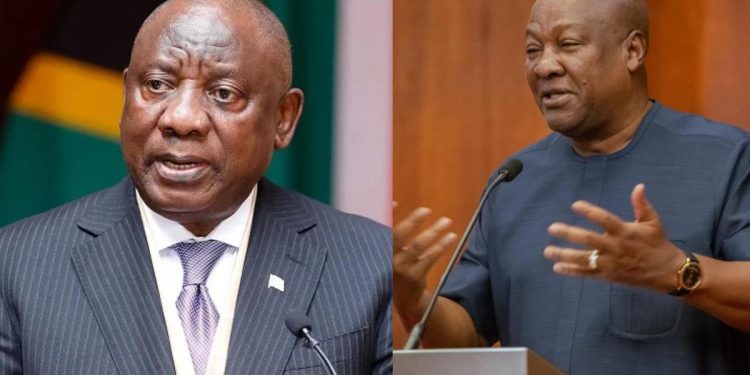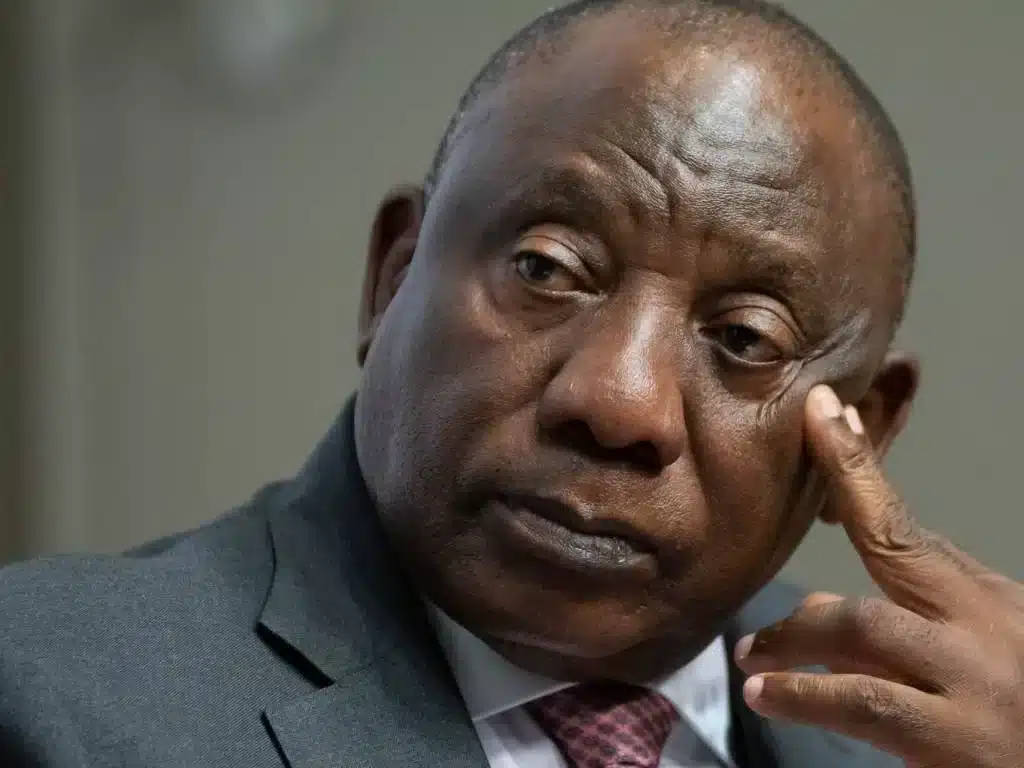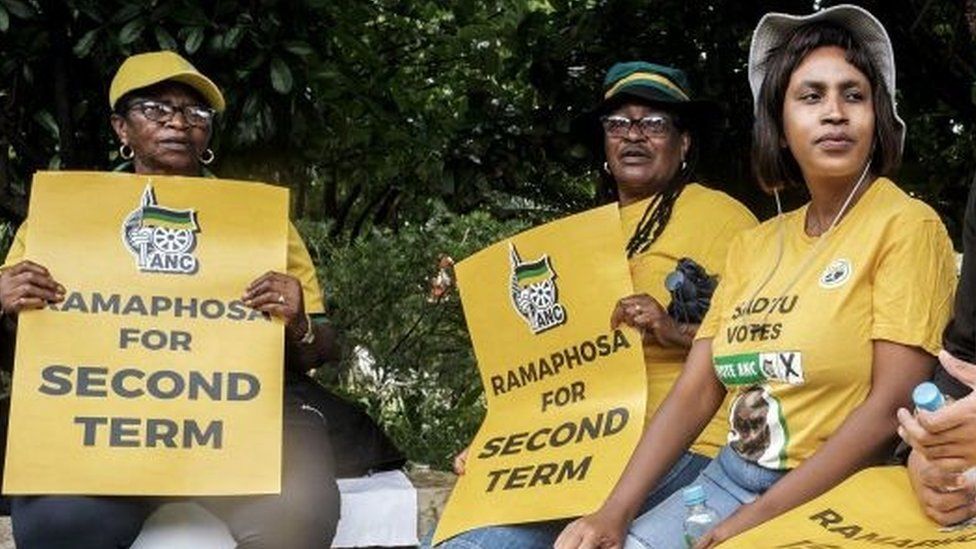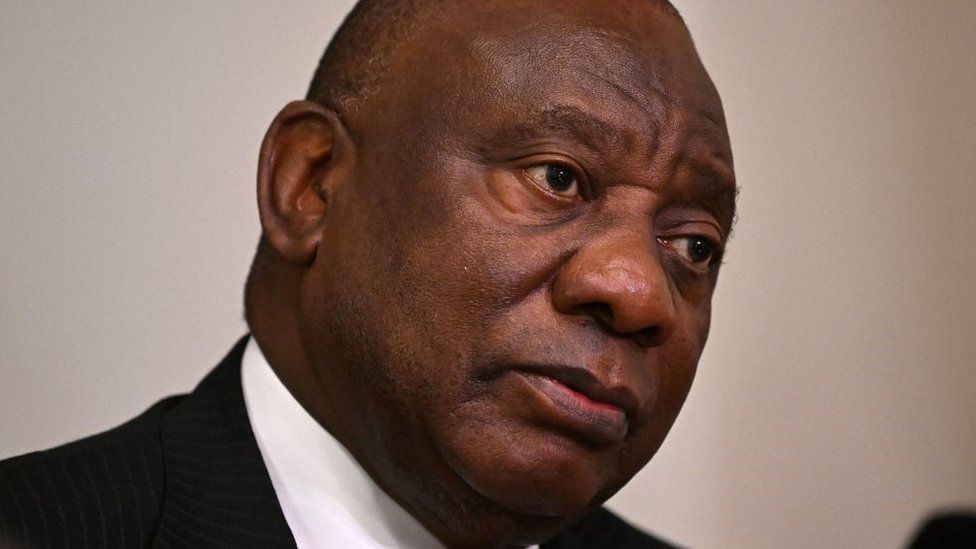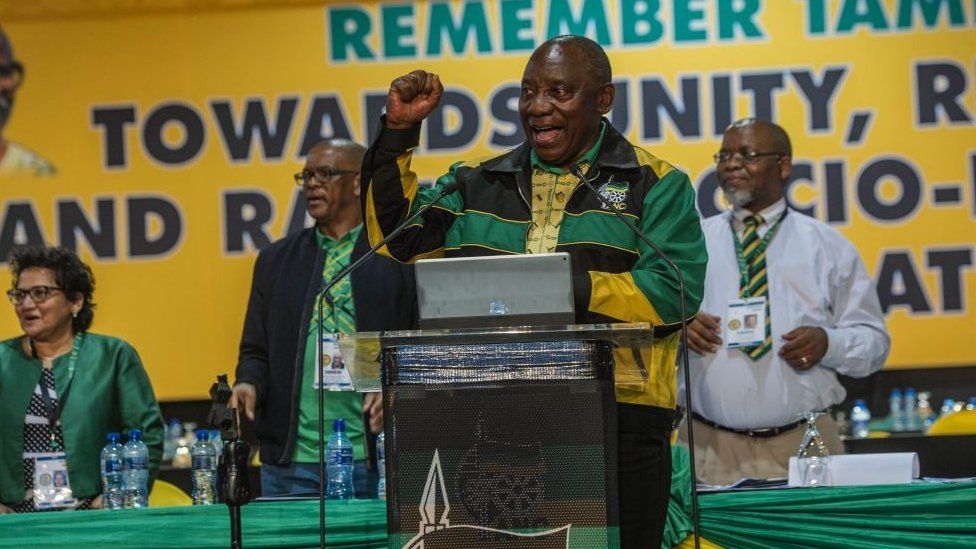
For the first time, South Africa’s President Cyril Ramaphosa has explicitly expressed deep regret over the violent xenophobic attacks on foreign nationals by his country’s citizens.
His comments come at a time when Ghana has resumed the evacuation of its citizens after suspending the exercise a few months ago.
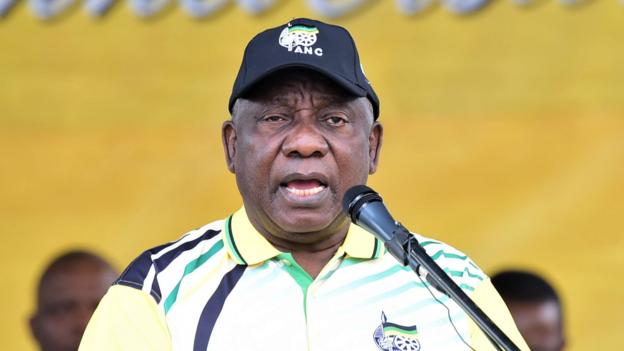
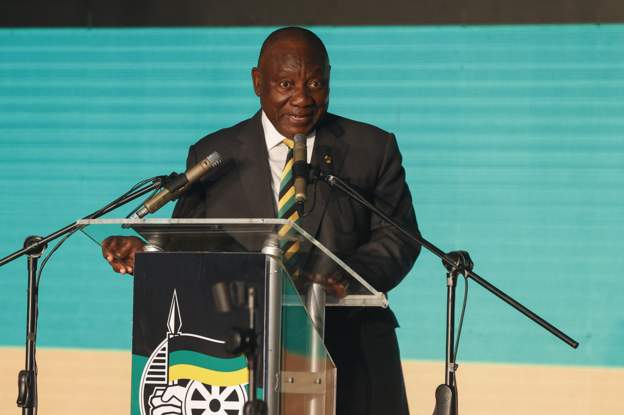
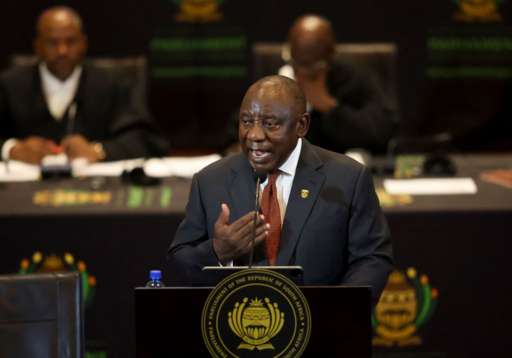
Speaking at the Pan-African Parliament on Monday, July 27, 2026, President Ramaphosa described the incidents as “sad and abhorrent” and extended condolences to the victims and their families.
“There have been incidents that have been quite sad and abhorrent, where people have been injured, and some people have died and lost their lives, which we as South Africa deeply, deeply regret and mourn,” he said.
The South African leader acknowledged that the attacks had been fuelled partly by misinformation and prejudice, while also pointing to concerns among some citizens about the impact of illegal migration.
“This is fuelled in part by misinformation and prejudice, but it draws on a genuine concern among some South Africans about the social and economic burden that is brought upon them by illegal migration,” he said.
He emphasised that his government would not tolerate violence or intimidation against foreign nationals.
“As the South African government, I want to make it clear we have taken a firm stance against any form of intimidation, vigilantism, or violence directed at people from other countries or other nations,” he said.
He added that the government had also rejected xenophobia and Afrophobia and was strengthening the enforcement of laws to protect everyone living within the country’s borders.
“We have taken a firm stand against hatred for people from other countries, xenophobia or Afrophobia. We have taken steps to strengthen and enforce our laws to defuse tension and to ensure that all persons within our borders respect the rights of all and that the rights of people from outside South Africa are respected and upheld,” President Ramaphosa said.
1,000 Ghanaians expected to arrive
About 1,000 Ghanaians are expected to return home following renewed xenophobic attacks targeting migrants in South Africa.
The first group was scheduled to arrive in Accra on Sunday, July 26, and Monday, July 27.
According to the Ministry of Foreign Affairs, the evacuation exercise will only cover Ghanaians who have already registered with the Ghana High Commission in Pretoria and have voluntarily expressed their willingness to return home.
According to the ministry, women, children, the elderly, persons with underlying medical conditions and students will be given priority.
It added, “Government assures that we shall leave no Ghanaian behind in harm’s way.”
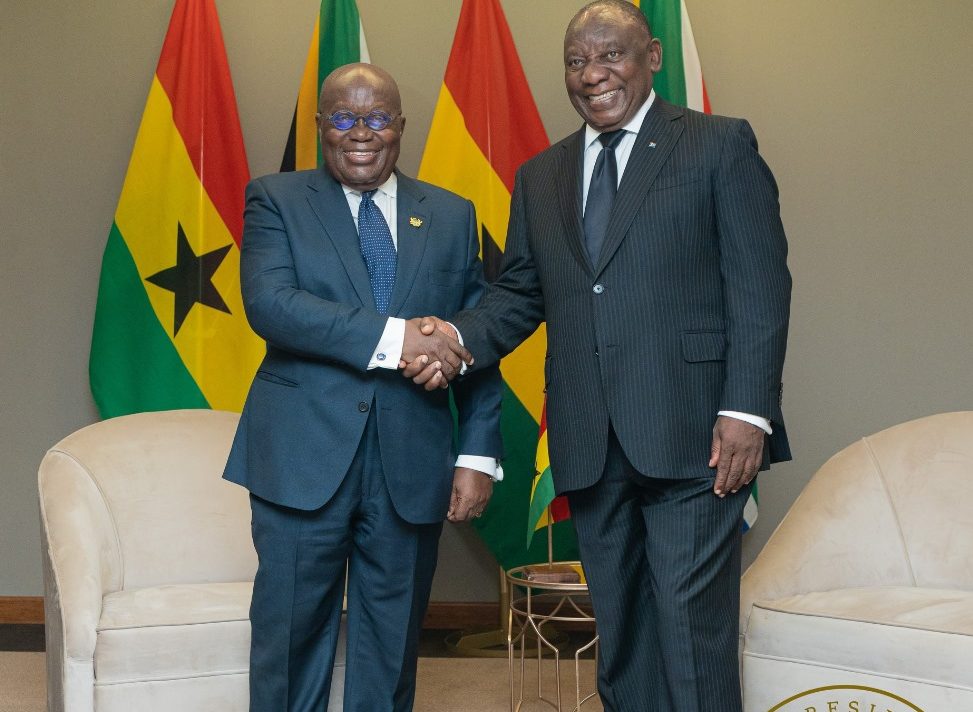
Meanwhile, South Africa’s Minister of International Relations and Cooperation, Ronald Lamola, has stated that the current migration-related challenges will not stand in the way of South Africa-Ghana bilateral relations.
During a meeting with President John Dramani Mahama, Lamola acknowledged concerns raised by Ghana over reports of the harsh treatment of migrants.
However, he noted that the two countries share a long-standing relationship and that parting ways is not the answer.
“There was an agreement between Ghana and ourselves that the current migration-related challenges will not stand in the way of South Africa-Ghana bilateral relations. It does not impact Ghana-South Africa bilateral relations because South Africa and Ghana have long enjoyed enduring friendship and relations.
“All countries have the right to enforce immigration laws. It is within the rights of a sovereign state to enforce immigration laws, but immigration must be regular and orderly, in line with the protocols of the AU and our own SADC. It should not be disorderly immigration,” he said.
When did the attacks start in SA, and why?
News of the xenophobic attacks surfaced after videos of nationals were captured attacking foreign nationals, showing harassment and intimidation of foreign nationals, including Ghanaians, over economic strain, including the over 40% unemployment, housing pressures, and misinformation, including reports of foreign nationals taking over SA markets while groups like Operation Dudula and “Put South Africa First” campaigns openly demand foreigners leave, documented or not.
Is this the first time xenophobic attacks are happening in SA?
The recent xenophobic attacks on foreigners by South African nationals aren’t the first. SA has a history of violent xenophobic attacks dating as far back as 1998.
In 1998, three foreign nationals were killed in Johannesburg. Two years later, seven more were killed in Cape Town.
After a long quiet in the attacks, the worst in SA’s history happened in 2008 when sixty-two (62) people lost their lives, 1,700 were injured, and about 100,000 were displaced nationwide, cementing xenophobia as a recurring national crisis.
In 2015, violence flared again after inflammatory remarks by the Zulu King. The unrest spread across the country, forcing the government to deploy the military to restore order.
By 2019, riots erupted in Durban and Johannesburg, with Nigerian‑owned businesses being specifically targeted.
More recently, between 2022 and 2025, smaller but persistent flare‑ups were linked to vigilante movements such as Operation Dudula. These included blocking foreigners from accessing health facilities in Gauteng and KwaZulu‑Natal, reflecting how xenophobia had become embedded in everyday life.