Tag: Disease

  • Mpox cases near 1k as GHS confirms 12 new infections

    Mpox cases near 1k as GHS confirms 12 new infections

    Ghana continues to grapple with a rising number of monkeypox (Mpox) cases despite preventive measures implemented by the Ghana Health Service (GHS).

    As of Sunday, January 18, the country recorded an additional twelve (12) new cases of Mpox, bringing  the total number of confirmed cases nationwide to nine hundred and eighty ( 980).

    Unfortunately, all 16 regions in the country have recorded cases of the disease so far. The increasing number of cases in the country continues to raise concerns. In the meantime, the country can breathe a sigh of relief as the Health Ministry has secured 33,600 vaccines to strengthen Ghana’s fight against the monkeypox (Mpox) virus. “This is another milestone in safeguarding the health and well-being of our citizens,” the ministry said in a Facebook post.

    Months ago, the Ministry of Health received a significant boost in its fight against the ongoing Mpox outbreak following the donation of essential medical supplies and public health materials from the World Health Organization (WHO).

    During a brief ceremony held at the Ministry, the WHO Regional Director for Africa, Professor Mohamed Yakub Janabi, reaffirmed the organization’s commitment to supporting Ghana’s public health response and acknowledged the country’s commendable leadership in managing the outbreak.

    The donation, valued at USD 36,700, includes personal protective equipment (PPE) for frontline health workers, 780 GeneXpert cartridges to improve diagnostic capacity, and 9,000 risk communication posters along with 40 pull-up banners to support community sensitization efforts.

    The PPE will help enhance infection prevention and control, while the GeneXpert cartridges are expected to facilitate rapid and accurate testing, particularly at decentralized levels. The risk communication materials are aimed at promoting public awareness and behavioural change. 

    The Minister for Health, Honourable Kwabena Mintah Akandoh, who received the items on behalf of the government, thanked the WHO for its continued support.

    He indicated that Ghana is keen to adopt vaccines as part of its response strategy and called on the WHO to expedite assistance in that regard. 

    He also encouraged the public to maintain good hygiene practices and to seek prompt medical attention if they experience symptoms such as fever, cough, headache, or skin rashes. He noted that the Ministry remains committed to strengthening public health systems and working closely with partners to contain the outbreak and protect the health of all Ghanaians. Health officials explained that the Mpox disease primarily spreads through direct contact with an infected individual. Common signs include fever, skin rashes, and swollen lymph nodes.

    The Ghana Health Service is urging the public to avoid close interactions with symptomatic persons, maintain regular handwashing with soap and water, refrain from frequently touching the face, and use masks when caring for patients.

    The Service added that it is closely monitoring the outbreak, conducting contact tracing, and strengthening public education with the support of regional health directorates.Following the detection of twenty (20) new infections as of Wednesday, July 30, the Ghana Health Service (GHS) on Monday, July 27, reported the unfortunate demise of one of the individuals who had contracted the disease.

    Since Ghana recorded its first Mpox case in June 2022, with five cases, this is the first time any of the infected persons has succumbed to the disease. In its regular updates, the Ghana Health Service noted that as of July 22, twenty-three (23) new cases were recorded, pushing the total confirmed cases to 257 at the time.

    Ghana’s confirmed Mpox cases rose to 234 following the detection of sixteen (16) new cases as of July 18. The number of cases stood at 218 after twenty-one (21) new infections were detected as of July 14. The Ghana Health Service reported 197 confirmed cases following the detection of eleven (11) new infections as of July 11.

    The Service, while revealing this information, described the trend as a gradual yet manageable increase and called for sustained public vigilance. The country has seen a slight uptick in infections. Health officials, however, maintain that the overall situation remains under control. 

    Although many cases are mild, early medical care is crucial to avoid complications. In light of the growing Mpox cases, the GHS is boosting nationwide information campaigns to ensure citizens remain aware and cautious. 

    Preventive actions such as avoiding direct contact with sick individuals, practicing proper hygiene, and promptly seeking care when symptoms show are being emphasized. Officials stress the importance of swift case detection and notification, with field teams and community health workers diligently monitoring developments.

    The public is being encouraged to stay watchful, adhere to health precautions, and contribute to collective efforts to stop the virus from spreading. The government is engaging international organizations for assistance in procuring vaccines to help curb the rising number of cases being reported.

    The World Health Organization (WHO) in Ghana has provided laboratory PCR reagents to enhance the country’s diagnostic capacity. The donation was officially handed over to the Ghana Health Service (GHS) at the National Public Health Reference Laboratory.

    Receiving the supplies on behalf of the GHS, Acting Deputy Director General Dr. Caroline Reindorf Amissah expressed gratitude for WHO’s ongoing logistical and technical support. “We promise from our end to do our bit, collaborate, go out there, and look for the cases to make sure that this is really brought under control,” she stated.WHO Country Representative Dr. Fiona Braka emphasized that the organization hopes the reagents will enable rapid diagnosis and prompt public health responses. 

    The supplies are capable of testing 3,400 suspected Mpox samples, and additional kits provided will allow clade determination for 625 confirmed positive cases. The monkeypox virus was first discovered in Denmark in 1958 in monkeys kept for research, according to the World Health Organization (WHO). 

    A nine-month-old boy from the Democratic Republic of Congo in 1970 was the first person to contract the virus. According to the World Health Organization, following the eradication of smallpox in 1980 and the end of smallpox vaccination worldwide, Mpox steadily emerged in central, east, and west Africa.”Since then, mpox has been reported sporadically in central and east Africa (clade I) and west Africa (clade II). In 2003, an outbreak in the United States of America was linked to imported wild animals (clade II). 

    Since 2005, thousands of cases have been reported in the Democratic Republic of the Congo every year. In 2017, mpox re-emerged in Nigeria and continues to spread between people across the country and in travellers to other destinations,” the WHO reports. 

    In May 2022, an outbreak of Mpox appeared suddenly and rapidly spread across Europe, the Americas, and then all six WHO regions. Since 2022, there has also been an upsurge in Mpox cases and deaths in the Democratic Republic of the Congo. In some areas of the country, a new offshoot of clade I, called clade Ib, has been spreading person-to-person. 

    As of mid-2024, the clade has also been reported in other countries.Over 120 countries have reported Mpox between January 2022 and August 2024, with over 100,000 laboratory-confirmed cases and more than 220 deaths among confirmed cases. Following the meeting of the International Health Regulations (2005) Emergency Committee regarding the upsurge of Mpox in 2024, held on June 5, 2025, the World Health Organization stated that “Over the past 12 months, the majority of mpox cases have continued to be reported from the African continent, largely driven by outbreaks of MPXV clade Ib in East African countries, including the DRC, where clade Ia is co-circulating.

    “Sierra Leone, however, is experiencing a rapidly evolving outbreak, which, based on available genomic sequencing results, appears to be driven by MPXV clade IIb.”Outside of the African region, there continues to be a steady report of monthly cases (between about 500 – 1000 monthly), from all regions, mostly reflecting ongoing circulation of MPXV clade IIb among men who have sex with men (MSM),” the WHO added.

    WHO Director-General Dr. Tedros Adhanom Ghebreyesus has declared Mpox a Public Health Emergency of International Concern (PHEIC) twice. The first was in May 2022, and the second time was in August 2024. 

    The World Health Organization  continues to work with member states and partners to prevent and respond to outbreaks of Mpox.This includes coordinating research on vaccines and treatments, strengthening country health systems, and working to facilitate equitable access to vaccines, therapeutics, diagnostics, and other tools.

  • Next pandemic to hit Ghana is Non-Communicable Diseases – Health Expert warns

    Next pandemic to hit Ghana is Non-Communicable Diseases – Health Expert warns

    Health experts are issuing a dire warning that Non-Communicable Diseases (NCDs) could emerge as the next global pandemic post-COVID-19 if prompt action is not taken.

    Annually, over 94,000 deaths are attributed to NCDs like diabetes, hypertension, kidney failure, and cancers, yet current efforts to combat this silent crisis are deemed inadequate.

    At the JoyNews National Dialogue on NCDs, experts emphasized the urgent need for proactive government intervention.

    Prof. Gordon Abekah-Nkrumah, from the University of Ghana Business School’s Department of Health Services Management, stressed a multidimensional approach to tackling NCDs.

    He underscored the necessity of robust regulations and policies to address the underlying causes of these diseases.

    “NCDs are the next pandemic. How are we communicating this to the elites who have the power to make decisions when it comes to resource allocation, such as the Ministry of Finance and cabinet?

    “Do they see NCDs as the next COVID, which may necessitate the President addressing the nation every fortnight and holding meetings all over the place?

    “The way we package this message and align it with their own incentives, in terms of how this determines their electoral fortunes, will be very important,” Prof. Abekah-Nkrumah stated.

    Effectively conveying the severity of NCDs and their potential impact on public health and the economy is essential for mobilizing support and resources. Dr. Kwasi Boahene, Director of Health Systems at PharmAccess, painted a bleak picture of Ghana’s NCD landscape, projecting annual expenditures of approximately six billion dollars by 2030 to address these chronic ailments.

    The consensus among health experts is clear: immediate, strategic interventions are imperative to prevent NCDs from evolving into the next pandemic. This calls for comprehensive policies and persuasive engagement with decision-makers.

  • Abusing energy drinks could lead to kidney failure – Apaak

    Abusing energy drinks could lead to kidney failure – Apaak


    In response to growing concerns regarding the harmful effects of certain energy drinks on kidney health, Member of Parliament for the Builsa South constituency, Dr. Clement Apaak, has urged health professionals to intensify awareness campaigns.

    He cautioned that the widespread misuse and abuse of these beverages in local markets could significantly contribute to the rising incidence of kidney diseases among young people.

    Dr. Apaak emphasized the lack of awareness regarding the potential dangers posed by these drinks, noting that many individuals consume them excessively without fully understanding the associated health risks.

    “We need to conscientize efforts, from both the health perspective and that of lawmakers, to address this pressing issue,” he stressed.

    His comments coincided with a generous donation of GHS 5,000.00 towards the establishment of a much-needed Dialysis Center at the Upper East Regional Hospital.

    This contribution aims to ease the burden of managing kidney disease in the region, providing vital assistance to affected individuals.

    Expressing heartfelt appreciation for Dr. Apaak’s donation, a Physician Assistant and advocate for the Dialysis Center initiative, Emmanuel Akatibo, stressed the importance of the contribution in advancing the center’s establishment.

    He pledged to ensure its effective utilization for the community’s benefit.

    In addition to expressing gratitude, Akatibo vowed to lead advocacy efforts aimed at raising awareness about kidney health and promoting proactive measures.

    He highlighted the critical role of early detection and lifestyle changes in reducing the prevalence of kidney diseases, pledging to prioritize community education and outreach initiatives.

  • Another Nollywood actor Amaechi Muonagor, battling  kidney disease, diabetes, stroke

    Another Nollywood actor Amaechi Muonagor, battling kidney disease, diabetes, stroke

    Tony ‘Oneweek’ Muonagor, a singer and cousin to actor Amaechi Muonagor, has provided an update on the actor’s current health condition.

    In a detailed post on his Facebook page on Monday, Tony revealed that Amaechi is battling kidney disease, diabetes, and strokes. He further explained that the actor is undergoing weekly dialysis and physiotherapy to address the paralysis resulting from the stroke.

    Sharing the picture of his visit to the hospital, Tony wrote: “This picture was taken two weeks ago when I visited my cousin Amaechi Monagor at the Nnewi Teaching Hospital. I initially wanted to quietly assist the way I could but later decided to make this post so that the online community could be better informed.

    “Amaechi is currently down with kidney disease, diabetes and stroke. He had been managing his diabetes over the years and living his life.

    “He is undergoing weekly dialysis and other treatments. The recent stroke made his case more expensive to battle alone, hence the publicity.

    “Amaechi is my first cousin. Many groups have been donating money for his hospital bills. As of today, there’s been some improvement. His blood sugar is under control, but he is still on weekly dialysis, physiotherapy and other treatments.

    “His full treatments and recovery require sustained funding. No amount is too small. Please keep Amaechi and his family in your prayers. May God grant him full healing.

    God bless you now and always.

    “Tony Oneweek Muonagor.”

    https://www.youtube.com/watch?v=GaR3RHpNsuM
  • A live worm discovered within the brain of a woman in Australia

    A live worm discovered within the brain of a woman in Australia

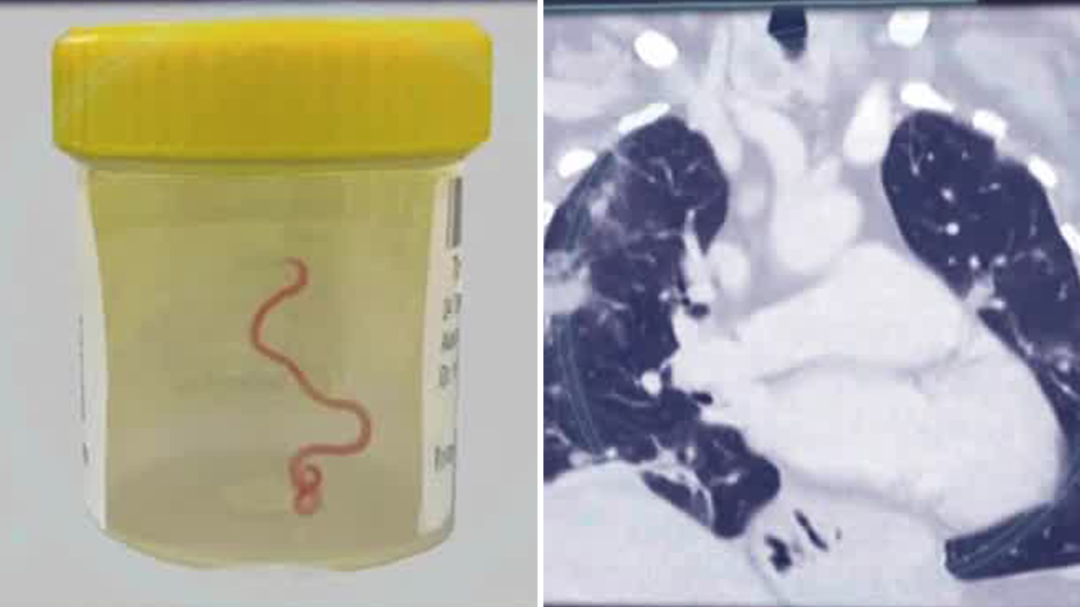
    BBC, researchers announced on Monday that they discovered a live 8cm (3in) worm within the brain of an Australian woman, marking a global first.

    The 64-year-old woman had been experiencing symptoms such as stomach pain, cough, night sweats, and subsequently, forgetfulness and depression over the course of several months.

    She was admitted to the hospital in late January 2021, and a subsequent scan revealed an “unusual lesion within the right frontal lobe of the brain.”

    However, the true cause of her condition only became evident during a biopsy performed in June 2022.

    Dr. Hari Priya Bandi, the surgeon who conducted the procedure, explained that a “string-like structure” was extracted from the patient’s affected frontal lobe during the surgery in Canberra in 2022.

    She said, “It was definitely not what we were expecting. Everyone was shocked.”

    According to a report from the BBC, her situation is believed to mark the inaugural occurrence of larvae infiltration and growth within the human brain. This revelation comes from research published in the Emerging Infectious Diseases journal, which documented the case.

    Additionally, the doctor noted that the crimson-hued parasite may have resided within her brain for approximately two months.

    Residing in an area near a lake in the southeastern region of New South Wales state, the woman is on a steady path to recovery.

    The neurosurgeon responsible for identifying the worm mentioned that she had just started interacting with the peculiar brain region that had appeared unusual on the scans when she sensed something different.

    She recounted, “I thought, gosh, that feels funny, you couldn’t see anything more abnormal.”

    “And then I was able to really feel something, and I took my tweezers and I pulled it out and I thought, ‘Gosh! What is that? It’s moving!”

    “Everyone was shocked. And the worm that we found was happily moving, quite vigorously, outside the brain,” Dr Bandi said.

  • Enterprise grant for PWDs launched

    Enterprise grant for PWDs launched

    The government has introduced a GH¢12 million enterprise support program specifically tailored for individuals with disabilities (PWDs) in the country.

    The PWD Enterprise Support Programme seeks to offer technical assistance and grant funding initiatives exclusively to 150 enterprises owned by PWDs.

    The proposed special window is expected to promote the welfare of the enterprises owned by PWDs through business and financial management training and grant funding.

    It is targeting PWD enterprises in agriculture/agro-processing, construction, education, food and beverages, health care or pharmaceuticals, textiles and garments, manufacturing, information technology, tourism and hospitality.

    An application portal will be opened from June 6 this year until the end of next month to enable businesses to seek the opportunity to benefit from the financial support to be implemented by the Ghana Enterprises Agency (GEA) and funded by the World Bank under the Ghana Economic Transformation Project (GETP).

    Support for businesses

    Launching the programme in Accra yesterday, a Deputy Minister of Trade and Industry, Dr Stephen Amoah, said the government was committed to supporting all businesses in the country to ensure inclusive growth.

    He said supporting PWDs in Ghana was essential for upholding quality inclusivity and fostering economic empowerment.

    “It is important to note that interventions and programmes of such nature align with the government’s goals of providing training, capacity developing, funding, access to market and technology to enable them to scale up their businesses and transition into the next stage of growth, thereby improving their ability to increase sales and exports,” he said.

    He said the government in 2021 transformed the National Board for Small Scale Industries (NBSSI) into a bigger firm called GEA to efficiently manage micro, small and medium enterprises (MSMEs) in the country.

    He said in line with that, a national MSMEs policy was designed to stimulate the growth of the sector to produce quality products and services capable of competing locally and internationally.

    The Minister for Gender, Children and Social Protection, Lariba Zuweira Abudu, noted that despite the progress made in recent years, PWDs still faced significant challenges in society.

    She said PWDs often struggled to access basic social amenities that most people took for granted and were frequently excluded from social, cultural and economic activities.

    However, she said it was important to recognise that PWDs were an integral part of the community and had much to contribute to the economic development of this great nation.

    “PWDs possess unique skills, talents and perspectives that can enrich our society and help us to build a more inclusive and equitable society and future.

    “As a nation, we must work together to ensure that persons with disabilities have equal access to opportunities and resources,” he said.

    He said that included providing accessible infrastructure, promoting inclusive education and creating employment opportunities that were tailored to their needs.

    Govt not oblivious

    The Chief Executive Officer of GEA, Kosi Yankey-Ayeh, stated that the government was not oblivious of the various challenges faced by PWD-owned enterprises.

    He said it was also determined to sustain efforts at creating a more enabling business environment that promoted growth among local businesses, including those owned by PWDs.

    “Here at GEA, we observed a trend where PWD firms have been underrepresented in the various technical assistance and grant programmes because the qualifying criteria seemed rather too high to effectively compete with non-PWD enterprises.

    “Under the first phase of the COVID-19 Response Grant Programme implemented in 2021, only three PWD enterprises were eligible for support out of over 370 firms supported with grants,” she noted.

    She added that the support for businesses owned by PWDs in the country was a positive development that would help promote a more inclusive and diverse society.

    Driver of economic growth

    The Country Director of the World Bank, Pierre Frank Laporte, noted that the bank believed that MSMEs were a key driver of economic growth in the country, contributing to job creation and socio-economic inclusion.

    He said it was important to support enterprises led by PWDs and ensure they could grow and provide opportunities for more people.

    Commendation

    The Executive Director of the Ghana Blind Union, Peter Obeng-Asamoa, commended the government, GEA and support agencies for the introduction of the PWD Enterprise Support Programme.

    “We have been waiting for this kind of initiative for a long time to support us to grow our businesses,” the executive director said.

  • Esther Rantzen’s lung cancer reaches stage four

    Esther Rantzen’s lung cancer reaches stage four

    Dame Esther Rantzen has disclosed that the stage of her lung cancer, which was discovered in January, has reached stage 4.

    The 82-year-old, who founded Childline and the Silver Line, also told the Daily Mirror she was on a new form of medication.

    In a wide-ranging interview about her health, Dame Esther told the newspaper: “I’m on one of the new medications, and nobody knows if it’s working or not.”

    “But I will have a scan fairly soon which will reveal one way or another.”

    She explained she had gone public with her lung cancer diagnosis “because I find it difficult to skulk around various hospitals wearing an unconvincing disguise”.

    Stage four is the most advanced stage of lung cancer, and means the cancer has spread beyond the lungs or from one lung to the other.

    Dame Esther enjoyed a successful TV presenting career which included hosting BBC consumer show That’s Life! for 21 years.

    Howard Leader, Kevin Devine, Esther Rantzen and Gavin Campbell
    Image caption, Rantzen and That’s Life! co-presenters Howard Leader, Kevin Devine and Gavin Campbell pictured in 1993

    She is also known for launching of ChildLine in 1986, the first national helpline for children in danger or distress.

    In 2013, she launched the Silver Line, a charity to help elderly people suffering from isolation and loneliness.

    She told the Mirror: “My diagnosis of stage four lung cancer made me realise how very lucky I’ve been in my life, working with Childline and the Silver Line, and meeting so many fascinating and inspiring people, and especially lucky to have spent 21 years working as producer/presenter of That’s Life!”

    “I’m not good at regrets,” she continued. “What I treasure most are the fantastic friendships I have made thanks to That’s Life! during the last 50 years, the people I met, and the team who worked so hard, and laughed so hard, together for so long.”

    Lung cancer: Signs and symptoms

    • Lung cancer is one of the most common and serious types of cancer. More than 43,000 people are diagnosed with the condition every year in the UK
    • There are usually no signs or symptoms in the early stages of lung cancer, but many people with the condition eventually develop symptoms including a persistent cough, coughing up blood, persistent breathlessness, unexplained tiredness and weight loss, and an ache or pain when breathing or coughing
    • Lung cancer mainly affects older people. It’s rare in people younger than 40. More than four out of 10 people diagnosed with lung cancer in the UK are aged 75 and older
    • Lung cancer does not usually cause noticeable symptoms until it’s spread through the lungs or into other parts of the body. This means the outlook for the condition is not as good as many other types of cancer.
  • Tanzania:  Confirms upsurge of Marburg Virus Disease

    Tanzania: Confirms upsurge of Marburg Virus Disease

    Tanzania has now acknowledged a Marburg virus disease outbreak.

    Following the deaths of at least five people in Kagera and Bukoba, preliminary investigations revealed that some of the samples tested positive for viral hemorrhagic fever.

    After a warning from district health officials, Tanzanian health authorities sent samples to the reference laboratory to ascertain the disease’s etiology.

    Five fatalities and seven probable cases have been reported thus far, along with symptoms like fever, exhaustion, and vomit and diarrhea stained with blood.

    Further investigations are ongoing.

    Advance teams have been deployed in the affected districts to trace contacts, isolate and provide medical care to people showing symptoms of the disease.

    Efforts are also underway to rapidly mount emergency response, with WHO deploying health emergency experts in epidemiology, case management, infection prevention, laboratory and risk communication to support the national response efforts and secure community collaboration in the outbreak control.

    Marburg virus disease is a highly virulent disease that causes hemorrhagic fever, with a fatality ratio of up to 88%. It is in the same family as the virus that causes Ebola virus disease.

    Illness caused by Marburg virus begins abruptly, with high fever, severe headache and severe malaise. Many patients develop severe haemorrhagic symptoms within seven days.

    The virus is transmitted to people from fruit bats and spreads among humans through direct contact with the bodily fluids of infected people, surfaces and materials.

    There are no vaccines or antiviral treatments approved to treat the virus.

    However, supportive care – rehydration with oral or intravenous fluids – and treatment of specific symptoms, improves survival.

    A range of potential treatments, including blood products, immune therapies and drug therapies, as well as candidate vaccines with phase 1 data are being evaluated.

  • Africa calls for New Public Health Order

    The African Union Commission and Africa Centres for Disease Control and Prevention (Africa CDC) have called on governments, multilateral organisations, philanthropies, the private sector, and civil society organizations to support the full implementation of Africa’s New Public Health Order to drive global health security.

    The request for support was made at a series of events leading up to the 77th United Nations General Assembly.

    The New Public Health Order for Africa is a roadmap to sustainable health outcomes and health security. It is defined by five pillars:

    1. Strong African Public Health Institutions that represent African priorities in global health governance and that drive progress on key health indicators;
    2. Expanded Manufacturing of Vaccines, Diagnostics, and Therapeutics to democratize access to life-saving medicines and equipment;
    3. Investment in Public Health Workforce and Leadership Programs to ensure Africa has the workforce it needs to address health threats;
    4. Increased Domestic Investment in Health, including the domestic mobilization of financial resources, human capital, technical resources, and networks; and
    5. Respectful, Action-Oriented Partnerships to advance vaccine manufacturing, health workforce development, and strong public health institutions.

    Call to strengthen African Public Health Institutions

    African leaders called for support to strengthen Africa’s public health institutions, including the Africa CDC which led the coordination of Africa’s pandemic response, helping to significantly reduce loss of life during COVID-19.

    “To achieve [its public health goals], the African Union Assembly in February 2022 granted Africa CDC autonomy to be able to fulfil its mandate, supporting member states to achieve health sovereignty,” said African Union Chairperson Moussa Faki. “But Africa CDC alone cannot meet this challenge,” he added.

    “If you don’t have strong public health institutions before an emergency when the emergency comes it doesn’t matter how many resources you have. You’ll still struggle,” said Dr Ahmed Ouma, Acting Director of the Africa Centres for Disease Control and Prevention.

    Call to support vaccine manufacturing in Africa

    Leaders also called upon all vaccine-purchasing mechanisms, such as the Global Alliance for Vaccination and Immunization (GAVI), to purchase at least 30 per cent of their vaccines from manufacturers in Africa.

    While Africa currently produces one per cent of its routinely used vaccines, it has set a bold target of meeting up to 60 per cent of its vaccine demand through regional manufacturing by 2040.

    By making explicit commitments to offtake vaccines from Africa, vaccine-purchasing mechanisms can stimulate private sector investment in vaccine manufacturing.

    Call to support health workforce development

    Health workforce development was another prominent focus. According to the WHO, Africa currently has a ratio of 1.55 health workers (physicians, nurses, and midwives) per 1,000 people.

    This is below the WHO threshold density of 4.45 health workers per 1,000 people needed to deliver essential health services and achieve universal health coverage.

    “Health workers are a crucial pillar in a well-functioning health system. Yet, they have been historically deprioritized in discussions about improving health systems,” said President Cyril Ramaphosa in a statement read on his behalf by South Africa Health Minister Dr Joe Phaahla.

    “It is good economics to invest in the health workforce as the return is measurable and dependable,” he added.

    Leaders urged greater investment in health workforce development, and specifically called for stronger support of Community Health Worker programs in Africa.

    “Experience shows that professional community health workers who are properly paid, trained, equipped, and supervised are best prepared to provide essential health services in their communities,” said President Ellen Johnson Sirleaf.

    She also highlighted that most community health workers in Africa are women who perform exceptional work but are unpaid for their efforts. “It is time to correct this injustice,” she urged.

    Respectful, Action-oriented Partnerships

    To advance progress towards stronger public health institutions, a robust workforce, and medical manufacturing in Africa, the Africa CDC and African Union Commission need partners. Leaders emphasised that the nature of these partnerships is important and called for partnerships oriented around principles of mutuality and respect, that recognize African knowledge and expertise and deliver contextually-relevant support and programs.

    Partners of the African Union Commission and Africa CDC underscored that delivering a New Public Health Order for Africa is key to strengthening the global health infrastructure and ensuring better global preparedness to effectively respond to infectious disease outbreaks in the future.

    “Achieving this future will take partnership, and not just any partnership but partnership that’s rooted in respect – and that means starting by listening, understanding, and then responding to real needs and top priorities,” said Reeta Roy, President and CEO of the Mastercard Foundation, which last year partnered with the Africa CDC to launch the $1.5 billion Saving Lives and Livelihoods initiative.

    The Saving Lives and Livelihoods initiative has purchased vaccines for over 65 million people in Africa and is enabling the vaccination of millions more.

    The initiative is also designed to drive health workforce development and strengthen the Africa CDC to ensure long-term health security.

    Source: Myjoyonline.com

  • Over exploitation of biodiversity cause of disease outbreaks

    The over-exploitation of the natural environment and destruction of biodiversity are among the major causes of the outbreak of many infectious diseases in the world.

    Mr. David Kwarteng, an Environmentalist, said excessive bush burning, illegal logging and mining, pollution, hunting for game and other destructive activities on the natural environment, were the main factors responsible for the outbreak of many deadly infectious diseases, including the coronavirus.

    Speaking to the Ghana News Agency in an interview in Kumasi, he said studies showed that pollution alone was the cause of many major diseases, some potentially fatal.

    Mr Kwarteng mentioned some of the diseases caused by excessive pollution as asthma, cancers, neurodevelopmental disorders, birth defects in children, heart and lungs diseases and stroke.

    He cited the current outbreak of the novel coronavirus, which was believed to have been triggered by human activities in Wuhan, China and said studies indicated strong linkages between environmental destruction caused by human actions and diseases.

    “Most communicable infections like Ebola, HIV/AIDS, and currently, the COVID-19 have linkages to human actions on biodiversity”, he stated, adding that, “these are often as a result of over exploitation or the speed over effect on nature.”

    Mr Kwarteng said it was time mankind co-existed peacefully with nature to avoid deadly infections.

    “In order to ensure that the present crisis of COVID-19 is cured and future happenings prevented, society must transition to a more just and equitable society where humans co-exist harmoniously with nature,” he said.

    Mr Kwarteng, who is also the Director of the Institute of Nature and Environmental Conservation (INEC), an NGO focusing on preservation and protection of plants, said the culture of tree planting, afforestation, land reclamation and restoration, wildlife conservation and plastic waste management should be embraced by all.

    This, he believed, was one of the surest ways to ensure climate mitigation as well as sustaining human lives in the wake of pandemics such as COVID-19.

    He called for a national action on trading of illegal bushmeat to curtail some underlined effects of consumption on human health.

    Mr. Kwarteng said it was worth noting that China, which had one of the biggest bush meat markets worldwide, had closed its markets to reduce transmissions of such diseases from animals to humans.

    Source: GNA

  • Millions at risk from known diseases as focus shifts to coronavirus

    As COVID-19 deaths climb ever higher in Europe and the United States, millions of lives are at risk in developing nations where lockdowns and overwhelmed medical systems are disrupting vital testing, vaccination and treatment for other killer diseases.

    The pandemic has seen unprecedented social distancing measures, with billions confined to their homes in a bid to stem the viral spread. Schools, businesses and public spaces have been shuttered en masse.

    It has also fuelled unparallelled economic stimuli from governments and research funding to develop COVID-19 treatments and — the holy grail — a vaccine.

    But while the world is focused on the novel coronavirus, other infectious diseases continue to kill millions of humans, many of them children.

    Health experts warn that the COVID-19 pandemic is already denying untold numbers of patients treatment for illnesses such as tuberculosis, pneumonia and malaria.

    The United Nation’s child care programme UNICEF said last month that 117 million children were now at risk of contracting measles as vaccination programmes are suspended.

    “In some places routine services have been suspended also because the health systems are so stretched, all resources are being diverted to the COVID response,” Robin Nandy, head of UNICEF’s immunisation programme, told AFP.

    “Countries want to limit the contact of health people with potential patients, and this has an impact on vaccination coverage.”

    Measles killed more than 140,000 people in 2018, the vast majority aged under five.

    ‘Sleepless nights for a decade’

    More than 2,500 children die every day from pneumonia – a bacterial infection treated with effective drugs that cost pennies. That’s more than 800,000 preventable child deaths a year, studies have shown.

    In Nigeria, where pneumonia is the leading cause of under-five mortality, fears are growing that COVID-19 is already keeping infants from accessing live-saving interventions.

    “We see a lot of children coming to clinics having respiratory problems and the issue is with diagnosis and treatment,” said Sanjana Bhardwaj, UNICEF chief of health in Nigeria.

    “Another challenge is we do not have oxygen available across the country for children.”

    And that was before the onset of COVID-19, a disease where treatment often requires placing patients on ventilators of oxygen.

    “I’ve been having sleepless nights for more than a decade (about a pandemic),” Bhardwaj told AFP.

    “When you’re at the frontline and you go into communities and see the healthcare there you just get scared.”

    The Democratic Republic of Congo was suffering from multiple disease outbreaks even before COVID-19.

    A measles epidemic there has killed more than 6,000 people – again, mostly children, since the start of 2019.

    Malaria is a constant menace for infants in DR Congo and kills around 13,000 people there annually.

    And last month the World Health Organization was forced to delay an announcement heralding the end of the country’s Ebola crisis as new cases were discovered.

    “We already had significant morbidities such as malaria that was a huge problem, as well as malnutrition which really impacts children’s lives,” Alex Mutanganyi, Save The Children’s COVID-19 response coordinator in the country, told AFP.

    “COVID-19 has just increased the threats that always existed.”

    Vaccine development, reach

    Billions of dollars are currently being funnelled to research for a COVID-19 vaccine, without which scientists doubt economies can fully return to normal.

    More than 100 candidate vaccines exist, and around 70 of them are already being tested in clinical trials.

    On Wednesday, the Stop TB Partnership warned that coronavirus lockdowns could lead to as many as 1.4 million additional tuberculosis deaths, as testing and treatment programmes are disrupted.

    TB is the world’s biggest infectious disease killer, with around 10 million new infections and 1.5 million deaths annually.

    Unlike COVID-19, effective, safe and cheap treatments for TB already exist.

    The only current vaccine is more than 100 years old and only works on very young children. And despite being the deadliest infectious disease on Earth, TB research funding is still dwarfed by that given over to HIV and, now, COVID-19.

    Lucica Ditiu, executive director of the Stop TB Partnership, said that it would cost around $500 million to finish developing a safe and universally effective TB vaccine.

    “TB has been with us for thousands of years. For 100 years we’ve had an infant vaccine and we have two or three potential vaccines in the pipeline,” she said.

    “We look on in amazement at a disease that is 120 days old and it has 100 vaccine candidates in the pipeline. This is really fucked up.”

    Ditiu said that while governments are rightly focused on COVID-19, they mustn’t take their eye off of other communicable illnesses.

    “TB doesn’t effect too many visible people. It’s a disease for people with other vulnerabilities, poor people, ones living in poor parts of the city,” she said.

    “The fear we have is that developing a vaccine for COVID-19 now… may take the focus off of other diseases.”

    Not that finding a safe and effective COVID-19 vaccine will be enough to guarantee an end to the pandemic.

    “We need to be mindful that even with existing vaccines that we have had for decades, we’re still not reaching the populations that need them most,” said Nandy.

    UNICEF said last month that around 20 million children worldwide were missing out on routine vaccinations, with 13 million never receiving immunisation.

    “Developing a vaccine is not enough. Vaccines don’t deliver themselves. They need a functioning health system,” Nandy added.

    ‘Staying alive is work’

    COVID-19 is not just exposing the gaps in global responses for communicable diseases. Hundreds of millions of people need daily medication to manage a host of chronic conditions, from diabetes to high blood pressure.

    Last week the Non-Communicable Disease Alliance called on governments to ensure that people living with these illnesses can continue to receive vital treatment during the pandemic.

    While estimates vary, it is thought that as many as 175 million people suffer from undiagnosed diabetes and up to one billion from undiagnosed hypertension.

    Not only does this pose a hidden risk of COVID-19 complications for hundreds of millions globally, it also makes managing diagnosed disease harder.

    Vicki Atkinson, a health campaigner with the South Africa NCD Alliance, said that the No. 1 killer among women there was diabetes — a condition that can be well managed with daily medication.

    Atkinson, who herself suffers from diabetes and psoriasis, set up an information helpline so patients know how to access medical care during the lockdown. It was inundated with calls.

    “One woman was told to take a taxi two hours to go to a regional hospital in Cape Town to pick up her medicine,” she told AFP.

    “She is pregnant, on insulin and asthmatic. She didn’t want to do it.”

    The NCD Alliance warned of “severe disruptions” to global supply lines of medicine and biomedical equipment due to COVID-19.

    Atkinson and other health experts said the current pandemic had proven what they have been warning of for decades: the world is unhealthy, and health should not be taken for granted.

    “Without this people would have carried on as normal,” she said.

    “Across the board, we cannot pretend anymore. Chronic illness should be viewed as work. It’s work to stay alive.”

    Source: france24.com

  • Odd News: Coronavirus infected man caught rubbing saliva on elevator buttons

    While everyone is trying to adopt their best hygiene habits to keep the Wuhan novel coronavirus at bay, you would be shocked to know that there are some unscrupulous individuals who have only tried to make things worse, more so within China, where cases of the virus have only increased in numbers as each day passes.

    One especially notorious act was caught on security camera footage and it will disgust you just as much as it would horrify you to witness.

    In the video which was shot in the city of Datong in Shanxi Province on February 7, the man can be seen entering the lift, spitting on a tissue paper before rubbing his saliva on the lift buttons, after which he exits the lift, making it clear that rubbing the saliva was his mission in the lift.

    Property management received a report from a resident who found the buttons were abnormal and investigated the case.

    Source: jupdateafrica.com

  • Kidney failure tops Korle Bu’s top ten killers

    Dr Daniel Asare, the Chief Executive Officer (CEO) of the Korle Bu Teaching Hospital (KBTH), has advised Ghanaians to be wary of their lifestyle as there has been an upsurge in chronic kidney disease as well as other diseases.

    Chronic kidney disease, also known as chronic kidney failure, is the gradual loss of kidney function.

    Read: Korle Bu records increase in diseases, calls for change in lifestyle

    Chronic kidney disease is commonly caused by diabetes and high blood pressure, which are responsible for up to two-thirds of the cases, he stated.

    Dr Asare revealed this at a media engagement in Accra.

    He said the KBTH alone, in 2018, recorded a total of 547 chronic kidney disease cases which, he said, was alarming because the figures from other facilities were unknown.

    Dr Asare said other diseases that have seen an increase include stroke 488, Pulmonary Tuberculosis 277, hypertension 223, and pneumonia 221.

    The others are Diabetes Mellitus 201, congestive cardiac failure 195, severe anaemia 162, Pleural Effusion 105, as well as Hepatitis B and viral infection 71.

    Read: Korle Bu reveals top ten diseases killing Ghanaians

    “These are the top ten causes of death recorded in the hospital,” he said.

    He said in order to prevent the occurrence of such diseases, there was the need for people to make healthy food choices, make physical activity part of their routine, and aim for a healthy weight.

    The CEO said it is advisable for everyone to get enough sleep, stop smoking and limit alcohol intake.

    This, he said, when taken seriously would help reduce the numbers.


    Source: ghananewsagency.org

  • Korle Bu reveals top ten diseases killing Ghanaians

    Dr Daniel Asare, the Chief Executive Officer (CEO) of the Korle Bu Teaching Hospital (KBTH) has advised Ghanaians to be wary of their lifestyles as there has been an upsurge in chronic kidney disease as well as other diseases.

    Chronic kidney disease, also known as chronic kidney failure, is the gradual loss of kidney function.

    Chronic kidney disease is commonly caused by diabetes and high blood pressure, which are responsible for up to two-thirds of the cases, he stated.

    Read: Doctors at Korle Bu perform 4 successful kidney transplantation

    Dr Asare revealed this at a media engagement in Accra.

    He said the KBTH alone in 2018 recorded a total of 547 chronic kidney disease cases which was alarming because figures from other facilities were unknown.

    Dr Asare noted that this was worrying as these are non-communicable diseases which have seen an increase due to unhealthy lifestyles.

    He said other diseases that have seen an increase include; stroke 488, Pulmonary Tuberculosis 277, hypertension 223, and pneumonia 221.

    The others are Diabetes Mellitus 201, congestive cardiac failure 195, severe anaemia 162, Pleural Effusion 105, as well as Hepatitis B and viral infection 71.

    Read: No child died at Korle Bu from swallowing coin Authorities

    “These are the top ten causes of death recorded in the Hospital,” he said.

    He said in order to prevent the occurrence of such diseases there was the need for people to make healthy food choices, make physical activity part of their routine, and aim for a healthy weight.

    The CEO said it is advisable for everyone to get enough sleep, stop smoking and limit alcohol intake.

    This, he said, when taken seriously would help reduce the numbers.


    Source: ghananewsagency.org