Entertainment giant, Disney is planning to invest $5 billion (£3.9 billion) in producing blockbuster films and TV shows in regions including the UK over the next five years.
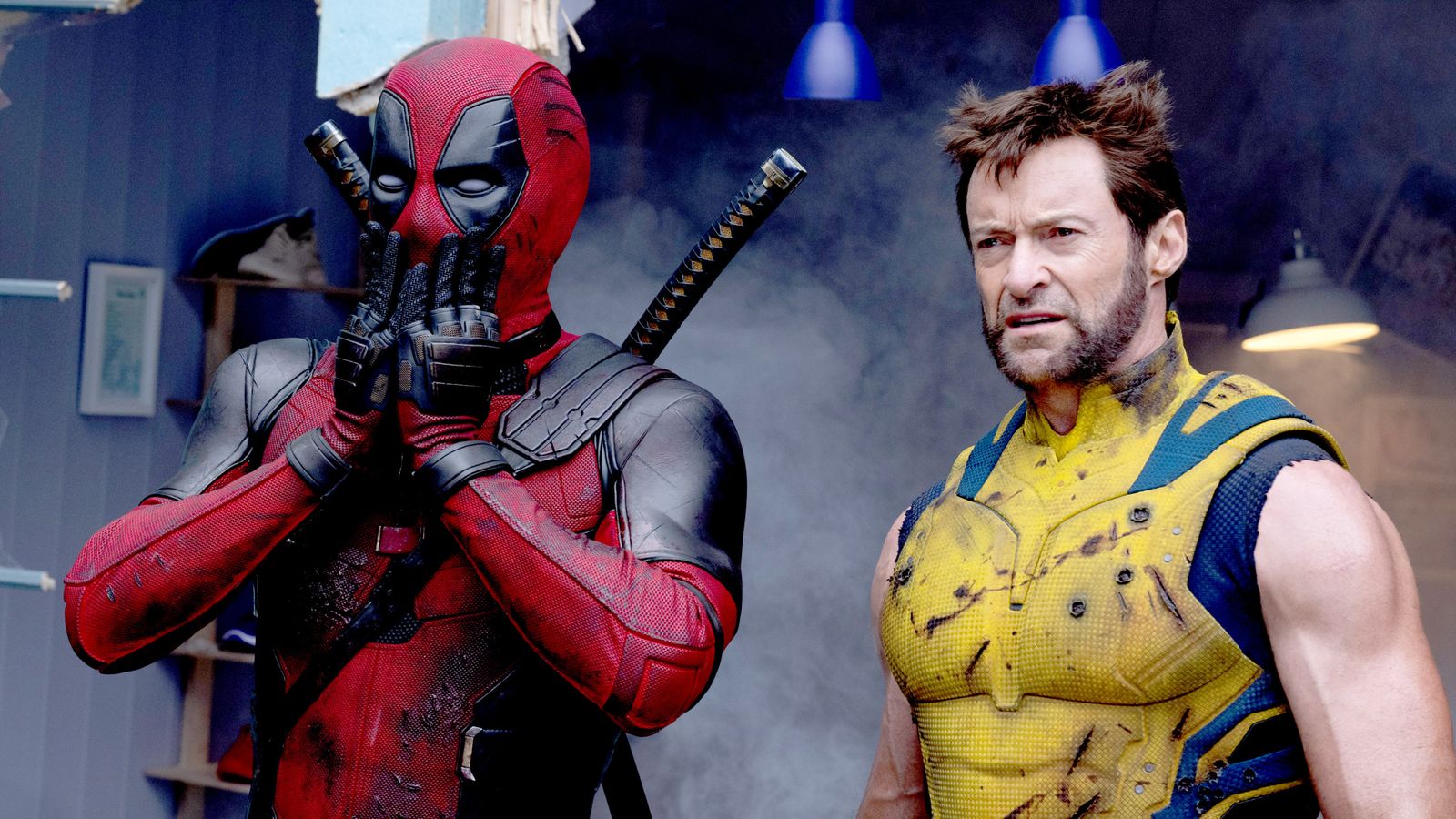
The entertainment giant has reportedly been encouraged by the success of its superhero comedy Deadpool & Wolverine, which was filmed at Pinewood Studios in Buckinghamshire.
The recent release, starring Hugh Jackman and Ryan Reynolds, has topped box offices globally and has already earned more than £33 million in the UK and Ireland alone, according to trade magazine Variety.
The company’s regional president, Jan Koeppen, told the Financial Times that the film’s popularity shows the genre “seems to have a lot of life left.”
He added: “We feel like we’re really on a roll again with movies, which is fantastic. I’ve been positive about people going to the movies again, and especially enjoying our movies.”
In addition to films, the funds will also be allocated to producing TV shows for the company’s streaming service Disney+ and the National Geographic network.
A Disney spokesperson informed Sky News that the planned annual investment of approximately $1 billion (£0.8 billion) is earmarked for the EMA region, covering Europe, the Middle East, and Africa.
However, the majority of these funds are anticipated to be directed towards the UK and mainland Europe.
Deadpool & Wolverine was filmed across several locations at Pinewood Studios, utilizing six stages and production areas, including the studio’s main boardroom.
Disney reportedly has four additional films either in production or slated to be made at the expansive site, including Snow White,The Fantastic Four: First Steps,The Roses, and The Amateur starring Rami Malek.
The company, which holds a long-term lease at Pinewood, has invested approximately £3.5 billion in UK productions over the past five years, resulting in 29 films and 23 TV series, and claims to have supported over 32,000 jobs.
Disney has also filmed many of its Star Wars projects in the UK, including the recent trilogy reboot and the Andor spin-off TV series.
According to the Financial Times, another film set within the sci-fi saga’s cinematic universe is also slated to be filmed at Pinewood soon.
Image: Prince Harry chats with Star Wars actor Mark Hamill during a visit to Pinewood Studios in 2016. Pic: Reuters
This follows Disney’s announcement earlier this week that it had returned to profitability, largely due to the success of Inside Out 2, which has now become the highest-grossing animated film of all time.
The company also saw a boost as Disney+ reported its first-ever profit.
Executives revealed that the firm earned $254 million (£200 million) in profit before interest and tax from content sales and licensing in the quarter ending June 29.
However, Disney faced a decline in revenue at its U.S. theme parks and cautioned about potential “moderations in demand” in the coming months.
Disney has confirmed its widely anticipated decision to acquire the remaining 33% stake in the streaming service Hulu from TV giant Comcast, thus obtaining full ownership of the platform.
This move allows Disney to integrate Hulu into its Disney+ platform.
As Disney has faced increasing competition in the streaming industry and experienced a decline in profits, this strategic acquisition solidifies its position in the market.
Furthermore, Disney stated that this strategic move is aimed at advancing its streaming goals and expanding its subscriber base.
In the United States, Disney already offers Hulu as part of bundled packages along with its Disney+ and ESPN+ platforms.
In the UK, certain Hulu content is already accessible via the Disney+ app, including shows like “The Kardashians” and “The Bear.”
The price tag reflects a “guaranteed floor value” for the streaming service that was established when California-based Disney took over Rupert Murdoch’s 21st Century Fox in a huge deal in 2019, along with a majority stake in Hulu.
Under an agreement between Disney and Comcast that year, both firms had the right to force a sale of Comcast’s stake in Hulu – and executives have been vocal about wanting to do a deal.
But at a conference this year, Comcast chief executive Brian Roberts described Hulu as a “scarce kingmaker asset”, which was “way more valuable today” due to its hits like the series Only Murders in the Building.
The company reported a 4% year-on-year increase in revenue for the three months ending on July 1. However, it also posted a loss of $460 million, a significant contrast to the $1.4 billion profit from the corresponding period in the previous year.
Disney, alongside other streaming platforms, has been exploring methods to increase revenue and address the issue of password-sharing.
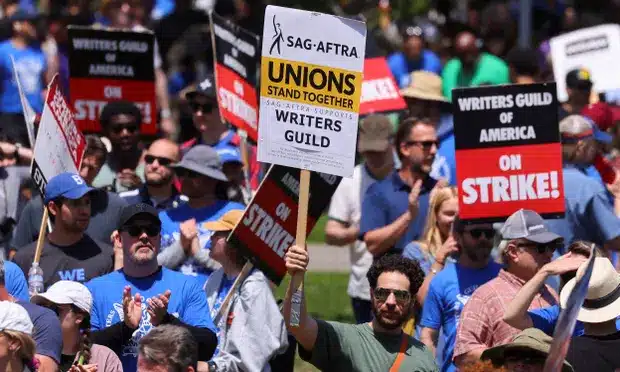
Additionally, the film and television industry has encountered disruptions due to strikes in the US, resulting in delays in producing new content to engage audiences. A senior Disney creative responsible for works like “Frozen” expressed concerns to the BBC about the potential impact of the actors’ strike on animation production later this year.
The expiration of a midnight negotiation deadline without reaching an agreement, has prompted the union representing Hollywood actors, the Screen Actors Guild – American Federation of Television and Radio Artists (SAG-AFTRA), to consider strike action.
This development raises the potential for the first simultaneous strike by Hollywood writers and actors in over 60 years.
In an official statement, SAG-AFTRA announced that its negotiating committee, representing 160,000 actors, has unanimously voted to recommend a strike. The final decision will be made by the national board on Thursday morning.
It said: “After more than four weeks of bargaining, the Alliance of Motion Picture and Television Producers (AMPTP) – the entity that represents major studios and streamers, including Amazon, Apple, Disney, NBCUniversal, Netflix, Paramount, Sony and Warner Bros. Discovery – remains unwilling to offer a fair deal on the key issues that are essential to Sag-Aftra members.”
The Sag-Aftra president, Fran Drescher, said: “The companies have refused to meaningfully engage on some topics and on others completely stonewalled us. Until they do negotiate in good faith, we cannot begin to reach a deal. We have no choice but to move forward in unity, and on behalf of our membership, with a strike recommendation to our national board. The board will discuss the issue this morning and will make its decision.”
Prior to commencing negotiations with studios earlier this year, both the actors’ and writers’ unions conducted membership votes that resulted in overwhelming support to authorize a potential strike over the deep frustrations felt by Hollywood’s creative workforce regarding diminishing shares of studio profits, growing job instability, and anxieties about potential displacement by emerging artificial intelligence technologies.
The anticipated strike by both writers and actors is set to have an immediate impact on publicity efforts for several high-profile films this summer.
As a result, adjustments have already been made, such as moving up the premiere time for Oppenheimer in London to accommodate the cast’s attendance regardless of the strike’s outcome.
While movies like Barbie and Mission: Impossible – Dead Reckoning Part One have already held their world premieres, their stars will be restricted from further promotional events.
Reports suggest that the strike could potentially lead to a delay in the Emmy awards until late autumn or even the following year. The industry is bracing for these disruptions.
Despite the strike, Disney has announced that the premiere of Haunted Mansion will proceed as planned on July 15 at Disneyland, although the film’s actors, including LaKeith Stanfield, Tiffany Haddish, and Jamie Lee Curtis, will not be present.
The San Diego Comic-Con, scheduled to begin on July 20, will also be affected by the strike.
Leading Hollywood actors had already expressed their willingness to strike before the vote took place.
In late June, a letter signed by A-listers such as Meryl Streep and Jennifer Lawrence urged union leaders not to settle for a subpar deal, recognizing the historical significance of the contract negotiation.
The simultaneous strike of writers and actors is expected to create significant disruptions throughout the industry, affecting various other industry workers and having broader economic implications for the Los Angeles region.
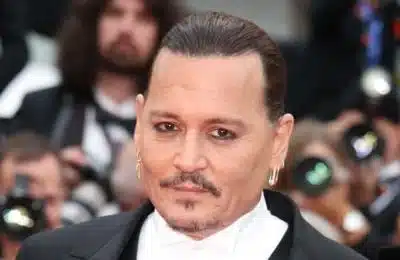
Reports indicate that Johnny Depp, who previously said he felt betrayed by Disney behind Pirates of the Caribbean, may return for more movies.
“Anything is possible,” the Depp insider says. “If it’s the right project, he’ll do it.”
According to The New York Times, Disney is “seemingly inching the door open” to collaborating with Depp again, although the source didn’t specify whether the actor would return for another Pirates movie.
Buzz about a potential return to his role of Captain Jack Sparrow comes just over a year after Depp’s contentious defamation trial against ex-wife Amber Heard. A seven-person jury reached a verdict that largely sided with Depp, though Heard, 37, won one of her three counterclaims.
Despite many fans’ hopes at the time, a rep for Depp told PEOPLE in June of last year that a report claiming the actor was returning to the Pirates franchise for over $300 million was “false.”
The saga’s producer Jerry Bruckheimer told U.K. outlet The Times in an interview published the previous month (while Depp was still in court for his defamation trial against Heard) that his team was working on “two Pirates scripts — one with [Margot Robbie], one without.”
As for Depp potentially being involved, Bruckheimer, 79, said, “Not at this point” but “the future is yet to be decided.”
While Hollywood insiders had conflicting views on whether Depp’s career would bounce back after the trial, a former Disney exec told PEOPLE at the time, “I absolutely believe post-verdict that Pirates is primed for rebooting with Johnny as Capt. Jack back on board. There is just too much potential box-office treasure for a beloved character deeply embedded in the Disney culture.”
“With Jerry Bruckheimer riding high on the massive success of Tom Cruise in Top Gun: Maverick, there is huge appetite for bringing back bankable Hollywood stars in massively popular franchises,” the insider added.
Johnny Depp as Captain Jack Sparrow in Pirates Of The Caribbean: Dead Men Tell No Tales (2017). FILM FRAME/WALT DISNEY/KOBAL/SHUTTERSTOCK
Depp earned an Oscar nomination for playing Jack Sparrow in the original 2003 film Pirates of the Caribbean: The Curse of the Black Pearl. Its hit sequels came out in 2006, 2007, 2011 and 2017.
For now, Depp is set to direct the Al Pacino-starring biopic Modi, which will tell the story of 20th-century painter Amedeo Modigliani.
He also recently made an appearance at the 2023 Cannes Film Festival to promote his movie Jeanne du Barry in which he plays Louis XV, the king of France who ruled from September 1715 until his death in 1774, opposite director Maïwenn.
The French film received a seven-minute standing ovation, which the Depp source notes moved the actor to tears and “was incredibly welcoming.”
Extraordinarily brilliant artist Mark Asari, who captivated millions of hearts on the renowned UK talent show The Voice UK in 2018, has now launched on an intriguing new chapter in his artistic voyage.
Celebrated for his indomitable spirit and unwavering determination, Mark Asari’s awe-inspiring tale of perseverance has left an indelible mark on the hearts of his fervent admirers.
Hailing from the vibrant streets of London and raised by Ghanaian parents, Mark Asari’s affinity for music manifested at a tender age. From immersing himself in the captivating melodies broadcasted on The Box and MTV for hours on end to harmonizing his vibrant voice throughout his household, his unwavering passion for music became his constant companion.
Channeling his creative energy into beat-making, Mark Asari embarked on a personal journey of self-discovery, teaching himself the intricacies of music production and ultimately crafting soul-stirring beats for local talents.
His relentless pursuit of musical excellence led to an auspicious alliance with Global Talent, securing Mark Asari’s first-ever publishing deal as a proficient songwriter.
With his lyricism and melodies leaving an indelible mark, he further signed a record deal with Island Records, joining the ranks of a sensational boyband known as Encore. Sharing the limelight with renowned artists such as Jessie J and N-Dubz on their illustrious UK tours, Mark Asari’s talent radiated with unmatched brilliance.
While embracing his creative autonomy, Mark Asari ventured into the realm of independent music production, mesmerizing the world with his original compositions.
His astonishing vocal prowess and prodigious songwriting ability garnered accolades from esteemed artists, leading to remarkable collaborations with musical luminaries such as Ariana Grande, Craig David and Tinie Tempah. Notably, his work on the critically acclaimed “Fifty Shades Darker” original soundtrack stands as a testament to his extraordinary musical aptitude.
Today, it is with immense pride and uncontainable excitement that we announce Mark Asari’s latest conquest – a role that will forever etch his name in the annals of musical history.
In Disney’s awe-inspiring production, ‘’The Lion King: Rhythm of the Pride Lands” at Disneyland Paris, Mark Asari shall breathe life into the beloved character of Simba. Overwhelmed with joy, Mark Asari exclaims, “I’m thrilled to embody such an iconic character from a film that has resonated deeply within me since my childhood. This venture into musical theatre serves as my maiden experience, allowing me to explore the depths of my creativity and evolve into a truly versatile performer”.
Mark Asari’s journey marked by resilience and unwavering dedication has captivated the world. His extraordinary ascent from a humble background to the grand stages of Disney’s ‘’The Lion King: Rhythm of the Pride Lands’’ exemplifies the triumph of passion and the pursuit of dreams against all odds.
As we stand witness to this remarkable chapter in his artistic expedition, let us unite in celebrating the rise of Mark Asari, an incomparable luminary who continues to inspire countless souls worldwide.
Accountant Kit Parfitt has no illusions about the variable quality of some of Disney’s recent Marvel Studios’ releases.
The She-Hulk and Moon Knight mini-series were weak, he says. The Thor: Love and Thunder film even worse. “Not re-watchable.”
But the 27-year-old, a self-described “massive” Disney fan who lives near Brighton, says those disappointments won’t keep him from cinemas this month, when the franchise’s latest – Ant-Man and the Wasp – debuts.
“When it comes to Marvel, Star Wars, I’ll watch anything,” he says.
That’s the kind of commitment that Disney is banking on as it tries to forge a profitable path in a world of falling cinema sales, pay TV cancellations and money-losing online streaming.
Boss Bob Iger, who was reinstalled in November after the abrupt ousting of chief executive Bob Chapek, told investors this month that the company would be doubling down on its big brands like Marvel and Frozen, time-tested profit-makers, while slashing spending on more risky “general entertainment” fare.
There’s a new Little Mermaid, another Indiana Jones and a third Guardians of the Galaxy on deck this year.
Toy Story 5, Frozen III and a second Zootopia, known as Zootropolis in the UK, will come after that.
The moves are a gamble that the strategy that Mr Iger oversaw during his first run as chief executive from 2005 through 2020, when he acquired Marvel, Pixar and Lucasfilm and the firm’s share price increased more than sixfold, will continue to work its magic.
He even said the company would step back from its streaming push a bit, looking more to cinemas and traditional television to distribute material than it has in recent years, when it sent content to its Disney+ streaming service in a push to win subscribers.
Will the traditional playbook be enough?
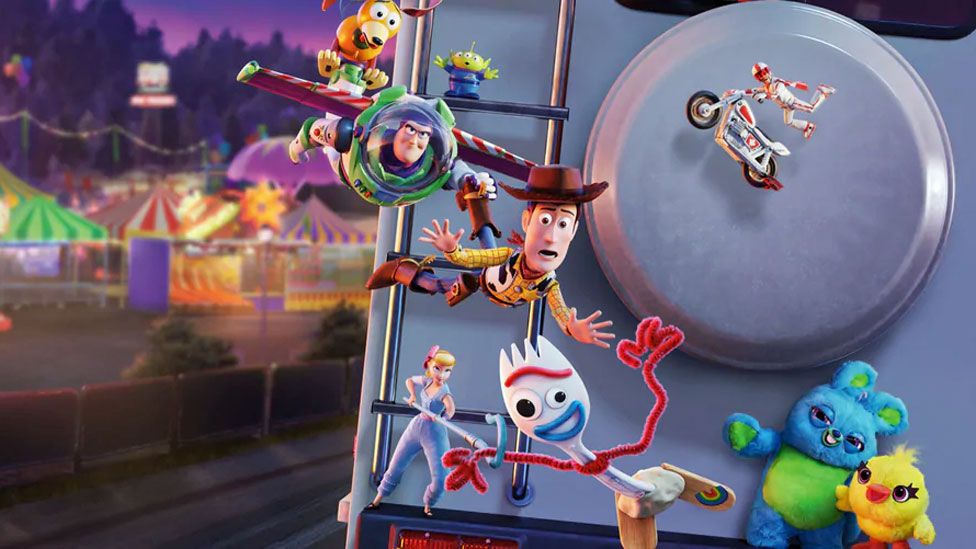
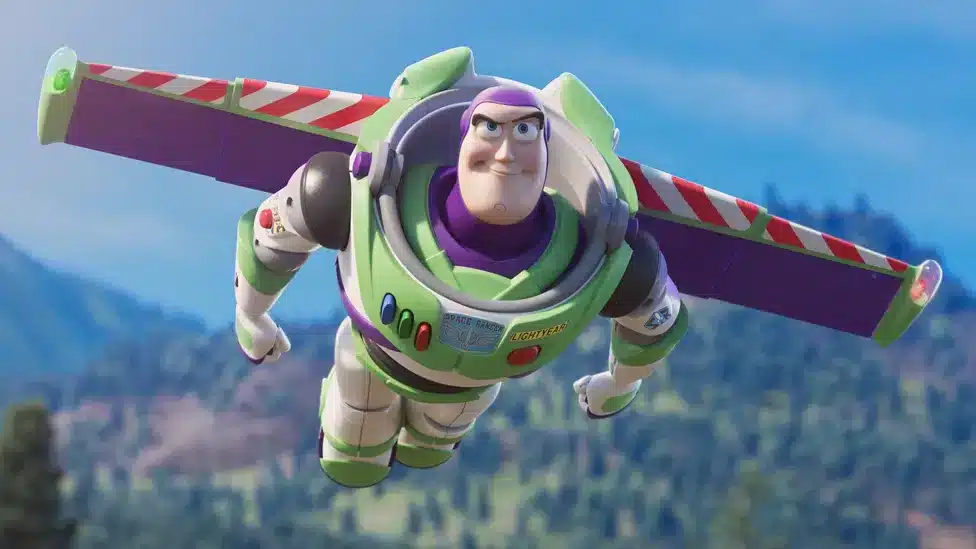
Image caption, Toy Story 4 reunited much of the original cast of the first movie, along with some new additions such as Forky
Jessica Reif Ehrlich, an analyst at Bank of America, says the resonance of Disney’s brands give it a leg up on its competitors, but investors have yet to be convinced.
Disney’s share price has nearly halved since March 2021, and did not move much after Mr Iger outlined his plans.
“Everyone knows there are a tonne of challenges,” she says. “There’s a lot of heavy lifting ahead.”
Fan fatigue?
Cinema ticket sales remain roughly a third lower than they were in 2019, before the pandemic closed theatres around the world.
And the rise of streaming has fractured audiences, making it difficult to generate the kind of buzz that propels people to pay for entertainment.
Oxfordshire mum-of-two Jackie Allen says she opted against a Disney+ subscription for her two children, unconvinced the offering justified adding another expense. The company’s upcoming slate does not excite her much either.
“It looks like they’re rehashing something just to make money rather than whether it should be made,” she says.
Even committed fans like Kit will confess to some fatigue.
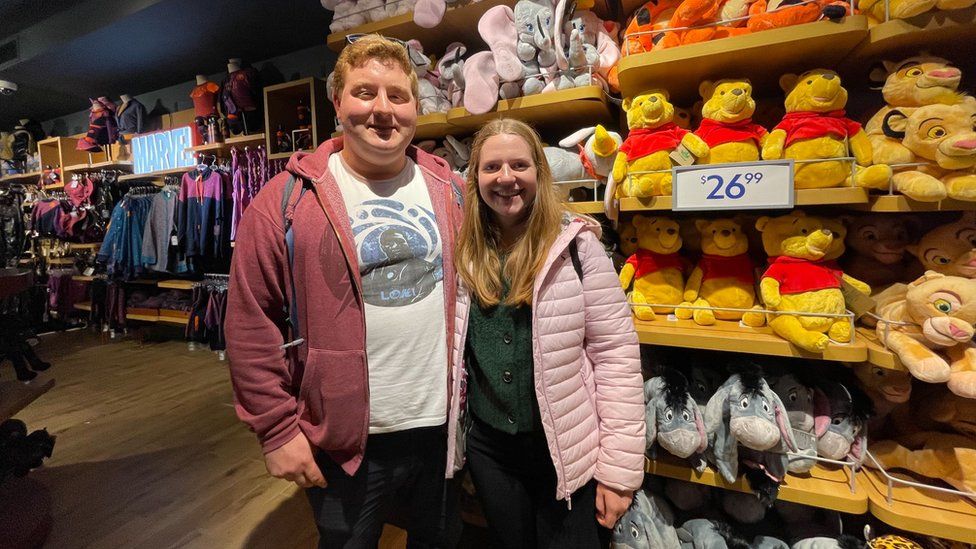
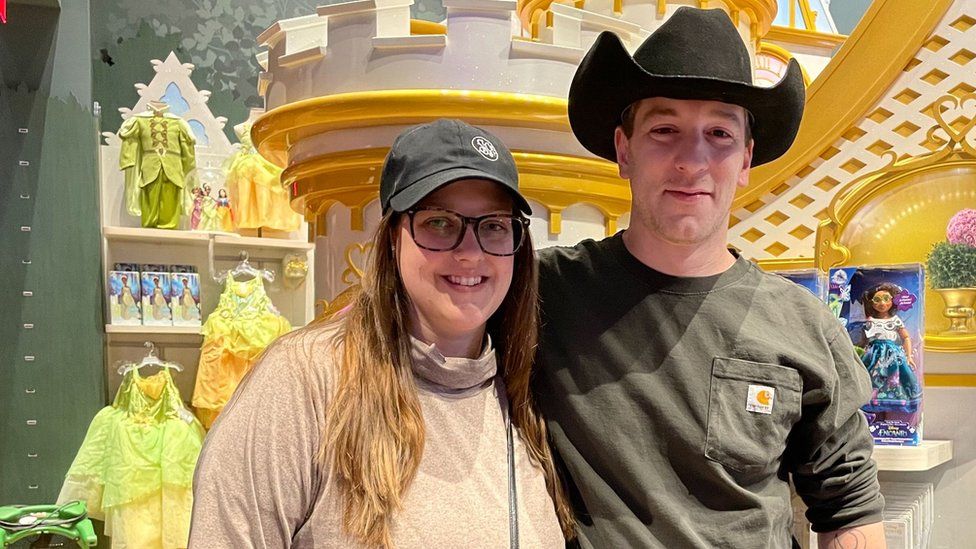
Image caption, Kit Parfitt and his wife Andrea were browsing Disney’s store on a recent holiday in New York, hoping to use up a $40 voucher left over from their honeymoon at Disney World last year
Speaking to me among the mix of tourists and locals browsing Disney’s cavernous store in Manhattan’s Times Square, he says Disney’s recent action films such as Avatar can reliably lure him to the cinema.
But wife Andrea, who walked down the aisle to a song from Disney/Pixar 2009 film Up, worries the lengthy backstories that come from developing a franchise like Marvel can be off-putting to new audiences.
And both say they feel little urgency to see something like a Toy Story 5.
Not only are the couple more inclined to stay at home with the cost-of-living rising, but they are generally growing tired of the tale after four films and a spin-off.
“Milking something to number five is a bit much,” Kit says.
The charge that Disney relies too heavily on recycling and reworking classics is nothing new.
After all, the firm is gearing up for the ninth version of Snow White and the Seven Dwarfs since the first one debuted in 1937.
But in recent years the strategy, which has fuelled decades of success, has become entangled in America’s increasingly bitter culture wars, with some updates driving accusations from conservatives that the firm is becoming too “woke”.
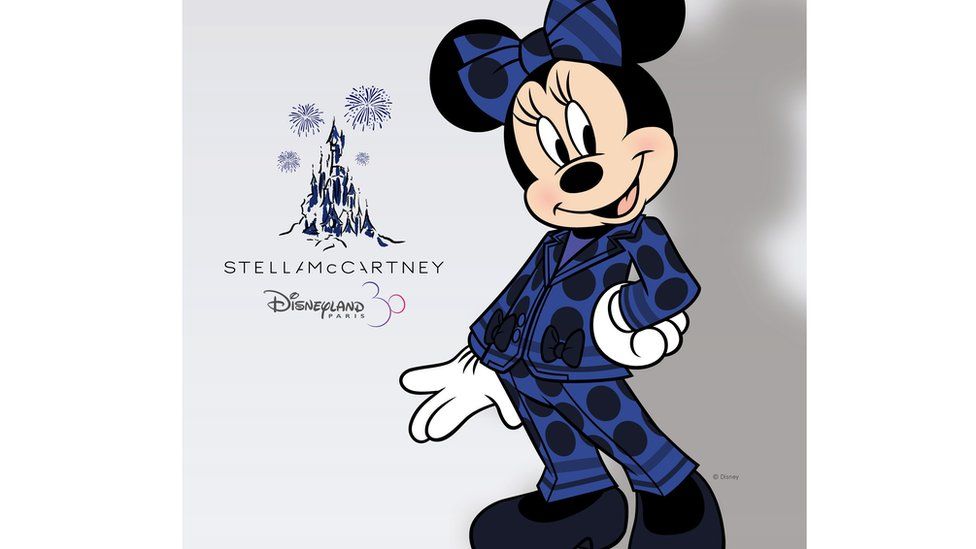
Image caption, Minnie Mouse got a controversial makeover from British designer Stella McCartney
Last year’s release of Lightyear, a spin-off of Toy Story, for example, was clouded by controversy over a same-sex kiss, which the company restored after employees accused the firm of censoring gay affection.
Banned completely in some markets, the film’s same-sex plotline also drew criticism from right-wing politicians such as US Senator Ted Cruz.
Despite the risks of alienating some fans, the profit-making potential of a franchise strategy has been proven, says Janet Wasko, professor of media studies at University of Oregon and the author of Disney Inc.
“It is in some ways risky, but building on already existing fans and consumers and expanding what possibilities they have to consume – if it’s successful, it really can be incredibly profitable,” she says. “I can’t imagine they will stop.”
Image caption, Amanda Welch and Brandon Dumont say they could watch any Disney movie over and over
Disney fan Amanda Welch, 29, a subscriber to the firm’s streaming platform who has been to Disney World more than 10 times, says the company’s strategy of going back to its big-hitting brands has done little to dim her love of Disney.
She and fiance Brandon Dumont, 31, have cancelled the service a few times to help manage their expenses. But they keep coming back. Sometimes they turn on Disney+ simply to soothe them to sleep.
“There’s not really any Disney movie I’m sick of,” Brandon says. “I could watch them over and over.”
Disney CEO Bob Iger has confirmed Toy Story, Frozen, and Zootopia sequels, a part of his strategy to revive the streaming business.
The sequels to previous films are “in the works,” according to Mr. Iger.
While this was going on, the company disclosed its first decline in subscriber numbers since the introduction of its Disney+ streaming program in 2019.
Additionally, Mr. Iger declared that the entertainment company will undergo a significant restructuring that would result in the elimination of 7,000 positions.
Mr. Iger talked about his aspirations to monetize some of the company’s most recognizable franchises during a teleconference with investors.
“I’m so pleased to announce that we have sequels in the works from our animation studios to some of our most popular franchises: Toy Story, Frozen and Zootopia,” he said.
“We’ll have more to share about this production soon, but this is a great example of how we’re leaning into our unrivalled brands and franchises.”
The announced job cuts amount to around 3.6% of Disney’s workforce around the world and are part of a plan to save $5.5bn (£4.5bn) and make its Disney+ streaming service profitable. Mr Iger said he did “not make this decision lightly”.
The modifications coincided with its most recent quarterly results, his first since he rejoined Disney in November.
Mr Iger said the changes would “better position us to weather future disruption and global economic challenges”.
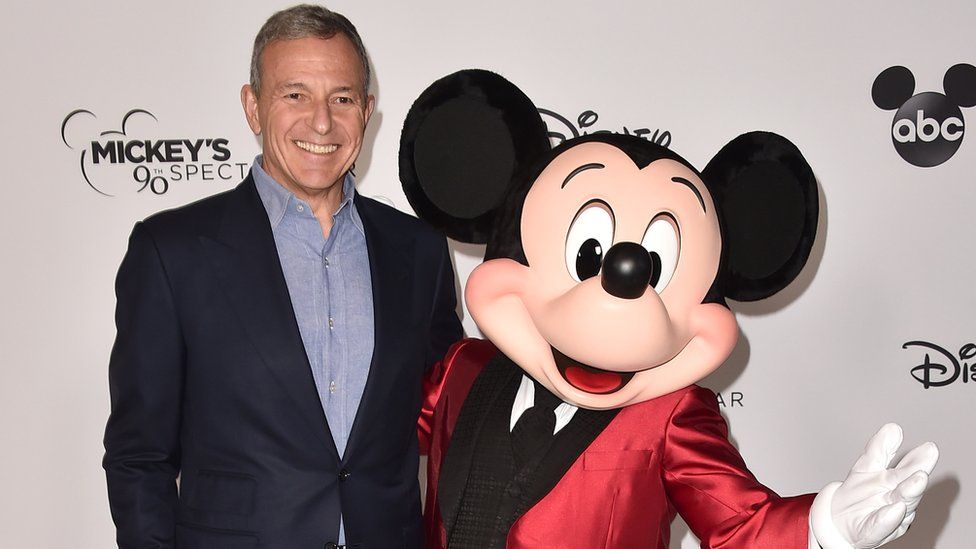
Image caption, Bob Iger (left) and Mickey Mouse
Disney reported an 8% rise in sales to $23.5bn between October and December last year. Profit also rose by 11% to $1.3bn.
However, Disney+ reported a $1.5bn loss and its subscribers fell by around 2.4 million to 161.8 million.
The plan will see the company restructure into three segments – entertainment which will include film, TV and streaming; sports-focused ESPN and Disney parks, experiences and products.
“This reorganisation will result in a more cost-effective, co-ordinated approach to our operations,” Mr Iger told analysts on a conference call.
The company’s streaming service remained its top priority, he added.
Disney’s share price rose by more than 5% in after-hours trading following the announcement.
Freddy Colquhoun, investment director at JM Finn, told the BBC: “Disney has been in quite a bit of trouble over the last year or so and in particular with trying to make its streaming business profitable.”
But he said the results “were actually really reassuring” and beat expectations.
Disney’s changes address some of the criticisms raised in recent months by billionaire activist investor Nelson Peltz, who criticised the company for overspending on its streaming business.
In response to the announcement Mr Peltz’s Trian Group said: “We are pleased that Disney is listening.”
Mr Iger made a shock return as Disney’s chief executive, less than a year after he retired from the firm.
He was brought back to steer the company through turbulent times after its share price plummeted and Disney+ continued to make a loss.
Mr Iger, who had previously headed Disney for 15 years, replaced Bob Chapek, who took over as chief executive in February 2020.
Mr Chapek was ousted after Disney’s streaming business posted a $1.5bn quarterly loss.
Less than 24 hours after his return to Disney, Mr Iger said he was planning a major shake-up of the business.
At the time he said he had tasked a group of executives with designing “a new structure that puts more decision-making back in the hands of our creative teams and rationalises costs”.
7,000 jobs will be eliminated, according to Disney CEO Bob Iger, as part of a significant restructuring of the entertainment juggernaut.
The layoffs are a part of a strategy to save $5.5 billion and turn Disney+ into a profitable streaming service after it reported its first subscriber decline since 2019.
In his own words, Mr. Iger “did not make this decision lightly.”
Additionally, he presented the first set of financial figures since his return to the organisation in November, which showed Disney+’s ongoing losses.
“I have enormous respect and appreciation for the talent and dedication of our employees around the world,” Mr. Iger said in a statement announcing the job cuts. “And I’m mindful of the personal impact of these changes.”
He said the changes would “better position us to weather future disruption and global economic challenges”.
The job cuts amount to around 3.6% of Disney’s worldwide workforce. Meanwhile, Disney reported an 8% rise in sales to $23.5 billion (£19.45 billion) between October and December last year. Profit also rose, up by 11% to $1.3 billion.
However, Disney+ reported a $1.5bn loss and its subscribers fell by around 2.4m to 161.8m.
The plan will see the company restructure into three segments: entertainment, which will include film, TV, and streaming; sports-focused ESPN; and Disney parks, experiences, and products.
“This reorganisation will result in a more cost-effective, coordinated approach to our operations,” Mr Iger told analysts on a conference call.
The company’s streaming service remained its top priority, he added.
Disney share price rose by more than 5% in extended trade after the announcement.
The changes address some of the criticisms raised in recent months by billionaire activist investor Nelson Peltz, who criticised Disney of overspending on its streaming business.
In response to the announcement Mr Peltz’s Trian Group said: “We are pleased that Disney is listening.”
Mr Iger made a shock return as Disney’s chief executive, less than a year after he retired from the firm.
He was brought back to steer the company through turbulent times after its share price plummeted and Disney+ continued to make a loss.
Mr Iger, who had previously headed Disney for 15 years, replaced Bob Chapek, who took over as chief executive in February 2020.
Mr Chapek was ousted after Disney’s streaming business posted a $1.5bn quarterly loss.
Less than 24 hours after his return to Disney, Mr Iger said he was planning a major shake-up of the business.
At the time, he said he had tasked a group of executives with designing “a new structure that puts more decision-making back in the hands of our creative teams and rationalises costs.”
Brandy is set to reprise her role from 1997’s live-action Cinderella for a new Disney+ film in the Descendants series, per Variety.
The singer-songwriter and actress, who played the titular character in the 1997 Disney TV movie, will play Cinderella in The Pocketwatch, which will take place in the same universe of The Descendants franchise. In the 1997 musical film, Brandy starred opposite Whitney Houston, who played the Fairy Godmother. Brandy was the first Black Cinderella.
Brandy isn’t the only musician to be cast in The Pocketwatch, as Rita Ora will also make an appearance as the Queen of Hearts, as Deadline reported. The pair join a cast that includes China Anne McClain, Kylie Cantrall, Dara Reneé, Malia Baker, Ruby Rose Turner, Morgan Dudley, and Joshua Colley. The Fairy Godmother will be portrayed by Melanie Paxson in the film, who previously played the character in the other Descendants entries.
Directed by Jennifer Phang from a script written by Dan Frey and Russell Sommer, The Pocketwatch is expected to enter production soon. As the synopsis for the movie revealed, the plot will follow characters Red and Chloe as they travel back in time via a magical pocket watch.
Brandy recently made her return to musical dramas with the ABC series Queens, although her credits have been quieter on the film side of things.
While she had a series of breakout roles in the ‘90s, specifically with Cinderella and the slasher sequel I Still Know What You Did Last Summer, her credits have been sparse in recent years. This year she did appear in the Christmas film, Best. Christmas. Ever., though.
He has been rehired by the media conglomerate to guide it through turbulent times, as the company’s stock price has plummeted and Disney+ continues to lose money.
He succeeds Bob Chapek, who took over as CEO in February 2020.
Mr. Iger, who served as chairman until 2021, led the entertainment conglomerate for 15 years and oversaw a number of significant acquisitions for the company.
His decision to resign had surprised everyone.
As well as overseeing the launch of Disney’s streaming service, Disney+, he drove major acquisitions involving the likes of animation studio Pixar, comic book company Marvel, Rupert Murdoch’s 21st Century Fox, and Lucasfilm, the home of Star Wars.
These moves, as well as amusement park openings, helped the company’s market value increase five-fold during his time in charge.
Susan Arnold, who heads the company’s board, said in a statement that Mr Iger was “uniquely situated” to take Disney through “an increasingly complex period of industry transformation”.
But Disney shares have fallen by more than 40% this year and the company has poured billions of dollars into Disney+.
Mr Iger has agreed to stay in the job for two years, during which time he aims to find a successor to lead the company.
“I am extremely optimistic for the future of this great company and thrilled to be asked by the Board to return as its CEO,” Mr Iger said.
It comes in stark contrast to an interview he gave the New York Times in January, when he said it was “ridiculous” to suggest he might return.
“I was CEO for a long time,” he said. “You can’t go home again. I’m gone,” he told the newspaper.
Mr Iger has replaced Mr Chapek with immediate effect.
“We thank Bob Chapek for his service to Disney over his long career, including navigating the company through the unprecedented challenges of the pandemic,” Ms Arnold said in a statement.
IMAGE SOURCE,GETTY IMAGES Image caption, Bob Chapek’s tenure as the boss of Disney also included the shutdown of its theme parks due to Covid
It came just a couple of weeks after the company said Disney+ had lost nearly $1.5bn (£1.3bn) in the three months to the end of September.
Disney now has more than 235 million subscriptions across its three streaming platforms, which include the sports-focused ESPN+ and Hulu. It has outstripped Netflix, which has about 223 million subscribers by comparison.
Mr Chapek also faced pressure, however, over his response to Florida’s controversial “Don’t Say Gay” bill.
In March, he apologised for his “painful silence” on the sex education bill that critics had said would isolate LGBT youth and saw him blasted by employees.
He also fought a high-profile battle with movie star Scarlett Johansson over the release of the Black Widow film and Disney’s decision to release the Marvel superhero film on its streaming service while it was still showing in cinemas. The case was eventually settled, although details of the deal weren’t disclosed.
Walter Todd, president and chief investment officer of Greenwood Capital, told the BBC’s Today programme that the news of Mr Iger’s return was “very shocking”, but added that investors were likely to welcome it.
“Bob Iger is someone who’s synonymous with Disney – he oversaw some of the most successful acquisitions in the company’s history with Pixar, Marvel, Lucasfilm so I think there’s a fair amount of confidence in Bob in his vision for the industry.
“But it’s not going to be an easy task. He’s got a lot of work to do to get things right and it’s not going to happen overnight.”
Mr Todd said that Mr Iger’s track record at Disney was why he had such respect in the industry, but he added, “That will only get you so far, so I’ll be very interested to hear what his vision is for the company going forward.”
Even the co-chief executive of Disney rival Netflix tweeted about the Disney move. Reed Hastings wrote on social media: “Ugh. I had been hoping Iger would run for President. He is amazing.”
Mr Iger was also one of the last honorary knights to be approved by the late Queen Elizabeth IIin September, for his contribution to UK-US relations.
Disneyfinally has its first young plus-size heroine, and fans across the internet are elated.
“Reflect” is a short film now on Disney+ about a young ballet dancer named Bianca who struggles with her body image. Though the film was first released on the platform in September as a part of the studio’s Short Circuit Experimental Films series, many social media users are now celebrating “Reflect” as a win for representation among young girls.
“16 year old me needed this Disney shortbefore I quit ballet because I didn’t want to be the fat girl in class anymore,” one user on Twitter said. “I’m glad little ones will have this. 10/10 for Reflect!”
“I don’t think y’all comprehend, this is my Ariel,” a TikTok user said in a video, captioned “(Disney+) you really got me in my feelings.”
Disney did not immediately respond to a CNN request for comment.
Body positivity is something director Hillary Bradfield strongly believes in, she said in an interview featured at the start of the short. Making the film from the perspective of a dancer, she explained, felt natural.
“It’s a part of the craft to be looking at your posture and checking things in the mirror, so it just seemed like a really good way to put her in that environment where she has to look at herself and she doesn’t want to,” Bradfield said.
In the short, Bianca is able to overcome her negative feelings and dance freely. But body positivity and self-acceptance can be easier said than done, Bradfield said.
“When people watch the short, I hope that they can feel more positively about themselves and how they look, and feel okay about the tough parts of their journey,” Bradfield said. “Sometimes you go to the dark place to get to the good place. And that just makes the good place that much more beautiful.”
Disney has made multiple steps in recent years to improve the diversity of its characters in its animated films. Earlier this year, the show “Baymax,” a spin-off from “Big Hero 6” featured a transgender character. In 2020, Disney’s Pixar released its first animated feature starring a Black character, with “Soul.”
These recent depictions are a departure from those seen in many of the company’s prior movies. The Disney/Pixar film “Wall-E,” released in 2008, negatively portrayed obesity in humans as synonymous with environmental destruction – a lazy depiction that lacked nuance, according to some critics.
The Supreme Council for Media Regulation (SCMR) in Egypt has called out streaming platforms to abide by certain regulations in a bid to make them adhere to “societal values and traditions”.
Egypt’s media regulatory body said it would also require Netflix, Disney+ and other streaming platforms to apply for licences to be able to operate in the country.
“Necessary measures” would be taken against platforms that stream content which does not align with the society’s values, SCMR said.
The statement noted that subscriptions to streaming platforms in Egypt had witnessed “unprecedented and huge increases”, without providing specific figures.
The statement follows similar moves by media bodies in Gulf countries, urging Netflix to remove content they said contradicted Islamic values and traditions, including material “aimed for children”, in a seeming reference to LGBTQ+ content.
Walt Disney World in Orlando, Florida, has updated its safety guidelines to stop visitors from exploiting a loophole in its mask policy.
The resort opened earlier this month with strict rules on social distancing, masks, and a host of measures to help prevent the spread of coronavirus.
While the wearing of masks is mandatory for guests, until recently guests were able to take them off while eating and drinking.
The rules have now been changed and visitors can still eat on site while being “stationary and [maintaining] appropriate physical distancing”.
Disney has been criticised for reopening as Florida grapples with one of America’s largest outbreaks of Covid-19. But the entertainment giant has defended its decision.
“Covid is here, and we have a responsibility to figure out the best approach to safely operate in this new normal,” said Josh D’Amaro, Disney’s theme park chairman, in an interview with the New York Times.

:max_bytes(150000):strip_icc():focal(749x0:751x2):format(webp)/johnny-depp-open-to-working-with-disney-again-070523-01-883209824689448ba97291d15e642a65.jpg)