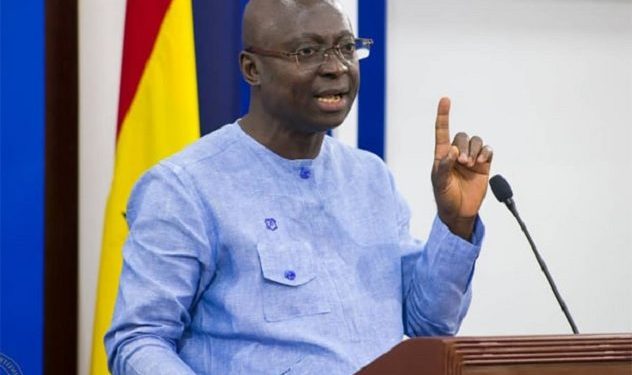
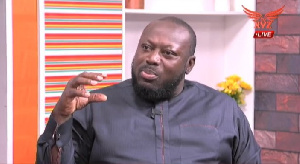
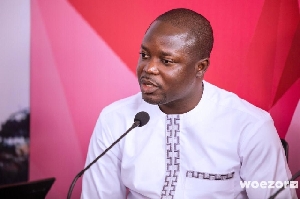
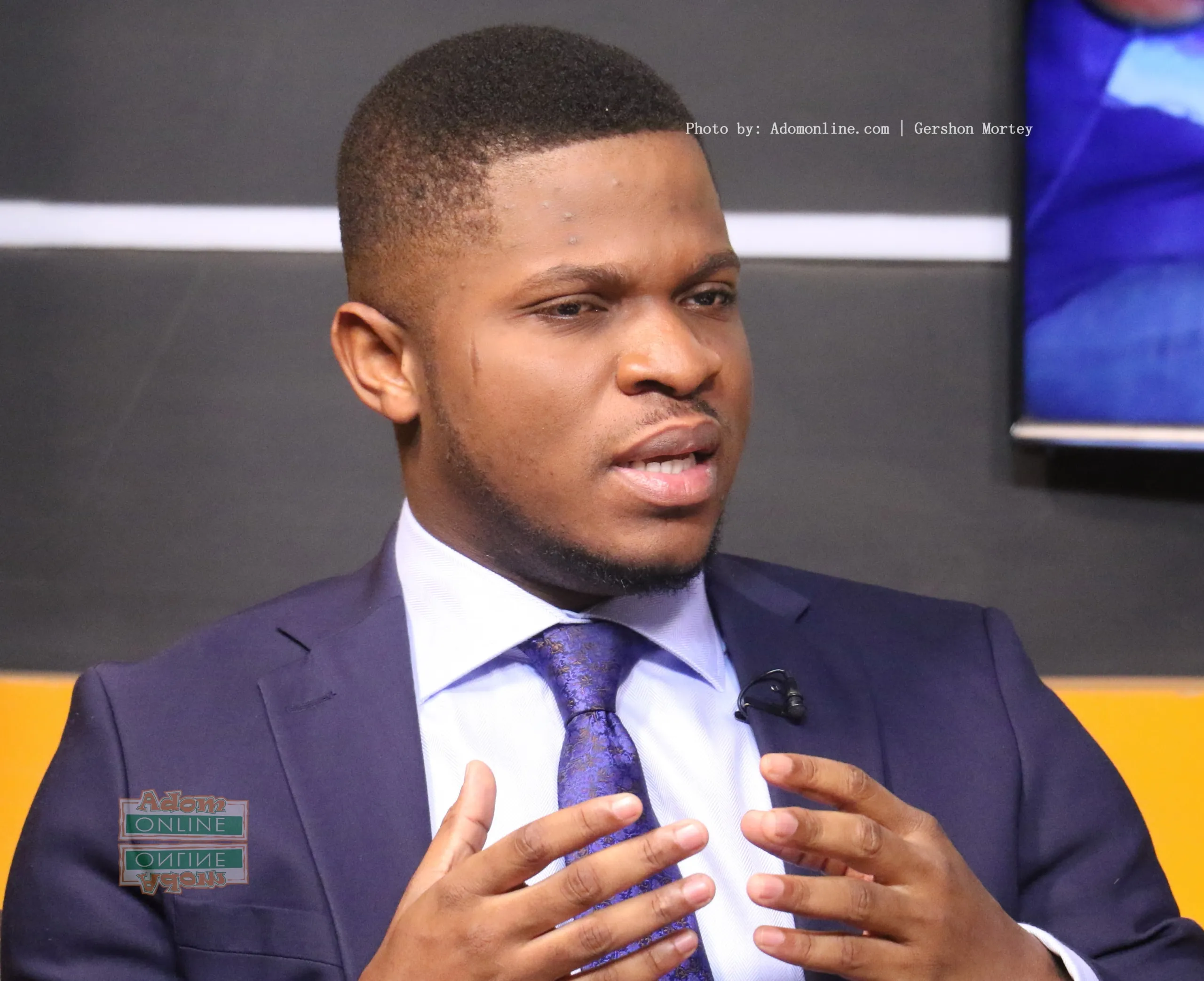
The Executive Director of the Institute for Energy Security (IES), Nana Amoasi VII, has indicated that Ghana’s power situation would worsen by 2025 if not addressed promptly.
Speaking to Citi News he stated that “From 2025, the situation is going to get worse. Because your debt in the sector is increasing every day. Money or cash in the power sector is like the lubrication in your car, Bernard, so it goes up. When you don’t have enough lubrication in your system, what happens is that there is friction, and there will be tears. When that happens, there is going to be a collapse in the sector [which] is almost collapsed.
“It is going to be worse. And why we believe it’s going to be worse is that the managers are not even admitting the problem. The first point to solving your problem is knowing the problem, admitting and finding ways to resolve it,” he stated.
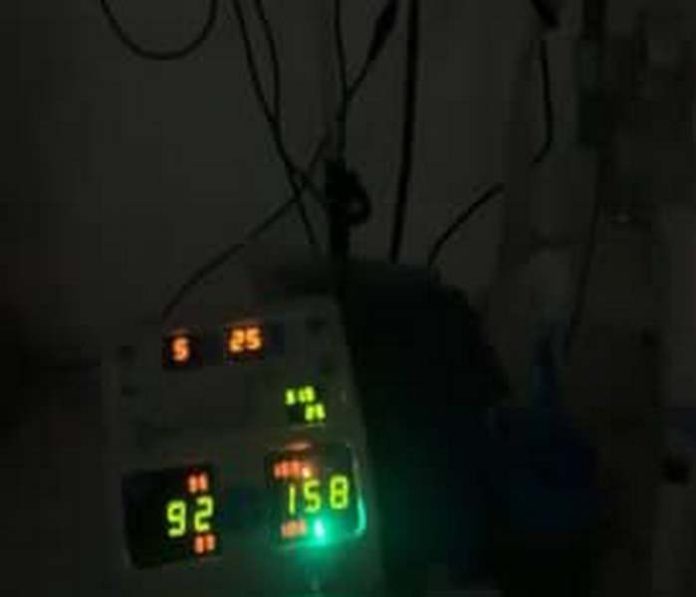
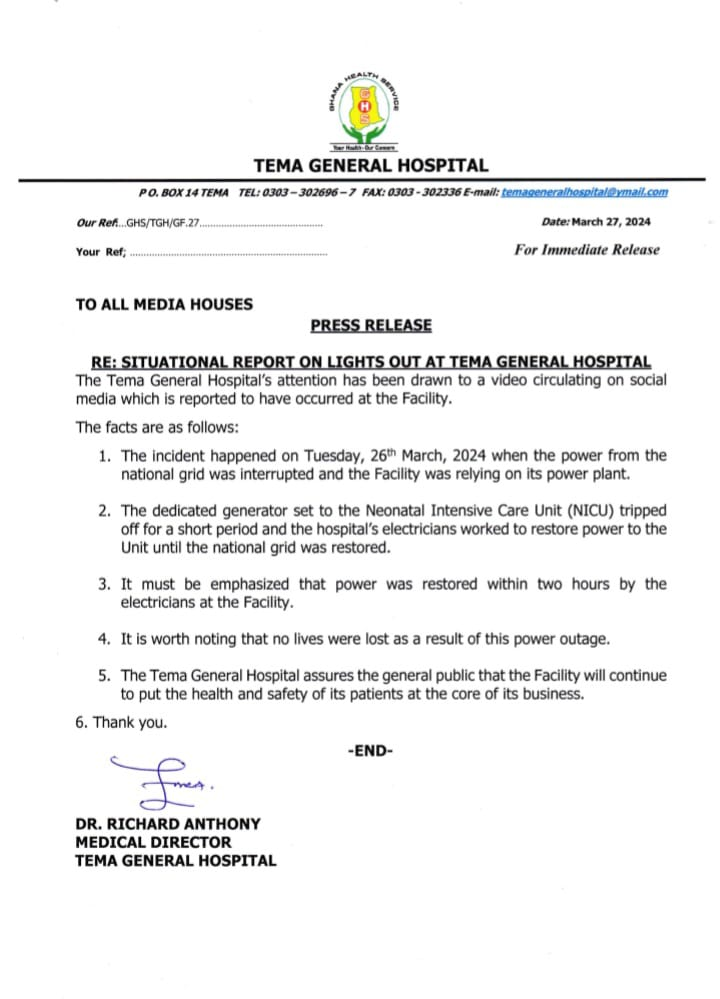
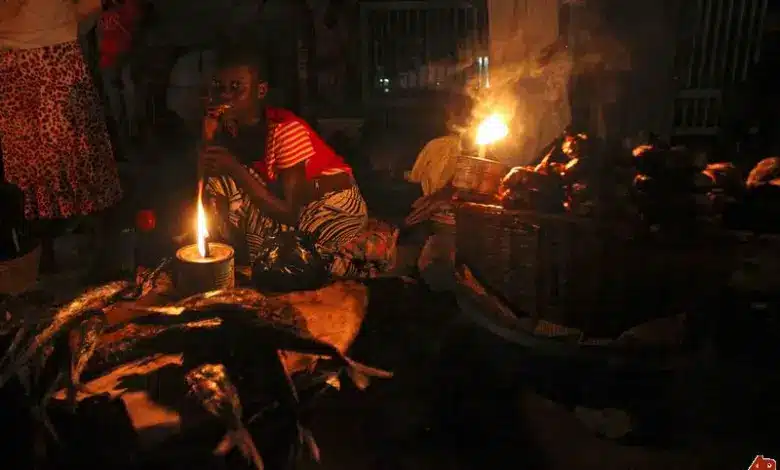
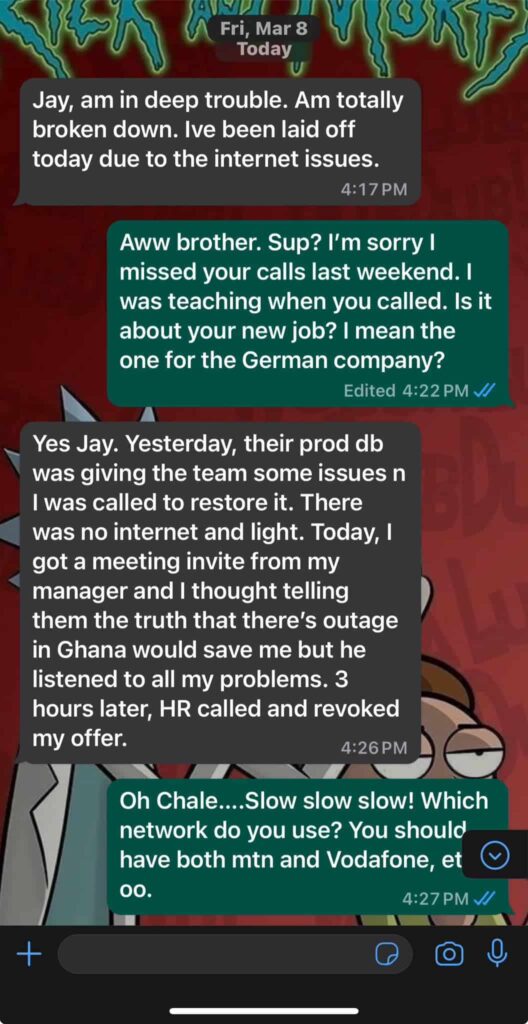
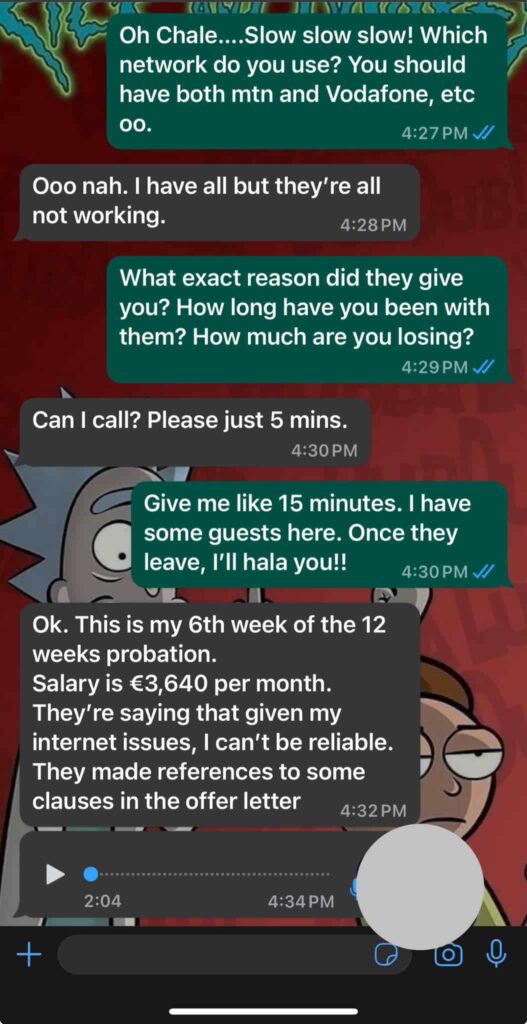
His warning comes amidst ongoing challenges with intermittent power outages, locally known as “dumsor.”
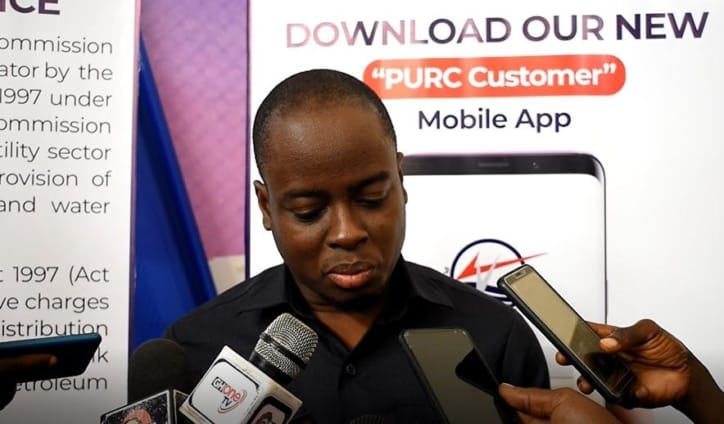
In light of these interruptions, the Public Utilities Regulatory Commission (PURC) instructed ECG to devise a load-shedding schedule.
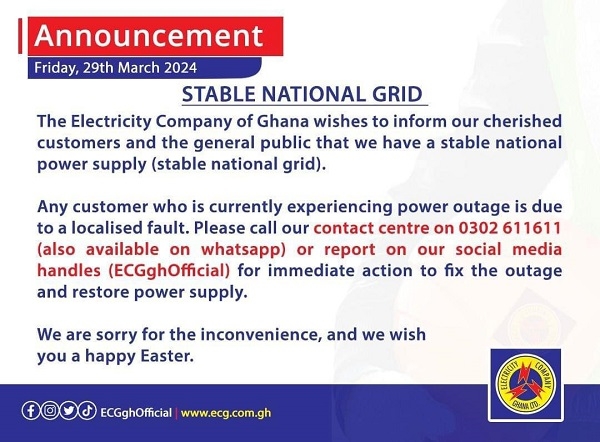
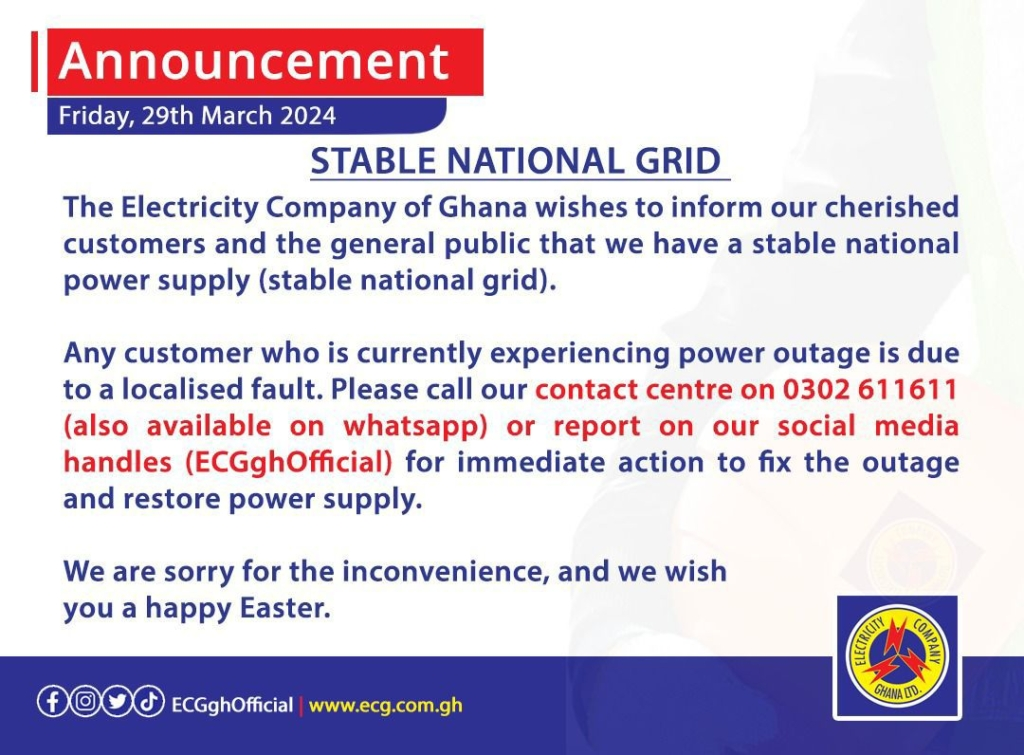
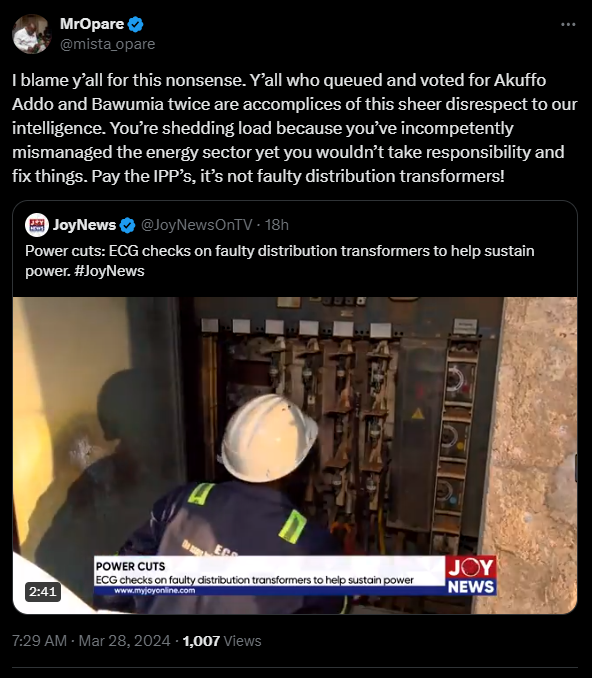
Nonetheless, ECG asserted that there is no power crisis, citing faulty transformers as the cause of the unstable supply.
However, ECG contends there is no power crisis, attributing the unstable supply to faulty transformers.
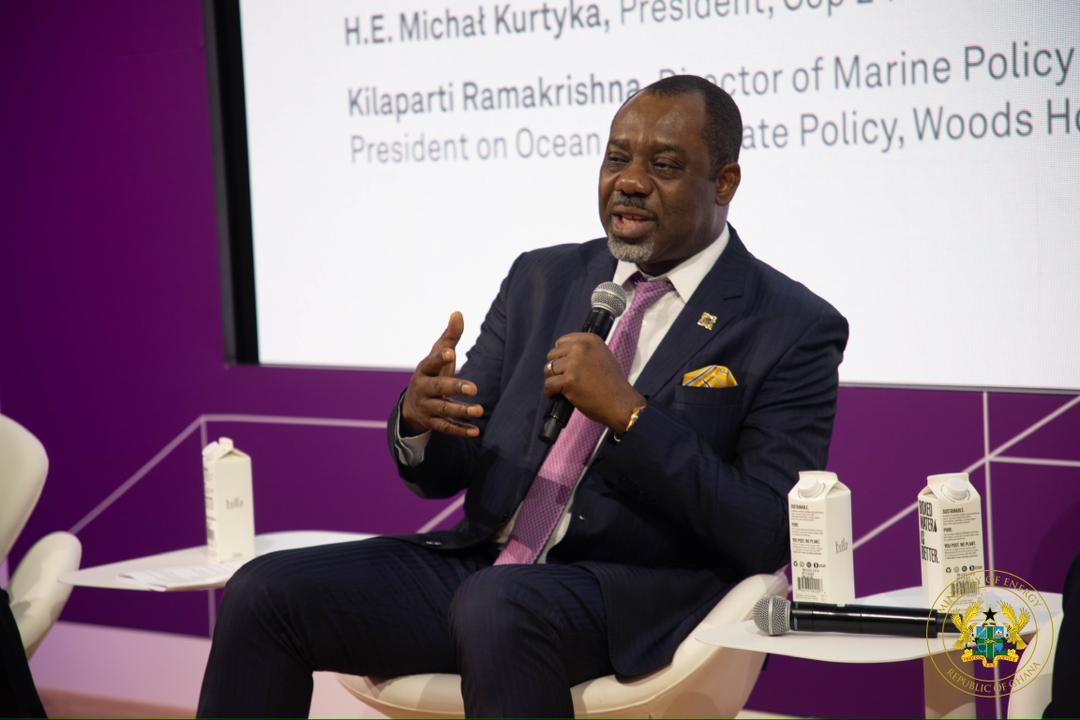
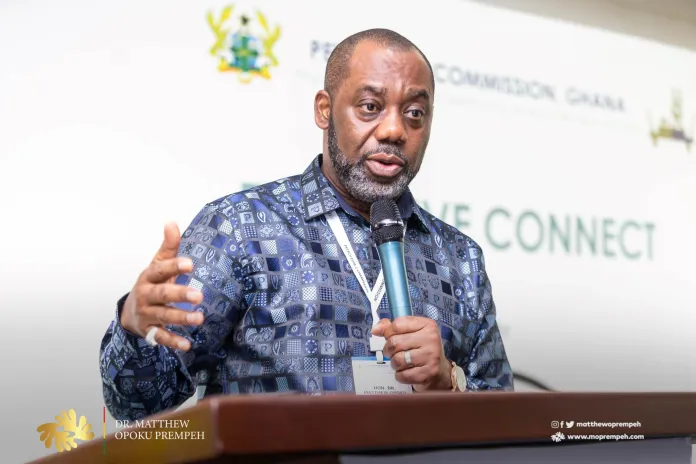
In a rebuttal, Energy Minister Dr. Matthew Opoku Prempeh rejected claims of “dumsor,” urging the public to create their own timetable if they perceive a crisis.
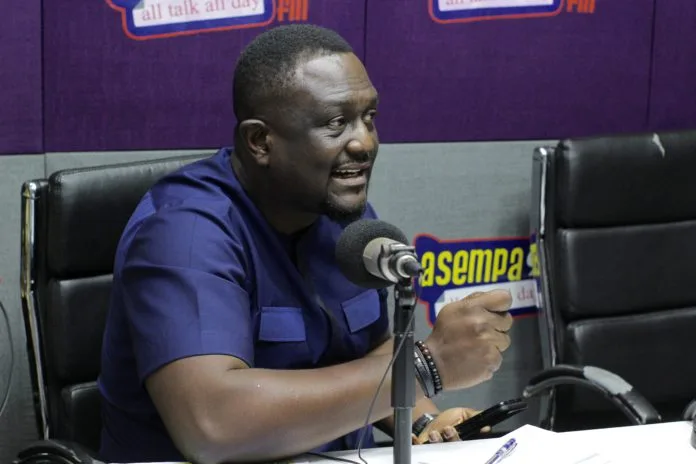
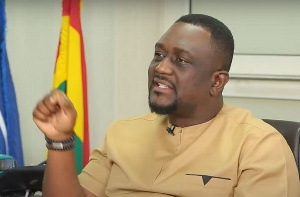
John Jinapor argued that the energy sector grapples with generation challenges affecting distribution.
He recommended that PURC prioritize improving generation instead of enforcing a load-shedding schedule.
Speaking to the media, Mr Jinapor criticized the Minister’s response, accusing him of politicizing sector issues.
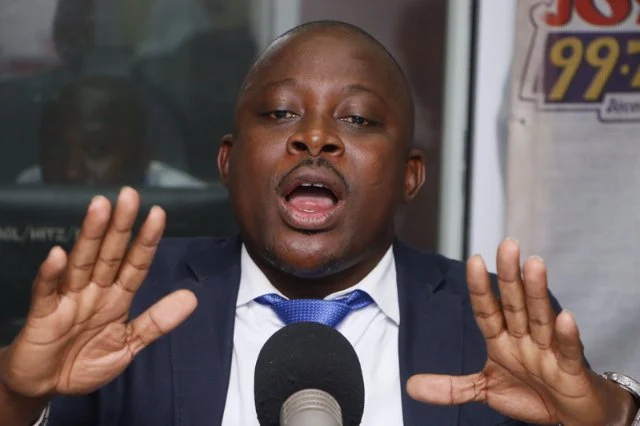
Executive Director of the Institute of Energy Security, Nana Amoasi VII, echoes Jinapor’s position, asserting that ECG and the Energy Ministry have a duty to furnish a timetable amid outages.
Nana Amoasi VII condemned the Minister’s dismissal of calls for a timetable, suggesting it reflects a lack of awareness and disrespect for consumers’ rights.
“I am very, very surprised even at the PURC directive because the main problem is generation, it has nothing to do with transformers. I thought that the PURC would have done its investigation to indeed determine that there is a generation shortfall.
“If there is a generation shortfall, the outage that occurs at the bulk supply point is controlled by GRIDCo. So GRIDCo will then have to inform ECG which bulk supply point will go off, then ECG will inform its consumers. As we speak there is a deficit in terms of generation and until that is resolved we will continue to have the load shedding we are experiencing.”
“I am very shocked and surprised that the minister would give such contradictory and counter instructions. He should know better that we are shedding load, and even in his interview, he couldn’t refute it. He admitted that yes, they are shedding load, but in his opinion, it is better than during President Mahama’s time. And so what? That is the question. Let’s assume it’s better, so people should not be given a timetable to plan because, in the minister’s opinion, it is better.
“If you admit there is load-shedding, give the people the timetable to plan. And when the people request that the outages are becoming too frequent, give us the timetable to plan, the minister says ‘that those requesting the timetable should go and prepare the timetable themselves. It is extremely unfortunate, very insulting,” he added.