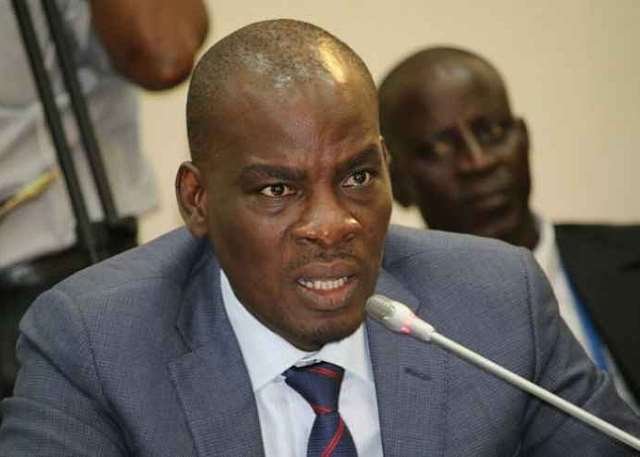
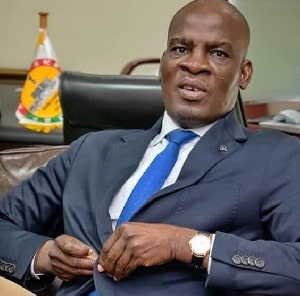
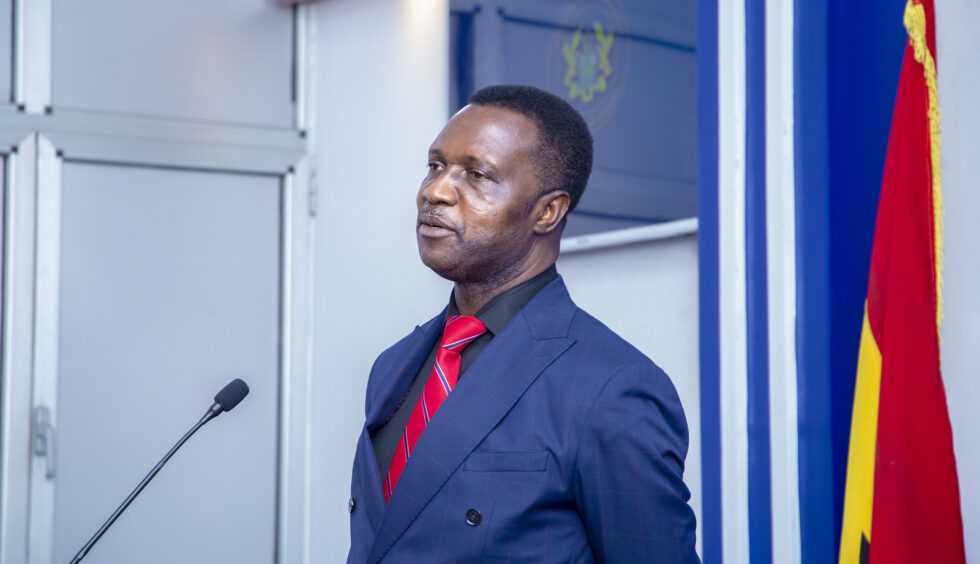
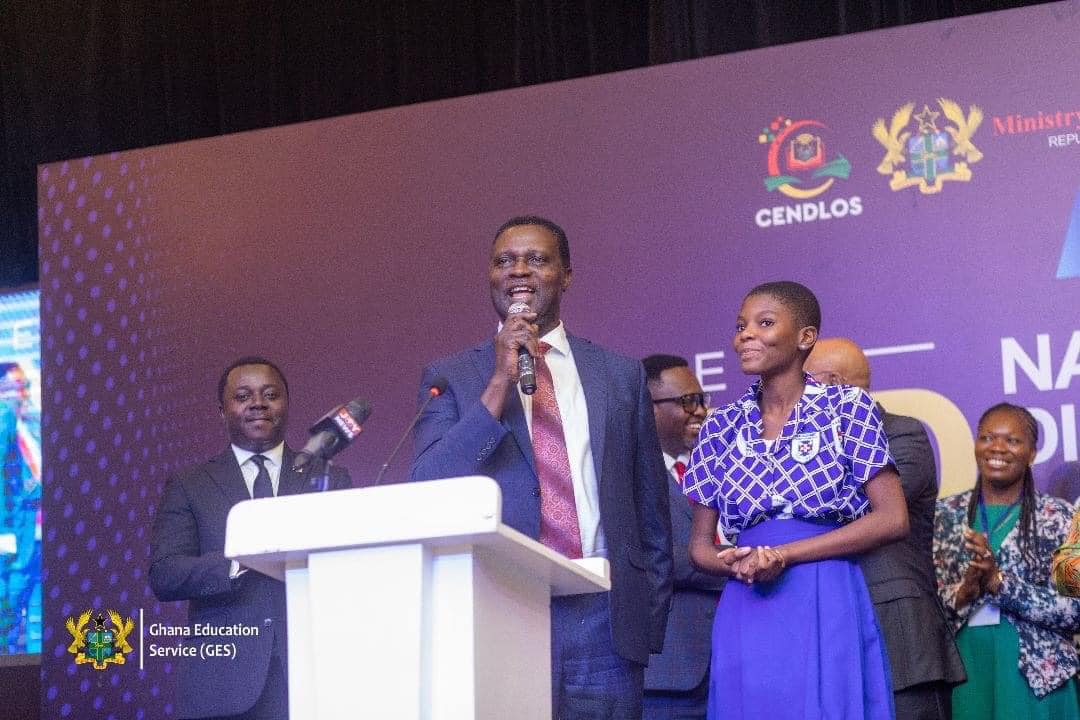
Between 313,000 and 328,000 students applied for Category A Senior High Schools (SHSs), according to the Education Minister, Haruna Iddrisu.
Speaking to media on Saturday, September 12, Mr Haruna Iddrisu noted that this is a challenge as these category A schools have only about 76,000 available places.
He further noted that this figure accounts for more than half of the total student population enrolled on the Computerized School Selection and Placement System (CSSPS).
The non-placement of about 55,000 students has sparked anxiety among parents and students regarding their admission prospects.
But the Education Minister says measures are being implemented to address and resolve challenges associated with the CSSPS.
“I admit that we have a problem as a country. I am not interested in dealing with the symptoms; I want to deal with the real problems,” he said.
Challenges with CSSPS include issues ranging from unsuccessful placement and difficulties with school selection to requests to change placements from day to boarding and vice versa.
Some frustrated parents who spoke to the media on Wednesday, September 8, disclosed that, after failing to resolve their concerns in previous days, they had to spend the night at the facility and return at dawn to seek assistance.
According to a parent “I left home as early as 3 a.m. and got here at 4 a.m. The officials started work around 8 a.m. We were asked to write our reasons for changing from day to boarding. After collecting the forms, they told us to wait.I came early today and pleaded with them to attend to us. So I am still waiting”.
Meanwhile, candidates who obtained a grade 9 in English Language and/or Mathematics have been offered the opportunity to choose an available school themselves through the CSSPS.
Speaking at a press briefing on Monday, September 7, Deputy Minister for Education, Dr Clement Apaak, noted that the affected individuals are select schools and programmes with available vacancies through the CSSPS.
“Accordingly, candidates who obtain a score of 9 in either English Language or Mathematics or in both subjects will be allowed to access the self-placement system and select from schools and programmes with available vacancies. The objective is to ensure that no young person is unnecessarily left behind whilst maintaining the integrity of the placement and examination systems,” Dr Apaak said.
As per the provisional results released by the West African Examinations Council (WAEC) for the 2026 WASSCE for school candidates, a total of 74,692 candidates who sat for the exams obtained an F9 in Core Mathematics, representing 14.82 percent of the candidates who wrote the subject.
According to the results, 306,234 candidates, representing 60.75 percent, obtained grades between A1 and C6 in Core Mathematics. This means that while more than half of the candidates obtained credit passes in the subject, a significant number failed to achieve a passing grade.
Core Mathematics recorded the lowest A1-C6 performance among the four core subjects. In comparison, 315,094 candidates, representing 62.40 percent, obtained A1 to C6 in English Language, while 309,605 candidates, representing 62.08 percent, recorded grades between A1 and C6 in Integrated Science.
Social Studies recorded the highest performance, with 393,918 candidates, representing 78.04 percent, obtaining grades from A1 to C6.
Core Mathematics also recorded a high number of F9 grades compared with the other core subjects.
Integrated Science recorded 76,136 F9 grades, representing 15.27 percent, slightly higher than the 14.82 percent recorded in Core Mathematics.
In English Language, 55,940 candidates, representing 11.08 percent, obtained F9, while Social Studies recorded the lowest F9 figure, with 39,416 candidates, representing 7.81 percent.
Government is yet to approve the revised and proposed curriculum for Kindergarten to Primary Six developed by the National Council for Curriculum and Assessment (NaCCA), the Education Minister, Haruna Iddrisu, has revealed.
From March to July, a curriculum review was conducted by NaCCA with 160 experts and later submitted to the Minister. The proposed curriculum included Computing (coding, AI concepts), Citizenship Education, and foreign languages (Arabic standardised from Primary 1–6; Chinese & French optional).
The language policy sparked huge debate after it was misreported that it was going to be compulsory, a narrative that the Minister had to clarify later.
Speaking at a ceremony to commemorate the 73rd anniversary of Great Apam Senior High School in the Central Region, Mr Iddrisu explained that the GES assessment would be followed by consideration and approval by Cabinet before the revised curriculum could be officially adopted and implemented.
He said once the GES completes its review, the proposal will be forwarded to Cabinet for consideration.
The Ministry will subsequently work with the GES and other relevant agencies, including the Technical and Vocational Education and Training (TVET) sector, to oversee its implementation.
“We are repositioning the curriculum for learners from KG to Primary Six, with emphasis on moral values. Classroom learning alone is not enough. Problem-solving, critical thinking, analytical skills and character building will be central to the curriculum,” he said.
The proposed curriculum seeks to broaden basic education by introducing emerging areas such as Artificial Intelligence, Robotics, Science, Technology, Engineering and Mathematics (STEM), electronics and digital learning.
“I am happy to note that, under President Mahama’s Reset Agenda, we will introduce Artificial Intelligence, Robotics, Science, Technology, Engineering and Mathematics, as well as electronics and digital learning, at the basic foundation level,” he added.
Language in upper primary
Meanwhile, the Education Minister in a statement, explained that students in upper primary will adopt local dialects as well as the English language as a medium of instruction.
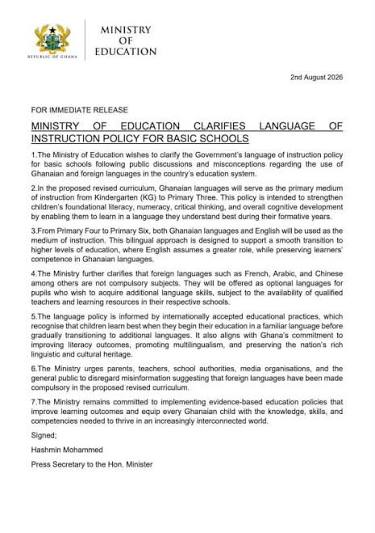
According to the Ministry, “From Primary Four to Primary Six, both Ghanaian languages and English will be used as the medium of instruction. This bilingual approach is designed to support a smooth transition to higher levels of education, where English assumes a greater role, while preserving learners’ competence in Ghanaian languages”.
Foreign languages optional
Addressing the major contentious proposal, the education regulator clarified that foreign languages such as French, Arabic and Chinese remain optional, not compulsory, as widely reported. It added that their availability will depend on the presence of qualified teachers and learning resources in the various schools.
“The Ministry further clarifies that foreign languages such as French, Arabic, and Chinese, among others, are not compulsory subjects. They will be offered as optional languages for pupils who wish to acquire additional language skills, subject to the availability of qualified teachers and learning resources in their respective schools”, the statement continued.
The Ministry of Education has clarified the proposed government language policy in basic schools nationwide. This comes after media reports in late July misrepresented the role of foreign languages in the revised curriculum, suggesting that French, Arabic, and Chinese were being made compulsory, particularly for Kindergarten (KG) to Primary Six.
These reports sparked widespread debate and controversy. Consequently, to set the record straight, the Ministry, in a formal notice dated August 2 and issued and signed by the Press Secretary to the Hon. Minister of Education, Haruna Iddrisu, explained that “…in the proposed revised curriculum, Ghanaian languages will serve as the primary medium of instruction from Kindergarten (KG) to Primary Three”.
This, it said, will help children develop stronger foundations in reading and writing, mathematics, critical thinking, and understanding concepts more easily, as teaching in a familiar language at such levels makes comprehension easier.
“This policy is intended to strengthen children’s foundational literacy, numeracy, critical thinking, and overall cognitive development by enabling them to learn in a language they understand best during their formative years”, parts of the statement read.
Language in upper primary
Furthermore, students in upper primary will adopt local dialects as well as the English language as a medium of instruction.
According to the Ministry, “From Primary Four to Primary Six, both Ghanaian languages and English will be used as the medium of instruction. This bilingual approach is designed to support a smooth transition to higher levels of education, where English assumes a greater role, while preserving learners’ competence in Ghanaian languages”.
Foreign languages optional
Addressing the major contentious proposal, the education regulator clarified that foreign languages such as French, Arabic and Chinese remain optional, not compulsory, as widely reported. It added that their availability will depend on the presence of qualified teachers and learning resources in the various schools.
“The Ministry further clarifies that foreign languages such as French, Arabic, and Chinese, among others, are not compulsory subjects. They will be offered as optional languages for pupils who wish to acquire additional language skills, subject to the availability of qualified teachers and learning resources in their respective schools”, the statement continued.
The Education Ministry also indicated that the language policy is informed by internationally accepted educational practices, which recognise that children learn best when they begin their education in a familiar language before gradually transitioning to additional languages. It also aligns with Ghana’s commitment to improving literacy outcomes, promoting multilingualism, and preserving the nation’s rich linguistic and cultural heritage.
The Ministry urged parents, teachers, school authorities, media organisations, and the general public to disregard misinformation suggesting that foreign languages have been made compulsory in the proposed revised curriculum.
The Ministry remains committed to implementing evidence-based education policies that improve learning outcomes and equip every Ghanaian child with the knowledge, skills, and competencies needed to thrive in an increasingly interconnected world.
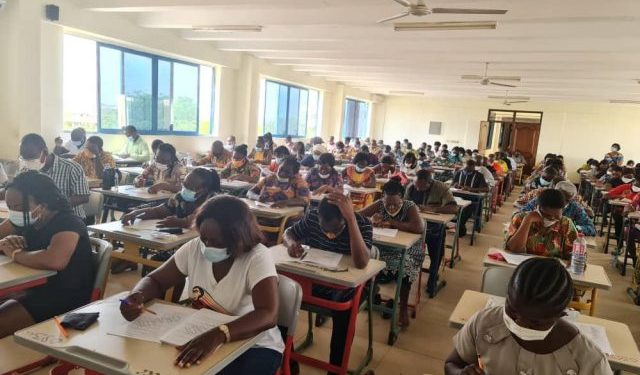
The results of the 2026 Basic Education Certificate Examination (BECE) are expected to be released by next week.
Education Minister Haruna Iddrisu disclosed this while addressing the Government Accountability Series on Monday, July 20.
According to the Minister, information available to him indicates that the results could be released before the end of July.
“I am reliably informed that the BECE results should be out before the end of this month,” he stated.
The release of the results will pave the way for the placement of successful candidates into senior high schools across the country.
The Minister assured the public that he would not interfere in the work of the assessment body.
“As I’ve always indicated as Minister, I don’t interfere with the work of assessment institutions like WAEC. It is within their domain,” Mr Iddrisu said.
The Minister acknowledged the challenges parents and students face during the school placement process, particularly due to limited infrastructure and the growing demand for senior high school education.
While conceding that available resources have not been sufficient to tackle the issue in its entirety, he stressed that the government is pursuing measures to bridge the gap. Among these measures is the Sustainable Development for Improved Access to Tertiary Education and Jobs (STAR-J) project, which seeks to strengthen and expand infrastructure within the education sector.
“Justifiably so, in truth, we have not had the resources to respond head-on to this challenge. To resolve it, we need adequate resources to expand infrastructure by way of classroom blocks and other educational facilities,” he said.
Mr Iddrisu appealed for patience as the government works to improve the placement system.
“You may have to give me another year, then I’ll be better off in resolving the school placement issues,” he said.
According to him, the government is undertaking a review of the Computerised School Selection and Placement System (CSSPS) to strengthen accountability and ensure that school placements are awarded on merit, eliminating opportunities for favouritism and external interference.
“We have had to set up a review committee of the placement system itself and subject it to scrutiny. Does it respect merit? Is it influenced by favouritism? Are politicians taking advantage of it to reward protocol rather than merit?” he stated.
According to him, reforms are being introduced to ensure that parents and students make school choices based on actual results.
“We intend to run an open, transparent placement system,” he said.
The Minister added that under the new arrangement, BECE candidates will select schools only after their results have been released, allowing them to make informed decisions based on their grades.
“Parents, take note: based on the aggregate of your son or daughter, you will know where your child belongs,” he said.
Meanwhile, in early July, the Ghana Education Service (GES) revealed that this year’s BECE candidates would begin selecting their senior high schools from July 20 to August 7.
The education authority disclosed this in a notice dated July 6, announcing a nationwide training and sensitisation exercise on the 2026 School Selection Guidelines and Placement Procedures.
GES further announced that the school selection process for BECE candidates would commence while the sensitisation exercise was ongoing.
“Please note that BECE candidates will start selecting their schools from Monday, July 20, to Friday, August 7, 2026,” it stated.
The statement further invited regional and metro/municipal/district directors of education to attend a training and sensitisation exercise on the 2026 School Selection Guidelines and Placement Procedures at their respective regional education offices.
According to the statement, the exercise is aimed at preparing education directors to effectively supervise the school selection and placement process.
The Service noted that the nationwide exercise was scheduled to take place from Wednesday, July 15, to Tuesday, July 28, 2026.
“This training and sensitisation exercise is intended to provide deeper insight into the selection guidelines and enable you to offer effective oversight throughout the exercise,” the statement said.
TThe Education Minister, Haruna Iddrisu, has hinted at extending the Basic Education Certificate Examination (BECE) from the current five-day schedule to eight days. Addressing the media on Thursday, June 10, at Aburi Girls SHS, the Minister noted that the increase in days is to allow candidates more time to prepare between papers.
Thus, a Saturday and Sunday break in the middle of the examination period. According to him, core subjects will now be written on Wednesdays, one after another each week, rather than being clustered together or placed too close to other papers.
“I understand that our schedule of the exams for BECE was just Monday to Friday, and that put many of you under some stress. Accordingly, the government is reviewing the BECE exams calendar. So now the BECE will begin on Wednesday and end the following Wednesday so that adequate time is given to our learners to prepare for BECE across the country,” he stated.
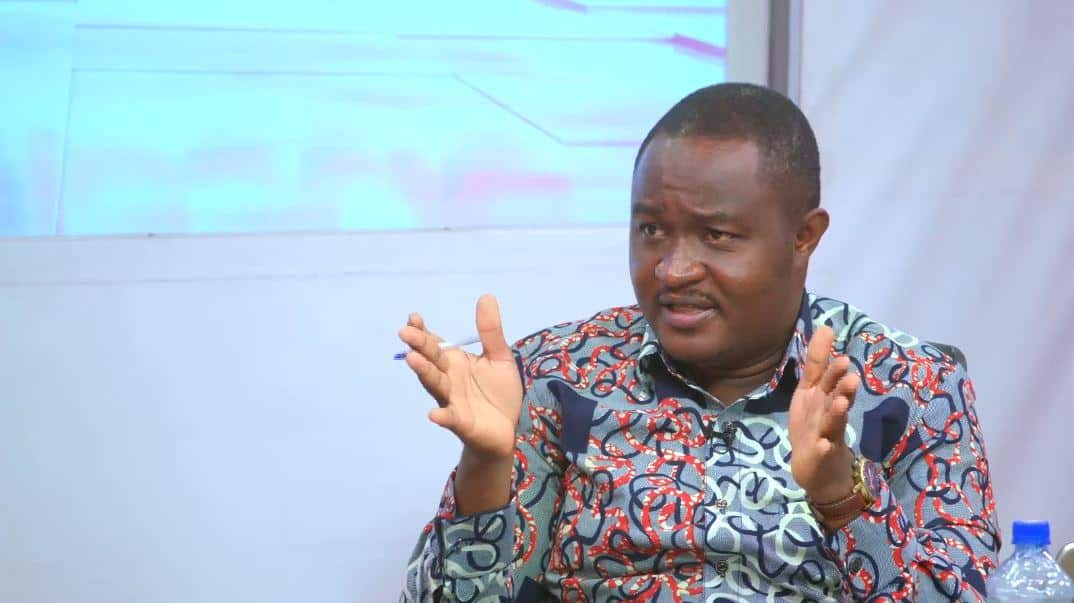
Taking to his official Facebook page on Thursday, May 7, the Executive Secretary of Africa Education Watch, Kofi Asare, slammed the system as archaic, questioning the logic behind examining candidates in 10 subjects over 5 days to determine their school placements, proposing that the number of examinable subjects be reduced to four core areas.
“Piling 10 subjects over a 5-day high-stakes BECE just for sch placement is torture on learners. Reduce to 4 subjects: Math, English, Science & General Paper” parts of his statement read.
He went on to recommend the adoption of aptitude tests and content assessments as alternatives to the traditional means used over the years.
“ Others even use an aptitude test plus a content assessment. This is 2026, not 1996,” he added.
According to him, the arrangement is outdated and does not reflect modern assessment systems used in other countries, where aptitude tests and continuous assessment are incorporated into placement processes.
His comments come amid the ongoing 2026 Basic Education Certificate Examination, during which more than 10 students and invigilators have reportedly been arrested over examination malpractice.
The nationwide examination, organised by the West African Examinations Council, is expected to run until May 11, with 620,141 candidates from 20,395 schools participating.
Other stakeholders remarks on BECE
Aside from Africa Education Watch, several individuals, institutions, and other stakeholders have also called for an overhaul of the BECE system. A lecturer at the University of Ghana, Dr Benjamin Otchere-Ankrah, has been particularly vocal on the issue over the years.
During an interview yesterday, he reiterated his call for a transition away from what he described as a “cruel” system towards one that offers flexibility and gives students ample time to rest and engage in group discussions after each paper. He further suggested extending the examination period from five to ten days, with one paper written per day.
He referred to the examination schedule of University students in Legon, where students are given about three weeks to write about five to seven papers.
Considering the age of the BECE candidates, Dr Otchere suggested that such loads on the 13-15-year-old students are overwhelming and tiring, which tends to negatively affect the performance of the students.
Education Minister Haruna Iddrisu has ordered a thorough investigation into sanitary pads distributed under last year’s government Free Sanitary Pad Initiative following quality concerns.
The Minister revealed to journalists on Wednesday, February 11, 2026, that the Consumer Protection Agency has raised concerns that have influenced the decision to assess the products supplied to schools across the country.
“I have asked a team of auditors to go around the schools and do an audit of the quality of some of the sanitary pads that were supplied, because I received concerns from the Consumer Protection Agency of Ghana as to some poor quality of some of the sanitary pads that were supplied last year,” he said.
Mr. Iddrisu disclosed that he is examining the findings of the assessment and will subsequently guide the government on the next steps to take.
“I’m now evaluating the report of the assessment and I would advise government whether, how to deal with it into the future,” he added.
The Minister stressed that firms granted contracts under the initiative are expected to meet required standards and supply products of acceptable quality.
“But essentially, we want any company that wins a bid to be mindful of standards, minimum standards, that they produce quality and they don’t produce things that can embarrass government, embarrass the user and embarrass the student,” he said.
He reaffirmed the Ministry’s dedication to ensuring accountability and safeguarding the welfare of students, cautioning that substandard products will not be tolerated.
“So we are particular about the concerns that have been raised about the quality of the sanitary pads that are supplied and there will be zero tolerance for poor quality sanitary pads,” Mr. Iddrisu stressed.
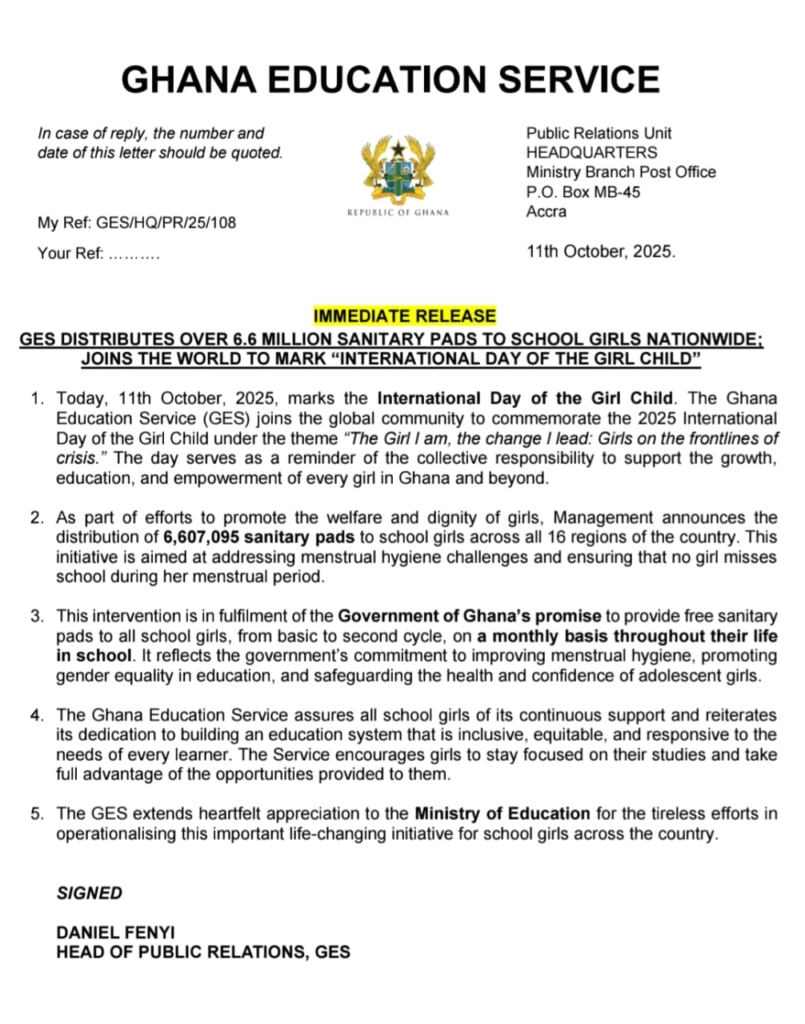
In October last year, the Ghana Education Service (GES) provided over 6.6 million sanitary pads to schoolgirls in all 16 regions, as part of efforts to promote menstrual hygiene and ensure girls do not miss school during their periods.
The program, announced in a statement on Saturday, October 11, coincided with the International Day of the Girl Child, observed worldwide under the theme, “The Girl I am, the change I lead: Girls on the frontlines of the crisis.”
GES explained that the initiative was designed to support the welfare and dignity of adolescent girls while addressing challenges that hinder girls’ education, particularly those related to menstrual hygiene.
“This initiative is in fulfilment of the government of Ghana’s promise to provide free sanitary pads to all schoolgirls, from basic to second cycle levels, on a monthly basis throughout their school life,” the statement said.
The service highlighted that the distribution demonstrated the government’s wider commitment to enhancing menstrual health, promoting gender equality in education, and safeguarding the confidence and well-being of adolescent girls.
The statement also reaffirmed GES’s ongoing support for girls nationwide, emphasizing their dedication to creating an education system that is inclusive, equitable, and responsive to the needs of every learner.
GES expressed gratitude to the Ministry of Education for its role in implementing the initiative, describing it as a “life-changing intervention” that will enable girls to remain focused on their studies and fully benefit from educational opportunities.
Read the full statement below
Vice President Professor Naana Jane Opoku-Agyemang commissioned Softcare’s new sanitary pads production line, as the company expanded its reach across West Africa and parts of Asia.
At the commissioning ceremony on Monday, 15th December 2025, she commended Softcare for evolving from a necessity-driven idea into a nationally recognized manufacturer, creating thousands of jobs and producing high-quality sanitary pads that proudly carry the “Made in Ghana” label.
She reaffirmed the government’s commitment to deepening its partnership with the Company, describing the firm as a strategic domestic player within Ghana’s industrial reset agenda.
“The government of His Excellency President John Dramani Mahama remains committed to the systematic transformation of Ghana’s economy.”
“The Ghana Framework for Industrialisation and Transformation is a key mechanism in this effort, and today’s commissioning demonstrates that the strategy is yielding tangible results. The partnership with Softcare shows what is possible when a responsive private sector aligns with a stable and supportive policy environment,” she stated.
The Vice President praised the company’s sustained growth over the past 15 years, noting that it exemplifies how a capable private sector can thrive within a predictable and business-friendly policy environment.
With the additional production lines, Softcare is positioned to meet local demand while increasing exports. The Vice President noted that sanitary pads have been classified as a high-potential product under the Accelerated Export Development Programme to broaden Ghana’s export base.
She stressed the need for Africa to move beyond the export of raw materials, arguing that value addition and processing are essential to expanding the continent’s share of global trade. “This is how we create sustainable employment, build local ownership, and anchor development on capital and technology that support long-term transformation,” she noted.
The Vice President commended Softcare’s social investments in education and healthcare and said the company stands to benefit from opportunities under the Free Sanitary Pads Programme.
Chairman of Softcare, Mr Y. C. Shen, commended the government’s policy approach, describing it as a key driver of Ghana’s economic progress.
He noted that Softcare’s activities are closely aligned with the 24-Hour Economy Initiative, adding that the new production line will improve operational efficiency and create more jobs locally.
Mr Shen said Softcare, as Africa’s leading manufacturer of sanitary pads and baby diapers, was pleased to support the Free Sanitary Pads Programme, which advances education, gender equity and public health outcomes.
He called on regulators and industry players to sustain a fair and transparent business environment, stressing that such conditions are essential for attracting investment and promoting inclusive economic growth.
Softcare’s journey began in 2009 with the trading of hygiene products. Over the years, it has grown into a leading multinational hygiene products company, engaged in the development, manufacturing and sale of baby and feminine hygiene products, including diapers, sanitary pads and wet wipes, with a focus on fast-growing emerging markets in Africa and Latin America.
In Ghana, Softcare entered the market in 2009 with the launch of its baby diapers, marking its first foray into Africa. Since then, Softcare Ghana has maintained a leading position in both the baby diaper and sanitary pads segments, contributing to Ghana’s industrialisation drive, strengthening national standards and positioning the country as a manufacturing hub in West Africa.
The company has also sustained a strong commitment to corporate social responsibility. In 2025, it rolled out several initiatives, including a Mother’s Day donation event at the Korle-Bu Teaching Hospital and a nationwide road safety education campaign.
Following the launch of Ghana’s Free Sanitary Pads Programme in April 2025, Softcare joined the initiative as a major local supplier, supporting efforts to provide free sanitary pads to more than two million schoolgirls in public basic and secondary schools.
Through this intervention, the company aims to address period poverty, reduce school absenteeism and promote menstrual hygiene and dignity nationwide.
These efforts have earned Softcare significant national recognition. In 2023, the company secured membership of the National Technical Committee on Medical Devices under the Ghana Standards Authority.
In 2024, it was ranked first in the manufacturing sector at the 21st edition of the Ghana Club 100 Awards by the Ghana Investment Promotion Centre. In 2025, Softcare received multiple honours at the Ghana–West Africa Business Excellence Awards, including Consumer Products Company of the Year, Overall Best Industrial Company of the Year, and Best Corporate Social Responsibility Company of the Year at the Association of Ghana Industries and Quality Awards.
Softcare says it remains committed to working closely with government to ensure its products meet the highest standards of safety, quality and sustainability, while maintaining deep engagement with local communities through impactful and responsible corporate citizenship.
The Akufo-Addo-led administration distributed about 83,000 tablets to Senior High School (SHS) students under its flagship digital learning initiative. The goal is to modernise teaching and learning in second-cycle schools, improve digital literacy, and provide access to electronic textbooks to reduce delays in textbook supply.
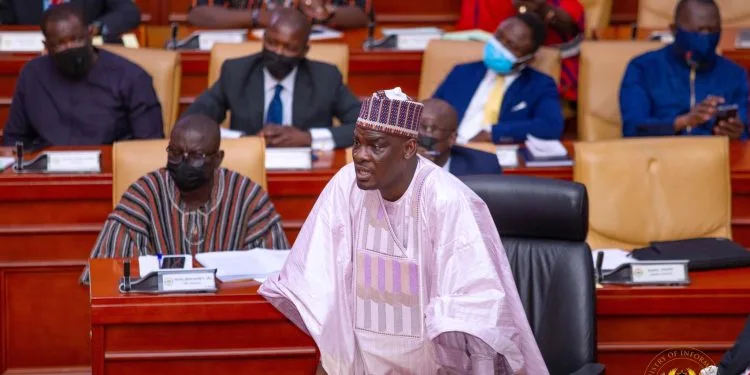
However, these tech devices have now become items of distraction and an aid in accessing pornography instead of academic materials. This was revealed by the incumbent Education Minister, Harunna Iddrisu, on the floor of Parliament.
He said, “My attention this morning, Mr Speaker, was drawn to the fact that many of the devices are not customised and the students are using them for other purposes, including pornography, which is not acceptable.”
In reaction to this, education think-tanks Africa Education Watch (Eduwatch) has urged the Ghana Education Service (GES) to retrieve the tablets from the students and equip them with proper safety controls before giving them back to them.
Project Management Specialist at Eduwatch, Kofi Nkansah Sarkodie, during a media engagement on Friday, November 28, recommended that the devices be recalled to their respective schools for proper management and the installation of UNESCO-approved safety features.
The UNESCO-approved safety features refer to digital safeguards and content controls that align with UNESCO’s global standards for safe, inclusive, and responsible use of technology in education.
“Those tablets have already been procured and distributed. We recommend that GES retrieve them and ensure that the safety measures are fully implemented. Retrieval can be done at the school level, and the necessary safeguards must be deployed. The devices are intended for academic purposes only, to support students’ learning, and not for any other activity,” Sarkodie said.
EduWatch stressed that retrieving and reconfiguring the tablets is essential to protect students from inappropriate content and to ensure the devices fulfil their intended educational function.
According to reports, out of 1.3 million tablets procured, about 980,000 had been distributed, but many were not properly locked. This lack of restrictions allowed students to use them for non-academic purposes, including accessing pornographic content.
The Minister emphasised that the tablets were intended as part of the Free SHS Smart Schools Project, which is an extension of Ghana’s Free Senior High School (FSHS) policy was launched to digitise the Free SHS program by providing tablets preloaded with curriculum materials and building “smart schools” to modernise teaching and learning.
Education Minister Haruna Iddrisu also rebuffed claims that the government did not allocate a budget for the Free Senior High School (SHS) programme.
During the Finance Minister’s budget presentation on the floor of Parliament on Thursday, November 13, he mentioned that the Free SHS will be funded through GetFund, as about a billion cedis has been allocated to the Education support fund.
Mr Iddrisu, on Wednesday, November 19, at a press conference held in Accra, where the Minister provided clarity on the education sector allocations in the 2026 Budget, explained that the misconceptions surrounding the Free SHS allocation are practically impossible.
“The Ghana Education Fund has been allocated 9.9 billion, including 4.2 billion earmarked for Free Senior High School and free TVET infrastructure and services. I’ve heard commentaries suggesting that there is no allocation for Free SHS. That is not practically possible,” he explained.
There were claims from the Minority in Parliament and some civil society groups that the government did not make a direct budgetary allocation for the Free SHS programme in the 2026 Budget. The Minority Caucus argued that while the government highlighted GSLIP and infrastructure expansion, it failed to earmark explicit funds for Free SHS in 2026. They claimed this omission suggested the government was outsourcing Free SHS financing to donor support rather than sustaining it with domestic resources.
The Minister said, “The budget is always done for and on behalf of the President of the Republic, which was his first budget. When the GETFund formula gets to Parliament, you will see the actual numbers,” the Minister added.
He stated that President John Mahama, in the 2025 Budget Statement, outlined a significant policy shift, moving the financing of Free SHS from petroleum revenue to GETFund.
“From 2018 to 2024, Free SHS was largely financed from the country’s petroleum revenue. The shift now is that GETFund will provide the financing. When the GETFund formula gets to Parliament, you will see the actual numbers,” he said.
The Minister added that the allocation will also cover student feeding and support the rollout of free tertiary education for persons with disability, effective 2026. The policy forms part of the government’s Inclusive Education Policy.
“I have submitted a comprehensive policy paper to Cabinet to look at the possibility of introducing free education for all learners in special and integrated schools across the country. I intend that if I get the support of the President and Cabinet, which I trust I have, from 1 January 2026, we should be able to provide for the needs of all learners with special needs in our country,” Mr Haruna noted.
Minister of Education, Haruna Iddrisu, has instructed the Ghana Education Service (GES) to fully implement the use of mother tongue as a medium of communication in Ghanaian schools.
The Minister mentioned that the directive constitutes efforts to reform the education sector, while championing the use of local languages in teaching and learning.
Speaking at the launch of the Free Tertiary Education Programme for Persons Living with Disabilities, Mr. Iddrisu stressed that the directive will enhance comprehension and learning outcomes in basic schools.
“I am directing the DG of the GES and the GES that from today, teacher use of mother tongue instruction is now compulsory in all Ghanaian schools. The GES is to ensure strict enforcement of this…This is part of President Mahama’s reset agenda,” the Minister firmly stated.
In 2023, Ghanaian historian, Nana Osei-Bonsu Sarfo-Kantanka called on managers of educational institutions across the country to desist from punishing students who speak local languages while in school.
He said they should be encouraged to speak the local languages to better understand the culture and heritage of the country.
The historian attributed his point to the fact that some foreign countries prioritise their local languages, thereby requiring that a person upon arrival in the country speak and understand the language.
Speaking to KMJ on Prime Morning, he said, “If you go to school, it is written ‘Speak English.’ If you spoke the local dialect, you would be spanked. All these things must be removed.”
“If you go to India, you have to learn Hindi to be able to study at the university. Why can’t we learn from them?” He quizzed.
Despite the fact that English is an international language that cannot be abolished, Nana Osei-Bonsu opined that it could be blended with the local languages so as to activate the country’s heritage.
He also believes that the Ghanaian languages are likely to fade out as generations pass, if parents do not insist on speaking the local dialects with their children.
Nana Osei-Bonsu encouraged people to make efforts and speak their local languages at all levels to maintain the cultural heritage of the country and its relevance.
“Even if just twenty people are speaking the language, it should be encouraged at all levels. If we’re able to do that, gradually ours will take over the so-called international language.” In our houses, parents should be serious and speak our local languages with their children,” he entreated.
The country celebrates Ghana throughout the month of March every year to commemorate her Independence. The historian thinks that people’s enthusiasm for the celebration is depleting as the years evolve.
He believes people’s interest is dwindling because most designers in recent times are adding foreign products to their designs.
The historian also indicated that opinion leaders can be blamed for the low interest of the people as they have failed to insist on the involvement of local languages in the school curricula.
As to whether the late Osagyefo Dr. Kwame Nkrumah would have maintained the country’s heritage if he were alive, Nana Osei-Bonsu said, “Who knows that he would have kept doing what he was doing because politicians are dictated to.”
However, Ghanaians are encouraged to project the culture globally by wearing locally made designs, eating Ghanaian food, and speaking the local languages among others, throughout the month of March.
Earlier this year, Member of Parliament for Atwima Nwabiagya North, Frank Yeboah, urged Ghanaians to protect and preserve their indigenous languages.
According to him, the country’s indigenous languages play a crucial role in national identity and cultural heritage.
He made this statement on during the commemoration of the International Day of Mother Language in February.
Addressing Parliament, he urged all citizens to recognise the value of their native tongues and take proactive steps to safeguard them.
Mr Yeboah highlighted the importance of community-driven efforts in language preservation, stressing that initiatives such as storytelling, oral history documentation, and intergenerational language transmission programmes must be actively promoted.
He encouraged schools, traditional authorities, and cultural institutions to collaborate in ensuring that local languages remain relevant in contemporary Ghanaian society.
“Mr Speaker, we cannot afford to lose our indigenous languages, for in them lies the heart and soul of our identity as Ghanaians,” he stated.
“Let us act now to protect and promote them, ensuring that future generations inherit not just the words, but the history, values, and wisdom they carry.”
He further called on policymakers to incorporate indigenous language education into the national curriculum and promote its usage in public and private sectors.
The MP also emphasised the need for media platforms to dedicate more airtime to local languages, ensuring that they remain widely spoken and appreciated.
He concluded by urging all Ghanaians to take pride in their linguistic heritage, noting that preserving mother languages is not merely about communication but about protecting a rich legacy of knowledge and identity.
The Education Ministry has announced a transition from prepaid to postpaid meters across all government senior high schools nationwide.
This was announced by the Education Minister, Haruna Iddrisu, during a speech at the 63rd Conference of Heads of Assisted Secondary Schools (CHASS) in Sunyani, held on Wednesday, October 8
The move comes following complaints from headteachers over the unreliability of prepaid meters and the challenges that disrupted power flow causes to academic work.
Ahead of the Minister’s announcement, CHASS National President, Alhaji Yakub A.B. Abubakar, highlighted some of the challenges faced by these headteachers, citing electricity supply disruptions due to prepaid meters.
In response, the Minister said “….And I’m happy to announce that, first January 2026, all CHASS schools will be on post-paid meters. My colleague Hon Jinapor asked me to convey to you that it is possible and that all CHASS schools will be moved to postpaid in order that you will not continue to endure the embarrassment of lights being off”, the minister disclosed.
Over the years, the government-assisted Senior High Schools (SHS) have complained about the interruptions in power supply due to the use of pre-paid meters in the respective schools. Prepaid electricity meters work on a “pay-as-you-go” system, where users buy power in advance and consume only what they’ve paid for.
Consequently, schools had to buy electricity upfront and later seek reimbursement from the Ministry of Education, and this created cash flow problems, especially when government funds were delayed.
Headmasters emphasised that power interruptions affected students’ ability to study, especially during exam preparation periods.
Schools like Mawuli SHS and Presec-Legon reported frequent blackouts when prepaid units ran out, disrupting evening studies and essential services. Mawuli SHS noted that “each time the units run out, we’re plunged into darkness,” which directly undermines academic performance.
LIVE | All CHASS schools will be moved to post-paid meters effective January 1, 2026 — Minister of Education, Haruna Iddrisu, assures after securing commitment from the Minister of Energy following a complaint by the CHASS President. pic.twitter.com/h19uHBdWsy
The Minister also disclosed that the Education Ministry has cleared the outstanding arrears owed to Primetime Limited, organisers of the National Science and Mathematics Quiz (NSMQ), from 2023 to date.
The Ministry confirmed the disbursement in a statement released on Wednesday, October 8, issued by its Press Secretary, Hashim Haruna.
The Ministry reaffirmed its commitment to promoting science and mathematics education through consistent financial support and broader participation.
“The Ministry of Education has released an amount of GH¢9.5 million to Primetime Company to clear all the arrears owed to the organisers of the National Science and Mathematics Quiz competition,” the statement read.
The Ministry also announced that the competition will now include more schools.
“The number of schools in the competition has now been expanded to 177, up from 124 this year,” the statement added.
The organisers of NSMQ released the timetable for the competition on October 1, which included the launch and balloting set for October 7, as well as the preliminaries slated for October 13 to 17.
Two days later, the one-eighth stage will kick off from October 19 to 21, followed by the quarter-finals from October 23 to 25. The semi-finals will take place on October 27, and the grand finale, where the champions will be announced, is scheduled for three days later.
However, CHASS initially announced its intention to boycott this year’s competition, citing financial constraints. In a statement dated October 3 and signed by CHASS National Secretary Baro Primus, the organisation informed the quiz organisers that Ghanaian senior high schools would not participate in the balloting or subsequent stages of the 2025 NSMQ.
They explained that many schools were unable to mobilise resources and prepare students, noting that government funds intended for such activities had not been released.
“We regret to inform you that schools will not be able to participate in the balloting and subsequently the quiz competition due to non-availability of funds,” the letter read.
The association highlighted its willingness to rescind this decision should the government release the requisite funds and pledged to inform organisers accordingly. CHASS also apologised for any inconvenience this decision may have caused.
The National Science and Maths Quiz (NSMQ) is an annual national competition for senior high schools in Ghana, focusing on science and mathematics topics.
Since its inception in 1993, NSMQ has grown from featuring 32 schools regionally to a nationwide competition with broad participation.
The competition is produced by Primetime Limited and is one of Ghana’s most celebrated academic programmes, promoting STEM education and academic excellence.
Past challenges have included funding lapses and interruptions. Between 2010 and 2011, the programme paused operations due to a lack of sponsorship.
In a thrilling showdown at the grand finale of the 2024 NSMQ, Mfantsipim School emerged victorious, narrowly edging out St. Augustine’s College by a single point to claim the prestigious trophy.
With a final score of 47 points to St. Augustine’s 46 points, Mfantsipim’s win marks their third NSMQ championship title, having previously lifted the trophy in 1999 and 2014.
The competition, held in Cape Coast, saw Mfantsipim School, St. Augustine’s College, and Keta Senior High Technical School (SHTS) go head-to-head in a tense five-round contest. Each round was filled with suspense as the three schools showcased their knowledge, agility, and composure under pressure.
The opening rounds established Mfantsipim and St. Augustine’s as front-runners, with both schools tied at 24 points in Round 1. In Round 2, Mfantsipim began to inch ahead, scoring 31 points compared to St. Augustine’s 34 points and Keta SHTS’s 12 points. By Round 3, the “Problem of the Day,” St. Augustine’s led with 5 out of 10 points, while Keta SHTS and Mfantsipim followed with 4 and 3 points, respectively.
The gap between the top two contenders remained razor-thin through Round 4, where St. Augustine’s held a slight edge at 46 points to Mfantsipim’s 44 points, while Keta SHTS scored 26 points. Entering the final round, the stakes were high, and Mfantsipim managed to outscore St. Augustine’s by two points to secure the ultimate victory at 47 points.
Keta SHTS, despite a strong showing, concluded the contest with 32 points. The impressive performances from each school kept the audience on the edge of their seats throughout, culminating in Mfantsipim’s historic win by a single point.
As champions of the 2024 NSMQ, Mfantsipim School celebrates not only their intellectual prowess but also the resilien
The Education Ministry has cleared the outstanding arrears owed to Primetime Limited, organisers of the National Science and Mathematics Quiz (NSMQ), from 2023 to date.
This was announced by the Education Minister, Haruna Iddrisu, during a speech at the Conference of Heads of Assisted Secondary Schools (CHASS). The Ministry confirmed the disbursement in a statement released on Wednesday, October 8, issued by its Press Secretary, Hashim Haruna.
The Ministry reaffirmed its commitment to promoting science and mathematics education through consistent financial support and broader participation.
“The Ministry of Education has released an amount of GH¢9.5 million to Primetime Company to clear all the arrears owed to the organisers of the National Science and Mathematics Quiz competition,” the statement read.
The Ministry also announced that the competition will now include more schools.
“The number of schools in the competition has now been expanded to 177, up from 124 this year,” the statement added.
Background
The organisers of NSMQ on October 1 released the timetable for the competition, which included the launch and balloting set for October 7, as well as the preliminaries slated for October 13to 17.
Two days later, the one-eighth stage will kick off on October 19 to 21, and the quarter-finals will follow from October 23 to 25. The semi-finals will take off on October 27, and three days after, the crowning, that is the grand finale, where the champions will be announced, will follow.
However, CHASS, in response, announced its intention to boycott this year’s competition, citing financial constraints. In a statement dated October 3 and signed by CHASS National Secretary Baro Primus, the organisation informed the quiz organisers that Ghanaian senior high schools will not participate in the balloting or subsequent stages of the 2025 National Science & Maths Quiz (NSMQ).
They said that many schools are unable to mobilise resources and prepare students. CHASS stated that the government funds meant for such activities have not been released.
“We regret to inform you that schools will not be able to participate in the balloting and subsequently the quiz competition due to non-availability of funds,” the letter read.
The association highlighted their willingness to rescind its decision should the government release the requisite funds and pledged to inform organisers accordingly. CHASS also apologised for any inconvenience this decision may cause.
The National Science & Maths Quiz (NSMQ) is an annual national quiz competition for senior high schools in Ghana, focusing on science and mathematics topics.
Since its inception in 1993, the NSMQ has grown from featuring 32 schools divided regionally into a nationwide competition with broad participation.
The competition is produced by Primetime Limited and is one of Ghana’s most celebrated academic programmes, promoting STEM education and academic excellence.
Past challenges have included funding lapses and interruptions. Between 2010 and 2011, the programme paused operations due to a lack of sponsorship.
In a thrilling showdown at the grand finale of the 2024 National Science and Maths Quiz (NSMQ), Mfantsipim School emerged victorious, narrowly edging out St. Augustine’s College by a single point to claim the prestigious trophy.
With a final score of 47 points to St. Augustine’s 46 points, Mfantsipim’s win marks their third NSMQ championship title, having previously lifted the trophy in 1999 and 2014.
The competition, held in Cape Coast, saw Mfantsipim School, St. Augustine’s College, and Keta Senior High Technical School (SHTS) go head-to-head in a tense five-round contest. Each round was filled with suspense as the three schools showcased their knowledge, agility, and composure under pressure.
The opening rounds established Mfantsipim and St. Augustine’s as front-runners, with both schools ending Round 1 tied at 24 points. However, Mfantsipim began to inch ahead in Round 2, scoring 31 points compared to St. Augustine’s 34 points and Keta SHTS’s 12 points. By Round 3, the “Problem of the Day,” St. Augustine’s led with 5 out of 10 points, while Keta SHTS and Mfantsipim followed with 4 and 3 points, respectively.
The gap between the top two contenders remained razor-thin through Round 4, where St. Augustine’s held a slight edge at 46 points to Mfantsipim’s 44 points, while Keta SHTS scored 26 points. Entering the final round, the stakes were high, and Mfantsipim managed to outscore St. Augustine’s by two points to secure the ultimate victory at 47 points.
Keta SHTS, despite a strong showing, concluded the contest with 32 points. The impressive performances from each school kept the audience on the edge of their seats throughout, culminating in Mfantsipim’s historic win by a single point.
As the champions of the 2024 NSMQ, Mfantsipim School celebrates not only their intellectual prowess but also the resilience and determination that led them to claim their third NSMQ title. This remarkable victory adds another chapter to the school’s legacy in science and mathematics excellence, and they now proudly stand as three-time NSMQ champions.
Minister of Education, Haruna Iddrisu, has issued a firm directive to conclude all pending processes related to the Teacher Licensure Examinations by August 30, 2025.
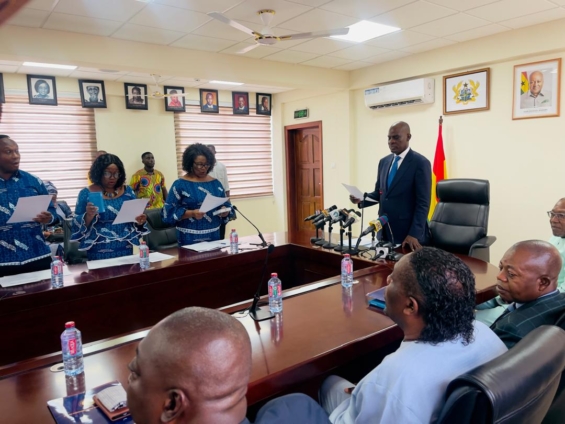
Speaking at the swearing-in of the new board of the National Teaching Council, the Minister said it’s time to gradually halt the teacher licensing exams, which many have complained about, as part of bigger changes to how teachers are assessed and qualified.
“There is still the vexed matter of teacher licensure exams. The last of it must be concluded not later than August 30,” he stated.
This action aligns with a promise made by the National Democratic Congress (NDC) during the presidential election campaign in 2024.
The directive includes a final resit window for candidates who previously failed, after which the licensure exam regime will be officially scrapped.
“If there is a last opportunity for those who sat and could not make it, that process should not travel beyond 30th August,” Honourable Idrisu added.
The Ministry is working with the NTC registrar to set a firm date for this final round.
This move aligns with the government’s plan to replace standardized testing with a new framework that prioritizes academic training and practical fieldwork over written exams.
The Ghana Teacher Licensure Examination (GTLE) was officially introduced in September 2018 by the National Teaching Council (NTC).
The NTC is mandated by the Education Regulatory Bodies Act, 2020 (Act 1023) to conduct these exams as part of its licensing process
But the outcomes of the 2023 Ghana Teacher Licensure Examination (GTLE) revealed that a significant portion of candidates did not meet the required standards for licensure.
According to statistics released by the National Teaching Council (NTC), 47.4% of the candidates, totaling 9,556 teachers, failed the examination.
Out of the 20,181 candidates who participated, only 52.6% successfully met the licensure standards. The detailed breakdown of the results indicates that 10,625 teachers passed the exam. On the other hand, 892 candidates, constituting 4.4%, did not pass in any of the subjects.
Further analysis of the results shows that 2,641 candidates (13.1%) passed in only one subject, while 6,023 candidates (29.8%) achieved success in two subjects.
“The National Teaching Council (NTC) is set to release the results of the 2023 Ghana Teacher Licensure Examination (GTLE) 2&3 on Thursday, December 21, 2023.
“Number of candidates: 20181, total pass: 10625 (52.6%), total fail: 9556 (47.4%), pass none: 892 (4.4%), Pass 1: 2641(13.1), Pass 2: 6023 (29.8%).”
As a result Deputy Education Minister, Dr Clement Abas Apaak expressed his support for the President Mahama’s decision to review the nationwide teacher licensure examination.
But the former Deputy Minister of Education, Dr. John Ntim Fordjour, was among those who strongly opposed former President John Mahama’s plan, describing him as a major threat to Ghana’s progress for making such a proposal.
In response, Dr. Clement Apaak dismissed Fordjour’s comments, arguing that he and the former NPP government either fail to grasp the public’s concerns or are disconnected from reality.
According to the Member of Parliament for Builsa South, various stakeholders in Ghana’s education sector are in favor of discontinuing the teacher licensure examination.
Despite resistance from the government at the time, Dr. Apaak believed that the promises made by Mr Mahama were sensible, justified, and would be implemented.
“JM is not opposed to examining teachers as a basis of certifying them as professionals. However, like teacher trainees and stakeholders in teacher training, JM is opposed to the current arrangement towards certification. His reasonable alternative is to make the examination towards professional certification a final-year compulsory course to be written alongside other final-year courses.”
“In JM’s variant, when a teacher trainee passes all final year courses, including the course tailored to certify a trainee as a professional teacher, the trainee is given a licence. If the trainee passes all courses but fails the certification course, he/she doesn’t get a licence and would have to re-register the course and write it in his/her college as is the case with final year compulsory courses,” he added.
The new Council of the Chartered Institute of Human Resource Management, Ghana (CIHRM), has been inaugurated by the Minister for Education, Haruna Iddrisu.
The council comprises 11 members including Florence Hutchful (President), Dorothy Asare (Vice President), Dr. Francis Eduku (CEO of the Institute), Dr. Edward Kwapong (Immediate-Past President), Nana Kwabena Yeboah (Executive Member), Dora Siaw-Lartey (Executive Member).
The others are Eric Sewonu Adadevoh (Executive Member), Louise Agyemang-Barning (Executive Member), Anita Andrews Nanfuri (GTEC Representative), Truedy A. Osae (GEA Representative), and Comfort Dede Aki Ashiagbor (Ministry of Education Representative).
At the inauguration ceremony, the sector minister charged the Council to be attentive to three key areas that were of grave concern to the president.
These concerns, he stated, were punctuality, productivity, and workforce size, saying, “HR Managers have allowed mushrooming of numbers in both the Civil and Public Service. When I was the Chairman of the Free Zones Authority, we had only 70 employees, but now I am told the workforce is over 300. I ran NCA with about 98 staff. Today, I am told it has ballooned to 300 employees. We are just adding up numbers instead of downsizing.”
Mr. Iddrisu charged the CIHRM Council to come up with a manpower roadmap for the categories of staff needed in governmental agencies.
Speaking on behalf of President John Dramani Mahama, the minister extended warm congratulations to the newly appointed CIHRM Council Members and expressed best wishes as they take on their responsibilities.
In a short address, CIHRM President Florence Hutchful expressed gratitude to the minister on behalf of the new Council and the Institute’s members for setting aside time from his demanding schedule to officially inaugurate the Council.
She stressed the importance of the ministry, saying, “Education remains the cornerstone of national development, and the Institute recognizes the critical role the Ministry of Education plays in shaping policies that impact the future of our country.”
She added that, as the only official body in Ghana responsible for overseeing the human resource (HR) profession, CIHRM said it is dedicated to helping HR professionals gain the right skills and values needed to build a strong workforce and healthy workplaces, all to support the country’s development.
The Institute’s president also welcomed the minister’s call for CIHRM to help tackle issues like low productivity, lateness to work, and figuring out how many workers are really needed in the civil and public service.
CIHRM’s CEO, Dr. Francis Eduku, leveraged the occasion to officially invite the minister to be the keynote speaker at the Institute’s 2025 HR Conference, which will be held on June 18 and 19 at the Alisa Hotel in Accra.
Minister of Education, Haruna Iddrisu, has announced plans by the government to set up a new tertiary institution, the University of Agriculture and Life Sciences, in Kintampo in the Bono East Region.
According to the minister, the institution will support agricultural modernization and provide higher opportunities in education for the region.
Speaking at the official inauguration of the Governing Council of the Simon Diedong Dombo University of Business and Integrated Development Studies on May 12, the sector minister explained that the bill to establish the university will be laid before parliament once it reconvenes.
The move, he said, forms part of the government’s broader effort to expand tertiary education and ensure that every region in the country has at least one public university.
“It is the desire of the government that every region of Ghana will be host to one higher education institution of learning. It is the dream and desire of President Mahama that in each region there will be an established university,” he indicated..
Ghana’s agriculture sector, though vital to the economy, has faced slow progress in modernisation, with limited investment in research and innovation. This, experts argue, continues to impact food security and national productivity.
The planned university is expected to respond to these challenges by focusing on specialised training, cutting-edge research, and innovation in agricultural science and life sciences. It will also equip the youth with practical skills to thrive in the evolving agricultural landscape.
Mr. Iddrisu also touched on infrastructure challenges facing existing institutions. He noted that the Simon Diedong Dombo University of Business and Integrated Development Studies had not seen any major support since its establishment.
“SD Dombo has not seen any significant support, in terms of infrastructure. I am happy to announce that this year, the government through the GETFund will make available some seed money for SD Dombo University as part of President Mahama’s quest to support the institution to grow,” he said.
Chairman of the newly inaugurated Governing Council, Dr. Benjamin Kumbour, described the announcement as timely and pledged to engage private stakeholders and the local community to contribute to the university’s development.
“We on our part will also try private initiatives and see how the local community of the region will also be encouraged to bring their contributions to develop the university,” he assured.
The government says it remains committed to creating more educational opportunities, especially in underrepresented regions, to empower the next generation of professionals and innovators.
Meanwhile, President Mahama is preparing to introduce a new bill in Parliament to rename the C.K. Tedam University of Technology and Applied Sciences (CKT-UTAS) and several other public universities across the country.
The Minister for Education made the announcement during the swearing-in ceremony of the Governing Council of CKT-UTAS in Accra. The university’s name has drawn mixed reactions from the public, with some stakeholders opposing it from the beginning.
This move forms part of a broader initiative to review and potentially rename several public universities established or renamed during the tenure of former President Nana Akufo-Addo.
“We have had extensive consultations with the academic community, traditional rulers, alumni associations, students, and civil society. As a result, the name C.K. Tedam University of Technology and Applied Sciences is likely to change—possibly reverting to the original vision.
“There will be a general bill to consider the renaming of several public universities that were renamed or established during former President Akufo-Addo’s administration,” Mr Haruna stated.
Education Minister Haruna Iddrisu says President Mahama has asked him to send a new scholarship bill to Parliament when they meet again in May.
He mentioned this in Accra while swearing in 17 new members of the GETFund Board. According to him, the bill is meant to stop people from giving scholarships to their friends or family and instead give them to people who truly deserve it.
He added that the plan is not just to prevent unfair treatment but also to help schools train more qualified teachers and lecturers.
The Minister told the new Board to make sure there’s enough money to keep the Free SHS programme going and to ensure schools have regular food supplies.
He also asked them to support the President’s goal of making education more modern—helping students gain the skills, values, and knowledge they need to succeed in today’s world.
He made it clear that investing more in basic education (like kindergarten and primary school) is important if Ghana wants to improve the whole education system.
Mr. Iddrisu suggested the funds should be split like this: 35% for basic education, 40% for higher education like universities, and 25% for Free SHS—if the Finance Ministry continues to support them.
He also urged the Board to fix infrastructure problems in secondary schools caused by the growing number of students due to the Free SHS programme.
The Minister said the government is planning to help public universities offer at least five PhD scholarships within Ghana.
He also wants over 300 abandoned school projects funded by GETFund to be finished, so the money already spent doesn’t go to waste.
He added that the Board should help universities grow and improve and also make sure there’s money set aside for emergencies in the education sector.
The new Board Chairman, Emmanuel Kwasi Bedzrah, thanked everyone for trusting them and promised that the team would do a good job.
Board members include: Prof Ahmed Jinapor, Ghana Tertiary Education Commission; Prof Ernest Davis, Ghana Education Service; Mr Masawudu Mahama, Ministry of Finance; Rev Dr Cyril G.K. Fayose, Religious Bodies; and Mr Anthony Kwasi Sarpong, Ghana Revenue Authority.
Others are: Mr Paul Adjei, GETFund; Mrs Mamle Andrews, Ministry of Education; Mr John Awuah, Ghana Bankers Association; Mr Seth Kobla Aklasi, Ghana Insurers Association; Ms Patience Abla Ganyo, National Pensions Regulatory Authority; and Rev Prof John Frank Eshun, Technical Universities.
The rest are: Ms Philippa Larsen, Ghana National Association of Teachers; Mr Daniel Nii Botchway, National Union of Ghana Students; Ms Grace Amey-Obeng, Association of Ghana Industries; Madam Francisca Atuluk, National Council on Women and Development; and Mr Alexander Frimpong, Ghana Employers’ Association.
Education Minister Haruna Iddrisu has announced that the government is working toward eliminating the Double-Track system in Senior High Schools by 2027.
He shared this information while addressing members of the Conference of Heads of Assisted Secondary Schools (CHASS) at a gathering in Sunyani, located in the Bono Region.
Haruna Iddrisu indicated that the government plans to implement major changes, such as updating the curriculum and overhauling the management of the Ghana Education Trust Fund (GETFund), to support the transition.
“We are working to revise the curriculum…If the government is to succeed in ending the double-track system, not later than Monday, you should have a board so that all expenditures are properly approved by the board.
“We expect that by the year 2027, the double-track system will be a thing of the past,” he stated.
The minister reiterated the government’s dedication to strengthening education and building human capital, emphasizing that GETFund will remain essential in improving school facilities across the country.
Public reaction to the Double-Track system has been mixed. While some stakeholders acknowledge its role in expanding access to education, others have raised concerns about its long-term impact on teaching and learning outcomes.
As the government works toward phasing out the system, educators, parents, and students are eager to see improvements in school infrastructure and administrative processes.
The Double-Track system’s elimination by 2027 is expected to bring significant reforms to Ghana’s education sector, ensuring better resource management and enhancing the quality of education for future generations.
Education Minister Haruna Iddrisu has urged schools across the country to uphold students’ religious rights, allowing them to practice their faith freely without restrictions.
The Tamale South MP emphasized that every Ghanaian child is entitled to the rights outlined in the constitution, including the freedom of religious expression.
Speaking at the 2025 Eid-ul-Fitr prayers with the Ambariyya Muslim sect in Tamale on Monday, March 31, he reiterated the need for schools to foster religious tolerance.
The minister stressed that no school should implement policies that infringe on students’ ability to observe their faith, as such restrictions go against constitutional provisions.
“I want to announce as Ghana’s Minister of Education that every child and every Ghanaian is entitled to the full benefit of all the rights enshrined in the 1992 Constitution, and therefore no school has the right to deny any Ghanaian child the right to practise their faith.
“All schools must recognise and respect the right of every Ghanaian child to profess and practise their religion,” he stated.
His remarks came in response to concerns raised by the Ghana Muslim Students Association on Saturday, March 29.
The association criticized authorities at Saint Roses Senior High School (SHS) in Akwatia, Eastern Region, for preventing Muslim students from traveling home to celebrate Eid-ul-Fitr, despite an official directive from the Ghana Education Service (GES).
Dr. Louisa Ansong-Satekla, Ghana’s celebrated dental surgeon and public health advocate, has engaged the Minister for Education, Haruna Iddrisu some key policy recommendations by the World Dental Federation.
Among this is the inclusion of oral health education into the national curriculum and commemoration of World Oral Health Day in schools.
According to Dr. Louisa Ansong-Satekla, during the courtesy call earlier this week, the Education Minister “pledged his support for some of the recommendations made.”
The FDI World Dental Federation in February announced Dr. Louisa Ansong-Satekla as its Global Ambassador for an unprecedented fourth consecutive year, ahead of the 2025 World Oral Health Day (WOHD) campaign.
The 2025 campaign, rallying under the slogan “A Happy Mouth is a Happy Mind”, aims to spotlight the profound connection between oral health and overall well-being, urging global audiences to prioritize self-care through proactive dental hygiene.
Dr. Ansong-Satekla, a renowned dental surgeon and public health practitioner, will lead efforts to amplify this year’s message that oral health is foundational to mental resilience and physical vitality.
World Oral Health Day (WOHD) is celebrated every year on 20 March. It is an international day to celebrate the benefits of a healthy mouth and to promote worldwide awareness of the issues around oral health and the importance of oral hygiene to looking after everyone old and young.
The Minister for Education, Haruna Iddrisu, has announce plans once again involve the Parent-Teacher Association (PTA) in the management of education in Ghana.
He said this will contribute to the government’s commitment creating a more inclusive education system where parents, teachers, and administrators work together to ensure quality education for all students.
Speaking at a public forum yesterday the Minister expressed, “I am particularly happy to announce that PTAs will be introduced back into the management of education under the presidency of His Excellency John Dramani Mahama, to work for parents and teachers to work together to improve learning outcomes in our educational institutions. And for PTAs to support our educational institutions to produce quality human capital for the country.”
Ghana Education Service (GES) under the Akufo-Addo led administration limited the influence of PTAs in the school management system through the suspension of PTA levies in 2019 following the introduction of the Free Senior High School.
This partly occurred after it emerged that some school heads were abusing the PTA system through the collection of PTA dues and levies defeating the objective of the then Akufo-Addo govt in removing cost as a barrier to secondary education in Ghana.
Recognizing this, teachers were exempted from the Parent-Teacher Association (PTA), recognizing it as Parent Association (PA).
The change limited the role of teachers in the management of schools, as PAs lacked the level of engagement and decision-making authority that PTAs traditionally held.
The decision to scrap PTAs faced criticism from various stakeholders in the education sector. Many argued that the removal of PTAs diminished teachers’ involvement and weakened the support system for students.
The current government’s move to reintroduce PTAs seeks to restore the collaborative framework that supports both educators and families in fostering a conducive learning environment.
Mr Haruna Iddrisu has therefore, called on stakeholders to engage actively with PTAs to foster better educational environments, saying by reinstating the PTAs, the government aims to strengthen community involvement in schools.
The government has decided to discontinue feeding allowances for teacher trainees in colleges of education across Ghana, according to the Minister of Education, Haruna Iddrisu.
Speaking at a meeting with principals of colleges of education in Accra, the Minister highlighted that the policy is unsustainable and does not align with global best practices in higher education.
Haruna Iddrisu stressed that it is not the government’s responsibility to feed tertiary students, arguing that continuing such support is not feasible in the long term.
“There is no way you should be feeding a student at the tertiary level so we have to work out a transition from the allowance into an enhanced student loan for them to feed themselves.
“But in the interim, they will still get the allowances. I cannot conceive of a student in a higher education institution being fed.”
He revealed that the government plans to phase out the feeding programme and replace it with an improved student loan scheme that will enable teacher trainees to cater for their living expenses, including meals.
The move, he explained, is intended to ensure responsible government spending while fostering financial independence among trainees.
President John Mahama is set to inaugurate the highly anticipated Education Review Conference in mid-February 2025, according to the Minister of Education, Haruna Iddrisu.
The conference aims to evaluate the current state of education, explore its future trajectory, and propose strategies to foster equity and enhance the sector’s contribution to building a competitive and skilled workforce for the country.
Speaking at a press briefing in Accra on Friday to commemorate International Day of Education, Mr. Iddrisu highlighted the significance of the upcoming conference. He noted that it would serve as a platform for key stakeholders to deliberate on actionable solutions to strengthen education across all levels.
This year’s International Day of Education, celebrated on January 24, is themed “Artificial Intelligence (AI) and Education: Preserving Human Agency in a World of Automation.” The theme underscores the transformative role of AI in education, emphasizing its potential to personalize learning, automate processes, and increase access for underserved communities.
Mr. Iddrisu stressed the importance of leveraging AI to address educational inequalities, particularly in remote areas. He called for collaborative efforts to integrate adaptive technologies that meet the diverse needs of learners while promoting inclusivity.
“Let us harness innovation, uphold human agency, and ensure that education continues to be a beacon of hope for every child and every community,” he said.
The Minister also emphasized the need to empower educators to design curricula that incorporate digital literacy, AI ethics, and critical thinking, enabling students to succeed in a rapidly automated world.
To realize these goals, Mr. Iddrisu outlined the government’s commitment to expanding fibre and broadband infrastructure across educational institutions, ensuring reliable internet connectivity as a foundation for digital literacy.
“You cannot prepare for a digital literacy future without internet connectivity. We need to collaborate with the Ministry of Communication and other private sectors in order to be able to ensure stable Internet connectivity,” he said.
He commended stakeholders in the education sector for their unwavering dedication to advancing learning and contributing to national development.
“Your dedication to advancing the transformative power of learning is the foundation of our nation’s development,” Mr. Iddrisu remarked, urging all partners to work towards an education system that is equitable, inclusive, and responsive to the evolving challenges and opportunities of the modern world.
Minister of Education, Haruna Iddrisu, has called on stakeholders to prioritise enhancing access, relevance, and quality within Ghana’s higher education system to promote inclusivity and equitable opportunities for all.
He underscored the importance of collective efforts to dismantle systemic barriers that hinder marginalised groups, including girls, children, and persons with disabilities, from accessing quality education.
Speaking on the government’s commitment to transforming education, the Minister described it as a powerful tool for personal and national development. He stressed the need to address historical inequalities within the system to ensure no group is left behind.
“Education is the cornerstone of national development and personal empowerment. To achieve meaningful progress, we must eliminate barriers that restrict access for the most vulnerable groups in our society,” Mr. Iddrisu said.
The Minister highlighted Ghana’s alignment with global frameworks, citing the 1989 Convention on the Rights of the Child, which mandates nations to make education universally accessible. He reiterated Ghana’s dedication to improving access and quality in education while adhering to international standards.
“The Convention on the Rights of the Child clearly stipulates that higher education must be accessible to all. In Ghana, we prioritise access, relevance, and quality in higher education. Agenda 2030 further recognises education as a cornerstone for the success of all Sustainable Development Goals (SDGs),” he stated.
Mr. Iddrisu also emphasised the critical role of education in achieving the SDGs, noting that sustainable development hinges on a strong educational foundation. He called for collaborative action involving the government, private sector, international organisations, and local communities to address the challenges facing the sector.
“Only through strong partnerships can we address these challenges and create a truly inclusive educational system,” he emphasised.
His comments come in the wake of the 2024 Global Youth Development Index Update Report by the Commonwealth Secretariat, which ranked Ghana’s education system 125th out of 183 countries.
The report highlighted significant challenges, including infrastructural deficiencies, teacher shortages, and inadequate funding, which continue to hinder progress in the sector.
Former spokesperson for the Ministry of Education, Kwasi Kwarteng has congratulated Haruna Iddrisu on his nomination as Minister of Education. He also noted the high expectations Ghanaians have for him in this role.
Speaking to JoyNews, Mr Kwarteng said, “I wish Haruna Iddrisu the best as he embarks on this important new role. I genuinely expect him to do well, he said.
“While I’m not here to offer premature praise, I believe that during our time at the Ministry, we worked hard to serve the nation to the best of our abilities, and I trust Haruna will do the same.”
He continued, “Expectations are always high in such positions, no matter where one stands. Ghanaians, in particular, have a strong interest in the education sector, and I am confident that Haruna will not only meet these expectations but will exceed them.”
Mr Kwarteng also highlighted that Haruna’s personal ambitions would be a key driving force in his success.
“I understand that he has significant aspirations for the future, and this will undoubtedly motivate him to give his best. It is in his own interest to perform well, as the impact of his work will extend far beyond his tenure,” he explained.
He further emphasised the vital role of the education sector, noting its far-reaching influence on society. “Education touches everyone in some way. Nearly every Ghanaian has been shaped by the education system, and people naturally care deeply about how it is managed. As a result, scrutiny is inevitable, but that comes with the role,” Mr Kwarteng said
Despite the challenges ahead, Mr Kwarteng remains optimistic about Haruna’s potential. “Public figures in education will always face intense scrutiny, but that’s part of the responsibility. I have no doubt that Haruna Iddrisu will rise to the occasion, and all that I can say is that I wish him every success as he takes on this important responsibility,” he concluded.
Ghana’s Minister of Education, Dr. Yaw Osei Adutwum, has revealed that in the future, students at the basic level will no longer take the Basic Education Certificate Examination (BECE) but will instead sit for entrance exams to progress to Senior High School (SHS).
In an exclusive interview on GTV’s Breakfast Show on Thursday, August 8, 2024, Dr. Yaw Osei Adutwum highlighted that, in the modern era, it is vital to complete senior high school, where certification exams will be held, rather than at the junior high level.
Dr. Adutwum clarified that the Free Secondary Education Bill allocates government-funded resources to guarantee free, high-quality secondary education for all children.
According to this bill, junior high schoolis designated as lower secondary and will no longer be considered part of basic education, effectively establishing a six-year secondary education system in Ghana.
He mentioned that lower secondary schools may function independently but will provide the same learning opportunities as senior high schools.
He explained that making secondary education mandatory removes the necessity for the BECE as a certification exam.
In response to suggestions from Africa Education Watch to include a required subject on basic practical agriculture in the SHS curriculum reform, Dr. Adutwum proposed that this could be incorporated into the lower secondary curriculum, introducing students to agriculture and helping them decide whether to pursue it further in upper secondary school.
Minister for Education Dr. Yaw Osei Adutwum has revealed that the country will begin a novel initiative, an online high school next academic year.
The sector minister made this information public while speaking on the state of Ghana’s education system on July 30, 2024.
He stressed that this measure is part of ways of transforming Ghana’s Education System through Centre for Distance Learning and Open Schooling to enable people that “are left behind to enroll online and go through high school and get their certificate.”
“We need to carry everyone along,” he added.
Meanwhile, the government says it will establish six new universities in the country by the end of this year.
They are the University of Engineering and Applied Sciences at Akrodie in the Ahafo Region; the University of Engineering and Agricultural Science at Bunso in the Eastern Region; the University of Health, Agriculture and Life Sciences at Kintampo in the Bono East Region; the University of Mampong in the Ashanti Region; the Local Governance and Leadership University in Accra, and the University for Sports Development.
Other novel initiatives to be introduced by the Ministry of Education is the Ministry of Education Television station set to happen this month.
The forum for the presentation was attended by a number of personalities, including heads of agencies under the Ministry of Education, heads of schools, directors of education, representatives of the country’s development partners and civil society organisations.
Minister for Education, Dr. Yaw Osei Adutwum, has revealed that the Cabinet has given the green light for a new law that will make senior high school (SHS) education both free and mandatory.
This legislation will also solidify the Free SHS policy with a legal foundation.
During the “State of Education in Ghana” event, Dr. Adutwum emphasized that this new law is a pivotal step toward formalizing and ensuring the sustainability of the Free SHS policy.
He stated, “When you hear of us talking about free compulsory universal secondary education and the enactment of an act to guide and protect free secondary education, we are talking about ensuring that no child has a choice to say, ‘I will not go to secondary school.’”
The proposal, now approved by Cabinet, is set to guarantee that secondary education remains free and obligatory, he added.
Dr. Adutwum, who also represents the Bosomtwe constituency, praised the Free SHS initiative as transformative, noting its impact since its launch in 2017.
“Before the introduction of free secondary school education, a little over eight hundred thousand students were enrolled in senior high schools, today, it is 1.4 million plus. This is a great accomplishment,” he said.
The announcement follows last month’s revelation by the Majority in Parliament that a bill to enshrine the Free SHS policy into law was forthcoming.
The Majority Leader, Alexander Afenyo-Markin, disclosed at a press briefing ahead of Parliament’s return on June 11, 2024, that the bill, finalized and awaiting presentation by Dr. Adutwum, aims to ensure the policy’s permanence across future administrations.
He emphasized that the new law would make it obligatory for future governments to uphold the Free SHS policy, stating, “If we consider it [Free SHS bill] as a House, what that means is that it becomes mandatory for governments to implement this. Unless it is repealed, no government would have the right to say, I am not going to enforce Free SHS because now it is law, so if you fail, a citizen can apply to the court and the court can exact justice in that citizen’s favour.”
Minister for Education, Dr. Yaw Osei Adutwum, has announced a limited recruitment drive for Senior High School (SHS) teachers set to start next week.
In a Facebook post dated July 30, Dr. Adutwum shared that the recruitment process will soon begin and encouraged potential candidates to stay tuned for further information on application procedures and recruitment focus areas.
“I’m pleased to announce that a limited recruitment drive for high school teachers will commence next week. Stay tuned for more details on how to apply and the specific areas of focus for this recruitment,” he stated.
This announcement follows a similar recruitment initiative by the Ministry of Health (MoH), which revealed plans to hire 15,200 nurses and midwives starting Monday, August 5, 2024.
According to a statement from July 26, 2024, the Ministry of Finance (MoF) has provided the necessary financial clearance for this process.
Interested applicants are advised to submit their applications through the MoH’s online portal, selecting their preferred agency under the Ministry. The application period will end on Friday, August 23, 2024.
The Ministry of Health has also emphasized that the recruitment process is free of charge and warned against paying any fees to individuals or entities claiming to expedite the application process.
The Minister for Education, Dr. Yaw Osei Adutwum, has attributed the reduction in examination malpractices to the implementation of question serialisation by the West African Examination Council (WAEC).
In a recent interview during his visit to monitor the ongoing Basic Education Certificate Examination (BECE) in Accra, Dr. Adutwum emphasized the effectiveness of serialisation in curbing leaks of examination questions.
Over the past three years, Dr. Adutwum revealed that he had directed WAEC to adopt serialisation, a measure aimed at preventing the leakage of examination questions.
He expressed satisfaction with the compliance of WAEC and highlighted that this initiative has significantly deterred malpractice by introducing uncertainty about the origin of leaked questions.
“If you want to say that you have the questions and you have gotten them leaked to you, you don’t know which examination centre has that question, so parents are not buying, students are not interested, and they are focusing on studying,” he said.
Addressing stakeholders at the Accra College Demonstration Centres A and B, Dr. Adutwum praised the stringent measures put in place to safeguard the integrity of the examination process.
He noted that the uncertainty surrounding question leaks has discouraged unethical behaviors among students and parents, thereby fostering a more focused approach to studying.
The Ministry of Education, in collaboration with WAEC, has also implemented randomisation of examination questions as part of broader efforts to sanitize the examination system.
Dr. Adutwum announced plans to expand the serialisation initiative to the West African Senior Secondary Certificate Examination (WASSCE) in 2025, aiming to further strengthen examination security.
“The Ministry will in 2025 look at how to do serialisation within the classroom so that student A, who is seated here, will have different questions from student B, who is seated in the same classroom, he said.
In related developments, Ms. Margaret Kaba, the Municipal Director of Education for Ayawaso West, reported a smooth and peaceful start to the BECE in her jurisdiction.
She confirmed that 1,345 candidates, comprising 690 boys and 650 girls, were sitting for the examination across six centres in the municipality.
Despite a slight decrease in the number of candidates compared to the previous year, Ms. Kaba highlighted the positive atmosphere during the examinations, thanks to the presence of invigilators and support from local law enforcement.
Dr. Eric Nkansah, the Director-General of Ghana Education Service, extended best wishes to all candidates undertaking the BECE, urging them to approach the exams with confidence and integrity. He emphasized the importance of adhering to ethical standards and encouraged students to demonstrate their knowledge acquired through the standards-based curriculum.
This year’s BECE sees 569,095 candidates participating from 19,506 schools nationwide, reflecting a marginal decrease from the previous year.
The ex-Rector of UPSA in Accra, Prof Joshua Alabi, has advised the government to proceed cautiously with the proposed legislation concerning the Free Senior High School (SHS) policy.
This bill, anticipated to be presented in Parliament by the Education Minister, aims to legally mandate future administrations to uphold the policy.
During an interview with Citi News in Accra on Thursday, Prof Alabi suggested that the government should prioritize periodic evaluations of the program to ensure its optimal effectiveness.
“In the first place we are not saying the Free SHS is not good. We have never said that all that we are saying is that the way it is being run is not the best for our people and that is why we kept in the word review and they told the whole world that we were going to stop it and that was just very unfortunate.
“Everything needs development, So, you can’t put something in the constitution which will just [be] cast in stone.”
“I think what we have to do is to make sure that we give an opportunity for reviews to develop and progress. So, I don’t know exactly what the bill is going to look like, but I think that we should tread cautiously,” he stated.
The National Democratic Congress (NDC) Parliamentary Minority has called on the Education Minister to halt the rebranding of public basic schools and instead focus on addressing critical challenges in basic education in the country.
In a statement issued by Dr. Clement Abas Apaak, the Deputy Ranking Member of the Parliamentary Education Committee and NDC Member of Parliament (MP) for Bulsa South, the Minority expressed concerns about the allocation of resources towards rebranding efforts.
They emphasized the need to prioritize resolving pressing issues affecting basic education.
“How can the Minister, at this time of economic crisis in Ghana, be thinking of wasting public resources to repaint public schools in Blue and White colours; and introduce wearing of Blue and White uniforms in public schools, when one million plus public basic school pupils have no access to furniture?”
“Has the Minister (Education) forgotten, what he told Parliament, during his last visit? In his report to Parliament, it has been captured that only 65 per cent of textbooks have been supplied thus far.”
“May I remind him that capitation grants are still in arrears for the equivalent of eight terms?”
He questioned how rebranding could be a priority in the face of these challenges facing public education in Ghana.
Dr. Apaak outlined a range of challenges affecting teaching and learning in public basic schools in Ghana. These include the delay in the release of the Capitation Grant, which was in arrears for eight tranches (equivalent to eight terms), as well as infrastructural deficits such as poor toilet facilities.
He also highlighted the lack of textbooks from kindergarten to junior high school, more than three years after the introduction of reforms, and the absence of sample questions for the 2024 Basic Education Certificate Examination (BECE) candidates, who represent the first batch of the new reform.
Additionally, Dr. Apaak pointed out the lack of furniture for both teachers and students, inadequate security personnel to protect school properties leading to theft cases, unpaid utility bills (electricity and water) resulting in disconnections, and the challenge of waste disposal faced by schools in urban areas due to the lack of funds to pay waste collectors.
He emphasized that basic school administrators were struggling to manage schools due to inadequate funding, neglect, and delays in the release of the capitation grants.
Dr. Apaak stressed that these were the issues the Education Minister should prioritize, rather than focusing on the colors of school blocks and uniforms. He criticized the expenditure of public resources on painting schools in specific colors and introducing new uniforms, which he deemed as misplaced priorities.
“We call on Ghanaians to join us in resisting this needless initiative in the collective interest of the State of the Republic of Ghana,” he said.
“If the Ministry of Education has funds, advisedly, those funds should go to address the long list of challenges narrated by Heads of public basic schools.”
Education Minister Dr. Yaw Osei-Adutwum has noted that the government is working on new uniforms for basic school students as part of an initiative to rebrand public education.
This move is aimed at enhancing the image of public schools and is part of broader rebranding efforts by the Education Ministry.
Dr. Osei-Adutwum made this announcement during a presentation ceremony at the University of Professional Studies, Accra.
Dr Adutwum said “You see, you don’t see brown and yellow, we are rebranding public schools. No brown and yellow, blue and white, and we are changing the uniforms too. This is President Akufo-Addo and Vice-President Mahamudu Bawumia’s Ghana.
“We have begun the transformation. There’s no reason why we should not. Ghana deserves better, and we’re going to give them better, something that we can all be proud of.”
Despite criticism suggesting that he has neglected basic schools, Dr. Adutwum maintains that this is not the case. He envisions a future where parents will actively seek enrollment for their children in basic public schools due to the positive changes he is implementing.
“So they will say, we will give you credit, you have done well with Senior High School, but you have abandoned basic schools, children are sitting under trees and you talking about drones.
“To them, I have a response, I look forward to a day when parents will line up in front of the school and beg to enroll their children, that is the day and it will soon come and it has begun under Nana Akufo Addo,” he added.
The deputy ranking member of the Education Committee in Parliament, Dr. Clement Apaak, has criticized the move, calling it a misplaced priority.
He highlighted the neglect faced by public basic schools and the outstanding arrears in capitation grants, which are essential for basic education.
Dr. Apaak questioned the allocation of resources towards rebranding public basic schools instead of addressing these urgent challenges.
“Invariably, most of the government attention has been directed towards the free Senior High School policy and its implementation. As we speak, I know for a fact that capitation grants, which are the grants that allow us to say that public education is free because these are the grants that the head teachers of the basic school used to organise activities like cultural activities, sports activities, are in arrears for eight terms”.
“We even have a situation where only 65% of textbooks based on the new curriculum which came into effect in September 2019, have been distributed to our public basic schools across the country. We have more than 1.3 million people in the country who have no access to furniture and so why will government in spite of these glaring and debilitating challenges seek to spend resources in rebranding our public basic schools by introducing a new uniform,” he added.
The Minister for Education, Dr Yaw Osei Adutwum has admitted that Ghana’s curriculum does not teach students about the history of the country’s slave trade.
In an interview on Peace FM’s Kokrokoo show, the minister noted that he found out about this grave issue when a university graduate engaged him on Ghana’s Year of Return initiative.
“During the year of return when tourists arrived here, someone asked me, uncle, why are the whites and diasporans coming to Ghana? Someone who has visited university asked me how they got to America.
“Then I asked him about the transatlantic slave trade. He said it is not in the curriculum. So I went and truthfully, it is not in. No, I tell you. That is the big question.”
Dr Adutwum noted that this came to be after a former Education Minister appended his or her signature to a curriculum structured by the Social Studies Association of America.
Here are some facts to know about the transatlantic slave trade.
Elmina Castle and Cape Coast Castle: These were two of the most prominent slave forts used by European powers, particularly the Portuguese, Dutch, Swedish, and British, to hold enslaved Africans before they were shipped across the Atlantic. These castles were also used as administrative centers for colonial powers in the region.
The Role of Chiefs and Traders: Local African traders, often working in conjunction with European slave traders, captured and sold Africans from various inland regions to the coastal forts. Chiefs in some cases were complicit in these activities, exchanging captives or prisoners of war for European goods.
The Middle Passage: Enslaved Africans from Ghana and other parts of West Africa were transported across the Atlantic Ocean in brutal conditions, known as the Middle Passage, to the Americas. Many died during this horrific journey.
Education Minister Dr Osei Adutwum has noted that he is not interested in engaging in actions that are primarily designed to attract political attention.
He made the comment in relation to the recently launched ‘one student, one tablet initiative’.
The Minority in Parliament has raised concerns over the inability of the government to successfully implement the Smart Schools Project, which was launched by the President on Monday, March 25, 2024.
The Ghana Smart Schools Project is designed to equip students under the free SHS policy with essential technological skills, aligning with the government’s commitment to advancing education through technology.
The government has revealed plans to distribute Smart Tablets to 1.3 million Senior High School (SHS) students nationwide.
However, the Minority has challenged the figures, highlighting that there are no approved funds or dedicated resources for the implementation of the project.
Reacting to the criticism on Peace FM’s Kokrokoo show, Dr Osei Adutwum said “I don’t have time for political gimmicks. Where God has blessed me, Minister for Education, someone whose parents didn’t go to school.”
“I have built schools for those abroad. Akufo-Addo saw me and said come and help me. I left my schools, 3 of them, to come and change the educational sector. So is this someone who will use the sector to engage in politics,” he added.
Education Minister, Dr Yaw Osei Adutwum has rejected accusations of government negligence towards Senior High School facilities.
Speaking at the Pentecost Prayer Center, he highlighted ongoing initiatives such as the completion of E-Blocks, initiated by the previous administration.
, “I don’t understand the issue of abandonment. There may be some E-blocks that we’ve not opened. If you put an E-block, as I’ve always said in the middle of the city, in Accra or Kumasi, it’s a great investment. But if you put them nowhere, in a jungle somewhere, if you don’t add dormitories, you can’t open them. So what we have done is to add dormitory blocks so that we can operationalize the E-blocks.”
The surge in enrollment due to the Free Senior High School policy has created a demand for increased infrastructure, exemplified by the furniture shortage at Ejisuman Senior High School in the Ashanti Region, as reported by the headmistress, Cassandra Osei Owusu Antobre.
Acknowledging the issue, Dr. Adutwum assured students that steps would be taken to address the furniture shortage. He refuted neglect claims, emphasizing the government’s active efforts in upgrading and completing Community Day Senior High Schools nationwide.
Responding to concerns about unopened E-blocks, Dr. Adutwum clarified, “I don’t understand the issue of abandonment.” He explained the need for dormitory blocks to accompany E-blocks, ensuring functionality.
In an engagement with students at Bosomtwi Stem Senior High School, the Minister encouraged self-belief and a strong work ethic. He also urged parents to prioritize their children’s education.
Minister for Education, Dr. Yaw Osei Adutwum, has expressed the belief that the widespread failure observed in the Teacher Licensure Examination justifies its continuation rather than its abolition.
Speaking on Newsfile, he explained that the examination serves as evidence that only qualified teachers should be entrusted with educating students in basic and senior high schools.
Dr Adutwum said that the record is “good news because we are getting the best. If we were passing everybody then nobody would fail.”
“You have to have them (the requirements/license) to meet the standard, to enter the classroom and do a great job for our children. If we’re realising that, unfortunately, they are not meeting the standard why pass them all?” the Minister quizzed.
The statement from the Minister of Education, Dr. Yaw Osei Adutwum, comes in the wake of the National Teaching Council (NTC) revealing on December 20 that about 9,556 teachers, constituting 47%, failed the 2023 licensure exam. Out of the 20,181 teachers who participated, only 10,625 successfully passed.
The performance in elective subjects was notably weaker, with 53 out of 63 subjects recording a 50% or higher pass rate, while 10 subjects recorded less than a 50% pass rate. It’s worth noting that this is not the first time mass failure has been recorded in the history of the licensure exams.
Dr. Adutwum emphasized ongoing collaborative efforts between his ministry and the NTC to address and mitigate the annual incidence of failures in the licensure exams.
He admitted that “the exam is very different from the courses they are used to. The exams are assessing more critical thinking. Maybe the grades from their teachers and the courses that they did are not aligned, so we need to do a better job getting them prepared.”
Dr. Yaw Osei Adutwum expressed confidence that with sufficient preparation, a significant majority of teacher trainees could enhance their performance in the Teacher Licensure Examination.
“We have all discussed what they (NTC) should do is to get study materials because this is a new exam…now we are doing restructuring with NTC to ensure that as soon as they finish school they can write the exams there, so they do not stay at home and be still for one year waiting to write the exams.”
Dr Adutwum stated that it is important to ensure that better-trained teachers are passing the exam and being employed rather than completely scrapping it.
“We know no one likes exams and therefore if you take the easy road as a politician and say ‘I am scrapping it’, they will jubilate but are the students in the classroom going to jubilate?”
During an appearance on Newsfile on Saturday, he announced that the 2023 performance sets a new record, marking the best results since the implementation of the Free Senior High School policy and the highest since 2015.
Dr. Adutwum attributed this achievement to the commitment and dedication of teachers who invested their time and energy in providing additional support and guidance, ultimately contributing to the outstanding performance of the students.
“We have teachers who have sacrificed their lives so much that, they stay after school, they are there before school and they support these students to work hard so that we can see the outcomes that we are seeing.”
Emphasizing the notable improvement in each subject of the WASSCE, the Minister affirmed that these results are indicative of the high quality of education being imparted in schools.
Examining specific subject results, Dr Adutwum pointed out notable progress, stating, “If we look at what has happened, in integrated science, 28.7% passed in 2015. When we say pass, we mean the pass that can take you to university, A1 to C6. Now it’s 66.82%, and this cannot be by accident. It has been increasing over the years.”
Acknowledging the collaborative efforts of the government, headmasters, and teachers, the Minister emphasized their dedication to improving the quality of education. He underscored their commitment to providing the necessary resources and support to achieve positive outcomes in student performance.
In addition to lauding the Free SHS program, the Minister emphasized the significance of targeted interventions to assist students facing challenges in specific subjects. He stressed that intervention classes are specifically designed to enhance students’ proficiency in the subjects where they may be struggling.
“This is something that Wesley Girls have been doing for a long time. They assess students who come to them and after assessing, they prescribe interventions for them,” he added.
Education Minister, Dr. Yaw Adutwum, has dismissed claims that standards have fallen within the Ghanaian education system, particularly in senior high schools.
He argued that despite a significant increase in enrollment due to the Free Senior High School policy, the country’s education system and learning outcomes have not experienced a decline.
Dr. Adutwum suggested that those asserting a fall in standards are basing their claims on a projection of what has occurred in other countries.
“So invariably you hear people talking that standards have fallen, things are so bad. It’s their projection as to what they think should be happening. Because around the world, if you look at education systems what happens invariably is that countries that increase enrollment rapidly diminish learning outcomes.
“So even education experts in Ghana, I’ve heard some of them say standards have fallen because enrollment has gone up. You see that is what is supposed to be but that is not what is happening.”
Dr. Yaw Adutwum described Ghana’s positive outcomes in education as “Ghanaian magic.” He attributed this success to the country’s surplus of highly skilled teachers and its ability to deploy them effectively, preventing any decline in standards despite a significant increase in enrollment, particularly with the implementation of the Free Senior High School policy.
“Ghana has a unique situation, we’re the only country probably one of the few countries in the world where we have excess teachers that can be deployed. In other jurisdictions even if they want to deploy they don’t have them.
“But in addition to that the interesting thing about the Ghanaian expansion and why we have improved learning outcomes is that when we improve the learning outcomes we created a different eco-system,” he explained.
“The first is that when we increased enrollment we made the education free, what it means is that whereas before free senior high school students will take two weeks four weeks to come to school because they were waiting at home to look for money to pay their fees.
“You made it free therefore during the first week they’re there. So because they come during the first week they’re not missing anything. Consequently, the time on task has improved tremendously in our schools,” he said.
The Kumasi Traditional Council, led by Asantehene Otumfuo Osei Tutu II, sought clarification from Education Minister Dr. Yaw Osei Adutwum regarding the controversy surrounding teacher licensure exams.
The matter was raised during a meeting of the Ashanti Regional House of Chiefs in Kumasi, where the minister was invited to address questions related to the state of education in the region.
Otumfuo Osei Tutu II commended Dr. Adutwum for introducing various reforms but urged him to explain the government’s insistence on conducting teacher licensure exams.
In response, the Education Minister likened these exams to professional assessments undertaken by medical doctors and lawyers to obtain the necessary licenses before practicing.
“Just like lawyers, doctors, and accountants write exams before they practice, we also want teachers to do the same so that they can use their certificates to practice in foreign countries as well. If a teacher goes against the tenets of teaching, his/her license will be withdrawn,” he explained.
Education Minister Dr Yaw Osei Adutwum has conceded that the school placement process for first-year senior high school students encountered challenges. However, he highlighted that this year’s edition achieved the highest enrollment figures in the country.
He revealed that the Education Ministry successfully facilitated the placement of 95% of the 2023 Junior High School graduates into different senior high schools across the country.
Speaking before members of the Ashanti Regional House of Chiefs in Kumasi, Dr Adutwum disclosed that 81% of students were automatically assigned to their chosen schools, while the remaining 19% relied on self-placement.
The meeting was to give an account of his achievement as the Minister of Education at the Ashanti Regional House of Chiefs General Meeting.
In attendance were the members of the Kumasi Traditional Council, members of the Regional House of Chiefs, and the Asantehene himself.
The Education minister, Dr. Osei Yaw Adutwum, stressed that enrollment this year has become the highest recorded since the introduction of the placement system.
The minister used the occasion to address several issues concerning education including the challenges with the 2023 SHS placement.
On his part, the Asantehene Otumfuo Osei Tutu II admonished chiefs to inspect the educational infrastructure and its progress in their communities.
He also commended the Minister of Education on his achievements so far.
Minister of Education, Dr Yaw Osei Adutwum, emphasized President Akufo-Addo’s unparalleled commitment to education, highlighting significant improvements since 2017.
He asserted that the current administration’s educational performance over the past six years surpasses that of earlier administrations in the last 14 years.
Dr Adutwum highlighted the government’s commitment to transforming public education with the construction of modern classroom blocks, reshaping lives, and changing the narrative of education in Ghana.
“We have now moved from transforming secondary education to transforming public education as a whole. New schools are being built across the country, so it is not true that this government has not invested in basic education.”
“We know we have to transform the face of public education. We know that we have free, compulsory, and universal basic education, but for thirty percent of Ghanaians, there is no FCUBE because what we give in terms of what is free, we have walked away from it. But I can assure you that in about three months from now, the era where public schools were defined as rectangular-shaped buildings painted brown and yellow, where the students wear brown and yellow uniforms, will be a thing of the past, and this is not a political promise because it is already done.”
She emphasized that this approach would foster inclusivity, personal development, and help uncover the hidden talents of children with dyslexia.
Speaking at a Dyslexia Educational Stakeholder’s Forum on the theme “Rethinking Inclusivity in Education, Addressing the Needs of Dyslexic Students,” Kyere-Nartey highlighted the necessity for revising teaching methods to create a conducive learning environment for dyslexic children.
“The policy makers must take cues from these conversations back to the Education Ministry and Ghana Education Service and relook into things so when we are addressing inclusion, it won’t be just about physical challenges but those that are hidden.
The approach of teaching students with dyslexia like the multi-sensory approach, can be applied to all learning so why are we not doing the best thing? The world is going far, and it is time for Ghana to wake up,” she said.
Dyslexia is a learning disorder that involves difficulty reading because of challenges in identifying speech sounds and how they relate to letters and words (decoding). It occurs as a result of individual differences in areas of the brain responsible for language processing.
The condition has no relation to intelligence, hearing or vision hence such children can still succeed in school with the help of specialized tutoring and a healthy dose of emotional support and encouragement.
The learning disability affects one in five individuals globally.
Though there is no known cure for dyslexia, early assessment and intervention often results in the best outcomes.
In sub-Saharan African countries such as Ghana, data and statistics is widely unavailable because the condition goes undiagnosed for years and not often recognised until adulthood.
In an interview with the GNA, Rosalyn Kyere-Nartey urged teachers and parents to exhibit empathy towards children with learning difficulties, particularly those with dyslexia. She emphasized the importance of avoiding labeling and punishing these children, as such actions can negatively impact their confidence, talents, and passion for education.
“Most of the time, we label them as blockheaded in our local languages and we worry them so much that many drop out of school and end up leading wayward lives. We are losing talents.
Rosalyn Kyere-Nartey highlighted the global examples of successful individuals who are dyslexic, such as Richard Branson, Will Smith, Leonardo da Vinci, Albert Einstein, and Steve Jobs.
She emphasized that these accomplished individuals, despite having dyslexia, are known for their creativity, innovation, and problem-solving abilities. Kyere-Nartey expressed optimism that with the right support, Ghanaian children with dyslexia can also flourish.
The forum, sponsored by the British Council, brought together public figures and celebrities with dyslexia to share their experiences.
Notable individuals included Nana Ansah Kwao IV, Chief of Akwamu Adumasa and a media personality, Okyeame Kwame (Kwame Nsiah-Apau), and Reverend John Nii Mota Oquaye, son of former Speaker of Parliament Michael Oquaye.
Okyeame Kwame shared his personal experiences of facing challenges due to dyslexia but highlighted how it influenced his sense of empathy, revealed his talents, and positively shaped his career path.
“My dad was really disappointed in me because he didn’t find out that I had this challenge so, he beat me often and sanctioned my teachers to do same. I grew up quite depressed…because I went through that much pain, I am able to identify the pain of others and come to their aid.
Whenever I am creating music, writing a drama or running something, my creativity is not just based on exciting people but, on how I can use tools to create something that will foster inclusion,” he said.
Nana Ansah Kwao IV also narrated a similar experience with his parents growing up as a child with dyslexia.
“My father was the research manager for Bank of Ghana, being their first born; I was such a disappointment to them. They changed schools severally and did all they could but things were still the same,” he said.
He however touched on the need to raise more awareness and educate people, especially educational stakeholders, on the condition for such children to be assisted and not ostracized.
Minister for Education, Dr. Yaw Osei Adutwum, has announced that the country is on track to have fully operationalized open university campuses by September of the next year.
Prospective students will have the option to take online courses from their homes or visit the campuses for research purposes.
Dr. Adutwum shared this information at the closing of the 2023 National Education Week held in Accra. The week-long event provided a platform for stakeholders in the education sector to discuss the challenges and opportunities in the sector.
The introduction of open university campuses is part of the government’s reforms and innovations to modernize the education sector. Dr. Adutwum highlighted that the majority of the work for the open university would be conducted online, aligning with the contemporary trends in education. The initiative is expected to benefit society and meet the evolving needs of education in the country.
“The Covid-19 pandemic that hit us provided us with great lessons on virtual learning. It shows that online learning was a fruitful model of education,” he added.
Dr. Yaw Osei Adutwum, the Minister of Education in Ghana, mentioned that the Ministry is collaborating with a UK University to provide technical support for the establishment of open university campuses.
Additionally, the Ministry is working on setting up virtual high schools, allowing students to enroll for virtual classes.
“There are several high schools around the world that are virtual, they are online. We are also building virtual high schools that will serve as an opportunity for people to advance themselves while they work,” he said.
Minister for Education in Ghana, Dr. Yaw Osei Adutwum, has encouraged the country’s youth to follow their passions as a pathway to success.
He delivered this message during the premiere of Season Seven of the popular TV series “You Only Live Once” (YOLO).
Dr. Adutwum stressed the significance of investing in one’s passion as a fundamental element for achieving success. The YOLO series serves as a platform for promoting essential messages related to various topics, including good health, disability inclusion, family planning, nutrition, reproductive health, and child and adolescent health.
Produced by Farmhouse Productions Limited in collaboration with partners such as the U.S. Agency for International Development (USAID), Ghana Health Service (GHS), Ghana Education Service (GES), and the National Population Council, the YOLO TV series plays a crucial role in conveying these important messages.
During his keynote address, Dr. Adutwum shared his personal journey, recounting his upbringing as the son of a cocoa farmer and his determination to pursue his dreams despite the challenges he encountered. He underscored the notion that life presents a single opportunity and encouraged the audience to aspire for greatness, irrespective of their background.
“You only live once, so you have to dream big. Dreams are possible, regardless of where you come from because you live this life once, invest in yourself, and don’t be an average person,” he stressed.
He encouraged the youth to find inspiration in the YOLO series, emphasizing that it could offer valuable lessons on overcoming obstacles and making informed choices.
Dr. Adutwum further urged them to follow their passions, cultivate a positive growth mindset, and seek guidance from individuals who have successfully navigated similar challenges.
The Minister of Education, Dr. Yaw Osei Adutwum, emphasized the need to shift away from relying on leadership developed through apprenticeship in Ghana’s education system.
Instead, he emphasized the importance of purposefully training leaders who are committed to improving learning outcomes.
During the launch of the National Education Leadership Institute (NELI) in Takoradi, Dr. Adutwum referenced a 2022 study conducted by the National Standardized Test, which revealed that 62 percent of Primary-2 students could not read.
He noted that this situation was even worse in 2015 when only 2 percent of Primary-2 students could read.
While the latest test results showed that 38 percent of students could read, Dr. Adutwum expressed dissatisfaction with the remaining 62 percent who still struggled to read.
He stressed the importance of cultivating a new generation of educational leaders who prioritize learning outcomes and are committed to improving Ghana’s education system.
Dr. Adutwum highlighted the need to move beyond the traditional apprenticeship approach to leadership development in education and advocated for a more structured and purposeful training system.
He emphasized that the National Education Leadership Institute would play a crucial role in achieving this goal by providing effective training for school leaders to enhance educational outcomes.
“In a test conducted in 2015, only 2% of Primary-2 students could read in this country. Thereafter, in 2022, the President invested resources and was able to access every Primary-2 student in the country on the National Standardized test.
“The test result which is out has revealed that 38% of the students can read, but I’m not happy about it [because] it also said 62% can’t read and we can’t be happy with that,” he noted.
“We have to begin to raise a new generation of education leaders who will be interested in learning outcomes and who will lead the charge to ensure that Ghana’s fortunes will change.
“We cannot depend on this apprenticeship leadership any longer…we have to fast-track the Wesley Girls’ experience so we can get more effective school leadership and this is where the National Education Leadership Institute comes in.
“The apprenticeship would be there but people will also have to study and understand what makes schools work in Ghana,” he emphasized.
The Minister of Education, Dr. Yaw Osei Adutwum, has disclosed that the government is contemplating providing transfer grants to incentivize teachers who are willing to accept postings in underserved communities.
Dr. Adutwum explained that this initiative aims to address the teacher-student ratio in the country.
During the National Teachers Day celebration in Takoradi, Western Region, Dr. Adutwum emphasized that Ghana does not have a shortage of teachers.
“If there is a need to pay transfer grants, we will pay it so that teachers can go to the places that need them the most. And we can forever put to rest this illusion that there is a shortage when there is no shortage. There are so many people who are waiting to be posted to go and teach and when we get clearance we will do that. We are one of the few countries in the world where you can get 100 teachers today if you want them.”
This comes after the Registrar of the National Teaching Council (NTC), Dr. Christian Addai-Poku, voiced his concerns about the high attrition rate in Ghana’s education sector, emphasizing the potential threat it poses to the nation’s future development.
Dr. Christian Addai-Poku revealed that over 10,000 Ghanaian teachers, all possessing Ghana Teacher Licenses, have been granted certification to work in the United Kingdom (UK). Remarkably, these certifications were issued without requiring additional assessments, such as the qualified teacher status test, by the UK government.
He pointed out that the majority of teachers leaving the country are specialized in science and maths, underscoring the demand for Ghanaian educators in the global job market and raising questions about the impact on Ghana’s education system due to the migration of qualified teachers.
These concerns were raised by Dr. Addai-Poku during his welcome address on the first day of a two-day symposium leading up to this year’s Ghana Teacher Prize in Takoradi, Western Region.
Dr. Addai-Poku disclosed that slightly over 16,000 Ghanaian teachers applied to the UK Department of Education for employment.
The symposium served as a gathering for education practitioners, academics, and policymakers to discuss crucial issues in the education sector. It provided a significant platform for various agencies to engage with participants on vital policy matters and allowed schools to showcase innovations emerging from their institutions.
Moreover, the symposium facilitated discussions related to the theme of this year’s World Teachers Day celebration, allowing award winners to showcase what set them apart and led to their national recognition.
The Registrar highlighted that despite the country producing a substantial number of qualified teachers annually, the persistently high attrition rate results in an ongoing shortage of teachers nationwide.
In response to this growing concern, Dr. Christian Addai-Poku appealed to the government and relevant stakeholders to implement appropriate measures addressing the high attrition rate in the education sector, aiming to avert the imminent danger posed by this trend.
Minister for Education, Dr Yaw Osei Adutwum, has disclosed a significant strategy in the offing to transform Ghana’s fortunes through the education system.
He is leveraging some technological inventions by students of Afua Kobi Apem Girls Senior High School to establish 16 aerospace & Aviation Academies across the country.
The students, who are members of the school’s engineering club have invented a 2.5 meter autonomous watercraft that can fly into the air and other crafts that can travel on water to detect drowned dead bodies.
These innovations mark the starting point for Dr Yaw Osei Adutwum to transform the engineering club into 16 Aerospace and Aviation centres in the country.
“What begun as a club, has become an inspiration to many young ladies across the country. And we are going to transition from being an engineering club to an aerospace and aviation academy. We are creating about 16 of them across the country. Every region is going to have one at minimum. So there will be about 20 aerospace and aviation academies,” the minister explained.
According to the minister, Ghana will see a phenomenon from the education ministry that will attract foreigners to acquire certain skills in Ghana.
“To begin to look at how best we can develop the aerospace & aviation industry or man made aircraft. We got an interest expressed by the Minister for defence. We are going to be working with the Ghana airforce, Zipline has also expressed interest,”
“We are working with DuVal High School (DHS), United states, We have looked at the aviation program and its something that we will be able to build on. We are going to begin something that will bring students from West Africa to come to High School here in Ghana. To begin to look at how best we can develop the aerospace & aviation industry or man made aircraft. We got an interest expressed by the Minister for defence. We are going to be working with the Ghana airforce, Zipline has also expressed interest,” Mr. Osei Adutwum explained to the media on Monday August 14, 2023.
He assured Ghanaians that innovation is pivotal to the transformation of Africa.
GES to establish 16 aerospace & Aviation academies across Ghana.#INDNews#INDViral#TheChi📷 Ghana Commercial Bank |Burkina Faso | Philippe Coutinho | KiDi | Messi | Niger | Davido | Ghanaians pic.twitter.com/QqQqwiKqSc
Parliament gears up this week to address the challenges faced by the National Buffer Stock Company Limited and seek potential solutions.
Speaker of Parliament, Alban Kingsford Sumana Bagbin, has instructed the Business Committee to schedule ministers responsible for Finance, Education, and Food and Agriculture to brief the House on the issues at hand.
The Minister of Finance, Ken Ofori-Atta; Education Minister, Dr Osei Yaw Adutwum, and the Minister of Food and Agriculture, Dr Bryan Acheampong, are set to address Parliament on Tuesday, July 18, 2023.
The National Buffer Stock Company, a crucial contributor to the government’s flagship program, Free Senior High School, has recently faced challenges leading to concerns over food supply shortages.
The Business Statement presented in Parliament also outlined other ministers expected to respond to questions from MPs.
Additionally, the Finance Minister is scheduled to present the Mid-Year Review of the Budget Statement and Economic Policy on Tuesday, July 25, 2023.
The Business Committee urged the expedited consideration of various bills, and a joint caucus meeting is planned to address important matters.
Speaker of Parliament, Alban Bagbin, has issued a directive summoning the Ministers of Education, Finance, and Agriculture to appear before the legislative body in the upcoming week.
The summons is over the picketing of the National Food Buffer Stock Company (NAFCO) offices by its suppliers.
According to the Speaker, the three ministers must explain to Parliament what their challenges are in ensuring the suppliers are paid.
He said when the challenges are known, the House could assist them to resolve same.
“So I agree that the business committee should programme for the three ministers to come before the house. The three ministers are the Finance, Food and Agriculture and Education to tell us what the challenge is.”
“We will be able to assist the executive to solve these matters. That is why we have established the committee for ways and means.”
This was after the Builsa South, Dr Clement Apaak raised the issue on the floor on Friday, July 7.
Already, the Ranking Member on Parliament’s Education Committee, Peter Nortsu-Kotoe, has accused NAFCO of dishonesty in its dealings with the group.
He said the creditors of these suppliers are harassing them due to no fault of theirs.
“In my conversation with the suppliers, they alleged that they have not been paid for the past two years for the food they supplied to the various senior high schools through the Buffer Stock Company and that they are owed about GHC278 million.”
“Some of them have gone to the bank to take loans with interest, and the interest is getting higher and higher with time. So, they are appealing to Buffer Stock to pay them,” he said in a Citi FM interview on Thursday.
Government owes the food suppliers in excess of GH¢270 million for food that was supplied to Senior High Schools across the country from 2021 to 2023.
Due to this, some members of the National Food Suppliers Association spent two continuous nights at the premises of NAFCO to press home their demand for the payment of sums owed them.
Deputy Ranking Member of the Education Committee of Parliament, Dr. Clement Apaak, has hinted that both the Education Minister, Dr Yaw Osei Adutwum, and the CEO of the National Food Buffer Stock Company (NAFCO), Mr. Hanan Abdul-Wahab, will be summoned before the House to address concerns regarding the debt owed to the National Food Suppliers Association.
Dr. Apaak made this known amidst a protest by members of the Association who gathered at the premises of NAFCO on Tuesday, demanding full payment of outstanding amounts owed to them for over two years.
He stated that the issue at hand “definitely requires an invitation to the Minister for Education and National Buffer Stock Food Company’s CEO to come to us, to explain to us exactly what is going on.”
The suppliers, who had traveled from all regions of the country, claimed that the government owed them GH¢270 million for food supplies provided to Senior High Schools from 2021 to 2023.
They expressed their intention to remain on the NAFCO grounds until the government fulfills its payment obligations. As of now, NAFCO has not provided a response to the demands put forth by the group.
Dr Apak further disclosed that, per the information he has received, he could foresee the country experiencing challenges in supplying food to secondary school institutions across the country if nothing is done to address the issue.
North Tongu MP, Samuel Okudzeto Ablakwahas insisted that his campaign against the contentious National Cathedral project is not motivated by personal gain.
He said his quest is to protect the State’s scarce resources and not allow a few people to misuse same.
According to him, over $58 million has been taken from state coffers and invested into the project.
The former Deputy Education Ministersays his focus is to ensure state funds are used with appropriate approvals for the right projects for the Ghanaian people.
“Let me be clear that the emphasis will not be on cost or monetary gain. This has never been about the monetary gain and that is not money that is going to come to me.
“It is about justice. It is about accountability. Public funds are being expended without accounting to the people. Over $58 million has been taken out of our coffers without parliamentary approval. That is my concern,” he said in a JoyNews interview on Tuesday, May 2.
Early on in the day, the High Court dismissed a contempt case against Mr Ablakwa for refusing service of court processes because according to him, it was not a proper service.
According to the court, the evidence presented by the plaintiff, Victor Kusi Boateng is fraught with inconsistencies and doubt.
It added that the contempt application, therefore failed to meet the legal standard of proof beyond a reasonable doubt.
NDC’s General Secretary, Fifi Kwetey speaking shortly after the ruling said the case was an exercise in futility.
Dr. Yaw Osei Adutwum, the minister of education, has been installed Tepa’s development chief (Nkosuohene) in the Ashanti region.
Consequently, Nana Yaw Adutwum I, the stool name, has been given to him.
The Paramount Chief of Tepa, Nana Adusei Atwenewa Ampen I, revealed through an interpreter that Dr. Yaw Adutwum received the chieftaincy title in recognition of his work promoting education in Tepa and its surroundings.
He emphasized how the minister has intervened to address numerous educational infrastructure issues in the region, including those at the elementary, senior high, and tertiary levels.
He particularly commended the minister for his role in making the Tepa Nursing Training operational.
The Tepa Traditional Council in a citation presented to the minister said they are proud of him based on his contribution towards education in the area.
“Mother Ghana is proud of you. You and your hard work have always been beyond our expectations and have contributed to our journey of success in this community. Thank you for choosing to be with Tepa community. Tepaman will forever be grateful for your immense contribution to the development and expansion of educational facilities in the municipality. Thank you for motivating and encouraging us with your actions and words over the years. May you continue to inspire us for many years to come. We are indeed proud of you, the citation read”.
After the installation, the Tepa Traditional Council then urged the Education Minister to pay serious attention to the Tepa Senior High School to address some critical challenges facing the School.
The traditional council called on the minister to particularly address infrastructural challenges facing the school.
The Education Minister on his part said he was proud to be installed as a chief in the area, and assured of playing any role possible to spearhead development in the area and make Tepa a module for the whole Ghana.
The minister also promised to address various challenges facing Tepa Senior High.
“You talked about Tepa Senior High School. The school has always been on my mind and it is on my priority list. After being installed a chief here, that means that I will give it double attention. I will do whatever I can to ensure the development of Tepa”.