Tag: Eduwatch

  • No child should be prevented from writing exams over unpaid fees – Eduwatch to GES

    No child should be prevented from writing exams over unpaid fees – Eduwatch to GES

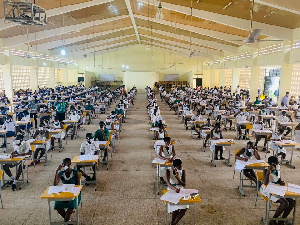
    Africa Education Watch (Eduwatch) has expressed strong disapproval of the growing trend of public basic schools charging parents examination fees a practice it warns could result in the exclusion of pupils from vital assessments due to financial hardship.

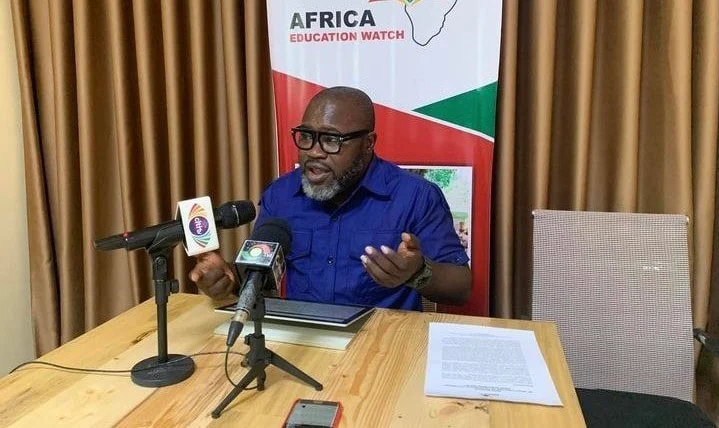
    In a statement issued on April 5, Eduwatch raised alarm over reports that some school heads were demanding fees for exams and printing costs ahead of term-end examinations scheduled to begin on Monday, April 7.


    “Public Basic School’s term assessments starts on Monday, 7th April. Some schools heads are demanding parents pay examination or printing fees, threatening to exclude pupils whose parents do not comply.

    “As an institution committed to equity, Eduwatch strongly opposes any practices that exclude children from full participation in their right to basic education, including exclusion from school-based assessments due to socio-economic factors,” parts of the statement read.The organisation noted that pupils whose parents fail to pay these fees risk being prevented from taking part in the exams.

    While acknowledging the importance of voluntary parental contributions to support school development, Eduwatch maintained that such contributions must comply with the Free Compulsory Universal Basic Education (fCUBE) policy framework.

    Referring to the Pre-Tertiary Education Act, 2020 (Act 1049), Eduwatch emphasised that basic education in Ghana is legally guaranteed to be free, compulsory, and universal. It further stressed that no child should be excluded from education because of economic difficulties.

    Reaffirming its commitment to educational equity, Eduwatch condemned any actions or practices that hinder children’s full participation in school, particularly due to socio-economic challenges.

    The organisation criticised the systemic underfunding that continues to drive schools to impose fees on parents, calling on the Ministry of Education to provide timely funding for school-based assessments.

    According to Eduwatch, relying on parents to fill these funding gaps undermines the proper execution of government education policies.

    Eduwatch also urged the Director-General of the Ghana Education Service (GES) to intervene immediately and ensure that no pupil is barred from sitting exams over unpaid fees.

  • 20% of 2025 budget must be to the education sector – Eduwatch to govt

    20% of 2025 budget must be to the education sector – Eduwatch to govt

    Executive Director of Africa Education Watch, Kofi Asare, has called on the government to allocate at least 20% of Ghana’s national budget to the education sector.

    He emphasized the need for increased investment to address critical challenges in the sector.

    Speaking in an interview with Citi FM on Thursday, 16 January, Mr. Asare highlighted the importance of substantial funding to support the successful implementation of the National Democratic Congress (NDC) government’s education policies under the leadership of Haruna Iddrisu, the Minister-designate for Education.

    He pointed out that the proposed budgetary increase would align with international standards, including the UNESCO recommendation that governments dedicate 15-20% of their national expenditure to education.

    “We expect the minister to influence the education budget to ensure that at least 20% of the public budget is allocated to education. This allocation would form the foundation for delivering on the 140 education promises in the NDC manifesto, with significant progress expected within the first year,” Mr. Asare stated.

    Beyond advocating for increased financial support, Mr. Asare also proposed the organization of a national education conference. This initiative, he explained, would provide a platform for collaboration among educators, policymakers, and civil society organizations to discuss pressing educational challenges and develop strategic solutions for advancing Ghana’s education goals.

  • Don’t give teachers second chance after they fail the licensure exams –  EduWatch boss

    Don’t give teachers second chance after they fail the licensure exams –  EduWatch boss

    Executive Director of Africa Education Watch (EduWatch), Kofi Asare, has asserted that potential teachers in Ghana should not be permitted to retake the teacher licence examinations.

    He believes that applicants who do not pass the licence exams need to be disqualified from teaching because they are most likely not qualified.

    He emphasised that literacy abilities are evaluated on the tests in addition to academic prowess and topic matter expertise.

    According to him, a prospective teacher is most likely unqualified if they are unable to read and write in English well on their first try at the test.

    “Once you demonstrate the incapacity to read and write or demonstrate low proficiency in the English language, that should be it. You cannot learn English in tertiary education, so that should be the end.

    “… it is non-negotiable. We shouldn’t allow them to even write it for a second time,” he is quoted as having said during an interview on Joy FM’s Super Morning Show.

    However, Kofi Asare pointed out that people who have trouble in school or with a particular topic had to be given another opportunity to take the test.

    He appealed on Ghanaians to take the teacher licensure tests, claiming that doing so could improve the quality of teaching in both public and private schools in the country.

  • Only 15% of public primary schools had functional ICT facilities during 2022/2023 academic year – EduWatch

    Only 15% of public primary schools had functional ICT facilities during 2022/2023 academic year – EduWatch

    Africa Education Watch (EduWatch) has revealed that by the conclusion of the 2022/2023 academic year, only 15 percent of the 15,368 primary schools in the public sector had functional ICT facilities.

    Similarly, among the 11,735 public Junior High Schools (JHS), only 13 percent possessed operational ICT facilities, as disclosed in EduWatch’s Volume 30 report focused on bridging the ICT facilities gap in Ghana’s public basic education system.

    “By the end of the 2022/2023 academic year, only 15 percent of the 15,368 primary schools in the public sector, and 13 percent of the 11,735 public JHS had functioning ICT facilities.

    “Positioning Ghana’s basic education system to deliver Digital Literacy to all, regardless of geographical location, requires providing direct access to ICT facilities for about 13,000 primary schools and 10,000 more JHS.

    “Digital Literacy at the basic education level was one of the challenging education indicators for Ghana in the recently published Global Youth Development Index, in which Ghana reportedly ranked 125 out of 183 countries, with the lack of functioning ICT facilities in most of its public basic schools being a causative factor,” it stated.

    The report emphasized the urgent need to equip approximately 13,000 primary schools and an additional 10,000 JHS with direct access to ICT facilities to ensure Digital Literacy for all students, regardless of their geographical location.

    This call comes in light of Ghana’s ranking of 125 out of 183 countries in the Global Youth Development Index, with the lack of operational ICT facilities in most public basic schools identified as a significant contributing factor to the country’s digital literacy challenges.

  • Free SHS must exclude children from privileged homes – Eduwatch

    Free SHS must exclude children from privileged homes – Eduwatch

    The Africa Education Watch (Eduwatch) is recommending that the government direct the Free Senior High School (SHS) policy towards children from economically disadvantaged backgrounds.

    According to him, government must utilize data from the Livelihood Empowerment Against Poverty (LEAP) program as a basis.

    Eduwatch noted that the government currently maintains a database of over 346,019 impoverished households nationwide through the LEAP program, where cash grants are distributed bi-monthly.

    In its report on the Financial Burden Analysis of the Free SHS Policy and Implications on Equitable Access, Eduwatch emphasized that targeting lower-income households would allow the government to allocate more funds to cover the complete cost of secondary education for students from such backgrounds, as opposed to those from higher-income families.

    “This will enable the government to spend more to cover the full cost of secondary education for students from the lower-income households, compared to those from the upper-income,” Eduwatch added in its report on Financial Burden Analysis of the Free SHS Policy and Implications on Equitable Access.

    “The government’s annual per-student spending under the Policy averaged GH¢1,241 representing 23 per cent of the total per unit SHS expenditure per annum, while parents contributed the remaining GH¢4,185, representing 77 per cent of the cost, suggesting that, the Policy has taken off about a quarter of the financial burden previously borne by parents before its introduction,” it added.

    According to Eduwatch, between the academic years 2017 and 2023, a total of GH¢7.6 billion was allocated to the Free SHS Policy, with GH¢5.3 billion expended from 2017 to 2021.

    The organization pointed out that the government’s annual per-student spending under the policy averaged GH¢1,241, representing 23% of the total per unit SHS expenditure per year. Meanwhile, parents contributed the remaining GH¢4,185, constituting 77% of the cost.

    This shift, according to Eduwatch, has relieved parents of about a quarter of the financial burden they previously bore before the policy’s implementation.

    Eduwatch also highlighted that, between the academic years 2019/20 and 2022/23, approximately 194,862 candidates placed in secondary schools were unable to enroll initially, primarily due to financial barriers.

    The organization identified the high cost associated with boarding education as a significant factor preventing parents, especially those with low incomes, from enrolling their wards even after placement.

    To achieve the goal of equitable access under the Free SHS Policy, Eduwatch stressed the need for additional support to parents from low-income households, ensuring they can afford to send their children through secondary school.

    Africa Education Watch is a research and advocacy organization collaborating with Civil Society Organizations, Government, and the Private Sector to foster an equitable, accountable, and responsive education system that ensures quality and equal opportunities for all.

    Working with partners in Ghana, Sierra Leone, Liberia, Kenya, and Nigeria, their vision is to create a continent with globally competitive human capital driving economic and social development.

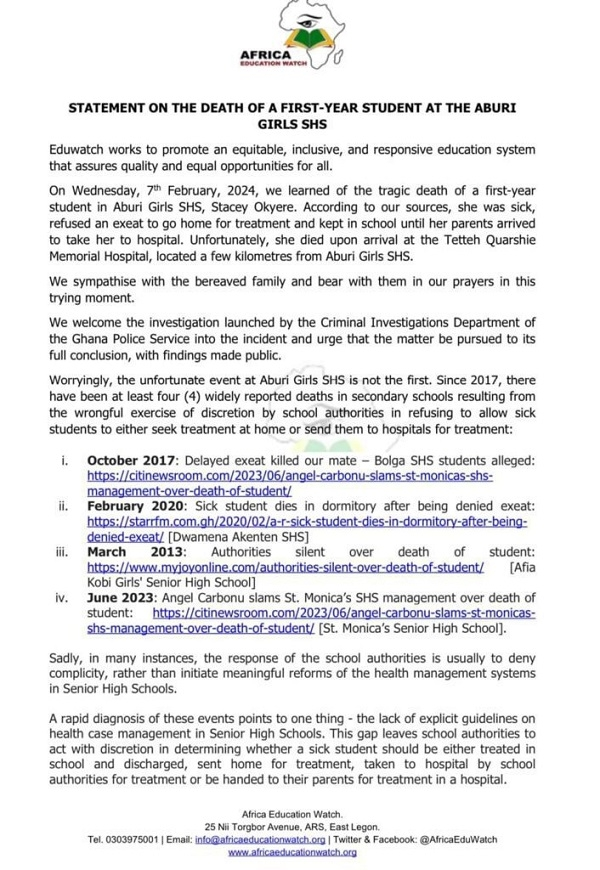
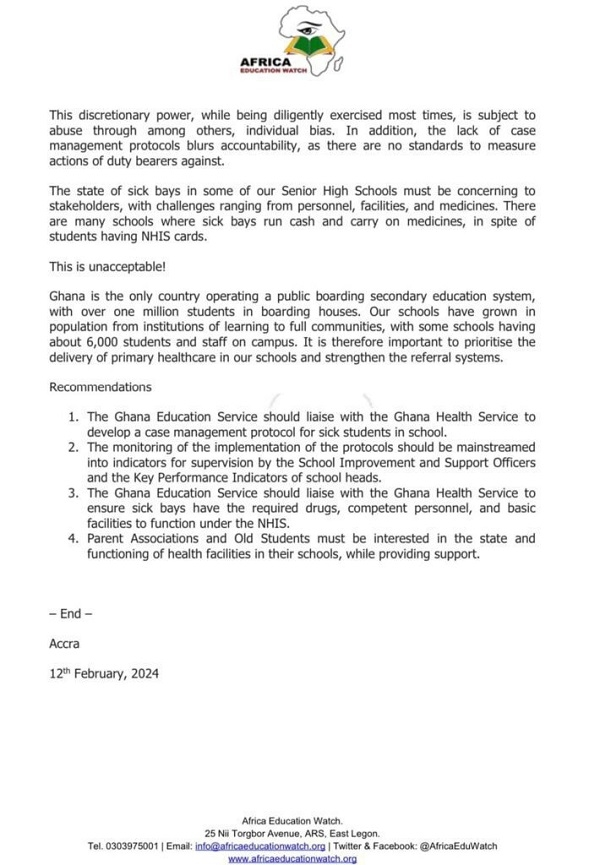
  • There must be explicit guidelines on health case management in SHSs – Eduwatch on Aburi Girls student’s death

    There must be explicit guidelines on health case management in SHSs – Eduwatch on Aburi Girls student’s death

    Education think tank Eduwatch has called for explicit guidelines on health case management in Senior High Schools nationwide.

    In a statement, Eduwatch noted that this addresses the gap where school authorities act with discretion in determining whether a sick student should be either treated in school and discharged, sent home for treatment, taken to hospital by school authorities for treatment or handed to their parents for treatment in a hospital

    This is in response to the tragic death of an Aburi Girls student who passed away after not receiving the needed medical attention. The organization has described the incident where school management instructed parents to retrieve their sick children from the hospital as regrettable.

    Eduwatch strongly opposed the practice of SHSs (Senior High Schools) requiring parents to travel to hospitals to collect their unwell children when no guardians are nearby. This approach they deemed unacceptable, especially given the circumstances.

    According to Eduwatch, the conditions of sick bays in some SHSs are deplorable, with reports indicating that even with NHIS (National Health Insurance Scheme) coverage, many sick bays continue to sell medications.

    To address this concerning issue, Eduwatch has called upon the Ghana Education Service (GES) to collaborate with the Ghana Health Service (GHS) in formulating a comprehensive case management protocol for sick students within school premises.

    Furthermore, Eduwatch emphasizes the importance of monitoring the implementation of these protocols, suggesting that such oversight should be integrated into the supervision indicators for school inspectors and the key performance indicators for school administrators.

    Additionally, Eduwatch has urged the GES and GHS to ensure that sick bays are adequately equipped with essential medications, competent medical personnel, and basic facilities to operate effectively under the NHIS.

    “GHS and GES must make NHIS work in SHS by providing needed drugs. Parent associations and older students must be interested in the state and functioning of health facilities in their schools,” the statement added.

  • 2.3M students lack classroom desks – EduWatch

    2.3M students lack classroom desks – EduWatch

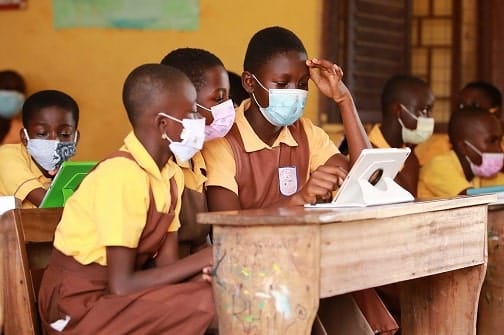
    To eliminate the desk deficit in public basic schools and provide learning desks for approximately 2.3 million pupils in primary and junior high school (JHS) levels across the country, the government would need an estimated GH¢330 million, according to a report by the education think tank, Eduwatch.

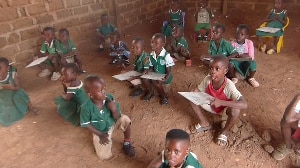
    The study, titled “Scoping study on the impact of desk deficits in public basic schools,” disclosed that 80 percent of pupils in the northeastern region alone had to resort to writing on their bellies or the bare floor due to the shortage of desks.

    The report attributed the desk deficit to the Pre-tertiary Education Act, which mandated district assemblies to provide infrastructure to public basic schools without the necessary financial capacity.

    Divine Kpe, Senior Programmes Officer at Eduwatch, stressed that addressing the backlog would require GH¢330 million.

    At the current investment rate of GH¢18 million per year, it would take approximately 18 years to clear the deficit. Additionally, an annual investment of GH¢19 million is needed to provide 54,800 desks for the growing number of pupils.

    Key drivers of the desk deficit were identified as resource and deficit issues, evidenced by the awarding of new school building contracts without including desk provision.

    Delays in securing funds for desks often led to community pressure for schools to become operational.

    The study also noted that GETFUND, the primary revenue source for educational infrastructure, did not fully allocate funds to top infrastructure projects and exhibited a lack of gender responsiveness in budget allocations from 2021 to 2023.

    The study recommended allocating 70 percent of GETFUND to infrastructure, prioritizing infrastructure at the basic education level, and adopting a policy to ensure that no basic school infrastructure contract is awarded without the full inclusion of school furniture, including desks and chairs.

    Eduwatch initiated the study in 2021 with support from the Foreign Commonwealth Office (FCDO) and Star Ghana Foundation, aiming to explore innovative ways to address the impact of desk deficits in public basic schools.

  • Report shows other expenses incurred by parents of free SHS students outweigh govt spending 

    Report shows other expenses incurred by parents of free SHS students outweigh govt spending 

    Parents whose wards are enrolled under government’s flagship programme in Education, free Senior High School (free SHS), spend more on other expenses than the cost the government incurs, a study has revealed.

    The study was conducted by Africa Education Watch, an educational civil society organization.

    In essence, the financial burden on parents for certain school-related items surpasses the expenses covered by the government through the Free Senior High School program in Africa.

    Africa Education Watch found that the government’s average spending per student in boarding schools was GHC 1,147, and for day students, it was GHC 1,107. 

    This indicates the amount the government allocates or spends per student in both boarding and day schools within the context of the study. 

    The figures reflect the financial commitment per student by the government for these specific types of schools in the education system.

    The education think tank stated that parents spent GHS 2,477 on prospectuses for their wards in boarding schools and an additional GHS 4,000 on other personal items, including perfume, detergents, and sanitary pads, during the 2021–2022 academic year.

    Mr. Divine Kpe, Senior Programs Officer at Africa Education Watch, made the presentation during a conference on education financing in Accra.

    The report focused on the topic “The Financial Burden of the Free SHS Policy and Implications for Equitable Access to Education.”

    The cost borne by the government was analyzed using Free SHS budgetary allocations and expenditures obtained from the Ministry of Education, Ministry of Finance, and Parliament for the academic years 2017–18 to 2022–23.

    The cost to parents was analyzed using historical prices of prospectus items from the Ghana Statistical Service to cost prospectuses obtained from schools.

    According to Africa Education Watch’s report, the prices of prospectuses increased by 38 percent, starting from an initial percentage of 36 during the initial implementation stage of the policy.

    Mr. Kpe stated that parents of continuing-day students reported spending an average of GH¢4,400 annually on their children’s education, including transportation (40 percent), breakfast (50 percent), and books (10 percent).

    The think tank in its report also revealed that parents of day students spent GHC 5,507 inclusive of prospectus costs, outweighing the government’s spending of GHS 1,107.

    The report disclosed that financial constraints contributed to a 15 percent failure of candidates to honour their admission in the 2022–2023 academic year.

    It attributed the failure to honour admission to the high cost of prospectuses and other education materials.

    To minimize the cost burden of prospectuses, the report recommended that, in the medium to long term, the Ministry of Education must develop and implement a strategy to focus on children from the poorest households using data from the LEAP program.

    The report revealed that this approach would enable the government to spend more to cover the full cost of secondary education for students from low-income households.

    The report recommended that the Ministry of Finance improve the disbursement of funds under the policy in line with the objectives, implementation arrangements, and cash flow projections.

  • 2023 BECE: Persons arrested for exams malpractice must be prosecuted – EduWatch

    Africa Education Watch (EduWatch), an education think tank, has urged the West African Examinations Council (WAEC) to expedite the prosecution of candidates who were arrested for misconduct during the 2023 West African Senior School Certificate Examinations (WASSCE).

    While EduWatch commended the partnership between the National Intelligence Bureau (NIB) and WAEC to enhance exam security, it noted security breaches that resulted in the premature circulation of exam questions on social media.

    The organization called for swift investigations and the public release of outcomes in these cases.

    EduWatch also demanded sanctions against school heads/owners cited by WAEC for obstructing monitors from entering exam centers. It stressed the importance of resourcing WAEC to hire adequate Non-GES External Supervisors at every exam center for every paper.

    Additionally, EduWatch recommended that the Ghana Education Service (GES) escalate the sanctions for teachers involved in misconduct to outright dismissal, making a strong ethical stand against staff participation in exam malpractices.

    Furthermore, the organization urged the government to amend the WAEC Law, as the current sanctions outlined in the law are outdated.

    According to EduWatch, the 2006 WAEC Act is no longer sufficient to address the complexities of contemporary exam malpractice and fraud.

    “As far back as 2021, WAEC submitted at a stakeholder convening in Koforidua hosted by Parliament, with the Ministry of Education, Security Agencies and GES in attendance that, the sophistry in today’s examination malpractice and fraud was fast overtaking the deterrent relevance of the WAEC Act, 2006 (Act 719). The sanctions regime provided in the Law is significantly outdated, whereas the scope is too constricted to provide a responsive legal framework for a credible examination. This makes the pursuit of adequate sanctions/successful prosecution of examination malpractices/fraud culprits very challenging. The Ministry of Education must prioritise the amendment of the WAEC Law.”

  • 2023 BECE: 900,000 enrolled, 600,000 registered; where are the missing 300,000 students?

    2023 BECE: 900,000 enrolled, 600,000 registered; where are the missing 300,000 students?

    A total of 600,714 candidates sat for this year’s Basic Education Certificate Examination (BECE) for school and private candidates, which began today, August 7, 2023.

    Reports indicate that 906,000 students enrolled in kindergaten in 2012. It was expected that all things being equal, the exact would have progressed through the primary stages and present themselves as candidates for the BECE.

    However, just 67% of the total figure sat for this week’s exams. About 43% of the students are not accounted for.

    Executive Director of the Africa Education Watch EduWatch, Mr. Kofi Asare, in an interview on JoyFM’s Super Morning Show on Monday, highlighted some issues that might have led to this.

    Prior to that, he clarified that “They (students) haven’t disappeared from the surface of the earth. Perhaps they have disappeared from the government education system.
    This is not the first time. Last year and two years ago, we asked similar questions.

    “We have been trying to establish the survival rate within our education system by trying to use the numbers that enter KG1 and numbers that complete by way of writing BECE for both private and public schools.”

    Branching to international programmes

    According to Mr Kofi, at such a tender age, some children are enrolled into international programme such as the International Baccalaureate.

    The International Baccalaureate is a highly regarded international education program that offers a comprehensive and balanced curriculum for students aged 3 to 19.

    It is known for its rigorous academic standards, focus on developing critical thinking skills, and emphasis on international-mindedness. The IB programme includes the Primary Years Programme (PYP), the Middle Years Programme (MYP), and the Diploma Programme (DP), which is often referred to as the “IB Diploma.”

    Mr Kofi estimates that about “10,000 people per cohort (made the move). So that is like 3 or 4 percent of the number we are looking for.”

    Deaths

    There is also the issue of the loss of lives. The Executive Director of the Africa Education Watch EduWatch argues that is “less than 2 percent.”

    Migration

    Some parents send their wards outside the country, he noted. However, Mr Kofi noted that the number of parents who migrate their children is relatively less due to poverty.

    “Also, there is the idea that people may travel out of the country. I see that idea also to be realistic. If we have high number of the ‘dropout’ emerging from urban areas, but we should look at the statistics, you’d realize that although 33 percent are not making it to BECE at the national level, in the five northern regions, the percentage is more than 40 percent.

    “Which means that there is a correlation between poverty and the survival rate. So I don’t think that the argument that many have traveled outside the country would hold so much because this is the case that majority of them are coming from the poverty part of the county where traveling outside the county is a luxury,” he explained.

    Also, Mr Kofi is confident that majority of students “are subject of dropout.”

    He cited reports from United Nations Children’s Fund (UNICEF), which touched on the cohort survival rate and this measures an education system’s holding power and internal efficiency.

    Rates approaching 100 percent indicate high retention and low dropout levels.

    According to Mr Kofi, UNICEF’s current rating for Primary 6 is 18 percent.

    “The meaning is that before these students got to primary 6, 18 percent had dropped out,” he stated.

    The cohort survival rate measures an education system’s holding power and internal efficiency. Rates approaching 100 percent indicate high retention and low dropout levels.

    Per Mr Kofi, data from the Ministry of Education indicates that between Primary 6 and Junior High School 1, the drop out rate in deprived areas is about 20 percent.

    He attributed this phenomenon to the lack of Junior High Schools in such areas. He pegs that about 25 percent of primary schools in rural areas do not have Junior High Schools.

    “Apart from that, you come to the the realization that in the northern regions alone, 60 percent of private schools do not have JHS. So when they graduate, many graduate back into the community due to long distance,” he added.

  • Capitation grant for basic schools must be increased – EduWatch to govt

    Capitation grant for basic schools must be increased – EduWatch to govt

    Ahead of the Mid-Year Review of the 2023 Financial Year’s Budget Statement and Supplementary Estimates to Parliament, the Executive Director of Africa Education Watch (EduWatch), Mr. Kofi Asare, is advocating for a 100% increment in the Capitation Grant for basic schools nationwide.

    This measure, he believes, will address the challenges associated with achieving universal education in the country.

    During an Economic Forum in Accra, Mr. Asare emphasized the need for the capitation grant to be raised from ¢10 to ¢20.

    “We expect to hear a 100% increment in the capitation grant from ¢10 to ¢20,” he said. “We also want an assurance from the Finance Minister that the disbursement regime where the grant is disbursed as a token ends and that there is a clear disbursement roadmap to assure stakeholders that the grant will not be in arrears.”

    Additionally, he called for an assurance from the Finance Minister that the current disbursement regime, where the grant is provided as a token, will be replaced with a clear disbursement roadmap to prevent delays.

    “We also want to hear from the Ministry of Finance about plans to pay the arrears that have accumulated over the years. There are headteachers who have taken loans to run schools, and they are owing in their communities. We don’t want to encourage that,” he added.

    Addressing the issue of accumulated arrears, Mr. Asare urged the Ministry of Finance to outline plans for settling these outstanding payments.

    Many headteachers have been burdened with loans to run schools, leading to debts in their communities, a situation that EduWatch seeks to discourage.

    Furthermore, Mr. Asare highlighted the urgent need for the government to announce a supplementary budget to support the provision of desks in schools.

    The lack of desks has been a significant challenge in the education sector, affecting over two million children.

    He emphasized the importance of real commitment in the supplementary budget to address this pressing issue and support the procurement of desks through the GETFund Formula.

    “One of the biggest challenges in the education sector is the issue of desks. Over two million children have been struggling with the issue of desks. We’ve seen some efforts by some stakeholders, district assemblies, and others to support, but the most recent data we have from the Ministry of Education suggests that we need one million desks. So we want to see some real commitment made in the supplementary budget to support the limited amount of funding that was made available for the procurement of desks in the GETFund Formula,” he added.

  • Free Wi-Fi usage in Senior High Schools must audited – Eduwatch

    Executive Director of Africa Education Watch (Eduwatch), Kofi Asare, is requesting a performance audit of the government’s free Wi-Fi usage in Senior High Schools.

    He emphasizes the need for the Auditor-General to conduct a thorough examination of the Wi-Fi usage, highlighting that many students in different schools are unable to access the facility for their studies.

    In an interview with the media, Mr. Asare revealed that some schools have been without free Wi-Fi for six months, while others have been unable to access it for a year.

    “Some of the schools we sampled, there was no Wi-Fi. In order to get value for money for the GH¢6.3 million paid to Busy Internet, it’s incumbent on the Ministry of Education to ensure that before government pays money every month for the provision of Wi-Fi services, we must have a mechanism to ascertain that all the institutions under the contract are receiving internet, and to ensure that the schools receive the right internet specifications as contracted.”

    “Where you have about 75% of Senior High Schools not getting internet, it means that there’s a high risk of low efficiency and low value for money. That is why we have requested the Auditor-General to conduct a broad performance audit into the entire programme serving about 1000 educational institutions. Some of the schools have been off the internet for the past year,” he stated.

    According to Eduwatch’s latest report, the free Wi-Fi program has been found to be malfunctioning in approximately 75% of the sampled senior high schools.

    Busy Internet Ghana Limited was responsible for installing Wi-Fi equipment and providing internet facilities to 717 senior high schools, 16 Regional Education Offices, 46 Colleges of Education (CoEs), and 260 District Education Offices.

  • Provide public basic schools with desks – Eduwatch to govt

    Provide public basic schools with desks – Eduwatch to govt

    An educational consultant and think organization, Africa Education Watch (Eduwatch), has tasked government to distribute desks to public basic schools in the country.

    According to Eduwatch one million desks are needed in these schools to enable successful teaching and learning.

    That, it said, was because 2,330,893 basic school pupils did not have writing or seating places as of 2021.

    Out of that number, it said, 596,949 were in Kindergarten, 1,308,479 were in Primary and 425,465 were in the Junior High School (JHS) and because the country operated a dual desk policy at the basic school level, over a million desks were needed to salvage the situation.

    A Senior Programme Officer at Eduwatch, Divine Kpe, made this known during a presentation at the launch of the Global Action Week for Education (GAWE) by the Ghana National Education Campaign Coalition (GNECC) held in Accra.

    It was chaired by the Executive Director of Ghana Blind Union (GBU), Dr Peter Obeng Asamoah.

    The primary goal of the celebration was the promotion of the global Sustainable Development Goal four (SDG 4) which is to “ensure inclusive and equitable quality education and promote lifelong learning opportunities for all.”

    According to Mr Kpe, the furniture deficit situation had occurred because of increased funding for secondary infrastructure compared to that of the basic level.

    He also said available data had indicated that the huge desk deficit was one of the major factors that discouraged some parents from sending their children to school.

    “The lack of desks in schools affects children’s academic performance and may cause children not to find the school environment friendly to remain in school putting them at the risk of droping out of school,” he added.

    Way forward

    Mr Kpe urged the media and civil society organisations (CSOs) to let the public and the government know the implications of the desk situation in basic schools for the attainment of SDG 4 so as to empower the citizens in the communities to demand action from local government to address the problem.

    He called for increased funding for basic education infrastructure development by uncapping the GETFund and reviewing the formula for the allocation of the Capital Expenditure (CAPEX) to reflect the needs of basic education infrastructure.
    Call on government

    The vice chairman of GNECC, Joshua Nyumuah, said even though government was doing the best it could, more resources were needed to be channelled into the sub-sector to avoid an “educational accident.”

    Education is not a privilege but rather a human right which has been enshrined in the SDG 4 for which GNECC is fighting then we have to use all the tools to lobby and advocate Ghana to do the needful,” Mr Nyumuah stressed.

    There were solidarity messages from stakeholders in the education sector and partners of GNECC.

    They were ActionAid, Oxfam, CAMFED, National Association of Graduate Teachers, Ghana National Association of Teachers, United Nations Educational, Scientific and Cultural Organisation, Ghana Education Service and the Complementary Education Agency.

  • EduWatch bemoans govt’s failure to release funds for basic schools

    EduWatch bemoans govt’s failure to release funds for basic schools

    Executive Director of the Africa Education Watch Kofi Asare has chided District Directors of the Ghana Education Service (GES) for being silent and cowardly as the government fails to release funds to them to run basic public schools in the country.

    Mr. Asare lamented that even as these District Directors are faced with financial challenges, they have remained timid concerning demanding funds for the administration of their schools but have rather looked on as parents are billed to pay for aspects of their children’s education which should be paid for by the government.

    He cited the example of an examination fee that is being paid by parents when government is supposed to do so.

    He noted that, unlike heads of senior high schools who consistently demand funds to run their schools, district directors have been laid-back and silent over the lack of funds to run basic schools.

    Read his full statement below:

    As usual, I have a list of District Education Directorates that collected up to GHC15 from pupils to conduct end-of-term exams in public basic schools. I know this is no news-actually a norm! Everyone from the Ministry of Education GH to Ghana Education Service is aware but silent because they have no alternative.

    The District Directors, as usual, claim government has not sent any money for exam. I am aware only 12% of the Capitation & Base Grant required for this year was even budgeted by Ken, so I appreciate how basic education will suffer this year too.

    While I am not against parental contribution to basic education, I will continue to reiterate that it is the responsibility of the GES under the MOE to fund examinations through the Capitation Grant.

    Denying basic school funds and watching teachers tax parents to fund terminal examinations is against the free, compulsory, universal basic education policy and constitutional provision per Article 38(2).

    Instead of always pouncing on poor parents to demand cash to fund basic education in the midst of low commitment by government, District Directors should rather muster courage and tell government that they cannot run basic schools with PR.

    District Directors of Education must be bold and learn from CHASS to get results. Under the free SHS, immediately CHASS ‘shouts’, a ‘state of emergency’ is declared at the MoE for fear of closure of SHS. Quickly, money is found from nowhere and thrown at them.

    This cowardice of District Directors who are responsible for managing basic education will continue to make government even more docile towards financing basic education.

    There is too much timidity of leadership at the basic school level to attract any positive response from government.

    Nothing will come out of nothing!

  • NUGS, EduWatch wants Parliament to uncap GETFund

    NUGS, EduWatch wants Parliament to uncap GETFund

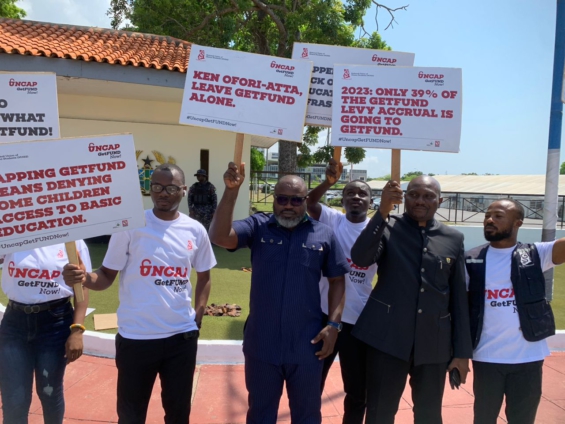
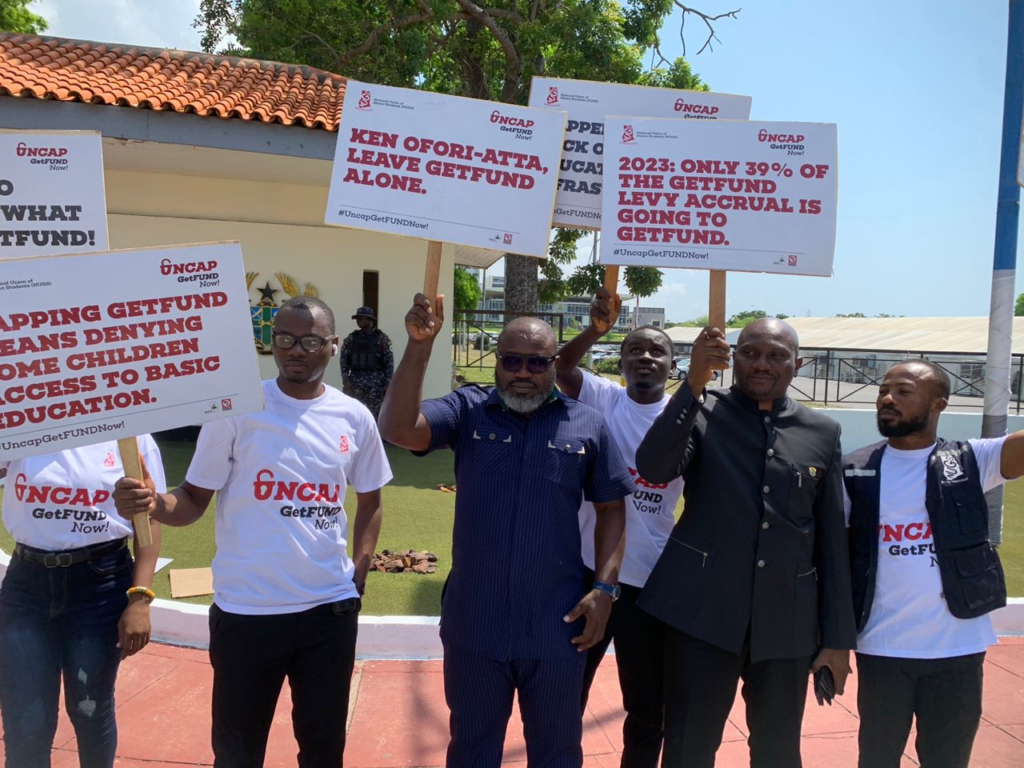
    The Ghana Education Trust Fund’s cap needs to be removed immediately, according to a petition submitted to Parliament by the National Union of Ghana Students (NUGS) and Eduwatch (GETFund).

    The group claims that a decrease in education funding has occurred as a result of the GETFund’s cap.

    “Our concern primarily stems from the concerns of declining funding for education which emanates from GETFund.

    Act 947 especially for the GETFund part is an enemy of the progress of education in Ghana,” the group said.

    NUGS, EduWatch petition Parliament to uncap GETFund

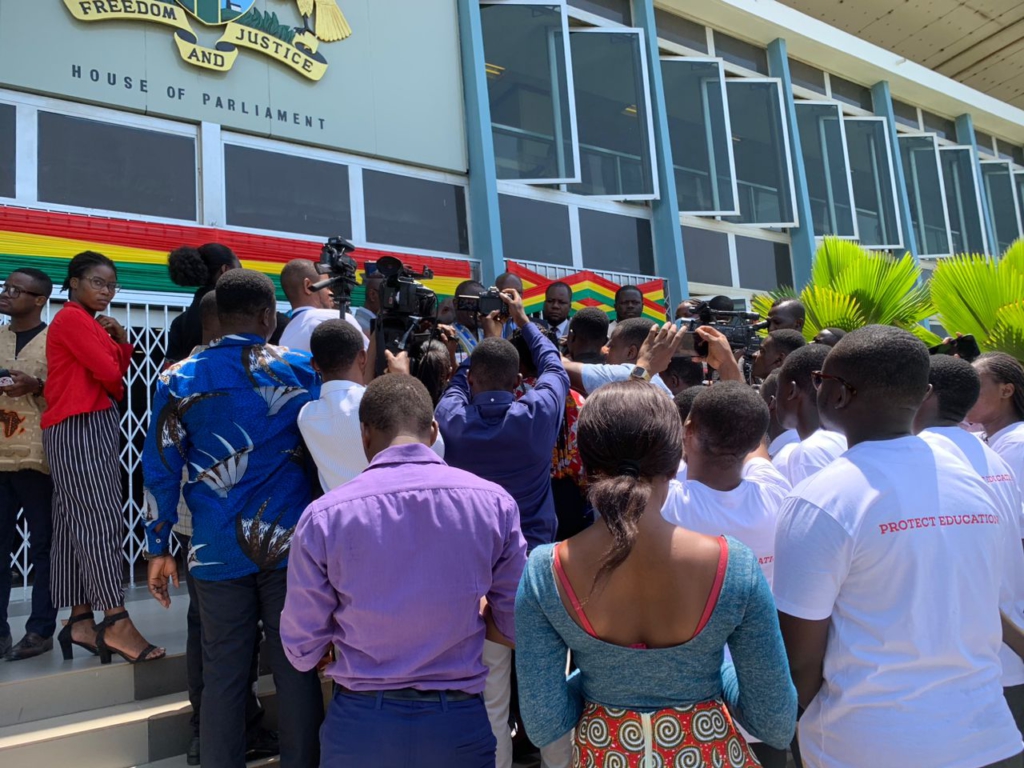
    Dennis Appiah Larbi Ampofo, the national president of NUGS, explained that the decline in funding has had a negative impact on the distribution of funds to the Student Loan Trust Fund and other educational organisations when he presented the petition to the Education Committee of Parliament on March 16.

    “Our biggest problem started in 2023 when we realised that it was not a boardroom discussion again. It’s a matter of deliberate attempts to deprive students in this country of the requisite funding needed to run an educational sector. The necessary funds (which are) supposed to be released to the agencies have ceased,” he said.

    NUGS, EduWatch petition Parliament to uncap GETFund

    The student body appealed to the committee to reject the 2023 proposed formula for the disbursement of GETFund.

    “We stand at the crossroad where the fate of our young students lies in your hands. First, we reject the formula without any equivocation. We can only have a comfortable discussion about the future of education when the fund meant for education is guaranteed by this House.

    “We call on you to reject the 2023 proposed formula and move steps to immediately uncap GETFund. Uncapping GETFund is a communal labour,” they added.

    NUGS, EduWatch petition Parliament to uncap GETFund

    The Executive Director of education think tank, Africa Education Watch, Kofi Asare who was also present during the presentation of the petition, said the committee must take a decision by Monday, March 20, to save the education sector from collapse.

    “Let’s respect the fact that education funds are meant for education, it’s as simple as that. We hope that by Monday the select committee will take a decision,” he said.

    Additionally, the ranking member on the Constitutional and Legal Committee, Bernard Ahiafor backed the claim by the student body, stressing that the government failed to pay in full the monies allocated to GETFund.

    NUGS, EduWatch petition Parliament to uncap GETFund

    “Several attempts made to ensure that the full amount of VAT paid by Ghanaians to be released to the GETFund for financing education in this country, is to no avail. In the 2023 budget for instance, if we look at page 190, it is stated clearly that the projected revenue for the 2.5% VAT meant for GETFund is GH₵4.65 billion.

    “Now if you go to page 191 it is stated their expenditure items is only GH₵1.8 billion out of the GH₵4.65 billion that will be released to the fund and a cause for worry,” he bemoaned.

    NUGS, EduWatch petition Parliament to uncap GETFund

    The MP for Akatsi South accused the government of attempting to collapse the fund.

    He said even the small amount that is supposed to be released to GETFund by government is in arrears and that if the situation continues like this, then it is fair to conclude that “this current government intends to collapse the GETFund.”

    However, he assured that the minority “will do everything possible to ensure that whatever is supposed to be released to GetFund is released, so that the fund does not collapse.”

  • Northern Region: Over 364, 762 public schools lack desks

    Northern Region: Over 364, 762 public schools lack desks

    Over 364, 762 public schools in the Northern region do not have desks, according to the Africa Education Watch (Eduwatch).

    A report cited by GhanaWeb, Eduwatch, noted that 80% of pupils in kindergarten, making a hundred and four thousand, four hundred and forty-five (104, 445) children, did not have desks per data provided by the Ministry of Education.

    The report further revealed that “70% (213,352) of Primary, and 50% (46, 965) of JHS pupils did not have desks.”

    Eduwatch is therefore calling on the minister of education, Dr. Yaw Osei Adutwum, and the regional minster, Alhaji Shani Alhassan Saibu, to intervene in the disturbing situation.

  • We were prohibited from having access to CSSPS data – Eduwatch

    We were prohibited from having access to CSSPS data – Eduwatch

    Executive Director of Africa Education Watch (Eduwatch), Kofi Asare, has said that the Ghana Education Service and the Ministry of Education turned down a request to acquire data on the Computerized School Selection and Placement System (CSSPS).

    According to him, following some petitions from concerned stakeholders including parents and schools heads about issues emerging from the CSSPS, Eduwatch had initiated the RTI request to assess the effectiveness and equity of same.

    “We have also been concerned at Eduwatch about the proper functioning of the CSSPS because we appreciate why the system was birthed, and so when we received concerns from parents and school authorities and all that including government agencies about issues emerging from the angle of effectiveness and equity, then we were concerned,” he said.

    The purpose of the request he said was to ascertain whether government was indeed living up to its promise of allocating 30% of school placements in Category A schools to students from public basic schools.

    The government had initiated the quota allocation system to provide equity in Ghana’s education system; however, concerns have been raised about its effectiveness.

    “So we actually requested from the CSSPS, we made an RTI request to the Director General of the GES requesting for the placement data to enable us undertake an analysis. Our concern was actually the 30% allocation for public basic students.

    “We wanted to be sure the extent to which we have been given public basic school students their 30% in the category A schools. It was an equity analysis. It was denied. We petitioned the Ministry, it was denied.  As I speak, we are still engaging the RTI on the next step after this was denied. We won’t play around this time,” he said.

    According to Kofi Asare, access to such data would help Eduwatch “to conduct research and advise government on how best to improve its own policy’s effectiveness through transparency.”

    Meanwhile, in the latest JoyNews-Fourth Estate documentary, ‘School Placement for Sale’, it has been discovered that some persons have been collecting bribes from parents who want their children to be placed in Category A schools.

    So far, eight persons exposed in the documentary have been arrested by the police.

    According to editor-in-chief at Fourth Estate, Manasseh Azure, the suspects have been charged and arraigned.

    He, however, stated that two others are at large.

  • Govt told to commit 33% of education budget to basic education

    Govt told to commit 33% of education budget to basic education

    The government has been told to at least commit 10% of the Goods and Services budget and 33% of the infrastructure budget of the education sector to basic education.

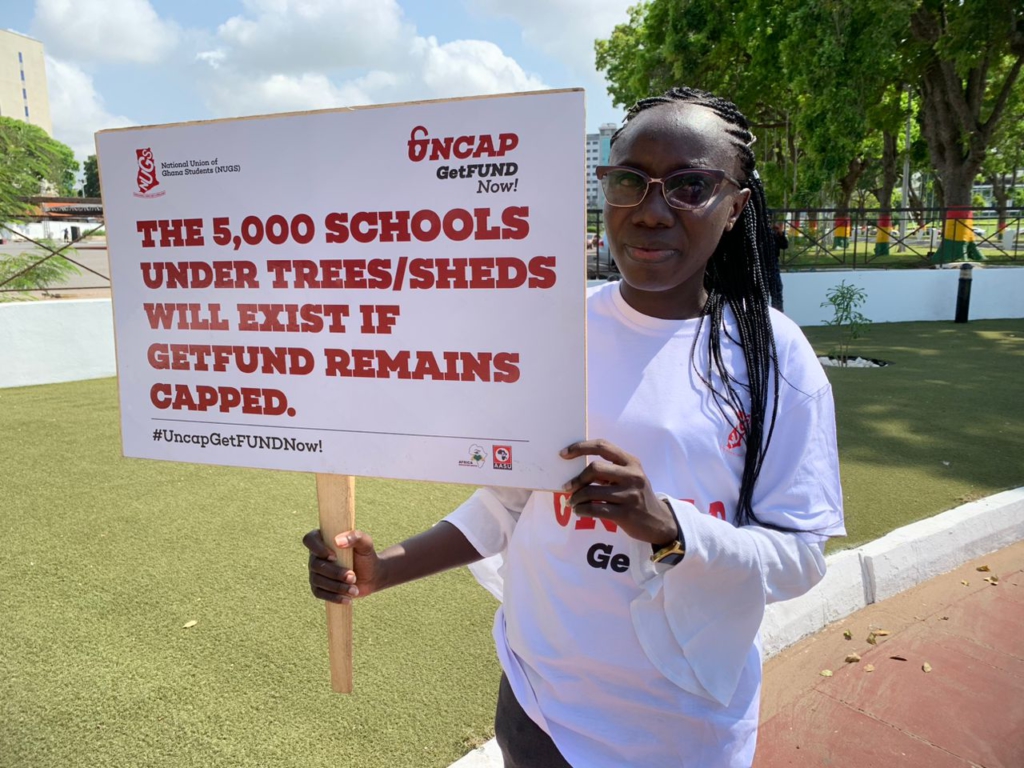
    Africa Education Watch (Eduwatch) said the government must do this if the country is to invest adequately to build new schools to replace the over 5,000 schools currently under trees and sheds, and provide education for the 1 million out-of-school children.

    Eduwatch said on the occasion of the International Day of Education that although Ghana has made efforts to improve on child education, there is still more room for improvement.

    the think tank noted that five (5) years ago, the United Nations proclaimed 24th January as
    International Day of Education, to acknowledge and celebrate the role of education as a tool for peace and development.

    This year’s celebration marks the mid-point of the journey to achieve Sustainable Development Goals by 2030.

    Ghana, like many countries, has committed to ensuring all children of basic school-going age, enroll and complete the full course of basic education with relevant learning outcomes by 2030.

    “While Ghana has since made significant strides over the years to promote access to education for many children, there still remain 1 million children out of school – approximately 9% of children aged 4 -16. Quality in the delivery of education remains a challenge, as about 87% of children aged 10 could not read and understand age-appropriate sentences by 2018,” a statement issued by Eduwatch said.

    It added that Ghana’s government has expressed its commitment to transforming education, and this requires adequate and equitable financing. However, the recent 40% budgetary cut to basic education (Goods and Services) does not support the transformation agenda of the government.

    To transform education, the government must increase the current 12% allocation of the national education budget to 23%, in line with the President’s commitment at the 2022 United Nations Transforming Education Summit.

    “At least 10% of the Goods and Services budget and 33% of the infrastructure budget of the education sector must be committed to basic education, if we are to invest adequately to build new schools to replace the over 5,000 schools currently under trees and sheds, and provide education for the 1 million out of school children.

    “There is no better day to recommit to adequate and equitable financing of education than the International Day of Education 2023,” it said.

  • Government fails to meet at least 15% budgetary allocation benchmark for education

    Government in the 2023 Budget Statement has only allocated 12 percent to the education sector which is about three to eight percent short of the international benchmark of at least 15 percent to 20 percent, a situation the Africa Education Watch (Eduwatch) describes as alarming.

    In the budget statement, out of the projected government expenditure of GH₵205billion, only GH₵24.7billion, representing 12 percent of the total budget, is allocated to the education sector.

    Meanwhile, at the Global Education Summit held in July 2021 in the United Kingdom (UK), President Nana Addo Dankwa Akufo-Addo pledged to spend at least 23 percent of the national budget toward the development of education in the country over the next medium term from 2021 to 2025.

    According to Eduwatch, this is not only one of the lowest proportions of government budget allocation to the education sector in about two decades, but also raises concerns about Ghana’s ability to meet the upper limit of the international education financing benchmark of 15 percent to 20 percent of public expenditure, and 4 percent to 6 percent of gross domestic product (GDP).

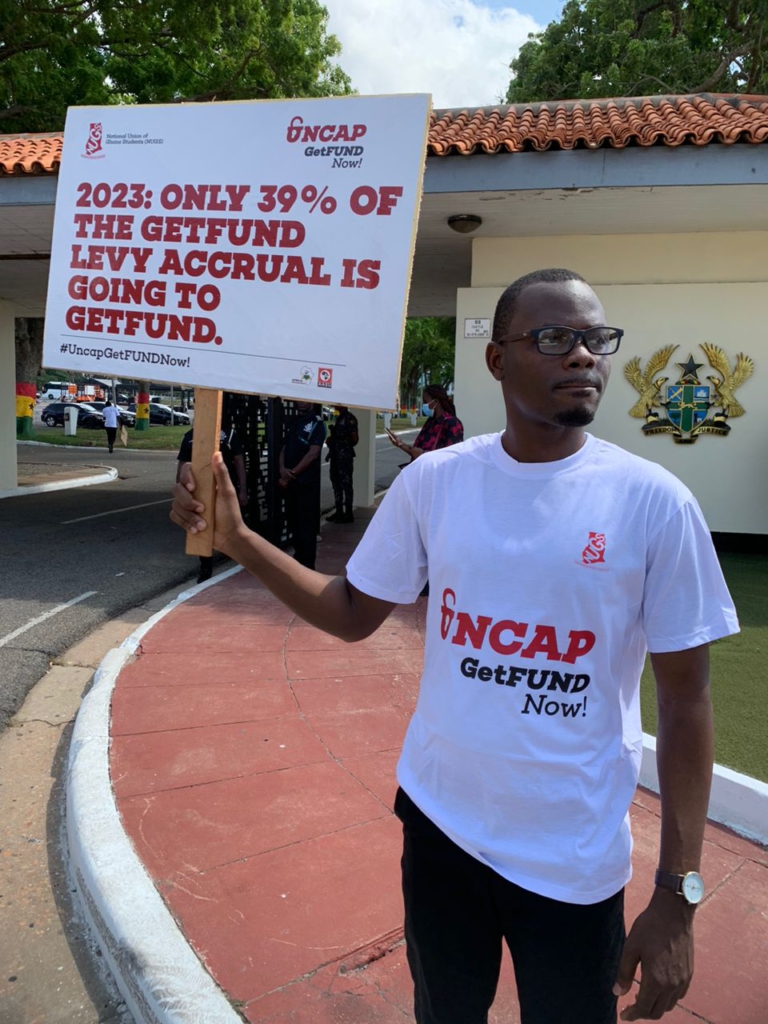
    Even more alarming, according to Eduwatch, is that only 39 percent (GH₵1.8billion) of the GH₵24.7billion was allocated to Ghana Education Trust Fund (GETFund), against total GETFund levy accruals of GH₵4.6billion for education financing.

    Furthermore, out of the total allocation to education, GH₵2.7billion, representing 12.1 percent of the total education allocation, is earmarked for Capital Expenditure (CAPEX), where education infrastructure is financed.

    This, compared to the 2022 allocation of GH₵1.4billion, represents an increase of 92 percent but is still too insignificant to tackle the gargantuan education infrastructure needs, hence, fewer infrastructure projects outcome should be expected.

    “The declining proportion of the national budgetary allocation to the education sector has a strong potential to negatively affect the attainment of the Sustainable Development Goal (SDG-4) targets, especially at the basic education level. Government must take steps to augment the deficit in the 2023 supplementary budget, and revise the medium-term expenditure framework to reflect its international commitments on education financing, as well as the real needs of the sector,” Eduwatch lamented.

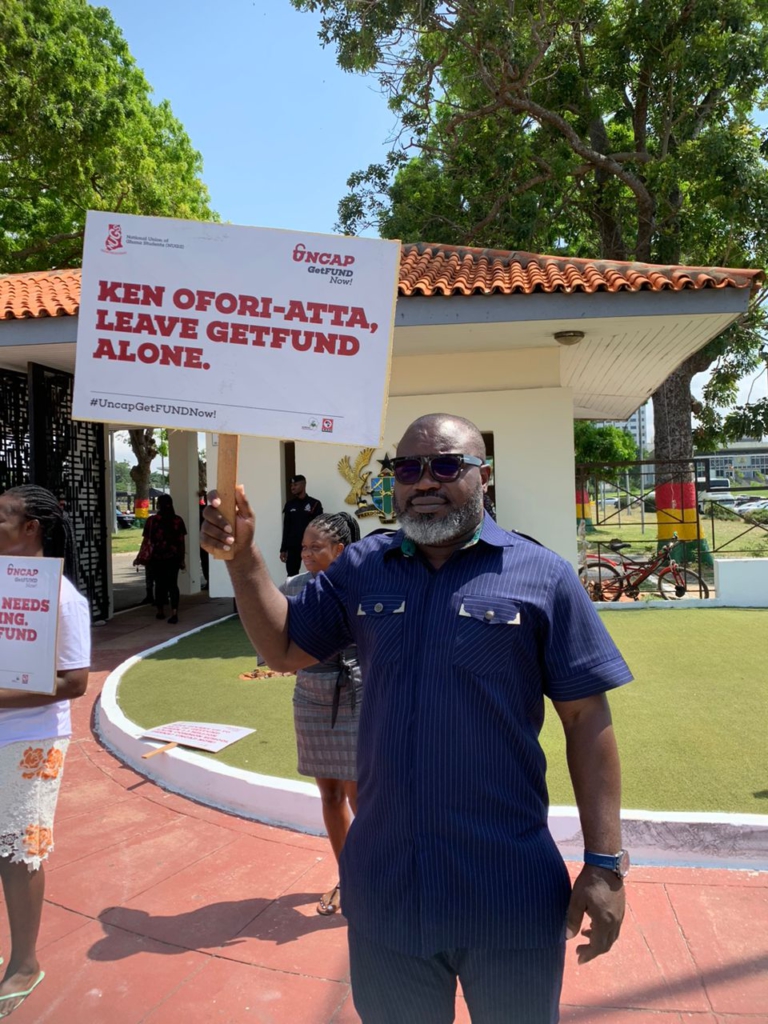
    The Executive Director of Eduwatch, Kofi Asare, has called on Parliament to interrogate the Minister of Finance, Ken Ofori Atta, about why the 25 percent capping of the GETFund could possibly lead to an allocation of only 39 percent of accruals to the GETFund levy, adding that the continuous capping of GETFund is inimical to education development, especially at the basic level where the infrastructure gap continues to widen.

    Out of the total allocation to education, GH₵4.9billion, representing 21.4 percent of the education budget is allocated to goods and services.

    This, compared to the 2022 allocation of GH₵4.4billion, does not only represent an increase of 11 percent, but indicates an increase in the proportion of the education budget spent on goods and services from 17.9 percent in 2022 to 21.4 percent in 2023.

    Out of this Gh₵2.95 billion representing 60 percent is earmarked for financing the free Senior High School (free SHS) programme. This constitutes an increase of 26 percent from the 2022 allocation of Gh₵2.3 billion.

    Infrastructure deficit at basic level

    There are 1.2 million children out of basic school in Ghana, mainly because of huge deficits in the availability of public basic schools in underserved communities.

    This, coupled with the over 5,000 basic schools taking place under trees, sheds, and dilapidated structures, and the lack of Junior High Schools in about 4,000 primary schools must be enough reason for the government to listen to calls by Parliament and Civil Society for uncapping the GETFund.