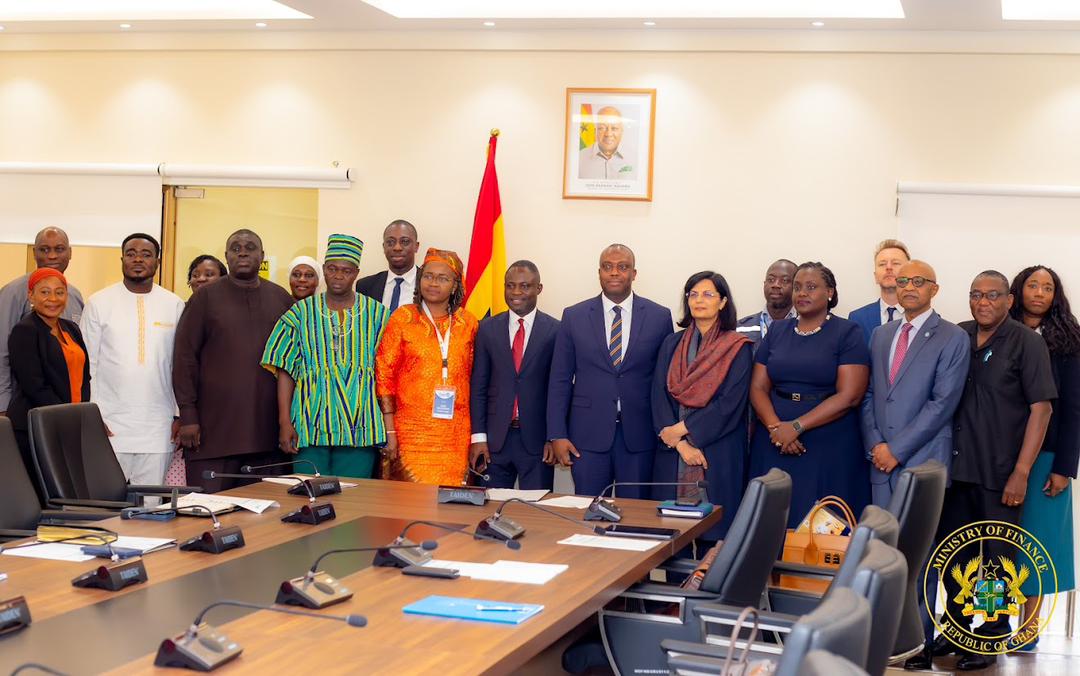
Deputy Finance Minister Thomas Ampem Nyarko has highlighted the government’s plan to leverage Ghana’s emerging pharmaceutical industry to boost employment and economic development.
Speaking during a courtesy call by Dr. Sania Nishtar, Chief Executive Officer of the Global Alliance for Vaccine Initiatives (GAVI), the Deputy Minister stated that the creation of a pharmaceutical hub is a key component of Ghana’s long-term health and industrial strategy.
“With the establishment of a pharmaceutical hub in Ghana, supported by GAVI, we aim to create employment opportunities and add value to our local resources — a crucial step for the Ghanaian economy,” he noted.
Mr. Ampem Nyarko reaffirmed government’s continued commitment to financing the health sector, noting that timely disbursement of funds remains a priority as the nation works toward greater health security and economic productivity.
“The government’s commitment to the health sector remains steadfast. That is why we have uncapped the National Health Insurance Scheme (NHIS), resulting in the release of GHS30 billion to support the sector,” he said.
He also indicated that as Ghana gradually prepares to exit GAVI support by 2030, efforts are underway to ensure a smooth transition while reinforcing local healthcare capacity.
Health Minister Kwabena Mintah Akandoh, who also attended the meeting, praised GAVI for its long-standing support. He pointed out that Ghana has emerged as a leader in immunization coverage within the West African sub-region.
Dr. Sania Nishtar, in her remarks, commended the government’s proactive approach to healthcare delivery. She described Ghana’s immunization system as one rooted in public trust, particularly noting the increase in participation among women.
She also stressed the importance of maintaining consistent funding to protect the progress made in vaccination efforts and pledged GAVI’s ongoing support.
“We will provide transition engagement support to ensure a seamless process for Ghana,” Dr. Nishtar assured.
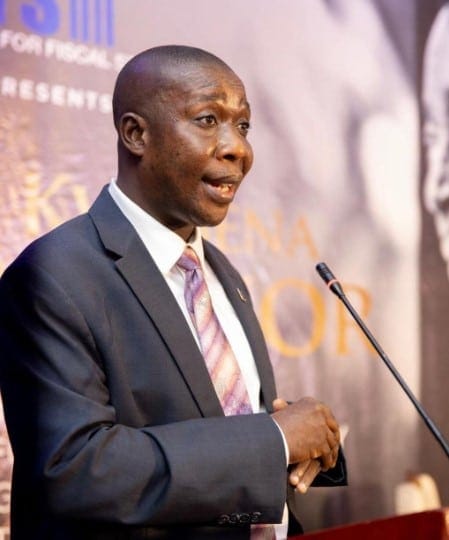
The representative for Akim Swedru, Kennedy Nyarko Osei, has pledged that a future NPP government will restore public sector workers who were removed from their positions during John Mahama’s administration.
In a Facebook post analyzed by GhanaWeb, he reassured the affected individuals that they would not only be reappointed but also granted full compensation for the period they were left jobless.
Osei Nyarko denounced the dismissals as politically charged and an affront to fairness and democratic governance. He reaffirmed the NPP’s commitment to reversing what he described as the NDC’s “discriminatory and unjustifiable actions.”
“We will correct these injustices when the NPP returns to power. We are keeping records of all termination letters to ensure justice is served,” he assured.
The Akim Swedru representative encouraged affected workers to remain resolute, assuring them that the NPP would stand by them and guarantee they receive due compensation.
The issue arose after Chief of Staff Julius Debrah issued an order canceling all public sector appointments made after December 7, 2024.
In a recent announcement, the Chief of Staff defended the directive, arguing that the appointments violated key principles of effective governance.
He maintained that last-minute employment decisions contradicted the administration’s established protocols on recruitment during a government transition.
“All appointments and recruitments made in the Public Services of Ghana after 7 December 2024 do not comply with established good governance practices,” excerpts of the letter revealed.
The government’s report on jobs says more people were unemployed last month, with the rate going up to 5. 8 percent
Jobs increased in different industries in the services sector, with the most growth in accommodation and food services.
The economy is not doing well because the interest rates are high. People are not spending as much, and this is causing businesses to sell less. But more people being born and living in an area seems to be balancing out some of those changes, especially in the job market.
The big increase in the number of people has brought more customers and employees to the economy, leading to more jobs in the country.
But other ways of measuring jobs show that the job market is not as strong.
The government’s report on Friday said that the number of employed Canadians aged 15 and older has been decreasing for the past five months in a row.
That’s the longest time without any increases in a row since April 2009.
Meanwhile, people in Canada are getting paid more money. Wages were five percent higher than last year, but lower than the 5. 3 percent increase in January.
The company X, formerly known as Twitter, has declared it would begin collecting user biometric and employment data on September 29, 2023.
In an effort to strengthen its privacy practices, X Corp. will compile user photographs. However, X premium subscribers have the option to identify themselves by sending in a selfie and a photo ID.
According to the microblogging platform, this will help app users who are looking for work and employers who are hiring.
Additionally, X Corp stated that user biometric information will stop impersonation on the app.
A story on bbc.com claims that X made this choice after purchasing Laskie, a tech staffing firm, in May 2023.
“We may collect and use your personal information (such as your employment history, educational history, employment preferences, skills and abilities, job search activity and engagement, and so on) to recommend potential jobs for you, to share with potential employers when you apply for a job, to enable employers to find potential candidates, and to show you more relevant advertising,” a new X Corp privacy policy states.
“X will give the option to provide their government ID, combined with a selfie, to add a verification layer.
“Biometric data may be extracted from both the government ID and the selfie image for matching purposes. This will additionally help us tie, for those who choose, an account to a real person by processing their government-issued ID. This will also help X fight impersonation attempts and make the platform more secure,” X Corp told BBC.
A flagbearer hopeful of the New Patriotic Party (NPP), Kennedy Agyapong, has highlighted some of the businesses he owns while criticizing his opponents who are affiliated with the government.
Agyapong stated that he has provided employment to thousands of Ghanaians through his various businesses. While he did not mention any specific names, he compared himself to his opponents, presumably including Vice President Dr. Bawumia, stating that he sees himself as more of a strategist than the head of the Economic Management team.
During one of his campaign tours, Agyapong emphasized his contributions, stating, “Through my Steel Plant, I will employ thousands of workers in the coming months. I possess the largest Cold Store in the entire Africa.
In contrast, you rely on government payments, including salaries for your household staff and security personnel, and reside in government-provided accommodations.”
“But I pay 7158 workers every month in this country. So, between the two of us who is the strategist? This is internal politics and so we shouldn’t be dirty but if they attack me, I will reply,” he added.
Kennedy Agyapong also recounted how he lost the value of his money due to the Cedi’s depreciation.
He added that the Vice President cannot call himself a strategist when he took over when the cedi was selling at GH¢4 but its selling at GH¢12.
“We will have troubles if we don’t do a clean campaign because I will reply to every claim made against me. You call yourself a strategist but when we were taking over power the Dollar was 4 Cedis, today One Dollar is Twelve Cedis and yet you call yourself a strategist.
“In March 2022 I had 40 million Dollars in Cedi equivalent, in August 2022 the value of the 40 million dollars had dropped to 16 million,” he stated.
A report by Ghana Statistical Service (GSS), has shown that during the third quarter of 2022, 24.2% of young individuals aged between 15 and 24 years were not involved in education, employment, or training. This percentage translates to approximately 1.5 million individuals within that age group.
This information is detailed in a statement released by the GSS as part of the Annual Household Income and Expenditure Survey 2022 Third Quarter Labour Statistics Report, which was provided to the Ghana News Agency.
“More than half of the youth NEET are in the Greater Accra (312,394), Ashanti (300,161), Eastern (131,341), and Central (129,182) regions.
” In 13 out of the 16 regions, more than 20 per cent of young persons, 15 to 24 years were not in education, employment, or training.
“Eastern Region (30.0 per cent) has the highest proportion of youth, with a figure about twice that of Bono Region (14.5 per cent) which has the lowest proportion,” the report said.
According to the 2021 Population and Housing Census, approximately 11.1% of individuals aged 15 to 24 years, amounting to 1.4 million young people, have never attended school.
The report highlights that a slightly higher percentage of females (12.0%) in this age group have never attended school compared to males (10.2%). The regions with the highest percentages of young people who have never attended school are Savannah (43.4%), North East (36.8%), Northern (33.3%), Upper West (20.9%), and Oti (20.7%). Combined, these five regions account for nearly half (665,508) of the young individuals who have never attended school.
The census data also reveals an unemployment rate of 32.8% for individuals aged 15 to 24 years, with females experiencing a higher rate of 36.7% compared to males at 29.3%. The unemployment rate for this age group exceeds 30% in 12 out of the 16 regions, with the Upper West Region (39.0%) and Western North (38.4%) having the highest rates.
This statement coincides with the celebration of World Youth Skills Day, observed annually on July 15th, which highlights the importance of equipping young people with skills for employment, decent work, and entrepreneurship.
The Municipal Immigration Commander forAshaiman, Nii Ofoli Wilson, has urged the public to refrain from offering tips in order to access public services including getting passports, birth certificates, and driver’s licenses.
Mr. Wilson was speaking at a community education forum in Ashaiman, organised by Ghana Integrity Initiative (GII) to sensitize and inform residents of channels to report corrupt activities.
He indicated that the practice, which was coined to mean “protocol” on many occasions, did not render the service for which the tipping or bribery was paid.
Mr. Wilson revealed that aside from tips and bribery, people also used their family or social contacts to skip lines or gain quicker and better access to schools and hospitals.
The ImmigrationCommanderassociated the bad act with the attitudes of some Ghanaians who willingly gave out money without request when seeking public service, with intentions to strengthen social bonds.
“People should not encourage the practice so that it becomes normalized because everyone has an equal opportunity to be served. But in the minds of some, tipping is something that implies better service, which is very wrong.
“There’s no reason to pay your way through if indeed you’re qualified for any position or service,” he added.
Mr. Wilson said that as part of the solution to do away with the canker, the public must exercise patience and follow the due process even when the service providers deliberately delay them, which he indicated was better than trying to cut corners and having problems later.
He advised the public to avoid falling into traps where attitudes and beliefs about tipping lead to better service.
Mr. Wilson said it was important on the part of public institutions to have clear rules about the modalities of seeking services.
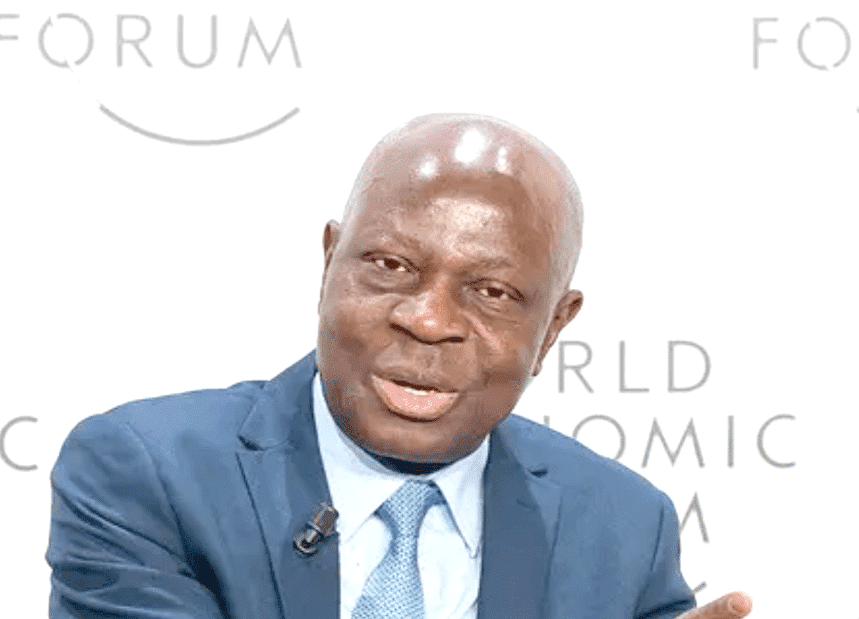
Professor William Baah-Boateng, an economist, has urged decision-makers to shift their focus from job creation to employment generation.
He warned that if politicians continued to use “gigs” to address the unemployment crisis in the country, they would unintentionally create even more unemployment. He used the term “job creation” to refer to temporary employment over a very short period of time.
Speaking on JoyNews, he said, “Yes, you’ve created that amount of job that is fine, but if you’ve created that amount of job and it’s not sustainable – it takes just a week for that job [to be done], the person will come back to ask for more.
“And that is why your unemployment rate will continue to rise because you’ve created a job for a person and that job lasted for only one month or only a week. So after that the person joins the unemployed.”
He noted that to get a clearer picture of the employment situation in the country, he advised that policymakers pay critical attention to those exiting the job market.
“When you want to talk about employment generation or you want to equate it as job creation in terms of numbers you need to look at the exit, those who are exiting, to be able to get the net. So you’re here, business desk, let’s say you have five people employed and then three leaves.
“Three of them they leave so you’re left with two and then your employers bring two so you’re four and you say ‘oh we have created jobs for two people’ that it cannot be because three people have left and replaced them by two. So if anything at all there is negative employment creation,” he said.
According to Prof. Baah-Boateng, to achieve sustainable employment policymakers would have to create jobs that can keep a person employed for at least half a year.
“So policymakers should move away from what they call job creation to employment generation. And that employment generation here we’re talking about employing somebody sustainably, and that kind of employment can last for at least six months,” he said.
His comments come on the back of the Ghana Statistical Service’s Quarterly Labour Statistics Report which revealed that about 1.76 million persons were unemployed in the third quarter of 2022.
Within this population, two out of every three unemployed persons were females.
Across the three quarters, about 157,000 persons experienced an unemployment spell that is they were unemployed in all the quarters.
The report further said close to 7.5 million persons remained employed throughout the three quarters out of the about 11 million persons employed in each quarter.
This indicates that across the three quarters about 3.5 million persons were moving in and out of employment depicting vulnerabilities.
The Ghana Armed Forces(GAF) has warned the public against false job postings.
GAF claims to have observed a phony online connection promoting hiring for the years 2023 and 2024.
GAF wishes to caution the general public to desist from patronizing this fraudulent link (https://recruitmentfile.net/gaf.recruitment/), which is being circulated on social media platforms, especially WhatsApp and Facebook.
A statement issued said “GAF wishes also to state that it is not conducting any enlistment or recruitment at this material time, and has not advertised such for the year 2023/2024. The public and persons interested in joining GAF should stick to the certified and official channels that GAF uses in announcing recruitments and enlistment exercises; that is the national dailies. (Daily Graphic and Ghanaian Times)
“GAF once again reiterates that, it does not advertise on social media and does not engage middlemen in such exercise. Therefore, the public should take heed of the education and numerous reminders to desist from paying monies through ‘mobile money’ to unscrupulous persons who claim to be recruitment agents of GAF.”
It added “GAF further states that, in conjunction with other Security Services, such unscrupulous persons engaged in the fraudulent act are continuously being tracked down and those arrested will be dealt with severely according to the law.
“Once again, GAF wishes to state that it is not conducting any 2023/2024 recruitment/enlistment exercise at this material time. The public is kindly advised to take note and report any advertisement and persons soliciting monies for such exercises, to the nearest Military Installation or Police Station. GAF requires the cooperation of the public to nib their fraudulent activities in the bud.”
The Ministry of Employment and Labour Relationshas warned the public against an ongoing recruitment scam in which an email purporting to be from the Ministry informs recipients that they have been selected for an interview.
The purported interview was being held at the Ministry of Foreign Affairs and Regional Integration, which started on March 7, 2023, and is ongoing.
A statement issued by the Ministry of Employment and Labour Relations, copied to the Ghana News Agency, said the email directed persons interested in the job offer to pay ¢300 into mobile money account numbers 0203536390 and 0560785536.
The fee was meant to facilitate the interview and subsequent completion of Public Service Interview Evaluation forms.
It noted that additionally, text messages titled: “Ministries”, had been sent to the public to contact one Romeo Adams, designated as the Human Resource Manager on 0203536390 to confirm participation in the said interview.
However, contacts of unsuspecting job seekers, who sent monies, were blocked from making calls to the recipient’s number, the statement said.
‘’The Ministry of Employment and Labour Relations is seizing this opportunity to inform all and sundry, especially job seekers and Ghanaian youth that the Ministry had not officially notified the public of any recruitment interview at the Foreign Affairs Ministry…”
“Romeo Adams is not a staff of the Employment and Labour Relations Ministry and the Ministry is not a recruitment body,” the Ministry stated in their press release.
The Ministry urged the public to take note of its website and Facebook page, www.melr.gov.gh and Ministry of Employment and Labour Relations-Ghana, respectively.
“At the global level, employment growth is slowing down,” Mr Fossoun Houngbo said that during the launching of the ILO latest report – World Employment and Social Outlook: Trends 2023 at the just ended World Economic Forum in Davos.
He said the ILO projected a one per cent employment growth in 2023 and expected productivity to go down.
“Multiple crises, including the war in Ukraine leading to inflation, are putting pressure on real wages, particularly for low-skilled workers who are at risk of losing their purchasing power,” the ILO Director-General added.
The ILO is also concerned about the “quality of jobs”, and there’s a geographic split in how things are playing out.
In the Global North, there is a recovery in terms of the number of hours worked – or jobs compared to pre-COVID. But the new jobs being created in the Global South are in the informal sector, which has a lack of social protection.
Dealing with these emerging trends and others in the world of work this year was the subject of key sessions during Davos 2023.
Here are some of the main takeaways:
Invest in people – as an asset, not a cost
The challenges of our world will be solved by people, the Chief Executive Officer of Adecco Group, Denis Machuel, said and added that “investing in people … at all levels of the organisation right up to the front line is critical”.
“When people are secure, they demonstrate more resilience … you get more engaged people, and more engaged means more productive,” the CEO of Adecco Group stated further.
For his part, the CEO and President of Paypal Dan Schulman, said the single-biggest competitive advantage that any company had was the strength of their workforce.
“Are they passionate about what they’re doing, are they dedicated to the company and do they have a semblance of physical health, mental health, as well as financial health?
“As CEOs, we need to at least measure the financial health of our employees because if they’re financially stressed, then we’re sub-optimising how successful we can be as companies … We have the moral obligation to take care of our own employees,” Schulman stated.
The clean energy transition opportunity
Demand for green skills is outstripping supply, said Allen Blue, Co-Founder and Vice-President of Product Management at LinkedIn.
The social media platform has seen a 90 per cent increase in job postings for the renewables sector, but only a 70 per cent increase in the number of people who have those skills.
“As we break ground on things we need to do to mitigate climate change, how do we meet that demand?”
He sees the clean energy transition, fuelled by the US Inflation Reduction Act and the European Green Deal, as an opportunity for jobs growth and reskilling.
“There is a parallel to be drawn between the demand we are seeing for green skills and what we saw in the technology boom.” – Blue stated.
For the jobs market, it means higher wages because big companies will pay more to get the talent they need. Companies working in tech are willing to hire based on skills alone, and skip questions about degrees – because they need the people, they’re willing to look beyond the normal things they’d pay attention to.
However, green skills are concentrated in the Global North, so Blue says there is a need for infrastructure investments in the Global South that include training and skilling.
Employers as educators and talent creators
To attract and retain talent, companies now have a responsibility to educate and upskill workers, the CEO of Accenture, Julie Sweet, said.
This also means looking beyond traditional degrees and offering apprenticeships, but technology is key to enabling companies to be their own talent creators.
“We are living in one of the best moments in history to actually be able to create systems that allow the lower skilled to have good jobs and to allow countries to be able to flip when they need to.”
“The disruption we have gone through and the technology advancements we have gone through mean that to thrive in the next decade, companies and countries have to be able to access talent, be talent creators and unlock that talent. That often means being a more diverse place.
“You have to be able to create talent, there are not enough skills in the world that we need,” she said.
“Accenture in US has 2,000 apprentices in professional services, up from five in 2025,” Sweet said and added: “The key to being able to reskill at scale starts with technology.” .
The US invested $380 million in apprenticeships in 2022, said the US Secretary of Labour, Martin J. Walsh.
Connectivity is crucial to education and reskilling
To enable equitable access to jobs and skills throughout the world, there has to be equitable access to technology.
“If we want to democratise education, we have to put an emphasis on making sure that anybody who can and wants to, can connect to some sort website,” said the Founder and CEO of Code.org, Hadi Partovi.
AI can have a role to play
“AI can create a more equitable society if used right … Reskilling is the most important part of this,” said the Co-Founder and CEO of Automation Anywhere, Mihir Shukla.
Just ahead of Davos, the Forum launched its whitepaper, Jobs of Tomorrow: Social and Green Jobs for Building Inclusive and Sustainable Economies.
It finds that in 10 countries, social jobs represent 11 per cent of the total workforce. But to meet inclusion and social mobility goals, these countries will need 64 million more social jobs – an increase of 37 per cent.
The green workforce is much smaller, however, representing just one per cent of total employment in those 10 countries. But to meet environmental goals, an additional 12 million, or 66 per cent more, green jobs are need.
During Davos, the World Economic Forum announced that more than 350 million people are being reached with better skills, jobs and education through commitments made as part of its Reskilling Revolution initiative, three years after launching.
Working with more than 20 governments, 60 global CEOs and a network of over 350 organisations, the reskilling revolution is preparing one billion people for tomorrow’s economy and society by 2030.
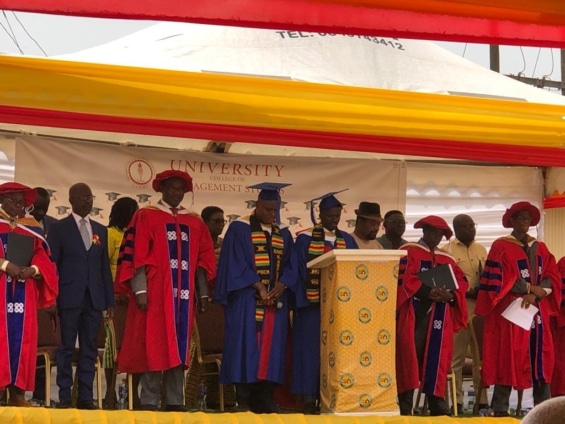
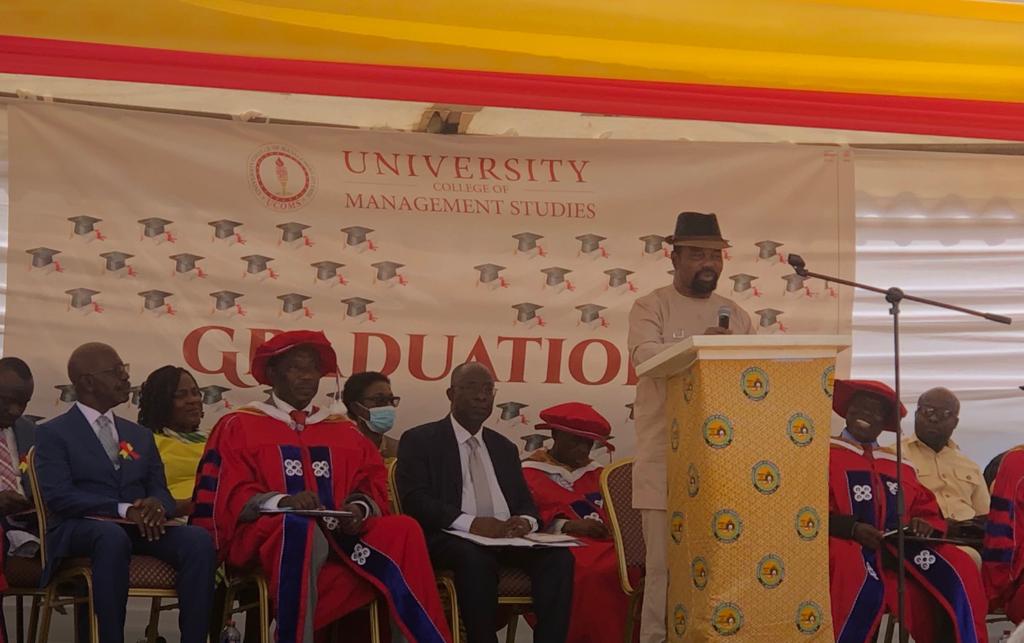
Graduates of the University College of Management Studies (UCOMS) have been urged to utilise the knowledge acquired to create jobs.
President of the Wisconsin International University College, Professor Obeng Mireku said it is time graduates create more jobs to reduce the unemployment rates in the country.
“Complement government’s efforts in the realm of employment by striving to become your own employers and you will appreciate the dignity of labour,” he added.
Prof Mireku made the comment as the Guest Speaker at the 12th congregation ceremony of UCOMS held at its Jerusalem campus in Kasoa over the weekend.
It was on the theme: ‘Re-imaging tertiary education in the era of global recession: The role of UCOMS’.
Prof Mireku indicated that, in this era of global recession, “the sky is no longer the limit; do not rest on your oars”
“We are in a tremendous time for opportunity and innovation and I believe fervently that the education and skills you have acquired at UCOMS have equipped you to meet the challenges of this era of global recession where there is no doubt a significant rise in the unemployment rate” he added.
He also encouraged them to exhibit high levels of dedication, accountability, integrity and honesty in all their professional careers to better themselves.
Prof Mireku noted that, life is not as rosy as it appears but with determination and hard work, they can make it.
“As they go out there to face to unknown, may I assure them that with hard work and faith in God, nothing can dismantle their success in life” he opined.
Also, Chairman of the University Council, Prof. Vladimir Antwi-Danso said UCOMS will be introducing new programmes in areas which will benefit the Ghanaian society.
He said due to the quality tuition, their graduates are found in all sectors of the economy competing favourably in the job market both nationally and internationally.
Prof. Antwi-Danso expressed appreciation to their mentor institution, University of Education, Winneba and the Ghana Tertiary Education Commission their ensuring very high standards are maintained in training the young men and women.
Vice Chancellor, University of Education, Winneba, Prof. Mawutor Avoke in a speech read on his behalf charged the graduates to be part of the solution to Ghana’s problems.
He charged them to be agents of change to empower them to improve their immediate environment and beyond.
Prof. Avoke urged the graduands to hold themselves to high ethical standards in their chosen fields.
Consulting Rector of UCOMS, Prof. George Kankam said their curriculum is industry relevant to make their students marketable.
He noted that, given the current socio-economic conditions in the country, they have also introduced flexible payment systems to allow a lot more people have access to university education.
Prof. Kankam added that, plans are far advanced to gain autonomy to make UCOMS a fully-fledged public university.
15 of the graduands had First Class, 80 Second Class Upper, 36 and 4 had Second Class Lower and Third Class respectively.
The graduating students from the faculty of Business Administration with majors in Accounting, Banking and Finance, Human Resource Management, Marketing, Procurement, and Supply Chain Management were awarded Bachelor of Science degrees.
Also students from the faculty of Education, Hospitality and Tourism Management were also presented with BSc degrees.
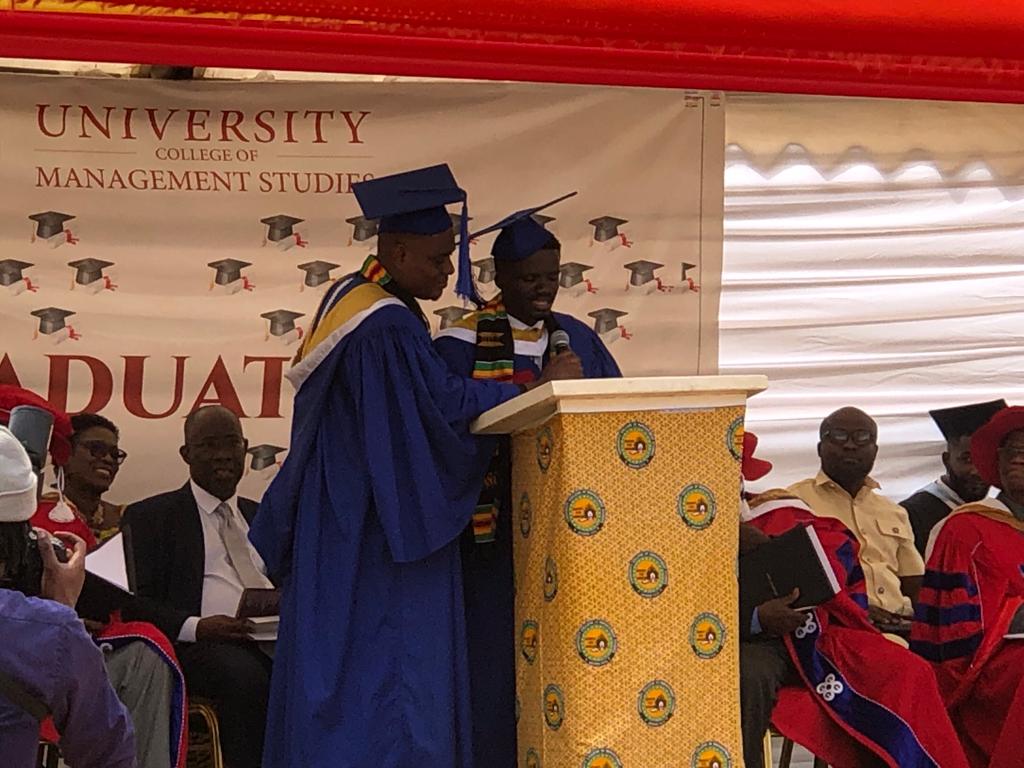
Charles Darkwah who pursued BSc in Accounting was adjudged the overall best graduating student. He also won the Founder’s Excellence Award.
Mr. Darkwah delivered the valedictory address on behalf of his cohort and expressed profound gratitude to the University community, their parents and loved ones for their sacrifices and pledged their commitment to make the institution proud in all their endeavours.
A French court recently ruled that a man fired from a consulting firm for not being fun enough at the workplace has the right to be as boring as he likes.
In 2015, Cubik Partners, a French management consultancy based in Paris, fired Mr. T, whose full name was not disclosed for privacy reasons, arguing that he was difficult to work with, a poor listener, and simply boring. What the company apparently meant, however, was that Mr. T didn’t go out with his colleagues enough after work, as part of the company’s “fun-based” approach to team building. The employee, on the other hand, clarified that he simply refused to forcibly partake in various excesses, such as consuming large quantities of alcohol and even sharing a bed with colleagues afterward.
After being dismissed by Cubik Partners on the grounds of ‘professional inadequacy’, Mr. T took the company to court, arguing that being fired for essentially not being fun enough for his employer was illegal. After years of legal battles, a top French court ruled in favor of the fired employee.
In its decision, the court stated that the consultancy company had no right to make anyone “forcibly participate in seminars and end-of-week drinks frequently ending up in excessive alcohol intake, encouraged by associates who made very large quantities of alcohol available”.
The court ruling also stated that Cubik Partners engaged in “humiliating and intrusive practices regarding privacy such as simulated sexual acts, the obligation to share a bed with a colleague during seminars, the use of nicknames to designate people and hanging up deformed and made-up photos in offices”.
Apart from legally having the right to refuse to party, Mr. T is also entitled to a payout of $3,000. The employee is demanding an extra $473,000 in damages from his former employer, which the court will rule on after an upcoming follow-up hearing.
Minority leader Haruna Iddrisu is concerned about the government’s decision to freeze public sector employment in 2023.
He fears this will compound the high youth unemployment situation in the country.
Expressing his grievances over the decision at a post-budget workshop at Ho in the Volta Region, Mr Iddrisu, charged the government to consider its impact on the youth of this country.
“Mr. Speaker, Ghana’s economy and as I listened to the Honourable Minister of Finance, the 2023 budget statement is replete with evidence that the government is simply ‘broke’ and the economy in crisis,” he said.
The concern follows the reading of the 2023 budget, dubbed the “Nkabom budget.”
Finance Minister, Ken Ofori- Atta, during the budget reading announced various policies aimed at “expenditure rationalisation” which included a freeze on hiring into the public and civil service effective January 2023.
Addressing the content of the budget, the Minority Leader, who doubles as the Tamale South MP, intimated that the budget was an indication of the highly distressed state of the country.
It is “an economy under life support that needs some resuscitation,” he stressed.
He contended that some of the interventions that the government is seeking to embark on, including the capping of enrolment of nursing and teacher trainees and the reduction of the size of convoys, would rather worsen the state of the economy.
The Majority Leader, Osei Kyei- Mensah-Bonsu, on the other hand,explained that the shocks and the depreciation of the cedi have been major contributing factors to the current economic hardships, which the 2023 Budget seeks to tackle.
“These (COVID-19 and Russian-Ukraine war) have created internal and external imbalances in the clearly economic woes; high inflation and unsustainable financing of the current economic deficit and rapid depreciation of the cedi. Suddenly, these variables have brought a lot of hardships to the citizenry, particularly the poor and vulnerable,” he noted.
He added that the budget intends to alleviate the plight of Ghanaians through increased spending on social protection.
A renowned labour consultant has accused the finance minister of creating needless fear and panic among the teeming unemployed with his freeze on all government employment as contained in the Thursday budget statement to the Legislature
Mr Antwi Boasiako Sekyere said what the minister said was not apt.
He explained that there cannot be a freeze on employment when every year people retire and need to be replaced.
“Every year, scores of people are needed to fill vacant positions in the teaching sector as well as the nursing sector and the security sector,” he explained.
The former Deputy Minister for Manpower and Labour Relations in the National Democratic Congress (NDC) argued against the minister’s claims while speaking in an interview on the Accra 100.5 FM’s midday news on Friday, November 25, 2022.
He said what will be at play with Ghana getting a deal from the International Monetary Fund (IMF) is the employment in some of the State-Owned Enterprises (SOEs), adding that some of these SOEs have as many as three deputies who draw salaries and allowances from the consolidated fund.
He said the IMF will not allow this to happen as part of the austerity measures when a deal is reached with the fund.
“Under NDC, we went for an IMF deal but recruited to fill positions but the New Patriotic Party in opposition accused the government of not employing because of the IMF deal when they know that was not the case,” he said.
To reduce public expenditure, the government has put a freeze on recruitment in the public sector beginning next year, 2023.
This is part of some 13 measures announced by the Finance Minister Ken Ofori-Atta in the 2023 budget statement presented in Parliament on Thursday, 24 November 2022.
These measures according to the finance minister are cabinet directives.
The 13 measures are listed below:
1. All MDAs, MMDAs and SOEs are directed to reduce fuel allocations to Political Appointees and heads of MDAs, MMDAs and SOEs by 50%. This directive applies to all methods of fuel allocation including coupons, electronic cards, chit systems, and fuel depots. Accordingly, 50% of the previous year’s (2022) budget allocation for fuel shall be earmarked for official business pertaining to MDAs, MMDAs and SOES;
2. A ban on the use of V8s/V6s or its equivalent except for cross-country travel. All government vehicles would be registered with GV green number plates from January 2023;
3. Limited budgetary allocation for the purchase of vehicles. For the avoidance of doubt, purchase of new vehicles shall be restricted to locally assembled vehicles;
4. Only essential official foreign travel across government including SOEs shall be allowed. No official foreign travel shall be allowed for board members. Accordingly, all government institutions should submit a travel plan for the year 2023 by mid-December of all expected travels to the Chief of Staff;
5. As far as possible, meetings and workshops should be done within the official environment or government facilities;
6. Government-sponsored external training and Staff Development activities at the Office of the President, Ministries and SOEs must be put on hold for the 2023 financial year;
7. Reduction of expenditure on appointments including salary freezes together with suspension of certain allowances like housing, utilities and clothing, etc.;
8. A freeze on new tax waivers for foreign companies and review of tax exemptions for free zone, mining, oil and gas companies;
9. A hiring freeze for civil and public servants
10. No new government agencies shall be established in 2023;
11. There shall be no hampers for 2022;
12. There shall be no printing of diaries, notepads, calendars and other promotional merchandise by MDAs, MMDAs and SOEs for 2024;
13. All non-critical projects must be suspended for 2023 Financi
The Ministry of Employment and Labour Relations has referred the impasse between the government and the striking unions to the National Labour Commission.
This comes after a second meeting between the parties involved on Monday to find a common ground ended in a stalemate.
The teacher unions declared a sit-down strike on November 4, in protest of the appointment of Dr. Eric Nkansah as the Director-General of the Ghana Education Service.
They believe Dr. Nkansah does not have a satisfactory teaching background.
The three unions on strike are the National Association of Graduate Teachers (NAGRAT), Ghana National Association of Teachers (GNAT) and Coalition of Concerned Teachers, Ghana (CCT) have been on strike since November 4, 2022.
The strike has generally disrupted academic work at pre-tertiary institutions.
Speaking to Citi News on the referral of the matter to the National Labour Commission, the Secretary for the GNAT, Thomas Musah said the gesture does not show good faith.
According to him, the development was unexpected because “the understanding social partners at the table had yesterday was that we would meet today at 2 pm to continue where we left off.”
“For the Ministry of Labour Relations to refer this matter to the National Labour Commission simply means they have declared a deadlock.”
The government has served notice that the 15 percent Cost of Living Allowance (COLA) for members of organized labour would be suspended when the conditions that necessitated it are no more.
The various worker unions declared an indefinite strike in demand for a 20 percent cost of living allowance to cushion them against the current economic hardship.
However, the government reached a consensus with them for the payment of 15 percent of the allowance effective July 1, 2022.
Deputy Minister of Employment and Labour Relations, Bright Wereko Brobby spoke on the possibility of the non-payment of the allowance in the future.
“We have agreed that the Cost of Living Allowance will be paid effective 1st July. As the name applies, it is an allowance which is a result of certain factors that have arisen in the course of the year so as and when these factors are no longer there, there will not be the relevance to still continue with it.â€
Government and organised labour have agreed on a 15 percent cost of living allowance for members of organised labour.
The various worker unions, including the four teacher unions, the Ghana Medical Association, and the Public Sector Workers Union, among others, demanded the payment of 20 percent of their basic salaries as Cost of Living Allowance (COLA) due to the current economic situation in the country.
Negotiations dragged on for over two weeks, compelling CCT, GNAT, NAGRAT, and TEWU to embark on industrial action to insist on their demands.
But after a crunch meeting on July 14, 2022, both parties came to a conclusion on a 15% COLA, which will take retrospective effect from July 1, 2022.
The Employment and Labour Relations Minister, Ignatius Baffour Awuah, reading out the terms of the agreement, said “We agreed with the labour unions that the COLA will be paid at the rate of 15% of base pay, that the effective date for the payment of the COLA will be 1st July 2022.â€
“We also agreed that all industrial actions underway and threats of same will be called off immediately and that labour will return to work.â€
Deputy Minister for Food and Agriculture, George Oduro says the government will continue to work to open more factories in local communities to create jobs for the youth.
He said the government through the planting for food and jobs, planting for exports and rural development as well as the one district one factory programmes, was creating avenues to expand employment opportunities for the youth in the country.
Mr Oduro, who is also the Member of Parliament for Adansi South, stated this when he addressed party supporters after a health walk in some principal streets of New Edubiase.
He said the government was currently expanding infrastructural facilities in senior high schools to help accommodate the high number of students benefiting from the free senior high school initiative.
Additionally, facilities in public universities were being expanded to help admit the increasing number of students who would be enrolled following the introduction of the free SHS policy.
The government was also expanding access to tertiary education by removing bottlenecks that prevented poor and needy students from going to the university through the introduction of the free guarantor system, to enable needy students have easy access to finance to support their education.
Mr Oduro said the NPP government had done well in its first term and needed another term to continue to work to consolidate the gains and transform the country to improve the living conditions of the people.
Mr Francis Ankomah, District Chief Executive for Adansi South, said the party was poised to retain the parliamentary seat to enable the government continue its development agenda in the area.
He stressed the need for the youth to lead the campaign to retain the seat.
Government in collaboration with its development partners has renovated and revamped eight Public Employment Centres (PECs) at strategic locations to provide active labour market services, job matching and career guidance to job seekers.
Mr Ignatius Baffour-Awuah, the Minister of Employment and Labour Relations, said the initiative would improve the capacity of the Labour Department and enhance efficiency.
The Minister who said this at a media briefing in Accra on Wednesday disclosed that the centres could be located in Accra, Tema, Cape Coast, Takoradi, Tarkwa, Sunyani, Tamale and the Employment Information Branch (EIB) of the Labour Department (LD).
He said apart from the routine active labour market functions of the PECs, the main purpose of the renovations and other capacity building interventions was to enable them and sections of the Labour Department collect and disseminate labour market information in a timely manner.
“These, among others, are some of the efforts being made towards the full operationalisation of the Ghana Labour Market Information System (GLMIS)“.
Mr Baffour-Awuah said for that reason, a Ghanaian-German Job Centre had been established in Accra by the Ministry in collaboration with the German International Development Corporation (GIZ).
He said the purpose of the Centre was to enhance the provision of decent employment opportunities for job seekers, particularly, young persons who had the intention of migrating outside Ghana through unapproved routes.
Since the inception of the Ghanaian-German Job Centre in 2017, a total of 65,277 persons had accessed its services, he stated.
“Out of this number, 28,901 accessed labour market information/career guidance/coaching services, while 4,243 received start-up and business development services to enable them to establish their businesses“.
The Minister noted that 2,527 were also posted to firms as interns, a total of 2,606 placed in available job vacancies and 614 returning migrants also received psychosocial and reintegration support.
The Minister said in 2017, Government took initiatives to transform the Youth Employment Agency (YEA) to strategically position it for growth and sustainability.
“This included investing in sustainable growth, promoting inclusive development, job creation and positioning YEA as a facilitator of jobs“.
He said, as a result, YEA launched three new flagship programmes such as the YEA Job Centre, the Regional Flagships Programme and the Artisan Directory.
The Minister said between 2017 and 2020, some 143,963 Ghanaians had been connected to various forms of employment through programmes and modules implemented by the Agency.
In the coming months, YEA looked forward to rolling out programmes to include; “Work Abroad†as part of efforts to facilitate job creation for the youth, he said.
“In the meantime, the Agency has received employment requests from Japan, Australia and the Cayman Islands and will continue to set up structures at the Regional and District levels to support the youth.
The Agency is also planning to roll out other initiatives such as the Ekumfi Chalk Making Programme, which is expected to employ over 100 youth with disability as well as the Artisan Directory, which is expected to recruit 5,000 beneficiaries.â€
Mr Baffour-Awuah noted that the government had passed a Legislative Instrument (L.I) for domestic workers regulations to ensure full labour protection.
The new regulation is a precursor to the lifting of the temporary ban on recruitment of domestic workers to the Gulf States and it is also to provide the basis for executing Bilateral Labour Agreements (BLAs) with destination countries.
The Minister for Employment and Labour Relations, Ignatius Baffour-Awuah has revealed that over 11.2 million jobs were affected in the country by the coronavirus pandemic.
Mr Baffour-Awuah explained that the labour force was largely affected in terms of pay cut and downsizing of workers.
He noted that based on a survey conducted by the ministry on 44,000 people, l7,685 of them lost their jobs with the rest either being asked to work from home or suffering pay cuts.
Speaking at the Meet the Press Series in Accra on September 16, 2020 to address the nation on the effect of COVID-19 on the workforce and progress made by the ministry, Baffour-Awuah said: “Results of the survey indicated that 17,685 out of the 44000, that is 40 per cent of workers suffered pay cuts.
“Pay cuts were highest among medium scale enterprises with 46 per cent of workers affected and lowest among small scale enterprises with 38 per cent being affected.â€
He added that 98.5% of these workers who lost their jobs as a result of the COVID-19 pandemic were mostly in the private sector, adding that no job losses were recorded in the public sector due to the efforts and measures put in place by the government.
Mr Baffour-Awuah stated that the government has learnt lessons from the effect of the COVID-19 pandemic and has, therefore, brought into force the National Unemployment Insurance Scheme that will help support workers in the formal sector when the labour force is hit hard by any crisis of such nature in future.
Multimedia Group Limited, parent company of Joy Fm, Adom Fm and numerous other outlets, has laid off over 100 workers.
The layoff has become necessitated due to financial challenges the company is facing, exacerbated by the COVID-19 pandemic.
The company has reportedly shown over 100 workers the door, including most notably Naa Ashorkor Mensah Doku of Joy Fm.
Naa Ashorkor announced earlier today that she had been axed from Multimedia, but her sacking was apparently just the tip of the iceberg.
According to yen.com.gh, citing deep throat sources in the company, about 100 workers are set to face the same fate as Naa Ashorkor by the end of this month.
Another big name said to have lost his job is Sammy Duodu, News editor of Adom Fm.
The company has reportedly been facing financial challenges long before COVID arrived, but things became worse with the pandemic.
Some workers reportedly had to deal with delayed salaries and other inconveniences.
Inevitably, the company was forced to take this decision to enable it remain viable.
Direct selling firm, QNET, says it is investigating 13 of its local independent representatives (IRS), for their alleged involvement in the deal.
Officials of the company say the suspects have been blocked from their system and notices issued to victims, pending the outcome of police investigations.
The suspected fraudulent act has left some West African nationals who were lured into Ghana supposedly to work in mining companies stranded.
It has also denied that some four persons arrested in Kumasi over the alleged employment scam, are linked to the company.
Police at Abuakwa arrested the four persons last week after 29 West African nationals accused them of using mining jobs to bait them into networking marketing.
The complainants made up of nationals of The Gambia, Sierra Leone, among others, claimed they paid 700 dollars each to the alleged scammers.
Efforts to retrieve the monies paid to the supposed agents of QNet, have been unsuccessful, leaving the to live on benevolence of people for survival.
The Abuakwa District Commander of the Ghana Police Service, Chief Superintendent Yaw Asubonteng, on Friday ordered the arrest of three people in connection with the issue.
Police have since received QNET registration details used by the suspects but the company insists, none of them is a worker or agent.
The Human Resource Directorate of the Ministry of Health has begun the enrollment of all 2017/18 batch of nursing trainees for deployment into various health facilities across the country in the wake of the COVID-19 pandemic.
President Akufo-Addo after one of his televised address to the nation attracted criticism for announcing plans of deploying retired health professionals to fight the deadly virus inspite of the backlog of newly certified trainees who have been left home without jobs for many years.
But Deputy Health Minister Alexander Kodjo Kom Abban in an interview with Blessed Sogah on ‘State of the Nation’ revealed that the said categories of trained health professionals will be engaged for permanent employment.
“The human resource directorate is quickly making all the moves for the 2017/18 nurses who already graduated and have gone through their rotation to be quickly enrolled, so, in that aspect their employment is already done,†he said.
The minister added that due to the exigencies of the time, some staff integration protocols may be waved for the new recruits.
“So, all the various stages that they have to go through over some lengthy period is going to be shortened so that they can quickly deploy them to assist in this fight,†Mr Abban stated.
Mr Ignatius Baffour Awuah, the Minister of Employment and Labour Relations, has commended the Banana Producers Association of Ghana for introducing an Occupational Health and Safety (OSH) manual to safeguard workers on their farmlands.
He made the commendation when he launched the OSH Initiative Manual in Accra, a statement from the Ministry to the Ghana News Agency said.
According to the statement, the Minister said, the manual, which comes in three parts aimed at reducing occupational injury and accidents on farms to save lives and properties.
He challenged other plantation associations such as Palm Oil, Rubber, Pineapple and Cocoa to adopt similar Health and Safety practices for the welfare of their workers to ensure that their farms were accident-free.
According to the statement, the Minister expressed optimism that the manual would be put to effective use through regular application and reference by plantation owners, other unions and workers to reduce occupational accidents on the farm to the barest minimum.
Mr Awuah also used the platform to announce that the Ministry had submitted a reviewed Occupational Health and Safety bill to Cabinet, which would soon be passed into law to regulate OSH in the country.
He also commended the Banana Producing Companies for employing more than 5,000 permanent workers, certified by Fairtrade, the statement noted.
Being fairtrade certified, he explained, meant the banana producing companies supported the areas in which they operate with social investment in education, health and water systems.
“They are therefore alive to their corporate social responsibilities and must be commended for that,†he added.
The statement said Mr Awuah extended appreciation to the Industrial and Commercial Workers Union, the General Agricultural Workers Union, the International Union of Food Workers, the Food and Agriculture Organization of the United Nations, the Sustainable Trade Initiative of the Dutch Government and the UK based NGO, Banana Link’ for their cooperation in developing the manual.
The Advisory Committee to review the National Pay System and make recommendations to the Government is ready with its report.
The Committee, chaired by Mr Bright Wireko-Brobbey, a Deputy Minister of Employment and Labour Relations, was given three months to complete its work and present the recommendations.
It was set up by the Employment and Labour Relations Ministry in October 2017 to inform government’s decision on minimum wages and base pay issues.
It comprised representatives of Organised Labour, Ghana Employers Association, Fair Wages and Salaries Commission, Ministry of Finance and Ghana Statistical Service.
Mr Earl Ankrah, the Head of Public Affairs of the Fair Wages and Salaries Commission, told the Ghana News Agency on Thursday that though the report was ready, it was awaiting an endorsement from the Sector Minister before it would be made public.
The Committee was mandated to review and link the National Pay System to productivity and ensure workers are adequately rewarded for work done.
Additionally, it was to review the Local Pay Structure to meet international best practices as well as review the Pension Schemes to address the purported inconsistencies and exemptions to the benefit of both government and labour.
Mr. Ignatius Baffour-Awuah, the Minister of Employment and Labour Relations has launched apprenticeship and employable skills training project to provide employment for the youth in the Sunyani West and Jaman South Municipalities of the Bono Region.
The 48,000 Euro-project, being funded by the German government through the German Development Cooperation (GIZ) will provide direct jobs for 150 young men and women in five communities in the two Municipalities.
The communities are Odumase, Chiraa, Fiapre and Nsoatre in Sunyani West and Kwasibourkrom in Jaman South.
The project will train beneficiaries in tiling, masonry, plumbing, tailoring, dressmaking, hairdressing, and cosmetology as a catalyst to reducing youth unemployment.
The Ghanaian-German Centre for Jobs, Migration and Reintegration (GGC) is the major implementer, whilst Top Vision, a non-governmental organisation is facilitating the implementation of the project.
GGC is part of a global project “Programme Migration for Development” commissioned by the German Federal Ministry for Economic Cooperation and Development and implemented by the GIZ in collaboration with the Ministry of Employment and Labour Relations.
Its objective is to support Ghana’s efforts at improving living conditions of her people by providing opportunities to enhance job prospects now and in future.
Speaking at a ceremony held at Fiapre, Mr. Baffour-Awuah, also the Member of Parliament (MP) for Sunyani West said through this, the project will provide alternatives to irregular migration among the youth in the two implementing areas.
It will at the same time support the successful socio-economic reintegration of returning migrants into their host communities.
Mr. Baffour-Awuah observed employable skill was very essential to the holistic development of the youth, and advised the project implementing communities and beneficiaries to always avail themselves throughout their nine-month training programme.
He commended the German government for her continuous support to Ghana and hoped that the long standing bilateral relations between Ghana and Germany would be strengthened for the benefit of both countries.
Mr. Kwaku Yeboah, a Senior Advisor at the GGC noted inability to access employment opportunities among the youth was widely cited as a major contributory factor to decision by young people to leave family and friends in search of opportunities abroad.
“In partnership with other German Cooperation projects such as the Programme for Sustainable Development under the Migration and Employment Promotion Component, the GGC has provided 34,665 opportunities to the Ghanaian youth and diverse reintegration support schemes for returning migrants”, he said.
On completion, Mr. Yeboah added the GGC would also provide trainees with start-up capital, tools and shops as well as support them to form cooperatives to help promote their services.
Dr. Paul Osei Brafi, the Project Manager of Top Vision explained beneficiaries would be selected through a comprehensive stakeholder engagement and training needs analysis.