The global movement for hair equality has rightly challenged discriminatory grooming policies targeting Black girls. In the UK, the Equality and Human Rights Commission (EHRC) now recognizes bans on Afro hairstyles, such as braids, locs, and natural curls, as racial discrimination under the Equality Act 2010 (EHRC, 2022).
Scholars have highlighted how colonial legacies influence school rules that suppress identity and self-expression (Bhana & Rizvi, 2025). These are important victories, but they should be viewed within a broader context.
In Ghana, with more than 70% of secondary students attending boarding schools (Essel, 2023), hair issues go beyond ideology; they are infrastructural. Unlike UK day schools, Ghanaian boarding schools often lack access to hair salons, stylists, and on-campus grooming support.
The real question is not about girls’ right to wear long hair; it is whether the system can accommodate it without sacrificing dignity, hygiene, or fairness.
Boarding Realities: Hygiene and Uniformity
Boarding schools are shared spaces where students live together in dorms, sharing bathrooms and daily routines. In these environments, grooming rules should prioritise practicality. Long hair, particularly when braided or styled, needs regular maintenance.
Without salons or trained personnel nearby, maintaining this becomes difficult. Girls might experience ridicule, scalp issues, or emotional upset when their hair is neglected, not due to a lack of pride, but because they lack adequate support (Caluza, 2025).
As Caluza (2025) reflects on her experience in South African schools, “teachers discouraged us from wearing our hair long, claiming that our hair did not look ‘clean, ’” often forcing girls to use chemical straighteners that caused scalp damage. This reveals a broader tension between identity and practicality in under-resourced environments.
Choice and Privilege: Private Schools Offer Alternatives
The case for hair freedom is valid, but it must be supported with adequate infrastructure. In Ghana, private day schools and some boarding institutions offer flexibility.
They have access to stylists, grooming budgets, and parental oversight. Girls who wish to keep their hair long can choose these environments. However, public boarding schools, which serve the majority, must prioritize practicality over aspiration.
Essel (2023) observes that grooming standards in Ghanaian Senior High Schools are often enforced “in the name of good grooming and hygiene,” prohibiting Afrocentric hairstyles without recognising cultural relevance or practical support.
These policies, though problematic in origin, have become ingrained in systems that lack the resources to support alternatives.
Saying “let girls wear their hair long” without addressing the systemic issues means providing freedom without support. It could turn a rights-based debate into a class division, where only the privileged can access dignity.
Toward Contextual Reform
This is not a call to reject hair equality; it is a call to localize it. Ghanaian educators, policymakers, and parents must ask: What reforms are possible within our infrastructure? Can we train staff in basic hair care?
Can we budget for grooming support? Can we offer phased flexibility? Until then, short hair remains a practical safeguard, not a colonial relic.
REFERENCES
Bhana, D., & Rizvi, R. (2025). Gendered bodies and school discipline in South Africa. Journal of Gender Studies.
Caluza, N. D. (2025). Hair discrimination and cultural bias in South Africa’s education sector. Worlds of Education. Retrieved from https://www.ei-ie.org/en/item/29609:hair-discrimination-and-cultural-bias-in-south-africas-education-sector
Equality and Human Rights Commission. (2022). Guidance on school uniform policies and race discrimination. Equality and Human Rights Commission.
Essel, O. Q. (2023). Conflicting tensions in decolonising proscribed Afrocentric hair beauty culture standards in Ghanaian senior high schools. Explore VC. Retrieved from https://www.explore-vc.org/en/objects/conflicting-tensions-in-decolonising-proscribed-afrocentric-hair-beauty-culture-standards-in-ghanaian-senior-high-schools.html
About the writer
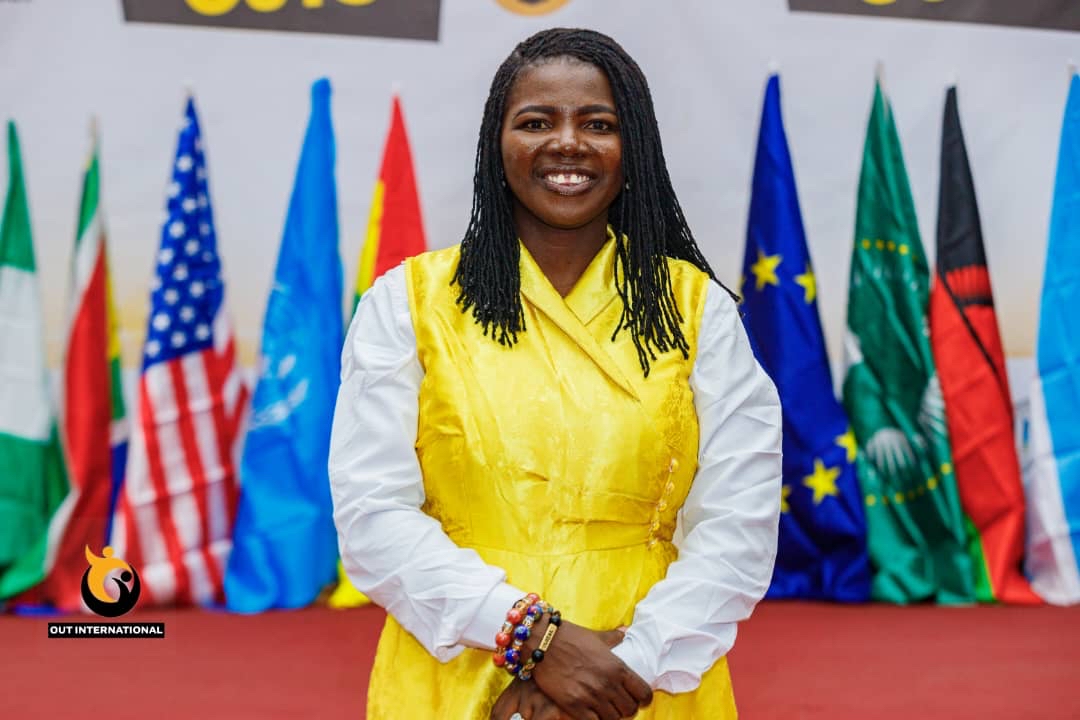
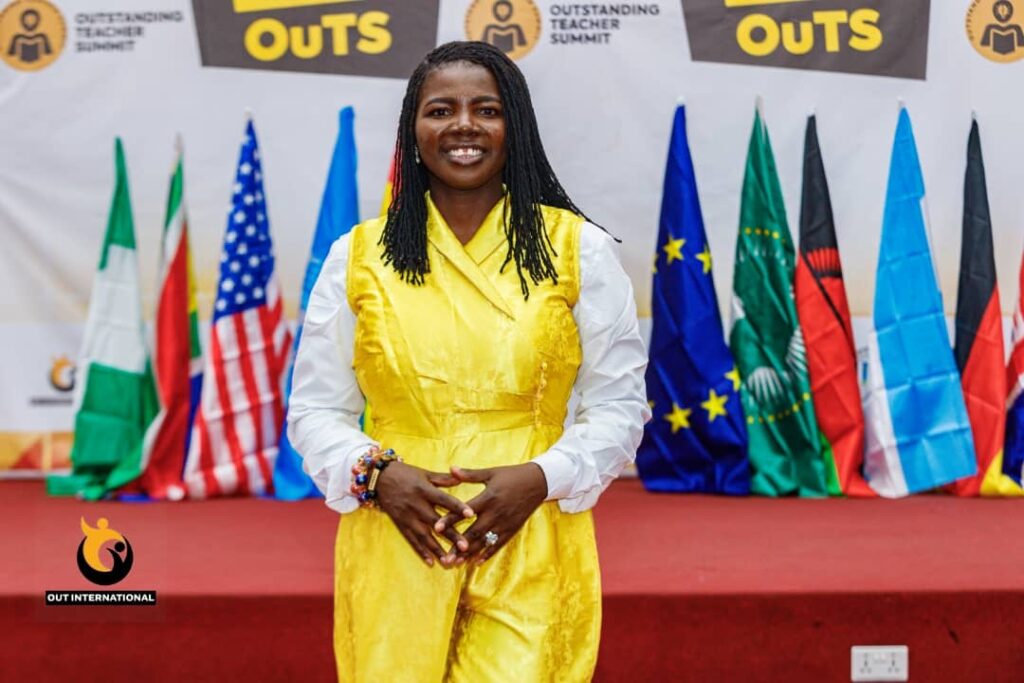
Stella Gyimaah Larbi was adjudged winner of the Ghana Teacher Prize in 2022. She is also the founder of Out International and a researcher in Teacher Education and ESL Pedagogy.
