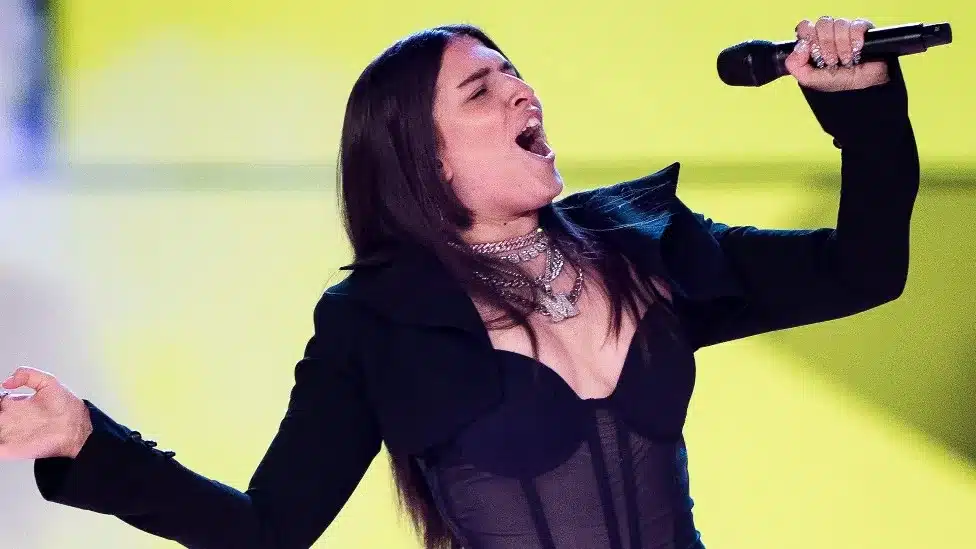
Tag: Eurovision

  • Why did the UK do so badly at Eurovision?

    Why did the UK do so badly at Eurovision?

    Mae Muller entered the Eurovision Song Contest riding a wave of goodwill.

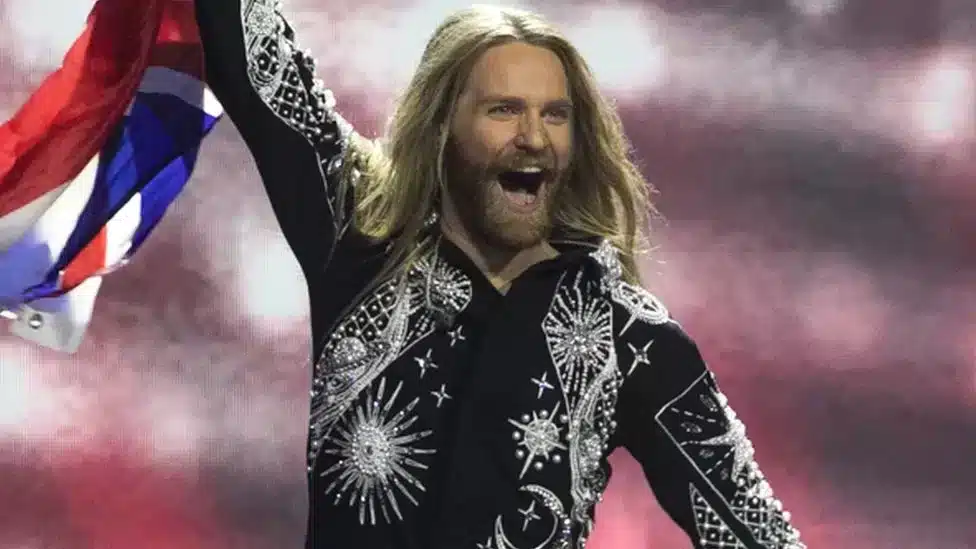
    Last year, Sam Ryder did the unthinkable in Turin by entering a respectable song, breaking the UK’s losing trend, and people wondered, “Why not do that again?”

    Mae obliged with a slick, sassy pop song that echoed recent chart trends. I Wrote A Song had the disco undercurrents of Dua Lipa, the lyrics were memorable, and it was eminently shareable on TikTok.

    The public seemed to agree. Mae’s song picked up tons of airplay, and more than 8 million streams on Spotify. Bookmakers predicted she’d finish in the top 10. Everyone from Ringo Starr to Lana Del Rey offered their support.

    In the run-up to Eurovision, there was negative chatter about Mae’s rehearsals. Her vocals were flat, insiders said, and the choreography was wooden.

    But on the night, she brought out the big guns. Mae sang better than she’d done all week. Her dance moves were snappy and confident. The audience at the Liverpool Arena were ecstatic…

    And then it all went wrong.

    Eurovision juries gave the song 15 points. The public awarded her nine. She ended the night in 25th place, out of 26.
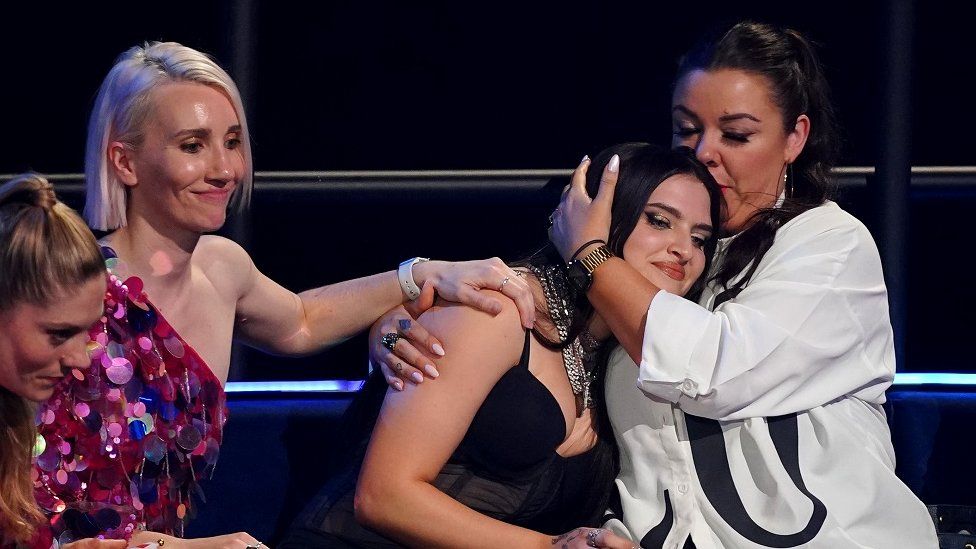
    Mae Muller reacts to the UK's low score in the Eurovision green room
    Image caption,Mae Muller reacts to the UK’s low score in the Eurovision green room

    “Undeserved. Very undeserved,” said Eurovision fan Craig Andrew, who watched the horror unfold at Liverpool’s Euroclub.

    “I thought her vocal was flawless. She was so good on the night, but what can you do?”

    “I think it was much better than that, genuinely,” agreed fellow fan Gaja Gazdic. “In this crowd, it was very well received.”
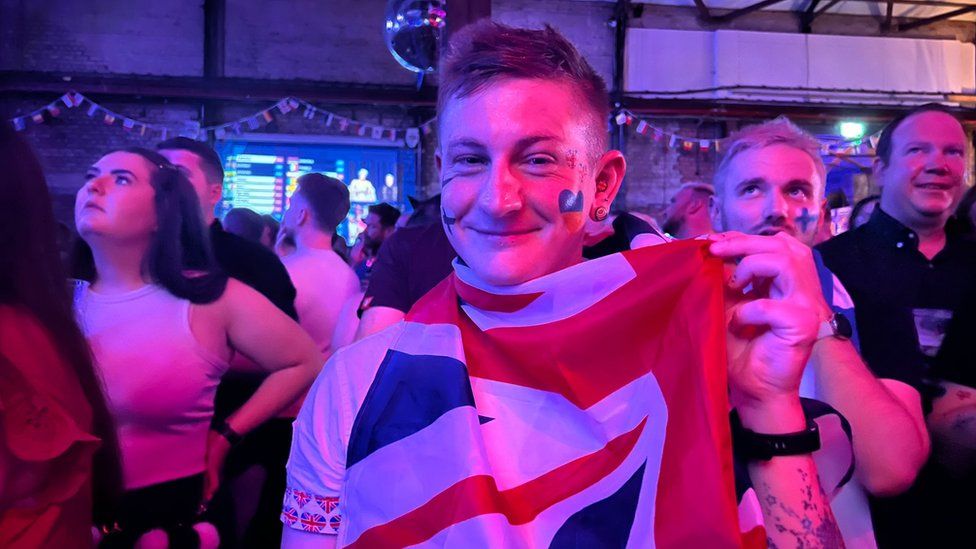
    Gaja Gazdic, Eurovision fan
    Image caption,Gaja Gazdic travelled to Liverpool to support Mae in the contest

    The first thing to remember is that no-one votes against you at Eurovision, they vote for the songs they like. And if your vibe is hyper-catchy, female-fronted pop, you were spoiled for choice.

    Sweden’s Loreen won the contest with the supersonic club anthem Tattoo – even though Norway’s Alessandra beat her in the public vote with Queen Of Kings, a thunderous pop anthem that was equal parts Lady Gaga and Nordic folklore.

    Both of them were stronger singers, with stronger songs, than Mae, and they soaked up a lot of her potential votes.

    In retrospect, there’s also a peculiar Britishness to I Wrote A Song that might not have translated outside the UK.

    It’s a pithy, sarcastic track about taking revenge on an ex-boyfriend – not by trashing their car or burning their house down, but by writing an excoriating song about how rubbish they are.

    In a contest where the top songs all featured sincere, straightforward messages about overcoming adversity and standing up for love, Mae’s post-modern, meta-textual lyrics failed to find an audience.

    Austria’s hotly tipped Who The Hell Is Edgar? took a similar approach and met a similar fate, coming 15th.

    Complexity simply isn’t your friend when you’ve only got three minutes to make an impression.

    Staging problems?

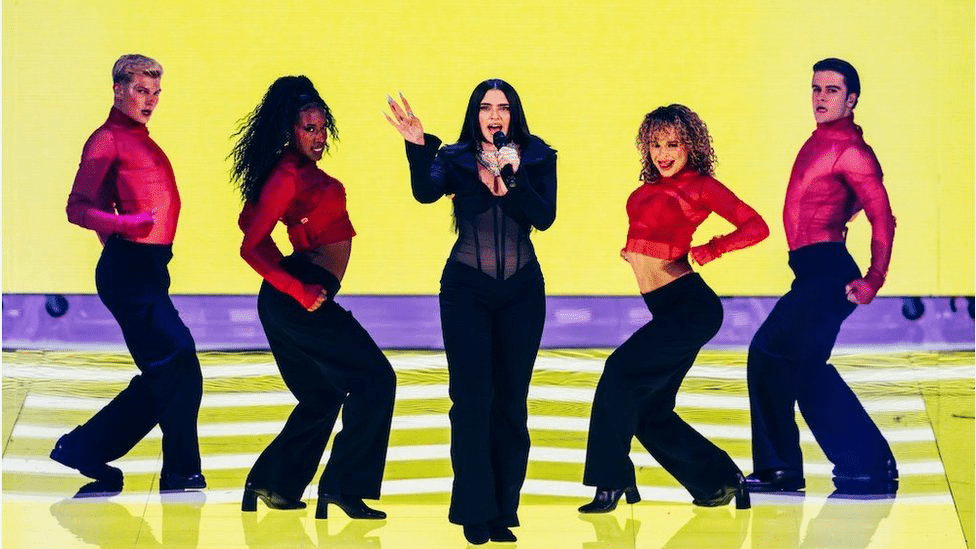
    In the press room, questions were also raised about the concept underlying Mae’s performance. In particular, the liberal use of wide shots and Pop Art video installations meant TV audiences couldn’t always appreciate the singer’s cheeky charisma.

    “I think it’s an excellent song, but the staging wasn’t great,” said Ken Olausson of Sweden’s QX magazine.

    “The whole feeling of female power that’s in the song when you hear it on the radio, it wasn’t on stage.

    “I don’t know if they lost her in a lot of props, but the power didn’t come through.”

    This YouTube post cannot be displayed in your browser. Please enable Javascript or try a different browser.View original content on YouTube

    The BBC is not responsible for the content of external sites. YouTube content may contain adverts.

    On social media, TV viewers complained that Mae’s vocals had been too low in the mix.

    “You could barely hear her over her music,” wrote one. “Something sounded off with the sound production for Mae Muller,” agreed another.

    “She can obviously sing, but it all sounded quiet.”

    “The question you have to ask yourself is this: Was the UK performance in your top 10 tonight out of the 26 that took part?” asks Eurovisioncast’s Daniel Rosney.

    “If it was, then great because you would have given Mae Muller some points. But if it only just made your top 10, that’s not how you win Eurovision.”
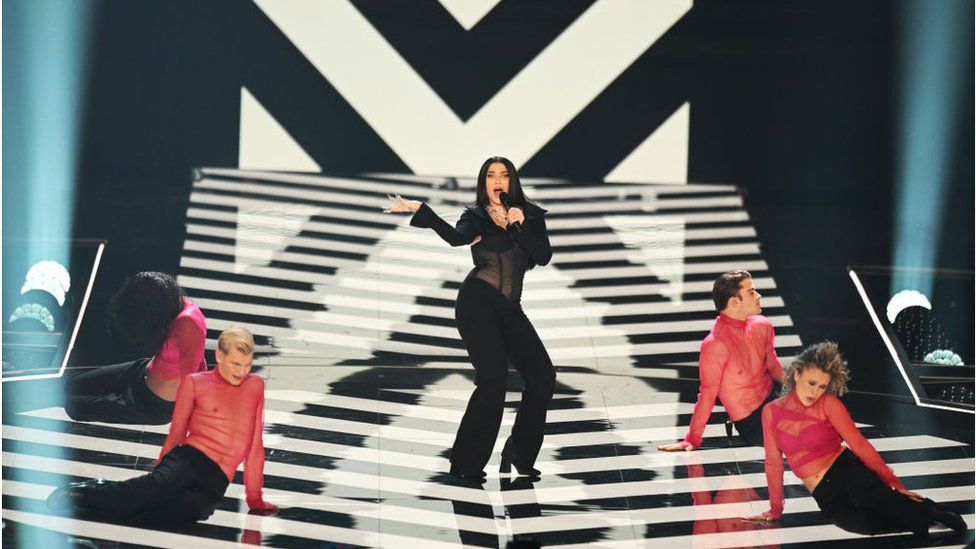
    Mae Muller performs at Eurovision
    Image caption,The singer’s staging was called into question

    After the results were announced, Mae took to Twitter to share her thoughts.

    “I know I joke a lot, but we really put our all into the last few months,” she said, “Not the result we hoped for but so proud of everyone and what we achieved.

    “Congrats to all the countries, I’ll never forget this journey and I love you all.”

    You could feel her pain. She’s been a great ambassador for Eurovision; and she kept up the UK’s momentum of sending non-terrible songs to the contest. Some of the acts that placed ahead of her were objectively worse.

    So what’s next for the UK? Earlier this week, Radio 2’s Eurovision commentators Scott Mills and Rylan Clark offered some perspective on the UK’s Eurovision journey.

    “It’s impossible to repeat what happened last year, because it just doesn’t happen,” said Mills.

    “But what we need to do is show Europe that we care and that we’re taking it seriously. Mae is is great, and while Europe used to say, ‘Hang on a minute, why aren’t the UK any good at this?’ they’re not saying that now.”
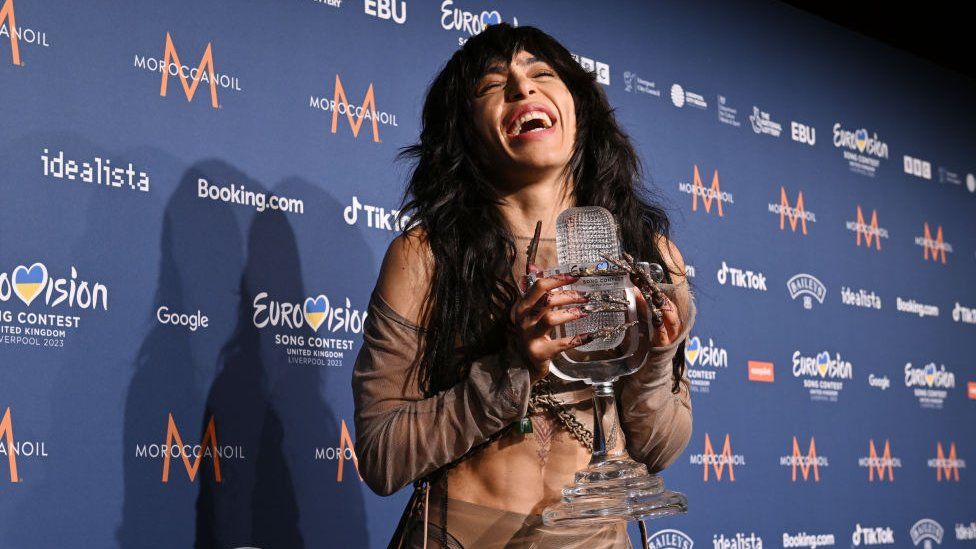
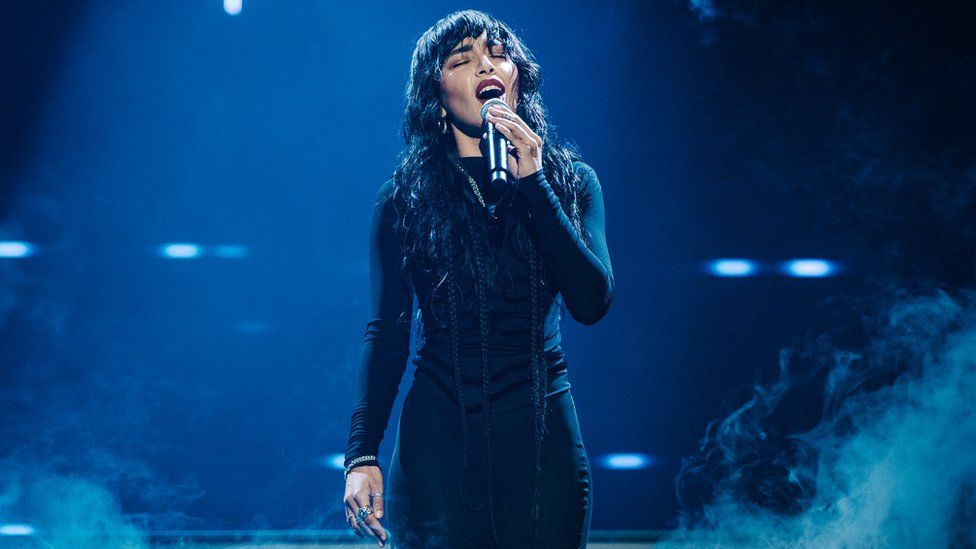
    Loreen
    Image caption,Swedish star Loreen became the first woman ever to win Eurovision twice, with her song Tattoo

    “For reasons I’ve never been clear on, the host country tends to struggle with points after it’s success the previous year,” observes Daniel Rosney.

    That’s especially true for Portugal: In 2017, in their 49th appearance at the contest, the country won for the first time, with Salvador Sobral’s Amar Pelos Dois. The following year, they finished last.

    “Things like that have always been a bit of an enigma,” says Ricardo Duarte, who’s been covering Eurovision for Portuguese queer website Dezanove.

    “But we persevered. We continued. We did not qualify the year after – but we got 12th place in 2021 and ninth place in 2022.

    “We’ve had our ups and downs, and so will every other country.”

    And that’s the message Mae and the team behind the BBC’s Eurovision bid will need to bear in mind today. Outside the bubble of the contest, Mae’s song has been a hit. She’s a ready-made pop star, who just performed to a global TV audience of more than 160 million people.

    This won’t be the last we’ve heard of her.
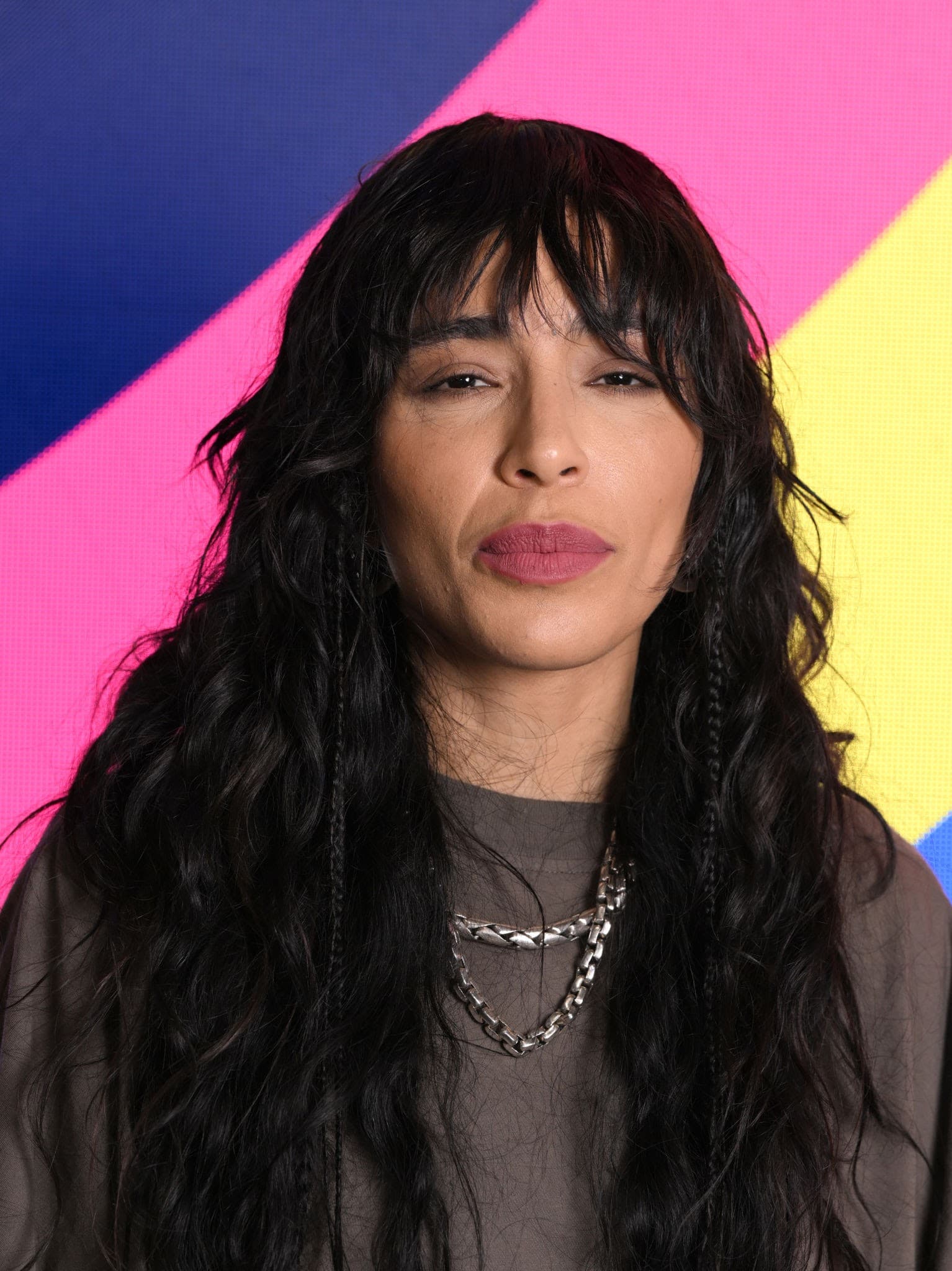
  • Sweden’s Loreen wins Eurovision

    Sweden’s Loreen wins Eurovision

    Loreen of Sweden has won the Eurovision Song Contest for the second time with her soaring pop classic Tattoo.

    The star, who last won the competition in 2012, saw off competition from Finland’s Käärijä in a nail-biting vote.

    The UK’s Mae Muller failed to replicate Sam Ryder’s success last year, coming in 25th place – one above bottom.

    And the Princess of Wales made a surprise cameo, playing the piano with last year’s winners Kalush Orchestra.

    Loreen is the only the second person – and the first woman – to win Eurovision twice, following Ireland’s Johnny Logan.

    “This is so overwhelming,” she said as she collected the trophy. “I’m so grateful. I’m so thankful.”

    “In my wildest dreams, I didn’t think this would happen.”

    Sweden’s victory means it will host next year’s competition – on what will be the 50th anniversary of Abba’s historic victory with Waterloo in 1974.

    But Ireland crashed out of this year’s contest at the semi-final stage for the fifth year in a row – a result their head of delegation described as “devastating”.

    This year’s top three acts were:

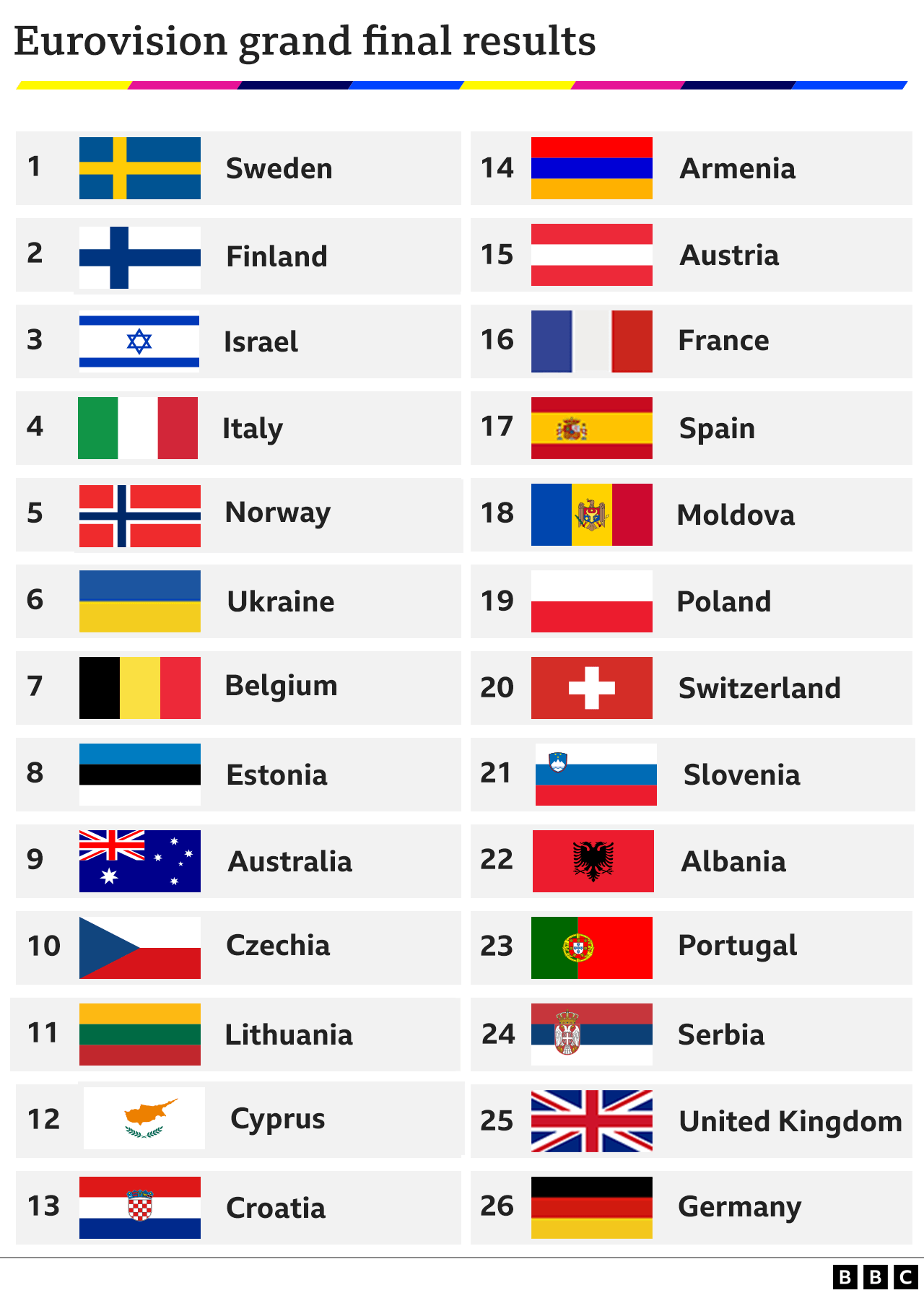
    1. Sweden: Loreen – Tattoo (583 points)
    2. Finland: Käärijä – Cha Cha Cha (526 points)
    3. Israel: Noa Kirel – Unicorn (362 points)
    Finland entrant Kaarija performing in the grand final
    Image caption, Kaarija’s song won the public vote, but faltered with juries

    Mae Muller only picked up 24 points, leaving the UK near the bottom of the leaderboard. It was “not the result we hoped for,” she tweeted after the show.

    “I know I joke a lot but we really put our all into the last few months,” she said. “Congrats to all the countries, I’ll never forget this journey and I love you all.”

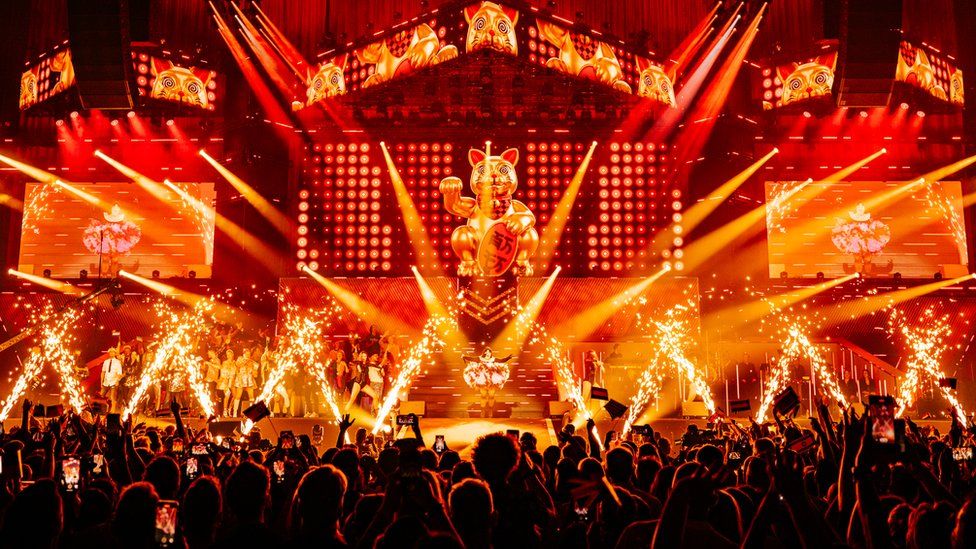
    Liverpool hosted this year’s contest on behalf of war-torn Ukraine, which won in 2022.

    Appropriately, the show began with last year’s winners, Kalush Orchestra, playing an extended version of their song Stefania in a pre-taped segment from Kyiv.

    Stars including Joss Stone, Sam Ryder and Andrew Lloyd Webber added a British flavour to the song, as the band boarded a train from Kyiv’s iconic Maidan Nezalezhnosti metro station and arrived on the stage of the Liverpool Arena.

    The Princess of Wales accompanied on piano, in a brief segment recorded in the crimson drawing room of Windsor Castle earlier this month.

    Princess CatherineImage source, Alex Bramall
    Image caption,

    Catherine briefly joined Kalush Orchestra on piano

    Back in the arena, Kalush performed their new single Changes, delivering a message of defiance to Russia: “Give my all down to the wire / Set me free.”

    It was the first of many references to the war, in a show that took a more political tone than most editions of Eurovision.

    Croatia’s Let 3! performed a song that referred to Russia’s Vladimir Putin as a “crocodile psychopath”, while the Czech band Vesna sang in Ukrainian, “We’re with you in our hearts”.

    Ukraine’s own entry, Tvorchi, played a powerful song inspired by the siege of Mariupol.

    The duo’s hometown of Ternopil was hit by Russian missiles moments before the band took to the stage in Liverpool, officials said.

    They eventually took sixth place, with a total of 243 points.

    Russia has been suspended from the contest due to the invasion, but organisers refused to allow a speech from Ukraine’s President Volodomyr Zelensky during the show.

    Noa KirelImage source, Sarah Louise Bennett / EBU
    Image caption,

    Israel’s Noa Kirel gave one of the night’s most athletic performances

    Elsewhere, Eurovision was Eurovision. There were 80s-inspired tributes to Miami Vice, a ghost story about Edgar Allen Poe and, naturally, a tear-away dress.

    But the musical component of the contest continues to improve.

    Spain’s Blanca Paloma combined traditional flamenco rhythms with a throbbing electro pulse on the vibrant, urgent EAEA; and France’s La Zarra tied together decades of Gallic music history in the Piaf-meets-Daft-Punk Évidemment.

    Acts from Armenia, Poland and Israel – especially Israel – threw slick dance breaks into their performances; while Italy’s Marco Mengoni was accompanied by two gymnasts on trampolines.

    There was also the usual surfeit of tortured ballads, both good (Lithuania) and drab (Albania); and a never-ending parade of lyrics about coming together and being nice to your neighbours (Belgium, Switzerland, Australia).

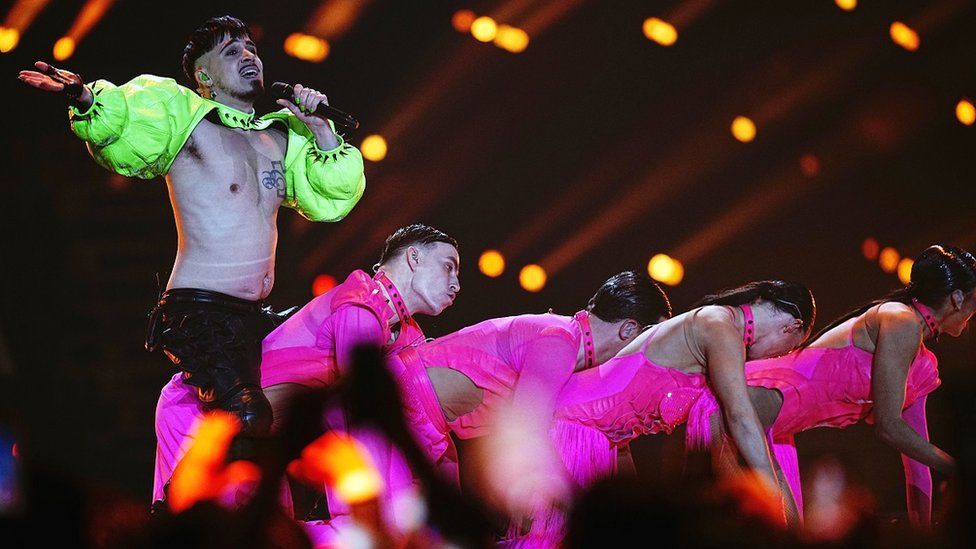
    Finnish rapper Käärijä was the runaway public favourite, receiving more than Loreen’s tally in the phone vote. But his chaotic mix of thrash metal, hardcore techno and K-pop melodies failed to impress the juries, who are comprised of music experts.

    KaarijaImage source, Getty Images
    Image caption,

    Finland’s Kaarija gave one of the night’s most memorable performances

    In a post-modern twist, the competition was bookended by two songs about the process of songwriting.

    Austrian duo Teya & Salena kicked off the show with the quirky pop anthem Who The Hell Is Edgar, in which they are possessed by the spirit of US poet Edgar Allen Poe, who compels them to write a song.

    An hour-and-a-half later, Mae Muller closed the competition with I Wrote A Song – in which she gets revenge on her ex-boyfriend by writing a song that catalogues his misdemeanours.

    It meant the contest opened with the lyric, “Oh my God, you’re such a good writer”, and ended with Muller singing, “Instead, I wrote a song”.

    And if that’s not synchronicity, I don’t know what is.

    The UK’s Mae Muller failed to replicate Sam Ryder’s success last year

    The contest was presented by Alesha Dixon, Hannah Waddingham and Ukrainian singer Julia Sanina, with Graham Norton joining them during the voting stage.

    The interval showcased the “Liverpool songbook” with tracks by John Lennon, Melanie C and Gerry and the Pacemakers performed by former Eurovision contestants.

    And Sam Ryder, who came second for the UK last year, performed an emotional version of his new single, Mountains, with Queen’s Roger Taylor on drums.

    Ryder, whose song is about overcoming adversity, was accompanied on stage by dancers who had lost limbs.

    How the votes came in

    A chart showing the final result

    Loreen easily won the jury vote, picking up the maximum 12 points from Ireland, Estonia, Spain, Albania, Cyprus and Ukraine, among others.

    She ended the jury sequence with a score of 340, giving her a comfortable 163-point lead over Italy’s Marco Mengoni.

    The public preferred Finnish rapper Käärijä, with his total of 526 points temporarily putting him in the lead.

    After a tense pause, Loreen reclaimed the crown at the last minute, receiving a public score of 243 that put her back on top.

    The UK languished at the bottom of the table, picking up just nine points from the public and 15 from the juries.

    Only Germany fared worse. Their glam-rock song Blood And Glitter gained a mere 18 points.

    Commiserations came from the BBC, who organised the contest in partnership with the European Broadcasting Union.

    The broadcaster’s official Twitter account posted: “Mae, we’re so proud of you and everything you’ve achieved at this year’s Eurovision Song Contest.”

  • Eurovision tickets: How touts get to the front of the online queue

    Eurovision tickets: How touts get to the front of the online queue

    If you tried to get Eurovision 2023 tickets you were almost certainly disappointed – the grand final in Liverpool sold out within 36 minutes.

    That feeling of missing out as soon as sales open, then seeing inflated prices elsewhere will be familiar to many concert-goers.

    But you might not have realised you weren’t just competing with other fans for those face-value tickets.

    Hundreds of bots – sophisticated software that pretends to be a real person – were also in taking up spaces in the queue ahead of genuine fans.

    And it’s not just Eurovision.

    Trainers, games consoles and other in-demand items are also targeted and sold at a profit by scalpers.

    Now a BBC investigation has discovered how it happens so quickly.

    Queue barging

    To illustrate how it works, we joined the queue for Eurovision tickets on Tuesday, and brought some experts with us.

    Like many others, we quickly found ourselves 2,000 or more spaces from the front.

    Matthew Gracey-McMinn, who works for anti-bot company Netacea, says we’re seeing a digital version of queue-barging, or pushing in.

    “Think of them as hundreds of friends,” he says.

    But they’re not friends. They’re not even real. But as far as the system is concerned they are.

    “Because it’s all digital, they can create these sort of imaginary people to barge into this imaginary queue,” says Matt.

    A server rack is inspected
    Image caption, Expert Matt says touts will turn to commercial data centres to boost their computing power

    Matt says even the basic laptop he’s using can mimic thousands of people. More ambitious scalpers will turn to the cloud to recruit even more processing power.

    “Imagine the big server racks you see in movies that hackers have,” Matt says, describing large rooms full of dedicated network devices.

    “They’re hiring those off cloud computing companies and firing all of that power into this.”

    If you’ve ever felt like you don’t stand a chance of getting tickets, there’s a good chance this is why.

    The Golden Circle

    There are dozens of groups using bot software to attack online queueing systems – so many, that Matt says his company can’t track them all.

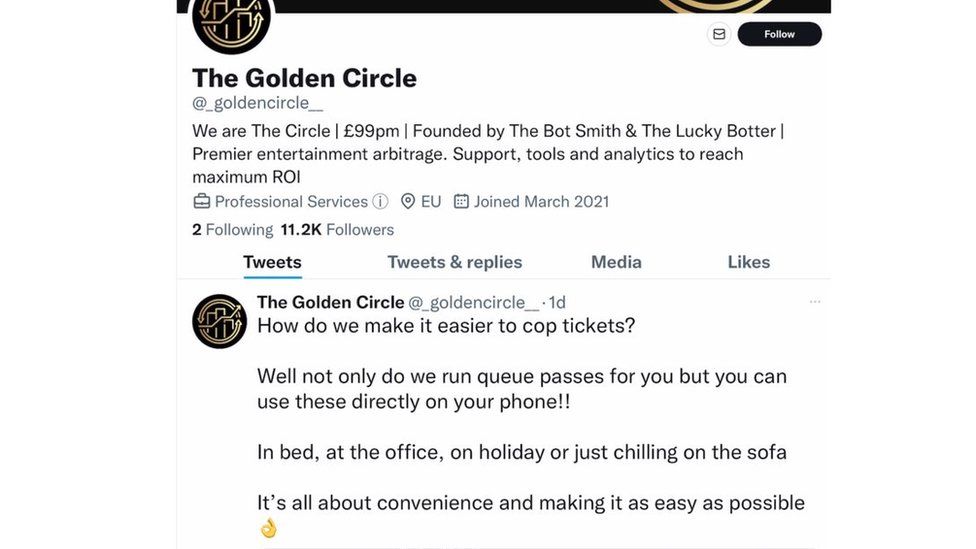
    One, called The Golden Circle, provides members with what they need to beat the online queues.

    For £99 ($118) a month they’re granted access to the circle and guidance on using a “queue pass” – computing code for manipulating ticketing systems.

    One of the group’s founders, Josh Silverman, makes promotional videos talking about the money made from tickets by the group’s membership of about 400 people.

    Speaking to the BBC, Josh, 34 and from London, says he previously used the software to buy limited-run trainers at retail price before selling them on at a huge profit.

    A screengrab of a tweet by The Golden Circle
    Image caption, One of the groups using software to beat ticket queues is The Golden Circle – its Twitter account was removed after our investigation

    In the UK, it’s illegal to use bots to buy more tickets than the promoter or venue allows.

    But Golden Circle’s software doesn’t bulk buy – it purchases small numbers of tickets in multiple transactions.

    What’s being done?

    Since we approached Golden Circle, the group’s deleted its social media presence. But there are others and makers of queueing software describe tackling touts as a “constant battle”.

    As soon as the companies change their system, the bot makers update their software, sometimes within minutes.

    Stuart Galbraith is Ed Sheeran’s promoter and boss of event promoter Kilimanjaro Live.

    As you might expect, he’s a long-time campaigner against ticket touts.

    He says a small group of “power sellers” are behind the ticket trade in the UK, and stop customers who “could quite legitimately be buying them at face value”.

    And Stuart says fans miss out in other ways.

    “If touts can’t shift their tickets at their inflated price, they won’t drop the ticket price because it then spoils their marketplace,” he says.

    “So not all the tickets that are purchased in bulk actually get sold.”Media caption,

    Genuine Eurovision fan Josh’s attempt to get tickets was an emotional rollercoaster

    The BBC spoke to Labour MP Kevin Brennan, who raised our investigation at Prime Minister’s Questions on Wednesday.

    Rishi Sunak said access to Eurovision should be “as broad as possible”, and said the government would “do all that we can to make certain that that happens”.

    ‘Absolutely gutted’

    Three fans agreed to share their attempts to buy Eurovision tickets with us.

    Two of them actually succeeded.

    Gina, who had hoped to spend £30, ended up with a £380 standing ticket.

    Another fan, Scott got two tickets for a total of £400.

    Cheaper tickets usually sell out faster, but bot users also tend to target lower-cost options because there’s more profit in the resales.

    Our third fan, Ed, didn’t get one.

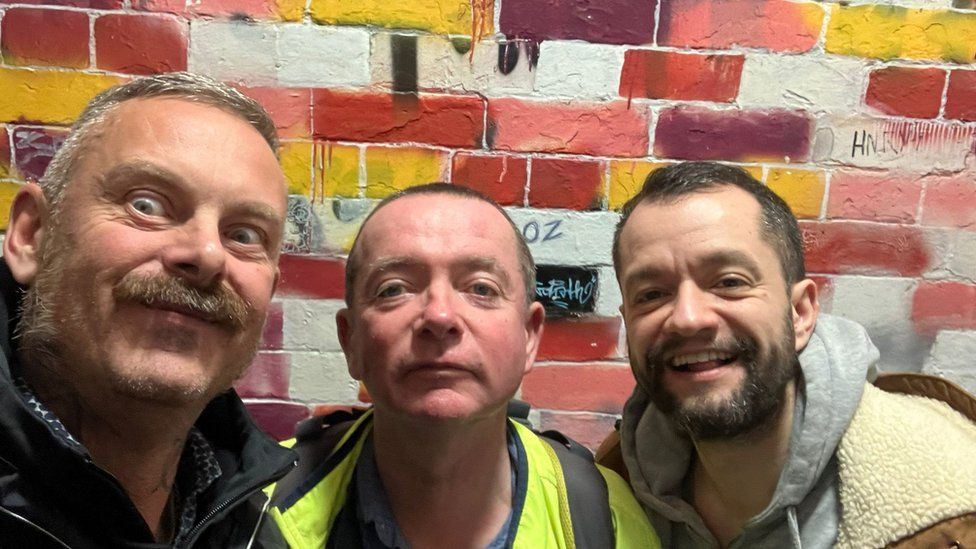
    Andrew Earnshaw
    Image caption, Andrew Earnshaw, on the left here with his Eurovision podcast co-hosts, said he didn’t know anyone who got tickets

    Andrew Earnshaw, who runs a Eurovision podcast called Eurobliss, was also unsuccessful.

    That’s despite trying to use a laptop, an iPad and two phones to get tickets.

    “One of them clearly was actually working,” he says. “It took about an hour and a half to get to the front of the queue.”

    When he did “there was just nothing available”. Andrew says it was the same for everyone he knows.

    He says the fact tickets are already on sale for much more on secondary websites is “very depressing”

    “This isn’t going to happen again probably in my lifetime.

    “I can deal with it, because I did my best – but at the same time I’m absolutely gutted – and it’s not just me, it’s all of my friends.”

    You and Yours: Secret Ticket Touts exposed, is available on BBC Sounds.

  • Eurovision 2023: UK act to be revealed on BBC Radio 2 on Thursday

    Eurovision 2023: UK act to be revealed on BBC Radio 2 on Thursday

    The act representing the United Kingdom at this year’s Eurovision Song Contest will be revealed on BBC Radio 2 on Thursday morning.

    The BBC said an announcement will be made on Zoe Ball’s breakfast programme at 08:30 GMT.

    Following the same selection process as last year, the broadcaster has been working with a management company to pick the act.

    The UK is one of the last competing countries to reveal its song for 2023.

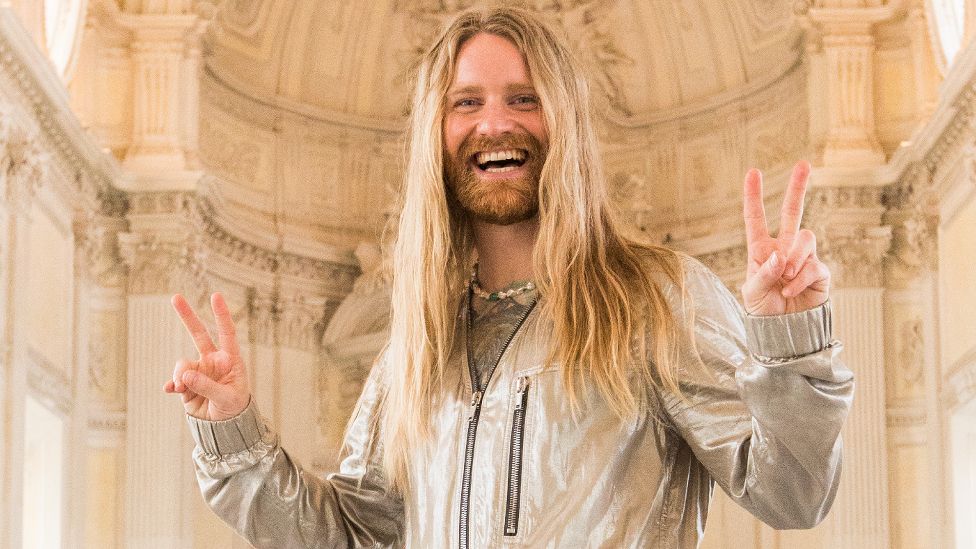
    After years of dismal results, Sam Ryder turned things around for the UK at last year’s competition placing second to Ukraine.

    Tap management, which has worked with Dua Lipa and Ellie Goulding, selected the TikTok star and his song Space Man.

    Normally, the country who wins hosts it the following year but organisers ruled it was too dangerous in Ukraine, following Russia’s invasion, so the BBC was asked to host it instead.

    Earlier this week, tickets for May’s event sold out in 90 minutes, with fans now being warned scammers are targeting their hotel bookings with phishing cyber attacks.Media caption,

    The rundown on the 2023 contest in 50 seconds

    Most of the 37 competing countries have confirmed the song and act they’ll be sending to Liverpool, with a deadline set for 13 March for for the handful left to say publicly their plans.

    There are typically two ways a Eurovision entry is chosen: an internal selection – an act chosen behind-the scenes – or a national selection – a TV show with the winner getting to fly their country’s flag in Liverpool.

    A lot of Eurovision fans follow how each country chooses its act with events like “Super Saturday” scheduled gripping devotees across the continent.

    Rina Sawayama
    Image caption, Rina Sawayama has been teasing fans for weeks on social media

    Rumours Rina Sawayama will be this year’s act have been circulating for weeks (which she seems to have been enjoying on TikTok), as well as names like Mae Muller, Birdy and Mimi Webb.

    However, Webb denied it when she appeared on Radio 2 on Wednesday (but she could be under strict instructions to keep it a secret).

  • Eurovision 2023: Tickets will go on sale on Tuesday 7 March

    Eurovision 2023: Tickets will go on sale on Tuesday 7 March

    Tickets for this year’s Eurovision Song Contest in Liverpool will go on sale on Tuesday 7 March, the BBC has announced.

    Fans will be able to pay to attend nine shows – two live semi-finals and the grand final, as well as six previews doubling up as dress rehearsals.

    Prices range from £90 to £290 for the live semi-finals and £160 to £380 for the live grand final.

    Full details have been exclusively revealed on the BBC podcast Eurovisioncast.

    Last week it was announced 3,000 Ukrainians living in the UK on three visa programmes – Homes for Ukraine, Ukraine Extension Scheme and Ukraine Families Scheme – will be able to enter into a ballot for a ticket.

    The cost will be subsidised by the government but there will be a £20 charge per sale.

    How can I buy tickets for Eurovision?

    Tickets will be made available from 12:00 GMT.

    An account must be registered on Ticketmaster UK – regardless of the country tickets are being purchased in.

    Only tickets for one show at a time can be purchased by users.

    How much are Eurovision tickets?

    Prices range from £90 to £290 for the live semi-finals and from £160 to £380 for the live grand final.

    Preview shows range from £30 to £280.

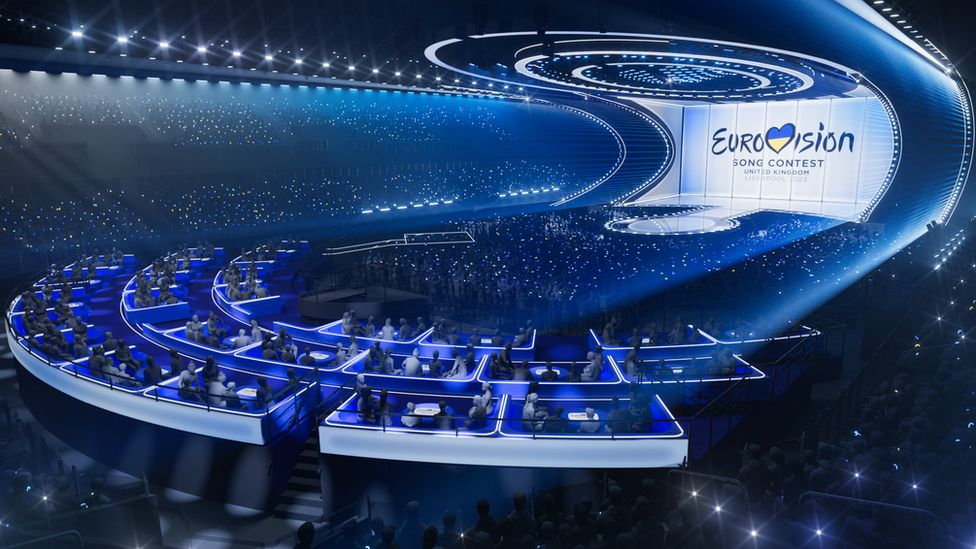
    An artists's impression of what the Eurovision stage will look like this year
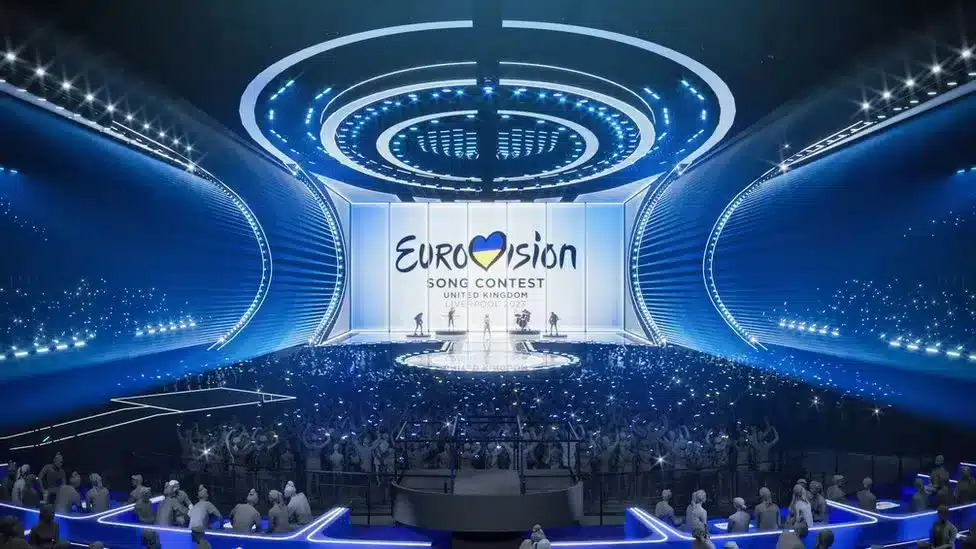
    Image caption, A mock-up of how Liverpool’s M&S Bank Arena is expected to look hosting the Eurovision Song Contest

    A preview show is a full run-through of the TV broadcast that doubles up as a production rehearsal where the acts perform live in the arena.

    There are six preview shows and three live shows.

    How do the semi-finals work?

    There’s a fee for competing broadcasters to take part (more on that later) and a handful of countries, known as the big five (France, Germany, Italy, Spain, and the UK), automatically get a place in the final because they pay a higher entry fee.

    Ukraine, this year, also qualifies without participating in the knock-out stages because it won in 2022.

    The remaining 31 acts will sing in two semi-finals – on Tuesday 9 and Thursday 11 May.

    There will be 10 songs from each of the two qualifying rounds go through to the final where 26 artists will perform on Saturday 13 May.

    What if I don’t get a ticket?

    The city of Liverpool has announced multiple events around this year’s Eurovision Song Contest.

    There will be a two-week festival taking place, including a submarine parade and a rave which will take place simultaneously in Kyiv as well.

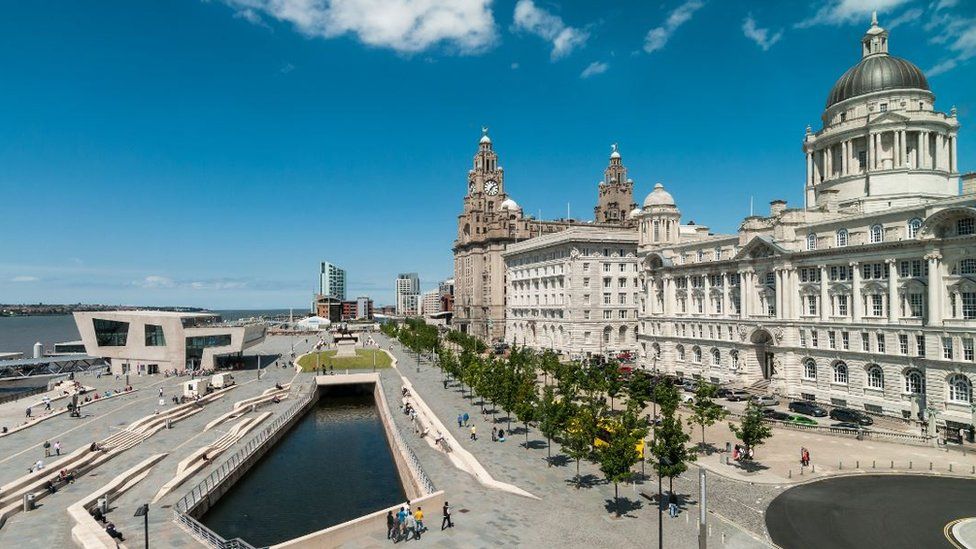
    Liverpool waterfront
    Image caption, Liverpool’s Pier Head will host the official Eurovision village

    Close to the M&S Bank Arena will be the Eurovision village, the official fan zone of the contest for 25,000 people.

    During the televised live shows, fans will be able to watch both semi-finals and the final on big screens there.

    It’s also where some of the acts will perform on stage across the week.

    There will also be coverage across the BBC.

    Who pays for Eurovision?

    The UK government has put forward £10m towards the cost of hosting the song contest for things like security and visa arrangements.

    It says the vast majority will be spent on “showcasing Ukrainian culture” but wouldn’t give further details. In comparison, the Italian government didn’t pay anything towards the event last year.Media caption,

    The rundown on the 2023 contest in 50 seconds

    The bulk of the cost will fall to the BBC which is expected to put forward between £8m and £17m as host broadcaster.

    The 37 broadcasters taking part all pay a fee to enter, which in recent years has totalled a combined sum of about £5m. The BBC does not make its contribution public.

  • Eurovision 2023: How song contest changed lives of Loreen, Netta and Duncan Laurence

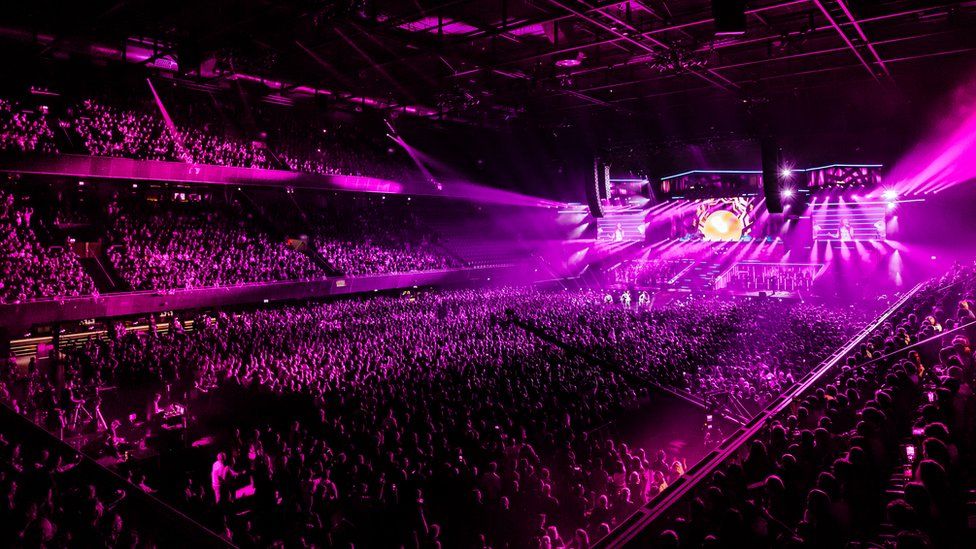
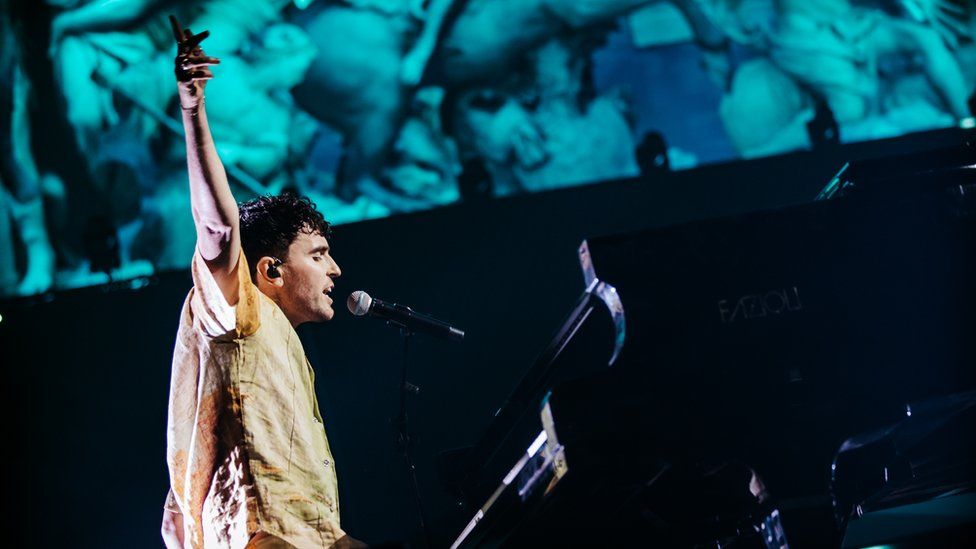
    Six months before Liverpool hosts the song contest on behalf of Ukraine, about 12,000 fans travelled to Amsterdam’s Ziggo Dome to see acts from competitions gone by perform.

    Granted, some songs have stood the test of time more than others, but Loreen’s 2012 hit Euphoria had the crowd bouncing 10 years later.

    “It was needed then, and it’s needed now,” she tells BBC News backstage at Het Grote Songfestivalfeest (The Big Songfestival Party).

    “Euphoria has some sort of deepness to it that touches people on a real level,” she says. “Some songs just connect.”

    The 39-year-old is often credited with changing the direction of Eurovision after her success, and there are rumours she could be trying to represent Sweden again in 2023.

    LoreenImage source, Nathan Reinds
    Image caption, Loreen headlined the event and her song Euphoria can still bring people to the dance floor 10 years on
    Eurovision fans inside Ziggo Dome arenaImage source, Nathan Reinds
    Image caption, Eurovision is much more than a Saturday night TV show in May for millions of fans

    Eurovision-related events outside of May, when the contest is held, was something Israel’s winner Netta had no idea about when she competed four years ago.

    “There wasn’t any career before that. I was singing in bars and just trying to make a living in a very modest way, trying to sing back-up, singing covers at weddings,” she tells BBC News.

    “I went from anonymity to stardom, and everything changed for a girl who’d calculate the amount of money – ‘What do I buy, milk or beer?’, to people from Amsterdam calling me saying, ‘We want to fly you here, how many people do you need?’.”

    She admits, though, it’s “a challenge” to get fans to like her non-Eurovision material, but says she’s working in America with music producers to try to change that.

    Netta performingImage source, Nathan Reinds
    Image caption, Netta says Liverpudlians should prepare for everyone to be on their “top game” when Eurovision comes next May
    Duncan LaurenceImage source, Nathan Reinds
    Image caption, Duncan Laurence’s hit Arcade went viral during lockdown

    It can be tricky, after performing in front of 160 million viewers, to get people around the world to listen to future releases after Eurovision.

    In recent years, acts like Måneskin, Rosa Linn and Duncan Laurence have all managed to have huge success in the US, largely down to TikTok.

    “To me it was always a dream to be known as a musician on a global scale,” Dutch singer Laurence explains. “The biggest moment was when we hit the one billion streams on all platforms, and I got this award on stage in Rotterdam at Eurovision that I brought to The Netherlands.”

    “You have to explain it’s not X Factor, it’s not The Voice, it’s way bigger. Once it’s in their head, they’re like: ‘I want to watch this’.”

    The 28-year-old says American audiences see him as a new singer-songwriter, who are largely unaware of the world’s largest live music event, but he’s proud to be part of the three acts “finally” getting Eurovision songs to chart in America.

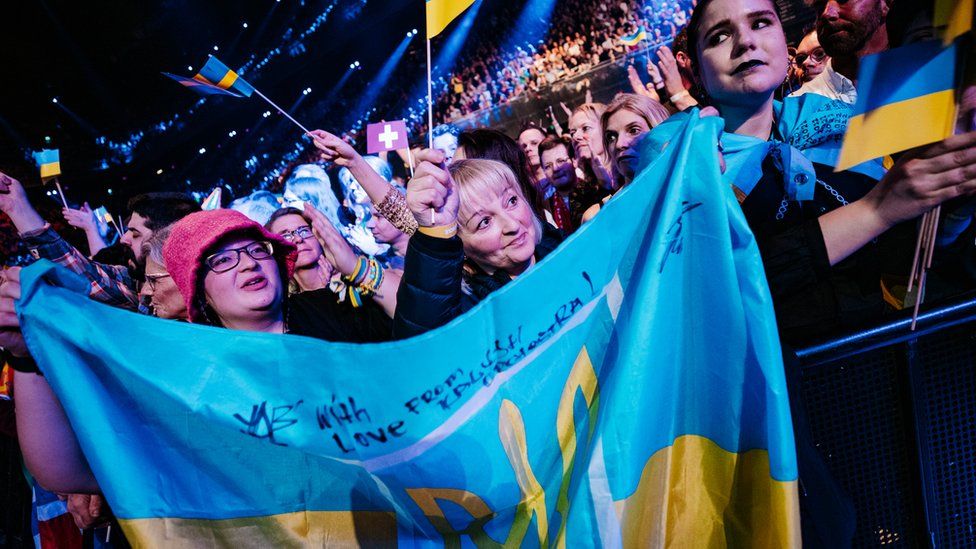
    Ukrainian Eurovision fansImage source, Nathan Reinds
    Image caption, Ukraine has always scored well at Eurovision and its 2022 winner, Kalush Orchestra, had huge public support
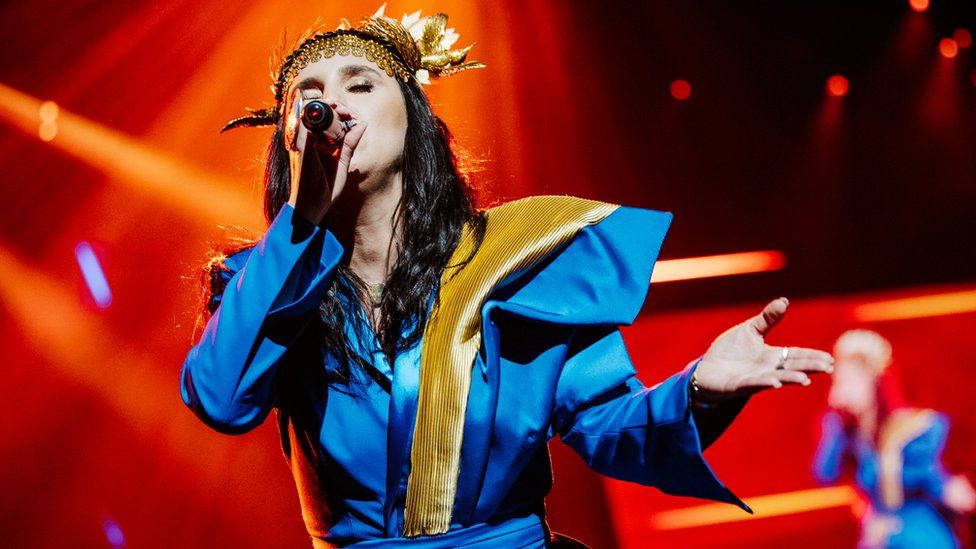
    JamalaImage source, Nathan Reinds
    Image caption, In the first few months of the Ukraine invasion, Jamala sang her winning song, 1944, on various TV shows around Europe

    As well as Loreen, Netta and Laurence, the Netherlands gig allowed fans to see two winning Ukrainian acts, including this year’s Kalush Orchestra.

    The crowd roared every time an act shouted “Slava Ukraini” (glory to Ukraine).

    Jamala, who won in 2016 for her song about the 1944 deportation of Crimean Tatars, was dressed in the country’s flag of yellow and blue for her performance.

    “I know there are many people here tonight with light in their heart,” she said on stage.

    “Please share it with my country and stand with Ukraine.”

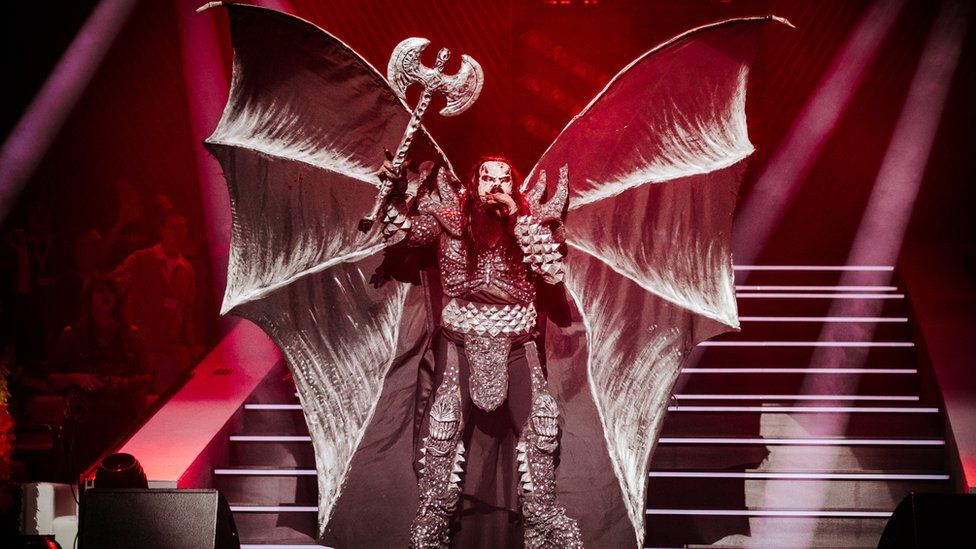
    LordiImage source, Nathan Reinds
    Image caption, Lordi’s dressing room backstage was reminiscent of a PE changing room
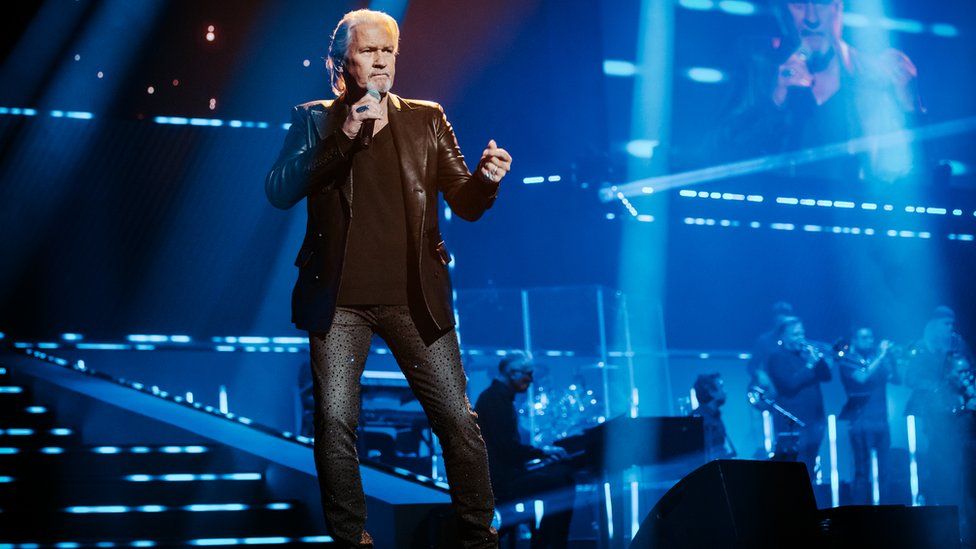
    Johnny LoganImage source, Nathan Reinds
    Image caption, Johnny Logan has won the song contest twice, in 1980 and 1987, as well as writing the winning 1992 entry

    Standing with Eurovision fans is something Ireland’s Johnny Logan will always do, telling the crowd: “Thank you for my life”.

    “The people out there that love Eurovision opened up the whole world to me,” the 68-year-old tells BBC News.

    “These days I sell out everywhere I work. A lot of people have to ask the question, ‘If he’s still around, why?’ – and I can still deliver.

    “When you stand up in the middle of this, I’m very humbled when I step back from the microphone and let the crowd take over the chorus”.

    Like Loreen, Logan is a Eurovision legend – and just with fans, with fellow winners too.

    Alexander Rybak, 2009’s winner for Norway, interrupts our interview to say goodbye to Logan.

    “I just had to hug,” he says. “Johnny Logan is not just my favourite Eurovision singer, but my favourite heart-warming singer. He has heart.

    “A lot of artists use music to promote their talent but Johnny uses his talent to promote music.”

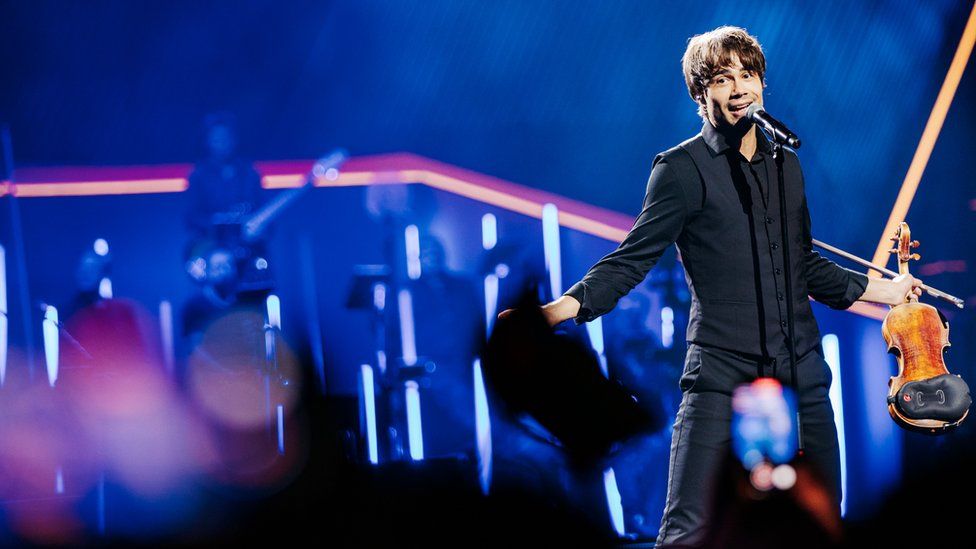
    Alexander RybakImage source, Nathan Reinds
    Image caption, Alexander Rybak says Norway loves Johnny Logan, 30 years after he last competed in Eurovision
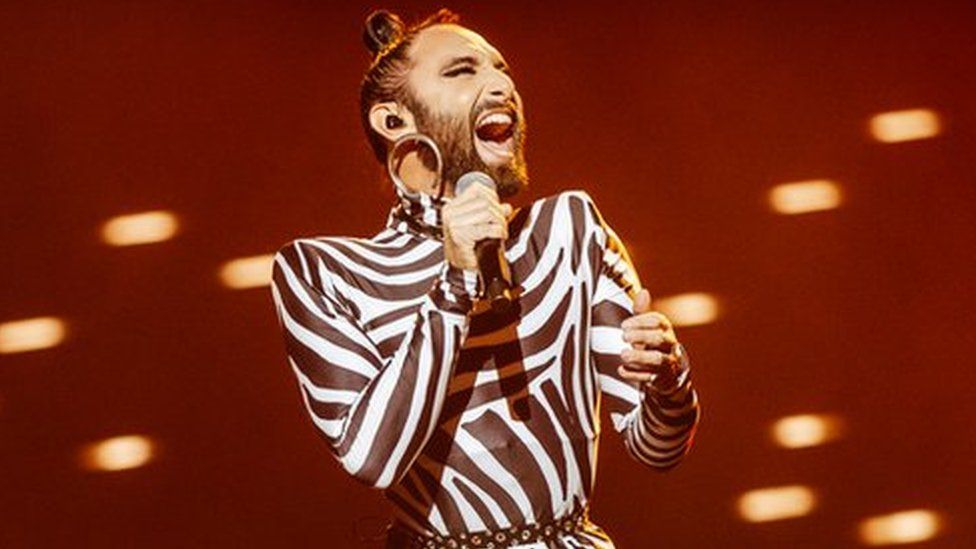
    Conchita WurstImage source, Nathan Reinds
    Image caption, Conchita Wurst claimed to have sound problems during Rise Like A Phoenix

    Planning for next year’s competition in Liverpool is already under way, but it’ll be a while yet before it’s known which act will be representing the United Kingdom.

    Sam Ryder, after his success coming second this year, has already ruled himself out. He became one of the UK’s best ambassadors for the competition in Turin, constantly talking about the love and togetherness it brings.

    Loreen ends the night by agreeing with the Space Man singer, telling the BBC: “It has opened up my career and I’ve met so many wonderful people.

    “I have been able to do what I love the most, and it’s thanks to Eurovision.”

  • Ukraine war: Eurovision trophy sold to buy drones for Ukraine

    Kalush Orchestra, the Ukrainian band which won this year’s Eurovision Song Contest, have sold their trophy for $900,000 (£712,000; €838,000) to raise money for the war in Ukraine.

    The crystal microphone was auctioned on Facebook, with the aim of buying drones for Ukraine’s military.

    The sale coincided with the band’s appearance at a charity concert at Berlin’s Brandenburg Gate.

    It aimed to raise money for medical care and supplies.

    Speaking at the concert, band member Oleh Psiuk appealed for people not to get used to the war, which has left at least 4,031 civilians dead and 4,735 injured, according to the UN, along with an unknown number of combatants.

    It has also forced more than 14 million people to flee their homes since Russia invaded on 24 February, with towns and cities reduced to rubble.

    “I think it should be on the front pages always, until peace comes,” said Psiuk, whose Eurovision win had been hotly tipped in the run up to the contest. Their song, Stefania, was originally written in tribute to Psiuk’s mother, but emotive lyrics like “I will always walk to you by broken roads” have been re-interpreted as a rallying cry.

    Ukrainian TV presenter Serhiy Prytula announced that the money raised from the sale of the trophy would be used to purchase three Ukrainian-made PD-2 drones, Reuters news agency reports.

    Drones are used heavily by Ukrainian and Russian forces, both as weapons and reconnaissance aircraft.

    Source: BBC