Tag: Factory

  • Kamgbunli farmers urge govt to establish tomato processing factory in Western Region

    Kamgbunli farmers urge govt to establish tomato processing factory in Western Region

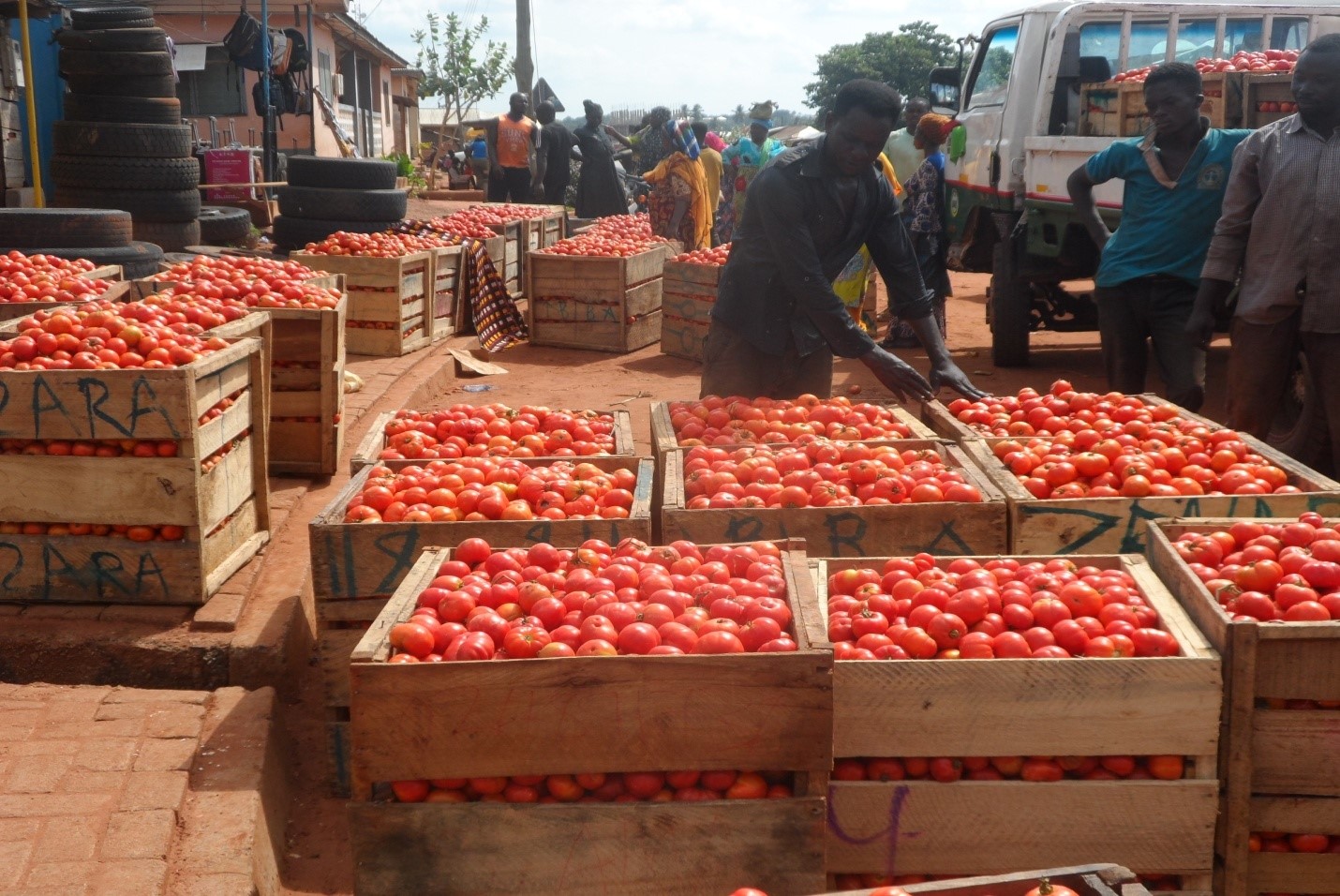
    The Tomato Farmers Association in Kamgbunli located in the Western Region, has urged the government to establish a tomato processing factory in the region.

    Highlighting the growing significance of tomatoes alongside cocoa and rubber in Kamgbunli, the Association pointed out the challenges posed by the perishable nature of tomatoes, hindering farmers from maximizing their yield.

    During a media tour of the tomato farms at Old Kamgbunli, Mr. Shaibu Issa, Secretary of the Tomato Farmers Association’s Steering Committee, disclosed that a considerable portion of the harvest is wasted due to the lack of a reliable market.

    He detailed that farmers are organized into four groups, each allotted specific days for harvesting ripe tomatoes, and stressed the potential of a local factory to facilitate bulk supply for processing.

    Mr. Issa underscored the positive impact of tomato farming on the community’s livelihoods, particularly for women, while emphasizing the obstacle of poor road access hindering transportation to market centers.

    He appealed to the government, philanthropists, and investors to provide support to the farmers and promote tomato farming in the region.

    Commenting on the state of agriculture in Kamgbunli, Developmental Chief Mr. Ali Nuhu Abeka lamented the waste of tomatoes due to market and storage challenges, which could potentially lead farmers to abandon agriculture as their primary source of income.

    He stressed the critical need for a processing facility to enhance agricultural profitability, especially considering the neglect of over 80 acres of inland valley rice fields by successive governments.

    With a population of 5,000, about 700 residents are actively involved in organic tomato farming.

    Local tomato farmer Madam Mariama Osman reflected on the community’s history of unsuccessful rice farming by ancestors.

    “We’ve turned to tomato farming because it’s profitable and supports our children’s education,” she said, adding that nematodes are a significant threat to tomato production.

    Kamgbunli Assembly Member Dauda Musah said he and the committee are coming up with plans to get outside help.
  • Construct a local thread factory – Bonwire Kente weavers tell gov’t

    Construct a local thread factory – Bonwire Kente weavers tell gov’t

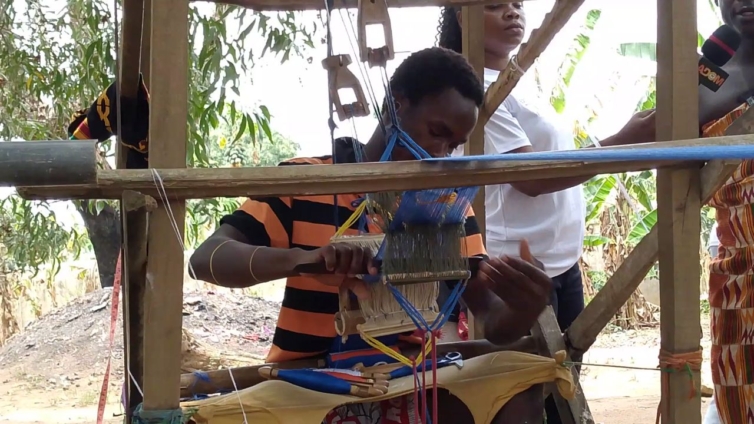
    Traditional Kente cloth weavers in Bonwire, Ashanti Region, are appealing to the government for a dedicated working space and a local thread factory.

    The weavers are grappling with the high cost of imported threads, which is putting their craft at risk.

    They argue that a local thread factory would not only reduce their production costs but also create more job opportunities in the sector. They believe that these measures would help sustain their craft and preserve this important aspect of Ghanaian cultural heritage.

    “We cannot continue to rely on expensive imported threads. It’s becoming increasingly difficult to sustain our craft. A local thread factory would not only make thread more affordable but also create employment opportunities for our people,” a kente weaver in Bonwire said.

    Bonwire is a historic community renowned for its vibrant kente weaving tradition, which holds a significant place in Ghana’s cultural heritage.

    The town is celebrated as the birthplace of kente cloth, with its history tracing back to two brothers, Kuragu and Ameyaw, who learned the art of weaving from observing a spider spinning its web. They introduced this art to the people of Bonwire, marking the beginning of kente weaving in the region.

    Today, Bonwire remains a center for kente weaving, attracting visitors who come to purchase kente and witness the artistic work of the weavers. The cloth is not just a product but a symbol of Ghanaian heritage and pride, with each color and design holding significant meaning. Certain designs are reserved for special occasions like funerals, royal ceremonies, and traditional marriages.

    Despite its rich cultural significance, the weavers in Bonwire face challenges due to the increasing production costs, making it difficult for them to compete in the market.

  • China factory blaze kills 38

    A fire at a factory in the Chinese city of Anyang in Henan province has killed 38 people, state media People’s Daily reported on Tuesday.

    The fire started at 16:22 local time (08:22 GMT) on Monday at Kaixinda Trading in the city’s “high-tech” district, and was completely extinguished around 11pm, according to local government’s release.


    The notice also said police had detained a suspect.

    Two other people have been hospitalised for minor injuries.


    Source: BBC

  • 1D1F: Atebubu cassava processing plant 99% complete

    The One District One Factory Secretariat has announced that the cassava processing Factory at Atebubu Amantin is 90% complete.

    The secretariat said the products to be produced include starch and ethanol.

    The One District One Factory was a campaign promise by President Nana Addo Dankwa Akufo-Addo ahead of the 2016 general elections.

    Apart from the cassava processing factory at Atebubu Amantin, some of the other factories that have been built are being built include the Ekumfi Juice Factory and the fertilizer factory at Asuboi in the Ayensuano District of the Eastern Region.

    Source: laudbusiness.com