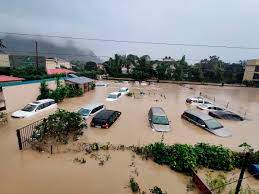
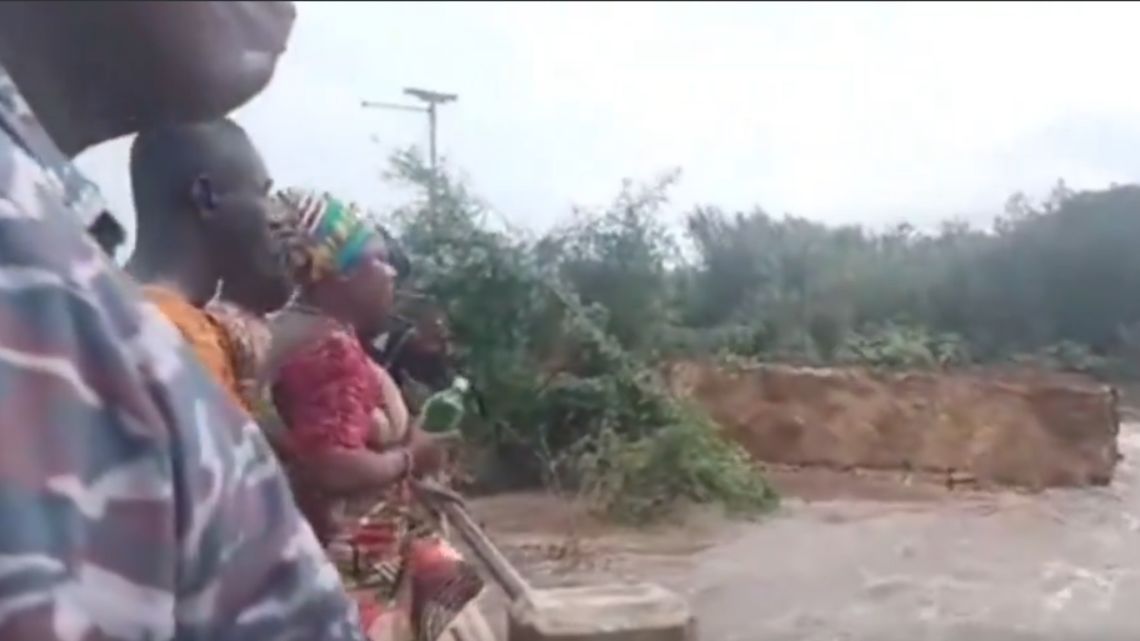
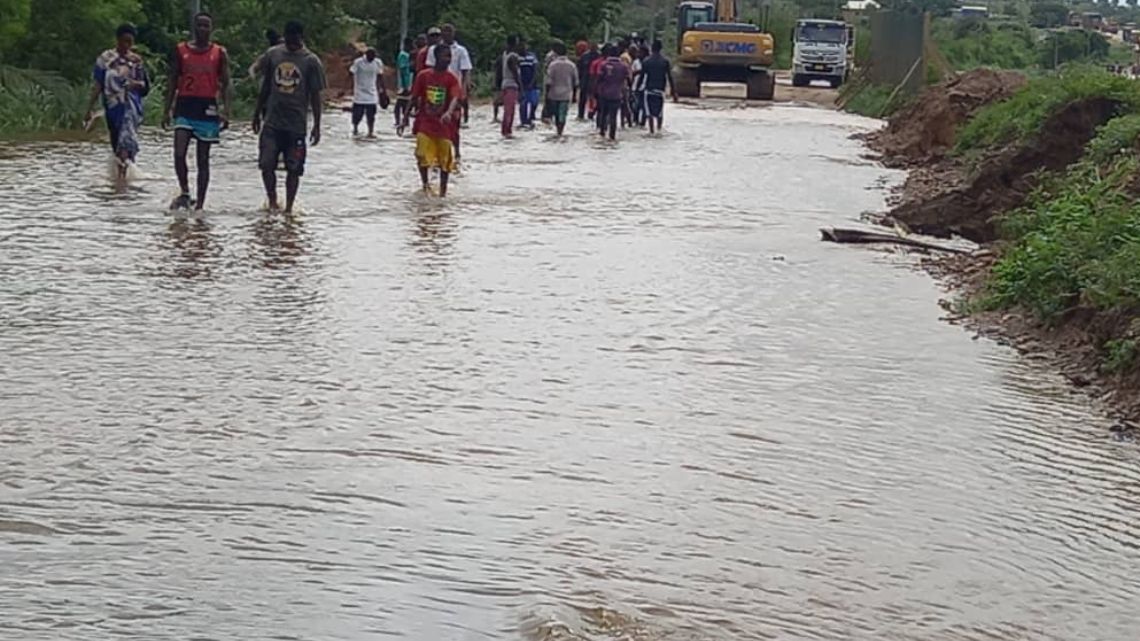
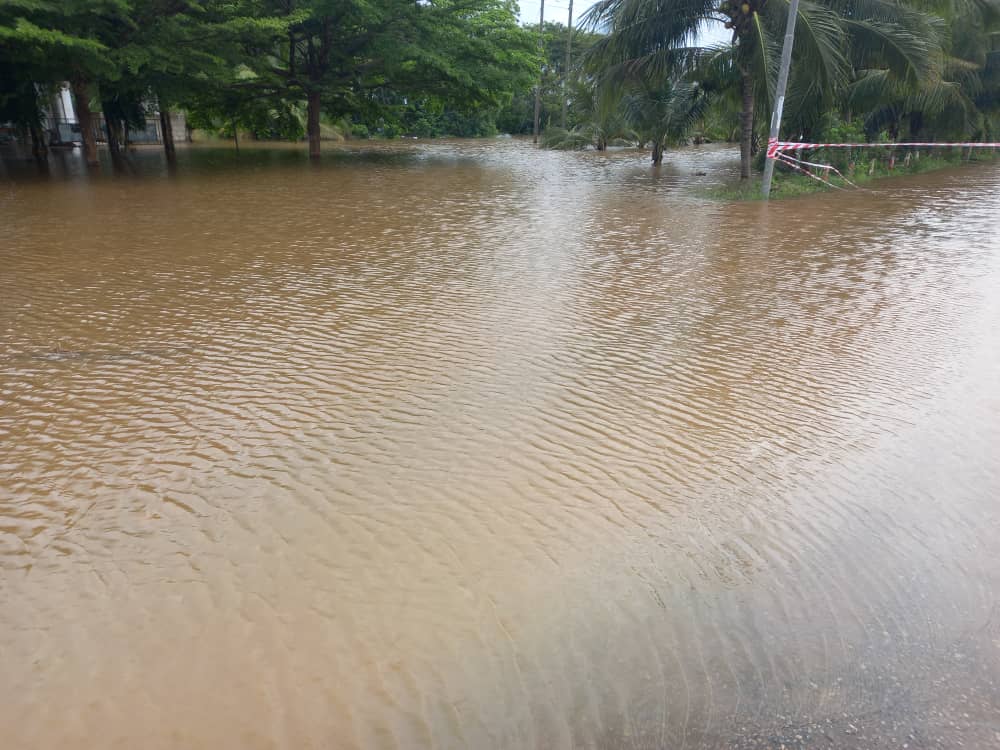
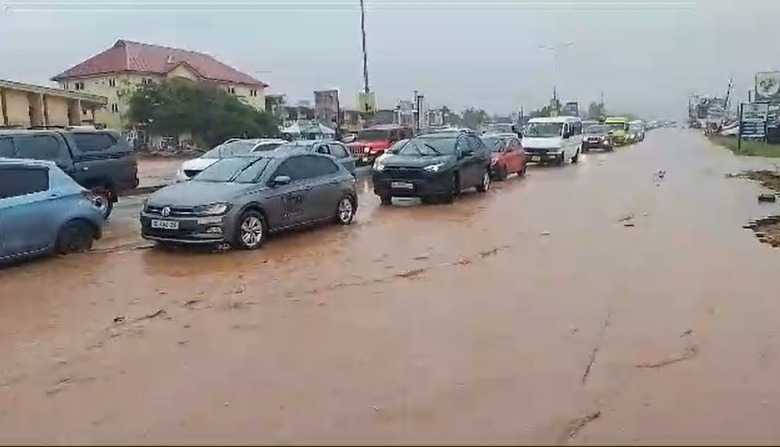
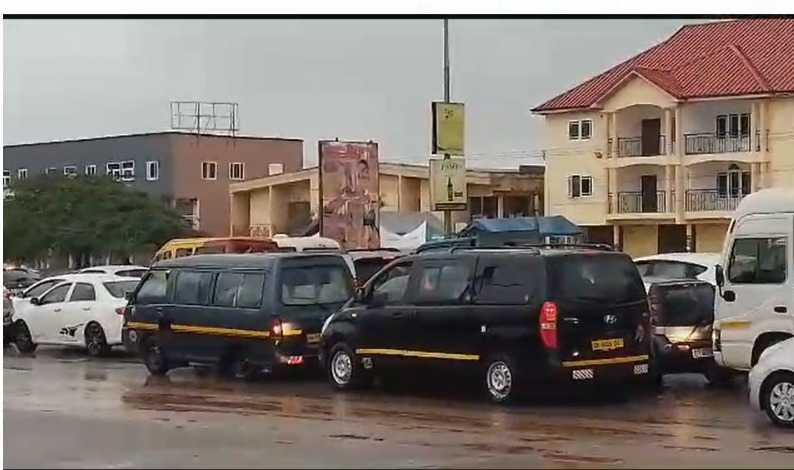
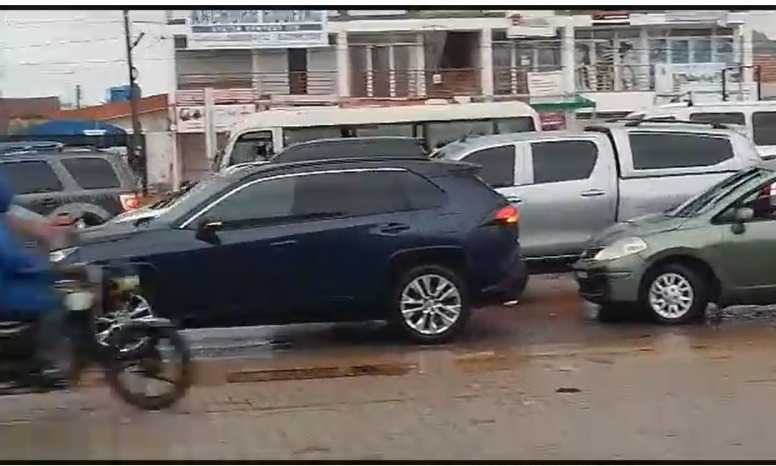
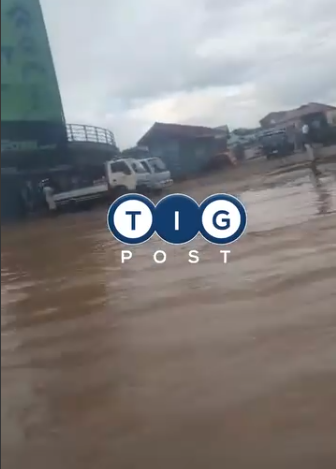
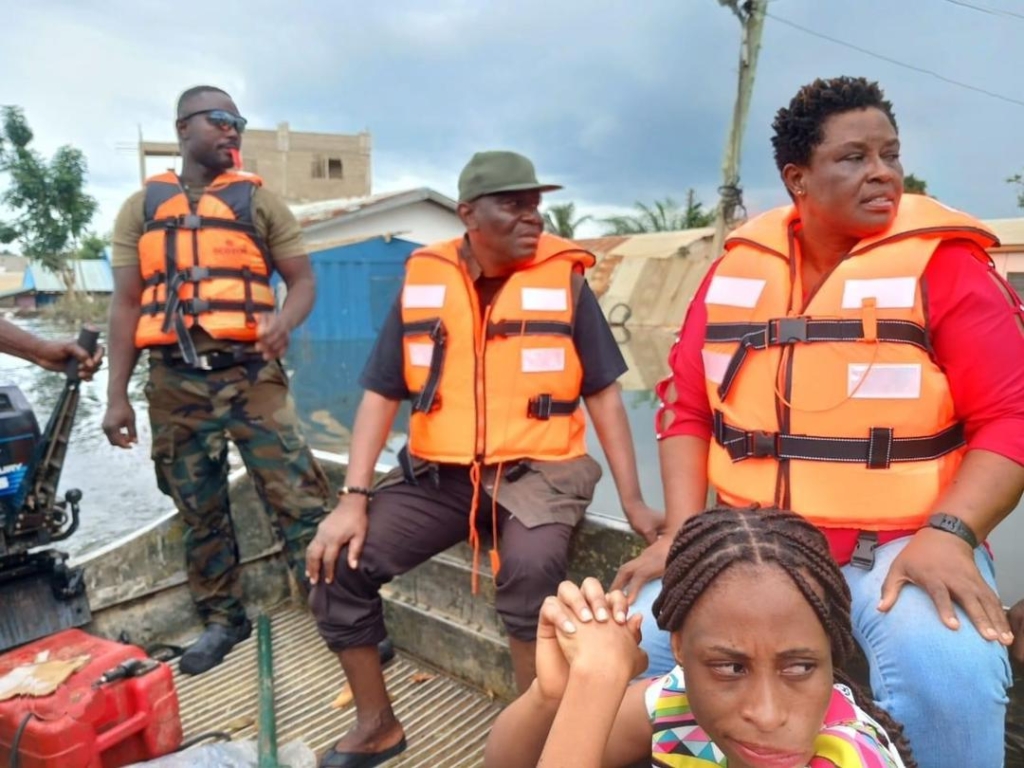
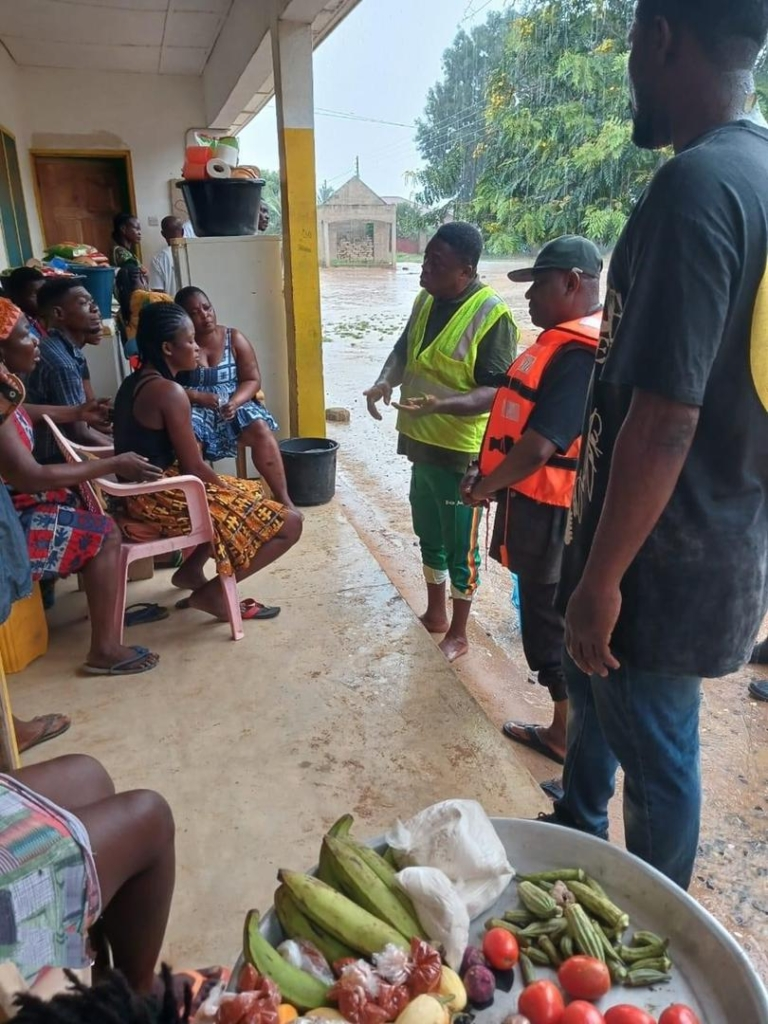
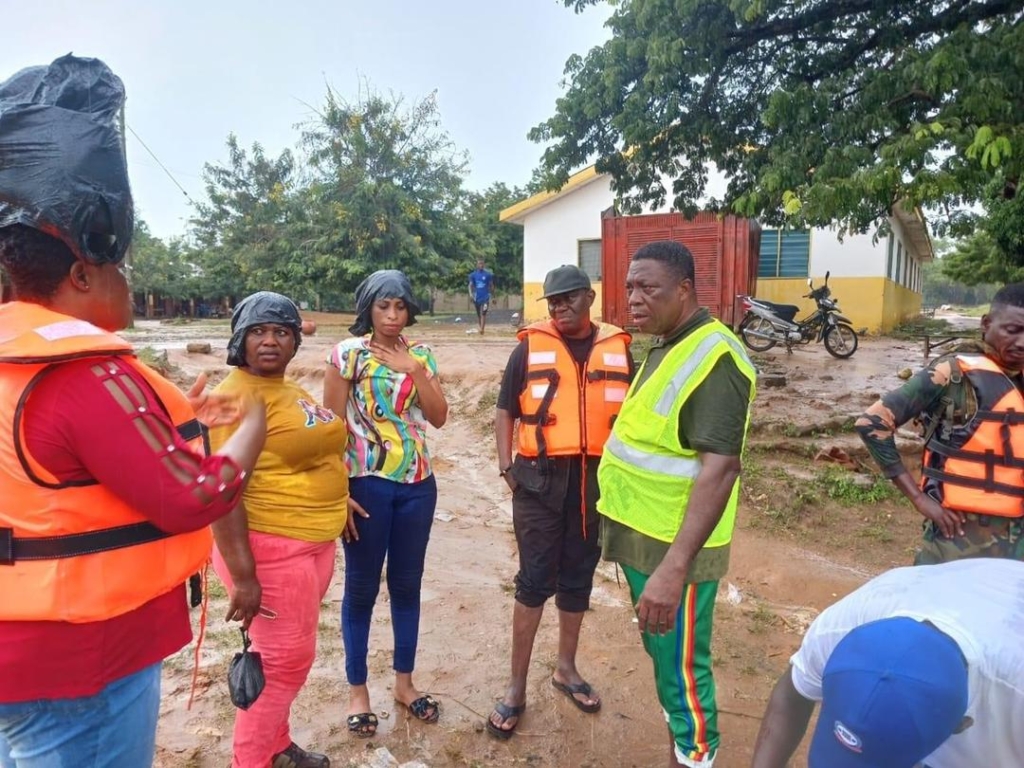
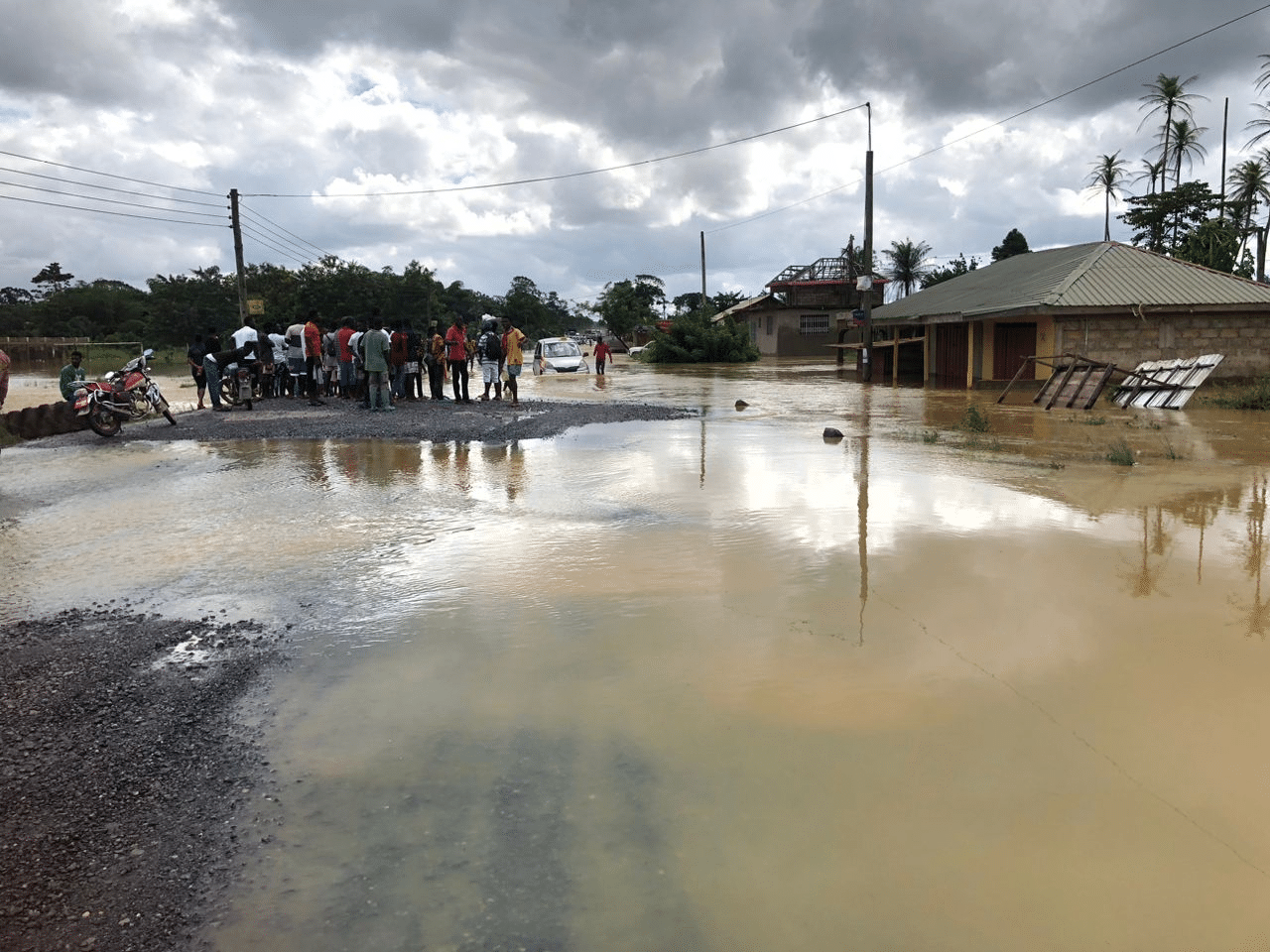
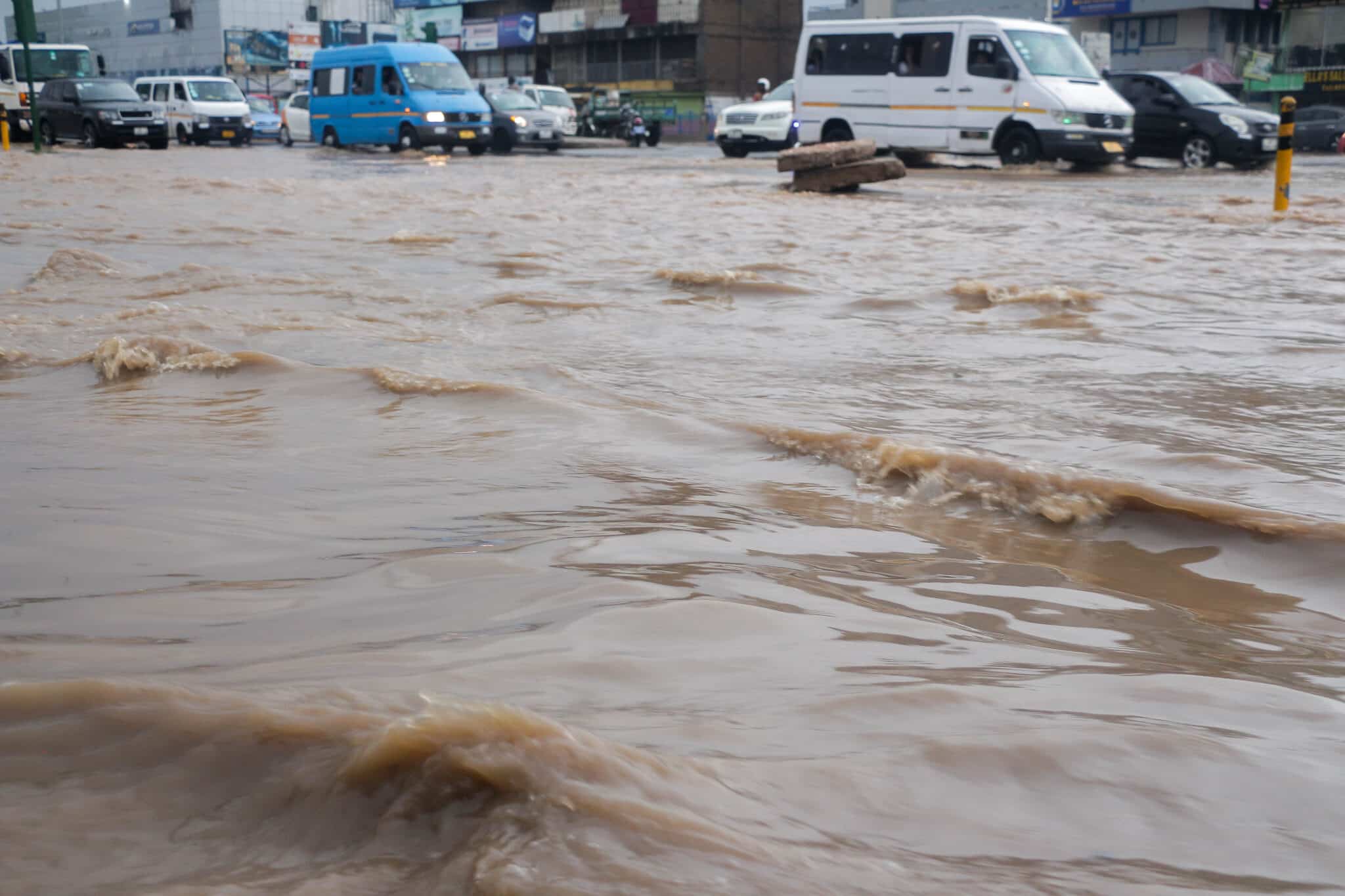
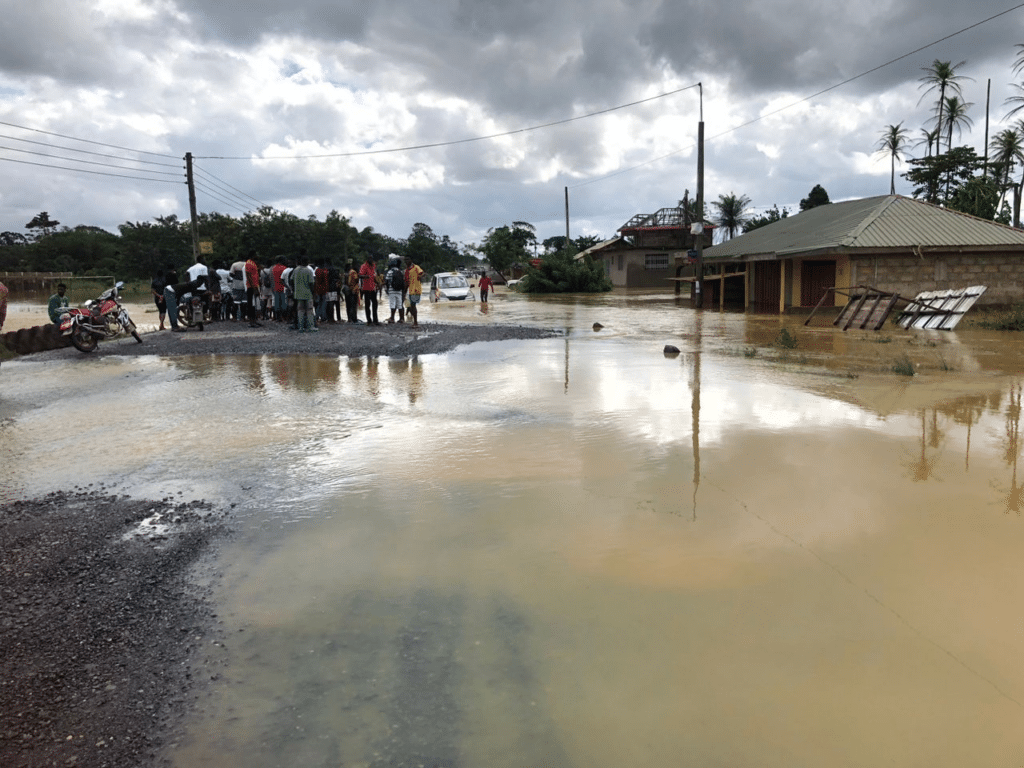
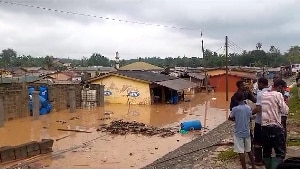
Three persons have lost their lives through electrocution following the heavy downpour in the early hours of Monday, June 29.
According to reports, the first two victims were electrocuted when floodwaters inundated rooms in their homes and came into contact with electrical sources.
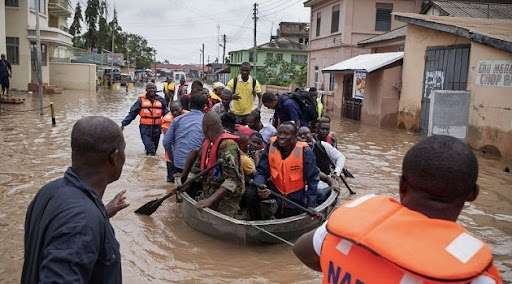
Residents, alongside a rescue team from the National Disaster Management Organisation (NADMO), recovered the bodies from the flooded area and have since sent them to the Maamobi Polyclinic.
After some time, another distress call was made to NADMO, reporting another fatality by electrocution, bringing the total number of flood-related deaths in Alajo to three.
Some reports have suggested a possible fourth casualty, though this has not been independently confirmed.
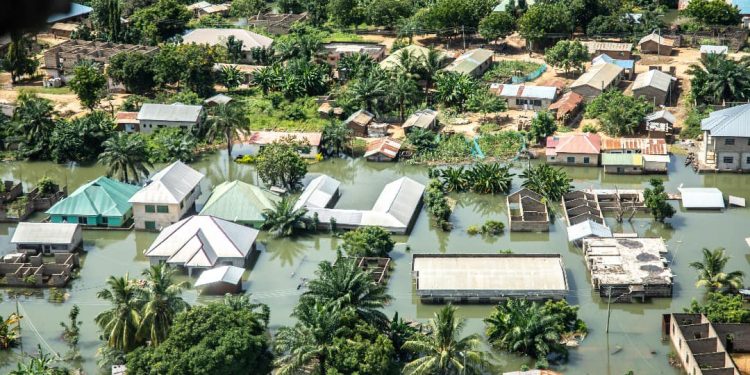
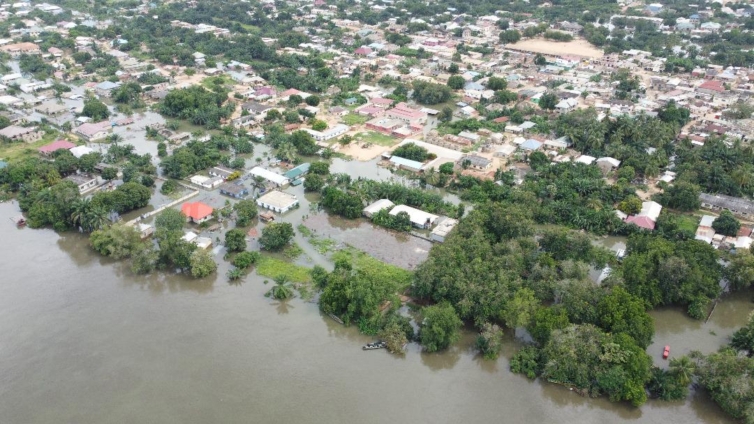
Alajo is one of the communities worst affected by the heavy rains that began on Sunday night and continued into Monday morning, inundating large parts of Accra and leading to road blockages, among other disruptions.
Following the reports of electrocution, the Ghana Grid Company (GRIDCo) and the Electricity Company of Ghana (ECG) temporarily shut down power supply from the Mallam and Achimota primary substations as a precautionary measure following flooding at those facilities, to avert further deaths.
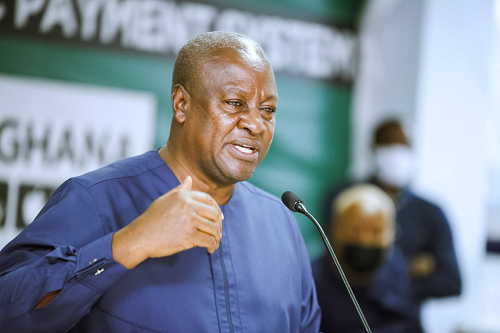
President John Dramani Mahama has reaffirmed his commitment to tackling Ghana’s persistent flooding challenges by ordering the demolition of illegally constructed buildings blocking waterways.
Speaking at the 2025 National Eid-ul-Fitr celebration at Black Star Square, he blamed the increasing flood disasters on poor urban planning and unauthorized developments in wetlands, waterways, and Ramsar sites.
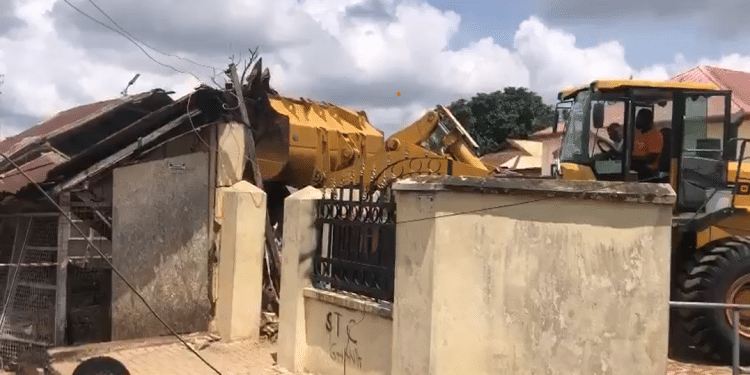
The President made it clear that his administration would take drastic action against encroachers, stressing that all structures obstructing natural drainage systems would be removed to prevent further destruction.
“I must address a deeply troubling issue. The illegal construction of buildings in waterways is causing flooding and extensive destruction of property. As we know, the rains are about to start, and already, we are seeing flooding because people have built and blocked the rivers, and so they have nowhere to go but to back up,” he stated.
He also condemned individuals who collude with some traditional leaders to acquire and develop lands designated as ecological reserves, warning that such practices would not be tolerated.
“This reckless disregard for planning regulations and environmental safety is a major contributor to the devastating floods that continue to plague our communities. I am aware of instances where private individuals collude with some chiefs to convert Ramsar sites into built-up zones. Let me be clear, this must stop,” Mahama cautioned.
Reiterating his administration’s resolve to enforce environmental laws, the President assured that offenders would face the full force of the law.
“Those structures will be pulled down, and we will not allow a few selfish individuals to endanger the lives and livelihoods of countless others. The law will be enforced, and those who flout it will face the consequences,” he declared.
His comments come at a time when Ghana is bracing for the rainy season, with many communities already experiencing early signs of flooding due to poor drainage and encroachment on waterways.
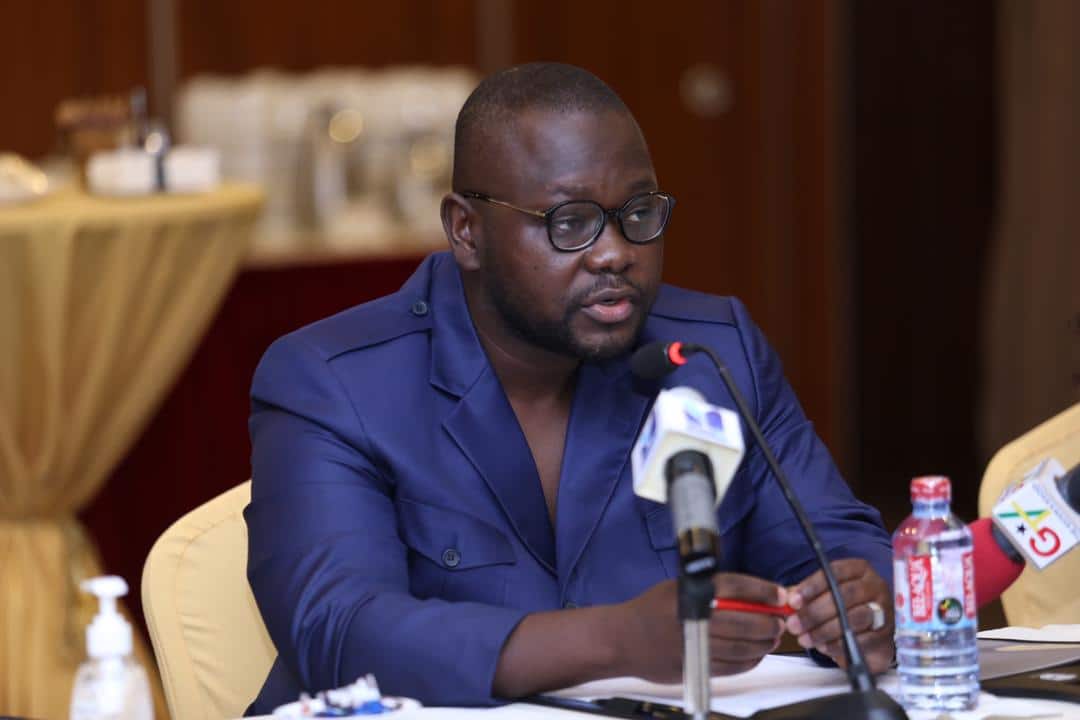
Dr. John Kissi, the CEO of the Ghana Hydrological Authority, informed Parliament that an estimated $5 billion is required to effectively address Ghana’s persistent flooding issues.
He emphasized that without this substantial financial investment, many regions in the country will continue to suffer from devastating floods, which frequently result in significant property damage and loss of life.
While speaking to the Assurances Committee of Parliament on August 28, Dr. Kissi outlined that the proposed funds would be allocated towards comprehensive flood risk management strategies nationwide, aimed at reducing the impact of flooding and protecting vulnerable communities.
“The works that we have done looking at the flood risk challenges across the country, we estimate that we need about 5 billion dollars to address comprehensively the flood risk challenge that we have,” he said.
He also highlighted that despite receiving about 92 million cedis in 2023 under the national flood control program, the amount was inadequate to meet the country’s flood mitigation needs.
In related news, the Ministry of Works & Housing recently disclosed that only 2% of Accra’s flooding issues have been resolved, underscoring the need for a more substantial and sustained effort to combat the problem.
Works and Housing Minister, Kojo Oppong-Nkrumah, has openly acknowledged that the government is lagging behind in implementing measures to mitigate the recurring flooding in Accra.
The Ofoase Ayeribi MP shared his concerns on JoyNews’ PM Express, emphasizing the persistent anxiety that accompanies the rainy season due to the inadequate infrastructure currently in place.
“When the rains start here in Accra, you start getting palpitations because you start worrying, knowing very well that due to the inadequacy of the work done so far compared to the increasing pressure, there will be challenges,” Oppong-Nkrumah said.
He stressed the importance of understanding the severity of the flooding situation during heavy downpours and the immediate and medium-term steps needed to address it.
Despite the challenges, the Housing Minister remains committed to improving flood resilience in the capital.
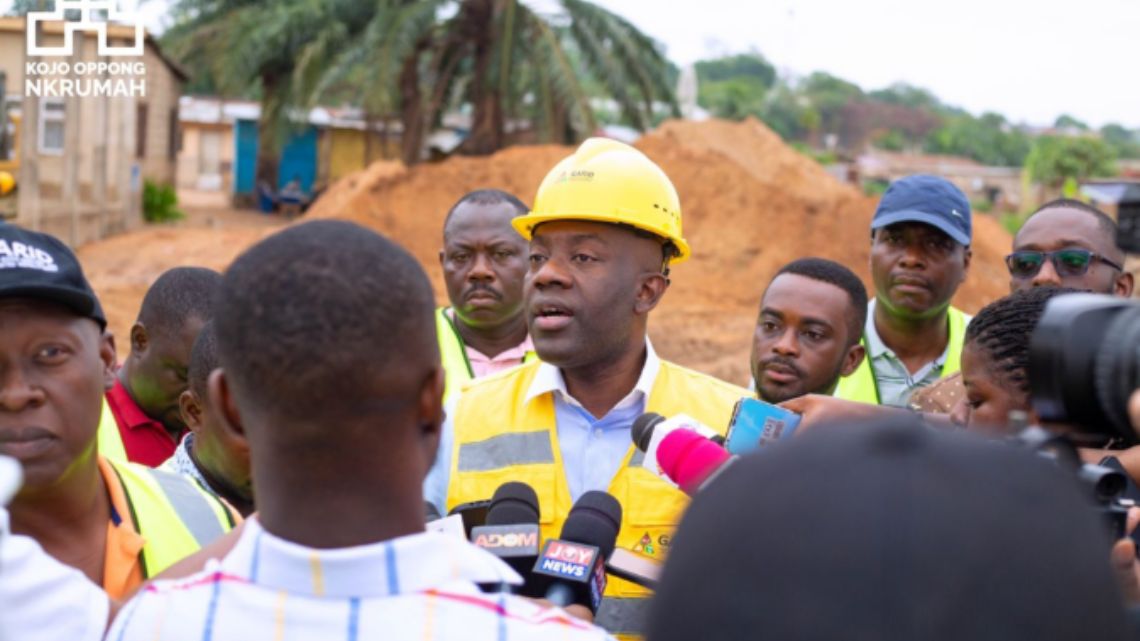
Last week, he initiated the reconstruction of the Nima-Paloma storm drain, which extends from Asylum Down to the Odaw Channel, as part of efforts to bolster flood defenses in communities along the Odaw River basin.
“This significant milestone is expected to help reduce the perennial flooding challenges in Accra and bring much-needed relief to residents, commuters, traders, and businesses,” Oppong Nkrumah stated at the groundbreaking ceremony.
He also revealed that the government’s newly launched Flood Early Warning System is expected to be operational ahead of the next rainy season.
This system, developed in collaboration with the Ghana Hydro Authority, Water Resources Commission, Ghana Meteorological Agency, and NADMO through the GARID Project, aims to provide advanced warnings to residents in flood-prone areas, allowing them to take necessary precautions.
“While structural interventions alone cannot completely eradicate the flooding challenges in Accra, the Ministry of Works and Housing is establishing a flood early warning system for the Greater Accra Region. The early warning system will provide advanced notification of impending floods to residents in flood-prone communities so they can take steps to protect lives and properties ahead of a flooding event,” he explained.
Parliament has approved $250 million for the GARID Project, which focuses on one of the major water channels in the Greater Accra Region. This funding is intended to address previously unfunded parts of the program and cover some price variations.
“The Project deals with one out of about eight or so channels in the Greater Accra Region that convey high volumes of water out of the capital when it rains. That money was supposed to be top-up money to help pay for some previously unfunded parts of the program and to pay for some price variation,” Oppong Nkrumah noted.
In the coming weeks, the Ministry plans to hand over the storm drains in Kaneshie to a contractor to commence work. This area, known for high volumes of water during rains, requires significant upgrades to its drainage system to prevent flooding.
“Kaneshie is one of the areas which has high volumes of water coming in. If you look at the kind of drains that were constructed initially and the technology that was used, it requires some more expansion and depth. If it’s not done, there will be flooding at Kaneshie every time it rains, especially from the bank quarters intersection,” he added.
Additionally, the Ministry plans to construct retention ponds near the Aburi Mountain to hold and manage water flow into Accra.
With these projects and the funding in place, Oppong-Nkrumah is hopeful that significant progress will be made to alleviate the flooding situation in the capital.
The Ghana Hydrological Authority has revealed that over $6 million is required to implement a comprehensive drainage master plan aimed at mitigating the country’s flooding issues.
According to Ing. Richard Amekor, Head of the Drainage Department, the lack of sufficient resources has hindered the execution of this crucial plan.
During an interview on JoyFM’s News Night on June 13, Ing. Amekor elaborated on the significance of the drainage master plan, which includes the construction of major storm drain systems designed to alleviate flooding.
He emphasized that while the plan itself cannot stop flooding, its implementation is vital for flood mitigation in the city.
“It is not a drainage master plan that has to end flooding, but it is about implementing what is in the drainage master plan. It will mitigate flooding in the city,” he explained.
He pointed out the financial challenges faced, noting that constructing storm drains is highly expensive. Ing. Amekor highlighted that even areas designated for water retention are being occupied, complicating efforts to manage floodwaters effectively.
“It all boils down to resources and you know constructing storm drains is very expensive, and places that are supposed to be reserved, people are living in there. So the resources that we have we are not able to construct storm drains to that effect,” he said. “We have an estimate for countrywide that is going over $6 million.”
In addition to financial constraints, Ing. Amekor cited people’s attitudes as a contributing factor to the persistent flooding. He observed that many individuals continue to build homes in waterlogged areas, exacerbating the problem.
“People are still filling wetlands all around where water could stay or the flood waters when it over-tops the banks could stay for some time. When the rain subsides, it moves back into the stream, but these are places people are continuously filling. When they do that, what happens is that the water cannot move anywhere than to spread into people’s homes,” he stated.
Despite these challenges, there is some optimism. Ing. Amekor expressed hope that by September, a portion of the $150 million allocated to the Greater Accra Resilience and Integrated Development Project (GARIP) would be released.
This funding is expected to enable the commencement of storm drain construction projects, which are crucial for flood mitigation efforts.
Ghana ranks highly among African countries that are most exposed to risks from multiple weather-related hazards, especially perennial flooding.
Accra, amongst other regions in Ghana, has often faced the brunt of heavy flooding during rainy seasons over the past years.
In a bid to deal with this menace, past and present governments have invested some, with aid from the World Bank and other donors.
In May 2019, the World Bank approved a $200 million investment for the GARID project,, which focuses on improving flood risk management and solid waste management in the Odaw River Basin of Greater Accra.
This was after a devastating flood and fire disaster in the Odaw catchment on June 3, 2015 which led to the unfortunate loss of about 150 lives.
However, despite these significant investments, the Ministry of Works and Housing says only two percent of the problem has been addressed.
During a media engagement on June 13, 2024, the deputy sector Minister, Dr Prince Hamid Armah,, revealed that,
“If you take Greater Accra, the intervention of the Greater Accra Resilience and Integrated Development Project (GARIP) that we put in a lot of resources to be able to address the problem, we are solving only two percent of the flooding situation in Greater Accra.”
According to him, addressing the drainage situation requires proper demarcation and mapping of the regional landscape, including all drainage systems, to accurately estimate the necessary budget.
He also mentioned that additional investment is needed to tackle the flooding issue, emphasising that the government alone cannot finance it.
When asked about the allocation of the recently approved tranche of the GARID project, he explained that the additional $150 million will be partially used for re-scoping the project and settling compensations.
Meanwhile, the seven major floods include the Accra floods of 1995.
The torrential floods in Northern Ghana in 2007.The major flooding event in Accra in June 2010.
The floods in Accra and surrounding areas in June 2014.
The chief priestess of Gomoa Okyereko has offered libation, pleading with the river god Ayensu to keep calm following the recent overflow that caused floods in the area.
The diversion of the Ayensu River by a contractor working on the Kasoa-Cape Coast Highway led to significant destruction, with three buildings collapsing and over 150 houses and farmlands submerged.
The problem began on Wednesday, June 5, when the river’s diversion affected a bridge spanning the Ayensu River. Originating from the Eastern Region, the river flows across the Accra-Cape Coast Highway at Gomoa Okyereko in the Gomoa East District of the Central Region and eventually into the sea.
The diversion caused the main Accra-Cape Coast Highway to cave in, stranding commuters on Thursday morning, June 6.
Robert Hackman, the Gomoa East District Director for the National Disaster Management Organisation (NaDMO), described the destruction’s extent to Citi News’ Calvis Tetteh and urged motorists to use alternative routes until the road is restored.
Watch the video below:
The chief priestess of Gomoa Okyereko pours libation, pleading with the river god Ayensu to keep calm following the recent overflow that caused floods in the area. pic.twitter.com/UeyhiPpXAT
More than 2,000 people living in Gomoa Adawukwa, Mampong, Effutu Atekyedo, and Ekuroful in the Central Region of Ghana have been displaced by flooding from the Ayensu River.
The flooding occurred due to the diversion of the river by a contractor working on the expansion of the Kasoa-Winneba Highway.
This diversion led to the flooding of more than 200 houses, with three of them completely collapsed. Additionally, acres of farmland were destroyed by the floodwaters.
Mr. Isaac Ephraim Okine, an officer of the Effutu National Disaster Management Organisation (NADMO), described the situation as dire. He assured that the organization would do everything possible to assist the displaced people, many of whom are now staying with relatives and friends.
Mr. Okine expressed empathy for the affected persons, noting that data on them had been forwarded to the appropriate authorities for further action.
Speaking with some of the victims at Adawukwa, they revealed that the water levels rose on Wednesday, June 5. Sensing danger, community leaders sent a delegation to the Gomoa East District Assembly to inform them about the issue, but the water overflowed onto the highway and the affected communities by evening.
The victims appealed to the government and non-governmental organizations to come to their aid during this challenging time.
Recent heavy rains in Ghana have once again underscored the urgent need for effective flood prevention and management strategies in the country.
Despite efforts such as the Greater Accra Resilient and Integrated Development project (GARID), which aimed to bolster the resilience of the national capital, the issue persists.
Former President John Dramani Mahama, who is the flagbearer for the National Democratic Congress (NDC) in the upcoming 2024 election, has articulated his plans to tackle this pressing challenge if elected to lead the nation once again.
In a recent Facebook post, Mahama expressed deep concern over the government’s failure to adequately manage and prevent floods, particularly in light of the recent loss of life and extensive property damage caused by the heavy downpours.
He lamented the lack of a comprehensive flood prevention and management plan, highlighting the inadequacy of existing interventions despite substantial financial investments.
Mahama emphasized the importance of prioritizing the protection of citizens’ lives and properties, declaring that “the current administration has failed in this regard.”
He pledged unwavering commitment to finding engineering solutions to persistent flooding issues and implementing effective prevention and management strategies.
Key components of Mahama’s proposed plan include investing in sustainable drainage systems, clearing structures in waterways, improving waste management practices, and implementing proactive measures to mitigate the impact of heavy rains.
He stressed the need for real change and real solutions to safeguard the lives and livelihoods of Ghanaians, calling for unity and collective action in achieving this goal.
The flagbearer of the National Democratic Congress (NDC), John Dramani Mahama, has criticized the government’s flood prevention and management efforts following recent heavy downpours in Accra and other parts of the country.
In a Facebook post, the former President expressed disappointment that despite significant investments in flood mitigation, many areas still suffer from severe flooding even with minimal rainfall.
“Considering the huge sums of money allegedly spent by this government on draining the Odaw and other flood prevention interventions, the present situation is distressing. According to the government, $200 million was spent on the Greater Accra Resilient Integrated Development Programme (GARID).
“While the impact of that huge amount and its intervention have yet to be felt, parliament was recently recalled to approve another $150 million for the same GARID.
Mahama stressed the importance of prioritizing the protection of citizens’ lives and properties, stating that “The current administration has failed in this regard.”
Recent rainstorms have continuously brought to light Ghana’s failure to set up efficient drainage systems to avert flooding.
The Greater Accra Resilient and Integrated Development project (GARID) is the first in a series of projects designed to build the resilience of the national capital with the intial phase covering a five-year period (2020-2025).
The goal of the project is to improve flood risk and solid waste management in the Odaw River basin of the Greater Accra region and improve access to basic infrastructure and services in the targeted communities within the Odaw River Basin.
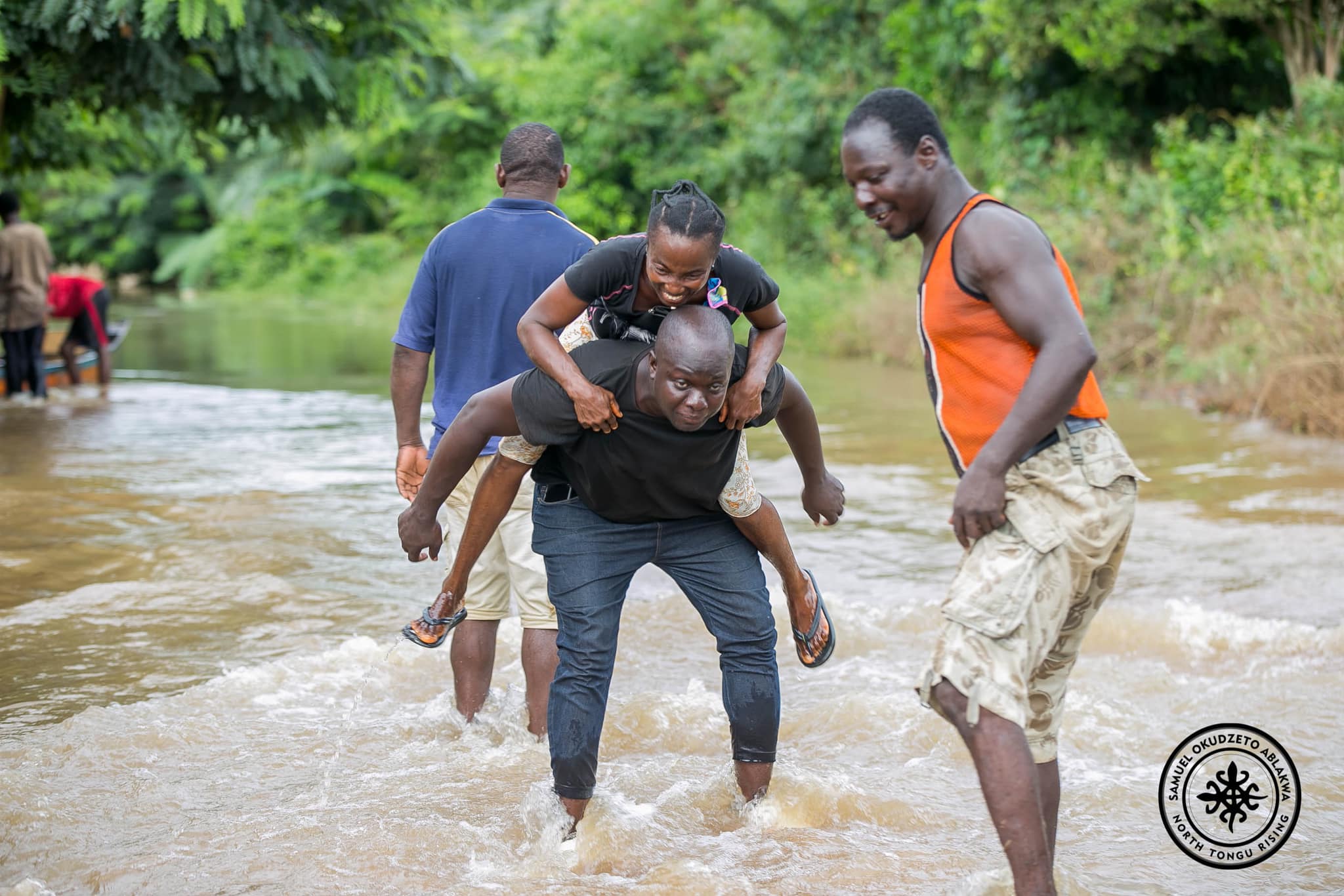
Member of Parliament for North Tongu, Samuel Okudzeto Ablakwa, has stressed on the need to providing alternative housing for flood victims in the Lower Volta Basin.
He highlights that the continuous displacement of people in the Lower Volta Basin has disrupted life in the region, and there is an urgent requirement for attention and support to help restore a sense of normalcy in the area.
During an appearance on JoyNews’ Newsfile on Saturday, he expressed concern about the substantial increase in the number of displaced individuals in recent weeks and emphasized that the makeshift shelters currently in use are unsuitable for human habitation.
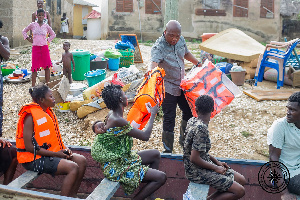
“We need to find alternative housing so that we can relocate the displaced people. The numbers have gone up a bit. I think North Tongu is hitting 13,000 now in terms of the displaced people according to the latest NADMO data, so these are huge numbers,” he said.
In a commendable response, local chiefs in the North Tongu region have generously contributed significant tracts of land to facilitate the resettlement of the displaced community members.
“They say anybody who is willing to come and put up housing here does not have to pay for the land, not even knocking fee, you don’t have to present drinks, nothing, just come and take over the land and start,” Okudzeto Ablakwa said.
In the meantime, several philanthropic individuals have pledged their support to the affected communities, offering assistance in their efforts to rebuild and recover.
“I must commend the First Sky group, they’re working very fast and then I must also commend Pastor Amoateng who says his church will also take up a housing unit.
“Mr. Ibrahim Mahama has also promised that he will also take up a few housing units and he has already sent his engineers here to assess the land.
“This morning he sent bulldozers here to start preparing the land for houses to be constructed and we want to thank him very much, we are eternally in his debt,” the MP revealed.
Nevertheless, Okudzeto Ablakwa emphasizes that the task of resettling the displaced people should not solely rely on philanthropic efforts. He underlines the immediate requirement for the government to assume a central role in the resettlement process, bearing both the financial burden and the leadership of the project.
“I must also add that the relocating discussion must go beyond a few philanthropists because the numbers are huge and government will have to really put together an allocation for this.
“And that is why when the Finance Minister came yesterday whilst commending him for his visit I emphasized two points that in the 2024 budget he will be presenting to parliament in a few days I want to see two things; one, resettlement allocation in the budget and two compensation allocation in the budget because it is urgent,” he said.
Member of Parliament for North Tongu, Samuel Okudzeto Ablakwa, has announced his intention to submit a motion in parliament, requesting a comprehensive inquiry into the causes of the flooding in certain areas of the Volta Region.
He also emphasized that this investigation should be broadcast live, allowing the public to witness the circumstances surrounding the Akosombo Dam spillage.
These remarks came in response to a statement by the Minister of Sanitation and Water Resources, Freda Prempeh, which implied that residents in Mepe and other affected areas had declined evacuation.
Ablakwa criticized this statement as false and disrespectful and pledged to ensure a public investigation into the matter.
“We are filing a motion for a full-scale probe. It will be live on television, and we will know exactly what happened. All these blatant lies will be exposed. The officials who caused this will face the law and we will demand full compensation,” he said, as the report indicated.
The North Tongu MP further challenged the sanitation minister to show him the locations the government had designated before the Akosombo Dam began to leak water.
“These Akufo Addo ministers should stop adding insults to injuries; we are pained, depressed, and devastated. They should stop these things. We have had enough of their blatant lies; she should tell us when and the date. When did they come here? She herself—has she come here before? The people should move to where?
“She should show us where it was constructed for my people to move to; they refused to go. Was it the military, NADMO, or who?” he said.
The President of the Pharmaceutical Society of Ghana, Pharm Dr. Samuel Kow Donkoh, has assured flood-displaced residents and flood-affected communities in the Central Tongu district of the society’s support.
This commitment was made during a visit to the district by the Volta Regional branch of the Ghana Pharmaceutical Society and the national executives of the society.
During their visit, the Pharmaceutical Society donated medical supplies valued at GH₵100,000 and relief items to communities in the Central Tongu District. The society also pledged to mobilize further support for the affected districts.
The Akosombo spillage, which resulted in extensive flooding in the Lower Volta Basin over the past few weeks, displaced approximately 26,000 residents in the Volta Region. T
his situation has caused significant physical damage and an increased risk of disease outbreaks and health emergencies.
Pharm Dr. Samuel Kow Donkoh, the President of the Pharmaceutical Society of Ghana, led the team during their visit to the Central Tongu District. He emphasized the severity of the situation and the society’s commitment to assisting the flood victims.
The relief mission involved a convoy of medical personnel, volunteers, and trucks carrying essential supplies. The supplies included medications such as antibiotics and pain relievers for common ailments and injuries, as well as First Aid kits containing bandages, antiseptics, and other necessary medical supplies.
Hygiene kits containing soap, sanitizers, and hygiene instructions were distributed to address the heightened risk of waterborne diseases. Mobile vaccination clinics were set up to provide essential vaccines to both children and adults, protecting them from preventable diseases.
In addition to medical supplies, the relief mission aimed to enhance the living conditions of the affected communities. This included the distribution of non-perishable food items and clean drinking water to ensure that residents did not go hungry or thirsty.
Tents and blankets were provided to those who had lost their homes to the floods, offering protection from the elements. New and used clothing was also distributed to ensure that those affected had dry and warm attire.
The floodgates at the Azizadzi sandbar have been opened, allowing the lagoon to flow freely into the sea. This initiative aims to mitigate the severe flooding experienced in the three municipalities of Keta, Anloga, and Ketu South.
The announcement was made by Emmanuel Gemegah, the Municipal Chief Executive (MCE) for Keta, during a press conference held in collaboration with the Anloga and Ketu South municipalities, with support from the Volta River Authority (VRA).
Mr. Gemegah emphasized that comprehensive consultations and community engagement efforts have been undertaken to ensure that local residents are well-prepared for the opening of the floodgates.
He stressed the urgency of addressing these concerns promptly to prevent damage to the main roads connecting the three municipalities and other national assets.
“We made sure that enough consultation was done with traditional authorities, experts in the preparation to open the lagoon into the sea and we are doing this to prevent any flood in the areas,” Mr Gemegah said.
On October 19, numerous communities in the Keta municipalities, Anloga, and Ketu South experienced severe flooding, resulting in the displacement of many residents. Emmanuel Gemegah, the Municipal Chief Executive (MCE) for Keta, expressed his concerns about the rising water levels in the Keta lagoon, which had reached 1.382 meters, in contrast to the sea level of 0.592 meters.
Mr. Gemegah urged residents who have been informed about the situation and the necessity of the project but are still opposing it to reconsider their stance.
He found it surprising that some residents, who had previously been well-informed and engaged before the project’s commencement, were now raising objections to the lagoon’s opening.
Mr. Sewor, the Municipal Engineer, stressed the vital importance of opening the lagoon to the sea to prevent further flooding in the three districts.
The meeting was attended by Maxwell Lugudor, the Municipal Chief Executive for Ketu South, and Seth Yormewu, the District Chief Executive for Anloga, as well as representatives from the local traditional authorities and community residents. The Volta River Authority (VRA) is providing support for the project.
Member of Parliament for Ho West, Emmanuel Bedzrah, has strongly urged the government to categorize the floods resulting from the Akosombo and Kpong Dams spillage as a national disaster.
He stressed the necessity for the government to initiate the evacuation of residents in the affected regions, in addition to implementing various preventive measures, all aimed at averting potential loss of life.
“Mr. President, people’s homes are under water in the Lower Volta areas as a result of the spillage at Akosombo. Kindly treat this disaster as a national security issue and order for the evacuation of the people to safe grounds while providing them with essentials like food and water, at least, in the interim”, he stated in a social media post.
He further indicated that “my experience with the people yesterday tells me it is a humanitarian situation that cannot be handled by any individual but central government. Let the nation Ghana wake up to the realities of what is happening.
“We shall engage in the usual politics and ethnocentric diatribes after we save the lives of these people. Watching in aloofness only reveals that our branded hospitable nature is all a façade.
“Extending condolences and felicitations to people in war-torn countries in Europe and the Middle East is a nice thing to do, but what we do at home in times of disasters such as this tells a fuller story.”
While visiting the impacted communities, he observed a distressing situation where some individuals find themselves trapped in their homes, facing the grim choice of either succumbing to hunger or risking drowning, as they lack the means to reach safer areas.
He further pointed out that many among them are in urgent need of essential provisions like sanitary towels, food, and clean water, as they anxiously await evacuation to safer grounds, with the hope of averting any loss of life.
Mr. Bedzrah additionally proposed a collaborative stakeholder approach and the reconfiguration of the Volta project, originally set in motion by Ghana’s first president, the late Osagyefo Dr. Kwame Nkrumah. This reconfiguration is seen as a measure to proactively prevent similar disasters in the future.
“A man-made lake like the Volta Lake should have projects that benefit directly from events such as we are experiencing now through proper engineering and not man-made disasters in the 21st century”, he said.
Now, houses in over 100 communities in the South, North, and Central Tongu, Keta, and Anlo Districts have been submerged in the floods, with some at roof levels.
A youth activist from Nukpesekope, a district within Keta in the Volta region, Mr. Wonder Setsoafia Deynu, has made an earnest plea to the Ghana Education Service (GES) in the locality, urging the temporary closure of schools.
His rationale is to ensure the safety and well-being of school children in communities affected by flooding.
Mr. Deynu, who also serves as the President of the Concerned Youth Association of Keta, emphasized the perilous nature of the situation, deeming it a matter of utmost urgency.
In a formal letter addressed to Gerhard Avudzivi, the Keta Municipal Education Director, Mr. Deynu pointed out that Keta has been grappling with an unprecedented and sustained period of heavy rainfall, resulting in severe flooding in the region.
“The floodwaters have inundated streets, residential areas, and have encroached upon the premises of the schools,” it stated.
Mr. Deynu, who also holds the position of Deputy Constituency Communication Officer for the National Democratic Congress (NDC) in Keta, additionally emphasized that the current circumstances had generated perilous conditions affecting children, school staff, and the general public.
“It was necessary to request from the Municipal Education Department to consider temporary closure of all basic schools within the affected areas in order to avoid any untoward situation.”
He further requested the GES to ensure that parents and guardians are kept well-informed about any forthcoming updates and significant decisions regarding the closure of schools, employing appropriate communication channels.
A tour of the coastal communities by the Ghana News Agency (GNA) revealed the extensive damage inflicted on numerous areas as a result of the Akosombo dam’s discharge.
In the meantime, the submerged Keta Municipal Library has already been shuttered.
Former President John Dramani Mahama has urged the government to take swift and decisive action in addressing the extensive flooding affecting three constituencies in the Volta Region.
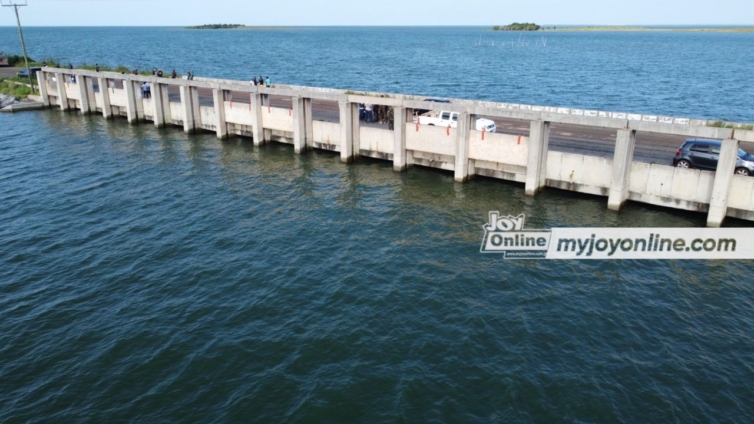
The Volta River Authority’s (VRA) decision to release surplus water from the Akosombo Dam, a measure aimed at preventing a potential dam collapse has led to flooding in several areas in the Tongu districts and other areas.
Following his visit to the affected areas, Mr Mahama expressed his concerns to the media, characterizing the government’s response as somewhat lackadaisical.
He emphasized that his visit aimed to highlight the urgent need for the government to take immediate action.
“I think that this visit will let government and whole of Ghana see what is happening, it is not just a story which is being told by people, it is the reality of people’s lives following spillage of the Akosombo Dam.”
“It happens once in a while not every year, it is an effect of climate change… we have to see how to adapt. I think that the approach has been a bit lackadaisical, actually that is why I came, so that it will let them see that this is real. Sometimes, if you read in the media, you think that this isn’t real,” he said.
Meanwhile, the government has formed an inter-ministerial committee to tackle the recent floods resulting from the discharge of water from the Volta and Kpong Dams by the Volta River Authority (VRA).
An October 13 statement from the Ministry of Information said, president Nana Addo Dankwa Akufo-Addo had ordered the setting-up of the team to “coordinate government’s response to the unfortunate flooding of some communities following spilling from the Volta Dam.”
The thirteen-member committee will be headed by Chief of Staff, Akosua Frema Osei-Opare.
The other members of the committee include the Minister of National Security, Albert Kan-Dapaah; Minister for the Interior, Ambrose Dery; Defence Minister, Dominic Nitiwul; Energy Minister, Dr. Matthew Opoku Prempeh; Finance Minister, Ken Ofori-Atta and the Minister of Local Government, Daniel Kwaku Botwe.
Other members are Minister of Works and Housing, Francis Asenso-Boakye; Minister for Roads and Highways, Kwasi Amoako-Attah, Minister for Environment, Dr. Kwaku Afriyie; Minister for Sanitation, Freda Prempeh; Minister for Lands and Natural Resources, Samuel A. Jinapor and the Minister for Information, Kojo Oppong Nkrumah.
On the other hand, the Member of Parliament (MP) for the North Tongu Constituency, Samuel Okudzeto Ablakwa, has called on the VRA to reduce the discharge of water from the Akosombo Dam. His primary concern is to ensure the safe evacuation of all residents affected by the flooding.
Mr Ablakwa has expressed his deep concerns about the devastating impact of the discharge and has requested immediate relief supplies for the affected individuals.
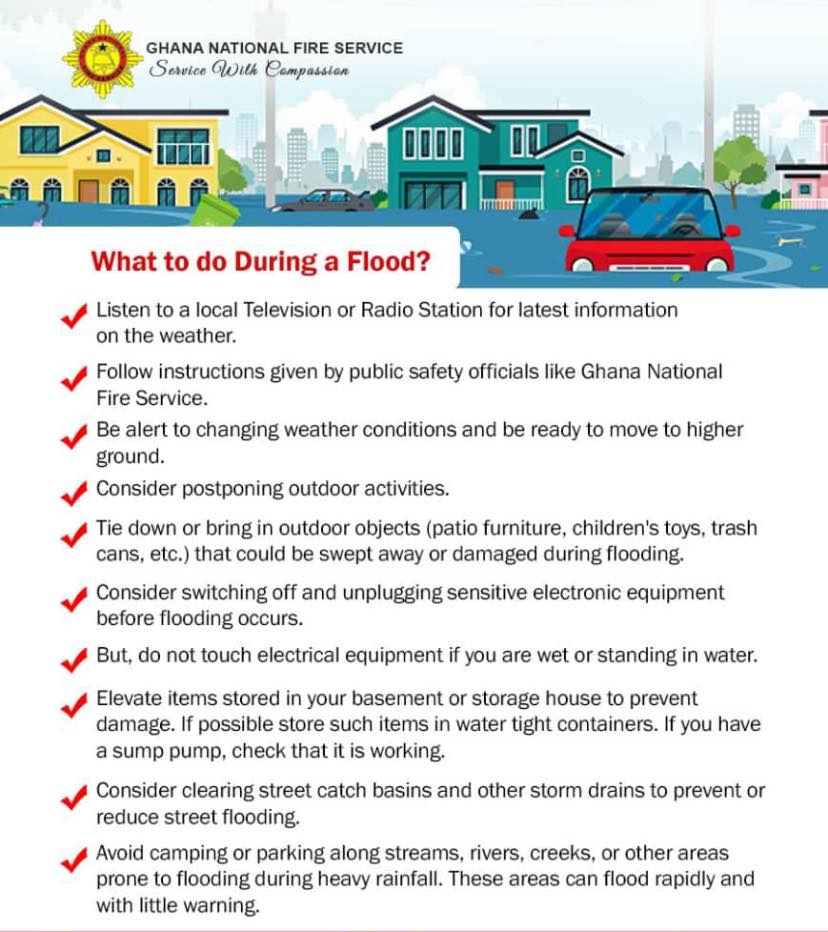
The Ghana National Fire Service (GNFS) has provided 10 safety tips to assist members of the general public to stay safe amidst flooding.
The public education is timely, as the country has recorded numerous deaths owing to the perennial flooding whenever there is heavy rain.
Below are ten things you need to do during a flood.
Listen to a local Television or Radio Station for latest information on the weather.
Follow instructions given by public safety officials like Ghana National Fire Service.
Be alert to changing weather conditions and be ready to move to higher ground.
Consider postponing outdoor activities.
Tie down or bring in outdoor objects (patio furniture, children’s toys, trash cans, etc.) that could be swept away or damaged during flooding.
Consider switching off and unplugging sensitive electronic equipment before flooding occurs.
But, do not touch electrical equipment if you are wet or standing in water.
Elevate items stored in your basement or storage house to prevent damage. If possible store such items in water tight containers. If you have a sump pump, check that it is working.
Consider clearing street catch basins and other storm drains to prevent or reduce street flooding.
Avoid camping or parking along streams, rivers, creeks, or other areas prone to flooding during heavy rainfall. These areas can flood rapidly and with little warning.
Meanwhile, the Ghana Meteorological Agency (GMeT) has issued a warning that Accra, the country’s capital, is at risk of flooding whenever rainfall exceeds 50 millimeters.
Owing to this, the Public Relations Officer (PRO) of the National Disaster Management Organisation (NADMO), George Ayisi, has entreated members of the general public to immediately search for havens when it begins to pour heavily.
According to Mr Ayisi, identifying safe spots is critical when one is unable to determine whether his or her environment is flood-prone.
“Those who are traveling, in some cases, it will be stormy, windy. If you are travelling to places where there are trees and co just be careful. If you are in areas where the roofing of houses or homes areas not too good, let’s be careful in those areas.
“If we are in areas where we are not sure and they are flood prone let’s try and identify safe havens in the city and then let’s try and move to safer grounds for ourselves and our relatives,” he stated.
Officials, including Derna’s mayor, Abdulmenam al-Ghaithi, have been arrested in Libya, where the city has been devastated by intense flooding. These officials are facing charges connected to the calamitous disaster that claimed thousands of lives in eastern Libya earlier this month.
Last week, in a display of anger and frustration, residents of Derna set fire to the mayor’s residence as a form of protest.
The attorney general’s office, based in the capital city of Tripoli, announced on Monday that these officials, including Mr. al-Ghaithi, were “responsible for managing the country’s dam facilities” and, as a result, were the subjects of a criminal case. Some of these officials were already in custody awaiting trial.
In a statement issued on Monday, the attorney general’s office detailed numerous alleged failings by these officials. These included mismanaging funds designated for dam maintenance, which ultimately led to dam breaches and the catastrophic floods in Derna. Additionally, the officials were accused of negligence, which resulted in flood-related deaths and substantial economic losses for Libya. Mr. al-Ghaithi faces further accusations of abusing his authority.
Libya is divided into two rival administrations, one in the east and one in the west. Given the attorney general’s location in Tripoli in the west, it raises questions about the extent to which he can order arrests in the eastern region.
As of Sunday, the eastern government reported that the confirmed death toll from the floods had risen to 3,868. The attorney general’s office indicated that investigations into other officials were ongoing, suggesting the possibility of further arrests.
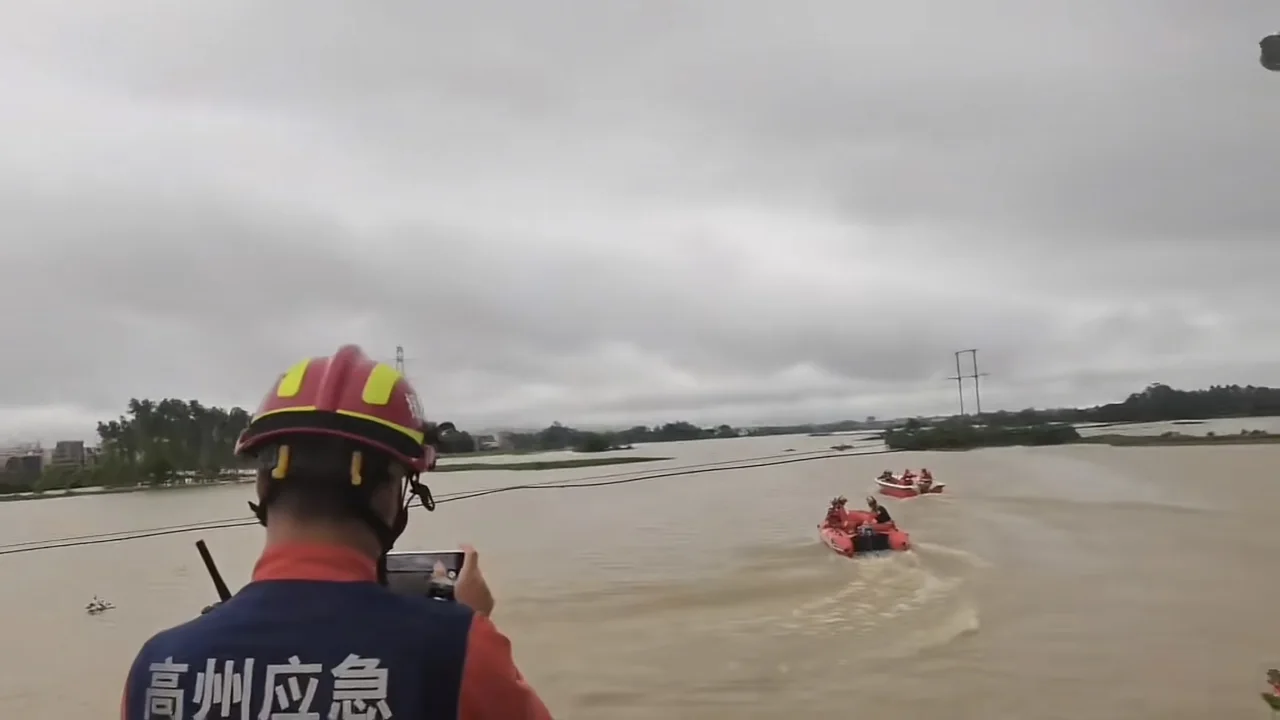
Officials in a city in southern China are trying to catch more than 70 crocodiles that escaped from a farm during heavy flooding. The news has been reported by several state media outlets, and some residents have been told to stay inside.
The scary reptiles used to be kept at a crocodile farm in Maoming, in the south part of Guangdong province. However, a lot of rain caused a nearby lake to become too full, which allowed the animals to get out and be free.
According to a news report from Hai Bao News, there were about 69 grown-up crocodiles and six young ones near Peng Cun village. They were moving around and looking for things. The place said it talked to the nearby authorities who told people to stay inside and not go out.
But the high level of the floodwater made it very difficult for the operation. This made the authorities ask residents to stay at home.
A person from the emergency team said they might have to kill the crocodiles instead of catching them.
The video on Chinese social media shows crocodiles hiding near a sign by a road that is underwater.
People in special uniforms and safety gear were on boats looking for reptiles.
Some videos show that some crocodiles were caught and taken to land. Their mouths and legs were tied to limit their movement. A few local people watched this happening from the shore out of curiosity.
In China, people really value crocodiles because they have nice skin and their meat is thought to be good for health in Traditional Chinese Medicine.
Guangdong is a good place for raising crocodiles because it has a warmer weather compared to other areas.
Heavy rain has hit Southern China and Hong Kong after typhoon Haikui passed through the area last week.
A powerful storm, named Daniel, has resulted in the tragic loss of at least 150 lives due to severe flooding in eastern Libya, as confirmed by an official statement.
Storm Daniel made landfall in the North African nation over the weekend, prompting the declaration of a state of extreme emergency by the authorities. In the preceding week, this storm had already claimed the lives of a dozen people in Europe.
During the ongoing rescue operations, seven Libyan army personnel have gone missing.
In response to the crisis, officials in eastern Libya have imposed a curfew, and the closure of schools and shops has been mandated.
Mohamed Massoud, a spokesman for the Benghazi-based administration in Libya, informed the French news agency AFP that “at least 150 people were killed as a result of flooding and torrential rains left by storm Daniel in Derna, the Jabal al-Akhdar region, and the suburbs of Al-Marj.”
The impact of Storm Daniel has been felt in eastern cities such as Benghazi and Sousse, along with Derna and Al-Marj. Even the western city of Misrata has not been spared from the floods.
Unverified videos of the storm, including one showing a man being swept away by torrents of floodwater and another depicting trapped drivers on the roofs of their cars, have been circulating online.
The storm has also led to the closure of four major oil ports in the affected areas.
Prime Minister Abdulhamid Dbeiba of the internationally recognized government in the capital, Tripoli, announced on Sunday that he had directed all state agencies to respond immediately to the damage and flooding. The United Nations in Libya stated that it was closely monitoring the situation and would provide urgent relief assistance to support local and national response efforts.
Libya has been divided between two rival administrations since 2014, following the death of long-time leader Muammar Gaddafi in 2011.
Storm Daniel had previously struck Greece, Turkey, and Bulgaria last week, resulting in the loss of over a dozen lives. It is expected to reach western Egypt on Monday.
Climate scientists have warned that global warming is causing increased evaporation of water during the summer, leading to more intense storms.
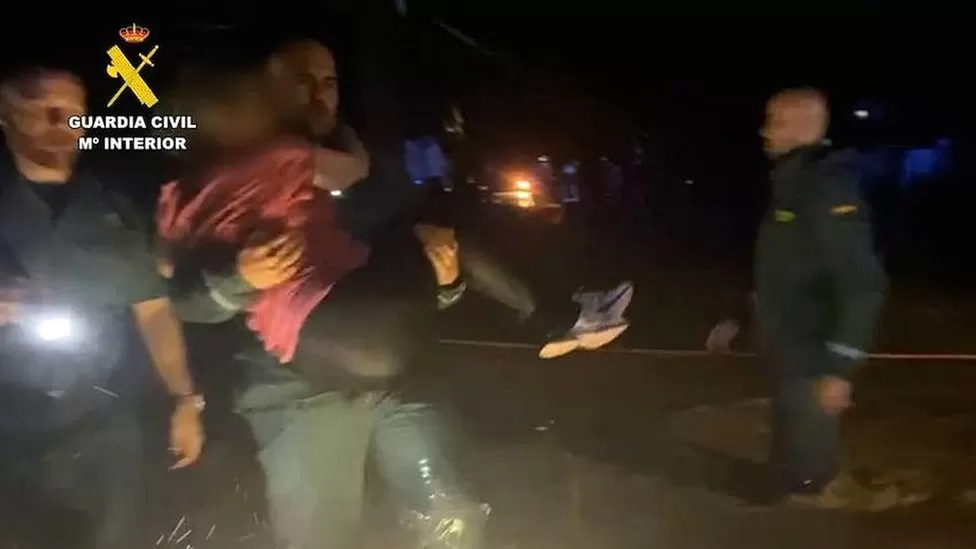
Authorities said his family’s car got pulled into a river, and they can’t find his dad.
According to reports in Spanish media, a 10-year-old was receiving treatment for hypothermia.
However according to the police, heavy rain caused flooding in central Spain, leading to the deaths of three people and three others remain missing.
In the areas that were most affected near Madrid, bridges were destroyed and the roads became flooded with muddy water.
In a countryside area, the family of the boy was trying to get away from the floods. Unfortunately, their car was pulled into the river, as stated by Isabel Díaz Ayuso, the leader of the Madrid region.
“He said the boy who didn’t have much money stayed in a tree all night. ”
The police in Spain called the civil guard said they found the boy’s mother and sister, but the rescue workers are still searching for his father in a place called Aldea de Fresno.
Rescuers are still looking for people who were washed away by the floods.
The father was one of three people who were taken away by the strong rain. Rescuers are still searching for them, according to the civil guard.
It also said that three people died because of the storm in the Toledo area, which is southwest of Madrid.
The Spanish weather service (Aemet) said that it measured very heavy rain of 9cm (3. 5in) in the area on Sunday.
On Tuesday, people worked to clean up the mud and debris that was left after the floods.
The governments of Madrid and Castilla-La Mancha have requested the national government to declare the areas that were affected as “catastrophe zones”. This declaration would allow the Spanish government to provide funds to repair the damaged buildings in these areas.
People who live in a certain area were told about a storm through a text message and loud noise on Sunday. This was the first time that the people in charge had used this method to warn them.
The officials said that when people listened to advice to stay at home and not use their vehicles, it made it easier for rescue services to handle the many calls they received.
Spain, as well as other parts of Southern Europe, has been very hot this summer.
Climate experts have cautioned that as the Earth gets warmer, more water will turn into vapor in the summer, causing stronger storms.
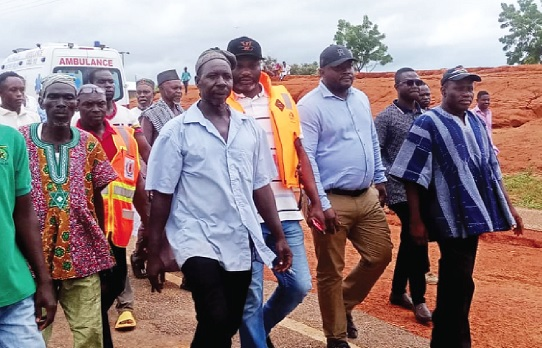
The Ministry of Roads and Highways is set to initiate swift measures by constructing temporary bridges and pathways on sections of roads within the North East Region that were washed away by recent floods on Wednesday.
Extensive flooding caused parts of the West Mamprusi and East Mamprusi municipalities to be submerged during a four-hour heavy downpour.
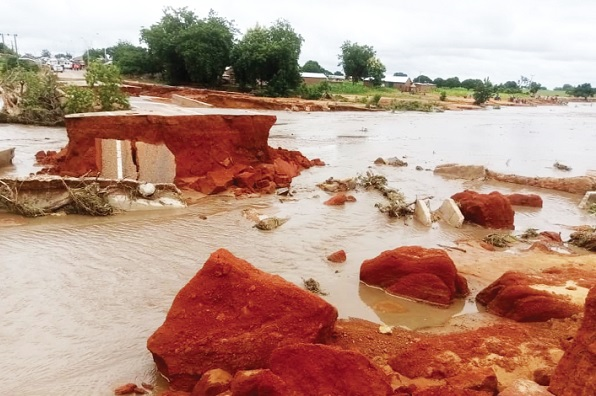
The town of Walewale, serving as the West Mamprusi Municipal capital, has become isolated from Nalerigu, the regional capital, due to the destruction of a bridge and dam at Tinguri by the floods. Consequently, the main road connecting these two towns has become impassable.
The aftermath of this situation has resulted in displaced residents and stranded passengers, affecting several communities including Gaagbini, Tinguri, Mimima, Kuruguduri, Walewale, and Nalerigu. The floods have also caused damage to homes, farmlands, livestock, and property.
Despite efforts by NADMO to aid victims, Nalerigu remains inaccessible, prompting the Ministry of Roads and Highways to respond promptly.
The Deputy Minister of Roads and Highways, Stephen Jalulah, announced that the immediate solution involves the construction of temporary walkways and alternative routes to ensure passage on the roads.
North East Regional Minister, Yidana Zakaria, the Chief Executive of the West Mamprusi Municipal Assembly, Issahaku Aremeyaw Somo, the Member of Parliament for Nalerigu/Gambaga, Issifu Seidu Baba, as well as technical personnel from the ministry and road sector agencies, the Deputy Minister embarked on a tour.
During this tour, the delegation visited the heavily affected areas of Gaagbini, Tinguri, Nalerigu, and Gbuntiri, all of which had been severely impacted by the calamity.
Additionally, the ministry plans to permanently repair the roads in the upcoming weeks and install additional culverts to mitigate the impact of future flooding.
The Communist Party of China (CPC) through the Chinese Embassy has provided relief items to victims of recent flood incidents in the Volta Region.
On June 10, 2023, rainstorm caused flooding in the Volta Region. Many resident’s homes were submerged in water. Thankfully, there were no casualties. However, some of the affected families have lost household items including food, clothing, books and school supplies.
The donation was welcomed by the National Chairman of the governing New Patriotic Party (NPP), Stephen Ayensu Ntim, who expressed immense gratitude to the party.
“This is a testament to the deep-rooted friendship between the NPP and the CPC, and by extension our two countries. It is a bond that grows stronger with each passing year,” he said.
“Natural calamities like the floods that hit Ho and Keta and other areas in the region remind us to come together, setting aside our differences and extending a hand of support to one another. Today, we exemplify the spirit of cooperation and friendship between our nations,” he asserted.
During the donation of material support to those affected by recent floods in the Volta Region, the National Chairman of the governing New Patriotic Party (NPP), Stephen Ayensu Ntim, reiterated the party’s commitment to assisting the victims. He assured them that they are not alone in their journey of recovery.
The NPP, in collaboration with local authorities and relief organizations, pledged to ensure that prompt assistance reaches every affected individual and family. Beyond immediate relief efforts, Mr. Ntim emphasized the importance of implementing long-term solutions to mitigate the impact of future disasters.
The NPP expressed its dedication to supporting the government in enhancing infrastructure and implementing measures to build resilience in flood-prone areas.
The event was attended by distinguished individuals, including His Excellency Ambassador Lu Kun, the Ambassador of the People’s Republic of China to Ghana, Dr. Charles Dwamena, the National Treasurer of the NPP, and Mr. Kwame Kyeretwie-Amponsah, the External Affairs Director.
Also present were Mr. Archibald Yao Letsa, the Volta Regional Minister, Mr. Makafui Woanya, the Volta Regional Chairman of the NPP, Mr. Divine Bosson, the Ho Municipal Chief Executive, various Constituency chairpersons, Traditional leaders, and Representatives from the media.
Volta Development Forum has expressed deep concern about the devastating impact of the floods after conducting an assessment tour of areas affected by the perennial flooding in the Ho Municipality of the Volta Region on the 8th of July, 2023.
In response, the Forum has committed to providing technical support to finding a sustainable solution to address the recurring issue of flooding in the region.
“We are determined to work with the Ho Municipal Assembly and other stakeholders in the region to find a lasting solution to the flooding problem in the municipality,” said the VDF Executive Director, Daniel Agboka-Dzegede, at a meeting held with the Ho Municipal Chief Executive, Divine Boson.
Mr. Dzegede hinted at collaborating with the Ho Municipal Assembly to create a comprehensive plan aimed at addressing the recurring issue of flooding. The plan includes initiatives such as constructing new drainage systems, installing pumps, and establishing a flood warning system.
He commended the dedication of the Ho Municipal Chief Executive, Divine Bosson, who has shown remarkable commitment to development despite limited resources in the municipality.
Furthermore, Mr. Dzegede urged the Ministry of Works and Housing to conduct an assessment of the damages caused by the recent flooding disaster in the municipality. He also called upon stakeholders to come together and work in synergy to provide the necessary support to the victims of the flooding incident.
In addition to disaster response, Mr. Dzegede emphasized the importance of collaboration to elevate the standards of Ho, affectionately known as the “oxygen city,” and make it a favored destination for tourists.
“Tourists are coming to the region every day and for that matter, we must make sure the region is always kept neat,” he said.
In the current era of climate change, marked by an increase in the frequency and intensity of floods and fires, the importance of implementing preventive measures cannot be overstated.
Ghana, specifically, faces recurrent flooding, which can be attributed to various factors such as heavy rainfall, inadequate drainage systems, and human activities like improper waste management and urbanization. Urban areas within the country are particularly vulnerable to frequent flooding during moderate to heavy rainfalls.
The consequences of flooding can be devastating, including the loss of lives, displacement of people, property damage, and more.
Hence, it is crucial to identify effective strategies to mitigate these impacts. With the rainy season approaching, it is highly advisable to take immediate action to prevent, minimize, or manage the adverse effects and costs associated with flooding.
Some standard mitigation strategies include:
1. When purchasing or renting a property, carefully assess flood risks, ideally choosing higher-lying sites away from major watercourses that are less prone to flooding.
2. If you already reside or have a business in a flood-prone area, consider moving to a safer location if possible.
3. Incorporate proper drainage systems into your property to ensure unobstructed water flow.
4. Construct defense walls designed to withstand the maximum water flow height, significantly reducing the impact and cost of flooding.
5. Business owners in flood-prone areas can take simple measures like elevating stock on pallets or storing water-sensitive items on higher shelves or upper floors.
6. Park vehicles in securely covered raised areas that are not prone to flooding, ensuring easy exit during emergencies.
Regarding fire risks, it is crucial to adhere to some of the tips below:
1. Address faulty electrical wiring, which remains a significant cause of fires in Ghana.
2. Employ professionally qualified electricians who are knowledgeable about building and wiring requirements.
3. Ensure all electrical repairs adhere to statutory building and wiring codes.
4. Report Illegal electricity connections to the relevant authorities, as they pose a danger to the entire neighborhood.
5. Avoid accumulating flammable materials on the premises. Flammable goods should be stored in safe and fire-protected buildings or storage areas.
6. Practise responsible personal behavior, such as switching off electrical equipment when not in use and unplugging them.
7. Proper handling of gas, including turning it off when not in use and storing gas cylinders in purpose-built protective structures or using approved cylinders for internal domestic use and storage.
The role of Insurance
Although these preventive measures can assist in reducing risks, they are not foolproof. Despite their implementation, unforeseen circumstances can still result in fires or floods. This is where insurance plays a critical role, acting as a vital safety net by offering financial protection and assistance.
Insurance is often overlooked as a component of flood or fire risk mitigation strategies; however, it can significantly contribute to compensating for losses incurred when all other measures fail. It is essential to consider the risks you are exposed to and get insured accordingly.
Home Insurance is a must-have for anybody who wants to minimize his/her losses in the unlikely event of fire or flood. It offers financial protection against various risks and perils that can damage or destroy a home and its contents.
Here are some key aspects of home insurance:
1. Protects the structure of your home, including its foundation, walls, roof, and attached structures like garages or decks
2. Covers your personal belongings, such as furniture, appliances, electronics, clothing, and valuables against damage
3. Provides 3rd party liability cover for events that occur within your premises.
4. Provides compensation for the cost of alternative accommodation in the event that flood, fire, or other incidents require you to move out of your home during repairs.
5. Provides personal accident cover
Similarly, for those who rent rather than own the property they live in, House Holder Insurance is a very good loss-mitigation measure as it provides the above benefits to the insured at a lower cost.
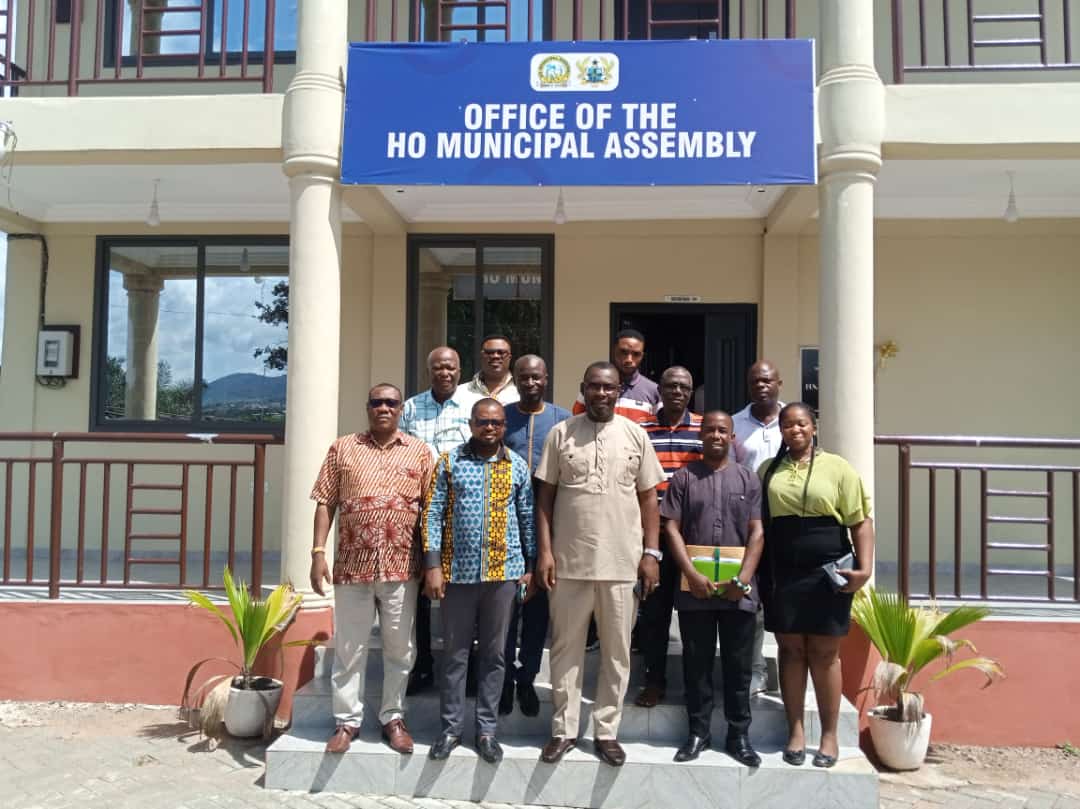
Municipal Chief Executive (MCE) of Ho, Divine Bosson, has expressed the commitment of the Municipal Assembly and other relevant stakeholders to address the persistent problem of flooding in the Ho municipality.
The MCE emphasised that the key to resolving the flooding issue in Ho lies in the implementation of a comprehensive drainage system, including the construction of numerous drains and gutters.
The latest flooding tragedy affected many houses and stores Saturday, 8 July 2023.
“Ho needs a lot of drains and gutters to contain the volume of water that is passing through the gutters anytime it rains. It must be a well-engineered project and we will put the report together after the final assessment by the disaster managers,” Mr Bosson said.
He said the Municipal Assembly will apply the necessary effort and send a final assessment report to Accra for attention.
The MCE was speaking to the media on Sunday morning after his tour of the affected areas in the Ho municipality after Saturday’s heavy rain.
He blamed the situation partly on human activities such as building on waterways among others.
He urged residents, especially those who litter gutters and those building and farming on waterways, to immediately put a stop to it.
He, however, sympathized with all victims of Saturday’s flood which has affected many houses and stores in the municipality causing damages estimated to be in millions of cedis.
On Saturday, July 8, Ho, the Volta Regional Capital, experienced a relentless 3-hour downpour, resulting in widespread flooding in several areas of the city.
The excessive rainfall caused major drainage systems to overflow, aggravating the situation.
As a result, numerous stores and residential areas were submerged, forcing residents to evacuate and salvage their belongings from the fast-moving currents.
Although the floodwaters have since receded and the rainfall has lessened, residents remain concerned about the potential for more severe rainstorms and the subsequent threat of flooding. One resident expressed their frustration, questioning why the gutters and bridges overflowed and why certain areas were flooded despite the rain not being the heaviest they had experienced in Ho.
In the midst of this distressing situation, residents were seen screaming in helplessness as they witnessed their properties submerged in the floodwaters. The sight of their belongings being damaged or destroyed added to their anguish.
The occurrence of such floods highlights the need for better infrastructure and preparedness in the face of heavy rainfall. Authorities should focus on improving drainage systems to handle intense downpours, conducting effective urban planning to mitigate flooding risks, and implementing early warning systems to alert residents in advance. Public awareness and education on flood preparedness are also crucial in ensuring the safety and well-being of the community.
Given the increasing frequency and intensity of extreme weather events, it is imperative to address these challenges promptly and comprehensively.
By investing in resilient infrastructure, incorporating climate change adaptation measures, and fostering collaboration among stakeholders, the city can better protect its residents and minimize the impact of future floods.
Minister of Works and Housing, Francis Asenso-Boakye, wants more funds to be allocated to addressing Ghana’s flooding problem.
He is lobbying for the allocation of a portion of the Roads Funds for the building of storm drains.
This, he said, will help lessen the impact of the country’s periodic floods in major cities.
In a statement to Parliament on Thursday, June 29, 2023, the Minister stated that the Ghana Hydrological Authority Act, 2022 (Act 1085), which was enacted with bipartisan support, provides for the establishment of a Hydrological Fund for that purpose.
As a result, he has asked Parliament to consider committing a portion of the Road Fund, given the impact of drains on road lifespan; the Sanitation Levy, given the impact of solid waste on drainage capacity; and the Common Fund, recognising the need for a comprehensive and efficient drainage system.
“The Ghana Hydrological Authority Act, 2022 (Act 1085), which was passed with support from both sides of the House makes provision for the establishment of a Hydrological Fund for that purpose” the Minister said.
He told the lawmakers that if the resources are released, we would be able to address the age-long challenge in a comprehensive manner in the face of continuous global climate change.
He declared unequivocally that the ministry has been hampered in its effort to combat the annual canker of floods due to a shortage of finances from the finance ministry.
Hon Asenso Boakye went on to say that drainages in the capital and other regions of the country had been neglected for years due to a lack of finances, resulting in frequent flooding whenever it rains.
He urged Ghanaians to refrain from engaging in activities that may clog our drainage systems.
He made this request in a statement to Parliament today about the recent flooding in parts of the country.
Although the government has committed approximately 450 million under the National Flood Control Programme (NFCP) in the last five years to mitigate perennial flooding, the Minister added that recent climate change-induced flooding incidences around the world are a warning that a dedicated source of funding is now imperative in ensuring that the country is resilient to the effects of climate change, now and in the future.
Cabinet has recognized the persistent flooding issue in the country as a national security threat, acknowledging its impact on lives, livelihoods, and property.
Consequently, the Cabinet has urged various law enforcement agencies to play a crucial role in addressing this challenge.
In response, a committee has been formed by the Cabinet to develop a comprehensive plan and implement appropriate measures to strengthen the enforcement of laws pertaining to land use and building siting.
The committee, chaired by the Minister of National Security, includes representatives from the Ministries of Works and Housing, Local Government, Decentralisation and Rural Development, Sanitation, and Lands and Natural Resources.
This announcement was made by the Minister for Works and Housing, Francis Asenso-Boakye, during his statement in Parliament, outlining the measures being undertaken by the Ministry to tackle flooding issues in the country.
Given the escalating risk of flooding due to factors such as inadequate drainage infrastructure, improper waste disposal, non-compliance with planning regulations, and rapid urbanization, the Minister is optimistic that the government’s decision will encourage a comprehensive approach to mitigate the challenge and provide relief to the public.
Observing instances of construction on waterways without regard for local and national laws, Asenso-Boakye assured continuous collaboration between the Ministry of Works and Housing and the Ministry of National Security to seek support for local authorities in enforcing planning laws and building regulations.
“My Ministry will also continue engagement with the Ministry of Local Government, Decentralisation, and Rural Development to strengthen the support provided to the assemblies in addressing the issue of buildings on waterways and drainage buffers.”
Minister for Works and Housing, Francis Asenso-Boakye, has asserted that the government of President Akufo-Addo has committed more funds to tackling the perennial challenge of flooding and building resilience of communities than any other government in the country’s history.
The Minister said this is evident in the implementation of the comprehensive flood control and management programme that commenced between 2018 and 2020 under the National Flood Control Programmes (NFCP).
The Programme, has since seen the government committed GHC 450 million, making it the most substantial investment from a government to address flooding challenges in the country.
In a statement to Parliament on Thursday on measures being undertaken by the sector Ministry to address the perennial flooding, Asenso-Boakye stated that the government’s commitments to tackling the menace under the programme resulted in initiating 384 desilting projects and the commencement of the construction of 202 drainage channels.
“To date, 370 desilting projects, representing 96% have been completed and 84 drainage channel construction projects representing 42% have been completed, with the remaining 118 at various stages of completion”the Minister disclosed.
The impact of the investments, the sector Minister noted has been the mitigation of flood hazards in beneficiary communities such as Kuntunse Satellite, Achimota Mile 7, Katamanso, Mamprobi, Abeka-Ayigbe Town, Labadi Olympia, Nungua (United Church Area), Haatso, Madina Firestone, Madina Mayehot, Madina Redco, Madina Oblogo, Dome Crossing, Weija GEICEL, Kasoa Iron City, Kasoa Obom, Nsuoano stream in Ngleshie Amanfrom and Ashaiman.
“Other flood hot spots that are benefiting from the 2020 Programme include Kasoa Millennium City, Adenta Sakora, Nsakyi, Ablekuma, Dawhyenya Dome Railway Crossing, New Legon, Adenta, Sango and Naapladjor Drains, Kakum River, Birim River, Leprosarium Drain, Densu River, Korkordjor River, Owabi River, Sefwi Wiaso and Aboabo Drain.”
Asenso-Boakye indicated that the increasing risk of flooding in some parts of the country is largely due to improper solid waste disposal, disregard for planning rules and regulation, and rapid urbanization compounded by the adverse effect of climate change.
This, the Minister noted, has resulted in flooding in other urban centres, such as, Kumasi, Sekondi-Takoradi, Koforidua and Tamale that did not use to experience flooding.
The sector Minister also mentioned that the government, in partnership with the World Bank and under the Greater Accra Resilience and Integrated Development (GARID), is investing about $200 million towards reducing flood risks and addressing solid waste management challenges in the Odaw Drainage Basin.
The project, which is jointly being implemented by the Ministries of Works and Housing, Sanitation and Water Resources and Local Government, Decentralisation, and Rural Development, has already provided financial assistance to 17 Metropolitan, Municipal, and District Assemblies (MMDAs) in the Odaw Catchment area for desilting key drainage channels within their respective jurisdictions.
“The procurement process for the dredging of the Odaw drainage channel, drainage improvement works at Achimota, Nima and community upgrades in Alogboshie and Akweteyman are almost completed. Construction is expected to commence in the third quarter of this year, following the implementation of the Resettlement Action Plan,” the Minister indicated.
Government has noted that its efforts to address flooding have faced significant obstacles due to various human activities.
These activities include the filling of wetlands and lagoons, as well as the dumping of solid waste in drains.
Despite allocating GH¢450 million for drain construction and desilting since 2018, the government claims that these actions have made it increasingly difficult to effectively tackle the recurring issue of flooding.
The Minister for Works and Housing, Francis Asenso-Boakye, has emphasized several key issues contributing to the problem.
These include the obstruction of lagoons and wetlands for the purpose of development, construction activities carried out on drainage channels that impede the natural flow of stormwater, the dumping of waste in drains which reduces their capacity, and the inadequate enforcement of planning and building laws by local authorities.
“It has become more evident that human activities are severely impeding the government’s efforts to tackle flooding. The observation includes blocking of lagoons and wetlands with construction materials for development purposes, building on drainage channels and blocking the free flow of stormwater, dumping of solid waste in drains thereby reducing their capacity to hold stormwater and the gap in the enforcement of planning and building laws by the various MMDAs,” Mr Asenso-Boakye bemoaned while providing a brief to Parliament on measures by the government to contain the situation.
The Minister further intimated that flooding in the capital is considered a national security issue and his Ministry is engaging with other relevant agencies to resolve the issue.
“Cabinet noted the need to consider flooding in Accra as a national security issue since effective law enforcement has a role to play in resolving the issue. Subsequently, the Cabinet constituted a committee to develop a comprehensive plan with appropriate measures to strengthen the enforcement of laws relating to lands and siting of buildings
“While the Committee does its work, my Ministry will continue its engagement with the National Security Ministry in seeking support for the Assemblies to enforce planning laws and building regulations.”
He also gave an update on the progress of projects aimed at mitigating the effects of flooding in Accra.
“Since 2018, the government has committed more than GH¢400 million to address flooding under a special progaramme. Under this programme, 384 desilting projects and 202 channel projects were initiated.
“Today, 370 desilting projects representing 96 percent have been completed and 84 drainage channel projects have been completed, with the remaining 118 at various stages of completion and the effects have been the mitigation of flood hazards in beneficiary communities.”
Severe flooding has struck major parts of Tarkwa, a town in the Western region of Ghana, as the Bonsa River overflows its banks.
The rising waters have caused residents to abandon their vehicles, while buildings find themselves surrounded by a deluge of water.
Per reports, the river had been experiencing high water levels for several days, but the imminent overflow was not apparent until three consecutive days of heavy rainfall pounded the area.
As a result of the flooding, Tarkwa’s connection with the Bonsa area has been completely severed, leading to significant traffic congestion within the town.
The residents of Tarkwa are currently facing the challenges posed by the rising waters, and local authorities have been mobilized to respond to the crisis. They are coordinating efforts to ensure the safety and well-being of those affected by the flooding.
The Minority Caucus in Parliament is urging the government to promptly allocate funds for the desilting of crucial drains in Accra in order to alleviate the effects of flooding in the capital city.
This appeal comes in response to the significant rainfall experienced on Wednesday, June 21, which the Caucus claims resulted in injuries and property destruction in various areas of Accra.
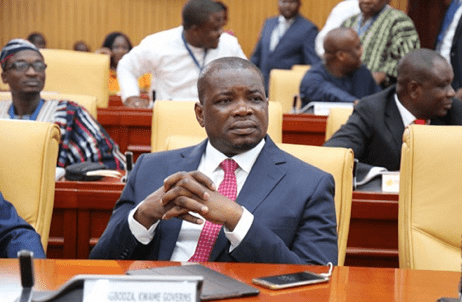
During a parliamentary session, Minority Chief Whip, Governs Agbodza, issued a statement emphasizing the urgent need for the government to take decisive measures in addressing the recurring issue of flooding.
“It is not beyond the capability of Parliament to help the relevant agencies to finance the needed interventions to save lives and desilting major drains and gutters in Accra cannot be something beyond the funding of the government and with the approval of Parliament and that is why I call upon the House to take this opportunity to invite our colleague Minister of Works and Housing to brief the House as soon as he can.”
Majority Chief Whip Frank Annoh-Dompreh, however, says the Works and Housing Committee of Parliament should be more proactive in its work to help contain the situation.
“More often than not, the matter occurs, and then we tend to call on the Speaker to make a referral or rather expect the sector minister to be called upon to appraise the House and so what? It is high time our Committee leaders also get a bit proactive. These disasters have been occurring, and we would have expected the Committee on Works and Housing to at least, by now, start visiting some of these places and also coming to brief the House.”
Residents of Ewusiejoe in the Ahanta West Municipality of the Western Region are calling for urgent help following the flooding of the entire community after yesterday’s heavy downpour.
Ewusiejoe, which is a farming community near the River Butre on both sides of the Takoradi-Tarkwa highway, occasionally experiences mild flooding whenever there are heavy rains.
However, Wednesday’s rains and the subsequent overflow of the River Butre totally flooded the entire community, rendering many homeless.
Residents had to come out of their homes last night to seek shelter in a few structures on the highlands spared by the floods.
Household items and wares in shops have been destroyed, while some mall containers and structures were washed away.
The Assembly Member for the Ewusiejoe electoral area, Mr. John Odoom, said the level of flooding they have experienced is unprecedented and attributed the situation to galamsey activities in the Mpohor and Benso areas, where the River Butre takes its source.
Some traders said all their wares have been destroyed, while shops and homes are now not accessible as they have to wade through the flood waters to salvage a few items.
Schools in the Ketu South Constituency that have been impacted by flooding should be closed, according to Abla Dzifa Gomashie, the MP for the area.
The affected areas include Klikor, Agbozume, and Aflao.
Parts of the Ketu South Constituency have been experiencing devastating rainstorms and flooding for the past few days, which has led to over 1,000 people being displaced.
Speaking in an interview on the Citi Breakfast Show on Monday, June 12, 2023, “I think what we should do is to close down the schools in the three traditional areas affected by the flooding. That is Klikor, Agbozume and Aflao. My fear is that anything can happen when these children are wading through the floodwaters. It is scary, I was born by the seaside, and my house is also at the beach, but I am terrified of water. What I saw this weekend has even scared me more”.
Stating that the situation is so dire, the Ketu South MP indicated that the amount of water seen on the roads was the same in the rooms of people “so they cannot even sleep in their rooms”.
“And the classrooms have water there too, so I am at wit ends and the churches. There is nowhere you can even send them to perch until the water recedes, perhaps maybe the Municipal Assembly hall that is not flooded. We could move the people to lay their heads until we find some form of shelter for them.”
With the amount of water on the roads, she emphasised that her fear was that one could slip and break a bone when walking because most of the roads were not tarred.
“So we have a serious situation where the lagoons and the wetlands are all overflowing into the community and there is no way the water can go into the sea,” she added.
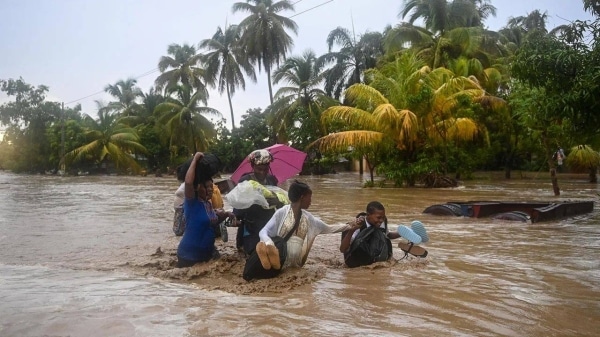
Based on a statement issued by the nation’s Civil Protection Agency on Monday, severe rains over the weekend caused thousands of homes in Haiti to flood, resulting in at least 42 fatalities and 85 injuries.
Following the United Nations assessment, the heavy rains forced many rivers in Haiti to overflow, which in turn triggered flash floods, flooding, rockslides, and landslides.
In five of Haiti’s ten departments—the West, Nippes, South-East, North-West, and the Center—more than 13,300 people have been displaced, and at least 11 more have been reported missing.
“My government, in concert with national and international institutions, is taking urgent measures in order to meet the demands of the hour,” Haitian Prime Minister Ariel Henry tweeted.
The death toll climbed steadily on Monday as persistent heavy rains continued to pelt down.
Emergency response teams and aid organizations have been mobilized in order to tend to those impacted by the floods.
“We’ll start providing hot meals to displaced people in the coming hours & are mobilizing ready-to-eat rations & dry food,” the World Food Programme said in a tweet.
The floods are the latest calamity to strike a country with already weak infrastructure, which has been repeatedly wracked with criminal violence, political turmoil and natural disasters in recent years.
The Caribbean nation depends heavily on humanitarian assistance.
The UN Office for Coordination of Humanitarian Affairs warned on Monday that flooding could resume with more rain in coming days.
“In the event of another heavy rainfall, the waterlogged soils will be unable to prevent further flooding, rockslides and landslides, and the provisional death toll could rise even higher,” it said.
The danger is expected to continue through hurricane season, which began on June 1.
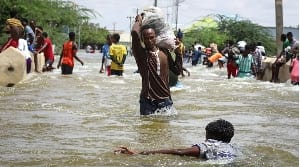
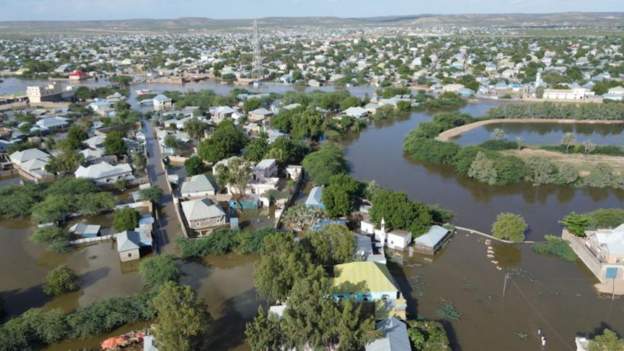
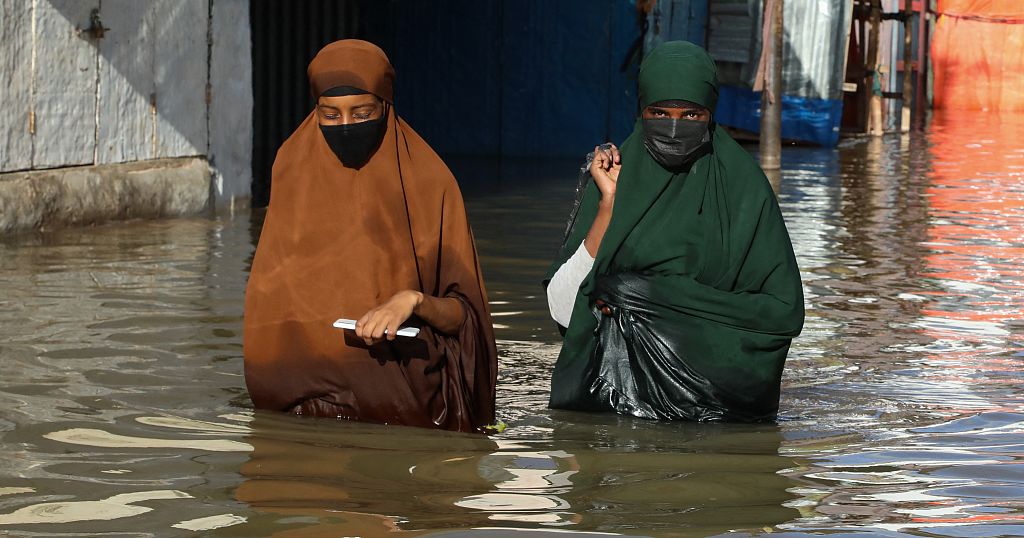
Following a devastating flood in the town of Beledweyne, central Somalia, nearly 250,000 individuals have been forced to flee their homes.
The overflow of the Shabelle river resulted in the town and surrounding areas being submerged, rendering approximately 99% of the population homeless, as reported by Abdirahmaan Dahir Gure, the Interior Minister of Hirshabelle State, in an interview with BBC Somali.
There are concerns that the floodwaters may also affect Bulo Burde town, located approximately 110 km (68 miles) away, prompting warnings from the United Nations (UN).
Floodwaters in central Somalia left thousands of families displaced in Beledweyne, the most densely populated city in the region.
Rising water levels forced a number of important facilities to close including government offices and the main hospital. pic.twitter.com/y2lcOtg5ka
Climate change is believed to have significantly contributed to this disaster. Heavy rainfall in Somalia and the Ethiopian highlands upstream triggered flash floods, causing extensive damage to homes, crops, and livestock, according to Somali government officials.
Somalia has been gradually recovering from one of the worst droughts in decades, which resulted in nearly five consecutive failed rainy seasons and a near-catastrophic humanitarian crisis.
While the recent rainfall is helping to replenish water sources and promote vegetation growth, sustained and substantial rainfall will be required to mitigate the impact of the previous drought, as stated by the UN.
As a result of the River Shabelle’s breaching its banks in Beledweyne, thousands of people in central Somalia have been forced to abandon their homes.
Heavy rain has led to flooding in the area, causing damage to towns and villages and the UN’s humanitarian response agency (OCHA) warned of an increase in diseases such as cholera as local infrastructures are affected
Local resident, Abdihafid Mohamed Yusuf, shared his experience:
“We fled from the flash floods that submerged the city like so many others,” he said.
“People ran out of the city to safety. For four days, the floods poured massively into the city.”
Shopkeeper, Nur Abdulle Hassan, added that the heavy rains had impacted on trade.
“Our businesses have been badly affected by the massive flooding in Beledweyne and the movement of people. This has resulted in a reduction in the presence of our customers.”
The flooding comes as international figures show a record number of internally displaced people worldwide with natural disasters accounting for 32.6 million such movements last year.
Deputy Governor of the Hiran Region, Hassan Ibrahim Abdulle, said almost the entire population of some regions have had to move out.
“Most of the inhabitants of the four districts of the town of Beledweyne are displaced because of the flash floods,” he explained.
“90 per cent of the local towns have fled. 10 per cent are still in the town because they have been stranded or they live in the highlands.”
The flooding comes in sharp contrast to months of drought which has killed tens of thousands of people and wiped out crops and livestock.
It is feared the rains could force many families into destitution.
The government has said GH¢2 million will be allocated for the construction of 15 two-bedroom apartments to resettle some victims displaced by tidal waves flooding in the Ketu South area.
Hundreds of residents in the Anlo district, Keta and Ketu South Municipalities were displaced by tidal waves some months ago.
Answering questions about plans by the government to have the victims relocated, the Volta Regional Minister, Dr. Archibald Letsa said the first batch of 150 victims will be relocated to the apartments by the end of the second quarter of 2023.
“The municipal assembly has initiated the construction of 15 two-bedroom apartments at Salakope to resettle about 150 victims of tidal waves in the municipality,” Dr. Letsa said.
The Minister said the project is expected to be completed by the end of June 2023 “to accommodate the first batch of victims.”
Residents in the Anlo district, Keta, and Ketu South Municipalities struggled with tidal waves flooding as they lost some of their communities to the ocean.
The flooding in November 2021, in particular, gained national attention after hundreds of residents were displaced.
Relief from the government in the immediate aftermath of the incident was described and as inadequate, with corporate organisations and former President John Mahama, among others, taking the lead in offering significant support.
After some criticism of the government’s response, the budget was revised and GHS10 million was allocated for feasibility studies for sea walls in affected communities.
Flooding is not unusual in Nigeria’s massive, population-dense cities. But this year’s floods are reportedly the country’s worst in a decade. They’ve killed more than 600 people, displaced 1.4 million residents and destroyed 89,348 houses and 70,566 hectares of farmland and crops.
The severe flooding has had a significant impact on some states in the south of the country, including Anambra, Delta, Rivers, Cross River and Bayelsa. Adamawa, Gombe, Jigawa, parts of Kaduna, Kogi, Niger, Benue and Nasarawa in the country’s north have also been hit hard.
This year’s rainfall has been higher than usual in both the south and the north. The volume of rainfall has exacerbated the effects of the annual release of excess water from Cameroon’s Lagdo Dam. The dam is on the Benue river, which runs through Nigeria.
Over the years, the government has taken several measures to mitigate and manage the effects of floods. These include providing food, warm clothes and temporary shelter for flood victims. The Nigerian Meteorological Agency has also developed early warning systems and the federal government established the Ministry of Humanitarian Affairs, Disaster Management and Social Development in 2019 to coordinate disaster risk reduction activities.
These measures have not helped, especially as flooding is now an annual occurrence. In fact there is some eviden that the effects of floods have worsened in recent years due to a lack of coordination among various government agencies.
In previous research I established that many factors contribute to flooding in Nigerian cities. These include poor drainage systems, the indiscriminate dumping of refuse and haphazard physical developments. Climate change plays a role, too; research shows that climatic shifts are increasing the intensity and frequency of storm systems in Africa. The recent Intergovernmental Panel on Climate Change report also predicted an upward trend in extreme rainfall events for sub–Saharan African communities.
Given these realities, how do residents cope? In a recently published article I examined the flood resilience strategies of residents in Nigeria’s Kaduna metropolis. Kaduna is the capital city of Kaduna State, and the former political capital of northern Nigeria. The city’s southern area is flood-prone and is among those hit by the recent floods.
I found that households’ ability to prevent, cope with and reduce flood risks is determined by their income, housing, transport, drainage and road facilities.
My hope is that this study will provide information that could be useful to policy makers to make Nigerian cities safer and more resilient to floods.
Household resilience
I interviewed residents from 357 households – ranging from low to high income – and found that they employed various tactics to survive the floods. Across the study area, strategies were similar in that they were reactive rather than anticipatory. This is because adequate flood preparedness requires collaborative efforts from government and other relevant stakeholders, including households. Such efforts did not exist.
In high income areas, I heard how community members raised funds to clear drains and waterways and to repair and replace damaged bridges. Some community leaders also sought to educate residents about flood preparedness through public dialogue and religious institutions.
In the low and medium income communities, sandbags were used to keep some floodwaters at bay. People also temporarily moved away from their homes when there was flooding, shifting what they could of their belongings and properties to higher ground. They sought financial and accommodation support from civil society organisations, government and nongovernmental agencies.
When I asked residents about what motivated them to move to safe places, respondents in all income brackets said their main concern was “keeping the family unit together”.
My results show that household resilience strategies are typically short-term in nature, regardless of income brackets. They also failed to effectively help households offset impacts such as loss of jobs and displacements due to flooding.
Way forward
Inadequate support from government leaves residents largely to their own devices when it comes to flood mitigation.
In my view, the Nigerian government at all levels must engage residents, and other relevant stakeholders, to implement both short and long-term solutions. These must be designed to reduce and overcome the impacts of flooding in Nigerian cities.
The starting point is the sensitisation of residents and businesses located in high-risk areas. They need to know what to do in times of flooding to minimise the negative effects. Similarly, all stakeholders’ roles, obligations and responsibilities before, during and after flooding need to be clearly identified and tied to specific government agencies for further support.
In addition, the federal government must collaborate with state governments to ensure that appropriate environmental and development control laws are strictly enforced.
This will prevent new development on wetlands and floodplains and ensure that new development follows flood-resilient standards when building in coastal areas.
Residents also need to embrace a collaborative approach to handling flood issues. This should be done through knowledge sharing and coordinated efforts to help them advance their local coping strategies. Social learning is one key aspect that households should embrace to communicate, share experiences, ideas and resources and plan collective action.
The Society of Landscape Architects of Nigeria (SLAN) has proffered workable solutions to prevent flooding ravaging the country and called for the Federal Government collaboration.
SLAN said this in a statement signed by its President, Mr Amos Alao, on Friday in Lagos.
Alao, in the statement, said flooding could be preventable if basic architecture techniques were adopted in landscape planning and building engineering.
Alao was quoted by the statement as saying that the major aim of SLAN is to change the narrative of the adverse effect of climate change and flooding on the landscape.
“We are of the opinion that we can change the narrative using landscape techniques and nature based solutions to solve environmental challenges and mitigate the adverse impacts of climate change on our environment.
“The Society of Landscape Architects of Nigeria wants to make our voice heard on this issue of flooding in some parts of the country and to offer her services to mitigating the impact of this natural disaster.
“Over the years, SLAN has been overlooked because the public does not realise we have solutions to environmental challenges and are purpose built for the impacts of climate change by virtue of our professional training as landscape architects.
“We have several policies, we can discuss with government and relevant stakeholders to solve periodic problems of climate change with sustainable solutions.
“As custodians of the earth, we are set to collaborate with the Ministry of Environment and other stakeholders in the climate change community to proffer solutions to curb the increasing menace of flooding in the Country which has negatively impacted on the nation’s socio-economic growth,” Alao said.
He also said that changing landscape from ‘grey’ (concrete-based) to ‘green’ would ameliorate most climate change and flooding situation across the country.
“While we are aware that we cannot halt the rains, we can ensure our cities handle water management efficiently and have better flood preparedness policies using nature based solutions and green infrastructure.
“Flooding is no longer a farmer’s problem in the corridors of the city and rural areas, it is now a scourge in urban areas and city cores.
“Although there are unconfirmed reports in some quarters that this year’s flood has been attributed mainly to the Lagdo Dam in Northern Cameroun, releasing water to its environs.
“Climate change has also played a significant role in worsening the impact of the flood,” Alao added.
According to him, rising global temperatures have increased evaporation in the atmosphere leading to high precipitation conditions in the affected areas.
“It is time we changed the city landscape model from colour ‘’grey’’ to ‘’green’’.
“SLAN hopes with the help of public-private partnerships, we can begin to implement the ‘Sponge City’ approach in states like Kogi, Niger, Benue and Delta which have been the most affected,” Alao said.
The News Agency of Nigeria (NAN) reports that SLAN which began in 2003 is affiliated to the International Federation of Landscape Architects (IFLA), which is the world body of landscape architects.
IFLA currently represents 77 national associations from Africa, the Americas, Europe, Asia Pacific and the Middle East.
SLAN is one of five registered Landscape Architecture Associations on the African continent.
Some 600 people were confirmed dead Sunday, the Nigerian minister for Humanitarian Affairs, Disaster Management and Social Development announced during a media briefing.
2,407 persons have been injured, a total of 2.5 million people have been affected and 82,053 houses houses have been completely damaged.
Minister Sadiya Umar Farouq called on the “State governments, local government councils and Communities to prepare for more flooding by evacuating people living on flood plains to high grounds, provide tents and relief materials, fresh water as well as medical supplies for a possible outbreak of water-borne disease”.
Since the end of July, the West African country has been grappling with a wave of flooding.
So far, floods have affected 31 of Nigeria’s 36 states.
Many roads and other key infrastructure were destroyed.
The federal government announced last week it had started delivery of food items to disaster-stricken communities.
Why so much flooding?
In addition to a harsh rainy season and overflowing rivers, floods were also caused by the release of water from several damns (the process was meant to prevent excessive flooding).
The release of excess water from Cameroon’s Lagdo dam was for instance blamed.
Nigerian minister for Humanitarian Affairs, Disaster Management and Social Development announced that the permanent Secretary of the Ministry Dr Nasir Sani Gwarzo, was “to lead a delegation to Cameroon next month, to discuss the periodic opening of the Lagdo dam with the authorities”.
According to the minister, “metrological Agencies are warning that [Editor’s note: southern] States like Anambra, Delta, Cross River, Rivers, and Bayelsa are still at risk of experiencing floods up till the end of November.”
The World Food Programme and the UN’s Food and Agriculture Organization said last month that Nigeria was among six countries facing a high risk of catastrophic levels of hunger. So far, 332,327 hectares of farmland have been destroyed sparking food-security fears.
At least 33 people have perished in landslides and floods in western Nepal during the past week, local media reported.
The northwest region of India, where thousands of citizens were evacuated, was slammed by the worst of the monsoon rains, according to officials.
The worst of the monsoon rains hit Karnali province in the northwest, where thousands of residents were evacuated, officials said.
Hundreds of homes have been damaged in the avalanches and flooding.
At least 22 people are still missing across the province and scores more have injuries.
Rescuers have described difficulties in getting to the mountainous region amid continuing rain.
‘We have mobilised police officers on the ground. We have arranged a helicopter for air rescue from Surkhet,” said one police spokesman, quoted by the Annapurna Post.
“However, unfortunately, due to the weather not improving, progress is not being made as expected.”
Most reports of missing people came from the low-lying Kalikot district. Thousands were evacuated from their homes there in the past week amid warnings of intense rain.
In some areas of the province, the Karnali river had risen to over 12m (39ft), Nepal’s emergency authorities said. Several suspension bridges over the river had also been washed away, local media reported.
Government officials have dispatched aid to the region on helicopters.
Meanwhile, the UN’s humanitarian agencies said they were distributing food and medicine to the worst affected communities in western Nepal.
Nepal is nearing the end of its monsoon season, which typically begins in June and ends in October.
Director of NADMO in the Eastern Region Kwame Koduah,, said ten people are still missing in the Nsawam Adoagyiri area following Saturday’s floods.
At least five people have been confirmed dead following last weekend’s floods in the Eastern Region, the National Disaster and Management Organisation (NADMO) confirmed on Tuesday (4 October 2022).
The Eastern regional director of NADMO, Kwame Koduah, said ten individuals are still missing in the Nsawam Adoagyiri constituency after Saturday’s floods.
“The severity of the flooding has left the Eastern Region in a … devastating situation,” said Koduah, speaking on the Asaase Breakfast Show on Tuesday. “Seventeen districts have been affected, including Ofoase Ayirebi.
“We’ve lost five lives in the Eastern Region as a result of the devastating nature of the flooding. In Nsawam Adoagyiri ten people are missing now. It’s catastrophic and devastating.
“Over 100 houses were submerged in the river and 750 people are displaced and are now being accommodated at church halls and community centres,” Koduah said.
River Densu breaks its banks
Meanwhile, close to 2,000 residents of Nsawam, also in the Eastern Region, have been made homeless after floods swept away their homes over the weekend.
The River Densu overflowed its banks after the downpour, forcing residents of the area to abandon their houses, livestock and other property.
The zongo community was worst affected, including areas such as Gyankrom, Lanteh, Adoagyiri and the main Nsawam lorry station.
Addressing the media, the MP for Nsawam-Adoagyiri, Frank Annoh-Dompreh, said: “We will all continue to monitor the situation and see what we can do. We appeal for calm.”
A number of residents in Weija and its environs in the Weija/Gbawe Constituency have been displaced following the spillage of the Weija Dam by the Ghana Water Company Limited (GWCL).
Most homes within the catchment area have been flooded.
Some residents who spoke to media on the condition of anonymity say they were not informed by GWCL of the spillage that occurred early Monday, October 3, 2022.
The maximum level of water the dam is built to hold is about 46 feet, but the level came up to 48 feet, thereby threatening its safety, hence the decision to spill.
Meanwhile, the GWCL has indicated that the recent spillage was brought about following the recent heavy rains but “it is in control”.
GWCL said, the situation has gravely affected its operations leading to “considerable havoc to some water treatment plants” across the country.
The management of the GWCL assured the public that despite the challenges, it is in control and has put in measures to ameliorate the situation to minimize the impact on consumers.
The management explained further, “the Weija dam is currently at a level of 49.5ft as against the maximum operating level of 48ft. Spillage normally begins when the level gets to 46.5ft. As a result, four (4) spill gates have been opened to safeguard the integrity of the dam, save the dam from collapse, and save lives and properties.”
Rescuers in Japan have issued a warning about flooding and mudslides following one of the worst storms to hit the nation in recent years.
At least four people were killed and more than one hundred others were hurt as typhoon Nanmadol made landfall on the southern island of Kyushu on Sunday morning.
140,000 houses were still without electricity as of Tuesday.
After traversing a large portion of the nation and moving offshore, the storm has now been downgraded to a cyclone.
State broadcaster NHK said one man was killed when his car was submerged in flooding, and another died after being buried in a landslide. Two more people were found “without vital signs”, a term often used to refer to death before it is certified by a coroner. At least 114 people have been injured, 14 of them seriously.
The super typhoon brought gusts of up to 234km/h (145mph), destroying homes, and disrupting transport and businesses. It is equivalent to category four or five hurricanes.
Passengers were stranded at Hakata station as train services were suspended when Typhoon Nanmadol approached Kyushu
An aerial view of houses submerged by flooding in Kunitomi on the island of Kyushu
The capital, Tokyo, experienced heavy rain, with the Tozai underground line suspended because of flooding. Bullet train services, ferries, and hundreds of flights have been canceled; shops and businesses have shut. Local video footage showed roofs ripped off buildingsand billboards toppled over.
Prime Minister Fumio Kishida delayed a visit to New York, where he was due to give a speech at the UN General Assembly, until Tuesday, to monitor the storm’s impact.
IMAGE SOURCE, REUTERS Image caption, Japanese Self-Defence Force soldiers conducting search and rescue operation at sites of landslides
GETTY IMAGES Image caption, Raging waters flow along the Sendai River in Isa in Kagoshima prefecture
Scientists have predicted an active hurricane season this year, influenced by a natural phenomenon known as La Niña.
Warmer sea surface temperatures in the Atlantic and Caribbean as a result of climate change may also impact the frequency and intensity of hurricanes.
That was the warning from the villagers of Sehta Sehanj, where flooding caused by the overflow of Pakistan’s largest lake has left many residents trapped by rising water levels and fearing for their lives.
Lake Manchar — which has swelled to an area hundreds of square kilometers wide due to the combined effects of a heavy monsoon and melting glaciers — breached its banks for what was at least the third time on Tuesday, leaving nearby villages under several feet of water.
Pakistani authorities are in a desperate race against time to lower water levels at the lake in Sindh — the country’s second most populous province, home to nearly 48 million people — fearing that a full-scale breach of its banks could inundate nearby cities.
Noor Mohammad Thebo said parts of his village have been cut off by the water from Lake Manchar.
In a bid to avert that scenario, they allowed the lake to overflow twice on Sunday in an attempt to divert some of the lake’s waters into less densely populated areas. But this has led to flooding in smaller villages that has affected around 135,000 people, Sindh province’s irrigation minister Jam Khan Shoro told CNN on Wednesday. Shoro said the move was necessary to avoid wider flooding in the district of Dadu, home to around 1.55 million people.
The lake also overflowed on Tuesday, in what officials said was a natural occurrence and not part of efforts to divert the water.
Shoro said officials had on Sunday tried to warn people in towns near the lake that it would overflow and had urged people to leave the area.
“We are trying our best to provide relief to the people but the scale of the disaster is so high and the number of people affected is also so high,” he said. “It’s nearly impossible for our government to provide everyone with shelter, food, and medicine. It’s difficult.”
Murad Ali Shah, the chief minister of Sindh, said Wednesday he did not want the lake to overflow but if authorities had not diverted the water, cities up to 100 kilometers (62 miles) from the lake — such as Sehwan, Dadu, and Mehar — would have been put in danger.
While those areas have been spared, at least for now, villages nearby are bearing the brunt.
“(Our) village is submerged. There is no way to go (to it),” said Noor Mohammad Thebo, who spoke to CNN on a roadside as rapidly flowing water swirled around his ankles.
Thebo said 10 to 15 families had been cut off by the rising waters in his village near the lake and that water up to 1.5 meters (five feet) deep now covered its main access road — making any rescue efforts a dangerous affair.
“There are no rescue teams that could help (the trapped families) and there is no way for (the families) to come out,” Thebo said.
In Bachal Chana, another nearby village, resident Yar Mohammad said people had been caught completely off guard when overflowing water from Lake Manchar rushed in.
“It destroyed our crops and houses. The breach took place suddenly and we were unaware (it was about to happen.) No one had informed us,” said Yar Mohammad, standing knee-deep in murky water.
Around him, cattle were almost completely submerged, with only their heads peaking through and gasping for air.
Many villagers must now choose between staying put and taking their chances with further floods or leaving their homes and seeking shelter and aid elsewhere.
New satellite images from the European Space Agency’s (ESA) Sentinel Labs show how the lake has swelled over the past two months into an area covering hundreds of square kilometers following record levels of rain. What were once islands and peninsulas in the lake have disappeared and the surrounding land has been swallowed up.
The satellite images also show that despite the breaches water levels at the lake remain dangerously high –– suggesting there may be more misery to come for nearby villagers.
Ghulam Murtaza, 35, from Sehta Sehanj, said the government had warned his village that it remained in danger as it was naturally downstream of the lake.
“They say that there is no other way. But it has left our area inundated,” Murtaza said.
Hundreds of residents have been evacuated in South Africa’s KwaZulu-Natal province amid a high alert over renewed flooding.
The province experienced deadly floods last month.
Heavy rains have been pounding this weekend and the local administration is on high alert to prevent any loss of life.
Local mayor Mxolisi Kaunda says no comprehensive report has been shared on the impact of the latest heavy rains but residents have reported destruction of infrastructure, News24 website reports.
A level 10 warning – the highest and most severe level – issued by the weather service remains in place.
Most of those affected by the April flooding have never recovered, according to local media.
Houses were swept and roads destroyed during the April floods.
KwaZulu-Natal floods: The South African family who lost nine children
South Africa’s KwaZulu-Natal province is still reeling from the country’s worst floods in 60 years, which killed about 435 people last month. Mass funerals are taking place, although many families are still unable to bury their loved ones because their bodies were swept away by the raging torrents, as the BBC Pumza Fihlani reports.
Inside a white tent on a hillside just outside Pietermaritzburg, hundreds of people sit with their heads bowed before six coffins. A sombre church hymn pierces through the heavy silence.
The unimaginable happened to the Mdlalose family. Slindile Mdalose, 43, and nine children aged between two and 10 years were killed in the floods that devastated KwaZulu-Natal in the most deadly natural disaster in the country’s history.
They were sleeping when the violent water washed through, flattening their home. It has been three weeks and some of the bodies are yet to be recovered
“To tell you the truth we are mad, we are numb. We can’t use our heads. This is too much to even comprehend,” the children’s uncle, Thokozani Mdlalose tells the BBC.
He is wearing tinted glasses to conceal his pain but his cracking voice and quivering lip betray his struggle to keep his composure.
“When you have to split your grief, you think of this one, you think of that [one]. It’s too much. It’s hard losing one person. It’s worse losing two. Ten is something else,” he says.
Image caption, Family and friends have been mourning the death of 435 people in the floods
The mass funeral of Slindile Mdalose and her five children – Uyanda, Lubanzi, Ziyanda, Asanele, Lulama – took place on a cool morning. She was also the aunt of four more children, who are still missing.
“Knowing that we haven’t found them, that they might be decomposing somewhere out there – words can’t describe what is inside me right now. I can’t even gather my thoughts,” Mr Mdlalose says.
He adds that the nine children were playful and full of laughter, and brought joy to the whole family.
Their aunt, Nonkululeko Mdlalose, says when she last spoke to her sister on the phone just hours before they died, she could tell that her sister was afraid.
It was raining heavily, unlike anything either of them had ever seen before. Still, they did not expect that it would lead to disaster, Nonkululeko Mdlalose says.
“I’ve never felt this kind of pain. I thought I was a strong person but I realise that I’m not, that we will need help, I realise we will need counselling. This is too much for anyone to bear,” she adds.
They are not the only ones grieving. The floods killed 435 people, and dozens of victims are still missing, leaving their families in unbearable limbo.
Less than 200 have been buried so far, and at least 59 bodies remain unclaimed in mortuaries.
IMAGE SOURCE, GETTY IMAGES
Image caption, Sniffer dogs have been used to find bodies buried under rubble
Icebolethu Funeral Services, one of the biggest funeral homes in KwaZulu-Natal, has so far buried more than 70 victims.
One of its managing executives, Mthokozisi Bhengu, says corpses are not in a good state because they had been submerged in water, and they need to be buried quickly to avoid their condition worsening.
“Families have cultural practices they would like to follow, like burying everyone in a family at the same time but we’ve had to persuade those whose loved ones are still missing that whilst they’re still searching for the others, let us continue and bury the ones in the morgues and preserve their dignity,” he adds.
In the case of unclaimed bodies, funeral parlours say, there is no consensus yet on what to do with them.
One option being considered by officials is to extract their DNA and store the information, so that family members, if they ever come looking for their loved ones, can be taken to their graves – something that will hopefully give them some closure.
IMAGE SOURCE, GETTY IMAGES
Image caption, The government declared the floods a national disaster
The government and private donors have offered help to cover funeral costs but the claims process is said to be bureaucratic and slow, leading to further delays with burials.
The head of the South African Funeral Parlour Association, Nomfudo Mcoyi, says the delays could have been avoided.
“In future, the government should bring in industry experts from the beginning in a crisis. Let us tell you how best to do this,” she says.
Ms Mcoyi adds that the delays are causing more trauma and stress for families.
“We could have done it [the burials] easily without bodies decaying,” she says.
Back at the funeral on a hill, KwaZulu-Natal premier Sihle Zikalala said the government was working to help all those in need.
On rebuilding homes for families such as the Mdlaloses, he said the government was working on identifying suitable land to house new settlements for the displaced. Thousands of people have been left homeless and are living in shelters across the province.
“The task of rebuilding KwaZulu-Natal cannot be achieved by our caring government alone. It requires that we entrench the new spirit of solidarity and patriotism that we have seen in our province,” he told the crowd.
President Cyril Ramaphosa has acknowledged that more funds are needed than the initial $68m (£55m) set aside to rebuild KwaZulu-Natal and all that’s been lost.
It’s a long road ahead for many people here – from those who’ve lost family to those who lost their homes or livelihoods. As the true picture of the devastation caused by the floods emerges, many will need all the help they can get.