Tag: GAWU

  • GAWU warns of continuous spike in food prices

    GAWU warns of continuous spike in food prices

    The General Agriculture Workers Union (GAWU) has predicted a sustained rise in food prices in the coming months, despite government policy interventions.

    This follows a recent increase in inflation, which rose to 21.5 percent in September 2024 from 20.4 percent in August, according to the Ghana Statistical Service (GSS). The spike has been largely attributed to a rise in food inflation.

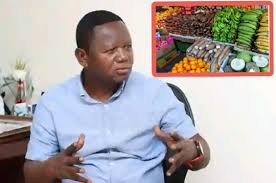
    Reacting to the development, Edward Kareweh, a former General Secretary and a member of GAWU, cautioned that consumers should brace for further price hikes in foodstuffs. He pointed to several factors, including the ongoing illegal mining (galamsey) and recent dry spells, as key challenges facing farmers.

    “This year, 2024, we are not going to have any significant increase in food production in the country. If total output is going to fall, it will push food inflation up. From now till December and in the early part of 2025, we should expect food inflation to push the national inflation up,” he warned.

    Although the government has introduced measures to mitigate the impact, Kareweh emphasized that these interventions will have limited success if galamsey is allowed to continue. He expressed concern over the destruction of water bodies and farmlands, which poses a serious threat to the country’s food security.

    He further cautioned that if illegal mining is not addressed, the prices of basic foodstuffs will continue to surge.

    Year-on-year inflation for September 2024 has increased to 21.5 percent, up from 20.4 percent in August. The GSS identified food inflation as the driving force behind this increase. Food inflation surged to 22.1 percent, compared to 19.1 percent in August 2024.

    In contrast, non-food inflation declined slightly to 20.9 percent from 21.5 percent in the previous month. Prior to this rise, inflation had been on a downward trend for five consecutive months.

    The report also revealed that inflation for both locally produced and imported items increased during this period.

  • Give us clear, pragmatic steps to end galamsey – GAWU tells political parties

    Give us clear, pragmatic steps to end galamsey – GAWU tells political parties

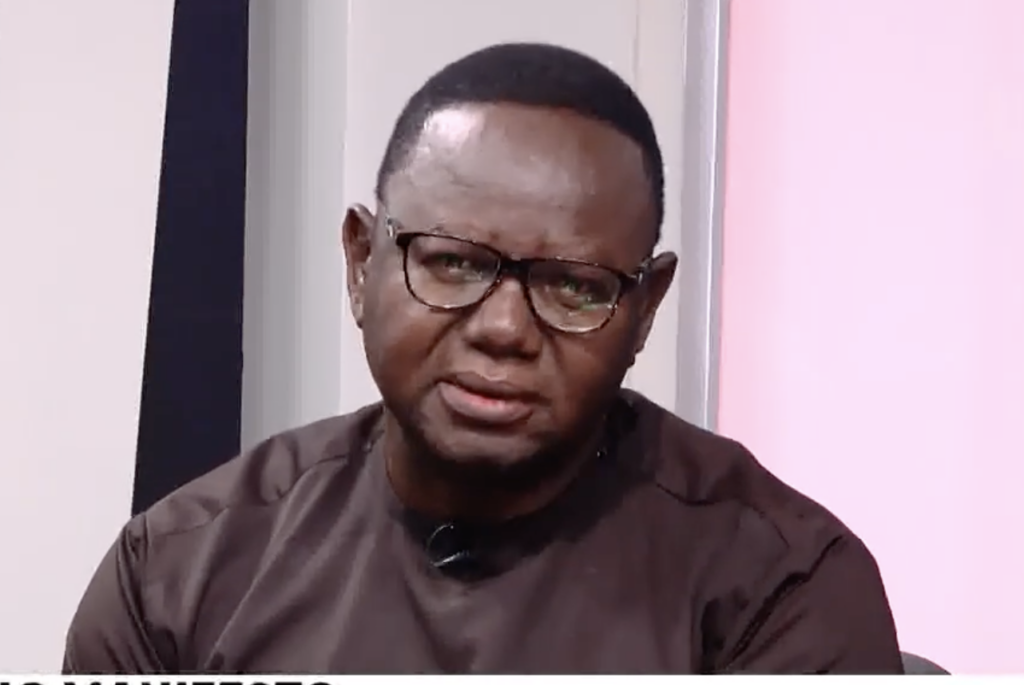
    The General Secretary of the General Agricultural Workers Union (GAWU), Edward Kareweh, has called on political parties to present clear and pragmatic strategies to combat illegal mining, commonly known as galamsey.

    Addressing the urgent need for effective solutions, he emphasized that tackling this issue is a top priority in discussions with political leaders aiming to govern the country.

    Speaking with Evans Mensah on Joy News’ PM Express, Kareweh underscored the severe impact of climate change on agriculture, pointing out that the anticipated seasonal drops in food prices have not occurred due to erratic and insufficient rainfall.

    He highlighted that the effects of climate change, compounded by the local problem of illegal mining, are causing significant harm to the agricultural sector.

    “People think that climate change is a Western problem, but we are feeling its effects too. Why aren’t we harvesting enough? It’s not just the rains; our lands are destroyed,” Kareweh explained.

    “The persistent destruction of land by galamsey without reclamation has a lasting impact, much like the aftermath of a fire.”

    Kareweh warned that the widespread participation in illegal mining, which affects 13 out of 16 regions, poses a major threat to agriculture.

    “Illegal mining has become the number one threat to agriculture, making the future look bleak,” he stated.

    Criticizing political parties for their vague positions on addressing illegal mining, Kareweh said, “We’ve demanded clear plans from political parties on how they will address galamsey. With such extensive land degradation, how can we build irrigation dams when our rivers are destroyed? Any river dammed today would yield polluted water unsuitable for agriculture.”

    Kareweh also expressed concern that Ghana could be more severely affected by climate change compared to other countries, due to the extensive damage caused by illegal mining.

    He noted that neighboring countries like Burkina Faso are advancing in agricultural irrigation and will soon focus on processing their food crops domestically, rather than exporting them.

    “The impact of climate change, combined with illegal mining activities, will severely affect Ghana’s agricultural sector,” Kareweh concluded.

    In light of these challenges, the GAWU General Secretary is urging political parties to provide concrete and actionable steps to end galamsey and mitigate its devastating effects on the environment and agriculture.

  • Resolve mismanagement of fertilizer subsidy, you can’t run away from it – GAWU to gov’t

    Resolve mismanagement of fertilizer subsidy, you can’t run away from it – GAWU to gov’t

    The General Secretary of the General Agricultural Workers Union (GAWU), Edward Kareweh, has strongly criticized the government’s decision to eliminate subsidies for farmers, emphasizing that resolving mismanagement should be prioritized instead of abandoning the subsidy program.

    Speaking on Joy News PM Express on Wednesday, Kareweh highlighted the critical role of subsidies in national development.

    “There is no country that has developed without using it. If you mismanage your subsidy, you need to correct it…we shall not allow government to run away from giving subsidy because it is a tragedy for any government to say it won’t give subsidy,” he said.

    Mr Kareweh further elaborated on the need to manage subsidies efficiently without creating waste, pointing to the issue of fertilizer smuggling as a deliberate act that undermines the subsidy program.

    “We must learn how to subsidize without creating waste. What we have done is deliberate regarding the smuggling of fertilizer to neighbouring countries to sell. We know those who are smuggling the fertilizer.

    “People are responsible for ensuring that the fertilizer gets to a target group but they don’t do so. The Planting for Food and Jobs phase 2 is a nonstarter for trying to take away the subsidy. Don’t run away when there is mismanagement, you have to correct it.”

    Dr. Charles Nyaaba, the former president of the Peasant Farmers Association, also called for transparency in the phase 2 fertilizer distribution under the Planting for Food and Jobs program, criticizing the lack of clear criteria. “There is a component they claim the fertilizer is given for free, but it is only the Agric Ministry that determines which farmer qualifies to get it,” he stated.

    Dr. Nyaaba added, “The initial concept developed for the policy was fantastic but when it came to the implementation, they changed everything.”

    In contrast, Agricultural Economist Prof. Onumah disagrees with the emphasis on subsidies, advocating instead for credit facilities to support farmers. He noted, “apart from the World Trade Organisation (WTO) frowning on subsidies, farmers are also better off to get credit facilities.”

    Prof. Onumah argued that providing farmers with credit facilities would enable them to expand more effectively and compete in the market, thus making subsidies unnecessary. “Attitudinal issues with beneficiaries need to be addressed. If you give the farmers credit facilities, they can access the market and compete fairly, make a profit and pay off their loan facilities.

    “Besides, the subsidies are not sustainable, let rather tool farmers with agricultural financing,” he said.

  • GAWU blames hike in vegetables prices on ‘galamsey’

    GAWU blames hike in vegetables prices on ‘galamsey’

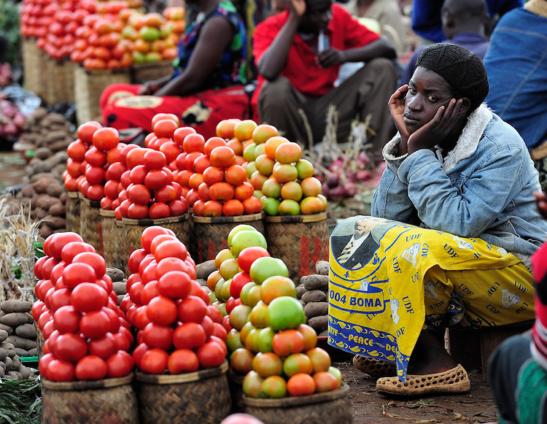
    General Agricultural Workers Union (GAWU) has attributed the alarming shortage of vegetables and subsequent price hikes in Ghana to illegal mining activities.

    Mr. Edward Kareweh, GAWU’s General Secretary, pointed out that the very areas crucial for vegetable cultivation are often hotspots for illegal mining, making it exceedingly challenging for farmers to grow crops.

    In an interview with the Ghana News Agency (GNA), Kareweh emphasized that while natural factors like seasonal changes play a role, certain policies within the agricultural sector exacerbate the problem, impeding food production.

    He highlighted the adverse effects of illegal mining, including soil erosion, water contamination, land degradation, heavy metal pollution, and soil infertility. Kareweh cautioned that without proper intervention, the situation would deteriorate further.

    Furthermore, Kareweh stressed that the impacts of illegal mining extend beyond environmental concerns, affecting communities and the country’s economy.

    He urged policymakers to prioritize sustainable mining practices to mitigate food insecurity and safeguard the environment.

    “Vegetables are delicate crops; you need clean water to grow vegetables, but you don’t necessarily need clean water to grow cocoa or oil palm because the water that runs under it must not necessarily be the one that we can drink,” he said.

    He said the water needed for vegetable production should almost be equivalent to drinking water; however, the activities of people engaged in galamsey had destroyed most of the farms, and those surviving fell into danger during the rainy season when floods flowed into the vegetable farms.

    Mr Kareweh said in addition to galamsey, there were also some policies that worsened the situation instead of addressing the gaps that had been created by nature.

    “Tomatoes generally should not be in abundance like they were in January and February, but you have to look at the marginal increase. That is why, at this time, as opposed to previously, every market day the price goes up and becomes far more costly than before, and that is what we need to investigate,” Mr Kareweh said.

    He lamented the high cost of products, land preparation, and pesticides, among others, which are critical to vegetable production and negatively affect development in the agricultural sector of the country.

  • It is always important to review the Labour Act -GAWU emphasizes

    It is always important to review the Labour Act -GAWU emphasizes

    The General Agricultural Workers Union (GAWU) has rejected assertions claiming that a review of the Labour Act is unnecessary.

    Edward Kareweh, the General Secretary of GAWU, responded to comments made by Labour Analyst Austin Gamey, who suggested that examining the current Labour Act and proposed changes by the technical committee were needless.

    Kareweh emphasized the significance of incorporating new provisions to align with contemporary standards and the needs of organized labor.

    “This act is a product of negotiation among employers, government, and labor. It’s also designed for use by ordinary people in the workplace. It aims to avoid technicalities, ensuring practitioners can easily understand the text and its intended meaning without different interpretations. Therefore, there’s an ongoing necessity to review the Labour Act,” explained Edward Kareweh in an interview with Citi News, as reported by GhanaWeb.

    He further elaborated, “The purpose of this act is to consolidate various labor laws into one framework. For instance, PNDC Law 187, which addresses workman compensation, is now incorporated into the new provisions, eliminating the need to reference separate laws.”

    Kareweh stressed that workplace dynamics have shifted, highlighting the imperative to modernize the Labour Act, which has remained unchanged for two decades, to mirror these transformations.

    “We’ve introduced new elements like addressing violence and harassment in the workplace. Moreover, considering the National Labour Commission’s longstanding presence, we’ve observed its associated weaknesses. Hence, it’s imperative to review and integrate these aspects into the act. After over 20 years of implementation, it’s essential to revise the Labour Act,” he stated.

  • Local industry collapsing due to ‘heavy’ rice importation – GAWU

    Local industry collapsing due to ‘heavy’ rice importation – GAWU

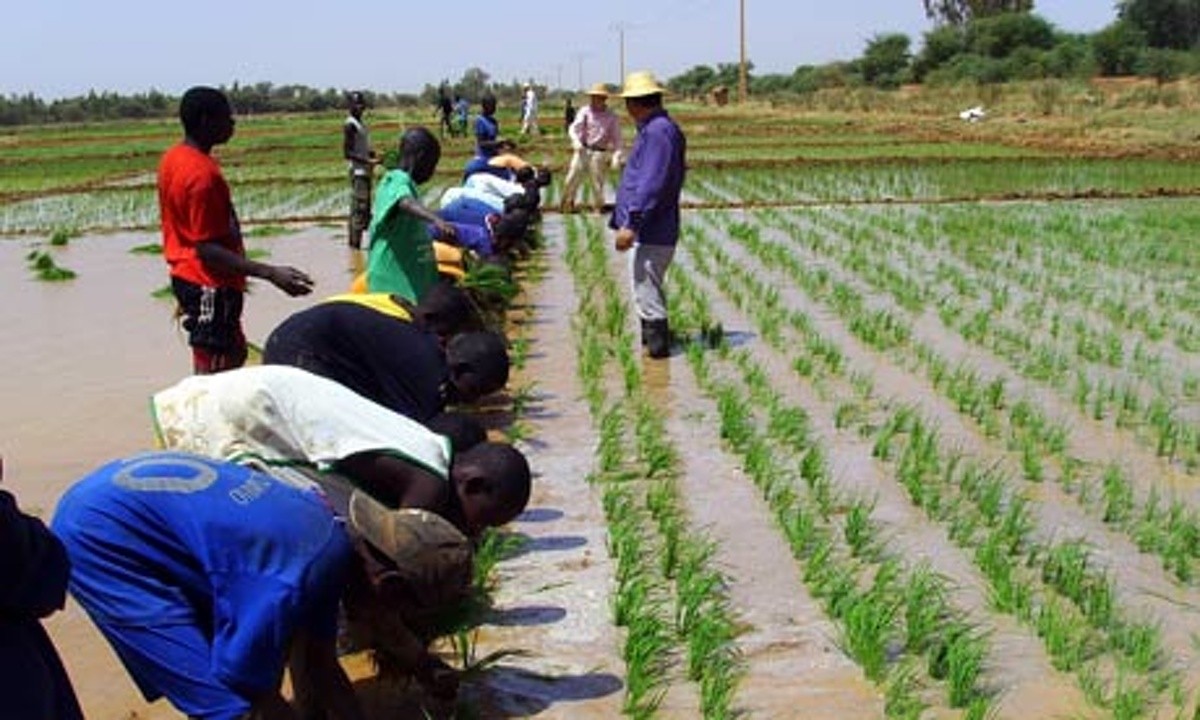
    The General Agriculture Workers Union (GAWU) has expressed concern over the increase in illegal rice imports flooding the country’s markets.

    Despite official data indicating a decline in rice imports over the past three years, GAWU has noted a significant amount of foreign rice being smuggled into the country through unapproved routes.

    GAWU’s General Secretary, Edward Kareweh, stated that their market assessments and investigations in border communities reveal the presence of rice brands sourced from Togo, Cote D’Ivoire, and Burkina Faso.

    The illegally imported rice is priced between 20 to 30% cheaper compared to locally produced ones, creating an unfair advantage in the market.

    Mr. Kareweh cautioned that this situation threatens to undermine the local rice industry, as local producers struggle to compete effectively.

    “For those in the northern part of the country, much of their rice imports are now coming from Burkina Faso and Togo, and that is how it has flooded the system.

    “When we say that our import values are declining, it is because we are not able to capture the illegal entry of the rice and that is the one that is choking the system because they are cheaper,” Mr. Kareweh said.

    During his State of the Nation Address to Parliament on Tuesday, February 27, President Akufo-Addo highlighted a notable decrease of approximately 45% in rice imports between 2021 and 2023.

    The President stated that rice imports totaled 805,000 metric tonnes in 2021, 650,000 metric tonnes in 2022, and 440,000 metric tonnes in 2023.

    However, the General Agriculture Workers Union has expressed concern that despite the decline in imports, which coincided with an increase in rice consumption, the local rice industry did not experience the anticipated growth.

    “Farmers in the Northern part of the country have harvested their rice, but they cannot get market. A rice mill at Savelugu has been complaining that they will shut down because when they process the rice there is no market for it.

    “This is because the rice market is flooded with imported rice,” he added.

  • Invest in irrigation agriculture  to combat food shortage – GAWU to govt

    Invest in irrigation agriculture to combat food shortage – GAWU to govt

    The General Agricultural Workers Union (GAWU) of Ghana has emphasized that the key to addressing the country’s food shortage lies in prioritizing irrigation agriculture, especially in the face of ongoing reports predicting sustained high food prices.

    During an interview on Starr Midday News with Naa Dedei Tettey, Mr. Edward Kareweh, the General Secretary of GAWU, pointed out that natural factors significantly contribute to food shortages, underscoring the pivotal role of irrigation agriculture in resolving the issue.

    Mr Kareweh stressed the need for policy interventions that enable year-round farming, emphasizing that irrigation agriculture is crucial.

    He acknowledged the existing efforts in irrigation agriculture but highlighted the importance of scaling up to meet the growing demand for food, considering agriculture’s diverse applications, including industrial use.

    While acknowledging the government’s One-village One-Dam initiative as a positive step, Mr Kareweh urged a closer examination of its effectiveness and sustainability.

    He urged increased investment in irrigation agriculture, citing the impact of climate change as a pressing reason for immediate government action.

    Mr Kareweh warned that without prompt measures in irrigation farming, the food shortage situation could worsen, emphasizing the need for a more substantial commitment to irrigation agriculture beyond existing policies.

    “We are already doing irrigation agriculture but the rate at which we are doing it is not in line with our demand for food. Because agriculture is not only for food it is also for industrial use. So there are many other uses for our agricultural produce. Therefore we have to increase irrigation agriculture more importantly around this time of our development,” Mr. Karewaeh stated.

    “We have to invest more in irrigation agriculture. The government started the One-village One Dam. It was a good policy and a good intervention. But you see, the intention of policies is not the same as the outcome.

    “What we should be asking is how many of the One-village One-Dam are surviving now. How many of them have water and how many are farmers using,” he quizzed.

  • GAWU attributes inflation surge to lean season, lack of rainfall

    GAWU attributes inflation surge to lean season, lack of rainfall

    General Secretary of the Ghana Agriculture Workers Union (GAWU), Edward Karewah, has cautioned that the recent surge in food prices across the country is likely to persist until the arrival of the harvest season in June 2024.

    Speaking to Joy Business in an interview, Karewah emphasized that the ongoing inflation in food prices, which saw a consecutive six-month increase to 27.1% in January 2024, is directly linked to the lean season of production. He explained that until crops such as maize and rice are harvested, the availability of fresh produce will remain limited.

    “The price of food will not get better anytime soon,” Karewah stated. “We are entering into or are already in the lean season of production, and no part of the country is experiencing a harvest of foodstuff, particularly the major staples.”

    He pointed out that the lack of rainfall in various regions has hindered farming activities, leading to a reliance on last year’s crops. Karewah noted that while farms are preparing for the upcoming planting season, the current supply of food remains largely unchanged.

    “During this season, all the foodstuff we are eating is from last year. So don’t expect food prices to come down now,” he cautioned. “We expect that by the middle to the end of March [2024], food prices will go up and stay high like that until we begin to harvest around June/July in the Southern parts of the country.”

    Meanwhile, recent inflation figures revealed that several divisions recorded rates higher than the national average. These include Alcoholic Beverages, Tobacco, and Narcotics (38.5%), Personal Care, Social Protection, and Miscellaneous Goods and Services (32.0%), and Restaurants and Accommodation Services (29.2%).

    Other divisions with above-average inflation rates include Furnishings, Household Equipment, and Routine Household Maintenance (27.7%), Food and Non-Alcoholic Beverages (27.1%), Health (26.6%), and Recreation, Sports, and Culture (24.9%).

    As Ghanaians grapple with the impact of rising food prices, Karewah’s warning underscores the urgent need for measures to address the challenges faced by the agricultural sector and ensure food security for the nation.

  • GAWU foresees continued food price hike until harvest season

    GAWU foresees continued food price hike until harvest season

    General Secretary of the Ghana Agriculture Workers Union (GAWU), Edward Karewah, has cautioned that the recent surge in food prices across the country is likely to persist until the arrival of the harvest season in June 2024.

    Speaking to Joy Business in an interview, Karewah emphasized that the ongoing inflation in food prices, which saw a consecutive six-month increase to 27.1% in January 2024, is directly linked to the lean season of production. He explained that until crops such as maize and rice are harvested, the availability of fresh produce will remain limited.

    “The price of food will not get better anytime soon,” Karewah stated. “We are entering into or are already in the lean season of production, and no part of the country is experiencing a harvest of foodstuff, particularly the major staples.”

    He pointed out that the lack of rainfall in various regions has hindered farming activities, leading to a reliance on last year’s crops. Karewah noted that while farms are preparing for the upcoming planting season, the current supply of food remains largely unchanged.

    “During this season, all the foodstuff we are eating is from last year. So don’t expect food prices to come down now,” he cautioned. “We expect that by the middle to the end of March [2024], food prices will go up and stay high like that until we begin to harvest around June/July in the Southern parts of the country.”

    Meanwhile, recent inflation figures revealed that several divisions recorded rates higher than the national average. These include Alcoholic Beverages, Tobacco, and Narcotics (38.5%), Personal Care, Social Protection, and Miscellaneous Goods and Services (32.0%), and Restaurants and Accommodation Services (29.2%).

    Other divisions with above-average inflation rates include Furnishings, Household Equipment, and Routine Household Maintenance (27.7%), Food and Non-Alcoholic Beverages (27.1%), Health (26.6%), and Recreation, Sports, and Culture (24.9%).

    As Ghanaians grapple with the impact of rising food prices, Karewah’s warning underscores the urgent need for measures to address the challenges faced by the agricultural sector and ensure food security for the nation.

  • Galamsey is a threat to cocoa production – GAWU

    Galamsey is a threat to cocoa production – GAWU

    The Ghana Agriculture Worker Union (GAWU) has urged the government to address the root issue affecting cocoa production.

    The Union acknowledged the merit of increasing cocoa prices but emphasized that the genuine challenge lies in the issue of illegal mining, often referred to as “galamsey.”

    GAWU’s General Secretary, Edward Kareweh, highlighted that farmers are compelled to sell their lands to illegal miners, adversely impacting cocoa production.

    Speaking to the media, Mr Kareweh explained that illegal miners often employ aggressive tactics, such as diverting polluted water onto farmlands, making it impossible for farmers to work their fields and forcing them to sell.

    He emphasized that the government must address the genuine threat to cocoa production posed by illegal mining. Simply raising cocoa prices won’t compete with the income potential from illegal mining.

    In essence, GAWU calls for a comprehensive approach to safeguard cocoa farms from encroachment by illegal miners.

    “Sometimes, the galamseyers use very ruthless methods to push the farmers to sell their farms to them. For instance, if they decide to channel all their dirty water on your farm, you cannot go to the farm again, and you are forced to sell the farm to them.

    “So these are the areas that the government must look at seriously to ensure that the real danger to cocoa production which is galamsey is dealt with otherwise, the government cannot continue to increase cocoa prices to the point where it can compete with the revenue that galamsey will give to the farmers. So as much as increasing the cocoa prices is one way of improving their income, the government also needs to address the encroachment on cocoa farms by galamseyers,” he stated.

  • TUC decries freeze on employment in 2023 budget

    Trades Union Congress members have warned that the measures in the 2023 budget statement and economic strategy will worsen the nation’s economic problems and have called on their union to reject them.

    The TUC claims that the budget was intended to impoverish the typical Ghanaian and workers, citing the decision to forbid civil and public servants from taking on new jobs, the increase of value added tax (VAT) by 2.5 percent, and the removal of the levy threshold on electronic transactions (E-Levy), among other issues.

    Speaking at a post-budget forum organised by the TUC and themed ‘Rebuilding Path’, Secretary-General Agriculture Workers Union (GAWU), Edward Kareweh, described the budget as inimical to the aspirations of Ghanaians and labour.

    “The budget did not reflect the aspirations of Ghanaians. It did not reflect the aspirations of labour. It did not reflect the dire situation of farmers. Why am I saying so? In the budget, government agreed that the major concern of our country is unemployment.

    “We also know that unemployment has been rising. But the budget aims to increase unemployment through a deliberate policy not to employ people. It’s not by accident or inability of government to create jobs; they are saying that they are deliberately through this policy not going to employ people,” he stated.

    Speaking to journalists on the forum’s sidelines, the TUC Secretary-General, Dr. Yaw Baah, added that the decision will negatively impact productivity and welfare of the country.

    “Your effectiveness in service delivery will be affected, and the workers who are working will have to share the burden of those who have retired without any compensation; and that is why we have issues with this,” Dr. Baah said.

    He added: “We know that we are in crisis, but the policies we adopt as solutions to the crisis could even deepen it. That is not what we want. We want solutions which will be effective, will make sure everybody wins”.

    Speaking on the subject, Dr. Kwabena Nyarko Otoo – Director of TUC’s Labour Research and Policy Institute (LRPI), called for government’s economic policies in 2023 to go beyond the IMF bailout.

    He said government should roll-out homegrown policies which seek to transform the economy’s structure, with gricultural investment and industrialisation being a key policy in the medium- to long-term.

    Dr. Nyarko Otoo further called for an intensification of revenue mobilisation and implementation of the Exemptions Act, as well as ending harmful exemptions which deprive the state of revenues.

    “In the medium- to long-term, government must implement policies which can generate more revenue from our mineral wealth. Currently, Ghana receives just 10 percent of the mining sector’s revenues while government imposes a maximum 25 percent tax on wages/salaries of workers,” he stated.

    The forum afforded the TUC and its affiliates an opportunity to ascertain the extent to which the budget will help address current economic challenges and put the economy on a growth-path, so as to create decent employment for the citizenry.

  • 2023 Budget uninspiring for Agric sector – GAWU

    The General Agricultural Workers Union(GAWU) says it is disappointed with the 2023 Budget statement describing the economic policy as “uninspiring” for the agric sector.

    Speaking to Starr News, the General Secretary of GAWU, Edward Kareweh said even though the government says it is looking at investing in the sector with an announcement of an insurance policy for farmers, it doesn’t address pertinent issues facing the sector.

    “I think our fears were confirmed that this budget is technically a budget from the IMF and indeed it is not inspiring for us. This is a budget that has not come out with radical policy measures to turn agriculture around.

    He added: “This is a budget that has concentrated on trying to constrain benefits to workers. This is a budget that has concentrated on raising taxes to affect workers and the entire Ghanaian population. This is a budget that has got austerity measures that are not targeted at those who are benefiting from the current crisis but rather the measures are seeking to further take away the little that the vulnerable have.”

  • 2023 Budget uninspiring for Agric sector – GAWU

    The General Agricultural Workers Union (GAWU) expresses dissatisfaction with the 2023 Budget declaration, calling the economic strategy “uninspiring” for the agricultural industry.

    Edward Kareweh, the general secretary of the GAWU, stated in a statement to Starr News that although the government announced an insurance policy for farmers as part of its investment plan, it fails to address important concerns plaguing the industry.

    “I believe that this budget’s status as an IMF budget has been proven, and it is uninspiring to us.
    This budget does not propose any dramatic policy changes to revive agriculture.

    He added: “This is a budget that has concentrated on trying to constrain benefits to workers. This is a budget that has concentrated on raising taxes to affect workers and the entire Ghanaian population. This is a budget that has got austerity measures that are not targeted at those who are benefiting from the current crisis but rather the measures are seeking to further take away the little that the vulnerable have.”

  • I’m not too optimistic 2023 Budget will address challenges within agriculture sector – GAWU

    The General Agricultural Workers Union (GAWU) is casting doubts over the 2023 Budget turning the fortunes of the sector around.

    Prices of foodstuff have shot up significantly this year, with some items going up by more than 50%.

    Though the growth rate of the sector has been appreciable, the high food prices, which is partly due to high fuel prices, has been a major concern.

    General Secretary of GAWU, Edward Kareweh, told Joy Business the sector may not see considerable funding for next year because of the expected austere budget.

    “I’m not too optimistic that the challenges within the agriculture sector will be addressed in the coming budget. I’m saying so because the budget is going to be an austere budget, whether government has concluded the negotiation with the IMF or not.”

    “I expect the budget to reflect some conditionalities that the IMF will be expecting the Ghana government to carry on before they reach a deal”.

    To this end, Mr. Kareweh does not expect investments in agriculture in 2023.

    “I’m not seeing how there will be adequate budgetary allocation to agriculture in the 2023 Budget, increase investments and so on.

    Source: Myjoyonline.com

  • There is food in Ghana but locked up at the farm gate – GAWU

    “There is food in Ghana, but locked up at the farmgate, things are not well,” Mr. Edward Kareweh, General Secretary of the General Agricultural Workers Union (GAWU) has revealed.

    He said, “things are not done properly. Improper application of laudable policies has created a problem, where food is cheap at the farm, but expensive on the side of the final consumer.”

    “Poorly formed relations along most Agricultural value chains in the country were fostering a high degree of predatory behaviour between actors, affecting the sector negatively,” he said.

    This predatory, Mr. Kareweh explained, also worsened, and weakened the reinforcing system that limited investments and decreased efficiency and resiliency, preventing competitiveness which overall affected the incomes and willingness of the ordinary farmer to purchase inputs.

    Mr. Kareweh was speaking on the theme: “Ghana’s Agricultural Value Chain,” at the 17th Monthly Stakeholders Engagement and Workers’ appreciation day seminar organized by the Ghana News Agency’s Tema Regional Office, which aimed at providing a platform for both state and non-state organizations to address national issues to enhance development.

    The event also served as a motivational mechanism to recognize the editorial contribution of reporters toward national development in general, growth, and promotion of the Tema GNA as the industrial news hub.

    The GAWU General Secretary argued that government policies must provide specific incentives to agricultural equipment dealers and users to help expand smallholders as key stakeholders.

    “So we must not blow our own trumpets that we are working. Let those we are serving judge. We must not praise a project because of its beautiful features, we must do that after seeing results,” he said.

    Mr. Kareweh stated that the financial sector was weak and poorly structured to take on capacity-building investments needed to effectively support the agricultural sector in general, specifically the equipment sector, which was hindering the value chain from its massive potential.

    He noted that wholesalers had limited interest in building branded retail channels, which passed through to the farmer making it less important as a leverage point for improving broader and more appropriate access for smallholders.

    He added that there were larger retailers with multiple outlets that were keenly interested in expanding their distribution networks but were concerned by the risks and cost of setting up new stores because of a failed economic system adding that the country needs a structural bailout.

    He stressed that the country currently lacks effective structural policies to optimize the competitiveness of the agricultural value chain.

    “Enhancing the competitiveness of the agricultural value chains demands improvement in productivity along the specific value chains for an effective and efficient input supply system,” has stated.

    Mr. Kareweh explained that formulating the right policies and allowing them to be championed by competent leaders would improve crop productivity and product quality along the agricultural value chains.

    He said there was a need for the government to create an enabling environment to help facilitate linkages between core value chain actors and support services including financial services, technical advisers, and mechanization services to producers.

    Mr. Francis Ameyibor, Ghana News Agency Tema Regional Manager explained that “we recognize the excellence in stakeholder engagement, which we believe will assist us GNA and our stakeholders to deliver and ensure that society plays an active watchdog role so that institutions perform.”

    He said the Agency was strategically placed as a credible news organization that needed to deepen its relations with its stakeholders for mutual benefit and to advance the prospects of the agency and the country.


  • MoFA has no business in food distribution chain – GAWU

    The General Agriculture Worker’s Union (GAWU) is raising some eyebrows about the activities of the Ministry of Food and Agriculture (MoFA) in the food distribution chain concerning its Planting for Food and Jobs (PFJ) pilot market.

    According to GAWU, the ministry has no business in the food middlemen business.

    The MoFA last Friday, November 11, 2022, piloted the sale of some selected food items at its forecourt in Accra to cushion some Civil and Local Government staff to get affordable food items in the wake of food price hikes in the country.

    The General Secretary of GAWU, Edward Kareweh questioned the ministry’s rationale for introducing the programme.

    He was of the view that the ministry was usurping the work of the National Buffer Stock Limited while speaking in an interview on the 505 news analysis programme hosted by Valentina Ofori Afriyie on Accra-based Class 91.3 FM on Friday, November 11, 2022.

    He was categorical in saying the ministry has no mandate to engage in such exercises when there is a dedicated company for doing so.

    He further questioned the ministry’s budget for playing the role of food middleman in the food distribution and supply chain.

    ”The ministry ought to tell us which budget they are using for the pilot programme when there is the need for the ministry to scale up its supply of fertilizers to farmers among others in the country,” he stressed.

    He said since 2021 the ministry has scaled down the supply of fertilisers to farmers across the country.

    This should be a source of worry to the minister and the heads of departments at the ministry and not dabbling in the food supply chain.

    He said there has been a drastic reduction in subsidies on fertilisers leading to a reduction in the volumes supplied to the farmers.

    He added that what is needed to salvage the situation is investments in agriculture and not the ministry drifting to areas it has no mandate.

    He said there is a shortage of maize which is a key component in PFJ crops and asked why the ministry is not working to make that available through the PFJ pilot market but rather focusing o plantain which is not part of the PFJ list of crops?


  • Agric Ministry’s sale of foodstuff a knee-jerk reaction, unsustainable – GAWU

    The General Agricultural Workers Union (GAWU) has bashed the Ministry of Food & Agriculture’s decision to have a farmers’ market at its premises to sell foodstuff to Ghanaians.

    Speaking on the Citi Breakfast Show, the General Secretary of GAWU, Edward Kareweh said it was a bad idea to conceive the initiative without carefully evaluating the forces driving up the prices of foodstuff in the various markets.

    He said the initiative is just a knee-jerk measure and its sustainability is highly in doubt because the entire procedure is shredded in secrecy.

    “What is their budget for this exercise? We are asking this because, at the beginning of the year, the Ministry indicated to all of us that they were reducing their support to farmers to produce. The subsidy on fertilizer and subsidized seed which was 36% in 2021 has been reduced to 15%. The volume of fertilizer that was subsidized last year has been cut down to only a quarter.”

    “The quality of fertilizer that gets to the farmers is not the same as what they claim they subsidized. There are real challenges facing agricultural production in this country. The other part has to do with post-harvest losses. The Ministry has to work to ensure we minimize post-harvest losses. Records have that 60 percent of yam produced never reaches the table of the consumer.”

    Mr. Karaweh called for a re-evaluation of the foodstuff supply chain and said that what the government needs to do is “to facilitate the movement of foodstuff from the rural areas to the urban areas” so they can be sold at reasonable prices.

    The initiative, which commenced on Friday, November 11, was first revealed by the Agric Minister Dr. Owusu Akoto Afriyie during a meeting with farmers in Sefwi Wiawso in the Western North Region.