Tag: GRNMA

  • 13,500 nurses now on govt’s payroll – Health Ministry announces

    13,500 nurses now on govt’s payroll – Health Ministry announces

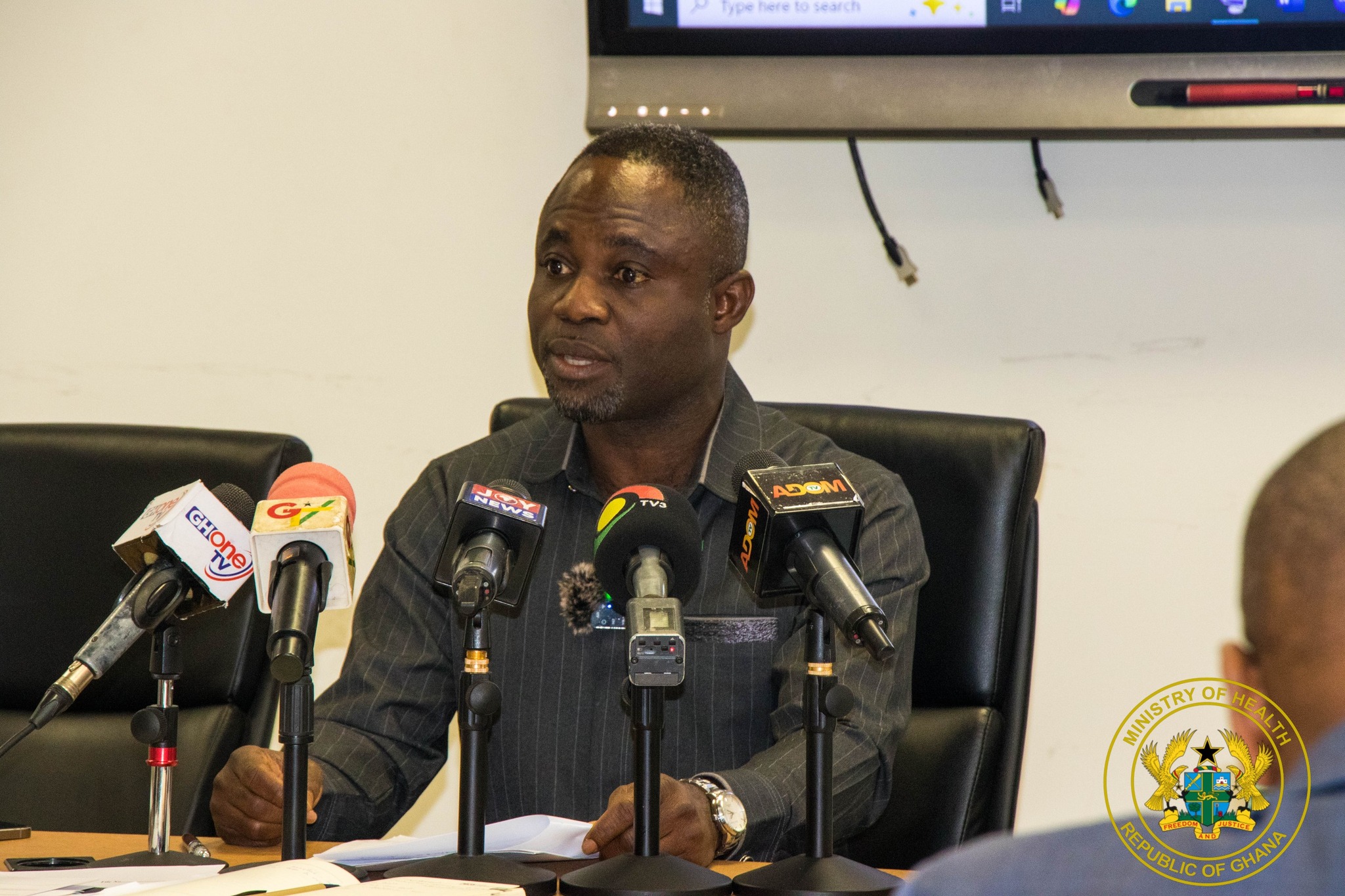
    Thirteen thousand five hundred (13,500) nurses have now been placed on the government payroll, according to the Ministry of Health.

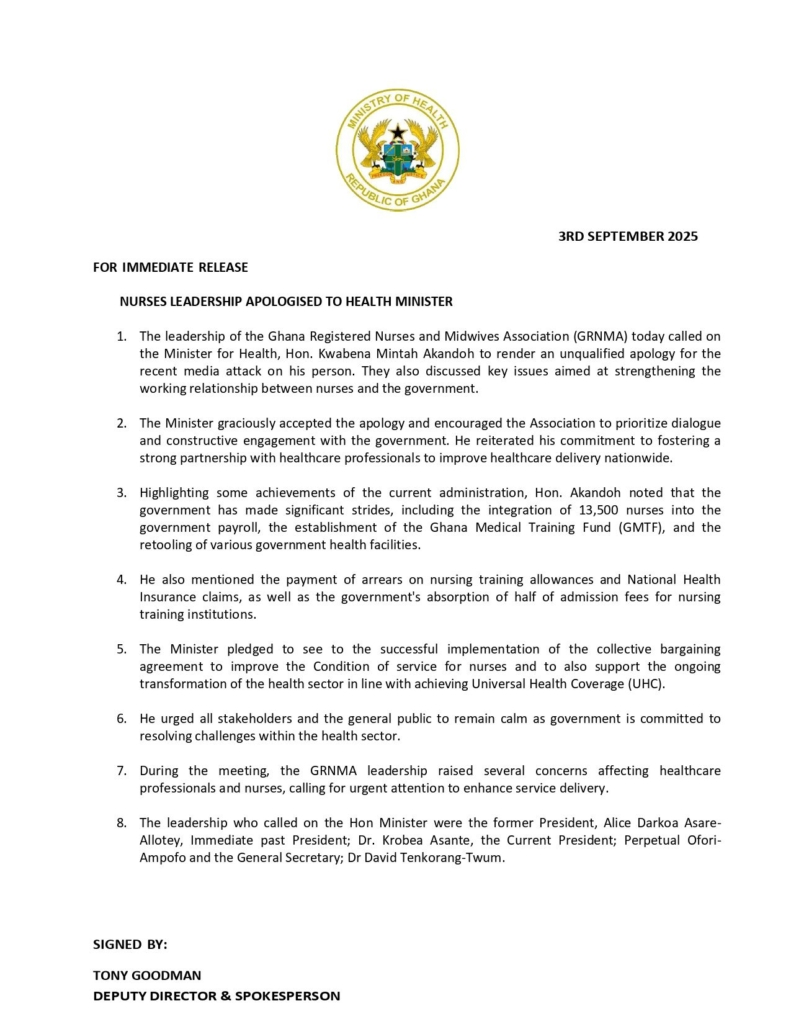
    This development was made public when the leadership of the Ghana Registered Nurses and Midwives Association (GRNMA) paid a courtesy call on the Health Minister, Kwabena Mintah Akandoh, on Wednesday, September 3, 2025.

    Members of the Association were there to render an unqualified apology to the Minister for a recent media attack on his person and discussed strategies to strengthen ties between nurses and the government.

    Amidst making amends, a statement was shared on the Health Ministry’s Facebook page, where Honourable Akandoh highlighted some achievements of the current administration, and noted that “the government has made significant strides, including the integration of 13,500 nurses into the government payroll, the establishment of the Ghana Medical Training Fund (GMTF), and the retooling of various government health facilities.”

    He also mentioned the payment of arrears on nursing training allowances and National Health Insurance claims, as well as the government’s absorption of half of admission fees for nursing training institutions.

    The Minister pledged to see to the successful implementation of the collective bargaining agreement to improve the Condition of service for nurses and to also support the ongoing transformation of the health sector in line with achieving Universal Health Coverage (UHC).

    He urged all stakeholders and the general public to remain calm as government is committed to resolving challenges within the health sector.

    During the meeting, the GRNMA leadership raised several concerns affecting healthcare professionals and nurses, calling for urgent attention to enhance service delivery.

    The leadership who called on the Hon Minister were the former President, Alice Darkoa Asare-Allotey, Immediate past President; Dr. Krobea Asante, the Current President; Perpetual Ofori Ampofo and the General Secretary; Dr. David Tenkorang-Twum.
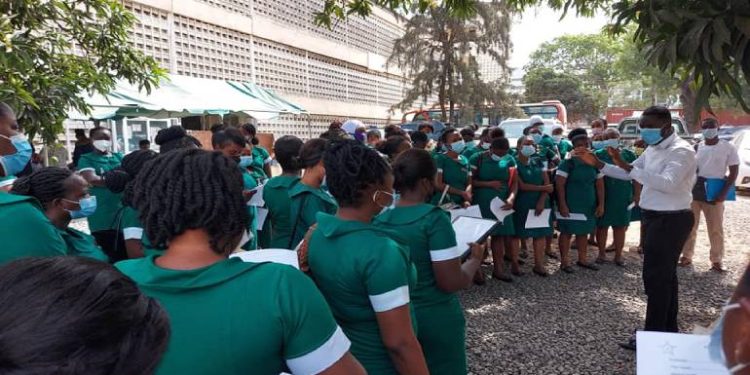
    Members of GRNMA on June 2 withdrew from their posts over delays in their 2024 Collective Agreement. In response, the National Labour Commission (NLC) filed an ex parte application on Thursday, June 5.

    A 10-day injunction was placed on the nationwide strike after the Industrial and Labour Division of the High Court in Accra described the protest as illegal.

    The GRNMA disclosed that it was yet to formally receive a court order restraining its ongoing strike. Public Relations Officer of the GRNMA, Joseph Krampah, insisted that the group was proceeding with the strike until an official injunction notice was served.

    Health Minister Mintah Akandoh, on the matter, revealed that the government waas unable to meet the conditions of service for the Ghana Registered Nurses and Midwives Association (GRNMA), currently on strike, this year.

    Engaging the press, the sector minister announced that the conditions of service being requested to be implemented were not captured in the 2025 budget statement; hence, it will “completely throw the economy off gear if implemented in the manner it currently exists.”

    “We are mindful of the serious economic consequences of unbudgeted expenditure and want to avoid the economic slippages that have led to the hardship in the recent past,” the Health Minister revealed.

    The Minority in Parliament entreated the government to put in the necessary measures to ensure the strike action was called off.

    Dr Afriyie Ayew told the government to work towards providing the conditions of service worked on by the previous government.

    “It is our belief that governance is a continuous process regardless of which party is in government public servants are paid, collective bargaining rights which are agreed on remain their rights regardless of which government takes over after elections.”

    The nationwide strike by the Ghana Registered Nurses and Midwives Association (GRNMA) took a heavy toll on the delivery of healthcare services, with many lives being lost due to patients being stranded.

    The Mortuary Workers Association of Ghana (MOWAG) bemoaned the evident rise in mortality cases amid the ongoing strike by nurses and midwives in the country.

    General Secretary of MOWAG, Richard Kofi Jordan, noted that the death rate has increased by approximately 100% to 150% due to nurses not being at post.

    “Looking at the [number] of deaths compared to the past and now, the death toll has increased significantly, and it is not surprising because of the impact of the nurse’s absence. On average, where we are to record about 10 a day, we are recording about 20 to 25. This tells you that the absence of our nurses is becoming so severe,” he said.

    Making reference to Korle-Bu Teaching Hospital, he mentioned that “we know averagely in Korle Bu, you can have about 50 this time. It has risen above that. Other facilities (like) KATH and all that, we are hearing it.”

    According to him, the nurses who are no longer at their posts were mitigating the daily death rate across medical facilities in Accra.
  • PUFA-Ghana commends GRNMA for suspending strike

    PUFA-Ghana commends GRNMA for suspending strike

    The Private Universities Founders Association of Ghana (PUFA-Ghana) has expressed deep appreciation to the Ghana Registered Nurses and Midwives Association (GRNMA) for suspending its recent nationwide strike.

    PUFA-Ghana describes the decision as a mark of maturity and dedication to dialogue.

    In a statement signed by President of PUFA-Ghana and Chancellor of Wisconsin International University College, Dr Paul Fynn, GRNMA’s action reflects their commitment to peaceful engagement and the well-being of the Ghanaian public.

    “We fully appreciate the conditions of service challenges faced by members of the GRNMA and wish to express our deepest condolences to the families who lost loved ones during the strike,” the statement read.

    PUFA-Ghana also extended gratitude to the government and other stakeholders, including the Parliamentary Select Committee on Health, for engaging with GRNMA leadership to resolve the issue.

    It emphasized that while grievances are valid, no strike action should ever cost a Ghanaian life, especially when critical services like maternal and emergency care are at stake.

    The association, which describes itself as non-partisan and development-driven, called for a range of long term interventions to prevent future strikes in the health sector.

    Among the key recommendations are that;

    • There should be a constant Health Sector Consultative forum between the Ministry of Health, Union leaders and healthcare administrators to pre-emptively address 3grievances early before they become
      aggravated.
    • PUFA appeals to the Government to consider publicly declaring a stay in the court processes concerning the strike, in recognition of the bGRNMA suspension of the strike and as a sign of goodwill.
    • Predictable and timely processes and procedures for salary negotiations, working condition reviews and other urgent matters in
      consultation with the Ministry of Finance, the Accountant General’s Department and labour.
    • Strengthen the health workers’ welfare programs to attract and retain health workers and volunteers, if any.
    • To strengthen the oversight bodies to monitor the implementation of agreed arrangements and to foster stakeholder engagement and
      accountability.
    • Develop and implement appropriate incentives for private sector participation in health care delivery, subject to proper checks and balances.

    PUFA-Ghana pledged its readiness to support the development of these interventions with professional input and reiterated its commitment to working with the government, health sector unions, and other stakeholders in safeguarding public health.

    Read full statement below:

  • You can’t force govt to meet your demands when it can’t – Austin Gamey to GRNMA

    You can’t force govt to meet your demands when it can’t – Austin Gamey to GRNMA

    Labour expert Austin Gamey has weighed in on the ongoing strike by has weighed in the stalemate between the government and the Ghana Registered Nurses and Midwives Association (GRNMA).

    In an interview with Joy FM on Wednesday, June 11, Austin Gamey noted that the government cannot be pressured to meet the Association’s demands when it cannot.

    “I will plead with both parties, the union within the nursing fraternity, they know that they have to go back to work. Let them go to the table and have a conversation about any plan that is worth implementing. You can’t force the employer to pay you when they cannot afford to pay. You cannot do that, you cannot force a horse to the riverside to drink water.

    He called for a constructive dialogue between the two parties, adding, “Patience is required, and I think that this is a matter that can be resolved easily, but the way they are going about it is what is creating the problem”.

    Members of GRNMA on June 2 withdrew from their posts over delays in their 2024 Collective Agreement. In response, the National Labour Commission (NLC) filed an ex parte application on Thursday, June 5.

    However, Health Minister Mintah Akandoh on Tuesday, June 10, revealed that the government will not be able to meet the conditions of service for the Ghana Registered Nurses and Midwives Association (GRNMA), currently on strike, this year.

    Engaging the press the sector minister announced that the conditions of service being requested to be implemented were not captured in the 2025 budget statement; hence, it will “completely throw the economy off gear if implemented in the manner it currently exists.”

    “We are mindful of the serious economic consequences of unbudgeted expenditure and want to avoid the economic slippages that have led to the hardship in the recent past,” the Health Minister revealed.

    On the matter, the Deputy Minister of Finance, Thomas Nyarko Ampem, revealed that fully meeting the nurses’ current demands would add “in excess of GH¢2 billion” to the national compensation budget.

    “We have all committed that in our resolve to reset the economy of this country, we must maintain a 1.5% primary balance surplus every year in order to bring our debt levels to sustainable levels,” he added.

    Mintah Akandoh, however, assured of the government’s readiness to further engage with the GRNMA to implement the conditions of service in a manner that does not dislocate the national budget.

    “Government commits to continue to engage with the nurses to achieve a mutually acceptable outcome in the interest of the public,” he said.

    This news was broken to the GRNMA at a closed-door meeting on Monday, June 9, and the association’s vice president, Samuel Alagkora Akologo, expressed his displeasure. He noted that such a proposal is unfair, as it will rob the striking nurses of what was due them.

    “And what they wanted us to agree on was to push the implementation to 2026. What it means is that they wanted to set the conditions of the service calendar so that it will be like we have just renegotiated, and then we are moving on, so that the idea of arrears will not come in. This is not fair,” he said.

    A 10-day injunction has been placed on the nationwide strike after the Industrial and Labour Division of the High Court in Accra described the protest as illegal.

    Meanwhile, the GRNMA has disclosed that it is yet to formally receive a court order restraining its ongoing strike. Public Relations Officer of the GRNMA, Joseph Krampah, has insisted that the group will continue its strike until an official injunction notice is served.

    According to him, although the association is a law-abiding group, it cannot obey unofficial reports.

    “They think that they should serve us a letter; we can’t prevent them, but what constitutes an illegal strike? When in Ghana has the Labour Commission said that this strike is legal? It is only illegal when they don’t inform your office about the intended strike, and we did—you had the letter,” Krampah said.

    He added: “If you are declaring it as illegal or whatever and you are bringing an injunction, that is your job to do, and we respect the court and the NLC very much. We are law-abiding people. But just that things that we have not seen, we cannot act on them. I am saying that we haven’t received any letter. None of the executives have been served any letter about that. So till we know that, aluta continua.”

  • Finance Ministry fully committed to  resolving GRNMA’s demand – Health Minister

    Finance Ministry fully committed to resolving GRNMA’s demand – Health Minister

    Minister for Health, Kwabena Mintah Akandoh, has assured that the Ministry of Finance is fully committed to addressing the concerns raised by striking nurses and midwives in the country.

    His assurance came in the wake of a nationwide industrial action embarked upon by members of the Ghana Registered Nurses and Midwives Association (GRNMA), who are protesting the non-implementation of a collective bargaining agreement they reached with the previous administration.

    Speaking in an interview with JoyNews on Wednesday, June 5, Mr. Akandoh stressed that his ministry has been working closely with the Finance Ministry to ensure that nurses’ grievances are resolved in a manner that prevents further disruption of healthcare delivery.

    “They have been in constant touch with the Ministry of Finance because this goes beyond the Ministry of Health,” he explained. “I could not absolve myself from responsibility until the full implementation of the agreement because we are their employers. Where we have reached, the Minister of Finance would have to play a key role, of which we are engaging the Ministry.”

    According to him, the Finance Ministry has given its word to help find a solution to the matter.

    “I can tell you the Ministry of Finance is fully committed to finding solution for this matter,” Mr Akandoh stated.

    He, however, cautioned that it will be difficult to hold meaningful negotiations while the strike is in full effect.

    “But we cannot be on strike and negotiate at the same time,” he emphasized.

    The Health Minister further acknowledged the adverse impact of the ongoing strike on patients, recounting an instance where a pregnant woman bitten by a snake was denied medical attention.

    “These are all the things we want to avoid. I get emotional when I hear of some of these things,” he said.

    Calling for calm, Mr Akandoh appealed to the nurses and midwives to return to the negotiation table in good faith.

    “With the greatest of respect, lives lost can never be replaced. We are not ready to intimidate anybody, and I hope nobody wants to intimidate the government. We are the mother ministry, and we must behave as mothers, so we are calling on them to come and let’s talk,” he said.

    He maintained that the government remains open and ready to engage the leadership of GRNMA at any time to ensure a lasting resolution to the issue.

    “We operate an open-door policy, and I am ready to engage and meet anybody at any time. Not until we find a lasting solution to the matter, we will not rest,” he said.

    The GRNMA strike began on Monday, June 2, with the association expected to fully withdraw all services by June 9 if their demands are not met.

    The situation has already begun affecting healthcare delivery in parts of the country.

  • Strike holds, we’re yet to receive injunction notice – GRNMA

    Strike holds, we’re yet to receive injunction notice – GRNMA

    The Ghana Registered Nurses and Midwives Association (GRNMA) has disclosed that it is yet to formally receive a court order restraining its ongoing strike.

    A 10-day injunction has been placed on the nationwide strike by the GRNMA after the Industrial and Labour Division of the High Court in Accra described the protest as illegal.

    The court presided over by Justice Priscilla Dikro Ofori has therefore ordered the GRNMA to halt its strike with immediate effect.

    The order comes after the National Labour Commission (NLC) filed an ex parte application on Thursday, June 5.

    However, speaking to Citi News on Friday, June 6, Joseph Krampah, Public Relations Officer of the GRNMA, insisted that the group will continue its strike until an official injunction notice is served.

    According to him, although the Association is a law-abiding group, it cannot obey unofficial reports.

    “They think that they should serve us a letter; we can’t prevent them, but what constitutes an illegal strike? When in Ghana has the Labour Commission said that this strike is legal? It is only illegal when they don’t inform your office about the intended strike, and we did—you had the letter,” Krampah said.

    Adding: “If you are declaring it as illegal or whatever and you are bringing injunction, that is your job to do, and we respect the court and the NLC very much. We are law-abiding people. But just that things that we have not seen, we cannot act on them. I am saying that we haven’t received any letter. None of the executives have been served any letter about that. So till we know that, aluta continua.”

    GNRMA members have withdrawn from their posts, but to ensure that the general public continues to access quality healthcare, the Health Ministry has instructed all hospital managers, particularly Directors of Nursing Services and their Deputies, to be present at work at all times during the period of the industrial action.

    The GRNMA, in a letter dated May 29, notified the NLC of its intent to embark on industrial action over delays in their 2024 Collective Agreement.

    In response, the Ministry of Health on May 30th, met all Associations in the nursing fraternity, including the Ghana Registered Nurses and Midwives Association (GRNMA), Union of Professional Nurses and Midwives (UPNMG), Ghana Registered Midwives Association (GRMA), National Association of Registered Midwives (NARM-G), Psychiatric Nurses Association, Ghana (PAPNG) and the Nurses and Midwives Educators Society.

    During the meeting, all parties except the GRNMA accepted the sector minister’s proposal for a three (3) member team with a representation each from the Nurses group, the Ministry of Finance, and the Ministry of Health to see to the finality of the matter.

    However, GRNMA embarked on a strike action on Monday, June 2, to demand payment of their outstanding allowances following unsuccessful discussions with the ministry.

    “We negotiated our conditions of service. It was signed, sealed, and delivered, but it is not seeing implementation…and all that we are asking the Ministry of Finance is to approve the signed commission of service for implementation,” President of the GRNMA, Dr David Tenkorang Twum, told the media.

    Also, the ambulance service is expected to remain on standby in every district to support emergency situations promptly. Additionally, all health facilities are to establish coordinating structures that can effectively manage emergencies and maintain continuous communication with ambulance services to ensure a swift response when needed.

    Furthermore, the Director-General of the Ghana Health Service, along with Chief Executive Officers and Medical Directors of Teaching Hospitals, is required to provide daily reports to the Acting Chief Director on the status of healthcare service delivery within their respective institutions.

    To manage the anticipated surge in patient numbers due to ongoing industrial action, the Ministry of Health has pledged to collaborate with quasi-government health facilities. This partnership aims to ease the pressure on public health institutions and ensure continuous care delivery.

    The Ministry has also advised rotational nurses and those currently undergoing mandatory clinical training to refrain from participating in any form of industrial action. Their cooperation is crucial in maintaining essential services during this period.

    Ongoing monitoring of the situation will be conducted by the Ministry to ensure that all necessary logistics and resources are made available to mitigate the impact of the strike.

    The Ministry of Health has expressed its appreciation to the nurses and midwives who have chosen not to engage in the industrial action while appealing to the leadership of the Ghana Registered Nurses and Midwives Association (GRNMA) to reconsider their stance in the interest of public health and service continuity.

    However, the GRNMA remains resolute in its decision to intensify the strike with plans to withdraw both outpatient and emergency services across the country.

  • GRNMA strike impacts Ridge Hospital: No staff at OPDs, emergency units and labour wards

    GRNMA strike impacts Ridge Hospital: No staff at OPDs, emergency units and labour wards

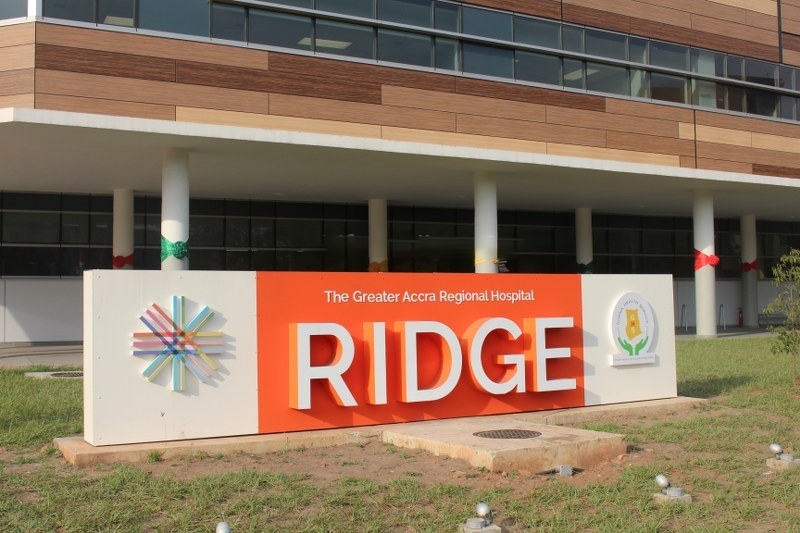
    Operations at the Greater Accra Regional Hospital, popularly known as Ridge Hospital, have been severely disrupted following a strike action by members of the Ghana Registered Nurses and Midwives Association (GRNMA).

    According to the Medical Director of the facility, Dr Leslie Issah-Zakaria, the absence of GRNMA members has left critical departments without staff, forcing doctors to take on additional roles beyond their normal duties.

    “The nurses in the hospital belong to various associations. The majority of them are part of the Ghana Registered Nurses and Midwives Association(GRNMA), and unfortunately, they are the ones on strike,” he explained.

    According to him, the strike has left several key departments, including the Outpatient Departments (OPDs), emergency units, antenatal clinics, theatres, and labour wards without nurses or midwives at post.

    “Presently, we don’t have nurses at the various OPDs, we don’t have nurses at post. The emergency unit is in various parts, the part that receives new patients, we don’t have the nurses at post.

    “The theatres where we perform emergency procedures, we don’t have nurses at post. The antenatal clinics where we attend to pregnant women, we don’t have midwives at post. And the labour wards where pregnant women come when they are about to deliver, we don’t have nurses at post,” he said.

    He added that the absence of the nurses has forced doctors to take on the nursing duties which is placing extra strain on hospital staff.

     “The challenge we are facing is that doctors have to do some of the work of the nurses. We don’t have rotation nurses supporting us because they cannot work unsupervised, so they are not available,” he said.

    He clarified that rotation nurses, who are like national service personnel, are required to work under supervison , which is not possible during the strike.

    “The rotation nurses are like national service people who are supposed to work under supervision. If we bring them alone here, it means they are going to work without supervision because their bosses are on strike. So unfortunately for us, they are uncomfortable to work unsupervised.”

    Dr Adam-Zakaria described the situation as a strain on hospital operations, with doctors becoming overstretched.

     “What it means is that the doctors are overburdened. And the nurses of the other unions are not many, so we don’t even feel their presence in trying to reduce the impact of the withdrawal of service by the GRNMA,”

    Despite these challenges, no major security incidents have been reported at the hospital.

    “Fortunately for us, we’ve not had any security challenges yet. We have a police post in the hospital so at least our police are close by and if there are any issues we can easily count on them to assist us,” he noted.

    GRNMA embarked on a strike action on Monday June 2, to demand payment of their outstanding allowances following unsuccessful discussions with the ministry

    “We negotiated our conditions of service. It was signed, sealed, and delivered, but it is not seeing implementation…and all that we are asking the Ministry of Finance is to approve the signed commission of service for implementation,” President of the GRNMA, Dr David Tenkorang Twum, told the media.

    In response, the Ministry of Health on May 30th, met all Associations in the nursing fraternity, including the Ghana Registered Nurses and Midwives Association (GRNMA), Union of Professional Nurses and Midwives (UPNMG), Ghana Registered Midwives Association (GRMA), National Association of Registered Midwives (NARM-G), Psychiatric Nurses Association, Ghana (PAPNG) and the Nurses and Midwives Educators Society.

    During the meeting, all parties except the GRNMA accepted the sector minister’s proposal for a three (3) member team with a representation each from the Nurses group, the Ministry of Finance, and the Ministry of Health to see to the finality of the matter.

    GNRMA members have withdrawn from their posts, but to ensure that the general public continues to access quality healthcare, the Health Ministry has instructed all hospital managers, particularly Directors of Nursing Services and their Deputies, to be present at work at all times during the period of the industrial action.

    Also, the ambulance service is expected to remain on standby in every district to support emergency situations promptly. Additionally, all health facilities are to establish coordinating structures that can effectively manage emergencies and maintain continuous communication with ambulance services to ensure a swift response when needed.

    Furthermore, the Director-General of the Ghana Health Service, along with Chief Executive Officers and Medical Directors of Teaching Hospitals, is required to provide daily reports to the Acting Chief Director on the status of healthcare service delivery within their respective institutions.

    To manage the anticipated surge in patient numbers due to ongoing industrial action, the Ministry of Health has pledged to collaborate with quasi-government health facilities. This partnership aims to ease the pressure on public health institutions and ensure continuous care delivery.

    Ongoing monitoring of the situation will be conducted by the Ministry to ensure that all necessary logistics and resources are made available to mitigate the impact of the strike.

    The Ministry of Health has expressed its appreciation to the nurses and midwives who have chosen not to engage in the industrial action while appealing to the leadership of the Ghana Registered Nurses and Midwives Association (GRNMA) to reconsider their stance in the interest of public health and service continuity.

    However, the GRNMA remains resolute in its decision to intensify the strike with plans to withdraw both outpatient and emergency services across the country.

  • 15,200 health professionals have financial clearance – GRNMA spokesperson

    15,200 health professionals have financial clearance – GRNMA spokesperson

    The Ghana Registered Nurses and Midwives Association (GRNMA) has confirmed that 15,200 health professionals have received financial clearance, addressing recent concerns about delays and challenges in the recruitment process.

    Speaking on Joy News’ PM Express on Monday, February 24, Philemon Gyapong, the Association’s Assistant National Public Relations Officer, emphasized that financial clearance has become central to securing employment in the health sector.

    “If you don’t have financial clearance, it means you have not been budgeted for, and the government doesn’t have a provision for your salary,” Mr. Gyapong explained.

    He highlighted how the recruitment process has changed compared to previous years when newly employed health workers could work for months without being placed on the government payroll.

    “That is what has changed from the previous recruitment process, where you go to work, and it takes a bit of time, like six months, one year, before they are put on a payroll.

    “At the moment, you are given financial clearance. It means you have been budgeted for,” he said.

    Responding to recent concerns about potential unauthorized recruitments, Mr. Gyapong confirmed that the Association only recognizes the clearance granted for 15,200 professionals.

    “The 15,200 which we are aware of have financial clearance. I don’t know of any outside recruitment. There is no recruitment outside of that that we are aware of,” he clarified.

    Addressing speculations about a potential strike, he dismissed any notion of an immediate threat, explaining that earlier remarks from the Association were intended as guidance for the government.

    “I think we cautioned the government on its directive—we were giving them advice, let me put it that way,” he clarified.

    Mr. Gyapong also raised concerns about the delays faced by nurses and midwives who have been unemployed for several years after completing their training. He warned that laying off these professionals due to incomplete bureaucratic processes would be unjust.

    “If nurses and midwives, who are also the youth of this country, who have stayed on for four to five years post-training, are laid off based on the fact that maybe their financial clearance process didn’t complete before a certain period, it will be very unfair to do that,” he emphasized.

    Providing some reassurance, Mr. Gyapong stated that the Ministry of Health had committed to adhering strictly to the recruitment guidelines and ensuring that only those with proper financial clearance would be affected.

    “The ministry has made us aware that they are going to stick to the directives based on the emphasis they laid—those who went through due process and were given financial clearance are not supposed to go home,” he assured.

  • Govt’s mass dismissal: GRNMA confirms no nurse has been affected

    Govt’s mass dismissal: GRNMA confirms no nurse has been affected

    The Ghana Registered Nurses and Midwives Association (GRNMA) has confirmed that no nurse has been affected by the Chief of Staff’s directive canceling all public sector appointments made after December 7, 2024.

    GRNMA’s Assistant Public Relations Officer, Philemon Agyapong, acknowledged that the announcement initially created anxiety among nurses. However, he noted that Health Minister Kwabena Mintah Akandah had since clarified the situation, easing concerns within the profession.

    Speaking on JoyNews’ PM Express on Monday, February 24, 2025, Agyapong assured,  “No nurse has gone home as we speak.”

    He explained that following the directive, GRNMA engaged with the Health Minister, who assured them that nurses who had completed the required recruitment process and secured financial clearance would not be affected.

    The clarification comes after GRNMA had earlier urged the government to exempt newly employed nurses from the directive, warning of possible industrial action if they were impacted.

    GRNMA President, Perpetual Ofori-Ampofo, stressed the importance of retaining new recruits, emphasizing that their contributions are vital to Ghana’s healthcare system.

    Additionally, Agyapong disclosed that financial clearance for 15,200 nurses was secured in June 2024, paving the way for their deployment within the health sector.

    “What I’m aware of is that the former administration gave financial clearance to 15,200 nurses, and we are expecting 15,200 nurses to be posted within that period — spanning from August 2024 to December 31, 2024,” he said.

    He reaffirmed that the posted nurses are already at work and should not be sent home.

  • GRNMA threatens strike if newly recruited nurses are affected in govt’s mass post Dec 7 dismissal

    GRNMA threatens strike if newly recruited nurses are affected in govt’s mass post Dec 7 dismissal

    Ghana Registered Nurses and Midwives Association (GRNMA) is urging the government to exempt newly recruited nurses from its recent decision to suspend all public sector appointments made after December 7, 2024.

    The association has warned that if these nurses are affected, they will take action in protest.

    In a statement signed by its President, Perpetual Ofori-Ampofo, and Secretary, Dr. David Tenkorang-Twum, the GRNMA emphasized that newly recruited nurses and midwives play a vital role in Ghana’s healthcare system and should not be removed from their jobs.

    This appeal comes after a directive from the Chief of Staff at Jubilee House, issued on February 10, 2025, ordering the cancellation of all appointments made after December 7, 2024.

    Initially, the GRNMA planned to issue a statement on February 13, 2025, but postponed it after the Minister of Health, Kwabena Mintah Akandoh, called an emergency meeting to explain the directive.

    According to the Minister, the Ministry of Health (MoH) is reviewing all public sector hires after December 7, 2024, to check for any irregularities. This review includes nurses and midwives, and the GRNMA will be informed of the outcome in due time.

    Meanwhile, on February 12, 2025, the Ghana Health Service (GHS) instructed regional health directors to suspend newly hired nurses who were not yet on the payroll as of January 2025.

    The GRNMA believes this shows that the directive is already being enforced, raising concerns about its impact on healthcare services.

    The association insists that all affected nurses and midwives are fully trained professionals who have undergone proper licensing procedures. They explained that the recruitment process started in mid-2024 when the Ministry of Finance granted approval, leading to the hiring of nurses from the 2020 batch who had completed their one-year internship.

    The GRNMA contended that delays in payroll registration should not be grounds for suspension, adding, “If there is an investigation to be carried out, that process should be completed before the affected individuals are asked to go home and not suspended before the investigations are conducted.”

    The association cautioned the government that the suspension of newly recruited nurses and midwives would have severe consequences on healthcare delivery. It highlighted the already dire nurse-to-patient ratios and the increasing burnout among health workers.

    “More so, current emigration trends amongst Ghanaian nurses and midwives require more personnel to be recruited to strengthen the workforce,” the release stated, adding that removing newly recruited professionals from service would worsen the situation.

    The GRNMA urged the government to reconsider its decision in good faith and exempt nurses and midwives from the directive, stating: “Government should allow our colleagues recruited after December 7, 2024, to stay at post and work because their services are essential in all the health facilities they work.”

    The association advised all nurses and midwives to remain focused and await further directives from their leadership while monitoring developments on the matter closely.

  • Don’t extend CEO’s term after expiration – Korle-Bu Senior Staff Association, GRNMA, other unions

    Don’t extend CEO’s term after expiration – Korle-Bu Senior Staff Association, GRNMA, other unions

    Local unions and staff at Korle-Bu Teaching Hospital have firmly opposed extending the tenure of the hospital’s CEO, Dr. Opoku Ware Ampomah beyond October 5, 2024.

    In a letter dated August 26, 2024, they requested a meeting with the Ministry of Health to discuss the hospital’s future.

    The unions involved include the Health Service Workers Union (HSWU), Ghana Federation of Allied Health Professions-Korle Bu Chapter (GFAHPS), Health Accounting Staff Association of Ghana (HASAG), Korle Bu Senior Staff Association (KOSSA), Government and Hospital Pharmacists Association (GHOSPA), and Ghana Registered Nurses and Midwives Association (GRNMA).

    “We wish to state without equivocation that the current CEO, Dr. Opoku Ware Ampomah’s tenure must not be extended after expiration on the 5th of October this year (2024),” parts of the statement read.

    Background

    The health unions petitioned the Ministry of Health on August 9, 2024, over the tenure of the Chief Executive of the Korle-Bu Teaching Hospital, Dr. Opoku Ware Ampomah.

    According to them, the extended stay of Dr. Ware Ampomah is not in the interest of the hospital and its staff.

    “We, the undersigned, respectfully petition against extending the tenure of the current Chief Executive of Korle Bu Teaching Hospital.

    “…We believe that extending the tenure of the current Chief Executive would be detrimental to the hospital’s progress and the well-being of its staff and patients. We urge you to consider our petition and take appropriate action,” part of the petition reads.

    The health unions further listed the following reasons for their objection:

    Inefficiencies in Absence: In the Chief Executive’s absence, no cheques are signed, and all activities come to a halt.

    Shortage of Basic Consumables: Delays in approvals have resulted in frequent shortages of essential supplies.

    Conflict of Interest: The Chief Executive’s interests seem to conflict with the hospital’s goals by managing plastic surgery and the whole of Korle Bu.

    Poor Management and Leadership Style: The current leadership has failed to inspire confidence and effective management.

    Lack of Progress in Key Areas of Healthcare Delivery: Despite expectations, there has been little improvement in critical areas of healthcare.

    Low Staff Morale and High Turnover: The hospital’s workforce is demotivated, leading to a high turnover rate.

    Visible Fatigue: The Chief Executive appears exhausted, which affects his ability to lead effectively.

    Find below the statement:

  • Midwives to protest clad in red clothes, hair bands over verification fee increment

    Midwives to protest clad in red clothes, hair bands over verification fee increment

    National Council of the Ghana Registered Nurses and Midwives Association (GRNMA) has announced a series of actions to protest against the significant increase in verification fees for nurses.

    The cost of foreign verification has surged from 550 Ghana cedis to GHS 3,000, marking a 445.45% rise.

    Despite appeals to the Health Ministry and the Nurses and Midwives Council to reconsider the hike, no action has been taken.

    Consequently, the nurses’ leadership has outlined a plan of action from March 22 to April 3, 2024.

    During this period, nurses and midwives nationwide will wear red bands on their departments and wards, along with head and armbands, in protest.

    A major press conference is scheduled for March 27, 2024, followed by the withdrawal of outpatient department services from March 28 to April 2, 2024.

    If their demands are not addressed, the health workers plan to escalate their actions by completely withdrawing all services, including in-patient care, on April 3, 2024.

    Led by National President Perpetual Ofori-Ampofo, the Council has expressed disappointment in the lack of response from the Health Ministry and the nurses and midwives council, despite sending letters urging reconsideration of the fee hike.

    The Council emphasises that, given the current economic challenges, any increment should not exceed 25% of the previous cost.

    “We wish to reiterate that, considering the current economic challenges and the fact that our salaries are not the best, nurses and midwives in Ghana can only contain a maximum of 25% increment, which in our view can be borne by all grades of nurses and midwives,” the statement read.

    The council urged nurses and midwives to comply with the directive as it is their civic duty.

    “All nurses and midwives are expected to fully participate in the above-stated actions because it is their right to do so and therefore under no circumstances should they be threatened or coerced,” the statement said.

  • GRNMA swears in newly elected executives

    GRNMA swears in newly elected executives

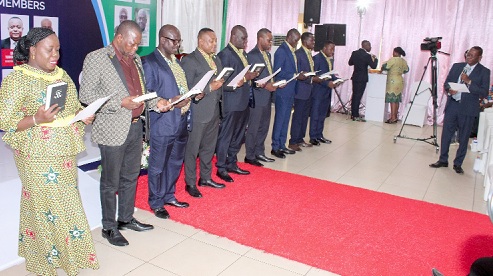
    A nine-member National Executive Committee of the Ghana Registered Nurses and Midwives Association (GRNMA) has been officially inaugurated with a mandate to enhance the conditions of service for its members through effective advocacy and quality leadership.

    Dr. Yaw Baah, the Secretary-General of the Trades Union Congress (TUC), emphasised the challenging circumstances under which the newly elected leaders assumed office.

    Key issues confronting members, as highlighted by Dr. Baah, include an inadequate salary structure, challenging conditions of service, and substantial tax burdens.

    The call to the committee is to address these pressing concerns and work towards improving the overall welfare of the association’s members across the country.

    “You have been elected at a time when there is a big fight on our hands and we are going to fight until we win.”

    “The workers you are leading are suffering and all your members want from you is high-quality leadership,” Dr Baah said. 

    Swearing-in

    The recently elected National Executive Committee (NEC) members of the Ghana Registered Nurses and Midwives Association (GRNMA) have assumed their roles. The elected officials, who will serve for the next four years, include President Perpetual Ofori-Ampofo, First Vice President Samuel Alagkora Akologo, Second Vice President Dr. David Tenkorang-Twum, and Assistant General Secretary Anthony Sopaal.

    Completing the roster are National Treasurer Moses Anyigba, Assistant National Treasurer Thomas Jafouk Lambon, Public Affairs Relations Officer Joseph Wolimmor Krampah, and Assistant Public Relations Officer Philimon Gyapong.

    Under the guidance of GRNMA’s Legal Advisor, Dr. Patrice Fidelis Seddoh, the new committee members took the oath of office and secrecy.

    The inauguration ceremony, chaired by Chief Labour Officer Dawuda Ibrahim Braimah from the Labour Department, acknowledged the critical role of nurses and midwives, emphasizing their commitment to safeguarding humanity. He encouraged the newly appointed leaders to seize the opportunity to be agents of positive change, advocating for the welfare of members and fostering a resilient and empowered community.

    Strategies

    The President, Mrs Ofori-Ampofo, explained that the leadership would focus on executing its five-year strategic plan with emphasis on leadership and government, education, research, welfare of members, communication and campaign, and influencing policy in a bid to uplift the image of the profession in Ghana and beyond.

    Beyond that, she said the leadership would also focus on maintaining good relationship with its stakeholders to help serve members better.

    On the trend of migration, the President urged the government to improve the working conditions of members to ensure that nurses and midwives stayed back to serve the nation.  

    She further disclosed that the leadership was working closely with the Fair Wages and Salaries Commission to help refine the payment structure of members. 

  • Migration of nurses abroad must be regularised to earn foreign exchange – GRNMA

    Migration of nurses abroad must be regularised to earn foreign exchange – GRNMA

    President of the Ghana Registered Nurses and Midwives Association (GRNMA), Madam Perpetual Ofori-Ampofo, has urged the government to transform the negative trend of nurses leaving the country to seek better opportunities abroad into a positive one.

    She suggested that the government should consider establishing bilateral agreements with countries that are recruiting Ghanaian nurses as a means to generate foreign exchange.

    Madam Ofori-Ampofo made these remarks during the 2023 Military Nightingales’ Week Celebration at the 37 Military Hospital in Accra.

    She highlighted how the emigration of nurses was adversely affecting the labor force in the healthcare sector and emphasized the importance of not missing out on the financial benefits of such arrangements.

    Madam Perpetual Ofori-Ampofo, President of the Ghana Registered Nurses and Midwives Association

    Madam Ofori-Ampofo cited the example of the Philippines, which earns approximately $54 billion annually by exporting nurses and midwives.

    She proposed that Ghana should modify its training programs for nurses and midwives to take advantage of similar opportunities.

    “We need to change our training model. We need to do our homework as a country. Let us change the training module of our nursing and midwifery profession to the degree level.  

    “Nobody wants an auxiliary nurse to come and work in their high-income earning country. That is a fact. They will not come and recruit our community nurses, who are certificate holders. They want the degree holders who have add on specialties and have working experience. That is the target,” she said.  

    The Director, Nursing, Ghana Armed Forces Medical Service, Col. Rex Adzagba, said the government ought to put measures in place to retain health workers.  

    Nightingale Week Celebration is marked by nurses and midwives globally to commemorate the international nurses’ week, which is celebrated globally in honour of Florence Nightingale, the mother of modern nursing.  

    Nurses and midwives are expected to use the occasion to reflect and take stock of their past activities, evaluate them, and adjust for the future.  

    Some senior and junior officers were given awards to mark the celebration.  

  • Nurses are leaving the country due to terrible working conditions – GNRMA

    Nurses are leaving the country due to terrible working conditions – GNRMA

    President of the Ghana Registered Nurses and Midwives Association (GRNMA), Mrs Perpetual Ofori-Ampofo, has blamed the country’s widespread exodus of nurses and midwives on low pay and terrible working conditions.

    She emphasized the vital roles nurses and midwives play in Ghana’s health system, covering clinical practice, education, research, public health, rehabilitation, administration, and management.

    Speaking at the commissioning ceremony of a state-of-the-art GRNMA secretariat and guest house in Pusu-Namongo, Talensi District, Upper East Region, Mrs. Ofori-Ampofo called on the Ministry of Health and the Ghana Health Service to urgently employ the 2020 batch of nurses and midwives who are still unemployed.

    She emphasized the need to strengthen the training of professional nurses at diploma and degree levels to address potential shortages.

    Furthermore, the GRNMA advocated for the discontinuation of the axillary nursing programs in Ghana, believing that highly skilled nurses and midwives provide the safest care for patients.

    Mrs. Ofori-Ampofo urged Ghanaians to receive safe and quality nursing and midwifery care, emphasizing professionalism in all patient-related activities.

    The event was attended by various executives of the Association, including the First Vice President, Mr. Samuel Alagkora Akolgo, the Second Vice President, Mr. Daniel Attah-Tuffour, and the General Secretary, Dr. David Tenkorang Twum.

    Tongraan Kugbilsong Nanlebegtang, the Paramount Chief of the Talensi Traditional Area, who chaired the function, expressed his concern about some individuals joining the nursing profession merely due to a lack of other job opportunities, urging nurses and midwives to view their profession as a calling and a commitment to saving lives.

    The Tongraan also appealed to nurses and midwives contemplating emigration to remain in the country and serve, while the Upper East Regional Chairman of the Association, Mr. Thomas Lambon, expressed gratitude to the national leadership for supporting the construction of the secretariat and guest house project and encouraged members to stay united.

  • Ghanaian doctors earn $400-$1,500 while foreign peers take home $13,779 monthly

    Ghanaian doctors earn $400-$1,500 while foreign peers take home $13,779 monthly

    The issue of brain drain within Ghana’s medical community has sparked discussions and raised questions about the motivations behind the increasing number of healthcare professionals seeking opportunities abroad.

    Recent reports highlight the dissatisfaction among doctors and nurses in Ghana with regards to their salaries, leading them to pursue better prospects overseas.

    Head of the Department of Surgery at KBTH, Professor J.E. Mensah, in an interview with the media, disclosed that each month, at least three doctors from his department alone leave for “brighter prospects” overseas.

    This trend, he said, is not limited to a single department but is prevalent across various hospitals and healthcare facilities nationwide.

    The Ghana Registered Nurses and Midwives Association (GRNMA) reported that in 2022 alone, over 3,000 nurses and midwives left the country in search of better opportunities elsewhere, a worrisome trend.

    To better understand this unfortunate development, The Independent Ghana delved into the salaries that healthcare professionals are leaving behind and those they are pursuing.

    According to a report by the Business and Financial Times (B&FT), the average monthly salary for a medical doctor in Ghana ranges from $400 to approximately $1,500, even for senior doctors with decades of experience and those serving as medical school lecturers.

    In stark contrast, Forbes reports that doctors employed in the United States earn an average annual salary of $165,347 or more, equivalent to approximately $13,779 per month.

    This vast disparity demonstrates the significant difference in income between Ghanaian doctors and their foreign counterparts.
    The salary gap is equally pronounced among nurses. Quartz Africa states that a nurse in Ghana earns an average of $3,600 per year, while their counterparts in the United States earn an average of $73,550 per year.

    Professor Mensah highlighted that several Western countries aggressively recruit bonded nurses and doctors from Ghana, enticing them with irresistible salaries.

    This substantial wage disparity not only remains unfair but also severely impacts Ghana’s healthcare system. It contributes to brain drain, staff shortages, compromised service quality, low morale, and frequent strikes.

    To improve Ghana’s doctor-to-patient ratio and enhance healthcare services both locally and globally, urgent and drastic measures must be taken to incentivize healthcare practitioners to stay and contribute to the country’s medical sector.

    Being a doctor in Ghana is a noble profession where lives are saved, and essential healthcare is provided to millions. These dedicated professionals have invested years of study and training, often at great personal sacrifice. It is understandable that would they desire fair compensation for their unwavering dedication.

  • Nurses seeking to travel outside Ghana should not be intimidated – GRNMA

    Nurses seeking to travel outside Ghana should not be intimidated – GRNMA

    President of Ghana Registered Nurses and Midwives Association (GRNMA), Perpetual Ofori-Ampofo has called on immigration officers to cease intimidating nurses and midwives seeking to travel abroad for better opportunities.

    She disclosed that some nurses are being required to provide proof of resignation before being granted immigration clearance.

    Ofori-Ampofo emphasized that such actions constitute intimidation and must be halted, as nurses have the right to travel freely to any destination of their choice.

    Speaking to the media on Thursday, July 13, she said “If I have my passport, I have a visa and I have my ticket to travel and I am going through immigration, no immigration officer has any right to ask me of my resignation letter or any of such, it doesn’t work that way.

    “People should not use any such means to intimidate our nurses and midwives who may be traveling, we are all Ghanaians and we all seek to live better lives. How I choose to do it is my decision.”

    Admitting the detrimental impact of brain drain in the health sector, she stressed that healthcare delivery in Ghana is being adversely affected.

    As a result, she urgently called for intervention to address this issue.

    She explained that experienced nurses, who would have played a crucial role in training newly-recruited nurses, are the ones leaving Ghana in search of better working conditions.

    Madam Ofori-Ampofo emphasized that nurses desire an environment that fosters career progression, enables further studies, and provides better salaries and benefits. Consequently, they choose to seek opportunities abroad.

    Expressing her concern, she stated, “It is indeed a worrisome trend that we are witnessing. Our nurses are departing from Ghana in search of improved work environments and higher salaries.”

    “It is their right and we cannot stop them but the truth of the matter is that as much as they are leaving it is having a toll on health service delivery in Ghana.

    “The truth is those that are leaving are those that are well experienced, with many years of experience. Even if we are going to recruit new personnel these are the very people who would have trained them, so their leaving is a big issue.”

    She added “It is about time we really sit as stakeholders to discuss this matter thoroughly. From where we sit, we know that we cannot stop them because it is their right to migrate but it is about time we put in some innovation in terms of motivational packages that will really attract or help to retain them in the country.

    “There are some nurses who for various reasons will never leave Ghana but the majority are still nurturing the idea of leaving the shores of Ghana, it is all because they want to have better opportunities for career progression, they want to pursue some academic venture, looking for higher salaries or better conditions of service.”

  • Brain drain hindering healthcare delivery in Ghana – GRNMA President

    Brain drain hindering healthcare delivery in Ghana – GRNMA President

    The President of the Ghana Registered Nurses and Midwives Association (GRNMA), Perpetual Ofori-Ampofo, has acknowledged the detrimental impact of brain drain within the health sector on healthcare delivery in Ghana.

    She has urgently called for intervention to address this issue.

    Ofori-Ampofo explained that experienced nurses, who could have played a role in training newly-recruited nurses, are the ones leaving Ghana in search of improved working conditions elsewhere.

    She emphasized that nurses aspire for an environment that supports career advancement, further education, as well as better salaries and benefits. Consequently, they opt to travel abroad to pursue these opportunities.

    Speaking in an interview on Thursday, July 13, she said “Indeed, it is a worrying trend that we are all experiencing, our nurses are leaving the shores of Ghana and they are seeking to work in better work environments and earn better salaries and.

    “It is their right and we cannot stop them but the truth of the matter is that as much as they are leaving it is having a toll on health service delivery in Ghana.

    “The truth is those that are leaving are those that are well experienced, with many years of experience. Even if we are going to recruit new personnel these are the very people who would have trained them, so their leaving is a big issue.”

    She added “It is about time we really sit as stakeholders to discuss this matter thoroughly. From where we sit, we know that we cannot stop them because it is their right to migrate but it is about time we put in some innovation in terms of motivational packages that will really attract or help to retain them in the country.

    “There are some nurses who for various reasons will never leave Ghana but the majority are still nurturing the idea of leaving the shores of Ghana, it is all because they want to have better opportunities for career progression, they want to pursue some academic venture, looking for higher salaries or better conditions of service.”

  • Increase nurses’ salaries to reduce attrition – GRNMA to govt

    Poor remuneration is to be blamed for the high rate of attrition in Ghana’s health sector to the, according to the General Secretary of the Ghana Registered Nurses and Midwives Association (GRNMA), Dr. David Tenkorang-Twum.

    He referred to a report titled “African Youth Survey 2022,” which revealed that 44% of African youth migrate due to harsh economic factors in their respective countries, with education being the second most common reason at 41%.

    Dr. Tenkorang-Twum stated that the data from the survey is not surprising because it reflects the reality on the ground.

    He specifically discussed the issue of professional nurses leaving the country, highlighting that in 2013, the market premium for nurses was frozen.

    Previously, the market premium was linked to the basic salaries of nurses, which helped to counteract inflation.

    A market premium refers to an additional amount of pay given to employees who possess in-demand skills that are in short supply. Dr. Tenkorang-Twum pointed out that while the market premium for other professionals has been revised, there has been no improvement for health workers.

    In light of this situation, Dr. Tenkorang-Twum recommended that the market premium for nurses should be tied to their basic salaries.

    This, he believes, would help address the current attrition rate within the health sector.

    “Because it was frozen, the gains that we made had whittled. It has been revised for certain professional groups. I don’t like comparison.

    “What I think the government should do is to be able to raise the market premium. Just by pegging the market premium to the current basic salaries will be enough to stem the attrition or the exodus.

    “I’m not even saying to increase the market premium, I’m saying that they should just tie it to the basic salaries. It will certainly give a certain respite to the nurses and midwives and they will be prepared to stay,” he added.

  • The knowledgeable, skilled nurses in Ghana are those leaving to other countries  – GRNMA

    The knowledgeable, skilled nurses in Ghana are those leaving to other countries – GRNMA

    According to David Tenkorang, general secretary of the Ghana Registered Nurses and Midwives Association (GRNMA), the senior health professionals leaving to other countries are the experienced and competent ones.

    He said if this situation is not attended to immediately, it will have a dire impact on healthcare delivery in Ghana.

    Mr Tenkorang identified what is causing the brain drain among health workers after indicating that the salaries of nurses and midwives are not the best.

    Also, he said, the general condition of service for health workers is poor.

    He was commenting on the red listing of Ghana by the World Health Organisation (WHO) and the United Kingdom (UK).

    Ghana was included on a list of 54 countries that should not be targeted for recruitment by health and social care employers in the UK due to a UHC Service Coverage Index lower than 50 and a density of doctors, nurses, and midwives below the global median.

    Mr Tenkorang told Martin Asiedu Darteh on the Midday Live on TV3 Wednesday, April 12 that “it is quite a disturbing issue because it is going to negatively impact the healthcare delivery in Ghana.

    “The government has set out to build Agenda 111 and all these hospitals will have to be populated by nurses and midwives. If we don’t take in drastic actions to stop the situation, it will certainly adversely impact healthcare delivery.”

    He added: “As far as 2020, we saw this coming even before Covid reared its ugly head because some of the Scandinavian and European countries have had their nurses move out of UK and therefore we have a certain kind of attrition. The salaries of midwives and nurses in Ghana is nothing to write home about.”

    “We need our skilled manpower to take care of the good people of this country. Those who are leaving are not the ones who just completed school, they are the experienced ones, those who have ten years to go on retirement, those who have fifteen years.

    “So there is going to be a vacuum because these are the very experienced, competent nurses and midwives who should mentor the newly recruited. If we allow them to leave the way they are leaving, then we will have problems.”

  • GRNMA rejects new debt exchange programme

    The Ghana Registered Nurses and Midwives Association (GRNMA) is protesting the proposed debt exchange programme as announced by the government. 

    According to the association, domestic debt exchange will not augur well for pension contributors. 

    Finance Minister, Ken Ofori-Atta, on December 4, 2022, announced the government’s domestic debt exchange programme as part of plans of restoring the country to fiscal stability.

    These measures include some exemptions and external debt restructuring parameters that will be implemented.

    Mr Ofori-Atta noted that the objective of this programme was “to invite holders of domestic debt to voluntarily exchange approximately ¢137 billion of the domestic notes and bonds of the Republic, including E.S.L.A. and Daakye bonds, for a package of New Bonds to be issued by the Republic.”

    Latest to join the voices protesting this new measure is the Ghana Registered Nurses and Midwifery Association.  

    Justifying why this is not acceptable, the association explained that pension funds were a collection of contributions of individuals and by design they were meant to protect the vulnerable during retirement, thus, the government has no business touching it. 

    In a statement registering their displeasure, the Association said any treatment of “individuals” as stated by the Minister of Finance must be indeed extended to all individuals as with pension funds including their GRNMA Fund, a Provident Fund for over 101 ,000 contributors who were nurses and midwives within the nursing and midwifery fraternity.”

    It further said Pension Funds, particularly tier 3 schemes were encouraged to hold their investments for a minimum of 10 years and from its inception in 2012, most schemes had just met the 10 years or would be 10 years next year.

    “Debt exchange for pension funds will mean that workers will not have access to Tier 3 funds after waiting for 5 – 15 years. This is simply unacceptable,” the association stressed. 

    Per the statement, the National Pension Regulatory Authority’s (NPRA) regulations makes it clear that all Pension Schemes had most of their assets in Government of Ghana securities and trustees of these Pension Schemes were bound by regulation in the asset allocation policy by the NPRA.

    The aggrieved members of the GRNMA further stated that it would therefore be unfair for the poor worker to suffer under the proposed new bond issuance as part of the debt exchange.

    It thus charged the government to allow their Bonds to run until their maturity.

    “It is unacceptable that a government that budgets 18 per cent inflation in 2023 will consider zero interest rate for pension funds of poor, hardworking, law abiding citizens within the same period,” it said.

    The GRNMA is not the only association protesting this measure. The Chamber of Corporate Trustees has also rejected the Debt Exchange programme. 

    Expressing their grievances in a press release on Tuesday, the Chamber noted that the programme will not inure to the benefit of pensioners in the country. 

    “On 30th October, 2022, The President of Ghana Nana Addo Dankwa Akuffo Addo addressed the nation and assured all Ghanaians that “there would be no haircuts on pension funds”. A few weeks after this announcement, we are all witnessing, rather surprisingly, a major U-turn from that position.”

    “We have carefully analyzed the announcement by the Minister of Finance on the Debt Exchange Program and are of the opinion that it is injurious to the interest of contributors to pension schemes,” portions of the statement read.


    Source: The Independent Ghana

  • Nurses UK-job : Bilateral agreement between Ghana and UK will affect our health system – GRNMA

    The Ghana Registered Nurses and Midwives Association (GRNMA) has expressed worry about the potential negative impacts on the country’s healthcare system of the bilateral agreement between the governments of Ghana and Britain to send qualified Ghanaian nurses to the United Kingdom.

    The Association claims that even while the agreement is admirable, if it were to fully implement, there may be a shortage of properly educated nurses.

    Perpetual Ofori Ampofo, the president of the GRNMA, said in an interview with Citi News that there are now just a few professionally educated nurses in the system, therefore the government must train more nurses to prevent having a detrimental influence on the bilateral agreement.

    “You realised that we have a lot more of the certificate holders as against a lower number in terms of the diploma holders and degree holders. So we are training them in high numbers, meanwhile, there are professional members who are not the best, and these are the same people taking care of Ghanaians, so we need to change and also look at building the infrastructure of GRNMA, and helping build the caucus, so that they will be in a better position to train more specialist nurses and midwives, to boost the human resources capacity of the nation.”

    “At that point, you will definitely have adequate numbers to work in Ghana and at the same time migrate elsewhere to work. But in the current circumstances, although we cannot abrogate what we have done with the UK, it’s going to come back and hit us,” the President of GRNMA said.

    The Ghanaian government and the British government are about to reach a bilateral deal to transfer nurses training to the UK in exchange for financial benefits.

    This was revealed by Health Minister Kwaku Agyemang Manu on Monday, December 5, during the discussion of the 2023 Budget on the House Floor.

    “We are engaging with the government of the United Kingdom, and we are just about to sign a memorandum of agreement after cabinet approval to begin to send nurses for training and work there and come back home after three years.

    “Ghana is going to benefit from the little money that the UK government will pass on. For every single nurse that goes away, when we finish the agreement, it is likely we will get over 1000 pounds to come and support the health system in Ghana. ”


  • Manhyia Hospital nurses call off strike

    Nurses at the Manhyia District Hospital in the Kumasi metropolis have rescinded their decision to strike.

    This was contained in a statement issued by the Ghana Registered Nurses and Midwives Association (GRNMA), Friday, December 2, 2022.

    According to the GRNMA, their employers, the Ministry of Health (MoH) and the Ghana Health Service (GHS), “have reached out in writing to condemn the actions of Mr Alex Opoku Mensah.”

    It noted that its employers further called on “the leadership of the GRNMA and the entire Nursing and Midwifery Fraternity to remain calm and withdraw the intended and roadmap to embark on an industrial strike, and allow for the due administrative processes and investigations to be conducted by the National Service Secretariat for a final determination on the incident.”

    It also indicated that “other stakeholders including our dear patients and clients and the general public have also formally and informally condemned the actions of Mr Alex Opoku Mensah and have pleaded the leadership of the GRNMA to rescind its decision on embarking on a full scale strike action and resume nursing and midwifery services at Manhyia District Hospital.”

    It noted that, in view of this, it has “called off its strike in Manhyia District Hospital and the intended roadmap for a full industrial action to allow the committee set up the National Service Secretariat to carry out its mandate and to ensure that our patients and clients do not suffer unduly.”

    It called on all nurses and midwives especially those in Manhyia District hospital to kindly adhere to this directive and return to work Saturday, December 3, 2022 and continue providing safe and quality nursing and midwifery services to the people of Manhyia and its environs.

    For failing to sack the Ashanti Regional Director of the NSS, nurses at the Manhyia Government Hospital began a sit-down strike on Friday, 2 December 2022.

    The GRNMA spearheading the strike threatened to escalate it on 6 December where all nurses in the region will remain at home if the NSS regional Director was still at post.

    The Association in a statement further said there will be a nationwide strike of nurses by Friday, November 9, 2022, if their demand was not met.

    Mr Opoku-Mensah has been suspended by the management of the NSS pending investigations but the GRNMA is unsatisfied.

    They want him sacked from office for barging into the Manhyia Government Hospital to insult a nurse on duty.

    Mr Opoku-Mensah went to the hospital to fight the nurse on behalf of his daughter after the nurse had questioned the house officer on an issue.

    The nurse is believed to have used her own phone to call Mr Opoku-Mensah’s daughter to come to the hospital and log into the E-Health System and update a patient’s prescription order so that the patient is not billed for unissued drugs.

    It is not clear how the nurse communicated with Mr Mensah’s daughter on the phone which made her feel disrespected.

    Mr Opoku-Mensah then followed his daughter to the hospital and was captured on tape insulting the nurse and threatening to mastermind her removal from the hospital.

    He went on further to say his daughter is more intelligent than the said nurse and further threatened to come to the hospital in his daughter’s defence anytime she is intimidated by anyone in the facility.

    The GRNMA said Mr Opoku-Mensah had no right to enter the hospital to abuse a nurse.

    The group said as a Regional Director of the NSS, he should have known that the Manhyia District Hospital has management with whom he could have lodged a complaint instead of barging into the facility to attack the nurse.

    Meanwhile, Mr Opoku-Mensah has apologised for his action.

    In a Facebook post, the embattled Mr Opoku-Mensah said “I understand the disappointment and appreciate the inconvenience my action has caused the general public as well as the Nursing FRATERNITY and Manhyia Hospital.

    “This has never been my style but for a genuine reason to mediate a persistent issue between my daughter(Doctor) and a colleague nurse who I as well consider my daughter.”

    “I do apologise for any mishap and assure all, there shall not be a repetition of such…I look forward to maintaining a cordial relationship with any affected person.”

  • Nurse abused by A/R NSS boss transferred, receiving psychological support – GRNMA

    An unnamed nurse who engaged in a heated exchange with a public official in the Ashanti Region has been transferred from her duty post at the Manhyia District Hospital and is being given psychological support.

    This was revealed by the Ghana Registered Nurses and Midwives Association (GRNMA) stating that the actions taken are to ensure her mental safety after a clash with the Ashanti Regional director of the National Service Scheme (NSS), Alex Opoku-Mensah.

    Mr. David Tenkoreng-Twum, the GRNMA’s General Secretary in an interview on JoyNews’ The Pulse programme on November 29, confirmed the transfer of the nurse.

    “As I am talking to you, we have removed the nurse as quickly as possible from the hospital. The said nurse is now being given psychological support to ensure her mental safety,” he said.

    ‘This has never been my style’ – Ashanti Regional NSS director issues apology for ‘mishap’

    Alex Opoku-Mensah, who has been caught in the middle of an altercation that he had with a nurse issued an apology after the almost 10-minute exchange went viral on social media.

    In the audio recording of the incident, Mr. Alex Poku-Mensah is heard hurling insults and threats at the nurse for allegedly intimidating his daughter, who is a house officer at the hospital.

    But in an apology shared on his Facebook page, Alex Poku-Mensah stated that what happened was not his style.

    “I understand the disappointment and appreciate the inconvenience my action has caused the general public as well as the nursing fraternity and Manhyia Hospital.

    “This has never been my style but for a genuine reason to mediate a persistent issue between my daughter (doctor) and a colleague nurse who I as well consider my daughter,” he wrote.

    He described what happened as a ‘mishap’ and asked for forgiveness.

    “I do apologize for any mishap and assure all, there shall not be a repetition of such. I look forward to maintaining a cordial relationship between any affected person,” he added.


  • Ashanti Regional NSS boss’ apology hollow, forget it – GRNMA

    David Tenkorang Twum, General Secretary of the Ghana Registered Nurses and Midwives Association (GRNMA), has described the apology of the Ashanti Regional Director National Service Scheme (NSS), Alex Opoku-Mensah, in relation to a viral audio, as hollow.

    The GRNMA has issued a 72-hour ultimatum for the dismissal of the Ashanti Regional NSS boss for verbally assaulting a nurse on duty at the Manhyia District Hospital for allegedly speaking rudely with a house officer who is his daughter.

    The GRNMA further indicated that if the NSS fails to dismiss its regional boss, the Association would embark on a strike.

    The NSS boss in recorded audio is heard calling the said nurse a disappointed science student, adding that if he had the power, no General Arts student would be given the opportunity to be a nurse unless persons who study Science or Home Economics.

    David Tenkorang Twum in an interview with Accra-based Joy FM said though the NSS boss has rendered an unqualified apology, the Association would not accept such an apology because it was a mere play on words.

    “Forget about his apology; his apology was hollow and as far as I am concerned, he was playing with words,” he said.

    When asked whether it was necessary for the nurses to lay down their tools over an issue that could be settled amicably, Mr. Twum indicated that the nurses at the Manhyia District Hospital where the incident occurred wanted to lay down their tools, but for the timely intervention of the leadership of GRNMA.

    He also recounted a similar incident two years ago, where nurses have been abused by families of patients but this time, he noted that the Association is willing to put an end to that phenomenon.

    “Two years ago, a community health nurse was trapped to death, and as I speak with you, it has not been resolved. Its starts like this, we do not want to be reactive, but proactive. The man actually threatened the young lady. So it’s not just about the insults and the uncouth behaviour that he exhibited, but we think there is a need to protect nurses and midwives,” he added.

    Meanwhile, the Management of the National Service Scheme (NSS) has invited Mr. Opoku-Mensah for preliminary investigations into the matter.


  • Don’t wear uniform for political activities – GRNMA to trainee nurses

    The Ghana Registered Nurses and Midwives Association (GRNMA), has cautioned trainee nurses to desist from wearing their uniforms to attend political rallies and activities.

    The Association’s Upper East Regional Chairman, Mr Thomas Lambon, who gave the caution, expressed concern that some student nurses were seen in uniform at political programmes, an act he said was unhealthy to the nursing profession.

    According to him, “Once some members of the public see you in the uniform, they conclude you are a nurse, meanwhile you are still under training that is why the GRNMA is very concerned.”

    Mr Lambon was speaking at the matriculation ceremony of first- and second-year trainee nurses of the Nursing Training College (NTC), Bolgatanga.

    He said the Association was not against its members, nursing and midwifery trainee’s involvement in politics, but indicated that the uniform must not be worn for political activities.

    He said the nature of the nursing and midwifery profession enjoined them to render care to every member of the public without any form of discrimination and must not be seen in uniform engaged in political activities.

    “At least everyone has a Party they support, and the Association is not against that, but we do not want to see you in uniform at political programmes.

    “If the politicians visit your school that is fine, because you are in school but we do not support the use of the uniform for political activities outside your campus,” he emphasized.

    The Association’s Chair called on all Principals of Nursing Training Colleges to ensure that the nursing uniform was not used for political activities outside their campuses.

    He urged the matriculants to concentrate on their studies and not rely on stakeholders, especially Chiefs and politicians, to intervene on their behalf if they failed to meet the required marks to be registered for their licencing examination.

    The GRNMA Chairman said the Association was concerned about their training, and would continue to encourage them to learn, as that was the only way they could graduate successfully as professional nurses.

    “Learn and pass well, so that you will be registered to write your final examination and pass out as a professional nurse and join the GRNMA, which is the mother Association for nurses and midwives in Ghana,” he said.

    Source: GNA

  • GRNMA signs agreement with government over conditions of service

    The Ghana Registered Nurses and Midwives Association (GRNMA) has signed an agreement with signatories at the Ministry of Health over the conditions of service of members of the Association.

    The need for agreement became pertinent after the Association embarked on a strike on September 21, 2020, to demand for improved and better conditions of service.

    Among other things, the Association asked for were allowances for rent, uniform, transport, and professional development, arguing that it would help to address pertinent needs and improve the lives of the nurses and their service delivery.

    However, the Association on September 23, 2020, called off the strike after the National Labour Commission (NLA) secured an injunction against the strike.

    Mrs Perpetual Ofori-Ampofo, the President of the Association, who disclosed this at a news conference in Accra, said having called off the strike and gone back to the negotiation table, the Association used the period of four weeks as directed by the NLC to continue the negotiations and reach an agreement on October 21, 2020.

    She said the agreement was tabled at the NLC on October 28, 2020, as the Commission had directed but unfortunately, the document could not be signed as the signatories were unavailable.

    “…Although we are not wholly satisfied with the outcome of the negotiations, we are holding onto what we have been able to get for now and take advantage of our next negotiation to make proposals for consideration by the Employer,” she said.

    Mrs Ofori-Ampofo called on all Nurses and Midwives to note that their collective agreement with the employer went beyond the non-core category 2&3 for which they had to embark on industrial action and that the agreement document contained the details of their conditions of service.

    She also said the core category 2&3 allowances negotiated and signed on August 28, 2020, also covered all nurses and midwives and formed part of their collective agreement.

    “We are going to use our structure to educate the general membership on what we have attained in the negotiations and how the implementation will be,” she added.

    The GRNMA President said the Association would engage the leadership at the regional and district levels to educate them on the content of the documents so that they would be in a better position to educate members.

    “We, therefore, call on the entire membership to remain calm and call on their district and regional leaders for any information related to our conditions of service and refrain from consuming inaccurate and incomplete information that is already being circulated on social media.

    “We are grateful to all members for your continued support and ask that you continue in the same vain and trust that we have your welfare at heart more than anything else,” she said.

    Source: GNA