Tag: Health

  • Typhoid outbreak in Oti Region has claimed no life – Health Director

    Typhoid outbreak in Oti Region has claimed no life – Health Director

    No deaths have been reported following the recent typhoid outbreak in the Oti region, the Oti Regional Director of Health Services, Dr. Kofi Amo-Kodieh has clarified.

    Speaking to the media on Wednesday, August 27, the Oti Regional Director of Health Services noted the Service is yet to receive an official confirmation over the death claims.

    He further called on the public to desist from spreading misinformation and to have trust in the Service to find a lasting solution to the outbreak.

    According to him, the Service has implemented measures to manage the outbreak.

    “So far, we have no record of anyone dying from this outbreak. Our health education campaigns have helped people seek care on time, which is crucial in managing typhoid.

    “As a medical professional, when someone dies, I rely on the official medical cause of death. I have not received any information confirming that anyone has died from this outbreak.

    He added: “People may assume a death is caused by typhoid, but the only way to know the exact cause is through a medical certificate of cause of death. Until that is confirmed, we cannot say for certain.”


    The clarification is a response to claims that a traditional leader and a former Municipal Chief Executive (MCE) of Dambai lost their lives to the disease. The Oti Region has recorded 10,233 cases of typhoid in the first half of 2025.

    Environmental Health Officer Cynthia Sekyere revealed that two out of every twenty people selected in Oti suffer from typhoid fever.

    “Just in the first and second quarters of typhoid, we have recorded 10,233 cases of typhoid, which is quite troubling. Deducing from the report of the Ghana Health Service, out of every 20 people selected in the Oti Region, 2 of them have typhoid,” she noted.

    She continued that as part of the measures to deal with this alarming surge, health authorities are set to roll out a task force to enforce strict community sanitation.

    She associated the task force’s role with that of what was previously called the town council, where personnel of the local government task force used to conduct house-to-house inspections to monitor hygiene standards in homes and surroundings. They ensured compliance with sanitation bylaws, issuing fines or warnings for poor conditions, among other responsibilities.

    However, the practice of the town council gradually became unpopular in the late 1990s and early 2000s, following changes in the local governance structure. Consequently, resource constraints and a lack of personnel to sustain regular inspections eventually phased it out. The Oti Region now intends to revive it.

    In addition, Oti Regional Director of Health Services, Dr. Bismarck Owusu, has attributed the spike in typhoid cases to poor sanitation practices such as open defecation, indiscriminate waste disposal, and contaminated water sources. He stressed that sanitation is not just an environmental problem but a health emergency requiring swift action.

    He commended the formation of the task force, describing it as a “timely intervention” and a “game-changer” in reducing the region’s outbreak burden. He also called on traditional leaders, assembly members, and youth groups to support the enforcement of sanitation bylaws and help drive behavioural change.

    Municipal Chief Executive for Krachi West and Dean of MMDCEs in the Oti Region, Prosper Addo, also expressed concern about the impact of the outbreak on vulnerable groups. He pledged that municipal and district assemblies would roll out initiatives to curb the spread while stressing the need for residents’ active participation.

    “The outbreak is hitting vulnerable populations the hardest. Community involvement is essential in promoting hygiene practices and supporting efforts to curb this public health challenge. We can only win this fight if communities themselves adopt good sanitation and hygiene practices,” Addo urged.

    Typhoid statistics in Oti in the last few years: progress or worsening cases

    The 2025 typhoid cases represent the highest since 2020. Since then, the Oti Region has recorded a disturbing rise in typhoid cases, with occasional declines between 2020 and 2025.

    In 2020, the region recorded 1,853 confirmed cases of typhoid fever. However, in 2021, the situation escalated sharply, with cases surging to 5,807—an increase of 3,954 cases, representing a staggering 213.4% rise compared to the previous year. This spike was largely attributed to deteriorating sanitation conditions and improved diagnostic capacity across health facilities.

    The upward trend continued into 2022, with 6,242 cases, an increase of 435 over 2021, representing a 7.49% rise. In 2023, the numbers showed some improvement after the huge rise in previous years, particularly in 2021.

    Data from January to June showed a slight decline with 4,935 cases reported in the first half of the year. This represented a decrease of 1,307 cases from the full-year total of 2022, amounting to a 20.94% drop.

    Following that decline, late 2024 saw a troubling escalation in typhoid cases in the Oti Region, though exact figures for the period were not publicly broken down.

    However, reports from early 2025 described the situation in Dambai, the regional capital, as “bad” and “scary,” with the disease spreading rapidly and claiming lives, including those of a traditional chief and a former Municipal Chief Executive (MCE).

    What is typhoid

    Typhoid fever is a life-threatening bacterial infection caused by Salmonella enterica serovar Typhi, commonly referred to as Salmonella Typhi. The disease is primarily transmitted through the ingestion of food or water contaminated with faeces or urine from infected individuals. It is mostly prevalent in areas with poor sanitary conditions, unsafe drinking water, and inadequate hygiene practices—conditions especially common in areas with limited financial, medical, or infrastructural resources.

    Symptoms of typhoid typically appear between one and three weeks after exposure. These include a high fever, persistent headache, and general fatigue.

    Patients may also experience gastrointestinal symptoms such as constipation or diarrhoea. In some cases, rose-coloured spots may appear on the chest, and the spleen and liver can become enlarged as the infection progresses.

    In severe cases, where the disease is left untreated or poorly treated, complications may occur, which can lead to death. Even after apparent recovery, approximately 2 to 5 per cent of individuals become chronic carriers of the bacteria.

    These carriers continue to shed Salmonella Typhi in their stool or urine, posing a risk of transmission to others and contributing to the persistence of the disease in affected communities.
  • UAE companies to visit Ghana next few weeks to invest in renewable energy, AI, education, health, other sectors

    UAE companies to visit Ghana next few weeks to invest in renewable energy, AI, education, health, other sectors

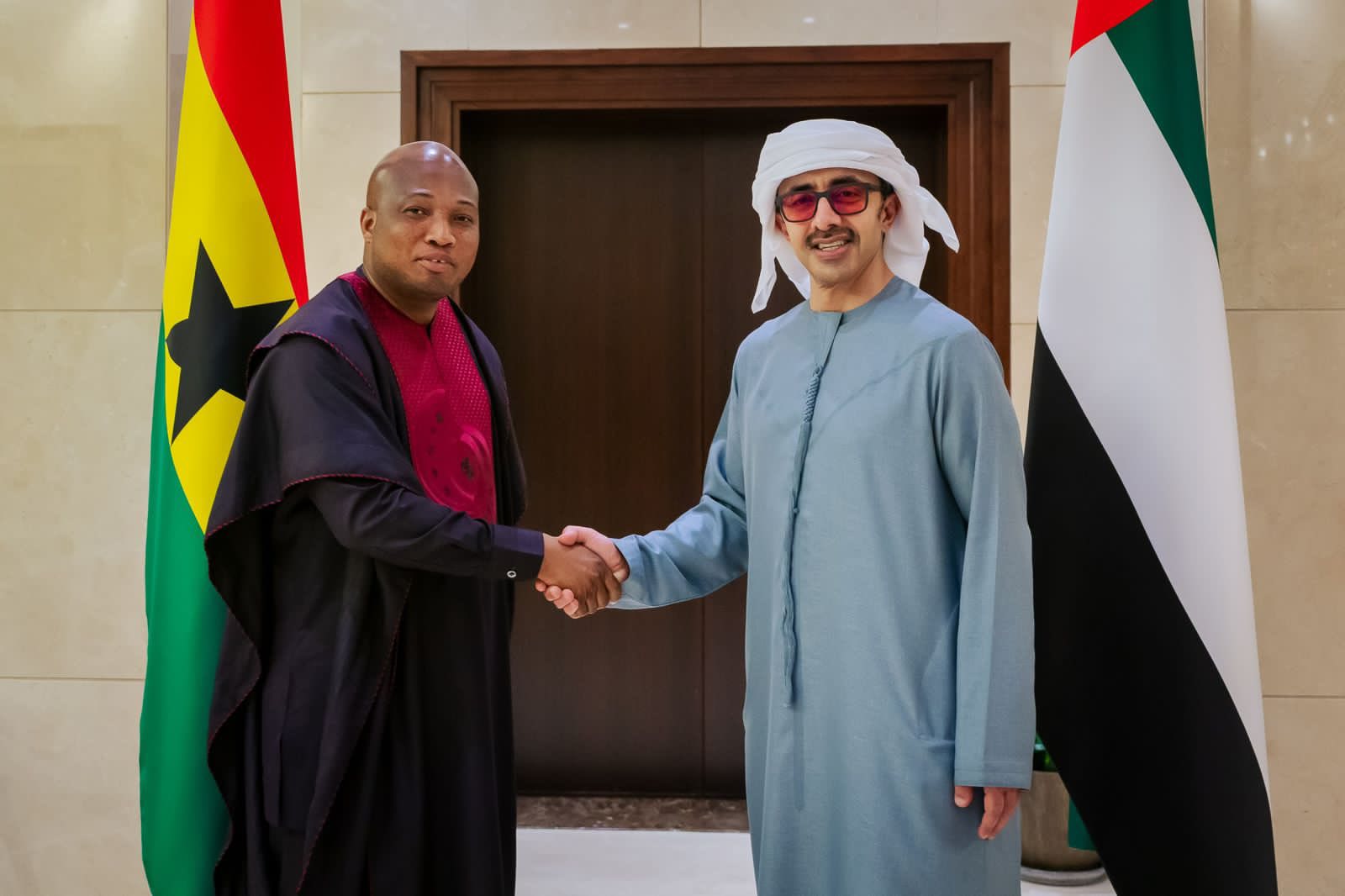
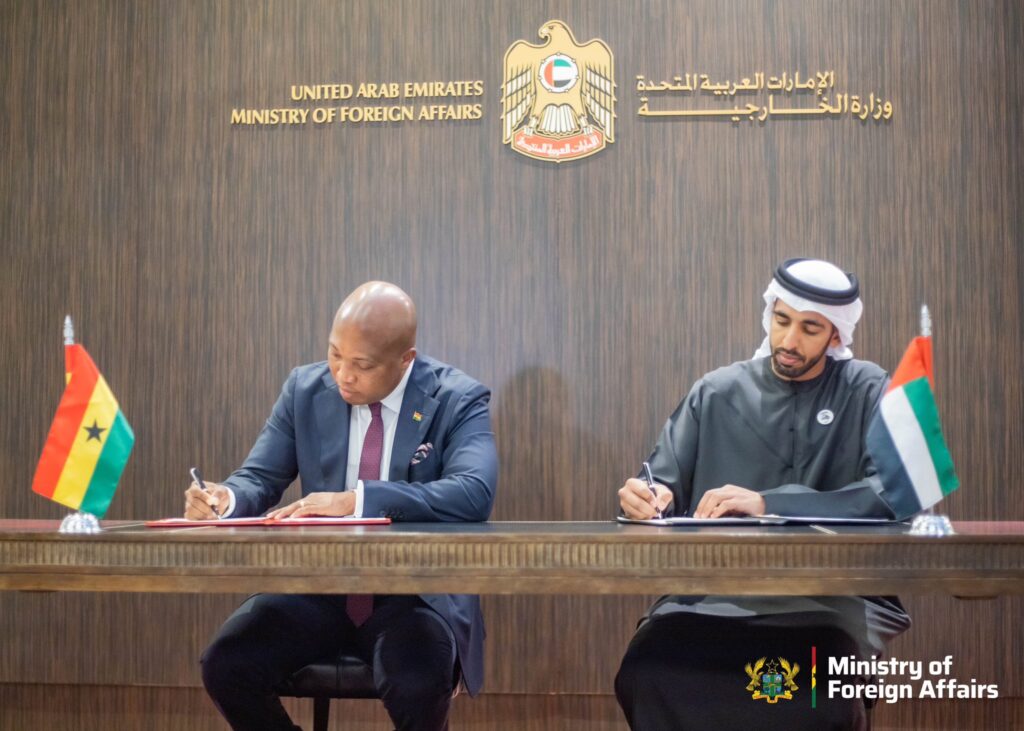
    United Arab Emirates companies will be arriving in Ghana over the next few weeks to invest in sectors such as renewable energy, AI, education, health, aviation, and defense, according to Foreign Affairs Minister, Samuel Okudzeto Ablakwa.

    The sector minister revealed that information on May 13 following the signing of an agreement to commence the first-ever high-level political consultations in the strategic interest of both countries.

    This was made possible after Mr Ablakwa responded positively to a special invitation from the government of the United Arab Emirates to pay a two-day official visit to the country.

    He was received by His Highness Sheikh Abdullah bin Zayed Al Nahyan, Deputy Prime Minister of UAE who also serves as Minister for Foreign Affairs.

    During his two-day visit, he held constructive meetings with Sheikh Shakhboot bin Nahyan Al Nahyan, Minister of State, Lana Nusseibeh, Assistant Minister for Political Affairs, the ministers of Foreign Trade, Investment, and captains of industry.

    Discussions also focused on labour export for Ghanaian youth to the UAE and technical support for a new national airline.

    The Foreign Minister has noted that massive job openings in the United Arab Emirates (UAE) will soon be announced for the Ghanaian youth when both countries finalize the Comprehensive Economic Partnership Agreement (CEPA) negotiations.

    In appreciation, the minister, in a Facebook post, wrote:

    “Both sides confirmed that the bilateral engagements on Sunday and Monday have not only been exceptionally successful but historic.

    I thank our diplomats at the Foreign Ministry and members of the Foreign Affairs Committee of Parliament for the collective accomplishments.

    Long live our irrepressible Ghana 🇬🇭 UAE 🇦🇪 bilateral relations.”

  • GAVI CEO reaffirms commitment to sustain child health efforts in Ghana

    GAVI CEO reaffirms commitment to sustain child health efforts in Ghana

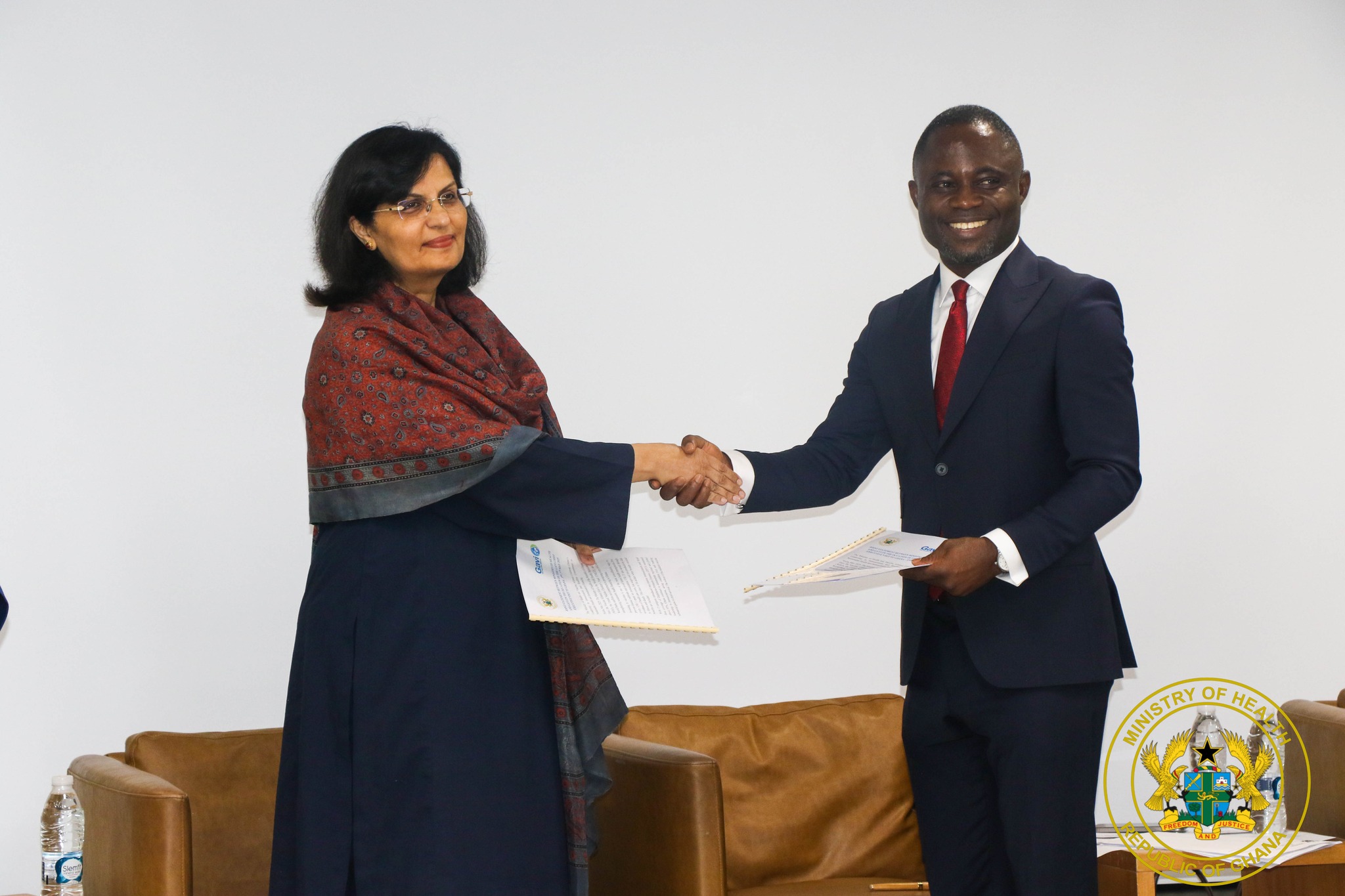
    The Global Alliance for Vaccines and Immunization (GAVI) has reiterated its dedication to supporting Ghana’s immunization agenda, with a focus on equitable vaccine access and long-term health financing.

    At a media briefing jointly organized by the Ministry of Health and its development partners, GAVI’s Chief Executive Officer, Dr. Sania Nishtar, stressed the Alliance’s ongoing commitment to improving healthcare outcomes for children in Ghana and across the continent.

    The engagement brought together key partners, including the World Health Organization (WHO), UNICEF, and the World Bank, all of whom reaffirmed their shared goal of protecting every child through robust immunization systems and sustainable financing.

    In a joint statement delivered with the Ministry of Health, Dr. Nishtar stated:

    “We agree to support and advocate for the full replenishment of GAVI’s next strategic period, which will be critical to ensure continued support and partnership to save children’s lives in Ghana and across Africa.”

    She added that the collaboration would also extend to vaccine financing, strengthening regional manufacturing, and improving access to essential public health commodities critical for national development.

    In his remarks, Minister for Health, Hon. Kwabena Mintah Akandoh, acknowledged GAVI’s instrumental role in strengthening Ghana’s healthcare systems.

    He emphasized the government’s firm resolve to expand vaccination coverage, enhance cold chain systems, and eliminate barriers to immunization—particularly in underserved areas.

    The joint efforts, according to stakeholders, form part of a broader push toward universal, primary healthcare delivery and an immunization agenda that leaves no child behind.

  • Key health projects will be completed – Health Minister assures

    Key health projects will be completed – Health Minister assures

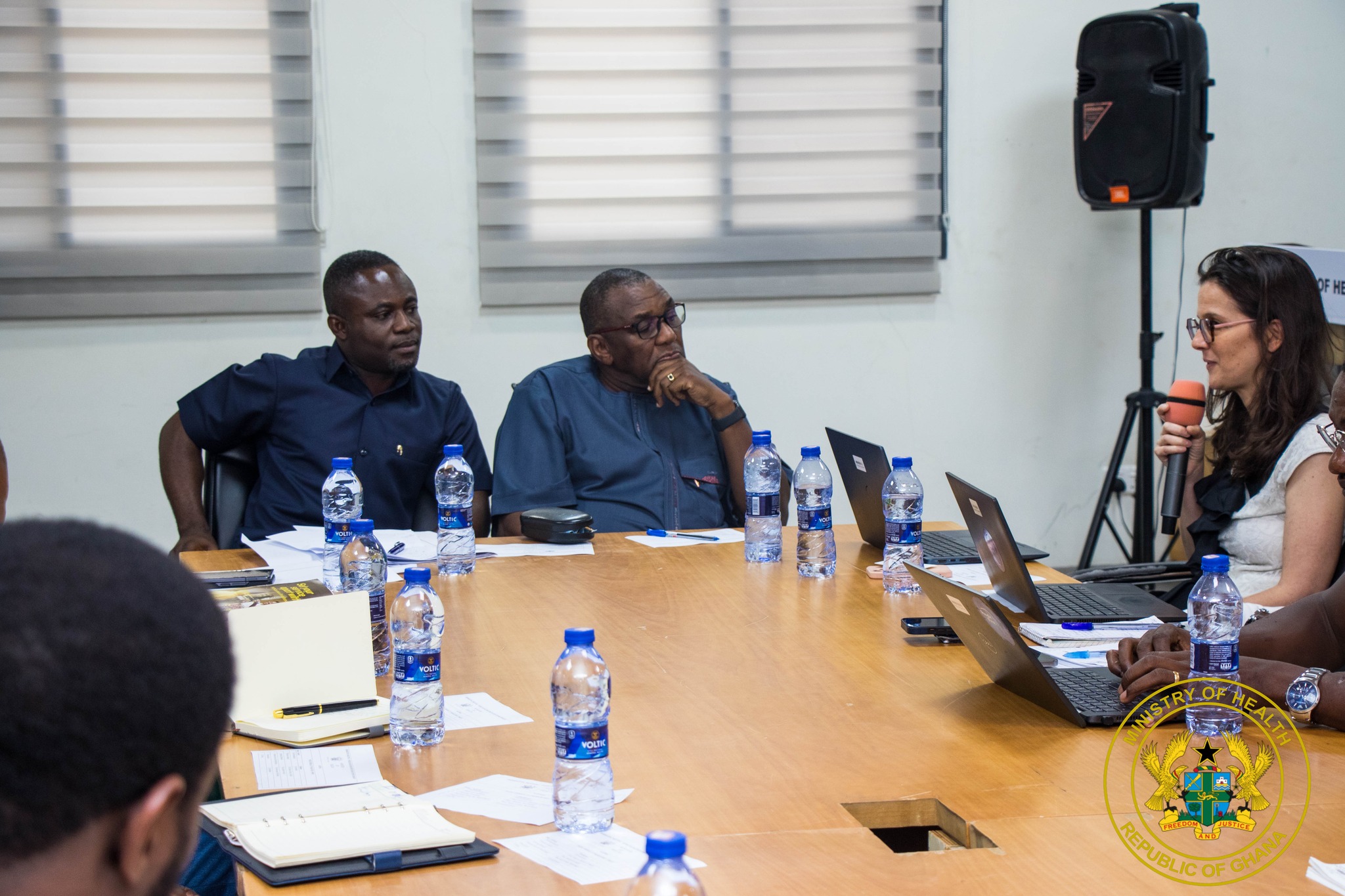
    Minister for Health Mr. Kwabena Mintah Akandoh has reiterated the Government’s commitment to ensuring the successful implementation and completion of key health projects, including the COVID-19 response initiative and the Program-for-Results (PforR) project.

    This assurance was made during a debriefing session marking the conclusion of an implementation support mission. The mission, led by Dorothy Chan, the World Bank Task Team leader, assessed the implementation progress of both projects, focusing on infrastructure, environmental and social safeguards, financial management, and procurement.

    Addressing stakeholders, the Minister acknowledged the rigorous schedule of the mission and commended participants for their dedication.

    He expressed the ministry’s commitment to enhancing collaboration among implementing agencies, particularly with the Health Facilities Regulatory Agency (HeFRA), to fully establish the Network of Practice and Model Health Centers.

    Mr Akandoh assured the World Bank team that all actions and timelines agreed upon during the mission would be strictly followed.

    In a welcome address, the Chief Director of the Ministry of Health reaffirmed the ministry’s commitment to ensuring the successful implementation of key healthcare projects, emphasizing the importance of addressing challenges and completing outstanding activities on time.

    He expressed deep appreciation for the World Bank’s continued support through regular Implementation Support Missions. These missions, he noted, provide a valuable platform for assessing project progress and identifying solutions from a broader perspective.

    He stressed that the collective responsibility of all stakeholders is essential to achieving expected results and ensuring that these investments lead to meaningful improvements in healthcare access and quality for all Ghanaians.

  • Cholera claims 19 lives in Central Region

    Cholera claims 19 lives in Central Region

    The Central Regional Health Directorate has reported an increase in suspected cholera cases, now totaling 3,028, with 260 cases confirmed.

    The outbreak has claimed 19 lives, and four healthcare workers were infected in late 2024.

    Speaking at the Annual Health Sector Performance Review in Cape Coast on Wednesday, March 19, Regional Director of Health Services, Agnes Achiamaa Anane, provided these figures. She acknowledged the strain the outbreak has placed on healthcare services but assured that enhanced surveillance measures are being implemented to curb further spread.

    She further stressed the need for continued investment in healthcare infrastructure to effectively combat future outbreaks.

    Anane stated, “In the area of cholera, the total number of suspected cases as at Tuesday is 3,028 with 260 confirmed cases.

    “Additionally, four health workers were infected, and these health workers—it happened last year, 2024. I am sorry to state that out of these cases we’ve lost 19 from cholera.”

  • Healthcare experts recommended free dialysis initiative – Dr. Nsiah-Asare

    Healthcare experts recommended free dialysis initiative – Dr. Nsiah-Asare

    Former Presidential Health Advisor, Dr. Anthony Nsiah-Asare, has clarified that the decision to implement free dialysis under the previous government was based purely on technical considerations, not political influence.

    He explained that a specialized team of experts designed the policy to improve healthcare access. Introduced in 2024, the initiative sought to ease the financial burden on individuals suffering from kidney disease.

    During an interview on Citi FM on March 13, 2025, Dr. Nsiah-Asare stressed that the decision stemmed from expert evaluations within the framework of the National Health Insurance Scheme (NHIS) rather than any political agenda.

    “I want to bring to the minister’s attention that this was a technical decision, not a political one. The Health Insurance Scheme operates with a technical committee responsible for reviewing and expanding its benefits. In 2022, alongside free dialysis, we introduced coverage for six additional chronic diseases. We also incorporated an annual free medical check-up for all active NHIS cardholders. These decisions were based purely on technical recommendations, not political directives,” he stated.

    Despite the programme’s potential benefits, it faced pushback from some opposition members. In 2024, Kwabena Mintah-Akandoh, then the ranking member of the Health Committee, dismissed the initiative as a political gimmick.

    He argued that the programme lacked a clear policy structure and accused the government of failing to deliver on its healthcare promises.

  • We’re dedicated to strengthening Ghana’s health systems to ensure accessibility – Korean Ambassador

    We’re dedicated to strengthening Ghana’s health systems to ensure accessibility – Korean Ambassador

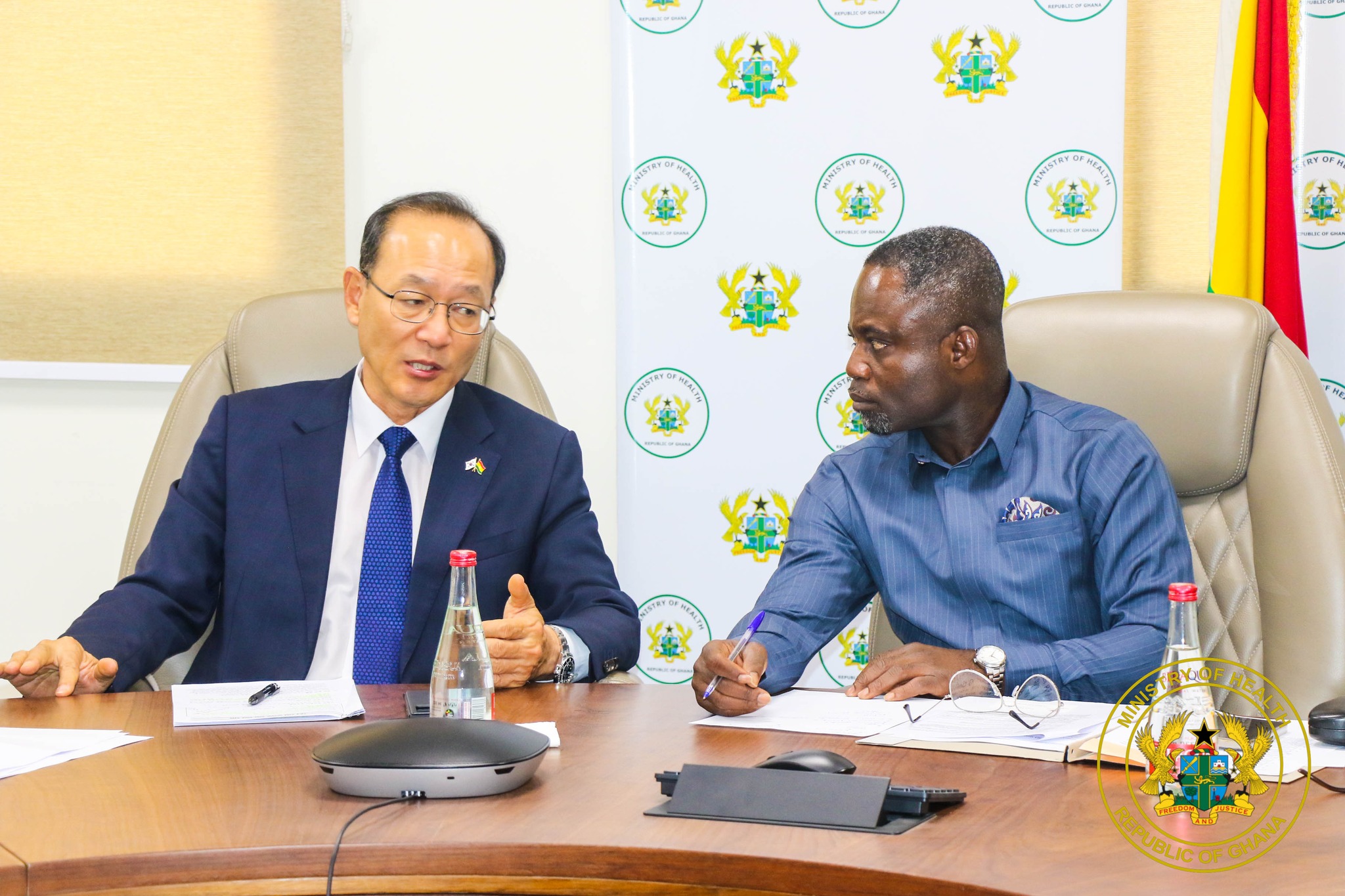
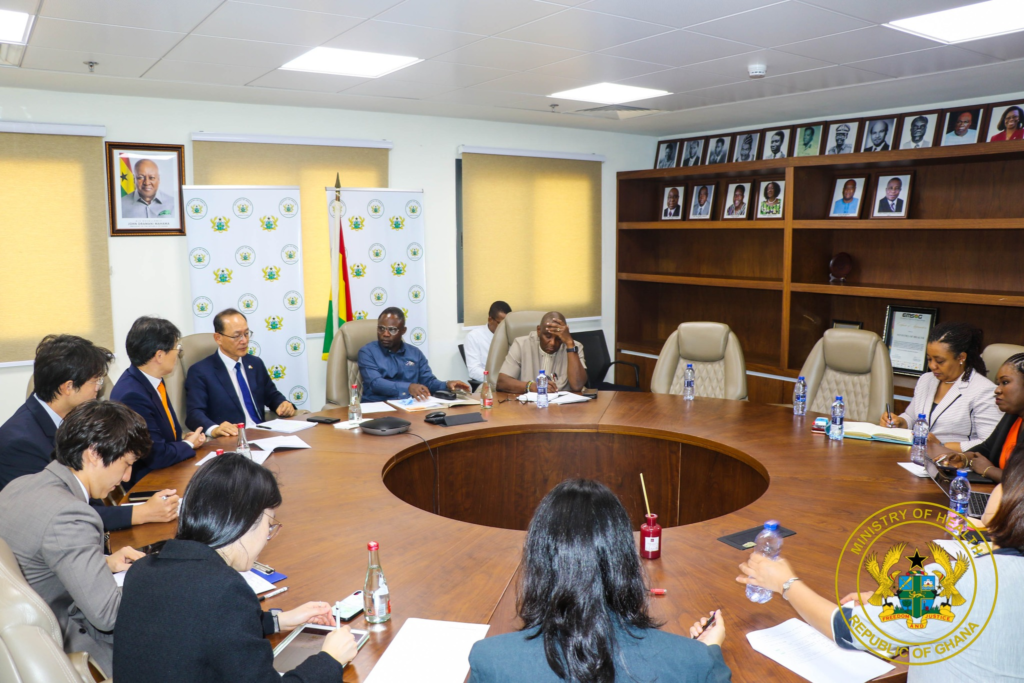
    The Korean Ambassador to Ghana, His Excellency Park Kyongsig, has reaffirmed Korea’s commitment to enhancing Ghana’s healthcare sector, emphasizing efforts to make medical services more accessible and efficient for all citizens.

    During a courtesy call on the Minister of Health, Hon. Kwabena Mintah Akandoh, at the Ministry in Accra, Ambassador Park Kyongsig highlighted Korea’s ongoing contributions to Ghana’s health development, particularly in maternal and child health, infectious disease control, and training healthcare professionals.

    “Korea is dedicated to strengthening Ghana’s health systems to ensure accessible and efficient medical services for all citizens,” he stated.

    The visit aimed to explore new opportunities for collaboration in healthcare infrastructure, medical training, and health management at the district and sub-district levels. The Ambassador was joined by representatives from the Korea International Cooperation Agency (KOICA) and the Korea Foundation for International Healthcare (KOFIH), key partners in Ghana’s healthcare transformation.

    Welcoming the delegation, Hon. Mintah Akandoh acknowledged Korea’s longstanding support and the positive impact of past and ongoing initiatives. He emphasized priority areas for the John Mahama administration, including the Ghana Medical Trust Fund, free primary healthcare, and the construction of regional hospitals in the newly created regions.

    The Health Minister further underscored the government’s focus on expanding Community-based Health Planning and Services (CHPS) facilities, strengthening emergency medical services, and upgrading hospital infrastructure.

    KOICA and KOFIH representatives presented an overview of their ongoing projects in Ghana, which include building modern healthcare facilities, equipping hospitals with advanced medical tools, and implementing specialized training programs for local healthcare workers. They assured the Minister of their continued support in advancing Ghana’s health agenda.

    The discussions concluded with both parties reaffirming their shared commitment to improving healthcare delivery and ensuring quality medical care for all Ghanaians.

  • W/R: Syringes, surgical gloves wash up on Ngelekazo beach

    W/R: Syringes, surgical gloves wash up on Ngelekazo beach

    Medical waste has been discovered along the shores of Ngelekazo Beach near Beyin in the Jomoro Municipality of the Western Region, sparking serious environmental and health concerns.

    The discarded items, including used syringes, surgical gloves, and other clinical debris, have alarmed residents, who are calling for swift intervention from local authorities and health agencies.

    Dr. Patrick Ekye Kwesie, leader of the Western Nzema Youth League (WNYL), described the situation as both a public health risk and an environmental hazard.

    Speaking to the media, he stressed the dangers of improper disposal of medical waste, warning that it could spread infections and disrupt marine ecosystems.

    “This issue raises serious questions about the management and disposal of medical waste in our region. Such waste, if not handled properly, can lead to the spread of infectious diseases and pose risks to both human and marine life,” he stated.

    Dr. Kwesie called for a full-scale investigation to identify the source of the waste and urged authorities to act immediately to clear the affected area.

    Echoing these concerns, Mr. Ishmael Kanga, Safohene of Ngelekazo, expressed disappointment over the pollution of the beach, emphasizing its importance to the local community. “This beach is central to our way of life, and it is distressing to see it contaminated. Authorities must take urgent action,” he said.

    Responding to the situation, Engineer Douglas Arhinkorah Asuako-Ferkah, Acting Area Head of the Ellembelle Environmental Protection Authority (EPA), confirmed that officials from the Jomoro Municipal Environmental Health Department and the Ghana Maritime Authority in Axim had inspected the site and were working on the next steps.

  • Platform to hold national health database launched

    Platform to hold national health database launched

    The Ministry of Health has launched the National Health Database Platform and HEFRA’s Digitized Health Facility Assessment system, supported by the USAID Health Strengthening Accelerator Project.

    The platform is set to integrate health data from all agencies under the ministry, centralizing information for better decision-making and improved healthcare services.

    Chief Director of the Ministry, Alhaji Hafiz Adam, highlighted that the platform, developed by Results for Development (R4D), enables the Ministry to visualize health priorities and make data-driven decisions through advanced analytics.

    “The development of the National Health Database and HEFRA’s Digitized Health Facility Assessment Platform is crucial for achieving Universal Health Coverage,” Alhaji Hafiz Adam stated.

    Minister of Health, Hon. Dr. Bernard Okoe Boye, in a speech delivered on his behalf, commended the Accelerator project for its contributions to various critical areas such as health sector planning, service expansion, primary healthcare, digitalization, and regulatory reforms.

    He emphasized the project’s role in shaping the Health Sector Medium Term Development Plan (2022-2025), a key roadmap for delivering essential health services in Ghana.

    The Minister thanked USAID, the Bill and Melinda Gates Foundation, and other partners for their support, urging continued collaboration to ensure that every Ghanaian has access to quality healthcare.

  • Ghana is sick, we can’t take care of citizens’ health needs – Sammy Gyamfi

    The National Communications Officer of the National Democratic Congress (NDC), Sammy Gyamfi, has declared that Ghana is in a state of illness due to its inability to adequately care for its sick population.

    He argues that a nation that cannot address the health needs of its citizens is itself in poor health.

    In an interview on JoyNews’ Newsfile, Gyamfi emphasized the NDC’s commitment to addressing these critical issues under a potential future administration led by John Mahama.

    He revealed that the NDC plans to abolish fees for students with disabilities from levels 100 to 400, ensuring that no physically challenged student will have to pay fees under a Mahama-led government.

    Gyamfi further highlighted the “Mahama Cares” initiative, which aims to provide support to individuals suffering from chronic diseases such as cancer, diabetes, hypertension, heart disease, and kidney failure. These individuals, he noted, often struggle to afford the expensive medications required for their treatment.

    “Chronic diseases account for the highest percentage of mortality in the country,” Gyamfi stated, pointing out that many of these deaths are not covered by the National Health Insurance Scheme (NHIS).

    He added, “A nation that does not take care of its sick is itself sick. The deaths recorded in this country are not covered by health insurance.”

    Gyamfi explained that the ‘Mahama Cares Initiative’ Fund would work in tandem with the free primary health care initiative. This would ensure that all individuals, regardless of their health insurance status, receive free treatment when they visit community clinics, polyclinics, or health centers.

    Through these measures, the NDC hopes to improve the nation’s healthcare system and ensure that no Ghanaian is left without access to the necessary medical care.

  • Stop taking energy drinks, eat  healthy ‘gobɛ,’ koko and koose to stay healthy – Prof Akosa advises

    Stop taking energy drinks, eat healthy ‘gobɛ,’ koko and koose to stay healthy – Prof Akosa advises

    A respected cellular pathologist and lifestyle wellness consultant, Professor Agyeman Badu Akosa, emphasized the significance of consuming local Ghanaian foods to combat numerous communicable diseases, which currently top the list of health concerns and mortality causes in Ghana.

    During a discussion on practical strategies to enhance public health in Ghana held at the Ghana Shippers Authority Hall in Ridge, Accra, on Tuesday, Professor Akosa, former Director-General of the Ghana Health Service (GHS), highlighted the association between the consumption of sugar-sweetened beverages, fried foods, and processed foods with non-communicable diseases like hypertension, heart diseases, and diabetes.

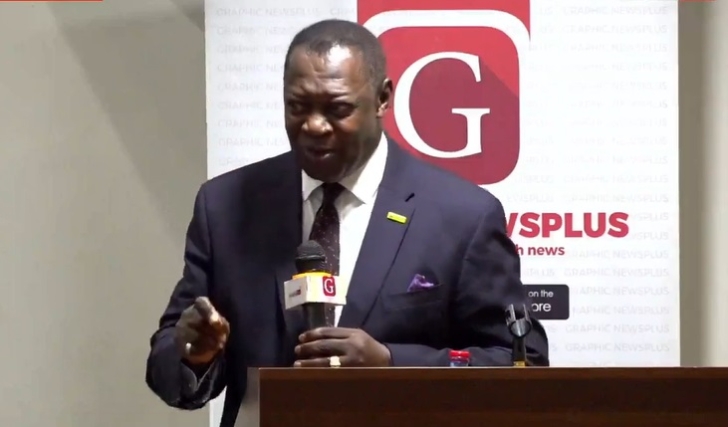
    He stressed the importance of health promotion and, along with health policy and management expert Professor Aaron Abuosi, served as the main speakers on the topic “Quality Health for All” at the recent edition of the Graphic National Dialogue Series.

    Organized by the Graphic Communications Group Ltd, this event serves as a platform for discussing developmental issues with an emphasis on achieving national consensus in a non-partisan setting.

    Additionally, the aim is to compile ideas into a document to influence policymaking across various social strata. The upcoming Graphic National Development Series will feature a plenary session during which expert speakers will present papers on specific topics derived from various perspectives on the theme.

    Watch a video of Prof Akosa’s presentation

    Emphasizing the importance of consuming Ghanaian local foods, Prof. Akosa highlighted that prioritizing locally sourced foods over Western and fast foods could lower the incidence of non-communicable diseases in Ghana.

    He noted that Ghanaians have shifted away from nutritious local foods to imported, highly processed options with elevated sugar content during processing.

    “I will urge us all to go back to our former ways of eating kontomire or cocoyam leaves, garden eggs, okro, ‘abedru’, and all that keep us healthy and also minimise the dependence on the pizzas, noodles and fried foods,” he advised.

  • “I appreciate being alive” – Dr. Dre recounts terrifying experience after surviving three strokes

    “I appreciate being alive” – Dr. Dre recounts terrifying experience after surviving three strokes

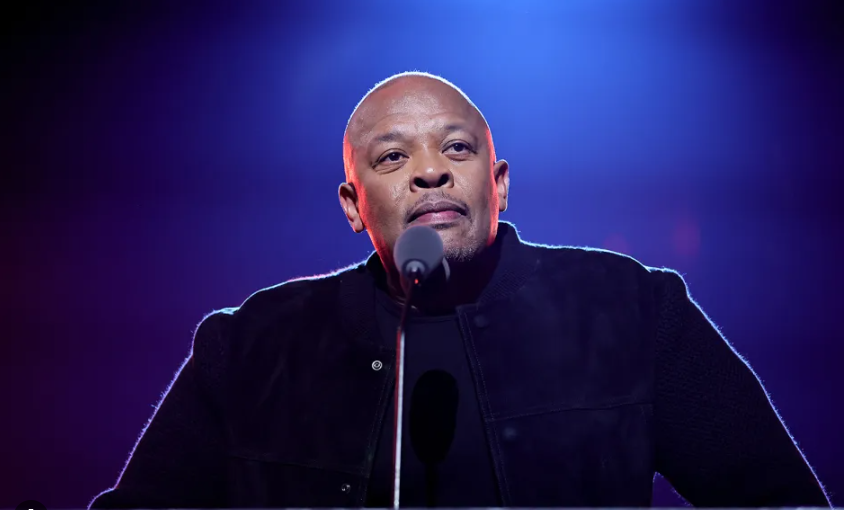
    Renowned rapper and record producer Dr. Dre, also known as Andre Young, recently shared his gratitude for life after surviving three strokes during his hospitalization for a brain aneurysm in 2021.

    In a candid interview, he recounted the harrowing experience that led to a two-week stay in intensive care.

    “I appreciate being alive,” Dr. Dre stated.

    The ordeal began with excruciating pain behind his right ear, which he described as the worst he had ever felt.

    Initially thinking he could simply rest, he credits his son’s friend for insisting on taking him to the hospital, a decision that likely saved his life.

    But he added: “My son had a female friend that was there and was like, ‘No, we need to take you to the hospital.’”

    Dr. Dre’s condition was critical, with approximately 15% of people not surviving a ruptured aneurysm before reaching the hospital, according to the Brain Aneurysm Foundation.

    ‘They thought I was outta here’

    “I’m hearing the doctors coming in and [saying], ‘You don’t know how lucky you are,” the Death Row Records co-founder told James Corden’s show This Life of Mine.

    Doctors were grim about his prognosis, allowing his family to visit and say their goodbyes, assuming he might not make it.

    “They called them up so they could say their last goodbyes because they thought I was outta here.”

    Despite the challenges during treatment, including frequent testing and a two-week period of not eating, Dr. Dre emerged with a newfound appreciation for life.

    “I didn’t eat for two weeks, definitely makes you appreciate being alive, that’s for sure. “High blood pressure in black men, that’s just what it is. They call it the silent killer,” he explained.

    He reflected on the importance of physical health, noting the hereditary and often unpreventable nature of conditions like high blood pressure, particularly prevalent among Black men.

    His experience sheds light on the disproportionate risk faced by African-Americans and Hispanics regarding brain aneurysms, emphasising the importance of awareness and preventive measures within these communities.

    A brain aneurysm, marked by an artery’s enlargement due to vessel wall weakness, typically presents symptoms upon rupture, which can lead to life-threatening bleeding on the brain.

    Dr. Dre’s survival serves as a reminder of resilience and the value of health vigilance in mitigating such critical health challenges.

  • COVID-19 was a demonstration, not a global health emergency – Dr Bhakti Hansoti

    COVID-19 was a demonstration, not a global health emergency – Dr Bhakti Hansoti

    Director of the Centre for Global Emergency Care at Johns Hopkins University, Dr. Bhakti Hansoti, has underscored the crucial role of preparedness and health system investment in enhancing both local and global health security.

    She emphasized that the COVID-19 pandemic highlighted the interconnectedness of global health and the necessity for resilient health systems.

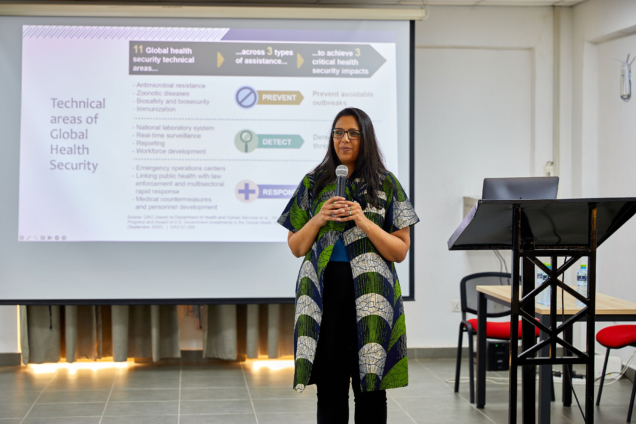
    During her lecture titled “The Global Health Security: Implications for LMICs” at the Kumasi Center for Collaborative Research in Tropical Medicine, Dr. Hansoti stressed the importance of building resilient health systems informed by determinants of health to strengthen defenses against future threats.

    Global health security, as defined by the U.S. Department of Health and Human Services, involves countries possessing robust public health systems capable of preventing, detecting, and responding to infectious disease threats globally.

    “Was not just a global health emergency, but a demonstration that there is no health security without a resilient health system”.

    “If we build resilient health systems and a health system that is informed by these determinants of health, we can be strengthened against future threats,” she added.

    Dr. Hansoti points out contemporary global health security risks such as the emergence of infectious diseases, the globalization of travel and trade, drug-resistant pathogens, and potential threats from the accidental release or misuse of dangerous pathogens.

    The lecture emphasizes the need for collaborative efforts, ethical responses, and robust global health security measures to address current and future challenges.

    Dr. Hansoti advocated for intersectoral collaboration, communication, and investment, urging countries to actively participate in shaping future response activities and treaties like the pandemic treaty.

    Reflecting on past experiences, such as Ebola, COVID-19, and HIV, Dr. Hansoti encourages learning from successes, challenges, and community engagement.

    Head of the Global Health Department, Dr. John Amuasi, applauded the importance of the lecture in broadening students’ perspectives on global health security.

    Students express gratitude for the insights gained, recognizing the critical link between health security and resilient health systems.

    Dr. Joseph Bonney, president of the African Federation for Emergency Medicine, highlights the significance of building capacity in hospitals and training programs to contribute to a robust ecosystem for global health security.

  • GPHA attains ISO certifications, advances commitment to health, safety, and environment 

    GPHA attains ISO certifications, advances commitment to health, safety, and environment 

    Ghana Ports and Harbours Authority (GPHA) has achieved a significant milestone by obtaining certifications in ISO 9001:2015, ISO 14001:2015, ISO 45001:2018, and ISO 27001:2013 standards. 

    These certifications signify the organization’s adherence to internationally recognized frameworks for quality management, environmental sustainability, occupational health and safety, and information security.

    With a commitment to upholding standards in these crucial areas, GPHA aims to enhance internal processes while fostering trust and credibility with customers, partners, and stakeholders. 

    To ensure effective implementation and oversight of these standards, GPHA has established an Occupational Health, Safety, and Environment (OHSE) Committee, comprising key members of top management and staff.

    Mrs. Frances Jemimah Manu, the ISO Coordinator of GPHA, plays a pivotal role within the OHSE Committee, facilitating communication and action plans between department heads and the committee. 

    Recently, the committee spearheaded the revision and aggressive implementation of GPHA’s OHSE policy, fostering a culture that prioritizes health, safety, and environmental sustainability at the ports.

    To further reinforce awareness and understanding of OHSE practices, GPHA conducted a sensitization drive among staff and stakeholders. This initiative aims to promote employee well-being, minimize accidents, and enhance safety compliance and environmental consciousness within the port environment.

    Speaking on the significance of ISO certifications, Mrs. Manu emphasized their role in maintaining trust with the global business community and ensuring compliance with international regulations. 

    She underscored the importance of upholding ISO procedures in line with United Nations Sustainable Development Goals, urging staff to champion health, safety, and environmental consciousness.

    GPHA has made its policies accessible to both internal and external stakeholders, with copies available on its website and through internal distribution channels. 

    Mrs. Manu encouraged everyone to familiarize themselves with these policies to facilitate smooth and safe operations within the port environment.

    Overall, GPHA’s attainment of ISO certifications represents a significant stride in its ongoing commitment to excellence in health, safety, and environmental sustainability, positioning the organization as a responsible and reliable player in the global maritime industry.

  • GPHA intensifies efforts to prioritize health, safety, and environmental sustainability at Ghana’s ports

    GPHA intensifies efforts to prioritize health, safety, and environmental sustainability at Ghana’s ports

    The Ghana Ports and Harbours Authority (GPHA) is reaffirming its commitment to prioritize the health, safety, and environmental sustainability of its staff and stakeholders. 

    Recognizing the pivotal role played by these factors in its operations and the overall well-being of its workforce, the organization has intensified efforts to provide a safe working environment for all employees and port users.

    In line with this commitment, the GPHA has implemented various initiatives aimed at promoting health, safety, and environmental awareness among its staff and stakeholders. 

    Recently, the Ports of Tema and Takoradi witnessed a vigorous awareness campaign led by the Occupational Health, Safety, and Environment Committee (OHSE) of GPHA. 

    This initiative sought to educate employees and stakeholders on the Occupational Health and Environment policies and procedures of the Port Authority.

    Dr. Vitus Victor Anaab-Bisi, Chairman of the OHSE Committee, emphasized the importance of fostering an organizational culture that prioritizes health, safety, and environment to enhance productivity. 

    He highlighted the rigorous regime established by the GPHA for handling incidents, accidents, and near-misses within the port environment, underscoring the unwavering commitment of top management to allocate sufficient resources for health and safety.

    Moreover, Dr. Anaab-Bisi outlined measures to enforce compliance with health and safety protocols, including the introduction of punitive measures for defaulters. 

    He emphasized the strict enforcement of the Authority’s zero-tolerance policy for drug and alcohol abuse, highlighting the use of breathalyzers and multiple drug tests to deter such behavior.

    Dr. Anaab-Bisi reiterated the vital role played by port workers in the economy and emphasized the need for personal responsibility in maintaining health and safety. He commended the support of top management for OHSE initiatives and encouraged staff and stakeholders to uphold the momentum in promoting health, safety, and environmental sustainability at the ports of Ghana.

    The GPHA’s commitment to ensuring a safe working environment reflects its dedication to the well-being of its workforce and the sustainability of its operations. 

    Through continuous education, enforcement of protocols, and collaboration with stakeholders, the Authority aims to foster a culture of health, safety, and environmental responsibility for enhanced productivity and efficiency in port operations.

  • Health Accountants to protest nationwide

    Health Accountants to protest nationwide

    The Health Accounting Staff Association of Ghana has issued a notice of an impending strike in response to a decision made by the management of the Korle-Bu Teaching Hospital (KBTH).

    They explained that on the 20th of September 2023, the Chief Executive Officer (CEO) of KBTH delivered release letters dated 19th of September 2023, to five (5) accountants of the hospital, directing them to report to the Health Ministry for reassignment, effective from the 26th of September, 2023.

    In a statement they released, they expressed their deep disappointment, noting that all the affected Accountants serve as leaders of the local branch of the HASAG Union within the Korle Bu Teaching Hospital.

    “To our utmost dismay, all the affected Accountants are leaders of the local branch of HASAG Union in the Korle Bu Teaching Hospital made up of four branch Council members and one executive member of the union who is the Korle-bu branch Vice president of the Association.

    “From all indications, they are being taken out of the Korle Bu Teaching Hospital permanently to be reassigned under the Ministry of Health and never to return to the hospital,” a statement they issued said.

    This local branch is comprised of four branch Council members and one executive member, who happens to be the Korle-bu branch Vice President of the Association.

    According to them, the decision to permanently transfer these union leaders out of the Korle Bu Teaching Hospital, under the Ministry of Health, effectively prevents them from advocating for the rights of their members.

    This action, they argue, is not in line with the public service provisions and the framework for negotiating conditions of service for the Ghana public sector health workforce.

    They also cited the framework for negotiating conditions of service for Ghana’s public sector health workforce, specifically section 3.1.i-iii, which emphasizes that postings should not be used as a punitive measure and should be done with due notice.

    It further mentions that postings exceeding two years should come with adequate notice and planning.

    The union leaders believe that these releases are an attempt to victimize and intimidate them, particularly due to their involvement in an ongoing court case regarding the appointment of a substantive director of finance. They contend that these releases are unjustified, especially when the case is already before the court.

    Consequently, they call upon the President of Ghana, Akufo-Addo, to intervene and direct the Health Minister, the Board Chairman of KBTH, and the CEO of KBTH to act in the interest of industrial peace and harmony.

    Finally, they announce that if the release letters given to their union leaders at Korle-bu Teaching Hospital are not withdrawn within seven (7) working days from the date of their letter, the union will proceed with a nationwide strike to demand the withdrawal of these letters.

  • Oti Regional Health Directorate requests more physicians to enhance the quality of healthcare

    Oti Regional Health Directorate requests more physicians to enhance the quality of healthcare

    Health Director for Oti Region, Dr. Osei Kuffour Affreh, has voiced deep concern about the precarious state of healthcare services in the region, primarily due to a shortage of healthcare professionals.

    He emphasized that the absence of doctors, physician assistants, midwives, as well as technical and support staff, along with various systemic challenges, are significant obstacles impeding healthcare delivery in Oti.

    Dr. Affreh also pointed out the lack of regional medical storage facilities and insufficient residential accommodations for staff as additional factors impacting service provision.

    These remarks were made during the 2023 mid-year performance review of the Oti Regional Health Directorate, held in Worawora, Biakoye District, under the theme: “Achieving Universal Health Coverage; The Role of the Health Worker.”

    Dr. Affreh expressed heartfelt appreciation to healthcare partners, particularly the Korea Foundation for International Health Care (KOFIH), for their continuous support over the years. He highlighted KOFIH’s contributions, including funding for the construction of two Community-based and Health Planning Services (CHPS) Compounds, renovations, and various infrastructure projects that have enhanced healthcare services in the region.

    Additionally, the region received a new Toyota Hilux vehicle and essential office equipment and supplies from the World Health Organization (WHO). WHO’s support extended to surveillance activities and various training programs conducted during the review period.

    Dr. Affreh also acknowledged the invaluable assistance from other partners, including USAID Q4H, GAVI, World Vision, Marie Stopes, Impact Malaria, ANESVAD, and UNICEF.

    Nana Okoforobour Baffour Kwame Asare II, the Paramount Chief of the Tapa Traditional Council, spoke with the Ghana News Agency (GNA) and praised the commendable efforts of the Oti Regional Health Directorate. He, however, appealed to the Regional Coordinating Council and the government to provide necessary assistance to healthcare professionals grappling with the challenges they face.

  • Health benefits of aloe vera

    Health benefits of aloe vera

    Aloe vera is a succulent plant known for its gel-filled leaves, which contain a variety of bioactive compounds that contribute to its potential health benefits. Here are some of the health benefits associated with aloe vera:

    1. Skin Health: Aloe vera is widely recognized for its skin-soothing properties. It can be applied topically to help alleviate minor burns, sunburns, and skin irritations. The gel’s cooling effect and anti-inflammatory properties aid in reducing redness, swelling, and discomfort.
    2. Wound Healing: Aloe vera has been used traditionally to promote wound healing. It can stimulate the production of collagen and accelerate the repair of damaged tissue, aiding in the healing process.
    3. Moisturization: Aloe vera gel is an excellent natural moisturizer for the skin. It helps lock in moisture and can be used to relieve dry skin, leaving it hydrated and smooth.
    4. Anti-Inflammatory Effects: The compounds in aloe vera, such as bradykinase and beta-sitosterol, exhibit anti-inflammatory properties. These properties can be beneficial for reducing inflammation in various parts of the body.
    5. Digestive Health: Aloe vera latex, derived from the inner leaf, contains anthraquinone compounds with laxative effects. It has been used to alleviate constipation, but its use should be under the guidance of a healthcare professional due to potential side effects.
    6. Immune System Support: Aloe vera contains vitamins, minerals, and antioxidants like vitamin C and vitamin E that can support the immune system and contribute to overall well-being.
    7. Antioxidant Properties: Aloe vera is rich in antioxidants that help combat oxidative stress and reduce the damage caused by free radicals. This can contribute to the prevention of chronic diseases and aging.
    8. Blood Sugar Management: Some studies suggest that aloe vera may help lower blood sugar levels in people with type 2 diabetes. However, more research is needed in this area, and it’s important to consult a healthcare professional before using aloe vera for diabetes management.
    9. Oral Health: Aloe vera mouthwash or gel may help promote oral health by reducing plaque accumulation and gum inflammation.
    10. Hair and Scalp Health: Aloe vera gel can be used as a natural conditioner for hair, promoting a healthy scalp and helping to reduce dandruff and itching.
    11. Cardiovascular Support: Limited research suggests that aloe vera might contribute to heart health by reducing cholesterol levels and improving circulation. However, more studies are needed to confirm these effects.

    It’s important to note that while aloe vera offers potential health benefits, individual reactions can vary, and excessive consumption or inappropriate use can lead to side effects. When using aloe vera for topical or internal purposes, make sure to use high-quality, pure products and consult a healthcare professional, especially if you have any preexisting health conditions or are taking medications.

  • Government urged to add uterine fibroid to NHIS

    Government urged to add uterine fibroid to NHIS

    A uterine fibroid survivor is urging the government to include uterine fibroid treatment in the National Health Insurance Scheme (NHIS) to save lives.

    The high cost of treatment is causing many patients to suffer in silence, with the minimum cost at public health facilities being GH¢4,000 and GH¢8,000 or more for private treatment.

    Uterine fibroid, an abnormal growth of muscle tissue in or on the uterus, affects women and girls in their reproductive age, leading to complications and infertility.

    The disease can prevent fertilized eggs from implanting in the womb or block fallopian tubes, resulting in miscarriages and maternal mortality.

    During the launch of her book titled “Defeat Fibroid and be Free” in Accra, Madam Fanny Palmer highlighted the use of an instrument with ultrasound waves and radiofrequency energy for fibroid treatment.

    However, the high costs are prohibitive for many sufferers, necessitating government intervention to assist Ghanaian women.

    Madam Palmer praised Ghana’s strides in healthcare and called for more efforts to combat uterine fibroids to safeguard lives and procreation.

    Her book chronicles her struggles and experiences with fibroids and serves as a guide, providing answers to questions related to fibroid symptoms, signs, and alternative treatments.

    Encouraging women not to view fibroids as a death sentence, Madam Palmer plans to launch a Fibroid Awareness Movement called “Let’s Talk About Fibroid” to promote awareness and menstrual hygiene through education, research, and advocacy.

    She expressed gratitude to the International Central Gospel Church (ICGC) and its founder, Dr. Mensa Otabil, for their support in making the publication a reality.

  • WHO warns of worsening humanitarian crisis in Sudan

    WHO warns of worsening humanitarian crisis in Sudan

    The World Health Organization (WHO) has issued a warning about a worsening humanitarian crisis in Sudan, where more than two-thirds of the country’s hospitals are no longer operational.

    Health care facilities and staff are facing increasing reports of attacks.

    For the hundreds of thousands of people who have fled the violence and crossed borders, life remains precarious.

    The WHO reveals that disease outbreaks, such as malaria, measles, and dengue, which were previously well-controlled before the current conflict, are on the rise due to disruptions in basic public health services.

    The organization also reports a growing number of incidents of sexual and gender-based violence against women and girls.

    Although several attempts at peace talks have been made, none have resulted in a lasting ceasefire.

    The WHO is calling on all warring parties to prioritize the protection of civilians, humanitarian workers, and health facilities. The situation requires urgent attention to prevent further deterioration of health and well-being in the country.

  • Rate of exercising may impact risk of flu and pneumonia risk – Study reveals

    Rate of exercising may impact risk of flu and pneumonia risk – Study reveals

    It’s time to add these justifications for exercising to your list: New research suggests that staying active can reduce the chance of dying from the flu and pneumonia.

    The risk of dying from influenza and pneumonia is reduced by 48% when physical activity guidelines for aerobic and muscle-strengthening activity are met, according to a study published on Tuesday in the British Journal of Sports Medicine.

    According to the US Department of Health and Human Services’ Physical Activity Guidelines for Americans, adults should engage in at least 150 minutes of moderate aerobic exercise and two or more days of moderate muscle-strengthening exercises per week.

    More than 570,000 people’s survey responses from the US National Health Interview Survey from 1998 to 2018 were included in the study. The study divided participants into groups based on how well they met the advised amount of exercise after asking about their physical activity habits.

    After the first survey, the participants were followed up with on average for nine years. During that time, 1,516 people died from the flu or pneumonia.

    Meeting only the aerobic exercise objective was associated with a 36% decreased risk, but meeting both recommendations for aerobic and muscle-strengthening activity practically cut the risk associated with flu or pneumonia death in half.

    The results are significant, according to lead study author Dr. Bryant Webber, an epidemiologist with the US Centers for Disease Control and Prevention’s Division of Nutrition, Physical Activity, and Obesity, as influenza and pneumonia are both among the leading causes of death in the US and around the world.

    “Readers may appreciate the importance of influenza and pneumococcal vaccination. This study might encourage them that physical activity may be another powerful tool for protecting themselves against influenza and pneumonia death,” he said.

    The results make sense given existing knowledge, and the benefits may extend to other conditions, said Dr. Robert Sallis, director of the sports medicine fellowship at Kaiser Permanente Fontana Medical Center, and clinical professor of family medicine at Kaiser Permanente Bernard J. Tyson School of Medicine in California. He was not involved in the study.

    “This study is also consistent with the various studies showing that regular exercise dramatically lowered the risk of COVID-19 related death in similar fashion,” Sallis said in an email.

    But even if you can’t reach the recommended amount, some activity can still provide more protection than none, according to the study.

    “We also found that any level of aerobic physical activity, even at amounts below the recommended level, lowered the risk of influenza and pneumonia death, as compared to doing no aerobic activity,” Webber said.

    Getting 10 to 149 minutes a week of aerobic physical activity was associated with a 21% decreased risk of flu and pneumonia death, the study showed.

    “Our overarching advice for everyone — regardless of age or perceived physical fitness level — is to ‘move more and sit less,’” Webber said in an email. “Readers who do not get any physical activity should be encouraged that doing any is better than none.”

    That being said, no additional benefit was seen for people who got more than 600 minutes a week of aerobic activity, the study showed.

    And in the case of muscle strengthening, there is such a thing as too much, the study showed.

    Meeting the target of two or more sessions lowered the mortality risk significantly, but getting seven or more sessions was associated with a 41% increased risk of death by flu or pneumonia, the study showed.

    However, this was an observational study, the researchers noted, which means that the study can’t make claims about what causes or prevents the deaths — just what factors were associated with a level of risk.

    The increased risk could be related to a range of factors, including the cardiovascular impacts of frequent muscle-strengthening activity or inaccurate responses to the survey, the study said.

    Even though there are limitations in the design, researchers often rely on these studies when it is impossible to randomize people into different lifestyles, Sallis said.

    Aerobic activity — or cardio, as it’s often called — doesn’t have to mean getting yourself to the gym regularly, the study said. This type of movement is anything that gets your heart rate and sweat glands going, including speed walking, swimming, biking, running or stair climbing.

    Exercises such as lifting weights, squats, lunges or even heavy gardening can count as your muscle-strengthening activity, the study added.

    A megastudy published in December 2021 showed that the best exercise programs include planning when you work out, getting reminders, offering incentives and discouraging missing more than one planned workout in a row.

    “If people are hoping to boost their physical activity or change their health behaviors, there are very low-cost behavioral insights that can be built into programs to help them achieve greater success,” said that study’s lead author Katy Milkman, the James G. Dinan Professor at the Wharton School of the University of Pennsylvania and author of “How to Change: The Science of Getting From Where You Are to Where You Want to Be.”

    You can start small, said Dana Santas, a CNN fitness contributor and mind-body coach for professional athletes, in a 2022 CNN article.

    “Fitting in ten minutes of exercise every day is so much easier than people think. Consider how fast ten minutes goes by when you’re mindlessly scrolling social media or watching your favorite TV show,” Santas said in an email. “It’s not a big time investment, but it can deliver big health benefits.”

  • Eating junk food after working out is harmful – Physician Specialist

    Eating junk food after working out is harmful – Physician Specialist

    Processed meats, fast food, fries, salty snacks, and sugary beverages should not be consumed after exercising, according to Dr. Zuleila Fuseini, a physician specialist at the International Maritime Hospital (IMaH) in Tema.

    Dr. Fuseini emphasized that the goal of exercising for health was to burn calories, which needed to be matched with an appropriate amount of food and a healthy diet to maintain a healthy body.

    She recommended the preservation of the idea of fitness centers as a way to maintain physical health and lose weight, highlighting the need of forgoing junk food afterwards.

    Her comment came during the weekly “Your Health! Our Collective Responsibility! program by the media aimed at encouraging health-related communication and creating a forum for the transmission of health information to impact individuals’ personal health decisions through better health literacy.

    Many of the negative effects of fast food were not noticed until it was too late, according to Dr. Fuseini. Inflammatory and blood pressure issues, which are frequently found in hospitals, have been linked to belly obesity, which is fueled by junk food and sugary beverages.

    Dr. Fuseini highlighted the negative health consequences of consuming such diets, including an increased risk of heart disease, diabetes, and obesity.

    The IMaH Physician Specialist recommended a reverse eating plan, which involves consuming heavier meals earlier in the day and reducing food intake as the day progresses.

    During her talk on “Diabetes Mellitus,” Dr. Fuseini emphasized that diabetes is a chronic metabolic disease characterized by elevated levels of blood glucose (or blood sugar), resulting in significant damage to the heart, blood vessels, eyes, kidneys, and nerves over time.

    She noted that the most prevalent form of diabetes is type 2 diabetes, which occurs when the body becomes resistant to insulin or fails to produce enough insulin.

    Over the past three decades, the prevalence of type 2 diabetes has rapidly increased in countries across all income levels.

    According to the IMaH Physician Specialist, type one diabetes, commonly referred to as juvenile diabetes or insulin-dependent diabetes, is a chronic condition in which the pancreas produces little to no insulin on its own.

    “Access to affordable treatment, including insulin, is critical for people living with diabetes.” “By 2025, there will be a global agreement to halt the rise in diabetes and obesity,” she stated.

    She continued by mentioning preventative measures like healthy diets, regular exercise, abstaining from alcohol, stopping smoking, and maintaining weight, with the ideal Body Mass Index (BMI) range being between 18 and 25.

    While type one was common among children and type two was prominent among adults, type two was also becoming more popular among youngsters, which worried Dr. Fuseini.

  • Our safety is being compromised-Workers at Tetteh Quarshie Memorial Hospital ‘cry’ over inadequate medical supplies

    Our safety is being compromised-Workers at Tetteh Quarshie Memorial Hospital ‘cry’ over inadequate medical supplies

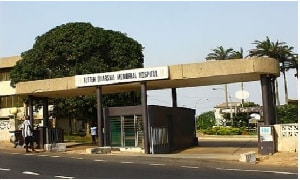
    Several workers at the Tetteh Quarshie Memorial Hospital in Mampong Akuapem, Eastern Region, are expressing their discontent with the lack of basic medical supplies, such as gloves and gauges.

    Speaking on condition of anonymity due to fear of victimization, some nurses and other health workers shared their concerns. They highlighted that despite the hospital undergoing significant renovations, they continue to face shortages of essential items needed to care for patients. 

    “Our safety is being compromised. It’s unimaginable to work without gloves, especially during a time when there are many communicable diseases,” revealed one nurse. 

    Another healthcare worker stated, “Tetteh Quarshie Memorial Hospital is a vital facility in this area, yet we lack fundamental resources like syringes and gloves. The facility’s management needs to take immediate action. Just look at the government’s expenditure on renovating the facility, but we still cannot obtain basic necessities for our work.”

    “We are afraid to speak to the media about the situation here. From the outside, everything may appear fine due to the renovated facility, but things are far from well. The Minister of Health, Kwaku Agyemang Manu, needs to be made aware that the facility is on the verge of collapse,” emphasized another worker. 

    Attempts to reach the hospital’s management for comment were unsuccessful.

  • Health expert encourage Ghanaians to prioritize regular checkups

    Health expert encourage Ghanaians to prioritize regular checkups

    A General Practitioner at St Michael’s Specialist Hospital in Lapaz, Dr Catherine Amofa, has urged Ghanaians to make regular visits to healthcare facilities for routine checkups.

    Dr Catherine Amofa emphasised that conditions such as hypertension pose a significant risk, silently leading to various complications like organ failure. Consequently, she stressed the importance of regular check-ups to address this potential threat.

    During a health screening event aimed at promoting awareness of hypertension, hepatitis B, and diabetes, Dr Amofa provided the advice to attendees. The event was organised by St. Michael’s Specialist Hospital, and Dr Amofa shared her insights on the importance of regular check-ups during the occasion.

    She elaborated on the potential consequences of hypertension, highlighting that hypertension can affect vital organs such as the brain, leading to stroke, the heart, leading to heart failure, and the kidneys, resulting in kidney failure.

    “It can even give you neuropathic diseases that involve the nerves and blood vessels. It can also even go as far to destroy your eyesight,” she added.  

    Dr Amofah, hypertension is relatively common among individuals of African descent, including Africans. However, based on the screenings conducted, it was revealed that sedentary lifestyles, poor dietary habits, and inadequate rest were significant contributing factors to the development of hypertension.

    She, therefore, encouraged the citizenry to watch their diet, exercise regularly, rest adequately and hydrate properly.  

    “The Ghanaian diet is tailored in such a way that if you do not take care, you will hardly have a balanced meal, and the fats and oils as well as salt contents of most of our foods as stable foods are actually quite high.  

    “You do not have to join a gym to exercise. Just a little bit of cardio a few minutes a day makes quite a difference,” the General Practitioner stated.  

    She said about 50 per cent of the patients who had been screened had hypertension whilst 50 per cent tested positive for Hepatitis B.  

    Dr Richard Anongura, a Medical Officer at St Michael’s Specialist Hospital, said the screening exercise was to raise awareness about the common chronic diseases that people ignored.  

    He said Hypertension, Diabetes, Obesity and Hepatitis B were endemic among the populace, therefore,  highlighting and raising awareness and providing free screening were important.  

    Dr Anongura said that over 200 people were screened yesterday and some were referred for further checks.  

    He said the Hospital would offer free consultation in July for all Ghanaians who would walk to the facility.  

    Dr Lilian Mpabanti, Acting Medical Director of the Hospital, commended the Health Facility Regulatory Agency (HeFRA), the Okaikwei Central Member of Parliament and the Okaikwei North Assembly for their enormous support of the Hospital. 

  • Gyakie cancels shows due to ill-health

    Gyakie cancels shows due to ill-health

    Gyakie, the talented songbird, has recently taken to social media to announce the cancellation of all upcoming tours and shows.

    This is as a result of ill health which has taken a toll on her ability to perform, despite all efforts to get better.

    She was expected to be in the United Kingdom yesterday for her Gyakie Live in UK tour, but that has also been put on hold.

    Powered by Live Nation and Flip The Music, the four-day tour was scheduled for May 18th at Gorilla Manchester, and to continue on May 19th at LaFayette London, May 20th at O2 Institute Birmingham, and conclude on May 26th in Paris.

    But, the events have been postponed and a new date will be announced accordingly.

    However, all tickets purchased remains valid, she said in a heartbreaking post.

  • Stroke cases among the youth alarming – GHS

    Stroke cases among the youth alarming – GHS

    Programme Manager of the Non-Communicable Diseases of the Ghana Health Service, Dr. Efua Commeh, has indicated a rather worrying trend of rising stroke cases among young people of 40 years and below in Ghana.

    According to her, these have become so owing to many cases of hypertension in such young persons that go untreated or unmanaged in recent times, a graphiconline report says.

    Dr. Commeh further indicated that whereas such cases were more prevalent among the aged – persons between 80 and 90 years old, people as young as 35 and 40 are now being diagnosed of stroke due to uncontrolled hypertension.

    “These strokes that originally we used to see in very aged people are now occurring in the productive work group; people who are actively working,” she said.

    “They bring them to the hospital and they say nothing happened and the person collapsed. You check them and they have hypertension. It is this hypertension that gives them complications like stroke, heart attacks, kidney diseases, among others,” graphiconline quoted her as having said.

    Dr. Commeh further noted that about 600,000 cases of hypertension are recorded annually, with fewer of these people in their older ages and more of these patients being younger persons, sometimes in their 20s.

    She was speaking in an interview ahead of World Hypertension Day which will be observed on May 17, on the theme: “Measure Your Blood Pressure Accurately, Control It, Live Longer”.

    Dr. Commeh however mentioned some key causes of stroke among the youth.
    Among others, she said that stress is one of the key causes of stroke.

    “(For) Some of them, it is pressure from school, pressure from work, pressure from the home and pressure everywhere; and on top of these stresses, closing quite late from work and getting home late before eating in the night.

    “At that time of the night, you are not going to get any appropriate food to eat.

    “You end up taking fast foods, and these, among others, contribute to making us unhealthy, and they are the things that can give us hypertension,” she explained.
    She also explained that bad habits including cigarette smoking, alcoholism, and unhealthy diets contribute to hypertension.

    “Hypertension is said to be a silent killer.

    “It is called silent because when it starts rising, you don’t notice anything.

    “The first thing you know is you have severe headache and then the person collapses, and by that time, it would have gotten a bit too late,” Dr. Commeh said.

  • We will be naming health facilities providing fake medications soon – Health Minister

    We will be naming health facilities providing fake medications soon – Health Minister

    Health Minister, Kwaku Agyeman Manu has revealed that some public health facilities in the nation are giving patients fraudulent pharmaceuticals, a phenomenon he called a threat to both the provision of medical care and human life.

    The Health minister made this unfortunate disclosure in Kumasi when he addressed stakeholders in the health sector during the First Senior Managers Meeting of the Ghana Health Service.

    The event brought together health partners, traditional leaders, and private investors in the health sector, representatives from the World Health Organization (WHO)among other stakeholders.

    The four day conference which started on the 18th April 2023 will be used to review the major issues affecting quality health care delivery and prescribed implementable solutions policy for the sector.

    Speaking on the theme “Enhancing Primary Healthcare Approaches Towards Achieving Universal Health Coverage”, Health Minister Agyeman Manu tasked stakeholders in the sector to ensure excellence in healthcare delivery across the country.

    He appealed to health workers to help fight the problem of administering fake drugs to avoid sending patients to their early grave.

    He questioned the justification behind the use of unapproved medicine otherwise known as ‘fake medicine’ in treating patients in health facilities.

    “I have a note on my desk from the FDA over fake medication falsified drugs usage in public health facilities and the very common one is oxytocin and I believe all of you here will know that Oxytocin dose. We are talking about maternal mortalities, and that is one drug I understand will help stop what happens after delivery. The FDA has put together the list and is seeking my approval to name and shame. So some of us are going to see ourselves in the public domain for using fake drugs. This is not the first time, about three years ago they did the same thing and reported. So what is the motivation to take in fake drugs in our own facilities not all but the FDA woman want to name and shame some of us and should that happen invariably it goes to actually distort what we are fighting for better educators with maternal health and mortalities so how are we going to solve this problem ?’’ he asked.

    MEDICAL NEGLIGENCE AND WRONG MEDICAL PRESCRIPTION

    The minister also disclosed that the Health Ministry is overwhelmed with legal cases over its staff negligence and wrong medication prescription on duty.

    He admitted before he took over six years ago the situation wasn’t that bad like today and questioned whether the health practitioners have forgotten what they were taught in health training institutions to warrant these unfortunate developments.

    “What I’m seeing of late in the ministry are issues of litigation for the past four weeks or so. Almost every week we get at least one letter from the attorney general’s office that somebody has sued our staff with a problem of health care service delivery and they want us to come with information for them to go to court with. Then we refer to the Director General Dr. Kumah Aboagye but I have been with you for the past six years. Earlier when I came in those things were not happening that much but now it has become something very common. So what is it, deliberate efforts to try and go to court, get somebody to take us to court or you have forgotten why you were trained to do in more efficient manner negligence or what is happening but since you are the senior managers of what we do in health I throw this challenge on you and your strategic meetings to discuss how this problem can be resolved” he stressed.

  • Aid group warns of collapse of Sudan health system

    Aid group warns of collapse of Sudan health system

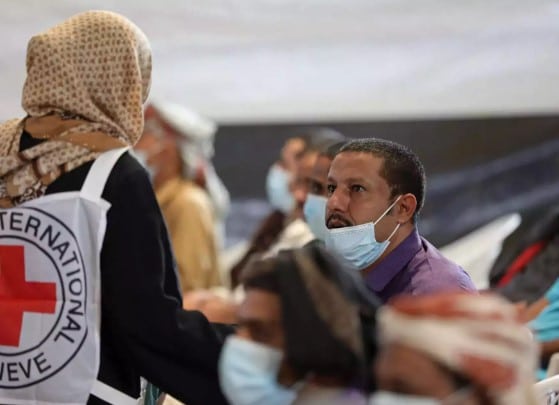
    According to the International Federation of Red Cross and Red Crescent Societies (IFRC), the Sudanese health system “will almost go into a collapse” if fighting lasts much longer.

    It said that providing humanitarian help in and around the capital Khartoum was all but impossible.

    According to Reuters, the chairman of the IFRC mission for Sudan, Farid Aiywar, told reporters on Tuesday that there had been calls from organizations and residents besieged in the city “asking for evacuation.”

    The combat between the Sudanese army and the paramilitary Rapid Support Forces (RSF) has resulted in around 200 fatalities and more than 1,800 injuries.

  • 5 benefits of sleeping naked

    5 benefits of sleeping naked

    Over the years, numerous studies conducted by various topics would have demonstrated that sleeping without pajamas or wearing other pieces of clothes is a practice that would bring about a number of benefits for health and psychophysical well-being. Let’s investigate why.

    Falling asleep faster

    Body temperature greatly affects the time it takes us to fall asleep. Studies have shown that sleeping without wearing anything would allow the body temperature to drop and thus communicate to the body that it is time to sleep.

    Improve sleep quality

    The quality of sleep, and therefore of rest, is also linked to body temperature. According to a study conducted in 2012 by National Institutes of Health, the ideal temperature of the bedroom would be between 15 and 19 degrees. Sleeping without wearing pajamas or other clothing, at these ambient temperatures, would be a good way to stay cool under the covers and sleep better.

    Improve skin

    Since sleeping without wearing clothes would improve the quality of sleep, the latter would positively affect the health of the skin. For example, one study has shown how the quality of sleep can affect the skin’s ability to heal faster from small wounds. Sleeping better certainly helps in this case.

    Source: msn.com

    DISCLAIMER: Independentghana.com will not be liable for any inaccuracies contained in this article. The views expressed in the article are solely those of the author’s, and do not reflect those of The Independent Ghana

  • Dusty roads in Akwamu Gyakiti causing eye problems – Doctor

    Dusty roads in Akwamu Gyakiti causing eye problems – Doctor

    Majority of people in and around Akwamu Gyakiti, in the Asuogyaman District of the Eastern Region, have some kind of eye defect as a result of dust deposition caused by the poor roads.

    This came to light during a free eye screening for the residents in the area.

    Hundreds of residents were screened on various health complications and eye-related issues but those with eye defects topped the number of people screened.

    In an interview with Onua TV, Dr. Jerry Agyemang of Rich Life Natural Herbal Centre explained that most of the people with eye defects got them as a result of dust from the bad roads.

    He said those with eye defects were asked to acquire spectacles.

    The wife of Akwamu Gyakiti Chief, Antoinette Adom Bekai, who is also a nurse and facilitated the health screening, was elated such an exercise was organised for the people.

    She said not only the dust from the bad roads but also in various schools affect the eyes of pupils.

    Madam Adom Bekai explained that when these children play in the dusty environments it can affect their eyes.

  • Five benefits that comes with eating eggs

    Five benefits that comes with eating eggs

    Boiled eggs are an excellent source of essential nutrients and can be a great addition to any meal. Eating boiled eggs provides a healthy dose of protein, vitamins, and minerals. Regarding preparation, the only difference between soft-boiled and hard-boiled eggs is how long they cook. According to a WebMD article, harder-boiled eggs are better for avoiding harmful bacteria such as salmonella.

    Here are five benefits of boiled eggs you should remember;

    • Great source of protein

    One of the most important health benefits of eating boiled eggs is that they are a great source of protein. Protein is essential for building and maintaining strong muscles, and boiled eggs are a great way to get a healthy dose of protein. 

    • Enhance a healthy immune system

    Boiled eggs are also packed with vitamins and minerals, such as vitamins A, B12, and iron. These vitamins and minerals are essential for a healthy immune system and can help prevent diseases.

    • Weight Loss

    Another great health benefit of eating boiled eggs is that they are low in calories and fat. Boiled eggs are a great way to get a healthy dose of protein without adding unhealthy fats and calories to your diet. They will fill you up without packing in too many calories, which is helpful if you want to lose weight.

    • Contains Dietary Fiber

    Boiled eggs are also a great source of dietary fibre, which can help to keep you feeling full for longer and can help to regulate your digestive system.

    Keeps you Strong and Healthy

    Eating boiled eggs can help keep your body healthy and strong and can help prevent diseases. Boiled eggs are a great addition to any meal and can help to make your diet more nutritious.

    Source: Tibuneonline

  • Kadjebi : No maternal mortality recorded in 2022

    Kadjebi : No maternal mortality recorded in 2022

    Mr Eric Nana Takyi, Kadjebi District Director of Health Services, says the district has recorded zero maternal mortality in 2022 as against two recorded cases in 2021.  

    This, he said, was a result of Comprehensive Abortion Care, an early referral system and prompt management of cases and commended the staff for the success chalked and asked them to help maintain the standard.  

    He said the District was rated as a high-performance district with a holistic assessment score of 4.2 out of a total score of five.  

    Nana Takyi, who disclosed these during the 2022 Performance Review Meeting at Kadjebi in the Oti Region, said the review was a statutory programme in the health sector, which helped to assess the objectives set and performance for the previous year.   

    He said the review also sought to access areas where they performed well, and the measures put in place in making the strides as well as areas where they did not do well and work on it.  

    The Health Director mentioned an increase in family planning acceptance to 34 per cent in 2022 as against 27 per cent in 2021, a decrease in anaemia in pregnancy to 41 per cent in 2022 from 61 per cent in 2021, a reduction in stillbirth from 13 per cent in 2021 to 9.8 per cent in 2022.  

    Others are a decline in infant/malaria mortality and an increase in girls taking iron Folate from 71 per cent in 2021 to 72 per cent in 2022 as some of the major achievements.   

    He, however, bemoaned the increases in HIV/AIDS cases (2,423 on ART in 2022), teenage pregnancy cases at 15.4 per cent in 2022 although with a slight drop from 16.1 per cent in 2021 and alcohol and substance abuse in the district.  

    The Health Director commended KOFIH, Ahamansu citizens abroad and other stakeholders in the health sector for helping achieve their objectives.  

    Nana Takyi said though they made a stride in 2022, they were still faced with a lack of accommodation to house staff, high electricity bills, no conference hall for meetings, no motorbike for new CHPS and no electricity at Kponkpa, Dodo-Bethel and Koru CHPS.  

    He asked the staff not to be deterred by these developments but to work hard and project the image of the service in the district.  

    Dr Felix Doe of Volta Regional Hospital, Hohoe commended the district for achieving 4.2 for holistic assessment and advised them to continue with strong collaboration to achieve more.  

    Mr Wilson Kwami Agbanyo, Kadjebi District Chief Executive, appealed to the staff to work extra hard to put the district on a high pedestal.   

    He said resources would always not be adequate, but they needed to strive to deliver.  

    There were presentations from Family Health, Technical and Health Information Units as well from five Sub-Districts in the District. 

  • For men: 4 signs your penis is healthy

    For men: 4 signs your penis is healthy

    Taking care of the penis should be prioritised to prevent bacterial build-ups that can lead to infections and diseases.

    Everyone’s penis is different from the others in terms of its size, shape, type, and amount of discharge that it releases. But you should take care of your penis as much as you do for other parts of the body.

    As important as it is for women to take care of their vaginal health, for men, it is as crucial to maintaining a healthy penis.

    Both penile and testicular health determine overall health, which is why regular self-examination can help you stay aware of any changes in the intimate area. But how to know what a healthy penis feels or looks like? Here’s all you need to know.

    • Note the colour of the penis

    One of the ways you can tell whether your penis is healthy or not is by checking the colour of the penis. Research from Medical News Today shares that a penis should be roughly the same colour as the surrounding skin, though it may be a shade darker or lighter. Furthermore, it reports that a person should not have any pain in their penis when urinating or engaging in sexual activity.

    • Free of lumps

    Lumps in the penis can be of many different types. Most of them are harmless. However, any type of penile lumps can indicate an unhealthy penis. One of the primary causes could be a blockage in the sebaceous gland, which can lead to the formation of cysts, a tissue sac filled with pus or fluid. Most cysts go away on their own, while some get worse and more painful.

    • No abnormal discharge

    Research suggests that a healthy penis is free of lesions, warts, and abnormal discharge. There are usually no bumps including those caused by a cyst or pimples, also called pearly penile papules. These are also called hirsutoid papillomas – tiny, skin-coloured bumps on the head of the penis.

    • Free of sores or inflammation

    An irritated penis can be a sign of an unhealthy penis. Balanitis is a common condition characterized by inflammation of the head of the penis. The condition can be caused by bacterial or fungal infections or can result from chemicals, viruses or allergies. Furthermore, when one fails to keep the inside of the foreskin clean, balanitis can occur.

  • Follow the road map for our intended strike – Health sector workers to members

    Health Sector Workers in the country have announced a roadmap for the industrial strike action by Organised Labour in protest against the government’s intended Debt Exchange Programme.

    The health sector workers, made up of the Ghana Medical Association (GMA), the Ghana Registered Nurses and Midwives Association (GRNMA), the Health Sector Workers’ Union (HSWU) of TUC Ghana, and the Government and Hospital Pharmacists Association (GHOSPA), all constituent members of Organised Labour, reiterated that following a meeting held by Organised Labour on Monday, December 19, 2022, it was agreed that an industrial strike will be embarked on.

    It stressed that the “action has become necessary to press home our demand for the exemption of pension funds from the domestic debt exchange programme as announced by the Finance Minister.”

    It, therefore, entreated all health sector workers “to follow the outlined road map to ensure a smooth implementation of the strike.”

    According to the health sector workers, the industrial strike will take place as follows: “27 December 2022, withdrawal of all outpatient services; 2 January 2023, withdrawal of emergency services; 9 January 2023, withdrawal of all services.”

    Organised Labour has served notice of a nationwide strike beginning next week over the government’s failure to exempt pension funds from the debt exchange programme that has been extended to next year.

    The stipulated date for the strike is Tuesday, December 27, 2022.

    The Secretary-General of Organised Labour, Dr. Anthony Yaw Baah, made this known at a press briefing today, Monday, December 19, 2022.

    He said the strike has been occasioned by the government’s decision to introduce a debt exchange programme.

    According to him, the strike will be in force until the government exempts pension funds from the planned debt exchange programme.

    “We are asking the government to exempt us from the debt exchange programme.

    “We have already told the world that if the government doesn’t do that, we will advise ourselves.

    “Today, we are here to announce the advice. The advice is very simple.

    “We have all agreed that because the government has refused to grant our request, we have decided firmly that all workers of Ghana are going to strike on December 27, 2022, and we will be on strike until our demands are met,” Dr Yaw Baah vehemently noted.

    Source: Ghanaweb

  • Global team study international differences in COVID-19 immunity

    An international consortium of researchers are collaborating to conduct a research on why COVID-19 was milder in some parts of the world.

    Supported by £3.1 million from the Wellcome Trust, the newly-created WWW Consortium links three leading studies in West Africa, the West Indies, and West London, each tracking how both the virus and our immunity have evolved against COVID-19.

    In order to better understand the factors impacting COVID-19 outcomes in these regions, researchers will compare prospective samples and data from vaccinated individuals.

    Global team study international differences in COVID-19 immunity

    They will assess a variety of immune conditions and medical histories, including prior exposure to SARS-CoV-2, other human and animal coronaviruses, as well as other infectious diseases like malaria.

    The consortium will provide evidence to help unpick patterns seen so far in different areas of the world. For example, West Africa experienced large undetected SARS-CoV-2 transmission, but with negligible impacts on mortality.

    On the other hand, the trends observed in the West Indies were similar to the UK, despite countries like Jamaica having a much lower vaccination rate.

    They hope their work will be useful in informing future pandemic response in regions currently underserved by both research and surveillance capacity.

    Global team study international differences in COVID-19 immunity

    David LV Bauer, who heads the RNA Virus Replication Laboratory at the Crick, will lead the consortium. He said: “While the initial pandemic response to SARS-CoV-2 is scaling down, ongoing research and monitoring will be essential to understand this virus, which will continue to evolve.

    “We wanted to build a global consortium so that research and surveillance capacity continues to grow internationally.”

    The consortium will strengthen research connections made during the pandemic, as virologists and public experts collaborated to piece together a picture of viral evolution globally.

    The project also builds on the success of the Crick African Network (CAN), which established strong ties between African institutions and the Francis Crick Institute.

    Global team study international differences in COVID-19 immunity

    Emma Wall, UCLH Infectious Diseases consultant and Senior Clinical Research Fellow for the Legacy study at the Crick, said: “Connecting our London-based study with research projects in Africa and the West Indies will help us not only understand differences across countries, but also how to best protect people based on shared characteristics.

    “And as SARS-CoV-2 continues to evolve, we will ensure we are prepared with excellent channels of communication and information sharing globally.”

    Gordon Awandare, Director of the West African Centre for Cell Biology of Infectious Pathogens (WACCBIP) at the University of Ghana, said: “Pre-exposure to other infectious diseases like malaria is much more common in West Africa, and we think that this can increase the tolerance of the immune system.

    “In some cases, this might be helpful, prepping the immune system for future infections and decreasing the chance of severe illness. But it might also mean that vaccines are less effective and we should consider designing vaccines for specific populations.”

    Joshua Anzinger, Senior Lecturer of Virology at The University of the West Indies, said: “Vaccination rates are very low in Jamaica. The Windfall cohort includes individuals amongst the first to be vaccinated. Going forward we will be enrolling both unvaccinated and vaccinated individuals, and monitoring their immune responses to different variants.

    “With increased sequencing capacity at our university’s Trinidad campus and more recently in Jamaica, we can now contribute a unique picture of immunity across the West Indies. Crucially we can now untangle the increasing complexity of individual responses to infection, and how these might influence population level immunity against future variants.”

    Source: Myjoyonline

  • 9% of plastic waste generated in Ghana leak into the ocean – Dr. Kwaku Afriyie

    Minister of Environment, Science, Technology and Innovation (MESTI), Dr. Kwaku Afriyie, has expressed concerns over the alarming rate of pollution, especially with the country’s water bodies.

    According to hum, nine per cent of the 0.84 million metric tonnes of plastic waste generated in Ghana annually, leak into the ocean.

    He said the plastic waste recovery rate for flexibles (pure water waste) was 73 per cent, while that of the high density polyethylene (rigid/furniture) was 79 per cent, and polyethylene terephthalate (PET) was 10.3 per cent.

    Additionally, the plastic waste recovery for shopping bags and low micron bags were 0.00 per cent and 0.001 per cent, respectively, he said, citing statistics from the Ghana Plastics Manufacturers’ Association.

    Dr. Afriyie made this known in a speech read on his behalf, in Accra, at the inception workshop of the Global Environment Facility (GEF)-funded Project dubbed, ‘Establishing a Circular Economy Framework for the Plastics Sector in Ghana.’

    According to the Minister, applying the principles and practices of circularity throughout the full life cycle of the plastics value chain represented the safest way to manage the plastic menace.

    This is in respect of its design and production, through its consumption, disposal and to its processing into secondary materials for circular production.

    The GEF-funded project has the objective of strengthening the national capacity of Ghana to transition to a circular economy within a framework that addresses plastic leakage into the country’s oceans and waterways.

    It is also to facilitate sustainable plastic management through operationalising the National Plastic Management Policy (NPMP) and National Plastic Action Partnership (NPAP), and ultimately end marine plastic pollution.

    Dr. Afriyie said the Ministry was working in partnership with stakeholders to advance the NPAP National Action Roadmap – a locally-designed ambitious plan that provided a clear set of actions for Ghana to achieve zero plastic leakage into oceans and waterways by 2040.

    The intention was to brainstorm and apply technology to address plastic pollution, waste management and efficient resource utilisation.

    Mr. Oliver Boachie, Special Advisor to the Ministry, giving a presentation of the draft annual work plan and budget for 2023 in respect of the Project, said some of the expected outcomes of the initiative were to avoid the emission of persistent organic pollutants and create 746 direct jobs and 9, 864 indirect jobs.

    Source: Myjoyonline

  • 110 doctors accept postings to deprived areas

    The Minister for Health has revealed that as many as 110 newly qualified doctors have accepted postings to deprived areas to bring healthcare delivery to the doorsteps of the rural folks in the various regions.

    The Minister, who is also the Member of Parliament for Dormaa West Constituency in the Bono Region, Kweku Agyemang Manu, made this revelation in parliament, answering some urgent questions on measures the ministry is taking to ensure that doctors accept postings to deprived areas of the country.

    Kweku Agyemang Manu indicated that the ministry has run a survey, out of which many recommendations have been made to include financial incentives for doctors who accept postings in deprived areas of the country.

    He said this financial incentive will be based on the severe nature of the area of one’s posting.


  • Who could replace Kwarteng?

    After sacking Kwasi Kwarteng as chancellor after just 38 days in the job, Liz Truss now has to appoint his successor.

    But who could she choose?

    No announcement has been made yet, but here are a few names emerging as possible front-runners:

    Jeremy Hunt

    The former health secretary could make a return to the front benches for the first time since July 2019.

    Mr Hunt was foreign secretary for a year under Theresa May’s leadership and before this, also held the health secretary and culture secretary briefs under David Cameron.

    Mr Hunt was also one of Rishi Sunak‘s most prominent backers in the leadership contest against Ms Truss.

    If appointed as chancellor, this could be seen as an attempt by Ms Truss to try and win over the critics within her own party and steady the Conservative ship.

    Sajid Javid

    The former chancellor has been publicly criticising the government this week – adding his voice to growing calls that benefits must be raised in line with inflation.

    Could this be an advantage? Maybe the markets will trust someone who went toe-to-toe with Ms Truss in recent days.

    Therese Coffey

    She is currently the deputy prime minister and the health secretary – another close ally of Ms Truss.

    Ms Coffey last month defended the PM from criticism that she has appointed a “cabinet of chums”.


    Simon Clarke

    The new levelling up secretary is a close ally of Ms Truss, and was present at the meetings to put together the much-maligned mini-budget.

    He has reportedly written to the PM with a set of proposals intended to boost house-building and economic growth.

    Nadhim Zahawi

    The current Chancellor of the Duchy of Lancaster has sought to quell disquiet in Tory ranks, warning: “Delay is our biggest enemy.”

    He has said colleagues must “focus” on delivering for the country, as any “dither” will “end in defeat” for the party.
    Mr Zahawi was promoted to chancellor by Boris Johnson on 5 July 2022 following the resignation of Rishi Sunak earlier that day in the dying days of Ms Truss’s predecessor’s government.

    The following day, he and other members of Mr Johnson’s cabinet gathered in Number 10 calling on the PM to resign.

    Mr Kwarteng replaced him as chancellor in Ms Truss’s cabinet.

    PM press conference to be held at 2.30pm

    The prime minister’s press conference will be held at 2.30pm in the Downing Street briefing room, Number 10 has said.

    ‘Changing the chancellor doesn’t undo the damage that’s been done’ – Reeves

    Labour MP Rachel Reeves has spoken out since the news that Kwasi Kwarteng has been sacked by Liz Truss as chancellor.

    Ms Reeves says that the country doesn’t just need a change in chancellor, “we need a change in government”.

    Twitter Due to your consent preferences, you’re not able to view this. Open Privacy Options

    Javid and Zahawi among names mentioned inside Number 10 as PM looks to replace chancellor

    Sky’s political editor Beth Rigby has said she expects the PM to announce her new chancellor at this afternoon’s press conference.

    Rigby says the names Sajid Javid and Nadhim Zahawi have both been discussed inside Number 10 today.

    “There are other names that could come up. Simon Clarke, the Level Up Secretary, though he is also very much signed up to the growth of gender equality.

    “There are other names that are swimming around such as Jeremy Hunt.”

    Rigby adds that some Tory MPs would certainly be ready to accept a more broadly based cabinet, bringing in people from different wings of the party rather than the tight coterie around Liz Truss.

    “They would like to see this,” she says. “Just talking to more and consulting with them more. And it’s possible that she would she would gain the support enough of her of her party to survive for a while if she changes completely and takes that sort of line.”

    Kwarteng ousted from Number 11 less than 24 hours after saying he was ‘not going anywhere’

    Kwasi Kwarteng has left Number 11 Downing Street after being sacked by Liz Truss.

    The former chancellor left the building via the front door and smiled at the cameras as he entered a government vehicle.

    Just yesterday afternoon Mr Kwarteng told reporters in Washington DC he was “not going anywhere.”

    Here’s the clip:

    Kwarteng confirms sacking in letter to prime minister

    Kwasi Kwarteng has confirmed he has today been sacked as chancellor after just 38 days in the role.

    Publishing a letter he has written to Prime Minister Liz Truss on Twitter, Mr Kwarteng said it had been “an honour” to serve as her first chancellor.

    Describing the “incredibly difficult” situation Ms Truss’s government inherited, Mr Kwarteng’s letter adds: “However, your vision of optimism, growth and change was right.

    “As I have said many times in the past weeks, following the status quo was simply not an option.

    “For too long this country has been dogged by low growth rates and high taxation – that must still change if this country is to succeed.”

    Despite growing calls for further U-turns over the government’s controversial mini-budget, Mr Kwarteng describes his Medium-Term Fiscal Plan – due to be unveiled on 31 October – as “crucial”.

    He says he believes the PM’s “vision is the right one”, adding that he looks forward “to supporting you and my successor” from the back benches.

    Mr Kwarteng’s letter concludes: “Your success is this country’s success and I wish you well.”

    Kwasi Kwarteng’s rise and fall, from Eton scholar to chancellor

    Kwasi Kwarteng’s stint as chancellor was perhaps as short as his rise to the top of politics was swift.

    Mr Kwarteng was promoted to chancellor by Liz Truss on 6 September from his previous post as business secretary under Boris Johnson.

    Within 38 days he had been sacked, his downfall set in motion by the economic turmoil unleashed by his mini-budget.

    He insisted his tax-cutting mini-budget was the best way to encourage growth, saying the turmoil in the UK economy was part of global pressures caused by the Ukraine war and the pandemic recovery.

    But after open revolt among Tory MPs and a surge in the polls for Labour forced U-turns on two of his major policies, the prime minister decided it was time for him to go.

    Mr Kwarteng is not used to failure, rising up the political ranks fairly quickly after becoming an MP in 2010 – although that did take a few attempts.

    In the eyes of many MPs, Truss is as much to blame as Kwarteng

    Although there’s still no official confirmation, it now appears that Kwasi Kwarteng has been sacked as chancellor.

    We await to hear Liz Truss’s reasoning for this, but it looks like part of an economic reset in government and a signal to MP and markets that a new approach is being adopted.

    So will it work?

    Remember, Liz Truss promised most of these tax cuts during her leadership campaign.

    In the eyes of many MPs, she is as much to blame as the chancellor.

    One former cabinet minister told Sky News the prime minister would eventually have to leave office as well.

    “She is as guilty as Kwasi Kwarteng and I don’t think it is good enough that she throws him under the bus and can then expect to proceed as if the problem is sorted”, said the senior Tory.

    Lib Dems call for general election after chancellor sacked

    Liberal Democrat leader Sir Ed Davey has called for a general election in response to Kwasi Kwarteng being sacked as chancellor.

    Sir Ed has accused Liz Truss of having “broken our economy” and said it is “time for the people to have their say”.

    “This mustn’t just be the end of Kwarteng’s disastrous chancellorship, it should be the death knell of the Conservatives’ reckless mismanagement of our economy,” he said in a statement.

    “It didn’t suddenly start with Kwarteng, but it must end now.

    “People are angry, fed up and worried about the future.

    “Most of all they are furious that Conservative MPs seem to think this is an acceptable way to conduct the government of our country in these difficult times.

    “Enough is enough.

    “It started with Boris Johnson failing our country, and now Liz Truss has broken our economy, it is time for the people to have their say in a general election.”

    Kwasi Kwarteng sacked as chancellor by Liz Truss, Sky News understands

    Kwasi Kwarteng has been sacked as chancellor after just over a month in the role, Sky News understands.

    Two sources informed our deputy political editor Sam Coates of the update – though it has not been officially confirmed.

    Mr Kwarteng was appointed on 6 September after Liz Truss took office as prime minister and has served just 38 days in the role.

    Yesterday, Mr Kwarteng had told reporters in Washington DC that he was “not going anywhere” despite growing calls for him to resign over his controversial tax-cutting mini-budget which saw the pound slump to a record low.

    It means he is the second shortest-serving UK chancellor on record.

    Conservative Iain Macleod is the shortest-serving chancellor after dying of a heart attack 30 days after taking the job in 1970.

    The country has had four chancellors in the last three years since 2019 – Mr Kwarteng, Nadhim Zahawi, Rishi Sunak and Sajid Javid.

    The next chancellor will be the seventh Conservative chancellor in 12 years.

    ‘It’s a matter of survival for her now’ – would ousting her chancellor be enough to save Truss?

    Discussion is happening at all levels in the Conservative party about whether the prime minister can survive – even if she replaces her chancellor.

    As one senior minister in her government put it to me this morning before reports that Kwarteng would be sacked: “I honestly don’t think either of them, Liz or Kwasi have a clue, I don’t think they know what they’re doing.”

    “They’ve got one shot to satisfy the markets,” the minister said – with a full U-turn on the corporation tax freeze and perhaps more: “The worst possible thing, now the markets have priced in a U-turn on corporation tax would be mealy mouthed partial U-turn.”

    “But my instinct is she won’t survive. She’s introduced herself to the country in the worst way imaginable, and people’s views of her are quite settled now.

    “Even if she stays, you can’t have a chancellor who has lost the confidence of the markets, that’s never happened before that I can remember”. The minister said the prime minister might need a complete reboot of the Treasury team to restore confidence, but having jettisoned key parts of her economic programme, “she is a husk.”

    This minister and others point out that her controversial supply-side reforms are likely to be opposed in parliament – as are spending cuts on the scale that may be needed to pay for her measures.

    Other MPs also say she will need a humiliating change of direction to survive. One long-serving MP said: “It’s unfair for Kwasi to go in the sense that it was all her idea, but politics isn’t fair. It’s a matter of survival for her now, there are discussions going on but it’s not organised yet.”

    Former cabinet minister says Truss ‘has to go’

    A former Conservative cabinet minister has told Sky News that Prime Minister Liz Truss “has to go” as there is “nothing she can do to retrieve her position”.

    Discussing the potential corporation tax U-turn, they said: “It was the centrepiece of her campaign, the bit that distinguished her from Rishi.

    “She is as guilty as Kwasi Kwarteng and I don’t think it is good enough that she throws him under the bus and can then expect to proceed as if the problem is sorted.

    “Crucially, she has damaged the Tory brand when we could say the economy was safe in our hands. We can’t now.

    “She has to go. There is nothing she can do to retrieve her position.”

    PM doing news conference alone doesn’t bode well for Kwasi Kwarteng

    Back from Washington and now inside Downing Street, it may not be long before we learn what Kwasi Kwarteng’s fate will be.

    One possible indication of where we’re going may be lurking in who is due to attend the press conference this afternoon.

    Given we expect a major announcement on the government’s plan for the economy, you would expect the chancellor to be involved – not least to reassure the markets that Liz Truss still had faith in her man in the Treasury.

    But asked directly if the chancellor would be at this afternoon’s press conference, a Downing Street source replied simply saying “PM presser”.

    That suggests the prime minister will be doing this alone, and it doesn’t bode well for Kwasi Kwarteng.

    Cabinet ministers have ‘no idea what’s going on’

    Our political editor Beth Rigby has been speaking to cabinet ministers this morning amid reports that Liz Truss could be set to dismantle parts of her controversial mini-budget later today.

    The senior ministers she has spoken to have said they “have no idea what’s going on – either about the chancellor’s position or the possible decision to raise corporation tax from 19% to 25% in April after all”.

    Chancellor arrives back in Downing Street ahead of expected U-turn

    Chancellor Kwasi Kwarteng has arrived in Downing Street after returning from the US amid expectations he will scrap parts of his mini-budget to reassure markets.

    If Truss is to reset her administration and junk tax cuts – should she do it with someone like Sajid Javid?

    As they often do at times like this, rumours are swirling about who could replace Kwasi Kwarteng if he is to leave his post as chancellor.

    One name frequently linked to vacant cabinet posts is Sajid Javid, and today is no different.

    But if the former chancellor is to re-enter the Treasury, it’s worth remembering his recent history of pledging his own unfunded tax cuts.

    During his relatively brief campaign to become prime minister in the summer, Mr Javid pledged tax cuts broader in scope than the ones Liz Truss was promising at the time.

    In his pitch for the top job, there were plans to shelve the corporation tax rise that is about to be U-turned on; as well as to scrap the national insurance rise; and bring forward the cut to the basic rate of income tax.

    If Liz Truss is to reset her administration and junk tax cuts in a bid to reassure the markets, can she do it with someone like Sajid Javid who is so closely linked to a similar prospectus for government?

    A humiliating U-turn is necessary, but the real damage is done – Reeves

    Labour’s shadow chancellor Rachel Reeves is the latest MP to comment on speculation of a major U-turn on Chancellor Kwasi Kwarteng’s mini-budget.

    She said: “A humiliating U-turn is necessary – but the real damage has already been done to millions of ordinary people now paying much higher mortgages and struggling to make ends meet.

    “This is a Tory crisis made in Downing Street. They have plunged our economy into chaos and crisis with Truss’s discredited trickle down approach. It won’t be forgiven or forgotten.

    “Only a Labour government has the credibility, authority and plan to fix things.”

    Twitter Due to your consent preferences, you’re not able to view this. Open Privacy Options

    Who could be the next chancellor if Kwarteng is sacked?

    Sky’s deputy political editor Sam Coates is weighing in on this question.

    He says it is uncertain whether Kwasi Kwarteng will retain his job as chancellor.

    “Could it be Simon Clarke?” Coates asks.

    Mr Clarke is currently serving as Secretary of State for Levelling Up. He served as Chief Secretary to the Treasury from 2021 to 2022.

    “Well, he’s an ideological bedfellow of Liz Truss. He was in the meetings to put together the mini-budget.

    “But will the markets trust him if they think that he also shares the trust of economic values that have taken this to this point?”

    He adds: “Could it be Theresa Coffey? She’s currently the deputy prime minister and the health secretary’s very close ally.

    “She’s been in some, but not all of the economic meetings.”

    Government is set to U-turn on keeping corporation tax low, Sky News understands

    The government is set to raise corporation tax despite promising not to do so in the mini-budget, Sky News understands.

    The prime minister had vowed to scrap the planned tax rise from 19% to 25% next April, a key policy of her pro-business growth plan, during the Conservative leadership campaign.

    The change in direction is the second major tax cut U-turn after the government confirmed it would not go ahead with a plan to scrap the 45p top rate of tax.

    Kwarteng being sacked is ‘inevitable’, Sky News told

    Sky’s political and business correspondent Mhari Aurora reports that a former cabinet minister has told her that Kwasi Kwarteng being sacked is “inevitable”.

    According to the Reuters news agency, a government spokesperson has refused to comment on speculation that Mr Kwarteng has been sacked.

    It follows a report by the Times newspaper in the last half an hour which has suggested the chancellor has already been dismissed.

    We will of course bring you more on this as we get it.

  • Ministry of Foreign Affairs pledges support for the ratification of the African Disability Protocol

    The Ministry of Foreign Affairs and Regional Integration has pledged its support for the ratification of the African Disability Protocol (ADP)

    The ADP is a human rights treaty that addresses forms of discrimination affecting people with disabilities living in African countries, including harmful practices, beliefs and superstitions.

    It was adopted in 2018 by the African Union

    Mr Kwaku Ampratwum – Sarpong, Deputy Minister for the Ministry of Foreign Affairs and Regional Integration, expressed the Ministry’s support when the Ghana Blind Union and the committee working towards Ghana’s ratification of the ADP called on him.

    He said: “You don’t have to worry, you have our support, it is good for Ghana to ratify the protocol.”

    The ADP addresses specific African practices and culture with regards to disability which is not addressed in the United Nations Conventions on the Rights of Persons with Disabilities (UNCRPD)

    Dr Peter Obeng Asamoa, Executive Director of the Ghana Blind Union, who led the team, said “We need Ghana to ratify the ADP,” explaining that the ADP puts the rights of persons with disabilities in Ghana and Africa  in an African perspective.

    The African Disability Protocol (ADP) builds on the rights enshrined in the United Nations Convention on the Rights of Persons with Disabilities and UN charter and has an African relevance.

    The Protocol needs 15 African States to ratify it into law, so far five African countries have ratified the protocol.

    Dr Obeng-Asamoa called on other African countries to work towards its ratification to promote the dignity and inclusion of persons with disability in Africa.

    Source: GNA 

  • Measles cases spike in Juba and Terekeka counties in South Sudan

    The minister of health in South Sudan’s Central Equatoria State has said there has been a marked increase in the highly contagious infectious measles disease in Juba and Terekeka counties.

    According to Minister Najuwa Juma Murshal, 50 new cases were registered in five Payams of Juba County while 8 others were recorded in two Payams of Tereka County over the last week.

    “What I know is that there are 50 cases recorded in Juba County on Sunday last week of October. There are also 3 cases in Muni, 4 in Terekeka, and another in Gemeza Payam of Terekeka County,” she said. “We have sent the state and county rapid response team to do vaccination there. My message to the public is that they need to follow the preventive measures and report suspected cases to the county health departments and health ministry.”

    “I also call on our health partners to stand with the ministry of health in stopping the spread of the disease in the reported areas,” Minister Juma added.

    On his part, the Central Equatoria State information minister, Andruga Mabe, said the state council of ministers in its Monday meeting directed the state finance ministry to allocate and approve an emergency budget to contain the disease.

    “The council passed the health emergency plan and directed the minister of health to implement the plan with immediate effect,” he said. “And the council also directed the minister of finance to avail necessary funds to meet the cost of implementation of this emergency plan.”

    According to the Central Equatoria State health minister, the areas in Juba County which recorded measles disease include Northern Bari, Rajaf, Mangala, Amadi, Luri, and the three Blocks of Kator, Munuki, and Juba.

    South Sudan’s national health ministry declared an outbreak of measles disease on 27 July after 5 deaths.

  • Africa calls for New Public Health Order

    The African Union Commission and Africa Centres for Disease Control and Prevention (Africa CDC) have called on governments, multilateral organisations, philanthropies, the private sector, and civil society organizations to support the full implementation of Africa’s New Public Health Order to drive global health security.

    The request for support was made at a series of events leading up to the 77th United Nations General Assembly.

    The New Public Health Order for Africa is a roadmap to sustainable health outcomes and health security. It is defined by five pillars:

    1. Strong African Public Health Institutions that represent African priorities in global health governance and that drive progress on key health indicators;
    2. Expanded Manufacturing of Vaccines, Diagnostics, and Therapeutics to democratize access to life-saving medicines and equipment;
    3. Investment in Public Health Workforce and Leadership Programs to ensure Africa has the workforce it needs to address health threats;
    4. Increased Domestic Investment in Health, including the domestic mobilization of financial resources, human capital, technical resources, and networks; and
    5. Respectful, Action-Oriented Partnerships to advance vaccine manufacturing, health workforce development, and strong public health institutions.

    Call to strengthen African Public Health Institutions

    African leaders called for support to strengthen Africa’s public health institutions, including the Africa CDC which led the coordination of Africa’s pandemic response, helping to significantly reduce loss of life during COVID-19.

    “To achieve [its public health goals], the African Union Assembly in February 2022 granted Africa CDC autonomy to be able to fulfil its mandate, supporting member states to achieve health sovereignty,” said African Union Chairperson Moussa Faki. “But Africa CDC alone cannot meet this challenge,” he added.

    “If you don’t have strong public health institutions before an emergency when the emergency comes it doesn’t matter how many resources you have. You’ll still struggle,” said Dr Ahmed Ouma, Acting Director of the Africa Centres for Disease Control and Prevention.

    Call to support vaccine manufacturing in Africa

    Leaders also called upon all vaccine-purchasing mechanisms, such as the Global Alliance for Vaccination and Immunization (GAVI), to purchase at least 30 per cent of their vaccines from manufacturers in Africa.

    While Africa currently produces one per cent of its routinely used vaccines, it has set a bold target of meeting up to 60 per cent of its vaccine demand through regional manufacturing by 2040.

    By making explicit commitments to offtake vaccines from Africa, vaccine-purchasing mechanisms can stimulate private sector investment in vaccine manufacturing.

    Call to support health workforce development

    Health workforce development was another prominent focus. According to the WHO, Africa currently has a ratio of 1.55 health workers (physicians, nurses, and midwives) per 1,000 people.

    This is below the WHO threshold density of 4.45 health workers per 1,000 people needed to deliver essential health services and achieve universal health coverage.

    “Health workers are a crucial pillar in a well-functioning health system. Yet, they have been historically deprioritized in discussions about improving health systems,” said President Cyril Ramaphosa in a statement read on his behalf by South Africa Health Minister Dr Joe Phaahla.

    “It is good economics to invest in the health workforce as the return is measurable and dependable,” he added.

    Leaders urged greater investment in health workforce development, and specifically called for stronger support of Community Health Worker programs in Africa.

    “Experience shows that professional community health workers who are properly paid, trained, equipped, and supervised are best prepared to provide essential health services in their communities,” said President Ellen Johnson Sirleaf.

    She also highlighted that most community health workers in Africa are women who perform exceptional work but are unpaid for their efforts. “It is time to correct this injustice,” she urged.

    Respectful, Action-oriented Partnerships

    To advance progress towards stronger public health institutions, a robust workforce, and medical manufacturing in Africa, the Africa CDC and African Union Commission need partners. Leaders emphasised that the nature of these partnerships is important and called for partnerships oriented around principles of mutuality and respect, that recognize African knowledge and expertise and deliver contextually-relevant support and programs.

    Partners of the African Union Commission and Africa CDC underscored that delivering a New Public Health Order for Africa is key to strengthening the global health infrastructure and ensuring better global preparedness to effectively respond to infectious disease outbreaks in the future.

    “Achieving this future will take partnership, and not just any partnership but partnership that’s rooted in respect – and that means starting by listening, understanding, and then responding to real needs and top priorities,” said Reeta Roy, President and CEO of the Mastercard Foundation, which last year partnered with the Africa CDC to launch the $1.5 billion Saving Lives and Livelihoods initiative.

    The Saving Lives and Livelihoods initiative has purchased vaccines for over 65 million people in Africa and is enabling the vaccination of millions more.

    The initiative is also designed to drive health workforce development and strengthen the Africa CDC to ensure long-term health security.

    Source: Myjoyonline.com

  • Men urged to do periodic PSA tests to ascertain health status

    Men who are 40 years and above, have been advised to have periodic Prostate Serum Antigen (PSA) tests to ascertain the health status of their prostate.

    The PSA test is a blood test used primarily to screen for prostate cancer.

    The test measures the amount of prostate-specific antigen (PSA) in the blood.

    Regular screening for prostate cancer, according to Vice President of the Cancer Support Network Ghana (CSNGH) Mr Eric Odei Brobbey reveals abnormalities at early stages and increases survival of the disease.

    Speaking in an interview with the Ghanaian Times in Accra yesterday, he bemoaned that prostate cancer was the leading cause of death among men in Ghana, adding that regular screening could go a long way in salvaging the situation.

    He also cautioned against ignoring the risk factors and signs of prostate cancer, adding that “When you pay proper attention to your body you can easily notice changes and seek prompt medical attention, especially persons with strong history of cancer in their families, instead of ignoring certain symptoms which could turn out to be prostate cancer.”

    He also mentioned that aside a strong cancer history in families, certain lifestyles, environmental factors and hormonal imbalances were contributory factors to the disease.

    He stressed that since the early stages of the diseases usually presented no symptoms at all so it was advisable for men to “be mindful of their prostate health.”

    Symptoms of an enlarged prostate, Mr Brobbey said included frequent urination especially at night, dribbling of urine and painful ejaculation, adding that these signs could also indicate cancer.

    According to him, many sufferers of the disease in Ghana visit the hospital after the cancer had reached an advanced stage, stressing that this was why periodic screening was very necessary.

    Explaining he said advanced prostate cancer could lead to paralysis, anemia, kidney failure, swollen scrotum as a result of accumulated fluid, stroke and severe back ache among others.

    “Mostly before you see or experience the manifestation of these signs it means the cancer has already spread to other parts of the body that is why we keep stressing on routine screening” he added.

    Prostate cancer, he said, when detected early was curable and therefore urged suffers of the disease who were on treatment to do away with fear.

    “This disease is curable especially when detected early so please focus on your treatment and stop entertaining any kind of fear. There are many survivors of prostate cancer so see yourselves as individuals who would soon add to the number of persons who won the fight against the disease,” he added.

    Mr Brobbey also cautioned against defaulting approved methods of treatment for unapproved ones like herbal treatment.

    In furtherance, he called on the National Health Insurance Authority (NHIA) to incorporate the treatment of the disease unto the scheme because of the high cost of treatment as many resort to unapproved prostate cancer treatment centres due to the inability to afford treatment for the disease at the hospitals.

    When it comes to prostate cancer support, Mr Brobbey who is also a health practitioner at the Korle Bu Teaching Hospital (KBTH), Accra, said CSNGH had provided supported to many sufferers of the disease and called on individuals and organisations to include support for cancer patients in their philanthropic activities.


  • 150 Yilo residents undergo health screening at Somanya

    More than 150 individuals from Somanya and neighboring towns in the Yilo-Krobo district of the Eastern region, including children, adults, and seniors, showed up to get examined for various health-related ailments yesterday, September 21.

    Traditional leaders from the town and other nearby communities weren’t left out either, as they alternately went through the vetting procedure.

    The event, which was sponsored by the National Lottery Authority’s (NLA) Good Causes Foundation in collaboration with the Lafiya Clinic, involved screenings for conditions like high blood pressure, diabetes, hepatitis B, and hypertension.

    The screening began at 10 am with the people seated patiently under tents waiting to take turns to go through the screening process and also receive medical attention as well as advice from medical officers present.

    Medical officers took the opportunity to educate the people who had turned up for the health screening on health issues using the blend of the English language and the local dialect for better understanding.

    A Physician Assistant at the Lafiya Clinic, Ms Clara Nyarko, said she realised during the screening process that some of the people were suffering from hypertension and were resorting to the use of herbal medicine for treatment.

    She was of the view that resorting to herbal medicine was not a bad idea but it becomes problematic when the herbal treatment are received from unlicenced herbal clinics.

    Additionally, Ms Nyarko said “most of them had the impression that the orthodox medicine have side effect so they want to take the herbal medication because those ones do not have side effects.”

    Ms Nyarko, therefore, implored the people to visit a licenced or authorised medical centre at least twice a month for regular medical check-ups.

    The Coordinator of the Good Courses Foundation, NLA, Ms Amma Frimpong said the health screening was the second of many nationwide health screening exercise to be organised under the mandate of the Director-General of the NLA, Mr Sammy Awuku.

    She further added that it also afforded the NLA the opportunity to improve its relations with the community and educate them on its activities and operations while advising parents to ensure that their children below 18 years did not get involved.

    According to Ms Frimpong, the Foundation budgeted an estimated amount of GH¢80, 000for the exercise which included the payment of medical staff, medications and other expenses.

    The Municipal Chief Executive (MCE) of Yilo-Krobo, Mr Eric Tetteh, lauded the NLAfor the exercise saying it was important for the improvement of health among people living in the 33 municipalities in the Yilo-Krobo district.

    The Assembly, he opined, was committed to ensuring that the health of the people in the district was improved through consistent education on sanitation leading to attitudinal change.

    He, therefore, advised the people to observe good sanitation practices such as constant cleaning of the environment, regular exercising and the taking in of healthy diet.

  • RTI organises health walk, medical screening in Accra

    A health walk and medical screening were held on Saturday in Accra as part of the Right to Information (RTI) Commission’s week celebrations 2022.

    The event, which had “Artificial Intelligence, E-Governance, and Access to Information” as its theme, aimed to enable individuals to have access to information from public institutions in order to support a culture of accountability and transparency.

    The activities began with a health walk at 7:00 am from the RTI headquarters in Dzorwulu via Accra Mall, all the way to Legon, and then to the Presbyterian Boys Secondary School in the Madina area.

    During the walk, staff members, students and a section of the public around the areas, covered in multi-coloured Lacoste shirts and jerseys, were seen holding placards and reciting the inscriptions on the cards.

    Again, aerobic sessions and soccer games were organised at the premises of the Odadee Alumni and Mentorship Centre in the Presbyterian Boys Secondary School, coinciding with the medical screening.

    Participants were seen seated in a queue around 10:00 a.m. being refreshed while waiting for their turn to be attended to.

    The health screenings covered Hepatitis B, Lab tests, blood pressure, eye test, breast examination and medical consultation.

    In an interview with the Executive Secretary of RTI commission, Mr Yaw Sarpong Boateng, said keeping fit was very important which was why their celebration was planned to remind people of being healthy.

    “We are also using this opportunity to sensitise, create the awareness and interest in the citizenry towards the right to information,” he said.

    Mr Boateng encouraged everyone to access their service whenever they needed any information, especially because it was free.

    “The law has come for us all not for a few people to use, we must activate the use of the laws so we all see the loopholes to make some amendments hopefully, also our office our open to all as well as our phone numbers,” he added.

    A Medical Laboratory Scientist at MDS-Lancet laboratory, Bright Kumi, who supported in the screening exercise said with about 97 people who tested for Hepatitis B, a few tested positive.

    “Those who tested positive have been advised on the way forward and others who tested negative have been asked to get vaccinated and take care of themselves to prevent them from any exposure,” he stated.

    He advised the general public to be very alert on their health, know their status and not overlook the Hepatitis B infection because it was more dangerous and could easily kill than HIV/AIDS.


  • Foods that are highly recommended for those who like eating but do not want to gain any weight

    Your entire health is directly related to your ability to maintain a nutritious diet. Before you can begin to lose weight, you must first be in shape and maintain a nutritious diet.

    Your eating habits have a significant influence on your weight loss or weight gain, according to a study. In order to get the benefits of your workouts, you must supplement them with the necessary minerals and vitamins that your body requires.

    The inclusion of meals that will not have an influence on your weight loss will increase the likelihood that your meal plan will be effective.

    Food Satiety Index

    The satiety index is an indicator of how satisfied a meal makes you feel, which may help you eat less and burn more calories overall. Certain foods, when ingested in big amounts, contain less calories than others because of their lower energy density and weight.

    Protein-rich diets may also help you lose weight. A high protein intake is required by those who participate in regular physical exercise due to the fact that it helps them feel full while also helping them to put on muscle.

    Source:  Housinglover.com


  • GNPC kicks off Saltpond field decommissioning project

    The Ghana National Petroleum Corporation (GNPC) has officially commenced the decommissioning of the Mr. Louie Platform in the Saltpond Oil Field which is estimated to last 12 months.

    Being the first decommissioning project of its kind in Ghana, GNPC, the lead contractor, as well as other relevant stakeholders, have demonstrated their readiness to work hand-in-hand to ensure the success of the project.

    Having obtained the majority of the statutory approvals and key permits, GNPC will provide both financial and technical support to fully execute the year-long project.

    Oil field

    The Mr. Louie Platform (commissioned in 1970) has reached the end of its operational life and is deteriorating.

    GNPC has, therefore, engaged Hans & Co. Limited [a wholly Ghanaian- owned Company] to lead a consortium of industry experts in undertaking the project on a turnkey basis.

    The release noted that the project would be supported by a project management consultancy firm to ensure that all aspects of the decommissioning, including well plugging and abandonment, and topside removal, are performed with strict adherence to Health, Safety, Security, and Environmental (HSSE) protocol.

    Ensuring marine ecosystem

    In a release, the Chief Executive Officer of the GNPC, Opoku-Ahweneeh Danquah said the decommissioning of the first oil platform in Ghana was necessary to ensure that the marine ecosystem around the Saltpond area was returned to its pre-license condition.

    With several oil and gas platforms expected to be decommissioned in the future, he said the GNPC personnel would gain additional hands-on technical capabilities by collaborating with other experienced industry experts during this exercise.

    The CEO further noted that the field decommissioning process was preceded by pre-planning and a feasibility study that was endorsed by the Ministry of Energy.

    “While we continue to work to meet all the technical and safety requirements, the corporation is also enhancing its social license to operate by continuously holding stakeholder and community engagements in coastal communities where the project is taking place.

    “This is to sensitize fisherfolk about the importance and the need to observe safety measures and stay away from the restricted zone. We have also supported the traditional authorities to perform all the necessary customary rites for the project to kick off,” he stated in the release.

    Mr. Danquah expressed his appreciation to the Ministry of Energy, Petroleum Commission, Ghana Maritime Authority, National Security, Environmental Protection Agency, and other key stakeholders whose representatives were present at the kick-off for their support in ensuring that the project took off successfully.

    Source: graphic online

  • Ekumfi MP advises constituents to undertake regular medical check-ups

    Mr Francis Kingsley Ato Codjoe, Member of Parliament (MP) for Ekumfi has advised constituents to undergo regular medical checkups to avoid health complications.

    He stressed that people, especially the aged must do regular exercises under the advice of medical doctors to prevent premature deaths and unexpected sicknesses.

    Mr Ato Codjoe gave the advice at a health screening exercise he organized for his constituents as part of initiatives to improve their health status.

    A medical team comprising; nurses, laboratory scientists, doctors and other health professionals would tour the whole of Ekumfi constituency to undertake health screening exercises with adherence to health safety protocols.

    More than 2,000 people at Ekumfi Otuam, Eshuehyia, Esaakyiri and Eyisam have so far benefited from the exercise and ailments such as diabetes, hypertension, malaria, fever, typhoid, eye and communicable diseases were treated.

    The people who required medicated glasses and other medicines were given to offer quality healthcare to the citizenry.

    According to the MP, who is also the Deputy Minister of Fisheries and Acqua- culture, many people were afraid to seek medical care on the outbreak of COVID-19 pandemic, hence his decision to invite the Medical team from Cape Coast Teaching Hospital to check their health status.

    The MP stated that PPE had been procured for all healthcare centres including; the Polyclinic at Ekumfi Narkwa as part of efforts to help fight the COVID-19 Pandemic.

    Mr Codjoe said over 10 Community based Health Planning and Services (CHPS) compounds were rehabilitated and refurbished for health professionals.

    The Deputy Minister said aside that, all feeder roads in the Ekumfi District have also been reshaped to ensure easy transportation of goods and services, adding that government was leaving no stone unturned to make sure that the people of Ekumfi lived better lives.

    He said the Ekumfi District was the first to benefit from the One District One Factory (1D1F) and production had begun with more youth employed by the fruit processing factory, adding that over 10,000 pineapple out growers were also engaged.

    This, the MP said was the intent of the government to reduce abject poverty and also create huge employment for the unemployed youth in order to stop the migration to the urban areas and cities.

    Mr Bashiru Deen Kofi Mensah, Laboratory Scientist and leader of the Medical Team who spoke to the Media praised the MP for the engagement of Medical Team to check the health status of the people.

    He called on the people not hesitate to undertake regular medical checkups to know their health status in order to avoid health complications.

    On the COVID-19 pandemic, Mr Mensah advised Ghanaians to adhere strictly to the health protocols outlined by the President and Ghana Health Service, saying COVID-19 is real and no one should joke about it to avoid being infected”.


    Source: GNA

  • Include preventive healthcare in manifesto CSOs tell political parties

    As most political parties are in the process of finalising their manifestos for the upcoming general elections, Civil Society Organisations (CSOs) are calling on political parties to prioritise health issues, particularly preventive healthcare.

    According to the CSOs, preventive healthcare holds the key to an improved healthcare system as it reduces the pressure on health facilities for curative care.

    “What we are pushing now is preventive healthcare,” they said.

    The CSOs further called for a dedicated fund for the promotion of preventive healthcare. They maintained that it was through such move that lifestyle-related diseases like diabetes, cancer and kidney failure can be reduced.

    “There should be a dedicated fund for preventive healthcare and stronger coordination of health policies.

    We also want the government to fulfil its commitment and allocate 15 per cent of the budget to healthcare” said Archibald Adams, Communication and Advocacy Lead, Planned Parenthood Association Ghana (PPAG).

    He was speaking on the sidelines of a consultative meeting for the development of the CSOs health manifesto for political parties, held under the patronage of the Universal Access to Health Care Campaign (UAHCC), Alliance for Reproductive Health Rights (ARHR), SEND Ghana and the Planned Parenthood Association of Ghana (PPAG).

    Coordinator for the COSs Health Manifestor, Nii Sarpei, Programme Manager ARHR, said the manifesto is in three broad areas namely Policy, Programme & Finance for healthcare.

    He said key issues expected in the manifesto include, resources and facilities for mental health, domestic funding for communicable diseases and preparedness for pandemics especially at the primary healthcare level and addressing gaps in reproductive, maternal, neonatal, child and adolescent health.

    When finalized, he said the manifesto will be used by the CSOs to engage the various national political parties to demand for the prioritization and redress of key health issues and gaps in service delivery and health systems which in the last few years have not been fully addressed or resolved by successive governments.

    Source: Daily Guide Network

  • Upper West citizens petitions Minister to investigate out-going Health Director

    A group described as the Coalition of Concerned Citizens of the Upper West Region have petitioned the Regional Minister, Dr Hafiz Bin Salih, to investigate a number of allegations levelled against the Regional Health Director, Dr Osei Afreh Kuffuor.

    Dr Kuffuor who was posted to the region as the Regional Health Director in October 2018, has attracted lots of criticisms regarding his style of management of the COVID-19 pandemic and the outbreak of the Cerebral Spinal Meningitis (CSM) which has claimed 40 lives so far in the region.

    Mr Issahaque Suleman, a Co-Convener of the Coalition of Concerned Citizens of Upper West in the company of other group members presented the petition to the Minister at his office on Friday.

    Mr Suleman said the group which was concerned about the manner in which their people were dying out of the CSM, commenced its own investigation into the matter and have established a number of issues.

    He said some of the issues they found include lack of pre-public education on the disease and other administrative issues bordering on distribution of equipment and medicines to health facilities, financial malfeasance among others.

    Mr Suleman said these were serious issues that could not just be swept under the carpet, hence the decision of the group to petition the Minister to cause an investigation into the matter and address them appropriately.

    Dr Bin Salih after receiving the petition disclosed that Dr Kuffuor had been reassigned to the headquarters of the Ghana Health Service (GHS) in Accra.

    The Regional Minister also pointed out that the 40 CSM deaths recorded in the region were as a result of late reportage of the victims to health facilities.

    He stressed that the region with the help of Ghana Health Service (GHS), the World Health Organisation (WHO), government and other philanthropist have enough medicine to treat all CSM cases now and in the near future.

    Dr Bin Salih, however, commended the group for using the appropriate channel to address their grievances, saying a society, which resort to appropriate channels of addressing grievances would have the potential to grow since development thrived in an atmosphere of peace and tranquillity., to investigate a number of allegations levelled against the Regional Health Director, Dr Osei Afreh Kuffuor.

    Dr Kuffuor who was posted to the region as the Regional Health Director in October 2018, has attracted lots of criticisms regarding his style of management of the COVID-19 pandemic and the outbreak of the Cerebral Spinal Meningitis (CSM) which has claimed 40 lives so far in the region.

    Mr Issahaque Suleman, a Co-Convener of the Coalition of Concerned Citizens of Upper West in the company of other group members presented the petition to the Minister at his office on Friday.

    Mr Suleman said the group which was concerned about the manner in which their people were dying out of the CSM, commenced its own investigation into the matter and have established a number of issues.

    He said some of the issues they found include lack of pre-public education on the disease and other administrative issues bordering on distribution of equipment and medicines to health facilities, financial malfeasance among others.

    Mr Suleman said these were serious issues that could not just be swept under the carpet, hence the decision of the group to petition the Minister to cause an investigation into the matter and address them appropriately.

    Dr Bin Salih after receiving the petition disclosed that Dr Kuffuor had been reassigned to the headquarters of the Ghana Health Service (GHS) in Accra.

    The Regional Minister also pointed out that the 40 CSM deaths recorded in the region were as a result of late reportage of the victims to health facilities.

    He stressed that the region with the help of Ghana Health Service (GHS), the World Health Organisation (WHO), government and other philanthropist have enough medicine to treat all CSM cases now and in the near future.

    Dr Bin Salih, however, commended the group for using the appropriate channel to address their grievances, saying a society, which resort to appropriate channels of addressing grievances would have the potential to grow since development thrived in an atmosphere of peace and tranquillity.

    Source: GNA

  • Coronavirus: Mental health hotline for NHS staff

    The NHS is launching a hotline to support and advise healthcare staff during the coronavirus pandemic.

    Volunteers from charities including Hospice UK, the Samaritans and Shout, will listen to concerns and offer psychological support.

    The phone line will be open between 07:00 and 23:00 every day, while the text service will be available around the clock.

    The phone number is 0300 131 7000 or staff can text FRONTLINE to 85258.

    It comes as staff face increasing pressure to care for rising numbers of patients who are seriously ill with the virus.

    Since the outbreak began, more than 6,000 people have died in the UK after testing positive for coronavirus and among them are front-line medical staff.

    As well as workload pressures and the emotional toll, some staff say they have had to work in situations where they feel unsafe because of a lack personal protective equipment (PPE).

    Prof Tom Dening from the Institute of Mental Health at the University of Nottingham said: “The mental health of NHS staff is going to be absolutely crucial in the nation’s response to the coronavirus pandemic.

    “Staff are being exposed to high levels of personal risk, long hours in difficult environments clad in PPE, and also the possibility of something known as moral injury, which is the distressing awareness you may feel when you know you can’t meet all the needs of the people you are trying to care for.

    “This combination of factors would rattle even the most resilient of us.”

    While staff can still talk to each other and their managers, the NHS hotline will offer support outside the workplace.

    There will be 1,500 volunteers to support the 1.4 million nurses, doctors and other healthcare workers in the NHS.

    Anyone who requires further help will be signposted to services ranging from practical and financial assistance to specialist bereavement and psychological support, says the service.

    Danny Mortimer, from NHS Employers, said: “As the pandemic continues, our people will face new and growing challenges on a daily basis, and it’s therefore more important than ever that they are able to access resources to help them manage their wellbeing, in a way that suits their needs.”

    Prerana Issar, chief people officer for the NHS, said: “We need to do everything we can to support our incredible NHS people as they care for people through this global health emergency.”

    Meanwhile, a group of mental health experts, led by Dr Michael Bloomfield at University College London, have issued advice and a video for front-line healthcare workers on how to cope with stress during the Covid-19 crisis:

    *Give yourself permission to take regular breaks during your shifts

    *Eat, drink and sleep as well as you can

    *Try to use strategies that have helped you cope with stressful situations in the past

    *Take time out between shifts

    *Stay in touch with friends and family – video-call and phone them if you can’t see them in person

    *Engage in physical activity

    *Maintain a routine as much as possible

    *Plan regular activities that make you feel good, and tasks that take your mind off the crisis

    *Avoid unhelpful coping strategies such as smoking, alcohol or other drugs

    *Try to limit the time spent watching, reading or listening to the news

    *Reach out for help if you need support

    Source: bbc.com