Tag: healthcare

  • Over 24.5k medical equipment procured as gov’t prepares for free healthcare rollout

    Over 24.5k medical equipment procured as gov’t prepares for free healthcare rollout


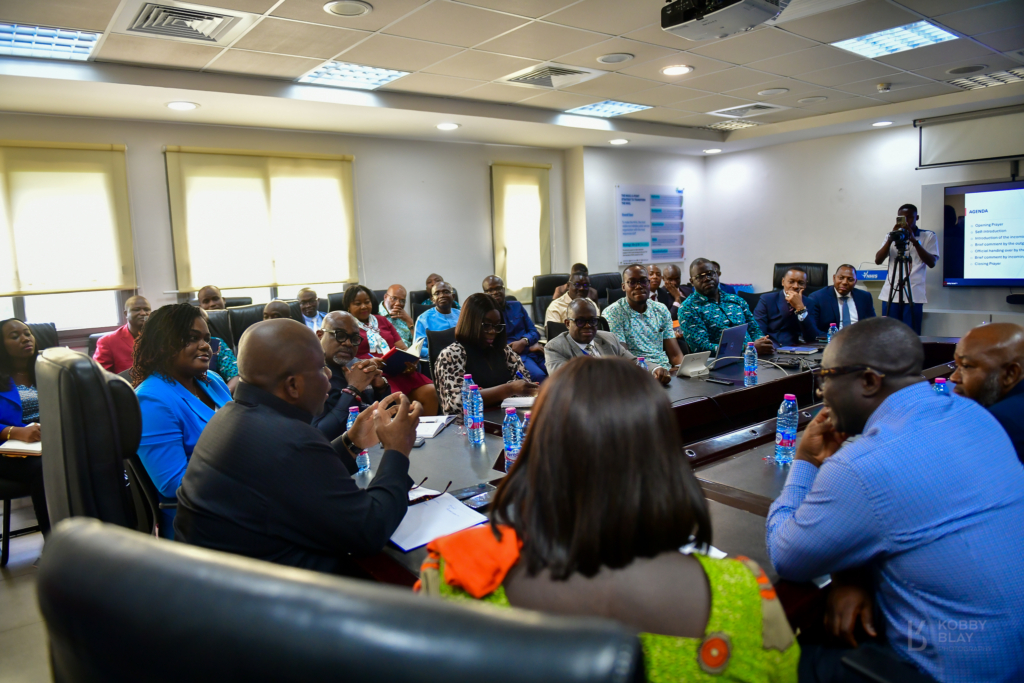
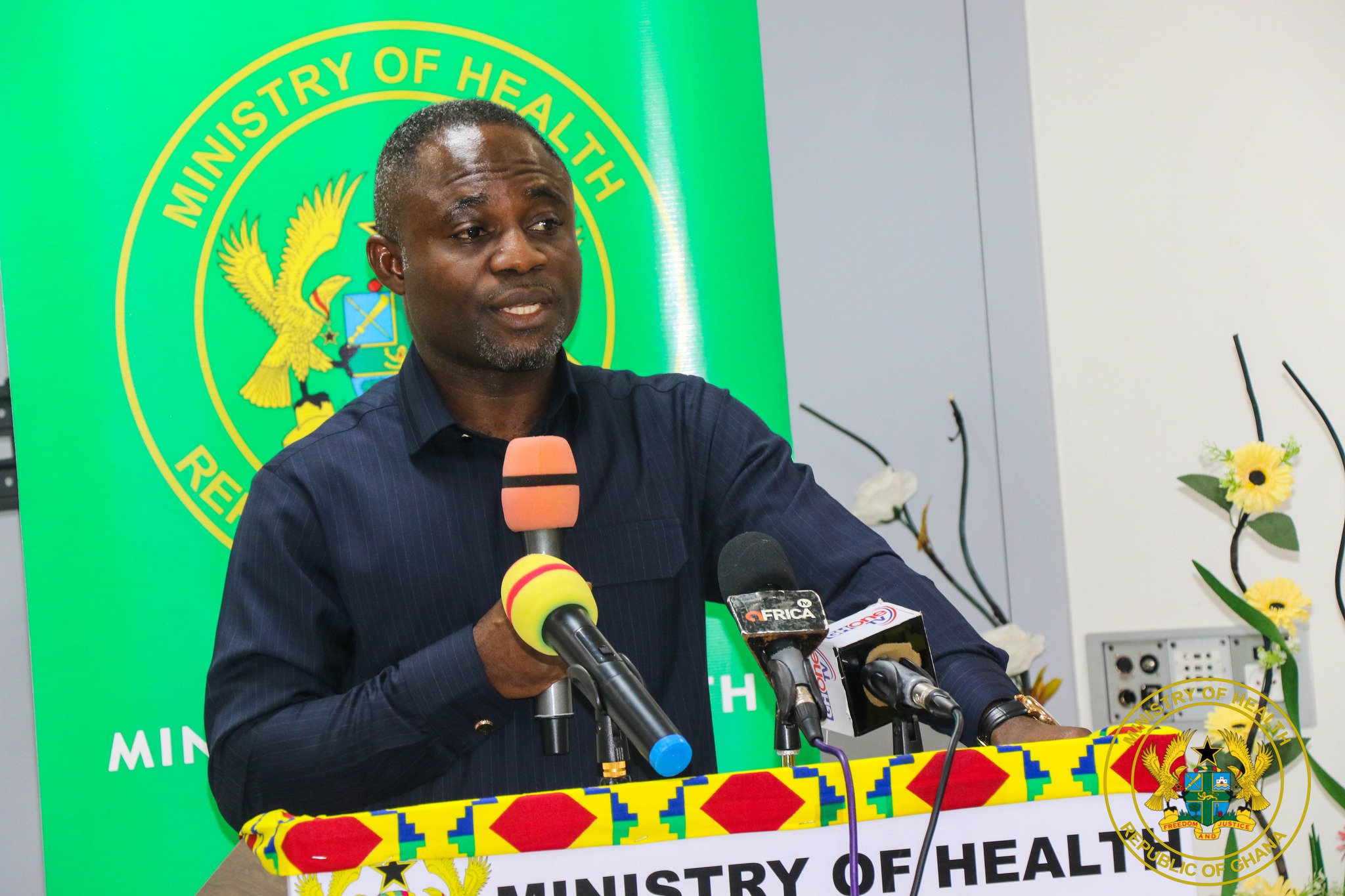
    Over 24,534 pieces of medical equipment have been received by the government ahead of its Free Primary Healthcare policy rollout, Health Minister Kwabena Mintah Akandoh has disclosed.

    Speaking at the Government Accountability Series stated, “In preparation for implementation, we have procured and are ready to deploy 24,534 pieces of essential medical equipment across the country. This is intended to ensure our facilities and health workers are equipped and ready.”  

    In February, the government announced that Ghanaians across the country will have access to free essential healthcare services at hospitals effective this month.

    The Minister for Health disclosed this while speaking on the sidelines of the Accra Reset Addis Reckoning event in Addis Ababa on Saturday, February 14.

    “As part of our effort to achieve Universal Health Coverage, since everybody is contributing to the NHIS levy, Ghanaians deserve this basic benefit. Everyone should be able to enjoy at least free primary healthcare. We have been directed to ensure that Free Primary Health Care is fully implemented across the country by that timeline,” he said.

    Meanwhile, the National Health Insurance Authority (NHIA) has disbursed over GH¢392 million in vetted claims to healthcare providers across Ghana between December 2025 and January 2026.

    The payments cover services provided under the National Health Insurance Scheme (NHIS).

    According to the Finance Directorate of the NHIA, the funds were released following an extensive vetting and approval process of claims submitted by health facilities. In December 2025, the Authority paid GH¢301,658,338.13, while in January 2026, healthcare providers received GH¢90,373,513.13.

    The NHIA in early July 205 disbursed an amount of GH¢267.67 million as claims to health facilities across the country. The disbursement became possible following approval by Chief Executive Dr. Victor Asare-Bampoe. The total payments made by the NHIA in the past seven months stand at over GH¢1.5 billion.

    Out of the total amount, public health facilities received GH¢120,700,932.62, which constitutes 45 percent of the total.

    Private health facilities have been paid GH¢100,210,906.44, representing 37 percent of the total amount, while mission health facilities have been allotted GH¢446,761,808.96, which makes up 17 percent of the total funds.

    One of the ways the National Health Insurance Authority (NHIA) seeks to ease the financial burden on citizens, ensure equal access to healthcare, and reduce illegal fees is by proposing a 120 per cent increase in service tariffs, pending approval from its Board and the Minister of Health.

    This was revealed by the Chief Executive Officer of the NHIA, Dr. Victor Asare Bampoe, during an appearance on Channel One TV’s The Point of View on Wednesday, November 26. According to Dr. Bampoe, the proposed tariff increase, if approved, would help reduce the extra charges patients pay at hospitals for medical care and services.

    He explained that the proposed increase was planned in consultation with a group of independent experts mandated to review tariffs under Sections 33 and 34 of the National Health Insurance Act, which require annual revisions of both medicines and service tariffs.“Regarding the 120% tariff increase: this is proposed after comprehensive work by a group of experts. The law requires an annual review of service and medicine tariffs (Sections 33 and 34). Although the review was delayed, the proposal is now ready and will go to our board and the Minister of Health for approval. Once approved, it will be implemented. This is partly to address the problem of illegal fees at hospitals, ensuring health providers are paid realistic tariffs so patients no longer have to pay out-of-pocket,” he said.

    As the “cash manager” of Ghana’s health insurance system, Dr. Bampoe explained that the NHIA is mandated to collect funds, set tariffs, and pay hospitals, clinics, and pharmacies for services provided to insured patients.

    However, he noted that the Authority plans to move beyond this traditional role and become more of a “strategic health purchasing provider.”“But the NHS is more like a spending entity; we do not generate money on our own. So, we are a spending entity. One of the things we’re trying to do is move away from being a claims payment mechanism to a strategic health purchasing provider, which means that we are able to dictate health outcomes because of the financial muscle that the government provides us with.

    “We’re able to determine the prices of medicines, the prices of services, and even go on the global stage and provide a platform to discuss what kind of health outcomes we want, as you saw with the ACRA Health Sovereignty Summit that happened on August 5. So it’s an interesting time, and His Excellency the President, the Minister of Finance, and the Minister of Health have given us the tools to be able to deliver on this mandate,” he said, citing the government’s commitment to ensuring that his outfit can deliver on its mandate.As part of its vision to move from just paying claims to becoming a “strategic health purchasing provider,” Dr. Bampoe highlighted that the NHIA also seeks to provide Universal Health Coverage (UHC) under three distinct pillars. 

    Lauding the NHIA for its success in granting health coverage, he revealed that out of over 35 million Ghanaians, the Authority has provided coverage for about 20 million.“So essentially, the health insurance scheme was set up in 2003 (Act 650) and amended in 2012 (Act 852), and its primary purpose was to pay claims. But now what we are looking at is getting universal health coverage for all Ghanaians. Universal health coverage has three pillars: population coverage, service coverage, and financial protection. I am proud to say that we are at 20 million in population coverage, which is unprecedented.”

    He noted that while the medicines tariff review has already been completed, the service tariff review, initiated in 2022, took longer due to its comprehensive nature. “There are two types of reviews that we need to do, but this was a really comprehensive one, so I think they could not finish on time, and so it is now that they have finished,” he explained.

    Dr. Bampoe stressed that implementation now depends solely on statutory approvals. “Now it has to go to the Board for them to look at it and give their view on it. It has to go to the Minister of Health to give his assent, and then we will implement it if they all think it is okay,” he stated.

    The NHIA CEO applauded the government for removing the cap on NHIA funds.“Regarding funding, we are dependent on the importance the government places on healthcare. I’m proud of His Excellency the President, the Finance Minister, and the Minister of Health because the capping act (Act 947 of 2019) has put a limit on funds coming to the NHIA. The President removed that cap, giving us an extra 3.4–3.5 billion cedis for healthcare.

    “We are trying to do three things; shift mindsets in government and across the country to see healthcare as important for development. Healthy people are more productive. Focus on areas where we get the best results, such as Mahama Cares and Free Primary Healthcare. If 40%+ of people are affected by non-communicable diseases, it makes sense to prevent them. Preventive actions include health promotion and screenings. For example, catching prostate cancer early with a PSA test is more cost-effective than treating stage 4 disease. Shift realities. At the Global Fund and UN, programs were comprehensive but expensive. We now aim for solutions that fit our reality, whether that’s a Rolls-Royce, a Toyota VIT, or even a motorbike; the key is to deliver,” he detailed.
  • Bawa-Rock Ltd donates GHS250k to support education, healthcare in Obuasi

    Bawa-Rock Ltd donates GHS250k to support education, healthcare in Obuasi

    A gold trading and mining company based in Obuasi, Bawa-Rock Ltd, owned by Alhaji Rasheed Bawa Namoro, has made a series of donations totaling GH¢250,000 to improve education and healthcare in the municipality.

    The donations made on Wednesday, 15th October 2025, reaffirm the company’s long-standing commitment to the development of Obuasi and its surrounding communities.

    As part of the initiative, Bawa-Rock Ltd donated GH¢100,000 to the Galaxy Foundation to support its ongoing free surgical operations for underprivileged patients in Obuasi and nearby areas. The Executive Director of the Foundation, Mr. David Hagan, expressed profound gratitude to the company, describing the donation as “a life-saving intervention that will restore hope to hundreds of underprivileged individuals in need of critical medical attention.”

    Bawa-Rock Ltd supports education and healthcare in Obuasi with GHS250k

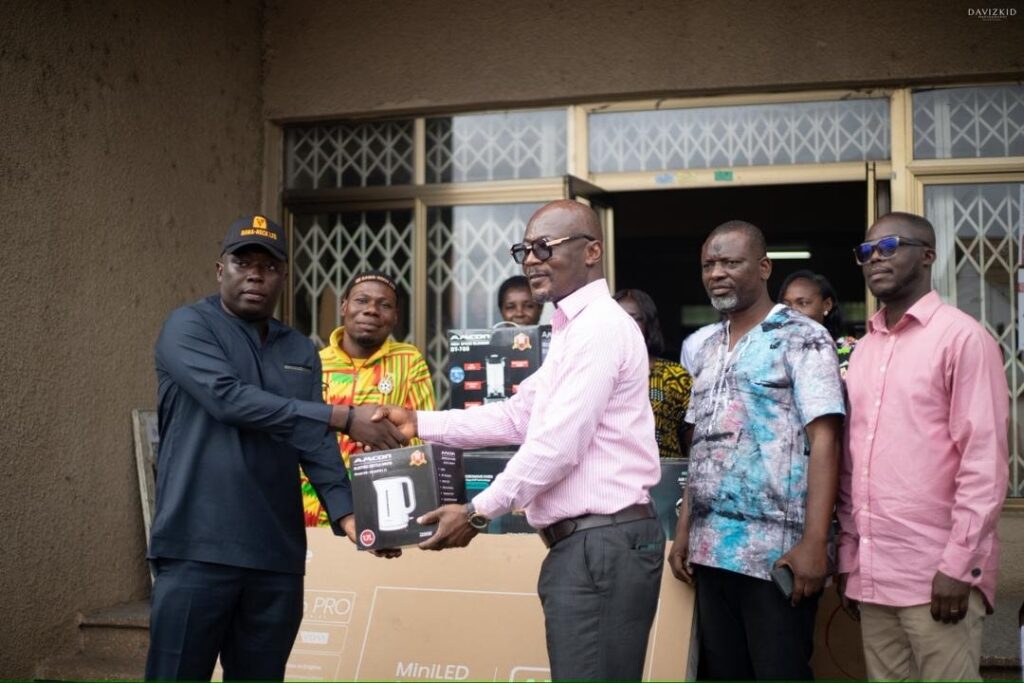
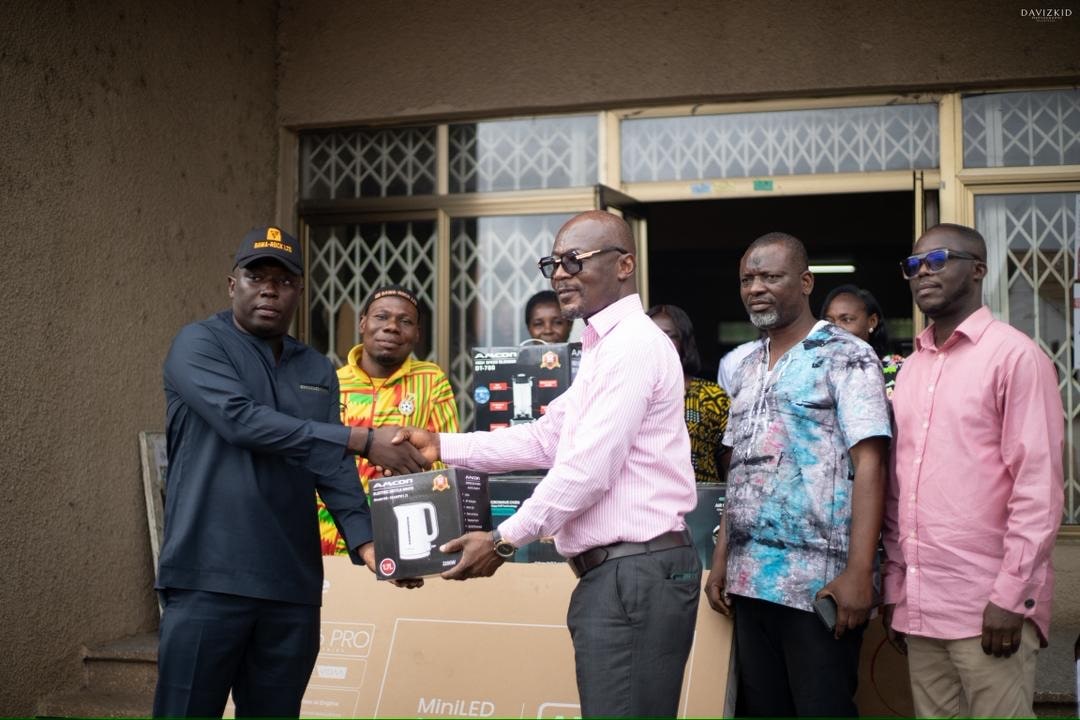
    In the area of education, the company presented various items valued at GH¢30,000 to the Obuasi Municipal Education Directorate to support the 2025 Best Teacher Awards. The items included a 65-inch television, gas cooker with oven, deep fryers, juicers, blender, microwave, and electric kettle — all aimed at recognizing and rewarding outstanding teachers in the municipality.

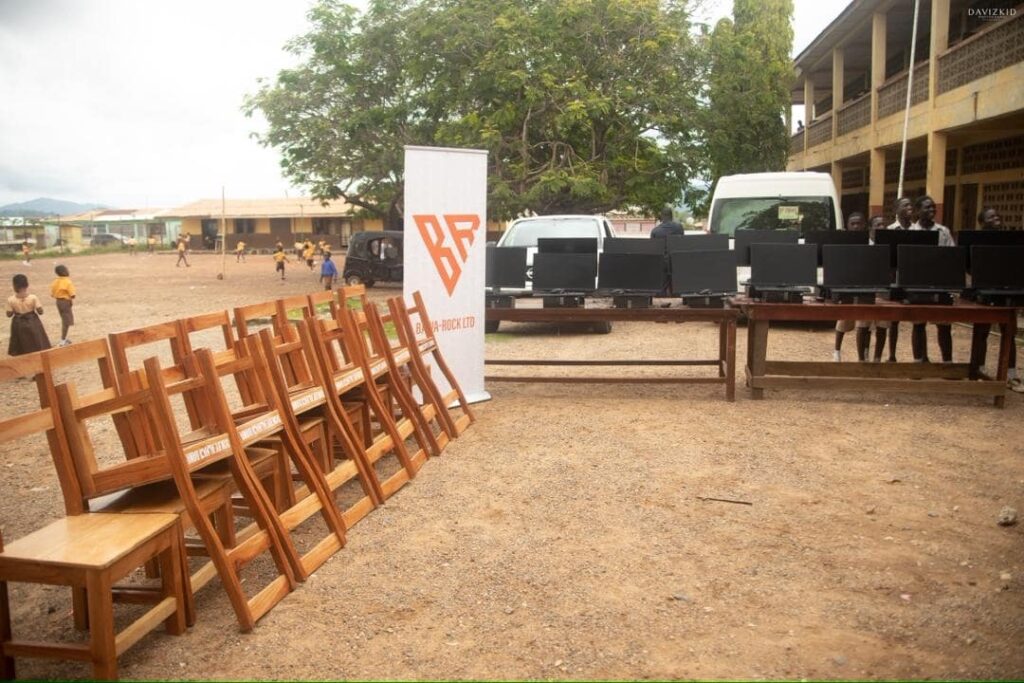
    Additionally, Bawa-Rock Ltd refurbished the computer laboratory at Boete M/A JHS ‘B’ in the Obuasi East Municipality and supplied it with 15 brand-new desktop computers and new furniture to enhance ICT teaching and learning.

    The headmaster of Boete M/A JHS ‘B’, Mr. Emmanuel Karikari, thanked the company for its timely intervention, noting that the school had been struggling to provide students with practical computer lessons due to a lack of equipment.

    “This gesture will go a long way to improve ICT education in our school and prepare our students for the digital age,” he said.

    The Obuasi Municipal Director of Education, Mr. Alfred Koomson, also expressed appreciation to Bawa-Rock Ltd, commending the company for its continuous support for education in the area. He urged other corporate organizations operating in Obuasi to emulate their example by investing in the development of the communities in which they operate.

    The presentations were made on behalf of the company by Mr. Eric Addae Boateng, the Business Development and Sustainability Lead at Bawa-Rock Ltd. He reiterated the company’s commitment to contributing to social and community development as part of its core business operations.

    “Bawa-Rock Ltd believes in giving back to the community that hosts us. Education and healthcare are two key pillars that drive our corporate social responsibility agenda, and we will continue to support initiatives that improve the lives of the people of Obuasi,” he stated.

    The series of donations further cements Bawa-Rock Ltd’s reputation as a socially responsible company committed to promoting sustainable development through partnerships and direct community impact — setting a strong example for responsible corporate citizenship within Ghana’s mining sector.

  • Korea aids Ghana’s healthcare sector with $32m

    Korea aids Ghana’s healthcare sector with $32m

    The Republic of Korea has committed $32 million in aid to Ghana for 2025, with a significant portion allocated to improving the country’s healthcare system.

    A part of this funding, channeled through the Korean Foundation for International Healthcare (KOFIH), will enhance medical infrastructure, strengthen supply chains, and develop healthcare personnel.

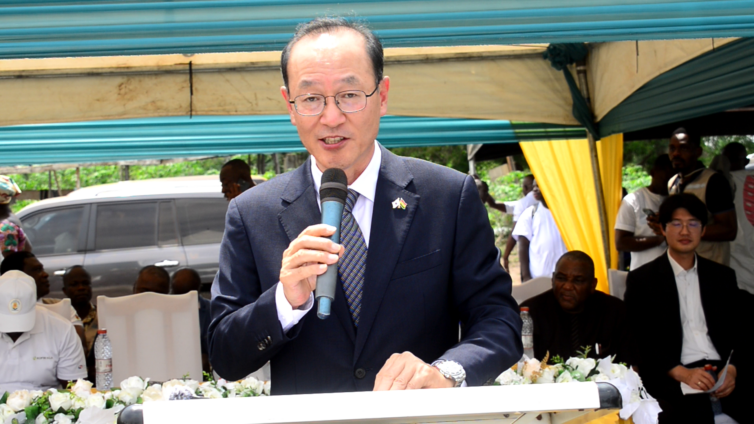
    Speaking at the commissioning of a newly built health center in Abutia Kpota and a biomedical engineering unit in Ho, Korea’s Ambassador to Ghana, Park Kyongsig, emphasized the country’s dedication to Ghana’s progress.

    “This year my government’s total budget of aid to Ghana is $32 million. A third of the budget will go to the healthcare service”, he said.

    He further hinted at ongoing discussions to expand the Ho Teaching Hospital and reaffirmed Korea’s unwavering support for Ghana’s development.

    He also alluded to collaborative efforts to expand Ho Teaching Hospital and reaffirmed South Korea’s dedication to supporting Ghana’s progress.

    Ambassador Park expressed confidence that these initiatives would further cement the strong diplomatic and cooperative ties between the two nations.

    Health Minister Kwabena Mintah Akandoh highlighted South Korea’s instrumental role in advancing healthcare services in Ghana.

    He outlined various KOFIH-backed initiatives, including improvements in maternal care, rehabilitation programs for children with disabilities, emergency response systems, enhancements to community health planning, workforce development programs, and contributions to Ghana’s health insurance framework.

    The Minister also shed light on the Biomedical Engineering Project spearheaded by KOFIH in the Volta and Greater Accra Regions, which focuses on modernizing clinical technology, improving medical equipment oversight, and ensuring healthcare workers are trained in the latest innovations.

    He further noted that the Volta Region has received diagnostic tools and laboratory equipment valued at $106,500, in addition to the construction of the Biomedical Engineering Unit in Ho.

    “The investment will significantly improve diagnostic accuracy and the overall efficiency of equipment and tools for patient care.

    “By proving these resources, the BME Project is not only advancing the technical proficiency of healthcare services in both regions but also contributing to improving healthcare outcomes through better-equipped healthcare systems in Ghana”, he said.

    He emphasized that the Biomedical Engineering Project is not only boosting technical expertise but also enhancing the quality of healthcare services by equipping facilities with state-of-the-art resources.

    Volta Regional Minister James Gunu stressed the importance of achieving universal healthcare access across the region.

    “Health is wealth, and we believe if our people live a healthy life, if access to healthcare is made to everybody healthcare delivery by ensuring the medical professionals have access to state-of-the-art testing y within our region, it is only then that we can develop and productivity will increase,“ he said.

  • We must enhance healthcare access, quality of service delivery for all – NHIA Boss charges staff members

    We must enhance healthcare access, quality of service delivery for all – NHIA Boss charges staff members

    The newly appointed Chief Executive Officer of the National Health Insurance Authority (NHIA), Dr. Victor Bampoe, has urged staff to commit to improving healthcare access and service delivery for all Ghanaians.

    Addressing NHIA management and employees during his first official engagement, Dr. Bampoe underscored the urgent need to enhance the effectiveness of the National Health Insurance Scheme (NHIS) to align with the health priorities of the National Democratic Congress (NDC) government.

    “There is an urgent need to uncap the National Health Insurance Scheme (NHIS) levy to enhance healthcare access and quality of service delivery for all,” he emphasized. “And I will need every one of you to be part of this vision.”

    Dr. Bampoe’s appointment by President John Dramani Mahama marks a new phase for the NHIA. He takes over from Dr. Da Costa Aboagye, who had served in the role since February 2024.

    A highly experienced physician and public health specialist, Dr. Bampoe brings a wealth of expertise in global health financing and policy implementation.

    A former student of Achimota School, he obtained his medical degree from the University of Ghana Medical School before furthering his studies at the Johns Hopkins School of Hygiene and Public Health in the United States, where he earned a Master of Public Health.

    His career spans international health institutions, including the Global Fund to Fight AIDS, Tuberculosis, and Malaria, where he worked as a Senior Fund Portfolio Manager in Geneva, Switzerland.

    Dr. Bampoe also held key roles within the United Nations, serving as the UNAIDS Country Director in Kenya and a UNAIDS Representative to UNEP and UN-Habitat.

    With his extensive background in public health financing, Dr. Bampoe is expected to spearhead efforts to expand NHIS coverage, particularly for vulnerable populations. He acknowledged that global funding cuts pose a challenge to critical health programmes, such as HIV prevention, but stressed the importance of innovation in resource management.

    He also expressed appreciation to his predecessor, Dr. Da Costa Aboagye, for his contributions to the NHIA before embarking on a brief tour of the authority’s facilities.

    As he assumes office, expectations are high that Dr. Bampoe’s leadership will strengthen Ghana’s healthcare system, ensuring a more sustainable and accessible health insurance framework.

  • December polls is between NPP and Ghanaians – Mahama

    December polls is between NPP and Ghanaians – Mahama

    Former President John Mahama has urged Ghanaians to decisively vote against the ruling New Patriotic Party (NPP) in the upcoming presidential and parliamentary elections next month.

    During a rally in the Tamale Central Constituency as part of his campaign tour of the Northern Region, the NDC Flagbearer emphasized that the December election represents a critical choice for all Ghanaians, framing it as a contest not just between the NDC and NPP, but between the people of Ghana and the NPP government.

    “When we look at the results, in Tamale Central we got 60.8%. This year, we have to raise that percentage to above 75 to 80 percent because this election is between the whole of Ghana and the NPP; it’s not between NDC and NPP,” he said.

    Mr. Mahama addressed a rally in the Tamale Central Constituency during the second phase of his campaign tour of the Northern Region on Saturday, where he criticized the government led by Nana Akufo-Addo and Dr. Bawumia for the significant hardships faced by Ghanaians, stating that life has become unbearable under their leadership.

    He further asserted that the conditions in Ghana were more favorable during his administration.

    “The country that I handed over to Nana Akufo-Addo and Bawumia on 7th January 2017, that is not the same Ghana we’re living in. I can beat my chest and say that our lives were far better under the NDC administration than they are today. Today everybody is going through hardship,” he noted.

    “They came with very sweet words and convinced Ghanaians that they were going to be a better government. Today, everything has gone backwards; the quality of our education is a problem, the quality of healthcare is a problem. Today, if you don’t have money, you’ll die because if you go to the hospital without money, you’ll die,” he added.

    Former President John Mahama concluded his Northern Regional tour on Saturday, where he visited several constituencies, including Tolon, Sagnarigu, Nanton, Tamale North, Tamale Central, and Tamale South.

    During his visit, the NDC Flagbearer committed to initiating significant projects, such as the completion of the Tamale Water Expansion Project and the construction of a bridge over the White Volta River at Daboya, which will connect the Tolon District to the Savannah Region, among other initiatives.

  • GHC151m released to healthcare providers nationwide

    GHC151m released to healthcare providers nationwide

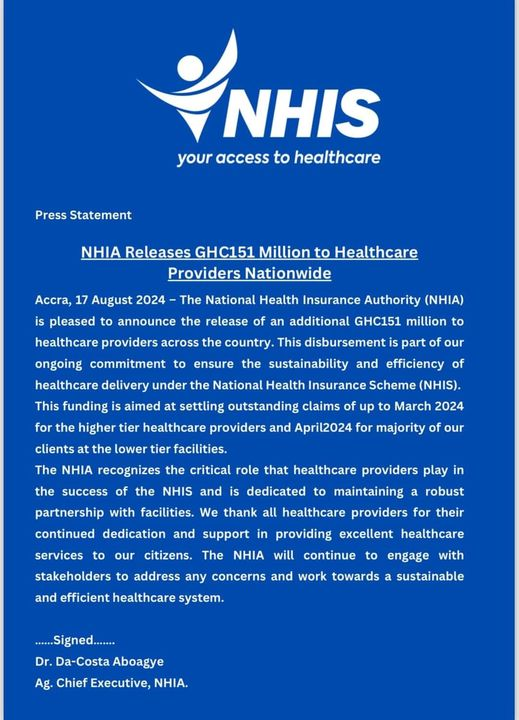
    The National Health Insurance Authority (NHIA) has released an additional GH¢151 million to healthcare providers across the country, reinforcing its dedication to ensuring the continuous delivery of quality healthcare under the National Health Insurance Scheme (NHIS).

    According to a statement shared on its official Facebook page, the NHIA revealed that the funds are aimed at settling outstanding claims.

    The disbursement covers claims up to March 2024 for higher-tier healthcare providers, while the majority of clients at lower-tier facilities will have their claims cleared through April 2024.

    This follows an earlier disbursement of GH¢135.6 million, which was used to clear February 2024 claims for higher-tier providers and March 2024 claims for lower-tier facilities.

    NHIA CEO, Dr. Da-Costa Aboagye, reiterated the authority’s commitment to addressing the needs of stakeholders and emphasized the NHIA’s ongoing efforts to foster a sustainable and efficient healthcare system.

  • UK-based Ghanaian lady expresses frustration over country’s healthcare access; says Ghana is better

    UK-based Ghanaian lady expresses frustration over country’s healthcare access; says Ghana is better

    A Ghanaian expatriate residing in the United Kingdom recently recounted her experiences navigating the UK healthcare system, highlighting the hurdles she encountered.

    From the complexities of scheduling appointments to the challenges of accessing healthcare professionals, she expressed frustration with the system’s efficiency.

    Despite following protocols diligently, she found it difficult to secure timely consultations with doctors.

    In contrast, she praised Ghana’s healthcare system, noting its perceived superiority. In Ghana, she explained, patients can receive immediate care without the need for prior appointments.

    This accessibility stands in stark contrast to her experiences in the UK, where she often faced delays and limited availability of medical professionals.

    “In Ghana, you can simply go to the hospital when you feel unwell or have a fever. In the UK, you must register with a local hospital when you fall ill. You then have to call the hospital to schedule an appointment.

    Appointment times are restricted, with some hospitals only allowing bookings between certain hours,” she explained in a video posted by Instablog9japbm on Instagram.

    “If you call outside of those hours, you cannot book an appointment, even if you are sick. When you call at 9 o’clock, you might be told that you are the 20th person in line and will have to wait.

    After waiting, you may be informed that the doctor can only see you the next day or later. All of this while you are unwell,” she added.

  • Ashanti Regional Director of Health laments non-operational, uncompleted healthcare projects

    Ashanti Regional Director of Health laments non-operational, uncompleted healthcare projects

    The Ashanti Regional Director of Health Services, Dr. Emmanuel Tenkorang, has expressed his frustration over the stagnation of essential healthcare projects in the region.

    This phenomenon, he noted, is exacerbating the strain on the Komfo Anokye Teaching Hospital (KATH) and other health facilities, hindering the provision of quality health care.

    Among the critical health projects that remain unused is the Sewua Regional Hospital. Despite being completed, the facility is non-operational due to the lack of an electricity connection and an accessible road network.

    Additionally, the construction of the Afari Hospital has been stalled for over four years.

    Speaking to JoyNews, Dr. Tenkorang described the situation as deeply frustrating.

    “Sewua Hospital is completed. It is just left with electricity connection and completion of the access road. The project itself is over GHS250 million and less than GHS5 million is needed to start operations.

    “Afari Hospital has about 500 beds sitting in weeds for over 4 years. The government needs to be committed to these projects. All we need is a commitment to the projects. Completing many of the uncompleted hospital projects will improve access to quality healthcare,” he said.

    Speaking at the Medico-Legal Symposium organized by Patient Rights Watch Ghana, Dr. Tenkorang attributed the increase in medico-legal cases in Ghana partly to the lack of logistics and proper infrastructure for healthcare providers. He emphasized that these deficiencies hinder efficient work and the provision of quality care.

    “Medico-legal cases are getting way too many and it is not all instances that, you can blame the health professional or the manager.

    “Hospitals and these health providers need logistics and facilities to work efficiently. If patients receive quality care from improved health facility, they won’t take us to court,” he said.

    Additionally, Dr. Tenkorang raised concerns about the brain drain in the health sector, noting that many skilled nurses have been unemployed for over four years.

    According to Dr. Tenkorang, these nurses are contributing to the increasing number of unemployed youth while their medical skills deteriorate over time. He urged the government to address the backlog of unemployed health officers in the country.

    “Most of them are leaving but most are also in the house. As far as I know 2020, 2021 and 2022 are still not posted. And the best ones are the ones leaving. So they are not just adding to the numbers but also getting their skills faded.

    “Employ them to fill the gap. We need to be committed to building a a robust health system and that is what I am entreating the government to do,” he said.

  • GHS announces job openings for 229 health professionals

    GHS announces job openings for 229 health professionals

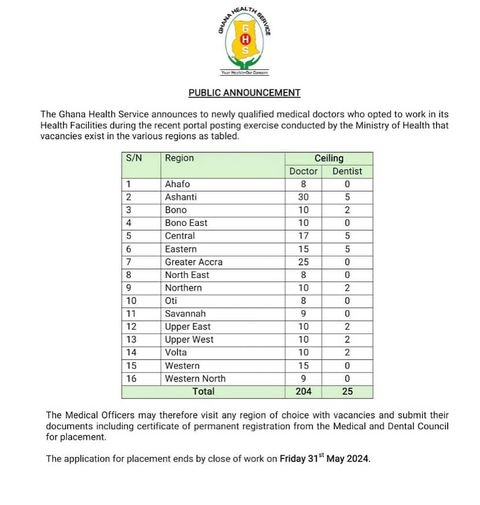
    The Ghana Health Service (GHS) in a bid to bolster its healthcare workforce, has initiated a recruitment campaign targeting 229 healthcare professionals, comprising 204 doctors and 25 dentists.

    On May 3, 2024, the GHS made the announcement across its social media platforms, beckoning newly licensed medical doctors keen on contributing to its healthcare system to select from regions with available positions and submit their requisite documents.

    These documents should encompass a certificate of permanent registration issued by the Medical and Dental Council.

    Opportunities abound across all 16 regions, with the Ashanti and Greater Accra Regions offering the most significant number of vacancies at 30 and 25 positions, respectively.

    Interested candidates have until Friday, May 31, 2024, to lodge their applications.

    Below is the full statement:

  • See deplorable state of Cape Coast Metro Hospital

    See deplorable state of Cape Coast Metro Hospital

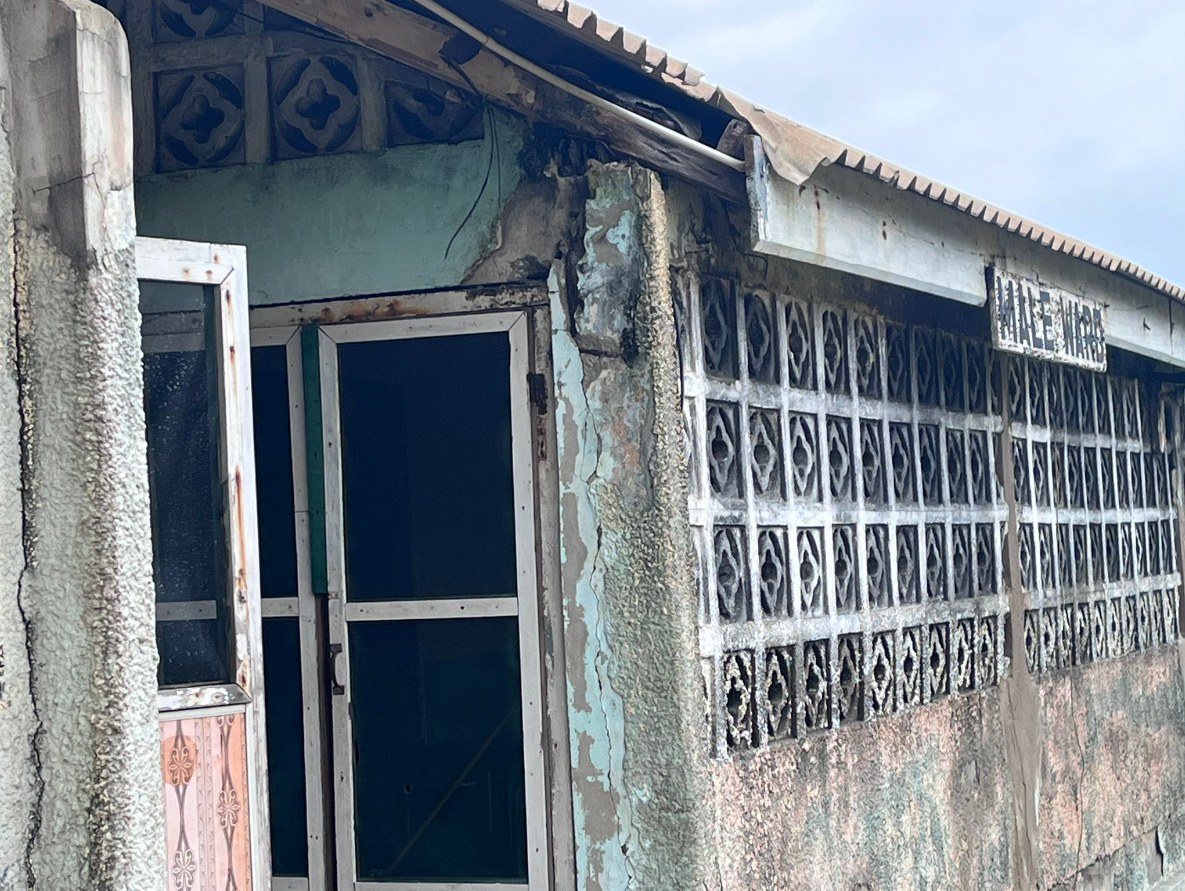
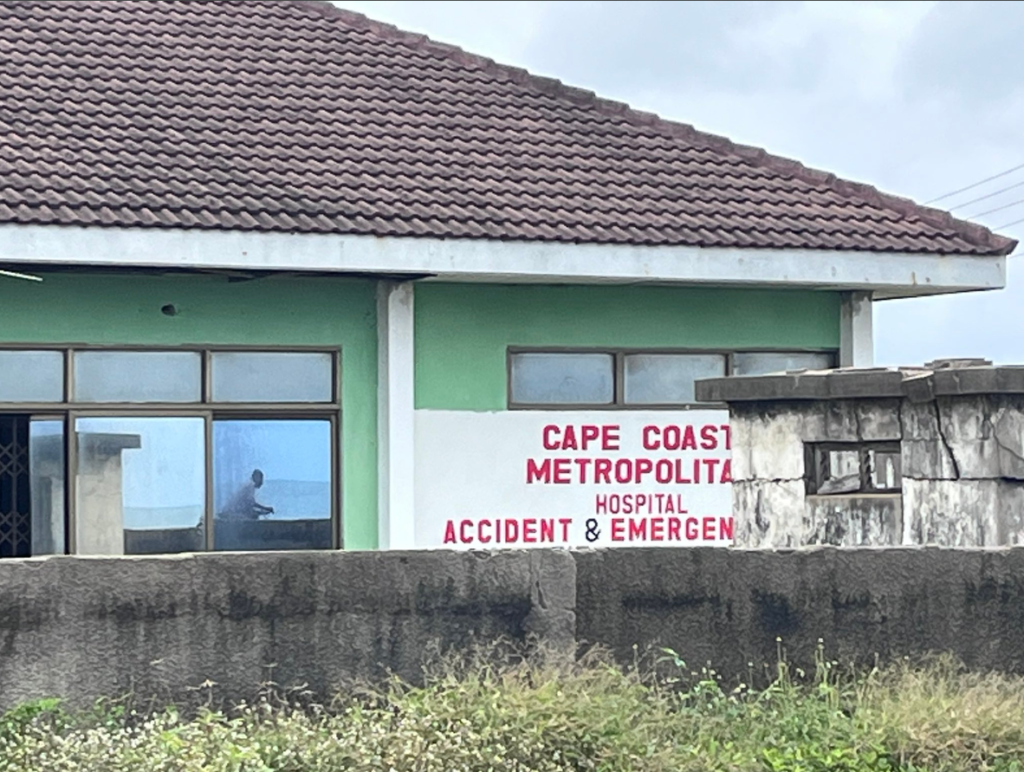
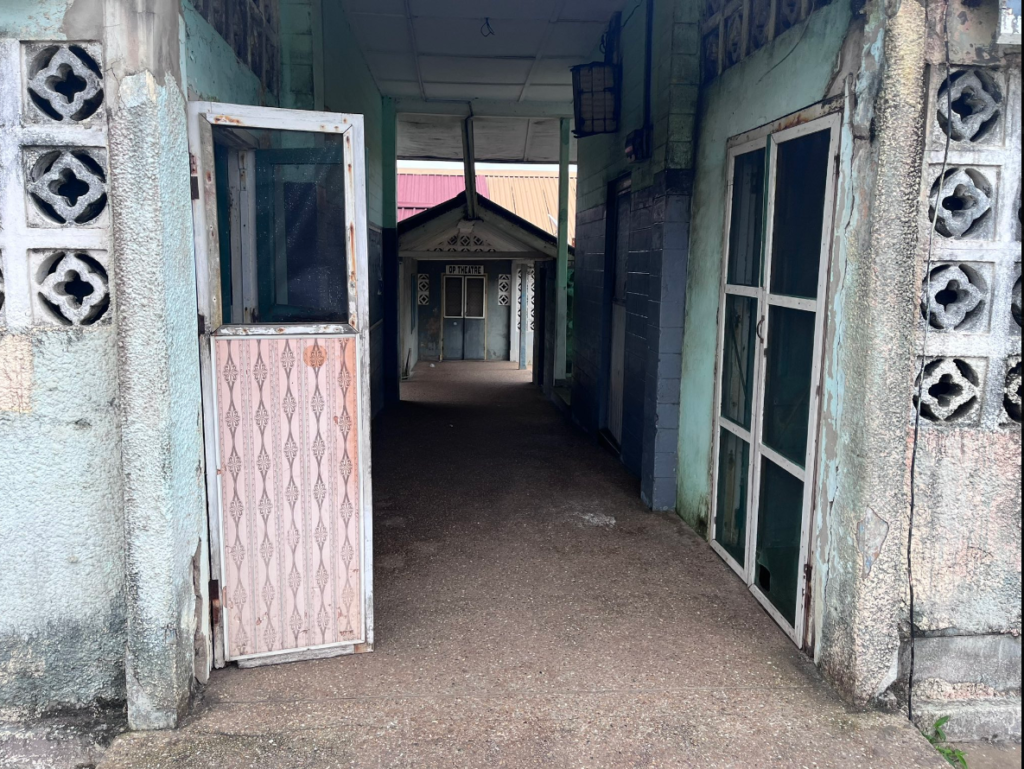
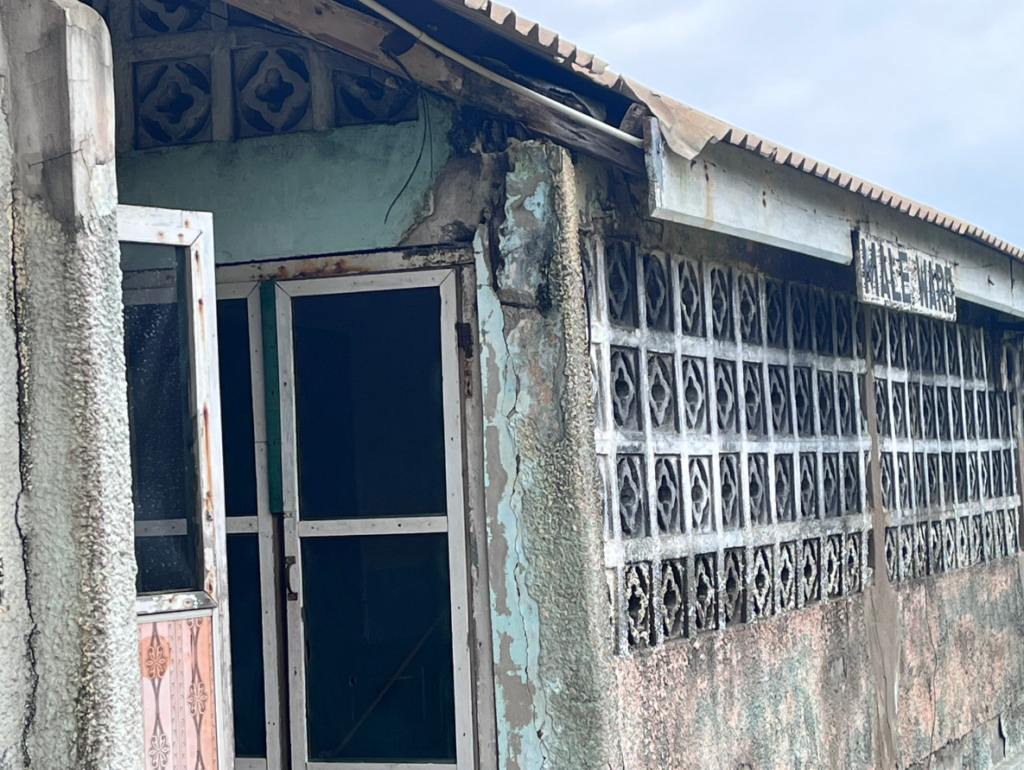
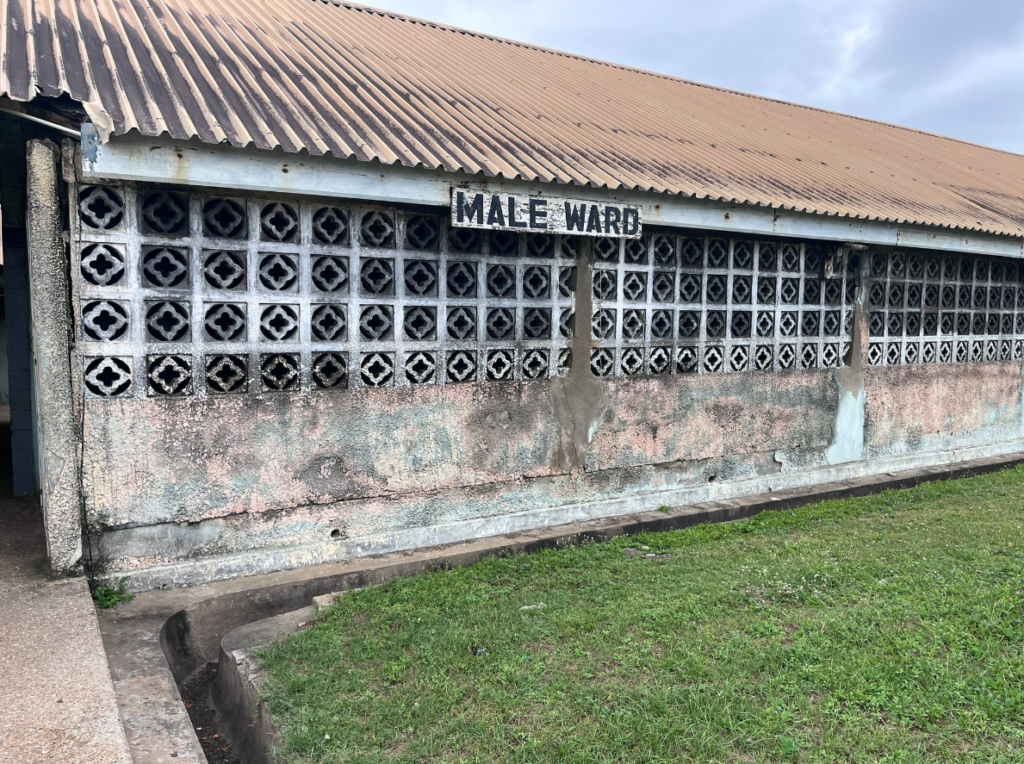
    The Cape Coast Metro Hospital, a critical healthcare facility serving the community, has become a symbol of neglect and indifference from local authorities.

    A concerned group of citizens, having visited the hospital last year, embarked on a tireless campaign by writing numerous letters to key officials, including the District Chief Executive (DCE), the Regional Health Directorate, and the Member of Parliament (MP).

    However, their pleas for urgent attention and improvements have fallen on deaf ears.

    Despite being the primary source of healthcare for many residents, the hospital’s plight continues unabated, with no discernible response or action from those in power.

    The dire conditions within the hospital raise serious questions about the adequacy of healthcare services and the commitment of authorities to the well-being of the community.

    See pictures below:

  • SSNIT supports pensioners’ healthcare with a sum of GHS1m

    SSNIT supports pensioners’ healthcare with a sum of GHS1m

    The Social Security and National Insurance Trust (SSNIT) continues its backing of the National Pensioners Association (NPA) by presenting a cheque of GHC1 million.

    This contribution is specifically designated to bolster the healthcare services of pensioners enrolled in the NPA’s Pensioners Medical Scheme (PMS).

    It upholds SSNIT Management’s commitment, dating back to 2017, to prioritize the welfare of pensioners under the SSNIT Scheme nationwide.

    This latest donation is part of SSNIT’s ongoing support for the NPA. In previous years, SSNIT has provided GHC300,000 in 2018, GHC500,000 in 2019, and a brand new Toyota Hilux double cabin pickup vehicle in 2021 to help address transportation challenges encountered by NPA members.

    This commitment underscores the Trust’s unwavering dedication to fulfilling its social responsibility towards all retirees within the SSNIT Scheme who have contributed significantly to the nation’s workforce during their active years.

    Addressing attendees at a ceremony held at the SSNIT Pension House in Accra, Dr. John Ofori-Tenkorang, the Director-General of SSNIT, reiterated the Trust’s steadfast support for the activities and well-being of the National Pensioners Association (NPA).

    He elaborated that SSNIT’s profound appreciation for pensioners has guided and strengthened the enduring relationship between SSNIT and the NPA throughout the years.

    “This latest donation to the association will certainly not be the end. We will periodically extend help to you whenever possible as part of our social responsibility to make life a little more comfortable for you, our cherished pensioners.

    “As you may recall, we have provided and renovated office accommodation for the association to enable members run their affairs. We also donated GH¢800,000 to support the association’s Medical Scheme in 2018 and 2019. I know these have gone a long way to improve the well-being of pensioners within the association,” Dr. Ofori-Tenkorang noted.

    Mr. Stephen Boakye, the General Secretary of the NPA, expressed gratitude to SSNIT Management for their consistent support of the Pensioners Medical Scheme. He acknowledged the harmonious relationship between the NPA and SSNIT, particularly under the current SSNIT Management, and assured that the funds would be utilized for their intended purpose.

    A beneficiary, Mr. Confidence Kofi Adjayi, underscored the pivotal role of the Pensioner Medical Scheme in his healthcare journey. He emphasized that the scheme has consistently covered his medical expenses, especially for eye care, whenever he sought treatment at the hospital.

    Pensioners Medical Scheme

    Established in September 2014, the Pensioners Medical Scheme (PMS) serves as a crucial pillar for members’ healthcare needs. It supplements the services provided under the National Health Insurance Scheme (NHIS) by catering to ailments not covered by the NHIS.

    Covered ailments under the PMS include cervical cancer, breast cancer, prostate cancer, amputation, among others. As of December 31, 2023, a total of 3,778 pensioners have benefited from the PMS, demonstrating its significant impact and outreach within the pensioner community.

    Recognizing the evolving healthcare landscape and the changing needs of its members, the association’s leadership is in discussions with their insurance provider, Liberty Insurance Company, to broaden the scheme’s coverage to include additional ailments. This proactive approach reflects the association’s commitment to continuously enhancing the healthcare support provided to its members.

    By addressing these challenges and striving to expand coverage, the association aims to alleviate the financial burden associated with healthcare expenses for its members, ensuring they can access necessary medical services and treatments without undue financial strain.

  • Bawumia narrates how his father died

    Bawumia narrates how his father died

    Vice President Bawumia opened up about a deeply personal tragedy that has shaped his commitment to revolutionize healthcare in Ghana.

    Recounting the painful loss of his father, Bawumia revealed the heartbreaking ordeal of a night spent desperately seeking blood for his ailing father in Tamale Teaching Hospital.

    During the emotionally charged address, Vice President Bawumia detailed the nightmare experience of racing against time to save his father’s life. 

    Driven by this personal tragedy, Vice President Bawumia passionately shared his vision for transforming the healthcare landscape in Ghana.

    Referencing the groundbreaking Zipline drone technology, he expressed determination to implement this innovation to deliver blood and essential medicines swiftly during emergencies.

    Bawumia’s goal is to prevent other families from enduring the heart-wrenching loss that his own family experienced.

    The Vice President, who aspires to lead as the President of the Republic of Ghana, emphasised that his vision for healthcare reform is not merely a political agenda but a deeply personal commitment.

    He aims to integrate this innovative technology into the national healthcare system to ensure that logistical challenges do not stand between life and death.

    As Vice President Bawumia strives to turn personal tragedy into a catalyst for change, his vision extends beyond his own grief.

    It becomes a beacon of hope for countless Ghanaians facing medical emergencies. The address at the University of Professional Studies marked a pivotal moment in Bawumia’s advocacy for a healthcare system that is equipped to save lives and provide solace to families in their times of need.

    “Ladies and Gentlemen, I remember with so much pain when my father underwent an operation in Tamale Teaching hospital. He was losing blood that night and the doctors weretrying to get blood for him.

    “We rushed to the bank, it was closed. I tried to get the phone number of the one incharge and made several calls to no avail. We were running against time and by the morning my dad had died.

    “That painful experience is forever with me. So when I heard about the Zipline drone technology that could deliver blood and 36 other medicines in an emergency, I was determined to get it for Ghana to save many lives that are needlessly lost.”

  • Ghana, 2 others to benefit from UK’s £15m commitment to strengthen health workforce

    Ghana, 2 others to benefit from UK’s £15m commitment to strengthen health workforce

    The United Kingdom government has announced a £15 million financial commitment aimed at supporting healthcare personnel recruitment and retention in Ghana, Kenya and Nigeria.

    The amount from the dedicated Official Development Assistance (ODA) budget for the 2022–2025 period will be allocated to enhance, build, and reinforce the healthcare workforce in the aforementioned countries.

    According to the UK government’s official website, this funding recognizes the vital role of the healthcare workforce in low- and middle-income countries in improving health outcomes and achieving universal health coverage. The goal is to ensure that individuals in Kenya, Nigeria, and Ghana have access to a comprehensive range of healthcare services when needed.

    It has been emphasized that the COVID-19 pandemic has underscored the need for the UK to collaborate closely with international partners to address global health threats. This has put significant pressure on the UK’s National Health Service (NHS), and the pandemic has exacerbated challenges related to retaining healthcare workers worldwide, all while the demand for healthcare personnel has surged.

    Furthermore, it was highlighted that effectively addressing critical workforce issues is essential for strengthening healthcare systems and improving global preparedness for future pandemics. This is crucial to ensure the safety and well-being of people worldwide, including those in the UK.

    The World Health Organization (WHO) has projected a shortage of 10 million healthcare workers globally by 2030. This shortage poses a threat to achieving universal health coverage on a global scale and has the potential to worsen health inequalities worldwide.

    According to the UK’s Health Minister, Will Quince, highly skilled and resilient healthcare staff are the backbone of a robust healthcare service.

    “So I’m delighted we can support the training, recruitment and retention of skilled health workforces in Kenya, Nigeria and Ghana.”

    Mr Will clarified that the main goal of the funding is to make a meaningful difference in bolstering the efficiency of healthcare systems within each of the participating countries. This, in effect, will play a part in enhancing global preparedness for pandemic response and reducing disparities in healthcare access.

    “The pandemic showed us that patients in the UK are not safe unless the world as a whole is resilient against health threats, and this will help us in delivering on that ambition.”

    As part of this endeavor, the Department of Health and Social Care will administer a competitive grant scheme totaling £9 million over two years, designated for a non-profit organization. This organization will oversee partnership efforts in these countries, facilitating connections between UK institutions and local healthcare systems, promoting skill exchanges, and enhancing educational curricula, regulations, and guidelines within the mentioned African nations.

    The selected organization to manage and fund these initiatives is the Tropical Health and Education Trust (THET). Their responsibility will be to drive enhancements in the quality and retention of healthcare personnel in Kenya, Nigeria, and Ghana, ultimately aiming to deliver improved healthcare outcomes for patients.

    This funding builds upon a prior commitment of £5 million in Ghana, Uganda, and Somaliland, geared towards enhancing health workforce planning, offering training opportunities for refugees and displaced individuals, and fostering collaborations between NHS institutions and local healthcare establishments.

    These countries were chosen for funding due to the substantial challenges they face in their healthcare workforce, including high mortality rates and shortages of adequately trained healthcare professionals, leading to unemployment among qualified health practitioners.

    This initiative is part of the broader £15 million Global Health Workforce Programme, introduced on May 19, 2023, designed to address these issues and elevate healthcare systems in these countries.

  • US partners Korea and Japan to improve primary healthcare in Ghana

    US partners Korea and Japan to improve primary healthcare in Ghana

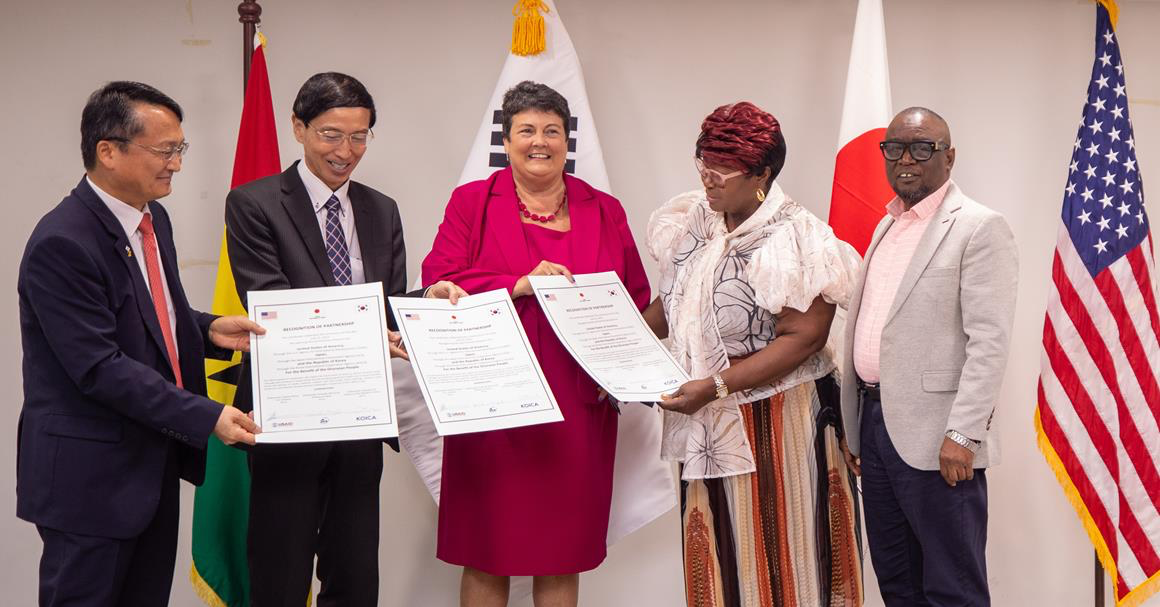
    A momentous partnership was announced by the Ambassadors of the United States, Japan, and the Republic of Korea to Ghana on Tuesday, July 25, to support Ghana’s pursuit of Universal Health Coverage.

    Through their shared commitment, the partnership seeks to enhance primary healthcare services and fortify global health security defenses in Ghana, preparing the country against current and future pandemic threats. The event, hosted by Health Minister Kwaku Agyeman-Manu, marked a historic occasion.

    This initiative comes at a crucial time as the world is gradually recovering from the COVID-19 pandemic, but many countries still face challenges in providing essential health services.

    The agreement signed during the event will foster a collaborative approach, allowing each country to leverage its unique strengths to support Ghana’s public health institutions effectively.

    By joining forces, the United States, Japan, and the Republic of Korea aim to contribute to the advancement of healthcare in Ghana and promote a healthier and more secure future for the nation.

    “The United States is committed to working with our global partners to invest in primary health care and global health security,” said U.S. Ambassador to Ghana, Virginia Palmer.

    “No country can afford to stand alone during a pandemic. COVID-19 showed us the power of strategic partnerships with our allies to build a healthier, more equitable, and more prosperous world. 

    “We are proud to join Japan and the Republic of Korea in this partnership to achieve Universal Coverage in Ghana.”

    The Japanese Ambassador to Ghana, Mochizuki Hisanobu, said, “This MOC is the first of its kind between all parties and we aim to contribute further to the achievement of universal health coverage in Ghana with USAID and KOICA, by facilitating more efficient development aid.

    “Together with our esteemed partners, we will be committed to ensuring we achieve this objective for the people of Ghana.”

    The Ambassadors of the Republic of Korea, Japan, and the United States with Ghana Ministry of Health Officials celebrate the signing of the new agreement.

    “Through this Memorandum of Cooperation, the Republic of Korea reaffirms its unwavering commitment to supporting Ghana in achieving Universal Health Coverage and strengthening health security.

    “We will work hand in hand with our esteemed partners to improve primary health care services, ensuring that they are easily accessible and of the highest quality,” said the Republic of Korea Ambassador to Ghana, Jung-taek Lim.

    The partnership between the United States, Japan, and the Republic of Korea in Ghana is facilitated by their respective development agencies: the United States Agency for International Development (USAID), Japan International Cooperation Agency (JICA), and Korea International Cooperation Agency (KOICA). This collaboration aims to support three key health priorities in Ghana:

    1. Strengthening primary health care, including the enhancement of the Community-Based Health Planning and Services and health centers to improve the quality of health services.
    2. Enhancing health governance at the sub-national level, focusing on regions and districts to ensure effective healthcare management.
    3. Fortifying global health security to prepare for and respond to potential epidemics and pandemics.

    Given the current state of global health indicators, such as declining life expectancy and childhood vaccinations, this agreement becomes even more crucial. It allows countries like Ghana to invest in primary health care and global health security, enabling them to rebuild their health systems and better prepare for future health emergencies.

    The United States, represented by USAID, plans to allocate up to $135 million for these efforts in Ghana until 2027, pending appropriate approvals. Additionally, KOICA intends to invest approximately $23 million, while JICA will provide both technical expertise and financial resources, subject to obtaining necessary approvals. This combined effort aims to make a significant positive impact on Ghana’s healthcare landscape and contribute to the nation’s overall well-being.

  • Many workers fleeing Sudan’s disastrous healthcare centers – WHO

    Many workers fleeing Sudan’s disastrous healthcare centers – WHO

    The World Health Organization’s regional director for the Eastern Mediterranean has warned about the effects of fighting on the healthcare infrastructure in the nation as the conflict in Sudan entered its third week. 

    “In numbers, approximately 61 percent of the medical institutes in Khartoum stopped working because of the direct military attacks, military occupation for those institutes and firing their staff. 23 percent of the hospitals in Khartoum work partially, and 16 percent work at full capacity, this is the health situation in Sudan, especially in the conflict areas”, announced Dr. Ahmed Al-Mandhari, regional director of the World Health Organization’s office for the Eastern Mediterranean.

    The conflict has sparked an exodus of trained healthcare professionals from the country further aggravating the situation. 

    Estimates suggest that 24,000 women will give birth without maternal care in the coming weeks.

    “Many working and trained minds in the healthcare sector are fleeing Sudan… There is a withdrawal of many NGOs and non-NGOs due to direct attacks. By all means, it’s a disaster”, concluded the regional director. 

    According to the UN even before the conflict,15.8 million people, about a third of the population were already in need of aid.

  • Prioritise health care – Public Health Expert tells government

    Prioritise health care – Public Health Expert tells government

    A Public Health and Patients Safety Expert, Dr Elorm Otchi has renewed calls for government to prioritise healthcare in the country.

    He says the shortage of childhood vaccines is due to government’s failure to prioritise health care.

    According to him, although the Ghana Health Service (GHS) says delivery of quality health care is paramount, it does not demonstrate that.

    “Healthcare should be prioritised. We are saying Ghana Health Service, their key slogan is health is wealth, isn’t it?

    “So, if health is wealth, and we are thinking of all of this economic mess that we have created and are grappling with, I mean if we should prioritize health, probably we will be able to get ourselves out of this mess,” he said.

    Speaking on JoyNews’ The Pulse on Friday, he explained that although there have been discussions for Ghana to increase its healthcare budget from the 8% to at least 15% ,much has not been done about it.

    Earlier on March 10, the Health Minister, Kwaku Agyeman Manu, addressing the Parliament, said $6.4 million has been paid to UNICEF to deliver vaccines to Ghana.

    The Minister said the vaccines are expected to be delivered between two to three weeks.

    On the back of this, Dr Otchi stressed that if there were enough funds for the health sector, the shortage could have been avoided.

    Outlining steps to address the situation, he said “the Ministry led by the Minister should take responsibility for the issue and be upfront.

    “Secondly, we are saying that government should prioritise health care, because it is more in the mouth than in action,” he said.

    Meanwhile, he has advised parents with newborns to hold fast to their faith and not unnecessarily expose their kids.

    “As a Christian, for parents, I will say that one thing is praying to God. Second is also the prevention and how they expose their babies in this period is key.

    “See, because they don’t have to necessarily be exposing the kids and their babies, especially to visitors, and then to the environment.

    “I think that becomes a primary duty and our primary responsibility where they are carrying their children to, who is holding them,” he told host, Blessed Sogah.

    He however appealed to the general public to keep health workers in their prayers.

    “We also have to be praying for our healthcare workers. We’ll be dealing with the irresponsibility of state actors because our facilities are going to be flooded.

    “We’re going to be dealing with COVID and its complications, Lassa fever and its complications and then measles and its complications, polio and its complications, diphtheria and tuberculosis and all the complications from newborns, children and infants,” he added.

  • Okoe-Boye cautions healthcare providers charging illegal fees

    The National Health Insurance Authority (NHIA), Chief Executive, Dr. Bernard Okoe-Boye says the decision to revoke the licenses of credentialed healthcare providers charging illegal fees is non-negotiable.

    According to him, the NHIA is paying one and a half billion cedis annually to healthcare providers for claims submitted to the Authority for which reason it is unreasonable to demand extra money from NHIS members at the point of need.

    He emphasized that any healthcare provider caught acting with impunity would not be spared.

    “We are making sure our members are properly taken care of. We are ready to revoke the credentials of healthcare facilities who make extra monetary demands from our members with impunity.”

    Dr. Okoe Boye expressed his misgivings at a meeting with the Upper East Regional Minister on December 1, 2022.

    The Regional Minister, Hon. Stephen Yakubu commended the bond between the NHIA executive management and the Governing Board.

    He said the people of the northern belt have largely been beneficiaries of the NHIS because it is pro-poor focused.

    The Regional Minister described as enormous the NHIA’s recent innovations such as the Mobile Renewal platform and the Ghana card and NHIS card linkage.

    As part of the visit, Dr. Okoe Boye paid a courtesy call to the paramount Chief of the Paga traditional area where he stated, “We trust that our revered father, the Pagapio will go on with his blessings and good counseling to enable the NHIA to make progress in ensuring that all residents in Ghana are covered by the NHIS.”

    “We encourage the entire population in Kassena Nankana to enroll in the Scheme to access affordable and quality healthcare.”

    He said it would soon be possible for all residents in Ghana and beyond to register for the NHIS via online through a digital platform yet to be officially launched by the Vice President, Alhaji Dr. Mahamudu Bawumia in Tamale.

    He underscored the need for NHIS members to periodically renew their membership using the dedicated short code *929#.

    The Pagapio, Pe Pwanalunga-Charles Awiah Awampaga II applauded the NHIA’s executive management and the Governing Board for touching base with him.

    He made a firm pledge to help the NHIA succeed in increasing the NHIS active membership in his traditional area.

    The Pagapio made a passionate appeal to Dr. Okoe Boye and the Governing Board to open an additional office in the area.

    The team visited the NHIS Navrongo district office and also interacted with staff who talked about their achievements and challenges.

    The NHIA Chief Executive on November 28, 2022, embarked on a working visit to the northern belt comprising the Northern, North East, Savannah, and Upper East regions, except the Upper West region.

    The nationwide working tour was to interface with major stakeholders including traditional leaders, administrative heads, and staff of the National Health Insurance Scheme (NHIS).

    He is being accompanied by some NHIA Board members and Directors, among others.

  • NHIA boss cautions healthcare providers charging illegal fees

    The National Health Insurance Authority (NHIA) Chief Executive, Dr. Bernard Okoe-Boye has said the decision to revoke the licences of credentialed healthcare providers charging illegal fees is non-negotiable.

    According to him, the NHIA is paying one and a half billion cedis annually to healthcare providers for claims submitted to the Authority for which reason it is unreasonable to demand extra money from NHIS members at the point of need.

    He emphasized that any healthcare provider caught acting with impunity would not be spared.

    “We are making sure our members are properly taken care of. We are ready to revoke the credentials of healthcare facilities who make extra monetary demands from our members with impunity,” he said.

    Dr. Okoe-Boye expressed his misgivings at a meeting with the Upper East Regional Minister on December 1, 2022.

    Upper East Regional Minister, Stephen Yakubu commended the bond between the NHIA executive management and the governing board.

    He said the people of the northern belt have largely been beneficiaries of the NHIS because it is pro-poor focused.

    The Regional Minister described as enormous the NHIA’s recent innovations such as the Mobile Renewal platform and the Ghana card and NHIS card linkage.

    As part of the visit, Dr. Okoe-Boye paid a courtesy call on the Paramount Chief of Paga traditional area where he stated, “We trust that our revered father, the Pagapio will go on with his blessings and good counselling to enable the NHIA make progress in ensuring that all residents in Ghana are covered by the NHIS.”

    “We encourage the entire population in Kassena Nankana to enroll onto the Scheme to access affordable and quality healthcare.”

    He said it would soon be possible for all residents in Ghana and beyond to register onto the NHIS via online through a digital platform yet to be officially launched by the Vice President, Alhaji Dr. Mahamudu Bawumia in Tamale.

    He underscored the need for NHIS members to periodically renew their membership using the dedicated short code *929#.

    The Pagapio, Pe Pwanalunga-Charles Awiah Awampaga II applauded the NHIA’s executive management and the Governing Board for touching base with him.

    He made a firm pledge to help the NHIA succeed in increasing the NHIS active membership in his traditional area.

    The Pagapio made a passionate appeal to Dr. Okoe Boye and the Governing Board to open an additional office in the area.

    The team visited the NHIS Navrongo district office and also interacted with staff who talked about their achievements and challenges.

    The NHIA Chief Executive on November 28,2022 embarked on a working visit to the northern belt comprising the Northern, North East, Savannah and Upper East regions, except the Upper West region.

    The nationwide working tour was to interface with major stakeholders including traditional leaders, administrative heads and staff of the National Health Insurance Scheme (NHIS).

    He is being accompanied by some NHIA Board members and Directors, among others.

  • Prof. Otchere Addai Mensah is new CEO of KATH

    President Nana Akufo-Addo through the Ministry of Health has appointed Professor Otchere Addai Mensah, a Senior Lecturer at the Kwame Nkrumah University of Science and Technology, as the new Chief Executive Officer (CEO) of the Komfo Anokye Teaching Hospital (KATH) in Kumasi.

    A formal letter from the ministry of health has been received by the Board Chairman of the teaching hospital, Bompatahene Nana Effah Apenteng.

    Sources in Manhyia Palace have also confirmed that Asantehene Otumfuo Osei Tutu II has also received a formal letter from the Health Ministry informing him about the president’s new appointment in line with tradition.

    Starr News checks at the referral facility disclosed that the board chairman of the facility at its last Board meeting briefed the board members about the new appointment which requires their approval.

    The hospital’s board after the approval is expected to formally inform the entire working staff of the Komfo Anokye Teaching Hospital in the coming days.

    Staff of Komfo Anokye Teaching Hospital (KATH) had earlier served notice that they will reject any appointment of non-permanent staff of the Hospital as Chief Executive Officer (CEO).

    This followed speculations within the premier hospital that the President in consultation with Ashanti Regional Executives of the ruling New Patriotic Party (NPP) is considering announcing the appointment of Prof. Okyere Addai Mensah as a successor to the retired CEO Dr. Oheneba Owusu Danso.

    The said notice from the staff read: “No KATH staff, No CEO; We are capable of managing our own affairs.”

    Dr. Oheneba Owusu Danso retired last week after serving the referral facility for over 3 decades.

    Source: Ghanaweb

  • Healthcare delivery is not a one man show – Vice President PSGH

    Vice President of the Pharmaceutical Society of Ghana (PSGH), Kwabena Asante Offei, has emphatically stated that healthcare delivery is not something entrusted to the care of one man.

    According to him, the most effective healthcare requires teamwork which he applauds Ghanaian health practitioners for.

    Speaking to Sefah Danquah on e.tv Ghana’s ‘Men’s Lounge’ show, he said, “I think that to be honest, pharmacists in Ghana have really pushed wholistic pharmaceutical care in our country over the years.”

    Using industrialization in Ghana as an example, he mentioned the pharmaceutical manufacturing industry as one of the most well organized, and advanced in the country “and this is led by pharmacists.

    I was interning in one of the hospitals on a Tuesday for the first day with the senior pharmacist and 4 other young pharmacists. We were a team of about 12-15 people including doctors, nurses psychologists, nutritionists, and pharmacists moving from patient to patient. So, after everyone has given their report, the pharmacist prescribes the medication because he’s the expert in the field,” he revealed.

    Regional Chairman of the Pharmaceutical Society of Ghana(PSGH), Stephen Bonney who was also on the show, agreed to this statement adding that pharmacists contribute immensely to the healthcare delivery system of the country.

    “This is why when you go to any health facility and it comes to medicine, they all look up to the pharmacists,” he added.


  • Mahama’s infrastructure in the health sector is matchless in the history of Ghana

    In his quest to put people first in the health sector, Mahama’s Government pumped billions of Ghana cedis into the provision of modern hospitals and the upgrading of facilities for speedy and quality healthcare delivery. The Mahama-led Government undertook many major hospital projects which could deliver about 6,000 new hospital beds to facilitate access to improved quality healthcare, something unprecedented in the history of the Republic of Ghana.

    In line with this, President Mahama addressed the healthcare needs of Ghanaians in an aggressive manner.

    About US$ 2 billion was invested in the provision of modern hospitals and the upgrading of facilities to ensure quality healthcare delivery.

    This was premised on his belief that the health of our people is our wealth, therefore, infrastructure, equipment, and personnel needs representing access, quality, and affordability, all received urgent attention under his tenure as president of the Republic.

    He built two brand new Teaching Hospitals: the 617-bed University of Ghana Teaching Hospital and the second phase of the Tamale Teaching Hospital Expansion Project of 400 beds to make it an 800-bed facility, following the provision of 400 beds under the first phase of the project.

    Three institutional hospitals: 500-bed Military Hospital Project in Kumasi, 104-bed Police Hospital in Accra, and 130-bed Maritime Hospital in Tema were constructed.

    Also, four Regional Hospitals, namely: the 420-bed Ridge Hospital Expansion Project in Accra, 250-bed Ashanti Regional Hospital at Sewua in Kumasi, 295-bed Bolgatanga Regional Hospital, and the 160-bed Upper West Regional Hospital were built.

    Furthermore, seven District Hospitals each with a capacity of 120-beds at Dodowa, Fomena, Kumawu, and Abetifi, among others were completed. There are other six District Hospitals with 60-bed capacity at Tepa, Nkawkwa, Konongo, Salaga, Twifo Praso, 100-bed Madina Hospital, and 120-bed Bekwai Hospital.

    Dozens of Polyclinics, scores of Health Centres, and thousands of CHPS Compounds were done. Some were at various stages of construction when he left office.

    These include the completion of Polyclinics in the then Brong Ahafo Region at Nkrankwanta, Wamfie, Kwatire, Techimantia, and Bomaa.

    Work started on 15 more Polyclinics. They comprise ten Polyclinics at Besease, Gomoa Dawurampong, Biriwa, Etsii Sunkwa, Esikuma, Gyemera, Agona Duakwa, Bimpong Akunfude, Ekumfi Naakwa, Twifo Atimokwa, and Gomoa Potsin, all in the Central Region.

    Five 30-bed Polyclinics were also started at Adentan, Ashaiman, Bortianor, Oduman, and Sege, all in the Greater Accra Region.

    There are more, 18 Health Centres were completed at Amasaman, Duffor, Pokukrom, New Jejeti, Paakro, Gwollu, Funsi, Sang, Northern Buipe, Manso Nkwanta, Abuakwa, Mase Sosekpe, Kedzi, Adamso, Kayoro, Timode, Bonsu Nkwanta, and Dadieso.

    In the case of CHPS Compounds, out of 2,948 functional CHPS zones, 1,260 were completed and another 1,600 were at varying stages of completion.

    Besides, the completion of the Eye Care Centre at Komfo Anokye Teaching Hospital by President John Dramani Mahama made it possible to offer enhanced specialist eye care to the people of Kumasi and the surrounding areas. There are more! Stay tuned!


    Source: Ghanaweb

    DISCLAIMER: Independentghana.com will not be liable for any inaccuracies contained in this article. The views expressed in the article are solely those of the author(s) and do not reflect those of The Independent Ghana

  • Establish a free healthcare policy for children with complex health needs Special needs mom

    Deborah Mangortey, mother of a child with Down syndrome, has called on the government to establish a free health care policy for children with complex health needs for the first five years of their lives.

    She said a free health care policy will ensure that such children get all the necessary assessments and therapy recommendations and help the children get early intervention services

    “Parents of children with complex health needs and disabilities are already burdened by the huge financial commitments that comes along with nurturing them, the system also puts stumbling blocks in the way of parents,” she said

    Ms Mangortey made the call at the Special Needs Parenting Summit, a forum that brought together parents of children with Special Needs to dialogue on how they can make inputs into national policies.

    She also advised parents to avail themselves for research purposes and share their stories publicly since that would help make systemic changes.

    “Be interested in research and data collection, share your stories and make yourselves visible,” Ms Mangortey said, adding that disability was part of life and there is the need for parents of children with disabilities to make themselves visible.

    The Special Needs Parenting Summit is aimed at amplifying the voice of parents of children with Special Needs in the formulation of national policies.

    Mrs Serwaa Quaynor, mother of a man with autism; Mrs Mary Kuffuor, mother of a teenager with autism; Mrs Justina Yiadom Boakye, mother of a child with Osteogenesis Imperfecta; Mrs Lydia Bedwei, mother of a woman with cerebral palsy; and Madam Agnes Teiko Nyemi-Tei, mother of a girl with Down Syndrome; shared their success stories and called for unity and collaboration among parents to enable them make the needed impact in policy decisions

    Madam Alice Appiah, Chairperson of the Gender Committee of the Ghana Federation of Disability Organizations (GFD) guest Speaker for the occasion, urged the mothers saying “some problems create opportunities for us”

    She used the opportunity to educate parents of children with disabilities on the role of the GFD

    Mrs Hannah Awadzi, Founder and Executive Director of the Special Mothers Project, said following the summit, a communique will be sent to the relevant Ministries, Departments and Agencies to inform their policy formulation on children with Special Needs.

    The Special Mothers Project provides an online platform for parents of children with Special Needs to share ideas and experiences, network and engage in peer counselling.

    Source: ghananewsagency.org