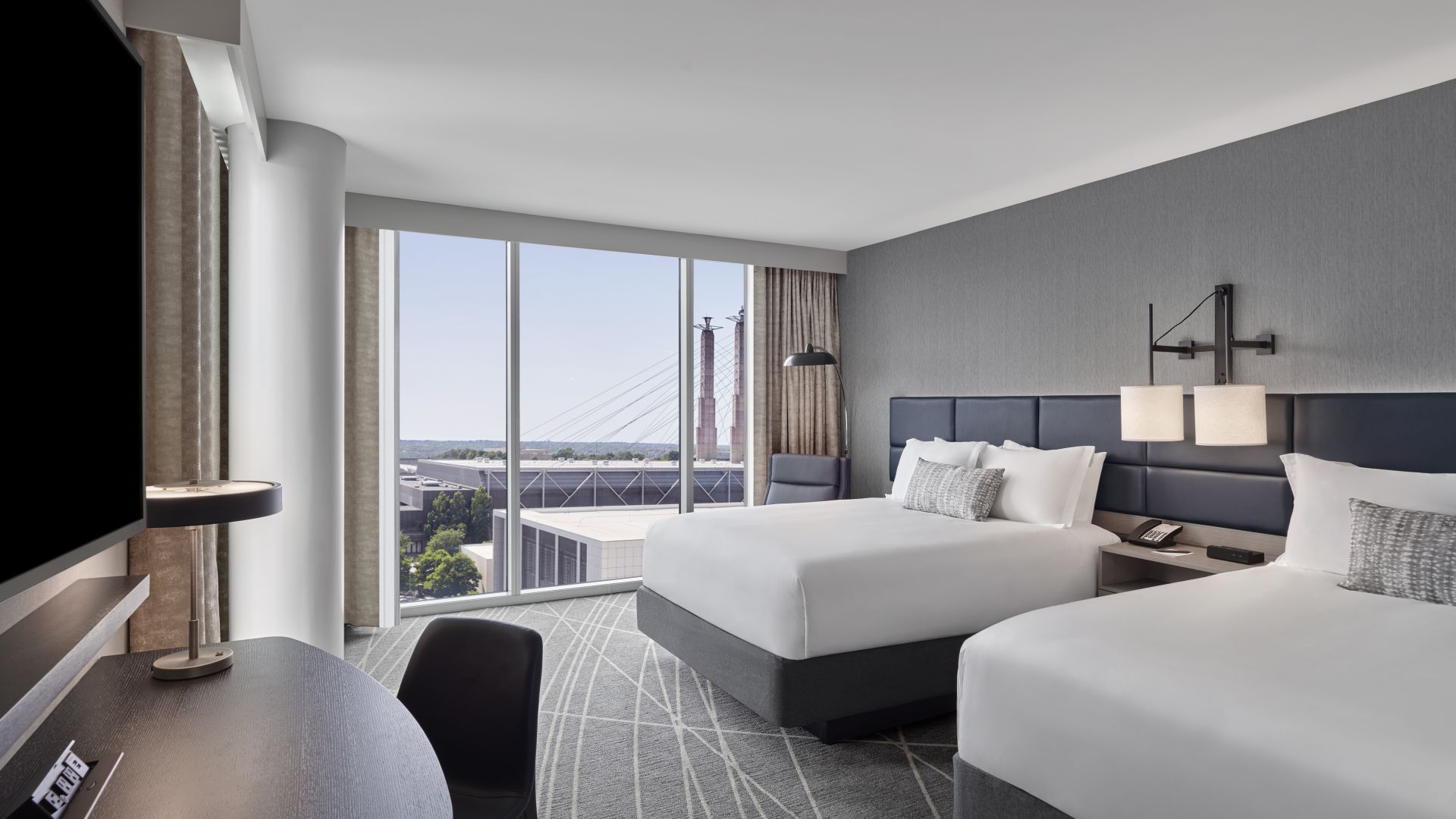
Tag: Hotel

  • Critics of SSNIT’s 60% hotel diversification call for feasible alternatives

    Critics of SSNIT’s 60% hotel diversification call for feasible alternatives

    In the aftermath the Board and Management of the Social Security and National Insurance Trust (SSNIT) decided to find a strategic investor for its hotels, a variety of media commentaries and articles have emerged regarding this move.

    Some of these perspectives aim to clarify why SSNIT needs to sell 60 percent of its hotel shares to a private investor for management and dividends, while others seem to intentionally damage the institution’s reputation.

    Despite these criticisms, it is crucial for the public, especially workers, to recognize that the SSNIT scheme is stable and that pensions for retirees accurately reflect their earnings during active service. In fact, the same scheme criticized for low pensions is providing monthly pensions of GH¢25,000, GH¢50,000, GH¢93,000, and even over GH¢186,000 to its beneficiaries.

    It is noteworthy that the effort to divest SSNIT’s 60 percent share in the hotels began in 2010. It wasn’t until 2017-2018 that the current Board endorsed a Competitive Tendering process to appoint a transactional advisor and select a strategic investor, in line with the Procurement Act. Thus, this process is neither recent nor secretive.

    Since SSNIT transitioned from a Provident Fund to a Pension Fund in 1991, it has reliably fulfilled its financial duties, ensuring the prompt payment of monthly pensions and benefits to eligible recipients. Its strong financial standing guarantees that all legitimate claims are processed and settled without delay.

    Given this, it is perplexing that some would question SSNIT’s ability to meet its financial commitments based on recent events, such as the proposed sale of a 60 percent stake in SSNIT hotels and concerns raised by the Labour Union. These doubts seem to be driven by malice and lack merit. Similarly, accusations of mismanagement, poor investment, and questionable decisions leading to financial and operational issues are unsupported by the current evidence.

    This article will address various comments and articles that were written with the intent to undermine the institution, and I will provide my honest perspective on them.

    Financial/operational performance & benefits payment

    Some critics have noted that SSNIT experienced a major drop in total income in 2021, primarily due to an 18% decrease in net contributions, which fell from GH¢4,106,623,000 in 2020 to GH¢3,368,335,000. They argue that this decline reflects poor management decisions in handling and expanding the Scheme’s main revenue source.

    Additionally, they claim that the issue stems from political appointees running SSNIT who lack the necessary expertise in finance and social security management.

    Upon reviewing SSNIT’s 2021 Annual Report, it is clear that these criticisms are inaccurate and misleading. The actual total operating income for SSNIT in the 2021 financial year was GH¢3,903,635,000, not GH¢3,368,335,000. While the figure cited (GH¢3,368,335,000) is correct, it represents the net contributions received, not the total income.

    Although SSNIT’s total operating income decreased from GH¢4,664,768,000 in 2020 to GH¢3,903,635,000 in 2021, this reduction is not due to mismanagement as suggested. The claims of mismanagement are fundamentally incorrect, misguided, and seem to be driven by ill intent.

    Why the decrease?

    The Bank of Ghana (BoG) in 2021 directed banks and Specialised Deposit-Taking Institutions (SDI) not to pay dividend to shareholders for the 2020/21 financial year. According to the central bank, this directive was to ensure that the banking sector generally remained robust and resilient in the era of Covid-19 Pandemic. As the largest investor in Ghana’s financial sector (SSNIT) and having invested in 22 out of 36 stocks under the Ghana Stock Exchange, these investee banks did not pay dividends to SSNIT because of the directive from BoG.

    Again, reports gathered suggest that in 2020, SSNIT received GH¢2.6bn from the Controller and Accountant General’s (CAGD). This payment consists of GH¢1 billion in Government of Ghana (GoG) bonds as part payment of CAGD’s indebtedness to SSNIT and the remaining GH¢1.6 billion paid in cash to settle legacy debts – which dates back to past governments. Whereas in 2021, SSNIT received only a cash amount of GH¢1.39 billion from the CAGD without any bonds.

    Therefore, the decrease in total operating income cannot be classified as poor management decision, political interference, mismanagement nor a lack of requisite expertise. However, government’s dynamics regarding payment of contributions of public sector workers plays a crucial role in shoring up the total income of SSNIT.

    Already, SSNIT has noted it will continue to engage with the Government to settle the remaining arrears (principal) of its indebtedness, as well as penalties and accrued interests. Sources close to SSNIT have confirmed that these ongoing engagements have recently resulted in a positive outcome, with the Government settling approximately GH¢2.5 billion owed SSNIT.

    In terms of benefits paid to beneficiaries, more than GH¢3.6 billion was paid out as benefits for 2021 as compared to GH¢3.3 billion paid in 2020, representing an increase of 9.86percent. This demonstrates SSNIT’s commitment to honour its financial obligations to its beneficiaries coupled with the fact that the average processing time for pensions improved from 12 days in 2020 to 10 days in 2021. This indicates that the current Management of SSNIT has significantly improved on their operations and service delivery.

    Investment, expenditure and political interference

    As of December 31, 2021, the total investment portfolio of the Trust had increased by 12.13percent from GH¢10,084.36 million in 2020 to GH¢11,307.75 million which shows prudent investment strategies. The significant improvement in returns is mainly due to the excellent performance of listed equities under the Ghana Stock Exchange.

    So, for someone to suggest mismanagement and questionable decision on the part of current Management of SSNIT in this regard, this evidence cited above points that their claim of mismanagement and political interference is ambiguous, vague and “outmoded at birth.”

    Over the past years, SSNIT’s Investment Portfolio has grown by 21.31 percent, from GH¢9,321.45 million in 2017 to GH¢11,307.75 million in 2021, representing a compounded annual growth of 4.95percent over the five-year period under review.

    To address the issue of a surge in total expenditure, it is important to consider both direct costs and operational &administrative costs. SSNIT is mandated by Article 80 of the National Pensions Act, 2008 (Act 766) to annually review and index pension payments. As long as it adheres to this mandate, coupled with the increasing number of retirees on a daily basis, it is expected that the SSNIT’s direct costs and expenditures will rise.

    The increase in expenditure cannot be attributed to mismanagement, questionable decisions, or political interference by the Government, but to improve the lot of pensioners as SSNIT seeks to maintain the Pensioners’ purchasing power.

    Position of the trust/contributor base

    The active contributor population increased from 1,633,505 in 2020 to 1,734,168 in 2021, representing a modest growth of 6.16percent. The current number of active contributors is more than 1.9 million, information available on SSNIT website suggests.

    In addition, the number of pensioners also decreased from 227,407 to 225,768, representing a dip of 0.72percent. This decrease was as a result of the mass deactivation of the names of 22,920 pensioners from the Pension Payroll for the non-renewal of their Pensioner Certificates. At any point when a deactivated pensioner resurfaces, they are reactivated on the Scheme and paid what is due them.

    Following the recent External Actuarial Valuation Report by the International Labour Organisation (ILO), SSNIT noted that theScheme receives contributions and has enough funds to pay accruing benefits due members. Indeed, the Scheme is partially funded and that pensions and its related benefits are funded from contributions and returns from investments. Over the past years, there has been steady growth in contributions and investment returns. This growth is well supported by the current demographics and the SSNIT’s resilience in enrolling new workers, particularly the self-employed, and encouraging them to contribute to the Scheme.

    Recently, it was reported that over 100,000 self-employed individuals have joined SSNIT and are actively contributing. This is certainly a good step by Management in their attempt to provide income security for workers and ensure that all workers get pension upon retirement. People cannot underestimate these achievements for political gains.

    Portfolio performance

    It should be noted that SSNIT does not make investments without guidance. All investment decisions are made in accordance with its Investment Policy & Guidelines and approved by the sector regulator, the National Pensions Regulatory Authority (NPRA). According to SSNIT’s Annual Report for the period ended 2021, Gross Investment Income recorded in 2021 amounted toGH¢495.54 million. This amount represents an increase of 0.79percent compared to the 2020 figure of GH¢491.64 million.

    SSNIT has indicated that it will continue to appraise and restructure its investment portfolio in accordance with their Investment Policy & Guidelines to achieve short-to-medium term investment objectives. The move goes to suggest that the organisation is well positioned to withstand any economic downturn as it did when the Covid-19 Pandemic struck. When companies were laying off employees and/or downsizing, SSNIT paid over 200,000 Pensioners on its pension payroll throughout the Covid period.

    These points demonstrate SSNIT’s commitment to financial prudence, investment growth, and operational efficiency amidst challenging conditions as against the call by some social commentators that SSNIT is in operational crisis, necessitating urgent restructuring. Such calls cannot be substantiated with facts and should be ignored.

    Sale of 60 percent shares and conflict of interest

    Reports reveal that more than GH¢200 million has been invested in hotels, yet SSNIT has not received any dividends in return. Those who oppose the Trust’s decision to divest a 60percent stake in the hotels to a private investor should propose viable alternatives to revive these properties. Definitely, SSNIT should not continue investing workers‘ contributions and pensioners’ fund into underperforming assets.

    Importantly, both the SSNIT Board and Management have been proactive in safeguarding the Scheme, stating their commitment to ongoing engagements with stakeholders, particularly Labor Unions, to chart the way forward. Regarding conflict of interest that has been widely talked about, I would want to hold on and defer my submission until the Commissioner on Human Rights and Administrative Justice (CHRAJ) completes their investigation, releases their findings before expressing my candid opinion.

    Conclusion/SSNIT’s value proposition

    A value proposition demonstrates the uniqueness of a product a brand offers to members, clients, and the public that no other competitor provides. The SSNIT Scheme, for example, offers unique value and pays benefits promptly. For instance, SSNIT pensioners, including my father, will attest that they receive payment alerts every third Thursday of the month.

    It is instructive to note that the SSNIT Scheme pays monthly pension until death if one contributes for the minimum 180 months and more. Thus Pensioners get peace of mind knowing that every month, their account will be credited. The Scheme also provides disability insurance to contributors in the event of accident or permanent illness that prevents a contributor from working again. This implies that if a member cannot work again due to accident or illness, SSNIT steps in to pay monthly pension to qualified beneficiaries regardless of age.

    Also, the Scheme provides life insurance to Members through the payment of Survivors’ Benefits to the nominated dependants. This gives assurance to members that should they pass on, their survivors would be paid a lump sum by SSNIT.


  • Lois Koranteng’s death follows the death of her mother and grandmother all this year

    Lois Koranteng’s death follows the death of her mother and grandmother all this year

    The recent passing of 24-year-old Lois Abena Koranteng has cast a devastating shadow over her family, compounding a year already marred by multiple tragic losses.

    Lois, a graduate of Kwame Nkrumah University of Science and Technology, met her untimely demise under circumstances that have sparked widespread public outcry and demands for justice.

    Lois was reportedly found unconscious in a hotel swimming pool during a business trip with her supervisor and a company driver in Takoradi on June 8, 2024.

    Despite efforts to resuscitate her, she was pronounced dead upon arrival at the hospital. The exact circumstances surrounding her death remain under investigation by the Ghana Police Service, who conducted an autopsy revealing the causes as asphyxia, severe pulmonary edema, and drowning.

    In a heartbreaking revelation, Lois’s family shared the immense grief they have endured this year, having already lost her mother and grandmother prior to Lois’s tragic passing. According to her uncle, Kwesi Kidman, the family was in the midst of arranging funeral proceedings for Lois’s mother and grandmother when they received the devastating news of Lois’s death.

    “This year has been incredibly difficult for our family,” Kwesi Kidman lamented in a viral Facebook post. “We lost my sister, then my mother passed away due to shock shortly after. As we were preparing to lay them to rest, we received the tragic news of Lois’s death in Takoradi. It’s been a year of unbearable loss.”

    George Agyenim Boateng, Lois’s brother, expressed dissatisfaction with the pace of the police investigation and the lack of communication from authorities regarding the progress made in Lois’s case. He emphasized the family’s plea for justice and transparency in uncovering the circumstances leading to her death.

    The Inspector General of Police, Dr. George Akuffo Dampare, recently reached out to the family, acknowledging their concerns and apologizing for the inadequate engagement initially experienced by the family. He assured them of ongoing efforts to thoroughly investigate the incident and pledged to keep the family updated on any developments.

    As the investigation continues, the family remains determined to seek justice for Lois and to honor the memories of their loved ones who have tragically departed this year.

  • Video: Watch how some ‘Nigerian big boys’ checked out from a luxury hotel

    Video: Watch how some ‘Nigerian big boys’ checked out from a luxury hotel

    A luxury hotel in an undisclosed location recently experienced a shocking incident during checkout, as guests identified as Nigerian boys caused extensive damage to the property.

    The incident, captured on video and widely circulated on social media, has sparked outrage and discussions about responsible behavior and hotel management.

    According to reports, the boys had been staying at the hotel for an unspecified period, enjoying the amenities and services provided.

    However, when it came time to check out, they took matters into their own hands and dismantled several items from their room, including a 42-inch TV, tissue paper, and even a King size bed.

    Social media has been abuzz with reactions to the news, with many condemning the boys for their vandalism while others criticize the hotel for not ensuring better security and oversight.

    The incident serves as a reminder of the importance of responsible tourism and respectful behavior towards property, regardless of the setting.

    Watch video below:

  • 5-star hotel in California sued for serving woman with bottled water containing a man’s seed

    5-star hotel in California sued for serving woman with bottled water containing a man’s seed

    A woman has filed a lawsuit against a prestigious 5-star hotel after a laboratory analysis confirmed that the bottled water she purchased at the establishment was tainted with human semen.

    The woman, identified as Jane Doe, is an American citizen who, along with her husband, John Doe, stayed at the upscale Ritz-Carlton Hotel in Half Moon Bay, California, for a four-night visit in November.

    During their stay, an incident occurred where a hotel staff member provided Jane Doe with water that was later discovered to be contaminated.

    While at the hotel, Jane Doe had requested water, and a member of the hotel staff delivered several bottles. She placed one of these bottles on the nightstand beside her bed and went to sleep.

    Later in the night, she woke up feeling thirsty and decided to drink some water from the bottle. It was at this point that she noticed an unusual taste, leading to her realization that the water was not as it should have been.

    “She opened it, took a drink, and knew immediately that something was wrong with the liquid she had just swallowed. Jane Doe was mortified, terrified, embarrassed, and humiliated, but shared her suspicion with her husband, who then asked the hotel security and management representatives to call the police,” Jane Doe’s lawyers are quoted to have said in a lawsuit.

    Upon the arrival of the police, Jane and John expressed their suspicion that the water they had been served was potentially tainted with semen. Their serious accusation prompted the law enforcement officers to collect a sample for laboratory analysis.

    To the astonishment of all parties involved, the laboratory test unequivocally validated the couple’s claim, confirming that the water they had consumed was indeed contaminated with human semen.

    “The Ritz-Carlton subsequently sent the water bottle to a laboratory for analysis, and the testing confirmed that the water contained semen,” court documents are quoted to have revealed.

    Interestingly, reports say Ritz-Carlton has refused to “disclose the identities of the hotel employees on duty that day so that their backgrounds and criminal histories can be scrutinized.”

    In the lawsuit filed on October 12, Jane Doe said her experience at the hotel left her feeling “anguish, nervousness, anxiety, grief, worry, shock, humiliation, and embarrassment.”

    In her legal action, she has filed charges against the hotel, including accusations of sexual battery, intentional infliction of emotional distress, negligence, and the loss of consortium.

  • Hotel industry in trouble over water pricing, among other things

    The Public Utilities Regulatory Commission (PURC) has received a petition from the Ghana Hotels Association (GHA) regarding the high water rates, which they claim are negatively affecting their members.

    While hotels had anticipated an 8.3 percent adjustment, as stated by the PURC earlier in the first quarter of this year, which would have increased the cost of water from roughly GH11.2 per cubic metre to approximately GH12.3, they actually saw a stunning 167 percent increase in their prices.

    “When hotels received their water bills for February 2023, our tariff per cubic metre of water was GH¢30, indicating a whopping 167 percent increase as against the 8.3 percent announced by the PURC,” lamented the Association’s president, Dr. Edward Ackah-Nyamike.

    In the meantime, it’s noteworthy that water tariffs have experienced three separate increases since the start of this year.

    During a press conference held in Accra, Dr. Ackah-Nyamike Jnr pointed out that the actions and decisions made by the utilities regulator, PURC, have led to significant financial burdens for hotels.

    He emphasized the need for an urgent resolution to what he described as an ongoing issue.

    Dr. Ackah-Nyamike Jnr recalled that the challenges for hotels began in January 2023 when PURC announced an 8.3 percent upward adjustment in water tariffs, effective from February 1, 2023.

    In light of what appears to be a lack of response from PURC, the Association has taken the step of submitting another petition to the regulatory body, hinting at the possibility of staging a protest at its offices if the perceived billing inaccuracies are not addressed.

    Furthermore, during this press conference, the Association also raised concerns about other issues that, in their view, are exacerbating the challenges faced by the industry.

    “The last thing we expect are actions and inactions from public agencies that seek to deepen our woes. We are referring specifically to the actions and inactions of government in keeping the COVID-19 levy in our tax books when the World Health Organisation (WHO) has declared the pandemic over.

    “The actions and inactions of government in implementing a new property rate payment regime that has increased property rates astronomically; the Ministry of Roads and Highways in making travel on some of the highways a nightmare for tourists, both domestic and international.

    “The actions and inactions of the Board of the Ghana Tourism Authority in the administration of the Tourism Development Fund, which are denying the Tourism Trade Associations of needed financial support to be effective partners in the public private sector collaboration mix. Also, the actions and inactions of the Ministry of Tourism, Arts and Culture and the Ghana Tourism Authority in under-utilising the Public Private Partnership Forum, as provided in the Tourism Act 817, to address industry challenges,” the president listed.

    In light of these concerns, the Association has urged the government to reevaluate what it has termed a “faceless” property rate system, which has the potential to further burden businesses.

    The Association’s president clarified that their objection is not against the payment of property rates but rather stems from their dissatisfaction with the substantial increases in these rates that property owners, including hoteliers, are now required to bear. He argued, “In an economic climate where businesses are already grappling with survival, the significant hikes in property rates without considering the existing rates are deeply concerning and distressing. A more thoughtful approach to adjusting property rates would have shown empathy for the challenges faced by the struggling business community, including hotels.”

    Furthermore, on the issue of deteriorating road conditions, the Association made an appeal to the Minister of Roads and Highways. They called for special attention to be given to the highways that connect to tourist destinations such as Cape Coast and Elmina Castles, Bisa Aberwa Museum, Ankasa Forest, Nzelezu, and others, emphasizing the importance of maintaining these routes for tourism and local businesses.

    Tourism Development Fund

    “Another worrying trend over the past few years has been the lack of accountability in disbursement of the fund. To put it more bluntly, the administration of the Tourism Development Fund has denied the Tourism Trade Associations much-need financial support to be effective partners in the public private sector. We call on the Board of the Ghana Tourism Authority to revisit the proposal for a portion of the fund to be allocated to functional tourism trade associations every year, to support administration of the associations.

    “We also call on the board to revert to the old practice wherein stakeholders were updated regularly on the inflows and outflows of the fund,” he appealed.

    The necessary hotel membership, copyright royalties, and funding of training programs are just a few of the other issues he brought up. None of these have gotten the proper attention. Additionally, he exhorted the ministry and Ghana Tourism Authority to seek to maximize the benefits of the Public Private Partnership Forum (PPPF).

    According to Dr. Edward Ackah-Nyamike Jr., these trends need to be addressed right now since they are essential to the survival of the hotel sector as well as the tourist and hospitality industry as a whole.

  • Labadi Beach Hotel appoints first-ever Ghanaian MD

    Labadi Beach Hotel appoints first-ever Ghanaian MD

    David Eduaful has been appointed by Ghana’s premier five-star hotel, Labadi Beach Hotel as its Managing Director (MD).

    David Eduaful is an accomplished hospitality professional with over 30 years of experience in the industry. He is the first ever Ghanaian Managing Director of a five-star hotel in the country having previously served in various capacities in the hotel.

    With his extensive knowledge and expertise, David has successfully played both a strategic and operational role in the hotel. His diverse local and international experience has provided him with a comprehensive understanding of different aspects of the sector.

    David’s educational background includes an Executive Masters in Business Administration from the University of Ghana Business School and a Degree in Marketing from the Central University in Ghana.

    Commenting on the landmark appointment, Professor Douglas Boateng, Acting Chairman of the Board said “David’s commitment to service delivery quality, client relationship management and unquestionable passion for the hospitality industry continues to receive admiration from the supervisory Board of the hotel and his peers”.

    Since its inception in 1991, the Hotel has led Ghana’s hospitality industry, providing exceptional services to its cherished guests, and thus contributing immensely to the Tourism sector and by extension the economy of Ghana.

    Set amidst tropical landscaped gardens, adjacent to one of Ghana’s most popular beaches in the Country’s central business district, the hotel caters for business and leisure travelers.

    Labadi Beach Hotel which started with 104 rooms in 1991 can now boast of 164 rooms including 2 Presidential Suites, 4 Executive Suites, 4 Superior Suites, 5 Bars, 2 restaurants, a 900- seater multipurpose conference and banqueting facilities, a Spa with plunge pool, well-equipped Gym, Lagoon for fishing, 2 plush Leisure and lap pools on a sprawling tropical landscaped garden overlooking the natural Maale Lagoon.

    Clientele of the hotel have included the British Monarchy, Heads of state, Prime Ministers, and very important personalities who continue to make it their preferred resort for business and leisure activities.

    Speaking to the press, Mr. David Eduaful said, “The success story of this indigenous brand can be attributed to its innovative approach, an adaptation of the highest standards of operation and service delivery through its dedicated and most passionate staff who go the extra mile to exceed the expectations of customers’’.

    Labadi Beach Hotel has consolidated its lead in the Hospitality industry by winning many awards including recently the coveted CIMG Hospitality Facility of the Year 2018, 2019 and 2021 respectively, Best Maintained Facility 2019, Best Events Hotel Venue 2019 & 2020 respectively, Best 5-star Hotel of the Year award 2020 & 2021 respectively, Most Secure Hotel of the Year 2021, Most Digitalized Hotel of the Year 2021 organized by the Ghana Hotels Association and Hospitality Company of the Year 2022 awarded by Ghana Business Awards.

    In March 2023 the hotel paid a GHc10 million dividend to SSNIT, its sole shareholder.

    “With the unwavering support of the Board of Directors coupled with his strong leadership skills, and support from his management team, we are confident that David Eduaful will continue to make the hotel the most admired both locally and regionally”. Professor Boateng further stated on behalf of the entire board.

  • SA football club officials detained in Libyan hotel let go

    SA football club officials detained in Libyan hotel let go

    Two South African football club officials who were held in a Libyan hotel for nearly three weeks due to a money dispute say they feared for their safety during the experience.

    “When you see how Benghazi is – vandalised buildings, the army – you will get scared. We don’t see that often in South Africa,” physio Tebogo Amos Dhlomo told journalists on Tuesday.

    The two had traveled to Benghazi with Marumo Gallants football team members for a match against Al Akhdar SC in a continental cup.

    After the game, they were held at the hotel due to unpaid bills, according to South African media reports.

    Uncertainty surrounds the issue, however a club official is cited on the news24 website as blaming problems with electronic payment systems for forcing cash payments.

    According to other accounts, the matter was settled as a result of the South African sports ministry’s intervention.

    Mr Dhlomo and media manager Rufus Matsena returned home on Sunday but narrated their ordeal on Tuesday at a media briefing attended by government officials.

  • Libya detains SA officials over unpaid bills

    Libya detains SA officials over unpaid bills

    Marumo Gallants FC, a South African Premier Division team, claims to be attempting to settle a “financial dispute” that has left two of its staff members detained in a Libyan hotel for two weeks due to unpaid expenses.

    It comes after Gallants’ game against Al Akhdar in the African Confederation Cup last month in Benghazi.

    Rufus Matsena, the team manager, and Dina Dhlomo, the physiotherapist, were denied permission to leave the team’s lodging following the game because the club allegedly failed to pay the hotel bill and other expenses incurred during the stay.

    In a statement, the club said they are in “communication with relevant officials to resolve the situation” and that the officials are “safe and waiting for the matter to be settled”.

    According to Reuters, the South African government has stepped in to try and settle the matter.

    The detention is the culmination of a trip described by the club’s English coach, Dylan Kerr, as a “nightmare”.

    The team were delayed in Istanbul for three days while in transit, waiting for onward tickets to Libya to be bought.

    They finally arrived in Benghazi on matchday and went straight to the stadium from the airport without their kit. The match had already been pushed back by three hours, but the hosts were not informed and arrived at the Matyrs of February stadium to find no officials and no opponent.

    Despite a 4-1 defeat in Libya, Gallants finished top of their group to qualify for the knockout stages of the continent’s second-tier club competition.

    But taking part in the tournament, with travel to Algeria and DR Congo as well as Libya, has strained the team’s finances to such an extent that on Sunday they needed financial support from provincial authorities to help cover expenses for their last group match against Saint-Eloi Lupopo in Johannesburg.

    The club, who are currently bottom of the Premier Division, say they will not be making any further comment until its two employees in Libya have been released.

  • Microbiologist reveals shocking truth about germs in hotel rooms

    Microbiologist reveals shocking truth about germs in hotel rooms

    The majority of  people either look forward to or consider staying at a hotel as part of a vacation or larger excursion. 

    But what if I told you there’s a good possibility the hotel room isn’t as clean as it might seem to the untrained eye. And just because a room is pricey doesn’t necessarily mean that it is any less unclean.

    There will undoubtedly be bacteria, fungus, and viruses all over the furniture, carpets, drapes, and surfaces in the room from previous guests. How thoroughly hotel staff cleans your room will determine how much of these germ deposits are still present.

    Typically, assessment of hotel room cleanliness is based on sight and smell observations — not on the invisible microbiology of the space, which is where the infection risks reside. So let’s take a deep dive into the world of germs, bugs and viruses to find out what might be lurking where.

    It starts at the lift

    Before you even enter your room, think of the hotel lift buttons as germ hotspots. They are being pressed all the time by many different people, which can transfer microorganisms onto the button surface, as well back onto the presser’s fingers.

    Communal door handles can be similar in terms of germ presence unless sanitised regularly. Wash your hands or use a hand sanitiser after using a handle before you next touch your face or eat or drink.

    The most common infections people pick up from hotel rooms are tummy bugs – diarrhoea and vomiting – along with respiratory viruses, such as colds and pneumonia, as well as COVID-19, of course.

    Toilets and bathrooms tend to be cleaned more thoroughly than the rest of a hotel room and are often the least bacteriologically colonised environments.

    Though if the drinking glass in the bathroom is not disposable, wash it before use (body wash or shampoo are effective dishwashers), as you can never be sure if they’ve been cleaned properly. Bathroom door handles may also be colonised by pathogens from unwashed hands or dirty washcloths.

    Beware the remote

    The bed, sheets and pillows can also be home to some unwanted visitors. A 2020 study found that after a pre-symptomatic COVID-19 patient occupied a hotel room there was significant viral contamination of many surfaces, with levels being particularly high within the sheets, pillow case and quilt cover.

    While sheets and pillowcases may be more likely to be changed between occupants, bedspreads may not, meaning these fabrics may become invisible reservoirs for pathogens – as much as a toilet seat. Though in some cases sheets aren’t always changed between guests, so it may be better to just bring your own.

    Less thought about is what lives on the hotel room desk, bedside table, telephone, kettle, coffee machine, light switch or TV remote – as these surfaces aren’t always sanitised between occupancies.

    Viruses such as the norovirus can live in an infectious form for days on hard surfaces, as can COVID-19 – and the typical time interval between room changeovers is often less than 12 hours.

    Soft fabric furnishings such as cushions, chairs, curtains and blinds are also difficult to clean and may not be sanitised other than to remove stains between guests, so washing your hands after touching them might be a good idea.

    Uninvited guests

    If all those germs and dirty surfaces aren’t enough to contend with, there are also bedbugs to think about. These bloodsucking insects are experts at secreting themselves into narrow, small spaces, remaining dormant without feeding for months.

    Small spaces include the cracks and crevices of luggage, mattresses and bedding. Bed bugs are widespread throughout Europe, Africa, the US and Asia – and are often found in hotels. And just because a room looks and smells clean, doesn’t mean there may not be bed bugs lurking.

    Fortunately, bed bug bites are unlikely to give you a transmissible disease, but the bite areas can become inflamed and infected. For the detection of bedbugs, reddish skin bites and blood spots on sheets are signs of an active infestation (use an antiseptic cream on the bites).

    Other signs can be found on your mattress, behind the headboard and inside drawers and the wardrobe: brown spots could be remains of faeces, bed bug skins are brownish-silvery looking and live bed bugs are brown coloured and typically one to seven millimetres in length.

    Inform the hotel if you think there are bed bugs in your room. And to avoid taking them with you when you checkout, carefully clean your luggage and clothes before opening them at home.

    As higher-status hotels tend to have more frequent room usage, a more expensive room at a five-star hotel does not necessarily mean greater cleanliness, as room cleaning costs reduce profit margins. So wherever you’re staying, take with you a pack of antiseptic wipes and use them on the hard surfaces in your hotel room.

    Also, wash or sanitise your hands often – especially before you eat or drink anything. And take slippers or thick socks with you so you can avoid walking barefoot on hotel carpets – known to be another dirt hotspot. And after all that, enjoy your stay.

    This article is republished from The Conversation Africa under a Creative Commons license.

  • Attack on hotel in Somalia’s Kismayo ends with 9 civilians dead

    A car laden with explosives rammed the gate of the hotel and was followed by an attack claimed by the al-Shabab armed group.

    An attack on a hotel in the centre of the port city of Kismayo in southern Somalia killed nine civilians on Sunday before security forces killed the gunmen.

    Security officers killed three of the attackers and a fourth died in the bomb blast, said Yussuf Hussein Dhumal, security minister for Jubbaland.

    “In the explosion, nine people including students and civilians were killed and 47 others were injured, some of them seriously,” Dhumal said.

    “The hotel where the explosion happened was near a school so many students were injured.”

    A car laden with explosives rammed the gate of the hotel and was followed by an attack claimed by the al-Shabab armed group.

    The port city is the latest to be hit following a resurgence of bloody attacks in recent months by the al-Qaeda-linked organisation, which has mainly targeted the capital Mogadishu and central Somalia.

    Sunday’s assault began at 12:45pm (09:45 GMT) when a booby-trapped car rammed the entrance of Hotel Tawakal.

    “This is not a government target,” said police officer Abdullahi Ismail. “It is just an ordinary, civilian-frequented hotel.”

    But Abdiasis Abu Musab, al-Shabab’s military operation spokesperson, said the group intended to strike Jubbaland region’s administrators who work from the hotel.

    Kismayo is the commercial capital of Jubbaland, a region of southern Somalia still partly controlled by al-Shabab, which was driven out of the urban centre in 2012.

    The armed group was driven out of Mogadishu by African Union forces in 2011. However, it still controls swaths of the countryside.

    The city’s port had been a major source of revenue for the group from taxes, charcoal exports, and levies on arms and other illegal imports.

    Al-Shabab has been trying to overthrow the government for more than 15 years and regularly attacks civilian and military targets.

    Thousands of Somalis have been killed in a decade-long rebellion.

    In August it launched a 30-hour gun and bomb attack on the popular Hayat hotel in Mogadishu, killing 21 people and wounding 117.

    In 2019, the group conducted a similar attack on a hotel in Kismayo, killing 26 and injuring 56.

    Somali President Hassan Sheikh Mohamud, who was elected in May, vowed after the siege in August to wage “all-out war” on the group.

    Source: Aljazeera


  • Six hotels, other hospitality facilities closed down in Ahafo Region

    The Ghana Tourism Authority (GTA) has shut down six hotels and other hospitality facilities in the Ahafo Region for operating without licences.

    The affected facilities included pubs, and catering services among others at Sankore, Mim, Mehame Nkwanta, Goaso, and Kenyasi.

    The Ahafo, Bono and Bono East Regional Director of Authority, Joseph Appiagyei, who led the taskforce including the Ghana Police Service for the exercise, explained that the facilities in question are operating without regulatory permits of the GTA.

    6 hotels, other hospitality facilities closed down in Ahafo Region

    He told Adom News that the GTA gave them countless notices to do the needful in accordance with the law.

    However, these cautions seem to have fallen on deaf ears.

    The GTA, in collaboration with the police, subsequently moved in to close them down to safeguard those who patronise their goods and services.

    6 hotels, other hospitality facilities closed down in Ahafo Region

    To him, the said attitude by the owners and managers is not helping the country.

    According to Joseph Appiagyei, managers of the closed-down facilities in the Ahafo Region have up to seven working days to come to their office in Sunyani to prove compliance to avoid being processed for court.

    He further hinted that persons who breach the closure directive will be dealt with drastically.


    Source: Adom Online


  • Hotel operations in slow start

    Barely two weeks after the opening of the Kotoka International Airport (KIA) to commercial flights, hotels in Accra are yet to experience an upsurge in patronage.

    The Daily Graphic’s enquiries at some of the hotels and guest houses in the capital have indicated that although there is an uptick in foreign clients after the opening of the airport, patronage still remains low.

    It became clear that hotels that relied on foreign guests bore much of the brunt of the low patronage, compared with their counterparts that drew on local clients.

    The hotels and restaurants sub sector of the hospitality industry is one of the greatest hit by the coronavirus disease (COVID-19) pandemic.

    Since the lockdown in March this year to contain the spread of the virus, the industry has laid off 40,000 workers, according to the Ghana Hotels Association (GHA).

    According to the Ghana Statistical Service, the hotels and restaurants sub-sector of the economy contracted by 74.9 per cent in the second quarter of the year, a dip that equals 0.8 per cent of total productivity in the economy.

    Some accounts

    The Sales and Marketing Manager of the Accra City Hotel, Mr. Yaw K. Mamphey, told the Daily Graphic that in spite of the resumption of scheduled flights into the country by some of the international airlines, patronage of four- and five-star hotels remained low.

    Given that cabin crew and pilots are some of the most frequent clients of four- and five-star hotels, the resumption of their activities was expected to provide those hotels a window for recovery after the devastating COVID-19 pandemic had completely shut down their operations.

    However, Mr. Mamphey said that was a drop in the ocean.

    “What we are recording now are still small numbers and we use these numbers to say there is a rise. So, yes, there are some activities after the airport opened, but patronage is still very low,” he said.

    COVID-19 rates

    At the Mövenpick Ambassador Hotel, one of the managers, who did not want to be named, told the Daily Graphic that the hotel was still charging ‘COVID-19’ rates, which were lower rates, indicating that not much had changed since the pandemic restrictions were relaxed.

    He said most of the measures that were adopted when the pandemic broke out were still in place, and added that it had not begun full operations yet.

    “Our staff are still running the shift system because there is not much activity, although things are improving gradually. But we still have to wait for a month or two and see,” he said.

    There was not much activity at the Kempinski Hotel when the Daily Graphic team got there around midday yesterday.

    The lobby of the imposing hotel, as well as its car park, which were usually full in normal times, were empty.

    The situation was not different at the La Palm Royal Beach Hotel and the Labadi Beach Hotel.

    Local patronage

    But at the Blue Leaf Guest House at Osu, the General Manager, Mr. Alex Hansen, said the facility was doing brisk business because locals had been its main clientele.

    In the last few days since the opening of the KIA, he said, the guest house had been recording patronage from some foreigners.

    “For us, because we get a lot of local bookings, we have been doing well since the ease of restrictions, and even recently the foreigners too are coming in,” he said.

    In a separate interview, the Manager of the Serefina Guest House at Achimota, Ms. Adwoa Takyie, said the facility resumed full operations right after the restrictions on movements had been lifted in Accra.

    Exceptions

    At the Marriott Hotel at the Airport City, there were a lot of activities going on at the time the team visited.

    There were two separate conferences running simultaneously and travellers were seen checking into the hotel.

    Although the Sales and Marketing Manager was not available for comment when the team arrived at the hotel around 2 p.m., the Daily Graphic observed that patronage was high, with both restaurants in the facility full during lunch.

    The Sales and Marketing Manager of the Peduase Valley Resort in the Eastern Region, Mr. Paul Sasu, said the COVID-19 pandemic had negatively affected the income generation of the facility.

    That, he said, was because although the facility relied on local patronage and had clients coming in every day, it was unable to operate at full capacity, hence the shortfall in sales.

    Meanwhile, the Holiday Inn Hotel had temporarily been shut down when the team visited the facility.

    Association

    The President of the GHA, Dr. Ackah-Nyamike, told the Daily Graphic that to help bring hotels back to profitability, the government had directed the refund of water bills paid by the hotels from April to September.

    He said the government must also introduce the 50 per cent discount on electricity tariffs to hotels for the last quarter of the year to cushion their operations.

    Source: graphic.com.gh

  • Health Director chased for GH¢ 219,000 hotel bill for quarantined staff

    The Northern Regional Health Director, Dr. John B. Eleeza, has disclosed that his office is being chased to settle a hotel bill of GH¢219,000 by the hotel management in Tamale.

    “The people are chasing us right, left, center for their money, ” he said.

    According to him, the hotel was used to quarantine health workers who came into contact with the eight Guineans and two Burkinabes who tested positive for Covid-19 in Tamale in the Northern Region .

    Forty health workers at the Tamale Teaching Hospital who got into contact with the foreigners were put on mandatory quarantine.

    The Health Director was responding to a question on why health workers in the region are asked to self quarantine instead of the health directorate.

    He indicated that the bill has been sent to the Regional Ministers’ office for the necessary action.

    Dr. Eleeza was optimistic that the bill will eventually be paid.

    He cautioned health workers to treat every patient as a potential Covid-19 patient to ensure that they protect themselves from being infected.

    Source: Daily Guide Network

  • Lady found dead in hotel room

    Police have launched investigations into the murder of a woman whose body was found at Central Guest House on Sunday.

    The woman, identified as Joyce, was an employee at the same guest house and her lifeless body was found on the bed in one of the rooms at about 5.30pm.

    Read: 2 women found dead near hotel; used and fresh condoms retrieved at the scene

    Makueni County Police Commander Joseph Ole Naipeyan confirmed the incident to Kenya News Agency on Monday.

    “The woman had reported for the day shift at 9am and took over from [Dominic] Mburu. However, when Mburu reported back at five, he did not find her at the reception. He searched for her and found her lying in a pool of blood, her throat was slit. A kitchen knife was found under her head,” said Ole Naipeyan.

    Read: Willi Roi of Zylofon Media is dead

    The police commander said the handle of the killer weapon was found on the floor of the room and police are hunting for her killers.

    The body was taken to Makueni Referral Hospital Mortuary.


    Source: www.ghanaguardian.com